
When is the Best Time to Visit Great Wall of China
China’s legendary serpentine landmark offers breathtaking vistas across all seasons, but autumn brings unmatched conditions for exploration. Between September and November, crisp air and golden foliage create picture-perfect moments along ancient watchtowers. Temperatures hover near 60°F (15°C), ideal for hiking rugged trails without summer’s humidity or winter’s biting chill.
Weather patterns shift dramatically along this 13,000-mile marvel. Northern sections near Beijing plunge below 14°F (-10°C) in January, while July heatwaves can exceed 100°F (38°C). These extremes impact accessibility, with some remote segments closing during heavy snowfall or monsoon rains.
Travelers seeking vibrant landscapes often favor spring blossoms or autumn’s fiery palette. However, each season unveils unique charms – snow-dusted battlements in winter or emerald valleys in summer. Domestic tourism peaks during national holidays, making shoulder months preferable for tranquil visits.
Key Takeaways
- Autumn (September-November) offers optimal weather for photography and hiking
- Temperature extremes range from -10°C in winter to 38°C in summer
- Crowd levels fluctuate significantly with Chinese holiday periods
- Certain wall sections become inaccessible during extreme weather
- Seasonal changes dramatically alter photographic opportunities
Understanding the Seasons at the Great Wall
The Great Wall’s ever-changing environment presents distinct seasonal personalities shaped by elevation and geography. Its mountainous terrain creates microclimates where conditions often differ sharply from Beijing’s urban weather. Visitors planning excursions should account for these variations to fully appreciate the structure’s grandeur.
Weather Patterns Through the Year
Elevation plays a critical role in temperature shifts along the ancient fortifications. While Beijing basks in spring warmth by April, higher sections retain winter’s chill until May. Summer brings relief from city heat through cool mountain breezes, though sudden thunderstorms demand waterproof gear.
Autumn delivers the most stable climate, with October’s crisp air offering panoramic views of russet-hued valleys. Winter adventurers face sub-freezing temperatures but gain rare opportunities to photograph snow-draped battlements. Always check forecasts – conditions change rapidly across different wall china segments.
Extended multi-day tours – 5+ days
Featured Great Wall Multi-Day Tour Packages

3 days
Great Wall 3-Day Discovery Tour
- ✓ Comprehensive Great Wall experience
- ✓ Expert local guides included
- ✓ All accommodation included
- ✓ Transportation provided

5 days
Great Wall 5-Day Highlights Experience
- ✓ Comprehensive Great Wall experience
- ✓ Expert local guides included
- ✓ All accommodation included
- ✓ Transportation provided
7 days
Great Wall 7-Day Cultural Journey
- ✓ Comprehensive Great Wall experience
- ✓ Expert local guides included
- ✓ All accommodation included
- ✓ Transportation provided
10 days
Great Wall 10-Day Complete Adventure
- ✓ Comprehensive Great Wall experience
- ✓ Expert local guides included
- ✓ All accommodation included
- ✓ Transportation provided
Multi-day tour packages powered by TourRadar. Prices and availability subject to change.
Seasonal Scenery Variations
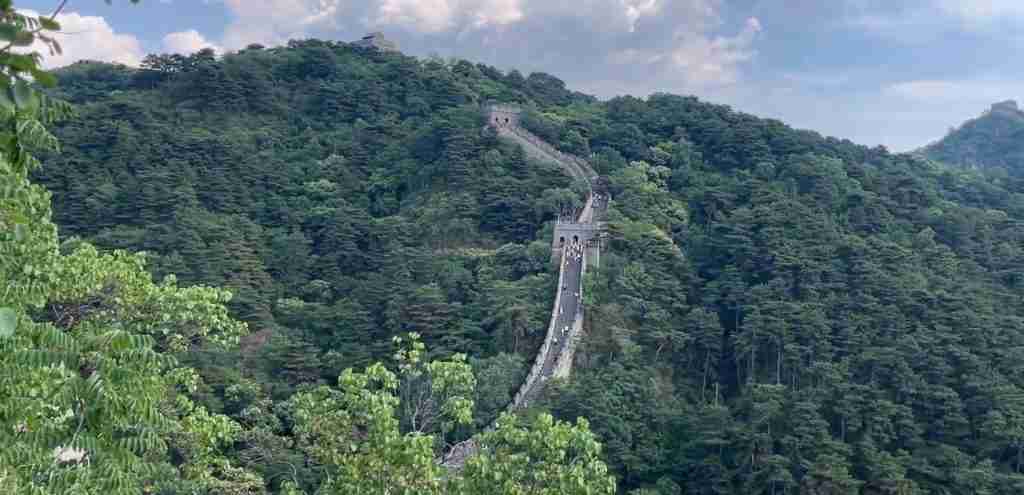
Spring transforms the landscape with cherry blossoms framing watchtowers, while summer cloaks mountains in lush greenery. The most dramatic shift occurs in fall when maple trees ignite the slopes in crimson and gold. Frost-kissed stones against stark winter skies create striking monochromatic vistas favored by photographers.
These visual transformations extend beyond aesthetics. Warmer months allow exploration of wildflower-lined paths, while colder seasons reveal the structure’s raw architectural power. Each period offers unique perspectives on this UNESCO marvel, demanding multiple visits to fully grasp its diversity.
Best Time to Visit Great Wall of China: A Seasonal Breakdown
This ancient marvel reveals diverse personalities throughout the year, shaped by shifting weather and landscapes. Travelers can tailor their experience based on seasonal highlights, balancing comfort with visual rewards.
Mild Seasons: Nature’s Prime Display
April and May transform the terrain into a living canvas. Cherry blossoms frame watchtowers while valleys burst with fresh greenery. These months provide ideal hiking conditions – warm days without summer’s intensity.
September to November brings crisp air and fiery foliage. Clear skies reveal the structure winding through mountains draped in amber and scarlet. This period sees fewer crowds compared to peak travel seasons, allowing uninterrupted exploration.
Extreme Seasons: Unique Challenges and Rewards
June through August showcases lush vegetation but brings sweltering heat. While vibrant landscapes impress, midday temperatures often exceed 90°F. Early mornings offer cooler conditions for photography before crowds arrive.
December to February unveils a silent, snow-capped wonderland. Icy pathways demand caution, but brave visitors witness frost-covered battlements few ever see. This quiet season lets you absorb the great wall’s monumental scale without distractions.
Detailed Weather Insights and Packing Tips
Smart packing transforms a trip to the iconic landmark from endurance test to immersive experience. Seasonal shifts across the great wall’s sprawling terrain demand tailored approaches to clothing and equipment. Our team analyzes decade-long weather patterns to craft these essential recommendations.

What to Expect Weather-wise in Each Season
Spring mornings often surprise visitors with near-freezing temperatures at higher elevations, warming to 50°F (10°C) by midday. Summer brings intense sun exposure – UV indexes regularly hit 10+ – paired with sudden mountain showers. Autumn delivers crisp 40-65°F (4-18°C) days ideal for hiking, while winter sees sub-zero conditions requiring specialized gear.
Recommended Clothing and Gear
Strategic layering proves vital year-round. Start with moisture-wicking base layers, add insulating mid-layers, and finish with wind-resistant shells. For shoes, choose ankle-supporting hiking boots with aggressive tread – ancient stone steps become treacherous when wet or icy.
Summer travelers need wide-brimmed hats and UPF 50+ clothing alongside portable rain gear. Winter demands thermal underwear beneath insulated pants and parkas rated for -20°F (-29°C). Don’t overlook accessories: grippy gloves enhance safety on frosty handrails, while neck gaiters protect against biting winds.
Touring Different Sections of the Great Wall
Selecting which segment to explore shapes your encounter with China’s iconic fortification. Each preserved stretch tells a different story through its architecture, terrain, and visitor experience. While some sections buzz with activity, others whisper tales of ancient battles through crumbling stones.
Popular Sections Near Beijing
Badaling draws massive crowds with its proximity to the capital – just 50 miles northwest. Modern amenities like souvenir shops and cable cars cater to families, but weekdays offer slightly quieter moments. For a balance of convenience and authenticity, Mutianyu’s restored watchtowers and forested slopes charm visitors without overwhelming senses.
Hidden Gems and Less Crowded Areas
Adventurers find magic in Huangyaguan’s winding paths and original Ming Dynasty bricks. Its annual marathon route reveals panoramic valley views few tourists witness. Jinshanling rewards dedicated hikers with 10.5 miles of unrestored grandeur, where wildflowers frame photogenic guard towers at sunrise.
Travelers seeking solitude should time their arrival for early mornings or late afternoons. “The wall transforms when shadows stretch across its stones,” notes a Beijing-based historian. Remote sections like Jiankou demand sturdy footwear but deliver raw encounters with history untouched by modern hands.
Optimizing Your Visit Time and Avoiding Crowds
Strategic timing unlocks hidden serenity along this iconic structure, transforming crowded pathways into private historical journeys. Savvy explorers balance seasonal patterns with daily rhythms to experience the monument’s grandeur in peaceful solitude.
Best Times for Photography and Hiking
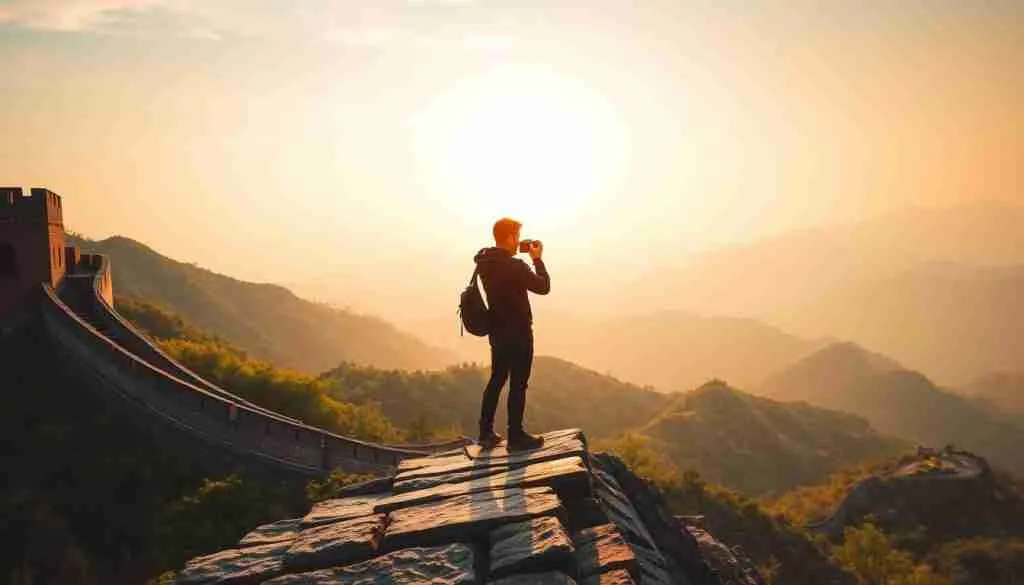
Sunrise warriors gain exclusive access to mist-shrouded battlements and golden-hour lighting. Arriving before 7:30 AM beats tour groups to prime photo spots, particularly at popular sections. Late afternoons (2-3 hours before closing) offer similar advantages as crowds thin toward dusk.
September through early October delivers dual rewards: comfortable hiking temperatures and dwindling visitor numbers after summer vacations. Weekdays prove essential for popular areas near Beijing, while remote segments like Jinshanling maintain tranquility even on weekends.
| Period | Crowd Level | Advantages | Considerations |
|---|---|---|---|
| Early September | Low | Warm days, empty trails | Check school reopening dates |
| December-March | Very Low | Snowscapes, solitude | Icy path precautions |
| April-May Weekdays | Moderate | Floral landscapes | Unpredictable showers |
| July-August | Peak | Lush greenery | Heat management essential |
Photographers prioritize shoulder seasons when angled sunlight accentuates stone textures. “The wall becomes a canvas of shadows and highlights during autumn mornings,” observes a Beijing-based landscape artist. Hikers benefit from cooler temperatures in late fall while navigating steeper sections like Simatai.
Steering clear of Chinese New Year and National Day holidays ensures smoother experiences. Travelers willing to brave winter’s chill discover frozen waterfalls cascading near Huanghuacheng’s lakeside ramparts – a sight few witness firsthand.
Seasonal Tour Recommendations and Itineraries
Tailored journeys unlock this ancient structure’s hidden dimensions through carefully crafted adventures. Our experts design trips that harmonize seasonal marvels with logistical precision, ensuring every experience aligns with nature’s calendar.
Spring and Autumn Adventures
April’s apricot blossoms transform Jinshanling into a floral corridor. Single-day hikes here pair perfectly with Beijing’s cultural landmarks. For deeper immersion, multi-day trips connect Mutianyu’s restored battlements with Simatai’s starlit panoramas.
October’s golden hues elevate Jiankou’s wilderness treks. Three-day expeditions traverse rugged sections where crimson maples frame watchtowers. Autumn’s stable weather permits overnight camping – wake to mist swirling through untouched valleys.
Summer and Winter Expeditions
June’s lush landscapes invite twilight camping on remote ramparts. Two-day itineraries balance daytime hikes with evening storytelling under starry skies. Summer’s extended daylight allows sunset photography sessions at Huanghuaguan’s lakeside segments.
January’s snowscapes demand strategic planning. Day trips to Badaling offer safe pathways through frost-kissed towers, while photographers capture the structure’s monochromatic grandeur. Thermal gear and expert guides ensure comfort during these crystalline explorations.
Multi-season china tours reveal the site’s evolving personality. Five-day itineraries spanning Badaling to Huangyaguan showcase architectural diversity across changing elevations. Each journey blends physical challenge with historical discovery, curated for maximum cultural resonance.