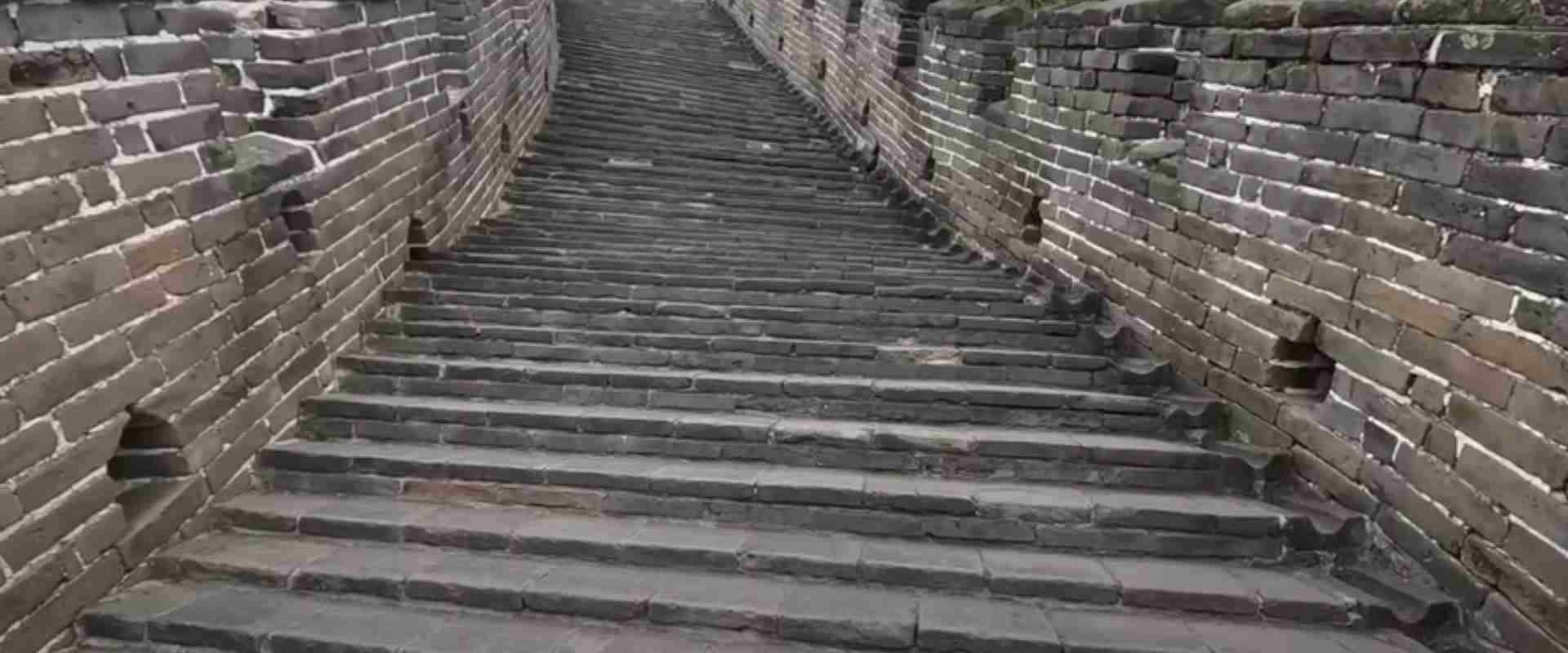
Great Wall of China: 7 Best Sections to Visit for Travelers
Stretching across mountains and valleys like a stone dragon, this legendary structure represents one of humanity’s most ambitious engineering feats. Built over two millennia by successive dynasties, its surviving segments span thousands of miles, blending historical significance with dramatic landscapes.
Most travelers begin their journey in Beijing, where well-preserved segments sit within a three-hour drive. From fully restored areas with modern amenities to rugged paths where history feels untouched, each portion offers distinct adventures. Families often prefer accessible routes with cable cars, while thrill-seekers tackle steep, crumbled steps in remote zones.
This guide focuses on curated experiences that balance cultural depth with practical considerations. Learn which sections provide sunset photo opportunities, which trails suit multi-day hikes, and how seasonal changes affect crowd levels. Whether seeking quiet reflection or heart-pounding exploration, every traveler finds their ideal path along these ancient stones.
Key Takeaways
- Beijing serves as the primary hub for accessing diverse segments within a short drive
- Options range from fully restored family-friendly zones to challenging wild trails
- Ming Dynasty-era portions offer the best-preserved architectural details
- Crowd density varies dramatically between popular and lesser-known areas
- Seasonal weather significantly impacts hiking conditions and scenic views
- Combination tours blend cultural insights with logistical convenience
Introduction to the Great Wall Experience
Standing as a testament to human perseverance, this iconic structure weaves through rugged landscapes like a thread connecting centuries of stories. Its stones whisper tales of emperors, soldiers, and laborers who shaped one of history’s most ambitious projects.
Historical and Cultural Significance
Constructed primarily during the Ming Dynasty, the fortification showcases advanced engineering designed to protect northern territories. Watchtowers and barrier passes like Juyongguan reveal meticulous military strategy, while compacted earth layers demonstrate ancient innovation.
Beyond defense systems, the structure embodies cultural identity. Millions contributed to its creation, leaving behind not just physical barriers but enduring symbols of collective determination. Archaeologists note:
“The layered construction phases mirror China’s evolving societal needs across dynasties.”
Why the Great Wall Remains a Must-See
Walking its paths offers more than a history lesson—it creates visceral connections to the past. Visitors often describe moments where rolling mountain vistas blend with ancient stonework, sparking profound reflection.
Modern explorers appreciate how accessible sections near Beijing contrast with remote wild trails. This duality allows travelers to choose their preferred immersion level, whether marveling at restored battlements or tracing weathered steps through untamed landscapes.
Extended multi-day tours – 5+ days
Featured Great Wall Multi-Day Tour Packages
10 days
Walk the Great Wall of China
- ✓ Comprehensive Great Wall tour
- ✓ Expert local guides included
- ✓ All accommodation arranged
- ✓ Transportation provided

12 days
Walk the Great Wall + Xian Extension
- ✓ Comprehensive Great Wall tour
- ✓ Expert local guides included
- ✓ All accommodation arranged
- ✓ Transportation provided

1 days
One Day Private Tour of Beijing Great Wall from Shanghai
- ✓ Comprehensive Great Wall tour
- ✓ Expert local guides included
- ✓ All accommodation arranged
- ✓ Transportation provided

9 days
Walking the Great Wall
- ✓ Comprehensive Great Wall tour
- ✓ Expert local guides included
- ✓ All accommodation arranged
- ✓ Transportation provided
Multi-day tour packages powered by TourRadar. Prices and availability subject to change.
Overview of Great Wall Sections Near Beijing
Within a 100-mile radius of China’s capital, eight distinct segments of this ancient marvel await discovery. These preserved pathways reveal architectural ingenuity while adapting to their natural surroundings—some hugging mountain ridges, others framing tranquil lakes.
Diverse Landscapes and Experiences
Travelers encounter radically different terrains across nearby sections. Huanghuacheng merges stone battlements with shimmering reservoirs, creating reflective photo opportunities. Meanwhile, Jiankou’s crumbling spine tests hikers with 70-degree inclines and exposed cliffside trails.
Family-friendly zones like Mutianyu feature smooth walkways and cable cars. Adventurers prioritize remote areas where original Ming Dynasty bricks remain untouched. Seasonal shifts transform these routes—autumn foliage contrasts with weathered stones, while winter snows cloak watchtowers in silence.
Accessibility and Transportation Options
Proximity to Beijing varies dramatically. Juyongguan lies just 37 miles northwest, ideal for half-day visits. Distant sections like Jinshanling demand 3-hour drives but reward visitors with sunrise vistas over unspoiled landscapes.
Private vehicles prove essential for flexible itineraries. Reliable drivers familiar with rural routes save hours compared to public buses. Many services include waiting time during hikes, eliminating time constraints. For those prioritizing convenience, guided tours handle logistics while sharing historical insights.
Exploring “Great Wall of China: 7 Best Sections to Visit”
Spanning from mountain peaks to coastal edges, these segments offer tailored adventures for every explorer. Architects of the Ming era adapted construction techniques to local terrains, creating defensive marvels that harmonize with nature’s contours.
Signature Elements Across Key Locations
Seven carefully chosen segments showcase remarkable diversity. Restored areas prioritize accessibility with smooth walkways and modern conveniences, while crumbling stretches reveal original mortarless masonry techniques. Contrasts extend beyond architecture:
| Section | Key Feature | Landscape | Best For |
|---|---|---|---|
| Mutianyu | Toboggan descent | Forested slopes | Families |
| Jinshanling | Uninterrupted vistas | Rolling peaks | Photographers |
| Huanghuacheng | Lakeside ramparts | Water-reflected stones | Scenic hikers |
| Simatai | Moonlit walks | Dramatic ridges | Night explorers |
| Old Dragon’s Head | Ocean meetpoint | Coastal cliffs | History buffs |
Mountainous zones challenge hikers with steep ascents, while lakeside paths provide serene walking conditions. Coastal sections blend maritime history with defensive strategy. Restoration levels also influence experiences—polished battlements allow easy navigation, whereas wild segments demand sturdy footwear and caution.
These variations enable travelers to match their visit with personal interests. Thrill-seekers navigate exposed cliffside trails at Jiankou, while culture enthusiasts examine fortress designs at Juyongguan. Seasonal changes further diversify encounters, from autumn foliage framing Jinshanling’s watchtowers to winter silence enveloping Gubeikou’s abandoned passes.
Highlights of Restored and Popular Sections
For those seeking polished introductions to this ancient marvel, restored segments blend historical authenticity with modern comfort. These areas prioritize accessibility while showcasing Ming Dynasty craftsmanship through meticulously preserved watchtowers and walkways.

Famous Sections for First-Time Visitors
The Mutianyu section attracts global travelers with its harmonious mix of authenticity and convenience. Located 47 miles from Beijing, its stone pathways wind through forested hillsides dotted with 22 original watchtowers. Two cable car routes whisk guests to strategic viewpoints, while a thrilling toboggan descent adds modern excitement.
Though Badaling draws larger crowds due to proximity to the capital, Mutianyu offers comparable facilities with 40% fewer visitors during peak seasons. Both sections provide:
- Guided tours explaining defensive architecture
- Handicraft markets showcasing local culture
- Multi-language signage for self-guided exploration
Family-Friendly and Accessible Areas
Elevated walkways and safety railings make restored sections ideal for multigenerational groups. Cable cars eliminate steep climbs, while shuttle buses connect parking areas to main gates. At Mutianyu, three dining options cater to diverse palates, from quick noodles to regional specialties.
Morning arrivals help avoid midday crowds, particularly at photo hotspots like Tower 20. One visitor noted:
“The smooth paths let our grandparents share the experience – something impossible at wilder sections.”
Unveiling Wild and Unrestored Adventures
Beyond the polished pathways lie fragments of history untouched by modern hands. These rugged stretches reveal the Wall’s raw character, where crumbling watchtowers cling to cliffs and weathered stones whisper tales of Ming Dynasty builders.
Camping and Hiking in Untouched Areas
Adventurers seeking authentic encounters find their match in sections like Jiankou. Its 90-degree inclines and fractured battlements demand agility, rewarding hikers with panoramic views few ever witness. Overnight stays transform these ruins into personal time capsules.
Guided camping trips allow travelers to sleep in watchtowers under star-filled skies. One trekker recalls:
“There’s nothing like waking up where soldiers once stood guard—it rewrites your understanding of history.”
Three sections stand out for wilderness experiences:
- Jiankou: Spider Wall’s vertical climbs challenge even seasoned hikers
- Gubeikou: Moonlit walks along unrestored battlements
- Huanghuacheng: Lakeside trails merging water reflections with ancient stones
Safety Tips for the Adventurous Traveler
Wild sections demand meticulous preparation. Loose rocks and sudden weather shifts turn hikes into endurance tests. Guides familiar with hidden routes prove invaluable—they know where crumbling walls hide unstable footing.
Essential precautions include:
- Hiring certified local experts for navigation
- Carrying weatherproof gear and emergency supplies
- Avoiding monsoon season due to landslide risks
While challenging, these paths deliver unmatched rewards: solitude among whispering pines and sunrise vistas untouched by crowds. As one hiker noted, “It’s not a walk—it’s a conversation with centuries.”
Jinshanling: A Photographer’s Paradise
Three hours northeast of Beijing, Jinshanling unfolds like a scroll painting where ancient stonework meets undulating mountain ranges. This segment strikes a perfect balance between accessibility and untouched beauty, making it a top choice for visual storytellers.
Stunning Scenic Views and Historic Trails
Morning light transforms Jinshanling’s ridges into golden ribbons, while sunset paints watchtowers in warm amber hues. The 6-mile stretch features 67 original towers, each framing unique compositions of weathered bricks against jagged peaks.
Photographers appreciate the dual-character landscape—restored battlements near the east gates transition to wild, vegetation-covered walls westward. This variety allows capturing both architectural precision and nature’s reclamation in a single visit.
| Photography Spot | Best Time | Key Feature |
|---|---|---|
| General’s Tower | Sunrise | 360-degree mountain panoramas |
| Cloud Staircase | Midday | Dramatic shadow play on steps |
| Five-Window Tower | Sunset | Silhouetted arches against colored skies |
With 40% fewer visitors than popular sections, creators enjoy uninterrupted sessions. Local guides recommend weekdays for optimal solitude. The cable car (operating 8:30 AM–4:30 PM) helps conserve energy for prime shooting locations.
Professional workshops frequently utilize Jinshanling’s reliable weather patterns. As one instructor notes:
“Nowhere else offers this consistency in dramatic lighting and historical authenticity. It’s where gear becomes secondary to the subject’s raw power.”
Mutianyu: The Crowd-Pleasing Icon
Just 50 miles northeast of Beijing, this meticulously restored segment merges Ming Dynasty grandeur with modern conveniences. Its smooth pathways and dual cable systems welcome travelers seeking comfort without sacrificing historical immersion.
Unique Attractions and Toboggan Rides
The aluminum sled track delivers an adrenaline-fueled descent from Tower 6 to the valley floor. Visitors control their speed along 1,550 feet of winding track—a thrilling contrast to the ancient stones above. One adventurer shared:
“Whooshing past watchtowers felt like time-traveling with a rollercoaster twist!”
Two cable car routes simplify access. The Panoramic Lift ascends to Tower 14 for photographers, while the Family Shuttle reaches Tower 6 near the toboggan start. Both options reduce climb times by 85%, ideal for multi-generational groups.
| Transport Option | Capacity | Travel Time | Best For |
|---|---|---|---|
| Panoramic Lift | 8 people | 7 minutes | Sunrise seekers |
| Family Shuttle | 6 people | 5 minutes | Quick access to toboggan |
Dining facilities range from grab-and-go Subway sandwiches to sit-down restaurants serving jianbing (savory crepes). Morning arrivals (before 9 AM) help avoid midday crowds at photo hotspots like Tower 20. Though pathways accommodate strollers, weekdays offer quieter exploration of the 22 original watchtowers.
Simatai and Night Visits: A Unique Experience
As dusk falls over northern China, Simatai reveals a hidden dimension of this ancient marvel. Linked to Gubei Water Town—a meticulously restored Ming-style village—this segment offers exclusive after-dark access unavailable elsewhere. Visitors discover a delicate balance between preservation and innovation, where history meets modern hospitality.
The Magic of Visiting at Night
Guided night tours transform weathered battlements into glowing pathways. Strategic lighting accentuates watchtower silhouettes against starry skies, creating ethereal photo opportunities. Unlike daytime crowds, evening visits foster quiet contemplation amid illuminated stonework.
Combining History with a Weekend Getaway
Integrated packages merge Simatai’s nocturnal wonders with Gubei’s luxury resorts. Guests enjoy:
- Boutique hotels overlooking water networks mirroring ancient canal systems
- Traditional opera performances in moonlit courtyards
- Hot spring spas nestled beneath watchtower views
The cable car operates until 9 PM, enabling seamless transitions between historic exploration and modern comforts. Winter visitors experience snow-dusted ramparts glowing under soft lights—a scene one traveler described as “time travel with five-star service.”