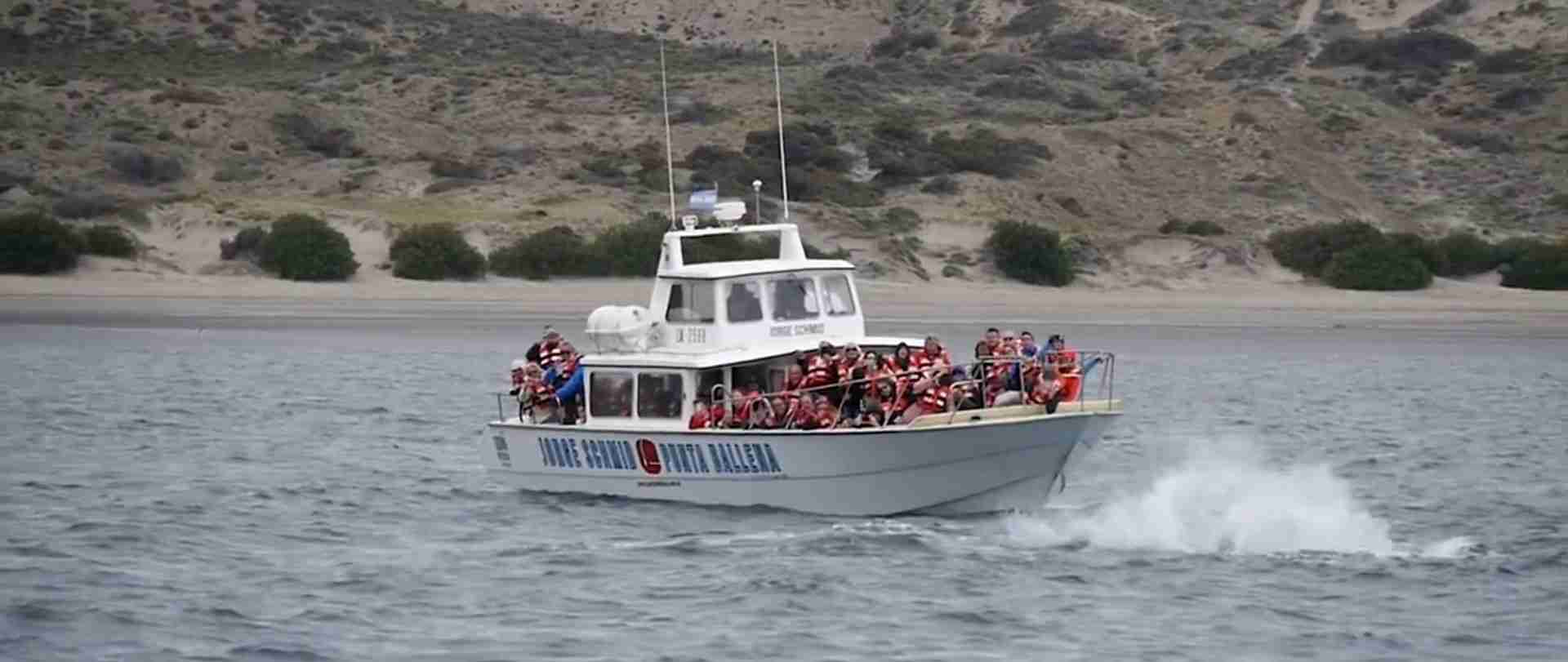
Whale Watching in Puerto Madryn 2026: Best Time & Tours
Key Takeaways
- Whale watching season in Puerto Madryn runs June through December 2026, with September and October offering peak sightings when southern right whales are most active and weather conditions optimal
- Traditional whale watching boat tours cost $60-90 in 2026, lasting 90 minutes and departing from Puerto Pirámides with guaranteed whale sightings during season (check official websites for current rates)
- Shore-based whale watching at El Doradillo Beach provides free unique encounters during June-September when mothers and calves approach within 20-50 meters of the coastline
- Advance booking 2-4 weeks ahead secures spots during peak season, with tours operating 3-5 daily departures depending on demand and weather conditions
- Southern right whales migrate to Golfo Nuevo specifically for breeding and calving, with approximately 2,000 individuals visiting Peninsula Valdés annually creating world-class viewing opportunities
- Semi-submersible vessels offer underwater whale viewing through transparent hulls, providing unique perspective at premium pricing ($90-120) compared to traditional boats
Introduction to Whale Watching in Puerto Madryn 2026
Puerto Madryn has earned international recognition as one of the world’s premier destinations for southern right whale watching, attracting thousands of visitors annually to witness these massive marine mammals in their protected breeding and calving grounds. The city’s position on Golfo Nuevo creates ideal conditions for observing whales that migrate 6,000+ kilometers from Antarctic feeding areas to the calm, warm waters of Peninsula Valdés for reproduction and raising calves.
The southern right whale (Eubalaena australis) population visiting Puerto Madryn represents one of conservation’s great success stories, recovering from near-extinction due to commercial whaling that reduced global numbers to perhaps 300 individuals by the early 1900s. Complete protection since 1935 and Argentina’s designation of the species as a Natural Monument in 1984 have allowed populations to rebound to approximately 17,000 individuals worldwide, with Peninsula Valdés hosting the largest breeding concentration in the Southern Hemisphere.
Whale watching in Puerto Madryn combines three distinct experiences: boat tours departing from Puerto Pirámides that approach whales at sea following strict conservation protocols, shore-based viewing at El Doradillo Beach where whales swim extraordinarily close to land during early season, and occasional sightings from Puerto Madryn’s waterfront promenade during peak activity months. This variety allows travelers to customize experiences matching preferences, budgets, and physical capabilities while guaranteeing remarkable encounters with these 15-meter, 40-ton ocean giants.
People Also Ask About Whale Watching in Puerto Madryn 2026
When is the best time for whale watching in Puerto Madryn in 2026?
September and October 2026 offer optimal whale watching in Puerto Madryn, combining maximum whale activity with favorable weather conditions. During these spring months, mother whales have weaned their calves who now practice breaching and surface behaviors, adult males compete energetically for female attention, and juvenile whales engage in playful displays. The whales are most active and visible, creating spectacular photo opportunities and unforgettable viewing experiences. Weather improves significantly from winter’s harsh winds and cold (though wind remains constant in Patagonia), with temperatures rising to 15-22°C (59-72°F) making extended outdoor viewing comfortable. Boat tour operators report 95%+ successful whale encounters during September-October, with multiple whales often visible simultaneously and high frequencies of breaching, tail-slapping, and spy-hopping behaviors that thrill visitors.
How much does whale watching cost in Puerto Madryn in 2026?
Traditional whale watching boat tours from Puerto Pirámides cost $60-90 per person in 2026 for 90-minute excursions including all safety equipment and bilingual guides. Semi-submersible vessels offering underwater viewing through transparent hull sections charge premium pricing at $90-120. Full-day Peninsula Valdés tours including whale watching, transportation from Puerto Madryn, and multiple wildlife viewpoints cost $180-210 total ($80-120 tour + $60-90 whale boat + $30-45 reserve entrance). Shore-based whale watching at El Doradillo Beach is free, though organized morning tours from Puerto Madryn ($25-35) provide transportation and expert guides for optimal viewing locations and tide timing. Private whale watching boats accommodating 6-12 passengers cost $450-700 per group, providing exclusive experiences with flexible timing and photographer-friendly positioning (check tour operator websites for current official rates as pricing may vary).
Are whale sightings guaranteed in 2026?
Whale sightings during the official season (June-December 2026) approach 100% success rate, with tour operators confidently guaranteeing encounters. Puerto Pirámides holds unique status as Argentina’s only authorized whale watching port, with regulations limiting boat numbers and ensuring sustainable wildlife viewing. The protected Golfo Nuevo hosts 200-400 whales throughout the season, concentrated in relatively small area making sightings virtually certain on every departure. Multiple whales typically appear during 90-minute tours, with encounters ranging from distant observations to intimate approaches when curious whales swim directly to boats. Weather occasionally forces tour cancellations (5-10% of departures), but cancellations result from sea conditions preventing safe navigation rather than whale absence. Rescheduled tours or full refunds apply for weather cancellations.
How close do whales come to the boats in 2026?
Argentine regulations mandate 50-meter minimum approach distance for whale watching boats, protecting whales from harassment while allowing excellent viewing. However, whales frequently violate this distance by swimming directly toward boats out of curiosity, with mothers showing calves the vessels or males investigating potential territorial intrusions. Whales often surface within 5-10 meters of boats, creating dramatic close encounters where passengers hear the explosive exhalations through blowholes, observe detailed skin textures including callosities (barnacle-covered head patches unique to each individual), and occasionally experience light spray when whales exhale nearby. Boats shut down engines when whales approach, drifting silently to allow underwater vocalizations listening and minimizing disturbance during these voluntary approaches initiated entirely by whale curiosity.
Extended multi-day tours – 5+ days
Featured Patagonia Multi-Day Tour Packages
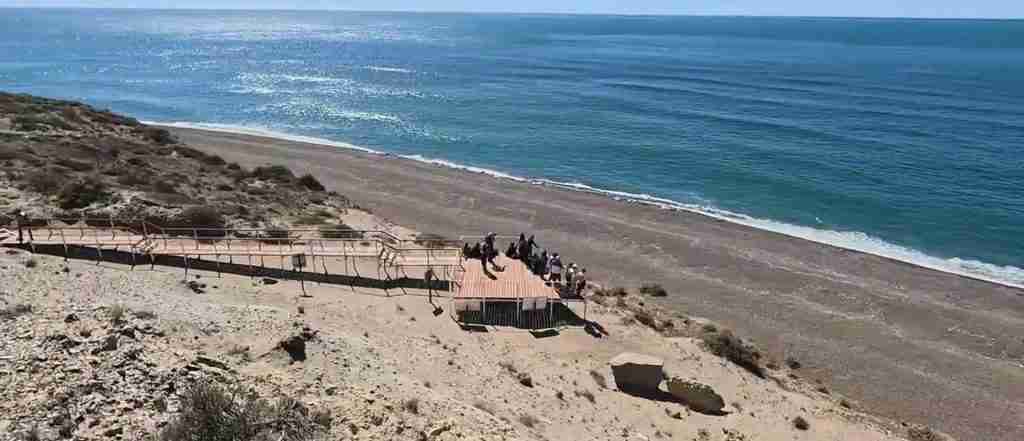
3 days
Patagonia 3-Day Discovery Tour
- ✓ Comprehensive Patagonia experience
- ✓ Expert local guides included
- ✓ All accommodation included
- ✓ Transportation provided
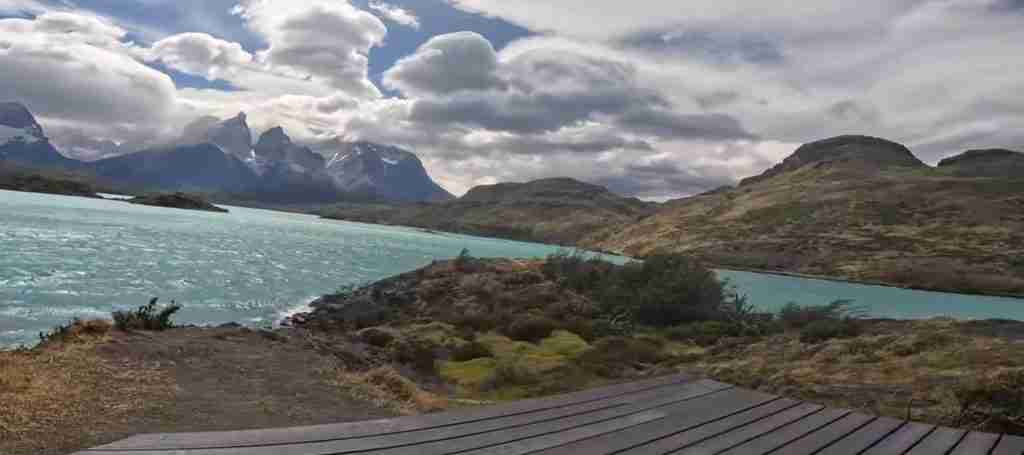
5 days
Patagonia 5-Day Highlights Experience
- ✓ Comprehensive Patagonia experience
- ✓ Expert local guides included
- ✓ All accommodation included
- ✓ Transportation provided

7 days
Patagonia 7-Day Cultural Journey
- ✓ Comprehensive Patagonia experience
- ✓ Expert local guides included
- ✓ All accommodation included
- ✓ Transportation provided
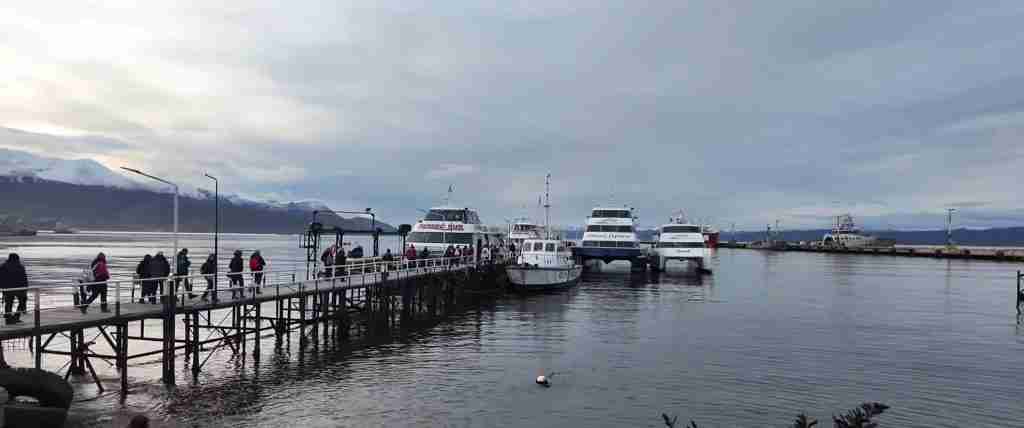
10 days
Patagonia 10-Day Complete Adventure
- ✓ Comprehensive Patagonia experience
- ✓ Expert local guides included
- ✓ All accommodation included
- ✓ Transportation provided
Multi-day tour packages powered by TourRadar. Prices and availability subject to change.
Understanding Southern Right Whales in 2026
Biology and Behavior
Southern right whales rank among the largest animals on Earth, with adults reaching 13-16 meters (43-52 feet) in length and weighing 40-80 tons. Females grow slightly larger than males, a reversal of the pattern seen in most whale species. The species lacks a dorsal fin, instead featuring a broad, smooth back creating their distinctive silhouette when surfacing. Their enormous heads comprise up to one-third of total body length, covered in callosities—raised patches of hardened skin colonized by barnacles, whale lice, and other organisms creating unique identification patterns used by researchers to track individual whales across decades.
The whales’ name derives from whaling history, as hunters considered them the “right” whales to kill given their slow swimming speeds (typically 5-10 km/h, maximum 15 km/h), tendency to float when dead due to thick blubber layer, and coastal habitat accessibility. These same characteristics make southern right whales ideal for non-extractive whale watching, approaching boats calmly and remaining at surface for extended viewing periods unlike faster, more elusive species.
Feeding occurs exclusively in Antarctic waters during summer months (December-March), where whales consume up to 2 tons daily of krill and other zooplankton filtered through baleen plates. During the 6-month Peninsula Valdés residence (June-December), whales fast entirely, living off stored energy accumulated during Antarctic feeding season. Weight loss during breeding season reaches 20-30% of body mass, demonstrating the enormous energetic investment in reproduction and calf rearing.
Migration and Breeding Cycle
Southern right whales undertake one of the animal kingdom’s longest migrations, traveling 6,000-8,000 kilometers from Antarctic feeding grounds to Peninsula Valdés breeding areas. The journey takes 2-3 months at leisurely pace, with whales arriving at Puerto Madryn waters beginning in late May and early June. The first arrivals tend to be pregnant females seeking protected, calm waters for calving, followed by males searching for breeding opportunities and mothers with calves from previous season returning to familiar territory.
Calving peaks during July-August after 12-13 month gestation periods, with newborns measuring 4-5 meters (13-16 feet) and weighing approximately 1 ton. Calves nurse on mother’s rich milk (containing 40-50% fat) for 8-12 months, growing rapidly to 7-8 meters before weaning. The mother-calf bond remains strong throughout this period, with pairs spending extensive time in shallow, protected bays where mothers teach calves essential skills—breathing control, diving techniques, and social behaviors that ensure survival.
Males engage in complex mating behaviors including surface active groups where multiple males surround a single female, competing for mating access through displays rather than violent confrontation. These groups create dramatic spectacles with whales breaching, tail-slapping, and rolling at the surface in coordinated yet competitive ballet. Females breed every 3 years on average, spending one year pregnant, one year nursing, and one year resting before the next pregnancy, though variations occur based on individual condition and environmental factors.
Why Peninsula Valdés?
Peninsula Valdés offers specific environmental conditions that attract southern right whales annually, making it globally significant for the species’ conservation. The protected gulfs—Golfo Nuevo and Golfo San Matías—provide calm waters sheltered from Atlantic storms, essential for vulnerable newborn calves learning to control breathing and master surface behaviors. Water temperatures in the gulfs average 2-3°C warmer than open ocean (12-15°C versus 8-12°C), reducing energy expenditure for calves with limited fat insulation.
The gradual sloping beaches allow mothers to position in shallow water (2-5 meters depth) where predators like orcas face navigation challenges, providing safety during the vulnerable early weeks when calves lack speed and endurance to escape danger. The sandy-pebble bottom composition creates comfortable resting areas where mothers can support nursing calves and regulate their own energy expenditure during the fasting breeding season.
Historical continuity reinforces site selection, as whales demonstrate remarkable site fidelity returning to the same breeding areas generation after generation. Individual females identified through callosity patterns return to Peninsula Valdés annually or every few years across multi-decade lifespans exceeding 70 years. This cultural transmission means protecting Peninsula Valdés habitat ensures southern right whale population health for the entire southwestern Atlantic Ocean stock.
Whale Watching Season Month by Month in 2026
June 2026: Season Opening
The whale watching season begins in early June as the first southern right whales arrive in Golfo Nuevo following their long migration from Antarctic waters. June represents the quietest month for tourism, with fewer boats operating and smaller crowds creating intimate viewing experiences. Weather during Argentine winter brings cold temperatures (8-12°C/46-54°F), strong winds, and occasional rain requiring serious cold-weather gear for extended outdoor observation.
Pregnant females dominate early arrivals, seeking sheltered bays for imminent calving. The whales exhibit relatively calm behavior during June, conserving energy and acclimating to breeding ground conditions. Boat tours operate with reduced frequency (1-2 daily departures versus 4-5 during peak season), and weather cancellations occur more frequently (10-15% of scheduled tours) due to winter storm patterns.
El Doradillo Beach whale watching begins in June, offering the season’s first opportunities for shore-based encounters as mothers position in shallow water with newborn calves visible from land. High tide timing proves critical for optimal viewing, with whales approaching closest during high water periods. Tour pricing during June runs 15-20% below peak season rates, attracting budget travelers willing to brave colder conditions for savings and smaller crowds.
July-August 2026: Peak Calving Period
July and August mark the heart of whale calving season, with the highest concentration of mothers and newborns throughout Golfo Nuevo. These months offer unique opportunities to observe maternal care behaviors—nursing sessions where calves surface every 3-5 minutes to breathe, mothers supporting resting calves at the surface, and the touching interactions as newborns learn essential survival skills from protective parents.
Shore-based viewing at El Doradillo reaches peak quality during July-August as mother-calf pairs position in shallow water incredibly close to beaches, sometimes within 20-30 meters of shore at high tide. Viewers standing on beach can hear the whales’ exhalations, observe detailed skin textures, and watch calves practicing breaching and tail-slapping under mothers’ watchful guidance. This represents arguably the world’s best shore-based whale watching, rivaling boat tours for encounter quality while eliminating seasickness concerns and boat costs.
Weather remains challenging with cold temperatures and strong winds, though clear sunny days create spectacular viewing conditions with whales backlit against azure waters. Tour operators increase frequency to 2-3 daily departures as tourist numbers rise, particularly during Argentine winter school vacation period (mid-July through early August) when domestic tourists visit in significant numbers. Advance booking becomes advisable, especially for quality operators and premium semi-submersible vessels.
September-October 2026: Peak Wildlife Activity
September and October deliver whale watching at its absolute finest, combining maximum activity levels with improving weather and highest encounter frequencies. Mothers have weaned many calves by September, allowing the young whales independence to practice adult behaviors—breaching repeatedly as they build strength, tail-slapping to communicate, spy-hopping to observe surroundings. These juvenile displays create constant action at the surface, thrilling photographers and casual observers alike.
Male whales intensify competitive breeding behaviors forming surface active groups where 3-8 males surround receptive females in dynamic competitions. These groups produce dramatic spectacles with whales launching entirely clear of water, rolling sideways to display massive pectoral fins, and engaging in coordinated movements creating white water visible from kilometers away. Boats approaching these groups witness nature’s power and grace simultaneously as multi-ton animals move with surprising agility.
Weather improves dramatically from winter’s harshness, with temperatures rising to 15-22°C (59-72°F) and wind speeds decreasing slightly (though Patagonian winds never disappear entirely). The combination of optimal wildlife activity and pleasant conditions makes September-October the single best time window for Puerto Madryn whale watching, commanding premium pricing (15-25% higher than shoulder season) and requiring 3-4 weeks advance booking for quality tours. Every boat departure during these months delivers exceptional encounters, with multiple whales, high activity levels, and excellent photo opportunities virtually guaranteed.
November-December 2026: Season Conclusion
November extends whale watching into early summer as whales begin their return migration to Antarctic feeding grounds. Calves born in July-August have gained significant size and strength, demonstrating impressive breaching capabilities despite still nursing from mothers. The extended daylight hours and warming temperatures (18-25°C/64-77°F) create comfortable viewing conditions, though whale numbers decline progressively as individuals depart for southern waters.
December marks the season’s final weeks, with boat tours operating through mid-month before suspension until the following June. The whales’ departure timing varies individually and annually based on environmental conditions and reproductive status, making late-season visits slightly less reliable for sightings than September-October peak. However, encounters during November-December remain excellent for visitors present, with tour operators reporting 85-90% successful whale sightings versus 95%+ during September-October.
Tour pricing begins declining from peak rates as demand decreases, creating good value for travelers flexible with timing. The combination of whale watching and summer activities (beach time, warm weather exploration) appeals to some visitors preferring multi-faceted trips over single-focus wildlife experiences. By late December, southern right whales have entirely departed Golfo Nuevo, with tour operators shifting to sea lion boat tours and other marine wildlife experiences until the following whale season.
Whale Watching Tour Options for 2026
Traditional Boat Tours from Puerto Pirámides
Standard whale watching boats operate from Puerto Pirámides’ beach launch area, accommodating 30-40 passengers in semi-rigid inflatable or fiberglass vessels designed for wildlife viewing. These tours cost $60-90 in 2026 for 90-minute excursions departing 3-5 times daily depending on season and demand (check operator websites for current official rates). Morning departures (9:00-10:00 AM) often coincide with calmer seas before afternoon winds strengthen, though afternoon tours (2:00-4:00 PM) benefit from improved lighting for photography as sun angle lowers toward horizon.
Tours follow standardized routines departing the beach and motoring 2-5 kilometers into Golfo Nuevo while guides provide bilingual (Spanish-English) narration about southern right whale biology, Peninsula Valdés conservation, and whale watching regulations. Upon locating whales—virtually always within 10-15 minutes given high whale density during season—boats reduce speed and eventually cut engines, drifting with currents to minimize disturbance while maintaining position near animals.
Encounters last 30-60 minutes depending on whale behavior and how many groups the tour visits, with captains skilled at positioning boats for optimal viewing while respecting 50-meter minimum approach distances. Whales frequently approach boats voluntarily, swimming underneath, surfacing alongside, and occasionally breaching within 10-20 meters creating dramatic close encounters. The open boat design allows 360-degree viewing and photography access, though spray from whales exhaling or waves can dampen passengers and equipment.
Semi-Submersible Whale Watching Vessels
Several operators offer semi-submersible whale watching experiences using specialized vessels featuring underwater viewing chambers with transparent acrylic windows. These boats cost $90-120 in 2026, commanding premium pricing over traditional tours through unique below-surface whale observation impossible from standard vessels. The underwater chambers accommodate 20-30 passengers in climate-controlled comfort, providing shelter from wind and spray while allowing whale viewing from below waterline.
The experience combines traditional surface viewing from open upper decks with descent into underwater chambers when whales approach. Passengers observe whales swimming past viewing windows, seeing the animals’ massive bodies, distinctive white belly patches, and graceful underwater movements. Curious whales sometimes investigate the vessels closely, swimming directly past windows at distances of 2-3 meters creating unforgettable eye-to-eye encounters.
The semi-submersible experience particularly appeals to photographers seeking unique perspectives, families with young children benefiting from weather protection, and travelers prone to seasickness as the boats’ larger size and partially submerged design reduce rocking compared to smaller surface craft. Advance booking proves essential during peak season as limited vessel availability (2-3 semi-submersible operators) and high demand fill tours 2-4 weeks ahead during September-October.
Private Whale Watching Charters
Private whale watching boats accommodating 6-12 passengers cost $450-700 per group for 90-120 minute customized excursions, providing exclusive experiences with flexibility impossible on scheduled group tours. Private charters depart at times convenient for clients, remain with individual whale groups for extended periods, and can emphasize photography with optimal positioning for lighting and composition.
Wildlife photographers benefit enormously from private charters’ ability to maintain position during behavioral sequences—a mother teaching her calf to breach, a competitive group of males, or a curious individual investigating the boat repeatedly. The smaller group size eliminates crowd jostling for viewing positions, allows quiet observation without competing passenger chatter, and provides personalized guide attention for questions and behavior interpretation.
The per-person premium over group tours ($75-117 per person for 6-person private charter versus $60-90 for group tour) provides worthwhile value for serious enthusiasts, professional photographers, and travelers seeking intimate experiences. Private charters book directly with specialized operators rather than general tour companies, requiring research to identify quality boats and knowledgeable captains with deep whale expertise and conservation commitment.
Kayaking with Whales
Some specialized operators offer kayaking experiences allowing paddle-powered whale encounters creating intimate, silent approaches impossible from motor vessels. These tours cost $110-140 for 3-4 hour excursions including equipment, guides, and safety briefing. Kayaking occurs in shallow, protected bays where mothers with calves concentrate, with strict regulations limiting kayak numbers and requiring certified guides to minimize whale disturbance.
The kayaking experience delivers uniquely powerful encounters as whales surface beside or beneath kayaks, their massive forms visible through clear water and creating gentle waves that rock the small craft. The silence of paddle-powered approach allows hearing whales’ underwater vocalizations and exhalations without motor noise, immersing participants in the marine environment from water level rather than elevated boat decks.
Kayaking requires moderate fitness for 2-3 hours of paddling and comfort in small watercraft, limiting accessibility compared to standard boat tours. Weather cancellations occur more frequently (15-20% versus 5-10% for larger boats) as calm conditions prove essential for safe kayak operations. The experience appeals particularly to active travelers, paddling enthusiasts, and those seeking adventure tourism elements beyond passive wildlife observation.
Shore-Based Whale Watching at El Doradillo in 2026
Location and Access
El Doradillo Protected Natural Area occupies 5 kilometers of coastline 15 kilometers north of Puerto Madryn, accessible via paved road suitable for all vehicles. This stretch of beach represents one of the world’s premier shore-based whale watching locations, as mothers with newborn calves position in shallow water 20-50 meters from shore during June-September period. The proximity allows land-based viewing rivaling boat tour quality while eliminating costs, seasickness concerns, and weather cancellation issues affecting marine excursions.
Independent visitors reach El Doradillo by taxi ($25-35 roundtrip including 2-3 hour wait time), rental car ($15-20 for fuel round trip), or organized morning tours ($25-35) departing Puerto Madryn hotels at 8:00 AM for 3-4 hour experiences including transportation and guide. Public transportation does not serve El Doradillo, making private or arranged transport necessary. The beach features no facilities—no bathrooms, no food services, no shelter—requiring visitors to bring water, snacks, and weather protection for extended observation periods.
Multiple access points along the 5-kilometer protected area allow exploring different beach sections seeking optimal whale positions, with movements depending on tide cycles and whale behavior. Gravel parking areas accommodate vehicles at beach access points every 500-1000 meters, though all visitors should walk significant distances along the beach rather than driving between access points to minimize vehicle impacts on protected area.
Timing and Tide Considerations
High tide creates optimal shore-based whale watching at El Doradillo as rising water brings whales closest to beach, sometimes within 20-30 meters of sand allowing remarkable detail observation. Tide cycles occur roughly every 12 hours with two high tides daily, requiring planning visits around favorable tide timing for best encounters. Tide tables are available at Puerto Madryn tourist offices, hotel front desks, and online resources, showing exact high tide times weeks in advance for trip planning.
Morning high tides (6:00-10:00 AM) provide excellent lighting conditions with sun illuminating whales from behind viewers, creating ideal photography and observation scenarios. Afternoon high tides work equally well for encounters though backlighting can create viewing challenges as sun lowers toward horizon behind the whales. Visiting during low tide or mid-tide periods still allows whale sighting, but animals remain 100+ meters offshore in deeper water reducing encounter intimacy and detail observation.
Optimal visits combine high tide timing with favorable weather—moderate winds rather than extreme Patagonian gusts, clear or partly cloudy skies for good visibility, and temperatures above 10°C for comfortable extended periods on exposed beach. These ideal conditions occur perhaps 50-60% of days during June-September period, with other days still offering whale sightings but with weather challenges affecting viewing comfort.
What to Expect at El Doradillo
Shore-based whale watching creates entirely different experiences from boat tours, trading mobility and multiple whale groups for extended observation of individual mother-calf pairs in shallow water. Viewers position on beach watching whales surface repeatedly every 3-5 minutes as calves breathe, with mothers often remaining underwater supporting nursing offspring or resting between surface intervals. The predictable breathing patterns allow anticipating whale positions, preparing cameras, and tracking specific individuals across hours-long observation sessions.
Mothers use El Doradillo’s shallow, protected waters to teach calves essential skills—breath control, diving techniques, and surface behaviors that ensure survival. Observers witness calves practicing breaching, repeatedly launching their bodies partially clear of water and splashing down creating huge spray. The learning process appears playful as calves breach dozens of times per hour while mothers rest patiently nearby, occasionally tail-slapping to communicate or demonstrate behaviors.
The remarkable proximity allows hearing whales’ exhalations through blowholes—the explosive “blow” audible 50-100 meters away and visible as mist spray in calm conditions. Underwater vocalizations occasionally reach shore as low-frequency moans and groans traveling through sand, creating eerie soundtrack to visual spectacle. On exceptional encounters during perfect high tides, whales swim so close that skin textures, barnacle details, and eye movements become visible without optical aids, delivering face-to-face connection with marine mammals impossible from boat platforms positioned farther from animals.
Booking Strategies for 2026
Advance Booking Timeline
Whale watching tour booking requirements vary dramatically by season and tour type in 2026. Peak months (September-October) demand 3-4 weeks advance booking for quality operators offering small groups, experienced guides, and reliable equipment. Budget operators with larger groups often have week-of availability, though quality varies significantly with last-minute bookings risking inferior experiences during the year’s single best whale watching window.
Semi-submersible vessel tours require 4-6 weeks advance booking during peak season given limited fleet size (2-3 boats) and high demand for the unique underwater viewing experience. Private charters book 6-8 weeks ahead during September-October as serious photographers and wildlife enthusiasts claim limited daily departure slots. Shoulder season months (June-August, November-December) allow booking 1-2 weeks ahead for most tour types, with occasional walk-in availability during quiet periods.
Accommodation booking timelines exceed tour booking requirements, with quality waterfront hotels in Puerto Madryn selling out 8-12 weeks ahead during peak whale season weekends and Argentine holiday periods. Budget hostels typically maintain availability booking 3-4 weeks ahead. The wise approach involves confirming flights to Argentina, immediately booking Puerto Madryn accommodation for preferred dates, then arranging whale watching tours 4-6 weeks before departure ensuring optimal operator selection and tour type availability.
Choosing Tour Operators
Puerto Pirámides hosts approximately 10-12 licensed whale watching operators, with quality ranging from excellent professional outfits to mediocre tourist-volume businesses. Research proves essential for identifying reputable operators prioritizing whale welfare, employing knowledgeable guides, and maintaining modern, safe vessels. TripAdvisor reviews, Google ratings, and travel forum recommendations help distinguish quality operators from inferior alternatives.
Key selection criteria include boat size (smaller vessels under 30 passengers provide more personal experiences), bilingual guide capability (confirming English proficiency prevents communication disappointments), safety equipment quality (life jackets, radios, first aid), and environmental commitment demonstrated through certifications and conservation support. Operators displaying official permits and UNESCO World Heritage partnership credentials typically maintain higher standards than unlicensed or marginal businesses.
Booking directly with operators through websites or email typically costs less than hotel desk booking (saving 10-20% commission) while ensuring direct communication about specific needs—photography focus, seasickness concerns, family-friendly experiences. However, reputable hotel tour desks provide valuable backup when operators overbook or weather forces cancellations, making the commission worthwhile for travelers prioritizing reliability and problem-solving support.
Weather and Cancellation Policies
Whale watching weather cancellations occur in approximately 5% of scheduled departures during peak season (September-October), increasing to 10-15% during winter months (June-August) when stronger winds and rougher seas affect Golfo Nuevo conditions. Operators make cancellation decisions 1-2 hours before departure time based on current conditions and marine forecasts, contacting booked passengers by phone or email with cancellation notice and rescheduling options.
Reputable operators provide full refunds for weather cancellations or reschedule tours for following days when traveler schedules allow. Budget operators occasionally attempt substituting inferior services or pressuring acceptance of suboptimal conditions, making advance research and booking with established companies important for fair treatment. Travelers should clarify cancellation and refund policies before booking, requesting written confirmation of terms.
Building schedule flexibility into Puerto Madryn visits proves wise, particularly during shorter 2-3 day trips where single weather cancellation could eliminate whale watching opportunities entirely. Travelers on 4-5 day visits easily accommodate cancellations by rescheduling for subsequent days, while those on tight 48-hour windows face disappointment if weather strikes during their limited availability. Travel insurance rarely covers tour cancellations due to weather, making personal schedule buffer days the primary protection against meteorological bad luck.
Photography and Video Tips for 2026
Camera Equipment Recommendations
Whale watching photography presents unique challenges combining moving subjects, varying distances, boat movement, and spray exposure requiring specific equipment choices. DSLR or mirrorless cameras with fast autofocus, continuous shooting capability (6+ frames per second), and weather sealing provide best results, though modern smartphones capture acceptable images for casual documentation. Telephoto zoom lenses covering 70-200mm or 100-400mm range handle the variable distances as whales move between 10-100 meters from boats.
Fast shutter speeds (1/500-1/1000 second minimum) freeze whale movement during breaches, tail-slaps, and surface behaviors, requiring higher ISO settings (800-1600) on cloudy days common in Patagonia. Continuous autofocus modes track whales as they move, maintaining sharp focus during unpredictable surface actions. Image stabilization helps counteract boat rocking, though steady hands and good timing remain essential for sharp results.
Waterproof bags or rain covers protect cameras from spray inevitable during whale watching boat tours, particularly when whales surface near vessels exhaling forcefully or during rough sea conditions creating wave splash. Extra batteries and memory cards prove essential given full 90-minute shooting opportunities and temptation to shoot hundreds of images as whales breach repeatedly. Lens cloths remove water spots from front elements between shooting sequences, maintaining image quality throughout tours.
Composition and Timing Strategies
Anticipating whale behavior greatly improves photography success rates, as breaches and surface actions occur rapidly with little warning. Watching breathing patterns helps predict whale positions—animals surface to breathe every 3-8 minutes depending on activity level, with calves surfacing more frequently than adults. When whales arch their backs preparing to dive, tail flukes often emerge for dramatic “fluke-up” shots, though southern right whales rarely show tails as dramatically as humpback whales.
Compositional approaches vary from tight telephoto frames isolating individual whales to wider shots showing multiple animals or including landscape context with Patagonian coastline backgrounds. The massive whale bodies fill viewfinders at even moderate distances (30-50 meters), requiring wider focal lengths than photographers might expect. Horizontal compositions suit most whale surface behaviors, though vertical frames work for full breach sequences if timed perfectly.
Shooting bursts of 5-10 frames when whales breach or surface active increases odds of capturing peak moments—the apex of a breach showing maximum body clear of water, or the instant a tail slap creates explosive spray. Reviewing images between sequences helps identify best shooting settings and compositional approaches, allowing adjustment for changing light or whale behavior patterns throughout the tour.
Video Considerations
Video capture presents both easier and harder challenges than still photography—easier in maintaining continuous recording during unpredictable whale actions, harder in managing storage space, stabilization, and composition over extended sequences. Modern smartphones shoot excellent quality 4K video suitable for sharing and memories, though dedicated cameras with optical zoom provide superior results at distance.
Stabilization proves critical for watchable whale watching video, with optical or electronic stabilization helping counteract boat movement though not eliminating it entirely. Handheld gimbals designed for smartphones provide professional-looking stabilized footage, worthwhile investments for travelers prioritizing video documentation. Tripods and monopods rarely work on rocking whale watching boats, making handheld shooting with good stabilization the practical approach.
Battery management becomes crucial for extended video shooting, as continuous 4K recording drains smartphone and camera batteries rapidly. Bringing fully charged backup batteries or portable charging banks ensures capturing the entire 90-minute tour rather than running dry mid-experience. Memory card capacity similarly requires planning, with 30-60 minutes of 4K video consuming 20-40GB of storage depending on compression quality.
Sample 2026 Whale Watching Experiences
Peak Season Weekend (September 2026)
Day 1 – El Doradillo Morning: Wake early for 7:00 AM pickup by El Doradillo shore-based whale watching tour. Drive 15 kilometers north to protected beach area, arriving 7:30 AM coinciding with high tide. Guide positions group at optimal beach location where mother-calf pairs approach within 30 meters of shore. Spend 2.5 hours watching whales surface repeatedly, with calf practicing breaching while mother rests in shallow water. Hear explosive exhalations through blowholes and observe detailed skin textures from shore. Return to Puerto Madryn 11:00 AM for lunch at waterfront restaurant ($25-35). Afternoon free for beach walk along Puerto Madryn promenade, possible whale sightings from shore though distant compared to El Doradillo. Evening dinner at seafood restaurant ($40-55). El Doradillo tour $30, lunch $25-35, dinner $40-55, snacks $10. Total day cost: $105-130 per person (excluding accommodation).
Day 2 – Full Peninsula Valdés with Whale Watching Boat Tour: 7:30 AM pickup for full-day Peninsula Valdés tour. Visit Carlos Ameghino Interpretation Center for whale education and exhibits. Continue to Puerto Pirámides arriving 10:00 AM for traditional whale watching boat tour ($70). Board vessel with 35 passengers, motor into Golfo Nuevo, encounter multiple whale groups during 90-minute tour. Whales approach boat to within 10 meters, breaching and tail-slapping creating spectacular displays. After boat tour, lunch in Puerto Pirámides ($22-32). Afternoon visit to Caleta Valdés elephant seal colony, return to Puerto Madryn 6:00 PM. Peninsula Valdés tour $100, reserve entrance $35, whale boat tour $70, lunch $22-32, dinner at hotel restaurant $35-45, snacks $10-15. Total day cost: $272-297 per person (excluding accommodation).
Day 3 – Semi-Submersible Whale Experience: Morning 9:30 AM departure for semi-submersible whale watching tour ($110) from Puerto Pirámides, booked separately from Peninsula Valdés tour for dedicated underwater viewing experience. Taxi to Puerto Pirámides ($50 roundtrip) allows independent timing. Board semi-submersible vessel, descend to underwater viewing chamber when whales approach. Observe whales swimming past transparent windows, seeing massive bodies and graceful underwater movements from below. The whales investigate boat, swimming within 2-3 meters of viewing chamber. After 90-minute tour, lunch in Puerto Pirámides ($20-28), afternoon exploration of village beaches and sea lion colony viewpoints. Return to Puerto Madryn evening, final dinner at premium restaurant ($50-65). Taxi to Puerto Pirámides $50, semi-submersible tour $110, lunch $20-28, dinner $50-65, snacks $10. Total day cost: $240-263 per person (excluding accommodation).
3-Day Total: Tours and activities $617-690, meals $192-280, transportation $80-85. Total: $889-1,055 per person for comprehensive peak season whale watching experience (excluding accommodation approximately $390-540 for 3 nights).
Budget Whale Watching Week (July 2026)
Day 1 – Arrival and El Doradillo Shore Viewing: Morning flight arrival Trelew, shuttle bus to Puerto Madryn ($12). Check into budget hostel ($35 per night in 4-bed dorm). Afternoon taxi to El Doradillo Beach ($30 roundtrip including 2-hour wait) timed for high tide at 3:00 PM. Spend 2 hours watching mother-calf pairs from shore in cold but spectacular July conditions. Return to Puerto Madryn, dinner at economical pizzeria ($15-22). Airport shuttle $12, taxi $30, dinner $15-22, snacks $8. Total: $65-72 (excluding accommodation $35).
Day 2-3 – Rest and Planning: Explore Puerto Madryn city, walk beachfront promenade, visit free Ecocentro museum ($8), research whale watching operators, book tour for Day 4. Budget meals at cafés and simple restaurants ($35-45 daily for all meals). Museum $8, meals $35-45, snacks $8-10. Daily total: $51-63 per day (excluding accommodation).
Day 4 – Group Whale Watching Boat Tour: Join budget group tour ($60 boat tour only) by taking public bus to Puerto Pirámides ($12 roundtrip). Bus departs 9:30 AM, arrives Puerto Pirámides 10:30 AM. Walk to boat tour company, join 11:00 AM departure. Whale watching tour lasts 90 minutes with guaranteed sightings during season. After tour, budget lunch at simple café ($12-18), catch return bus to Puerto Madryn at 6:00 PM. Evening celebration dinner ($28-35). Bus $12, boat tour $60, reserve entrance must be paid ($35), lunch $12-18, dinner $28-35, snacks $10. Total: $157-170 (excluding accommodation).
Day 5 – Departure: Morning bus departure to Buenos Aires ($90-110). Breakfast café $10-15. Total: $100-125.
5-Day Total: Accommodation (4 nights in hostel dorm) $140, tours and activities $200, meals $165-213, transportation $214-249. Grand total: $719-802 for complete budget whale watching experience.
Frequently Asked Questions About Whale Watching 2026
Can you see orcas during whale watching tours in 2026?
Orcas (killer whales) inhabit Peninsula Valdés waters year-round but rarely appear in Golfo Nuevo where traditional whale watching boat tours operate. The famous orca beach-hunting displays occur at Punta Norte on the peninsula’s northern Atlantic coast, requiring separate dedicated tours ($100-140 full-day) during orca hunting season (March-April and October-December). These tours depart Puerto Madryn early morning for the 160-kilometer journey to Punta Norte, timing visits with tidal conditions favorable for orca attacks on seal pups.
What should you wear on whale watching boats in 2026?
Layered clothing proves essential for whale watching regardless of season, with base layers, warm mid-layers (fleece or down), and windproof/waterproof outer shells allowing adjustment throughout the 90-minute tour. Even summer visits (November-December) require warm jacket for boat speed wind chill and ocean breezes. Winter months (June-August) demand serious cold-weather gear including insulated jacket, warm hat, gloves, and waterproof pants. All seasons require waterproof outer layer as whale exhalations and wave spray commonly wet passengers. Non-slip closed-toe shoes provide safe footing on wet boat decks.
Are whale watching tours suitable for elderly travelers in 2026?
Whale watching tours accommodate elderly travelers with reasonable mobility, though boat boarding requires stepping down into rocking vessels from beach or small dock. Most operators assist passengers during boarding, and life jackets fit all sizes. The tours involve primarily sitting or standing on boats rather than strenuous activity, making age less limiting than general fitness and balance. Elderly passengers prone to seasickness should take preventive medication, and those with severe mobility limitations might prefer shore-based El Doradillo viewing requiring only beach walking on level sand.
What happens if you get seasick during the tour in 2026?
Tour operators carry basic seasickness remedies and provide bags for passengers experiencing nausea, though prevention proves more effective than treatment. Taking Dramamine or similar medications 30-60 minutes before departure prevents most motion sickness issues. Natural remedies include ginger supplements, wrist acupressure bands, and focusing on horizon rather than boat movement. Boats occasionally pause or reduce speed if seas roughen, and captains end tours early in extreme conditions prioritizing passenger safety and comfort.
Can you touch the whales if they swim close to the boat in 2026?
Touching whales is strictly prohibited under Argentine marine mammal protection regulations, regardless of how close whales approach boats. Operators enforce this rule rigorously to protect both whales (from disease transmission, stress, and behavioral modification) and passengers (from potential injury as 40-ton animals move unpredictably). Whales swimming within touching distance happens frequently out of whale curiosity, but passengers must resist temptation to reach overboard, with guides immediately warning anyone attempting contact.
How many whales do you typically see on a 2026 tour?
Whale sightings during tours range from 3-4 individuals at minimum to 15-20 during exceptional encounters in peak season. Average tours observe 5-8 different whales over the 90-minute duration, including mothers with calves, juvenile whales, and occasional surface active groups of competing males. The whales’ high concentration in relatively small Golfo Nuevo area ensures multiple encounters, with boats moving between whale groups rather than spending entire tours with single animals.
Is whale watching better from Puerto Madryn or Puerto Pirámides in 2026?
Puerto Pirámides provides the whale watching experience as Argentina’s only authorized port for boat tours, making it the essential destination for on-water encounters. However, Puerto Madryn serves as superior accommodation base offering greater hotel variety, restaurant options, and urban amenities. Most visitors stay in Puerto Madryn, traveling to Puerto Pirámides for day trips combining whale watching with broader Peninsula Valdés exploration. Staying in Puerto Pirámides suits travelers prioritizing multiple days within the reserve or seeking quieter small-village atmosphere.
Do whale watching tours include lunch in 2026?
Standard 90-minute whale watching boat tours do not include lunch, providing only the boat excursion and guide. Full-day Peninsula Valdés tours include transportation from Puerto Madryn to Puerto Pirámides but typically exclude lunch, giving passengers free time in Puerto Pirámides for independent restaurant selection. Some premium full-day tours include boxed lunches or estancia restaurant meals, specified clearly in tour descriptions. Budget $20-35 for lunch in Puerto Pirámides at various restaurants ranging from simple cafés to seafood establishments.
Can you combine whale watching with other Peninsula Valdés wildlife in 2026?
Most visitors combine whale watching boat tours with broader Peninsula Valdés day trips visiting elephant seal colonies at Caleta Valdés, sea lion rookeries, penguin colonies (seasonal), and interpretation centers. These full-day tours cost $180-210 total including transportation, guide, whale boat, and reserve entrance, providing comprehensive wildlife experiences beyond whales alone. Alternatively, visitors book whale watching separately ($60-90) and add El Doradillo shore viewing, Punta Loma sea lions, or other activities creating customized multi-day wildlife itineraries.
What is the refund policy if whales aren’t seen in 2026?
Whale sightings during the official season (June-December) approach 100% success rate, making refund scenarios for “no whales” virtually non-existent. Tour operators guarantee whale sightings during season, offering free return tours in the extremely unlikely event of whale-free excursions. Weather cancellations (preventing boats from launching) receive full refunds or next-day rescheduling, but once tours depart, whale encounters are essentially guaranteed given the species’ high concentration and predictable presence in Golfo Nuevo throughout the season.