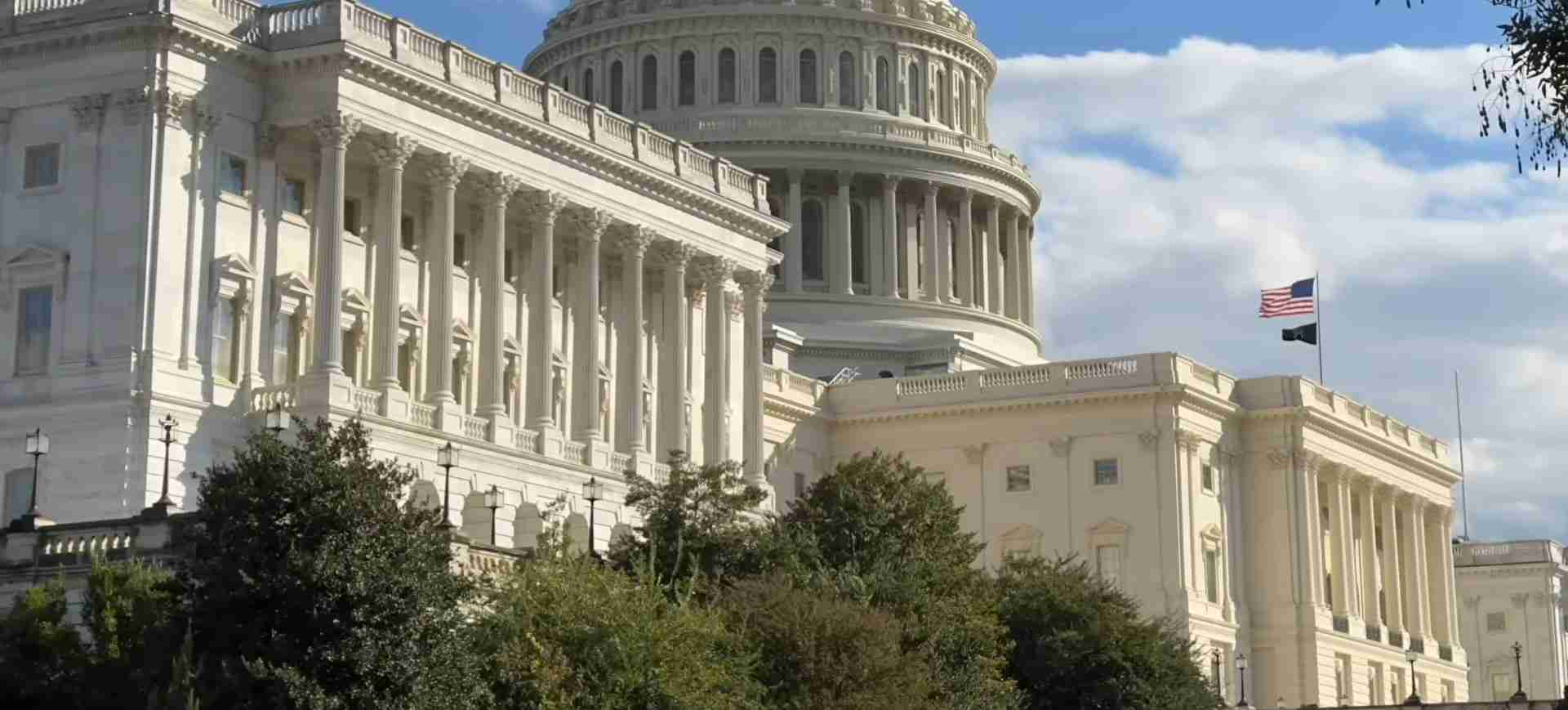
Washington DC Travel Guide 2026: Ultimate Planning Resource
The United States capital stands as one of the world’s most accessible destinations for travelers, offering extraordinary cultural experiences through 17 free Smithsonian museums, iconic monuments accessible 24/7, and a Metro system connecting every major attraction. Washington DC rewards visitors with world-class museums, historical landmarks, diverse neighborhoods, and exceptional dining, making every dollar stretch further than most major cities. This guide provides complete 2026 planning essentials from transportation and accommodation to daily budgets and insider strategies for maximizing your visit.
Key Takeaways
- Free Museums Transform Budgets 2026: All 17 Smithsonian museums offer completely free admission including the National Air and Space Museum, Natural History Museum, American History Museum, and African American History and Culture Museum. The National Gallery of Art, Library of Congress, and all major monuments are also free, allowing visitors to allocate budgets toward accommodation, dining, and experiences rather than entrance fees.
- Metro System Provides Affordable Access 2026: The Washington Metro connects all major attractions with fares ranging $2-7 depending on distance and time, averaging $4-5 per trip. A 7-day unlimited Metrorail pass covers unlimited rides up to $4.50 fare value, making it ideal for visitors planning multiple daily trips across the city’s extensive network.
- Budget Planning 2026: Expect $165-235 per person daily for mid-range comfort assuming two sharing hotel accommodation. This includes hotel share $85-115, meals $65-95, Metro transportation $10-15, and attractions $5-10. Budget travelers manage $80-135 daily with hostel dormitories or budget hotels, while luxury visitors invest $395-645 daily for premium experiences.
- Seasonal Timing Affects Costs and Experience 2026: Spring cherry blossom season (late March-early April) and fall (September-November) bring peak crowds and hotel rates 40-60% above winter baselines, while summer offers intense heat with festival energy and winter provides the most affordable accommodation options with hotel rates dropping to $110-180 nightly for mid-range properties.
- Timed-Entry Passes Required for Popular Sites 2026: While admission remains free, the National Museum of African American History and Culture, National Air and Space Museum, Washington Monument, and National Zoo require advance timed-entry passes that release 30-90 days before visit dates. Securing these passes early prevents disappointment at sold-out time slots during peak seasons.
- Neighborhood Strategy Maximizes Efficiency 2026: Downtown and Penn Quarter locations minimize Metro dependence for National Mall access with hotels $150-280 nightly, while staying in Dupont Circle, Georgetown, or Capitol Hill neighborhoods offers authentic DC character, excellent dining, and accommodation $130-240 nightly with 15-25 minute Metro rides to monuments.
People Also Ask About Washington DC 2026
How Much Does Washington DC Cost Per Day in 2026?
Washington DC costs $165-235 per person daily for mid-range travelers assuming two sharing hotel accommodation in 2026. Hotel accommodation $85-115 per person (two sharing mid-range downtown hotel), meals $65-95, Metro transportation $10-15, and attractions or experiences $5-10 create this total. Budget travelers manage $80-135 daily by using hostel dormitories $25-45 per night, meals $40-65 daily, Metro transportation $10-15, and minimal paid attractions $5-10. Luxury travelers invest $395-645 daily with premium hotels $175-275 per person share, meals and snacks $150-240, private transportation $30-50, and exclusive experiences $40-80.
Is 3 Days Enough for Washington DC in 2026?
Three days provides sufficient time to experience Washington DC’s essential highlights including the National Mall monuments, 4-6 major Smithsonian museums, Capitol Hill, and one distinctive neighborhood like Georgetown or Dupont Circle. A well-planned 3-day itinerary covers the Lincoln Memorial, Washington Monument, World War II Memorial, Vietnam Veterans Memorial, National Museum of American History, National Air and Space Museum, National Museum of Natural History, U.S. Capitol building tour, and evening explorations of Adams Morgan or The Wharf waterfront. Four to five days allows deeper museum exploration, day trips to Mount Vernon or Arlington National Cemetery, and discovering multiple neighborhoods. Two days feels rushed for first-time visitors trying to cover major sites.
What Is the Best Month to Visit Washington DC in 2026?
Late September through October represents the optimal visiting window for Washington DC in 2026, offering comfortable temperatures averaging 60-75°F, brilliant fall foliage, significantly smaller crowds than spring cherry blossom season, and hotel rates 20-30% below peak spring pricing. April brings the iconic cherry blossoms and perfect 55-70°F weather but also draws the year’s largest crowds and highest accommodation costs. May and early June offer excellent conditions with blooming city gardens, manageable crowds, and moderate hotel rates. March features unpredictable weather ranging from 40-65°F with occasional late winter storms. Summer months (July-August) bring intense heat and humidity reaching 85-95°F with feels-like temperatures exceeding 100°F, though festivals and extended museum hours attract families during school breaks. Winter (December-February) provides the lowest hotel rates and smallest crowds but temperatures averaging 30-45°F with occasional snow closures.
Do You Need a Car in Washington DC in 2026?
A car is unnecessary and often disadvantageous for exploring Washington DC in 2026 due to the comprehensive Metro system serving all major attractions, expensive downtown parking averaging $25-45 daily, heavy traffic congestion during weekday commute hours, and the walkable nature of most tourist corridors. The Metro connects National Mall museums, Capitol Hill, Georgetown, Dupont Circle, and all major neighborhoods with trains running every 6-12 minutes during daytime hours. Visitors save $35-60 daily by avoiding rental car costs and parking fees while moving more efficiently between sites. Ride-sharing services like Uber and Lyft fill gaps for late-night transportation or reaching areas beyond Metro coverage. A rental car only makes sense for visitors planning day trips to Mount Vernon, Annapolis, or Shenandoah National Park where public transportation options are limited.
Extended multi-day tours – 5+ days
Featured Eastern Usa Multi-Day Tour Packages
3 days
Eastern Usa 3-Day Discovery Tour
- ✓ Comprehensive Eastern Usa experience
- ✓ Expert local guides included
- ✓ All accommodation included
- ✓ Transportation provided

5 days
Eastern Usa 5-Day Highlights Experience
- ✓ Comprehensive Eastern Usa experience
- ✓ Expert local guides included
- ✓ All accommodation included
- ✓ Transportation provided
7 days
Eastern Usa 7-Day Cultural Journey
- ✓ Comprehensive Eastern Usa experience
- ✓ Expert local guides included
- ✓ All accommodation included
- ✓ Transportation provided
10 days
Eastern Usa 10-Day Complete Adventure
- ✓ Comprehensive Eastern Usa experience
- ✓ Expert local guides included
- ✓ All accommodation included
- ✓ Transportation provided
Multi-day tour packages powered by TourRadar. Prices and availability subject to change.
Introduction
Washington DC occupies a unique position among world capitals as a destination deliberately designed for public access and education. The Smithsonian Institution’s founding principle of “the increase and diffusion of knowledge” translates directly into 17 world-class museums offering free admission to millions of visitors annually, while the National Mall’s monuments and memorials remain accessible 24 hours daily without entrance fees. This remarkable model transforms cultural tourism from an expensive luxury into an accessible reality for travelers at every budget level.
The city’s compact 68 square miles contain extraordinary density of historical significance, from the U.S. Capitol building and Supreme Court to the White House and Pentagon, alongside neighborhoods that reveal the capital’s evolution from 18th-century tobacco port to 21st-century innovation hub. Georgetown’s cobblestone streets preserve Federal-era architecture, while The Wharf’s modern waterfront development showcases contemporary urban renewal. Adams Morgan pulses with international cuisine and nightlife, Dupont Circle anchors LGBTQ+ culture and bookstore tradition, and H Street NE demonstrates the creative energy of emerging neighborhoods.
Washington DC’s Metro system, one of America’s busiest rapid transit networks, connects all major attractions with clean, efficient service that makes car rental unnecessary for most visitors. The system’s six color-coded lines span 98 stations across DC, Maryland, and Virginia, putting every significant museum, monument, and neighborhood within 20 minutes of any other destination. This infrastructure advantage allows visitors to maximize sightseeing time while minimizing transportation costs and stress.
Understanding DC’s seasonal patterns, timed-entry requirements, and neighborhood characteristics separates frustrating visits from exceptional experiences. Cherry blossom season crowds converge in April when timed-entry passes sell out months in advance, while fall’s comfortable temperatures and reduced crowds offer superior exploring conditions. Knowing which free museums require advance passes, which Metro routes serve specific attractions, and which neighborhoods deliver the best value for accommodation investments makes the difference between seeing DC and truly experiencing it.
This guide synthesizes current operational realities, verified pricing, and strategic planning approaches for 2026 visitors. From budget backpackers allocating $95 daily to luxury travelers investing $500+ per day, DC accommodates every travel style while delivering experiences that justify the designation as one of the world’s premier cultural destinations. The following sections provide the detailed information necessary to plan efficiently, spend wisely, and explore comprehensively.
Understanding Washington DC Costs in 2026
Washington DC’s cost structure differs fundamentally from most major tourist cities because free museums and monuments eliminate the largest expense category that typically consumes 30-40% of vacation budgets. Where visitors to London, Paris, or New York allocate $100-200 daily for museum admissions and landmark access, DC travelers redirect those funds toward better accommodation, elevated dining experiences, or extended trip duration. This pricing reality makes DC one of the most value-driven destinations in the developed world when measuring cultural access per dollar spent.
Accommodation represents the primary expense variable, ranging from $25 dormitory beds in budget hostels to $600 luxury hotel suites, with the majority of travelers finding mid-range hotels in the $170-230 nightly range for downtown locations. Food costs span similar breadth, from $3 food truck tacos to $150 fine dining tasting menus, with most visitors settling into $60-90 daily food budgets covering breakfast, lunch, dinner, and coffee. Transportation costs remain remarkably consistent at $10-15 daily for Metro travel between 4-6 daily trips, or up to $21 for an unlimited 1-day Metrorail pass.
The city’s free museum model means the “attractions” budget category primarily covers optional experiences beyond the standard Smithsonian offerings. Paid attractions like the International Spy Museum ($27-30), Mount Vernon day trips ($30-50 including transport), Capitol building tours (free but tipping guides $10-20 is customary), and special exhibits occasionally charging admission create opportunities for budget allocation based on specific interests rather than mandatory expenses.
Transportation Costs and Strategies in Washington DC 2026
The Washington Metropolitan Area Transit Authority (WMATA) operates the sixth-busiest rapid transit system in North America, serving DC and adjacent Maryland and Virginia suburbs through 98 stations across six color-coded lines spanning 130 miles of track. This extensive network puts every major attraction within the Metro system’s reach, eliminating rental car necessity for the vast majority of visitors focused on museums, monuments, and central neighborhoods.
Metro Fares and Payment Options 2026
Metrorail fares operate on a distance-based pricing structure that varies by travel time, ranging $2-7 for most journeys within the tourist core. Weekday peak hours (opening-9:30 AM and 3:00-7:00 PM) apply the full fare structure with costs reaching $6-7 for longer trips like Reagan National Airport to Shady Grove or Vienna. Off-peak hours and all weekend service cap fares at $2-3 for typical National Mall to Capitol Hill or Georgetown distances. The average visitor’s trip from downtown hotels to major attractions costs $3-4 each direction.
SmarTrip cards serve as the primary payment method, available at every station’s fare vending machines for a $2 card fee plus desired load amount. Visitors can also tap contactless credit or debit cards directly at faregates starting in 2025, eliminating the need to purchase separate fare cards. This tap-to-pay system works with physical cards, Apple Pay, Google Pay, and other mobile wallet platforms, automatically calculating the correct fare based on entry and exit points.
Metro pass options include 1-day unlimited Metrorail passes at $21, covering unlimited rides with fares up to $4.50, and 7-day unlimited passes covering unlimited rides with the same per-ride cap. The 1-day pass breaks even at 5-6 typical trips, making it worthwhile for active sightseeing days visiting 4-5 museums or neighborhoods. The 7-day pass suits visitors planning week-long stays with consistent daily Metro use across multiple neighborhoods and attractions.
Metrobus Service 2026
Metrobus complements the rail system with over 300 routes serving areas beyond Metro stations, charging flat $2 fares for regular routes and $5 for express services. Visitors using SmarTrip cards receive free bus-to-bus transfers within 2-hour windows and $2 discounts when transferring between Metrorail and Metrobus. The DC Circulator buses run dedicated routes connecting major tourist corridors for $1 per ride, though service quality and frequency vary significantly from Metro standards.
Alternative Transportation 2026
Ride-sharing services (Uber, Lyft) provide convenient options for late-night travel after Metro service ends or reaching destinations poorly served by transit, typically costing $8-15 for trips within central DC and $15-25 from downtown to suburban areas. Airport transportation ranges from $15-20 shared shuttle services to $35-50 private ride-shares for Reagan National Airport, and $60-80 for Dulles International Airport located 26 miles west of downtown.
Capital Bikeshare stations throughout DC offer 24-hour bike rentals starting at $10 daily or $25 for 3-day passes, providing an enjoyable alternative for connecting sites along the National Mall’s flat terrain or exploring Georgetown’s waterfront. The city’s protected bike lanes have expanded significantly, making cycling increasingly viable for confident riders, though navigating downtown traffic requires attention and experience.
Accommodation Costs and Neighborhood Guide 2026
Washington DC’s hotel market spans from $25 hostel dormitory beds to $600+ luxury suites, with location, season, and property type creating the primary price variables. Downtown and Penn Quarter locations command premium pricing for National Mall proximity, while neighborhoods like Dupont Circle, Adams Morgan, and Capitol Hill offer better value with authentic DC character and excellent Metro access just 15-25 minutes from major monuments.
Budget Accommodation in Washington DC 2026
Hostel dormitory beds cost $25-45 per night in centrally located properties like HI Washington DC Hostel near Metro Center or Podshare DC’s capsule-style accommodations. Private rooms in budget hostels range $70-110 nightly, offering basic amenities with shared bathrooms and communal kitchens that enable meal preparation for additional savings. Budget hotel chains (Days Inn, Comfort Inn, Red Roof Inn) in outer Metro-accessible neighborhoods charge $90-140 nightly for standard double rooms, though locations in Arlington or Silver Spring require 20-30 minute commutes to National Mall attractions.
Budget travelers sharing double rooms split $90-140 nightly costs, creating $45-70 per person accommodation expenses, while solo budget travelers using hostels or budget hotels pay $25-110 depending on private room or dormitory preferences.
Mid-Range Hotels Washington DC 2026
Mid-range hotels in downtown, Penn Quarter, or Foggy Bottom neighborhoods charge $170-250 nightly during regular seasons, providing convenient locations within 10-15 minute walks of National Mall museums and monuments. Properties like Courtyard by Marriott Washington Capitol Hill, Hampton Inn Washington Downtown, and Holiday Inn Washington Capitol offer modern rooms, fitness centers, and breakfast options with Metro stations immediately adjacent.
Capitol Hill, Dupont Circle, and Logan Circle neighborhoods deliver better mid-range value at $130-200 nightly for boutique hotels and independent properties like The Capitol Hill Hotel or Kimpton Hotel Palomar, trading 5-10 minute longer Metro commutes for authentic neighborhood experiences, superior dining options, and reduced tourist crowds. Georgetown locations charge $150-220 nightly for comparable quality, offering historic charm and waterfront access with slightly less convenient Metro connections requiring bus transfers.
Mid-range travelers sharing double rooms pay $65-125 per person nightly for hotel accommodation, creating the foundation for $165-230 daily budgets when combined with food, transportation, and incidental expenses.
Luxury Accommodation Washington DC 2026
Luxury hotels command $350-550 nightly rates for properties like The St. Regis Washington DC, The Hay-Adams overlooking the White House, Riggs Washington DC in Penn Quarter, and Conrad Washington DC. These five-star properties provide premium locations, exceptional service, upscale dining, spa facilities, and elegant design that elevates the DC experience for special occasions or business travel with generous expense accounts.
Boutique luxury properties in Georgetown like The Ritz-Carlton Georgetown or historic properties like The Jefferson Hotel charge similar $350-500 nightly rates while delivering more intimate atmospheres and distinctive design perspectives compared to larger luxury chain hotels.
Luxury travelers sharing double rooms allocate $175-275 per person nightly for hotel accommodation, establishing the baseline for $350-550+ daily budgets when including upscale dining, private transportation, and premium experiences.
Seasonal Pricing Patterns 2026
Hotel rates fluctuate 40-60% between peak and off-peak seasons, with cherry blossom season (late March-early April) commanding the year’s highest prices alongside late September-October fall foliage periods. Mid-range downtown hotels reaching $250-300 nightly during cherry blossom peak drop to $140-180 during January-February winter months. Summer rates (June-August) fall between these extremes at $180-230 for comparable properties despite higher temperatures.
Booking 2-3 months ahead for peak season visits secures better rates and property selection, while shoulder season and winter travelers often find excellent last-minute deals on booking platforms as hotels discount unsold inventory.
Dining and Food Costs Washington DC 2026
Washington DC’s dining scene reflects its position as an international capital, offering everything from $3 Ethiopian injera wraps on U Street to $200 tasting menus at Michelin-starred restaurants in Penn Quarter. The city’s diversity creates remarkable food value compared to other major American cities, with immigrant communities establishing authentic cuisine corridors that deliver exceptional quality at modest prices.
Budget Dining Strategies 2026
Food trucks throughout downtown, near Metro stations, and along the National Mall serve $8-12 lunch portions including tacos, falafel, Korean barbecue, Thai noodles, and BBQ sandwiches that provide filling meals without table service premiums. Chinatown, Adams Morgan, and Columbia Heights host casual restaurants where $10-15 buys complete lunches or dinners featuring Salvadoran pupusas, Vietnamese pho, or Ethiopian combination platters.
Budget travelers allocating $35-55 daily for food typically spend $8-12 for breakfast (coffee shop pastries, breakfast sandwiches, or hostel/hotel continental breakfasts), $10-15 for lunch (food trucks, fast-casual chains, or ethnic restaurants), $15-25 for dinner (casual dining or ethnic restaurants), and $5-8 for coffee and snacks. This framework provides substantial, satisfying meals without fine dining indulgence.
Mid-Range Dining 2026
Sit-down restaurants in neighborhoods like Dupont Circle, Logan Circle, H Street NE, and The Wharf charge $15-25 for lunch entrees and $25-40 for dinner mains, with wine or cocktails adding $12-18 per drink. Brunch has evolved into a DC tradition, with weekend brunch services offering $18-30 unlimited mimosa packages alongside $15-25 entrees at popular spots throughout Adams Morgan and Capitol Hill.
Mid-range diners spending $65-95 daily allocate $12-18 for breakfast (sit-down cafe or hotel breakfast), $20-30 for lunch (casual restaurants or counter service), $30-45 for dinner (neighborhood restaurants), and $8-12 for coffee and afternoon snacks. This budget supports varied dining experiences across different neighborhoods without luxury restaurant pricing.
Upscale and Fine Dining 2026
Michelin-starred restaurants like Minibar by José Andrés, Pineapple and Pearls, and The Inn at Little Washington (40 minutes outside DC) charge $200-350 per person for tasting menu experiences before beverages and gratuity. High-end restaurants in Georgetown, Penn Quarter, and downtown locations offer $50-85 entrees with $75-140 per person total costs including appetizers, drinks, and desserts.
Luxury diners invest $140-220 daily in food experiences, allocating $25-35 for upscale breakfast, $40-60 for refined lunch, $70-120 for dinner at destination restaurants, and $15-25 for premium coffee and snacks at specialized cafes.
Free Museums and Attractions Washington DC 2026
The Smithsonian Institution’s 17 museums in the Washington DC area provide completely free admission as a core institutional mission, collectively housing over 150 million artifacts, artworks, and specimens across facilities that attract more than 30 million annual visitors. This unprecedented free access to world-class collections distinguishes DC from every other major tourist destination, where comparable museum experiences typically cost $25-40 per venue.
National Mall Smithsonian Museums 2026
The National Museum of Natural History anchors the Smithsonian presence on the National Mall with the iconic African elephant greeting visitors in the rotunda before they explore the Hope Diamond, dinosaur fossils spanning 4.5 billion years of evolution, the Sant Ocean Hall’s life-size whale models, and cultural exhibits documenting human civilization across continents. The museum opens 10:00 AM-5:30 PM daily except December 25, with no admission fee or timed-entry pass required.
The National Air and Space Museum displays the Wright Brothers’ 1903 Flyer, Charles Lindbergh’s Spirit of St. Louis, the Apollo 11 command module, and hundreds of aircraft and spacecraft documenting aviation and space exploration history. Following extensive renovation, the museum now requires free timed-entry passes available online 30 days before visit dates, with passes releasing at 10:00 AM Eastern Time and often filling within hours for weekend dates during peak season. The museum opens 10:00 AM-5:30 PM daily with final galleries opening in 2026 completing the multi-year transformation.
The National Museum of American History houses the original Star-Spangled Banner flag that inspired the national anthem, Dorothy’s ruby slippers from The Wizard of Oz, the Greensboro lunch counter from the Civil Rights Movement, and Julia Child’s complete kitchen. Three floors of exhibits trace American innovation, culture, military history, and social movements from colonial era through present day. No timed-entry pass required, 10:00 AM-5:30 PM daily schedule.
The National Museum of African American History and Culture, the Smithsonian’s newest museum opened in 2016, documents the African American experience through artifacts including a segregated railway car, Harriet Tubman’s hymnal, Emmett Till’s casket, and contemporary art celebrating Black culture’s contributions. The museum’s powerful chronological journey from slavery through civil rights to present achievements requires free timed-entry passes that release 90 days before visit dates and fill immediately during peak season. Passes release at 10:00 AM Eastern Time online, with a limited same-day pass pool available starting at 6:30 AM for walk-up visitors. The museum opens 10:00 AM-5:30 PM daily.
The Hirshhorn Museum and Sculpture Garden showcases contemporary art in a distinctive circular building with outdoor sculpture garden featuring works by Rodin, Calder, and other modern masters. The Renwick Gallery near the White House displays contemporary craft and decorative arts. The National Museum of the American Indian explores Native cultures across the Americas. All maintain 10:00 AM-5:30 PM schedules with free admission and no timed-entry requirements.
Additional Smithsonian Facilities 2026
The National Portrait Gallery and Smithsonian American Art Museum share a historic building in Penn Quarter, offering presidential portraits, American artistic traditions, and the stunning glass-roofed Kogod Courtyard perfect for lunch breaks. The National Zoo in Woodbridge requires free timed-entry passes during peak season weekends, showcasing giant pandas, elephants, great apes, and hundreds of species across 163 acres. The Steven F. Udvar-Hazy Center near Dulles Airport displays additional aircraft and spacecraft in massive hangars including the space shuttle Discovery and SR-71 Blackbird, requiring 45-minute drives or shuttle connections from Metro stations.
Non-Smithsonian Free Attractions 2026
The National Gallery of Art, independent from the Smithsonian system, offers free admission to collections spanning European masterworks from medieval period through impressionism in the West Building, and modern/contemporary art in I.M. Pei’s East Building. The sculpture garden between buildings provides pleasant outdoor space with rotating exhibitions and ice skating in winter. The United States Holocaust Memorial Museum documents Nazi genocide and promotes understanding of Holocaust history through powerful permanent exhibits and special exhibitions, requiring free timed-entry passes during peak season available online 30 days before visits.
The Library of Congress, the world’s largest library, opens Thomas Jefferson Building’s magnificent Main Reading Room and Great Hall to public tours showcasing Beaux-Arts architecture and rotating exhibitions from special collections. The U.S. Capitol building offers free guided tours covering the Rotunda, National Statuary Hall, and Crypt, with advance reservations recommended through congressional office requests or same-day ticket releases. The Supreme Court building allows visitors to attend oral arguments when court is in session (October-April) and tour the building’s public spaces year-round.
Monuments and Memorials 2026
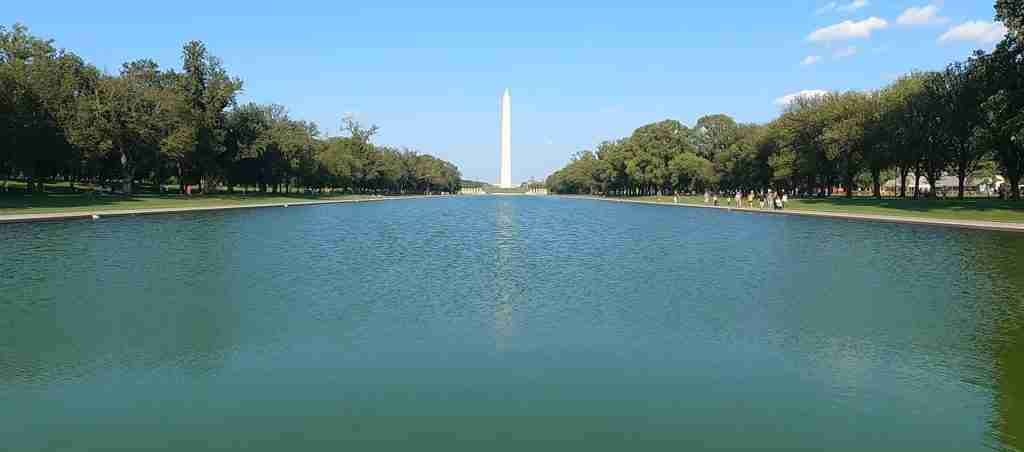
The National Mall’s iconic monuments remain accessible 24 hours daily with no admission fees. The Lincoln Memorial, Jefferson Memorial, Washington Monument, Martin Luther King Jr. Memorial, Franklin D. Roosevelt Memorial, World War II Memorial, Vietnam Veterans Memorial, and Korean War Veterans Memorial create a 2-mile corridor of American commemoration along the Tidal Basin and Reflecting Pool. The Washington Monument requires free timed-entry passes for interior access to the observation deck 500 feet above the National Mall, with passes releasing online 30 days before dates and limited same-day passes distributed starting at 9:00 AM at the monument.
Paid Attractions and Optional Experiences 2026
Beyond DC’s extensive free offerings, several notable attractions charge admission while delivering unique perspectives on history, culture, and entertainment that complement the Smithsonian experience. These optional attractions allow visitors to customize itineraries based on specific interests without creating mandatory expense obligations.
The International Spy Museum relocated to a purpose-built facility in L’Enfant Plaza in 2019, charging $27-30 adult admission for interactive exhibits covering espionage history, techniques, and artifacts including Enigma machines, concealment devices, and defector testimonies. The museum’s hands-on approach appeals particularly to families with older children and adults fascinated by intelligence operations.
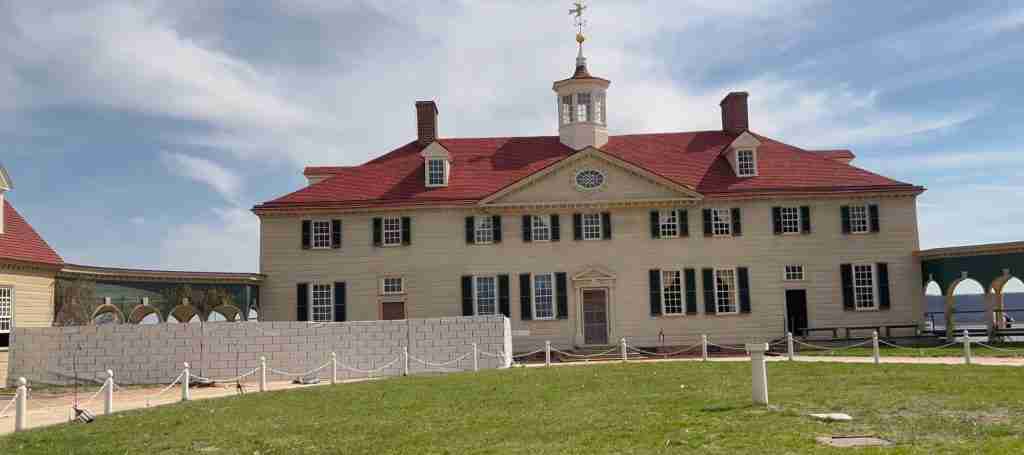
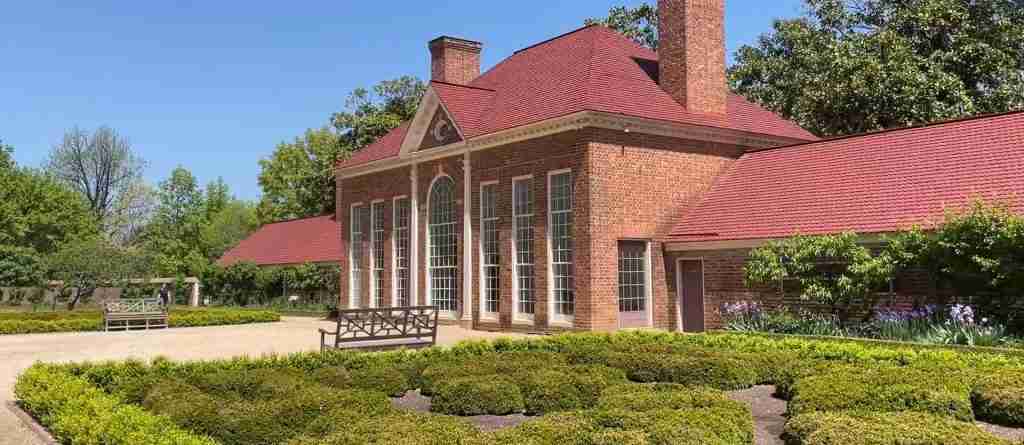
George Washington’s Mount Vernon Estate, located 16 miles south of DC along the Potomac River, charges $28 adult admission for access to Washington’s preserved mansion, gardens, museum, and tomb. Round-trip bus tours including admission cost $55-65 from downtown departure points, with journey time approximately 90 minutes each direction. The estate provides essential context for understanding America’s founding generation and Washington’s private life beyond presidential duties.
Arlington National Cemetery across the Potomac in Virginia maintains free admission for visitors exploring the grounds independently, though narrated tram tours cost $15-18 for comprehensive cemetery coverage including Kennedy gravesites and the Tomb of the Unknown Soldier. The cemetery closes for active burials throughout each day with temporary access restrictions.
Ford’s Theatre where Abraham Lincoln was assassinated offers free admission to the museum and restored theatre, with $3 convenience fees for advance timed-entry passes that guarantee access during peak visiting hours. The theatre presents performances throughout the year with tickets ranging $30-80 depending on productions and seating.
The National Building Museum charges $10 adult admission for accessing special exhibitions beyond the free Great Hall, while ARTECHOUSE digital art experiences cost $20-28 for timed-entry access to immersive projection and sound installations that change quarterly. The National Museum of Women in the Arts following major renovation charges $16 adult admission while offering first Sunday monthly free admission days.
Sample Daily Budgets Washington DC 2026
Understanding realistic daily costs across budget tiers helps visitors plan appropriate financial resources and set expectations for accommodation quality, dining experiences, and transportation choices. The following breakdowns reflect per person costs assuming two travelers sharing hotel accommodation, with solo travelers adjusting accommodation expenses upward by 50-80% depending on property type.
Budget Daily Costs 2026
Budget travelers spending $80-135 per person daily (two sharing budget accommodation) allocate resources as follows: hostel dormitory or budget hotel share $25-45 per person, breakfast $8-12 (coffee shop or included hostel breakfast), lunch $10-15 (food trucks or ethnic restaurants), dinner $15-25 (casual dining), coffee and snacks $8-12, Metro transportation $10-15 (4-5 daily trips), attractions $5-10 (paid timed-entry convenience fees, tips). Total daily cost approximately $80-135 per person.
This budget tier prioritizes free Smithsonian museums and monuments while choosing affordable accommodation in outer Metro-accessible neighborhoods, eating primarily at food trucks and ethnic restaurants, and walking between nearby National Mall sites to minimize Metro trips. Budget travelers often pack breakfast items, use hostel kitchens for meal preparation, and visit monuments during evening hours to reduce daytime activity costs.
Mid-Range Daily Costs 2026
Mid-range travelers spending $165-235 per person daily (two sharing mid-range hotel) distribute expenses across: downtown hotel share $85-115 per person (two sharing room), breakfast $10-15 (cafe or hotel restaurant), lunch $18-28 (casual sit-down restaurants), dinner $28-40 (neighborhood restaurants), coffee and snacks $9-12, Metro transportation $10-15 (unlimited 1-day pass or individual trips), paid attractions and experiences $5-10 (occasional paid museums, tour gratuities, special exhibits). Total daily cost approximately $165-235 per person.
Mid-range budgets enable comfortable downtown hotels within walking distance of National Mall, diverse restaurant experiences across different neighborhoods, occasional splurges on upscale dining or cocktails, and flexibility for paid attractions or guided tours when interests align. This tier balances comfort with value consciousness, providing quality without luxury extravagance.
Luxury Daily Costs 2026
Luxury travelers investing $395-645 per person daily (two sharing luxury hotel) allocate funds toward: luxury hotel share $175-275 per person (two sharing suite or premium room), breakfast $25-35 (hotel restaurant or upscale cafe), lunch $40-60 (refined dining), dinner $70-120 (destination restaurants, wine pairings), coffee and premium snacks $15-25, private transportation or ride-shares $30-50 (avoiding Metro entirely), exclusive experiences $40-80 (private tours, premium event tickets, spa treatments). Total daily cost approximately $395-645 per person.
Luxury budgets support five-star hotels, Michelin-starred dining, private car services, VIP experiences, and spontaneous indulgences without financial constraints. This tier focuses on comfort, convenience, and curated experiences rather than value optimization.
Sample 3-Day Itinerary Washington DC 2026
A thoughtfully structured 3-day itinerary covers Washington DC’s essential attractions while maintaining reasonable daily pacing and incorporating diverse experiences across museums, monuments, neighborhoods, and dining. This framework prioritizes morning arrivals at popular timed-entry museums, afternoon monument exploration during optimal lighting, and evening neighborhood discoveries.
Day 1: National Mall Museums and Monuments
Begin at the National Museum of African American History and Culture for 9:00 AM timed-entry (book passes 90 days before travel), spending 3 hours exploring the chronological journey from slavery through civil rights movements to contemporary culture. Exit midday for lunch at food trucks along 15th Street NW or walk to Penn Quarter for sit-down dining at Jaleo (Spanish tapas) or Rasika (modern Indian), allocating $15-25 per person.
Walk west along the National Mall to the Washington Monument (1 mile, 20 minutes), ascending to the observation deck if timed-entry passes were secured (book 30 days before) or admiring the exterior before continuing to the World War II Memorial, Reflecting Pool, and Lincoln Memorial at the western end. Spend late afternoon at the Lincoln Memorial before walking north to the Vietnam Veterans Memorial and Korean War Veterans Memorial as sun begins setting. Return east along Constitution Avenue to view the White House from Lafayette Square and Pennsylvania Avenue perspectives.
Metro from Federal Triangle or Metro Center to Dupont Circle for evening exploration of this historic neighborhood’s bookstores, cafes, and restaurants. Dinner at Tail Up Goat (Mediterranean-inspired, $35-50 per person) or Hank’s Oyster Bar (seafood, $30-45 per person) provides quality dining in authentic DC atmosphere away from tourist corridors. Day 1 costs: Museum timed-entry passes free, lunch $15-25, coffee $8-12, dinner $30-50, Metro $8-12. Total approximately $60-100 per person.
Day 2: Capitol Hill and Additional Museums
Start at the U.S. Capitol building for 9:00 AM guided tour (book through congressional offices or grab same-day passes), exploring the Rotunda, National Statuary Hall, and learning about congressional operations. Walk to the Supreme Court building for exterior architecture and interior Great Hall if court not in session, then continue to the Library of Congress Thomas Jefferson Building for morning tour of the spectacular Main Reading Room and rotating exhibitions.
Lunch at Eastern Market neighborhood (5-minute walk from Capitol) provides food stall options, casual restaurants, and weekend farmers market atmosphere in DC’s historic public market. Afternoon returns to National Mall for the National Air and Space Museum (secured timed-entry pass required during peak season, free to obtain 30 days before), spending 2-3 hours among iconic aircraft, spacecraft, and aviation history exhibits.
Late afternoon visits the National Museum of Natural History for dinosaur halls, Hope Diamond, ocean exhibits, and human origins displays, requiring 90-120 minutes for highlights tour. Evening Metro ride to Georgetown for waterfront walk along the Potomac, exploring M Street’s shops and historic architecture, and dinner at 1789 Restaurant (upscale American, $50-75 per person) or Farmers Fishers Bakers (contemporary American, $30-45 per person). Day 2 costs: Lunch $12-20, coffee and snacks $8-12, dinner $30-75, Metro $8-12. Total approximately $60-120 per person.
Day 3: Neighborhood Exploration and Remaining Interests
Dedicate morning to the National Gallery of Art, choosing between West Building European masters or East Building modern art based on preferences, with 2-3 hours exploring collections rivaling any major museum worldwide. Coffee break at the museum cafe or nearby Penn Quarter establishments before walking to the National Museum of American History for afternoon exploration of American innovation, cultural artifacts, and the Star-Spangled Banner exhibit.
Late afternoon options include Mount Vernon day trip (requires advance planning for 4-5 hour round-trip commitment), Arlington National Cemetery visit across Memorial Bridge, or remaining National Mall museums like the Hirshhorn contemporary art collection or National Museum of the American Indian. For urban neighborhood experience instead, Metro to Adams Morgan for international cuisine exploration, vintage shops, and vibrant street culture.
Final evening options include The Wharf waterfront development with diverse dining from Kaliwa (Southeast Asian, $25-40 per person) to Officina (Italian, $30-45 per person), rooftop bars overlooking the Potomac, and live music venues, or return to favorite neighborhood from previous days for deeper exploration. Day 3 costs: Coffee and breakfast $12-18, lunch $15-25, afternoon snacks $8-12, dinner $30-50, Metro or ride-share $12-20. Total approximately $80-125 per person.
Three-day trip total: Hotel accommodation $255-345 per person (three nights sharing mid-range downtown hotel at $170-230 nightly divided by two), meals $150-240, transportation $30-45, incidentals and attractions $25-50. Total trip cost approximately $460-680 per person for mid-range comfort over three days including accommodation, meals, transportation, and activities.
Best Time to Visit Washington DC 2026
Washington DC’s climate, tourist patterns, and cultural calendar create distinct visiting seasons that dramatically affect crowds, costs, comfort levels, and experience quality. Understanding these patterns allows strategic timing decisions that maximize enjoyment while managing budgets and avoiding peak congestion.
Spring Season March-May 2026
Late March through mid-April brings Washington’s internationally famous cherry blossom season when 3,000 ornamental cherry trees surrounding the Tidal Basin explode in pink and white blooms. The National Cherry Blossom Festival runs approximately three weeks from late March through mid-April, with exact bloom timing varying 7-10 days yearly based on winter temperatures. Peak bloom typically occurs April 1-8, lasting 7-10 days before petals fall.
Cherry blossom season represents DC’s absolute peak tourist period, with hotel rates reaching annual highs at $250-350 nightly for mid-range properties and timed-entry museum passes selling out months in advance. The Tidal Basin crowds on peak bloom weekends create shoulder-to-shoulder conditions with hour-long waits for photographs at popular viewpoints. However, the spectacular display and festival programming including the parade, cultural performances, and fireworks attract visitors from worldwide destinations for good reason.
May extends pleasant spring weather with temperatures averaging 60-75°F, reduced crowds as cherry blossom tourists depart, and blooming city gardens throughout neighborhoods. Late May Memorial Day weekend brings patriotic ceremonies, military band concerts, and Rolling Thunder motorcycle rally, creating secondary peak crowds around monuments and Arlington National Cemetery.
Summer Season June-August 2026
Summer brings intense heat and humidity with July-August temperatures regularly reaching 85-95°F and feels-like temperatures exceeding 100°F during heat waves. The Smithsonian Folklife Festival occupies the National Mall for two weeks surrounding Independence Day, featuring international cultural programs, craft demonstrations, and performances that transform the Mall into a massive outdoor celebration. Independence Day itself brings enormous crowds for fireworks, concerts, and ceremonies, with National Mall access restricted and Metro stations experiencing extreme congestion.
Despite challenging weather, summer attracts families during school breaks, with extended museum hours at select Smithsonians and outdoor festival programming compensating for heat discomfort. Hotel rates moderate to $180-230 for mid-range properties outside July 4th week, and afternoon thunderstorms provide temporary temperature relief while indoor museums offer air-conditioned sanctuary.
Fall Season September-November 2026
Late September through October delivers Washington’s optimal visiting conditions with comfortable 60-75°F temperatures, spectacular fall foliage coloring city trees and parks in brilliant oranges and reds, significantly reduced tourist crowds compared to spring, and hotel rates 20-30% below cherry blossom peak at $160-210 for mid-range downtown properties. October weekends offer ideal monument walking weather and pleasant outdoor dining on neighborhood patios.
November temperatures cool to 45-60°F with occasional early winter storms, though Thanksgiving week brings secondary tourism spike as Americans visit the capital during holiday travel. Veterans Day on November 11 features ceremonies at Arlington National Cemetery and the National World War II Memorial worth experiencing for visitors interested in military history.
Winter Season December-February 2026
Winter offers the year’s lowest hotel rates with mid-range properties dropping to $110-180 nightly during January-February, smallest crowds at museums and monuments, and clear views without summer haze or humidity. Temperatures average 30-45°F with occasional snow events that disrupt operations but create beautiful monument photography opportunities. December holiday programming includes National Christmas Tree lighting, seasonal decorations throughout the city, and special museum programming, while January-February represent true off-season with excellent availability and value.
Cold weather requires appropriate layering for outdoor monument tours, though museums and Metro provide heated shelter. Some outdoor dining and rooftop bars close for winter, reducing nightlife options compared to warmer months.
Neighborhood Guide Washington DC 2026
Washington DC’s distinct neighborhoods each offer unique character, dining scenes, and lodging options that provide alternatives to tourist-focused downtown hotels. Understanding neighborhood personalities helps visitors choose areas matching travel styles while potentially saving 15-30% on accommodation costs compared to Penn Quarter or National Mall proximity locations.
Downtown and Penn Quarter
Downtown encompasses the core business district and Penn Quarter entertainment corridor between the White House and U.S. Capitol, offering maximum convenience for National Mall access with 5-15 minute walks to major museums and monuments. High concentration of mid-range to luxury hotels charges $170-280 nightly for this convenience, while numerous restaurants, theaters including Ford’s Theatre and Shakespeare Theatre Company, and Chinatown’s authentic cuisine create vibrant evening activity. Metro Center, Gallery Place-Chinatown, and Federal Triangle stations provide connections to all Metro lines.
Capitol Hill
Capitol Hill extends east of the U.S. Capitol building, combining government office buildings with residential rowhouses, Eastern Market’s historic food halls, and Barracks Row’s restaurant corridor along 8th Street SE. Mid-range hotels cost $140-200 nightly, offering 10-15 minute Metro rides or 20-minute walks to National Mall sites while delivering authentic neighborhood atmosphere. Weekend farmers markets, local bars, and residential character appeal to travelers seeking genuine DC living rather than tourist corridors. Capitol South and Eastern Market Metro stations serve the neighborhood.
Dupont Circle
Dupont Circle anchors DC’s traditional cultural and LGBTQ+ center, featuring historic mansions converted to boutique hotels, independent bookstores including legendary Kramerbooks, diverse restaurants spanning Ethiopian to Italian cuisine, and vibrant nightlife scene. Hotels range $150-220 nightly for mid-range properties with 15-20 minute Metro rides to National Mall via Red Line. The neighborhood’s walkable streets, Sunday farmers market, and authentic urban character attract travelers prioritizing DC neighborhood experience over monument proximity.
Georgetown
Georgetown predates Washington DC itself as an 18th-century tobacco port, preserving Federal-era architecture along cobblestone streets now lined with luxury shops, upscale restaurants, and Georgetown University’s campus. Waterfront parks along the Potomac and C&O Canal provide pleasant walking and cycling routes. Hotels cost $150-240 nightly for mid-range properties, though Georgetown lacks direct Metro connection requiring DC Circulator bus transfers or 25-minute walks to Foggy Bottom Metro station. The neighborhood suits travelers valuing historic ambiance and waterfront access over Metro convenience.
Adams Morgan
Adams Morgan centers on 18th Street’s international restaurant corridor featuring Ethiopian, Mexican, Italian, and diverse global cuisines, vintage shops, live music venues, and energetic nightlife attracting younger crowds. Limited hotel options emphasize smaller properties and vacation rentals at $120-180 nightly rates. Woodley Park-Zoo Metro station requires 15-minute walks or bus connections, positioning Adams Morgan as authentic neighborhood base for budget-conscious travelers comfortable with slightly reduced convenience for superior dining value and local atmosphere.
The Wharf
The Wharf waterfront development completed in 2017-2019 transformed Southwest DC’s Potomac shoreline into modern mixed-use district featuring hotels, restaurants, live music venues, and public piers. The InterContinental and Canopy by Hilton hotels charge $180-280 nightly for waterfront views and contemporary design. L’Enfant Plaza Metro station provides 5-minute walks, while the 10-15 minute National Mall proximity combines convenience with unique waterfront dining and entertainment unavailable in traditional tourist areas.
Logan Circle and U Street
Logan Circle and U Street corridor represent DC’s creative neighborhoods with independent restaurants, cocktail bars, music venues maintaining the area’s jazz heritage, and Victorian rowhouse architecture. Mid-range boutique hotels cost $140-200 nightly with U Street/African-American Civil War Memorial/Cardozo Metro station providing 15-20 minute rides to National Mall. The neighborhoods appeal to travelers seeking authentic urban experience, exceptional dining value, and local cultural energy rather than tourist-oriented services.
Day Trip Options from Washington DC 2026
Washington DC’s central East Coast location enables diverse day trip possibilities ranging from historic sites to coastal beaches, mountain scenery, and charming towns within 1-3 hour travel radius. These excursions provide alternatives to museum-focused itineraries while revealing broader regional character.
Mount Vernon
George Washington’s Mount Vernon estate lies 16 miles south along the Potomac River, requiring 30-45 minute drives or organized bus tours. The preserved 18th-century plantation includes Washington’s mansion, extensive gardens, museum galleries, and tomb, offering essential context for understanding America’s founding president beyond his military and political achievements. Admission costs $28 adults with combination bus tours from downtown at $55-65 including round-trip transportation. Visitors should allocate 3-4 hours for comprehensive estate exploration plus 90-minute round-trip travel time.
Annapolis, Maryland
Annapolis, Maryland’s capital and U.S. Naval Academy home, sits 35 miles east requiring 45-60 minute drives or organized tours. The colonial-era downtown features the Maryland State House (oldest state capitol in continuous legislative use), historic harbor with sailing culture, Naval Academy campus tours, and seafood restaurants specializing in Chesapeake Bay blue crabs. Half-day trips allow downtown exploration and lunch, while full-day visits incorporate Naval Academy tours and waterfront relaxation. No admission fees for downtown walking, though Naval Academy tours cost $12-15 adults.
Shenandoah National Park
Shenandoah National Park’s northern entrance lies 75 miles west requiring 90-120 minute drives through Virginia countryside. Skyline Drive’s 105-mile mountain road provides spectacular Blue Ridge Mountain views, hiking trail access, and wildlife viewing opportunities including black bears, deer, and diverse bird species. The park entrance fee costs $30 per vehicle (valid 7 days), with drive-through visits requiring 4-5 hours and hiking excursions extending to full-day commitments. Fall foliage peak (mid-October) creates stunning color displays, while spring wildflowers and summer greenery offer different scenic rewards. This trip requires rental car access as public transportation doesn’t serve the park.
Harpers Ferry, West Virginia
Harpers Ferry National Historical Park occupies the confluence of Potomac and Shenandoah rivers 65 miles northwest, commemorating John Brown’s 1859 raid that escalated tensions leading to Civil War. The preserved 19th-century town features historic buildings, museums, hiking trails including Appalachian Trail sections, and dramatic river views. Train service from Union Station reaches Harpers Ferry in 75 minutes, with park shuttle buses connecting the station to historic district. Park admission costs $15 per person (valid 3 days), with day trips allowing 4-5 hours exploration plus 2.5-hour round-trip train travel.
Baltimore, Maryland
Baltimore lies 40 miles northeast requiring 45-60 minute MARC train rides or drives, offering Inner Harbor attractions including National Aquarium ($40 adults), historic ships, Fort McHenry National Monument where Francis Scott Key witnessed the bombardment inspiring The Star-Spangled Banner, and diverse neighborhoods like Fells Point’s cobblestone streets and seafood restaurants. MARC Penn Line trains depart Union Station weekdays for $8 each direction, while Amtrak serves weekends at higher $15-25 fares. Baltimore day trips combine maritime history, urban waterfront redevelopment, and seafood specialties for travelers extending beyond DC’s monuments.
Money-Saving Strategies Washington DC 2026
Maximizing value in Washington DC requires understanding which splurges enhance experiences and which costs can be eliminated without sacrificing quality. The city’s unique free museum model creates natural savings opportunities that strategic travelers leverage for superior overall experiences compared to other major destinations.
Accommodation Timing and Location Strategies
Booking hotels 2-3 months before travel during peak season (cherry blossom, fall foliage) secures better rates and property selection compared to last-minute searches when premium locations sell out. Winter travel (January-February) and summer heat (July-August excluding Independence Day week) deliver 30-40% lower hotel rates than spring or fall shoulder seasons. Choosing neighborhoods like Capitol Hill, Dupont Circle, or Logan Circle over Downtown/Penn Quarter saves $30-60 nightly for comparable hotel quality while trading 10-15 minute longer commutes for superior neighborhood dining and authentic atmosphere.
Vacation rental apartments in residential neighborhoods cost $110-180 nightly for full units sleeping 4-6 people compared to $170-230 per hotel room sleeping two, creating significant savings for families or groups while enabling breakfast and lunch preparation that reduces daily food costs $20-40 per person.
Transportation Optimization
Walking between adjacent National Mall museums and monuments eliminates Metro costs for 1-1.5 mile distances that require only 20-30 minutes on foot. The National Museum of Natural History, National Museum of American History, and National Air and Space Museum cluster within 0.5 miles, while the Washington Monument, Lincoln Memorial, and Jefferson Memorial create a walkable 2-mile western corridor. Strategic walking reduces daily Metro trips from 6-8 to 2-3, saving $8-16 daily compared to unlimited pass purchases.
Tapping contactless credit cards for Metro entry eliminates the $2 SmarTrip card fee while providing identical fares and transfer benefits. Sharing ride-share services (UberX, Lyft shared rides) for late-night returns or groups of 3-4 travelers often costs less than individual Metro fares when splitting $12-18 total ride costs.
Dining Value Maximization
Eating lunch at sit-down restaurants instead of dinner reduces costs 30-40% for identical menus and portions at establishments offering lunch service, with $15-22 lunch entrees becoming $28-40 dinner mains at the same restaurants. Food trucks throughout downtown and near Metro stations provide $8-12 complete lunch meals rivaling quality of $18-25 restaurant lunches while enabling faster turnaround for extended museum time.
Ethnic neighborhoods including Adams Morgan (Ethiopian, Mexican, Salvadoran), Chinatown (authentic Chinese beyond tourist traps), and Columbia Heights (Central American, Thai, Vietnamese) deliver exceptional dinner value at $12-20 per person for complete meals compared to $30-45 per person at downtown tourist-oriented restaurants. Visiting these neighborhoods via 15-25 minute Metro rides transforms dining into cultural exploration while significantly reducing daily food costs.
Breakfast preparation using hotel room coffee makers, nearby grocery stores, or carrying breakfast bars eliminates $12-18 daily cafe breakfast costs. Coffee from Starbucks or local shops costs $4-6 compared to $15-20 hotel breakfast buffets that rarely justify the premium for quick continental offerings.
Strategic Paid Attraction Selection
With 17 free Smithsonian museums providing world-class collections, visitors can easily fill 4-7 day itineraries without any paid admissions. Limiting paid attractions to 1-2 highly specific interests (International Spy Museum for espionage enthusiasts, Mount Vernon for Washington history buffs) focuses limited attraction budgets on truly exceptional experiences rather than feeling obligated to visit multiple paid sites that don’t match personal interests.
Seasonal Timing Advantages
Visiting during November through March (excluding Thanksgiving week and holiday season) captures 35-50% lower hotel rates, smaller museum crowds enabling faster self-guided tours, and excellent restaurant availability without reservations required weeks in advance. Winter’s cold weather requires appropriate clothing but doesn’t prevent outdoor monument touring during afternoon temperature peaks, while indoor museums provide identical experiences regardless of season.
Family Travel Considerations Washington DC 2026
Washington DC accommodates families exceptionally well through free museums with interactive exhibits, outdoor monuments providing space for children to move, and efficient Metro transportation eliminating rental car needs. Strategic planning around children’s attention spans, rest requirements, and interest levels transforms potential challenges into successful multi-generational trips.
Family-Friendly Museums 2026
The National Museum of Natural History captivates children of all ages with dinosaur skeletons, the live butterfly pavilion ($8 adults, $7 children during peak season for timed-entry), ocean hall’s massive whale models, and interactive insect zoo. The museum’s layout allows families to choose high-interest exhibits rather than following prescribed paths, with restrooms and cafe facilities supporting extended 2-3 hour visits.
The National Air and Space Museum appeals particularly to science-interested children through spacecraft they recognize from school lessons, hands-on flight simulators (additional fees $7-10), and IMAX films about space exploration (tickets $9 adults, $7.50 children). The museum’s recent renovation added more interactive elements and improved accessibility for strollers.
The National Zoo requires free timed-entry passes during peak season weekends but offers 163 acres of animal exhibits including giant pandas (until their expected 2026 return to China), elephants, great apes, and kids’ farm areas. The zoo’s hilly terrain challenges stroller navigation though rental strollers are available, and families should allocate 3-4 hours for comprehensive visits.
Monument Touring with Children
The Lincoln Memorial, Washington Monument, and Jefferson Memorial provide outdoor spaces where children can move freely compared to museum environments requiring quiet behavior. Evening monument visits during summer months capture cooler temperatures and dramatic lighting while avoiding midday heat that exhausts young children. The Tidal Basin path connecting monuments offers flat, stroller-friendly terrain suitable for all ages.
Practical Family Considerations
Hotel suite accommodations in neighborhoods like Capitol Hill or Downtown enable children to sleep separately from parents while providing kitchenette facilities for breakfast preparation and snack storage, reducing daily food costs $30-50 for families of four compared to restaurant breakfast requirements. Properties with pools (The Fairmont Washington DC, Marriott Wardman Park) provide afternoon break options between morning and evening activities.
Metro’s elevated outdoor sections interest children as moving attractions while serving transportation functions, though rush hour crowds (7:30-9:30 AM, 4:00-7:00 PM weekdays) create challenging conditions for managing children and strollers. Off-peak travel provides spacious cars and shorter platform wait times that accommodate family groups comfortably.
Stroller accessibility varies significantly across Metro stations, with some requiring elevator access and others featuring escalator-only configurations. The SmartTrip card system allows children under 5 to ride free, while youth ages 6-18 receive discounted fares.
Accessibility Considerations Washington DC 2026
Washington DC’s major attractions provide comprehensive accessibility for visitors with mobility limitations, visual impairments, or hearing disabilities, with Smithsonian museums, national monuments, and Metro transportation offering accommodations that enable full participation in cultural experiences.
All Smithsonian museums feature wheelchair-accessible entrances, elevators connecting all floors, accessible restrooms, and free manual wheelchair loans available at visitor services desks. Many museums offer touch tours and audio description programs for visitors with visual impairments, while assisted listening devices support visitors with hearing limitations during docent tours and film screenings. Service animals are welcome throughout all facilities.
The Washington Metro system designates accessible stations with elevator access from street level to platforms, though not all 98 stations meet this standard. The WMATA website lists elevator status and accessible route information for trip planning. Metro trains feature priority seating areas and designated spaces for wheelchair users, while platform gap warnings and announcements support visually impaired riders. Reduced fare programs provide 50% discounts for travelers with disabilities using registered SmarTrip cards.
National monuments including the Lincoln Memorial, Jefferson Memorial, and Martin Luther King Jr. Memorial provide accessible pathways, though some historic sites like the Washington Monument require advance notice for accessibility needs. The National Park Service website details specific accessibility features for each memorial.
Accessible taxi and ride-share services through wheelchair-accessible vehicle programs operate throughout DC, with apps like Uber and Lyft offering WAV (wheelchair accessible vehicle) options, though availability and wait times exceed standard vehicle services.
Frequently Asked Questions
Are Smithsonian Museums Really Completely Free in 2026?
Yes, all 17 Smithsonian museums in the Washington DC area offer completely free admission with no entrance fees or ticket costs for general museum access. This includes the National Air and Space Museum, National Museum of Natural History, National Museum of American History, National Museum of African American History and Culture, National Portrait Gallery, Hirshhorn Museum, and all other Smithsonian facilities. While some museums require free timed-entry passes for crowd management (National Museum of African American History and Culture, National Air and Space Museum), these passes cost nothing to obtain and simply require advance online reservations. The only charges within Smithsonian museums are for optional special experiences like IMAX films at the Air and Space Museum ($9 adults), planetarium shows, flight simulators ($7-10), or special temporary exhibitions that occasionally charge admission, but these represent small percentages of overall museum content. The free admission policy extends to the National Zoo as well, making Washington DC’s museum access genuinely exceptional compared to other major cities where comparable institutions charge $25-40 per venue.
How Far in Advance Should I Book Timed-Entry Museum Passes for 2026?
Book timed-entry passes as soon as the reservation window opens to secure preferred dates and times during peak visiting seasons. The National Museum of African American History and Culture releases passes 90 days before visit dates at 10:00 AM Eastern Time, with weekend passes during cherry blossom season (late March-April) and fall (October) filling within minutes of release. The National Air and Space Museum releases passes 30 days before dates, also filling quickly for weekend slots during peak season. The Washington Monument follows a 30-day advance booking window with similar rapid weekend sellouts during popular visiting periods. During off-season winter months (January-February excluding holiday weeks), timed-entry passes often remain available for same-week or next-day visits, but planning for spring, summer, or fall visits requires booking immediately when windows open to avoid disappointment. Set calendar reminders for 90 days before your planned visit to book African American History and Culture Museum passes, and 30 days before for Air and Space Museum and Washington Monument access. Limited same-day passes for the African American History and Culture Museum release at 6:30 AM for walk-up visitors willing to arrive early and wait in line, but this strategy risks missing access during busy seasons.
Is the Washington DC Metro Safe to Use in 2026?
The Washington Metro operates as one of America’s safest major transit systems with comprehensive security measures, well-lit stations, extensive camera coverage, and regular Transit Police patrols throughout the network. The system serves millions of daily commuters, tourists, and residents without significant safety incidents affecting the overwhelming majority of riders. Exercise standard urban transit precautions including remaining aware of surroundings, keeping valuables secured, avoiding isolated platform areas during off-peak hours, and traveling in groups late at night when possible. The Metro’s busiest stations like Metro Center, Gallery Place-Chinatown, and L’Enfant Plaza maintain constant foot traffic and staff presence that enhance safety through numbers, while outer suburban stations see reduced activity during evening hours. Rush hour crowds (7:30-9:30 AM, 4:00-7:00 PM weekdays) create density that some visitors find uncomfortable but also provide safety in numbers with hundreds of commuters visible at any moment. Weekend late-night service after 11:00 PM carries reduced ridership with longer wait times between trains, when ride-sharing becomes more appealing for visitors unfamiliar with the system or traveling alone. Overall, Metro usage presents minimal safety concerns for aware travelers following basic urban transit protocols, and the system’s cleanliness, reliability, and coverage make it the superior transportation choice for DC sightseeing compared to rental cars or taxis.
What Should I Wear When Visiting Washington DC in Different Seasons?
Spring (March-May) requires layered clothing for 50-75°F temperature ranges that fluctuate significantly throughout days, with mornings starting cool before warming to comfortable afternoon highs. Pack lightweight jacket or cardigan for early morning museum entries, comfortable walking shoes for extensive National Mall distances, and rain jacket or umbrella for spring shower possibilities. Summer (June-August) demands lightest possible clothing for 85-95°F heat with high humidity creating feels-like temperatures exceeding 100°F during July-August heat waves. Breathable fabrics, sun hats, sunglasses, and strong sunscreen become essential for outdoor monument touring, while most visitors retreat to air-conditioned museums during peak afternoon heat. Fall (September-November) mirrors spring’s layering requirements with 60-75°F comfortable temperatures in early fall cooling to 45-60°F by late November. Lightweight sweaters and long pants replace summer shorts for October visits, with heavier jackets necessary for November monument touring. Winter (December-February) requires serious cold weather preparation for 30-45°F averages with occasional snow events dropping temperatures near freezing. Heavy winter coats, gloves, hats, and scarves enable extended outdoor monument visits, though indoor museums provide heated shelter for breaking up cold exposure. Waterproof winter boots benefit snowy or icy conditions while comfortable walking shoes support the 4-6 miles most visitors walk daily across museums and monuments regardless of season.
Can I Visit the White House in 2026?
White House tours operate on limited schedules available only to U.S. citizens and foreign nationals with advance arrangements through their country’s embassy in Washington DC. U.S. citizens must request tours through their congressional representative or senator’s office, submitting requests 21-90 days before desired visit dates with no guarantee of approval. Foreign visitors contact their embassy in DC to inquire about tour availability and application procedures, which vary by country and often require significant advance notice. Self-guided tours run Tuesday-Thursday 7:30-11:30 AM and Friday-Saturday 7:30 AM-1:30 PM when approved, though schedule changes occur frequently based on official events and security requirements. Tours are completely free but require advance approval through official government channels only, with no walk-up access or private tour company alternatives available. Security screening includes airport-style checkpoints with prohibited items lists similar to air travel restrictions. Visitors unable to secure interior tours can view the White House exterior from multiple public vantage points including Lafayette Square on the north side providing the iconic view featured in photographs, and the Ellipse on the south side offering different perspective. The White House Visitor Center at 1450 Pennsylvania Avenue NW operates daily 7:30 AM-4:00 PM with free admission, providing exhibits about White House history, presidential families, and architectural details that supplement exterior-only visits when interior tour approval isn’t obtained.
How Much Should I Budget for a Week in Washington DC in 2026?
A one-week Washington DC trip requires $1,155-1,645 per person for mid-range comfort assuming two travelers sharing hotel accommodation. Hotel accommodation $595-805 per person (seven nights at $170-230 nightly divided by two), meals $455-665 (seven days at $65-95 daily covering breakfast, lunch, dinner, coffee), Metro transportation $70-105 (seven days at $10-15 daily for 4-5 trips or unlimited passes), paid attractions and experiences $35-70 (occasional paid museums, tour gratuities, special exhibits). Total trip cost approximately $1,155-1,645 per person excluding flights. Budget travelers reduce weekly costs to $560-945 by using hostel dormitories or budget hotels sharing ($175-315), meals ($280-455), Metro transportation ($70-105), and minimal paid attractions ($35-70). Luxury travelers invest $2,765-4,515 weekly with premium hotels ($1,225-1,925 per person share), meals ($1,050-1,680), private transportation ($210-350), and exclusive experiences ($280-560). These budgets exclude international or domestic flight costs to Washington DC but include all on-ground expenses from hotel and food to transportation and activities. Solo travelers increase accommodation costs 50-80% depending on property type, with weekly budgets rising to $1,900-2,900 for mid-range solo comfort compared to couples or friends sharing double rooms.
What Are the Must-See Attractions for First-Time Visitors to Washington DC in 2026?
First-time visitors should prioritize the Lincoln Memorial for its iconic architecture and powerful historical symbolism, the National Museum of American History for comprehensive American cultural artifacts including the Star-Spangled Banner flag, the National Air and Space Museum for aviation and space exploration exhibits that rival any institution worldwide, and the U.S. Capitol building for guided tours explaining congressional operations and viewing the impressive Rotunda. The National Museum of Natural History captivates all ages with dinosaur halls and the Hope Diamond, while the National Museum of African American History and Culture delivers profound documentation of African American experiences that deserves the 90-day advance timed-entry planning it requires. Walking the National Mall from the Capitol to the Lincoln Memorial covers the essential monument corridor including the Washington Monument, World War II Memorial, and Reflecting Pool in one 2-mile journey that requires 60-90 minutes at casual pace with photo stops. The Vietnam Veterans Memorial and Korean War Veterans Memorial lie immediately north of the Lincoln Memorial as powerful supplements requiring only 15-20 additional minutes. Evening monument tours provide dramatic lighting and fewer crowds compared to midday congestion. Add the Jefferson Memorial and Martin Luther King Jr. Memorial around the Tidal Basin for comprehensive monument coverage, plus one distinctive neighborhood like Georgetown for waterfront dining or Dupont Circle for bookstores and cafes that reveal DC beyond government tourism. This framework covers the absolute essential experiences that justify Washington DC’s reputation as one of the world’s premier cultural destinations, achievable within 3-4 well-planned days while maintaining reasonable daily pacing without exhaustion.
Does Washington DC Have Good Restaurant Options for Vegetarians and Vegans in 2026?
Washington DC provides exceptional vegetarian and vegan dining options across all price ranges from food trucks to fine dining, with the city’s international diversity creating authentic plant-based cuisines from Ethiopian, Indian, Thai, Vietnamese, and Middle Eastern traditions that naturally feature vegetarian dishes as cultural staples rather than modifications. Ethiopian restaurants throughout Adams Morgan and U Street serve vegetarian combination platters with lentils, collard greens, split peas, and vegetables over injera bread for $12-18 per person, while Indian restaurants in Arlington and DC proper offer extensive vegetarian menus featuring paneer dishes, daal varieties, and vegetable curries at $15-25 per person. Thai and Vietnamese restaurants provide tofu-based preparations and vegetable-heavy dishes that accommodate vegan requirements when specifying no fish sauce or egg, typically costing $12-20 per person at casual establishments.
Dedicated vegetarian and vegan restaurants have expanded throughout DC neighborhoods, with Fancy Radish in H Street NE offering upscale plant-based dining at $30-45 per person, Shouk serving Mediterranean fast-casual vegan bowls and pitas for $12-15, and HipCityVeg providing plant-based comfort food including burgers and milkshakes at $10-15 per person. Food trucks throughout downtown and near Metro stations increasingly offer vegetarian and vegan options clearly labeled on menus, with falafel, vegetable curry, and plant-based taco options widely available at $8-12 per portion.
Most upscale American restaurants in Georgetown, Penn Quarter, and downtown neighborhoods now include dedicated vegetarian and vegan options on menus rather than requiring modifications, with seasonal vegetable tasting courses and plant-based entrees appearing as featured items at $25-40 rather than afterthought salads. Indian, Ethiopian, and Middle Eastern cuisines provide the most reliable consistent options for plant-based travelers, while modern American and farm-to-table restaurants increasingly embrace vegetable-forward cooking that creates excellent vegan-friendly menus without compromising culinary ambition.
How Walkable Is Washington DC for Tourists in 2026?
Washington DC ranks among America’s most walkable major cities for tourists, with the National Mall’s museums and monuments occupying a 2-mile corridor between the U.S. Capitol and Lincoln Memorial that pedestrians cover on flat, paved paths requiring 40-60 minutes for the full distance. The compact layout positions major Smithsonian museums within 0.3-0.6 mile intervals, allowing visitors to walk between the National Museum of Natural History, National Museum of American History, and National Air and Space Museum in 10-15 minutes per segment. Monument clusters around the Tidal Basin similarly enable walking tours connecting the Jefferson Memorial, Martin Luther King Jr. Memorial, Franklin D. Roosevelt Memorial, and reaching back to the World War II Memorial in 30-45 minute circuits.
Downtown and Penn Quarter neighborhoods concentrate hotels, restaurants, and entertainment within walkable grids where 10-15 minute walks reach Metro stations, museum entrances, and dining options without requiring transportation. Georgetown’s compact 10-block core along M Street and Wisconsin Avenue supports walking exploration of shops, restaurants, and waterfront areas, though the neighborhood’s distance from central monuments makes walking impractical as the primary connection method.
Sidewalks throughout tourist areas maintain good condition with curb cuts supporting strollers and wheelchairs, though some older neighborhood sidewalks in residential areas show more variation in surface quality. Crosswalk signals provide adequate timing for slower walkers, and the city’s grid street system with numbered and lettered roads creates logical navigation even for first-time visitors. Summer heat and humidity reduce comfortable walking distances during July-August afternoons when temperatures exceed 90°F, making morning and evening walking preferable with midday Metro rides or museum breaks for climate control. Winter cold similarly limits extended outdoor walking for visitors from warmer climates, though proper clothing enables year-round pedestrian touring. Most visitors walk 4-6 miles daily when actively sightseeing across museums and monuments, requiring comfortable, broken-in walking shoes to prevent blisters and foot fatigue that diminish trip enjoyment.
What Should I Know About Tipping in Washington DC in 2026?
Washington DC follows standard American tipping customs with 18-20% gratuity expected for restaurant table service on pre-tax bill totals, 15-18% for casual dining and counter-service establishments with table delivery, and 10-15% for taxi and ride-share drivers on total fare amounts. Higher-end restaurants in Georgetown, Penn Quarter, and downtown locations increasingly include automatic 20% gratuity for all parties regardless of size, with this policy noted on menus or bills before payment. Budget-conscious travelers should verify whether gratuity is included before adding additional tips to avoid double-tipping.
Hotel housekeeping receives $3-5 per night left in the room daily or as lump sum at checkout, while hotel doormen assisting with luggage or hailing taxis receive $2-3 per service. Valet parking attendants receive $3-5 when retrieving vehicles, with rates at luxury hotels sometimes reaching $5-10 for premium service expectations. Tour guides for Capitol building tours, monument walking tours, or day excursions to Mount Vernon typically receive $10-20 per person for groups or $20-40 for private tours, depending on tour length and quality.
Coffee shops and casual counter-service cafes increasingly present digital payment screens suggesting 15-20% tips for simple coffee or pastry transactions where service consists only of handing items across counters. While these suggestions appear, tipping for simple counter transactions remains optional rather than obligatory, with many locals selecting “no tip” options for basic coffee orders while saving gratuity for table service. Food trucks typically include tip jars but don’t expect tips on the same scale as restaurant service, with $1-2 on $10-12 orders representing generous appreciation.
Bartenders receive $1-2 per drink for simple beer or wine service, or 15-20% of total bar tab for craft cocktails and extended service at hotel bars or cocktail lounges. Museum docents and National Park Service rangers providing free tours appreciate but don’t require tips, though offering $5-10 per person for particularly informative tours demonstrates appreciation for volunteer or low-paid guide services. International visitors unfamiliar with American tipping culture should budget an additional 15-20% beyond listed menu prices for restaurant dining, and include $5-10 daily per person for miscellaneous service tips throughout hotels, taxis, and tours.
Planning Resources and Final Preparations 2026
Successful Washington DC trips begin with securing essential reservations, downloading helpful apps, and understanding operational realities that prevent common visitor frustrations. These preparatory steps separate smooth, efficient visits from reactive problem-solving that consumes valuable sightseeing time.
Essential Advance Bookings
Book hotel accommodation 2-3 months before travel during peak seasons (cherry blossom April, fall October) to secure preferred locations and rates before premium properties sell out. Reserve timed-entry museum passes when booking windows open: 90 days before for National Museum of African American History and Culture, 30 days before for National Air and Space Museum and Washington Monument. U.S. citizens planning White House tours should contact congressional offices 21-90 days before desired dates, while foreign visitors begin embassy coordination 60-90 days before travel.
Restaurant reservations become necessary for upscale dining in Georgetown or Penn Quarter during peak season weekends, though neighborhood restaurants in Dupont Circle, Capitol Hill, and Adams Morgan generally accommodate walk-in guests except Saturday evenings. Make Mount Vernon tour or day trip arrangements 1-2 weeks before travel if using organized bus services from downtown.
Helpful Apps and Digital Resources
Download the official Metro app (WMATA MetroPulse) for real-time train arrivals, service alerts, trip planning, and fare calculation before arrival. Google Maps provides superior walking directions between museums and monuments compared to specialized tourist apps, with real-time Metro integration showing next train arrivals for trip planning. The Smithsonian mobile app offers museum maps, exhibition highlights, and practical visitor information across all facilities.
Weather apps become essential for daily planning given DC’s variable conditions, with morning checks determining whether to prioritize outdoor monuments or indoor museums based on forecasts. Restaurant reservation apps (OpenTable, Resy) enable last-minute dining bookings and show real-time availability across neighborhood restaurants when spontaneous dinner plans develop.
Packing Essentials
Comfortable, broken-in walking shoes represent the single most important packing item given the 4-6 miles daily walking most visitors log across museums and monuments. Portable phone chargers maintain device functionality for photos, navigation, and mobile ticket access throughout long sightseeing days when outlets aren’t readily available. Refillable water bottles reduce costs and environmental impact while maintaining hydration during warm weather walking, with water fountain access throughout Smithsonian museums and many monuments.
Day backpacks or crossbody bags carry essentials while keeping hands free for photos and maintaining security awareness in crowded spaces. Sunscreen, hats, and sunglasses protect against strong summer sun reflecting off white marble monuments, while umbrella or rain jacket preparation addresses frequent spring showers and summer thunderstorms.
Understanding DC Etiquette
Stand right, walk left on Metro escalators to allow commuters to pass during rush hours when mixing with thousands of local workers using the system for daily transportation. Respect quiet reflection spaces at memorials like the Vietnam Veterans Memorial and Holocaust Museum where contemplative atmosphere differs from celebratory monument environments. Photography is permitted at all public monuments and most museum galleries except where specifically posted, though flash photography and tripods face restrictions in many museums.
Security screening operates at all museums and government buildings with airport-style procedures requiring bag checks and metal detectors, so allow 15-30 minutes beyond normal travel time for security processing during first morning museum entries. Large backpacks exceeding dimensions posted at security checkpoints require coat check services available at most Smithsonian facilities.
Washington DC combines intense tourism with functioning government operations, creating occasional conflicts when official events close streets, restrict monument access, or generate unexpected security perimeters. Flexibility in daily planning allows adjusting itineraries when presidential motorcades block routes or demonstrations occupy planned visiting areas. The city’s museums and monuments provide such density of options that alternative equally worthwhile sites always exist when initial plans require modification.