
Napa Valley Day Trip from San Francisco 2026: Travel Planning Guide
California’s premier wine region lies just 50 miles north of San Francisco, transforming into an accessible day trip that delivers world-class wine tasting, stunning vineyard landscapes, and culinary experiences without requiring overnight accommodation. Napa Valley’s 400+ wineries welcome visitors daily with experiences ranging from $35 budget tastings to exclusive reserve sessions, all reachable within 1-2 hours from downtown San Francisco via multiple transportation options including guided tours, rental cars, and private shuttles.
Key Takeaways for Your Napa Valley Day Trip 2026
- Distance and Timing: Napa Valley sits 47-50 miles north of San Francisco with drive times of 1-1.5 hours on weekdays and up to 2 hours on weekends due to traffic. Most wineries open at 10 AM, making early morning departures ideal for maximizing tasting time while avoiding Bay Area congestion.
- Budget Planning 2026: Expect $165-380 per person for a complete day trip including transportation, wine tastings at 3-4 wineries, and lunch. Budget-conscious travelers can reduce costs to $165-185 by driving rental cars and selecting affordable tasting experiences, while luxury seekers may invest $360-630 for private tours with premium winery access.
- Reservations Required: Gone are the days of spontaneous winery visits. Napa Valley wineries now require advance reservations for tastings, typically booked weeks or months ahead during peak seasons. Guided tours handle all reservations, while self-driving visitors must book each winery directly online or by phone.
- Transportation Strategy 2026: Guided group tours ($125-165 per person) include round-trip transportation, winery reservations, and often tasting fees, eliminating driving concerns. Rental cars offer flexibility for $60-90 daily but require a designated non-drinking driver. Private tours ($650-1,500 for groups) provide customized experiences with exclusive winery access.
- Optimal Winery Count: Plan for 3-4 wineries maximum during a day trip, allowing 60-90 minutes per tasting experience plus drive time between properties. Rushing through five or more wineries creates fatigue and reduces enjoyment, while focusing on three carefully selected experiences delivers memorable depth without overwhelming schedules.
- Best Seasons 2026: Spring and fall offer ideal conditions with moderate temperatures, smaller crowds than summer, and spectacular scenery. Harvest season lasts September through October when vineyards buzz with activity, though this popular period requires booking months in advance. Winter provides the most budget-friendly pricing with fewer tourists and cozy tasting room fireplaces.
People Also Ask About Napa Valley Day Trips 2026
Can you do Napa Valley as a day trip from San Francisco in 2026?
Yes, Napa Valley works exceptionally well as a day trip from San Francisco in 2026. The 50-mile distance translates to 1-1.5 hours driving each direction, leaving 7-8 hours for wine tasting when departing San Francisco between 8-9 AM and returning by 6-7 PM. Full-day guided tours optimize this timeframe by handling all logistics including transportation, winery reservations, and timing, while self-driving visitors gain flexibility to customize their schedule. Most wineries open 10 AM to 5 PM, providing ample opportunity to visit 3-4 properties with lunch breaks. Weekend traffic extends drive times to 2 hours each way, reducing available tasting time but still permitting meaningful experiences at multiple wineries.
How much does a Napa Valley day trip cost in 2026?
A Napa Valley day trip from San Francisco costs $180-220 per person in 2026 for guided tours with included tastings, or $300-380 for tours requiring separate tasting fee payments. Budget travelers reduce expenses to $165-185 by driving rental cars and selecting $35-40 tasting experiences, while luxury seekers invest $360-630 for private tour transportation with access to premium wineries charging $75-138 per tasting. Guided tour packages at $145-165 per person frequently include transportation plus tasting fees at 2-3 wineries worth $90-120, with lunch adding $25-40. Tours without included tastings cost $125-145 for transportation only, requiring additional $150-195 for three mid-range winery visits. Self-drive costs include $40 per person for two sharing rental car and gas expenses, plus $105-120 for three budget wineries and $20-25 lunch.
Do I need reservations for Napa wineries in 2026?
Yes, reservations are mandatory at nearly all Napa Valley wineries in 2026, representing a significant change from pre-pandemic practices when walk-ins were common. Wineries now require advance bookings made weeks or months ahead during peak seasons, with popular properties filling spring and fall weekends up to three months in advance. Guided tours handle all winery reservations as part of their service, while self-driving visitors must contact each winery individually through their websites or reservation systems. Some smaller, lesser-known wineries along the Silverado Trail occasionally accommodate walk-ins on weekdays, but relying on this approach risks disappointment and wasted travel time.
What’s the best transportation option for wine tasting in 2026?
Guided group tours represent the best transportation option for Napa Valley wine tasting in 2026 for most visitors, combining safety, convenience, and value at $125-165 per person with round-trip transportation from San Francisco, pre-arranged winery visits, and often included tasting fees. These tours eliminate designated driver concerns, handle all logistics, and cross the Golden Gate Bridge for photo opportunities. Rental cars suit travelers wanting schedule flexibility and specific winery selections at $60-90 daily, though requiring a non-drinking designated driver. Private tours at $650-1,500 per group deliver customized experiences with exclusive winery access ideal for celebrations, corporate events, or groups of 4-8 seeking personalized attention.
Extended multi-day tours – 5+ days
Featured San Francisco Multi-Day Tour Packages

3 days
San Francisco 3-Day Discovery Tour
- ✓ Comprehensive San Francisco experience
- ✓ Expert local guides included
- ✓ All accommodation included
- ✓ Transportation provided

5 days
San Francisco 5-Day Highlights Experience
- ✓ Comprehensive San Francisco experience
- ✓ Expert local guides included
- ✓ All accommodation included
- ✓ Transportation provided
7 days
San Francisco 7-Day Cultural Journey
- ✓ Comprehensive San Francisco experience
- ✓ Expert local guides included
- ✓ All accommodation included
- ✓ Transportation provided

10 days
San Francisco 10-Day Complete Adventure
- ✓ Comprehensive San Francisco experience
- ✓ Expert local guides included
- ✓ All accommodation included
- ✓ Transportation provided
Multi-day tour packages powered by TourRadar. Prices and availability subject to change.
Introduction to Napa Valley Day Trips 2026
The journey from San Francisco’s urban energy to Napa Valley’s vine-covered hillsides represents one of California’s most accessible luxury escapes, transforming a mere hour’s drive into entry to America’s most celebrated wine region. This 30-mile-long valley cradles more than 400 wineries producing world-class Cabernet Sauvignon, Chardonnay, and dozens of other varietals, all framed by the Mayacamas Mountains to the west and Vaca Range to the east. What distinguishes Napa from other wine regions worldwide is the concentration of premium experiences within compact geography, allowing visitors to taste exceptional wines from multiple acclaimed producers without extensive travel between properties.
Day trips from San Francisco have evolved significantly in recent years, with wineries shifting from casual walk-in experiences to reservation-only tastings providing more personalized attention and elevated hospitality. This transformation enhances quality while requiring additional planning, as spontaneous stops at appealing properties no longer succeed. Modern Napa visits blend structured winery appointments with flexible time for lunch in charming towns like Yountville or St. Helena, creating memorable experiences that rival full wine country vacations without overnight costs.
The region’s appeal extends beyond wine itself to encompass stunning landscapes, architectural showpieces designed by world-renowned architects, Michelin-starred restaurants, and a culinary culture elevating simple picnics to gourmet experiences. Spring brings mustard flowers blanketing vineyard rows in brilliant yellow, summer delivers warm sunshine perfect for patio tastings, fall showcases harvest activity with grapes being picked and crushed, and winter offers cozy tasting rooms with fireplaces and fewer crowds. Each season provides distinct advantages, though spring and fall generally deliver optimal conditions balancing weather, scenery, and crowd levels.
Understanding transportation options, budgeting appropriately, selecting wineries strategically, and timing your visit wisely transform an ordinary day trip into an exceptional wine country experience. Whether you choose the convenience of guided tours, the flexibility of self-driving, or the luxury of private transportation, proper planning ensures your Napa Valley day delivers maximum enjoyment within realistic time constraints. This guide provides the detailed information needed to make informed decisions about every aspect of your 2026 Napa Valley day trip from San Francisco.
Distance, Drive Time, and Routing from San Francisco 2026
Napa Valley’s downtown core sits 47-50 miles north of San Francisco, measuring distance from downtown SF to the city of Napa where Highway 29 enters the valley proper. This translates to 1 hour drive time during weekday morning departures before 8 AM, extending to 1.5 hours during midday periods, and potentially reaching 2 hours on weekend afternoons when Bay Area traffic peaks. The distance to northern valley towns increases accordingly, with St. Helena located 63 miles from San Francisco and Calistoga at 70 miles, adding 20-30 minutes driving time to reach these destinations.
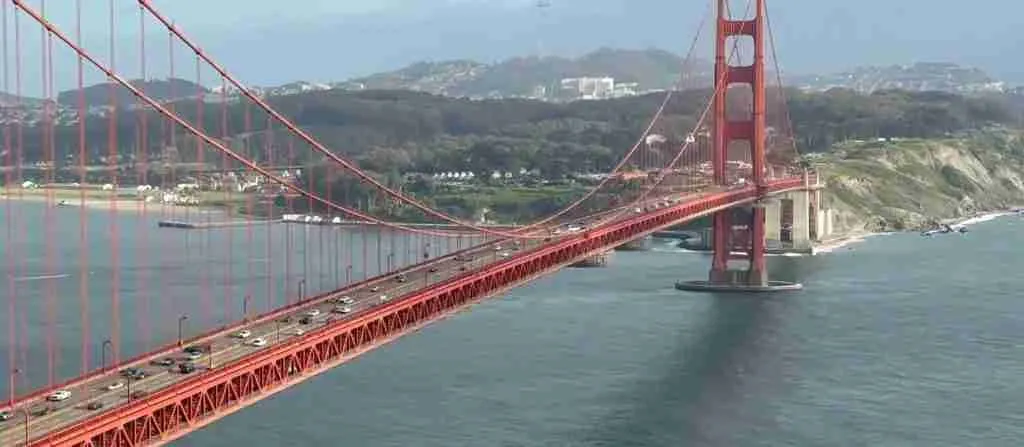
Two primary routes connect San Francisco to Napa Valley, each offering distinct advantages. The most scenic route crosses the Golden Gate Bridge northbound onto US-101, continuing through Marin County before turning east on Highway 37, then north on Highway 121, and finally north on Highway 29 into Napa Valley. This approximately 55-mile route takes 1.5 hours without traffic and provides stunning Golden Gate Bridge views, rolling Marin hillsides, and eventual vineyard vistas as you approach wine country. Most guided tours use this route specifically for the bridge photo opportunity, with vehicles stopping at vista points for the iconic San Francisco skyline shots tourists treasure.
The faster alternative crosses the Bay Bridge eastbound into the East Bay, continuing north on Interstate 80 through Berkeley and Richmond before exiting onto Highway 37 westbound, then Highway 121 northbound into Napa Valley. This 50-mile route typically saves 10-15 minutes compared to the Golden Gate route and avoids Marin County traffic congestion, making it ideal for early morning departures when beating traffic takes priority over scenery. However, the Bay Bridge charges a $7 toll during peak hours versus the Golden Gate Bridge’s $9 toll, representing minimal savings that rarely justifies sacrificing the more scenic route unless you’re running behind schedule.
Traffic patterns significantly impact drive times, with weekday morning departures before 8 AM typically completing the journey in 60-75 minutes, while Friday afternoon returns to San Francisco can extend to 2-2.5 hours due to weekend exodus traffic. Weekend mornings see moderate congestion through 10 AM as Bay Area residents head to wine country, while Sunday afternoons bring heavy southbound traffic as day-trippers return to the city. Smart travelers depart San Francisco by 8 AM to arrive at wineries when they open at 10 AM, allowing time for bathroom stops, coffee pickup, or Golden Gate Bridge photos without rushing. Return trips departing Napa by 5 PM typically avoid worst traffic, arriving back in San Francisco by 6:30-7 PM.
Navigation requires minimal complexity, with Highway 29 running the valley’s entire length and providing access to most major wineries through simple turns onto cross streets. The parallel Silverado Trail to the east offers a less congested alternative routing past additional wineries, though crossing between Highway 29 and Silverado Trail via connector roads adds 5-10 minutes each direction. Rental car drivers should download offline maps before departing San Francisco, as cellular coverage becomes spotty in some vineyard areas, potentially disrupting GPS navigation at critical turns. Winery addresses input into smartphone navigation apps generally work reliably, though some properties on private roads require attention to signage rather than blindly following GPS instructions.
Guided Tour Options from San Francisco 2026
Guided group tours represent the most popular transportation choice for Napa Valley day trips in 2026, combining convenience, safety, and value in packages ranging from $125-165 per person including round-trip transportation from San Francisco, visits to 2-3 wineries, and often included tasting fees worth $90-120. These tours depart from central San Francisco locations like Fisherman’s Wharf or Union Square with hotel pickup available for additional fees, typically departing 8-9 AM and returning 6-7 PM for full 9-10 hour experiences. The primary advantage lies in complete logistics management, with tour operators handling all winery reservations, timing, and transportation while passengers relax and taste wine without designated driver concerns.
Full-day tours typically follow a standard format visiting three wineries spread across Napa and sometimes Sonoma valleys, with each stop allowing 45-75 minutes for guided tastings of 4-6 wines paired with educational information about the property, winemaking techniques, and varietal characteristics. Tours include a 60-90 minute lunch break in towns like Sonoma Plaza or Yountville, where passengers choose from multiple restaurant options at their own expense, typically spending $20-45 for casual meals. The itinerary balances large, well-known properties offering impressive architecture and grounds with smaller boutique wineries providing more intimate experiences and wines unavailable in retail stores.
Premium small-group tours limited to 12-14 passengers command $145-165 per person and often include all tasting fees in the base price, eliminating surprise costs and allowing passengers to budget precisely. These tours use luxury coaches with air conditioning, comfortable seating, and onboard restrooms, stopping at the Golden Gate Bridge for photo opportunities that have become Instagram staples. Tour guides provide running commentary about San Francisco history, Bay Area geography, and wine country development during the 90-minute drive each direction, transforming transportation time into educational experiences rather than dead time.
Specialty tours cater to specific interests, with options including organic wine tours focusing on sustainable winemaking, food pairing tours incorporating cheese or chocolate with wine tastings, and castle tours featuring properties like Castello di Amorosa with its authentic Italian castle architecture. The Napa Valley Wine Trolley operates vintage San Francisco cable car replicas departing from Napa itself rather than San Francisco, requiring separate transportation to Napa but delivering nostalgic charm visiting four wineries with included French-inspired picnic lunches. These trolley tours work well for visitors already staying in Napa but make less sense for San Francisco-based day-trippers due to the additional transportation complexity.
Booking guided tours requires advance reservations, particularly for popular spring and fall weekends that fill 4-8 weeks ahead. Operators include major providers like Viator, Extranomical Tours, and Green Dream Tours, each offering slight variations in itineraries, group sizes, and included amenities. Reading recent reviews helps identify which companies provide the best guide knowledge, punctuality, and overall experience quality, as tour quality varies significantly based on individual guide expertise and personality. Most operators offer free cancellation up to 24 hours before departure, allowing flexible booking without financial risk if plans change.
Private Tour Transportation 2026
Private tours deliver customized Napa Valley experiences for groups of 2-14 passengers at prices ranging $650-1,500 for full-day experiences, working out to $130-250 per person for typical groups of 5-6 people. These premium services provide dedicated vehicles ranging from luxury sedans for couples to Mercedes Sprinter vans for larger groups, with professional chauffeurs handling all driving while passengers control the itinerary, winery selection, and schedule. The value proposition centers on flexibility and exclusivity, allowing groups to linger at favorite wineries, skip properties that don’t appeal, and access appointment-only boutique wineries unavailable to larger group tours.
Private tour operators like Bin 415, California Wine Tours, and Napa Shuttle & Limousines specialize in wine country experiences, maintaining relationships with winery owners and tasting room managers that secure preferential access, private tasting room usage, and occasionally meetings with winemakers unavailable to general public visitors. These connections prove particularly valuable during busy seasons when walk-in availability evaporates and even standard reservations face limitations. Chauffeurs typically possess extensive wine knowledge, offering educated recommendations about varietals, winemaking techniques, and regional characteristics while respecting groups preferring to discover independently.
Luxury vehicle options include stretch limousines at the high end, though these increasingly give way to more practical Mercedes Sprinter vans offering superior comfort, better visibility for viewing vineyards, and easier winery parking compared to traditional limousines. Party buses accommodate groups up to 28 passengers for bachelorette parties, corporate events, or large family celebrations, featuring wraparound seating, entertainment systems, and bar areas creating mobile celebrations between winery stops. Pricing scales with vehicle size and luxury level, with standard sedans for couples starting around $650 for full days, while large party buses reach $1,500-2,000 for similar durations.
Private tours work best for celebrations like anniversaries, birthdays, or proposals where the personal attention justifies premium pricing, and for groups of 4-8 people where per-person costs become competitive with mid-tier guided group tours while delivering superior flexibility. Corporate groups frequently choose private tours for client entertainment or team building, appreciating the controlled environment and customizable schedules accommodating business needs. However, couples or small groups of 2-3 people find private tours financially challenging unless budget proves secondary to experience quality, as the $650+ minimum cost divided by two or three passengers significantly exceeds group tour per-person rates.
Booking private tours requires contacting operators directly to discuss desired experiences, preferred wineries, group size, and budget constraints. Reputable operators propose customized itineraries balancing client preferences with practical considerations like drive times between properties, reservation availability, and appropriate experience sequencing. Confirming what’s included in quoted prices matters greatly, as some operators include tasting fees in their rates while others charge these separately, potentially adding $90-150 per person in unexpected costs. Gratuities for chauffeurs typically run 15-20 percent of the total tour cost, representing an additional expense to budget when comparing transportation options.
Self-Drive Rental Car Option 2026
Renting a car and driving yourself to Napa Valley provides maximum flexibility and often lowest overall costs at $115-155 per person for two travelers sharing expenses, though requiring one person to remain sober throughout the day as designated driver. Daily rental rates range $60-90 for compact to midsize vehicles from San Francisco Airport or downtown locations, with insurance adding $15-25 daily unless your personal auto policy or credit card provides coverage. Gas costs approximately $12-18 round trip based on current California fuel prices and typical 100-mile total distance including winery routing, representing minor expense compared to tasting fees and meals.
The designated driver challenge represents the primary drawback of self-driving, essentially sacrificing one person’s wine tasting experience to enable the group’s transportation. Some couples rotate designated driver duties across multiple day trips, while others embrace the designated driver role willingly, finding enjoyment in beautiful scenery, photography opportunities, and vineyard walks without alcohol consumption. Wineries typically accommodate designated drivers courteously, offering complimentary water, coffee, or non-alcoholic beverages, and some provide discounted or free tastings that drivers can take home in sealed bottles rather than consuming on-site.
Booking wineries independently requires researching properties, reading reviews, checking availability calendars, and making individual reservations at each intended stop. This process consumes 2-4 hours of planning time but allows precise control over experience types, wine preferences, and schedule timing unavailable in guided tours with fixed itineraries. Savvy planners select wineries along a logical geographic route rather than zigzagging across the valley, typically choosing either Highway 29 properties or Silverado Trail wineries rather than mixing both to minimize drive time. Reservation systems vary by property, with some using OpenTable-style booking platforms while others require email or phone contact, occasionally proving frustrating for properties with limited reservation availability.
Parking at wineries generally poses no difficulties, with most properties offering free lots accommodating dozens to hundreds of vehicles depending on the winery’s size and popularity. However, some ultra-premium boutique wineries provide limited parking requiring careful maneuvering in compact spaces, and occasional properties charge $10-20 parking fees later refunded with wine purchases. Downtown Napa, Yountville, and St. Helena street parking can prove challenging during busy weekends, making restaurant reservations at properties with dedicated lots attractive options for lunch breaks.
Self-driving works best for groups containing willing designated drivers, travelers who plan to purchase significant wine quantities benefiting from vehicle trunk space, and visitors with specific winery preferences not accommodated by guided tour itineraries. Budget-conscious travelers appreciate the lower total costs, as two people sharing $80 rental and gas expenses pay $40 each for transportation compared to $125-165 per person for guided tours. However, the convenience sacrifice, designated driver limitation, and time investment in planning means most first-time visitors find guided tours deliver better overall value despite higher prices.
Public Transportation and Alternative Options 2026
Public transportation from San Francisco to Napa Valley exists but proves impractical for wine tasting day trips due to lengthy travel times, limited schedules, and lack of convenient winery access once arriving in Napa. The most direct public option combines San Francisco Bay Ferry from the Ferry Building to Vallejo with VINE Transit bus service from Vallejo to downtown Napa, consuming 2.5-3.5 hours each direction and costing approximately $20 round trip. This marathon commute leaves insufficient time for meaningful wine tasting given wineries’ 10 AM-5 PM operating hours, essentially eliminating this option for all but the most budget-constrained travelers willing to focus on downtown Napa tasting rooms rather than vineyard properties.
Amtrak San Joaquins service from San Francisco requires taking BART to Richmond, boarding Amtrak to Martinez, then transferring to Amtrak Thruway Bus Route 7 to Napa’s Soscol Gateway Transit Center, a complex journey taking 3-4 hours one way and costing $25-35. While theoretically feasible, the transfers, timing coordination, and extensive duration make this option suitable only for travelers with abundant time and minimal budget. Once in downtown Napa, the VINE local bus system provides routes to some Highway 29 wineries but runs infrequently with limited weekend service, making it nearly impossible to visit multiple properties in a single day using only public buses.
Rideshare services like Uber and Lyft operate in Napa Valley but prove expensive for full-day wine tasting, with round-trip rides from San Francisco to Napa costing $180-280 depending on surge pricing and exact timing. Using rideshare for point-to-point transportation between wineries within Napa works better, allowing groups to hire drivers for specific legs while arranging their own transportation to and from San Francisco via rental cars or other means. However, rideshare availability in Napa can be limited during evening hours, with 20-40 minute wait times common after 7 PM, potentially stranding groups at wineries after closing time.
The Napa Valley Wine Train offers a unique alternative departing from downtown Napa itself, featuring restored Pullman dining cars providing gourmet meals and wine service during 3-hour round-trip journeys through the valley. Prices range $150-350 per person depending on meal service level and wine pairings, with some packages including stops at wineries for tours and tastings. While romantic and memorable, the Wine Train doesn’t solve the San Francisco transportation challenge, as passengers must still reach downtown Napa independently, and the fixed schedule limits flexibility in winery selection and timing.
Bicycle tours have gained popularity for Napa Valley experiences, with companies renting electric bikes allowing riders to pedal between wineries at their own pace while enjoying vineyard views and fresh air. However, these tours start from Napa Valley locations rather than San Francisco, requiring separate transportation to reach rental shops, and the physical exertion combined with wine consumption raises safety concerns for some visitors. Helicopter tours from San Francisco offer the ultimate luxury at $1,200-2,000+ per person for aerial tours with winery landings, appealing to special occasion travelers but priced beyond most budgets. For practical day trips focusing on wine tasting from San Francisco, guided tours, private car services, or rental cars remain the only truly viable options.
Wine Tasting Costs and Experiences 2026
Napa Valley wine tasting fees have increased dramatically in recent years, with standard tastings at established wineries now ranging $40-75 per person compared to $10-25 a decade ago, while reserve or premium tastings reach $80-138 for access to limited production wines and enhanced hospitality. The average tasting fee across all Napa properties sits around $65 in 2026, though strategic winery selection can reduce this to $35-50 at budget-friendly properties or inflate it to $150+ at ultra-premium estates. These fees typically include tastings of 4-6 wines in 45-75 minute seated experiences with dedicated wine educators explaining each wine’s characteristics, production methods, and food pairing suggestions.
Budget-conscious wine tasting remains possible through careful property selection, with dozens of wineries offering excellent experiences for $35-50 per person. Beringer Vineyards, one of Napa’s oldest and most historic properties, charges just $35 for classic tastings on their stunning grounds, while V. Sattui Winery, Black Stallion, and Mumm Napa all offer quality tastings in the $40-55 range. These properties provide legitimate Napa experiences without premium pricing, often producing wines of comparable quality to expensive neighbors while maintaining more accessible fee structures to attract broader audiences. Visiting 3-4 of these budget wineries creates a full day of excellent tasting for $105-150 per person in fees alone.
Mid-range tastings at well-regarded wineries like Stag’s Leap, Cakebread Cellars, and Frog’s Leap typically cost $55-75 per person, offering quality wines in beautiful settings with knowledgeable staff and polished hospitality. These properties represent Napa’s sweet spot of quality and value, producing acclaimed wines earning consistent high ratings while avoiding the ultra-premium pricing of cult wineries. Many of these mid-tier properties offer wine club memberships that waive tasting fees for members and guests, creating potential savings for frequent visitors or those planning multiple Napa trips annually.
Premium and reserve tastings at prestigious estates like Opus One, Silver Oak, and Shafer Vineyards range $100-150 per person, granting access to limited-production wines sometimes unavailable in retail markets at any price. These experiences often include private tasting rooms, vineyard or cave tours, and food pairings with artisan cheeses, charcuterie, or chef-prepared small plates elevating the experience beyond simple wine sampling. While expensive, serious wine enthusiasts often find these tastings worthwhile for the opportunity to try rare bottles they could never afford at retail pricing, where some allocation wines sell for $200-500 per bottle when available.
Many wineries waive tasting fees with wine purchases, typically requiring $50-100 minimum purchases for fee waivers, creating value for visitors planning to buy wines anyway. Some properties offer partial fee credits, applying $20-30 of your tasting fee toward any purchase regardless of amount. These policies reward wine buyers while maintaining revenue from tasters who don’t purchase, a business model that has replaced the historic free-tasting culture that disappeared as Napa property values and operating costs escalated. Budget-conscious visitors should inquire about fee waiver policies when making reservations, as these can significantly reduce overall costs when buying wines to take home.
Sample Winery Selection Strategies 2026
Selecting the right wineries transforms a good Napa day trip into a great one, requiring strategic thinking about wine preferences, experience types, and geographic routing to maximize enjoyment within limited timeframes. First-time visitors should prioritize variety over repetition, choosing wineries representing different styles, sizes, and wine specialties rather than visiting four similar large estates or four tiny boutiques. A balanced itinerary might include one prestigious large winery with impressive architecture and grounds, one small family-owned property offering personal attention, and one mid-sized operation providing excellent wine-to-price ratios with solid hospitality.
Geographic clustering minimizes drive time between properties, with the valley’s two main corridors—Highway 29 on the west and Silverado Trail on the east—each hosting dozens of wineries accessible without extensive cross-valley driving. A typical day trip might focus entirely on Highway 29 properties between Napa and St. Helena, visiting wineries within 5-10 minutes of each other, or alternatively explore Silverado Trail from south to north with similarly tight spacing. Crossing between Highway 29 and Silverado Trail adds 10-20 minutes per crossing via connector roads like Oakville Cross Road or Rutherford Cross Road, potentially worthwhile for accessing specific must-visit properties but wasteful when done repeatedly throughout the day.
Wine preference alignment matters significantly, as some wineries specialize in specific varietals while others produce diverse portfolios. Cabernet Sauvignon dominates Napa’s reputation and production, with properties like Stag’s Leap Wine Cellars, Caymus Vineyards, and Silver Oak building reputations exclusively on this varietal. However, Napa also produces exceptional Chardonnay, Pinot Noir, Merlot, and increasingly interesting alternative varietals like Malbec and Petit Verdot. Visitors who dislike big red wines should prioritize properties like Mumm Napa or Schramsberg specializing in sparkling wines, or cooler-climate Carneros wineries producing Chardonnay and Pinot Noir rather than forcing themselves through multiple Cabernet-focused tastings.
Experience type preferences vary widely among visitors, with some seeking casual, relaxed tastings on outdoor patios while others want formal education about viticulture and enology from certified sommeliers. Large, tourist-oriented properties like Robert Mondavi, Beringer, and Castello di Amorosa offer polished, consistent experiences with trained staff, beautiful facilities, and reliable service but sometimes feel commercial or rushed. Smaller, appointment-only boutiques like Shafer or Colgin provide intimate, personal experiences often involving winery owners or winemakers but require more advance planning and typically charge premium fees. Mixing both types creates well-rounded days balancing accessibility and exclusivity.
Research resources for winery selection include Yelp reviews emphasizing service quality and value, Wine Spectator and Wine Enthusiast ratings focusing on wine quality, and winery websites revealing facility design, wine portfolio, and tasting fee structures. The Priority Wine Pass offers 2-for-1 tastings at participating wineries, potentially reducing costs significantly if your preferred properties participate, though the $99 annual pass cost only makes sense for visitors planning multiple Napa trips or large groups splitting the savings. Creating a shortlist of 6-8 potential wineries allows flexibility in actual reservations, as some properties may be fully booked for your preferred date while backup options remain available.
Sample Day Trip Itineraries 2026
A well-planned Napa Valley day trip balances wine tasting with lunch, rest stops, and scenic enjoyment, typically visiting 3-4 wineries over a 7-8 hour window between 10 AM and 6 PM. This sample Highway 29 itinerary for two travelers sharing expenses demonstrates realistic timing and logistics: depart San Francisco 8 AM, arrive downtown Napa 9:30 AM, 10 AM tasting at Beringer Vineyards ($35 per person, 60 minutes), 11:15 AM drive to St. Helena (20 minutes), 11:45 AM tasting at V. Sattui Winery ($40 per person, 60 minutes), 1 PM lunch at Gott’s Roadside in St. Helena ($25 per person, 45 minutes), 2 PM tasting at Frog’s Leap ($65 per person, 75 minutes), 3:30 PM drive to last winery (15 minutes), 3:45 PM tasting at Mumm Napa ($50 per person, 60 minutes), 5 PM depart Napa for San Francisco, 6:30 PM arrive San Francisco.
This conservative itinerary allows buffer time between appointments, builds in a proper sit-down lunch rather than rushing, and finishes at 5 PM before traffic peaks while still delivering four quality tasting experiences. Total wine tasting costs reach $190 per person, transportation via rental car adds $40 per person for two people sharing, lunch costs $25 per person, and incidental expenses like coffee or snacks add $10-15, bringing total day trip costs to approximately $265-270 per person. Substituting more expensive wineries easily pushes costs to $360-420 per person, while aggressive budget selections can reduce tasting fees to $105-120 for three experiences at properties like Black Stallion, Peju, and Bennett Lane, lowering total costs to $175-185 per person.
A Silverado Trail alternative itinerary focuses on the valley’s quieter eastern corridor: 10 AM tasting at Mumm Napa in the southern Carneros region ($50, sparkling wines), 11:30 AM Black Stallion Estate ($40, reds and whites), 1 PM lunch at Rutherford Grill ($30 per person), 2:15 PM Frog’s Leap Winery ($65, organic wines), 3:45 PM Rombauer Vineyards ($55, famous for Chardonnay), 5 PM depart for San Francisco. This itinerary demonstrates how Silverado Trail properties offer slightly lower average costs while providing equally impressive wine quality in more relaxed, less touristy atmospheres compared to Highway 29 counterparts.
Luxury-focused itineraries emphasize quality over quantity, visiting 2-3 ultra-premium wineries with extended experiences: 10 AM private cave tour and tasting at Schramsberg ($125 per person, 2 hours, by appointment only), 12:30 PM lunch at The French Laundry or similar Michelin-starred restaurant ($150-350 per person with wine, requires reservations months in advance), 3 PM reserve tasting at Stag’s Leap Wine Cellars ($100 per person, 90 minutes), 5 PM depart for San Francisco. This experience costs $375-575 per person just for tastings and lunch but delivers once-in-a-lifetime wine and culinary experiences impossible to replicate elsewhere.
Themed itineraries cater to specific interests, like an organic and sustainable wine tour visiting Frog’s Leap (certified organic), Grgich Hills (biodynamic farming), and Spottswoode (sustainable practices), or a sparkling wine focus day at Mumm Napa, Schramsberg, and Domaine Carneros for those preferring bubbles over still wines. Architecture enthusiasts might plan itineraries around stunning winery buildings, visiting Opus One’s modern masterpiece, Castello di Amorosa’s medieval castle, and Artesa’s hilltop contemporary structure. Customizing around interests creates more engaging experiences than simply hitting the most famous names without regard for personal preferences.
Lunch and Dining Options 2026
Napa Valley’s culinary scene rivals its wine reputation, with lunch options ranging from $15-20 casual fare to $100+ Michelin-starred tasting menus, though most day-trippers gravitate toward $25-45 mid-range restaurants providing quality meals without excessive time investment or expense. Timing lunch strategically around 1-2 PM breaks up wine tasting sessions, prevents palate fatigue, and allows digestion time before afternoon tastings. Reservations prove essential at popular restaurants during peak seasons, as walk-ins often face 45-90 minute waits that derail carefully planned itineraries.
Downtown Napa offers the densest concentration of restaurants, with Oxbow Public Market providing fast-casual options including Hog Island Oysters, Gott’s Roadside burgers, and C Casa Mexican food for $15-25 per person. The market atmosphere allows groups with varying preferences to choose different vendors while dining together at communal tables, and the location adjacent to downtown parking makes it easily accessible. Sit-down restaurant alternatives in downtown Napa include Morimoto for upscale Japanese cuisine at $35-60 per person and Oenotri for Italian fare in the $30-50 range, both requiring advance reservations on weekends.
Yountville, the small town between Napa and St. Helena, hosts the French Laundry, one of America’s most celebrated restaurants requiring reservations months in advance and three-hour dining sessions at $350-500+ per person—clearly impractical for most day trips but worth mentioning for special occasions with extensive advance planning. More accessible Yountville options include Bouchon Bistro at $40-65 per person for French classics, R+D Kitchen for $25-40 American fare, and Southside Cafe offering $20-30 comfort food. Yountville’s compact downtown allows easy walking between restaurants, though limited parking can prove frustrating during busy periods.
St. Helena restaurants cater to wine country visitors with elevated casual dining at moderate prices, exemplified by Gott’s Roadside (famous burgers and shakes, $18-28 per person), Market (modern American, $30-50 per person), and Press (upscale steakhouse, $60-100+ per person). The town’s Main Street location means most restaurants sit within easy walking distance of free municipal parking, though spaces fill quickly during lunch hours. St. Helena’s central valley location makes it ideal for lunch breaks during Highway 29 itineraries, minimizing backtracking to resume afternoon tastings.
Some wineries offer food service ranging from artisan cheese plates at $20-30 to full restaurant dining at properties like Rutherford Grill, but these options typically require advance planning as winery kitchens serve limited menus with restricted hours. Picnicking on winery grounds provides budget-friendly alternatives, with properties like V. Sattui and Castello di Amorosa welcoming guests to purchase deli items and picnic supplies on-site or bring their own food to enjoy at designated picnic areas. The Oakville Grocery and Dean & DeLuca offer gourmet picnic provisions including sandwiches, salads, and cheeses for $15-30 per person, though prices reflect wine country premiums compared to standard grocery stores.
Best Times to Visit Napa Valley in 2026
Napa Valley welcomes visitors year-round, but spring and fall deliver optimal conditions balancing pleasant weather, manageable crowds, and stunning scenery. Spring months from March through May showcase blooming mustard flowers carpeting vineyard rows in brilliant yellow, moderate temperatures averaging 65-75°F perfect for outdoor tastings, and smaller crowds compared to summer peaks. Spring’s primary disadvantage involves occasional rain showers, particularly in March and early April, requiring backup plans for outdoor activities and potentially muddy vineyard conditions limiting walking tours.
Summer from June through August brings guaranteed sunshine, warm-to-hot temperatures reaching 80-95°F, and peak tourist crowds that can make reservations challenging and tasting rooms busy. July and August represent Napa’s busiest months, with weekends often fully booked at popular wineries 6-8 weeks in advance and highway traffic increasing drive times between properties. However, summer’s long daylight hours allow extended tasting schedules, and the guaranteed warm weather suits visitors who prioritize sunshine over solitude. Budget-conscious travelers should note summer commands highest prices for tours and accommodations compared to shoulder seasons.
Fall harvest season from September through October creates Napa Valley’s most magical atmosphere, with vineyards bursting with ripe grapes, crush happening at wineries releasing intoxicating fermentation aromas, and autumn leaves beginning to change colors. Harvest represents wine enthusiasts’ favorite season for witnessing the winemaking process firsthand, though this popularity drives intense competition for reservations at famous properties. Weather remains excellent with warm days and cool evenings, though occasional heat spikes can push temperatures into the 90s. September offers the best harvest experience balance, while October brings more dramatic fall colors as leaves change.
Winter from November through February presents Napa’s best values with significantly reduced tasting fees at some properties, available reservations on short notice, and nearly empty tasting rooms on weekdays. Temperatures average 45-60°F requiring layers but remaining comfortable for most outdoor activities, while occasional rainy weeks limit vineyard walks and outdoor tastings. Many wineries light tasting room fireplaces during winter, creating cozy atmospheres perfect for reds while offering intimate experiences impossible during crowded summer visits. Holiday periods around Thanksgiving and Christmas see brief visitor surges, but January and February remain remarkably quiet despite being perfectly pleasant for wine tasting.
Weekday versus weekend timing dramatically impacts experiences regardless of season, with Tuesday through Thursday offering the best combination of available reservations, uncrowded tasting rooms, and relaxed staff attention compared to Friday through Sunday when crowds peak. Monday closures at some wineries and restaurants limit options, though many major properties remain open seven days weekly. Visitors with schedule flexibility should strongly consider weekday trips, potentially taking vacation days from work to experience Napa under ideal conditions rather than fighting weekend crowds. The quality difference between a relaxed Wednesday tasting and a Saturday cattle-call experience at the same winery can be dramatic, even with identical wines being poured.
What to Bring and Wear to Napa 2026
Napa Valley’s wine country casual dress code emphasizes comfort over formality, with jeans universally acceptable at all but the most upscale restaurant reservations, though clean, unstained denim in darker washes looks more polished than distressed or faded styles. Women commonly wear sundresses, blouses with nice jeans or pants, wedges, sandals, or stylish flats, while men opt for golf shirts or button-down shirts with khakis, nice jeans, or casual pants paired with boat shoes, loafers, or clean sneakers. Avoid athletic wear, flip-flops, tank tops, or overly casual beachwear, as even relaxed wineries maintain standards expecting guests to look presentable.
Layer clothing for temperature variations throughout the day, as mornings can start cool at 50-55°F before warming to 75-85°F by afternoon, then cooling again for evening returns to San Francisco. A light jacket or cardigan proves essential, with many women bringing scarves for additional versatility. Tasting rooms maintain air conditioning that can feel cold after outdoor patio tastings in warm sunshine, and cave tours at properties like Schramsberg involve 55-58°F underground temperatures requiring jackets regardless of surface weather. The classic California layers approach—tank top or short-sleeve shirt, light sweater, and jacket—allows easy adjustments as conditions change.
Comfortable walking shoes matter significantly, as winery visits often involve strolling through grounds, touring production facilities, or walking between parking areas and tasting rooms across gravel, grass, or dirt paths. Women’s wedge heels or platform sandals provide elevation without stiletto instability on uneven surfaces, while men’s boat shoes or leather sneakers deliver comfort for extended standing during 45-75 minute tastings. Avoid brand-new shoes causing blisters, as most day trips involve 6,000-8,000 steps between walking property grounds, exploring downtown areas during lunch, and touring facilities.
Sunscreen, sunglasses, and sun hats protect against California’s intense sunshine, particularly during summer months when UV exposure accumulates quickly during outdoor patio tastings and vineyard walks. Many visitors underestimate sun exposure due to pleasant temperatures, suffering sunburns across shoulders, necks, and faces by day’s end. Reusable water bottles help maintain hydration between tastings, as wine consumption dehydrates quickly, though most wineries provide complimentary water during tastings. Small cross-body purses or backpacks allow hands-free carrying of essentials including phones, sunglasses, water, and light jackets without burdening women with large handbags during tastings.
Avoid heavy perfumes or colognes that interfere with wine aromas, as scents mask subtle bouquets and potentially annoy neighboring tasters sharing communal spaces. Light, fresh scents prove acceptable, but heavily fragranced products—perfumes, body lotions, hair products—should be minimized on tasting days. Photographers should bring cameras or ensure phone cameras are charged, as Napa’s scenic vineyards, dramatic architecture, and golden-hour lighting create Instagram-worthy shots throughout the day. Portable phone chargers prevent mid-afternoon battery death, particularly for visitors using phones as cameras, navigation devices, and communication tools simultaneously.
Wine Purchasing and Shipping 2026
Purchasing wine during Napa visits allows taking home favorite discoveries while often receiving discounts unavailable through retail channels, though California and interstate shipping regulations create complications requiring advance planning. Most wineries offer tasting room discounts ranging 10-20 percent below retail pricing, with additional savings for wine club members that can reach 20-30 percent on regular purchases and 30-40 percent on allocation wines. These discounts combined with access to limited-production wines unavailable in stores make winery purchases attractive despite shipping costs and logistics challenges.
Carrying wine home in rental car trunks works well for moderate purchases of 1-2 cases spread across multiple wineries, though temperature concerns during hot summer days require insulated wine shipping boxes or coolers to prevent heat damage during drive time. Airlines allow transporting wine in checked luggage within overall weight limits, with most carriers permitting two bottles per checked bag properly wrapped in clothing or bubble wrap to prevent breakage. Specialized wine shipping luggage like VinGardeValise holds up to 12 bottles in protective sleeves designed for air travel, useful for serious buyers planning extensive purchases but representing significant upfront investment at $200-400 per suitcase.
Shipping directly from wineries to home addresses provides convenience but involves substantial costs and legal restrictions, with shipping fees typically starting at $25-40 for single bottles and $40-80 for cases depending on destination distance. Some states prohibit direct wine shipments entirely, while others allow them with restrictions, and reciprocal shipping agreements between states determine legality. California residents enjoy easiest shipping access, while East Coast destinations often face the highest fees due to distance and more restrictive regulations. Wineries handle all shipping logistics including packaging and carrier selection, though weather-sensitive periods may delay shipments to avoid exposing wines to extreme temperatures during transit.
Wine club memberships represent long-term purchasing commitments typically requiring 2-6 bottle shipments at regular intervals—monthly, quarterly, or seasonally—in exchange for permanent discounts, waived tasting fees for members and guests, and access to allocation wines. Clubs suit frequent Napa visitors or serious enthusiasts of specific producers, though the ongoing commitment and shipping costs mean casual visitors should carefully consider whether they’ll actually enjoy receiving regular shipments. Some clubs allow pickup at the winery rather than shipping, working well for San Francisco Bay Area residents who visit Napa regularly and can collect shipments during subsequent trips.
Budget constraints often limit wine purchases during tastings despite discovering excellent bottles, as tasting fees already consume $100-200 per person and adding wine purchases can push total costs into uncomfortable territory. Strategic buyers target one or two special bottles from favorite wineries rather than purchasing at every stop, and some save wine buying for a dedicated follow-up trip after identifying preferred producers through initial tastings. Wineries typically accept credit cards for purchases, though smaller boutique properties occasionally prefer cash or checks for discounts, making it wise to carry backup payment methods.
Safety and Responsible Tasting 2026
Wine tasting involves alcohol consumption requiring responsible practices to ensure safety while maximizing enjoyment, starting with understanding that visiting 3-4 wineries tasting 4-6 wines at each stop means sampling 12-24 wines throughout the day. Standard wine tastings pour 1-2 ounces per wine, accumulating to roughly 1-2 bottles worth of total consumption across a full day of tasting, though much depends on whether you finish each pour or use spit buckets. Pacing becomes critical, as continuous tasting without food creates intoxication rapidly, particularly when day trips begin at 10 AM with hours of drinking ahead.
Spitting rather than swallowing allows professional evaluation of wines without consuming full alcohol volumes, though many casual visitors feel uncomfortable spitting in public despite this being standard practice in professional wine circles. Wineries provide dump buckets or spittoons at each tasting position specifically for this purpose, and hosts never judge guests who choose to spit rather than drink. Swallowing some wines you particularly enjoy while spitting others represents a reasonable compromise allowing you to savor favorites while limiting total intake. Remaining sober enough to evaluate each new wine requires discipline as the day progresses and cumulative alcohol affects judgment and palate sensitivity.
Eating substantial meals before, during, and after wine tasting dramatically slows alcohol absorption, making breakfast before departing San Francisco and a proper sit-down lunch around midday essential components of safe day trips. Skipping breakfast or settling for coffee and pastries leaves stomachs empty before hours of wine consumption, creating faster intoxication and more severe hangovers. The lunch break should involve actual food—substantial sandwiches, salads with protein, or hot meals—rather than light snacks, with 45-60 minutes allocated for digestion before resuming afternoon tastings. Drinking water between wineries and throughout the day prevents dehydration compounding alcohol effects.
Designated driver arrangements must be established and honored when self-driving, with the selected person abstaining completely from alcohol consumption or limiting themselves to tastes they spit rather than swallow. Attempting to share driving duties or switching drivers mid-day creates liability and safety risks, particularly if the “less drunk” person takes the wheel based on flawed judgment about their impairment level. Guided tours eliminate designated driver concerns entirely, allowing all participants to drink freely within reasonable limits while professional drivers handle transportation safely. Private tours offer similar benefits for groups wanting customized itineraries without designated driver sacrifices.
Recognizing intoxication signs in yourself and travel companions matters greatly, as impaired judgment can lead to excessive drinking, unsafe driving decisions, or confrontational behavior at wineries damaging others’ experiences. Slurred speech, balance problems, confusion, or aggression indicate clear intoxication requiring immediate intervention—stopping alcohol consumption, drinking water, eating food, and resting before attempting any driving. Most guided tour operators and winery staff will refuse service to visibly intoxicated guests, potentially requesting they leave premises or calling authorities for disruptive behavior. Maintaining composure and treating tasting room staff, tour guides, and fellow visitors respectfully ensures enjoyable experiences for everyone while avoiding embarrassing incidents that ruin otherwise excellent days.
Photography and Social Media Opportunities 2026
Napa Valley’s stunning vineyard vistas, architectural showpiece wineries, and golden California light create Instagram-worthy photography opportunities throughout day trips, with certain locations becoming essential stops for social media content. The Golden Gate Bridge photo stop during guided tours or self-drive journeys provides classic San Francisco backdrop shots, with multiple vista points along Highway 101 offering parking areas and viewing platforms specifically designed for tourist photos. Early morning bridge shots benefit from softer lighting and fewer crowds compared to afternoon returns when harsh sunlight and packed viewing areas diminish photo quality.
The “Welcome to Napa Valley” sign on Highway 29 just north of downtown Napa represents a popular photo opportunity for first-time visitors marking their wine country arrival, though the roadside location requires careful parking and quick shots to avoid blocking traffic. Many wineries feature photogenic architectural elements designed specifically to attract social media shares, with Opus One’s modern colonnade, Castello di Amorosa’s medieval castle towers, and Artesa’s hilltop infinity pool edges all functioning as Instagram magnets driving visitor traffic through viral posts. Requesting permission before photographing inside tasting rooms shows respect for winery policies, as some properties prohibit interior photography to protect proprietary design elements or maintain exclusive atmospheres.
Vineyard rows create dramatic perspective shots particularly effective during golden hour 1-2 hours before sunset when low-angle sunlight illuminates grape leaves and creates long shadows emphasizing row geometry. Spring mustard flower blooms add vibrant yellow carpets between green vine rows, while fall harvest scenes capture workers picking grapes and tractors hauling bins. Responsible photographers remain on designated paths and roads rather than walking into vineyard rows, as foot traffic compacts soil and potentially damages vines, and some properties explicitly prohibit entering production vineyards beyond viewing areas.
Barrel rooms and wine caves at properties offering facility tours provide atmospheric photography with dramatic lighting playing across rows of oak barrels stacked floor-to-ceiling. Schramsberg’s caves carved into hillsides in the 1800s photograph particularly well, while modern facilities like Far Niente’s underground caves designed by noted architects create sleek contemporary backdrops. Flash photography can disturb other tour participants and alter ambient lighting that makes these spaces special, so using natural light or phone cameras with night mode typically produces better results while being more considerate of others sharing the experience.
Food styling shots of cheese plates, charcuterie boards, and gourmet picnics photographed in vineyard settings tap into popular food photography trends, with natural outdoor lighting and vine backgrounds elevating simple provisions into social media content. The key to compelling food shots involves thoughtful composition positioning wine glasses, cheese selections, and bread arrangements to create visual interest while showing enough vineyard context to establish location. Overhead flat-lay shots work well for picnic spreads on blankets, while angled shots incorporating foreground food elements with background vineyard rows create depth and storytelling opportunities.
Common Mistakes to Avoid 2026
Overscheduling represents the most frequent mistake among first-time Napa visitors, with ambitious itineraries attempting 5-6 wineries in a single day creating rushed experiences lacking enjoyment or appreciation for individual properties. This volume proves impossible when accounting for drive time between wineries, 45-75 minute tasting durations, lunch breaks, and potential delays from traffic or late-running appointments. Quality exceeds quantity in wine tasting, with three exceptional experiences at carefully selected properties delivering far more satisfaction than six hurried tastings where wines blur together and fatigue diminishes palate sensitivity by the fourth or fifth stop.
Skipping lunch or relying on light snacks rather than substantial meals leads to excessive intoxication, diminished afternoon tasting enjoyment, and potential safety problems during drive returns to San Francisco. The midday break serves critical purposes beyond just hunger satisfaction, providing digestion time for morning wine absorption, clearing palates before afternoon sessions, and breaking up continuous drinking that quickly becomes overwhelming. Budget constraints sometimes tempt visitors to skip proper meals, but saving $25 on lunch while spending $150+ on tastings makes no sense when inadequate food consumption ruins the entire experience.
Wearing inappropriate footwear—high heels, brand-new shoes, or casual flip-flops—causes foot pain, blisters, or instability on winery grounds featuring gravel paths, uneven pavement, and occasional grass or dirt surfaces. The cumulative effect of 6,000-8,000 steps throughout the day combined with extended standing during tastings makes comfortable, broken-in shoes essential equipment rather than optional considerations. Women particularly should resist temptation to wear stylish but impractical shoes, as limping through the afternoon and complaining about foot pain diminishes enjoyment while slowing down travel companions.
Arriving at wineries more than 15 minutes late for reservations risks losing time slots entirely or receiving abbreviated tastings as staff accommodate subsequent appointments, particularly at popular properties with tightly scheduled tasting room operations. Traffic delays, longer-than-expected previous winery stops, or navigation errors can create lateness, making it essential to build 15-20 minute buffers between appointments and calling wineries immediately when realizing you’re running behind. Some properties maintain strict policies refusing admission to guests arriving more than 15 minutes late, forcing last-minute scrambles to find replacement wineries accepting walk-ins—increasingly rare in reservation-dominated 2026 Napa.
Forgetting water and sun protection leads to dehydration and sunburns that compound alcohol effects and create miserable afternoon experiences, particularly during summer months when temperatures reach 85-95°F and sunshine beats down relentlessly on exposed skin. Bringing sunscreen, reapplying it between wineries, wearing hats and sunglasses, and drinking water regularly between tastings prevent entirely avoidable suffering that ruins otherwise excellent days. The combination of heat, sun exposure, and alcohol dehydration can create genuine health concerns beyond just discomfort, making prevention through simple preparation critically important.
Extending Your Visit: Overnight Options 2026
Converting day trips into overnight or multi-day experiences eliminates rush, allows exploration of northern valley towns like Calistoga, and creates opportunities for dinner at Napa’s acclaimed restaurants impossible to access during abbreviated day visits. Downtown Napa hotels ranging $200-350 per night provide easy access to Oxbow Public Market, First Street restaurants, and southern valley wineries, with properties like the Andaz Napa offering stylish accommodations at mid-range prices while budget options like Hampton Inn deliver reliable comfort for $180-220 nightly. Staying overnight transforms logistics entirely, as you can enjoy wine tasting without watching the clock and sample premium wines at dinner without designated driver concerns.
Yountville’s luxury properties including the Napa Valley Lodge and Vintage House command $300-500 per night but position guests within walking distance of the French Laundry, Bouchon Bistro, and multiple tasting rooms concentrated in this small town’s compact core. The pedestrian-friendly layout means evening restaurant reservations require no driving after wine-heavy dinners, while morning coffee shops and bakeries sit steps from hotel doors. However, Yountville’s premium positioning and upscale atmosphere comes with correspondingly high prices across hotels, restaurants, and even grocery stores, making it best suited for special occasions rather than budget-conscious wine country visits.
St. Helena and Calistoga in the northern valley offer more affordable overnight options with local character, ranging from $150-280 per night at properties like the El Bonita Motel and Mount View Hotel. These towns sit 20-30 minutes farther from San Francisco compared to downtown Napa, making them less convenient for quick overnights but perfectly positioned for multi-day trips exploring the entire valley length. Calistoga’s hot springs and mud baths add unique spa experiences unavailable elsewhere in Napa, with properties like Indian Springs Resort combining mineral pool soaking with comfortable accommodations and excellent restaurants within walking distance of the town’s compact downtown.
Vacation rentals through Airbnb and VRBO provide alternatives for groups or families wanting more space and kitchen facilities, with entire houses or apartments ranging $250-600 nightly depending on size, location, and amenity level. Having full kitchens allows preparing breakfasts and picnic lunches, reducing meal costs while creating flexible schedules unconstrained by restaurant hours. However, vacation rentals typically sit in residential areas outside walking distance from restaurants and tasting rooms, requiring vehicles for all transportation and eliminating the convenience of hotel locations in downtown cores.
Multi-day itineraries might dedicate Day 1 to southern valley wineries around Napa and Yountville, Day 2 to northern properties near St. Helena and Calistoga, with evenings exploring different restaurants showcasing regional cuisine. Adding Sonoma County visits creates 3-4 day wine country explorations covering multiple appellations, though this expansion requires significantly more vacation time and budget compared to focused Napa-only trips. For San Francisco residents and visitors with limited time, overnight stays work best for special occasions—anniversaries, milestone birthdays, or proposals—when the romance and luxury justify higher costs compared to efficient day trip economics.
Combining Napa with Other Bay Area Attractions 2026
Multi-day San Francisco visits can incorporate Napa Valley as one component within broader Bay Area exploration, with several natural combination strategies allowing efficient use of limited vacation time. The classic combo pairs morning visits to Muir Woods National Monument viewing ancient coastal redwoods with afternoon wine tasting in Sonoma or southern Napa, creating nature-and-wine days that require minimal additional driving since both destinations sit north of San Francisco in similar directions. Guided tours offering this combination typically depart San Francisco at 8 AM, spend 90 minutes walking among towering redwoods, then continue to 2-3 wineries for afternoon tastings before returning by 6 PM.
Sonoma County wineries provide alternatives or additions to Napa experiences, generally offering more relaxed atmospheres and lower tasting fees averaging $25-50 compared to Napa’s $40-75, though critics argue wine quality doesn’t match Napa’s premium standards. The Russian River Valley, Dry Creek, and Sonoma Valley appellations all sit within 60-90 minutes of San Francisco and can be visited as standalone day trips or combined with Napa visits during multi-day wine country explorations. Sonoma’s appeal lies partially in its under-the-radar status compared to famous Napa, attracting visitors seeking less commercial, more authentic small-winery experiences without Napa’s tourist infrastructure and premium pricing.
Sausalito waterfront visits work naturally with Napa day trips, as this charming Marin County town sits directly along the route when using the Golden Gate Bridge approach to wine country. Stopping in Sausalito for brunch before continuing to Napa or for dinner during the return journey adds a bayside dining component without significant time investment or route deviation. The ferry option from Sausalito to San Francisco provides a scenic alternative to driving back across the Golden Gate Bridge, though coordinating ferry schedules with Napa return timing can prove challenging and may add 30-45 minutes to total journey time.
Berkeley’s culinary scene, university campus, and independent bookstores create interesting cultural contrast to Napa’s wine focus, with the cities sitting only 30 minutes apart via Interstate 80, making Berkeley breakfast or dinner stops logical pairings with Napa day trips. The Gourmet Ghetto neighborhood around Chez Panisse offers elevated casual dining, while Telegraph Avenue provides vintage shopping and street culture. However, trying to pack both Berkeley exploration and Napa wine tasting into single days proves overly ambitious for most visitors, making this combination better suited to multi-day itineraries allocating separate days to each destination.
Point Reyes National Seashore’s dramatic coastal cliffs and pristine beaches sit 45-60 minutes north of San Francisco in directions opposite to Napa Valley, making same-day combinations impractical despite both being popular Bay Area destinations. Similarly, Santa Cruz beaches and boardwalk lie south of San Francisco, creating impossible logistics when trying to pair with Napa visits during single days. Visitors planning multi-week California trips might visit these various destinations across different days, but realistic day trip planning should focus on either Napa wine tasting or other Bay Area attractions rather than attempting to combine geographically incompatible sites.
Frequently Asked Questions About Napa Valley Day Trips 2026
How much should I budget for a Napa Valley day trip in 2026?
Budget $180-220 per person for guided tours with included wine tastings, or $300-380 for tours requiring separate tasting payments, representing the two main mid-range options for complete Napa Valley day trips in 2026. Budget-conscious travelers reduce costs to $165-185 by driving rental cars at $40 per person for two sharing expenses, visiting three affordable wineries at $35-40 each totaling $105-120, and choosing casual lunch options at $20-25. Luxury experiences reach $360-630 with private tour transportation at $150-250 per person split among groups of 4-6, premium winery tastings at $80 each for 2-3 properties totaling $160-240, and upscale restaurant meals at $50-80. Guided tours with included tastings at $145-165 per person eliminate separate tasting fee payments while covering transportation and 2-3 winery visits, requiring only lunch costs of $25-40 and optional incidentals of $10-15 for complete daily budgets of $180-220. Tours without included tastings cost $125-145 for transportation, then require $50-65 per winery for three visits adding $150-195, plus $25-40 lunch and $10-15 incidentals, totaling $310-395 per person.
Can I visit Napa Valley without a car in 2026?
Visiting Napa Valley without a personal car remains practical through guided group tours departing from San Francisco at $125-165 per person, eliminating the need for rental vehicles while providing round-trip transportation, winery reservations, and often included tasting fees. These tours handle all logistics including pickup from San Francisco hotels or central meeting points, winery appointments, and timing, allowing carless visitors to experience wine country comfortably. Public transportation from San Francisco to Napa exists but proves impractical for wine tasting day trips, as the ferry-to-bus combination requires 2.5-3.5 hours each direction, leaving insufficient time for meaningful winery visits. Rideshare services like Uber and Lyft technically operate in Napa but cost $180-280 round trip from San Francisco plus additional point-to-point fees between wineries, making this option expensive compared to guided tours delivering superior value with included services.
Do Napa wineries accept walk-in visitors in 2026?
No, most Napa Valley wineries require advance reservations in 2026, with walk-in visits increasingly rare compared to pre-pandemic years when casual drop-ins succeeded at many properties. This fundamental shift means planning ahead and booking each winery individually through their websites or reservation systems weeks or months before your visit, particularly for popular properties and peak season weekends. Some smaller, lesser-known wineries along less-traveled roads occasionally accommodate walk-ins on weekdays when tasting room capacity allows, but relying on this approach risks wasted time and disappointment as you discover fully booked properties. Guided tours solve this reservation challenge entirely by pre-arranging all winery visits as part of their service, making them attractive for visitors who prefer outsourcing logistics to professionals rather than managing multiple individual bookings.
What is the best time of day to visit Napa wineries in 2026?
Most wineries open at 10 AM and close by 5 PM, making mid-morning arrivals at 10-10:30 AM ideal for first tastings when staff attention peaks before crowds arrive and your palate remains fresh before alcohol fatigue sets in. Early departures from San Francisco at 8 AM allow reaching wineries when they open, maximizing available tasting time across the day while avoiding Bay Area traffic congestion worsening after 9 AM. Scheduling 3-4 wineries between 10 AM and 4:30 PM with a proper lunch break around 1 PM creates reasonable pacing without rushing, while departing Napa by 5 PM typically avoids worst return traffic to San Francisco. Late afternoon tastings after 3:30 PM can feel rushed as wineries prepare for 5 PM closing and some properties stop accepting new arrivals by 4 PM, making earlier start times strategically superior to leisurely late-morning departures that compress available tasting windows.
Should I join a wine club during my Napa visit in 2026?
Wine club memberships suit frequent Napa visitors or serious enthusiasts of specific producers willing to commit to regular shipments of 2-6 bottles monthly, quarterly, or seasonally in exchange for permanent 20-30 percent discounts, waived tasting fees, and allocation wine access. However, first-time visitors and occasional wine country travelers should avoid signing up during initial visits, as the ongoing commitment and shipping costs often exceed benefits when you’ve only tasted wines once and haven’t established whether you genuinely love a producer’s style enough to receive regular shipments. Club obligations typically require minimum one-year commitments with early cancellation penalties, and many clubs don’t allow choosing specific wines in shipments, instead sending pre-selected assortments that may include styles you don’t prefer. The better approach for new visitors involves purchasing favorite bottles during tastings without club commitments, then considering memberships after subsequent visits confirm your lasting appreciation for specific wineries’ portfolios.
Can I bring children on Napa Valley wine tours in 2026?
Policies vary by tour operator and winery, with some guided tours prohibiting anyone under 21 while others welcome families with children though requiring adult supervision and understanding that children cannot participate in tastings. Private tours provide more flexibility for families, allowing customized itineraries incorporating non-alcohol activities like winery grounds exploration, picnics, or restaurant stops appealing to children alongside adult wine tasting. Many wineries welcome well-behaved children in tasting rooms and on grounds, though rowdy kids disrupting other guests’ experiences receive unwelcome responses from staff and fellow visitors. The practical reality holds that long days focused entirely on wine tasting bore most children terribly, making Napa trips better suited as adult experiences or family vacations incorporating only brief wine stops within broader itineraries including child-friendly activities like swimming, hiking, or exploring towns rather than visiting four wineries consecutively.
What happens if I’m late for a winery reservation in 2026?
Arriving more than 15 minutes late for winery reservations risks losing your time slot entirely or receiving abbreviated tastings as staff accommodate subsequent appointments in tightly scheduled tasting room operations. Popular properties maintain strict policies refusing admission to significantly late guests, as their reservation systems book hourly or half-hourly slots assuming guests arrive on time and depart before next groups arrive. If you realize you’re running late, call the winery immediately to explain the delay and request accommodation, as advance communication sometimes allows staff to adjust schedules or hold your spot, while simply arriving late without warning typically results in refused admission. Building 15-20 minute buffers between appointments when planning itineraries prevents most lateness scenarios, accounting for longer-than-expected previous winery stops, traffic delays, or navigation errors. Guided tours eliminate this concern entirely by having professional guides manage timing and communicate with wineries about any delays affecting schedules.
Is Napa Valley crowded in 2026, and how can I avoid crowds?
Napa Valley experiences significant crowds during peak seasons, with summer weekends, harvest period in September-October, and holiday weekends seeing heavy traffic, fully booked wineries, and packed tasting rooms diminishing experiences. Avoiding crowds requires strategic timing around weekdays rather than weekends, shoulder seasons like spring and winter instead of summer or fall, and early morning winery visits at 10 AM when properties open versus afternoon arrivals when crowds peak. Selecting lesser-known wineries along the Silverado Trail instead of famous Highway 29 properties reduces competition for attention, as does visiting smaller boutique wineries by appointment rather than large tourist-oriented estates accommodating hundreds of daily visitors. Winter months from November through February deliver Napa’s quietest periods with nearly empty tasting rooms on weekdays, though this comes with occasional rainy weather and some wineries reducing operating hours or closing certain days.
Can I taste wine if I’m the designated driver in 2026?
Designated drivers should abstain completely from consuming wine during tastings, though you can taste wines using spit buckets that allow evaluating flavors and aromas without swallowing alcohol, a technique professional sommeliers and winemakers use daily without intoxication. Most wineries accommodate designated drivers courteously, understanding this role enables other group members’ safe transportation, and typically offer complimentary water, coffee, or non-alcoholic beverages while providing sealed bottle samples of wines you taste-and-spit that you can take home for later consumption. Some properties discount or waive tasting fees for designated drivers who don’t consume alcohol, recognizing the sacrifice they make for group safety. However, attempting to drink small amounts while claiming designated driver status creates serious safety and liability risks, as even low-level impairment affects driving ability and wine tasting inherently involves consuming enough alcohol across multiple wineries that truly safe driving becomes impossible without complete abstinence. Guided tours eliminate this entire dilemma by providing professional drivers, allowing all participants to drink freely without anyone sacrificing their tasting experience.
What’s the difference between Napa Valley and Sonoma wine regions in 2026?
Napa Valley wineries typically feature more upscale, luxury atmospheres with higher tasting fees averaging $40-75 compared to Sonoma’s $25-50, more polished facilities with impressive architecture and grounds, and premium pricing reflecting the region’s established reputation for world-class Cabernet Sauvignon and other reds. Sonoma County encompasses larger geographic area with multiple distinct appellations including Russian River Valley known for Pinot Noir and Chardonnay, Dry Creek Valley producing excellent Zinfandel, and Sonoma Valley creating diverse wine styles in more relaxed, less commercial atmospheres. The general perception holds that Napa delivers more consistent quality at premium prices while Sonoma offers better values and less tourist-focused experiences, though serious wine enthusiasts debate whether Napa’s premium fees actually reflect superior quality or simply benefit from stronger brand reputation and marketing. For day trips from San Francisco, Napa sits slightly closer at 50 miles versus Sonoma’s 60 miles to Russian River Valley, and Napa’s compact valley geography allows visiting multiple wineries efficiently while Sonoma’s spread-out appellations require more driving between properties, making Napa more practical for abbreviated visits despite higher costs.
Frequently Asked Questions
How far is Napa Valley from San Francisco?
Napa Valley sits 47-50 miles north of downtown San Francisco, requiring 1-1.5 hours driving under normal weekday conditions and up to 2 hours during weekend traffic peaks. The distance to northern valley towns increases to 63 miles for St. Helena and 70 miles for Calistoga, adding 20-30 minutes to drive times.
Can you do a day trip to Napa from San Francisco?
Yes, Napa Valley works excellently as a day trip from San Francisco, with 1-1.5 hours driving each direction leaving 7-8 hours for wine tasting, lunch, and vineyard exploration when departing at 8-9 AM and returning by 6-7 PM.
How much does wine tasting cost in Napa Valley 2026?
Wine tasting fees range $35-75 for standard experiences at most Napa wineries in 2026, with budget options available at $35-50 and premium reserve tastings reaching $80-138 per person for limited production wines and elevated hospitality.
Do I need reservations for Napa wineries?
Yes, nearly all Napa Valley wineries require advance reservations in 2026, with walk-in visits largely eliminated since the pandemic. Popular properties book weeks or months ahead during peak seasons.
What should I wear to Napa Valley wine tasting?
Wear wine country casual attire including nice jeans or pants with polo shirts or blouses for men and women respectively, comfortable walking shoes, and layers for temperature changes throughout the day. Avoid athletic wear, flip-flops, or heavy perfumes interfering with wine aromas.
Is it better to take a tour or drive yourself to Napa?
Guided tours work best for most visitors at $125-165 per person, eliminating designated driver needs, handling all logistics, and often including tasting fees, while self-driving suits groups with specific winery preferences and willing designated drivers at lower $40 per person transportation costs for two sharing rental expenses.
What is the best month to visit Napa Valley?
Spring months from March through May and fall from September through October offer optimal Napa conditions balancing pleasant weather, manageable crowds, and stunning scenery, with harvest season in September-October providing the most magical atmosphere despite intense competition for reservations.
How many wineries can you visit in one day?
Plan for 3-4 wineries maximum during day trips from San Francisco, allowing 60-90 minutes per tasting plus drive time between properties and a proper lunch break, as attempting five or more wineries creates rushed experiences diminishing enjoyment.
Can you walk between wineries in Napa Valley?
No, Napa Valley wineries spread across 30 miles of valley length with properties located miles apart, making walking between them impractical and requiring vehicles for all transportation between tasting rooms.
Do wineries in Napa Valley serve food?
Some wineries offer food service ranging from cheese plates at $20-30 to full restaurant dining, while many properties allow picnicking on designated grounds with purchased or brought provisions, though most wine tasting visits require separate restaurant stops for proper meals.