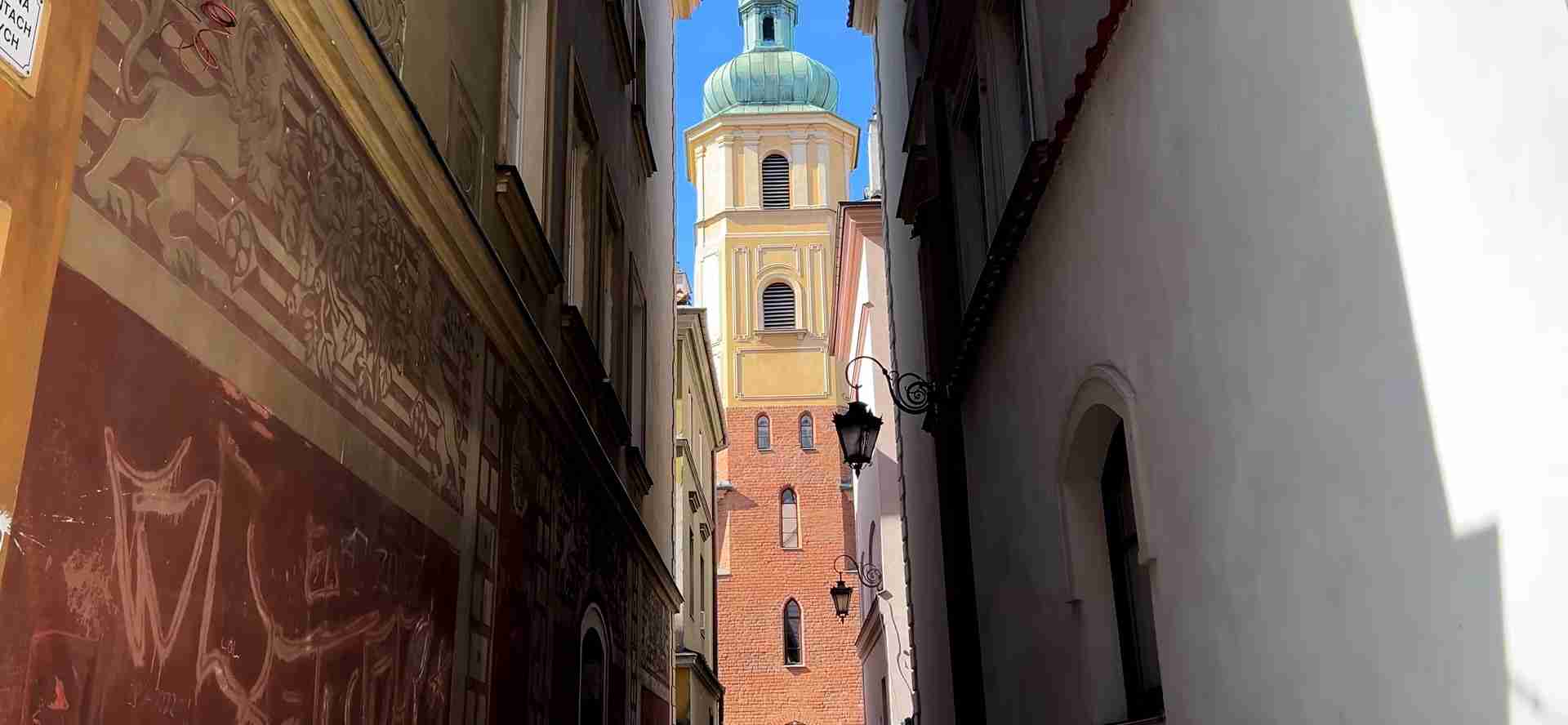
Warsaw Best Tours & Walking Routes 2026: Complete Travel Guide
Exploring Warsaw through organized tours and self-guided walks reveals layers of history, architecture, and culture that casual observation misses. From free walking tours uncovering Old Town secrets to specialized excursions addressing Poland’s complex 20th-century narrative, Warsaw’s tour landscape accommodates every interest and budget. This guide navigates the city’s best guided experiences and self-guided routes, helping you maximize your Warsaw exploration in 2026.
Key Takeaways: Warsaw Tours & Walking 2026
- Free Walking Tours Excel: Tip-based tours through Walkative and Free Walking Tour Warsaw provide excellent Old Town and Jewish Warsaw introductions with knowledgeable local guides
- Specialized Tours Matter: Warsaw Uprising Museum tours, POLIN Jewish heritage experiences, and communist history walks deliver depth impossible through independent exploration
- Self-Guided Routes Work Well: The compact Royal Route, Vistula boulevards, and Praga street art trails suit confident walkers with offline maps
- Book WWII Tours Ahead: Auschwitz day trips and specialized uprising tours fill quickly—reserve 2-4 weeks advance during peak season (June-August)
- Walking Suits Warsaw: Flat topography, pedestrian zones, and 2-3 kilometer distances between major sights make walking the most rewarding exploration method
- Evening Tours Add Value: Chopin concerts in historic venues, vodka tasting experiences, and illuminated Old Town walks leverage Warsaw’s atmospheric nighttime character
People Also Ask About Warsaw Tours 2026
Are free walking tours in Warsaw worth it in 2026?
Free walking tours in Warsaw deliver exceptional value, operating on tip-based models where guides earn through gratuities rather than fixed fees. Companies like Walkative and Free Walking Tour Warsaw employ knowledgeable local guides who provide 2.5-3 hour explorations of Old Town, Royal Route, and Jewish Warsaw. These tours suit budget travelers and first-time visitors seeking orientation and historical context. Guides expect tips of 20-50 PLN (€5-12) per person for good service. Tours depart daily year-round from central meeting points, requiring no advance booking—simply arrive 10 minutes before scheduled departure.
How much do guided tours cost in Warsaw in 2026?
Private guided tours charge 170-250 PLN (~€38-56) per hour for small groups, with 3-hour minimums typical. Group tours through platforms like GetYourGuide or Viator range €20-60 per person depending on duration and inclusions. Specialized experiences command higher rates: Auschwitz day trips cost €90-130, food tours €60-80, and Chopin concert experiences €30-50. Many museums including Warsaw Uprising Museum and POLIN offer guided tours included with admission or for small surcharges (10-20 PLN). Walking routes cost nothing beyond personal time and possibly audioguide rentals (15-25 PLN).
Can I explore Warsaw on my own without tours in 2026?
Warsaw’s compact center and excellent signage support independent exploration, particularly for the Old Town, Royal Route, and Łazienki Park. Download offline maps (Maps.me, Google Maps) and consider audioguides from museums for self-paced learning. However, guided tours significantly enhance understanding of complex WWII history, Jewish heritage, and communist-era architecture—Warsaw’s stories require context that plaques and exhibits don’t fully convey. Hybrid approaches work well: free walking tours for orientation, then independent exploration of specific interests with occasional specialized tours for deep-dive topics.
What’s the best walking route for first-time Warsaw visitors in 2026?
The Royal Route from Old Town Market Square through Krakowskie Przedmieście and Nowy Świat to Łazienki Park covers Warsaw’s essential highlights in a 3-4 kilometer walk requiring 3-5 hours with stops. Begin at Castle Square, explore the Old Town’s compact medieval core (45-60 minutes), then proceed south past the Presidential Palace, Warsaw University, Church of the Holy Cross (Chopin’s heart), and elegant boutiques lining Nowy Świat. Conclude at Łazienki Park’s Palace on the Isle and Chopin Monument. This route captures reconstructed history, contemporary Polish life, and green space respites—ideal for first impressions and photo opportunities.
Extended multi-day tours – 5+ days
Featured Warsaw Multi-Day Tour Packages
7 days
Christmas in Poland: From Warsaw to Krakow
- ✓ Comprehensive Warsaw tour
- ✓ Expert local guides included
- ✓ All accommodation arranged
- ✓ Transportation provided
7 days
Highlights of Poland – 7 Days
- ✓ Comprehensive Warsaw tour
- ✓ Expert local guides included
- ✓ All accommodation arranged
- ✓ Transportation provided
7 days
Poland Discovery – 7 Days
- ✓ Comprehensive Warsaw tour
- ✓ Expert local guides included
- ✓ All accommodation arranged
- ✓ Transportation provided

7 days
Tailor-Made 7 Days Private Trip to Southern Poland, Daily Start & Exclusive Car
- ✓ Comprehensive Warsaw tour
- ✓ Expert local guides included
- ✓ All accommodation arranged
- ✓ Transportation provided
Multi-day tour packages powered by TourRadar. Prices and availability subject to change.
Introduction: Understanding Warsaw’s Tour Landscape
Warsaw’s tour offerings reflect the city’s multifaceted character: tragic history demanding respectful interpretation, resilient spirit embodied in reconstruction efforts, and contemporary energy transforming former industrial districts. Unlike cities where tours merely add convenience, Warsaw’s complex 20th-century narrative benefits significantly from expert guides who contextualize visible remnants, explain vanished structures, and connect historical events to present realities. The destroyed and rebuilt Old Town, nearly invisible Jewish district, and scattered Warsaw Uprising memorials speak volumes through informed narration but whisper when explored alone.
Tour companies range from established international operators running standardized city highlights to local specialists focusing on niche topics: communist architecture, underground resistance movements, Jewish heritage, or Chopin’s musical legacy. Free walking tours democratize access to historical knowledge, while private guides tailor experiences to specific interests and paces. Self-guided walking routes leverage Warsaw’s pedestrian-friendly layout and extensive English signage, appealing to independent travelers comfortable navigating unfamiliar cities with map applications.
This guide categorizes Warsaw’s tour landscape into organized group tours, private experiences, free walking tours, and self-guided routes. Each approach offers distinct advantages: group tours provide cost-effective comprehensive overviews, private guides deliver customization and flexibility, free tours suit budget constraints while building historical foundations, and self-guided walks grant total schedule control. Most visitors find value in combining approaches—perhaps starting with a free walking tour for orientation, adding a specialized museum tour for depth, and filling gaps with independent wandering using this guide’s route suggestions.
Free Walking Tours 2026
Walkative Free Tours
Walkative operates Warsaw’s most established free walking tour network, with multiple daily departures covering different themes and districts. The flagship Old Town & Royal Route tour departs 10am and 2pm from Castle Square, covering approximately 3 hours and including the Market Square, Barbican, Royal Castle exterior, Presidential Palace, Warsaw University, and Church of the Holy Cross. Guides employ storytelling techniques weaving historical facts with personal anecdotes, making Poland’s complex history accessible to international audiences.
The Jewish Warsaw tour explores the former ghetto area, departing 11am from POLIN Museum. This 2.5-hour walk traces the boundaries of the 1940-1943 ghetto, visits the Umschlagplatz memorial (deportation point), examines remaining ghetto wall fragments, and explains the 1943 uprising through eyewitness accounts. Guides sensitively address Holocaust history while highlighting the 1,000-year Jewish presence in Poland before WWII annihilation. Expect smaller group sizes (10-20 people) compared to general Old Town tours.
Communism & Modern Warsaw tours operate select days, examining Soviet-era architecture including the Palace of Culture and Science, Stalin-era apartment blocks (MDM estate), and post-1989 transformation stories. These 2-hour tours appeal to architecture enthusiasts and those curious about life behind the Iron Curtain. Guides share personal experiences or family stories from communist Poland, adding intimate perspectives to political history. Tours depart from Palace of Culture main entrance.
Walkative tours require no advance booking—arrive 10 minutes before departure at specified meeting points identifiable by guides holding company umbrellas or signs. Group sizes vary 15-30 people depending on season, with summer attracting larger crowds. Tours operate in English exclusively, departing rain or shine. Guides work for tips, with €5-12 per person considered appropriate for satisfactory service, €12-20 for exceptional experiences. Payment occurs at tour conclusion in cash (PLN or EUR accepted).
Free Walking Tour Warsaw
Free Walking Tour Warsaw competes with Walkative through similar tip-based models and route coverage. Their Essential Warsaw tour departs 10am and 2pm daily from Sigismund’s Column, covering Old Town, Royal Route highlights, and Warsaw Uprising memorial sites in 3 hours. Guides emphasize interactive storytelling, encouraging questions and discussions rather than lecture-style presentations. Recent participant reviews highlight guides’ humor and ability to make heavy historical topics approachable without trivializing tragic events.
The Praga District tour, operating Saturdays at 11am from Wileńska metro station, explores Warsaw’s gritty right-bank neighborhoods. This 2.5-hour walk examines pre-war tenement architecture, Soviet-era neglect, and contemporary artistic renaissance transforming abandoned factories into galleries and studios. The route includes the Neon Museum, vodka distillery district, and Orthodox churches reflecting Praga’s Russian influence. Smaller groups (8-15 people) allow more intimate exploration of off-tourist-path locations.
Free Tour Best Practices
Book nothing in advance for free walking tours—simply arrive at meeting points 10 minutes early. However, check company websites or social media for schedule changes, particularly during winter months when some tours reduce frequency. Tours depart regardless of weather, so pack rain gear and dress appropriately for 2.5-3 hours outdoors. Comfortable walking shoes prove essential, as cobblestones in the Old Town and uneven sidewalks challenge fashion footwear.
Group sizes swell during summer peak season (June-August), sometimes reaching 40+ participants. Arrive early to position near guides for better hearing and interaction opportunities. Winter tours (November-February) attract 10-15 participants maximum, offering more personalized experiences though requiring tolerance for cold temperatures. Guides provide fascinating insights regardless of season—dress warmly and enjoy smaller group dynamics.
Tipping etiquette for free tours: €5-8 per person represents baseline appreciation, €10-12 indicates satisfaction with the experience, and €15-20 rewards exceptional guides who went beyond standard content. Pay in cash at tour conclusion—guides typically announce tipping expectations discreetly. If dissatisfied with a tour, smaller tips (€2-3) or no tip communicates feedback, though this rarely proves necessary given guide quality standards.
Organized Group Tours 2026
Warsaw City Highlights Tours
Half-day city highlights tours provide efficient 4-5 hour overviews combining walking segments with air-conditioned transportation to distant attractions. Typical itineraries include Old Town walking tour, Royal Castle visit (exterior), Palace of Culture viewing platform, Łazienki Park drive-through, and Warsaw Uprising Monument stop. Tours depart mornings (9-10am) or afternoons (2-3pm), costing €35-55 per person including hotel pickup from central locations. English-speaking guides provide historical context while drivers navigate between sites.
These structured tours suit visitors with limited time or mobility concerns, as transportation eliminates the 5-7 kilometers of walking self-guided routes require. Air-conditioned coaches provide comfort during summer heat, while winter tours offer heated transport between outdoor stops. Group sizes typically range 15-30 participants, with larger coaches accommodating up to 50 during peak season. Book through GetYourGuide, Viator, or local operator websites 1-2 weeks ahead for guaranteed availability.
Warsaw Uprising Museum Tours
Specialized Warsaw Uprising Museum tours elevate the museum experience through expert guides explaining the complex 63-day battle. These 3-hour experiences include skip-the-line entrance, guided exhibition walkthrough highlighting key artifacts and testimonies, and context-setting introduction explaining the uprising’s political and military dynamics. Tours cost €30-45 per person including museum admission (normally 20 PLN separately). Groups remain small (8-12 people maximum) to facilitate questions and discussion.
Guides typically hold history degrees or family connections to uprising participants, bringing personal perspectives to institutional narratives. The tour route emphasizes powerful exhibits including the reconstruction of Warsaw’s sewers (used by resistance fighters), the tribute wall displaying insurgents’ photographs, and the multimedia documentary screening. English-language tours depart Tuesday-Sunday at 11am and 2pm—book through museum website or GetYourGuide to guarantee English-speaking guides.
POLIN Museum Jewish Heritage Tours
POLIN Museum guided tours navigate 1,000 years of Polish Jewish history through eight chronological galleries spanning medieval settlement through Holocaust destruction and contemporary revival. The 3-hour guided experience costs €35-45 per person including admission, with expert guides connecting artifacts, multimedia displays, and architectural elements into coherent narratives. Tours accommodate 12-15 participants maximum, departing at 11am and 2pm daily except Tuesdays (museum closure).
Beyond the museum’s core exhibition, specialized tours address specific themes: pre-war Jewish Warsaw’s vibrant culture, Holocaust documentation, or post-war Jewish life in communist Poland. These niche tours require advance booking (minimum 4 participants) and cost €45-60 per person. The museum’s award-winning architecture merits attention itself—guides explain how building design reflects Jewish historical themes and Warsaw’s relationship with its Jewish past.
Chopin Concert Experiences
Evening Chopin concerts combine music with historic venue atmospheres, operating May through September in various locations. The most popular format features hour-long piano recitals at the Time for Chopin salon near Old Town Market Square, performed in an intimate 18th-century building recreating salon concert traditions. Tickets cost €25-30 and include wine or champagne, creating refined cultural evenings. Concerts begin 6pm or 8pm depending on season—book online to guarantee seating as venues accommodate only 40-60 guests.
Summer Sunday concerts at the Chopin Monument in Łazienki Park offer free admission to hourly recitals featuring renowned Polish pianists. These outdoor performances attract hundreds of listeners who picnic on lawns while enjoying Chopin’s compositions in pastoral settings. Concerts occur 12pm and 4pm, weather permitting, from mid-May through late September. Arrive 30-45 minutes early for optimal listening positions near the monument—bring blankets or folding chairs for comfort.
Food and Vodka Tours
Warsaw food tours explore traditional Polish cuisine through tastings at milk bars, modern restaurants, and specialty shops. These 3-4 hour walking experiences visit 5-7 locations sampling pierogi, bigos, żurek, traditional desserts, and craft vodkas while guides explain culinary history and contemporary food culture. Tours cost €60-80 per person including all tastings, beverages, and guide services. Group sizes remain intimate (6-12 participants) to facilitate restaurant access and conversation.
Specialized vodka tours focus exclusively on Poland’s national spirit, visiting distillery museums, vodka bars, and tasting rooms. These 2.5-hour experiences sample 6-8 vodka varieties including flavored options (bison grass, cherry, quince) while explaining production methods and drinking traditions. Tours cost €40-55 per person, departing evenings (6-7pm) to align with Polish socializing customs. Participants must be 18+ (legal drinking age in Poland); tours include palate-cleansing snacks but aren’t designed as meals.
Private and Customized Tours 2026
Private Guide Services
Licensed private guides charge 170-250 PLN (~€38-56) per hour with 3-hour minimums, tailoring tours to specific interests, paces, and physical capabilities. This flexibility accommodates families with children, elderly visitors with mobility limitations, or enthusiasts pursuing niche topics (Art Nouveau architecture, underground resistance sites, communist housing estates). Guides arrange itineraries in advance through email consultations, incorporating requested sites and themes while suggesting complementary attractions.
Private tours eliminate group waiting, bathroom stops for 30 people, and pace compromises inherent to large group experiences. Guides adjust content depth based on visitor knowledge—architecture students receive technical terminology and construction details, while general tourists get broader historical context. Multi-day guide bookings (minimum 6 hours daily) often include discounted hourly rates and transportation arrangements in the guide’s vehicle (Mercedes Vito vans accommodate up to 7 passengers).
Photography Tours
Specialized photography tours led by professional photographers teach composition techniques while exploring Warsaw’s most photogenic locations. These 4-hour experiences cover Old Town’s colorful facades, Palace of Culture’s socialist realist details, Vistula boulevards’ river perspectives, and Praga’s street art. Tours cost €80-120 per person with maximum 4 participants, allowing individualized instruction on camera settings, lighting considerations, and creative approaches to architectural photography.
Evening photography tours leverage Warsaw’s illuminated monuments and sunset light on the Vistula. These 3-hour sessions depart 90 minutes before sunset, capturing golden hour conditions at Łazienki Park, blue hour architecture shots in the Old Town, and night photography techniques at Palace of Culture. Tours include basic photo editing instruction and file sharing through online galleries. Participants should bring DSLR or mirrorless cameras with manual controls—smartphone photography tours operate separately.
E-Bike Tours
Electric bicycle tours cover greater distances than walking routes, incorporating Wilanów Palace, Vistula boulevards, and Praga district in 4-5 hour experiences. E-bikes eliminate physical exertion while maintaining the flexibility and intimacy of cycling tours. Groups remain small (6-10 participants) with guides providing helmets, bikes, and safety briefings. Tours cost €45-65 per person, departing mornings to avoid afternoon heat and traffic congestion.
The Vistula River Route tour pedals both banks, crossing bridges and stopping at riverside beaches, the Copernicus Science Centre, and National Stadium. These flat, traffic-free routes suit beginners and families with teenagers (minimum age typically 14-16). Winter e-bike tours suspend operations November-March due to weather conditions. Book through local operators offering various routes—verify electric assist functionality as some “bike tours” use standard bicycles requiring greater fitness.
Self-Guided Walking Routes 2026
Classic Royal Route
The Royal Route connects Warsaw’s most significant historical sites along a ceremonial path once traversed by Polish kings. Begin at Castle Square (Plac Zamkowy) where Sigismund’s Column rises as Warsaw’s oldest secular monument. The Royal Castle requires separate admission (check for free days, typically Wednesdays) or admire the exterior reconstruction completed in the 1980s after WWII destruction. Walk through the Old Town’s Market Square (Rynek Starego Miasta), examining colorful merchant houses and the Warsaw Mermaid sculpture.
Exit the Old Town through Nowomiejska Street, passing St. John’s Cathedral where Polish kings were crowned and the 1791 Constitution was blessed. The Gothic facade conceals extensive post-war reconstruction—step inside (free admission) to see royal tombs and Chopin’s heart relic at the Church of the Holy Cross further along the route. Continue south on Krakowskie Przedmieście, lined with Baroque churches, Warsaw University buildings, and the Presidential Palace guarded by ceremonial soldiers.
The route transitions to Nowy Świat (New World Street), Warsaw’s elegant shopping boulevard where cafes, boutiques, and restaurants occupy neoclassical buildings. Stop at Café Blikle (established 1869) for traditional Polish pastries, or explore side streets housing art galleries and design shops. Cross Aleje Jerozolimskie (major thoroughfare) to reach the final Royal Route segment leading to Łazienki Park. The entire walk spans 3.5 kilometers, requiring 1.5-2 hours without stops or 4-5 hours with museum visits and lunch breaks.
Jewish Warsaw Route
Jewish Warsaw’s physical traces require informed searching, as the ghetto’s complete destruction left scattered remnants requiring context. Begin at POLIN Museum of the History of Polish Jews (Anielewicza 6), where exhibitions provide essential background on pre-war Jewish life and Holocaust devastation. Exit the museum into what was the ghetto’s heart—the bland communist-era apartment blocks replaced the dense Jewish district housing 400,000 people in 1940-1943.
Walk north along Zamenhofa Street to the Umschlagplatz Memorial (Stawki Street), marking the railway loading point where 300,000 Warsaw Jews began deportation journeys to Treblinka. The somber memorial lists 450 common Jewish first names, honoring those whose individual identities were erased. Continue west to Muranów Park, built atop ghetto rubble after the war—the elevated terrain resulted from layers of demolished buildings compressed beneath the park’s surface.
Cross Andersa Street to Próżna Street, where pre-war tenement buildings survived WWII and communist neglect. These deteriorating structures represent Warsaw’s only remaining concentration of authentic pre-war Jewish district architecture—renovation efforts began recently but progress slowly. Walk south to the ghetto wall fragment at 55 Sienna Street, a preserved section showing the 3-meter walls that enclosed the ghetto. Conclude at the Warsaw Ghetto Heroes Monument (Zamenhofa Street), erected in 1948 and featuring reliefs depicting resistance fighters. The complete route covers 4 kilometers over 2-3 hours, though combining with POLIN Museum visit requires 5-6 hours total.
Vistula Boulevards Walk
The Vistula River’s recent waterfront transformation created pedestrian and cycling boulevards connecting parks, beaches, and cultural venues along both banks. Begin at the Multimedia Fountain Park near the Old Town (Wybrzeże Kościuszkowskie), where evening water-light-music shows occur May-September. Walk south along the left bank past the Copernicus Science Centre’s modern architecture and riverside outdoor exhibits to the National Stadium, wrapped in distinctive white lattice visible from across the river.
Cross the Świętokrzyski Bridge for right-bank perspectives of the city skyline, dominated by the Palace of Culture’s spire and modern skyscrapers. The Praga-Północ riverside features beach clubs, food trucks, and floating bars operating summers (May-September)—popular spots include Plaża Poniatówka and Cud nad Wisłą beach bar. Continue north toward the Gdański Bridge, passing former industrial zones converted to cultural spaces including Soho Factory (design galleries and studios).
The complete one-way walk spans 6-7 kilometers requiring 2-3 hours at moderate pace, though summer attractions tempt extended stops at beaches and bars. Sunset walks (departing 90 minutes before sunset) provide optimal lighting for skyline photography and atmospheric strolls. The route operates year-round, though winter months see beaches closed and reduced food services. Flat, paved paths suit all fitness levels; bring water in summer as refreshment stands appear sporadically along less developed sections.
Praga District Street Art Trail
Praga’s transformation from neglected working-class district to creative hub manifests through extensive street art decorating formerly industrial buildings and communist-era blocks. Begin at Wileńska metro station and walk east on Jagiellońska Street toward the Neon Museum (Mińska 25), housed in a former palace workshop. This small museum displays rescued neon signs from communist Poland—admission 10 PLN provides context for urban exploration.
Continue through Praga’s main artery, Ząbkowska Street, where pre-war tenement facades host large-scale murals by local and international artists. Notable works include political commentary pieces, abstract designs, and figurative portraits scattered along building walls. The street’s neglected grandeur provides atmospheric backdrop—crumbling Art Nouveau details contrast with vibrant contemporary art. Duck into courtyards (podwórka) where smaller-scale stencils and paste-ups appear on interior walls.
Head south toward Soho Factory (Mińska 25), a converted vodka factory complex housing galleries, design studios, and the Neon Museum annex. The factory’s brick industrial architecture provides canvas for rotating murals and installations. Continue to the Ortodox Church of Mary Magdalene (Jagiellońska 34A), demonstrating Praga’s diverse cultural heritage. The complete trail covers 4-5 kilometers over 2-3 hours, best walked in daylight for safety and art visibility. Bring cameras to document the constantly evolving street art scene—new works appear monthly while others face weathering or removal.
Communist Architecture Route
Warsaw’s communist-era architecture reveals Poland’s socialist period urban planning and political symbolism. Begin at the Palace of Culture and Science (Plac Defilad), Stalin’s 1955 “gift” to Warsaw. Purchase viewing platform tickets (25 PLN) for 30th-floor panoramas revealing the city’s architectural layers—communist blocks, modern skyscrapers, and scattered historic districts. The palace’s socialist realist style features ornate details and monumental proportions intended to inspire awe and demonstrate Soviet power.
Walk east along Marszałkowska Street to the Constitution Square (Plac Konstytucji), a showcase of Stalinist residential architecture built 1950-1952. Six-story apartment blocks featuring classical columns and socialist realist sculptures surround the square—notice the uniform building heights and symmetrical layout reflecting totalitarian planning principles. The arcaded ground floors originally housed state shops and services promoting socialist ideology through architecture.
Continue south to the MDM estate (Marszałkowska Dzielnica Mieszkaniowa), expanding the Constitution Square aesthetic across several blocks. These buildings, though ideological products, now command premium real estate prices due to central locations and solid construction. Contrast this with communist-era housing blocks (blokowiska) visible in outer districts—standardized concrete panel construction exemplifying functionality over aesthetics. The route covers 3-4 kilometers over 2 hours, revealing how architecture embodied political systems and continues shaping contemporary Warsaw.
Seasonal and Specialized Routes 2026
Chopin Heritage Trail
Follow Chopin’s Warsaw footsteps through sites connected to the composer’s youth and legacy. Begin at the Chopin Museum (Ostrogski Palace, Okólnik 1) where multimedia exhibits explore his life and works. Museum admission (22 PLN) includes audio guides and access to listening stations. Exit onto the Royal Route, stopping at the Church of the Holy Cross to see the pillar containing Chopin’s heart, brought from Paris after his 1849 death.
Continue to Krasiński Palace (Krasiński Square), where young Chopin performed for aristocratic audiences. The palace exterior remains viewable though interiors operate as archives (limited public access). Walk to the Visitationist Church (Krakowskie Przedmieście 34) where Chopin’s parents married and he played organ as a student. Finish at the Society for Friends of Music concert hall or Łazienki Park’s Chopin Monument for summer Sunday concerts (free admission, May-September). The complete walk spans 4 kilometers over 2-3 hours excluding museum visit time.
Winter Christmas Market Route
Warsaw’s Christmas markets operate December through early January, concentrated in the Old Town Market Square, Castle Square, and select shopping districts. The main Old Town market features 40+ wooden chalets selling crafts, ornaments, and traditional foods. Warm yourself with grzane wino (mulled wine, 10-15 PLN) while browsing hand-carved decorations, amber jewelry, and Polish pottery. Food stalls offer grilled kielbasa, oscypek (smoked cheese), and traditional Christmas pastries.
Walk to Castle Square’s smaller market focusing on higher-end crafts and artisan products. The Royal Castle backdrop provides atmospheric setting for evening visits when illumination creates magical ambiance. Continue south along the Royal Route where select boutiques extend Christmas market concepts indoors, featuring heated spaces for craft browsing. Markets operate daily 10am-10pm throughout December, with extended hours Christmas week. The route covers 2 kilometers over 2-3 hours, though cold temperatures may shorten outdoor browsing time—dress warmly in layers.
Spring Garden Route
Warsaw’s parks burst with spring blooms April-May, creating perfect conditions for garden-focused walks. Begin at the University Library’s rooftop garden (Dobra 56/66), offering panoramic city views and seasonal plantings (free admission). Walk south to Łazienki Park where magnolias, tulips, and rhododendrons transform the landscape. The Rose Garden peaks in early June with hundreds of varieties, while Palace on the Isle gardens feature formal French and English landscaping styles.
Continue to the Botanical Garden (Aleje Ujazdowskie 4), operated by Warsaw University and featuring 10,000+ plant species across outdoor gardens and greenhouses. Spring visits showcase tulip collections and early perennials (admission 12 PLN). The complete route covers 5-6 kilometers over 3-4 hours, ideal for photography enthusiasts and garden lovers. Peak bloom varies by spring weather—late April through mid-May typically offers optimal conditions.
Practical Tour Planning 2026
Booking and Reservations
Book popular tours 2-4 weeks ahead during peak season (June-August) when groups fill quickly. Auschwitz day trips, specialized museum tours, and limited-capacity experiences (food tours, small-group walking tours) require advance reservation regardless of season. Use established platforms (GetYourGuide, Viator, TourRadar) for consumer protection including free cancellation options—many tours allow cancellation up to 24 hours before departure for full refunds.
Free walking tours require no booking but benefit from early arrival to secure spots near guides. Summer free tours sometimes turn away excess participants when groups exceed 40-50 people—arrive 15-20 minutes before departure to guarantee inclusion. Winter tours rarely fill, with 10-15 participants typical. Check operator websites or social media for last-minute schedule changes, particularly during winter when some tours reduce frequency or cancel due to extreme weather.
What to Bring
Comfortable walking shoes prove essential for any Warsaw tour—the Old Town’s cobblestones and uneven sidewalks challenge fashion footwear. Pack small daypacks with water bottles (refill at hotel or restaurants), snacks for energy during long tours, and phones with offline maps as backups. Rain gear (compact umbrellas or waterproof jackets) protects against sudden showers year-round. Summer tours require sunscreen, hats, and sunglasses for multi-hour outdoor exposure.
Cameras capture tour highlights, though verify photography policies at museums and indoor venues. Some locations prohibit flash photography or restrict commercial filming. Portable phone chargers maintain battery life for navigation, photos, and audio guides. Cash (100-200 PLN) covers tips for free tours, entrance fees at minor sites, and refreshment purchases—not all tour stops accept cards.
Accessibility Considerations
Walking tours covering 3-5 kilometers over 2-3 hours challenge visitors with mobility limitations. Private tours with vehicle transportation accommodate wheelchairs or walkers better than group walking experiences. Inform tour operators of accessibility needs when booking—some companies arrange adapted vehicles, slower paces, or modified routes. The Old Town’s cobblestones present obstacles for wheelchairs and mobility devices; alternative routes using modern streets may sacrifice atmosphere for practicality.
Museum tours within POLIN, Warsaw Uprising Museum, and Royal Castle feature elevator access and wheelchair-friendly exhibitions. Audio guides replace live narration for hearing-impaired visitors at major museums. Request assistance when booking specialized tours—operators generally accommodate needs with advance notice. Some free walking tours cannot modify routes or paces due to large group dynamics; consider private guides for fully adapted experiences.
Day Trips and Extended Tours from Warsaw 2026
Auschwitz-Birkenau Day Trips
Day trips to Auschwitz-Birkenau concentration camp memorial involve 12-14 hour experiences including 5-6 hours of driving (round trip via Kraków). Tours depart Warsaw 6-7am, traveling by air-conditioned coach to Oświęcim where guides lead 3-4 hour memorial site visits. Most tours include brief Kraków stops (1-2 hours) for lunch and Old Town overviews, returning to Warsaw 8-9pm. Costs range €90-130 per person including transportation, guide services, and memorial entrance.
The experience proves emotionally demanding and physically tiring due to long coach rides and walking through camp sites. Tours operate year-round though winter visits face cold temperatures requiring warm layers. Book through established operators (GetYourGuide, Viator) ensuring qualified guides—memorial policy requires all visitors under 26 to join guided tours. Bring passports for crossing Czech border en route (Poland and Czech Republic both in Schengen zone but controls occasionally occur).
Kraków Connections
Combining Warsaw and Kraków visits creates comprehensive Polish experiences. Express trains (PKP Intercity Pendolino) connect the cities in 2.5 hours with hourly departures, costing 180-200 PLN round trip for second-class seats. Book tickets online through PKP website or at Warsaw Central Station—advance purchase (7-14 days) provides 20-30% discounts compared to same-day tickets. Comfortable modern trains feature WiFi, power outlets, and cafe cars.
Multi-day tours combining Warsaw (2 nights), Auschwitz (day trip from Kraków), and Kraków (2-3 nights) operate through major tour companies. These 5-7 day packages include accommodations, intercity transportation, guided tours, and select meals, costing €600-1,200 per person depending on hotel category and inclusions. Independent travelers achieve similar experiences at lower costs (€400-700) by booking components separately—sacrifice structure and local expertise for budget savings and schedule flexibility.
Wieliczka Salt Mine
Day trips to Wieliczka Salt Mine UNESCO site near Kraków combine with Kraków visits in 12-hour experiences. The salt mine features underground chambers, chapels, and sculptures carved entirely from salt across 700 years of mining. Tours descend 135 meters via 380 steps, walking 3 kilometers through illuminated passages before ascending by elevator. Combined Warsaw-Wieliczka-Kraków day trips cost €120-150 per person including transportation and mine admission. The experience suits those unable to dedicate multiple days to Kraków but wanting Poland’s top UNESCO sites beyond Warsaw.
Frequently Asked Questions
Should I book tours in advance or wait until arriving in Warsaw in 2026?
Book specialized experiences (Auschwitz day trips, food tours, small-group walking tours) 2-4 weeks ahead, particularly during summer peak season when popular tours sell out. Free walking tours require no advance booking—simply arrive at meeting points 10-15 minutes early. General city tours and museum visits can be booked 3-7 days ahead without difficulty outside peak season. Last-minute bookings prove challenging June-August when demand peaks; shoulder seasons (April-May, September-October) offer more flexibility.
Are Warsaw tours conducted in English in 2026?
All major tour operators offer English-language tours as standard, with many also providing German, Spanish, or French options for larger groups. Free walking tours operate primarily in English, with occasional Polish-language tours for domestic visitors. Museum audio guides are available in 6-10 languages including English. Verify language before booking—tour descriptions clearly indicate available languages, and English tours far outnumber other language options given international tourist demographics.
Can I take photos during Warsaw tours in 2026?
Photography permissions vary by venue. The Old Town, Royal Route, and outdoor attractions allow unlimited photography for personal use. Museums implement diverse policies: Warsaw Uprising Museum prohibits flash but permits photos, Royal Castle restricts photography in certain rooms, POLIN Museum allows photos without flash. Tour guides announce photo policies at each stop. Commercial filming or photography for publication requires advance permits from venue administrators—personal holiday photos encounter no restrictions in public spaces.
What’s the cancellation policy for Warsaw tours in 2026?
Most reputable operators offer free cancellation up to 24 hours before tour departure for full refunds, with some extending to 48-72 hours for certain tours. Weather-related cancellations initiated by operators result in alternative dates or full refunds. No-shows or late cancellations (within 24 hours) forfeit payments. Free walking tours carry no cancellation concerns as they require no advance payment. Verify specific cancellation terms when booking—policies appear in confirmation emails and booking platforms’ terms of service.
Are Warsaw walking tours suitable for children in 2026?
General Old Town walking tours suit families with children 8+ who can walk 3-4 kilometers and maintain attention spans for historical narratives. Food tours appeal to teenagers interested in culinary experiences. However, WWII-focused tours (Warsaw Uprising, Jewish Warsaw, Auschwitz trips) present mature content inappropriate for young children—graphic descriptions of violence, Holocaust history, and death camp realities disturb sensitive children. Family-friendly alternatives include Chopin concerts, Vistula boulevard walks, and Łazienki Park explorations. Private tours can be adapted for children’s ages and interests.
Do I need to tip tour guides in Warsaw in 2026?
Free walking tours operate entirely on tips—€5-12 per person represents appropriate gratitude for 2.5-3 hour tours. Paid tour guides (organized group tours, private experiences) don’t require tips as their compensation comes from tour fees, though €3-5 per person for exceptional service shows appreciation. Private guide tips (10-15% of total fee) reward personalized service and flexibility. Food tour gratuities are unnecessary as costs include guide compensation. Audio guides and self-guided routes involve no tipping.
Can I join tours if traveling solo in Warsaw in 2026?
Solo travelers seamlessly join all group tours, free walking tours, and organized experiences without supplements or single-person fees. Many tours attract solo travelers, creating opportunities to meet fellow visitors. Tour operators quote per-person rates applicable regardless of party size. Private tours designed for groups may impose minimum fees (3-4 hour minimums) though solo travelers can book and pay standard hourly rates. Food tours, walking tours, and museum experiences provide social atmospheres where solo travelers naturally interact with others.
What if I have limited mobility—can I still take Warsaw tours in 2026?
Limited mobility significantly restricts standard walking tour participation due to 3-5 kilometer distances, cobblestones, and 2-3 hour durations. However, alternatives exist: book private tours with vehicle transportation stopping at accessible sites, utilize hop-on-hop-off bus tours (though limited in Warsaw compared to Western European cities), or hire taxis/ride-shares to visit individual attractions independently. Museums including POLIN, Warsaw Uprising Museum, and Royal Castle feature elevator access and wheelchair-friendly exhibitions. Inform tour operators of mobility concerns when booking—specialized accessible tours can be arranged with advance notice.
Are there night tours or evening experiences in Warsaw in 2026?
Evening tours include illuminated Old Town walks departing 8-9pm June-August (daylight extends until 9:30pm), vodka tasting experiences beginning 6-7pm, and Chopin concert evenings in historic venues. Specialized photography tours leverage sunset and blue hour lighting for atmospheric shots. Warsaw’s relative safety permits evening exploration, with the Old Town and Royal Route well-lit and populated until midnight in summer. Winter evenings grow quiet after 7-8pm as cold temperatures drive people indoors—evening tours reduce frequency November-February though Christmas market walks operate through December.
Can Warsaw tours accommodate dietary restrictions in 2026?
Food tours accommodate vegetarian, vegan, and common allergies (gluten, lactose, nuts) with advance notice during booking. Polish cuisine traditionally emphasizes meat, but contemporary restaurants prepare plant-based alternatives. Specify dietary needs in booking forms or contact operators directly—most respond within 24 hours confirming arrangements. Jewish heritage tours respect kosher requirements. Severe allergies may limit food tour participation if cross-contamination concerns exist. Non-food tours require no dietary considerations unless including lunch stops, where participants choose restaurants matching their needs.