
Warsaw Travel Guide 2026: Ultimate Planning Resource
Poland’s resilient capital rises from its turbulent past as a vibrant metropolis blending reconstructed historic architecture with modern innovation. Warsaw offers visitors UNESCO World Heritage sites, compelling museums chronicling World War II history, and a thriving cultural scene—all at remarkably affordable prices compared to other European capitals. This comprehensive guide provides everything you need to plan your 2026 visit to this fascinating city.
Key Takeaways: Essential Warsaw Planning 2026
- Exceptional Value: Warsaw costs 30-50% less than Western European capitals while offering world-class attractions and UNESCO heritage sites
- Efficient Public Transport: Integrated metro, tram, and bus system with 24-hour passes at just 15 PLN (~€3.40) makes getting around easy and affordable
- Rich Historical Experience: Meticulously reconstructed Old Town (UNESCO site since 1980), powerful WWII museums, and the Royal Route tell Poland’s compelling story
- English-Friendly Destination: Younger generations and tourist industry staff speak English well, with multilingual signage throughout major attractions
- Compact City Center: Many top sights cluster within walkable distances; Old Town to Royal Castle to Palace of Culture covers just 2-3 kilometers
- Year-Round Destination: Each season offers distinct advantages—summer festivals and outdoor dining, winter Christmas markets and fewer crowds, spring/fall comfortable temperatures and moderate prices
People Also Ask About Warsaw Travel 2026
Is Warsaw expensive for tourists in 2026?
Warsaw ranks among Europe’s most affordable capitals for tourists in 2026. Mid-range hotels average $50-94 per night, a 75-minute public transport ticket costs just 4.40 PLN (~€1), and meals at quality restaurants run €10-20 per person. Many major attractions including the UNESCO-listed Old Town remain free to explore, while museum admissions range €3-8. Compared to Prague, Budapest, or Vienna, Warsaw delivers similar cultural richness at 30-40% lower costs. Budget travelers can manage on €40-60 daily, while mid-range visitors spend €80-120 comfortably.
How many days should I spend in Warsaw in 2026?
Three full days allows thorough exploration of Warsaw’s essential sights: one day for Old Town and Royal Castle, one day for WWII museums (Uprising Museum and POLIN), and one day for Palace of Culture, Łazienki Park, and Chopin sites. Adding a fourth day permits day trips to Wilanów Palace or the Kampinos National Park. First-time visitors find 3-4 days ideal for capturing Warsaw’s character without rushing, while those combining Warsaw with Kraków typically allocate 2-3 days here.
What’s the best time to visit Warsaw in 2026?
May-June and September offer optimal conditions: comfortable temperatures (15-22°C), manageable crowds, moderate hotel prices, and vibrant cultural calendars. Summer (July-August) brings warmest weather and numerous festivals but higher prices and tourist congestion. December enchants with Christmas markets and festive atmosphere despite cold temperatures. March-April sees unpredictable weather but excellent hotel deals and minimal crowds. Avoid November for gray skies and rain, though prices hit annual lows.
Is Warsaw safe for tourists in 2026?
Warsaw maintains excellent safety standards for tourists, with low violent crime rates and well-lit central areas. Standard urban precautions apply: watch belongings in crowded areas, validate transport tickets to avoid fines, and stick to well-traveled routes at night. The Old Town and city center remain safe for evening walks. Emergency services respond quickly, and most police officers speak English. Solo travelers, including women, report feeling secure throughout the city. The main safety concern involves pickpocketing in tourist hotspots and on public transport during peak hours.
Extended multi-day tours – 5+ days
Featured Warsaw Multi-Day Tour Packages

3 days
Warsaw 3-Day Discovery Tour
- ✓ Comprehensive Warsaw experience
- ✓ Expert local guides included
- ✓ All accommodation included
- ✓ Transportation provided
5 days
Warsaw 5-Day Highlights Experience
- ✓ Comprehensive Warsaw experience
- ✓ Expert local guides included
- ✓ All accommodation included
- ✓ Transportation provided
7 days
Warsaw 7-Day Cultural Journey
- ✓ Comprehensive Warsaw experience
- ✓ Expert local guides included
- ✓ All accommodation included
- ✓ Transportation provided
10 days
Warsaw 10-Day Complete Adventure
- ✓ Comprehensive Warsaw experience
- ✓ Expert local guides included
- ✓ All accommodation included
- ✓ Transportation provided
Multi-day tour packages powered by TourRadar. Prices and availability subject to change.
Introduction: Warsaw in 2026
Warsaw stands as a testament to resilience, having risen from near-total destruction in 1944 to become Poland’s dynamic political, economic, and cultural heart. The capital captivates visitors with its unique duality: meticulously reconstructed historic architecture juxtaposed against Soviet-era blocks and gleaming modern skyscrapers. Unlike Kraków, which largely escaped WWII damage, Warsaw’s story centers on destruction and rebirth—making it an essential destination for understanding 20th-century European history.
The UNESCO-listed Old Town, rebuilt brick-by-brick from historical paintings and photographs, creates an authentic atmosphere despite its reconstruction. Beyond the postcard-perfect Market Square lies a city of substance: world-class museums documenting the Warsaw Uprising and Jewish heritage, Chopin sites celebrating Poland’s musical genius, and vibrant neighborhoods where contemporary Polish culture thrives. The Vistula River divides the city between historic left bank and emerging right bank districts, with parks and boulevards providing green breathing space.
For 2026 visitors, Warsaw offers exceptional value compared to Western European capitals. The integrated public transport system makes navigation effortless, English is widely spoken in tourist areas, and the restaurant scene spans traditional milk bars to innovative modern Polish cuisine. The city’s compact center allows efficient sightseeing, while its affordable prices let budgets stretch further. Whether you’re drawn by history, architecture, culture, or simply curious about Central Europe’s transformation, Warsaw delivers an enriching experience that challenges assumptions and rewards exploration.
Understanding Warsaw’s Geography and Districts 2026
Warsaw sprawls across both banks of the Vistula River, but visitors concentrate on several key areas on the left bank (western side). The meticulously reconstructed Old Town (Stare Miasto) forms the historic heart, where cobblestone streets and colorful townhouses surround the Market Square. Immediately south lies the Royal Route, a ceremonial path connecting the Royal Castle through elegant Krakowskie Przedmieście and Nowy Świat streets to Łazienki Park and Wilanów Palace.
Śródmieście (City Center) encompasses both historic and modern districts. The northern section features the Old Town and New Town, while southern Śródmieście centers on the Palace of Culture and Science, Warsaw Central Station, and modern commercial zones. This area combines tourist attractions with business districts, shopping centers, and transit hubs. The neighborhood provides excellent hotel options with easy metro access to all major sights.
Praga, across the Vistula on the right bank, represents Warsaw’s grittier, more authentic character. This working-class district survived WWII bombardment, preserving pre-war architecture that contrasts sharply with left-bank reconstructions. Praga’s transformation into a creative hub brings street art, independent galleries, vintage shops, and hip cafes, though some areas remain rough around edges. The Neon Museum and vodka distillery tours attract adventurous visitors seeking alternatives to standard tourist routes.
Muranów occupies the former Jewish ghetto site north of the city center, where the POLIN Museum of Polish Jewish History anchors a somber landscape dotted with memorials and remaining ghetto wall fragments. Łazienki Park, Warsaw’s largest green space, spreads southeast of the center, offering palace grounds, peacocks, and summer Chopin concerts. Understanding these districts helps visitors structure efficient itineraries and choose accommodation matching their interests and budgets.
Essential Planning Information 2026
Entry Requirements and Documentation
Poland belongs to the Schengen Area, allowing visa-free entry for up to 90 days within any 180-day period for US, Canadian, Australian, UK, and most other Western passport holders. Valid passports must remain valid for three months beyond your intended departure date from the Schengen zone. No vaccinations are required for entry, though routine immunizations should be current. Travel insurance is not mandatory but highly recommended, as medical costs for non-EU citizens can accumulate quickly.
Citizens from countries requiring Schengen visas should apply at Polish embassies or consulates in their home countries, allowing 15 days minimum processing time. The visa application requires proof of accommodation, return tickets, and sufficient funds (approximately €60 per day). Business travelers may need invitation letters from Polish companies. Upon arrival, EU/EEA citizens use automated gates, while others proceed through standard passport control—typically a 10-15 minute process at Warsaw Chopin Airport.
Currency and Money Matters
Poland uses the Polish złoty (PLN), not the euro, despite EU membership. As of 2026, exchange rates fluctuate around 4.50 PLN = 1 EUR and 4.20 PLN = 1 USD, though rates vary daily. ATMs (bankomaty) offering competitive exchange rates are abundant throughout Warsaw, accepting all major international cards. Withdrawal fees depend on your home bank; check before traveling and notify your bank of Polish travel to avoid card blocks.
Credit and debit cards (Visa, Mastercard) are widely accepted at hotels, restaurants, museums, and larger shops, with contactless payments standard. However, smaller cafes, market stalls, and some traditional restaurants remain cash-only. Currency exchange offices (kantory) offer better rates than banks and airports—look for competitive rates in city center locations along Nowy Świat or near the Old Town. Avoid exchange booths at the airport and Central Station, which charge premium rates with poor exchange ratios.
Tipping practices in Warsaw follow European norms: round up to the nearest convenient amount at cafes, leave 10% at sit-down restaurants for good service, and round up taxi fares. Service charges are rarely included automatically. At bars, rounding up the bill suffices. For guided tours, €3-5 per person represents appropriate appreciation. Major hotels expect tips for bellhops (5-10 PLN) and housekeeping (5 PLN per day).
Climate and Weather Patterns
Warsaw experiences a humid continental climate with four distinct seasons and significant temperature variations. Summer (June-August) brings warm days averaging 22-25°C, perfect for outdoor exploration, though occasional thunderstorms occur and humidity can feel oppressive in July. This period sees the most tourists, highest hotel prices, and vibrant street life with festivals and outdoor cafes operating at full capacity.
Spring (April-May) and autumn (September-October) offer the most pleasant visiting conditions. Temperatures range 12-18°C, trees blossom or display fall colors, and crowds thin considerably. April can be unpredictable with sudden rain showers, while September typically delivers stable, sunny weather. Hotel prices during shoulder seasons drop 20-40% compared to summer peaks, and attractions feel less congested.
Winter (December-February) brings cold temperatures averaging -5 to 2°C, with occasional drops to -15°C during cold snaps. Snow covers the city intermittently from December through March, creating picturesque scenes in the Old Town. December’s Christmas markets attract visitors despite cold weather, while January-February see the lowest tourist numbers and hotel bargains. Pack warm layers, waterproof boots, and plan for shorter daylight hours (4pm sunset in December).
Language and Communication
Polish serves as the official language, featuring complex grammar and pronunciation that challenges English speakers. However, English proficiency among younger Poles (under 40) and tourism industry workers has improved dramatically. Hotel staff, restaurant servers in central areas, museum guides, and tour operators typically speak good English. Older generations may have studied Russian or German instead, with limited English capabilities.
Major tourist attractions provide information in English, including museums, galleries, and historic sites. Restaurant menus in central districts offer English translations, though traditional milk bars and neighborhood eateries may present Polish-only options. Public transport announcements include English at metro stations and on newer trams. Translation apps prove invaluable for reading signs, menus, and basic communication—download offline dictionaries before arrival.
Learning basic Polish phrases earns appreciation: “Dzień dobry” (good morning), “Dziękuję” (thank you), “Przepraszam” (excuse me/sorry), and “Ile kosztuje?” (how much?). Poles appreciate visitors’ efforts to use their language, even imperfectly. Numbers, days of the week, and direction words help navigate markets and street signs. Hotel receptions happily assist with translation needs, calling taxis, or explaining complex information.
Transportation in Warsaw 2026
Getting to Warsaw
Warsaw Chopin Airport (WAW), located 10 kilometers southwest of the city center, serves as Poland’s busiest air hub with direct connections to major European cities, select North American destinations, and Middle Eastern hubs. Budget carriers including Ryanair, Wizz Air, and easyJet operate alongside traditional airlines, offering competitive fares—book 2-3 months ahead for best prices. The airport features modern facilities with clear English signage, currency exchange, and tourism information desks in arrivals.
From the airport to central Warsaw, multiple transport options exist. The S2 and S3 suburban trains connect directly to Warsaw Central Station in 20-25 minutes, departing every 15-30 minutes from 4:30am to 11:30pm. Tickets cost 4.40 PLN for a 75-minute transfer ticket, purchased from machines in the arrivals hall or at the underground station entrance. This represents the most economical option and connects seamlessly to the metro, trams, and buses.
Bus 175 operates 24/7 between the airport and city center, stopping at multiple locations including Central Station and Old Town vicinity. Journey time ranges 35-50 minutes depending on traffic, using the same 4.40 PLN ticket as trains. Night bus N32 runs after midnight when trains stop operating. Official airport taxis charge fixed rates of approximately 40-60 PLN to central hotels, while ride-sharing apps (Uber, Bolt) typically cost 30-45 PLN—confirm prices before departure.
International trains connect Warsaw to Berlin (5.5 hours), Prague (8 hours), Vienna (7 hours), and other European cities via Warsaw Central Station (Warszawa Centralna). This communist-era station, currently undergoing renovations, links directly to metro Line 1 and features lockers, cafes, and tourist information. Buses from other Polish cities and international routes arrive at Warszawa Zachodnia (West Station), also connected to the metro system.
Public Transport System
Warsaw’s integrated public transport network, operated by ZTM (Zarząd Transportu Miejskiego), includes two metro lines, 28 tram routes, and over 200 bus lines operating throughout the metropolitan area. The system uses unified tickets valid across all modes, with time-based rather than zone-based fares for central Warsaw (Zone 1). Services run approximately 5am to midnight daily, with night buses covering major routes every 20-60 minutes after regular services cease.
Metro Line M1 runs north-south from Młociny through the city center (Centrum station near Central Station) to Kabaty, with 21 stations covering major districts. Line M2 crosses east-west from Bemowo through Nowy Świat-Uniwersytet (near Royal Route) and Centrum Nauki Kopernik (Copernicus Science Center) to Bródno across the Vistula. The two lines intersect at Świętokrzyska station. Trains run every 3-4 minutes during peak hours and every 7-10 minutes off-peak, operating until midnight Sunday-Thursday and through the night on Friday-Saturday.
Trams provide scenic transport through the city center and residential districts, with dedicated lanes ensuring reliable journey times. Modern low-floor trams operate on most routes, featuring electronic displays showing upcoming stops. Routes 4, 10, 15, 18, and 35 connect major tourist areas. Trams can become crowded during morning (7-9am) and evening (4-6pm) rush hours but offer pleasant sightseeing opportunities compared to underground metro travel.
Buses fill gaps in the metro and tram network, reaching virtually every Warsaw neighborhood. Express buses (routes 400-500) skip minor stops, while standard buses serve all designated halts. Bus 180 follows the Royal Route from Old Town to Wilanów, convenient for tourists. Night buses (N prefix) operate hourly from approximately 11pm to 5am, converging at central transfer points. Route information, real-time arrival data, and journey planning are available through the JakDojade mobile app—essential for navigating Warsaw’s extensive transport network.
Tickets and Passes
Time-based tickets allow unlimited transfers within specified periods: 20-minute tickets (3.40 PLN) suit short journeys, 75-minute tickets (4.40 PLN) accommodate most trips across the city center, and 90-minute tickets (7 PLN) cover longer journeys to suburbs. Reduced-price tickets exist for students, seniors, and children, though foreign visitors rarely qualify. Tickets must be validated immediately upon boarding buses/trams or when entering metro stations—validation machines display the expiration time.
Multi-day passes offer better value for tourists: 24-hour tickets cost 15 PLN, 72-hour tickets 36 PLN, and weekend tickets (Friday 7pm-Monday 8am) 24 PLN. These unlimited-use passes prove economical for visitors planning multiple journeys daily. Monthly passes (110 PLN) benefit longer stays but require registration. All tickets cover buses, trams, metro, and designated suburban trains (S-lines) within Zone 1, which encompasses all major tourist attractions.
Purchase tickets from yellow-and-green machines at metro stations, some tram stops, and on newer buses and trams. Machines accept cash (coins only) and contactless card payments, with multilingual interfaces including English. Kiosks displaying “RUCH” signs also sell tickets. Mobile app purchases work through the moBilet or SkyCash apps, though setting up accounts requires Polish phone numbers. Always carry a validated ticket—controllers conduct frequent checks with €40 on-the-spot fines for fare evasion.
Taxis and Ride-Sharing
Licensed taxis operate with meters starting at 8 PLN, charging approximately 3 PLN per kilometer. Reputable companies include Sawa Taxi, Ele Taxi, and MPT Radio Taxi—call ahead or use their apps for reliable service. Official taxi ranks exist at the airport, Central Station, and major tourist sites. Avoid unmarked taxis or drivers soliciting passengers, particularly at the airport and station, as they charge inflated tourist rates. Confirm meter activation before departure.
Ride-sharing apps Uber and Bolt function throughout Warsaw, often offering lower prices than traditional taxis (25-40% savings). Estimated fares display before booking, eliminating price negotiation concerns. Apps provide driver ratings and trip records for safety. During peak hours or bad weather, surge pricing may bring costs equal to or exceeding taxi rates. Both services operate reliably across the city with English-language interfaces and familiar booking processes for international travelers.
Cycling and Walking
Warsaw’s flat topography suits cycling, with expanding bike lane networks connecting major districts. The Veturilo bike-sharing system offers 5,000+ bikes at 400+ stations throughout the city—first 20 minutes are free, then 1 PLN per hour. Registration requires a Polish phone number or credit card, done through the mobile app or website. Dedicated bike lanes run along the Vistula boulevards, through Łazienki Park, and along major streets, though infrastructure remains patchy in some areas.
The compact city center encourages walking—Old Town to Palace of Culture measures just 2 kilometers, Royal Castle to Łazienki Park approximately 3 kilometers. Wide sidewalks, pedestrian zones in the Old Town, and green spaces make strolling pleasant from April through October. Winter ice and slush can challenge walkers; pack appropriate footwear. Electronic crosswalk signals require button-pressing to activate green lights. Maps.me and Google Maps provide reliable pedestrian directions, though the JakDojade app includes walking routes integrated with public transport options.
Accommodation Options 2026
Budget Accommodations
Hostels provide dormitory beds from $15-25 per night and private rooms from $40-60, concentrated in Śródmieście and near the Old Town. Properties like Oki Doki Hostel, Chillout Hostel, and Warsaw Hostel Centrum offer social atmospheres, shared kitchens, and organized pub crawls. Modern capsule hostels like Kapsula Hostel deliver privacy in pod-style accommodations at budget prices. Most hostels include basic breakfast, free WiFi, lockers, and 24-hour reception, catering primarily to backpackers and young travelers.
Budget hotels and pension-style guesthouses (pensjonaty) charge $40-70 per night for private rooms with en-suite bathrooms. International chains including Ibis Budget, B&B Hotels, and Premiere Classe maintain properties near Central Station and business districts, offering clean, standardized rooms without frills. Polish budget hotels provide more character but variable quality—read recent reviews carefully. Budget accommodations cluster in districts slightly removed from prime tourist areas, requiring 10-20 minute public transport rides to reach the Old Town.
Mid-Range Hotels
Three and four-star hotels dominate Warsaw’s mid-range market, priced $70-140 per night depending on season and location. Properties near the Old Town command premiums, while hotels in Śródmieście or near metro stations offer better value with equally convenient access. Chains including Hampton by Hilton, Holiday Inn, Novotel, and Mercure maintain consistent standards with breakfast buffets, business centers, and English-speaking staff.
Boutique hotels in converted historic buildings provide character-filled alternatives at similar price points. Properties like H15 Boutique Hotel and Hotel Verte occupy restored townhouses or palaces, blending period architecture with contemporary design. These smaller hotels (20-50 rooms) offer personalized service, unique decor, and central locations. Mid-range hotels typically include breakfast, WiFi, and air conditioning—confirm amenities when booking as some properties charge separately for parking (40-80 PLN daily) and breakfast buffets.
Luxury and Upscale Options
Five-star hotels command $180-350 per night, delivering international luxury standards with spas, indoor pools, fine dining, and concierge services. The Bristol Hotel (Luxury Collection) on the Royal Route represents Warsaw’s grande dame property, occupying a 1901 Art Nouveau palace with impeccable restoration and white-glove service. Raffles Europejski Warsaw, InterContinental Warsaw, and Sofitel Victoria compete at the luxury tier with modern amenities in historic or contemporary buildings.
Newer luxury entrants include Nobu Hotel Warsaw, combining Japanese aesthetics with riverfront location and signature restaurant, plus several design-forward boutiques in emerging districts. Luxury hotels cluster along the Royal Route and near major business centers, offering easy walking access to cultural attractions. Expect rooftop bars, Michelin-quality restaurants, full spa facilities, and services including car transfers, tour booking, and theater reservations. Corporate rates and advance booking can reduce costs 20-30% compared to walk-in prices.
Alternative Accommodations
Serviced apartments suit longer stays and families, providing kitchens, washing machines, and multiple bedrooms at rates competitive with hotels. Properties range from basic studios to luxury apartments, booked through platforms like Booking.com or specialized apartment rental agencies. Weekly rates offer better value than nightly pricing. Central locations near Nowy Świat or in the Old Town provide apartment options, though availability tightens during peak summer months.
Airbnb and vacation rentals proliferate throughout Warsaw, from shared rooms in Polish homes ($25-40) to entire apartments ($60-150) and luxury penthouses. Regulations require hosts to register properties and collect tourist taxes. Praga apartments offer authentic neighborhood experiences at lower prices, while Old Town rentals command premiums for atmosphere and location. Review ratings and response times carefully, as quality varies significantly and some areas can feel isolated for visitors unfamiliar with the city.
Major Attractions and Activities 2026
Old Town and Royal Route
Warsaw’s UNESCO-listed Old Town represents one of history’s most ambitious reconstruction projects. After 85% destruction in 1944, architects rebuilt the medieval core using historical paintings, photographs, and architectural records. The Market Square (Rynek Starego Miasta) forms the heart, surrounded by colorful merchant houses now housing restaurants and shops. The Warsaw Mermaid monument stands center square—this half-woman, half-fish figure serves as the city’s symbol and appears throughout Warsaw.
The Royal Castle, destroyed and reconstructed multiple times, houses state rooms decorated with works by Canaletto, Rembrandt, and Polish masters. Check the official website for current rates as certain days offer free admission to permanent exhibitions (typically Wednesdays). Guided tours in English reveal the castle’s role in Polish history, the Constitution of May 3rd declaration, and the meticulous restoration work. The castle overlooks Castle Square (Plac Zamkowy) dominated by the Sigismund’s Column, Warsaw’s oldest secular monument.
St. John’s Cathedral, where Polish kings were crowned and the 1791 Constitution was blessed, contains tombs of notable Poles including the last king, Stanisław August Poniatowski. The cathedral’s Gothic architecture underwent multiple rebuildings, with the current structure dating to post-WWII restoration. The Barbican, a rare surviving fragment of 16th-century defensive walls, stands northwest of the Old Town offering photo opportunities and historical context for Warsaw’s medieval fortifications.
The Royal Route (Trakt Królewski) extends south from the Royal Castle along Krakowskie Przedmieście and Nowy Świat streets, forming Warsaw’s most elegant promenade. Presidential Palace, Warsaw University, Church of the Holy Cross (containing Chopin’s heart), and numerous palaces line the route. Luxury shops, cafes, and restaurants occupy ground floors of neoclassical buildings. This walk culminates at Łazienki Park, covering approximately 3 kilometers—budget 2-3 hours for leisurely exploration with café stops.
Museums and Cultural Institutions
The Warsaw Uprising Museum chronicles the tragic 1944 rebellion against Nazi occupation, where Polish resistance fighters battled for 63 days before surrender. Interactive exhibits, film footage, resistance fighters’ testimonies, and recreated sewers transport visitors into the uprising’s reality. The museum’s emotional power and comprehensive narrative require 3-4 hours minimum. Audio guides enhance understanding of complex military and political history. Admission costs approximately 20 PLN, with free entry on Wednesdays.
POLIN Museum of the History of Polish Jews presents 1,000 years of Jewish life in Poland through eight galleries combining multimedia displays, artifacts, and immersive environments. The award-winning architecture and exhibition design create one of Europe’s finest Jewish heritage museums. Core exhibition tickets cost around 30 PLN, with temporary exhibitions requiring separate entry. The museum stands on the former ghetto site, surrounded by memorials to those murdered during the Holocaust. Allow 3-4 hours to fully experience the museum’s scope.
The National Museum houses Poland’s largest art collection, spanning ancient to contemporary works. Highlights include medieval altarpieces, Polish Romantic paintings, and an Egyptian antiquities collection. The Faras Gallery showcases unique early Christian wall paintings from Sudan. Admission around 20 PLN provides access to permanent exhibitions. The museum complex spreads across multiple buildings—the main edifice stands near the Royal Route, while branches occupy various locations including the Royal Castle and Łazienki Palace.
Copernicus Science Centre engages visitors of all ages with interactive exhibits exploring physics, biology, technology, and astronomy. Over 450 hands-on experiments encourage learning through play. The adjacent planetarium presents shows about space exploration and astronomical phenomena. Popular with families and school groups, the center can become crowded mid-morning to mid-afternoon—arrive at opening (9am) or late afternoon for easier access. Tickets cost approximately 33 PLN for adults, 27 PLN for children.
Parks and Green Spaces
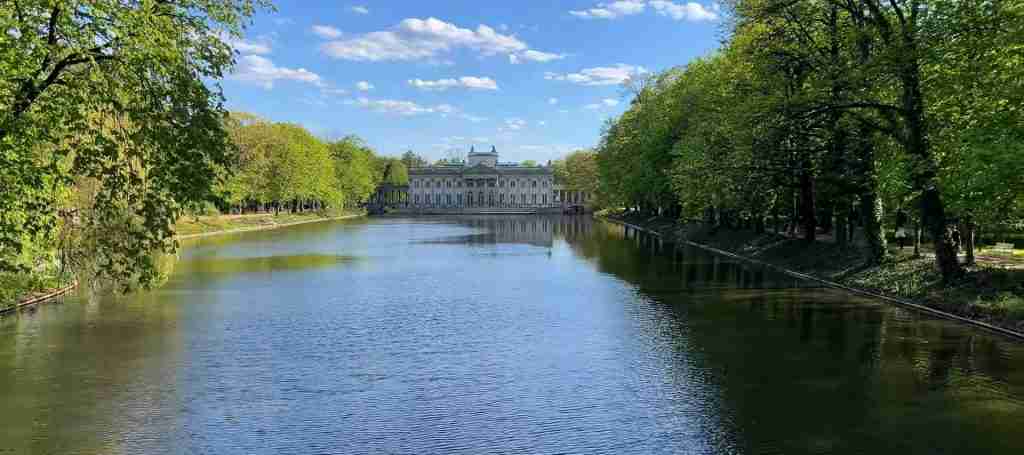
Łazienki Park (Royal Baths Park) sprawls across 76 hectares of landscaped gardens, palaces, and monuments. The Palace on the Isle, former summer residence of King Stanisław August Poniatowski, appears to float on an artificial lake—interior tours reveal 18th-century royal apartments and art collections. Free Chopin concerts occur summer Sundays (May-September) at the Chopin Monument, where crowds gather with picnic blankets. Peacocks roam freely, an orangery displays tropical plants, and tree-lined paths invite strolling. Entry to park grounds costs nothing; palace admission around 25 PLN.
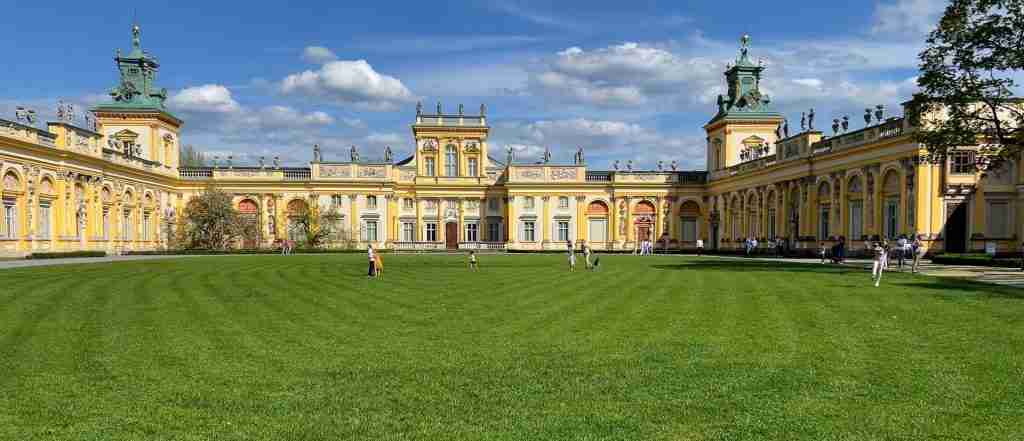
Wilanów Palace, located 10 kilometers south of central Warsaw, represents Poland’s “Little Versailles”—a Baroque residence surrounded by formal gardens. King Jan III Sobieski’s 17th-century summer palace survived WWII largely intact, preserving original furnishings and decoration. The palace museum displays period interiors, portrait galleries, and temporary exhibitions. Extensive gardens combine French and English landscaping styles with sculptures and fountains. Reach Wilanów via bus 180 from the Royal Route. Palace tickets around 20 PLN, gardens 5 PLN.
The Vistula Boulevards transformation created recreational space along both riverbanks, with bike paths, beaches, food trucks, and outdoor bars operating summers. Free kayak launches, beach volleyball courts, and riverside cafes attract locals and visitors. Multimedia Fountain Park near the Old Town stages evening water, light, and music shows from May through September—performances begin after sunset (free admission). The boulevards demonstrate Warsaw’s urban renewal, converting formerly industrial waterfronts into public gathering spaces.
Chopin Heritage
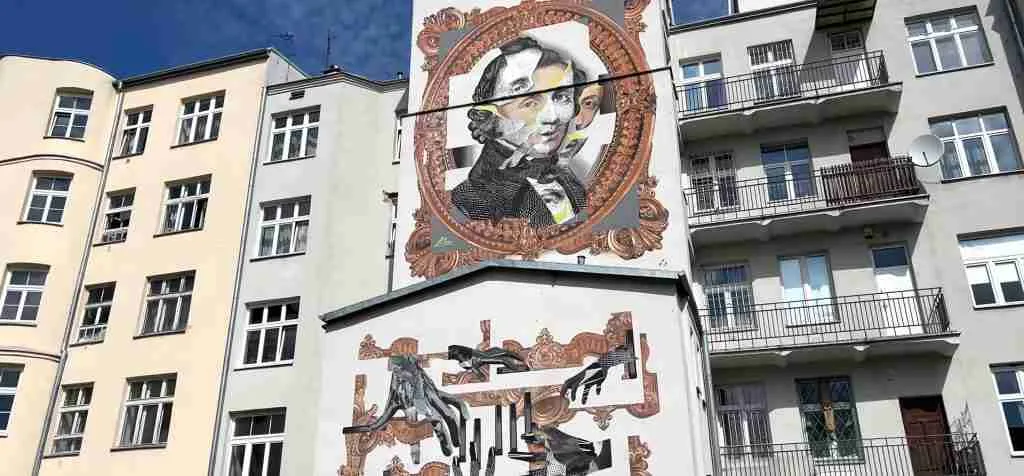
Frédéric Chopin, Poland’s most celebrated composer, maintains a powerful presence throughout Warsaw despite spending much of his career in Paris. The Chopin Museum at Ostrogski Palace employs multimedia technology to explore the composer’s life, works, and influence. Interactive listening stations allow visitors to explore his compositions, while personal letters and manuscripts reveal his personality. Museum tickets around 22 PLN include audio guides. Check the website for occasional piano recitals held in the museum’s concert hall.
The Church of the Holy Cross on the Royal Route contains a pillar holding Chopin’s heart, brought from Paris after his death and installed according to his wishes. A modest plaque marks this poignant memorial. During summer, free Chopin concerts occur Sundays at the composer’s monument in Łazienki Park, with smaller recitals at various historic sites throughout the year. The Society’s calendar lists performances—many occur in atmospheric palace halls and gardens.
Żelazowa Wola, Chopin’s birthplace located 50 kilometers west of Warsaw, operates as a museum within the family manor house where he was born. Period rooms recreate 19th-century life, while surrounding gardens host summer Sunday concerts in an open-air pavilion. Organized tours from Warsaw include transportation and admission (approximately €25-35 per person) for half-day excursions. Independent travelers can reach Żelazowa Wola via suburban trains and buses, though logistics require planning—verify return schedules in advance.
Dining and Food Culture 2026
Traditional Polish Cuisine
Milk bars (bar mleczny) represent communist-era cafeterias serving traditional Polish food at remarkably low prices. Bar Prasowy and Bar Bambino offer authentic experiences where locals eat lunch, with meals costing 15-25 PLN. Menu boards list items in Polish only—point at what others are eating or use translation apps. Expect hearty dishes like pierogi (dumplings with various fillings), bigos (hunter’s stew), and żurek (sour rye soup), served cafeteria-style with minimal ambiance but maximum authenticity.
Mid-range traditional restaurants modernize Polish classics while maintaining cultural identity. U Kucharzy, operated by chefs from the Sheraton, serves refined versions of traditional dishes in theatrical kitchen-visible setting. Zapiecek near the Old Town specializes in pierogi with 20+ filling varieties. Mains at these establishments cost 40-70 PLN, with three-course meals around 100-120 PLN per person including non-alcoholic drinks. Portions tend toward generous—sharing appetizers often proves wise.
Regional specialties worth trying include żurek served in bread bowls, kotlet schabowy (breaded pork cutlet resembling schnitzel), and various kasza (buckwheat groats) preparations. Freshwater fish including carp, pike, and perch appear on menus, particularly in traditional establishments. Seasonal ingredients drive autumn and winter menus—mushroom dishes, game meats, and warming stews become prominent from October through March. Summer brings lighter preparations with fresh vegetables and cold soups.
International and Contemporary Dining
Warsaw’s restaurant scene has evolved dramatically, with contemporary Polish cuisine gaining international recognition. Restaurants like Polska Różana and Atelier Amaro (Michelin-starred) reinterpret traditional ingredients through modern techniques and plating. Tasting menus cost 250-400 PLN, offering multi-course journeys through Polish culinary heritage. Reservation requirements apply for top establishments—book 2-4 weeks ahead for dinner reservations during peak seasons.
International cuisines flourish throughout Warsaw, from Vietnamese and Korean to Italian and French. The Praga district hosts numerous Vietnamese restaurants serving authentic pho and banh mi at budget prices (30-50 PLN per meal). Middle Eastern eateries, particularly Lebanese and Turkish establishments, provide excellent value with generous portions. Pizza and pasta restaurants range from cheap chain operations to authentic Italian trattorias—quality varies significantly, with reviews essential guides.
Cafes and Sweet Treats
Warsaw’s cafe culture thrives in the Old Town and along Nowy Świat, where historic cafes like Café Blikle (established 1869) serve traditional Polish pastries. Pączki (Polish doughnuts), sernik (cheesecake), and szarlotka (apple cake) accompany excellent coffee—expect 12-18 PLN for coffee and cake combinations. Third-wave coffee shops have proliferated, with specialty roasters and latte art becoming standard in trendy neighborhoods.
Ice cream parlors (lodziarnia) operate summer months, serving traditional Polish ice cream and Italian gelato. Budget 8-15 PLN for double scoops. Milk bars and traditional cafes offer kompot, a traditional fruit drink, and herbata (tea) served in glasses. During winter, mulled wine (grzane wino) appears at Christmas markets and outdoor bars, providing warming refreshment while exploring cold weather attractions.
Dining Practical Tips
Restaurant service in Warsaw follows European norms: wait to be seated at better establishments, flag down servers when ready to order, and request the bill (rachunek, proszę) when finished. Service charges are not automatically included—10% tips reward good service, though rounding up the bill suffices at casual establishments. Split bills (paying separately) requires asking before ordering, as some restaurants resist dividing checks.
Lunch (obiad) represents the main meal for Poles, typically served 1-4pm with special pricing (obiady) at many restaurants—the same dishes cost 20-30% less at lunch versus dinner service. Dinner (kolacja) service begins around 6pm and continues until 10-11pm at most establishments, later at trendy spots in Praga or near university areas. Sunday evening closures are common at smaller restaurants—verify opening hours before making plans.
English menus exist at tourist-oriented restaurants but become scarce in neighborhood establishments and milk bars. Photos on menus help overcome language barriers, as do translation apps with photo-scan features. Vegetarian and vegan options have expanded significantly, though traditional Polish cuisine emphasizes meat—ask about meatless preparations of classic dishes. Dietary restrictions (allergies, religious requirements) are generally accommodated if communicated clearly to servers.
Shopping and Souvenirs 2026
Polish pottery from Bolesławiec makes popular gifts, with colorful hand-painted stoneware sold throughout the Old Town. Prices range from 30 PLN for small dishes to 300+ PLN for serving platters. CEPELIA stores specialize in Polish folk crafts, including embroidered linens, wooden decorations, and amber jewelry. Baltic amber comes in various colors and styles—verify authenticity at reputable jewelers, as fake amber circulates in tourist markets.
Food souvenirs include Polish vodka (Żubrówka bison grass vodka being most distinctive), chocolate (Wedel brand is nationally famous), and preserves. Żurek (sour rye soup) concentrate packages allow recreating the traditional dish at home. Chopin-themed items from sheet music to figurines appeal to classical music enthusiasts. Propaganda posters, both original vintage and modern reproductions, reflect Poland’s 20th-century history—several galleries specialize in poster art.
Złote Tarasy shopping center near Central Station houses international brands, a cinema, and numerous restaurants under an impressive glass roof. For more upscale shopping, Vitkac department store on Bracka Street carries designer fashion and cosmetics. Markets including Hala Koszyki (renovated market hall with food stalls and shops) and weekend antique markets offer browsing opportunities. Nowy Świat and surrounding streets feature boutiques selling Polish designer fashion at prices far below Western European equivalents.
Safety and Practical Concerns 2026
Warsaw ranks among Europe’s safer capitals, with low violent crime rates and well-lit central areas safe for evening exploration. Standard urban precautions apply: secure belongings in crowded areas and on public transport, remain aware of surroundings, and avoid displaying expensive electronics or jewelry unnecessarily. Pickpocketing occurs in tourist hotspots including the Old Town, metro stations, and crowded trams during rush hours—keep valuables in front pockets or secured bags.
Public transport ticket validation requires attention, as controllers conduct frequent checks with on-the-spot fines of 266 PLN for fare evasion. Controllers wear badges and have authority to check documents—cooperate politely and ensure tickets are properly validated before boarding. Taxi scams targeting tourists persist at the airport and Central Station—use reputable companies, confirm meter activation, or rely on ride-sharing apps with fixed pricing.
Medical facilities in Warsaw meet Western standards at private clinics and hospitals, though public hospitals can experience overcrowding. EU citizens with European Health Insurance Cards receive treatment at public facilities, while others should carry travel insurance covering medical emergencies. Pharmacies (apteka) identified by green crosses sell over-the-counter medications and can advise on minor ailments. 24-hour pharmacies exist near Central Station and major hospitals. Emergency numbers: 112 (general emergency), 999 (ambulance), 997 (police), 998 (fire).
Tap water in Warsaw is safe to drink, meeting EU standards, though some visitors prefer bottled water due to mineral content or taste differences. Public toilets in Warsaw require small fees (2-3 PLN), while museums, shopping centers, and restaurants provide facilities for customers. Smoking is prohibited in indoor public spaces including restaurants, bars, and public transport—designated smoking areas exist at some establishments and transport hubs.
Day Trip Options from Warsaw 2026
Żelazowa Wola
Chopin’s birthplace, located 50 kilometers west of Warsaw, operates as a museum celebrating the composer’s early life. The manor house where Chopin was born in 1810 contains period furnishings and memorabilia, while extensive gardens designed in the romantic style host Sunday summer concerts. The half-day excursion appeals particularly to classical music enthusiasts and those seeking countryside respites. Organized tours from Warsaw cost €25-35 including transportation and admission, operating primarily May-September when concerts occur.
Łódź
Poland’s third-largest city lies 130 kilometers southwest of Warsaw, reachable via frequent trains (1.5 hours, approximately 40 PLN). Once a textile manufacturing center, Łódź transformed its industrial heritage into cultural attractions. Manufaktura, a massive shopping and entertainment complex in a converted factory, anchors the revitalized city center. The Museum of Art houses significant avant-garde collections, while Piotrkowska Street extends as one of Europe’s longest commercial thoroughfares. Architecture enthusiasts appreciate the preserved Art Nouveau buildings and industrial structures.
Treblinka
Treblinka extermination camp memorial stands 100 kilometers northeast of Warsaw, commemorating approximately 800,000 victims murdered here 1942-1943. Unlike Auschwitz, no buildings remain—symbolic stones mark where barracks stood and monuments honor the dead. The somber site requires serious reflection and at least 2-3 hours. Reaching Treblinka independently proves challenging without a car; organized tours from Warsaw (€40-60) include transportation, guides providing historical context, and return to Warsaw, operating year-round.
Practical Information 2026
Internet and Mobile Connectivity
Free WiFi is ubiquitous in Warsaw hotels, restaurants, cafes, and many public spaces including metro stations and shopping centers. Connection quality varies, with hotel WiFi sometimes slower than advertised. Major attractions including museums provide free wireless access. For reliable mobile data, purchase local SIM cards from Play, Orange, or T-Mobile at airport kiosks, convenience stores, or carrier shops—prepaid data packages start around 20-30 PLN for several gigabytes. EU residents benefit from roaming-free usage under EU regulations.
Electricity and Adapters
Poland uses Type C and E electrical outlets (round two-pin plugs) with 230V/50Hz current. Travelers from North America, UK, and other regions require plug adapters—purchase these before departure or at electronics shops in Warsaw. Most modern electronics (phones, laptops, cameras) support dual voltage, requiring only physical plug adapters. Hair dryers, straighteners, and other high-wattage appliances may need voltage converters unless specifically designed for 220-240V operation.
Business Hours
Shops typically open 10am-8pm Monday-Saturday and 10am-6pm Sundays, though major shopping centers extend hours until 9-10pm. Small boutiques and family businesses may close earlier or observe Sunday closures. Banks operate 9am-5pm weekdays, closing weekends. Museums generally open Tuesday-Sunday 10am-6pm, with Monday closures common and extended Thursday hours at some institutions. Restaurants serve lunch noon-3pm and dinner 6-11pm, with kitchen closures between services at some establishments.
Cultural Etiquette
Poles value politeness and formal greetings—say “dzień dobry” (good morning) when entering shops or small establishments. Remove shoes when entering Polish homes if invited as a guest. Dining etiquette emphasizes starting meals together, keeping hands visible on the table, and finishing food as a courtesy to hosts. Poles drink vodka neat in small shots, often accompanied by toasts—refusing toasts can offend at social gatherings, though explaining non-drinking for health or religious reasons is understood.
Punctuality matters for business and formal appointments, though social gatherings operate on more relaxed schedules. Poles appreciate foreigners’ attempts to speak Polish, even simple phrases, and respond warmly to cultural interest. Discussions about politics, religion, and Poland’s complicated history can become passionate—listen respectfully and avoid making judgments based on limited understanding. The Holocaust and WWII remain sensitive topics requiring thoughtful, informed discussion.
Frequently Asked Questions
Do I need to speak Polish to visit Warsaw in 2026?
English suffices for navigating Warsaw’s tourist areas, hotels, restaurants, and major attractions. Younger Poles and tourism industry workers speak English well, while older generations may have limited proficiency. Translation apps help in traditional establishments or residential neighborhoods. Learning basic Polish phrases (“thank you” = dziękuję, “please” = proszę, “excuse me” = przepraszam) earns appreciation and smooths interactions. Museum exhibits, public transport announcements, and major tourist information appear in English alongside Polish.
How much should I budget per day for Warsaw in 2026?
Budget travelers manage on €40-60 daily covering hostel dormitories, milk bar meals, public transport, and free/low-cost attractions. Mid-range visitors spend €80-120 comfortably with mid-range hotels, restaurant dining, museum admissions, and occasional taxis. Luxury travelers budget €200+ for upscale hotels, fine dining, guided tours, and premium experiences. Warsaw costs 30-50% less than Western European capitals while delivering comparable quality—stretching budgets further than Prague, Vienna, or Berlin.
Is Warsaw suitable for families with children in 2026?
Warsaw accommodates families well with interactive museums (Copernicus Science Centre), parks with playgrounds, and affordable dining. Most restaurants welcome children, and many museums offer family tickets or children’s workshops. Public transport accessibility (elevators at metro stations, low-floor trams) eases stroller navigation. However, WWII museum content may disturb young children—the Warsaw Uprising Museum and POLIN Museum present mature themes requiring parental guidance. Many hotels offer family rooms or connecting accommodations at reasonable rates.
What’s the best area to stay in Warsaw for first-time visitors?
Śródmieście (City Center) near the Royal Route or Nowy Świat offers optimal convenience with walking access to major sights, restaurants, metro stations, and shopping. Areas surrounding the Old Town provide atmospheric stays though at premium prices. Districts near Warsaw Central Station deliver excellent value with direct metro connections while remaining within 15 minutes of main attractions. Avoid areas distant from metro lines or major tram routes, as Warsaw’s sprawl makes car-free exploration challenging from poorly connected neighborhoods.
Can I visit Warsaw as a day trip from Kraków or other cities?
While theoretically possible via 2.5-hour high-speed trains, day-tripping from Kraków to Warsaw proves exhausting and superficial—plan at least 2-3 full days to properly experience Warsaw’s museums, Old Town, and atmosphere. Warsaw’s major attractions require time investment: the Warsaw Uprising Museum alone needs 3-4 hours. Better approaches combine 2-3 nights in Warsaw with Kraków stays, or vice versa. Trains depart hourly between cities (180-200 PLN round-trip), making multi-city itineraries practical without rushed day trips.
What should I pack for Warsaw in different seasons?
Summer (June-August) requires light clothing, sunscreen, sunglasses, and rain jacket for occasional thunderstorms. Spring/Fall (April-May, September-October) demands layers, light jacket, and umbrella for unpredictable weather. Winter (December-February) necessitates heavy coat, warm layers, waterproof boots, gloves, and scarf—temperatures drop below freezing regularly. Year-round items include comfortable walking shoes (cobblestones in Old Town challenge fashion footwear), adapter plugs for electronics, and small daypack for sightseeing. Formal attire rarely proves necessary outside upscale restaurants or classical concerts.
Are credit cards widely accepted in Warsaw in 2026?
Major credit cards (Visa, Mastercard) work at hotels, restaurants, museums, and larger shops throughout Warsaw’s central districts. Contactless payment pervades, with small purchases under 100 PLN requiring no PIN. However, traditional milk bars, market stalls, small cafes, and some neighborhood shops remain cash-only. ATMs provide easy złoty access with competitive exchange rates—carry 100-200 PLN cash for contingencies. American Express sees limited acceptance outside luxury hotels and upscale restaurants. Inform your bank of Polish travel to prevent automatic card blocks from fraud detection systems.
How do I get from Warsaw to Auschwitz-Birkenau?
No direct trains connect Warsaw to Auschwitz—visitors travel to Kraków (2.5 hours by train, 180-200 PLN round-trip), then take local bus or organized tour to Oświęcim (Auschwitz). Day trips from Warsaw prove extremely long (12+ hours total) and exhausting. Better strategies include breaking the journey with overnight stays in Kraków, booking multi-day tours covering both cities, or dedicating separate trip segments to each destination. Tours from Kraków to Auschwitz-Birkenau cost €30-60 including transportation and guided visits—book timed-entry museum passes in advance regardless of approach.
What COVID-19 or health requirements exist for Warsaw in 2026?
As of 2026, Poland has largely eliminated COVID-19 entry restrictions, with no vaccination certificates or testing required for entry from EU/Schengen countries or major international origins. However, verify current requirements before departure as policies may change. Routine vaccinations should be current, including measles/mumps/rubella. No malaria or yellow fever concerns exist. Pharmacies sell masks and hand sanitizer if personal preferences include continued COVID precautions. Some museums or attractions may maintain capacity limits during peak seasons—check official websites for current policies.
How accessible is Warsaw for travelers with disabilities?
Warsaw’s accessibility improves continually but remains uneven. Metro stations feature elevators and tactile paving, modern trams are low-floor accessible, and newer buses have wheelchair ramps—though not all vehicles in the fleet meet current standards. Major museums including POLIN and Warsaw Uprising Museum provide wheelchair access, elevators, and accessible restrooms. The Old Town’s cobblestones challenge wheelchair users and those with mobility limitations. Many mid-range and luxury hotels offer accessible rooms—specify requirements when booking. Request assistance at ticket offices or call ahead to museums for arrangement of ramps or special services.