Wachau Valley Wine Tour from Vienna 2026: Complete Wine Tourism Guide
Key Takeaways:
- Wachau Valley sits 80 kilometers west of Vienna, accessible by 60-90 minute trains creating practical day trip options for wine touring
- Organized wine tours from Vienna cost €85-195 per person including transportation, tastings, and meals in 2026
- Self-guided wine touring using trains and local transportation runs €65-120 daily with flexibility for personalized winery selection
- The valley produces world-class Grüner Veltliner and Riesling from terraced vineyards cultivated since Roman times
- Spring (April-May) and autumn (September-October) offer optimal wine touring conditions with comfortable temperatures and dramatic scenery
- Reserve boutique winery tastings 24-48 hours ahead, while larger cooperatives accommodate walk-in visitors throughout the day
Introduction to Wachau Wine Tourism 2026
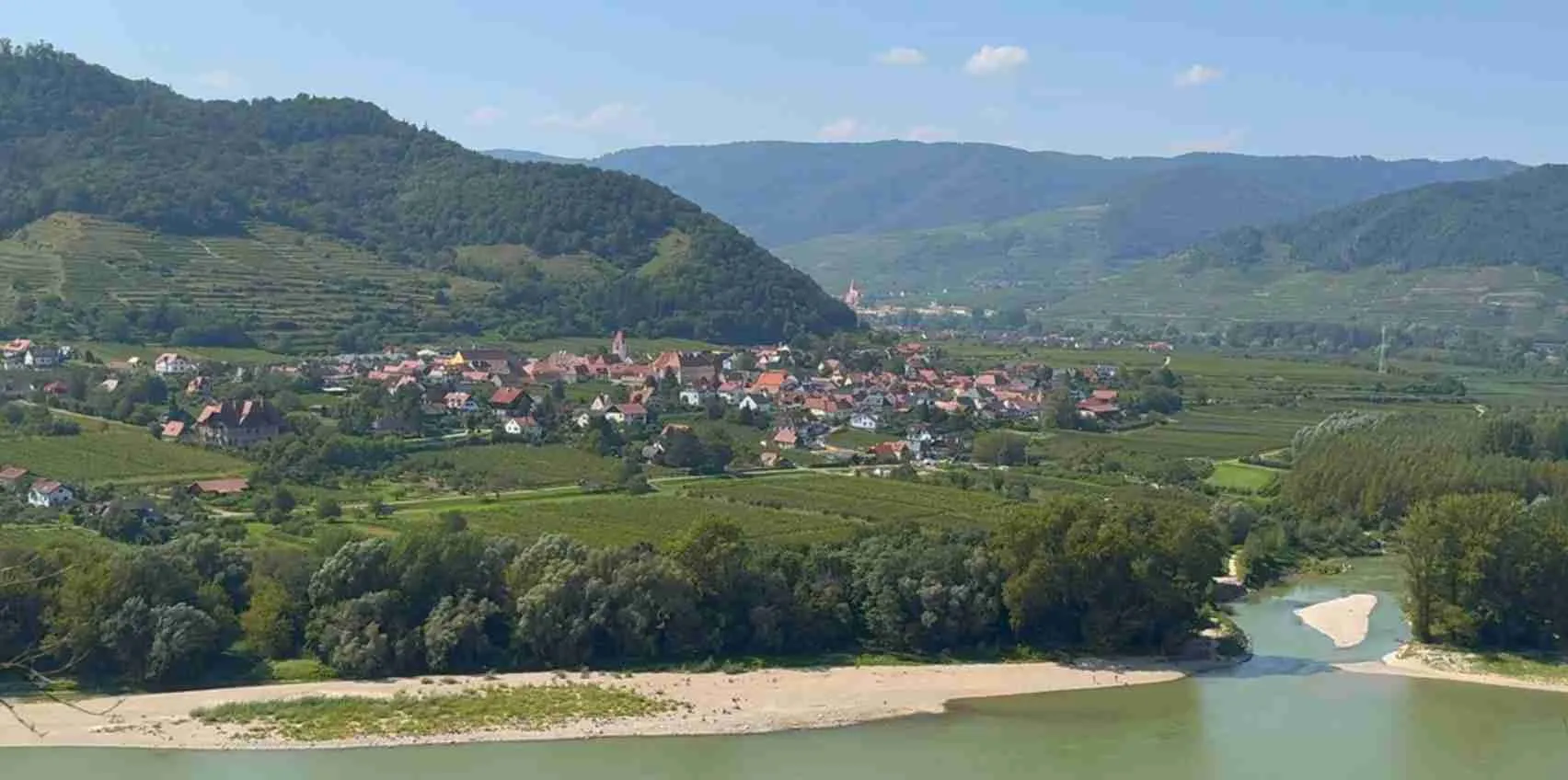
The Wachau Valley represents Austria’s premier wine region, where steep terraced vineyards clinging to Danube slopes produce exceptional white wines prized by sommeliers worldwide. This 36-kilometer UNESCO World Heritage landscape combines viticulture traditions spanning two millennia with contemporary winemaking excellence, creating one of Europe’s most rewarding wine tourism destinations accessible as comfortable day trip from Vienna.
Wachau’s distinctive terroir derives from crystalline rock soils, dramatic vineyard slopes reaching 70-degree gradients, and a unique microclimate where cool Danube influence moderates continental temperatures. These conditions create the valley’s signature wine styles: mineral-driven Grüner Veltliner with white pepper notes and citrus character, plus elegant Riesling displaying stone fruit complexity and vibrant acidity. The region’s three quality classifications – Steinfeder (light, low alcohol), Federspiel (medium body), and Smaragd (full-bodied, age-worthy) – provide clear framework for understanding wine diversity across valley estates.
Planning your 2026 Wachau wine tour from Vienna involves choosing between organized group experiences, private customized tours, or independent exploration using public transportation and advance winery reservations. This guide provides comprehensive information for creating memorable wine tourism experiences tailored to your interests, budget, and preferred travel style in Austria’s most celebrated wine valley.
People Also Ask About Wachau Wine Tours 2026
How much does a Wachau wine tour from Vienna cost in 2026?
Organized group wine tours from Vienna typically cost €85-140 per person for full-day experiences including round-trip transportation, 2-3 winery visits with tastings, lunch at traditional wine tavern, and English-speaking guide (check tour operator websites for current rates as pricing may vary). These tours depart Vienna morning (8:30-9:00 AM) and return evening (6:00-7:00 PM), providing comprehensive valley introduction without independent planning requirements.
Private wine tours command €350-550 for groups up to 4 people (€88-138 per person when full), offering customized winery selection, flexible timing, and personalized attention from specialist guides. Premium private experiences featuring exclusive estates, extended tastings, and gourmet meals reach €180-250 per person, delivering exceptional wine education and access to prestigious producers rarely available through standard group tours.
Self-guided wine touring costs vary based on transportation choices and winery selection. Train tickets from Vienna to valley towns run €17.40-21.60 round-trip, basic winery tastings cost €15-25 per person, quality restaurant lunches range €20-35, and local valley transportation adds €8-15 daily. Total independent touring typically costs €65-120 per person depending on number of tastings and dining selections, offering maximum flexibility while requiring advance planning and winery reservations.
What is the best way to tour Wachau wineries from Vienna in 2026?
The optimal touring method depends on wine knowledge level, desired flexibility, and social preferences. Organized group tours suit wine novices seeking educational introduction with expert guidance, guaranteed winery access at estates requiring advance booking, and hassle-free logistics eliminating navigation concerns. These tours visit 2-3 diverse wineries representing different production scales and wine styles while providing cultural context about valley history and viticulture traditions.
Private tours work best for serious wine enthusiasts wanting in-depth estate visits, technical winemaking discussions, and customized itineraries focusing on specific producers or wine styles. Private arrangements enable access to boutique family estates limiting visitor numbers, extended barrel room tours examining vintage variations, and flexible scheduling accommodating leisurely lunches or additional spontaneous stops when discovering interesting producers.
Self-guided touring appeals to independent travelers comfortable with public transportation, those preferring spontaneous winery selection based on daily interests, and visitors integrating wine experiences with valley hiking, cycling, or cultural attractions. This approach requires more planning including train schedule research and advance winery reservations, but delivers authentic experiences and cost savings versus organized tours while maintaining complete schedule control.
Can you visit Wachau wineries without a car in 2026?
Wachau wineries remain fully accessible without private vehicles through combination of trains, bicycles, and strategic winery selection near valley towns. The Wachau railway connects all north bank communities from Krems through Dürnstein, Weißenkirchen, Spitz to Melk with hourly service, placing numerous estates within 5-15 minute walks from stations. Major cooperatives like Domäne Wachau in Dürnstein and Freie Weingärtner in Dürnstein sit directly adjacent to train stations enabling seamless access.
Bicycle rental creates additional winery access throughout the valley. Quality touring bikes cost €18-25 daily from shops in Krems, Dürnstein, and Melk, with the flat riverside Danube Cycle Path connecting valley estates across 36 kilometers. Electric bikes (€35-45 daily) assist with moderate hillside climbs reaching terraced vineyard estates above the valley floor. Many wineries provide secure bike parking, and bicycles travel free on valley trains allowing flexible one-way cycling with train returns.
Some hillside wineries require uphill walks from valley floor (10-20 minutes) or occasional taxi connections (€15-25 per ride) for estates in elevated vineyard positions. However, the valley’s concentration of quality producers near town centers means car-free visitors access dozens of excellent wineries without mobility limitations. This approach offers environmental benefits, eliminates driving concerns after tastings, and often provides more authentic interactions with winemakers compared to organized bus tour experiences.
Which Wachau wineries accept walk-in visitors in 2026?
Large cooperative wineries accommodate walk-in visitors throughout operating hours without advance reservations. Domäne Wachau in Dürnstein operates comprehensive tasting room daily 10:00 AM-6:00 PM March-November with panoramic terrace overlooking the Danube, offering tastings of €18-24 featuring multiple wine classifications and vineyard designations. Freie Weingärtner Wachau in Dürnstein maintains similar walk-in accessibility with valley-wide wine selection representing member growers.
Medium-sized family estates with dedicated tasting facilities generally accept spontaneous visitors during posted hours, though reservation confirmation provides guaranteed attention and prevents disappointment during busy periods. Wineries like Tegernseerhof, Högl, and Schloss Dürnstein welcome drop-in guests while appreciating advance notice for optimal staff availability and personalized service.
Boutique producers and prestigious estates typically require advance reservations, operating by appointment only to manage small visitor capacity and ensure quality experiences. Wineries like Nikolaihof, F.X. Pichler, Prager, and Hirtzberger request 24-48 hours notice via email or phone, offering intimate tastings limited to 2-8 guests with direct winemaker interaction unavailable at larger commercial operations. These reservations provide guaranteed access to some of Austria’s finest wines while supporting traditional family estate models.
Extended multi-day tours – 5+ days
Featured Wachau Multi-Day Tour Packages
3 days
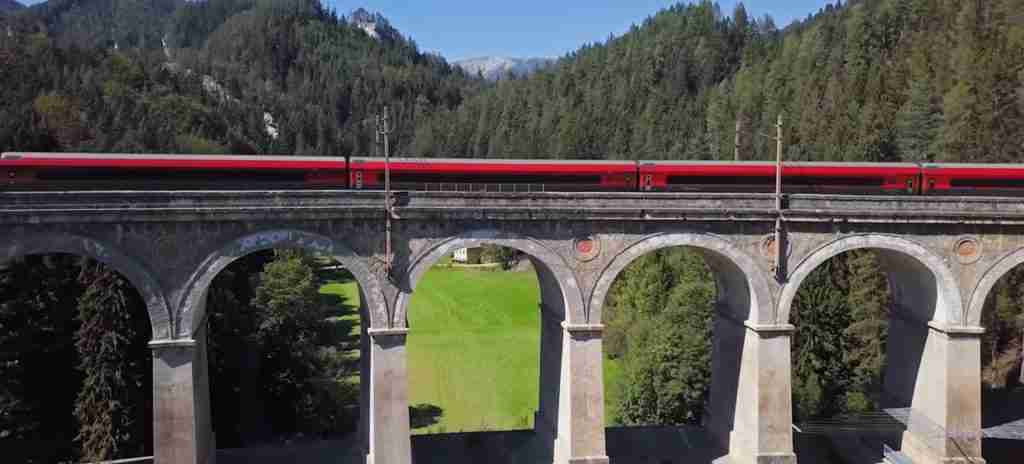
Wachau 3-Day Discovery Tour
- ✓ Comprehensive Wachau experience
- ✓ Expert local guides included
- ✓ All accommodation included
- ✓ Transportation provided

5 days
Wachau 5-Day Highlights Experience
- ✓ Comprehensive Wachau experience
- ✓ Expert local guides included
- ✓ All accommodation included
- ✓ Transportation provided
7 days
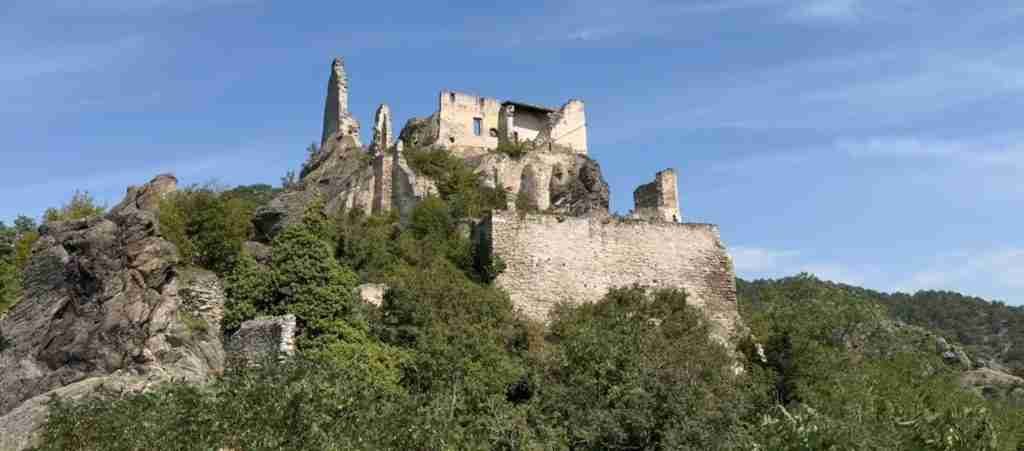
Wachau 7-Day Cultural Journey
- ✓ Comprehensive Wachau experience
- ✓ Expert local guides included
- ✓ All accommodation included
- ✓ Transportation provided
10 days
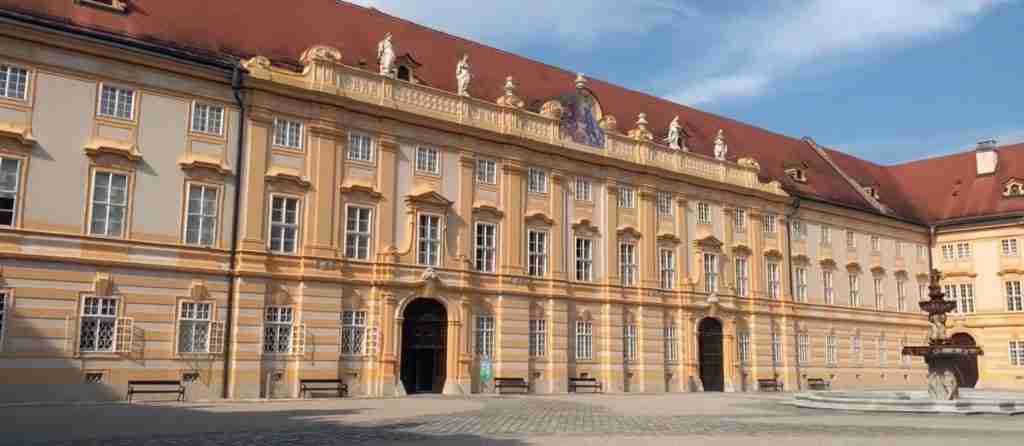
Wachau 10-Day Complete Adventure
- ✓ Comprehensive Wachau experience
- ✓ Expert local guides included
- ✓ All accommodation included
- ✓ Transportation provided
Multi-day tour packages powered by TourRadar. Prices and availability subject to change.
Essential Wine Tour Planning 2026
Understanding Wachau Wine Classifications
The Wachau wine classification system provides unique framework for understanding quality levels and wine styles unavailable elsewhere in Austria. Steinfeder represents the lightest category with maximum 11.5% alcohol, creating fresh, aromatic wines perfect for casual afternoon drinking or accompanying light appetizers. These wines exhibit delicate fruit character, crisp acidity, and immediate drinking appeal without aging potential. Prices typically range €8-14 per bottle at wineries.
Federspiel occupies the middle category at 11.5-12.5% alcohol, delivering medium-bodied wines balancing fruit intensity with mineral character and moderate aging capability. These wines represent excellent value for quality, showing classic Wachau terroir expression at accessible prices (€12-22 per bottle). Federspiel wines suit diverse food pairings from river fish to poultry, and develop additional complexity with 2-5 years cellaring.
Smaragd classification signifies top-tier wines exceeding 12.5% alcohol, produced from fully ripe grapes grown in premium vineyard sites. These full-bodied, concentrated wines display layered complexity, intense mineral character, and substantial aging potential spanning 10-20+ years for exceptional vintages. Smaragd wines command premium prices (€25-75+ per bottle) reflecting limited production from steep terraced vineyards requiring hand harvesting and meticulous viticulture. These wines pair with rich fish preparations, poultry in cream sauces, and aged cheeses.
Understanding these classifications enables informed tasting choices and wine purchasing decisions. Most wineries offer flights sampling all three categories, demonstrating how identical grape varieties (Grüner Veltliner or Riesling) express different characters across ripeness and vineyard site variations. Learning to distinguish Steinfeder freshness from Smaragd power provides foundation for appreciating Wachau’s wine diversity.
Grape Varieties and Wine Styles 2026
Grüner Veltliner dominates Wachau plantings with approximately 55% of total vineyard area, producing the valley’s signature wines ranging from crisp Steinfeder to powerful Smaragd expressions. The variety thrives in Wachau’s crystalline soils and cool-influenced climate, developing characteristic white pepper spice, citrus fruits (lime, grapefruit), stone fruits (white peach), and distinctive mineral undertones. Premium single-vineyard Grüner Veltliners from sites like Achleiten, Loibenberg, and Kellerberg rank among Austria’s finest white wines.
Riesling occupies roughly 10% of valley vineyards, concentrated in steepest terraced sites with maximum sun exposure and dramatic day-night temperature variations. Wachau Riesling displays elegant restraint compared to German counterparts, featuring stone fruit flavors (apricot, peach), floral aromatics, vibrant acidity, and pronounced minerality reflecting crystalline rock soils. The variety’s natural acidity creates exceptional aging potential with top Smaragd Rieslings developing petroleum, honey, and dried fruit notes after decade+ cellaring.
Neuburger, Muskateller, and Roter Veltliner represent minor varieties adding diversity to valley production. Neuburger creates medium-bodied wines with apple and pear character, Muskateller delivers intense floral and grape aromatics, while Roter Veltliner (genetically unrelated to Grüner) produces golden wines with honey and dried fruit notes. These specialty varieties typically appear in tasting flights at comprehensive estates, offering interesting contrasts to dominant Grüner Veltliner and Riesling focus.
Seasonal Wine Tourism Considerations 2026
Spring wine touring (April-May) provides excellent conditions with comfortable 15-22°C temperatures, blooming apricot orchards creating spectacular vineyard backdrops, and wineries beginning outdoor terrace service after winter closures. Tastings feature previous vintages as new harvest won’t bottle until autumn, allowing evaluation of aged wine development. Spring sees moderate visitor numbers creating relaxed winery atmospheres with extended conversation time compared to summer crowds.
Summer season (June-August) operates at peak capacity with warmest temperatures (25-30°C) and longest daylight hours enabling evening winery visits. All estates open maximum hours with full staff availability, outdoor wine gardens provide shaded tasting environments, and vibrant tourist activity creates energetic valley atmosphere. However, summer brings highest visitor concentrations at popular wineries, advanced reservations become essential even for typically walk-in estates, and midday heat can challenge extensive outdoor vineyard touring.
Autumn harvest period (September-October) emerges as premier wine touring season combining ideal weather (18-25°C September, 14-20°C October) with grape harvest activity and spectacular vineyard color transformations. Visiting during harvest allows observation of hand-picking crews working terraced slopes, crush pad processing, and cellar fermentation beginnings. Some estates offer new wine tastings featuring fresh grape juice and partially fermented must alongside finished vintages, creating unique seasonal experiences. Vineyard foliage transitions from green to gold and crimson producing dramatic photography opportunities framing baroque town architecture.
Winter touring (November-March) requires different approach as many smaller estates close tasting rooms or operate by appointment only. However, winter provides atmospheric experiences for dedicated wine enthusiasts: empty tasting rooms allowing undivided winemaker attention, cellars at optimal humidity and temperature for evaluating aged wines, and snow-dusted terraced vineyards creating stark beauty. Serious collectors and wine professionals often prefer winter visits for in-depth technical discussions without summer tourist distractions.
Organized Wine Tour Options from Vienna 2026
Group Wine Tours: Schedules and Costs 2026
Standard group wine tours depart Vienna 8:30-9:00 AM from central meeting points (typically hotels or train stations), traveling by air-conditioned coach to Wachau Valley arriving 10:00-10:30 AM. These tours visit 2-3 wineries across 6-8 hours including transportation, guided tastings, lunch, and return to Vienna by 6:00-7:00 PM. Tour prices range €85-140 per person depending on operator, winery selection, and included meals (check operator websites for current rates as pricing may vary).
Typical itinerary structure includes first winery visit 10:30 AM-12:00 PM featuring estate tour, barrel room access, and tasting of 4-6 wines with expert guidance explaining classifications, terroir, and winemaking methods. Lunch follows 12:30-2:00 PM at traditional Heuriger wine tavern or valley restaurant serving regional cuisine paired with local wines (included in tour price). Afternoon continues with second winery visit 2:30-4:00 PM offering contrasting production scale or wine style, plus optional third brief stop or scenic viewpoint before 5:00 PM departure to Vienna.
Included tastings typically feature 10-15 total wines across all stops, ranging from entry-level Steinfeder through premium Smaragd expressions of both Grüner Veltliner and Riesling. Guides provide educational context about variety characteristics, vintage variations, and food pairing suggestions, while winery staff explain specific estate history and production philosophies. Most tours include on-bus wine purchasing opportunities at preferential pricing (10-20% below retail) with Vienna hotel delivery arranged.
Established operators include Vienna Explorer, Wachau Wine Tours, and Get Your Guide partner providers, each offering similar core experiences with variations in group size (8-20 participants), departure frequency (daily versus 3-4 times weekly), and language options (English, German, sometimes Spanish or French). Reading recent reviews helps identify guides with superior wine knowledge and engaging presentation styles versus basic tour script delivery.
Private Wine Tours: Customization and Premium Experiences 2026
Private wine tours provide completely customized experiences for groups 2-6 participants (larger groups possible with minibus arrangements), with costs of €350-550 for up to 4 people including 6-8 hours touring, transportation, and guide services. This €88-138 per-person cost when groups reach capacity delivers exceptional value considering exclusive attention, flexible scheduling, and personalized winery selection based on specific interests from organic viticulture to aged Riesling verticals.
Premium private experiences elevate wine tourism through access to prestigious boutique estates rarely included in standard group tours. Operators specializing in high-end wine travel arrange visits to legendary producers like F.X. Pichler, Prager, and Alzinger, featuring extended tastings (€40-60 per person at winery) with winemaker discussions examining vineyard management decisions, vintage character variations, and aging potential assessments. These tours cost €180-250 per person including transportation, guide, winery fees, and gourmet lunch at Michelin-quality valley restaurants.
Private tour advantages extend beyond winery access to include complete schedule flexibility – starting early for cooler morning vineyard walks, extending tastings when discovering particularly interesting wines, or incorporating spontaneous stops at artisan apricot distilleries, cheese producers, or architectural sites. Guides with sommelier credentials provide advanced wine education unavailable in group settings, answering technical questions about malolactic fermentation, lees aging techniques, or optimal cellaring conditions.
Booking private tours requires 1-2 weeks advance notice for quality operators, with longer lead times (3-4 weeks) recommended for harvest season (September-October) when demand peaks. Direct communication with tour companies enables precise itinerary customization: emphasizing Grüner Veltliner versus Riesling, prioritizing family estates over commercial cooperatives, or focusing on organic/biodynamic producers. Some operators offer enologist-guided tours (€280-350 per person) with professional winemakers conducting technical vineyard and cellar visits suited to industry professionals and serious collectors.
Combination Tours: Wine Plus Cultural Experiences 2026
Several operators combine wine tourism with Wachau’s cultural attractions, particularly Melk Abbey visits. These hybrid tours cost €110-165 per person including abbey admission (€13.50), 1-2 winery visits, lunch, and transportation. The typical structure dedicates morning hours to Melk Abbey comprehensive tour (2 hours covering baroque church, library, museum), followed by afternoon wine experiences in Dürnstein or Weißenkirchen, creating balanced day appealing to travelers prioritizing both cultural heritage and wine tourism.
Active combination tours incorporate cycling segments alongside wine tasting, providing guided Danube Cycle Path experiences with e-bike rental included (€95-145 total). These tours cycle 10-15 kilometers between selected wineries, combining moderate physical activity with wine education and riverside scenery. Support vehicles carry participants tiring from cycling or weather changes, ensuring comfortable experiences regardless of fitness levels.
River cruise combinations package Vienna-Wachau boat travel with land-based winery visits, though limited shore time constrains wine experiences to single estate or rushed double visits. DDSG Blue Danube offers combination tickets (€85-120) bundling cruise transportation with basic valley wine tasting, appealing primarily to travelers prioritizing scenic Danube journey over comprehensive wine tourism. Serious wine enthusiasts generally prefer land-based transport maximizing winery time rather than spending 3-4 hours aboard cruises.
Self-Guided Wine Touring Strategies 2026
Planning Independent Winery Visits
Successful self-guided wine touring begins with advance winery research and reservation scheduling. Identify 3-4 target estates spanning different production scales and wine specialties: perhaps Domäne Wachau cooperative for valley-wide overview, Nikolaihof for organic/biodynamic philosophy, Tegernseerhof for traditional family estate character, and Högl for terraced vineyard focus. Contact wineries via email or phone 3-7 days ahead requesting tasting appointments, specifying preferred times, group size, and particular wine interests (Riesling focus, aged vintages, specific vineyard sites).
Coordinate winery timing with train schedules to minimize waiting between connections. For example, 10:30 AM tasting in Dürnstein allows 9:00 AM Vienna departure arriving Krems 10:00 AM, with 10:15 AM local train to Dürnstein providing comfortable buffer time. Plan 60-90 minutes per winery visit including tasting, brief estate tour, and wine purchasing decisions. Schedule lunch breaks between wineries rather than forcing rushed final appointments before valley departure trains.
Build geographic logic into itinerary sequencing: visiting west-to-east (Melk to Krems) or east-to-west avoids backtracking and positions final winery near departure station for Vienna return. The valley’s compact 36-kilometer length makes multi-winery days practical using trains, though attempting more than 3-4 comprehensive tastings creates palate fatigue reducing appreciation for later wines. Quality over quantity produces more memorable experiences and better wine education than rushed superficial sampling.
Transportation Logistics for Independent Touring 2026
Regional rail passes provide cost-effective transportation for multi-winery days. The VOR-KernzonePlus day pass (€16-24) covers unlimited travel on Wachau railway plus Vienna connections, paying for itself with 3-4 journeys while eliminating ticket purchasing between valley stops. Purchase passes at Vienna Hauptbahnhof station machines before departure, selecting appropriate zone coverage based on planned valley extent.
Bicycle rental creates flexible winery access complementing train travel. Rent bikes in Krems or Dürnstein morning (€18-25 daily), cycle to 2-3 wineries along the riverside path, and return bikes afternoon enabling train departure to Vienna. This approach works particularly well for wineries clustered near Dürnstein where Domäne Wachau, Schmidl, and several family estates sit within 3-kilometer cycling radius. Electric bikes (€35-45) assist with moderate hillside climbs reaching terraced vineyard estates above the valley floor.
Taxi connections supplement public transportation for wineries in elevated vineyard positions or timing mismatches with train schedules. Valley taxi services cost €15-25 for typical short-distance rides between towns or uphill to hillside estates. However, coordinating taxi returns after wine tasting presents complications – request driver phone numbers for return pickup scheduling, or arrange winery staff assistance calling taxis before departing.
Budget Management for Self-Guided Tours 2026
Independent wine touring costs accumulate across multiple categories requiring careful budget planning. Transportation from Vienna to valley and return costs €17.40-21.60 for train tickets depending on Krems versus Melk destination, with €16-24 regional passes covering unlimited valley travel. Three winery tastings at €15-25 each total €45-75, quality restaurant lunch costs €20-35, snacks and coffee €8-12, and optional bicycle rental adds €18-25. Total daily expenses typically range €110-175 per person for comprehensive valley experiences with 3-4 quality wineries.
Wine purchases constitute variable additional costs based on discovery preferences and shipping logistics. Most visitors purchase 3-12 bottles across visited estates (€15-45 per bottle average), spending €60-350 on wines. Some estates arrange Vienna hotel delivery for €10-15 shipping fees, while others require on-site pickup creating transport challenges. Budget-conscious travelers taste without purchasing, though buying single bottle per visited winery supports producers while acknowledging hospitality extended during tastings.
Reducing independent touring costs involves strategic choices: visiting free-admission wineries like Domäne Wachau requiring only wine purchase minimum rather than fixed tasting fees, packing picnic lunch from Vienna supermarkets (€8-12 versus €20-35 restaurant meals), limiting visits to 2-3 estates allowing thorough experiences versus rushed 4-5 winery marathon, and traveling midweek when some estates offer reduced tasting fees compared to weekend rates.
Best Wineries for Tours 2026: Comprehensive Selection
Large Cooperative Wineries
Domäne Wachau operates as the valley’s largest cooperative representing 250 member growers across 440 hectares, making it ideal introduction to regional diversity and wine classification system. The comprehensive tasting room in Dürnstein overlooks the Danube from expansive terrace, offering flights (€18-24) spanning Steinfeder through Smaragd expressions of Grüner Veltliner and Riesling from dozens of vineyard sites. Walk-in visitors receive professional service from trained staff explaining terroir variations, vintage characteristics, and food pairing suggestions across broad wine portfolio.
The cooperative model provides access to wines from prestigious vineyards like Achleiten and Loibenberg that individual growers might not market independently, creating comprehensive valley survey within single visit. Domäne Wachau maintains consistent quality control across member production while preserving individual vineyard character, demonstrated through single-site bottlings identifying specific grower contributions. The tasting room operates daily 10:00 AM-6:00 PM March-November with extended summer hours, accepting walk-ins while appreciating reservations for guaranteed terrace seating overlooking the river.
Freie Weingärtner Wachau, the valley’s second major cooperative, occupies historic location in Dürnstein offering alternative perspective on cooperative winemaking. Smaller than Domäne (180 members, 270 hectares), Freie Weingärtner emphasizes organic viticulture with increasing member conversions to chemical-free farming. Tastings (€15-22) feature focused wine selections highlighting eco-friendly production alongside traditional offerings, providing education on sustainable viticulture’s impact on wine quality and valley landscape preservation.
Prestigious Family Estates
F.X. Pichler represents Austrian white wine pinnacle, producing benchmark Grüner Veltliner and Riesling from legendary vineyards Kellerberg, Loibenberg, and Unendlich. The estate operates by appointment only with tastings (€40-55) limited to serious wine enthusiasts and collectors willing to invest time in technical discussions with winemaker Lucas Pichler. These intimate sessions examine vintage variations across single-vineyard bottlings, exploring how slope exposure, soil composition, and harvest timing influence final wine character.
Visiting F.X. Pichler requires genuine wine interest rather than casual tourism – Lucas expects engaged questions and thoughtful tasting notes rather than superficial sampling. However, participants gain exceptional education on world-class winemaking examining bottles commanding €50-150 retail prices internationally. The experience suits wine professionals, serious collectors, and dedicated enthusiasts prioritizing depth over breadth in valley wine exploration.
Nikolaihof operates Austria’s oldest certified biodynamic estate (since 1971), cultivating 20 hectares using Rudolf Steiner’s agricultural principles and natural winemaking without additives or technological intervention. Family-run by the Saahs for multiple generations, the estate offers tastings (€30-40) emphasizing philosophy connecting wine quality to environmental stewardship and cosmic rhythms influencing vineyard cultivation. Vineyards include UNESCO-protected ancient Roman terraces demonstrating 2,000-year viticulture continuity.
Nikolaihof tastings occur in atmospheric 13th-century cellars with candlelight and historical ambience creating contemplative environment for experiencing wines designed to express pure terroir without manipulation. The experience appeals to visitors interested in alternative agriculture, natural wine movements, and philosophical approaches to viticulture beyond conventional production methods. Wines show distinctive character reflecting minimal-intervention style – some bottles develop for decades, others drink beautifully young, all demonstrate terroir transparency valued by natural wine advocates.
Accessible Quality Producers
Tegernseerhof balances tradition with visitor accessibility, operating family estate overlooking terraced vineyards with welcoming tasting room experiences (€20-30). Fourth-generation winemaker Martin Mittelbach combines organic viticulture with modern winery technology, creating wines demonstrating both classic Wachau character and contemporary precision. The estate accepts walk-in visitors while preferring advance contact for assured staff availability and optimal service.
Tastings feature comprehensive range from fresh Steinfeder through powerful Smaragd expressions, with particular strength in Riesling from steep Loibenberg terraces. Mittelbach provides enthusiastic explanations of vineyard management decisions, fermentation techniques, and aging strategies creating distinct wine profiles across quality levels. The relaxed atmosphere encourages questions and extended conversation, making Tegernseerhof excellent choice for visitors seeking authentic family estate character without intimidation of ultra-prestigious producers.
Schloss Dürnstein operates historic castle hotel with professional wine shop and tasting facilities showcasing diverse valley production. While not estate-focused like family wineries, Schloss Dürnstein provides curated selection representing multiple quality producers alongside house wines, creating convenient sampling opportunities for visitors exploring Dürnstein town. Tastings (€18-28) combine valley overview perspective with beautiful castle courtyard setting and option to extend experiences through hotel restaurant wine pairings.
Högl represents emerging generation of valley winemakers combining inherited terraced vineyards with contemporary approaches to viticulture and marketing. Josef Högl cultivates steep slopes above Spitz producing concentrated Grüner Veltliner and Riesling emphasizing mineral character and aging potential. The estate welcomes visitor engagement through casual tastings (€15-25) and vineyard walks explaining physical challenges of terraced viticulture requiring hand harvesting and manual soil management on near-vertical slopes.
Sample Wine Tour Itineraries 2026
Full-Day Comprehensive Wine Tour from Vienna
Depart Wien Hauptbahnhof 8:12 AM train to Krems (€17.40), arriving 9:15 AM. Walk 12 minutes through Krems old town to Wachau railway station, catching 9:45 AM regional train to Dürnstein (€4.80), arriving 10:03 AM. First winery visit at Domäne Wachau 10:15 AM (€20 tasting) for comprehensive valley introduction sampling Steinfeder, Federspiel, and Smaragd classifications across both Grüner Veltliner and Riesling, receiving expert staff guidance on terroir variations and wine styles (allow 75 minutes).
Walk 8 minutes through Dürnstein medieval streets to Schmidl family estate for 12:00 PM reserved tasting (€22 including brief vineyard walk), focusing on single-vineyard Grüner Veltliners from terraced slopes visible behind the winery. Lunch 1:30 PM at Loibnerhof restaurant (€28-35) with panoramic terrace overlooking Danube and terraced vineyards, pairing regional cuisine with Wachau wines by glass. Take 3:14 PM train from Dürnstein to Weißenkirchen (€3.50) for 3:30 PM reserved tasting at Tegernseerhof (€25 including extended discussion with winemaker), sampling organic Rieslings and learning about biodynamic farming influence on wine character.
Return Weißenkirchen to Krems 5:24 PM train (€4.20), allowing brief Krems old town exploration before 6:28 PM departure to Vienna (€17.40), arriving 7:30 PM. Total day costs: Train tickets Vienna-Krems-valley-Vienna €47.70, three winery tastings €67, lunch €28-35. Total: €143-150 per person excluding dinner and wine purchases. This comprehensive itinerary provides excellent valley wine education through diverse estate visits, quality dining, and efficient public transportation creating memorable full-day wine tourism experience from Vienna.
Luxury Private Wine Tour with Premium Estates
Private driver collects participants 9:00 AM from Vienna hotel (€400 for up to 4 people, €100 per person when full), traveling directly to Wachau Valley arriving Spitz 10:15 AM. First appointment at F.X. Pichler 10:30 AM (€50 per person winery fee) for exclusive tasting with winemaker Lucas Pichler, examining benchmark Grüner Veltliners and Rieslings from Kellerberg and Loibenberg vineyards through technical discussion of terroir, vintage character, and aging potential (90 minutes including cellar tour).
Continue to Prager estate in Weißenkirchen for 12:30 PM reserved tasting (€40 per person) featuring legendary Rieslings from Achleiten vineyard and rare aged vintages demonstrating decade+ development. Ilse Prager or family members conduct intimate sessions in historic tasting room examining how Wachau Riesling evolves complexity through careful cellaring. Gourmet lunch 2:00 PM at Landhaus Bacher Michelin-starred restaurant in Mautern (€85-120 per person for tasting menu with wine pairings), experiencing elevated regional cuisine highlighting valley ingredients paired with prestigious local vintages.
Afternoon visit to Nikolaihof 4:00 PM (€35 per person) for biodynamic estate tour and tasting in atmospheric 13th-century cellars, learning Rudolf Steiner agricultural principles and natural winemaking philosophy from Christine Saahs. Depart valley 5:30 PM, arriving Vienna 7:00 PM. Total costs: Private transportation €100 per person (4-person group), three winery fees €125, Michelin lunch €85-120. Total: €310-345 per person excluding wine purchases. This luxury itinerary provides exceptional wine education and exclusive access to Austria’s finest producers creating unforgettable premium wine tourism experience.
Budget-Conscious Independent Wine Discovery
Take 9:12 AM train Vienna to Krems (€17.40), arriving 10:15 AM. Rent bicycle at Krems shop (€20 standard touring bike), cycling 8 kilometers along riverside path to Dürnstein (40 minutes easy riding). Arrive Domäne Wachau 11:15 AM for walk-in tasting (free admission, €18 minimum wine purchase), sampling valley overview and purchasing 2 bottles Grüner Veltliner (€15 each = €30, satisfies minimum). Picnic lunch on Danube riverbank with provisions from Vienna supermarket (€10 packed from home).
Cycle 4 kilometers to Weißenkirchen (20 minutes) for 2:00 PM walk-in visit at Högl estate (€15 tasting fee OR €20 minimum wine purchase), experiencing family operation and learning terraced vineyard viticulture. Purchase 1 bottle Smaragd Riesling (€28). Cycle 6 kilometers return to Krems (35 minutes), return bicycle, catch 5:28 PM train to Vienna (€17.40), arriving 6:30 PM. Day costs: Train tickets €34.80, bicycle €20, Domäne wines €30, Högl tasting €15, Högl wine €28, picnic €10. Total: €138 per person including 3 wine bottles for home enjoyment.
This budget-conscious approach maximizes wine value through direct winery purchases at better-than-retail pricing while minimizing restaurant and tour costs. The cycling component adds active enjoyment and access to riverside vineyard scenery creating well-rounded valley experience within modest budget framework.
Wine Purchase and Shipping 2026
On-Site Purchase Benefits and Logistics
Buying wine directly from producers typically saves 15-30% versus Vienna retail pricing while supporting family estates and cooperatives. Winery prices range €10-18 for Steinfeder, €15-28 for Federspiel, and €25-75+ for Smaragd classifications depending on estate prestige and vineyard site. Premium single-vineyard Smaragd from renowned producers like F.X. Pichler, Prager, or Nikolaihof command €45-150 per bottle reflecting limited production, international demand, and exceptional quality.
Most estates provide cases (6-12 bottles) with modest discounts (5-10%) for larger purchases and arrange Vienna hotel delivery for €10-20 total shipping fee. This service eliminates carrying bottles during valley exploration while ensuring safe transportation to accommodation. Some prestigious estates ship internationally for serious collectors, though export regulations, duties, and transport costs significantly increase final delivered prices compared to on-site purchase and personal carry.
Payment methods vary by estate: larger cooperatives and commercial operations accept credit cards universally, while smaller family wineries often prefer cash or bank transfers particularly for substantial purchases. Bring adequate euros for wine buying, or verify card acceptance when booking tastings to avoid disappointment after discovering excellent wines without payment capability.
Wine Selection Strategies for Purchases
Focus purchases on wines unavailable internationally or commanding significant price premiums outside Austria. Wachau Smaragd classifications from quality producers rarely appear in foreign markets, and when available, retail for 50-100% markups versus Austrian winery prices. Prioritize these distinctive regional expressions over entry-level wines available globally at competitive pricing.
Consider aging potential when selecting wines for purchase and transport home. Fresh Steinfeder wines drink delightfully immediately but offer minimal development potential, making them better enjoyed during valley visit rather than carrying long distances. Smaragd Grüner Veltliner and Riesling evolve beautifully over 5-15 years, developing complex honey, dried fruit, and mineral notes justifying investment in bottles for future enjoyment and comparison with young wines.
Ask winemakers for recommendations on specific bottles reflecting estate character and current vintage quality. Producers honestly assess which wines represent their best work and optimal drinking windows, guiding visitors toward purchases delivering maximum satisfaction rather than pushing expensive bottles inappropriate for near-term consumption or individual taste preferences. Building relationships with winemakers through engaged tasting questions and genuine interest often yields insider access to limited-production wines or library vintages not displayed in standard tasting room selections.
2026 Wine Tourism Trends and Updates
Sustainable Viticulture Growth
Organic and biodynamic wine production continues expanding throughout Wachau Valley as environmental consciousness and quality perceptions drive consumer preferences. Approximately 15% of valley vineyards now operate under certified organic management, with additional producers implementing organic practices without formal certification. Leading estates like Nikolaihof, Tegernseerhof, and Högl demonstrate that chemical-free viticulture produces wines of equal or superior quality to conventional production while preserving terraced landscape ecology.
Visitors increasingly request organic-focused tastings, prompting estates to highlight sustainable practices during tours and emphasizing environmental stewardship alongside wine quality. Some producers offer vineyard walks explaining cover crop usage, compost preparation, and biological pest management replacing synthetic chemical inputs. These educational experiences appeal to environmentally conscious wine tourists valuing transparency about farming methods influencing wine character and landscape health.
Digital Booking and Virtual Experiences
Online reservation systems expand across valley wineries, particularly larger estates and cooperatives implementing booking platforms enabling advance tasting scheduling without phone or email communication. Domäne Wachau, Freie Weingärtner, and several family operations now accept web reservations through official websites, simplifying planning for international visitors uncertain about telephone booking in German language.
Some estates experiment with virtual tasting experiences shipping wine samples to participants worldwide for synchronized online sessions with winemakers. While not replacing in-person valley visits, these virtual formats create accessibility for wine enthusiasts unable to travel while potentially inspiring future physical visits once restrictions ease or schedules permit.
Accommodation and Dining Developments 2026
Wine tourism growth drives accommodation expansion throughout valley towns, with several new boutique hotels and renovated gasthofs opening 2024-2026. Properties increasingly emphasize wine-focused guest experiences through curated cellar collections, relationships with local estates for private tastings, and sommelier-guided dinners pairing valley vintages with regional cuisine. Booking wine-oriented accommodations enhances overall valley experiences beyond daytime winery visits through evening explorations of hotel wine programs.
Restaurant wine lists expand quality and depth as valley establishments recognize educated wine tourists seeking diverse bottle selections beyond house wines. Michelin-quality dining options increase with Landhaus Bacher in Mautern maintaining star rating and additional valley restaurants pursuing elevated cuisine paired with prestigious local and international vintages. These developments support multi-day valley stays combining wine tourism with exceptional dining creating comprehensive culinary-focused travel experiences.
Frequently Asked Questions: Wachau Wine Tours 2026
How long does a wine tour to Wachau take from Vienna?
Full-day wine tours from Vienna typically span 8-10 hours including round-trip transportation and valley activities. Organized group tours depart Vienna 8:30-9:00 AM and return 6:00-7:00 PM, providing 6-7 hours valley time for 2-3 winery visits, lunch, and brief town exploration. Independent travelers using trains control exact timing but generally allocate similar full-day schedule for comprehensive wine experiences including travel time of 60-90 minutes each direction.
Half-day wine tours (4-5 hours total) operate with limited frequency and typically visit single winery or provide abbreviated valley introduction unsuitable for serious wine tourism. Most visitors find full-day commitment delivers appropriate time for meaningful wine education across multiple estates while justifying travel investment from Vienna.
What should I wear for Wachau wine tours?
Smart casual attire works appropriately for valley wine touring – avoid formal business wear but maintain neat appearance showing respect for winemakers and their craft. Comfortable walking shoes prove essential as estate visits often include vineyard walks over uneven terrain, gravel paths, and occasionally steep hillside climbs to terraced sites. Many wineries maintain gravel or cobblestone courtyards where high heels create difficulty and potential safety concerns.
Weather-appropriate layers enable comfort across variable conditions and temperature changes between outdoor vineyard settings and cool cellars. Spring and autumn warrant light jackets for morning/evening chill, while summer requires sun protection including hats and sunglasses for midday vineyard exposure. Avoid strong fragrances interfering with wine aromatics during tastings – winemakers and fellow tasters appreciate scent-free environments enabling optimal wine evaluation.
Can beginners enjoy Wachau wine tours?
Wachau wine tourism welcomes visitors across all knowledge levels from complete beginners to professional sommeliers. Quality wineries employ trained staff skilled at adapting explanations to participant expertise, providing fundamental education for novices while engaging advanced discussion with experienced tasters. Beginners benefit particularly from cooperative tastings at Domäne Wachau or Freie Weingärtner where comprehensive wine selections demonstrate classification systems and variety characteristics creating solid foundation for understanding regional production.
Organized group tours work well for wine beginners uncertain about independent planning, as guides provide continuous education throughout the day explaining everything from grape varieties to fermentation techniques to proper tasting methodology. These structured experiences build confidence and knowledge enabling more adventurous independent exploration during future visits.
How many wineries can you visit in one day?
Three to four wineries represents realistic maximum for single-day touring allowing adequate time for meaningful tasting experiences rather than rushed superficial sampling. Quality tastings require 60-90 minutes per estate including wine sampling, brief tours or vineyard walks, educational discussions, and purchase decisions. Attempting five or more wineries creates palate fatigue reducing ability to appreciate subtle differences between wines and diminishing overall experience quality.
Focus on thorough engagement with fewer estates rather than maximizing quantity. Three well-selected wineries representing different production philosophies (large cooperative, family estate, organic producer) provides comprehensive valley understanding while maintaining fresh palate and genuine curiosity throughout the day.
Do Wachau wine tours include food?
Organized group tours typically include lunch at traditional wine tavern or valley restaurant serving regional cuisine paired with local wines. These meals feature Austrian specialties like Wachau trout, pork schnitzel, or seasonal vegetable preparations, providing cultural and culinary context complementing wine education. Meal quality varies by tour operator and price point – premium tours offer better restaurant selections and more sophisticated cuisine compared to budget options serving basic tavern fare.
Independent wine touring requires separate lunch planning and budgeting. Valley restaurants range from casual wine taverns (Heurigers) serving €12-18 mains to fine dining establishments charging €25-45 for chef-prepared regional cuisine. Many visitors pack picnic provisions enjoying riverside lunch breaks between winery visits, particularly during pleasant weather when outdoor dining along the Danube creates memorable experiences without restaurant costs or time commitments.
Are Wachau wine tastings free?
Tasting fees vary by estate type and business model. Large cooperatives like Domäne Wachau offer free admission to tasting rooms with wine purchase minimums (typically €15-25) or pay-per-glass options enabling sampling without bottle buying. These commercial operations generate revenue primarily through sales rather than tasting fees, welcoming casual visitors exploring valley wines.
Family estates and boutique producers generally charge fixed tasting fees (€15-45 depending on wine selection and session depth) representing fair compensation for winemaker time and featured wines, particularly when sessions include rare vintages, vertical tastings, or extended educational discussions. These fees sometimes apply toward wine purchases though policies vary by estate.
Prestigious producers commanding highest tasting fees (€40-60) justify costs through exceptional wine quality, limited production availability, and intimate educational experiences with winemakers themselves rather than tasting room staff. Serious wine enthusiasts find these investments worthwhile for access to Austria’s finest wines and expert guidance unavailable at casual commercial tastings.
Can you do a Wachau wine tour pregnant or as a non-drinker?
Pregnant visitors and non-drinkers can absolutely participate in Wachau wine tours, experiencing valley beauty, cultural heritage, architectural treasures, and viticulture education without alcohol consumption. Wineries accommodate non-tasters through grape juice tastings, detailed vineyard walks explaining farming practices, and cellar tours examining winemaking equipment and techniques. Many estates welcome designated drivers and pregnant participants as valued guests contributing to group dynamics and supporting drinking companions.
The valley offers substantial non-wine attractions including Melk Abbey, Dürnstein medieval architecture, riverside hiking trails, apricot orchards and distilleries, and traditional cuisine creating rich travel experiences independent of wine consumption. Some visitors focus entirely on cultural and scenic aspects while companions pursue wine touring, reuniting for shared meals and architectural exploration.
What is the best month for Wachau wine tours?
September and October represent optimal wine touring months combining ideal weather conditions (18-25°C comfortable temperatures, low rainfall), harvest season atmosphere enabling grape processing observation, spectacular vineyard color transformations, and numerous wine festivals celebrating vintage completion. These months provide authentic viticulture experiences as valley focuses on annual harvest rather than tourism performance, creating genuine agricultural engagement unavailable during quieter seasons.
May offers alternative peak period with spring vineyard blooming, comfortable temperatures, fewer crowds than summer, and wineries refreshed after winter closures eager to welcome visitors. Spring visits feature previous vintages as new wines won’t bottle until autumn, allowing evaluation of aged wine development and cellar selections not yet depleted by summer tourist purchasing.
How do I book a private Wachau wine tour?
Private wine tour booking begins with online research identifying specialized operators focusing on Wachau viticulture tourism. Quality companies include Vienna Explorer Private Tours, Wachau Wine Adventures, and regional specialists advertising through TripAdvisor, Viator, or dedicated wine tourism platforms. Review recent customer feedback assessing guide knowledge, vehicle quality, winery selection, and overall professionalism before committing to bookings.
Contact selected operators via email or phone 2-4 weeks before desired tour date, specifying group size, preferred wineries or wine interests (organic focus, Riesling specialty, family estates), budget parameters, and any mobility or dietary requirements. Quality operators engage conversation about wine knowledge levels and specific interests, customizing itineraries rather than offering fixed pre-planned routes. Confirm all costs upfront including transportation, guide fees, winery tasting charges, and whether meals are included or separate expenses.
Request written confirmation documenting agreed itinerary, pickup location and time, total costs, cancellation policies, and contact information for day-of coordination. Reputable operators provide detailed confirmations and remain accessible for questions or adjustments leading up to tour date, demonstrating professionalism and commitment to positive experiences.