Wachau Valley UNESCO Guide 2026: Complete Cultural Landscape Experience
Key Takeaways:
- Wachau Valley stretches 36 kilometers along the Danube between Melk and Krems, recognized as UNESCO World Heritage since 2000
- Entry to the valley is free, but abbey visits cost €13.50-16.00 and wine tastings range €15-45 per person in 2026
- April-October offers optimal conditions with spring blossoms, summer grape growth, and September-October harvest season
- Vienna serves as the primary gateway, 80 kilometers east, with train connections taking 60-90 minutes to valley towns
- Budget €180-250 per day including accommodation, meals, activities, and transportation for comprehensive valley exploration
- Advance booking recommended for abbey tours, river cruises, and premium wine tastings during peak summer months
Introduction to Wachau Valley UNESCO Heritage 2026
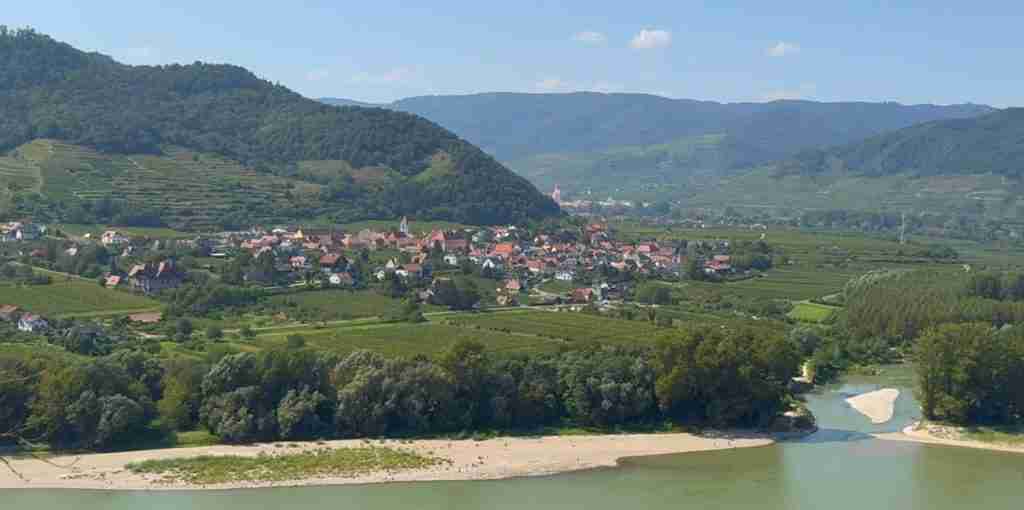
The Wachau Valley represents one of Europe’s most captivating cultural landscapes, where 36 kilometers of Danube River meander through terraced vineyards, medieval towns, and baroque abbeys. Recognized as UNESCO World Heritage in 2000 for its harmonious blend of natural beauty and human cultivation spanning two millennia, this Austrian treasure offers 2026 visitors an exceptional combination of cultural exploration, wine tourism, and scenic river experiences.
The valley’s significance extends beyond picturesque views. This landscape demonstrates continuous viticulture since Roman times, with terraced vineyards clinging to steep slopes above the Danube creating patterns that have defined the region for centuries. Towns like Dürnstein, Weißenkirchen, and Spitz preserve medieval character through protected architectural regulations, while Melk Abbey and Göttweig Abbey represent baroque masterpieces that anchor the valley’s eastern and western boundaries.
Planning your 2026 Wachau Valley experience requires understanding the region’s seasonal rhythms, transportation networks connecting valley towns, and the diverse activities spanning wine culture, abbey heritage, river tourism, and hiking opportunities. This guide provides comprehensive planning information for creating memorable experiences in Austria’s premier UNESCO cultural landscape.
People Also Ask About Wachau Valley 2026
How much does it cost to visit Wachau Valley in 2026?
Visiting Wachau Valley costs vary significantly based on activities and travel style. Entry to the valley itself is free, allowing unlimited scenic drives, cycling, and town exploration. Melk Abbey charges €13.50 for adults with audio guide included, while Göttweig Abbey admission costs €11.00 in 2026 (check official abbey websites for current rates). Wine tastings at valley wineries range €15-25 for basic sessions to €35-45 for premium experiences with multiple vintages.
Transportation within the valley adds to costs: Wachau railway single journeys between towns cost €3.50-7.80 depending on distance, while the Wachau ferry service charges €8-15 for scenic crossings between riverbank towns. River cruises from Vienna cost €65-120 per person for day trips including valley exploration time. Bicycle rentals run €18-25 per day for quality touring bikes suitable for valley terrain.
Budget travelers can explore comprehensively for €80-120 daily excluding accommodation by using trains, visiting free town areas, and selecting moderate dining options. Mid-range visitors spending €180-250 daily enjoy abbey visits, wine tastings, quality restaurants, and occasional river experiences. Luxury travelers allocating €350-500+ daily access premium wine experiences, gourmet dining, private tours, and luxury accommodation in valley estates.
When is the best time to visit Wachau Valley in 2026?
The optimal period for visiting Wachau Valley runs from April through October, with distinct advantages across different seasons. April-May brings spring blossoms transforming hillside orchards into white and pink canopies, mild temperatures of 15-22°C, and relatively quiet towns before summer crowds. This period offers excellent hiking conditions and early-season wine tastings as wineries begin opening their gardens.
June-August represents peak season with temperatures reaching 25-30°C, full valley bloom, and maximum tourist activity. Summer provides longest daylight hours for exploration, warmest river cruise conditions, and vibrant outdoor wine garden culture. However, popular sites like Melk Abbey and riverfront restaurants experience highest crowds, and accommodation prices reach annual peaks.
September-October emerges as many visitors’ preferred timeframe, combining harvest season atmosphere with pleasant 18-25°C temperatures and dramatic autumn vineyard colors. The grape harvest creates festive energy throughout valley towns, wine tastings feature fresh grape juice alongside vintages, and hiking through gold-and-crimson hillsides provides spectacular photography opportunities. Early October offers ideal balance before November’s seasonal closures begin.
Do you need advance bookings for Wachau Valley in 2026?
Advance booking requirements vary by activity and season. Melk Abbey and Göttweig Abbey operate with open access during posted hours, allowing walk-in visits throughout the day without reservations. However, guided abbey tours in English run at scheduled times (11:00 AM and 2:00 PM at Melk), and securing spaces requires arrival 15-30 minutes early during summer months or advance email booking for guaranteed participation.
Wine tasting reservations become essential at boutique wineries and for specialized experiences. Family-run estates often require 24-48 hours advance notice for tastings, particularly for sessions involving winery tours or barrel room visits. Email or phone booking ensures appropriate staff availability and prevents disappointment, especially April-October when spontaneous visits may find tasting rooms fully committed.
River cruise bookings from Vienna should be secured 1-2 weeks ahead during peak summer season (July-August) when popular departures sell out. Train tickets within the valley don’t require advance purchase as regional services maintain frequent departures with ample capacity. Accommodation booking 2-4 weeks ahead ensures availability at preferred properties, particularly for weekend stays in small valley towns with limited lodging options.
What makes Wachau Valley a UNESCO World Heritage Site?
UNESCO designated Wachau Valley as World Heritage in 2000 recognizing its outstanding universal value as a cultural landscape shaped by continuous human interaction with natural environment over two millennia. The valley demonstrates exceptional testimony to viticulture evolution from Roman times through medieval monasticism to contemporary sustainable farming, maintaining traditional terraced vineyard patterns across steep Danube slopes.
The designation specifically acknowledges the harmonious integration of architectural heritage within natural landscape. Medieval town centers preserve authentic street patterns and building ensembles, while baroque abbeys at Melk and Göttweig represent artistic masterpieces positioned to create dramatic landscape focal points. Stone terrace walls supporting vineyards form cultural patterns visible across the entire 36-kilometer valley length.
UNESCO criteria emphasize the living cultural landscape aspect – Wachau remains actively farmed rather than serving as museum piece. Winemakers continue centuries-old cultivation methods adapted to modern sustainable practices, maintaining the landscape character that earned heritage protection while producing internationally recognized wines. This combination of ongoing agricultural tradition with exceptional architectural and natural beauty creates the valley’s unique World Heritage significance.
Extended multi-day tours – 5+ days
Featured Wachau Multi-Day Tour Packages
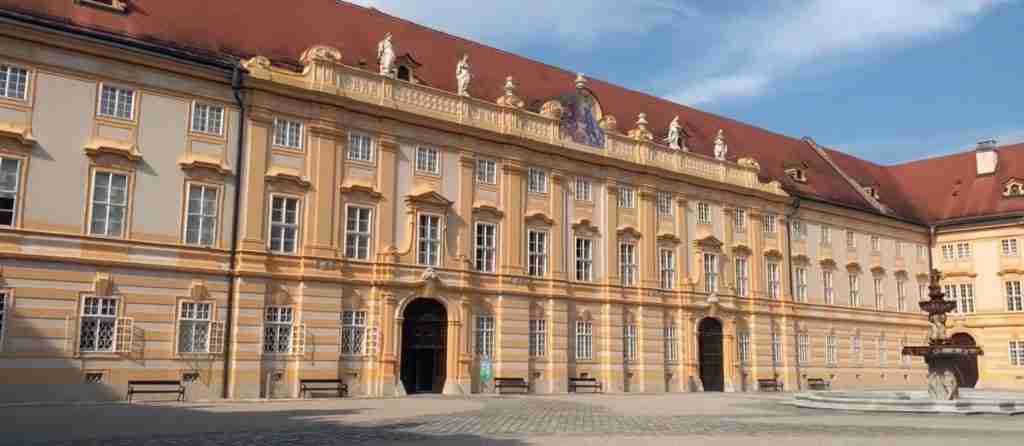
3 days
Wachau 3-Day Discovery Tour
- ✓ Comprehensive Wachau experience
- ✓ Expert local guides included
- ✓ All accommodation included
- ✓ Transportation provided
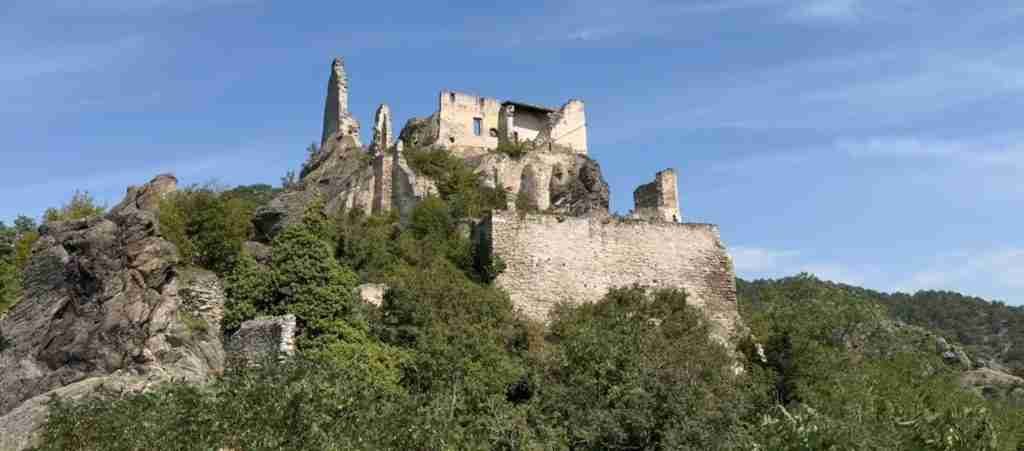
5 days
Wachau 5-Day Highlights Experience
- ✓ Comprehensive Wachau experience
- ✓ Expert local guides included
- ✓ All accommodation included
- ✓ Transportation provided
7 days
Wachau 7-Day Cultural Journey
- ✓ Comprehensive Wachau experience
- ✓ Expert local guides included
- ✓ All accommodation included
- ✓ Transportation provided
10 days
Wachau 10-Day Complete Adventure
- ✓ Comprehensive Wachau experience
- ✓ Expert local guides included
- ✓ All accommodation included
- ✓ Transportation provided
Multi-day tour packages powered by TourRadar. Prices and availability subject to change.
Essential Planning Information 2026
Current Costs and Pricing Breakdown 2026
Understanding Wachau Valley costs enables effective budget planning for your 2026 visit. Major attractions include Melk Abbey at €13.50 for adults and €7.50 for students/seniors, Göttweig Abbey at €11.00 for adults, and Dürnstein Castle ruins offering free access with panoramic valley views (check official abbey websites for current rates as pricing may vary). Town exploration throughout the valley requires no entry fees, allowing unlimited walking through medieval streets and riverside promenades.
Wine experiences form significant budget components. Standard tastings at valley wineries cost €15-20 for 4-5 wine samples with explanatory overview. Premium experiences run €25-35 including winery tours and barrel room visits, while exclusive tastings of rare vintages or vertical collections reach €40-45. Apricot distillery visits cost €8-12 including spirit sampling of the valley’s famous Marillenschnaps.
Dining costs vary by establishment type. Traditional Heuriger wine taverns serve regional specialties for €12-18 per main course, local wines by glass for €3.50-6.00, and simple lunches for €8-14. Quality restaurants charge €22-35 for dinner mains with local ingredients, while Michelin-starred establishments in valley towns reach €85-120 for tasting menus. Café breakfasts run €8-14 for continental spreads with local preserves and pastries.
Transportation expenses include Wachau railway tickets at €3.50-7.80 for single journeys between towns, full-day regional passes at €16-24 covering unlimited valley travel, and bicycle rentals at €18-25 daily for quality touring bikes. Danube ferry crossings cost €8-15 depending on route length, providing scenic connections between north and south riverbank communities.
Accommodation Options and Costs 2026
Valley accommodation ranges from family-run guesthouses to luxury wine estates. Budget travelers find €65-95 per night double rooms in gasthofs and pensions, typically including breakfast with local products, private bathrooms, and authentic regional character in smaller towns like Weißenkirchen or Spitz. These properties offer excellent value with personal service and direct connections to local wine culture.
Mid-range hotels charging €120-180 per night provide enhanced amenities including on-site restaurants, valley-view balconies, wellness facilities, and wine cellars. Properties in Dürnstein and Krems deliver proximity to major attractions with professional service standards and comfortable contemporary rooms blending traditional architecture with modern convenience.
Luxury wine estates and boutique hotels command €220-380 per night, offering vineyard settings, gourmet restaurants, comprehensive spa facilities, and premium wine collections. These properties provide immersive valley experiences with estate wine tastings, guided vineyard walks, and exceptional cuisine featuring local ingredients. Some historic properties occupy converted monastery buildings or riverside castles creating unique overnight experiences.
Valley Geography and Town Layout 2026
The Wachau Valley extends 36 kilometers along the Danube River between Melk in the west and Krems in the east, with the river forming the valley’s central corridor. Steep slopes rise 200-400 meters above the river on both banks, covered with terraced vineyards creating the characteristic landscape patterns. The valley width varies from just 1 kilometer at narrow points to 3-4 kilometers where tributary valleys join the main river corridor.
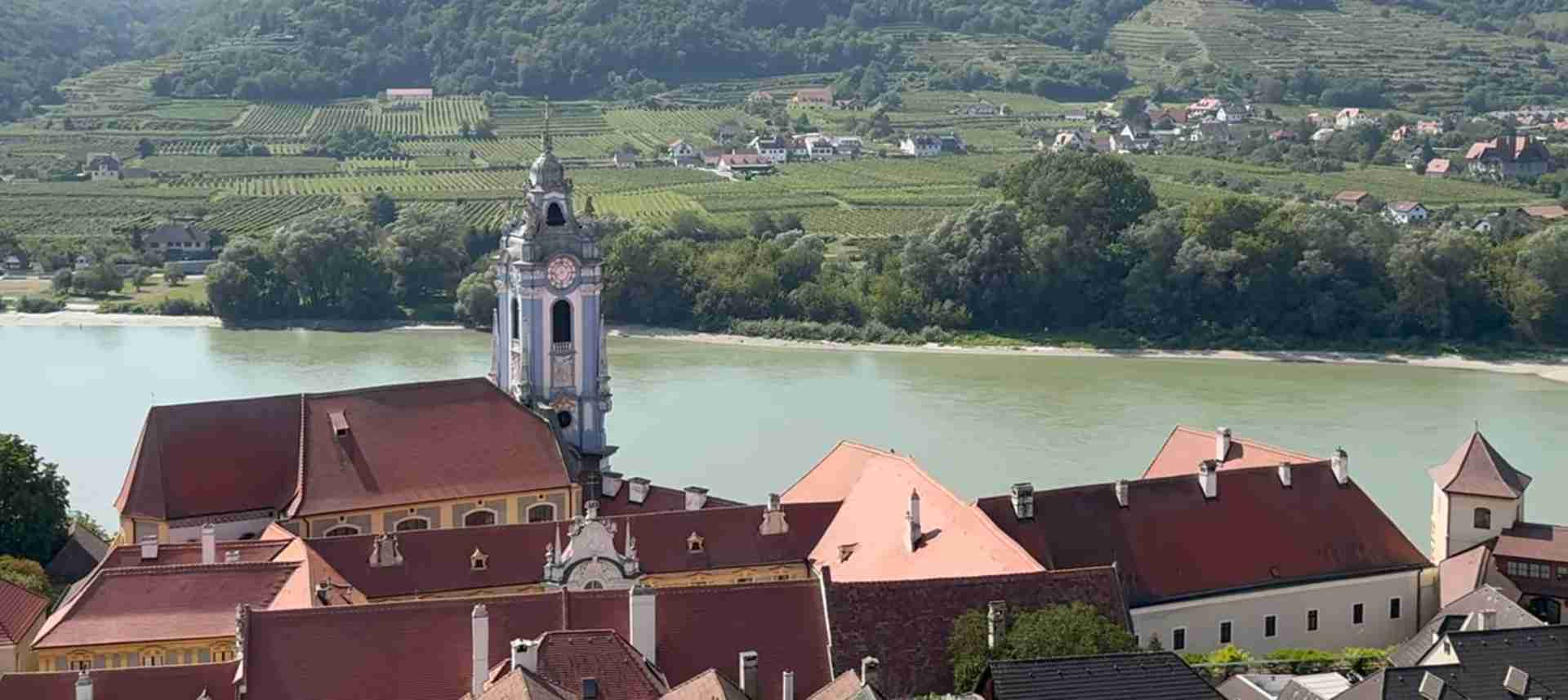
Major towns distribute along both riverbanks connected by ferry services and road bridges. The north bank holds Melk with its baroque abbey, Schönbühel with riverside castle ruins, and Weißenkirchen among extensive vineyards. The south bank features Dürnstein with its iconic blue church tower, Spitz with medieval center, and Mautern facing Krems across the river. Each town maintains distinct character while sharing common architectural heritage of pastel-painted baroque facades and medieval street patterns.
Understanding valley layout helps trip planning. Melk Abbey anchors the western entrance, sitting atop a rocky promontory overlooking the Danube. The valley’s most dramatic scenery concentrates in the central section between Spitz and Dürnstein where vineyard terraces climb steepest slopes. Krems at the eastern end provides the largest town with museums, restaurants, and transportation connections to Vienna. Railway tracks follow the north bank with stations serving all major towns, while the south bank relies on bus services and ferry connections.
Best Time to Visit Wachau Valley 2026
Seasonal Analysis for 2026 Planning
Spring (April-May) transforms Wachau into a blossom wonderland as apricot orchards covering hillside terraces burst into pink and white flowers. Temperatures range 12-22°C with increasing warmth through May, creating ideal conditions for hiking valley trails and cycling riverside paths. This period sees significantly fewer tourists than summer months, allowing easier abbey visits and relaxed wine tasting experiences. Wineries begin opening outdoor gardens and terraces, and early-season menus feature asparagus specialties alongside traditional dishes.
Summer (June-August) brings warmest conditions with temperatures reaching 25-30°C and longest daylight hours extending exploration time. The valley operates at full capacity with all attractions open, maximum ferry schedules, and vibrant outdoor dining culture at riverside restaurants and wine gardens. However, summer represents peak tourist season particularly July-August when popular sites experience crowds and accommodation prices reach annual highs. Morning visits to major attractions beat afternoon crowds, and midweek travel provides quieter experiences than weekends.
Autumn (September-October) offers many visitors’ preferred timeframe combining harvest season energy with spectacular vineyard colors. September temperatures of 18-25°C remain comfortable for outdoor activities while October’s 14-20°C brings crisp mornings and golden afternoons perfect for photography. The grape harvest creates festive atmosphere throughout valley towns with fresh grape juice available at tastings, harvest festivals in wine villages, and special seasonal menus featuring new wine. Vineyard foliage transforms from green to gold, crimson, and burgundy creating dramatic landscape colors against baroque architecture.
Winter (November-March) sees significantly reduced tourist activity and limited services. Many wineries close tasting rooms or operate by appointment only, river cruises cease operations, and some restaurants reduce hours or close entirely. However, winter offers atmospheric experiences for travelers seeking solitude: snow-dusted vineyards create stark beauty, Christmas markets operate in larger towns November-December, and Melk Abbey maintains year-round access with empty galleries providing contemplative visits. Temperatures range 0-8°C with occasional Danube fog creating moody riverside scenes.
Weather Patterns and Crowd Predictions 2026
Wachau Valley experiences continental climate with distinct seasonal patterns affecting visit planning. April-May brings variable conditions with temperatures gradually warming from 12°C to 22°C, occasional spring rain showers requiring flexible scheduling, and rapidly blooming vegetation. These months offer 13-15 hours daylight by late May, providing extended exploration time with sunrise around 5:30 AM and sunset after 8:00 PM.
Summer months deliver consistent warmth with July-August averaging 25-30°C during afternoon hours, occasional thunderstorms typically arriving late afternoon after morning sunshine, and intense sun requiring protection during midday vineyard walks or cycling. The Danube moderates extreme temperatures creating pleasant microclimates along the river even during hot spells. Daylight extends past 9:00 PM in June-July allowing evening river cruises and sunset photography opportunities.
September-October provides ideal conditions with stable high-pressure systems, comfortable 18-25°C September temperatures declining to 14-20°C by late October, and dramatic morning fog along the Danube burning off by mid-morning to reveal brilliant sunshine. This period experiences lowest rainfall probability of the year, and autumn colors peak mid-October creating spectacular photography conditions. Daylight decreases from 13 hours in early September to 10 hours by late October affecting evening activity timing.
Crowd patterns follow predictable rhythms. April-May sees light to moderate visitor numbers with weekends busier than weekdays but rarely overwhelming. June brings increasing crowds as European summer holidays begin, building to July-August peak when popular attractions like Melk Abbey receive 3,000-5,000 daily visitors and riverfront restaurants fill completely during lunch hours. September maintains moderate to busy conditions especially weekends, while October quiets significantly after mid-month as seasonal closures begin. November-March experiences minimal tourism with some days seeing more locals than visitors in smaller valley towns.
Transportation Guide 2026: Accessing and Exploring the Valley
Getting to Wachau Valley from Vienna 2026
Vienna serves as primary gateway for international visitors reaching Wachau Valley, located 80 kilometers west along the Danube. The Austrian Federal Railways (ÖBB) operates frequent train service from Wien Hauptbahnhof and Wien Meidling stations to valley destinations. Trains to Krems depart every 30-60 minutes throughout the day, taking 60 minutes with single tickets costing €17.40 and round-trip tickets €26.40. Trains to Melk via Sankt Pölten run hourly taking 70-90 minutes with tickets at €21.60 single, €32.80 return.
Direct trains serve both valley endpoints efficiently: Krems provides eastern access with onward local train connections west through Dürnstein, Weißenkirchen, and Spitz to Melk. This Wachau railway line follows the north riverbank with stations in each major town, single journey fares between valley towns running €3.50-7.80 depending on distance. Full-day regional passes cost €16-24 covering unlimited travel throughout the valley, representing good value for visitors planning multiple town visits.
Driving from Vienna takes 75-90 minutes via A1 motorway to Sankt Pölten then Route 33 to Melk, or via A22/S5 to Krems for eastern approach. Rental cars cost €45-75 daily for compact vehicles suitable for valley roads. However, parking challenges in medieval town centers, narrow village streets, and available public transportation make cars less practical for valley exploration unless visiting multiple regions during broader Austrian travel.
River cruises from Vienna provide scenic access though require full-day commitment. DDSG Blue Danube operates cruises departing Vienna 8:45 AM, arriving Melk 2:00 PM, allowing valley exploration before 6:15 PM return departure reaching Vienna 11:00 PM. These cruises cost €65-95 per person including onboard meals and panoramic Danube views passing through the valley (check ddsg-blue-danube.at for current schedules). The cruise provides relaxing approach but limits valley exploration time compared to train access.
Transportation Within the Valley 2026
The Wachau railway line represents the most efficient valley transportation, connecting all north bank towns from Krems through Dürnstein, Weißenkirtel, Spitz, Aggsbach Markt to Melk. Trains run every 1-2 hours throughout the day with final departures around 10:00 PM. Single journey tickets cost €3.50 between adjacent towns, €5.40 for mid-valley distances, and €7.80 for full Krems-Melk journey. Regional day passes at €16-24 provide unlimited travel plus connections beyond the valley.
Danube ferry services connect north and south bank communities creating scenic crossing options. Ferries operate April-October with peak summer schedules offering departures every 30-60 minutes between popular routes like Dürnstein-Rossatz or Spitz-Arnsdorf. Crossings take 5-8 minutes with fares of €4.50 per person, bicycles carried for additional €2.50. These ferries provide practical transportation while offering river perspective and photo opportunities unavailable from land routes.
Bicycle rental represents increasingly popular valley exploration method given flat riverside paths and comprehensive cycling infrastructure. Quality touring bikes rent for €18-25 per day from shops in Krems, Dürnstein, and Melk, with electric bikes available for €35-45 daily. The 36-kilometer Danube Cycle Path runs the full valley length on both riverbanks with dedicated lanes, clear signage, and gentle gradients suitable for recreational cyclists. Bikes travel free on Wachau railway trains allowing one-way cycling with train return, or cycling segments between selected towns.
Local bus services supplement rail connections, particularly serving south bank towns without train stations. Postbus routes connect smaller villages to larger transport hubs with fares of €3.50-6.80 for valley journeys. However, bus schedules align primarily with local resident needs rather than tourist patterns, running limited weekend service and requiring careful schedule checking for reliable connections.
Taxis and private transfers serve travelers requiring flexible schedules or carrying luggage between accommodations. Taxi fares run €25-45 for typical valley journeys between towns, with private transfer services offering €80-120 for customized valley tours or Vienna airport pickups/dropoffs. These options suit travelers with mobility limitations or groups splitting costs, though significantly more expensive than public transportation alternatives.
Money-Saving Strategies 2026
Advance Booking Benefits for 2026 Visits
Securing accommodation 3-4 weeks ahead typically saves 15-25% compared to last-minute booking, particularly for stays during peak summer months or September harvest season. Many valley properties offer early-bird discounts for reservations made 30+ days prior, and midweek stays (Sunday-Thursday) command lower rates than Friday-Saturday nights when weekend visitors from Vienna fill available rooms. Booking directly with properties via phone or email often yields better rates than third-party platforms while establishing personal connection with hosts who provide valuable local recommendations.
Wine tasting reservations made in advance allow access to boutique wineries that don’t accommodate walk-in visitors, often providing more extensive experiences than commercial tasting rooms. Some family estates offer complimentary tastings for guests booking vineyard accommodations, eliminating €15-25 tasting fees while delivering personalized service. Combining winery visits through advance planning enables strategic selection of specialties – Grüner Veltliner at certain estates, Riesling at others – rather than defaulting to generic tasting room experiences.
River cruise bookings made 2-3 weeks ahead secure better onboard seating positions, particularly upper deck tables with panoramic views. Early booking also allows comparison shopping across multiple operators like DDSG Blue Danube and Brandner Schifffahrt whose rates vary by €15-30 for equivalent routes. Some cruise lines offer combination tickets bundling river transport with abbey admission or wine tasting vouchers, providing 10-15% savings versus purchasing separately.
Seasonal Optimization Tips for 2026
Visiting during shoulder seasons (April-May or October) reduces accommodation costs by 20-35% compared to July-August peaks while delivering comparable weather and fewer crowds. April’s apricot blossoms and October’s harvest atmosphere provide distinct experiences unavailable during summer, and restaurant availability improves dramatically with tables accessible without reservations at establishments fully booked throughout summer months.
Planning midweek visits rather than weekends avoids the Vienna day-tripper surge that fills valley towns Friday-Sunday. Tuesday-Thursday hotel rates run €25-50 lower than weekend prices at many properties, trains carry fewer passengers allowing comfortable seating, and popular attractions like Melk Abbey experience half the visitor numbers creating more contemplative experiences. Wine tasting rooms maintain more relaxed paces midweek with extended conversation time unavailable during busy weekend sessions.
Timing major activities for morning hours provides both cost and experience benefits. Abbey visits before 10:30 AM avoid peak afternoon crowds, many wineries offer reduced tasting fees for morning sessions when staff have more available time, and restaurant lunch menus (11:30 AM – 2:00 PM) provide two-course meals for €12-18 versus €25-40 for identical evening service. Morning ferry crossings and train journeys run less crowded than afternoon services when day visitors converge on valley towns.
Budget-Friendly Valley Experiences 2026
Free activities provide substantial valley exploration without admission costs. Hiking the terraced vineyard trails above Dürnstein, Spitz, and Weißenkirchen offers spectacular Danube views, close encounters with traditional viticulture, and excellent photography opportunities without any fees. These trails range from easy 2-kilometer loops to strenuous 8-kilometer ridge walks, all marked with clear signage and accessible from town centers. The Welterbesteig (World Heritage Trail) connecting valley communities follows vineyard terraces and river paths for unlimited free hiking.
Town exploration costs nothing while delivering authentic valley culture. Medieval Dürnstein features cobblestone streets, pastel baroque buildings, and the iconic blue church tower visible throughout the valley. Weißenkirchen’s fortified church and Renaissance courtyard houses create photographic scenes, while Spitz preserves Gothic buildings and riverside atmosphere. Walking these towns reveals architectural details, local daily life, and riverside promenades perfect for picnicking with bakery provisions costing €6-10 for substantial meals.
Self-guided cycling using rental bikes costs €18-25 daily while providing unlimited valley exploration. The Danube Cycle Path passes through vineyards, connects all major towns, and offers dozens of viewpoint stops for rest and photography. Cyclists set their own pace and schedule, stopping at free attractions like Dürnstein Castle ruins (steep 20-minute climb with panoramic rewards) or riverside beaches for swimming during summer months. Carrying water and snacks from supermarkets (€8-12 for day supplies) avoids restaurant costs while maintaining energy for full-day adventures.
Heuriger wine taverns offer valley wine culture at half the cost of formal tastings. These traditional establishments serve wine by glass for €3.50-6.00 from the proprietor’s own vineyards, accompanied by self-service buffets of regional specialties priced by weight (€12-18 for substantial plates). Heurigers operate informal atmospheres with communal seating, local clientele, and authentic valley experience without upscale wine bar premiums. Many open only seasonally or certain days weekly, adding to their traditional appeal.
Combination tickets and passes provide savings for multiple attractions. The “Wachau Card” offers discounted admission to Melk and Göttweig abbeys plus participating wineries for €28 versus €35+ purchasing separately. Regional rail day passes at €16-24 cover all valley train travel plus connections to surrounding areas, paying for themselves with 3-4 journeys. Some accommodation properties include guest cards providing discounts on attractions, restaurants, and wine tastings creating cumulative savings across multi-day stays.
Sample 2026 Itineraries: Complete Valley Experiences
Full-Day Wachau Exploration from Vienna 2026
Depart Vienna Hauptbahnhof on 7:42 AM train to Krems (€17.40), arriving 8:45 AM for eastern valley entry. Walk 15 minutes through Krems old town to Wachau railway station, catching 9:20 AM regional train to Dürnstein (€4.80), arriving 9:38 AM. Climb to Dürnstein Castle ruins (free, 20-minute steep ascent) for panoramic valley views before descending to town center for coffee and apricot pastry at Café-Konditorei Hagmann (€6.50) with riverside terrace seating overlooking the Danube.
Walk through Dürnstein’s medieval streets photographing the iconic blue Stiftskirche tower and baroque facades before 11:30 AM reserved wine tasting at Domäne Wachau (€18 for five wines including Grüner Veltliner and Riesling from terraced vineyards). Return to train station for 12:48 PM departure to Spitz (€3.50), arriving 12:56 PM for lunch at Gasthaus zur Post (€16 for regional specialties like Wachau trout or pork schnitzel). Explore Spitz town center and riverside promenade before 2:15 PM ferry crossing to Arnsdorf (€4.50 including bicycle if renting).
Optional: Rent bicycle in Spitz (€20 for afternoon half-day) and cycle 12 kilometers along south bank Danube path to Melk, taking 60-75 minutes at leisurely pace with vineyard and river views. Alternative: Return to Spitz train station for 3:14 PM train to Melk (€5.40), arriving 3:32 PM. Visit Melk Abbey (€13.50, allow 90 minutes for comprehensive tour including library, church, and terrace overlooking the Danube). Catch 6:18 PM train from Melk to Wien Hauptbahnhof (€21.60), arriving Vienna 7:45 PM.
Total day cost: Train tickets €52.60, castle ruins free, coffee/pastry €6.50, wine tasting €18, lunch €16, ferry €4.50, Melk Abbey €13.50. Total: €111 per person excluding dinner (add €22-35 for Vienna dinner). This itinerary provides comprehensive valley experience with major highlights, scenic transportation, wine culture, and architectural heritage within manageable single-day timeframe from Vienna.
Two-Day Comprehensive Valley Immersion 2026
Day 1 – Western Valley and Melk: Arrive Melk via morning train from Vienna (€21.60), check into accommodation (€120-180), and visit Melk Abbey immediately (€13.50, less crowded before noon). Lunch at Stiftstaverne Melk with abbey views (€18-25 for traditional Austrian cuisine). Afternoon walk along Danube promenade to Schönbühel Castle viewpoint (free, 3 kilometers round trip), or rent bicycle for ride to Aggsbach Markt through riverside vineyards (€20 bike rental). Evening wine tasting at Winzerhof Dürnsteiner in Melk (€15-22 for local vintages), followed by dinner at Wachauerhof (€28-38 for modern regional cuisine).
Day 1 costs: Train €21.60, accommodation €120-180, Melk Abbey €13.50, lunch €18-25, bicycle €20, wine tasting €15-22, dinner €28-38, local transport €5. Total Day 1: €241-324 per person excluding accommodation. With accommodation: €361-504 per person.
Day 2 – Central Valley and Dürnstein: Check out and take 9:14 AM train to Dürnstein (€5.40), store luggage at accommodation or station lockers (€3). Climb to Dürnstein ruins (free) for morning photography, explore town’s baroque architecture and artisan shops. Midday wine tasting and winery tour at Nikolaihof (€25-35 for organic and biodynamic wines), lunch at Loibnerhof overlooking terraced vineyards (€22-32). Afternoon hike the Welterbesteig trail section from Dürnstein to Weißenkirchen (5 kilometers, 90 minutes through vineyard terraces), or ferry to Rossatz (€4.50) for south bank perspectives.
Late afternoon train from Weißenkirchen to Krems (€4.20), explore Krems old town and Kunsthalle contemporary art museum (€11), dinner at Gasthaus Jell specializing in Wachau wines and regional cuisine (€24-36). Evening 7:28 PM train to Vienna (€17.40), arriving 8:30 PM.
Day 2 costs: Train Melk-Dürnstein €5.40, luggage €3, wine tasting/tour €25-35, lunch €22-32, ferry or museum €4.50-11, dinner €24-36, train to Vienna €17.40. Total Day 2: €102-135 per person.
Two-day total: €463-639 per person including one night accommodation. This comprehensive itinerary balances cultural attractions, wine experiences, hiking, architectural heritage, and scenic beauty while maintaining reasonable daily costs and comfortable pacing.
Three-Day Complete Valley Discovery 2026
Day 1 – Krems and Eastern Valley: Arrive Krems morning train from Vienna (€17.40), check into accommodation (€120-180 average), and explore Krems old town including Steiner Tor gate, Piaristenkirche, and medieval streets. Lunch at Altes Gericht wine tavern (€15-22), afternoon visit to Weingut Mantlerhof for educational wine tasting (€18-25 including vineyard walk). Dinner at Zum Kaiser von Österreich (€26-35), evening stroll along Danube promenade.
Day 1 costs: Train €17.40, accommodation €120-180, lunch €15-22, wine tasting €18-25, dinner €26-35. Total Day 1: €196-299 per person.
Day 2 – Central Valley Cycling Adventure: Rent bicycle in Krems (€22 for quality touring bike), cycle 20 kilometers along north bank Danube path to Dürnstein (90-120 minutes including stops). Coffee break in Weißenkirchen (€5-8), continue to Dürnstein for wine tasting at Domäne Wachau (€18-24). Lunch at Dürnstein riverside restaurant (€20-28), afternoon climb to castle ruins (free) and explore baroque town center. Cycle 10 kilometers to Spitz (45 minutes), ferry across to Arnsdorf (€4.50 with bike), cycle final 8 kilometers to Melk via quiet south bank paths (45 minutes). Check into Melk accommodation, return bicycle, dinner at local restaurant (€24-32).
Day 2 costs: Bicycle rental €22, coffee €5-8, wine tasting €18-24, lunch €20-28, ferry €4.50, dinner €24-32, Melk accommodation €120-180. Total Day 2: €213-314 per person.
Day 3 – Melk Abbey and Departure: Morning Melk Abbey comprehensive visit (€13.50, arrive 9:00 AM opening for uncrowded experience), explore abbey library, marble hall, church, and terrace gardens thoroughly (allow 2+ hours). Lunch at Stiftsrestaurant within abbey complex (€18-26), afternoon visit to nearby Schallaburg Castle (€12, 15-minute drive or bus) with Renaissance courtyard and exhibitions, or riverside walk to Schönbühel ruins. Return to Melk for 5:18 PM train to Vienna (€21.60), arriving 6:45 PM.
Day 3 costs: Melk Abbey €13.50, lunch €18-26, Schallaburg €12 or walk free, train €21.60. Total Day 3: €65-73 per person excluding Melk accommodation checkout.
Three-day total: €594-866 per person including two nights accommodation (€120-180 per night average). This extended itinerary provides in-depth valley exploration combining cycling adventure, comprehensive wine experiences, major cultural attractions, and thorough town discovery across the full 36-kilometer UNESCO landscape.
Booking and Reservations for 2026 Visits
Official Resources and Direct Booking 2026
Melk Abbey maintains official website stiftmelk.at with current admission prices, guided tour schedules, and special exhibition information. Direct abbey booking via phone (+43 2752 555 232) or email secures English-language tours at 11:00 AM and 2:00 PM daily, particularly valuable during peak summer months when tours fill quickly. Abbey museum shop reservations for exclusive after-hours access can be arranged for groups 10+ visitors, creating unique evening experiences.
Göttweig Abbey information appears at stiftgoettweig.at including monastery tours, museum access, and restaurant reservations. The abbey operates more limited visitor hours than Melk (afternoon access only certain days), making advance schedule checking essential. Combination tickets bundling both abbeys provide modest savings for visitors covering full valley length.
Wachau regional tourism website wachau.at offers comprehensive accommodation listings, event calendars, and downloadable hiking maps. The site’s English-language sections provide practical planning information including public transportation schedules, seasonal opening times for attractions, and contact details for local guides. Monthly event updates highlight wine festivals, concerts, and cultural programs throughout valley communities.
Individual winery websites and social media pages provide tasting room hours, reservation requirements, and special event announcements. Many family estates prefer email contact for tasting bookings, requesting 24-48 hours notice particularly for sessions including vineyard tours. Large commercial operations like Domäne Wachau accept walk-in visitors but recommend advance booking for guaranteed seating in tasting rooms with Danube views.
Accommodation Booking Strategies 2026
Direct booking with valley properties via phone or email typically yields better rates than third-party platforms while establishing personal connection with hosts. Family-run gasthofs and pensions often offer flexible arrival times, local recommendations, and complimentary wine tastings from house production for direct bookers. Communication in English works reliably with most valley accommodations accustomed to international guests.
Booking.com and similar platforms provide convenience for comparison shopping and flexible cancellation policies, particularly valuable for travelers with uncertain schedules. However, valley properties often maintain lower rates on official websites to avoid platform commission fees, making direct comparison worthwhile. Some boutique hotels and wine estates don’t appear on booking platforms at all, requiring website discovery or regional tourism office assistance.
Accommodation location significantly impacts valley exploration efficiency. Staying in central valley towns like Dürnstein, Weißenkirchen, or Spitz provides walking access to multiple attractions and restaurants while minimizing transportation needs. Krems and Melk at valley endpoints offer more lodging options and better train connections but require more transit time reaching central valley highlights. South bank villages like Mautern or Rossatz provide quieter atmospheres with beautiful river views but depend on ferry services or longer road routes for accessing north bank attractions.
Tour Operator and River Cruise Booking 2026
DDSG Blue Danube (ddsg-blue-danube.at) operates primary river cruise service between Vienna and Wachau Valley with departures April-October. Booking 1-2 weeks ahead secures preferred departure times and upper deck seating, particularly important weekends and July-August peak season. One-way cruises Vienna to Melk (€65-95) allow flexible valley exploration before train return, while round-trip cruises (€85-120) provide relaxing full-day excursions with limited valley time.
Brandner Schifffahrt (brandner.at) offers alternative cruise options including shorter valley-only routes between Melk and Krems, sunset cruises with wine tastings (€55-75), and chartered experiences for private groups. These cruises sometimes undercut DDSG pricing by €10-20 for equivalent routes while maintaining quality service and commentary.
Local tour guides operating in valley towns can be booked through tourism offices or directly via websites. Private guided walks cost €120-180 for half-day sessions (2-3 hours) covering town history, architecture, and wine culture with insider access to selected wineries. Group tours assembled by tourism offices reduce costs to €25-40 per person for similar experiences with 8-15 participants.
Cycling tour companies like Pedal Power and Wachau Radverleih provide guided bicycle tours ranging from half-day valley highlights (€55-75 including bike) to multi-day supported adventures (€280-350 with accommodation and meals). These guided options suit cyclists uncertain about independent navigation or seeking curated winery visits and cultural insights exceeding self-guided possibilities.
2026 Planning Strategies for Optimal Valley Experiences
Creating Personalized Valley Itineraries
Successful valley planning begins with identifying primary interests among wine culture, architectural heritage, outdoor activities, or comprehensive cultural exploration. Wine enthusiasts allocate significant time for multiple tasting experiences across varied estates – family wineries emphasizing traditional methods, organic producers demonstrating biodynamic viticulture, and large cooperatives showcasing valley-wide production diversity. Building 2-3 tasting appointments per day with breaks for meals and town exploration prevents palate fatigue while allowing meaningful engagement at each venue.
Architecture and history focused visitors prioritize abbey visits, medieval town exploration, and cultural museums rather than extensive wine experiences. This approach allows thorough Melk Abbey discovery (2+ hours), detailed Dürnstein walking tours examining baroque facades and fortification history, and Krems museum visits including contemporary art and regional history exhibitions. These itineraries balance scheduled attraction access with unstructured town wandering absorbing architectural details and local atmosphere.
Active outdoor enthusiasts build cycling and hiking into daily frameworks, using early morning or late afternoon for physical activities when temperatures moderate and light creates optimal photography conditions. Popular routes include the full 36-kilometer Danube Cycle Path (achievable 4-5 hours including stops), Welterbesteig trail sections connecting towns through vineyard terraces, and specific viewpoint hikes like Dürnstein Castle or Maria Laach lookout above Spitz. Combining outdoor morning activity with afternoon cultural visits or wine experiences creates balanced days avoiding single-focus monotony.
Maximizing Limited Time Visits
Single-day visitors from Vienna optimize experiences through strategic planning. Early train departure (7:00-8:00 AM) provides maximum valley time, while focusing on 2-3 key experiences rather than attempting comprehensive coverage delivers satisfying results. The classic approach combines Melk Abbey visit, Dürnstein town exploration with wine tasting, and scenic train journey through valley center appreciating landscape views from comfortable rail carriages.
Alternative single-day strategies emphasize specific interests: dedicated wine touring visiting 3-4 diverse estates from family operations to prestigious brands, cultural immersion exploring Krems museums and galleries with lunch at traditional wine tavern, or active adventure combining cycling segments with river ferry crossings and hilltop castle visits. Accepting focused rather than complete coverage reduces stress and enhances enjoyment over rushed attempts sampling everything superficially.
Weekend visitors (two nights, two full days) gain capacity for comprehensive valley coverage. Day one explores western valley with Melk Abbey, nearby castle viewpoints, and evening in valley town accommodation with local restaurant dinner. Day two covers central and eastern valley through Dürnstein, Spitz, Weißenkirchen, concluding in Krems before Vienna return. This pacing allows multiple wine experiences, architectural discovery, outdoor activities, and authentic local dining without frantic scheduling.
Seasonal Activity Planning
Spring visits (April-May) emphasize apricot blossom viewing through vineyard walks, early wine tastings featuring previous vintages before new harvest, and comfortable hiking temperatures before summer heat. This season suits photography enthusiasts capturing flowering orchards, architecture specialists examining buildings without summer crowds, and visitors preferring quieter atmospheric experiences over festival energy.
Summer planning (June-August) accounts for warm temperatures through morning and evening activity scheduling, midday breaks in shaded wine gardens or air-conditioned abbey interiors, and acceptance of crowd presence at major attractions. River cruises operate most frequently, outdoor dining reaches peak appeal, and extended daylight hours enable evening vineyard walks and sunset photography. Booking accommodation and popular restaurant tables well ahead becomes essential given peak tourism demand.
Autumn harvest season (September-October) centers experiences around grape harvest observation, new wine tastings, and spectacular vineyard color photography. Many estates welcome visitors during harvest for informal winery tours explaining grape selection and processing, farmers’ markets sell fresh produce and preserves, and special harvest festival menus appear at traditional restaurants. October’s reliable weather and dramatic foliage create ideal conditions for hiking and cycling through transformed landscape.
2026 Updates and Current Information
Transportation Service Changes for 2026
Austrian Federal Railways continues operating Wachau valley service with consistent schedules maintaining hourly trains between Vienna and Krems (60 minutes), Vienna and Melk (70-90 minutes), and regional connections through valley towns. The ÖBB mobile app provides real-time departure information, platform assignments, and delay notifications in English, making independent travel straightforward even for first-time valley visitors.
Ferry services operate expanded schedules for 2026 season (April 1-October 31) with increased crossing frequency between popular routes like Dürnstein-Rossatz and Spitz-Arnsdorf. Peak summer service (July-August) runs departures every 30 minutes on major routes versus hourly spring/autumn frequency. New digital ticketing through mobile apps supplements traditional onboard purchase options, though cash and cards remain accepted universally.
Cycling infrastructure improvements continue with expanded bike path segments, additional rental stations in Weißenkirchen and Spitz, and enhanced signage along both riverbanks. Electric bike availability increases at rental outlets accommodating visitors preferring motor assistance for valley’s moderate hills. Secure bike parking facilities at abbey entrances and major attraction sites allow safe bicycle storage during visits.
Abbey and Attraction Updates 2026
Melk Abbey maintains core admission pricing at €13.50 for adults with audio guide included, operating daily 9:00 AM-5:30 PM April-October and reduced winter hours November-March (9:00 AM-4:30 PM). New exhibition spaces in former monastery cells present rotating displays on monastic life, manuscript preservation, and baroque artistic traditions. English-language guided tours continue at 11:00 AM and 2:00 PM daily, with German tours at 10:00 AM and 1:00 PM.
Göttweig Abbey adapts visitor access to ongoing restoration work affecting certain monastery sections. Core areas including baroque church, museum collections, and terraces remain accessible with €11.00 admission. The abbey’s Michelin-starred restaurant continues elevated dining experiences (€85-120 tasting menus) while casual Stiftstáverne offers regional cuisine at moderate prices (€18-28 mains).
Dürnstein Castle ruins maintain free access via marked hiking trail from town center (20-minute climb). New interpretive panels installed along the route explain Richard the Lionheart imprisonment legend and castle’s medieval defensive role. Safety improvements include handrails on steepest trail sections and upgraded viewpoint platforms enabling wheelchair access to lower panorama terrace.
Wine Tourism Developments 2026
Digital booking platforms increasingly connect visitors with valley wineries, though many family estates continue preferring traditional phone or email reservations. Larger operations like Domäne Wachau expand online booking with English-language interfaces, flexible time slots, and package options bundling tastings with light meals or vineyard tours (€35-55 combined experiences).
Sustainable viticulture certification expands across valley estates with increasing numbers achieving organic or biodynamic status. Nikolaihof, Tegernseerhof, and other leading producers offer specialized tastings highlighting chemical-free growing methods, minimal-intervention winemaking, and terroir expression without technological manipulation. These experiences appeal to environmentally conscious visitors willing to pay premium prices (€30-45) for distinctive wines and educational content.
Wine hiking trail development creates themed routes connecting estates through vineyard paths with self-guided or guided options. The Smaragdweg (Emerald Path) links Dürnstein, Loiben, and Rothenhof vineyards across 12 kilometers of signposted trails with optional tasting stops. Trail maps available free from tourism offices enable independent exploration combining moderate hiking with wine culture immersion.
Frequently Asked Questions: Wachau Valley 2026
What is the Wachau Valley famous for?
Wachau Valley earned international recognition for exceptional white wine production, particularly Grüner Veltliner and Riesling cultivated on terraced hillsides above the Danube River. The 36-kilometer valley between Melk and Krems represents Austria’s premier wine region with distinct terroir creating minerally, elegant wines prized by sommeliers worldwide. Beyond viticulture, the valley preserves extraordinary cultural landscape blending 2,000 years of human settlement with dramatic natural beauty, earning UNESCO World Heritage designation in 2000.
Architectural treasures include Melk Abbey, among Europe’s finest baroque monasteries, and Göttweig Abbey overlooking the Danube from hilltop location. Medieval towns like Dürnstein preserve authentic period character through protected building ensembles, cobblestone streets, and fortification remnants. The valley’s apricot cultivation adds cultural dimension with hillside orchards producing fruit for preserves, pastries, and the region’s famous Marillenschnaps apricot brandy.
How many days do you need in Wachau Valley?
Two days provide sufficient time for comprehensive valley exploration including Melk Abbey, multiple wine tastings, several town visits, and outdoor activities. This timeframe allows morning abbey visit, afternoon wine experiences at 2-3 estates, cycling or hiking segments, and relaxed meals at traditional restaurants without rushed scheduling. Overnight accommodation in valley towns enables evening wine garden visits and early morning photography impossible for day-trippers.
Single-day visits from Vienna deliver satisfying introductory experiences focusing on 2-3 major highlights: typically Melk Abbey, Dürnstein town, and one wine tasting. Travelers comfortable with focused rather than exhaustive coverage appreciate valley character and major attractions within 8-10 hour timeframe using efficient train connections.
Three-day stays enable deeper immersion with extensive wine touring across diverse estates, comprehensive hiking or cycling the full valley length, thorough architectural exploration, and connections with local culture through farmers’ markets, small-town festivals, and extended restaurant meals. This duration suits dedicated wine enthusiasts, active outdoor travelers, or visitors integrating Wachau into broader Austrian itineraries.
Is Wachau Valley worth visiting?
Wachau Valley ranks among Central Europe’s most rewarding destinations for travelers appreciating cultural landscapes, wine tourism, architectural heritage, and scenic beauty. The valley delivers authentic Austrian cultural experiences without overtourism overwhelming infrastructure – even peak season maintains manageable visitor numbers compared to urban tourist magnets. UNESCO designation reflects genuine outstanding universal value rather than marketing designation, representing landscape shaped by harmonious human-nature interaction across millennia.
Value emerges across budget levels: free hiking and cycling through spectacular vineyard terraces, moderate wine tasting prices (€15-25) accessing world-class vintages, and comprehensive abbey experiences (€13.50 Melk) rivaling far more expensive European attractions. Regional transportation efficiency enables car-free exploration reducing environmental impact while maintaining schedule flexibility.
The valley particularly suits travelers seeking substance over superficial tourism – learning viticulture traditions from fourth-generation winemakers, understanding baroque monastery life through preserved architectural spaces, or engaging with sustainable agriculture practices maintaining landscape character. Visitors prioritizing Instagram moments over cultural depth may find more dramatic scenery elsewhere, but those valuing authentic heritage experiences discover exceptional rewards in Wachau.
Can you visit Wachau Valley without a car?
Wachau Valley functions excellently for car-free visitors through comprehensive public transportation networks. Austrian Federal Railways trains connect Vienna to both valley endpoints (Krems and Melk) with hourly service, while the Wachau railway line links all north bank towns with regular departures throughout the day. Combined train-ferry-bicycle combinations enable access to nearly all valley attractions without private vehicles.
Limitations exist for south bank destinations lacking rail service – towns like Mautern and Rossatz depend on ferry connections or bus routes with less frequent schedules. Some premium wineries in hillside locations require uphill walks from valley floor or taxi connections, though most significant estates cluster near town centers accessible by foot from train stations.
Car-free travel provides benefits beyond environmental considerations: avoiding parking challenges in medieval town centers, enjoying wine tastings without driving concerns, appreciating river views from train windows without navigation stress, and reducing travel costs through affordable public transport versus rental fees and fuel. The valley’s compact 36-kilometer length makes distances manageable for active travelers comfortable with walking and cycling.
What is the best base for exploring Wachau Valley?
Dürnstein emerges as optimal base for visitors prioritizing central valley location, atmospheric medieval character, and easy access to major attractions. The town offers quality accommodation from mid-range hotels to boutique properties, multiple restaurant options, direct wine estate proximity, and train station serving the Wachau railway line. Dürnstein’s compact walkable size enables evening strolls after wine tastings, while daytime train connections reach Melk (20 minutes west) and Krems (12 minutes east) quickly.
Krems suits travelers preferring larger town amenities, extensive dining variety, cultural attractions including museums and galleries, and superior Vienna connections. The city offers broader accommodation selection across all budget levels, though sacrifices medieval village charm for urban convenience. Krems works well for visitors balancing valley exploration with interests in contemporary art, urban Austrian culture, or evening entertainment options beyond wine taverns.
Melk appeals to visitors emphasizing abbey access and western valley positioning. Staying overnight enables early morning abbey visits before crowds, exploration of abbey gardens and riverside trails, and atmospheric evening views of the floodlit monastery. Limited accommodation and dining options compared to Dürnstein or Krems, but sufficient for comfortable stays with traditional Austrian hospitality.
What is included in Melk Abbey admission?
The €13.50 Melk Abbey admission includes comprehensive museum areas, baroque church access, famous library viewing, marble hall, emperor’s gallery, terrace gardens, and multilingual audio guide. Visitors move at their own pace through all accessible monastery sections, typically requiring 90-120 minutes for thorough exploration. The audio guide provides detailed explanations of architectural features, artistic treasures, monastic history, and manuscript collections in English, German, French, Italian, Spanish, and other languages.
Separate guided tours in English (11:00 AM and 2:00 PM daily) don’t require additional fees for regular admission holders, though space limitations mean early arrival or advance booking ensures participation. These tours provide insider perspectives on monastic life, architectural symbolism, and historical events unavailable through audio guide alone, with knowledgeable guides answering questions and sharing anecdotes enriching the visit.
Special exhibitions occupying former monastery cells rotate seasonally with themes ranging from manuscript illumination to baroque artistic traditions. These exhibitions appear throughout accessible areas without separate admission, enhancing basic ticket value. Photography is permitted in most spaces excluding the library where preservation concerns limit light exposure, allowing visitors to document their experience while respecting conservation requirements.
How do you get from Vienna to Wachau Valley?
Direct trains from Wien Hauptbahnhof or Wien Meidling stations reach both valley endpoints efficiently. Krems trains depart every 30-60 minutes throughout the day taking 60 minutes with €17.40 single tickets, while Melk trains via Sankt Pölten run hourly taking 70-90 minutes for €21.60 single fare. Return tickets cost approximately 1.5x single fares. Austrian Federal Railways maintains punctual service with comfortable modern carriages and clear English announcements.
River cruises provide scenic alternative departing Vienna’s Reichsbrücke pier at 8:45 AM, arriving Melk 2:00 PM after meandering through the valley. DDSG Blue Danube operates these services April-October with fares of €65-95 per person including onboard meals. Return cruises depart Melk 6:15 PM reaching Vienna 11:00 PM, creating full 14-hour day trips. While relaxing and scenic, cruises limit valley exploration time compared to train access enabling flexible arrival and departure timing.
Organized bus tours from Vienna combine transportation with guided valley experiences including abbey visits, wine tastings, and Danube viewpoints. These tours cost €85-140 per person for full-day excursions with English-speaking guides. While convenient for travelers preferring structured experiences, independent travel by train provides greater flexibility, lower costs, and more authentic cultural engagement versus tour bus isolation.
What are the best wineries to visit in Wachau?
Domäne Wachau operates the valley’s largest cooperative representing 250 members, offering comprehensive tasting room experiences showcasing valley-wide diversity. Located in Dürnstein with panoramic Danube terrace, the winery provides introductory tastings (€18-24) ideal for understanding regional styles, grape varieties, and quality classifications from Steinfeder to Smaragd. Walk-in visitors accepted though reservations recommended for guaranteed terrace seating.
Nikolaihof represents Austria’s oldest biodynamic estate, cultivating vineyards since 1792 using chemical-free methods and natural winemaking minimal intervention. Family-run by the Saahs family, tastings (€30-40) emphasize terroir expression, historical viticulture practices, and philosophy connecting wine quality to environmental stewardship. Advance booking essential for this intimate experience limited to small visitor groups in historic cellar rooms.
F.X. Pichler produces benchmark Riesling and Grüner Veltliner from legendary vineyards like Kellerberg and Loibenberg. This elite estate offers limited tasting opportunities by appointment only, commanding premium prices (€40-55) reflecting wine quality and exclusivity. Serious wine enthusiasts appreciate technical discussions with winemaker Lucas Pichler examining single-vineyard characteristics and vintage variations.
Tegernseerhof balances tradition with accessibility through welcoming tasting room experiences (€20-30) in family estate overlooking terraced vineyards. Fourth-generation winemaker Martin Mittelbach combines organic viticulture with modern winery technology, creating wines demonstrating both classic Wachau character and contemporary precision. The estate accepts walk-in visitors while preferring advance contact for assured availability.
When is grape harvest in Wachau Valley?
Grape harvest typically occurs late September through mid-October depending on vintage conditions and grape variety. Early-ripening varieties begin harvest in final September week, while premium Riesling from steep terraces often continues into early October requiring optimal ripeness. The exact timing varies annually based on spring flowering dates, summer growing conditions, and autumn weather patterns affecting sugar development and acid retention.
Visiting during harvest season provides unique winery experiences as estates focus on grape processing rather than tourism. Some wineries welcome visitors for informal harvest observation, allowing photography of hand-picking crews working terraced slopes and watching grape sorting at crush pads. However, formal tastings may operate on reduced schedules or by appointment only as winemakers prioritize vintage processing over visitor services.
Harvest festivals celebrate vintage completion in valley towns throughout October with wine garden parties, traditional music, new wine tastings, and regional cuisine specialties. These events create authentic local atmosphere as communities gather celebrating agricultural cycles rather than tourist entertainment. Attending harvest festivals requires flexible timing as exact dates appear just weeks ahead depending on actual harvest completion.
Are there hiking trails in Wachau Valley?
The Welterbesteig (World Heritage Trail) represents the valley’s premier long-distance hiking route, spanning 180 kilometers through terraced vineyards, riverside paths, hilltop viewpoints, and medieval town centers. Most visitors tackle selected sections rather than the complete multi-day route: Dürnstein to Weißenkirchen (5 kilometers, 90 minutes) provides excellent introduction combining vineyard walking with valley views, while Spitz to Willendorf (7 kilometers, 2 hours) passes archaeological sites and dramatic river bends.
Shorter loops from individual towns offer 2-4 hour circuits suitable for casual hikers. The Dürnstein Castle trail climbs 200 meters through vineyards to ruins (20-minute ascent, free access) rewarding effort with panoramic Danube views. Spitz’s Rotes Tor circular route (6 kilometers, 90 minutes) circles the town through vineyard terraces, orchards, and forest patches with minimal elevation change.
Trail markings follow Austrian alpine club standards with red-white-red blazes indicating main routes, yellow markers for connecting trails, and detailed signage at trail junctions showing destinations and estimated times. Most trails feature moderate difficulty requiring standard fitness without technical climbing skills. Spring (April-May) and autumn (September-October) provide optimal hiking conditions with comfortable temperatures and dramatic landscape colors.