Visiting the Uffizi Gallery: Complete Guide to Florence’s Renaissance Treasure
The Uffizi Gallery stands as the world’s preeminent collection of Italian Renaissance art, housing masterpieces by Botticelli, Leonardo da Vinci, Michelangelo, and Raphael within a 16th-century palace complex originally designed as administrative offices for Florence’s ruling Medici family. Over 1.5 million visitors annually traverse the gallery’s U-shaped corridors lined with Roman sculptures and Flemish tapestries, ascending to second-floor rooms where Birth of Venus and Primavera await alongside works spanning from 13th-century Byzantine icons through Baroque masterworks by Caravaggio and Rembrandt.
Key Takeaways
- Entry tickets cost €25 for full admission with €4 additional reservation fee, though early morning visitors (before 8:55 AM) access reduced €19 tickets and afternoon arrivals (after 4:00 PM) benefit from €16 pricing. Check the official Uffizi website for current rates as pricing may vary.
- The gallery opens Tuesday through Sunday from 8:15 AM to 6:30 PM with last admission at 5:30 PM, closing every Monday plus December 25 and January 1, requiring advance reservation during peak visiting periods to secure preferred time slots
- Comprehensive visits exploring all 45 exhibition rooms require 3-4 hours minimum, while focused tours targeting essential masterpieces (Botticelli, da Vinci, Michelangelo) accomplish meaningful exposure in 1.5-2 hours through strategic room selection
- The second-floor Renaissance galleries containing Botticelli’s iconic works, Leonardo’s Annunciation, and the Tribuna octagonal room constitute the collection’s core, while first-floor Baroque and Mannerist sections receive significantly lighter visitor traffic
- Combined tickets providing access to Uffizi, Pitti Palace, and Boboli Gardens over five consecutive days cost €40, offering excellent value for comprehensive Medici heritage exploration across Florence’s premier museum complex
- Free admission occurs first Sunday monthly attracting maximum crowds with multi-hour entrance queues, while weekday midmorning arrivals (9:00-10:00 AM) and late afternoon visits (after 4:00 PM) encounter substantially lighter visitor volumes
People Also Ask About the Uffizi Gallery
What makes the Uffizi Gallery so famous?
The Uffizi Gallery’s fame rests on its unmatched concentration of Italian Renaissance masterpieces assembled by the Medici family across three centuries of systematic collecting, diplomatic acquisitions, and artistic patronage. The collection includes Botticelli’s Birth of Venus and Primavera—two of Western art’s most recognizable images—alongside seminal works by Leonardo da Vinci, Michelangelo’s only easel painting (Doni Tondo), Raphael’s Madonna of the Goldfinch, and Caravaggio’s revolutionary chiaroscuro works including Medusa and Bacchus. Beyond individual masterpieces, the gallery’s chronological arrangement creates a comprehensive narrative of Western art evolution from medieval Byzantine traditions through High Renaissance innovations to Baroque drama, preserving artistic developments impossible to experience elsewhere with such depth and continuity. The Medici provenance adds historical significance—visitors examine the same artworks that inspired Renaissance humanists, influenced artistic movements across Europe, and shaped modern concepts of museum curation when Anna Maria Luisa de’ Medici bequeathed the family collection to Tuscany in 1743 with the revolutionary stipulation that works never leave Florence, creating one of history’s first public art collections.
How much time should you spend at the Uffizi Gallery?
Allocating 2.5-3 hours enables meaningful engagement with the Uffizi’s essential masterpieces while avoiding the exhaustion accompanying rushed superficial viewing or overly comprehensive attempts to examine all 1,500 displayed works. This timeframe permits thorough exploration of second-floor Renaissance galleries (Rooms 2-45) containing Botticelli, Leonardo, Raphael, Michelangelo, and Titian, with strategic pauses at signature works including Birth of Venus, Annunciation, and the Tribuna, plus selective first-floor engagement with Caravaggio’s revolutionary Baroque works and Rembrandt’s portraits. Art history enthusiasts or visitors with particular interest in Mannerist collections, Flemish paintings, or Roman sculpture corridors benefit from extended 4-5 hour visits enabling comprehensive coverage, though such thoroughness proves exhausting for most travelers and risks diminishing appreciation through sensory overload. Conversely, time-constrained tourists can accomplish satisfying exposure in 90 minutes by targeting essential highlights—Botticelli rooms (10-14), Leonardo (35), Raphael/Michelangelo (41), Titian (83), and Caravaggio (90)—accepting that this condensed approach sacrifices depth for efficiency and eliminates secondary though worthwhile collections. The gallery’s physical layout discourages abbreviated visits shorter than 90 minutes as the linear corridor design requires walking past numerous rooms regardless of viewing intentions, making ultra-brief stops impractical even when bypassing displayed works.
What is the best way to visit the Uffizi Gallery?
Advance online ticket purchase through the official Uffizi website (tickets.uffizi.it) combined with early morning arrival represents the optimal visiting strategy, securing guaranteed admission at preferred times while avoiding same-day ticket purchase queues that extend 60-90 minutes during peak season. The €4 reservation fee proves worthwhile considering the time savings and stress reduction compared to standby ticket line gambling, particularly during April-October when daily visitor numbers regularly exceed 4,000-5,000. Timing selections should prioritize 8:30-9:00 AM slots enabling solitary engagement with major works before tour group arrivals around 10:00 AM, though late afternoon entries (4:00-5:00 PM) provide secondary optimization delivering reduced crowds as morning visitors depart despite compressed exploration time before 6:30 PM closure. Guided tours enhance appreciation for visitors unfamiliar with Renaissance art history, as expert commentary illuminates symbolic meanings, artistic techniques, and historical contexts invisible to untrained observation—Botticelli’s Primavera contains dozens of mythological references and Neoplatonic philosophy requiring explanation for full comprehension, while technical innovations in Leonardo’s paintings become apparent only when guides direct attention to specific brushwork or compositional choices. Self-guided audioguide rental (€6) provides economical alternative to full tours, offering detailed commentary for 60+ selected masterpieces without fixed schedule constraints, though the automated format sacrifices the spontaneous question-answering and adaptive pacing skilled guides provide.
Can you take photos inside the Uffizi Gallery?
Photography remains permitted throughout the Uffizi Gallery for personal non-commercial purposes without flash, tripods, selfie sticks, or any equipment requiring setup beyond handheld cameras and smartphones. This permissive policy enables visitors to document their experience and create personal records of favorite works, though the prohibition on flash photography protects light-sensitive pigments and varnishes from cumulative damage while preventing disturbance to other visitors through sudden bright bursts during contemplative viewing. Tripods and stabilization equipment create obstacles in crowded galleries and implicitly suggest professional photography requiring separate authorization and fees, while selfie stick bans address both space constraints in narrow corridor sections and the unfortunate tendency for extended poles to accidentally contact artwork or other visitors during use. The no-flash rule proves challenging for smartphone photographers in some galleries where lighting levels remain intentionally subdued for artwork preservation—the Caravaggio rooms particularly suffer from low ambient light making quality photography difficult without specialized equipment or post-processing skills. Museum staff monitor compliance fairly strictly, immediately stopping visitors who deploy flash or extended equipment, though enforcement focuses on repeated or flagrant violations rather than isolated accidental flashes from automatic camera settings.
Extended multi-day tours – 5+ days
Featured Florence Multi-Day Tour Packages
3 days
Florence 3-Day Discovery Tour
- ✓ Comprehensive Florence experience
- ✓ Expert local guides included
- ✓ All accommodation included
- ✓ Transportation provided
5 days
Florence 5-Day Highlights Experience
- ✓ Comprehensive Florence experience
- ✓ Expert local guides included
- ✓ All accommodation included
- ✓ Transportation provided
7 days
Florence 7-Day Cultural Journey
- ✓ Comprehensive Florence experience
- ✓ Expert local guides included
- ✓ All accommodation included
- ✓ Transportation provided

10 days
Florence 10-Day Complete Adventure
- ✓ Comprehensive Florence experience
- ✓ Expert local guides included
- ✓ All accommodation included
- ✓ Transportation provided
Multi-day tour packages powered by TourRadar. Prices and availability subject to change.
Introduction
The Uffizi Gallery’s transformation from 16th-century governmental offices into the world’s premier Renaissance art museum reflects Florence’s evolution from merchant republic to cultural epicenter, preserving within a single architectural complex the artistic patrimony that defined Western aesthetic standards for five centuries. Giorgio Vasari’s 1560 design for Cosimo I de’ Medici created administrative headquarters (uffizi translates as “offices”) housing Florence’s magistrates and guilds in a U-shaped building connecting Palazzo Vecchio to the Arno River, with innovative enclosed corridors allowing civil servants to move between departments protected from weather. The building’s upper floor, converted to private gallery space in 1581 under Francesco I de’ Medici, displayed the family’s growing art collection to select visitors by appointment, establishing patterns of aristocratic connoisseurship that evolved into modern museum practice when the Medici line ended in 1743.
Anna Maria Luisa de’ Medici’s family pact—legally binding her art collection to Florence in perpetuity, prohibiting removal or sale—created revolutionary precedent establishing cultural heritage as public trust rather than transferable private property. This 1743 bequest transformed exclusive Medici galleries into accessible Tuscan state resources open to qualified scholars and eventually general visitors, pioneering the democratic museum concept that art enriches civic life rather than merely displaying aristocratic refinement. The stipulation that collections remain in Florence created stability enabling systematic organization, scholarly cataloging, and educational programming impossible when artworks dispersed through inheritance, sale, or political upheaval affecting other European noble collections.
Contemporary Uffizi operations balance heritage preservation against mass tourism pressures, implementing capacity limits (900 simultaneous visitors maximum), timed entry slots, and advanced climate control protecting fragile tempera panels and Renaissance canvases from humidity fluctuations and temperature extremes. The gallery’s chronological arrangement—proceeding from 13th-century Gothic through Renaissance maturity to Baroque innovation—creates educational progression allowing visitors to observe stylistic evolution as artistic movements responded to philosophical shifts, technical discoveries, and changing patronage patterns. This organizational logic, established in the 19th century, transforms what could be overwhelming artwork quantity into comprehensible narrative tracking Western art’s development through individual genius and collective cultural transformation.
Understanding the Medici collection’s formation illuminates why certain artists dominate gallery holdings while others appear sparsely or absent entirely. Systematic Medici patronage of Florentine artists—Botticelli, Leonardo, Michelangelo—explains their comprehensive representation, while diplomatic gift exchanges and strategic marriages brought Flemish, German, and Venetian works expanding beyond local production. Significant gaps exist in Spanish Baroque, French neoclassical, and Northern European painting outside Flanders, reflecting Medici collecting preferences and Florence’s artistic networks rather than comprehensive European coverage. These limitations prove instructive rather than deficient, as focused depth in Italian Renaissance and selected complementary schools creates cohesive collection identity distinguishing the Uffizi from encyclopedic museums attempting universal representation through breadth over depth.
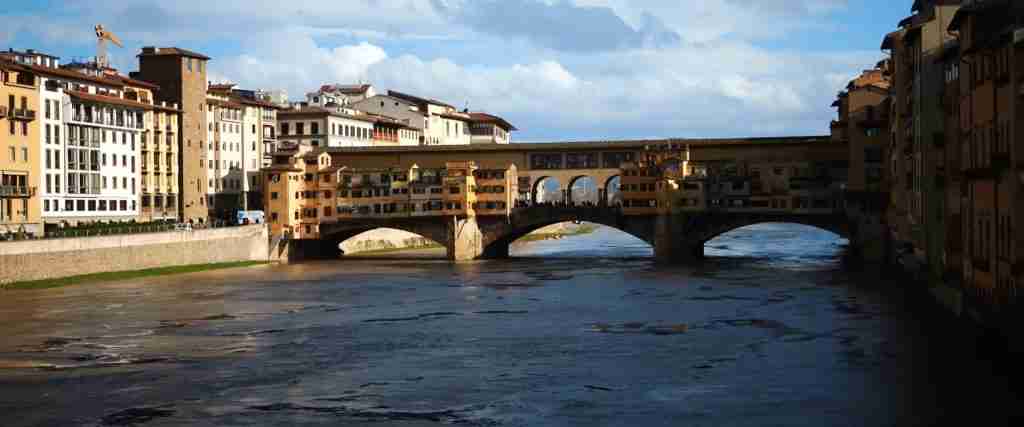
The physical building itself merits architectural attention beyond its function as artwork container. Vasari’s long corridors lined with Roman sculpture busts and ancient torsos create gallery experience predating modern museum design, while the innovative Vasari Corridor—elevated enclosed walkway connecting Uffizi to Pitti Palace across Ponte Vecchio—demonstrates Renaissance engineering solving aristocratic security and convenience requirements. Recent restoration work revealed original frescoed ceilings and architectural details obscured by centuries of modifications, returning galleries to closer approximation of 16th-century appearance when the Medici first displayed their treasures within these spaces.
Essential Masterpieces and Gallery Highlights
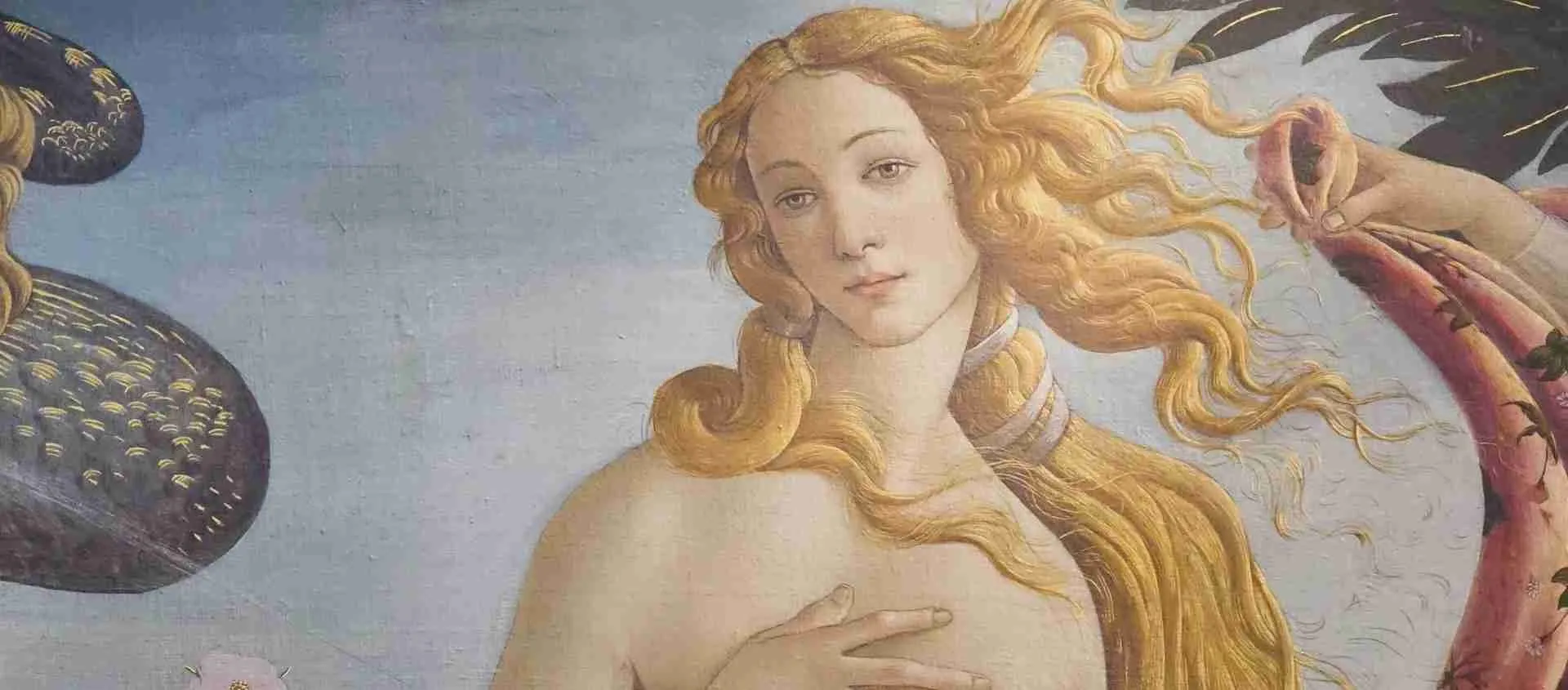
Sandro Botticelli’s Birth of Venus (Room 10) represents Western art’s most iconic image, depicting the goddess emerging from sea foam on a giant scallop shell as winds blow her toward shore while an attendant prepares to clothe her naked form. The painting’s technical innovations—tempera on canvas rather than traditional wood panel, unprecedented scale for mythological subjects, revolutionary classical nude—established new possibilities for Renaissance painting while embodying Neoplatonic philosophy equating physical beauty with spiritual truth. Modern viewers conditioned by countless reproductions may find the original surprisingly delicate, as Botticelli’s gossamer brushwork creates ethereal quality lost in photographic reproduction, with Venus’s flowing hair composed of individual golden strands requiring close examination to appreciate the artist’s meticulous craftsmanship.
Botticelli’s Primavera (Room 10) presents even greater interpretive complexity, assembling mythological figures in garden setting whose precise meaning remains scholarly debate subject despite five centuries of analysis. The central Venus figure presides over scene including Mercury, Three Graces, Zephyr pursuing nymph Chloris who transforms into Flora—allegory possibly celebrating Medici wedding, exploring Neoplatonic philosophy, or depicting seasonal allegory with multiple symbolic layers. The painting’s botanical accuracy—over 500 identifiable plant species including 190 different flowers—demonstrates Botticelli’s observational skills while contributing to the work’s symbolic density, as Renaissance viewers understood floral language conveying meanings beyond mere decoration.
Leonardo da Vinci’s Annunciation (Room 35) showcases the artist’s early mastery combining technical innovation with traditional religious subject matter. The Virgin Mary’s startled reaction to Archangel Gabriel’s announcement demonstrates Leonardo’s interest in human psychology and natural gesture, while the background landscape—departing from conventional gold leaf or abstract settings—displays atmospheric perspective and geological observation predating his mature scientific studies. Modern scholarship attributes only portions of the work to Leonardo’s hand, with workshop assistants completing background and drapery sections under his direction, revealing Renaissance studio practice where master artists designed compositions while apprentices executed less critical elements. The painting’s condition allows close examination of Leonardo’s technique including his characteristic sfumato—subtle gradations eliminating harsh outlines—creating soft modeling impossible to achieve through earlier tempera methods.
Michelangelo’s Doni Tondo (Room 41) constitutes the artist’s only completed easel painting, a circular Holy Family composition demonstrating his sculptural approach to painted figures. The twisting poses and muscular anatomy reflect Michelangelo’s primary identity as sculptor adapting three-dimensional concerns to two-dimensional surface, while the unusual inclusion of nude youths in background sparked scholarly debate about symbolic meaning—possibly representing pagan antiquity contrasting with Christian foreground or prefiguring Christ’s sacrifice. The tondo format—popular for domestic devotional works—creates compositional challenges Michelangelo addresses through spiraling figure arrangement drawing viewer’s eye through circular motion, technical solution influencing later Mannerist painters who adopted his dynamic compositional strategies.
Raphael’s Madonna of the Goldfinch (Room 66) epitomizes High Renaissance balance and harmony, presenting Virgin Mary with infant Christ and young John the Baptist in pyramidal composition achieving perfect equilibrium. The goldfinch Christ holds represents Passion symbolism—legend claimed goldfinches acquired red markings when one removed thorns from crucified Christ’s crown—adding devotional depth to seemingly simple childhood scene. Raphael’s mastery appears in effortless naturalism making divine figures accessible through recognizable human tenderness, contrasting with earlier Byzantine formality or Botticelli’s ethereal idealization, while maintaining spiritual dignity avoiding mere sentimentality.
Caravaggio’s Bacchus (Room 90) revolutionized European painting through dramatic chiaroscuro and unprecedented naturalism depicting mythological wine god as dissolute Roman youth rather than idealized classical figure. The work’s still-life elements—rotting fruit, cloudy wine—introduce decay and imperfection into traditional beauty standards, while Bacchus’s direct gaze challenges viewers with confrontational intimacy shocking contemporary audiences accustomed to aloof classical distance. Caravaggio’s technique eliminating preparatory drawings in favor of painting directly from posed models created spontaneous immediacy while sparking critical controversy about appropriate artistic methodology, debates continuing into modern scholarship examining his radical departures from academic standards.
The Tribuna (Room 18) deserves special attention as the gallery’s architectural and curatorial centerpiece, an octagonal chamber designed specifically to display the Medici’s most prized possessions. The room’s red wall covering, marble inlay floor, and mother-of-pearl encrusted dome create jewel-box setting for rotating selection of masterworks including Medici Venus—ancient sculpture establishing Western beauty standards—and paintings by Raphael, Bronzino, and Pontormo. The Tribuna’s design embodied Renaissance collecting principles treating artwork as precious objects worthy of architectural frame, influencing later gallery design and curatorial display practices emphasizing artwork’s material value alongside aesthetic merit.
Understanding the Gallery Layout and Organization
The Uffizi’s floor plan follows elongated U-shape spanning three floors, with ticket entrance located at eastern end near Via della Ninna creating one-way flow directing visitors through security, cloakroom services, and eventual staircase ascent to exhibition galleries. The ground floor contains administrative offices, temporary exhibition spaces, bookshops, and storage facilities generally closed to public access, while basement level houses additional temporary exhibition areas activated for special shows. The building’s narrow footprint—result of its original construction between existing structures—creates long corridor galleries ideal for chronological artwork display but limiting opportunities for large-scale exhibition rooms or dramatic spatial variations characterizing purpose-built museums.
Second-floor galleries (accessible via grand staircase designed by Vasari or modern elevators for accessibility) contain the collection’s Renaissance core, with Rooms 2-45 proceeding chronologically from 13th-century Byzantine and Gothic works through High Renaissance masterpieces to early Baroque innovations. The eastern corridor displays the oldest works—including Giotto and Duccio establishing Western painting’s foundations—while the route proceeds through early Renaissance rooms (Masaccio, Fra Angelico, Piero della Francesca) toward the gallery’s heart containing Botticelli, Leonardo, and Raphael. The Tribuna marks the chronological and architectural climax before the route continues through Venetian masters (Titian, Veronese), Mannerists (Bronzino, Pontormo), and concluding with Caravaggio and early Baroque works.
First-floor galleries (Rooms 46-98) receive significantly less visitor traffic despite housing important Baroque, foreign schools, and later Renaissance works including Rubens, Rembrandt, and Caravaggio’s mature paintings. This level’s relative emptiness compared to packed second-floor corridors creates opportunities for contemplative viewing and detailed examination impossible in crowded Botticelli rooms, though the displayed works’ art historical significance often proves less immediately accessible to non-specialists than iconic Renaissance masterpieces above. Strategic visitors prioritizing depth over coverage might spend disproportionate time on first floor after efficiently viewing second-floor highlights, enjoying superior viewing conditions while engaging with equally accomplished though less famous paintings.
The gallery’s renovation program continues expanding exhibition space and improving visitor circulation, with recent additions including new rooms for 16th-century Venetian painting, dedicated Caravaggio galleries, and enhanced first-floor access reducing bottleneck conditions on main staircase. Long-term plans envision connecting currently disconnected sections, creating alternative circulation routes reducing one-way-only flow, and expanding facilities including larger cloakrooms, additional restrooms, and improved accessibility features for visitors with mobility limitations or other disabilities.
Ticket Purchasing and Reservation Strategies
Advance online ticket purchase through the official Uffizi website (tickets.uffizi.it) provides guaranteed admission at selected date and time, eliminating same-day ticket queue uncertainty while adding €4 reservation fee to base admission cost. Standard tickets cost €25 enabling access to permanent collections and any included temporary exhibitions, with early morning discount pricing (€19 for entry before 8:55 AM) and afternoon reductions (€16 for admission after 4:00 PM) rewarding off-peak visiting. Check the official website for current rates as pricing may vary. The reservation system operates on timed-entry basis with 15-minute entry windows—8:30 AM slot allows entry 8:30-8:45 AM—requiring punctual arrival as late entrants forfeit admission without refunds.
Booking timing proves critical during peak season (April-October) when preferred morning slots sell out weeks in advance, while shoulder season (November-March) generally permits booking days rather than weeks ahead. Weekend tickets disappear faster than weekday availability regardless of season, with Tuesdays (first day after Monday closures) experiencing heavy demand from visitors whose travel schedules miss Monday’s closure. Strategic booking targets Wednesday or Thursday midmorning (9:00-10:00 AM) slots balancing reasonable wake-up times against crowd avoidance, or late afternoon entries (4:30-5:00 PM) accepting compressed viewing time in exchange for emptier galleries.
Same-day ticket purchase remains possible at physical ticket offices under the Uffizi loggia, though queues extend 60-120 minutes during peak season with no guaranteed admission if daily capacity reaches limits before queue progression. This standby approach suits flexible itineraries accommodating potential multi-hour waits or alternate plans if admission proves impossible, while advance bookers trade €4 fee and schedule commitment for certainty and time efficiency. Combined tickets providing five-day access to Uffizi, Pitti Palace, and Boboli Gardens (€40 total) offer excellent value for comprehensive Medici heritage exploration, though the combination requires multi-day Florence stays rather than single-day museum visits.
Free admission first Sunday monthly attracts maximum crowds with entry queues extending hours and packed galleries diminishing viewing quality, making this economy option worthwhile primarily for budget-constrained travelers accepting degraded experience in exchange for €25 savings. Additional free admission days including April 25 (Liberation Day) and June 2 (Republic Day) create similar crowding challenges. Visitors qualifying for free or reduced admission (EU residents under 18, students under 26, disabled visitors and companions) still benefit from advance reservation (€4 fee applies) securing timed entry rather than competing in free-admission queues.
Optimal Visiting Times and Crowd Management
Early morning entry immediately following 8:15 AM opening delivers optimal visiting conditions combining relatively empty galleries, natural light through eastern-facing windows, and fresh mental energy for aesthetic engagement. The 8:30 AM time slot particularly rewards punctual arrivals, as serious art enthusiasts claiming first entries create respectful quiet atmosphere contrasting with later tour group arrivals around 10:00 AM introducing audio guide commentary, group photography, and guide explanations filling galleries with constant background noise. This early advantage diminishes by 10:30 AM when visitor numbers approach capacity limits and prime viewing positions around major works become contested territory requiring patience and positioning skill.
Late afternoon entries (4:00-5:00 PM) provide secondary optimization delivering reduced crowds as morning visitors depart toward late lunch or other activities, though compressed exploration time before 6:30 PM closure necessitates focused visiting strategies emphasizing essential masterpieces over comprehensive coverage. The final admission slot (5:30 PM) creates rushed experience suitable only for visitors content with abbreviated highlight tour, as gallery staff begin encouraging exit movement by 6:15 PM in preparation for closing procedures. Tuesday evening extension (open until 9:30 PM) alleviates afternoon time pressure, though this extended schedule applies only one day weekly requiring timing flexibility most travelers lack.
Seasonal patterns significantly influence crowd density beyond simple visitor number fluctuations. Summer months (June-August) bring tour bus groups, cruise ship passengers, and school groups creating maximum congestion particularly in Botticelli rooms where multiple guide-led groups converge simultaneously creating human traffic jams. Spring shoulder season (April-May) maintains substantial visitor numbers without peak summer density, while autumn (September-October) provides comfortable viewing conditions as summer crowds dissipate before winter tourism declines. Winter visiting (November-March) delivers lightest crowds and shortest queues offset by reduced daylight hours, colder gallery temperatures (historic buildings lack modern climate control), and occasional gallery closures for maintenance or special events.
Within-gallery navigation strategies minimize time wasted in crowded rooms while maximizing engagement with personal priority works. Strategic visitors entering at opening immediately proceed to second-floor Botticelli rooms (10-14) claiming prime viewing positions before crowds accumulate, then retreat to earlier chronological rooms (2-9) exploring Gothic and early Renaissance works after establishing Botticelli experience. This reverse-chronology approach frontloads essential masterpieces while using quieter sections to decompress from crowded celebrity rooms, preventing exhaustion from continuous jostling and position-claiming. Alternative strategies target different essential works—Leonardo, Raphael, or Caravaggio depending on preference—before proceeding chronologically through remaining collections.
Guided Tours versus Independent Visiting
Professional guided tours transform artwork appreciation from visual experience to comprehensive cultural education, as expert guides contextualize individual paintings within Renaissance philosophy, Medici political ambitions, artistic competitions, and technical innovations invisible to untrained observation. Standard 2-hour group tours (15-25 participants) focus on greatest hits—Botticelli, Leonardo, Michelangelo, Raphael—providing historical background, iconographic analysis, and technique explanation while maintaining reasonable pacing preventing both rushed superficiality and exhausting comprehensiveness. The guided approach benefits first-time visitors lacking art history background, as contextual information illuminates symbolic meanings, stylistic innovations, and historical significance that remain opaque when encountering unfamiliar works independently.
Private tours (2-4 hour duration, 1-8 participants) enable customized pacing, specialized focus, and intimate engagement impossible in standard groups, though premium pricing (€200-400 depending on duration and participant number) limits accessibility to budget-conscious travelers. This exclusive format rewards serious art enthusiasts with specific interests—Mannerist painting, Flemish portraiture, Renaissance workshop practices—allowing expert guides to adapt commentary toward specialized topics rather than general audience overviews. The ability to adjust pacing proves particularly valuable, as engaged visitors can extend time discussing particular works while quickly passing less interesting rooms, optimization impossible when following fixed group schedules.
Audio guide rental (€6) provides economical middle path combining expert commentary with self-guided flexibility, offering 60+ selected masterpieces explained through 5-8 minute recordings covering historical context, artistic technique, and symbolic interpretation. The format’s advantages include pausable commentary allowing extended personal viewing after information absorption, repeatable tracks enabling reinforcement or clarification, and language options (Italian, English, French, Spanish, German, Portuguese, Russian, Japanese) accommodating international visitors. However, audio guides lack spontaneous question-answering, cannot adapt to individual interests or knowledge levels, and require navigation matching numbered artworks to device menu creating occasional confusion.
Independent visiting maximizes freedom and personal pacing while demanding greater preparation and art historical knowledge for meaningful engagement. Well-prepared visitors armed with guidebooks, scholarly apps, or pre-visit research can create customized experiences targeting personal interests, spending hours examining favorite works while bypassing less appealing rooms, flexibility impossible when following guide-determined itineraries. This approach rewards art history enthusiasts, repeat visitors deepening previous experiences, and independent learners preferring solitary contemplation over group dynamics. The lack of expert interpretation means missing contextual information and symbolic meanings, though some visitors find this limitation acceptable or even preferable when prioritizing aesthetic experience over academic understanding.
Photography, Regulations, and Gallery Etiquette
Photography regulations permit non-commercial personal use without flash, tripods, selfie sticks, or equipment requiring setup beyond handheld cameras and smartphones, creating balance between visitor documentation desires and artwork preservation requirements. The no-flash rule protects light-sensitive pigments from cumulative photodamage while preventing distraction to other visitors through sudden bright bursts during contemplative viewing, though enforcement challenges arise from automatic camera settings defaulting to flash in low-light conditions requiring manual override. Museum guards monitor compliance actively, immediately stopping visitors who activate flash photography though tolerating accidental isolated flashes from unfamiliar camera operation rather than intentional repeated violations.
The selfie stick prohibition addresses both practical safety concerns—extended poles risking accidental artwork contact or visitor collision in crowded galleries—and experiential quality degradation as selfie-focused visitors obstruct sight lines while prioritizing personal photography over actual artwork engagement. This equipment ban extends to tripods, monopods, and any stabilization devices beyond handheld operation, preventing both professional photography requiring separate authorization and amateur attempts at long-exposure or specialized techniques creating obstacles in circulation spaces. Skilled smartphone photographers can capture quality images using proper stabilization techniques and available light, while dedicated camera users benefit from higher ISO capabilities and manual exposure control compensating for restricted equipment options.
Cloakroom regulations prohibit large bags, backpacks exceeding 30x30x15 cm, umbrellas, and bulky items in exhibition galleries, requiring storage in free mandatory cloakrooms located near entrance areas. This policy protects artworks from accidental contact as visitors navigate crowded spaces, prevents theft opportunities from unsecured bags, and improves visitor comfort by eliminating shoulder-borne burdens during extended walking. Strategic visitors pack minimal essentials—water bottle, small camera, phone—in pockets or small purses avoiding cloakroom lines and retrieval delays, though valuable items should never be left in checked bags despite cloakroom attendant supervision as the gallery assumes no responsibility for stored property loss or damage.
Gallery etiquette expectations include maintaining reasonable distance from artworks (minimum 30-40 cm preventing accidental contact), minimizing noise through lowered voices and silenced phone ringers, avoiding blocking sightlines during photography or extended contemplation, and respecting other visitors’ viewing experiences through awareness and consideration. Children accompanying families should receive age-appropriate behavioral guidance emphasizing walking pace over running, inside voices, and respectful distance from art and other visitors. Food and drink consumption remains prohibited throughout exhibition galleries with water bottles representing sole exception, requiring visitors to utilize designated café areas for refreshment breaks.
Accessibility and Visitor Services
Wheelchair accessibility throughout the Uffizi has improved substantially through recent renovations installing elevators, entrance ramps, and accessible restrooms, though the historic building’s inherent architectural constraints create some limitations compared to purpose-built modern museums. The main accessible entrance via Door 1 near Via della Ninna provides ramped access bypassing stairs, while elevators transport mobility-limited visitors to second-floor exhibition galleries eliminating staircase requirements. Wheelchair users can navigate most gallery spaces independently, though some narrow corridor sections and crowded rooms during peak periods create challenging conditions requiring patience and assistance.
Visitors with disabilities and necessary companions receive free admission upon presentation of appropriate documentation, with advance reservation (standard €4 fee applies) securing timed entry avoiding queues and capacity limitations. Guide dogs and certified assistance animals access galleries when identified with proper documentation, while service animal facilities including relief areas and water provisions address extended visit requirements. Audio descriptions for visually impaired visitors and tactile reproductions of selected artworks enable non-visual engagement, though these services require advance arrangement through gallery administration rather than walk-in availability.
Family amenities include baby-changing facilities near café area, nursing rooms providing private comfortable space, and stroller storage at cloakrooms (strollers prohibited in galleries due to space constraints and artwork protection). Children under 18 receive free admission though advance reservation remains recommended during busy periods, with family tickets (two adults plus children) providing no additional financial benefit beyond accumulated individual free minor entries. Educational programs targeting school groups and families operate seasonally, offering age-appropriate guided tours and hands-on activities introducing art appreciation concepts through engagement rather than passive viewing.
Café facilities located on gallery’s second floor provide refreshment opportunities with terrace seating offering Arno River and Ponte Vecchio views, though pricing reflects tourist-destination captivity rather than local value (€5-8 coffee, €10-15 light meals). Strategic visitors may prefer completing gallery exploration before seeking external café options in surrounding streets offering superior value and authentic Florentine atmosphere, though the convenience and rest opportunity justify premium pricing for travelers prioritizing comfort over economy. Restroom facilities exist throughout the complex though sometimes prove challenging to locate, with ground-floor facilities near entrance serving as most reliable option before ascending to exhibition levels.
Beyond the Uffizi: Combined Tickets and Connected Collections
The combined five-day ticket (€40) provides admission to Uffizi, Pitti Palace, and Boboli Gardens creating comprehensive Medici heritage experience spanning Florence’s premier museum complex. This ticket format suits multi-day Florence visitors planning thorough art museum engagement, as the three properties contain complementary collections impossible to experience comprehensively in single visits. Pitti Palace’s Palatine Gallery continues the Uffizi’s narrative into High Renaissance and Baroque periods with masterworks by Raphael, Titian, Rubens, and Caravaggio displayed in sumptuous grand ducal apartments preserving original decoration and furnishings. The combination enables thematic exploration—Renaissance portraiture, baroque religious painting, Medici collecting patterns—across multiple venues revealing collection depth impossible to appreciate in isolated single-museum visits.
Boboli Gardens behind Pitti Palace constitute Renaissance landscape architecture masterpiece containing sculpture collections, grottos, and fountains within 11-acre terraced gardens ascending hillside toward Forte Belvedere. The gardens demonstrate Medici power projection through landscape manipulation, water engineering, and classical sculpture display, complementing picture gallery understanding of family cultural ambitions and aesthetic preferences. Combined ticket holders can design multi-day itineraries balancing intensive art viewing with garden strolling, preventing museum fatigue through alternating enclosed gallery experiences with outdoor sculpture garden exploration.
The Vasari Corridor—elevated enclosed walkway connecting Uffizi to Pitti Palace crossing Ponte Vecchio—reopened in late 2024 after extensive restoration requiring separate €47 ticket beyond standard Uffizi admission. This kilometer-long passage originally enabling Medici movement between residences without street-level exposure now displays the gallery’s self-portrait collection including works by Rembrandt, Rubens, Ingres, and numerous other masters who contributed self-representations to the collection. The corridor experience combines architectural interest—unique views across Arno, above Ponte Vecchio shops—with concentrated portraiture collection revealing artistic self-presentation across four centuries of European painting.
PassePartout annual memberships (€65 individual, €110 family) provide unlimited year-round access to all Uffizi Galleries properties plus priority entrance bypassing ticket queues and reservation requirements. This format rewards Florence residents, extended visitors, or frequent travelers returning to the city regularly, as the unlimited access enables relaxed visiting patterns focusing on individual rooms or specific works rather than attempting comprehensive coverage in single visits. Annual pass holders might visit weekly or monthly engaging deeply with rotating exhibitions, newly acquired works, or personal favorite rooms rather than treating museum visits as one-time tourist obligations requiring exhaustive coverage.
Historical Context and Medici Legacy
Understanding the Medici family’s role in art patronage and collecting illuminates why the Uffizi contains its particular masterworks and how Florence became Renaissance art’s epicenter. The family’s rise from merchant banking origins to political dominance across three centuries (1434-1737) created economic resources, cultural ambitions, and political motivations driving systematic art patronage transforming Florence into European cultural capital rivaling Venice and Rome. Cosimo de’ Medici’s architectural commissions, Lorenzo the Magnificent’s poet and scholar patronage, and successive generations’ diplomatic art acquisitions assembled collections demonstrating both aesthetic discernment and political calculation as artworks signified refinement, wealth, and cultural sophistication essential to aristocratic legitimacy.
The Medici patronage network extended beyond simple financial support to active collaboration influencing artistic direction, subject selection, and stylistic innovation. Lorenzo commissioned Botticelli’s mythological allegories serving Neoplatonic philosophical agendas, while Cosimo I’s administrative building program engaging Vasari created the Uffizi itself as artistic-architectural fusion. This patron-artist relationship generated masterworks through creative dialogue rather than mere financial transaction, as Medici family members possessed sufficient education and aesthetic refinement to engage substantively with artistic questions rather than passive acceptance of finished productions.
The family pact of 1743—Anna Maria Luisa de’ Medici’s bequest stipulating permanent Florence retention—represented revolutionary concept treating cultural heritage as public trust rather than transferable private property. This precedent establishing art collections as civic resources benefiting residents and visitors rather than aristocratic luxury goods influenced later museum development across Europe and America, as Enlightenment democratic ideals extended beyond political representation to cultural access. The Uffizi’s transformation from exclusive Medici gallery to public museum pioneered educational missions and curatorial practices characterizing modern museums, including chronological organization, scholarly cataloging, and conservation programs protecting artworks for future generations.
Contemporary scholarship continues revealing new insights into collection formation, artistic attribution, and historical context through archival research, technical analysis, and art historical reassessment. Recent discoveries include previously unknown workshop collaborations, revised attributions based on scientific examination, and documentary evidence clarifying commission circumstances or symbolic meanings. This ongoing research ensures the Uffizi remains active scholarly resource rather than static historical monument, as each generation contributes new knowledge enriching understanding of Renaissance artistic achievement and Medici cultural legacy.
Frequently Asked Questions
Do I need to book Uffizi tickets in advance?
Advance booking proves essential during peak season (April-October) when same-day ticket availability becomes unreliable and standby queues extend 60-120 minutes, while shoulder and low seasons (November-March) permit more flexible approaches though advance reservation still provides time efficiency and stress reduction benefits. The €4 reservation fee represents worthwhile investment considering guaranteed admission at preferred times, eliminated queue uncertainty, and recovered time available for additional Florence exploration rather than wasted standing in ticket lines. Strategic booking targets preferred time slots weeks in advance during summer peak, days ahead during shoulder periods, with same-day availability sometimes possible winter months outside major holidays. Weekend tickets sell out faster than weekdays regardless of season, while morning slots disappear more quickly than afternoons reflecting popular preference for early starts. Visitors with inflexible travel schedules or specific time requirements should always book advance regardless of season, while flexible travelers willing to accommodate available times or accept potential queue delays might pursue same-day tickets during November-March when visitor numbers decline substantially from summer peaks.
How long does it take to see the Uffizi Gallery?
Meaningful Uffizi engagement requires minimum 90 minutes for focused highlights tour targeting essential masterpieces (Botticelli, Leonardo, Raphael, Michelangelo, Caravaggio), though 2.5-3 hours enables comprehensive second-floor Renaissance gallery coverage with selective first-floor Baroque exploration avoiding exhausting attempts to examine all 1,500 displayed works. Art history enthusiasts or repeat visitors seeking thorough engagement can justify 4-5 hour visits enabling detailed examination of secondary works, Mannerist collections, foreign schools, and sculpture corridors receiving less attention during standard visits, though such extended engagement proves fatiguing for most travelers and risks aesthetic oversaturation diminishing appreciation. The gallery’s linear layout requires walking past numerous rooms regardless of viewing intentions, making abbreviated sub-90-minute visits impractical as corridor navigation alone consumes 30-45 minutes before accounting for actual artwork engagement. Strategic time allocation varies by personal interests—devotees of specific artists or periods might spend disproportionate time in relevant rooms while quickly passing less interesting sections, while first-time visitors benefit from balanced chronological progression observing artistic evolution across Renaissance development. Guided tours typically run 2-2.5 hours providing expert commentary on essential works without attempting comprehensive coverage, representing reasonable middle ground between rushed highlights and exhaustive completeness.
Can you bring bags into the Uffizi Gallery?
Small bags and purses under 30x30x15 cm dimensions access exhibition galleries without restriction, while larger backpacks, luggage, umbrellas, and bulky items require mandatory free storage in cloakrooms located near entrance areas. This policy protects artworks from accidental contact as visitors navigate crowded galleries, improves visitor comfort by eliminating carried burdens during extended walking, and prevents theft opportunities from unsecured bags in crowded spaces. The cloakroom storage proves secure and professionally operated though the gallery assumes no liability for lost or damaged items, making valuable possessions better kept in small purses or pockets rather than checked bags. Strategic packing minimizes cloakroom interaction by limiting carried items to essentials—small camera, phone, water bottle, minimal personal effects—fitting pockets or qualifying small bags, though winter visits requiring coats and layers may necessitate storage regardless of planning. Cloakroom queues extend during peak entry periods (9:00-11:00 AM) creating 10-20 minute delays, while early arrivals or afternoon entries typically enable immediate service. The mandatory nature means no negotiation or exceptions, so visitors arriving with oversized bags must use storage facilities before gallery access, requiring time budget accommodation for retrieval delays particularly during rush exit periods when cloakroom queues reform as morning visitors depart simultaneously.
Is the Uffizi Gallery worth visiting?
The Uffizi Gallery merits visiting priority for virtually every Florence traveler given its unmatched concentration of Italian Renaissance masterpieces, comprehensive artistic narrative spanning Western art’s most influential period, and irreplaceable masterworks including Botticelli’s Birth of Venus and Primavera found nowhere else globally. The gallery experience proves transformative for art enthusiasts encountering iconic works previously known only through reproduction, as scale, color saturation, brushwork detail, and physical presence create understanding impossible via photographic mediation. Even casual tourists with limited art interest benefit from exposure to defining cultural achievements shaping Western aesthetic standards, while the building’s architecture and Medici heritage provide historical context beyond pure artistic appreciation. The combination of individual masterwork quality, collection comprehensiveness, chronological organization, and historical significance creates museum experience rivaling the Louvre, Prado, or National Gallery as essential cultural destination rather than optional attraction. Budget travelers concerned about €25-29 admission cost (including reservation fee) should recognize the value proposition—world-class art collection, 2-4 hour engagement, singular masterworks—comparing favorably to commercial entertainment or tourist attractions offering less substantial cultural value at similar or higher costs. The primary visiting challenge stems from crowd management rather than collection quality, as peak season congestion can diminish aesthetic enjoyment through constant jostling and sight-line competition, making timing optimization essential for maximizing the unquestionably worthwhile experience.
What is the dress code for the Uffizi Gallery?
No formal dress code restricts Uffizi access beyond basic decency expectations prohibiting bare feet, exposed torsos, or extremely abbreviated clothing inappropriate for public cultural institutions, with enforcement remaining minimal except for flagrant violations. The gallery functions as working museum rather than religious site, eliminating strict shoulder covering or leg concealment requirements applied at Florence’s churches and cathedrals, though visitor comfort suggests avoiding overly casual beachwear or athletic clothing both for aesthetic appropriateness and practical temperature regulation. Gallery climate control maintains moderate temperatures year-round (18-20°C) regardless of exterior weather, making layered clothing optimal for adjusting to microclimate variations between different exhibition spaces and outdoor corridor sections. Comfortable walking shoes prove essential given 2-4 hour visits involving extensive standing and walking across marble floors, with fashion footwear creating discomfort and fatigue diminishing aesthetic engagement. Winter visits benefit from easily removable layers accommodating cloakroom storage and gallery temperatures warmer than exterior conditions, while summer arrivals should consider light long sleeves protecting against gallery air conditioning potentially feeling cold after exterior heat exposure. The absence of formal restrictions means travelers can prioritize comfort over formality without access denial, though maintaining respectful appearance befitting cultural institution shows consideration for artwork gravitas and fellow visitors’ aesthetic experience.
Can you visit the Uffizi Gallery with children?
Children of all ages access the Uffizi freely (free admission under 18) though the gallery’s focus on Renaissance painting and sculpture, extended viewing requirements, and behavioral expectations create challenges for young visitors lacking art interest or unable to maintain quiet respectful conduct during multi-hour visits. Well-prepared families can create engaging experiences for school-age children (7+) through age-appropriate preparation including storybooks about Renaissance artists, mythology education enabling symbolic recognition in paintings, or scavenger hunt games identifying specific artworks or details. The gallery’s educational programs and family-oriented tours (advance booking required) adapt content for younger audiences through interactive activities and simplified explanations maintaining interest while introducing art appreciation concepts. Practical considerations include stroller prohibition in galleries (strollers stored at cloakrooms with baby carriers permitted), baby-changing facilities near café area, and nursing room availability, while exhibited nude artwork reflecting Renaissance classical sensibilities may spark questions requiring parental judgment about age-appropriate explanations. Strategic families target morning visits when children’s energy and attention peak, plan shorter 90-minute highlight tours rather than comprehensive attempts risking exhaustion and behavioral deterioration, and schedule museum visits between other more physically active Florence attractions breaking up sedentary viewing with outdoor exploration. Extremely young children (under 5) typically prove inappropriate for Uffizi visits given length requirements, quiet expectations, and minimal interactive elements, with parents better advised to pursue child-care arrangements enabling adult-only museum engagement or postpone visits until children reach more suitable ages for appreciating cultural institutions.
What are the must-see paintings at the Uffizi Gallery?
Essential Uffizi masterpieces requiring viewing regardless of time constraints include Botticelli’s Birth of Venus and Primavera (Room 10) representing Renaissance’s most iconic images, Leonardo da Vinci’s Annunciation (Room 35) demonstrating the master’s early genius, Michelangelo’s Doni Tondo (Room 41) showcasing his sculptural painting approach, and Raphael’s Madonna of the Goldfinch (Room 66) epitomizing High Renaissance harmony. Beyond these canonical works, Caravaggio’s Bacchus (Room 90) revolutionized European painting through dramatic naturalism, Titian’s Venus of Urbino (Room 83) established modern female nude traditions, while the Tribuna (Room 18) octagonal gallery presents the Medici collection’s jewel-box centerpiece including ancient Medici Venus sculpture. Additional recommendations for available time include Giotto’s Ognissanti Madonna (Room 2) establishing Renaissance painting foundations, Piero della Francesca’s Duke and Duchess of Urbino portraits (Room 8) demonstrating early Renaissance portraiture, Fra Filippo Lippi’s Madonna and Child with Angels (Room 8) introducing human warmth to religious imagery, and Pontormo’s Deposition (Room 65) representing Mannerist innovation. The chronological gallery organization means comprehensive viewing naturally encounters these masterworks along prescribed route, though strategic visitors might prioritize Botticelli rooms immediately after entry before crowds accumulate, then proceed to secondary priorities based on remaining time and energy. Quality guidebooks or museum audio guides identify additional treasures beyond most famous works, rewarding thorough exploration with discoveries of accomplished though less celebrated paintings deserving extended attention despite lacking Birth of Venus’s universal recognition.
How early should I arrive at the Uffizi Gallery?
Arriving 15-20 minutes before scheduled entry time enables comfortable security screening, cloakroom storage if necessary, and punctual entrance within the 15-minute admission window beginning at reserved time, while earlier arrivals create unnecessary waiting as entry before scheduled slot remains prohibited except during low-season when capacity permits flexible early admission. The timed-entry system creates entry windows rather than fixed moments—8:30 AM reservation allows entrance 8:30-8:45 AM—requiring arrival providing sufficient buffer for security lines (typically 5-10 minutes though extending to 20-30 minutes during peak morning rush) and cloakroom queues without risking late entry forfeiting admission. Strategic visitors targeting 8:30 AM opening slot should arrive 8:15-8:20 AM claiming first-in-line positions for maximum early gallery access, while later morning or afternoon arrivals face lighter security queues permitting more relaxed 10-15 minute advance arrival. Same-day ticket purchasers without advance reservation require significantly earlier arrival to join physical ticket office queues, potentially 60-120 minutes before desired entry time during peak season ensuring queue progression reaches ticket purchase before capacity limits close sales. The entrance process involves security screening similar to airport procedures including bag examination and metal detection, followed by ticket verification and potential cloakroom storage creating cumulative time requirements before actual gallery access. Late arrivals missing scheduled entry windows forfeit tickets without refunds, making punctuality essential and buffer time prudent particularly for visitors unfamiliar with Florence navigation or prone to optimistic transit timing estimates.
Is photography allowed in the Uffizi Gallery?
Non-commercial personal photography remains permitted throughout Uffizi galleries without flash, tripods, selfie sticks, or stabilization equipment beyond handheld cameras and smartphones, enabling visitors to document experiences and create personal artwork records while protecting light-sensitive pigments from flash damage and preventing equipment-created obstacles in crowded spaces. The no-flash prohibition protects Renaissance tempera and oil paintings from cumulative light exposure while eliminating distraction to other visitors through sudden bright bursts during contemplative viewing, though enforcement challenges arise from automatic camera settings requiring manual override in low-light galleries. Museum guards monitor photography compliance actively, immediately stopping flash usage while tolerating accidental isolated flashes from unfamiliar equipment operation rather than intentional repeated violations. Smartphone photographers can capture quality images using available light and digital stabilization, while dedicated camera users benefit from higher ISO capabilities and manual exposure control compensating for restricted equipment and artificial lighting limitations. The policy balancing documentation desires against preservation requirements and visitor experience protection proves more permissive than some European museums completely prohibiting photography, though less liberal than institutions allowing tripod and flash usage with appropriate permissions. Strategic photographers research optimal camera settings for museum lighting conditions, arrive during favorable natural light periods (morning eastern-facing galleries receive substantial window light), and accept that some dimly-lit rooms produce challenging photography conditions requiring technical skills or post-processing expertise for satisfactory results.
Can you leave and re-enter the Uffizi Gallery?
The Uffizi operates on single-entry admission prohibiting exit and re-entry, requiring visitors to complete entire museum experience in continuous visit without external breaks for meals, shopping, or other activities, though internal café facilities provide refreshment opportunities without leaving museum premises. This policy prevents ticket sharing, maintains accurate visitor counts for capacity management, and simplifies security procedures by creating clear entry-exit separation, while encouraging thorough single-visit engagement rather than fragmented multiple-entry patterns. Strategic visitors should plan accordingly by eating substantial pre-visit meals, using restroom facilities before entry, and completing any external errands or activities before museum arrival, as exiting for forgotten items, meal breaks, or fatigue recovery forfeits remaining access without refund or replacement. The internal café located on second floor with terrace views provides coffee, snacks, and light meals (€5-15 price range) enabling mid-visit refreshment without leaving museum, though premium tourist-location pricing exceeds nearby external café value. Visitors discovering unanticipated time constraints, family emergencies, or other circumstances requiring early departure forfeit unused portions without compensation, making realistic visit duration planning essential particularly for families with young children or travelers with uncertain schedules. The combined five-day ticket partially addresses re-entry limitations by enabling multiple separate visits across different days, though within single-day visits the no re-entry policy remains absolute regardless of circumstances or extenuating factors.