
Visiting the Leaning Tower of Pisa: Complete Guide
The Leaning Tower of Pisa stands as one of the world’s most recognizable architectural icons, drawing millions of visitors annually to its remarkable tilted silhouette in Tuscany’s heart. This medieval campanile offers not merely the famous photographic opportunity but a profound journey through engineering ambition, medieval artistry, and the enduring beauty of Romanesque design. This guide provides comprehensive information about experiencing this UNESCO World Heritage Site, from practical climbing logistics to understanding the cultural significance that has captivated travelers for centuries.
Key Takeaways About the Leaning Tower of Pisa
- Advance Ticket Reservations Essential: The tower operates on strict timed entry with limited capacity of 45 visitors every 30 minutes, making online booking mandatory during most periods and strongly recommended year-round to guarantee your preferred time slot.
- Physical Climb Requirements: Climbing involves ascending 294 narrow, uneven spiral steps through an enclosed staircase without elevators, taking approximately 30 minutes round-trip, with restrictions prohibiting children under 8 years old from entry for safety reasons.
- UNESCO World Heritage Complex: The tower forms part of the Piazza dei Miracoli (Piazza del Duomo), inscribed as a UNESCO World Heritage Site in 1987 alongside the Cathedral, Baptistery, and Camposanto, representing four masterpieces of medieval architecture.
- Architectural Marvel Beyond the Tilt: Constructed over 199 years from 1173 to 1372 in Romanesque style, the 56-meter freestanding bell tower features eight stories of elegant white marble arcades with 207 columns, serving as the cathedral’s campanile rather than a standalone monument.
- Comprehensive Monument Complex: A complete visit extends beyond the tower to explore the entire Piazza dei Miracoli, where combination tickets provide access to the Cathedral (free with tower ticket), Baptistery, Camposanto cemetery, and various museums showcasing Pisan artistic heritage.
- Year-Round Accessibility with Seasonal Variations: The tower maintains daily operations throughout the year with extended summer hours (8:30 AM to 8:30 PM or 10:00 PM in peak season) and reduced winter schedules (9:00 AM to 6:00 PM), requiring visitors to check specific seasonal timetables when planning.
People Also Ask About Visiting the Leaning Tower of Pisa
Why Does the Leaning Tower of Pisa Lean and Is It Safe to Climb?
The Leaning Tower of Pisa tilts approximately 4 degrees due to unstable subsoil composed of clay, fine sand, and shells beneath a mere 3-meter foundation, which caused subsidence on the south side beginning almost immediately after construction commenced in 1173. The tilt became apparent by 1178 when builders had completed only the second floor, forcing a century-long construction halt as the Republic of Pisa engaged in continuous military conflicts. Medieval engineers attempted to compensate for the lean by constructing upper floors with one side taller than the other, creating the tower’s characteristic curved appearance. Modern engineering interventions between 1990 and 2001 reduced the lean by approximately half a degree through soil extraction from beneath the north foundation, stabilizing the structure for an estimated 200 to 300 years without additional corrections. The tower has survived four major earthquakes throughout its history and remains completely safe for visitors, with comprehensive structural monitoring systems continuously assessing its stability.
How Much Does It Cost to Climb the Leaning Tower of Pisa?
Climbing the Leaning Tower of Pisa costs €20 for adults, with all visitors regardless of age paying the full price except disabled visitors and their helper who receive free admission upon presentation of suitable certification. The tower ticket includes complimentary entry to the Cathedral of Santa Maria Assunta, while children under 8 years old are not permitted to climb the tower for safety reasons, though they may visit other monuments in the Piazza dei Miracoli complex with reduced-price tickets. Combination tickets offering access to multiple monuments provide better value for visitors planning to explore the Baptistery (separate ticket required), Camposanto cemetery, Sinopie Museum, and Opera del Duomo Museum, with these additional sites available at varying price points. The official Opera della Primaziale Pisana website serves as the authoritative booking source, though reputable third-party platforms also offer reservation services, sometimes including guided tour packages. All purchases require credit card payment in euros, with tickets delivered as PDF attachments via email that visitors present either printed or on mobile devices at the entrance.
What Is the Best Time of Day to Visit the Leaning Tower of Pisa?
Early morning visits immediately following opening hours (8:30 AM to 9:00 AM depending on season) offer the most peaceful experience with fewer crowds, cooler temperatures for the climb, and superior lighting conditions for photography as morning sun illuminates the tower’s white marble facade from the east. Late afternoon time slots approximately 90 minutes before closing similarly provide reduced crowding, particularly on weekdays outside peak summer months, with warm golden-hour lighting enhancing photographic opportunities though summer heat may intensify the physical climb. Midday visits during high season (June through August) present maximum crowding throughout the piazza, intense sun creating harsh shadows for photography, and elevated temperatures inside the tower’s enclosed staircase, making these hours less comfortable despite offering immediate availability when earlier slots sell out. Sunset visits during summer’s extended hours (tower closes as late as 10:00 PM in peak season) create magical atmospheric conditions but require pre-booking well in advance as these romantic time slots sell out rapidly, especially during weekends and Italian holiday periods. Winter visiting offers the advantage of smaller crowds and cooler climbing conditions, though reduced daylight hours and earlier closing times (as early as 5:00 PM in December-January) limit scheduling flexibility.
Can You Visit the Leaning Tower of Pisa Without Booking in Advance?
Visiting the Leaning Tower without advance booking is technically possible as same-day tickets can occasionally be purchased at the on-site ticket office in Piazza del Duomo, but this approach carries substantial risk of finding all time slots fully booked, particularly during peak tourist season from April through October when the tower regularly sells out days or weeks in advance. Travelers arriving without reservations should proceed directly to the ticket office upon reaching Pisa to check same-day availability, understanding that even if tickets remain available, offered time slots may fall hours later in the day, disrupting itinerary plans and potentially forcing extended waiting periods in the piazza. The official Opera della Primaziale Pisana booking system releases tickets up to 90 days in advance (20 days during certain periods), enabling prudent travelers to secure preferred dates and times well before departure, especially critical for visitors with limited time in Pisa or those traveling during high season, Italian holidays, or summer weekends. Walk-up availability improves considerably during low season (November through February excluding Christmas-New Year period) and on weekdays, though even winter months see significant visitor numbers given the tower’s global iconic status. For travelers unable to book 90 days ahead, checking availability one to two weeks before visiting typically succeeds for low-season travel, while high-season visitors should book the moment tickets become available to secure preferred time slots.
Extended multi-day tours – 5+ days
Featured Pisa Multi-Day Tour Packages
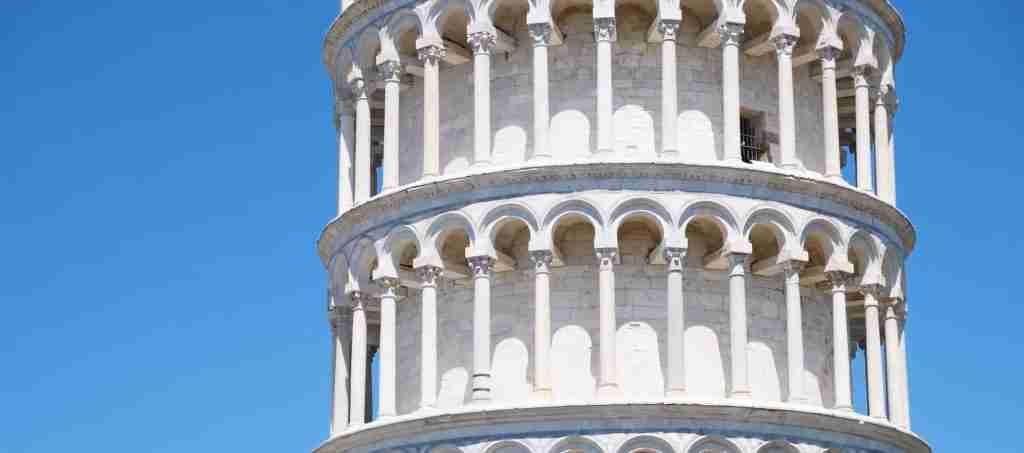
3 days
Pisa 3-Day Discovery Tour
- ✓ Comprehensive Pisa experience
- ✓ Expert local guides included
- ✓ All accommodation included
- ✓ Transportation provided
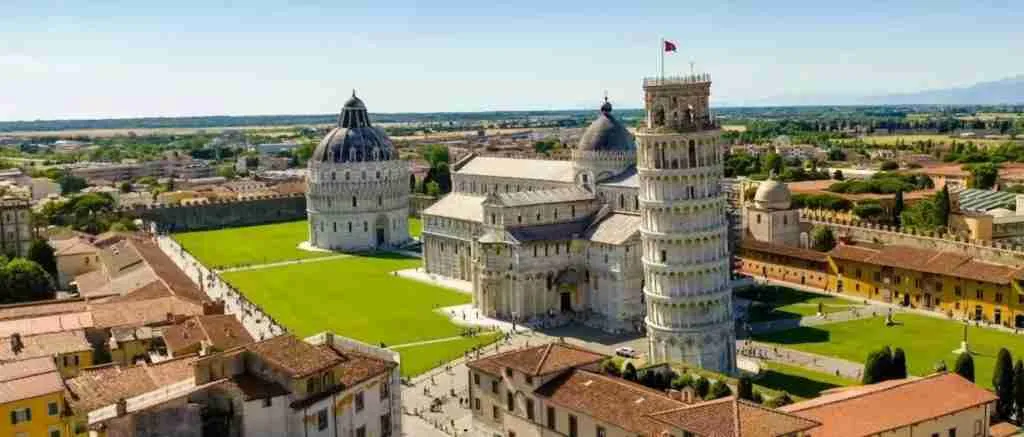
5 days
Pisa 5-Day Highlights Experience
- ✓ Comprehensive Pisa experience
- ✓ Expert local guides included
- ✓ All accommodation included
- ✓ Transportation provided
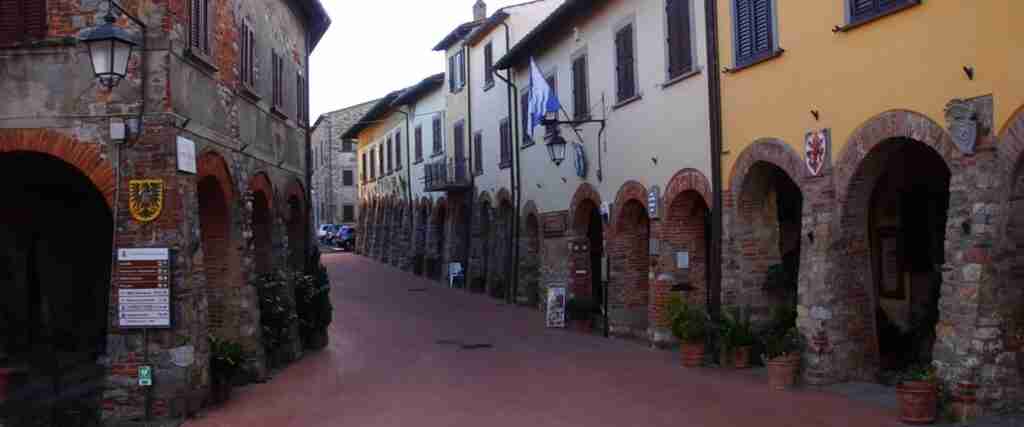
7 days
Pisa 7-Day Cultural Journey
- ✓ Comprehensive Pisa experience
- ✓ Expert local guides included
- ✓ All accommodation included
- ✓ Transportation provided
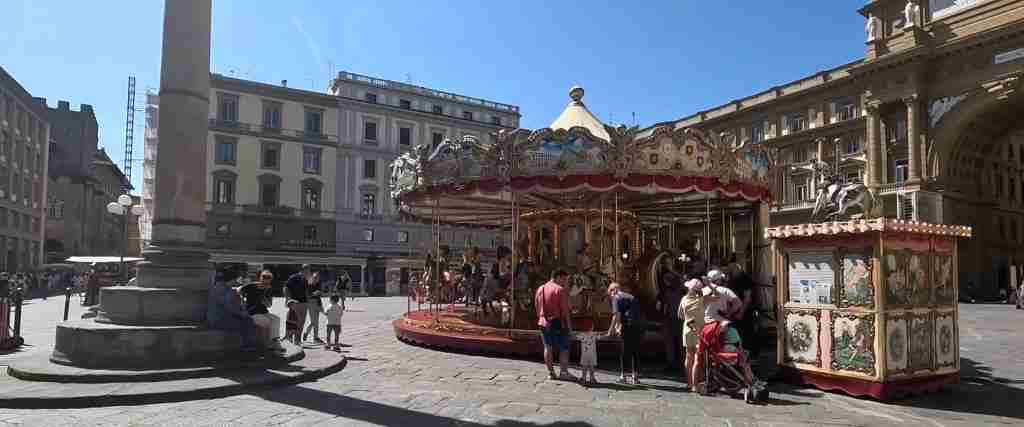
10 days
Pisa 10-Day Complete Adventure
- ✓ Comprehensive Pisa experience
- ✓ Expert local guides included
- ✓ All accommodation included
- ✓ Transportation provided
Multi-day tour packages powered by TourRadar. Prices and availability subject to change.
Introduction: Understanding the Leaning Tower’s Significance
The Leaning Tower of Pisa represents far more than its famous tilt suggests, serving as the freestanding campanile (bell tower) of Pisa Cathedral within the extraordinary Piazza dei Miracoli, a UNESCO World Heritage Site since 1987 recognized as containing four absolute masterpieces of medieval architecture. This 56-meter Romanesque tower began construction in 1173 during the height of the Pisan Maritime Republic’s power and wealth, intended to showcase the city’s prestige through elegant white marble arcades that echo the cathedral’s architectural motifs across eight stories of progressively refined design. What medieval builders conceived as a vertical expression of spiritual aspiration became instead an unintended demonstration of engineering perseverance when unstable subsoil caused the structure to tilt during construction’s earliest stages, transforming an architectural flaw into the world’s most recognizable structural quirk.
The tower’s 199-year construction period from 1173 to 1372 witnessed three distinct building phases interrupted by wars, political upheaval, and the very subsidence that created its tilt, with medieval engineers making increasingly sophisticated attempts to correct or compensate for the lean through adjusted story heights and curved construction. Today’s visitors climb 294 steps through a narrow spiral staircase where the tower’s tilt creates a uniquely disorienting sensation, ascending through centuries of architectural evolution to reach the belfry housing seven bells corresponding to the musical scale’s notes. The panoramic views from the summit reveal not only Pisa’s terracotta rooftops and the Arno River’s silvery curve but the complete Piazza dei Miracoli below, offering perspective on how the tower functions within its broader architectural ensemble rather than as an isolated curiosity.
Understanding the Leaning Tower requires appreciating its dual nature as both engineering challenge and artistic achievement, a monument whose fame rests equally on technical imperfection and aesthetic refinement. The tower embodies medieval Pisa’s ambition to rival Rome’s grandeur while simultaneously representing Italian Romanesque architecture’s most recognizable expression, its blind arcades and engaged columns creating rhythm and lightness that belie the structure’s massive 14,500-ton weight. Visitors approaching the tower encounter layers of historical meaning, from its original function as the cathedral’s bell tower to its role in Galileo’s possibly apocryphal gravity experiments, from its near-destruction in World War II to its 11-year closure for modern stabilization works that ensure its survival for future centuries. This guide explores every dimension of visiting this architectural icon, from practical logistics of tickets and climbing to deeper appreciation of the cultural and historical forces that shaped its creation and preservation.
History and Construction of the Leaning Tower
Construction of the Leaning Tower of Pisa began on August 9, 1173 when foundations were laid during a period of extraordinary prosperity and military success for the Pisan Maritime Republic, though the exact architectural attribution remains contested with scholars proposing Bonanno Pisano, Diotisalvi, or Guglielmo as the original designer based on stylistic analysis and fragmentary historical documentation. The tower’s first phase progressed through the ground floor and second story before construction halted abruptly in 1178 when subsidence became apparent, the tilt caused by a foundation measuring only three meters deep set into weak subsoil composed of clay, fine sand, and shells incapable of supporting the structure’s weight. This initial construction halt, originally viewed as a setback, ultimately proved fortuitous as the century-long pause allowed the subsoil to settle and consolidate, potentially preventing complete collapse had builders continued upward immediately.
The tower’s second construction phase commenced in 1272 under architect Giovanni di Simone, who attempted to compensate for the existing tilt by building the tower’s upper stories with one side featuring taller columns and floors than the other, creating the subtle curved appearance visible today rather than a straight vertical lean. This ingenious medieval engineering solution added four stories between 1272 and 1278, when construction again halted following Pisa’s devastating defeat by Genoa in the Battle of Meloria, a military catastrophe that ended Pisan naval supremacy and redirected resources away from architectural projects. The seventh floor achieved completion in 1319, nearly 150 years after the tower’s inception, with the final bell chamber added in 1372 by Tommaso di Andrea Pisano who harmonized Gothic belfry elements with the tower’s predominant Romanesque style, creating architectural unity across two centuries of evolving design sensibilities.
The completed tower rose to 55.86 meters on its low side and 56.67 meters on its high side, featuring eight stories including the ground floor’s blind arcade and seven stories of open arcaded galleries surrounding a hollow cylindrical core containing the spiral staircase. The tower’s white and light gray marble came from quarries in the Pisan mountains, with skilled craftsmen creating 207 engaged columns featuring classical Corinthian capitals that establish rhythmic vertical emphasis across the facade. Seven bells installed in the belfry each correspond to a note on the musical scale, the largest bell called “L’Assunta” weighing 3,600 kilograms and cast in 1655, though modern concerns about the tower’s stability led to bells’ electrification in 1993 to prevent vibration damage from traditional rope-pulled ringing.
The tower’s famous tilt increased progressively throughout its construction and subsequent centuries, reaching approximately 5.5 degrees by the late 20th century and prompting serious concerns about potential collapse that led to the tower’s closure from January 1990 to December 2001. Modern engineering interventions during this period included installing 600 tons of lead ingots as temporary counterweights on the tower’s north side, extracting soil from beneath the north foundation through a technique called soil extraction (removing approximately 38 cubic meters of earth), and installing underground cables to prevent further tilting. These stabilization works successfully reduced the tower’s lean by approximately half a degree to about 4 degrees, with engineers projecting the structure will remain stable for another 200 to 300 years without additional interventions, allowing the tower to continue welcoming visitors while preserving its iconic tilt that paradoxically threatens yet defines it.
Architecture and Design Elements
The Leaning Tower of Pisa exemplifies Pisan Romanesque architecture, a distinctive regional style blending classical Roman elements, Byzantine influences from Mediterranean trade contacts, Islamic motifs absorbed through commercial relationships, and Lombard Romanesque traditions into a coherent aesthetic unique to 12th-century Pisa. The tower’s fundamental design establishes a cylindrical structure wrapped in a decorative skin of blind arcades on the ground floor and open arcaded galleries on six upper stories, creating a composition of horizontal rings that emphasize circular form while vertical engaged columns provide counterpoint and visual uplift. This arcaded treatment echoes the adjacent cathedral’s facade and establishes architectural continuity across the Piazza dei Miracoli, demonstrating how the campanile was conceived not as an isolated monument but as integral element within a larger sacred ensemble.
Each of the tower’s eight stories displays subtle variations in architectural detail that reflect both evolving construction phases and intentional design refinement as the building rose. The ground floor features a blind arcade of fifteen engaged columns with classical Corinthian capitals supporting round arches, establishing the basic module repeated with variations above. Stories two through seven present open arcaded galleries with thirty columns each (except the seventh floor with twelve columns), their arches framing the central cylindrical core and creating a delicate interplay of solid and void, mass and lightness that characterizes Romanesque bell tower design. The eighth story bell chamber demonstrates Gothic influence through its more pointed arches and reduced scale, creating a tapering effect that provides visual conclusion to the tower’s upward movement while harmonizing with the predominant Romanesque vocabulary below.
The tower’s white Carrara marble construction creates luminous surface quality that transforms throughout the day as changing light angles reveal subtle variations in the stone’s texture and translucency, from morning’s cool brightness through midday’s intense glare to sunset’s warm golden glow. Decorative elements remain restrained compared to the ornate Cathedral facade, allowing the tower’s pure cylindrical geometry and rhythmic arcades to dominate visual perception. The engaged columns feature capitals carved with acanthus leaves and other classical motifs demonstrating skilled stone-carving craftsmanship, while the arches maintain consistent proportions that create harmonious mathematical relationships between elements. This architectural restraint paradoxically increases the tower’s visual impact, as the simple repetition of the arcade motif across eight stories creates cumulative power greater than more varied decoration might achieve.
The tower’s interior presents stark contrast to its elaborate exterior, with the central cylindrical core containing only the narrow spiral staircase ascending through enclosed masonry to the belfry. This hollow core construction reduced weight while providing access route to the bells, though visitors experience the interior primarily as utilitarian passage rather than architecturally finished space. The staircase itself becomes an experiential highlight as the tower’s tilt creates disorienting sensation during the climb, with steps feeling noticeably uneven due to the building’s lean and the spiral’s increasing tightness as visitors approach the summit. Small arched windows punctuate the stairwell at irregular intervals, offering glimpses of the piazza below and Pisa’s urban fabric beyond, moments of orientation within the otherwise enclosed vertical journey. The belfry level finally opens to circumferential arcaded galleries providing 360-degree panoramic views, the architectural openness justified by functional requirements for sound projection from the bells while simultaneously rewarding visitors who complete the challenging climb.
UNESCO World Heritage Significance
The Leaning Tower of Pisa achieved UNESCO World Heritage status in 1987 as part of the Piazza del Duomo ensemble, formally recognized under the property name “Piazza del Duomo, Pisa” which encompasses the tower, Cathedral of Santa Maria Assunta, Baptistery of St. John, and Camposanto Monumentale cemetery as an integrated architectural complex of outstanding universal value. UNESCO’s inscription recognizes the site under Criterion (i) as “a masterpiece of human creative genius,” citing how the four monuments represent absolute architectural masterpieces that profoundly influenced monumental art throughout Italy from the 11th to 14th centuries and established the distinctive Pisan Romanesque style later exported to Lucca, Pistoia, and other Tuscan cities. The inscription acknowledges that this architectural ensemble demonstrates exceptional artistic achievement through its spatial design, architectural innovation, and aesthetic unity, creating one of the world’s most recognizable cultural landscapes despite—or perhaps because of—the tower’s famous structural imperfection.
The Piazza dei Miracoli’s UNESCO recognition extends beyond individual architectural merit to encompass the ensemble’s urban planning significance, as medieval Pisa deliberately sited this religious complex outside the city walls on a large green expanse that emphasized the monuments’ visual impact and symbolic separation from secular urban fabric. This spatial organization created a “field of miracles” (prato dei miracoli) representing the complete cycle of religious life through architectural expression: the Baptistery symbolizing spiritual birth, the Cathedral serving as center for religious community life, the Camposanto representing earthly life’s conclusion, and the tower functioning as the campanile calling the faithful to worship while simultaneously demonstrating civic pride through architectural ambition. UNESCO’s designation protects not merely four buildings but this comprehensive sacred landscape where architecture, symbolism, and spatial relationships combine to create meaning greater than individual components suggest.
The UNESCO inscription imposes preservation obligations requiring Italian authorities and the Opera della Primaziale Pisana (the governing body responsible for the monuments) to maintain the site’s outstanding universal value through appropriate conservation interventions, visitor management strategies, and protection from inappropriate development in surrounding buffer zones. The tower’s 1990-2001 stabilization works occurred under UNESCO monitoring to ensure interventions preserved the structure’s authentic character while addressing safety concerns, demonstrating how World Heritage status influences conservation philosophy by requiring balance between structural security and historical authenticity. The designation also brings international attention that can be both blessing and challenge, as UNESCO recognition increases visitor numbers (over 5 million annually) while requiring management strategies that prevent tourism from degrading the very qualities that merited protection, a tension common to many World Heritage Sites.
For visitors, UNESCO World Heritage status signals that the Leaning Tower transcends mere tourist attraction to represent cultural property of significance to all humanity, a monument whose preservation serves interests beyond Italian national heritage to embody shared human creative achievement. This designation contextualizes the tower within a global framework of exceptional sites ranging from the Pyramids of Giza to the Taj Mahal, positioning the Pisan monuments among civilization’s most important architectural achievements. Understanding this UNESCO context enriches appreciation beyond the tower’s photographic appeal, encouraging deeper engagement with how medieval communities expressed spiritual, civic, and artistic aspirations through built form, and how modern societies inherit responsibility for protecting these irreplaceable cultural legacies for future generations who deserve equal opportunity to experience their power and beauty.
Tickets and Reservations: Essential Booking Information
Leaning Tower tickets cost €20 for adults with no reduced-price options available, as all visitors regardless of age pay full price except disabled visitors with mobility limitations who receive free admission alongside one helper upon presenting suitable certification (Italian or English language) at the ticket office. Children under 8 years old are strictly prohibited from climbing the tower for safety reasons given the narrow spiral staircase, steep steps, and enclosed conditions, while visitors aged 8 to 18 must be accompanied by an adult throughout the climb. The €20 tower ticket includes complimentary access to the Cathedral of Santa Maria Assunta, allowing visitors to explore the cathedral’s magnificent interior with its mosaic decorations, Giovanni Pisano’s Gothic pulpit, and Galileo’s lamp without additional charge, though the cathedral requires a ticket or reservation even when admission is free.
Online booking through the official Opera della Primaziale Pisana website (opapisa.it) represents the most reliable reservation method, with tickets available for purchase starting 90 days before the visit date (GMT) and remaining available until the day of visit subject to availability. The booking process requires selecting your preferred date and specific 30-minute time slot, as the tower operates on timed entry allowing only 45 visitors every half hour to manage structural load and ensure quality visitor experience. Payment accepts only debit or credit cards (Visa, Mastercard) in euros through secure Banca Sella-Fabrick payment systems, with confirmation emails containing PDF e-tickets arriving shortly after purchase—travelers should check spam folders if confirmations don’t appear and should note that AT&T email accounts sometimes block messages from the booking system, requiring alternative email addresses.
Combination tickets offer better value for visitors planning to explore the complete Piazza dei Miracoli complex, packaging the tower with other monuments at discounted rates compared to individual ticket purchases. Standard combination packages typically include the Baptistery, Camposanto cemetery, Sinopie Museum, and Opera del Duomo Museum (when hosting temporary exhibitions), with these monuments accessible using a single combination ticket valid for one year from the reserved date, allowing flexible scheduling to visit different sites across multiple days if desired. Tower tickets can only be purchased individually as timed-entry items, but pairing a tower reservation with a monuments combination ticket provides comprehensive access to the entire complex while maintaining necessary time-specific entry for the tower itself.
Third-party booking platforms including GetYourGuide, Viator, Tiqets, and specialized Italy tourism sites offer Leaning Tower reservations, sometimes packaged with guided tours, skip-the-line access marketing (though all tickets effectively skip ticket-office lines as they’re pre-purchased), or combination packages including transportation from Florence or other Tuscan cities. These platforms typically charge modest service fees above the official €20 base price but provide English-language interfaces and customer support that some travelers prefer, along with flexible cancellation policies that official tickets may not offer. Travelers should verify that third-party sellers are authorized resellers and understand what their markup covers, comparing total costs against official pricing while recognizing that convenience and cancellation flexibility may justify premium charges for some visitors.
Critical booking considerations include understanding that tower tickets are completely non-refundable if you arrive late for your reserved time slot—even five-minute delays result in denied entry without refund as the timed-entry system operates on strict schedules. Visitors should arrive at least 15-20 minutes before their reserved time to locate the tower entrance (separate from the general ticket office), pass through security screening with hand-held metal detectors, and store bags exceeding 20x30x38cm dimensions in the mandatory cloakroom before joining their entry group. The reservation system confirms bookings only up to 45 days in advance during certain periods, meaning far-future bookings may be placed on back-order with confirmation arriving closer to the visit date—this represents normal procedure rather than booking failure and ensures tickets will be honored when the 45-day window opens.
Visiting Hours and Practical Information
The Leaning Tower of Pisa operates year-round with seasonal variations in opening hours designed to accommodate daylight availability, weather conditions, and visitor demand patterns throughout the calendar year. Winter schedules from early November through mid-March typically maintain daily hours from 9:00 AM to 6:00 PM, with specific variations including late November through December 20 operating 9:00 AM to 6:00 PM, December 21 through January 6 extending to 9:00 AM to 7:00 PM for holiday season visitors, and early January through early February returning to 9:00 AM to 6:00 PM. Spring transitions see progressive extension of evening hours, with March beginning at 9:00 AM to 6:00 PM and extending to 8:30 AM to 8:00 PM by late March as daylight increases and visitor numbers grow.
Summer represents peak visiting season with maximum extended hours to accommodate demand and favorable weather conditions, operating 8:30 AM to 8:30 PM from April through early June, then extending to 8:30 AM to 10:00 PM from mid-June through August to capture sunset visitors and summer evening tourism. These extended hours allow visitors to experience the tower in varying light conditions from morning’s crisp clarity through golden-hour sunset illumination to twilight’s magical atmospheric quality, though booking competition intensifies for late afternoon and evening slots during this period. Autumn hours gradually reduce as daylight diminishes, with September through October maintaining 9:00 AM to 8:00 PM before transitioning to winter schedules by early November.
Last entry occurs 30 minutes before posted closing time regardless of season, meaning summer’s 10:00 PM closure actually admits final visitors at 9:30 PM while winter’s 6:00 PM closure stops admissions at 5:30 PM. This policy ensures adequate time for all visitors to complete the approximately 30-minute climb and descent before staff close the monument, preventing rushed experiences or visitors caught inside at closing time. Major holidays including Christmas Day (December 25) and New Year’s Day (January 1) typically operate reduced hours (10:00 AM to 5:00 PM) though the tower remains open rather than closing entirely, allowing holiday travelers to visit with adjusted scheduling expectations.
Visitors should consult the official Opera della Primaziale Pisana website or their confirmation email for exact opening hours corresponding to their specific visit date, as the seasonal schedule contains numerous transition dates where hours shift and holiday variations occur. The booking system automatically displays available time slots matching the operational schedule for selected dates, preventing inadvertent reservations during closed periods. Weather rarely affects operations as the tower remains open during rain, moderate wind, and typical Tuscan weather variations, though extreme conditions including severe storms or high winds exceeding safety thresholds can result in temporary closures announced on-site—visitors experiencing closures due to weather should contact the ticket office about rescheduling options.
Climbing the Tower: What to Expect Inside
Climbing the Leaning Tower of Pisa involves ascending 294 steps through a narrow spiral staircase that winds upward inside the tower’s cylindrical core from ground level to the eighth-floor belfry, a journey requiring approximately 30 minutes round-trip including time at the summit. The staircase itself measures quite narrow with limited width for passing other climbers, creating one-way traffic flow during busy periods where ascending and descending visitors negotiate the confined space with care. Steps vary in height and depth throughout the climb as medieval construction methods produced irregularities, and the tower’s tilt creates notably uneven footing where certain steps feel unexpectedly deep or shallow, adding physical challenge and mild disorientation to the ascent beyond what straight tower climbs provide.
The climb begins from the tower’s base after passing through security screening and depositing bags in the cloakroom, with all visitors regardless of age or fitness level navigating the same staircase without elevator alternatives or accessibility accommodations—this reality makes the tower inaccessible to visitors with mobility limitations, wheelchair users, or those unable to manage extended stair climbing. The first several stories proceed through relatively wide stairwell sections where the tower’s tilt remains subtle, allowing climbers to establish rhythm and gauge their physical capability before the staircase narrows and the tilt’s effects intensify. Small arched window openings at irregular intervals provide brief rest opportunities where climbers can pause to catch breath while glimpsing the piazza below, orient themselves to their progress, and allow faster climbers to pass in the confined space.
The physical sensation of climbing inside a tilted structure creates unique experiential quality that photographs and descriptions inadequately convey, as the brain continuously processes conflicting visual and proprioceptive information between expected vertical orientation and actual tilted reality. Steps feel subtly wrong underfoot in ways difficult to articulate, the spiral’s geometry seems to shift unpredictably, and climbers often experience mild vertigo or balance challenges even if they handle standard staircases comfortably. This disorienting quality intensifies as the climb progresses and cumulative tilt effects accumulate, making the upper stories more challenging both physically (from exertion) and perceptually (from sustained spatial disorientation) than the lower levels. The enclosed stairwell lacks air conditioning and can become quite warm during summer months when Italian heat combines with body heat from dozens of climbers in confined spaces, making early morning or evening time slots more comfortable during hot weather.
Reaching the belfry level rewards the climb’s challenges with sudden transition from enclosed darkness to open arcaded galleries surrounding the bell chamber, where seven historic bells (no longer rung traditionally due to vibration concerns) occupy the central space and open arches provide unobstructed 360-degree views across Pisa and the Tuscan countryside. The belfry floor retains the tilt’s effects with sloped surface that visitors notice immediately upon emerging from the stairwell, creating memorable photographs where people appear to lean at unlikely angles against horizontal references. The summit views encompass the complete Piazza dei Miracoli directly below with the Cathedral’s dome, the Baptistery’s distinctive profile, and the Camposanto’s rectangular enclosure visible in single comprehensive vista that reveals the architectural ensemble’s spatial relationships impossible to appreciate from ground level.
Beyond the immediate monument complex, the panorama extends across Pisa’s historic center with terracotta rooftops, church towers, and the Arno River’s silvery curve defining the urban landscape, while clear days reveal the Apuan Alps rising to the north and the Mediterranean coastline lying to the west. Photography enthusiasts find the belfry level ideal for capturing both the monumental complex below and wider Tuscan landscapes, though the arcaded openings’ columns unavoidably frame views and the sloped floor challenges tripod placement. Time at the summit remains limited by the continuous flow of climbing groups arriving every 30 minutes, creating gentle pressure to descend after 10-15 minutes at the top as the next group crowds the belfry level. The descent retraces the spiral staircase downward with renewed appreciation for the tower’s engineering after experiencing its tilt from multiple vertical perspectives, the disorienting sensations typically feeling less pronounced during descent as familiarity reduces surprise and gravity assists rather than opposes movement.
Photography Tips and Best Angles
Photographing the Leaning Tower of Pisa offers opportunities ranging from the iconic forced-perspective shots tourists famously attempt to serious architectural photography capturing the monument’s aesthetic qualities and relationship to its surrounding ensemble. The classic “holding up the tower” photograph requires careful positioning on the lawn east of the tower where distance creates proper perspective alignment—photographers should experiment with various distances and angles, typically finding success 50-80 meters from the tower’s base where the relative size ratio allows hands to appear positioned beneath or against the tower’s lean. This shot works best during morning hours when eastern light illuminates the tower’s facade while backlighting remains minimal, and when fewer tourists crowd the optimal shooting positions, allowing multiple composition attempts without photobombing from other visitors.
Serious architectural photography benefits from multiple time-of-day visits to capture how changing light transforms the tower’s white marble surface from cool morning brightness through harsh midday glare to warm golden-hour glow before sunset. Morning light from the east provides even illumination across the tower’s western-facing front facade visible from the main lawn, creating clean architectural documentation with good detail in the arcaded galleries and minimal harsh shadows. Late afternoon to early evening produces more dramatic lighting as low-angle sun from the west creates raking light that emphasizes the arcade’s depth, highlights the tower’s cylindrical form through progressive shadow, and bathes the marble in warm tones that enhance visual appeal though potentially sacrificing architectural detail to atmospheric effect.
Compositional approaches should consider the tower within its architectural context rather than isolating it from the surrounding Piazza dei Miracoli, as including the Cathedral’s dome, Baptistery’s circular form, or Camposanto’s horizontal mass provides scale reference and situates the tower within the medieval urban ensemble UNESCO recognized for its integrated design. Wide-angle lenses (16-35mm full-frame equivalent) capture the complete monument complex from elevated positions or plaza edges, establishing spatial relationships between elements and revealing how the green lawn unifies disparate structures into coherent composition. Standard focal lengths (35-70mm) work well for isolating individual monuments or creating tighter compositions emphasizing specific architectural details like the arcade patterns, column capitals, or the tower’s relationship to adjacent structures.
Telephoto lenses (70-200mm or longer) enable detail photography impossible from standard tourist positions, compressing perspective to stack architectural elements visually, isolating the belfry against sky, or capturing marble weathering patterns and carved decorative details invisible to naked eye. The belfry level during the climb offers unique interior perspectives looking down through the tower’s hollow core or out through arcaded openings with the piazza framed by Romanesque columns, creating distinctive images unavailable from ground level. These interior shots require high ISO settings or image stabilization given limited light conditions and prohibition on tripods during the climb, with wide-aperture lenses (f/2.8 or faster) providing advantage in dark stairwell sections where interesting patterns and perspective effects emerge.
Night photography during summer’s extended hours transforms the illuminated tower into glowing white beacon against darkening sky, with artificial lighting emphasizing the marble’s luminosity and creating dramatic contrast impossible during daylight. This requires tripod use (allowed on the lawn but monitor specific regulations), longer exposures balancing ambient light in surrounding areas with monument illumination, and careful timing during blue hour when residual sky brightness prevents pure black backgrounds while providing atmospheric color gradients. Seasonal variations affect photographic opportunities significantly, with summer’s clear weather and extended hours providing maximum flexibility while winter’s shorter days, frequent overcast conditions, and earlier closures limit options—spring and autumn offer compromise conditions with decent weather, manageable crowds, and reasonable operating hours for both early morning and evening photography sessions.
The Complete Piazza dei Miracoli Experience
The Leaning Tower represents merely one element, albeit the most famous, within the Piazza dei Miracoli’s extraordinary architectural ensemble, where the Cathedral of Santa Maria Assunta, Baptistery of St. John, and Camposanto Monumentale cemetery combine to create one of medieval Europe’s most impressive sacred complexes. The Cathedral, begun in 1063 to celebrate Pisa’s naval victory over Palermo, established the Pisan Romanesque style through its facade’s intricate arcaded tiers, classical columns, Islamic-influenced geometric patterns, and Byzantine mosaic decorations that reveal the Maritime Republic’s far-reaching Mediterranean trade connections. Interior highlights include Giovanni Pisano’s extraordinary Gothic pulpit (1302-1310) considered among Italian sculpture’s supreme achievements, the bronze doors by Bonanno Pisano, ceiling mosaics depicting Christ in Glory, and the bronze lamp traditionally associated with Galileo’s observations about pendulum motion—all accessible with the free cathedral admission included with tower tickets.
The Baptistery of St. John, begun in 1152 by architect Diotisalvi and completed in the 14th century, stands as Italy’s largest baptistery with 107-meter circumference and 54-meter height, its distinctive profile combining Romanesque lower arcades with Gothic upper stories and conical roof creating visual counterpoint to the tower’s cylindrical verticality. The baptistery’s hexagonal interior centers on Nicola Pisano’s marble pulpit (1260), father to Giovanni and equally significant in Italian Gothic sculpture’s development, depicting biblical scenes with classical influences anticipating Renaissance approaches. The building’s acoustic properties create remarkable sonic effects in its double-domed interior, where security staff demonstrate reverberant qualities every 30 minutes through brief vocal performances revealing eight-second echo duration that transforms simple tones into ethereal sonic experience. Climbing the baptistery’s interior gallery provides alternative elevated viewpoint over the piazza, though access depends on operational schedules and visitor numbers.
The Camposanto Monumentale, begun in 1277 and substantially damaged by Allied bombing in 1944, comprises a monumental cemetery with rectangular plan surrounded by marble walls enclosing a Gothic cloister where Pisan nobles and distinguished citizens were buried in Roman sarcophagi collected from throughout the Mediterranean. Legend claims Archbishop Ubaldo Lanfranchi brought shiploads of sacred earth from Golgotha (Calvary) in the Holy Land during the Crusades to fill the cemetery, giving it the name “Campo Santo” (Holy Field) which became generic Italian term for cemetery. The interior corridors display remarkable 14th-century frescoes including Buonamico Buffalmacco’s Triumph of Death, Last Judgment, and Inferno scenes (substantially restored after 1944 fire damage), while the central courtyard’s lawn creates contemplative space contrasting with the busy tourist activity throughout the rest of the piazza.
Two museums complete the monumental complex: the Sinopie Museum displaying preparatory sketches (sinopias) for the Camposanto frescoes discovered during post-war restoration works, revealing medieval fresco technique through these full-scale drawings transferred to plaster before final painting, and the Opera del Duomo Museum housing artworks removed from the Cathedral and other monuments for conservation including Giovanni Pisano sculptures, liturgical objects, and architectural fragments providing context for the ensemble’s artistic patronage. Combination tickets valid for one year from purchase date allow visitors to space these museum visits across multiple days rather than attempting comprehensive coverage in single exhausting marathon, recognizing that truly appreciating the complex requires time for contemplation rather than rushed checklist tourism.
Experiencing the complete Piazza dei Miracoli rewards visitors with understanding how these four primary monuments (five including museums) function as integrated architectural expression of medieval civic and religious values rather than collection of isolated attractions. The spatial arrangement on the expansive green lawn creates visual and symbolic relationships between structures, with the tower’s verticality countered by the cathedral’s horizontal mass, the baptistery’s circular geometry providing contrast to rectangular forms, and the camposanto’s enclosing walls defining the composition’s northern boundary. Walking the piazza perimeter reveals constantly shifting relationships between monuments as viewing angles change, architectural details emerge, and scale relationships transform with perspective—this active exploration creates richer appreciation than static photography from single famous vantage point could provide.
Getting to Pisa and Reaching the Tower
Pisa Centrale railway station serves as the primary arrival point for visitors reaching Pisa by train from Florence (1 hour, frequent departures), Rome (2.5-3 hours via high-speed trains), or other Italian cities, with the station located approximately 1.5 kilometers south of the Piazza dei Miracoli representing a comfortable 20-minute walk through Pisa’s historic center. The walking route north from the station along Via Francesco Crispi and Via Roma crosses the Arno River via Ponte di Mezzo before continuing north on Via Santa Maria through medieval streets lined with shops, cafes, and typical Pisan architecture, emerging at the Piazza dei Miracoli’s southeastern corner near the Cathedral entrance. This walk provides pleasant introduction to Pisa beyond its famous monuments while allowing visitors to absorb the city’s character, though summer heat or heavy luggage may make alternative transportation preferable.
Local bus service connects Pisa Centrale station with the Piazza dei Miracoli via LAM Rossa (Red Line) operating every 10-15 minutes throughout the day, with tickets costing €2 for 90 minutes available from tobacco shops, newsstands, or automated machines at the station—tickets must be validated in yellow machines aboard buses before travel. The bus follows direct routing north from the station to Piazza Manin adjacent to the Piazza dei Miracoli, reducing travel time to approximately 10 minutes while eliminating walking distance with luggage or during inclement weather. Taxis queue at the station’s main entrance with fixed-rate service to the Piazza dei Miracoli typically costing €10-15 depending on traffic, luggage quantity, and time of day, providing door-to-door convenience for travelers prioritizing speed over cost.
Pisa International Airport (Galileo Galilei Airport) located 2 kilometers south of the city center connects via PisaMover automated people-mover system operating every 5-8 minutes from the airport terminal to Pisa Centrale station with journey time of 5 minutes and tickets costing €5 per adult (free for children under 12)—this dedicated airport link eliminates taxi dependency for arriving passengers who then access the station’s bus connections or walking route to reach the monuments. Alternatively, LAM Rossa bus service extends directly to the airport with stops at both Pisa Centrale station and Piazza Manin near the tower, offering through-connection option for passengers proceeding directly to monuments without stopping at the station, though less frequent airport departures (every 20 minutes) and longer journey times (20-25 minutes) make the PisaMover-plus-walk or PisaMover-plus-LAM Rossa combination more efficient.
Visitors arriving by car face challenging parking situations in Pisa’s limited-traffic historic center where the Piazza dei Miracoli area restricts vehicle access, necessitating use of paid parking facilities surrounding the old city center with typical costs of €1.50-2 per hour. The closest parking options include Parcheggio Pietrasantina (300 meters northeast of the tower), Parcheggio Torre (400 meters east), and Parcheggio Via Pietrasantina (500 meters east), though availability fluctuates dramatically during peak season requiring early arrival or acceptance of more distant parking with longer walking access. Street parking in unrestricted zones exists but requires careful attention to posted regulations, blue-line parking zones (paid during business hours), yellow-line restrictions (resident-only), and time limits that create risk of fines for unfamiliar visitors—paid lots provide peace of mind despite higher costs compared to street parking uncertainty.
Best Times to Visit and Seasonal Considerations
Visiting the Leaning Tower and Piazza dei Miracoli offers distinct advantages and challenges across seasons, with spring (April-May) and autumn (September-October) providing optimal balance between favorable weather, manageable crowds, comfortable temperatures for the tower climb, and reasonable availability for walk-up tickets or last-minute bookings. Spring brings blooming landscapes, mild temperatures averaging 15-20°C (59-68°F), longer daylight hours than winter, and tourist numbers building but not yet reaching summer peaks—April particularly offers sweet spot before Easter crowds intensify and summer’s heat arrives. Autumn mirrors spring’s advantages with September maintaining warm weather while October brings cooler temperatures and occasional rain, both months seeing reduced visitor numbers compared to summer while retaining comfortable climbing conditions and extended daylight for photography.
Summer (June-August) represents peak tourist season with maximum crowds, highest hotel rates, longest operating hours (8:30 AM to 10:00 PM in July-August), hottest climbing conditions (often 30°C+ / 86°F+), and advance booking requirements extending weeks or months ahead for preferred time slots. The season’s advantages include guaranteed weather (rain very rare), extended evening hours perfect for sunset visits and night photography, vibrant city atmosphere with outdoor dining and cultural events, and maximum flexibility for multi-day itineraries exploring Pisa and surrounding Tuscany. Summer’s challenges beyond crowding and heat include the tower’s enclosed stairwell becoming uncomfortably warm during midday hours when Italian sun heats the stone structure, creating stuffy conditions in confined spaces where dozens of climbers generate additional body heat—early morning (8:30-10:00 AM) or evening (after 6:00 PM) time slots provide relief from peak heat while offering superior lighting for photography.
Winter (November-February) attracts fewer visitors creating tranquil Piazza dei Miracoli experiences with easy walk-up ticket availability, lower accommodation costs, comfortable climbing temperatures (though cold at top), and authentic local atmosphere as Pisa returns to residential rhythms beyond tourist saturation. Winter’s trade-offs include reduced operating hours (typically 9:00 AM to 6:00 PM limiting photographic opportunities), frequent overcast weather affecting photograph quality and outdoor comfort, occasional rain requiring weather-appropriate clothing, and shorter daylight limiting time for exploring Pisa beyond the tower visit. December’s holiday period (Christmas-New Year) brings increased visitors and special opening hours (9:00 AM to 7:00 PM) creating mini-peak season within otherwise quiet winter months, while January-February represent true low season with minimal crowds and maximum availability at cost of least favorable weather conditions.
Day-of-week patterns significantly affect visitor experience regardless of season, with weekends drawing higher numbers of Italian domestic tourists and European weekend travelers creating crowded conditions comparable to summer weekdays, while Monday through Thursday offer relatively calmer experiences even during high season. Major Italian holidays including Pasquetta (Easter Monday), May 1 (Labor Day), June 2 (Republic Day), and August 15 (Ferragosto/Assumption) generate massive domestic tourism creating exceptional crowding that rivals or exceeds typical summer weekends—foreign visitors should avoid these dates unless prepared for intense crowds and fully-booked conditions requiring advance reservations weeks ahead. School vacation periods including Italian Easter break, all of August when Italian families traditionally vacation, and Christmas-New Year period create sustained high-visitor conditions where booking far in advance becomes essential and walk-up availability essentially disappears.
What to Bring and Visitor Restrictions
Mandatory bag storage requirements prohibit bringing large bags, backpacks exceeding 20x30x38cm dimensions, suitcases, or luggage into the Leaning Tower, with free cloakroom facilities provided at the tower entrance where all visitors must deposit qualifying items before climbing—this policy aims to prevent damage to the narrow stairwell, reduce obstruction in confined spaces, and maintain crowd flow through the tower. Small bags, purses, and camera bags within size restrictions can be carried during the climb, though visitors should minimize what they bring as managing belongings while navigating steep, uneven spiral stairs proves challenging and photography equipment bags become burdensome during the 294-step ascent. Valuables should either be left in the cloakroom (at visitor’s risk as official signage disclaims liability) or secured in hotel safes before visiting, as the crowded conditions create pickpocketing opportunities throughout the piazza despite being generally safe tourist area.
Photography equipment including cameras, smartphones, and video cameras are permitted and encouraged inside the tower and throughout the Piazza dei Miracoli, with visitors capturing everything from the stairwell’s spiral geometry to the belfry’s panoramic views without restrictions on non-commercial photography. Tripods and monopods create challenges in the tower’s narrow stairwell where they obstruct other climbers and create safety hazards, making them effectively impractical during the climb though permitted on the belfry level if space allows and during uncrowded periods—visitors planning tripod photography should target early morning or late evening time slots when fewer climbers share the space. The piazza lawn and surrounding areas welcome tripod use for exterior architectural photography without restrictions, enabling long-exposure night photography, HDR bracketing, and precise compositional work impossible with handheld shooting.
Appropriate footwear becomes critical given the tower’s 294 steps with uneven surfaces, worn marble creating slippery conditions especially when wet, and the disorienting tilt creating balance challenges where secure footing prevents stumbles or falls. Sturdy walking shoes or athletic shoes with good traction provide necessary support and grip, while fashion sandals, flip-flops, high heels, or slippery-soled shoes create safety hazards that can ruin the climbing experience or cause injury. Comfortable clothing suitable for physical activity makes the climb more pleasant, with summer visitors benefiting from light, breathable fabrics while winter climbers should layer for cold conditions at the belfry summit where wind exposure increases compared to ground level. The tower’s interior lacks climate control meaning summer heat accumulates in the stairwell while winter cold penetrates the unheated structure—seasonal dressing becomes essential for comfort.
Water bottles can be brought into the tower and prove valuable during summer climbs when exertion and heat create dehydration risk, though no food or beverages (except water) are permitted in the monument and any trash must be carried out or disposed in bins at the base. Security screening using hand-held metal detectors occurs at the tower entrance following airport-style procedures, with the devices posing no risk to pacemakers or medical devices as posted warnings indicate. Visitors should arrive with extra time buffer beyond their ticket time to accommodate security queuing, cloakroom deposit, and any unexpected delays that could cause them to miss their strictly-enforced 30-minute entry window. The official regulations prohibit animals (any size or type) inside all Piazza dei Miracoli monuments except certified service dogs accompanying persons with disabilities, limiting options for travelers with pets who must arrange alternative care during their tower visit.
Accessibility and Visitor Limitations
The Leaning Tower of Pisa remains completely inaccessible to wheelchair users, visitors with significant mobility limitations, and anyone unable to climb stairs independently, as the only access route involves navigating 294 steps through a narrow spiral staircase without elevator alternatives or accessibility accommodations. This architectural reality reflects the tower’s 12th-century construction predating modern accessibility standards and the structure’s protected UNESCO World Heritage status preventing major modifications to install elevators or alternative access systems that would compromise historical authenticity. Visitors with mobility limitations can still appreciate the tower’s exterior from all angles in the Piazza dei Miracoli, participate in guided tours explaining its history and architecture while remaining at ground level, and visit the fully accessible Cathedral, Baptistery (ground floor), museums, and other monuments within the complex that provide barrier-free entrance and navigation.
The strict prohibition against children under 8 years old climbing the tower reflects genuine safety concerns given the narrow stairwell’s confined conditions, steep uneven steps, the tilt creating balance challenges, and the impossibility of safely carrying or closely supervising very young children during the 30-minute climb through enclosed spaces where crowds of adult climbers create additional complexity. Families with young children can enjoy the complete Piazza dei Miracoli experience excluding the tower climb, with the expansive lawn providing safe space for children to play while parents photograph the monuments, and the Cathedral, Baptistery, and museums offering family-friendly exploration opportunities. Children aged 8-18 can climb the tower but must be accompanied by an adult at all times, with the supervising adult responsible for the child’s safety during the ascent, time at the summit, and descent through the potentially disorienting tilted stairwell.
Visitors with cardiovascular conditions, respiratory limitations, or muscular disorders should carefully consider whether attempting the tower climb aligns with their health status, as official warnings explicitly state the visit is “not recommended” for people with these conditions given the physical demands of climbing 294 steps in enclosed conditions where exertion can trigger cardiac events, breathing difficulties, or muscle fatigue. The tower’s management disclaims responsibility for health incidents resulting from visitors’ decisions to climb despite known conditions, placing onus on individual travelers to realistically assess their capabilities before purchasing tickets. No emergency evacuation procedures exist beyond the stairwell itself, meaning medical emergencies during the climb require rescue personnel to reach and extract visitors through the same narrow stairs all other visitors use—this creates serious complications for heart attacks, severe breathing distress, or other urgent medical situations occurring midway through the climb where neither rapid exit nor emergency responder access proves feasible.
Claustrophobic visitors may experience distress in the tower’s narrow enclosed stairwell where walls press close, limited windows provide minimal exterior views or natural light, and the continuous procession of climbers ahead and behind eliminates ability to retreat or pause extensively without obstructing others. The spiral geometry creates disorienting repetitive visual environment where distinguishing progress becomes difficult, while the tilt adds unsettling spatial distortion that can intensify anxiety in visitors already struggling with enclosed spaces. Anyone with known claustrophobia should honestly assess whether the reward of summit views justifies the psychological stress of the 15-minute enclosed ascent, potentially deciding that appreciating the tower’s exterior magnificence from ground level, photographing its iconic profile against Tuscan skies, and exploring the accessible monuments throughout the piazza provides sufficient meaningful experience without subjecting themselves to genuinely distressing conditions.
Local Culture and Visitor Etiquette
Pisa’s residents maintain complex relationship with the Leaning Tower’s fame, simultaneously proud of their city’s global recognition yet sometimes frustrated by tourism reducing their home to single photograph opportunity for millions of visitors who rarely explore beyond the Piazza dei Miracoli. Demonstrating respect for local culture involves venturing into Pisa’s authentic neighborhoods along the Arno River’s northern and southern banks, visiting local markets like Piazza delle Vettovaglie, dining at restaurants serving Pisans rather than tourists exclusively, and appreciating that the city contains university traditions, vibrant student culture, and residential life extending far beyond its most famous monument. Learning basic Italian courtesies—buongiorno (good morning), grazie (thank you), per favore (please), scusi (excuse me)—demonstrates cultural respect even when English communication proves necessary, as Italians appreciate foreigners making linguistic effort however basic.
Photography etiquette around the Leaning Tower requires awareness that the famous forced-perspective holding shots monopolize prime lawn positions during peak hours, creating conflicts between photographers setting up elaborate poses and other visitors attempting to walk, sit, or enjoy the space. Efficient photography means scouting your angle, setting up quickly, capturing several frames to ensure success, and yielding position rather than conducting extended photo sessions while crowds wait—cooperative spirit and recognition that dozens of others desire identical shots encourages sharing access to optimal vantage points. The wooden platforms occasionally placed on the lawn during maintenance periods provide elevated surfaces helping photographers achieve cleaner forced-perspective shots, but represent scarce resources requiring turn-taking and time limits respecting others’ desires for similar photographs.
Dress codes for religious sites including the Cathedral require covered shoulders and knees for both men and women, prohibiting shorts, short skirts, sleeveless tops, and overly revealing clothing that shows excessive skin—the tower itself imposes no dress restrictions beyond what safety and climbing practicality demand, but visitors planning to tour the Cathedral should dress appropriately or bring shawls/wraps to cover shoulders when entering sacred spaces. This requirement applies even when cathedral admission is free with tower tickets, as the religious function of the building demands modest attire regardless of entrance fees or tourist status. Security personnel enforce these standards at cathedral entrances, turning away inappropriately dressed visitors until they modify their clothing or return with suitable attire, potentially disrupting carefully planned itineraries for unprepared tourists.
The Piazza dei Miracoli functions simultaneously as UNESCO World Heritage Site, active religious complex (the Cathedral holds regular masses and religious ceremonies), and international tourist destination, creating layered expectations for visitor behavior that require balancing photographic enthusiasm with sacred space respect and local resident considerations. Excessive noise, disrespectful behavior near the Cathedral during services, climbing on monuments or barriers for photographs, littering on the lawn, or treating the space as mere tourist attraction without acknowledging its cultural and religious significance demonstrates poor etiquette risking official warnings or removal from the area. Mindful visitors recognize they occupy space holding profound meaning for Italian cultural identity and Pisan local pride, approaching the monuments with appreciation extending beyond Instagram opportunities to genuine engagement with medieval architectural achievement and ongoing religious traditions maintained across eight centuries.
Combining the Tower with Wider Pisa Exploration
Pisa offers substantial cultural and historical attractions beyond the Leaning Tower that reward visitors who allocate time for wider urban exploration rather than limiting visits to the Piazza dei Miracoli’s immediate area before departing. The Arno River waterfront along Lungarno Mediceo, Lungarno Pacinotti, and Lungarno Gambacorti presents elegant medieval and Renaissance palaces, the Romanesque church of Santa Maria della Spina (a jewel-like Gothic structure originally on the riverbank), and atmospheric promenades where Pisans gather for evening passeggiata (social strolling) offering authentic local life experiences absent from tourist-saturated monument areas. Ponte di Mezzo, Pisa’s central bridge, provides classic river views and connects to Piazza Garibaldi where outdoor cafes, gelaterias, and local shops create pleasant zones for breaks between monument visits.
Pisa’s university heritage dating to 1343 infuses the city with intellectual energy centered on Piazza dei Cavalieri, a remarkable Renaissance square redesigned by Giorgio Vasari featuring the Palazzo della Carovana (current Scuola Normale Superiore), Church of Santo Stefano dei Cavalieri, and Palazzo dell’Orologio where Count Ugolino allegedly starved to death in the tower Dante immortalized in the Inferno. This square represents Pisa’s secular civic power complementing the religious authority expressed in the Piazza dei Miracoli, demonstrating how medieval Italian cities organized urban space around competing but complementary institutions. The National Museum of San Matteo houses extraordinary collections of Pisan and Tuscan medieval and Renaissance paintings and sculptures including works by Masaccio, Simone Martini, and Nicola and Giovanni Pisano, providing art historical context for the sculptural masterpieces visitors encounter in the Cathedral and Baptistery.
Pisa’s location in northwestern Tuscany positions it advantageously for day trip excursions to Lucca (30 minutes by train), an impeccably preserved walled city with intact Renaissance fortifications, Romanesque churches, and tower houses rivaling the Leaning Tower’s medieval character; Florence (1 hour by train), Tuscany’s Renaissance capital; or the Versilia coast (30-45 minutes by train) offering Tyrrhenian Sea beaches, resort towns like Viareggio, and the marble quarries of Carrara that supplied the tower’s building material. Visitors basing themselves in Pisa rather than making day trips from Florence gain authentic local experience, easier early-morning access to the Leaning Tower before day-tripping crowds arrive, and relaxed exploration of Pisa’s underappreciated attractions at their own pace rather than rushed schedule dictated by train departure times.
Culinary exploration provides another dimension to Pisa experiences beyond monument tourism, with local specialties including cecina (chickpea flour flatbread baked in wood ovens, served plain or as sandwich filling), baccalà alla pisana (salt cod in tomato sauce with chickpeas), and pisan minestra (soup with vegetables and bread). Restaurants in neighborhoods south of the Arno like Piazza delle Vettovaglie or east along Borgo Stretto serve authentic Pisan cuisine at lower prices and higher quality than tourist traps surrounding the Piazza dei Miracoli, rewarding visitors who walk 10-15 minutes beyond the monument complex. University student culture creates vibrant aperitivo scene where bars offer early-evening drinks with complimentary buffets, particularly concentrated in areas around Piazza Dante Alighieri and Borgo Stretto, providing budget-friendly dining options and opportunities to observe Pisan social life beyond tourist contexts.
Understanding the Tower’s Engineering and Stabilization
The Leaning Tower’s structural instability stems from inadequate foundation design combined with unfortunate soil conditions, as medieval builders set a mere three-meter-deep foundation into subsoil composed of clay, fine sand, and shells that lacked capacity to support the tower’s eventual 14,500-ton weight distributed across the cylindrical base. The foundation’s southern edge encountered particularly weak soil conditions causing differential settlement where the south side sank more rapidly than the north, creating progressive tilt that became apparent during construction’s earliest phases and intensified over subsequent centuries as the weight of additional stories compressed the underlying soil further. This gradual subsidence continued throughout the medieval construction period and into modern times, with the tilt increasing from approximately 4 degrees in the 14th century to dangerous 5.5 degrees by the late 20th century when engineers calculated the tower approached its theoretical tipping point beyond which structural failure would become inevitable.
The tower’s survival despite this severe tilt reflects several fortunate circumstances including the century-long construction pauses that allowed soil consolidation, the tower’s relatively short height limiting total weight compared to taller structures that would have exceeded the soil’s bearing capacity, and the slightly curved construction where medieval builders compensated for the tilt by making upper stories taller on the southern side. This compensation created a structure leaning in one direction at the base but curving slightly in the opposite direction above, distributing forces in complex ways that paradoxically enhanced stability compared to a perfectly straight lean. The tower’s hollow cylindrical construction with internal spiral staircase rather than solid masonry core significantly reduced weight, while the white marble and limestone’s relatively low density compared to denser stone types further decreased total mass bearing on the inadequate foundation.
Modern engineering interventions to stabilize the tower began seriously in 1990 when Italian authorities closed the monument for comprehensive assessment and correction works after decades of incremental measures proved insufficient to arrest the increasing tilt. Engineers initially installed 600 tons of lead counterweights on the tower’s northern base as temporary stabilization measure, effectively adding weight to the high side to partially offset the low side’s excessive sinking while more permanent solutions were designed and implemented. The primary intervention involved soil extraction (underexcavation) removing approximately 38 cubic meters of earth from beneath the tower’s northern foundation through carefully controlled drilling, allowing the north side to settle slightly and reducing the overall tilt by approximately half a degree without requiring invasive structural modifications to the historic fabric.
This soil extraction technique succeeded because it worked with gravity and the tower’s natural tendency to sink rather than fighting these forces through external bracing or foundation strengthening that would have been far more invasive and potentially less effective. By selectively removing soil from the high (north) side, engineers allowed controlled settlement that brought the tower back toward equilibrium, reducing stress on the structure while maintaining the famous tilt that defines the monument’s identity and tourist appeal. Underground cables installed during the same intervention provide additional security against further tilting, acting as passive restraints that would only engage if the tower exceeded predetermined movement thresholds. The combined interventions reduced the tower’s lean from 5.5 degrees to approximately 4 degrees, returning it to the inclination last seen in the early 1800s and projecting stability for 200-300 additional years based on current soil behavior models and monitoring data.
Continuous monitoring systems installed throughout the tower measure inclination, structural stress, soil conditions, and environmental factors with data transmitted in real-time to engineers who analyze trends and detect any concerning changes requiring intervention. This monitoring represents modern heritage conservation’s approach where invasive structural modifications are avoided in favor of understanding building behavior and implementing minimal interventions only when necessary to prevent failure. The tower’s stabilization demonstrates how contemporary engineering can rescue endangered historic structures while preserving their essential character, maintaining the tilt that makes the tower famous while ensuring it will stand for centuries rather than toppling within decades as seemed likely before the 1990-2001 closure.
Frequently Asked Questions
How Long Should I Plan to Spend Visiting the Leaning Tower?
Most visitors complete the Leaning Tower climb in approximately 30 minutes including ascent, time at the summit, and descent, though this represents the experience inside the tower only without accounting for arriving, security screening, cloakroom deposit, and photography time in the Piazza dei Miracoli before or after climbing. A realistic minimum time allocation for the tower visit alone requires 60-90 minutes from arrival at the piazza through tower climb completion, allowing buffers for security queues, arrival orientation, and post-climb photography in the monument complex. Visitors planning comprehensive Piazza dei Miracoli exploration including the Cathedral interior, Baptistery, Camposanto, and museums should allocate 3-4 hours minimum for meaningful engagement with the complete architectural ensemble rather than rushed superficial touring. Half-day or full-day visits that include wider Pisa exploration beyond the monuments—waterfront strolls, lunch at local restaurants, shopping in Borgo Stretto, visiting the National Museum of San Matteo—provide balanced experiences connecting the UNESCO World Heritage Site to its living urban context rather than isolating the monuments as disconnected tourist attractions.
Can I Visit the Leaning Tower During Bad Weather?
The Leaning Tower operates during normal rain, overcast conditions, and typical seasonal weather variations without closing except during extreme events including severe thunderstorms, high winds exceeding safety thresholds, or dangerous conditions threatening visitor safety. Rain does not prevent climbing as the stairwell is enclosed protecting visitors from precipitation, though the slippery marble steps become more hazardous when wet from rain tracked in by previous climbers or moisture seeping through the porous stone, making appropriate footwear with good traction especially important during inclement weather. The belfry level at the tower’s summit provides limited shelter from rain through the arcaded galleries though wind-driven precipitation can reach all areas of the open galleries, potentially creating uncomfortable conditions for extended summit time and challenging photography with water droplets on lenses or camera equipment. Weather-related closures are announced on-site rather than in advance as conditions evolve rapidly in Tuscany where morning storms often clear by afternoon, meaning visitors should proceed to the tower even during marginal weather unless official notifications indicate closure—refund or rescheduling policies for weather closures should be confirmed directly with the ticket office or booking platform.
Are Guided Tours Worth Booking for the Leaning Tower?
Guided tours of the Leaning Tower and Piazza dei Miracoli provide significant educational value for visitors interested in architectural history, construction techniques, artistic significance, and cultural context that self-guided exploration with standard tickets cannot easily replicate without substantial personal research. Professional guides explain the tower’s engineering challenges, medieval construction phases, stabilization interventions, and UNESCO World Heritage significance while providing historical context about the Pisan Maritime Republic, Romanesque architectural style, and the broader monument complex’s religious symbolism and civic importance. Tours typically include skip-the-line access to the Cathedral (though this provides minimal advantage as cathedral entry is free and rarely has significant queues), pre-reserved tower climbing times eliminating booking uncertainty, and comprehensive coverage of the Baptistery, Camposanto, and museums that most independent visitors skip due to time constraints or limited awareness of their significance. The value proposition balances tour costs (typically €50-80 per person including all monument admissions versus €20-30 for independent visits with combination tickets) against educational enhancement, logistical convenience, and time efficiency from expert curation of the visit sequence and pacing rather than wandering uncertainly or missing important details that transform collections of old buildings into meaningful cultural experiences.
What Happens If I’m Late for My Reserved Tower Time?
Arriving late for a reserved Leaning Tower time slot results in denied entry without refund or opportunity to join a later group, as the strict timed-entry system operates on fixed 30-minute intervals admitting only the ticketed group designated for each slot with no flexibility for latecomers regardless of explanation or circumstances. This inflexible policy reflects operational necessity given the tower’s limited capacity (45 visitors per 30-minute slot) where admitting late arrivals would overflow groups, create crowding in the narrow stairwell, and disrupt carefully managed visitor flow throughout the day. Visitors should arrive at the tower entrance at least 15-20 minutes before their reserved time to account for navigating the Piazza dei Miracoli from wherever they entered, locating the tower entrance (distinct from the general ticket office), passing through security screening, depositing bags in the cloakroom, and joining their assigned group—this buffer prevents the disappointment and financial loss of missing an entry window due to underestimating access time or encountering unexpected delays. No rescheduling, refunds, or alternative arrangements are provided for visitors who miss their slots, with the official purchase conditions explicitly stating “if you are late you will not be allowed in and you will not be refunded,” making punctuality absolutely essential to realizing the value of purchased tickets.
Is the Leaning Tower Suitable for Young Children?
Children under 8 years old are strictly prohibited from climbing the Leaning Tower due to safety concerns including the narrow spiral staircase’s confined conditions, steep uneven steps, the tilt creating balance challenges, and the impossibility of safely supervising very young children during the 30-minute climb through enclosed spaces where adult crowds create additional complexity. This age restriction has no exceptions regardless of child maturity, size, or parental willingness to accept responsibility, as the regulation reflects the tower management’s safety assessment and liability considerations rather than individual family judgment. Families with children under 8 can still enjoy the complete Piazza dei Miracoli experience excluding the tower climb, with the expansive lawn providing safe play space, the Cathedral offering fascinating interior to explore (children welcome with supervising adults), the Baptistery’s acoustic demonstrations entertaining young visitors, and the monumental complex providing photographic opportunities where children can participate in the famous forced-perspective “holding up the tower” shots without climbing inside. Children aged 8-18 can climb with adult accompaniment, though parents should honestly assess whether their child’s fitness level, ability to handle enclosed spaces, and patience for the crowded slow-moving climb justify the €20 per person cost when the summit views may provide limited interest for children compared to adults appreciating panoramic photography opportunities and architectural achievement.
How Does the Leaning Tower Compare to Other Famous Towers?
The Leaning Tower of Pisa stands 56 meters tall (185 feet), making it significantly shorter than many famous towers including the Eiffel Tower (330 meters), Big Ben/Elizabeth Tower (96 meters), and Italy’s own Florence Campanile (85 meters), yet its global recognition equals or exceeds these taller structures due to the unique tilt that transformed architectural flaw into defining characteristic. Where most famous towers impress through height, engineering ambition, or decorative elaboration, Pisa’s fame rests on structural imperfection that paradoxically became the monument’s most celebrated feature, creating instant visual recognition that makes the tower identifiable in silhouette alone. The tower’s Romanesque architectural style and white marble construction place it within medieval Italian campanile traditions sharing characteristics with the Siena Cathedral’s bell tower, Venice’s Campanile di San Marco (destroyed in 1902 collapse and rebuilt identically), and numerous other freestanding bell towers throughout Italy, though none achieved comparable fame despite often superior architectural refinement or greater historical significance.
The tower’s cultural impact extends beyond architecture to become universal symbol invoked in language (“leaning tower” as metaphor for instability), popular culture (countless film and television appearances), and collective memory where even people who have never visited Italy recognize the image and associate it immediately with Pisa and Italian heritage. This symbolic power reflects the human tendency to embrace imperfection and celebrate persistence, as the tower’s survival despite fatal design flaw creates narrative arc from construction disaster to engineering triumph that pure technical success cannot match emotionally. The tower’s relatively modest dimensions paradoxically enhance its appeal compared to overwhelming megastructures, creating human-scale monument visitors can comprehend visually and experience physically through climbing, making the achievement tangible rather than abstract as viewing distant skyscraper summits from street-level plazas typically provides.
What Should I Know About Visiting During Peak Tourist Season?
Peak tourist season from June through August brings maximum crowds transforming the Piazza dei Miracoli into densely packed tourist zone where dozens of coaches deliver hundreds of visitors hourly, the lawn fills with tourists attempting forced-perspective photographs, and the ambient noise level from multiple languages, tour guide commentary, and general visitor activity creates carnival atmosphere contrasting sharply with the monuments’ sacred original purpose. Advance booking for tower tickets becomes absolutely essential during peak season with preferred time slots (early morning, late afternoon, sunset hours) selling out weeks or even months ahead, requiring visitors to book the moment the 90-day advance window opens to secure desired times. The intense crowding affects not only the Piazza dei Miracoli but extends to surrounding streets, restaurants, hotels, and transportation infrastructure where everything from parking availability to table reservations becomes competitive, making advance planning essential across all aspects of the visit rather than spontaneous improvisation that works during low season.
Peak season’s advantages include guaranteed excellent weather with minimal rain, extended operating hours offering flexibility from 8:30 AM to 10:00 PM providing opportunities for sunset and twilight visits unavailable other times of year, vibrant atmosphere with street performers and vendors creating lively environment, and complete availability of all services including restaurants, tours, and cultural events that may operate reduced schedules during low season. The extended daylight hours of Italian summer (sunset after 9:00 PM in June-July) allow full days of sightseeing followed by evening tower visits and late dinners following Italian customs, maximizing the time available for exploration compared to winter’s shortened days. Strategies for managing peak season crowding include booking earliest possible entry times (8:30-9:00 AM) before coach tour groups arrive, targeting weekdays rather than weekends when domestic Italian tourism intensifies crowding, avoiding Italian holiday periods (especially August 15 Ferragosto and surrounding weeks when Italian summer vacation peaks), and building itineraries around the tower time slot rather than trying to force the tower into pre-planned schedules where inflexible commitments create stress when unexpected delays threaten reserved entry times.
Can I Climb the Tower If I Have Fear of Heights?
Visitors with acrophobia (fear of heights) experience varying reactions to climbing the Leaning Tower depending on the severity of their condition and specific triggers, as the experience combines several potentially distressing elements including enclosed spiral staircase ascent, the disorienting tilt creating balance challenges, and exposure to height at the summit belfry level with open arcaded galleries lacking solid barriers. The stairwell climb itself occurs in relatively enclosed conditions where height remains abstract until reaching the summit, potentially proving manageable for people whose height anxiety triggers primarily from seeing drop-offs or unprotected edges rather than simply knowing they are elevated. The belfry level presents more significant challenge with open galleries providing direct views to the piazza 56 meters below through arcaded openings where only waist-height columns stand between visitors and the edge, creating exposure that severely acrophobic individuals may find overwhelming despite the structural impossibility of accidental falls through the arcade openings.
Coping strategies for mildly acrophobic visitors include staying toward the interior of the belfry galleries away from the arcade openings, focusing on the tower’s architectural details and the broader landscape views rather than looking directly downward, limiting time at the summit to minimize anxiety duration, and having a companion for emotional support and distraction during challenging moments. The knowledge that millions of visitors have safely climbed the tower including people with similar anxieties can provide reassurance, while the time-limited nature of the experience (approximately 30 minutes total including climb, summit time, and descent) makes enduring discomfort more manageable than open-ended situations where escape timing remains uncertain. Severely acrophobic individuals should honestly assess whether the psychological stress justifies the experience, potentially concluding that appreciating the tower’s exterior magnificence from ground level, understanding its history through museum exhibits and educational materials, and experiencing the accessible monuments throughout the piazza provides sufficient meaningful engagement without subjecting themselves to genuinely distressing conditions that could ruin the entire Pisa visit through creating negative memories associated with the trip.
What Makes the Piazza dei Miracoli a UNESCO World Heritage Site?
UNESCO inscribed the Piazza dei Miracoli as a World Heritage Site in 1987 under the property name “Piazza del Duomo, Pisa,” recognizing the ensemble’s outstanding universal value based on Criterion (i) which identifies properties representing “a masterpiece of human creative genius” through exceptional artistic and architectural achievement. The inscription acknowledges that the four monumental structures—Cathedral of Santa Maria Assunta, Baptistery of St. John, Leaning Tower campanile, and Camposanto Monumentale cemetery—constitute absolute architectural masterpieces that profoundly influenced the development of monumental art throughout Italy from the 11th to 14th centuries, establishing the distinctive Pisan Romanesque style that merged classical Roman elements, Byzantine traditions from Mediterranean trade contacts, Islamic geometric patterns and decorative motifs, and Lombard Romanesque features into coherent aesthetic vocabulary unique to medieval Pisa. This architectural synthesis demonstrated the Pisan Maritime Republic’s cultural sophistication and cosmopolitan character derived from extensive commercial networks spanning the Mediterranean world, translating mercantile wealth and international connections into built form that proclaimed civic and religious power.
The UNESCO designation protects not merely individual buildings but the complete ensemble’s spatial organization, where deliberate siting on the large green lawn outside medieval city walls created monumental sacred precinct visually separated from secular urban fabric while establishing symbolic relationships between structures representing the complete cycle of Christian life. The Baptistery’s circular form symbolizing spiritual birth through baptism, the Cathedral’s dominant central position serving the religious community’s worship, the tower’s vertical campanile calling the faithful while demonstrating civic ambition, and the Camposanto’s enclosed rectangular cemetery representing earthly life’s conclusion create comprehensive architectural program expressing medieval theological understanding through built form’s symbolic language. This integrated design approach where architecture, urban planning, religious symbolism, and political messaging combine in unified composition distinguishes the Piazza dei Miracoli from collections of individually significant buildings and represents the property’s “outstanding universal value” that UNESCO World Heritage status recognizes and protects. Understanding this context transforms visiting from tourist checklist activity to engagement with how medieval society expressed its deepest values through architectural creation, preserving these monuments for future generations who share responsibility for protecting humanity’s irreplaceable cultural legacies.