
Visiting Florence Cathedral & Climbing Brunelleschi’s Dome: Complete Guide
Florence Cathedral stands as the defining monument of Renaissance achievement, crowned by Filippo Brunelleschi’s revolutionary dome that transformed architectural engineering and forever shaped Florence’s skyline. The Cattedrale di Santa Maria del Fiore dominates Piazza del Duomo alongside Giotto’s Campanile and the Baptistery of San Giovanni, forming an architectural ensemble recognized as part of UNESCO’s Historic Centre of Florence World Heritage Site since 1982. Climbing the dome’s 463 steps rewards visitors with intimate views of Giorgio Vasari’s Last Judgment frescoes and panoramic vistas across terracotta rooftops to the Tuscan hills beyond.
Key Takeaways
- Florence Cathedral forms the centerpiece of UNESCO’s Historic Centre of Florence World Heritage Site inscribed in 1982, recognized for its outstanding concentration of Renaissance art and architecture that influenced European development
- Brunelleschi’s dome remains the world’s largest masonry vault ever constructed, spanning 45 meters in diameter and rising 114 meters high, built without traditional wooden centering through revolutionary double-shell construction and herringbone brickwork
- Cathedral construction spanned 140 years from 1296 to 1436, beginning under Arnolfo di Cambio’s Gothic design and concluding with Brunelleschi’s dome, consecrated by Pope Eugene IV on March 25, 1436
- The cathedral complex encompasses five monuments accessible with timed-entry passes: the cathedral interior, Brunelleschi’s Dome, Giotto’s Bell Tower, the Baptistery of San Giovanni, and the Opera del Duomo Museum displaying original artworks
- Free admission applies to the cathedral interior itself, while paid passes grant access to dome climb, museum, bell tower, and baptistery, with all passes valid for three consecutive days from first use
- The 463-step dome climb ascends between the inner and outer shells of the double-dome structure, passing close to Vasari’s monumental frescoes before emerging onto the lantern observation platform
People Also Ask About Florence Cathedral
What makes Brunelleschi’s dome architecturally significant?
Brunelleschi’s dome revolutionized architectural engineering by solving a problem that had stymied builders for over a century: how to construct a massive octagonal dome spanning 45 meters across an existing cathedral base without the traditional wooden centering framework that would have required impossible quantities of timber. Brunelleschi developed a double-shell construction system creating an inner dome providing structural support and an outer dome protecting against weather while reducing overall weight. The innovative herringbone brickwork pattern locks bricks into self-supporting rings as construction progressed upward, distributing stress horizontally rather than vertically. Hidden stone and iron chains embedded within the masonry reinforce the structure at critical stress points, functioning like compression rings preventing the dome from spreading outward under its own weight. The dome’s pointed profile rather than hemispherical shape further reduces lateral thrust at the base. These combined innovations enabled construction without wooden centering, proceeding from eight corners simultaneously toward the center using temporary platforms rather than ground-supported scaffolding. The engineering principles Brunelleschi pioneered influenced dome construction throughout Europe and remain studied in architectural schools worldwide as a masterpiece combining practical problem-solving with aesthetic achievement.
How long did it take to build Florence Cathedral?
Florence Cathedral’s construction consumed 140 years from groundbreaking in 1296 to consecration in 1436, reflecting the immense ambition, technical challenges, and periodic interruptions that characterized medieval building projects of this scale. Arnolfo di Cambio’s original Gothic design laid the foundations and established the basic plan, with work proceeding on the nave, aisles, and transepts through the 14th century. Giotto di Bondone succeeded as master builder in 1334, beginning construction of the freestanding campanile that bears his name, though he died in 1337 before its completion. Francesco Talenti continued work from 1349, expanding the cathedral plan to even larger dimensions and refining the Gothic body of the church. By the early 15th century, the cathedral stood essentially complete except for the massive octagonal crossing that remained open to the sky because no architect could devise a practical method for constructing the planned dome. The 1418 competition to design the dome attracted numerous submissions, with Filippo Brunelleschi’s revolutionary proposal ultimately selected. Dome construction proceeded from 1420 to 1436, with the final brick placed in August 1436 and the cathedral consecrated by Pope Eugene IV on March 25, 1436. The lantern crowning the dome was completed after Brunelleschi’s death in 1446, finished by 1461. Verrocchio’s bronze ball and cross finial topped the lantern in 1469, marking structural completion 173 years after initial groundbreaking. The façade remained incomplete for centuries, with the original medieval design dismantled in 1587 and the current Neo-Gothic façade designed by Emilio De Fabris completed only in 1887, bringing total cathedral development to nearly 600 years.
Can you visit Florence Cathedral for free?
The cathedral interior of Santa Maria del Fiore can be visited free without tickets or advance reservations, allowing anyone to enter and experience the vast nave, admire the marble floors, view the stained glass windows, and appreciate the interior decoration during regular opening hours Monday through Saturday. Free access reflects the cathedral’s continuing religious function as Florence’s main church and seat of the Archdiocese, welcoming worshippers and visitors alike to this sacred space. However, accessing other components of the cathedral complex including Brunelleschi’s Dome, Giotto’s Bell Tower, the Baptistery of San Giovanni, the Opera del Duomo Museum, and the Crypt of Santa Reparata requires purchased passes with timed entry reservations. The Brunelleschi Pass provides comprehensive access including the dome climb, while the Ghiberti Pass covers the baptistery, museum, and crypt without dome access. Cathedral entry involves security screening creating queues particularly during peak hours, though lines typically move faster than ticketed monument queues. Free admission means the cathedral fills to capacity during busy periods, with entry temporarily restricted when maximum occupancy is reached until space becomes available. Visitors seeking free access should arrive during opening hours prepared for potential waits, dress appropriately observing religious site protocols requiring covered shoulders and knees, and respect ongoing worship activities that may limit movement within certain areas. Sunday access is restricted to Mass attendees only, with the cathedral closed to tourists allowing the space to function solely for religious services. Free admission to the cathedral interior combined with paid access to other monuments enables budget-conscious visitors to experience Florence’s architectural masterpiece while providing revenue supporting ongoing conservation and operations.
What is the best time to climb the dome?
Early morning slots immediately at the 8:15 AM opening time provide the optimal dome climbing experience with cooler temperatures crucial during summer months when afternoon heat makes the enclosed stairways uncomfortable, fewer climbers on the narrow passages allowing steadier pace without crowding, and morning light illuminating the Last Judgment frescoes from optimal angles enhancing color visibility and detail appreciation. Late afternoon slots after 5:00 PM offer alternative advantages including reduced tourist volumes as day-trippers depart Florence, dramatic golden hour lighting across the cityscape from the observation platform creating exceptional photography conditions, and cooler temperatures after peak midday heat dissipates. Winter months from November through March enable comfortable climbing at any time of day with mild temperatures throughout, though shorter daylight hours limit late afternoon visibility and sunset timing occurs earlier restricting golden hour viewing windows. Summer months from June through August demand strategic timing preferring early morning or latest afternoon slots avoiding the 11:00 AM to 3:00 PM period when temperatures inside the dome can exceed 35°C with minimal air circulation in the enclosed passages. Weekend mornings particularly Saturdays see heaviest traffic with families and short-stay tourists concentrating visits, making weekday climbs preferable for those with flexible schedules. Sunset climbs during summer months when the dome remains open until 6:45 PM provide spectacular conditions but book weeks in advance as these premium slots sell out rapidly. Weather considerations favor clear days when distant views extend to the Apennine mountains, though overcast conditions can create atmospheric lighting effects and reduce harsh shadows in photography. Climbing on designated holy days when the cathedral closes for religious observances means lighter tourist traffic throughout the complex. Physical readiness matters more than timing for the 463-step climb with no elevator access and limited resting points, so morning climbs suit those preferring to tackle physical challenges when fresh rather than after hours of sightseeing.
Extended multi-day tours – 5+ days
Featured Florence Multi-Day Tour Packages

3 days
Florence 3-Day Discovery Tour
- ✓ Comprehensive Florence experience
- ✓ Expert local guides included
- ✓ All accommodation included
- ✓ Transportation provided
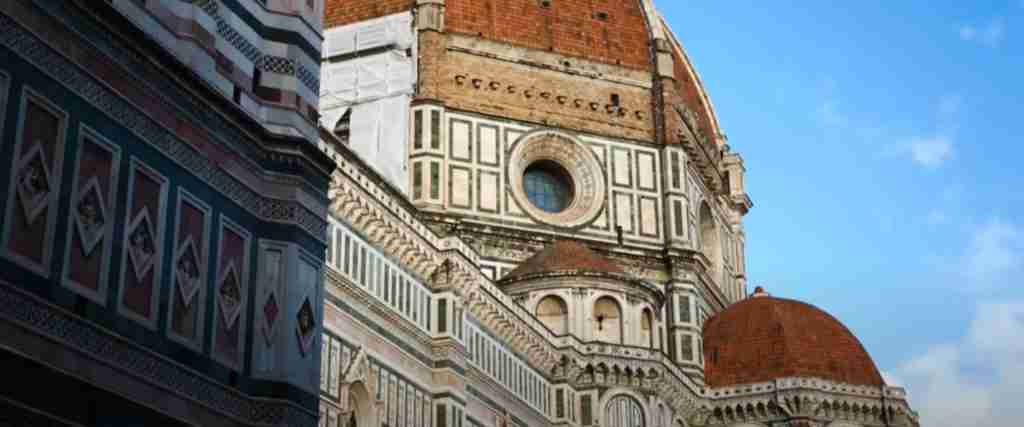
5 days
Florence 5-Day Highlights Experience
- ✓ Comprehensive Florence experience
- ✓ Expert local guides included
- ✓ All accommodation included
- ✓ Transportation provided
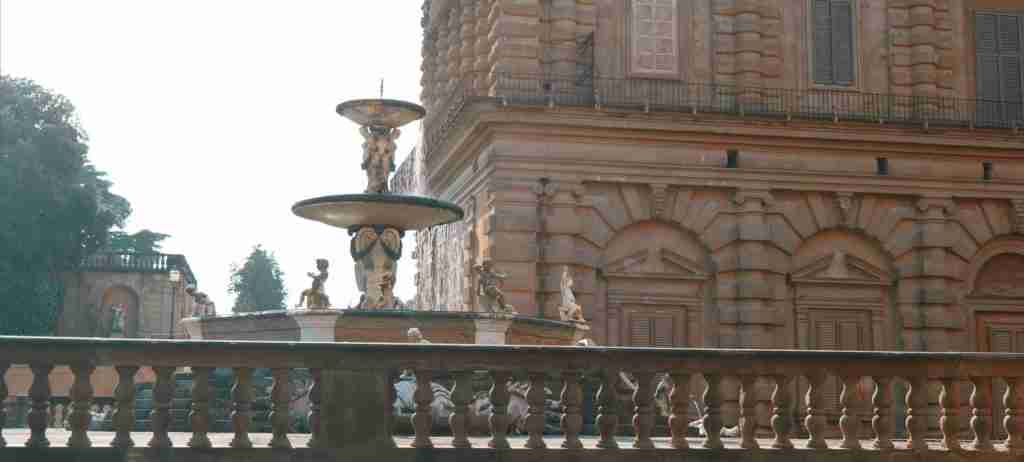
7 days
Florence 7-Day Cultural Journey
- ✓ Comprehensive Florence experience
- ✓ Expert local guides included
- ✓ All accommodation included
- ✓ Transportation provided

10 days
Florence 10-Day Complete Adventure
- ✓ Comprehensive Florence experience
- ✓ Expert local guides included
- ✓ All accommodation included
- ✓ Transportation provided
Multi-day tour packages powered by TourRadar. Prices and availability subject to change.
Introduction
The Cathedral of Santa Maria del Fiore represents the physical and spiritual heart of Florence, embodying the Renaissance city-state’s artistic ambitions, technical achievements, and civic pride. Rising from Piazza del Duomo in the historic center, the cathedral complex encompasses architectural and artistic masterpieces spanning five centuries of creative development. The cathedral’s scale communicates Florence’s 14th-century economic power and cultural confidence, while Brunelleschi’s dome demonstrates the revolutionary engineering that defined Renaissance innovation. Together with Giotto’s polychrome campanile and the ancient Baptistery’s gleaming mosaics, the cathedral complex forms one of Europe’s most significant architectural ensembles, recognized through UNESCO World Heritage designation in 1982 as part of Florence’s historic center.
Understanding Florence Cathedral requires appreciating its layered development from medieval foundations through Renaissance completion to 19th-century façade revival. The project began in 1296 when Florence’s commercial success and growing population demanded a cathedral worthy of the city’s status among Italian powers. Arnolfo di Cambio designed an ambitious Gothic structure intended to surpass rival cities’ cathedrals in size and magnificence, built on the site of the ancient church of Santa Reparata whose remains lie in the crypt beneath. Construction proceeded through the 14th century even as plague, political upheaval, and economic disruption periodically halted work. The cathedral body stood largely complete by 1418, yet the massive octagonal crossing remained open because medieval engineering could not solve the structural challenge of spanning such vast space with a dome.
Filippo Brunelleschi’s revolutionary solution transformed both the cathedral and architectural history. His 1418 competition proposal introduced double-shell construction, self-supporting brickwork patterns, and hidden reinforcement systems that enabled building the dome without traditional wooden centering. The 16-year construction from 1420 to 1436 proceeded as Brunelleschi continuously solved novel technical problems, from designing specialized hoisting equipment to developing the herringbone brick pattern that became his signature innovation. The dome’s completion and the cathedral’s 1436 consecration marked Florence’s cultural zenith, with the structure immediately recognized as an architectural wonder drawing admiration from across Europe.
The cathedral’s interior preserves a deliberately austere character that contrasts with the elaborate polychrome marble exterior, focusing attention on the vast architectural space rather than decorative distraction. Paolo Uccello’s fresco clock over the entrance demonstrates early Renaissance perspective experiments, while the stained glass windows designed by Lorenzo Ghiberti, Donatello, and others create luminous color when sunlight penetrates the interior. Giorgio Vasari and Federico Zuccari’s Last Judgment frescoes covering the dome’s interior represent late Renaissance monumental painting, though opinions divided about whether such extensive pictorial decoration suited Brunelleschi’s architectural purity. The floor features elaborate marble intarsia patterns, while equestrian frescoes honoring military leaders represent civic rather than purely religious commemoration.
The cathedral complex expanded through additions serving religious, civic, and commemorative functions. Giotto’s Campanile begun in 1334 provided both a bell tower calling the faithful to worship and a civic monument celebrating Florence’s artistic achievements through relief sculptures depicting human labors, arts, and planetary influences. The ancient Baptistery of San Giovanni, possibly founded in the 11th century on Roman foundations, served as the city’s baptismal church with Lorenzo Ghiberti’s bronze doors becoming Renaissance masterpieces. The Opera del Duomo Museum established in 1891 preserves original sculptures, architectural elements, and treasures removed from the exterior monuments for conservation, displaying works by Michelangelo, Donatello, Ghiberti, and other masters in purpose-designed gallery spaces.
Modern visitors encounter Florence Cathedral as both functioning religious institution and globally significant cultural monument. The cathedral maintains regular worship schedule with multiple daily Masses, limiting tourist access on Sundays and during religious celebrations. Conservation challenges demand constant attention as pollution, weathering, tourism pressure, and structural stresses threaten the medieval and Renaissance fabric. Major restoration campaigns have addressed the baptistery mosaics, dome frescoes, marble surfaces, and structural reinforcement, with ongoing work balancing preservation requirements against public access obligations. The daily visitor limit and timed entry system introduced for the dome climb manage tourism pressure while ensuring adequate maintenance and emergency evacuation capacity.
UNESCO World Heritage Recognition
Florence Cathedral achieved UNESCO World Heritage status as the centerpiece of the Historic Centre of Florence, inscribed on December 17, 1982 as one of the organization’s earliest cultural designations. The World Heritage Committee recognized Florence as “a unique artistic realization, an absolute chef-d’oeuvre, the fruit of continuous creation over more than six centuries,” acknowledging the cathedral complex’s pivotal role in Renaissance art and architecture development. UNESCO’s inscription encompasses the entire historic center enclosed within 14th-century walls, with the cathedral complex representing the spiritual and aesthetic nucleus demonstrating Florentine genius at its apex.
The Outstanding Universal Value identified by UNESCO derives from Florence’s unparalleled concentration of artistic masterpieces and architectural innovations that established models followed throughout Europe. Criterion (i) recognizes the historic center as a masterpiece of human creative genius, with the cathedral epitomizing the technical and aesthetic achievements that defined the Renaissance transformation from Gothic traditions. Criterion (ii) acknowledges Florence’s profound influence on European cultural development, particularly through architectural innovations like Brunelleschi’s dome that revolutionized engineering practice and inspired cathedral construction across the continent. Criterion (iii) emphasizes the exceptional testimony to Renaissance civilization preserved in Florence’s monuments, with the cathedral complex documenting the transition from medieval spirituality to humanistic culture celebrating human capacity and achievement. Criterion (iv) recognizes the cathedral as an outstanding example of architectural ensemble representing significant stages in human history, demonstrating the evolution from Gothic foundations through Renaissance innovation to later historical revivals. Criterion (vi) acknowledges Florence’s association with events, ideas, and artistic movements of outstanding universal significance, particularly the Renaissance cultural revolution that redefined European civilization.
World Heritage status brings both international prestige and conservation responsibilities requiring ongoing monitoring, reporting, and protection measures. UNESCO oversight ensures that development pressures, tourism impacts, pollution effects, and structural deterioration are addressed through comprehensive management plans balancing preservation requirements with religious functions and public access. Periodic reporting to the World Heritage Committee documents conservation activities, visitor management strategies, and threats requiring attention. International cooperation provides expertise, funding, and technical support for restoration campaigns exceeding local resources. The World Heritage designation amplifies Florence’s global cultural significance while establishing accountability frameworks ensuring the cathedral’s preservation for future generations.
Conservation challenges specific to the cathedral complex include pollution damage to marble surfaces from centuries of urban air quality problems exacerbated by modern traffic emissions, structural stresses in the dome requiring constant monitoring for crack development and movement, deterioration of frescoes from humidity fluctuations and past restoration interventions, and tourism pressure creating physical wear while generating revenue supporting conservation. Major restoration projects have addressed these issues including the extensive baptistery mosaic conservation begun in 2023, dome fresco stabilization campaigns, marble surface cleaning and consolidation, and structural reinforcement incorporating modern materials compatible with historic fabric. Climate change presents emerging threats through increased rainfall intensity potentially overwhelming historical drainage systems, temperature extremes accelerating deterioration cycles, and changing biological activity promoting aggressive plant and microbial growth.
Ticket Types and Admission Passes
Florence Cathedral complex operates a unified ticketing system offering three distinct passes providing different monument combinations, all valid for three consecutive days from first use allowing flexible exploration without cramming visits into a single day. The Brunelleschi Pass priced at €30 provides comprehensive access including the signature dome climb with mandatory timed reservation, Giotto’s Bell Tower with 414-step climb to observation platforms, the Baptistery of San Giovanni with glittering medieval mosaics, the Opera del Duomo Museum housing original sculptures and artworks, and the Crypt of Santa Reparata beneath the cathedral preserving archaeological remains of the ancient church. This pass suits first-time visitors prioritizing the complete cathedral experience including the iconic dome ascent that defines Florence’s skyline.
The Giotto Pass at intermediate pricing provides access to Giotto’s Bell Tower requiring timed reservation for the climb, the Baptistery, the Opera del Duomo Museum, and Santa Reparata Crypt, excluding only Brunelleschi’s Dome from the complete monument set. This option serves visitors unable or unwilling to tackle the 463-step dome climb due to physical limitations, claustrophobia concerns, or time constraints, while still experiencing the cathedral complex’s major artistic and architectural treasures. The bell tower climb at 414 steps offers less demanding ascent with multiple resting platforms and provides unobstructed views of Brunelleschi’s dome itself, enabling excellent photography of the cathedral’s most distinctive feature.
The Ghiberti Pass priced at €15 grants access to the Baptistery of San Giovanni, the Opera del Duomo Museum, and Santa Reparata Crypt without either the dome or bell tower climbs. This economical option suits budget-conscious travelers, visitors with mobility limitations preventing stair climbing, families with young children for whom the climbs present difficulties, and repeat visitors focusing on specific artistic interests rather than comprehensive site coverage. The museum alone merits extended visiting time housing Michelangelo’s Bandini Pietà, original panels from Ghiberti’s baptistery doors, Donatello’s Mary Magdalene, and numerous other masterpieces removed from exterior monuments for conservation.
Free admission to the cathedral interior itself enables everyone to experience the vast sacred space without financial barrier, though security screening creates entry queues particularly during peak tourism periods. The cathedral’s religious function as Florence’s active episcopal seat means worship takes precedence over tourism, with Sunday access restricted to Mass attendees only and weekday access sometimes limited during special liturgical celebrations. Appropriate dress observing religious site protocols requires covered shoulders and knees with no shorts, short skirts, sleeveless tops, or other revealing clothing permitted regardless of weather conditions, with enforcement at entrance preventing inappropriately dressed visitors from entering.
Reduced admission applies to visitors aged 7-14 presenting identification proving age, providing discounted pass pricing while maintaining access to all monuments included in the purchased pass type. Children under 7 enter free when accompanied by adults, requiring no ticket purchase though adult supervision remains mandatory. No additional discount categories exist for students, seniors, or other groups, with all visitors over age 14 paying standard adult pricing regardless of student status, age, or other factors that might qualify for reductions at other Italian monuments.
Advance online purchase through the official Opera di Santa Maria del Fiore website provides guaranteed admission particularly crucial for the dome climb where timed slots sell out weeks ahead during peak season. Online purchase enables selecting specific date and time for dome entry, avoiding ticket office queues, and receiving electronic confirmation accessible on smartphones eliminating paper ticket requirements. On-site ticket purchase remains possible at the ticket office located at Piazza San Giovanni 7, operating Monday through Saturday 8:00 AM to 7:15 PM and Sundays 10:15 AM to 5:45 PM, though advance purchase is strongly recommended given dome slot limitations and potential sellouts during busy periods. Walk-up ticket availability varies seasonally with reasonable availability during winter months but frequent sellouts during spring, summer, and autumn requiring advance planning.
Opening Hours and Visit Planning
Cathedral interior opening hours operate Monday through Saturday from 10:15 AM to 4:00 PM, providing limited daily access windows compared to other monuments in the complex that maintain longer hours. Sunday closure to tourists reflects the cathedral’s primary religious function with the space reserved exclusively for Mass and worship, though religious celebration times offer opportunities to experience the cathedral during liturgical services if visitors respect worship protocols and refrain from sightseeing activities. Religious holidays including major feast days may alter regular hours or close the cathedral entirely to tourist access, requiring advance verification of opening status for visits coinciding with Christian holy days.
Brunelleschi’s Dome maintains separate operational schedule enabling the signature climb experience across broader timeframes than cathedral interior access. Monday through Friday dome access operates from 8:15 AM to 6:45 PM with the final timed entry slot departing at 6:45 PM, allowing approximately 45 minutes for the climb and observation time before staff close the monument. Saturday hours run from 8:15 AM to 4:30 PM with earlier final entry reflecting reduced weekend operating hours. Sunday and public holiday access operates limited schedule from 12:45 PM to 4:30 PM, excluding morning hours when the cathedral complex prioritizes religious observance. Timed entry reservations selected at ticket purchase determine precise entrance time, with punctuality essential as late arrivals forfeit their reserved slots without refund or rescheduling options. A 5-minute grace period allows minor delays, but arrivals exceeding this brief window lose their dome access entirely.
Giotto’s Bell Tower operates daily from 8:15 AM to 6:45 PM enabling the 414-step climb to observation platforms providing perspective views of Brunelleschi’s dome and panoramic Florence vistas. Holders of Giotto Pass must access at their specifically reserved time slot, while Brunelleschi Pass holders enjoy flexible access anytime during the three-day ticket validity without advance time selection, enabling spontaneous visits based on weather conditions, energy levels, and schedule optimization. The tower’s multiple resting platforms at intermediate levels allow pausing during ascent, making the climb more manageable than the dome’s continuous stairway with limited stopping points.
Opera del Duomo Museum welcomes visitors daily from 8:30 AM to 7:00 PM except the first Tuesday of each month when the museum closes entirely for maintenance and staff operations. The extensive collection merits 60-90 minutes minimum for meaningful engagement with masterpieces including Michelangelo’s unfinished Bandini Pietà, original baptistery door panels by Ghiberti, Donatello’s wooden Mary Magdalene and cantoria reliefs, architectural models revealing construction techniques, and tools used in cathedral building. Climate-controlled gallery spaces protect fragile artworks while providing comfortable viewing conditions year-round regardless of external weather.
Baptistery of San Giovanni operates daily from 8:30 AM to 7:30 PM, closing earlier at 1:30 PM on the first Sunday of each month when reduced hours apply. The octagonal building houses Florence’s most significant pre-Renaissance artistic treasure in its glittering medieval mosaics covering the dome interior depicting biblical narratives, Last Judgment scenes, and hierarchies of angels and saints executed in millions of gold and colored glass tesserae. Lorenzo Ghiberti’s bronze doors including the famous Gates of Paradise remain among Renaissance sculpture’s greatest achievements, though the exterior doors are modern replicas with Ghiberti’s original panels preserved in climate-controlled museum galleries protecting against environmental deterioration. Ongoing restoration work on the baptistery vault mosaics means scaffolding partially obscures views, though this essential conservation ensures long-term preservation of the 13th-century masterpiece.
Santa Reparata Crypt beneath the cathedral opens Monday through Saturday from 10:15 AM to 4:00 PM, with Sunday hours restricted to 1:30 PM to 4:00 PM. Archaeological excavations conducted 1965-1973 revealed the ancient church’s foundations, floor mosaics, tomb monuments, and architectural fragments documenting early Christian Florence. Ghiberti Pass holders must access Santa Reparata at their specifically reserved time slot, while Brunelleschi and Giotto Pass holders enjoy flexible access throughout the three-day validity period. Entering Santa Reparata from inside the cathedral provides a secondary cathedral access route potentially avoiding main entrance queues during peak periods.
The Dome Climb Experience
Climbing Brunelleschi’s Dome requires ascending 463 steps through narrow passages with no elevator access, creating a physically demanding experience unsuitable for visitors with mobility limitations, heart conditions, respiratory problems, vertigo, or claustrophobia. The ascent begins from the Porta della Mandorla on the cathedral’s north side, separate from main cathedral entrance, where visitors present tickets and required identification documenting name matching the timed reservation. Since March 1, 2025, identity documents are mandatory for dome access, rigorously verified at entry to prevent ticket resale and ensure security compliance.
The initial stairway ascends between the cathedral’s outer wall and the dome structure, rising through relatively wide passages before entering the space between the dome’s inner and outer shells. This interstitial zone reveals Brunelleschi’s double-shell construction system with brick courses visible on both surfaces demonstrating the herringbone pattern that enabled self-supporting construction. The passage narrows considerably as the dome curves inward toward the lantern, with some sections requiring single-file progress and ducking beneath low clearances. Climbers physically capable of managing moderate exertion typically complete the ascent in 15-20 minutes depending on pace and rest frequency, though crowding during busy periods may slow progress as groups navigate the confined spaces.
The interior walkway encircling the dome’s base positions visitors directly beneath Giorgio Vasari and Federico Zuccari’s Last Judgment frescoes covering 3,600 square meters of curved surface. From this elevated perspective, details invisible from the cathedral floor become visible including individual figures in the heavenly and infernal scenes, subtle color variations in the pigments, and the technical challenges of painting on such vast curved surfaces. The frescoes begun by Vasari in 1572 and completed by Zuccari in 1579 represent late Renaissance monumental painting, though critics debate whether the extensive pictorial decoration harmonizes with or obscures Brunelleschi’s architectural achievement.
Continuing upward, the stairway becomes increasingly steep and narrow as it spirals toward the lantern, with the final section requiring concentrated attention navigating the tight turns and low headroom. The confined spaces create claustrophobic conditions for some visitors, while the continuous climbing without significant rest platforms challenges cardiovascular fitness. The recommendation against climbing for pregnant women, individuals with heart conditions, and those experiencing vertigo or claustrophobia reflects genuine physical demands and safety concerns rather than overcautious warnings.
Emerging onto the lantern’s external observation platform rewards climbers with 360-degree panoramic views across Florence’s terracotta rooftops to the Tuscan countryside beyond. The Arno River winds through the city center, Ponte Vecchio spans the water with its distinctive shops, Palazzo Vecchio’s tower marks the Piazza della Signoria, and the Boboli Gardens’ green expanse rises beyond Palazzo Pitti. Distance views extend to San Miniato al Monte on its hilltop, Fiesole’s ancient settlement overlooking Florence, and the Apennine mountains forming the horizon. The observation platform accommodates limited numbers simultaneously, requiring visitors to circulate and depart after reasonable viewing time enabling others to enjoy the space.
Descent follows the same route back through the dome interior and stairways, requiring similar physical exertion particularly for those with knee problems who find descending steep stairs more challenging than ascending. The total dome experience including ascent, observation time, and descent typically requires 45-60 minutes, though individual pace varies considerably based on fitness levels, photography interests, and crowding conditions. The timed entry system spaces groups adequately preventing severe congestion, though popular slots during mornings and late afternoons see steadier traffic than midday periods.
Cathedral Architecture and Construction
Florence Cathedral exemplifies the transition from Gothic medieval traditions to Renaissance innovation, combining pointed arches, ribbed vaulting, and vertical emphasis characteristic of Gothic style with the classical proportions, mathematical rationality, and engineering solutions that defined Renaissance architecture. Arnolfo di Cambio’s original 1296 design established the basilica plan with nave, side aisles, crossing, transepts, and apse organized according to Gothic spatial principles emphasizing height and light penetration. The nave stretches 153 meters from entrance to apse making the cathedral among Europe’s largest, while width across the transepts reaches 90 meters creating the vast crossing over which Brunelleschi’s dome rises.
The exterior polychrome marble cladding creates the cathedral’s most striking visual characteristic, using white Carrara marble from Tuscany’s Apuan Alps, green marble from Prato, and pink marble from the Maremma region in geometric patterns covering walls, buttresses, arches, and decorative elements. This chromatic approach to exterior decoration represents distinctly Italian Gothic tradition contrasting with the monochrome stone facades of French and English Gothic cathedrals. The south side’s Porta dei Canonici and north side’s Porta della Mandorla provide lateral access through elaborately carved doorways featuring relief sculptures, while the main western façade’s three portals offer principal entry.
The current façade represents 19th-century Neo-Gothic revival rather than original medieval design, as the incomplete medieval façade begun after Arnolfo’s death was dismantled in 1587 by order of Grand Duke Francesco I de’ Medici who considered it outmoded in Renaissance Florence. The cathedral stood without formal façade for three centuries before the 1864 competition won by Emilio De Fabris launched construction of the present façade completed in 1887. De Fabris designed an elaborate Gothic Revival composition incorporating references to Arnolfo’s original concept while employing polychrome marble patterns echoing the cathedral’s side walls and Giotto’s campanile, creating visual unity across the architectural ensemble despite the façade’s recent origins.
Interior spatial character emphasizes austere monumentality over decorative richness, contrasting dramatically with the elaborate exterior cladding. Vast octagonal piers support pointed arches dividing the nave from side aisles, while clerestory windows admit light from above the aisle rooflines. The crossing octagon rises to the dome’s base creating the vertical focus that Brunelleschi’s engineering made structurally possible. Paolo Uccello’s clock fresco over the main entrance demonstrates early Renaissance interest in perspective and scientific measurement, featuring 24-hour Italian time moving counterclockwise from sunset. Stained glass windows designed by Lorenzo Ghiberti, Donatello, Paolo Uccello, and Andrea del Castagno fill the oculi and clerestory openings with biblical narratives and saints rendered in brilliant colored glass.
The marble floor features elaborate geometric intarsia patterns using different colored marbles to create complex designs including perspective illusions, heraldic symbols, and commemorative inscriptions. Equestrian frescoes by Paolo Uccello depicting Sir John Hawkwood and by Andrea del Castagno showing Niccolò da Tolentino honor military commanders who served Florence, representing civic commemoration within the sacred space. Luca della Robbia’s cantoria and Donatello’s cantoria originally positioned above the sacristy doors provided platforms for musicians during liturgical celebrations, though both are now preserved in the Opera del Duomo Museum with copies replacing the originals.
Brunelleschi’s Revolutionary Dome
Filippo Brunelleschi’s dome revolutionized architectural engineering by solving technical problems that had stymied medieval builders attempting to construct a masonry vault spanning the cathedral’s 45-meter octagonal crossing. Traditional construction methods relied on wooden centering frameworks supporting the dome during construction, but the Florentine crossing’s unprecedented scale and height made conventional centering structurally impossible and economically prohibitive given the massive timber quantities required. Brunelleschi’s revolutionary proposal eliminated centering entirely through innovations in structural design, construction sequence, and brickwork techniques that enabled the dome to support itself during building.
The double-shell construction system forms Brunelleschi’s fundamental innovation, creating an inner dome providing structural support and an outer dome protecting against weather while creating the external profile. The 2.3-meter gap between shells reduces overall weight while enabling workers to move between the shells during construction and maintenance. The inner dome carries the structural loads through an ogival pointed profile distributing thrust more vertically than hemispherical domes, reducing lateral forces threatening to spread the base outward. The outer dome follows a shallower curve creating the distinctive profile visible across Florence’s skyline while sheltering the inner dome from rain and temperature extremes.
The herringbone brickwork pattern represents Brunelleschi’s signature technical innovation, creating self-supporting masonry that locks into place without requiring support from below. Vertical bricks arranged perpendicular to the dome’s curve interrupt horizontal courses, creating a pattern resembling fish bones. This interlocking arrangement distributes forces through the brickwork itself, with each course supporting subsequent layers as construction spiraled upward from eight corners meeting at the center. Over 4 million bricks weighing approximately 37,000 tons comprise the dome structure, all laid according to Brunelleschi’s precisely calculated pattern ensuring stability throughout construction and afterward.
Hidden stone and iron chains embedded within the dome masonry at strategic levels function as compression rings preventing outward spreading under the dome’s weight. Brunelleschi incorporated these invisible reinforcements based on understanding that the dome’s base experiences maximum lateral thrust requiring horizontal constraint. The chains remain concealed within the masonry, discovered only through modern structural analysis revealing Brunelleschi’s sophisticated engineering extending beyond visible construction details to include hidden reinforcement systems.
Specialized construction equipment designed by Brunelleschi enabled workers to hoist materials to increasing heights as the dome rose. Reversible hoisting machines lifted bricks, mortar, stone blocks, and scaffolding components using ox-powered mechanisms, with the reversible drive system allowing the same oxen to raise and lower loads by walking in opposite directions. Platforms suspended from the dome itself rather than scaffolding rising from ground level enabled workers to access construction faces while the dome’s self-supporting structure eliminated need for centering support.
The octagonal lantern crowning the dome provides both architectural completion and structural function, weighting the dome’s apex preventing uplift while allowing light penetration to the interior. Brunelleschi designed the lantern but died in 1446 before construction began, with his design implemented by subsequent builders completing the structure in 1461. Verrocchio’s copper ball and cross finial installed in 1469 crowns the lantern at 114 meters above ground level, creating Florence’s most recognizable skyline element visible from viewpoints throughout the city and surrounding hills.
Giotto’s Campanile
Giotto’s Campanile rises 84.7 meters as a freestanding bell tower separate from the cathedral structure, designed by Giotto di Bondone who served as cathedral master builder from 1334 until his death in 1337. The campanile combines Gothic vertical emphasis with distinctly Florentine polychrome marble decoration matching the cathedral’s geometric patterns while asserting its own architectural character through proportion and ornamental program. Square in plan measuring 14.45 meters per side, the tower rises through five levels diminishing in height as they ascend, creating visual acceleration enhancing perceived verticality.
The polychrome marble facing employs white Carrara marble, green Prato marble, and pink Maremma marble arranged in geometric patterns creating horizontal bands and vertical pilaster strips. This chromatic treatment links the campanile visually to the cathedral while establishing independent architectural identity through different proportional relationships and decorative organization. Gothic architectural elements including pointed arch windows, tracery patterns, and vertical buttresses combine with Renaissance aesthetic sensibilities emphasizing mathematical proportion and ornamental restraint.
The lower levels originally featured relief sculpture panels depicting human activities, planetary influences, virtues, and liberal arts executed by Andrea Pisano and Luca della Robbia. These hexagonal and lozenge-shaped reliefs illustrated medieval cosmology and the dignity of human labor, connecting earthly occupations to divine order through symbolic narrative. The original panels are now preserved in the Opera del Duomo Museum with copies installed on the campanile exterior protecting the medieval sculptures from environmental deterioration while maintaining the tower’s decorative program.
The interior staircase ascends 414 steps through five levels with no elevator access, though the climb proves less demanding than the dome ascent with multiple resting platforms at each level where visitors can pause before continuing upward. The first terrace at 30 meters provides intermediate views, the second terrace at 51 meters offers perspective across the cathedral roof, and the top terrace at 82 meters delivers panoramic vistas rivaling the dome viewpoint while providing unobstructed views of Brunelleschi’s dome itself unavailable from the dome observation platform. Photography enthusiasts particularly value the campanile’s perspective enabling full-frame dome compositions impossible from the dome where only distance views are possible.
Francesco Talenti completed the campanile’s upper sections after Giotto’s death, following the master’s design while introducing modifications to the window patterns and final level treatment. The completion in 1359 created Florence’s second-tallest structure after the later dome, establishing a vertical marker visible across the city and from approaching roads alerting travelers to Florence’s location. The bells housed in the upper level called the faithful to worship, marked civic occasions, and warned of dangers, functioning as community communication system before modern technology.
Baptistery of San Giovanni
The Baptistery of San Giovanni ranks among Florence’s oldest structures, dedicated to John the Baptist who serves as the city’s patron saint. The octagonal building possibly incorporates Roman foundations, though the current structure dates primarily to the 11th and 12th centuries representing Florentine Romanesque architecture with classical proportions and geometric marble patterning. Medieval Florentines believed the baptistery occupied the site of a Roman temple dedicated to Mars, connecting Christian Florence to ancient Roman heritage through architectural continuity, though archaeological evidence supporting this tradition remains inconclusive.
The exterior marble facing employs white Carrara marble and green Prato marble in geometric patterns creating distinctive green-and-white striped pilasters and decorative panels. Classical architectural elements including Corinthian columns, triangular pediments, and proportional relationships to ancient Roman architecture demonstrate medieval Florence’s conscious engagement with classical heritage. The octagonal plan references early Christian baptisteries while enabling the distinctive geometric marble decoration that became Florence’s architectural signature.
Lorenzo Ghiberti’s bronze doors represent Renaissance sculpture’s greatest achievements, with three sets of doors adorning the baptistery entrances. The south doors by Andrea Pisano created 1330-1336 depict scenes from John the Baptist’s life in Gothic quatrefoil frames, establishing the template for subsequent door commissions. Ghiberti’s north doors completed 1403-1424 following his 1401 competition victory employ similar Gothic quatrefoil frames depicting New Testament scenes. The east doors facing the cathedral created 1425-1452 abandon Gothic frames for rectangular panels showing Old Testament narratives in revolutionary perspective compositions, with Michelangelo declaring them worthy of serving as the Gates of Paradise. The exterior doors visible today are modern replicas protecting against environmental damage, with Ghiberti’s original panels preserved in climate-controlled museum galleries.
The interior dome soars overhead covered in glittering medieval mosaics executed primarily during the 13th century representing Florence’s most significant pre-Renaissance artistic treasure. Over 10 million glass and stone tesserae in gold and brilliant colors depict biblical narratives organized in concentric registers ascending toward the apex. The lowest register shows the Last Judgment with Christ in Majesty separating blessed and damned, angels trumpeting resurrection, and graphic scenes of infernal torment. Upper registers depict Genesis creation narratives, Christ’s life and miracles, and the Baptist’s ministry. Byzantine artistic traditions influence the compositional organization and figure styles, while the extensive use of gold tesserae creates luminous effects when natural light enters through the drum windows.
Ongoing restoration work begun in 2023 addresses deterioration in the mosaic vault caused by centuries of exposure to humidity fluctuations, structural movement, and past interventions using inappropriate materials. Scaffolding obscures portions of the mosaics during conservation, though this essential work ensures long-term survival of Florence’s most important medieval artwork. The extensive restoration campaign employs cutting-edge conservation techniques including micro-cleaning of individual tesserae, structural stabilization preventing further tesserae loss, and reversible consolidation treatments protecting against future deterioration while maintaining ability to retreat mosaics as conservation science advances.
Opera del Duomo Museum
The Opera del Duomo Museum houses original sculptures, architectural elements, liturgical objects, and tools removed from the cathedral, baptistery, and campanile for conservation, creating one of Italy’s most significant sculpture museums through comprehensive collection of Florentine Renaissance masterpieces. Established in 1891 to preserve artworks threatened by environmental deterioration, the museum occupies purpose-designed galleries opposite the cathedral’s eastern apse at Piazza del Duomo 9. Major expansion and reorganization completed in 2015 doubled exhibition space while creating innovative displays reconstructing original contexts for understanding how artworks functioned within their architectural settings.
Michelangelo’s Bandini Pietà represents the collection’s most famous sculpture, created by the aging master 1547-1555 for his own tomb showing Christ’s dead body supported by Nicodemus, the Virgin Mary, and Mary Magdalene. Michelangelo deliberately damaged the sculpture in frustration with the marble’s quality, breaking Christ’s left arm and leg. A student restored the damaged areas though Michelangelo refused to continue work, leaving the sculpture unfinished with rough surfaces contrasting with polished flesh creating dramatic textural effects. The composition’s vertical format and spiritual intensity reflect Michelangelo’s late religious preoccupations, moving beyond earlier works’ physical perfection toward inward spiritual expression.
Lorenzo Ghiberti’s original baptistery door panels removed for conservation preservation showcase Renaissance perspective innovations and narrative sophistication. The ten panels from the Gates of Paradise created 1425-1452 employ revolutionary perspective systems creating deep spatial recession within shallow bronze relief, multiple vanishing points organizing complex architectural settings, and hierarchical figure scaling emphasizing narrative protagonists. Each panel depicts Old Testament episodes including Creation, Cain and Abel, Noah, Abraham, Jacob and Esau, Joseph, Moses, Joshua, David, and Solomon with multiple scenes combined within unified spatial environments. The museum’s climate-controlled galleries protect the gilded bronze from atmospheric pollutants, humidity fluctuations, and physical contact while enabling close examination impossible when the panels hung on the baptistery exterior.
Donatello’s wooden Mary Magdalene created around 1455 represents late medieval spirituality’s emphasis on ascetic sanctity and bodily mortification. The life-size sculpture depicts the penitent saint emaciated from desert fasting, her body covered in matted hair, hands clasped in prayer, face gaunt with spiritual ecstasy. The emotionally intense realism contrasts with idealized Renaissance nudes, demonstrating Donatello’s range extending from classical harmony to expressive extremism. Polychrome painting originally colored the wood though only traces remain, with the natural wood grain now visible enhancing the sculpture’s austere character.
The cantorie by Luca della Robbia and Donatello originally positioned above the cathedral sacristy doors provided elevated platforms for musicians during liturgical celebrations. Della Robbia’s cantoria created 1431-1438 features relief panels depicting children and youths singing, dancing, and playing instruments illustrating Psalm 150’s command to praise God with music and dance. Classical compositional balance and graceful figure movement demonstrate Renaissance aesthetic values derived from ancient art. Donatello’s cantoria created 1433-1439 employs more energetic compositions with running putti against colored mosaic backgrounds creating dynamic movement and decorative richness. Both cantorie are preserved in original form in the museum with copies replacing them on the cathedral.
Arnolfo di Cambio’s sculptures from the original cathedral façade demolished in 1587 include the enthroned Madonna and Child with saints representing late 13th-century Gothic sculpture transitioning toward greater naturalism. Medieval polychromy remains visible on some figures demonstrating how sculpture originally appeared brightly painted rather than as bare stone or bronze. Architectural models show Brunelleschi’s dome construction system, original tools used in cathedral building, and scaffolding techniques employed during construction. Full-scale reconstructions of the original medieval baptistery and cathedral façades using original and replica sculptures recreate the monuments’ appearance before later modifications, enabling visitors to understand lost architectural contexts.
Visiting Logistics and Practical Information
Reaching Florence Cathedral requires no special transportation as the monument occupies the historic center’s heart accessible entirely on foot from major hotels, restaurants, and attractions. Florence Santa Maria Novella railway station lies approximately 850 meters northwest requiring 10-12 minutes walking through Via dei Panzani and Via dei Cerretani, with clear directional signage guiding visitors toward the cathedral’s distinctive dome rising above surrounding buildings. The cathedral complex sits within Florence’s limited traffic zone where private vehicles cannot enter, making walking the primary access method for tourists staying in central hotels. Public buses including routes 14 and 23 stop at Pucci Duomo approximately 100 meters from Piazza del Duomo, useful for visitors staying in peripheral areas or arriving from outlying hotels.
Piazza del Duomo surrounds the cathedral complex providing pedestrian circulation, photograph viewpoints, and gathering space for tour groups. The piazza hosts souvenir vendors, street performers, and sketch artists creating lively atmosphere particularly during peak season, though crowding and congestion characterize the space during midday hours when multiple large tour groups simultaneously visit. Early morning hours before 9:00 AM and late afternoon after 5:00 PM offer quieter piazza conditions enabling better photography without dense crowds photobombing cathedral exteriors.
Security screening precedes entry to all monuments in the complex requiring passage through metal detectors and bag inspection similar to airport security procedures. Large bags, backpacks, and wheeled luggage are prohibited inside the monuments with mandatory bag deposit at the luggage storage facility located at Piazza Duomo 38/r operating during monument opening hours. The storage service charges nominal fees based on item size and duration, with items securely stored enabling visitors to explore monuments unencumbered. Attempting to enter monuments with oversized bags results in entry denial and wasted time returning to deposit prohibited items.
Dress code enforcement maintains religious site protocols requiring covered shoulders and knees for cathedral, baptistery, and all monument access. Tank tops, sleeveless shirts, shorts above knee length, short skirts, and revealing clothing result in entry denial regardless of weather conditions or personal preferences. Visitors inadequately dressed waste time and money either abandoning visits or seeking nearby shops selling shawls and cover-up clothing at inflated tourist-area prices. Smart planning includes appropriate modest clothing even during hot summer months when temperatures exceed 35°C and revealing clothing feels more comfortable but violates entry requirements.
Food and drink are prohibited inside all monuments protecting artworks and marble surfaces from spills, stains, and pest attraction. The cathedral complex provides no cafés, restaurants, or refreshment facilities, requiring visitors to plan meal breaks outside the monuments. Numerous cafés, trattorias, and restaurants surround Piazza del Duomo though prices reflect prime tourist location with better value available on side streets several blocks from the cathedral. Water fountains throughout Florence provide free drinking water for refilling bottles, essential during summer heat when dehydration threatens visitors spending hours in exposed conditions climbing monuments and walking the city.
Photography is permitted throughout the monuments for personal non-commercial use without flash, tripods, or professional equipment. Selfie sticks are prohibited creating safety hazards in crowded spaces and blocked views for other visitors. Flash photography is forbidden particularly in areas with frescoes where light exposure accelerates deterioration. Commercial photography, video production, and any photography for professional purposes requires advance permissions and fees arranged through cathedral administration. Respectful photography practices include awareness of other visitors, avoiding blocking circulation routes or viewpoints, and refraining from photography during worship services when the cathedral functions as sacred space rather than tourist attraction.
Accessibility for visitors with mobility limitations remains challenging given the historic monuments’ inherent architectural constraints. The cathedral interior, baptistery, and museum provide wheelchair access through ramped or level entries and interior circulation, though the dome climb and campanile ascent remain entirely inaccessible with no elevator options and hundreds of steps presenting insurmountable barriers. Visitors unable to manage stair climbing should purchase Ghiberti Pass accessing the museum, baptistery, and crypt while accepting that dome and tower climbs are impossible without physical capacity for extensive stair navigation. The museum provides wheelchairs for visitor use, and staff assist with accessibility questions, though the fundamental reality remains that Renaissance architecture predates accessibility considerations by five centuries.
Best Times to Visit
Seasonal considerations dramatically affect the cathedral visiting experience with distinct advantages and challenges characterizing different times of year. Spring months from March through May offer moderate temperatures averaging 12-20°C creating comfortable conditions for extended walking and climbing, though Easter holiday crowds particularly during Holy Week create peak congestion throughout the historic center. Wildflowers blooming in the Boboli Gardens and surrounding Tuscan countryside enhance the season’s appeal, while occasional spring rain showers require weather-appropriate clothing and flexible scheduling. April and May typically deliver the best weather balance with warm days, minimal rainfall, and manageable though substantial tourist volumes.
Summer from June through August presents extreme heat with temperatures frequently exceeding 35°C creating punishing conditions inside the unshaded piazza and during dome climbs where enclosed stairways trap heat creating oven-like conditions. Maximum tourist crowding characterizes summer months with long queues, sold-out dome slots booked weeks ahead, and shoulder-to-shoulder conditions throughout popular monuments. Early morning visits starting immediately at opening or late afternoon visits after 5:00 PM provide temperature mitigation and reduced crowds as day-trippers depart Florence. Summer’s extended daylight hours enable late visits to outdoor monuments, while the opera season and cultural events enliven the city compensating for challenging weather and crowds.
Autumn from September through November delivers ideal visiting conditions combining warm but comfortable temperatures averaging 15-23°C, reduced tourist volumes as summer crowds disperse, and attractive lighting conditions as lower sun angles create dramatic shadows enhancing cathedral exterior photography. September remains quite busy as families travel during school breaks, but October and November see substantially lighter traffic. Autumn grape harvest and wine festivals throughout Tuscany coincide with comfortable weather making combined city and countryside exploration particularly rewarding. November weather becomes more variable with increasing rainfall requiring flexible planning and rain gear.
Winter from December through February brings minimum tourist crowds, significantly reduced accommodation prices, and authentic glimpses of Florence as a living city rather than tourist spectacle. Average temperatures range 3-12°C with occasional cold snaps bringing freezing conditions, requiring substantial cold-weather clothing. Rain becomes more frequent though rarely sustained, with periodic clear days delivering crisp air and exceptional visibility across distance views from the dome and campanile. Christmas season December brings festive decorations and holiday markets, though Christmas Day closure of monuments creates dead zones when nothing remains open. January and February deliver the quietest conditions with genuine off-season character though shorter daylight hours limit sightseeing windows and early sunset times restrict late afternoon visits.
Day of week selection influences crowding with weekends particularly Saturdays attracting maximum visitors combining tourists with local Italians visiting from other cities. Weekdays, especially Tuesday through Thursday, offer substantially lighter conditions with shorter queues, less crowded monument interiors, and more relaxed exploration pace. Sunday closure of the cathedral interior to tourist access eliminates the centerpiece attraction, though attending Mass enables experiencing the cathedral during religious function revealing its primary spiritual purpose beyond architectural tourism.
Time of day significantly affects the experience with early morning immediately at opening providing coolest temperatures, best light for interior photography as low sun angles penetrate windows dramatically, lightest crowding before tour groups arrive, and available dome climb slots enabling same-day visits during less busy periods. Late afternoon visits after 3:00 PM benefit from departing day-trippers creating space as crowds thin, dramatic lighting conditions as sun lowers enhancing exterior photography, and golden hour conditions from the dome observation platform during summer’s extended hours. Midday hours from 11:00 AM to 2:00 PM bring maximum congestion, harsh overhead lighting creating difficult photography conditions, and peak heat during summer making this period least favorable for visits.
Conservation and Restoration Challenges
Florence Cathedral faces ongoing conservation challenges resulting from centuries of environmental exposure, pollution accumulation, structural stresses, and tourism impacts requiring continuous intervention balancing preservation requirements against religious functions and public access obligations. The marble exterior suffers from black crust formation where atmospheric pollutants particularly sulfur dioxide from past coal burning and modern traffic emissions combine with moisture creating gypsum deposits darkening surfaces and obscuring original polychromy. Cleaning campaigns employing laser technology, microabrasive techniques, and chemical treatments remove accumulated deposits revealing original marble colors, though cleaning risks removing original surface patina if executed too aggressively requiring careful methodology development and testing before large-scale application.
Structural monitoring tracks crack development, material deterioration, and settlement patterns particularly in Brunelleschi’s dome where any movement threatens the delicate equilibrium maintaining stability. Modern laser scanning creates precise three-dimensional models enabling millimeter-level measurement of dome geometry, comparing current shape against historical records to detect deformation invisible to visual inspection. Seismic monitoring instruments track earth movements and structural response during earthquakes, with Florence’s location in a seismically active region creating ongoing concerns about potential earthquake damage to the massive masonry structure. Reinforcement interventions must respect historical fabric while ensuring adequate earthquake resistance, creating tension between preservation philosophy emphasizing minimal intervention and engineering requirements for public safety.
The dome’s interior frescoes deteriorate from humidity fluctuations, temperature extremes, previous restoration interventions using inappropriate materials, and structural movement creating cracks propagating through the painted surface. Giorgio Vasari and Federico Zuccari’s Last Judgment covering 3,600 square meters represents one of Renaissance painting’s largest fresco cycles, yet environmental conditions inside the dome including tourist-generated humidity from breathing and temperature variations from sun exposure accelerate deterioration requiring periodic intervention. Recent restoration campaigns addressed pigment stabilization, crack repair, cleaning removing accumulated dirt and candle soot, and protective treatments reducing future deterioration rates. The scaffolding required for fresco conservation blocks tourist access to dome climbing for extended periods, creating conflict between conservation needs and revenue generation from ticket sales.
Baptistery mosaic conservation represents the most ambitious current restoration project with work begun in 2023 expected to continue for years addressing 13th-century mosaics covering the dome interior. Over 10 million tesserae in gold and colored glass have suffered from humidity penetration causing adhesive failure and tesserae detachment, structural movement creating cracks and displacement, past interventions using cement-based adhesives that damage original substrates, and biological growth in humid conditions. The restoration employs cutting-edge conservation techniques including micro-cleaning each tesserae individually, removal and replacement of failed historical repairs, structural consolidation stabilizing the substrate, and preventive treatments reducing future deterioration. Scaffolding covering portions of the mosaic surface during conservation diminishes the visitor experience though protects the artwork for future generations.
Tourism pressure creates physical wear on marble floors, staircases, and other high-traffic areas while generating revenue supporting conservation activities. The challenge lies in balancing access enabling millions of annual visitors to experience Florence’s cultural heritage against preservation requirements limiting stress on fragile historical fabric. The timed entry system for dome climbing manages visitor flow preventing dangerous overcrowding while enabling conservation monitoring and periodic closure for maintenance. Visitor limits introduced during peak season reduce cumulative impact though remain controversial among tourism industry stakeholders concerned about economic effects.
Climate change presents emerging conservation threats through increased rainfall intensity potentially overwhelming historical drainage systems causing water infiltration damage, temperature extremes accelerating deterioration cycles through freeze-thaw action and thermal stress, and changing biological activity promoting more aggressive microbial and plant growth attacking stone and mortar. Conservation planning increasingly incorporates climate projections developing adaptive strategies for anticipated changing conditions rather than assuming stable historical climate patterns that no longer apply.
Frequently Asked Questions
How much time should I allocate for visiting Florence Cathedral?
Comprehensive cathedral complex visits require 4-5 hours minimum experiencing all five monuments including dome climb, cathedral interior, baptistery, museum, and bell tower or crypt visits. The dome climb alone consumes 60-90 minutes including wait time, ascent, observation period, and descent. Cathedral interior visits take 20-30 minutes for basic appreciation or longer for detailed examination of frescoes, stained glass, and floor patterns. The museum merits 60-90 minutes minimum given the extensive sculpture collection requiring time to appreciate Michelangelo’s Pietà, Ghiberti’s door panels, Donatello’s cantoria, and numerous other masterpieces. Baptistery visits require 20-30 minutes viewing the mosaic ceiling and Ghiberti’s doors. Bell tower climbing adds another 60 minutes similar to dome timing. These durations assume moderate crowding conditions, with summer peak season potentially adding substantial queue time. Visitors with limited time might prioritize dome climb plus museum or dome climb plus baptistery, accepting that comprehensive experience demands half-day minimum commitment. The three-day pass validity enables splitting visits across multiple days avoiding fatigue and heat stress from concentrated marathon visiting. Morning visits starting at opening combined with afternoon museum time after climbing exertion creates effective pacing, while spreading dome climb, museum, and baptistery across different days enables optimal experience of each monument without rushing.
Is climbing the dome dangerous or difficult?
Dome climbing presents genuine physical demands requiring moderate fitness but poses no significant danger for healthy visitors following safety protocols and heeding health warnings. The 463-step ascent challenges cardiovascular fitness requiring continuous climbing through narrow passages with limited resting points, creating sustained exertion comparable to climbing a 40-story building. Most reasonably fit visitors complete the climb without excessive difficulty though expect elevated heart rate, heavy breathing, and leg fatigue particularly on descent when knee stress intensifies. The narrow passages require single-file progression in some sections with periodic passing points, while low headroom in certain areas demands ducking and careful attention preventing head strikes. Claustrophobic visitors genuinely struggle with the confined spaces between dome shells where passage width narrows to shoulder width with curved walls pressing inward creating enclosed sensations. Vertigo sufferers may experience discomfort at the observation platform despite protective railings preventing falls, with the height and exposure triggering anxiety responses. The warnings against climbing for visitors with heart conditions, respiratory problems, pregnancy, or severe mobility limitations reflect genuine medical concerns rather than overcautious liability protection, with the sustained physical exertion and altitude exposure creating real stress on cardiovascular and respiratory systems. Visitors uncertain about physical capacity should attempt Giotto’s Bell Tower first at 414 steps with multiple resting platforms enabling assessment of tolerance before committing to the more demanding dome climb with fewer rest opportunities. The timed entry system prevents dangerous overcrowding that characterized earlier open-access periods when uncontrolled visitor numbers created crushing congestion in narrow passages. Modern safety protocols include staff monitoring, emergency communication systems, and periodic rest requirements for visitors showing distress, making the climb as safe as the inherent physical demands allow while accepting that some risk remains unavoidable in Renaissance architecture never designed for mass tourism.
Can I visit Florence Cathedral on Sunday?
Sunday cathedral access is restricted to Mass attendees only with the interior closed to tourist visits, reflecting the building’s primary religious function as Florence’s episcopal cathedral and active place of worship. Multiple Sunday Masses occur throughout the day enabling visitors to attend services experiencing the cathedral during liturgical celebration, though attendees must observe religious protocols refraining from sightseeing activities, photography, or behavior inappropriate to worship context. Visitors attending Mass should arrive before service starts, sit respectfully in designated areas, follow liturgical cues standing, sitting, and kneeling appropriately, and refrain from wandering the cathedral photographing artworks while services proceed. Non-Catholic and non-Christian visitors are welcome to attend observing the same respectful protocols, with the experience offering insights into the cathedral’s spiritual purpose beyond architectural tourism. The other monuments in the complex including Brunelleschi’s Dome, the baptistery, the museum, and Giotto’s Bell Tower maintain normal Sunday operations with modified hours, enabling substantial cathedral complex visits despite cathedral interior closure. The dome operates limited Sunday hours from 12:45 PM to 4:30 PM excluding morning access, while the museum and baptistery maintain full daily schedules. Visitors whose Florence itinerary includes only Sunday should purchase Brunelleschi Pass experiencing the dome climb, museum, baptistery, and potentially bell tower accepting that cathedral interior remains inaccessible, or plan to attend Mass experiencing the cathedral as functioning religious institution. Monday through Saturday visits enable complete access including cathedral interior exploration during the 10:15 AM to 4:00 PM window when tourist visits proceed uninhibited by worship activities.
What’s the difference between climbing the dome versus the bell tower?
Brunelleschi’s Dome and Giotto’s Bell Tower offer distinct climbing experiences with different physical demands, architectural contexts, and viewpoint characteristics serving different visitor priorities. The dome climb ascends 463 steps through passages between the dome’s double shells, providing intimate views of Vasari’s Last Judgment frescoes covering the interior surface and revealing Brunelleschi’s engineering innovations through visible brickwork and structural elements. The observation platform at the lantern base delivers 360-degree panoramic views across Florence but offers no perspective of the dome itself since climbers emerge from within the structure. The climb challenges fitness through continuous ascent in narrow passages with limited resting points and claustrophobic sections requiring tolerance of confined spaces. The dome represents Florence’s iconic architectural achievement making the climb culturally significant beyond the physical experience, with worldwide recognition as Renaissance engineering masterpiece creating emotional resonance absent from the tower climb. The bell tower ascends 414 steps through a square tower with four intermediate terraces providing resting platforms and progressive viewpoints at 30 meters, 51 meters, 68 meters, and the summit at 82 meters. The climb proves slightly less demanding than the dome with more frequent rest opportunities and less confined passages, suitable for visitors concerned about dome claustrophobia or fitness challenges. The tower observation platform provides unobstructed views of Brunelleschi’s dome itself enabling photography of Florence’s most distinctive landmark impossible from the dome where only distance cityscapes appear. The tower exterior’s polychrome marble decoration and Giotto’s architectural legacy provide artistic interest though lack the dome’s revolutionary engineering significance. Photography enthusiasts particularly value the tower perspective for dome compositions, while architecture scholars prioritize the dome climb for structural appreciation and fresco proximity. Visitors with sufficient time and fitness should experience both climbs gaining complementary perspectives, while those selecting one option should choose the dome for cultural significance and interior access or the tower for superior city views and dome photography.
Are there guided tours of the cathedral complex?
Guided tour options range from official cathedral complex tours offered through the Opera del Duomo to private guide services providing customized experiences focusing on specific interests. Official guided tours departing from the ticket office include expert explanations of cathedral history, architectural evolution, artistic treasures, and Brunelleschi’s engineering innovations, typically lasting 90 minutes covering cathedral interior and museum highlights with optional dome climb addition. These group tours accommodate 15-25 participants with multilingual options in English, Italian, Spanish, French, and German, priced competitively while maintaining quality interpretation from licensed guides with art history or architecture backgrounds. Private guide services offering personalized cathedral tours enable flexible pacing, specialized focus on particular artistic periods or architectural details, and accommodation of specific interests from Renaissance painting techniques to structural engineering analysis. Private tours command premium pricing typically €150-250 for 2-3 hours serving groups up to 30 people, providing intimate experiences without large group constraints. Audio guide rentals offer self-paced exploration with pre-recorded commentary synchronized to specific monument locations, though GPS functionality proves unreliable inside the cathedral’s thick masonry walls creating frustration when audio triggers fail to activate appropriately. Smartphone apps provide similar self-guided content often free or low-cost, with varying quality from superficial tourist information to scholarly architectural analysis. The choice between guided and independent visits depends on visitor knowledge levels, interest depth, available time, and budget constraints. First-time visitors benefit substantially from expert guidance contextualizing the cathedral’s historical significance and explaining architectural features invisible without trained interpretation, while repeat visitors or those with extensive art history background may prefer independent exploration enabling personalized pacing and focus. Families with children often find private guides most effective maintaining engagement through age-appropriate storytelling and flexible scheduling accommodating shorter attention spans, while budget travelers maximize value through official group tours or self-guided visits relying on guidebooks and smartphone resources.
What should I wear when visiting the cathedral?
Appropriate cathedral attire requires covering shoulders and knees observing religious site dress codes strictly enforced at all monuments in the complex. Acceptable clothing includes long pants, full-length skirts reaching below knees, shirts or blouses with sleeves covering shoulders completely, and closed shoes rather than flip-flops or beach sandals. Women should wear dresses or skirts extending below knees or long pants combined with tops covering shoulders fully, avoiding sleeveless dresses, tank tops, or short skirts that violate entry requirements. Men should wear long pants rather than shorts above knee length combined with t-shirts with sleeves or collared shirts, avoiding tank tops or cut-off athletic shirts exposing shoulders. Summer visits present particular challenges when hot weather averaging 30-35°C encourages lightweight revealing clothing maximizing cooling, yet entry requirements demand modest coverage regardless of temperature. Lightweight breathable fabrics in natural fibers like cotton or linen provide cooling while maintaining coverage, with loose-fitting garments enhancing air circulation. Layers enable adaptation to varying conditions with shawls, scarves, or light jackets covering shoulders during cathedral visits then removed for comfortable walking outdoors between monuments. Many visitors carry lightweight cover-ups specifically for church visits, purchasing inexpensive scarves or shawls enabling quick coverage transition. Inappropriate dress results in entry denial with no exceptions granted for ignorance, weather conditions, cultural differences, or purchased tickets, meaning inadequately dressed visitors waste time and money returning to hotels for clothing changes or purchasing overpriced tourist-area scarves. Planning appropriate modest attire prevents frustration and ensures access, with the dress code applying equally to men, women, and children regardless of age. The climate-controlled museum maintains comfortable temperatures enabling heavier clothing without discomfort, while outdoor monuments and piazza areas during summer create genuinely hot conditions requiring heat tolerance in modest coverage. Religious respect motivates the dress code reflecting the cathedral’s continuing spiritual function beyond tourist attraction status, with enforcement maintaining sacred space character and preventing the cathedral from resembling beach resort where revealing clothing prevails.
Can children climb the dome?
Children can climb the dome if physically capable of managing 463 steps and psychologically comfortable with narrow enclosed passages, though official regulations prohibit dome access for minors under 18 without adult accompaniment reflecting safety concerns about children navigating challenging conditions independently. Family dome climbs succeed when parents realistically assess children’s fitness levels, attention spans, and tolerance for sustained physical exertion before committing to tickets. Active children accustomed to hiking, stair climbing, or similar physical activities typically manage the dome climb around age 8-10, though individual variation means some younger children succeed while older children struggle. Parents should explain the climb’s physical demands, absence of elevator alternatives or bailout options once ascending begins, and need for careful attention in narrow passages where distraction risks minor injuries from head strikes on low clearances or stumbles on uneven steps. The one-way traffic flow during crowded periods means children cannot turn back partway through without disrupting other climbers behind them, requiring commitment to complete the ascent once begun. Young children under 6 rarely possess the physical stamina or attention control managing the climb successfully, with parental carrying during portions not feasible given the narrow passages and continuous duration. The bell tower presents a slightly more manageable alternative for families uncertain about dome capability, with 414 steps, intermediate resting platforms enabling breaks, and less claustrophobic passages providing easier family experience while still delivering rewarding summit views. The museum, baptistery, and cathedral interior accommodate children comfortably with level floors, open spaces, and shorter attention span compatibility, creating family-friendly alternatives when climbing proves impractical. Families with very young children or those concerned about climb difficulty should purchase Ghiberti Pass excluding climbs while accessing the baptistery mosaics and museum masterpieces children often find more engaging than architectural vistas. Successful family visits balance realistic assessment of children’s capabilities against genuine desire for shared experiences, sometimes accepting that splitting the family with one parent climbing while another supervises children in the museum creates optimal outcomes accommodating different physical capacities within the group.
What happens if I’m late for my dome reservation?
Late arrivals beyond the 5-minute grace period forfeit dome access entirely without refund, rescheduling, or alternative accommodation, reflecting the timed entry system’s operational requirements managing visitor flow through the narrow passages where delayed departures cascade into subsequent time slots. The strict punctuality requirement ensures that scheduled groups maintain adequate spacing preventing dangerous overcrowding in confined stairways where excessive visitor density creates safety hazards. Visitors should arrive at the Porta della Mandorla entrance at least 15 minutes before their reserved time slot allowing for unexpected delays, security screening, and orientation before the scheduled departure. Florence’s historic center street layout confuses first-time visitors with narrow medieval alleys, unexpected one-way restrictions, and similar-looking piazzas creating navigation challenges potentially causing delays. Allowing extra time compensates for these potential difficulties, while early arrival enables relaxed preparation rather than stressed rushing. Visitors running late beyond the grace period should report to staff who will confirm the forfeiture though cannot provide alternative access, with the purchased pass remaining valid for other monuments in the complex enabling museum, baptistery, bell tower, or crypt visits as partial compensation. Rescheduling opportunities depend on availability with popular dates and times often fully booked weeks ahead leaving no alternative slots during limited Florence stays. The non-refundable, non-transferable policy means lost dome access cannot be converted to monetary refund or transferred to different visitors, creating genuine financial loss beyond the experience disappointment. Preventing late arrival requires careful planning confirming the reservation time, identifying the correct entrance location, allowing generous transit time from hotels or previous activities, and avoiding scheduling conflicts with lunch reservations or other commitments that might create time pressure. Setting phone alarms or calendar reminders for 30 minutes before the reservation time provides adequate warning to begin moving toward the cathedral complex. Some visitors deliberately book late afternoon dome slots reducing morning schedule pressure while maintaining adequate buffer before the reservation time. The punctuality requirement though strict serves legitimate safety and operational purposes managing visitor flow through inherently limited capacity, with enforcement ensuring fair access for all visitors who plan appropriately rather than rewarding those who arrive late disrupting the system.
Is Florence Cathedral accessible for visitors with disabilities?
Florence Cathedral complex accessibility remains limited given Renaissance architecture predating modern accessibility standards by five centuries, with some monuments providing wheelchair access while others remain completely inaccessible due to fundamental architectural constraints. The cathedral interior provides level access through the main western portals enabling wheelchair users to enter and circulate through the nave, view the stained glass windows and frescoes, and appreciate the architectural space without encountering steps or barriers. The museum maintains excellent accessibility with elevators connecting the three exhibition levels, ramped access to galleries, and wide circulation routes accommodating wheelchairs throughout the sculpture collections. The baptistery offers level entry through the north door with ramped access enabling interior circulation viewing the mosaic ceiling, though the octagonal interior space becomes crowded during peak periods potentially limiting wheelchair maneuverability. The crypt beneath the cathedral accessed through descending stairs remains inaccessible to wheelchair users given the staircase entrance and lower level location. Brunelleschi’s Dome presents complete inaccessibility with 463 steps, no elevator alternative, narrow passages preventing wheelchair navigation, and architectural configuration making accessibility modifications impossible without destroying the monument’s Renaissance fabric. Giotto’s Bell Tower similarly remains inaccessible with 414 steps ascending through the tower interior without elevator options. Visitors with mobility limitations should realistically assess which monuments they can access, purchasing Ghiberti Pass providing baptistery, museum, and cathedral interior visits while accepting that dome and tower climbs remain impossible without stair-climbing capability. Visitors requiring accessibility accommodations should contact cathedral administration in advance through email or phone obtaining current information on accessible routes, available assistance services, and any temporary access limitations due to restoration work. Cathedral staff can arrange wheelchair loans for museum visits and provide guidance on optimal access routes, though fundamental architectural barriers in the dome and tower admit no solutions beyond acknowledging their inaccessibility. The cathedral’s religious function takes precedence over accessibility requirements creating tension between inclusive access principles and historical preservation mandates, with the reality that not all historic monuments can be retrofitted for universal access without destroying their authentic character. Visitors unable to climb should focus appreciation on accessible monuments recognizing that the museum houses many original masterpieces removed from exterior locations, the baptistery contains the spectacular medieval mosaics, and the cathedral interior preserves Renaissance space and decoration, creating substantial cultural experience even without dome access.
Are photography and videos allowed inside the cathedral?
Photography and video recording are permitted throughout the cathedral complex for personal non-commercial use subject to restrictions protecting artworks and respecting other visitors’ experiences. Flash photography is strictly prohibited throughout all monuments as intense light exposure accelerates pigment deterioration in frescoes, damages delicate gilding and polychrome surfaces, and creates visual disruption for other visitors attempting to view artworks. Tripods are forbidden creating obstacles in circulation routes and consuming excessive space in crowded conditions, while selfie sticks face similar prohibition preventing safety hazards when wielded in confined passages or near fragile artworks. Personal handheld photography using smartphones, compact cameras, or mirrorless cameras without flash proceeds unrestricted enabling visitors to document their experiences, capture architectural details, and create memory records. The challenge lies in obtaining quality photographs given suboptimal lighting conditions, crowd interference creating photobombing and blocked sight lines, and architectural scale making comprehensive compositions difficult. Interior cathedral photography benefits from high ISO sensitivity settings capturing available light without flash, image stabilization preventing blur in slow shutter speeds, and wide-angle lenses encompassing the vast architectural space. Fresco photography from the dome interior walkway faces distance challenges with subjects positioned overhead requiring telephoto lenses capturing detail, though visitor congestion limits time for careful composition. Exterior photography succeeds best during golden hour morning or evening light when oblique sun angles create dramatic shadows enhancing the polychrome marble patterns, with midday overhead sun creating harsh flat lighting diminishing visual impact. Commercial photography, professional video production, and any media creation for business purposes requires advance permissions and fees negotiated through cathedral administration, with prohibition against unauthorized commercial use rigorously enforced through social media monitoring and copyright claims. Wedding photography and fashion shoots require specific permits with substantial fees reflecting commercial exploitation of the monument’s cultural cachet. Drone photography faces absolute prohibition with Italian aviation law forbidding drone flights over urban areas and cathedral regulations banning all unmanned aerial photography regardless of purpose. Respectful photography practice includes awareness of other visitors avoiding blocked views or prolonged occupation of prime viewpoints, minimal equipment use maintaining mobility through crowded spaces, and situational awareness preventing accidents when backing up for wide shots or crouching for low angles. During religious services photography ceases entirely respecting worship context, with visitors attending Mass expected to participate spiritually rather than document photographically.