
Visiting the Accademia Gallery & Michelangelo’s David: Complete Guide
The Galleria dell’Accademia in Florence houses Michelangelo’s David, the 5.17-meter marble masterpiece that stands as the definitive Renaissance sculpture and Florence’s most iconic artistic treasure. Beyond David, the museum displays Michelangelo’s unfinished Prisoners, Renaissance paintings spanning three centuries, and the Medici musical instrument collection in a purpose-built gallery where art history and preservation intersect.
Key Takeaways
- Advance ticket booking eliminates waits that regularly exceed 2-3 hours during peak season, with timed entry slots available every 15 minutes
- The gallery focuses primarily on Michelangelo’s sculptures, requiring 1-2 hours for comprehensive viewing compared to the Uffizi’s broader Renaissance painting collection
- David occupies the Tribune, a domed octagonal hall designed specifically for the statue in 1873 when it moved from Piazza della Signoria
- Photography without flash is permitted throughout the museum, including close-range David documentation from multiple angles
- The Hall of the Prisoners corridor leading to David creates a deliberate artistic journey from rough unfinished marble to David’s polished perfection
- Standard admission costs €16 with €4 reservation fees, though combination tickets with the Bargello and other state museums offer multi-venue access at reduced per-museum rates
People Also Ask About the Accademia Gallery and David
Why is Michelangelo’s David at the Accademia Gallery instead of its original location?
David stood in Piazza della Signoria from its 1504 completion until 1873, positioned outside Palazzo Vecchio as a symbol of Florentine republican values and independence. Exposure to weather, pollution, and an 1527 attack that broke the left arm during political riots convinced Florence authorities that the marble masterpiece required indoor protection for long-term preservation. The Accademia Gallery received David in 1873, with architect Emilio de Fabris designing the Tribune specifically to house the statue under a skylight that recreates natural outdoor illumination. A full-scale marble replica stands in David’s original Piazza della Signoria location, while a bronze copy occupies Piazzale Michelangelo overlooking Florence, allowing visitors to experience the statue’s intended urban context without risking the original’s deterioration.
How long should I spend at the Accademia Gallery?
Most visitors spend 60-90 minutes at the Accademia Gallery for comprehensive viewing of David, the four Prisoners, and the painting galleries. Visitors focused exclusively on Michelangelo’s sculptures can complete their tour in 45-60 minutes by proceeding directly through the Hall of the Prisoners to the Tribune and bypassing the side galleries displaying Renaissance paintings and musical instruments. Art enthusiasts examining David’s anatomical details, studying the Prisoners’ unfinished surfaces, and exploring the full painting collection may extend their visit to 2-2.5 hours. The museum’s smaller size compared to the Uffizi makes it less physically demanding, with most galleries accessible from a single main corridor rather than requiring extensive navigation through multiple wings and floors.
What is the best time to visit the Accademia Gallery to avoid crowds?
Opening time (8:15 AM) on weekdays delivers the quietest experience, with visitor numbers remaining low until 9:30 AM when tour groups begin arriving. Late afternoon slots after 5:00 PM provide another low-crowd window, particularly effective November through March when early sunset discourages casual tourists. The museum closes Mondays, creating Tuesday congestion as visitors reschedule missed Monday plans, making Tuesday the worst day for crowd avoidance. Wednesday through Friday mornings offer optimal combinations of low crowds and quality natural light in the Tribune. The first Sunday of each month provides free admission but creates overwhelming crowds that often require 3-4 hour waits without advance reservations, making this free-entry day practical only for Florence residents with time flexibility rather than tourists on fixed schedules.
Can I see Michelangelo’s David without visiting the Accademia Gallery?
Two full-scale replicas provide free outdoor viewing alternatives to the original David inside the Accademia. The marble copy in Piazza della Signoria stands in David’s original 1504 location outside Palazzo Vecchio, offering the statue’s intended civic context as guardian of the Florentine Republic. The bronze replica at Piazzale Michelangelo creates a romantic hilltop setting with panoramic Florence views, popular for photography at sunset. Both replicas capture David’s proportions, pose, and general presence but lack the original’s subtle surface details, marble translucency, and the psychological intensity that distinguishes Michelangelo’s carving from copies. Visitors seeking the authentic artistic experience must enter the Accademia, where controlled lighting, viewing angles, and proximity impossible outdoors reveal why this particular marble block became Western civilization’s definitive male nude sculpture.
Extended multi-day tours – 5+ days
Featured Florence Multi-Day Tour Packages
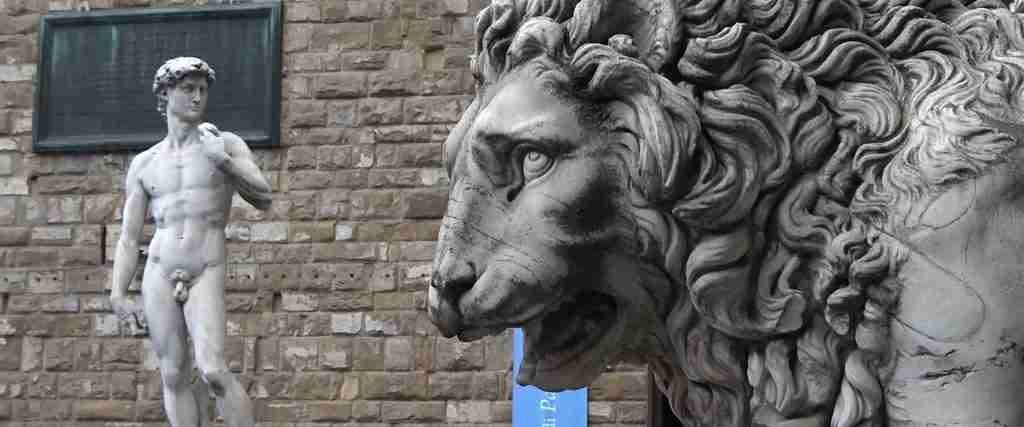
3 days
Florence 3-Day Discovery Tour
- ✓ Comprehensive Florence experience
- ✓ Expert local guides included
- ✓ All accommodation included
- ✓ Transportation provided
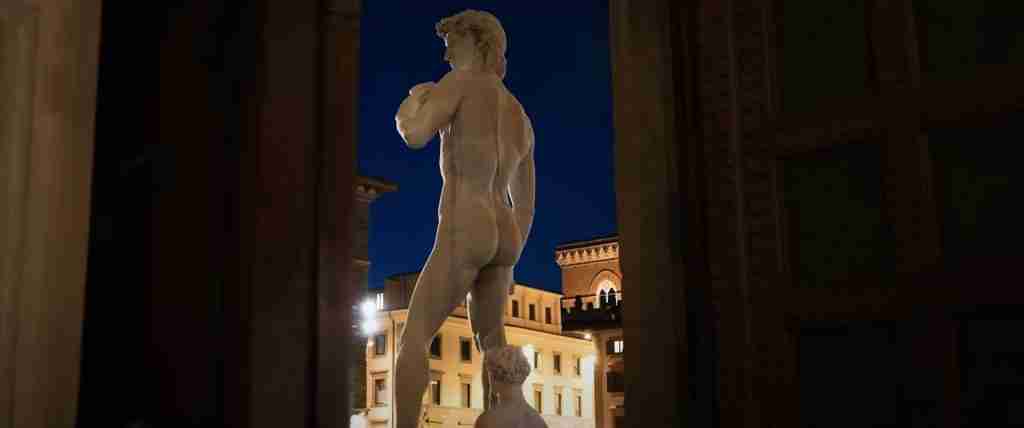
5 days
Florence 5-Day Highlights Experience
- ✓ Comprehensive Florence experience
- ✓ Expert local guides included
- ✓ All accommodation included
- ✓ Transportation provided
7 days
Florence 7-Day Cultural Journey
- ✓ Comprehensive Florence experience
- ✓ Expert local guides included
- ✓ All accommodation included
- ✓ Transportation provided
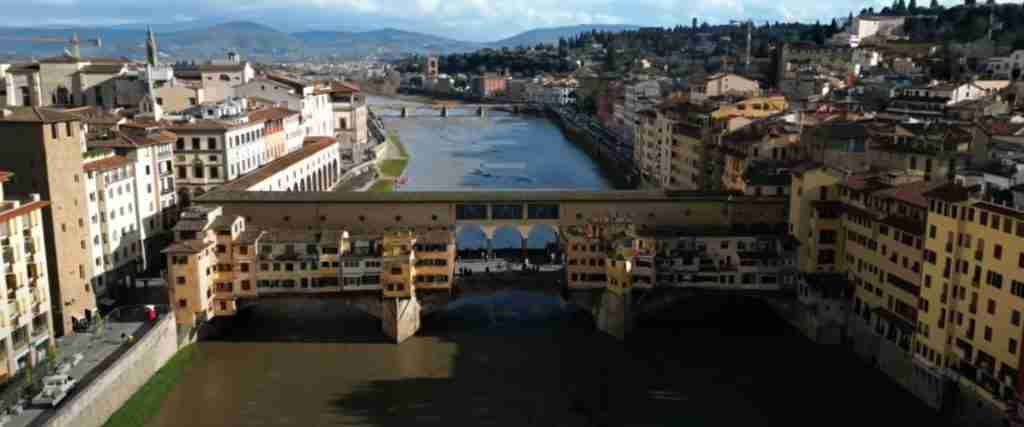
10 days
Florence 10-Day Complete Adventure
- ✓ Comprehensive Florence experience
- ✓ Expert local guides included
- ✓ All accommodation included
- ✓ Transportation provided
Multi-day tour packages powered by TourRadar. Prices and availability subject to change.
Introduction: Understanding the Accademia Gallery’s Place in Florence’s Art World
The Galleria dell’Accademia occupies a unique position among Florence’s museum treasures, functioning essentially as a Michelangelo sculpture museum despite its origins as a teaching collection for the Academy of Fine Arts. Founded in 1784 by Grand Duke Pietro Leopoldo of Lorraine, the gallery initially served Academy students studying drawing and painting techniques from master works. The institution occupied former religious buildings including the 14th-century Hospital of San Matteo and the Monastery of San Niccolò di Cafaggio, expanding its collection through the late 1700s and early 1800s as Napoleonic suppressions of churches and convents released artwork into state custody.
The Accademia’s transformation from teaching collection to pilgrimage destination occurred in 1873 when Florence moved Michelangelo’s David from Piazza della Signoria to protect it from weather damage. Architect Emilio de Fabris designed the Tribune, a domed octagonal hall with a skylight creating controlled natural illumination that mimics outdoor light conditions while eliminating rain, pollution, and temperature extremes. The successful David relocation encouraged additional Michelangelo acquisitions, with the four unfinished Prisoners arriving from the Boboli Gardens in 1909 to create the dramatic corridor approach now defining the visitor experience.
Today the Accademia attracts over 1.6 million visitors annually, making it Italy’s second most-visited museum after Rome’s Colosseum complex and Florence’s busiest art institution surpassing even the Uffizi in absolute visitor numbers. This popularity stems entirely from Michelangelo’s presence, as the gallery’s Renaissance painting collection, while respectable, cannot compete with the Uffizi’s masterpiece density or the Palazzo Pitti’s scale. Visitors enter primarily to witness David, with the Prisoners, paintings, and musical instruments functioning as enriching supplements rather than primary attractions.
The museum’s focused scope creates advantages over Florence’s larger institutions. The single-corridor layout prevents the navigation confusion plaguing multi-wing museums, while the 90-minute typical visit duration suits travelers managing packed Florence itineraries better than the Uffizi’s 3-4 hour commitment. The Accademia delivers concentrated Michelangelo exposure without requiring stamina for marathon museum sessions, making it accessible to casual art tourists who might find comprehensive Renaissance museum visits overwhelming.
Michelangelo’s David: History, Creation, and Artistic Significance
Michelangelo carved David from a single block of Carrara marble between 1501 and 1504, completing the commission from Florence’s Opera del Duomo for a cathedral roof-line sculpture at age 26. The marble itself carried history before Michelangelo’s chisel touched it, having been extracted from Carrara quarries in 1464 and partially carved by sculptors Agostino di Duccio and Antonio Rossellino before abandonment as flawed or too difficult. The block sat neglected for 40 years in the Opera del Duomo courtyard before Florence offered the challenging marble to young Michelangelo, who recognized potential where others saw limitation.
The Carving Process and Technical Mastery
Michelangelo worked the marble from a standing position, carving from front to back using his distinctive “surfacing from water” technique where the highest points emerged first before deeper carving revealed full forms. The 5.17-meter (17-foot) height required scaffolding and unusual physical positions as Michelangelo carved upward to reach David’s head and shoulders. Unlike most Renaissance sculptors who worked from detailed wax models and mechanical pointing systems to transfer measurements to marble, Michelangelo relied primarily on his anatomical knowledge and visual judgment, carving largely freehand with extraordinary confidence.
The statue’s surface shows Michelangelo’s tool progression from pointed chisels creating rough forms to flat chisels refining muscles and features, finishing with abrasives producing the polished skin-like marble surface. Close examination reveals tool marks in less-visible areas like David’s back and hair, while the face, torso, and hands display the glass-smooth finish achieved through hours of patient abrasion with pumice and straw. This selective finish demonstrates Michelangelo’s practical time management, investing maximum effort where viewers’ eyes naturally focus while accepting rougher treatment in secondary areas.
Anatomical Accuracy and Artistic Choices
David’s anatomy represents Michelangelo’s deep study of human musculature through cadaver dissection and observation of living models. The tension in David’s right hand gripping the sling, the engaged left leg supporting body weight while the right leg relaxes in classical contrapposto stance, and the visible veins in both hands demonstrate Michelangelo’s understanding of how muscle, tendon, and bone interact during different poses. The pronounced abdominal muscles, defined pectorals, and articulated rib cage reveal a young male body at peak athletic condition, appropriate for a shepherd-warrior capable of defeating Goliath.
Michelangelo introduced deliberate distortions serving artistic rather than anatomical goals. David’s head and hands appear oversized relative to his torso when viewed up close, a choice Michelangelo made anticipating the statue’s original intended placement high on the cathedral roof line where foreshortening would make normally proportioned head and hands appear too small from ground level. When the completed statue proved too magnificent for roof installation and was instead placed at ground level in Piazza della Signoria, these intentional distortions became visible but ultimately enhanced David’s psychological intensity rather than detracting from the overall effect.
The Moment Captured: David Before Battle
Michelangelo depicts David before his battle with Goliath rather than during or after combat, a revolutionary choice distinguishing his conception from previous Renaissance David sculptures. Donatello’s bronze David (1440s) and Verrocchio’s bronze David (1470s) show the young hero after victory, standing triumphantly over Goliath’s severed head. Michelangelo instead captures psychological tension in the moment before action, with David’s contracted brow, focused gaze, and tensed right hand suggesting mental preparation and controlled aggression rather than relaxed victory celebration.
The sling draped over David’s left shoulder and the stone presumably held in his right hand identify the biblical narrative while the nude body links the biblical hero to classical Greek athletic sculptures. This fusion of Christian subject matter with pagan sculptural language exemplifies Renaissance humanism’s attempt to synthesize Judeo-Christian religious values with classical artistic ideals. David functions simultaneously as pious biblical champion and idealized nude athlete, making the statue acceptable to both religious authorities commissioning it and secular humanists appreciating classical form.
Political Symbolism and Florentine Identity
Florence’s republican government adopted David as political symbol representing civic virtue defending freedom against tyranny. The statue’s placement outside Palazzo Vecchio, Florence’s government palace, transformed biblical David into embodiment of Florentine independence facing threats from larger powers including the Medici family (temporarily exiled when David was carved) and foreign armies periodically invading the Italian peninsula. David’s vigilant gaze originally directed toward Rome, Florence’s historical rival and source of both papal interference and military threat.
This political symbolism intensified in 1527 when anti-Medici rioters threw furniture from Palazzo Vecchio windows, breaking David’s left arm with a bench that struck the statue during civil unrest. The broken arm, later repaired, demonstrated how deeply citizens associated David with political meanings transcending religious or purely aesthetic appreciation. When David moved to the Accademia in 1873, Florence installed the replica in Piazza della Signoria to maintain the civic symbolism even after relocating the original for preservation.
Beyond David: The Four Prisoners and Michelangelo’s Unfinished Works
The Hall of the Prisoners corridor leading to David’s Tribune displays four unfinished Michelangelo sculptures known as the Prisoners, Slaves, or Captives. These powerful male figures, carved between 1519 and 1534, were intended for Pope Julius II’s tomb, a project Giorgio Vasari called the “tragedy of the tomb” due to its repeated downsizing from grandiose original plans to the modest final monument in Rome’s San Pietro in Vincoli church.
The Tragedy of the Tomb: Pope Julius II’s Monument
Michelangelo received the Julius II tomb commission in 1505 when both artist and pope envisioned Western Christianity’s most magnificent funerary monument. The original design called for a three-story freestanding structure containing over 40 marble sculptures, intended for placement in the new St. Peter’s Basilica then under construction. Michelangelo spent eight months at Carrara marble quarries selecting perfect blocks, anticipating years of carving to fulfill this masterwork.
Pope Julius II’s death in 1513 initiated the project’s decline, as his heirs lacked funds and enthusiasm for the originally planned scale. Michelangelo produced revised designs in 1513, 1516, 1526, and 1532, each smaller than its predecessor as financial and practical realities forced compromise. The final 1545 monument in San Pietro in Vincoli retained only seven sculptures, just three carved entirely by Michelangelo himself, including the famous Moses. The Prisoners became casualties of these reductions, abandoned in Michelangelo’s Florence workshop when he left for Rome in 1534 knowing they would never reach their intended tomb.
The Four Prisoners: Awakening Slave, Young Slave, Bearded Slave, and Atlas
The Awakening Slave emerges from marble on the left side of the corridor, his torso twisting in an S-curve suggesting a body rousing from stone sleep. His head remains rough and undefined while his musculature shows advanced refinement, demonstrating Michelangelo’s front-to-back carving method where torsos emerged before extremities and faces. The Young Slave opposite shows a smooth athletic body with arms raised, appearing to stretch against invisible bonds, his surface more finished than the other three Prisoners.
The Bearded Slave displays the most complete head among the four, with facial features including the beard clearly defined though not polished to David’s smooth finish. His powerful body leans forward as if pressing against the marble still imprisoning his lower body and legs. The Atlas, named for the Greek titan condemned to hold up the sky, shows a figure bent under enormous weight, his head seemingly supporting a rough marble mass above while his body strains in effort. The Atlas remains the least finished Prisoner, with large sections of unworked marble surrounding the emerging figure.
The Non-Finito Aesthetic and Michelangelo’s Philosophy
Scholarly debate continues whether Michelangelo deliberately left the Prisoners unfinished as artistic statement or simply abandoned them when the tomb project collapsed. Evidence supports both interpretations at different career stages. The Prisoners likely began as practical work interrupted by commission cancellation but acquired theoretical significance as Michelangelo and his contemporaries recognized the unfinished state’s expressive power.
Michelangelo’s poetry and letters reveal his belief that sculptors reveal forms already existing within marble rather than imposing external designs onto inert stone. His Sonnet 151 describes the sculptural process: “The greatest artist has no conception which a single block of marble does not potentially contain within its mass, but only a hand obedient to the mind can penetrate to this image.” This philosophy transforms unfinished sculpture from incomplete work into visual metaphor for the creative process itself, with figures struggling to emerge from stone as artists struggle to reveal perfection from raw material.
The Prisoners’ rough surfaces show Michelangelo’s working method more clearly than polished completed works. Visible chisel marks, unresolved passages where marble transitions from rough block to refined anatomy, and the sense of figures trapped within stone create emotional resonance often more powerful than smooth finished sculpture. Viewers witness Michelangelo’s creative process frozen mid-action, seeing how forms emerged from marble through progressive carving rather than viewing only final results with working methods hidden beneath perfect surfaces.
From Boboli Gardens to the Accademia: The Prisoners’ Journey
After Michelangelo’s 1564 death, his nephew Leonardo Buonarroti inherited the Florence workshop and donated the Prisoners to Grand Duke Cosimo I de’ Medici. In 1586, architect Bernardo Buontalenti placed the four sculptures in the Grotto Grande of the Boboli Gardens behind Palazzo Pitti, where their rough unfinished surfaces complemented the grotto’s artificial rock formations, fake stalactites, and rustic aesthetic. The Prisoners remained in this outdoor setting for over 300 years, periodically cleaned and maintained but fundamentally exposed to weather despite the grotto’s protective enclosure.
The Accademia Gallery received the Prisoners in 1909 as part of a broader effort to concentrate Michelangelo’s works in climate-controlled museum conditions. The Hall of the Prisoners was redesigned to display the four sculptures flanking the corridor leading to David’s Tribune, creating an intentional artistic journey from rough unfinished stone to polished marble perfection. This arrangement produces powerful dramatic effect as visitors walk past struggling Prisoners before encountering David’s triumphant complete realization, experiencing the full range of Michelangelo’s sculptural genius in a single procession.
The Broader Collection: Renaissance Paintings and Musical Instruments
While Michelangelo’s sculptures dominate visitor attention and museum marketing, the Accademia houses significant Renaissance painting and decorative arts collections that merit exploration beyond quick passes rushing toward David. These secondary galleries reveal the museum’s origins as comprehensive art teaching collection rather than single-artist shrine.
Gold-Ground Paintings and Florentine Gothic Masters
The Accademia’s collection of 13th-15th century gold-background religious paintings demonstrates Florentine painting’s evolution from Byzantine-influenced Gothic styles toward Renaissance naturalism. These panels, originally altarpieces in Florence churches and convents, feature religious figures set against glowing gold leaf backgrounds, a technique symbolizing divine light and heaven’s transcendent realm. The gold-ground tradition gradually declined as Renaissance painters like Giotto introduced naturalistic blue skies and architectural settings, but the Accademia’s examples show this transitional period where artists maintained gold backgrounds while introducing increasingly realistic human figures and spatial depth.
Particularly notable examples include works by Lorenzo Monaco, whose refined International Gothic style combined elegant elongated figures with rich color harmonies, and Bernardo Daddi, whose small-scale devotional panels demonstrate the intimacy of private religious art before larger public altarpieces became standard. These paintings provide context for understanding Michelangelo’s revolutionary break from medieval artistic conventions, showing the visual world from which Renaissance masters emerged and against which their naturalistic achievements appear even more dramatic.
Renaissance Masterworks: Botticelli, Ghirlandaio, and Perugino
The gallery displays paintings by major Renaissance masters whose names command respect even in Florence’s competitive artistic environment. Sandro Botticelli’s Madonna of the Sea shows the Virgin Mary with infant Jesus against a coastal landscape, demonstrating Botticelli’s characteristic graceful figures and lyrical compositional rhythms. Domenico Ghirlandaio’s paintings reveal the detailed realistic style that made him Florence’s most successful fresco painter during the late 1400s, while Perugino’s works show the gentle idealized figures and serene landscapes that influenced his most famous student, Raphael.
These paintings cannot compete with the Uffizi’s unparalleled concentration of Renaissance masterpieces, as the Accademia’s collection represents competent but not comprehensive coverage of the period. Visitors seeking exhaustive Renaissance painting surveys must visit the Uffizi, while the Accademia provides selective examples sufficient for appreciating the painting tradition surrounding Michelangelo’s sculptural achievements without overwhelming viewers with hundreds of works demanding equal attention.
The Musical Instruments Collection
The Accademia’s ground-floor gallery displays antique musical instruments from the Medici and Lorraine grand-ducal collections, including violins, cellos, harpsichords, and experimental instruments created by master craftsmen serving Florence’s ruling families. Some instruments date to the 16th and 17th centuries when Florence served as European center for musical instrument innovation, with luthiers developing modern violin family instruments and keyboard makers perfecting harpsichord and early piano mechanisms.
Several instruments in the collection retain playable condition and occasionally feature in historically informed performance recordings, though most exist primarily as visual artifacts documenting instrument construction evolution. The musical instruments appeal primarily to specialized audiences interested in music history and organology (instrument study), functioning as bonus attraction for visitors with time remaining after viewing the Michelangelo sculptures rather than primary destination meriting dedicated visits.
Understanding Ticket Options and Pricing
The Accademia Gallery operates standard admission at €16 per person, the baseline rate established by Italy’s Ministry of Culture for major state museums. This fee grants entry to all Accademia exhibitions and collections including David, the Prisoners, paintings, and musical instruments with unlimited time inside during operating hours, though re-entry is not permitted once you exit. The €16 rate represents the on-site ticket office price, which sounds straightforward but proves impractical for most visitors due to queue lengths regularly exceeding 2-3 hours during peak season (April-October) and 45-90 minutes even during quieter winter months.
Advance Reservations and Booking Fees
Advance ticket reservations through the official Firenze Musei booking system cost €16 admission plus €4 reservation fee, totaling €20 per person for guaranteed timed entry. The €4 fee purchases your specific entry time slot (available every 15 minutes throughout operating hours) and eliminates ticket office queuing, allowing direct progression to entrance security after arriving at your scheduled time. This €4 investment saves 1-3 hours of standing in outdoor queues, making advance booking the default choice for virtually all visitors despite the additional cost.
The booking system opens reservations 90 days before visit dates, with popular time slots (9:00 AM-12:00 PM and 3:00 PM-5:00 PM) filling quickly during high season. Visitors planning April-October Florence trips should book Accademia tickets simultaneously with flight and accommodation reservations rather than waiting until arrival, as same-day availability often proves impossible during peak periods. The reservation confirmation email contains your entry voucher, which must be presented (printed or digital) at the museum entrance to validate your ticket and admit you at your scheduled time.
Reduced-Price and Free Admission Categories
European Union citizens aged 18-25 qualify for reduced admission at €2 plus €4 reservation fee (€6 total), requiring passport or EU national ID presentation at entrance to verify age and citizenship. The dramatic reduction from €16 to €2 recognizes cultural heritage access as priority for young EU residents, though non-EU visitors receive no comparable discount regardless of age. Visitors under age 18 from any country enter free without admission charge though still paying €4 reservation fee for advance booking, making family visits with children financially advantageous compared to adult-only groups.
The first Sunday of each month provides free admission to all visitors regardless of age or nationality, part of Italy’s national “Domenica al Museo” (Sunday at the Museum) program encouraging cultural participation. Free Sunday admission prohibits advance reservations, forcing all visitors into first-come-first-served queuing that creates 3-4 hour waits during busy months. Florence residents with schedule flexibility might successfully navigate free Sunday crowds by arriving before 8:15 AM opening, but tourists on fixed itineraries find the time cost outweighs the €16-20 savings, making paid admission on other days more practical.
Combination Tickets with Other Florence Museums
Starting March 15, 2026, new combined tickets launched by the reorganized “Galleria dell’Accademia di Firenze e Musei del Bargello” institution create multi-museum access at reduced per-venue rates. The two-museum combination ticket covering the Accademia and Museo Nazionale del Bargello costs €26 valid for 48 hours from first use, representing €10 savings compared to purchasing separate €16 tickets for each museum (€32 total). The six-museum combination ticket including the Accademia, Bargello, and four additional state museums costs €38 valid for 72 hours, delivering increasing per-museum value for visitors exploring Florence’s full museum landscape.
These combination tickets suit travelers spending 3-4 days in Florence with time for multiple museum visits, while quick-trip visitors focused exclusively on David and the Uffizi gain little advantage from multi-museum packages. The 48-72 hour validity windows allow flexible scheduling across multiple days rather than requiring same-day visits to all included venues, accommodating realistic museum touring paces that prevent exhausting marathon art viewing sessions.
Third-Party Booking Platforms and Tour Packages
Alternative booking sources including GetYourGuide, Viator, and TiqEts offer Accademia tickets at €22-28 per person, adding €6-12 markup over official €20 reserved pricing. These platforms provide English-language customer service, often flexible cancellation policies (typically 24-48 hours before entry time), and bundled packages combining Accademia admission with Uffizi tickets, walking tours, or multi-day Florence passes. The premium pricing purchases convenience and support rather than admission advantages, as all tickets grant identical museum access regardless of booking source.
Guided tour packages priced €40-65 per person include reserved Accademia entry with expert guide providing 60-90 minute tours explaining David’s history, Michelangelo’s technique, and the Prisoners’ significance. These tours deliver substantial educational value for first-time visitors seeking interpretive context beyond the museum’s limited wall text, though photography restrictions during guided segments and fixed group pacing may frustrate visitors preferring independent exploration. Tour guides cannot bring groups closer to David than general visitors can access independently, eliminating any viewing advantage beyond the historical and artistic commentary provided.
Planning Your Visit: Hours, Closures, and Best Times
The Accademia Gallery operates Tuesday through Sunday from 8:15 AM to 6:50 PM, with last entry at 4:45 PM allowing visitors two hours for viewing before closing procedures begin. The museum closes completely on Mondays along with most Florentine state museums, following the standard Italian cultural institution schedule that concentrates weekend tourism into fewer operating days. Additional closures occur on January 1, May 1 (Labor Day), and December 25, blocking museum access during major holidays when many Florence restaurants and shops also close.
Summer Extended Hours and Special Evening Openings
Tuesday evenings from late June through August bring extended operating hours until 10:00 PM, allowing late-afternoon and evening visits impossible during standard schedules. These summer evening slots reduce crowding by spreading visitor flow across 14 hours rather than the typical 10-hour window, while providing cooler touring conditions compared to midday summer heat. The Tribune’s skylight creates different lighting effects during evening hours as natural daylight fades and electric gallery lighting takes over, subtly changing David’s appearance though most visitors find the quality change minimal rather than dramatic.
The extended hours particularly benefit travelers managing packed Florence itineraries where morning and afternoon schedules fill with other activities. Evening Accademia visits allow breakfast at San Lorenzo Market, morning Uffizi touring, afternoon cathedral dome climbing, and 7:00 PM Accademia entry without schedule conflicts, maximizing daily Florence experiences beyond what standard museum hours permit.
Crowd Patterns Throughout the Week and Year
Tuesday creates the week’s worst crowds as visitors reschedule Monday plans frustrated by the museum’s closure. Wednesday through Friday mornings (8:15 AM-11:00 AM) deliver optimal crowd conditions with manageable visitor densities allowing comfortable David viewing from multiple angles without excessive jostling. Saturday and Sunday bring heavy tourist and local traffic throughout operating hours, with Sundays particularly congested when free first-Sunday admission applies, creating all-day crowding rather than the morning-focused peaks characterizing weekday patterns.
Seasonal variations follow Florence’s broader tourism rhythms, with April-June and September-October representing peak visitor months when pleasant weather, school vacation schedules, and cultural tourism interest converge. July-August bring intense heat reducing overall Florence tourism despite summer vacation timing, while November-February deliver the year’s quietest periods with significantly reduced crowds and easy same-day ticket availability for visitors tolerating cooler temperatures and occasional rain.
Strategic Timing for Optimal Viewing Conditions
Opening time (8:15 AM) provides the best combination of minimal crowds, quality natural light through the Tribune skylight, and morning mental freshness for appreciating art before afternoon museum fatigue sets in. The first entry slots fill with advance reservations despite early hour, indicating experienced travelers’ recognition that morning visits deliver superior experiences. Arrive 15-20 minutes before your scheduled entry time to locate the museum entrance, present your reservation voucher, and pass through security screening without rushing.
Late afternoon entries (4:45 PM final admission) create compressed visit windows with only two hours before closing, though reduced visitor numbers during these slots partially compensate for time pressure. This timing suits travelers primarily interested in David and the Prisoners who can efficiently complete viewing before 6:50 PM closure, skipping the painting galleries and musical instrument collection to focus on Michelangelo’s sculptures within available time.
How to Book Tickets and Skip the Lines
Booking Accademia tickets requires accessing the official Firenze Musei website or calling their reservation phone line, as the museum lacks independent direct booking systems. The online booking process displays a calendar showing availability for the next 90 days, with green dates indicating slots available, yellow dates showing limited availability, and red dates marking sold-out days. Select your preferred date to view specific time slots available in 15-minute increments throughout operating hours.
Step-by-Step Online Booking Process
Navigate to the Accademia booking page through the Firenze Musei portal (firenzemusei.it), select “Galleria dell’Accademia” from the museum list, and choose your preferred visit date from the calendar interface. The system displays available time slots for your selected date, with each slot showing remaining ticket capacity. Click your desired time (most visitors choose 8:15 AM-11:00 AM morning slots or 3:00 PM-5:00 PM afternoon options) and proceed to ticket quantity selection.
Enter the number of full-price tickets (€16 + €4 reservation fee = €20 each), reduced tickets for EU visitors aged 18-25 (€2 + €4 = €6 each), and free tickets for visitors under 18 (€0 + €4 = €4 reservation fee only). The system calculates your total and proceeds to payment, accepting Visa and Mastercard credit/debit cards in euros. Complete payment to receive confirmation email within 15-30 minutes containing your ticket voucher as PDF attachment, which you must bring (printed or digital) to museum entrance.
Phone Reservations and Alternative Booking Methods
Telephone reservations through Firenze Musei (+39 055 294883) provide human-assisted booking for travelers uncomfortable with Italian-language website interfaces or experiencing technical difficulties online. English-speaking operators work weekdays during European business hours, taking verbal booking requests and credit card payment over phone before emailing confirmation vouchers. The phone process costs the same €4 reservation fee as online booking, offering no price advantage but providing customer service reassurance for less technologically confident visitors.
Some visitors successfully purchase same-day tickets at the museum’s on-site ticket office during winter months (November-February) when tourist volumes decline significantly. This strategy carries substantial risk during peak season (April-October) when on-site availability often proves impossible, forcing ticketless visitors to abandon Accademia plans or waste 2-3 hours in ticket queues that may ultimately yield no admission if daily capacity fills before they reach the window. The €4 advance reservation fee represents cheap insurance against this wasted-time risk, making pre-booking the sensible default even for spontaneous travelers resistant to advance planning.
Understanding Timed Entry and Punctuality Requirements
Your ticket reservation specifies exact entry time (for example: 10:00 AM), creating a 30-minute window for arrival and entrance processing. Arriving precisely at your scheduled time provides adequate buffer, as entrance staff begin admitting your time slot group approximately 10 minutes before the official time through a streamlined security and voucher verification process. Late arrivals beyond the 30-minute grace period risk denied entry at staff discretion, though in practice attendants show flexibility for delays of 10-15 minutes when crowd conditions permit.
Early arrival exceeding 30 minutes before your slot typically requires waiting outside until your time approaches, as the museum manages visitor flow by preventing excessive numbers inside simultaneously. The entrance location on Via Ricasoli offers minimal weather protection, making extremely early arrival uncomfortable during rain or summer heat. Arrive 10-20 minutes before your scheduled time for optimal balance between securing entry and minimizing uncomfortable outdoor waiting.
Getting to the Accademia Gallery
The Accademia Gallery occupies Via Ricasoli 58-60, approximately 500 meters north of Florence’s Duomo cathedral in the San Marco neighborhood. This central location places the museum within easy walking distance of most Florence hotels, the train station, and other major cultural sites, making it accessible without requiring public transportation or taxis for visitors staying anywhere in the historic center.
Walking Directions from Major Florence Landmarks
From the Duomo, walk north along Via Ricasoli directly toward Piazza San Marco, passing through the university district with bookshops and student cafes lining the street. The Accademia entrance appears on the left side approximately 400 meters from the Duomo, marked by its characteristic museum entrance configuration and typically by queues of ticketed and non-ticketed visitors. The walk takes 5-7 minutes at casual pace, making the Duomo-Accademia connection Florence’s easiest inter-museum navigation.
From Florence Santa Maria Novella train station, exit toward the city center (not the side-street “uscita varesine” exit) and walk east on Via dei Panzani, continuing straight as it becomes Via dei Cerretani approaching the Duomo. Turn left at the Duomo onto Via Ricasoli and proceed north to the Accademia. Total walking distance measures approximately 1.2 kilometers requiring 12-15 minutes, entirely on flat paved streets without steps or obstacles challenging for travelers with mobility limitations or wheeled luggage.
Public Bus Options and Accessibility
Several Florence bus lines stop near the Accademia, though the compact historic center makes walking more practical than navigating the bus system for most visitors. Lines C1 and C2 (small electric buses serving the limited-traffic zone) stop at San Marco approximately 200 meters from the museum entrance, while line 14 from the train station terminates at Piazza San Marco. Standard Florence bus tickets cost €1.50 for 90-minute validity, purchased from tabacchi (tobacco shops), newsstands, or automated machines at major stops but not from bus drivers.
The walk from any bus stop to the Accademia covers less distance than finding the correct stop and waiting for bus arrival, making walking the default transportation choice. Buses serve primarily visitors with mobility challenges requiring shorter walking distances rather than able-bodied travelers seeking convenience or time savings. Taxis can drop passengers directly at the museum entrance on Via Ricasoli, though the narrow street prevents taxi waiting or pickup, requiring travelers to walk to wider streets for return taxi hailing.
What to Expect Inside: Museum Layout and Visit Flow
The Accademia Gallery occupies a linear single-corridor configuration with side galleries branching from the main Hall of the Prisoners passageway leading to David’s Tribune. This straightforward layout prevents the navigation confusion affecting multi-wing museums like the Uffizi or Palazzo Pitti, as visitors simply walk straight from entrance through the Hall of the Prisoners to reach David, exploring side galleries for paintings and musical instruments based on interest and available time.
The Hall of the Prisoners: Corridor to David
Immediately after entrance security, visitors enter the Hall of the Prisoners displaying Michelangelo’s four unfinished sculptures flanking the long corridor. The Awakening Slave and Bearded Slave occupy the left wall while the Young Slave and Atlas anchor the right, creating balanced compositional rhythm as visitors progress toward the Tribune visible in the distance. The corridor’s proportions and lighting deliberately emphasize the Prisoners’ rough unfinished surfaces, with overhead illumination creating dramatic shadows in the deep chisel marks scoring the marble.
Most visitors pause briefly at each Prisoner for close examination and photography before continuing toward David, spending 10-15 minutes total in this section. Art historians and sculpture enthusiasts often linger 30-45 minutes studying the Prisoners’ unfinished passages, observing how Michelangelo’s working method progressed from rough blocking to refined anatomy, and appreciating the expressive power of incomplete sculpture. The corridor’s bench seating allows extended contemplation without blocking other visitors’ progress, though photography crowds around each sculpture can create congestion during peak hours.
The Tribune: Encountering David
The corridor opens into the Tribune, Emilio de Fabris’ 1873 octagonal chamber designed specifically for David. Natural light streams through the domed skylight above, illuminating David from above in approximation of outdoor lighting conditions the statue experienced during its 369 years in Piazza della Signoria. David stands on a raised platform in the Tribune’s center, with protective barriers maintaining approximately 2.5-3 meter viewing distance preventing visitors from touching the marble while allowing close approach for detail examination.
The circular viewing path around David’s platform enables 360-degree observation, revealing details invisible from any single vantage point. David’s back shows Michelangelo’s attention to anatomical accuracy in areas invisible from the statue’s originally intended frontal viewing position at Palazzo Vecchio, while side views emphasize the contrapposto stance with weight on the right leg creating the characteristic hip thrust. Most visitors complete the circular walk photographing from multiple angles before selecting preferred positions for extended viewing, spending 15-30 minutes total in the Tribune.
Side Galleries: Paintings and Musical Instruments
Side galleries branching from the main corridor display the Accademia’s Renaissance painting collection and musical instruments. These spaces receive less visitor traffic than the Michelangelo corridor, creating quieter environments for viewing paintings without the crowds concentrating around David and the Prisoners. The paintings hang in roughly chronological progression from 13th-century gold-ground panels through 16th-century Renaissance works, with interpretive labels (Italian and English) identifying artists, dates, and subject matter.
The musical instrument gallery occupies ground-floor rooms displaying violins, harpsichords, and experimental instruments from the Medici collection. Minimal interpretive information accompanies the instruments compared to the painting galleries, assuming visitor interest derives from the objects’ visual appeal and historical presence rather than detailed organological analysis. These galleries suit visitors with time remaining after viewing Michelangelo’s sculptures or specific interest in Renaissance painting and music history, functioning as optional enrichment rather than required viewing.
Photography Guidelines and What You Can Photograph
Photography without flash is permitted throughout the Accademia Gallery including close-range David documentation from all viewing angles around the Tribune platform. This permissive policy contrasts with many European museums prohibiting photography entirely or restricting it to designated areas, making the Accademia particularly friendly for visitors documenting their museum experience through photographs. Flash photography prohibition protects artwork from cumulative light damage that, over decades and millions of flash exposures, degrades pigments in paintings and potentially affects marble surfaces through thermal cycling.
Photographing David: Angles, Lighting, and Techniques
The Tribune’s circular layout permits classic frontal views showing David’s complete figure from head to base, dramatic low-angle shots emphasizing the statue’s imposing height, and detail close-ups focusing on hands, face, or musculature. The skylight’s natural illumination creates constantly shifting light across David’s surface as clouds pass and sun angle changes throughout the day, making each visit photographically unique. Morning light (8:15 AM-11:00 AM) provides soft even illumination with minimal harsh shadows, while afternoon sun creates stronger directional lighting emphasizing marble surface texture through increased contrast.
Standard smartphone cameras and compact digital cameras capture acceptable David photographs for personal documentation and social media sharing. Serious photographers using DSLR or mirrorless cameras benefit from fast lenses (f/2.8 or wider) allowing hand-held shooting in the Tribune’s moderate natural light without requiring tripods (which are prohibited). ISO settings of 800-1600 with shutter speeds around 1/60-1/125 second produce sharp results when combined with image stabilization or careful hand-holding technique. Tripods and professional lighting equipment are prohibited to prevent visitor flow obstruction and avoid creating commercial photography appearance that requires special museum permissions.
Photographing the Prisoners and Gallery Artworks
The Hall of the Prisoners’ overhead lighting creates dramatic shadows emphasizing the sculptures’ rough unfinished surfaces and deep chisel grooves. Side lighting from windows along the corridor adds directional illumination that changes throughout the day, making morning and late afternoon visits offer different photographic lighting than midday hours. The Prisoners’ positions flanking the corridor allow photographers to capture individual sculptures in isolation or create corridor perspective shots showing multiple Prisoners receding toward David in the background.
Painting galleries’ lighting combines natural window light with supplemental electric illumination, creating even exposure across wall surfaces without the dramatic contrasts characterizing the sculpture halls. Glass-protected paintings reflect camera flashes and overhead lights, requiring photographers to angle shots slightly off-perpendicular to reduce reflections. Photographing paintings provides documentation value but rarely produces publication-quality images due to reflection issues, protective glass, and the fundamental limitation that photographic reproduction cannot capture paintings’ color subtlety and surface texture visible only through direct viewing.
Accessibility and Visitor Facilities
The Accademia Gallery provides wheelchair accessibility throughout the museum via ramps and elevators connecting entrance-level galleries to upper-floor exhibition spaces. The main entrance on Via Ricasoli includes accessible entry without steps, while the Hall of the Prisoners and Tribune require no vertical circulation, keeping the museum’s primary Michelangelo sculptures on a single level accessible to all visitors. Upper-floor painting galleries housing less-visited artworks require elevator use, with museum staff providing assistance operating elevators and navigating accessible routes upon request.
Services for Visitors with Disabilities
Visitors with disabilities receive free admission upon presenting valid disability certification at the ticket office, with one accompanying caregiver also granted free entry. Advance reservation remains recommended despite free admission, as the museum cannot accommodate unlimited simultaneous visitors even when waiving admission fees. Contact the Accademia via email or phone before visiting to confirm accessible routing, reserve elevator access times if needed, and arrange any special assistance requirements beyond standard wheelchair accessibility.
Tactile maps at ground floor and first-floor landings provide raised-relief gallery layouts for blind and low-vision visitors, indicating gallery positions, artwork locations, and circulation routes through raised lines and textures. The museum lacks extensive audio description services or braille interpretive labels compared to fully-developed accessibility programs at major museums, limiting independent exploration for blind visitors though sighted companions can provide verbal descriptions. Deaf and hard-of-hearing visitors face no significant barriers beyond the general absence of visual interpretive materials throughout the museum, which affects all visitors equally rather than creating specific deaf accessibility challenges.
Coat Check, Restrooms, and Visitor Amenities
Mandatory coat check near the entrance requires all large bags, backpacks, umbrellas, and coats to be deposited before entering gallery spaces. This policy protects artworks from accidental damage from bags swinging near sculptures or paintings while improving visitor mobility in sometimes-crowded galleries. The coat check operates free of charge, returning deposited items upon exit by presenting your claim ticket. Small purses and camera bags under approximately 25cm x 35cm dimensions can be carried into galleries, while anything larger requires checking.
Restrooms located near the entrance and on upper floors provide standard facilities with accessible stalls meeting Italian accessibility standards. No café or restaurant operates within the museum, requiring visitors to exit for food and beverage (with re-entry prohibited after exiting). Water fountains near restrooms provide free drinking water, essential during summer visits when temperature and extended viewing can cause dehydration. The museum shop near the exit sells exhibition catalogs, art books, postcards, and David-themed souvenirs, operating during museum hours and accepting credit cards and cash.
Combining the Accademia with Other Florence Museums
The Accademia’s focused 60-90 minute visit duration and central location make it easy to combine with other Florence cultural sites in single-day itineraries. Strategic pairing matches the Accademia with complementary museums whose collections enhance understanding of Michelangelo’s sculptures or broaden Renaissance art exposure beyond what single institutions provide.
Accademia and Uffizi: Florence’s Essential Pair
Combining the Accademia (Michelangelo’s sculpture focus) with the Uffizi (comprehensive Renaissance painting collection) provides balanced exposure to Florence’s dual artistic strengths in sculpture and painting. Most visitors schedule morning Accademia entry (8:15 AM-9:30 AM) before mid-morning Uffizi arrival (10:30 AM-11:30 AM), allowing 2-3 hours at each museum with lunch break between creating natural pacing. This pairing requires booking advance timed-entry tickets for both museums, as attempting same-day ticket purchases proves nearly impossible during peak season and wastes hours in ticket queues even during quieter periods.
The Accademia-Uffizi combination creates physically demanding full-day museum touring requiring 5-6 hours of cumulative viewing plus transit and meals. Visitors should assess their museum stamina honestly, as attempting this pairing when museum fatigue sets in produces diminishing returns where masterpieces blur into exhausted numbness rather than generating memorable experiences. Splitting the museums across separate days reduces fatigue while allowing morning-fresh viewing for each institution, though Florence’s packed schedules often force same-day combining for travelers with limited visit duration.
Accademia and Bargello: Sculpture Deep Dive
The Museo Nazionale del Bargello, Florence’s premier sculpture museum housing Donatello’s David, Verrocchio’s David, and Michelangelo’s early works, pairs naturally with the Accademia for sculpture-focused itineraries. The Bargello occupies a medieval fortress-palace approximately 750 meters south of the Accademia, requiring a pleasant 10-minute walk through Florence’s historic center. Visiting both museums in sequence creates comprehensive understanding of Renaissance sculpture evolution from Donatello’s 1440s bronze innovations through Michelangelo’s late-career masterworks.
The new combined €26 ticket (valid 48 hours) covering both Accademia and Bargello creates financial incentive for this pairing, saving €10 compared to separate admission. The two museums’ complementary collections avoid substantial overlap, with the Bargello emphasizing earlier Renaissance sculpture and decorative arts while the Accademia concentrates on Michelangelo’s works. This natural division prevents the repetitive collection fatigue affecting museums with similar holdings, maintaining visitor engagement across both institutions.
Beyond Museums: Accademia Neighborhood Attractions
The San Marco neighborhood surrounding the Accademia contains additional cultural sites manageable in morning or afternoon segments. The Basilica di San Marco, 200 meters north of the Accademia, houses Fra Angelico’s renowned frescoes in the former Dominican monastery where Savonarola lived during Florence’s late-15th-century religious turmoil. The San Lorenzo Market complex southeast of the Accademia offers Florence’s largest food market along with the Medici Chapels containing Michelangelo’s Medici tomb sculptures, creating opportunities to experience local food culture alongside additional Michelangelo viewing.
Guided Tours vs. Independent Visits: Making the Choice
Guided tours provide expert interpretation of David’s creation, Michelangelo’s technique, and the Prisoners’ unfinished aesthetic, delivering educational value beyond what independent visitors extract from minimal wall text. Tours typically last 60-90 minutes with licensed guides explaining the biblical David narrative, Michelangelo’s anatomical accuracy, the statue’s political symbolism for Florence, and technical carving methods visible in the Prisoners’ surfaces. This context enriches appreciation particularly for first-time Florence visitors lacking art history background to interpret visual details independently.
Tour Structure and What Guides Provide
Standard small-group tours (12-25 participants) begin with entry-level orientation covering museum history and Michelangelo’s Florence career before proceeding through the Hall of the Prisoners to the Tribune. Guides use the Prisoners to explain Michelangelo’s working method, pointing out tool marks, unfinished passages, and the philosophical significance of non-finito sculpture. At David, guides describe the statue’s creation from problematic marble, analyze anatomical details including the oversized head and hands, and explain the before-battle psychological moment Michelangelo chose to represent.
Audio headsets worn during tours allow guides to speak normally without shouting over crowd noise, preventing voice strain while ensuring all participants hear commentary clearly. These wireless systems work particularly well in the Tribune where crowd density and acoustic properties make unassisted guide voices difficult to hear beyond immediate proximity. Tours conclude with free time allowing participants to photograph, revisit favorite works, or explore painting galleries independently before exiting, balancing structured education with personal exploration.
Independent Visit Advantages and Self-Guided Strategies
Independent visits provide complete schedule control, allowing unlimited time studying specific artworks without group pacing pressures. Visitors particularly interested in the Prisoners can spend extended periods examining unfinished surfaces and tool marks, while those focused exclusively on David can proceed directly to the Tribune without obligatory stops at paintings or musical instruments. Photography proceeds at personal preference without competing for tour group positions or waiting for guides to move locations, creating relaxed documentation compared to tours’ structured timing.
Audio guides rented at the museum entrance (approximately €6) provide pre-recorded commentary approximating guided tour content for independent visitors seeking interpretation without group commitment. These devices offer tracks covering David, the Prisoners, and major paintings, allowing visitors to select desired information depth rather than receiving comprehensive tour coverage of all artworks. The audio guide quality varies based on recording production values and narrator engagement, with some museum audio guides providing excellent content while others deliver dry facts without the dynamic presentation live guides achieve.
Common Mistakes Visitors Make and How to Avoid Them
The most consequential error involves arriving without advance tickets, assuming same-day purchase will succeed. This gamble fails during April-October high season when on-site ticket office queues extend 2-3 hours before reaching windows that often close after selling final daily capacity slots. Even during quieter November-March months, arriving ticketless wastes 45-90 minutes in avoidable queues that advance €4 reservation fees eliminate entirely. Book tickets when planning your Florence trip rather than upon arrival, treating Accademia reservation as essential as hotel booking.
Timing and Schedule Errors
Underestimating required visit duration causes rushed viewing that transforms David from contemplative encounter into quick photo-and-exit experience lacking meaningful engagement. While 30-minute lightning visits physically suffice for seeing David and departing, this minimal approach wastes the admission cost and travel investment by treating Renaissance masterworks as checklist items rather than experiences deserving patient attention. Allocate 90-120 minutes for comprehensive Accademia visits including David, Prisoners, and selective painting viewing, or minimum 60 minutes for sculpture-focused tours skipping secondary galleries.
Late afternoon final admission entries (last entry 4:45 PM) create pressure as 6:50 PM closing approaches, forcing condensed viewing that may prove acceptable for sculpture-only interests but eliminates painting gallery exploration. Staff begin closure procedures around 6:40 PM, encouraging visitors toward exits and closing upper-floor galleries, making the final hour less relaxed than earlier visit periods. Morning entries provide optimal time buffers, allowing extended viewing without closure pressure while benefiting from fresher mental states before afternoon museum fatigue accumulates.
Photography and Viewing Position Mistakes
Excessive photography time transforms museum visits into photo documentation sessions where experiencing art through camera screens replaces direct visual engagement. While photographing David serves legitimate documentation and memory purposes, spending 20-30 minutes continuously photographing from every angle while rarely lowering the camera to actually observe the sculpture represents counterproductive prioritization. Take 5-10 minutes capturing desired photographs, then put cameras away to study David directly, observing details cameras cannot capture including marble surface texture, subtle color variations, and three-dimensional spatial presence photographs flatten.
Viewing David exclusively from frontal positions misses important details visible only from side and rear angles. The contrapposto stance with weight shifted to the right leg creates asymmetric muscle engagement best appreciated from side views, while David’s back reveals Michelangelo’s attention to anatomical accuracy in areas invisible from the statue’s originally intended frontal viewing position. Walk the complete circular path around David’s platform rather than clustering at the front position where crowds concentrate, discovering perspectives most visitors miss through incomplete viewing.
Frequently Asked Questions About Visiting the Accademia Gallery
How tall is Michelangelo’s David?
David measures 5.17 meters (approximately 17 feet) from head to base excluding the pedestal, or about 5.5 meters including the base he stands upon. This monumental scale exceeds normal human proportions by roughly three times, creating the imposing presence that made David suitable for originally intended placement high on Florence Cathedral’s roofline. The statue weighs approximately 6 tons (about 12,000 pounds), carved from a single block of Carrara marble.
Can I touch Michelangelo’s David or the Prisoners?
No, all sculptures are protected by barriers maintaining 2.5-3 meter viewing distances preventing physical contact. Guards actively monitor the Tribune and Hall of the Prisoners, immediately intervening if visitors cross barriers or reach toward artworks. The prohibition protects marble from cumulative damage caused by millions of annual touches depositing skin oils and acids that gradually degrade stone surfaces. Even brief contact leaves residues that, multiplied by hundreds of thousands of annual visitors, would visibly damage the sculptures within years.
Is the Accademia Gallery worth visiting if I have limited time in Florence?
Yes for most visitors, as David represents Western civilization’s definitive Renaissance sculpture and a cultural icon justifying dedicated museum time. The 60-90 minute visit duration suits even compressed Florence itineraries better than the 3-4 hours required for comprehensive Uffizi viewing. Visitors should prioritize the Accademia if sculpture interests them more than painting, or if they seek concentrated Michelangelo exposure rather than broader Renaissance art surveys. Skip the Accademia only if you actively dislike sculpture museums or if your Florence time proves so limited that choosing between Accademia and Uffizi forces sacrificing one entirely.
Are there restrooms inside the Accademia Gallery?
Yes, restrooms are located near the entrance on the ground floor and on upper levels near painting galleries. The facilities include accessible stalls meeting Italian accessibility standards. Use restrooms before entering gallery spaces rather than during viewing to avoid interrupting your visit flow, as reaching restrooms from the Tribune requires backtracking through the Hall of the Prisoners to entrance-level facilities.
Can I bring bags and backpacks into the museum?
Small bags and purses under approximately 25cm x 35cm dimensions can be carried into galleries, while larger backpacks, luggage, and bags require mandatory free coat check deposit near the entrance. This policy protects artworks from accidental damage while improving visitor mobility in sometimes-crowded spaces. The coat check operates throughout museum hours, returning deposited items upon exit by presenting your claim ticket.
Is the Accademia Gallery suitable for children?
The museum suits children interested in art and history, though the focused sculpture collection and absence of interactive elements may bore young children expecting hands-on museum experiences. Children under 18 enter free, making family visits financially accessible, though parents should manage expectations about the primarily static viewing experience. Strollers can navigate the main corridors though crowding during peak hours makes baby carriers more practical for infant transport. Most families spend 45-60 minutes, shorter than adult visits, matching children’s attention spans for museum touring.
What is the difference between the Accademia and Uffizi galleries?
The Accademia focuses on Michelangelo’s sculptures with secondary Renaissance painting and decorative arts collections, requiring 60-90 minutes for comprehensive viewing in a compact single-corridor layout. The Uffizi presents comprehensive Renaissance painting from 13th-18th centuries in an extensive multi-gallery complex requiring 3-4 hours minimum, lacking the Accademia’s sculpture strengths but offering unmatched painting breadth. Most Florence visitors tour both museums on separate days or combine them in ambitious single-day itineraries, as the institutions provide complementary rather than overlapping experiences.
Can I visit the Accademia Gallery and return later the same day?
No, re-entry is not permitted once you exit the museum. Your timed-entry ticket grants single admission valid for unlimited time inside during operating hours, but exiting terminates your access requiring new ticket purchase for re-entry. Plan to complete your entire visit in one continuous session rather than expecting to leave and return, and use restrooms before final exit if you may need facilities immediately after leaving.
Are there lockers for storing belongings during my visit?
The museum provides free mandatory coat check for large bags and coats rather than self-service lockers. Staff supervise the coat check area and return belongings upon exit by presenting your claim ticket. The coat check does not accept valuables, electronics, or large amounts of cash, providing basic bag storage rather than secure vault facilities. Carry valuables in pockets or small bags permitted into galleries rather than depositing them in coat check.
How does the Accademia Gallery compare to the David replicas at Piazza della Signoria and Piazzale Michelangelo?
The replicas provide free outdoor viewing showing David’s original civic context (Piazza della Signoria) or romantic hilltop setting with panoramic views (Piazzale Michelangelo), but lack the original’s subtle surface details, marble quality, and the psychological presence only authentic masterworks convey. Close viewing reveals Michelangelo’s carved details impossible to replicate perfectly including individual hair strands, subtle facial expressions, and the translucent marble quality allowing light to penetrate the surface creating lifelike skin appearance. Serious art appreciation requires experiencing the original despite the replicas’ convenience and photographic appeal.