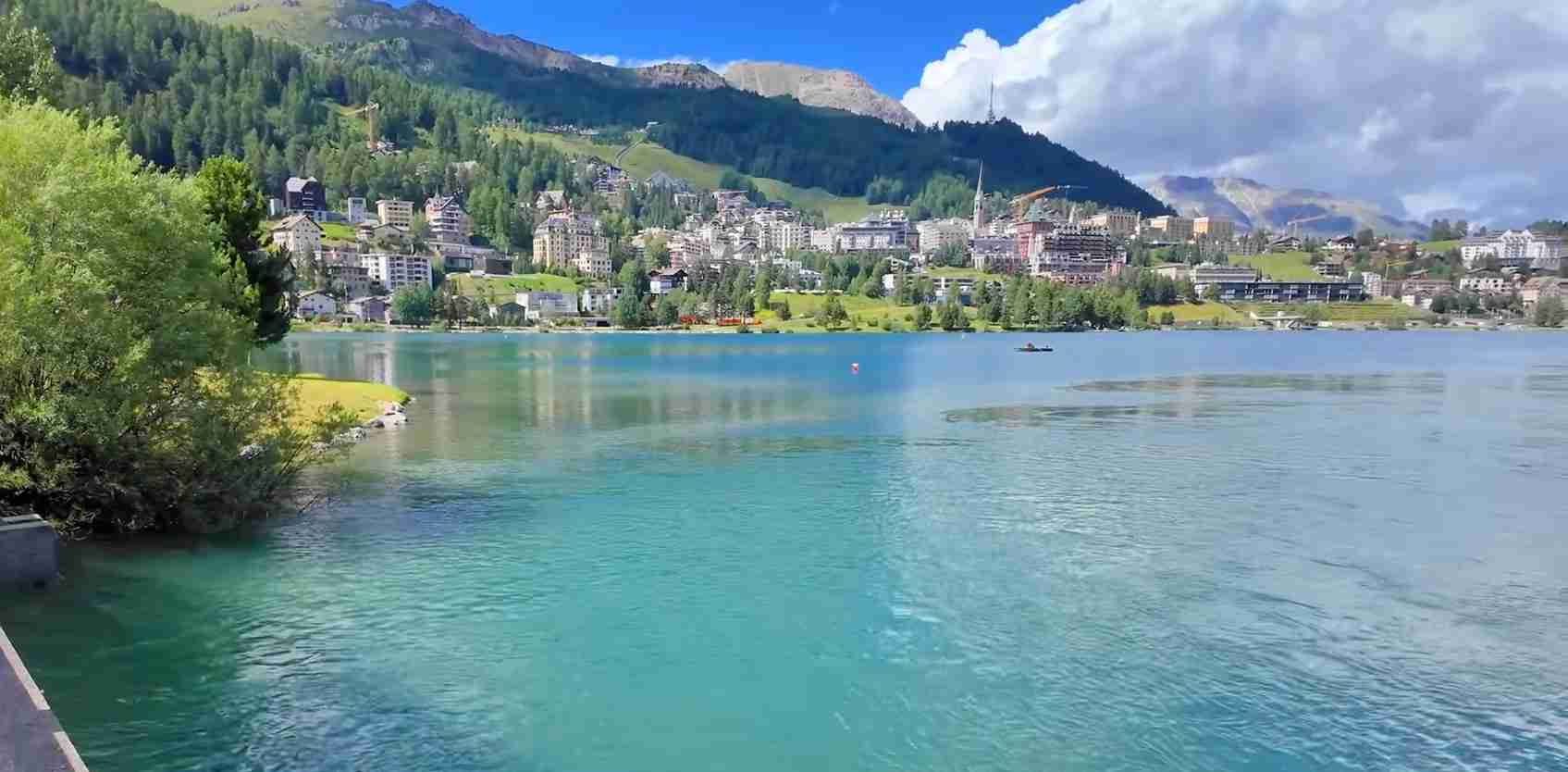
Visiting St. Moritz: Ultimate Planning Resource & Travel Guide 2026
St. Moritz, the birthplace of Alpine winter tourism and host of two Winter Olympics, combines world-class skiing with unmatched luxury at 1,856 meters above sea level in Switzerland’s Engadin Valley. This comprehensive 2026 planning guide covers everything from budget breakdowns and seasonal timing to accommodation strategies and mountain activities, helping you navigate one of Europe’s most prestigious alpine destinations whether you’re seeking powder runs on Corviglia or summer hikes around crystalline lakes.
Key Takeaways: Essential St. Moritz Planning 2026
- Daily Budget Planning 2026: Budget travelers need CHF 205-325 ($245-390) per person daily assuming two sharing budget accommodation. Mid-range visitors spend CHF 430-720 ($515-865) per person daily for comfortable hotels and quality dining. Luxury experiences require CHF 1,015-1,910 ($1,220-2,295) per person daily for five-star properties and premium mountain activities.
- Peak Season Timing 2026: Winter (December through March) delivers prime skiing conditions with peak snow quality January through March, while summer (June through August) offers hiking, water sports, and 300+ days of annual sunshine. Shoulder seasons (April-May and October-November) provide 30-50% lower accommodation rates with significantly fewer crowds but limited mountain facility operations.
- Ski Pass Economics 2026: Adult day passes cost CHF 79 ($95) at standard rates, but early booking through the Snow-Deal dynamic pricing system saves 20-30% on multi-day tickets. The Sleep+Ski program offers passes at CHF 47 ($57) per day when booked with participating hotels, and all multi-day Upper Engadin passes include free public transportation throughout the valley.
- Accommodation Strategy 2026: Book luxury properties 6-8 months ahead for winter peak season (Christmas through March), mid-range hotels 3-4 months in advance, and budget options 2-3 months prior. Summer bookings require less lead time, though July-August demand remains strong. Many hotels close during shoulder months (May and mid-October through mid-December).
- Mountain Access 2026: Three distinct ski areas serve different abilities: Corviglia caters to intermediates with groomed cruisers and town access, Corvatsch challenges experts with steep terrain reaching 3,303 meters, and Diavolezza offers Switzerland’s longest glacial descent plus backcountry access. Summer operations feature cable cars to panoramic viewpoints including Piz Nair at 3,057 meters.
- Getting There 2026: Zurich Airport sits three hours away by scenic Rhaetian Railway through UNESCO-listed Albula Line, with direct trains departing hourly. Milan provides an alternative three-hour route via Bernina Express. Regional Engadin Airport in Samedan accommodates private jets and charter flights just 15 minutes from town, while driving requires navigating mountain passes or using the Vereina Tunnel car-loading train service.
People Also Ask About St. Moritz 2026
How Much Does St. Moritz Cost Per Day in 2026?
St. Moritz daily costs in 2026 range CHF 205-325 ($245-390) per person for budget travel, CHF 430-720 ($515-865) for mid-range comfort, and CHF 1,015-1,910 ($1,220-2,295) for luxury experiences, all assuming two people sharing accommodation. Budget travelers stay in hostels or simple hotels at CHF 125-175 ($150-210) per person (room divided by two), eat self-prepared lunches and modest restaurant dinners totaling CHF 38-60 ($46-72) daily, and focus on free activities or single museum visits at CHF 15-30 ($18-36). Mid-range visitors enjoy comfortable three-star hotels at CHF 250-400 ($300-480) per person sharing, dine at quality restaurants spending CHF 80-130 ($96-156) on meals, and budget CHF 40-80 ($48-96) for cable car access and activities. Luxury travelers occupy five-star properties like Badrutt’s Palace or Kulm Hotel at CHF 600-1,200 ($720-1,440) per person sharing, experience fine dining costing CHF 200-320 ($240-384) daily, and allocate CHF 80-150 ($96-180) for premium mountain experiences and spa treatments.
What Is the Best Month to Visit St. Moritz in 2026?
February 2026 ranks as the optimal month for winter sports enthusiasts, delivering peak snow conditions, the famous White Turf horse races on frozen Lake St. Moritz, and vibrant après-ski atmosphere, though accommodation costs reach annual highs at CHF 500-2,400 ($600-2,880) per room nightly. July and August 2026 provide ideal summer conditions with temperatures reaching 15-20°C (59-68°F), full operation of hiking trails and mountain cable cars, and major events including Festival da Jazz and St. Moritz Running Festival, while hotel rates drop 30-40% below winter peaks to CHF 300-1,600 ($360-1,920) per room. September 2026 offers the sweet spot for value seekers, combining pleasant weather with autumn colors, 40-50% lower accommodation costs than summer, and significantly reduced crowds as ski season hasn’t begun and summer tourists depart. Avoid mid-October through mid-December when many hotels and restaurants close for seasonal maintenance between summer and winter operations.
Is St. Moritz Worth Visiting for Non-Skiers in 2026?
St. Moritz delivers exceptional year-round experiences beyond skiing through 300+ annual sunshine days, pristine alpine lakes including Lake St. Moritz and Lej da Staz offering swimming and water sports, over 580 kilometers of marked hiking trails ranging from gentle lakeside walks to challenging summit routes, and world-class cultural institutions including Segantini Museum (CHF 15/$18 admission) showcasing alpine landscape paintings. Summer visitors access mountain viewpoints via cable cars without ski equipment, enjoying panoramic restaurants at Muottas Muragl (2,456 meters) and Piz Nair (3,057 meters) serving traditional Engadine cuisine with vista seating. The Olympia Bob Run offers passenger rides on the world’s only natural ice bobsled track at CHF 250 ($300) per run with professional pilots, while Lake St. Moritz hosts snow polo and cricket on ice tournaments in February drawing international spectators. Shopping along Via Serlas features luxury boutiques from Gucci to Hermès, wellness facilities include mineral spring spas dating to Roman times, and the historic Leaning Tower inclines 5.5 degrees exceeding Pisa’s famous tilt. Events calendar spans White Turf horse racing (February), St. Moritz Gourmet Festival (January), and multiple jazz and classical music series throughout summer months.
How Many Days Should I Spend in St. Moritz in 2026?
Four to five days provides sufficient time to experience St. Moritz’s diverse offerings in 2026, allowing three full days of skiing across Corviglia, Corvatsch, and Diavolezza areas (or summer hiking and lake activities), one day for cultural exploration including Segantini Museum and the historic town center, and one day for a scenic excursion on the Bernina Express or visit to nearby Pontresina. Winter visitors spending seven days gain access to the Sleep+Ski pass program offering substantial savings at CHF 47 ($57) per day versus CHF 79 ($95) standard rates, covering approximately CHF 224 ($270) in total lift ticket costs over a week. Weekend trips (two nights, three days) work for focused experiences but require prioritizing either skiing or cultural activities rather than both. Extended ten-day stays suit serious skiers exploring the entire Upper Engadin region including Silvaplana and Maloja valleys, or summer hikers tackling multi-day routes like the Via Engiadina trail covering 75 kilometers through spectacular alpine terrain. Budget minimum three nights to justify the travel time from major airports, as both Zurich and Milan sit three hours away making day trips impractical from these gateways.
Extended multi-day tours – 5+ days
Featured St Moritz Multi-Day Tour Packages
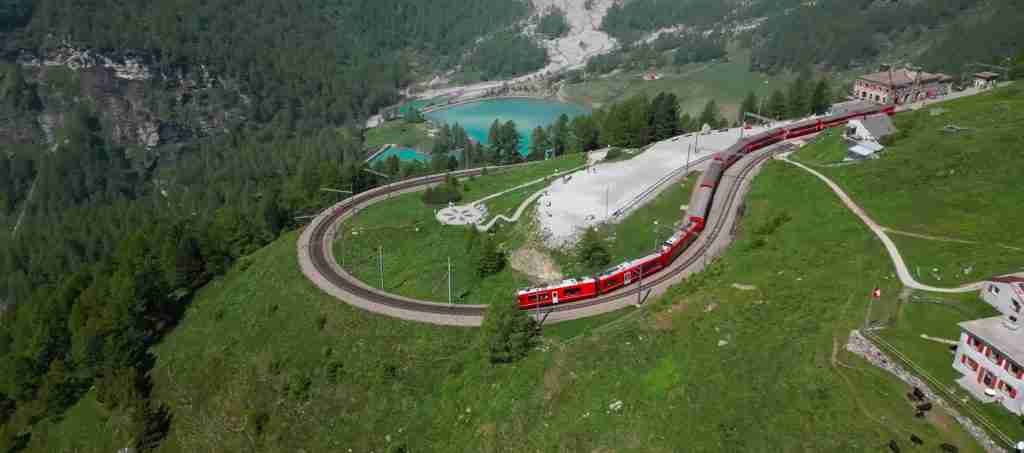
3 days
St Moritz 3-Day Discovery Tour
- ✓ Comprehensive St Moritz experience
- ✓ Expert local guides included
- ✓ All accommodation included
- ✓ Transportation provided
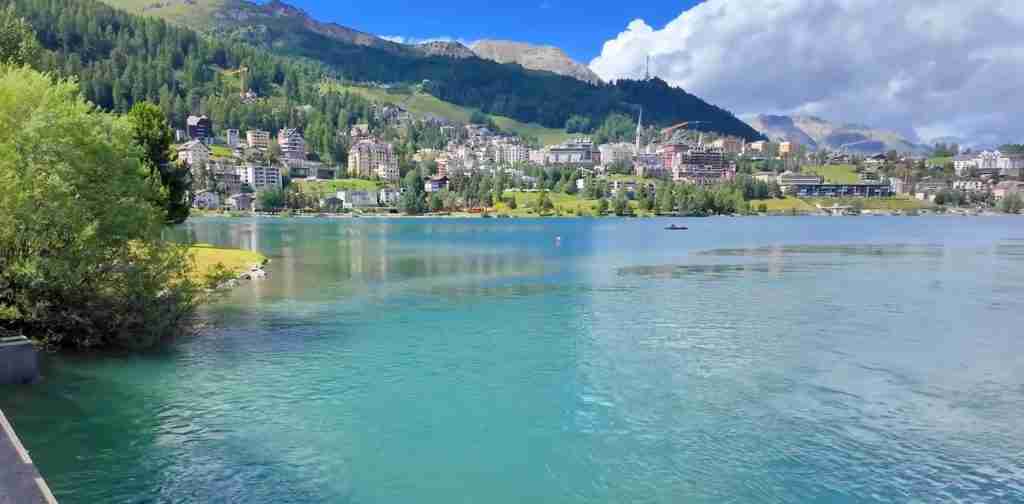
5 days
St Moritz 5-Day Highlights Experience
- ✓ Comprehensive St Moritz experience
- ✓ Expert local guides included
- ✓ All accommodation included
- ✓ Transportation provided
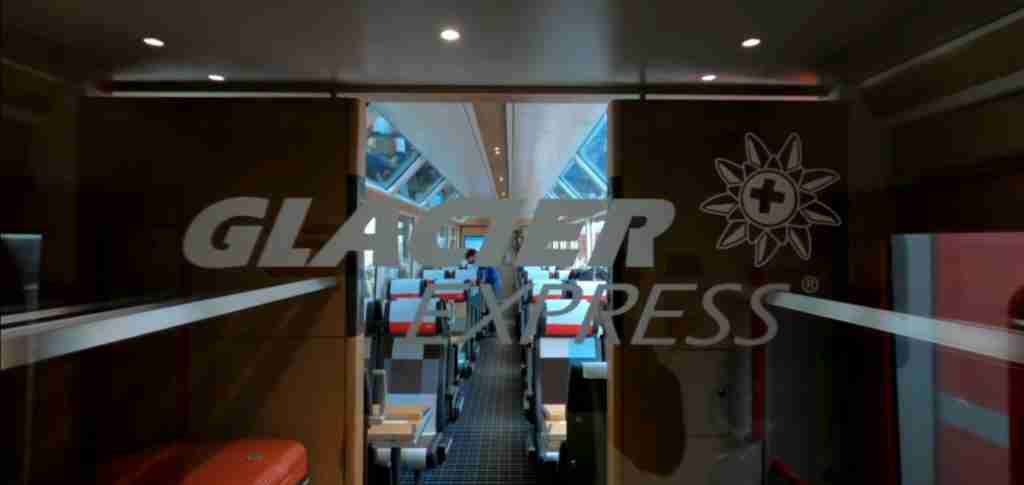
7 days
St Moritz 7-Day Cultural Journey
- ✓ Comprehensive St Moritz experience
- ✓ Expert local guides included
- ✓ All accommodation included
- ✓ Transportation provided
10 days
St Moritz 10-Day Complete Adventure
- ✓ Comprehensive St Moritz experience
- ✓ Expert local guides included
- ✓ All accommodation included
- ✓ Transportation provided
Multi-day tour packages powered by TourRadar. Prices and availability subject to change.
Introduction to St. Moritz: Alpine Luxury Meets Mountain Adventure in 2026
St. Moritz occupies a unique position in global alpine tourism as the birthplace of winter sports holidays, the site where hotelier Johannes Badrutt made his famous 1864 wager with British summer guests that winter would prove equally delightful, transforming this Engadin Valley town into the world’s first winter resort. Today, this legacy manifests in meticulously preserved Belle Époque architecture, luxury hotels that have hosted royalty and celebrities for over a century, and ski infrastructure refined across 150+ years of continuous winter operations. The resort sits at 1,856 meters (6,089 feet) above sea level on the southern slope of the Engadin Valley, surrounded by peaks reaching over 4,000 meters including Piz Bernina, Switzerland’s easternmost four-thousander, creating a natural amphitheater that channels sunlight while blocking harsh northern winds.
This distinctive microclimate delivers the famous “champagne climate” averaging 322 sunshine days annually, more than Nice or Barcelona, making St. Moritz one of Europe’s sunniest destinations despite its alpine latitude. The dry, crisp air combined with high altitude creates ideal snow quality from December through April, with powder staying light and fluffy rather than wet and heavy, while summer months feature pleasantly warm days averaging 18-22°C (64-72°F) and cool evenings around 8-12°C (46-54°F) perfect for outdoor dining. Lake St. Moritz freezes solid during winter, transforming into a venue for White Turf horse races, snow polo tournaments, and cricket on ice matches that draw international competitors and spectators, while summer sees the same lake host sailing regattas, kitesurfing competitions, and swimming activities against a backdrop of snow-capped peaks.
The town splits into two distinct districts: St. Moritz Dorf (village) perches on the sunny slope 100 meters above the lake, housing luxury hotels, designer boutiques along Via Serlas, and the historic Leaning Tower, while St. Moritz Bad (spa) spreads along the lakeshore with spa facilities, sports centers, and more moderate accommodation options. Three separate ski areas serve different preferences and abilities with 350 kilometers of marked pistes: Corviglia-Piz Nair rises directly from town via funicular and cable car, offering wide groomed runs and challenging steeps including the Olympic downhill course; Corvatsch across the valley reaches 3,303 meters with expert terrain and Switzerland’s longest cable car journey; and Diavolezza provides glacier skiing and Switzerland’s longest descent dropping 1,100 vertical meters over varied terrain.
Planning for 2026 requires understanding St. Moritz’s dual peak seasons and corresponding price fluctuations. Winter high season (Christmas through Easter, especially January-March) sees hotel rates increase 150-200% above shoulder periods, ski lift tickets at full price, and restaurants fully booked weeks in advance, yet delivers the quintessential alpine experience with guaranteed snow coverage and full mountain operations. Summer high season (July-August) commands rates 40-60% below winter peaks while offering different activities including hiking, mountain biking, golf, and water sports, plus cultural events like Festival da Jazz attracting world-renowned musicians. Shoulder seasons (April-May and October-November) provide the best value with rates dropping 40-60% below peak periods, but many hotels and restaurants close for maintenance, mountain cable cars run limited schedules, and weather proves unpredictable with possible snow in April-May or early October.
Transportation infrastructure centers on the Rhaetian Railway (RhB), a narrow-gauge network connecting St. Moritz to Chur, Davos, and Tirano (Italy), with the Albula and Bernina lines recognized as UNESCO World Heritage for their spectacular viaducts and tunnels threading through mountain terrain. The Glacier Express links St. Moritz to Zermatt across 291 bridges and 91 tunnels in an eight-hour panoramic journey, while the Bernina Express to Tirano crosses the Alps reaching 2,253 meters at Ospizio Bernina without rack railway assistance. Local transportation includes free ski buses connecting all mountain bases during winter, regular PostBus services linking surrounding valleys, and a network of marked trails totaling over 580 kilometers for hiking and 200+ kilometers for mountain biking.
This 2026 guide addresses comprehensive planning considerations from budget allocation across accommodation, dining, and activities to seasonal timing optimization, transportation logistics including airport transfers and regional connections, and activity selection matching different interests from hardcore skiing to cultural tourism. The following sections provide detailed cost breakdowns for three budget tiers, accommodation recommendations by neighborhood and price point, seasonal analysis including monthly weather patterns and crowd levels, comprehensive ski area descriptions with ability-level guidance, summer activity options from hiking to water sports, practical logistics covering everything from currency exchange to emergency services, and sample itineraries for different trip lengths and interests.
Understanding St. Moritz Costs in 2026: Complete Budget Analysis
St. Moritz ranks among Europe’s most expensive destinations, with costs reflecting premium positioning, limited accommodation supply relative to demand, high Swiss standard of living, and infrastructure expenses maintaining mountain operations at extreme elevations. Understanding the full cost structure before arrival prevents budget surprises and enables strategic planning around major expense categories including accommodation, dining, ski lifts or summer activities, transportation, and incidentals. The Swiss Franc (CHF) serves as local currency, with exchange rates historically stable around CHF 0.83-0.90 per US dollar, though rates fluctuate with global currency markets so verify current conversions when booking.
Budget allocation follows predictable patterns: accommodation consumes 40-55% of total daily spending for most travelers, dining accounts for 25-35%, activities and lift tickets represent 15-25%, and transportation plus miscellaneous expenses comprise the remaining 10-15%. Winter visitors add ski lift passes as significant costs at CHF 79 ($95) daily or CHF 339 ($408) for six days, while summer travelers substitute hiking and cable car access at CHF 40-80 ($48-96) per day depending on desired summit destinations. The Sleep+Ski program fundamentally alters winter economics for stays of four nights or longer, reducing daily lift access to CHF 47 ($57) when booked with participating hotels, effectively saving CHF 32 ($38) per day compared to standard lift ticket pricing.
Seasonal price variations create dramatic cost differences for identical experiences: a mid-range hotel room costing CHF 800 ($960) nightly in February drops to CHF 400 ($480) in July and CHF 280 ($336) in May, representing 65% savings between peak winter and shoulder spring periods. Restaurants maintain consistent pricing year-round as operational costs remain fixed, but accommodation flexibility allows budget-conscious travelers to achieve luxury experiences during off-peak timing that would prove prohibitively expensive in high season. Early booking secures preferred properties at published rates, while last-minute deals occasionally appear during shoulder periods when hotels seek to fill remaining capacity, though gambling on availability risks missing preferred dates entirely.
Budget Traveler Daily Costs 2026: CHF 205-325 ($245-390) Per Person
Budget travel in St. Moritz requires strategic compromises without sacrificing core experiences, focusing resources on mountain access while minimizing accommodation and dining expenses through hostels, self-catering, and free activities. This tier targets backpackers, students, and cost-conscious travelers willing to share dormitory accommodations, prepare some meals independently, and prioritize skiing or hiking over luxury amenities and fine dining. Daily costs range CHF 205-325 ($245-390) per person assuming two people sharing budget hotel rooms or booking hostel dormitories, with exact figures depending on meal choices, activity selection, and whether visiting during winter or summer seasons.
Accommodation forms the largest expense even in budget tier at CHF 125-175 ($150-210) per person nightly when two share a basic hotel room, or CHF 50-90 ($60-108) per person in hostel dormitories. St. Moritz Youth Hostel at via Surpunt 60 charges CHF 50-70 ($60-84) for dormitory beds with shared bathrooms, including breakfast and access to communal kitchen facilities, though advance booking proves essential during peak seasons as the hostel operates at capacity. Budget hotels like Randolins Familienresort and Hotel Bären offer simple doubles at CHF 250-350 ($300-420) per room, dividing to CHF 125-175 ($150-210) per person when sharing, with breakfast included providing significant meal savings. Apartment rentals through platforms like Airbnb occasionally offer better value for groups or extended stays, particularly during shoulder seasons when owners compete for limited bookings, with studios sleeping two starting around CHF 200 ($240) nightly.
Food costs total CHF 38-60 ($46-72) daily through strategic mixing of supermarket purchases and occasional restaurant meals. Breakfast included with hostel or hotel accommodation eliminates this expense, while those without breakfast coverage spend CHF 12-18 ($14-22) at bakeries for coffee and pastries. Lunch assembled from Coop or Migros supermarkets costs CHF 15-25 ($18-30) for bread, cheese, cold cuts, fruit, and snacks carried on mountain excursions, eliminating expensive slope-side restaurant bills averaging CHF 35-50 ($42-60). Dinner represents the main restaurant meal at budget establishments charging CHF 20-35 ($24-42) for pasta, pizza, or traditional Swiss dishes like bratwurst with rösti, with spots like Veltlinerkeller and Steffani offering relatively reasonable pricing by St. Moritz standards.
Transportation within St. Moritz remains minimal at CHF 5-15 ($6-18) daily, as free ski buses operate during winter connecting all mountain bases, and the town’s compact center allows walking to most destinations within 15-20 minutes. Local buses outside ski shuttle routes cost CHF 3-5 ($4-6) per ride, though multi-day ski passes include free public transportation throughout the Upper Engadin region on PostBus coaches and Rhaetian Railway trains. Taxi rides average CHF 15-20 ($18-24) for short town journeys, reserved only for late nights or heavy luggage situations when bus schedules prove inconvenient.
Activities and attractions cost CHF 18-36 ($22-43) daily depending on season and interests. Winter skiing requires the single largest expense with day passes at CHF 79 ($95) standard rate, though budget travelers optimize through multi-day tickets reducing per-day costs to CHF 57 ($68) for six-day passes, or Sleep+Ski packages at CHF 47 ($57) daily when combined with hotel bookings. Free winter activities include ice skating on Lake St. Moritz’s natural rink, snowshoeing on marked trails, and exploring the Leaning Tower and town center. Summer alternatives feature free hiking on 580+ kilometers of marked trails, swimming in Lake St. Moritz and Lej da Staz, and visiting free attractions like the Leaning Tower and lakefront promenades. Museums like Segantini charge CHF 15 ($18) admission, while single cable car rides to viewpoints cost CHF 30-50 ($36-60) without multi-day passes.
Mid-Range Comfort Daily Costs 2026: CHF 430-720 ($515-865) Per Person
Mid-range travel in St. Moritz delivers comfortable three-star hotels, quality restaurant dining, full mountain access, and selective splurges on premium experiences while avoiding five-star luxury pricing that multiplies costs without proportional value increases for most visitors. This tier suits couples, families, and travelers prioritizing comfort and convenience over budget minimization, willing to pay moderate premiums for better locations, private bathrooms, and flexibility in activity choices. Daily costs range CHF 430-720 ($515-865) per person assuming two sharing comfortable hotel rooms, with variation based on dining choices, number of cable car rides or ski days, and whether including spa treatments or guided experiences.
Accommodation costs CHF 250-400 ($300-480) per person nightly when two people share three-star or four-star hotel rooms priced CHF 500-800 ($600-960) total, delivering private bathrooms, breakfast buffets, wellness facilities, and central locations within walking distance of mountain bases and town center. Properties like Hotel Hauser St. Moritz, Hotel Steffani, and Aladin Apartments offer this mid-range positioning with modern renovations, professional service, and amenities including saunas, steam rooms, and ski storage. Breakfast buffets included with most mid-range hotels provide substantial morning meals worth CHF 20-30 ($24-36), while properties with half-board options add dinner at CHF 40-60 ($48-72) premium, potentially offering better value than independent restaurant dining if menu quality proves satisfactory.
Dining totals CHF 80-130 ($96-156) daily across breakfast, lunch, and dinner when eating independently of hotel meal plans. Breakfast at cafés costs CHF 18-28 ($22-34) for coffee, juice, and pastry or egg dishes, though hotel buffets included with accommodation provide better value. Lunch at mountain restaurants averages CHF 30-50 ($36-60) for soup, main course, and drink, with spots like Trutz and Chasellas on Corviglia offering quality Swiss cuisine without excessive pricing. Dinner at quality restaurants costs CHF 50-80 ($60-96) for three-course meals with wine, at establishments like Veltlinerkeller known for traditional specialties, or contemporary spots serving Italian and international cuisine. Total food budget allows flexibility for occasional splurges at higher-end restaurants balanced by simpler meals at more moderate venues.
Transportation expenses reach CHF 12-30 ($14-36) daily including occasional taxi usage for convenience, train trips to nearby Pontresina or Silvaplana, and transport to/from airports or regional attractions. While ski buses remain free during winter and multi-day passes include valley-wide public transport, mid-range travelers often choose taxis for late evenings or heavy shopping trips, particularly when returning from restaurants to hotels located uphill from town center. The Bernina Express or Glacier Express panoramic trains cost CHF 33-150 ($40-180) depending on route length and class selection, suitable for day excursions to Zermatt or Tirano.
Activities and mountain access total CHF 48-96 ($58-115) daily, primarily covering ski lift passes, cable car rides, museum admissions, and occasional guided experiences. Multi-day ski passes bring per-day costs to CHF 57 ($68) for six-day tickets or CHF 47 ($57) through Sleep+Ski programs, while summer cable car access to multiple viewpoints totals CHF 60-90 ($72-108) for comprehensive summit visits to Piz Nair, Muottas Muragl, and Corvatsch. Museum admissions add CHF 15-25 ($18-30) for Segantini Museum and Museum Engiadinais combined, while guided hiking tours or private ski instruction costs CHF 80-150 ($96-180) for half-day experiences, treated as occasional splurges rather than daily expenses. Spa treatments at hotel wellness facilities range CHF 80-150 ($96-180) for massages and thermal bath access, budgeted as two-to-three times weekly rather than daily indulgences.
Luxury Experience Daily Costs 2026: CHF 1,015-1,910 ($1,220-2,295) Per Person
Luxury travel in St. Moritz embraces the resort’s heritage as a playground for European aristocracy and international celebrities, staying at legendary five-star properties, dining at Michelin-quality restaurants, accessing exclusive mountain facilities, and enjoying personalized services including private ski instruction, spa treatments, and chauffeur transportation. This tier targets affluent travelers for whom price proves secondary to experience quality, seeking the pinnacle of alpine hospitality in properties like Badrutt’s Palace, Kulm Hotel, and Carlton Hotel that have defined luxury mountain tourism for over a century. Daily costs range CHF 1,015-1,910 ($1,220-2,295) per person when two share luxury suites, with variation based on restaurant choices, spa frequency, and whether engaging private guides or drivers.
Accommodation dominates luxury budgets at CHF 600-1,200 ($720-1,440) per person nightly when two occupy suites or superior rooms priced CHF 1,200-2,400 ($1,440-2,880) total at five-star properties. Badrutt’s Palace Hotel, the iconic institution that launched St. Moritz as winter destination, charges CHF 1,400-3,000 ($1,680-3,600) for lake-view rooms during peak season, delivering historic grandeur with modern amenities including multiple restaurants, champagne bar with live piano, indoor pool, and legendary service standards. Kulm Hotel St. Moritz, site of the original winter tourism wager, commands CHF 1,200-2,600 ($1,440-3,120) for rooms featuring Belle Époque architecture, direct slope access via private funicular, and comprehensive spa facilities. Suvretta House in nearby forest setting charges CHF 1,100-2,200 ($1,320-2,640) for rooms with five-star luxury slightly removed from town center bustle.
Dining costs CHF 200-320 ($240-384) daily across breakfast, lunch, and dinner at quality establishments showcasing regional and international haute cuisine. Breakfast at five-star hotels included with room rates or charged CHF 35-60 ($42-72) for elaborate buffets featuring fresh pastries, regional specialties, and made-to-order egg preparations. Lunch at slope-side mountain restaurants totals CHF 80-120 ($96-144) for multi-course meals with wine pairings, at venues like El Paradiso famous for exceptional mountain cuisine despite premium pricing. Dinner at Michelin-quality restaurants costs CHF 120-200 ($144-240) for tasting menus with wine, at spots like Talvo or restaurants within Badrutt’s Palace and Carlton Hotel offering creative interpretations of Swiss and international cuisines using premium ingredients.
Transportation expenses reach CHF 36-72 ($43-86) daily through private drivers, first-class rail tickets, and helicopter transfers for ultimate convenience. Luxury hotels provide complimentary town shuttle services and train station pickups, but private chauffeurs offer greater flexibility at CHF 120-200 ($144-240) for half-day availability. Helicopter transfers from Zurich Airport cost CHF 2,500-3,500 ($3,000-4,200) for the aircraft reducing three-hour train journey to 35-minute flight, while local helicopter sightseeing tours around Piz Bernina and glaciers run CHF 800-1,500 ($960-1,800) for 30-45 minute circuits.
Premium activities and experiences total CHF 96-180 ($115-216) daily, covering private ski instruction, exclusive mountain access, spa treatments, and curated experiences unavailable to general visitors. Private ski guides cost CHF 600-900 ($720-1,080) daily for personalized instruction and local expertise accessing off-piste terrain, divided among small groups of two to four participants. Spa treatments at five-star hotel facilities charge CHF 180-350 ($216-420) for extended massages, facial treatments, and thermal therapy sessions using Swiss alpine wellness traditions. VIP access to White Turf horse racing and snow polo tournaments includes champagne hospitality tents at CHF 300-600 ($360-720) per person, while private dining experiences at mountain huts reached by snowcat transportation cost CHF 400-800 ($480-960) per person for exclusive evenings featuring regional cuisine and wines.
Seasonal Planning Guide 2026: When to Visit St. Moritz
St. Moritz operates two distinct high seasons corresponding to winter skiing and summer hiking, with dramatically different experiences, pricing structures, and visitor demographics between periods. Winter (December through March) attracts skiing enthusiasts, luxury travelers, and those seeking quintessential Alpine snow sports atmosphere, while summer (June through August) draws hikers, families, cyclists, and visitors prioritizing outdoor activities in warmer weather with full mountain access via cable cars. Shoulder seasons (April-May and October-November) offer substantial savings and fewer crowds but come with operational limitations as many hotels and restaurants close for maintenance, mountain cable cars run reduced schedules, and weather proves unpredictable with possible snow events even in late spring or early autumn.
Understanding monthly weather patterns, crowd levels, and price fluctuations enables optimization of timing relative to personal priorities. Some travelers prioritize peak experiences regardless of cost, accepting February’s premium pricing for guaranteed snow conditions and vibrant social atmosphere, while others target value periods like September when pleasant weather combines with 50% cost savings and minimal crowds. Event calendars further influence timing, with specific weeks hosting major draws like White Turf horse racing in February, Festival da Jazz in July, or St. Moritz Running Festival in August attracting dedicated audiences willing to book far in advance at premium rates.
Winter Season 2026: December Through March Peak Skiing
Winter establishes St. Moritz’s identity as premier ski destination, with slopes operating from late November through mid-April depending on snowfall patterns and specific mountain areas. December 2026 marks season opening with limited terrain as ski areas wait for comprehensive snow coverage, though Christmas and New Year’s weeks bring full operations and peak pricing despite sometimes marginal early-season conditions. Hotels charge premium rates approaching summer peaks during holiday weeks, averaging CHF 800-2,400 ($960-2,880) per room nightly, while restaurants require advance reservations and slopes handle maximum capacity crowds.
January through March 2026 delivers prime skiing conditions with deepest snowpack, consistently cold temperatures preserving powder quality, and full mountain operations across all three ski areas totaling 350 kilometers of marked terrain. February represents absolute peak season with White Turf horse races on frozen Lake St. Moritz drawing 35,000+ spectators over three weekends, Snow Polo World Cup attracting international competitors and celebrity spectators, and vibrant après-ski scene filling bars and lounges nightly. Hotel rates reach annual maximums at CHF 900-3,000 ($1,080-3,600) per room depending on property class, ski lift tickets cost full CHF 79 ($95) daily without advance-booking discounts, and restaurants operate at capacity requiring reservations weeks ahead for popular establishments.
March extends peak conditions into spring skiing with warmer temperatures transforming afternoon snow surfaces to corn snow ideal for cruising wide boulevards, while mornings maintain firm groomers from overnight freezing. Days lengthen noticeably with sunset extending past 6 PM by late March, enabling full ski days followed by afternoon sunshine on hotel terraces. Crowds thin slightly after school holidays end mid-month, creating brief windows of reduced rates before spring closure begins. April sees progressive lift closures as areas transition to summer operations, with only highest elevations like Corvatsch maintaining skiing into mid-month before comprehensive seasonal shutdown.
Winter weather averages -8°C to +3°C (18-37°F) at valley level in St. Moritz town, with summit temperatures 10-15°C (18-27°F) colder creating ideal snow preservation. The famous “champagne climate” delivers abundant sunshine with 60-70% of winter days featuring clear or partly cloudy skies, though storm systems bringing 20-40cm fresh snow arrive every 10-14 days replenishing base depths. Humidity remains exceptionally low at 30-40% reducing perception of cold and creating comfortable outdoor conditions even at sub-freezing temperatures. Wind proves minimal in valley locations thanks to surrounding peaks, though exposed summit ridges experience stronger gusts requiring face protection during lift rides.
Summer Season 2026: June Through August Mountain Activities
Summer transforms St. Moritz into hiking and outdoor activity destination, with mountain cable cars operating daily June through October providing access to trail networks, panoramic viewpoints, and alpine restaurants without requiring ski equipment. June 2026 marks transition from spring shoulder season with progressive trail openings as snow melts from lower elevations, though summit areas above 2,800 meters may retain snow patches into early July. Hotel rates drop 30-50% below winter peaks to CHF 400-1,600 ($480-1,920) per room nightly, while restaurants operate normal schedules without requiring advance reservations except peak July-August weekends.
July and August 2026 constitute summer high season with warmest temperatures averaging 15-22°C (59-72°F) at valley level, ideal conditions for lake swimming as water temperatures reach 16-19°C (61-66°F), and full operation of all mountain facilities including cable cars to Piz Nair (3,057m), Muottas Muragl (2,456m), and Corvatsch (3,303m). Major events concentrate in these months: Festival da Jazz runs multiple weeks in July featuring free concerts and headline performances, St. Moritz Gourmet Festival in January (note: this may refer to winter event, but summer food events also occur), and St. Moritz Running Festival in August drawing thousands of participants for mountain races from 10km to marathon distances. Hotels achieve 80-90% occupancy during these peaks requiring advance booking 2-3 months ahead, particularly for family-friendly properties and those with lake views.
Summer activities span hiking 580+ kilometers of marked trails from easy lakeside loops like the 4.3km St. Moritz Lake circuit to challenging summit routes requiring 1,200+ meter ascents, mountain biking on dedicated trail networks and uplift-accessible descents from cable car stations, water sports including sailing, windsurfing, kitesurfing, and swimming on Lake St. Moritz and smaller alpine lakes, golf at 18-hole Kulm Country Club and 9-hole Samedan-Zuoz courses set against mountain backdrops, and cultural experiences including museums, galleries, and music festivals. Cable car tickets cost CHF 30-70 ($36-84) for individual rides or CHF 90-150 ($108-180) for multi-day passes covering all Upper Engadin mountains, substantially cheaper than winter ski lift access.
Summer weather features pleasant daytime temperatures averaging 18-22°C (64-72°F) at 1,800m valley elevation, cooling to 8-12°C (46-54°F) overnight requiring light jackets for evening dining and early morning activities. Summit temperatures run 10-15°C (18-27°F) cooler necessitating layers even during sunny days, with wind chill on exposed ridges creating additional cooling effects. Afternoon thunderstorms develop 2-3 times weekly during July-August as heating triggers convection over peaks, typically arriving 2-4 PM and clearing by early evening, making morning starts preferable for summit hikes. Sunshine averages 8-10 hours daily, though cloud coverage varies more than winter’s predominantly clear patterns. UV intensity at high elevation exceeds sea-level measurements by 30-40% requiring diligent sunscreen application and eye protection even on hazy days.
Shoulder Seasons 2026: April-May and October-November Value Periods
Spring shoulder season (April-May 2026) offers the lowest prices of the year with accommodation rates dropping 40-60% below winter peaks to CHF 280-900 ($336-1,080) per room nightly, though operational limitations significantly constrain available activities and services. Many hotels close entirely for maintenance during May after winter season concludes and before summer operations begin, with only 30-40% of properties remaining open primarily serving transition visitors and regional clientele. Mountain cable cars operate weekend-only schedules in April before switching to summer operations in late May, limiting summit access to specific days rather than daily availability. Hiking trails at higher elevations remain snow-covered until mid-May, restricting walking to valley-level routes around lakes and through forests, while lower slopes offer spring skiing at Corvatsch through mid-April in favorable snow years.
April 2026 presents unique hybrid experiences with spring skiing possible on north-facing slopes retaining snow coverage while valley flowers begin blooming and temperatures moderate to 5-12°C (41-54°F) daytime highs. Ice on Lake St. Moritz melts by early April transforming winter playground to spring reflective surface, though swimming remains impractical at frigid temperatures around 6-8°C (43-46°F). Restaurant choices narrow as popular establishments close for staff vacations, and cultural attractions like museums maintain reduced hours or close entirely for renovations scheduled between high seasons.
Autumn shoulder season (October-November 2026) mirrors spring’s value proposition with rates 40-50% below summer peaks, but adds spectacular fall foliage as larch forests transform to golden yellow creating photographic opportunities from mid-September through mid-October. October maintains pleasant hiking weather with temperatures averaging 5-15°C (41-59°F), clear skies prevalent as autumn brings stable high-pressure systems, and full trail access before first snows arrive at higher elevations. Hotels begin seasonal closures in late October with only winter-season properties remaining open, while restaurants transition to winter menus and mountain cable cars switch to winter schedules preparing for ski season opening.
November 2026 represents the quietest month with minimal tourism as winter season hasn’t commenced but autumn activities conclude, creating opportunities for extreme budget travel but limited services. Only 20-30% of hotels operate during November, primarily those preparing for December ski season opening, while restaurants, shops, and cable cars follow maintenance schedules. Weather turns genuinely cold with first substantial snowfalls accumulating at all elevations, though ski terrain doesn’t open until late November pending adequate base depth. This period suits travelers seeking solitude and willing to accept very limited dining options, no mountain access, and potentially unpleasant weather in exchange for CHF 200-600 ($240-720) hotel rates representing 60-70% savings versus winter peaks.
Accommodation Guide 2026: Where to Stay in St. Moritz
St. Moritz accommodation divides between two geographic districts with distinct characters and price points: St. Moritz Dorf (village) occupies the sunny hillside 100 meters above the lake hosting legendary luxury hotels, designer boutiques, and historic center, while St. Moritz Bad (spa) spreads along the lakeshore featuring wellness facilities, sports complexes, and more moderate lodging options. This separation creates strategic choices balancing location convenience, property class, and budget constraints, as Dorf properties command premiums for central positioning and prestige addresses while Bad alternatives offer better value with slightly longer walks to mountain bases. Most hotels include breakfast in quoted rates, while half-board (breakfast and dinner) adds CHF 40-100 ($48-120) per person daily depending on property class and menu quality.
Booking timelines significantly impact both availability and pricing: luxury properties for peak winter season (Christmas-Easter) require reservations 6-8 months ahead as regular guests rebook favorite suites annually and corporate groups secure blocks for holiday periods. Mid-range hotels accept bookings 3-4 months in advance without premium penalties, while budget options remain available 2-3 months prior though preferred room configurations may sell out. Summer season allows more flexibility with 2-3 month lead times sufficient for most properties, though family-oriented hotels near lakes fill early for July-August school holidays. Last-minute bargains occasionally surface during shoulder periods or if last-minute cancellations open preferred rooms, but gambling on availability risks missing desired dates entirely particularly for groups requiring multiple rooms.
Luxury Hotels 2026: Five-Star Historic Properties CHF 600-1,200 ($720-1,440) Per Person
St. Moritz’s legendary five-star properties define luxury alpine hospitality, with institutions dating to the Belle Époque maintaining standards through continuous renovation and impeccable service while preserving historic character that attracted European royalty and international celebrities for over a century. These hotels occupy prime locations with lake or mountain views, operate multiple restaurants ranging from casual to Michelin-quality dining, feature comprehensive spa and wellness facilities including indoor pools and treatment rooms, and employ staff trained to anticipate guest needs before explicit requests. Nightly rates reach CHF 1,200-3,000 ($1,440-3,600) per room for standard doubles during peak winter season, dividing to CHF 600-1,500 ($720-1,800) per person when two share, with suites and premium rooms commanding significantly higher rates.
Badrutt’s Palace Hotel stands as the ultimate St. Moritz icon, the property where Johannes Badrutt made his famous 1864 winter wager launching alpine winter tourism. The hotel occupies a commanding hillside position with 155 rooms and suites featuring lake views, historic furnishings mixed with modern amenities, and legendary service standards developed across five generations of family ownership. Ten restaurants span from casual all-day dining to Michelin-starred establishments, while bars include the famed King’s Club nightclub and champagne lounge with live piano entertainment. The comprehensive spa features indoor pool overlooking the lake, treatment rooms offering Swiss alpine therapies, and fitness facilities. Rates start CHF 1,400 ($1,680) per room for standard doubles in winter peak season, CHF 900 ($1,080) in summer, and CHF 600 ($720) during shoulder periods, with Palace Suites reaching CHF 6,000+ ($7,200+) nightly for multi-room configurations with private butler service.
Kulm Hotel St. Moritz, opened 1856 and site of the original winter tourism challenge, operates 150 rooms across historic main building and modern tower wing. The property features direct ski access via private funicular to Corviglia, nine-hole golf course, multiple restaurants including the panoramic K Restaurant, and extensive spa with indoor and outdoor pools. Historic elements include the library where first electric light in Switzerland illuminated in 1878, and the tower where first Alpine golf tournament launched in 1889. Room rates range CHF 1,200-2,600 ($1,440-3,120) for doubles in winter, CHF 800-1,800 ($960-2,160) in summer, with tower suites commanding premiums for modern finishes and enhanced views.
Carlton Hotel St. Moritz delivers contemporary five-star luxury in streamlined modern design contrasting Belle Époque competitors, featuring 60 rooms and suites with minimalist Alpine aesthetic, Michelin-starred restaurant Romanoff, destination spa with extensive treatment menu, and rooftop terrace with lake panoramas. The property attracts younger luxury clientele preferring modern design over historic grandeur, with technology integration including in-room tablets controlling all functions and high-speed connectivity throughout. Rates start CHF 1,100 ($1,320) per room for winter doubles, CHF 700 ($840) summer, with penthouse suites reaching CHF 4,000+ ($4,800+) nightly.
Suvretta House occupies forested hillside 1.5km from town center, offering 180 rooms in traditional grand hotel atmosphere emphasizing peace and natural surroundings over central location bustle. The property features direct ski access to Corviglia, comprehensive spa, indoor and outdoor pools, golf course, tennis courts, and five restaurants serving regional and international cuisines. Families appreciate the kids’ club and activity programs, while couples value the romantic setting removed from town crowds. Rates range CHF 1,100-2,200 ($1,320-2,640) per room for winter doubles including half-board, CHF 700-1,400 ($840-1,680) for summer with breakfast only.
Mid-Range Comfort 2026: Three-Star and Four-Star Hotels CHF 250-400 ($300-480) Per Person
Mid-range properties balance comfort, location, and value through modern amenities, professional service, and strategic positioning within walking distance of mountain bases and town center, without commanding premiums for historic pedigree or exhaustive luxury facilities. These hotels typically offer 40-100 rooms, breakfast buffets or à la carte options, wellness areas with saunas and steam rooms, and convenient ski storage, appealing to couples and families prioritizing mountain access over lavish accommodations. Rates run CHF 500-800 ($600-960) per room for winter doubles, dividing to CHF 250-400 ($300-480) per person when two share, with summer rates dropping 30-40% to CHF 350-550 ($420-660) per room.
Hotel Hauser St. Moritz occupies historic Engadine building near lake with 42 rooms featuring traditional wooden interiors, private bathrooms, and mountain or lake views. The property operates well-regarded restaurant serving regional specialties, spa with Finnish sauna and steam bath, and provides shuttle service to ski lifts and train station. Location in St. Moritz Bad offers quieter atmosphere than central Dorf while maintaining 10-minute walk to Corviglia funicular. Winter rates start CHF 600 ($720) per room including breakfast, summer rates CHF 400 ($480), with half-board adding CHF 60 ($72) per person daily.
Hotel Steffani combines central Dorf location with 79 rooms across historic main building and modern annex, featuring contemporary Alpine design, restaurant with terrace dining, spa with sauna and massage treatments, and proximity to Via Serlas shopping. The property appeals to guests prioritizing walkability to restaurants and boutiques while avoiding five-star pricing. Rates run CHF 700 ($840) per room for winter doubles, CHF 450 ($540) summer, with occasional packages bundling ski passes or spa credits.
Randolins Familienresort specializes in family travel with 28 rooms and apartments, kids’ club with supervised activities, indoor play area, family spa with children’s pool, and proximity to Corviglia ski area via 5-minute walk. Apartments with kitchenettes enable self-catering for extended stays, while family rooms accommodate up to four guests. Winter rates start CHF 800 ($960) for family room sleeping four including breakfast, effectively CHF 200 ($240) per person for parents plus children, summer rates drop to CHF 550 ($660).
Hotel Grace La Margna St. Moritz opened 2023 as newest luxury-comfort hybrid, featuring 87 modern rooms with alpine-contemporary design, rooftop spa with views, multiple dining venues, and central Bad location near lake. The property targets style-conscious travelers seeking modern facilities without historic hotel pricing. Rates start CHF 700 ($840) per room winter doubles, CHF 500 ($600) summer, positioning between mid-range and luxury tiers.
Budget Options 2026: Hostels and Simple Hotels CHF 50-175 ($60-210) Per Person
Budget accommodation in St. Moritz requires strategic compromises on location, amenities, and privacy, with options spanning youth hostels offering dormitory beds, simple hotels providing basic private rooms without luxury facilities, and apartment rentals enabling self-catering for extended stays. These properties typically lack elevators, feature shared bathrooms for dormitory configurations, skip wellness facilities entirely, and position on town periphery requiring 15-20 minute walks to mountain bases, but deliver essential shelter and breakfast at fraction of mid-range costs. Hostel dormitory beds run CHF 50-90 ($60-108) per person nightly including breakfast, simple hotel doubles cost CHF 250-350 ($300-420) per room dividing to CHF 125-175 ($150-210) per person when sharing, while apartments start around CHF 200 ($240) nightly for studios sleeping two.
St. Moritz Youth Hostel at via Surpunt 60 operates year-round with 130 beds across dormitory rooms sleeping 4-8 guests, private family rooms for up to four, shared bathrooms on each floor, communal kitchen enabling self-catering, and breakfast buffet included with rates. Location sits 20-minute walk from town center and Corviglia base, with free ski bus access during winter. Dormitory beds cost CHF 50-70 ($60-84) per person including breakfast and linens, family rooms CHF 180-240 ($216-288) for four guests. Advance booking proves essential during peak seasons as the hostel achieves near-capacity occupancy, particularly popular with student groups and budget ski clubs.
Hostel by Randolins shares property with family-oriented resort but offers separate hostel wing with dormitory accommodation, shared kitchen, lounge areas, and access to resort wellness facilities including sauna and hot tub. Beds cost CHF 60-90 ($72-108) including breakfast, with location near Corviglia providing mountain access within 5-minute walk. The hybrid model delivers hostel pricing with unexpected amenities like hot tub access and proximity to ski lifts.
Budget hotels like Hotel Bären and basic pensions offer simple private doubles with private bathrooms, breakfast included, ski storage, and peripheral locations requiring buses or walks to reach mountain bases. Rooms cost CHF 250-350 ($300-420) for doubles, dividing to CHF 125-175 ($150-210) per person when sharing, representing 50-60% savings versus mid-range properties through smaller room sizes, no elevators, limited common areas, and basic furnishings. Some properties close during shoulder seasons May and November when budget travelers prove scarce.
Apartment rentals through Airbnb, local rental agencies, and platforms like Interhome offer studios and one-bedroom units with kitchenettes enabling self-catering, private bathrooms, and weekly rates sometimes providing better value than nightly hotel pricing for extended stays. Studio apartments sleep two starting around CHF 200-300 ($240-360) nightly during winter, CHF 150-220 ($180-264) summer, with weekly rates reducing daily cost by 15-20%. Location typically sits in residential neighborhoods requiring 15-25 minute walks or bus rides to reach town center and mountain bases, while lack of daily housekeeping and breakfast requires self-service approach.
Getting to St. Moritz 2026: Transportation Planning
St. Moritz’s isolated location in Switzerland’s southeastern corner 200+ kilometers from major airports creates transportation planning requirements extending beyond simple flight bookings to include scenic train journeys, mountain pass navigation, or occasional helicopter transfers for ultimate convenience. The Rhaetian Railway network provides the primary access route threading through spectacular mountain scenery via UNESCO World Heritage Albula Line, while road access requires either navigating high Alpine passes subject to seasonal closures or utilizing the Vereina Tunnel car-loading train service bypassing the most challenging sections. International visitors typically route through Zurich Airport as the closest major hub three hours distant by train, though Milan provides alternative access via the famous Bernina Express crossing from Italy into Switzerland.
Booking transportation alongside accommodation ensures seamless arrival without last-minute scrambles for sold-out train seats or expensive taxi alternatives when public transit proves unavailable. Peak winter weekends and summer holiday periods see Swiss trains approach capacity, particularly on scenic routes popular with tourists, making advance reservation worthwhile despite Switzerland’s excellent walk-up train service during shoulder periods. The integrated Swiss public transport system includes coordinated schedules between trains, buses, and mountain cable cars, with multi-day passes covering valley-wide travel reducing per-ride costs for extended stays.
Flying to St. Moritz via Zurich or Milan Airports 2026
Zurich Airport (ZRH) serves as the primary international gateway for St. Moritz visitors, located 200 kilometers (124 miles) distant with excellent train connections departing hourly from the airport’s dedicated railway station beneath the terminal. Direct InterCity trains depart Zurich Airport every hour during daytime requiring one transfer in Chur or Landquart to reach St. Moritz in total journey time of 3 hours 15 minutes, with routes following the spectacular Albula Line through 55 tunnels and across 196 bridges threading through mountain terrain designated UNESCO World Heritage for engineering significance and scenic beauty. First-class tickets cost CHF 90 ($108) one-way, second-class CHF 62 ($74), with reservations optional though recommended during peak periods when trains fill with skiers and hikers.
The train journey itself constitutes a tourist experience worthy of deliberate enjoyment rather than mere transportation necessity, with the route climbing from Zurich at 400 meters elevation to St. Moritz at 1,856 meters through progressive landscape transitions from industrial lowlands to agricultural valleys to pristine alpine wilderness. The Landwasser Viaduct, where the train crosses a 65-meter-high bridge before plunging directly into a tunnel carved into cliff face, ranks among Switzerland’s most photographed railway engineering features, while views encompass mountain peaks including glaciated summits reaching 3,000+ meters elevation. Window seats on the right side traveling toward St. Moritz provide optimal sightseeing, though both sides offer spectacular scenery through different valleys.
Milan Malpensa Airport (MXP) offers alternative access 220 kilometers (137 miles) distant, particularly convenient for travelers originating from southern Europe or combining St. Moritz with Italian destinations. The famous Bernina Express links Milan to St. Moritz via Tirano across the Swiss-Italian border, though the full journey requires 4-5 hours including transfers compared to Zurich’s 3.25 hours. The Bernina route crosses Bernina Pass reaching 2,253 meters (7,392 feet) without rack railway assistance, descending through 55 tunnels and across 196 bridges while providing views of glaciers, alpine meadows, and dramatic valley transitions from Mediterranean-influenced Tirano at 429 meters to high-alpine St. Moritz at 1,856 meters.
Regional Engadin Airport in nearby Samedan (15 kilometers from St. Moritz) accommodates private jets and charter flights on its 1,700-meter runway at 1,707 meters elevation making it Europe’s highest airport. The facility handles no scheduled commercial service, serving exclusively general aviation including turboprops and small jets capable of high-altitude operations. Charter flights from Zurich cost CHF 3,500-5,500 ($4,200-6,600) for 4-6 passenger aircraft, while helicopter transfers run CHF 2,500-3,500 ($3,000-4,200) reducing journey time to 35 minutes versus 3+ hours by train. Regular taxis and hotel shuttles connect the airport to St. Moritz town in 20 minutes at CHF 40-60 ($48-72).
Train Travel Within Switzerland to St. Moritz 2026
Domestic Swiss train travel centers on the Rhaetian Railway (RhB) narrow-gauge network serving Graubünden canton with connections to SBB standard-gauge main lines at Chur, Landquart, and other junction points. The Albula Line from Chur to St. Moritz operates hourly regional trains plus special panoramic services including the Glacier Express, with journey times of 2 hours covering 89 kilometers through spectacular mountain scenery. Standard regional trains cost CHF 40 ($48) one-way from Chur to St. Moritz in second class, CHF 55 ($66) first class, while panoramic trains add reservation fees of CHF 33 ($40) for guaranteed window seats in special observation cars with enlarged glass roofs.
The Glacier Express links St. Moritz to Zermatt across the Swiss Alps in an eight-hour journey covering 291 bridges and 91 tunnels at deliberately slow speeds maximizing scenic appreciation. The route reaches 2,033 meters at Oberalp Pass, threads through the Rhine Gorge dubbed “Switzerland’s Grand Canyon,” and crosses multiple climate zones from dry Valais to humid Central Switzerland. Reservation-mandatory service operates daily year-round with departures from St. Moritz at 9:00 AM arriving Zermatt 5:00 PM, with restaurant car serving lunch and dinner during the journey. Full route tickets cost CHF 153 ($183) second class, CHF 270 ($324) first class, plus mandatory CHF 39 ($47) reservation fee, with Swiss Travel Pass holders traveling free beyond the reservation charge.
The Bernina Express from St. Moritz to Tirano (Italy) crosses Bernina Pass at 2,253 meters providing dramatic mountain and glacier views during 2.5-hour journey, with connections to Italian lake destinations including Como and Milan. Trains operate multiple times daily year-round with special panoramic cars featuring enlarged windows, though standard regional trains follow identical routes at lower fares for travelers prioritizing cost over premium seating. Panoramic trains charge CHF 64 ($77) St. Moritz to Tirano including CHF 14 ($17) reservation fee, while standard regional service costs CHF 32 ($38) without reservations.
Multi-day rail passes provide unlimited travel on most Swiss trains, buses, and mountain cable cars, potentially delivering value for itineraries combining St. Moritz with other destinations across multiple days. The Swiss Travel Pass covers unlimited travel on SBB and most regional railways including Rhaetian Railway routes around St. Moritz, city public transport in major centers, and 50% discount on most mountain cable cars, with pricing at CHF 288 ($346) for three consecutive days second class, CHF 378 ($454) for four days, or CHF 548 ($658) for eight days within one month. The Half-Fare Card costs CHF 120 ($144) annually providing 50% discount on all tickets, paying for itself after CHF 240 ($288) in ticket purchases, suitable for visitors spending 7+ days in Switzerland with multiple train journeys and mountain cable car rides.
Driving to St. Moritz: Mountain Pass Routes and Parking 2026
Driving to St. Moritz requires navigating mountain passes subject to seasonal closures and requiring winter equipment during snow periods, with routes from Zurich, Milan, and northern Switzerland offering different challenge levels and scenic rewards. The Julier Pass route from Chur represents the primary access road staying open year-round thanks to lower elevation (2,284 meters maximum) and regular maintenance, though winter driving requires snow tires or chains during storms. Alternative routes via Flüela Pass from Davos (2,383 meters) and Albula Pass from Tiergarten (2,315 meters) provide spectacular scenery but close November through May due to avalanche danger and snow accumulation making maintenance impractical.
The drive from Zurich to St. Moritz covers 210 kilometers requiring approximately 3 hours in good conditions via A3/A13 motorway to Chur followed by winding mountain roads over Julier Pass. Swiss motorway usage requires an annual vignette costing CHF 40 ($48) valid calendar year, purchased at border crossings, gas stations, and online, with fines of CHF 200 ($240) for driving without valid vignette. The route climbs from Zurich at 400 meters to 2,284 meters at Julier summit before descending to St. Moritz at 1,856 meters, with dramatic landscape transitions from lowland cities to agricultural valleys to high Alpine tundra. Summer driving proves straightforward on well-maintained roads, while winter conditions require snow tires (mandatory in Switzerland November-March) and chains during active snowfall or posted chain requirements.
Milan to St. Moritz via Maloja Pass covers 220 kilometers in 3.5 hours through spectacular Como Lake region and Bregaglia Valley climbing to 1,815-meter Maloja Pass before descending into Engadin Valley. The route stays open year-round though winter storms occasionally force temporary closures, requiring chains during heavy snowfall. Italian motorways (autostrade) require separate toll payments averaging EUR 15-20 ($16-22) for Milan-Swiss border section using electronic toll collection or cash payment at exit gates.
The Vereina Tunnel car-loading train provides weather-independent alternative bypassing Flüela Pass, carrying vehicles on special rail cars through 19-kilometer tunnel connecting Klosters-Selfranga to Sagliains-Susch near Zernez in just 18 minutes. The service operates year-round with departures every 30 minutes during peak periods, charging CHF 28 ($34) one-way for standard cars, CHF 45 ($54) for larger vehicles and motorhomes. This option enables access from northern Switzerland and Germany without navigating challenging mountain passes, continuing from Zernez to St. Moritz on valley-level road requiring 45 minutes additional driving.
Parking in St. Moritz centers on hotel facilities and public garages, with street parking extremely limited particularly during winter when snow removal requires clear curbs. Most hotels provide parking for guests at CHF 25-40 ($30-48) per night, with luxury properties offering valet service and covered garages protecting vehicles from weather. Public parking garages near Schulhausplatz and train station charge CHF 3-5 ($4-6) per hour or CHF 35-50 ($42-60) daily, though capacity proves limited during peak periods requiring arrival before 10 AM to secure spaces. St. Moritz operates comprehensive free ski shuttle bus network eliminating need for cars once arrived, with routes connecting all mountain bases, hotels, and town center running every 10-15 minutes during winter season.
St. Moritz Ski Areas 2026: Complete Mountain Guide
St. Moritz skiing spans three distinct mountain areas totaling 350 kilometers of marked pistes serving abilities from beginner through expert, with each area offering different terrain profiles, crowd levels, and access logistics. Corviglia-Piz Nair rises directly from town via funicular and cable car, providing convenient access to wide groomed boulevards and challenging steeps including Olympic downhill course, making it the primary destination for St. Moritz-based skiers and the most crowded area during peak periods. Corvatsch across the valley reaches 3,303 meters with predominantly expert terrain, spectacular glacier views, and Switzerland’s longest single cable car journey of 2,700 meters vertical span. Diavolezza operates as separate area 20 minutes from town, offering glacier skiing, Switzerland’s longest continuous descent, and backcountry access for experienced skiers with avalanche training and equipment.
Lift tickets operate on unified pricing covering all three areas, with day passes at CHF 79 ($95) providing access to entire Upper Engadin network including Corviglia, Corvatsch, Diavolezza, plus smaller areas at Zuoz and Pontresina. Multi-day tickets reduce per-day costs to CHF 57 ($68) for six consecutive days, while the Snow-Deal early-booking program offers 20-30% discounts for tickets purchased weeks or months ahead through dynamic pricing reflecting demand. The Sleep+Ski program delivers exceptional value at CHF 47 ($57) daily when booked with participating hotels for stays of four nights minimum, effectively saving CHF 192 ($230) over six days versus standard day pass pricing. All multi-day tickets include free transportation on PostBus coaches and Rhaetian Railway trains throughout Upper Engadin region, enabling convenient access to different mountains without driving or parking concerns.
Corviglia-Piz Nair: Main Mountain and Beginner-Intermediate Terrain
Corviglia constitutes St. Moritz’s signature mountain rising directly from town center via Signal funicular or Chantarella cable car, delivering 155 kilometers of marked pistes spanning 1,856 meters at base to 3,057 meters at Piz Nair summit. The area emphasizes wide groomed cruising runs ideal for intermediate skiers, with 50% of terrain rated intermediate (red), 40% beginner (blue), and only 10% expert (black), creating pleasant progression opportunities for developing skiers while providing sufficient challenge for advanced recreational skiers who prioritize mileage over extreme steeps. Major attractions include the 4.2-kilometer Hahnensee run descending 800 vertical meters through varied terrain, scenic cruising on Corviglia plateau at 2,486 meters with panoramic lake and mountain views, and the historic Corviglia run site of 1928 and 1948 Olympic downhill races.
Terrain distribution favors intermediate abilities with long sustained pitches perfect for carving practice, though several challenging runs exist including the Piz Nair descent dropping 1,000 vertical meters through steep upper section before mellowing onto groomed intermediate terrain. The Hahnensee black run provides genuine expert challenge with sustained 35-40 degree pitches through trees and open faces, though only 1.5 kilometers long it delivers intensity in condensed package. Off-piste opportunities exist on north-facing slopes beneath Piz Nair requiring stable avalanche conditions and local knowledge, with guided access available through ski schools familiar with safe routes and snowpack patterns.
Lift infrastructure combines older funiculars and cable cars with modern high-speed chairs, with the historic Signal funicular operating since 1935 carrying 320 passengers per 7-minute journey from town to Corviglia mid-station. Modern replacements include the Marguns chairlift renovated in 2018 with heated seats and weather bubbles, and Trais Fluors gondola opening 2006 providing direct access from Celerina. Peak-period queues develop at town base stations between 9-10 AM and lunch period 12-1 PM when day-trippers and hotel guests converge simultaneously, making early starts (before 9 AM) or late lunches (after 1:30 PM) strategic for minimizing wait times.
Mountain restaurants on Corviglia range from simple self-service cafeterias to upscale table-service establishments, with prices reflecting premium mountain positioning at CHF 18-30 ($22-36) for soups and simple dishes, CHF 35-55 ($42-66) for pasta and traditional specialties, and CHF 60-90 ($72-108) for multi-course meals at finest venues. Mathis Food Affairs at Corviglia mid-station delivers quality regional cuisine in historic stone building with sun terrace, while Trutz and Chasellas restaurants at Suvretta sector offer more moderate pricing for families and budget-conscious skiers. Several venues serve breakfast starting 8 AM for early starters seeking mountain morning dining before slopes open at 8:30 AM.
Corvatsch: Expert Terrain and High-Alpine Challenge
Corvatsch rises across the valley from St. Moritz accessed via Surlej base station 8 kilometers from town (free shuttle buses operate continuously), reaching 3,303 meters summit via Switzerland’s longest single cable car journey spanning 2,700 vertical meters in two sections. The mountain emphasizes expert terrain with 60% of pistes rated black, 30% red intermediate, and only 10% blue beginner, creating natural filtering that reduces crowds as less-confident skiers avoid challenging runs in favor of Corviglia’s gentler gradients. The dramatic vertical drop from summit to valley base totals 1,400 meters enabling long sustained descents combining steep upper sections, cruising intermediate terrain, and mellower valley approaches.
Signature runs include the Hahnensee descent dropping directly from summit through 40-degree upper section before transitioning to sustained intermediate pitch covering 7 kilometers total distance, ranking as one of Switzerland’s most spectacular single runs combining vertical drop, distance, and varied terrain in continuous flow. The Corvatsch Couloir provides genuine extreme skiing for experts only, entering via short boot pack to reach 45-degree chute dropping 300 vertical meters through narrow confines requiring precise turn execution and solid technique. Off-piste terrain proves extensive with north-facing powder bowls holding snow quality days after storms thanks to aspect and elevation, though avalanche risk requires professional guidance and proper safety equipment including transceivers, probes, and shovels.
Lift infrastructure features the landmark Corvatsch cable car as centerpiece, supplemented by surface lifts accessing upper terrain and chairlifts serving mid-mountain sectors. Newer chairlifts include the Murtel six-pack installed 2015 providing efficient uplift from Furtschellas sector, while older surface lifts on upper mountain see limited use by recreational skiers preferring protected chairlift transport. Morning queues at valley base station peak 9-10 AM as shuttle buses arrive with skiers from St. Moritz, making 8:30 AM first lift rides or late morning starts after 10:30 AM optimal strategies for minimizing waits.
Mountain dining options cluster at Furtschellas mid-station and Corvatsch summit, with self-service cafeterias providing basic sustenance at CHF 20-35 ($24-42) for pasta and traditional dishes, while table-service venues charge CHF 45-70 ($54-84) for quality regional specialties. The summit restaurant features panoramic terrace at 3,303 meters delivering views across Engadin Valley to Bernina massif including 4,049-meter Piz Bernina, Switzerland’s easternmost four-thousander. Trais Fluors restaurant at Murtel mid-station offers mid-priced option between budget self-service and premium table service, popular with families seeking quality food without steep pricing.
Diavolezza: Glacier Skiing and Backcountry Access
Diavolezza operates as separate ski area 20 minutes from St. Moritz near Pontresina, featuring Switzerland’s longest continuous descent dropping 1,100 vertical meters from 2,978-meter summit to 1,768-meter Morteratsch valley base via the famous Isla Pers glacier run. The area emphasizes high-alpine glacier skiing with spectacular scenery including close views of Piz Palü (3,900 meters), Piz Bernina (4,049 meters), and Morteratsch Glacier flowing down valley, creating photogenic backdrop that attracts skiers as much for scenery as terrain. Limited marked piste kilometers (40km total) reflect the area’s focus on off-piste access and scenic descents rather than extensive groomed terrain networks, with expert abilities required for most routes beyond basic summit descent.
The Isla Pers descent constitutes the primary attraction, accessed via two-section cable car to summit followed by ski down Pers Glacier, Morteratsch Glacier, and final valley floor to Morteratsch train station. The route covers 10 kilometers at sustained downhill grade with 1,100 vertical meters total drop, requiring 35-45 minutes for intermediate skiers at comfortable pace. Early season (December-January) sees limited operations pending sufficient glacier coverage, while spring (March-April) provides optimal conditions with settled snowpack and warmer temperatures ideal for cruising long descents without intense cold affecting comfort. The descent concludes at Morteratsch train station requiring return to Diavolezza base via Rhaetian Railway (included in ski pass), adding logistical complexity but enabling the unique continuous 1,100-meter descent impossible on other ski areas.
Off-piste terrain proves extensive with routes including Sass Queder couloir for extreme skiers, various powder bowls on north aspects holding quality snow days after storms, and backcountry touring routes extending beyond ski area boundaries into Bernina massif. All backcountry access requires avalanche safety equipment (transceiver, probe, shovel), recent avalanche training, and ideally local mountain guide familiar with routes and snowpack patterns. The area operates as popular touring destination with designated skin tracks accessing Fortezza Ridge, Piz Trovat, and other peaks providing spring ski mountaineering opportunities.
Lift infrastructure consists solely of two-section cable car from Bernina Diavolezza base at 2,093 meters to summit at 2,978 meters, with no additional lifts on mountain creating single up-and-down access pattern. This limited infrastructure prevents lap-style skiing of specific runs but enables the dramatic continuous descent to valley, with skiers typically completing 2-3 full summit-to-valley runs before returning to Corviglia or Corvatsch for additional terrain variety. Mountain dining options include the Berghaus Diavolezza at summit offering both self-service cafeteria and table-service restaurant with panoramic terrace, plus Marmotta hut at mid-station for quick stops during descent.
Summer Activities 2026: Mountain Adventures Beyond Skiing
St. Moritz summer transforms from ski resort to outdoor activity hub, with hiking, mountain biking, water sports, and cultural experiences replacing snow sports from June through September. The same mountain cable cars operating winter lift access provide summer transportation to viewpoints, trail heads, and alpine restaurants, with significantly lower costs at CHF 30-70 ($36-84) per individual ride versus CHF 79 ($95) winter ski passes. The region’s 300+ annual sunshine days prove particularly valuable during summer when clear weather enables full appreciation of panoramic views from summits like Piz Nair (3,057m), Muottas Muragl (2,456m), and Diavolezza (2,978m), while marked trail networks totaling 580+ kilometers serve abilities from casual walkers on flat lakeside paths to experienced mountaineers tackling technical summit routes.
Summer weather features pleasant daytime temperatures averaging 18-22°C (64-72°F) at valley level, though summit temperatures run 10-15°C (18-27°F) cooler requiring layers even during sunny days. Afternoon thunderstorms develop 2-3 times weekly during July-August as heating triggers convection over peaks, typically arriving 2-4 PM and clearing by early evening, making morning starts preferable for summit hikes that finish by early afternoon before storm development. Lake swimming becomes viable from late June through early September as water temperatures reach 16-19°C (61-66°F), cold by Mediterranean standards but refreshing after mountain hikes in dry alpine air.
Hiking and Mountain Walking Routes 2026
St. Moritz hiking spans 580+ kilometers of marked trails ranging from flat 30-minute lakeside strolls to multi-day high-route traverses requiring technical mountain skills and overnight hut stays. Trail marking follows Swiss Alpine Club standards with yellow directional signs at junctions indicating destinations, distances, and estimated walking times, while trail difficulty grades from yellow (easy valley paths), white-red-white (mountain trails requiring hiking boots), to white-blue-white (alpine routes needing sure-footedness and potentially climbing skills). Free trail maps available from tourist office detail all routes with elevation profiles and junction points, while smartphone apps like SwissMobile provide GPS navigation on marked networks.
Easy lakeside walks include the 4.3km St. Moritz Lake loop circling the main lake on flat maintained paths requiring 60-75 minutes at casual pace, with benches every 200-300 meters enabling rest stops and photography. The route passes bathing areas, sailing clubs, and Romantic waterside villa district, staying entirely flat and wheelchair-accessible for most sections. Lej da Staz forest walk reaches the smaller alpine lake nestled in woods 45 minutes from town center, following gentle uphill through pine forest before emerging at the scenic mountain lake featuring floating islands of marsh vegetation and surrounding reed beds creating mythical atmosphere particularly during early morning mist.
Intermediate mountain hikes combine cable car uplift with trail descents or summit circuits, maximizing views while minimizing uphill exertion. The Muottas Muragl panorama trail takes funicular to 2,456m viewpoint before following nearly level path for 90 minutes to Alp Languard offering continuously changing perspectives of Bernina massif, Piz Roseg, and Engadin valley. Piz Nair summit hike uses cable car to 3,030m Corviglia before climbing final 200 vertical meters on marked trail to 3,057m summit in 45 minutes, rewarding with 360-degree panorama from Matterhorn to Dolomites on clear days. The descent follows different route via Marguns and Suvretta valleys returning to St. Moritz in 2.5 hours total walking.
Advanced full-day hikes include Via Engiadina high route connecting St. Moritz to Maloja over 25 kilometers predominantly above 2,000m elevation, requiring 8-9 hours with multiple ascents and descents totaling 1,400m up and 1,500m down. The route traverses pristine alpine meadows, crosses small glaciers, and provides continuous mountain views while staying on marked trails without technical climbing. Val Roseg valley hike reaches Fuorcla Surlej pass at 2,755m via nature reserve valley and final steep 600m climb, requiring 7 hours round trip from Pontresina with possible overnight at mountain hut for two-day variations. Both routes require proper hiking boots, layers for variable mountain weather, and adequate fitness for sustained efforts at altitude.
Mountain Biking and Cycling Routes 2026
Mountain biking in St. Moritz spans dedicated singletrack trails, alpine road rides, and uplift-accessed downhill routes utilizing cable cars for uphill transport before descending on marked bike trails. The region maintains 200+ kilometers of designated mountain bike trails from flow trails suitable for recreational riders to technical downhill tracks requiring full-suspension bikes and protective equipment, with route grades from blue (easy) through red (intermediate) to black (expert) matching difficulty to ability levels. Bike rental shops in town provide full-suspension mountain bikes at CHF 60-90 ($72-108) daily, road bikes CHF 40-70 ($48-84), and e-bikes enabling assisted pedaling for valley explorations at CHF 70-110 ($84-132).
Corviglia Bike Park operates during summer with cable cars transporting bikes and riders uphill before descending on dedicated singletrack trails optimized for flow and technical challenge. Blue routes follow wide trails with banked corners and small features suitable for beginners building confidence, red routes add technical rock gardens, root sections, and steeper gradients requiring solid bike handling, while black routes feature large jumps, drops, steep chutes, and technical sections for expert riders only. Bike park day passes cost CHF 49 ($59) including unlimited cable car uplift and trail access, with skills courses and guided coaching available through local bike schools at CHF 120-200 ($144-240) for half-day instruction.
Alpine road cycling challenges experienced riders with major passes including Julier (2,284m), Bernina (2,328m), and Maloja (1,815m) accessible from St. Moritz, featuring sustained climbs of 1,000+ vertical meters on well-paved roads carrying moderate vehicle traffic. The Bernina Pass loop from St. Moritz covers 78km with 1,600m total climbing, requiring 4-5 hours for fit cyclists while providing spectacular views across Piz Palü and surrounding peaks. E-bike rentals enable these routes for recreational cyclists who appreciate assisted pedaling on uphills while still experiencing the scenic descents and mountain atmosphere without requiring elite fitness.
Valley cycling follows Engadin lakes on mostly flat bike paths from St. Moritz to Maloja covering 28km one-way, suitable for families and casual riders while providing lake views, forest sections, and village explorations without significant climbing. The path remains mostly separated from vehicle traffic on dedicated bike paths, with occasional road sections through small villages requiring attention to cars but rarely encountering heavy traffic. Rental bike shops provide child seats and trailer attachments enabling family cycling with young children who can’t pedal full distances independently.
Water Sports and Lake Activities 2026
Lake St. Moritz serves as primary water sports venue from June through September, with water temperatures reaching 16-19°C (61-66°F) enabling swimming, sailing, kitesurfing, windsurfing, and stand-up paddleboarding against dramatic mountain backdrops. The lake features designated swimming areas with grassy shores and wooden piers, changing facilities, and casual restaurants serving light meals to bathers and sunbathers. Free swimming access exists at multiple points around the lakeshore, while private beach clubs charge CHF 15-25 ($18-30) daily for enhanced facilities including loungers, umbrellas, and higher-quality changing rooms with showers.
Sailing instruction and boat rentals operate from St. Moritz Sailing Club and private operators, with small dinghies rented CHF 40-70 ($48-84) for half-day sessions suitable for experienced sailors familiar with basic boat handling. Learn-to-sail courses span beginner one-week programs at CHF 600-900 ($720-1,080) teaching fundamentals through progressive lessons on stable training boats, with advanced courses adding spinnaker handling and racing techniques for sailors seeking competitive skills. The lake features reliable thermal winds developing afternoon as mountain heating creates convection currents, with mornings generally calm followed by 10-20 knot afternoon breezes ideal for sailing without requiring extreme weather conditions.
Kitesurfing and windsurfing utilize the same thermal afternoon winds with designated launch areas separating powered water sports from swimming and sailing zones. Equipment rentals cost CHF 90-140 ($108-168) daily for complete kitesurfing or windsurfing setups, with instruction required for beginners at CHF 150-250 ($180-300) for half-day introduction covering safety, equipment setup, and basic technique. The sport requires existing board sport experience and reasonable fitness, as high-altitude location means thinner air provides less oxygen during physical exertion compared to sea-level equivalents.
Stand-up paddleboarding (SUP) offers most accessible lake activity, with boards rented CHF 25-40 ($30-48) hourly or CHF 60-90 ($72-108) full day, requiring minimal prior experience as most people achieve basic paddling competency within 15-20 minutes. Guided SUP tours explore quieter lake sections at CHF 80-120 ($96-144) for two-hour guided experiences including instruction, routes through scenic areas, and occasional yoga sessions on floating boards for adventurous wellness enthusiasts. Smaller Lake Staz (Lej da Staz) provides alternative venue with generally calmer conditions and forest-surrounded atmosphere creating more intimate setting than the larger main lake.
Cultural Attractions and Museums 2026
St. Moritz cultural offerings extend beyond outdoor activities through museums showcasing regional art and history, galleries presenting contemporary works, historic architecture spanning medieval to Belle Époque periods, and seasonal festivals attracting international performers. The town’s heritage as aristocratic resort created patronage supporting artists and cultural institutions, with collections formed through wealthy residents donating works and funding facilities that now serve public visitors. Museums maintain modest pricing at CHF 12-18 ($14-22) admission, with summer operations daily and winter schedules sometimes reducing to shorter hours or weekend-only openings during peak ski periods when cultural tourism proves secondary to mountain activities.
Segantini Museum: Alpine Landscape Art Collection
Segantini Museum occupies distinctive domed stone building on hillside overlooking St. Moritz, housing the world’s largest collection of works by Giovanni Segantini (1858-1899), Italian painter who spent final years in Engadin valley creating mountain landscapes in pioneering pointillist technique. The purpose-built museum opened 1908 as walk-through monument to the artist, with architecture designed to complement the alpine setting and interior spaces scaled to display large-format canvases including the famous triptych “Life-Nature-Death” measuring several meters across. The collection spans Segantini’s artistic evolution from early naturalism through mature divisionist style, with approximately 50 paintings showing his progression and mastery of light effects unique to high-altitude mountain environments.
The museum’s signature piece, the unfinished “Life-Nature-Death” triptych, occupies central gallery in dramatically lit presentation highlighting Segantini’s technique applying individual color dots that blend visually at viewing distance. The three panels depict allegorical representations of human existence set against Engadin landscapes, with “Nature” panel showing mother and child in flowering alpine meadow, “Life” presenting spring pastoral scenes, and “Death” portraying autumn and decay. Segantini died at age 41 while attempting to complete “Death” panel on September 28, 1899, at mountain hut on Schafberg above Pontresina, adding poignant context to the incomplete work displayed prominently in museum founded to preserve his legacy.
Visitor experience includes audio guide available in German, English, Italian, and French at no additional charge, providing detailed commentary on individual works, Segantini’s biography, and artistic techniques employed in creating the paintings. The museum operates year-round with daily hours 10 AM to 6 PM during summer (June-October) and Tuesday-Sunday 2-6 PM during winter (December-March), closing entirely during shoulder months April-May and November for maintenance. Admission costs CHF 15 ($18) for adults, CHF 12 ($14) for students and seniors, and free for children under 16, with combination tickets bundling with other Engadin museums at modest discounts. Plan 60-90 minutes for comprehensive viewing, though serious art enthusiasts often spend 2+ hours studying major works in detail.
Museum Engiadinais: Regional History and Culture
Museum Engiadinais presents comprehensive overview of Engadin valley domestic culture from 15th through 19th centuries through preserved room interiors, traditional furnishings, costume collections, and artifacts illustrating daily life in alpine communities before modern tourism. The museum building itself constitutes significant artifact, constructed 1906 by collector Riet Campell with architect Nicolaus Hartmann deliberately designing structure in traditional Engadine style with distinctive sgraffito wall decorations, arched windows, and timber ceilings characteristic of regional architecture. The collection includes complete room transplants from historic houses salvaged during renovations or demolitions, reassembled within museum to create authentic period environments visitors can examine in preserved context.
Exhibition highlights include elaborately carved wooden paneled parlors (Stüvas) featuring painted ceiling beams, ceramic tile stoves for heating, and built-in furniture demonstrating craftsmanship of regional carpenters and painters. Textile collections present traditional costumes worn for different occasions from everyday work clothes to Sunday church attire and wedding garments, with detailed hand embroidery and regional style variations. Kitchen displays show copper cookware, ceramic storage vessels, and furniture configurations typical of alpine households managing livestock, dairy production, and seasonal agriculture. The collection particularly emphasizes Romansh language and culture, with exhibits explaining this fourth Swiss national language historically spoken throughout Engadin valley before German and tourism created linguistic shifts.
Special features include rotating temporary exhibitions in dedicated gallery space addressing contemporary topics related to alpine culture, architecture, and regional development, complementing the permanent historical collections. The museum operates Tuesday-Sunday 10 AM to 6 PM during summer (June-October), reduced hours 2-6 PM winter (December-March), with shoulder period closures April-May and November. Admission costs CHF 12 ($14) adults, CHF 10 ($12) students and seniors, free for children under 16. Audio guides in multiple languages provide context for exhibitions, though English text labels accompany most displays. Visit duration averages 60-90 minutes for general interest, extended to 2+ hours for visitors particularly engaged with alpine cultural history or architecture.
Historic Architecture and Walking Tours
St. Moritz historic architecture spans medieval church tower, Belle Époque grand hotels, and traditional Engadine houses, creating architectural narrative of the town’s evolution from modest village to international resort. The Leaning Tower (Schiefer Turm) represents sole remnant of medieval Church of Saint Mauritius, with the tower’s distinctive 5.5-degree incline exceeding Pisa’s famous lean by half a degree. The structure dates to late 1500s with church demolished in 1890s after gradual landslide destabilized foundations, leaving only the free-standing campanile secured with modern engineering to prevent collapse. The tower stands 33 meters tall with intricate stonework and carved decorations visible from surrounding park, illuminated nightly creating atmospheric landmark visible throughout town center.
Belle Époque grand hotels including Badrutt’s Palace (1896), Kulm Hotel (1856 original, 1912 expansion), and Carlton Hotel (1913) represent architectural peak of luxury resort development, with distinctive tower elements, elaborate stone facades, and spacious interiors designed to impress wealthy international guests during golden age of European aristocratic travel. The hotels employed leading architects of the period with instructions to create statement buildings establishing St. Moritz as premier destination rivaling French Riviera and Davos, resulting in monumental structures that dominate town center and lakefront. Most buildings maintain original exterior appearance through historic preservation requirements, though interiors have undergone multiple renovations updating mechanical systems, bathrooms, and amenities while preserving public spaces like lobbies, dining rooms, and ballrooms in period style.
Traditional Engadine houses feature distinctive sgraffito wall decorations created by applying multiple plaster layers in contrasting colors then scratching away top layer to create patterns, a technique developed in Renaissance Italy and adopted throughout alpine regions. Examples preserved in old town sections show geometric patterns, floral motifs, and occasionally figurative scenes, with many facades dating 17th-19th centuries maintained through regular restoration. The houses typically feature thick stone walls for insulation, small windows limiting heat loss, and large wooden doors allowing cart access to ground-floor storage areas used for livestock and supplies during harsh winters.
Walking tours operate daily during summer season at CHF 25-40 ($30-48) for 90-minute guided exploration covering major historic sites, architectural highlights, and local anecdotes about famous residents and cultural developments. The tourist office provides free self-guided tour maps identifying notable buildings with numbered markers corresponding to explanatory descriptions, enabling independent exploration at personal pace without guided tour scheduling or costs. Photography enthusiasts appreciate early morning or late afternoon light on sgraffito facades, when raking sun angles emphasize relief patterns more dramatically than flat midday illumination.
Sample Itineraries 2026: Three-Day to Week-Long Visits
St. Moritz itinerary planning balances mountain activities with cultural experiences, rest days with intensive skiing or hiking, and flexibility for weather variations that may redirect plans from summit hikes to museum visits when clouds obscure views. First-time winter visitors typically prioritize comprehensive skiing across all three mountain areas plus town exploration and at least one special experience like White Turf or bobsled rides, while summer itineraries emphasize varied hiking from easy lakeside walks to challenging summit routes complemented by water sports and cultural attractions. The following sample itineraries provide frameworks adapting to different trip lengths, seasons, and activity preferences, with specific timing and costs detailed for realistic budget planning.
Three-Day Winter Ski Weekend: Budget Tier CHF 840-1,265 ($1,010-1,520) Per Person
This concentrated weekend maximizes skiing time across two full days plus travel days, targeting budget-conscious skiers willing to share hostel dormitories, prepare some meals independently, and focus entirely on mountain access without luxury accommodations or fine dining. Total costs range CHF 840-1,265 ($1,010-1,520) per person including accommodation, meals, ski passes, and local transportation but excluding travel to/from St. Moritz which varies by origin city.
Day 1 – Friday Arrival: Arrive St. Moritz via afternoon train from Zurich, check into St. Moritz Youth Hostel dormitory (CHF 65/$78 including breakfast), walk to town center for dinner at budget restaurant like Veltlinerkeller (CHF 28/$34), purchase three-day ski pass at train station ticket office (CHF 188/$226), early night preparing for morning skiing. Day cost: CHF 281 ($338) including accommodation, dinner, and ski pass.
Day 2 – Saturday Corviglia: Hostel breakfast included, ski Corviglia-Piz Nair area from 8:30 AM opening utilizing free ski bus from hostel, pack lunch from supermarket purchased previous evening (CHF 18/$22), ski until 4 PM closing, après-ski beer at mountain restaurant (CHF 8/$10), return to hostel for shower and rest, dinner at budget restaurant (CHF 30/$36). Day cost: CHF 121 ($146) including accommodation, meals, and drinks with ski pass prepaid.
Day 3 – Sunday Corvatsch: Hostel breakfast included, take free ski bus to Corvatsch base at Surlej, ski expert terrain and long descents, pack lunch from supermarket (CHF 20/$24), ski until 3:30 PM, return to town for early dinner at casual restaurant (CHF 32/$38), evening walk around frozen Lake St. Moritz viewing sunset over mountains. Day cost: CHF 117 ($141) including accommodation and meals with ski pass prepaid.
Day 4 – Monday Departure: Hostel breakfast included, pack and check out by 10 AM, visit Segantini Museum before train departure (CHF 15/$18), lunch at train station café before afternoon departure (CHF 22/$26), depart via Glacier Express or standard train to next destination. Partial day cost: CHF 102 ($122) including final accommodation night, museum admission, and lunch.
Weekend Total: CHF 840-1,265 ($1,010-1,520) per person including CHF 195 ($234) accommodation (three nights dormitory), CHF 188 ($226) three-day ski pass, CHF 188 ($226) meals and drinks, and CHF 37 ($44) museum and miscellaneous costs. Savings achieved through hostel accommodation instead of hotels saves CHF 300-600 ($360-720), self-catered lunches save CHF 90-120 ($108-144) versus mountain restaurants, and budget restaurant dinners save CHF 120-180 ($144-216) versus mid-range or fine dining options.
Five-Day Summer Activity Trip: Mid-Range Tier CHF 2,580-4,320 ($3,095-5,185) Per Person
This comprehensive summer itinerary balances hiking, cultural experiences, water sports, and rest time across five days, targeting mid-range travelers staying in comfortable three-star hotels, dining at quality restaurants, and accessing mountain viewpoints via cable cars without budget constraints limiting activity choices. Total costs range CHF 2,580-4,320 ($3,095-5,185) per person assuming two sharing double room, with variation based on dining choices, number of cable car rides, and whether including spa treatments or guided activities.
Day 1 – Arrival and Lake Introduction: Arrive mid-morning via train from Zurich (CHF 62/$74), check into Hotel Hauser three-star property (CHF 300/$360 per room/night divided by 2 = CHF 150/$180 per person), lunch at lakeside café (CHF 38/$46), rent stand-up paddleboards for afternoon lake session (CHF 60/$72 total for two boards), casual dinner at hotel restaurant (CHF 55/$66), evening walk around town center. Day cost: CHF 490 ($588) per person including accommodation, meals, train from Zurich, and SUP rental divided by two.
Day 2 – Piz Nair Summit Hike: Hotel breakfast included, take cable car to Corviglia (CHF 35/$42), hike to Piz Nair summit and return via Suvretta valleys (3.5 hours), lunch at mountain restaurant (CHF 42/$50), afternoon cable car descent, spa session at hotel wellness area (CHF 25/$30 for sauna and steam bath), dinner at quality restaurant in town (CHF 72/$86). Day cost: CHF 624 ($749) per person including accommodation, cable car, meals, and spa.
Day 3 – Cultural Day and Bernina Express: Hotel breakfast included, morning visit to Segantini Museum (CHF 15/$18) and Museum Engiadinais (CHF 12/$14), lunch at town center restaurant (CHF 45/$54), afternoon Bernina Express to Alp Grüm and return (CHF 64/$77), evening dinner at hotel or nearby restaurant (CHF 68/$82). Day cost: CHF 654 ($785) per person including accommodation, museum admissions, train excursion, and meals.
Day 4 – Muottas Muragl Panorama Trail: Hotel breakfast included, take funicular to Muottas Muragl viewpoint (CHF 38/$46), hike panorama trail to Alp Languard (2 hours), lunch at Alp Languard restaurant (CHF 40/$48), descend via cable car to Pontresina then bus to St. Moritz, afternoon shopping and relaxation, dinner at traditional restaurant (CHF 70/$84). Day cost: CHF 598 ($718) per person including accommodation, cable car access, meals, and local transport.
Day 5 – Departure via Lake Activities: Hotel breakfast included, morning swimming at Lake St. Moritz beach (free), light lunch at lakeside café (CHF 32/$38), afternoon train departure to next destination or Zurich Airport. Partial day cost: CHF 332 ($398) per person including final accommodation night and lunch.
Five-Day Total: CHF 2,580-4,320 ($3,095-5,185) per person including CHF 750 ($900) accommodation (five nights mid-range hotel divided by 2), CHF 264 ($317) mountain transport (cable cars and trains), CHF 430 ($516) meals and drinks, and CHF 52 ($62) museum admissions and activities, plus CHF 62 ($74) arrival train from Zurich. The range accommodates dining variations from modest restaurants (lower end) to quality establishments (higher end), additional cable car rides to explore different viewpoints, and optional spa treatments or guided activities adding CHF 150-300 ($180-360).
Practical Information 2026: Essential Planning Details
St. Moritz practical planning addresses currency exchange and payment methods, emergency services and medical facilities, communication including mobile networks and WiFi availability, and cultural considerations affecting visitor experiences. Switzerland’s high cost of living extends to all services, while the country’s legendary efficiency and organization ensures most systems function smoothly when travelers understand basic protocols. The following practical guidance covers essential details that surface during actual travel rather than theoretical planning, addressing real situations from ATM locations to pharmacy hours to tipping practices.
Money Matters: Currency, Cards, and Payment Methods 2026
Swiss Franc (CHF) serves as official currency throughout Switzerland including St. Moritz, with Euro occasionally accepted at hotels, restaurants, and shops but typically at unfavorable exchange rates 5-10% worse than bank rates, making CHF payment preferable for value. ATMs appear throughout town center and train station dispensing Swiss Francs from international bank cards using Cirrus, Plus, and other networks, with fees typically CHF 5-8 ($6-10) per withdrawal from foreign accounts plus whatever fee home bank charges for international ATM usage. Credit cards acceptance runs nearly universal at hotels, restaurants, mountain cable cars, and shops, with Visa and Mastercard working everywhere while American Express proves less reliable and Discover essentially useless outside major hotel chains.
Currency exchange offices operate at train station and along Via Serlas, charging 2-4% commissions plus unfavorable rates making them poor value versus ATM withdrawals or credit card payments. Banks like UBS and Credit Suisse provide better exchange rates but require account relationships or charge significant fees for non-customers, rarely worth effort for tourists staying short periods. The optimal strategy combines ATM withdrawals for cash needs at restaurants and shops not accepting cards, with credit cards used for hotels, mountain lifts, and larger purchases where transaction fees prove minimal relative to amount charged.
Tipping practices in Switzerland differ from American customs, with service charges included in restaurant bills making additional tips optional rather than expected. Locals round up bills or leave 5-10% for exceptional service, while 15-20% American-style tipping proves unnecessary and marks tourists unfamiliar with local customs. Hotel porters receive CHF 5-10 ($6-12) per bag, taxi drivers appreciate rounding fare to next CHF 5 increment, and spa therapists may receive CHF 10-20 ($12-24) for treatments though not mandatory. Mountain restaurant staff don’t expect tips as service charges appear in menu prices, though leaving coins from change shows appreciation without over-tipping.
Communications: Mobile Networks, WiFi, and Internet Access 2026
Mobile phone coverage throughout St. Moritz and surrounding mountains proves excellent on all Swiss networks (Swisscom, Sunrise, Salt), with 4G/5G data service functioning reliably even on mountain summits and cable car rides thanks to Switzerland’s comprehensive telecommunications infrastructure. International visitors using phones from home countries should verify roaming charges before arrival, as European Union roaming regulations don’t apply to Switzerland, potentially creating expensive data bills if international roaming activates automatically. Pre-paid Swiss SIM cards cost CHF 20-50 ($24-60) for tourist plans with 2-10GB data allowances, available at train station kiosks, mobile shops, and some supermarkets, providing cost-effective solution for travelers staying 7+ days and requiring reliable data access for maps, restaurant reservations, and communication.
WiFi availability proves widespread in hotels, restaurants, cable cars, and public spaces, with most establishments providing passwords to customers for free connection. Hotel WiFi typically covers entire property including rooms, lobbies, and sometimes spa areas, with speeds adequate for email, messaging, and light browsing though sometimes struggling with video streaming or large file transfers due to mountain infrastructure limitations. Coffee shops and restaurants offer WiFi to customers, with passwords printed on receipts or displayed at counters. Mountain restaurants increasingly provide WiFi though connections prove less reliable than valley locations due to technical challenges maintaining infrastructure at high elevations and on cable car systems.
Public WiFi hotspots operate in town center and near train station under “St. Moritz Free WiFi” network, requiring simple registration with email address but no payment. The free service delivers adequate speeds for messaging, maps, and web browsing without consuming mobile data allowances, though security-conscious users should avoid sensitive transactions on public networks. Internet cafés essentially disappeared from St. Moritz as smartphones made them obsolete, though hotel business centers provide computer access for guests requiring printing, scanning, or full keyboard work stations.
Emergency Services and Medical Facilities 2026
Emergency services in St. Moritz and throughout Switzerland operate on European standard emergency numbers: 112 works for all emergencies connecting to operators who dispatch appropriate services, while specific numbers include 117 for police, 118 for fire, and 144 for ambulance. Mountain rescue through Rega (Swiss Air Rescue) responds to emergencies in mountain terrain, with helicopter evacuations costing CHF 3,000-15,000 ($3,600-18,000) depending on location and medical severity, making travel insurance with mountain rescue coverage essential for anyone planning hiking or skiing. The universal emergency number 1414 connects to Rega directly for mountain emergencies, with operators speaking English, German, French, and Italian.
Spital Oberengadin (Upper Engadin Hospital) in Samedan 8 kilometers from St. Moritz provides comprehensive emergency care, inpatient services, and surgical capabilities handling everything from broken bones to cardiac emergencies. The facility operates 24/7 emergency department, with specialists in orthopedics reflecting high volume of ski injuries, and maintains modern equipment including CT scanners and surgical suites. Ambulance transport from St. Moritz to Samedan hospital costs approximately CHF 800-1,200 ($960-1,440) for emergency cases, covered by Swiss insurance or European health cards but potentially requiring payment from non-European visitors before treatment unless comprehensive travel insurance confirms coverage.
Pharmacies (Apotheken/Pharmacie) appear throughout town center including locations on Via Serlas and near train station, with standard hours 8 AM to noon and 2 PM to 6 PM Monday-Friday, shorter Saturday hours 9 AM to 4 PM, and Sunday closure except emergency rotation. One pharmacy maintains emergency rotation each week providing after-hours service for urgent medication needs, with current rotation schedule posted on all pharmacy doors and available via tourist information. Common medications like ibuprofen, cold remedies, and basic first aid supplies don’t require prescriptions, while antibiotics and other prescription medications require Swiss doctor authorization. Many pharmacists speak English and provide basic health consultations for minor ailments, often recommending over-counter solutions before suggesting doctor visits for more serious conditions.
Frequently Asked Questions About St. Moritz 2026
What language is spoken in St. Moritz?
German serves as the primary language in St. Moritz with virtually all residents speaking Swiss German in daily life and standard German in formal settings, while English proves widely understood in tourism-facing businesses including hotels, restaurants, mountain cable cars, and shops where staff routinely assist international visitors. The Engadin valley historically spoke Romansh (Rhaeto-Romanic), Switzerland’s fourth national language with about 60,000 speakers concentrated in Graubünden canton, though German dominance increased through 20th century as tourism brought German-speaking workers and businesses to the region. Today Romansh survives primarily among older residents and in cultural contexts, with village names, street signs, and some traditional establishments maintaining the language, though travelers won’t need Romansh for practical tourism purposes as German and English suffice for all interactions. Italian also appears commonly given proximity to Italian border 30 kilometers south, with many service workers speaking Italian particularly in restaurants and hotels catering to Italian tourist markets from Milan and Como regions.
Can I use Euros in St. Moritz or do I need Swiss Francs?
Swiss Francs (CHF) remain the only official currency in St. Moritz and throughout Switzerland despite surrounded by Eurozone countries, as Switzerland’s independent monetary policy and strong economy maintain the Franc separate from Euro adoption discussions. Many tourism businesses including hotels, restaurants, and shops accept Euro payment as convenience for international visitors, but exchange rates applied typically prove 5-10% worse than bank rates, effectively adding hidden fees making Euro payment poor value versus Swiss Franc transactions. For example, a CHF 50 restaurant bill might accept €50 payment using 1:1 exchange rate despite actual rate around CHF 0.95 per Euro, costing approximately €5 extra versus withdrawing Swiss Francs from ATM at proper exchange rates. Credit cards process transactions in Swiss Francs with bank exchange rates typically within 1-2% of market rates, making card payment better value than Euro cash for visitors holding Euro but needing Swiss currency. The optimal approach withdraws Swiss Francs from ATMs for cash expenses while using credit cards for larger purchases, avoiding Euro payment entirely except when no ATM access exists and Franc cash proves unavailable.
Is St. Moritz good for families with children in 2026?
St. Moritz suits families with children during both winter and summer seasons through dedicated kids’ facilities at ski schools, family-oriented hotels offering children’s programs and babysitting, and extensive beginner terrain at Corviglia paired with challenging options keeping advanced parent skiers engaged on same mountain. Winter ski schools operate specialized children’s programs starting age 3-4 with gentle learning zones separated from main slopes, using games and short lesson periods maintaining young attention spans while building fundamental skills, with costs around CHF 80-120 ($96-144) for half-day group lessons or CHF 150-250 ($180-300) for private family instruction. Corviglia specifically features dedicated children’s area with magic carpet lifts, gentle terrain, and cartoon character decorations creating fun atmosphere, while Randolins Familienresort and similar properties provide kids’ clubs with supervised activities enabling parents occasional adults-only skiing or spa time.
Summer activities particularly shine for families through easy lakeside walking trails, swimming in Lake St. Moritz when water temperatures reach 16-19°C (61-66°F) July through August, playground facilities at multiple lake access points, and cable car rides to mountain viewpoints providing spectacular scenery without hiking exertion. The Segantini Museum and cultural attractions prove less engaging for young children than active outdoor options, though Museum Engiadinais room displays showing historic daily life sometimes capture imagination through tangible objects kids can understand unlike abstract artwork. Family-friendly restaurants appear throughout town offering children’s menus, high chairs, and tolerance for noise that upscale fine dining establishments may discourage, with casual spots like Veltlinerkeller and mountain self-service cafeterias proving most accommodating for groups with young children.
Challenges for families include high costs when budgeting for multiple children across accommodation, lift tickets, meals, and activities, as Switzerland’s expensive baseline multiplies across family members. Hotels rarely offer significant children’s discounts beyond age 12, ski lift tickets charge full adult rates from age 16 with junior rates (age 6-15) at 60-70% adult pricing, and restaurant children’s menus still run CHF 15-25 ($18-30) per child making budget management essential. The high-altitude location also affects some children through altitude adjustment requiring 24-48 hours, manifesting as headaches, sleep disruption, or reduced appetite particularly in kids under 5 years, though symptoms typically resolve naturally without intervention as bodies acclimate to 1,856-meter elevation.
Do I need a car in St. Moritz?
St. Moritz operates without requiring personal vehicles through comprehensive free ski bus network connecting all mountain bases during winter, excellent public bus and train service linking surrounding valleys and villages, and compact town layout enabling walking to most hotels, restaurants, and attractions within 15-20 minutes from central areas. Winter ski buses run every 10-15 minutes during operating hours (8 AM to 7 PM) covering routes from hotels to Corviglia base, Suvretta area, and Signal funicular, with buses designated by color and number clearly marked at stops throughout town. Multi-day ski passes include free travel on all PostBus coaches and Rhaetian Railway trains throughout Upper Engadin region, enabling day trips to Pontresina, Silvaplana, and other nearby areas without needing personal vehicle or paying additional transport costs.
Summer public transportation continues via regular PostBus schedules connecting towns and trail heads, though service frequency drops versus winter’s intensive ski season routes, potentially requiring schedule checking rather than assuming buses arrive every 10-15 minutes. Having a car provides flexibility for hiking trail access in remote valleys, exploring multiple mountains in single day without bus schedule constraints, and evening restaurant choices in surrounding villages beyond town center, though parking challenges, one-way streets, and costs totaling CHF 30-50 ($36-60) daily for hotel parking offset convenience benefits. Most visitors find public transportation adequate for St. Moritz-based stays, while those planning extensive regional exploration across multiple valleys or hiking remote trail heads may benefit from rental car flexibility, particularly when traveling as family of four where car costs divide across multiple people versus individual public transport tickets.
What are typical St. Moritz hotel rates in 2026?
St. Moritz hotel rates vary dramatically by season, property class, and booking timing, with winter high season (Christmas through Easter) commanding peak pricing while shoulder periods offer 50-60% discounts and summer rates fall between these extremes. Budget hostel dormitory beds cost CHF 50-90 ($60-108) per person nightly including breakfast throughout the year as hostels maintain relatively stable pricing, while simple budget hotels charge CHF 250-350 ($300-420) for basic doubles in winter, dropping to CHF 180-250 ($216-300) in summer and CHF 150-220 ($180-264) during shoulder months April-May and October-November. Mid-range three-star and four-star hotels run CHF 500-800 ($600-960) per room for comfortable doubles during winter peak season, reducing to CHF 350-550 ($420-660) in summer and CHF 280-400 ($336-480) in shoulder periods.
Luxury five-star properties including Badrutt’s Palace, Kulm Hotel, and Carlton Hotel charge CHF 1,200-3,000 ($1,440-3,600) per room for standard doubles during winter peak season (February particularly), with suite rates reaching CHF 6,000+ ($7,200+) nightly for premium multi-room configurations. Summer rates drop 30-50% to CHF 800-1,800 ($960-2,160) for comparable rooms, while shoulder periods see further reductions to CHF 600-1,200 ($720-1,440) though many luxury properties close entirely during May and November for maintenance. These rates typically include breakfast buffets, while half-board (breakfast plus dinner) adds CHF 60-100 ($72-120) per person daily depending on property class and menu quality, potentially offering value when hotel restaurant quality matches or exceeds independent dining options at similar pricing.
Early booking 6-8 months ahead secures preferred rooms at published rates without premium charges, while last-minute bookings occasionally surface discounts during non-peak periods when hotels seek to fill remaining capacity, though gambling on availability risks missing desired dates particularly for groups requiring multiple rooms or specific configurations. Weekend-only rates (Friday-Sunday) sometimes exceed midweek pricing by 15-25% during peak winter season, while summer sees less weekend premium as leisure travelers spread across full weeks rather than concentrating Friday-Sunday arrivals.
Are there cheaper alternatives near St. Moritz for accommodation?
Surrounding villages including Pontresina (7km from St. Moritz), Silvaplana (5km), and Celerina (2km) offer accommodation at 20-40% lower rates than central St. Moritz while maintaining access to same ski areas and hiking networks via short bus rides or drives. Pontresina particularly provides mid-range hotel alternatives at CHF 350-550 ($420-660) per room for comfortable three-star properties compared to CHF 500-800 ($600-960) equivalent accommodations in St. Moritz center, while maintaining charming village atmosphere and direct access to Diavolezza ski area and popular hiking trails into Val Roseg nature reserve. Silvaplana and Sils Maria villages further down valley offer similar savings with additional advantage of direct access to Corvatsch mountain, though slightly longer distances to St. Moritz town requiring 15-20 minute bus rides potentially inconvenient for evening dining or nightlife.
Samedan, site of regional airport and train junction 5 kilometers from St. Moritz, features budget-oriented pensions and simple hotels catering to locals and overflow tourism at CHF 200-400 ($240-480) per room for basic doubles, representing 30-50% savings versus St. Moritz equivalents while maintaining convenient train connections requiring just 8 minutes travel time to St. Moritz station. The trade-offs include less glamorous atmosphere as working town rather than luxury resort, fewer dining options requiring trips to St. Moritz or Pontresina for restaurant variety, and slightly less convenient ski area access adding 15-20 minutes to morning commutes versus staying directly in resort center.
Apartment rentals in surrounding villages provide additional savings particularly for groups and families able to self-cater some meals, with two-bedroom apartments in Pontresina or Silvaplana costing CHF 250-450 ($300-540) nightly during winter versus CHF 400-700 ($480-840) in St. Moritz, while accommodating four people making per-person costs significantly lower than hotel rooms. The weekly rental rates often discount daily pricing by 15-20%, with monthly rentals available during low season at even deeper discounts though requiring extended stays impractical for most visitors. All surrounding villages maintain free ski bus connections during winter and regular PostBus service year-round, with multi-day ski passes including free public transportation eliminating concerns about access convenience despite staying outside central St. Moritz.
When does ski season start and end in St. Moritz?
St. Moritz ski season typically opens late November on limited terrain at Corvatsch and Diavolezza highest elevations, with comprehensive operations across all three mountains (Corviglia, Corvatsch, Diavolezza) beginning mid-December pending adequate snowfall and continuing through mid-April when spring warming and diminishing snow depth force progressive lift closures. The 2025-2026 winter season opens November 22, 2025, at Corviglia according to official schedules, though actual opening depends on natural snowfall supplemented by extensive snowmaking covering approximately 70% of marked terrain, with delayed openings possible during warm autumn conditions limiting snow accumulation. Christmas week (December 20-27) and New Year’s period (December 27-January 3) typically achieve full operations with maximum lift access and groomed terrain, though early season snow coverage sometimes remains marginal on lower slopes requiring careful route selection avoiding exposed rocks and thin coverage areas.
Peak season spans January through March when snowpack reaches maximum depth, temperatures stay consistently cold preserving powder quality, and full mountain operations guarantee access to all terrain across 350 kilometers of marked pistes. February delivers deepest snow with average base depths of 120-180 centimeters at mid-mountain elevations, though crowds peak simultaneously during school holidays and White Turf event weeks creating longest lift queues and busiest slope conditions of the season. March extends quality skiing into spring with warmer temperatures transforming afternoon snow surfaces to corn snow ideal for cruising wide boulevards, while mornings maintain firm groomers from overnight freezing and summit areas above 2,800 meters retain cold powder conditions throughout the month.
Season closure begins early April as south-facing slopes receive intensive sun exposure melting snow rapidly, though north aspects and highest elevations at Corvatsch sometimes maintain skiing into late April during heavy snow years. The exact closing date varies annually based on snow conditions and Easter timing, as resorts prefer extending operations through Easter weekend when major crowds justify operating costs even if snow quality declines from winter standards. Diavolezza typically closes first around April 12-15, followed by Corvatsch April 18-22, with Corviglia sometimes operating isolated lifts accessing highest terrain through late April though coverage becomes spotty and lift choices limited to 2-3 runs rather than full mountain access. Summer glacier skiing doesn’t exist in St. Moritz unlike neighboring destinations with year-round operations, creating complete seasonal closure from late April through late November when winter operations resume.
How cold does it get in St. Moritz during winter?
St. Moritz winter temperatures average -8°C to +3°C (18-37°F) at valley level (1,856 meters) from December through March, with summit elevations experiencing 10-15°C (18-27°F) colder conditions creating actual temperatures of -18°C to -12°C (0-10°F) on peaks like Piz Nair at 3,057 meters during typical winter days. January and February record the coldest periods with morning valley temperatures frequently dropping to -12°C to -15°C (10-5°F) before sunrise, though dry air and abundant sunshine create comfortable skiing conditions by mid-morning as temperatures rise to -2°C to +2°C (28-36°F) under clear skies with minimal wind. The famous “champagne climate” produces exceptionally low humidity at 30-40% reducing perceived cold and creating pleasant outdoor conditions even at sub-freezing temperatures, as dry air doesn’t conduct heat away from bodies as rapidly as humid conditions making Swiss alpine cold feel more tolerable than coastal winters at similar thermometer readings.
Record cold temperatures occasionally reach -25°C to -30°C (-13 to -22°F) during intense high-pressure systems in January-February when clear skies enable rapid overnight cooling and Arctic air masses settle into valley creating extreme cold requiring serious layering and face protection. These extreme events last 2-4 days before normal patterns resume, affecting primarily early morning periods as daytime sunshine warms exposed surfaces significantly even when air temperatures remain below freezing. Summit wind chill presents additional consideration during lift rides, with exposed chairlift journeys like Corviglia-Piz Nair cable car experiencing wind speeds of 20-40 kilometers per hour (12-25 mph) creating effective temperatures 10-15°C (18-27°F) colder than actual thermometer readings, making face protection essential equipment for summit access particularly during January-February coldest periods.
Layering systems prove essential for comfort across varying conditions from cold morning starts to warm afternoon sun skiing, with base layer (merino wool or synthetic), mid-layer insulation (fleece or light down), outer waterproof/windproof shell, and accessories including warm gloves, neck gaiter, and helmet covering ears providing adequate protection for typical conditions. Late season March skiing sees daytime temperatures frequently reaching +5°C to +10°C (41-50°F) at valley level enabling comfortable skiing in lighter layers, though summit areas maintain below-freezing conditions requiring full winter gear for upper mountain exposure. Spring sunshine proves intense at high elevation creating rapid warming of south-facing slopes by early afternoon, making morning skiing on firm surfaces preferable to afternoon slush conditions particularly in March-April transition period.
Are there non-skiing winter activities in St. Moritz?
St. Moritz winter offers extensive non-skiing activities ranging from ice sports on frozen Lake St. Moritz to scenic train journeys, shopping along Via Serlas luxury boutiques, spa and wellness treatments, and unique experiences like bobsled passenger rides on the historic Olympia Run. Ice skating occurs on natural rinks carved from Lake St. Moritz’s frozen surface, with public skating areas open daily (free access) featuring scenic mountain backdrop and adjacent to White Turf horse racing venue during February event weeks. The lake also hosts curling facilities, winter golf using colored balls on marked ice fairways, and skijöring exhibitions where horses pull skiers across ice during special events, creating spectator entertainment even for non-participants.
The Olympia Bob Run offers passenger rides on the world’s only natural ice bobsled track, with professional pilots guiding guests down the 1,722-meter track featuring 19 corners and speeds reaching 130 kilometers per hour (80 mph), delivering genuine adrenaline rush at CHF 250 ($300) per ride including equipment and safety briefing. Toboggan runs at Muottas Muragl and Preda provide family-friendly alternatives, with rented sleds descending dedicated runs at CHF 35-50 ($42-60) for sled rental plus funicular access, offering controlled excitement without bobsled intensity. Snowshoeing on marked trails enables winter hiking without skiing skills, with rented snowshoes at CHF 25-40 ($30-48) daily accessing quiet forest routes and frozen lake traverses where packed snow supports weight without post-holing through deep drifts.
Scenic train journeys including the Glacier Express to Zermatt and Bernina Express to Tirano operate daily through winter providing spectacular mountain and valley views from heated panoramic cars, offering full-day excursions without requiring athletic ability or cold tolerance, suitable for rest days between skiing or primary activity for non-skiers visiting with skiing companions. Shopping along Via Serlas features luxury boutiques from Hermès, Gucci, Prada, and Bulgari displaying latest collections in elegant storefronts, while art galleries and antique shops offer high-end shopping alternatives to athletic pursuits. Hotel spas provide extensive wellness facilities including indoor pools, saunas, steam baths, and massage treatments, with day spa packages at CHF 150-300 ($180-360) enabling relaxation and recovery after active days or serving as primary activity for visitors prioritizing pampering over outdoor exertion.
What should I pack for a trip to St. Moritz?
St. Moritz packing requirements vary dramatically between winter and summer visits, with winter demanding comprehensive cold-weather gear while summer requires sun protection and layers for variable mountain conditions plus warmer valley temperatures. Winter essentials include ski equipment if not renting locally (skis, boots, poles, helmet), though most visitors rent rather than traveling with bulky gear, while clothing layers span technical base layers in merino wool or synthetic fabrics wicking moisture away from skin, mid-layer insulation through fleece or light down jackets providing warmth without bulk, and outer shell jackets and pants offering waterproof/windproof protection with adequate breathability during active skiing. Accessories prove equally critical: warm insulated gloves or mittens, neck gaiter or balaclava protecting face during cold lifts, warm ski socks avoiding cotton which retains moisture and creates cold feet, and quality sunglasses or ski goggles protecting against intense high-altitude UV and wind on exposed mountain terrain.
Evening and town wear requires separate wardrobe from mountain clothing, with casual attire acceptable at most restaurants though luxury hotels and upscale dining venues expect smart casual dress codes discouraging ski wear and athletic clothing at dinner service. Comfortable walking shoes or boots serve for evening exploration on potentially icy sidewalks, while lightweight down jacket or warm coat provides warmth between heated buildings. Swimwear proves surprisingly useful for hotel spa facilities and wellness centers featuring pools, saunas, and steam rooms offering relaxation after skiing days, while several luxury hotels maintain heated outdoor pools creating dramatic experience swimming in warm water surrounded by snow and mountain views.
Summer packing emphasizes sun protection and layering for variable conditions, with strong UV radiation at 1,856+ meter elevations requiring high SPF sunscreen (50+), quality sunglasses with UV protection, and wide-brimmed hat or cap shielding face during midday sunshine. Hiking boots or sturdy walking shoes prove essential for mountain trails, with ankle support and aggressive tread patterns providing stability on rocky terrain and protection against rolled ankles on uneven surfaces. Clothing layers accommodate temperature swings from warm 22°C (72°F) valley conditions to cool 8°C (46°F) summit temperatures, with moisture-wicking base layers, fleece or light down mid-layer carried in daypack, and lightweight rain shell protecting against afternoon thunderstorms common July-August. Daypack capacity of 20-30 liters carries layers, water bottles, snacks, first aid supplies, and camera equipment on full-day hikes, while smaller bags suffice for lakeside walks and cable car viewpoint visits requiring minimal gear.