
Visiting Salerno: Ultimate Planning Resource & Travel Guide 2026
Salerno sits at the crossroads of southern Italy’s most compelling experiences — a historic port city in Campania that serves as the gateway to the Amalfi Coast while offering its own extraordinary medieval heritage, excellent dining, and far more affordable prices than its famous neighbours. This guide covers everything independent travellers need to plan a complete visit in 2026, from arriving by train or ferry to budgeting accurately across all spending levels, exploring the Norman cathedral and the hilltop castle, and launching day trips to Paestum, Pompeii, and the Amalfi Coast.
Key Takeaways
- Salerno is one of the most practical and affordable bases for the Amalfi Coast: ferries to Amalfi town depart from the port several times daily in season, take approximately 35–75 minutes depending on the service, and cost around €11–15 one way — while accommodation in Salerno runs a fraction of the price of staying in Positano or Amalfi town directly.
- The historic centre rewards a full day of exploration, with the Norman-Romanesque Cathedral of Saint Matthew, the recently fully restored Garden of Minerva (reopened July 2025 with a new fifth terrace), Arechi Castle on the hill above the city, and Via dei Mercanti all within close reach of one another.
- Budget travellers can manage comfortably on approximately €70–105 per person per day (two sharing a budget hotel); mid-range visitors typically spend €130–200 per person daily; luxury travellers should allow €255–410 per person daily.
- The best time to visit Salerno is May–June or September–October, when temperatures are warm, crowds are manageable, and ferry services to the Amalfi Coast run at full frequency.
- Trains from Naples to Salerno run around 40–50 times per day, with the fastest services taking approximately 26–35 minutes; regional fares start from around €5–6, making it one of the most economical connections on the Italian rail network.
- Salerno’s Luci d’Artista light installation — typically running from late November through early January each year since the early 2000s — fills the historic centre, seafront, and main piazzas with large-scale commissioned light artworks, offering a compelling and far less expensive winter alternative to summer visits.
People Also Ask About Visiting Salerno 2026
How much does a day in Salerno cost in 2026?
A day in Salerno costs approximately €70–105 per person for budget travellers sharing a double room at a basic guesthouse or B&B, €130–200 for mid-range visitors sharing a three-star hotel, and €255–410 for those travelling in comfort at a four-star or luxury boutique property. These figures include accommodation (hotel cost divided per person), three meals, local transport within the city, and admission to one or two attractions. Day trips to the Amalfi Coast or Paestum add ferry or train fares and site entrance fees on top of this baseline. Full tier breakdowns with component costs are in the Budget Guide section below.
Is Salerno a good base for the Amalfi Coast in 2026?
Salerno is one of the best bases for the Amalfi Coast in 2026: it sits at the eastern end of the coastline, accommodation costs significantly less than in Positano or Amalfi town, and ferries connect the port with Amalfi, Positano, and other coastal towns several times daily throughout the season. The SITA Sud coastal bus also runs year-round along the SS163 road. Visitors who base themselves in Salerno explore the coast by day and return to a working city with genuine local restaurants, a lively waterfront passeggiata, and far less tourist saturation than the coast itself. A mid-range hotel room in Salerno in July can cost two to four times less than the comparable standard in Positano, with a ferry ride of under an hour between the two.
What is the best time to visit Salerno in 2026?
May, June, September, and October offer the best overall conditions: temperatures reach a comfortable 22–28°C, sea conditions allow ferry travel along the Amalfi Coast, and visitor numbers are manageable compared to July and August. High summer brings the largest crowds, the highest prices, and peak heat of 32–36°C. December and January are worth considering specifically for the acclaimed Luci d’Artista light installation, which transforms the city centre; hotels are available at well below summer prices outside the Christmas period itself.
How do I get from Naples to Salerno in 2026?
The train is the easiest and fastest connection. Trenitalia regional, InterCity, and high-speed services (including Frecciarossa and Italo trains) run between Naples Centrale and Salerno throughout the day, with the fastest journeys taking approximately 26–35 minutes and regional services around 40–50 minutes. Regional fares start from around €5–6 per person; check trenitalia.com and italotreno.com for current prices and timetables. Around 40–50 trains per day operate on this corridor. Driving via the A3 autostrada takes approximately 50–70 minutes depending on Naples traffic. A ferry from Naples is a longer option, and a seasonal hydrofoil runs on some routes; verify current schedules before travel.
Extended multi-day tours – 5+ days
Featured Salerno Multi-Day Tour Packages
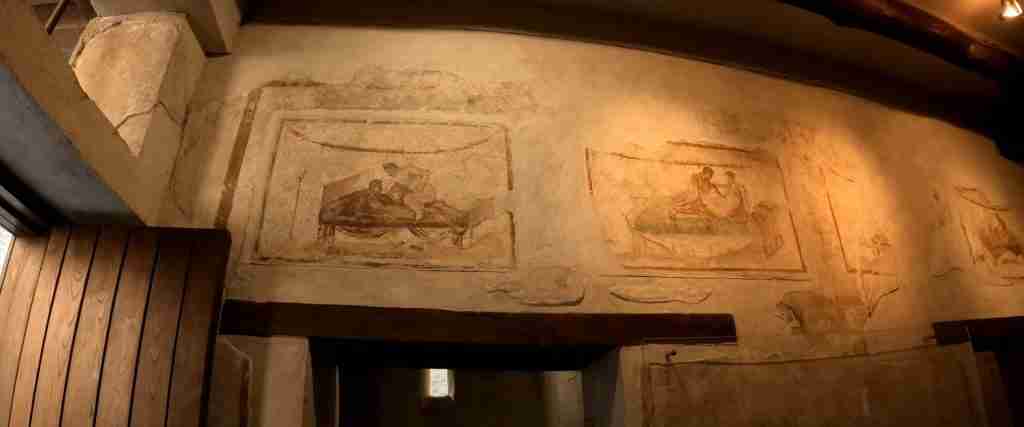
3 days
Salerno 3-Day Discovery Tour
- ✓ Comprehensive Salerno experience
- ✓ Expert local guides included
- ✓ All accommodation included
- ✓ Transportation provided

5 days
Salerno 5-Day Highlights Experience
- ✓ Comprehensive Salerno experience
- ✓ Expert local guides included
- ✓ All accommodation included
- ✓ Transportation provided
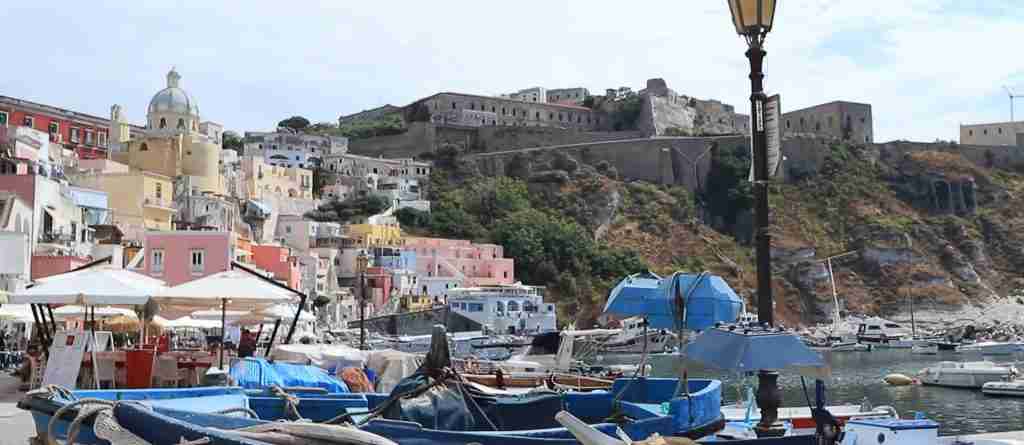
7 days
Salerno 7-Day Cultural Journey
- ✓ Comprehensive Salerno experience
- ✓ Expert local guides included
- ✓ All accommodation included
- ✓ Transportation provided
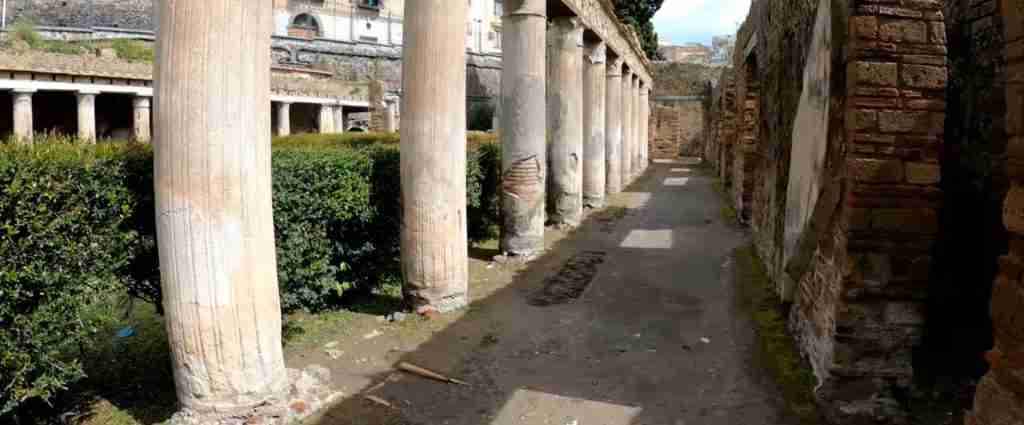
10 days
Salerno 10-Day Complete Adventure
- ✓ Comprehensive Salerno experience
- ✓ Expert local guides included
- ✓ All accommodation included
- ✓ Transportation provided
Multi-day tour packages powered by TourRadar. Prices and availability subject to change.
Why Salerno Belongs on Your 2026 Italy Itinerary
Salerno has a double identity that makes it genuinely compelling as a destination rather than simply a logistics hub. On one side stands a working Campanian city of around 130,000 people — with a medieval grid of streets, a Norman cathedral containing the tomb of a medieval pope, a Lombard castle on the hillside, and a freshly restored botanical garden tied to one of the most remarkable stories in the history of Western medicine. On the other stands what is arguably the most practical and economical gateway to one of Italy’s most photographed coastlines, with ferries and buses distributing visitors across the Amalfi Coast every morning and receiving them back every evening.
The city’s position in the travel hierarchy has long been underrated. For much of the twentieth century, Salerno was dismissed as the place where the Amalfi Coast ended or began — a transfer point rather than a destination. That perception has shifted substantially as more travellers became attuned to the price differential: a mid-range hotel room in Positano during high season can cost two to four times what the equivalent standard costs in Salerno, and the ferry between the two takes under an hour. The combination of genuine historic substance and proximity to the coast has turned Salerno into one of southern Italy’s more rewarding bases.
The city’s recorded history is long. A Roman colony established at the site in 197 BC grew into a significant settlement, and Salerno rose to particular prominence under the Lombard Principality of Salerno, which controlled the city from the 8th to the 11th century. The Normans under Robert Guiscard made it the capital of their southern Italian territories, and it was Guiscard who commissioned the Cathedral of Saint Matthew in 1076. The medieval period also saw the emergence of the institution that gave Salerno its most lasting international reputation: the Salerno Medical School, widely regarded among historians of medicine as one of the earliest formal centres of medical education in the Western world. The school flourished through the 10th to 12th centuries, drawing students and physicians from across Europe, and its legacy remains visible in the city’s streets, gardens, and museums.
A more recent chapter of historic significance: on 9 September 1943, Allied forces landed on the beaches near Salerno in Operation Avalanche, one of the decisive amphibious operations of the Italian campaign in the Second World War. The landing was heavily contested, and several military cemeteries in the province of Salerno preserve its memory. This history is rarely highlighted in tourist literature but adds a further layer of historical depth to a city already rich in it.
For 2026 visitors, Salerno offers a coherent programme over two or three days. A morning in the historic centre covers the cathedral, the Diocesan Museum, and Via dei Mercanti; an afternoon at Arechi Castle provides sweeping views over the Gulf of Salerno; the Garden of Minerva — recently restored and expanded for the first time in centuries — makes an ideal hour or two in between. Day trips radiate efficiently from the city’s rail and ferry connections. The sections that follow cover everything needed to plan and budget that itinerary.
Getting to Salerno in 2026
Salerno is well connected to the rest of Italy by rail, road, and ferry, and straightforward to reach from Rome, Naples, or the main international air hub of Naples Capodichino Airport. The city sits on the main Tyrrhenian rail corridor linking Naples to Calabria and Sicily, which means it is served by both national high-speed trains and frequent regional services.
Getting to Salerno by Train in 2026
The train is the most practical way to reach Salerno for the majority of visitors. Naples Centrale and Salerno are linked by some of the most frequent train services on the Italian network: around 40–50 trains per day run on this corridor, operated by Trenitalia (regional, InterCity, and Frecciarossa) and Italo. The fastest services — high-speed Frecciarossa and Italo trains — cover the route in approximately 26–36 minutes. Trenitalia regional and regional-fast services take around 40–50 minutes with more stops. Regional fares start from around €5–6; Italo fares on this route begin at approximately €9; high-speed options can run to €15 or more. Book through trenitalia.com or italotreno.com; advance booking on popular summer departures is advisable, as capacity fills. Salerno’s central station (Piazza Vittorio Veneto) sits in the heart of the city, within easy walking distance of the seafront and most accommodation, and a short walk from the port’s ferry terminals.
From Rome Termini, Frecciabianca and InterCity services reach Salerno in approximately 2 hours 30 minutes to 3 hours 10 minutes. From Milan, high-speed trains connect to Naples and continue south; total journey times from Milan range from approximately 4 hours 30 minutes to 5 hours 30 minutes. Travellers arriving from Rome with additional time may wish to stop in Naples first (about 1 hour 10 minutes from Rome on Frecciarossa) and continue to Salerno the same day.
Getting to Salerno by Car in 2026
Drivers reach Salerno via the A3 autostrada (Naples–Reggio Calabria), which passes along the western edge of the city. Journey times from Naples are typically 50–70 minutes depending on traffic, which can be heavy through the Naples metropolitan area, particularly on weekend mornings and summer afternoons. Parking in the city centre is limited: the historic centre is a ZTL (restricted traffic zone) inaccessible to private vehicles without a permit, so visitors arriving by car should use paid car parks outside the ZTL boundary — the main options are near Piazza della Libertà, along the seafront (Lungomare), and near the train station. Daily rates vary by car park; allow approximately €8–18 per day depending on location and season.
If the primary purpose of the visit is day trips to the Amalfi Coast, arriving by car may complicate rather than simplify the logistics: the SS163 coastal road is extremely congested in summer, private vehicles face restrictions at peak times, and parking at the coastal towns is expensive and limited. Using Salerno’s ferries and buses to access the coast — and leaving the car at a Salerno car park — is almost always faster and more practical from July to September.
Getting to Salerno by Ferry in 2026
Ferry services from Naples connect to Salerno’s port; hydrofoil and fast-ferry journey times are approximately 60–80 minutes. The approach to Salerno by sea is scenic and enjoyable in calm weather. Several operators run this route seasonally; verify current schedules and prices directly with operators before booking. Notably, Salerno’s main ferry terminal at Molo Manfredi was designed by the late architect Zaha Hadid — its distinctive curving shell-like structure is visible from the seafront and constitutes an architectural landmark of its own. Molo Masuccio (also called Piazza della Concordia) is the second pier, located a 20-minute walk from Molo Manfredi along the seafront.
Reaching Salerno from Naples Capodichino Airport in 2026
Naples Capodichino Airport (NAP) is the primary international gateway for the region, approximately 50–55 km from Salerno. The most practical and affordable connection is the Alibus shuttle from the airport to Naples Centrale (about 20–25 minutes), followed by a train to Salerno (26–50 minutes); total journey time is typically 1 hour 30 minutes to 2 hours depending on connections. Private transfers from the airport direct to Salerno are available from licensed operators at higher cost, generally preferred by luxury travellers or those arriving with significant luggage. Salerno–Costa d’Amalfi Airport, located approximately 10–15 km south of the city centre at Pontecagnano, handles charter and low-cost flights on a limited number of routes; check its current schedule, as services vary seasonally and the route network is smaller than Naples.
Getting Around Salerno in 2026
The historic centre of Salerno is compact enough that most visitors walk between the cathedral, the seafront, the Garden of Minerva, and Via dei Mercanti without needing any other transport. Arechi Castle, on the hill above the city, is the main exception to this walkability. Local buses connect the city’s neighbourhoods and the ferry piers; the SITA Sud coastal bus extends the network along the Amalfi Coast.
Walking in Salerno’s Historic Centre in 2026
The core of the historic centre — bounded roughly by the Cathedral of Saint Matthew to the east, the Garden of Minerva to the west, Via dei Mercanti along its spine, and the Trieste Seafront Promenade along the waterfront — can be walked end to end in under 20 minutes at a brisk pace. In practice, thorough exploration of the side streets, the vicoli (alleys) that climb and descend the hillside, and the individual churches and palazzi opening off the main street extends that to a comfortable half day. The terrain rises steeply inland toward the castle hill, particularly above Via dei Mercanti; this gradient is beautiful but physically demanding in high summer heat. A free municipal elevator (ascensore comunale) connects the lower part of Via Fusandola to the area near the Garden of Minerva, providing an easier ascent to the upper historic quarter.
Local Buses in Salerno 2026
Busitalia Campania operates local bus lines (including line 19, which runs to Arechi Castle from stops at Piazza Malta and the Lungomare) throughout Salerno. Tickets are purchased at tabaccherie (tobacco shops) or automated machines at major stops before boarding; verify current fare levels on the Busitalia Campania website, as prices are updated periodically. The SITA Sud coastal bus (line 5080 and connecting services) departs from Piazza della Concordia in Salerno along the SS163 to Vietri sul Mare, Cetara, Maiori, Minori, Atrani, and Amalfi; this year-round service is the land-based alternative to the ferry for reaching Amalfi Coast towns and the better choice for shorter hops to the nearest coastal villages. Journey time from Salerno to Amalfi by bus is approximately 75–90 minutes.
Taxis and Private Transfers in Salerno 2026
Licensed taxis are available at stands near the train station (Piazza Vittorio Veneto) and the main ferry terminal. A taxi to Arechi Castle from the city centre costs approximately €10–20 depending on the starting point and traffic; agree on the fare or confirm the meter is running before setting out. For families or groups wanting to visit the Amalfi Coast by private vehicle, licensed driver services offer fixed-price day tours from Salerno; prices for a private car carrying up to four passengers range approximately €150–250 for a full-day coastal itinerary and should be booked through licensed agencies or accommodation providers.
Where to Stay in Salerno 2026
Salerno offers a wider and better-quality range of accommodation than its reputation as a transit city suggests, with a strong concentration of guesthouses and boutique hotels in the historic centre and a selection of larger hotels along the seafront. Prices remain substantially lower than on the Amalfi Coast. Advance booking of at least six to eight weeks is strongly advisable for July and August; well-reviewed mid-range and boutique properties in the historic centre are small and fill quickly in peak season.
Best Neighbourhoods for Accommodation in Salerno 2026
The historic centre (centro storico) is the atmospheric choice for visitors who want to walk to the Cathedral of Saint Matthew, Via dei Mercanti, and the Garden of Minerva. Many of the most characterful boutique guesthouses occupy renovated medieval buildings here; the streets are narrow and parking is not possible. The seafront area — along the Trieste Seafront Promenade and the streets immediately behind it — offers hotels with Gulf of Salerno views and is close to both the ferry terminals and the evening passeggiata; it is a comfortable 10–15 minute walk from the heart of the historic core. The area around the train station (Piazza Vittorio Veneto) provides convenient access for early arrivals and departures and has a dense supply of mid-range and chain hotels, though it is the least characterful of the three neighbourhood options.
Budget Accommodation in Salerno 2026
Budget options include guesthouses (pensioni), B&Bs, and smaller family-run hotels concentrated in the historic centre and the station area. Double rooms at this level range from approximately €55–80 per night in shoulder season (April–June, September–October) and €70–100 per night in July and August. Hostel-style dormitory beds are available at a small number of establishments near the station for approximately €20–30 per person per night; check current stock on Hostelworld and Booking.com, as capacity is limited. As with accommodation throughout Italy, verifying on the property’s own website or by phone before booking can reveal rates that differ from platform prices.
Mid-Range Hotels in Salerno 2026
Mid-range hotels — three-star properties and well-reviewed boutique guesthouses — represent the most popular accommodation choice for independent visitors to Salerno. Double rooms in this category run approximately €90–140 per night in shoulder season and €120–190 per night in July and August. Properties in the historic centre or on the seafront at this price point often include breakfast, covering one of the daily meal costs automatically. Seeking hotels within easy walking distance of the Trieste Seafront Promenade or in the streets south of the Cathedral produces the best balance of location, character, and value. This tier benefits most from advance booking in high season, as the best boutique properties in the historic centre carry only a small number of rooms.
Luxury Hotels and Boutique Properties in Salerno 2026
Salerno’s luxury and upper-end boutique tier is smaller than in larger southern Italian cities, but a select group of four-star and boutique properties offer a genuinely high-quality experience, particularly in the historic centre and along the seafront. Rates for superior double rooms at four-star properties run approximately €180–280 per night in shoulder season and €250–380 per night in summer. Visitors whose primary interest is luxury accommodation with dramatic Amalfi Coast scenery may also consider properties in Ravello or Amalfi town — reachable from Salerno by ferry in under an hour — though rates at that tier are substantially higher than in Salerno itself.
Top Attractions and Sights in Salerno 2026
Salerno’s principal historic attractions cluster in and around the centro storico, within a manageable area that most visitors can cover in a full day. The Cathedral of Saint Matthew, the Diocesan Museum, the Garden of Minerva, and Via dei Mercanti form the natural spine of any walking itinerary; Arechi Castle requires a separate half-day excursion to the hill above the city.
Cathedral of Saint Matthew in Salerno 2026
The Cathedral of Saint Matthew — dedicated to the apostle and evangelist whose relics are held to have been translated to Salerno in the 10th century — is the centrepiece of the city’s historic core and one of the most significant Norman ecclesiastical buildings in southern Italy. The cathedral was commissioned by Robert Guiscard, the Norman leader who controlled the south of the Italian peninsula, and construction began in 1076. It was consecrated in 1085 in the presence of Pope Gregory VII; Gregory VII died in Salerno in May of that same year and is interred in the crypt — making this one of the few places in Europe where a visitor can stand at the tomb of a figure who shaped the entire trajectory of medieval Western Christianity.
The exterior is reached through a striking atrium whose columns were drawn from ancient Roman structures — a practice of reuse common in Norman ecclesiastical construction, and one that gives the entrance court a layered character in which Roman antiquity and medieval Christianity coexist visibly. The bronze doors of the main portal are attributed to Byzantine craftsmanship, almost certainly produced in Constantinople or by craftsmen working in the Byzantine tradition; their panels, though worn by centuries of exposure, retain finely cast figural scenes and represent one of the most important examples of medieval bronze casting accessible in situ in Italy. The interior carries the structural bones of the original Romanesque design, with Baroque overlays from the 17th and 18th centuries modifying the decoration without entirely obscuring the Norman spatial logic. The crypt is the most concentrated area of medieval heritage: the tomb of Gregory VII, funerary monuments, and medieval decorative programmes are gathered below the main altar in a space of considerable solemnity. The cathedral is generally open to visitors without an admission charge; verify any access restrictions or donation requests on arrival, as these can change.
Diocesan Museum of Salerno 2026
Housed in the former archbishop’s palace immediately adjacent to the cathedral, the Diocesan Museum of Salerno (Museo Diocesano) contains the celebrated collection of 11th-century ivory carvings known as the Salerno ivories. These panels — produced in what is generally described as the Salernitan school of ivorywork, active in the city under Norman patronage — depict Old and New Testament scenes and saints in a visual language that combines Byzantine figure conventions with Romanesque spatial organisation. They are among the finest surviving examples of medieval ivory carving in Europe; their exact original liturgical function (altar frontal, ambo, or other furnishing) remains a matter of scholarly discussion, but their exceptional quality is universally recognised. The museum also contains medieval liturgical silver, reliquaries, painted panels, and archaeological material recovered from the cathedral site. A separate admission applies; verify current fees at the diocesan office or on arrival, as prices are updated periodically.
Arechi Castle in Salerno 2026
Arechi Castle stands on the hill of Bonadies above the city, approximately 300 metres above sea level, and commands sweeping views across the Gulf of Salerno, the historic centre below, and — on clear days — the mountain chain of the Cilento to the south and the coastline reaching toward Paestum. The fortification is named after Arechi II, the Lombard prince who moved his court from Benevento to Salerno in the latter half of the 8th century; the official site of the Province of Salerno documents the origins of the fortification as Byzantine (approximately 6th century, probably expanding an existing Roman military installation), significantly enlarged and developed by Arechi II and then modified by Norman, Angevin, and Aragonese rulers through the medieval and early modern periods. The castle should accordingly be understood as a stratified monument embodying multiple phases of southern Italian history rather than a single-period structure.
The interior houses a museum displaying finds from archaeological excavations at the site: ceramics decorated with red bands, proto-majolica and graffita ware, glass goblets, coins, arrowheads, and architectural fragments spanning the Lombard through the late medieval periods. The surrounding natural park includes two marked hiking trails (the Prince’s Trail and the NaturArechi path through Mediterranean scrub) with views of the gulf at every turn. The castle is open Tuesday through Saturday from 9:00 to 17:00 and on Sundays from 9:00 to 15:00; it is closed Mondays. The standard admission fee is €6, with a reduced rate of €3 for EU citizens aged 18–25 and groups over 15 (verify current rates at provincia.salerno.it or castelloarechi.sa.it before visiting, as fees were updated in June 2024). Bus 19 from Piazza Malta or the Trieste Seafront Promenade serves the castle; the walk from the historic centre takes approximately 40–50 minutes uphill and is rewarding in cooler weather.
Garden of Minerva in Salerno 2026
The Garden of Minerva is a terraced medicinal botanical garden on the steep hillside above the historic centre, and visiting it in 2026 carries a particular timeliness: the garden underwent a comprehensive restoration and completed the acquisition and reconstruction of a fifth terrace — restoring, according to the municipality, its complete historic extent — and reopened to the public in July 2025. Visitors in 2026 are among the first to see the fully restored garden, including the new uppermost terrace of 740 square metres and a modern lighting system for evening visits.
The garden’s historical association with the Salerno Medical School is well documented, if layered. Traces of the Silvatico family’s ownership of a garden on this site are documented from the 12th century, and Matteo Silvatico — a physician and botanist connected to the Medical School — wrote his influential Liber Cibalis et Medicinalis Pandectarum around 1317, drawing on the botanical knowledge cultivated here. The garden is widely described as among the earliest examples of a purpose-built medicinal botanical garden in the Western world; its subsequent influence on the design of later botanical gardens (Padua, Pisa, Florence) is claimed in local scholarship, though the exact lines of that influence remain a matter of scholarly interpretation rather than documented transmission. What is not in dispute is the physical character of the place: terraced beds of medicinal herbs laid out on multiple levels, fountains and water channels connecting each terrace, a 17th-century staircase built on the ancient city wall leading to a belvedere with views over the rooftops of the historic centre and the Gulf of Salerno, and the distinctly contemplative quality of the garden’s atmosphere.
The combined admission ticket (€6 standard; €2 reduced for school groups, university students, over 70s, and under 12s) covers the Garden of Minerva, the E. Papi Surgical Instruments Museum (displaying historic surgical tools associated with the Medical School tradition), and the Virtual Museum of the Salerno Medical School — three sites with a single ticket purchasable at any of the three locations. The garden is open Tuesday through Sunday from 9:30 to 20:00; closed Mondays. The free municipal elevator at Via Fusandola offers an easy ascent from the lower historic centre to the garden’s vicinity for visitors who prefer to avoid the uphill walk.
Via dei Mercanti and the Historic Centre in Salerno 2026
Via dei Mercanti (Merchants’ Street) is the main artery of Salerno’s medieval historic centre, following the line of an ancient Roman road that ran through the original settlement of Salernum. Today it is a lively pedestrian street lined with small shops, jewellers, cafés, food vendors, and several significant churches, palaces, and archways opening off its length. Walking the full extent from Piazza Portanova in the east to the vicinity of the cathedral takes perhaps ten minutes at a brisk pace; thorough exploration of the side vicoli — some climbing steeply into the residential hills, others descending toward the seafront — easily fills two to three hours. Look for the medieval arches spanning individual streets, the carved portal decorations of the 17th-century palazzi that crowd the street, and the small Romanesque churches (the Church of the Annunziata, the Church of San Giorgio, and others) tucked into corners of the urban grid, most of which are open at variable hours and generally free to enter.
The broader historic centre retains an authentic working-neighbourhood character that distinguishes it from more heavily touristed Italian historic centres. Residents shop at the same food stalls as visitors, elderly neighbours sit outside in the afternoons, and the narrow streets fill with genuine local life in the early evening regardless of the season. This authenticity is one of Salerno’s most valuable and most underrated qualities: it provides the context in which the city’s medieval monuments can be experienced as living urban history rather than theme-park heritage.
Trieste Seafront Promenade in Salerno 2026
The Trieste Seafront Promenade is Salerno’s long, palm-lined waterfront walkway, stretching from the commercial port in the east toward the historic fishing quarters in the west. It is the city’s principal social space in the evening hours: the passeggiata culture of southern Italy is well preserved here, and the promenade fills with families, couples, and groups from late afternoon onward every day of the week. The views across the Gulf of Salerno toward the Amalfi Coast are particularly striking at dusk, when the coastal mountains catch the last light in shades of orange and purple. The promenade is completely free to use and provides an orientation point from which the layout of the city and the gulf become legible; it also connects directly to the main ferry terminal (Molo Manfredi, housing the Zaha Hadid-designed maritime station) and to Molo Masuccio at Piazza della Concordia, making it a natural starting and ending point for Amalfi Coast day trips.
Provincial Picture Gallery in Salerno 2026
The Provincial Picture Gallery (Pinacoteca Provinciale), housed in the historic Palazzo Pinto on Via dei Mercanti 63, contains a collection of southern Italian and Neapolitan painting spanning the 15th through the 19th centuries, with a particular concentration in the Baroque period. The collection reflects the school of painting that dominated Naples and its territories during the era of Spanish and Bourbon rule — a tradition of dramatic composition, tenebrism, and religious subject matter that is less well known internationally than the Florentine or Venetian Renaissance schools but deeply embedded in the visual culture of Campania. The gallery is typically less crowded than the cathedral or Arechi Castle and rewards a quieter hour of looking, particularly for visitors with an interest in Neapolitan Baroque and the religious devotional art of the Spanish viceroyalty period. Admission fees apply; verify current prices at the Provincial Administration office or on arrival.
Day Trips from Salerno 2026
Salerno’s geographic position at the junction of the Amalfi Coast, the Cilento plain, and the broader Campanian transport network makes it one of the best-positioned bases in southern Italy for multi-destination day trips. The key excursion destinations — the Amalfi Coast, Paestum, and Pompeii — are all reachable in under 90 minutes and can be distributed across a multi-day stay without any single day feeling rushed.
Amalfi Coast Day Trips from Salerno in 2026
The Amalfi Coast is the most natural and popular day trip from Salerno. Ferries depart from Molo Manfredi and Molo Masuccio (Piazza della Concordia) to Vietri sul Mare, Cetara, Maiori, Minori, Amalfi, and — in season — Positano and onward to Capri, with approximately six operators running services: Travelmar, Alilauro, Alicost, NLG, Grassi Junior, Positano Jet, and Coastlines. Journey times to Amalfi town run approximately 35 minutes on the faster direct services and up to 75 minutes on routes stopping at intermediate villages. Ticket prices run approximately €11–15 one way depending on the operator (Alicost at the lower end, NLG at the higher; Travelmar and Alilauro at €12 in recent seasons); check current fares and timetables directly with travelmar.it and ferryhopper.com before departure. Up to 20 ferry departures per day operate in high season; in shoulder season, services reduce and should be checked against current timetables. Ferry season generally runs from late March or April through October; year-round services exist but at significantly reduced frequencies outside the main season.
The SITA Sud coastal bus provides the year-round land alternative, departing from Piazza della Concordia along the winding SS163. Journey times to Amalfi are approximately 75–90 minutes; the bus is the better choice for reaching nearer villages — Vietri sul Mare (famous for its hand-painted majolica ceramics, the first village on the coast from Salerno) and Cetara (a fishing village celebrated for its colatura di alici anchovy condiment) — for which the bus is faster and more economical than the ferry. The UNESCO-listed Amalfi Coast landscape is a cultural heritage designation (1997); visiting it from Salerno means arriving by sea, with the full drama of the cliffs and villages visible from the water, rather than being stuck in a car on the congested coastal road.
For Ravello — the hilltop town famous for its gardens and summer Ravello Festival — take the ferry or bus to Amalfi and then a local bus up the steep road to Ravello (approximately 20 minutes, several departures per hour). The gardens of Villa Rufolo and Villa Cimbrone are the principal attractions and both charge admission; book ahead for the Ravello Festival if visiting in summer.
Paestum Day Trip from Salerno in 2026
Paestum — the site of the ancient Greek city of Poseidonia, later renamed Paestum by the Romans — is the most rewarding archaeological day trip from Salerno and one of the most impressive Greek heritage sites in the Mediterranean. Three large Doric temples, dating from the 6th and 5th centuries BC, stand in a state of preservation that equals or surpasses comparable temples in mainland Greece; their scale, their warm limestone colouring against the flat Cilento plain, and the near-complete survival of their structural forms create a visual experience that consistently surprises visitors who have not encountered them before. The National Archaeological Museum of Paestum houses the famous Tomb of the Diver, a rare surviving example of Greek figurative fresco painting, alongside an exceptional collection of sculptural and ceramic finds from the site. The archaeological parks of Paestum and Velia are inscribed on the UNESCO World Heritage list as part of the Cilento, Vallo di Diano and Alburni nomination (1998).
Paestum lies approximately 35–40 km south of Salerno. The most convenient connection is a Trenitalia train from Salerno station to the Paestum station (also called Capaccio-Roccadaspide), from which the main entrance is approximately 1 km on foot; journey time is roughly 30–40 minutes. CSTP bus 34 also runs from Salerno to Paestum in approximately 1 hour. The combined ticket for the archaeological parks of Paestum and Velia (valid for three consecutive days and including the temple area, the museum, and the Velia site) costs €15 from March through November and €10 from December through February; free for under 18s and free on the first Sunday of each month. Parks are open daily from 8:30 to 19:30 (last entry 18:30) in the main season; verify current hours at parchipaestumvelia.cultura.gov.it before visiting. A thorough visit to both the temples and the museum takes approximately 3–4 hours; allow a full day from Salerno.
Pompeii Day Trip from Salerno in 2026
Pompeii is approximately 40–50 km north of Salerno and accessible by Trenitalia services from Salerno to Pompei station (around 40–60 minutes, depending on the service). The Circumvesuviana narrow-gauge railway also serves the route via Naples, stopping at Pompei Scavi–Villa dei Misteri station directly adjacent to the main site entrance, though journey times via this route are typically longer. The UNESCO-listed archaeological city buried by Vesuvius in 79 AD is one of Italy’s most visited sites and requires pre-booked timed entry tickets in summer and on busy weekends; book through the official site (pompeiisites.org) and check the current admission fee before visiting. The site covers approximately 44 hectares and easily fills a full day; pairing Pompeii with Herculaneum (a smaller, often better-preserved site) suits visitors returning on a subsequent trip rather than first-time visitors.
Charterhouse of San Lorenzo at Padula Day Trip in 2026
The Charterhouse of San Lorenzo at Padula — one of the largest Carthusian monasteries in Italy, approximately 100 km southeast of Salerno — is inscribed on the UNESCO World Heritage list as part of the Cilento nomination (1998). Its 15th-century cloistered complex, with the grandest staircase in the monastery and decorative arts of considerable ambition, provides an entirely different experience from the coastal and archaeological sites more commonly visited from Salerno. Padula is most practically reached by car; independent travellers using public transport face a combination of train to Sala Consilina and local bus, making this a more logistically demanding day trip. The broader Cilento area around the charterhouse includes the coastal resorts of Palinuro, the Greek city of Velia (included in the Paestum combined archaeological ticket), and the Cilento National Park’s interior. Allow a full day for Padula and the Cilento; this trip rewards visitors who have already covered the coast and Paestum and want to experience the less-visited interior of the province.
Food and Dining in Salerno 2026
Salerno’s position at the convergence of several exceptional local food traditions gives it a table that is better than its reputation as a transit city would suggest. Surrounded by the plains that produce some of Campania’s finest dairy products and positioned between the coastal fishing villages of the Amalfi Coast and the agricultural hinterland of the Cilento, the city’s restaurants and markets draw on genuinely excellent raw materials, and the working-city atmosphere keeps prices anchored to local reality rather than tourist expectations.
What to Eat in Salerno in 2026
The most essential local product is mozzarella di bufala campana (Protected Designation of Origin), made from the milk of water buffalo raised on the Piana del Sele — the broad agricultural plain between Salerno and Paestum. Fresh mozzarella available in Salerno’s markets, delicatessens (salumerie), and better restaurants is of a quality that rarely survives the journey north; eating it in Salerno, ideally the same morning it was made and at room temperature, is one of the most straightforward food pleasures in southern Italy. Many salumerie in the historic centre sell it by the ball alongside ricotta di bufala and other local dairy.
Colatura di alici — the amber-coloured fermented anchovy liquid from Cetara, a short bus ride along the coast — appears in pasta sauces, as a condiment drizzled over vegetables and grilled fish, and in many creative preparations at Salerno’s better restaurants. It has earned significant international recognition and is worth seeking as both an ingredient and a purchase to take home. Scialatielli — thick, chewy fresh pasta ribbons typical of the Amalfi Coast area — are served in Salerno with seafood sauces, particularly clams, sea urchin, and mixed shellfish. Polpo alla Luciana (octopus stewed slowly in tomato and olive oil with capers and olives), frittura di paranza (a mixed fry of small fish from the day’s catch), and grilled fresh fish of the day are fixtures of the seafood restaurants on and near the seafront.
Pizza in Salerno adheres closely to the Neapolitan tradition — a soft, char-blistered crust, San Marzano tomatoes, and fior di latte — and is available at numerous pizzerie across the city, many of excellent quality and at prices well below the Amalfi Coast. The city’s cafés and pastry shops serve sfogliatella (ricotta-filled shell-shaped pastry), babà (rum-soaked yeast cake), and zeppole alongside espresso in the Neapolitan bar tradition; a coffee and pastry breakfast at the counter costs approximately €2.50–4.50, and the ritual of the espresso al banco is worth experiencing regardless of one’s preferred coffee format.
Dining Areas and Budget in Salerno 2026
The historic centre, particularly the streets around Via dei Mercanti and the area toward the cathedral, offers the most authentic selection of trattorie, osterie, and casual lunch spots where locals eat on weekday afternoons — alimentari (food shops), market stalls, and tavole calde (hot-food counters) serve generous lunches for €8–14. The seafront and port area contains more tourist-oriented restaurants with higher prices but also several genuinely good seafood establishments worth the premium for an evening meal. Avoid restaurants that display generic tourist menus with photographs; the best value at every price level in Salerno is found in locally frequented establishments without English-language signage.
Dining cost ranges for 2026: bar breakfast with coffee and pastry approximately €3–5; lunch at a casual trattoria or street-food stall approximately €10–18; dinner at a mid-range trattoria or osteria in the historic centre approximately €30–50 per person with wine; seafood restaurant dinner approximately €45–70 per person. Visitors sticking to bar lunches, pizza by the slice, and market produce can eat satisfactorily for €15–22 per day in total food costs.
Best Time to Visit Salerno in 2026
Salerno has a hot-summer Mediterranean climate, with dry, warm summers and mild, wetter winters. The city’s position on the Gulf of Salerno moderates temperatures somewhat compared to inland Campania, and the sea provides a cooling influence even in high summer, but July and August are genuinely hot. The season for comfortable outdoor exploration, beach access, and full Amalfi Coast ferry services broadly overlaps, making the planning question primarily one of trading price and crowd levels against temperature and activity availability.
Spring in Salerno 2026 (March–June)
March and April bring warming temperatures (15–22°C), the reopening of Amalfi Coast ferry services after their winter reduced schedule, and the first flush of the hillside vegetation visible from Arechi Castle and the Garden of Minerva. Crowds are moderate and accommodation prices are at their shoulder-season level, typically 20–30% below the July–August peak. May and June are widely regarded as the best months overall: temperatures are warm without being oppressive (22–27°C), all ferry services run at full frequency, the Garden of Minerva is at its most productive, and the Amalfi Coast villages are accessible but not yet at their summer maximum capacity. Easter and the surrounding long weekends bring significant Italian domestic travel; book accommodation several weeks in advance if travelling over Easter.
Summer in Salerno 2026 (July–August)
High summer is the busiest and most expensive season. The city fills with Italian domestic holidaymakers and international visitors using it as an Amalfi Coast base; ferry queues at the port can be substantial, accommodation reaches peak prices, and temperatures make extensive midday walking in the historic centre uncomfortable (typically 32–36°C from noon to 4 PM). Budget travellers should note that accommodation in July and August can run 40–60% above shoulder-season rates; mid-range and budget properties fill quickly, and advance booking of at least six to eight weeks is strongly recommended. That said, Salerno’s evening passeggiata culture compensates for the midday heat — the seafront promenade and the historic centre come alive after 6 PM in a way that carries a specific southern Italian social energy.
Autumn in Salerno 2026 (September–November)
September and October offer conditions comparable to the best of May and June, with temperatures dropping to 25–28°C in September and 18–24°C in October, seas still calm enough for Amalfi Coast ferry services (typically running at full frequency through mid-October; check current schedules closer to travel dates), and dramatically reduced crowds compared to August. Autumn light over the gulf is particularly rich for photography, both from the Trieste Seafront Promenade and from the terraces of Arechi Castle. November is a transitional month: temperatures cool to 12–18°C, rainfall increases, and some Amalfi Coast ferry services reduce or suspend. The approach of December brings the first preparations for the Luci d’Artista installation.
Winter and Luci d’Artista in Salerno 2026 (December–February)
Salerno’s winters are mild by northern European standards (8–15°C in January–February) but significantly wetter than summer, with the highest monthly rainfall of the year occurring in December and January. Ferry services to the Amalfi Coast are reduced or suspended on some routes, several accommodation and restaurant businesses in the coastal villages close entirely, and the beach dimension of the trip disappears. The compelling exception is Luci d’Artista — the large-scale artistic light installation that has filled the city’s streets, piazzas, and seafront with commissioned works of illuminated art every year since the early 2000s, typically running from late November through early January. The event, which commissions Italian and international artists to create outdoor light installations across the city free of charge, draws substantial Italian domestic tourism and has made Salerno’s Christmas season one of the most visited in southern Italy. Hotel prices in December remain well below the summer peak outside of the Christmas week itself (approximately 22–28 December), when domestic demand pushes rates toward summer levels. For the full Luci d’Artista experience without the Christmas week prices, mid-week evenings in early-to-mid December are ideal.
Complete Budget Guide for Salerno 2026
Salerno is one of the more affordable major cities in Campania, with accommodation, food, and transport costs running noticeably below Naples and considerably below any Amalfi Coast resort town. The following breakdowns cover daily costs per person across three budget tiers, all calculated assuming two people sharing accommodation, with hotel rates divided per person before other costs are added.
Budget Travellers in Salerno 2026
Budget travellers sharing a double room at a basic guesthouse or B&B (€55–80 per room per night) can expect the following per-person daily costs in 2026: accommodation €28–40, bar breakfast €4–6, lunch at a casual trattoria or street-food stall €10–15, dinner at a simple restaurant or pizzeria €18–24, local bus transport €4–8, and attraction admission €5–12 (Arechi Castle €6, Garden of Minerva €6, Cathedral free). Total: approximately €70–105 per person per day, two sharing a budget room. Day trips add on top: Paestum by train costs approximately €5–8 return plus €15 site admission; the ferry to Amalfi adds approximately €11–15 each way; a Pompeii day adds approximately €6–10 rail fare plus the Pompeii admission fee. A week in Salerno at budget level, including accommodation, costs approximately €490–735 per person, excluding day-trip surcharges.
Mid-Range Travellers in Salerno 2026
Mid-range travellers sharing a double room at a three-star hotel or well-reviewed boutique guesthouse (€90–140 per room per night) should budget: accommodation €45–70, breakfast included or €10–14 at a café, lunch at a trattoria €18–25, dinner at a good restaurant €35–50, local transport €10–18, and attraction admissions €12–22. Total: approximately €130–200 per person per day, two sharing a mid-range hotel. A seven-day stay at this level costs approximately €910–1,400 per person including accommodation; add day-trip costs as planned. Mid-range visitors typically find Salerno exceptional value compared with comparable Italian coastal cities.
Luxury Travellers in Salerno 2026
Luxury travellers at four-star hotels or high-end boutique properties (€200–350 per room per night) should budget: accommodation €100–175, breakfast included or €15–22 at a hotel or restaurant, lunch €35–50, dinner at a seafood or upper-end restaurant €65–95, taxis and private transfers €20–35, and attractions €18–32. Total: approximately €255–410 per person per day, two sharing a luxury room. Day trips by private car or boat add considerably to this figure; a licensed private driver for a full-day Amalfi Coast tour costs approximately €200–280 for the vehicle carrying up to four passengers.
Sample Day Cost Breakdown for Salerno 2026
The following illustrates a representative mid-range day in Salerno in 2026: café breakfast and coffee €12, visit to the Garden of Minerva (combined ticket) €6, lunch at a trattoria near Via dei Mercanti €22, visit to Arechi Castle (standard admission) €6, evening walk on the Trieste Seafront Promenade (free), dinner at an osteria in the historic centre €42, Busitalia local bus €3. These items total €91 before accommodation. Adding a mid-range hotel share of €45–70 per person produces a daily total of approximately €135–160 — fully consistent with the mid-range tier above and leaving room for additional spending on drinks, souvenirs, or a longer dinner.
Money-Saving Tips for Salerno 2026
Salerno is already significantly cheaper than the Amalfi Coast towns it serves as a base for, but several strategies can extend a travel budget further without sacrificing the experience.
- Base in Salerno, not on the coast. Accommodation in Amalfi town or Positano costs two to four times what the equivalent standard costs in Salerno during high season; the ferry is short enough that basing yourself in the city and day-tripping to the coast is economically the most rational approach for Amalfi Coast access.
- Use the SITA Sud bus for coastal villages. The bus fare along the SS163 is lower than the ferry fare and serves all intermediate villages, including Vietri sul Mare and Cetara, that some fast ferries skip. For shorter hops to the nearest coast towns, the bus is cheaper and often more frequent.
- Choose Paestum over Pompeii for archaeology on a budget. Paestum is closer to Salerno, the return rail fare is shorter and cheaper, and the €15 combined ticket covers both the archaeological park and the National Museum as well as the Velia site (valid three days). The temples are arguably more visually impressive in their setting than Pompeii’s, and the site is significantly less crowded.
- Visit the Garden of Minerva on a weekday. The €6 combined ticket covers three sites; weekday mornings are quieter and the terrace views over the gulf are unhurried. Arriving shortly after the 9:30 opening avoids any group visit competition.
- Eat lunch in the historic centre at market-level prices. The alimentari, market stalls, and tavole calde around Via dei Mercanti and the adjacent streets provide full lunches at €8–14 — local working prices rather than tourist-zone prices. This is where the city eats on weekday afternoons.
- Book accommodation at least six to eight weeks in advance for July and August. The gap between prices in the best-value guesthouses and B&Bs booked early versus those booked at short notice in peak season is significant. Shoulder season — May–June or September–October — is substantially cheaper and almost as rewarding for weather, activity, and ferry access.
- Visit Luci d’Artista in early December rather than Christmas week. The installation runs from late November through early January, but hotel prices in the Christmas week rise sharply due to Italian domestic demand. Early-to-mid December delivers the full experience at prices considerably below the Christmas holiday peak.
- Walk to Arechi Castle. The uphill walk from the historic centre takes approximately 40–50 minutes and saves the bus fare or a €10–20 taxi. The route passes through residential Salerno rarely seen by tourists and provides a different perspective on the city from below.
Essential Practical Tips for Visiting Salerno 2026
The following covers the practical logistics that most affect independent travellers’ day-to-day experience in Salerno.
Language in Salerno 2026
Italian is the working language of Salerno; English is spoken at most hotels, a number of the better restaurants in the historic centre, and at major tourist attractions (the Cathedral, Arechi Castle, Paestum), but it cannot be assumed in smaller cafés, local shops, or the bus network. Basic Italian phrases for ordering food, asking directions, and using public transport make a practical and appreciated difference. The Campanian dialect of Italian is distinct enough from standard Italian that even other Italians from the north occasionally find it challenging; travellers using standard textbook Italian will nonetheless be understood.
Currency and Payments in Salerno 2026
The euro is the currency throughout Italy. ATMs (Bancomat) are widely available throughout Salerno, including near the train station and in the historic centre. Most hotels, many restaurants, and larger shops accept card payments; smaller cafés, market stalls, and casual eateries often prefer or require cash. Carrying €40–80 in cash for day-to-day expenses is practical. Avoid currency exchange booths at transport hubs, which typically apply unfavourable rates; use ATMs affiliated with Italian banks and check your home bank’s international withdrawal fees before departure.
Local Customs and Etiquette in Salerno 2026
Church visits — including the Cathedral of Saint Matthew — require covered shoulders and knees; carrying a light scarf is practical in summer when shorts and sleeveless tops are standard dress. The midday riposo (approximately 1–4 PM in many independent shops) means that not all businesses are open continuously through the afternoon; planning cultural visits and shopping in the morning or after 4 PM avoids arriving at closed doors. At Italian cafés and bars, prices at the counter (al banco, standing) are lower than at a table (al tavolo); paying before being served and standing at the bar counter is the standard local approach and typically produces the best coffee at the lowest price.
Safety in Salerno 2026
Salerno is generally considered safe for independent travellers. The historic centre, seafront, and main tourist areas are well-frequented and well-lit during the evening. Standard urban precautions apply throughout: keep bags and cameras close in crowded markets and on buses, be aware of your surroundings on the ferry piers in high season where crowded embarkation situations have been associated with minor pickpocketing, and avoid displaying expensive jewellery. The emergency number throughout Italy is 112.
Connectivity in Salerno 2026
Wi-Fi is available at most hotels; coverage in cafés is variable. Italian SIM cards from operators including TIM, Vodafone IT, and WINDTRE are available at tabaccherie and telecom shops near the station and in the historic centre; EU roaming agreements make European travellers’ home SIMs functional throughout Italy without surcharges. Salerno’s tourist information services are reachable through the Comune di Salerno’s official tourism portal; verify the current location of any in-person tourist information point before travel, as these can change. The ferry operators TravelMar (travelmar.it) and Ferryhopper (ferryhopper.com) maintain up-to-date timetables and online booking for the Amalfi Coast routes.
Frequently Asked Questions About Visiting Salerno 2026
How many days should I spend in Salerno in 2026?
Two to three days in Salerno is the most practical allocation for independent travellers using the city as both a destination and a base. One full day covers the historic centre thoroughly — the Cathedral of Saint Matthew, the Diocesan Museum, Via dei Mercanti, the Garden of Minerva, the Trieste Seafront Promenade — with a half day for Arechi Castle. One or two additional days allow day trips to the Amalfi Coast by ferry and to Paestum by train, which are the primary excursion destinations from the city. Visitors whose main interest is specifically Salerno’s own heritage rather than the surrounding region could comfortably justify three to four days; those primarily using the city as an Amalfi Coast transit base may find two nights sufficient.
Is Salerno safe for solo travellers in 2026?
Salerno is considered safe for solo travellers, including solo female travellers. The historic centre, seafront, and main tourist areas are busy and well-attended; standard urban precautions (awareness of surroundings, keeping valuables secure, avoiding deserted streets late at night) apply as they do throughout southern Italy. The city has a large and active university population that gives the historic centre a young, cosmopolitan atmosphere and contributes to a generally relaxed social environment. Ferry travel on the Amalfi Coast from Salerno is straightforward for solo visitors, and the ferry piers are staffed and well-organised during operating hours.
What is the Salerno Medical School and why is it significant?
The Salerno Medical School (Scuola Medica Salernitana) is widely regarded by historians of medicine as one of the earliest centres of formal medical education in the Western world, active from at least the 9th century and reaching its peak of European influence through the 10th to 12th centuries. Unlike the purely ecclesiastical institutions of the same period, its tradition is generally described by scholars as secular or at least non-monastic in character; it incorporated medical knowledge from Greek, Arab, and Hebrew sources alongside the Latin tradition, making it an early example of cross-cultural scholarly synthesis. Its most widely copied text, the Regimen Sanitatis Salernitanum, a versified guide to diet, hygiene, and lifestyle, circulated across medieval Europe for centuries after its composition. The Garden of Minerva, associated with the botanist-physician Matteo Silvatico (active around 1317), and the Virtual Museum of the Salerno Medical School (included in the Garden’s combined ticket) provide the most tangible surviving connection to this heritage for present-day visitors.
Can I visit the Amalfi Coast as a day trip from Salerno in 2026?
Yes, day trips from Salerno to the Amalfi Coast are practical, popular, and the primary reason many visitors choose Salerno as a base. Ferries from Molo Manfredi and Molo Masuccio run to Amalfi (approximately 35–75 minutes), Positano (approximately 1 hour 15 minutes by Travelmar), Cetara, Maiori, Minori, and Vietri sul Mare, with around 20 departures per day in high season. Current timetables and prices are available through travelmar.it, ferryhopper.com, and naplesbayferry.com. The SITA Sud coastal bus provides a year-round land alternative. Return trips are straightforward, with ferries and buses running until early evening; book return ferry tickets in advance during July and August peak season, as morning departures from Salerno and afternoon returns from Amalfi fill earliest.
Does Salerno have a beach?
Salerno itself has a pebble and gravel beach along the city waterfront, between the historic centre and the port, which is used by locals but is not a destination beach for most visitors. The most attractive beaches accessible from Salerno as day trips are on the Amalfi Coast (Maiori and Minori have the widest beaches; Atrani, Positano, and Amalfi have smaller or more rocky beaches) and in the Cilento to the south, where fine sandy beaches are found at Palinuro, Acciaroli, and Castellabate, all reachable by bus or car within 1–2 hours. Visitors whose primary purpose is beach access may be better based in the Cilento or on the Amalfi Coast itself; those using Salerno for its historic centre and day-trip convenience will find the beach element secondary to the city’s other offerings.
When does Luci d’Artista run in Salerno in 2025–2026?
The Luci d’Artista installation typically opens in late November (around 20–25 November) and runs through early January (approximately 6–10 January), though exact dates for any given edition vary slightly and should be confirmed on official Comune di Salerno communications closer to the time. The installation is free to visit throughout the public areas — historic centre, seafront promenade, main piazzas — and consists of large-scale outdoor light artworks by commissioned Italian and international artists. The Garden of Minerva hosts additional special-programming light events with ticket requirements during the Luci d’Artista period; check the garden’s website (giardinodellaminerva.it) for current information. The busiest evenings are typically the opening weekend, the Christmas period, and New Year’s Eve; mid-week evenings in early to mid-December offer the best experience with the least crowding.
Is parking available in Salerno for visitors arriving by car?
The historic centre of Salerno is a ZTL (restricted traffic zone) for most of the day; private vehicles without a permit cannot enter, and ZTL violations detected by camera are automatically charged to the registered vehicle. Visitors arriving by car should use paid car parks outside the ZTL boundary — the main options are near Piazza della Libertà, along the seafront (Lungomare), and near the train station. Daily parking costs approximately €8–18 depending on car park and season. For visitors using Salerno as an Amalfi Coast base, the ferry and SITA Sud bus from the city’s port are considerably faster and less stressful than driving the SS163 coastal road in July and August, when vehicle restrictions and congestion make the road impractical.
What are the most important things to book in advance for Salerno 2026?
For July and August travel, the items that benefit most from advance booking are: accommodation (particularly mid-range and boutique guesthouses in the historic centre, which carry few rooms and fill weeks ahead); ferry seats on popular Amalfi Coast departures (book through travelmar.it or ferryhopper.com, or at the pier the evening before); and Pompeii timed entry tickets (book at pompeiisites.org, as popular entry windows fill rapidly in summer). Paestum does not typically require advance booking. For shoulder season (May–June, September–October), booking pressure is considerably lower, though well-reviewed historic-centre properties benefit from advance reservation for weekend arrivals. Dinner at the more popular seafood restaurants on the seafront is worth reserving on Friday and Saturday evenings throughout the year.
What is Salerno’s most celebrated local food product?
Mozzarella di bufala campana (Protected Designation of Origin) made from the milk of water buffalo on the Piana del Sele plain — the agricultural area between Salerno and Paestum — is Salerno’s most celebrated local food and arguably one of the finest artisan dairy products in Italy. Fresh mozzarella purchased from a salumeria in the historic centre or a morning market stall, consumed the same day at room temperature with local olive oil, is one of the simplest and most memorable eating experiences the region offers. Beyond mozzarella, the city draws on the colatura di alici condiment from nearby Cetara, scialatielli pasta from the Amalfi Coast culinary tradition, fresh gulf seafood, and the general Campanian repertoire of pizza, pasta al pomodoro, and eggplant preparations.
How does Salerno compare to Naples as a base for visiting Campania in 2026?
Salerno and Naples serve different travel profiles and are better treated as complementary than competitive bases. Naples is Italy’s third largest city and its own overwhelming destination — with the National Archaeological Museum, Spaccanapoli, the historic centre (UNESCO World Heritage 1995), the catacombs, and a street culture unlike anywhere else in Italy. Salerno is more compact, quieter, and better positioned specifically for Amalfi Coast ferry access and Paestum; it offers genuine medieval heritage without the metropolitan intensity. Travellers covering both can split their time efficiently: two nights in Naples and two nights in Salerno allows a coherent survey of the best of both, with ferry access to Capri and the Amalfi Coast available from both cities. For visitors primarily targeting the Amalfi Coast and archaeological sites (Paestum, Pompeii), Salerno is the more convenient and affordable base; for visitors whose primary interest is the Naples city experience, Pompeii, and Herculaneum, Naples itself is the stronger hub.