
The Inland Salerno and Picentini Foothills Driving Route 2026: An Overlooked Cultural Circuit
While tourist traffic backs up on the Amalfi Coast road and the Sorrentine approach routes, two inland arcs from Salerno deliver a quieter and archaeologically denser experience: the Etruscan-period city of the Picentini people, a Lombard-founded Benedictine abbey, and the buried amphitheatre of Nuceria Alfaterna. This 2026 planning guide covers route logistics, archeological site access, Limited Traffic Zone navigation, EV charging station coverage, and per-person budget breakdowns for the full circuit.
Key Takeaways
- The inland Picentini circuit operates on two arcs from Salerno: the northern arc to Cava de’ Tirreni and Nocera (70–80km round trip) and the eastern arc to Campagna and the Picentini interior (100–120km round trip), both driveable as separate day excursions or combined over three days.
- Salerno’s Limited Traffic Zone (ZTL) operates 24 hours a day, seven days a week; visitors must park outside the ZTL perimeter and walk in, or arrange prior written authorization via the municipality’s ZTL office before arrival — there are no open time windows for private tourist vehicles.
- The National Archaeological Museum of Pontecagnano charges €5 for adults and €2 for visitors aged 18–25, closes on Mondays, and is free on the first Sunday of each month; the Trinity Abbey of Cava de’ Tirreni requires advance booking (€3 contribution) and closes on Mondays.
- EV charging infrastructure is adequate in Salerno (approximately 28 charge points) and present but limited in Cava de’ Tirreni and Nocera Inferiore; the rural Picentini mountain roads and Campagna have very sparse coverage, making a full battery departure from Salerno essential for EV drivers.
- Budget travelers spend approximately €80–120 per person daily (two sharing a budget hotel); mid-range travelers spend €130–205 per person daily; higher-end visitors invest €225–355 per person daily — all figures inclusive of accommodation, meals, fuel, tolls, parking, and site entrances for the circuit.
People Also Ask About the Inland Salerno and Picentini Foothills Driving Route 2026
What is the best driving route from Salerno into the Picentini foothills in 2026?
The circuit divides naturally into two arcs. The northern arc follows the A3 motorway to the Cava de’ Tirreni exit (approximately 15km, 20 minutes), then loops through Cava de’ Tirreni town, the Trinity Abbey of Cava de’ Tirreni three kilometres further up at Corpo di Cava, and continues on the SP 0010 toward Nocera Superiore and Nocera Inferiore, returning to Salerno via the A3 or the SS 18. The eastern arc takes the SS 19 (Via della Calabria) inland from Salerno, passing through Eboli and reaching Campagna in approximately 50–60 minutes (40km). A combined three-day circuit starts with a Pontecagnano half-day on Day 1 (10km southeast of Salerno along the SS 18), devotes Day 2 to the northern arc, and completes the eastern arc on Day 3. Navigation apps handle routing reliably in 2026, but turn off satellite routing on the narrow mountain spurs above Acerno: local SP numbering and app map data occasionally diverge on rural tracks above 600 metres elevation.
How do Limited Traffic Zones affect self-drive visitors to Salerno and Cava de’ Tirreni in 2026?
Salerno operates one of the strictest ZTL regimes in southern Italy: its 15 electronic barriers cover the entire historic centre, bounded south by Via Roma and north by Via Duomo, Via San Benedetto, and Via Salvatore Rienzi, and they run 24 hours a day with no open windows. The SIRIO Web and Street Control systems photograph every licence plate and generate fines automatically; there is no grace period and no online payment loophole after the fact. Visitors without authorization must park in the paid blue-zone areas outside the ZTL perimeter and walk in. Hotels within or adjacent to the ZTL can obtain temporary access authorizations for guests carrying luggage; contact your accommodation before arrival to arrange this. Cava de’ Tirreni has a smaller ZTL covering its arcaded main street; confirm current operating hours via the municipality website (comune.cavadetirreni.sa.it) before entering. Campagna and smaller hilltowns along the eastern arc do not have camera-enforced ZTL systems, though some narrow streets are signed as pedestrian zones during market days.
Which archaeological sites are open to visitors along the inland Salerno circuit in 2026?
Four sites with regular public access span the circuit. The National Archaeological Museum of Pontecagnano (Pontecagnano Faiano, the “Frontier Etruscans” museum) opens Tuesday through Sunday, charges €5 for adults, and accepts online pre-purchase via museiitaliani.it; it is free on the first Sunday of each month. The Trinity Abbey of Cava de’ Tirreni runs guided visits by appointment at 9:00, 10:00, 11:00, and 12:00 (closed Monday) for a €3 contribution; book via WhatsApp or phone at +39 347 194 6957. In the Nocera area, the urban archaeological park at the Nuceria Alfaterna site (Via Fiuminale, Nocera Superiore) is open Saturday and Sunday from 8:30 to 12:30 at no cost; weekday visits require advance reservation by calling +39 081 932052. The Agro Nocerino Archaeological Museum, housed in a 14th-century Franciscan convent at Piazza Sant’Antonio, Nocera Inferiore, holds the finds from the ancient Nuceria necropolises; verify current hours and admission directly with the museum before your visit as it is a provincial institution and schedules can vary seasonally.
How prepared is EV charging infrastructure along the Picentini driving circuit in 2026?
The circuit is manageable for most EVs with a range above 200km, provided the driver departs Salerno with a full or near-full charge. Salerno city has approximately 28 public charge points across networks including ENI Plenitude, Enel X, and Be Charge, with AC chargers at 7–22kW and some DC fast chargers at 50kW in the commercial periphery. Cava de’ Tirreni has approximately two public stations, sufficient for a top-up during the 1–2 hour abbey visit. Nocera Inferiore has several points on the ENI Plenitude and Be Charge networks, making it a reliable mid-circuit stop on the northern arc. The eastern arc to Campagna is where caution is warranted: public chargers in Campagna itself are very limited, and the mountain roads above Acerno have no public charging infrastructure at all. Ewiva’s ultra-fast network (100–400kW), which reached over 400 national stations by September 2025, focuses on motorway corridors; the A3 service areas between Salerno and Battipaglia offer rapid options for return charging. Check real-time availability via PlugShare, the RECHARGE Map Italy portal, or individual network apps before departure; rural Campania charger reliability varies and offline planning matters more here than on northern Italian routes.
Extended multi-day tours – 5+ days
Featured Salerno Multi-Day Tour Packages
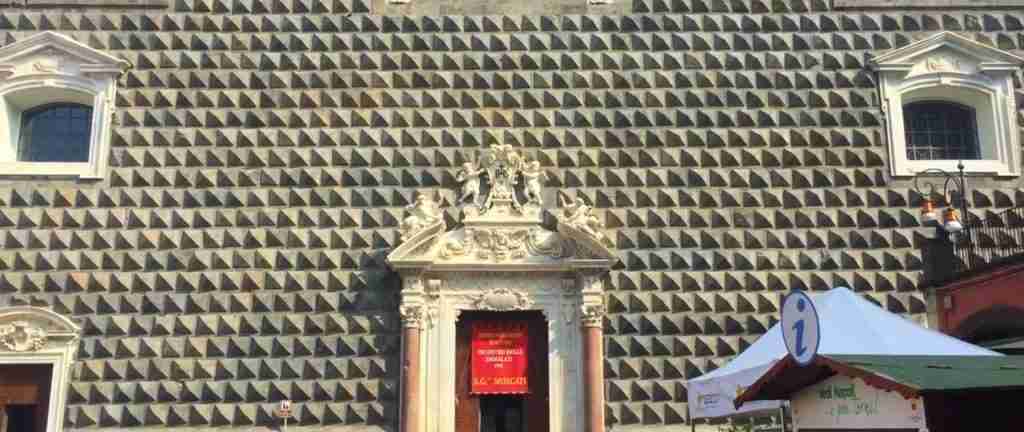
3 days
Salerno 3-Day Discovery Tour
- ✓ Comprehensive Salerno experience
- ✓ Expert local guides included
- ✓ All accommodation included
- ✓ Transportation provided

5 days
Salerno 5-Day Highlights Experience
- ✓ Comprehensive Salerno experience
- ✓ Expert local guides included
- ✓ All accommodation included
- ✓ Transportation provided
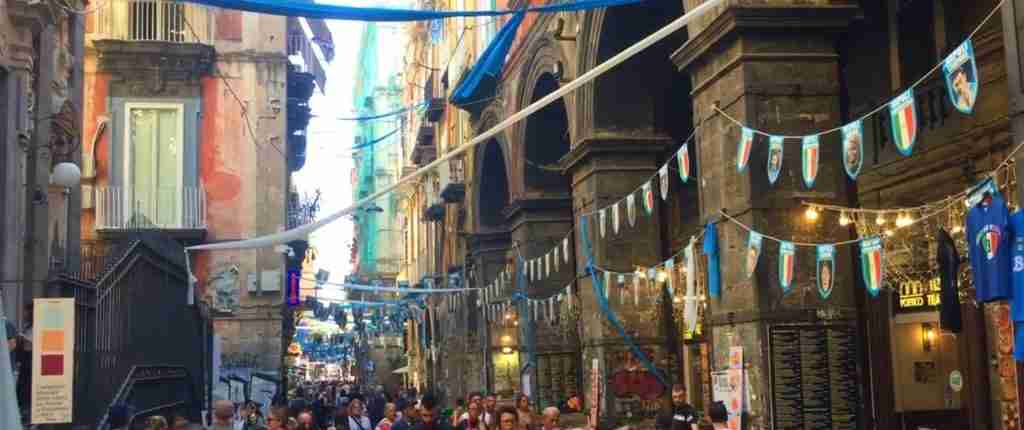
7 days
Salerno 7-Day Cultural Journey
- ✓ Comprehensive Salerno experience
- ✓ Expert local guides included
- ✓ All accommodation included
- ✓ Transportation provided
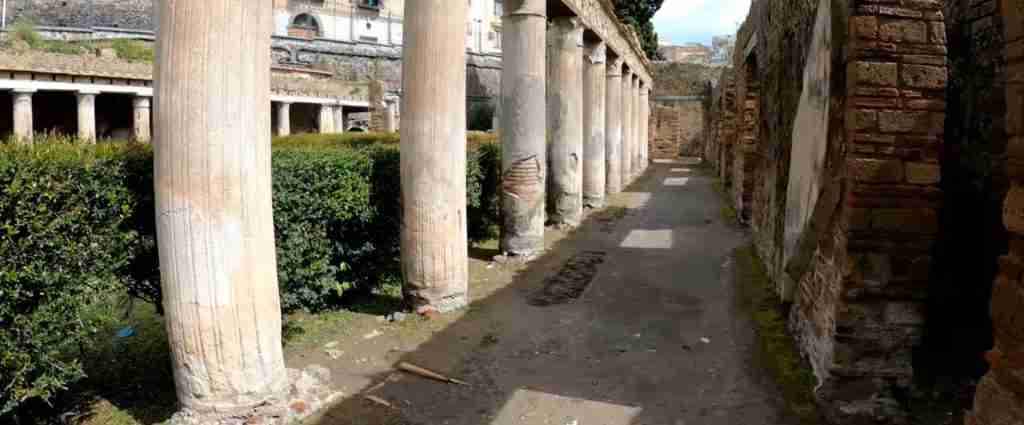
10 days
Salerno 10-Day Complete Adventure
- ✓ Comprehensive Salerno experience
- ✓ Expert local guides included
- ✓ All accommodation included
- ✓ Transportation provided
Multi-day tour packages powered by TourRadar. Prices and availability subject to change.
The Picentini Cultural Circuit: Why This Route Rewards the Self-Drive Visitor in 2026
The Picentini foothills occupy a strip of territory between Salerno city and the spine of the southern Apennines that most tourists drive through without stopping, intent on reaching either the Amalfi Coast to the west or Paestum to the south. This oversight is disproportionate to what the territory contains. The Agro Picentino — the river plain and foothills around the ancient Picentino river — supported one of the three major Villanovan and Etruscan settlements in Campania, alongside Capua and Sala Consilina, generating burial evidence that runs uninterrupted from the Copper Age through the Roman imperial period. Barely twelve kilometres to the north, Nuceria Alfaterna was the capital of a Campanian confederation that predated Roman dominance and maintained its own monetary and alphabetic systems. And tucked into the hills west of Cava de’ Tirreni, the Benedictine abbey founded in 1011 became one of the most powerful ecclesiastical institutions in medieval southern Italy, at its peak controlling dozens of monasteries from Calabria to the Marche.
None of these sites attracts the visitor volumes of Pompeii or Paestum, which means the self-drive visitor in 2026 encounters them at a scale that allows genuine engagement: the National Archaeological Museum of Pontecagnano can be walked slowly in two hours rather than navigated around tour groups; the Trinity Abbey of Cava de’ Tirreni limits visits to small groups by appointment, giving each party near-private access to its Romanesque cloister and 12th-century crypt; the Nuceria urban archaeological park, staffed by volunteer archaeologists on weekends, provides explanatory depth that a placard alone cannot deliver.
The self-drive format is not incidental: public transport connects Salerno to Cava de’ Tirreni and Nocera by train, but the Abbey lies 3km uphill from Cava’s station with infrequent bus connections, and the Pontecagnano museum sits away from the town centre on Via Lucania, accessible without a car only by taxi. Campagna and the Picentini interior are entirely off the rail network. The circuit requires a car, and the car is the right tool: distances are short (the longest single leg from Salerno is approximately 40km to Campagna), the roads are well-surfaced on the main arcs, and free or low-cost parking is available at every primary destination outside the Salerno city centre.
The ancient Picentini people themselves — the Italic population whose name survives in the mountains, the river, and the modern districts — were displaced by Roman conquest to Picenum on the Adriatic coast, a movement documented in Roman historical sources as a deliberate demographic reorganisation. Their Campanian territory was then progressively absorbed by Greek, Etruscan, and Roman cultural layers, which is precisely what makes the archaeological record here so rich: the Pontecagnano necropolises contain artefacts from Sardinia, Sicily, Greece, Egypt, and the Near East within a single Villanovan and Etruscan-period site, offering a compressed picture of Mediterranean interconnection in the first millennium BC. The museum built to house these artefacts, inaugurated in a purpose-designed contemporary building, frames the whole collection under the evocative heading of the “Frontier Etruscans” — the southernmost point of Etruscan cultural expansion, where boundaries between civilisations were permeable rather than fixed.
For a visitor already in Salerno for the Amalfi Coast, this circuit answers the recurring question of what to do on a day the coastal road is at its worst. For a visitor planning specifically around archaeological depth and medieval heritage, it stands as a primary itinerary in its own right.
Bypassing the Amalfi Gridlock: Alternative Inland Vectors from Salerno to Nocera and Campagna
The SS 163 Amalfi Coast road is a two-lane, single-carriageway route cut into cliff faces with frequent single-vehicle passing points, hairpin bends, and coach-sized tourist buses threading a corridor designed for mule carts. In summer — and increasingly in the shoulder seasons — queues between Vietri sul Mare and Positano routinely reach two hours in each direction during the 10:00–17:00 window. Parking at the destination towns costs €20–50 per day in July and August, when most surface lots fill before 09:30. The gridlock is not incidental to the Amalfi experience: it is now one of its defining features, and many visitors report spending a greater proportion of their Amalfi day in the car or searching for parking than at the coast itself.
The inland vectors described in this guide are not alternatives to the Amalfi Coast in the sense of being substitutes for something better. They are a different category of experience: archaeologically and monastically richer, logistically easier, significantly cheaper per site-hour, and oriented toward the cultural history of the Campanian interior rather than the marine scenery of the Tyrrhenian shore. A visitor who drives the northern arc to Cava de’ Tirreni and Nocera on a day when the SS 163 is at peak congestion has not settled for second best; they have redirected their attention to heritage of equivalent standing by different measures.
The practical case is equally strong. The A3 motorway between Salerno and Cava de’ Tirreni carries its peak traffic during weekday commuter windows (07:30–09:30 and 17:00–19:30) and is largely clear outside those bands, including on summer weekends when coastal roads are at their worst. The exit at Cava de’ Tirreni (approximately 15km from Salerno) takes 18–22 minutes at off-peak times. The eastern arc on the SS 19 toward Campagna runs through flat Sele Valley terrain for its first 30km with no significant congestion outside market-day mornings in Eboli (typically Tuesdays). Neither inland route has the tunnel-and-cliff geometry that makes the coastal road so susceptible to incident-related blockage.
Parking Analytics, Archeological Site Access Coordinates, and EV Infrastructure Matrices 2026
The following data is structured for practical pre-departure planning. GPS coordinates are approximate to four decimal places (approximately 11-metre precision) and should be confirmed against your navigation app’s current map data before the visit, as minor addressing corrections occur without notice on Italian municipal databases.
Salerno city parking — external ZTL perimeter options:
- Piazza della Concordia seafront promenade parking area — south of the historic centre, outside the ZTL, blue-zone paid parking; walking distance to Salerno Cathedral via the seafront promenade. Approximate coordinates: 40.6760°N, 14.7625°E. Rate: approximately €1.00–1.20/hour (check municipal signs for current rate and validity period). This is the most convenient non-ZTL approach to Salerno’s Norman cathedral.
- Lungomare Trieste surface lot — long-stay blue zone, permitted up to 12 hours in most bays; seasonal restrictions apply June–September (verify signage). Coordinates: approximately 40.6750°N, 14.7660°E.
- Peripheral ZTL-adjacent street parking (Via dei Principati, peripheral Via Roma) — free white-zone spaces exist on the outer edges but fill by 09:00 on weekdays. Arrive before 08:30 for a realistic chance.
- Hotel access within ZTL: if your accommodation is inside the restricted zone, contact the property before arrival; hotels and pensioni within the ZTL may apply for temporary access codes through the municipality’s ZTL office ([email protected]). Allow at least five working days for processing.
Cava de’ Tirreni parking:
- Piazza Ferrovia and Via Trento parking — largest surface lots near the train station, 5–8 minutes’ walk to the arcaded Corso. Approximately 40.7010°N, 14.7048°E. Blue zone; approximately €0.80–1.00/hour.
- Abbey of the Most Holy Trinity parking — small dedicated lot (15–20 spaces) at the abbey gatehouse, Via Abate Michele Morcaldi, Corpo di Cava. Coordinates: approximately 40.6924°N, 14.6944°E. Free during visit; space is limited and fills on weekend mornings — arrive by 09:00 for the first visit slot.
Nocera Inferiore and Nocera Superiore parking:
- Piazza Sant’Antonio, Nocera Inferiore (for the Agro Nocerino Archaeological Museum) — street and surface parking, mainly white zone (free). Approximate coordinates: 40.7441°N, 14.6409°E.
- Via Fiuminale area, Nocera Superiore (for the urban archaeological park and Nuceria Alfaterna site) — on-street parking along Via Fiuminale. Coordinates: approximately 40.7468°N, 14.6330°E. Free.
Campagna parking:
- The historic centre sits on a ridge; the main access road terminates at a small public piazza with street parking at approximately 40.6676°N, 15.1073°E. Free white zone; no enforcement. This is the natural starting point for a walking tour of the medieval lanes.
Archeological site access coordinates summary:
- National Archaeological Museum of Pontecagnano — Via Lucania snc, Pontecagnano Faiano, SA 84098. GPS: approximately 40.6280°N, 14.8683°E. Closed Monday.
- Trinity Abbey of Cava de’ Tirreni — Via Abate Michele Morcaldi 6, Corpo di Cava, 84013 Cava de’ Tirreni, SA. GPS: approximately 40.6924°N, 14.6944°E. Closed Monday.
- Nuceria Alfaterna Archaeological Urban Park — Via Fiuminale, Nocera Superiore, SA. GPS: approximately 40.7468°N, 14.6330°E. Saturday–Sunday only (no booking required); weekdays by appointment (+39 081 932052).
- Agro Nocerino Archaeological Museum — Piazza Sant’Antonio 15, 84014 Nocera Inferiore, SA. GPS: approximately 40.7441°N, 14.6409°E. Verify hours before departure (provincial museum; seasonal scheduling applies).
- Early Christian Baptistery of Santa Maria Maggiore (“La Rotonda”), Nocera Superiore — Via San Clemente, Nocera Superiore, SA. GPS: approximately 40.7530°N, 14.6305°E. Managed by Gruppo Archeologico Nuceria; access typically coordinated with urban park visits.
- Campagna historic centre and cathedral — Campagna, SA. GPS: approximately 40.6676°N, 15.1073°E. Cathedral open during liturgical hours; medieval lanes accessible freely.
EV charging infrastructure matrix — 2026 status for the Picentini circuit:
- Salerno city (departure point): approximately 28 public charge points. Networks present include ENI Plenitude (On the Road app), Enel X, and Be Charge; most are AC Type 2 at 7–22kW; several DC fast chargers (50kW) exist in the commercial periphery (Via Robert Wenner area and Via Tiberio Claudio Felice). Recommended: charge to full before any departure. Total charging time at 22kW AC from 20% to 100% for a 64kWh battery: approximately 2.5 hours.
- A3 motorway corridor (Salerno–Battipaglia service areas): Ewiva ultra-fast chargers (100kW+) at motorway service areas along the A3; suitable for rapid mid-trip top-ups. Real-time availability via the Ewiva app.
- Pontecagnano Faiano: light charger presence (AC 7–11kW); not a reliable primary charging stop. Use for opportunistic charging only during a 2-hour museum visit if a point is available.
- Cava de’ Tirreni: approximately 2 public stations (Electromaps data); sufficient for a top-up during the 1–1.5 hour abbey visit. Confirm availability in real time before relying on it.
- Nocera Inferiore: several AC chargers on ENI Plenitude and Be Charge networks; reliable for a 45–60 minute top-up during a museum or site visit. Coordinates best located via PlugShare or individual network apps.
- Campagna and eastern arc inland roads: very sparse. No confirmed public DC fast charger in Campagna town centre as of mid-2025; the nearest fast infrastructure is on the A3 near Battipaglia. EV drivers planning the eastern arc should treat Campagna as a full-battery-required destination: depart Salerno with a minimum 80% state of charge for a 120km round trip with hillclimb losses.
- Rural Picentini mountain roads (above 400m elevation): no public charging infrastructure. Destination charging at agriturismo properties requires advance arrangement and a Type 2 cable; do not rely on it without confirmation.
Two Circuit Options for 2026: The Northern Arc and the Eastern Arc
The inland Salerno circuit naturally divides into two loops of different character. The northern arc is the more compressed itinerary: from Salerno to Cava de’ Tirreni, up to the Trinity Abbey, across to Nocera Superiore’s archaeological park and Nocera Inferiore’s museum, and back — all within 80km and a full but manageable day. The eastern arc to Campagna is longer in distance (100–120km), lower in archaeological density per stop, but higher in landscape reward once the road enters the Picentini foothills east of Eboli. A third approach, Pontecagnano Faiano southeast of Salerno, functions best as a standalone half-day from the city rather than a leg of either arc.
Three-day visitors can combine all components: Pontecagnano on Day 1 (half-day, freeing the afternoon for Salerno’s Norman cathedral and waterfront); the full northern arc on Day 2; and the eastern arc including a summit lunch at Acerno on Day 3. Day-trippers from Naples can do the northern arc in a single day, departing Naples by 08:30 to be at Pontecagnano or Cava by 10:00 and back by 19:00 with time for both main sites. The circuit does not require an internal overnight unless the eastern arc is extended into the Picentini park proper.
Route A — The Northern Arc: Salerno to Cava de’ Tirreni and Nocera 2026
Leave Salerno via the A3 northbound and exit at Cava de’ Tirreni (approximately 15km, €1.00–1.50 toll; check current rates at autostrade.it). The town’s famous arcaded main street, the Corso Mazzini, is the commercial heart of Cava and worth 20 minutes on foot before driving up to the abbey; the mediaeval porticos date from the founding of the town in the 11th century and create a continuous covered walkway for approximately 400 metres. Park near the train station (Piazza Ferrovia) to access the town on foot before retrieving the car for the abbey.
From Cava’s centre, follow Via Morcaldi uphill for approximately 3km to Corpo di Cava and the Benedictine Abbey of the Most Holy Trinity. The road is single-carriageway for the last kilometre; drive slowly and use the small designated passing places when meeting oncoming vehicles. The abbey complex sits at approximately 400 metres elevation on the slope of Monte Finestra, surrounded by chestnut woodland that makes it notably cooler than the coast below in summer. A guided visit covering the cathedral, 12th-century crypt, Romanesque cloister (13th century), Chapter House, and museum takes approximately 75 minutes. The visit includes sculptural works attributed to Tino di Camaino (14th century) and a Cosmatesque ambo among the highlights of the medieval collection. The archive of the abbey, containing thousands of medieval parchments accumulated over its eleven centuries of continuous occupation, is one of the most significant medieval archival collections in southern Italy, though it is not part of the standard guided tour.
From the abbey, retrace to Cava and take the SP 0010 or SS 18 northward approximately 10km to Nocera Superiore. The Nuceria Alfaterna Archaeological Urban Park is the priority stop: the urban park contains excavated areas of the Roman-era city’s infrastructure within the modern streetscape of Nocera Superiore, including the remains of the ancient thermal baths (the Ancient Nuceria Thermal Baths Archaeological Area), the Domus del Decumano — a Roman house of the first and second centuries AD with surviving mosaics and fourth-style wall paintings — and the aqueduct. The Early Christian Baptistery of Santa Maria Maggiore, known locally as “La Rotonda” for its circular form, stands nearby: a rare surviving example of Romano-Byzantine circular baptistery architecture, with a baptismal font described as the second largest in Italy by volume. Access to most of these sites is managed by volunteers from the Gruppo Archeologico Nuceria on weekends; they operate the Parco Urbano Alfonso e Matteo Fresa on Via Fiuminale, named after the brothers whose 1958 excavations (announced by archaeologist Amedeo Maiuri in a celebrated article in Il Corriere della Sera) first confirmed the scale of the ancient city below the modern one.
Two kilometres south in Nocera Inferiore, the Agro Nocerino Archaeological Museum occupies a wing of the 14th-century Convent of Sant’Antonio in Piazza Sant’Antonio. Its collection centres on finds from the Nuceria necropolises excavated from 1957 onward, including the Pisani private collection of protohistoric material from San Marzano sul Sarno, and is organised around a statue of Athena recovered from the ancient theatre — a work of the first century AD associated with the Emperor Otho, whose short reign (January–April 69 AD) produced surprisingly extensive imperial commissions in Campania.
The Hellenistic-Roman Theatre of Nuceria Alfaterna, the largest element of the ancient city’s public architecture, lies at the locality of Pareti in Nocera Superiore. Built against a natural slope in the Greek theatre tradition and subsequently expanded in the Augustan period to approximately 96 metres in length with a seating capacity of around 6,000, according to the Gruppo Archeologico Nuceria, it remains largely unexcavated beneath private and residential land. It is not formally open to visitors, though the archaeological group organises occasional access events; check their website (gruppoarcheologiconuceria.it) before visiting if this site is a specific priority.
Return to Salerno via the A3 southbound from the Nocera Inferiore exit, or take the SS 18 coastal road for a different perspective on the return — noting that the SS 18 passes through Cava de’ Tirreni’s lower town and several narrow village sections where speed limits drop to 30km/h.
Route B — The Eastern Arc: Salerno to Campagna and the Picentini Interior 2026
The eastern arc begins on the SS 19 (Via della Calabria), which leaves Salerno heading southeast before turning east through the Sele Valley. The road is a standard two-lane regional route, well surfaced throughout, passing through the agricultural flatlands of the Piana del Sele before the terrain rises sharply toward the Picentini massif. Traffic is lightest on weekday afternoons and weekend mornings outside market days; the Eboli section (about 25km from Salerno) sees periodic congestion on Tuesday market mornings.
Campagna, the primary destination of the eastern arc, sits on a ridge at approximately 280 metres elevation roughly 40km from Salerno. The town accumulated fortifications across the medieval period and preserves a skyline of towers and campaniles visible from several kilometres on the approach road. The Cathedral at the centre of the historic district is the architectural anchor; the medieval lanes around it, rising and falling with the natural topography of the ridge, contain several smaller churches and a coherent ensemble of stone domestic architecture largely undisturbed by 20th-century redevelopment. During World War II, Campagna housed a documented internment camp for Jewish refugees at the Convento di Sant’Antonio e di San Bartolomeo — a history now commemorated locally and worth attention for visitors interested in the Campanian experience of the war.
From Campagna, the SS 19 continues east toward Contursi Terme (thermal baths, principally of local rather than international interest) and the broader Sele Valley. For visitors wanting upland landscape, a branch road north from Campagna climbs to Acerno at approximately 700 metres, a small medieval village at the edge of the Picentini Mountains Regional Park. Acerno is known locally for its autumn mushroom harvest (porcini and chanterelles) and for the relative coolness of its summer climate — at 700 metres it typically runs 8–12°C below the coast below. The road from Campagna to Acerno is a single-lane mountain SP with passing places; it requires full attention and is not suitable for vehicles wider than approximately 2 metres or over 3.5 tonnes. Return to Salerno via the same SS 19 route; the direct return takes approximately 55 minutes at moderate speed.
The Picentini Mountains Regional Park (Parco Regionale dei Monti Picentini), of which Acerno forms a western gateway, covers approximately 63,000 hectares and contains the highest peaks of the Campanian Apennines, including Monte Cervialto (1,809 metres) and Monte Polveracchio (1,790 metres). The park is primarily a hiking and wildlife destination — Apennine wolf populations are confirmed within it — rather than an archaeological one, but for drivers who extend the eastern arc into a full day, the park’s lower slopes accessible from Campagna or Acerno provide a change of register from the dense heritage sites of the western arc.
Archaeological Sites Along the Circuit 2026: Opening Hours, Admission, and Access
The four main sites operate under different management structures — state museum, monastic community, voluntary archaeological group, and provincial authority — which produces a notable variation in access procedures. Pre-arrival contact and booking is advisable for three of the four.
National Archaeological Museum of Pontecagnano (“Frontier Etruscans” Museum): This is the circuit’s most professionally managed site, operated directly by the Italian Ministry of Culture (MiC) through the Direzione Regionale Musei Nazionali Campania. Admission in 2026 is €5 for adults and €2 for visitors aged 18–25 (verify current tariffs at cultura.gov.it before your visit, as MiC admission prices are periodically revised by ministerial decree). Entry is free for under-18s, for visitors with disabilities and their carers, and on the first Sunday of every month. The museum is closed on Mondays. Tickets are purchasable online via the Musei Italiani portal (museiitaliani.it) or on-site at the automated ticket machine; no telephone queuing system operates. The museum address is Via Lucania snc, Pontecagnano Faiano (SA 84098). The exhibition traces continuous human occupation of the Agro Picentino from the Copper Age (approximately 3,500 BC) through the Roman period (fifth century AD), with the greatest concentration of material on the Iron Age and Orientalising periods (9th–6th centuries BC), when Pontecagnano was one of Campania’s three principal Etruscan settlements. Over 10,000 burials have been excavated from the necropolises in the surrounding area, producing a collection of exceptional breadth that includes imported objects from the Greek world, Phoenicia, Sardinia, and Egypt — physical evidence of the long-range Mediterranean trade networks centred on this settlement.
Trinity Abbey of Cava de’ Tirreni: Guided visits run at 09:00, 10:00, 11:00, and 12:00, Tuesday through Sunday (closed Monday). The suggested contribution is €3 per person. Advance booking is required and manageable: contact the abbey’s booking line at +39 347 194 6957 by telephone or WhatsApp; groups can arrange alternative timings. The visit includes the cathedral with its 12th-century Cosmatesque ambo and mosaic decorations, the Grotto of Sant’Alferio (the original cave retreat of the 11th-century founder), the Romanesque cloister (13th century), the Chapter House, the 12th-century crypt, the Lombard cemetery, and the museum. The abbey was founded in 1011 when Alferio Pappacarbone, a Lombard nobleman who had received monastic formation at Cluny in Burgundy, retreated to the Arsicia cave on the slope of Monte Finestra. By the time the church was consecrated by Pope Urban II in 1092, the community had already become a significant institutional power in Norman southern Italy. The current cathedral facade dates to 1772 and was designed by Giovanni Del Gaizo, replacing the original Romanesque front; the medieval fabric survives more completely in the interior and underground levels. The abbey maintains an active monastic community of Benedictine monks and visitors are asked to dress and behave accordingly.
Nuceria Alfaterna Archaeological Urban Park (Nocera Superiore): Weekend opening (Saturday and Sunday, 08:30–12:30) is staffed by volunteers; entry is free. The infopoint is on Via Fiuminale, in the Parco Urbano Alfonso e Matteo Fresa. Weekday visits require prior telephone reservation (+39 081 932052). The park encompasses several discrete excavated areas connected by signposted routes through the modern town: the Ancient Nuceria Thermal Baths are the most immediately legible set of remains, an open-air archaeological area with Roman masonry clearly visible at surface level. The nearby Domus del Decumano and Early Christian Baptistery of Santa Maria Maggiore (“La Rotonda”) complete a morning’s visit; all three are within easy walking distance of the infopoint.
Agro Nocerino Archaeological Museum, Nocera Inferiore: Hours and admission for this provincial museum are subject to seasonal adjustment and should be confirmed directly before your visit (the museum address is Piazza Sant’Antonio 15, Nocera Inferiore SA 84014; check the Provincia di Salerno culture services for current schedules). The medieval Convent of Sant’Antonio that houses the collection is itself architecturally significant — a 14th-century structure with a notable ceiling fresco in the room traditionally called the “sala della congiura” (the room where, according to local tradition, cardinals allegedly met in 1385 to discuss action against Pope Urban VI — a claim the literature presents as local tradition without primary-source verification). The museum’s centrepiece is the statue of Athena recovered in 1958 from the excavations at Pareti, a dignified first-century AD work that anchors the Roman-period section of the display.
ZTL Zones and Low-Emission Navigation 2026: Salerno’s 24-Hour Barrier System
Salerno’s Limited Traffic Zone (ZTL) is structurally different from those in most Italian cities, which typically restrict access during defined hours (often 08:00–20:00 or similar windows). Salerno’s system is active at all hours of the day and night, every day of the year, with 15 electronic barrier points using SIRIO Web plate-recognition cameras and Street Control mobile enforcement. The perimeter runs south along Via Roma and north along Via Duomo, Via San Benedetto, and Via Salvatore Rienzi, encompassing the Cathedral, the Lombard-Norman historic nucleus, and the medieval lanes of the old town. In July 2025, the Salerno municipality approved procurement of a completely new cloud-based system replacing the 2018 Kapsch/Motus21 infrastructure, so the specific camera models will have changed; the operational effect — automatic fine generation for any unauthorised plate — remains identical.
The practical consequences for self-drive visitors are clear. There is no time window for tourist access without prior authorization. Arriving at a ZTL barrier and assuming you can drive through briefly to drop luggage or take a photo of the Cathedral is the single most expensive mistake a visitor to Salerno makes: fines under the Italian traffic code for ZTL violations are typically €83–€167 per infringement and are mailed to the vehicle’s registered owner, including foreign-registered vehicles via bilateral enforcement agreements.
The correct procedure for visitors staying outside the ZTL is to park in a blue-zone or white-zone space outside the perimeter and walk in. The walking distance from the seafront promenade parking area or the Lungomare Trieste to Salerno’s Cathedral is approximately 10–12 minutes on level ground through attractive urban streets. Visitors staying at accommodation inside the ZTL should contact the hotel before arrival; hotels, pensioni, and ostelli within the restricted zone are explicitly listed as eligible for temporary access authorization through the municipal ZTL office, and the property should handle the notification of your plate number (Modello B1 submission) on your behalf. The authorization process costs nothing and is standard for accommodation providers within the zone.
Cava de’ Tirreni has a smaller ZTL covering its historic arcaded Corso and adjacent lanes. Current operating hours for Cava’s ZTL should be confirmed via the municipality’s website (comune.cavadetirreni.sa.it) before arrival, as operating hours for smaller-city ZTLs in Campania are periodically revised by seasonal ordinance. The abbey itself is outside any ZTL; driving to Corpo di Cava along Via Morcaldi presents no ZTL risk.
For the eastern arc to Campagna and the Picentini interior, ZTL risk is effectively zero: none of the towns on this route maintain camera-enforced ZTL systems. Occasional pedestrianised lanes in village centres may be marked with simple traffic signs; these are standard road signs and not automated — exercise normal road-reading.
Regarding low-emission zones specifically: Italy’s LEZ (Zona a Basse Emissioni) designations are a separate regulatory instrument from ZTLs, though some cities overlap them geographically. Salerno in 2026 does not operate a Euro-standard-based LEZ affecting tourist visitors as a standalone measure distinct from the existing ZTL. If driving a pre-Euro 4 vehicle, check the Italian Transport Ministry portal (mit.gov.it) for any recent LEZ extensions before your visit.
Rural Secondary Roads in the Picentini 2026: Vehicle Suitability and Width Restrictions
The primary circuit roads — the A3, the SS 18, and the SS 19 — are all standard two-lane national or motorway routes presenting no vehicle-suitability concern for ordinary passenger cars or standard-wheelbase campervans. The SP (Strade Provinciali) network serving the Picentini hilltown interiors is a different matter, and the difference becomes material above roughly 400 metres elevation.
SP classification and effective widths: Provincial roads in the Picentini foothills are classed as Type F (local roads) or Type E (secondary roads) under the Italian road code. Type F provincial roads in this terrain typically have a carriageway of 4.5–6 metres in reasonable condition on the main connections between towns (Salerno–Cava–Nocera SP routes fall in this category). The mountain spurs above Cava climbing to Corpo di Cava (for the abbey) narrow to approximately 4–5 metres in the final kilometre; they are passable by standard passenger vehicles but tight for vehicles over 2 metres wide. The SP road from Campagna to Acerno narrows further, reaching sections below 4 metres where passing an oncoming vehicle requires one party to reverse to a widening. Large campervans and long-wheelbase vehicles should treat the Campagna–Acerno road as unsuitable without prior local consultation.
Road surfaces and seasonal conditions: The main SP routes between valley towns are well-maintained and resurfaced regularly under provincial maintenance programmes. Mountain spurs above 600 metres show more variation: potholes, loose gravel shoulders, and occasional frost-heave damage in winter. The circuit is driveable in an ordinary car year-round at the valley level; mountain extensions (to Acerno and beyond) are best driven between April and October, after which early snowfall at elevation can affect grip without requiring chains.
Speed limits on provincial roads: Standard Italian speed limits on provincial roads outside built-up areas are 90km/h on type B roads and 50km/h through villages. Mountain SP routes carry advisory speed limit signs of 30–50km/h on specific curves; these are not legally binding but are frequently conservative estimates of safe speed on unfamiliar bends.
Specific caution points: The Via Morcaldi approach to the Trinity Abbey of Cava de’ Tirreni has no passing places for approximately the last 500 metres before the abbey car park; if you encounter a vehicle coming down, one party will need to reverse a short distance to the previous widening. This occurs routinely and is not an emergency — simply pull left and wait to confirm who reverses. The Campagna access road from the SS 19 has a roundabout at the Eboli junction that is not well-signed on all approaches; program a navigation waypoint for “Campagna, SA” rather than following signs for “Centro” from the SS 19.
EV Charging Infrastructure Along the Inland Salerno Circuit 2026
Italy’s public charging network expanded significantly in 2024–2025, driven in part by the Ewiva network (a Volkswagen–Enel joint venture) reaching over 400 ultra-fast stations nationally by autumn 2025, and by ENI Plenitude’s continued rollout through the On the Road platform. The Province of Salerno had approximately 376 registered public charging points across the network as of mid-2025, the majority clustered in coastal and urban areas. The Picentini circuit sits in a mid-density zone: adequate in the cities, thin in the hills.
Salerno city (full infrastructure): Approximately 28 public charging points as mapped by aggregators in late 2024. ENI Plenitude and Enel X chargers are distributed across the city’s commercial and residential periphery; the commercial zone around Via Roberto Wenner and Via Tiberio Claudio Felice has the densest concentration. AC 7–22kW chargers are the most common type in the urban area. For DC fast charging in Salerno, the most reliable option is the motorway service area infrastructure on the A3 approach. Real-time charger status is best checked via the ENI On the Road app, the Enel X Way app, or the aggregator PlugShare. For an EV staying in Salerno overnight, hotel-side or destination charging is often the most practical option; inquire with your accommodation about Type 2 outlet access when booking.
Pontecagnano Faiano: Light charger presence; the museum visit (approximately 1.5–2 hours) may coincide with an available AC point, but this cannot be relied upon. Range anxiety risk: low, given the proximity to Salerno and the short distance involved (10km round trip).
Cava de’ Tirreni and the abbey approach: The town area has approximately two documented public stations. Arrive in Cava with sufficient range to complete the abbey visit and return to Salerno without needing to rely on these. The abbey itself (Corpo di Cava) has no public charging; the domestic standard Type F socket in the visitor area is not suited to vehicle charging.
Nocera Inferiore (northern arc mid-point): Several AC charge points on ENI Plenitude and Be Charge networks make Nocera a practical top-up stop if combining the museum and archaeological park visits. A 45–60 minute site visit comfortably covers an AC top-up of 15–25km of range at 11kW. Locate the nearest station before parking via your network’s app.
A3 motorway (return corridor): The Ewiva and ENI Plenitude fast chargers at A3 motorway service areas between Salerno and Battipaglia are the most reliable fast-charging option for the entire circuit. If the eastern arc leaves the battery below 30%, stopping at an A3 service-area fast charger (50–150kW DC) before re-entering Salerno is the recommended protocol.
EV planning summary for the circuit: Depart Salerno fully charged for any circuit day. The northern arc (80km, including hillclimb to Corpo di Cava) consumes approximately 18–25kWh for a typical 60–75kWh battery EV. The eastern arc (100–120km, relatively flat) consumes approximately 16–22kWh. Neither arc requires a charging stop if starting full, but a Nocera top-up on the northern arc and an A3 service-area stop at the end of the eastern arc are both sensible hedges against unexpected delays or detours.
Peak-Hour Traffic Windows 2026: When to Drive and When to Stop
The inland Picentini circuit is far less affected by tourist-season congestion than the coastal Amalfi routes, but it is subject to standard commuter traffic patterns on its urban sections and periodic agriculture-related slow-movement on the SS 19 valley floor.
Salerno exit timing: Departing Salerno northbound on the A3 before 07:30 or after 09:30 on weekdays avoids the commuter flow from Cava de’ Tirreni and Nocera toward Salerno. The return window (driving back to Salerno from the north) on weekday afternoons is clearest before 16:30 or after 19:30. Weekend mornings are generally clear in both directions by 09:00.
SS 18 coastal approach (alternative return): The SS 18 between Nocera Inferiore and Salerno passes through the built-up Agro Nocerino industrial and residential corridor and carries heavy commuter traffic during the 07:30–09:00 and 17:00–19:00 windows. Outside these windows it moves freely.
SS 19 eastbound to Campagna: Relatively free of congestion at all tourist-relevant hours. The Eboli market (Tuesday mornings, approximately 08:00–13:00) generates localised slow traffic at the SS 19/SS 91 intersection; allow 10–15 additional minutes if transiting Eboli on a Tuesday morning.
Seasonal peaks: The primary seasonal traffic load on this inland circuit comes not from tourists but from Italian domestic visitors on the August bank holiday weekend (Ferragosto, 15 August) and the Easter weekend. On these dates, drive earlier than you otherwise would — plan to be at any archaeological site by 09:00 and to complete your first driving leg before 11:00. Outside Ferragosto and Easter, the inland Picentini circuit does not experience the summer-season gridlock that characterises the coastal routes.
Amalfi traffic as a signal: When the SS 163 coastal radio traffic reports (Radio 1 Rai, local Campania traffic bulletins) indicate queues of more than 45 minutes on the Amalfi approach, the inland circuit becomes a particularly rational choice: the coastal traffic volume has no effect on the inland roads, and visitors who would otherwise be sitting in a Positano approach queue are likely to find the museum at Pontecagnano and the abbey at Cava virtually empty.
Accommodation Along the Picentini Circuit 2026: Bases and Booking Strategy
The circuit is best operated from a single base rather than moving accommodation nightly. Salerno city is the natural centre: it has the widest range of accommodation, excellent transport connections, its own sightseeing attractions (the Cathedral, the medieval historic centre, the Longobard Museum in Arechi Castle), and sits equidistant between the northern and eastern arcs. Alternatively, Cava de’ Tirreni functions as a quieter base for visitors prioritising the northern arc, with convenient parking and a more modest price point than central Salerno.
Salerno accommodation: Budget hotels and B&Bs in the areas adjacent to but outside the ZTL (near the Lungomare or the university district) run approximately €70–100 per room per night for a standard double. Mid-range hotels with parking — a genuine convenience for a circuit-based stay — range from €120 to €180 per room per night. The Salerno seafront promenade (Lungomare Trieste) and the area around Piazza Flavio Gioia have the highest concentration of mid-range options with sea views. Higher-end boutique properties in the historic centre run €200–320 per night, often in converted palazzo buildings; note that these are within or immediately adjacent to the ZTL and require the advance access-code arrangement described in the ZTL section. Check booking platforms for current rates, as Salerno’s accommodation market is competitive in 2026 and substantial seasonal variation applies (July–August and Easter week are peak periods; November–February offers the best value and fewest crowds).
Cava de’ Tirreni accommodation: A smaller, quieter option with budget hotels typically at €60–90 per room and mid-range at €100–140. The extra 15km from the eastern arc destinations is a minor inconvenience against the benefit of easier parking and a lower cost base.
Agriturismo options in the Picentini: For visitors prioritising the eastern arc and the mountain interior, agriturismo properties in the hills above Campagna and around Acerno offer a materially different experience — working farms with local food production (olive oil, salumi, cheeses), surrounded by the regional park landscape. These typically run €80–150 per room per night including breakfast. Booking should be made well in advance for the summer months, as the best properties in the Picentini interior are small and fill early. Confirm EV charging availability if needed: most agriturismi have domestic electrical connections that can supply a Type 2 cable, but rarely at faster than 7kW.
Daily Budget Breakdown for the Picentini Driving Circuit 2026
All figures below are per person per day, assuming two people sharing hotel accommodation (room rate divided by two before adding to per-person costs). Fuel, tolls, and parking are similarly divided between two sharing a vehicle. Entrance fees listed are per person. All costs are expressed in euros only, as the circuit is entirely within the euro zone.
Budget tier (budget hotel or B&B, simple dining, own vehicle): hotel €70–100 per room shared (€35–50 per person), breakfast €5–8, lunch €10–15 at a bar or alimentari, dinner €18–25 at a local trattoria, fuel share €4–6, tolls share €2–4, parking €3–6, entrance fees €3–8. Total approximately €80–120 per person daily. Budget travelers who time their National Archaeological Museum of Pontecagnano visit to coincide with a free-entry first Sunday eliminate the entrance fee entirely. Three nights on the circuit at budget tier: approximately €240–360 per person.
Mid-range tier (three-star hotel or four-star B&B, sit-down meals, own vehicle): hotel €120–180 per room shared (€60–90 per person), breakfast €8–12, lunch €18–25 at a ristorante or osteria, dinner €30–45, fuel share €4–6, tolls share €2–4, parking €5–10, entrance fees €5–12. Total approximately €130–205 per person daily. Three nights at mid-range: approximately €390–615 per person.
Higher-end tier (four-star or boutique hotel, full restaurant meals, rental car or premium fuel vehicle): hotel €200–320 per room shared (€100–160 per person), breakfast €15–25, lunch €30–45 including wine, dinner €55–80 at a restaurant, fuel share €5–8, tolls share €3–5, parking €8–15, entrance fees €8–15. Total approximately €225–355 per person daily. Three nights at higher-end: approximately €675–1,065 per person.
These ranges account for the primary variables: accommodation quality, dining register, and whether the abbey visit triggers the €3 contribution. The Nuceria Alfaterna archaeological park is free regardless of tier. The National Archaeological Museum of Pontecagnano at €5 is consistent across tiers. The largest single lever on total trip cost is accommodation: upgrading from budget to mid-range hotel adds approximately €25–40 per person per day, while the equivalent step from mid-range to higher-end adds approximately €70–85 per person per day. Food is the second lever: a typical lunch at an informal bar (panino, coffee, water) costs €8–12 per person, while a full lunch at a sit-down ristorante with antipasto, secondo, house wine, and dessert runs €30–40 per person.
Hidden costs to incorporate: fuel costs assume pump prices in the €1.70–1.85/litre range for petrol (subject to market fluctuation; verify current rates via the Italian Ministry of Economic Development MISE price portal before departure). A3 tolls for the northern arc round trip (Salerno–Cava–Nocera–Salerno) total approximately €4–6 for the car. Paid parking in Salerno blue zone for a three-hour visit runs approximately €3–4. These are individually small figures but aggregate meaningfully over three days.
Hidden Stops and Local Discoveries Along the Route
Beyond the circuit’s headline sites, the inland Salerno territory offers several smaller discoveries that reward attentive drivers.
Fratte di Salerno (within Salerno municipality, northern periphery): The ancient settlement of Fratte, contemporary with Pontecagnano and linked to it by Etruscan and Samnite cultural affiliations, produced significant finds now distributed between the National Archaeological Museum of Naples and Salerno’s provincial collections. The actual site in the Fratte district of northern Salerno is not regularly open to visitors, but the area is worth a brief detour for those interested in seeing the urban context of these excavations within the modern city fabric.
Vietri sul Mare ceramics: At the western entry point of the Amalfi Coast, 5km from Salerno, Vietri has produced ceramic tiles and tableware since at least the 16th century in a style characterised by cobalt blue, yellow, and terracotta motifs. The town is worth 30 minutes as a standalone stop on the SS 18 between Salerno and Cava; the ceramics workshops along Via Madonna degli Angeli and the historic centre offer both production-quality pieces and tourist-grade versions at a wide price range. This is a minor detour but a natural add-on if using the SS 18 rather than the A3 for the northern arc.
Baronissi Museum of Contemporary Art (Baronissi, approximately 12km northeast of Salerno on the SS 88): A small municipal museum of Italian contemporary art and satirical illustration, housed in the historic centre. Not an obvious pairing with the prehistoric and medieval circuit, but a pleasant 45-minute stop for visitors whose interests span modern as well as ancient material. Free or low-cost admission; check current hours with the municipality.
Picentini Ecomuseum (Ecomuseo dei Picentini — Terre della Felicità): Established by the Campania regional government in late 2024, the Picentini Ecomuseum is a distributed cultural network rather than a single building, encompassing the natural and cultural landscape of the Picentini mountains including traditional craft production, local cuisine, and oral heritage. Events and guided experiences are coordinated through the ecomuseum’s network partners; the March 2025 opening day at the National Archaeological Museum of Pontecagnano gave the first public activation of the project. For visitors interested in living heritage rather than excavation-layer archaeology, the ecomuseum’s programming offers a different entry point to the Picentini territory. Contact Pontecagnano museum for current programme details.
Nocera Inferiore San Prisco Baptistery (if verified accessible): The early Christian baptistery tradition in the Nocera area predates the more famous “Rotonda” of Nocera Superiore; Nocera Inferiore has its own early Christian baptistery of San Prisco at the Cathedral complex. This is a less-visited site whose accessibility to visitors varies; local inquiry on arrival is the practical approach.
Local food: the buffalo mozzarella corridor: The Sele Valley floor between Battipaglia and Paestum is one of the primary production zones for genuine Campania-DOP buffalo mozzarella. Several production caseifici (cheese dairies) along the SS 19 offer factory-to-counter sales of same-day mozzarella at prices well below supermarket or tourist-zone rates. A stop at a roadside caseificio on the eastern arc is a straightforward way to combine the circuit’s cultural programme with one of the more distinctive food experiences of the region. Look for hand-lettered signs indicating “vendita diretta” (direct sale) on the SS 19 between Battipaglia and Capaccio Scalo.
Practical Driving Checklist for the Picentini Circuit 2026
- ZTL authorisation: If staying inside Salerno’s ZTL, contact your accommodation at least five working days before arrival and provide your vehicle registration plate for the temporary access application. Carry the authorization document in the vehicle.
- Booking confirmations: Pre-book the Trinity Abbey of Cava de’ Tirreni by WhatsApp (+39 347 194 6957) and confirm the day before. Check current opening status for the Agro Nocerino Archaeological Museum. For the Nuceria Alfaterna archaeological park on a weekday, call +39 081 932052 in advance.
- Free Sunday check: If either or both weekend days of your circuit fall on the first Sunday of a month, the National Archaeological Museum of Pontecagnano entrance is free for all visitors — worth structuring your itinerary accordingly.
- EV departure protocol: Charge to 100% before any circuit day. On the eastern arc, depart Salerno with at minimum 80% state of charge. Identify the nearest ENI Plenitude or Enel X fast charger to your Salerno accommodation for an overnight charge if destination charging is not available at your hotel.
- Vehicle width check: If your vehicle exceeds 2 metres in width (some campervans, large SUVs, minibuses), the Corpo di Cava road to the Trinity Abbey and the Campagna–Acerno SP road are constrained; reconsider or verify with local sources before committing to these sections.
- Fuel check: Fill the tank in Salerno or at an A3 service area before the eastern arc to Campagna; petrol stations in Campagna and Acerno are limited.
- Seasonal abbey note: The Trinity Abbey of Cava de’ Tirreni adjusts its visiting schedule for liturgical seasons (Holy Week, Easter, Christmas); if visiting in December–January or during Holy Week, confirm availability by telephone before departure.
- Parking payment methods: Blue-zone parking in Salerno and Cava de’ Tirreni accepts coins and in some areas card payment via the parking payment app (MyCicero or similar Italian parking apps widely used in Campania municipalities); download one before arrival to avoid reliance on coin-operated meters.
- Emergency contacts: Carabinieri (112); Automobile Club d’Italia (ACI) breakdown service (+39 803 116); Salerno hospital emergency (Ospedale Ruggi d’Aragona, Via San Leonardo, Salerno, +39 089 671111).
Frequently Asked Questions About the Inland Salerno and Picentini Foothills Driving Route 2026
How long does the full three-day Picentini circuit take and is it suitable for first-time visitors to southern Italy?
The three-day circuit is well-suited to first-time visitors to southern Italy precisely because it is manageable in scale: driving distances are short (no single day exceeds 120km round-trip from Salerno), the roads are clear outside Salerno’s urban centre, and the sites operate at a relaxed pace compared to the high-volume destinations of the Amalfi Coast. A first-time visitor who is comfortable driving on Italian provincial roads — two-lane, occasionally narrow, with Italian driving culture — will find this circuit less stressful than attempting the SS 163 in summer. The ZTL management in Salerno is the main procedural challenge; handle the pre-booking and parking research before arrival and the circuit itself is straightforward.
What are the best months to drive this circuit in 2026?
April through June and September through October are the ideal windows. Spring offers mild temperatures (18–24°C in the foothills), lower accommodation costs, full site opening schedules, and the chestnut woodland around the Trinity Abbey of Cava de’ Tirreni in early leaf. September delivers the best balance of warmth, reduced crowd pressure versus the July–August peak, and the Picentini mushroom season beginning around Acerno. July and August are fully viable but hotter (30–36°C in the valleys) and the Salerno accommodation market is at its most expensive and fully booked. November through February is the quietest period, with all sites on reduced winter schedules; verify opening hours before travel in this period, as some secondary sites suspend weekend openings entirely.
Can I complete the northern arc as a day trip from Naples in 2026?
Yes, with an early start. Departing Naples by 08:00 via the A3 southbound, you reach Pontecagnano Faiano in approximately 55–65 minutes (75km). After the museum (allow 1.5–2 hours), drive north on the A3 to Cava de’ Tirreni (25 minutes), visit the abbey at the 11:00 slot (book the day before), walk the Cava arcades briefly, and reach the Nuceria Alfaterna park in Nocera Superiore for the weekend 08:30 slot if you have reversed the order and started at the park, or for the afternoon if you have kept the museum–abbey–Nocera sequence. Return to Naples via the A3 by 19:00 is realistic with the museum–abbey–Nocera Inferiore sequence. The day-return cost for two people sharing a car, including fuel, tolls, parking, the museum admission, and abbey contribution, runs approximately €60–100 total for the vehicle, or €30–50 per person.
Is there an entrance fee for the Nuceria Alfaterna archaeological sites in 2026?
The urban archaeological park at Via Fiuminale, Nocera Superiore — covering the thermal baths area, the Domus del Decumano, and the Early Christian Baptistery of Santa Maria Maggiore — is free on weekend openings (Saturday and Sunday, 08:30–12:30) when staffed by Gruppo Archeologico Nuceria volunteers. Weekday visits also involve no direct admission charge but require prior reservation (+39 081 932052). The separate Agro Nocerino Archaeological Museum in Nocera Inferiore is a provincial institution; admission cost should be confirmed directly with the museum before your visit, as provincial museums in Campania operate with locally set tariffs that can change without wide online publication.
How does the Picentini circuit compare in cultural depth to the Cilento coast further south?
The two areas serve different interests and are not direct substitutes. The Cilento coast and hinterland — a UNESCO-designated landscape containing Paestum, Velia, and the Certosa di Padula — offers ancient Greek temple architecture of a scale and preservation that the Picentini cannot match. The Picentini circuit’s depth lies in a different register: the density of the pre-Roman burial evidence at Pontecagnano (10,000+ excavated graves spanning 2,500 years of continuous occupation) is unparalleled in the region, and the Trinity Abbey of Cava de’ Tirreni represents medieval monastic history on a scale and quality that the Cilento does not contain. Visitors with three days and a serious archaeological interest are well served by one day each: Paestum from Salerno (45km south), then the Pontecagnano museum as a half-day, then the northern arc. This gives coverage across the full chronological range from Villanovan Iron Age through Greek colonial, Samnite, Roman, and medieval periods within a coherent Campanian framework.
What are the best parking options near Salerno Cathedral for 2026?
Salerno Cathedral (the Norman-Romanesque cathedral housing the relics of St Matthew, consecrated in the 11th century under Robert Guiscard) sits inside the ZTL perimeter. The practical approach for a visitor without ZTL authorization is to park in the blue-zone spaces along the Lungomare (seafront promenade) — specifically in the Piazza della Concordia area, approximately 12 minutes’ walk from the Cathedral — or at one of the peripheral ZTL boundary streets where white-zone free parking is occasionally available before 09:00. Entering the ZTL by car to photograph the Cathedral or drop passengers is not legally possible without prior authorization; the cameras are active 24 hours. Visitor entrance to the Cathedral itself is free; the cathedral museum (Museo Diocesano) has a separate admission charge that should be verified at the site.
Are the roads on the circuit suitable for motorcycles and cyclists in 2026?
Motorcycles are fully suitable for the entire circuit, including the mountain spurs to Corpo di Cava and Acerno; many riders use the Picentini SP network specifically because it offers engaging bends without the extreme exposure of the SS 163 coastal road. Note that motorcycles and mopeds are not exempt from Salerno’s ZTL restrictions; the barrier system applies to all motorised vehicles without distinction. Road cyclists and e-cyclists can manage the valley-level circuit (Salerno–Pontecagnano, Salerno–Cava via SS 18) reasonably well; the climb to Corpo di Cava and the Campagna–Acerno road are steep enough to require a reasonable fitness level on a standard bicycle and are best undertaken on e-bikes or with a support vehicle for luggage.
What Italian food specialities should I look for along the Picentini circuit?
The Agro Picentino and Sele Valley are primary agricultural production zones. Buffalo mozzarella with DOP Campania designation is produced along the SS 19 corridor; caseifici with roadside “vendita diretta” (direct sale) signs sell same-day product at the most favourable prices and quality. The Nocera Inferiore area is closely associated with the San Marzano tomato (DOP), the specific plum tomato variety that defines the benchmark for Neapolitan pizza sauce; many local restaurants and delis stock preserved San Marzano products of genuine local origin. Cava de’ Tirreni has a historic pastry tradition, with local pasticcerie producing sfogliatella (a ricotta- or cream-filled pastry shell in both curly and smooth formats). Campagna and the Picentini interior produce local salumi, including soppressata and capicollo, and the autumn season brings fresh porcini mushrooms from the beech forests above 600 metres. A lunch stop in Campagna at a local trattoria is typically the most cost-effective and authentically local meal of the three-day circuit, with full lunches running €15–25 per person.
Is the Trinity Abbey of Cava de’ Tirreni accessible to visitors with reduced mobility in 2026?
The abbey complex presents genuine accessibility constraints. The medieval building fabric — stone stairs, uneven cobbled surfaces, threshold steps between spaces — is not easily navigable by wheelchair users without assistance, and the crypt and underground elements are accessible by stair only. Visitors with limited but not fully impaired mobility can access the main cathedral level and the cloister garden without significant stairs. The approach road (Via Morcaldi) has no pavement for the upper section; the abbey car park is on level ground. Contact the abbey directly (+39 347 194 6957) before your visit to discuss which elements of the tour are accessible and whether any dedicated arrangements can be made; the monastic community is attentive to visitor needs and can usually adapt the standard route to some degree.
What is the admission price history for the National Archaeological Museum of Pontecagnano and is it likely to change in 2026?
The standard full adult admission at the National Archaeological Museum of Pontecagnano is €5, with a reduced rate of €2 for visitors aged 18–25. These figures are set by ministerial decree for MiC (Ministry of Culture) state museums and apply uniformly across the national museum network for this pricing tier. Italian museum admission prices for the national network have been revised periodically — most recently in the context of broader MiC tariff restructuring in 2022–2024 — but changes are announced via the official MiC and museiitaliani.it portals. Before your 2026 visit, verify current tariffs at cultura.gov.it or the Musei Italiani ticket purchase portal to confirm no update has occurred. The free first Sunday of the month policy is a standing national policy for state museums and has remained in place continuously since its introduction; it is very unlikely to be withdrawn, though the specific designation of “first Sunday” rather than all Sundays has occasionally been adjusted at individual museum level under temporary arrangements.