
Visiting Rhodope Mountains Bulgaria: Ultimate Planning Resource & Travel Guide 2026
The Rhodope Mountains stretch across southern Bulgaria’s landscape as the country’s longest mountain range, covering 18,000 square kilometers of karst limestone gorges, ancient forests, and traditional villages where time moves to a different rhythm. Bulgaria’s sunniest mountain region offers year-round appeal, from world-class skiing at Pamporovo in winter to wildflower meadows and cave exploration in summer, all at costs substantially below Alpine equivalents while delivering authentic Balkan experiences largely undiscovered by mainstream tourism.
Key Takeaways About Visiting the Rhodope Mountains in 2026
- Budget-Friendly Mountain Escape: The Rhodopes offer exceptional value with budget travelers spending $65-105 per person daily (two sharing accommodation), mid-range visitors investing $140-225 daily, and luxury seekers paying $325-475 daily for spa resort experiences with premium amenities.
- Year-Round Destination with Distinct Seasons: Winter transforms the region into Bulgaria’s premier beginner-friendly ski destination at Pamporovo (December-April), while summer reveals hiking trails through beech forests, wildflower meadows at elevations reaching 2,191 meters at Golyam Perelik peak, and temperatures in the comfortable 20-28°C range perfect for outdoor exploration.
- Natural Wonders and Cave Systems: The region protects some of Europe’s most spectacular karst formations including Devil’s Throat Cave with its underground waterfall, the Wonderful Bridges natural rock arches, and the 300-meter-deep Trigrad Gorge, most accessible from May through October with admission fees ranging 10-20 BGN ($6-12) per site.
- Spa Town Heritage and Wellness Focus: Velingrad anchors the region’s spa culture with over 80 mineral springs, where 3-star spa hotels start at 200 BGN ($120) per night and luxury wellness resorts reach 650 BGN ($390), offering treatments at 30-60% below Western European spa prices.
- Traditional Village Culture Preserved: Remote mountain villages like Shiroka Laka, Kovachevitsa, and Gela maintain 18th-19th century Bulgarian Revival architecture, folklore traditions, and family-run guesthouses charging 80-150 BGN ($48-90) per night, providing immersive cultural experiences impossible to find in modernized resort areas.
- Strategic Location and Access: The Rhodopes lie 200 kilometers southeast of Sofia and 90 kilometers south of Plovdiv, Bulgaria’s second city, with Pamporovo reachable in 3.5 hours by car from Sofia Airport and 1.5 hours from Plovdiv, positioning the mountains within day-trip range of major urban centers while maintaining pristine wilderness character.
People Also Ask About the Rhodope Mountains 2026
How much does visiting the Rhodope Mountains cost per day in 2026?
Daily costs in the Rhodope Mountains in 2026 range from $65-105 per person for budget travelers sharing guesthouse accommodation, $140-225 for mid-range comfort in 3-4 star hotels with restaurant meals, and $325-475 for luxury spa resort stays with premium dining and private transportation. Budget travelers stay in family guesthouses at 80-120 BGN ($48-72) per room (divided between two), eat at local taverns for 45-70 BGN ($27-42) daily, use public buses at 15-25 BGN ($9-15), and focus on free hiking with occasional paid cave admissions at 10-20 BGN ($6-12). Mid-range visitors choose 3-star hotels at 200-320 BGN ($120-190) per room (split between two), dine at popular restaurants spending 80-125 BGN ($48-75) on meals, mix public transport with taxis for 25-40 BGN ($15-24), and budget 30-50 BGN ($18-30) for attraction entries and basic guided activities. Luxury travelers book spa resorts at 500-700 BGN ($300-420) per room (per-person share $150-210), enjoy upscale dining at 150-220 BGN ($90-132) daily, arrange private transportation at 60-90 BGN ($36-54), and allocate 80-130 BGN ($48-78) for spa treatments and premium tour experiences, with weekly costs reaching $2,275-3,325 per person.
What is the best time to visit the Rhodope Mountains in 2026?
The Rhodope Mountains reward visitors year-round in 2026 with distinct seasonal advantages. Winter (December-April) brings Bulgaria’s most reliable ski conditions to Pamporovo with 240 days of annual sunshine, temperatures averaging 5.5°C, and snow depths exceeding 2 meters, ideal for families and beginner skiers accessing 37 kilometers of predominantly green and blue runs with 1-day lift passes at 98 BGN ($59). Spring (May-June) reveals wildflower carpets across alpine meadows, moderate temperatures of 15-22°C, flowing waterfalls at peak volume, and reduced accommodation rates 20-30% below summer peaks, though occasional rain showers require flexible planning. Summer (July-August) delivers peak hiking conditions with temperatures of 20-28°C at lower elevations, all trails and caves fully accessible, and the longest daylight hours for exploration, but represents high season with hotel prices reaching annual maximums and popular sites experiencing their heaviest crowds. Autumn (September-October) offers the region’s best overall value with comfortable 15-20°C temperatures, dramatically reduced visitor numbers freeing popular sites, harvest festivals in traditional villages, and accommodation discounts of 25-35% compared to summer rates, though weather becomes increasingly variable after mid-October and some mountain facilities begin seasonal closures.
Is Pamporovo good for beginner skiers in 2026?
Pamporovo ranks among Europe’s best beginner ski destinations in 2026 with gentle terrain ideally suited to learning, exceptionally affordable instruction, and Bulgaria’s sunniest winter climate. The resort’s 37 kilometers of runs skew heavily toward beginners with 50% easy (green) slopes and 35% intermediate (blue) runs, anchored by the 4.2-kilometer Tourist Track descending 475 vertical meters from the 1,926-meter Snezhanka Peak to village level in one continuous gentle slope perfect for building confidence. Bulgarian ski instruction maintains exceptionally high standards at prices 60-70% below Alpine equivalents, with group lessons at 30-40 BGN ($18-24) for 2-hour sessions and private instruction starting at 80 BGN ($48) per hour, allowing budget-conscious families to afford the individual attention that accelerates learning. The resort’s 240 annual sunshine days create consistently pleasant learning conditions averaging 5.5°C in winter without the harsh cold and frequent whiteouts that plague higher Alpine resorts, while modern lift infrastructure includes beginner-friendly drag lifts and chairlifts with loading speeds matched to novice comfort levels. Six-day complete ski packages including lift pass, equipment rental, and group instruction range from 550-750 BGN ($330-450) per person in 2026, representing extraordinary value for comprehensive ski week experiences, though confident intermediates and advanced skiers find limited challenging terrain with only 15% of runs classified as difficult black slopes.
What are the must-see natural attractions in the Rhodope Mountains for 2026?
The Rhodope Mountains protect six essential natural wonders worth prioritizing in 2026 visits. Devil’s Throat Cave (Dyavolsko Garlo) near Trigrad village ranks first for its 42-meter underground waterfall plunging through limestone chambers where the Trigradska River disappears into the earth, accessible via 301 steps with 45-minute guided tours at 10 BGN ($6) running April-October, though the cave’s year-round 8-10°C temperature and slippery conditions require warm layers and grip-soled footwear. The Wonderful Bridges (Chudnite Mostove) 20 kilometers from Pamporovo showcase two massive natural stone arches measuring 40 and 50 meters wide formed when cave roofs collapsed millennia ago, accessed by easy walking trails with no admission fee and particularly dramatic in early morning or late afternoon light when low sun angles emphasize the formations’ sculptural quality. Trigrad Gorge cuts 300 meters deep through vertical limestone cliffs creating one of Bulgaria’s most spectacular canyons, viewable from roadside pullouts along the dramatic route connecting Devin to Yagodina, with optional via ferrata climbing routes for adventurous visitors at 80-120 BGN ($48-72) with guide services. Batak Reservoir, Bulgaria’s third-largest water body, spreads across forested mountain valleys offering kayaking, fishing, and shoreline hiking with rental equipment at 30-50 BGN ($18-30) daily and forest trails leading to viewpoints over the 14-kilometer-long lake. Golyam Perelik, the Rhodopes’ 2,191-meter highest peak accessible by well-marked 4-5 hour hiking routes from Pamporovo or Chepelare, rewards summit effort with panoramic views across southern Bulgaria to Greece on clear days, with mountain huts offering refreshments at 10-20 BGN ($6-12) for meals. Yagodina Cave extends 10 kilometers through five levels of limestone passages containing spectacular stalactite and stalagmite formations, with 1-kilometer tourist routes accessible at 10 BGN ($6) revealing chambers reaching 30 meters high decorated with formations named for their resemblance to recognizable objects.
Extended multi-day tours – 5+ days
Featured Rhodope Mountains Multi-Day Tour Packages
4 days
Bulgaria at a glance: Sofia City Break
- ✓ Comprehensive Rhodope Mountains tour
- ✓ Expert local guides included
- ✓ All accommodation arranged
- ✓ Transportation provided
7 days
Six-Night Luxury Escape: Four Nights at a 5* Spa Retreat & Two Nights in Sofia
- ✓ Booking needs min. 2 travelers

8 days
Hike Bulgaria's Rodopi Mountains
- ✓ Comprehensive Rhodope Mountains tour
- ✓ Expert local guides included
- ✓ All accommodation arranged
- ✓ Transportation provided
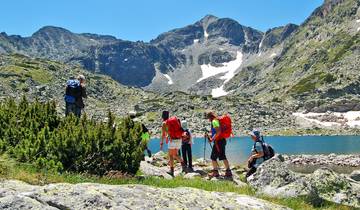
8 days
Peaks & Lakes of the Pirin and Rila Mountains
- ✓ Comprehensive Rhodope Mountains tour
- ✓ Expert local guides included
- ✓ All accommodation arranged
- ✓ Transportation provided
Multi-day tour packages powered by TourRadar. Prices and availability subject to change.
Introduction to the Rhodope Mountains
The Rhodope Mountains unfold across southern Bulgaria as a landscape shaped by geological forces over 300 million years, creating Europe’s most extensive karst terrain outside the Dinaric Alps. Unlike Bulgaria’s jagged Rila and Pirin ranges to the west, the Rhodopes present rounded summits, broad valleys, and extensive cave systems carved through thick limestone beds by rivers that have been flowing the same courses since the Tertiary period. This ancient mountain range stretches 240 kilometers east to west and 100 kilometers north to south, covering territory from Bulgaria’s border with Greece northward to within 90 kilometers of Plovdiv, encompassing an area larger than Slovenia while hosting a permanent population below 300,000 concentrated in valley towns.
The Rhodopes occupy a unique position in Bulgarian geography and culture as the country’s southernmost and longest mountain system, lying at latitudes that bring Mediterranean climate influences northward while maintaining true mountain character with summits exceeding 2,000 meters. This positioning creates the mildest mountain climate in Bulgaria with more than 2,000 hours of sunshine annually, substantially exceeding the Rila and Pirin ranges’ cloud-prone western positions. The region’s south-facing slopes captured Thracian settlement from the Bronze Age onward, leaving archaeological sites that include stone circles, sanctuaries, and fortresses predating classical Greece, while deep forests and inaccessible valleys preserved Bulgarian language and Orthodox Christian faith through five centuries of Ottoman rule when surrounding lowlands converted to Islam.
Modern visitors discover the Rhodopes through three distinct entry points, each offering different mountain character. The western Rhodopes centered on Pamporovo and Chepelare emphasize winter sports and summer hiking from developed resort infrastructure, with ski season running December through April and summer activities from May to October. The central Rhodopes around Smolyan and Devin focus on spa tourism, cave exploration, and traditional village culture, offering year-round appeal with Velingrad’s mineral springs operating continuously and cave tours running April through October weather permitting. The eastern Rhodopes extending toward Kardzhali and the Greek border present the most remote and culturally distinct territory where Turkish-speaking Muslim communities maintain traditions distinct from both mainstream Bulgarian culture and Western Turkish practices, though tourism infrastructure remains limited outside Kardzhali city and access requires private transportation with limited English signage.
Planning Rhodope Mountains visits for 2026 requires understanding the region’s two parallel tourism systems operating on different calendars and attracting different visitor profiles. Winter tourism concentrates almost exclusively around Pamporovo ski resort between December 15 and April 10, when the mountain transforms into Bulgaria’s family-friendly ski destination with hotel occupancy reaching 80-90%, prices at annual peaks, and resort villages thronged with skiers from Sofia, Plovdiv, and increasingly from neighboring Romania, Serbia, and Greece discovering Bulgaria’s affordability compared to Alpine destinations. Summer and transitional seasons (May-October) shift attention to hiking, caves, traditional villages, and spa towns, bringing a different visitor demographic interested in nature, culture, and wellness rather than winter sports, with these months representing high season for cave tours, village guesthouses, and spa hotels while ski resort hotels either close entirely or slash rates by 40-60%.
The Rhodopes reward visitors with experiences unavailable in more developed European mountain regions, from 18th-century stone houses still occupied by families preserving folk music traditions to cave systems where underground rivers plunge into darkness, from mineral springs that have drawn bathers since Thracian times to ski slopes offering Alpine-quality facilities at 40-50% of Swiss prices. Yet the region also presents challenges that require realistic expectations: limited English outside major hotels and tour operators, sparse public transportation requiring careful planning or rental car commitment, rural roads that twist through mountain passes testing both vehicles and drivers, and tourism infrastructure that ranges from modern spa resort sophistication to basic village guesthouses where shower temperature represents the day’s main uncertainty. Visitors who embrace these contradictions while planning with accurate information discover one of Europe’s last genuinely undiscovered mountain regions offering authenticity, value, and natural beauty in proportions increasingly rare on a continent where tourism has homogenized most accessible destinations.
Understanding Rhodope Mountains Geography and Regions 2026
The Rhodope Mountains divide into four distinct geographic and cultural regions that require different approaches for 2026 visitors. The Western Rhodopes anchor Bulgaria’s winter sports industry around Pamporovo ski resort at 1,650 meters elevation and neighboring Chepelare town, where the mountain presents its most dramatic vertical relief with Golyam Perelik rising to 2,191 meters within 15 kilometers of lowland valleys. This region offers the most developed tourism infrastructure with year-round hotels, established restaurants, English-speaking staff, and paved road access from both Sofia (230 kilometers northwest) and Plovdiv (85 kilometers north), making it the natural entry point for first-time Rhodope visitors. The landscape features mixed coniferous and deciduous forests at lower elevations transitioning to alpine meadows above 1,800 meters, with the Pamporovo area receiving 240 sunny days annually compared to 180-200 in other Bulgarian mountain ranges, creating ideal conditions for both winter skiing and summer hiking.
The Central Rhodopes centered on Devin, Smolyan, and Velingrad emphasize spa tourism, cave systems, and preserved traditional villages, stretching across the broadest section of the mountain range where individual peaks remain below 2,000 meters but valleys cut deep into limestone bedrock creating spectacular gorges. Velingrad, self-proclaimed “Spa Capital of the Balkans,” concentrates over 80 mineral springs with temperatures ranging 22-90°C within a 15-kilometer radius, supporting spa hotel development that ranges from Soviet-era sanatoriums undergoing gradual renovation to modern wellness resorts offering treatments at prices 40-60% below Western European equivalents. The Trigrad-Yagodina karst plateau in this zone contains Bulgaria’s most impressive cave systems including Devil’s Throat Cave and Yagodina Cave, accessed from the spectacular Trigrad Gorge road that connects Devin to Yagodina through 22 kilometers of continuous cliff scenery. Traditional villages including Shiroka Laka, Kovachevitsa, and Momchilovtsi preserve Bulgarian Revival architecture and maintain folklore traditions including bagpipe music and distinctive polyphonic singing styles, offering guesthouse accommodation at 80-150 BGN ($48-90) per night with home-cooked meals reflecting Rhodope culinary heritage.
The Eastern Rhodopes extending from Smolyan toward Kardzhali and the Greek border present the most culturally distinct and least touristically developed section of the range, where elevations generally remain below 1,500 meters and landscape character shifts toward Mediterranean influences with oak forests replacing beech and spruce, and rainfall decreasing to near-semi-arid levels in sheltered valleys. This region maintains the highest concentration of Turkish-speaking Muslim communities in Bulgaria, descended from both Ottoman-era settlement and Bulgarian-speaking populations who converted to Islam, creating villages where mosques dominate skylines, headscarves remain common female attire, and Turkish maintains daily use despite Bulgarian-language schooling. Tourism infrastructure remains minimal outside Kardzhali city, with limited hotel development, few restaurants serving alcohol due to Muslim cultural preferences, and English language skills rare even among younger residents, creating authentic cultural immersion opportunities for adventurous travelers while presenting practical challenges for independent visitors without Bulgarian or Turkish language abilities.
The Southern Rhodopes along the Greek border region encompass territory where the mountain range gradually descends toward Aegean Sea elevations, with peaks dropping below 1,000 meters and climate becoming distinctly Mediterranean with hot, dry summers and mild winters rarely experiencing snow below 800 meters elevation. This zone sees minimal Bulgarian tourism development due to border restrictions, remote location, and limited road infrastructure, though several Thracian archaeological sites including rock sanctuaries and megalithic structures attract specialist interest. The Greek side of the range (known as the Rodopi Mountains in Greek) offers more developed tourism with mountain resorts around Drama and Xanthi, though cross-border travel remains complicated by limited road crossings and separate visa requirements for non-EU visitors, effectively maintaining the southern Rhodopes as two distinct tourism destinations rarely combined in single itineraries.
Elevational zonation significantly impacts Rhodope experiences with lower valleys below 800 meters maintaining a transitional climate between continental and Mediterranean influences, creating vegetation patterns dominated by oak forests, agricultural terraces, and fruit orchards that support traditional village economies. The mid-elevation zone between 800-1,600 meters hosts the densest settlement with most traditional villages, major towns, and tourism infrastructure clustered at elevations offering year-round habitability, moderate temperatures, and reliable water supplies. This zone features mixed forests of beech, oak, pine, and spruce creating optimal hiking conditions through shade-protected trails, with seasonal variations that include spring wildflower displays from April through June and autumn color changes in October. The alpine zone above 1,600 meters remains largely treeless with hardy grasses, dwarf shrubs, and flowering plants adapted to temperature extremes, hosting summer grazing operations by shepherds maintaining ancient transhumance traditions but experiencing severe winter conditions with deep snow, sub-zero temperatures, and winds that make upper elevations inhospitable from November through April.
Understanding these geographic divisions helps 2026 visitors select appropriate base locations and manage expectations. First-time visitors seeking established infrastructure, English-language support, and diverse activity options naturally gravitate toward the Western Rhodopes and Pamporovo region, accepting somewhat higher costs and greater tourist presence in exchange for easier logistics. Culture-focused travelers interested in traditional villages, authentic Bulgarian experiences, and spa tourism find optimal conditions in the Central Rhodopes where Devin, Smolyan, and particularly Velingrad offer reasonable infrastructure while maintaining greater authenticity than Pamporovo’s resort environment. Adventurous visitors with cultural sensitivity, some Bulgarian language ability, or hired guide services can explore the Eastern Rhodopes’ Muslim villages and Thracian sites, discovering landscapes and traditions virtually unknown to mainstream European tourism. Weather and seasonal considerations affect regional choices, with the Western Rhodopes offering winter skiing December-April while other regions shift to low season, and summer hiking optimal across all zones from June through September though the Eastern Rhodopes become extremely hot in July-August with afternoon temperatures exceeding 35°C in lowland valleys.
Getting to the Rhodope Mountains in 2026: Transportation and Access
International travelers reach the Rhodope Mountains through Sofia Airport (SOF), Bulgaria’s primary international gateway located 230 kilometers northwest of Pamporovo, offering direct flights to 90+ European and Middle Eastern destinations with connections from North American, Asian, and other global regions via major European hubs. Sofia Airport serves as the optimal entry point for winter ski visitors heading to Pamporovo, with transfer times of 3.5-4 hours by road through mountain passes that remain reliably plowed but require winter tire equipment from November through March. Summer visitors alternatively consider Plovdiv Airport (PDV) located 90 kilometers north of the Western Rhodopes with shorter transfer times of 1.5-2 hours, though this smaller regional airport offers limited international connections primarily serving charter flights from UK, Russia, and Israel plus year-round budget carrier services to select Western European cities. Both airports provide rental car agencies from major international brands (Hertz, Avis, Budget, Enterprise) charging 100-200 BGN ($60-120) daily for compact to mid-size vehicles with comprehensive insurance, with winter rates 20-30% higher due to mandatory winter tire and equipment requirements.
Organized transfers from Sofia to Pamporovo operate year-round through hotel bookings and specialized transfer companies, with shared shuttle services charging 35-50 BGN ($21-30) per person for scheduled departures timed to arriving flights, typically requiring minimum 4-6 passenger loads and experiencing delays during off-peak seasons when booking volumes drop. Private transfer services offer door-to-door convenience at 250-350 BGN ($150-210) for sedan vehicles accommodating 3 passengers with luggage or 350-450 BGN ($210-270) for vans seating 6-7, with prices negotiable for return journeys booked simultaneously. Winter peak season (late December through early March) sees transfer availability tighten significantly with advance booking essential and prices rising 30-40% above shoulder season rates, while summer months offer abundant capacity with frequent shuttle departures and competitive pricing. The transfer route follows A1/A6 motorway from Sofia to Pazardzhik before turning south onto secondary roads climbing through mountain passes reaching 1,200-meter elevations where snow accumulation and ice conditions require cautious driving from November through April.
Public bus services connect Sofia Central Bus Station to major Rhodope towns including Chepelare, Smolyan, and Devin, with 4-6 daily departures charging 25-35 BGN ($15-21) for the 3.5-4.5 hour journey depending on destination and number of intermediate stops. These services primarily cater to local commuters rather than tourists, departing early morning and evening hours that may not align with flight arrivals, lacking luggage storage capacity for ski equipment, and providing minimal English-language signage or announcements. Direct buses to Pamporovo ski resort operate only during winter season with increased frequency on weekends, while summer services require transfers in Chepelare town adding 30-45 minutes to journey times. Advance booking proves unnecessary except during major holiday weekends, with tickets sold at bus station counters requiring cash payment in Bulgarian lev with limited English-speaking staff, though mobile ticketing apps like BGrazpisanie now offer English interfaces for tech-savvy travelers willing to navigate occasional system glitches.
Rental cars provide maximum flexibility for exploring the Rhodope Mountains’ dispersed attractions, traditional villages, and remote natural sites inaccessible by public transport. International driving permits technically required for non-EU drivers though rarely checked, valid credit card essential for security deposit of 500-1,000 BGN ($300-600), and minimum driver age of 21-23 depending on rental company with young driver surcharges applied to those under 25. Navigation requires either offline GPS capability through applications like Maps.me or Google Maps with downloaded Bulgaria maps, as cellular data coverage becomes spotty in mountain valleys and remote village areas, while road signage frequently appears only in Cyrillic alphabet requiring either alphabet familiarity or pre-programmed destinations. Mountain driving presents challenges including narrow roads with limited passing space, hairpin curves requiring first-gear grinding on steep ascents, unpredictable rural traffic including horse-drawn carts and livestock, and variable pavement quality shifting from smooth asphalt to potholed deterioration within single stretches, making compact SUV or crossover vehicles preferable to low-clearance sedans despite 30-40% higher rental costs.
Train service reaches Rhodope region periphery with connections from Sofia and Plovdiv to Septemvri, where narrow-gauge heritage railway operates limited services to Velingrad and Dobrinishte providing scenic mountain journeys at walking-speed paces more suited to rail enthusiasts than efficient transportation. Standard gauge main line extends from Plovdiv to Kardzhali in the Eastern Rhodopes with 3-4 daily trains charging 15-20 BGN ($9-12) for the 3-hour journey, offering economical access to this less-visited region though requiring onward bus or taxi transfers to reach specific villages and attractions. Bulgarian State Railways (BDZ) maintains aging rolling stock with limited comfort, unreliable heating/cooling, and frequent delays, though prices remain extraordinarily low and scenic mountain views from train windows reward patient travelers accepting that train journeys take 50-100% longer than equivalent road distances.
Internal transportation within the Rhodopes relies primarily on irregular local bus services connecting valley towns to mountain villages, operating primarily for resident commuters with limited weekend and holiday schedules that leave tourists stranded without advance research. Taxis operate in larger towns (Smolyan, Chepelare, Devin, Velingrad) with metered rates starting 2-3 BGN ($1.20-1.80) plus 1.50-2.50 BGN ($0.90-1.50) per kilometer, though English-speaking drivers remain rare and destination communication requires either Bulgarian language ability, written addresses, or smartphone map sharing. Uber and Bolt operate only in Sofia and Plovdiv without service extending to mountain regions, leaving traditional taxis as sole option for point-to-point transport where rental cars prove impractical. Some hotels and guesthouses offer guest shuttle services to popular attractions, trailheads, and bus stations, with these arrangements typically included in higher-end properties charging 300+ BGN ($180+) nightly while budget accommodations may offer lifts at 20-40 BGN ($12-24) per trip depending on distance and driver availability.
Winter access considerations become critical for ski season visitors with snow conditions frequently closing or severely restricting mountain passes from December through March. The main Pamporovo access road remains reliably plowed and salted as primary ski resort supply route, though rental agencies mandate winter tire equipment and snow chains available for emergency situations where sudden storms create hazardous conditions. Secondary roads reaching traditional villages often receive minimal winter maintenance with snow accumulation rendering them impassable for 2WD vehicles and dangerous even for 4WD without chains, effectively cutting off remote guesthouses from tourist access during deepest winter. Ski resort hotel packages frequently include airport transfers eliminating winter driving stress, with these bundled offerings proving economical at 800-1,200 BGN ($480-720) per person for week-long stays including accommodation, transfers, and sometimes lift passes or ski school packages.
Accommodation Options in the Rhodope Mountains 2026
The Rhodope Mountains offer accommodation spanning family guesthouses in traditional villages to modern spa resorts with world-class facilities, all at prices substantially below Western European equivalents. Budget travelers find excellent value in village guesthouses (known locally as “kushti za gosti” or family hotels) charging 80-150 BGN ($48-90) per room per night including breakfast, typically occupying renovated 18th-19th century stone houses with 3-6 rooms, shared common areas featuring traditional furnishings and local textiles, and hosts who prepare home-cooked evening meals at additional 20-30 BGN ($12-18) per person showcasing regional cuisine rarely encountered in standard restaurants. These properties cluster in traditional villages including Shiroka Laka, Kovachevitsa, Gela, and Momchilovtsi throughout the Central Rhodopes, offering authentic cultural immersion with hosts often speaking limited English but compensating through genuine hospitality, local knowledge about hiking trails and attractions, and willingness to arrange transportation or guide services through family connections in surrounding villages.
Pamporovo and Chepelare in the Western Rhodopes concentrate purpose-built ski resort hotels ranging from basic 2-star properties at 120-180 BGN ($72-108) per night for dated rooms with private bathrooms and breakfast buffets to modern 4-star facilities at 280-400 BGN ($168-240) offering ski-in/ski-out access, spa facilities with indoor pools and saunas, on-site restaurants serving international and Bulgarian cuisine, and English-speaking reception staff accustomed to foreign guests. Winter high season (late December-early March) sees these properties fully booked weeks in advance with prices rising 40-60% above shoulder season rates, while summer months find many properties either closed or operating at deeply discounted rates of 100-180 BGN ($60-108) for rooms that command 300-400 BGN ($180-240) during ski season peak. Notable properties include Hotel Orlovetz, a 5-star resort with comprehensive spa facilities charging 450-650 BGN ($270-390) nightly in winter, and Hotel Perelik, a mid-range 3-star option at 180-250 BGN ($108-150) offering solid amenities without luxury pricing.
Velingrad spa town presents Bulgaria’s most concentrated spa hotel market with over 30 properties offering thermal mineral water pools, wellness treatments, and medical spa services under supervision of Bulgarian physicians specializing in balneotherapy. Budget spa hotels charge 150-220 BGN ($90-132) per night including breakfast and access to basic thermal pools, representing extraordinary value for travelers seeking mineral spring benefits in functional facilities that lack design sophistication but deliver genuine therapeutic services. Mid-range 3-star spa properties at 220-320 BGN ($132-192) upgrade facilities with multiple pools at varying temperatures, modern spa equipment including hydrotherapy jets and underwater massage stations, treatment menus offering massages at 60-90 BGN ($36-54) for 50-minute sessions, and rooms renovated within the past decade featuring reliable Wi-Fi and contemporary bathrooms. Luxury spa resorts including SPA Hotel Dvoretsa and Kashmir Wellness & SPA Hotel cater to affluent Bulgarian and international visitors at 450-650 BGN ($270-390) nightly, delivering five-star amenities, gourmet restaurants, extensive spa programs, and service standards approaching Western European luxury properties while maintaining prices 40-50% below equivalent Austrian or Swiss spa hotels.
Smolyan, the Rhodopes’ administrative capital with 30,000 residents, offers urban accommodation options serving business travelers and visitors using the city as a base for exploring surrounding mountains and villages. Business-class hotels charge 120-180 BGN ($72-108) for comfortable but uninspired rooms with reliable internet, parking, and breakfast, while budget hotels at 70-100 BGN ($42-60) provide basic clean accommodation without charm or memorable features. The city’s elevation at 1,000 meters and location at the intersection of several valley roads makes it a practical base for car-based exploration, particularly for visitors combining traditional village stays with urban comfort and dining variety, though it lacks the alpine resort atmosphere of Pamporovo or the spa focus of Velingrad.
Devin town serves as the gateway to the Trigrad Gorge and Devil’s Throat Cave, offering more limited accommodation options concentrated in small hotels and guesthouses charging 80-140 BGN ($48-84) per night. The town’s compact size (population 7,000) and orientation toward day-trippers from Plovdiv means overnight capacity remains constrained during summer weekends when cave tourism peaks, requiring advance booking for June-August visits. Properties tend toward simple, family-run operations where hosts provide local knowledge about hiking routes, cave visiting hours, and off-the-beaten-path attractions while maintaining traditional hospitality standards including offering rakija (Bulgarian fruit brandy) to arriving guests regardless of payment status.
Apartment rentals through Booking.com and Airbnb provide alternatives to hotel accommodation, particularly appealing to families or groups seeking kitchen facilities and multiple bedrooms. Pamporovo ski resort apartments range 180-350 BGN ($108-210) nightly for 2-bedroom units sleeping 4-6 people, offering economical per-person costs when split among larger groups and enabling grocery shopping and meal preparation to reduce dining expenses. Village houses for weekly rental appear throughout the Rhodopes at 400-800 BGN ($240-480) per week, typically older properties with traditional architecture, wood-burning stoves or fireplaces, and rustic furnishings that appeal to visitors seeking authentic Bulgarian village experiences, though often lacking modern amenities like reliable hot water, effective heating, and English-language host communication.
Booking strategies for 2026 require seasonal awareness with winter ski season (December-March) demanding advance reservations of 6-12 weeks for Pamporovo properties, particularly during Christmas, New Year’s, and February school holiday peaks when Bulgarian and regional visitors fill available capacity. Summer months (June-September) see traditional village guesthouses reach capacity on weekends as Bulgarian urbanites escape city heat, requiring Friday-Saturday bookings 2-4 weeks ahead while midweek availability remains excellent even with same-day reservations. Spa hotels in Velingrad maintain steady occupancy year-round with Bulgarian medical tourists visiting for extended treatment courses, though rarely selling out entirely except during major Bulgarian holidays. Booking direct through property websites or phone contact sometimes yields 10-15% discounts compared to online travel agency rates, with Bulgarian properties generally willing to negotiate prices for extended stays, off-peak periods, or last-minute bookings when occupancy appears light, though these negotiations require Bulgarian language ability or patient effort with limited English-speaking staff.
Food, Dining, and Rhodope Cuisine 2026
Rhodope mountain cuisine reflects centuries of isolation that preserved ancient cooking methods, local ingredients, and recipes distinct from coastal Bulgarian food traditions. The region’s signature dishes center on lamb and goat from mountain flocks, wild mushrooms foraged from beech forests, river trout from cold mountain streams, handmade white cheese (sirene) aged in mountain caves, and thick yogurt credited with the longevity of Rhodope centenarians. Traditional preparation methods include long-simmered stews cooked in clay vessels, open-fire grilling of meats and vegetables, and wood-oven baking of breads and pastries, creating flavors impossible to replicate in modern kitchens that rely on gas or electric heat sources.
Budget dining options in the Rhodopes include local taverns (mehana) serving traditional Bulgarian and Rhodope dishes at 15-30 BGN ($9-18) for substantial main courses that typically include side dishes and bread. These establishments cluster around town centers, bus stations, and main roads, identifiable by hand-painted signs, outdoor seating areas with plastic furniture, and menus displayed in Cyrillic with occasional English translations of variable accuracy. Typical budget meals include shopska salad with tomatoes, cucumbers, onions, and crumbled white cheese at 8-12 BGN ($5-7), grilled kebapcheta (spiced ground meat cylinders) with fried potatoes at 12-18 BGN ($7-11), or banitsa (cheese-filled phyllo pastry) at 4-6 BGN ($2.40-3.60) representing Bulgaria’s national fast food. Village bakeries sell fresh bread at 1-2 BGN ($0.60-1.20) per loaf, banitsa slices at 2-3 BGN ($1.20-1.80), and sweet pastries at 3-5 BGN ($1.80-3) enabling economical breakfast or picnic assembly, with bakeries operating early morning hours when overnight baking completes but closing by early afternoon once stock sells out.
Mid-range restaurants in Pamporovo, Velingrad, and larger towns elevate traditional dishes with better ingredient quality, more careful preparation, and atmospheric dining spaces in restored historical buildings or modern properties with mountain views. These establishments charge 25-45 BGN ($15-27) for main courses, 10-15 BGN ($6-9) for salads and starters, and 35-60 BGN ($21-36) for grilled meat platters serving 2-3 diners. Notable dishes include sach (meat and vegetable stew cooked in traditional clay pot) at 28-38 BGN ($17-23), kapama (rice, meat and sauerkraut baked in layers) at 24-32 BGN ($14-19), and Rhodope-style patatnik (potato and meat pie) at 18-24 BGN ($11-14). Local trout features prominently on menus near mountain streams at 25-35 BGN ($15-21) for grilled whole fish, while game meats including wild boar, deer, and rabbit appear seasonally at 35-50 BGN ($21-30) for specialty preparations that showcase regional hunting traditions.
Upscale dining remains limited in the Rhodopes with only Pamporovo ski resort and Velingrad spa hotels offering restaurants approaching Western European standards in both cuisine sophistication and pricing. These establishments charge 45-80 BGN ($27-48) for main courses featuring contemporary interpretations of Bulgarian classics, imported steaks and seafood, and international dishes, with three-course meals including wine reaching 100-150 BGN ($60-90) per person. The most refined dining experiences occur at 5-star spa resort restaurants where chefs trained in European culinary traditions prepare fusion menus that incorporate traditional Rhodope ingredients into modern presentations, though even these premium establishments charge 40-50% less than equivalent quality restaurants in Vienna, Zurich, or Paris.
Traditional guesthouses offer the most authentic Rhodope culinary experiences through family-style dinners prepared by hosts using recipes passed through generations. These meals typically cost 25-35 BGN ($15-21) per person arranged as add-on to accommodation, served communally around large wooden tables where guests and hosts share food and conversation despite language barriers. Menus reflect seasonal availability with spring featuring wild greens and herbs, summer bringing tomatoes and peppers at peak flavor, autumn offering mushrooms and preserves, and winter emphasizing preserved meats, aged cheeses, and root vegetables stored in cellars. Hosts frequently pour homemade rakija (fruit brandy) as welcome drink and meal accompaniment, prepare fresh baked bread in wood-fired ovens, and serve endless cups of mountain herb tea following desserts of homemade baklava or lokum (Turkish delight).
Self-catering proves highly economical for budget-conscious visitors or those staying in apartments with kitchen facilities. Supermarkets in larger towns charge 3-5 BGN ($1.80-3) for bread, 8-12 BGN ($5-7) per kilogram for fresh tomatoes and peppers, 15-20 BGN ($9-12) per kilogram for local white cheese, 4-6 BGN ($2.40-3.60) for fresh yogurt containers, and 10-15 BGN ($6-9) per kilogram for chicken or pork. Village shops maintain more limited selections at prices 20-30% above town supermarkets while outdoor markets appearing once or twice weekly in valley towns offer fresh produce, cheese, and meat at prices below supermarkets with quality frequently exceeding industrial food products. Wine costs 8-20 BGN ($5-12) per bottle for decent Bulgarian production from major wineries, while local beers including Zagorka and Kamenitza charge 2-3 BGN ($1.20-1.80) for half-liter bottles in shops or 5-7 BGN ($3-4.20) in restaurants.
Specialty Rhodope products worth seeking include white cheese aged in mountain caves developing complex flavors impossible to replicate in commercial production, thick yogurt from grass-fed cows that local centenarians credit for longevity, wild mushroom preserves prepared by forest foragers, mountain herb teas blending wild thyme, mint, and medicinal plants, and aged rakija distilled from plums, grapes, or pears reaching 40-50% alcohol content. These items sell at village markets, specialist shops in larger towns, and directly from producers who welcome visitors to family operations, with prices ranging 10-40 BGN ($6-24) depending on product type and quantity, representing genuine local production rather than tourist-oriented packaged goods common in resort areas.
Dining customs in the Rhodopes follow traditional Bulgarian patterns with lunch representing the main meal typically consumed between 1-3 PM, though ski resort restaurants and tourist-oriented establishments accommodate international preferences for substantial dinners. Tipping remains discretionary with 10% considered generous and not expected in more casual establishments where rounding up bills to nearest convenient amount represents standard practice. English menus appear in Pamporovo resort and larger town restaurants serving foreign tourists, though village establishments and smaller towns require either Bulgarian language ability, pointing at dishes on neighboring tables, or willingness to accept whatever the kitchen prepares as daily special at 15-25 BGN ($9-15) that always delivers value if not always matching Western expectations for ingredient variety or presentation sophistication.
Activities and Experiences in the Rhodope Mountains 2026
Hiking dominates summer activities in the Rhodope Mountains with trail systems ranging from gentle valley walks suitable for families to challenging summit ascents requiring fitness, proper equipment, and mountain experience. The region’s rounded topography creates more accessible hiking than Bulgaria’s jagged Rila and Pirin ranges, with most trails following forest tracks, shepherd paths, and old roads rather than technical scrambles over rocks and scree. Well-marked routes connect traditional villages in multi-day trekking itineraries covering 15-25 kilometers daily through beech forests, across alpine meadows, and past stone shepherd huts (kolibi) where fresh cheese and yogurt sometimes available from summer grazers. Trail infrastructure includes basic wooden signage marking major routes with approximate distances in kilometers and walking times, though GPS navigation recommended as signs suffer weather damage, vandalism, and periodic removal by local hunters seeking to restrict access to hunting grounds during autumn season.
Golyam Perelik summit at 2,191 meters represents the Rhodopes’ ultimate hiking objective, accessible via well-marked trails from either Pamporovo (4-5 hours ascent) or Chepelare (5-6 hours) with routes traversing dense spruce forests before emerging onto alpine meadows dotted with wild flowers June through August. Summit panoramas extend across southern Bulgaria to Mount Olympus in Greece on exceptionally clear days, with stone cairn marking the highest point and mountain huts selling drinks, snacks, and hot meals at 10-25 BGN ($6-15) during summer operating season. The Pamporovo route proves more popular due to chairlift access eliminating 400 vertical meters of climbing for 20 BGN ($12) round-trip, though purists prefer ascending entirely on foot to earn summit credentials without mechanical assistance.
Cave exploration provides the Rhodopes’ signature natural attraction with over 700 documented cave systems including six developed for tourism with lighting, walkways, and guided tours. Devil’s Throat Cave near Trigrad village offers the most dramatic experience as visitors descend 301 steps alongside underground river before encountering 42-meter waterfall plunging into dark chamber where water disappears into unmapped passages extending kilometers beneath the mountain. Tours cost 10 BGN ($6) with departures every 30 minutes from 9 AM-5 PM April-October, lasting 45 minutes and maintaining year-round 8-10°C temperatures that require warm layers even during summer visits. Cave rules prohibit photography with flash to protect endemic bat populations, restrict group sizes to 25 maximum, and require closed-toe shoes with grip soles as slippery limestone creates fall hazards throughout descent and return climb.
Yagodina Cave extends 10 kilometers through five levels though only 1 kilometer developed for tourism with spectacular stalactite and stalagmite formations named for resemblance to recognizable objects. Tours at 10 BGN ($6) run hourly 9 AM-5 PM April-October with English-speaking guides available for groups booking advance through tourist information centers, though standard Bulgarian-language tours provide comprehension through visual experience even without language understanding. The cave’s history includes archaeological discoveries of human occupation spanning 7,000 years with pottery, tools, and bones exhibited in small museum near entrance charging additional 5 BGN ($3) admission.
Trigrad Gorge provides Bulgaria’s most spectacular road-accessible canyon scenery with 300-meter vertical limestone cliffs flanking narrow valley floor where Trigradska River flows through boulder fields and deep pools. The 22-kilometer gorge road connecting Devin to Yagodina requires careful driving with hairpin curves, narrow sections barely accommodating two-way traffic, and roadside pullouts for viewpoints and photo stops. Via ferrata climbing routes equipped with steel cables, metal rungs, and fixed anchors enable non-technical climbers to access cliff faces and ridge traverses otherwise requiring rock climbing skills, with local guides offering half-day excursions at 80-120 BGN ($48-72) including equipment rental, instruction, and route supervision for groups of 2-6 participants.
Winter skiing at Pamporovo resort provides Bulgaria’s most family-friendly ski experience with 37 kilometers of predominantly easy (50%) and intermediate (35%) runs descending 475 vertical meters from 1,926-meter Snezhanka Peak to 1,450-meter village elevation. The resort’s reputation for beginner instruction reflects exceptionally affordable group lessons at 30-40 BGN ($18-24) for 2-hour sessions and private instruction from 80 BGN ($48) per hour, allowing families to provide each member with personalized instruction at costs that would purchase only single group lesson at Alpine resorts. Six-day complete packages including accommodation, lift pass, equipment rental, and instruction range 1,100-1,800 BGN ($660-1,080) per person in 2-3 star hotels, representing extraordinary value for comprehensive ski weeks that build genuine skills rather than frustrating beginners with overcrowded slopes, inadequate instruction, and facilities overwhelmed by excessive visitor numbers.
Mountain biking trails crisscross the Rhodopes with routes following forestry roads, shepherd tracks, and single-track trails through mixed forests and open meadows. Pamporovo operates summer chairlift service to upper mountain elevations at 20 BGN ($12) round-trip, enabling downhill mountain biking on ski runs and connecting trails while avoiding exhausting climbs, with bike rentals available at resort shops for 40-60 BGN ($24-36) daily for quality mountain bikes with front suspension and multiple gears. Self-guided riders explore traditional village networks on quiet paved roads with minimal traffic, though steep grades test fitness on extended climbs between valley bottoms and ridge passes, typically requiring intermediate cycling fitness and willingness to walk bicycles up steepest sections where grades exceed 12-15%.
Spa and wellness experiences center on Velingrad’s mineral spring heritage with 30+ hotels offering thermal pools, treatment programs, and medical spa services under physician supervision. Day-use spa access costs 20-40 BGN ($12-24) at mid-range properties granting access to multiple pools at varying temperatures, saunas, steam rooms, and basic facilities, while luxury resorts charge 40-60 BGN ($24-36) for comprehensive spa days including additional treatment pools, better amenities, and pool-side food service. Multi-day spa packages bundling accommodation with daily treatments including massages, mud baths, mineral water hydrotherapy, and medical consultations range 600-1,200 BGN ($360-720) for 5-night stays, attracting Bulgarian medical tourists seeking therapeutic benefits for joint problems, respiratory conditions, and general wellness at costs substantially below Western European spa programs while maintaining medical supervision and proven treatment protocols.
Horseback riding through mountain villages and forest trails operates from several traditional villages including Gela and Smilyan, with hourly rides at 30-40 BGN ($18-24) and half-day excursions at 80-100 BGN ($48-60) exploring networks of forest roads and open meadows at walking and trotting paces suitable for inexperienced riders. Local horses tend toward sturdy mountain breeds adapted to steep terrain, sure footing on rough ground, and patient temperaments tolerating novice handling, though comfort levels remain basic with simple saddles and minimal equipment that reflects working farm traditions rather than recreational riding industry standards.
Cultural experiences include folklore performances at Shiroka Laka’s folklore school where students learn traditional bagpipe playing, polyphonic singing, and regional dance forms, with public performances scheduled during summer festival season at minimal admission of 5-10 BGN ($3-6). Traditional craft workshops enable visitors to observe or participate in wool weaving, wood carving, and pottery making as artisans maintain skills passed through generations, with some craftspeople offering hands-on instruction at 40-60 BGN ($24-36) for 2-3 hour sessions producing functional items visitors take as souvenirs. Orthodox monasteries scattered through mountain valleys welcome visitors with free admission to church interiors featuring historical frescoes, icon collections, and peaceful courtyards, though modest dress requirements (covered shoulders and knees for women, long pants for men) and photography restrictions apply inside religious buildings.
Best Day Trips and Excursions from the Rhodope Mountains 2026
Plovdiv, Bulgaria’s second city located 90 kilometers north of the Western Rhodopes, offers the region’s premier day trip combining Roman ruins, Ottoman architecture, and contemporary arts scene within compact Old Town district walkable in 3-4 hours. The ancient city ranks among Europe’s oldest continuously inhabited settlements with remains spanning Thracian, Roman, Byzantine, Ottoman, and Bulgarian periods layered across seven hills that dominate Maritsa River plain. Visitors prioritize the Roman Theater, a 2nd-century amphitheater seating 6,000 spectators that remains in use for summer concerts and performances, charging 5 BGN ($3) admission with panoramic views from upper tiers across the modern city and surrounding mountains. The Old Town’s cobblestone lanes wind past Bulgarian Revival houses painted in distinctive colors, now housing museums, galleries, restaurants, and craft shops, with 18th-19th century merchants’ mansions offering interior tours showcasing period furnishings, traditional textiles, and historical exhibits at 5-10 BGN ($3-6) admission per house museum.
Bachkovo Monastery, Bulgaria’s second-largest monastic complex located 30 kilometers south of Plovdiv and accessible as add-on to Plovdiv day trips or standalone excursion from Western Rhodopes, dates to 1083 with current structures representing 16th-17th century reconstruction following Ottoman destruction. The monastery maintains active religious community alongside tourist function, charging 5 BGN ($3) admission to church interiors featuring frescoes from multiple periods including Renaissance-influenced works by 19th-century master Zahari Zograf. The complex’s peaceful courtyards surrounded by residential buildings housing 30-40 monks, extensive iconostasis with hundreds of historical icons, and refectory building with long tables where monks take communal meals create atmosphere of living tradition rather than museum-preserved monument, with visitors welcome to attend Orthodox services in church though photography prohibited during religious ceremonies.
Perperikon, Bulgaria’s most significant Thracian archaeological site located 15 kilometers from Kardzhali in the Eastern Rhodopes, reveals 7,000 years of continuous occupation on massive rock outcropping carved into temples, palaces, and fortifications. The site’s importance stems from identification as possible location of Temple of Dionysus mentioned in ancient texts, where Thracian priests delivered prophecies to Alexander the Great and Julius Caesar before military campaigns. Excavations ongoing since 2000 continue uncovering additional structures including royal palace complex with carved stone foundations, sacrificial altars with channels for blood collection, and intricate water management systems demonstrating sophisticated engineering. Self-guided exploration following marked paths through excavated areas costs 6 BGN ($4) with information panels in Bulgarian and English explaining significant structures, while guided tours at additional 30-40 BGN ($18-24) provide historical context impossible to grasp from signage alone, particularly regarding site’s religious significance in ancient Thracian culture.
Beglika area in the Central Rhodopes encompasses several natural and cultural attractions clusterable in single day excursion from Batak, Velingrad, or Western Rhodopes base. Beglika megalithic complex features Bronze Age stone circles, dolmens, and rock sanctuaries scattered across mountain ridge, accessible via unpaved roads and short walks with no admission fees and minimal site protection or interpretation leaving visitors free to explore arrangements of standing stones whose astronomical alignment and ceremonial purpose remain subject to archaeological debate. The Stone Mushrooms near Beli Plast village present natural rock formations sculpted by wind erosion into mushroom shapes with stems narrower than caps, requiring 3-kilometer hike from nearest parking area along marked trail through pine forests to natural phenomena measuring 2.5 meters tall and resembling massive stone toadstools. Chairski Lakes comprise glacial lakes at 1,800-2,000 meter elevations accessible by 4WD vehicle to within 2 kilometers followed by hiking trails, offering alpine scenery and wildflower displays from June through August though requiring fitness for elevation gain and exposure to changeable mountain weather including afternoon thunderstorms common during summer.
Cross Ridge area spanning watershed between Black Sea and Aegean drainage represents the Rhodopes’ highest sustained elevations with multiple peaks exceeding 2,000 meters, accessed from Pamporovo or Chepelare for experienced hikers seeking wilderness conditions and summit panoramas. The region’s lack of road access, limited trail marking, and exposed alpine terrain require navigation skills, proper equipment including layers for rapidly changing weather, and fitness for 6-8 hour full-day excursions covering 15-20 kilometers with 800-1,200 meters elevation gain. Rewards include encounters with endemic Rhodope flora including wild thyme carpets and edelweiss on highest ridges, potential wildlife sightings of chamois, golden eagles, and griffon vultures, and perspectives across southern Bulgaria to Greek Olympus massif visible 100 kilometers south on exceptionally clear days, all experienced in near-complete solitude as few visitors venture beyond marked tourist routes into genuine wilderness territory.
Rila Monastery, Bulgaria’s most famous religious site and UNESCO World Heritage landmark, lies 120 kilometers west of the Central Rhodopes accessible as long day excursion or overnight trip combining mountain scenery with cultural heritage. The monastery’s striped arches, vivid frescoes, and mountain setting at 1,150 meters elevation exemplify Bulgarian National Revival architecture from the 19th century, though founding dates to 10th century by hermit Ivan of Rila. Current structures house Bulgaria’s most important icon collection, historical museum with religious artifacts and medieval manuscripts, and active monastic community of 60 monks maintaining daily religious services open to public attendance. Day trip logistics from Rhodopes require early departure by 7-8 AM for 2.5-3 hour drive to monastery, 3-4 hours exploration time, and return journey arriving late afternoon, making rental car strongly preferable to complicated public bus connections requiring multiple transfers and consuming entire day for travel with minimal site time.
Practical Tips and Useful Information for Visiting 2026
Currency and payments in the Rhodopes rely primarily on cash with Bulgarian lev (BGN) required for most village guesthouses, traditional restaurants, markets, and small shops, while larger hotels, resort restaurants, and supermarkets accept credit cards from major networks (Visa, Mastercard) though occasionally imposing minimum purchase amounts of 20-30 BGN ($12-18) or adding 2-3% surcharges for card payments. ATMs appear in towns with populations exceeding 5,000 including Pamporovo, Chepelare, Smolyan, Velingrad, and Devin, dispensing lev in denominations of 10, 20, and 50 lev notes with daily withdrawal limits typically 400-800 BGN ($240-480) and international transaction fees charged by home banks rather than Bulgarian machines. Bulgaria maintains fixed exchange rate of 1.95583 BGN to 1 Euro, with dollar conversions fluctuating based on EUR-USD exchange rates currently approximately 1 BGN to $0.60 USD, while exchange offices in tourist areas frequently offer poor rates and high commissions making ATM withdrawal preferable to currency exchange despite modest international transaction fees.
Language barriers require preparation as English proficiency remains limited outside Pamporovo resort and upscale hotels, with village guesthouses, local restaurants, and shops typically operating entirely in Bulgarian language. Learning basic Bulgarian phrases for greetings (Zdraveite for hello, Blagodarya for thank you), numbers, and food items significantly improves interaction quality and demonstrates cultural respect that Rhodope residents appreciate and reciprocate with patience and extra assistance. Written Bulgarian uses Cyrillic alphabet requiring either alphabet learning for sign reading or reliance on Google Translate camera function for real-time text translation of menus, signs, and written communications, while smartphone translation apps enable basic conversation though internet connectivity required limits usefulness in remote mountain areas with sparse cellular coverage. Younger Rhodope residents under age 30 generally speak some English from school instruction, with hotel reception staff, tour guides, and restaurant servers in tourist areas maintaining functional English sufficient for bookings, directions, and meal ordering if not always flowing conversation.
Cell phone coverage through major Bulgarian carriers (A1, Vivacom, Yettel) reaches valley towns and major roads with 4G LTE speeds adequate for navigation, translation apps, and social media, while mountain ridges, remote valleys, and traditional villages frequently experience no signal requiring downloaded offline maps and advance planning for communication needs. EU visitors benefit from roaming inclusion with no additional charges under EU regulations, while visitors from other regions should verify international roaming rates before departure as costs can reach $10-20 per megabyte without appropriate international plans, with purchasing Bulgarian SIM cards at airport shops or town mobile stores providing economical alternative at 15-25 BGN ($9-15) for prepaid data packages of 5-10 gigabytes valid 30 days. Wi-Fi availability reaches nearly universal status in hotels, guesthouses, and restaurants serving tourists, though connection speeds, reliability, and security vary substantially from fiber-optic broadband in modern hotels to barely functional DSL connections in village properties where streaming video or large file transfers prove impossible.
Weather preparation requires understanding the Rhodopes’ significant temperature variations by elevation, exposure, and time of day. Summer days in valleys commonly reach 28-32°C (82-90°F) while summit elevations remain 10-15°C (18-27°F) cooler, with additional temperature drops of 10-15°C (18-27°F) occurring after sunset requiring layered clothing even during July-August visits. Afternoon thunderstorms develop frequently during summer months from heating-driven convection, typically arriving 2-4 PM and lasting 30-90 minutes with heavy rain, lightning, and occasional hail making exposed ridge hiking dangerous and cave visits inadvisable due to flash flood risks in underground rivers, with morning starts for major hikes essential to reach sheltered positions before storm development. Winter temperatures at ski resort elevations range -5 to +5°C (23-41°F) with substantial wind chill effects on exposed slopes and chairlifts, requiring proper layering with moisture-wicking base layers, insulating mid-layers, and waterproof outer shells plus quality gloves, hats, and face protection for extended outdoor exposure.
Safety considerations include limited mountain rescue infrastructure compared to Alpine regions, with helicopter evacuation unavailable and ground-based rescue requiring 2-4 hours response time from volunteer mountain rescue teams based in valley towns. Comprehensive travel insurance covering mountain activities including skiing and hiking proves essential, with European Health Insurance Cards (EHIC) covering EU citizens for emergency medical treatment at Bulgarian public hospitals while other visitors require proof of insurance for treatment. Trail conditions vary from well-maintained paths near popular sites to barely-marked shepherd tracks prone to overgrowth, erosion, and seasonal flood damage, with hikers responsible for own navigation, weather judgment, and turnaround decisions as no park ranger system monitors trails or provides assistance. Wild dogs protecting shepherd flocks appear occasionally on mountain trails, typically barking aggressively but rarely attacking if hikers avoid sudden movements and maintain calm walking pace without approaching protected sheep, though carrying walking stick provides psychological comfort and actual defense if required.
Photography opportunities abound throughout the Rhodopes with spectacular landscapes, traditional architecture, and cultural subjects, though specific restrictions apply inside Orthodox churches and monasteries where photography typically prohibited during religious services and sometimes restricted entirely even when churches empty of worshippers. Asking permission before photographing people proves essential particularly in traditional villages where elderly residents may object to being photographed without consent, while Muslim villages in Eastern Rhodopes maintain stronger privacy expectations requiring particular sensitivity regarding women who may find photography intrusive or religiously inappropriate. Golden hour lighting from sunrise until 2 hours after and from 2 hours before sunset until sunset provides optimal conditions for landscape photography with warm light and long shadows emphasizing terrain relief, while midday sun creates harsh contrasts and washed-out colors particularly problematic for mountain scenery and traditional architecture subjects.
Environmental responsibility requires respecting the Rhodopes’ delicate ecosystems and supporting sustainable tourism that benefits local communities rather than extractive operations that damage environment and exploit residents. Staying on marked trails prevents erosion and vegetation damage, carrying out all trash (including organic food waste that attracts wild animals and alters ecosystem balance) maintains wilderness character, and avoiding flower picking preserves alpine meadow beauty for other visitors. Supporting family guesthouses over corporate chain hotels, eating at locally-owned restaurants over resort buffets, purchasing traditional crafts from village artisans over mass-produced souvenirs from resort shops, and hiring local guides over Sofia-based tour companies ensures tourism revenue stays within mountain communities supporting families maintaining traditional lifestyles rather than flowing to external corporations that extract profit without community benefit.
Complete Budget Breakdown for the Rhodope Mountains 2026
Understanding actual costs enables realistic trip planning and prevents budget overruns that diminish travel experiences. The following sections break down expenses across three budget tiers with specific examples showing how different travel styles generate vastly different daily costs and overall trip expenses.
Budget Traveler Daily Costs ($65-105 Per Person)
Budget travel in the Rhodopes delivers extraordinary value while maintaining comfort, authenticity, and access to major attractions. Accommodation in family guesthouses and budget hotels ranges 80-120 BGN ($48-72) per room per night, divided between two travelers yielding $24-36 per person including breakfast of fresh bread, white cheese, yogurt, and seasonal preserves. Village guesthouses throughout Central Rhodopes including properties in Shiroka Laka, Gela, and Momchilovtsi charge toward lower end of this range while offering authentic traditional architecture, home-cooked evening meals at additional 20-30 BGN ($12-18) per person, and hosts providing trail information and local knowledge. Budget hotels in towns like Chepelare and Devin occupy upper range with modern amenities, private bathrooms, and reliable Wi-Fi but less atmospheric settings and standardized furnishings lacking traditional character.
Food costs for budget travelers total 45-70 BGN ($27-42) daily through combination of breakfast included with accommodation, lunch at local taverns serving substantial Bulgarian dishes at 15-25 BGN ($9-15) including bread and often side dishes, and dinner either at guesthouses when arranged with hosts or at mehana restaurants at 20-30 BGN ($12-18) for filling meals of grilled meat, vegetable stews, or local specialties. Supermarket shopping for picnic lunches reduces costs to 10-15 BGN ($6-9) with bread, cheese, vegetables, and fruit purchased morning of hiking days, while bakery snacks including banitsa and sweet pastries at 2-4 BGN ($1.20-2.40) provide trail fuel and emergency backup when restaurant options limited in remote areas.
Transportation for budget travelers relies on public buses between major towns at 15-25 BGN ($9-15) daily for typical routes, with savings achievable through staying multiple nights in single locations reducing frequency of intercity movement. Hitchhiking remains culturally acceptable in rural Rhodopes with drivers frequently stopping for hikers carrying backpacks, though this option requires flexibility regarding timing and destinations with no guarantees of quick connections, making it backup rather than primary strategy. Walking between nearby villages separated by 5-10 kilometers provides free transport while enabling landscape appreciation and chance encounters with shepherds, farmers, and rural life invisible from vehicle windows.
Attractions and activities on budget tier emphasize free hiking on marked trails, village exploration without admission fees, and low-cost experiences including cave visits at 10 BGN ($6) and Devil’s Throat Cave tours at 10 BGN ($6), with daily activity budgets of 10-20 BGN ($6-12) covering occasional paid attractions while focusing on natural experiences requiring only personal effort and outdoor equipment. Budget travelers skip expensive guided tours in favor of self-guided exploration using downloaded maps, trail information from guesthouse hosts, and written guides in English available from tourist information offices, accepting that some destinations and experiences remain inaccessible without vehicle or guide services.
A budget traveler’s week in the Rhodopes totals approximately $455-735 per person based on daily range of $65-105, enabling extended travel for those prioritizing length over luxury. This budget supports genuine cultural immersion through guesthouse stays, traditional meals with host families, public bus travel alongside local residents, and hiking experiences accessing the full range of mountain scenery from traditional villages to high alpine zones, all while maintaining comfortable accommodation standards far exceeding hostel dormitory situations or camping arrangements.
Mid-Range Traveler Daily Costs ($140-225 Per Person)
Mid-range travel in the Rhodopes balances comfort, convenience, and local experiences while avoiding budget constraints that limit flexibility and options. Accommodation in 3-star hotels costs 200-320 BGN ($120-190) per room nightly, divided between two travelers yielding $60-95 per person for rooms with private bathrooms, air conditioning/heating, reliable Wi-Fi, and often including breakfast buffets with multiple options beyond basic bread and cheese. Pamporovo ski resort hotels, Velingrad spa properties, and town business hotels in Smolyan and Chepelare occupy this category, offering English-speaking reception staff, advance online booking systems, and amenities including restaurants, bars, and common areas that support social interaction beyond room sleeping functions.
Food expenses for mid-range travelers total 80-125 BGN ($48-75) daily through combination of hotel breakfast, restaurant lunch at 25-40 BGN ($15-24) in establishments offering menus with English translations and moderately elevated ambiance beyond basic tavern settings, and dinner at 40-60 BGN ($24-36) in better restaurants serving traditional Bulgarian dishes with improved presentation and ingredient quality. Mid-range travelers occasionally splurge on upscale dining experiences at resort restaurants or spa hotel establishments at 60-80 BGN ($36-48) for special occasion dinners, while also flexibility to choose budget options on some days when hiking demands simple trail meals or when seeking authentic local tavern experiences over tourist-oriented restaurants.
Transportation for mid-range travelers includes mix of public buses for major intercity routes at 25-40 BGN ($15-24) and taxis for village visits, trailhead access, and convenience situations where public transport proves too time-consuming or unavailable, with taxi costs ranging 30-60 BGN ($18-36) for typical journeys between valley towns and hiking starting points. Some mid-range travelers choose rental cars at 100-150 BGN ($60-90) daily enabling complete independence and access to dispersed attractions including remote villages, secondary natural sites, and flexible daily schedules unbound by bus timetables, though car rental makes most economic sense for groups of 3-4 sharing vehicle costs.
Attractions and activities on mid-range budget include paid cave tours at 10-20 BGN ($6-12), guided hiking excursions at 60-80 BGN ($36-48) for half-day experiences with local guides providing trail knowledge and natural history interpretation, spa day-use at Velingrad facilities for 20-40 BGN ($12-24), and occasional special activities like horseback riding at 40-60 BGN ($24-36) hourly or mountain biking rentals at 40-60 BGN ($24-36) daily. Daily activity budgets of 30-50 BGN ($18-30) support varied experiences combining free hiking with paid guided elements and attraction admissions, creating richer travel experiences than budget tier while avoiding luxury pricing for premium services.
Mid-range travelers spending $140-225 daily complete one-week Rhodope trips at approximately $980-1,575 per person, purchasing substantially greater comfort, convenience, and flexibility than budget tier while maintaining connection to authentic Bulgarian experiences rather than international tourist bubble. This budget level supports the style most international visitors find optimal, balancing sufficient comfort for enjoyable travel against overspending that generates diminishing returns when additional expenditure produces minimal additional value or authentic connection to destination.
Luxury Traveler Daily Costs ($325-475 Per Person)
Luxury travel in the Rhodopes focuses on spa resorts, premium dining, private services, and maximum comfort while acknowledging the region’s fundamentally rural character cannot match five-star sophistication of established European luxury destinations. Accommodation in 4-5 star spa resorts costs 500-700 BGN ($300-420) per room nightly, divided between two travelers yielding $150-210 per person for rooms with modern furnishings, comprehensive spa access including multiple thermal pools at varying temperatures, high-quality restaurants, and service standards approaching Western European expectations. Properties including SPA Hotel Dvoretsa, Kashmir Wellness & SPA Hotel, and Hotel Orlovetz in Pamporovo represent this category, offering genuine luxury experiences at prices 40-50% below equivalent properties in Austrian, Swiss, or Italian mountain resorts.
Food expenses for luxury travelers total 150-220 BGN ($90-132) daily through combination of hotel breakfast buffets, upscale restaurant lunch at 50-70 BGN ($30-42) featuring contemporary interpretations of Bulgarian cuisine or international dishes, and premium dinners at 70-90 BGN ($42-54) in resort restaurants or specialty establishments where wine pairings, multiple courses, and sophisticated presentations create memorable dining experiences. Luxury travelers also purchase takeaway gourmet picnics from hotels for hiking days at 40-60 BGN ($24-36) per person, avoiding the necessity of basic tavern meals or supermarket assembly when mountain excursions require portable food.
Transportation for luxury travelers emphasizes private car services and transfers eliminating public bus schedules and shared taxi situations, with daily driver hire at 200-300 BGN ($120-180) for 8-hour days including vehicle, driver, and fuel covering typical distances for day trips and attraction visits. Some luxury travelers rent SUV vehicles at 150-200 BGN ($90-120) daily preferring independence over chauffeured service, while airport transfers use private cars at 250-350 BGN ($150-210) each way avoiding shared shuttle waits and stops. Private drivers provide flexibility to modify daily plans based on weather, interests, or energy levels impossible with pre-booked group tours operating fixed schedules regardless of individual preferences.
Attractions and activities for luxury travelers include private guide services at 150-200 BGN ($90-120) for full-day experiences providing exclusive attention, customized pacing, and deep knowledge about natural history, cultural traditions, and best photography locations. Spa treatments at luxury resorts cost 60-120 BGN ($36-72) for 50-90 minute sessions including massages, specialized mineral baths, and beauty treatments, with multi-treatment packages offering daily spa time throughout stays. Private ski instruction at 120-180 BGN ($72-108) per hour enables rapid skill development for families wanting individual attention, while private transfers to trailheads, premium wine tastings, and exclusive access arrangements push daily activity budgets to 80-130 BGN ($48-78).
Luxury travelers spending $325-475 daily complete one-week Rhodope trips at approximately $2,275-3,325 per person, accessing the highest quality experiences available in the region while recognizing the Rhodopes cannot match truly elite luxury destinations in overall sophistication, service refinement, or facility standards. This budget level suits travelers prioritizing comfort and service over authenticity, willing to pay premium prices for Bulgarian spa treatments and mountain resort experiences that, while excellent by regional standards, cannot match the seamless luxury of Swiss Alps, Italian Dolomites, or Austrian Tyrol properties commanding triple the nightly rates.
Sample 5-Day Itinerary with Complete Cost Breakdown
Day 1: Arrival and Pamporovo settling includes private transfer from Sofia Airport to Pamporovo at 280 BGN ($168) for two people sharing sedan, check-in to 3-star hotel at 220 BGN ($132) for double room including breakfast, late lunch at resort restaurant for 60 BGN ($36) for two people, afternoon exploring village and testing ski equipment rentals for next day at 120 BGN ($72) for two full packages, and dinner at traditional mehana at 80 BGN ($48) for two people including beer. Day 1 total for two people: 760 BGN ($456), or $228 per person.
Day 2: Skiing at Pamporovo begins with hotel breakfast included, then full day skiing using rented equipment from previous day plus lift passes at 196 BGN ($118) for two adults, mountain restaurant lunch at 70 BGN ($42) for two people, afternoon continuing skiing until 4 PM lift closure, and evening dinner at hotel restaurant at 90 BGN ($54) for two people with wine. Day 2 total for two people: 356 BGN ($214), or $107 per person, plus accommodation of $66 per person from Day 1 total.
Day 3: Departure to Central Rhodopes includes hotel breakfast, return of ski equipment, check-out, rental car pickup in Pamporovo at 150 BGN ($90) for compact SUV full day, drive to Devil’s Throat Cave with 10 AM tour for 20 BGN ($12) admission for two, lunch at Trigrad village restaurant at 50 BGN ($30) for two, afternoon drive through Trigrad Gorge with photo stops, evening arrival at Shiroka Laka guesthouse at 110 BGN ($66) double room with breakfast, and dinner with hosts at 60 BGN ($36) for two people. Day 3 total for two people: 390 BGN ($234), or $117 per person.
Day 4: Golyam Perelik summit hike begins with guesthouse breakfast included, drive to trailhead near Pamporovo at 30 kilometers requiring 45 minutes, 5-hour summit hike with trail snacks purchased previous evening at 20 BGN ($12) for two people, mountain hut lunch at summit at 40 BGN ($24) for two people, descent and drive to Velingrad spa town arriving 4 PM, check-in to 3-star spa hotel at 240 BGN ($144) double room including breakfast and spa access, two hours in thermal pools using included access, and dinner at hotel restaurant at 75 BGN ($45) for two people. Day 4 total for two people: 405 BGN ($243) plus rental car rollover cost, or $122 per person including transport.
Day 5: Spa day and departure includes hotel breakfast, morning in thermal pools using included spa access, massage treatments at 120 BGN ($72) for two 50-minute sessions, late lunch at Velingrad restaurant at 60 BGN ($36) for two people, check-out, drive to Sofia with rental car drop-off at airport, car return, and evening airport departure. Day 5 total for two people: 180 BGN ($108) plus rental car final day, or $54 per person plus transport share.
Five-day trip total for two people: approximately 2,241 BGN ($1,345), or $672 per person including all accommodation, meals, activities, admissions, and transportation except international flights. This mid-range itinerary demonstrates how comfortable, activity-rich Rhodope experiences remain accessible at costs substantially below equivalent Alpine resort vacations, with Bulgarian mountain travel delivering authentic experiences, quality accommodation, excellent food, and memorable activities at roughly 50% of Swiss, Austrian, or Italian mountain destination costs.
Seasonal Guide to Visiting the Rhodope Mountains 2026
Winter season (December-April) transforms the Western Rhodopes into Bulgaria’s premier family skiing destination with Pamporovo resort operating 37 kilometers of predominantly beginner and intermediate runs from mid-December through mid-April weather permitting. Snow reliability peaks January through mid-March with base depths exceeding 1.5 meters and daily operations across all lifts and runs, while early December and late March through April represent shoulder season with reduced snow, limited terrain open, and discounted lift tickets at 75 BGN ($45) compared to peak season 98 BGN ($59). The resort’s 240 annual sunshine days create consistently pleasant learning conditions averaging 5.5°C in winter without the harsh cold and frequent whiteouts plaguing higher Alpine resorts, making Pamporovo ideal for families with young children, beginning skiers, and travelers from warmer climates unaccustomed to severe winter conditions. Hotel rates reach annual peaks December 20-January 10 with properties frequently sold out requiring 8-12 week advance booking, while January 10-March 1 represents prime season with excellent snow, full operations, and somewhat greater availability, and March through closing delivers diminishing conditions with afternoon slush, reduced hours, and substantially discounted packages appealing to budget-conscious skiers accepting lower-quality snow.
Spring season (April-May) brings rapid snowmelt, flowing waterfalls at peak volumes, and first wildflower blooms in lower elevations, though higher mountain trails remain snow-covered into early May with pass roads typically opening mid-May after snow clearing. Weather variability characterizes spring with sunny days reaching 18-22°C followed by cold fronts bringing rain, wind, and occasionally snow above 1,800 meters, requiring flexible planning and ability to shift activities based on daily forecasts. Cave tourism begins April 1 in most sites with initial tours after winter closures, while traditional villages remain quiet before domestic tourism season begins late May. Spring represents excellent value period with hotel rates 30-40% below summer peaks and restaurants, guides, and activity providers hungry for business after winter lull, creating opportunities for negotiated packages and personalized attention impossible during crowded summer months. Hiking at lower elevations becomes ideal with moderate temperatures, few crowds, and spring green foliage before summer heat and dust arrive, though summit routes and exposed ridges require waiting until snow melts completely typically late May through early June depending on winter snowpack.
Summer season (June-August) delivers peak hiking conditions with all trails snow-free, caves operating full hours with frequent tour departures, and traditional village guesthouses filled with Bulgarian urban dwellers escaping Plovdiv and Sofia heat. June represents transition month with perfect hiking weather averaging 22-25°C, wildflower displays at peak brilliance across alpine meadows, and moderate tourist volumes leaving popular sites manageable, though afternoon thunderstorms develop frequently requiring early hiking starts and shelter awareness. July-August brings hottest conditions with valley temperatures reaching 30-35°C while summit elevations remain pleasant at 18-23°C, creating strong incentive for high-elevation hiking avoiding stifling heat in villages and lowland trails. Summer accommodation availability tightens on weekends with Bulgarian families booking village guesthouses and mid-range hotels for Friday-Saturday nights, while midweek remains readily available even with short notice, and resort hotels either close entirely during summer off-season or operate at drastically reduced rates targeting small numbers of hiking-focused visitors.
Autumn season (September-October) offers arguably the best overall Rhodope visit conditions with comfortable temperatures of 15-20°C, dramatically reduced crowds as Bulgarian summer tourism ends, accommodation discounts of 25-35% compared to summer rates, and harvest festivals in traditional villages celebrating end of agricultural year. September maintains summer’s warm stable weather through mid-month before transitional patterns bring increasing variability, with October representing true shoulder season when cave tours reduce frequencies, some village guesthouses close for winter, and mountain weather becomes unpredictable with early snowfalls possible above 1,800 meters after mid-October. Autumn colors peak late September through mid-October as deciduous forests turn yellow and gold, creating spectacular photography conditions particularly in mixed beech-oak forests at middle elevations, though color timing varies by elevation and exposure with south-facing slopes changing earlier than north-facing sites. Restaurant menus shift toward autumn ingredients including wild mushrooms that appear in many dishes, preserved meats and cheeses aged through summer, and hearty stews replacing summer’s lighter fare, while wine harvest in lower valleys creates opportunities to observe traditional crushing methods and taste new vintages.
Festival calendar throughout the year includes Easter celebrations in Orthodox villages with midnight church services, painted eggs, and festive meals, though date varies annually based on Orthodox calendar calculations typically falling 1-5 weeks later than Western Easter. June 24 marks Enyovden (Midsummer Day) when villagers collect herbs believed to hold maximum medicinal potency, with bonfires and traditional rituals continuing in remote areas despite socialist-era suppression attempts. August 15 celebrates Assumption of Virgin Mary with special church services and village festivals particularly in communities with churches dedicated to Virgin Mary. January 6 observes Epiphany with blessing of waters including dramatic ceremonies where young men dive into icy rivers to retrieve wooden crosses thrown by priests, with successful retrieval bringing year-long good luck to the diver and his family.
Responsible and Sustainable Tourism in the Rhodopes 2026
Supporting local communities through tourism spending choices represents the most impactful way visitors can benefit the Rhodope region’s economic sustainability and cultural preservation. Choosing family guesthouses over corporate hotel chains ensures tourism revenue stays within village communities supporting families maintaining traditional lifestyles, preserving historic architecture, and passing cultural knowledge to younger generations, with guesthouse income often meaning the difference between village population stability and continued rural-urban migration that threatens traditional culture survival. Eating at locally-owned restaurants rather than resort buffets, purchasing traditional crafts directly from village artisans rather than mass-produced souvenirs in resort shops, and hiring local guides over Sofia-based tour companies all channel money to mountain communities rather than external corporations extracting profit without community benefit.
Environmental responsibility starts with basic leave-no-trace principles including staying on marked trails to prevent erosion and vegetation damage, carrying out all trash including organic food waste that attracts wild animals and alters natural feeding behaviors, avoiding flower picking that diminishes alpine meadow beauty and prevents seed production, and respecting wildlife through maintaining quiet behavior and distance rather than approaching for photos or attempting feeding. Water sources deserve particular care as mountain springs supply drinking water to villages and support aquatic ecosystems easily damaged by pollution, requiring hikers to avoid washing dishes, clothing, or personal hygiene activities in or near streams, and keeping soap products including biodegradable varieties at least 50 meters from water sources where soil filtration can process contaminants before reaching aquatic systems.
Cultural sensitivity matters intensely in traditional villages where residents maintain ways of life largely unchanged over centuries and view tourism as both economic opportunity and potential threat to cultural identity and community cohesion. Appropriate dress in village contexts means avoiding revealing clothing that offends conservative rural values particularly in Muslim communities where women’s modest dress remains cultural norm, with shoulders and knees covered representing minimum standard in village streets and absolute requirement in religious buildings. Photography etiquette requires asking permission before photographing people particularly elderly residents who may object to being photographed without consent, avoiding intrusive photography in religious contexts, and respecting when requests denied rather than attempting surreptitious shots that violate trust and reinforce negative perceptions of tourists as disrespectful intruders.
Supporting cultural preservation goes beyond simply visiting traditional villages to actively engaging with cultural experiences in ways that provide economic incentive for maintaining traditions. Attending folklore performances at village cultural centers, purchasing handicrafts directly from artisans producing traditional textiles, wood carvings, and pottery, and requesting traditional meals when staying at guesthouses all signal that tourists value authentic culture and will pay for genuine experiences over staged performances or manufactured souvenirs. Learning basic Bulgarian phrases demonstrates respect for local culture and effort to engage on local terms rather than expecting accommodation to tourist language preferences, with even minimal Bulgarian eliciting positive responses from rural residents who appreciate visitors making linguistic effort however limited actual ability.
Minimizing plastic waste challenges visitors in region where bottled water remains norm and single-use plastic bags appear universally in shops and markets, yet travelers can bring reusable water bottles refilling from safe sources at hotels and guesthouses, carry shopping bags for market and store purchases, and decline plastic bags when purchases can be carried without them. Bulgarian recycling infrastructure remains limited particularly in rural areas where mixed waste goes to landfills, making waste reduction more important than recycling efforts that often prove impractical in villages lacking collection systems, with best practice involving bringing minimal packaging to mountains and carrying out all generated waste to towns with proper disposal systems.
Conservation organizations working in the Rhodopes include the Bulgarian Biodiversity Foundation focusing on large carnivore conservation and corridor protection enabling wildlife movement between fragmented habitats, and several locally-focused NGOs working on traditional architecture preservation, cultural heritage documentation, and sustainable development programs. Visitors can support these organizations through direct donations, volunteer opportunities during extended stays, or purchasing materials at information centers that explain conservation challenges and organizational programs addressing them. Understanding conservation context helps visitors appreciate why certain areas restrict access during wildlife breeding seasons, why some forests prohibit camping or fires, and why traditional grazing practices continue in protected areas as integral parts of maintaining biodiversity rather than incompatible with conservation as modern Western perspectives might assume.
Frequently Asked Questions About the Rhodope Mountains 2026
Do I need a car to visit the Rhodope Mountains or can I rely on public transportation?
Public transportation exists connecting major towns but proves inadequate for comprehensive mountain exploration, with buses serving valley settlements on limited schedules designed for resident commuters rather than tourist convenience. Visitors focusing exclusively on Pamporovo ski resort manage without cars using airport transfers and on-foot village access, while those prioritizing cave tourism around Devin and Trigrad Gorge can use buses from Plovdiv to Devin followed by taxis to cave sites. However, experiencing the full Rhodope diversity including traditional villages, dispersed natural attractions, and remote hiking trailheads requires either rental car or hired driver/guide services, with cars providing greatest flexibility and independence at 100-200 BGN ($60-120) daily while guided tours offer local expertise and eliminate navigation challenges at 200-300 BGN ($120-180) for private full-day experiences. Some travelers combine approaches using public buses between major towns then hiring taxis for specific village visits or trailhead access, though this proves time-consuming and requires patience with irregular schedules and limited English-speaking drivers.
Is it safe to hike alone in the Rhodope Mountains in 2026?
Solo hiking in the Rhodopes presents moderate risks manageable through proper preparation, route selection, and realistic self-assessment of abilities and experience. Popular trails near Pamporovo, marked routes to major natural attractions like Wonderful Bridges, and established paths connecting traditional villages see sufficient traffic that solo hikers encounter other groups every 30-60 minutes providing de facto safety network if problems arise. Remote summit routes, unmarked shepherd paths, and wilderness areas in the Cross Ridge region receive far less traffic with hours passing without encountering other hikers, making solo travel riskier particularly given limited cell coverage, minimal trail marking, and 2-4 hour rescue response times if emergencies occur. Wild dogs protecting shepherd flocks occasionally confront hikers with aggressive barking but rarely attack if hikers avoid sudden movements and maintain calm walking pace, while bears inhabit some Rhodope areas but human encounters remain extremely rare with animals avoiding people whenever possible. Solo hikers should inform accommodation hosts of planned routes and expected return times, carry offline maps and navigation tools, bring emergency supplies including extra food, water, and warm layers, and maintain conservative turnaround discipline when weather deteriorates or routes prove more difficult than anticipated rather than pushing forward into dangerous situations.
What’s the best way to experience traditional Rhodope villages in 2026?
Staying overnight in family guesthouses provides the most authentic traditional village experiences, with hosts welcoming guests into homes, preparing home-cooked meals using traditional recipes and local ingredients, and sharing knowledge about village history, cultural traditions, and surrounding landscapes during relaxed evening conversations. Villages worth prioritizing include Shiroka Laka known for folklore school and traditional architecture, Kovachevitsa with stone houses and cobblestone lanes unchanged since 19th century, Gela maintaining cattle farming traditions and offering forest foraging opportunities, and Momchilovtsi preserving weaving crafts and dairy production. Advance booking proves essential June through September when Bulgarian visitors fill village guesthouses on weekends, though midweek availability remains good and walk-in guests often find space. Language barriers require patience and creativity as most village hosts speak limited or no English, with smartphone translation apps enabling basic communication and genuine hospitality overcoming most misunderstanding, while younger family members sometimes present to translate during arrival and departure easing initial interactions. Day visits to traditional villages provide superficial exposure to architectural beauty and village layout but miss the essence of traditional life that emerges during evening hours when residents gather in courtyards, shepherds return with flocks, and communal rhythms shape daily patterns invisible during midday tourist visits focused on photography and quick walkthrough.
How much does a week-long ski trip to Pamporovo cost in 2026?
Week-long Pamporovo ski trips in 2026 range from $820-1,120 per person for budget packages in 2-star hotels with basic amenities to $1,540-2,100 for comfortable mid-range 3-4 star properties and $2,450-3,500 for luxury 5-star spa resort stays, based on double occupancy with two sharing rooms. Budget packages priced $820-1,120 include 7 nights accommodation in simple hotels 1-2 kilometers from main ski area requiring short bus rides or walks, 6-day lift pass at 520 BGN ($312), budget equipment rental at 350 BGN ($210) for full week, and half-board meal plan with breakfast and dinner, while lunches at mountain restaurants add 20-25 BGN ($12-15) daily and group ski lessons cost additional 180-240 BGN ($108-144) for 12 hours instruction across 6 days. Mid-range packages at $1,540-2,100 upgrade to 3-4 star hotels within walking distance of lifts, include breakfast buffets and access to hotel spa facilities with indoor pools and saunas, provide better equipment rentals with newer gear and premium brands, and typically bundle 6-day lift pass with equipment rental in discounted packages, while meals and instruction remain separate purchases. Luxury packages at $2,450-3,500 secure rooms at 5-star properties like Hotel Orlovetz with ski-in/ski-out access, premium equipment fitting, private lockers, and comprehensive spa facilities, though lift passes and instruction still separate purchases adding 800-1,000 BGN ($480-600) to base package prices. These totals exclude international flights, airport transfers, lunches, evening entertainment, and incidental expenses but represent complete on-mountain costs for week-long ski vacations delivering excellent value compared to Alpine resorts where equivalent packages easily reach double these costs.
Can I visit the Rhodopes in winter without skiing?
Non-skiing winter visits prove challenging but possible with focus on spa tourism in Velingrad, cultural exploration of accessible traditional villages, and winter hiking at lower elevations. Velingrad spa hotels operate year-round with thermal pools, wellness treatments, and indoor amenities providing comfortable winter experiences independent of snow conditions or ski resort access, at rates 20-30% below summer peaks and offering peaceful atmosphere with minimal crowds. Traditional villages including Shiroka Laka and Kovachevitsa maintain winter operations in select guesthouses where hosts welcome guests seeking authentic village life, snowy landscapes for photography, and quiet winter atmosphere, though many properties close November through March leaving limited accommodation choices requiring advance research and booking. Winter hiking at elevations below 1,200 meters remains accessible when snow depths permit, with routes through oak forests, visits to year-round water features including Devil’s Throat Cave (operating December-February with reduced hours), and valley walks between villages offering exercise and landscape appreciation without ski equipment or lift access. However, many mountain roads close or become impassable without 4WD vehicles, public transportation reduces to minimal service, restaurants outside Pamporovo resort and major towns shutter for winter, and overall tourism infrastructure contracts significantly compared to summer’s full operations, making winter non-ski visits appeal primarily to travelers specifically seeking off-season solitude, spa focus, or photography of snow-covered traditional architecture rather than comprehensive mountain exploration.
What wildlife might I encounter while hiking in the Rhodopes?
The Rhodope Mountains protect diverse wildlife including large mammals, numerous bird species, and distinctive reptiles and amphibians, though most encounters involve smaller species as large animals typically avoid humans. Brown bears inhabit forested valleys and higher elevations with population estimated at 30-40 individuals, but human sightings remain extremely rare as bears detect approaching hikers through scent and sound then retreat to avoid contact, with attacks virtually unknown in recent decades and simple precautions including making noise on trails and avoiding surprise encounters providing adequate safety. Wolves live throughout the range in small packs preying primarily on wild boar, roe deer, and domestic livestock, but rarely approach humans with attacks on people non-existent in modern times despite folk tales perpetuating outdated fears, and most hikers never see wolves despite their presence across most Rhodope territories. Golden eagles and griffon vultures soar above highest peaks and ridges as impressive raptors hunting marmots, hares, and carrion, visible to patient observers scanning skies from exposed summits particularly in morning hours when thermal updrafts begin forming, while smaller raptors including buzzards, hawks, and kestrels appear commonly along forest edges and meadow margins.
Roe deer represent the most commonly sighted large mammals as they browse meadows and forest clearings at dawn and dusk, with chamois inhabiting highest rocky areas above treeline though sightings require hiking to remote elevations where few tourists venture. Wild boar live throughout forests rooting for food in leaf litter and agricultural areas, sometimes visible in early morning or evening though typically heard crashing through underbrush before visual encounters occur. Numerous snake species including nose-horned viper (mildly venomous) and non-venomous grass snakes, four-lined snakes, and Balkan whip snakes sun themselves on rocks and trails during warm months, requiring hikers to watch step placement and avoid reaching into crevices or under rocks where snakes shelter, though snakebite risk remains low with proper caution and attacks occurring only when snakes feel threatened or stepped upon. Reptile encounters increase June through August when warm temperatures bring snakes and lizards into open areas, while spring and autumn see reduced activity as cold-blooded species become less active at cooler temperatures.
Are the Rhodope Mountains suitable for families with young children in 2026?
The Rhodopes offer excellent family experiences with Pamporovo ski resort particularly well-suited to introducing children to winter sports through gentle slopes, affordable instruction, and family-friendly facilities. The resort’s 50% easy (green) terrain provides extensive beginner areas where children develop confidence on skis without encountering steep sections or fast traffic from advanced skiers, while exceptional Bulgarian instruction quality at prices substantially below Alpine resorts enables families to provide each child with individual or small-group lessons that accelerate learning and maintain enthusiasm. Summer hiking proves equally family-friendly on lower-elevation trails through forests connecting traditional villages, with distances manageable for children age 6+ and flat or gentle grades avoiding exhausting climbs, while cave tours including Devil’s Throat Cave and Yagodina Cave fascinate children through underground exploration, waterfall spectacle, and stalactite formations resembling recognizable objects. Accommodation options include family rooms and apartments providing space for children to spread out, while village guesthouses welcome children with hosts often having own children or grandchildren creating multi-generational family atmosphere.
Challenges for families with young children include limited English in traditional villages requiring parents to navigate communication barriers, rural roads testing passenger patience during mountain drives with hairpin curves and slow speeds, and basic facilities in budget accommodations where families may encounter shared bathrooms, unreliable hot water, or rustic furnishings that appeal to adventure-seeking adults but frustrate children accustomed to modern comforts. Families with children under age 8 or those preferring established infrastructure find Pamporovo resort and Velingrad spa town offering greatest amenities including playgrounds, organized activities, and child-friendly restaurants, while adventurous families with older children and camping/rural experience embrace village stays and hiking excursions that create memorable cultural immersion and natural experiences impossible in more developed destinations where tourism infrastructure buffers authentic local life.
What should I pack for a summer hiking trip to the Rhodopes in 2026?
Summer hiking in the Rhodopes requires layered clothing system accommodating temperature variations from hot valley conditions to cool summit exposures, with moisture-wicking synthetic or wool base layers, insulating fleece or light down mid-layer, and waterproof breathable rain jacket forming foundation of clothing strategy. Hiking boots with ankle support and aggressive tread patterns prove essential for rocky trails, root-covered forest paths, and steep grades where poor traction creates fall risks, while lightweight hiking pants that convert to shorts provide temperature flexibility and protection from vegetation including nettles and thorny bushes common along trail edges. Sun protection including wide-brimmed hat, sunglasses, and SPF 30+ sunscreen becomes critical during exposed ridge walks where tree cover disappears and reflection from limestone rocks intensifies ultraviolet exposure, while afternoon thunderstorm frequency makes rain jacket non-optional equipment that saves multiple hiking days from premature ending when sudden downpours arrive mid-afternoon.
Navigation equipment including offline maps downloaded to smartphone, GPS device with uploaded trail tracks, and traditional paper maps as backup prevents getting lost on unmarked sections where trails fade or multiple paths create confusion about correct routes. Hiking poles reduce knee stress on steep descents and provide stability crossing streams or navigating loose rocks, while headlamp enables emergency hiking after dark if delays occur, though primary strategy involves starting hikes early and allowing sufficient time to complete routes before sunset rather than relying on headlamp-assisted night hiking on unfamiliar trails. Water carrying capacity of 2-3 liters per person proves essential as mountain springs appear unreliably and summer heat drives consumption rates to 0.5-1 liter per hour during strenuous sections, with water purification tablets or filter providing backup if sources require treatment. Emergency supplies including blister treatment, basic first aid kit, emergency shelter/space blanket, whistle for attracting attention, and additional food beyond planned snacks provide safety margin if plans change, injuries occur, or weather forces unexpected overnight stays.
How much does traditional Bulgarian food cost in the Rhodope Mountains?
Traditional Bulgarian meals in the Rhodope Mountains cost 15-35 BGN ($9-21) for substantial main courses at local taverns serving regional specialties, with complete meals including salad or soup starter, main dish, bread, and non-alcoholic beverage totaling 25-45 BGN ($15-27) per person at mid-range establishments. Specific dishes include shopska salad with fresh vegetables and crumbled white cheese at 8-12 BGN ($5-7), banitsa cheese pastry at 4-6 BGN ($2.40-3.60) representing traditional breakfast or snack, kebapcheta grilled meat with fried potatoes at 12-18 BGN ($7-11), kavarma meat and vegetable stew in traditional clay pot at 18-25 BGN ($11-15), and stuffed peppers with meat and rice at 14-20 BGN ($8-12). Regional Rhodope specialties including patatnik potato and meat pie cost 18-24 BGN ($11-14), locally caught trout grilled whole runs 25-35 BGN ($15-21), and lamb dishes including chops or stews range 28-40 BGN ($17-24) reflecting higher meat costs compared to pork or chicken preparations. Guesthouse home-cooked meals arranged with hosts average 25-35 BGN ($15-21) per person for multi-course family-style dinners showcasing recipes passed through generations using local ingredients and traditional preparation methods impossible to replicate in commercial restaurants.
Beverages add 5-15 BGN ($3-9) to meal costs depending on choices, with beer at 4-6 BGN ($2.40-3.60) for half-liter domestic brands, wine by glass 6-10 BGN ($3.60-6) or by bottle 18-35 BGN ($11-21) for decent Bulgarian production, and local rakija fruit brandy 4-8 BGN ($2.40-4.80) for 50ml serving strong enough to satisfy most drinkers with single pour. Non-alcoholic options include mineral water at 2-3 BGN ($1.20-1.80) for half-liter bottle, fresh-squeezed fruit juices 5-8 BGN ($3-4.80), and traditional Bulgarian yogurt drink (ayran) at 3-4 BGN ($1.80-2.40). Self-catering from supermarkets substantially reduces costs to 20-35 BGN ($12-21) daily per person for three meals assembled from purchased ingredients including bread at 1-2 BGN ($0.60-1.20), cheese at 15-20 BGN ($9-12) per kilogram, fresh vegetables 3-8 BGN ($1.80-4.80) per kilogram, and prepared foods like grilled chicken at 8-12 BGN ($5-7) for half-kilogram portions sufficient for two people.
Do I need special permits or passes to hike in the Rhodope Mountains?
Most Rhodope hiking areas require no permits or entry fees with trails crossing public forest land, traditional village commons, and open mountain ranges freely accessible to hikers following established routes. Exceptions include developed cave systems charging admission fees of 10-20 BGN ($6-12) per person with required guided tours, and specific natural monuments like Wonderful Bridges where nominal fees occasionally collected at parking areas during peak summer months. The Rhodopes contain no national parks imposing entry fees or requiring advance permits unlike Bulgaria’s Pirin and Central Balkan national parks where hiking permits require purchase at park offices, making the region particularly appealing to budget travelers avoiding administrative hurdles and additional costs associated with protected area management systems. However, hunters lease certain forest areas during autumn season typically September through November with occasional access restrictions posted at trailheads, while private landowners sometimes close paths crossing agricultural land or pastures during growing seasons to protect crops and livestock, requiring flexible route planning and willingness to respect closure signs even when alternative access would prove convenient.
Trail maps and hiking guides sold at tourist information centers, bookstores in larger towns, and some hotels provide valuable navigation assistance at 15-25 BGN ($9-15) for quality topographic maps covering major trail systems, though many routes see minimal marking requiring strong navigation skills regardless of map quality. Download offline digital maps through applications like Maps.me or purchase GPS tracks from specialized hiking websites before arrival, as reliable cellular data coverage for navigation apps proves inconsistent in mountain valleys and remote areas where smartphone navigation fails exactly when most needed. Local hiking clubs in Plovdiv and Smolyan organize weekend group hikes open to visitors at nominal costs of 10-20 BGN ($6-12) covering guide services and sometimes including transportation from city meeting points, providing excellent opportunities to experience trails with knowledgeable local leaders while meeting Bulgarian outdoor enthusiasts, though language barriers limit social interaction for non-Bulgarian speakers.