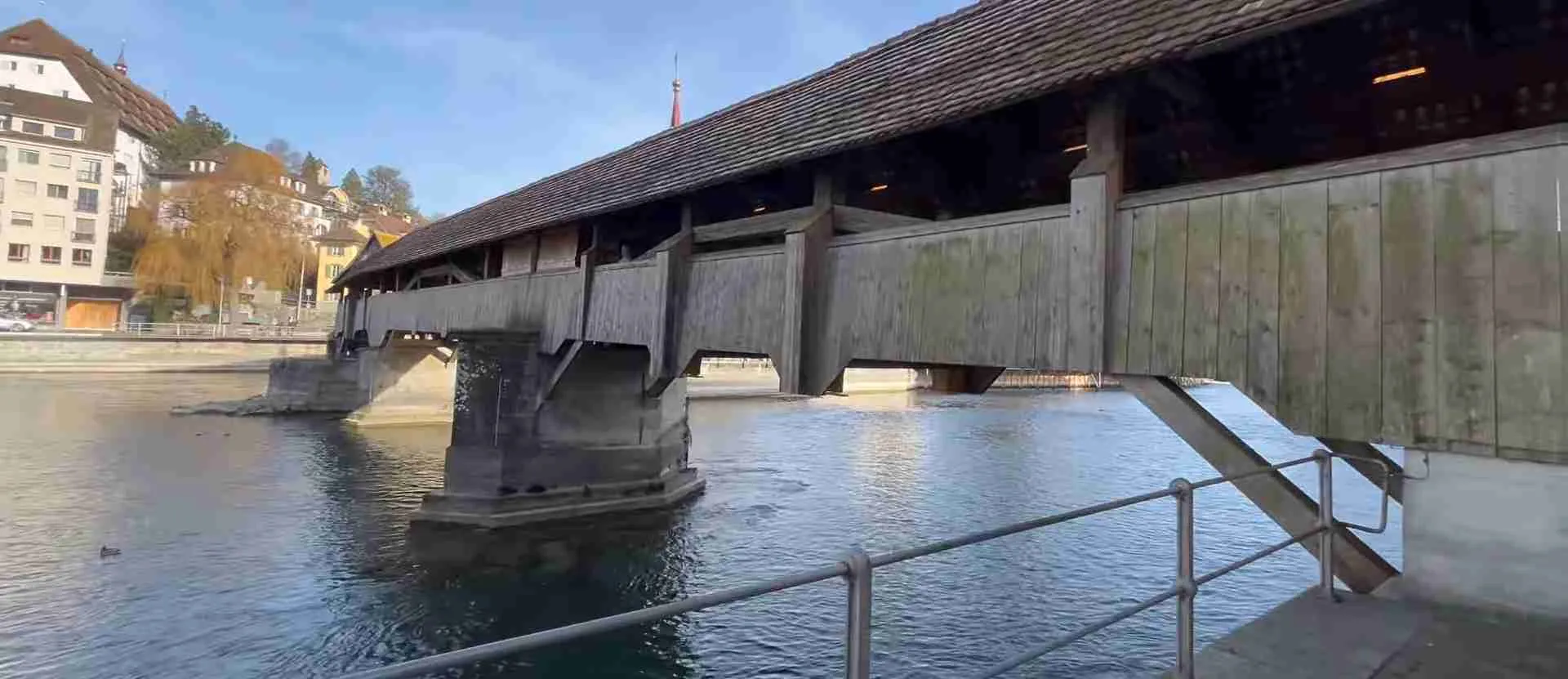
Visiting Lucerne: Complete Travel Guide 2026
Lucerne sits at the crossroads of lake and mountain, where medieval bridges arch over rushing water and Alpine peaks rise beyond red-roofed townhouses. This comprehensive 2026 guide delivers current pricing, practical transportation strategies, accommodation options across all budgets, and detailed insights into attractions from the iconic Chapel Bridge to Mount Pilatus and Mount Rigi, helping visitors maximize their Swiss experience in one of the country’s most photogenic cities.
Key Takeaways for Visiting Lucerne 2026
- Budget Planning: Daily costs range from $95-160 per person for budget travelers (hostel dormitory beds, self-catering options, free walking tours), $225-395 for mid-range comfort (three-star hotels divided between two, restaurant meals, paid attractions), and $470-760+ for luxury experiences (boutique lakefront properties, fine dining, private guided tours).
- Swiss Travel Pass Value: The 3-day Swiss Travel Pass costs CHF 254 ($280) in 2026 and covers unlimited trains, buses, and boats throughout Switzerland, includes free admission to over 500 museums including Lucerne’s Swiss Museum of Transport, provides free travel to Mount Rigi and Stanserhorn, and offers 50% discounts on Mount Pilatus and Mount Titlis excursions.
- Optimal Visit Duration: Three to four days allows comprehensive coverage of Lucerne’s Old Town, at least one mountain excursion (Pilatus or Rigi), museum visits, and a lake cruise without rushing, while positioning the city as an ideal base for day trips to Interlaken, Engelberg, or Zurich.
- Peak Season Pricing: Summer months (June through August) see hotel rates 40-60% higher than shoulder seasons, with mid-range lakefront properties reaching CHF 320-400 ($352-440) per night compared to CHF 180-250 ($198-275) in May or September, making spring and early autumn financially advantageous for flexible travelers.
- Mountain Excursion Economics: Mount Rigi offers the best value with complete Swiss Travel Pass coverage (normally CHF 72 / $79), Mount Pilatus Golden Round Trip costs CHF 120 ($132) full fare with 50% Swiss Travel Pass discount bringing it to CHF 60 ($66), and Mount Titlis runs CHF 124 ($136) with 50% pass discount to CHF 62 ($68).
- Central Location Advantage: Lucerne’s position in Central Switzerland enables one-hour rail connections to Zurich, Bern, and Interlaken, 90-minute access to Grindelwald and the Jungfrau region, and serves as the gateway to four major Alpine peaks (Pilatus, Rigi, Titlis, Stanserhorn), maximizing regional coverage from a single accommodation base.
People Also Ask About Visiting Lucerne 2026
How much does visiting Lucerne cost per day in 2026?
Budget travelers spend $95-160 per person daily in Lucerne in 2026, staying in hostel dormitories at CHF 30-40 ($33-44) per bed, eating at budget restaurants and supermarkets for CHF 43-64 ($47-70) in total meals, and focusing on free attractions including the Chapel Bridge, Lion Monument, and lakefront promenades. Mid-range visitors invest $225-395 per person daily, allocating CHF 90-160 ($99-176) per person for hotels (two sharing mid-range properties), CHF 85-130 ($94-143) for restaurant meals, and CHF 30-50 ($33-55) for paid museum entries and activities. Luxury travelers budget $470-760+ daily per person, with boutique lakefront hotels commanding CHF 180-275 ($198-303) per person (two sharing), fine dining reaching CHF 165-265 ($182-292) total for meals, and private guided experiences adding CHF 80-150 ($88-165).
Is the Swiss Travel Pass worth buying for Lucerne in 2026?
The Swiss Travel Pass proves valuable for Lucerne visitors in 2026 if planning multiple mountain excursions or regional day trips within a concentrated timeframe. The 3-day pass at CHF 254 ($280) breaks even with just two mountain trips plus regional train travel: Mount Pilatus Golden Round Trip alone costs CHF 120 ($132), Mount Rigi round trip CHF 72 ($79), and a return train to Interlaken or Engelberg adds CHF 60-80 ($66-88). The pass additionally covers all local buses and boats in Lucerne, provides free entry to the Swiss Museum of Transport (CHF 32 / $35 value), includes access to 500+ museums nationwide, and eliminates ticket-buying logistics. Travelers staying primarily in Lucerne Old Town with only one mountain visit might find individual tickets more economical, while those visiting three or more days with diverse activities nearly always benefit from pass purchase.
What are the best months to visit Lucerne in 2026?
May, June, and September emerge as optimal months for visiting Lucerne in 2026, balancing favorable weather with manageable crowds and moderate pricing. May brings spring blooms, hotel rates 30-40% below summer peaks, and reliable cogwheel railway operations on Mount Pilatus beginning mid-month, with daytime temperatures averaging 15-20°C (59-68°F) and occasional rain showers. June delivers the best weather reliability before peak season crowds arrive, with full mountain transportation networks operational, 16 hours of daylight, and hotel availability still reasonable at CHF 200-280 ($220-308) for mid-range properties. September offers exceptional value as summer tourists depart while weather remains pleasant through mid-month, autumn colors begin transforming mountainsides, and accommodation rates drop 35-45% from August peaks. Winter (December through February) attracts Christmas market visitors and ski enthusiasts, though some mountain routes operate on reduced schedules and lake cruises run infrequently or pause entirely.
How many days should I spend in Lucerne in 2026?
Three full days allows comfortable coverage of Lucerne’s primary attractions without rushed itineraries in 2026: one day exploring Old Town landmarks including Chapel Bridge, Musegg Wall, and waterfront areas; one day dedicated to a mountain excursion to Pilatus or Rigi including travel time; and one day for museums (Swiss Museum of Transport, Rosengart Collection) and a Lake Lucerne cruise. Four days enables addition of a second mountain visit or day trip to nearby destinations such as Engelberg for Mount Titlis, Stans for Stanserhorn, or the medieval town of Zug. Two days suffices for visitors prioritizing only the most iconic sites— Chapel Bridge, Lion Monument, one mountain, and brief Old Town exploration—though this schedule eliminates museum visits and requires early starts. Extended stays of five days or more transform Lucerne into a base for exploring wider Central Switzerland including the Jungfrau region, Zurich, or Bern via one-hour train connections.
Extended multi-day tours – 5+ days
Featured Lucerne Multi-Day Tour Packages
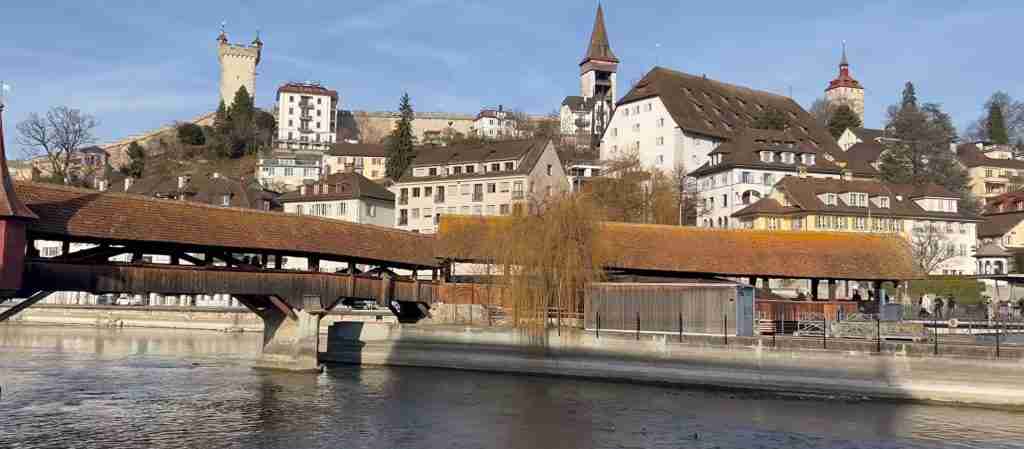
3 days
Lucerne 3-Day Discovery Tour
- ✓ Comprehensive Lucerne experience
- ✓ Expert local guides included
- ✓ All accommodation included
- ✓ Transportation provided
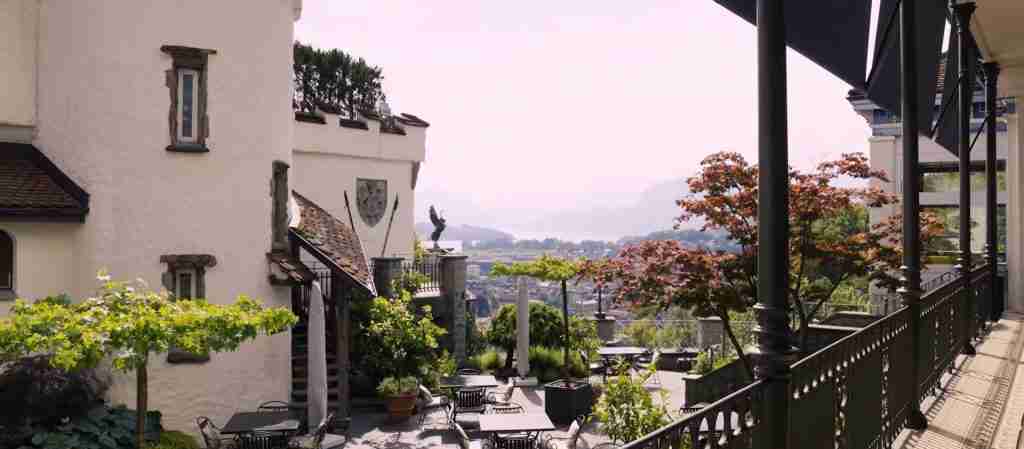
5 days
Lucerne 5-Day Highlights Experience
- ✓ Comprehensive Lucerne experience
- ✓ Expert local guides included
- ✓ All accommodation included
- ✓ Transportation provided
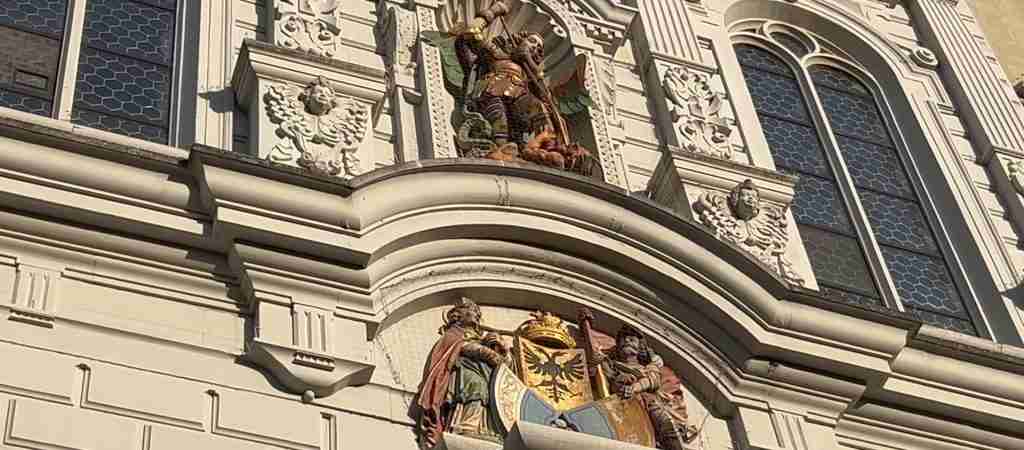
7 days
Lucerne 7-Day Cultural Journey
- ✓ Comprehensive Lucerne experience
- ✓ Expert local guides included
- ✓ All accommodation included
- ✓ Transportation provided
10 days
Lucerne 10-Day Complete Adventure
- ✓ Comprehensive Lucerne experience
- ✓ Expert local guides included
- ✓ All accommodation included
- ✓ Transportation provided
Multi-day tour packages powered by TourRadar. Prices and availability subject to change.
Introduction to Lucerne 2026
Lucerne occupies a unique position in Switzerland’s travel landscape where accessibility meets authenticity. Unlike Zurich’s metropolitan sprawl or Geneva’s international formality, this compact city of 82,000 residents preserves medieval character while functioning as Central Switzerland’s transportation hub and gateway to four major Alpine peaks. The Reuss River divides the city between a vehicle-free Old Town on the north bank and modern districts spreading southward toward Lake Lucerne’s shoreline, where passenger boats depart for mountain bases and lakeside villages throughout the day.
The city’s geographic advantages explain its enduring popularity among both first-time Switzerland visitors and returning travelers. Trains from Zurich Airport reach Lucerne in 70 minutes, positioning it as an immediate entry point for visitors arriving internationally. The Swiss Travel System’s comprehensive coverage—trains, buses, boats, and mountain railways—radiates from Lucerne’s central station, enabling day trips to Interlaken (two hours), Bern (90 minutes), or Basel (90 minutes) while maintaining accommodation in one location. Within 30-90 minutes of Lucerne lie Mount Pilatus, Mount Rigi, Mount Titlis, and Stanserhorn, each accessible via combination routes of trains, boats, cable cars, and cogwheel railways that constitute Switzerland’s famous mountain transportation network.
Lucerne’s appeal extends beyond strategic positioning to encompass genuine cultural and natural attractions. The Chapel Bridge, originally constructed in 1333 and rebuilt after 1993 fire damage, remains Europe’s oldest covered wooden bridge and Switzerland’s most photographed monument. The Musegg Wall preserves nine original medieval watchtowers, three open for public climbing with panoramic views across the city and lake. Museum offerings span from the Swiss Museum of Transport—Switzerland’s most-visited museum—to the intimate Rosengart Collection housing 125 Paul Klee works and 180 Picasso pieces in a former bank building steps from the train station. Beyond urban attractions, Lake Lucerne’s 114-kilometer shoreline provides waterside promenades, swimming platforms, and passenger boat routes connecting 32 lakeside communities.
The 2026 visitor landscape reflects post-pandemic travel patterns: American and Asian tourism has rebounded to 115-120% of 2019 levels, creating summer crowds comparable to pre-pandemic peaks particularly at the Chapel Bridge and Lion Monument between 10 AM and 3 PM. Hotel inventory remains constrained during June through August with mid-range properties frequently booking 4-6 weeks ahead for weekend stays. Pricing has adjusted upward with the Swiss Travel Pass increasing 5% to CHF 254 ($280) for three consecutive days, restaurants implementing 8-12% menu price increases since 2023, and hotels raising summer rates by 15-25% over pre-pandemic levels. These increases place Lucerne among Switzerland’s premium-priced destinations alongside Zermatt and St. Moritz, though still below Geneva and Zurich’s absolute cost levels.
Visitors benefit from Switzerland’s exceptional infrastructure reliability: trains depart within 60-second windows of scheduled times, buses coordinate connections at stations with dedicated platforms, and mountain railways operate on published schedules barring severe weather. English fluency among tourism workers, hotel staff, and restaurant servers reaches near-universal levels in Lucerne’s visitor-facing sectors, with German serving as the primary local language and trilingual signage (German, French, English) standard at major attractions and transportation facilities. The Swiss franc’s strength against most currencies (CHF 1 = $1.10 USD in early 2026) makes Switzerland expensive by international standards, though visitor infrastructure quality, safety standards, and service consistency often justify premium pricing for travelers prioritizing reliability over budget minimization.
This guide addresses practical realities of visiting Lucerne in 2026: current accommodation pricing across budget, mid-range, and luxury tiers; Swiss Travel Pass break-even calculations for different itinerary types; mountain excursion selection between Pilatus, Rigi, Titlis, and Stanserhorn based on weather, budget, and interests; restaurant strategies balancing authentic Swiss cuisine with budget constraints; and seasonal considerations affecting everything from hotel availability to mountain railway operations. Planning information remains current for travel from April through December 2026, though visitors should verify specific attraction hours and mountain transportation schedules during booking as winter operations differ substantially from summer patterns.
Getting to Lucerne in 2026
Zurich Airport serves as the primary international gateway for Lucerne-bound travelers, positioned 70 kilometers north with direct train connections every 30 minutes throughout the day. The Swiss Federal Railways (SBB) operates direct InterCity trains from Zurich Airport to Lucerne requiring 70 minutes, departing from the airport’s underground railway station located directly beneath Terminal 1. Trains cost CHF 32 ($35) for second-class one-way tickets when purchased at station machines or via the SBB Mobile app, though the Swiss Travel Pass covers this route completely if activated upon arrival. First-class upgrade costs an additional CHF 19 ($21), providing larger seats, quieter cars, and marginally lower passenger density during peak travel hours.
Travelers arriving at Zurich’s main train station (Zurich HB) rather than the airport face a 45-minute journey to Lucerne with trains departing every 30 minutes during daytime hours and hourly during early morning and late evening periods. This route costs CHF 26 ($29) second-class, CHF 41 ($45) first-class, and represents Switzerland’s busiest intercity rail corridor with modern double-decker trains offering power outlets, WiFi, and dining car service on most departures. Direct connections continue until midnight, with final departures reaching Lucerne around 12:30 AM before service shifts to once-hourly night trains requiring transfers at intermediate stations.
Geneva Airport provides Western Switzerland access, though travel time extends to 3 hours 15 minutes requiring one transfer at either Bern or Olten. This route costs CHF 76 ($84) second-class via standard pricing but drops to CHF 38 ($42) when purchased as a “Saver Day Pass” for travel on specified off-peak trains booked weeks in advance. The Saver Day Pass system rewards advance planning with 50% discounts but imposes restrictions: tickets become non-refundable, specific trains must be selected at booking, and rebooking fees of CHF 10 ($11) apply for schedule changes. Travelers with flexible arrival times and confirmed travel dates benefit substantially, while those requiring schedule flexibility prefer standard tickets accepting marginal cost increases.
Basel-Mulhouse-Freiburg Airport (EuroAirport) attracts budget airline traffic from European cities, sitting 110 kilometers northwest of Lucerne. Direct trains depart Basel SBB station (reachable via 15-minute airport bus costing CHF 4 / $4.40) and reach Lucerne in 90 minutes with departures every 30 minutes. This route costs CHF 36 ($40) second-class, making it economically comparable to Zurich despite longer travel time. Basel’s airport serves Ryanair, EasyJet, and other low-cost carriers operating intra-European routes, occasionally offering better value than Zurich connections for travelers originating in London, Berlin, or Paris.
Road access centers on the A2 motorway connecting Basel with Lugano through the Gotthard Tunnel, passing 5 kilometers east of Lucerne’s center. Rental cars from Zurich Airport cost CHF 45-120 ($50-132) daily depending on vehicle class and booking timing, with toll-free motorway access (Swiss vignette, CHF 40 / $44, required for all motorway driving and typically included in rental rates). Parking in central Lucerne presents challenges: street parking costs CHF 2-3 ($2.20-3.30) per hour with 2-hour maximum limits in blue zones near attractions; covered parking garages charge CHF 25-45 ($28-50) daily; and hotel parking adds CHF 20-40 ($22-44) per night at most properties. The combination of excellent train connectivity, expensive parking, and limited vehicular access in Old Town makes car rental inadvisable for Lucerne-focused visits, though it gains appeal for travelers combining Lucerne with multiple small mountain villages or rural regions beyond rail networks.
Regional trains connect Lucerne with neighboring cities throughout Central Switzerland. Interlaken lies two hours southeast via a scenic route following Lake Brienz, costing CHF 32 ($35) each direction. Bern sits 90 minutes west on the A8 line with departures every 30 minutes at CHF 37 ($41). Engelberg, home to Mount Titlis, connects in 45 minutes via a narrow-gauge railway departing from adjacent platforms at Lucerne station at CHF 13 ($14) one-way. These regional connections prove particularly valuable for travelers using Lucerne as a central base while exploring wider Central Switzerland, especially when covered by multi-day Swiss Travel Pass purchases that eliminate per-trip ticket costs.
Advance booking provides limited benefit for Swiss train travel compared to other European countries. Standard tickets purchased on travel day cost identical amounts to tickets bought weeks ahead, eliminating traditional advance-purchase discounts. The Saver Day Pass system offers the sole exception, providing 50% reductions on specific trains when booked at least one day ahead (often 2-3 weeks ahead for popular routes during summer). This system works well for airport transfers with confirmed flight times but proves less useful for spontaneous travel or schedule flexibility. The Swiss Travel Pass circumvents these considerations entirely by covering unlimited travel during validity periods regardless of booking timing or specific train selection.
Understanding Lucerne Costs in 2026
Lucerne ranks among Switzerland’s expensive destinations in 2026, trailing only Geneva and Zurich in absolute cost levels while exceeding most Alpine resort towns including Interlaken, Montreux, and even ski destinations like Zermatt for comparable accommodation categories. The city’s popularity among international tourists, limited hotel inventory within walking distance of major attractions, and strong Swiss franc create a high-cost environment where mid-range comfort requires substantial daily budgets and budget travel demands strategic planning rather than spontaneous spending.
Accommodation dominates daily costs for most visitors. Hostel dormitory beds in properties like Bellpark Hostel or Backpackers Lucerne cost CHF 30-40 ($33-44) per person per night during summer 2026, rising to CHF 45-55 ($50-61) for private rooms with shared bathrooms in the same facilities. Budget hotels charging CHF 120-180 ($132-198) per night for double rooms—representing CHF 60-90 ($66-99) per person when two share—typically occupy buildings without elevators, feature rooms measuring 12-15 square meters, and position themselves 15-25 minutes walking distance from the train station rather than in the immediate Old Town core. Mid-range three-star hotels near the Chapel Bridge or along the lakefront promenade cost CHF 180-320 ($198-352) per room nightly during June through August, dropping to CHF 140-240 ($154-264) during May and September shoulder seasons. Luxury four-star and five-star lakefront properties command CHF 360-550+ ($396-605+) per night with peak summer weekends occasionally exceeding CHF 600 ($660) for rooms with direct lake views.
Food expenses depend heavily on dining choices and self-catering utilization. A basic breakfast at a Lucerne café costs CHF 12-18 ($13-20) for coffee, bread, butter, and jam, while hotel breakfast buffets range from CHF 18-35 ($20-39) depending on property category. Budget lunch options center on Coop or Migros supermarkets where prepared sandwiches run CHF 6-9 ($7-10), salad boxes CHF 8-12 ($9-13), and hot meal options from fresh food counters reach CHF 12-16 ($13-18). Casual restaurant lunches cost CHF 20-35 ($22-39) for main courses including dishes like Swiss rösti, pasta, or regional daily specials, while dinner mains at mid-range establishments serving traditional Swiss cuisine reach CHF 35-60 ($39-66) with cheese fondue priced at CHF 28-35 ($31-39) per person (minimum two orders at most restaurants). Fine dining experiences at restaurants like Restaurant Focus or Old Swiss House reach CHF 80-150+ ($88-165+) per person for multi-course meals excluding wine. Coffee breaks cost CHF 4.50-6 ($5-7) for espresso-based drinks, CHF 7-10 ($8-11) for specialty lattes or cappuccinos.
Transportation within Lucerne itself generates minimal expense. The entire Old Town spans roughly 800 meters north-south and 600 meters east-west, making walking the primary movement method for attractions concentrated between the train station and lakefront. Local buses serve outer neighborhoods and connect the station with properties along Lake Lucerne’s southern shore, operating on a zone-based fare system charging CHF 3.20 ($3.50) for single trips within the central zone, CHF 6.40 ($7) for day passes covering all city zones. Most visitors staying near the Old Town make minimal use of buses, though those in accommodations along the lakeside suburbs (Meggen, Lido) or mountain bases (Kriens for Pilatus access) use them daily. The Swiss Travel Pass covers all local Lucerne buses and boats, effectively reducing inner-city transport costs to zero for pass holders.
Attraction costs vary substantially between free landmarks and paid museum entries. The Chapel Bridge, Lion Monument, lakefront promenades, and Musegg Wall towers require no admission fees and constitute several hours of sightseeing independently. Paid attractions include the Swiss Museum of Transport at CHF 32 ($35) for adults, the Rosengart Collection at CHF 18 ($20), the Glacier Garden at CHF 15 ($17), and the Bourbaki Panorama at CHF 13 ($14). Mountain excursions dominate attraction budgets: Mount Pilatus Golden Round Trip (boat, cogwheel train, cable cars in circular route) costs CHF 120 ($132) at full fare, Mount Rigi round trip via cogwheel railway runs CHF 72 ($79), Mount Titlis reaches CHF 124 ($136), and Stanserhorn costs CHF 74 ($81). The Swiss Travel Pass provides free entry to most Lucerne museums and free rides to Mount Rigi and Stanserhorn, while offering 50% discounts on Pilatus and Titlis—significantly altering cost equations for pass holders versus individual ticket purchasers.
Seasonal price variations create 35-50% cost differences between peak summer and shoulder season periods. June through August represents Lucerne’s expensive season with hotels at maximum rates, restaurants operating at full capacity with no midweek discounts, and mountain transportation charging peak pricing. May and September deliver optimal value: hotel rates drop 30-40% from summer peaks while weather remains favorable, restaurant availability improves dramatically reducing wait times at popular establishments, and mountain railways operate full summer schedules through mid-September. October through April sees the steepest discounts—hotels discount 45-60% from summer rates and some mountain routes close entirely for winter maintenance—though weather reliability decreases and several cogwheel railways (including Mount Pilatus) suspend operations November through April.
Hidden costs catch unprepared visitors. Most hotels add mandatory tourist tax (Kurtaxe) of CHF 3.50-5 ($3.85-5.50) per person per night, collected at checkout and not included in advertised rates. Credit card payment surcharges of 2-3% appear at some smaller hotels and restaurants, though this practice has decreased substantially compared to pre-2020 periods. Tipping operates differently than American customs: service charges appear in all restaurant bills (“Service inbegriffen”), eliminating obligation for percentage-based tips, though rounding up bills or adding CHF 5-10 for exceptional service constitutes common practice. Laundry services at hotels charge CHF 5-8 ($5.50-8.80) per garment, making self-service laundromats (rare in central Lucerne) or sink washing more economical for extended stays.
Accommodation Options and Pricing 2026
Lucerne’s accommodation market operates along clear geographic divisions: the Old Town and immediate train station vicinity command premium rates for location convenience; the lakefront suburb stretching from Tribschen to Meggen offers mid-range to luxury options with water views; and outer neighborhoods like Kriens and Littau provide budget-friendly alternatives requiring bus connections to central attractions. Booking timing matters substantially during June through August when properties within 500 meters of the Chapel Bridge typically sell out 4-8 weeks ahead for weekend arrivals, while weekday availability remains more flexible until 2-3 weeks before travel.
Budget accommodation centers on hostel dormitories and simple guesthouses. Bellpark Hostel, positioned 10 minutes walking from the station, charges CHF 35-48 ($39-53) per bed in 6-8 person dormitories during summer 2026, offering kitchen facilities, common lounges, and laundry access at CHF 6 ($7) per load. Backpackers Lucerne operates closer to Old Town with similar pricing at CHF 38-52 ($42-57) per dormitory bed, though space constraints mean smaller common areas and more crowded shared facilities during July and August peaks. Private rooms with shared bathrooms at these properties cost CHF 110-150 ($121-165) per night for doubles, delivering better value than hotel rooms at comparable price points for travelers comfortable with hallway bathrooms and hostel atmospheres.
Budget hotels occupy a narrow price band between hostel private rooms and three-star properties. Hotel Rothaus, located 12 minutes from the station, charges CHF 120-160 ($132-176) for double rooms with private bathrooms, including breakfast, during summer 2026. Ibis Budget Luzern City positions itself 15 minutes from Old Town at CHF 130-180 ($143-198) per night, offering modern if compact rooms (14 square meters) with air conditioning—a rarity among budget properties. These properties trade central location for lower costs: rooms prove adequate for sleeping and showering, breakfast quality remains basic (continental spreads with packaged items rather than hot prepared foods), and immediate surroundings lack the charm of waterfront or Old Town settings.
Mid-range three-star hotels deliver the best balance of location, comfort, and value for most travelers. Hotel des Balances occupies an envied position directly on the Reuss River with Chapel Bridge views from higher floors, charging CHF 220-320 ($242-352) per night for doubles during summer 2026. Hotel Waldstätterhof faces the train station across the street, positioning guests 3 minutes from departure platforms and 5 minutes from Old Town entry at CHF 180-260 ($198-286) nightly. The Art Deco Hotel Montana, situated uphill from the station with lake views, costs CHF 200-280 ($220-308) per night and includes free train tickets for guests—small paper passes valid on all buses and trains within Lucerne during stay periods, adding CHF 12-20 ($13-22) daily value per person. Mid-range properties typically include breakfast (buffets with hot and cold items, eggs, cheeses, breads, fruits), provide elevators in all but the oldest buildings, and maintain room sizes of 18-24 square meters with modern private bathrooms.
Boutique and luxury properties cluster along the lakefront promenade and waterfront suburbs. The Hotel Schweizerhof Luzern, a historic property directly on the lake near the station, charges CHF 380-520 ($418-572) per night for standard doubles in 2026, offering Belle Époque architecture, spa facilities, and lakeside terraces. Grand Hotel National reaches CHF 450-620 ($495-682) for doubles, targeting luxury travelers with expansive lake views, multiple on-site restaurants, and full-service spa and wellness facilities. Hotel Villa Honegg, positioned in Ennetbürgen 25 minutes from central Lucerne via public transport, commands CHF 500-800+ ($550-880+) per night but delivers infinity pool experiences overlooking Lake Lucerne and mountain panoramas that regularly appear in Swiss tourism marketing materials. Luxury properties typically include full breakfast buffets, concierge services arranging private mountain guides and boat charters, and room sizes exceeding 30 square meters with separate seating areas.
Alternative lodging options provide varied experiences. Vacation rentals through platforms like Airbnb offer one-bedroom apartments in Old Town for CHF 150-280 ($165-308) nightly, delivering kitchen facilities and living space exceeding hotel rooms though lacking daily housekeeping and breakfast services. These work well for travelers spending 4+ nights or families requiring multiple bedrooms where hotel suite costs become prohibitive. Agritourism farms in the nearby countryside (Entlebuch valley, Pilatus foothills) offer rooms at CHF 100-160 ($110-176) per night with farm-fresh breakfasts and rural atmosphere, though car rental becomes necessary as public transport connections to these properties typically involve 45-90 minute journeys with multiple bus transfers.
Booking strategies influence final costs substantially. Direct hotel website bookings sometimes match or beat third-party platforms like Booking.com while offering better cancellation terms and occasional room upgrades, though comparison shopping remains worthwhile as platform-exclusive deals appear sporadically. Midweek arrivals (Sunday through Wednesday nights) typically cost 15-25% less than Friday-Saturday arrivals at the same properties during summer, creating opportunities for flexible travelers to reduce accommodation budgets through schedule adjustment. Last-minute bookings (within 48-72 hours of arrival) occasionally yield discounts at non-sold-out properties seeking to fill remaining inventory, though this strategy risks leaving travelers without accommodation during busy periods or forcing acceptance of suboptimal locations.
Transportation Within Lucerne 2026
Lucerne’s compact geography makes walking the primary transportation method for visitors concentrating activities in Old Town and lakefront areas. The train station sits at the southern boundary of the pedestrianized old quarter, positioning most hotels and attractions within 5-15 minute walks. The Chapel Bridge lies 350 meters directly north of the station, reachable in 4 minutes on flat terrain. The Lion Monument sits 800 meters northeast requiring a 10-minute walk with gentle uphill gradient. The Swiss Museum of Transport occupies lakefront position 2 kilometers east of the station, accessible via flat 25-minute lakeside walk or 10-minute bus ride.
Verkehrsbetriebe Luzern (VBL) operates Lucerne’s bus network with 20 routes covering the city and immediate suburbs. Zone 10 encompasses central Lucerne including Old Town, train station, museum quarter, and lakefront suburbs extending to Meggen—covering all typical visitor destinations. Single tickets cost CHF 3.20 ($3.50) for Zone 10 travel, valid 60 minutes from validation including transfers. Day passes for Zone 10 cost CHF 6.40 ($7), breaking even after two single trips and covering unlimited travel until 5 AM the following morning. Tickets must be purchased at bus stop machines or via the VBL Mobile app before boarding; buses lack onboard sales and inspectors issue CHF 100 ($110) fines for ticketless riders regardless of tourist status or claimed confusion.
Key bus routes for tourists include: Number 1 connecting the train station with the Swiss Museum of Transport and lakefront suburbs (every 10 minutes during daytime); Number 6 running from the station to Lido beach and Verkehrshaus (every 15 minutes); and Number 1 to Kriens Zentrum for Mount Pilatus cable car access (every 10-15 minutes). Buses display route numbers and destinations clearly on electronic front panels, announce stops in German via automated systems, and maintain Swiss precision with arrivals typically within 60 seconds of timetable schedules. Google Maps and the SBB Mobile app provide real-time bus tracking and journey planning, though the simple grid layout makes navigation relatively intuitive even without digital assistance.
The Swiss Travel Pass eliminates all local bus costs within Lucerne, covering VBL services completely during pass validity periods. Pass holders simply board buses without ticket purchase, though inspectors may request pass presentation. This coverage extends to all boats on Lake Lucerne operated by SGV (Schifffahrtsgesellschaft Vierwaldstättersee), including passenger ferries running between Lucerne and Alpnachstad (for Pilatus access), Vitznau (for Rigi access), and various lakeside villages. Boat services run more frequently May through September with reduced winter schedules; the Lucerne-Alpnachstad route essential for Pilatus Golden Round Trip operates 4-6 times daily during summer, taking 90 minutes each direction across stunning lake waters backed by mountain panoramas.
Bicycle rental provides alternative transport for covering longer distances or exploring lakefront paths. Rent a Bike locations at the train station charge CHF 32 ($35) per day for standard city bikes, CHF 44 ($48) for electric bikes assisting with Lucerne’s occasional hills. The 11-kilometer lakefront path from Lucerne to Horw passes the Swiss Museum of Transport, numerous swimming areas, and parkland, requiring 35-45 minutes cycling at recreational pace. Bike lanes exist along major streets though less comprehensive than Amsterdam or Copenhagen networks; most cyclists share roads with cars where dedicated lanes don’t exist. E-bike popularity has increased substantially among tourists managing Lucerne’s gradient changes, particularly routes heading uphill to hotels in Kriens or residential neighborhoods above Old Town.
Taxis operate from ranks at the train station, Chapel Bridge area, and major hotels, charging CHF 6-8 ($7-9) base fare plus CHF 3.80 ($4.20) per kilometer for city rides. A typical station-to-Old-Town-hotel journey costs CHF 12-18 ($13-20) while longer trips to Meggen lakefront suburbs reach CHF 25-35 ($28-39). Uber functions in Lucerne though with limited driver availability compared to major cities; pricing matches traditional taxi rates during normal hours but can surge 1.5-2x during peak demand periods. Taxis prove most useful for luggage-heavy airport transfers, late-night returns to distant accommodations, or travelers with mobility limitations—otherwise, excellent public transport eliminates taxi necessity for most visitors.
Car rental makes minimal sense for Lucerne-focused visits. Parking costs CHF 2-3 ($2.20-3.30) per hour at street meters with maximum 2-hour limits, and covered garages charge CHF 25-45 ($28-50) daily. Hotels add parking fees of CHF 20-40 ($22-44) per night, and the Old Town’s vehicle-free status means walking from parking facilities regardless of car possession. Mountain excursions by car require navigating winding Alpine roads and paying separate parking fees at cable car bases (CHF 10-18 / $11-20 daily), while trains and buses deliver tourists directly to departure platforms. Rental becomes logical only for itineraries including multiple remote valleys, small villages beyond rail networks, or travelers combining Lucerne with rural regions of Bernese Oberland or Eastern Switzerland not easily accessed by public transport.
Mountain Excursions from Lucerne 2026
Four major peaks surround Lucerne within 30-90 minutes travel time, each offering distinct experiences, transportation methods, and pricing structures. Selecting between Mount Pilatus, Mount Rigi, Mount Titlis, and Stanserhorn depends on weather forecasts, budget constraints, desired activities, and Swiss Travel Pass ownership influencing the economics substantially.
Mount Pilatus towers 2,128 meters above Lucerne with access via two routes. The Golden Round Trip combines a Lake Lucerne passenger boat from Lucerne to Alpnachstad (90 minutes), the world’s steepest cogwheel railway ascending 1,635 meters with gradients reaching 48% (30 minutes), cable car descent to Fräkmüntegg mid-station with activities including rope park and toboggan run, and final gondola to Kriens followed by city bus return to Lucerne. This full circuit costs CHF 119.80 ($132) in 2026, dropping to CHF 59.90 ($66) with Swiss Travel Pass 50% discount. The Silver Round Trip substitutes a train for the initial boat segment, costing CHF 94.20 ($104) full fare or CHF 47.10 ($52) with pass discount. Summit facilities include multiple restaurants, hiking trails of varying difficulty, and panoramic terraces with views across Central Switzerland when weather cooperates. The Pilatus cogwheel train operates mid-May through mid-October only, with winter access limited to the Kriens cable car route at reduced rates.
Mount Rigi reaches 1,798 meters and claims title as Switzerland’s most accessible Alpine peak. Swiss Travel Pass holders ride completely free on all Rigi routes—cogwheel trains from Vitznau or Goldau, plus the summit area cable car network. Without the pass, round trip costs CHF 72 ($79) from Vitznau, accessible via 45-minute boat ride from Lucerne (also free with pass, CHF 28 / $31 without). The Rigi offers extensive hiking trail networks totaling 120 kilometers across various difficulty levels, wellness facilities at Rigi Kaltbad including mineral baths (CHF 35 / $39 admission), and quieter atmosphere than more dramatic neighboring peaks. The mountain operates year-round with occasional closures during extreme winter weather, and sunrise viewings attract photographers boarding special early-morning trains during summer months. The Rigi Kaltbad Mineral Baths justify extended visits, combining mountain scenery with thermal pools designed by Mario Botta featuring both indoor and outdoor sections overlooking surrounding peaks.
Mount Titlis reaches Switzerland’s highest cable car station at 3,020 meters, delivering glacier experiences and year-round snow. Located near Engelberg village 45 minutes south of Lucerne by train, the mountain requires a 30-minute rotating cable car ride (Rotair) ascending 1,500 meters from Engelberg valley station. Full fare runs CHF 124 ($136) in 2026, discounted 50% to CHF 62 ($68) for Swiss Travel Pass holders. Summit facilities include the Cliff Walk suspension bridge spanning a 500-meter chasm, Glacier Cave carved into ice, year-round skiing and snowboarding terrain, and multiple restaurants. Titlis reliably delivers snow experiences throughout the year, making it popular with travelers from regions lacking winter sports exposure. The mountain operates daily year-round weather permitting, though extreme winds occasionally force temporary closures of the summit cableway while lower stations remain accessible.
Stanserhorn rises to 1,898 meters accessed from Stans village 25 minutes south of Lucerne. The CabriO cable car features an open-air upper deck—the world’s first double-decker open-top cableway—allowing passengers to ride exposed to the wind during the 7-minute ascent from Kälti mid-station. Full pricing reaches CHF 74 ($81), but Swiss Travel Pass covers the entire journey free. The mountain features a revolving restaurant at the summit (restaurant bills not included in transport costs), scenic hiking trails, and notably fewer crowds than Pilatus or Titlis. The open-top cable car operates April through November only, closing during winter months, and requires warm clothing as the exposed upper deck can be cold even during summer at 15-20°C (59-68°F) with Alpine winds adding wind chill.
Weather forecasting dramatically impacts mountain visit quality. Switzerland’s meteosuisse.ch website provides detailed three-day forecasts including cloud cover predictions essential for summit visibility. Webcams at each mountain (accessible through respective websites—pilatus.ch, rigi.ch, titlis.ch, stanserhorn.ch) show current conditions including cloud cover, visibility, and snow presence. Morning departures typically encounter better visibility as afternoon thermal warming increases cloud formation, though this pattern reverses during unsettled weather periods. Travelers with flexible itineraries benefit from monitoring forecasts and adjusting mountain visit days to coincide with clear weather predictions, as summit experiences in clouds deliver dramatically reduced value—visibility may drop to 20-30 meters, eliminating panoramic views constituting primary mountain visit appeal.
Activity levels influence mountain selection. Families with young children favor Rigi’s gentle hiking trails, playgrounds at mid-stations, and relaxed atmosphere. Adventure seekers prefer Titlis’s glacier activities and Pilatus’s steeper hiking options. Photography enthusiasts target sunrise or sunset visits on Rigi or Stanserhorn where open access allows pre-dawn arrivals (Pilatus cogwheel train has fixed departure times). Budget travelers prioritize Rigi and Stanserhorn when holding Swiss Travel Passes, as free access delivers complete mountain experiences without additional cost beyond optional restaurant meals or spa entries.
Combination tickets exist for visitors attempting multiple mountains in single days. The Pilatus-Rigi package combines both mountains via boat connections, though requiring 8-10 hours complete and only feasible during summer months when boat schedules provide adequate connections. Most travelers find single-mountain focus more enjoyable than rushed multi-peak marathons, dedicating 4-6 hours to summit ascent, lunch, hiking, and descent rather than maximizing mountain quantity at experience quality’s expense. Three-day Lucerne visits typically include one mountain day, one Old Town exploration day, and one museum/lake cruise day, with extended four-day stays enabling second mountain visits or day trips to nearby destinations.
Museums and Cultural Attractions 2026
Lucerne’s museum offerings span from Europe’s largest transport collection to intimate art galleries, most concentrated within 15 minutes walking of the train station. The Swiss Travel Pass includes admission to over 500 Swiss museums including several major Lucerne venues, dramatically altering cost equations for pass holders versus independent ticket purchasers.
The Swiss Museum of Transport (Verkehrshaus der Schweiz) occupies lakefront position 2 kilometers east of the train station, holding title as Switzerland’s most-visited museum with 750,000 annual visitors. The facility covers road, rail, water, air, and space transportation history through interactive exhibits including flight simulators, locomotive driving stations, automobile collections spanning 1890s to modern electric vehicles, and extensive railway signaling and tunnel engineering displays. Admission costs CHF 32 ($35) for adults in 2026, included completely with Swiss Travel Pass possession. The museum operates daily 10 AM to 6 PM April through October, 10 AM to 5 PM November through March. Plan minimum three hours for cursory visits, four to five hours for comprehensive coverage including the Swiss Chocolate Adventure train ride (included in admission) explaining cocoa production from bean to chocolate bar through multimedia experiences. The IMAX theater requires separate tickets at CHF 15 ($17) for feature films and the planetarium charges CHF 13 ($14) for astronomy shows, though both offer discounted combination packages with museum admission.
The Rosengart Collection houses 200 works by 23 artists in a former Swiss National Bank building steps from the train station. The museum’s strength lies in concentrated holdings rather than breadth: 125 pieces by Paul Klee spanning his career from early watercolors through late abstractions, and 180 works by Pablo Picasso ranging from youthful realism to late-career ceramics. Supporting collections include paintings by Cézanne, Monet, Matisse, Miró, and other Impressionist and modern masters. Standard admission runs CHF 18 ($20) for adults, CHF 16 ($18) for seniors over 65, and CHF 10 ($11) for students under 30. Swiss Travel Pass covers entry completely. The museum operates daily 10 AM to 6 PM April through October, 11 AM to 5 PM November through March. Two hours suffices for attentive viewing given the focused collection, though Picasso enthusiasts often spend longer examining sketch progressions and ceramic works displayed in basement galleries. Audio guides cost CHF 5 ($5.50) though wall text in English, German, and French provides adequate context without supplementary equipment.
The Lucerne Culture and Congress Centre (KKL), designed by Jean Nouvel and completed in 1998, functions as performance venue and architectural landmark. The building extends over Lake Lucerne on platforms supported by underwater pylons, creating the impression of floating on water. The concert hall hosts the Lucerne Festival each August and September, attracting world-class orchestras and soloists. Concert tickets range from CHF 40-280 ($44-308) depending on performer, seating section, and date. The building itself warrants visits for architecture photography, particularly the covered plaza facing the lake with views toward Mount Pilatus. Public areas remain accessible during non-performance hours, allowing visitors to photograph interior spaces and waterfront terraces without ticket purchase.
The Bourbaki Panorama presents an 1881 circular painting 10 meters high and 112 meters in circumference depicting French army refugees crossing into Switzerland during the Franco-Prussian War. The panorama occupies a purpose-built rotunda near the Lion Monument, with visitors standing on a central platform surrounded by the massive artwork creating immersive battlefield and refugee camp scenes. Admission costs CHF 13 ($14) for adults, with Swiss Travel Pass coverage. The museum operates daily 9 AM to 6 PM May through October, 10 AM to 5 PM November through April. Forty-five minutes covers the exhibit including preliminary historical context displays. The panorama represents one of fewer than 30 surviving examples of this 19th-century entertainment form predating cinema, making it historically significant beyond artistic merit.
The Glacier Garden (Gletschergarten) combines natural geological formations with museum displays explaining Alpine glaciation. The site features giant potholes carved by meltwater beneath glaciers during Ice Age periods when Lucerne lay under hundreds of meters of ice, plus a mirror maze constructed in 1896 as tourist attraction. Admission runs CHF 15 ($17) for adults, CHF 12 ($13) for seniors and students. Swiss Travel Pass provides free entry. The facility opens daily 9 AM to 6 PM April through October, 10 AM to 5 PM November through March. One to one and a half hours covers all exhibits at comfortable pace. The site appeals particularly to visitors interested in natural history and geology, offering tangible evidence of glacial processes that shaped Swiss landscapes.
The Richard Wagner Museum occupies the composer’s former residence at Tribschen on Lake Lucerne’s shore 3 kilometers south of central Lucerne. Wagner lived here 1866-1872, composing portions of Siegfried and Die Meistersinger von Nürnberg while residing in this villa. The museum displays original manuscripts, historical instruments including the Tribschen Steinway piano Wagner played, and period furnishings recreating the composer’s living environment. Admission costs CHF 12 ($13) for adults, included with Swiss Travel Pass. The museum operates Tuesday through Sunday 11 AM to 5 PM April through October, closed Monday, with more restricted hours November through March. Music enthusiasts spend 60-90 minutes examining exhibits; casual visitors cover the space in 45 minutes. Bus Number 6 or 7 reaches Wartegg stop 200 meters from the museum entrance.
Visiting strategies vary by interest areas and pass ownership. Swiss Travel Pass holders benefit from unlimited museum access encouraging spontaneous visits when weather deteriorates or schedules leave gaps between major activities. Independent ticket purchasers concentrate visits at one or two top-priority venues rather than attempting comprehensive museum tours. The Lucerne Museum Card, costing CHF 42 ($46) for two consecutive days and covering entrance to eight museums including Transport Museum, Rosengart Collection, Glacier Garden, and Bourbaki Panorama, offers marginal savings over individual tickets for visitors without Swiss Travel Passes planning intensive museum days. Most travelers select two museums maximum during typical three-day Lucerne visits—commonly the Transport Museum for families or railway enthusiasts, and Rosengart Collection for art lovers—leaving time for outdoor attractions and mountain excursions rather than indoor cultural activities.
Food and Dining Expenses in Lucerne 2026
Lucerne’s restaurant scene operates at Switzerland’s standard premium pricing, with meals costing substantially more than comparable dining in neighboring France, Germany, or Italy. Traditional Swiss cuisine centers on cheese-based dishes, Alpine ingredients including game meats and fresh fish from local lakes, and hearty preparations reflecting mountain agricultural heritage. International options exist throughout the city, with Italian, Asian, and Middle Eastern restaurants providing alternatives to cheese-heavy local specialties.
Budget dining requires strategic planning and willingness to utilize supermarkets. Coop and Migros supermarkets—Switzerland’s two dominant chains—offer prepared food sections with sandwiches CHF 6-9 ($7-10), salad boxes CHF 8-12 ($9-13), sushi platters CHF 12-18 ($13-20), and hot meal options including pasta, curry, and stir-fries at CHF 12-16 ($13-18). These prove freshly prepared rather than prepackaged, maintaining quality while delivering prices 50-60% below sit-down restaurants. Bakeries sell bread, pastries, and simple sandwiches at CHF 4-8 ($4.40-8.80), useful for breakfast assembly or lunch on hiking days. The Coop Pronto location at the train station operates extended hours (6 AM to 11 PM daily) allowing late-night snack purchases or early breakfast supplies for mountain excursions beginning before restaurant opening hours.
Casual lunch restaurants target CHF 20-35 ($22-39) for main courses. Restaurant Parterre, student-oriented budget option near the university, serves daily specials including seasonal dishes at CHF 18-25 ($20-28). Rathaus Brauerei, the city’s traditional brewery restaurant, offers lunch menus combining soup or salad with main courses at CHF 26-32 ($29-35). Tibits, vegetarian buffet restaurant near the train station, charges CHF 4.90 ($5.40) per 100 grams allowing custom plate assembly typically totaling CHF 18-28 ($20-31) for satisfying lunch portions. These establishments serve portions substantial enough that many travelers skip dinner or settle for light evening snacks after hearty midday meals.
Traditional Swiss specialties command specific price ranges. Cheese fondue costs CHF 28-35 ($31-39) per person with most restaurants requiring minimum two orders to justify pot preparation. Raclette (melted cheese scraped onto potatoes, pickles, onions) runs CHF 32-42 ($35-46) per person. Rösti—Switzerland’s national potato dish similar to hash browns—costs CHF 18-28 ($20-31) as side dish, CHF 24-36 ($26-40) with toppings like fried eggs, bacon, or cheese becoming main courses. Zürcher Geschnetzeltes (sliced veal in cream sauce) reaches CHF 38-52 ($42-57). Lake fish including perch (Egli) and whitefish (Felchen) cost CHF 35-48 ($39-53) for fillet preparations with seasonal vegetables. Wiener schnitzel appears on most menus at CHF 32-44 ($35-48), representing Austrian influence common throughout German-speaking Switzerland.
Mid-range dinner restaurants charge CHF 35-70 ($39-77) for main courses in 2026. Old Swiss House, historic restaurant near the Lion Monument, serves traditional preparations including tableside schnitzel pounding at CHF 42-58 ($46-64) for mains. Restaurant Bodu offers French-Swiss brasserie cuisine with dishes ranging CHF 38-62 ($42-68). Wirtshaus Galliker, family-run establishment serving local specialties since 1856, prices mains at CHF 32-52 ($35-57). Three-course meals at these venues total CHF 75-120 ($83-132) per person before wine, with house wines by the glass costing CHF 9-14 ($10-15) and bottles starting at CHF 38-55 ($42-61) for regional selections.
Fine dining reaches CHF 80-150+ ($88-165+) per person for multi-course meals. Restaurant Focus, holding one Michelin star, offers tasting menus from CHF 138 ($152) for five courses extending to CHF 198 ($218) for full chef’s menu. Balances, riverside fine dining in the hotel of the same name, charges CHF 45-78 ($50-86) for mains with full dinners totaling CHF 120-180 ($132-198) including appetizers and desserts. These establishments require advance reservations during summer months, particularly for weekend evenings when tables book 2-4 weeks ahead.
International cuisine provides cost variety. Indian restaurants including GourmIndia and Indian Restaurant Nour serve mains at CHF 22-36 ($24-40), curries with rice and naan bread totaling CHF 28-42 ($31-46) per person. Thai establishments offer pad thai and curry dishes at CHF 24-34 ($26-37). Pizzerias charge CHF 18-28 ($20-31) for individual pizzas, with pasta dishes at CHF 20-32 ($22-35). Asian options generally underprice traditional Swiss restaurants by 20-30% for comparable satiation levels.
Coffee culture influences daily budgets. Standard espresso costs CHF 4-4.50 ($4.40-5), cappuccino or latte CHF 5-6.50 ($5.50-7), and specialty drinks reach CHF 7-9 ($8-10). Café Luz, independent coffee shop near the train station, charges CHF 4.80-6.20 ($5.30-6.80) for standard espresso drinks. Bakery cafés including Bachmann or Heini offer coffee with pastry breakfast combinations at CHF 8-13 ($9-14). Afternoon coffee breaks accumulate: two coffee stops daily add CHF 10-16 ($11-18) to daily budgets, totaling CHF 70-112 ($77-123) over week-long visits—meaningful expenses for budget-conscious travelers who might substitute with supermarket coffee for hotel room brewing or reduce frequency to once-daily treats.
Alcohol pricing reflects Switzerland’s high cost structure. Beer costs CHF 6-8 ($7-9) for 0.5-liter drafts at casual restaurants, CHF 8-11 ($9-12) at higher-end establishments. Wine by the glass runs CHF 9-18 ($10-20) depending on quality and restaurant category. Cocktails reach CHF 16-24 ($18-26) at bars, with Old Town establishments charging toward the higher end. Supermarket alcohol proves dramatically cheaper: beer CHF 1.80-3 ($2-3.30) per bottle, wine from CHF 8 ($9) for basic bottles, enabling hotel room pre-dinner drinks reducing bar expenditure for budget-minded travelers.
Meal timing strategies reduce costs. Lunch specials at mid-range restaurants typically price 20-30% below dinner menus for identical or similar dishes, encouraging main meal scheduling at midday. Restaurants in tourist-heavy areas (around Chapel Bridge, Lion Monument) charge 15-25% premiums over equivalent establishments in residential neighborhoods or near the university. Weekend brunch buffets at hotels occasionally offer better per-item value than standard breakfast charges, particularly for large-appetite travelers, though require research as pricing varies CHF 32-58 ($35-64) for all-you-can-eat spreads.
Daily Budget Breakdowns for Lucerne 2026
Budget travelers require $95-160 per person daily in Lucerne during 2026 when implementing strategic spending across accommodation, food, and activities. Hostel dormitory beds at CHF 30-40 ($33-44) per night provide the accommodation foundation, while breakfast assembly from supermarket bakery items costs CHF 5-8 ($5.50-8.80). Lunch centers on Coop or Migros prepared foods at CHF 12-16 ($13-18), and dinner combines supermarket purchases with occasional budget restaurant meals averaging CHF 20-30 ($22-33) daily. Local transportation remains free for Swiss Travel Pass holders or adds CHF 8-12 ($9-13) for those relying on individual bus tickets and walking for most movements. Attraction costs focus on free options including Chapel Bridge, Lion Monument, lakefront walks, and Musegg Wall towers, with occasional museum visits when Swiss Travel Pass covers entry or paying for one significant attraction like the Swiss Museum of Transport. Daily budget breakdown: accommodation CHF 30-40 ($33-44), breakfast CHF 5-8 ($5.50-8.80), lunch CHF 12-16 ($13-18), dinner CHF 20-30 ($22-33), transport CHF 0-12 ($0-13), attractions CHF 15-30 ($17-33), totaling CHF 82-136 ($90-150) before adding coffee breaks, snacks, or unexpected expenses pushing realistic budgets toward $95-160 range.
Mid-range travelers invest $225-395 per person daily, allocating substantial portions to accommodation and dining while maintaining reasonable activity costs. Hotel rooms at CHF 180-320 ($198-352) per night divide between two sharing, delivering CHF 90-160 ($99-176) per person nightly. Breakfast at hotel buffets or cafés costs CHF 15-20 ($17-22), lunch at casual restaurants runs CHF 25-40 ($28-44), and dinner at mid-range establishments serving traditional Swiss cuisine reaches CHF 45-70 ($50-77). Local transport typically involves Swiss Travel Pass ownership eliminating bus costs, or modest CHF 12-18 ($13-20) for those using day passes without multi-day rail coverage. Attraction spending includes paid museum entries, mountain excursions with Swiss Travel Pass discounts, or full-price tickets for one major peak experience. Daily budget breakdown: accommodation CHF 90-160 ($99-176) per person, breakfast CHF 15-20 ($17-22), lunch CHF 25-40 ($28-44), dinner CHF 45-70 ($50-77), transport CHF 0-18 ($0-20), attractions CHF 30-50 ($33-55), totaling CHF 205-358 ($226-394) per person daily providing comfortable experiences without luxury excess.
Luxury visitors budget $470-760+ per person daily, emphasizing premium accommodation, fine dining, and enhanced experiences. Boutique lakefront hotels at CHF 360-550+ ($396-605+) per room provide CHF 180-275 ($198-303) per person when two share, delivering views, spa access, and superior service. Hotel breakfast buffets cost CHF 25-35 ($28-39), lunch at upscale restaurants reaches CHF 50-80 ($55-88), and fine dining dinners span CHF 90-150 ($99-165) for multi-course meals. Private transportation via taxis or hired cars adds CHF 30-50 ($33-55) daily for convenience. Premium activity costs include private guided mountain tours, spa treatments, or exclusive experiences beyond standard admission tickets, typically CHF 50-100 ($55-110) daily. Daily budget breakdown: accommodation CHF 180-275 ($198-303) per person, breakfast CHF 25-35 ($28-39), lunch CHF 50-80 ($55-88), dinner CHF 90-150 ($99-165), private transport CHF 30-50 ($33-55), premium activities CHF 50-100 ($55-110), totaling CHF 425-690 ($468-759) per person daily for refined Swiss experiences.
Weekly costs multiply daily rates while incorporating slight economies from familiarity with budget dining options and elimination of arrival-day inefficiencies. Budget travelers spend approximately $665-1,120 weekly per person, mid-range visitors invest $1,575-2,765 per person, and luxury travelers allocate $3,290-5,320+ per person for seven-day Lucerne-focused visits. These figures assume consistent spending patterns without major one-time expenses like new outdoor gear purchases or adding multi-hundred-franc guided experiences.
Hidden costs accumulate beyond daily budget line items. Hotel tourist tax adds CHF 3.50-5 ($3.85-5.50) per person nightly, totaling CHF 24.50-35 ($27-39) over seven nights. Luggage storage at the train station costs CHF 9 ($10) per day for lockers when checking out of hotels before evening departures, useful for final-day sightseeing. Laundry expenses reach CHF 8-12 ($9-13) per load at self-service facilities when available, or CHF 5-8 ($5.50-8.80) per garment at hotel services. Phone data plans for international visitors often require Swiss roaming packages or local SIM cards costing CHF 20-40 ($22-44) for week-long data access enabling navigation, restaurant research, and transportation planning.
Seasonal variations alter these baselines. May and September deliver 25-35% savings over June through August peaks primarily through accommodation discounts, with similar food and activity costs year-round. Winter months (November through March) see hotel rates drop 45-60% from summer levels though mountain railway closures reduce activity options and weather limits outdoor experiences, making winter visits economically attractive only for travelers comfortable with indoor-focused activities and uncertain weather conditions.
Sample Three-Day Lucerne Itineraries 2026
A three-day visit provides comprehensive Lucerne coverage including Old Town exploration, one major mountain excursion, museum visits, and lake experiences without excessive rushing. These sample itineraries demonstrate budget, mid-range, and luxury approaches to identical timeframes, illustrating how spending levels alter daily activities while covering the same core attractions.
Budget Three-Day Itinerary minimizes costs while capturing essential experiences. Day One focuses on free Old Town attractions: morning arrival and hostel check-in, afternoon walking tour covering Chapel Bridge (30 minutes including photography), Musegg Wall towers (45 minutes climbing multiple towers for city views), Lion Monument (20 minutes), and Jesuit Church (15 minutes interior viewing). Evening combines supermarket dinner ingredients with lakefront sunset watching from wooden benches near the Culture Congress Centre. Daily costs: dormitory bed CHF 35 ($39), meals from supermarkets CHF 35 ($39), transport CHF 6 ($7) for day pass, total approximately $85 per person. Day Two tackles Mount Rigi, free for Swiss Travel Pass holders or CHF 72 ($79) for full-price tickets: early boat departure from Lucerne to Vitznau (45 minutes), cogwheel train to summit (30 minutes), summit hiking and photography (2-3 hours), descent via alternate route to Goldau, return train to Lucerne. Packed lunch from supermarket saves restaurant expense. Daily costs: accommodation CHF 35 ($39), meals CHF 30 ($33), attraction CHF 0-72 ($0-79) depending on pass ownership, total approximately $72-151. Day Three covers museums using Swiss Travel Pass free entry: morning at Swiss Museum of Transport (3 hours), afternoon at Rosengart Collection (2 hours), evening stroll along lakefront promenade before departure. Daily costs: accommodation CHF 35 ($39), meals CHF 38 ($42), museums CHF 0 ($0) with pass, total approximately $81. Three-day total: approximately $238-318 per person depending on pass ownership and exact spending choices.
Mid-Range Three-Day Itinerary emphasizes comfort and sit-down dining while maintaining reasonable costs. Day One mirrors the Old Town walking route but substitutes hotel accommodation at CHF 200 ($220) per room (CHF 100 / $110 per person for two sharing), restaurant lunch at casual establishment CHF 28 ($31), and traditional Swiss dinner with fondue CHF 35 ($39). Daily costs: accommodation CHF 100 ($110) per person, hotel breakfast CHF 18 ($20), lunch CHF 28 ($31), dinner CHF 35 ($39), transport included with Swiss Travel Pass, total approximately $200 per person. Day Two’s Mount Pilatus Golden Round Trip uses 50% Swiss Travel Pass discount reducing costs to CHF 60 ($66): morning boat to Alpnachstad, cogwheel railway ascent, summit restaurant lunch CHF 35 ($39), cable car descent with rope park activities CHF 15 ($17), gondola to Kriens and bus return. Daily costs: accommodation CHF 100 ($110) per person, breakfast CHF 18 ($20), summit lunch CHF 35 ($39), mountain ticket CHF 60 ($66), activities CHF 15 ($17), total approximately $252 per person. Day Three combines Lake Lucerne cruise (free with pass, CHF 28 / $31 without) with museum visits and concluding dinner at mid-range restaurant serving local specialties CHF 48 ($53). Daily costs: accommodation CHF 100 ($110) per person, breakfast CHF 18 ($20), lunch CHF 32 ($35), dinner CHF 48 ($53), museums included with pass, total approximately $218. Three-day total: approximately $670 per person with Swiss Travel Pass.
Luxury Three-Day Itinerary prioritizes premium experiences and convenience. Day One features lakefront hotel at CHF 400 ($440) per room (CHF 200 / $220 per person for two sharing), fine dining dinner at Restaurant Focus CHF 138 ($152) for tasting menu, and private guided Old Town walking tour CHF 150 ($165) for two people sharing (CHF 75 / $83 per person). Daily costs: accommodation CHF 200 ($220) per person, hotel breakfast CHF 28 ($31), lunch CHF 55 ($61), guided tour CHF 75 ($83), dinner CHF 138 ($152), total approximately $547 per person. Day Two’s Mount Pilatus visit includes private taxi transfers CHF 90 ($99) round trip for two sharing (CHF 45 / $50 per person), Golden Round Trip full-price tickets CHF 120 ($132), summit restaurant with wine-paired lunch CHF 85 ($94), and evening spa treatment at hotel CHF 120 ($132). Daily costs: accommodation CHF 200 ($220) per person, breakfast CHF 28 ($31), private transport CHF 45 ($50), mountain ticket CHF 120 ($132), lunch CHF 85 ($94), spa CHF 120 ($132), dinner CHF 95 ($105), total approximately $764 per person. Day Three includes private Lake Lucerne yacht charter CHF 400 ($440) for three hours for two people (CHF 200 / $220 per person), museum visits at leisure, and farewell dinner at Old Swiss House CHF 110 ($121) per person. Daily costs: accommodation CHF 200 ($220) per person, breakfast CHF 28 ($31), yacht charter CHF 200 ($220), lunch CHF 65 ($72), dinner CHF 110 ($121), total approximately $664 per person. Three-day total: approximately $1,975 per person for premium experiences.
These itineraries demonstrate how identical attractions—Old Town landmarks, mountain excursions, museums, lake experiences—accommodate vastly different budget levels through accommodation choices, dining selection, and activity enhancements. Budget travelers walking between destinations and picnicking on mountainsides experience the same Chapel Bridge and summit views as luxury visitors arriving via private transfers, though comfort levels, time efficiency, and ancillary experiences differ substantially. The core Lucerne experience remains accessible across budget tiers, with premium spending purchasing convenience, enhanced dining, and personalized services rather than fundamentally different attraction access.
Best Time to Visit Lucerne 2026
Lucerne’s appeal spans all seasons though travel experiences, costs, and logistics vary dramatically by month. Understanding seasonal patterns enables informed scheduling matching weather priorities, budget constraints, and desired activities to optimal visit windows.
Summer months—June, July, August—deliver Lucerne’s peak season with maximum tourist numbers, highest accommodation rates, longest daylight hours, and most reliable weather. Average daytime temperatures reach 22-26°C (72-79°F) with occasional heat waves pushing into low 30s°C (mid-80s°F to low 90s°F). Rain falls 12-14 days monthly typically as afternoon thunderstorms clearing by evening, rarely disrupting full-day plans. Mountain railways, cable cars, and boat schedules operate at maximum frequency with departures every 30-60 minutes on major routes. Hotels book solid during weekends 4-8 weeks ahead, mid-range properties charge CHF 280-400 ($308-440) per night for doubles, and popular restaurants require reservations for dinner service. Summer advantages include guaranteed mountain access, swimming opportunities in Lake Lucerne (water temperatures 20-23°C / 68-73°F), extended operating hours at attractions, and 16+ hours daily daylight enabling early starts and late-evening lakefront strolls. Disadvantages center on crowds—Chapel Bridge sees constant traffic 9 AM to 6 PM with photography requiring patience to capture people-free shots—and premium pricing across accommodation, mountain excursions charging peak rates, and restaurants at capacity reducing spontaneous dining flexibility.
Shoulder seasons—May, early June, September—present optimal value-to-experience ratios for weather-flexible travelers. May temperatures average 15-20°C (59-68°F) with spring flowers blooming and tourist numbers 40-50% below summer peaks. Mountain railway services begin mid-May when snow clears from higher elevation stations, though Mount Pilatus cogwheel train typically starts operations around May 15-20 depending on conditions. Hotel rates run 30-40% below summer with mid-range properties at CHF 180-260 ($198-286), still allowing weekend booking flexibility 2-3 weeks ahead. September delivers exceptional conditions: temperatures remain pleasant at 16-21°C (61-70°F), autumn colors begin transforming mountainsides from mid-September onward, tourist crowds diminish substantially after Swiss school holidays end (August 20 typically), and mountain services continue full summer schedules through September 20-30 before transitioning to reduced autumn timetables. September hotel rates drop 35-45% from August peaks while weather reliability remains strong with only 10-12 rain days monthly. Shoulder season disadvantages include shorter daylight hours in May (14-15 hours) compared to June-July (16 hours), occasional cool temperatures requiring layered clothing for mountain visits, and reduced frequency of some boat services compared to peak summer schedules.
Spring and autumn transitions—April and October—offer budget advantages with significant weather uncertainty. April sees temperatures ranging 10-16°C (50-61°F) with frequent rain showers and occasional late-season snow at higher elevations. Mountain railways begin transitioning to summer operations though some services remain closed until May, particularly the Pilatus cogwheel route. Hotel rates sit 45-55% below summer peaks making this attractive for budget-focused travelers tolerant of weather variability. October temperatures drop to 10-15°C (50-59°F) with increasing rain frequency (14-16 days monthly) and earlier sunset times (5:30 PM by late October). Mountain services begin winter closures from mid-October onward with Pilatus cogwheel train typically ending operations October 15-20. These months suit indoor activity focus including museums, Old Town exploration, and cultural events, with mountain excursions as weather-dependent bonus additions rather than primary itinerary elements.
Winter months—November through March—present Lucerne’s least expensive season with hotel rates 50-65% below summer levels and minimal tourist competition for attractions. Temperatures hover 0-6°C (32-43°F) December through February with occasional drops below freezing, though Central Switzerland’s relatively low elevation means snow accumulation in the city remains infrequent compared to higher Alpine locations. Christmas markets operate late November through December 23 in Old Town squares, attracting winter visitors and creating festive atmosphere with traditional crafts, mulled wine, and seasonal treats. Major mountain railways operate on reduced schedules or close completely: Mount Pilatus cogwheel train suspends operations November through April, though the Kriens cable car continues; Mount Rigi runs year-round with some route closures during extreme weather; Mount Titlis operates continuously as glacier elevation maintains year-round appeal. Winter advantages include dramatic cost savings, lack of summer crowds enabling relaxed Old Town photography, and unique experiences including Christmas market periods and winter hiking options when snow conditions cooperate. Disadvantages center on limited daylight hours (8-9 hours in December), weather unpredictability with gray days common November through February, reduced mountain access, and infrequent lake boat services (some routes pause entirely November through March).
Special event periods alter typical seasonal patterns. The Lucerne Festival—Switzerland’s premier classical music event—runs August through September attracting music enthusiasts worldwide and creating accommodation pressure during concert dates. The Fasnacht carnival (typically late February or early March) brings costumed celebrations, street performances, and local participation transforming the city for several days while increasing hotel demand. Christmas markets (late November through December 23) draw winter visitors creating accommodation challenges during typically slow winter months. Travelers targeting or avoiding these events should book earlier than standard lead times suggest and expect pricing premiums during festival periods.
Optimal visit timing depends on priority balancing. Weather-sensitive photographers and outdoor enthusiasts target June or September maximizing clear-day probability while avoiding peak July-August crowds. Budget-focused travelers choose May or late September capturing shoulder-season discounts without sacrificing major mountain access. Cultural visitors prioritizing museums and indoor attractions benefit from January-March pricing minimums accepting weather uncertainty. Families with school-age children face July-August constraint when school schedules limit flexibility, making advance booking essential and accepting premium costs as unavoidable. Flexible travelers gain most control, monitoring accommodation pricing and weather patterns months ahead before committing to specific dates optimizing personal value-cost preferences.
Day Trips from Lucerne 2026
Lucerne’s central Swiss position enables numerous day trip possibilities within 60-120 minutes by train, expanding destination variety beyond city limits while maintaining single-accommodation convenience. The Swiss Travel Pass proves particularly valuable for day tripping as unlimited travel eliminates per-journey ticket costs that would otherwise accumulate rapidly across multiple excursions.
Interlaken sits two hours southeast via scenic train route following Lake Thun and serves as gateway to the Jungfrau region’s dramatic peaks. The journey itself constitutes an attraction with continuous mountain and lake views from large train windows. Round-trip costs CHF 64 ($70) standard pricing but falls to CHF 0 for Swiss Travel Pass holders. Interlaken enables access to Grindelwald, Lauterbrunnen, Wengen, and Mürren—villages nestled below Eiger, Mönch, and Jungfrau peaks—reachable via additional train connections from Interlaken Ost station. A full day allows Interlaken arrival by 9 AM, onward travel to Lauterbrunnen (20 minutes, CHF 7 / $8), cable car to Mürren (CHF 16 / $18), exploration of this car-free mountain village perched at 1,650 meters elevation, and return to Lucerne by 6 PM. Alternatively, visitors target Grindelwald accessing First cable car for cliff walks and mountain activities (cable car CHF 68 / $75 round trip, 50% Swiss Travel Pass discount to CHF 34 / $37). Interlaken day trips require early starts to maximize mountain time, and weather forecasts should guide scheduling as visibility dramatically impacts Jungfrau region enjoyment.
Engelberg lies 45 minutes south via narrow-gauge railway from Lucerne’s main station. This mountain resort town hosts Mount Titlis, Switzerland’s highest cable car terminus at 3,020 meters with glacier experiences and year-round snow. Visitors departing Lucerne by 8 AM reach Engelberg valley station by 8:45 AM, catch the 9 AM Titlis cable car ascent, spend 2-3 hours at the summit exploring Glacier Cave, Cliff Walk, and snow activities, descend by early afternoon, and explore Engelberg village including the medieval Benedictine monastery before returning to Lucerne by 5-6 PM. Round-trip train costs CHF 26 ($29), Titlis cable car CHF 124 ($136) at full fare or CHF 62 ($68) with Swiss Travel Pass 50% discount, totaling CHF 88-150 ($97-165) complete day trip cost. Engelberg suits clear-weather days when summit visibility enables panoramic viewing justifying Titlis’s premium pricing.
Zurich positions itself 45 minutes northeast via direct InterCity trains departing every 30 minutes throughout the day. Switzerland’s largest city offers contrasting urban experiences including Bahnhofstrasse luxury shopping street, Old Town medieval quarters along the Limmat River, museum offerings including Kunsthaus art museum and Swiss National Museum, and lakeside parks along Zürichsee. Round-trip costs CHF 52 ($57) at standard pricing, included with Swiss Travel Pass. A full day enables 9 AM arrival providing 7-8 hours exploration before evening return. Zurich suits rainy days when Lucerne mountain plans become impractical, as indoor museum offerings and covered shopping arcades provide weather-independent activities. Dining proves similarly expensive to Lucerne though selection increases dramatically in this city of 400,000 residents.
Bern lies 90 minutes west, Switzerland’s federal capital and UNESCO World Heritage Site for its medieval Old Town preservation. The journey costs CHF 74 ($81) round trip at standard fares, included with Swiss Travel Pass. Bern’s compact historic center contains 6 kilometers of covered arcades sheltering shops and restaurants, the Zytglogge astronomical clock tower (hourly performances), Parliament building with visitor access, Einstein Museum in his former residence, and the famous bear park housing the city’s symbol animals. Day trips allow 5-6 hours exploration before return travel, adequate for comprehensive Old Town coverage and museum visits. Bern represents Switzerland’s most accessible UNESCO World Heritage Site from Lucerne, offering architectural history distinct from Lucerne’s lakeside setting.
Zug occupies position 30 minutes north via S-Bahn regional train, a wealthy lakeside town with preserved medieval core and reputation as Switzerland’s lowest-tax municipality attracting corporate headquarters. Round-trip costs CHF 22 ($24), included with Swiss Travel Pass. The compact Old Town covers easily in 2-3 hours walking including Zytturm clock tower, lakeside promenade, and historic guildhalls. Zug proves ideal for half-day excursions when full-day commitments seem excessive, combining easily with afternoon museum visits in Lucerne or serving as morning activities before evening mountain railway trips utilizing late summer daylight.
Basel sits 90 minutes northwest at CHF 72 ($79) round-trip standard pricing, included with Swiss Travel Pass. This tri-border city (Switzerland, France, Germany meet at Rhine River confluence) offers 40 museums including Fondation Beyeler art museum and Museum of Contemporary Art, medieval Old Town along Rhine riverside, and market hall with regional food specialties. Basel suits art enthusiasts particularly, as museum concentration exceeds comparably-sized Swiss cities. Day trips enable 6-7 hours exploration though Basel’s extensive offerings could occupy multiple days for comprehensive coverage.
Rhine Falls near Schaffhausen represents Europe’s largest waterfall by volume, located 90 minutes north via Zurich. Round-trip via Zurich costs CHF 64 ($70), included with Swiss Travel Pass. The falls span 150 meters width with 23-meter drop, viewable from multiple platforms and reachable via boat rides to the central rock (CHF 8 / $9). Scenic hiking trails surround the area, and Schaffhausen’s medieval town adds cultural elements. Full day trips combine falls viewing (2-3 hours), Schaffhausen Old Town exploration (2 hours), and return to Lucerne by evening. This excursion suits summer months when falls flow at maximum volume from Alpine snowmelt, less impressive during low-flow autumn and winter periods.
Day trip selection depends on weather, interests, and Swiss Travel Pass ownership. Pass holders benefit from unlimited trip combinations enabling spontaneous day trip additions when Lucerne weather deteriorates or schedules leave unexpected open days. Independent ticket purchasers must balance excursion costs against remaining Lucerne activities, as day trip expenses quickly accumulate to CHF 50-150 ($55-165) per person when paying standard rail and attraction fares. Weather forecasts guide mountain-destination timing: clear days favor Interlaken/Engelberg mountain access while rainy periods suit indoor-focused Zurich or Bern visits. Travelers typically limit day trips to one or two during three-day Lucerne visits, dedicating remaining time to immediate Lucerne attractions rather than constant travel.
Practical Travel Tips for Lucerne 2026
Swiss efficiency extends throughout Lucerne’s visitor infrastructure though several practical considerations ease navigation and prevent common frustrations affecting first-time Switzerland visitors unprepared for specific local customs and operational differences from other European destinations.
Currency and payment systems center on Swiss francs (CHF) despite Switzerland’s position surrounded entirely by Eurozone countries. Credit cards work universally at hotels, major restaurants, and attraction ticket offices, though small establishments occasionally impose 2-3% surcharges or prefer cash. ATMs dispense Swiss francs at bank exchange rates typically more favorable than currency exchange offices, though confirm foreign transaction fees with home banks as these range 0-3% depending on card issuers. Some border-region businesses accept euros but provide change in Swiss francs at unfavorable conversion rates, making franc usage preferable. Contactless payment (credit card tap or Apple Pay/Google Pay) functions widely with CHF 80 ($88) transaction limits before PIN requirements.
Language operates multilingually in tourist areas. German serves as Lucerne’s primary local language, specifically the Lucerne dialect of Swiss German differing substantially from standard German—even native German speakers from Germany sometimes struggle with dialect comprehension. English fluency reaches near-universal levels among hotel staff, restaurant servers, transportation employees, and attraction personnel, making language barriers minimal for English-speaking tourists. Restaurant menus typically appear in German with English translations, and museum exhibit texts include English alongside German and French. Train announcements broadcast in German, French, English sequence at major stations. Learning basic German courtesy phrases (Grüezi for hello, Danke for thank you, Auf Wiedersehen for goodbye) remains appreciated though unnecessary for functional communication.
Sunday operations differ from weekday patterns creating timing considerations for visitors. Most shops close Sundays including supermarkets (except small train station convenience stores operating limited hours), though restaurants, cafés, museums, and mountain railways function normally. This makes Sunday grocery shopping nearly impossible—travelers should stock supplies Saturday evening if planning Sunday picnics or self-catered meals. Small shops in Old Town often close Monday mornings as weekly rest following Sunday tourism activity. Museum closure days vary by institution: the Transport Museum operates daily, the Rosengart Collection closes Mondays November through March, and smaller venues follow individual schedules requiring advance verification.
Tipping customs follow Swiss rather than American patterns. Restaurant bills include service charges (“Service inbegriffen” appears on receipts), eliminating percentage-based tip obligations. Local custom involves rounding bills upward by CHF 5-10 for good service or leaving small change, though zero tipping remains socially acceptable unlike American contexts where this would seem rude. Taxi drivers receive rounded-up fares rather than percentage additions. Hotel porters and housekeeping staff receive CHF 2-5 per service though tips remain voluntary rather than expected.
Water quality eliminates bottled water necessity. Swiss tap water meets drinking quality standards throughout the country, with public fountains throughout Lucerne dispensing potable water freely. Restaurants serve tap water when requested though some impose nominal charges (CHF 1-2 / $1.10-2.20) for the service. Carrying refillable water bottles reduces expenses and plastic waste, with fountain locations throughout Old Town enabling easy refills during summer heat.
Emergency services operate through unified 112 number connecting to police, ambulance, or fire services with English-speaking operators. Pharmacies (Apotheken) display green crosses and operate standard business hours Monday-Friday, Saturday mornings, with rotating emergency pharmacies covering nights and weekends (current duty pharmacy information appears on all pharmacy doors). Medical care costs run extremely high without insurance—emergency room visits easily exceed CHF 1,000 ($1,100)—making travel insurance essential for international visitors. EU residents should carry European Health Insurance Cards (EHIC) providing some coverage under reciprocal agreements.
Wi-Fi access appears in most hotels, restaurants, and cafés as free amenities, though connection quality varies significantly. Four-star and five-star hotels provide reliable high-speed service while budget properties occasionally offer barely-functional connections. The train station and major public squares offer Lucerne Free WiFi networks requiring registration but functioning adequately for navigation and basic browsing. Mobile data proves more reliable: international visitors often purchase Swiss SIM cards (CHF 20-40 / $22-44 for 7-day packages with 3-10GB data) or activate international roaming plans depending on home carrier rates.
Luggage storage services operate at Lucerne train station with lockers costing CHF 9 ($10) daily for standard sizes adequate for most suitcases and backpacks. This enables final-day sightseeing after hotel checkout before evening departures, particularly useful when checking out at standard 11 AM hotel times but catching trains or flights much later. The luggage storage office offers staffed alternatives for oversized items at CHF 12 ($13) daily.
Pharmacy needs require awareness of Swiss regulations restricting over-the-counter medication access compared to many countries. Common painkillers, cold remedies, and allergy medications require pharmacy consultation rather than supermarket shelf access, though pharmacists speak English and efficiently recommend appropriate products. Prescription medications should travel in original packaging with prescriptions or doctor’s letters, as Swiss customs occasionally inspect medication supplies ensuring legal import compliance.
Public restrooms charge CHF 1-2 ($1.10-2.20) at most locations including train stations and public facilities—carry coins as payment machines don’t accept cards or bills. Restaurant, café, and museum restrooms typically require purchase or admission ticket access. The Swiss cleanliness reputation extends to public facilities which maintain high hygiene standards justifying nominal fees.
Photography regulations remain liberal throughout public areas though museums implement varied policies. The Transport Museum allows photography without flash, the Rosengart Collection prohibits all photography protecting copyright, and outdoor monuments impose no restrictions. Chapel Bridge photography operates freely though crowded conditions during summer peak times make quality shots challenging without early morning visits before 8 AM when tourist numbers remain minimal.
Seasonal clothing requirements vary dramatically. Summer visits (June-August) need light layers for 22-26°C (72-79°F) city temperatures but add warmer jackets for mountain excursions where summit temperatures drop to 8-14°C (46-57°F) at 2,000+ meter elevations. Rain gear proves essential year-round as precipitation occurs all seasons. Winter visits (December-February) require substantial cold-weather clothing as 0-6°C (32-43°F) city temperatures feel colder with Alpine winds, and mountain trips demand ski-appropriate layering. Comfortable walking shoes with good traction handle cobblestone Old Town streets and occasional mountain trail exploration, while dress codes remain casual throughout the city—even fine dining restaurants accept smart-casual attire without jacket requirements.
Family Travel and Children’s Activities 2026
Lucerne accommodates family travel effectively with attractions engaging children across age ranges, though Switzerland’s high costs apply equally to family budgets requiring careful planning to control expenses while maintaining age-appropriate experiences. The compact city geography benefits families by minimizing long walks between attractions that tire young children, and Swiss infrastructure reliability reduces stress around transportation timing and connections.
The Swiss Museum of Transport serves as primary family attraction with interactive exhibits designed explicitly for hands-on engagement rather than passive viewing. Children operate flight simulators, climb into historic locomotives, explore automobile evolution from steam cars through electric vehicles, and experience the Swiss Chocolate Adventure—a narrated ride through cocoa production history ending with tasting samples. The museum’s outdoor area includes playground equipment, actual aircraft and rail cars children can board, and picnic facilities. Admission costs CHF 32 ($35) for adults, CHF 16 ($18) for children 6-15, free for children under 6. Swiss Travel Pass holders enter free across all ages. The facility operates daily with 4-6 hour typical visit duration depending on children’s engagement levels. The museum positions itself 2 kilometers from the train station reachable via 10-minute bus ride or 25-minute lakeside walk—the latter attractive for breaking up museum time with outdoor activity.
Mountain excursions engage children though age-appropriate route selection matters substantially. Mount Rigi offers the gentlest terrain with numerous hiking trails including the easy 3-kilometer Rigi Panorama Trail connecting Rigi Kulm summit station with Rigi Staffel requiring 1 hour walking on maintained paths suitable for children 5+ years. Playgrounds at mid-stations provide rest stops during descent. The Rigi Kaltbad Mineral Baths allow family relaxation including children’s pools and outdoor sections with mountain views. Mount Pilatus features more dramatic transportation—the steep cogwheel train proves thrilling for children 6+ years comfortable with heights, while the Dragon Trail themed walking route (30 minutes) connects summit facilities through forest sections with information boards about dragon legends. The toboggan run at Fräkmüntegg mid-station operates summer months providing 1,350-meter downhill rides costing CHF 10 ($11) per run. Mount Titlis delivers year-round snow experiences impossible to access elsewhere during summer, with snow park areas including sledding zones and ice formations though the extremely high elevation (3,020 meters) occasionally causes altitude discomfort in younger children.
Lake Lucerne boat cruises appeal across age ranges as low-activity entertainment with constantly changing scenery maintaining attention without requiring physical exertion. The 90-minute Lucerne-Alpnachstad route (free with Swiss Travel Pass, CHF 28 / $31 without) provides extended boat experience appropriate for families combining Pilatus excursions with lake transportation. Shorter routes including Lucerne-Weggis (40 minutes) or circular bay trips (1 hour) suit families with restless young children finding 90-minute durations excessive. Boats feature both enclosed cabins with restrooms and open-air deck sections allowing movement between areas when children tire of either environment. Snack bars onboard sell sandwiches, drinks, and ice cream though at premium boat-concession pricing (CHF 8-15 / $9-17 for simple items) making packed snacks economically sensible.
Old Town exploration accommodates families though maintaining children’s interest requires selective attraction focus rather than comprehensive monument touring. The Chapel Bridge walk takes 10-15 minutes with painted panels depicting Lucerne history providing visual interest, while the Water Tower offers exterior photography opportunities without interior climb requirements tiring small legs. The Lion Monument visit lasts 15-20 minutes viewing the carved rock formation, with surrounding park areas providing space for children to move freely between monument viewing. The Musegg Wall towers accept families willing to climb narrow stone staircases rewarded with city panorama views from 14th-century battlements—the Schirmerturm and Zytturm towers remain most accessible, while the Männliturm involves steeper ladders suitable only for older children with good coordination and no fear of heights.
Playgrounds scatter throughout Lucerne providing free activity options breaking up sightseeing schedules. The lakefront park near the Culture Congress Centre includes modern playground equipment and lawn areas for running, the Inseli park on the small Reuss River island offers playground facilities near the train station, and the Friedental park uphill from Old Town provides larger play areas with forest sections though requiring 15-minute uphill walks from central locations.
Family accommodation selection influences daily comfort significantly. Budget-conscious families often choose vacation rentals over hotel rooms, as single hotel rooms rarely accommodate families of four comfortably while renting separate rooms doubles accommodation costs. Apartments with kitchens enable breakfast preparation and packed lunches reducing meal expenses substantially—three restaurant meals daily for a family of four easily reaches CHF 200-280 ($220-308) while supermarket meals cost CHF 60-100 ($66-110) for identical satiation. Family rooms in mid-range hotels typically cost CHF 250-400 ($275-440) nightly accommodating two adults and two children, positioned between standard double rooms and two-room suite rates.
Dining with children benefits from restaurant selection favoring casual establishments over fine dining, as Swiss restaurants rarely offer children’s menus but will provide smaller portions at reduced prices when requested. Pizzerias, Asian restaurants, and cafeteria-style venues (Manora self-service restaurant near the train station) prove most child-friendly with quick service reducing wait times and varied menu options accommodating picky eaters. Supermarket prepared food sections enable picnic assemblies combining cost savings with flexibility to eat at locations and times convenient for children’s schedules rather than restaurant operating hours.
Swiss Family Card provides free train, bus, and boat travel for children under 16 when traveling with parents holding Swiss Travel Passes, issued automatically with pass purchase and eliminating separate child ticket purchases. This substantially reduces family transportation costs, as standard child fares run 50% of adult prices quickly accumulating across multiple mountain trips and day excursions. Pass-holding families essentially receive free transportation for entire groups once parent passes are purchased.
Age-specific attraction appeal varies considerably. Children 3-6 years engage most with Transportation Museum, boat rides, playground stops, and simple mountain gondola trips without extensive hiking. Ages 7-11 expand capacity for moderate mountain hiking, museum exhibit comprehension, and Old Town walking tours if kept under 2-3 hours. Ages 12-16 generally match adult stamina for full-day mountain excursions and multi-hour museum visits while benefiting from interactive transportation exhibits and outdoor activities maintaining engagement beyond passive monument viewing. Families with mixed-age children often split days—adults alternate supervising younger children in playgrounds while the other parent takes older children on longer hikes or extended museum visits.
Seasonal Weather and What to Expect 2026
Lucerne’s temperate climate features four distinct seasons though microclimates between city elevation (433 meters) and mountain peaks (2,000-3,000 meters) create substantial temperature variations within short distances. Understanding seasonal patterns enables appropriate clothing preparation and realistic activity planning matching weather probabilities to desired experiences.
Spring (March through May) brings transitional weather with substantial month-to-month variation. March remains cool with average daytime highs 8-12°C (46-54°F), occasional snow flurries particularly early in the month, and 12-14 rain days. City attractions function normally though mountain railways maintain winter schedules with some routes closed. April temperatures rise to 12-16°C (54-61°F) with increased rain frequency (13-15 days monthly) as spring storms arrive. Spring flowers bloom from mid-April onward creating photogenic periods in parks and lakefront gardens. May delivers 15-20°C (59-68°F) temperatures with 13-14 rain days, marking the transition to reliable spring conditions. Mountain railways begin summer operation schedules typically mid-May though exact dates vary by conditions and individual facilities—the Mount Pilatus cogwheel train historically starts May 15-20 depending on snow clearance. Days lengthen from 12 hours March 1 to 15 hours May 31, enabling extended sightseeing hours by late spring. Spring clothing requires layers adaptable to morning coolness and afternoon warmth: light jackets, long pants, and rain gear handle typical conditions while allowing adjustment as temperatures fluctuate.
Summer (June through August) represents Lucerne’s premium weather period with maximum reliability and warmest temperatures. June averages 20-24°C (68-75°F) with 13-14 rain days, often as afternoon thunderstorms developing over nearby peaks and moving across the city in 1-2 hour bursts before clearing. July and August peak at 22-26°C (72-79°F) with occasional heat waves reaching 30-33°C (86-91°F), though these remain brief—3-5 days typically—before temperatures moderate. Rain falls 12-13 days monthly though total precipitation decreases compared to spring as storms become shorter and more localized. Summit temperatures at 2,000 meters hover 8-14°C (46-57°F) even during warm valley days, requiring jackets and long pants for mountain excursions despite city heat. Lake Lucerne water temperatures reach 20-23°C (68-73°F) July through August enabling swimming at designated beaches. Daylight extends to 16 hours in late June before gradually shortening through August, with sunset around 9 PM enabling full-day activity scheduling. Summer clothing for city activities includes shorts, T-shirts, and sun protection, while mountain trips require adding fleece jackets or light sweaters plus rain gear regardless of valley weather.
Autumn (September through November) transitions from summer warmth to winter cold with September retaining favorable conditions before November brings first persistent winter patterns. September temperatures range 16-21°C (61-70°F) with only 10-11 rain days monthly, representing some of the year’s most reliable weather. Autumn foliage develops from mid-September creating photogenic mountainside color transitions. Mountain railways maintain full summer schedules through September 20-30 before transitioning to reduced autumn timetables. October temperatures drop to 10-15°C (50-59°F) with increasing rain (14-15 days) and first overnight frost warnings by month’s end. Mountain cogwheel railways begin winter closures mid-October—Mount Pilatus typically ends operations October 15-20. November delivers 5-10°C (41-50°F) with frequent gray days, rain 15-17 days monthly, and occasional wet snow in the city though accumulation remains rare at 433-meter elevation. Days shorten dramatically from 13 hours early September to 9 hours late November, with 4:30 PM sunset by November’s end limiting afternoon sightseeing options. Autumn clothing requires layering capability: long pants, warm jackets, and waterproof outer layers handle variable conditions from pleasant September afternoons to cold November mornings.
Winter (December through February) brings Lucerne’s coldest temperatures and least reliable weather though snowfall in the city remains limited by relatively low elevation and lakeside microclimate. December and January average 0-6°C (32-43°F) with frequent below-freezing overnight temperatures though midday often rises above freezing. February begins warming trend with 2-8°C (36-46°F) averages and longer daylight hours. Snow falls in the city 5-10 days monthly typically as light accumulations melting within days rather than persistent coverage, though surrounding mountains maintain substantial snowpack. Rain or mixed precipitation occurs 12-15 days monthly. Mountain railways operate on winter schedules—Mount Rigi runs year-round, Mount Pilatus cogwheel train closes November through April though Kriens cable car continues, Mount Titlis operates continuously as glacier elevation ensures snow coverage. Daylight bottoms at 8.5 hours in late December before gradually increasing through winter, with 4:30 PM sunset severely limiting afternoon activities. Winter clothing requires substantial warmth: heavy coats, gloves, hats, warm boots, and multiple layers for outdoor Old Town exploration and mountain trips where summit temperatures can drop to -10°C (14°F) or lower.
Weather forecasting resources enable day-to-day planning adjustments. Meteosuisse.ch provides official Swiss weather forecasts including detailed mountain predictions, precipitation probability, and cloud cover estimates crucial for mountain visit planning. Individual mountain websites (pilatus.ch, rigi.ch, titlis.ch, stanserhorn.ch) feature live webcams showing current summit conditions including visibility and weather. The SBB Mobile app includes weather forecasts for major cities and mountain destinations alongside transportation schedules, enabling integrated planning. Weather forecast accuracy remains strong 1-3 days ahead but decreases substantially beyond five days, making rigid schedule commitments risky for travelers prioritizing specific weather-dependent activities like mountain photography or extensive hiking.
Microclimate variations between valley and summit require awareness regardless of season. Temperature drops approximately 6-7°C per 1,000 meters elevation gain, meaning 20°C (68°F) in Lucerne translates to 8°C (46°F) at 2,000-meter summits. Wind speeds increase dramatically at exposed mountain peaks adding wind chill effects. Cloud formations often develop at specific elevation bands, creating situations where Lucerne enjoys sunshine while mountain summits sit in clouds or vice versa—webcam checking before ascending prevents disappointing summit experiences shrouded in fog. These patterns mean seemingly perfect city weather doesn’t guarantee equivalent mountain conditions, though the inverse holds as well with cloudy valley days occasionally accompanying clear summit panoramas above cloud layers.
Solo Travel and Safety Considerations 2026
Lucerne ranks among Europe’s safest cities with violent crime rates negligible by international standards, well-maintained infrastructure minimizing accident risks, and social norms supporting solo travelers across gender and age demographics. Switzerland’s reputation for orderliness and rule-following extends throughout tourist districts creating environments where solo travelers navigate confidently while maintaining normal urban awareness rather than heightened vigilance required in higher-crime destinations.
Personal safety concerns remain minimal throughout central Lucerne day and night. Pickpocketing occurs occasionally in extremely crowded tourist areas (Chapel Bridge during summer peak hours, train station platforms during rush times) though at lower rates than comparable European cities like Rome, Paris, or Barcelona. Standard precautions suffice: secure bags in crowds, avoid displaying expensive jewelry or electronics unnecessarily, and maintain awareness of immediate surroundings rather than becoming completely absorbed in phones while walking. Violent crime targeting tourists remains exceptionally rare, with typical incidents involving conflicts between intoxicated individuals in nightlife districts late evenings—situations easily avoided through moderate alcohol consumption and awareness of surrounding atmospheres.
Women traveling solo report high comfort levels in Lucerne both day and night. Street harassment remains virtually nonexistent compared to Southern European countries, and local culture emphasizes privacy and personal space making unwanted attention rare. Evening walks along lakefront promenades or through Old Town streets pose minimal safety concerns, though standard solo travel practices apply: inform hotel staff of general plans when departing for late-night activities, maintain charged phones, and stay in well-lit main thoroughfares rather than isolated shortcuts through unlit parks or side streets. Female solo travelers frequently report Lucerne among their most relaxed European destinations, with safety concerns negligible compared to cities requiring constant vigilance.
Accommodation safety considerations for solo travelers center on neighborhood selection and property type. Hotels throughout central Lucerne maintain high security standards with locked entry systems, front desk staffing 24/7, and safe deposit facilities for valuables. Hostels provide similarly secure environments though dormitory sleeping arrangements require securing belongings in provided lockers rather than leaving items unsupervised. Vacation rentals through platforms like Airbnb vary by property though Switzerland’s low crime rates mean isolated incidents remain uncommon. Solo travelers often prefer properties within 10-minute walks of the train station and main attractions, reducing reliance on buses or taxis during evening hours and enabling quick returns to accommodation if situations become uncomfortable.
Mountain excursion safety for solo travelers involves awareness rather than significant risk. Major peaks like Pilatus, Rigi, and Titlis welcome individual visitors daily, with cogwheel trains, cable cars, and summit facilities designed for independent exploration. Solo hiking on marked trails poses minimal danger when maintaining trail markers, carrying adequate water, and monitoring weather forecasts before departing on longer routes away from summit facilities. Mountain rescue services (reached via 112 emergency number requesting mountain rescue) respond to incidents though well-maintained infrastructure makes serious accidents rare for travelers staying on designated paths rather than attempting unmarked routes or venturing beyond ability levels. Solo travelers should inform hotel staff of general mountain plans before departing on all-day excursions, providing destination and expected return times enabling welfare checks if failures to return occur.
Social aspects of solo travel in Lucerne vary by traveler preference. Switzerland’s reserved cultural norms mean spontaneous social interactions occur less frequently than Mediterranean countries where striking conversations with strangers happens naturally. Hostel common areas provide the most reliable social environments for solo travelers seeking interaction, with evening gatherings and organized group activities (pub crawls, walking tours) facilitating introductions. Joining group tours for mountain excursions or day trips connects solo travelers with others covering identical routes, though these groups typically dissolve after tour completion rather than continuing as ongoing social units. Solo travelers prioritizing independence find Lucerne exceptionally accommodating with clear signage, intuitive navigation, and English-language accessibility enabling completely self-directed experiences without requiring local assistance.
Practical solo travel considerations include restaurant dining alone—completely normalized in Swiss culture without stigma—and managing luggage in hotels without porter services. Single supplement charges for hotel rooms add 10-30% above per-person rates quoted for double occupancy, making budget and mid-range properties economically comparable between solo travelers and couples while luxury hotels impose steeper premiums. Hostel dormitory beds avoid single supplements entirely, equalizing costs between solo and group travelers. Activity costs remain identical regardless of solo versus group status except specific experiences explicitly priced per group (private guided tours, taxi rides) where solo travelers absorb full costs without sharing opportunities.
Emergency resources include tourist police with English-speaking officers available at the main station near the train station, medical clinics including 24-hour emergency services at Luzerner Kantonsspital (cantonal hospital) reachable via 144 ambulance number, and consular support for foreign nationals through respective embassies located primarily in Bern (90 minutes away) though reachable by phone for emergency assistance. Travel insurance becomes particularly important for solo travelers as medical evacuation costs or trip interruption expenses fall entirely on individuals without travel companions sharing arrangements or providing immediate assistance.
Connectivity and Technology in Lucerne 2026
Digital connectivity infrastructure in Lucerne meets high Swiss standards with comprehensive mobile coverage, widespread Wi-Fi availability, and advanced ticketing systems enabling digital-first travel approaches though cash remains accepted universally creating flexibility between electronic and traditional payment methods.
Mobile network coverage spans Lucerne completely with 5G service from all three major Swiss carriers (Swisscom, Salt, Sunrise) available throughout the city center and extending to mountain peaks via strategically placed antennas. International visitors face roaming decisions: activate home carrier international plans (costs vary dramatically—US carriers often charge $10-15/day, European carriers €3-5/day under EU roaming regulations), purchase Swiss SIM cards (CHF 20-40 / $22-44 for 7-day packages with 3-10GB data), or rely on Wi-Fi exclusively. SIM card options include prepaid packages from Swisscom, Salt, and Sunrise available at train station shops, electronics retailers, and convenience stores, requiring passport presentation for purchase under Swiss identification regulations. Installation proves straightforward in unlocked phones with English-language setup support, though locked phones restricted to home carriers prevent SIM card use requiring roaming activation or Wi-Fi dependence.
Wi-Fi access appears throughout hotels, restaurants, cafés, and public spaces though quality varies substantially. Four-star and five-star hotels provide reliable high-speed connections adequate for video calls and large file uploads, while budget properties and hostels sometimes offer barely functional service during peak usage periods when multiple guests compete for limited bandwidth. The train station offers Lucerne Free WiFi requiring email registration but providing adequate connectivity for maps, messaging, and basic browsing. Many restaurants and cafés provide guest Wi-Fi with password information on receipts or printed at tables, though connection quality ranges from excellent to frustratingly slow depending on establishment infrastructure investment. Cafés near the university cater to students working remotely and tend to offer better Wi-Fi than tourist-focused establishments prioritizing turnover over extended-stay comfort.
Transportation apps streamline Swiss travel significantly. The SBB Mobile app (Swiss Federal Railways official application) provides comprehensive journey planning across trains, buses, boats, and cable cars with real-time departure updates, platform changes, and delay notifications. The app enables digital ticket purchase eliminating queuing at machines or counters, stores tickets in digital wallets accessible offline if signal is lost, and integrates Swiss Travel Pass display for inspection purposes. Google Maps functions reliably for walking navigation and public transport routing, though SBB Mobile offers more detailed Swiss-specific information including train car formations, first-class sections, and accessibility features. The VBL Mobile app handles local Lucerne buses specifically though redundant for travelers using SBB Mobile’s comprehensive coverage.
Digital payment adoption reaches high levels though not universal. Credit cards work at nearly all hotels, established restaurants, major attractions, and chain stores, with contactless tap payment accepted widely for transactions under CHF 80 ($88) without PIN requirements. Some small independent restaurants, market stalls, and tiny shops prefer cash, though card rejection remains rare. Apple Pay and Google Pay function wherever contactless payment accepted, providing convenient alternatives to physical card carrying. ATMs dispense Swiss francs throughout central Lucerne with most accepting international cards under Visa, Mastercard, Plus, and Cirrus networks, charging CHF 5 ($5.50) withdrawal fees common across Swiss banks (home bank fees additional depending on specific card agreements).
Accommodation booking platforms including Booking.com, Hotels.com, and direct hotel websites function reliably in Lucerne, with most properties offering instant confirmation for credit card bookings. Swiss hotels maintain professional online presence with accurate room descriptions, clear rate structures, and responsive email communication for special requests or questions. Vacation rental platforms like Airbnb operate normally though rental inventory remains smaller than traditional tourist centers like Paris or Barcelona, as Swiss regulation restricts short-term rentals in some residential zones protecting long-term housing availability for residents.
Restaurant reservation systems vary by establishment. Higher-end restaurants utilize online booking through proprietary websites or platforms like TheFork, enabling advance reservations essential during summer peak season. Casual and mid-range establishments often lack online booking, requiring phone calls or walk-in attempts, though English-speaking staff field reservation calls during business hours. Many restaurants don’t take reservations at all, operating purely walk-in basis with waiting lists during busy periods—this model appears more commonly than comparable European cities where reservations dominate.
Attraction ticketing increasingly moves toward advance online purchase though walk-up ticket sales continue universally. The Swiss Museum of Transport, Mount Pilatus, Mount Rigi, and Mount Titlis offer online ticket purchase through respective websites with either print-at-home PDFs or smartphone-displayed QR codes accepted at entry points. Online purchase occasionally provides small discounts (CHF 1-2 / $1.10-2.20 per ticket) though primarily benefits travelers avoiding ticket office queues rather than delivering substantial savings. Swiss Travel Pass holders bypass ticketing entirely for included attractions, presenting passes directly at entry points without online booking requirements.
Photography and social media considerations include Switzerland’s generally liberal public photography laws allowing unlimited shooting in public spaces including streets, squares, and outdoor monuments. Museums implement individual policies ranging from complete photography prohibition (Rosengart Collection protecting copyright) to photography allowed without flash (Transport Museum). Commercial photography or drone flights require permits from local authorities, though typical tourist photography remains unrestricted. Social media sharing faces no particular restrictions, though travelers should respect Swiss privacy norms avoiding photographing individuals without permission even in public spaces—while legal, it violates social expectations around personal privacy highly valued in Swiss culture.
Sustainable and Responsible Travel in Lucerne 2026
Lucerne’s tourism infrastructure balances accessibility with environmental protection through comprehensive public transportation networks, waste management systems, and cultural preservation efforts enabling responsible travel approaches aligned with Swiss environmental priorities consistently ranked among Europe’s highest by sustainability indices.
Public transportation forms sustainable travel’s foundation in Lucerne and throughout Switzerland. The Swiss Travel System’s extensive rail, bus, and boat network eliminates car rental necessity while trains run on 90% renewable electricity primarily from hydroelectric sources in Alpine regions. Local buses operate increasingly on electric or hybrid-electric power, with Lucerne’s VBL fleet transitioning to zero-emission vehicles by 2030 under cantonal climate commitments. Boats on Lake Lucerne incorporate hybrid propulsion systems reducing diesel consumption and emissions compared to traditional vessels. Travelers choosing public transportation over rental cars substantially reduce per-kilometer carbon footprints while benefiting from convenience factors including no parking challenges, no navigation stress, and ability to enjoy scenery rather than concentrating on driving.
Accommodation sustainability varies dramatically between property types and price points. Several Lucerne hotels pursue environmental certifications including ibis Styles Luzern City (Ibis Green certification focusing on energy and water reduction), Hotel Astoria (member of Swiss Lodge sustainability program), and boutique properties incorporating solar panels, heat pumps, and comprehensive recycling systems. Larger chain hotels typically publish sustainability reports detailing energy consumption, water use, and waste management metrics, while small independent properties often lack formal certification despite implementing practical measures like LED lighting, efficient appliances, and local food sourcing. Travelers prioritizing sustainability can research hotel environmental commitments through property websites or certification databases, though certification absence doesn’t necessarily indicate poor environmental performance—some excellent operators simply don’t pursue formal recognition.
Food choices influence environmental impact substantially. Local Swiss products—dairy, meat, vegetables, wine—carry lower transportation footprints than imported alternatives, though Switzerland’s high prices sometimes push budget travelers toward cheaper imports. Farmers markets including the weekly Saturday market at Franciscan Square (Franziskanergasse) offer direct producer access to seasonal vegetables, cheeses, breads, and prepared foods, supporting local agriculture while reducing packaging and transportation impacts compared to supermarket supply chains. Restaurant selection matters: establishments highlighting Swiss ingredients and seasonal menus (“Terroir Suisse” program participants) prioritize local sourcing over imported products, though menu prices reflect premium costs of Swiss agricultural products compared to imports.
Waste management requires traveler participation in Switzerland’s comprehensive recycling systems. Swiss citizens sort waste into multiple categories—general waste, recyclables (plastic, aluminum, glass by color), paper, organic compost—with similar expectations applying to visitors. Hotels provide recycling bins in rooms or common areas with clear category labeling, and public spaces feature separated collection bins. Supermarkets collect plastic bags and packaging for recycling, with deposit systems incentivizing return of bottles and cans (CHF 0.20-0.40 / $0.22-0.44 per container). Travelers unfamiliar with complex sorting systems can ask hotel staff for guidance rather than contaminating recycling streams through incorrect sorting.
Water conservation emerges as minor concern given Switzerland’s abundant freshwater resources from Alpine snowmelt and glaciers, though responsible use remains appropriate. Reusable water bottles refilled from public fountains eliminate plastic bottle purchases entirely, as Lucerne’s fountains dispense the same quality as hotel taps—both meeting drinking water standards rigorously monitored. Some hotels request towel reuse for multiple-night stays reducing laundry frequency and associated water and energy consumption, though participation remains voluntary rather than mandatory.
Cultural preservation and overtourism management focus primarily on Venice-style crowds at key monuments. The Chapel Bridge experiences visitor concentrations creating physical wear on wooden decking and painted panels, with local authorities implementing monitoring systems and occasionally restricting access during extreme crowding. The Lion Monument faces similar pressures with small viewing areas unable to accommodate peak-season visitor volumes comfortably. Travelers contribute to pressure reduction by visiting popular sites during off-peak hours (early morning before 8 AM, evening after 6 PM) rather than contributing to midday congestion, and exploring lesser-known Old Town areas including the Franciscan Church, Spreuer Bridge, or Musegg Wall towers receiving fraction of Chapel Bridge traffic.
Mountain environment protection involves staying on designated trails rather than creating new paths accelerating erosion, disposing of all waste properly (pack out everything brought onto mountains), and respecting wildlife closure zones when posted. Summer hiking season corresponds with Alpine bird nesting periods making trail adherence particularly important for species protection. Mountain railway operators implement environmental measures including renewable energy use, erosion control around station facilities, and habitat restoration projects, though infrastructure presence inevitably impacts fragile Alpine ecosystems requiring visitor cooperation to minimize additional damage.
Shopping choices affect local economy support versus multinational retail profits. Lucerne’s Old Town contains numerous independent shops selling Swiss products including watches, chocolates, cheeses, and handicrafts, supporting local businesses rather than international chains. Farmers markets and small grocery stores channel spending toward regional producers, while buying from large chain supermarkets (though economical) directs profits to national or international corporations. Travelers balancing budget constraints with local economy support might focus premium purchases (souvenirs, specialty foods) on independents while obtaining commodity items (toiletries, packaged goods) from chains where price differences make independent shops unaffordable.
Carbon offset programs exist through several Swiss organizations enabling travelers to compensate flight emissions through verified climate projects. Swiss Climate Fund, MyClimate, and other certified programs calculate flight emissions and direct contributions toward renewable energy, reforestation, or efficiency projects, though effectiveness debates surround offset validity versus actual emission reduction. Some airlines integrate offset options at booking, while independent platforms enable post-trip contributions. Offsets represent imperfect solutions—reducing travel emissions through modal choices (train over flight when feasible) proves more effective than offsetting unavoidable emissions, though offset programs provide mechanisms for travelers unable to avoid high-emission transportation.
Frequently Asked Questions About Visiting Lucerne 2026
Does Lucerne require advance booking or can I plan spontaneously in 2026?
Summer weekends (June through August, Friday-Saturday arrivals) require hotel booking 4-8 weeks ahead for properties within walking distance of Old Town, as limited inventory near Chapel Bridge and lakefront areas sells out completely during peak season. Weekday arrivals maintain booking flexibility until 2-3 weeks before travel dates. Shoulder seasons (May, September) allow spontaneous booking with acceptable options available 1-2 weeks ahead, while winter months (November through March) rarely sell out enabling same-week reservations. Mountain railway tickets and museum entries don’t require advance purchase—walk-up availability remains standard even during busy periods, though online booking for major peaks sometimes saves CHF 1-2 per ticket. Restaurant reservations prove unnecessary at most casual establishments operating on walk-in basis, though fine dining venues require booking 1-4 weeks ahead during summer. The Swiss Travel Pass can be purchased on arrival at train station counters though online advance purchase through official SBB website delivers instant confirmation and identical pricing.
Can I visit Lucerne as a day trip from Zurich or Interlaken in 2026?
Lucerne functions excellently as a day trip from Zurich—trains run every 30 minutes requiring 45 minutes travel time, allowing 9 AM arrival and 6 PM departure providing 9 hours exploration covering Old Town monuments, one museum visit, and lakefront walks comfortably. Round-trip costs CHF 52 ($57), included with Swiss Travel Pass. From Interlaken, the 2-hour train journey each direction leaves approximately 5-6 hours for Lucerne activities when departing 8 AM and returning by 6 PM, adequate for abbreviated Old Town coverage and single attraction visit though feeling rushed compared to overnight stays. Mountain excursions from Lucerne prove impractical as day trips from either city—adding Mount Pilatus or Rigi to the itinerary consumes 4-6 hours, leaving insufficient time for Lucerne itself. Day-tripping from Zurich makes particular sense for travelers with limited Switzerland time focusing on Interlaken and Jungfrau region who want Lucerne’s highlights without adding another accommodation base, while those prioritizing comprehensive Lucerne coverage including mountain visits benefit from overnight stays eliminating daily rail commute time constraints.
How much does a week-long Lucerne vacation cost in 2026?
Budget travelers spending $95-160 per person daily invest approximately $665-1,120 for seven-day Lucerne visits, staying in hostel dormitories at CHF 30-40 ($33-44) nightly, eating supermarket meals supplemented with occasional budget restaurants, utilizing free attractions and Swiss Travel Pass museum coverage, and limiting mountain excursions to included destinations like Rigi. Mid-range visitors allocating $225-395 per person daily spend approximately $1,575-2,765 for the week, staying in three-star hotels dividing CHF 180-320 ($198-352) rooms between two, eating restaurant meals for most dinners, purchasing one major mountain experience, and adding museum visits and lake cruises. Luxury travelers budgeting $470-760+ daily invest approximately $3,290-5,320+ weekly, staying in four-star or five-star lakefront properties at CHF 360-550+ ($396-605+) per room, dining at fine restaurants, booking private tours or guides, and adding spa treatments or exclusive experiences. These figures exclude international airfare, travel insurance, and souvenir purchases but include accommodation, all meals, local and regional transportation, mountain excursions, museum entries, and miscellaneous daily expenses. The 8-day Swiss Travel Pass at CHF 439 ($485) provides better per-day value than 3-day passes for week-long visits, covering all trains, buses, boats, and numerous museum entries eliminating individual ticket purchases.
What’s the best base location within Lucerne for first-time visitors in 2026?
The area within 500 meters of the train station provides optimal positioning for first-time Lucerne visitors, offering immediate proximity to Old Town entry points, direct access to all rail and bus departures for mountain excursions and day trips, concentration of budget through luxury accommodation options, and walkable reach to Chapel Bridge (5 minutes), Lion Monument (10 minutes), waterfront promenades (3 minutes), and Swiss Museum of Transport (25 minutes or 10-minute bus). Hotels along Zentralstrasse between the station and lake, properties facing the station on Sempacherstrasse, and establishments on Pilatusstrasse deliver maximum convenience enabling easy luggage management on arrival and departure days while positioning guests at the heart of transportation networks. The immediate train station area proves slightly less charming than deeper Old Town locations but dramatically more functional for visitors planning mountain trips, day excursions, or multiple accommodation transfers during wider Swiss itineraries. Travelers prioritizing atmosphere over logistics might select properties near the Reuss River within Old Town, though these positions add 5-10 minute walks to the station complicating luggage transport and early-morning mountain departures.
Should I rent a car or rely on public transportation in Lucerne 2026?
Public transportation proves superior to car rental for Lucerne-focused visits in nearly every measurable dimension: cost, convenience, environmental impact, and stress levels. The comprehensive Swiss Travel System delivers trains, buses, boats, and mountain railways to every significant destination within 90 minutes of Lucerne, with frequent departures eliminating schedule inflexibility. Car rental costs CHF 45-120 ($50-132) daily, parking adds CHF 25-45 ($28-50) daily in city garages plus CHF 20-40 ($22-44) nightly at hotels, and mountain base station parking costs CHF 10-18 ($11-20), totaling CHF 60-180+ ($66-198+) daily before fuel. The 8-day Swiss Travel Pass at CHF 439 ($485) covers unlimited travel for entire periods, averaging CHF 55 ($61) daily including trains, local buses, boats, and mountain railway discounts. Cars access no attractions unavailable via public transport within typical tourist itineraries—every major peak, museum, and day trip destination connects to rail networks. The Old Town’s pedestrian-only status means parking outside and walking regardless of car possession. Car rental becomes logical only for itineraries including remote valleys, multiple small villages beyond rail networks, or extensive rural exploration across regions—scenarios uncommon among Lucerne visitors concentrating on the city, major peaks, and standard day trip destinations all reachable via Swiss Travel System infrastructure.
Is Lucerne worth visiting if I only have one day in 2026?
One day in Lucerne delivers meaningful experiences though requiring focused itinerary prioritization rather than comprehensive coverage. A sample single-day itinerary: arrive 9 AM, immediately visit Chapel Bridge and Water Tower (30 minutes including photography), walk to Lion Monument (20 minutes walking, 15 minutes viewing), explore Musegg Wall towers climbing Schirmerturm and Zytturm for city views (45 minutes), lunch at casual restaurant or supermarket (45-60 minutes), afternoon choice between Swiss Museum of Transport (3 hours) or abbreviated mountain trip to Mount Rigi via boat and cogwheel train reaching summit and returning to Lucerne by 5-6 PM (total 7-8 hours making this incompatible with museum option), evening lakefront walk before 7-8 PM departure. This compressed schedule captures Lucerne’s iconic highlights while acknowledging significant omissions including Rosengart Collection, comprehensive Old Town exploration, lake cruises beyond transportation function, and second mountain visits. One-day visitors maximize value by selecting either museum focus (Transport Museum plus Old Town monuments) or mountain focus (Rigi plus abbreviated Old Town walk) rather than attempting both and spending excessive time in transit. Weather forecasts should guide the decision—clear days favor mountain priority, cloudy or rainy conditions suit museum emphasis. Single-day visits work best as add-ons when traveling between other Swiss cities (Zurich to Interlaken via Lucerne stopover) rather than as standalone destination justifying dedicated overnight accommodation.
What are the biggest mistakes tourists make when visiting Lucerne in 2026?
Common visitor errors include: attempting comprehensive mountain visits without checking weather forecasts or webcams, resulting in disappointing summit experiences in clouds with zero visibility; underestimating mountain excursion time requirements and missing final return transportation leaving them stranded at remote stations; booking summer accommodation too close to arrival dates (3-4 weeks ahead) discovering premier properties sold out; purchasing individual attraction tickets without calculating Swiss Travel Pass break-even points, overpaying substantially when pass would deliver better value; visiting Chapel Bridge during midday summer peak crowds (10 AM-3 PM) rather than early morning or evening when tourist traffic drops 60-70%; eating all meals in Old Town tourist restaurants near Chapel Bridge paying 20-30% premiums versus equivalent establishments three blocks away in residential areas; attempting single-day coverage of Lucerne plus mountain plus day trip to Interlaken or Zurich creating exhausting schedules with minimal enjoyment; assuming summer temperatures remain pleasant at mountain summits and arriving in shorts and T-shirts at 2,000-meter elevations where temperatures sit 12-15°C cooler than valley; expecting American tipping customs and leaving 18-20% at restaurants where service charges already appear in bills; relying exclusively on credit cards without carrying cash backup despite widespread card acceptance, encountering occasional small establishments preferring or requiring cash payment. These errors typically result from insufficient research or applying assumptions from other European destinations rather than understanding Swiss-specific patterns around weather, costs, transportation efficiency, and cultural norms.
How does Lucerne compare to other major Swiss cities for tourists in 2026?
Lucerne occupies a unique position among Swiss tourist cities combining manageable scale, preserved medieval character, immediate mountain access, and comprehensive regional connectivity. Compared to Zurich (400,000 residents, Switzerland’s largest city), Lucerne offers more concentrated historic atmosphere in compact walkable Old Town versus Zurich’s spread-out urban sprawl, though Zurich delivers superior museum variety, nightlife options, shopping selection, and international connections. Geneva (200,000 residents, international organization headquarters) provides cosmopolitan atmosphere with French-Swiss culture, lake setting comparable to Lucerne, and exceptional dining diversity, though more expensive across accommodation and restaurants while lacking immediate Alpine access—mountain trips from Geneva require 90+ minutes to reach comparable peaks. Bern (140,000 residents, federal capital) features superior medieval preservation as UNESCO World Heritage Site with 6 kilometers covered arcades, though more government-focused with fewer tourist-specific attractions and mountain access requiring longer journeys than from Lucerne. Interlaken (5,600 residents) serves primarily as base for Jungfrau region exploration rather than destination itself, with town offering limited attractions though unmatched proximity to spectacular peaks. Zermatt and St. Moritz function as Alpine resort towns providing mountain immersion experiences unavailable in valley cities, though lacking historic urban fabric and cultural attractions of Lucerne or Zurich. For visitors seeking balanced experiences combining historic city exploration, museum offerings, lakeside setting, and immediate mountain access within single location requiring no accommodation changes, Lucerne delivers optimal positioning—more scenic and convenient than Zurich, more comprehensive than Interlaken, more accessible than remote mountain resorts, and more compact than Geneva.
Can I visit Lucerne’s attractions if I don’t speak German in 2026?
English functions as de facto tourist language in Lucerne with near-universal fluency among all visitor-facing staff including hotels, restaurants, transportation employees, attraction guides, and retail workers. Train announcements broadcast in German, French, and English sequence at major stations, museum exhibits include English text alongside German and French, restaurant menus appear in multilingual formats, and booking systems operate in English on websites and apps. Travelers navigating independently without organized tours face zero practical barriers from language differences—ticket machines offer English interface options, hotel check-in proceeds entirely in English when staff detect non-German speakers, and asking directions in English receives responses in English from most residents particularly in tourist districts. German phrases provide courtesy value (Grüezi for hello, Danke for thank you) but remain unnecessary for functional communication. The Swiss cultural emphasis on order and efficiency extends to communication systems designed for international visitors, resulting in unusually comprehensive English accommodation compared to many European destinations where English proficiency varies dramatically by region or establishment type. First-time Switzerland visitors frequently express surprise at effortless English communication after expecting language barriers based on assumptions drawn from other non-English-primary-language countries. The only contexts where German knowledge provides meaningful advantages involve reading local newspapers, following complex Swiss German dialect conversations between locals (incomprehensible even to standard German speakers), or negotiating with older residents in remote rural areas—none affecting typical tourist activities in Lucerne.
What should I do if weather ruins my Lucerne mountain plans in 2026?
Poor weather alternatives in Lucerne pivot toward indoor cultural attractions delivering value independently of conditions outside. The Swiss Museum of Transport occupies 4-6 hours comprehensively with entirely indoor exhibits except small outdoor aircraft display, making it ideal rainy-day default. The Rosengart Collection provides 2-hour art-focused alternative showcasing Picasso and Klee collections in climate-controlled galleries. The Bourbaki Panorama delivers unique 19th-century entertainment form in purpose-built rotunda requiring 45 minutes viewing. The Glacier Garden combines indoor museum spaces with covered giant potholes viewing areas. Shopping in Old Town’s covered arcades along Hertensteinstrasse and exploring indoor passages connecting shops enables retail browsing protected from precipitation. The Culture Congress Centre architecture viewing proceeds regardless of weather given covered plaza and interior public areas. Multi-screen cinemas showing English-language films with German subtitles operate near the train station when extended indoor time becomes necessary. Hotel spas at properties including Schweizerhof or Grand Hotel National provide alternative relaxation options requiring advance booking. Restaurant experiences extend to multi-hour affairs when weather eliminates outdoor activities—traditional Swiss cheese fondue meals naturally occupy 2-3 hours combining with wine service and dessert. Lake Lucerne boat cruises continue during rain with indoor cabin seating providing comfortable observation despite exterior precipitation, though visibility decreases and photography suffers. Weather flexibility in multi-day visits involves monitoring forecasts and shuffling originally-planned mountain days to indoor alternatives when conditions deteriorate, then rescheduling mountain trips when forecasts improve—the Swiss Travel Pass flexibility enables spontaneous schedule adjustments without ticket rebooking penalties or change fees affecting typical transportation systems.