Visiting Lake Bolsena: Ultimate Planning Resource & Travel Guide 2026
Sitting in the crater of an ancient volcano in northern Lazio, Lake Bolsena is the largest volcanic lake in Europe — a serene expanse of crystal-clear water framed by medieval hilltop towns, two remarkable islands, and some of the most unspoiled countryside between Rome and Tuscany. Whether you are planning a lakeside weekend escape, a slow-travel base for exploring the region, or a cultural deep-dive into Etruscan, Roman, and medieval heritage, this guide covers everything you need to know for 2026.
Key Takeaways
- Lake Bolsena is Europe’s largest volcanic lake, covering approximately 115 square kilometres in the province of Viterbo, northern Lazio, roughly 90 kilometres north of Rome — making it viable as both a day trip and a multi-day destination.
- May through June and September are the ideal travel windows in 2026: warmth, swimmable water, open attractions, and meaningfully fewer crowds and lower hotel rates than July and August.
- Budget travellers spend approximately €70–110 per person daily (two sharing a budget property); mid-range visitors €115–180; luxury travellers €195–310 — all figures per person, per day, with accommodation divided between two.
- Bisentina Island, reopened to the public in 2022 after decades of closure, offers guided tours for €20 per adult; it operates every day except Monday and Wednesday in season and requires advance booking through the official website.
- A car is the most practical way to explore the full lake circuit; public transport from Rome connects via COTRAL bus through Viterbo or via train to Orvieto followed by a connecting bus to Bolsena.
- The Bolsena Infiorata — held annually in June around the Corpus Christi feast — fills the town’s streets with elaborate flower-petal carpets overnight and is one of the most visually spectacular and least-crowded of Italy’s infiorata festivals.
People Also Ask About Lake Bolsena 2026
How much does a trip to Lake Bolsena cost per day in 2026?
Daily costs depend heavily on your travel style, but Lake Bolsena is one of the more affordable Italian lake destinations. Budget travellers who stay in agriturismi or simple B&Bs, eat at local pizzerias and trattorias, and visit free beaches spend approximately €70–110 per person daily (two sharing). Mid-range visitors using three-star lakeside hotels and eating at proper sit-down restaurants can expect €115–180 per person daily. Those opting for four or five-star properties, private boat experiences, and wine-pairing dinners spend closer to €195–310 per person daily. All figures assume two people sharing accommodation — the room rate is divided before adding individual expenses. A one-week stay at the mid-range level costs approximately €805–1,260 per person in total. The lake area is markedly less expensive than Lake Como or Lake Garda, and most main attractions charge modest fees — the Bisentina Island guided tour at €20 per adult and the catacombs at the Basilica of Saint Christina at around €6 are among the higher-priced single entries.
How do you get to Lake Bolsena from Rome in 2026?
The most comfortable option is driving: from Rome, take the A1 motorway northbound, exit at Orvieto, then follow the SR71 and SR13 through the volcanic countryside — the final approach crests the crater rim and delivers a sudden, sweeping view of the entire lake. Total drive time is approximately 90 minutes in normal traffic. By public transport, the most efficient route in 2026 combines a regional train from Rome’s Saxa Rubra or Ostiense stations to Viterbo (around one hour), then a COTRAL bus from Viterbo to Bolsena (roughly 30 minutes). Alternatively, a faster Trenitalia service from Rome Termini reaches Orvieto in about an hour, where connecting buses to Bolsena depart from Piazza Cahen. Be aware that bus frequency drops sharply on Sundays and public holidays, and there is no direct train station in Bolsena itself. For exploring the towns around the lake — Capodimonte, Marta, Gradoli, and Grotte di Castro — a hire car makes an enormous practical difference.
What is the best time to visit Lake Bolsena in 2026?
May and June offer the most balanced experience in 2026: average highs of 24–28°C, relatively low rainfall, the lake warming to swimmable temperatures, and none of the August congestion. June adds the bonus of the Bolsena Infiorata flower festival, typically held on the Corpus Christi weekend. July and August are the peak months — beaches are busy, accommodation rates are at their highest, and advance booking is essential for restaurants and Bisentina Island tours. September remains warm (average highs around 25°C), crowds thin noticeably, and the regional grape harvest begins — a particularly good time for wine tourism around Montefiascone. October is viable for those who prioritise quietness over swimming, with dramatic lakeside light and crisp air. November through March is the off-season: many lakefront restaurants and boat operators close or reduce hours, though the hilltop town cores remain open and accommodation rates drop by 30–40%.
What are the best things to do at Lake Bolsena in 2026?
The Bisentina Island guided tour is the single most memorable activity — a 2.5 to 3-hour exploration of a largely wild island that was until recently inaccessible to the public, including seven Renaissance chapels and a rare landscape of centuries-old olive groves and volcanic terrain. Beyond the island, the top experiences include visiting the Basilica of Saint Christina (and its catacombs, which house relics associated with the famous 1263 Miracle of Bolsena), climbing the battlements of the Monaldeschi della Cervara Fortress for panoramic lake views, swimming from the lido beaches in Bolsena or Capodimonte, hiring a small boat to explore the water independently, cycling sections of the lake circuit, and using Bolsena as a base for day trips to Civita di Bagnoregio (30 minutes by car, €5 entry), Orvieto (25 minutes), and Viterbo (30 minutes). Kitesurfing and windsurfing are popular at Capodimonte in afternoons when a reliable lake breeze picks up.
Extended multi-day tours – 5+ days
Featured Region Lazio Marche Abruzzo Hiking Trekking Multi-Day Tour Packages

7 days
Cultural, Culinary & Walking Experience in Abruzzo
- ✓ Comprehensive Region Lazio Marche Abruzzo Hiking Trekking tour
- ✓ Expert local guides included
- ✓ All accommodation arranged
- ✓ Transportation provided
11 days
Italien – Rom, das "heilige Tal" und die Sabiner Berge
- ✓ Comprehensive Region Lazio Marche Abruzzo Hiking Trekking tour
- ✓ Expert local guides included
- ✓ All accommodation arranged
- ✓ Transportation provided
9 days
Italy – Abruzzo
- ✓ Comprehensive Region Lazio Marche Abruzzo Hiking Trekking tour
- ✓ Expert local guides included
- ✓ All accommodation arranged
- ✓ Transportation provided
7 days
Abruzzo – Majella National Park 7 Days
- ✓ Comprehensive Region Lazio Marche Abruzzo Hiking Trekking tour
- ✓ Expert local guides included
- ✓ All accommodation arranged
- ✓ Transportation provided
Multi-day tour packages powered by TourRadar. Prices and availability subject to change.
Lake Bolsena in 2026: Europe’s Largest Volcanic Lake
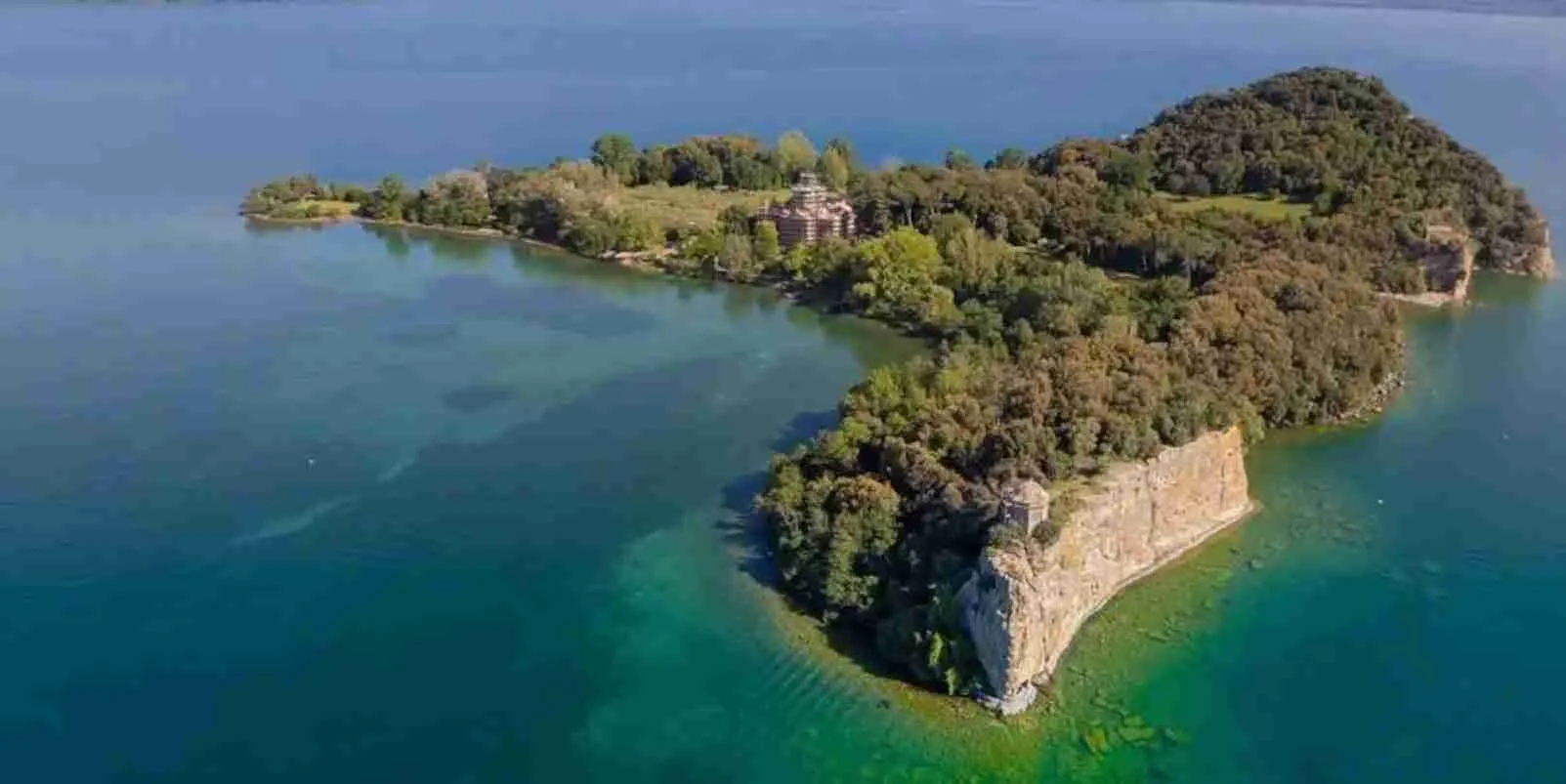
Lake Bolsena occupies the caldera of a long-extinct volcanic complex in the Vulsini mountains, a landscape shaped by eruptions that the geological record places roughly 600,000 to 100,000 years ago. The result is a near-circular lake of approximately 115 square kilometres, with the water surface sitting at around 305 metres above sea level and depths reaching roughly 150 metres at the deepest points. Two small islands — Bisentina Island and Martana Island — rise from the water, remnants of later volcanic activity within the main crater, giving the lake a distinctive and visually striking character unlike any other in central Italy.
Human presence here is ancient. The shores of Lake Bolsena were home to Etruscan settlements from the first millennium BC, and the town of Bolsena itself corresponds roughly to Volsinii Novi, a Roman foundation associated with the displacement of the Etruscan city of Velzna (Volsinii Veteres, thought to be located near modern Orvieto) after Roman suppression in 264 BC. Successive centuries brought Byzantine administration, Lombard control, medieval papal authority, and the eventual emergence of the local Monaldeschi family as the dominant power. It was in this long arc of history, and in the specific religious climate of 13th-century central Italy, that the event most tightly associated with Bolsena’s name occurred.
In 1263, a Bohemian priest experiencing doubts about the doctrine of transubstantiation reportedly witnessed the consecrated host bleeding during Mass in Bolsena. The event, brought to the attention of Pope Urban IV, who was then in nearby Orvieto, became known as the Miracle of Bolsena and is closely associated with the establishment of the feast of Corpus Christi and with the commissioning of the magnificent cathedral that still dominates Orvieto’s skyline. The Basilica of Saint Christina, where the miracle is said to have occurred, remains the most important religious site in Bolsena and draws both pilgrims and general visitors to this day.
In the 20th century, Lake Bolsena developed as a summer destination for Italian families from Rome and central Lazio, a role it continues to play. Its relative obscurity on the international tourist circuit is both its limitation and its great advantage: the lake towns retain a genuinely local character, restaurant menus reflect what the lake and surrounding farms actually produce, and prices stay firmly grounded. In 2026, the reopening of Bisentina Island for public guided tours — a programme launched in 2022 after years of restoration work by the Rovati Foundation — gives the destination a compelling new headline attraction.
Where Is Lake Bolsena and How to Get There in 2026
Lake Bolsena sits in the northern part of the province of Viterbo, in the Lazio region, roughly 90 kilometres north of Rome as the crow flies. It is bounded to the west by the Maremma countryside and to the east by the volcanic hills of the Cimini mountains. Seven municipalities share its shoreline: Bolsena (the largest lakeside town, on the northeast shore), Montefiascone (on the southeastern rim, known for its wine), Capodimonte (west shore), Marta (south shore), Gradoli (northwest shore), Grotte di Castro (northeast shore), and San Lorenzo Nuovo (northeast, the most recently founded of the lake settlements). Each town has its own distinct character and warrants at least a brief exploration.
By Car from Rome
Driving is the most flexible approach and the one most practical for exploring the full lake circuit. From Rome, take the A1 motorway (Autostrada del Sole) northbound and exit at Orvieto. After the toll gate, follow the signs toward Orvieto Scalo, then take the SR71 south toward Montefiascone and watch for the SR13 turnoff toward Bolsena. The final approach climbs gently before cresting the caldera rim — at which point the entire lake appears abruptly below, a rewarding first view of the destination. Total journey time is approximately 90 minutes from central Rome in normal traffic, though Friday and Sunday afternoons in summer can extend this to two hours or more. Free or low-cost parking is available around most of the lake towns outside July and August, when lakefront spots fill quickly.
From Florence, the equivalent drive takes roughly two hours via the A1 southbound and the Orvieto or Chiusi exits. From Siena, allow around 90 minutes via the SR2 Via Cassia southbound through Acquapendente and San Lorenzo Nuovo — a scenic route that descends from the Sienese hills along the ancient Roman road before skirting the lake’s northern shore.
By Train and Bus
Bolsena has no train station. The two nearest rail connections are Orvieto, on the main Florence–Rome Frecciarossa and Intercity line (approximately 60–70 minutes from Rome Termini, fares typically €8–16 one-way), and Viterbo, reachable on slower regional services from Rome’s Saxa Rubra station via the Cotral-Ferrovie rail network (around 60–75 minutes). From Orvieto, connecting buses to Bolsena are operated by Umbria Mobilità and depart from Piazza Cahen and the Orvieto Scalo train station forecourt; journey time is approximately 30 minutes. From Viterbo, COTRAL buses serve Bolsena roughly hourly on weekdays, passing through Montefiascone; journey time is around 30 minutes. Bolsena’s bus terminus is at Piazza Marconi. Bus frequency on Sundays and public holidays is significantly reduced — verify current timetables at cotralspa.it before travelling. Return bus tickets from Viterbo to Bolsena cost approximately €3–5 per trip.
By Car Hire
The nearest car hire offices are in Viterbo and Orvieto. Hiring a small car for a few days and collecting it in one of these towns before driving to the lake is a practical strategy for travellers arriving by train. The lake circuit by road is approximately 40 kilometres, easily covered in a half-day of leisurely driving with stops in multiple towns.
Best Time to Visit Lake Bolsena in 2026
Lake Bolsena follows a Mediterranean climate pattern softened by its altitude (around 305 metres) and the thermal mass of the water. Summers are hot and dry, winters mild but wet, and the shoulder seasons offer the most comfortable conditions for visitors with a broad range of interests.
Spring (April–May): Wildflowers and Calm Conditions
April brings the countryside around the lake into vivid bloom — the volcanic soil supports a diverse flora, and the hillside walks above Bolsena and Gradoli are particularly rewarding. Temperatures climb from around 16°C average highs in April to 22°C in May. The lake is not yet warm enough for comfortable swimming (water temperatures typically reach 18–19°C by late May), but boat tours, hiking, cycling, and cultural visits are all excellent. Hotels are widely available, prices are at their lowest of the tourist calendar, and the lakeside trattorias operate without the summer queues.
Early Summer (June): The Sweet Spot
June is arguably the best single month to visit Lake Bolsena in 2026. Average daytime highs of around 28°C make beach and water activity genuinely comfortable; the lake has warmed to swimmable temperatures; and the Bisentina Island tours are in full swing. June also brings the Bolsena Infiorata, held annually around the Corpus Christi feast day: local volunteers work through the night before the procession to create elaborate flower-petal carpets covering Bolsena’s main streets. The effect — intricate geometric and figurative designs rendered entirely in petals, seeds, and leaves — is striking, and the event draws far smaller crowds than the more famous infiorata at Spello or Noto, meaning you can experience it without the logistical headaches. Check the specific 2026 date (which falls in early June when Corpus Christi lands early) via the Bolsena municipality’s official communications.
Peak Summer (July–August): Busiest and Most Expensive
July and August transform Lake Bolsena into an Italian family holiday destination. The lido beaches fill with sun loungers and umbrellas, the lakeside restaurants book out days in advance, parking in Bolsena and Capodimonte can be challenging on weekend afternoons, and accommodation prices are at their highest. Average highs reach 31°C in July, which is comfortable for swimming but demanding for walking. If you visit during these months, book accommodation at least six to eight weeks ahead, reserve the Bisentina Island tour online well in advance, and plan beach visits for morning hours. The energy is festive and genuinely Italian — this is the lake at its most animated — but it is a very different experience from the spring and autumn quiet.
Early Autumn (September–October): Harvest and Calm
September remains warm (average highs around 25°C), the lake holds its summer temperature, and the grape harvest begins in the vineyards around Montefiascone. This is the best month for wine tourism. Tourist numbers drop noticeably after the first week of September, accommodation prices ease, and the Bisentina Island tours continue running into late October. October is cooler and occasionally rainy, but the golden light on the lake in the afternoons, combined with near-deserted villages and dramatically reduced prices, attracts a quieter category of traveller who specifically seeks this atmosphere.
Off-Season (November–March)
The off-season at Lake Bolsena means a stripped-back destination: boat tours suspend operations, some lakefront restaurants close entirely for winter, and Bisentina Island is no longer accessible. The hilltop towns retain their everyday character, the Lake Bolsena Territorial Museum remains open, and accommodation prices are genuinely low. For those whose priority is Etruscan heritage, slow walking, or simple contemplation, the lake in winter is serene and worth considering. Just verify in advance that specific restaurants, museums, and services are operating.
Top Attractions and Things to Do at Lake Bolsena in 2026
Bolsena Town: Medieval Centre and Waterfront
The town of Bolsena divides into two distinct zones: the historic upper town, built in concentric layers around the fortress on the volcanic hill, and the modern lakefront (lungolago) below, where a broad promenade runs past beaches, bars, and boat landings. Arriving in the upper town and working downhill through its narrow medieval lanes toward the water is the most rewarding way to experience it. The lanes between the fortress and the waterfront reveal Romanesque door surrounds, the occasional Etruscan or Roman fragment repurposed in a medieval wall, and a pace of life that feels genuinely unhurried. San Francesco Square (Piazza San Francesco) serves as the social heart of the historic district.
Monaldeschi della Cervara Fortress and Lake Bolsena Territorial Museum
The Monaldeschi della Cervara Fortress (Rocca Monaldeschi della Cervara) dominates the upper town from its position on the hillside and is the most architecturally impressive building in Bolsena. The Italia.it official tourism record notes that a fortification on this site was first commissioned in 1156 by Pope Adrian IV to defend the Via Cassia; the structure visible today was developed substantially in the late 13th and early 14th centuries by the municipality of Orvieto, with the Monaldeschi family completing the four-tower trapezoidal layout in the 14th and 15th centuries. The main tower — the Torre Maggiore or Mastio — rises approximately 30 metres and can be ascended for sweeping views across the lake and as far as the ancient archaeological area of Volsinii. The restored wall-walk (camminamento sulle caditoie) allows visitors to circuit the battlements.
Inside, the Lake Bolsena Territorial Museum (Museo Territoriale del Lago di Bolsena) occupies both the fortress and the neighbouring Monaldeschi Palace (Palazzo Monaldeschi), which was added to the visitor circuit in 2011. The collection covers the geology of the volcanic crater, Bronze Age and Iron Age artefacts recovered from the lake bed, an extensive Etruscan and Roman section, and a small aquarium displaying native lake species. The museum ticket covers both buildings and the battlements; accessing the battlements alone without the full museum costs around €2. For current opening hours and admission rates, which adjust seasonally, contact the museum directly or check the official Bolsena municipality website before visiting.
Basilica of Saint Christina
The Basilica of Saint Christina stands at the end of a paved courtyard in the lower historic centre of Bolsena and is the site of one of the most significant events in the late medieval Catholic Church. The saint herself — Christina of Bolsena, venerated as a martyr from the early Christian era — is associated with the catacombs beneath the basilica; her remains were rediscovered in the 19th century in a section of the underground complex that had been sealed. The church is free to visit and presents a Renaissance facade in grey local stone, alongside an interior that incorporates layers from different periods of construction. For the catacombs and the so-called Chapel of the Miracle — the space where the 1263 eucharistic event occurred — a ticket of around €6 per person is charged at the entrance, with a guided aspect to the underground visit. Opening hours vary seasonally; confirm current times on-site or via the Bolsena tourism office. The relics and the “miraculous corporal” (the cloth said to have received the blood) associated with the 1263 event are displayed in the nearby Orvieto Cathedral, making a combined visit to both Bolsena and Orvieto a natural itinerary.
Swimming and Beaches
Lake Bolsena’s water quality is consistently high — its volcanic basin is fed primarily by underground springs, and the lake has no significant industrial or agricultural runoff affecting its clarity. The lido beaches in Bolsena and Capodimonte are the most developed, with sun lounger and umbrella hire, beach bars, and water sports facilities; free beach areas exist alongside the paid lidos and are typically accessed along the lakefront promenade. The volcanic geology means that some shoreline sections are pebbly or composed of dark volcanic sand rather than fine white sand, but the water visibility is remarkable — particularly appreciated by snorkellers and swimmers who enjoy seeing the rocky lake bottom clearly. Water temperatures peak in July and August at around 24–26°C at the surface.
Water Sports, Cycling, and Hiking
Capodimonte, on the western shore, is the lake’s water sports hub: a reliable afternoon lake breeze makes it one of central Italy’s better locations for windsurfing and kitesurfing. Several operators at the Capodimonte lido offer equipment hire and lessons; check current availability at the town’s tourist information point on arrival. Sailing is also popular, with the calm morning conditions giving way to usable afternoon winds. Fishing — particularly for largemouth bass, carp, rudd, and tench — attracts dedicated visitors year-round; Bolsena has a reputation in Italian fishing communities for the quality of its bass fishing, and several specialist guides operate on the lake.
The full lake circumference by road spans approximately 40 kilometres, and the route by road makes for an enjoyable half-day drive. A more challenging hiking and cycling circuit of around 50 kilometres follows the lake’s natural perimeter more closely, with sections on dedicated paths and sections on quiet roads; the AllTrails route for the lake circuit is rated as moderately challenging and best attempted between March and October. Shorter walks above the towns — particularly above Bolsena into the volcanic hillside, and the path between Marta and Capodimonte along the shore — are accessible to casual walkers.
The Via Francigena, the ancient pilgrim route connecting Canterbury to Rome, passes directly through Bolsena and uses sections of the Roman Via Cassia. Walking even a short segment of the Francigena through the Bolsena area provides a memorable combination of history, landscape, and the particular atmosphere of a route walked continuously for over a thousand years.
Bisentina Island and Martana Island in 2026
Bisentina Island: The Jewel of the Lake
Bisentina Island is the larger of the two lake islands, covering approximately 17 hectares of lush, largely wild terrain in the western section of the lake, a short distance from the Capodimonte shore. The island has been inhabited since the Bronze and Iron Ages, passed through Etruscan and Roman occupation, became a refuge for coastal populations fleeing Saracen raids in the 9th century, and eventually came under the control of the Farnese family — the powerful papal dynasty from Lazio — who left a concentrated series of Renaissance monuments during the 16th century. The main church, dedicated to Saints James and Christopher, was commissioned under Ranuccio Farnese and donated to the Franciscan friars in 1586; seven small chapels scattered across the island were all built during the same century. Dante mentions Bisentina Island in his Divina Commedia (Purgatorio, Canto 24), in the same passage that immortalises the Bolsena eel as having been favoured by Pope Martin IV — an early endorsement of the lake’s culinary reputation.
The island passed to the Del Drago family in the 19th century, was closed to the public for many years following the death of the last resident prince, and was sold in 2017 to the Luigi Rovati Foundation, a Lombardy-based cultural foundation established by the pharmaceutical entrepreneur Luigi Rovati. After several years of careful restoration in collaboration with heritage authorities, the island reopened to guided public visits in summer 2022, and the programme has continued and expanded since.
In 2026, guided tours of Bisentina Island run every day except Monday and Wednesday, departing from the Capodimonte and Bolsena piers. The tour lasts approximately 2.5 to 3 hours and includes the Church of Saints James and Christopher, the Darsena (the historic dock area), the chapel of the Crucifix (Mount Calvary), the Church of Saint Catherine, and the Malta of the Popes. Boat fares confirmed from the official isolabisentina.org website for 2026: adults €20; children and teenagers aged 6–15, €15; children aged 0–5, free. The booking for the guided tour guarantees a seat on the boat, with payment made at the pier. Booking in advance through the official website (fareharbor.com/embeds/book/isolabisentina) is essential in July and August when tours fill quickly; shoulder season visits can sometimes be arranged with shorter notice but booking ahead is always advisable.
The tour trail is approximately 1.5 kilometres of looped path, rated T (tourist) by the Italian Alpine Club classification — mostly flat but including around 35 stone steps and some uneven volcanic terrain. Sturdy, flat shoes with good grip are mandatory; heels and flip-flops are strictly prohibited. The island has no café or water supply; bring your own water bottle and sun protection. English-language tours are offered on selected dates in July and August — the official website specifies which evenings are conducted in English only.
Martana Island: Views from the Water
Martana Island, smaller and wilder, sits in the southern part of the lake near the town of Marta, from which it takes its name. According to the Gothic-era historian Procopius, the island was the site of the murder of Amalasunta, regent queen of the Ostrogoths, in 535 AD — a violent episode in the turbulent final years of Ostrogothic rule in Italy, as recorded in Procopius’s account of the Gothic Wars. The island remains privately owned and is not accessible for landing by general visitors. It is, however, clearly visible and photographically striking from the water, and boat tours departing from Bolsena and Capodimonte circle both islands. The Naviga Bolsena Volcano Tour — a one-hour panoramic circuit passing Bisentina Island, Martana Island, the Marta waterfront, and the Capodimonte headland — costs €13 per person (minimum 15 passengers; departures Monday to Saturday at 11:00 and 15:30, plus holidays at 11:00, 15:30, and 17:00). A shorter 45-minute Tour of the Farnese, circling Bisentina Island with historical commentary and a summer swimming break near the island, costs €10 per person on request with the same minimum group requirement. Contact Naviga Bolsena directly at navigabolsena.com for current schedules and to check minimum group requirements for independent travellers.
Independent Boat Hire
Small motorboats without a licence requirement (under 40.8 CV) can be hired from several operators around the lake, including at Bolsena, Capodimonte, and Marta. Hire costs run approximately €85–100 per day for the boat, excluding fuel, with navigation permitted between March and October without a licence. Local operators who regularly appear in visitor searches include Il Platano and La Bussola at Capodimonte; verify current availability and pricing directly with the operator on arrival, as schedules and rates change seasonally.
Lake Bolsena Accommodation in 2026: From Budget to Boutique
Accommodation at Lake Bolsena divides broadly into four categories: lakefront hotels in Bolsena and Capodimonte with pool or direct water access; rural agriturismi on the hillsides above the lake; B&Bs and guesthouses in the historic town centres; and camping grounds with direct lake access, mainly between Bolsena and Capodimonte. The total accommodation inventory across the lake area is substantial — booking.com lists nearly 500 properties within the lake area — though the top-rated lakefront positions book up quickly in July and August.
Budget (€65–90 per room per night)
At the lower end of the market, simple B&Bs in the upper historic towns, basic guesthouses within walking distance of the waterfront, and camping or glamping sites with tent or bungalow options offer reasonable value. Several agriturismi on the hillsides above the lake include breakfast and provide a genuine experience of the rural Tuscia landscape — many grow their own wine and olive oil. Prices at this tier typically run €65–90 per room per night in high season and drop to €45–65 in spring and autumn. Per person (two sharing), this works out to approximately €32–45 of the nightly budget, before meals and transport.
Mid-Range (€100–150 per room per night)
The sweet spot for most visitors is the mid-range tier, where three-star lakefront hotels in Bolsena offer rooms with lake-view balconies, often with swimming pools and in-house restaurants. The average price for a mid-range hotel room at Lake Bolsena in high season is approximately €120 per night based on current booking platform data, with prices lower at shoulder season and in the towns slightly away from the main Bolsena waterfront. Properties in Montefiascone offer a slightly lower price point for equivalent comfort, with the bonus of the town’s own character and the famous wine cellars; the lakefront is a 15-minute drive.
Upscale (€150–250+ per room per night)
The most sought-after properties at Lake Bolsena in 2026 are boutique hotels with genuine lakefront position, unobstructed water views, and personal service. Five-star equivalents in the broader lake area — including some spa properties on the hillsides — command prices from around €200 per room in the best summer weeks. Several charming boutique properties in the historic centres of Bolsena and Capodimonte occupy converted medieval buildings and provide an alternative to standard hotel formats. Booking these at least two months ahead is advisable for July and August.
Accommodation by Town
Bolsena itself offers the widest selection of accommodation and is the most practical base for first-time visitors: centrally positioned on the lake, with the main attractions, restaurants, and boat departures all within walking distance. Capodimonte, on the quieter western shore, is a better base for water sports enthusiasts and those who prefer a smaller, less touristed town. Marta and Gradoli are the least developed of the lake settlements and suit travellers actively seeking off-the-beaten-path character over convenience. Montefiascone, perched on the caldera rim above the southern lake, is not a lakeside town in the strict sense but provides a beautiful elevated base with sweeping views and immediate access to the wine-growing country.
Eating and Drinking at Lake Bolsena in 2026
The food and drink culture around Lake Bolsena is one of the most genuinely local in Lazio — not dressed up for international tourism, serving what the lake, the volcanic soil, and the surrounding farms produce. There are more than 200 restaurants and eateries across the lake area, ranging from simple lakefront pizzerias to trattorias serving seven-course menus of freshwater fish.
Lake Fish: The Centrepiece of Local Cooking
The principal culinary identity of Lake Bolsena is its freshwater fish. The lake supports diverse species: eel (anguilla), coregone (a freshwater whitefish endemic to the lake and a few other northern Italian lakes), carp, tench, rudd, black bass, pike perch, and lattarino (a small endemic fish used in fried preparations). The eel is the most historically significant: as mentioned in Dante’s Purgatorio, where he describes Pope Martin IV’s fondness for Bolsena eel stewed in vernaccia wine, the creature has been a culinary emblem of the lake for at least seven centuries. Grilled, braised, or stewed with tomato, sage, and local olive oil, eel remains a fixture on the more traditional lakeside menus. Coregone — the freshwater whitefish — is the most prized of the lake fish for delicacy; it appears as a grilled fillet, in a light carpaccio, or poached with herbs and served with the local white wine.
Capodimonte hosts an annual Coregone Festival (Sagra del Coregone), typically held in summer, celebrating the lake’s signature fish with communal meals, cooking demonstrations, and lakeside festivities — check local event calendars closer to your travel dates for the specific 2026 date. The Marta waterfront hosts a traditional spring festival and market, rooted in the town’s long fishing heritage, that draws visitors from across the region.
Est! Est!! Est!!! Wine from Montefiascone
The most famous product of the lake area is not a fish but a wine. Est! Est!! Est!!! — produced around Montefiascone from Trebbiano Giallo, Malvasia Bianca, and Trebbiano Toscano grapes — carries a DOC designation and a legend: a travelling bishop’s servant, sent ahead to scout good inns, was instructed to write “Est” (Latin for “it is [here]”) wherever the wine was worth drinking. At Montefiascone he supposedly wrote “Est! Est!! Est!!!” three times, so impressed was he with the local production. Whether or not the legend is literally true, the wine is genuinely pleasant — dry, fresh, and herbaceous in the better expressions, ideal with the lake fish dishes. Several Montefiascone producers offer cellar visits and tastings; the Antica Cantina Leonardi, in its historic volcanic-rock cellars, is among the most visited.
Budget Dining
Budget diners at Lake Bolsena eat well without stretching. A tourist menu at Trattoria da Guido in Bolsena, for example, is priced at around €16 and typically includes a choice of local fish-based dishes; a pizza margherita at one of the lakefront pizzerias starts from around €6. A bar breakfast of coffee and cornetto costs €2–3. A full budget meal day — bar breakfast, a simple trattoria lunch, a pizza dinner, coffee, and gelato — runs approximately €25–35 per person.
Mid-Range Dining
A sit-down lunch or dinner at a mid-range restaurant — two courses of fish pasta and a grilled main, a glass of local white wine, water, and dessert — typically runs €35–50 per person. Lakefront restaurants with outdoor terraces and water views sit at the higher end of this range, reflecting the premium on location. The local quality-price ratio is notably better than equivalent lakefront restaurants at Lake Garda or Lake Como.
Local Specialities Beyond Fish
The volcanic soil around the lake supports distinctive agricultural products beyond wine: black truffles from the surrounding forests appear on autumn menus; Fagioli del Purgatorio (a small white bean grown near Gradoli and prized for its flavour) features in soups and stews; locally cured pork products — prosciutto, salami, and the Mangalica-pork preparation called mortazza — are served as antipasto in the best agriturismi and wine estates around the lake. Local honey, produced from the wild flowers of the volcanic hillsides, is sold at markets and farm shops throughout the region.
Day Trips from Lake Bolsena in 2026
Lake Bolsena’s position in northern Lazio, within easy reach of southern Tuscany and Umbria, makes it an excellent base for some of the most rewarding day trips in central Italy. The following destinations are all within 60 kilometres by road.
Civita di Bagnoregio (25 km): The Dying City
Civita di Bagnoregio is among the most visually singular destinations in all of Italy — a medieval hill town perched on an isolated pinnacle of eroding tufa rock, connected to the town of Bagnoregio by a single 300-metre pedestrian footbridge. The town has been losing ground to erosion for centuries (earning the local epithet “la città che muore,” the dying city), and the precariousness of its geology is visible in the crumbling cliff faces below the settlement. Entry costs €5 per person, paid at a booth before crossing the bridge; residents and guests of local accommodation are exempt. The interior of the town is small — a handful of lanes, a central piazza, the Church of Saint Donatus, and a scattering of restaurants and craft shops — but the views from the ramparts across the Valle dei Calanchi (a landscape of eroded clay badlands) are exceptional. Arrive early in the morning or in the late afternoon to avoid the most concentrated tourist presence. Drive time from Bolsena: approximately 25–30 minutes. Public transport connections via EPF Tours exist (check epftours.it for current schedules).
Orvieto (20–25 km): The Cathedral on the Rock
Orvieto is one of the great medieval towns of central Italy, sitting on a flat-topped tufa plateau above the Paglia valley. Its cathedral — begun in 1290, expanded over nearly three centuries, and featuring a facade of extraordinary Gothic sculptural and mosaic decoration — was commissioned in part as a response to the Miracle of Bolsena; the famous relics from the 1263 event (the miraculous corporal) are housed in the cathedral’s Chapel of the Corporate. The town’s underground tunnel network (Orvieto Underground, ticketed at around €7) offers a fascinating glimpse into the Etruscan and medieval subterranean city. A funicular connects the lower town and train station to the upper plateau. Drive from Bolsena: approximately 20–25 minutes. Train from Rome to Orvieto: about one hour, making it viable as a continuation of a Rome-transit journey to Lake Bolsena rather than a reverse day trip.
Viterbo (25–30 km): Medieval Papal City
Viterbo was the seat of the papacy during part of the 13th century, and its historic centre retains one of the best-preserved medieval street plans in Lazio. The San Pellegrino quarter (Quartiere San Pellegrino) — a complete medieval neighbourhood with towers, external staircases, and flower-hung balconies — is particularly evocative. The Palazzo dei Papi (Palace of the Popes), where several papal conclaves were held, overlooks a grand piazza. Viterbo also serves as the gateway to the Terme dei Papi thermal baths complex, where naturally heated sulfur-rich spring water can be enjoyed in indoor and outdoor pools — a particularly popular afternoon excursion in the cooler months and a complement to active lake days in summer. Drive from Bolsena: approximately 25–30 minutes via the SR2.
Pitigliano (45–50 km): “Little Jerusalem”
Pitigliano, in the southern Maremma of Tuscany, is one of the most dramatically sited small towns in central Italy — an ancient Etruscan and later medieval settlement built along a narrow tufa ridge, its buildings rising directly from the cliff face to create a silhouette unlike almost anywhere else in the region. The town maintains a small Jewish museum and the remains of a historic Jewish quarter (earning it the nickname “Piccola Gerusalemme”) — the legacy of a Jewish community that flourished here from the 16th century onward and found protection under the Orsini family. The surrounding Tufo countryside offers walking paths and the opportunity to visit several Etruscan rock-cut tomb complexes. Drive from Bolsena: approximately 45–50 minutes through scenic volcanic countryside.
Tuscania (30–35 km): Etruscan Heritage and Romanesque Masterpieces
Tuscania, between Viterbo and the Tyrrhenian coast, rewards visitors with two outstanding Romanesque churches — San Pietro and Santa Maria Maggiore — both built on Etruscan and Roman foundations just outside the town walls. The surrounding area is rich in Etruscan tombs and artefacts, and the town itself has a well-preserved medieval centre. Less visited than Orvieto or Civita di Bagnoregio, Tuscania offers a quieter archaeology-oriented day out. Drive from Bolsena: approximately 30–35 minutes southwest.
Lake Bolsena Budget Guide 2026: What to Expect to Spend
Lake Bolsena is one of the most affordable freshwater lake destinations in Italy. The figures below are pre-calculated using verified current price data and represent daily costs per person, assuming two people sharing accommodation, with the room rate divided equally before any per-person calculation is applied.
Budget Travellers: €70–110 Per Person Daily
Budget accommodation (agriturismo double room, simple B&B, or camping with bungalow): €65–90 per room per night, dividing to €32–45 per person. Daily meals at budget level — a bar breakfast, a tourist-menu lunch or pizza, a simple trattoria dinner, coffee, and snacks — run approximately €25–35 per person. Local transport (cycling, walking, occasional bus) adds €8–15. Attractions and beach entry at this level run €5–15. Together: accommodation €32–45, meals €25–35, transport €8–15, attractions €5–15. Total: approximately €70–110 per person daily. A seven-night stay at this level costs approximately €490–770 per person. This budget comfortably includes the Bisentina Island tour on one day (€20) and the Basilica of Saint Christina catacombs on another (around €6), absorbing both into the attractions column without exceeding the tier.
Mid-Range Travellers: €115–180 Per Person Daily
Mid-range accommodation (three-star lakefront hotel, lake view room): €100–150 per room per night, dividing to €50–75 per person. Dining at proper sit-down restaurants for lunch and dinner, with wine: €40–60 per person. Local transport including shared hire car day use or taxi transfers: €10–20. Attractions including boat tours, island visits, and cultural entries: €15–25. Total: accommodation €50–75, meals €40–60, transport €10–20, attractions €15–25. Total: approximately €115–180 per person daily. A seven-night stay at this level costs approximately €805–1,260 per person. This tier comfortably includes multiple boat excursions, a day trip to Civita di Bagnoregio (€5 entry plus car fuel), and a wine tasting at one of the Montefiascone producers.
Luxury Travellers: €195–310 Per Person Daily
Upscale accommodation (four or five-star boutique hotel with pool and lake view): €160–250 per room per night, dividing to €80–125 per person. Dining at the top lakeside restaurants with full menus and regional wine: €70–100 per person. Private transfers, boat hire, or exclusive tour experiences: €20–35. Premium attractions and guided experiences: €25–50. Total: accommodation €80–125, meals €70–100, transport €20–35, attractions €25–50. Total: approximately €195–310 per person daily. A seven-night stay at this level costs approximately €1,365–2,170 per person. This tier can encompass private boat charters, exclusive winery visits, truffle-hunting experiences in the surrounding forests, and custom guided tours of the archaeological sites.
Key Fixed Costs at a Glance
For planning purposes: Bisentina Island guided tour, €20 per adult (boat included; check official website for current rates as this is a privately operated attraction); Civita di Bagnoregio entry, €5 per person; Basilica of Saint Christina catacombs, around €6 per person (check current rates on-site); Naviga Bolsena Volcano Tour (lake circuit by boat), €13 per person; Monaldeschi della Cervara Fortress battlements access, around €2 (full museum ticket higher; check current rates); COTRAL bus Viterbo–Bolsena, approximately €3–5 per trip; Trenitalia regional train Rome–Orvieto, approximately €8–16 one-way. These represent the main ticketed items; the beaches, the lakefront promenade, cycling the lake circuit on a hired bike, and walking the Via Francigena sections are all free of charge.
Seasonal Price Variation
Peak season (July–August) typically adds 25–40% to accommodation costs compared with the shoulder months of May–June and September. Restaurants in peak season are more likely to require advance booking and occasionally apply cover charges. Parking in Bolsena and Capodimonte costs approximately €1–2 per hour at paid waterfront lots in July and August, with free parking widely available off-peak and at a short walk from the lakefront at any time.
Getting Around Lake Bolsena in 2026
By Car
A car is the single most useful tool for exploring Lake Bolsena thoroughly. The full circuit of the lake by road covers approximately 40 kilometres and can be driven in under two hours non-stop, though a leisurely day with stops in four or five towns is far more rewarding. Road quality is good throughout; the SP1 lakeside road along the eastern and southern shores and the SP10 on the western shore are both well-maintained. Parking is free in most towns outside July and August; paid parking applies at the Bolsena and Capodimonte waterfront lots during peak season.
By Bicycle
Cycling the lake circuit is increasingly popular, with the full 50-kilometre perimeter circuit achievable in a day by moderately fit cyclists. Some sections follow the road (with generally light traffic outside July and August) and others use dedicated paths close to the water. Bicycle hire is available in Bolsena; the tourist information point can provide current details of hire operators. Electric bikes have become more widely available and make the hillier sections near Montefiascone and Grotte di Castro significantly more accessible.
By Boat
For moving between specific points on the lake — Bolsena to Capodimonte, for example — public boat services operate in high season; check current Naviga Bolsena schedules for timetable and pier information. Hiring your own small motorboat gives complete flexibility for exploring the shoreline, approaching the islands, and finding quiet swimming spots away from the established beaches.
On Foot
Within individual lake towns, everything is walkable. Bolsena’s fortress, basilica, and lakefront are connected by a 10–15 minute walk on the main street through town. The lakefront promenade in Bolsena extends for several kilometres and is enjoyable for an evening passeggiata. For moving between towns, walking is only practical for the short stretch between Marta and Capodimonte along the southern and western shores, which is a pleasant half-day hike.
Practical Tips for Visiting Lake Bolsena in 2026
Booking in Advance
Bisentina Island tours require online booking — do this before arrival, especially in July and August when tours fill weeks ahead. The official booking platform is at fareharbor.com/embeds/book/isolabisentina. For lakefront restaurants in July and August, call ahead the day before or book online where the option exists. Accommodation in the top-rated lakefront properties books out two to three months ahead for August; shoulder season accommodation can often be booked two to three weeks ahead.
Language and Communication
English is spoken at the reception desks of most mid-range and upscale hotels and at the larger tourist attractions. At smaller trattorias, family-run agriturismi, and shops in the smaller lake towns (Gradoli, Grotte di Castro, San Lorenzo Nuovo), Italian is the working language. A few basic Italian phrases — “vorrei prenotare un tavolo per due” (I’d like to book a table for two); “il conto, per favore” (the bill, please); “dove si parcheggia?” (where can I park?) — will be warmly received and practically useful.
Payment
Card payment is accepted at hotels, most restaurants, and the larger attractions including the Bisentina Island booking system. Small trattorias, market stalls, and some boat hire operations prefer cash. Carrying €50–100 in cash is advisable for smaller purchases and to avoid difficulty at any cash-only spots.
Swimming Safety
Lake Bolsena’s water quality is generally excellent. Supervised lido beaches in Bolsena and Capodimonte offer lifeguard presence during peak season. Unsupervised swimming from the rocks or quieter shoreline sections is common practice for locals and experienced visitors but should be approached with awareness of the depth — the lake drops quickly away from shore in some areas — and of occasional powerboat and jet-ski traffic close to undesignated swimming spots. Children should swim in the designated and supervised beach areas.
Driving and Parking Tips
In high season, the most contentious practical issue at Lake Bolsena is parking. Arrive at Bolsena and Capodimonte before 9:30 AM or after 5:00 PM to avoid the peak parking scramble. Several free car parks exist a few hundred metres from the waterfront and involve only a short walk to the lake. In the smaller towns — Marta, Gradoli, San Lorenzo Nuovo — parking is rarely an issue.
Mobile Signal and Internet
Mobile phone coverage on the major Italian networks (TIM, Vodafone, WindTre) is reliable in all the main lake towns. Coverage can drop in the more rural hillside areas between towns and along certain sections of the lake circuit road. Wi-Fi is available in most hotels and many cafés.
Hidden Corners and Quieter Discoveries Around Lake Bolsena
Beyond the main attractions and the most-visited towns, the Lake Bolsena area contains quieter discoveries that reward an extra day or a willingness to take the less-trodden route.
Gradoli, on the northwest shore, is one of the lake’s most overlooked towns: a compact historic centre with a Farnese palace (the Gradoli Farnese Palace is a significant Renaissance building, one of several the family built in the lake area), a small wine cooperative producing local Aleatico di Gradoli (a sweet red dessert wine with DOC status), and a lakeside position that, unlike Bolsena and Capodimonte, sees almost no international visitors. The Aleatico di Gradoli is one of the Lazio region’s more interesting minor wines — deeply coloured, with dried fruit and rose notes — and can be tasted and purchased directly at the local cooperative.
San Lorenzo Nuovo, on the northeastern rim of the caldera, was founded in the late 18th century by papal authorities to replace a village submerged by a rise in lake levels. It has a distinctive neoclassical urban plan — a rarity in Lazio — with a broad central square and geometrically laid-out streets. The town overlooks the lake from above the caldera rim and offers one of the best elevated views of the full lake expanse, particularly at sunset.
The upper historic lanes of Bolsena, above and behind the main tourist circuit, contain several Romanesque church facades and medieval domestic architecture that most day-trippers never reach. The church of San Salvatore, set in a small square above the main street, has a simple Romanesque interior and a quality of quietness that makes it a rewarding pause during a long walk through the upper town. The medieval walls circuit above the fortress offers perspectives down across the lake rarely captured in the standard visitor photographs.
The archaeological area of ancient Volsinii, on the hillside above and behind Bolsena, marks the location of the Roman town founded after the conquest of Etruscan Velzna. Modest excavation work has revealed temple platforms and street layouts. Access is informal and free; the site is signposted from the upper town but requires some uphill walking on an unpaved path and rewards those with a specific interest in Roman archaeology rather than general visitors seeking a polished experience.
Frequently Asked Questions
Is Lake Bolsena safe to swim in?
Yes, Lake Bolsena has consistently good water quality. Its volcanic basin is fed principally by underground springs rather than surface runoff, and there is no significant industrial activity on the shoreline. The designated lido beaches in Bolsena and Capodimonte are monitored regularly by local health authorities; Italian law requires annual quality assessments of designated bathing waters, and Lake Bolsena consistently receives favourable classifications. The water clarity is particularly notable — visibility several metres into the depth is common in the calmer, less-trafficked sections — and is one of the lake’s most praised qualities in visitor accounts. Children should use the supervised lido areas in peak season; in quiet periods, the beach areas outside the lidos are widely used for family swimming without incident.
What is the Miracle of Bolsena?
The Miracle of Bolsena refers to a reported eucharistic event in 1263. According to the historical tradition as documented by the Catholic Church, a Bohemian priest travelling to Rome was celebrating Mass in Bolsena when he experienced doubts about the doctrine of transubstantiation. During the consecration, the host is said to have bled, staining the corporal (the liturgical cloth beneath the vessels). The priest reported the event to Pope Urban IV, who was in Orvieto at the time; the corporal was brought to Orvieto, and the event became a significant moment in the history of the Corpus Christi feast, which Urban IV promulgated in 1264. The Basilica of Saint Christina in Bolsena, where the miracle is said to have occurred, remains the site of active pilgrimage. The miraculous corporal itself is kept in Orvieto Cathedral’s Chapel of the Corporate. For visitors with an interest in medieval religious history, a combined itinerary linking Bolsena and Orvieto follows the event’s own geography and is historically rewarding.
Can you visit Bisentina Island in 2026?
Yes. Bisentina Island has been open for public guided tours since summer 2022, managed by the Rovati Foundation, and tours continue in 2026. The island is open every day except Monday and Wednesday, running from summer through early autumn (exact opening and closing dates are published on the official website isolabisentina.org each spring). The guided tour costs €20 per adult for the boat and guided visit combined; children aged 6–15 pay €15 and children under 6 are free. Tours last approximately 2.5 to 3 hours and follow a looped trail of about 1.5 kilometres through the island’s woodland, past seven Renaissance chapels, and through the historic dock area and church complex. Advance booking is essential in July and August and strongly recommended at all other times. The trail includes uneven terrain and stone steps; flat, sturdy shoes are mandatory. Some areas of the island are not accessible to wheelchair users.
How far is Lake Bolsena from Rome?
Lake Bolsena is approximately 90 kilometres north of central Rome as the crow flies, and around 110 kilometres by road via the A1 motorway and the Orvieto exit. Driving time is typically 80–100 minutes from Rome in normal traffic. By public transport, the combination of regional train to Viterbo plus COTRAL bus to Bolsena takes approximately 90–110 minutes total, depending on connection times; the faster train-to-Orvieto option followed by a connecting bus takes a similar time in total. The proximity makes Lake Bolsena viable as a day trip from Rome — arriving by mid-morning and returning by early evening — though a minimum two-night stay is far more rewarding, allowing time to explore multiple lake towns, do the Bisentina Island tour, and make a day trip to Civita di Bagnoregio or Orvieto.
What is the nearest airport to Lake Bolsena?
Rome Fiumicino (Leonardo da Vinci International Airport, FCO) is the main international gateway, approximately 130 kilometres south of Lake Bolsena by road. Driving from Fiumicino direct to Bolsena takes around 90–100 minutes via the A1 motorway. The smaller Rome Ciampino Airport (CIA) is a slightly longer drive due to its position south-east of the city, though hire car access is straightforward from both airports. There is no regional airport closer to Lake Bolsena. Perugia Airport (Umbria), on the eastern side of the Apennines, is approximately 120 kilometres away and is served by limited European carriers, primarily Ryanair; it is a viable option if travelling from specific northern European destinations, though the road connection to Lake Bolsena involves crossing the Apennine foothills and takes around 90 minutes.
Are there beaches at Lake Bolsena?
Yes. Lake Bolsena has numerous beach areas around its perimeter, ranging from developed lido beaches with facilities (sun loungers, umbrellas, beach bars, lifeguards, and water sports hire) to informal public shoreline sections accessible for free. The main lido beaches are in Bolsena town and in Capodimonte; both have areas of paid sun-lounger hire alongside free sections. The shoreline character varies: some stretches offer fine dark volcanic sand, others smooth volcanic pebbles, and some are rocky with direct access to deep water. The most family-friendly beaches, with shallow entries and supervised areas, are at the Bolsena town lido and the main Capodimonte beach. Wild swimming from quieter sections of the shore between the main towns is widely practised and generally safe in good weather, though some sections drop to deep water quickly from shore.
What local food and wine should I try at Lake Bolsena?
The essential local food experiences at Lake Bolsena in 2026 are: grilled or braised lake eel (anguilla), the lake’s most historically rooted dish and still a feature at the best traditional trattorias; coregone, the freshwater whitefish, typically presented as a grilled fillet or a delicate carpaccio; Fagioli del Purgatorio, a small white bean grown around Gradoli with a distinctively creamy texture, usually served in a simple zuppa or alongside fish; and local cured pork products from the volcanic hill farms, particularly the Mangalica breed preparations. For wine, Est! Est!! Est!!! from Montefiascone is the regional standard and pairs particularly well with the fish dishes; Aleatico di Gradoli, the DOC sweet red wine, is the more unusual find and worth seeking out at producers in Gradoli. Local olive oil — produced from centuries-old groves on the lake slopes — is excellent and makes a practical and flavourful souvenir.
Is Lake Bolsena suitable for families with children?
Lake Bolsena is an excellent family destination. The supervised lido beaches provide safe swimming environments for children, and the calm, inland lake has no tides, strong currents, or other coastal hazards. Boat rides on the lake — whether the Naviga Bolsena Volcano Tour or a hired small motorboat — are genuinely engaging for children; the visibility into the water and the dramatic island silhouettes make for memorable experiences. The Bisentina Island tour is open to children (ages 6–15 at reduced ticket rate; under 6 free), though the uneven volcanic terrain means it is not suitable for very young children who are not yet steady on their feet in a woodland environment. The Monaldeschi della Cervara Fortress battlements offer an adventurous castle experience. Food is family-friendly; pizza, pasta, and freshwater fish dishes are universally available at every price point. The pace of the lake towns outside peak July and August is calm and appropriate for family travel, and the road circuit makes it easy to cover multiple small stops in a day without long drives.
Can I rent a boat at Lake Bolsena?
Yes. Small motorboats (under 40.8 CV) can be hired without a licence from several operators at Bolsena, Capodimonte, and Marta. Daily rental rates run approximately €85–100 for the boat, excluding fuel. Navigation is permitted between March and October without formal qualifications, making this a genuinely accessible option for visitors who want to explore the lake independently — including approaching the Martana Island from the water, finding quiet swimming coves, and watching the sunset from the middle of the lake, which is among the most striking experiences the lake offers. Larger boats, sailing vessels, and guided fishing charters are also available; check at the respective town’s marina or tourist information point. Pedal boats and kayaks are also widely available at the main lido beaches in season, typically at €8–15 per hour.
Is it worth doing a day trip from Rome to Lake Bolsena?
A day trip from Rome to Lake Bolsena is feasible and worthwhile if your primary interest is the town of Bolsena itself — the fortress and museum, the Basilica of Saint Christina, the lakefront, and a swim or a lake boat tour. Arriving by 10:30 AM and leaving by 6:00 PM gives approximately seven hours at the lake, which is enough for a focused experience of Bolsena and potentially a stop in one other town (Marta or Capodimonte by car). However, a one-night or two-night stay opens up the Bisentina Island tour (which requires timing around the boat schedule and benefits from an unhurried morning), a full lake circuit by car, and a day trip to Civita di Bagnoregio or Orvieto without doubling back to Rome. Mid-range accommodation for one night adds approximately €50–75 per person to the total cost; for the depth of experience it enables, most visitors who stay find the addition worthwhile. If you are limited to a day, the most rewarding route from Rome combines the train to Orvieto (visiting the cathedral and underground) with an afternoon drive or bus connection to Bolsena for the lakefront and a lakeside dinner before returning to Rome by evening.