
Visiting Dubrovnik with Kids 2026: Family Travel Guide
Dubrovnik transforms into an enchanting family destination where medieval walls become castle ramparts, ancient streets turn into adventure playgrounds, and crystal-clear Adriatic waters offer endless beach days. This UNESCO World Heritage Site combines historical exploration with child-friendly activities, creating the perfect balance for families seeking both cultural enrichment and relaxation.
Key Takeaways
- Best family areas: Lapad Peninsula and Babin Kuk offer family-friendly beaches, playgrounds, and accommodation within 10-15 minutes of Old Town
- Walking the city walls (€40 adults, €15 children): Start early morning at Ploče Gate to avoid crowds and heat, bring water and snacks for the 1.5-2 hour circuit with limited shade
- Lokrum Island day trip: 10-minute ferry ride (€27 return) provides nature trails, peacocks, swimming spots, and the authentic Game of Thrones Iron Throne
- Budget planning: Family of four can expect €180-280 daily (excluding accommodation) covering attractions, meals, and transport
- Cruise ship awareness: Check arrival schedules at dubrovnikairport.hr to avoid peak crowds—days without ships offer 70% less congestion in Old Town
- Dubrovnik Pass value: 1-day pass €40 equals city walls ticket but adds free buses and museum entry, ideal for families planning multiple attractions
People Also Ask About Visiting Dubrovnik with Kids 2026
Is Dubrovnik suitable for families with young children in 2026?
Dubrovnik is highly suitable for families with young children in 2026 when planned strategically. The Old Town’s pedestrian-only stone streets create a safe environment free from traffic, though the estimated 5,000+ steps throughout the city can challenge families with strollers. The compact city layout allows families to walk between major attractions in 10-15 minutes, and child-friendly beaches like Copacabana and Lapad feature shallow waters, clean facilities, and nearby restaurants. However, summer temperatures exceeding 30°C (86°F) require morning or late afternoon sightseeing schedules. Families staying in Lapad or Babin Kuk neighborhoods access both beach relaxation and Old Town culture within a 10-minute bus ride on routes 5, 6, or 8.
What are the best family-friendly activities in Dubrovnik for 2026?
The best family-friendly activities in Dubrovnik for 2026 combine education with adventure. Walking the city walls provides an immersive historical experience children enjoy while imagining themselves as medieval defenders, particularly when starting at the less-crowded Ploče Gate entrance. Lokrum Island offers the perfect blend of nature exploration, swimming in the Dead Sea saltwater lake, and spotting resident peacocks and rabbits. The cable car ride to Mount Srđ (€27-30 adults, €15-18 children return) takes just 4 minutes and delivers panoramic views that captivate all ages. Beach days at Copacabana include inflatable water parks (€10-15 per hour), while the Old City Playground near Minčeta Tower provides the only play equipment inside the historic walls. Family boat tours to the Elaphiti Islands (€36 for family of four on public ferry, €200+ for private tours) create memorable day trips with swimming stops and island hopping.
How much does a family trip to Dubrovnik cost in 2026?
A family trip to Dubrovnik in 2026 costs €180-280 per day for a family of four, excluding accommodation. Major expenses include city walls entry €110 (€40 x 2 adults, €15 x 2 children), family meals €80-120 daily (breakfast €30-40, lunch €25-35, dinner €35-50), cable car €90 for family return tickets, and bus transport €8-12 daily if staying outside Old Town. Accommodation adds €120-350 nightly depending on location and quality—family apartments in Lapad start at €120, Old Town apartments average €200-280, and family resort suites range €250-450. Using the Dubrovnik Pass (€40 per adult for 1-day) provides city walls entry plus free buses and museum access, saving €20-30 per adult compared to separate ticket purchases. Budget-conscious families can reduce costs by self-catering some meals, using public ferries instead of tour boats (€36 vs €200 for Elaphiti Islands), and visiting during shoulder seasons (April-June, September-October) when accommodation prices drop 30-40%.
When is the best time to visit Dubrovnik with kids in 2026?
The best time to visit Dubrovnik with kids in 2026 is May-June or September-early October, when warm weather (22-28°C / 72-82°F) combines with manageable crowds and lower prices. July-August brings peak season challenges including 30°C+ (86°F+) temperatures making midday sightseeing uncomfortable, cruise ship arrivals bringing 6,000+ daily visitors, and accommodation prices 50-70% higher than shoulder season. However, summer offers guaranteed beach weather and longest daylight hours (until 9 PM). Spring (May-June) provides blooming gardens, pleasant 20-25°C temperatures, calm seas ideal for children, and accommodation prices 30-40% below peak season while all attractions operate full schedules. Early autumn (September to mid-October) maintains summer water temperatures (22-24°C) for swimming, experiences 40% fewer tourists than August, and offers better restaurant availability. Winter (November-February) brings the quietest experience and lowest prices but many island ferries run reduced schedules and weather unpredictability makes beach activities unreliable.
Extended multi-day tours – 5+ days
Featured Dubrovnik Multi-Day Tour Packages
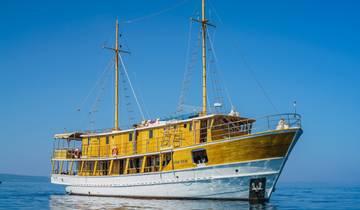
5 days
5-day Dubrovnik to Split, Classic Plus, 18-35s
- ✓ Comprehensive Dubrovnik tour
- ✓ Expert local guides included
- ✓ All accommodation arranged
- ✓ Transportation provided
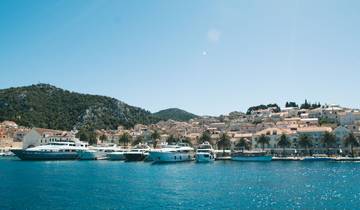
7 days
Explore Croatia
- ✓ Comprehensive Dubrovnik tour
- ✓ Expert local guides included
- ✓ All accommodation arranged
- ✓ Transportation provided
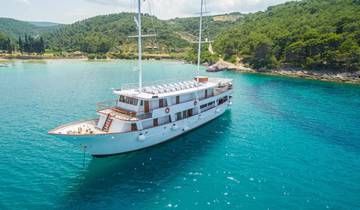
4 days
4-day Split to Dubrovnik, Premier Plus boat, 30-49s
- ✓ Comprehensive Dubrovnik tour
- ✓ Expert local guides included
- ✓ All accommodation arranged
- ✓ Transportation provided

7 days
Dubrovnik and Split, Private Tour
- ✓ Comprehensive Dubrovnik tour
- ✓ Expert local guides included
- ✓ All accommodation arranged
- ✓ Transportation provided
Multi-day tour packages powered by TourRadar. Prices and availability subject to change.
Introduction: Why Dubrovnik Captivates Families in 2026
Dubrovnik’s medieval walls, marble streets, and Adriatic coastline create an extraordinary family destination where history comes alive for children while parents indulge in UNESCO World Heritage architecture and coastal beauty. The Old Town’s 1,940-meter fortification circuit transforms into an elevated playground where families walk the same ramparts that defended the Republic of Ragusa for centuries, while the city’s compact layout allows young legs to explore without exhausting distances.
The 2026 family travel landscape in Dubrovnik balances preservation with accessibility. The city implemented cruise ship passenger limits of 6,000 daily arrivals, reducing the overwhelming crowds that once characterized peak summer months. Modern infrastructure including stroller-accessible routes through Lapad and Babin Kuk neighborhoods, family-friendly restaurants with dedicated children’s menus, and beaches equipped with proper facilities make Dubrovnik increasingly practical for families despite its ancient character.
Location advantages position Dubrovnik as an ideal Adriatic family base. Families can explore Montenegro’s Kotor Bay (90 minutes), Bosnia’s Mostar (2.5 hours), or Croatia’s Mljet Island (90 minutes by ferry) as day trips, while the Elaphiti Islands provide 15-minute boat escapes to car-free paradises. The city’s 300+ days of annual sunshine, safe pedestrian zones throughout Old Town, and English-speaking population (tourism represents 80% of local economy) reduce typical travel stresses families encounter in European destinations.
Yet Dubrovnik presents distinct challenges families must navigate. The estimated 5,000+ steps throughout the Old Town and city walls create genuine difficulty for families with strollers or toddlers who tire quickly. High summer temperatures (30-35°C / 86-95°F in July-August) force morning and evening activity schedules. Premium pricing—among Croatia’s most expensive destinations—requires careful budget planning, with family meals costing €80-120 daily and attraction tickets totaling €200-300 for comprehensive sightseeing. Understanding these realities allows families to maximize Dubrovnik’s extraordinary experiences while minimizing frustrations.
Understanding Dubrovnik’s Family-Friendly Geography 2026
Dubrovnik’s family geography divides into three distinct zones, each offering different advantages for families based on children’s ages, mobility needs, and vacation priorities. Strategic neighborhood selection significantly impacts daily logistics, walking distances, and overall family comfort.
Old Town represents the heart of Dubrovnik’s historic experience but challenges families with practical limitations. The UNESCO-protected zone prohibits vehicles entirely, requiring families to walk cobblestone streets with all luggage, strollers, and gear. Approximately 2,000 permanent residents share the 0.9 square kilometer walled area with up to 8,000 daily tourists during peak season. Accommodation inside the walls positions families within immediate walking distance of the Stradun main street, city walls, and major monuments, eliminating transportation needs. However, apartments average €200-280 nightly for family units, street noise continues until midnight during summer, and the absence of proper playgrounds limits spontaneous play opportunities. Families with children under 5 often find the constant stair navigation and crowd management exhausting.
Lapad Peninsula offers the optimal family compromise 3 kilometers west of Old Town. This residential neighborhood features Lapad Bay’s protected beach with shallow waters ideal for young swimmers, a traffic-free seaside promenade lined with restaurants and ice cream shops, and actual playground facilities children desperately need after days of cultural sightseeing. Family apartments cost €120-200 nightly—40% below Old Town equivalents. Bus routes 5, 6, and 8 connect Lapad to Pile Gate in 10-15 minutes with €1.50 fares, running every 10-20 minutes from 5 AM to midnight. The neighborhood provides proper supermarkets for self-catering (Konzum, Tommy), pharmacies, and the relaxed atmosphere families need for recharging. The trade-off involves daily bus commutes and missing the experience of waking inside medieval walls.
Babin Kuk Peninsula extends further west beyond Lapad, featuring resort-style family hotels with pools, kids’ clubs, and organized activities. Properties like Hotel Dubrovnik Palace and Valamar Collection hotels offer family suites (€250-450 nightly), supervised children’s programs, and direct beach access, creating all-inclusive-style experiences within Croatia. The 5-kilometer distance from Old Town requires consistent bus transport or taxi usage (€15-20 each way), making spontaneous Old Town visits less practical. Families prioritizing beach relaxation over cultural immersion or those with very young children (under 4) who require naps and routine find Babin Kuk’s hotel infrastructure valuable despite the distance.
The Ploče area east of Old Town represents a boutique option for families seeking proximity without Old Town density. Located 500 meters from Ploče Gate, this neighborhood offers hotels like Excelsior Dubrovnik (€300-500 for family suites) combining Old Town access with resort amenities including pools and beach platforms. However, limited apartment availability and premium pricing restrict this option to higher-budget families.
Navigating Dubrovnik’s Steps and Accessibility Challenges 2026
Dubrovnik’s medieval architecture creates unavoidable accessibility obstacles families must plan around. The city’s UNESCO-protected status prohibits elevators and modern accessibility modifications, leaving families to navigate terrain designed for 13th-century pedestrians rather than 21st-century strollers.
The Old Town contains an estimated 5,000+ steps distributed across various elevations. The main Stradun street provides the only consistently flat route, running 300 meters from Pile Gate to Luža Square. Every side street perpendicular to Stradun ascends or descends via stone staircases—sometimes 30-40 steps to reach restaurants, museums, or viewpoints. The iconic Jesuit Stairs feature 36 baroque steps photographed by thousands daily but posing genuine challenges for families carrying children or managing strollers.
Stroller strategies require realistic assessment. Umbrella strollers navigate the Stradun reasonably well but become impractical for side street exploration. The city walls prohibit strollers entirely—families must use baby carriers for the 2-kilometer circuit. Most families with children under 3 find baby carriers (front or back) more practical than strollers for Old Town exploration, accepting that strollers serve only for Lapad promenade or beach areas. Some hotels store strollers while families explore Old Town, providing carriers for the day.
Step-free routes do exist but limit exploration scope. Families can walk the Stradun, visit Onofrio’s Fountain, explore Luža Square, and access the Rector’s Palace ground floor without steps. The maritime museum requires minimal stairs. However, reaching Minčeta Tower, St. Blaise Church upper levels, or the famous Buža Bar viewpoints demands stair climbing. Families must choose between accepting limited mobility or carrying children up steps for fuller experiences.
The Dubrovnik Pass website provides accessibility information, though detailed step counts remain inconsistent. Museums like the Cultural History Museum and Maritime Museum offer wheelchair access to ground floors, while the city walls remain entirely inaccessible to wheelchairs or strollers. Families with significant mobility limitations should realistically expect to miss 40-50% of typical Dubrovnik attractions.
Practical adaptations help families manage the step challenges. Start mornings early when energy levels peak for stair navigation. Schedule afternoon breaks at flat locations like Lapad Beach or hotel pools, avoiding midday step climbing in heat. Use baby carriers rated for your child’s weight rather than struggling with strollers. Book ground-floor or low-floor accommodations to minimize daily stair climbing returning home. Accept that some attractions simply won’t accommodate your family’s physical needs rather than forcing difficult situations.
City Walls Experience for Families 2026
Walking Dubrovnik’s city walls ranks among Europe’s most spectacular family activities—and most physically demanding. The 1,940-meter fortification circuit rises 25 meters above streets and sea, offering unmatched views while testing children’s endurance, parents’ patience, and everyone’s heat tolerance.
Entry costs €40 per adult and €15 per child under 18 in 2026, with children under 7 free. A family of four (two adults, children ages 8 and 12) pays €110 for tickets valid 72 hours from first use, allowing visits spread across three days though each site permits only one entry. The ticket includes Fort Lovrijenac located outside Old Town walls, creating an optional extension typically unnecessary for families. Three entry points serve the circuit: Pile Gate (main entrance, always crowded), Ploče Gate (eastern entrance, recommended for families), and St. John’s Fortress near the Old Port (smallest entrance). Tickets purchase at each entrance accepts euros and credit cards.
The Ploče Gate entrance provides the optimal family starting point for several strategic reasons. Morning opening (8 AM April-October, 9 AM November-March) attracts fewer tourists than Pile Gate, which handles cruise ship groups. The initial stair ascent gets the hardest climbing finished when energy levels peak. The route direction places the highest point (Minčeta Tower) approximately halfway through the circuit rather than at the exhausting end. Families complete challenging sections first, then enjoy easier walking and views while fatigue builds.
Walking duration varies dramatically by family pace. The circuit takes adults 60-90 minutes walking steadily without children. Families with kids aged 6-12 should budget 2-2.5 hours accounting for water breaks, photo stops, snack needs, bathroom requirements (only at entry/exit points, not along the walls), and the slower pace young legs demand. Families with children under 6 require 3+ hours or risk meltdowns. The approximately 1,000 steps include long stair climbs at Minčeta Tower and several smaller staircases throughout. No exit points exist mid-circuit—families must complete the route or return the way they came.
Heat and shade considerations critically impact family comfort. Stone walls and paving absorb and radiate heat, creating 3-5°C higher temperatures than surrounding areas during summer afternoons. Minimal shade exists along most sections—only a few covered passages near towers provide relief. The 10 AM-4 PM period during June-August becomes genuinely uncomfortable for children, sometimes dangerously hot during heatwaves. Early morning walks (8-9:30 AM start) or late afternoon (after 4 PM) reduce heat exposure significantly. Bring 500ml-1L water per person—water fountains don’t exist on the walls.
Essential family supplies transform the experience from grueling to enjoyable. Each person needs dedicated water bottles (refill at Old Town fountains before starting). Hats provide critical sun protection—the walls offer no shade alternatives. Sunscreen requires application before starting and reapplication mid-circuit. Salty snacks (pretzels, crackers) help children maintain energy and replace electrolytes lost to sweating. Small toys or activity books occupy children during the few rest spots with seating. Proper athletic footwear prevents twisted ankles on uneven stones—flip-flops and sandals cause falls.
Photography opportunities abound but require quick captures in crowded sections. The northern wall between Ploče and Pile Gates offers the iconic Old Town terracotta roof views appearing in most Dubrovnik images. Minčeta Tower provides 360-degree panoramas including Mount Srđ, Lokrum Island, and the Elaphiti Islands. Fort Bokar (southwestern corner) captures sunset angles over the Adriatic. However, narrow wall sections become bottlenecks where groups block views—patience and politeness help families secure photo opportunities.
Age-appropriate engagement strategies keep children interested beyond the first 15 minutes. Create a scavenger hunt finding numbered towers (16 total), different cannon types, or specific architectural features. Tell stories about medieval defenders spotting enemy ships or preparing defenses. Explain that the walls never fell to siege—only the 1667 earthquake damaged them significantly. Point out Fort Lovrijenac across the bay as Dubrovnik’s “Gibraltar.” Gamify the walk by counting steps, identifying cruise ships, or spotting peacocks on Lokrum. Children aged 8+ familiar with Game of Thrones enjoy identifying King’s Landing filming locations.
The Dubrovnik Pass alternative costs €40 for adults (same as standalone walls ticket) but adds free city bus transport for 24 hours plus free entry to 9 museums including the Cultural History Museum and Maritime Museum. Families planning museum visits or using buses multiple times save €10-20 per adult with the Pass versus separate tickets. However, children’s passes cost €20—more than the €15 standalone child walls ticket—making the Pass less valuable for kids unless they’ll visit multiple museums.
Lokrum Island Family Adventure 2026
Lokrum Island serves as Dubrovnik’s natural escape, combining the beach relaxation children crave with the exotic adventure parents seek—all within a 10-minute boat ride from Old Town. This 72-hectare nature reserve prohibits cars, overnight stays, and hunting, creating a pristine environment where families explore freely without traffic concerns or commercial development.
Ferry transport from Dubrovnik’s Old Port to Lokrum runs every 30 minutes during summer (June-September) from 9 AM to 7 PM, with reduced schedules during shoulder seasons (April-May, October hourly service until 6 PM). The year-round return ferry costs €27 for adults and €15 for children aged 5-12 in 2026, with children under 5 free. Tickets purchase at the Old Port kiosk near Ploče Gate or onboard (cash and cards accepted). The final return ferry departs Lokrum at 7 PM during summer—missing it requires expensive water taxi arrangements (€50-80). Families should catch the 10-11 AM departures for full-day experiences while avoiding the cruise ship crowds arriving at noon.
The island’s compact size (1.5 kilometers long, 500 meters wide) makes it perfectly navigable for families. Paved paths connect all major attractions within 20-minute walks maximum, though steep sections challenge strollers. The main path from the ferry dock leads to the former Benedictine Monastery (now visitor center), continues to Fort Royal atop the island’s highest point, and loops back via the Dead Sea and botanical gardens. Families can complete the circuit in 90 minutes walking steadily or spend 4-5 hours exploring beaches and swimming.
The Dead Sea represents Lokrum’s star attraction for families—a saltwater lake connected to the ocean via underground channels, creating a protected swimming area warmer and calmer than open Adriatic waters. Rocky shores require water shoes for children, but depths remain shallow (1-2 meters) with minimal waves. Ladders and platforms facilitate entry and exit. The lake attracts peacocks (over 50 reside on Lokrum) wandering freely around sunbathers, creating Instagram-worthy moments children adore. However, peacock droppings require attention—keep food secured and watch where children sit.
Swimming beaches and coves dot Lokrum’s coastline, each offering different advantages. The designated swimming area near the ferry dock features the easiest access with concrete platforms and ladders, suitable for non-confident swimmers. Naturist beach (FKK) occupies the southeastern shore—families should be aware of its location to avoid surprise encounters with nude sunbathers. Rocky beaches on the northern shore provide more secluded swimming in crystal-clear water but require careful navigation over sharp rocks. All beaches lack sand—bring towels or mats for lying, and water shoes for all family members.
The Game of Thrones Iron Throne offers the island’s most photographed attraction. Following the series’ conclusion, HBO donated one of the authentic throne props to Dubrovnik, now permanently displayed in Lokrum’s monastery complex. Children unfamiliar with the show still enjoy posing on the imposing sword sculpture. The monastery also houses exhibits on the island’s natural history and the 11th-century Benedictine community. Air conditioning provides welcome relief during summer heat.
Fort Royal requires the island’s steepest climb—approximately 200 steps from the monastery to the 96-meter summit—but rewards families with 360-degree views of Dubrovnik, the Elaphiti Islands, and open Adriatic. Children aged 6+ handle the climb with encouragement and water breaks. The fort itself features circular ramparts children enjoy running around. Visit late afternoon when temperatures cool and crowds thin.
Essential Lokrum supplies differ from Old Town needs. Beach equipment including towels, water shoes for rocky shores, and swim gear obviously head the list. The island has two small cafés selling drinks and basic snacks, but prices exceed mainland costs (€5 for water, €8-12 for sandwiches). Families save substantially by bringing packed lunches, abundant snacks, and 2-3 liters of drinking water. Sunscreen and hats remain critical—limited tree shade exists outside the botanical garden areas. Trash receptacles appear throughout but families should bring bags to pack out all waste. Strollers manage the main paths but struggle with steps and narrower trails—consider leaving them in Dubrovnik and using carriers for younger children.
Wildlife encounters provide unexpected highlights. Peacocks dominate the island, often approaching families looking for food—don’t feed them despite children’s desires. European rabbits inhabit the gardens, entertaining children with sudden appearances. Mediterranean flora including palms, eucalyptus, and endemic species creates an exotic atmosphere. However, rocky terrain and occasional sea urchins in shallow water require supervision—let children explore but maintain awareness of sharp surfaces and marine life.
Timing strategies maximize the Lokrum experience. The 10-11 AM departure catches morning sun but beats cruise ship crowds arriving at noon. Midday heat (11 AM-3 PM) suits swimming activities in the Dead Sea, with island exploration better scheduled for cooler morning or late afternoon hours. The 5-6 PM return departure allows families to avoid the crowded earlier boats while enjoying golden hour photography. However, weekend and July-August visits mean sharing the island with 1,000+ visitors—weekday visits during May-June or September reduce crowds by 60-70%.
Beaches and Swimming Experiences for Families 2026
Dubrovnik’s beach landscape differs dramatically from Caribbean sand or Mediterranean shores—rocky and pebbly beaches require adjusted expectations but deliver pristine, crystal-clear waters ideal for snorkeling and swimming.
Copacabana Beach on Babin Kuk Peninsula ranks as Dubrovnik’s premier family beach, combining extensive facilities with shallow entry ideal for young children. This 200-meter pebble beach features two beachfront restaurants, clean changing rooms, public restrooms (rare for Dubrovnik beaches), and a supervised swimming area. The main attraction for families involves inflatable water parks (€10-15 per hour per child) including slides, obstacle courses, and floating trampolines operating June-September. Sun loungers and umbrellas rent for €30 daily for two loungers plus umbrella, though families often bring towels and settle on free pebble areas. The Adriatic reaches 24-26°C during July-August, cooling to 20-22°C in May-June and September. Bus routes 6 and 8 stop 200 meters from the beach, with frequent service from Old Town (15-minute ride).
Lapad Beach provides the most convenient family option for those staying in the Lapad Peninsula neighborhood. This protected bay beach features very shallow waters extending 20-30 meters from shore before deepening, perfect for toddlers and young swimmers. The traffic-free promenade running alongside offers restaurants, ice cream shops, and playgrounds within 100 meters. Facilities include changing rooms and restrooms, though sun lounger availability varies (arrive before 10 AM for best selection). The beach’s shallow depth and calm waters make it ideal for children under 8 but less interesting for older kids seeking deeper swimming or water activities.
Banje Beach positions families closest to Old Town—just 300 meters from Ploče Gate, allowing easy morning beach visits before afternoon cultural activities. This 200-meter pebble beach offers spectacular views of the city walls creating the iconic Dubrovnik beach photos. However, this proximity brings premium pricing: sun loungers cost €40 for two chairs plus umbrella, and the beachfront restaurant charges €8-12 for children’s meals versus €5-7 at other beaches. Watersports including kayak rentals (€15-20 per hour) and banana boat rides (€15 per person) appeal to older children and teens. The steep pebble beach creates quick depth increases—suitable for confident swimmers aged 8+ but requiring close supervision for younger children. Arrive before 9 AM for space during summer, or visit after 5 PM when crowds depart but sunset views improve.
Sveti Jakov Beach serves adventurous families willing to navigate 150+ steps down a steep cliff for reward of Dubrovnik’s most beautiful beach setting. Located 1 kilometer south of Ploče Gate, this small pebble beach provides crystal-clear water ideal for snorkeling, a small beachfront café, and far fewer crowds than Copacabana or Banje. The cliff climb creates natural crowd control—families with young children or those averse to steps should choose alternative beaches. However, the stunning views of Old Town across the bay and generally calmer atmosphere appeal to families with children aged 8+ seeking a more authentic local experience. Bring all supplies needed for the day as the single café offers limited options at premium prices.
Essential beach equipment for Dubrovnik’s rocky shores differs from typical beach destinations. Water shoes rank as absolutely critical for all family members—sharp pebbles and occasional sea urchins make barefoot walking painful and potentially dangerous. Quality water shoes cost €15-25 in Dubrovnik shops or bring from home. Beach mats or thick towels provide more comfort than standard beach towels on pebble surfaces. Snorkeling gear opens underwater worlds children love—visibility reaches 10-15 meters in Dubrovnik’s clear waters, revealing fish, sea urchins, and rock formations. Inflatable swim vests or arm bands assist younger swimmers in deeper sections beyond pebble shores.
Swimming safety considerations require parental vigilance despite calm Mediterranean conditions. The Adriatic lacks dangerous currents or aggressive marine life, but rocky entries create slip hazards and uneven depths. Sea urchins inhabit shallow rocky areas—teach children to look before stepping and wear water shoes always. Jellyfish occasionally appear July-August, usually harmless species causing mild stings. Lifeguards work at major beaches (Copacabana, Banje) during peak season but coverage remains inconsistent at smaller beaches. Parents must directly supervise children rather than relying on lifeguard monitoring.
Beach timing strategies mirror Old Town visit planning. The 8-10 AM period offers calm waters, available space for towels and loungers, and cooler temperatures ideal for young children. Peak midday (11 AM-3 PM) brings crowds, intense sun, and less enjoyable conditions. The 4-6 PM window provides beautiful late afternoon light, departing day-visitors freeing space, and still-warm water temperatures. However, evening beach visits (after 5 PM) lose restaurant and facility access as most close by 6 PM.
Mount Srđ Cable Car and Panoramic Views 2026
The Dubrovnik Cable Car transforms a 4-minute ride into one of the city’s most memorable family experiences, ascending 778 meters from the Old Town base to Mount Srđ’s 405-meter summit while children press faces against floor-to-ceiling windows watching the medieval city shrink below.
Pricing for 2026 sets return tickets at €27-30 for adults and €15-18 for children aged 4-12, with children under 4 free. A family of four pays approximately €90 for return tickets. One-way tickets cost €15 for adults—a practical option for athletic families willing to hike the 30-40 minute descent trail while children ride parents’ shoulders or use carriers for younger ones. The cable car station website offers advance online purchases recommended for July-August visits, when 1-2 hour queues develop during midday peak. Cash and major credit cards are accepted at the lower station ticket office.
The lower cable car station sits 500 meters northeast of Ploče Gate, requiring a 10-minute uphill walk from the Old Town or a €7-10 taxi ride from Pile Gate. Buses don’t service the station directly—families must walk the final segment regardless of approach. The station features restrooms (important before boarding, as none exist on the cable car), a small gift shop, and shaded waiting areas. Stroller storage isn’t formally offered but staff typically accommodate requests.
Operating hours vary seasonally: April-October 9 AM-midnight (June-August), November-March 9 AM-5 PM. However, wind and weather force closures without advance notice—if wind speeds exceed safety thresholds or lightning threatens, operations stop until conditions improve. Families should have backup plans for cable car days. Check the official website morning-of for operational status. The last departure from the lower station occurs 30 minutes before closing time—the 11:30 PM final summer departure catches spectacular city lights views.
The 3-minute 30-second ride itself captivates children completely. Modern cabins accommodate 32 passengers each, with floor-to-ceiling windows ensuring every child gets views regardless of position. The gradient steepens impressively midway through the ascent, eliciting excited squeals from younger passengers. Children spot cruise ships, Lokrum Island, the city walls, and sometimes dolphins in the waters below. The smooth ride rarely triggers motion sickness, though parents of children prone to vertigo should assess carefully.
Summit attractions extend experiences beyond the view platform. The Imperial Fortress houses the Homeland War Museum (€20 adult, €10 child admission, separate from cable car ticket), documenting the 1990s siege of Dubrovnik with photos, videos, and preserved fortifications. The museum’s content suits ages 10+ with interest in modern history but may overwhelm or frighten younger children—parents should preview content before deciding. The massive stone cross erected in 1935 provides the summit’s highest photo point. Gift shops sell overpriced souvenirs, but the coin-stamping machine (€2) creating personalized Dubrovnik medallions delights children and costs reasonably.
The Panorama Restaurant occupies the summit’s prime position with 180-degree terrace views. However, family dining here requires significant budgets: children’s meals start at €12-15, adult entrees €25-40, and €6-8 for soft drinks. The €120-150 expected spend for family of four buys excellent Croatian seafood and steaks with unforgettable views. Budget-conscious families should skip the restaurant entirely or limit orders to drinks (€4-6 for coffees, €6 for wine) while enjoying views. The restaurant’s indoor air conditioning provides welcome relief during summer heat. Reservations aren’t accepted—arrive when cable car opens (9 AM) or after 7 PM when crowds thin.
Photography opportunities demand preparation. The outdoor viewing platform gets extraordinarily crowded 10 AM-5 PM during summer, making clear shots difficult. Early morning visits (9-10 AM) or late afternoon (after 6 PM) reduce crowds significantly. The western-facing platform captures sunset beautifully, though the cable car’s midnight summer hours allow families to photograph the illuminated Old Town creating magical nighttime images. Children enjoy posing at marked viewpoints indicating Lokrum, the Elaphiti Islands, and Montenegro’s Orjen Mountains visible on clear days.
Alternative access methods appeal to budget-conscious or active families. The hiking trail from Jadranska cesta road to the summit takes 45-60 minutes for adults, 90 minutes with children aged 8+. The steep, rocky trail proves challenging but well-marked. Most families hike down rather than up—descending feels easier and allows morning cable car rides when queues are shorter. The #17 bus route from Pile Gate to Bosanka village (€1.50, 25 minutes) provides another alternative, followed by a 25-minute hike to the summit—saving €60-70 on cable car tickets for athletic families with older children.
The cable car’s annual maintenance closure runs February-early March typically (exact dates vary yearly). Families planning winter visits should verify operational status. Weather also impacts operations unpredictably—strong bora winds common in winter force multi-day closures.
Old Town Exploration Strategies for Families 2026
Dubrovnik’s Old Town transforms into a living history lesson when families engage children actively rather than dragging them through endless marble streets. Strategic planning, timed breaks, and age-appropriate activities transform potential boredom into genuine engagement.
The Stradun main street provides the logical orientation point—300 meters of marble paving connecting Pile Gate (western entrance) to Luža Square (eastern plaza). This flat, wide promenade allows children to run ahead safely within sight while parents explore the limestone buildings housing shops, restaurants, and historical sites. The polished marble becomes slippery when wet—rain or morning cleaning creates slip hazards requiring slower, careful walking.
Onofrio’s Great Fountain near Pile Gate offers the perfect first stop. Children can drink from the 16 carved stone masks providing fresh mountain water (perfectly safe and delicious), fill water bottles, and cool hands in the basin. The fountain’s 1438 construction survived the 1667 earthquake, making it one of Old Town’s oldest structures. Create a game: taste water from different masks and vote on which pours fastest or tastes coldest.
The Clock Tower in Luža Square captivates children with its automated bronze figures (“Maro and Baro” to locals) striking the bell every hour. Time Old Town exploration to catch noon or another hour’s bell ringing—children love watching the mechanical figures move. The square provides open space for children to move freely, street performers often entertaining crowds, and the Orlando Column marking the old city’s freedom and independence.
The Rector’s Palace Museum (€10 adult, €5 child, included with Dubrovnik Pass) offers Dubrovnik’s most child-accessible museum experience. The Gothic-Renaissance palace features period furniture, historical artifacts, and rotating exhibitions spread across two floors. The 30-40 minute visit suits attention spans better than longer museums. The preserved government chambers and dungeon cells interest children aged 8+ who can imagine the Republic’s government and judicial system. However, the museum’s educational content exceeds younger children’s engagement capacity—families with kids under 7 often skip it.
The Old City Playground provides Dubrovnik’s only play equipment inside the historic walls—located beneath Minčeta Tower near Pile Gate. This small playground features swings, climbing frames, and slides that become absolute gold for families whose children need to burn energy after hours of “behaving” during cultural sightseeing. Local children frequent the playground 5-7 PM, offering opportunities for international friendships and pickup games despite language barriers. The shaded location under fortress walls keeps the area cooler than surrounding streets during summer.
Gundulić Square Market operates mornings (7 AM-1 PM) selling fresh produce, dried fruits, lavender products, and local crafts. Children enjoy sampling dried figs and candied orange peels vendors offer freely. The market introduces Croatian agricultural products and traditional foods. However, souvenir stalls dominate during tourist season—authentic market atmosphere requires very early visits (before 9 AM) or off-season timing.
Interactive experiences maintain children’s interest better than passive viewing. Create treasure hunts finding specific architectural details, stone carvings, or numbered street addresses. Photograph children posing with street cats (dozens roam Old Town freely, generally friendly with cautious children). Play “count the church bells”—Old Town’s 14 churches create overlapping chimes each hour. Challenge older children to navigate from Pile Gate to Ploče Gate using only side streets, avoiding the Stradun entirely. Purchase small notebooks for children to sketch buildings, doorways, or fountains that interest them, creating personalized travel journals.
Essential Old Town timing for families: early morning (8-10 AM) delivers cooler temperatures, fewer crowds, and shops just opening—ideal for sightseeing. The 10 AM-2 PM period brings peak crowds, intense heat, and cranky children—schedule this window for swimming, Lokrum visits, or hotel breaks. The 5-7 PM window offers beautiful light for photos, tolerable temperatures, and renewed energy for evening gelato and exploring. Many families split Old Town time across 2-3 shorter visits rather than forcing all-day endurance tests.
Ice cream breaks transform moods instantly. Dubrovnik features excellent gelaterias including Peppino’s near the Clock Tower and Dolce Vita on Prijeko Street, selling quality gelato €3-4 per scoop. Budget €10-15 daily for family ice cream breaks—worth every cent for the attitude adjustment it provides.
Family Dining and Food Costs in Dubrovnik 2026
Dubrovnik’s dining landscape ranges from budget-friendly self-catering to premium waterfront restaurants, with family meal costs varying from €80-120 daily depending on dining choices and children’s ages. Understanding pricing patterns, hidden costs, and practical alternatives helps families feed everyone well without budget devastation.
Restaurant pricing in Old Town and waterfront areas reflects tourist-heavy demand. Family meals at mid-range restaurants typically cost €80-100 for four people including children’s portions. Pasta and pizza dishes (€12-18) provide the most economical options children actually eat. Grilled fish and seafood mains (€18-28 per adult) drive costs higher. Children’s menus exist at family-oriented restaurants, offering smaller portions at €8-12, though quality varies from properly portioned meals to reheated processed foods. Restaurants add 10% service charges automatically in some establishments—verify bills before adding tips. Drinks inflate costs substantially: soft drinks €3-4, fresh juice €5-6, bottled water €2-3. A family ordering water and drinks with each meal adds €20-25 daily to costs.
Budget dining strategies significantly reduce food expenses. Supermarkets (Konzum and Tommy chains have Old Town locations) sell bread, local cheese, prosciutto, fruits, and drinks at 60-70% below restaurant prices. Families assembling picnic lunches spend €15-20 feeding everyone versus €40-50 for restaurant lunches. The Old Town’s stone walls and fortress platforms provide atmospheric picnic locations with million-dollar views. Bakeries (pekara) sell fresh burek (€2-3), pizza slices (€3-4), and sandwiches (€4-5) children enjoy while parents save substantially. Self-catering apartments with kitchens allow families to prepare breakfasts (€30-40 weekly for groceries versus €40+ daily for hotel buffets) and some dinners, cutting weekly food costs by €200-300.
Breakfast costs vary dramatically by accommodation. Hotel breakfast buffets charge €15-20 per adult, €8-12 per child at mid-range properties, totaling €50-60 family breakfasts. Apartment rentals allow grocery-store shopping: quality Croatian yogurt, fresh bread, local cheese, seasonal fruits, and coffee cost €20-25 feeding four people for 3-4 breakfasts. Café breakfasts (coffee and pastry) run €5-8 per person—suitable for parents while children eat apartment-prepared meals.
Local specialties children actually enjoy include peka (meat or seafood baked under an iron dome), ćevapi (grilled minced meat), grilled squid (surprisingly mild and unobjectionable), Dalmatian pasticada (beef stew children find less adventurous), and paprikaš (chicken in paprika sauce). Croatian pizza meets international standards. However, traditional black risotto (squid ink) looks frightening to many children, and strong-flavored fish dishes like brudet (fish stew) challenge young palates. Most restaurants prepare plain grilled chicken or pasta with butter upon request even if not menu-listed.
The Prijeko Street restaurant zone between Stradun and the city walls concentrates family-friendly options, with 20+ restaurants competing for business creating moderate pricing (€15-18 pasta, €20-25 mains) and children’s menus. However, touristy atmosphere and aggressive touts soliciting customers detract from authenticity. Lapad Peninsula restaurants offer better value (€12-15 pasta, €18-22 mains) with more relaxed, residential atmosphere. The Gruž area near the ferry port provides the most authentic local dining—restaurants serving port workers and residents rather than tourists charge 20-30% below Old Town equivalents.
Sample daily food budgets for families of four (2 adults, 2 children aged 6-12): Budget approach (€80 daily): Apartment breakfast from groceries €6-8, supermarket picnic lunch €15-20, mid-range restaurant dinner €45-55, ice cream/snacks €10-12. Moderate approach (€120 daily): Café breakfast €25-30, casual restaurant lunch €35-40, nicer restaurant dinner €70-80, gelato/drinks €15. Premium approach (€180+ daily): Hotel buffet breakfast €50-60, waterfront lunch €50-65, fine dining dinner €100-120, activities/treats €20.
Hidden food costs families overlook include tourist area drink markups (€8 for Coca-Cola in some Old Town locations), service charges automatically added to bills requiring careful checking, and children’s meal portions smaller than expected requiring additional orders. Bring refillable water bottles and use Old Town’s public fountains—buying bottled water constantly costs €5-10 daily unnecessarily.
Dietary restrictions receive varying accommodation. Vegetarian options appear on most menus (risotto, pasta, grilled vegetables) though dedicated vegetarian restaurants don’t exist. Vegan diets require more planning—communicate needs clearly as Croatian cuisine traditionally centers on meat and seafood. Gluten-free awareness remains limited outside high-end establishments—bring translation cards explaining celiac disease and gluten requirements. Food allergies necessitate clear communication and restaurant verification—anaphylactic allergies require carrying EpiPens and medication as Croatian paramedic response times vary.
Budget Planning for Families: Complete Cost Breakdown 2026
Dubrovnik ranks among Europe’s most expensive destinations, requiring realistic budget planning to avoid financial stress overwhelming family enjoyment. Understanding complete costs across accommodation, activities, meals, and transport allows proper planning and prevents mid-trip budget crises.
Accommodation Costs for Families in Dubrovnik 2026
Family accommodation in Dubrovnik ranges from €120 nightly for basic Lapad apartments to €450+ for Old Town luxury or resort properties. Location, amenities, and seasonal timing create dramatic price variations families must navigate strategically.
Apartment rentals provide the most practical and economical family option. Two-bedroom apartments in Lapad or Babin Kuk cost €120-180 nightly during shoulder seasons (April-June, September-October), rising to €180-250 during peak July-August weeks. Old Town apartments command premium pricing: €200-280 nightly shoulder season, €280-400 peak season. Apartments offer critical family advantages including full kitchens reducing meal costs €30-50 daily, washing machines for children’s inevitable laundry needs, separate bedrooms allowing adult evening space after children sleep, and often balconies or terraces for morning coffee or evening wine. Booking platforms (Booking.com, Airbnb) dominate the market, though contacting properties directly sometimes yields 10-15% discounts bypassing platform fees.
Family hotels provide services apartments lack but cost substantially more. Mid-range family hotels in Lapad (Hotel Komodor, Hotel Lapad) charge €180-250 nightly for family rooms sleeping four, including breakfast buffets. These properties offer pools, kids’ clubs during summer, and daily housekeeping. Resort properties in Babin Kuk (Sun Gardens Dubrovnik, Valamar Collection hotels) deliver all-inclusive-style experiences at €300-500 nightly for family suites, featuring multiple pools, organized children’s activities, beach clubs, and babysitting services. The convenience appeals to families with very young children or those prioritizing resort experiences over cultural immersion, though the 5-kilometer Old Town distance requires consistent taxi usage adding €30-50 daily.
Budget options exist but sacrifice comfort or location significantly. Family rooms in hostels (€80-120 nightly) provide beds and shared facilities but minimal space and privacy. Guesthouses in residential neighborhoods 3-4 kilometers from Old Town offer €100-150 family rooms, requiring bus transport and walking for all activities. Very budget-conscious families sometimes book Cavtat accommodations (15 kilometers south) where rates run 30-40% below Dubrovnik equivalents, though the strategy trades savings for daily commute time and bus costs.
Seasonal pricing patterns dramatically impact budgets. Peak season (July-August, Christmas/New Year) commands 50-70% price premiums over shoulder season (April-June, September-October). The same Lapad apartment costing €150 nightly in May costs €250 in July. Low season (November-March excluding holidays) offers deepest discounts—40-50% below peak—but weather unpredictability and reduced ferry schedules limit beach and island activities. Families with school-age children face difficult choices: summer vacation forces peak pricing, while shoulder season savings require removing children from school.
Attraction and Activity Costs 2026
Major attraction costs for a family of four (2 adults, children aged 8 and 12) total €200-380 for comprehensive sightseeing, depending on activity selections and whether the Dubrovnik Pass provides value.
Individual ticket costs for major attractions: City Walls: €110 family (€40 x 2 adults, €15 x 2 children) Cable Car return: €90 family (€28 x 2 adults, €17 x 2 children) Lokrum Island ferry: €84 family (€27 x 2 adults, €15 x 2 children) Rector’s Palace Museum: €30 family (€10 x 2 adults, €5 x 2 children) Total major attractions: €314
The Dubrovnik Pass offers alternative bundling worth analyzing. 1-day adult passes (€40) include city walls entry, 9 museum admissions, and 24-hour bus transport—equaling the standalone €40 walls ticket while adding museums and buses free. Families planning museum visits beyond the Rector’s Palace or using buses multiple times (3+ rides) save €15-25 per adult. However, children’s 1-day passes cost €20 versus €15 standalone walls tickets, making passes less valuable for kids unless visiting multiple museums. Most families find optimal value buying adult 1-day passes (saving on buses and museums) while purchasing children’s standalone walls tickets.
Beach costs vary from free (public beach access using own towels) to €30-60 for rented sun lounger sets. Water sports add incremental costs: kayak rentals €15-20 hourly, banana boat rides €15 per person, paddleboard rentals €12-18 hourly. Beach equipment purchases (water shoes, snorkel masks, beach toys) cost €30-60 for the family if buying locally—bringing from home saves substantially.
Optional activities expand budgets further: boat tours to Elaphiti Islands €200+ for family private tours (€36 family on public ferries), Game of Thrones walking tours €25-30 per person, sea kayaking tours €45-65 per person, day trips to Mostar or Montenegro €80-120 per person. Families should prioritize 2-3 major activities beyond core sightseeing rather than attempting everything, both for budget and schedule sustainability.
Transportation Costs in Dubrovnik 2026
Local transportation in Dubrovnik costs €8-20 daily for families depending on accommodation location and activity plans. The compact city minimizes transport needs but strategic neighborhoods require consistent bus usage.
City buses operated by Libertas charge €1.50 per ride for adults, €0.75 for children under 12, purchased directly from drivers (exact change helpful though not required). Families staying in Lapad use routes 5, 6, or 8 for Old Town access, making 2-4 trips daily (€6-12 family cost). Families in Babin Kuk require consistent bus usage adding €8-15 daily. The Dubrovnik Pass includes unlimited bus transport, valuable for families making 3+ trips daily. Multi-day cards exist but aren’t cost-effective for tourists—the 7-day unlimited pass (€35 per person) only makes sense for 2+ week stays.
Taxis provide convenience at premium prices: Old Town to Lapad €8-12, Old Town to Babin Kuk €15-20, airport to Old Town €35-40. Uber operates in Dubrovnik with similar pricing. Families should budget €20-30 daily for occasional taxis (airport transfers, late evening returns from restaurants, cable car station access) even when primarily using buses.
The airport shuttle bus connects Dubrovnik Airport to Old Town (Pile Gate and main bus station stops) for €10 per person one-way. A family of four pays €80 round-trip versus €70-80 for private taxi transfer—minimal savings for substantially less convenience. Most families find dedicated taxi transfers worth the marginal cost difference when managing luggage and tired children.
Car rental appeals to families planning day trips to Mostar, Kotor, or exploring Croatian coast beyond Dubrovnik. Rental costs €50-80 daily for family-sized vehicles during summer, plus fuel €30-50 for day trips. However, Old Town’s vehicle restrictions and limited Lapad parking (€2-3 hourly, €20-25 daily) make cars impractical for Dubrovnik sightseeing itself. The optimal strategy rents cars only for specific day trip days rather than the entire stay.
Sample Family Budgets: Budget, Moderate, and Premium 2026
Budget Family Approach (€280-380 daily for family of four): Accommodation: Lapad apartment €140 nightly (shoulder season) Meals: Apartment breakfast €8, picnic lunch €20, moderate restaurant dinner €50, snacks €12 Transport: Buses €10 Activities: Dubrovnik Pass adults €80 (amortized daily for multi-day stays), standalone child walls tickets €30 Total: €350 daily average (excluding accommodation), €280 daily excluding attractions
Moderate Family Approach (€450-550 daily): Accommodation: Old Town apartment €250 or Lapad hotel €200 Meals: Café breakfast €30, casual restaurant lunch €40, nicer restaurant dinner €80, gelato/treats €15 Transport: Buses and occasional taxis €15 Activities: Mixed attraction tickets €50 daily average Total: €480 daily average
Premium Family Approach (€700-900+ daily): Accommodation: Old Town boutique hotel or Babin Kuk resort €400 Meals: Hotel buffet breakfast €60, waterfront lunch €70, fine dining dinner €120, treats €20 Transport: Taxis and occasional private transfers €30 Activities: Guided tours, water sports, premium experiences €80 daily average Total: €780 daily average
Weekly budget totals (7 nights, 8 days): Budget approach: €2,450-2,800 total Moderate approach: €3,500-4,200 total Premium approach: €5,600-7,000+ total
These budgets exclude international flights but include all in-destination costs. Families should add 10-15% contingency for unexpected costs, medical needs, or spontaneous opportunities.
Day Trips and Excursions from Dubrovnik 2026
Dubrovnik’s strategic Adriatic position enables exceptional family day trips balancing cultural exploration, natural beauty, and island adventures. These excursions provide variety essential for children’s engagement over multi-day stays while showcasing the region’s diversity beyond Dubrovnik’s walls.
Elaphiti Islands Ferry Adventures 2026
The Elaphiti Islands—Koločep, Lopud, and Šipan—offer the easiest and most economical island escapes, with public ferries departing Gruž Port multiple times daily. Families choose individual island visits or multi-island days based on children’s ages and energy levels.
Lopud Island provides the most family-friendly Elaphiti experience with its famous Šunj Beach—the region’s only sandy beach appealing enormously to children tired of rocky Dubrovnik shores. The car-free island creates stress-free environments where children run freely without traffic concerns. The public Jadrolinija ferry costs €36 return for families of four (2 adults, 1 child under 12), departing Gruž at 10 AM, 12:30 PM, and 2 PM with returns at 4 PM, 6 PM, and 6:45 PM during summer. The 50-minute crossing provides scenic Adriatic views and occasional dolphin sightings exciting children.
Šunj Beach sits 2 kilometers from Lopud’s main harbor—families walk the paved coastal path (20 minutes) or hire golf cart taxis (€5 per person each way, €20 family). The shallow, sandy beach extends 30 meters from shore before deepening, perfect for young children building sandcastles and paddling. Two beachfront restaurants serve lunch (€40-60 family) though many families bring picnics. The beach offers sun lounger rentals (€25 for two chairs plus umbrella), though finding space for own towels remains easy except peak August weekends. Plan 4-5 hours minimum for meaningful beach time—rushing the experience wastes the ferry investment.
Koločep Island appeals to families seeking quieter, more natural experiences. The smallest inhabited Elaphiti island features pine forests, coastal walking paths, and two small settlements connected by traffic-free paths. The same Jadrolinija ferries serve Koločep (first stop before Lopud), with 40-minute crossings. Rocky beaches and clearer snorkeling than Dubrovnik attract families with older children (8+) comfortable in deeper water. The island lacks Lopud’s tourist infrastructure—bring all needed supplies and don’t expect restaurants or shops beyond one small café.
Private boat tours offer all-three-islands experiences but cost substantially more: €200-300 for family four-hour tours including swimming stops, cave visits, and sometimes lunch. These organized tours eliminate ferry schedules and create comprehensive experiences, though families lose the independent exploration freedom public ferries enable. Families with limited time (only one day available for islands) sometimes find private tours worthwhile despite costs.
Cavtat: Coastal Town Family Day Trip 2026
Cavtat, located 18 kilometers south of Dubrovnik, provides the region’s most accessible family day trip combining beautiful coastal setting with relaxed, authentic Croatian atmosphere lacking Old Town’s tourist intensity. The waterfront promenade, protected swimming beaches, and leisurely pace suit families seeking cultural experiences without crowds.
Bus route 10 connects Dubrovnik’s main bus station to Cavtat every 30 minutes (€3 per person, 35-40 minutes), making independent visits easy and economical. Boats also run from Old Town harbor (€20 adults, €10 children, 45 minutes) offering scenic coastal approaches though costing significantly more than buses. Most families bus to Cavtat, explore 4-5 hours, then return by bus or splurge on the boat return for varied experience.
The waterfront promenade provides Cavtat’s main attraction—a 2-kilometer traffic-free walkway lined with restaurants, cafés, and small beaches where children run freely while parents relax at outdoor tables. Unlike Dubrovnik’s tourist-focused establishments, Cavtat restaurants serve Croatian families and locals, offering authentic food at 20-30% below Old Town prices. Family lunches cost €40-55 for quality seafood and grilled meats.
Cavtat’s beaches suit young children better than most Dubrovnik options. Several small pebble beaches feature very gradual depths, calm protected waters, and nearby amenities. The absence of large crowds allows families to settle comfortably with space for beach gear. However, facilities remain basic—bring towels, water shoes, and snacks rather than expecting Copacabana-level infrastructure.
The Račić Mausoleum designed by famous Croatian sculptor Ivan Meštrović offers a cultural component for older children (€3 admission, 20-minute visit). The Franciscan monastery and small ethnographic museum provide additional options, though most families focus on beach time and promenade strolling rather than museum visits.
Kotor Bay, Montenegro: International Day Adventure 2026
Crossing into Montenegro for Kotor Bay day trips creates exotic international experiences children remember—showing passports at borders, using different currency, exploring UNESCO fjord landscapes dramatically different from Dalmatian coast.
Organized bus tours provide the most practical Kotor access for families, handling border logistics, transportation, and timing. Full-day tours (€80-120 per person, children often 50% discount) depart Dubrovnik 8 AM, cross the Croatian-Montenegrin border, stop at Perast for boat rides to Our Lady of the Rocks island, include Kotor Old Town exploration time, and return to Dubrovnik by 6 PM. These structured tours eliminate driving stress and border uncertainty while ensuring age-appropriate pacing and bathroom breaks.
Independent visits by rental car offer more flexibility but require navigating border crossings (30-90 minute delays possible during peak season), purchasing Montenegro vignettes (€5), and managing mountain roads with hairpin turns challenging for nervous drivers. Families with teens who need bathroom flexibility or specific dietary requirements sometimes prefer rental car independence despite the added complexity.
Kotor’s Old Town—a smaller, quieter version of Dubrovnik—features marble streets, Venetian architecture, and the famous city walls climbing 260 meters up the mountainside. The walls’ 1,350 steps challenge fit families but reward climbers with spectacular Bay of Kotor views. Most families with young children (under 10) skip the full wall climb, exploring instead the atmospheric Old Town streets, numerous churches, and waterfront restaurants. The Maritime Museum (€4 admission) provides 30-minute educational breaks from the midday heat.
Perast represents the day’s highlight for many children—motorboat rides (€5 per person, 10 minutes) to Our Lady of the Rocks, an artificial island featuring a 17th-century church filled with silver votive offerings and maritime paintings. The short boat ride across calm bay waters and novelty of human-made island captures children’s imagination.
Montenegro uses euros (unlike Croatia), simplifying transactions for families already carrying euros. Restaurant prices in Kotor run 20-30% below Dubrovnik—budget €35-50 for family lunches including Montenegrin specialties like Njeguški pršut (smoked ham) and fresh Black Sea mussels children often enjoy.
Practical Tips for Smooth Family Travel in Dubrovnik 2026
Strategic planning and insider knowledge transform potentially stressful family logistics into smooth operations, allowing parents to focus on experiences rather than constantly solving problems. These practical considerations cover areas families frequently overlook until problems emerge.
Managing Dubrovnik’s Cruise Ship Crowds 2026
Cruise ships arriving at Dubrovnik’s Gruž Port unload up to 6,000 passengers daily during peak season, overwhelming Old Town with concentrated crowds making navigation miserable for families. The city now limits daily arrivals, but impact remains significant when multiple ships dock simultaneously.
The cruise ship schedule determines sightseeing success. Check arrival schedules at dubrovnikport.hr or cruisemapper.com before planning daily activities. Days with zero ships allow comfortable Old Town exploration even during August. Days with 2-3 ships arriving create 70% higher density making city walls circuits and Stradun walking frustrating. Plan Lokrum visits, beach days, Cavtat trips, or Kotor excursions on heavy cruise days, reserving Old Town sightseeing for ship-free days.
Cruise ship passengers typically visit Old Town 9 AM-3 PM—their schedule dictated by ship departures. Families can exploit this pattern by visiting Old Town 8-9 AM (before ships arrive), 3-7 PM (after most passengers return to ships), or during evening hours when all ships have departed. The transformation between ship days and ship-free days makes timing optimization absolutely worthwhile.
Dealing with Heat: Summer Survival Strategies 2026
Dubrovnik’s July-August temperatures regularly exceed 30°C (86°F), with Old Town’s stone streets and walls creating heat-island effects adding 3-5°C to ambient temperatures. Families from cooler climates often underestimate Mediterranean heat’s impact on children.
Schedule adaptations prevent heat-related problems. Plan Old Town sightseeing 8-10 AM when temperatures remain tolerable and crowds thinner. Schedule 11 AM-4 PM for swimming, air-conditioned museums, or hotel breaks. Resume activities 4-7 PM when temperatures drop and shade lengthens. Never attempt city walls walks during midday summer hours—the 2-kilometer exposed stone circuit in 32°C heat creates genuine health risks for children.
Hydration requires constant attention. Each family member needs 1-2 liters daily minimum, more during active days. Refillable bottles and Old Town’s public fountains prevent dehydration while avoiding €5-10 daily bottled water costs. Children show heat stress through crankiness before recognizing thirst themselves—enforce regular drink breaks regardless of stated thirst levels.
Cooling strategies include seeking air-conditioned spaces (museums, restaurants, hotel lobbies) for 15-20 minute breaks, wetting hats and clothing at fountains, and scheduling swimming at hottest hours rather than sightseeing. Ice cream breaks provide both cooling and morale boosts—budget €3-4 per person for strategic gelato.
Healthcare and Pharmacies in Dubrovnik 2026
Croatian healthcare standards equal Western European quality, though navigation requires preparation. The main hospital (Opća bolnica Dubrovnik) handles emergencies 24/7, while several private clinics serve tourists needing non-emergency care. English-speaking doctors work at most facilities. Emergency number 112 connects to ambulance, police, or fire services.
Travel insurance proves essential—Croatian medical facilities require payment upfront for non-residents, with insurance reimbursement later. A child’s broken bone or parent’s severe infection requiring emergency room care costs €500-1,500 paid immediately. European Health Insurance Cards (EHIC) for EU citizens reduce costs but don’t eliminate them—supplemental travel insurance remains recommended.
Pharmacies (ljekarna/apoteka) stock standard medications including children’s fever reducers, anti-diarrheal medicine, antihistamines, and basic first aid supplies. At least one pharmacy operates 24 hours (rotating location—check windows at closed pharmacies for current night pharmacy). However, prescription medications from home countries may not be available—bring adequate supplies of any essential medications plus prescriptions showing medical necessity (customs requirements).
Common family health issues include sunburn (Croatian sun intensity surprises northern European families), minor cuts from rocky beaches requiring antiseptic and bandages, upset stomachs from rich Croatian food or heat, and dehydration headaches. A family first aid kit should include: children’s paracetamol/ibuprofen, bandages and antiseptic, anti-diarrheal medicine, antihistamines for allergic reactions, motion sickness medication for boat trips, insect repellent, and any prescription medications needed.
Language and Communication 2026
English proficiency in Dubrovnik’s tourist areas approaches near-universal levels—hotels, restaurants, attractions, and shops serve English-speaking visitors constantly. However, learning basic Croatian phrases shows respect and occasionally smooths interactions.
Essential Croatian phrases for families: Dobar dan (good day), Hvala (thank you), Molim (please/you’re welcome), Oprostite (excuse me), Koliko košta? (how much does it cost?), Račun, molim (the bill, please). Children enjoy learning numbers 1-10 and using them ordering ice cream or counting steps on city walls.
Translation apps (Google Translate) handle restaurant menus and signs. The app’s camera function translates text in real-time—point phone at menu and see English translations instantly. Download Croatian language pack for offline use during areas without data connectivity.
WiFi availability remains excellent in Dubrovnik. Most accommodations, restaurants, cafés, and major attractions offer free WiFi. However, cellular data proves useful for navigation, translation, and communication while exploring. EU visitors can use home data plans without roaming charges. Non-EU families should purchase Croatian SIM cards (€10-15 for tourist data packages) or rent portable WiFi devices (€5-8 daily) for consistent connectivity.
Safety and Security Considerations 2026
Dubrovnik ranks among Europe’s safest destinations, with violent crime virtually nonexistent and petty crime rates low even during tourist season. Families can walk Old Town streets late evening without safety concerns. The pedestrian-only zones eliminate traffic dangers present in most cities.
Pickpocketing occurs occasionally in peak-season crowds, particularly city walls and Stradun during cruise ship days. Standard precautions suffice: front pockets for valuables, zipped bags, awareness in crowds. However, Dubrovnik experiences far less pickpocketing than Barcelona, Rome, or Paris—families shouldn’t feel paranoid.
Beach and swimming safety requires parental supervision. The Adriatic lacks dangerous currents or aggressive marine life, but rocky entries create slip hazards and uneven depths. Lifeguards staff major beaches during peak season but coverage remains inconsistent—parents must directly supervise children rather than relying on lifeguard monitoring. Water shoes prevent 90% of cuts and scrapes from rocks and sea urchins.
Emergency numbers: 112 (general emergency), 194 (ambulance), 192 (police), 193 (fire department). English-speaking operators assist tourists. Most hotels and apartments provide emergency contact information including nearest hospital and English-speaking doctors.
Seasonal Planning: Choosing Your Best Visit Window 2026
Dubrovnik’s seasonal variations dramatically impact family experiences, budgets, and logistics. Understanding each season’s distinct characteristics allows families to match visit timing to priorities and constraints.
Peak Summer Season (July-August 2026) Realities
July-August delivers guaranteed beach weather, longest daylight hours, and full-operation schedules for all attractions and ferries. Temperatures average 28-32°C (82-90°F) with occasional heatwaves reaching 35°C+ (95°F+). The Adriatic warms to perfect 24-26°C (75-79°F) swimming temperatures. Families prioritizing beach time and water activities find summer conditions ideal despite heat requiring morning/evening activity schedules.
However, peak season challenges include overwhelming crowds (8,000+ daily visitors in Old Town), accommodation prices 50-70% above shoulder season (Lapad apartments €250 vs €140), restaurant reservations necessary for quality establishments, and 1-2 hour cable car queues during midday. Cruise ships arriving daily bring concentrated crowds 9 AM-3 PM. Families with school-age children accepting these trade-offs for July-August availability should book accommodations 4-6 months ahead for reasonable selection and rates.
Shoulder Season Sweet Spot (May-June, September-October 2026)
May-June and September-early October provide Dubrovnik’s optimal family conditions balancing pleasant weather, manageable crowds, and moderate pricing. May-June brings 22-26°C (72-79°F) temperatures ideal for sightseeing without excessive heat, blooming gardens adding color to city walls, and Adriatic warming to 20-22°C (68-72°F)—refreshing but comfortable for children who tolerate cooler water. Accommodation costs 30-40% below peak, crowds thin by 50-60%, and restaurant reservations become unnecessary.
September maintains summer’s warmth (24-28°C / 75-82°F) while Adriatic retains July-August temperatures (22-24°C / 72-75°F) perfect for swimming. Early October extends pleasant conditions though nights cool and occasional rain arrives mid-month. Shoulder seasons deliver maximum value—families experience Dubrovnik’s full beauty at sustainable prices and crowd levels.
The disadvantage: families with school-age children must either accept removing children from school or wait for July-August peak season. Some European families exploit different school holiday calendars (British schools break earlier June, later September than Continental European schedules) accessing shoulder season advantages.
Off-Season Considerations (November-March 2026)
November-March brings Dubrovnik’s quietest period and deepest discounts—accommodation costs 40-50% below peak season, crowds essentially disappear (Old Town feels genuinely empty), and authentic local life emerges as tourist infrastructure hibernates. However, weather unpredictability, limited ferry schedules, and reduced restaurant/attraction hours limit family activities significantly.
Winter temperatures average 10-15°C (50-59°F) with frequent rain—beach activities become impractical. Island ferries reduce to limited weekday schedules or suspend entirely. Many restaurants close November-March as tourist demand evaporates. The city walls remain open with shorter hours (9 AM-3 PM), cable car operates weather-permitting, and Old Town exploration continues year-round.
Winter visits suit families seeking cultural focus over beach relaxation, significant budget constraints, or those combining Dubrovnik with ski trips to nearby Bosnia or Montenegro mountains. However, most families find limited activity options and weather uncertainty outweigh cost savings.
Frequently Asked Questions About Visiting Dubrovnik with Kids 2026
What age children are best suited for Dubrovnik?
Children aged 6-12 find Dubrovnik most engaging, balancing physical capability for city walls walking and steps navigation with historical curiosity making cultural experiences meaningful. The medieval atmosphere, castle-like fortifications, and beach activities maintain this age group’s interest over multi-day stays. Toddlers and preschoolers (ages 2-5) face genuine challenges with constant stair navigation, limited playground availability, and heat tolerance issues during summer, though families succeeding with this age group prioritize beach time in Lapad over intensive Old Town sightseeing. Teens (13+) enjoy Dubrovnik’s beauty and activities but may find the compact city limiting after 3-4 days compared to larger European destinations offering diverse teen-oriented experiences like shopping districts or specialized attractions.
How many days should families spend in Dubrovnik?
4-5 days provides optimal duration for families balancing comprehensive Dubrovnik exploration with sustainable pacing for children. This allows one full Old Town day (walls, Stradun, museums), one Lokrum Island day, one dedicated beach day, and 1-2 day trips (Cavtat, Elaphiti Islands, or Montenegro) while including built-in flexibility for weather, tired children, or spontaneous interests. Families extending to 7 days find the addition comfortable when mixing beach relaxation with sightseeing rather than attempting constant activity. However, 2-3 day visits feel rushed for families—barely enough for city walls, basic Old Town exploration, and one island/beach day before departing.
Is Dubrovnik stroller-friendly?
Dubrovnik ranks among Europe’s least stroller-friendly destinations due to UNESCO-protected medieval architecture prohibiting modern accessibility modifications. The Old Town’s estimated 5,000+ steps, cobblestone streets, and narrow alleys make stroller navigation impractical beyond the flat Stradun main street. The city walls prohibit strollers entirely—families must use baby carriers for the 2-kilometer circuit. Lapad and Babin Kuk neighborhoods offer stroller-friendly promenades and beaches, but cultural sightseeing requires accepting carriers as the primary child transport method for kids unable to walk independently. Lightweight umbrella strollers manage better than full-sized models if families insist on bringing strollers, though most experienced family travelers recommend quality baby carriers (front or back style) as the optimal solution for Dubrovnik’s terrain.
What are the best family beaches near Dubrovnik?
Copacabana Beach on Babin Kuk Peninsula delivers Dubrovnik’s most comprehensive family beach experience with inflatable water parks (€10-15 per hour), clean facilities including restrooms and changing rooms, two beachfront restaurants, and shallow entry waters ideal for young children. The pebble beach requires water shoes but offers space and amenities other beaches lack. Lapad Beach provides the most convenient option for families staying in Lapad neighborhood, featuring very shallow, calm waters perfect for toddlers and preschoolers, though older children find the limited depth less engaging. Lopud Island’s Šunj Beach—accessible by 50-minute ferry from Gruž Port (€36 family return)—offers the region’s only sandy beach, creating the traditional beach experience children expect, though the day trip investment suits families spending 4+ hours to maximize ferry value. Banje Beach positions families closest to Old Town with spectacular city walls views, but premium pricing (€40 for sun lounger set) and quick depth increases make it better suited for older children and parents prioritizing convenience over value.
How do we avoid cruise ship crowds?
Check daily cruise ship arrivals at dubrovnikport.hr or cruisemapper.com before finalizing activity plans. Days with zero ships allow comfortable Old Town exploration even during peak August, while days with 2-3 simultaneous ship arrivals create 70% increased density making city walls and Stradun navigation frustrating. Schedule Old Town sightseeing for ship-free days, planning Lokrum visits, beach time, Cavtat trips, or day excursions when ships dock. Even on ship days, timing strategies help—cruise passengers typically visit Old Town 9 AM-3 PM dictated by ship departure schedules, so families visiting 7-9 AM or after 3 PM encounter dramatically reduced crowds. The transformation between ship days and non-ship days makes checking schedules and strategic planning absolutely worthwhile for family comfort.
Is the Dubrovnik Pass worth it for families?
The Dubrovnik Pass delivers clear value for adults planning museum visits beyond the Rector’s Palace or using city buses 3+ times daily. The 1-day adult pass (€40) costs the same as standalone city walls tickets (€40) while adding free entry to 9 museums and unlimited bus transport for 24 hours—saving €15-25 per adult compared to separate ticket purchases. However, children’s 1-day passes (€20) cost more than standalone child walls tickets (€15), making the pass less valuable for kids unless they’ll visit 2+ museums. Most families find optimal value buying adult 1-day passes while purchasing children’s standalone walls tickets, especially when staying in Lapad or Babin Kuk where bus transport provides significant additional value. Families staying in Old Town without museum interests beyond quick Rector’s Palace visits should skip the Pass entirely and buy standalone walls tickets for everyone.
What should we pack for Dubrovnik with kids?
Essential family packing for Dubrovnik starts with quality water shoes for everyone—rocky beaches and occasional sea urchins make barefoot walking painful and potentially dangerous, yet water shoes cost €15-25 locally versus bringing from home. Sun protection including SPF 50+ sunscreen (European sun intensity surprises northern families), wide-brim hats, and sunglasses prevents burns on exposed city walls and beaches. Baby carriers (front or back style depending on child size) prove dramatically more practical than strollers for Old Town navigation. Refillable water bottles (1L capacity minimum per person) combine with Old Town’s public fountains avoiding €5-10 daily bottled water costs. Basic first aid supplies including children’s fever reducer, bandages, antiseptic, and anti-diarrheal medicine handle common travel health issues. Lightweight backpacks distribute supplies across family members for city walls walks and island trips. Casual, breathable clothing suits Dubrovnik’s relaxed atmosphere—even upscale restaurants rarely require formal attire, with “nice casual” meeting all standards.
Are there playgrounds in Dubrovnik Old Town?
The Old City Playground located beneath Minčeta Tower near Pile Gate provides Dubrovnik’s only play equipment inside the historic walls—a small playground featuring swings, climbing frames, and slides that becomes absolute gold for families whose children need to burn energy after hours of cultural sightseeing. Local children frequent the playground 5-7 PM, offering opportunities for international friendships despite language barriers. However, this represents the sole playground within Old Town—families expecting extensive play facilities will be disappointed. The Lapad Peninsula offers multiple modern playgrounds along the seaside promenade and in residential parks, while Babin Kuk resort hotels feature elaborate children’s play areas and pools. Families with young children requiring regular playground access should base themselves in Lapad or Babin Kuk rather than Old Town, accepting the 10-15 minute bus commute as the trade-off for better child-friendly infrastructure.
What local foods will kids actually eat?
Croatian cuisine offers surprisingly kid-friendly options beyond the adventurous seafood adults seek. Ćevapi (grilled minced meat similar to small sausages) appears on most menus and children typically enjoy the mild, familiar flavor served with bread and optional sides. Pizza meets international standards—Croatian pizzerias deliver quality thin-crust varieties children accept readily. Plain grilled chicken prepared upon request even if not menu-listed provides the universal kid fallback. Pasta dishes (€12-18) offer safe options, though Croatian preparations lean toward seafood pasta—request butter or tomato sauce for picky eaters. Palacinke (Croatian crepes) sold at bakeries and cafés make excellent breakfast or snack options filled with Nutella or jam. However, traditional dishes like black risotto (squid ink creates frightening appearance), strong-flavored fish stews, or octopus salad challenge young palates—save adventurous eating for parents while ensuring children have familiar alternatives.
How much spending money should we budget daily?
Budget-conscious families can manage €80-120 daily beyond accommodation covering meals, local transport, and incidental costs when self-catering some meals and limiting paid activities. This approach includes supermarket breakfast provisions €6-8, picnic lunches €15-20, mid-range restaurant dinners €45-55, buses €8-12, ice cream and snacks €10-15, and minimal attraction costs beyond pre-planned major tickets. Moderate-budget families should plan €150-200 daily for comfortable experiences including café breakfasts €25-30, casual restaurant lunches €35-40, nicer dinners €70-80, occasional taxis €15-20, treats and activities €25-35. Premium experiences requiring €250-350 daily accommodate hotel buffet breakfasts, waterfront lunches, fine dining dinners, taxi transport, and spontaneous activity additions without budget stress. These ranges exclude major attraction tickets (city walls, cable car, Lokrum) which families should budget separately as one-time costs rather than daily expenses. Families should add 10-15% contingency for unexpected situations, medical needs, or spontaneous opportunities like private boat tours or special restaurant experiences.