
Visiting Denali National Park: Complete Guide 2026
Denali National Park protects six million acres of Alaska’s interior wilderness surrounding North America’s highest peak, where grizzly bears roam tundra valleys and caribou migrations cross ancient glacial rivers. Planning your 2026 visit requires understanding the park’s unique access system, current road construction limitations, and Alaska’s dramatic seasonal changes that transform the landscape from 24-hour summer daylight to winter’s northern lights displays.
Key Takeaways for Visiting Denali in 2026
- Road Access Limited to Mile 43 in 2026: Landslide repair construction restricts all bus tours and transit service to Mile 43 (East Fork area) instead of the normal 92-mile road length. The full Denali Park Road should reopen in 2027, but 2026 visitors access only the first portion of the park via shuttle systems.
- Bus System Essential for Park Access: Private vehicles reach only Mile 15 year-round. Beyond that point, park access requires transit buses ($33.25 plus $15 entrance fee) or narrated tour buses ($116.75-144.50 including entrance). All buses operate mid-May through mid-September 2026.
- Summer Season Runs Mid-May Through Mid-September 2026: Park services, lodges, and bus tours operate from approximately May 13-20 through September 15-27, 2026. This five-month window offers the only access to interior park areas, with July providing warmest temperatures averaging 65°F and June offering 24-hour daylight.
- Mountain Visibility Only 30% in Summer: Denali (the mountain) creates its own weather systems, remaining clouded 70% of the time during peak visitor season June-August. September offers better viewing odds at 60-70% on clear days despite cooler temperatures.
- Accommodation Costs Range $145-1,475+ Nightly: Budget lodging near the park entrance starts around $145-180 per night, mid-range hotels cost $180-300, and wilderness lodges deep in the park reach $1,475+ per person nightly (all-inclusive). Book months ahead for summer 2026 dates as properties fill quickly.
- Wildlife Viewing Peaks June Through August: Summer months provide optimal chances to see grizzly bears, moose, caribou, Dall sheep, and wolves along the park road. Bears actively feed on berries in August, while June brings newborn calves and 24-hour daylight for extended viewing opportunities.
People Also Ask About Visiting Denali National Park 2026
How much does it cost to visit Denali National Park in 2026?
Park entrance costs $15 per person (children under 16 free) for a seven-day pass. Transit buses to Mile 43 cost $33.25 adult plus the separate entrance fee, while narrated tour buses range $116.75-144.50 per person including entrance. Accommodation adds $145-300+ nightly for most visitors staying near the park entrance. A typical three-day Denali visit including lodging, bus tour, entrance fees, and meals costs approximately $800-1,200 per person.
What is the best month to visit Denali in 2026?
July offers the warmest weather (average high 65°F) and most reliable park services, making it ideal for first-time visitors despite higher crowds and accommodation costs. Late May and early June provide excellent value with fewer visitors, 24-hour daylight, and newborn wildlife, though some services may operate reduced schedules. September delivers spectacular fall colors and better mountain visibility (60-70% clear days versus 30% in summer) but brings cooler temperatures and the approaching end of the season around mid-September.
Can you drive your own car in Denali National Park in 2026?
Private vehicles access only the first 15 miles of Denali Park Road year-round, reaching Savage River. Beyond Mile 15, the National Park Service restricts access to preserve the wilderness and protect wildlife. Visitors must use the park’s transit bus system or narrated tour buses to travel deeper into the park. In 2026, due to road construction, all buses turn around at Mile 43 (East Fork) instead of the normal terminus at Mile 92 (Kantishna).
Is 2 days enough for Denali National Park in 2026?
Two days allows enough time for one full-day bus tour into the park (5-7 hours to Mile 43) and exploration of entrance area activities like ranger programs, hiking trails near the visitor center, and sled dog demonstrations. Three to four days provides a better experience, permitting multiple bus trips at different times for varied wildlife viewing, hiking from different drop-off points, and flexibility if weather obscures the mountain. With the 2026 road limitation to Mile 43, shorter visits remain viable since no one reaches the remote backcountry areas anyway.
Extended multi-day tours – 5+ days
Featured Anchorage Multi-Day Tour Packages
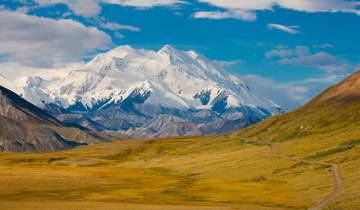
6 days
Alaska Explorer
- ✓ Comprehensive Anchorage tour
- ✓ Expert local guides included
- ✓ All accommodation arranged
- ✓ Transportation provided
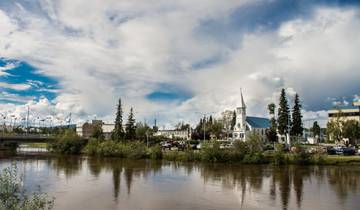
7 days
Alaska's Northern Lights
- ✓ Comprehensive Anchorage tour
- ✓ Expert local guides included
- ✓ All accommodation arranged
- ✓ Transportation provided
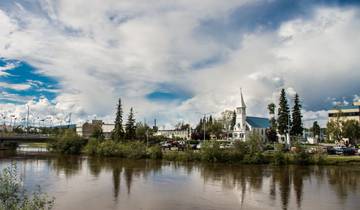
7 days
USA – Alaska Summer Fairbanks to Seward
- ✓ Booking needs min. 2 travelers
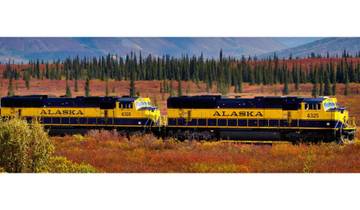
6 days
6-Day Best of Grand Alaska Highlights Tour
- ✓ Comprehensive Anchorage tour
- ✓ Expert local guides included
- ✓ All accommodation arranged
- ✓ Transportation provided
Multi-day tour packages powered by TourRadar. Prices and availability subject to change.
Introduction: Planning Your Denali National Park Adventure in 2026
Denali National Park encompasses 6.2 million acres of Alaska’s untamed interior, where North America’s highest peak rises 20,310 feet above vast tundra valleys inhabited by grizzly bears, wolves, moose, and caribou. The park protects one of Earth’s last intact subarctic ecosystems, where wildlife roams freely across landscapes virtually unchanged since the last ice age. Unlike most national parks, Denali restricts private vehicle access to preserve this wilderness character, requiring visitors to experience the park via a unique bus-based transportation system that has protected these lands since the 1970s.
Planning a 2026 visit to Denali requires understanding several critical factors that distinguish this park from typical American national park experiences. First, the 92-mile Denali Park Road remains the only vehicular route into the park’s interior, and in 2026, landslide repair construction limits access to just Mile 43 instead of the full road length. This temporary restriction affects all visitors, whether riding transit buses or joining narrated tours, though the accessible portion still provides excellent wildlife viewing and mountain vistas. Second, Alaska’s extreme latitude creates dramatic seasonal variation, from 24-hour summer daylight in June to limited winter access when temperatures plummet to -40°F. The practical visiting season concentrates into five months (mid-May through mid-September), when lodges operate, buses run, and weather permits outdoor activities.
The park’s bus-based access system serves both transportation and wildlife protection purposes. Beyond Mile 15, where private vehicles must turn back at Savage River, only authorized park buses travel the unpaved, winding road that climbs through spruce forests, crosses braided glacial rivers, and traverses open tundra where animals feed and migrate. This controlled access prevents the traffic congestion and wildlife disturbance common in more accessible parks. Buses stop frequently for wildlife sightings, allowing passengers to photograph bears, moose, and Dall sheep from safe distances while drivers skilled in animal behavior ensure minimal disruption to natural behaviors.
Denali’s remote location in Alaska’s interior, approximately 240 miles north of Anchorage and 120 miles south of Fairbanks, makes the park a destination requiring deliberate planning rather than a quick detour. Most visitors fly into Anchorage or Fairbanks, then travel to the park via rental car, train, or motorcoach along the George Parks Highway. The park entrance sits at Mile 237.4 of this highway, where a concentrated area of hotels, restaurants, and activity outfitters serves the 600,000+ annual visitors. This entrance zone, often called the “Denali Park area” or “Glitter Gulch,” provides necessary services while the park’s interior remains pristine wilderness accessible only by foot, bus, or small aircraft.
The 2026 season brings specific considerations that affect trip planning. The ongoing Pretty Rocks Landslide repair at Mile 45.4 restricts the park road to Mile 43, meaning popular destinations like Wonder Lake (Mile 85), Eielson Visitor Center (Mile 66), and the remote Kantishna area (Mile 92) remain inaccessible by road. The National Park Service expects construction to continue through summer 2026, with full road reopening planned for 2027. This limitation shortens bus tour durations from the traditional 8-13 hours to 5-7 hours round-trip, reducing costs slightly but also limiting access to the park’s most remote regions. Visitors planning 2026 trips should adjust expectations accordingly, focusing on the still-spectacular East Fork area, entrance zone activities, and understanding that the deepest wilderness areas require waiting until 2027 or accessing via flightseeing tours.
Despite the road restriction, Denali National Park in 2026 still delivers extraordinary wilderness experiences. The accessible area to Mile 43 encompasses diverse ecosystems from boreal forest to alpine tundra, provides habitat for all of Alaska’s large mammals including grizzly bears and wolves, and offers views of Denali (the mountain) on clear days. The entrance area contains excellent hiking trails, the popular sled dog kennel, ranger-led programs, and the modern Denali Visitor Center with exhibits explaining the park’s ecology and history. Many visitors find that combining a bus trip to Mile 43 with entrance area activities, flightseeing tours, and nearby attractions creates a fulfilling Denali experience even without accessing the road’s most remote sections.
Understanding the 2026 Road Construction Impact
The Pretty Rocks Landslide at Mile 45.4 of Denali Park Road has created the most significant access limitation in the park’s modern history. In May 2021, park staff discovered accelerating slope movement threatening road stability at this location, where the roadway clings to a steep mountainside above the Teklanika River. Geologists determined that permafrost thaw and unstable geology were causing the hillside to creep downslope at rates up to two feet per day during summer months, making the road unsafe for vehicle traffic. The National Park Service closed the road beyond Mile 43 and began designing a permanent solution to bypass the unstable area.
Construction on a 500-foot bridge to bypass the landslide zone commenced in 2024 and will continue through the 2026 summer season. The project faces unique challenges working in Denali’s remote location with short construction windows limited to May through September each year. Contractors must helicopter in materials and equipment, work within strict environmental protections for wilderness areas, and complete weather-dependent tasks during Alaska’s brief construction season. The National Park Service currently projects the bridge completion and road reopening for the 2027 season, though this timeline depends on weather, material availability, and construction progress.
For 2026 visitors, the practical impact means all bus services turn around at the East Fork Cabin area near Mile 43. The accessible portion includes several of the park’s most scenic areas. Savage River at Mile 15 (the furthest point reachable by private vehicle) marks the transition from forest to open tundra. Polychrome Pass at Mile 46 normally provides stunning overlooks of colorful volcanic rock formations, but in 2026, buses reach only the foothills before this area. The East Fork area itself offers excellent wildlife habitat where buses frequently spot grizzly bears, caribou, and Dall sheep on the surrounding slopes.
The road restriction affects different park experiences in various ways. Narrated tour buses, which traditionally traveled to Stony Hill (Mile 56) for Tundra Wilderness Tours or all the way to Kantishna (Mile 92) for the Kantishna Experience, now operate as shortened 5-7 hour trips to Mile 43. Transit buses, designed for hikers and campers to hop on and off along the road, still serve this function but with access to fewer miles and drop-off points. Campgrounds at Igloo Creek (Mile 34), Wonder Lake (Mile 85), and other locations beyond Mile 43 remain closed in 2026. Backpackers can still access wilderness units in the first 43 miles, though the most remote backcountry zones require waiting until road reopening or accessing via air taxi services.
What visitors can still experience in 2026 includes the essential Denali elements that attracted people to the park long before the full road opened in 1972. The Savage River area provides excellent day hiking with maintained trails and stunning mountain views. Wildlife concentrates in the accessible valleys where braided rivers, willow thickets, and tundra slopes create ideal habitat for bears, moose, and smaller mammals. On clear days, views of Denali (the mountain) appear from various points along the accessible road, though the classic panoramas from Stony Hill and Wonder Lake require the road’s reopening. The park’s front country near the entrance offers rich experiences including ranger programs, sled dog demonstrations, and trails like the Horseshoe Lake Trail and Rock Creek Trail that showcase Denali’s ecology without requiring buses.
The National Park Service and park concessioners have adjusted 2026 programs and pricing to reflect the reduced access. Bus tour prices decreased from 2024 levels, with the Tundra Wilderness Tour costing $144.50 (versus higher prices when it reached Mile 56). Transit bus fares dropped to $33.25 for the East Fork trip. Tour descriptions now clearly state the Mile 43 turnaround point, and the park provides detailed information about what visitors can expect within the accessible area. Ranger programs and entrance area activities expanded to offer more options for visitors spending time in the front country.
Alternative ways to experience areas beyond Mile 43 in 2026 exist through air services. Several air taxi operators based in Kantishna, Talkeetna, and the Denali park entrance offer flightseeing tours over the park’s interior, including glacier landings on the Ruth Glacier and flights around Denali itself. These flights provide aerial perspectives of Wonder Lake, the Kahiltna Glacier, and remote valleys inaccessible by road even in normal years. Some wilderness lodges like Kantishna Roadhouse and Camp Denali, traditionally reached via six-hour bus rides, now fly guests from the park entrance directly to their properties, transforming the access challenge into a unique flightseeing experience included in the stay.
Visitors planning 2026 trips should set expectations realistically while recognizing that Denali’s core wilderness experience remains intact. The park’s wildlife populations roam freely throughout the accessible and inaccessible areas, meaning bears, moose, and caribou appear regularly along the first 43 miles. The mountain’s majesty dominates the landscape from multiple viewpoints within the accessible zone. The immense scale and untouched character that define Denali persist whether visitors reach Mile 43 or Mile 92. Those seeking the deepest wilderness penetration may choose to postpone visits until 2027, while travelers focused on wildlife, landscape photography, and Alaska’s subarctic ecosystems will find the 2026 experience thoroughly rewarding despite the temporary limitation.
Denali Bus System Options in 2026
Understanding Denali’s bus system is essential for planning any visit, as these vehicles provide the only access to the park beyond Mile 15. The park operates several distinct bus types serving different purposes and budgets. In 2026, all buses travel only to Mile 43 due to construction, but the service categories remain the same: transit buses (non-narrated), tour buses (narrated), and free shuttle buses in the entrance area.
Non-Narrated Transit Buses to Mile 43 ($33.25 Adult)
Transit buses function as a hop-on/hop-off system for independent explorers, hikers, and photographers. These green-colored buses operate on scheduled departure times from the Denali Bus Depot inside the park, with buses running approximately every 30 minutes during peak season. In 2026, the East Fork Transit runs to Mile 43 (East Fork Cabin area) in approximately 2.5-3 hours one way, with the round trip taking 5-6 hours including wildlife stops and restroom breaks.
Transit bus tickets cost $33.25 per adult and $16.75 per child (ages 15 and under) for the Mile 43 trip. This fare does not include the $15 park entrance fee, which must be paid separately when picking up tickets at the Bus Depot. Passengers with valid National Park passes (Annual, Senior, Military, etc.) can waive the entrance fee by presenting their pass in person. Children under 16 enter the park free but still pay the bus fare.
The transit system appeals to visitors wanting flexible, self-directed exploration. Passengers can get off the bus anywhere along the road beyond Mile 15 (drivers must stop at safe pullouts only), hike for several hours, then flag down a later bus with available space to continue deeper into the park or return to the entrance. This flexibility allows photographers to wait for optimal lighting, hikers to explore specific valleys or ridges, and wildlife watchers to spend extended time in productive areas. The buses do not guarantee available seats on subsequent trips, especially during peak July-August periods when buses often run full. Travelers getting off a transit bus must accept the possibility of waiting through several full buses before finding space to continue their journey.
Transit bus drivers receive training in park ecology, wildlife, and geology, but they are not required to provide formal narration or guided commentary. Most drivers share basic information about landmarks, answer questions, and point out wildlife sightings, but the level of interpretation varies widely between individual drivers. Some offer extensive knowledge and engaging stories, while others focus primarily on driving and safety. Passengers should not expect the educational experience provided on narrated tour buses.
Campers staying at Teklanika Campground (Mile 29) or Sanctuary Campground (Mile 23) must use designated Camper Buses that accommodate camping gear, coolers, and equipment. Standard transit buses have limited cargo space and cannot transport the large items backpackers and car campers typically bring. Camper Bus schedules align with campground check-in and check-out times, ensuring campers can transport their gear to and from campground locations.
Booking transit bus tickets opens December 1 for the following summer season through the official ReserveDenali.com system. Popular departure times (early morning for best wildlife viewing light, mid-morning for comfortable scheduling) fill quickly for June-August dates, so early booking is recommended. Tickets can be changed or cancelled up to seven days before departure for an $8.75 fee per ticket; within seven days of departure, tickets become non-refundable.
Narrated Tour Buses in 2026
Tour buses provide guided experiences with trained naturalist drivers who narrate the entire journey, sharing detailed information about Denali’s geology, ecology, wildlife, and history. These tan-colored buses offer a more structured, educational experience than transit buses, with set routes, fixed schedules, and no hop-on/hop-off flexibility. In 2026, two primary tour options operate despite the road limitation.
The Tundra Wilderness Tour travels to Mile 43 (East Fork Cabin) in approximately 5.5-6 hours round trip. Naturalist guides provide continuous interpretation of the landscape, wildlife behaviors, geological features, and park history. The tour includes regular stops for wildlife viewing, photograph opportunities, and restroom breaks. Guides carry spotting scopes and binoculars to help passengers see distant animals, and they specialize in spotting bears, moose, caribou, Dall sheep, and other wildlife that might escape notice by untrained eyes. The tour operates May 20 through September 17, 2026, with multiple daily departures. Prices are $144.50 per adult and $64.75 per child, including the $15 park entrance fee. Visitors with valid park passes can request a $15 refund at the Bus Depot when collecting tickets. Tour amenities include a snack pack and bottled water provided to each passenger.
The Natural History Tour offers a shorter, more focused experience traveling to Mile 17 (Primrose Ridge) in approximately 4.5-5 hours round trip. This tour emphasizes Denali’s cultural and natural history with interpretive stops including the historic Savage Cabin and an Alaska Native presentation at Primrose Ridge. The tour includes approximately one hour of off-bus experiences where passengers can walk around designated areas, providing a more immersive connection to the landscape than the continuous bus ride format. Operating May 13 through September 15, 2026, the Natural History Tour costs $116.75 per adult and $51 per child, including park entrance. A bottled water is provided, and the tour features opportunities to see Denali (the mountain) on clear days from Primrose Ridge’s elevated viewpoint.
Tour bus passengers cannot get off along the road for independent hiking or extended stops. The buses follow fixed itineraries with predetermined stop points, though drivers make additional wildlife stops when animals appear near the road. This structured approach ensures predictable timing and comprehensive interpretation but sacrifices the flexibility that appeals to experienced hikers and photographers. Tour buses work well for first-time visitors, families with children, seniors, and anyone preferring guided experiences over independent exploration.
The shorter 2026 tour durations due to road construction create a more accessible experience for visitors concerned about spending 8-13 hours on a bus. The 5-6 hour Tundra Wilderness Tour and 4.5-5 hour Natural History Tour fit comfortably into a single day while allowing time for other activities in the entrance area. This shortened format may actually appeal to families with young children or visitors with mobility concerns who find full-day bus trips physically demanding.
Booking tour buses requires the same December 1 opening through ReserveDenali.com, and these tickets sell out even faster than transit buses due to limited daily capacity and higher demand for guided experiences. The Tundra Wilderness Tour, in particular, attracts strong bookings throughout the season. Advance reservations made months ahead provide the best selection of dates and departure times.
Free Shuttle Buses in the Entrance Area
The park operates free shuttle buses circulating around the entrance area, connecting the Denali Visitor Center, Wilderness Access Center, Riley Creek Campground, Denali Bus Depot, sled dog kennels, and nearby hotels. These shuttles run frequent loops throughout the day during the summer season, allowing visitors without vehicles to move easily between key sites. The free shuttles do not travel beyond the park entrance area or onto Denali Park Road.
Choosing Between Transit and Tour Buses
The decision between transit and tour buses depends on experience level, interests, budget, and desired flexibility. Transit buses cost approximately half the price of tour buses ($33.25 versus $116.75-144.50) but require independent navigation, wildlife spotting without expert guidance, and acceptance of uncertainty regarding seat availability for return trips. Tour buses provide professional interpretation, guaranteed seating, included amenities, and a comprehensive educational experience at higher cost with no flexibility for extended stops or hiking.
First-time Denali visitors, families with children, and travelers preferring guided experiences typically find tour buses more valuable despite higher costs. The naturalist guides significantly enhance understanding of the park’s ecology, point out wildlife that passengers would miss, and provide context that transforms the bus ride from simple transportation into an educational journey. The guaranteed schedule eliminates uncertainty about return timing, important for visitors with evening dinner reservations, train departures, or other commitments.
Experienced Alaska travelers, serious photographers, dedicated hikers, and budget-conscious visitors often prefer transit buses for their flexibility and lower cost. The ability to get off the bus and spend hours photographing a bear feeding on berries, hike cross-country to a remote ridgeline, or wait for optimal evening light on the mountain provides experiences impossible on structured tour buses. The cost savings become significant for families, with four transit bus tickets costing approximately $133 versus $578 for four Tundra Wilderness Tour seats.
Many visitors solve the dilemma by experiencing both: taking a narrated tour bus on their first day for orientation and wildlife education, then riding a transit bus on a subsequent day for independent hiking or photography. This combination maximizes both learning and flexibility while spreading park experiences across multiple days.
Entrance Fees and Passes for 2026
Denali National Park charges a per-person entrance fee of $15, valid for seven consecutive days from the first entry date. Children under 16 enter free when accompanying adults. The entrance fee provides access to the park’s entrance area, visitor centers, hiking trails in the front country, ranger programs, and the right to board buses deeper into the park (though bus fares are separate charges). The fee does not cover camping, which requires additional reservation fees ranging $25-45 per night depending on the campground.
Visitors planning to explore multiple national parks in 2026 should consider the America the Beautiful Annual Pass, costing $80 for U.S. residents and covering entrance fees at all National Park Service sites, U.S. Forest Service fee areas, Bureau of Land Management sites, and other federal recreation areas for one year. The pass covers the passholder plus three additional adults (children under 16 always enter free) at per-person fee sites like Denali. For a traveler visiting Denali ($15), Kenai Fjords ($15), Wrangell-St. Elias ($0 but some fee areas exist), and Glacier Bay ($15) during an Alaska trip, the annual pass saves money by the third park.
Senior citizens (62+) qualify for the Senior Pass at $80 for a lifetime pass or $20 for an annual version. This pass covers the same sites as the America the Beautiful Pass plus provides 50% discounts on some camping fees and amenity charges at federal recreation areas. The lifetime version represents exceptional value for active seniors who visit parks regularly. U.S. military members and dependents, veterans, and Gold Star Families qualify for free annual passes through the Military/Veterans Pass program. Visitors with permanent disabilities obtain free lifetime Access Passes covering entrance and providing amenity discounts.
All bus tickets (both transit and tour) sold through ReserveDenali.com do NOT include the park entrance fee for transit buses, while tour bus prices include the entrance fee for adults. This difference creates confusion for travelers comparing costs. A transit bus ticket to Mile 43 costs $33.25, but passengers must add $15 for entrance, bringing the total to $48.25 per adult. The Tundra Wilderness Tour at $144.50 includes the entrance fee in the price. Visitors with annual passes or other entrance-fee-waiving passes can request a $15 refund when collecting tour bus tickets at the Bus Depot.
The park entrance fee can be paid at several locations: at the Denali Bus Depot when collecting transit bus tickets, at the entrance station when driving into the park, or in advance through the Pay.gov system for those wanting prepaid entry passes. The visitor center and wilderness access center sell day passes and annual passes. Credit cards, debit cards, and cash are accepted at all payment locations, though the park increasingly encourages electronic payments.
Group visits by schools, scouts, and other youth organizations may qualify for fee waivers under the Park Service’s educational programs. Academic institutions conducting research or classes can apply for fee waivers through the park’s research coordinator. These waivers require advance applications and documentation; they are not available for general tour groups or commercial operations.
Accommodation Options for Denali 2026
Choosing where to stay significantly impacts the Denali experience and budget. Accommodation options range from campgrounds inside the park to luxury wilderness lodges deep in the backcountry, with most visitors staying in hotels and cabins concentrated in the park entrance area along Parks Highway between Mile 229 and Mile 248.
Hotels and Lodges Near the Park Entrance ($145-300+ Per Night)
The Denali Park entrance area contains approximately 20 major hotels and lodges operated by various companies. These properties cluster within eight miles of the park entrance, providing convenient access to the Denali Bus Depot, visitor center, and entrance area attractions. Major properties include Denali Princess Wilderness Lodge, Grande Denali Lodge, Denali Bluffs Hotel, McKinley Chalet Resort, and Denali Park Village. Room rates vary significantly by season, property category, and booking timing.
Mid-range hotels charge approximately $145-250 per night during peak season (late June through mid-August), with shoulder season rates (late May, early June, September) dropping to $110-180. These properties typically offer standard hotel amenities including private bathrooms, WiFi, on-site restaurants, and shuttle service to the park entrance. Rooms feature basic furnishings with queen or king beds, though many Alaska properties maintain a rustic aesthetic with log construction and nature-themed decor. Higher-end properties like Denali Princess and Grande Denali occupy elevated sites with mountain views, full-service restaurants, and more extensive amenities, charging $220-300+ nightly in peak season.
Budget-conscious travelers find more affordable options in cabin-style properties and smaller lodges. Properties like Denali Grizzly Bear Resort, Carlo Creek Cabins, and Denali Rainbow Village offer individual cabins or motel-style rooms for $145-180 in peak season. These properties sacrifice some amenities (smaller rooms, limited dining options) but provide clean, comfortable accommodations with the Alaska cabin experience many visitors seek. Some include kitchenettes allowing meal preparation to reduce dining costs.
The town of Healy, located 11 miles north of the park entrance, offers additional accommodation options often costing $20-40 less than comparable properties in the park entrance area. Healy provides grocery stores, gas stations, and several restaurants, making it practical for visitors with rental cars. The slightly longer drive to the park matters little since most visitors spend full days on bus tours or in the park anyway.
Booking Denali area hotels requires early action for summer dates, particularly late June through early August. Major properties fill 4-6 months ahead, with the most desirable dates (July weekends, week surrounding July 4th) booking even earlier. Cancellation policies vary by property but typically require 48-72 hours notice for refunds. Many properties offer package deals combining rooms with bus tours, flightseeing, or rafting trips at modest discounts versus booking components separately.
Wilderness Lodges in the Park Interior ($1,475+ Per Person Per Night)
Four wilderness lodges operate deep within Denali National Park in the Kantishna area near Mile 92: Camp Denali, North Face Lodge, Kantishna Roadhouse, and Denali Backcountry Lodge. These properties provide immersive wilderness experiences with all-inclusive pricing covering lodging, meals, guided activities, and transportation. In 2026, with the road closed beyond Mile 43, these lodges fly guests from the park entrance via small aircraft, adding a scenic flightseeing component to the access.
Camp Denali, one of Alaska’s most respected wilderness lodges, charges $1,475 per person per night plus tax based on double occupancy. Rates include three meals daily, lodging in individual cabins with mountain views, naturalist-guided hiking and activities, canoe and bicycle use, fishing equipment, evening programs, park entrance fees, and round-trip flights from the park entrance. Children under 16 receive 25% discounts. The lodge requires minimum three-night stays, with arrivals only on Mondays and Fridays. Total cost for a three-night stay runs approximately $4,425 per person, making this option suitable for travelers prioritizing intimate wilderness immersion over budget considerations.
Other Kantishna lodges offer similar all-inclusive experiences at comparable price points. These properties attract visitors seeking deep wilderness access, exceptional wildlife viewing from remote locations, expert naturalist guides, and the ability to explore areas beyond road access. The lodges’ locations near Wonder Lake provide the park’s best views of Denali (the mountain) on clear days, with reflections in the lake creating iconic Alaska photographs.
The 2026 flight access actually enhances the wilderness lodge experience by eliminating the traditional six-hour bus ride each way. Guests now fly over the park in small aircraft, viewing landscapes from aerial perspectives before landing at the lodges’ private airstrips. This change transforms what was once a ground-level journey into a flightseeing adventure, though it does sacrifice the gradual immersion into wilderness that the long bus ride provided.
Park Campgrounds ($25-30 Per Night)
Denali National Park operates six campgrounds, though in 2026 only four remain accessible due to the road closure. Riley Creek Campground, located near the park entrance at Mile 0.25, stays open year-round with 146 sites accommodating tents and RVs. Summer rates are $30 per night, with sites offering picnic tables, fire rings, and access to flush toilets and potable water. Riley Creek accepts reservations through Recreation.gov up to six months in advance and provides the most accessible camping option with easy entrance area access.
Savage River Campground at Mile 13 offers 33 sites for $25 per night in a beautiful setting at the transition between forest and tundra. This campground requires reservations and operates late May through mid-September. Sites accommodate tents and small RVs (maximum 40 feet), with vault toilets and potable water available. Savage River’s location makes it popular with hikers wanting to explore the Savage River area trails without daily bus rides from the entrance.
Sanctuary Campground at Mile 23 and Teklanika Campground at Mile 29 serve primarily as base camps for visitors staying multiple nights and exploring the park via day hikes from their campsites. Both require minimum three-night stays and cost $25-30 per night. These campgrounds appeal to dedicated outdoor enthusiasts willing to commit to multi-day stays in exchange for deeper wilderness access than front-country campsites provide. Campers must use designated Camper Buses to transport gear to these campgrounds.
Igloo Creek Campground (Mile 34) and Wonder Lake Campground (Mile 85) remain closed in 2026 due to road access limitations. These campgrounds typically attract backpackers and wilderness campers seeking the park’s most remote accessible camping, so their closure represents a loss for that visitor segment.
All park campgrounds operate on reservations-only systems through Recreation.gov, with bookings opening six months before arrival dates. Popular dates (weekends in July, early August) fill within hours of booking windows opening. Campgrounds provide bear-resistant food storage lockers at each site, critically important given the park’s grizzly population. Campfires are permitted only in provided fire rings, and gathering firewood from park lands is prohibited.
Private Campgrounds and RV Parks Outside the Park ($35-60 Per Night)
Several private campgrounds operate along Parks Highway near the park entrance, offering alternatives to park campgrounds with different amenities and regulations. Denali RV Park, Denali Grizzly Bear Campground, and others provide full RV hookups (water, electric, sewer), hot showers, laundry facilities, WiFi, and dump stations for $45-60 per night. Tent sites at these properties cost $35-45. Private campgrounds accept walk-ups more readily than park campgrounds, though reservations remain advisable for peak season dates.
Getting to Denali National Park in 2026
Denali National Park’s location in Alaska’s interior, 240 miles north of Anchorage and 120 miles south of Fairbanks, requires deliberate planning to reach. The park has no commercial airport nearby; visitors must fly into Anchorage or Fairbanks, then travel overland via rental car, train, or bus. Understanding transportation options and travel times helps optimize Alaska itineraries and reduce unnecessary logistics costs.
Driving from Anchorage (4.5-5 Hours)
The most flexible approach involves renting a car in Anchorage and driving north on the George Parks Highway (Alaska Route 3). The 240-mile journey takes 4.5-5 hours under normal conditions, passing through diverse landscapes from coastal lowlands to Interior Alaska’s boreal forests. The route crosses the Susitna River valley, climbs through forested hillsides, and if weather permits, provides spectacular views of the Alaska Range including Denali itself from several viewpoints along the highway.
Driving allows stops in Talkeetna, a historic bush pilot town 115 miles north of Anchorage at the Parks Highway junction. Talkeetna serves as the primary base for mountaineers climbing Denali and offers flightseeing tours providing close-up views of the mountain and glaciers. Many Alaska visitors incorporate a Talkeetna stop into their Anchorage-Denali drive for meals, a river walk, or a glacier landing flight.
Rental car costs in Alaska run higher than Lower 48 averages, with mid-size vehicles typically costing $70-110 per day in summer including taxes and fees. One-way rentals between Anchorage and Fairbanks (driving to Denali, then continuing north) often incur $200-300 drop fees. Gas prices in Alaska exceed national averages by $0.50-1.00 per gallon, with stations in small towns along Parks Highway charging premium rates. The Anchorage-Denali drive requires approximately one tank of gas ($45-65) each way for most vehicles.
Winter driving (October-April) on Parks Highway demands appropriate vehicle preparation, including winter tires, emergency supplies, and experience driving on snow and ice. Summer driving poses minimal challenges on this well-maintained highway, though moose and other wildlife create collision risks, particularly at dawn and dusk.
Alaska Railroad from Anchorage or Fairbanks ($90-285 Per Person)
The Alaska Railroad operates daily summer service between Anchorage and Fairbanks with stops at Denali National Park. The Denali Star train departs Anchorage at 8:15 AM, arriving at Denali at 3:40 PM, a seven-hour journey covering 233 miles through mountain scenery inaccessible by road. In the reverse direction, trains depart Fairbanks at 8:15 AM and reach Denali at 12:10 PM. The train runs mid-May through mid-September, matching the park’s visitor season.
Adventure Class tickets (coach seating with large windows) cost approximately $90-140 one-way from Anchorage to Denali, depending on specific dates. These seats provide basic but comfortable transportation with access to dining cars for meal purchases. GoldStar Service, the railroad’s premium offering, costs $255-285 one-way and includes dome car seating with panoramic windows, complimentary meals and beverages, priority boarding, and access to outdoor viewing platforms. Many travelers consider the GoldStar upgrade worthwhile for the superior visibility and comfort during the long journey.
The train’s advantages include spectacular scenery visible from elevated tracks, no driving stress or navigation concerns, onboard dining and beverages, and the classic Alaska experience many visitors seek. Disadvantages include fixed schedules (one departure daily each direction), no flexibility for stops at Talkeetna or other points of interest, and arrival times that consume most of the day in transit. The late afternoon arrival at Denali (3:40 PM) leaves little time for park activities on arrival day.
Luggage restrictions limit passengers to two bags up to 50 pounds each, stored in baggage cars during the journey. The train station at Denali sits within walking distance of several hotels, though many properties provide courtesy shuttle pickups. Passengers continuing to Fairbanks the next day or returning to Anchorage must coordinate hotel stays with train schedules.
Motorcoach Service from Anchorage ($115 One-Way)
Park Connection Motorcoach operates daily service between Anchorage and Denali from May through September. Buses depart Anchorage at 6:30 AM and 3:00 PM, reaching Denali at 12:30 PM and 8:30 PM respectively. The six-hour journey includes a rest stop in Talkeetna, providing brief time for refreshments and leg-stretching. One-way fares run $115 for adults and $57.50 for children ages 0-11.
Motorcoach advantages include lower cost than the train, multiple daily departures providing schedule flexibility, and drop-offs at specific Denali area hotels eliminating transfer needs. The morning bus arrival at 12:30 PM allows afternoon activities at the park entrance or evening ranger programs. Disadvantages include limited scenic visibility compared to train dome cars, longer travel time than driving, and less of the “Alaska experience” cachet associated with the railroad.
Other motorcoach companies serve the Anchorage-Denali-Fairbanks corridor, including Alaska/Yukon Trails and various tour operators. Prices and departure times vary slightly, with most services operating in the $100-130 range for Anchorage-Denali one-way tickets.
Flying to Denali (Limited Options)
Denali has no commercial airport for scheduled airline service. The nearest airports with commercial flights are Fairbanks International Airport (120 miles north) and Ted Stevens Anchorage International Airport (240 miles south). A few charter air services and air taxis can fly visitors directly to the Denali area from Anchorage, Fairbanks, or Talkeetna, but these chartered flights cost $500-1,500+ per passenger and serve primarily visitors staying at wilderness lodges or travelers with specific time constraints.
Seasonal Considerations for Visiting Denali in 2026
Alaska’s extreme latitude creates dramatic seasonal variation in Denali’s accessibility, weather, wildlife activity, and visitor experience. Understanding these seasonal characteristics helps travelers choose optimal visit timing based on priorities including wildlife viewing, weather preferences, budget, crowd tolerance, and specific activities.
Summer Season: Mid-May Through Mid-September
The park’s official summer season runs approximately mid-May through mid-September, when bus services operate, lodges remain open, and road access extends as far as conditions permit (Mile 43 in 2026). This five-month window concentrates nearly all of Denali’s 600,000+ annual visitors into a brief period, though even peak season crowds remain modest compared to iconic Lower 48 parks like Yellowstone or Yosemite.
Late May and early June represent shoulder season timing with compelling advantages. The park’s ecosystems burst into activity as 24-hour daylight accelerates snowmelt and plant growth. Migratory birds return to nesting grounds, creating exceptional birding opportunities. Moose, caribou, and other mammals give birth to calves, providing wildlife viewing opportunities that include newborns taking their first steps. Temperatures remain cool, typically 40-55°F during daylight hours, with freezing temperatures possible at night. Some services operate reduced schedules in late May, and not all hotels open until early June. Benefits include significantly lower accommodation costs ($100-140 versus $180-250 in peak season), minimal crowds on buses and trails, and authentic experiences without summer’s tourist infrastructure.
June transitions into peak season as temperatures warm toward the summer average of 50-65°F. The summer solstice around June 20-21 brings approximately 21 hours of functional daylight, allowing extended activity schedules and creating the surreal experience of reading outside at midnight without artificial light. Mosquitoes hatch mid-month, becoming a significant nuisance in marshy areas and forests, though tundra environments at higher elevations experience fewer insects. Wildlife remains highly active throughout June, with caribou migrations, bear feeding activities, and bird nesting creating continuous viewing opportunities. Wildflowers begin blooming in June, with tundra slopes displaying carpets of low-growing arctic flowers in vibrant yellows, pinks, and purples.
July represents Denali’s warmest month, with average highs around 65°F and occasional days reaching 70-75°F. The warmth attracts peak visitation, with hotels, buses, and tours operating at maximum capacity. This increased activity creates energy and social opportunities but also means advance bookings become essential and spontaneity decreases. Wildlife viewing remains excellent throughout July, with all species active. Grizzly bears dig for ground squirrels, feed on vegetation, and begin targeting early-ripening berries. Mosquito populations reach their peak in early July but begin declining mid-month as temperatures rise above levels the insects prefer. Wildflowers reach maximum bloom in July, with entire mountainsides displaying color. The midnight sun effect continues through July, though daylight hours gradually decrease from 19 hours in early July toward 16 hours by month’s end.
August brings the first hints of autumn in Alaska’s interior. Early August continues the summer experience with warm days, excellent wildlife viewing, and fully operational services. By mid-August, evening temperatures drop noticeably, with frost possible in late August, especially at higher elevations. Fall colors begin appearing on tundra vegetation around August 20-25, as dwarf birches, willows, and berry plants transition to brilliant reds, oranges, and yellows. This early fall foliage peak coincides with berry ripening, creating a critical period for bears preparing for winter. Grizzlies concentrate their feeding on blueberries, crowberries, and other fruits, spending up to 20 hours daily eating to build fat reserves. Wildlife viewing actually improves in late August as bears become highly visible on open slopes covered with berry bushes. Mosquitoes disappear by mid-August except in the wettest lowland areas, improving comfort for hikers and campers. Visitation begins declining in late August as schools start and summer vacation season ends, creating better availability for last-minute bookings and more space on buses.
September transitions into shoulder season with rapidly changing conditions. Early September delivers some of Denali’s most spectacular scenery, with tundra vegetation at peak fall color creating landscapes of crimson, gold, and rust against snow-dusted peaks. Weather becomes more variable, with crisp, clear days alternating with storms bringing rain or even snow. Temperatures drop to 30-50°F during daylight, with freezing nights becoming the norm. Most lodges and services close around September 15-20, marking the practical end of the visitor season. The brief early September window (approximately September 1-15) offers unique advantages: minimal crowds, lower costs, spectacular fall colors, excellent bear viewing as animals continue feeding intensively before hibernation, and increased chances of seeing Denali (the mountain) under clear skies. Disadvantages include weather unpredictability, reduced service availability, and the risk of early storms closing facilities earlier than scheduled.
Winter Season: October Through April
Denali transforms completely in winter, with temperatures plummeting to -20°F to +20°F throughout the coldest months (December-February). The park road remains open only to Mile 3.4 near park headquarters, accessible by private vehicles as snow conditions permit. The Denali Visitor Center closes in winter, replaced by the Murie Science and Learning Center near the park entrance, which offers limited programs and services.
Winter visitors represent a tiny fraction of annual totals, primarily hardcore outdoor enthusiasts pursuing skiing, snowshoeing, dog mushing, and aurora viewing. The park offers winter ranger programs and dog sled demonstrations on limited schedules. Wildlife viewing becomes more challenging as most animals move to lower elevations or enter hibernation, though moose, wolves, and ptarmigan remain active. The extreme cold, short daylight hours (5-6 hours in December), and limited services make winter Denali appropriate only for experienced cold-weather travelers with proper equipment and realistic expectations.
Viewing Denali (the Mountain)
The park’s namesake peak remains visible only 30% of the time during summer months due to weather patterns the mountain itself generates. Denali’s enormous mass (20,310 feet rising from a 2,000-foot base) forces moist air upward, where it cools, condenses, and creates clouds that obscure the summit. June and July, the peak visitor months, actually provide the worst mountain visibility, with the 20,310-foot summit hiding behind clouds more than 70% of days. September offers significantly better viewing odds, with 60-70% of clear days providing unobstructed views. Winter months (February-March) provide the highest visibility percentages, though accessing viewpoints becomes much more difficult.
Visitors should manage expectations regarding mountain viewing. Seeing Denali clearly represents a bonus rather than a guaranteed outcome, regardless of visit timing. The park’s wildlife, landscapes, and wilderness character provide fulfilling experiences even when the mountain remains clouded. Those prioritizing mountain views should plan visits for late August or September and allow multiple days at the park to increase odds of encountering clear conditions.
Wildlife Viewing in Denali
Denali National Park protects one of North America’s most intact large mammal ecosystems, where grizzly bears, wolves, moose, caribou, and Dall sheep roam across six million acres of wilderness without fences or artificial boundaries. The park’s restrictive vehicle access preserves these animals’ natural behaviors, allowing visitors to observe wildlife in genuinely wild conditions uncommon in more developed parks.
The “Big Five” Alaska Mammals
Alaska tourism marketing promotes the “Big Five” mammals most visitors hope to see: grizzly bears, moose, caribou, Dall sheep, and wolves. Denali provides opportunities to observe all five in a single visit, though wolf sightings remain less frequent than the other species.
Grizzly bears inhabit all park ecosystems from boreal forest to alpine tundra. The park’s estimated 300-350 grizzlies maintain one of Alaska’s healthiest populations, with bears often visible from the park road as they feed on vegetation, dig for ground squirrels, or graze on berries. June through August provides the best viewing, with bears active throughout the 24-hour daylight feeding on protein-rich vegetation, roots, and small mammals. Late August brings berry season, when bears concentrate on tundra slopes covered with blueberry and crowberry bushes, creating predictable viewing opportunities. Most bus trips encounter at least one grizzly, with experienced drivers knowing productive areas and stopping for extended viewing when bears appear.
Moose, North America’s largest deer species, browse in willow thickets and forest edges throughout the park. Bulls develop enormous antlers during summer, creating impressive photo opportunities. Cow moose with calves appear throughout June and July, with mothers fiercely protective of young. Moose viewing success exceeds 70% on summer bus trips, with animals often feeding near the road or crossing between feeding areas.
Caribou migrate across the park in herds numbering from a few dozen to several hundred animals. The park’s caribou population fluctuates between 1,500-2,500 animals distributed across several herds. Summer brings caribou to high tundra areas where they feed on lichens, sedges, and willows while seeking relief from insects. Massive migrations occur unpredictably, with herds sometimes crossing the park road in waves that stop buses for 20-30 minutes while hundreds of animals pass. Smaller groups appear regularly throughout the accessible area, making caribou among the most commonly seen large mammals.
Dall sheep, white-coated wild sheep native to Alaska and northwestern Canada, inhabit the park’s mountainous regions. These animals prefer steep, rocky terrain providing escape routes from predators, making them visible as white specks on distant cliffs and ridgelines. Binoculars or spotting scopes significantly enhance sheep viewing, transforming distant dots into recognizable animals. Polychrome Pass (Mile 46, beyond the 2026 access point) traditionally provided the park’s best sheep viewing, but animals also appear on slopes visible from the accessible road to Mile 43.
Wolves represent the most elusive of the Big Five. Denali’s estimated 80-100 wolves in 10-12 packs range across the entire park, but their wariness of humans, preference for dawn and dusk activity, and vast territories mean sightings remain uncommon. Bus passengers who spend multiple days in the park increase their odds, with wildlife guides reporting wolf sighting rates around 15-20% on Tundra Wilderness Tours during peak season. Most sightings involve distant animals crossing tundra or resting on ridgelines rather than close encounters.
Other Wildlife Species
Beyond the Big Five, Denali supports diverse wildlife populations. Red foxes appear frequently near the park road, often showing less fear of buses than other species. Arctic ground squirrels, marmots, and pika inhabit tundra areas, providing viewing opportunities and important prey species for bears, foxes, and eagles. Approximately 169 bird species have been recorded in the park, with golden eagles, ptarmigan, and ravens among the most commonly observed. Migratory songbirds arrive in late May and June, filling willow thickets with songs throughout the short breeding season.
Wildlife Viewing Best Practices
The park’s bus-based access system provides ideal wildlife viewing conditions. Buses stop frequently for animal sightings, allowing passengers to observe and photograph from the vehicle while maintaining safe distances. Drivers experienced with wildlife behavior position buses for optimal viewing without causing animal stress or displacement. This controlled approach prevents the vehicle swarming and animal harassment common in parks where private cars congregate around wildlife.
Passengers should bring binoculars or spotting scopes, as many sightings involve animals 100-500 yards from the road. A camera with at least 200mm focal length captures reasonable wildlife images, though 400mm or longer lenses produce better results. Morning departures (6:00-8:00 AM) provide the best lighting for photography and coincide with peak wildlife activity periods.
Travelers should manage expectations regarding wildlife encounters. While most visitors see grizzlies, moose, and caribou on bus trips, no sightings are guaranteed. Weather, animal movements, timing, and chance all influence what appears during any particular trip. Visitors focused exclusively on photographing specific animals may experience disappointment, while those appreciating the broader wilderness experience typically find abundant rewards regardless of specific sightings.
Activities and Attractions in the Park Entrance Area
The 15-mile accessible area near Denali’s entrance contains numerous attractions, trails, and activities that provide rich experiences without requiring long bus trips into the interior. Many visitors underestimate the entrance area’s offerings, but spending a full day or two exploring this region creates valuable experiences complementing or even substituting for interior bus trips.
Denali Visitor Center
The modern Denali Visitor Center, located 1.5 miles inside the park entrance, serves as the primary information hub and educational facility. The center features extensive exhibits explaining the park’s geology, ecology, wildlife, and conservation history. A large relief model shows the park’s topography, helping visitors understand the landscape they’ll encounter. Rangers staff an information desk answering questions about trails, wildlife, bus schedules, and conditions. The center includes a theater showing the 20-minute film “Heartbeats of Denali,” which provides overview context useful before bus trips or trail hikes. The bookstore operated by Alaska Geographic sells field guides, maps, books about Alaska natural history, and souvenirs. The center opens mid-May through mid-September, typically 8:00 AM to 6:00 PM during peak season.
Ranger Programs and Guided Walks
Park rangers lead numerous free programs throughout the summer season. Popular offerings include guided nature walks on trails near the visitor center, evening programs in the auditorium covering topics like bears, wolves, climate change, and mountaineering on Denali, and the famous sled dog demonstrations at the park kennels. The sled dog program, held three times daily in summer, showcases the working dogs that patrol the park in winter when snow prevents motorized access. Rangers demonstrate traditional dog sledding techniques, explain the dogs’ role in park operations, and allow visitors to meet the team. These 30-minute demonstrations attract large crowds and represent must-see experiences for families and anyone interested in Alaska’s mushing heritage.
Ranger-led Discovery Hikes offer more strenuous experiences for visitors wanting guided wilderness exploration. These off-trail hikes, led by experienced rangers, take participants into backcountry areas teaching wilderness navigation, Leave No Trace principles, and natural history interpretation. Discovery Hikes require advance registration through the Denali Visitor Center due to limited group sizes.
Hiking Trails
Multiple maintained trails near the park entrance provide accessible hiking for various ability levels. The Horseshoe Lake Trail, a 1.8-mile loop, leads through spruce forest to a scenic lake surrounded by mountains. This easy trail suits families and visitors wanting short nature walks without serious elevation gain. The Taiga Trail forms a 2.3-mile loop through boreal forest demonstrating the ecosystems covering much of interior Alaska. Interpretive signs explain taiga ecology and animal adaptations to the subarctic climate.
The Mount Healy Overlook Trail challenges hikers with a steep 2.5-mile climb (one way) gaining 1,700 feet to outstanding viewpoints overlooking the park entrance area and, on clear days, providing distant views of Denali. This strenuous trail requires 4-6 hours round-trip and appropriate footwear and water, but rewards effort with spectacular panoramas and wildflower displays on alpine slopes. Continuing beyond the overlook, the Mount Healy Ridge Trail extends another 1.5 miles along exposed ridgelines to the 5,000-foot summit area, creating an 8-mile round trip gaining 2,500 feet suitable only for experienced, well-equipped hikers.
The Savage River Loop Trail at Mile 15 (accessible by private vehicle or free shuttle) provides a 1.8-mile moderate loop through open tundra with excellent views of Savage River valley and surrounding mountains. This trail demonstrates the transition from forest to tundra ecosystems, with interpretive signs explaining the ecological changes. The relatively flat terrain and maintained surface make it accessible for most fitness levels.
River Rafting
Several commercial outfitters based near the park entrance offer whitewater rafting trips on the Nenana River, which flows directly beside Parks Highway. The river provides Class III-IV whitewater in its upper canyon section and gentler scenic floating through its lower sections. Two-hour whitewater trips cost approximately $115-135 per person, providing adrenaline and stunning canyon scenery. Four-hour scenic floats combining mild whitewater with wildlife viewing and Alaska landscape appreciation cost $90-110. Rafting requires no previous experience, with guides providing all equipment, safety instruction, and river interpretation. Minimum age requirements vary by company and trip type, typically ranging from 5-12 years old depending on water conditions and class ratings.
Flightseeing Tours
Air taxi companies operating from the Denali area and nearby Talkeetna offer flightseeing tours providing aerial perspectives of Denali, glaciers, and wilderness areas inaccessible by any other means. Tours range from one-hour flights circling the Alaska Range foothills ($200-250 per person) to full glacier landing experiences flying to the mountain’s base, landing on Ruth Glacier, and spending time walking on ice ($450-550). The most popular option, a 70-minute flight departing Talkeetna that circles Denali and lands on a glacier, costs approximately $425. These flights operate weather-dependent, with companies canceling or rescheduling when clouds obscure the mountain or winds create unsafe flying conditions.
Flightseeing provides unique value in 2026 given the road closure to Mile 43. Visitors wanting to see Wonder Lake, the park’s remote interior, or the mountain from classic viewpoints can do so via air, creating experiences impossible from the limited road access. The aerial perspective also reveals glacier formations, icefalls, and mountaineering routes invisible from ground level.
Sample Itineraries for Denali 2026
Structuring a Denali visit requires balancing bus trips, entrance area activities, travel days, and weather flexibility. These sample itineraries demonstrate different approaches based on available time and interests.
Three-Day First-Time Visitor Itinerary
Day 1 – Arrival and Entrance Area Orientation: Arrive at Denali by rental car, train, or bus by early afternoon. Check into hotel near park entrance. Drive or shuttle to Denali Visitor Center for exhibits and orientation film. Attend afternoon sled dog demonstration at park kennels. Hike Horseshoe Lake Trail or Taiga Trail (1-2 hours) for gentle introduction to Alaska’s boreal forest ecosystem. Attend evening ranger program at visitor center auditorium. Overnight near park entrance.
Day 2 – Tundra Wilderness Tour: Early breakfast at hotel. Board Tundra Wilderness Tour bus at scheduled departure time (typically 6:00-9:00 AM). Spend 5.5-6 hours riding to Mile 43 (East Fork) with multiple wildlife stops, interpretive narration, and photo opportunities. Return to park entrance mid-afternoon. Relax at hotel or explore Denali Park Road to Mile 15 by private vehicle, hiking short trails at Savage River area. Dinner at hotel or nearby restaurant. Overnight near park entrance.
Day 3 – Free Day and Departure: Optional activities based on interests and energy: flightseeing tour over Denali and glaciers ($425), whitewater rafting on Nenana River ($115-135), or hiking Mount Healy Overlook Trail for challenging climb to spectacular views. Depart Denali by early afternoon for drive to next destination (Fairbanks, Anchorage) or overnight if needed.
This three-day itinerary balances guided bus experience, independent activities, and flexibility while minimizing costs. Total budget estimate: accommodation $450-750 (two nights), Tundra Wilderness Tour $290 (two adults), park entrance $30, meals $180-280, optional activities $115-425. Total per couple approximately $1,065-1,775 excluding transportation to/from Denali.
Four-Day Photography and Wildlife Focus
Day 1 – Arrival: Afternoon arrival, settle into accommodation, visit Denali Visitor Center, evening ranger program.
Day 2 – Early Transit Bus: Board 6:00 AM transit bus to Mile 43 for optimal wildlife viewing light. Get off bus at productive wildlife areas (Polychrome foothills, East Fork) for photography. Flag later transit bus for return to entrance when photography opportunities diminish. Back at entrance by early evening.
Day 3 – Savage River and Entrance Trails: Drive to Mile 15 for sunrise photography at Savage River. Hike Savage River Loop and explore side valleys. Return to entrance area for Mount Healy Overlook Trail ascent in afternoon light. Scout locations for potential evening wildlife photography near Riley Creek.
Day 4 – Tundra Wilderness Tour: Join narrated tour for educational component and access to guide’s spotting scope and wildlife knowledge. Photograph from bus using longer lenses. Return to entrance, pack gear, depart.
This itinerary prioritizes optimal light conditions, multiple bus trips for varied wildlife encounters, and serious hiking for landscape photography. Budget estimate: accommodation $675-900 (three nights), two bus trips $226 (two adults), park entrance $30, meals $240-360. Total per couple approximately $1,171-1,516.
Budget-Conscious Camping Itinerary
Day 1 – Arrival and Camp Setup: Arrive early afternoon, check into Riley Creek Campground ($30). Set up camp, explore visitor center, attend evening program.
Day 2 – Transit Bus: Early transit bus to Mile 43 ($66.50 for two including entrance). Return to campground for dinner and campfire.
Day 3 – Entrance Area Hiking: Full day hiking Mount Healy Overlook Trail and exploring Savage River area by private vehicle. Camp cooking saves meal costs.
Day 4 – Free Morning, Departure: Short morning hike or sled dog demonstration, break camp, depart late morning.
Budget estimate: camping $90 (three nights), transit bus $66.50, park entrance included in bus ticket, groceries $80-120. Total per couple approximately $236-276 excluding fuel costs.
Practical Planning Tips for 2026
Successful Denali visits require attention to numerous practical details, from what clothing to pack to how far in advance to book services. These tips address common questions and help avoid typical visitor mistakes.
Booking Timeline
Bus tour and transit bus tickets go on sale December 1 for the following summer season through ReserveDenali.com. Popular dates (late June, July 4 week, early August) sell out within days or weeks of tickets becoming available. Booking in December or January secures the best selection of dates and departure times. Accommodation reservations should follow immediately after bus tickets, as Denali area hotels fill 3-6 months ahead for peak summer dates. Visitors planning July trips should complete all reservations by February or March to ensure availability.
Last-minute travelers can sometimes find bus tickets through cancellations, particularly for shoulder season dates (late May, early June, September). The ReserveDenali website shows real-time availability, allowing flexible travelers to monitor for openings. Walk-up ticket purchases at the Denali Bus Depot occasionally become available through same-day cancellations, though this approach risks wasting entire days waiting for space.
What to Pack
Alaska’s weather unpredictability requires layered clothing even in summer. Essential items include waterproof rain jacket and pants, fleece or insulating layer, warm hat and gloves (yes, even in July), sturdy hiking boots or trail shoes, sunglasses and sunscreen, insect repellent, reusable water bottle, binoculars, and camera with extra batteries and memory cards. Bus trips can last 5-7 hours, so comfortable clothing, snacks, and water become important. Buses have restroom stops every 60-90 minutes but no onboard facilities.
Many travelers overpack for Alaska summers, bringing heavy winter clothing unnecessary in June-August. Daytime temperatures typically range 50-70°F, with evenings dropping to 40-50°F. Lightweight layers that combine for warmth work better than bulky parkas. Rain gear matters more than extreme cold protection during summer months.
Food and Dining
The park entrance area contains multiple restaurants ranging from cafeteria-style dining at Denali Princess and other hotels ($12-18 per meal) to full-service restaurants with salmon, reindeer sausage, and other Alaska specialties ($22-38 per entrée). Budget-conscious travelers can shop at grocery stores in Healy (11 miles north) and prepare simple meals in hotel rooms with microwaves and refrigerators. Many properties include continental breakfast in room rates, significantly reducing meal costs.
Buses do not provide food service, so passengers should bring snacks and lunch for transit bus trips or all-day tours. The Denali Bus Depot sells coffee, pastries, and sandwiches for bus passengers. Tour buses on the Tundra Wilderness Tour include a snack pack and water bottle, but additional food remains advisable for hungry passengers.
Cell Phone Coverage and Internet
Cell phone coverage in Denali Park entrance area works reasonably well on major carriers (Verizon, AT&T), though service becomes spotty or nonexistent beyond a few miles into the park. Expect no cell service beyond Mile 5-10 of the park road and plan accordingly for communication needs. Most hotels offer WiFi, though speeds and reliability vary significantly. The park encourages disconnecting from devices to fully experience wilderness, and the limited connectivity makes this easier.
Weather Expectations and Flexibility
Denali’s weather remains fundamentally unpredictable, with conditions changing rapidly regardless of forecasts. Travelers should mentally prepare for rain, cold, wind, and even brief snow at any time during the summer season. Building flexibility into itineraries allows rescheduling bus trips or activities if weather severely impacts enjoyment or safety. Multi-day visits create buffer time for weather-dependent activities like flightseeing or challenging hikes.
The mountain’s visibility averages only 30% during summer, meaning most visitors never see Denali clearly during their trips. This reality requires mental adjustment to avoid disappointment. The park’s spectacular landscapes, abundant wildlife, and wilderness character provide deeply rewarding experiences whether or not the 20,310-foot peak appears from the clouds.
Bear Safety
While the park’s bus system eliminates most bear encounter risks by keeping visitors in vehicles, anyone hiking must understand basic bear safety. Make noise on trails to avoid surprising bears at close range, carry bear spray and know how to use it, never approach or feed bears, and give bears encountered on trails wide berth (300 yards minimum for grizzlies). The park provides detailed bear safety information at the visitor center and in campground orientations. Bear-resistant food storage lockers at campsites must be used for all food, toiletries, and scented items.
Denali Beyond the Park: Nearby Attractions
Visitors often combine Denali National Park with nearby attractions creating comprehensive interior Alaska experiences. Understanding regional options helps maximize Alaska itineraries and provides alternatives if park weather proves unfavorable.
Talkeetna (115 Miles South)
Talkeetna, a historic bush pilot town at the base of Denali, serves as the primary staging point for mountaineers attempting to climb North America’s highest peak. This charming small town offers flightseeing tours (often superior to Denali area flights due to proximity to the mountain), river rafting, fishing, and a walkable downtown with restaurants, breweries, and galleries. Talkeetna’s location 115 miles south of Denali makes it a natural stop when driving between Anchorage and the national park. Many visitors spend a night in Talkeetna, schedule a morning glacier landing flight, then continue to Denali that afternoon.
Fairbanks (120 Miles North)
Fairbanks, Alaska’s second-largest city, provides urban amenities, cultural attractions, and unique experiences complementing wilderness-focused Denali visits. Notable attractions include the Museum of the North at the University of Alaska Fairbanks, featuring excellent Alaska natural and cultural history exhibits; riverboat cruises on the Chena River; gold mining tours demonstrating Alaska’s gold rush heritage; and the Morris Thompson Cultural Center explaining Interior Alaska indigenous cultures. Fairbanks serves as a logical next destination after Denali for travelers continuing north or preparing to return south to Anchorage.
Healy and Stampede Trail
Healy, the closest town to Denali with full services, attracts some visitors interested in hiking the Stampede Trail to the location where Christopher McCandless died in 1992 (popularized by the book and film “Into the Wild”). The trail provides beautiful Interior Alaska hiking through boreal forest and tundra, though the “Magic Bus 142” where McCandless died was removed in 2020 due to safety concerns from unprepared pilgrims attempting the trek. The Stampede Trail still offers rewarding hiking for properly equipped visitors seeking solitude and wilderness challenge.
Frequently Asked Questions About Denali 2026
Why is Denali Park Road only open to Mile 43 in 2026?
A landslide at Mile 45.4 called the Pretty Rocks Landslide has been moving unstably since 2021 due to permafrost thaw and geological conditions. The National Park Service closed the road beyond Mile 43 for safety and began construction on a 500-foot bridge to bypass the unstable slope. Construction continues through 2026, with full road reopening expected in 2027. This temporary limitation affects all visitors but allows the park to maintain safe access to the first 43 miles while protecting long-term infrastructure.
How many days should I spend at Denali National Park?
Three to four days provides a balanced experience allowing one full-day bus trip into the park, entrance area activities including hiking and ranger programs, and flexibility for weather delays or spontaneous interests. Two days works for visitors on tight schedules, permitting one bus trip and brief entrance area exploration. Five or more days suits serious wildlife photographers, dedicated hikers, and travelers prioritizing wilderness immersion over rushing to the next destination. The 2026 road closure to Mile 43 actually makes shorter visits more practical, as no one accesses the deep backcountry requiring multi-day commitments anyway.
What wildlife will I see at Denali?
Most summer visitors see grizzly bears, moose, and caribou on bus trips to Mile 43, with sighting rates exceeding 70% for these species. Dall sheep appear regularly on distant mountainsides, visible with binoculars. Red foxes, arctic ground squirrels, and various bird species including ravens, eagles, and ptarmigan appear frequently. Wolf sightings remain less common, occurring on approximately 15-20% of bus trips. While guides and statistics provide probability estimates, no wildlife sightings are guaranteed, and specific encounters depend on animal movements, weather, timing, and chance.
Can I see Denali (the mountain) from the park?
On clear days, Mount Denali is visible from various points along the park road and from some entrance area locations. However, the mountain creates its own weather and remains clouded approximately 70% of the time during summer months. June and July offer the worst visibility odds, while September provides better chances (60-70% on clear days) despite cooler temperatures. Early morning hours provide the best viewing conditions, as afternoon cloud buildup typically obscures the peak. Visitors should plan park trips primarily for wildlife and landscape experiences rather than mountain viewing, treating clear mountain days as bonuses rather than expected outcomes.
Do I need a rental car for Denali?
A rental car provides maximum flexibility for driving from Anchorage or Fairbanks, exploring entrance area trails accessible by private vehicle to Mile 15, visiting nearby towns like Healy for groceries or dining, and departing on your own schedule. However, visitors arriving by train or bus can experience Denali successfully without vehicles. Park shuttle buses connect hotels with the visitor center and bus depot. Many hotels provide shuttle service to the train depot and park entrance. Taxis and rental services exist in the Denali area for specific needs. The decision depends on your Alaska itinerary, budget, and preference for independence versus guided transportation.
What time of day should I take a bus trip?
Early morning departures (6:00-8:00 AM) provide the best wildlife viewing conditions, as animals feed actively in morning hours and low-angle sunlight creates superior photography lighting. Morning trips also allow completing the journey by early afternoon, freeing the rest of the day for other activities. Late morning or midday departures (9:00 AM-12:00 PM) work for travelers prioritizing sleep over optimal wildlife light and those with evening commitments. Afternoon departures exist but offer the least favorable conditions for wildlife activity and photography.
Is Denali suitable for young children?
Denali works well for families with children who can manage 5-7 hours on buses with limited movement. Children fascinated by animals typically enjoy bus trips watching for bears and moose. Entrance area activities including ranger programs, sled dog demonstrations, and short nature trails suit all ages. However, the long bus rides, limited bathroom access (stops every 60-90 minutes), inability to get out and play during trips, and requirement to remain relatively quiet for wildlife viewing can challenge very young children (under 5-6 years). Many families find the Natural History Tour’s shorter duration and off-bus time more suitable for young children than the longer Tundra Wilderness Tour. Families should realistically assess their children’s attention spans and tolerance for sitting before booking all-day bus trips.
Can I hike anywhere in the park without using buses?
Yes. The entrance area contains numerous maintained trails accessible by walking or driving to trailheads. Popular options include Horseshoe Lake Trail, Mount Healy Overlook Trail, Taiga Trail, and others near the visitor center and Riley Creek area. Savage River area (Mile 15, accessible by private vehicle or free shuttle) provides additional trails including the Savage River Loop. Beyond maintained trails, Denali allows off-trail hiking throughout most of the park following Leave No Trace principles and obtaining required backcountry permits for overnight trips. The accessibility depends on reaching the area, which requires buses beyond Mile 15.
What’s the difference between a transit bus and tour bus?
Transit buses are non-narrated green buses functioning as hop-on/hop-off transportation for independent explorers. They cost less ($33.25 versus $116.75-144.50), allow getting off for hiking with no fixed schedule, and provide minimal formal interpretation though drivers typically answer questions and point out wildlife. Tour buses are narrated tan buses providing guided experiences with trained naturalist drivers, fixed routes with no hop-off flexibility, included amenities like snack packs and water, and comprehensive educational content about park ecology and wildlife. Transit buses suit experienced travelers wanting flexibility and lower costs; tour buses suit first-time visitors preferring guided experiences and guaranteed comprehensive interpretation.
Should I book a tour bus or transit bus for my first Denali visit?
First-time visitors typically benefit more from tour buses despite higher costs. The naturalist guides significantly enhance understanding of what you’re seeing, spot wildlife that passengers would miss, provide context transforming the landscape from beautiful scenery into a story about glaciers, permafrost, and ecosystem dynamics, and ensure a comprehensive experience without requiring navigation or decision-making. The guaranteed schedule eliminates stress about catching return buses. After completing one tour bus experience, visitors can decide if they want transit bus flexibility for subsequent trips or whether the tour format suits their preferences.