
Seward Best Tours & Walking Routes 2026: Complete Travel Guide
Seward stands as Alaska’s premier gateway to Kenai Fjords National Park, offering exceptional glacier cruises, wilderness trails, and marine wildlife experiences accessible from this compact coastal town. This guide provides detailed planning information for tours ranging from half-day wildlife cruises to multi-hour glacier expeditions, plus comprehensive trail descriptions from easy waterfront walks to challenging alpine ascents, all designed to help you maximize your 2026 Seward adventure.
Key Takeaways for Seward Tours and Walking Routes 2026
- Kenai Fjords Glacier Cruises 2026: Six-hour tours visiting active tidewater glaciers cost $239 for adults in 2026, with longer 8.5-hour Northwestern Fjord expeditions reaching $309. Major Marine Tours and Kenai Fjords Tours operate daily from May through September with complimentary lunch on full-day cruises.
- Trail Difficulty Spectrum: Seward offers trails from the wheelchair-accessible 1-mile Exit Glacier View Loop to the strenuous 8.2-mile Harding Icefield Trail gaining 3,000 feet elevation. Plan 6-8 hours for the Harding Icefield summit, 2-3 hours for moderate trails like Tonsina Creek, and 30-60 minutes for in-town walking routes.
- Seasonal Tour Operations 2026: Peak season runs May through September with daily departures and full availability. Orca-focused cruises operate mid-May through mid-June when killer whales frequent Resurrection Bay. Early season wildlife cruises begin March 7, extending the visit window beyond summer months.
- Downtown Walking Accessibility: Seward’s compact downtown features a 1.9-mile paved Waterfront Trail connecting the Small Boat Harbor to historic Iditarod Trail Mile 0, passing murals, monuments, and marine viewing areas. Free shuttle buses operate on 30-minute loops connecting cruise port, train depot, and downtown attractions.
- Combined Tour and Trail Planning 2026: Budget full days when pairing glacier cruises with hiking—morning 8:00 AM cruise departures return by 2:00 PM allowing afternoon trail time, while half-day 4-hour wildlife tours provide flexibility for fitting both activities into single-day itineraries.
- Weather-Appropriate Gear Requirements: Seward’s marine climate demands layered waterproof clothing for boat tours regardless of season. Trail conditions vary significantly—Exit Glacier trails remain accessible May through October, while high-elevation routes like Harding Icefield require snow/ice navigation skills through late June and traction devices in shoulder seasons.
People Also Ask About Seward Tours and Walking Routes 2026
What Are the Best Kenai Fjords Glacier Tours from Seward in 2026?
The 6-hour Kenai Fjords Wildlife and Glacier Cruise operates daily from May 2 through September 21, 2026, visiting one active tidewater glacier with wildlife viewing for $239 adults, $120 children. This tour departs at both 8:00 AM and 11:30 AM, providing scheduling flexibility and including complimentary lunch. The extended 7.5-hour cruise reaches two tidewater glaciers for $269 adults, departing 9:30 AM daily May 22 through September 13. For the ultimate glacier immersion, the 8.5-hour Northwestern Fjord expedition ventures deepest into Kenai Fjords National Park, visiting three active tidewater glaciers and remote wildlife rookeries for $309 per person, operating May 29 through September 7 with 8:30 AM departures on small-vessel catamarans limited to 22-30 passengers.
Which Seward Hiking Trails Are Best for Families with Children in 2026?
The Exit Glacier View Loop Trail serves as Seward’s premier family hiking destination, offering a wheelchair-accessible 1-mile paved path with minimal elevation gain through cottonwood forest to panoramic glacier vistas. Located just 10-15 minutes north of downtown at Exit Glacier Nature Center, this trail accommodates strollers and mobility devices while providing educational ranger programs at 11:00 AM and 3:00 PM daily from Memorial Day through Labor Day. The in-town Two Lakes Trail delivers an easy 1-mile loop with 100 feet elevation gain, winding through temperate rainforest past waterfalls and around two small lakes—perfect for children ages 4-12 seeking wildlife spotting and natural exploration within walking distance of downtown Seward. For coastal experiences, the Tonsina Creek Trail offers a gentle 3-mile one-way forest-to-beach hike taking 1 hour each direction, ending at a scenic beach where families can explore tidepools during low tide before returning or continuing to Caines Head State Recreation Area.
How Much Does a Dog Sledding Tour Cost in Seward in 2026?
Glacier dog sledding experiences combining helicopter flight and mushing on Godwin Glacier cost approximately $450-550 per person for 90-minute tours in 2026, representing Seward’s premium adventure offering. These tours include a scenic helicopter ride from sea level to the glacier, 1.5-mile sled dog ride on ancient ice, and time with professional mushers managing 50+ Iditarod racing dogs. Check official operator websites for current rates as helicopter tour pricing varies by season and fuel costs. Ground-based kennel tours visiting championship Iditarod operations without flight cost significantly less at $75-150 per person, featuring kennel tours, puppy interactions, and sled dog demonstrations without requiring helicopter access. These shorter experiences run 1-2 hours and operate from roadside locations accessible by vehicle.
What Is the Seward Waterfront Trail and How Long Does It Take to Walk in 2026?
The Seward Waterfront Trail spans 1.9 miles as a paved, mostly level out-and-back route requiring 30-45 minutes one-way at casual walking pace, extending from the Small Boat Harbor south along Resurrection Bay waterfront to historic landmarks and camping areas. This wheelchair-accessible path features 32 feet total elevation gain with one steeper section (8-12% grade) near the northern terminus, passing Iditarod Trail Mile 0 marker, Founder’s Monument, Trail Blazer sculptures, and multiple marine viewing areas where sea otters, harbor seals, Steller sea lions, and occasional whales appear. The trail connects to downtown 4th Avenue businesses, the Alaska SeaLife Center, and Waterfront Park camping facilities, serving as Seward’s primary pedestrian corridor. Open year-round and dog-friendly on leash, the Waterfront Trail also links to the original Iditarod National Historic Trail route, which delivered mail and supplies from Seward’s ice-free harbor to interior mining communities from 1909 through the mid-1920s.
Extended multi-day tours – 5+ days
Featured Seward Multi-Day Tour Packages
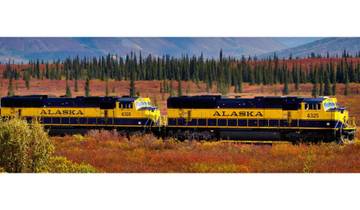
6 days
6-Day Best of Grand Alaska Highlights Tour
- ✓ Comprehensive Seward tour
- ✓ Expert local guides included
- ✓ All accommodation arranged
- ✓ Transportation provided
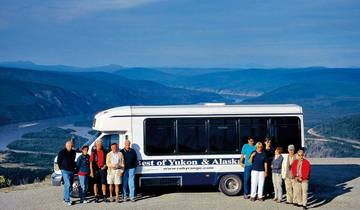
7 days
Coast Mountains of the North
- ✓ Comprehensive Seward tour
- ✓ Expert local guides included
- ✓ All accommodation arranged
- ✓ Transportation provided
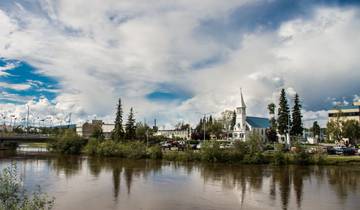
7 days
USA – Alaska Summer Fairbanks to Seward
- ✓ Booking needs min. 2 travelers
7 days
Coast Mountains of the North – 7 days
- ✓ Comprehensive Seward tour
- ✓ Expert local guides included
- ✓ All accommodation arranged
- ✓ Transportation provided
Multi-day tour packages powered by TourRadar. Prices and availability subject to change.
Introduction to Seward Tours and Walking Routes 2026
Seward occupies a unique position in Alaska’s tourism landscape, serving simultaneously as the gateway to Kenai Fjords National Park’s glacier-carved wilderness and as a compact coastal town where world-class hiking trails begin minutes from downtown cafes and shops. This dual character—remote wilderness accessibility combined with walkable urban convenience—creates exceptional opportunities for travelers seeking both adventurous glacier expeditions and leisurely waterfront strolls within the same visit.
The town’s strategic location at the head of Resurrection Bay, surrounded by the Kenai Mountains and positioned at the edge of Kenai Fjords National Park, provides unparalleled access to tidewater glaciers, marine wildlife habitats, and alpine environments. Glacier cruise operators depart directly from Seward’s Small Boat Harbor, eliminating the lengthy transfers required at other Alaskan ports. Exit Glacier, the only road-accessible portion of Kenai Fjords National Park, sits just 10 miles from downtown via paved highway. This proximity means visitors can experience calving glaciers during morning boat tours and hike to glacier overlooks the same afternoon—a combination unavailable in most other Alaskan destinations.
Seward’s trail network spans the full difficulty spectrum, from the wheelchair-accessible Waterfront Trail tracing Resurrection Bay’s shoreline to the grueling Mount Marathon ascent gaining 3,000 feet in just 1.5 miles. Between these extremes, maintained paths wind through temperate rainforests, climb to alpine meadows, traverse coastal bluffs, and approach glacier faces. The town’s compact footprint—downtown spans roughly 10 blocks—means trailheads, tour departure points, restaurants, and lodging cluster within walking distance, reducing the logistical complexity that often plagues Alaska itinerary planning.
Marine tour operators offer graduated experiences scaled to available time and budget. Four-hour Resurrection Bay wildlife cruises explore protected waters without venturing into open Gulf of Alaska seas, providing calmer conditions ideal for passengers concerned about seasickness or families with young children. Six-hour glacier cruises reach one active tidewater glacier plus wildlife viewing areas, representing the most popular balance of glacier access, wildlife encounters, and time investment. Extended 7.5 to 8.5-hour expeditions penetrate deep into Kenai Fjords National Park’s remote fjords, visiting multiple glaciers and sea bird rookeries accessible only by boat.
The 2026 season brings refined departure schedules, with major operators running daily tours from early May through mid-September during peak visitation. Specialized orca-watching cruises operate during the May-June killer whale migration window when these apex predators concentrate in Resurrection Bay hunting salmon and herring. Early-season cruises beginning in March provide access to pristine winter landscapes and reduced crowds for visitors willing to accept cooler temperatures and variable weather conditions.
Trail conditions follow seasonal patterns critical for 2026 planning. Low-elevation routes like Exit Glacier View Loop and Tonsina Creek Trail remain snow-free and accessible from May through October. Mid-elevation paths including Lost Lake Trail and portions of the Harding Icefield Trail carry snow through June, requiring microspikes or crampons for safe passage. The Harding Icefield summit, reaching 3,500 feet elevation, experiences alpine conditions year-round with potential for whiteout storms even during July and August. Rangers at Exit Glacier Nature Center provide current trail condition reports and weather forecasts essential for safe planning.
Combining tours and trails within single days or multi-day itineraries requires understanding timing constraints and physical demands. Morning glacier cruises departing 8:00 AM return by 2:00 PM, leaving afternoon hours for moderate trails like Tonsina Creek or downtown exploration. Afternoon cruise departures at 11:30 AM allow morning hikes before boarding. Half-day tours provide maximum flexibility for active travelers wanting both marine and terrestrial experiences. However, attempting strenuous hikes like Harding Icefield on the same day as long boat tours generally proves overly ambitious—most visitors find either activity alone sufficient for one day.
This guide organizes Seward’s tours and trails by activity type and difficulty level, providing specific 2026 pricing, departure schedules, distance and elevation data, and seasonal operating windows. Each section offers comprehensive planning information designed to help visitors select appropriate experiences matching their physical capabilities, time constraints, and weather tolerance. Whether seeking gentle waterfront walks, challenging alpine ascents, intimate wildlife encounters, or dramatic glacier approaches, Seward delivers accessible options across the adventure spectrum.
Understanding Seward’s Geography and Access in 2026
Seward sits at Mile 127 of the Seward Highway, connected to Anchorage by 127 miles of paved two-lane road tracing Turnagain Arm’s coastline before crossing through mountain passes and descending to Resurrection Bay. This highway ranks among Alaska’s most scenic drives, requiring 2.5-3 hours one-way under normal conditions. The Alaska Railroad’s Coastal Classic train provides an alternative transportation option, departing Anchorage daily during summer season and arriving Seward 4 hours later after traveling through roadless wilderness inaccessible by vehicle.
The town’s compact core concentrates along a narrow strip between Resurrection Bay’s waterfront and steep mountain slopes rising to the east. Downtown Seward spans approximately 10 blocks north-south along 4th Avenue and extends just 6 blocks east-west from the harbor to the mountainside. This compressed footprint means visitors can walk from the Small Boat Harbor to the Alaska SeaLife Center, downtown restaurants, historic murals, and Waterfront Trail access points within 5-10 minutes on foot. The free municipal shuttle operating 30-minute loops further reduces transportation needs for those based at hotels or campgrounds on the town’s periphery.
Kenai Fjords National Park surrounds Seward on three sides—south, west, and north—with the park boundary beginning just beyond town limits. Exit Glacier Road branches west from the Seward Highway at Mile 3.7, climbing 8 miles through Chugach National Forest to Exit Glacier Nature Center. This road provides the only land-based park access, with all other Kenai Fjords areas reachable exclusively by boat or aircraft. The park encompasses 669,984 acres of glacier-carved fjords, tidewater glaciers, and wildlife habitat centered on the Harding Icefield, a 700-square-mile expanse of ice feeding nearly 40 glaciers.
Resurrection Bay extends 20 miles from Seward south to the Gulf of Alaska, providing protected waters for the first portion of marine tours before boats reach the open ocean. The bay averages 600-900 feet depth with dramatic submarine topography creating upwelling zones that concentrate marine nutrients and attract whales, sea lions, and seabirds. Tour boats departing Seward’s Small Boat Harbor typically spend 30-45 minutes transiting Resurrection Bay before reaching glacier viewing areas or crossing into more exposed waters.
Trail systems radiate from Seward in multiple directions. Exit Glacier trails lie 10 miles northwest via Exit Glacier Road. Mount Marathon Trail begins at Lowell Point Road near the intersection with First Avenue, climbing directly from sea level. Lost Lake and Primrose Creek trails access from Seward Highway trailheads at Mile 5 and Mile 17 respectively, requiring vehicle transportation. Two Lakes Trail and the Waterfront Trail begin within Seward’s town limits, accessible on foot from any downtown location.
Weather patterns influencing tour and trail planning stem from Seward’s maritime location at the interface between oceanic and mountain climates. Summer temperatures range 50-65°F with frequent clouds, drizzle, and occasional sunny breaks. Winter brings cooler conditions averaging 25-35°F with increased precipitation falling as rain at sea level and snow at higher elevations. Kenai Fjords National Park receives 60-80 inches annual precipitation, creating lush temperate rainforests along coastal areas while feeding the glaciers above. Marine tours encounter rougher seas when Gulf of Alaska swells enter Resurrection Bay, typically during stormy periods or strong wind events. Trail conditions vary dramatically by elevation—lowland paths may be dry while alpine zones experience snow, ice, and near-freezing temperatures.
Kenai Fjords National Park Glacier Cruises 2026
Kenai Fjords glacier cruises rank as Seward’s premier tour activity, with six-hour expeditions to active tidewater glaciers costing $239 for adults, $120 for children in 2026. Check official operator websites for current rates as seasonal pricing adjustments occur. These full-day cruises depart from Seward’s Small Boat Harbor twice daily—morning departures at 8:00 AM returning by 2:00 PM, and afternoon departures at 11:30 AM returning by 5:30 PM—operating May 2 through September 21 aboard stable catamaran vessels accommodating 100-150 passengers in heated cabins with outdoor viewing decks.
The standard six-hour route travels south through Resurrection Bay, crosses into the Gulf of Alaska, then enters Aialik Bay to approach Aialik Glacier or Holgate Glacier, both active tidewater glaciers calving ice directly into saltwater. Captains position vessels 300-500 yards from glacier faces, close enough to hear ice cracking and witness calving events while maintaining safe distances from wave surges created by falling ice masses. Boats typically spend 20-30 minutes at the glacier face before continuing to wildlife viewing areas including Steller sea lion haul-outs at Chiswell Islands and puffin rookeries on rocky outcrops.
Extended seven-to-eight-hour cruises provide deeper park penetration and multiple glacier viewing. The 7.5-hour tour visiting two tidewater glaciers costs $269 adults, $135 children, departing 9:30 AM daily from May 22 through September 13. This route adds a second glacier stop beyond the standard tour, typically including both Aialik and Holgate glaciers or venturing to Pedersen Glacier in remote Pedersen Lagoon. The additional 90 minutes allows more wildlife search time and reduces the rushed feeling some passengers report on shorter cruises.
The 8.5-hour Northwestern Fjord expedition represents Seward’s ultimate glacier experience, reaching the most remote corners of Kenai Fjords National Park for $309 per person. Operating May 29 through September 7 with 8:30 AM departures, this small-vessel adventure cruise visits three active tidewater glaciers—Northwestern, Southwestern, and Yalik glaciers—in the park’s northwestern sector. Maximum passenger capacity of 30 creates intimate experiences with better wildlife viewing angles and less crowding at glacier faces. The complimentary deli lunch included on all cruises six hours and longer provides packaged sandwiches, chips, cookies, and beverages served buffet-style in heated cabins.
Wildlife encounters on glacier cruises include humpback whales (June through August peak season), orca whales (May-June migration window), Dall’s porpoises, sea otters, harbor seals, and Steller sea lions year-round. Bird species sighted regularly include tufted puffins, horned puffins, black-legged kittiwakes, common murres, and bald eagles. Spring and early summer increase whale encounter probability as humpbacks return from Hawaiian breeding grounds to feed on Resurrection Bay’s rich marine resources. Captains use radio communication to share wildlife sightings between vessels, adjusting routes to maximize animal encounters when marine mammals appear.
Vessel amenities vary by operator but typically include heated indoor seating areas with large windows, outdoor viewing decks on multiple levels, restrooms, snack bars selling hot beverages and supplemental food, and educational narration by captains or onboard naturalists. Major Marine Tours emphasizes sustainability practices including using biofuels and participating in whale research programs. Kenai Fjords Tours operates larger vessels with expedition-style features and specialized photography cruises designed for serious camera equipment users.
Booking recommendations for 2026 suggest reserving glacier cruises 2-4 weeks in advance during July-August peak season, when popular morning departures often sell out. June and September offer easier availability with comparable wildlife viewing—whales remain active, glaciers appear equally impressive, and slightly cooler temperatures actually enhance glacier blueness due to reduced surface melting. Weather cancellations occur infrequently but possible when Gulf of Alaska storms create unsafe conditions. Operators typically offer rebooking on alternative dates or full refunds when cancellations occur due to weather or mechanical issues.
Seasickness considerations merit attention when selecting cruise length and departure time. Resurrection Bay’s protected waters remain relatively calm, but open ocean segments crossing to Aialik Bay or northwestern fjords encounter swells ranging from 2-6 feet under normal conditions, increasing to 8-12 feet during unsettled weather. Morning departures often experience calmer seas than afternoon tours due to typical wind pattern development. Seasickness-prone passengers should take preventive medication 30-60 minutes before departure, sit near vessel centers rather than bow or stern areas, focus on distant horizons rather than close objects, and spend time on outdoor decks breathing fresh air rather than remaining in enclosed cabins.
Wildlife and Marine Tours 2026
Four-hour Resurrection Bay wildlife cruises serve travelers prioritizing marine life encounters over glacier viewing, costing $149 adults, $75 children with multiple daily departures at 10:00 AM, 12:30 PM, and 2:00 PM from June 12 through October 11, 2026. These half-day tours remain within Resurrection Bay’s protected waters rather than venturing into open Gulf of Alaska seas, creating calmer conditions suitable for families with young children, passengers concerned about seasickness, or visitors with limited time wanting abbreviated marine experiences. The shorter duration fits easily into itineraries including afternoon hiking, downtown exploration, or evening activities while still providing substantial wildlife encounters and coastal scenery.
Specialized orca-focused cruises operate during the May 18 through June 20 peak killer whale season when these apex predators concentrate in Resurrection Bay waters hunting migrating salmon and herring schools. Unlike standard routes following predetermined courses, orca cruises adjust paths based on recent whale sighting reports radioed between vessels and shoreside spotters. This flexible routing maximizes orca encounter probability but means exact destinations vary daily depending on whale locations. The four-hour orca expeditions cost $149 adults, $75 children, matching standard wildlife cruise pricing while offering enhanced killer whale encounter focus during this narrow seasonal window.
Early-season wildlife cruises beginning March 7, 2026, provide access to Resurrection Bay’s marine ecosystems before summer crowds arrive and during unique seasonal conditions. These 4-hour tours departing at 12:30 PM through May 17 cost $99 adults, $50 children—representing 33% savings versus peak-season pricing (calculation: (149-99)÷149 = 33.6%, rounded to 33%). Spring conditions bring migrating gray whales passing through Alaska waters, increased sea lion activity during pupping season, and opportunities to witness glacier calving against dramatic winter mountain backdrops. Colder temperatures require additional clothing layers, and weather cancellations occur more frequently than summer months, but reduced crowds and lower pricing attract budget-conscious travelers willing to accept seasonal trade-offs.
Private charter options accommodate groups seeking customized itineraries, photography-focused expeditions, or exclusive vessel access. Small catamarans certified for 22-30 passengers operate private charters ranging from 4-8 hours, with pricing typically $3,500-7,500 for the entire vessel depending on duration and routing. This option becomes cost-effective for groups of 12+ participants compared to purchasing individual tickets on scheduled departures. Private charters allow flexible departure times, extended stops at specific wildlife locations, and ability to adjust routes based on passenger interests and real-time conditions rather than following predetermined schedules.
Kayak-and-cruise combination tours blend guided sea kayaking with motorized boat transportation, allowing paddlers to explore remote coves and approach wildlife quietly under paddle power while avoiding the 20+ mile round-trip kayak distances required to reach prime areas from Seward. These 6-8 hour hybrid experiences typically cost $250-325 per person, including kayak equipment rental, paddling instruction, vessel transportation to/from kayaking locations, and onboard naturalist guidance. Participants spend 2-3 hours kayaking among icebergs calved from glaciers, paddling to Steller sea lion haul-outs, or exploring protected coves while spending remaining time cruising aboard heated vessels.
Fishing charters targeting halibut and salmon operate from Seward Small Boat Harbor on full-day 10-12 hour expeditions costing $300-400 per person with 4-6 person maximum group sizes. These tours motor 2-2.5 hours from Seward to Gulf of Alaska outer-coast hotspots near Montague Island, providing fishing time in productive waters followed by return transit. All equipment, bait, fish processing, and packaging for shipping catch home or to local processors is included. Combination fishing-and-wildlife charters allow participants to fish while also watching for whales and other marine life, appealing to groups with mixed activity interests.
Marine tour gear recommendations emphasize layered waterproof clothing regardless of forecast—ocean spray, rain, and wind create cooling effects even during mild weather. Waterproof or water-resistant outer jackets and pants protect against spray and precipitation. Base layers should provide warmth when wet, avoiding cotton fabrics that lose insulation properties when damp. Sunglasses reduce glare from water surfaces and protect eyes from wind, while sunscreen prevents sunburn reflected off white glacier ice and water. Binoculars enhance wildlife viewing, particularly for distant whale sightings or bird identification on rookery cliffs. Camera equipment benefits from waterproof housings or protective bags when used on open decks.
Dog Sledding Adventures 2026
Helicopter dog sledding on Godwin Glacier combines scenic flight and mushing experiences on ancient ice fields, representing Seward’s premium adventure activity. These 90-minute tours cost approximately $450-550 per person in 2026, with exact pricing varying by operator and fuel surcharges. Check official websites for current rates as helicopter tour costs fluctuate with aviation fuel prices and seasonal demand. Tours depart from Seward Airport or nearby helicopter bases, flying 10-15 minutes over Resurrection Bay and surrounding mountains before landing at dog camps established on Godwin Glacier’s surface at approximately 2,500 feet elevation.
The experience includes 5-10 minutes pre-flight safety briefing, scenic helicopter flight showcasing aerial glacier views inaccessible from ground level, 45-60 minutes on the glacier interacting with sled dogs and mushers, 1.5-mile sled ride pulled by teams of 6-10 Iditarod racing dogs, and return flight to Seward. Professional mushers working at glacier camps provide insights into sled dog training, racing strategy, dog care, and Alaska’s premier long-distance race. Visitors typically spend 15-20 minutes learning about the kennel operation before riding, then an additional 20-30 minutes after the sled experience playing with puppies and photographing dogs.
Ground-based kennel tours without helicopter access offer more affordable dog sledding exposure for $75-150 per person. These 1-2 hour experiences visit championship Iditarod kennels near Seward, including facilities operated by mushers who have competed in or won Alaska’s 1,000-mile race from Anchorage to Nome. Tours include kennel tours explaining dog breeding, training, and care; demonstrations of mushing equipment and sleds; puppy interaction time; and often short wheeled cart rides pulled by dog teams on gravel tracks when snow is unavailable. Summer operations use all-terrain vehicles or wheeled carts rather than snow sleds, providing mushing experiences without requiring winter conditions.
Seasonal dog sledding availability differs significantly between helicopter-accessed glacier experiences and ground-based kennel tours. Glacier dog sledding operates year-round since permanent snow and ice cover Godwin Glacier even during summer months, making helicopter tours available May through September as weather and demand warrant. Ground kennel tours operate continuously but shift between wheeled cart demonstrations in summer (May-September) and traditional snow sled rides during winter months (December-March) when valley elevations receive sufficient snow. April, October, and November represent shoulder seasons when limited snow at road-accessible elevations may restrict ground-based sledding options.
Weight and age restrictions apply to both glacier and ground tours due to helicopter capacity limits and sled dog team capabilities. Most helicopter operators impose 250-275 pound maximum weight limits per passenger and require participants to be at least 5-6 years old with ability to follow safety instructions. Ground-based tours typically accept younger children age 3+ with adult supervision and have more flexible weight accommodations since wheeled carts can transport heavier loads than helicopter weight-and-balance calculations permit. Specific restrictions vary by operator, making advance inquiry important when traveling with young children or passengers exceeding typical weight parameters.
Combination tour packages bundling dog sledding with glacier cruises or other activities provide scheduling convenience and sometimes modest pricing discounts. Alaska Railroad offers packages including round-trip Coastal Classic train service from Anchorage, overnight Seward accommodation, and dog sledding experience for $955-1,215 per person depending on train class selection. While pre-packaged combinations simplify booking, independent travelers can often assemble similar itineraries at lower total cost by booking components separately during non-peak periods or through advance-purchase discounts offered by individual operators.
Helicopter and Flightseeing Tours 2026
Helicopter glacier landing tours provide aerial perspectives of Kenai Fjords landscapes inaccessible from boats or trails, with 30-45 minute flightseeing experiences including glacier landings costing $300-425 per person. These tours depart from Seward Airport or helicopter bases near town, flying over Exit Glacier, Resurrection Bay, and surrounding glaciers before landing on remote ice fields for 10-15 minutes of glacier surface exploration. Passengers walk on blue ice, photograph crevasse formations, examine glacier features, and experience the scale and silence of these ice masses before returning to Seward via different routing showcasing additional mountain and coastal scenery.
Extended helicopter tours combining multiple glacier landings, alpine ridge touchdowns for mountain photography, or remote beach access cost $475-650 for 60-90 minute experiences. These longer flights venture deeper into Kenai Fjords National Park or traverse across the Kenai Mountains to Prince William Sound, landing at 2-3 different locations offering varied terrain from ice fields to tundra meadows to coastal beaches. Customized private charters allow photographers, wildlife enthusiasts, or adventure seekers to design routes emphasizing specific interests, with pricing typically $2,500-4,000 per hour for the entire helicopter regardless of passenger count up to maximum capacity (usually 5-6 people).
Fixed-wing flightseeing tours using small aircraft provide more economical aerial viewing compared to helicopters, with 1-hour flights over Kenai Fjords and Harding Icefield costing $225-300 per person. These tours cover greater distances than helicopters due to faster airspeeds but cannot land on glaciers or hover for extended periods at specific locations. Routes typically overfly Exit Glacier, circle the Harding Icefield observing its 700-square-mile expanse, follow coastlines viewing tidewater glaciers from above, and return via Resurrection Bay. Window seats guarantee views for all passengers on small aircraft accommodating 6-10 people.
Weather significantly impacts helicopter and fixed-wing operations, with flights requiring minimum visibility standards and cloud ceiling heights for safe navigation through mountainous terrain. Summer months provide the most reliable flying conditions, though morning departures generally experience better weather than afternoon flights when clouds and precipitation often develop. Operators typically contact passengers 1-2 hours before scheduled departure confirming weather allows safe flight or proposing alternative departure times if conditions improve later in the day. Full refunds or rebooking apply when weather prevents flying, though this occurs on 10-20% of scheduled days during summer and more frequently during spring and fall shoulder seasons.
Bear viewing flights to remote coastal areas combine flightseeing with opportunities to observe brown bears feeding on salmon streams accessible only by aircraft. These specialized 2-3 hour experiences departing Seward cost $500-750 per person, flying to bear viewing locations 30-60 miles distant, landing on beaches or gravel bars, and spending 60-90 minutes observing bears from safe distances while guides provide natural history interpretation. July through September offers peak bear viewing when salmon runs attract concentrations of bears to coastal streams, creating reliable wildlife encounter opportunities.
Downtown and City Tours 2026
Guided historical city tours provide narrated introductions to Seward’s heritage, covering founding history, 1964 earthquake and tsunami impacts, fishing industry development, railroad construction, and cultural landmarks during 1-hour motorcoach and walking combinations. These tours cost $94 adults, $54 children ages 3-12 (under 3 free), departing 11:30 AM daily May 10 through September 16, 2026. Routes include Mile 0 Marker of the Iditarod Trail, Mariners Memorial, multiple murals earning Seward recognition as Alaska’s unofficial mural capital, historic Millionaire’s Row residential district, and various fishery operations and economic heritage sites demonstrating the town’s evolution from frontier railroad terminus to modern tourism and fishing center.
Deluxe 5-hour combination tours bundling historical city tour, sit-down lunch at waterfront restaurants, Alaska SeaLife Center admission, and Exit Glacier visit cost $171 per person. These comprehensive packages coordinate with Alaska Railroad Coastal Classic arrival and departure schedules, allowing cruise ship passengers or train travelers to maximize limited Seward time. Lunch occurs at Ray’s Waterfront Wednesday-Sunday or boxed lunch alternatives Monday-Tuesday when the restaurant is closed. Alaska SeaLife Center admission alone costs $30 adults, making the combination tour economical for visitors planning to visit multiple included attractions.
Specialized 2-hour historical and mural tours combine guided historical narration with immersive artist experiences, spending 1 hour learning Seward’s heritage followed by 1 hour with local mural artists explaining creative vision, painting processes, and stories depicted in the outdoor artwork. These tours cost $94 adults, $54 children, providing deeper cultural appreciation of the mural program that transformed downtown buildings into canvases celebrating Alaska themes including fishing traditions, indigenous heritage, wildlife, and historical events. Meeting and interacting with working artists adds personal dimension beyond simply viewing finished murals.
Self-guided walking tours using downloadable maps and audio guides allow independent exploration at personalized paces without scheduled departure constraints. The Seward Chamber of Commerce provides free PDF walking tour guides identifying 20+ downtown points of interest including the Founders Monument honoring John Ballaine’s 1903 landing party, Resurrection Bay Historical Society Museum, historic churches dating to 1905-1917, Millionaire’s Row homes built before 1910, Liberty Theater operating continuously since 1944, and Brown and Hawkins store established 1907 as Seward’s oldest continuously-operated business. The self-guided route requires 1-2 hours depending on stop duration and photography time.
Seward’s free shuttle bus system operates 30-minute loops connecting cruise port, train depot, Small Boat Harbor, Alaska SeaLife Center, downtown 4th Avenue, and peripheral campgrounds and hotels from May through September. This complimentary service reduces walking distances for visitors based away from downtown core while providing narrated orientation to Seward’s layout and points of interest. The shuttle accommodates wheelchairs and allows passengers to disembark and reboard at any stop, facilitating multi-destination days combining tours, dining, shopping, and trail access.
Exit Glacier Trails: Easy to Moderate Hiking 2026
Exit Glacier View Loop Trail offers Seward’s most accessible glacier hiking experience, providing a wheelchair-accessible 1-mile paved path through cottonwood forest to panoramic glacier vistas with minimal elevation gain. Located at Exit Glacier Nature Center 10 miles northwest of downtown Seward via paved Exit Glacier Road, this loop trail accommodates wheelchairs, strollers, and mobility devices while delivering close-range glacier viewing without technical hiking skills or significant physical exertion. The trail begins at the nature center parking area, meanders through mature cottonwood stands regenerated after glacial retreat, crosses small streams via boardwalks, and reaches viewpoints 0.5 miles from Exit Glacier’s terminus face where the glacier descends from Harding Icefield.
Ranger-led walks on Exit Glacier View Loop depart daily at 11:00 AM and 3:00 PM from Memorial Day through Labor Day, providing free 30-45 minute interpretive programs explaining glacial processes, climate change impacts visible in retreat markers, and ecological succession as vegetation colonizes recently deglaciated terrain. These guided walks enhance understanding of glaciology, local ecosystems, and the Harding Icefield’s role feeding 40+ glaciers without requiring advance registration—simply arrive at the nature center 5-10 minutes before departure times and join the group gathering at the trailhead.
Edge of the Glacier Trail extends 0.6 miles beyond the View Loop, climbing 200 feet via switchbacks to a closer overlook directly facing Exit Glacier’s terminus. This extension adds 30-45 minutes round-trip to the walk, bringing visitors within 0.25 miles of the glacier face where ice cracking and occasional calving events become audible. The trail remains well-maintained with gravel and dirt surfaces, though steeper grades and uneven footing make it unsuitable for wheelchairs. This closer approach reveals glacier coloration in greater detail—deep blue ice exposed in crevasses, gray-brown moraines flanking the glacier, and white snow accumulating in the upper cirque feeding the ice river’s downslope flow.
Toe of the Glacier Trail historically allowed hikers to walk directly to Exit Glacier’s face, but advancing melt rates and unstable ice conditions closed this route in recent years. National Park Service restricts access within 0.25 miles of the glacier terminus due to falling ice hazards, sudden ice collapse events, and dangerous glacier stream outflows. Current closest approach occurs from Edge of the Glacier Trail overlook, which maintains safe distance while still providing impressive perspectives. Interpretive signs along trails mark former glacier positions from decades past, illustrating dramatic retreat rates averaging 50-75 feet annually during recent years.
Trail facilities at Exit Glacier include a nature center with exhibits, ranger offices, restrooms, and water fountains open May through September. Outside these months, portable toilets remain available but the building closes and water must be carried from Seward. Parking accommodates 100+ vehicles in paved lots, filling during midday peak hours 11:00 AM-3:00 PM but generally offering available spaces during early morning or late afternoon visits. No entrance fees apply to Exit Glacier trails or Kenai Fjords National Park land-based areas, though donations to support park programs are accepted at the nature center.
Harding Icefield Trail: Strenuous Alpine Challenge 2026
Harding Icefield Trail ranks as Seward’s premier strenuous hiking challenge, climbing 8.2 miles round-trip with 3,000 feet elevation gain to reach panoramic views of the 700-square-mile icefield feeding Exit Glacier and 40+ other glaciers throughout Kenai Fjords National Park. The trail begins at Exit Glacier Nature Center sharing the same parking area as easy glacier trails, then diverges after 0.3 miles onto a steep ascending path requiring 6-8 hours round-trip for hikers maintaining moderate pace with rest breaks. The first 3 miles climb through cottonwood and hemlock forest to treeline, then traverse alpine meadows known as Marmot Meadows, before ascending the final 1 mile across rocky terrain and seasonal snowfields to the icefield overlook at 3,500 feet elevation.
The trail gains approximately 1,000 feet elevation per mile throughout its length, creating sustained steep grades testing cardiovascular fitness and leg strength. Well-maintained trail construction includes switchbacks reducing grade severity, but continuous climbing without significant flat sections demands physical capability beyond casual day hiking. Rest stops at viewpoints spaced every 15-20 minutes of hiking allow recovery while providing progressively expanding vistas—Exit Glacier spreads below, Resurrection Valley opens to the south, and surrounding peaks emerge as elevation increases.
Marmot Meadows at mile 2.5 (approximately 2,100 feet elevation) serves as a turnaround point for hikers uninterested in completing the full distance to the icefield overlook. This alpine zone features tundra vegetation, wildflowers peaking mid-July through August, hoary marmots inhabiting rocky areas, and expansive valley views. Many families with children or hikers concerned about time constraints elect to reach Marmot Meadows then descend rather than continuing another 1.6 miles and 1,400 vertical feet to the icefield. This shorter option requires 4-5 hours round-trip compared to 6-8 hours for the full distance.
Top of the Cliffs viewpoint at mile 3.5 (approximately 2,800 feet) provides another logical turnaround for those finding the upper trail too challenging or weather deteriorating. From this overlook, Exit Glacier appears as a white ribbon descending from the ice field, while glimpses of the Harding Icefield’s edge become visible. The final 0.6 miles from Top of the Cliffs to the icefield overlook crosses exposed terrain above treeline, often encountering snow and ice through July despite summer season. Microspikes or crampons become necessary when snow and ice cover the trail, typically from October through June and often persisting through early July in high snowfall years.
Weather conditions at the icefield overlook differ dramatically from valley floor temperatures—expect 15-25°F cooler conditions at 3,500 feet compared to sea level, with significantly increased wind speeds. Whiteout conditions can develop rapidly even during summer months, creating disorienting situations where hikers cannot see trail markers or distinguish snow-covered landscape from sky. Morning starts generally encounter more stable weather than afternoon ascents, as clouds and precipitation often develop over mountains during afternoon hours. Rangers at Exit Glacier Nature Center provide current trail condition reports, weather forecasts, and gear recommendations essential for safe planning.
Required gear for Harding Icefield Trail includes sturdy hiking boots with ankle support and aggressive tread, layered clothing allowing temperature adjustment from warm valley to cold alpine zones, waterproof outer layer protecting against rain and wind, sun protection including hat and sunscreen at high elevation, and 2-3 liters of water per person (no reliable water sources exist along the trail requiring filtration). Trekking poles significantly aid descent stability on steep grades, while microspikes should be carried May through July when snowfields persist across the upper trail. Bear spray is recommended as black and brown bears inhabit Exit Glacier valley, though encounters remain relatively uncommon due to high hiker traffic.
Emergency considerations recognize that cellular service does not exist along the trail and rescue from the upper reaches requires significant time and resources. Hikers should inform someone of their plans including expected return time, carry basic first aid supplies, and turn back if weather deteriorates or physical exhaustion develops. Hypothermia risk increases substantially when hikers become wet from rain or sweat then encounter cold temperatures and wind at high elevation. The trail sees several rescues annually involving exhausted hikers who overestimate their fitness, underestimate the distance and elevation gain, or get caught in deteriorating weather without adequate clothing.
Mount Marathon Trail: Historic Race Course 2026
Mount Marathon Trail ascends 3,022 feet in just 1.5 miles one-way from Seward’s downtown to the summit bowl, creating the steepest sustained grade of any maintained trail near town. This route follows the famous Mount Marathon Race course, held annually every July 4th since 1915 as one of Alaska’s oldest sporting traditions. Race competitors sprint to the summit and return in under 45 minutes for elite runners, while recreational hikers require 2-3 hours ascent and 1.5-2 hours descent on the challenging terrain characterized by loose rock, exposed slopes, mud in wet conditions, and minimal shade throughout the climb.
Two trail options access Mount Marathon’s summit—the race course climbing directly up the fall line via the steepest possible route, and the Jeep Trail (also called the hikers’ trail) following a more gradual grade via switchbacks. The race course represents the shortest distance but steepest climbing, gaining 2,000+ feet per mile and featuring sections of steep dirt, loose scree, and near-vertical pitches requiring hand-over-hand scrambling. This route is not recommended for casual hikers unfamiliar with steep mountain terrain or those uncomfortable with significant exposure on narrow paths. The Jeep Trail adds approximately 0.5 miles distance while reducing average grade by following a former vehicle track constructed decades ago, providing more sustainable hiking for recreational users not seeking the extreme challenge of the race route.
The summit area known as “The Bowl” features alpine tundra surrounded by rocky peaks, providing 360-degree views of Resurrection Bay, Seward, surrounding glaciers, and the Kenai Mountains. On clear days, visibility extends 50+ miles in multiple directions. Fog and clouds frequently obscure views during afternoon hours even when valley weather appears favorable, making morning ascents generally more rewarding for panoramic viewing. The summit plateau allows exploration of alpine terrain, though hikers should remain aware of steep slopes dropping precipitously from The Bowl’s edges.
Seasonal access to Mount Marathon varies significantly by snow conditions. The lower trail remains snow-free late May through September, but the upper mountain often retains snow and ice through June requiring traction devices and ice axe skills for safe ascent. July-August provides optimal conditions when most of the route is clear and daylight extends until 10:00 PM allowing flexible start times. September brings excellent hiking with fall colors but shorter days and increased precipitation. Winter ascents attract experienced mountaineers but require avalanche safety knowledge, winter climbing equipment, and acceptance of serious objective hazards.
Safety considerations include the trail’s exposure to weather, loose rock creating ankle injury risk, steep slopes where falls result in long sliding distances, and minimal water availability requiring adequate hydration carry from town. The route sees multiple search-and-rescue operations annually, often involving exhausted hikers who ascend without proper fitness then struggle to descend safely, or those caught in storms at elevation without adequate clothing. Cellular service reaches partway up the mountain but becomes unreliable near the summit, limiting emergency communication capability.
Access to Mount Marathon Trail begins at the corner of First Avenue and Jefferson Street in downtown Seward, with the trailhead marked by signs approximately 0.3 miles up Lowell Point Road. Limited roadside parking exists near the trailhead, with additional parking available along Lowell Point Road or in downtown lots followed by 10-15 minute walks to the trailhead. The race course and Jeep Trail diverge within the first 0.2 miles—stay right for the Jeep Trail’s gentler grades or continue straight uphill for the race course’s direct assault on the mountain.
Tonsina Creek to Caines Head Trail: Coastal Hiking 2026
Tonsina Creek Trail provides Seward’s most popular coastal hiking experience, traveling 3 miles one-way from the trailhead on Lowell Point Road to Tonsina Point beach in approximately 1 hour each direction. The well-maintained path winds through mature spruce and hemlock forest with 400 feet total elevation gain, emerging onto a cobblestone beach offering views of Resurrection Bay and opportunities to continue another 4.5 miles to Caines Head State Recreation Area along a tide-dependent beach route. Most hikers treat Tonsina Creek as a moderate out-and-back day hike requiring 2-3 hours round-trip, enjoying forest walking, beach exploration, and potential wildlife encounters without committing to the more demanding full distance to Caines Head.
The trail begins at a designated trailhead parking area on Lowell Point Road (Mile 2.2 from downtown Seward) charging a $5 daily parking fee collected via self-service pay stations. The fee supports trail maintenance and facilities including pit toilets at the trailhead and trash collection. From the parking area, the path descends gently through coastal rainforest featuring Sitka spruce, western hemlock, devil’s club understory, and seasonal wildflowers. The forest canopy provides shade and wind protection, creating pleasant hiking conditions even during light rain common in Seward’s marine climate.
Trail conditions remain generally dry and well-drained except following heavy precipitation, when sections of exposed tree roots become slippery and creek crossings may involve stepping on wet rocks. Two small creek crossings along the route typically allow dry passage via stepping stones, though high water during spring snowmelt or heavy rain periods may require wading. Proper footwear with traction helps prevent slips on wooden boardwalk sections and root-crossed trail segments.
Wildlife commonly observed along Tonsina Creek Trail includes black bears foraging in berry patches during July-August, bald eagles perching in shoreline trees, harbor seals hauled out on rocks visible from the beach, and occasionally moose browsing forest vegetation. Bear awareness and proper food storage become important since this route passes through active bear habitat. Making noise while hiking, traveling in groups, and carrying bear spray provide standard precautions for safe hiking in Alaska bear country.
Tonsina Point beach marks the standard turnaround for most hikers not continuing to Caines Head. This cobblestone shoreline allows beachcombing, tide pool exploration during low tide, and scenic photography of Resurrection Bay with the Kenai Mountains rising across the water. Driftwood logs scattered along the beach provide rest spots for picnicking or simply relaxing before the return hike. The beach remains accessible at all tide levels for the Tonsina Creek Trail section, unlike the continuation to Caines Head which requires low tide timing.
Extending beyond Tonsina Creek to Caines Head State Recreation Area adds 4.5 miles one-way along beach sections passable only during tides of +3.0 feet or lower, creating timing challenges requiring consultation of tide tables and precise schedule planning. The beach route crosses rocky sections, passes through dense driftwood accumulations, and travels beneath coastal bluffs before reaching North Beach and the Caines Head trail system. Hikers attempting this extension must leave the trailhead 2 hours before a +3.0 low tide to complete the beach crossing before rising water blocks passage, then either return the same day on another low tide cycle (typically not possible unless camping) or stay overnight at designated campsites or a Forest Service cabin at Caines Head.
Caines Head itself features World War II fortification ruins including Fort McGilvray, underground ammunition magazines, gun emplacement sites, and garrison building foundations dating to 1941-1943 when the military installation protected Seward’s harbor from potential Japanese attack. Exploring these historical structures adds significant interest for hikers completing the full distance, though the 14-mile round-trip total distance combined with tide timing constraints makes this a committing full-day adventure requiring strong fitness and careful planning. Most visitors preferring to see Caines Head fortifications opt for water taxi service from Seward Small Boat Harbor, avoiding the long beach walk entirely while still accessing the historical site.
Lost Lake Trail: Alpine Lake and Ridge Walking 2026
Lost Lake Trail offers an exceptional backcountry hiking experience climbing 7 miles one-way from Seward Highway Mile 5 trailhead to Lost Lake at 1,900 feet elevation, with option to continue another 8 miles descending to Primrose Creek trailhead at Mile 17 for a 15-mile point-to-point traverse. The trail gains 1,800 feet through subalpine forest and meadows to reach the pristine alpine lake surrounded by peaks, then follows ridge systems offering panoramic views before descending through avalanche chutes and old-growth forest to the Primrose terminus. Hikers commonly complete this route as either a 14-mile out-and-back to Lost Lake requiring 7-9 hours, or arrange vehicle shuttles for the full one-way traverse completed in 8-12 hours depending on pace and rest breaks.
The trail begins from a signed parking area on a side road off Seward Highway at Mile 5, climbing moderately through hemlock and spruce forest for the first 4 miles before steepening as it approaches treeline. Alpine wildflowers bloom profusely during July and early August in meadow zones, with lupine, paintbrush, fireweed, and dozens of other species creating colorful displays. The forest-to-meadow transition zone harbors excellent wildlife habitat—black bears, moose, mountain goats on cliffy areas, hoary marmots, and various bird species appear frequently to observant hikers.
Lost Lake itself occupies a glacially carved cirque ringed by rock walls and talus slopes, with clear water suitable for swimming by those tolerant of cold alpine temperatures rarely exceeding 55°F even in August. Camping is permitted at designated sites near the lake, making this popular overnight destination for backpackers seeking relatively accessible wilderness camping within reasonable distance of Seward. The lake supports rainbow trout, attracting anglers willing to carry fishing gear the 7 miles to the lake.
Beyond Lost Lake, the trail climbs another 300 feet crossing a ridge system providing the route’s most dramatic scenery—360-degree mountain views, multiple alpine lakes visible in surrounding basins, Resurrection Valley spreading below, and on clear days glimpses of Resurrection Bay and Cook Inlet in the distance. This high country section remains above treeline for 3-4 miles, exposing hikers to weather including wind, potential rain or snow (through June), and dramatic temperature swings. The ridge crossing typically requires 2-3 hours from Lost Lake to the point where the trail begins descending toward Primrose Creek, during which hikers traverse open tundra, cross snowfields through early summer, and navigate rocky areas requiring careful footing.
The descent to Primrose Creek drops 1,900 feet over 5 miles through avalanche chutes filled with alder thickets, old-growth forest featuring massive Sitka spruce and hemlock, and alongside Primrose Creek which the trail follows for the final 2 miles. This descent section can be hard on knees due to sustained downhill grades, and wet conditions often create muddy trail surfaces in forest sections. The Primrose trailhead at Mile 17 includes parking, pit toilets, and access to Primrose Creek Campground located 1.5 miles from the highway.
Seasonal timing significantly affects Lost Lake Trail hiking experiences. June brings lingering snow above treeline and high water in creek crossings, though wildflowers begin emerging and crowds remain minimal. July-August provides optimal conditions with snow melted from most of the route, peak wildflowers, warmest temperatures, and maximum daylight hours, but also highest hiker traffic and busiest camping areas. September offers excellent hiking with fall colors, reduced crowds, and still-accessible trail conditions, though daylight decreases and weather becomes less stable. October through May the trail receives heavy snow, accessible only to winter mountaineers with appropriate equipment and avalanche safety knowledge.
Bear safety considerations apply strongly on Lost Lake Trail due to limited hiker traffic compared to more popular routes like Exit Glacier trails. Making noise, traveling in groups of 3+ when possible, and carrying bear spray provide standard precautions. Food must be stored in bear-resistant containers if camping overnight, or hung in trees following proper technique to prevent wildlife access. Black bears appear more commonly than brown bears in this area, though both species potentially occur.
Easy In-Town Walking Routes for All Abilities 2026
Two Lakes Trail provides Seward’s easiest in-town hiking option, offering a 1-mile loop with just 100 feet elevation gain through temperate rainforest around two small lakes located immediately behind the Alaska Vocational Technical Center (AVTEC) campus on 2nd Avenue. Access begins from the AVTEC parking lot or from small trailheads on nearby residential streets, with the trail winding through mature spruce stands, crossing small creeks via footbridges, passing multiple waterfalls ranging from 3-10 feet high, and circling both First Lake and Second Lake before returning to the starting point. The complete loop requires just 30-45 minutes at casual walking pace, making this ideal for families with young children, visitors with limited mobility, or anyone seeking gentle forest immersion without significant physical demands.
Trail surfaces consist primarily of packed dirt and gravel with some sections featuring wooden boardwalks across wet areas and small bridges over creeks. The well-maintained path remains relatively level except for gentle grades connecting the two lake basins, with no steep climbs or technical obstacles. Tree roots cross the trail in places, requiring attention to footing, but overall the route accommodates most ability levels including older adults and families with children in jogging strollers willing to navigate occasional rougher sections.
Wildlife viewing opportunities include spawning salmon visible in creeks during July-September runs, bald eagles perching in shoreline trees, various duck species on lake surfaces, and occasional black bears passing through the area. The accessible location just minutes from downtown means the trail sees steady use, reducing bear encounter risk compared to more remote routes. Well-established social trails branch from the main loop, allowing exploration of additional forest areas or shortcuts between different trail segments.
First Lake features picnic tables, benches, and a small gazebo providing covered rest areas during rain—common in Seward’s maritime climate averaging 60+ inches annual precipitation. These facilities make Two Lakes popular for lunch breaks, coffee stops, or simply escaping downtown crowds for brief nature experiences. The lake supports small populations of rainbow trout, though fishing pressure and easy access mean catches tend toward smaller sizes compared to backcountry waters. No entrance fees or permits are required, and dogs on leash are welcome.
Seward Waterfront Trail and Downtown Walking Routes 2026
Seward Waterfront Trail extends 1.9 miles as a paved, mostly level out-and-back route along Resurrection Bay shoreline from Whale Tail Park near the Small Boat Harbor south to camping and picnic areas near the Lagoon. The complete round-trip distance of 3.8 miles requires approximately 60-90 minutes at casual walking pace including stops for marine wildlife viewing, interpretive signs reading, and photography. This wheelchair-accessible path features just 32 feet total elevation gain with one steeper section (8-12% grade) near the northern terminus that wheelchair users may require assistance navigating, though the majority of the route maintains gentle grades suitable for all mobility levels.
The trail traces the route of the original Iditarod National Historic Trail, which delivered mail and supplies from Seward’s ice-free harbor to interior Alaska mining communities from 1909 through the mid-1920s before road and rail transportation supplanted dog sled routes. Interpretive panels along the Waterfront Trail explain this historical significance, describing how Seward functioned as Alaska’s primary supply gateway during the early territorial period. The Iditarod Trail Mile 0 marker monument stands near the Small Boat Harbor, marking the trail’s southern terminus where supplies transferred from steamships to dog sleds for the 1,000+ mile journey to Nome and other interior settlements.
Trail amenities include multiple benches providing rest stops and scenic viewing locations, waste receptacles, dog waste bag dispensers (dogs must remain on leash), and connections to downtown businesses, restaurants, and attractions. The path passes directly by or provides close access to the Alaska SeaLife Center, Seward’s primary marine life educational facility featuring aquariums, touch tanks, and rehabilitation programs for injured wildlife. Multiple access points allow joining the trail from various downtown locations rather than requiring walking the full distance from one end.
Marine wildlife viewing from the Waterfront Trail includes regular sightings of sea otters floating in kelp beds just offshore, harbor seals hauled out on rocks or swimming in bay waters, Steller sea lions occasionally passing through during migrations, and even occasional orca or humpback whales visible at distance when these larger species enter Resurrection Bay. Bald eagles perch in shoreline trees year-round, with peak numbers during July-September when salmon runs attract eagles to feed on spawning fish. Interpretive scopes (though not always operational) at several viewpoints allow magnified observation of distant wildlife and marine features.
The trail’s southern sections pass through Waterfront Park campground areas and along Ballaine Boulevard, providing quieter walking compared to the busier harbor-side northern sections. Small beaches accessible at several points allow tidepool exploration during low tides, with opportunities to observe intertidal life including sea stars, anemones, barnacles, and various crustaceans. Seward’s significant tidal range—up to 20 feet between high and low tides—dramatically changes beach appearance and access throughout the day.
Seasonal use patterns see the Waterfront Trail extremely busy during June-August cruise ship and peak tourist season, when finding bench seats and navigating around other users requires patience. May, September, and October offer pleasant walking with reduced crowds, though cooler temperatures and increased precipitation probability warrant appropriate rain gear. Winter use continues among local residents, with the paved surface sometimes icy during freezing conditions requiring traction devices or extra caution.
Planning Multi-Day Tour and Trail Combinations for 2026
Combining Seward’s premier tours and trails into multi-day itineraries allows comprehensive experiences balancing marine adventures, mountain hiking, wildlife viewing, and cultural exploration. A well-structured 3-day visit provides time for a full glacier cruise, major hiking objective, and additional shorter activities without feeling rushed or attempting overly ambitious same-day combinations that lead to exhaustion.
Sample 3-day itinerary balancing major activities: Day 1 arrives Seward mid-morning via Coastal Classic train from Anchorage or 2.5-hour drive, checks into accommodation, explores downtown on foot via Waterfront Trail and self-guided historical walking tour (2-3 hours total), visits Alaska SeaLife Center, and enjoys early dinner at waterfront restaurant. Day 2 departs on 6-hour Kenai Fjords glacier cruise at 8:00 AM, returns 2:00 PM, rests briefly, then hikes Exit Glacier View Loop and Edge of the Glacier Trail during late afternoon (allowing 2 hours), experiencing glaciers both from sea and land. Day 3 attempts Harding Icefield Trail full distance with early 7:00 AM start (8-9 hours including summit time and rest breaks), or substitutes Tonsina Creek Trail for more moderate option, then returns to Anchorage by 6:00 PM train departure or evening drive.
Sample 2-day intensive itinerary for limited time: Day 1 takes morning 8:00 AM glacier cruise returning 2:00 PM, followed by 4:00 PM downtown historical city tour, and evening downtown exploration. Day 2 dedicates to Harding Icefield Trail or Mount Marathon summit attempt with early start, afternoon departure from Seward. This compressed schedule works for fit travelers comfortable with back-to-back active days but leaves little flexibility for weather delays or need for rest.
Sample 4-day comprehensive itinerary adding depth: Day 1 arrival, downtown walking, Two Lakes Trail, Alaska SeaLife Center. Day 2 full-day Northwestern Fjord 8.5-hour cruise to three glaciers. Day 3 Harding Icefield Trail full distance or Lost Lake Trail. Day 4 helicopter glacier landing tour, Tonsina Creek Trail, departure. This extended schedule allows experiencing Seward’s full activity spectrum without rushing, provides a rest day possibility if weather forces schedule adjustment, and permits pursuing both major hiking and premium tour options.
Weather contingency planning proves essential for Seward itineraries since fog, rain, and wind can cancel or significantly diminish marine tours and high-elevation hiking. Building 1-2 flexible days into schedules allows rebooking cancelled tours or postponing exposed hikes until conditions improve. Alternative poor-weather activities include Alaska SeaLife Center visits, Resurrection Bay Historical Society Museum exploration, restaurant dining, brewery visits, and shopping in downtown’s galleries and outdoor stores.
Budget considerations for multi-day Seward visits require accounting for accommodation, tour costs, dining, and incidental expenses. Using calculation mode for sample 3-day budget per person: Accommodation $150 × 2 nights = $300, 6-hour glacier cruise $239, Harding Icefield Trail (no cost), city historical tour $94, Alaska SeaLife Center $30, meals $60 × 3 days = $180. Total approximately $845 per person excluding transportation to/from Seward. Adding helicopter glacier tour ($350) and upgrading to 8.5-hour Northwestern Fjord cruise ($309 vs $239 = $70 increase) raises total to approximately $1,265. Budget accommodations, packed lunches, and free hiking trails versus hotel stays, restaurant meals, and premium tours create wide budget ranges from $600-1,500 per person for 3-day visits.
Seasonal Considerations and Best Times to Visit 2026
May 2026 represents shoulder season offering reduced crowds, lower prices, and extended daylight hours approaching summer solstice but also cooler temperatures, higher precipitation, and limited tour availability during early-month periods. Major glacier cruises begin operating May 1-15 depending on operator, with daily departures becoming standard by mid-May. Trail conditions in May see lowland routes mostly snow-free, but higher elevations including Harding Icefield summit often remain snow-covered requiring winter navigation skills. Wildlife viewing in May includes migrating gray whales, early-season orca activity, sea lion pupping, and the first returning salmon runs entering freshwater streams.
June 2026 brings increasingly reliable weather, full tour operations including all cruise options and activity providers, and near-maximum daylight hours (19+ hours from sunrise to sunset by late June). Temperatures moderate to comfortable 50-60°F ranges with occasional warmer days reaching mid-60s. Orca watching peaks mid-May through mid-June when killer whales concentrate in Resurrection Bay. Wildflowers begin blooming on alpine trails, though snow may persist on Harding Icefield Trail through early June. June represents an excellent value month combining many of July-August’s advantages with slightly lower demand and pricing.
July-August 2026 constitute peak season with maximum crowds, highest prices, warmest temperatures averaging 55-65°F, and most stable weather patterns. All tours operate on full schedules with multiple daily departures. Trails experience highest traffic levels, with popular routes like Exit Glacier View Loop and Harding Icefield Trail seeing hundreds of daily hikers. Wildflowers peak in alpine zones, humpback whales feed actively in Resurrection Bay, salmon runs attract bears to streams, and extended daylight allows flexible activity timing. Accommodations and tours often sell out weeks in advance requiring early booking, and prices reach annual highs for lodging and premium tours.
September 2026 offers autumn conditions with fall colors emerging in mid-to-late month, reduced crowds compared to summer peak, and continued operation of major tours through mid-September. Temperatures cool to 45-55°F ranges with increasing precipitation and storm frequency. Early September maintains summer-like conditions, while late September transitions toward winter with potential for first snows at high elevations. Tour schedules begin reducing frequency with some operators ending seasons September 15-21. September provides excellent value for visitors accepting shorter days, cooler temperatures, and higher weather variability in exchange for fewer crowds and sometimes dramatic autumn landscapes.
October through April 2026-2027 represents off-season when most tour operators cease operations, many accommodations close or reduce services, and winter conditions dominate mountain environments. Exit Glacier Road typically closes to vehicle traffic November through April due to avalanche hazards and snow accumulation. Winter visitors find limited commercial tour options but exceptional opportunities for cross-country skiing, snowshoeing, aurora viewing, and winter photography in exchange for cold temperatures, short daylight hours (6-8 hours in December-January), and need for winter outdoor skills. Die-hard winter adventurers can access trails like Lost Lake for backcountry skiing and Harding Icefield approaches for mountaineering, but these activities require avalanche safety training, winter camping skills, and acceptance of serious hazards.
Essential Gear and Preparation for Seward Activities 2026
Layered waterproof clothing systems prove essential for all Seward outdoor activities regardless of activity type or weather forecast. Base layers should utilize synthetic or wool materials that retain warmth when wet, avoiding cotton which loses all insulation properties once damp—a serious issue in Seward’s marine climate where rain, fog, and ocean spray create persistently damp conditions. Mid-layers provide insulation through fleece, synthetic puffy jackets, or wool sweaters allowing temperature regulation as activity intensity varies. Waterproof/breathable outer shells protect against rain and wind while allowing moisture vapor to escape, preventing the clammy dampness that occurs with non-breathable rain gear.
Footwear requirements vary by activity. Marine tours allow any closed-toe shoes comfortable for 4-8 hours of standing and walking on stable deck surfaces, though waterproof footwear prevents wet feet from deck spray. Easy trails like Waterfront Trail and Exit Glacier View Loop accommodate any athletic shoes or walking footwear. Moderate trails including Tonsina Creek and Two Lakes benefit from light hiking boots or trail runners with decent tread for muddy or root-crossed surfaces. Strenuous routes like Harding Icefield Trail and Mount Marathon demand hiking boots providing ankle support, aggressive tread for steep terrain, and waterproof construction for wet trail sections. All hiking boots should be broken in before attempting long or difficult trails to prevent blisters and foot pain.
Sun protection often gets overlooked in Alaska’s typically overcast conditions, but solar radiation at high latitudes and reflection off water or snow creates serious sunburn risk. Sunscreen rated SPF 30+ protects exposed skin, sunglasses reduce glare and prevent eye damage from UV radiation reflected off glaciers and ocean surfaces, and wide-brimmed hats or caps provide face and neck protection. Overcast days still transmit UV radiation capable of causing burns, especially at alpine elevations where thinner atmosphere provides less filtering.
Navigation tools for backcountry trails should include detailed topographic maps, compass knowledge, and ideally GPS devices or smartphone apps with offline map capability since cellular service does not reach most trail areas beyond immediate Seward vicinity. Lost Lake Trail, Primrose Creek Trail, and upper Harding Icefield sections can disorient hikers during fog or low clouds when landmarks disappear. Printed maps from outdoor stores or ranger stations provide backup when electronic devices fail due to cold temperatures draining batteries.
Bear safety equipment consists primarily of bear spray—pepper spray formulations specifically designed for deterring aggressive bears and sold in 7-10 ounce pressurized canisters. Bear spray should be carried in immediately accessible holsters on hip belts or chest straps rather than packed inside backpacks where seconds needed for retrieval could prove critical. While bear attacks remain statistically rare, both black and brown bears inhabit Seward’s trail systems, and surprising bears at close range creates dangerous situations. Making noise while hiking, traveling in groups, and properly storing food all reduce bear encounter risks beyond spray alone.
First aid kits appropriate for day hiking should include bandages for blisters and cuts, anti-inflammatory medication for strains or headaches, antihistamines for allergic reactions, tape or wrap for ankle support, and any personal medications. Wilderness first aid training helps hikers respond effectively to injuries occurring hours from medical facilities. Communication devices including satellite messengers or personal locator beacons provide emergency contact capability in areas beyond cellular coverage, though most Seward day hikes occur close enough to town that rescue response times remain relatively short even without satellite communication.
Food and water for day activities should exceed minimum needs, accounting for potential delays, changing weather, or higher-than-expected energy expenditure. Trails provide no reliable water sources requiring filtration—all water must be carried from town or natural sources treated via filtration, purification tablets, or boiling. High-energy snacks including nuts, dried fruit, energy bars, and sandwiches maintain energy levels during strenuous hikes lasting 6-8 hours. Marine tours provide lunch on full-day cruises, but supplemental snacks help passengers dealing with seasickness who may not tolerate provided meals.
Booking Strategies and Money-Saving Tips for 2026
Advance booking timelines significantly impact tour availability and sometimes pricing. Major glacier cruise operators including Major Marine Tours and Kenai Fjords Tours accept reservations beginning January for the upcoming summer season, with early-booking discounts occasionally offered for commitments made 3-6 months in advance. July-August peak season departures, especially morning times allowing afternoon trail hiking, sell out 2-4 weeks ahead during high-demand periods. Last-minute bookings within 48-72 hours of desired departure sometimes find availability on less-popular afternoon departures or during weather-affected periods when cancellations create openings.
Package deals bundling multiple activities often provide better value than purchasing components separately, though careful price comparison proves essential since some packages actually cost more than independent bookings. Alaska Railroad’s Seward Getaway package combining round-trip Coastal Classic train, one night accommodation, and kennel tour costs $955-1,215 per person—evaluate whether this exceeds or undercuts individual component costs based on specific lodging choices and rail class preferences. Hotel-cruise packages offered by Seward properties sometimes include 10-20% cruise discounts when booking 2+ nights accommodation, potentially saving $25-50 per person on glacier tours.
Shoulder season savings in May and September include both lower tour pricing and significantly reduced accommodation costs. Comparing peak July rates versus May: 6-hour glacier cruise pricing remains identical year-round ($239), but mid-range hotels drop from $250-350 nightly in July to $150-220 in May—representing approximately $100-130 nightly savings (calculation: (300-185)÷300 = 38% reduction at midpoint values). Restaurants and other services maintain consistent pricing year-round, so accommodation represents the primary shoulder-season savings opportunity.
Group discounts apply on some tours when booking parties of 10+ participants, though group rates must be requested directly from operators and vary by season and availability. Private charter options become cost-effective for groups of 12+ compared to individual tickets on certain tours. For example, a private 6-hour catamaran charter for 25 people might cost $6,000 total ($240 per person), comparable to standard $239 per person rates while providing exclusive vessel access, flexible scheduling, and customized routing.
Free activities reduce total trip costs while still providing quality Seward experiences. No-cost options include Waterfront Trail walking, downtown historical self-guided tours, Exit Glacier View Loop Trail (no national park entrance fees apply to Kenai Fjords land areas), Two Lakes Trail, beach walks, wildlife watching from shore, mural viewing, and Resurrection Bay Historical Society Museum visits. A full day combining free walking trails, beach exploration, and downtown sightseeing costs nothing beyond meals, demonstrating that Seward offers substantial experiences even for budget-constrained visitors.
Packed meals versus restaurant dining creates significant savings over multi-day visits. Seward’s grocery stores (Safeway and local markets) allow purchasing sandwich fixings, trail snacks, and breakfast items for self-preparation at hotels with mini-fridges or campers with full kitchen facilities. Comparing costs using calculation mode: restaurant breakfast $15, lunch $18, dinner $35 = $68 daily per person. Self-prepared meals: breakfast items $4, packed lunch $6, dinner groceries $12 = $22 daily. Savings of $46 per person daily (calculation: 68-22 = 46) across a 3-day visit total approximately $140 per person (calculation: 46 × 3 = 138, rounded to $140)—nearly enough to fund a 4-hour wildlife cruise.
Accommodation cost strategies include camping at Waterfront Park or Forest Acres campgrounds ($20-30 nightly versus $150-350 for hotel rooms), booking well in advance when rates remain lower than last-minute prices, considering properties slightly outside downtown core (often $30-50 less expensive than harbor-front hotels while still within 5-10 minute walk), and evaluating vacation rental options for groups where per-person costs may beat hotel rates. Three travelers sharing a vacation rental at $250 nightly pay $83 each versus $180+ each for separate hotel rooms.
Accessibility Information and Family-Friendly Options 2026
Wheelchair-accessible tours and trails in Seward include the 1.9-mile Waterfront Trail featuring paved surfaces with 32 feet total elevation gain and one steeper 8-12% grade section potentially requiring assistance. The Exit Glacier View Loop Trail provides 1-mile wheelchair-accessible paved path to glacier viewing areas with minimal grades, though the 0.6-mile Edge of the Glacier extension features steeper terrain unsuitable for wheelchairs. Major Marine Tours and Kenai Fjords Tours operate vessels with wheelchair-accessible boarding ramps, elevators accessing multiple deck levels, accessible restrooms, and designated wheelchair viewing areas—though passengers should contact operators in advance confirming specific accessibility features and any assistance requirements.
Family-friendly tour options emphasizing child-appropriate content and shorter durations include 4-hour Resurrection Bay wildlife cruises avoiding the 8-hour commitments and open-ocean conditions of full glacier expeditions. These half-day tours maintain children’s interest through wildlife spotting activities, provide onboard naturalist programs geared to younger participants, and allow bathroom access at frequent intervals important for small children. The tours return by early afternoon, permitting families to combine marine experiences with playground time, beach exploration, or other child-friendly land activities rather than spending entire days at sea.
Kid-focused trails start with Two Lakes Trail’s 1-mile loop taking just 30-45 minutes while passing waterfalls and offering wildlife spotting opportunities maintaining children’s engagement. The Exit Glacier View Loop similarly provides short 1-mile distance with dramatic glacier views capturing children’s attention. Ranger-led walks at 11:00 AM and 3:00 PM during summer season deliver free educational programs teaching children about glaciers, wildlife, and ecosystems through age-appropriate interactive presentations. These guided experiences often prove more engaging for children than self-guided hiking where educational context may be missed.
Playground facilities in Seward include Waterfront Playground near Ballaine Boulevard featuring tot areas, restrooms with public showers, and proximity to Waterfront Trail access. Benny Benson Park offers playground equipment, picnic areas, and lagoon boardwalks providing easy walking suitable for toddlers and early elementary ages. These facilities give families destinations between more strenuous activities, allowing children to burn energy while adults rest or enjoy scenic waterfront locations.
Age-appropriate activity recommendations suggest 4-hour wildlife cruises work well for children ages 5+, while 6-8 hour glacier cruises suit ages 8+ with attention spans and physical comfort for extended boat time. Exit Glacier easy trails accommodate all ages from toddlers in carriers or strollers to teenagers, while moderate trails like Tonsina Creek serve active families with children 6+ comfortable hiking 3 miles one-way. Strenuous routes including Harding Icefield Trail generally suit teenagers 14+ with strong fitness, though exceptional younger hikers sometimes complete this challenge with appropriate preparation and realistic expectations about time requirements.
Safety considerations for families include bringing extra clothing layers since children regulate temperature less effectively than adults and chill quickly when wet or inactive, packing significantly more snacks than adults might need to address hunger-driven meltdowns, and allowing double the estimated time for trails since children hike slower and require frequent breaks. Bear safety takes added importance with children—teach kids to stay close, make noise, and never approach wildlife regardless of how cute or harmless animals appear. Children should understand that running from bears triggers chase responses and that staying calm, grouped together, and following adult instructions provides the safest response to wildlife encounters.
Wildlife Viewing Ethics and Environmental Responsibility 2026
Maintaining safe and appropriate distances from wildlife protects both animals and viewers while preventing habituation that leads to dangerous human-wildlife conflicts. National Park Service guidelines recommend staying at least 25 yards from most wildlife including sea otters and harbor seals, and at least 100 yards from bears. Marine tour operators follow strict approach distances for marine mammals, maintaining 100+ yards from whales when possible and avoiding direct approaches to seal haul-outs or sea lion rookeries where human presence disrupts natural behaviors including nursing, resting, and thermoregulation.
Never feeding wildlife or leaving food accessible to animals prevents habituation creating dangerous situations and often results in animals being killed when they become food-conditioned. Bears and other wildlife accessing human food lose their natural wariness, approach developed areas expecting meals, and ultimately pose risks requiring removal. Trail hikers must pack out all food waste, never leave crumbs or scraps even if biodegradable, and store food in bear-resistant containers or proper hanging techniques when camping overnight. Even seemingly harmless feeding of birds creates dependencies and alters natural foraging behaviors.
Leave No Trace principles apply universally across Seward’s trails and marine environments. Pack out all trash including toilet paper, orange peels, apple cores, and any other waste regardless of biodegradability—decomposition occurs slowly in Alaska’s cool climate and accumulated organic waste attracts animals. Stay on established trails rather than cutting switchbacks or creating social trails that accelerate erosion and habitat damage. When resting or picnicking, use durable surfaces like rock or established clearings rather than trampling vegetation or disturbing fragile alpine plant communities requiring decades to regenerate after disturbance.
Glacier viewing etiquette requires maintaining designated safe distances and never approaching glacier faces despite temptations for closer photographs. Calving events where ice breaks from glacier faces create dangerous waves, flying ice fragments, and sudden surges capable of capsizing boats venturing too close. Marine tour operators position vessels at safe distances based on glacier size and activity levels, and passengers should never request closer approaches compromising safety margins. On land-based glacier trails, respect closure signs near glacier terminus areas where ice collapse and unstable terrain create serious hazards.
Photography of wildlife should occur from safe distances using telephoto lenses rather than approaching animals for closeups. Drones are prohibited in Kenai Fjords National Park and restricted in many Seward areas due to wildlife disturbance, privacy concerns, and safety issues. Flash photography can startle wildlife and should be avoided when animals are present. Groups viewing wildlife should minimize noise, avoid sudden movements, and limit time spent observing individual animals to prevent causing prolonged stress or displacement from important habitat.
Human waste disposal in backcountry areas requires packing out used toilet paper and human waste when facilities are unavailable. Many Alaska trails lack privies beyond trailheads, necessitating Leave No Trace bathroom practices including digging catholes 6-8 inches deep at least 200 feet from trails, water sources, and campsites. Used toilet paper must be packed out in sealed bags rather than buried or burned due to incomplete decomposition and fire risks. Some high-use areas now require packing out all human waste using specialized WAG bags—check current regulations before hiking.
Frequently Asked Questions About Seward Tours and Walking Routes 2026
Do I need to book glacier cruises in advance or can I purchase tickets same-day in Seward?
You should book glacier cruises 2-4 weeks in advance during July-August peak season when morning departures often sell out, particularly the popular 8:00 AM times allowing afternoon hiking. Last-minute same-day tickets sometimes become available on less-popular afternoon departures or during weather-affected periods when cancellations create openings, but relying on same-day availability risks finding tours sold out or facing limited departure time options. June and September shoulder season typically allows booking 3-7 days ahead with better availability, though advance reservations still provide schedule certainty and guarantee preferred departure times. Walk-up ticket counters at the Small Boat Harbor may accommodate same-day sales if space remains, but this represents risky strategy for travelers with fixed schedules or specific tour preferences.
What physical fitness level is required for the Harding Icefield Trail and how difficult is it really?
The Harding Icefield Trail demands strong cardiovascular fitness and leg strength due to 8.2-mile round-trip distance, 3,000 feet elevation gain, and sustained steep grades averaging 1,000 feet per mile throughout the climb. Realistically, hikers comfortable with 8+ mile days including significant elevation should expect 6-8 hours round-trip to the icefield overlook at a moderate pace including rest breaks and summit time. The trail consistently climbs without extended flat sections, creating continuous cardiovascular demands that exhaust those accustomed only to level walking or short hikes. Previous successful completion of comparable hikes gaining 2,500+ feet provides the best fitness indicator—gym fitness and general good health alone often prove insufficient for those lacking hiking-specific conditioning. Attempting this trail without appropriate fitness frequently results in exhaustion requiring slow descent, missed return schedules, or occasionally rescue assistance for hikers who underestimate the challenge and overestimate their capabilities.
When is the best time to see orca whales in Seward and what are my chances of seeing them?
Orca whales appear most reliably in Resurrection Bay waters from mid-May through mid-June when these killer whales concentrate in the area hunting migrating salmon and herring schools, creating the highest probability window for encounters during specialized orca-focused cruises operating May 18 through June 20. During this 5-week peak season, marine tour operators report orca sightings on 60-75% of departures, though no guarantees apply to wildlife viewing and some trips fail to encounter whales despite ideal timing. Outside the May-June peak, orcas appear sporadically throughout summer with sighting frequency dropping to 15-30% of cruises during July-August, still providing possibilities but much lower reliability. Orca-focused tours cost $149 adults matching standard wildlife cruise pricing while offering enhanced killer whale encounter focus through flexible routing based on recent sighting reports radioed between vessels rather than following predetermined courses.
Can I hike to Exit Glacier and then continue to the Harding Icefield on the same day after a morning boat tour?
Combining a morning glacier cruise with Harding Icefield Trail creates an extremely ambitious day requiring exceptional fitness and energy management. The 8:00 AM cruise departure returns approximately 2:00 PM, allowing arrival at Exit Glacier trailhead by 2:30-2:45 PM after driving 10 miles from Seward Small Boat Harbor. Starting the 6-8 hour Harding Icefield Trail at 2:45 PM means summit arrival around 6:00-7:00 PM and return to trailhead by 9:00-10:00 PM, requiring hiking in diminishing light during September or risking darkness during descent if delays occur. More concerning than daylight, the physical demand of 4-6 hours standing and walking on boat tours followed immediately by Alaska’s most strenuous day hike exhausts even very fit hikers, substantially increasing injury risk during descent when tired legs struggle with steep terrain. A more sustainable approach takes the morning cruise then hikes moderate trails like Exit Glacier View Loop or Tonsina Creek requiring 1-3 hours, or completes the Harding Icefield Trail on a separate dedicated day allowing proper rest and early morning start when energy levels and weather typically prove optimal.
Are Seward hiking trails safe to hike alone or should I always go with others?
Solo hiking on well-traveled routes like Exit Glacier View Loop, Waterfront Trail, and Two Lakes Trail presents minimal safety concerns due to steady traffic providing both security against wildlife encounters and assistance availability if minor injuries occur. More remote or strenuous trails including Lost Lake Trail, upper Harding Icefield sections, and Mount Marathon involve greater risks when hiking alone—limited or no cell service prevents emergency communication, injuries potentially strand solo hikers without assistance, and bear encounters become more dangerous without group members to appear larger and make noise. Solo hikers on these routes should inform someone of their detailed plans including expected return time, carry emergency communication devices like satellite messengers if possible, possess strong navigation skills and appropriate safety gear including first aid supplies and bear spray, and honestly assess whether their experience level matches the trail difficulty and potential hazards. Joining with other hikers met at trailheads creates informal groups providing mutual safety benefits without requiring prearranged partnerships.
How cold is it on glacier boat tours and what clothing should I bring?
Glacier cruise conditions typically feel 10-15°F colder than Seward’s harbor due to wind chill from boat movement and proximity to ice masses reducing local air temperatures, with temperatures on open viewing decks averaging 45-55°F during summer months and colder during spring/fall shoulder seasons. Ocean spray and occasional rain add dampness making conditions feel colder than thermometer readings suggest, while sunny breaks can warm deck areas to comfortable 60-65°F creating variable conditions throughout 4-8 hour cruises. Essential clothing includes waterproof/water-resistant outer jacket and pants protecting against spray and rain, warm mid-layers like fleece or synthetic insulation providing warmth even when damp, and base layers avoiding cotton which loses all insulation when wet. Hats and gloves prove surprisingly useful even during summer since standing on open decks watching glaciers for extended periods allows bodies to cool significantly despite moderate air temperatures. Heated indoor cabins provide warm refuge between wildlife sightings and glacier viewing, allowing passengers to warm up periodically rather than remaining on exposed decks for entire cruises.
What’s the difference between different tour operators and how do I choose between them?
Major tour operators in Seward including Major Marine Tours, Kenai Fjords Tours, and smaller companies offer similar routes and pricing for comparable trip lengths—the 6-hour glacier cruise costs $239 across operators with minor variations. Distinguishing factors include vessel size and style (large 100+ passenger catamarans versus smaller 30-50 passenger boats), onboard amenities (quality of heated cabins, food service, viewing deck configurations), naturalist programs and educational content quality, and company environmental practices and sustainability commitments. Major Marine Tours emphasizes family-owned operations since 1990, stable catamaran vessels with large windows and heated cabins, and sustainability practices including biofuel use and whale research support. Kenai Fjords Tours operates larger fleet with specialized photography cruises featuring slower speeds and better angles for camera equipment users. Smaller operators provide more intimate experiences with fewer passengers but may offer less protection from weather on smaller vessels. Reading recent reviews on TripAdvisor and similar platforms helps assess current service quality, captain knowledge, and wildlife sighting success rates that vary more by individual trip conditions than operator choice.
Can I see the Northern Lights (Aurora Borealis) in Seward and when is the best time?
Aurora viewing in Seward occurs primarily during winter months from September through April when darkness extends 10-16 hours nightly providing viewing windows impossible during June-July’s near-continuous daylight, with peak aurora activity typically occurring around equinoxes in September-October and February-March. However, Seward’s coastal location and frequent cloud cover create challenging conditions for aurora viewing compared to interior Alaska locations like Fairbanks which experience clearer skies and stronger aurora displays due to proximity to the auroral oval. When clear skies coincide with solar activity generating aurora displays, Seward viewers can observe Northern Lights particularly when traveling outside town limits to escape light pollution, though moisture-laden maritime air masses create clouds blocking views on majority of winter nights. Travelers prioritizing aurora viewing should visit interior Alaska destinations rather than coastal Seward, but winter Seward visitors may opportunistically catch displays on clear nights with active solar conditions.
Are there any dangerous animals in Seward and what precautions should I take?
Black bears represent the primary wildlife safety concern on Seward trails, inhabiting forests, berry patches, and salmon streams throughout the region with brown bears also present though less commonly encountered near town. Bears rarely attack humans but surprise encounters at close range, female bears protecting cubs, or bears defending food sources create dangerous situations requiring appropriate precautions including making noise while hiking (talking, clapping, using bells), traveling in groups of 3+ people when possible, carrying bear spray in immediately accessible holsters, never approaching bears regardless of apparent size or behavior, and properly storing food to prevent attracting bears to campsites or lunch spots. Moose, while less obviously threatening than bears, actually cause more injuries through defensive charges when surprised or during fall rutting season when bulls become aggressive. Give moose wide berth (25+ yards), never position yourself between cows and calves, and retreat slowly if moose appear agitated showing laid-back ears or raised hackles. Marine hazards include cold water temperatures causing rapid hypothermia if falling from boats or docks—Resurrection Bay water averages 45-50°F year-round, creating life-threatening conditions within 15-30 minutes of immersion without proper survival gear.
How much time should I plan to spend in Seward to experience the main attractions?
Three full days in Seward allows experiencing the town’s premier activities including one full-day glacier cruise, one major hiking objective like Harding Icefield Trail or Lost Lake Trail, and additional time for moderate trails, downtown exploration, Alaska SeaLife Center visits, and meals without excessive rushing between activities. Two days works for travelers willing to combine morning boat tour with afternoon hiking on easier trails and accept missing some experiences, while single overnight visits limit options to either marine tour or major hike plus brief downtown time. Four to five days permit pursuing multiple glacier cruise options, attempting several substantial hikes, adding specialized tours like helicopter glacier landings or dog sledding, and building weather contingency allowing schedule flexibility when fog or rain affects planned activities. Most visitors find three days the sweet spot balancing comprehensive experiences with practical travel schedule constraints, though outdoor enthusiasts could easily fill week-long stays with Seward’s trail network and tour options.