
Visiting Chena Hot Springs: Complete Guide
Chena Hot Springs Resort stands as one of Alaska’s most distinctive destinations, combining natural geothermal wonders with innovative sustainability and year-round accessibility just 60 miles from Fairbanks. This remote retreat offers visitors the rare opportunity to soak in mineral-rich hot springs beneath the aurora borealis, explore the world’s largest permanent ice environment, and experience authentic Alaskan hospitality in a setting powered almost entirely by renewable geothermal energy.
Key Takeaways
- Natural Geothermal Wonder: The resort’s hot springs flow from deep underground at 165°F, cooled to a comfortable 106°F for therapeutic soaking in both outdoor rock pools and indoor facilities accessible year-round regardless of Alaska’s extreme weather conditions.
- Aurora Ice Museum Experience: The world’s largest year-round ice environment features hand-carved sculptures, ice chandeliers, an ice hotel, and the famous ice bar serving signature appletinis in hand-carved ice glasses, maintained at a constant 25°F through geothermal cooling technology.
- Remote Accessibility: Located at the end of Chena Hot Springs Road, the resort sits 60 miles from Fairbanks with convenient day-trip access via paved road, shuttle services, and guided tours, making it the most accessible developed hot springs destination in Interior Alaska.
- Sustainable Innovation: Chena operates as a model of renewable energy use, powering its facilities through low-temperature geothermal technology, maintaining productive hydroponic greenhouses in subzero temperatures, and demonstrating sustainable tourism principles developed in partnership with the University of Alaska.
- Year-Round Activities: Beyond hot springs soaking, visitors can experience dog sledding and aurora viewing in winter, horseback riding and ATV tours in summer, plus year-round access to the geothermal greenhouse, renewable energy tours, and excellent wildlife viewing opportunities along the access road.
- Historic Gold Rush Heritage: Established in 1905 by gold miners seeking relief from physical ailments, the springs became a premier destination for Interior Alaska by 1912, with visitors traveling by stage from Fairbanks to experience the healing waters that remain the resort’s centerpiece attraction today.
People Also Ask About Visiting Chena Hot Springs
What makes Chena Hot Springs unique compared to other hot springs?
Chena Hot Springs distinguishes itself through its combination of natural geothermal features and innovative sustainable technology rarely found together at any hot springs destination. The mineral-rich water emerges from deep underground at 165°F, creating therapeutic soaking opportunities in both outdoor rock pools open to the winter sky and indoor family-friendly facilities. The resort’s commitment to geothermal innovation extends beyond the springs themselves—Chena operates the world’s only low-temperature geothermal power plant, using 165°F water to generate electricity when most geothermal facilities require water temperatures above 300°F. This same renewable energy powers the Aurora Ice Museum year-round, maintains productive hydroponic greenhouses in minus-40-degree winters, and heats all resort buildings. The aurora borealis viewing opportunities add another distinctive element, as Chena’s remote location 60 miles from Fairbanks places visitors directly beneath the auroral oval with minimal light pollution. The combination of soaking in steaming outdoor pools while watching northern lights dance overhead creates an experience impossible to replicate at hot springs destinations farther south.
Can you visit Chena Hot Springs as a day trip from Fairbanks?
Chena Hot Springs operates as an excellent day-trip destination from Fairbanks, with the resort welcoming day visitors without requiring overnight reservations or advance booking for hot springs access. The 60-mile drive from Fairbanks takes approximately 90 minutes along the paved Chena Hot Springs Road, which remains accessible year-round despite Alaska’s extreme weather conditions. Day visitors can arrive anytime during operating hours from 7 AM to 11:45 PM and purchase admission directly at the activities desk. A typical day trip itinerary includes two to three hours soaking in the hot springs, a guided tour through the Aurora Ice Museum, lunch or dinner at the restaurant, and optional activities like the renewable energy tour or greenhouse visit. Many visitors combine their hot springs experience with wildlife viewing along the access road, where moose, fox, and occasional bears frequent the Chena River corridor. Several tour operators offer guided day trips with roundtrip transportation from Fairbanks hotels, though independent visitors can easily navigate the route themselves. Winter day trips can extend into evening for aurora viewing opportunities, though overnight stays maximize northern lights viewing chances during the prime September through March aurora season.
What should you bring when visiting Chena Hot Springs?
Essential items for a Chena Hot Springs visit include swimwear, towels, and appropriate seasonal clothing for the journey and any outdoor activities. The resort provides parkas for Aurora Ice Museum tours, but visitors should bring their own towels as rental costs $5 per towel—a significant expense for families or groups. Flip-flops or water shoes protect feet in changing areas and on pathways between pools. Waterproof bags keep electronics and valuables dry in the humid pool house environment. Winter visitors need substantial cold-weather gear including insulated boots, heavy coats, hats, and gloves for the drive and any outdoor activities, though the hot springs themselves remain comfortably warm year-round. Small coolers with snacks and drinks help manage food costs, as the resort restaurant represents the only dining option within 60 miles. Reusable water bottles stay essential, as the combination of hot water soaking and low humidity air in winter creates significant dehydration risks. Camera equipment requires special attention—photographers should bring lens cloths to manage condensation when moving between the cold outdoors and warm pool house, and extra batteries as cold weather drains power quickly. Quarters for pool house lockers, cash or cards for purchases, and any personal toiletries complete the packing list for comfortable day visits or extended stays.
How much time should you plan for a Chena Hot Springs visit?
A meaningful Chena Hot Springs experience requires a minimum of four to five hours for day visitors, allowing time for the 90-minute drive each direction from Fairbanks plus two to three hours at the resort. This baseline visit provides adequate time for hot springs soaking, an Aurora Ice Museum tour, and a meal at the restaurant. Visitors interested in multiple activities should plan six to eight hours, accommodating the hot springs, ice museum, renewable energy tour, greenhouse visit, and extended meal time. Overnight guests gain maximum flexibility to experience the resort at different times of day, particularly valuable for aurora viewing which peaks between 10 PM and 2 AM during winter months. Weekend stays allow thorough exploration of all resort offerings including seasonal activities like dog sledding, horseback riding, or ATV tours that each require one to two hours. Photography enthusiasts benefit from multiple-day visits to capture the hot springs in different lighting conditions and weather, from summer’s midnight sun to winter’s dramatic temperature contrasts creating atmospheric steam clouds. The hot springs themselves invite extended soaking sessions—many visitors spend two to three hours alternating between the hot outdoor rock pool and cooling breaks, a practice impossible to rush. First-time visitors typically underestimate the time required for each activity, so building extra buffer time into schedules prevents rushed experiences and allows spontaneous enjoyment of unexpected wildlife sightings or exceptional aurora displays.
Extended multi-day tours – 5+ days
Featured Fairbanks Multi-Day Tour Packages
3 days
Fairbanks 3-Day Discovery Tour
- ✓ Comprehensive Fairbanks experience
- ✓ Expert local guides included
- ✓ All accommodation included
- ✓ Transportation provided

5 days
Fairbanks 5-Day Highlights Experience
- ✓ Comprehensive Fairbanks experience
- ✓ Expert local guides included
- ✓ All accommodation included
- ✓ Transportation provided

7 days
Fairbanks 7-Day Cultural Journey
- ✓ Comprehensive Fairbanks experience
- ✓ Expert local guides included
- ✓ All accommodation included
- ✓ Transportation provided

10 days
Fairbanks 10-Day Complete Adventure
- ✓ Comprehensive Fairbanks experience
- ✓ Expert local guides included
- ✓ All accommodation included
- ✓ Transportation provided
Multi-day tour packages powered by TourRadar. Prices and availability subject to change.
Introduction
The story of Chena Hot Springs begins in August 1905, when prospectors Robert Swan and William Greaves discovered the steaming geothermal springs while hunting in the Chena River valley. Within months, word spread through Fairbanks mining camps about water that could ease the chronic pain and injuries afflicting gold rush workers. By 1907, the springs had gained sufficient fame that the territorial government recognized their therapeutic value, and by 1912, Chena Hot Springs operated as a established resort with visitors traveling the arduous day-long stage journey from Fairbanks to experience the healing waters.
Throughout the early twentieth century, the resort served as a retreat for miners, trappers, and Fairbanks residents seeking relief from ailments ranging from rheumatism to general exhaustion. The remote location—60 miles from Fairbanks along a challenging wilderness route—actually enhanced its appeal, offering escape from civilization along with therapeutic soaking. The springs gained particular fame for treating prospectors crippled by years of hard physical labor in extreme cold, with many reporting significant improvement after extended stays.
The modern era of Chena Hot Springs began in 1998 when Bernie Karl and Connie Parks-Karl purchased the property and embarked on an ambitious vision to create Alaska’s most sustainable resort. Their commitment to renewable energy and environmental stewardship transformed Chena from a rustic hot springs retreat into an internationally recognized model of geothermal innovation. The development of low-temperature geothermal electricity generation technology in partnership with the University of Alaska Fairbanks allowed the resort to achieve near-total energy independence, operating almost entirely on renewable geothermal power.
Today, Chena Hot Springs operates as an employee-owned resort (ESOP structure) spanning multiple facilities across a wilderness property surrounded by the Chena River State Recreation Area. The combination of historical hot springs, cutting-edge renewable energy technology, the world-famous Aurora Ice Museum, and exceptional aurora viewing opportunities creates a unique destination that attracts over 100,000 visitors annually from around the world. The resort maintains its accessible day-trip appeal while offering overnight accommodations ranging from rustic camping to modern lodge rooms, all powered by the same geothermal energy that has drawn visitors to these healing waters for more than a century.
Understanding Chena Hot Springs Geology and History
Chena Hot Springs originates from geothermal activity deep beneath the earth’s surface, where superheated water rises through fractures in bedrock to emerge at the surface at approximately 165°F. This temperature classifies Chena as a genuine hot spring rather than warm spring, with water hot enough to require cooling before safe human use. The geothermal reservoir lies within a complex geological zone where tectonic forces create pathways for heated water to reach the surface, though the precise depth and extent of the underground system remain subjects of ongoing geological study.
The mineral composition of Chena’s water contributes to both its therapeutic properties and distinctive characteristics. The water contains dissolved minerals absorbed during its underground journey, including calcium, magnesium, and various trace elements that give the springs their mildly sulfurous odor—the “rotten egg” smell characteristic of many natural hot springs. While less mineralized than some famous hot springs destinations like Yellowstone or Iceland’s Blue Lagoon, Chena’s water maintains sufficient mineral content to create the silky feel prized by hot springs enthusiasts and to support therapeutic claims that have drawn visitors since the early 1900s.
The flow rate at Chena Hot Springs remains remarkably consistent, providing the volume necessary to fill and maintain multiple soaking pools, supply the resort’s heating needs, and power geothermal electricity generation—all from a single natural resource. This abundance of geothermal water allowed the Karl family’s innovative approach to energy utilization, as the consistent 165°F temperature and reliable flow created ideal conditions for developing their pioneering low-temperature geothermal power technology.
Historical records from the early territorial period document the springs’ reputation for healing properties, with written accounts describing relief from arthritis, rheumatism, skin conditions, and general fatigue. While modern medicine approaches such claims with appropriate skepticism, the tradition of therapeutic bathing at Chena continues, with many regular visitors reporting personal benefits from repeated soaking. The combination of heat, mineral content, and the meditative quality of soaking in natural surroundings likely contributes to the perceived therapeutic effects, whether through direct physiological mechanisms or the stress-reduction benefits of immersive relaxation.
The geological setting also shapes the resort’s year-round accessibility. Unlike some Alaska hot springs that freeze over or become inaccessible during extreme cold, Chena’s high flow rate and temperature maintain open water even when air temperatures plunge to minus 40°F or colder. This creates one of Alaska’s most dramatic natural spectacles—the sight of steaming pools surrounded by ice-covered rocks and frost-covered trees, with steam clouds rising into the crystalline arctic air.
The Hot Springs Experience: Facilities and Features
Chena Hot Springs offers three distinct soaking environments, each providing different experiences suited to various preferences and seasonal conditions. The outdoor Rock Lake serves as the resort’s signature soaking area, a boulder-lined artificial pool filled with natural hot spring water maintained at approximately 106°F year-round. This adults-only facility (18+ age requirement) provides the authentic hot springs experience most visitors seek, with steam rising into the cold air during winter months and views of the surrounding boreal forest creating an immersive natural setting. The irregular rock perimeter gives Rock Lake a naturalistic appearance despite being man-made, and the four-foot average depth accommodates both sitting and gentle swimming movements.
The outdoor hot tub adjacent to Rock Lake provides a smaller, more intimate soaking option with slightly higher temperatures, accommodating both adults and supervised children aged 17 and under. This heated tub serves families seeking the outdoor experience without the adults-only restriction of Rock Lake, and its elevated position offers views across the resort property toward the surrounding wilderness.
Indoor facilities include a heated swimming pool maintained at 82-86°F and multiple hot tubs at various temperatures. The indoor pool uses salt water rather than the natural spring water, providing a more neutral environment for families with young children and visitors who prefer swimming over therapeutic soaking. These indoor options prove particularly valuable during extreme weather—when temperatures drop below minus 30°F, many visitors appreciate the ability to warm up indoors between outdoor soaking sessions. The indoor facilities also include changing rooms with lockers, showers, bathrooms, and hair dryers, providing full amenities for day visitors who arrive and depart without overnight accommodations.
The natural spring water flows continuously through all facilities, creating a constant circulation that maintains water quality without heavy chemical treatment. The outdoor Rock Lake drains, cleans, and refills weekly, while continuous fresh water flow provides natural filtration between cleanings. This distinguishes Chena from many commercial hot tubs that rely primarily on chemical treatment, though chlorination remains necessary in the indoor hot tubs to meet health standards for shared bathing facilities.
Handicapped accessibility at Chena includes adapted access to Rock Lake through a specialized wheelchair that can enter the water directly, allowing mobility-impaired visitors to experience the outdoor hot springs. The resort provides assistance for guests requiring this accommodation, though advance notice helps staff prepare the necessary equipment and support.
The pool house operates from 7 AM to 11:45 PM daily, with final admission at 11:30 PM to allow guests sufficient soaking time before the midnight closure. This extended schedule accommodates both early morning soakers seeking solitude and evening visitors who time their arrival for potential aurora viewing. Day-pass admission grants all-day access, allowing visitors to leave and return multiple times—a valuable feature for those combining hot springs soaking with other resort activities or meals.
Overnight guests at the resort receive complimentary hot springs access as part of their accommodation package, a significant value consideration when comparing the economics of day visits versus overnight stays. Day visitors pay around $20 for adult admission, with discounted rates for seniors 60 and older and children ages 6-17. The resort charges towel rental at $5 per towel, making personal towels an economical choice for families. No lifeguards patrol the facilities, placing responsibility for safety on adult supervision of children.
The soaking experience varies dramatically with seasons. Summer visitors enjoy the hot springs beneath the midnight sun, with daylight extending well into evening and wildflowers blooming around the pools. Temperatures in the pool remain constant regardless of season, but the ambient air temperature creates vastly different experiences—summer soakers may find 106°F water almost too warm, while winter visitors revel in the contrast between subzero air and steaming water. Winter soaking creates the photogenic phenomenon of frozen hair and eyelashes, as moisture from the hot water instantly freezes when exposed to frigid air, creating temporary ice formations that make for memorable photographs and the quintessential Alaskan hot springs experience.
Aurora Ice Museum: The World’s Largest Year-Round Ice Environment
The Aurora Ice Museum stands as Chena Hot Springs Resort’s most distinctive architectural achievement, holding the title of the world’s largest permanently maintained ice environment. Constructed from more than 1,000 tons of ice and snow harvested from the resort property, the museum maintains a constant interior temperature of 25°F year-round through an innovative geothermal cooling system that demonstrates the same renewable energy principles powering the rest of the resort.
World-renowned ice sculptors Steve and Heather Brice designed and built the museum, which opened in January 2005 as a showcase for Alaskan ice artistry. The Brices, both multiple-time world champion ice carvers, envisioned a permanent venue where their intricate sculptures could remain on display beyond the typical weeks-long lifespan of outdoor ice art in variable temperatures. The museum’s climate-controlled environment preserves their work indefinitely, creating a collection that grows and evolves as the artists add new pieces and refresh existing displays.
The facility includes multiple rooms featuring different themes and sculptural styles. The main gallery displays large-scale ice sculptures depicting Alaska wildlife, abstract forms, and intricate geometric patterns illuminated by colored LED lights that create an otherworldly atmosphere. Ice chandeliers hang from the ceiling, their crystalline structures refracting light throughout the space. The attention to detail extends to functional elements—door handles, railings, and decorative elements all carved from ice maintain the immersive environment.
The Aurora Ice Bar represents the museum’s most popular attraction, a fully functional bar constructed entirely from ice blocks. Visitors aged 21 and older can purchase the signature Appletini served in a hand-carved ice glass for around $15-20. The ritual of drinking from an ice glass provides a tactile connection to the sculptural art surrounding the experience, and the tradition of smashing the ice glass outside afterward (making a wish as it shatters) has become a visitor favorite. The ice bar also serves as a wedding venue, with the resort hosting intimate ceremonies in the frozen chapel complete with ice altar, ice benches, and ice baptismal font.
Connected to the museum, the Aurora Ice Hotel offers overnight accommodations in rooms carved entirely from ice. Ice beds topped with thick mattresses and arctic sleeping bags provide surprisingly comfortable sleeping arrangements, though most guests choose this experience for its novelty rather than traditional comfort. The ice hotel rooms maintain the same 25°F temperature as the museum, requiring guests to bundle in provided cold-weather gear. This represents one of the few year-round ice hotel experiences globally, as most ice hotels in Scandinavia and Canada operate only during winter months when natural cold maintains the structures.
Museum admission costs around $15-20 for adults and $10-15 for children ages 6-12, with children under 6 typically admitted free though policies should be confirmed at booking. The admission price includes a guided tour lasting approximately 20-30 minutes, during which knowledgeable staff explain the museum’s construction, the ice carving process, and the renewable energy systems maintaining the frozen environment. Tours depart every two hours throughout the day, with higher frequency during peak summer visitation when over 10,000 visitors tour the museum monthly.
The museum provides parkas for all visitors, as the 25°F interior temperature feels bracingly cold after Alaska’s summer warmth or even after adjusting from heated vehicles in winter. Despite the cold, most visitors find the temperature comfortable for the tour duration, especially when moving through the facility examining different sculptures and rooms. The cold air creates atmospheric effects as breath becomes visible vapor and skin quickly alerts visitors to temperature, adding to the sensory experience of touring an entirely frozen environment.
Photography flourishes in the museum, with the combination of ice sculptures, colored lighting, and unique architectural spaces creating excellent visual opportunities. The low light levels challenge camera equipment, requiring adjustment of settings or smartphone photography modes, but the resulting images capture the magical quality of the space. Condensation poses the primary technical challenge—moving between cold museum temperatures and warmer outdoor air causes lenses to fog, requiring lens cloths and time for equipment to acclimate.
The ice museum demonstrates Chena Hot Springs’ commitment to innovative geothermal applications beyond basic heating and hot water. The cooling system that maintains the frozen environment operates on the same low-temperature geothermal principles as the resort’s electricity generation, using absorption chiller technology to convert geothermal heat into cooling capacity. This counterintuitive approach—using hot water to create cold—represents the kind of creative engineering that has made Chena an internationally recognized model for renewable energy development.
Renewable Energy and Sustainability Tours
Chena Hot Springs Resort operates as a living laboratory for geothermal energy innovation, developing and demonstrating technologies that have influenced renewable energy projects worldwide. The resort’s renewable energy tour provides behind-the-scenes access to the geothermal power plant, explains the low-temperature electricity generation technology, and showcases the integrated systems that make Chena one of Alaska’s most energy-independent facilities.
The centerpiece technology involves generating electricity from 165°F geothermal water—a temperature considered too low for conventional geothermal power generation. Traditional geothermal plants require water temperatures above 300°F, limiting geothermal electricity to regions with exceptionally hot underground resources. Chena’s innovation uses binary cycle technology and specialized working fluids that vaporize at lower temperatures, driving turbines to generate electricity from thermal resources previously considered unsuitable for power production.
This breakthrough emerged from partnership between resort owner Bernie Karl and engineers at the University of Alaska Fairbanks, specifically targeting Alaska’s unique energy challenges. The state’s remote communities face electricity costs among the highest in the nation, with many villages paying 50 cents per kilowatt-hour or more for diesel-generated power. Low-temperature geothermal technology developed at Chena offers potential solutions for Alaska communities with modest geothermal resources, expanding the geographic range of viable geothermal power beyond high-temperature volcanic regions.
The geothermal power plant generates approximately 400 kilowatts of electricity, providing most of the resort’s electrical needs. During peak demand periods, supplemental generators fill gaps, but the geothermal system handles base-load power 24 hours daily throughout the year. The same hot water that generates electricity continues through the system to provide space heating for resort buildings, creating efficient cascading use of the thermal resource.
The geothermal greenhouse demonstrates another innovative application, using waste heat from the power generation process to maintain tropical growing conditions year-round despite exterior temperatures that drop to minus 50°F during Alaska’s coldest winters. The three-story greenhouse produces fresh tomatoes, lettuce, herbs, and other vegetables served in the resort restaurant, creating local food production impossible through conventional agriculture at this latitude. The sight of tomato vines heavy with ripening fruit while snow blankets the ground outside illustrates the power of geothermal energy to transform harsh environments into productive spaces.
Tours of the renewable energy facilities typically run 45-60 minutes and include visits to the power plant, greenhouse, and other geothermal applications around the resort. Guides explain both the technical operation and the broader implications for renewable energy development, making complex engineering concepts accessible to visitors without technical backgrounds. The tours attract particular interest from students, engineers, and energy professionals, though general visitors find the content engaging and the applications impressive.
The resort’s commitment to sustainability extends beyond energy generation to waste heat utilization, water conservation, and minimizing environmental impact in the sensitive boreal forest ecosystem. The employee-ownership structure (ESOP) aligns staff interests with long-term sustainability rather than short-term profit maximization, creating organizational culture that prioritizes environmental stewardship alongside business success.
Aurora Borealis Viewing Opportunities
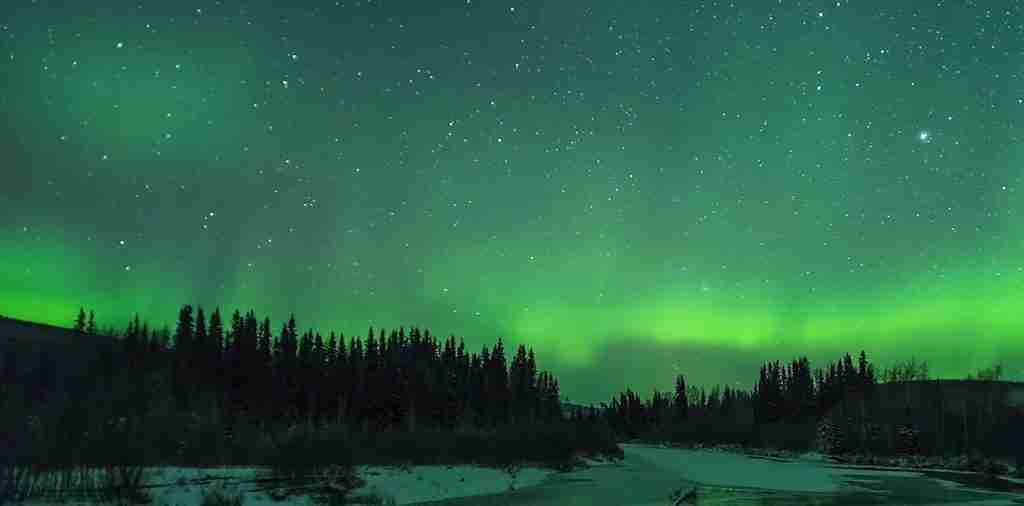
Chena Hot Springs’ location 60 miles from Fairbanks places visitors in prime northern lights viewing territory with minimal light pollution and clear views of the northern horizon. The resort sits directly beneath the auroral oval—the ring-shaped region around the magnetic north pole where aurora activity concentrates—making it one of Alaska’s most reliable aurora viewing locations during the active season from late August through mid-April.
The combination of hot springs and aurora creates Chena’s signature experience during winter months. Visitors soak in the steaming outdoor Rock Lake while watching green, pink, and occasionally red auroral curtains dance overhead, with the contrast between hot water and subzero air adding to the sensory intensity. The steam rising from the pools creates atmospheric foreground elements in photographs, and the remote setting eliminates competing artificial light sources that diminish aurora visibility near urban areas.
Aurora viewing success depends on three primary factors: darkness, clear skies, and geomagnetic activity. Chena offers excellent darkness from September through March, with the extreme northern latitude providing long winter nights ideal for aurora observation. Clear skies remain the variable factor—Interior Alaska experiences significant winter cloud cover, though the region’s continental climate produces clearer conditions than coastal Alaska. Geomagnetic activity, driven by solar wind interactions with Earth’s magnetic field, varies on both predictable and unpredictable cycles, with some periods producing nightly displays while others see minimal activity for weeks.
The resort operates aurora viewing tours during winter that combine hot springs soaking with guided aurora watching at strategic locations around the property. These tours monitor aurora forecasts and position participants in areas with optimal sky views when activity appears likely. While no tour can guarantee aurora appearances—the phenomenon remains a natural event beyond human control—Chena’s location and extended operating hours through midnight provide excellent opportunities for patient observers.
Photography of the aurora requires specific equipment and techniques, with the resort’s dark skies providing ideal conditions for capturing the lights. Successful aurora photography demands cameras capable of manual exposure control, wide-angle lenses, and sturdy tripods to prevent blur during long exposures. The combination of steaming hot springs in foreground with aurora overhead creates stunning compositional opportunities, though managing condensation on camera equipment while moving between hot water and cold air presents technical challenges.
The aurora season peaks during the equinoxes in March and September, when Earth’s magnetic field orientation relative to the solar wind creates enhanced geomagnetic activity. However, auroral displays can occur any night from late August through mid-April, with the darkest months from November through January offering the longest viewing windows. Summer visitors to Chena sacrifice aurora opportunities to Alaska’s midnight sun, though compensation comes through 20-hour daylight allowing extended exploration of the resort and surrounding wilderness.
The resort’s aurora viewing areas include outdoor observation decks, the hot springs themselves, and designated viewing locations away from buildings where artificial lighting might interfere with night vision adaptation. Staff familiar with aurora patterns help position visitors and provide real-time updates when activity intensifies, creating community experiences as groups gather to witness particularly spectacular displays.
Seasonal Activities and Recreation
Chena Hot Springs offers year-round activities beyond hot springs soaking, with seasonal variations providing dramatically different recreational opportunities. The resort’s activity center coordinates all experiences, with pricing varying by season and activity type.
Winter Activities December through March
Dog sledding represents the quintessential winter activity at Chena, with the resort operating a year-round sled dog kennel that maintains a working team of Alaskan Huskies. Winter dog sled rides carry visitors across snow-covered trails through the boreal forest, providing authentic mushing experiences led by experienced handlers. The activity costs around $60 for adults and $30 for youth, covering a trail ride of approximately 1.5 miles. The combination of enthusiastic sled dogs, crisp winter air, and wilderness scenery creates memorable Alaska adventures.
The kennel also offers educational tours year-round for the same pricing, where visitors meet the dogs, learn about mushing culture, and gain understanding of the training and care required for working sled dog teams. These tours appeal to families and visitors interested in Alaska’s cultural heritage even if not interested in riding.
Snowmobile tours explore the resort property and surrounding areas, accessing viewpoints and wilderness areas inaccessible by other means during winter. Northern lights viewing tours combine snowmobile transportation with aurora watching at strategic locations away from the resort’s lights.
The Aurora Ice Museum maintains year-round access but gains special appeal during winter when exterior temperatures plunge far below the museum’s 25°F interior, making the ice environment feel relatively warm by comparison—a reversal of the summer experience when visitors enter chilly museum space from warm outdoor temperatures.
Summer Activities May through September
Dog cart rides substitute for winter dog sledding, with the same enthusiastic Huskies pulling wheeled carts instead of sleds along summer trails. This allows year-round mushing experiences at the same $60 adult and $30 youth pricing, demonstrating how working sled dogs stay active and trained during the snow-free months.
Horseback riding provides wilderness access along trails through the boreal forest surrounding the resort. Rides accommodate various experience levels and typically last one to two hours, allowing visitors to explore terrain from elevated perspectives while experiencing Alaska’s backcountry.
ATV tours on four-wheelers and side-by-side vehicles explore the resort’s extensive trail system, with options ranging from 45-minute introductory tours at around $60 for adults and $32 for youth ages 6-11 to extended expeditions climbing to viewpoints like Charlie Dome. The mechanized access allows visitors to cover significant territory and reach scenic overlooks that would require hours of hiking to reach on foot.
Hiking trails of varying difficulty levels branch from the resort into the surrounding Chena River State Recreation Area, with options from easy nature walks to challenging climbs. The resort provides trail maps and advice on route selection, though hikers should prepare for bear country protocols and carry appropriate safety equipment when venturing beyond immediate resort areas.
Fishing opportunities exist along the Chena River for Arctic grayling and other species, with the resort providing information on regulations and productive locations. The river remains accessible throughout summer though fishing success varies with water levels and seasonal patterns.
Year-Round Activities
The Aurora Ice Museum maintains constant operations regardless of season, providing reliable attraction regardless of visit timing. The geothermal greenhouse tours operate year-round, showcasing the resort’s sustainable food production and geothermal applications in any weather. Renewable energy tours run throughout the year, demonstrating the power generation and heating systems that function continuously.
Flightseeing tours depart from the resort’s airstrip when weather permits, offering aerial perspectives of the surrounding wilderness including flights crossing the Arctic Circle to Fort Yukon or shorter scenic flights over the Chena Hills and Angel Rocks. These aviation excursions carry premium pricing around $490 per person for the Arctic Circle expedition but provide unparalleled access to Interior Alaska’s vast landscapes.
Wildlife viewing opportunities exist throughout the year along the access road and resort property, with moose sightings common in all seasons. The Chena River corridor supports diverse wildlife including fox, occasional wolves, black bears in summer, and abundant bird life during warmer months.
Dining at Chena Hot Springs Resort
The Chena Hot Springs Resort Restaurant operates as the property’s main dining facility, serving breakfast, lunch, and dinner daily from 7 AM to 10:30 PM. Located in the main lodge building, the restaurant functions as the only food service within 60 miles, making it essential for both overnight guests and day visitors planning extended stays.
The menu emphasizes Alaska ingredients including locally sourced fish and game alongside produce grown in the resort’s geothermal greenhouse. The sight of fresh lettuce, tomatoes, and herbs growing mere steps from the kitchen creates farm-to-table dining in one of the most unexpected locations imaginable. The greenhouse’s year-round production means salad greens remain available even during the depths of winter when outdoor agriculture lies frozen and dormant.
Meal prices reflect the remote location and captive dining market, with entrées typically ranging from $18-35 and breakfast items $12-20. The quality receives mixed reviews from visitors, with some praising the fresh ingredients and adequate preparation while others note that prices exceed quality expectations. The reality of operating a full-service restaurant 60 miles from supply chains inevitably creates cost pressures that translate to menu pricing.
The restaurant does not accept reservations, operating on a first-come, first-served basis that can create wait times during peak periods. March—peak aurora viewing season—sees particularly heavy demand, with 30-45 minute waits common during typical dinner hours. Arriving early for meals or timing visits during off-peak hours helps minimize waiting.
The Trails End Lounge adjoins the restaurant, providing bar service with beer, wine, and cocktails for visitors seeking beverages beyond meal service. The lounge offers a casual gathering space for resort guests and provides views toward the surrounding forest.
The Aurora Café in the activity center serves lighter fare including soups, salads, sandwiches, and snacks throughout the day. This provides quicker casual options for visitors who prefer to maximize activity time rather than commit to full restaurant meals. The café also maintains a coffee shop function, valuable for visitors seeking caffeine before early morning departures or during afternoon energy lulls.
Day visitors should plan food strategy carefully. The restaurant and café provide convenient on-site options but at premium prices reflecting monopoly positioning. Bringing coolers with snacks, sandwiches, and beverages offers significant cost savings and flexibility, particularly for families. However, the resort understandably prohibits outside food in dining areas, so picnic-style eating happens at vehicles or designated outdoor areas rather than at restaurant tables.
Accommodation Options at Chena Hot Springs
Chena Hot Springs Resort offers diverse overnight accommodation options ranging from primitive camping to modern lodge rooms, all providing access to the hot springs and resort amenities. Understanding the differences helps visitors select options matching preferences and budgets.
Main Lodge Rooms
The resort’s lodge building contains ensuite hotel-style rooms with private bathrooms, flat-screen televisions, beverage centers, and telephone services. These represent the most conventional accommodation option with predictable amenities expected at hotels. Lodge rooms provide convenient access to the restaurant, hot springs pool house, and activity center via covered walkways, valuable during extreme weather when minimizing outdoor exposure becomes important. Pricing varies seasonally, with summer and aurora viewing season commanding premium rates while shoulder seasons see reduced pricing. Overnight lodge guests receive unlimited hot springs access as part of their accommodation, representing significant value compared to daily admission charges.
Cabins and Yurts
Free-standing cabins scattered around the property provide more rustic experiences with varying amenity levels. Some cabins include full bathrooms and heat while others offer more basic shelter requiring walks to shared facilities. Yurts—circular canvas structures with wood stove heating—deliver unique overnight experiences combining shelter with connection to the surrounding environment. These accommodations suit adventurous travelers comfortable with less conventional lodging.
Ice Hotel Rooms
The Aurora Ice Museum’s ice hotel rooms provide novelty overnight experiences at 25°F in rooms entirely constructed from ice. Specialized arctic sleeping bags and thick mattresses on ice bed frames create surprisingly viable sleeping arrangements, though comfort remains relative compared to conventional accommodations. Most guests choose ice hotel stays for memorable experiences rather than restful sleep, often booking single nights as part of longer stays in conventional rooms.
RV Park and Campground
The resort operates a 24-site campground suitable for both tent camping and RV parking along the Chena River in boreal forest setting. The campground provides access to showers, laundry facilities, the restaurant, and hot springs—significant amenities making Chena’s campground among Alaska’s best-appointed. Sites include picnic tables and fire rings for traditional camping experiences. The campground operates primarily during the May through September season though the resort remains technically open year-round for hardy winter campers. RV sites accommodate various vehicle sizes with dump station access. Camping provides the most economical lodging option while maintaining full resort access, appealing to budget travelers and those seeking connection with the natural environment.
Booking Strategies
Advance reservations remain essential during peak periods including aurora viewing season (September through March) and summer months (June through August). The resort’s remote location and limited room inventory create frequent sell-outs during popular periods. Last-minute availability occasionally opens from cancellations, but planning visits around confirmed reservations prevents disappointment. Shoulder seasons in April-May and September offer better availability and often reduced rates while still providing access to primary attractions. The resort’s booking system operates through their website and telephone reservations, with major booking platforms also listing Chena properties though direct booking often provides best rates and service.
Getting to Chena Hot Springs from Fairbanks
Chena Hot Springs sits 60 miles from downtown Fairbanks via the Steese Highway and Chena Hot Springs Road, both paved routes maintained year-round. The journey takes approximately 90 minutes in normal conditions, with winter driving potentially extending travel time depending on weather and road conditions.
Driving Directions
From Fairbanks, travelers head east on the Steese Highway for approximately 5 miles to the junction with Chena Hot Springs Road on the right. The turn is well-signed and occurs at a major intersection easily identified even in winter darkness. Chena Hot Springs Road extends 56 miles from this junction to the resort at the road’s terminus. The paved two-lane road passes through the Chena River State Recreation Area, following the river valley through boreal forest with minimal development between the highway junction and the resort.
The drive offers excellent wildlife viewing opportunities, particularly for moose which frequent the roadside year-round. Dawn and dusk provide peak wildlife activity periods, though animals appear throughout the day. Drivers should maintain awareness for wildlife on the roadway, as moose collisions cause serious accidents. The forested scenery changes character with seasons—summer brings lush green forests and wildflowers, autumn explodes with gold and red foliage, and winter creates monochromatic snow-covered landscapes.
Vehicle Preparation for Self-Driving
Summer driving to Chena requires standard vehicle preparation with full fuel tanks before departing Fairbanks, as no fuel services exist along the route. The resort does not maintain fuel pumps, requiring advance planning to ensure adequate fuel for roundtrip journeys. Carrying basic emergency supplies including water, snacks, and first aid kits follows responsible backcountry driving practices.
Winter driving demands additional preparation including block heaters for engine warming, winterized windshield washer fluid, and emergency cold-weather gear. Interior Alaska regularly sees temperatures from minus 20°F to minus 50°F during winter months, creating conditions where vehicle breakdowns become potentially dangerous without proper equipment. Travelers should carry extra clothing, sleeping bags or blankets, high-energy food, and emergency communication devices. Cell phone coverage remains sporadic along the route with long stretches lacking signal.
The Alaska 511 system provides current road condition reports including winter maintenance schedules, ice conditions, and any closures or hazards. Checking conditions before departing, particularly during winter, prevents unwelcome surprises.
Shuttle Services and Tours
The resort operates scheduled shuttle service from Fairbanks International Airport and major Fairbanks hotels, bookable through the resort website or phone reservations. Shuttle service proves particularly valuable for visitors without rental vehicles or those uncomfortable with winter driving conditions. The shared shuttle provides ground transportation while eliminating the stress of navigating unfamiliar roads in potentially challenging weather.
Numerous tour operators based in Fairbanks offer day trips and overnight packages including roundtrip transportation, hot springs admission, and often Aurora Ice Museum tours. These guided experiences provide comprehensive convenience, with professional drivers familiar with routes and conditions, scheduled activities, and often additional value through package pricing combining multiple elements. Alaska Wildlife Guide, Go North Alaska, and other established operators maintain strong reputations for these excursions.
Tour packages often include additional elements like aurora viewing extensions in winter or wildlife viewing stops along the route. Some operators coordinate with the resort for discounted admission or priority Aurora Ice Museum tour times, adding value beyond simple transportation. Comparing package options against independent visit costs helps determine whether guided tours or self-directed visits better match budgets and preferences.
Rental Car Considerations
Visitors renting vehicles in Fairbanks specifically for Chena visits should verify rental agreement terms regarding gravel road travel—though Chena Hot Springs Road maintains pavement throughout, some rental contracts restrict use on certain routes. Winter rental vehicles should include winter tires or all-season tires rated for cold weather, with block heaters standard on Alaska rental fleets.
Planning Your Chena Hot Springs Visit: Practical Tips
Successful Chena Hot Springs visits require attention to practical details that vary significantly with seasons and visit styles. Understanding these operational realities helps maximize enjoyment while avoiding common frustrations.
Best Times to Visit
March represents peak aurora viewing season, combining acceptable temperatures (often 0°F to 20°F rather than the extreme cold of midwinter), long dark nights for aurora observation, and increasing daylight for daytime activities. However, March also brings maximum crowds, highest accommodation rates, and longest restaurant waits. Visitors prioritizing aurora experiences accept these tradeoffs for optimal northern lights conditions.
September and early October offer excellent value windows, with shoulder-season pricing, fewer crowds, aurora season beginning, and fall colors painting the boreal forest in gold and red. Temperatures remain moderate compared to winter while allowing both aurora possibilities and comfortable outdoor activities.
June through August provide midnight sun experiences with near-24-hour daylight, ideal for visitors focused on outdoor recreation, hiking, and extended exploration without aurora priorities. Summer sees high visitor volume but the extensive daylight allows activities impossible during winter’s limited light.
November through February deliver the most extreme Alaska experiences with deep cold, minimal daylight, and maximum aurora viewing hours. These months suit hardy travelers seeking authentic Interior Alaska winter while accepting significant cold challenges and very short days.
What to Pack
Essential items for all seasons include swimwear, multiple towels, flip-flops or water shoes, waterproof bags for electronics, and reusable water bottles. These basics apply year-round regardless of season.
Winter visitors need extreme cold-weather gear rated for minus 40°F including insulated boots, heavy parkas, insulated pants, face masks, thick gloves, and warm hats. Layering systems work better than single heavy items, allowing temperature adjustment between outdoor cold and indoor heat. Hand and foot warmers provide backup heating for fingers and toes during extended outdoor exposure.
Summer visitors can pack lighter but should include rain gear, warm layers for cool evenings, and sun protection including hats and sunscreen—the midnight sun remains intense despite northerly latitude. Insect repellent becomes essential from June through August as Alaska’s notorious mosquitoes and other biting insects reach peak activity.
Camera equipment and extra batteries serve all seasons, with winter particularly draining battery life through cold exposure. Lens cloths for managing condensation and protective bags for cameras moving between temperature extremes protect valuable equipment.
Budgeting for Your Visit
Day visitors should budget approximately $20 for hot springs admission, $15-20 for Aurora Ice Museum if including that attraction, $5 per person for towel rental if not bringing personal towels, and $15-40 per person for restaurant meals. Additional activities like dog sledding, horseback riding, or renewable energy tours add their respective costs, with most running $30-60 per person. A comprehensive day visit including hot springs, ice museum, activities, and meals typically costs $80-150 per person before transportation.
Overnight stays add accommodation costs varying from around $30-50 for campground sites to $150-300+ for lodge rooms depending on season and room type. The value proposition shifts for overnight guests receiving unlimited hot springs access, eliminating the per-visit admission cost for multiple soaking sessions.
Lockers and Changing Facilities
The pool house provides lockers requiring quarters for operation—bringing adequate change prevents frustration. The changing rooms include showers and bathrooms allowing full preparation before and after soaking. Hair dryers assist with grooming, valuable particularly in winter when leaving the pool house with wet hair creates instant freezing.
Pool Etiquette and Safety
Chena maintains standard pool safety rules including no diving, no glass containers, and adult supervision of children. The lack of lifeguards places safety responsibility entirely on users. The outdoor Rock Lake’s 18+ age restriction limits the adults-only pool to mature users, while families with children use the indoor pool and outdoor hot tub where supervised minors are permitted.
The natural hot springs water temperature of 106°F remains comfortable for extended soaking but can cause dehydration and overheating if visitors fail to take regular breaks and maintain hydration. Alternating between hot soaking and cooling breaks prevents heat exhaustion. Alcohol consumption before or during soaking compounds these risks and remains discouraged.
Photography Tips
The combination of steam, extreme temperature contrasts, and unique settings creates exceptional photography opportunities throughout Chena Hot Springs Resort. Managing condensation on lenses when moving between temperature zones requires lens cloths and patience allowing equipment to acclimate gradually. Winter photography benefits from extra batteries kept warm against the body, as cold rapidly drains power. Aurora photography demands tripods, manual camera controls, and wide-aperture lenses—smartphone cameras struggle with the low light levels despite improving night-mode features.
Nearby Attractions and Combining Destinations
Chena Hot Springs Resort sits within the Chena River State Recreation Area, which encompasses nearly 400 square miles of protected boreal forest, alpine tundra, and river corridors offering extensive recreational opportunities beyond the resort itself.
Angel Rocks Trail
This popular hiking trail begins approximately 5 miles before the resort on Chena Hot Springs Road, leading to distinctive granite rock formations called Angel Rocks through a 3.5-mile loop. The moderate trail climbs to elevated viewpoints providing expansive views of the Chena River valley and surrounding wilderness. The granite formations create unusual geology in this region of predominantly sedimentary rock, making the site geologically distinctive. Hikers can easily incorporate Angel Rocks into Chena Hot Springs visits, though the trail requires 2-3 hours roundtrip from the parking area.
Chena River State Recreation Area Attractions
The recreation area provides numerous hiking trails, fishing access points, and scenic pullouts along Chena Hot Springs Road. The Chena River supports Arctic grayling, burbot, and northern pike fishing with multiple public access points. Wildlife viewing opportunities exist throughout the protected area, with moose, bears, eagles, and other species common. Several developed campgrounds operate along the river offering alternatives to resort camping.
Fairbanks Attractions
Visitors basing themselves in Fairbanks and day-tripping to Chena Hot Springs can access numerous urban attractions. The University of Alaska Museum of the North showcases Arctic and Alaska natural history, Native cultures, and northern art. Pioneer Park provides historical buildings and exhibits exploring Fairbanks’ gold rush heritage. The Morris Thompson Cultural and Visitors Center offers Alaska Native cultural programming and trip planning resources. The Riverboat Discovery operates river cruises on the Chena and Tanana Rivers during summer months.
Multi-Day Itinerary Combinations
Extended Alaska visits can combine Chena Hot Springs with Fairbanks city attractions, Denali National Park (120 miles south), the Arctic Circle (north on the Dalton Highway), and the Alaska Highway corridor. Each destination requires dedicated time, but multi-day itineraries allow comprehensive Interior Alaska exploration including hot springs, national parks, Arctic tundra, and cultural attractions.
Accessibility and Special Considerations
Chena Hot Springs Resort provides wheelchair-accessible facilities including adapted hot springs access through specialized equipment allowing mobility-impaired visitors to enter Rock Lake. The main lodge, restaurant, and pool house meet ADA standards for accessible pathways and facilities. However, the remote location and some accommodation options (particularly cabins and yurts) present accessibility challenges for visitors with significant mobility limitations.
Guests requiring special assistance should contact the resort directly when booking to discuss specific needs and available accommodations. The staff’s familiarity with accessibility equipment and procedures helps ensure positive experiences for all visitors.
The resort’s pet policy prohibits animals in most areas including lodge rooms and public facilities, though service animals receive appropriate accommodation per federal requirements. Visitors traveling with pets should confirm policies when booking.
Environmental Considerations and Responsible Visiting
The resort operates within sensitive boreal forest and geothermal ecosystems requiring careful management to prevent environmental degradation. Visitors contribute to sustainability through practicing Leave No Trace principles including proper waste disposal, staying on designated trails, respecting wildlife viewing distances, and minimizing resource consumption.
The natural hot springs water composition means sunscreens, lotions, and personal care products contaminate the soaking pools and affect water quality. Showering before entering pools removes surface oils and products, improving water quality for all users. The resort’s weekly draining and cleaning of Rock Lake maintains acceptable conditions, but individual visitor behavior significantly impacts between-cleaning water quality.
Wildlife viewing along the access road and resort property requires maintaining safe distances from animals, particularly moose which become aggressive when approached too closely. Never feed wildlife or leave food accessible to animals, as habituation creates dangerous human-wildlife conflicts. Bears inhabit the region during summer and should be treated with appropriate caution during trail use and outdoor activities.
History of Innovation and Sustainability
The transformation of Chena Hot Springs under Bernie Karl and Connie Parks-Karl’s ownership represents one of Alaska tourism’s most remarkable sustainability success stories. Their vision extended beyond operating a hot springs resort to creating a demonstration project proving renewable energy viability in extreme climates.
The low-temperature geothermal electricity generation technology developed at Chena attracted international attention, with delegations from around the world visiting to study the systems and evaluate applications in their home regions. The technology earned recognition through awards and academic publications, establishing Chena as a serious contributor to renewable energy development beyond its tourism function.
The employee-ownership structure through the ESOP model creates unusual organizational culture where staff members function as stakeholders with direct interest in long-term resort success rather than short-term employment. This alignment of interests supports the sustainability focus and creates service culture where employees genuinely care about guest experiences and environmental stewardship.
The resort’s partnerships with the University of Alaska system continue generating research and development advancing geothermal applications. This ongoing innovation ensures Chena remains at the forefront of renewable energy development while providing guests with meaningful examples of sustainable practices in action.
Frequently Asked Questions
Do I need to make a reservation to visit the hot springs for the day?
Day visitors do not need reservations for hot springs access and can arrive anytime during the pool house’s 7 AM to 11:45 PM operating hours to purchase admission at the activities desk. However, Aurora Ice Museum tours operate on scheduled departure times every two hours, so arriving early or during peak periods increases availability without long waits for the next tour. Overnight accommodations require advance booking, particularly during aurora viewing season and summer months when the resort frequently sells out.
Can children visit the hot springs?
Children are welcome at Chena Hot Springs with age-specific restrictions based on facility. The outdoor Rock Lake maintains an 18+ adults-only policy, while children use the indoor heated pool and outdoor hot tub when accompanied by supervising adults. Children ages 17 and under require adult supervision at all times in pool areas, and the facility does not provide lifeguards. Day admission rates include discounts for children ages 6-17, with children under 6 typically admitted at reduced rates or free depending on current policies.
What is the water temperature and can you adjust it?
The natural geothermal water emerges from underground at approximately 165°F and is cooled to around 106°F for the outdoor Rock Lake and hot tubs. The indoor heated pool maintains lower temperatures around 82-86°F suitable for swimming rather than therapeutic soaking. These temperatures remain relatively constant year-round as they derive from the natural geothermal source and resort cooling systems rather than adjustable heating. Visitors cannot request temperature changes but can choose between different pools and tubs offering slightly varying temperatures.
Is the resort open year-round?
Chena Hot Springs Resort operates 365 days per year with the hot springs, Aurora Ice Museum, restaurant, and basic facilities available in all seasons. Some activities operate seasonally—dog sledding and snowmobile tours in winter, horseback riding and wheeled dog cart rides in summer—but core attractions remain accessible regardless of season. Winter visits during extreme cold occasionally impact some outdoor activities, though the hot springs themselves function in any weather. The campground operates primarily during May through September, while lodge rooms, cabins, and the ice hotel remain bookable year-round.
How long does it take to tour the Aurora Ice Museum?
Guided Aurora Ice Museum tours last approximately 20-30 minutes including the guide’s presentation and time to explore the various ice rooms and sculptures. Visitors can spend additional time photographing and examining details after the guided portion concludes, with total museum time typically ranging 30-45 minutes. The ice bar drink service adds extra time for those purchasing appletinis or other beverages. Tours depart every two hours throughout the day, with summer months seeing additional tour times due to higher visitor volume.
Can you see the northern lights from Chena Hot Springs?
Chena Hot Springs offers excellent northern lights viewing conditions during the aurora season from late August through mid-April, with the resort’s remote location 60 miles from Fairbanks providing dark skies free from urban light pollution. Visitors can watch aurora displays from the outdoor hot springs, creating the signature experience of soaking in steaming pools while northern lights dance overhead. However, aurora appearances remain natural phenomena dependent on solar activity and cannot be guaranteed. Clear skies also factor into viewing success, with cloudy weather obscuring displays regardless of auroral activity levels. The resort monitors aurora forecasts and positions viewing tours for optimal results when conditions appear favorable.
What wildlife might I see on the drive to Chena Hot Springs?
The Chena River corridor and surrounding boreal forest support diverse wildlife commonly visible from the access road. Moose sightings occur frequently year-round, with the animals often feeding along roadside vegetation or crossing the highway. Fox appear regularly, particularly during winter when their tracks and hunting behavior become visible against snow. Black bears occupy the region during summer months May through September. Birds including eagles, ravens, and various waterfowl frequent the river areas. Less common but possible sightings include wolves, lynx, and caribou. Dawn and dusk provide peak activity periods for most species, though moose appear throughout the day.
Is there cell phone coverage at the resort?
Cell phone coverage at Chena Hot Springs Resort and along the access road remains limited and unreliable, with many carriers providing no signal throughout the route. Some guests report intermittent service with certain carriers in specific resort locations, but visitors should not depend on cellular connectivity for navigation, emergency communication, or regular phone use. The resort provides Wi-Fi internet access though bandwidth remains limited due to the remote location. For emergency communication, the resort maintains landline telephone service and staff can assist with urgent contact needs.
Can you bring your own food and drinks to the resort?
Visitors can bring personal food and beverages to Chena Hot Springs Resort for consumption in outdoor areas, at vehicle parking locations, and in accommodation rooms. However, the resort prohibits outside food and drinks in the restaurant and café dining areas, as these commercial food service spaces support resort operations. Day visitors often bring coolers with lunches and snacks to manage costs, eating at their vehicles or designated outdoor spaces before or after hot springs sessions. Overnight guests with lodge rooms or cabins can store and prepare their own food using provided beverage centers and mini-fridges, though full cooking facilities exist only in certain cabin units.
How cold does it get at Chena Hot Springs in winter?
Interior Alaska winters bring extreme cold to Chena Hot Springs, with temperatures regularly dropping to minus 20°F to minus 40°F during December through February. Cold snaps can push temperatures below minus 50°F for extended periods, creating some of Earth’s coldest inhabited conditions outside polar regions. However, the hot springs themselves remain comfortably warm at 106°F regardless of air temperature, and the dramatic temperature contrast between hot water and frigid air creates the signature winter experience. The Aurora Ice Museum’s 25°F interior actually feels warm compared to deep winter outdoor temperatures. Visitors require appropriate extreme cold-weather gear for any time spent outside the heated buildings and hot springs water.