
Free Things to Do in Fairbanks 2026: Complete Budget Travel Guide
Fairbanks proves that Alaska’s interior treasures don’t require deep pockets. From world-class cultural exhibits and historic gold rush sites to northern lights viewing and wildlife refuges, the Golden Heart City offers exceptional free experiences throughout the year that reveal both natural wonders and human heritage.
Key Takeaways About Free Fairbanks Activities 2026
- Cultural Access: Morris Thompson Cultural and Visitors Center provides free admission to 9,000 square feet of exhibits, films, and programs showcasing Interior Alaska’s indigenous cultures, wildlife, and landscapes year-round with no entry fees
- Historical Exploration: Pioneer Park’s 44 acres of Gold Rush history, historic buildings, sternwheeler riverboat, Bear Art Gallery, playground, and self-guided walking tours remain completely free with daily access from 6 AM to midnight
- Wildlife Viewing in 2026: Creamer’s Field Migratory Waterfowl Refuge offers 2,200 acres of trails, viewing platforms, and year-round wildlife watching including thousands of migrating sandhill cranes, waterfowl, and resident mammals at no cost
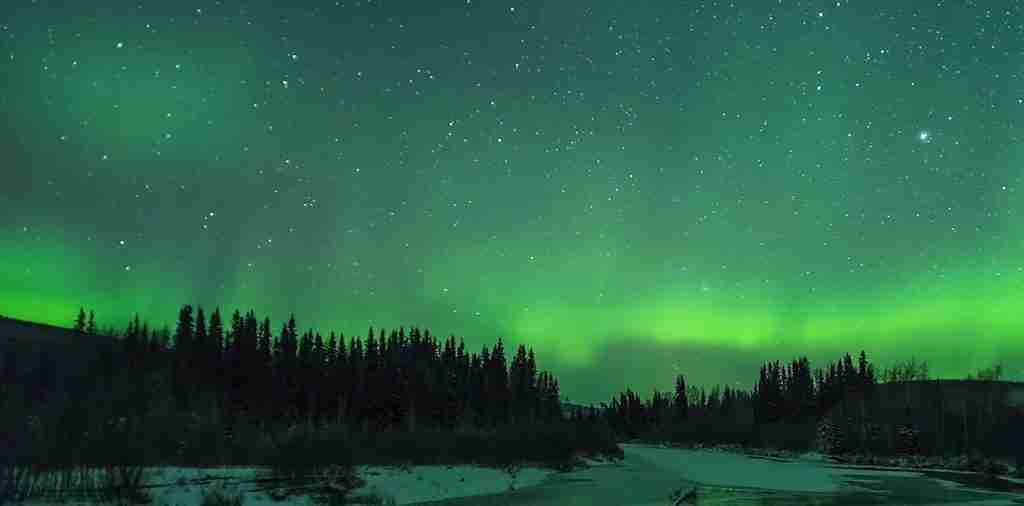
- Aurora Season Access: Northern lights viewing from August through April requires no fees — optimal viewing locations include Murphy Dome Road, Ester Dome, and Chena Lakes Recreation Area where darkness and clear skies maximize aurora displays
- Summer Event Value 2026: Midnight Sun Festival, Midnight Sun Baseball Game, First Friday art walks, and numerous cultural programs throughout summer provide free community celebrations under the endless daylight without admission charges
- Year-Round Trail Networks: Free multi-use trail systems including Chena River walk, Birch Hill Recreation Area, Skarland Trail, and extensive ski trails provide outdoor recreation opportunities in all seasons with complimentary parking and access
People Also Ask About Free Things to Do in Fairbanks 2026
What are the completely free attractions in Fairbanks 2026?
Fairbanks offers several major attractions with no admission fees in 2026. Morris Thompson Cultural and Visitors Center provides free access to exhibits, films, and cultural programs daily. Pioneer Park entrance remains free with 44 acres of historic buildings, museums exteriors, playground, and walking paths accessible without charge. Creamer’s Field Migratory Waterfowl Refuge grants free day use of trails and wildlife viewing platforms across 2,200 acres. The Chena Riverwalk, Golden Heart Plaza with the Antler Arch, and public trail systems throughout the city cost nothing to explore.
Can you see the northern lights for free in Fairbanks during 2026?
Northern lights viewing in Fairbanks costs nothing beyond transportation to dark-sky locations. From August 20 through April 20 during 2026, aurora displays appear on clear nights with optimal viewing from free access points including Murphy Dome Road, Ester Dome, Chena Lakes Recreation Area, and Creamer’s Field. Fairbanks sits directly under the Aurora Oval, making it one of Earth’s premier aurora locations. Drive 15-30 minutes from downtown to escape light pollution, arrive after 10 PM, and watch the sky without any admission fees or required tour bookings.
What free events happen in Fairbanks during summer 2026?
Summer 2026 brings numerous free public events to Fairbanks. The Midnight Sun Festival on June 20-21 features downtown street fairs, arts, crafts, food vendors, live music, and the famous Midnight Sun Baseball Game starting at 10:30 PM without tickets required. First Friday Gallery Walks occur monthly featuring local artists with free receptions from 5-8 PM. Cultural programs at Morris Thompson Center run throughout summer at no cost. Gazebo Nights at Pioneer Park presents free outdoor performances. The Spring Migration Celebration at Creamer’s Field in late April offers guided walks and bird watching activities without admission charges.
Are there free museums or cultural centers in Fairbanks in 2026?
Morris Thompson Cultural and Visitors Center stands as Fairbanks’ premier free museum facility in 2026, offering 9,000 square feet of permanent exhibits about Interior Alaska’s indigenous cultures, natural history, and four seasons. Free films run daily on Alaska topics. Pioneer Park provides free outdoor access to historic buildings and structures including the SS Nenana sternwheeler, Gold Rush-era cabins, and railroad equipment, though museums inside some buildings charge small fees. The Bear Art Gallery at Pioneer Park showcases Alaskan artists with free admission. University of Alaska Fairbanks occasionally offers free community access days to their Museum of the North, announced on their website.
Extended multi-day tours – 5+ days
Featured Fairbanks Multi-Day Tour Packages

3 days
Fairbanks 3-Day Discovery Tour
- ✓ Comprehensive Fairbanks experience
- ✓ Expert local guides included
- ✓ All accommodation included
- ✓ Transportation provided
5 days
Fairbanks 5-Day Highlights Experience
- ✓ Comprehensive Fairbanks experience
- ✓ Expert local guides included
- ✓ All accommodation included
- ✓ Transportation provided

7 days
Fairbanks 7-Day Cultural Journey
- ✓ Comprehensive Fairbanks experience
- ✓ Expert local guides included
- ✓ All accommodation included
- ✓ Transportation provided

10 days
Fairbanks 10-Day Complete Adventure
- ✓ Comprehensive Fairbanks experience
- ✓ Expert local guides included
- ✓ All accommodation included
- ✓ Transportation provided
Multi-day tour packages powered by TourRadar. Prices and availability subject to change.
Introduction to Free Activities in Fairbanks 2026
Alaska’s interior city presents a compelling truth about budget travel: extraordinary experiences don’t require expensive admission tickets. Fairbanks built its character during the Gold Rush era when prospectors arrived with more determination than dollars, and that accessible spirit continues into 2026. The city’s major cultural institutions, historic sites, outdoor spaces, and natural phenomena remain open to everyone regardless of budget, creating opportunities for genuine engagement with Subarctic Alaska without financial barriers.
The strategic value of these free resources extends beyond simple cost savings. Morris Thompson Cultural and Visitors Center functions as Interior Alaska’s gateway, providing context and knowledge that enriches every subsequent experience. Pioneer Park preserves tangible connections to frontier history through buildings and artifacts that convey stories no textbook captures. Creamer’s Field demonstrates why wildlife migrations fascinated indigenous peoples for millennia and continues to draw thousands of sandhill cranes each spring. The aurora borealis, Earth’s most spectacular light show, performs for anyone willing to stay awake under dark skies between August and April.
Fairbanks’ geographic position creates unique free opportunities unavailable elsewhere. At 65 degrees north latitude, the city experiences summer solstice with nearly 24 hours of continuous daylight and winter solstice with less than four hours of sun. These extremes shape local culture and create seasonal phenomena accessible to all visitors. The midnight sun allows evening hikes on public trails at 11 PM under full daylight. Winter darkness intensifies aurora displays while groomed ski trails provide free recreation across hundreds of acres of public land.
This guide details Fairbanks’ free attractions organized by category, seasonal opportunities, and practical logistics for 2026. Each section identifies specific locations, operating hours, access points, and strategic planning advice to maximize value from these no-cost resources. Whether visiting for three days or three weeks, budget-conscious travelers can build substantive itineraries around free activities that capture authentic Interior Alaska experiences without compromising quality or depth of engagement.
Free Cultural Centers and Museums in Fairbanks 2026
Morris Thompson Cultural and Visitors Center – Free Year-Round Access
Morris Thompson Cultural and Visitors Center delivers Interior Alaska’s most comprehensive free cultural experience in 2026. Located at 101 Dunkel Street along the Chena River in downtown Fairbanks, this 35,000-square-foot facility combines visitor information services, Alaska Public Lands Information Center resources, indigenous cultural programming, and world-class exhibits under one roof with no admission fees.
The center operates with seasonal hours: May 27 through September 3 daily from 8 AM to 6 PM, and September 4 through May 26 daily from 8 AM to 5 PM. Closed only on Thanksgiving, Christmas, and New Year’s Day, the center provides year-round free access to exhibits and programs that would cost $15-20 per person at comparable private museums.
The permanent exhibit hall spans 9,000 square feet featuring outstanding dioramas of Interior Alaska’s four seasons, Alaska Native cultural displays, wildlife habitat recreations, and interactive elements. Exhibits explain Athabascan traditions, subsistence lifestyles, boreal forest ecology, and the region’s extreme seasonal changes through authentic artifacts, multimedia presentations, and hands-on displays. The quality rivals paid museums across Alaska, yet admission remains completely free.
Free film screenings run throughout the day on rotating topics including aurora science, Alaska Native cultures, wildlife behavior, and natural history. These professionally produced documentaries typically cost $8-12 in commercial settings but play continuously in the center’s theater at no charge. Film schedules post at the information desk and online.
Cultural programs and demonstrations occur regularly featuring Alaska Native artists, storytellers, dancers, and craftspeople. Programming includes traditional tool-making demonstrations, language lessons, seasonal celebration explanations, and artistic techniques passed through generations. Events calendar posts monthly on the center’s website with all programs offered free to the public.
The Alaska Public Lands Information Center occupies dedicated space within the building, staffed by rangers who provide free trip planning assistance, backcountry permits, trail maps, cabin rental information, and detailed knowledge about surrounding public lands including Denali National Park, Gates of the Arctic, White Mountains, and Chena River State Recreation Area. This service alone saves visitors hours of research and potential wrong turns.
Visitor information specialists offer free advice on Fairbanks attractions, dining, accommodations, and logistics. They provide current information on road conditions, aurora forecasts, wildlife sightings, event schedules, and seasonal considerations. Maps, brochures, and community event listings fill racks available for free distribution.
The center features free WiFi throughout the building, public restrooms, comfortable seating areas, and indoor warmth during winter months when outdoor activities become challenging. On cold January days when temperatures drop to minus 30 or 40 degrees, the center provides a valuable free refuge for several hours of quality cultural engagement.
Outdoor grounds include interpretive signage, Athabascan-inspired mosaic artwork in the walkways, outdoor sculptures, and direct access to the Chena Riverwalk. The famous Antler Arch stands adjacent to the center — a massive structure built with over 100 moose and caribou antlers collected from Interior Alaska. Photographs with this iconic landmark cost nothing and create memorable souvenirs.
First Friday receptions occur monthly from 5-8 PM featuring Interior Alaska artists with free refreshments and meet-the-artist opportunities. These gallery openings showcase paintings, photography, sculpture, and traditional crafts by local and Alaska Native artists in professional exhibition settings at no cost to attendees.
Practical planning note: Allocate 1-2 hours minimum for a thorough visit. Arrive early in your Fairbanks stay to gather information, watch films, and speak with staff about optimizing the rest of your trip. The center serves strategically as both an attraction itself and a planning resource that improves all subsequent experiences.
Pioneer Park Free Access and Bear Art Gallery
Pioneer Park provides Fairbanks’ largest free historical attraction across 44 acres between Airport Way and the Chena River. Created in 1967 to commemorate Alaska’s purchase centennial, the park preserves Gold Rush-era buildings, transportation history, and frontier artifacts with no entry fees charged for grounds access.
Park grounds remain open daily year-round from 6 AM to midnight. During summer season from Memorial Day weekend through Labor Day, concessions, shops, and some museums operate with extended hours typically noon to 8 PM. Winter access continues for self-guided walking tours among historic structures, though most buildings close.
Free attractions within Pioneer Park include extensive outdoor exhibits accessible without charge. Historic log cabins relocated from original Fairbanks locations preserve authentic pioneer architecture. The SS Nenana, a 237-foot wooden-hulled sternwheeler that operated on Interior rivers from 1933 to 1955, sits permanently displayed as the second-longest wooden ship still existing. Visitors walk around the exterior, photograph the massive vessel, and read interpretive signs explaining its riverboat history at no cost.
Gold Rush Town recreates a frontier settlement with authentic period buildings including Judge Wickersham’s house, the Kitty Hensley house reflecting early 20th-century domestic life, replica storefronts, and mining equipment displays. Walking these dirt streets among vintage structures provides tangible connection to 1900s Fairbanks without admission fees.
The playground in the park’s center attracts families with animal train climbers, swings, spiral slides, net climbers, and multiple play areas designed for various age groups. This free facility operates year-round and provides quality recreation for children during extended visits.
Bear Art Gallery occupies the Alaska Centennial Center for Arts building, open Tuesday through Saturday noon to 6 PM during winter and extended summer hours. This professional gallery space showcases Interior Alaska artists through rotating exhibits of paintings, photography, sculpture, traditional crafts, and contemporary works. Admission remains free year-round, offering exposure to Alaska art without the typical $10-15 gallery fees.
Walking paths throughout Pioneer Park connect historic sites, gardens, picnic areas, and riverside access. The Chena River bike path borders the park’s north edge, linking to downtown Fairbanks and Growden Memorial Park via waterfront trail. These free multi-use paths provide walking and cycling routes through scenic areas.
Free WiFi covers portions of the park during summer season. Public restrooms operate seasonally with winter facilities limited. Ample parking lots surround the park with no parking fees charged.
Some attractions within Pioneer Park charge nominal fees including Pioneer Air Museum, Pioneer Museum, Tanana Valley Railroad Museum, carousel rides, mini-golf, and train rides. However, the extensive outdoor historical exhibits, buildings exteriors, SS Nenana viewing, playground, gallery, and walking grounds remain completely free and constitute several hours of worthwhile exploration.
Special free events at Pioneer Park during 2026 summer include Gazebo Nights free outdoor performances at 7 PM, community festivals, and cultural celebrations. Event schedules post on the park’s website and at the information kiosk near the main entrance.
Strategic visit approach: Arrive during summer season for full building access and active atmosphere. Budget 2-3 hours to walk the historic areas, explore buildings exteriors, visit Bear Gallery, and absorb Gold Rush history. Families with children should allocate additional time for playground use. Winter visits suit those interested in quiet historical contemplation among snow-covered cabins and authentic frontier structures without crowds.
Free Wildlife Viewing and Natural Areas in Fairbanks 2026
Creamer’s Field Migratory Waterfowl Refuge – Year-Round Free Access
Creamer’s Field Migratory Waterfowl Refuge ranks among Fairbanks’ most valuable free natural attractions in 2026. This 2,200-acre state wildlife refuge at 1300 College Road, two miles from downtown, preserves historic dairy farm fields, boreal forest, and wetlands that attract over 150 bird species and 30 mammal species with no admission fees for day use.
The refuge operates 24 hours daily, 365 days yearly with complete free access to trails, viewing platforms, visitor center (during staffed hours), and all wildlife viewing areas. This openness provides flexibility for early morning birding, late evening wildlife watches, and spontaneous visits whenever weather and light conditions favor observation.
Trail networks span approximately three miles through varied habitats. Well-marked paths cross open fields where migrating waterfowl congregate, wind through boreal forest displaying Interior Alaska’s characteristic spruce-birch ecosystems, traverse wetlands via boardwalks where beavers and muskrats build lodges, and circle viewing areas offering panoramic field perspectives. All trails remain free to use year-round.
Spring migration from late April through May brings spectacular waterfowl concentrations. Thousands of sandhill cranes stop at Creamer’s Field during northward migration, their distinctive rattling calls announcing the end of Interior Alaska’s long winter. Canada geese, white-fronted geese, northern pintails, mallards, and trumpeter swans gather in fields cleared of snow by airport workers specifically to attract birds away from runway hazards. This coordination between wildlife management and aviation safety creates unmatched free viewing opportunities.
The annual Spring Migration Celebration in late April features free guided walks, educational programs, falconry demonstrations, and children’s activities from noon to 4 PM. This community event costs nothing to attend and provides expert interpretation during peak migration activity.
Summer months from June through August offer free guided nature walks led by volunteer naturalists Wednesday through Friday at 10 AM. These walks cost nothing, cover wildlife identification, plant ecology, and natural history topics, and last 60-90 minutes. Participants learn from knowledgeable locals without guide fees typically charged by commercial tour operators.
Fall migration during August and September brings sandhill cranes back in large numbers. The Tanana Valley Sandhill Crane Festival in late August celebrates their return with a week of free programs, guided walks, lectures, and viewing opportunities. Morning and evening flights see thousands of cranes practicing formation flying before their southward departure — a spectacular free show visible from refuge viewing platforms.
Winter transforms Creamer’s Field into a multi-use recreation area. Trails are groomed for free cross-country skiing, skijoring, dog mushing, and fat-bike riding. The flat terrain suits beginners while providing sufficient distance for substantive workouts. Parking and trail access remain free, saving the typical $10-20 daily fees charged at commercial Nordic ski areas.
Wildlife viewing continues through winter with resident moose, foxes, lynx, snowshoe hares, and winter bird species observable on trails. Lynx tracks in fresh snow indicate their nocturnal hunts even when the elusive cats remain hidden. Red foxes hunting voles cross open fields in daylight. These free wildlife encounters require only patience and quiet observation.
The historic Farmhouse Visitor Center operates with free admission during summer daily 9:30 AM to 5 PM, and winter Saturdays noon to 4 PM. Exhibits explain refuge history, wildlife ecology, and seasonal natural events. Staff and volunteers provide free trail maps, recent wildlife sighting reports, identification guides, and program schedules.
Viewing platforms and elevated towers throughout the refuge offer strategic vantage points for scanning fields and wetlands. These structures provide free observation posts superior to ground level, especially valuable during migration peaks when thousands of birds spread across the landscape.
Interpretive signs along trails deliver free education on boreal forest ecology, wetland functions, bird migration patterns, and mammal adaptations to Interior Alaska’s extreme climate. This self-guided learning costs nothing and enhances understanding of observed phenomena.
Photography opportunities abound at Creamer’s Field without requiring expensive wildlife tours. Dawn and dusk light illuminates migrating cranes against dramatic skies. Moose feed in wetlands within comfortable camera range. Red foxes hunt across snow-covered fields. These free scenes rival shots obtained on paid wildlife photography expeditions.
Practical considerations for 2026 visits: Arrive early morning during migration seasons for peak bird activity. Bring binoculars for enhanced viewing, though observations succeed without optical equipment. Dress appropriately for weather with layered clothing in spring and fall, and full winter gear November through March. Summer visits require mosquito protection — bring head nets and repellent for comfortable trail walking. Allocate 1-3 hours depending on wildlife activity and personal interest. The refuge rewards multiple visits across seasons to experience different migration events and seasonal changes.
Chena Riverwalk and Golden Heart Plaza
The Chena Riverwalk provides Fairbanks’ premier free urban trail experience through downtown along the river that gave the city its original name. This paved multi-use path connects Morris Thompson Cultural and Visitors Center, Golden Heart Plaza, Pioneer Park, Growden Memorial Park, and various downtown access points with no fees for use.
The riverwalk extends approximately 3.5 miles from downtown through various neighborhoods, offering level walking and cycling suitable for all fitness levels. Paved surfaces accommodate wheelchairs, strollers, and mobility devices. The trail remains accessible year-round, with winter plowing maintaining most sections for cold-weather walking and fat-bike riding.
Golden Heart Plaza sits adjacent to Morris Thompson Center at the riverwalk’s downtown terminus. This public gathering space hosts the famous Antler Arch — a 12-foot-tall structure built with over 100 moose and caribou antlers that has become Fairbanks’ most photographed landmark. The arch represents Interior Alaska’s wildlife abundance and provides an iconic free photo opportunity.
The Lend-Lease Monument stands in Golden Heart Plaza commemorating the World War II program that saw American aircraft flown through Fairbanks to Russia. Historical interpretation explains this significant wartime connection at no cost to visitors interested in Alaska’s military history.
Benches along the riverwalk offer free resting spots with river views. During summer, extended daylight allows evening walks at 10 PM under bright sunshine. Winter visits present different beauty as ice formations edge the river and northern lights potentially dance overhead on clear nights.
The Chena River itself provides free wildlife viewing opportunities. Red salmon run upstream during summer. Beavers build lodges along quieter stretches. Waterfowl including mergansers, goldeneyes, and common loons appear during migration. River otters occasionally surface near downtown sections. These wildlife encounters require no admission fees or paid tour bookings.
Public restrooms at Morris Thompson Center serve riverwalk users at no charge during center operating hours. Water fountains operate seasonally along the route. Free parking exists at multiple access points including Morris Thompson lot, Growden Park, and Pioneer Park.
The riverwalk connects seamlessly to other free trail systems extending Fairbanks’ no-cost path network. From Growden Park, trails continue toward University of Alaska Fairbanks campus. From Pioneer Park, paths link to residential neighborhoods and additional riverside access. Strategic use of these connections creates extended free walking and cycling routes throughout the city.
Community events at Golden Heart Plaza throughout 2026 include free outdoor concerts, cultural performances, and seasonal celebrations. Event schedules post on city websites and at Morris Thompson Center. These gatherings cost nothing to attend and showcase Fairbanks’ community character.
Free Hiking Trails and Recreation Areas Around Fairbanks 2026
Fairbanks provides extensive free trail systems beyond Creamer’s Field and the Chena Riverwalk. These public lands offer quality outdoor recreation without entrance fees, parking charges, or permits required.
Birch Hill Recreation Area maintains over 20 kilometers of multi-use trails northwest of Fairbanks at the end of Birch Hill Road. Summer trails accommodate hiking, running, and mountain biking at no cost. Winter transforms the area into Fairbanks’ premier free Nordic ski facility with groomed classic and skate-skiing tracks, fat-bike trails, and lighted loops for after-dark skiing under aurora-lit skies. Parking and trail use remain completely free, exceptional value compared to commercial ski areas charging $15-25 daily.
The trail network includes loops for all skill levels from beginner-friendly flat circuits to challenging hill climbs. The biathlon range provides free viewing of training sessions when local athletes practice. Warming hut facilities offer shelter during cold conditions at no charge.
Skarland Trail near University of Alaska Fairbanks campus delivers free access to boreal forest hiking and skiing. This moderate difficulty trail winds through classic Interior Alaska terrain of mixed spruce-birch forest. Summer hiking reveals forest ecology and occasional wildlife sightings. Winter grooming creates ski tracks suitable for intermediate Nordic skiers. Parking at the North Tanana Drive trailhead costs nothing.
University of Alaska Fairbanks maintains free public trails across portions of campus including paths through boreal forest research areas, around Smith Lake, and connecting campus buildings. The Large Animal Research Station allows free viewing of muskoxen, reindeer, and caribou from observation areas outside enclosures. While interior tours require fees, external viewing platforms provide free wildlife observation opportunities.
Ester Dome trails southwest of Fairbanks offer free access to subalpine terrain with expansive views across Interior Alaska. Multiple routes of varying difficulty climb toward the dome’s summit. Lower trails accommodate casual hikers while upper routes challenge experienced trekkers. No fees apply for trail use or parking at various trailheads. The dome serves as a popular free northern lights viewing location during aurora season with 360-degree sky views far from city light pollution.
Chena Lakes Recreation Area east of Fairbanks provides free day-use access to lakeside trails, beach areas, and picnic sites during summer. While camping requires fees, day visitors use facilities, walk trails, access swimming beaches, and enjoy picnic areas without charges. This creates free family recreation opportunities during warm months.
The Chena River State Recreation Area along Chena Hot Springs Road offers numerous free trailheads and day-use areas. Angel Rocks Trail, Granite Tors Trail, and various river access points require no day-use fees. Hikers explore dramatic rock formations, boreal forest, and alpine tundra without paying entrance fees common at national parks. Parking at trailheads remains free.
Winter trail systems throughout Fairbanks neighborhoods are groomed and maintained by volunteer organizations. These community efforts provide extensive free skiing networks in areas like Fairbanks North Star Borough parks, school district properties, and dedicated trail corridors. Local ski maps show current grooming status and available routes — all accessible without fees.
Free Northern Lights Viewing in Fairbanks 2026
Aurora Season and Optimal Viewing Locations
Northern lights viewing represents Fairbanks’ most spectacular free attraction from August 20 through April 20 during the 2026 aurora season. Positioned directly under the Aurora Oval — the zone of maximum geomagnetic activity circling Earth’s poles — Fairbanks offers among the planet’s best aurora viewing opportunities without requiring expensive tour packages.
Aurora science explains the accessible nature of Fairbanks viewing. Charged particles from the sun interact with Earth’s magnetic field and atmosphere, creating luminous displays concentrated in oval zones around magnetic poles. Fairbanks at 65 degrees north latitude sits beneath peak activity, while clear continental climate produces cloudless skies more reliably than coastal Alaska locations. These factors combine to deliver over 200 aurora-potential nights annually.
Optimal free viewing locations cluster 15-30 minutes from downtown where light pollution diminishes sufficiently for aurora observation. Murphy Dome Road north of the city provides the most accessible dark-sky viewing area. Drive 10 miles up the road beyond residential areas, park at pullouts, and wait for aurora displays. No fees apply for road access or parking. The elevation gain improves sky views while distance from city lights enhances aurora visibility.
Ester Dome southwest of Fairbanks serves dual purposes as hiking destination and aurora viewing platform. Drive to various parking areas along Ester Dome Road, then watch skies from vehicle or short walks to open areas. The dome’s summit offers 360-degree sky views optimal for photographing aurora arcs, though lower elevations work equally well for simple viewing. Access remains free year-round.
Creamer’s Field Migratory Waterfowl Refuge provides convenient in-town aurora watching during winter months. Open fields create unobstructed sky views while remaining close to services. Park in the main lot off College Road and watch from the field edges. This location suits visitors without vehicles or those preferring to minimize driving on potentially icy roads. No fees apply for parking or access even during midnight aurora viewing.
Chena Lakes Recreation Area east of Fairbanks combines aurora viewing with lakeside settings. Park near the lakes and watch reflections of northern lights dancing across water surfaces — stunning photographic opportunities available without charges. Day-use access continues through aurora season at no cost.
The Dalton Highway north of Fairbanks extends into Arctic darkness where aurora displays intensify. While the famous Coldfoot viewing location lies 250 miles north, simply driving an hour up the highway beyond light pollution creates excellent free viewing opportunities. Pull into the numerous turnouts maintained for commercial truck traffic and use these spaces for aurora observation without fees.
Optimal viewing strategy for maximum success without paid tours: Check aurora forecast websites including University of Alaska Fairbanks Geophysical Institute aurora forecast and NOAA space weather predictions. These free resources predict activity levels days in advance. Plan viewing attempts on nights with KP index 3 or higher for best probability. Clear skies prove essential — monitor weather forecasts and choose nights with predicted clear conditions.
Timing matters significantly. Aurora activity peaks between 10 PM and 2 AM, though displays can occur anytime during dark hours. Winter months December through February offer longest darkness windows with aurora-potential viewing from 4 PM to 8 AM. Shoulder seasons August-September and March-April provide moderate darkness windows. During peak summer June-July, insufficient darkness prevents aurora viewing despite activity occurring overhead.
Dress appropriately for winter aurora viewing when temperatures drop to minus 20, minus 30, or occasionally minus 40 degrees Fahrenheit. Proper cold-weather clothing prevents dangerous exposure during extended outdoor observation. Layered insulation, insulated boots, heavy mittens, and face protection prove essential for comfortable viewing during multi-hour sessions.
Photography of aurora requires only basic camera equipment — modern smartphones capture displays adequately using night mode settings, though DSLR or mirrorless cameras with manual settings produce superior results. Tripods stabilize cameras during long exposures necessary for aurora photography. These relatively modest equipment investments enable high-quality aurora documentation during free viewing sessions.
Multiple night attempts increase success probability. Aurora displays vary in intensity, duration, and visual appeal. Some nights produce faint green glows barely visible to naked eyes. Other nights generate dramatic multicolored displays of dancing curtains that fill entire skies. Planning 3-4 viewing attempts during a Fairbanks visit significantly increases chances of witnessing memorable displays.
Local knowledge shared freely by Fairbanks residents improves viewing success. Hotel staff, visitor center personnel, and locals frequently share aurora sighting reports and current viewing locations. This community information costs nothing and helps visitors optimize limited time for maximum aurora experiences.
Free Summer Events and Festivals in Fairbanks 2026
Midnight Sun Festival and Summer Solstice Celebrations
The Midnight Sun Festival on June 20-21, 2026 stands as Fairbanks’ largest free public celebration. This annual event marking summer solstice transforms downtown streets into festival grounds with arts, crafts, food vendors, live music, cultural performances, and community activities — all free to attend and participate in without admission charges.
Downtown Fairbanks closes to vehicle traffic, creating pedestrian spaces filled with vendor booths selling local arts, crafts, and Alaskan products. While purchases cost money, browsing exhibits and engaging with artists costs nothing. The festival atmosphere showcases Interior Alaska’s creative community without requiring ticket purchases or entry fees.
Live music stages present free performances throughout both festival days. Local bands, Alaska Native dancers, folk musicians, and various performers entertain crowds from afternoon through late evening. Multiple stages provide continuous entertainment options, all accessible without admission fees or reserved seating charges.
Cultural demonstrations including Alaska Native crafts, traditional tool-making, storytelling, and dance performances occur at various festival locations. These free educational programs explain indigenous heritage and contemporary Alaska Native culture to audiences of all ages without requiring workshop fees or registration.
Children’s activities including face painting, games, crafts, and entertainment occupy dedicated festival areas. While some activities may charge small participation fees, many remain completely free and provide quality entertainment for families visiting during solstice weekend.
The Midnight Sun Baseball Game at 10:30 PM on June 21 represents Fairbanks’ most famous summer tradition. This Alaska Baseball League game between the Alaska Goldpanners and visiting teams begins at 10:30 PM and plays without artificial lights under the midnight sun. The game has occurred annually since 1906, making it a century-old tradition. Admission to the game is free — spectators gather at Growden Memorial Park to watch under continuous daylight that never fades to darkness. The experience delivers authentic Alaska culture without ticket costs.
The festival demonstrates summer solstice’s impact on Fairbanks life. On June 21, the sun sets at 12:47 AM and rises at 2:58 AM, creating less than three hours of twilight rather than true darkness. This phenomenon allows the festival to continue into late evening with full visibility, street fair atmosphere remaining vibrant past midnight under bright skies.
First Friday Gallery Walks and Art Events in 2026
First Friday Gallery Walks occur monthly throughout 2026 in downtown Fairbanks, typically from 5-8 PM on the first Friday of each month. These free community art events open multiple galleries and exhibition spaces simultaneously with receptions, artist meet-and-greets, refreshments, and coordinated showings.
Morris Thompson Cultural and Visitors Center hosts First Friday receptions featuring Interior Alaska artists. Exhibits change monthly, showcasing paintings, photography, sculpture, traditional Alaska Native arts, and contemporary works. Free refreshments accompany openings, and artists often attend to discuss their work with visitors. This provides art gallery experiences typically found in major cities at no cost in Fairbanks.
Bear Art Gallery at Pioneer Park participates with extended hours and special exhibitions during First Fridays. Additional downtown galleries and studios open their doors, creating an art walk route through the city center. Maps of participating venues distribute at Morris Thompson Center and post online.
The events attract Fairbanks’ arts community including artists, collectors, students, and general public interested in contemporary Alaska art. Networking opportunities arise naturally as participants move between venues. For visitors, First Fridays provide insider access to Fairbanks’ creative scene without formal introductions or paid events.
Plan First Friday attendance during 2026 visits by checking monthly schedules in advance. The free nature of these events makes them valuable additions to any Fairbanks itinerary, offering cultural enrichment without budget impact.
Free Cultural Programs and Community Events Throughout 2026
Fairbanks maintains active free cultural programming beyond major festivals. Morris Thompson Cultural and Visitors Center schedules regular indigenous cultural demonstrations, film screenings, lecture series, and educational programs throughout the year without admission fees. Monthly event calendars post on their website.
Alaska Native cultural programs occur at various community venues including traditional storytelling sessions, language classes, craft workshops demonstrations, and seasonal celebration explanations. These free programs preserve and share indigenous knowledge with public audiences. Friends of Creamer’s Field schedules seasonal programs including sandhill crane festivals, spring migration celebrations, and natural history lectures at no cost to participants.
University of Alaska Fairbanks occasionally offers free public lectures, concerts, planetarium shows, and cultural events as part of their community engagement mission. Event calendars on the university website list opportunities when campus facilities welcome public attendance without fees.
Gazebo Nights at Pioneer Park present free outdoor performances during summer evenings at 7 PM. Musical acts, theatrical performances, and community entertainment occur in the park’s historic gazebo setting. These casual events suit families and visitors seeking evening activities without cover charges or ticket requirements.
Summer outdoor concert series at various Fairbanks parks bring free live music to different neighborhoods. Local bands, folk musicians, and community groups perform at parks including Growden Memorial Park, Pioneer Park, and neighborhood recreation areas. Blanket-style seating creates casual atmosphere where audiences enjoy music under midnight sun without admission fees.
Library programs at Noel Wien Public Library include free film screenings, author talks, children’s story times, educational workshops, and community gatherings. The library serves as a valuable free cultural resource year-round with programs appealing to various interests and age groups.
Free Winter Activities and Aurora Season Experiences in Fairbanks 2026
Winter Trail Networks and Nordic Skiing Opportunities
Winter transforms Fairbanks into a free Nordic skiing destination through extensive groomed trail networks maintained by volunteers and municipal efforts. From November through March 2026, over 50 kilometers of cross-country ski trails operate across the city without fees, providing world-class skiing opportunities comparable to commercial Nordic centers that typically charge $15-25 daily.
Birch Hill Recreation Area maintains Fairbanks’ largest free trail system with approximately 20 kilometers of groomed tracks. Classic and skate-skiing lanes accommodate different Nordic techniques. Trails range from flat beginner loops to challenging hill climbs suitable for advanced skiers. The biathlon range adds spectator interest when local athletes train. Evening skiing under lights creates atmospheric experiences, with potential aurora displays overhead on clear nights. All facilities remain completely free including parking, trail use, and warming hut access.
University of Alaska Fairbanks trails offer additional free skiing through campus areas and adjacent lands. Skarland Trail provides intermediate skiing through boreal forest. Campus trail networks connect buildings while winding through research forests. Students, residents, and visitors share these spaces without any access fees.
Neighborhood trail systems throughout Fairbanks North Star Borough create distributed free skiing opportunities. Local ski club volunteers groom trails in residential areas, school properties, and community parks. The Fairbanks Ski Club website maps current grooming status, available routes, and conditions — all accessible without membership fees or daily passes.
Creamer’s Field Migratory Waterfowl Refuge maintains winter trails groomed for multiple uses including Nordic skiing, skijoring, fat-biking, and dog mushing. The flat terrain suits beginners while providing sufficient distance for quality workouts. Wildlife viewing continues through winter with moose, foxes, and resident birds observable from ski trails. The refuge’s 24-hour free access allows dawn or dusk skiing when soft light illuminates snow-covered landscapes.
Fat-bike trails share many groomed ski networks, creating free winter cycling opportunities. Fat bikes with oversized tires navigate packed snow efficiently. Borrowing or renting bikes provides access to extensive trail systems without ongoing usage fees once equipment is obtained.
Snowshoeing represents the most accessible free winter recreation requiring minimal equipment. Any Fairbanks trail becomes snowshoe-accessible during winter. Creamer’s Field, Pioneer Park, campus trails, and neighborhood paths all welcome snowshoe traffic. Purchase or rent snowshoes provides unlimited trail access throughout winter months.
Free sledding hills exist throughout Fairbanks parks and neighborhoods. Birch Hill sledding area, various school hills, and community parks provide tobogganing opportunities without fees. Families with sleds enjoy winter recreation at these public spaces during daylight or under floodlights at some locations.
Ice Festivals and Winter Community Events in 2026
While the World Ice Art Championships in Fairbanks charges admission to the main exhibition areas, significant free ice viewing opportunities exist around the city during late February and March 2026. Public ice sculptures appear in downtown areas, parks, and community spaces as part of festival overflow and community projects. These large-scale ice artworks can be photographed and viewed at no cost while walking Fairbanks streets.
Ice Alaska’s multi-block ice park north of downtown displays some sculptures visible from public roads and accessible areas without requiring paid admission. Strategic parking and viewing from public spaces allows partial participation in this world-renowned event without ticket purchases.
Community ice carving events and demonstrations occasionally occur at public venues including Pioneer Park and downtown locations. These free programs show artistic techniques while creating smaller sculptures accessible to all viewers.
Winter festivals and celebrations at Pioneer Park continue through cold months with holiday lighting displays, seasonal events, and community gatherings. While park buildings close during winter, grounds remain accessible for viewing decorations and experiencing Alaska’s dark season atmosphere at no cost.
New Year’s Eve celebrations in downtown Fairbanks include free public gatherings, fireworks displays at 8 PM for families, and midnight celebrations. Golden Heart Plaza hosts community countdown events without admission charges. These festivities provide authentic Fairbanks winter experiences as residents mark the new year at temperatures often 20-30 degrees below zero.
Free Photography Locations and Scenic Viewpoints in Fairbanks 2026
Urban Photography Opportunities Without Fees
Fairbanks offers numerous free photography locations producing iconic Alaska images without requiring tour fees or location access charges. Golden Heart Plaza’s Antler Arch stands as the city’s most photographed landmark, available 24/7 without fees. Dramatic backdrops change seasonally from midnight sun illumination in summer to aurora displays in winter, each creating distinct photographic opportunities.
The Chena River provides year-round free photography subjects including summer reflections, autumn colors, winter ice formations, and spring break-up dynamics. Access multiple river viewpoints along the Chena Riverwalk, from bridges including the Cushman Street Bridge and Illinois Street Bridge, and at Pioneer Park’s riverside areas. These varied perspectives create portfolio diversity without location fees.
Morris Thompson Cultural and Visitors Center architecture features photogenic modern design incorporating Alaska Native artistic elements. Interior exhibits allow photography of cultural displays and natural history dioramas. Exterior grounds provide artistic outdoor installations and river views. All photography occurs without fees or permit requirements for personal use.
Downtown Fairbanks historic buildings including old commercial structures, the Federal Building, and renovated Gold Rush-era construction offer architectural photography subjects. Public sidewalks and streets allow photography without access fees or restrictions. Evening light during summer creates long shadows emphasizing building details.
Natural Landscape Photography Locations Free in 2026
Creamer’s Field Migratory Waterfowl Refuge delivers exceptional free wildlife photography opportunities. Spring migration concentrates thousands of sandhill cranes, waterfowl, and songbirds in accessible fields. Photographers position along trail edges and viewing platforms for quality images without hide rentals or guide fees typical of commercial wildlife photography destinations.
Mammal photography opportunities include moose feeding in wetlands, foxes hunting across fields, and occasional lynx or coyotes visible from trails. Winter tracking shows animal movements even when subjects remain hidden. Dawn and dusk light enhances wildlife images captured in this free-access refuge.
Murphy Dome and Ester Dome provide elevated viewpoints overlooking Interior Alaska’s vast landscapes. Wide-angle vistas capture the Tanana Valley, Alaska Range distant peaks, and endless boreal forest. Seasonal variations create different photographic moods from summer’s green forests to autumn gold to winter’s monochrome snowscapes. Access remains free year-round from various parking areas and viewpoints.
Aurora photography locations scattered around Fairbanks enable northern lights documentation without tour costs. Murphy Dome Road, Ester Dome, Creamer’s Field, and Chena Lakes areas provide dark skies and foreground elements. Photographing aurora requires only camera equipment and patience — location access costs nothing. Multiple night attempts capture varied aurora displays from subtle greens to dramatic multicolored curtains.
The Trans-Alaska Pipeline viewpoint along Steese Highway north of Fairbanks allows free photography of this engineering marvel. The elevated pipeline crosses the landscape on supports, creating striking industrial images against wilderness backgrounds. Pull into the designated viewpoint, photograph from public areas, and read interpretive signs explaining pipeline construction and operation at no charge.
Free Educational and Learning Experiences in Fairbanks 2026
University of Alaska Fairbanks Free Public Access
University of Alaska Fairbanks campus welcomes public visitors to certain facilities and areas without admission charges. While the Museum of the North typically requires paid admission, special free days occur periodically announced on their website. Community Open House events provide complimentary museum access several times yearly.
The Large Animal Research Station allows free viewing of muskoxen, reindeer, and caribou from external observation areas. While guided interior tours require fees, public viewing platforms outside enclosures enable wildlife observation and photography at no cost. Interpreive signs explain research programs and animal biology. The station sits on Yankovich Road north of campus with free parking available.
Campus walking creates free educational experiences through boreal forest research areas. Trails wind through forest plots where various management and ecology studies occur. Interpretive signs explain ongoing research visible from paths. Public access to campus grounds costs nothing and provides insights into Subarctic science.
University lectures, concerts, and public events occasionally open to community members without fees. Event calendars post online showing opportunities when campus facilities welcome outside attendance. Guest speakers, musical performances, and academic presentations provide intellectual engagement at no cost.
Free Ranger Programs and Public Lands Education
Alaska Public Lands Information Center within Morris Thompson Cultural and Visitors Center offers free educational programs throughout 2026. Rangers present evening programs on topics including wildlife, geology, cultural history, and outdoor recreation during summer months. These free presentations deliver expert knowledge typically requiring paid interpretive programs in national parks.
Trip planning assistance from rangers costs nothing yet provides valuable information for anyone exploring Interior Alaska’s public lands. Free maps, brochures, trail conditions updates, and permit processing save visitors research time and prevent costly mistakes.
Friends of Creamer’s Field naturalist-led walks during summer Wednesday through Friday at 10 AM offer free guided natural history instruction. Experts explain bird identification, plant ecology, seasonal changes, and wildlife behavior during walks through the refuge. This professional-level interpretation occurs without the $50-100 fees charged by commercial nature guide services.
Educational programs at the Farmhouse Visitor Center at Creamer’s Field include free lectures, seasonal natural history programs, and community science initiatives. Events calendar lists opportunities for learning about Interior Alaska’s ecology without registration fees or attendance charges.
Free Family Activities and Children’s Attractions in Fairbanks 2026
Playgrounds and Recreation Areas Without Admission
Pioneer Park’s central playground provides quality free recreation for children of all ages. Equipment includes animal train climbers, multiple swing sets, spiral slides, net climbers, and various age-appropriate play structures. The playground operates year-round with winter use continuing despite cold temperatures when proper clothing ensures comfort.
Summer use peaks during extended daylight hours when families visit late into evening under midnight sun. The playground’s central Pioneer Park location combines with other free attractions — children play while parents explore historic buildings or relax on benches. No time limits or fees apply for playground use.
Neighborhood parks throughout Fairbanks provide additional free playground options. Each park features different equipment, creating variety for families during extended stays. Local parks including Growden Memorial Park, Lathrop Street Park, and various residential area playgrounds welcome public use without fees.
Free Children’s Programs and Educational Activities in 2026
Morris Thompson Cultural and Visitors Center schedules free children’s programs during summer including storytelling sessions, cultural demonstrations accessible to young audiences, and Junior Ranger programs. These activities engage children with Alaska themes without workshop fees or registration requirements.
Library programs at Noel Wien Public Library include free story times for various age groups, summer reading programs, children’s crafts, and educational activities throughout 2026. The library serves as valuable free resource for families seeking structured activities and climate-controlled space during cold weather.
Creamer’s Field offers free family-friendly nature programs including guided walks suitable for children, wildlife viewing from accessible trails, and seasonal events designed for young participants. The Spring Migration Celebration and Sandhill Crane Festival include specific children’s activities at no cost.
Practical Planning for Free Fairbanks Experiences in 2026
Transportation and Getting Around Free Fairbanks Attractions
Fairbanks’ free attractions cluster in several geographic areas enabling efficient visit planning. Downtown zone includes Morris Thompson Cultural and Visitors Center, Golden Heart Plaza with Antler Arch, Chena Riverwalk starting point, and various First Friday gallery venues — all walkable from downtown hotels within 5-15 minutes.
Pioneer Park sits approximately 2 miles west of downtown along Airport Way. Walking this distance proves feasible during pleasant weather, taking 35-45 minutes. Cycling reduces travel time to 10-15 minutes using the Chena River bike path connection. Public transit MACS Blue Line stops at Pioneer Park, though service frequency limits practical use for visitors.
Creamer’s Field lies 2 miles north of downtown via College Road. This distance requires vehicle access for most visitors as public transit options remain limited. Free parking at the refuge accommodates cars and RVs without time restrictions or fees.
Aurora viewing locations, hiking trailheads, and outlying free attractions require personal vehicles for access. Rental cars provide greatest flexibility for maximizing free opportunities scattered around Fairbanks region. No parking fees apply at trailheads, refuges, or public viewing areas.
Walking and cycling throughout summer create free transportation options for downtown and nearby attractions. The flat terrain and extensive sidewalks accommodate pedestrians comfortably. Bike paths and multi-use trails extend range while avoiding vehicle costs.
Seasonal Timing for Optimal Free Experiences in 2026
Summer season from late May through August provides peak access to Fairbanks’ free attractions. All facilities operate full hours, trails remain snow-free, weather cooperates for outdoor activities, and major festivals occur. The trade-off involves 24-hour daylight preventing northern lights viewing and bringing crowds to popular sites.
Shoulder seasons of May and September offer balanced experiences. May brings spring migration spectacles at Creamer’s Field without peak summer crowds. September combines autumn colors, beginning aurora season, comfortable temperatures for hiking, and reduced visitor numbers. Both months maintain most free facility operations while reducing congestion.
Winter months November through March emphasize aurora viewing, Nordic skiing, and indoor cultural attractions. Free winter activities multiply through groomed ski trails, sledding hills, and extended dark hours for aurora observation. Cold temperatures from minus 20 to minus 40 degrees require appropriate clothing but don’t prevent participation in free experiences. Indoor attractions including Morris Thompson Center provide climate-controlled alternatives during extreme cold.
Plan 2026 visits around specific interests: spring migration April-May, midnight sun June-July, summer festivals and hiking June-August, autumn colors and early aurora September, peak aurora season December-March, Nordic skiing December-March. Each seasonal window emphasizes different free opportunities while maintaining year-round access to core attractions.
Multi-Day Free Itinerary Structures for Fairbanks 2026
Three-day free Fairbanks itinerary example maximizes major attractions without admission fees. Day One focuses downtown including Morris Thompson Center thorough exploration, Chena Riverwalk, Golden Heart Plaza photography, and evening aurora attempt if visiting during dark season. Day Two concentrates on Pioneer Park morning exploration, Creamer’s Field afternoon wildlife viewing, and second aurora viewing attempt or summer evening festival participation. Day Three targets outlying areas including morning hike at Birch Hill or Ester Dome, afternoon return to favorite site from previous days, and final aurora attempt or additional cultural programming at Morris Thompson Center.
Week-long visits enable deeper engagement with free resources through repeated visits at different times, multiple aurora viewing nights, extended trail exploration, participation in weekly programs like guided Creamer’s Field walks, and attendance at First Friday if timing aligns. The abundance of free activities sustains week-long stays without repetition or boredom while maintaining zero admission costs.
Weekend visitors prioritize based on season. Summer weekend emphasizes Midnight Sun Festival if June 20-21 coincides with visit, otherwise focuses on Pioneer Park, Morris Thompson Center, and Creamer’s Field during daylight hours. Winter weekend concentrates on aurora viewing multiple nights, daytime Morris Thompson Center and Pioneer Park visits, and Nordic skiing at Birch Hill trails.
Combining Free and Paid Attractions for Balanced Fairbanks Experience 2026
While this guide focuses exclusively on free activities, strategic combination with select paid attractions creates balanced Fairbanks experiences. Free resources provide foundational knowledge and context. Morris Thompson Center exhibits explain cultural and natural history before paid Museum of the North visit, creating better appreciation for the university museum’s collections.
Free aurora viewing attempts can supplement rather than replace paid aurora tours. Spend first nights attempting independent viewing from free locations. If weather or aurora activity doesn’t cooperate, book a paid tour for transportation to remote locations and expert guidance. The free attempts cost nothing if unsuccessful while potentially delivering spectacular displays saving tour fees.
Free wildlife viewing at Creamer’s Field complements potential paid wildlife tours to Denali or Arctic destinations. The refuge introduces species, viewing techniques, and natural history at no cost before investing in expensive guided expeditions. Free experiences create informed participation in paid programs.
Free hiking on Fairbanks trail systems builds fitness and familiarity with Interior Alaska terrain before potential backcountry or guided hiking programs. Multi-day backpacking trips or peak ascents with guides benefit from physical preparation accomplished on free local trails.
Frequently Asked Questions About Free Things to Do in Fairbanks 2026
What is completely free to do in Fairbanks year-round?
Morris Thompson Cultural and Visitors Center operates year-round with completely free admission to 9,000 square feet of exhibits, films, and cultural programs. Pioneer Park maintains free grounds access daily from 6 AM to midnight in all seasons for walking historic areas, viewing buildings exteriors, and using the playground. Creamer’s Field Migratory Waterfowl Refuge provides 24-hour free access to 2,200 acres of trails and wildlife viewing areas every day of the year. The Chena Riverwalk, Golden Heart Plaza with Antler Arch, and public trail systems throughout Fairbanks remain accessible without fees regardless of season. Northern lights viewing during aurora season August through April requires only transportation to dark-sky locations without admission charges.
How much does it cost to see northern lights in Fairbanks during 2026?
Viewing northern lights in Fairbanks costs nothing beyond transportation to viewing locations. Aurora appears naturally over Fairbanks from August 20 through April 20 on clear nights with geomagnetic activity. Drive to free viewing areas including Murphy Dome Road, Ester Dome, Creamer’s Field, or Chena Lakes Recreation Area where parking and observation cost nothing. While commercial aurora tours charge $75-150 per person, independent viewing from these public locations delivers the same natural phenomenon without fees. Success requires only patience, appropriate cold-weather clothing, and willingness to stay awake during peak aurora hours from 10 PM to 2 AM. Multiple night attempts increase probability of memorable displays without accumulating costs.
Are there free museums in Fairbanks Alaska in 2026?
Morris Thompson Cultural and Visitors Center functions as Fairbanks’ primary free museum with permanent exhibits covering Interior Alaska indigenous cultures, natural history, wildlife, and seasonal changes across 9,000 square feet of professional-quality displays. The facility includes free films, cultural programs, and educational resources without admission fees during operating hours 8 AM to 6 PM summer and 8 AM to 5 PM winter. Bear Art Gallery at Pioneer Park showcases Interior Alaska artists with free admission year-round. Pioneer Park grounds provide free access to outdoor historic exhibits including the SS Nenana sternwheeler, Gold Rush buildings, and railroad equipment, though museums inside some structures charge small fees. University of Alaska Museum of the North occasionally offers free community days announced on their website, providing complementary admission several times yearly to their major collection.
What free activities are available for families with children in Fairbanks 2026?
Pioneer Park playground provides quality free recreation for children with extensive play equipment, swings, slides, and climbing structures suitable for various ages. Morris Thompson Cultural and Visitors Center welcomes families with child-friendly interactive exhibits, wildlife dioramas, and cultural displays engaging young visitors at no cost. Creamer’s Field Migratory Waterfowl Refuge offers easy walking trails, wildlife viewing opportunities including sandhill cranes and waterfowl during migration, and open fields where children can safely explore nature without fees. The Chena Riverwalk provides flat paved paths accommodating strollers with river views and playground access at Growden Park. Noel Wien Public Library schedules free children’s story times, summer reading programs, and educational activities throughout 2026. Seasonal free events including Midnight Sun Festival in June feature children’s activities, entertainment, and community atmosphere without admission charges.
When is the best time to visit Fairbanks for free activities in 2026?
Optimal timing depends on specific interests. April through May delivers spring migration spectacles at Creamer’s Field with thousands of waterfowl and sandhill cranes visible on free refuge trails while most facilities operate full hours. June through August provides midnight sun experiences, peak outdoor trail access, major free festivals including Midnight Sun Festival on June 20-21, and complete facility operations though northern lights remain invisible due to 24-hour daylight. September offers balanced conditions with autumn colors, beginning aurora season, comfortable temperatures for hiking, and reduced crowds while maintaining most services. December through March emphasizes northern lights viewing from free locations, extensive groomed Nordic skiing on free trail systems, and winter cultural programming at Morris Thompson Center, though extreme cold from minus 20 to minus 40 degrees requires significant cold-weather clothing. Each season provides distinct free experiences maintaining year-round value for budget-conscious visitors.
How can I see wildlife for free in Fairbanks during 2026?
Creamer’s Field Migratory Waterfowl Refuge provides Fairbanks’ premier free wildlife viewing across 2,200 acres of accessible habitat. Spring migration in late April through May concentrates thousands of sandhill cranes, Canada geese, white-fronted geese, ducks, and swans in open fields viewable from trails and platforms without fees. Resident moose, foxes, beavers, and various bird species appear year-round on refuge trails. The Chena River along the riverwalk supports waterfowl, beavers, and occasional river otters visible from public paths. University of Alaska Fairbanks Large Animal Research Station allows free external viewing of muskoxen, reindeer, and caribou from observation areas outside enclosures. Local trail systems including Birch Hill and Ester Dome occasionally reveal moose, snowshoe hares, grouse, and various songbirds during hiking and skiing. Aurora season brings free viewing of foxes, lynx tracks, and winter-adapted wildlife observable during evening trail walks. Strategic timing during migration peaks and patient observation at free-access locations yields quality wildlife encounters without paid tour requirements.
What free cultural experiences exist in Fairbanks for learning about Alaska Native heritage in 2026?
Morris Thompson Cultural and Visitors Center delivers comprehensive free Alaska Native cultural education through permanent exhibits explaining Athabascan traditions, subsistence lifestyles, indigenous languages, artistic traditions, and contemporary Alaska Native communities. The center hosts free cultural demonstrations including traditional crafts, tool-making techniques, storytelling sessions, and performances by Alaska Native artists and dancers throughout the year. Programs schedule posts monthly on their website with all events offered without admission charges. First Friday receptions feature Alaska Native artists with free opportunities to meet creators and learn about traditional and contemporary indigenous art. Community cultural celebrations at various Fairbanks venues include free indigenous performances, educational programs, and seasonal gatherings explaining Alaska Native heritage. These accessible free programs provide substantive cultural learning without workshop fees or paid cultural tour requirements, enabling genuine engagement with Interior Alaska’s indigenous traditions and contemporary Alaska Native communities.
Are there free hiking trails in Fairbanks Alaska in 2026?
Fairbanks offers extensive free hiking trail systems year-round without access fees or parking charges. Creamer’s Field Migratory Waterfowl Refuge maintains approximately three miles of trails through varied habitats including boreal forest, wetlands, and open fields with complete free access 24 hours daily. Birch Hill Recreation Area provides over 20 kilometers of multi-use trails accommodating summer hiking and mountain biking with free parking and trail use. Skarland Trail near University of Alaska Fairbanks delivers moderate difficulty hiking through characteristic Interior Alaska boreal forest at no cost. Ester Dome trails offer free access to subalpine terrain with expansive views, ranging from easy lower routes to challenging summit approaches. Chena River State Recreation Area along Chena Hot Springs Road includes numerous free day-use trailheads accessing dramatic rock formations including Angel Rocks Trail and Granite Tors Trail without entrance fees. Campus trails at University of Alaska Fairbanks wind through research forests with free public access. The Chena Riverwalk provides 3.5 miles of paved multi-use path through downtown with free use for walking, running, and cycling.
What happens during Fairbanks Midnight Sun Festival in 2026 and does it cost money?
Midnight Sun Festival occurs June 20-21, 2026 celebrating summer solstice with downtown Fairbanks transformed into pedestrian festival grounds. The event remains completely free to attend with no admission charges for accessing festival areas, viewing performances, or participating in most activities. Free components include live music on multiple stages featuring local and regional performers throughout both days, arts and crafts vendor booths where browsing costs nothing though purchases require payment, cultural demonstrations including Alaska Native performances and traditional crafts, children’s activities and entertainment areas with many free options, street fair atmosphere along closed downtown streets, and community gathering spaces. The famous Midnight Sun Baseball Game begins at 10:30 PM on June 21 at Growden Memorial Park with free admission — this Alaska Baseball League game plays under continuous daylight without artificial lights, representing a century-old Fairbanks tradition. While food vendors sell meals and some specialty activities may charge participation fees, the core festival experience including entertainment, cultural programming, and community atmosphere costs nothing to enjoy.
How do I maximize free experiences during a short Fairbanks visit in 2026?
Strategic planning maximizes free value during limited time. Begin at Morris Thompson Cultural and Visitors Center immediately upon arrival for comprehensive introduction to Interior Alaska through free exhibits and films while gathering information, maps, and current activity recommendations from staff. Allocate 1-2 hours for thorough center exploration. Proceed to Golden Heart Plaza adjacent to the center for free Antler Arch photography taking 10-15 minutes. Walk the Chena Riverwalk from Morris Thompson toward downtown or Pioneer Park direction for free scenic trail experience. Visit Pioneer Park during remaining daylight for 2-3 hours exploring historic buildings, SS Nenana sternwheeler, Bear Art Gallery, and playground with completely free grounds access. If visiting during aurora season August through April, plan evening aurora viewing attempt from free locations including Murphy Dome Road or Creamer’s Field, allowing 3-4 hours for optimal display probability. Add Creamer’s Field Migratory Waterfowl Refuge visit if schedule permits, especially during spring migration April-May or fall crane concentration August-September when wildlife viewing peaks. Attend any coinciding free events including First Friday Gallery Walks, Midnight Sun Festival if visiting during solstice, or cultural programs at Morris Thompson Center. This approach delivers Fairbanks’ premier free attractions within compressed timeframes while maintaining quality experiences without admission costs.