
Visiting Bari with Kids 2026: Complete Family Guide
This comprehensive guide provides everything families need for successful Bari adventures in 2026, from detailed budget planning and accommodation strategies to age-appropriate itineraries, practical tips for navigating with strollers, seasonal timing advice, and insider knowledge on kid-friendly restaurants, beaches, and activities. Whether visiting for a focused three-day exploration or using Bari as a base for broader Puglia discovery, families will find strategic planning resources and realistic expectations for one of Italy’s most authentic yet accessible destinations.
Key Takeaways for Families Visiting Bari in 2026
- Family-Friendly UNESCO Heritage: Bari’s Old Town offers compact, walkable exploration perfect for children, with the Basilica di San Nicola providing engaging historical storytelling opportunities and free entry for families.
- Beach Access Within City: Multiple urban beaches (Pane e Pomodoro, Torre Quetta) offer safe swimming and playgrounds just 10-15 minutes from the historic center, with free access and affordable facilities.
- Budget-Conscious Planning: Daily family costs range €120-180 (excluding accommodation) for four people, with many free attractions, affordable trattorias serving kid-friendly pasta, and excellent value accommodation options.
- Optimal Timing Strategy: May-June and September-October provide perfect weather (22-28°C), manageable crowds, and lower accommodation rates compared to peak July-August, making 2026 shoulder season ideal for families.
- Practical Infrastructure: Bari offers excellent family infrastructure including pedestrian-friendly streets in Bari Vecchia, numerous gelaterias, child-friendly restaurants, and easy train connections to nearby family attractions like Polignano a Mare and Alberobello.
- Cultural Engagement: Interactive experiences including fresh pasta-making workshops (€45-65 per family), street food tours designed for children, and the fascinating Christmas tradition of Saint Nicholas make Bari culturally rich yet accessible for young travelers.
Planning Your Bari Family Adventure in 2026
Bari presents an exceptional destination for families seeking authentic Italian experiences without the overwhelming crowds and premium prices of major tourist centers. As Puglia’s vibrant capital and gateway to Italy’s southern treasures, this Adriatic port city combines UNESCO World Heritage significance, beautiful urban beaches, outstanding cuisine, and genuine local culture in a compact, manageable setting perfect for traveling with children.
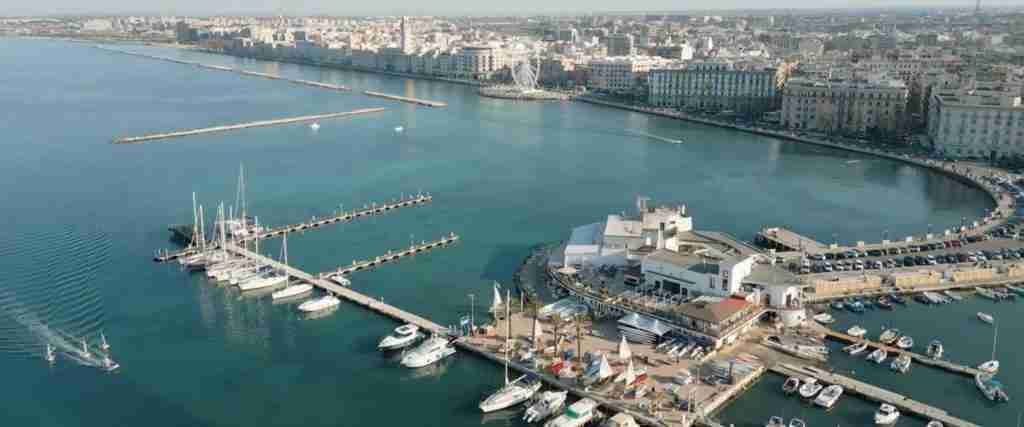
The city’s dual personality creates ideal family dynamics. Bari Vecchia (Old Town) occupies a small peninsula easily explored in half-day segments, featuring maze-like medieval streets where grandmothers prepare orecchiette pasta on doorsteps and children play in sun-drenched piazzas. Meanwhile, the modern Murat district provides wide boulevards, contemporary amenities, shopping opportunities, and access to excellent beaches where local families gather year-round.
Bari’s UNESCO heritage centers on the Basilica di San Nicola, one of Southern Italy’s most important pilgrimage sites and the inspiration for Santa Claus traditions worldwide. This connection provides natural storytelling opportunities that captivate children while offering profound historical and cultural depth. The Norman-Swabian Castle, Byzantine churches, Romanesque architecture, and living traditions of pasta-making and street food create educational experiences that feel like adventures rather than lessons.
Practical advantages make Bari particularly suitable for family travel. The compact historic center eliminates exhausting distances between attractions. Multiple urban beaches offer spontaneous swimming breaks when children need active play. The city’s role as Puglia’s transportation hub provides easy day trip options to fairy-tale towns like Alberobello, dramatic coastal villages like Polignano a Mare, and the cave dwellings of Matera. Affordable accommodation, genuine trattorias serving simple pasta dishes children love, and a relaxed southern Italian pace create stress-free family dynamics.
People Also Ask About Visiting Bari with Kids in 2026
Is Bari suitable for young children and toddlers in 2026?
Bari works exceptionally well for families with young children and toddlers. The compact Old Town features primarily pedestrian streets eliminating car traffic dangers, though cobblestone surfaces require sturdy strollers with good suspension. Most attractions concentrate within a 15-20 minute walk, preventing overtired meltdowns from excessive distances. Urban beaches like Pane e Pomodoro offer shallow water entries, playgrounds, and facilities specifically designed for young families. Restaurants throughout the city welcome children enthusiastically, with high chairs available and staff accustomed to accommodating families. The relaxed southern Italian approach to dining means children playing between courses is perfectly acceptable. Many accommodations offer family rooms or apartments with kitchenettes, allowing flexibility for early dinners or preparing familiar foods. The primary challenge involves navigating narrow Old Town alleys with strollers, easily solved by using baby carriers for Bari Vecchia exploration and strollers for the modern district and waterfront.
What does a typical day in Bari cost for a family of four in 2026?
A family of four can expect daily costs of €120-180 excluding accommodation. Breakfast at a local café costs €15-25 for cappuccinos, cornetti, and fresh juice. Mid-range lunch at a trattoria runs €35-50 for pasta dishes, pizza, and drinks. Gelato breaks cost €12-16 for four cones. Dinner at a family-friendly restaurant ranges €45-70 for multiple courses. Snacks, water, and incidentals add €10-15. Entry to major attractions remains free (Basilica di San Nicola, Castello Normanno-Svevo courtyard, beaches) or minimal (€5-8 for castle interior). A family cooking class costs €45-65 total. Public transportation is rarely needed due to walkability, but daily bus tickets cost €5 per adult if required. Accommodation adds €80-160 per night for family rooms in the historic center or modern apartments with kitchens. Budget-conscious families using apartment kitchens for some meals and emphasizing free attractions can operate around €100-120 daily, while those prioritizing restaurants and guided activities reach €160-200. These costs position Bari as significantly more affordable than Rome, Florence, or Venice while offering comparable cultural richness and superior beach access.
When is the best time to visit Bari with children in 2026?
May-June and September-October provide optimal conditions for families visiting Bari in 2026. Late spring (May-June) delivers perfect beach weather (22-26°C), warm Mediterranean waters, blooming landscapes, and manageable tourist numbers before peak season. September-October extends summer with warm sea temperatures (23-25°C still swimmable), fewer crowds than summer months, and comfortable conditions for walking tours (20-25°C). Both shoulder seasons offer 30-40% lower accommodation rates compared to July-August peak pricing. July-August provides guaranteed beach weather and the fullest cultural calendar but brings intense heat (30-35°C challenging for young children), crowded beaches, higher prices, and many local families on holiday creating busier attractions. April and early May offer mild weather and very low prices but cooler water temperatures (16-18°C) limiting beach activities. November-March sees pleasant mild days (12-18°C) perfect for cultural exploration and minimal crowds but closed beach facilities and reduced restaurant hours. For families prioritizing beach access combined with cultural exploration, early June or mid-September hit the sweet spot of excellent weather, reasonable crowds, good value, and full facility operations.
Are Bari’s beaches safe and suitable for children in 2026?
Bari’s urban beaches provide safe, well-maintained environments ideal for families. Pane e Pomodoro, the city’s main beach just 2km south of the Old Town, features shallow entry zones marked for young swimmers, lifeguard supervision during summer months (June-September), modern playground equipment, changing facilities, outdoor showers, and a pedestrian promenade lined with cafés and gelaterias. The beach uses fine sand rather than pebbles, comfortable for children playing. Torre Quetta, slightly further south, offers a more local atmosphere with similar facilities and tends to be less crowded. Both beaches remain free to access with the option to rent sun loungers and umbrellas (€10-15 daily if desired rather than required). Water quality consistently receives excellent ratings from regional environmental monitoring, with the shallow Adriatic warming quickly in spring to comfortable swimming temperatures. The beaches operate as neighborhood gathering places where local families spend entire days, creating a safe, community-oriented environment. During shoulder seasons (May, September-October) beaches remain accessible but with reduced commercial services. The primary consideration involves summer weekend crowds when local families fill the beaches, easily avoided by visiting weekday mornings or choosing September when tourism continues but local school schedules reduce weekend density.
Extended multi-day tours – 5+ days
Featured Bari Multi-Day Tour Packages

3 days
Bari 3-Day Discovery Tour
- ✓ Comprehensive Bari experience
- ✓ Expert local guides included
- ✓ All accommodation included
- ✓ Transportation provided
5 days
Bari 5-Day Highlights Experience
- ✓ Comprehensive Bari experience
- ✓ Expert local guides included
- ✓ All accommodation included
- ✓ Transportation provided

7 days
Bari 7-Day Cultural Journey
- ✓ Comprehensive Bari experience
- ✓ Expert local guides included
- ✓ All accommodation included
- ✓ Transportation provided

10 days
Bari 10-Day Complete Adventure
- ✓ Comprehensive Bari experience
- ✓ Expert local guides included
- ✓ All accommodation included
- ✓ Transportation provided
Multi-day tour packages powered by TourRadar. Prices and availability subject to change.
Essential Planning Information for Families in 2026
Understanding Bari’s Family-Friendly Geography
Bari’s compact layout makes navigation with children straightforward. The city divides into three main areas relevant for families. Bari Vecchia (Old Town) occupies a small peninsula at the city’s northern tip, a dense medieval maze of narrow alleys, historic churches, and traditional life. This car-free zone spans just 800 meters end-to-end, easily explored in segments. The Norman-Swabian Castle guards the entrance, with the Basilica di San Nicola at the heart, and the Cathedral of San Sabino nearby. Streets teem with local life including the famous pasta-making ladies, small shrines, hidden courtyards, and the daily rhythm of Barese families.
The Murat District, designed in the early 19th century, extends south from the Old Town with grid-pattern streets, elegant buildings, shopping along Via Sparano, and the city’s main administrative and commercial functions. Wide sidewalks accommodate strollers easily, with numerous cafés, restaurants, parks, and services. This district provides comfortable modern infrastructure while maintaining historic charm. The waterfront Lungomare stretches 5km along the coast, connecting the Old Town to beaches, offering a scenic promenade perfect for evening strolls with children in strollers or on bikes.
Urban beaches lie 1.5-3km south of the historic center, easily reached by walking the Lungomare (20-30 minutes with children), taking bus route 1 or 3 (€1.30 per ride, 10 minutes), or taxi (€8-12). This proximity allows spontaneous beach visits when children need active play or hot afternoons require swimming breaks. The concentration of attractions, restaurants, and beaches within a 2-3km radius eliminates the need for extensive daily transportation, a significant advantage for families managing nap schedules, stroller logistics, and limited attention spans.
Family Budget Planning for 2026
Bari offers excellent value compared to major Italian destinations. Accommodation forms the largest expense. Budget family options include three-star hotels in the Murat district (€70-100 per night for family rooms), Old Town guesthouses (€60-90), and vacation apartments with kitchens (€80-120 for two-bedroom units). Mid-range choices include four-star hotels near the waterfront (€120-160 for family rooms with breakfast) and larger apartments in convenient locations (€100-140). These rates apply to May-June and September-October shoulder seasons. July-August adds 40-50% to all accommodation. Booking 2-3 months ahead secures best availability and rates.
Daily food costs prove remarkably affordable with children. Breakfast at a bar costs €3-4 per adult for cappuccino and cornetto, €2-3 per child for juice and pastry, totaling €15-20 for a family of four. Lunch at a neighborhood trattoria runs €8-12 per pasta dish, €6-8 for children’s portions, €3-5 for drinks, typically €35-50 total. Pizzerias offer even better value at €6-10 per pizza. Dinner at family restaurants ranges €10-15 per main course, €7-10 for children, €45-70 for the full family. Gelato costs €2.50-4 per cone, snacks and water add €5-10 daily. Families eating one daily meal at apartment accommodations reduce costs by €20-30.
Attraction costs remain minimal. The Basilica di San Nicola, Cathedral, many churches, Old Town wandering, beaches, and waterfront promenade cost nothing. The Castle charges €5 for adults, free for children under 12, €10 total for families. A family pasta-making class costs €45-65 total. Children’s museum activities cost €5-8 per child. Most families spend €10-20 daily on entry fees. Transportation within Bari is minimal given walkability, perhaps €5-10 for occasional buses or taxis. Day trip train tickets to Polignano a Mare cost €3-4 per adult, €1.50-2 per child, €10-15 return for the family.
Total realistic daily budgets: Budget-conscious families using apartments and emphasizing free attractions operate on €100-130 daily (excluding accommodation). Standard touring families using restaurants for all meals and occasional paid activities spend €140-180 daily. More comfortable budgets with nicer restaurants and frequent activities reach €180-220. These costs include all meals, attractions, local transportation, and incidentals but exclude accommodation. Check current rates at booking.com and airbnb.com for specific accommodation pricing, and visit basilicasannicola.it and infopoint.comune.bari.it for updated attraction information.
Weather Patterns and Seasonal Considerations for 2026
Bari’s Mediterranean climate offers family-friendly conditions most of the year. Spring (April-May) brings mild temperatures (18-24°C), blooming landscapes, and increasing sunshine. April sees occasional rain but May becomes reliably sunny. Sea temperatures (16-20°C) remain cool for swimming but beaches open and walking weather is perfect. Crowds stay minimal and prices low. Late spring (late May-June) provides ideal family conditions: warm but not hot (24-28°C), sunny days, warm sea (20-23°C), manageable tourist numbers, and moderate prices. Schools remain in session reducing crowds.
Summer (July-August) delivers guaranteed beach weather with hot temperatures (28-35°C), very warm sea (24-26°C), and long sunny days perfect for swimming. However, intense midday heat challenges young children requiring early morning and late afternoon activity planning with midday beach or indoor breaks. Tourist numbers peak, especially in August when Italians vacation, creating crowded beaches and restaurants. Accommodation prices reach their highest. Evening temperatures remain warm (23-26°C) perfect for late dining and strolls. Occasional scirocco winds from Africa bring extreme heat and humidity.
Early fall (September-October) extends summer conditions with warm temperatures (23-28°C September, 18-24°C October), still-swimmable sea (23-25°C September, 20-22°C October), and fewer tourists as schools restart. September offers peak value with excellent weather and reduced crowds. October brings occasional rain but many sunny days perfect for cultural touring. Late fall (November) sees mild days (15-18°C), more frequent rain, and closed beach facilities but very low prices and minimal crowds suitable for families avoiding beaches and emphasizing culture.
Winter (December-February) maintains mild temperatures (10-15°C) with variable weather including sunny periods and rainy days. The city retains charm without crowds and offers rock-bottom prices. Beaches close but cultural attractions, restaurants, and daily life continue. The December 6 Feast of Saint Nicholas brings special festivities. For families prioritizing beach access, May-June and September provide the optimal balance. For cultural focus with minimal crowds, November-March works well. July-August suits families requiring school vacation dates despite heat and crowds.
Choosing the Best Time for Your Family Visit in 2026
Optimal Shoulder Season: Late Spring 2026
Late May through mid-June represents peak conditions for family visits. Weather reaches Mediterranean perfection with warm days (24-27°C) ideal for walking tours, warm enough for beach visits, and comfortable evenings (18-21°C) for outdoor dining. Sunshine dominates with 9-10 hours daily and minimal rainfall. Sea temperatures climb from 20°C in late May to 23°C by mid-June, warm enough for children to swim comfortably. Beaches open full facilities by late May but avoid July-August crowds. Local families don’t vacation yet so attractions, restaurants, and beaches remain pleasantly uncrowded.
Accommodation rates stay 30-40% below peak July-August pricing. Restaurants maintain normal operations without peak season stress. Many festivals and events occur including the Feast of San Nicola (May 7-9) featuring processions, celebrations, and special atmosphere particularly engaging for children interested in Saint Nicholas traditions. Markets, street life, and cultural activities operate at full capacity. The only minor disadvantage involves some beach clubs not opening until June 1, but public beaches function fully. Families seeking optimal weather, good value, uncrowded attractions, and full services find late May to mid-June ideal.
Extended Summer Season: September 2026
September provides another optimal window combining continued summer conditions with fall advantages. Early September maintains beach season with warm temperatures (25-28°C), very warm sea (24-25°C warmer than June), and sunny weather perfect for swimming. Schools restart in mid-September drastically reducing tourist numbers while weather remains excellent. Hotels reduce rates 25-35% from August peaks. Beaches become peaceful again as local families return to work and school schedules. The city regains its authentic rhythm with less tourist-oriented atmosphere.
Mid to late September sees slight temperature moderation (23-26°C) actually improving comfort for walking tours while swimming remains pleasant with sea temperatures around 23°C. Cultural events resume after the August pause including food festivals, concerts, and local celebrations. Restaurants relax after peak season stress, often providing better service. The only considerations involve occasional September rain showers (typically brief afternoon thunderstorms) and some beach clubs beginning to close by late September, though public beaches remain accessible. For families with flexible school schedules, September offers arguably better conditions than July-August with superior weather-to-crowd ratio and better value.
Peak Summer: July-August 2026 Trade-offs
July and August provide guaranteed beach weather and maximum facility operations but require trade-offs. Temperatures regularly exceed 30°C with occasional 35°C+ heat waves challenging for young children. Strategic planning becomes essential: beach visits and outdoor activities concentrate in early morning (7-11 AM) and late afternoon (5-8 PM), midday requires indoor breaks or beach shade, late dinners (8-9 PM) become normal when temperatures finally moderate. The intense heat makes Old Town exploration exhausting in afternoon hours.
Tourist numbers peak, especially August when Italians vacation en masse. Beaches become crowded requiring early arrival for good spots. Popular restaurants need reservations. Accommodation prices reach their highest and book months ahead. However, the cultural calendar fills with outdoor movies, concerts, festivals, and events. All facilities operate at full capacity. Evening life thrives with late hours and vibrant atmosphere. For families requiring school vacation dates or guaranteed beach weather, July-August works despite challenges. Book accommodation by March-April, plan beach visits for early morning, embrace afternoon breaks, and schedule cultural activities for early morning or evening when heat moderates.
Off-Season Value: April and October 2026
April and October offer different value propositions. April brings mild spring weather (18-22°C), blooming landscapes, very few tourists, and rock-bottom prices (40-50% below peak). Cultural exploration works perfectly but sea temperatures (16-18°C) remain too cool for comfortable swimming. Beaches lack full facilities. Some restaurants maintain limited hours. Easter week (mid-April 2026) brings special celebrations but also brief crowd increases. This timing suits families emphasizing culture over beaches, enjoying peaceful exploration, and seeking maximum value.
October maintains warmer conditions (18-24°C) than April with sea still swimmable in early October (20-22°C). Tourist numbers drop dramatically after mid-September. Prices fall 30-40% from summer. Most facilities continue operating through October. Weather becomes more variable with occasional rain, but many beautiful days occur. Families visiting late September can often extend into early October maintaining good conditions. Both April and October provide excellent value for families willing to trade guaranteed beach weather for peaceful exploration, authentic atmosphere, and significant savings. The mild temperatures suit walking-focused touring better than intense summer heat.
Family Accommodation Strategies for 2026
Old Town Apartments and Guesthouses
The Bari Vecchia district offers authentic experiences with location advantages and value pricing. Vacation apartments in restored historic buildings provide kitchens enabling breakfast and simple meals reducing daily food costs, washing machines for longer stays with children, and multi-room layouts offering parents privacy and children space. Two-bedroom apartments typically cost €80-120 per night in shoulder seasons, €120-180 in summer. Medieval buildings mean climbing stairs (rarely elevators), sometimes challenging with young children or strollers. Narrow alleys prevent car access requiring walking several minutes from parking or taxis to accommodations.
Atmospheric advantages include morning coffee on terraces overlooking church domes, children watching pasta-making from windows, walking to the Basilica in three minutes, and immersion in authentic local life. Kitchen facilities prove especially valuable with young children requiring early dinners or familiar foods. Larger families or extended stays benefit most from apartment flexibility. Guesthouses and B&Bs in the Old Town cost €60-90 for family rooms, offering character and breakfast but less space than apartments. Book through Airbnb, Booking.com, or specialist sites like PugliaVacations.com. Verify exact location and stair access when booking with young children.
Modern District Hotels and Apartments
The Murat district provides contemporary comfort with easier logistics. Three-star hotels offer family rooms (€70-110 shoulder seasons, €100-140 summer) with elevators, modern bathrooms, and typically breakfast buffets children enjoy. Wider streets accommodate taxis to doors. The grid layout makes navigation simple even with strollers. Four-star hotels near the waterfront (€120-180 shoulder, €160-220 summer) often include pools, family amenities, and professional service. Some offer connecting rooms or junior suites accommodating four people comfortably.
Modern apartments in residential buildings (€80-140 for two bedrooms) combine contemporary facilities with kitchen flexibility. Elevator access standard. Locations along or near the Lungomare waterfront place families within 10-15 minutes’ walk of both the Old Town and beaches, ideal for flexible daily routines. Supermarkets nearby enable stocking kitchens. The modern district lacks Old Town charm but compensates with convenience, comfort, and easier management of strollers, luggage, and young children. Families prioritizing practical comfort over atmospheric settings find better value and functionality here.
Waterfront and Beach-Adjacent Locations
Accommodations near Pane e Pomodoro beach or along the southern Lungomare suit beach-focused families. Small hotels and guesthouses (€70-120) place you 100-200 meters from sand. Apartments in residential neighborhoods (€80-150) offer space and beach proximity. Locations here trade central Old Town position for beach access, working well for families planning daily swimming, younger children needing afternoon beach breaks, or longer stays where beach time dominates itineraries.
The waterfront promenade provides stroller-friendly walking to the Old Town (20-30 minutes) or quick bus rides (10 minutes, €1.30). Beach clubs often partner with hotels offering discounted umbrella and lounger rentals. Evening walks along the Lungomare become easy family rituals. Neighborhoods feel more residential and less touristy than the Old Town, with local markets, regular supermarkets, and authentic daily life. This location strategy works especially well for May-September visits emphasizing beach activities. October-April locations closer to cultural attractions prove more convenient when beaches aren’t the focus.
Booking Strategies and Timing for 2026
Accommodation booking timelines significantly impact availability and pricing. For peak July-August travel, book by March-April to secure preferred locations at reasonable rates. Popular family-friendly apartments in the Old Town and beachfront hotels book 4-6 months ahead. Late bookers face limited selection and 20-30% price premiums. Shoulder seasons (May-June, September-October) allow 2-3 month advance booking with good selection. Some last-minute discounts appear for spring and fall but risk limited family-specific accommodations.
When booking, verify specific family amenities: crib availability (usually free but request ahead), high chair availability, elevator access if needed, stair count in building, exact distance to nearest parking if driving, kitchen equipment if planning meals, washing machine access for longer stays, and air conditioning for summer visits (essential July-August, unnecessary spring-fall). Read reviews from other families about noise levels, neighborhood safety for children, nearby playgrounds or parks, and proximity to supermarkets or pharmacies.
Cancellation policies matter with children whose illness can disrupt travel plans. Flexible rates cost 10-15% more but allow free cancellation until days before arrival. Many apartments require 30-50% deposits months ahead with limited refund terms. Travel insurance covering family illness provides peace of mind. Contact hosts directly before booking unusual requests like ground floor for stroller access, or specific location questions not clear from listings. Most respond promptly and appreciate families communicating needs clearly.
Top Family Activities and Experiences in 2026
Basilica di San Nicola: The Santa Claus Connection
The Basilica di San Nicola provides Bari’s most significant cultural and historical experience with natural appeal for children through its Santa Claus connection. This 11th-century Romanesque masterpiece houses the relics of Saint Nicholas of Myra, the historical figure who inspired Santa Claus traditions worldwide. The church welcomes visitors free daily from 7 AM to 8:30 PM with Sunday afternoon closures for services. The connection between Saint Nicholas and modern Santa Claus creates instant engagement for children: explain how this holy bishop from Turkey (270-343 AD) became famous for secretly giving gifts to poor children, how his relics were brought to Bari in 1087, and how Dutch settlers brought “Sinterklaas” traditions to America where the name evolved to “Santa Claus.”
The basilica interior features soaring Romanesque arches, intricate marble floors, a precious silver altar, Byzantine icons, and a ciborium (altar canopy) where holy oil (manna) mysteriously seeps from Saint Nicholas’ tomb below. The crypt contains the actual tomb surrounded by flickering candles and icons, creating an atmospheric experience children find memorable. Visit early morning (7:30-9 AM) or late afternoon (5-7 PM) when tour groups thin and peaceful exploration becomes possible. Modest dress code requires covering shoulders and knees. The basilica sits in Bari Vecchia’s heart with surrounding piazza perfect for children running between sightseeing segments.
Time the visit with the Feast of Saint Nicholas (May 7-9) for processions, celebrations, statue blessings, and special activities. The December 6 Feast Day brings another round of festivities. Small gift shops near the basilica sell Saint Nicholas souvenirs, books explaining the Santa Claus connection, and religious items. The visit typically occupies 45-60 minutes allowing thorough exploration without exhausting children’s attention. Combine with nearby Cathedral of San Sabino (another impressive church with beautiful crypt) and wandering the Old Town’s maze-like streets.
Norman-Swabian Castle: Medieval Exploration
The Castello Normanno-Svevo guards Bari Vecchia’s entrance, presenting an imposing medieval fortress children instinctively enjoy exploring. Built by Normans in the 12th century, expanded by Frederick II in the 13th century, and renovated by the Sforza family in the 16th century, the castle showcases eight centuries of military architecture. Entry costs €5 for adults with children under 12 free, making family visits €10 total. Open Tuesday-Sunday 8:30 AM-7:30 PM (reduced hours November-March). The castle courtyard remains open free even when the interior closes, providing a fortress-exploring experience regardless of schedule.
Interior rooms host rotating art exhibitions, archaeological displays, and permanent collections showcasing Puglian history and artifacts. Stone corridors, defensive walls, towers, and ramparts engage children’s imaginations. The castle’s position between the Old Town and modern city provides orientation for understanding Bari’s geography. Visit mid-morning after beach time or late afternoon when heat moderates. The surrounding moat (now dry) and gardens offer shaded areas where children can play after exploring. Minimal English signage means the experience focuses more on architecture and atmosphere than detailed historical learning, perfectly suited to shorter child attention spans.
Combine the castle visit with nearby Piazza del Ferrarese and Piazza Mercantile, lively squares featuring outdoor cafés perfect for gelato breaks. Street performers often entertain in these piazzas especially summer evenings. The castle to waterfront walk takes five minutes, allowing easy transitions between cultural exploration and seaside strolls or beach visits. Total visit time runs 45-90 minutes depending on exhibition interest and children’s engagement. The castle serves as an excellent bad weather alternative when beach plans fail, and the courtyard provides quick exploration even with limited time.
Pasta-Making Workshops: Hands-On Cultural Experience
Bari’s famous orecchiette pasta workshops provide interactive cultural experiences perfectly suited to families. Traditional “pasta ladies” sit on doorsteps throughout Bari Vecchia hand-making orecchiette (“little ears”) pasta using techniques passed through generations. Several culinary schools and local guides offer family-friendly pasta-making classes where children learn these traditional methods. Typical classes cost €45-65 for an entire family (2 adults, 2 children), running 1.5-2 hours and including making your own pasta, learning sauce preparation, and eating the results for lunch or dinner.
Workshops begin with explanation of semolina flour and water dough preparation, demonstration of the “dragging” technique creating orecchiette’s characteristic shape, then hands-on practice where children shape their own pasta pieces. The tactile, creative activity engages even young children. Most classes include preparing simple tomato sauce or traditional Barese condiments like cime di rapa (turnip greens). The meal you’ve prepared follows, creating pride and accomplishment. Several operators offer these experiences including Cooking with Nonna programs, Puglia Walking Tours’ pasta experiences, and small cooking schools in the Old Town.
Book 1-2 weeks ahead especially for peak season. Morning classes (10 AM-12:30 PM) work well, concluding with lunch and leaving afternoons free for beaches or rest. Some operators conduct classes in actual Bari Vecchia homes, others in dedicated cooking spaces. Verify location when booking. The experience provides cultural education, practical skill development, creative activity, and memorable family bonding. Children as young as 4-5 years participate successfully with assistance. Request vegetarian or specific dietary accommodations when booking. The classes rank among families’ most mentioned positive experiences, combining learning, doing, and eating in ways that engage all ages.
Beach Days: Pane e Pomodoro and Torre Quetta
Bari’s urban beaches transform the family experience by providing easy beach access without complicated transportation. Pane e Pomodoro, located 2km south of the Old Town, serves as the main family beach. The name (“bread and tomato”) references the simple lunches local families traditionally brought. Free public access, fine sand, shallow entry waters, summer lifeguards, modern playground, changing facilities, outdoor showers, beach volleyball courts, and a long pedestrian promenade lined with cafés and ice cream shops create full family infrastructure. Access by walking the scenic Lungomare (25-30 minutes), bus routes 1 or 3 (€1.30 per ride, 10 minutes), or taxi (€8-12).
Free beach access means bringing towels and finding space on the sand. Alternatively, beach clubs rent sun loungers and umbrellas for €10-15 daily, providing more comfort and defined space. The shallow Adriatic entry allows young children to play safely in ankle to knee-deep water for many meters from shore. Water quality consistently tests excellent. Peak season (July-August) sees substantial crowds especially summer weekends, requiring early arrival (by 9-10 AM) for good spots. Weekday mornings or shoulder seasons (May-June, September) provide more space and relaxed atmosphere. The beach attracts primarily local families creating a authentic, community vibe rather than touristy resort atmosphere.
Torre Quetta, 500 meters further south, offers similar facilities with typically fewer crowds and more local character. Both beaches feature beach bars selling panini, drinks, and snacks at reasonable prices (€5-8 for sandwiches, €2-3 for drinks). Numerous gelaterias along the promenade provide essential Italian beach experience conclusion. The beaches operate as all-day destinations where families arrive morning, swim, play, picnic, nap under umbrellas, swim again, and stay through late afternoon. Evening passeggiata (strolls) along the Lungomare become daily rituals for Barese families, joining this tradition provides authentic cultural immersion.
Swimming season runs May through October with peak conditions June-September. May and October offer pleasant beach visits despite cooler water (18-20°C). Full beach club operations and lifeguards run June-September. Even off-season (November-April) the beaches provide excellent playgrounds, open spaces, and seaside walks. Facilities include accessible changing rooms, several cafés remaining open year-round, and 24-hour outdoor showers. The immediate beach access from the city center makes spontaneous beach breaks possible whenever children need active play or hot afternoons require swimming relief, a unique advantage compared to destinations requiring dedicated beach day planning and transportation.
Old Town Wandering and Street Life
Bari Vecchia itself functions as a living museum providing endless fascination for families. The maze of narrow alleys, sudden piazzas, hidden courtyards, baroque churches, and traditional life creates exploration adventures where getting “lost” becomes the activity. Morning walks (8-10 AM) reveal traditional life at its most active: grandmothers sitting on doorsteps making orecchiette pasta (you can watch and often buy directly), locals shopping at tiny groceries, fishmongers preparing catches, elderly men playing cards in shaded courtyards, and residents hanging laundry from balconies creating colorful overhanging displays.
The compact area means you’re never actually lost – the sea borders three sides and the castle marks the entrance. Children enjoy the treasure hunt atmosphere of discovering small shrines, peeking into open courtyards, finding the narrowest alley (Arco di Bari), spotting cats lounging on ancient stones, and watching daily life unfold. Small bakeries sell focaccia barese (fluffy flatbread with tomatoes and olives, €3-5 per piece) perfect for walking snacks. Tiny churches tucked into corners cost nothing to enter, revealing surprising baroque interiors.
Via delle Orecchiette features the highest concentration of pasta-making ladies, creating photo opportunities and cultural education. Piazza Mercantile centers on a historic column of justice where debtors were punished (engaging historical detail for children), surrounded by cafés with outdoor seating perfect for breaks. The waterfront edge of Bari Vecchia features walls where locals fish, children play, and families gather for sunset views. Teenagers dive from rocks into the harbor (not recommended for visitors but entertaining to watch). The spontaneous, unstructured nature of wandering suits families well: no rigid schedules, natural breaks at piazzas, gelato stops as needed, and authentic cultural immersion without formal activities or entry fees.
Family-Friendly Day Trips from Bari in 2026
Polignano a Mare: Coastal Village Adventure
Polignano a Mare ranks as the most popular family day trip from Bari, combining dramatic coastal scenery, historic center charm, and beach access in a compact village 35km south. Regional trains depart Bari Centrale every 30-60 minutes, reaching Polignano in 25-35 minutes. Tickets cost €3.40 per adult one-way, €1.70 per child ages 4-12, free under 4, totaling approximately €10-12 return for a family of four. The train provides coastal views and convenient service. The station sits 500 meters from the historic center, an easy walk or brief taxi ride (€5-7).
Polignano’s historic center perches on limestone cliffs 20 meters above the Adriatic, creating spectacular views and dramatic setting. The compact centro storico explores easily in 1-2 hours: narrow whitewashed alleys, baroque churches, the famous cliff-edge terrace overlooking turquoise waters, and numerous gelaterias competing for “best in Puglia” claims. Lama Monachile beach nestles between cliffs in a small cove at the historic center’s base, accessed by stairs and featuring crystal-clear waters, pebble beach, and dramatic limestone walls. The intimate size (200 meters long) and protected cove create safe swimming for families. Arrive by 9-10 AM for beach space during summer.
Family lunch at cliff-edge restaurants costs €40-60 for seafood and pasta with unforgettable views. More budget-friendly options include pizza by the slice (€3-4), focaccia shops, and gelato (€2.50-4). The village offers compact exploration preventing exhausting distances while providing memorable scenery. Plan 4-6 hours total (9 AM Bari departure, return by 3-4 PM) allowing beach time, village wandering, and lunch. The trip combines coastal beauty, swimming, cultural exploration, and local food in manageable portions perfect for family attention spans. Summer weekends bring substantial crowds; weekdays or shoulder seasons provide more relaxed experiences. This ranks as Bari’s easiest, most rewarding family day trip.
Alberobello: Trulli Village Experience
Alberobello’s fairy-tale trulli (traditional conical stone houses) creates instant magic for children. This UNESCO World Heritage site 55km south of Bari features over 1,500 trulli creating an otherworldly streetscape unlike anywhere else. Regional trains from Bari Centrale reach Alberobello in 90 minutes via Putignano, requiring one change but offering scenic countryside views. Tickets cost €4.60 per adult one-way, €2.30 per child, approximately €14-16 return for families. Direct bus alternatives run weekdays (90 minutes, similar cost). Consider organized family tours (€45-65 per person) handling transportation and providing guides.
The main trulli zones – Rione Monti and Aia Piccola – explore easily on foot in 2-3 hours. The distinctive conical roofs topped with decorative pinnacles, mysterious symbols painted on some roofs, tiny doorways requiring adults to duck, and maze-like streets between white stone houses engage children’s imaginations. Many trulli function as shops selling local crafts, specialty foods, and souvenirs. The Trullo Sovrano (largest trullo) operates as a museum (€1.50 entry) showing traditional interior arrangements. Children enjoy comparing trullo sizes, counting symbols, and pretending they live in these hobbit-like houses.
Lunch options include trullo restaurants (unique atmosphere, €10-15 per person), pizzerias, and sandwich shops. The compact historic center prevents excessive walking. Visit morning to early afternoon, returning to Bari by 4-5 PM. Summer heat intensifies in Alberobello’s inland location (2-3°C warmer than coastal Bari), requiring sun protection and water. The magical architecture, UNESCO significance, and otherworldly atmosphere create memorable family experiences. Combine with the town of Locorotondo (15 minutes away) for hilltop village exploration, or Castellana Grotte caves (spectacular but requiring fitness for stair climbing). Alberobello requires more travel time than Polignano but delivers distinctive architecture found nowhere else, justifying the longer journey for families seeking unique cultural experiences.
Matera: Sassi Cave Dwellings
Matera, located 65km northwest in neighboring Basilicata region, offers one of Italy’s most extraordinary UNESCO sites: ancient cave dwellings (sassi) inhabited since Paleolithic times. The dramatic setting carved into ravine walls, cave churches with Byzantine frescoes, and atmospheric stone districts create experiences both educational and visually stunning. Direct trains run from Bari to Matera (70 minutes, €5 per adult one-way, €2.50 children, €15 return for families) or organized family tours include transportation and guides (€55-75 per adult, €30-40 per child).
Matera’s sassi districts – Sasso Barisano and Sasso Caveoso – require substantial walking including steep stairs and uneven surfaces challenging with strollers. Baby carriers or hip seats work better than strollers for young children. The Casa Grotta di Vico Solitario recreates traditional cave dwelling life (€3 entry, fascinating for children). Rock churches including Santa Maria de Idris feature stunning frescoes in cave settings. The ravine viewpoints provide spectacular photography. Matera’s dramatic architecture and history suit slightly older children (8+) who can walk comfortably and appreciate the historical significance.
Summer heat intensifies inland requiring early starts (depart Bari 7-8 AM). Lunch in sassi restaurants costs €12-18 per person, specialty being Matera bread (large crusty loaves). Plan full day trips (8 AM-6 PM) given travel time. The experience delivers profound historical immersion and unforgettable landscapes but requires more effort than easier trips like Polignano. Families with history-interested children and comfortable walkers find Matera remarkable. Those with young children or limited mobility might prefer less demanding destinations. Matera represents Puglia region’s most ambitious day trip, rewarding families with appropriate ages and fitness with Italy’s most unique UNESCO site.
Trani: Medieval Port Town
Trani, 45km northwest along the coast, offers less-crowded alternative to Polignano with impressive cathedral, charming port, and relaxed atmosphere. Regional trains run every 30-60 minutes (40 minutes travel time, €3.80 adult one-way, €1.90 child, €11-12 return for families). The stunning Romanesque cathedral sits directly on the harbor with foundations in the sea, creating remarkable photographs. The cathedral opens free daily, featuring beautiful interior, atmospheric crypt, and bell tower offering harbor views (small fee for tower access). The historic center features medieval streets, castle (currently closed for restoration), and traditional harbor life.
Trani’s working harbor provides authentic atmosphere with fishing boats, waterfront restaurants, and locals gathering at sunset. Lunch at harbor restaurants costs €10-15 per person for fresh seafood and pasta. Small beaches near the port offer swimming opportunities. The compact size allows 4-5 hour visits covering cathedral exploration, historic center wandering, harbor lunch, and beach time. Trani receives fewer tourists than Polignano making it more authentic and relaxed. The absence of major crowds particularly suits families seeking peaceful cultural exploration. The impressive cathedral and scenic harbor position create memorable experiences without overwhelming logistics, making Trani excellent for younger families or those preferring low-key day trips.
Practical Tips for Families in 2026
Navigating with Strollers and Young Children
Stroller navigation in Bari requires strategic planning due to varied terrain. The modern Murat district features wide sidewalks, curb cuts, and smooth pavement perfect for strollers. The waterfront Lungomare provides completely flat, paved promenade ideal for stroller walks connecting the Old Town to beaches. However, Bari Vecchia presents challenges with cobblestone streets, narrow alleys, uneven surfaces, and frequent steps. Sturdy strollers with good suspension handle cobblestones better than lightweight models. Alternatively, use baby carriers or ergonomic carriers for Old Town exploration, reserving strollers for the modern district and waterfront.
Most restaurants lack space for strollers requiring parking outside (safe given pedestrian areas) or leaving at accommodations if nearby. Churches and museums generally accommodate strollers in main areas but require carrying for stairs. Public buses have low floors and space for strollers though crowded conditions sometimes make this difficult. Taxis fit one standard stroller in trunks. Many families develop hybrid strategies: strollers for morning beach walks along the Lungomare and afternoon naps, carriers for Old Town cultural exploration. High-quality baby carriers or structured carriers prove invaluable for Bari’s varied terrain. The compact city size means even walking to beaches takes only 20-30 minutes, manageable distances reducing transportation complexity.
Restaurant Strategies and Child-Friendly Dining
Italian culture embraces dining with children creating relaxed family restaurant experiences. Most restaurants welcome children enthusiastically, providing high chairs (seggiolone – request when booking or arriving), children’s portions at reduced prices, and tolerance for activity between courses. Italians dine late (lunch 1-3 PM, dinner 8-10 PM) but restaurants accommodate families desiring earlier hours. Request tables at 7-7:30 PM for dinner avoiding the crush but having full menus available. Simple pasta dishes children universally enjoy appear on every menu (pasta al pomodoro, pasta in bianco with butter and cheese, basic pizza).
Trattorias and pizzerias prove most family-friendly, offering casual atmospheres, reasonable prices, and quick service. Outdoor seating lets children move around between courses without disturbing other diners. Restaurants in Piazza del Ferrarese and Piazza Mercantile provide people-watching entertainment keeping children engaged. Beach area restaurants expect families and often include playgrounds or beach access. Fine dining restaurants welcome families but suit children with table manner experience and patience for extended meals. Most menus lack dedicated children’s sections but kitchens readily prepare simple requests like plain pasta or basic protein.
Strategic timing helps: lunch at 12:30-1 PM finds restaurants quiet and service quick before peak 1:30 PM rush. Dinner at 7 PM similarly avoids crowds. Focaccia shops, pizza al taglio (by the slice), and panini shops provide quick meals when children resist sit-down service. Gelaterias function as strategic bribery tools and cultural experiences. The generous Italian approach to children creates stress-free dining where flexibility meets acceptance. Share dishes to sample variety while managing costs and portions. Communicate dietary restrictions clearly but expect accommodation without judgment.
Health, Safety, and Emergency Preparedness
Bari maintains good safety standards with low violent crime though petty theft targets tourists as in all major cities. The Old Town’s narrow alleys felt unsafe years ago but gentrification and tourism development improved security significantly. Common sense precautions apply: watch bags and phones in crowded areas, avoid isolated alleys late night, use hotel safes for passports and valuables. Bari Vecchia at night stays lively and generally safe in main areas but stick to well-lit streets. The modern district and waterfront areas present minimal concerns. Beaches remain safe though watch belongings while swimming.
Medical facilities include several pharmacies (farmacie) throughout the city providing basic medications, first aid supplies, and professional advice for minor ailments. Pharmacists speak some English and guide you to appropriate treatments. For more serious needs, Ospedale Pediatrico Giovanni XXIII specializes in children’s care, while Policlinico di Bari provides comprehensive emergency services. European Health Insurance Cards (for EU residents) cover emergency care; travel insurance proves essential for non-EU visitors. Many pediatric medications available over-counter in other countries require prescriptions in Italy, so bring adequate supplies of regular medications.
Sun protection requires vigilance given southern Italian intensity. High SPF sunscreen, hats, and protective clothing prevent burns especially on beaches and during midday summer heat. Water fountains throughout the city provide safe drinking water for refilling bottles. Tap water is safe though many prefer bottled water. Food safety standards equal Northern European norms. The main health concern involves summer heat requiring frequent breaks, shade seeking, and hydration especially for young children. Mediterranean diet centering on pasta, fresh produce, and olive oil agrees well with most children though very adventurous eaters might struggle with unfamiliar ingredients.
Language Basics and Communication
English penetration in Bari lags behind major tourist destinations like Rome or Florence but communication remains manageable. Hotel staff and tourist-facing businesses maintain basic to good English. Restaurants in the Old Town and waterfront have English menus or staff who translate. Museums and major attractions offer English information. However, neighborhood trattorias, local shops, and residential areas function primarily in Italian. Learning basic phrases enhances experiences and shows cultural respect: “Buongiorno” (good morning), “Grazie” (thank you), “Per favore” (please), “Quanto costa?” (how much?), “Dov’è…?” (where is…?), and “Parla inglese?” (do you speak English?).
Visual communication succeeds in many contexts – pointing at menu items, showing pictures, using numbers for prices. Restaurant staff particularly skilled at accommodating communication gaps given experience with international visitors. Translation apps on smartphones prove invaluable for complex needs. Most Baresi show patience with visitors attempting Italian and appreciate efforts even if grammatically challenged. Younger staff and those in tourist sectors generally handle English better than older generations. The language barrier rarely prevents basic needs but adds minor complexity to interactions compared to heavily touristed English-fluent areas. This authenticity appeals to many families seeking genuine Italian experiences rather than tourist-bubble environments.
Sample Family Itineraries for 2026
Three-Day First-Time Family Visit
Day 1: Old Town Cultural Immersion
Begin at Basilica di San Nicola (9-10 AM) exploring the Santa Claus connection and atmospheric interior. Walk to nearby Cathedral of San Sabino for architectural contrast. Wander Bari Vecchia’s maze-like streets observing pasta-making ladies and traditional life (10 AM-12 PM). Lunch at an Old Town trattoria featuring orecchiette (12:30-2 PM). Visit the Norman-Swabian Castle and courtyard (2:30-4 PM). Afternoon gelato break at Piazza Mercantile watching street life (4-5 PM). Walk the Lungomare waterfront promenade toward beaches, enjoying sunset (6-7 PM). Dinner at a waterfront restaurant (7:30-9 PM). Daily costs: Lunch €35-50, gelato €12-16, dinner €45-65, castle entry €10. Total day cost: €102-141 per family (excluding accommodation).
Day 2: Beach Day and Modern Bari
Morning walk or bus to Pane e Pomodoro beach arriving by 9:30-10 AM for good spots (earlier in peak season). Beach activities, swimming, and seaside relaxation (10 AM-1 PM). Beach-side lunch at one of the promenade cafés (1-2:30 PM). Return to beach or rest at accommodation during hot afternoon (2:30-5 PM). Late afternoon gelato along the Lungomare (5-5:30 PM). Evening shopping and wandering in the Murat district along Via Sparano (6-7:30 PM). Dinner at a modern district restaurant (8-9:30 PM). Daily costs: Bus transport €5, beach umbrella rental (optional) €10-15, lunch €40-55, gelato €12-16, snacks €8-12, dinner €45-65. Total day cost: €120-168 per family (excluding accommodation).
Day 3: Polignano a Mare Day Trip
Early train to Polignano a Mare (depart Bari 9 AM, arrive 9:30 AM). Explore the dramatic clifftop historic center (9:30-11 AM). Beach time at Lama Monachile cove (11 AM-1:30 PM). Lunch at a cliff-edge restaurant with spectacular views (1:30-3 PM) or picnic lunch on the beach (more budget-friendly). Afternoon village wandering, gelato, and photos at the famous terrace (3-4:30 PM). Return train to Bari (depart Polignano 5 PM, arrive Bari 5:30 PM). Relaxed final evening in Bari – light dinner, stroll, and packing (6:30-9 PM). Daily costs: Train tickets €10-12, lunch €40-60 (restaurant) or €20-30 (picnic supplies), gelato €12-16, snacks €10-15, light dinner €30-45. Total day cost: €102-148 per family (excluding accommodation).
Three-Day Budget Summary:
Total daily costs: €324-457 for three days excluding accommodation. With mid-range accommodation at €100-140 per night (€300-420 for three nights), total three-day family trip costs €624-877 for family of four, averaging €208-292 per day including accommodation. This positions Bari as excellent value compared to major Italian destinations while delivering authentic cultural experiences, beach access, and UNESCO heritage sites.
Five-Day Comprehensive Family Experience
Day 1: Arrival and Beach Orientation
Arrive and settle into accommodation. Light lunch near accommodation (12:30-2 PM). Afternoon beach visit to Pane e Pomodoro for first swimming experience and beach familiarization (3-6 PM). Evening Lungomare walk and casual dinner (7-9 PM). Daily costs: Lunch €25-35, beach snacks €8-12, dinner €40-55. Total: €73-102 per family (excluding accommodation).
Day 2: Old Town Cultural Deep Dive
Morning pasta-making workshop (10 AM-12:30 PM) including lunch. Afternoon Bari Vecchia wandering with stops at Basilica di San Nicola, Cathedral of San Sabino, and the Castle (2-5 PM). Gelato break and piazza relaxation (5-6 PM). Sunset walk and dinner in the Old Town (7-9 PM). Daily costs: Pasta workshop €45-65, castle entry €10, gelato €12-16, dinner €45-65. Total: €112-156 per family.
Day 3: Polignano a Mare Day Trip
Full day trip to Polignano a Mare as described in three-day itinerary. Train tickets €10-12, lunch €40-60, gelato and snacks €22-31, light evening meal €30-45. Total: €102-148 per family.
Day 4: Alberobello Trulli Experience
Day trip to Alberobello’s UNESCO trulli district. Train tickets €14-16, museum entry €6-8, lunch €40-55, gelato and snacks €15-22, evening dinner in Bari €45-65. Total: €120-166 per family.
Day 5: Flexible Beach and Local Life Day
Morning at Torre Quetta beach for quieter, more local experience (9 AM-1 PM). Lunch at beach area restaurant (1-2:30 PM). Afternoon rest or shopping in Murat district (3-5:30 PM). Final evening special dinner celebrating the trip (7-9:30 PM). Daily costs: Beach umbrella (optional) €10-15, lunch €40-55, shopping €20-40, special dinner €60-80. Total: €130-190 per family.
Five-Day Budget Summary:
Total daily costs: €537-762 for five days excluding accommodation. With mid-range accommodation at €100-140 nightly (€500-700 for five nights), total five-day family trip costs €1,037-1,462, averaging €207-292 per day including accommodation. The extended stay allows deeper cultural immersion, two day trips, multiple beach experiences, and relaxed pacing perfect for families.
Week-Long Puglia Base Camp Strategy
Use Bari as a base for week-long Puglia exploration, balancing cultural sites, beaches, and day trips. This strategy provides accommodation stability (no packing/unpacking), apartment rental value (kitchen access reducing costs), and diverse experiences while children maintain familiar sleeping arrangements. Select accommodation with kitchen, washing machine, and comfortable space. Daily activities alternate high-energy cultural touring with relaxed beach days preventing burnout.
Sample Week Structure:
Day 1: Arrival, neighborhood orientation, beach introduction
Day 2: Bari Old Town cultural exploration, pasta workshop
Day 3: Beach day at Pane e Pomodoro, rest and recovery
Day 4: Polignano a Mare day trip
Day 5: Beach day at Torre Quetta, local market shopping, apartment cooking
Day 6: Alberobello or Matera day trip
Day 7: Final beach morning, favorite restaurant revisit, departure preparation
Budget advantages include: apartment rental (€600-900 per week versus €700-980 for hotels), kitchen savings from some self-catered meals (€100-150 weekly reduction versus full restaurant dining), weekly public transport pass if needed, and familiarity with neighborhood resources (favorite restaurants, best beaches, local markets). Week-long stays reduce daily costs through accommodation economies, strategic self-catering, and elimination of premium prices from constant restaurant dining. Families operate comfortably at €180-240 daily including all costs, significantly below equal-quality experiences in major tourist destinations.
Getting Around Bari with Kids in 2026
Walking as Primary Transportation
Bari’s compact core makes walking the primary family transportation method. The Old Town to waterfront spans 1.5km (18-20 minute walk), the historic center to Pane e Pomodoro beach covers 2.5km (30 minute walk via Lungomare), and the Murat shopping district sits immediately adjacent to Bari Vecchia. These walkable distances suit families when broken into segments with strategic breaks. The flat waterfront Lungomare promenade provides easy stroller navigation connecting major points. Modern Murat district sidewalks accommodate families comfortably. Only Bari Vecchia’s interior requires navigating cobblestones and stairs, manageable with baby carriers.
Plan daily walks during cooler hours – mornings before 11 AM and evenings after 5 PM during summer. Midday heat (July-August) makes walking uncomfortable requiring indoor breaks or beach time. Spring, fall, and winter walking proves pleasant throughout the day. Bring water bottles (refill at public fountains), sun protection, comfortable walking shoes, and stroller rain cover for spring-fall variable weather. Children accustomed to walking appreciate the activity freedom compared to constant car travel. Those requiring frequent breaks benefit from Bari’s piazza-dense layout providing natural rest points with cafés and benches every few blocks.
Public Transportation: Buses and Regional Trains
AMTAB operates Bari’s public bus system with routes throughout the city. Single ride tickets cost €1.30 purchased at tobacco shops (tabacchi), newsstands, or the AMTAB office at Piazza Aldo Moro. Children under 1 meter tall ride free; those above pay regular fare (no specific child discount). Validate tickets on buses using orange machines. Buses run frequently on main routes (every 10-20 minutes) with reduced service Sundays and evenings. Routes 1 and 3 connect the city center to southern beaches and residential areas. Route 20 reaches the airport.
However, most families use buses minimally given Bari’s walkability. Occasional situations warranting bus use include: reaching beaches with tired children avoiding 25-30 minute walks, transporting from accommodations to train station with luggage, or rainy days when walking becomes unpleasant. Taxis often prove easier than navigating bus systems with young children despite higher costs (€8-15 for typical in-city journeys).
Regional trains serve day trip destinations. Bari Centrale train station, located at the modern district’s southern edge, offers frequent service to Polignano a Mare (25-35 minutes, €3.40), Alberobello (90 minutes with change, €4.60), Trani (40 minutes, €3.80), and Matera (70 minutes, €5). Tickets purchase at station counters, tobacco shops displaying Trenitalia signs, or self-service machines (credit cards accepted). Children ages 4-12 receive 50% discount, under 4 ride free. Validate tickets at yellow machines before boarding. Regional trains run hourly to major destinations with increased frequency to popular routes like Polignano. Carriages accommodate strollers though crowded summer trains require folding or holding children. The convenience, cost-effectiveness, and coastal scenery make trains ideal for family day trips.
Taxis and Private Transportation
Taxis provide practical solutions for specific situations: airport transfers (€25-30 to city center, 15 minutes), reaching accommodations from the train station with luggage, late evening returns from restaurants in remote areas, or day trip transportation when trains prove inconvenient for young children. Official white taxis use meters starting at €3.50 base fare plus €1.10-1.50 per km depending on time (higher rates evenings, Sundays, holidays). Typical in-city trips cost €8-15. Airport runs reach €25-30. Taxis fit four passengers comfortably though car seats for young children typically aren’t available (request if essential).
Hail taxis at official stands (taxi ranks) located at the train station, Piazza Aldo Moro, major hotels, and Piazza del Ferrarese. Phone dispatch services (Radiotaxi Bari 080-5543333) work reliably though requiring Italian language. Hotels and restaurants call taxis for guests. Uber operates limited service in Bari; traditional taxis remain primary option. For families requiring car seats or multiple transfers, consider private drivers bookable through hotels or tour operators at €40-60 for half-day service, providing flexibility and appropriate safety equipment.
Arriving in Bari: Airport and Train Station Orientation
Bari Karol Wojtyła Airport sits 10km northwest of the city center. The Tempesta train station 500 meters from the airport terminal connects to Bari Centrale (15 minutes, €1.30 tickets from machines or counters). Trains run every 30-60 minutes approximately 5 AM-11 PM. A free shuttle bus (every 15 minutes) connects the terminal to Tempesta station. Alternatively, Bus 16 runs directly from the airport to the city center (25 minutes, €1.30). Taxis from the airport cost €25-30 for 15-minute transfer to central areas. Many hotels arrange airport pickup services (€30-40) handling luggage and providing direct door-to-door service valuable with young children and multiple bags.
Families arriving by train reach Bari Centrale station. The modern district’s southern edge hosts this major hub. Taxis wait outside the main entrance (€8-12 to most central accommodations). Bus routes connect to various city areas though walking to nearby modern district hotels takes just 10-15 minutes. Old Town accommodations require 15-20 minute walks or brief taxi rides given pedestrian restrictions preventing direct vehicle access. Luggage storage (deposito bagagli) operates at the station if arriving early or departing late, allowing final beach visits or touring without bags (€6 per bag for 5 hours, €1 per additional hour).
What to Pack for Families Visiting Bari in 2026
Beach Essentials and Water Activities
Beach visits form central experiences requiring specific equipment. Pack swimsuits and rash guards for sun protection, beach towels (most accommodations provide bath towels but not beach towels), water shoes for occasional rocky areas or sea urchin protection, beach toys for young children (shovels, buckets, sand molds), inflatable arm floaties or swim vests for children learning to swim, and portable beach shelter or umbrella if avoiding paid lounger rentals. Sunscreen (SPF 50+ for children) proves essential though available at pharmacies and supermarkets if forgotten.
Water bottles stay critical for beach hydration and daily walking. Italy’s public fountains provide safe refill water. Pack reusable bottles rather than buying disposable water repeatedly. Beach bags for carrying essentials, waterproof phone pouches for photos and valuables protection, and quick-dry clothing for children who stay in swimsuits all day complete beach preparations. European beaches embrace more relaxed changing norms than some cultures, but modest cover-ups for walking to/from accommodations prove practical. Snorkel gear interests older children though Bari’s urban beaches lack dramatic underwater features compared to dedicated snorkeling destinations.
Clothing and Weather Preparation
Pack clothing appropriate to seasonal conditions. Summer (June-September) requires light cotton clothing, sun hats with brims, sunglasses for everyone, light cardigan or long sleeves for air-conditioned restaurants and churches, comfortable walking sandals, and one outfit for nicer restaurant dinners. Shoulder seasons (April-May, October) add light jacket or sweater for cooler evenings, long pants in addition to shorts, and closed-toe walking shoes. Winter (November-March) needs layering pieces, light rain jacket, comfortable walking shoes, and warmer jacket for evening temperature drops.
Churches require modest dress (covered shoulders and knees) enforced at the Basilica di San Nicola. Pack light scarves or shawls converting shorts and tank tops to church-appropriate attire. Comfortable walking shoes prove essential given cobblestone streets and substantial daily walking. Break in shoes before travel avoiding blisters from new footwear. Multiple families mention this as their primary packing regret – bringing style over comfort for Italian vacation only to suffer foot pain. Children grow quickly; bring slightly large shoes allowing for growth during longer trips.
Practical Family Travel Items
Baby carriers or structured carriers enable Bari Vecchia exploration avoiding stroller limitations on cobblestones and stairs. Bring familiar carrier models children accept comfortably. For stroller users, all-terrain or sturdy models with good suspension handle cobblestones better than lightweight umbrella strollers. Stroller rain covers protect spring-fall weather variability. Portable high chair harnesses allow restaurant dining when high chairs unavailable. Small first aid kit including children’s fever reducer, antihistamine, bandages, antibacterial cream, and any prescription medications prove valuable. Italian pharmacies stock most needs but familiar brands provide comfort.
Entertainment for train rides and downtime includes tablets loaded with shows and games, headphones, coloring books and crayons, small toys or figurines, and children’s books. Though most time fills with activities, occasional rainy afternoons or transit periods benefit from entertainment options. Laundry soap packets enable apartment or hotel sink washing extending clothing life, particularly valuable with messy young children. Ziplock bags organize small items, protect electronics from beach sand, and store wet swimsuits. Power adapter converting to Italian sockets (Type F/L) charges electronics. Most modern accommodations provide USB charging ports but traditional adapters ensure full device compatibility.
Documents and Travel Essentials
Essential documents include passports (required for all travelers including infants), European Health Insurance Cards for EU residents or travel insurance documentation for others, accommodation confirmation emails or printed vouchers, train or flight tickets, and emergency contact information. Photograph or photocopy important documents storing separately from originals. Many parents photograph children in daily outfits providing current images if separation occurs in crowded areas (hopefully unnecessary but providing peace of mind).
Small amounts of cash serve initial needs though ATMs throughout Bari provide euros at better exchange rates than airport exchanges. Credit cards work at most hotels, larger restaurants, and shops but traditional trattorias and small businesses often require cash. Notify banks of travel dates preventing fraud holds on cards. Phone with Italian or European data plan enables maps, translation, communication, and emergency contact. Many travelers use portable WiFi hotspots or purchase local SIM cards for extended stays. Download offline maps for Bari enabling navigation without constant data connection.
Budget-Friendly Strategies for Families in 2026
Accommodation Cost Reduction
Accommodation represents the largest controllable expense with significant savings potential. Apartment rentals with kitchens cost €80-140 nightly for two-bedroom units, comparable to or less than hotel family rooms while providing kitchen access reducing meal costs by €30-50 daily. Cooking breakfast (supermarket supplies €15-20 versus café breakfast €20-30), preparing simple lunches like sandwiches (€10-12 versus restaurant lunch €40-60), and occasional dinners (€25-35 in groceries versus €50-75 restaurant) create substantial cumulative savings. Week-long apartment rentals often discount 10-20% versus nightly rates.
Book shoulder season (May-June, September-October) securing 30-40% lower rates than peak July-August while maintaining excellent weather. Advance booking (2-3 months ahead) provides best selection and prevents last-minute premiums. Compare major platforms (Booking.com, Airbnb, VRBO) as identical properties sometimes list at different prices. Contact owners directly after finding properties on platforms asking about booking direct for 5-10% platform fee savings. Guesthouses and B&Bs in the Old Town or residential modern district neighborhoods cost less than waterfront hotels while maintaining convenience. Family rooms in three-star hotels (€70-100 shoulder season) provide solid value versus four-star premiums that often deliver minimal functional difference for family needs.
Food and Dining Savings
Strategic meal planning significantly reduces daily food costs. Prioritize one nice sit-down restaurant meal daily (lunch or dinner) budgeting €45-70, then use budget alternatives for other meals. Breakfast at accommodations rather than cafés saves €15-25 daily. Lunch can be pizza al taglio (by slice, €3-5 per person), focaccia (€3-5), panini (€4-6), or supermarket picnic supplies (€15-20 total) rather than full trattoria meals (€40-60). This strategy maintains food quality and Italian culinary experience while halving meal costs.
Markets provide authentic cultural experiences and food savings. Bari’s daily markets near the waterfront sell fresh produce, cheese, bread, and prepared foods at better prices than restaurants. Supermarkets (Carrefour, Conad, Despar) located throughout the modern district stock picnic supplies, breakfast items, snacks, and beverages at 40-60% less than restaurant prices. Gelato from neighborhood gelaterias (€2.50-3.50) costs less than tourist area premium shops (€4-5) while often maintaining equal or better quality – locals know the best spots. Water from public fountains (safe throughout Italy) eliminates bottled water costs (€1-2 per bottle adding €8-12 daily for families). Aperitivo culture (pre-dinner drinks with complimentary snacks, 6-8 PM) sometimes substitutes for dinner with generous buffets at bars charging only for drinks (€5-8 per adult).
Attraction and Activity Savings
Bari’s major attractions remain free or minimal cost. The Basilica di San Nicola, Cathedral of San Sabino, all churches, Old Town wandering, beaches, waterfront promenade, and most piazzas cost nothing. The castle charges €5 adult entry (children under 12 free) totaling just €10 for families. This positions culture-focused touring at €10-20 total attraction costs versus €50-100+ daily in major tourist cities with expensive museums and monuments. Free walking tours operate on tips (€10-15 per adult typical) providing excellent value for guided exploration. The pasta-making workshops (€45-65 per family) deliver culture, activity, and meal combined – excellent value compared to equivalent costs for separate paid attraction, entertainment activity, and restaurant meal.
Beach access stays completely free. Families bringing towels and enjoying public beach areas avoid the €10-15 daily per umbrella and loungers cost. The investment in portable beach umbrella (€15-25 purchased at local shops) pays for itself in 2-3 days versus daily rentals. Day trips via regional trains cost €10-20 return for families versus €150-250 for equivalent organized tour transportation. Self-guided day trips using trains sacrifice tour guide commentary but deliver 85% of the experience at 10% of the cost. Public playgrounds throughout the city, particularly at beaches, provide free entertainment for young children. Evening entertainment comes from people-watching at piazzas, sunset walks along the Lungomare, and street performers rather than paid activities.
Transportation Cost Control
Bari’s walkability eliminates most transportation costs. Families staying centrally walk to all major attractions, beaches via Lungomare (25-30 minutes), and restaurants without requiring buses or taxis. When needed, public buses cost just €1.30 per ride versus taxis at €8-15. Day trip trains to popular destinations (Polignano a Mare €10-12 return, Alberobello €14-16 return) provide affordable family outings. These costs total perhaps €30-50 weekly for a family versus €200+ renting cars or using taxis extensively.
Avoid rental cars for Bari city stays. Parking costs €15-25 daily, limited traffic zones fine unauthorized vehicles (€80-150 tickets), and the walkable compact city eliminates car necessity. Cars make sense for broader Puglia countryside touring but not Bari-focused visits. Airport transfers via train (€5-6 for families) or shuttle buses (€5-6) eliminate €25-30 taxi costs each direction. However, arriving or departing with very young children, multiple luggage pieces, or odd hours sometimes justifies taxi convenience despite higher costs – calculate the stress and time savings against expense to determine appropriate choices for your family.
Frequently Asked Questions About Visiting Bari with Kids
What age children is Bari most suitable for?
Bari accommodates all ages but particularly suits families with children 4-12 years old. This age range walks comfortably for daily touring, appreciates cultural elements like the Santa Claus connection and castle exploration, enjoys beach activities, and engages with experiences like pasta-making workshops. Toddlers (2-4 years) manage well with stroller/carrier flexibility, frequent breaks, and emphasis on beach time over extensive cultural touring. Infants face the standard challenges of baby travel but Bari’s compact layout, apartment accommodation options, and relaxed Italian attitude toward children ease logistics. Teenagers appreciate the authentic cultural experience, food quality, and beach activities though might prefer destinations with more youth-oriented entertainment. Multi-generational families find Bari’s varied offerings and manageable scale work well across age ranges.
Is Bari safe for families with young children?
Bari maintains good safety standards suitable for families. Violent crime rates stay low with tourist safety concerns limited to petty theft similar to any Italian city. Watch bags and phones in crowded areas and avoid displaying obvious wealth, but walking through the city during day and evening poses minimal danger. The Old Town’s historical reputation for crime has largely disappeared through gentrification and tourism development, though stick to main streets late night rather than exploring isolated alleys. Beaches employ summer lifeguards and maintain good water quality. Traffic in pedestrian areas stays minimal protecting children from vehicle dangers. The primary health concern involves summer heat requiring sun protection and hydration rather than safety threats. Overall, Bari presents a family-friendly safe environment comparable to other southern Italian destinations.
How many days should families spend in Bari?
Three days provides solid Bari introduction covering the Old Town cultural highlights, one beach day, and one day trip to destinations like Polignano a Mare. This duration suits families using Bari as one stop on broader Italian tours. Five to seven days allows deeper exploration including multiple day trips (Alberobello, Matera, Trani), several beach experiences, participation in activities like cooking classes, and relaxed pacing preventing burnout. The week duration works excellently for families seeking single-location stability and using Bari as a base for broader Puglia exploration. Extended stays of 10-14 days suit families emphasizing beach time, slow travel, and using Bari as a genuine temporary home rather than tourist base. The city’s compact size means you’ll see major highlights within 2-3 days, but the quality beaches, day trip options, and authentic atmosphere support longer comfortable stays without boredom.
What should families definitely not miss in Bari?
Essential Bari family experiences include the Basilica di San Nicola for its Santa Claus historical connection and architectural beauty, wandering Bari Vecchia to observe pasta-making ladies and experience authentic street life, enjoying at least one beach day at Pane e Pomodoro for quintessential Italian beach culture, and taking a day trip to either Polignano a Mare for dramatic coastal scenery or Alberobello for fairy-tale trulli houses. The hands-on pasta-making workshop provides cultural education through engaging activity children remember long-term. These five experiences capture Bari’s essence – UNESCO heritage, traditional culture, beach lifestyle, and Puglia’s broader attractions – while remaining achievable within modest timeframes and budgets.
Can families with dietary restrictions manage well in Bari?
Italian cuisine’s emphasis on simple ingredients makes dietary accommodations relatively straightforward. Vegetarian children eat excellently with pasta dishes, pizza, fresh produce, and cheese-based options dominating menus. Vegan diets require more attention but fresh pasta with tomato sauce, vegetable sides, and fruit remain widely available; communicate dietary needs clearly (“Sono vegano/a” – I am vegan). Gluten-free awareness has increased significantly in Italy with many restaurants offering gluten-free pasta options, though verify cross-contamination practices for celiac disease. Lactose intolerance is commonly understood with lactose-free milk and cheese available in supermarkets and many restaurants. Nut allergies require careful communication as nuts appear in some desserts and pestos.
What happens if children get sick during the visit?
Italian pharmacies provide excellent first-line medical care. Pharmacists offer professional advice for minor ailments, recommend appropriate over-counter medications, and guide you toward doctors if needed. Most speak basic English and patiently help tourists. For more serious issues, Ospedale Pediatrico Giovanni XXIII specializes in children’s healthcare, while Policlinico di Bari handles general emergencies. EU residents use European Health Insurance Cards for coverage; non-EU visitors require travel insurance. Many pediatric medications available over-counter elsewhere require prescriptions in Italy, so bring adequate supplies of regular medications. The Mediterranean diet and good food safety standards mean illness rates stay low, but having travel insurance and knowing emergency resources provides peace of mind.
Is Bari suitable for families who don’t speak Italian?
Language barriers pose minor inconvenience rather than serious obstacles. Tourist-facing businesses (hotels, major restaurants, attractions) maintain basic to good English allowing transaction management. However, neighborhood trattorias, local shops, and residential areas function primarily in Italian. This authentic atmosphere appeals to many families seeking genuine Italian experiences rather than tourist-bubble environments. Visual communication (pointing, gestures), translation apps, and learning basic courtesy phrases (“buongiorno,” “grazie,” “per favore”) enable successful navigation. Restaurant staff particularly accommodate communication gaps through showing ingredients, translating menus, and patient service. The language challenge increases authentic cultural immersion while rarely preventing meeting basic needs. Families uncomfortable with limited English may prefer more tourist-developed destinations, but those embracing linguistic adventure find the authentic Italian experience rewarding.
What weather should families expect in different seasons?
Summer (June-September) delivers hot temperatures (26-35°C), very warm sea perfect for swimming (23-26°C), and long sunny days ideal for beach activities but requiring midday heat management. Spring (April-May) brings mild temperatures (18-25°C), increasing sunshine, and cooler water (16-21°C) limiting swimming early season. Fall (September-October) extends summer with warm conditions (20-28°C September, 16-24°C October), still-swimmable sea through September (22-24°C), and pleasant touring weather as summer heat moderates. Winter (November-March) maintains mild temperatures (10-18°C) with variable weather including sunny periods and rainy days, closed beach facilities, but minimal crowds and excellent value. For beach-focused visits, June-September provides optimal conditions. For cultural touring in comfortable weather, May, September, and October prove ideal. Winter suits budget-conscious families avoiding beaches.
How do Bari’s costs compare to other Italian destinations?
Bari offers excellent value compared to major Italian tourist destinations. Accommodation costs run 30-50% less than Rome, Florence, or Venice equivalents. Restaurants charge 20-35% less for comparable quality meals. Many major attractions cost nothing versus €15-25 entry fees at Rome’s Colosseum or Florence’s museums. Beach access stays free versus resort fees at coastal destinations. The authentic, less-touristy atmosphere means avoiding tourist-trap pricing while accessing genuine local restaurants and services. A family spending €250-300 daily in Rome for equivalent experiences operates comfortably at €180-220 in Bari including accommodation. This value positioning combined with UNESCO heritage, excellent food, beaches, and cultural richness makes Bari among Italy’s best family destination value propositions. Families maximize authentic Italian experiences while minimizing financial stress compared to premium tourist destinations delivering similar cultural significance.
What are the biggest challenges families face in Bari?
The primary challenges include summer heat (July-August) requiring strategic activity timing and frequent breaks, cobblestone streets in Bari Vecchia complicating stroller navigation, limited English in neighborhood areas necessitating communication flexibility, and longer travel times for some day trips compared to destinations with clustered attractions. None prove insurmountable but require awareness and planning. Heat management through early starts, midday breaks, and late afternoon resumption becomes routine quickly. Stroller challenges resolve through baby carrier alternatives for Old Town exploration. Language barriers decrease with translation apps and basic Italian phrases. Day trip duration is offset by excellent train service and reasonable costs. Most families find these minor challenges vastly outweighed by Bari’s advantages of authentic culture, excellent food, beach access, UNESCO heritage, and superior value.
Final Thoughts on Visiting Bari with Kids in 2026
Bari delivers exceptional family travel experiences through its unique combination of UNESCO World Heritage significance, accessible urban beaches, authentic Italian culture, outstanding cuisine, and remarkable value. Unlike over-touristed major destinations where families navigate crowds while paying premium prices for processed experiences, Bari offers genuine southern Italian life at human scale with manageable logistics and budgets suitable for real families rather than luxury travelers.
The city’s compact geography eliminates the exhausting transportation and sprawling distances that challenge families in larger cities. Walking connects the medieval Old Town, modern amenities, beautiful waterfront, and multiple beaches within 20-30 minutes. This walkability combined with predominantly pedestrian historic areas creates safe exploration environments where children gain independence and families experience destinations without constant concern about traffic, parking, or complex transit systems.
Cultural richness matches or exceeds famous destinations while remaining accessible rather than overwhelming. The Basilica di San Nicola provides profound UNESCO heritage with natural storytelling appeal through its Santa Claus connections. The Norman-Swabian Castle delivers medieval architecture children instinctively enjoy exploring. Bari Vecchia’s living museum of pasta-making grandmothers, Byzantine churches, and authentic street life creates cultural immersion without ticket lines or entry fees. These experiences educate and engage without the museum fatigue that often plagues family cultural touring.
The immediate beach access transforms family dynamics. When children tire of churches and cobblestones, a 20-minute walk delivers them to sandy beaches, warm Mediterranean water, playgrounds, and gelato – solving the fundamental challenge of balancing adult cultural interests with children’s need for active play. This flexibility to pivot between culture and beach based on energy levels, weather, or mood eliminates the rigid scheduling that creates family stress. The beaches themselves provide authentic Italian family beach culture rather than resort artificiality, with local families demonstrating rhythms worth joining.
Value positioning makes extended Bari stays financially viable for normal families rather than requiring premium budgets. Daily costs of €180-220 including quality accommodation, excellent restaurants, paid activities, and day trips position Bari at 30-40% less than equivalent experiences in major tourist cities. This affordability allows longer stays, reduces daily financial stress, permits treating children to special experiences without budget panic, and makes Puglia exploration achievable for middle-class families rather than luxury-tier travelers only.
The authentic atmosphere provides genuine cultural immersion children remember and value long-term. Unlike tourist-bubble destinations where locals rarely interact with visitors except for commercial transactions, Bari’s emerging tourism means families experience real Italian life. Grandmothers making pasta on doorsteps, local families gathering at neighborhood beaches, traditional trattorias serving regular customers alongside occasional tourists, and neighborhoods functioning for residents rather than tourists creates education money cannot buy. Children learn that Italian culture exists beyond tourist performances, developing deeper understanding and appreciation.
Practical family infrastructure – safe streets, welcoming restaurants, good medical care, reliable transportation, apartment accommodations with kitchens and washing machines – enables comfortable travels without luxury budgets. Southern Italian warmth toward children creates welcoming environments where families feel genuinely valued rather than tolerated. This combination of practical functionality with cultural authenticity and natural beauty creates ideal conditions for family memory-making.
Whether visiting for focused three-day cultural immersion, five-day balanced exploration, or week-long Puglia base camp experiences, Bari rewards families with rich experiences, manageable logistics, and excellent value. The city delivers authentic Italy at human scale, combining everything families need for successful travel: compelling culture, beautiful setting, excellent food, beach access, day trip opportunities, genuine local atmosphere, safe environment, and realistic budgets. For families seeking alternatives to over-touristed major destinations while maintaining cultural richness and Mediterranean beauty, Bari represents one of Italy’s finest undiscovered family destinations for 2026 and beyond.