
Visit Rome in 2 Days 2026: Complete Planning Guide
Rome rewards strategic planning when time is limited, and a focused 2-day itinerary allows first-time visitors to experience the city’s essential highlights from the Colosseum’s ancient grandeur to the Vatican’s Renaissance masterpieces. This comprehensive 48-hour plan maximizes your time with timed-entry reservations, efficient routing between attractions, and practical logistics for accommodation, transportation, and dining in Italy’s historic capital.
Key Takeaways
- Book Colosseum tickets (€18) and Vatican Museums tickets (€25) at least 30-60 days in advance for 2026 visits as both require mandatory timed-entry reservations
- Purchase a 48-hour Roma transport pass (€12.50) for unlimited metro, bus, and tram access covering both days efficiently
- Stay in neighborhoods near Termini Station or Monti for central location accessing both Day 1 ancient sites and Day 2 Vatican area within 20 minutes
- Expect total costs of €166-€239 per person for 2 days including accommodation (budget-to-mid-range), attraction tickets, meals, and local transport
- Visit during shoulder seasons (March-April or October-November 2026) for manageable crowds, pleasant weather, and moderate accommodation pricing
- Start each day at 8:30-9:00 AM with your earliest timed-entry slot to maximize sightseeing hours and avoid peak afternoon crowds
People Also Ask About Visiting Rome in 2 Days 2026
Is 2 days enough time to see Rome in 2026?
Two days in Rome allows you to see the city’s most essential highlights including the Colosseum, Roman Forum, Vatican Museums, Sistine Chapel, St. Peter’s Basilica, Trevi Fountain, Pantheon, and Spanish Steps, though you’ll experience breadth rather than depth. A well-planned 2-day itinerary covers ancient Rome on Day 1 (Colosseum, Forum, Palatine Hill) and Vatican City plus baroque Rome on Day 2 (Vatican Museums, St. Peter’s, Trevi Fountain, Pantheon), allocating 8-10 active sightseeing hours each day. This compressed schedule requires advance ticket reservations for timed-entry sites, early morning starts, efficient routing between attractions, and accepting that you’ll miss neighborhood exploration, leisurely meals, and secondary museums. Three to four days would allow more comfortable pacing, but a strategic 2-day visit provides a solid introduction to Rome’s greatest treasures for travelers with limited time.
What is the best order to visit Rome attractions in 2 days in 2026?
The optimal 2-day Rome sequence in 2026 follows a geographic clustering approach: Day 1 focuses on ancient Rome attractions concentrated in the eastern historic center (Colosseum at 9:00 AM, Roman Forum and Palatine Hill until 12:30 PM, lunch break, then Trevi Fountain, Pantheon, and Piazza Navona in the afternoon), while Day 2 covers Vatican City in the northwestern area (Vatican Museums at 9:00 AM for 3-4 hours, St. Peter’s Basilica in early afternoon, Spanish Steps and Villa Borghese in late afternoon). This routing minimizes backtracking and transportation time while respecting timed-entry reservations that anchor each day. The Colosseum and Vatican Museums both require advance booking with specific time slots, making them natural framework points around which to build daily itineraries. Starting each day with the major paid attraction during your reserved time slot (9:00-10:00 AM entries work best) allows afternoon flexibility for free sites that welcome walk-up visits.
How much does it cost to visit Rome for 2 days in 2026?
A 2-day Rome visit in 2026 costs approximately €136-€241 per person for budget-to-mid-range travelers. This breaks down to: accommodation €50-€130 for two nights (€25-€35 nightly in hostels, €40-€65 per person in mid-range hotels sharing), attraction tickets €43 (Colosseum €18 plus Vatican Museums €25), meals €60-€100 total (€15-€25 per meal at pizzerias and trattorias, lunch and dinner daily), local transport €12.50 (48-hour unlimited pass), and miscellaneous €15-€25 for gelato, coffee, and incidentals—calculation: 50+43+60+12.50+15 = €180.50 low end, 130+43+100+12.50+25 = €310.50 high end. Budget travelers minimizing costs manage €136-€166 by staying in hostel dormitories (€50-€70 for two nights), eating street food and supermarket meals (€30-€40 for two days), limiting paid attractions to Colosseum and Vatican only (€43), using the 48-hour transport pass (€12.50)—calculation: 50+30+43+12.50 = €135.50 rounds to €136 low end, 70+40+43+12.50 = €165.50 rounds to €166 high end. Mid-range travelers spending €296-€396 book comfortable hotels (€80-€130 for two nights per person sharing), dine at traditional restaurants with wine (€140-€180 for four meals total), add guided tours (€83-€108 for base tickets plus one tour upgrade), visit additional paid sites like Borghese Gallery (€20-€30), and use the transport pass (€12.50)—calculation: 80+140+83+20+12.50 = €335.50 rounds to €336 low end, 130+180+108+30+12.50 = €460.50 high end, though most mid-range travelers spending €296-€396 skip some optional additions. These budgets exclude flights to Rome but include all local costs.
Do I need to book Rome attraction tickets in advance for a 2-day visit in 2026?
Advance ticket booking is absolutely mandatory for the Colosseum and Vatican Museums in 2026, as both implement strict timed-entry reservation systems with no walk-up ticket availability during peak season (April-October). Colosseum tickets go on sale 30 days before your visit date and sell out quickly for morning and midday slots, while Vatican Museums release tickets 60 days in advance with weekends and mornings filling first. Without pre-booked timed entries, you cannot access either attraction during busy periods or will face 2-4 hour standby queues for potential same-day ticket availability at the Colosseum ticket office. Book both attractions immediately upon finalizing your Rome dates, selecting 9:00-10:00 AM time slots for optimal crowd avoidance. Free attractions like the Trevi Fountain, Pantheon, St. Peter’s Basilica, and Spanish Steps welcome spontaneous visits without reservations, though St. Peter’s may have 30-60 minute entry queues during peak afternoon hours. This advance booking requirement fundamentally changes 2-day Rome planning—you must commit to specific attraction dates and times weeks before your trip rather than deciding day-of-visit based on weather or energy levels.
Extended multi-day tours – 5+ days
Featured Rome Multi-Day Tour Packages

3 days
Rome 3-Day Discovery Tour
- ✓ Comprehensive Rome experience
- ✓ Expert local guides included
- ✓ All accommodation included
- ✓ Transportation provided

5 days
Rome 5-Day Highlights Experience
- ✓ Comprehensive Rome experience
- ✓ Expert local guides included
- ✓ All accommodation included
- ✓ Transportation provided
7 days
Rome 7-Day Cultural Journey
- ✓ Comprehensive Rome experience
- ✓ Expert local guides included
- ✓ All accommodation included
- ✓ Transportation provided

10 days
Rome 10-Day Complete Adventure
- ✓ Comprehensive Rome experience
- ✓ Expert local guides included
- ✓ All accommodation included
- ✓ Transportation provided
Multi-day tour packages powered by TourRadar. Prices and availability subject to change.
Introduction: Planning Your Perfect 2-Day Rome Experience 2026
Rome presents unique challenges for short-visit travelers given its extraordinary concentration of world-class monuments, archaeological sites, and artistic masterpieces spanning 2,700 years of continuous civilization. The Eternal City contains more UNESCO World Heritage Sites within its historic center than any other single urban area globally, creating an embarrassment of riches that makes prioritization difficult. A comprehensive Rome exploration could easily consume two weeks without exhausting significant attractions, yet millions of visitors annually allocate just 2-3 days to the city as part of broader Italian itineraries visiting Florence, Venice, and the Amalfi Coast.
The key to successful 2-day Rome visits in 2026 lies in understanding the practical realities of accessing major attractions in an era of mandatory timed-entry reservations and crowd management systems. The Colosseum welcomes over 7 million annual visitors but limits capacity to 3,000 simultaneous guests, while the Vatican Museums implement similar restrictions despite receiving comparable visitation numbers. These systems mean spontaneous decision-making and flexible daily planning—approaches that worked for Rome visitors until recently—no longer function during peak season. Modern Rome demands strategic advance planning, with ticket reservations made 30-60 days before arrival and daily schedules built around these fixed time commitments.
This guide provides a tested 2-day itinerary balancing must-see highlights with realistic time allocations, efficient geographic routing, and practical logistics including accommodation location, transportation options, meal timing, and budget planning. Day 1 focuses on ancient Rome and the eastern historic center, anchored by morning Colosseum-Roman Forum exploration and afternoon visits to baroque fountains and Renaissance churches. Day 2 covers Vatican City and northwestern Rome, with morning Vatican Museums-Sistine Chapel touring followed by St. Peter’s Basilica and the Spanish Steps area. This division respects the city’s geographic layout while clustering attractions to minimize transportation time and maximize sightseeing hours.
The 2026 visitor landscape includes ongoing infrastructure improvements enhancing short-visit experiences. Two new Metro C stations (Colosseo-Fori Imperiali and Porta Metronia) opened December 2025, bringing metro service directly to the Colosseum for the first time and reducing walking distances from public transport. However, the Vatican continues hosting the 2025-2026 Jubilee Holy Year, bringing increased pilgrim crowds that require strategic timing for Vatican area visits. Understanding these dynamics allows 2-day visitors to optimize limited time while managing reasonable expectations about what’s achievable in 48 hours.
Day 1 Itinerary 2026: Ancient Rome & Historic Center
Day 1 immerses you in ancient Roman civilization and baroque artistry, starting with the iconic Colosseum and progressing through the city’s most famous fountains, churches, and piazzas concentrated in the eastern historic center.
Morning: Colosseum, Roman Forum & Palatine Hill (8:30 AM – 1:00 PM)
Begin your Rome experience at the Colosseum with your pre-booked 9:00 AM timed-entry reservation (book 30 days in advance through ticketing.colosseo.it). Arrive at 8:30 AM to allow time for security screening and orientation. Your €18 standard ticket includes the Colosseum’s ground floor and first-level galleries plus same-day access to the adjacent Roman Forum and Palatine Hill archaeological complex, valid for 24 hours from first entry. The morning entry timing offers three critical advantages: thinnest crowds (most visitors arrive 10:30 AM-2:00 PM), coolest temperatures during summer months (June-September can exceed 35°C/95°F by midday), and beautiful light for photography illuminating the ancient travertine without harsh shadows.
Allocate 1.5 hours for the Colosseum itself, walking the perimeter galleries while absorbing the amphitheater’s massive scale and imagining the 50,000 spectators who once filled these seats watching gladiatorial contests, wild animal hunts, and spectacular entertainment. The ground floor provides views into the underground hypogeum chambers where gladiators and animals waited before entering the arena, while the first-level galleries offer elevated perspectives showing the elliptical structure’s architectural sophistication. Download the free MyColosseum app before arrival for audio guide commentary that automatically activates as you move through different zones, providing historical context without €8 equipment rental fees.
Exit the Colosseum by 10:30 AM and walk 200 meters to the Roman Forum entrance (same ticket, no reservation needed for Forum entry). The Forum served as ancient Rome’s political, commercial, and religious heart for over 900 years, and the sprawling ruins require 2 hours minimum for thorough exploration. Key highlights include the Arch of Septimius Severus, the Curia (Senate House), Temple of Saturn, Via Sacra processional route, and House of the Vestal Virgins. The site’s archaeological complexity—centuries of building, destruction, and plundering have left foundation stones and partial columns—makes navigation challenging without guidance. Consider the detailed Forum map provided with your ticket or the official PArCo app explaining major monuments.
Continue to Palatine Hill, accessed via paths from the Forum’s southern section. Palatine Hill represents Rome’s legendary founding site where Romulus established the city in 753 BC and later became the exclusive residential district of Roman emperors. The hill offers spectacular elevated views over the Forum, Circus Maximus, and Rome’s rooftops. Essential stops include the Stadium of Domitian, Farnese Gardens with panoramic overlooks, and if your ticket includes S.U.P.E.R. site access (€24 upgrade), the House of Augustus with remarkably preserved ancient frescoes. Complete your ancient Rome exploration by 1:00 PM, totaling 4.5 hours covering three interconnected sites that form the core of Rome’s archaeological heritage.
Afternoon: Trevi Fountain, Pantheon & Piazza Navona (2:00 PM – 6:00 PM)
Break for lunch 1:00-2:00 PM at a trattoria or pizzeria in the Monti neighborhood (5 minutes from Palatine Hill exit), where authentic local restaurants charge €12-€18 for pizza, pasta, or daily specials compared to €20-€30 at tourist-trap establishments near the Colosseum. This meal stop also provides essential rest after 4+ hours of walking archaeological sites in potential heat.
At 2:00 PM, take metro Line B from Colosseo station to Barberini station (4 minutes, €1.50 or included in your 48-hour transport pass), then walk 7 minutes to the Trevi Fountain. Rome’s largest baroque fountain draws enormous crowds (300-500 people simultaneously during peak hours), but afternoon timing offers slightly better conditions than evening when tour groups converge. The fountain’s theatrical design depicting Neptune’s sea chariot emerging from Palazzo Poli’s facade represents baroque artistry at its dramatic peak. Participate in the coin-tossing tradition (one coin over your right shoulder ensures return to Rome) while carefully guarding belongings as the crowded area attracts pickpockets. Budget 30-45 minutes for photos, fountain contemplation, and nearby gelato (€3-€5 for quality artisanal options).
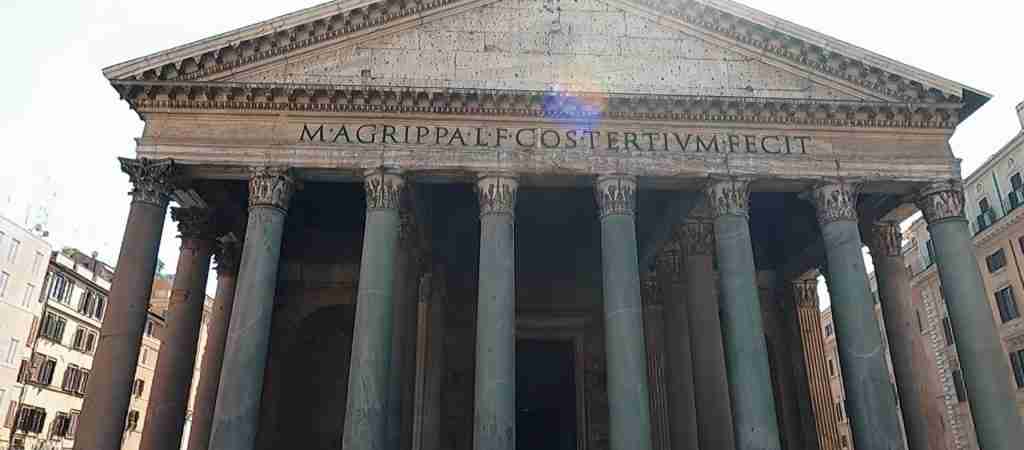
Walk 8 minutes from Trevi to the Pantheon, ancient Rome’s best-preserved monument featuring the world’s largest unreinforced concrete dome. This architectural marvel built in 126 AD offers completely free admission during operating hours (Monday-Saturday 9:00 AM-7:00 PM, Sunday 9:00 AM-6:00 PM). Brief entry queues of 10-20 minutes form during afternoon hours but move quickly. The interior’s perfect mathematical proportions—the dome’s height exactly equals its diameter—create harmonious space that influenced countless later architectural masterpieces. Highlights include the oculus open to weather, geometric coffered dome reducing weight while maintaining structural integrity, and tombs of Italian kings plus Renaissance master Raphael. As an active Catholic church, shoulders and knees must be covered for entry. Allocate 30-40 minutes for the Pantheon’s compact interior.
Complete your Day 1 afternoon with a 10-minute walk from the Pantheon to Piazza Navona, Rome’s most beautiful baroque square built on the exact footprint of the ancient Stadium of Domitian. The elongated oval reflects the original 1st-century racetrack, now transformed into an elegant pedestrian piazza featuring three magnificent fountains. Bernini’s masterpiece Fountain of the Four Rivers represents the Nile, Ganges, Danube, and Rio de la Plata through allegorical river god sculptures. The Church of Sant’Agnese in Agone designed by baroque architect Francesco Borromini offers free interior viewing during church hours. The square’s vibrant atmosphere includes street artists, musicians, and outdoor cafes (though dining directly on the piazza costs 30-50% premium versus restaurants one block away). Spend 1-1.5 hours enjoying the square’s baroque splendor and people-watching before dinner.
Evening: Dinner & Optional Spanish Steps (6:00 PM – 9:00 PM)
Dine at a traditional trattoria in the historic center, choosing neighborhoods slightly off the main tourist routes for better value and authenticity. The Jewish Ghetto area (10 minutes from Piazza Navona) offers excellent Roman-Jewish cuisine including carciofi alla giudia (fried artichokes) and pasta dishes at €15-€25 per person with wine. Alternatively, the Trastevere neighborhood across the Tiber River provides charming cobblestone streets and numerous affordable trattorias frequented by locals and informed tourists.
If energy permits after dinner, walk or take metro Line A to Spagna station for the Spanish Steps (15 minutes from Piazza Navona), beautifully illuminated in evening and less crowded than midday. The 135 baroque steps connecting Piazza di Spagna to Trinità dei Monti church create one of Rome’s most photographed architectural ensembles. Recent regulations prohibit sitting on the steps themselves (€250 fine), but the surrounding piazza and Barcaccia Fountain provide gathering spaces. The area functions as Rome’s luxury shopping district with flagship stores of Gucci, Bulgari, and Prada offering window shopping even for non-purchasers. Return to your accommodation by 9:00-10:00 PM to rest for Day 2’s Vatican exploration.
Day 1 Costs Summary
Colosseum-Forum-Palatine ticket €18, lunch €12-€18, afternoon gelato €3-€5, Pantheon free, dinner €15-€25. Total Day 1 costs: €48-€66 per person (excluding accommodation and transport pass purchased separately).
Day 2 Itinerary 2026: Vatican City & Baroque Masterpieces
Day 2 focuses on Vatican City’s unparalleled art collections and St. Peter’s Basilica, followed by afternoon exploration of Rome’s elegant baroque squares and gardens in the northwestern historic center.
Morning: Vatican Museums & Sistine Chapel (8:30 AM – 12:30 PM)
Begin Day 2 at the Vatican Museums with your pre-booked 9:00 AM timed-entry reservation (book 60 days in advance through tickets.museivaticani.va). Arrive at 8:30 AM for security screening at the museum entrance on Viale Vaticano. Your €25 ticket (€20 admission plus €5 mandatory online booking fee) provides access to 54 galleries spanning 9 miles of exhibition space, culminating in Michelangelo’s Sistine Chapel ceiling and Last Judgment—widely considered among humanity’s greatest artistic achievements.
A thorough Vatican Museums visit requires 3-4 hours minimum to see major highlights without feeling rushed. The standard self-guided route covers approximately 4 miles of walking through interconnected galleries, with the Sistine Chapel positioned as the culminating finale. Essential stops include the Pinecone Courtyard, Gallery of Maps (120-yard corridor with 16th-century geographical frescoes), Raphael Rooms (featuring the School of Athens depicting ancient philosophers), Gallery of Tapestries, Pio-Clementino Museum of classical sculpture (including the famous Laocoön Group), and Egyptian Museum. Download audio guides to your smartphone (€8 rental) or use the Vatican Museums official app for free commentary explaining Renaissance artistic techniques, Christian symbolism, and papal patronage that casual observers miss.
The Sistine Chapel represents the emotional and artistic climax of your museum visit. Michelangelo spent four years (1508-1512) painting the ceiling’s nine Genesis scenes from the Creation of Adam to Noah’s drunkenness, then returned three decades later to create the apocalyptic Last Judgment on the altar wall. The chapel operates under strict rules: no photography or video, mandatory silence, and security guards actively enforce both regulations plus dress code (shoulders and knees covered). The chapel’s relatively small size (134 feet long, 44 feet wide) concentrates enormous crowds—up to 2,000 visitors simultaneously—making it feel uncomfortably packed during peak midday hours. Your early 9:00 AM entry allows experiencing the chapel with lighter crowds during the museum’s first hours.
Complete your Vatican Museums exploration by 12:30 PM, allowing ample time for the Sistine Chapel plus key gallery highlights without exhausting yourself through attempting every single room (an impossible task even for dedicated art historians spending entire days in the complex).
Afternoon: St. Peter’s Basilica & Dome Climb (12:30 PM – 3:30 PM)
Many Vatican Museums guided tours include special passage from the Sistine Chapel directly into St. Peter’s Basilica, bypassing the public entrance queues in St. Peter’s Square. If your ticket doesn’t include this access, exit the museums and walk 10 minutes around the Vatican walls to St. Peter’s Square entrance. St. Peter’s Basilica offers completely free admission to the main church, though you’ll queue 20-45 minutes during afternoon hours (Wednesday afternoons are particularly crowded as the basilica reopens after morning Papal Audiences).
St. Peter’s Basilica represents the world’s largest church, built over Saint Peter’s burial site and taking 120 years to complete (1506-1626). The interior houses priceless artworks including Michelangelo’s Pietà sculpture (created when the artist was just 24), Bernini’s massive bronze baldachin over the papal altar, and elaborate papal tombs spanning five centuries. Vatican dress code strictly applies: shoulders and knees must be covered, with security guards turning away visitors in shorts or sleeveless clothing regardless of excuses. Allocate 45-60 minutes for the basilica’s vast interior, moving slowly through the main nave, side chapels, and papal tombs while absorbing the Renaissance and Baroque architectural splendor.
The St. Peter’s dome climb (separate entrance, separate queue) costs €10 for the elevator to roof terrace plus stairs to cupola summit, or €8 for climbing all 551 steps from ground level. The dome climb rewards visitors with spectacular 360-degree panoramas over Rome and Vatican City from 448 feet elevation. The ascent involves increasingly narrow spiral staircases as you climb inside the dome’s double shell, with the final section requiring single-file navigation and moderate fitness. The dome operates 8:00 AM-5:00 PM April-September (4:30 PM October-March), and the climb takes 30-45 minutes round-trip. Queue times average 30-40 minutes during afternoon hours. While strenuous, the views justify the effort for travelers without mobility limitations.
Late Afternoon: Spanish Steps & Villa Borghese (3:30 PM – 6:00 PM)
Break for a late lunch or early dinner 3:30-4:30 PM at restaurants near the Vatican in the Prati neighborhood, where local establishments serve Romans working in Vatican offices at authentic prices (€12-€20 for complete meals) rather than tourist premiums. The Prati area offers excellent pizza al taglio (pizza by the slice, €3-€5 for generous portions) and wine bars.
Take metro Line A from Ottaviano station (near Vatican) to Spagna station (8 minutes), emerging directly at the Spanish Steps. If you visited briefly on Day 1 evening, this return visit in afternoon light provides different photographic opportunities. Otherwise, this represents your first encounter with the elegant baroque staircase connecting Piazza di Spagna to Trinità dei Monti church via 135 travertine steps. The surrounding area functions as Rome’s luxury shopping district with window shopping along Via Condotti showcasing Italian fashion excellence.
Walk 10 minutes from the Spanish Steps to Villa Borghese, Rome’s third-largest public park offering 190 acres of landscaped gardens, tree-lined paths, boating lake, and panoramic terraces. Park access is completely free 24 hours daily, providing peaceful respite after intense Vatican touring. The Pincian Hill terrace at the park’s southern edge offers one of Rome’s best viewpoints over St. Peter’s dome and the historic center—an ideal location for golden hour photography and sunset watching. The park’s relaxed atmosphere contrasts beautifully with crowded monument visiting, allowing legs to recover while still experiencing Rome’s beauty. Spend 1-1.5 hours strolling the gardens before returning to your accommodation area for dinner.
Day 2 Costs Summary
Vatican Museums ticket €25, lunch/early dinner €12-€20, St. Peter’s dome climb €10 (optional), gelato/coffee €3-€5. Total Day 2 costs: €50-€60 per person (excluding accommodation and transport pass), or €40-€50 if skipping the dome climb.
Where to Stay in Rome 2026
Accommodation location significantly impacts 2-day Rome visit efficiency, with strategic neighborhood selection reducing daily transportation time and enabling early starts for timed-entry reservations.
The Termini Station area offers Rome’s best value for 2-day visitors balancing budget and location. This central neighborhood provides metro access to both ancient Rome sites (Line B to Colosseo, 4 minutes) and Vatican area (Line A to Ottaviano, 12 minutes), while hosting hundreds of budget hotels, hostels, and guesthouses competing on price. Accommodation costs €40-€80 per night for budget hotels and private rooms, or €25-€35 for hostel dormitory beds. The area’s train station location means inevitable street noise, basic aesthetics, and some persistent panhandlers, but the combination of affordability, transport connectivity, and abundant dining options (authentic restaurants serving train travelers and locals rather than pure tourist traps) makes this Rome’s most practical base for short visits.
Monti neighborhood provides a more charming alternative just 800 meters from the Colosseum, offering cobblestone streets, artisan shops, and local wine bars while remaining highly walkable to Day 1’s ancient sites. This increasingly fashionable district attracts young Romans and informed travelers, creating vibrant evening atmospheres without overwhelming tourist crowds. Accommodation costs €60-€120 per night for small hotels and guesthouses, making it 25-40% more expensive than Termini but delivering superior neighborhood character and closer proximity to the Colosseum for Day 1’s early morning start. Metro access via Cavour station (Line B) reaches the Vatican in 15 minutes with one transfer.
Trastevere across the Tiber River offers maximum Roman atmosphere with medieval streets, ivy-covered buildings, and excellent dining, but the southwestern location adds 10-15 minutes transportation time to reach major attractions. This neighborhood suits travelers prioritizing ambiance over logistical efficiency, accepting slightly longer commutes in exchange for Rome’s most photogenic evening strolls. Accommodation costs €70-€140 per night for boutique hotels and apartments. Tram 8 connects Trastevere to central locations, while the neighborhood’s distance from metro lines means more bus/tram dependence.
Avoid accommodations near Termini Station’s immediate surroundings after dark if you’re sensitive to urban grittiness—the blocks directly adjacent to the station attract some petty crime and have rougher aesthetics despite being perfectly safe with normal precautions. Similarly, avoid booking hotels directly on major tourist plazas (near Trevi Fountain, Spanish Steps) where prices inflate 40-60% purely for location while adding no practical access benefits given Rome’s compact walkable center and excellent metro coverage.
Budget Planning for 2 Days in Rome 2026
Comprehensive 2-day Rome costs in 2026 vary significantly based on accommodation standards, dining choices, and whether you add guided tours or stick to self-guided exploration with standard admission tickets.
Budget travelers can visit Rome for €136-€166 per person across 2 days by staying in hostel dormitories (€25-€35 per night, €50-€70 total for 2 nights), eating pizza slices and supermarket meals (€15-€20 per day, €30-€40 total for 2 days), visiting only essential paid attractions (Colosseum €18, Vatican €25, €43 total), and using public transport efficiently (€12.50 for 48-hour pass)—calculation: accommodation €50-€70, meals €30-€40, attractions €43, transport €12.50, total 50+30+43+12.50 = €135.50 rounds to €136 low end, 70+40+43+12.50 = €165.50 rounds to €166 high end. This budget requires discipline regarding meals (skipping sit-down restaurant dining for most meals, picnicking with supermarket purchases, drinking house wine rather than bottles at restaurants) and entertainment (free attractions like Trevi Fountain, Pantheon, Piazza Navona, St. Peter’s Basilica rather than paid museums beyond Colosseum and Vatican).
Mid-range travelers spending €216-€336 per person enjoy more comfortable experiences with budget hotel private rooms or 3-star hotels (€80-€130 for two nights when booking double occupancy, €40-€65 per person), traditional trattoria dining for lunch and dinner (€15-€25 per meal, €60-€100 total for 4 meals across 2 days), essential attractions plus one guided tour (€43 base tickets plus €40-€65 for Colosseum or Vatican guided experience, totaling €83-€108), 48-hour transport pass (€12.50), and allowances for gelato, coffee, and incidentals (€20-€30)—calculation: accommodation €40-€65, meals €60-€100, attractions with tour €83-€108, transport €12.50, incidentals €20-€30, total 40+60+83+12.50+20 = €215.50 rounds to €216 low end, 65+100+108+12.50+30 = €315.50 rounds to €316 high end, with most travelers in this category spending around €216-€336 depending on specific tour and restaurant choices. This budget enables authentic Roman dining experiences with wine, professional guided commentary at major sites, and flexibility for spontaneous purchases without constant cost calculation.
Upper mid-range travelers allocating €356-€521 per person book comfortable 4-star hotels in attractive neighborhoods (€140-€200 for two nights, €70-€100 per person when sharing), dine well at quality restaurants for all meals (€35-€50 per meal, €140-€200 for 4 meals across 2 days), add multiple guided experiences (€120-€180 for both Colosseum and Vatican small-group tours including base tickets), visit additional paid sites like Borghese Gallery (€20-€30), use the transport pass (€12.50), and enjoy coffee breaks, aperitivo, and shopping (€15-€25)—calculation: accommodation €70-€100, meals €140-€200, guided tours €120-€180, additional sites €20-€30, transport €12.50, extras €15-€25, total 70+140+120+20+12.50+15 = €377.50 rounds to €378 low end, 100+200+180+30+12.50+25 = €547.50 high end, with most upper mid-range travelers spending €356-€521 by selecting some but not all optional additions. This level provides the most rewarding short Rome visit balancing comfort, expert guidance, and culinary experiences.
Sample detailed budget breakdown for mid-range 2-day Rome visit per person: Accommodation €40-€65 per person (2 nights sharing double room), Colosseum ticket €18, Vatican Museums ticket €25, meals €60-€100 (€15-€25 per restaurant meal for lunch and dinner, 4 meals total), transport €12.50 (48-hour pass), gelato/coffee €10-€15—calculation: 40+18+25+60+12.50+10 = €165.50 low end, 65+18+25+100+12.50+15 = €235.50 high end, total €166-€236 per person for 2 days.
These budgets exclude international flights to Rome but include all local costs from accommodation through attraction tickets, meals, local transport, and reasonable discretionary spending. Currency exchange: €1 = approximately $1.05-$1.10 USD as of early 2026, making Rome moderately expensive for American travelers but reasonable value compared to other Western European capitals given the extraordinary concentration of world-class attractions and generally excellent food quality at mid-range price points.
Transportation & Getting Around Rome 2026
Rome’s public transport network efficiently connects major attractions through three metro lines, 350+ bus routes, and tram services operating under the unified ATAC system with simple flat-rate pricing.
The 48-hour Roma transport pass costs €12.50 and provides the best value for 2-day visitors, offering unlimited travel on metro, buses, and trams for 48 consecutive hours from first validation. This pass pays for itself after 9 single journeys—calculation: single tickets cost €1.50, so 9 trips = €13.50, which exceeds the €12.50 pass cost (€12.50 ÷ €1.50 = 8.33 trips break-even point, rounded to 9 trips needed to justify the pass)—and eliminates the hassle of purchasing new tickets for each journey. Validate your 48-hour pass when first boarding by inserting it into yellow validation machines on buses/trams or at metro station turnstiles—the machine prints the start date/time, and the pass remains valid until exactly 48 hours later. Alternative options include single tickets (€1.50, valid 100 minutes including one metro ride plus unlimited bus/tram transfers), 24-hour passes (€7), or 72-hour passes (€18).
Metro Line B serves Colosseo station for direct Colosseum access, while Line A reaches Spagna (Spanish Steps), Barberini (Trevi Fountain area), and Ottaviano (Vatican Museums). The new Metro Line C stations Colosseo-Fori Imperiali and Porta Metronia opened December 2025, providing additional ancient center access points. Metro operates 5:30 AM-11:30 PM Sunday-Thursday and 5:30 AM-1:30 AM Friday-Saturday. Trains run every 5-10 minutes during peak hours, extending to 10-15 minutes during off-peak periods. Rome’s metro system is relatively small compared to cities like Paris or London, with just three lines, making navigation simple even for first-time visitors.
Buses supplement metro coverage for attractions without direct metro access. Route 64 connects Termini Station to the Vatican (popular but notorious for pickpockets targeting distracted tourists), while Route 40 serves Villa Borghese and Piazza Venezia. Route H connects Termini to Trastevere. Buses display route numbers and major stops on the front, with electronic signs inside announcing upcoming stops. Night buses (routes starting with “n”) operate limited service when metros close, though most 2-day visitors returning to accommodations before midnight won’t need these services.
Walking remains the most pleasant way to experience Rome’s historic center once you reach the general vicinity via metro. The Trevi Fountain to Pantheon distance is just 650 meters (8 minutes walking), while Pantheon to Piazza Navona covers 600 meters (8 minutes). The Colosseum to Trevi Fountain spans 2 kilometers (25 minutes), making it walkable for those enjoying strolling but also manageable via metro for travelers conserving energy. Cobblestone streets, uneven ancient paving, and elevation changes across Rome’s famous seven hills make comfortable walking shoes absolutely essential—attempting Rome sightseeing in fashion sandals or new shoes results in blisters and foot pain limiting your exploration.
Taxis operate as backups for specific situations (late arrivals to timed-entry reservations, foot exhaustion, heavy rain) rather than primary transport given Rome’s excellent public options and notorious traffic congestion. Official white taxis with meters charge €3 base fare plus €1.10-€1.60 per kilometer, with legal fixed rates of €48 from Fiumicino Airport to central Rome. Only use official taxis from designated taxi stands or called through radio taxi services—never accept rides from unlicensed drivers approaching you at airports, stations, or major tourist sites who charge arbitrary inflated prices.
Booking Strategy for Rome 2026
Successful 2-day Rome visits require coordinated booking across multiple systems with different advance timelines and restrictions, demanding strategic planning 60 days before arrival.
Begin booking 60 days before your Rome dates by immediately purchasing Vatican Museums tickets through the official Vatican website (tickets.museivaticani.va), selecting your preferred Day 2 morning time slot (9:00-10:00 AM entries offer best crowd avoidance). Vatican tickets release exactly 60 days in advance, with weekends and prime morning slots (9:00-11:00 AM) selling out 2-4 weeks ahead during peak season (April-October 2026). The €25 ticket price (€20 admission plus €5 mandatory booking fee) is fixed and non-negotiable through official channels, though authorized resellers like GetYourGuide and Tiqets sometimes charge €2-€5 additional markup for customer service benefits and flexible cancellation policies.
Mark your calendar for 30 days before your Rome dates to purchase Colosseum tickets the morning they become available. Colosseum tickets go on sale at approximately 8:45 AM Rome time exactly 30 days before the visit date through the official Parco Colosseo website (ticketing.colosseo.it). Popular morning and midday time slots (9:00 AM-2:00 PM) for standard tickets sell out within 2-5 days during peak season, while specialized tickets like underground and arena access sell out within hours or even minutes. Set an alarm for 8:40 AM Rome time on your 30-days-before date and be ready at your computer, as ticket availability disappears quickly for desirable slots. Select a 9:00-10:00 AM entry time for Day 1 to maximize your ancient Rome exploration hours.
Book accommodation 2-3 months in advance for best selection and pricing, particularly crucial for April-June and September-October when Romans and European tourists visit simultaneously. Platforms like Booking.com, Hotels.com, and Airbnb offer widest selection, with Booking.com generally providing the most flexible cancellation policies for budget and mid-range properties. Read recent reviews carefully, filtering for comments about noise levels (common complaint in Termini area), cleanliness, and actual location versus claimed proximity to attractions. Properties advertising “near Colosseum” may be 20-minute walks rather than the suggested closeness.
Flight booking timelines vary by origin, but generally 2-4 months advance purchase yields best pricing for spring and fall travel, while summer flights require 4-6 months lead time due to vacation demand. Rome’s Fiumicino Airport (FCO) handles most international connections, while Ciampino Airport (CIA) serves budget carriers and European flights. The Leonardo Express train connects Fiumicino to Termini Station in 32 minutes for €14, operating every 15-30 minutes 6:23 AM-11:23 PM. Terravision buses connect Ciampino to Termini in 40-60 minutes for €6 one-way, departing every 20-40 minutes.
If adding guided tours beyond standard tickets, book these 2-4 weeks in advance through reputable operators. Small-group Colosseum tours (15 participants maximum) from established companies like Through Eternity, Walks of Italy, or LivItaly cost €55-€85 including skip-the-line access and expert guides. Vatican small-group tours run €65-€95 for 3-hour experiences. These guided options make sense for first-time visitors wanting comprehensive historical context, though they increase overall costs by €120-€180 per person if booking both Colosseum and Vatican tours rather than using standard tickets with audio guides.
Best Time for a 2-Day Rome Visit 2026
Rome visit timing dramatically affects crowd levels, accommodation pricing, weather conditions, and attraction accessibility, with optimal 2-day windows occurring during shoulder seasons rather than peak summer or winter holidays.
Late March through April offers ideal spring conditions balancing pleasant weather (15-20°C/59-68°F), moderate crowds, blooming flowers, and increasing daylight hours. Easter week (April 13-20, 2026) brings massive crowds due to religious pilgrims and should be avoided, but the weeks before and after Easter provide excellent visiting conditions. Accommodation prices remain 20-30% below summer peaks, while Colosseum and Vatican tickets, though requiring advance booking, don’t sell out as instantly as during June-August. Spring weather includes occasional rain showers requiring flexible indoor backup plans and umbrella/light rain jacket packing.
October through early November delivers Rome’s second optimal window with warm but not hot temperatures (18-23°C/64-73°F in October, cooling to 12-18°C/54-64°F in November), thinning crowds as summer tourists depart, and beautiful autumn light for photography. Wine harvest season and truffle availability enhance dining experiences. Accommodation costs drop 30-40% from summer peaks starting mid-October. Late October and November bring increasing rain probability (November averages 10-12 rainy days) and significantly shorter daylight hours (sunset around 5:00 PM by late November versus 7:30 PM in July), compressing productive sightseeing time but also creating atmospheric lighting for evening photography.
Peak summer months (June-August) deliver maximum crowds, highest accommodation prices (premium rates 40-60% above off-season), intense heat (July-August frequently exceed 32°C/90°F with occasional 35-38°C/95-100°F days), and the most competitive ticket availability requiring earliest possible booking. However, summer offers longest daylight hours (sunset 8:30 PM in June), guaranteed sunny weather, and vibrant street life with outdoor dining and evening passeggiata (traditional evening strolls). Summer suits travelers with flexible budgets, high heat tolerance, and willingness to start sightseeing days at 8:00-8:30 AM to complete outdoor touring before afternoon temperature peaks.
Winter (December-February excluding Christmas/New Year) provides the quietest visiting conditions with minimal crowds, lowest accommodation costs (40-50% below summer), and shortest museum queues. However, winter brings short daylight hours (sunset around 5:00 PM), cooler temperatures (8-15°C/46-59°F), and moderate rain probability. The Christmas/New Year period (December 20-January 6) reverses these advantages with huge crowds, maximum accommodation costs, and many restaurants closing for staff holidays, making this Rome’s least recommended period despite beautiful holiday decorations and festive atmosphere.
Avoid visiting Rome during major Jubilee events in 2026 (the Holy Year continues through the year) when millions of additional pilgrims converge on Vatican City, creating unprecedented St. Peter’s crowds and neighborhood accommodation shortages. Check the official Jubilee calendar before booking to avoid dates with massive gatherings that will compromise your 2-day experience.
Frequently Asked Questions About 2-Day Rome Visits 2026
Can I visit both the Colosseum and Vatican in one day in 2026?
While technically possible to visit both the Colosseum and Vatican in a single day, this creates an exhausting and rushed experience that compromises appreciation of both world-class sites. The Colosseum-Roman Forum-Palatine complex requires 4-5 hours for thorough exploration, while the Vatican Museums and St. Peter’s Basilica demand 4-5 hours minimum. Attempting both in one day means either starting extremely early (7:00 AM) and maintaining intense touring pace for 10+ consecutive hours, or rushing through one or both sites spending just 1-2 hours each, which misses most of their treasures. Additionally, the Colosseum opens at 8:30 AM while Vatican Museums open at 9:00 AM, making morning coordination difficult. The 5-kilometer distance between sites requires 15-20 minutes metro travel each way. Most significantly, both sites implement mandatory timed-entry reservations—you cannot flexibly adjust arrival times based on how long the first site takes. The recommended 2-day Rome itinerary separates these major attractions across two mornings precisely to allow adequate time, energy, and appreciation for each without exhausting yourself or missing key features.
What happens if I miss my timed-entry reservation at the Colosseum or Vatican in 2026?
Missing your timed-entry reservation at either the Colosseum or Vatican Museums results in denied entry without refunds, though specific grace periods and policies vary between the two attractions. Colosseum tickets allow small flexibility—arriving 15-30 minutes late to your reserved time slot may still permit entry if capacity allows, but this cannot be guaranteed and staff may turn you away during busy periods. Vatican Museums enforce stricter timing, with tickets valid for just 15 minutes from your booked entry time, though guards occasionally show leniency for travelers arriving slightly late with reasonable excuses. However, neither attraction tolerates arrivals 1+ hours late or no-shows, and tickets cannot be rescheduled or refunded. If you realize you’ll miss your reservation (due to transportation delays, illness, or miscalculation), immediately contact the ticket office helpdesk via email or phone—they occasionally accommodate genuinely unavoidable circumstances by rebooking you to a later same-day slot if availability exists, though this is a courtesy rather than obligation. Prevention requires building 30-45 minute buffer time into your morning schedule, accounting for potential metro delays, longer-than-expected breakfast, or difficulty finding the entrance among crowds.
Is Rome walkable or do I need public transport for a 2-day visit in 2026?
Rome’s historic center is highly walkable with most attractions clustered within 2-3 kilometers of each other, but strategic public transport use significantly enhances 2-day visit efficiency by saving time and energy. The distance from the Colosseum to the Vatican is 3.5 kilometers (2.2 miles), theoretically walkable in 40-45 minutes but practically inadvisable given that you’ll already walk 8-12 kilometers daily exploring the attractions themselves. Metro coverage efficiently connects ancient Rome sites (Line B to Colosseo), Vatican area (Line A to Ottaviano), Spanish Steps (Line A to Spagna), and Trevi Fountain area (Line A to Barberini), reducing 25-40 minute walks to 5-10 minute metro rides. The €12.50 for a 48-hour transport pass represents minimal cost relative to the significant time savings and reduced fatigue, allowing you to conserve energy for actually touring attractions rather than exhausting yourself walking between them. However, once you reach the general vicinity via metro, walking between closely-spaced attractions (Trevi to Pantheon 8 minutes, Pantheon to Piazza Navona 8 minutes) provides the most pleasant experience for absorbing Rome’s street life, architecture, and urban atmosphere. The ideal approach combines metro for major cross-town movements with walking for exploration within districts.
Do I need a tour guide or can I visit Rome’s major attractions independently in 2026?
Independent visits to Rome’s major attractions are completely viable in 2026 using standard admission tickets, official audio guides, and thorough pre-reading about sites’ historical context, though guided tours deliver superior understanding particularly at archaeologically complex locations like the Colosseum and Roman Forum. The Vatican Museums and St. Peter’s Basilica provide sufficient multilingual signage, audio guides, and intuitive layout that motivated travelers can successfully navigate independently while still appreciating the Renaissance masterpieces. However, the Colosseum and Roman Forum present challenges due to the deteriorated state of ruins—a pile of foundation stones becomes meaningful only when guides explain the temple’s architectural form, religious function, and historical significance. First-time Rome visitors often report guided Colosseum-Forum tours (€55-€85) as their most valuable expense, bringing ancient history vividly alive through expert storytelling. Travelers can compromise by booking one guided experience (either Colosseum or Vatican based on personal interests) while visiting other sites independently with €5-€8 audio guides. Self-guided visits require significantly more personal research investment—reading detailed guidebooks, watching documentary videos, and studying maps before arrival—to achieve comparable understanding versus simply listening to professional guides share 20+ years of accumulated knowledge.
What should I pack for a 2-day Rome trip in 2026?
Essential packing for a 2-day Rome visit includes comfortable broken-in walking shoes (you’ll walk 15-25 kilometers across both days on cobblestones and uneven paving), modest clothing covering shoulders and knees for church entry requirements (lightweight long pants or knee-length skirts, t-shirts or blouses covering shoulders), layers for variable indoor/outdoor temperatures (churches and museums can be 10°C/18°F cooler than midday outdoor heat), sun protection during warmer months (hat, sunglasses, SPF 30+ sunscreen for extended outdoor archaeological site visits), refillable water bottle (Rome has 2,500+ free public drinking fountains eliminating bottled water purchases), small day bag under 30×40×15 cm (security restrictions at Colosseum and Vatican prohibit larger bags with no storage available), portable phone charger (heavy camera and map app use drains batteries quickly), and European outlet adapters for charging devices. Optional but highly useful items include small umbrella or light rain jacket (sudden showers occur even during generally dry months), smartphone with offline Rome maps downloaded (Google Maps works offline if you download the city area before departure), and a lightweight scarf or pashmina (serves as church shoulder covering, warmth layer, and can wrap around waist converting short skirts to knee-length for Vatican entry). Leave unnecessary valuables at home—expensive jewelry and watches attract pickpocket attention in crowded tourist areas.
Can I do a day trip from Rome to Pompeii or Florence in 2026?
Day trips from Rome to Pompeii or Florence are feasible during 2-day Rome visits but consume an entire day that could alternatively explore more of Rome itself, making them questionable value propositions for such short stays. Pompeii day trips require 3 hours round-trip train travel (Rome to Naples 70 minutes, Naples to Pompeii 40 minutes) plus 2-3 hours exploring the archaeological site, totaling 5-6 hours minimum and realistically 7-8 hours with transportation buffers and meal breaks. Florence sits 1.5 hours from Rome via high-speed train, enabling 5-6 hour Florence visits within 8-9 hour total day trip windows. However, both excursions sacrifice your second Rome day—meaning you’d see ancient Rome on Day 1 but miss the Vatican entirely, or vice versa. For visitors with just 2 days total in the region, spending both days exploring Rome’s extraordinary concentration of world-class attractions delivers superior value versus allocating one day to external destinations, regardless of those destinations’ individual merits. If your broader Italian itinerary includes 4+ days in the Rome area, then Pompeii or Tuscany day trips make excellent additions. With only 2 days, focus that limited time on Rome itself, accepting that Italy’s richness requires multiple return visits to experience comprehensively rather than attempting to see everything in impossibly compressed timeframes.
Is it safe to walk around Rome at night after dinner in 2026?
Rome’s tourist areas and historic center are generally safe for evening and nighttime walking in 2026, with violent crime against visitors extremely rare and most neighborhoods maintaining active street life through 10:00-11:00 PM. The well-traveled routes connecting major attractions (Pantheon to Piazza Navona, Spanish Steps to Trevi Fountain) remain bustling with tourists, locals dining, and couples strolling until late evening, creating safety through numbers and visibility. However, exercise standard urban precautions: stay in well-lit areas with other people rather than taking isolated shortcuts through dark alleys, remain aware of surroundings rather than walking while absorbed in smartphones, keep bags secured across your body in front, and avoid obviously deserted areas. The immediate surroundings of Termini Station become seedier after 11:00 PM with increased panhandling and occasional drug dealing, though walking briskly and confidently through the area to reach your hotel remains safe for most travelers. Women traveling solo report feeling comfortable walking Rome’s tourist districts during evening hours, though accepting drinks from strangers or walking extremely isolated areas carries standard safety risks. Parks like Villa Borghese become genuinely unsafe after dark and should be avoided entirely at night. The emergency number for police, ambulance, or fire services is 112 throughout Italy.
What are the best restaurants near the Colosseum and Vatican for 2-day visitors in 2026?
The immediate areas surrounding the Colosseum and Vatican operate as tourist traps with mediocre food at inflated prices, making strategic neighborhood selection crucial for authentic dining experiences. Near the Colosseum, walk 5-10 minutes to the Monti neighborhood where local restaurants serve Romans living and working in the area rather than primarily targeting one-time tourists. Monti trattorias charge €12-€20 for excellent pasta, pizza, and daily specials compared to €20-€30 at Colosseum-facing establishments for inferior quality. Specific Monti recommendations for 2026 (subject to restaurant closures and ownership changes) include traditional trattorias along Via dei Serpenti and Via Leonina offering authentic cacio e pepe, carbonara, and amatriciana pasta dishes. Near the Vatican, avoid restaurants on Via della Conciliazione (the wide boulevard leading directly to St. Peter’s) where prices inflate 40-60% for mediocre tourist menus. Instead, walk 10 minutes to the Prati neighborhood where local establishments serve Vatican employees and Roman families at authentic prices—restaurants along Via degli Scipioni, Via Ottaviano, and Via Cola di Rienzo offer excellent value with complete meals including wine for €15-€25 per person. For pizza al taglio (pizza by the slice), Pizzarium near the Vatican Museums entrance (Via della Meloria 43) serves creative toppings on exceptional crust for €3-€5 per generous portion. The fundamental rule: walk 5-10 minutes away from monuments in any direction, look for restaurants where locals outnumber tourists, and check menus posted outside for reasonable pricing before entering.
Can I use credit cards everywhere in Rome or do I need cash in 2026?
Credit cards are widely accepted at Rome’s hotels, restaurants, major attractions, and chain stores in 2026, but cash remains necessary for small purchases, traditional establishments, and certain situations. The Colosseum, Vatican Museums, and other major attractions accept credit cards for ticket purchases both online and at ticket offices, while hotels and mid-range-to-upscale restaurants process cards without issues. However, many small family trattorias, pizzerias, cafes, and gelaterias accept cash only or impose €10-€15 minimum purchase requirements for credit cards. Market vendors, street food stands, and small shops typically operate cash-only. Coffee at a bar costs €1-€1.50 cash but attempting to pay by card for such small amounts often generates shopkeeper frustration. Carry €100-€150 cash during your 2-day visit, withdrawn from ATMs rather than currency exchange offices (ATMs offer better exchange rates with lower fees). Major bank ATMs in Rome accept international cards and dispense euros in €20 and €50 denominations. Notify your credit card company and bank of your Italy travel dates before departure to prevent fraud blocks on foreign transactions. For security, split cash between your wallet and a separate secure location in your accommodation, carrying only €30-€50 daily for small purchases while keeping credit cards for larger expenses. Tipping practices in Rome differ from American customs—service charges are typically included in restaurant bills, making additional tips optional rather than expected, though rounding up or leaving €1-€2 for good service is appreciated.
How early should I arrive at the Colosseum and Vatican Museums before my timed entry in 2026?
Arrive 30-45 minutes before your timed-entry reservation at both the Colosseum and Vatican Museums to account for security screening, queue navigation, ticket validation, and potential delays from larger-than-expected crowds. The Colosseum implements airport-style security screening with bag checks, metal detectors, and occasional random additional screening, processing visitors at varying speeds depending on crowd size and security staff levels. During peak morning hours (9:00-10:00 AM entries), security lines extend 10-20 minutes even for visitors with advance tickets. The Vatican Museums operate similar security protocols with slightly faster processing during early slots but notable delays during midday peaks. Additionally, first-time visitors often struggle locating the correct entrance among multiple access points—the Colosseum has separate entrances for different ticket types, while Vatican Museums’ entrance on Viale Vaticano can be obscured by crowds. Building 30-45 minute arrival buffers prevents the stress of rushing, watching your time slot expire while standing in security lines, or missing entry entirely. For 9:00 AM reservations, arrive at 8:20-8:30 AM. If staying nearby and familiar with Rome, 20-30 minute buffers may suffice, but first-time visitors should err toward earlier arrival. The alternative risk—missing your timed entry entirely and forfeiting tickets without refunds—far outweighs the minor inconvenience of waiting 10-15 minutes if you arrive particularly early. Use any extra waiting time to hydrate, apply sunscreen, review your planned routing through the attraction, and mentally prepare for the intensive sightseeing ahead.