
Top 10 places to visit in Rome: 2026 Travel Tips
Rome captivates over 14 million visitors annually with its extraordinary blend of ancient ruins, Renaissance masterpieces, and vibrant contemporary culture. Planning your 2026 visit to the Eternal City requires understanding ticket prices, opening hours, and booking strategies for its most iconic attractions, from the Colosseum’s gladiatorial arena to the Vatican’s artistic treasures.
Key Takeaways
- Book Colosseum and Vatican Museums tickets 30-60 days in advance as they sell out quickly during peak season (April-October 2026)
- Standard Colosseum tickets cost €18 and include Roman Forum and Palatine Hill access, valid for 24 hours
- Vatican Museums charge €20 plus €5 online booking fee (€25 total) with tickets released 60 days before visit date
- Visit major attractions early morning (8:30-10:00 AM) or late afternoon to avoid peak crowds and summer heat
- St. Peter’s Basilica, Trevi Fountain, Pantheon, Spanish Steps, and Piazza Navona offer free entry year-round
- Rome’s comprehensive public transport system costs €1.50 per single ride or €7 for a 24-hour pass covering metro, buses, and trams
People Also Ask About Rome 2026
How much does it cost to visit Rome’s top attractions in 2026?
Rome’s top paid attractions cost €18-€30 per site in 2026. The Colosseum costs €18 (includes Roman Forum and Palatine Hill), Vatican Museums cost €25 (€20 admission plus €5 online booking fee), and Borghese Gallery costs €20-€30 depending on temporary exhibitions. Five major attractions offer completely free entry: St. Peter’s Basilica, Trevi Fountain, Pantheon, Spanish Steps, and Piazza Navona. A complete Rome experience visiting all ten top attractions costs approximately €65-€85 in entrance fees per person, before adding guided tours, meals, or transportation.
Do I need to book Rome attraction tickets in advance for 2026?
Advance booking is mandatory for the Colosseum, Vatican Museums, and Borghese Gallery in 2026 as all three require timed entry reservations. Colosseum tickets go on sale 30 days before your visit date and sell out quickly during peak season (April-October). Vatican Museums release tickets 60 days in advance, with morning slots and weekends filling first. Borghese Gallery limits visitors to 360 per two-hour time slot and must be reserved days or weeks ahead. Walk-up same-day tickets are occasionally available at the Colosseum ticket office but cannot be relied upon for guaranteed entry at your preferred time.
What are the opening hours for Rome’s major attractions in 2026?
Rome’s major attractions operate varying seasonal schedules in 2026. The Colosseum opens at 8:30 AM daily, closing at 7:15 PM in summer (March 30-September 30), 6:30 PM in early fall (October 1-26), and 4:30 PM in winter (October 27-February 28). Vatican Museums operate Monday-Saturday 9:00 AM-6:00 PM with last entry at 4:00 PM, closed Sundays except the last Sunday monthly (free but extremely crowded). St. Peter’s Basilica opens 7:00 AM-7:00 PM April-September and 7:00 AM-6:30 PM October-March. Free attractions like Trevi Fountain, Pantheon, and Spanish Steps are accessible 24 hours daily, though Pantheon interior follows church hours (9:00 AM-7:00 PM).
When is the best time to visit Rome in 2026 to avoid crowds?
The best months to visit Rome in 2026 are November through March (excluding Christmas/New Year weeks) and the shoulder periods of late March-April and early October. Summer months (June-August) bring peak crowds with 25,000+ daily Colosseum visitors and 2-3 hour Vatican lines without advance tickets. Within any day, arrive at major attractions at opening time (8:30-9:00 AM) when crowds are thinnest and temperatures are coolest, or visit 2-3 hours before closing for thinner crowds and beautiful golden-hour photography light. Avoid 10:30 AM-2:30 PM when cruise ship groups and tour buses converge on Rome’s historic center.
Extended multi-day tours – 5+ days
Featured Rome Multi-Day Tour Packages
5 days
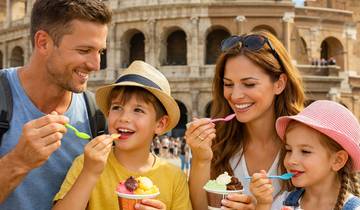
The Ultimate Rome Food & Cultural Small-Group Tour Package – 5 Days
- ✓ Comprehensive Rome tour
- ✓ Expert local guides included
- ✓ All accommodation arranged
- ✓ Transportation provided
3 days
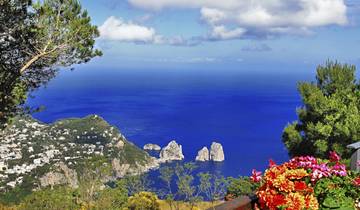
3-Day Pompeii, Capri & Sorrento Mini Tour
- ✓ Comprehensive Rome tour
- ✓ Expert local guides included
- ✓ All accommodation arranged
- ✓ Transportation provided
3 days
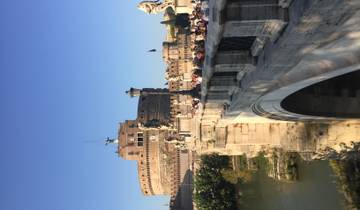
Advent in Rome: Markets, Churches & Tiramisu
- ✓ Booking needs min. 2 travelers
5 days
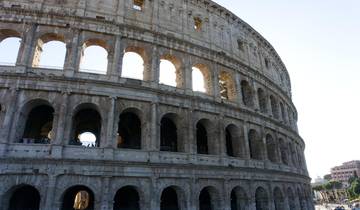
Ciao Italia: 5 Days, 2 Cities, Infinite Wonders
- ✓ Comprehensive Rome tour
- ✓ Expert local guides included
- ✓ All accommodation arranged
- ✓ Transportation provided
Multi-day tour packages powered by TourRadar. Prices and availability subject to change.
Introduction to Rome’s Essential Attractions 2026
Rome stands as one of the world’s most historically significant cities, where three millennia of continuous civilization have created an unparalleled concentration of architectural masterpieces, artistic treasures, and archaeological wonders. The Eternal City contains more UNESCO World Heritage Sites than any other single city globally, with its historic center designated as a complete World Heritage property encompassing monuments from Ancient Rome, medieval churches, Renaissance palaces, and Baroque fountains.
Planning a successful Rome visit in 2026 requires understanding the practical realities of accessing the city’s most popular attractions. The Colosseum receives over 7 million annual visitors, making it one of the world’s most visited monuments, while the Vatican Museums attract similar numbers. These exceptional visitation levels mean that spontaneous walk-up visits during peak season (April-October) often result in 2-4 hour queues or complete ticket unavailability. The Italian Ministry of Culture and Vatican authorities have implemented mandatory timed-entry reservation systems for major sites, fundamentally changing how travelers must approach Rome itinerary planning.
The city’s top ten attractions divide into two distinct categories: paid archaeological sites and museums requiring advance tickets (Colosseum, Vatican Museums, Borghese Gallery), and freely accessible public spaces and churches (St. Peter’s Basilica, Trevi Fountain, Pantheon, Spanish Steps, Piazza Navona). This combination allows budget-conscious travelers to experience Rome’s greatest masterpieces while keeping entrance fee costs moderate. Understanding which sites require booking weeks in advance versus which welcome spontaneous visits enables efficient time management and prevents disappointment.
Rome’s 2026 visitor landscape includes ongoing infrastructure improvements and updated ticketing procedures. Two new Metro C stations—Colosseo-Fori Imperiali and Porta Metronia—opened in December 2025, bringing metro service directly into the historic center for the first time and improving access to the Colosseum Archaeological Park. The Vatican Museums continue hosting the 2025-2026 Jubilee Holy Year, bringing increased pilgrim numbers and requiring strategic planning for Vatican area visits. Additionally, starting February 2026, five previously free Rome municipal museums will charge €5 tourist entrance fees, though this does not affect the top ten attractions covered in this guide.
1- The Colosseum: Ancient Rome’s Iconic Arena 2026
The Colosseum stands as Rome’s most recognizable landmark and the largest amphitheater ever constructed in the ancient world. Built between 70-80 AD under Emperors Vespasian and Titus, this architectural marvel once hosted gladiatorial contests, wild animal hunts, and spectacular public entertainment before crowds of 50,000 spectators. Despite centuries of earthquakes, stone plundering, and weathering, the Colosseum remains remarkably intact, offering visitors an immersive journey into ancient Roman engineering and society.
Standard Colosseum tickets cost €18 per adult in 2026 and include access to the Roman Forum and Palatine Hill archaeological complex, creating a comprehensive ancient Rome experience. This 24-hour validity ticket permits one entry to the Colosseum (ground floor and first level galleries) and one entry to the Roman Forum-Palatine area. Enhanced ticket options include arena floor access for €18 (allows standing on the reconstructed gladiatorial arena with 20-minute timed visits), underground and arena combined access for €24 (guided tour of the hypogeum tunnels where gladiators and animals waited before entering the arena), and attic/belvedere access for €24 (upper-level panoramic views from the third, fourth, and fifth tiers with elevator access). All tickets require advance online booking through the official Parco Colosseo website (ticketing.colosseo.it), with availability opening 30 days before the visit date at approximately 8:45 AM Rome time.
Colosseum opening hours follow seasonal daylight variations in 2026. The monument opens daily at 8:30 AM, closing at 4:30 PM during winter months (October 27-March 29), extending to 7:15 PM during summer peak season (March 30-September 30), and maintaining 6:30 PM closing during early autumn (October 1-26). Last entry occurs one hour before closing time. The Colosseum closes on three annual holidays: January 1, May 1, and December 25. Security screening for all visitors requires arriving at least 30 minutes before your reserved time slot, as the monument’s capacity is strictly limited to 3,000 simultaneous visitors for preservation purposes.
The best strategy for visiting the Colosseum in 2026 involves booking the earliest available time slot (8:30-9:00 AM) when crowds are minimal, temperatures are comfortable, and lighting conditions are excellent for photography. The monument experiences peak congestion between 10:30 AM-2:30 PM when tour groups and cruise ship excursions converge. Late afternoon slots (2-3 hours before closing) offer the second-best crowd conditions plus beautiful golden hour lighting on the ancient travertine limestone. Underground and arena floor tickets sell out within seconds of release during high season, requiring visitors to be online exactly when availability opens 30 days prior. Standard tickets are considerably easier to secure but still require 1-2 weeks advance booking during April-October 2026.
Visitors should download the free MyColosseum app (iOS and Android) before arrival, which provides interactive audio guides in Italian and English that automatically activate as you move through different zones of the monument. The app includes detailed information about the underground hypogeum, intermediate gallery levels, and upper attic sections, significantly enhancing the self-guided experience without additional audio guide rental costs. The Colosseum ticket includes same-day or next-day access to the Roman Forum and Palatine Hill, which should be allocated 2-3 hours for thorough exploration of these adjacent archaeological sites where ancient Rome’s political, religious, and imperial power was centered.
2- Vatican Museums & Sistine Chapel: Renaissance Masterpieces 2026
The Vatican Museums comprise one of the world’s most significant art collections, spanning 54 galleries across 9 miles of exhibition space within Vatican City. Established by Pope Julius II in the early 16th century and expanded by successive pontiffs, the museums house masterpieces from ancient Roman sculpture to Renaissance paintings, culminating in Michelangelo’s Sistine Chapel ceiling and Last Judgment—widely considered among humanity’s greatest artistic achievements.
Standard Vatican Museums admission costs €20 in 2026, with a mandatory €5 online booking fee bringing the total to €25 per adult for skip-the-line timed entry. This comprehensive ticket provides access to all permanent collections including the Sistine Chapel, Raphael Rooms (featuring the School of Athens fresco), Gallery of Maps, Pinacoteca art gallery, Pio-Clementino Museum of classical sculpture, and Egyptian Museum. Reduced tickets for EU students aged 6-25 cost €8 plus €2 booking fee (€10 total) with valid international student ID required at entry. Children under age 6 enter free though free tickets must still be reserved online. The Vatican offers free admission on the last Sunday of each month, but this results in extreme overcrowding with 3-4 hour queues and should be avoided unless budget constraints are severe.
Vatican Museums tickets must be purchased through the official Vatican website (tickets.museivaticani.va) or authorized partners like GetYourGuide, Tiqets, and Viator. Tickets go on sale 60 days before the visit date, with popular time slots (morning entries and weekends) selling out 2-4 weeks in advance during peak season. The museums operate Monday-Saturday from 9:00 AM to 6:00 PM, with last entry at 4:00 PM, and close on Sundays except the final Sunday monthly. Visitors are strictly required to present photo identification matching the name on their ticket, as Vatican Museums tickets are non-transferable to prevent black market resale. The ticket is valid for a 15-minute window at your booked entry time, after which it expires.
A thorough Vatican Museums visit requires 3-4 hours minimum to see major highlights without feeling rushed. The standard self-guided route covers approximately 4 miles of walking through galleries, with the Sistine Chapel positioned as the culminating finale. Guided tour options (€35-€65) provide expert art historical commentary and optimized routing through the sprawling complex, though guides cannot speak inside the Sistine Chapel due to strict silence requirements. Small group tours limited to 15 participants offer more intimate experiences with direct guide interaction, while semi-private tours for 6-8 people provide premium experiences with dedicated attention.
Strategic visiting times for the Vatican Museums in 2026 include early morning time slots (9:00-9:30 AM entry) when galleries are quietest, or late afternoon entries (2:00-3:00 PM) after morning tour groups have departed. Wednesday mornings present unique challenges as St. Peter’s Basilica closes for Papal Audiences, creating overflow crowds in the museums. The Vatican is hosting the Jubilee Holy Year throughout 2025-2026, bringing increased pilgrim numbers and larger-than-normal crowds, particularly during major Jubilee events. Visitors should check the official Jubilee calendar before booking to avoid dates with massive pilgrim gatherings.
Important visitor notes include Vatican dress code requirements: shoulders and knees must be covered for entry (enforced year-round), with tank tops, shorts, and short skirts prohibited. Security screening comparable to airport procedures applies at the museum entrance. Photography is permitted throughout the museums except in the Sistine Chapel, where photography and video are strictly forbidden to preserve the frescoes from flash damage and maintain the contemplative atmosphere. Audio guides rent for €8 and are worthwhile investments for understanding the Renaissance masterpieces without hiring a full guided tour.
3- Roman Forum & Palatine Hill: Heart of Ancient Rome 2026
The Roman Forum served as ancient Rome’s political, commercial, and religious center for over 900 years, functioning as the beating heart of an empire that controlled three continents. This sprawling archaeological complex contains ruins of temples, law courts, government buildings, and public spaces where Roman senators debated, citizens gathered for festivals, and the foundations of Western legal and political systems were established. Adjacent Palatine Hill represents Rome’s legendary founding site and later became the exclusive residential district of Roman emperors, with palace ruins offering panoramic views over the Forum and Circus Maximus.
Roman Forum and Palatine Hill access is included in all standard Colosseum tickets (€18) with 24-hour validity from first use. Visitors can also purchase a standalone Forum Pass for €24 that excludes the Colosseum but includes access to the S.U.P.E.R. sites (Seven Unique Places to Experience Rome)—previously restricted archaeological areas including the House of Augustus with its vibrant ancient frescoes, the House of Livia, and the Aula Isiaca. The Forum-Palatine complex opens at 9:00 AM (one hour after the Colosseum’s 8:30 AM opening) and follows the same seasonal closing schedule as the Colosseum: 4:30 PM in winter, 7:15 PM in summer peak season, and 6:30 PM in early autumn.
Navigating the Roman Forum and Palatine Hill presents challenges due to the site’s vast scale and the deteriorated state of many structures. The archaeological complex spans over 100 acres with hundreds of labeled ruins, making professional guidance or detailed audio guides highly valuable for understanding what you’re seeing. The forum’s marble facades were largely plundered during the Middle Ages to construct Renaissance churches and palaces, leaving foundations and partial columns that can be difficult to interpret without historical context. Hiring a guide or using the official PArCo app significantly enhances comprehension of the site’s historical significance.
Essential Roman Forum highlights include the Arch of Septimius Severus, the Curia (Senate House where Rome’s governing body met), the Temple of Saturn, the Via Sacra (Sacred Way processional route), and the House of the Vestal Virgins. Palatine Hill’s must-see areas include the Stadium of Domitian, the Farnese Gardens with exceptional overlook views, and the recently opened S.U.P.E.R. sites showcasing imperial residential quarters. Allocate 2-3 hours for thorough exploration of both areas, with comfortable walking shoes essential for navigating uneven ancient paving stones and hillside paths.
The Forum-Palatine complex receives significantly fewer visitors than the adjacent Colosseum despite being included in the same ticket, creating opportunities for more contemplative exploration of ancient Rome without intense crowding. Early morning visits (9:00-10:30 AM) offer the best light for photography and the coolest temperatures during summer months. The site lacks shade coverage, making sun protection (hat, sunscreen, water) critical during April-September visits. Public drinking fountains (nasoni) are available throughout the archaeological park for refilling water bottles.
4- St. Peter’s Basilica: Heart of Catholic Faith 2026
St. Peter’s Basilica represents the world’s largest church and the architectural centerpiece of Vatican City, built over the burial site of Saint Peter, Christianity’s first pope. This Renaissance and Baroque masterpiece took 120 years to complete (1506-1626) under the direction of history’s greatest architects including Bramante, Michelangelo, and Bernini. The basilica’s interior houses priceless artworks including Michelangelo’s Pietà sculpture, Bernini’s massive bronze baldachin over the papal altar, and elaborate papal tombs spanning five centuries.
St. Peter’s Basilica offers completely free admission to the main church interior year-round, making it one of Rome’s most valuable experiences for budget travelers. No tickets or reservations are required—visitors simply queue at the entrance in St. Peter’s Square and pass through security screening. Opening hours run 7:00 AM-7:00 PM daily from April through September, and 7:00 AM-6:30 PM from October through March. The basilica closes Wednesday mornings during Papal Audiences (typically 10:00 AM-12:00 PM) and during special papal liturgies in the church. Entry queues are typically 15-45 minutes during normal hours, extending to 1-2 hours on Wednesday afternoons and Sundays after morning masses.
Climbing to the top of St. Peter’s Dome costs €10 for the elevator to the roof terrace plus stairs to the cupola summit, or €8 for climbing all 551 steps from ground level. The dome climb rewards visitors with spectacular 360-degree panoramas over Rome and Vatican City from 448 feet elevation, plus close-up views of the dome’s interior mosaics impossible to see from the basilica floor. The dome climb operates 8:00 AM-5:00 PM (April-September) and 8:00 AM-4:30 PM (October-March), with last entry 1 hour before closing. This is a separate entrance from the main basilica entry and requires a separate queue, typically 20-40 minutes during peak season.
Vatican dress code strictly applies at St. Peter’s Basilica: shoulders and knees must be covered year-round, with security guards turning away visitors in shorts, short skirts, or sleeveless tops. Scarves or shawls can cover shoulders but must be worn properly, not just draped. Large bags exceeding 40x35x15 cm are prohibited and no bag storage is available, requiring visitors to leave oversized bags at hotels or paid storage facilities near the Vatican. Free lockers are available for small items.
Strategic approach: Vatican Museums guided tours that include St. Peter’s Basilica access use a special direct passage from the Sistine Chapel into the basilica, completely bypassing the public entrance queues in St. Peter’s Square. This represents significant time savings during peak season and is worth considering when choosing between self-guided museum entry and guided tours. Alternatively, visit St. Peter’s Basilica first thing in the morning (7:00-8:30 AM) when queues are minimal, then proceed to the Vatican Museums for your timed entry slot. Attending Wednesday Papal Audiences (free tickets available through official Vatican website) provides opportunities to see Pope Francis in person but requires arriving 1-2 hours early for decent seating in St. Peter’s Square.
5- Trevi Fountain: Baroque Masterpiece 2026
The Trevi Fountain stands as Rome’s largest and most famous baroque fountain, captivating visitors with its dramatic sculptural program depicting Neptune’s sea chariot emerging from Palazzo Poli’s facade. Completed in 1762 after 30 years of construction, this theatrical masterpiece draws upon ancient Roman aqueduct engineering—the fountain still receives water from the Aqua Virgo aqueduct built in 19 BC. The Trevi’s cultural significance extends beyond its artistic merit through the tradition of tossing coins over your shoulder into the fountain’s waters, supposedly ensuring a return visit to Rome.
Trevi Fountain is completely free and accessible 24 hours daily, making it an ideal attraction for flexible scheduling and budget-conscious travelers. The fountain’s central location in Rome’s historic center places it within walking distance of the Spanish Steps (10 minutes), Pantheon (8 minutes), and Piazza Navona (12 minutes), enabling efficient sightseeing routes combining multiple free attractions. No tickets, reservations, or entrance fees apply, though new regulations prohibit sitting on the fountain’s travertine edges or wading in the water, with €250 fines enforced for violations.
The Trevi Fountain’s extreme popularity creates intense crowding, particularly during midday and early evening hours when 300-500 people simultaneously cluster around the small piazza. The best times for relatively peaceful visits and superior photography are early morning (6:00-8:00 AM) when the fountain is beautifully illuminated with minimal crowds, or late night (11:00 PM-midnight) after most tour groups have departed. These off-peak periods allow clear fountain views, coin-tossing photos without photobombers, and contemplation of the baroque artistry without constant jostling.
The coin-tossing tradition involves throwing one coin over your right shoulder while facing away from the fountain (ensures return to Rome), throwing two coins (ensures finding love in Rome), or throwing three coins (ensures marriage to a Roman). Approximately €3,000 in coins are collected daily from the fountain’s basin, with all proceeds donated to Caritas charity supporting Rome’s homeless population. While this tradition is harmless tourist fun, visitors should guard belongings carefully as the crowded fountain area attracts pickpockets who target distracted tourists during photography.
The fountain underwent major cleaning and restoration in 2014-2015 funded by Fendi fashion house, restoring the travertine and marble sculptures to their original white brilliance after decades of accumulated grime. The illumination system was also modernized with LED lighting that enhances the fountain’s dramatic sculptural effects during evening and nighttime viewing. From a practical standpoint, the Trevi area offers limited seating or rest areas, and the surrounding streets are densely packed with tourist-oriented restaurants charging premium prices—better dining options exist just 2-3 blocks away from the immediate fountain vicinity.
6- Pantheon: Ancient Engineering Marvel 2026
The Pantheon represents ancient Rome’s best-preserved monument and arguably its greatest architectural achievement. Built in 126 AD under Emperor Hadrian, this former Roman temple features the world’s largest unreinforced concrete dome—a technological marvel that remained unmatched for 1,300 years until the Renaissance. The dome’s oculus (central opening) creates a dramatic interplay of light and shadow while solving structural engineering challenges that modern architects still study. Converted to a Catholic church in 609 AD, the Pantheon has functioned continuously for over 1,800 years.
Pantheon admission is completely free for all visitors year-round. The monument operates as an active Catholic church (Basilica di Santa Maria ad Martyres) with opening hours Monday-Saturday 9:00 AM-7:00 PM and Sunday 9:00 AM-6:00 PM. Free entry represents exceptional value considering the Pantheon’s historical significance and artistic merit—other monuments of comparable importance charge €15-€25 admission. No advance reservations or timed entry slots apply, with visitors free to enter during operating hours subject to security screening and capacity management during peak periods.
Brief queues of 5-15 minutes form outside the Pantheon during peak midday hours and weekends, but these move quickly compared to hours-long waits at the Colosseum or Vatican. Early morning visits (9:00-10:30 AM) offer the best light conditions as sunbeams stream through the oculus, illuminating the interior with dramatic effect. The Pantheon’s interior is relatively compact (visitors typically spend 20-30 minutes inside), making it an efficient addition to walking tours of Rome’s historic center. The building’s simple circular design means orientation is straightforward with all major features visible from any position within the rotunda.
Visitor highlights include the 142-foot diameter dome with its geometric coffers reducing weight while maintaining structural integrity, the oculus open to weather (rain falls through and drains via floor channels), marble floor patterns dating from ancient Rome, and the tombs of Italian kings Vittorio Emanuele II and Umberto I plus Renaissance master Raphael. The Pantheon’s classical proportions—the dome’s height exactly equals its diameter—create perfect mathematical harmony that influenced countless later architectural masterpieces from the U.S. Capitol to Paris’ Panthéon.
As an active church, Vatican dress code applies: shoulders and knees must be covered for entry. Security staff enforce this requirement, turning away visitors in shorts or sleeveless clothing regardless of weather conditions. The Pantheon hosts occasional masses and religious ceremonies during which tourist visits are paused—most commonly on Sunday mornings and major Catholic feast days. The building’s 2,000-year history as a functioning religious space (first pagan, now Christian) makes it unique among Rome’s ancient monuments and adds spiritual significance beyond its architectural brilliance.
7- Spanish Steps: Elegant Baroque Staircase 2026
The Spanish Steps (Scalinata di Trinità dei Monti) create one of Rome’s most photographed and elegant baroque architectural ensembles, connecting the Piazza di Spagna below with the Trinità dei Monti church above via 135 gracefully curving travertine steps. Built 1723-1725, this monumental staircase represents theatrical urban design at its finest, serving as both functional infrastructure and public gathering space. The piazza takes its name from the Spanish Embassy to the Holy See, which has occupied Palazzo di Spagna since the 17th century.
The Spanish Steps are completely free and accessible 24 hours daily as a public staircase and plaza. No tickets, fees, or restrictions apply beyond general public behavior rules. However, recent regulations prohibit sitting on the steps themselves (€250 fine enforced by police), eating or drinking on the steps, and causing damage to the historic travertine. These rules were implemented in 2019 to preserve the monument after centuries of wear from millions of visitors. Enforcement is active during peak tourist hours (10:00 AM-8:00 PM) with police regularly patrolling the area.
The area surrounding the Spanish Steps functions as Rome’s luxury shopping district, with Via Condotti and adjacent streets hosting flagship stores of Gucci, Bulgari, Prada, Valentino, and other high-end fashion brands. Window shopping along these elegant streets is free and enjoyable even for non-shoppers, showcasing Italian design excellence and beautiful historic storefronts. The Barcaccia Fountain at the steps’ base, designed by Pietro Bernini (father of baroque master Gian Lorenzo Bernini), provides a secondary artistic focus for the piazza.
Best visiting times for the Spanish Steps are early morning (7:00-9:00 AM) for photography without crowds, or evening (after 8:00 PM) when the steps are beautifully illuminated and the prohibition on sitting is less strictly enforced. During spring (April-May), the steps are decorated with vibrant azalea arrangements creating spectacular floral displays. The area experiences intense crowding during midday and early evening, particularly on weekends when both tourists and Romans converge on the fashionable district.
The Trinità dei Monti church at the top of the steps is worth visiting for its Renaissance interior and panoramic terrace views over Rome’s rooftops toward St. Peter’s dome. The church is free to enter during visiting hours (typically 10:00 AM-12:30 PM and 3:00 PM-6:00 PM) though hours can vary. The elevated position 40 feet above Piazza di Spagna provides excellent photo opportunities of the cityscape, making the 135-step climb worthwhile despite the sitting prohibition eliminating rest opportunities along the ascent.
8- Piazza Navona: Baroque Square & Fountains 2026
Piazza Navona represents Rome’s most beautiful baroque square, built on the exact footprint of the ancient Stadium of Domitian where Romans once watched athletic competitions. The elongated oval shape reflects the original 1st-century racetrack, now transformed into an elegant pedestrian piazza featuring three magnificent fountains, baroque church facades, and outdoor cafes. The square functions as a vibrant public gathering space where street artists, musicians, and vendors create an animated atmosphere especially lively during evenings and weekends.
Piazza Navona is completely free to access 24 hours daily as a public square with no entrance fees or restrictions. The square’s three fountains—Bernini’s masterpiece Fountain of the Four Rivers (representing the Nile, Ganges, Danube, and Rio de la Plata), Fontana del Moro, and Fontana del Nettuno—are freely viewable from all angles. The Church of Sant’Agnese in Agone, designed by baroque architect Francesco Borromini, offers free entry during church hours (typically 9:00 AM-12:00 PM and 4:00 PM-7:00 PM) for viewing its elaborate interior decorated with frescoes and marble.
The square’s central location in Rome’s historic center makes it an ideal hub for exploring surrounding attractions. The Pantheon is an 8-minute walk east, Campo de’ Fiori market is 5 minutes south, and the Trevi Fountain is 12 minutes northeast. This clustering of free attractions in a compact walkable area allows efficient sightseeing without transportation costs. Piazza Navona’s predominantly pedestrian character (limited vehicle access) creates a relaxed atmosphere for strolling and cafe stops.
Dining and drinking in Piazza Navona carries significant premium pricing—restaurants and cafes directly on the square charge 30-50% more than establishments just one block away on side streets. A coffee at a piazza cafe costs €5-€8 versus €1.50-€3 at a bar around the corner. While the atmosphere justifies moderate splurging for some visitors, budget travelers should note that identical food and drink is available much cheaper within 100 meters. The square’s outdoor seating does provide excellent people-watching and fountain views during consumption.
Best visiting times include early morning (7:00-9:00 AM) for photography of the fountains and architecture without crowds, late morning (10:00 AM-12:00 PM) when the square comes alive with street performers and artists, and evening (7:00-10:00 PM) when Romans promenade and the baroque buildings are beautifully illuminated. The square hosts Christmas markets (December), Epiphany celebrations (January 6), and occasionally outdoor art exhibitions adding seasonal interest beyond the permanent architectural attractions.
9- Borghese Gallery: Renaissance & Baroque Art 2026
The Borghese Gallery (Galleria Borghese) houses one of the world’s finest private art collections within an elegant 17th-century villa nestled in Villa Borghese park. Cardinal Scipione Borghese assembled this extraordinary collection including masterpieces by Caravaggio, Raphael, Titian, and his protégé sculptor Gian Lorenzo Bernini. The gallery’s relatively compact 20-room layout concentrates artistic excellence unmatched outside the Vatican Museums, with Bernini’s dynamic marble sculptures—including Apollo and Daphne and The Rape of Proserpina—representing baroque sculpture at its technical and emotional peak.
Borghese Gallery admission costs €20-€30 depending on temporary exhibition premiums in 2026. The base €20 ticket provides access to the permanent collection including all Bernini sculptures, Caravaggio paintings (six major works), and Renaissance masterpieces. Mandatory €2 online booking fees apply to all advance reservations through the official website or authorized platforms. The gallery strictly limits visitors to 360 people per two-hour time slot to preserve artworks and maintain quality viewing conditions, making advance booking absolutely essential. Tickets typically sell out 1-3 weeks ahead during peak season (April-October), though last-minute availability occasionally appears for weekday morning slots.
The gallery operates Tuesday-Sunday 9:00 AM-7:00 PM, closed Mondays. Entry occurs in precisely timed two-hour windows (9:00, 11:00, 1:00, 3:00, 5:00) with all visitors required to exit after their allotted two hours. This strict enforcement prevents overcrowding but means planning is critical—visitors must arrive punctually for their time slot as late arrivals forfeit tickets without refunds. Audio guides rent for €5 and are highly recommended given the concentrated masterpiece-per-room density, though the gallery’s compact size makes navigation simple even without guides.
The ground floor showcases Bernini’s sculptural masterpieces in chronological order, illustrating the artist’s development from early works to mature baroque dynamism. Highlights include David (depicting the biblical hero at the moment of action), Apollo and Daphne (capturing Daphne’s transformation into a laurel tree with impossible marble virtuosity), and The Rape of Proserpina (where Bernini renders flesh dimpling under Pluto’s grip in solid marble). The first floor (accessed via spiral staircase) contains the painting collection with Caravaggio’s dramatic chiaroscuro canvases, Raphael’s Deposition, and Titian’s Sacred and Profane Love.
Villa Borghese park surrounding the gallery is Rome’s third-largest public park offering 190 acres of landscaped gardens, tree-lined paths, boating lake, and panoramic terraces overlooking the city. Park access is completely free 24 hours daily, providing pleasant pre- or post-gallery strolling. The park’s Pincian Hill terrace offers one of Rome’s best sunset viewpoints over St. Peter’s dome. Combining a morning Borghese Gallery visit (9:00 or 11:00 AM slot) with afternoon park exploration creates a half-day itinerary mixing art appreciation with outdoor relaxation.
10- Castel Sant’Angelo: Fortress & Papal Refuge 2026
Castel Sant’Angelo spans 2,000 years of Roman history from its origins as Emperor Hadrian’s mausoleum (139 AD) through transformations as a medieval fortress, Renaissance papal residence, and military prison before becoming a national museum in 1901. This massive circular structure on the Tiber River’s banks connected directly to Vatican City via the elevated Passetto di Borgo corridor, allowing popes to flee to the fortress during sieges and attacks. The castle’s five floors showcase Roman archaeology, Renaissance papal apartments, military fortifications, and rooftop terraces with spectacular 360-degree Rome panoramas.
Castel Sant’Angelo admission costs €15 for standard tickets in 2026, with €2 online booking fees for advance reservations. EU citizens aged 18-25 receive reduced €2 admission, while visitors under 18 enter free. The first Sunday of each month offers free entry to all visitors, though this creates longer queues and more crowded galleries. The castle operates Tuesday-Sunday 9:00 AM-7:30 PM with last entry at 6:30 PM, closed Mondays year-round. Unlike the Colosseum or Vatican, Castel Sant’Angelo rarely sells out, making same-day ticket purchases at the on-site box office viable during most periods except major holidays.
The castle’s layout follows a helical ramp ascending through increasingly luxurious levels from the ancient funerary chamber to Renaissance papal apartments decorated with frescoes and fine furnishings. Key highlights include the original Roman burial chamber at the monument’s core, the Treasury where the Vatican stored valuables during conflicts, the Passetto walkway (periodically opened for special tours), ornate papal apartments with frescoed ceilings, and the rooftop terrace statue of Archangel Michael sheathing his sword—referencing the legend that ended the 590 AD plague. The rooftop cafe serves drinks with unmatched views.
Castel Sant’Angelo functions as an ideal complement to Vatican area visits, located 15 minutes walking from St. Peter’s Basilica via the photogenic Sant’Angelo Bridge adorned with Bernini’s angel sculptures. The castle provides Roman history context that contrasts nicely with the Vatican’s Christian art focus, while its rooftop offers superior city panoramas compared to St. Peter’s dome climb. Budget 1.5-2 hours for thorough exploration of all five floors and the terrace. Audio guides available for €5 explain the castle’s complex history spanning imperial Rome, medieval sieges, Renaissance patronage, and military prison operations.
The castle’s evening hours (museum stays open until 7:30 PM with last entry 6:30 PM) provide opportunities for beautiful golden hour photography and sunset views from the terrace. Late afternoon visits (after 4:00 PM) encounter minimal crowds compared to midday congestion. The surrounding Borgo district offers authentic neighborhood restaurants and wine bars favored by locals rather than tourist-trap establishments dominating areas near the Colosseum or Trevi Fountain—making post-castle dinner an appealing option.
Planning Your Rome Visit in 2026
Effective Rome trip planning for 2026 requires balancing advance ticket reservations with flexible time for spontaneous exploration. The three major paid attractions (Colosseum, Vatican Museums, Borghese Gallery) demand definite booking dates and times, while the five free highlights (St. Peter’s, Trevi, Pantheon, Spanish Steps, Piazza Navona) welcome walk-up visits. This structure suggests planning your trip framework around Colosseum and Vatican bookings 30-60 days ahead, then filling remaining days with free attractions, neighborhood exploration, and rest.
Optimal trip duration for experiencing Rome’s top ten attractions thoroughly is 4-5 days. A rushed 3-day itinerary allows hitting major highlights but forces choices between depth and breadth. Six or more days permits adding day trips to Tivoli’s Villa d’Este and Hadrian’s Villa, Ostia Antica archaeological site, or the Castelli Romani hill towns. First-time visitors should prioritize the essential trio of Colosseum-Forum-Palatine (half day), Vatican Museums-Sistine Chapel-St. Peter’s (full day), and Borghese Gallery (half day), then add free attractions and neighborhood wandering around these fixed points.
Budget planning for Rome 2026 varies dramatically based on travel style. Entrance fees for all top ten attractions total €65-€85 per person (Colosseum €18, Vatican €25, Borghese €20-€30, Castel Sant’Angelo €15—the other six are free). Adding guided tours increases costs to €150-€200 per person for the major sites. Daily food costs range €40-€80 (budget self-catering to mid-range restaurant dining), while accommodation varies €80-€250 per night (hostel dorm to mid-range hotel double). Public transport is remarkably affordable at €7 for unlimited 24-hour travel on metro, buses, and trams, or €24 for a 72-hour Roma Pass that includes two museum entries plus unlimited transport.
Peak season (April-October) brings maximum crowds, highest accommodation prices, warmest weather (June-August can exceed 35°C/95°F), and the most difficulty securing attraction tickets. Shoulder seasons (March-April, October-November) offer ideal conditions balancing pleasant weather, manageable crowds, and moderate pricing. Winter (December-February excluding Christmas/New Year) provides the quietest period with lowest accommodation costs and minimal queues at major attractions, though shorter daylight hours and occasional rain must be considered. Rome’s Mediterranean climate rarely produces extreme cold—winter temperatures typically range 8-15°C (46-59°F).
Booking timeline strategy: Reserve Colosseum tickets 30 days before your visit date (when availability opens), Vatican Museums tickets 60 days ahead (especially for morning slots), and Borghese Gallery 2-4 weeks in advance during peak season. Book accommodations 2-3 months ahead for best selection and pricing, particularly important for April-June and September-October when Romans and European tourists visit simultaneously. Flight prices to Rome peak during Easter week, summer months, and Christmas, with lowest fares typically available January-March and November.
Getting Around Rome 2026
Rome’s historic center is remarkably compact and walkable, with most top ten attractions accessible on foot within 30 minutes. The Colosseum to Vatican City walking distance is approximately 3.5 kilometers (2.2 miles) or 40 minutes at tourist pace, while central attractions like Trevi Fountain, Pantheon, Spanish Steps, and Piazza Navona cluster within a 1-kilometer radius. Comfortable walking shoes are essential given Rome’s cobblestone streets, uneven ancient paving, and extensive uphill sections (the city’s famous seven hills create notable elevation changes).
ATAC public transport operates Rome’s metro system (3 lines), buses (350+ routes), and trams at highly affordable rates in 2026. Single tickets cost €1.50 and are valid for 100 minutes including one metro ride plus unlimited bus/tram transfers, or €2 when purchased onboard buses from automated machines (no cash accepted). Multi-day passes offer better value for active sightseers: €7 for 24 hours of unlimited travel, €12.50 for 48 hours, €18 for 72 hours, or €24 for weekly passes. Tickets must be validated in yellow machines when boarding buses/trams or entering metro turnstiles—unvalidated tickets incur €50 fines during inspections.
The metro system provides efficient access to several major attractions. Metro Line B serves Colosseo station (Colosseum), Circo Massimo station (500 meters from Circus Maximus), and Termini station (Rome’s central railway hub). Metro Line A serves Spagna station (Spanish Steps), Barberini station (Trevi Fountain, 400-meter walk), Ottaviano station (Vatican Museums, 600 meters), and Flaminio station (Piazza del Popolo and Villa Borghese park). The new Metro Line C stations opened December 2025 include Colosseo-Fori Imperiali and Porta Metronia, bringing metro service directly into the ancient city center for the first time. Metro operates 5:30 AM-11:30 PM Sunday-Thursday, and 5:30 AM-1:30 AM Friday-Saturday.
Taxi transport in Rome requires caution due to unmetered “gypsy cabs” preying on tourists at airports and train stations. Official white taxis with meters and taxi signs are legitimate, with legal rates starting at €3 base fare plus €1.10-€1.60 per kilometer depending on time and day. Fixed rates apply for key routes: €48 from Fiumicino Airport to central Rome, €30 from Ciampino Airport. Never accept rides from unlicensed taxi drivers approaching you at airports or stations—always use official taxi stands or call radio taxi services. Uber operates in Rome but faces restrictions, with only Uber Black (premium service) reliably available at prices comparable to or higher than official taxis.
Walking tour alternatives include hop-on-hop-off buses (€25-€35 for 24-48 hour passes) offering multilingual audio commentary and air-conditioned transport between major sights, though these contribute to traffic congestion and aren’t necessarily faster than metro given Rome’s notorious traffic jams. Golf cart tours provide fun, comfortable options for narrow historic streets where buses cannot go, typically costing €150-€250 for 2-3 hour private tours. Vespa rentals and Segway tours offer adventurous alternatives, though navigating Rome’s chaotic traffic on two wheels requires confidence and experience.
Frequently Asked Questions About Rome 2026
How much money do I need per day in Rome in 2026?
Daily Rome costs in 2026 range €60-€150 per person depending on budget level. Budget travelers managing €60-€80 daily stay in hostel dormitories (€25-€35), eat lunches at pizzerias and street food spots (€8-€15), cook occasional dinners from markets (€10-€15), limit paid attractions to 1-2 sites (€15-€30), and use public transport (€7 for 24-hour pass). Mid-range travelers spending €100-€150 daily book budget hotels or Airbnb rooms (€50-€80 split between two people), dine at traditional trattorias for lunch and dinner (€35-€50 total), visit major attractions with occasional guided tours (€30-€50), and combine walking with public transport. Luxury travelers can easily spend €250+ daily with upscale hotels (€150-€300), fine dining (€80-€120), premium guided experiences, and taxi transport. These budgets exclude intercontinental flights but include accommodation, meals, local transport, and attraction entries.
Do I need to speak Italian to visit Rome in 2026?
English proficiency in Rome’s tourist areas and major attractions is sufficient for most travelers in 2026. Colosseum, Vatican Museums, and Borghese Gallery staff speak English, with multilingual signage and audio guides available. Hotel reception, tourist restaurants, and shops in the historic center routinely handle English-speaking visitors. However, basic Italian courtesies (buongiorno, grazie, per favore) are appreciated and improve interactions. Learning numbers for prices, food vocabulary for ordering, and simple phrases for directions enhances the experience beyond purely tourist transactions. In authentic neighborhood restaurants and markets outside the historic center, Italian becomes more necessary, though gestures and translation apps bridge most communication gaps. Museums and monuments provide English labeling for major artworks and archaeological features, though detailed explanatory text may be Italian-only.
Is Rome safe for tourists in 2026?
Rome is generally safe for tourists in 2026 with violent crime against visitors extremely rare. The primary concern is petty theft—pickpocketing and bag snatching concentrate around major tourist sites (Colosseum, Trevi Fountain, Vatican), crowded buses (especially route 64 to the Vatican), and busy metro stations (Termini, Spagna). Standard precautions include wearing cross-body bags in front, securing zippers, keeping valuables in inside pockets, and maintaining awareness in crowded areas. Scams targeting tourists include fake petition signers distracting while accomplices steal bags, “helpful” locals directing you to overpriced unofficial ticket sellers, and restaurant bill padding for unsolicited bread or service. Women traveling solo report feeling safe walking Rome’s tourist areas during daytime and early evening, though accepting drinks from strangers or walking isolated areas late night carries standard safety risks. Emergency number is 112 for police, ambulance, or fire services.
Can I drink tap water in Rome in 2026?
Rome’s tap water is completely safe to drink in 2026, coming from the same ancient aqueduct system that has supplied the city for 2,000 years. Hotels, restaurants, and public buildings all have potable tap water meeting EU safety standards. More distinctively, Rome has over 2,500 public drinking fountains (nasoni—”big noses”) throughout the city dispensing fresh, cold, free water 24 hours daily. These iconic cast-iron fountains with continuously flowing water allow travelers to refill bottles endlessly rather than purchasing expensive bottled water (€1-€3 per bottle at tourist area shops). To drink from nasoni, block the bottom spout with your finger so water shoots up through the small hole on top. Bring a reusable water bottle and refill throughout the day—this saves money while reducing plastic waste. The only exceptions are fountains explicitly marked “non potabile” (not drinkable), which are decorative rather than for consumption.
What is the best way to avoid crowds at Rome’s top attractions in 2026?
Avoiding Rome crowds in 2026 requires strategic timing and smart booking. Visit major paid attractions (Colosseum, Vatican Museums, Borghese Gallery) at opening time when your timed entry slots begin—the first hour after opening (8:30-9:30 AM) offers the thinnest crowds, coolest temperatures, and best photography light. Book the earliest available time slots when making reservations 30-60 days in advance. Alternatively, late afternoon visits (2-3 hours before closing) avoid peak midday crush, though lighting and remaining time are compromised. For free attractions, visit Trevi Fountain before 8:00 AM or after 10:00 PM to avoid the 300-500 people clustered there during peak hours. Pantheon, Spanish Steps, and Piazza Navona are most peaceful during early morning hours (7:00-9:00 AM) before tour groups arrive. Seasonally, visit November-March (excluding Christmas/New Year) when tourism drops 40-50% compared to April-October peak season. Within any week, Tuesday-Thursday see lighter crowds than Friday-Monday when weekend tourists from across Europe concentrate visits.
Do Rome museums and attractions close on specific days in 2026?
Rome’s top ten attractions follow varying closure schedules in 2026. The Colosseum, Roman Forum, and Palatine Hill close only on January 1, May 1, and December 25—operating every other day of the year including Sundays and other holidays. Vatican Museums close every Sunday except the last Sunday monthly (when admission is free but extremely crowded), plus major Catholic holidays including January 1, January 6 (Epiphany), February 11 (Lateran Pacts anniversary), March 19 (St. Joseph), Easter Monday, May 1, June 29 (Sts. Peter and Paul), August 15 (Assumption), November 1 (All Saints), December 8 (Immaculate Conception), and December 25-26. Borghese Gallery closes Mondays year-round. Castel Sant’Angelo closes Mondays. St. Peter’s Basilica closes Wednesday mornings (approximately 9:00 AM-12:00 PM) during Papal Audiences and during special papal liturgies. The five free outdoor attractions (Trevi Fountain, Pantheon exterior, Spanish Steps, Piazza Navona) are accessible 24/7 as public spaces, though Pantheon interior follows church hours (closed during Sunday morning masses). Always verify current schedules when planning specific visit dates, as religious holidays and special events occasionally create unexpected closures.
Should I buy a Roma Pass for visiting Rome in 2026?
The Roma Pass provides mixed value for Rome visits in 2026 depending on your itinerary. The 72-hour pass costs €52 and includes free entry to your first two chosen museums/sites (from a list of 45+ participating venues), discounted entry to subsequent sites, and unlimited public transport on metro, buses, and trams. The 48-hour pass costs €32.50 with one free museum entry plus transport. The pass makes financial sense IF: (1) your two free entries are expensive sites like the Colosseum (€18) and Borghese Gallery (€20-€30), (2) you’ll use public transport extensively (€18 for 72-hour transport-only pass), and (3) you visit 3+ additional discounted sites. However, the Roma Pass does NOT skip lines—you still need to make advance timed-entry reservations for the Colosseum and must join regular queues at other sites. The pass excludes the Vatican Museums and St. Peter’s dome climb entirely. For travelers focusing primarily on the top ten attractions in this guide, buying individual tickets often costs less than the Roma Pass while providing guaranteed timed entries. The pass offers best value for visitors planning 4-5 days of intensive museum-hopping beyond just the major highlights, particularly those staying in accommodations distant from the historic center requiring frequent public transport.
What should I wear when visiting churches and the Vatican in Rome in 2026?
Vatican dress code applies strictly at St. Peter’s Basilica, Vatican Museums, and all Catholic churches in Rome throughout 2026. Required: shoulders and knees must be covered for all visitors regardless of gender or age. Prohibited: shorts of any length, skirts or dresses above the knee, sleeveless tops, tank tops, crop tops, and low-cut or revealing clothing. Security guards stationed at church entrances turn away improperly dressed visitors without exception—no amount of pleading or explaining citing cultural differences or weather conditions changes this enforcement. Lightweight scarves or shawls can cover shoulders but must be worn properly draped and secured, not just carried. Long pants, capri pants, knee-length skirts, and t-shirts or blouses covering shoulders all satisfy requirements. During summer months (June-September) when temperatures exceed 30°C (86°F), travelers face the challenge of dressing for both outdoor heat and church modesty requirements—lightweight, breathable fabrics in conservative cuts offer the best compromise. Many visitors carry a large scarf or pashmina to wrap around shoulders or tie as a knee-length skirt when entering churches, then remove it for outdoor sightseeing. This dress code applies even to world-class artwork viewing—the Vatican Museums’ priceless Renaissance treasures are inaccessible to bare shoulders regardless of art appreciation level or photography equipment quality.
Can I visit Rome on a day trip from another Italian city in 2026?
Rome day trips from other major Italian cities are feasible in 2026 though require selective attraction prioritization. From Florence (1.5 hours by high-speed train, €20-€50 each way depending on advance booking), Naples (1-1.25 hours, €15-€45), or Milan (3 hours, €30-€90), travelers can arrive Rome’s Termini station by 9:00-10:00 AM and depart 6:00-7:00 PM, allowing 8-9 hours in the city. Realistic day trip itineraries focus on 3-4 highlights rather than attempting all ten: start with Colosseum-Roman Forum (book 9:00-10:00 AM timed entry, allocate 2.5 hours), walk to nearby Trevi Fountain (20 minutes), Pantheon (15 minutes), and Piazza Navona (12 minutes), then either visit Vatican Museums (book 2:00-3:00 PM entry, 3 hours minimum) OR add Borghese Gallery plus Spanish Steps. This compressed schedule sacrifices depth for breadth and eliminates leisurely dining, neighborhood exploration, and rest breaks that make Rome truly enjoyable. Attempting day trips from Venice (4 hours each way) or further cities creates exhausting travel days with minimal Rome time. Better strategy: plan 3-4 full days in Rome rather than day trips, allocating one full day to Vatican area, one full day to ancient Rome sites, and 1-2 days for remaining highlights and neighborhood experiences. Rome rewards unhurried exploration and repeated return visits more than checklist rushing.
Are guided tours worth the cost for Rome’s major attractions in 2026?
Guided tours deliver significant value for Rome’s top attractions in 2026, particularly for first-time visitors and history enthusiasts. At the Colosseum and Roman Forum, the archaeological complexity and deteriorated state of ruins makes professional guidance crucial for understanding what you’re seeing—a pile of foundation stones becomes vivid when guides explain the temple’s role in Roman religious life, political power struggles, and architectural innovation. Colosseum guided tours (€40-€65) typically include skip-the-line entry, expert historical commentary, and often arena floor or underground access unavailable to standard ticket holders. Vatican Museums guided tours (€50-€85) provide optimized routing through 9 miles of galleries, focusing your 3-4 hours on the most significant masterpieces while explaining Renaissance artistic techniques, Christian symbolism, and papal patronage that casual observers miss. Small group tours limited to 15 participants or semi-private tours for 6-8 people offer superior experiences with direct guide interaction compared to massive 30-40 person group tours. However, Borghese Gallery’s compact 20-room layout and excellent audio guides (€5) make self-guided visits more viable, while free attractions like the Pantheon benefit from €5 audio guides rather than full guided tours. Budget travelers can compromise by booking one guided experience for the Colosseum-Forum complex where expert context is most valuable, then visiting other sites independently with audio guides or careful reading of information panels. The skip-the-line component of guided tours provides diminishing value in 2026 given that advance timed-entry reservations are now mandatory for major sites, reducing the massive queues that previously justified premium tour pricing.