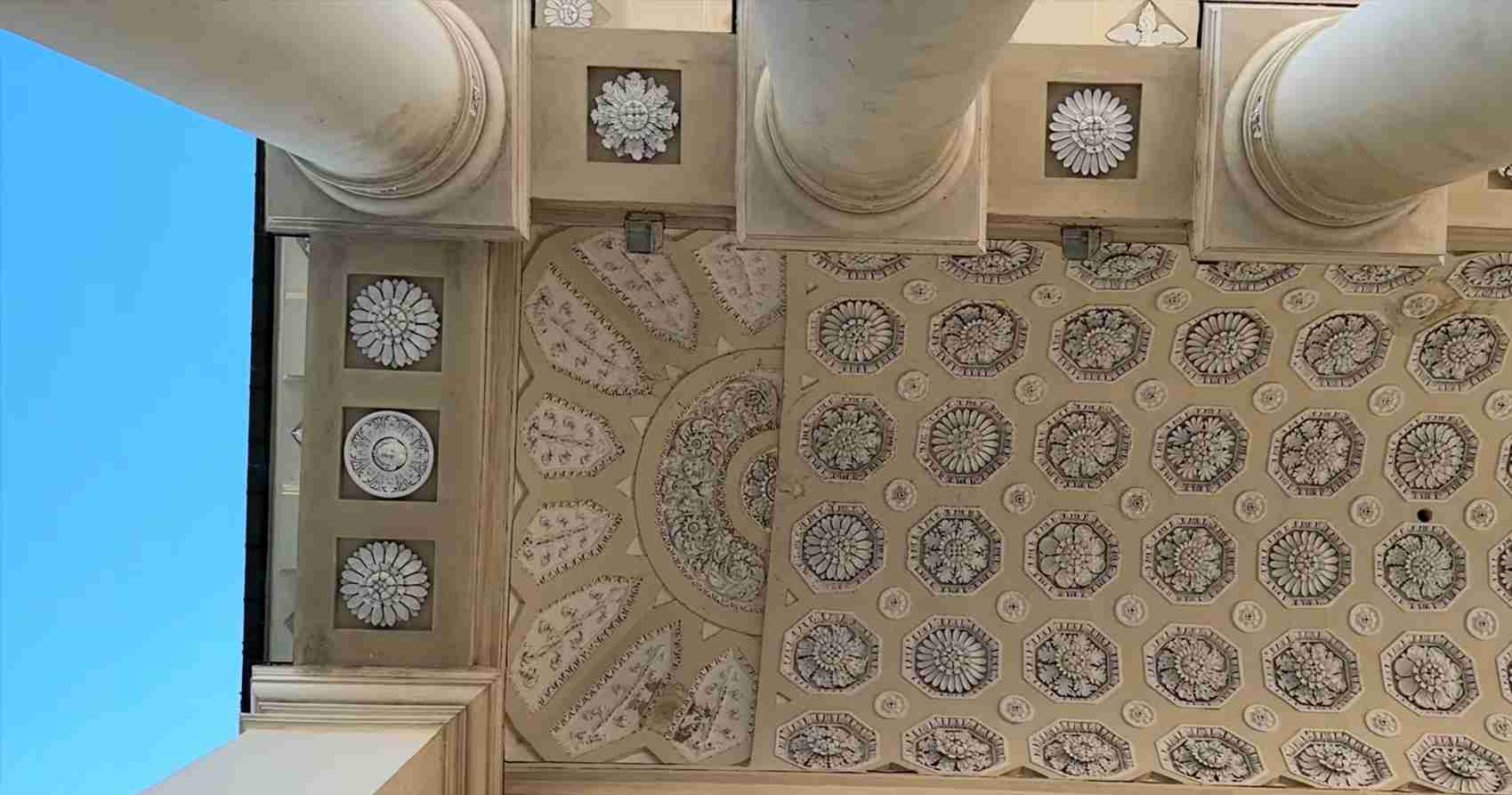
Vilnius Travel Guide 2026: Ultimate Planning Resource Best Things to Do & See
Vilnius blends medieval charm with modern energy, offering travelers an authentic Baltic experience without overwhelming crowds or inflated prices. As Lithuania’s capital and a UNESCO World Heritage site, this compact city rewards visitors with baroque architecture, cobblestone streets, vibrant cultural scenes, and warm Lithuanian hospitality at remarkably affordable costs for 2026.
Key Takeaways
- Vilnius offers exceptional value with mid-range hotels averaging $77-99 per night and daily costs around $140 per person including accommodation, meals, and attractions
- The Old Town UNESCO site covers 352 hectares with over 1,400 buildings spanning Gothic, Renaissance, Baroque, and Classical architecture accessible entirely on foot
- Public transport in 2026 costs just €1.25 for 60-minute tickets, with convenient 1-day (€7.50) and 3-day (€13.50) passes available
- Most museums charge €3-8 admission, while the comprehensive Vilnius Pass provides access to 60+ attractions for 24/48/72-hour periods
- The city experiences distinct seasons with summer (June-August) being warmest and most expensive, while shoulder seasons (April-May, September-October) offer ideal weather and better value
- Vilnius serves as an excellent base for day trips to Trakai Castle (30 minutes), the Hill of Crosses (2 hours), and Kaunas (1.5 hours)
People Also Ask About Vilnius Travel 2026
How much does a trip to Vilnius cost in 2026?
Budget travelers spend around $50-70 per day staying in hostels ($33-37 per night) and eating at casual restaurants. Mid-range travelers average $140 per day with 3-star hotels ($77-99), restaurant meals, museum visits, and occasional taxis. Luxury travelers spending $200+ per day enjoy 4-5 star accommodations ($116-260 per night), fine dining, private tours, and premium experiences. A one-week trip for two people costs approximately $1,965 ($983 per person) for mid-range travel.
What is the best time to visit Vilnius in 2026?
Late spring (May-early June) and early fall (September-early October) provide optimal conditions with pleasant temperatures (15-22°C), fewer crowds than peak summer, and hotel prices 15-25% lower than July-August rates. Summer (June-August) offers the warmest weather, longest daylight hours, and most festivals but brings higher accommodation costs and more tourists. Winter (December-February) creates romantic atmosphere with Christmas markets and snow-covered architecture, though temperatures drop to -5°C to 0°C and some attractions have reduced hours.
Is Vilnius safe for solo travelers in 2026?
Vilnius ranks among Europe’s safest capitals with very low violent crime rates and excellent safety infrastructure. The Old Town remains safe to walk even after dark, with well-lit streets and regular police presence. Solo travelers should exercise standard precautions like avoiding unlicensed taxis (use Bolt or Uber instead), watching belongings in crowded tourist areas, and staying aware in the Naujamiestis district late at night. Women traveling alone report feeling comfortable and welcome throughout the city.
How many days should I spend in Vilnius in 2026?
Three days allows comprehensive exploration of the Old Town, major museums, Gediminas Tower, Užupis neighborhood, and one day trip to Trakai. Two days covers core attractions including the cathedral, St. Anne’s Church, Gates of Dawn, and key museums. Five days enables deeper cultural immersion with additional day trips to Kaunas, the Hill of Crosses, and time for specialized museums, cooking classes, or cycling tours. Most visitors find 3-4 days ideal for experiencing Vilnius without rushing.
Extended multi-day tours – 5+ days
Featured Vilnius Multi-Day Tour Packages
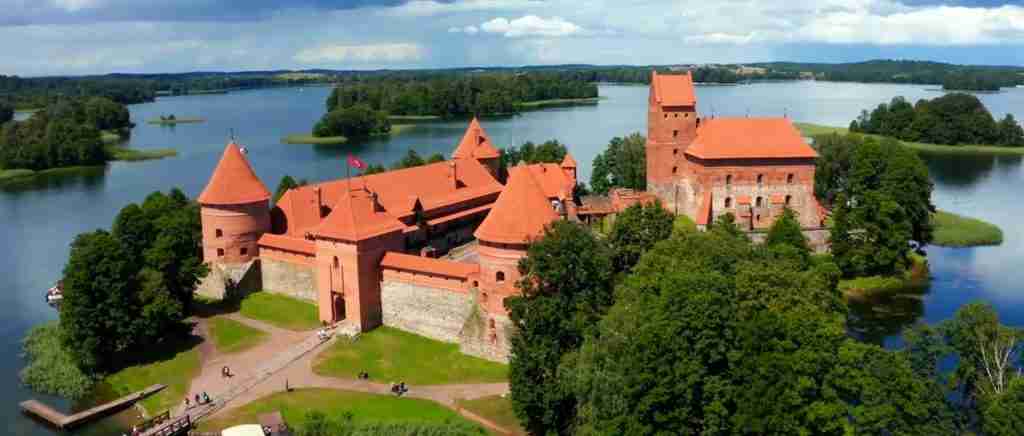
3 days
Vilnius 3-Day Discovery Tour
- ✓ Comprehensive Vilnius experience
- ✓ Expert local guides included
- ✓ All accommodation included
- ✓ Transportation provided
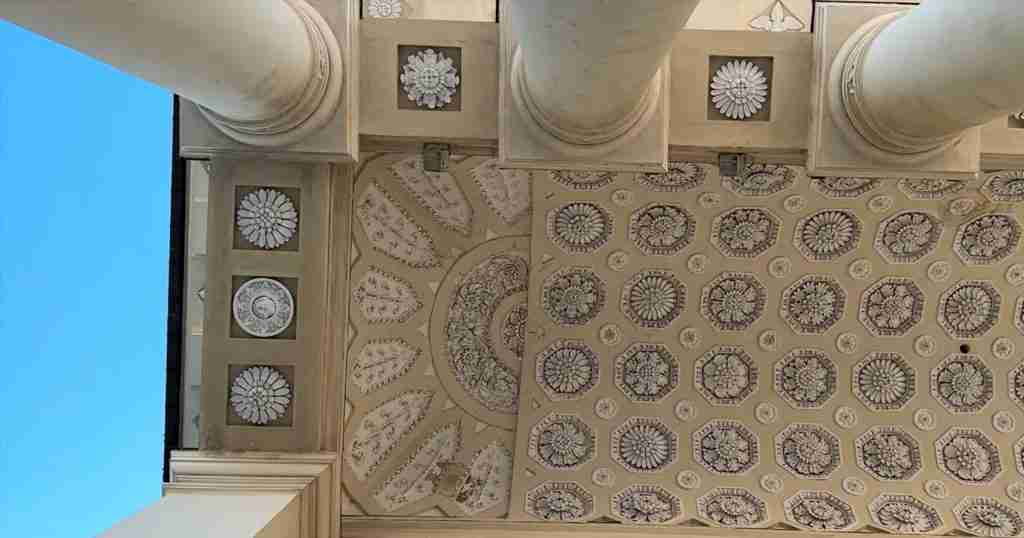
5 days
Vilnius 5-Day Highlights Experience
- ✓ Comprehensive Vilnius experience
- ✓ Expert local guides included
- ✓ All accommodation included
- ✓ Transportation provided
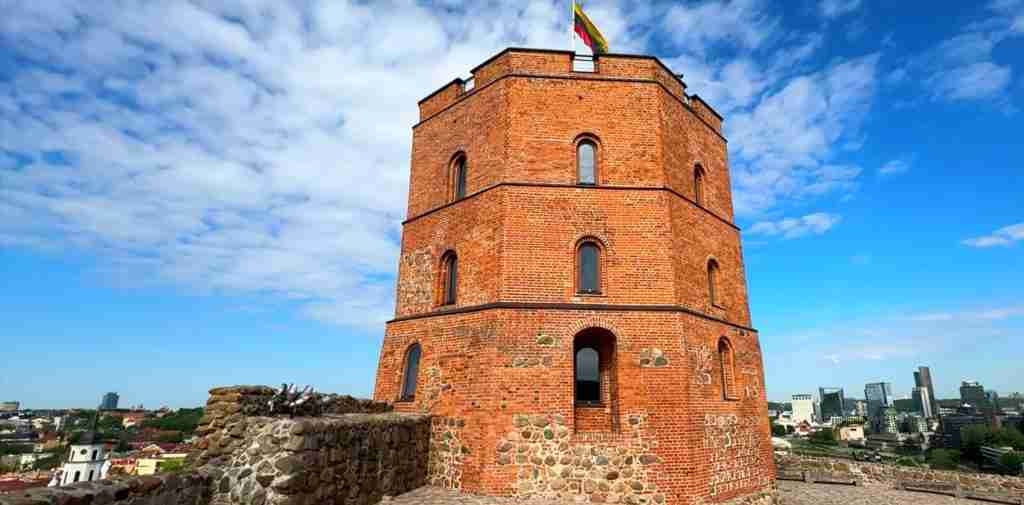
7 days
Vilnius 7-Day Cultural Journey
- ✓ Comprehensive Vilnius experience
- ✓ Expert local guides included
- ✓ All accommodation included
- ✓ Transportation provided
10 days
Vilnius 10-Day Complete Adventure
- ✓ Comprehensive Vilnius experience
- ✓ Expert local guides included
- ✓ All accommodation included
- ✓ Transportation provided
Multi-day tour packages powered by TourRadar. Prices and availability subject to change.
Introduction to Vilnius in 2026
Vilnius surprises travelers who expect just another European capital. Instead, they discover a city where baroque churches rival those of Prague and Rome, where medieval streets wind through one of Europe’s largest preserved Old Towns, and where Soviet history meets contemporary art in unexpected ways. As the political and cultural heart of Lithuania, Vilnius tells stories spanning seven centuries through its architecture, museums, and vibrant neighborhoods.
The city’s 352-hectare UNESCO World Heritage Old Town contains more than 1,400 buildings representing every major European architectural style. Walking these cobblestone streets reveals layer upon layer of history: Gothic towers standing beside Renaissance palaces, baroque churches facing neoclassical mansions, all connected by medieval lanes barely wide enough for two people. This architectural diversity reflects Vilnius’s unique position at the crossroads of Eastern and Western Europe, where Catholic, Orthodox, Jewish, and Protestant communities lived side by side for centuries.
Modern Vilnius balances preservation with innovation. The Old Town pulses with contemporary restaurants, boutique hotels, and creative spaces while maintaining its historic character. Beyond the tourist center, neighborhoods like Užupis declare independence as artist republics, Soviet-era buildings transform into cultural hubs at Lukiškės Prison 2.0, and the Neris River provides green corridors for cycling and walking. This blend of old and new, traditional and experimental, creates a city that rewards both first-time visitors and returning travelers.
Practical advantages make Vilnius especially appealing for 2026 travel. The compact city center allows walking to virtually all major attractions. English proficiency runs high among younger Lithuanians and service industry workers. Digital infrastructure supports contactless payments, fast WiFi, and excellent mobile connectivity. Most importantly, costs remain significantly lower than Western European capitals while service quality and safety standards match or exceed more expensive destinations.
Understanding Vilnius: Geography and Layout 2026
Vilnius occupies the confluence of the Neris and Vilnia rivers in southeastern Lithuania, just 26 kilometers from the geographic center of Europe. The city spreads across seven hills, creating varied topography that shapes both its appearance and walkability. Cathedral Square sits at the lowest point where the two rivers meet, while Gediminas Hill and the Hill of Three Crosses rise prominently above the Old Town, providing orientation points visible throughout the historic center.
The UNESCO Old Town forms a roughly circular area on the left bank of the Neris River, radiating out from the original castle site. Its medieval street plan follows a radial-concentric pattern with small irregular blocks connected by narrow lanes and occasional large squares inserted during later periods. This organic layout reflects five centuries of gradual development rather than planned urban design. Major thoroughfares like Pilies Street, Didžioji Street, and Aušros Vartų Street connect key landmarks and neighborhoods.
Beyond the Old Town, distinct neighborhoods define Vilnius’s character. Užupis, technically within the historic center but separated by the Vilnia River, operates as a self-declared artists’ republic with bohemian cafes and galleries. Naujamiestis (New Town) extends west from the Old Town with business districts, shopping streets, and residential areas from the 19th and early 20th centuries. The modern city center along Gedimino Avenue features government buildings, corporate offices, and upscale retail. Žvėrynas, Antakalnis, and other residential neighborhoods fan out toward the city limits.
Vilnius International Airport (VNO) sits just 5 kilometers south of the city center, making it one of Europe’s most conveniently located airports. The train station occupies the southern edge of the Old Town, while the central bus station lies 2 kilometers further south. This compact geography means travelers reach their Old Town hotel within 10-20 minutes from the airport and can walk to most attractions from central accommodations.
Essential Planning Information for Vilnius 2026
Visa and Entry Requirements
Lithuania belongs to the Schengen Area, allowing visa-free entry for up to 90 days within 180 days for citizens of the United States, Canada, Australia, New Zealand, Japan, South Korea, and most other developed nations. EU/EEA citizens can enter with just a national ID card and stay indefinitely. Travelers from countries requiring Schengen visas should apply through the Lithuanian embassy or consulate in their home country at least 15 days before travel. Check official Lithuanian Ministry of Foreign Affairs website for current requirements specific to your nationality.
Valid passport must remain valid for at least three months beyond intended departure date from the Schengen Area. Border controls rarely occur when entering from other Schengen countries by land, but always carry passport as required by law. COVID-19 related entry requirements have been eliminated as of 2024, though travelers should verify current health regulations before departure.
Currency and Money Matters 2026
Lithuania uses the Euro (€) following adoption in 2015. Credit and debit cards work universally in Vilnius, with contactless payment accepted at virtually all merchants, restaurants, museums, and even small cafes. Visa and Mastercard dominate, with American Express less widely accepted. ATMs appear frequently throughout the Old Town and city center, typically charging €2-4 withdrawal fees for foreign cards.
Cash remains useful for small purchases at markets, tips in budget restaurants, and occasional vendors who prefer it. Carry €50-100 in small bills (€5, €10, €20) for convenience. Currency exchange offices cluster around the Old Town but usually offer worse rates than ATMs. Major banks like Swedbank, SEB, and Luminor provide the best ATM rates. Tipping practices are modest: round up taxi fares to nearest euro, leave 5-10% in restaurants only for exceptional service, and no tipping expected in cafes or bars.
Language and Communication
Lithuanian is the official language, one of only two surviving Baltic languages (alongside Latvian). English proficiency in Vilnius reaches high levels, especially among people under 40 and anyone working in tourism, hospitality, or retail. Restaurant menus, museum exhibits, and tourist information appear in English as standard. Older generations often speak Russian as a second language from Soviet times, while younger professionals increasingly learn German or other European languages.
Learning a few Lithuanian phrases shows respect and opens doors: “Labas” (hello), “Ačiū” (thank you), “Prašau” (please/you’re welcome), and “Atsiprašau” (excuse me/sorry). Locals appreciate the effort even if pronunciation proves challenging. Translation apps work well for reading signs or menus. Most Lithuanians speak directly and value honesty over elaborate courtesy, a cultural trait that surprises some Western visitors initially.
Internet and Mobile Connectivity
Vilnius provides excellent digital infrastructure with widespread free WiFi in hotels, restaurants, cafes, museums, and public spaces including parks and squares. Network speeds typically reach 50-100 Mbps for basic public WiFi, with premium locations offering faster connections. Mobile coverage blankets the city with 4G standard and 5G increasingly available in central areas.
EU residents benefit from “Roam Like at Home” regulations allowing use of home country data allowances without additional charges. Visitors from outside the EU should consider purchasing a local SIM card from Tele2, Telia, or Bite, available at the airport, shopping centers, and mobile shops throughout the city. Prepaid plans start around €10-15 for 10-20GB data valid for 30 days. Alternatively, international roaming plans or portable WiFi devices work but typically cost more than local SIM cards.
Weather and What to Pack 2026
Vilnius experiences a humid continental climate with four distinct seasons and significant temperature variation throughout the year. Summer (June-August) brings warm days averaging 20-25°C with occasional heat waves reaching 30°C. Rain occurs frequently but usually as short afternoon showers rather than all-day downpours. Winter (December-February) drops to -5°C to 0°C with regular snow cover creating picturesque scenes but requiring warm clothing. Spring (March-May) and fall (September-November) transition between extremes with temperatures ranging 5-15°C and unpredictable weather mixing sun, rain, and wind.
Pack layers regardless of season. Summer travelers need light clothing, comfortable walking shoes, sunglasses, and a compact rain jacket or umbrella. Spring and fall require medium-weight jacket, scarf, and clothes that layer easily as temperatures fluctuate between morning and afternoon. Winter visitors should bring insulated coat, warm boots with good traction for icy cobblestones, hat, gloves, and thermal layers. The Old Town’s cobblestone streets demand comfortable, supportive footwear year-round—save fancy shoes for evening dining.
Getting to Vilnius in 2026
Flying to Vilnius
Vilnius International Airport (VNO) serves as Lithuania’s main air gateway, located just 5 kilometers from the city center. The airport handles direct flights from major European hubs including London, Paris, Frankfurt, Amsterdam, Copenhagen, and Rome, plus connections to Dublin, Brussels, Vienna, and Warsaw. Budget carriers Ryanair and Wizzair dominate routes to Western Europe with competitive fares, while Air Baltic, LOT Polish, and Scandinavian Airlines provide additional options. Direct intercontinental flights remain limited, with most long-haul travelers connecting through Warsaw, Frankfurt, or Amsterdam.
Flight costs vary significantly by season and booking timing. Summer peak season (June-August) sees return flights from Western Europe averaging €150-250, with prices dropping to €50-120 during off-peak winter months (excluding holidays). Book 2-3 months ahead for best rates, though budget carriers occasionally release last-minute deals. Early morning and late evening flights typically cost €20-40 less than convenient midday departures.
Airport facilities include currency exchange (though ATMs offer better rates), car rental desks for major international companies, restaurants, cafes, and duty-free shopping. Free WiFi covers the entire terminal. The small size means quick passage through security and immigration, rarely exceeding 20 minutes even during busy periods.
Airport to City Center Transfer 2026
Public bus provides the most economical airport transfer. Bus routes 1, 2, and 88 connect the airport to the central train station and various points around the Old Town. The journey takes 15-25 minutes depending on traffic and specific destination. Standard public transport tickets apply: €1.25 for a 60-minute ticket purchased via the Vilniečio kortelė card or mobile app, or €1 if buying from the driver (check official JUDU website for current rates as prices may adjust). Buses run every 10-20 minutes from early morning until late evening, with reduced frequency after 11 PM.
Taxis and rideshares offer door-to-door convenience for €10-15 to Old Town hotels. Book through Bolt or Uber apps for transparent pricing and reliable service, avoiding unlicensed taxis that may overcharge. Journey time averages 10-15 minutes outside rush hours, extending to 20-25 minutes during morning (7:30-9:30 AM) and evening (5-7 PM) traffic peaks. Some hotels arrange airport pickup for €15-25, worth considering if arriving late at night or with heavy luggage.
Car rental makes sense for travelers planning extensive day trips or exploration beyond Vilnius. Major international companies (Sixt, Europcar, Enterprise) and local providers maintain desks at the airport. Rates start around €25-35 per day for economy vehicles with manual transmission, increasing to €50-70 for automatic transmission or larger cars. Book online in advance for better rates and vehicle selection. Parking in the Old Town costs €1-2 per hour and can prove challenging to find, making car rental unnecessary for visitors staying primarily within central Vilnius.
Arriving by Train or Bus
Train travel to Vilnius works best for connections from neighboring countries. Direct trains link Vilnius to Warsaw (7-9 hours, €30-50), Minsk (3.5 hours, suspended as of early 2026 due to geopolitical situation), and various Lithuanian cities including Kaunas (1.5 hours, €5-8) and Klaipėda (4 hours, €12-18). The train station sits on the southern edge of the Old Town, walkable to most central hotels in 10-20 minutes or accessible by quick bus/taxi ride.
International buses provide extensive connections throughout Europe at competitive prices. LuxExpress, Ecolines, and FlixBus operate routes to Riga (4 hours, €15-25), Tallinn (9-10 hours, €25-40), Warsaw (8-9 hours, €20-35), and beyond. Long-distance buses depart from the central bus station 2 kilometers south of the Old Town, connected to the center by trolleybus routes 2, 3, and 4 or short taxi ride (€5-7).
Getting Around Vilnius 2026
Walking in Vilnius
Walking serves as the primary transportation method for exploring Vilnius’s compact Old Town. The UNESCO site measures just 3.6 square kilometers, allowing visitors to cross it end-to-end in 30-40 minutes. Most major attractions lie within 5-15 minute walks of each other. Cathedral Square forms the natural starting point, with Gediminas Avenue extending west and the maze of Old Town streets spreading east and south.
Cobblestone streets define the Old Town’s character but require appropriate footwear. Uneven surfaces, occasional loose stones, and winter ice make comfortable walking shoes essential. The city’s seven hills create some steep sections, particularly climbing to Gediminas Tower or the Hill of Three Crosses, but most streets maintain gentle grades manageable for average fitness levels. Sidewalks accommodate pedestrians throughout the city center, with pedestrian-only zones covering much of Pilies Street and surrounding lanes.
Traffic follows right-hand drive with drivers generally respecting pedestrian crossings, though visitors should remain alert. Cyclists share many streets but dedicated bike lanes separate bikes from pedestrians where present. The Vilnius municipality maintains excellent street lighting making evening walks safe and pleasant, with particularly beautiful illumination of historic buildings after dark.
Public Transport 2026
Vilnius operates an efficient network of buses and trolleybuses connecting all city neighborhoods. While unnecessary for exploring the Old Town, public transport provides economical access to outlying attractions, residential areas, and practical destinations like shopping centers or the airport. Service runs from approximately 5 AM to 11 PM daily, with limited night bus routes on Friday and Saturday nights.
The Vilniečio kortelė electronic card system replaced older ticketing in recent years. Purchase the reusable card at kiosks, Lietuvos Spauda shops, or the airport for €1.50, then load it with tickets or time passes. As of July 2025, ticket prices are: 60-minute ticket €1.25, 1-day pass €7.50, 3-day pass €13.50, or monthly pass €38 (check official website for current rates). Paper tickets from drivers cost €1 flat fare. Validate cards by tapping yellow machines when boarding; transfers within purchased time period require no additional validation.
Google Maps and the local Trafi app provide real-time schedules, route planning, and live bus locations. Most bus stops display route information in English. Key routes for tourists include buses 1, 2, and 88 to the airport, and various trolleybuses connecting the train station to the Old Town and beyond. The Vilnius Pass tourist card includes unlimited public transport along with attraction entries.
Taxis and Rideshares
Bolt and Uber operate extensively in Vilnius, offering reliable, affordable, and transparent rideshare service via smartphone apps. Typical fares run €5-8 for trips within the city center, €10-15 from airport to Old Town, and €15-25 for longer journeys to outer neighborhoods. Prices increase during peak hours and inclement weather when demand spikes. Both apps support credit card payment and English language interfaces.
Traditional taxis with yellow taxi signs remain available but require more caution. Reputable companies include Vilnius Taxi and Martono Taksi, bookable by phone or street hail. Insist on meter use or agree on price before departure. Unlicensed taxis, particularly those soliciting passengers at the train station or airport, often overcharge tourists—always use established companies or rideshare apps.
Cycling
Vilnius continues expanding its cycling infrastructure with dedicated lanes along major corridors and growing bike-share systems. The city’s relatively flat terrain (except for specific hills) suits recreational cycling. The Cyclocity bike-share program provides access to bicycles at stations throughout the city, particularly along the Neris River and in modern districts. Rental costs approximately €1.50 for 30 minutes, though longer-term passes offer better value for extended use.
The Old Town’s cobblestones and pedestrian-focused streets make cycling less practical there, but bikes excel for reaching outlying parks, exploring the Neris riverbank, or commuting to attractions like the TV Tower or Europos Park. Several companies rent bicycles by the day (€15-25) or offer guided cycling tours combining transportation with cultural experiences.
Where to Stay in Vilnius 2026
Old Town Accommodation
Staying within the UNESCO Old Town puts you steps from major attractions, restaurants, and nightlife. Hotels here occupy historic buildings with character-filled rooms, though amenities vary from basic to luxurious. Budget options like hostels and guesthouses average €30-40 per night for dorm beds or simple private rooms. Mid-range hotels in converted townhouses or former merchant buildings run €70-100 per night, often including breakfast and occupying prime locations on picturesque streets. Luxury properties like Stikliai Hotel or Grand Hotel Vilnius command €200-300 per night, delivering five-star service in meticulously restored historic settings.
Old Town accommodation provides unbeatable walkability but comes with trade-offs. Street noise affects ground-floor and front-facing rooms, particularly on weekends when bars and clubs operate late. Limited parking makes car rental less practical, though some hotels offer garage spaces. The medieval building stock means room sizes trend smaller, staircases can be steep and narrow, and elevators exist only in renovated properties. Book well ahead for summer travel and major events, when availability drops and prices rise 30-50%.
City Center and Gedimino Avenue
The area along Gedimino Avenue and surrounding New Town offers modern hotels with full amenities at lower prices than comparable Old Town properties. Business hotels like Radisson Blu, Novotel, and Hilton Garden Inn provide reliable service, fitness facilities, and convenient locations for around €80-120 per night. These hotels cater to both business and leisure travelers, combining professional standards with proximity to Old Town (10-15 minute walk).
Advantages include contemporary rooms with expected amenities, better parking availability, and quieter nights while still maintaining easy access to attractions. The trade-off comes in reduced historical atmosphere and requiring brief walks or quick public transport rides to reach the heart of the Old Town. This area works particularly well for business travelers, families needing extra space, or visitors prioritizing comfort over maximum charm.
Alternative Neighborhoods
Užupis offers bohemian atmosphere and quieter streets while remaining within walking distance of core attractions. Small boutique hotels and apartments here attract artists and creative travelers seeking alternative vibes. Prices range €60-90 for mid-range options with unique character.
Žvėrynas and other residential areas provide local neighborhood experiences at budget-friendly rates (€50-70 for good apartments or guesthouses). These locations require public transport or 20-30 minute walks to Old Town but immerse visitors in everyday Lithuanian life away from tourist zones.
Airport hotels work exclusively for early departures or late arrivals. Park Inn by Radisson and AIRINN Vilnius Airport Hotel charge €60-90 per night, including shuttle service and convenient access but located far from city attractions.
Accommodation Booking Strategies 2026
Book 2-3 months ahead for summer travel (June-August) to secure best selection and pricing. Shoulder seasons (April-May, September-October) offer more flexibility, while winter travel (except Christmas/New Year) allows last-minute booking. Prices drop 15-30% during January-March, making winter bargain hunters’ season despite cold weather.
Booking.com, Hotels.com, and Expedia dominate online reservations with competitive rates and frequent promotions. Check hotel direct websites as well, as some properties offer “book direct” discounts or included breakfast when bypassing booking platforms. Airbnb and Vrbo provide apartment options ranging €40-120 per night depending on size and location, working well for families or longer stays wanting kitchen facilities.
Consider Vilnius Pass benefits when selecting hotels, as some include discounted rates or packages bundling accommodation with city cards. Breakfast inclusion saves €8-15 per person daily, making it worth comparing room-only versus breakfast-included rates. Most hotels offer free WiFi, but confirm parking availability and costs if driving (€10-20 daily in Old Town locations).
Budget Breakdown for Vilnius 2026
Daily Cost Summary by Travel Style
Budget Travel (€45-65 per day excluding accommodation):
Hostel accommodation €33-37 per night provides the foundation for budget travel. Breakfast at bakeries or cafes costs €3-5 for coffee and pastry. Self-catering from supermarkets (Maxima, Rimi, Lidl) allows lunch for €5-8 assembling bread, cheese, meat, and fruit. Dinner at casual restaurants like Čili Kaimas or Gusto Blynine runs €10-15 for traditional Lithuanian dishes with drink. Public transport 60-minute tickets cost €1.25 each (maybe 2-3 daily for €2.50-3.75). Museum admission averages €3-5 per site. One €8 beer at evening bar, plus €5 miscellaneous (snacks, ice cream, souvenirs). Total daily excluding accommodation: €45-65 per person.
Mid-Range Travel (€100-140 per day excluding accommodation):
Mid-range hotels €77-99 per night often include breakfast, eliminating morning food costs. Light lunch at cafe or quick restaurant runs €12-18 for soup, salad, or sandwich with drink. Dinner at sit-down restaurants like Lokys or Senoji Trobelė costs €25-35 for entree, appetizer, dessert, and drinks for one person. Museum admissions €5-8 per site for 2-3 museums daily totals €15-24. Public transport 1-day pass €7.50 covers unlimited travel. Occasional taxi €8-12 for convenience. Guided tour €30-40 or Vilnius Pass €30-50 depending on duration. Evening drinks or cafe time €10-15. Total daily excluding accommodation: €100-140 per person.
Luxury Travel (€180-250+ per day excluding accommodation):
Four or five-star hotels €200-300 per night come with comprehensive breakfast buffets. Lunch at upscale restaurants €35-50 for refined cuisine with wine. Dinner at finest establishments like Džiaugsmas or Gaspar’s costs €60-90 for tasting menus or multi-course meals with wine pairings. Private guided tours €150-200 for half-day personalized experiences. Premium museum experiences and special access €20-30. Taxis for all transport €30-40 daily. Spa treatments or special activities €80-120. Craft cocktails and premium drinks €25-35 evening. Total daily excluding accommodation: €180-250+ per person.
Specific Cost Categories 2026
Food and Dining:
Breakfast at cafes costs €5-8 for coffee and pastry, €8-12 for full breakfast with eggs, meat, and bread. Traditional Lithuanian lunch at casual restaurants runs €8-15, while dinner at the same venues costs €12-20. Mid-range restaurant dinners average €20-35 per person with drinks. Fine dining experiences range €50-90. Street food and quick meals at markets cost €5-8. Coffee €2-3, beer €3-5 at bars (€2-3 at supermarkets), wine by glass €4-7. Groceries for self-catering run about 30-40% of restaurant costs, with supermarkets offering extensive selections.
Attractions and Activities:
Major museums charge modest admission: National Museum €3-5, Museum of Occupations and Freedom Fights €16 for comprehensive tour, Gediminas Tower €5. Church visits are often free with optional €1-2 donation. Vilnius Pass offers unlimited entry to 60+ attractions for 24 hours (€30), 48 hours (€42), or 72 hours (€54), making it economical for intensive museum visits. Walking tours start free (tip-based) for basic Old Town tours, €15-25 for specialized themed tours. Day trips to Trakai cost €10-15 for train or bus plus €10 castle admission. Guided full-day excursions run €40-80 per person.
Shopping and Souvenirs:
Amber jewelry, the signature Lithuanian souvenir, ranges from €20-50 for simple pieces to €200+ for elaborate necklaces. Linen products (tablecloths, towels, clothing) cost €15-60 depending on size and quality. Lithuanian honey €5-12 per jar, craft beers €3-6 per bottle, local spirits (midus honey liqueur) €15-25. Books and postcards €3-8. Handcrafted items at craft markets run €10-40. High-end Baltic design products at galleries cost €50-200+.
Top Attractions and Things to Do in Vilnius 2026
Vilnius Old Town UNESCO Site
The 352-hectare UNESCO World Heritage Old Town contains over 1,400 buildings spanning five centuries of architecture. Walking its cobblestone streets reveals Gothic towers from the 14th century, Renaissance palaces from the 16th, baroque churches from the 17th-18th centuries, and neoclassical buildings from the 19th. The medieval street layout follows a radial pattern from Cathedral Square, with main thoroughfares like Pilies Street connecting to maze-like side lanes revealing hidden courtyards and surprising vistas.
Begin at Cathedral Square, the geographic and symbolic heart of Vilnius. The neoclassical Vilnius Cathedral anchors the square, with the separate bell tower standing adjacent. A marked tile near the cathedral entrance (the “Stebuklas” or miracle tile) represents the endpoint of the 1989 Baltic Way human chain linking Vilnius, Riga, and Tallinn. Legend says standing on it and spinning while making a wish brings good fortune.
Pilies Street runs east from Cathedral Square as the Old Town’s main artery. This pedestrian shopping street mixes souvenir shops, amber stores, cafes, and restaurants in historic buildings. Side streets branching off reveal the old town’s true character: Literatų Street celebrates Lithuanian writers with wall plaques and art installations, Stiklių Street showcases glass galleries and design shops, and countless unnamed lanes hide local cafes and artisan workshops.
The Old Town walking exploration requires 3-4 hours minimum, though full appreciation takes days as every street reveals new details, architectural features, and stories. Focus areas include the Cathedral complex, Town Hall Square with its neoclassical town hall, the Gates of Dawn with its revered icon, and the streets around St. Anne’s Church for concentrated architectural beauty.
Gediminas Tower and Castle Hill
Gediminas Tower rises 48 meters above the Old Town on Castle Hill, providing panoramic views across Vilnius and serving as the city’s most recognizable symbol. The red brick tower represents the last surviving structure of the Upper Castle complex that once defended medieval Vilnius. Though the original wooden castle built in the 14th century burned and was rebuilt multiple times, the current tower dates to reconstruction efforts following 15th century damage.
Access the tower via funicular railway (€2 round trip) or hiking the winding path up Castle Hill (15-20 minute moderate climb). The funicular operates year-round except during maintenance, departing every 10-15 minutes. Tower admission costs €5, with combination tickets available including nearby National Museum exhibits. Inside, small exhibits display castle history, archaeological finds, and weaponry, but the primary attraction remains the observation platform circling the tower’s top level.
Views from the tower encompass the entire Old Town with its church spires and red-tiled roofs, Neris River winding through the city, and modern districts beyond. The Hill of Three Crosses rises to the east, Užupis neighborhood spreads to the southeast, and on clear days, you can see suburban forests extending to the horizon. Visit near sunset for the best light, though be prepared for crowds during peak summer season.
The castle complex includes the Lower Castle Museum in the New Arsenal building at the hill’s base, displaying Lithuanian historical artifacts, traditional costumes, and archaeological discoveries. Combined tickets for tower, arsenal museums, and the Old Arsenal (archaeological exhibits) cost €8-12 depending on specific combinations.
Church of St. Anne and Bernardine Complex
St. Anne’s Church stands as Vilnius’s architectural crown jewel, a late Gothic masterpiece featuring intricate red brick facades that supposedly captivated Napoleon during his 1812 campaign. Legend claims he wished to carry the church back to Paris “in the palm of his hand.” Built between 1495-1500, the church exemplifies the Brick Gothic style with 33 different clay brick shapes creating elaborate decorative patterns across its three towers and facade.
The church rarely opens for regular visits, functioning primarily for special services and concerts. However, admiring the exterior provides the main experience, with the western facade’s soaring verticality and delicate details rewarding extended observation. Photography enthusiasts find endless compositions from different angles and times of day as changing light transforms the brick colors from pink to deep red.
Adjacent Bernardine Church connects to St. Anne’s through a shared wall, forming a unified complex. The larger Bernardine church, built in the early 16th century, presents a more austere Gothic exterior but preserves beautiful interior Gothic elements including ribbed vaulting and tall windows. Unlike St. Anne’s, the Bernardine church welcomes visitors during daytime hours for quiet contemplation and architectural appreciation.
The surrounding park along the Vilnia River provides peaceful retreat from the busy Old Town. Walking paths follow the riverbank beneath weeping willows, with benches offering views back to St. Anne’s and the church complex. The area connects to Užupis neighborhood via pedestrian bridges and continues to the bohemian enclave’s galleries and cafes.
Gates of Dawn
The Gates of Dawn (Aušros Vartai) represents the sole surviving gate from Vilnius’s medieval defensive walls, which once featured nine gates and thick stone fortifications encircling the city. Built in the early 16th century, the gate served both defensive and religious functions, with the chapel housing the revered icon of the Blessed Virgin Mary (Our Lady of the Gate of Dawn) installed in the mid-17th century.
The miraculous icon attracts pilgrims from across Europe, considered one of the most important Catholic pilgrimage sites in Eastern Europe. The image shows Mary without the infant Jesus, her hands crossed over her heart and head crowned with a golden halo, painted in the Renaissance style. Catholic and Orthodox believers alike venerate the icon, attributing numerous miracles to the Virgin Mary’s intercession.
Access the chapel via stairs from inside the gate passage, though the chapel itself remains small with limited space for visitors. Mass and prayer services occur throughout the day, with Polish and Lithuanian languages alternating. Visitors of all faiths may enter to view the icon and observe the devotional atmosphere, though respectful dress (covered shoulders and knees) and quiet behavior are expected.
The gate area marks the southern boundary of the Old Town, with Aušros Vartų Street leading north toward Town Hall Square. The surrounding neighborhood features concentrated shopping along Šv. Teresės Street and dining options ranging from traditional Lithuanian taverns to contemporary fusion restaurants. The Orthodox Holy Spirit Church sits adjacent to the Gates of Dawn, its golden domes contrasting with the Catholic chapel’s baroque interior.
Museum of Occupations and Freedom Fights
The Museum of Occupations and Freedom Fights occupies the former KGB headquarters where thousands of Lithuanians were imprisoned, interrogated, tortured, and executed during Soviet occupations from 1940-1941 and 1944-1991. This powerful museum confronts dark chapters of Lithuanian history with unflinching honesty, preserving cells, execution chambers, and interrogation rooms exactly as they existed during Soviet operations.
The visit begins on upper floors with exhibits documenting Lithuania’s brief independence (1918-1940), Soviet occupation, Nazi occupation (1941-1944), and the return of Soviet control. Displays include propaganda materials, personal belongings of victims, photographs, and testimonies describing resistance movements, deportations to Siberia, and daily life under totalitarian regimes. Audio guides in multiple languages (included with admission) provide essential context and personal stories that bring statistics to life.
The basement level contains the preserved KGB prison cells, interrogation rooms, and execution chamber. Small cells held multiple prisoners in horrific conditions, with scratched walls showing desperate messages and prayers from inmates. The execution chamber, where thousands died from 1944-1960, maintains its original padded walls designed to muffle gunshots. The emotional impact of these spaces cannot be overstated—many visitors report the basement tour as one of the most affecting museum experiences they’ve encountered.
Plan 2-3 hours for comprehensive exploration. Admission costs €16 for adults (check official website for current rates), with reduced prices for students and seniors. The museum’s heavy subject matter makes it unsuitable for young children. Photography restrictions apply in certain areas. Visit mid-morning or early afternoon to avoid tour groups. The gift shop sells excellent historical books and memoirs about the resistance period.
Užupis: The Artist Republic
Užupis occupies a small neighborhood across the Vilnia River from the main Old Town, declaring independence as the “Republic of Užupis” each April 1st (April Fools’ Day). While not legally independent, the area operates as a semi-autonomous artists’ colony where bohemian culture, creativity, and playful rebellion define daily life. The republic maintains its own constitution (posted on walls in multiple languages), flag, “army” (in jest), and “president,” while actually functioning as a regular Vilnius neighborhood.
The Užupis Constitution, displayed on Paupio Street near the main bridge, proclaims rights ranging from serious (“Everyone has the right to be happy”) to whimsical (“A cat has the right to love you, but does not have to”) to profound (“Everyone has the right to be unique”). Translations appear in dozens of languages, attracting visitors who photograph favorite passages and contemplate the philosophy mixing earnest idealism with ironic humor.
Art galleries, studios, cafes, and small shops fill the narrow streets. Užupis Cafe serves as the social hub, offering coffee, drinks, and simple meals in a space decorated with local artwork and providing riverside terrace seating during warm months. Gallery crawling reveals contemporary painting, sculpture, installation art, and craft work by resident artists, with many studios welcoming visitors and conversations about creative processes.
The Angel of Užupis statue stands in the central square, representing the neighborhood’s guardian spirit and symbol. Cast in bronze and unveiled in 2002, the angel blowing a trumpet rises above the cobblestones, often decorated with flowers or ribbons by locals. The square hosts community events, including the April 1st independence celebrations featuring music, performances, and general revelry.
Walk through Užupis any time, but visit on Tuesday-Saturday afternoons when galleries and studios maintain most reliable hours. Thursday evenings sometimes feature gallery openings with wine and opportunities to meet artists. Sunday mornings offer quiet charm with locals at cafes and fewer tourists. The neighborhood requires 1-2 hours to explore, extending longer if you engage with gallery owners or linger at cafes soaking in the atmosphere.
Lukiškės Prison 2.0
Lukiškės Prison operated from 1904 to 2019 as one of Vilnius’s main detention centers, housing everyone from political prisoners during Soviet occupation to common criminals in modern Lithuania. Following closure, the complex transformed into a cultural hub called “Lukiškės Prison 2.0,” hosting art exhibitions, concerts, theater performances, workshops, and creative events in the preserved prison buildings and yards.
Guided tours explore the facility’s history, walking through cell blocks, showing the execution chamber from Soviet times, and explaining daily life for inmates across different periods. The contrast between harsh prison conditions and contemporary art installations creates powerful juxtapositions—colorful murals cover concrete walls, performance spaces occupy former detention areas, and galleries display cutting-edge contemporary work in buildings designed for confinement.
Events at Lukiškės vary throughout the year, from weekend markets and concerts to long-term art exhibitions and cultural festivals. Check the official website or local event listings for current programming. Some areas remain open for free self-guided exploration during daylight hours, while special events and exhibitions charge admission €5-15 depending on the program.
The prison sits about 1 kilometer west of the Old Town, easily reached by walking along Gedimino Avenue or taking trolleybus routes. The developing arts scene here attracts locals more than tourists, providing insight into contemporary Vilnius creative culture beyond the historic Old Town attractions.
National Museum of Lithuania
The National Museum complex encompasses several buildings and exhibitions documenting Lithuanian history, archaeology, culture, and heritage. The New Arsenal building presents the main historical exhibition “Understanding Lithuania” with artifacts and displays spanning from prehistoric times through modern independence. The Old Arsenal focuses on archaeological discoveries, showing early Baltic cultures, medieval crafts, and trade networks. Gediminas Tower, technically part of the museum complex, provides castle history and panoramic views.
Start with “Understanding Lithuania” for comprehensive historical context. The exhibition uses multimedia presentations, reconstructed scenes, traditional costumes, weapons, tools, and art objects to trace Lithuania’s development. Highlights include medieval armor and weapons, traditional Lithuanian textiles and folk art, and 20th-century sections covering independence, occupations, and resistance movements. English signage and audio guides ensure accessibility for international visitors.
The archaeological collection in the Old Arsenal showcases Baltic tribal cultures predating Lithuanian statehood, including beautiful reconstructed jewelry, burial items, and tools demonstrating sophisticated metalworking and trade connections stretching from Scandinavia to Byzantium. The presentation emphasizes Lithuania’s position as a crossroads between Eastern and Western Europe throughout history.
Combined tickets covering New Arsenal, Old Arsenal, and Gediminas Tower cost €8-12 depending on selections (check official website for current rates). Individual building admission runs €3-5. Plan 2-3 hours for the main historical exhibition plus additional time for other components. The museums close Mondays as typical for Lithuanian institutions. Audio guides cost €3-5 and significantly enhance the experience with detailed explanations and stories behind objects.
Vilnius University Historic Campus
Vilnius University, founded in 1579, ranks among the oldest universities in Northern Europe and occupies a sprawling campus in the Old Town’s heart. The historic campus blends 12 different architectural styles across 13 interconnected courtyards, creating a miniature city within a city. While functioning as an active university with current students, portions of the campus welcome visitors exploring the architectural treasures and cultural sites.
St. John’s Church anchors the complex, its baroque exterior and ornate interior representing Vilnius baroque style at its finest. The church functions primarily for university ceremonies but opens for visits during scheduled hours. The bell tower, reaching 68 meters, offers observation platform views competing with Gediminas Tower perspectives.
The Great Courtyard, Sarbievijaus Courtyard, and Observatory Courtyard showcase different architectural periods and decorative elements. Frescoed ceilings appear in various buildings, with the former library (now Littera bookshop and cafe) featuring magnificent 18th-century frescoes depicting academic disciplines. The bookshop welcomes visitors free of charge, offering coffee and browsing among books beneath the celebrated ceiling artwork.
Guided tours (book through university or tourist information) provide access to otherwise restricted areas including historic lecture halls, the library reading rooms, and special collections. Tours cost €10-15 and run about 90 minutes. Self-guided exploration of public areas requires no fee and allows wandering the courtyards, visiting Littera, and experiencing the campus atmosphere. Student life continues around visitors during academic year (September-June), adding vibrant energy to the historic setting.
Day Trips from Vilnius 2026
Trakai Island Castle
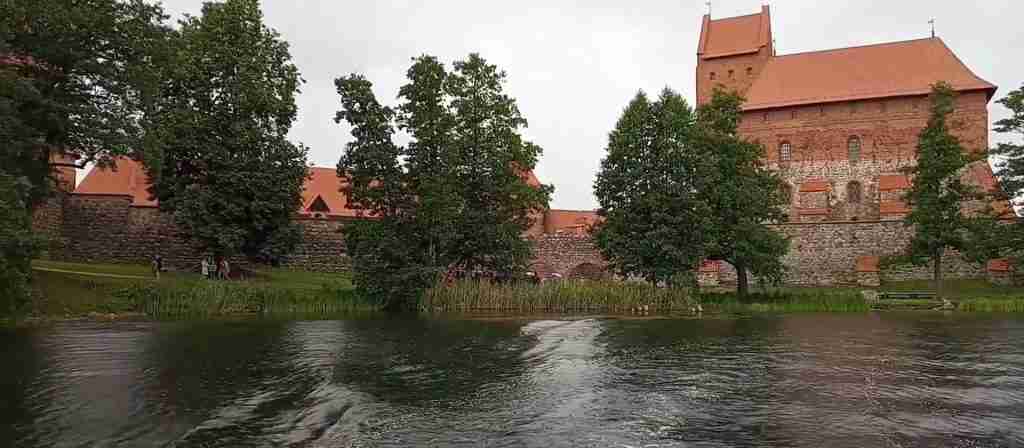
Trakai Island Castle rises from Lake Galvė 28 kilometers west of Vilnius, presenting Lithuania’s most iconic medieval fortress. Built in the 14th-15th centuries as a residence for Grand Dukes, the red brick castle occupies an island connected to shore by a footbridge, creating dramatic reflections in the surrounding water. Fully restored in the 20th century, the castle now functions as a museum displaying medieval artifacts, armor, applied arts, and exhibits about the Grand Duchy of Lithuania’s military and political power.
Trains depart Vilnius train station for Trakai every 1-2 hours, with the 30-minute journey costing €2-3 each way. The train station sits about 2 kilometers from the castle, requiring either a pleasant 25-minute walk through the town and along the lakeshore or a €5-7 taxi ride. Buses also run frequently from Vilnius bus station, dropping passengers closer to the castle with similar timing and cost as trains.
Castle admission costs €10 for adults (check official website for current rates), with audio guides available for €3. Plan 1-2 hours for the museum visit, longer if you want to walk the castle grounds and enjoy the lakeside setting. Boat rentals on Lake Galvė (€10-15 per hour for small boats or kayaks) provide different perspectives on the castle. The surrounding town offers traditional Karaite cuisine, a unique legacy of Turkic Karaite people brought to Trakai by Grand Duke Vytautas in the 14th century—try kibinai, savory pastries filled with meat or vegetables, at restaurants like Kybynlar or Senoji Kibinine (€4-7 each).
Summer weekends bring crowds, so visit on weekdays or arrive early morning for better experiences. Winter visits offer romantic snowy landscapes with fewer tourists, though some outdoor areas may close. Budget a full half-day for the round trip, or extend to a full day combining castle visit, lunch, boat rental, and exploring Trakai’s other churches and smaller lakes.
Hill of Crosses
The Hill of Crosses stands as one of Lithuania’s most powerful spiritual and cultural sites, a small hill covered with more than 100,000 crosses of all sizes. Located near Šiauliai, 214 kilometers north of Vilnius, the site originated in the 14th century but gained profound significance during Soviet occupation when Lithuanians placed crosses as acts of resistance and remembrance. Soviet authorities repeatedly bulldozed the site, but crosses always reappeared, making it a symbol of peaceful resistance and national identity.
Reaching the Hill of Crosses requires either organized tours (€40-60 per person for day trips from Vilnius) or independent travel. Buses from Vilnius to Šiauliai take 2.5-3 hours (€15-20), then local bus or taxi covers the final 12 kilometers to the site (€5-10 taxi each way). The site itself is free to visit, open 24 hours daily year-round. Many visitors bring small crosses to add to the collection, available for purchase at nearby souvenir stands or brought from home.
Walking among the crosses creates profound emotional impact. Tiny wooden crosses hang beside elaborate metal works several meters tall. Personal inscriptions remember loved ones, commemorate important events, or express prayers and hopes. Rosaries drape across crosses, photographs appear protected in plastic, and countless languages represent visitors from across the globe. The cumulative effect—the scale, the density, the layered meanings—moves even secular travelers.
The visit requires 1-2 hours depending on how much time you spend exploring and contemplating. No facilities exist at the site beyond portable toilets and small vendor stands selling drinks and souvenirs. Šiauliai town itself offers lunch options and additional attractions if extending the day trip, including a Bicycle Museum and the Cathedral of Saints Peter and Paul. Combined with travel time, the Hill of Crosses demands a full day from Vilnius, best suited for travelers with 4+ days in the area or particular interest in spiritual/historical sites.
Kaunas
Kaunas, Lithuania’s second-largest city located 100 kilometers west of Vilnius, operated as temporary capital during 1920-1939 when Vilnius belonged to Poland. This interwar period left Kaunas with remarkable Art Deco and modernist architecture, earning the city UNESCO World Heritage designation in 2023 for its unique urban planning and architectural landscape. Beyond architecture, Kaunas offers medieval castle ruins, vibrant Old Town, excellent museums, and distinctive character contrasting with Vilnius.
Trains connect Vilnius and Kaunas frequently throughout the day, with the 1 hour journey costing €7-10 each way. The train station sits about 1.5 kilometers from Kaunas Old Town, manageable on foot or via quick bus ride. Buses provide alternative transportation with similar timing and pricing, departing from Vilnius bus station.
Key Kaunas attractions include the medieval Kaunas Castle ruins on the riverbank, the picturesque Town Hall Square nicknamed “White Swan” for its elegant town hall, and Laisvės Alėja (Liberty Avenue), a pedestrian boulevard lined with interwar buildings, cafes, and shops. Museums worth visiting include the Ninth Fort memorial to Soviet and Nazi occupation victims, M.K. Čiurlionis National Art Museum showcasing Lithuania’s most famous artist-composer, and the Devils Museum displaying folk art devil figures from around the world.
The city’s street art scene has exploded in recent years, with colorful murals covering building facades throughout the city center. Free walking tours (tip-based) operate on Saturdays, or download walking tour apps highlighting architectural and art routes. Budget 6-8 hours for meaningful Kaunas exploration including travel time, or spend a full day and evening experiencing restaurants and nightlife scenes distinct from Vilnius offerings.
Seasonal Considerations for Vilnius 2026
Spring (March-May)
Spring arrives gradually in Vilnius with March often retaining winter cold and occasional snow. April brings genuine warming with temperatures climbing from 5°C to 15°C as the month progresses. May typically delivers pleasant weather with 15-20°C temperatures, blooming trees and flowers, and increasing daylight extending to sunset around 9 PM by month’s end.
Advantages include lower prices than summer peak season (15-20% below June-August rates), fewer tourists allowing better access to popular sites without crowds, and beautiful spring colors as parks and gardens awaken. Easter celebrations in April feature traditional Lithuanian customs, special church services, and palm decoration ceremonies. Disadvantages involve unpredictable weather requiring layers and rain gear, some attractions maintaining reduced hours until May, and occasional chilly days even late spring.
Summer (June-August)
Summer peaks both in weather and tourism activity. June begins mild (18-20°C) and grows warmer through July and August (averaging 22-25°C with occasional heat waves reaching 30°C). Long daylight extends to 10 PM sunsets in late June, allowing extensive exploration. Rain comes primarily as afternoon thunderstorms rather than all-day precipitation.
Strengths include warmest weather enabling outdoor dining, park lounging, and evening strolls; full opening hours for all attractions; numerous festivals and cultural events including Vilnius Festival (classical music), Midsummer Night celebrations (June 24), and outdoor concerts; and ideal conditions for day trips and countryside exploration. Challenges come from 30-50% higher accommodation prices, increased tourist numbers especially at major sites like Gediminas Tower and Old Town landmarks, advanced booking requirements for better hotels and popular restaurants, and afternoon heat occasionally becoming uncomfortable for intensive walking.
Book hotels and popular restaurants 2-3 months ahead. Visit major attractions at opening times (8-9 AM) or late afternoon to avoid midday crowds. Take advantage of long daylight for evening exploration when day-trippers return to hotels.
Fall (September-November)
Fall rivals spring as the optimal value season. September maintains summer-like conditions with 15-18°C temperatures and generally pleasant weather. October brings autumn colors, 10-15°C temperatures, and increased rain. November transitions toward winter with 2-8°C temperatures, shorter days, and occasional early snow.
Benefits include excellent pricing (20-30% below summer rates), beautiful autumn foliage in parks and surrounding countryside, harvest season bringing mushroom dishes and seasonal menus to restaurants, cultural season beginning with opera, theater, and concert schedules, and comfortable temperatures for walking without summer heat. Limitations involve shortening days with sunset around 5 PM by November, increasing rain frequency particularly October-November, and some outdoor attractions closing or reducing hours.
September represents the sweet spot combining good weather, lower prices, and smaller crowds. October photography enthusiasts appreciate colorful leaves and dramatic autumn light. November suits budget travelers comfortable with gray skies and indoor activity focus.
Winter (December-February)
Winter transforms Vilnius into a romantic snow-covered scene with Christmas markets, frozen river views, and festive illuminations. Temperatures average -5°C to 0°C, occasionally dropping to -15°C during cold snaps. Snow cover typically appears from December through March, creating picturesque settings though making cobblestones potentially slippery.
Advantages include lowest prices of the year (30-40% below summer), Christmas markets in Cathedral Square and Town Hall Square (late November through early January), festive decorations throughout the Old Town, winter sports opportunities like ice skating and Nordic skiing in city parks, and authentic local atmosphere with minimal tourists. Challenges involve cold requiring substantial winter clothing, short daylight (sunset around 4 PM in December), some attractions closing or limiting hours, potential flight disruptions during severe weather, and icy cobblestones demanding careful footing.
Book hotels allowing free cancellation in case of weather issues. Budget extra time for slower movement on icy streets. Embrace the season by trying traditional winter foods (hot mulled wine, hearty soups, warming stews) and indoor cultural activities. New Year’s Eve celebrations in Cathedral Square attract crowds for midnight fireworks and festivities.
Practical Tips for Vilnius 2026
Safety and Security
Vilnius maintains very low crime rates compared to other European capitals, with violent crime extremely rare and property crime uncommon. The Old Town remains safe for walking even late at night, with well-lit streets and regular police patrols. Women traveling alone consistently report feeling secure throughout the city.
Exercise standard urban precautions: watch bags in crowded tourist areas and markets, avoid unlicensed taxis that may overcharge, keep valuables secured in hotels rather than leaving in vehicles, and stay aware of surroundings particularly in quieter areas after midnight. Pickpocketing exists but occurs far less frequently than in major Western European tourist cities.
Emergency number 112 connects to police, ambulance, and fire services with English-speaking operators. The Tourist Information Center on Vilniaus Street provides assistance and can help with translation or emergency contacts if needed. Major hotels maintain 24-hour reception for guest support.
Health and Medical Services
European Health Insurance Cards (EHIC) cover EU citizens for necessary medical treatment at public facilities. Non-EU visitors should verify their travel insurance includes adequate medical coverage. Private clinics accepting international patients include Baltic-American Medical and Surgical Clinic and Antakalnio Medicinos Centras, providing English-speaking doctors and modern facilities.
Pharmacies (“vaistinė”) appear frequently throughout the city, with several maintaining 24-hour service. Staff typically speak English and can provide over-the-counter medications for common ailments. Bring prescription documentation if carrying specific medications.
Tap water meets EU safety standards and can be consumed safely throughout Vilnius. Food hygiene standards match Western European norms at restaurants and cafes. No specific vaccinations are required for travel to Lithuania beyond routine immunizations.
Business Hours
Shops generally operate 10 AM to 6-7 PM Monday-Saturday, with reduced hours or closure on Sunday. Large shopping centers extend hours to 9-10 PM daily including Sundays. Supermarkets often open 8 AM to 10 PM or even 24 hours at some locations.
Museums typically open Tuesday-Saturday 10 AM to 5-6 PM, closed Mondays (some exceptions exist). Churches welcome visitors during daylight hours but may close during services. Restaurants serve lunch around 12-2 PM and dinner 6-10 PM, though some cafes and casual spots operate continuously. Bars and clubs stay open until midnight-2 AM on weekdays, later on weekends.
Banks operate 9 AM to 5 PM Monday-Friday. Post offices keep similar hours with some central locations open Saturday mornings.
Etiquette and Customs
Lithuanians value directness and honesty in communication, sometimes appearing reserved or serious to visitors from more effusive cultures. This reflects cultural style rather than unfriendliness. Making effort with basic Lithuanian phrases earns appreciation and often warms interactions.
Greet shop staff, waiters, and service workers upon entering establishments—a simple “labas” (hello) or “laba diena” (good day) shows respect. Handshakes remain the standard business and formal greeting. Remove shoes when entering someone’s home. Avoid loud conversations in restaurants or public transport, as Lithuanians typically speak quietly in shared spaces.
Tipping expectations remain modest: 5-10% in restaurants for good service (nothing for poor service), round up taxi fares by a euro or two, no tipping in cafes or bars unless exceptional service warrants it. Leave tips in cash even when paying by card.
Photography is generally welcomed at most attractions, though churches may request no flash photography during services and some museums prohibit pictures in specific galleries. Always ask permission before photographing people directly.
Sustainability and Responsible Tourism
Vilnius has invested heavily in sustainable tourism infrastructure including expanded cycling paths, electric buses, and pedestrian zones. Support these efforts by walking, cycling, or using public transport rather than taxis for short distances. The Old Town’s compact size makes most attractions accessible without motorized transport.
Choose local restaurants and cafes over international chains to support local businesses and experience authentic Lithuanian cuisine. Shop at markets for local products, crafts, and food rather than imported souvenirs. Many hotels now offer linen reuse programs and waste reduction initiatives—participate when available.
Respect cultural sites by following posted rules, keeping noise levels appropriate in churches and museums, and disposing of trash properly. The Old Town’s medieval architecture requires careful preservation—avoid touching fragile historical elements or removing pieces as souvenirs.
Consider visiting during shoulder seasons (April-May, September-October) to reduce pressure on peak summer infrastructure while still enjoying good weather and full attraction access.
Frequently Asked Questions About Vilnius Travel 2026
Do I need to speak Lithuanian to visit Vilnius?
No, English proficiency in Vilnius is excellent among younger people and anyone working in tourism, hospitality, restaurants, or retail. Menus, museum exhibits, and tourist information appear in English as standard. Older generations may have limited English but often speak Russian or Polish. Learning a few basic Lithuanian phrases (hello, thank you, excuse me) shows respect and earns appreciation, but you’ll navigate the city comfortably with English alone.
Is Vilnius expensive compared to other European cities?
Vilnius costs significantly less than Western European capitals like London, Paris, or Amsterdam. Daily budgets run 40-60% lower for comparable experiences. A mid-range traveler spending €140 per day in Vilnius would need €200-300 daily in major Western European cities for similar accommodation, dining, and activities. That said, prices have risen as Lithuania’s economy has grown and tourism increased, so Vilnius no longer qualifies as an extreme budget destination.
Can I use credit cards everywhere in Vilnius?
Yes, credit and debit cards work virtually everywhere including restaurants, hotels, museums, shops, and even many market vendors. Contactless payment is ubiquitous. Carry some cash (€50-100 in small bills) for occasional small purchases, tips, and rare establishments that prefer cash, but cards handle the vast majority of transactions. ATMs appear frequently if you need additional cash.
What should I pack for Vilnius in different seasons?
Summer (June-August) requires light layers, comfortable walking shoes, sunglasses, rain jacket, and sun protection. Spring/Fall (April-May, September-October) needs medium-weight jacket, scarf, layers that adapt to temperature fluctuations, and waterproof shoes. Winter (November-March) demands insulated coat, warm boots with good traction for icy cobblestones, hat, gloves, thermal layers, and scarf. All seasons benefit from comfortable walking shoes as cobblestones dominate the Old Town.
How do I get around the Old Town?
Walking is the primary and best method for Old Town exploration. The entire UNESCO site measures just 3.6 square kilometers, allowing you to cross it in 30-40 minutes. Most attractions lie within 5-15 minute walks of each other. Cobblestone streets make cycling impractical within the historic center. Public transport (buses and trolleybuses) serves areas outside the Old Town but isn’t needed for core historic sites.
Is the Vilnius Pass worth buying?
The Vilnius Pass makes financial sense if you plan intensive museum visits and public transport use over 24-72 hours. The pass includes 60+ attractions plus unlimited public transport for €30 (24 hours), €42 (48 hours), or €54 (72 hours). Calculate your planned museum admissions (typically €3-8 each) plus transport costs to determine value. Three museums and several public transport rides daily begin to justify the cost. Skip the pass if you prefer leisurely exploration visiting just 1-2 museums daily.
What are the best day trips from Vilnius?
Trakai Island Castle (30 minutes away) tops the list for medieval fortress and lakeside scenery. The Hill of Crosses (2.5 hours) provides powerful spiritual and historical experience. Kaunas (1.5 hours) offers Lithuania’s second city with Art Deco architecture and excellent museums. These three cover different interests—choose based on whether you prefer medieval castles, spiritual sites, or urban exploration.
When is the best time to visit Vilnius?
Late spring (May-early June) and early fall (September-early October) provide optimal balance of good weather, lower prices (15-25% below summer), and manageable crowds. Summer (June-August) brings warmest weather and most events but higher prices and more tourists. Winter (December-February) offers romantic snowy atmosphere and lowest prices but requires cold tolerance. Avoid late March and November for weather instability and gray conditions.
How many days should I spend in Vilnius?
Three days allows comprehensive Old Town exploration, key museums, Gediminas Tower, Užupis, and one day trip to Trakai. Two days covers core attractions at moderate pace. Five days enables deeper cultural immersion with additional day trips, specialized museums, and leisurely neighborhood exploration. First-time visitors find 3-4 days ideal for experiencing Vilnius without rushing while still having time for day excursions.
Is Vilnius safe for solo travelers and women?
Yes, Vilnius ranks among Europe’s safest capitals with very low crime rates. Solo travelers of all genders report feeling secure throughout the city day and night. The Old Town remains safe for walking after dark with well-lit streets and police presence. Standard urban precautions apply (watch belongings in crowds, use licensed taxis), but safety concerns should not deter solo travel to Vilnius.