Best Vilnius Tours 2026: Walking Tours, Food Tours & Day Trips
Vilnius offers exceptional guided experiences that bring Lithuanian history, culture, and cuisine to life through expert local guides. From comprehensive walking tours through the UNESCO-listed Old Town to immersive food tastings and day trips to medieval castles, 2026 presents diverse options for discovering Lithuania’s capital and surrounding treasures through organized tours that provide insider knowledge and seamless logistics.
Key Takeaways: Vilnius Tours 2026
- Free Walking Tours: Tip-based tours (€5-50 suggested) operate daily at 10:30 AM and 3:30 PM covering Old Town, Užupis, and major landmarks with licensed local guides
- Food Tours 2026: Lithuanian Flavors Experience costs €50-60 including 4-5 tasting stops with rye bread, herring, spirits, cheese, and traditional dishes
- Day Trip to Trakai 2026: Half-day excursions (€40-80) include transportation, guide, and time at the iconic island castle 28 kilometers from Vilnius
- Kernavė UNESCO Tours: Full-day trips (€70-120) combine Lithuania’s first capital with Trakai, visiting 5 hill forts and archaeological sites
- Soviet History Tours: Specialized 2.5-hour walking tours (€15-25) explore KGB headquarters, Soviet architecture, and communist-era stories
- Jewish Vilnius Tours: Expert-led walks through the former Jewish Quarter explain the “Jerusalem of Lithuania” heritage with historical context
People Also Ask About Vilnius Tours 2026
What are the best free walking tours in Vilnius for 2026?
The best free walking tours in Vilnius operate on a tip-based system where you pay what you feel the tour was worth at the end. Vilnius with Locals offers daily tours at 11:00 AM starting from Town Hall, covering Old Town highlights including St. Anne’s Church, Cathedral Square, Vilnius University, and the artistic Užupis district over 2-2.5 hours. Guides wear yellow items (bags, signs, umbrellas) for easy identification. The recommended tip is €10 per person, though you can give €5-50 based on your experience. Vilnius Free Walking Tours also operates at 10:30 AM from Cathedral Square and 3:30 PM on weekends, covering similar routes with licensed professional guides. These tours provide excellent value for 2026 visitors, combining comprehensive Old Town coverage with local insights, quirky Lithuanian traditions, and recommendations for restaurants and activities. Booking in advance is required through their websites to guarantee your spot and help guides plan group sizes.
How much do Vilnius food tours cost in 2026?
The Lithuanian Flavors Experience tour costs €50-60 per person in 2026 (check official site for current rates). This 2.5-3 hour culinary walking tour includes 4-5 tasting stops featuring rye bread varieties, Baltic herring sandwich, traditional Lithuanian spirits for palate cleansing, Jewish confectionery representing the community’s culinary influence, and Lithuanian cheese with beverages. Tours start at Senamiesčio Krautuvė store (Literatu g. 5) and require advance booking with payment 24 hours before. The Flavors of Vilnius private food tour ranges €180-210 per group, visiting local markets, specialty shops, and traditional restaurants while exploring Old Town. Both options provide substantial tastings equivalent to a light meal, making them excellent value for experiencing authentic Lithuanian cuisine with expert guide commentary on food traditions, preparation methods, and cultural significance in 2026.
What day trips from Vilnius are available in 2026?
Trakai Island Castle ranks as the most popular day trip from Vilnius in 2026, located just 28 kilometers west. Half-day tours cost €40-60 including round-trip transportation and castle entrance (€10 additional), with tours departing around 9:00 AM and returning by 2:00 PM. Kernavė Archaeological Site offers UNESCO World Heritage hill forts and medieval history, typically combined with Trakai on full-day tours costing €80-120. These 8-hour excursions visit both sites with lunch time in Trakai for traditional Karaim cuisine. Aukštaitija National Park day trips (€90-140) showcase Lithuania’s natural landscapes with forest trails, lakes, and the Beekeeping Museum. Kaunas city tours (€70-100) explore Lithuania’s second-largest city featuring Art Deco architecture and a medieval Old Town. The Hill of Crosses near Šiauliai represents a longer day trip (€120-180) combining this unique religious site with Rundale Palace in Latvia. Most day trips in 2026 include hotel pickup, professional guides, and air-conditioned transportation, with private tour options available at premium rates.
Are Soviet history tours worth taking in Vilnius during 2026?
Soviet Vilnius walking tours provide invaluable historical context that greatly enriches your understanding of Lithuania’s 20th-century experience and modern independence. These 2-2.5 hour tours (€15-25) visit the former KGB headquarters (now the Museum of Occupations and Freedom Fights), Lukiškių Square where independence rallies occurred, Soviet-era architecture including the Palace of Concerts and Sports, and residential districts showcasing brutalist design. Expert guides share personal stories and family experiences from the Soviet occupation period (1940-1941, 1944-1990), explaining how ordinary Lithuanians lived under communist rule, the Singing Revolution’s role in peaceful independence, and the transition to democracy. The tours balance serious historical content with engaging storytelling, making complex political history accessible and moving. For 2026 visitors interested in understanding why Lithuanian independence matters so deeply and how the country transformed from Soviet republic to EU member, these specialized tours offer perspectives you won’t find in traditional sightseeing tours, with guides often sharing firsthand accounts that bring this relatively recent history to life.
Extended multi-day tours – 5+ days
Featured Vilnius Multi-Day Tour Packages
3 days
Vilnius 3-Day Discovery Tour
- ✓ Comprehensive Vilnius experience
- ✓ Expert local guides included
- ✓ All accommodation included
- ✓ Transportation provided
5 days
Vilnius 5-Day Highlights Experience
- ✓ Comprehensive Vilnius experience
- ✓ Expert local guides included
- ✓ All accommodation included
- ✓ Transportation provided
7 days
Vilnius 7-Day Cultural Journey
- ✓ Comprehensive Vilnius experience
- ✓ Expert local guides included
- ✓ All accommodation included
- ✓ Transportation provided

10 days
Vilnius 10-Day Complete Adventure
- ✓ Comprehensive Vilnius experience
- ✓ Expert local guides included
- ✓ All accommodation included
- ✓ Transportation provided
Multi-day tour packages powered by TourRadar. Prices and availability subject to change.
Introduction: Discovering Vilnius Through Expert-Led Tours in 2026
Vilnius reveals its layers of history, culture, and culinary traditions most vividly through guided tours led by passionate local experts. Lithuania’s capital offers one of Europe’s largest Baroque Old Towns (UNESCO World Heritage status since 1994), a complex multi-century history encompassing Polish, Russian, and Soviet influences, and a thriving contemporary culture scene that coexists with medieval architecture. While you can explore independently, organized tours in 2026 provide structured experiences that combine efficient sightseeing with insider knowledge, hidden courtyard access, and cultural context that transforms buildings into stories.
The Vilnius tour landscape divides into several distinct categories. Free walking tours operate daily on a tip-based model, making professional guiding accessible to budget travelers while maintaining high quality through performance-based compensation. Specialized thematic tours dive deep into specific aspects like Soviet history, Jewish heritage, or street art, appealing to visitors who want focused exploration rather than general overviews. Food and culinary tours have emerged as particularly strong offerings in Vilnius, introducing visitors to Lithuanian cuisine beyond the familiar cepelinai (potato dumplings) through tastings of traditional products like rye bread, herring, and naturally flavored spirits.
Day trips from Vilnius unlock Lithuania’s surrounding treasures without requiring rental cars or complicated public transportation logistics. Trakai Island Castle, 28 kilometers west, represents the quintessential half-day excursion with its fairy-tale Gothic fortress rising from Lake Galvė. Kernavė Archaeological Site (40 kilometers northwest) showcases five hill forts from Lithuania’s first capital, providing dramatic landscape views and medieval history. These organized excursions handle all transportation, provide expert guides, and optimize time by visiting multiple sites in logical sequences.
2026 brings enhanced tour experiences with multilingual guide availability (English, Russian, German, Spanish, French increasingly common), digital booking systems allowing advance reservations from home, and small-group options limiting numbers to 8-15 participants for more intimate experiences. Many tour operators now offer flexible private tour arrangements for families or groups with specific interests, customizable itineraries combining multiple themes, and accessibility accommodations for visitors with mobility considerations.
This guide examines Vilnius’s best tour options across all categories, providing verified 2026 pricing, detailed descriptions of what each experience includes, booking procedures and advance planning timelines, and recommendations for matching tours to different travel styles and interests. Whether you’re visiting for 2-3 days and need comprehensive Old Town orientation or spending a week and seeking specialized deep dives into particular aspects of Lithuanian culture, Vilnius’s tour offerings deliver professional, engaging, and well-organized ways to experience this Baltic capital.
Free Walking Tours Vilnius 2026: Best Tip-Based Options
Free walking tours revolutionized tourism in Vilnius over the past 15 years, establishing a quality standard where guides earn tips based on performance rather than fixed fees. This model attracts talented guides who combine historical knowledge with engaging storytelling, knowing their income depends on delivering exceptional experiences. Vilnius’s free tour scene ranks among Europe’s best, with multiple operators competing through guide quality rather than just route coverage.
Vilnius with Locals: Yellow Tour
Vilnius with Locals has operated since 2009, pioneering the free tour concept in Lithuania and building a reputation as the city’s premier tip-based tour company. Guides wear something yellow (bags, name tags, signs, or umbrellas) making them easily identifiable at the Town Hall meeting point (Didžioji st. 31).
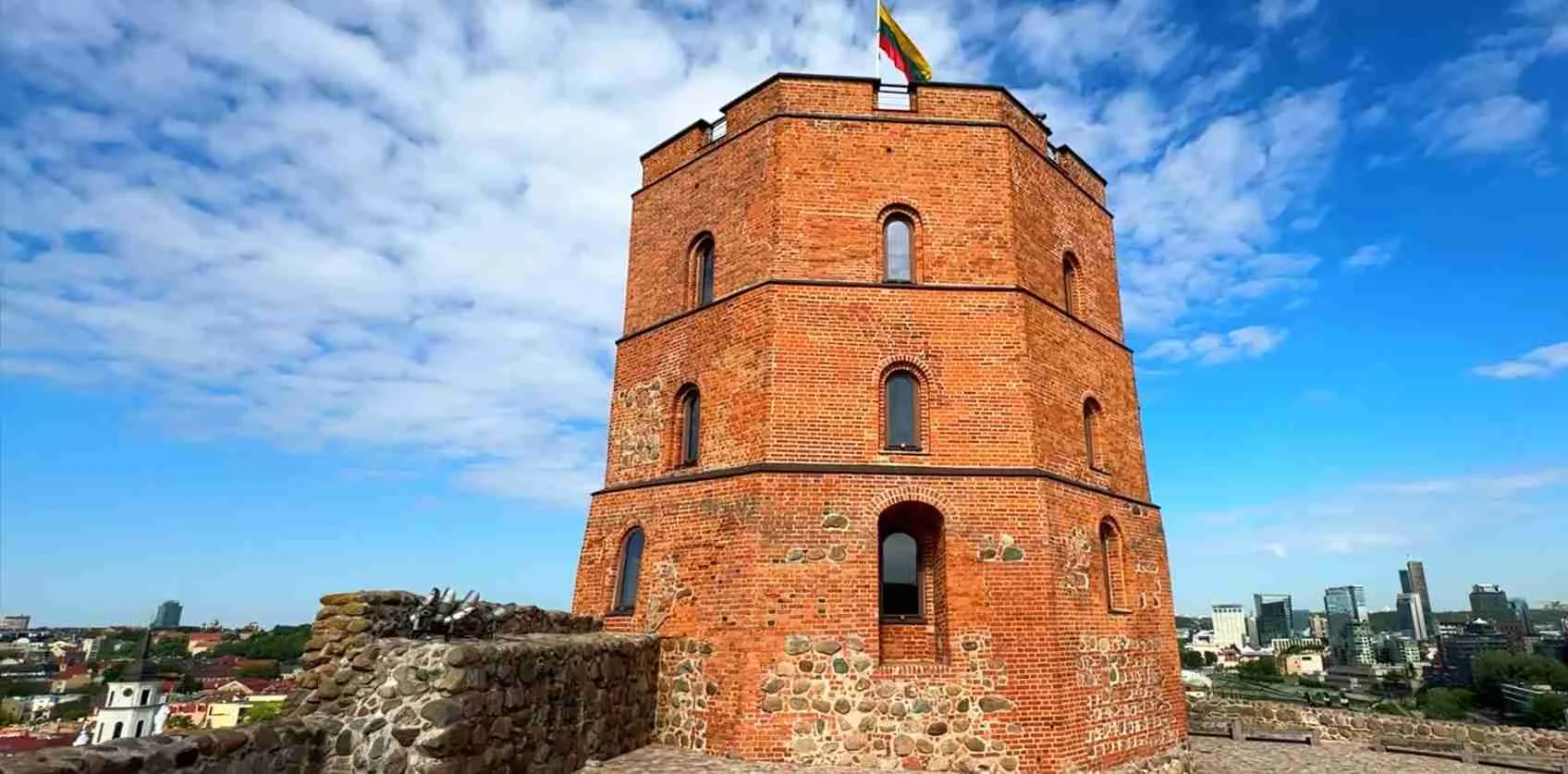
The original Vilnius Free Walking Tour departs daily at 11:00 AM, lasting 2-2.5 hours and covering Old Town’s essential landmarks. The route includes Cathedral Square and Gediminas Monument, Vilnius University courtyards (one of Eastern Europe’s oldest universities, founded 1579), the Presidential Palace with its flag protocol indicating presidential presence, St. Anne’s Church (Gothic masterpiece that Napoleon allegedly wanted to carry back to Paris), Gates of Dawn with the miracle-working Virgin Mary icon, Town Hall Square showing various architectural styles, the former Jewish Quarter with remaining synagogue spaces, and Užupis district, the self-proclaimed “Republic of Artists” with its quirky constitution posted in 40 languages.
What distinguishes Vilnius with Locals tours is the balance between historical facts and contemporary life context. Guides explain not just construction dates but why buildings matter—how Vilnius University fostered Lithuanian national awakening, why the Jewish Quarter’s erasure during WWII left permanent scars, how Užupis artists created their bohemian enclave after 1990. The tours incorporate humor, personal anecdotes, and sometimes props or visuals that make complex history accessible.
Groups typically number 15-20 people, small enough for interaction but large enough to create energy. Booking in advance through their website is required, helping guides anticipate group sizes and allocate multiple guides when bookings are heavy. The recommended tip is €10 per person, though the pay-what-you-want model accepts any amount from €5 to €50 based on your experience and budget. Cash or card payment is accepted at tour end.
Vilnius with Locals also offers paid thematic tours with fixed prices: Soviet Vilnius (€25), Jewish Vilnius (€25), and the Lithuanian Flavors Experience food tour (€50-60). These specialized tours operate with smaller groups (8-12 people maximum) and dive deeper into specific aspects requiring more time and sometimes venue access fees.
Vilnius Free Walking Tours: Cathedral Square Departure
Vilnius Free Walking Tours operates an alternative free tour schedule departing from Cathedral Square (Gediminas Monument stairs) at 10:30 AM daily, with additional 3:30 PM tours on Fridays, Saturdays, and Sundays during peak season (May-September 2026). This slightly earlier start time suits early risers and allows afternoon flexibility for independent exploration.
The route overlaps significantly with Vilnius with Locals but emphasizes different storytelling angles. Guides often focus more on medieval Grand Duchy history when Vilnius ruled the largest state in Europe, the competition between Catholic and Orthodox influences, and architectural details of Gothic, Renaissance, and Baroque styles coexisting in the Old Town. The tour also covers hidden courtyards and passages that tourists miss when following standard routes.
Duration runs 2-2.5 hours covering similar ground. Group sizes vary from 10-25 people depending on season and day of week. Pre-booking is recommended through their website to guarantee spots and receive updates if schedule changes occur. The tip recommendation is €10 per person with flexibility for budget travelers.
Guides for both free tour companies hold official Lithuanian guide licenses, requiring passing examinations on historical knowledge and foreign language proficiency. This licensing ensures factual accuracy and professional standards, distinguishing Vilnius’s free tours from some European cities where “free tour” guides lack formal qualifications.
Specialized Free Tours 2026
Beyond general Old Town tours, several free or low-cost specialized walking tours operate in 2026:
Undiscovered Vilnius Tour explores neighborhoods beyond tourist circuits on Tuesdays, Thursdays, and Saturdays at 1:30 PM. This 2-hour walk covers Žvėrynas (the “Menagerie”) residential district with wooden architecture, Vilnelė River walking paths, Soviet-era housing estates, and contemporary street art areas. The tour suits repeat visitors who already know main attractions.
Vilnius Night Tours operate on weekend evenings during summer 2026, showcasing the illuminated Old Town at 8:00 PM when architectural lighting creates dramatic effects and dinner crowds fill outdoor cafes. These 1.5-hour tours emphasize the city’s nightlife evolution, popular bars and restaurants, and evening atmosphere that differs substantially from daytime visits.
Photography Walking Tours operate on demand for groups of 4+ people, combining Old Town landmarks with photography tips for capturing Gothic churches, Baroque details, and street scenes. These 3-hour tours include specific vantage points for iconic shots, sunrise/sunset timing considerations, and composition guidance from photographer guides.
Tips for Free Walking Tour Success in 2026
Arrive 10-15 minutes before stated departure time at the meeting point. Guides start promptly, and latecomers miss introductions and often struggle to catch up. Wear comfortable walking shoes as tours cover 3-5 kilometers of cobblestone streets with some uneven surfaces. Old Town pavements are charming but challenging in heels or thin-soled shoes.
Prepare cash for tipping even though some operators accept cards. €10 notes make tipping straightforward without needing change. Budget €5 minimum if your finances are tight, but recognize guides depend on tips as their sole income. €15-20 represents generous appreciation for excellent tours, while €5-7 is appropriate for satisfactory experiences.
Book 1-3 days in advance during peak season (June-August) when tours fill quickly. Last-minute walk-ups sometimes work but risk tours being full or cancelled due to insufficient participants. Off-season (November-March) tours still operate but with reduced frequency and smaller groups.
Bring water, especially for summer 2026 tours when temperatures reach 20-28°C. Tours don’t include refreshment stops though guides may pause near fountains for water bottle refills. Sunscreen and hats are essential for sunny days as Old Town squares offer limited shade.
Feel free to ask questions during tours. Quality guides welcome interaction and adjust content based on group interests. Mention specific topics you’re curious about (architecture, food, Soviet history, Jewish heritage) at the introduction when guides ask about interests.
Specialized Thematic Tours Vilnius 2026
Beyond general orientation tours, Vilnius offers deep-dive thematic tours focusing on specific historical periods, cultural communities, or interest areas. These specialized tours typically charge fixed prices (€15-45 per person) and run 2-4 hours with smaller groups and expert guides whose knowledge exceeds general tour guides.
Soviet Vilnius Walking Tours
Soviet history tours explore Lithuania’s 50-year occupation under communist rule (1940-1941, 1944-1990), examining both the oppression and everyday life adaptations that defined this era. These 2-2.5 hour tours (€20-25 per person) visit sites inaccessible on free tours due to entrance fees and specialized access.
The route centers on the former KGB headquarters (now Museum of Occupations and Freedom Fights) where torture cells, execution chambers, and interrogation rooms remain preserved in their original state. Guides explain NKVD/KGB operations, deportation procedures sending tens of thousands of Lithuanians to Siberian gulags, and resistance movements that continued into the 1950s. The museum visit alone requires 60-90 minutes with guide commentary bringing chilling rooms to life through specific prisoner stories and families’ fates.
Beyond the museum, tours cover Lukiškių Square where independence rallies gathered 250,000 people in 1988-1990, the Parliament building besieged by Soviet troops in January 1991, Soviet-era apartment blocks designed for collective living with shared facilities, brutalist architecture of the Opera and Ballet Theatre and Sports Palace, and propaganda monuments that were removed or repurposed after 1990. Guides often share personal or family experiences from the Soviet period, providing firsthand perspectives that history books can’t convey.
These tours suit visitors interested in 20th-century history, the Cold War’s impact on occupied nations, and understanding how Lithuania transitioned from Soviet republic to EU member in just 25 years. The content is serious and sometimes emotionally heavy, dealing with deportations, executions, and resistance, but guides balance gravity with context about resilience and eventual peaceful revolution success.
Book through Vilnius with Locals or specialized Soviet history tour operators. Tours operate year-round on fixed schedules, typically 2-3 times weekly. Group sizes max out at 15 people to maintain intimacy in small museum spaces. €25 per person includes museum entrance fees. Private tours for groups cost €150-200 total.
Jewish Vilnius Heritage Tours
Jewish Vilnius tours examine the city’s identity as the “Jerusalem of Lithuania” before WWII, when 100,000 Jews (40% of Vilnius’s population) created one of Europe’s most vibrant Jewish cultural centers. The Vilna Gaon’s legacy, YIVO institute founding, and Yiddish literary flourishing made Vilnius central to Eastern European Jewish intellectual life until the Holocaust destroyed this community almost entirely.
These 2.5-3 hour tours (€20-30 per person) explore the former Jewish Quarter between Żydų (Jews) Street and Stiklių (Glass) Street, visiting remaining synagogue spaces (the Choral Synagogue being Vilnius’s sole surviving synagogue among 105 pre-war synagogues), the courtyard where Vilna Gaon lived and studied, sites of the two WWII ghetto locations, and memorials marking mass execution sites. The tour also covers Paneriai (Ponary) forest 10 kilometers from the city where 100,000 people (mostly Jews) were murdered by Nazis and Lithuanian collaborators during 1941-1944.
What makes these tours powerful is how guides reconstruct vanished worlds through archival photos, survivor testimonies, and cultural explanations of what was lost. You learn about Jewish daily life, religious practices, Yiddish theater traditions, and the multilingual character of pre-war Vilnius where Polish, Yiddish, Lithuanian, Russian, and German coexisted. The contrast between vibrant pre-war photos and today’s quiet streets where apartment buildings replaced razed synagogues creates visceral understanding of destruction’s scope.
Jewish heritage tours require knowledgeable guides who balance historical accuracy with sensitivity to complex relationships between Lithuanian and Jewish communities. Reputable operators include Vilnius with Locals, Jewish Community of Lithuania, and specialized heritage tour companies. Some tours incorporate visits to the Lithuanian Jewish Museum (additional €5 entrance) or the Tolerance Center for deeper context.
Book 3-7 days in advance as these specialized tours operate only 2-4 times weekly with limited participant numbers (8-12 people). Tours run year-round but with reduced frequency in winter. €25-30 per person is standard pricing. Private family tours are available for groups of 4+ at €200-300 total, particularly meaningful for descendants of Vilnius Jews researching family history.
Street Art and Alternative Vilnius Tours
Vilnius’s street art scene exploded after 1990 when artistic freedom replaced Soviet restrictions. Alternative tours explore Užupis (the self-proclaimed artists’ republic), Soviet-era murals being reclaimed or covered by contemporary works, sanctioned street art in courtyards and alleys, and edgy galleries in converted industrial spaces.
These 2-hour tours (€15-20 per person) are led by artists, gallery operators, or cultural activists who know the scene personally. Routes vary based on current exhibitions and new pieces, but typically include Užupis’s backstreet murals and installations, former industrial districts being transformed into creative spaces, street art in Vilnelė River area, and discussions of how Vilnius encourages public art while managing building owner relations.
The tours often incorporate stops at artist studios, small galleries, or craft workshops where participants meet creators and see works in progress. Some tours include beer or coffee breaks at alternative cafes frequented by the art community, creating casual environments for discussion about Vilnius’s cultural evolution.
Book through alternative tour companies or directly with Užupis-based guides. These tours operate mostly on weekends and require minimum participant numbers (4-6 people), so group tours combine individual bookings. Private tours for art-interested groups cost €100-150 total.
Architecture and Design Tours
Vilnius’s architectural diversity spanning Gothic, Renaissance, Baroque, Neoclassical, modernist, and contemporary styles provides rich material for specialized architecture tours. These 3-hour tours (€30-40 per person) are led by architects, architecture historians, or preservation specialists who can explain building techniques, stylistic evolution, and restoration challenges.
Tours often focus on specific periods: a Gothic-Renaissance tour examines St. Anne’s Church and Bernadine Church complex, university courtyards, and defensive towers; a Baroque tour covers 40+ Baroque churches that make Vilnius one of Europe’s Baroque centers; a modernist tour shows 1920s-1930s Lithuanian architecture during the interwar independence period; or a Soviet-contemporary tour examines brutalist structures and post-1990 architectural responses.
These tours suit architecture students, design professionals, and culturally curious visitors who want technical depth beyond basic historical narratives. Guides discuss construction methods, architect biographies, patron relationships, and how political changes influenced building styles. Some tours include interior access to buildings normally closed to public, arranged through professional connections.
Book through architecture tour specialists or university architecture departments offering public programs. Tours operate on fixed monthly schedules with 3-4 dates per theme. €35 per person typically, with student discounts (€25). Private group tours for architecture tour groups cost €250-350.
Food and Culinary Tours Vilnius 2026
Food tours emerged as Vilnius’s tour scene highlights, introducing visitors to Lithuanian cuisine’s depth beyond tourist restaurant menus. These walking tours combine tastings at multiple venues with Old Town exploration and cultural context about food traditions, seasonal rhythms, and historical influences from neighboring cuisines.
Lithuanian Flavors Experience Tour
The Lithuanian Flavors Experience represents Vilnius’s signature culinary tour, operated by Vilnius with Locals with departures Tuesday-Saturday at various times (typically 11:00 AM or 5:00 PM). This 2.5-3 hour tour costs €55 per person in 2026 (check official site for current rates as pricing may vary seasonally), including 4-5 substantial tasting stops that together constitute a light meal.
The tour begins at Senamiesčio Krautuvė (Old Town Store) on Literatų Street, a specialty shop showcasing Lithuanian artisanal products. Here you taste different rye bread varieties—dark dense bread that’s a Lithuanian staple, sweet bread with honey and spices, and sourdough variations. Guides explain why Lithuanians consider rye bread essential (it appears at every meal), how traditional baking methods evolved, and the bread’s symbolic importance in Lithuanian customs.
The second stop introduces Baltic herring, prepared as traditional two-bite sandwiches with onions and cream. This tasting connects to Lithuania’s connection with the Baltic Sea despite Vilnius being inland, explaining how herring preservation techniques allowed this coastal product to reach interior populations before refrigeration. You taste both classic preparation and contemporary variations.
The third venue presents Lithuanian spirits—krupnikas (honey liqueur), midus (mead), and herbal vodkas infused with traditional flavors like acorns, berries, or forest herbs. These serve as palate cleansers between savory and sweet courses while guides explain drinking customs, toasting traditions, and how home-infused spirits remain part of Lithuanian culture. The portions are small tastes (15-20ml) focused on flavor appreciation rather than intoxication.
The fourth stop features traditional Jewish confectionery, acknowledging the major role Jewish bakers played in Vilnius’s culinary development before WWII. You taste pastries and sweets representing recipes preserved by survivors and revival efforts. This portion connects food history to Vilnius’s complex multicultural past.
The final stop varies but typically includes Lithuanian cheese varieties at a specialty shop or market, accompanied by craft beer or kvass (traditional fermented beverage). The cheese selection showcases both traditional farmer cheese preparations and contemporary artisanal cheesemakers reviving old techniques. Guides discuss the post-Soviet food scene revival and how Lithuanian products regained quality after collective farm standardization ended.
Throughout the tour, guides weave in Old Town history, pointing out architectural details and explaining neighborhood development while transitioning between tasting stops. The walking component covers approximately 2 kilometers at leisurely pace with frequent stops for photos and questions.
Groups max at 12 people to maintain intimate atmosphere in small shops and ensure everyone hears guide commentary. Booking requires advance payment (minimum 24 hours before tour) through the Vilnius with Locals website. Vegetarian modifications are possible with 48-hour advance notice (eliminating herring, substituting vegetable-based tastings). The tour operates in English with Russian, German, or French available for private group bookings.
Tours run year-round but schedules vary by season. Summer 2026 (June-August) offers daily departures, while winter operates 3-4 times weekly. Morning tours (11:00 AM start) work well for combining with afternoon sightseeing, while evening tours (5:00 PM) can substitute for dinner since tastings are substantial. Cancel up to 72 hours before for full refund, 48-72 hours for 50% refund.
Flavors of Vilnius Private Walking Food Tour
The Flavors of Vilnius represents Vilnius’s premium food tour option with private guide, priced at €210 per group (1-8 people) in 2026. This 3-hour experience offers more flexibility than group tours, allowing customization based on dietary restrictions, interest areas, and pace preferences.
The tour typically includes Halės Market visit where locals shop for fresh produce, meats, cheeses, and prepared foods. Your private guide navigates market stalls, introducing vendors and explaining seasonal products, Lithuanian vegetable varieties, mushroom culture importance, and home-preserving traditions. Tastings include smoked meats (cold-smoked pork, game products), artisanal cheeses from small Lithuanian producers, fresh-baked pastries, and seasonal fruit or vegetables.
The route then continues through Old Town with stops at specialty food shops, traditional Lithuanian restaurants serving contemporary interpretations, and cafes known for specific products (Lithuanian chocolate, honey desserts, or craft beer). The private format allows lingering at venues you particularly enjoy or skipping elements that don’t appeal.
Private tours can accommodate dietary restrictions (vegetarian, vegan, gluten-free, kosher where possible) with advance notice. The guide adjusts tasting selections and venue choices accordingly. Groups with children can request kid-friendly options, while food enthusiast groups might add more technical discussions about fermentation, brewing techniques, or foraging traditions.
Booking requires emailing [email protected] with preferred dates, group size, and any dietary considerations. The tour company confirms availability and customization options. Payment is due 24 hours before tour date. Tours operate year-round subject to guide availability. The €210 price includes guide services, all tastings (typically 8-12 different products), and optional Lithuanian craft beer or mead pairings. Entrance fees to any venues are included.
Private food tours particularly suit couples celebrating occasions, families with varied dietary needs, food industry professionals wanting technical depth, or groups of 4-8 friends sharing costs to make the per-person rate (€26-53 depending on group size) competitive with group tour pricing while gaining private guide benefits.
Beer and Bar Tours
Lithuanian craft beer scene expanded dramatically since 2010, with Vilnius hosting numerous microbreweries and specialty beer bars. Beer tours (€35-45 per person) visit 3-4 bars over 3 hours, tasting 4-6 different Lithuanian craft beers while guides explain brewing traditions, hop varieties, and how Lithuanian beer culture differs from German or Belgian approaches.
These tours often incorporate the Užupis neighborhood known for alternative bars, combining beer tastings with street art viewing and local music scene discussion. Some tours visit actual microbreweries for behind-the-scenes looks at small-batch brewing operations. Guides who are often homebrewers or bar owners themselves provide insider knowledge about emerging brewers, seasonal releases, and beer food pairing traditions.
Book through specialized bar tour companies or private guides advertising on tour booking platforms. Tours typically operate Friday-Saturday evenings starting 6:00-7:00 PM, aligning with Vilnius nightlife rhythms. Groups max at 10-12 people. The cost includes guide services and beer tastings but not full meals (though most tours include snack plates at final stop). Private group beer tours for stag parties or friend groups cost €300-400 total.
Market and Cooking Tours
Cooking class tours (€70-90 per person) combine market visits with hands-on cooking sessions in local homes or culinary spaces. These 4-5 hour experiences start at Halės Market for ingredient shopping, then transition to kitchen facilities where participants prepare traditional Lithuanian dishes under expert guidance.
Typical menus include cepelinai (potato dumplings stuffed with meat or cheese), šaltibarščiai (cold beetroot soup), Lithuanian salads, and traditional desserts. Classes emphasize techniques like potato grating for authentic cepelinai texture, proper beet preparation for bright pink soup color, and yeast dough handling for bread or pastries. Participants eat what they cook, making this a combination cooking lesson and meal.
These tours suit food enthusiasts wanting hands-on skills, travelers seeking authentic home cooking experiences rather than restaurant interpretations, and people interested in taking Lithuanian recipes home to recreate. Classes accommodate 4-8 participants maximum to ensure instructor attention. Dietary modifications are possible with advance notice but may limit menu options since traditional recipes rely heavily on meat, dairy, and potatoes.
Book through culinary tour specialists or platforms like Eatwith connecting travelers with home cooks. Classes operate mostly on weekends (Saturday-Sunday) with some weekday afternoon options. €80 per person typically includes market tour, cooking instruction, ingredients, full meal, and recipes. Private group classes cost €500-600 total.
Day Trips from Vilnius 2026: Trakai and Beyond
Day trips from Vilnius unlock Lithuania’s surrounding attractions without requiring rental cars or navigation stress. Organized tours handle transportation logistics, provide expert guides, and optimize time for seeing multiple sites or maximizing single-destination experiences.
Trakai Island Castle Day Trip
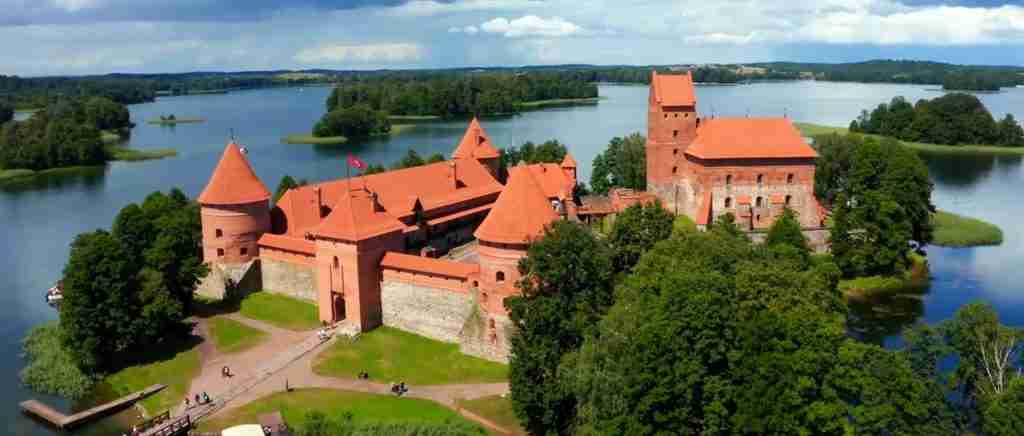
Trakai ranks as Vilnius’s most popular day trip destination, located 28 kilometers (17 miles) west of the capital and accessible in 30-40 minutes by car or bus. The iconic island castle rising from Lake Galvė creates Lithuania’s most photographed medieval scene, making this half-day excursion essential for first-time Vilnius visitors.
Half-day organized tours (€45-60 per person) typically depart Vilnius at 9:00 AM with hotel pickup, arriving in Trakai around 10:00 AM. The guided portion includes walking to the wooden footbridge connecting the island to shore, crossing to the castle complex, and touring the museum inside the restored castle (entrance €10 additional to tour price). Guides explain the castle’s 14th-century construction by Grand Duke Kęstutis and expansion by his son Vytautas the Great, strategic importance during conflicts with Teutonic Knights, destruction and abandonment in the 17th century, and 20th-century restoration transforming ruins into today’s museum.
The museum displays weapons, armor, coins, decorative arts, and historical documents from the Grand Duchy period when Lithuania controlled vast territories from Baltic to Black Seas. Guides connect castle history to broader Lithuanian historical narratives about statehood formation, multi-ethnic empire management, and eventual union with Poland. The tour allows 60-90 minutes total in Trakai including castle visit and lakeside photo opportunities.
Tours return to Vilnius around 1:00-2:00 PM, leaving afternoons free for additional sightseeing. This half-day format suits travelers with limited time or those combining Trakai with afternoon activities in Vilnius. The pricing (€45-60) includes round-trip transportation, professional guide, and group coordination but not castle entrance fees, lunch, or optional boat rides.
Full-day Trakai tours (€70-90 per person) extend the experience with free time for lunch at Karaim restaurants serving traditional kibinai (meat pastries specific to Trakai’s Karaite minority community), optional boat rides around the lake viewing the castle from water (€5-8), and visits to Užutrakis Manor on the opposite shore featuring Neo-Renaissance palace and manicured gardens.
Independent travelers can reach Trakai via bus from Vilnius Bus Station (€2.50 each way) with departures every 30-60 minutes, making DIY visits economical. However, organized tours provide historical context that casual visits lack, efficient scheduling visiting multiple sites beyond just the castle, and avoiding public transport hassle for relatively modest additional cost.
Book Trakai day trips through Vilnius tour operators, hotel concierges, or online booking platforms. Tours operate year-round with daily departures in summer (May-September 2026), 4-5 times weekly in shoulder seasons, and weekend-only in winter. Summer weekend tours book up 2-4 weeks ahead, so advance reservations are wise for peak season visits. Group sizes range 8-15 people for standard tours, smaller for premium options. Private tours for families or small groups cost €200-280 total.
Kernavė Archaeological Site Day Trip
Kernavė represents Lithuania’s pre-Vilnius capital, a UNESCO World Heritage Site 40 kilometers (25 miles) northwest of Vilnius featuring five hill forts overlooking the Neris River valley. This archaeological site preserves evidence of 10,000 years of human settlement, with the medieval period (13th-14th centuries) being most prominent when Kernavė served as the first Grand Duchy capital before Vilnius.
Half-day Kernavė tours (€55-70 per person) depart Vilnius around 9:00 AM, reaching Kernavė by 10:00 AM. The site encompasses the five hill forts positioned on glacial formations creating natural defensive positions, the Kernavė Archaeological Museum displaying artifacts from Bronze Age through medieval periods, and the town’s medieval cemetery and church ruins. Guides explain how the hill forts functioned as political and religious centers, reconstruction of wooden fortifications based on archaeological evidence, and the dramatic 1365 attack by Teutonic Knights that destroyed the castle complex and led to capital relocation to Vilnius.
Walking the hill forts requires moderate fitness as paths climb steep slopes with uneven terrain. The views from fortress summits over the Neris River valley justify the effort, offering panoramic vistas of the pastoral landscape little changed from medieval times. The archaeological museum visit adds context with artifacts, scale models, and explanations of excavation discoveries.
Most travelers combine Kernavė with Trakai on full-day tours (€90-120 per person) visiting both UNESCO sites in one excursion. These 8-hour tours depart Vilnius at 8:30-9:00 AM, visit Kernavė first (2-2.5 hours), stop in Trakai for lunch and castle visit (3-3.5 hours), and return to Vilnius around 5:00-6:00 PM. This combination makes efficient use of a full day, seeing Lithuania’s first two capitals and diverse historical periods.
The combined tour pricing includes round-trip transportation in air-conditioned vehicles, professional guide services, entrance to both Kernavė museum and Trakai castle, and coordination handling two separate sites with different logistics. Lunch is typically independent (budget €15-25 for traditional Lithuanian meal in Trakai), allowing dietary freedom and schedule flexibility.
Book combination Kernavė-Trakai tours through major Vilnius tour operators or travel agencies. Tours operate primarily summer season (May-September) when weather suits outdoor archaeological site exploration. Off-season tours are possible but weather-dependent. Advance booking 1-2 weeks recommended for summer weekends. Private tour options cost €350-450 for groups up to 8 people.
Aukštaitija National Park Day Trip
Aukštaitija National Park showcases Lithuania’s natural landscapes with 126 lakes, dense pine forests, and traditional wooden architecture preserved in lakeside villages. Located 100 kilometers (62 miles) northeast of Vilnius, this full-day trip (€100-140 per person) appeals to nature lovers seeking respite from urban sightseeing.
Tours depart Vilnius around 8:00 AM for the 90-minute drive to the park. The itinerary typically includes forest walking trails through pine groves and along lake shores (2-3 kilometers easy walking on marked paths), visits to traditional wooden windmills and water mills demonstrating pre-industrial technology, the Lithuanian Beekeeping Museum in Stripeikiai village explaining honey production traditions, and lunch featuring local products (honey-based dishes, smoked fish, forest mushrooms). Some tours incorporate boat rides on Lake Baluo or kayaking opportunities for active participants.
The national park visit provides contrast to Vilnius’s urban baroque character, showing Lithuania’s extensive forests that still cover 30% of the country. Guides explain traditional forest use (mushroom gathering, berry picking, hunting), seasonal rhythms governing rural life, and contemporary conservation efforts balancing tourism with ecosystem protection. The experience suits families with children who enjoy outdoor activities, photographers seeking natural landscapes, and travelers wanting variety beyond urban tourism.
Tours operate primarily May-September when weather supports outdoor activities. July-August offers warmest conditions for potential swimming in lakes (water temperature reaches 18-22°C). Spring (May-June) and autumn (September) provide colorful foliage and fewer crowds but cooler temperatures. Tours return to Vilnius around 6:00-7:00 PM. €120 per person includes transportation, guide, museum entrance, and lunch. Book through eco-tourism operators or general tour companies offering nature excursions.
Kaunas City Day Trip
Kaunas, Lithuania’s second-largest city 100 kilometers west of Vilnius, offers concentrated Art Deco architecture from the 1920s-1930s interwar period when Kaunas served as temporary capital, a compact medieval Old Town, and museums including the striking Devil Museum and military history collections. Full-day tours (€80-110 per person) suit architecture enthusiasts, history buffs, or travelers wanting to see Lithuania beyond Vilnius.
Standard tours depart 8:30 AM for the 90-minute drive via highway, arriving in Kaunas around 10:00 AM. The guided walking portion covers Old Town’s Town Hall Square (“White Swan” due to elegant white town hall), medieval Kaunas Castle ruins at the confluence of Nemunas and Neris rivers, Perkunas House (Gothic brick merchant house), and main pedestrian street (Laisvės alėja) showcasing Art Deco buildings from Lithuania’s interwar independence period. The architecture component explains how 1920s-1930s Kaunas expressed new national identity through modernist building design distinct from Russian imperial or Polish styles.
Tours include visits to one or two museums: the Devil Museum displaying 3,000+ devil figures from global folk traditions, the M.K. Čiurlionis National Art Museum showing Lithuania’s most famous artist’s symbolic paintings and musical compositions, or the Ninth Fort museum examining Soviet and Nazi occupations with sobering Holocaust memorial. The museum selection depends on group interests and time allocation.
Free time (90-120 minutes) allows independent lunch at traditional Lithuanian restaurants or contemporary cafes, browsing souvenir shops, or visiting additional sites based on personal interests. Tours return to Vilnius around 6:00-6:30 PM. The full-day format works well for travelers spending 4+ days in Vilnius who want to see Lithuania’s second major city without overnight logistics.
€90 per person typically includes round-trip transportation, city guide services, one museum entrance, and Old Town orientation. Additional museum visits, lunch, and personal expenses are independent. Book through Vilnius tour operators or travel agencies. Tours operate year-round with daily departures in summer, 3-4 weekly in shoulder seasons. Advance booking 1 week recommended. Private tours cost €400-500 for groups up to 8 people.
Hill of Crosses and Rundale Palace Day Trip
This ambitious full-day trip (€140-180 per person) combines Lithuania’s most famous pilgrimage site with Latvia’s baroque palace jewel, covering considerable distance (total 450 kilometers driving) to deliver two dramatically different experiences in one long day.
Tours depart Vilnius around 7:00 AM for the 160-kilometer drive north to the Hill of Crosses near Šiauliai. This unique site features a hill covered with over 250,000 crosses of every size—from finger-length to monumental—creating a surreal forest of religious symbols. The hill emerged as pilgrimage site in the 19th century and became a symbol of Lithuanian resistance during Soviet occupation when authorities repeatedly demolished crosses that were rebuilt overnight. Pope John Paul II visited in 1993, further elevating the site’s spiritual significance. The stop allows 45-60 minutes for walking among the crosses, reading inscriptions, and adding your own cross if desired (small crosses available for purchase on-site).
The tour continues north to Latvia’s Rundale Palace (70 kilometers from Hill of Crosses), arriving around 11:30 AM for a 2-hour visit. This baroque masterpiece designed by Francesco Bartolomeo Rastrelli (also architect of St. Petersburg’s Winter Palace) features lavish state rooms, the Golden Hall with elaborate rococo decoration, French formal gardens, and duke’s private apartments. The palace represents Baltic baroque at its finest, rivaling smaller European palaces in decorative richness. Guided tour covers palace history, architectural details, and the duke’s court life.
Lunch (independent, 60 minutes) takes place near Rundale with traditional Latvian or Lithuanian cuisine options. The return drive to Vilnius (220 kilometers) arrives around 7:00-7:30 PM, making this a 12-13 hour day. The extensive driving suits travelers who want iconic site access without separate overnight trips, don’t mind long bus hours, and prioritize seeing famous attractions efficiently.
€160 per person includes transportation in comfortable coach, English-speaking guide, palace entrance fee, and coordination across two countries. Passport required for Latvia border crossing (EU citizens need only ID card). Tours operate May-September when weather suits outdoor activities at Hill of Crosses. Book minimum 1 week ahead through tour operators specializing in multi-country Baltic tours. Private tour options available but expensive (€800-1000 total) given distance covered.
Booking Tours in Vilnius 2026: Practical Guide
Booking procedures vary by tour type, with free walking tours requiring simple advance registration while specialized tours and day trips need payment and more detailed planning.
Free Walking Tours: Booking Process
Free walking tours use online reservation systems allowing you to select date and time, enter participant number and contact details, and receive confirmation email with meeting point details. Book 1-3 days ahead during summer peak season (June-August 2026) when tours can fill to capacity (15-20 people maximum). Off-season bookings can be same-day, though advance booking is still recommended to ensure tours operate.
Arrive 10 minutes before stated start time at the designated meeting point (Town Hall for Vilnius with Locals, Cathedral Square Gediminas Monument for Vilnius Free Walking Tours). Guides carry yellow items or signs for identification. No prepayment is required—you tip at tour end based on satisfaction. Bring cash for tipping as not all guides accept cards reliably.
Cancellation is free but courteous notice (email or online cancellation) helps guides plan. Last-minute no-shows reduce guide income when they’ve prepared for specific group sizes, so cancel if plans change.
Paid Tours: Booking and Payment
Specialized thematic tours, food tours, and most day trips require advance booking with payment. Book directly through tour operator websites (Vilnius with Locals, other specialist companies) or via aggregator platforms (GetYourGuide, Viator). Direct booking often saves 10-15% commission that platforms charge.
Payment is typically required 24-72 hours before tour date depending on operator policy. Most accept credit cards online. Some small operators request bank transfer for private tours. Confirmation emails include meeting point details, guide contact information, and any items to bring (comfortable shoes, water, sun protection).
Cancellation policies vary but generally allow full refund if cancelled 72+ hours before, 50% refund for 48-72 hours notice, and no refund within 48 hours of tour start. Some operators are flexible for documented emergencies. Review cancellation terms before booking, especially for expensive day trips.
Advance Booking Timelines 2026
Book 2-4 weeks ahead for summer weekend day trips (Trakai, Kernavė combinations, Aukštaitija National Park) as these popular tours fill early. Weekday departures have more availability even in peak season. Book 1-2 weeks ahead for food tours and specialized thematic tours with smaller group capacities. Book 3-7 days ahead for free walking tours during summer to ensure spots.
Last-minute bookings (1-2 days before) are possible for larger-capacity tours during shoulder seasons (May, September) or winter months when tourist numbers drop. However, advance booking provides peace of mind, locks in preferred time slots, and allows better trip planning coordination.
Private Tour Arrangements
Private tours suit families, small friend groups, or travelers with specific interests wanting customized itineraries. Most tour operators offer private versions of standard tours at premium pricing (typically 2-3x per-person group tour cost, but competitive when divided among 4-8 people).
Request private tours via email to tour operators, specifying desired dates, group size, interests, and any customizations (dietary needs, mobility accommodations, language preferences). Operators propose itineraries and pricing. Book 2-4 weeks ahead for complex multi-site day trips requiring reserved venues or special access. Simple private city walking tours can be arranged 3-5 days ahead.
Private tour advantages include flexible pacing (spend more time at favorite sites, skip less interesting stops), personalized commentary addressing group’s specific questions, schedule adjustments accommodating late hotel checkout or evening flights, and privacy for families with young children or groups preferring intimate experiences.
Tour Operator Selection Criteria
Choose tour operators based on guide qualifications (licensed professional guides demonstrate expertise), customer reviews on multiple platforms (TripAdvisor, Google, GetYourGuide showing consistent 4.5+ ratings), transparent pricing including what’s covered and excluded, responsive communication answering pre-booking questions promptly, and professional website with clear descriptions.
Established operators like Vilnius with Locals (since 2009) demonstrate longevity indicating consistent quality. Avoid operators with vague descriptions, no verifiable reviews, or prices significantly below market averages (suggesting poor guide compensation affecting quality). Word-of-mouth recommendations from recent travelers provide valuable insights.
Seasonal Considerations for Vilnius Tours 2026
Tour availability, content, and enjoyment vary significantly by season. Understanding seasonal factors helps optimize tour selection and timing.
Summer Tours (June-August 2026)
Summer represents peak season with maximum tour availability, daily departures for most tour types, and best weather for outdoor activities (average highs 20-23°C, 8+ hours daily sunshine). The extended daylight (sunset around 10:00 PM in June) allows evening tours and leisurely pacing. Outdoor food markets, street art, and cafe culture flourish in summer, enhancing food tours and alternative cultural tours.
However, summer brings crowds to popular sites (Trakai Castle, Old Town landmarks) making tours busier and photos more challenging without people in frames. Prices reach annual peaks for accommodation and some premium tours. Book well in advance (2-4 weeks) as tours fill quickly, especially weekends. Afternoon thunderstorms occur occasionally (July is rainiest month) though brief showers rarely disrupt tours seriously.
Spring Tours (March-May 2026)
Spring offers increasing daylight and warming temperatures (March 4°C average, May 18°C) with fewer crowds than summer. Late April through May provides excellent conditions for walking tours—comfortable temperatures, blooming parks and gardens, and uncrowded sites allowing easier photography and more intimate experiences.
However, early spring (March-early April) remains quite cold with possible snow, limiting outdoor food tours and making architectural walks less pleasant. Shoulder season means reduced tour frequency (some tours operate only 3-4 days weekly rather than daily). Book 1 week ahead, more for holiday weekends (Easter period sees increased visitors). Spring highlights include Kaziukas Fair (early March), street festivals resuming, and budget travelers benefiting from lower hotel prices making tour costs more manageable.
Autumn Tours (September-November 2026)
Early autumn (September) rivals late spring for tour conditions—mild temperatures (average 13°C), reduced crowds as summer tourists depart, and fall colors beginning in parks and forests. September-early October provides excellent photography light and comfortable walking weather. Day trips to Kernavė and Aukštaitija National Park showcase autumn foliage dramatically.
Late autumn (November) brings dark, cold, rainy conditions (average 2°C, frequent precipitation) that dampen enthusiasm for multi-hour walking tours. Outdoor food tours become less appealing. However, autumn presents budget opportunities with lower tour prices, easier booking availability, and intimate small-group experiences. Christmas market preparations begin late November, offering preview of winter holiday season.
Winter Tours (December-February 2026)
Winter transforms Vilnius with Christmas markets, snow-covered Old Town creating fairy-tale atmosphere, and unique winter-specific tours. Christmas market tours (mid-December through early January) explore festive stalls, traditional crafts, and holiday foods. Winter photography tours capture snow-dusted baroque architecture and dramatic winter light.
However, cold temperatures (average -3°C January, frequent sub-zero days) limit outdoor tour appeal. Shorter daylight (8 hours in December) constrains day trip timing. Some tours reduce frequency or pause entirely (national park trips, outdoor food tours). Walking tours continue but with shorter routes and frequent indoor warming breaks. Dress warmly in layers, insulated footwear, and windproof outer layers.
Winter advantages include lowest annual hotel prices making tour budgets stretch further, atmospheric snowy Old Town when tourism is quietest, and authentic Lithuanian winter culture experience rather than just warm-weather tourism. Book 3-5 days ahead as winter tour capacity is reduced but demand is also lower.
Tour Cost Breakdown and Budget Planning 2026
Understanding complete tour costs helps budget planning and value comparison across tour options.
Free Walking Tour Budgeting
While called “free tours,” budget €10 per person for appropriate tipping. Couples should budget €20, families €30-40 total. This compares favorably to fixed-price walking tours (€25-35 per person for similar duration) while maintaining guide quality through performance-based compensation. Budget additionally for morning coffee (€2-4) before tour, midday lunch after (€10-18 for casual dining), and any souvenirs or additional entrances.
Thematic Tour Budgeting
Soviet history tours (€20-25) include museum entrance fees. Budget additionally for potential snacks or coffee (€5-8) if tour timing spans meal periods. Jewish heritage tours (€20-30) may include museum entrance or charge separately—clarify when booking. Specialty architectural tours (€30-40) typically include any special access fees.
Food Tour Budgeting
Lithuanian Flavors Experience (€55) provides substantial tastings equivalent to light lunch, so you can potentially skip midday meal or have lighter dinner, offsetting tour cost partially. Factor this into daily food budget. The private Flavors of Vilnius tour (€210 total) divided among 4 people (€52.50 each) becomes comparable to group tours while offering customization benefits.
Day Trip Budgeting
Half-day Trakai tours (€45-60) exclude castle entrance (€10), lunch (€15-25), and optional boat rides (€5-8). Budget €80-100 total per person for complete half-day experience. Full-day combination tours (€90-120) exclude lunch and some entrance fees—budget €120-150 total per person. Private family tours for 4 people might cost €250-350 total (€62-87 per person) providing better value than individual bookings for groups while gaining private guide benefits.
Money-Saving Strategies
Combine free walking tours for general orientation with one or two paid specialized tours for deep-dive interests rather than booking multiple expensive tours. Book directly with tour operators to avoid 10-15% platform commission fees. Travel in shoulder seasons (May, September) when some operators offer 10-15% discounts versus peak July-August pricing. Form small groups of 4-6 to book private tours at per-person costs competitive with group tours while gaining customization. Bring your own water and snacks for day trips rather than purchasing at tourist-oriented venues. Skip optional add-ons (boat rides, additional museum entrances) unless genuinely interested—guides often mention these as options without pressure.
Frequently Asked Questions: Vilnius Tours 2026
Do I need to book Vilnius walking tours in advance or can I join on the day?
Advance booking is required for all organized walking tours in Vilnius, even free tours. While you don’t pay upfront for free walking tours, online reservation is mandatory to guarantee your spot and help guides plan group sizes. Book 1-3 days ahead during summer peak season (June-August) when tours fill to capacity, or same-day during off-season. Last-minute walk-ups are sometimes accommodated if space remains but risk tours being full or cancelled for insufficient participants. Booking takes 2 minutes online and provides peace of mind.
Are Vilnius food tours suitable for vegetarians or people with dietary restrictions?
Most Vilnius food tours can accommodate vegetarians with 48-72 hours advance notice when booking, substituting plant-based tastings for meat and fish. The Lithuanian Flavors Experience replaces herring with vegetable-based spreads, includes bread and cheese components already vegetarian, and adjusts final stop to non-meat options. Vegan modifications are more challenging given traditional Lithuanian cuisine’s dairy emphasis but possible with advance planning. Gluten-free accommodations work for most venues by substituting rye bread with alternatives. Always communicate dietary needs when booking—reputable operators adjust menus or recommend whether the tour suits your restrictions. Tour operators cannot guarantee complete vegan experiences given traditional food venue limitations.
How much walking is involved in Vilnius day trips to Trakai and other sites?
Trakai day trips involve 2-3 kilometers of walking total, mostly on flat terrain with some cobblestones in the old town area and wooden footbridge to the island castle. The castle itself requires climbing stairs between floors (no elevator) but walking is manageable for moderate fitness levels. Kernavė day trips involve more challenging walking—hill forts require climbing steep grassy slopes with uneven footing, totaling 3-4 kilometers with elevation changes. Aukštaitija National Park tours involve 2-3 kilometer forest walks on marked trails with generally flat terrain. All day trips include rest periods, photo stops, and optional sitting time. Inform tour operators of mobility limitations when booking—some tours can modify routes or suggest wheelchair-accessible alternatives.
Can I take children on Vilnius walking tours and food tours?
Children are welcome on most Vilnius tours though age-appropriateness varies. Free walking tours work well for teens and mature pre-teens (ages 10+) who can handle 2-2.5 hours walking and historical content, though younger children often lose interest. Food tours suit families with children 8+ who enjoy trying new foods—Lithuanian tastings include kid-friendly items like bread, cheese, and pastries alongside more adventurous herring and spirits (non-alcoholic alternatives for children). Soviet history tours contain serious content about occupation and repression that may be inappropriate or disturbing for children under 12. Day trips generally accommodate families well with vehicle breaks, photo stops providing activity changes, and castle/archaeological sites offering visual interest for younger children. Private family tours allow pacing adjustments and content modifications for children. Always mention children’s ages when booking so guides can adapt accordingly.
What languages are Vilnius tours offered in for 2026?
English is standard for all major Vilnius tours with daily English-language departures year-round. Russian language tours are widely available given Lithuania’s Russian-speaking population and tourist market, with most operators offering Russian departures 3-5 times weekly or on-demand for private bookings. German language tours operate 2-3 times weekly during peak season through specialized operators. French, Spanish, Italian, and Polish tours are available primarily as private bookings requiring advance arrangement (1-2 weeks notice). Most tour guides speak 2-4 languages fluently, so language flexibility exists especially for private tours. Always confirm language availability when booking—don’t assume English tours can switch languages on-site.
Are Soviet history tours politically biased or objective in their presentation?
Reputable Soviet history tour operators present factual historical content based on documented evidence, archival materials, and survivor testimonies rather than political propaganda. Guides acknowledge both the suffering of Soviet occupation (deportations, executions, oppression) and the complexity of Lithuanian society during this period, including collaborators, resistance fighters, and ordinary people navigating difficult circumstances. The perspective is inherently Lithuanian given this is Lithuania, but professional guides distinguish between verified facts and interpretations, avoid simplistic hero-villain narratives, and address uncomfortable topics like Lithuanian participation in Holocaust atrocities alongside resistance to Soviet rule. Choose tours operated by established companies with professional licensed guides rather than individual operators who may bring personal political agendas. Read reviews mentioning guide objectivity and historical accuracy.
Do Vilnius day trips include lunch or should I bring food?
Most Vilnius day trips do not include lunch in the tour price, allowing participants dietary freedom and budget control. Half-day tours (Trakai) typically return before or after typical lunch hours, so meal planning is independent. Full-day tours (Kernavė-Trakai combination, Kaunas, national park trips) build in 60-90 minute lunch breaks in locations with restaurant options where you order and pay independently. Budget €15-25 for traditional Lithuanian restaurant meals, €8-15 for casual cafes. Some tour operators provide packed lunch option for additional €10-15 when booking if requested. Bringing your own lunch is acceptable on day trips though restaurant stops provide bathroom access, rest periods, and cultural food experiences. Snacks and water are recommended for all day trips regardless of lunch arrangements.
How far in advance should I book specialized tours like Jewish heritage or Soviet history tours?
Book specialized thematic tours 1-2 weeks in advance during peak summer season (June-August) as these operate with smaller group capacities (8-12 people) than general walking tours and run on fixed weekly schedules (typically 2-4 departures per week). Last-minute bookings (2-3 days ahead) are sometimes possible during shoulder seasons (May, September) or winter months when demand is lower. Private specialized tours require 1-2 weeks advance notice to arrange guide availability and any special venue access. Jewish heritage tours visiting museums or requiring coordination with Jewish Community organizations need minimum 1 week notice. Soviet history tours with KGB museum visits need advance coordination for group entry, suggesting 1 week minimum booking time. Earlier booking (2-3 weeks) is recommended for travelers with fixed itineraries who need specific dates confirmed.
Can I customize day trip itineraries or are they fixed routes?
Standard group day trips follow fixed itineraries optimized for timing, site access, and group dynamics. Some operators allow minor modifications like skipping optional elements (boat rides, additional museums) or extending time at particular sites if the group agrees and timing permits. Significant customization requires booking private tours where itineraries can be substantially modified—adding extra sites, changing route order, accommodating specific interests (photography, architecture, nature), adjusting pace for elderly participants or families with young children. Private tour pricing (€200-500 depending on destination) becomes reasonable when divided among 4-8 people while providing full itinerary control. Contact tour operators directly to discuss customization possibilities—some are flexible for additional fees even on group tours if requests align with existing routes.
What should I wear and bring for Vilnius walking tours and day trips in different seasons?
Summer tours (June-August) require comfortable walking shoes (NOT sandals or flip-flops on cobblestones), sun protection (hat, sunscreen, sunglasses), light breathable clothing with layers for variable temperatures, water bottle (1 liter minimum), and small backpack for carrying items. Umbrella or light rain jacket covers occasional summer storms. Spring/autumn tours need warmer layers (sweater or fleece), waterproof jacket, closed-toe shoes with good traction, and potentially scarf/light gloves for early morning starts. Winter tours demand insulated waterproof boots, heavy winter coat, warm hat, gloves, scarf, thermal underlayers, and chemical hand warmers for extended outdoor periods. All seasons benefit from phone with camera, small amount of cash for tips/purchases, and any personal medications. Day trips require same seasonal clothing plus snacks if desired, entertainment for long drives (books, headphones), and travel documents (passport for Latvia trips).