Vietnam Travel Guide 2026: Complete Planning Resource
Vietnam delivers Southeast Asia’s most rewarding travel experience through dramatic geographic diversity spanning limestone karst seascapes, ancient imperial cities, terraced rice paddies, and tropical beaches, combined with exceptional affordability where $60-140 daily budgets cover quality accommodation, abundant street food, reliable transportation, and cultural experiences across 2,000km north-south corridor accessible via modern infrastructure connecting UNESCO World Heritage sites, French colonial architecture, and authentic village communities. This comprehensive 2026 planning guide provides verified current costs, strategic routing recommendations, accommodation selection criteria, transportation coordination, essential destination overviews, and practical solutions to visa processes, currency exchange, and cultural customs enabling informed decision-making that aligns personal interests with Vietnam’s diverse regional offerings.
Key Takeaways for Vietnam Travel 2026
- Three Distinct Regions: Northern Vietnam (Hanoi, Halong Bay, Sapa) emphasizes cultural depth and natural wonders, Central Vietnam (Hoi An, Hue, Da Nang) showcases UNESCO heritage and coastal beauty, Southern Vietnam (Ho Chi Minh City, Mekong Delta, Phu Quoc) combines urban energy with beach paradise—each region merits 5-7 days minimum for meaningful exploration beyond superficial sampling.
- Exceptional Value Destination: Budget travelers complete 2-week Vietnam trips for $840-1,960 total ($60-140 daily) covering accommodation, food, transport, and activities, while mid-range comfort costs $2,240-4,200 ($160-300 daily). Vietnam maintains 30-50% lower expenses than Thailand or Bali with street food at $1-3 per meal and quality hotels at $30-70 nightly.
- Visa Simplification 2026: E-visa applications processed online 3-10 days before arrival cost $25 for 30-day single entry or 90-day multiple entry, eliminating airport visa-on-arrival complications. Most Western passport holders qualify for e-visa with 6+ months passport validity and simple online application through official government website.
- Internal Transportation Network: Domestic flights connect major cities in under 90 minutes with VietJet Air charging $27-55 one-way (book 1-3 months advance) or Vietnam Airlines at $66-96 including baggage. Overnight trains and buses serve budget travelers at $15-40 for long routes, saving accommodation costs while covering distance during sleeping hours.
- Optimal Travel Window: October-April 2026 delivers Vietnam’s best weather across most regions with dry conditions, moderate temperatures (15-28°C north, 22-32°C south), and peak tourist season December-February requiring 4-8 weeks advance booking for popular destinations like Halong Bay cruises ($100-400 for 2D1N) and Hoi An Ancient Town hotels.
- Essential Time Allocation: Minimum 2-week Vietnam trips allow Northern Highlights (Hanoi 3 days, Halong Bay 2D1N, optional Sapa 3 days) OR Central-Southern combination (Hoi An 3 days, HCMC 2 days, Mekong Delta 2 days, Phu Quoc 4 days). Comprehensive 3-4 week itineraries incorporate all three regions with comfortable pacing avoiding constant hotel changes and transit exhaustion.
People Also Ask About Vietnam Travel 2026
How Many Days Do You Need in Vietnam in 2026?
Two weeks represents Vietnam’s minimum timeframe for satisfying exploration covering either northern cultural highlights (Hanoi, Halong Bay, Sapa) or central-southern combination (Hoi An, HCMC, Mekong Delta, beach destination), with each regional focus delivering cohesive experiences rather than fragmented multi-region sampling requiring excessive transit time. The 14-day northern circuit allocates 3 days Hanoi Old Quarter and historical sites, 2-day 1-night Halong Bay cruise through UNESCO-protected seascape, 3-4 days Sapa hill tribe villages and rice terraces, plus 2-3 days buffer for travel between destinations and spontaneous discoveries.
Three to four weeks enables comprehensive Vietnam understanding incorporating all three distinct regions with comfortable pacing. Standard routing dedicates 6-7 days northern highlights, 7-8 days central heritage (Hoi An Ancient Town, Hue Imperial City, Da Nang beaches), and 7-8 days southern exploration (HCMC urban culture, Mekong Delta floating markets, Phu Quoc island beaches). This extended timeframe prevents rushed schedules where travelers spend more time packing/unpacking and riding buses than actually experiencing destinations, while allowing depth engagement with Vietnamese culture, cuisine, and landscape impossible during compressed itineraries.
Travelers with just 7-10 days face difficult choices between geographic breadth and experiential depth. The focused regional approach proves superior: seven days in northern Vietnam (Hanoi 3 days, Halong Bay 2D1N, return Hanoi 2 days with day trips) delivers richer understanding than attempting Hanoi-Hoi An-HCMC sprint requiring multiple flights and constant hotel changes. Alternatively, southern concentration (HCMC 2 days, Mekong Delta 2 days, Phu Quoc 3-4 days) provides beach relaxation balance with cultural experiences within tight timeframes without northern Vietnam’s cold weather challenges during winter months.
What’s the Best Time to Visit Vietnam in 2026?
October through April 2026 represents Vietnam’s optimal travel window, though specific regional weather patterns require consideration when planning multi-destination itineraries. Northern Vietnam (Hanoi, Halong Bay, Sapa) experiences pleasant 15-25°C temperatures November-March perfect for city exploration and Halong Bay cruises, with occasional winter cold snaps dropping Sapa to 5-10°C requiring warm clothing layers. Central Vietnam (Hoi An, Hue, Da Nang) enjoys ideal conditions February-July with minimal rainfall and moderate 22-28°C temperatures, while southern Vietnam (HCMC, Mekong Delta, Phu Quoc) maintains consistent 28-32°C year-round with November-April dry season delivering best beach weather.
December through February peak season creates highest accommodation costs (35-50% above shoulder season), maximum crowds at popular attractions, and advance booking requirements 4-8 weeks before travel for Halong Bay cruises and Hoi An hotels. However, this period guarantees optimal weather across all regions simultaneously, justifying premium pricing for travelers prioritizing perfect conditions over budget efficiency. Shoulder seasons March-May and September-November offer 15-25% cost savings with nearly equivalent weather quality, particularly strong value propositions for budget-conscious travelers willing to accept occasional afternoon showers during transition periods.
May through September monsoon season brings regional variations requiring strategic destination selection. Northern Vietnam remains accessible with afternoon thunderstorms but morning dry periods suitable for sightseeing, Halong Bay experiences rougher seas occasionally disrupting cruise schedules, central Vietnam faces September-December typhoon season making this period genuinely problematic, while southern Vietnam’s May-October monsoon proves manageable with morning activities and accommodation discounts reaching 40-50% offsetting weather compromises. Budget travelers targeting lowest costs should visit specific regions during their respective off-seasons rather than attempting comprehensive Vietnam coverage during single universally unfavorable period.
How Much Does Vietnam Trip Cost in 2026?
Two-week Vietnam trips cost $840-1,960 for budget travelers maintaining $60-140 daily spending on dormitory hostels ($5-15 nightly), street food and local restaurants ($8-18 daily), public buses and budget flights ($200-350 total transport), and self-guided exploration or budget tours ($100-200 activities total). This baseline requires comfort with basic accommodation lacking luxury amenities, tolerance for street food hygiene adaptation, and willingness to sacrifice convenience for cost savings through public transportation over private transfers and taxis.
Mid-range comfort at $2,240-4,200 for two weeks ($160-300 daily) includes private hotel rooms ($30-70 nightly), restaurant dining ($18-35 daily), combination of flights and comfortable buses ($400-600 transport), and organized tours with quality operators ($300-500 activities). This tier delivers optimal value for most travelers, balancing quality experiences with reasonable budgets without constant penny-counting stress that characterizes ultra-budget travel or luxury resort isolation from authentic Vietnamese culture.
Major cost variables determining final totals center on accommodation selection (budget guesthouses $8-20 versus mid-range hotels $30-70 versus luxury resorts $100-300+ nightly), internal flights versus overnight buses (VietJet Air $27-55 one-way versus $15-30 buses), and tour investment (Halong Bay $100-400 for 2D1N cruises, Mekong Delta $25-155 for day trips versus overnight packages, Sapa trekking $50-150 for multi-day homestays). Food costs remain relatively stable with disciplined street vendor usage maintaining $8-15 daily or restaurant emphasis reaching $18-30, representing smallest budget flexibility category after transport and accommodation.
Is Vietnam Safe for Tourists in 2026?
Vietnam ranks among Southeast Asia’s safest destinations with violent crime rates significantly lower than Western countries and tourism infrastructure accommodating independent travelers without organized group requirements or specialized safety precautions beyond standard travel awareness. Hanoi’s Old Quarter, Hoi An Ancient Town, and Ho Chi Minh City’s District 1 maintain visible police presence and community-oriented safety cultures where locals monitor visitor welfare, though petty crimes including pickpocketing in crowded markets and bag snatching from motorbikes in HCMC require basic vigilance maintaining awareness and securing valuables.
Solo travelers including solo women report minimal harassment compared to other Asian destinations, with Vietnamese culture generally respectful toward foreign visitors and tourism workers demonstrating professional conduct. Late-night walking in well-lit tourist areas proves safe in major cities, though common sense applies avoiding isolated streets, accepting drinks from strangers, or following persistent touts to “special” venues potentially involving scams or overcharging. Traffic represents Vietnam’s primary safety concern with chaotic motorbike flows in cities requiring careful street crossing techniques and elevated pedestrian awareness compared to Western environments.
Food safety standards support tourist digestive systems when reasonable precautions apply including selecting vendors with high local customer turnover indicating fresh ingredients, avoiding raw vegetables during initial adaptation days, and drinking only bottled water or beverages from sealed containers. Minor digestive issues affect some travelers during first 2-3 days as stomach bacteria adjust to new food environments, manageable through anti-diarrheal medication (Imodium) and oral rehydration salts without derailing itineraries. Travel insurance covering medical evacuation provides security for serious health emergencies, though Vietnam’s modern hospitals in major cities deliver quality care for most conditions requiring medical attention.
Extended multi-day tours – 5+ days
Featured Vietnam Multi-Day Tour Packages

3 days
Vietnam 3-Day Discovery Tour
- ✓ Comprehensive Vietnam experience
- ✓ Expert local guides included
- ✓ All accommodation included
- ✓ Transportation provided

5 days
Vietnam 5-Day Highlights Experience
- ✓ Comprehensive Vietnam experience
- ✓ Expert local guides included
- ✓ All accommodation included
- ✓ Transportation provided

7 days
Vietnam 7-Day Cultural Journey
- ✓ Comprehensive Vietnam experience
- ✓ Expert local guides included
- ✓ All accommodation included
- ✓ Transportation provided

10 days
Vietnam 10-Day Complete Adventure
- ✓ Comprehensive Vietnam experience
- ✓ Expert local guides included
- ✓ All accommodation included
- ✓ Transportation provided
Multi-day tour packages powered by TourRadar. Prices and availability subject to change.
Introduction: Understanding Vietnam’s Geographic and Cultural Diversity 2026
Vietnam’s extraordinary 1,650km north-south extension creates dramatic climate, landscape, and cultural variations compressed into single-country framework accessible via domestic flights connecting regions in under 90 minutes. This geographic diversity enables travelers to experience subtropical Hanoi’s French colonial boulevards and ancient temples, Halong Bay’s limestone karst seascape recognized among world’s natural wonders, Hoi An’s 400-year-old trading port architecture, Hue’s imperial citadel preserving Nguyen Dynasty heritage, and Mekong Delta’s intricate waterways where floating markets and rice paddies sustain southern Vietnam’s agricultural economy—all within unified nation sharing Vietnamese language, cuisine traditions, and complex relationship with colonial French and American war histories shaping contemporary identity.
The country’s dramatic economic transformation over three decades since doi moi (renovation) market reforms positions Vietnam among Southeast Asia’s fastest-developing destinations, where gleaming skyscrapers rise beside thousand-year-old pagodas, international hotel chains operate alongside family-run guesthouses, and motorbike-clogged streets somehow accommodate increasing private car ownership while maintaining bicycle and pedestrian flows. This development trajectory creates exceptional travel value where modern infrastructure (highways, airports, telecommunications) supports convenient independent exploration while authentic cultural experiences remain accessible through villages, markets, and local restaurants operating largely unchanged from previous generations.
Regional distinctions reflect historical influences and contemporary economic priorities. Northern Vietnam centers on Hanoi, Vietnam’s political capital and cultural heart where Communist Party headquarters and Ho Chi Minh Mausoleum anchor governmental power while Old Quarter’s maze of guild streets and French Quarter’s tree-lined boulevards preserve historical trading and colonial eras. Central Vietnam’s UNESCO concentration including Hoi An Ancient Town, Hue Imperial City, and My Son Cham ruins demonstrates region’s historical significance as political and cultural center during various dynastic periods, with contemporary tourism economy supporting extensive accommodation and restaurant infrastructure catering international visitors.
Southern Vietnam’s identity revolves around Ho Chi Minh City (Saigon), Vietnam’s economic powerhouse and largest metropolis generating entrepreneurial energy and capitalist pragmatism distinguishing it from northern Hanoi’s more conservative communist influences. The Mekong Delta’s agricultural productivity feeds both domestic population and significant export markets through rice cultivation and fruit orchards, while coastal areas including Phu Quoc, Mui Ne, and Vung Tau develop beach resort economies targeting domestic and international tourists seeking tropical paradise experiences at fraction of Thailand or Bali costs.
Understanding these regional characteristics enables strategic itinerary construction matching personal interests with appropriate destinations. History enthusiasts prioritize northern Hanoi and central Hue’s imperial architecture, beach lovers allocate extended time southern Phu Quoc or central Da Nang coastlines, adventure travelers target northern Sapa trekking or Ha Giang motorbike loops, while food-focused visitors distribute time across all regions sampling pho in Hanoi, cao lau in Hoi An, and banh xeo in Saigon. This diversity ensures Vietnam rewards varied travel styles and interest areas through specialized regional experiences impossible to replicate in more homogeneous single-character destinations.
Vietnam Visa Requirements and Entry Procedures 2026
Vietnam visa requirements vary by passport nationality, with most Western passport holders requiring either e-visa (applied online 3-10 days before arrival, $25 fee, valid 30 days single entry or 90 days multiple entry) or visa-on-arrival (pre-arranged approval letter purchased through agencies, $25 letter fee plus $25 stamping fee paid at airport). E-visa represents superior option eliminating airport stamping queues potentially lasting 30-60 minutes during peak arrival periods, with approved e-visas emailed as PDFs requiring printing for immigration presentation upon Vietnam entry.
E-Visa Application Process 2026
E-visa applications require passport scan showing minimum 6 months remaining validity, passport-style digital photo, hotel accommodation details for first night (booking confirmations from Booking.com or hotel direct reservations accepted), and credit card payment for $25 processing fee. Access official government website (evisa.xuatnhapcanh.gov.vn) avoiding lookalike scam sites charging inflated fees, complete online form with accurate passport information matching exactly as printed, upload required documents, and submit payment processing within 3-5 business days for email PDF delivery.
Print approved e-visa PDF in color on standard letter/A4 paper before departing for Vietnam, as immigration officers require physical document presentation rather than accepting mobile phone displays. The e-visa permits entry through major airports (Hanoi Noi Bai, Da Nang, Ho Chi Minh City Tan Son Nhat, Nha Trang Cam Ranh, Phu Quoc) and land border crossings, with 30-day single entry version suitable for typical tourist itineraries and 90-day multiple entry accommodating travelers incorporating side trips to Cambodia, Laos, or Thailand with Vietnam re-entry plans.
Visa-on-arrival suits last-minute travelers (approval letters processed 24-48 hours) but requires airport stamping queues and separate $25 stamping fee payment in USD cash creating potential complications if travelers lack exact denominations. This option works best for groups traveling together who share stamping queue wait times, while solo travelers generally prefer e-visa convenience eliminating airport delays and enabling immediate immigration processing upon arrival matching international flight connection schedules.
Immigration Entry and Exit Procedures 2026
Vietnam immigration entry at major airports (Hanoi, Da Nang, Ho Chi Minh City) requires completed arrival card distributed on incoming flights, passport with 6+ months validity, visa documentation (e-visa printout or visa-on-arrival approval letter plus stamping receipt), and occasionally proof of onward travel (return ticket or onward flight booking) though this requirement applies inconsistently. Immigration officers may ask arrival hotel names and Vietnam trip purpose, so maintain booking confirmations accessible during processing requiring 5-10 minutes per traveler during normal periods extending to 20-30 minutes during peak flight arrival clusters.
Exit immigration follows similar procedures with departure cards collected before security screening, passport and visa verification, and occasional questions about Vietnam experiences or departure destinations. Allow 90 minutes before domestic flight departures and 2-3 hours before international departures accounting for check-in, security, immigration, and potential unexpected delays common at Southeast Asian airports during holiday periods or equipment malfunctions affecting processing systems.
Overstaying visa validity incurs penalties averaging $25 per day plus potential blacklisting preventing future Vietnam entry for repeat offenders. Apply for visa extensions through immigration offices in major cities or licensed travel agencies if trip duration unexpectedly extends, though this process proves bureaucratically complex compared to simply exiting Vietnam to neighboring Cambodia, Laos, or Thailand for 24+ hours before reentering on fresh visa. Extensions cost $30-60 depending on duration with 4-7 business day processing requiring passport surrender creating complications for travelers mid-itinerary.
Vietnam Currency, Costs, and Money Management 2026
Vietnamese Dong (VND) operates as primary currency with approximate 25,000 VND equaling $1 USD, though exchange rates fluctuate 24,000-26,000 range requiring adjustment for accurate pricing during actual travel dates. USD acceptance extends throughout tourism industry with hotels, tour operators, and some restaurants quoting prices in dollars, while local markets, street food vendors, and public transportation demand dong payment creating necessity for both currencies or sole dong reliance through ATM withdrawals.
ATM and Currency Exchange Strategy 2026
ATM withdrawal upon airport arrival provides best exchange rates compared to currency exchange counters charging 3-5% commissions or carrying large USD amounts from home countries. International ATM networks (Visa, Mastercard, Cirrus) operate throughout Vietnam with withdrawal limits ranging 2,000,000-3,000,000 VND ($80-120) per transaction depending on bank, and combined fees including home bank international charges (typically $3-5) plus Vietnamese bank ATM fees (20,000-50,000 VND or $0.80-2) totaling 2-4% per withdrawal.
Minimize ATM fees through maximum withdrawal amounts reducing transaction frequency, with $150 withdrawals generating $5-6 total fees (3.3-4%) versus $50 withdrawals incurring $5-6 fees (10-12% effective rate). Notify home banks of Vietnam travel dates preventing fraud-prevention card blocks when overseas charges appear, and carry backup credit/debit card in separate location providing redundancy if primary card malfunctions, gets lost, or experiences magnetic strip/chip failures common in tropical humidity environments.
Vietcombank, BIDV, and Sacombank ATMs deliver reliable performance with English language options and widespread locations throughout major cities and tourist destinations, while smaller local banks occasionally malfunction or impose higher fees. Airport ATMs operate 24 hours enabling immediate currency access upon arrival, though downtown locations sometimes offer slightly better exchange rates justifying delaying withdrawals until reaching accommodation if arriving with sufficient USD for initial taxi and expenses.
Daily Budget Breakdown by Category 2026
Budget travelers maintaining $60-140 daily spending allocate roughly: accommodation 30-40% ($18-56 for $5-15 hostels or $15-30 budget guesthouses), food 20-30% ($12-42 for $8-15 street food daily or $12-25 mix of street and restaurants), transport 15-25% ($9-35 for buses, occasional taxis, and infrequent flights), activities 15-25% ($9-35 for entrance fees, budget tours, and experiences), and miscellaneous 10-15% ($6-21 for snacks, drinks, souvenirs, and unexpected expenses). This distribution assumes primarily street food consumption, dormitory or basic guesthouse accommodation, public transport over private cars/taxis, and self-guided exploration over organized tours.
Mid-range comfort at $160-300 daily restructures allocation: accommodation 35-45% ($56-135 for $30-70 hotels), food 20-25% ($32-75 for $18-35 restaurant dining), transport 20-30% ($32-90 for flights, comfortable buses, and Grab rides), activities 15-25% ($24-75 for quality tours and experiences), and miscellaneous 10-15% ($16-45). This tier emphasizes convenience and comfort through private rooms, restaurant meals, organized tours eliminating navigation stress, and occasional splurges on luxury experiences like spa treatments or upscale dining without budget-minimization constraints.
Actual daily costs fluctuate significantly by destination with Hanoi and HCMC urban areas running 15-25% more expensive than smaller cities like Hoi An or delta towns, while premium destinations like Phu Quoc beach resorts command 40-60% premiums over mainland equivalents. Multi-day tours (Halong Bay $100-400, Mekong Delta $104-155, Sapa trekking $50-150) create spending spikes during specific days balanced by lower-cost days focused on self-guided urban exploration or beach relaxation requiring minimal expenditure beyond food and accommodation.
Vietnam Transportation Network 2026
Vietnam’s modern transportation infrastructure connects major destinations through domestic flights, overnight trains, express buses, and emerging high-speed rail corridors, enabling efficient regional movement despite 1,650km north-south distance that previously required multi-day journeys now completed in under 2 hours via air travel. Understanding transport options, booking strategies, and realistic journey times prevents common mistakes inflating costs or wasting vacation days in unnecessary transit.
Domestic Flights Vietnam 2026
VietJet Air dominates Vietnam domestic market with budget fares starting $27-55 one-way on major routes when booked 1-3 months advance, operating hub networks connecting Hanoi, Da Nang, Ho Chi Minh City, Nha Trang, Phu Quoc, and Da Lat with 4-15 daily frequencies depending on route demand. Base fares exclude checked baggage ($10-15 per 7kg bag) and seat selection ($3-8), with total costs reaching $40-80 after ancillaries for typical trips requiring luggage transport. Flash sales several times monthly offer exceptional $20-35 promotional fares worth monitoring through email newsletters and mobile app notifications.
Vietnam Airlines provides full-service alternative at $66-96 one-way including 23kg checked baggage allowance, seat selection, onboard snacks, and superior on-time performance compared to budget competitors. The national carrier operates newer aircraft fleet with better maintenance records justifying 30-50% premium pricing for travelers prioritizing reliability and comfort, though domestic flights rarely exceed 90 minutes making service level differences relatively minor for most travelers willing to accept basic budget carrier experience on short-haul routes.
Book flights directly through airline websites rather than third-party aggregators to access exclusive web-only promotions, easier booking management for changes, and direct customer service for irregular operations. Compare all carriers for specific route-date combinations as pricing varies dramatically by departure timing, with Tuesday-Wednesday-Thursday flights averaging $5-15 cheaper than weekend departures. Morning flights (6:00-9:00 AM) occasionally offer 10-20% discounts versus midday and evening peak-demand periods, though these early departures sacrifice previous evening accommodation requiring dawn hotel departures.
Trains and Overnight Sleeper Services 2026
Vietnam Railways operates north-south Reunification Express connecting Hanoi to Ho Chi Minh City over 35 hours ($50-120 depending on class, though few tourists complete entire journey), with popular overnight segments including Hanoi-Hue (12-14 hours, $25-45), Hanoi-Da Nang (14-16 hours, $30-50), and specialty Hanoi-Sapa route (8 hours, $20-35). Four-berth soft sleeper cabins deliver adequate overnight comfort with bedding provided, air conditioning, and onboard dining cars, though theft concerns require securing valuables and maintaining awareness of personal belongings throughout journey.
Book trains through official Vietnam Railways website or reputable agents 7-14 days advance during peak periods (December-February, April, July-August) when popular routes sell out completely. Lower berths cost slightly more than upper berths but provide easier access and storage space, while cabins occasionally segregate by gender though mixed-gender bookings occur frequently. Trains depart on time generally but arrive with 30-90 minute delays common, affecting tight connection schedules and requiring buffer time for travelers coordinating with onward flights or tours.
Private luxury trains including Victoria Express (Hanoi-Sapa), Violette Train, and Livitrans Express offer premium overnight experiences at $80-150 per person with ensuite bathrooms, gourmet dining, and superior service standards. These specialized services appeal to travelers prioritizing comfort over budget efficiency, though pricing approaches flight costs plus hotel accommodation making value proposition questionable except for train enthusiasts or those with specific romantic night-train preferences.
Buses and Road Transportation 2026
Overnight sleeper buses connect major cities at $15-30 per journey, saving accommodation costs while covering distance during sleeping hours. Premium operators (The Sinh Tourist, Phuong Trang, Camel Travel) provide 32-42 reclining berth buses with air conditioning, onboard toilets, and bottled water, superior to budget companies at $10-18 packing 46-52 passengers into narrower berths with minimal legroom and aging equipment creating uncomfortable overnight experiences affecting next-day energy levels.
Daytime buses suit shorter routes under 5 hours including Hanoi-Halong Bay ($5-8, 3 hours), HCMC-Can Tho ($8-12, 3.5-4 hours), or Hoi An-Hue ($8-12, 3 hours) where overnight routing provides no time savings. These standard coach buses offer reserved seating, air conditioning set to Arctic temperatures requiring light jacket, and rest stop breaks, though quality varies between operators making customer review research essential before booking through accommodation reception or online platforms (12Go Asia, Baolau) comparing multiple companies.
Private car transfers serve groups of 4-7 passengers willing to pay premium for door-to-door convenience and flexible departure timing. Rates average $60-100 for 3-4 hour journeys, $100-180 for full-day transfers, split among passengers creating per-person costs competing with premium bus fares while delivering superior comfort and schedule control. Book through hotels or licensed tour operators ensuring vehicle quality, driver professionalism, and insurance coverage protecting against accidents or mechanical failures.
Vietnam Accommodation Strategy 2026
Strategic accommodation selection significantly impacts both budget totals and daily comfort levels throughout Vietnam trips. Understanding property location priorities, booking timing advantages, and platform comparison techniques saves 15-30% on lodging costs while ensuring quality standards meet personal requirements for cleanliness, amenities, service levels, and neighborhood atmosphere.
Budget Accommodation Vietnam 2026
Vietnamese hostels deliver exceptional value at $5-15 dormitory beds or $15-30 private rooms, with Hanoi Old Quarter, Hoi An Ancient Town, and Ho Chi Minh City District 1 properties offering clean facilities, air conditioning, secure lockers, and social common areas perfect for meeting fellow travelers. Premium hostels at $12-18 dormitories include free breakfast, walking tours, and evening events creating built-in social programming, while budget options at $5-8 provide basics without extras. Private hostel rooms at $18-30 cost less than standalone guesthouses while maintaining hostel social atmosphere appealing to solo travelers or couples seeking community connections.
Guesthouses represent family-run alternatives offering $8-20 budget rooms or $20-40 mid-range comfort with private bathrooms, air conditioning, and personalized service from owners providing superior local recommendations compared to large hotel reception desks. Hanoi’s Old Quarter guesthouses occupy narrow tube houses with steep stairs challenging for heavy luggage but unbeatable for location placing travelers in capital’s most atmospheric neighborhood. Hoi An guesthouses near Ancient Town deliver quiet streets just 5-minute walks from riverfront activity, while delta town family homes provide authentic homestay experiences at $12-25 including meals and cultural exchange.
Book budget accommodation 1-2 weeks advance through Booking.com, Hostelworld, or Agoda comparing prices and reading recent reviews focusing on cleanliness, noise levels, and reception staff helpfulness. Prioritize properties with 8.0+ ratings from 200+ reviews indicating consistent quality maintenance, with review recency more important than absolute quantity as Vietnam accommodation quality fluctuates with ownership changes or maintenance deterioration. Look for “free cancellation until 24-48 hours before arrival” options providing insurance against itinerary changes, flight delays, or property disappointment upon actual arrival.
Mid-Range Hotels and Boutique Properties 2026
Mid-range Vietnamese hotels at $30-70 nightly provide private rooms with air conditioning, ensuite bathrooms, breakfast buffets, and central locations without luxury amenities like pools or spas. This category delivers optimal value for travelers prioritizing comfort and privacy over budget minimization, with $40-50 nightly securing quality three-star properties in Hanoi Old Quarter, Hoi An Ancient Town, Da Nang beachfront, or Ho Chi Minh City District 1. Four-star hotels at $60-90 add elevators, larger rooms, superior breakfast buffets, and occasionally rooftop pools justifying modest premiums for enhanced amenities.
Boutique hotels represent Vietnam’s accommodation highlight, converting French colonial villas, Chinese shophouses, or traditional tube houses into characterful properties with 8-20 rooms featuring unique design, personalized service, and atmospheric public spaces. Hanoi’s French Quarter boutiques ($50-120) occupy restored 1920s-1940s villas with original tile floors, wooden shutters, and period furniture, while Hoi An riverside boutiques ($60-140) incorporate silk lanterns, wooden furniture, and architectural details reflecting Ancient Town aesthetic impossible to replicate in generic business hotels.
Book mid-range properties 2-4 weeks before arrival accessing promotional rates 10-20% below last-minute availability, with free cancellation policies providing flexibility adjusting plans if flights or itineraries change. Peak season (December-February) and Vietnamese holidays (Tet, public holidays) require 4-8 weeks advance booking securing preferred properties before limited inventory in Hoi An’s Ancient Town or Halong Bay cruise-convenient hotels creates complete sell-outs. Target three-star properties with recent renovations indicated in review feedback and photo galleries, as Vietnamese hotel star ratings prove inconsistent with Western standards making customer reviews more reliable quality indicators than official classifications.
Vietnam Food Culture and Dining Guide 2026
Vietnamese cuisine ranks among world’s finest food cultures through fresh herb emphasis, balanced flavors incorporating sour, sweet, salty, bitter, and umami elements, and regional specialties reflecting local agricultural products and historical influences. Understanding essential dishes, dining customs, and strategic restaurant selection enhances culinary experiences while maintaining budget targets across street vendors, local restaurants, and upscale establishments.
Essential Vietnamese Dishes by Region 2026
Northern Vietnamese cuisine emphasizes subtle flavors, black pepper seasoning, and less sugar compared to southern cooking. Essential Hanoi dishes include pho (beef noodle soup with star anise broth, $1.50-3), bun cha (grilled pork with rice noodles, $2-4), cha ca (turmeric fish with dill, $3-5), and banh cuon (steamed rice rolls with ground pork, $1.50-2.50). Street vendors cook pho to order over charcoal fires creating complex flavors impossible to replicate in restaurants, while bun cha stalls operate primarily lunch hours (11:00 AM-2:00 PM) aligning to traditional consumption patterns.
Central Vietnamese dishes demonstrate royal cuisine influence from Hue imperial court with elaborate presentation and sophisticated flavors. Hoi An’s signature cao lau ($2-4) features thick rice noodles available nowhere else in Vietnam due to unique well water and production methods, while banh bao vac (“white rose dumplings,” $2-3) and mi quang (turmeric noodles with limited broth, $2-4) represent central coast specialties. Hue contributions include bun bo Hue (spicy beef noodle soup, $2.50-4) and banh beo (steamed rice cakes with shrimp, $1-2 for set of 4-6 pieces).
Southern Vietnamese cuisine incorporates sweeter flavor profiles, coconut milk, and palm sugar into dishes reflecting delta agricultural productivity. Ho Chi Minh City specialties include banh xeo (crispy rice flour crepe with pork and shrimp, $2-4), hu tieu (pork and seafood rice noodle soup, $2-3.50), and com tam (broken rice with grilled pork chop, $2.50-4). Fresh herbs play prominent role with every meal accompanied by plate of lettuce, basil, mint, cilantro, and perilla leaves for self-wrapping into edible packages combining textures and flavors according to personal preference.
Street Food Safety and Vendor Selection 2026
Vietnamese street food operates on remarkably affordable pricing with breakfast pho $1.50-2.50, lunch banh mi $1-2, afternoon coffee and snack $1.50-2.50, and dinner noodles or rice dishes $2-4. Daily food budgets of $8-15 easily achieved through consistent street vendor usage providing authentic Vietnamese cuisine experiences superior to tourist restaurants charging 30-50% premiums for identical dishes in air-conditioned settings.
Identify quality street vendors through local customer density rather than tourist guidebook fame. Stalls with queues of Vietnamese patrons at mealtimes indicate reputation for quality and value, while empty vendors near major attractions often charge inflated prices for mediocre products. Observe cooking cleanliness including fresh ingredient handling, properly covered food between orders, clean utensils and bowls, and vendors preparing food to order rather than pre-cooking items sitting under heat lamps for unknown durations.
Gradual Vietnamese food introduction prevents digestive shock from dramatic cuisine changes. Start with simple pho and banh mi Days 1-2 before advancing to richer dishes like bun cha or banh xeo Days 3-4, allowing bacterial adaptation rather than immediate full Vietnamese diet immersion. Carry anti-diarrheal medication (Imodium) and oral rehydration salts managing minor digestive issues without derailing itineraries, with most cases resolving within 24-48 hours through rest and hydration. Avoid pre-cut fruit sitting room temperature, raw vegetables or herbs during initial days, and seafood at inland locations lacking reliable cold chain infrastructure.
Essential Vietnam Destinations Overview 2026
Vietnam’s exceptional diversity distributes worthwhile destinations across three distinct regions, with comprehensive coverage requiring 3-4 weeks minimum though strategic selection enables satisfying 2-week trips focusing single region or combining complementary central-southern areas. This overview identifies must-visit destinations and their minimum time allocations enabling informed itinerary construction.
Northern Vietnam Highlights 2026
Hanoi merits 3-4 days minimum exploring Old Quarter’s guild street maze, French Quarter colonial architecture, Temple of Literature (Vietnam’s first university, $2-3 entrance), Ho Chi Minh Mausoleum complex (free but closed Mondays/Fridays), and Museum of Ethnology ($2-3, comprehensive exhibits covering 54 ethnic minorities). The capital delivers essential northern Vietnamese cultural understanding through street food culture, water puppet performances ($5-10), and cafe society where locals spend hours over single Vietnamese coffees observing street life.
Halong Bay requires 2-day 1-night cruise minimum ($100-400 per person including meals and activities, check official cruise sites for current promotional rates) experiencing UNESCO-protected seascape of 1,600+ limestone karsts rising from emerald waters. Budget cruises at $100-150 provide wooden traditional vessels and basic cabins, mid-range options $200-300 deliver modern amenities and superior dining, while luxury experiences $300-400+ include balcony suites and premium service. Day trips from Hanoi prove inadequate sacrificing evening sunset, morning sunrise, and overnight tranquility when day-tripper crowds depart.
Sapa hill tribe villages and rice terraces demand 2-3 days with overnight homestays ($15-30 per person including meals) providing authentic Hmong, Dao, or Tay ethnic minority cultural immersion. Trekking routes vary from easy valley walks to challenging mountain climbs, with May-September rice terrace green season and September-October golden harvest delivering optimal photography conditions. October-March cold weather (5-15°C) requires warm clothing layers, while June-August monsoon brings afternoon rains and leeches on muddy trails affecting trekking comfort.
Central Vietnam UNESCO Heritage 2026
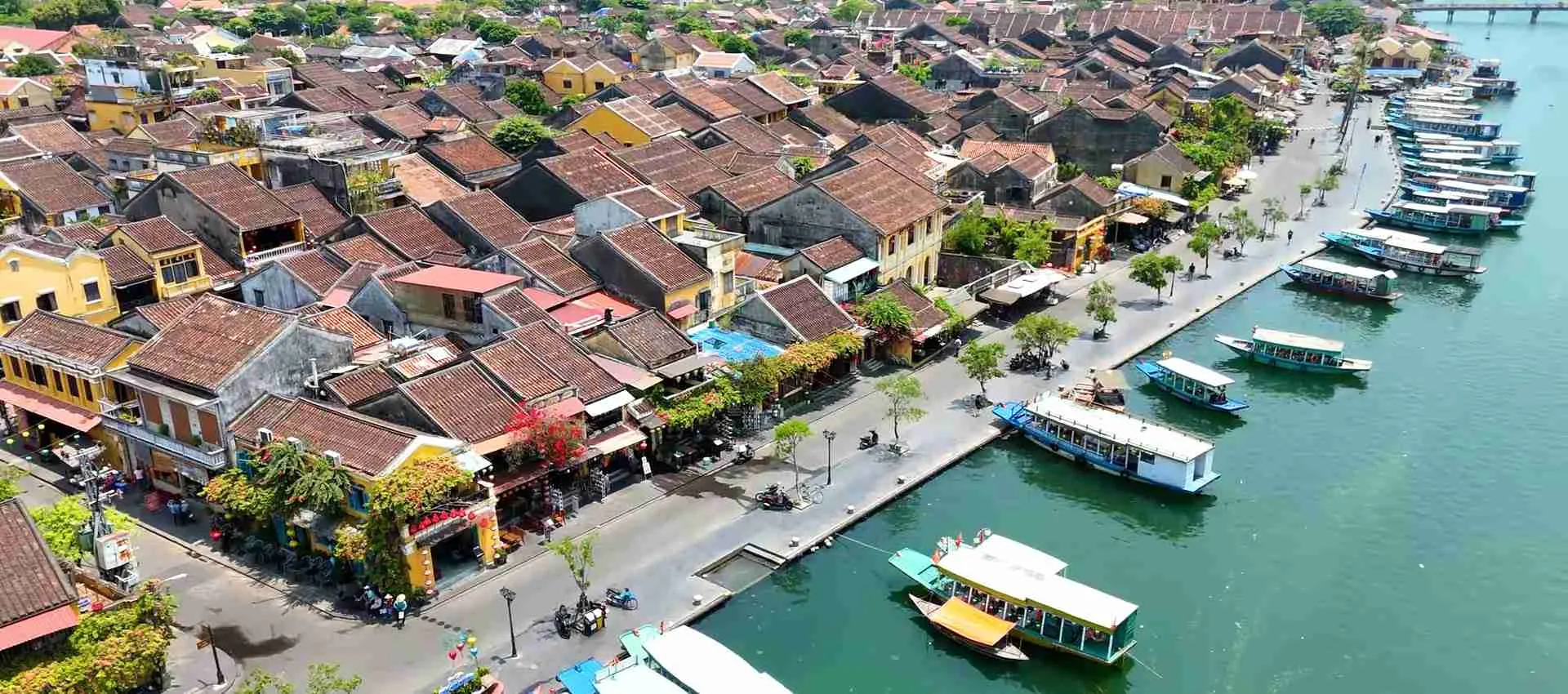
Hoi An Ancient Town requires 2-3 days minimum exploring UNESCO-protected 15th-18th century trading port architecture, Japanese Covered Bridge, assembly halls, and heritage merchant houses ($4-5 entrance ticket valid for five sites selected from approved list). Evening lantern atmosphere transforms riverside creating Vietnam’s most photographed scenes, with tailor shops producing custom clothing ($40-200 suits and dresses) and cooking classes ($25-40) adding experiential depth beyond sightseeing. An Bang or Cua Dai beaches 5km from Ancient Town provide coastal relaxation balancing cultural immersion.
Hue Imperial City allocates full day exploring UNESCO-protected Nguyen Dynasty capital featuring citadel walls, Forbidden Purple City palace complex, royal tombs, and Thien Mu Pagoda ($5-10 entrance covering main sites). The city operates as convenient base for DMZ (Demilitarized Zone) tours ($25-45) visiting Vietnam War sites including Vinh Moc Tunnels, Khe Sanh Combat Base, and Hien Luong Bridge, though many travelers skip Hue entirely favoring extended Hoi An time and Da Nang beach relaxation.
Da Nang positions as beach alternative to Hoi An with modern city infrastructure, My Khe Beach offering swimming and water sports, Marble Mountains limestone peaks with cave temples ($2-3 entrance), and Dragon Bridge’s weekend evening fire-breathing shows (free viewing from riverbanks). The city functions primarily as convenient airport (Da Nang International) accessing Hoi An 30km south, with 1-2 day allocations sufficient for travelers prioritizing beach time over urban exploration.
Southern Vietnam Essential Destinations 2026
Ho Chi Minh City demands 2-3 days covering War Remnants Museum ($2-3), Reunification Palace ($2-3), Ben Thanh Market (free), Notre Dame Cathedral exterior and Central Post Office (free), plus Cu Chi Tunnels half-day tour ($15-25) exploring Vietnam War underground network. The metropolis serves dual functions as destination worth extended engagement and transportation hub organizing southern routing through Tan Son Nhat Airport and bus terminal departures to Mekong Delta and coastal areas.
Mekong Delta optimal experience requires 2-day 1-night Can Tho tours ($104-155 per person including transport, accommodation, meals, and floating market boat rides) allowing early morning Cai Rang Floating Market visits when trading peaks 6:00-8:00 AM. Day trips from HCMC ($25-56) provide delta introduction but sacrifice depth for convenience, with overnight stays delivering village homestay immersion and relaxed evening boat rides through narrow canals impossible within day-trip time constraints requiring afternoon returns.
Phu Quoc beach paradise allocates 3-5 days minimum with flights from HCMC ($25-96 one-way, 1 hour) accessing Vietnam’s premier island destination. White sand beaches, clear waters, snorkeling/diving excursions ($35-100), and island exploration via motorbike rental ($8-12 daily) fill days, with accommodation ranging budget guesthouses ($15-35) to luxury resorts ($120-300+). Alternative beach destinations include Mui Ne (4 hours overland from HCMC, budget-friendly at $10-90 accommodation), Con Dao archipelago (pristine national park, premium pricing $80-400 accommodation), and Vung Tau (quick 2-hour escape from HCMC, $15-120 accommodation).
Sample Vietnam Itineraries 2026
These detailed sample itineraries demonstrate practical Vietnam routing for different time allocations and regional priorities, with specific daily costs, transportation logistics, and activity sequencing creating actionable templates adaptable to personal interests and budgets.
Two-Week Northern Focus Itinerary 2026
Days 1-3 Hanoi: Arrive Noi Bai Airport, transfer to Old Quarter accommodation ($8-12 Grab), explore Hoan Kiem Lake and Ngoc Son Temple ($1), evening water puppet show ($5-10). Day 2 covers Temple of Literature ($2-3), Ho Chi Minh Mausoleum complex (free), Museum of Ethnology ($2-3). Day 3 food walking tour ($15-30) or cooking class ($20-40), French Quarter exploration, Hanoi Opera House exterior. Daily costs: Budget $70-140 (hostel $15-36, street food $24-45, attractions $8-16, transport $8-15), Mid-range $180-360 (hotel $90-210, restaurants $54-105, tours $15-40, transport $20-35).
Days 4-5 Halong Bay: Morning shuttle to Halong Bay (included in cruise package or $20-40 extra), 2D1N cruise ($100-400 depending on quality tier) including all meals, kayaking, cave visits, swimming. Return Hanoi afternoon Day 5. Costs covered within cruise package pricing.
Days 6-8 Sapa: Morning train to Lao Cai ($20-35, 8 hours overnight), transfer to Sapa town ($3-5, 1 hour), 2-day 1-night homestay trek ($50-100 including guide, accommodation, meals) through hill tribe villages and rice terraces. Day 8 return to Hanoi via overnight train. Daily costs: Budget $40-80 (trek package $50-100 covers most expenses, town meals $8-15 if not trekking), Mid-range covered within organized trek packages $80-150.
Days 9-11 Hanoi: Additional Hanoi exploration, day trips to Ninh Binh ($25-40 organized tours) or extended rest before departure Day 12. Daily costs: Budget $70-140, Mid-range $180-360 matching Days 1-3 allocation.
Two-week total: Budget $1,120-1,960 ($80-140 daily), Mid-range $2,520-4,200 ($180-300 daily) including all accommodation, meals, transport, cruises, tours, and activities excluding international flights.
Two-Week Central-Southern Combination 2026
Days 1-2 Ho Chi Minh City: War Remnants Museum, Reunification Palace, Ben Thanh Market, Cu Chi Tunnels optional half-day tour. Daily costs: Budget $60-120, Mid-range $160-300.
Days 3-4 Mekong Delta: Join 2D1N Can Tho tour ($104-155) or travel independently via bus ($8-12), explore Cai Rang Floating Market and villages. Costs covered in tour package or independent budget $70-140.
Day 5 Travel Day: Fly HCMC to Da Nang ($35-85, 1 hour 20 minutes), transfer to Hoi An ($15-25 taxi, 45 minutes). Costs: Budget $50-100 (flight, transport, minimal activities), Mid-range $80-150.
Days 6-8 Hoi An: Ancient Town exploration, beach days at An Bang, optional My Son ruins day trip ($15-30), cooking class ($25-40), tailor visits. Daily costs: Budget $60-120, Mid-range $160-300.
Day 9 Travel Day: Fly Da Nang to Phu Quoc ($40-80, 1 hour 30 minutes), transfer to Long Beach ($15-25). Costs: Budget $60-110, Mid-range $100-180.
Days 10-13 Phu Quoc: Beach relaxation, snorkeling tour ($35-55), island exploration, seafood dinners. Daily costs: Budget $70-140, Mid-range $180-320.
Day 14 Departure: Morning beach, afternoon flight to HCMC ($25-96) for international connection. Costs minimal $30-60.
Two-week total: Budget $1,134-2,054 ($81-147 daily), Mid-range $2,464-4,410 ($176-315 daily).
Frequently Asked Questions Vietnam Travel 2026
What Vaccinations Do I Need for Vietnam Travel in 2026?
Vietnam entry requires no mandatory vaccinations for most international travelers, though CDC recommendations include routine vaccines (measles-mumps-rubella, diphtheria-tetanus-pertussis, chickenpox) current before travel, plus Hepatitis A and Typhoid for food and water exposure risks. Hepatitis B suits travelers anticipating medical procedures, tattoos, or extended stays, while Japanese Encephalitis applies primarily to rural extended stays during monsoon season rather than brief tourist itineraries focusing urban areas and beach resorts.
Malaria risk remains minimal in Vietnam’s tourist destinations including Hanoi, Halong Bay, Hoi An, Da Nang, and Ho Chi Minh City, with anti-malarial prophylaxis unnecessary for standard itineraries. Dengue fever presents greater urban concern transmitted by daytime-biting mosquitoes, prevented through DEET repellent application (30%+ concentration), long-sleeve clothing during dawn/dusk high-activity periods, and accommodation with screens or air conditioning limiting mosquito exposure. Consult travel medicine specialists 4-8 weeks before departure for personalized vaccination recommendations based on specific itinerary details.
Can I Use Credit Cards in Vietnam in 2026?
Credit cards see limited acceptance outside upscale hotels, international restaurants, and organized tour bookings, with 3-4% surcharges common even at accepting vendors. Cash remains essential for street food, local restaurants, buses, guesthouses, and attraction entrances, requiring ATM withdrawals or currency exchange providing adequate dong for daily expenses. Visa and Mastercard operate more widely than American Express or Discover, though even Visa/Mastercard acceptance proves inconsistent at mid-range establishments.
Carry emergency USD $100-200 as backup for ATM malfunctions or network outages, convertible at hotels or money changers when necessary. Notify credit card companies of Vietnam travel dates preventing fraud-prevention blocks when overseas charges appear, and record card customer service numbers accessible if cards get lost or stolen requiring immediate cancellation. Travel credit cards offering no foreign transaction fees (typically 3% on standard cards) provide additional savings on legitimate credit purchases when vendors accept card payment.
What Should I Wear in Vietnam Temples and Pagodas in 2026?
Temple and pagoda visits require modest dress covering shoulders and knees, though enforcement varies with stricter requirements at major religious sites (Ho Chi Minh Mausoleum, Hue Imperial Citadel, One Pillar Pagoda) versus neighborhood pagodas. Carry lightweight long pants, wrap skirt, or sarong for temple visits while wearing shorts during other activities, or accept occasional entrance denial when attire conflicts with requirements. Shoes removal applies at most temples and pagodas, with designated shoe storage areas near entrances requiring barefoot or sock-covered entry into prayer halls.
Women should avoid sleeveless tops, short shorts, or revealing clothing at religious sites, while men similarly maintain shoulder and knee coverage. Beachwear proves entirely inappropriate for temple visits despite tropical heat, though breathable long pants and loose long-sleeve shirts provide modesty without overheating in Vietnamese climate. Some major sites provide rental sarongs or wraps for improperly dressed visitors at nominal fees ($0.50-1), though carrying appropriate clothing eliminates rental hassle and ensures unrestricted access.
How Do I Cross Streets Safely in Vietnamese Cities in 2026?
Vietnamese street crossing requires confidence and constant movement rather than waiting for traffic gaps, as motorbike flows never completely stop. Walk at steady pace without sudden movements or stopping mid-street, allowing motorbike drivers to adjust paths around pedestrians maintaining predictable trajectories. Make eye contact with approaching drivers establishing mutual awareness, raise hand signaling crossing intention, and proceed steadily across street avoiding running or hesitating that disrupts driver expectations.
Cross at marked crosswalks when available though Vietnamese drivers rarely yield for pedestrian right-of-way, making crosswalks safer through traffic light timing rather than driver deference. Join groups of locals crossing together creating larger visible mass that drivers acknowledge more readily than solo pedestrians, or follow Vietnamese pedestrians mimicking their timing and route selection through traffic. Traffic intensity peaks 7:00-9:00 AM and 5:00-7:00 PM weekdays creating maximum crossing challenges, with late morning and early afternoon offering calmer conditions for anxious pedestrians adapting to Vietnamese traffic patterns.
Can I Drink Alcohol in Vietnam and What Are Local Customs in 2026?
Alcohol consumption operates legally throughout Vietnam with beer (bia) and rice wine widely available at restaurants, bars, and street vendors. Bia hoi (fresh beer brewed daily, $0.30-0.50 per glass) represents quintessential Vietnamese drinking culture served at street-side stalls where locals gather afternoons and evenings, while bottled beer costs $1-2.50 at restaurants and bars. Toasting customs involve group “mot hai ba, yo!” (one two three, cheers!) with all participants making eye contact before drinking, representing friendly social bonding rather than formal etiquette requiring strict adherence.
Public intoxication generally tolerated in tourist areas though excessive drunkenness drawing police attention risks fines or overnight detention for disorderly conduct. Vietnamese drinking culture emphasizes social bonding over individual consumption, with shared beer towers and toast rounds creating group participation rather than solo drinking common in Western bar culture. Women drinking alcohol faces no cultural prohibition though Vietnamese women generally consume less than men, with solo female travelers experiencing no harassment at bars beyond normal friendly conversation attempts.
What Souvenirs Should I Buy in Vietnam in 2026?
Vietnamese coffee (both ground coffee and instant packets, $3-8 per 250g) represents authentic souvenir reflecting national coffee culture, with brands including Trung Nguyen, Highlands, and specialty roasters offering varieties from robusta to arabica and weasel coffee (ca phe chon). Silk products including scarves ($8-20), clothing ($15-40), and decorative items showcase Vietnamese textile traditions, though quality varies dramatically requiring careful vendor selection and haggling reducing initial quotes 30-50%.
Lacquerware boxes, bowls, and decorative items ($10-80 depending on size and intricacy) demonstrate traditional Vietnamese craftsmanship, with Hanoi’s Old Quarter and HCMC’s Ben Thanh Market offering widest selection. Conical hats (non la, $3-8) provide iconic Vietnamese imagery though prove bulky for luggage transport, while Hoi An lanterns ($5-15 small decorative versions) capture Ancient Town atmosphere in compact portable formats. Avoid purchasing items requiring CITES permits (ivory, tortoiseshell, certain woods) or cultural artifacts potentially violating export regulations.
How Do I Handle Tipping in Vietnam in 2026?
Vietnamese culture traditionally doesn’t expect tipping, though growing international tourism influence creates gradual tip appreciation in tourist-heavy sectors. Restaurants occasionally include 5-10% service charges on bills (verify before adding additional gratuity), with rounding up to nearest 10,000-20,000 VND ($0.40-0.80) or leaving 20,000-50,000 VND ($0.80-2) appropriate for good service at mid-range establishments. Street food vendors never expect tips with exact payment representing standard practice.
Tour guides appreciate tips recognizing exceptional service, with $3-5 per person daily representing generous amounts for full-day tours or overnight packages. Halong Bay cruise staff, Sapa trekking guides, and Mekong Delta tour leaders benefit from collective tip boxes where contributions distributed among team members. Spa treatments and massage services warrant 10-20% gratuities ($3-10 depending on service length and quality) following Western conventions in upscale establishments, though budget massage shops ($5-8 per hour) operate without tip expectations.
Is Vietnam Wheelchair Accessible in 2026?
Vietnam presents significant accessibility challenges for wheelchair users and travelers with limited mobility, with uneven sidewalks, stairs without ramps, narrow Old Quarter streets, and limited elevator availability in budget and mid-range accommodation. Major international hotels and luxury resorts provide accessible rooms and facilities, while museums and government buildings increasingly install ramps and elevators meeting basic accessibility standards, though enforcement proves inconsistent.
Halong Bay cruises pose particular challenges with steep gangways between boats and docks, narrow ship corridors, and stairways accessing different decks without elevator alternatives. Some premium cruises accommodate wheelchair users through crew assistance and ground-floor cabin assignments, requiring advance notification and confirmation of specific accessibility provisions before booking. Temple and pagoda visits involve stairs, uneven stone pathways, and threshold steps creating barriers for wheelchair access, though major sites including Ho Chi Minh Mausoleum and Temple of Literature provide some accessible routes to primary viewing areas.
Can I Extend My Vietnam Trip or Change Flights Easily in 2026?
Vietnamese e-visas issued for 30-day single entry allow extension applications through immigration offices in major cities or travel agencies handling extension paperwork, costing $30-60 depending on duration with 4-7 business day processing requiring passport surrender. Alternative visa run involves exiting Vietnam to Cambodia, Thailand, or Laos for 24+ hours before reentering on fresh 30-day visa, practical for travelers already planning regional multi-country trips but expensive ($50-100 transport costs plus new visa fees) specifically for extension purposes.
Flight changes incur fees averaging $50-150 depending on airline and fare class, with budget carriers like VietJet charging higher penalties than full-service Vietnam Airlines. Consider rebooking entirely new flights if change fees approach new ticket costs, comparing total expense of modification versus fresh purchase. Many budget carrier tickets operate as “non-refundable, non-changeable” requiring complete forfeit if travel dates shift, while flexible fare classes cost 20-40% more upfront but provide change flexibility justifying premium for uncertain travel plans.
What Apps Should I Download for Vietnam Travel in 2026?
Grab ride-hailing app operates as essential Vietnam transportation tool providing transparent pricing, cashless payment, and English interface for taxi and motorbike taxi booking throughout major cities. Download before arrival, add international credit card, and use for all urban transportation eliminating traditional taxi meter concerns and negotiation challenges. Google Translate with Vietnamese offline language package enables camera translation of menus and signs plus voice translation for basic conversations, essential for communication in areas lacking English-speaking tourism workers.
Google Maps offline area downloads provide navigation without data connectivity, covering Hanoi Old Quarter, Hoi An Ancient Town, and other walkable destinations during cellular network gaps. XE Currency app displays real-time exchange rates helping verify dong-to-dollar conversions preventing vendor overcharging, while Trail Wallet or similar budget tracking apps monitor daily spending against planned budgets identifying cost overruns requiring adjustment. Vietnam Airlines and VietJet Air official apps enable mobile check-in, boarding pass access, and flight status monitoring essential for domestic travel coordination.