
Vietnam UNESCO World Heritage Sites: Complete Guide
Vietnam protects 8 UNESCO World Heritage Sites spanning ancient imperial capitals from the Nguyen Dynasty, limestone karst seascapes containing the world’s largest cave, trading port architecture blending Chinese-Japanese-European influences, and Champa Hindu temple complexes, distributed across northern and central regions from Hanoi’s Thang Long Citadel to Hue’s royal monuments, representing over 1,000 years of Vietnamese civilization alongside extraordinary geological formations recognized for global Outstanding Universal Value under UNESCO criteria covering cultural significance, natural beauty, and biodiversity.
Key Takeaways: Vietnam UNESCO Heritage
- Total UNESCO Sites: Vietnam contains 8 World Heritage Sites including 5 cultural properties (Hue Complex, Hoi An, My Son, Thang Long Citadel, Ho Dynasty Citadel), 2 natural properties (Ha Long Bay-Cat Ba Archipelago, Phong Nha-Ke Bang), and 1 mixed cultural-natural property (Trang An Landscape Complex)
- Geographic Distribution: All 8 sites concentrate in northern and central Vietnam from Hanoi southward to Quang Nam Province, with no UNESCO-recognized sites in southern Vietnam though Cat Tien National Park and Oc Eo ruins remain on tentative list
- First Recognition: Complex of Hue Monuments became Vietnam’s inaugural UNESCO site in 1993, followed by Ha Long Bay (1994), dual Quang Nam inscriptions Hoi An and My Son (1999), and most recent Trang An Landscape Complex (2014)
- Visitor Accessibility: Six sites accommodate independent budget travelers through public transportation and walking access (Hue, Hoi An, My Son, Thang Long Citadel, Ho Dynasty Citadel, Trang An), while two require organized tours or private transportation (Ha Long Bay cruises, Phong Nha-Ke Bang cave expeditions)
- Entrance Fees Range: Cultural sites charge modest admissions from free (Thang Long Citadel certain areas) to $8 (Hue Imperial City complex), natural sites require higher fees $8-12 (Trang An boat tours, My Son with performance), while Ha Long Bay cruises cost $100-150 and Phong Nha cave tours $15-35
- Optimal Visiting Route: Hanoi (Thang Long Citadel) → Ha Long Bay → Ninh Binh (Trang An) → Thanh Hoa (Ho Dynasty Citadel) → Phong Nha-Ke Bang → Hue (Complex of Monuments) → Hoi An → My Son creates efficient north-south progression along Reunification Railway and Highway 1A corridor
People Also Ask About Vietnam UNESCO Sites
How many UNESCO World Heritage Sites does Vietnam have?
Vietnam possesses 8 UNESCO World Heritage Sites comprising 5 cultural properties, 2 natural properties, and 1 mixed cultural-natural property as recognized by UNESCO World Heritage Committee. The cultural sites include Complex of Hue Monuments (1993), Hoi An Ancient Town (1999), My Son Sanctuary (1999), Central Sector of Imperial Citadel of Thang Long (2010), and Citadel of the Ho Dynasty (2011). Natural sites encompass Ha Long Bay-Cat Ba Archipelago (originally inscribed 1994, extended 2023) and Phong Nha-Ke Bang National Park (2003, expanded 2015). Trang An Landscape Complex (2014) holds distinction as Vietnam’s sole mixed heritage site combining both cultural and natural values. Vietnam ranks second in Southeast Asia for UNESCO site quantity after Indonesia’s 10 properties, demonstrating Vietnamese government commitment to heritage preservation and international recognition of the nation’s diverse cultural-natural legacy spanning royal dynasties, maritime trade history, religious architecture, and geological formations.
What is the oldest UNESCO site in Vietnam?
The Complex of Hue Monuments achieved UNESCO World Heritage status first in 1993, making it Vietnam’s oldest inscribed property and pioneering recognition for Vietnamese heritage on the global stage. Hue’s inscription occurred at the 17th session of the World Heritage Committee in Cartagena, Colombia, acknowledging the site’s Outstanding Universal Value as exemplary feudal capital representing Nguyen Dynasty (1802-1945) imperial power through integrated architectural complex of citadel, imperial city, forbidden purple city, and royal tombs distributed along Perfume River. However, the physical structures themselves at multiple Vietnam UNESCO sites considerably predate Hue’s 19th-century monuments, with My Son Sanctuary containing Hindu temples from 4th-13th centuries Champa Kingdom, Thang Long Citadel archaeological layers revealing occupation from 7th century Chinese administration through 20th century Vietnamese independence, and geological formations at Ha Long Bay and Phong Nha-Ke Bang representing 400 million years of karst evolution. UNESCO inscription chronology differs from historical site age, as the 1993 Hue recognition initiated Vietnam’s World Heritage program leading to subsequent nominations of older cultural properties and ancient natural landscapes.
Which Vietnam UNESCO site is most visited?
Ha Long Bay-Cat Ba Archipelago receives highest annual visitation among Vietnam’s 8 UNESCO sites with approximately 4-5 million visitors exploring the limestone karst seascape through overnight cruises, day tours, and kayaking expeditions. Ha Long Bay’s accessibility from Hanoi (170km, 2.5-3 hour drive), iconic photography appearing in global tourism marketing, and diverse budget accommodation options from $100 cruises to $400 luxury vessels attract mass international tourism alongside Vietnamese domestic travelers. Hoi An Ancient Town ranks second for UNESCO site visitation with 3-4 million annual arrivals drawn by preserved 17th-18th century trading port architecture, pedestrian-friendly ancient streets, renowned tailoring industry, and nearby An Bang Beach access. The Complex of Hue Monuments welcomes 2-3 million visitors exploring Imperial City, royal tombs, and Perfume River pagodas, while remaining sites experience moderate tourism: Trang An (1-2 million boat tour participants), Phong Nha-Ke Bang (500,000-800,000 cave explorers), My Son (400,000-600,000), Thang Long Citadel (300,000-500,000), and Ho Dynasty Citadel (under 100,000 due to remote Thanh Hoa location). Visitation patterns reflect tourist infrastructure development, proximity to international airports and major cities, marketing investment, and site accessibility through public versus organized private transportation.
Can you visit all Vietnam UNESCO sites independently?
Six of Vietnam’s 8 UNESCO sites permit complete independent exploration using public transportation, walking, and self-guided touring without mandatory organized tours or guides. Hoi An Ancient Town, Complex of Hue Monuments, My Son Sanctuary, Central Sector of Imperial Citadel of Thang Long, Citadel of the Ho Dynasty, and Trang An Landscape Complex all accommodate solo travelers through bus connections, bicycle rental, entrance ticket purchase, and self-navigation using maps and English signage. Ha Long Bay-Cat Ba Archipelago requires organized cruise booking (2-day/1-night minimum for proper bay exploration) as independent boat rental proves impractical and unsafe for overnight anchoring among karst islands, though some travelers join budget shared cruises versus private charters. Phong Nha-Ke Bang National Park cave system necessitates tour operators for Paradise Cave, Dark Cave, and especially Son Doong Cave (world’s largest) due to safety equipment requirements, trained guides for underground navigation, and permit restrictions on daily visitor numbers protecting fragile cave ecosystems. Independent travelers accessing Phong Nha-Ke Bang can self-arrange transportation to park entrance and book cave tours locally through Oxalis Adventure or Phong Nha Discovery tour companies, while truly independent explorers hike national park trails and swim Son River without guides. Overall accessibility favors budget independent travel to cultural sites clustered along central Vietnam coast, while natural sites require varying degrees of organized tour participation balancing visitor safety, environmental protection, and tourism revenue generation.
Extended multi-day tours – 5+ days
Featured Vietnam Multi-Day Tour Packages
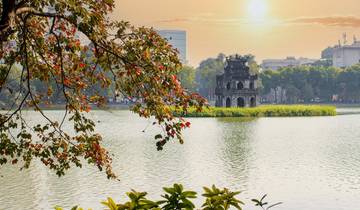
11 days
Astonishing Vietnam In 11 Days
- ✓ Comprehensive Vietnam tour
- ✓ Expert local guides included
- ✓ All accommodation arranged
- ✓ Transportation provided
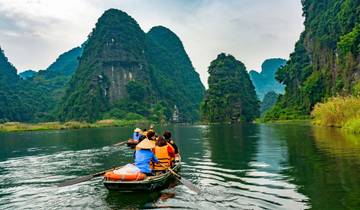
10 days
Ultimate 10-Day Vietnam Discovery: Ho Chi Minh, Hanoi Culture, Nature & Heritage
- ✓ Comprehensive Vietnam tour
- ✓ Expert local guides included
- ✓ All accommodation arranged
- ✓ Transportation provided

14 days
Best Of Vietnam In 14 Days
- ✓ Comprehensive Vietnam tour
- ✓ Expert local guides included
- ✓ All accommodation arranged
- ✓ Transportation provided
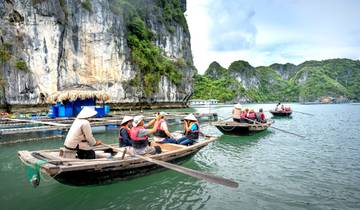
7 days
7-Day Vietnam Discovery Tour Across Three Regions – Ho Chi Minh City, Da Nang & Hanoi | Up Travel Vietnam
- ✓ Comprehensive Vietnam tour
- ✓ Expert local guides included
- ✓ All accommodation arranged
- ✓ Transportation provided
Multi-day tour packages powered by TourRadar. Prices and availability subject to change.
Complete List of Vietnam UNESCO World Heritage Sites
Vietnam’s 8 UNESCO properties distribute geographically across northern and central regions, chronologically spanning from 4th century Champa religious architecture through 20th century Vietnamese political centers, and typologically representing cultural, natural, and mixed heritage categories recognized for Outstanding Universal Value to humanity.
Complex of Hue Monuments (1993 – Cultural)
The Complex of Hue Monuments encompasses architectural ensemble of citadel, imperial city, forbidden purple city, and royal tombs constructed by Nguyen Dynasty emperors from 1802-1945 along Perfume River in Thua Thien-Hue Province, representing Vietnam’s final feudal capital and exemplary integration of Vietnamese imperial planning with Chinese feng shui principles and French colonial influences. The 500-hectare property includes Imperial City complex featuring Ngo Mon Gate, Thai Hoa Palace throne hall, and extensive courtyards surrounded by 10-kilometer fortification walls and moat, Forbidden Purple City residential quarters for royal family (heavily damaged during 1968 Tet Offensive, currently under restoration), and seven elaborate royal tombs scattered in countryside including Minh Mang, Tu Duc, and Khai Dinh mausoleums combining Vietnamese and European architectural elements. Thien Mu Pagoda’s seven-story octagonal tower overlooks Perfume River from hillside location, while numerous temples, libraries, and pavilions demonstrate Nguyen Dynasty cultural refinement and artistic achievement during 143-year reign.
UNESCO inscription recognized Hue monuments under cultural criteria (iii) and (iv) for exceptional testimony to Vietnamese civilization during crucial historical period and outstanding example of Eastern feudal capital architecture demonstrating harmonic relationship between constructed imperial city and natural landscape features including Perfume River, mountains, and traditional geomantic principles. Preservation challenges include war damage requiring ongoing restoration using traditional techniques and materials, monsoon climate causing structural deterioration, tourism pressure on fragile historical buildings, and urban development encroaching buffer zones surrounding monuments. Vietnam government allocated significant funding for Hue monument conservation coordinated through UNESCO technical assistance, with major restoration projects completing Thai Hoa Palace roof repairs, Ngo Mon Gate structural stabilization, and Forbidden Purple City archaeological excavation revealing original foundation layouts. Visitors exploring Complex of Hue Monuments typically spend full day examining Imperial City (entrance fee $8), supplemented by afternoon bicycle tour visiting two royal tombs ($2-4 each) located 5-10 kilometers from city center, or multi-day itineraries incorporating Perfume River boat tours, Thien Mu Pagoda, and cycling through rice paddies connecting imperial architecture with rural Vietnamese landscapes.
Ha Long Bay-Cat Ba Archipelago (1994, 2000, Extended 2023 – Natural)
Ha Long Bay-Cat Ba Archipelago comprises 1,133 limestone islands and islets covering 65,650 hectares across Quang Ninh Province and Hai Phong City, forming world’s most extensive marine-invaded tower karst landscape characterized by vertical limestone pillars rising directly from emerald waters creating spectacular seascape sculpted through 400 million years of geological evolution and 20 million years of coastal erosion. The property encompasses original 43,400-hectare Ha Long Bay World Heritage Site inscribed 1994 plus Cat Ba Archipelago extension approved 2023, including Cat Ba National Park tropical rainforest ecosystems, limestone cave systems containing Sung Sot Cave (Surprise Cave) with massive stalagmite-stalactite formations, and floating fishing villages like Cua Van where Vietnamese communities maintain traditional maritime livelihoods among karst peaks. Biodiversity significance includes 7 distinct marine-terrestrial ecosystems supporting endangered species including Cat Ba langur (world’s most critically endangered primate with fewer than 70 individuals), coral reefs, mangrove forests, and seagrass beds providing marine nursery habitat.
UNESCO originally inscribed Ha Long Bay in 1994 under natural criterion (vii) for superlative natural phenomena and exceptional natural beauty, expanded recognition in 2000 under criterion (viii) for outstanding geological features and geomorphological processes, and added criteria (ix) and (x) during 2023 extension acknowledging ongoing ecological processes and biodiversity conservation importance. The 2023 Cat Ba integration created Vietnam’s first trans-provincial UNESCO property managed jointly by Quang Ninh Province (Ha Long Bay) and Hai Phong City (Cat Ba Archipelago), requiring coordinated conservation policies, integrated tourism management, and collaborative environmental protection programs. Conservation challenges threatening Outstanding Universal Value include mass tourism bringing 4-5 million annual visitors creating waste management problems and marine pollution, coal mining operations in surrounding buffer zones (gradually phasing out by 2028), construction of new infrastructure potentially impacting viewsheds, and climate change effects including sea level rise and extreme weather events. Visitors experience Ha Long Bay through overnight cruise tours (2-day/1-night $100-150 budget options, 3-day/2-night $200-400 luxury vessels) departing Tuan Chau Island or Got Harbor, including kayaking Luon Cave, swimming at Titov Island beach, cave exploration, sunrise tai chi sessions, and cooking demonstrations aboard traditional wooden junks navigating among limestone karsts.
Hoi An Ancient Town (1999 – Cultural)
Hoi An Ancient Town preserves exceptionally well-maintained 17th-18th century Southeast Asian trading port architecture within compact 30-hectare historic quarter along Thu Bon River in Quang Nam Province, reflecting cultural-commercial fusion of indigenous Vietnamese, Chinese, Japanese, and European influences through 844 officially recognized heritage structures including merchant houses, assembly halls, religious temples, commercial buildings, and iconic Japanese Covered Bridge spanning canal separating Chinese and Japanese quarters. The town functioned as major international port from 15th-19th centuries connecting Chinese silk and ceramics trade, Japanese silver and copper commerce, European spices and textiles exchange, and Southeast Asian goods distribution, creating multicultural community whose architectural legacy survives through timber-frame houses featuring Chinese shop-house designs, Japanese roof tiles, Vietnamese tube-house layouts, and French colonial balconies. Phuc Kien Assembly Hall, Tan Ky House, Quan Cong Temple, and Museum of Trade Ceramics exemplify architectural diversity and cultural blending unique to Hoi An’s maritime commercial heritage.
UNESCO recognized Hoi An under cultural criteria (ii) and (v) for exceptional example of cultural exchange and interchange reflected in architecture and urban layout, and outstanding example of traditional trading port demonstrating evolution of Southeast Asian commerce from 15th-19th centuries subsequently declining as Thu Bon River silted preventing large vessel access and regional trade shifted to Da Nang harbor. The remarkably intact historic townscape survived Vietnam War destruction (unlike many Vietnamese cities) through geographic isolation and economic stagnation paradoxically preserving 17th-18th century street patterns, building facades, and commercial structures without modern development pressure. Conservation success balances residential community needs (approximately 80,000 inhabitants including 2,000 in core heritage zone) with tourism industry generating primary local income ($5 entrance ticket provides access to five heritage buildings from selection of 22 protected structures), while managing challenges of flooding during monsoon seasons, building deterioration from age and humidity, inappropriate modern modifications, and tourist commercialization threatening authentic character. Visitors exploring Hoi An Ancient Town experience pedestrian-friendly streets closed to vehicles 9:00 AM-11:00 AM and 3:00 PM-9:30 PM, bicycle or walking tours examining heritage buildings, shopping tailoring services producing custom clothing 24-hour turnaround, and evening lantern festivals transforming riverside promenade into illuminated celebration of traditional Vietnamese culture.
My Son Sanctuary (1999 – Cultural)
My Son Sanctuary contains largest Hindu temple complex in Vietnam comprising over 70 structures built between 4th-13th centuries serving as religious and political capital of Champa Kingdom that ruled central-southern Vietnam during medieval period, located in jungle valley surrounded by mountains 40 kilometers southwest of Hoi An in Quang Nam Province. The brick and sandstone towers demonstrate sophisticated Champa architectural techniques constructing elaborate religious buildings without mortar, decorated with intricate carvings depicting Hindu deities Shiva, Vishnu, and Brahma, dancing apsaras, mythological scenes, and Sanskrit inscriptions documenting Champa history and religious practices. My Son functioned as sacred site for Champa royalty conducting coronation ceremonies, burial rites, and religious festivals honoring ancestors and Hindu gods, comparable in Southeast Asian context to Angkor Wat (Cambodia), Ayutthaya (Thailand), and Bagan (Myanmar) as major pre-modern religious-political center.
UNESCO inscription recognized My Son under cultural criteria (ii) and (iii) for exceptional interchange of human values in architecture and sculpture influenced by Indian Hindu civilization adapted to Southeast Asian context, and unique testimony to Champa cultural tradition now vanished following Vietnamese conquest of Champa Kingdom in 15th century. The sanctuary suffered extensive damage during Vietnam War when American forces bombed My Son suspecting Viet Cong activity, destroying approximately 60% of original 70 temple structures including most elaborate buildings, leaving ruins requiring significant archaeological reconstruction and conservation efforts. Current restoration projects utilize traditional Champa brick-making techniques, structural stabilization preventing collapse of damaged towers, documentation of surviving carvings and inscriptions, and controlled vegetation management balancing jungle atmosphere tourists appreciate with plant root damage to ancient masonry. Visitors exploring My Son Sanctuary typically spend 2-3 hours examining temple groups labeled A, B, C, D through alphabetical classification system, observing 10:00 AM and 2:30 PM traditional Cham dance performances (included in $6 entrance fee), and learning about Champa civilization through small on-site museum displaying recovered sculptures and architectural fragments from destroyed temples.
Phong Nha-Ke Bang National Park (2003, Extended 2015 – Natural)
Phong Nha-Ke Bang National Park protects 123,326 hectares of limestone karst landscape containing world’s most extensive cave systems including 300+ caves totaling over 126 kilometers of underground passages, located in Quang Binh Province along Vietnam-Laos border in Truong Son Mountain Range. The property encompasses Son Doong Cave (discovered 2009, world’s largest cave measuring 200 meters high, 150 meters wide, containing underground river, jungle ecosystem, and unique calcite formations), Paradise Cave (31-kilometer dry cave with spectacular stalactites and stalagmites), Phong Nha Cave (7,729-meter river cave accessed by boat), and Dark Cave (offering adventure tourism activities including zipline entrance, mud bathing, and swimming). Geological significance derives from 400-million-year-old karst formation representing oldest karst mountains in Asia, demonstrating extensive tectonic processes, underground drainage systems, and ongoing speleological development creating new cave formations. Biodiversity includes 800 vertebrate species (113 mammals including tigers and Asian elephants, 259 birds, 117 reptiles-amphibians, 311 butterflies), 300 fish species, and extensive tropical evergreen forests covering 95% of national park area.
UNESCO originally inscribed Phong Nha-Ke Bang in 2003 under natural criteria (viii) recognizing outstanding geological features, expanding recognition in 2015 under criteria (ix) and (x) acknowledging biological diversity and important habitats for threatened species following extended property boundaries from 85,754 hectares to current 123,326 hectares incorporating additional pristine forest ecosystems and cave discoveries. The designation as UNESCO World Heritage Site transformed Phong Nha-Ke Bang from relatively unknown protected area to international tourism destination attracting 500,000-800,000 annual visitors participating in cave tours ranging from accessible Paradise Cave boardwalks ($8 entrance) to multi-day Son Doong Cave expeditions ($3,000 permits limited to 1,000 visitors annually). Conservation management balances tourism revenue supporting local communities with environmental protection preventing cave damage from excessive visitation, wildlife preservation through anti-poaching patrols, and sustainable development planning minimizing infrastructure impacts on karst ecosystems. Visitors accessing Phong Nha-Ke Bang book tours through Phong Nha town (Son River valley gateway community) offering budget hostels, tour operators, and bicycle rental for exploring national park periphery, while serious spelunkers and adventure travelers book specialized multi-day expeditions entering restricted caves requiring technical equipment, trained guides, and advance permits.
Central Sector of Imperial Citadel of Thang Long (2010 – Cultural)
The Central Sector of Imperial Citadel of Thang Long preserves archaeological and architectural remains of Vietnamese capital spanning 13 centuries from 7th-century Chinese Tang Dynasty administration through 20th-century Vietnamese independence, located in central Hanoi comprising 18,395-hectare property protecting Doan Mon Gate, Hanoi Flag Tower, Kinh Thien Palace archaeological foundations, and extensive underground bunker system from Vietnam War period. Archaeological excavations revealed stratified cultural layers documenting continuous occupation from Dai La Citadel (7th-8th centuries Chinese administration), Thang Long Imperial City (11th-18th centuries Vietnamese Ly, Tran, and Le dynasties), and French colonial military headquarters (19th-20th centuries), with artifacts including ceramics, bronze objects, architectural elements, and foundation stones illustrating evolving Vietnamese state power and cultural development. The property retains limited above-ground historic structures including imposing Hanoi Flag Tower (33.4 meters tall, constructed 1812), main Doan Mon Gate entrance (five passages denoting imperial hierarchy), and exposed archaeological ruins of Kinh Thien Palace main audience hall demonstrating traditional Vietnamese palatial architecture influenced by Chinese models.
UNESCO inscription acknowledged Thang Long Citadel under cultural criteria (ii), (iii), and (vi) for exceptional testimony to cultural exchange between China and Vietnam, unique evidence of Vietnamese civilization emerging from Chinese cultural sphere to establish independent national identity, and direct association with outstanding universal significance of Vietnamese struggle for independence and national sovereignty. The site remained restricted military area until 2004 when Vietnamese government opened citadel for archaeological research and public access, culminating in 2010 UNESCO recognition coinciding with Hanoi’s 1000th anniversary celebrations highlighting capital city’s millennial heritage. Conservation challenges include protecting exposed archaeological remains from weathering and deterioration, integrating modern museum facilities with historic setting, managing urban development pressure surrounding central Hanoi location, and presenting complex multi-period site intelligibly to general public unfamiliar with Vietnamese dynastic history. Visitors exploring Thang Long Citadel examine archaeological excavations through covered viewing platforms, climb Hanoi Flag Tower for panoramic city views, explore underground bunker complex from Vietnam War (preserved as historical layer), and visit site museum displaying recovered artifacts contextualizing 1,300 years of occupation through ceramics, architectural fragments, and multimedia presentations explaining Thang Long’s evolution from Chinese administrative center to Vietnamese imperial capital to modern national landmark.
Citadel of the Ho Dynasty (2011 – Cultural)
The Citadel of the Ho Dynasty represents exceptional 14th-century Vietnamese fortress architecture constructed 1397-1407 by Ho Quy Ly establishing short-lived Ho Dynasty capital in Thanh Hoa Province, located 150 kilometers south of Hanoi in mountainous terrain strategically positioned controlling transportation routes between northern and southern Vietnam. The citadel demonstrates revolutionary construction techniques for Southeast Asian context utilizing massive limestone blocks (some weighing 10-20 tons) fitted precisely without mortar forming 870-meter square fortification walls 4-5 meters thick and 5-6 meters high, surrounded by defensive moat and incorporating sophisticated drainage systems, palace foundations, ceremonial spaces, and administrative buildings following neo-Confucian principles and geomantic (feng shui) planning. Archaeological evidence reveals advanced urban planning including royal palace complex, residential quarters for mandarins, markets, religious structures, and defensive positions demonstrating Ho Dynasty attempt at comprehensive political-military reorganization of Vietnamese state during transitional period between Tran Dynasty decline and Le Dynasty restoration.
UNESCO recognized Ho Dynasty Citadel under cultural criterion (iv) as outstanding example of new Southeast Asian imperial city exemplifying late 14th-century political ideology, urban planning philosophy, and architectural innovation representing transition from Chinese-influenced feudal systems toward distinctly Vietnamese governance concepts. The citadel’s remarkably intact limestone walls and gates survive as rare physical evidence of Ho Dynasty (1400-1407) which ruled Vietnam briefly before Chinese Ming Dynasty invasion reinstated tributary status, making archaeological-architectural remains primary source documenting this crucial period of Vietnamese independence struggles. Conservation benefits from remote rural location limiting modern development pressure and limestone construction material’s durability resisting tropical climate deterioration, though challenges include vegetation growth causing structural damage, inadequate visitor facilities and interpretation, limited tourism awareness compared to more famous UNESCO sites, and need for enhanced archaeological investigation revealing palace layouts, residential patterns, and daily life activities within citadel walls. Visitors reaching Citadel of the Ho Dynasty typically arrange private transportation or join organized tours from Thanh Hoa city (20 kilometers distance, limited public bus service), spending 1-2 hours examining South Gate (best-preserved entrance with elaborate architectural details), North Gate, corner bastions, walking sections of fortification walls, and viewing palace foundation excavations while learning about Ho Dynasty history through small on-site museum and information panels explaining construction techniques and historical context.
Trang An Landscape Complex (2014 – Mixed)
Trang An Landscape Complex encompasses 6,172 hectares of spectacular karst landscape featuring towering limestone mountains, network of interconnected valleys, extensive cave systems, and pristine wetlands in Ninh Binh Province 100 kilometers south of Hanoi, recognized as Vietnam’s sole mixed cultural-natural World Heritage property combining geological-ecological significance with archaeological-religious cultural values. The natural component demonstrates classic tropical karst tower landscape with 600+ limestone peaks rising 200 meters above rice paddies and wetlands, containing 48 caves and grottoes formed through water erosion including 9-kilometer Toi Cave, Sang Cave with ancient human occupation evidence, and navigable waterways threading through mountains creating “inland Ha Long Bay” scenery. Cultural significance derives from archaeological evidence of human occupation spanning 30,000 years documented through excavated caves containing stone tools, pottery fragments, and burial sites, plus religious landscape of temples, pagodas, and shrines nestled among karst peaks including 11th-century Bai Dinh Pagoda complex representing Vietnamese Buddhist traditions and Hang Mua Temple offering panoramic viewpoint accessed via 500-step climb.
UNESCO inscription acknowledged Trang An under natural criteria (vii) and (viii) for superlative natural beauty of tower karst landscape and outstanding geological record of sea level changes over 200 million years, plus cultural criteria (v) for exceptional testimony to traditional Vietnamese land use adapting to dramatic karst topography through sophisticated water management and agricultural systems maintaining cultural landscape over millennia. The property functions as living cultural landscape where local communities continue rice cultivation in valleys between limestone mountains, fish farming in wetlands, and maintaining religious traditions at mountain temples, demonstrating sustainable human interaction with challenging karst environment creating harmonious integration of natural processes and cultural practices. Conservation management coordinates Ninh Binh provincial authorities, national park administration, and temple committees implementing tourism limits (maximum 7,500 daily visitors via timed boat ticket sales), environmental protection preventing water pollution affecting wetland ecosystems, and cultural preservation maintaining authentic character of religious sites while accommodating tourism infrastructure. Visitors exploring Trang An book 2-3 hour boat tours (4-person rowboats manually paddled by local guides, $8-10 per person entrance fee) navigating through 9 caves and past 3 temples, observing karst scenery, witnessing traditional Vietnamese sampan rowing techniques, and optionally climbing Hang Mua viewpoint for spectacular valley panoramas showcasing rice paddies geometric patterns among limestone peaks resembling classical Chinese landscape paintings.
Cultural Significance of Vietnam UNESCO Sites
Vietnam’s 8 UNESCO properties collectively illustrate Vietnamese civilization development from 4th century Champa Hindu kingdoms through 20th century modern nation-state formation, demonstrating cultural continuity, foreign influence adaptation, and distinctive Vietnamese identity emerging from prolonged Chinese cultural sphere domination.
Imperial Vietnamese Architecture and Feng Shui Principles
Three UNESCO sites (Hue Complex, Thang Long Citadel, Ho Dynasty Citadel) exemplify Vietnamese imperial architecture following traditional East Asian capital planning principles derived from Chinese models but adapted to Vietnamese cultural-political contexts and natural landscape features. The Complex of Hue Monuments represents culmination of Vietnamese imperial architectural tradition incorporating Forbidden City Beijing influences through axial planning, hierarchical gate systems, and ceremonial spaces, while integrating Vietnamese elements including open pavilion structures adapted to tropical climate, decorative tile roofs combining Chinese-Vietnamese motifs, and extensive garden-palace integration reflecting Vietnamese appreciation for natural landscape. Geomantic (feng shui) principles governed citadel siting and orientation, with Hue positioned along Perfume River backed by Ngu Binh Mountain creating auspicious dragon-feng configuration, while Thang Long Citadel incorporated Red River geography and Hanoi’s natural topography into defensive and ceremonial planning. Ho Dynasty Citadel demonstrates innovative adaptation using local limestone instead of traditional brick construction, creating fortress-city reflecting 14th-century military priorities while maintaining ceremonial spaces and hierarchical organization expressing Confucian political ideology.
Imperial architecture UNESCO recognition acknowledges these sites’ Outstanding Universal Value demonstrating Vietnamese synthesis of Chinese cultural influences with indigenous traditions, tropical climate adaptations, local materials utilization, and evolving political ideologies from tributary states to independent dynasties to modern national identity. The architectural evolution from Tang Dynasty administrative center (Thang Long 7th-8th centuries) through independent Vietnamese dynasties (Ly, Tran, Le 11th-18th centuries) to Nguyen Dynasty grand imperial capital (Hue 19th century) to French colonial modifications and Vietnamese War bunker additions illustrates 1,300-year architectural layering reflecting Vietnam’s complex history of foreign domination, independence struggles, cultural borrowing, and national identity assertion.
Maritime Trade and Cultural Exchange Networks
Hoi An Ancient Town exemplifies exceptional Southeast Asian trading port preserving architectural evidence of 15th-19th century global commercial networks connecting Asian, European, and American trade routes through Vietnamese intermediary role. The multicultural townscape demonstrates cultural exchange processes where Chinese merchants established assembly halls and shop-houses maintaining homeland architectural traditions, Japanese traders constructed wooden bridge and contributed carpentry techniques, European merchants introduced colonial architectural elements (balconies, shutters, building heights), and Vietnamese indigenous tube-house designs integrated foreign influences creating unique synthesis. Preservation of original timber-frame merchant houses, assembly halls dedicated to Chinese regional deity worship (Fujian, Cantonese, Hainan communities), and religious temples serving diverse populations illustrates cosmopolitan character of pre-modern Asian port cities facilitating cultural interchange alongside commercial transactions.
My Son Sanctuary provides complementary perspective on cultural exchange demonstrating Indian Hindu civilization influences on Southeast Asian religious architecture and political organization during Champa Kingdom rule of central-southern Vietnam. The temple complex architectural features including brick towers, sandstone carvings, Hindu iconography, and Sanskrit inscriptions reflect direct cultural transmission from India through maritime contacts and royal patronage of Brahmin priests advising Champa kings. Distinctive Champa architectural style evolved synthesizing Indian religious forms with Southeast Asian building techniques, local materials, and indigenous decorative motifs, creating unique cultural expression subsequently influencing neighboring kingdoms (Khmer, Thai, Lao) and demonstrating Vietnam’s historical role in broader Southeast Asian cultural sphere before Vietnamese expansion southward absorbed Champa territories into unified Vietnamese state.
Vietnamese Buddhist and Confucian Traditions
Religious landscapes at Trang An Landscape Complex, Hue Complex monuments, and Thang Long Citadel illustrate Vietnamese integration of Buddhism and Confucianism into imperial governance, popular spirituality, and cultural identity formation distinct from Chinese religious practices. Trang An temples scattered among karst mountains represent Vietnamese Buddhist tradition emphasizing harmony between human spirituality and natural landscape, with 11th-century Bai Dinh Pagoda complex demonstrating massive bronze Buddha statue construction, elaborate architectural detailing, and pilgrimage site functions attracting millions of Vietnamese Buddhist devotees alongside international tourists. Hue monuments incorporate Buddhist and Confucian elements through royal temples serving ancestor worship (Confucian filial piety), pagodas like Thien Mu becoming national symbols, and imperial tombs blending Buddhist architectural forms with Confucian ritual requirements creating syncretic religious expression supporting Nguyen Dynasty legitimacy.
The preservation of religious structures within UNESCO properties acknowledges Outstanding Universal Value of Vietnamese religious traditions adapting foreign Buddhist-Confucian ideologies to indigenous spirit worship (ancestor veneration, nature spirits, local guardian deities) creating distinctly Vietnamese religious synthesis. Contemporary religious practice continues at these sites with Buddhist monks maintaining temple communities, pilgrims conducting ceremonies, and Vietnamese cultural identity reinforced through religious heritage connecting modern citizens to thousand-year traditions of spiritual beliefs and practices embedded in national consciousness.
Natural Significance of Vietnam UNESCO Sites
Vietnam’s natural World Heritage properties (Ha Long Bay-Cat Ba Archipelago, Phong Nha-Ke Bang National Park, natural component of Trang An) demonstrate exceptional geological features and biodiversity values recognized under UNESCO natural heritage criteria.
Karst Geology and Cave Formation Processes
Three UNESCO sites contain world-class karst landscapes formed through 200-400 million years of geological processes creating limestone tower topography, extensive cave systems, and ongoing geomorphological evolution. Phong Nha-Ke Bang National Park preserves oldest karst mountains in Asia (400 million years) demonstrating complete geological record from marine sedimentation through tectonic uplift, water erosion creating underground drainage, and continuing cave formation producing spectacular stalactites, stalagmites, and unique calcite formations. Son Doong Cave’s massive dimensions (200 meters high, 150 meters wide) result from underground river erosion over millions of years collapsing cave ceilings and creating subterranean jungle ecosystems receiving sunlight through ceiling collapse openings called dolines. Ha Long Bay-Cat Ba Archipelago exemplifies marine-invaded tower karst where sea level rise inundated river valleys leaving exposed limestone peaks as isolated islands, creating globally unique seascape of 1,133 vegetated karst pillars rising from ocean demonstrating coastal erosion processes shaping tower profiles through wave action and salt weathering.
Trang An Landscape Complex represents classic fenglin karst (isolated tower formations) emerging from alluvial plains created by Red River sediment deposition, with cave systems documenting 200 million years of sea level fluctuations alternately submerging and exposing the landscape. The karst formations’ scientific significance derives from exceptional geological record providing evidence for major tectonic events (India-Asia collision creating Himalayan orogeny), paleoclimate reconstructions from cave deposits, and ongoing processes demonstrating active cave development, surface erosion patterns, and ecosystem evolution. UNESCO recognition acknowledges these karst landscapes’ Outstanding Universal Value representing superlative natural phenomena of global geological importance and exceptional beauty transcending national boundaries to constitute heritage belonging to all humanity.
Biodiversity and Endemic Species Conservation
Phong Nha-Ke Bang National Park and Cat Ba Archipelago component of Ha Long Bay UNESCO property protect critical habitat for threatened and endemic species within highly diverse tropical ecosystems. Phong Nha-Ke Bang’s 123,326 hectares support viable populations of endangered megafauna including Asian elephants, tigers, saola (critically endangered antelope discovered 1992, possibly fewer than 100 individuals), and extensive bird diversity (259 species including rare Edward’s pheasant and Annam partridge). Cave ecosystems harbor specialized troglobitic species (cave-adapted organisms) including blind fish, albino crabs, unique invertebrates evolved in total darkness, and bat colonies numbering millions providing critical ecosystem services through insect control and cave guano fertilizing underground microbial communities. Cat Ba National Park protects Cat Ba langur population (world’s most endangered primate, fewer than 70 individuals restricted to Cat Ba Archipelago) through anti-poaching enforcement, habitat restoration, and captive breeding programs attempting to prevent extinction of species found nowhere else on Earth.
Marine biodiversity at Ha Long Bay-Cat Ba includes 7 distinct ecosystems (tropical rainforest, limestone caves, mangroves, intertidal zones, coral reefs, soft-bottom communities, saltwater lakes) supporting 160 coral species, 100+ mollusk species, 200+ fish species, and seasonal marine mammal presence (dolphins, dugongs). Conservation challenges threatening biodiversity values include habitat fragmentation from tourism infrastructure development, illegal wildlife trade targeting rare species for traditional medicine markets, climate change altering temperature and rainfall patterns affecting forest and marine ecosystems, and invasive species introduction disrupting native biological communities. UNESCO World Heritage status provides international recognition supporting conservation funding, technical assistance, and monitoring systems tracking biodiversity trends, though effective protection requires Vietnamese government enforcement of environmental regulations, local community participation in conservation programs, and sustainable tourism management preventing ecosystem degradation while generating economic benefits incentivizing preservation.
Ecosystem Services and Environmental Protection
Vietnam’s natural UNESCO properties provide critical ecosystem services including water purification, carbon sequestration, coastal protection, and climate regulation benefiting millions of Vietnamese citizens beyond heritage tourism values. Phong Nha-Ke Bang’s extensive tropical forests act as watershed protection for major river systems supplying drinking water and agricultural irrigation, prevent soil erosion maintaining agricultural productivity, sequester atmospheric carbon mitigating climate change, and regulate local climate through evapotranspiration creating rainfall patterns. Ha Long Bay-Cat Ba mangrove ecosystems protect coastlines from storm surge and erosion, filter water pollution improving marine water quality, provide nursery habitat for commercially important fish species supporting local fishing communities, and sequester carbon at rates exceeding tropical rainforests. Trang An wetlands function as flood control infrastructure absorbing monsoon rainfall preventing downstream flooding, purify agricultural runoff before entering Red River system, and maintain groundwater recharge sustaining wells and springs during dry season.
UNESCO designation strengthens environmental protection regulations prohibiting destructive activities within World Heritage properties and buffer zones, though enforcement challenges persist including illegal logging in remote Phong Nha-Ke Bang areas, water pollution from tourist vessels in Ha Long Bay, and agricultural intensification threatening Trang An wetland water quality. Integrated conservation-development approaches attempt balancing environmental protection with local community livelihoods through ecotourism revenue sharing, alternative income programs (handicraft production, tour guiding), and environmental education initiatives building local constituency supporting preservation. Long-term sustainability requires Vietnamese government investment in conservation infrastructure, international technical cooperation addressing complex ecological challenges, and recognition that natural heritage protection provides economic benefits (tourism, ecosystem services, future resource availability) justifying conservation costs versus short-term exploitation pressures.
Visiting Vietnam UNESCO Sites: Practical Information
Planning efficient routes, understanding entrance fees, and knowing optimal visiting times enables comprehensive Vietnam UNESCO site exploration within typical tourist itineraries.
Recommended Multi-Site Itinerary Routes
Northern Vietnam Circuit (7-10 days) begins Hanoi exploring Thang Long Citadel (half day, free admission), continues to Ha Long Bay (2-day/1-night cruise $100-150), returns via Ninh Binh visiting Trang An Landscape Complex (full day, $8-10 boat tours), and optionally extends to Thanh Hoa examining Ho Dynasty Citadel (half day, minimal entrance fee, requires private transportation). Central Vietnam Heritage Trail (10-14 days) travels south from Hanoi to Phong Nha-Ke Bang National Park (2-3 days cave exploration $15-35 tours), continues to Hue (2-3 days Complex of Monuments $8 entrance plus royal tomb visits), proceeds to Hoi An Ancient Town (3-4 days $5 entrance ticket), and includes My Son Sanctuary day trip from Hoi An (half day $6 entrance). Comprehensive Vietnam UNESCO Route (18-21 days) combines both circuits connecting sites through Reunification Railway sleeper trains or overnight buses following Highway 1A coastal corridor, allocating 2-3 days per major destination and incorporating beach time, additional cultural sites, and travel buffer for transportation delays.
Budget travelers typically spend $450-650 completing northern circuit including accommodation ($6-8 hostel dorms), food ($8-12 daily street food), transportation ($12-20 overnight buses), and entrance fees, while central heritage trail costs $550-750 with similar daily budgets plus higher Ha Long Bay cruise and Phong Nha cave tour expenses. Independent travelers use public transportation (buses from Hanoi to Ninh Binh $3-5, sleeper buses Hanoi to Phong Nha $15-18, local buses Hue to Hoi An $8-12) reducing costs versus organized tours, though Ha Long Bay requires cruise booking and Phong Nha-Ke Bang cave access necessitates tour operators. Optimal itinerary timing avoids Vietnamese Tet holiday (late January/early February, exact dates vary annually) when sites close or limit access, targets shoulder seasons March-May and September-November for favorable weather and moderate crowds, and books Ha Long Bay cruises 1-2 weeks advance during peak periods ensuring preferred departure dates.
Site-Specific Visiting Recommendations
Complex of Hue Monuments requires full day minimum examining Imperial City (arrive early 7:00 AM avoiding heat and crowds, spend 2-3 hours), supplemented by afternoon bicycle tour visiting two royal tombs (Tu Duc and Khai Dinh recommended, 5-10 kilometers from city center, $1-2 bicycle rental). Dress modestly covering shoulders and knees for temple areas, bring sun protection and water (limited shade in courtyards), and hire optional guide ($10-15) explaining historical context enhancing appreciation versus self-guided exploration. Hoi An Ancient Town exploration spans 2-3 days combining morning heritage building visits (5-building entrance ticket $5 valid multiple days), afternoon An Bang Beach time (4 kilometers, free, $1-2 bicycle ride), and evening lantern-lit street photography plus riverside restaurants. Avoid midday heat 11:00 AM-3:00 PM when temperatures peak, shop Hoi An’s renowned tailoring services (custom clothing 24-hour production $30-100 depending on fabric and complexity), and time visit for monthly full moon Lantern Festival featuring traditional performances and floating lantern ceremonies.
Ha Long Bay cruises offer varying experiences from budget shared boats (6-8 cabins, basic facilities, included meals and activities $100-120) to luxury private charters (suite cabins, gourmet dining, spa services $300-400), departing morning 8:00 AM-12:00 PM and returning following day 3:00 PM-5:00 PM. Book reputable operators through established platforms avoiding street agency scams, verify itinerary includes Sung Sot Cave, kayaking opportunities, and anchorage in scenic bay areas versus crowded tourist zones, and bring motion sickness medication if prone to seasickness (boats remain relatively stable in calm emerald waters). Phong Nha-Ke Bang National Park exploration requires 2-3 days accessing multiple caves (Paradise Cave $8 entrance most popular, Dark Cave $15-20 adventure tour, Phong Nha Cave $4 boat tour), with serious spelunkers booking advance permits for Son Doong Cave ($3,000 for 5-day expedition, limited annual permits). Stay in Phong Nha town hostels ($6-8 dorms) offering tour booking services, bicycle rental for national park trails, and local transportation to cave entrances.
Photography Tips and Best Visiting Times
Ha Long Bay photography opportunities peak during golden hour sunrise (5:30 AM-6:30 AM November-February, 5:00 AM-6:00 AM May-August) when soft light illuminates limestone karsts and morning mist creates ethereal atmosphere, requiring early wake-up participation in optional cruise sunrise tai chi sessions positioning deck for optimal shooting. Hoi An Ancient Town captures best during blue hour evening (5:30 PM-7:00 PM) when colorful lanterns illuminate yellow merchant houses, reflections shimmer in Thu Bon River, and streets glow with warm lighting, with Japanese Covered Bridge and riverfront restaurants providing iconic composition elements. Complex of Hue Monuments offers morning light (7:00 AM-9:00 AM) enhancing red-gold palace roofs against blue skies, avoiding harsh midday shadows and afternoon rain showers common during monsoon season May-September. My Son Sanctuary requires morning visits (8:00 AM-10:00 AM) before intense heat and crowds, utilizing side-lighting illuminating temple carvings and jungle vegetation framing ruins.
Trang An boat tours provide stunning karst reflections in calm morning water (8:00 AM-10:00 AM) before afternoon winds ripple surfaces, with Hang Mua viewpoint climb (500 steps) rewarding sunset photography showcasing geometric rice paddy patterns among limestone towers. Phong Nha cave photography challenges include low light requiring tripods or high ISO settings, moisture condensation on lenses from temperature-humidity transitions (carry lens cloths), and composition balancing massive cave scale against human figures providing sense of proportion. Seasonal considerations affect photography with dry season November-April providing clear skies and optimal visibility, rainy season May-October creating dramatic clouds and lush vegetation though occasional afternoon thunderstorms interrupting shoots, and autumn September-November offering harvest season rice fields transforming Trang An and rural Hue landscapes into golden carpets enhancing foreground interest in karst compositions.
Frequently Asked Questions About Vietnam UNESCO Sites
Are Vietnam UNESCO sites worth visiting?
Vietnam’s 8 UNESCO World Heritage Sites deliver exceptional value combining cultural education, natural beauty, and authentic Vietnamese experiences justifying inclusion in any comprehensive Vietnam itinerary. The sites represent Outstanding Universal Value recognized by UNESCO for exceptional significance to all humanity, providing travelers deeper understanding of Vietnamese civilization development, imperial history, religious traditions, and geological-biological wonders unavailable at standard tourist attractions. Ha Long Bay’s iconic limestone karsts create spectacular seascape justifying UNESCO natural heritage recognition and delivering unforgettable overnight cruise experiences, while Hoi An Ancient Town preserves authentic 17th-18th century architecture impossible to experience elsewhere in modernized Asia. Budget travelers appreciate UNESCO sites’ modest entrance fees ($0-8 cultural sites, $8-35 natural sites excluding Ha Long cruises) providing access to world-class heritage at fraction of European-American equivalent costs, while cultural enthusiasts value educational opportunities learning about Champa Kingdom Hindu temples, Nguyen Dynasty imperial architecture, and Vietnamese independence struggles through preserved monuments and archaeological remains. UNESCO designation ensures professional site management, quality conservation, accurate historical information, and visitor infrastructure (English signage, guides, facilities) enhancing tourist experiences versus poorly maintained or commercialized non-UNESCO alternatives.
Can I visit Vietnam UNESCO sites during monsoon season?
Vietnam UNESCO sites remain accessible year-round though monsoon season May-October presents challenges including afternoon thunderstorms disrupting outdoor activities, high humidity affecting comfort levels, potential flooding limiting access to some areas, and reduced visibility impacting photography and scenic viewing. Ha Long Bay cruises operate continuously through monsoon season with boat departures proceeding except during severe tropical storms (rare, typically typhoons August-November requiring cruise cancellations or rescheduling), though cloudy skies and rain showers diminish emerald water visibility and limestone karst viewing compared to dry season November-April clear conditions. Hoi An experiences severe flooding during monsoon peaks (September-November) when Thu Bon River overflows inundating ancient town streets 0.5-2 meters depth for several days, though heritage buildings survive centuries of flooding and town remains accessible via elevated walkways and boat transportation during high water periods. Phong Nha-Ke Bang caves remain accessible during monsoon season with guided tours operating year-round, though underground rivers rise increasing water levels in some caves requiring route modifications, and heavy rainfall creates muddy national park trails complicating hiking versus dry season firm paths.
Monsoon season advantages include 20-40% lower accommodation costs at Hue, Hoi An, and Ha Long Bay destinations reducing budget pressures, significantly fewer tourists creating intimate site experiences versus peak season crowds, and lush green vegetation enhancing natural site beauty at Trang An, Phong Nha, and Cat Ba rainforests. Strategic monsoon visiting targets morning activities (7:00 AM-12:00 PM) before typical afternoon rainfall (2:00 PM-5:00 PM), books flexible accommodation permitting weather-based itinerary adjustments, carries rain gear and waterproof bags protecting electronics and documents, and maintains positive attitude accepting occasional wet conditions as authentic tropical Vietnam travel experience. Overall monsoon season proves viable for budget-conscious flexible travelers tolerating weather uncertainties, while travelers prioritizing optimal conditions and guaranteed sunny photography prefer dry season November-April despite higher costs and larger crowds.
Which Vietnam UNESCO site is best for families with children?
Hoi An Ancient Town functions as most family-friendly Vietnam UNESCO site offering pedestrian-only streets safe for children exploring without traffic concerns, compact 30-hectare heritage quarter preventing exhaustion from excessive walking, bicycle-friendly flat terrain enabling family cycling tours, nearby An Bang Beach providing swimming and sandcastle activities, and diverse dining options including Western restaurants accommodating picky eaters. Children enjoy Hoi An’s colorful lanterns decorating streets creating fairytale atmosphere, hands-on experiences including lantern-making workshops and cooking classes suitable for ages 8+, boat trips on Thu Bon River observing fishing and daily life, and shopping opportunities for souvenirs and custom clothing appealing to teenagers. Accommodation options include family-friendly hostels and guesthouses offering private rooms versus dorm beds, some properties featuring pools providing afternoon relaxation for children tired from morning heritage exploration. Ha Long Bay cruises accommodate families through spacious cabins suitable for 3-4 persons, organized activities including kayaking and cave exploration engaging children, swimming opportunities at designated beaches and from boat platforms, and entertainment including cooking demonstrations and sunset squid fishing appealing to various age groups.
Trang An Landscape Complex provides excellent family experience through gentle boat tours (2-3 hours) manageable for young children, spectacular karst scenery captivating all ages, cave passages creating adventure atmosphere without difficult climbing or technical challenges (unlike Phong Nha caves requiring fitness levels), and optional Hang Mua viewpoint climb (500 steps) offering family achievement completing ascent together. Families should avoid overly ambitious UNESCO site itineraries attempting multiple locations daily causing children’s fatigue and complaints, instead allocate 2-3 days minimum per major site enabling relaxed pacing with afternoon pool time, beach visits, and rest periods. Consider children’s ages when selecting sites: Hoi An and Trang An suit all ages including toddlers, Ha Long Bay works well for ages 5+, Hue monuments engage school-age children interested in castles and history, while Phong Nha caves and My Son ruins appeal primarily to teenagers and adults appreciating geological-archaeological significance versus active entertainment young children prefer.
How accessible are Vietnam UNESCO sites for travelers with disabilities?
Vietnam UNESCO sites present significant accessibility challenges for wheelchair users and travelers with mobility limitations due to historic architecture predating modern accessibility standards, uneven terrain at natural sites, limited wheelchair-accessible facilities, and infrastructure prioritizing preservation over universal access modifications. Hoi An Ancient Town features cobblestone streets, narrow shophouse doorways, elevated thresholds, and absence of curb cuts creating obstacles for wheelchairs and walkers, though main riverside promenade offers relatively flat paved paths enabling partial heritage quarter exploration. Complex of Hue Monuments includes Imperial City courtyards with level stone pathways suitable for wheelchairs (avoiding palace building interiors with threshold steps), though royal tomb visits require navigating hillside locations and stairways making independent wheelchair access impractical without assistance. Thang Long Citadel archaeological site provides ground-level viewing areas for excavations and museum facilities with ramps and elevators accommodating wheelchairs, representing most accessible cultural UNESCO property in Vietnam.
Natural sites present greater challenges with Ha Long Bay cruise vessels typically lacking wheelchair-accessible cabins and requiring negotiating steep gangplanks boarding boats, though some luxury vessels offer accessible suites requiring advance booking confirmation. Phong Nha-Ke Bang caves involve significant climbing with Paradise Cave featuring 200+ steps accessing entrance despite internal boardwalks, and Trang An boat tours requiring transferring into low sampans difficult for mobility-impaired travelers. Travelers with disabilities visiting Vietnam UNESCO sites benefit from hiring private guides providing physical assistance, arranging accessible transportation vehicles (minivans with lifts available through specialist tour operators), booking ground-floor accommodation near sites minimizing walking distances, and contacting site management offices advance to request assistance and identify accessible routes. Visual and hearing impairments face fewer barriers with audio guides available at some sites, though limited braille signage and formal accessibility accommodations reflect Vietnam’s developing awareness of universal design principles versus established Western accessibility standards.
Can I volunteer at Vietnam UNESCO sites?
Volunteer opportunities at Vietnam UNESCO sites exist through heritage conservation organizations, environmental protection programs, and community development projects supporting site preservation and sustainable tourism initiatives. International volunteers contribute specialized skills including archaeological excavation assistance, architectural documentation, conservation technique training, environmental monitoring, and tourism management research through partnerships between UNESCO, Vietnamese authorities, and international NGOs. Hoi An heritage conservation programs accept volunteers assisting building restoration projects learning traditional carpentry techniques, documenting historic structures through measured drawings and photography, and conducting research on merchant house history and trading port evolution. Phong Nha-Ke Bang conservation volunteers participate in biodiversity surveys documenting flora-fauna populations, cave ecosystem monitoring, reforestation projects planting native tree species, and community education programs teaching sustainable agriculture practices reducing national park encroachment pressure.
Volunteer placements typically require minimum commitments 2-4 weeks (some programs accept shorter 1-week placements), specialized skills or academic qualifications relevant to heritage conservation or environmental science, and self-funding covering accommodation, meals, and program fees (typically $300-600 monthly) as UNESCO sites lack budgets supporting international volunteers. Organizations facilitating Vietnam UNESCO site volunteering include Vietnam Heritage Conservation Society coordinating architectural conservation projects, Fauna & Flora International managing Cat Ba langur protection programs, and university research partnerships conducting archaeological investigations at Thang Long Citadel and Ho Dynasty Citadel. Prospective volunteers research opportunities through UNESCO Vietnam office, international heritage conservation organizations (ICOMOS, IUCN), and academic institutions collaborating on Vietnam heritage projects, applying 6-12 months advance as competitive positions attract numerous applications from students and professionals seeking meaningful heritage conservation experience.
Are there UNESCO sites in southern Vietnam?
Southern Vietnam currently contains no UNESCO World Heritage Sites, with all 8 recognized properties located in northern and central regions from Hanoi to Quang Nam Province. This geographic distribution reflects historical concentration of Vietnamese imperial capitals, Champa Kingdom cultural centers, and accessible limestone karst formations in northern-central areas, while southern Vietnam’s development under Khmer influence prior to Vietnamese southward expansion and later colonial-war period disruptions resulted in fewer preserved heritage monuments surviving to contemporary period. However, Vietnam’s UNESCO tentative list includes southern candidates potentially achieving future World Heritage inscription including Cat Tien National Park (Dong Nai Province, 150 kilometers northeast of Ho Chi Minh City) nominated for biodiversity values protecting lowland tropical forests and endangered species, and Oc Eo Archaeological Site (An Giang Province, Mekong Delta) representing ancient Funan Kingdom trading center with extensive canal networks, brick foundations, and artifact assemblages documenting 1st-7th century Southeast Asian commerce.
Additional tentative sites include Con Moong Cave Complex (Thanh Hoa Province, technically northern Vietnam) preserving 18,000-year human occupation evidence, Ben En National Park (Thanh Hoa) protecting forest ecosystems, and various cultural landscapes representing Vietnamese minority ethnic groups. UNESCO tentative list nomination represents preliminary step before formal World Heritage inscription requiring comprehensive documentation of Outstanding Universal Value, implementation of conservation management plans, and evaluation by UNESCO advisory bodies (ICOMOS for cultural sites, IUCN for natural sites). Southern Vietnam travelers interested in heritage exploration visit non-UNESCO sites including Cu Chi Tunnels (guerrilla warfare complex), Mekong Delta floating markets, Cao Dai Holy See Temple (syncretic religion headquarters), and French colonial architecture in Ho Chi Minh City, though these lack international UNESCO recognition differentiating world heritage from nationally significant but not globally Outstanding Universal Value properties.
How does Vietnam protect its UNESCO sites?
Vietnam implements multilevel heritage protection combining national legislation, provincial management boards, UNESCO monitoring, and community participation programs safeguarding World Heritage properties’ Outstanding Universal Value for future generations. The Vietnamese Law on Cultural Heritage (2001, amended 2009) establishes legal framework classifying heritage sites by national importance levels, prohibiting destructive activities within protected zones, mandating impact assessments for development projects, and authorizing preservation budgets from state resources. Each UNESCO site maintains dedicated management board staffed by heritage professionals, conservation specialists, and administrative personnel implementing site-specific management plans developed through stakeholder consultation and approved by UNESCO World Heritage Centre. Management boards coordinate daily site operations including visitor management, maintenance programs, conservation projects, staff training, community engagement, and monitoring systems tracking condition changes and potential threats to Outstanding Universal Value.
Conservation methodologies employ traditional techniques matching original construction materials and methods, with Hue monument restoration utilizing traditional lime mortar formulas, timber carpentry techniques, and ceramic roof tiles manufactured following historical processes under guidance from international conservation experts. Archaeological sites like Thang Long Citadel and Ho Dynasty Citadel implement protective coverings over exposed remains, consolidation treatments stabilizing deteriorating masonry, and systematic documentation through measured drawings, photography, and digital modeling preserving heritage information regardless of future physical condition changes. Natural site protection at Phong Nha-Ke Bang and Ha Long Bay-Cat Ba involves anti-poaching ranger patrols, waste management systems removing tourism-generated pollution, visitor number limits preventing environmental degradation, and ecosystem monitoring tracking biodiversity trends, water quality, and vegetation cover. UNESCO periodic reporting requirements (every 6 years) compel Vietnamese authorities documenting conservation efforts, identifying emerging threats, and demonstrating Outstanding Universal Value maintenance, with UNESCO reactive monitoring missions investigating serious concerns and potentially placing sites on World Heritage in Danger list if conservation proves inadequate.
What threats face Vietnam UNESCO sites?
Vietnam UNESCO sites confront multiple threats including mass tourism pressure, urban development encroachment, climate change impacts, inadequate conservation funding, and conflicting priorities between heritage preservation and economic development. Ha Long Bay-Cat Ba Archipelago experiences overtourism with 4-5 million annual visitors generating marine pollution from cruise vessel waste discharge, physical cave damage from excessive foot traffic, noise pollution disturbing wildlife, and visual impacts from infrastructure development diminishing natural beauty recognized under UNESCO criteria. Hoi An Ancient Town faces commercialization pressures transforming heritage buildings into tourist-oriented shops, restaurants, and hotels requiring structural modifications compromising architectural authenticity, while flooding exacerbated by upstream deforestation and climate change increases building deterioration risks. Complex of Hue Monuments suffered war damage requiring ongoing restoration consuming limited conservation budgets, faces monsoon climate accelerating building material deterioration, and experiences urban expansion pressure reducing buffer zone protection surrounding imperial monuments.
Natural sites confront environmental degradation including water pollution affecting Ha Long Bay marine ecosystems and Trang An wetlands, deforestation threatening Phong Nha-Ke Bang biodiversity and watershed functions, and illegal wildlife trade targeting endangered species for traditional medicine markets depleting protected fauna populations. Climate change poses escalating threats through sea level rise potentially inundating Ha Long Bay limestone islands and coastal heritage sites, increased typhoon intensity causing storm damage to historic buildings and natural ecosystems, altered rainfall patterns affecting cave hydrology and forest ecosystems, and temperature increases stressing tropical species adapted to current climate conditions. Inadequate conservation funding constrains professional heritage management with government budgets insufficient for comprehensive restoration, monitoring programs, staff training, and modern conservation technology implementation, forcing reliance on tourism revenue creating incentives prioritizing visitor experience over strict preservation protocols.
How can visitors support Vietnam UNESCO site preservation?
Responsible tourism practices enable visitors contributing positively to Vietnam UNESCO site preservation while enjoying authentic heritage experiences. Purchase entrance tickets through official channels rather than unauthorized vendors, ensuring revenue supports site management, conservation projects, and local communities economically dependent on heritage tourism. Follow site regulations respecting prohibition on touching ancient carvings at My Son and Hoi An heritage buildings, staying on designated paths preventing vegetation trampling and soil erosion at natural sites, observing photography restrictions protecting fragile cave ecosystems and spiritual sanctity of religious structures, and disposing waste properly using provided receptacles or carrying refuse out for proper disposal elsewhere. Choose responsible tour operators demonstrating environmental commitment through waste reduction practices, supporting local communities, providing accurate heritage information, limiting group sizes preventing overcrowding, and contributing financially to conservation funds versus companies prioritizing profit maximization over heritage protection.
Engage respectfully with local communities residing within or adjacent to UNESCO sites, supporting traditional livelihoods through purchasing handicrafts directly from artisans, eating at family-owned restaurants versus international chains, and learning about Vietnamese culture through genuine interest versus superficial tourist consumption. Consider extended stays at individual sites rather than rushing multiple locations single day, reducing transportation emissions, enabling deeper appreciation of heritage significance, and distributing tourism economic benefits across communities hosting visitors. Educate yourself regarding UNESCO site values reading available information, hiring knowledgeable guides explaining historical-cultural-natural significance, and sharing accurate heritage knowledge through social media and travel blogs versus spreading misinformation. Support conservation financially through voluntary donations to heritage funds when available, purchasing books and educational materials from site museums, and advocating internationally for UNESCO heritage preservation through writing government representatives and supporting organizations working on cultural-natural heritage protection. Ultimately, thoughtful visitation balancing personal enjoyment with conservation responsibilities ensures Vietnam UNESCO sites survive for future generations while providing current economic benefits to Vietnamese communities managing these irreplaceable heritage properties.