Vietnam 5-Day Itinerary 2026: Best Highlights Short Trip
Vietnam offers one of Southeast Asia’s most rewarding short-stay experiences, condensing ancient history, dramatic landscapes, vibrant cities, and UNESCO World Heritage sites into manageable five-day itineraries perfect for first-time visitors or travelers with limited time. This comprehensive planning guide covers the essential northern highlights route (Hanoi and Halong Bay) and central-southern combination (Hoi An and Ho Chi Minh City), with verified 2026 costs, transportation logistics, accommodation strategies, and day-by-day breakdowns designed to maximize your experience without the rushed feeling common to compressed Vietnam trips.
Key Takeaways for Vietnam 5-Day Trip 2026
- Budget Range 2026: Expect total costs of $350-700 for budget travelers ($70-140 daily) and $800-1,500 for mid-range comfort ($160-300 daily), excluding international flights. Vietnam remains Southeast Asia’s best value destination with costs 30-50% lower than Thailand or Bali.
- Two Optimal Routes: Northern Highlights (Hanoi 2 days + Halong Bay 2D1N cruise + return day) covers cultural depth and natural wonders, while North-South Sprint (Hanoi 1.5 days + Hoi An 2 days + Ho Chi Minh City 1.5 days) maximizes geographic diversity requiring one $30-85 domestic flight.
- Halong Bay Essential: The 2-day 1-night cruise ($100-400 including meals and activities, check official sites for current rates) represents Vietnam’s must-do experience, with advance booking 4-6 weeks ahead securing 20-30% savings over last-minute purchases in 2026.
- Internal Flight Strategy: Book Hanoi-Da Nang/Hoi An or Hanoi-Ho Chi Minh City flights 1-3 months advance through VietJet Air ($27-45 one-way) or Vietnam Airlines ($66-96) to avoid peak pricing and sold-out situations during Vietnamese holidays.
- Accommodation Sweet Spot: Mid-range hotels at $30-70 nightly deliver exceptional value with private rooms, air conditioning, breakfast, and central locations, while budget hostels at $5-15 offer quality dormitories perfect for solo travelers stretching funds.
- Street Food Advantage: Allocating just $6-10 daily for authentic Vietnamese cuisine through street vendors and local eateries leaves substantial budget for activities while delivering more flavorful meals than tourist restaurants charging $15-25 per dish.
People Also Ask About Vietnam 5-Day Itinerary 2026
Is 5 Days Enough for Vietnam in 2026?
Five days provides sufficient time to experience Vietnam’s essential highlights through focused regional itineraries rather than attempting comprehensive country coverage. The Northern Highlights route delivers deep cultural immersion in Hanoi’s thousand-year history combined with Halong Bay’s UNESCO-recognized limestone seascape, creating a cohesive experience without excessive travel time. The North-South Sprint alternative sacrifices depth for geographic breadth, touching three distinct regions (northern Red River Delta, central coastal heritage, southern Mekong influence) that showcase Vietnam’s remarkable diversity within tight timeframes.
Most five-day Vietnam visitors report high satisfaction when expectations align with regional focus rather than attempting to visit every major destination. Budget 2-3 days for one primary destination (Hanoi plus Halong Bay cruise, or Hoi An plus surrounding countryside) supplemented by 1-2 days exploring one additional city. This rhythm prevents the exhaustion and superficial sightseeing common to overpacked itineraries while allowing genuine engagement with Vietnamese culture, cuisine, and landscapes that make the destination memorable.
Consider that domestic travel within Vietnam consumes more time than maps suggest. While Hanoi to Ho Chi Minh City covers 1,700km requiring 2-hour flights, airport transfers, check-in procedures, and potential delays easily extend travel days to 5-6 hours total. Overland buses and trains, though budget-friendly at $15-40 for long routes, require overnight journeys that sacrifice accommodation but also limit daytime sightseeing hours. Strategic route planning maximizes actual destination time over transit time.
What’s the Best 5-Day Route Through Vietnam in 2026?
The Northern Highlights circuit (Hanoi 2 days, Halong Bay 2D1N cruise, Hanoi 1 day) ranks as the optimal five-day Vietnam introduction for first-time visitors prioritizing iconic experiences over geographic coverage. This route eliminates internal flights and extensive ground transportation, concentrating travel time in Hanoi’s Old Quarter cultural immersion, Temple of Literature historical depth, and French Quarter colonial architecture before transitioning to Halong Bay’s emerald waters and 1,600+ limestone karsts. The overnight cruise ($100-400 per person, check booking platforms for current promotional rates) includes kayaking, cave exploration, sunset viewing, and traditional activities without rushed schedules.
Alternatively, the North-South Sprint (Hanoi 1.5 days, Da Nang/Hoi An 2 days, Ho Chi Minh City 1.5 days) suits travelers seeking maximum diversity willing to accept faster pacing. This route requires one domestic flight Hanoi-Da Nang ($30-85 one-way depending on booking timing and carrier) but rewards with three distinctly different experiences: northern capital historical sites, central coast UNESCO Ancient Town charm, and southern metropolis energy. Budget one full day lost to flight logistics when calculating actual sightseeing time available.
Regional specialists performing better than multi-region sprints include Central Heritage Focus (Da Nang/Hoi An 3 days, Hue 2 days) for history enthusiasts, or Mekong Delta Deep Dive (Ho Chi Minh City 2 days, Mekong Delta floating markets and villages 3 days) for nature and river culture immersion. These focused approaches deliver richer understanding of specific regions rather than superficial sampling across unrelated areas.
How Much Does a 5-Day Vietnam Trip Cost in 2026?
Five-day Vietnam trips cost $350-700 total for budget travelers maintaining $70-140 daily spending, covering dormitory accommodation ($5-15 nightly), street food meals ($6-10 daily), public buses and trains ($2-15 per journey), and budget attractions ($2-10 entrance fees). Mid-range comfort at $800-1,500 total ($160-300 daily) includes private hotel rooms ($30-70), restaurant dining ($12-25 daily for food), Grab ride-hailing transportation ($5-15 daily), and organized tours ($40-80 for full-day experiences). These ranges exclude international flights to Vietnam but include all in-country expenses from arrival to departure.
The major cost variable determining final totals centers on Halong Bay cruise selection and Hanoi-to-other-cities flight decisions. Budget cruises start at $100-150 per person for 2D1N with basic wooden vessels and standard cabins, mid-range options at $200-300 offer modern amenities and superior dining, while luxury experiences reach $400-675 with balcony suites and premium service. Internal flights range from $27-45 on VietJet Air booked advance to $80-160 on Vietnam Airlines or last-minute purchases, representing single largest transportation expense for North-South routes.
Accommodation costs stabilize across budget and mid-range categories with minimal seasonal fluctuation except during Tet (Vietnamese New Year, late January 2026) when prices surge 35-50% and advance booking becomes essential. Daily food budgets offer greatest flexibility, with motivated budget travelers easily subsisting on $6-10 daily through street vendors serving pho ($1-2), banh mi ($1-3), and bun cha ($2-4), while mid-range travelers allocating $12-25 access sit-down restaurants with broader menus and Western fusion options.
When’s the Best Time for a 5-Day Vietnam Visit in 2026?
October through April 2026 represents Vietnam’s optimal travel window, offering cooler temperatures, drier conditions, and comfortable weather for outdoor activities across northern and central regions. Hanoi experiences pleasant 15-25°C temperatures during November-March perfect for Old Quarter walking tours and day trips, while Halong Bay cruise conditions peak with calm seas, clear skies, and excellent visibility for photography. Central coast destinations including Hoi An and Da Nang enjoy their best weather February-April with minimal rainfall and moderate 22-28°C temperatures ideal for beach time and ancient town exploration.
Budget-conscious travelers target shoulder seasons (March-May and September-November) when accommodation rates drop 10-15% below peak December-February levels while weather remains largely favorable. September marks monsoon transition with occasional afternoon showers but substantially fewer crowds at major attractions and better negotiating power for tours and activities. May begins the hot season with 30-35°C temperatures in Hanoi and Ho Chi Minh City, challenging for extensive walking but manageable with midday breaks and early morning/late afternoon sightseeing schedules.
Avoid traveling during Tet (Vietnamese New Year, typically late January or early February) when prices increase 35-50%, many businesses close for family celebrations, and domestic tourists pack popular destinations. If Tet travel is unavoidable, book all accommodation and Halong Bay cruises 3-4 months advance and expect limited restaurant options in smaller towns. Conversely, the week following Tet offers excellent value as prices normalize while crowds dissipate.
Extended multi-day tours – 5+ days
Featured Vietnam Multi-Day Tour Packages

11 days
Astonishing Vietnam In 11 Days
- ✓ Comprehensive Vietnam tour
- ✓ Expert local guides included
- ✓ All accommodation arranged
- ✓ Transportation provided

10 days
Ultimate 10-Day Vietnam Discovery: Ho Chi Minh, Hanoi Culture, Nature & Heritage
- ✓ Comprehensive Vietnam tour
- ✓ Expert local guides included
- ✓ All accommodation arranged
- ✓ Transportation provided

14 days
Best Of Vietnam In 14 Days
- ✓ Comprehensive Vietnam tour
- ✓ Expert local guides included
- ✓ All accommodation arranged
- ✓ Transportation provided
7 days
7-Day Vietnam Discovery Tour Across Three Regions – Ho Chi Minh City, Da Nang & Hanoi | Up Travel Vietnam
- ✓ Comprehensive Vietnam tour
- ✓ Expert local guides included
- ✓ All accommodation arranged
- ✓ Transportation provided
Multi-day tour packages powered by TourRadar. Prices and availability subject to change.
Introduction: Maximizing Five Days in Vietnam 2026
Vietnam’s remarkable transformation over recent decades positions it among Southeast Asia’s most accessible yet authentically rewarding destinations, where thousand-year-old temples coexist with French colonial boulevards, where family-run street food stalls serve recipes passed through generations, and where UNESCO World Heritage sites preserve both natural wonders and cultural significance. The challenge facing five-day visitors centers not on finding worthwhile experiences but rather on selecting which among Vietnam’s exceptional offerings to prioritize within compressed timeframes that preclude comprehensive exploration.
The fundamental decision shaping successful five-day Vietnam itineraries requires choosing between regional depth and geographic breadth. Northern-focused routes concentrating time in Hanoi and Halong Bay deliver cohesive experiences exploring Vietnam’s ancient capital historical layers and the country’s most iconic natural landscape without the fragmentation caused by multiple flights and hotel changes. Multi-region alternatives touching Hanoi, Hoi An, and Ho Chi Minh City provide broader perspective on Vietnamese diversity spanning Red River Delta northern culture, central coast trading port heritage, and Mekong Delta southern energy, albeit with less time for deep engagement in any single location.
Cost considerations significantly favor Vietnam compared to neighboring Southeast Asian destinations. Budget travelers consistently report $70-140 daily spending covering quality accommodation, abundant street food, reliable transportation, and attraction entrance fees, while mid-range comfort at $160-300 daily delivers private rooms, restaurant dining, organized tours, and occasional luxury upgrades. These figures reflect 30-50% lower costs than equivalent Thailand or Bali experiences, with particularly dramatic savings in food (Vietnamese pho at $1-2 versus Thai equivalent at $3-5) and accommodation (Hanoi Old Quarter hotels at $30-50 versus Bangkok comparable at $50-80).
Transportation infrastructure improvements simplify five-day itinerary logistics through frequent domestic flights (29 daily Hanoi-Ho Chi Minh City departures starting $27-45 on budget carriers), modern expressway bus networks connecting major cities, and ride-hailing apps (Grab) providing transparent pricing for urban transportation. These developments eliminate previous barriers for independent travelers while maintaining Vietnam’s fundamental affordability that makes spontaneous itinerary adjustments financially viable when interests or weather conditions shift.
This comprehensive 2026 planning guide addresses the specific challenges facing five-day Vietnam visitors through detailed route comparisons, verified current pricing for major expenses, day-by-day activity breakdowns, strategic booking timelines, and practical solutions to common short-stay complications including visa processes, currency exchange, and inter-city transportation coordination. The goal centers on empowering informed decisions that align personal interests, comfort preferences, and budget parameters with Vietnam’s diverse offerings to create memorable five-day experiences that feel complete rather than rushed.
Route 1: Northern Highlights Five-Day Itinerary 2026
The Northern Highlights circuit concentrates five days within Vietnam’s cultural heartland, combining Hanoi’s millennium of history with Halong Bay’s geological masterpiece. This route eliminates stressful multi-city logistics, expensive internal flights, and constant hotel changes, instead delivering depth over breadth through extended time in fewer locations that allow genuine cultural engagement beyond superficial sightseeing.
Northern Route Overview: Hanoi and Halong Bay Focus
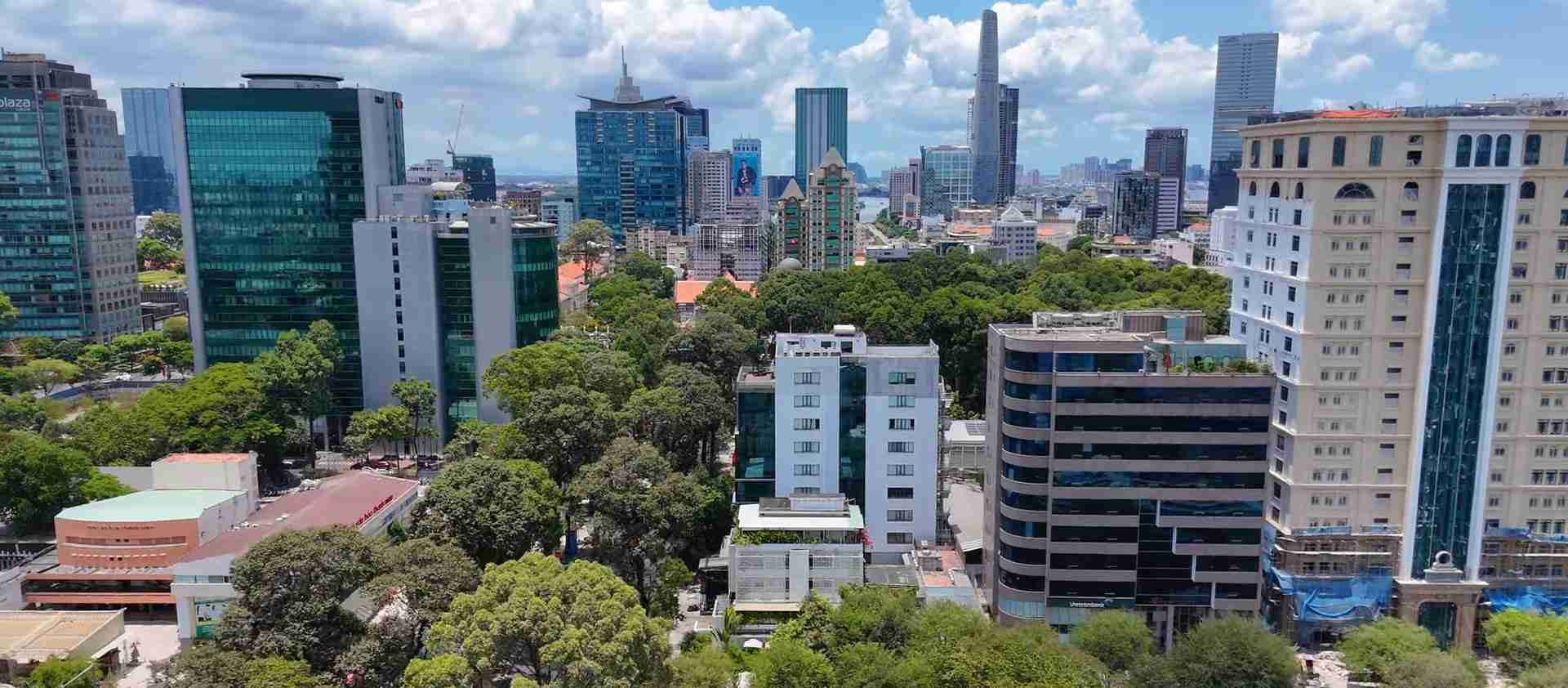
Days 1-2 explore Hanoi’s layered history visible in French Quarter tree-lined boulevards, Old Quarter maze of 36 ancient guild streets, Temple of Literature Confucian scholarly tradition, and Hoan Kiem Lake lakeside respite from urban energy. Day 3-4 transition to Halong Bay via 2-day 1-night cruise through UNESCO-protected seascape of 1,600+ limestone karsts rising from emerald waters, with kayaking expeditions, Sung Sot Cave exploration, and Titop Island summit hikes. Day 5 returns to Hanoi for final morning Temple of Literature or French Quarter cafe culture before evening departure flights.
This routing maximizes time in destinations while minimizing transit hours. The 2.5-3 hour Hanoi-Halong Bay transfer occurs once outbound, once return, consuming just one half-day each direction compared to multiple flights and airport procedures required for multi-region alternatives. Accommodation stays concentrate in two locations (Hanoi hotel 3 nights plus cruise ship 1 night) rather than four different properties, reducing check-in/check-out disruption and allowing relationship development with hotel staff who provide superior restaurant recommendations and local insights.
Budget allocation for Northern Highlights totals $350-700 for budget travelers ($70-140 daily) or $800-1,500 for mid-range comfort ($160-300 daily). Major expenses include Halong Bay 2D1N cruise ($100-400), Hanoi accommodation 3 nights ($15-210 total depending on hostel dormitory or mid-range hotel selection), meals 5 days ($30-125), Hanoi-Halong Bay transfers ($20-40 if booking cruise package shuttle), and attraction entrances ($15-40 total). Street food budgets at $6-10 daily deliver authentic Vietnamese cuisine while reserving substantial funds for the Halong Bay experience that defines this itinerary.
Day 1 Hanoi: Old Quarter Cultural Immersion 2026
Arrive Noi Bai International Airport morning or midday, allowing afternoon and evening Hanoi exploration. Airport to Old Quarter transportation costs $8-12 via Grab ride-hailing app (35-45 minutes depending on traffic) or $1-2 via public bus 86 (60-75 minutes with multiple stops). Check into accommodation near Hoan Kiem Lake for walkable access to major attractions concentrated within 1-2km radius, eliminating constant taxi expenses and maximizing spontaneous exploration opportunities.
Afternoon begins at Hoan Kiem Lake observing local life including morning tai chi practitioners, afternoon coffee drinkers, and evening strolling couples while visiting Ngoc Son Temple on lake’s northern island ($1 entrance). The surrounding Old Quarter maze of 36 streets (originally organized by craft guilds like Hang Bac silver street, Hang Ma paper goods street) provides endless wandering through contemporary commercial activity overlaying centuries of trading tradition. Street food opportunities abound with banh mi vendors ($1-2), pho restaurants ($1-3 per bowl), and egg coffee cafes ($1-2 per cup) lining every corner.
Evening explores night market (Friday-Sunday, Hang Dao to Dong Xuan Market, free entry) or food street (Hang Buom area) featuring sidewalk restaurants serving bun cha ($2-4, grilled pork with rice noodles), cha ca ($3-5, turmeric fish), and bia hoi (fresh beer, $0.30-0.50 per glass). Budget travelers easily maintain $8-12 total daily food costs through strategic street vendor selection, while mid-range comfort at $15-25 daily accesses sit-down restaurants with English menus and broader Western fusion options. Evening water puppet show ($5-10 tickets) at Thang Long Theater introduces Vietnamese artistic traditions through 1,000-year-old performance art unique to northern delta culture.
Day 1 costs total $30-80 depending on budget tier. Budget breakdown: hostel dormitory $5-8, street food $8-12, local transportation $2-5, water puppet show $5-10, miscellaneous $5-10. Mid-range breakdown: hotel room $30-40, restaurant meals $15-25, Grab transportation $8-12, water puppet show $10, miscellaneous $10-15. Accommodation in Hanoi’s Old Quarter or French Quarter maximizes walkability to attractions while street food budgets allow nightly sampling of different Vietnamese specialties.
Day 2 Hanoi: Historical Sites and French Quarter Exploration 2026
Morning visits Ho Chi Minh Mausoleum complex (free entrance but closed Mondays, Fridays, and September-November for maintenance) observing changing of guards ceremony at 8 AM before touring Ho Chi Minh’s stilt house ($1-2) and Presidential Palace grounds. Adjacent One Pillar Pagoda represents Hanoi’s oldest religious architecture (free entrance), while nearby Vietnam Museum of Ethnology ($2-3 entrance, closed Mondays) dedicates 2-3 hours to comprehensive exhibits covering Vietnam’s 54 ethnic minority groups through traditional houses, costumes, and cultural artifacts.
Afternoon explores Temple of Literature ($2-3 entrance), Vietnam’s first university founded 1070 AD during Ly Dynasty, featuring five courtyards representing Confucian scholarly progression, stone steles recording doctoral graduates dating to 1442, and tranquil garden spaces perfect for escaping Hanoi’s urban intensity. The site delivers essential context for understanding Vietnamese educational traditions and Chinese cultural influence that shaped northern Vietnam over two millennia.
Evening transitions to French Quarter boulevards surrounding Hoan Kiem Lake’s western shore, where tree-lined streets house colonial villas converted to boutique hotels, international restaurants, and upscale cafes. Dinner at mid-range Vietnamese restaurant costs $10-20 per person for multi-course meals including appetizers, mains, and drinks, or $3-6 at local eateries serving identical dishes with less ambiance. Post-dinner walking tour of Hanoi Opera House (exterior viewing free, performances $10-50 tickets) and St. Joseph’s Cathedral (free entrance outside mass times) showcases French colonial architectural legacy visible throughout the capital.
Optional activities include cooking class ($20-40 including market tour and meal preparation) teaching pho, spring rolls, and Vietnamese coffee techniques, or street food walking tour ($15-30 with guide navigating Old Quarter vendors and explaining regional specialties). These experiences add depth to culinary understanding while supporting local guides with extensive neighborhood knowledge impossible to replicate through independent exploration.
Day 2 costs range $35-90 depending on activity selection and dining choices. Budget total: hostel $5-8, street food $8-12, attraction entrances $8-12, local transportation $3-5, miscellaneous $8-15. Mid-range total: hotel $30-40, restaurant dining $15-25, entrances $8-12, Grab rides $10-15, optional cooking class $20-40. Temple of Literature and Museum of Ethnology represent must-visit Hanoi sites providing historical and cultural context enriching remaining Vietnam days.
Day 3-4 Halong Bay: Two-Day One-Night Cruise Experience 2026
Halong Bay 2D1N cruises depart Hanoi hotels 8:00-8:30 AM via shuttle bus (included in many cruise packages or $20-40 additional charge per person round-trip) for 2.5-3 hour journey to Tuan Chau Marina or Hon Gai Port. Cruise boarding begins 11:30 AM-12:00 PM with welcome lunch as the vessel navigates into the bay’s 1,600+ limestone karst formations that create Vietnam’s most photographed landscape. The UNESCO World Heritage site covers 1,553 square kilometers protecting geological formations dating 500 million years alongside floating fishing villages maintaining centuries-old maritime traditions.
Afternoon activities vary by specific cruise itinerary but typically include kayaking through limestone grottos ($0 additional cost, included in cruise package), visiting Sung Sot (Surprise) Cave featuring massive stalactite and stalagmite chambers ($0, included), and swimming or beach time at Titop Island with summit viewpoint accessible via 400-step climb ($0, included). Premium cruises add cooking demonstrations teaching Vietnamese spring rolls or vegetable carving, while budget options maximize free time on sundeck observing karst formations without structured programming.
Evening features set-menu dinner (included in cruise price, typically 4-6 courses of Vietnamese and international dishes) followed by optional activities including squid fishing from boat deck, karaoke entertainment, or simply stargazing from sundeck chairs away from Hanoi’s light pollution. Overnight accommodation in air-conditioned cabins ranges from compact 12-15 square meter rooms on budget cruises ($100-150 tier) to spacious 25-30 square meter suites with private balconies and bathtubs on luxury vessels ($300-400+ tier).
Day 4 morning begins with tai chi demonstration on sundeck (6:30-7:00 AM, optional participation) followed by breakfast and final kayaking or cave visit depending on itinerary routing. Most cruises return to port 11:00-11:30 AM after brunch service, with shuttle buses departing for Hanoi 12:00-12:30 PM and arriving back at Old Quarter hotels 3:00-4:00 PM. This schedule allows evening activities in Hanoi or direct transfer to airport for late evening departure flights.
Halong Bay cruise costs represent the itinerary’s largest single expense at $100-400 per person for 2D1N packages. Budget cruises ($100-150) provide wooden traditional-style vessels with basic cabins, standard Vietnamese meals, and core activities (kayaking, one cave visit, swimming). Mid-range cruises ($200-300) upgrade to modern steel hulls, larger cabins with better views, superior dining with more variety, and expanded itineraries visiting multiple caves and villages. Luxury cruises ($300-400+) add balcony suites, spa services, swimming pools, and premium routes through less-crowded Bai Tu Long Bay sectors.
The cruise price includes all meals from Day 3 lunch through Day 4 brunch, eliminating additional food costs for these 24 hours. Beverages (beer, wine, soft drinks) cost extra at $2-8 per item depending on selection and cruise tier. Optional activities like extended kayaking sessions ($10-15), spa treatments ($25-60), or private cave tours with dedicated guides ($15-30) appear as onboard charges settled before disembarkation. Total realistic Halong Bay expense including cruise, shuttle transfer if not included, and onboard beverages/extras reaches $120-450 per person.
Day 5 Hanoi: Final Morning and Departure 2026
Returning from Halong Bay afternoon Day 4 provides evening in Hanoi for final dinner and rest before Day 5 departure. Morning allows 3-4 hours additional sightseeing for afternoon/evening flights, or immediate airport transfer for morning departures. Recommended final activities include returning to favorite Old Quarter cafes, purchasing last-minute silk scarves or lacquerware from Hang Gai street boutiques, or visiting Dong Xuan Market (free entrance) for authentic local market atmosphere and budget souvenir shopping.
Travelers with afternoon flights (departing after 2:00 PM) visit Temple of Literature if skipped Day 2, or explore Train Street near Le Duan where residential homes line active railway tracks creating photogenic scenes as trains pass within meters of doorways. Cafe culture thrives along Train Street with multiple coffee shops offering balcony seating overlooking tracks, though train schedules restrict access during passing times for safety.
Airport transfer timing requires 90 minutes before domestic flight departures, 2-3 hours before international departures. Grab ride-hailing from Old Quarter to Noi Bai Airport costs $8-12 and requires 35-50 minutes depending on traffic conditions (worst 7:00-9:00 AM and 5:00-7:00 PM weekdays). Budget alternative public bus 86 costs $1-2 requiring 60-90 minutes with multiple stops, practical for morning flights with light luggage but challenging for groups or travelers with large bags.
Day 5 costs minimal at $10-30 total. Budget: street breakfast $2-4, coffee $1-2, local transportation to airport $1-2, miscellaneous $5-10. Mid-range: hotel breakfast often included, cafe and snacks $5-10, Grab to airport $8-12, souvenirs $10-20. Northern Highlights route total five-day cost reaches $350-700 budget tier or $800-1,500 mid-range including all accommodation, meals, Halong Bay cruise, transportation, and activities.
Route 2: North-South Sprint Five-Day Itinerary 2026
The North-South Sprint maximizes geographic diversity across Vietnam’s 1,700km north-south axis, touching three distinct regions that showcase the country’s remarkable cultural and landscape variety. This route requires accepting faster pacing, one domestic flight, and less depth in individual locations in exchange for broader Vietnamese understanding spanning Hanoi’s northern capital traditions, Hoi An’s central coast trading port heritage, and Ho Chi Minh City’s southern Mekong Delta energy.
North-South Route Overview: Three Cities in Five Days 2026
Days 1-1.5 concentrate on Hanoi Old Quarter essential sights and street food culture before Day 2 morning flight to Da Nang/Hoi An ($30-85 one-way, 1 hour 20 minutes flight time). Days 2.5-3.5 explore Hoi An Ancient Town UNESCO heritage, Japanese Covered Bridge, riverside lantern evenings, and optional countryside bicycle tours or My Son temple ruins day trip. Day 4 morning flight to Ho Chi Minh City ($45-95 one-way, 1 hour 30 minutes) transitions to southern Vietnam’s largest metropolis for Days 4.5-5 covering War Remnants Museum, Ben Thanh Market, French colonial architecture, and optional Cu Chi Tunnels half-day tour.
This routing sacrifices Halong Bay (Vietnam’s premier natural attraction) in favor of central coast charm and southern energy, suitable for travelers prioritizing cultural diversity over specific natural wonders or those planning return Vietnam trips to cover northern highlights separately. The two internal flights consume substantial budget ($75-180 combined) and time (5-6 hours total including airport transfers, security, boarding, and baggage claim) but deliver experiences impossible to replicate in single-region itineraries.
Budget allocation for North-South Sprint reaches $450-900 for budget travelers maintaining $90-180 daily averages elevated by flight costs, or $1,000-1,800 for mid-range comfort at $200-360 daily. Major expenses include internal flights ($75-180 combined), accommodation 4 nights across three cities ($20-280 total), meals 5 days ($30-125), urban transportation via Grab ($25-60 total), and attraction entrances ($20-50). The absence of Halong Bay cruise ($100-400 saved) partially offsets flight expenses while creating budget room for organized tours or upscale dining experiences.
Days 1-1.5 Hanoi: Condensed Capital Experience 2026
Arrive Noi Bai Airport morning, transfer to Old Quarter accommodation ($8-12 Grab or $1-2 bus), and immediately begin sightseeing to maximize limited Hanoi time. Afternoon covers Hoan Kiem Lake and Ngoc Son Temple ($1) followed by Old Quarter wandering and street food dinner focusing on must-try dishes: pho ($1-3), bun cha ($2-4), banh mi ($1-2), and egg coffee ($1-2). Evening water puppet show ($5-10) provides cultural context before overnight rest.
Day 2 morning visits Temple of Literature ($2-3) or Ho Chi Minh Mausoleum complex (free, closed Mondays/Fridays) before 11:00 AM-12:00 PM departure for airport to catch early afternoon flight to Da Nang. This condensed schedule sacrifices French Quarter exploration, Museum of Ethnology, and extensive Old Quarter time but captures essential Hanoi highlights within 30 hours. Budget-conscious travelers skip water puppet show and museum entrances to reduce costs, while mid-range visitors add cooking class ($20-40) evening Day 1 for deeper culinary engagement.
Hanoi costs for 1.5 days total $45-110 depending on tier. Budget: hostel 1 night $5-8, street food $12-15, attractions $3-8, transportation $5-10, miscellaneous $10-15. Mid-range: hotel 1 night $30-40, restaurant meals $20-30, entrances $8-12, Grab rides $15-20, optional activities $20-40. Book Hanoi-Da Nang flight 1-3 months advance through VietJet Air ($30-45) or Vietnam Airlines ($60-85) to secure lowest fares.
Days 2.5-3.5 Hoi An: Ancient Town and Central Coast 2026
Da Nang Airport to Hoi An transportation costs $15-25 via Grab (35-45 minutes) or $2-3 via public bus (60 minutes with town center walking required). Check into Hoi An Ancient Town accommodation within walking distance of Japanese Covered Bridge, riverfront, and night market area. Afternoon explores UNESCO-protected Ancient Town ($4-5 entrance ticket valid for five heritage houses, assembly halls, and museums selected from approved list) showcasing remarkably preserved 15th-18th century trading port architecture blending Vietnamese, Chinese, Japanese, and French influences.
Must-visit Ancient Town sites include Japanese Covered Bridge (iconic 1590s structure linking Japanese and Chinese quarters), Tan Ky House (200-year-old merchant residence demonstrating architectural fusion), Fujian Assembly Hall (ornate Chinese temple with detailed woodcarvings), and Museum of Trade Ceramics (explaining Hoi An’s role in regional porcelain trade). Evening transforms Ancient Town as thousands of silk lanterns illuminate riverfront creating Vietnam’s most photographed night scene. Riverfront restaurants serve cao lau ($2-4, Hoi An’s signature noodle dish available nowhere else in Vietnam) and white rose dumplings ($2-3) while street vendors offer lantern-lit boat rides ($2-5 per person for 30-minute river float).
Day 3 options include My Son UNESCO temple ruins day trip ($15-30 organized tour including transport and guide, $5 entrance if traveling independently), countryside bicycle tour through rice paddies and villages ($20-35 with lunch), or An Bang Beach relaxation (free beach access, $1-2 public bus from Ancient Town). My Son represents central Vietnam’s most significant Cham civilization ruins dating 4th-13th centuries, requiring half-day commitment (departing 8:00 AM, returning 1:00-2:00 PM) but rewarding with brick temple towers and carved lintels showcasing Hindu influences unique to this region.
Alternative Day 3 activities include Hoi An cooking class ($25-40 with market tour and meal preparation) or tailored clothing shopping along Tran Phu and Le Loi streets where 24-hour custom suits ($80-200) and dresses ($40-120) attract international visitors seeking affordable bespoke fashion. Quality varies dramatically between shops, with advance research through TripAdvisor reviews essential for avoiding poor craftsmanship and ensuring proper fitting appointments.
Evening flight option Day 3 allows 4:00-5:00 PM Grab transfer to Da Nang Airport ($15-25) for 7:00-9:00 PM flights to Ho Chi Minh City, maximizing Hoi An daylight hours. Alternatively, overnight in Hoi An provides morning Day 4 departure with less rushed pacing. Hoi An accommodation costs $8-15 budget guesthouses or $25-60 mid-range hotels, with French colonial villas and riverside boutiques offering superior ambiance to generic business hotels.
Hoi An 2-day costs total $80-200 budget tier or $180-400 mid-range. Budget breakdown: guesthouse 2 nights $16-30, street food $12-20, Ancient Town entrance $4-5, bicycle rental $2-4, beach bus $2-4, miscellaneous $15-25. Mid-range breakdown: hotel 2 nights $50-120, restaurant meals $30-50, organized day tour $15-30, cooking class $25-40, Grab transport $25-40, souvenirs $20-40. The Ancient Town entrance ticket represents exceptional value accessing multiple heritage sites for single $4-5 payment.
Days 4-5 Ho Chi Minh City: Southern Energy and History 2026
Da Nang to Ho Chi Minh City flight ($45-95 one-way depending on carrier and booking timing, 1 hour 30 minutes) lands at Tan Son Nhat Airport requiring $8-15 Grab transfer to District 1 accommodation near Ben Thanh Market and Nguyen Hue Walking Street (35-50 minutes depending on traffic). Afternoon explores War Remnants Museum ($2-3 entrance) providing sobering but essential perspective on Vietnam War through photographic exhibits, military equipment displays, and documented American chemical warfare impacts on Vietnamese civilians and environment.
Evening activity centers on Nguyen Hue Walking Street pedestrian boulevard connecting Saigon River waterfront to City Hall, featuring street performers, outdoor cafes, and people-watching opportunities. Dinner at Ben Thanh Market night food court ($3-8 per meal with multiple vendor options) or District 1 restaurants ($8-20 for sit-down Vietnamese or international cuisine) precedes rooftop bar experience at Bitexco Financial Tower’s Saigon Saigon Bar or Social Club (drinks $5-12, spectacular city views from 50+ floor vantage points).
Day 5 morning options include Cu Chi Tunnels half-day tour ($15-25 organized tour with transport and guide, departing 8:00 AM returning 1:00 PM) exploring Vietnam War-era underground network used by Viet Cong guerrillas, or city sightseeing covering Notre Dame Cathedral (exterior viewing free, interior closed for renovation), Central Post Office (free entrance to stunning French colonial interior), and Independence Palace ($2-3 entrance to preserved 1960s South Vietnamese presidential residence). Cu Chi Tunnels deliver impactful war history complementing Hanoi’s northern perspective, while city sightseeing appeals to architecture enthusiasts and those preferring less intense morning activity.
Alternative Day 5 morning explores District 1 shopping along Dong Khoi Street’s boutiques and galleries, or Cho Lon (Chinatown) market culture in Districts 5-6 accessible via $3-5 Grab ride. Binh Tay Market (free entrance) showcases authentic wholesale trading atmosphere with minimal tourist presence, while Thien Hau Temple ($0.50-1 suggested donation) represents Ho Chi Minh City’s most ornate Chinese temple honoring sea goddess Mazu.
Departure timing determines final morning activity selection. Morning flights (before 12:00 PM) allow only quick breakfast and hotel checkout before airport transfer, while afternoon/evening departures provide 3-5 hours additional exploration. Tan Son Nhat Airport experiences significant traffic congestion 6:00-9:00 AM and 4:00-7:00 PM weekdays, requiring 90 minutes transit time during peak hours or 45-60 minutes off-peak. International departures require airport arrival 2-3 hours before scheduled flight time.
Ho Chi Minh City 1.5-day costs range $50-130 budget or $120-300 mid-range. Budget: hostel 1 night $5-12, street food $8-15, War Remnants Museum $2-3, local transport $5-10, Cu Chi tour $15-25, miscellaneous $10-20. Mid-range: hotel 1 night $35-70, restaurant meals $20-35, museum entrance $2-3, Grab rides $15-25, organized tour $20-35, rooftop drinks $10-20, shopping $20-40. The city’s exceptional street food scene allows budget travelers maintaining low food costs while experiencing authentic southern Vietnamese cuisine.
Accommodation Strategies Vietnam Five-Day Trips 2026
Accommodation decisions significantly impact both budget totals and daily comfort levels during five-day Vietnam trips. Strategic booking balances cost efficiency with location convenience, allowing walkable access to major attractions that eliminates constant taxi expenses while positioning travelers in neighborhoods with authentic street food and evening entertainment rather than isolated tourist zones requiring transport for every activity.
Budget Accommodation Options 2026: Hostels and Guesthouses
Vietnamese hostels deliver exceptional value at $5-15 per night for dormitory beds, with Hanoi Old Quarter and Ho Chi Minh City District 1 properties offering clean facilities, air conditioning, secure lockers, and social common areas perfect for meeting fellow travelers. Premium hostels at $12-15 nightly include breakfast, free walking tours, and rooftop bars creating built-in social programming, while budget options at $5-8 provide basics without extras. Private rooms in hostels ($15-25 for couples) cost less than standalone guesthouses while maintaining hostel social atmosphere.
Guesthouses represent family-run alternatives to hostels, offering $8-15 budget rooms or $15-30 mid-range comfort with private bathrooms, air conditioning, and personal service from owners who provide superior local recommendations compared to large hotel reception desks. Hanoi’s Old Quarter guesthouses occupy narrow tube houses with steep stairs challenging for heavy luggage but unbeatable for location placing travelers in the capital’s most atmospheric neighborhood. Hoi An guesthouses near Ancient Town deliver quiet streets just 5-minute walks from riverfront activity.
Booking platforms including Booking.com, Hostelworld, and Agoda display real-time pricing and availability, with customer reviews essential for filtering properties. Read reviews specifically mentioning cleanliness, noise levels from nearby bars, and reception staff helpfulness rather than focusing solely on price. Properties with 8.5+ ratings from 200+ reviews generally deliver reliable quality, while newer properties lacking review depth pose greater risk despite potentially attractive introductory pricing.
Mid-Range Accommodation 2026: Hotels and Boutique Properties
Mid-range Vietnamese hotels at $30-70 nightly provide private rooms with air conditioning, ensuite bathrooms, breakfast, and central locations without luxury amenities like pools or spas. This category delivers optimal value for travelers prioritizing comfort and privacy over budget minimization, with $40-50 nightly securing quality three-star properties in Hanoi Old Quarter, Hoi An Ancient Town, or Ho Chi Minh City District 1. Four-star hotels at $60-80 add elevators, larger rooms, superior breakfast buffets, and occasionally rooftop pools.
Boutique hotels represent Vietnam’s accommodation highlight, converting French colonial villas, Chinese shophouses, or traditional tube houses into characterful properties with 8-15 rooms featuring unique design, personalized service, and atmospheric public spaces. Hanoi’s French Quarter boutiques ($50-90) occupy restored 1920s-1940s villas with original tile floors and wooden shutters, while Hoi An riverside boutiques ($60-100) incorporate silk lanterns and wooden furniture reflecting Ancient Town aesthetic. These properties justify premium pricing through memorable ambiance impossible to replicate in generic business hotels.
Advance booking 2-4 weeks before arrival typically offers 10-15% savings compared to same-week reservations, with free cancellation policies providing flexibility to adjust plans if flights or itineraries change. Peak season (December-February) and Vietnamese holidays (Tet, public holidays) require 4-8 weeks advance booking to secure preferred properties, with limited inventory in Hoi An’s Ancient Town creating particular scarcity during these periods.
Accommodation Location Priorities by City 2026
Hanoi accommodation should prioritize Old Quarter proximity to Hoan Kiem Lake for walkable access to major attractions, street food density, and evening entertainment without constant taxi dependency. Properties on quieter lanes off main traffic arteries deliver better sleep than rooms facing Ta Hien beer street or Hang Ma night market, though complete silence remains impossible in this high-energy neighborhood. Budget alternative French Quarter offers slightly lower prices and calmer evenings 10-minute walks from Old Quarter action.
Hoi An requires Ancient Town location (within or immediately adjacent to UNESCO zone) for evening lantern atmosphere and heritage house proximity without motorbike rental necessity. Properties claiming “Ancient Town” location may actually sit 1-2km away requiring bicycle or taxi for every restaurant and sightseeing trip, so verify specific street names on maps before booking. Premium for genuine Ancient Town addresses ($10-20 extra nightly) justifies itself through constant convenience and atmospheric immersion impossible from suburban locations.
Ho Chi Minh City accommodation centers on District 1 near Ben Thanh Market, Nguyen Hue Walking Street, or Bui Vien backpacker area. District 1 offers walkability to major attractions and restaurant density without excessive nightlife noise, while Bui Vien delivers budget hostel concentration and 24-hour street party energy unsuitable for light sleepers. District 3 provides quiet residential alternative 15-minute Grab rides from major sites, practical for travelers prioritizing rest over constant accessibility.
Transportation Within Vietnam Five-Day Itineraries 2026
Transportation logistics significantly shape five-day Vietnam itinerary feasibility and costs. Strategic flight booking, understanding urban transport options, and choosing appropriate inter-city methods determine both budget efficiency and time allocation for actual sightseeing versus endless transit hours.
Domestic Flight Booking Strategies 2026
Vietnam domestic flights operate with remarkable frequency and affordability, making multi-city itineraries logistically feasible even on budget constraints. The Hanoi-Ho Chi Minh City route leads with 29+ daily departures across VietJet Air (budget carrier, one-way from $27-45 booked advance), Bamboo Airways (mid-range, $35-55), and Vietnam Airlines (full service, $66-96). Hanoi-Da Nang serves Hoi An access with 20+ daily flights priced $30-55 budget carriers or $55-85 Vietnam Airlines.
Book domestic flights 1-3 months before travel dates to access promotional fare buckets offering 20-30% savings over last-minute purchases. VietJet Air frequently runs flash sales with $25-35 base fares plus taxes, while Vietnam Airlines provides more consistent pricing with baggage included (23kg checked allowance) versus VietJet’s carry-on only base fares ($10-15 checked bag fees). Search directly on airline websites rather than third-party aggregators to access exclusive web-only promotions and easier booking management for changes.
Budget carriers minimize airport time with streamlined check-in (online 24 hours advance recommended) and boarding processes, though delays occasionally extend 1-2 hours beyond scheduled departures. Vietnam Airlines maintains superior on-time performance but costs 30-50% more for equivalent routes. Calculate total journey time including airport transfers (Hanoi city to Noi Bai Airport 45-60 minutes, Da Nang Airport to Hoi An 35-45 minutes, Ho Chi Minh Airport to District 1 40-60 minutes) when determining if flights justify time savings over overnight buses or trains.
Urban Transportation 2026: Grab, Taxis, and Motorbikes
Grab ride-hailing app dominates Vietnamese urban transportation, providing transparent upfront pricing, cashless payment, and English-language interface eliminating traditional taxi meter scams and negotiation challenges. Download Grab app before Vietnam arrival, add international credit card, and use for all city trips ranging $1-3 for short Old Quarter journeys to $8-15 for cross-Hanoi or cross-Saigon routes. Grab operates in Hanoi, Da Nang, Hoi An, and Ho Chi Minh City with consistent reliability and driver professionalism.
Motorbike taxis via Grab Bike cost 40-60% less than cars with faster navigation through traffic congestion, suitable for solo travelers with light luggage comfortable riding pillion. Car service recommended for airport transfers with luggage, multiple passengers, or travelers uncomfortable on motorbikes in dense traffic. Traditional metered taxis operate through Mai Linh and Vinasun companies displaying official signage and using meters, though Grab’s price transparency eliminates meter-running concerns affecting traditional taxi reliability.
Motorbike rental ($6-10 daily) appeals to experienced riders comfortable navigating Vietnamese traffic patterns and willing to assume insurance liability risks. Hanoi and Ho Chi Minh City traffic intensity challenges first-time Southeast Asian riders, while Hoi An’s smaller scale and countryside routes offer gentler introduction. Most rental shops require passport deposit (keep photo copies, never surrender actual passport) and provide minimal insurance coverage, making motorbike accidents potentially expensive medical and repair liability situations.
Inter-City Transportation Options 2026
Overnight sleeper buses connect major Vietnamese cities at $15-30 per journey, saving accommodation costs while covering long distances during sleeping hours. The Hanoi-Hoi An route ($25-35, 14-16 hours) departs evening 6:00-8:00 PM arriving morning 8:00-10:00 AM, though sleep quality varies dramatically by bus company quality and individual tolerance for motion and reclining seat constraints. Premium sleeper buses (The Sinh Tourist, Phuong Trang, Camel Travel) provide 34-42 reclining beds per coach with air conditioning and onboard toilets, superior to budget operators cramming 48+ passengers with minimal legroom.
Overnight trains offer romantic alternative to buses on routes including Hanoi-Hue (12-14 hours, $25-45 depending on sleeper class) and Hanoi-Sapa (8 hours, $20-35). Four-berth soft sleeper cabins deliver adequate comfort for overnight travel with bedding provided, though theft concerns require securing valuables and maintaining awareness of personal belongings. Book trains through official Vietnam Railways website or reputable agents 7-14 days advance during peak periods.
Compare flight versus overnight surface transport on total journey time and arriving-tired impact on following day activities. The $50 premium for Hanoi-Da Nang flight over overnight bus saves 13 hours transit time and delivers full-energy arrival versus exhausted morning start, potentially justifying higher cost for five-day itineraries where every daylight hour matters. Budget travelers with flexible schedules maximize overnight transport for accommodation savings, while time-pressed visitors prioritize flights despite cost premiums.
Food and Dining Budget Strategies Vietnam 2026
Vietnamese cuisine represents Southeast Asia’s most affordable and diverse dining opportunity, with $6-10 daily budgets delivering abundant, authentic meals through strategic street vendor and local restaurant selection. Understanding food pricing structures, identifying quality vendors, and balancing adventurous eating with digestive caution maximizes culinary experiences within tight budgets.
Street Food Cost Breakdown and Vendor Selection 2026
Vietnamese street food operates on remarkably affordable pricing visible in signature dishes: pho noodle soup ($1-3 depending on protein and portion size), banh mi sandwiches ($1-2.50 for standard pork/pate versions, $2-3.50 for premium fillings), bun cha grilled pork with noodles ($2-4), spring rolls ($0.50-1 per piece, typically ordered 4-6 pieces), and iced Vietnamese coffee ($1-2). These prices remain consistent across Hanoi, Hoi An, and Ho Chi Minh City with minimal regional variation except tourist-heavy areas charging 20-30% premiums.
Identify quality street vendors through local customer density rather than tourist guidebook fame. Stalls with queues of Vietnamese patrons at mealtimes indicate reputation for quality and value, while empty vendors near major tourist attractions often charge inflated prices for mediocre products. Observe cooking cleanliness including fresh ingredient handling, properly covered food between orders, and clean utensils and bowls. Vendors preparing food to order demonstrate higher quality standards than pre-cooked items sitting under heat lamps.
Daily food budgets at $6-10 allow breakfast pho ($1.50-2.50), lunch banh mi or rice dish ($2-4), afternoon iced coffee and snack ($1.50-2.50), and dinner bun cha or cao lau with spring rolls ($3-5), maintaining variety and quality throughout five-day trips. Increase budgets to $12-18 for occasional sit-down restaurant experiences at local eateries with English menus and air conditioning, or $20-30 for mid-range dining at international restaurants serving Western fusion Vietnamese cuisine.
Restaurant Dining and Beverage Costs 2026
Vietnamese restaurants occupy three pricing tiers affecting meal costs. Local restaurants frequented by Vietnamese families charge $3-8 per person for rice dishes (com tam broken rice with grilled meats, $2.50-4), noodle soups (bun bo Hue spicy beef noodle, $2.50-4.50), and regional specialties served family-style. These establishments provide authentic cooking without tourist adaptations, though English menus and staff remain limited outside major tourist districts.
Tourist restaurants in Old Quarter Hanoi, Hoi An Ancient Town, and District 1 Ho Chi Minh City charge $8-18 per person for Vietnamese dishes presented with English menus, air-conditioned dining rooms, and servers speaking conversational English. Food quality ranges from excellent to mediocre depending on specific restaurant priorities (some focus on atmosphere over cooking), making TripAdvisor and Google Reviews essential research before selecting lunch or dinner venues. These restaurants suit travelers uncomfortable with street food hygiene or requiring dietary accommodations.
Western fusion and international restaurants target expat and upscale tourist markets at $15-30 per person for Italian, French, Japanese, or contemporary fusion menus. These establishments deliver familiar comfort food for travelers exhausted by constant Vietnamese cuisine, though value deteriorates compared to authentic local options. Allocate fusion restaurant budgets strategically for special occasions or rest-day comfort rather than daily dining.
Beverage costs separate from food pricing with bia hoi fresh beer at $0.30-0.50 per glass (light lager brewed daily, served at street-side bia hoi joints throughout Vietnam), bottled beer $1-2.50 at restaurants and bars, and cocktails $4-8 at mid-range establishments or $8-15 at upscale rooftop venues. Vietnamese iced coffee represents exceptional value at $1-2 per cup for condensed milk sweetened strong coffee served over ice, while fresh fruit smoothies cost $1.50-3 depending on ingredients and location. Bottled water costs $0.30-0.50 from convenience stores versus $1-1.50 at restaurants.
Food Safety and Digestive Health Considerations 2026
Vietnamese food safety standards generally support tourist digestive systems when reasonable precautions apply. Choose vendors with high local customer turnover ensuring fresh ingredient usage and proper food temperature maintenance, avoid pre-cut fruit sitting at room temperature for unknown durations, and stick to thoroughly cooked dishes rather than raw vegetables or herbs during initial days while digestive systems adjust to new bacterial environments. Ice in drinks poses minimal risk at established vendors using filtered water, though ultra-cautious travelers may avoid it entirely.
Gradual Vietnamese food introduction prevents digestive shock from dramatic cuisine changes. Start with simple pho and banh mi Day 1-2 before advancing to richer dishes like bun cha or cao lau Days 3-4, allowing gradual bacterial adaptation rather than immediate full Vietnamese diet immersion. Carry anti-diarrheal medication (Imodium) and oral rehydration salts for managing minor digestive issues without derailing itineraries, with most cases resolving within 24-48 hours through rest and hydration.
Food allergies and dietary restrictions require careful communication using translation apps or pre-written Vietnamese phrases. “Toi an chay” (I eat vegetarian) communicates vegetarian requirements, though fish sauce appears in most Vietnamese cooking and true vegan options remain limited outside specialized vegetarian restaurants. Gluten-free travelers face challenges with soy sauce and wheat noodle prevalence, while nut allergies require vigilant ingredient verification given peanut usage in multiple dishes and sauces.
Essential Practical Information Vietnam Five-Day Visits 2026
Successful five-day Vietnam trips require advance preparation covering visa requirements, currency exchange, SIM card acquisition, and packing essentials suited to tropical climate with regional weather variations. These logistics foundation elements prevent common complications that derail tight itineraries.
Visa Requirements and Immigration Process 2026
Vietnam visa requirements vary by passport nationality, with most Western passport holders requiring either e-visa (applied online 3-10 days before arrival, $25 fee, valid 30 days single entry or 90 days multiple entry) or visa-on-arrival (pre-arranged approval letter purchased through agencies, $25 letter fee plus $25 stamping fee paid at airport). Check official Vietnam immigration website for current nationality exemptions, as some countries including ASEAN members enjoy visa-free entry for periods up to 30 days.
E-visa application requires passport scan, passport-style photo, and hotel accommodation details entered on official government website (evisa.xuatnhapcanh.gov.vn, beware of lookalike scam sites charging inflated fees). Processing requires 3-5 business days with approved e-visas emailed as PDFs requiring printing for immigration presentation. Visa-on-arrival suits last-minute travel (approval letters processed 24-48 hours) but requires airport stamping queues potentially lasting 30-60 minutes during peak arrival periods.
Immigration entry procedures at Noi Bai (Hanoi), Da Nang, and Tan Son Nhat (Ho Chi Minh City) airports require completed arrival cards distributed on incoming flights, passport with 6+ months remaining validity, and visa documentation (e-visa printout or visa-on-arrival approval letter plus stamping fee). Immigration officers occasionally ask arrival hotel names and return flight details, so maintain booking confirmations accessible during processing. Exit immigration requires similar procedures with departure cards collected before security screening.
Currency Exchange and Payment Methods 2026
Vietnamese Dong (VND) operates as primary currency with approximate 25,000 VND equaling $1 USD (exchange rates fluctuate 24,000-26,000 range). ATM withdrawal upon airport arrival provides best exchange rates compared to currency exchange counters or bringing cash from home countries. International ATM networks (Visa, Mastercard, Cirrus) operate throughout Vietnam with 50,000-3,000,000 VND withdrawal limits per transaction depending on bank, and 2-4% combined fees including home bank international charges and Vietnamese bank ATM fees ($3-6 per transaction).
Minimize ATM fees through maximum withdrawal amounts ($100-120 per transaction) reducing frequency of fee-incurring transactions, and notify home banks of Vietnam travel dates preventing fraud-prevention card blocks when overseas charges appear. Vietcombank, BIDV, and Agribank ATMs operate reliably with English language options and widespread locations across major cities, while smaller local banks occasionally malfunction or impose higher fees.
Credit cards see limited acceptance outside upscale hotels, international restaurants, and organized tour bookings, with 3-4% surcharges common on credit transactions even at accepting vendors. Cash remains essential for street food, local restaurants, taxis, small guesthouses, and attraction entrances. Carry mixed denominations including 20,000, 50,000, 100,000, and 500,000 VND notes, as vendors frequently lack change for large 500,000 notes ($20) when purchasing small street food items ($1-3).
Mobile SIM Cards and Internet Access 2026
Vietnamese SIM cards cost $3-8 for tourist packages including 15-30 days validity, 15-100GB data, and domestic calling minutes. Purchase at airport arrival areas (Noi Bai, Da Nang, Tan Son Nhat all maintain mobile carrier kiosks in arrival halls) where staff install and activate SIMs in unlocked phones within 5-10 minutes. Viettel provides strongest nationwide coverage including remote areas, while Mobifone and Vinaphone offer competitive pricing in urban zones with slightly weaker rural signals.
Bring passport for SIM card registration required under Vietnamese law, with registration linking card to passport information preventing illegal activities. Unlocked phones (not carrier-locked to home country networks) function with Vietnamese SIMs, while locked phones require international roaming packages from home carriers at substantially higher costs ($10-15 daily versus $3-8 for entire Vietnam stay). Test data connectivity immediately after purchase before leaving airport kiosks to confirm activation.
WiFi availability extends throughout Vietnamese hotels, cafes, and restaurants with varying speed and reliability. Hanoi Old Quarter cafes provide strong signals for working while sipping Vietnamese coffee, while smaller Hoi An guesthouses occasionally offer slow connections barely supporting email. Download offline maps (Google Maps allows offline area downloads) and translation apps before relying on spotty cafe WiFi for critical navigation or communication needs.
Packing Essentials and Climate Preparation 2026
Vietnam’s tropical climate requires lightweight, breathable clothing suitable for 25-35°C temperatures with high humidity throughout most of year. Pack quick-drying fabrics (synthetic blends or merino wool) that wash easily and dry overnight in hotel rooms, avoiding cotton that retains moisture and develops mildew smell in humid conditions. Bring 3-4 shirts, 2 pants/skirts, 1 pair shorts, and 1 light jacket for air-conditioned restaurants and buses where internal temperatures drop dramatically compared to outdoor heat.
Temple and pagoda visits require modest dress covering shoulders and knees, though enforcement varies with stricter requirements at major religious sites (Ho Chi Minh Mausoleum, Hue Imperial Citadel) versus neighborhood pagodas. Carry lightweight long pants or wrap skirt for temple visits while wearing shorts during other activities, or accept occasional temple entrance denial when attire conflicts with requirements.
Essential accessories include sun protection (SPF 50+ sunscreen for tropical intensity, wide-brim hat, sunglasses), rain preparation (compact travel umbrella or lightweight rain jacket for monsoon season afternoon showers), comfortable walking shoes broken-in before travel (sandals acceptable for most urban sightseeing with closed-toe shoes preferred for countryside trekking), and small daypack for carrying water bottles, snacks, and purchased items during full-day excursions.
Bring basic first aid supplies including anti-diarrheal medication (Imodium), oral rehydration salts, antihistamines for allergic reactions, pain relievers (ibuprofen/acetaminophen), and any prescription medications in original packaging with doctor’s letters explaining medical necessity. Vietnamese pharmacies stock common over-the-counter medications, though communication challenges and unfamiliar brand names complicate purchases compared to bringing supplies from home.
Money-Saving Strategies Five-Day Vietnam Trips 2026
Strategic spending decisions throughout five-day Vietnam itineraries can reduce total costs by 20-40% without sacrificing experience quality or resorting to uncomfortable budget extremes. These proven techniques maximize value while maintaining trip enjoyment.
Advance Booking Savings and Timing Strategies 2026
Book Halong Bay cruises 4-6 weeks before travel dates to access early-bird discounts offering 15-25% savings over last-minute purchases, with additional 5-10% savings booking directly through cruise company websites versus third-party travel agencies extracting commission margins. Compare prices across multiple booking platforms (Halong Bay Tours, Best Price Travel, cruise company direct sites) to identify lowest rates, but verify exact cruise names and cabin categories match when comparing as slight variations dramatically affect quality and value.
Domestic flight booking windows of 1-3 months advance capture promotional fares 25-40% below peak pricing, with Tuesday-Wednesday-Thursday departures averaging $5-10 cheaper than Friday-Sunday weekend flights. Set price alerts on Google Flights or Skyscanner monitoring Hanoi-Da Nang and Hanoi-Ho Chi Minh City routes, purchasing when fares drop to $30-40 range on VietJet Air. Avoid school holiday periods (late June-late August, late December-early January) when Vietnamese domestic travel surges and prices increase accordingly.
Accommodation booking 2-3 weeks advance provides access to promotional rates and widest selection, while same-week bookings face limited availability forcing higher-priced or less-convenient location options. Use booking platform filters for “free cancellation” policies allowing flexibility to cancel and rebook if better deals emerge, common practice among experienced budget travelers who continuously monitor prices and switch bookings when savings justify minimal rebooking effort.
Food Budget Optimization Without Sacrifice 2026
Maintain $6-10 daily food budgets through consistent street vendor and local restaurant usage while avoiding tourist-area restaurants charging 30-50% premiums for identical dishes. Walk 2-3 blocks from major attractions to find vendors serving local customers at local prices, with lunch pho near Hoan Kiem Lake costing $2-3 versus $1-1.50 three streets deeper into Old Quarter residential area. The taste remains identical while savings compound across multiple daily meals.
Maximize Hanoi and Ho Chi Minh City food street experiences (free wandering, pay only for specific items consumed) sampling small portions from multiple vendors rather than full meals at single locations. Order one spring roll from vendor A ($0.50), one banh mi from vendor B ($1.50), one coffee from vendor C ($1), creating diverse tasting menu for $3-5 total versus $8-12 at restaurants serving all three items. This approach also prevents over-ordering and food waste common when unfamiliar with Vietnamese portion sizes.
Breakfast at hotel (if included in room rate) or street vendors ($1-2) before lunch at local restaurants ($2-4) and dinner sampling food streets ($3-6) establishes sustainable daily rhythm under $10 total while maintaining energy for full-day sightseeing. Budget occasional restaurant upgrades ($12-20) every 2-3 days for air-conditioned comfort and rest from constant street eating without dramatically impacting five-day total costs.
Free and Low-Cost Activity Maximization 2026
Vietnamese cities offer numerous free activities delivering authentic experiences without entrance fees. Hanoi’s Old Quarter wandering, Hoan Kiem Lake circumnavigation, Train Street observation (free except coffee purchases), and French Quarter colonial architecture viewing cost nothing while consuming hours in engaging exploration. Ho Chi Minh City’s Nguyen Hue Walking Street, Notre Dame Cathedral exterior (interior closed for renovation), and Central Post Office interior (free entrance) similarly provide memorable experiences without paid admissions.
Hoi An Ancient Town charges $4-5 entrance for heritage houses and assembly halls, but riverside and Japanese Covered Bridge areas remain freely accessible for evening lantern atmosphere photography. Visit Ancient Town’s paid sites early Day 1 obtaining official ticket, then return evenings for free river ambiance and night market wandering. Beach access at An Bang or Cua Dai costs nothing, with bicycle transport from Ancient Town at $2-4 rental for full day.
Substitute expensive organized tours ($40-80 full-day experiences) with self-guided exploration using Google Maps, downloaded offline area maps, and trip planning research. The Hanoi Temple of Literature, Museum of Ethnology, and Ho Chi Minh Mausoleum complex connect easily via $2-3 Grab rides, eliminating $30-40 city tour package costs while maintaining schedule flexibility to linger at interesting sites or skip others. Hoi An countryside cycling explores rice paddies and villages independently for $2-4 bike rental versus $25-35 organized bicycle tour with guide providing limited additional value for experienced travelers comfortable navigating.
Five-Day Itinerary Customization Options 2026
The Northern Highlights and North-South Sprint routes provide proven frameworks, but personal interests, energy levels, and comfort preferences warrant customization creating optimally satisfying five-day Vietnam experiences aligned with individual priorities.
History and Culture Focus Adjustments 2026
History enthusiasts maximize time at major historical sites including extended Hanoi Museum of Ethnology visits (3-4 hours covering all exhibits thoroughly), Temple of Literature deep exploration reading stone stelae doctoral inscriptions, and Ho Chi Minh Mausoleum complex including Presidential Palace and Ho Chi Minh Museum. Allocate full Day 2 Hanoi to these sites rather than condensing into rushed half-day visits, potentially skipping French Quarter shopping streets or cafe culture for historical depth.
Central Vietnam substitutes Hoi An beach time or Ancient Town shopping for My Son Cham temple ruins day trip ($15-30) and optional Hue day trip from Hoi An/Da Nang ($40-60 organized tour including Imperial Citadel, royal tombs, and Thien Mu Pagoda). This requires overnight in Da Nang/Hoi An area extending central Vietnam time to 2.5-3 days at expense of Hanoi or Ho Chi Minh City duration. Hue’s Imperial Citadel represents Vietnam’s most significant royal architectural complex justifying full-day commitment for history-focused itineraries.
Ho Chi Minh City historical emphasis adds Cu Chi Tunnels half-day tour ($15-25) and extends War Remnants Museum visit to 2-3 hours reading comprehensive exhibits documenting American War from Vietnamese perspective. Skip shopping districts and nightlife venues in favor of historical site depth, potentially adding Reunification Palace ($2-3) preserving 1960s South Vietnamese government offices and war-end tank displays.
Nature and Outdoor Activity Customization 2026
Outdoor enthusiasts prioritize Halong Bay 2D1N cruise while potentially extending to 3D2N cruise ($206-550 per person) for deeper bay exploration including fishing village visits, additional kayaking opportunities, and access to more remote karst formations in Bai Tu Long Bay sector. The extra day justifies itself through reduced rushing and expanded outdoor activities, though requires reducing Hanoi time to 1-1.5 days to fit five-day framework.
Active travelers add Hoi An countryside bicycle tours ($20-35) through rice paddies and villages, An Bang Beach swimming and beach volleyball, or optional Marble Mountains hiking near Da Nang ($2-3 entrance for limestone peaks with cave temples and summit viewpoints). These activities supplement Ancient Town cultural sightseeing with physical outdoor elements balancing museum and heritage house touring.
Replace Ho Chi Minh City urban sightseeing with Mekong Delta day trip ($25-40 organized tour) visiting floating markets, fruit orchards, and village homestays, or Can Gio Mangrove Biosphere Reserve ($20-35) observing coastal ecosystem and wildlife. These nature-focused alternatives sacrifice city energy for outdoor landscapes more aligned with outdoors preferences, though require full-day commitments limiting other Ho Chi Minh City activities.
Food and Culinary Experience Enhancement 2026
Food-focused travelers allocate budget for cooking classes in both Hanoi ($20-40) and Hoi An ($25-40) learning regional specialties including northern bun cha and pho versus central cao lau and white rose dumplings. These hands-on experiences include market tours explaining ingredient selection, preparation techniques, and meal consumption, providing deeper culinary understanding than restaurant dining alone delivers.
Schedule daily food-specific activities including Hanoi Old Quarter food walking tours ($15-30 with guide navigating vendors and explaining dishes), Hoi An morning market wandering observing wholesale fish, vegetable, and meat trading, and Ho Chi Minh City Ben Thanh Market night food court sampling southern specialties. These concentrated food experiences justify skipping some historical sites or museums for travelers prioritizing culinary exploration over comprehensive sightseeing.
Target specific regional dishes requiring dedicated seeking including Hanoi’s bun rieu crab noodle soup, nem ran crispy spring rolls, and cha ca turmeric fish; Hoi An’s cao lau (available nowhere else in Vietnam), mi quang turmeric noodles, and banh bao vac white rose dumplings; and Ho Chi Minh City’s hu tieu pork noodle soup, banh xeo sizzling crepes, and com tam broken rice with grilled meats. Creating daily must-try lists ensures systematic sampling preventing oversight of significant regional specialties.
Common Mistakes Avoiding Five-Day Vietnam Trips 2026
Learning from frequent visitor errors prevents wasted time, unnecessary expenses, and frustration during compressed five-day itineraries where recovery time from mistakes barely exists before departure.
Over-Ambitious Multi-Region Planning 2026
Attempting coverage of Hanoi, Halong Bay, Hoi An, Ho Chi Minh City, and Mekong Delta within five days creates exhausting schedules dominated by airports, buses, and hotels rather than meaningful destination engagement. Each additional city requires 4-6 hours transit time plus mental energy managing logistics, with three destinations representing practical maximum for five-day trips maintaining enjoyment over endurance test mentality.
Resist guidebook pressure suggesting comprehensive Vietnam coverage requires visiting every major destination. The Northern Highlights circuit (Hanoi + Halong Bay) delivers richer understanding of northern Vietnamese culture than superficial sampling of five locations, while strategic regional focus creates foundation for potential return trips exploring overlooked areas rather than checking boxes on rushed first visit.
Calculate actual available sightseeing hours when planning daily activities. Day 1 arrival consumes morning travel and afternoon hotel check-in leaving 4-6 hours evening exploration, Day 5 departure requires airport transfers eliminating most morning activity, and inter-city travel days lose 5-8 hours to airports or buses. With only 2.5-3 full sightseeing days actually available during five-day trips, overpacked schedules attempting ten major sites daily create stress without adequate time appreciating any individual location.
Last-Minute Booking Cost Premiums 2026
Booking Halong Bay cruises within 1-2 weeks of departure forfeits 20-30% early-bird savings offered through advance reservations, while last-minute domestic flights cost 40-60% more than promotional fares available 1-3 months ahead. These unnecessary premiums accumulate to $100-200 additional five-day trip costs simply from delayed booking decisions, money better allocated toward upgraded accommodation, additional tours, or extended trip duration.
Peak season and Vietnamese holiday periods (December-February, Tet in late January) exacerbate last-minute booking challenges through sold-out accommodation in prime locations and limited flight availability requiring expensive late-night or connecting routings. Book core trip elements (flights, Halong Bay cruise, first night accommodation) 4-8 weeks advance during peak periods, with remaining hotel nights bookable 1-2 weeks before arrival for flexibility.
Avoid assuming on-the-ground booking delivers superior pricing through “local knowledge” or “agency commission elimination.” While true in 1990s-2000s pre-internet Vietnam, contemporary pricing through direct booking platforms and cruise company websites consistently undercuts Hanoi travel agencies who face higher overhead costs. Exception applies to truly last-minute (same-day/next-day) Halong Bay sailing remnant inventory occasionally discounted 30-40%, though quality and itinerary limitations make this gambling strategy unsuitable for single-opportunity five-day trips.
Underestimating Vietnamese Traffic and Transit Times 2026
Hanoi and Ho Chi Minh City traffic congestion exceeds typical Western experience, with 2km Old Quarter to Hanoi Train Station journeys requiring 20-30 minutes by taxi during rush hours (7:00-9:00 AM, 5:00-7:00 PM weekdays) versus 8-10 minutes off-peak. Build 50% time buffers into urban transportation estimates, particularly for airport transfers where flight missing carries severe itinerary consequences.
Vietnamese domestic flights experience frequent 30-90 minute delays from air traffic congestion at Noi Bai, Da Nang, and Tan Son Nhat airports, making tight connection schedules (arriving one city 5:00 PM, departing another 7:00 PM same day) risky. Leave minimum 3-4 hours between interconnected flight bookings, or better yet schedule flights on separate days with overnight accommodation eliminating delay cascades derailing entire itineraries.
Halong Bay cruise return timing creates afternoon arrival uncertainty with advertised 3:00-4:00 PM Hanoi drop-offs occasionally extending to 5:00-6:00 PM from traffic. Schedule return-day evening activities or flights after 8:00 PM allowing margin for delays, or book following morning departures to eliminate rush stress entirely. The extra accommodation night costs $15-40 but prevents potential $200-500 flight change fees from missed departure.
Frequently Asked Questions Vietnam Five-Day Itinerary 2026
What’s the Absolute Minimum Budget for Five Days in Vietnam in 2026?
Ultra-budget travelers maintaining $50-70 daily spending complete five-day Vietnam trips for $250-350 total excluding international flights. This requires dormitory hostels ($5-8 nightly), street food all meals ($6-10 daily), public buses instead of domestic flights ($15-30 for long routes), budget Halong Bay cruises ($100-150 for 2D1N), and free or low-cost activities avoiding organized tours. Successfully executing this budget demands comfort with basic accommodation, tolerance for street food hygiene concerns, and willingness to forgo convenience for cost savings.
Specific budget breakdown for Northern Highlights route: Hanoi hostels 3 nights $15-24, Halong Bay budget cruise $100-150, all meals street food $30-50, local transportation $10-20, attraction entrances $10-20, miscellaneous $15-25, totaling $280-389. North-South Sprint adds $75-180 domestic flights raising totals to $355-569 minimum, though eliminating Halong Bay cruise creates partial offset.
Understand that minimum budgets sacrifice comfort and occasionally safety through bottom-tier accommodation in less desirable neighborhoods, constant street food consumption risking digestive issues, and elimination of organized tours providing guides and transportation convenience. Most travelers find optimal satisfaction in moderate $400-600 budgets delivering quality experiences without constant penny-counting stress.
Can I Visit Halong Bay as Day Trip Instead of Overnight Cruise in 2026?
Halong Bay day cruises cost $55-120 per person operating 8:00 AM-5:00 PM from Hanoi with shuttle transfers, lunch, and basic activities (swimming, kayaking, one cave visit) included. These condensed experiences provide Halong Bay exposure without overnight commitment, suitable for travelers with extreme budget constraints, cruise reluctance, or itineraries prioritizing other destinations over extended bay time. However, day cruises sacrifice evening sunset viewing, morning sunrise experiences, and overnight tranquility when day-tripper crowds depart, missing essential Halong Bay atmospheric elements.
Day cruise logistics prove challenging with 6:00-7:00 AM Hanoi hotel pickups, 2.5-3 hour drives to port, 4 hours actual bay time, return drives, and 6:00-7:00 PM Hanoi arrivals creating exhausting 12-13 hour days with minimal destination time relative to transit hours. The experience feels rushed compared to overnight cruises allowing 20+ hours actual bay immersion spreading activities across two days without constant time pressure.
For travelers unable to commit overnight time or budget, consider Halong Bay alternatives including Ninh Binh day trip from Hanoi ($25-40 organized tour) featuring “Halong Bay on land” limestone karsts rising from rice paddies with temple caves and scenic boat rides through karst corridors. While different from Halong Bay’s marine setting, Ninh Binh delivers impressive karst landscapes in more accessible day-trip format from Hanoi.
How Much Vietnamese Should I Learn Before Visiting in 2026?
Basic Vietnamese pleasantries including “xin chao” (hello), “cam on” (thank you), “khong, cam on” (no thank you), and “bao nhieu tien?” (how much?) facilitate friendly interactions with vendors and service staff while demonstrating cultural respect. However, English comprehension among tourism industry workers (hotels, restaurants, tour guides) reaches adequate levels for basic communication needs without Vietnamese language proficiency.
Download Google Translate app with Vietnamese language package for offline use, enabling camera translation of menus and signs plus voice translation for basic conversations. This technology solution eliminates previous language barrier challenges facing independent travelers in Vietnam, though hospitality and patience remain essential when communication difficulties arise despite translation assistance.
Northern Vietnamese (Hanoi) and southern Vietnamese (Ho Chi Minh City) demonstrate notable pronunciation differences in certain words, though standard phrases transcend regional variation. Tourist area vendors develop English language skills proportional to foreign customer density, with Hanoi Old Quarter, Hoi An Ancient Town, and Ho Chi Minh City District 1 providing easiest English communication while smaller towns or local neighborhoods require more translation app dependence.
What Vaccinations Do I Need for Vietnam Travel in 2026?
Vietnam entry requires no mandatory vaccinations for most travelers, though CDC recommendations include routine vaccines (measles-mumps-rubella, diphtheria-tetanus-pertussis, chickenpox) plus Hepatitis A and Typhoid for food and water exposure risks. Hepatitis B vaccination suits travelers anticipating medical procedures, tattoos, or intimate contact, while Japanese Encephalitis applies primarily to rural area extended stays during monsoon season rather than urban five-day trips.
Malaria risk remains minimal in Hanoi, Hoi An, and Ho Chi Minh City urban areas, with anti-malarial prophylaxis unnecessary for city-focused itineraries. Dengue fever presents higher urban risk transmitted by daytime-biting mosquitoes, prevented through DEET repellent application and long-sleeve clothing during dawn/dusk high-activity periods rather than medication. Dengue symptoms (high fever, severe headache, joint pain) require immediate medical attention if developing during or after Vietnam travel.
Consult travel medicine specialists or CDC website 4-8 weeks before Vietnam departure for personalized vaccination recommendations based on specific itinerary, existing immunity, and individual health conditions. Many vaccines require multi-dose schedules or 2-4 week activation periods necessitating advance planning rather than last-minute clinic visits week before travel.
Is Solo Travel Safe in Vietnam for Five-Day Trips in 2026?
Vietnam ranks among Southeast Asia’s safest destinations for solo travelers including solo women, with violent crime rates significantly lower than Western countries and tourism infrastructure accommodating independent exploration without organized group requirements. Common sense precautions including securing valuables, avoiding deserted areas at night, and maintaining awareness in crowded markets prevent most incidents, with aggressive scamming or physical assault extremely rare compared to other backpacker destinations.
Solo traveler considerations include higher accommodation costs (single supplement charges or dormitory sharing with strangers), occasional loneliness during long travel days, and navigation responsibility without companions providing backup support when lost or confused. However, Vietnamese hostel social environments facilitate meeting fellow travelers for shared meals or activities, while solo flexibility enables spontaneous itinerary adjustments impossible with travel companions requiring consensus building.
Solo women face minimal harassment compared to other Asian destinations, with Vietnamese culture generally respectful toward foreign visitors. Late-night walking in tourist areas (Hanoi Old Quarter, Hoi An Ancient Town) proves safe with active street life and police presence, though extreme caution applies to accepting drinks from strangers or following touts to “special” venues potentially involving scams or overcharging. Trust instincts and politely decline persistent offers that feel uncomfortable.
How Do I Handle Visa Extension If I Want to Stay Longer Than Five Days in 2026?
Vietnamese visas issued for 30-day single entry (standard e-visa option) allow extension applications through immigration offices in major cities or licensed travel agencies handling extension paperwork. Extensions cost $30-60 depending on duration (additional 7 days, 15 days, or 30 days) with processing requiring 4-7 business days plus passport surrender during processing creating inconvenience for travelers mid-trip.
Alternative visa run involves exiting Vietnam to Cambodia, Thailand, or Laos for 24+ hours before reentering on fresh 30-day visa, practical for travelers already planning regional multi-country trips but expensive ($50-100 additional transport costs plus new visa fees) specifically for extension purposes. This option suits travelers discovering mid-trip that five days proves insufficient for Vietnam exploration and willing to extend stay despite logistical complications.
Simplest solution involves applying for 90-day multiple entry e-visa during initial application rather than 30-day single entry, providing maximum flexibility for spontaneous extension decisions during travel without advance commitment or mid-trip paperwork. The 90-day option costs identical $25 e-visa fee, with multiple entry allowing visa runs or side trips to neighboring countries without Vietnam visa expiration concerns.
What If I Only Have Three or Four Days Instead of Five for Vietnam in 2026?
Three-day Vietnam trips require strict focus on single destination rather than multi-city attempts. Hanoi plus Halong Bay 1D0N day cruise or Halong Bay 2D1N overnight cruise returning Day 3 morning works well, as does Ho Chi Minh City exploration with optional Cu Chi Tunnels or Mekong Delta day trip. Attempting Hanoi-Hoi An-Ho Chi Minh City compression into three days creates miserable transit-dominated schedule lacking meaningful destination engagement.
Four-day trips allow Northern Highlights (Hanoi 2 days + Halong Bay 2D1N + return morning Day 4) or Central Focus (Hoi An 2 days + Hue day trip + departure Day 4) maintaining reasonable pacing without constant rushing. Alternatively, Hanoi 2 days + domestic flight to Hoi An 2 days sacrifices Halong Bay but delivers two-city variety, though barely justifies flight expense for such brief stays.
Consider that arrival and departure days provide limited sightseeing time (4-6 hours evening Day 1, minimal morning Day 4), leaving just 2 full days actual exploration during four-day trips. This reality favors depth in fewer locations over geographic diversity requiring transit time better allocated to actual destination experiences. Plan return trips for overlooked regions rather than cramming everything into insufficient timeframes.
Should I Book Tours in Advance or Arrange On Arrival in Vietnam 2026?
Major tours requiring advance logistics including Halong Bay overnight cruises, multi-day Sapa trekking, and Mekong Delta homestays benefit from 2-6 weeks advance booking securing preferred departure dates and superior operators before popular options sell out. Day tours to Cu Chi Tunnels, My Son ruins, or Hoi An countryside often show availability for next-day booking, though advance reservation eliminates arrival time wasted visiting multiple agencies comparing prices.
Advance booking through reputable platforms (Viator, GetYourGuide, direct operator websites) provides customer review access, clear cancellation policies, and payment security versus cash transactions with unknown street-front agencies potentially lacking insurance or accountability if tours disappoint. Price differences between advance online booking and on-arrival negotiation rarely exceed 5-10%, insufficient savings to justify uncertainty and potential disappointment from sold-out preferred tours.
Book confirmed departure date activities (Day 3 Halong Bay cruise matching specific dates, Day 4 flight-dependent tours requiring precise timing) before Vietnam arrival to guarantee availability. Leave flexible activities (cooking classes, food tours, museum visits) unboked for spontaneous scheduling based on weather, energy levels, and evolving interests discovered during initial days.
How Should I Handle Tipping in Vietnam in 2026?
Vietnamese culture traditionally doesn’t expect tipping, though growing international tourism influences create gradual tip appreciation in tourist-heavy sectors. Restaurants occasionally include 5-10% service charges on bills (verify before adding additional tip), with rounding up to nearest 10,000-20,000 VND or leaving small bills appropriate for good service. Street food vendors never expect tips with exact payment for stated prices representing standard practice.
Tour guides benefit from tips recognizing exceptional service, with $3-5 per person daily representing generous appreciation for full-day tours or $1-2 for shorter half-day experiences. Halong Bay cruise staff (cabin attendants, dining servers, tour guides) receive collective tip box contributions at $3-5 per guest per night distributed among crew. Spa treatments and massage services appreciate 10-20% gratuities for quality experiences.
Grab drivers and taxis operate on cashless automated payment systems discouraging tipping through app-based transactions, though rounding fares up 5,000-10,000 VND for helpful drivers managing luggage or navigating difficult addresses shows appreciation. Avoid over-tipping creating inflated expectations from future tourists while maintaining modest generosity recognizing quality service above baseline duties.
What Are Vietnam’s Public Holiday Closures Affecting Five-Day Trips in 2026?
Tet (Vietnamese New Year, late January or early February annually) represents Vietnam’s most significant holiday when businesses close for 3-7 days and domestic tourism peaks as families return to ancestral villages. 2026 Tet falls January 29-February 4 with reduced accommodation availability, 35-50% price premiums, and many restaurants/shops closed for family celebrations. Avoid visiting during Tet unless specifically interested in holiday atmosphere and willing to accept limited services and higher costs.
Other public holidays including Reunification Day (April 30), International Workers’ Day (May 1), and National Day (September 2) create 3-4 day weekends when Vietnamese domestic tourism increases and some businesses reduce hours, though impacts remain minimal compared to Tet. Museums and government sites close these specific holidays, while restaurants and private businesses largely maintain normal operations.
Check specific closure schedules for major attractions before visiting. Ho Chi Minh Mausoleum closes Mondays and Fridays year-round plus September-November for maintenance, Temple of Literature closes Mondays, and various museums observe Monday closures following international museum convention. Plan itineraries avoiding key attraction closures on arrival days to prevent disappointment and itinerary gaps requiring unplanned alternative activities.