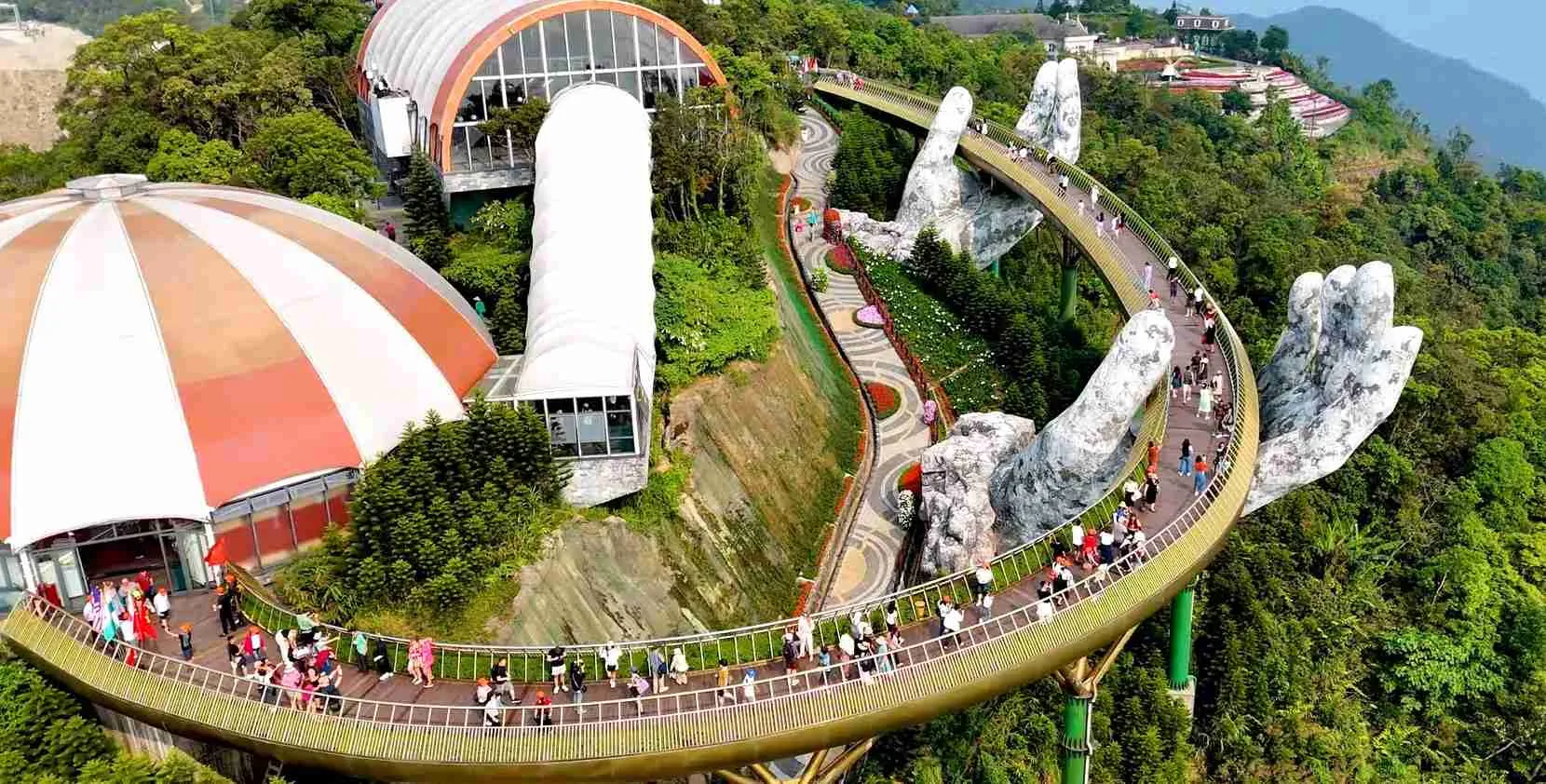
Vietnam 10-Day Itinerary 2026: Complete First Visit Guide
Vietnam’s 1,650-kilometer length packs extraordinary diversity into compact distances, allowing first-time visitors to experience three distinct regions—Hanoi’s ancient capital culture, Hoi An’s riverside charm, and Ho Chi Minh City’s dynamic energy—within a focused ten-day journey. This itinerary balances UNESCO World Heritage sites with authentic local experiences, optimized for 2026 travel with verified current pricing and logistics that maximize your time while minimizing unnecessary backtracking across this S-shaped Southeast Asian nation.
Key Takeaways for Vietnam 10-Day Journey 2026
- North-to-South Route Efficiency: Flying Hanoi → Da Nang → Ho Chi Minh City creates logical progression through Vietnam’s cultural regions without backtracking, with domestic flights costing $22-66 between major cities.
- Ha Long Bay Priority: Dedicate 2 days to overnight Ha Long Bay cruising ($110-160 per person including meals and activities), Vietnam’s most iconic natural wonder and essential northern Vietnam experience.
- Central Vietnam Cultural Core: Hoi An Ancient Town and nearby My Son Sanctuary represent Vietnam’s best-preserved heritage, requiring minimum 2-3 days for full appreciation beyond rushed day-trip visits.
- Budget Flexibility 2026: Total trip costs range $800-2,500 per person depending on accommodation tier—budget hostels ($10-30 nightly) to luxury hotels ($110-500+ nightly)—with street food ($1-3 per meal) dramatically reducing daily expenses.
- Visa Simplification: US citizens obtain 90-day e-visas for $25, while 13 European nationalities enjoy 45-day visa-free entry, eliminating advance embassy visits for most Western travelers in 2026.
- Rainy Season Awareness: October-April offers optimal weather across all three regions, while May-September brings afternoon monsoons particularly affecting central Vietnam’s coast and northern mountain areas.
People Also Ask About Vietnam 10-Day Itinerary 2026
What is the best 10-day route through Vietnam in 2026?
The optimal 10-day Vietnam route follows a north-to-south trajectory: Hanoi (2 days) → Ha Long Bay (2 days overnight cruise) → Da Nang/Hoi An (3 days) → Ho Chi Minh City (2 days) → Mekong Delta (1 day). This routing eliminates backtracking by progressing logically down Vietnam’s length, with internal flights connecting Hanoi-Da Nang ($27) and Da Nang-Ho Chi Minh City ($22-26) requiring just 1-2 hours versus 15-30 hour train alternatives. The itinerary balances Vietnam’s three distinct cultural regions—northern capital heritage, central ancient towns, southern French colonial legacy—while including the country’s signature natural attraction (Ha Long Bay) and essential UNESCO World Heritage sites (Hoi An, My Son).
How much does a 10-day Vietnam trip cost in 2026?
A 10-day Vietnam trip in 2026 costs $800-2,500 per person depending on travel style, excluding international flights. Budget travelers spending $50-80 daily total $500-800 (hostel dorms $10-30 nightly, street food $5-10 daily, local buses), mid-range travelers at $100-150 daily reach $1,000-1,500 (private hotel rooms $50-100, restaurant meals $20-40 daily, domestic flights), while luxury travelers exceeding $200 daily approach $2,000-2,500 (5-star hotels $110-500+, fine dining $60-100 daily, private tours). Major fixed costs affecting all budgets include Ha Long Bay overnight cruise ($110-160), internal flights Hanoi-Da Nang-HCMC ($50-90 combined), Hoi An Old Town ticket (120,000 VND/$5), and e-visa ($25 for US citizens, free for eligible Europeans).
Is 10 days enough time to see Vietnam in 2026?
Ten days provides sufficient time to experience Vietnam’s essential highlights across three major regions—Hanoi’s Old Quarter and Ha Long Bay in the north, Hoi An Ancient Town and My Son Sanctuary in central Vietnam, Ho Chi Minh City and Mekong Delta in the south—without rushing excessively between destinations. This duration allows 2-3 days per major stop, adequate for primary attractions and authentic local experiences while accepting you cannot cover Vietnam’s full 1,650-kilometer length comprehensively. Travelers seeking deeper regional immersion (Sapa’s rice terraces, Phong Nha’s caves, Phu Quoc’s beaches) require 14-21 days, but 10 days delivers a well-rounded introduction balancing cultural sites, natural wonders, and urban energy that represents Vietnam’s diversity effectively for first-time visitors.
What is the best time to visit Vietnam for a 10-day trip in 2026?
The best time for a 10-day Vietnam trip in 2026 is October through April, when dry weather dominates all three regions with comfortable temperatures 20-28°C and minimal rainfall disrupting outdoor activities. This period aligns with peak tourist season (December-February) bringing higher accommodation rates but optimal conditions for Ha Long Bay cruising, Hoi An cycling, and Mekong Delta boat tours. Shoulder months (March-April, October-November) offer excellent value with 10-20% lower prices while maintaining favorable weather. May through September brings afternoon monsoons particularly affecting central Vietnam (Da Nang, Hoi An) and northern mountains (Ha Long Bay), though southern Vietnam (Ho Chi Minh City, Mekong Delta) remains relatively dry—this low season delivers 30-40% accommodation discounts but increases weather-related activity cancellations.
Extended multi-day tours – 5+ days
Featured Vietnam Multi-Day Tour Packages

3 days
Vietnam 3-Day Discovery Tour
- ✓ Comprehensive Vietnam experience
- ✓ Expert local guides included
- ✓ All accommodation included
- ✓ Transportation provided
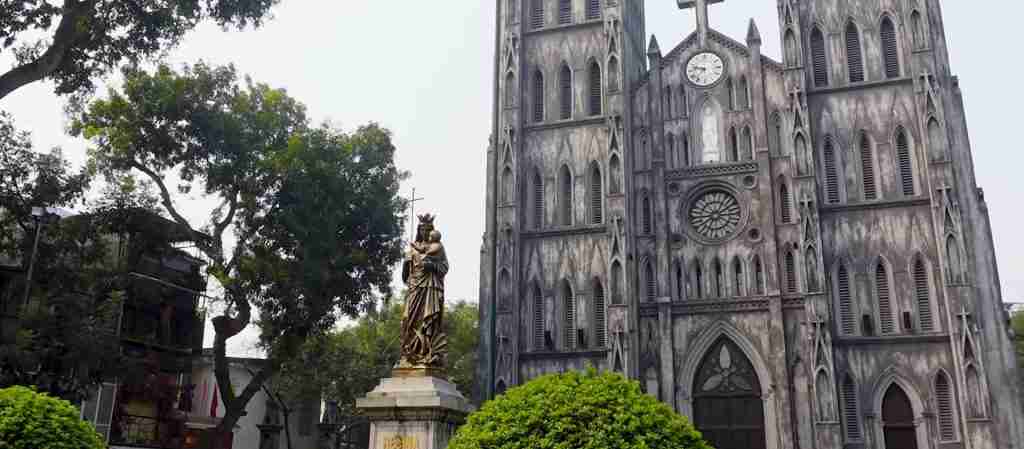
5 days
Vietnam 5-Day Highlights Experience
- ✓ Comprehensive Vietnam experience
- ✓ Expert local guides included
- ✓ All accommodation included
- ✓ Transportation provided
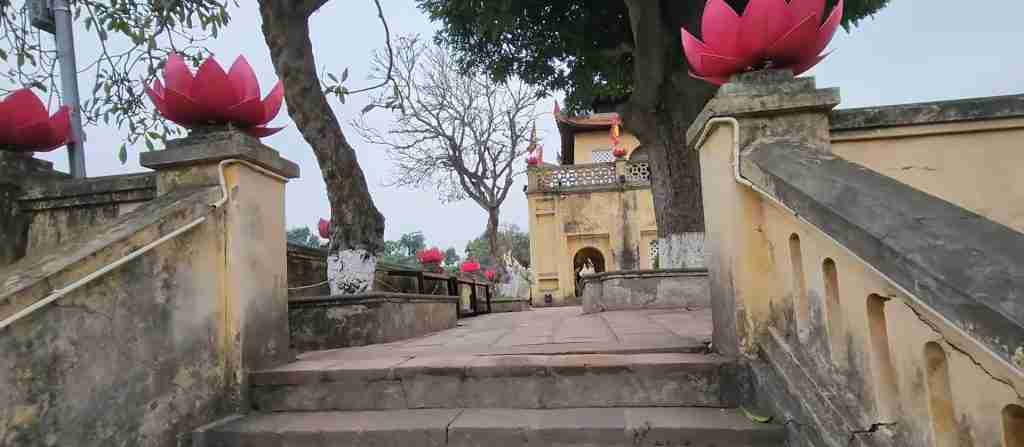
7 days
Vietnam 7-Day Cultural Journey
- ✓ Comprehensive Vietnam experience
- ✓ Expert local guides included
- ✓ All accommodation included
- ✓ Transportation provided
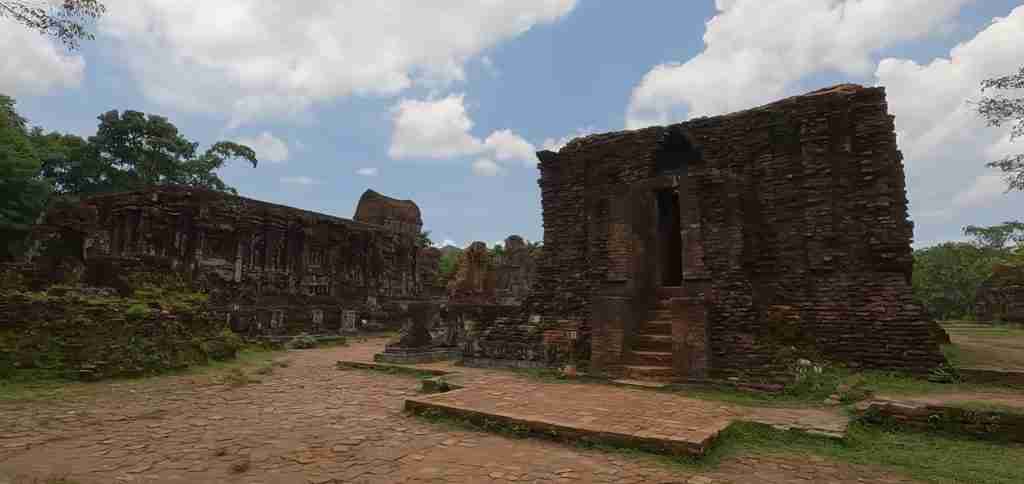
10 days
Vietnam 10-Day Complete Adventure
- ✓ Comprehensive Vietnam experience
- ✓ Expert local guides included
- ✓ All accommodation included
- ✓ Transportation provided
Multi-day tour packages powered by TourRadar. Prices and availability subject to change.
Introduction: Planning Your Vietnam 10-Day Journey in 2026
Vietnam stretches 1,650 kilometers from Chinese border to Mekong Delta, creating one of Southeast Asia’s most geographically diverse nations within remarkably compact distances—Hanoi to Ho Chi Minh City measures just 2 hours by air, 30 hours by train. This extraordinary length-to-width ratio produces three culturally distinct regions experiencing different climates simultaneously: northern Hanoi endures winter fog while southern Saigon basks in tropical heat, central Hoi An faces monsoon rains while northern Ha Long Bay enjoys clear skies. For first-time visitors navigating Vietnam’s complexity, a well-structured 10-day itinerary becomes essential rather than optional, determining whether you experience the country’s essence or spend precious vacation hours trapped on overnight buses between poorly-sequenced destinations.
The 2026 travel landscape in Vietnam combines long-established tourism infrastructure with recent improvements making independent travel increasingly accessible. E-visa implementation eliminated embassy visits for most Western nationalities, budget airlines like VietJet and Bamboo Airways slashed internal flight costs to $22-66 between major cities, and Grab ride-hailing apps standardized urban transportation pricing ending taxi scams that plagued earlier decades. Simultaneously, Vietnam’s tourism sector recovered fully from 2020-2022 disruptions, with Ha Long Bay cruises, Hoi An accommodations, and Mekong Delta tours operating at pre-pandemic service levels while maintaining competitive 2026 pricing that remains Southeast Asia’s best value proposition.
This 10-day itinerary follows a north-to-south route optimized for first-time visitors seeking comprehensive Vietnam exposure without excessive backtracking or marathon bus journeys. The routing progresses logically: Hanoi (2 days exploring French colonial capital and Vietnamese cultural heart) → Ha Long Bay (2 days overnight cruise through UNESCO limestone seascape) → Da Nang/Hoi An (3 days experiencing central Vietnam’s ancient trading port and temple complex) → Ho Chi Minh City (2 days discovering southern commercial energy and war history) → Mekong Delta (1 day floating market immersion). Each segment offers distinct experiences—northern heritage versus southern dynamism, natural wonders versus urban intensity, ancient architecture versus French colonial elegance—collectively representing Vietnam’s extraordinary diversity within focused geographical progression.
Budget considerations for 2026 span wide ranges accommodating backpackers through luxury travelers. Ten-day costs excluding international flights total $800-2,500 per person depending primarily on accommodation tier (hostel dorms $10-30 nightly versus luxury hotels $110-500+) and dining preferences (street food $1-3 per meal versus restaurant dining $15-60). Major fixed expenses affecting all budgets include Ha Long Bay overnight cruise ($110-160 including meals and activities), internal flights between regions ($50-90 combined for Hanoi-Da Nang-HCMC routing), attraction entrance fees totaling approximately $20-40 (Hoi An Old Town 120,000 VND, My Son Sanctuary 150,000 VND, various museums $1-5 each), and e-visa ($25 for US citizens, free for eligible European nationalities). Transportation flexibility—choosing $34 budget flights versus $50 full-service airlines, selecting $2 local buses versus $15 tourist shuttles—creates daily savings accumulating significantly across ten days.
This guide provides day-by-day routing with verified 2026 pricing, transportation logistics, accommodation recommendations by budget tier, and realistic daily cost projections ensuring your Vietnam introduction balances essential experiences with authentic local immersion. The itinerary assumes moderate pace favoring quality over quantity, allowing morning temple visits, leisurely afternoon street food exploration, and evening riverside strolls rather than cramming six attractions into exhausting 12-hour days that characterize rushed tour group schedules.
Before You Go: Essential Vietnam 2026 Planning
Visa Requirements and Entry Procedures 2026
US citizens require e-visas for Vietnam entry in 2026, obtained online via the official government portal https://evisa.gov.vn for $25 (single entry) or $50 (multiple entry), valid up to 90 days with 3-7 business day processing. The application requires passport scans (valid 6 months beyond departure date with 2+ blank pages), digital passport photo, and entry/exit dates—avoid third-party agencies charging inflated fees for the same government-processed visa. Thirteen European nationalities enjoy 45-day visa-free entry including France, Germany, Italy, Spain, UK, Denmark, Sweden, Norway, Finland, Netherlands, Ireland, Belgium, and Malta, requiring only valid passport presentation at immigration without advance applications. Citizens from other nations should verify current requirements at Vietnamese embassies, as visa exemption agreements expanded significantly in 2023-2024 with additional countries potentially added through 2026.
Entry procedures at Hanoi, Da Nang, and Ho Chi Minh City international airports involve standard immigration queues (20-45 minutes during peak morning arrival waves), with immigration officers occasionally requesting proof of onward travel (return ticket or third-country departure confirmation) though enforcement varies inconsistently. Carry printed accommodation confirmations for your first 2-3 nights, as immigration forms require specific addresses rather than “various hotels” vague responses. US passport holders consistently receive full 90-day e-visa validity upon entry regardless of stated departure dates, while visa-exempt European travelers receive the standard 45-day stamp—exceeding these limits triggers substantial fines (approximately $25 per day) and potential 5-10 year entry bans for serious overstays.
Optimal 2026 Travel Seasons by Region
Vietnam’s north-to-south extension creates three distinct climate zones experiencing different optimal seasons simultaneously, complicating unified “best time to visit” recommendations. Northern Vietnam including Hanoi and Ha Long Bay enjoys coolest, driest conditions October through April with daytime temperatures 20-25°C and minimal rainfall, while December-February brings occasional misty drizzle reducing Ha Long Bay visibility but creating atmospheric photography conditions. Central Vietnam around Da Nang and Hoi An experiences optimal weather February through August with clear skies and moderate temperatures, but faces heavy monsoon rains September through January that occasionally flood Hoi An’s Ancient Town streets ankle-deep. Southern Vietnam including Ho Chi Minh City and Mekong Delta maintains warm conditions year-round (28-35°C) with dry season November through April and wet season May through October characterized by intense afternoon downpours rather than all-day rain.
For 10-day itineraries covering all three regions, October through April represents the best compromise delivering favorable conditions across northern, central, and southern destinations. March-April offers particular value with excellent weather nationwide, lighter tourist crowds than peak December-February, and 15-25% lower accommodation rates as high season transitions toward shoulder period. Budget-conscious travelers accepting weather trade-offs find June-August delivers 30-40% discounts on Ha Long Bay cruises and Hoi An hotels, though afternoon rains in central Vietnam require flexible scheduling and waterproof gear for outdoor activities.
Days 1-2: Hanoi Exploration and Cultural Immersion 2026
Day 1: Arrival and Old Quarter Discovery
International flights arrive at Noi Bai International Airport 30 kilometers north of Hanoi, with taxi transfers to Old Quarter hotels costing 300,000-400,000 VND ($12-16) for 40-60 minute journeys depending on traffic. Budget-conscious travelers save significantly using Vietnam Airlines’ airport bus route 86 departing every 30 minutes for 45,000 VND ($1.80), requiring 60-90 minutes with multiple stops before reaching Hanoi Railway Station near Old Quarter’s southern edge. Grab ride-hailing app offers transparent pricing around 250,000-350,000 VND ($10-14) for private cars, eliminating traditional taxi negotiation hassles.
After hotel check-in (most properties allow 2pm-3pm arrivals with earlier access subject to availability), begin Hanoi orientation with afternoon Old Quarter walking exploration. The historic 36 Streets district preserves narrow lanes originally organized by craft guilds—Hang Bac (Silver Street), Hang Gai (Silk Street), Hang Ma (Paper Products)—where ground-floor shops still specialize in traditional goods despite tourist-oriented businesses gradually replacing local commerce. Navigate to Hoan Kiem Lake’s northern shore by 4pm for late afternoon strolls around the city’s spiritual center, observing elderly tai chi practitioners, young couples on lakeside benches, and vendors selling roasted corn and sugarcane juice. The iconic red Huc Bridge leads to Ngoc Son Temple on a small island (30,000 VND/$1.20 entrance), worth visiting primarily for elevated lake views rather than the modest temple interior.
Evening plans center on street food exploration rather than restaurant dining, as Hanoi’s sidewalk food stalls represent Vietnam’s most authentic and economical culinary experiences. Ta Hien Street transforms into pedestrian “beer street” after 6pm with plastic stools occupying sidewalks, serving bia hoi (fresh draft beer) for 8,000-15,000 VND ($0.30-0.60) per glass alongside grilled meats and spring rolls. For proper dinner, navigate to Bun Cha Huong Lien at 24 Le Van Huu Street (the restaurant where Obama and Bourdain famously dined), ordering the signature bun cha (grilled pork with rice noodles and herbs) for 70,000-90,000 VND ($3-3.50) including beer. Alternative street food clusters concentrate around Dong Xuan Market’s perimeter and along Hang Buom Street, with most dishes costing 30,000-80,000 VND ($1.20-3.20).
Accommodation costs in Hanoi’s Old Quarter span $10-500+ nightly depending on property tier and season. Budget travelers find clean hostel dorms for $10-15 at properties like Hanoi Backpackers Hostel or Old Quarter View Hanoi, while private rooms in family-run guesthouses cost $25-40 with basic amenities (air conditioning, WiFi, simple breakfast). Mid-range travelers targeting $50-100 budgets access boutique hotels like Little Charm Hanoi or Essence Hanoi Hotel offering rooftop bars, central locations, and contemporary Vietnamese design. Luxury options above $110 include colonial heritage properties (Sofitel Legend Metropole from $200) and modern 5-stars (JW Marriott, InterContinental) providing international standards.
Day 2: Hanoi Cultural Sites and History
Begin day two early at Ho Chi Minh Mausoleum complex (opens 8am, closes Monday-Friday afternoons, completely closed September-November for annual maintenance), arriving by 7:30am to avoid 9am tour group arrival waves creating 90-minute queue waits. Entry to view Ho Chi Minh’s preserved body requires no fee but enforces strict dress codes (no shorts, sleeveless shirts, or sandals) and conduct rules (absolute silence, no photography, hands out of pockets, single-file procession). The entire viewing process takes 5-10 minutes walking past the glass casket, with additional time exploring the surrounding Presidential Palace grounds, Ho Chi Minh’s simple stilt house where he lived 1958-1969, and the One Pillar Pagoda’s unique wooden structure. The nearby Ho Chi Minh Museum charges 40,000 VND ($1.60) entrance, presenting comprehensive exhibits about Vietnam’s independence struggle though signage lacks English translations in many sections.
After the mausoleum complex (plan 2-3 hours total), walk or Grab-ride 15 minutes to the Temple of Literature (Van Mieu), Vietnam’s first university established 1070 AD, now Hanoi’s most peaceful historical site. Entry costs 30,000 VND ($1.20) providing access to five connected courtyards progressing through successive gates, with the third courtyard’s Thien Quang Well pond surrounded by 82 stone stelae commemorating doctoral graduates from royal examinations 1442-1779. The tranquil gardens host occasional traditional music performances and provide excellent photo opportunities framing ancient architecture against modern Hanoi skyline backgrounds. Allocate 60-90 minutes for thorough exploration, longer if attending student groups performing traditional ceremonies in period costumes.
Lunch options near Temple of Literature include Quan An Ngon at 34 Phan Dinh Phung, a converted French villa serving Vietnamese dishes in outdoor garden setting for 80,000-150,000 VND ($3-6) per main course, or budget-friendly Pho Thin at 13 Lo Duc serving Hanoi’s famous beef pho for 60,000 VND ($2.40). Afternoon activities depend on remaining energy and specific interests—the Vietnam Museum of Ethnology (Nguyen Van Huyen Street, 40,000 VND/$1.60 entrance) provides fascinating exhibits about Vietnam’s 54 ethnic minorities with outdoor displays of traditional houses, while Hoa Lo Prison (Hoa Lo Street, 30,000 VND/$1.20) presents sobering exhibits about French colonial incarceration and American POW detention during the Vietnam War.
Evening concludes with optional water puppet theater performance at Thang Long Water Puppet Theatre (57B Dinh Tien Hoang Street), Vietnam’s unique art form depicting rural folklore through wooden puppets manipulated in waist-deep water pools. Performances run 5pm, 6:30pm, and 8pm daily with tickets costing 100,000-200,000 VND ($4-8) depending on seat location—reserve morning of performance day for better availability. The 50-minute show combines puppetry, live traditional music, and Vietnamese cultural storytelling accessible even without understanding narration language. Alternative evening option involves Hanoi street food walking tour ($25-40 per person for 3-hour guided experiences) visiting 6-8 local eateries sampling bun cha, banh mi, fresh spring rolls, egg coffee, and seasonal specialties while learning food culture context.
Daily Cost Summary Hanoi Days 1-2
Budget travelers (hostels, street food, public transport): Airport bus 45,000 VND, hostel dorm 2 nights 300,000-450,000 VND, street food meals 150,000-300,000 VND daily, attraction entries 130,000 VND combined, local transport 50,000-100,000 VND. Total 2-day Hanoi cost: 800,000-1,200,000 VND ($32-48) excluding Ha Long Bay cruise deposit.
Mid-range travelers (private hotels, mixed dining, Grab transport): Airport Grab 300,000 VND, hotel 2 nights 1,500,000-2,500,000 VND, restaurant meals 300,000-600,000 VND daily, attractions 130,000 VND, Grab rides 200,000-300,000 VND. Total 2-day Hanoi cost: 2,500,000-4,200,000 VND ($100-168).
Luxury travelers (5-star hotels, fine dining, private transport): Airport taxi 400,000 VND, hotel 2 nights 5,000,000-12,000,000 VND, upscale dining 1,000,000-2,000,000 VND daily, guided tours 1,500,000 VND, private transport 500,000 VND. Total 2-day Hanoi cost: 8,500,000-16,500,000 VND ($340-660).
Days 3-4: Ha Long Bay Overnight Cruise Experience 2026
Ha Long Bay Cruise Selection and Booking Strategy
Ha Long Bay overnight cruises represent Vietnam’s premier natural attraction and occupy 2 full days in this 10-day itinerary, with departures from Tuan Chau or Hon Gai piers 3.5-4 hours from Hanoi requiring morning transfers. The 2-day, 1-night cruise format dominates bookings, with ships departing around noon, exploring limestone karst formations through afternoon and following morning, then returning to pier by 11am day two. Cruise pricing ranges dramatically based on vessel quality: budget 3-star cruises cost $110-120 per person including meals, kayaking, and cave visits aboard functional but basic wooden boats with small cabins. Mid-range 4-star options ($120-160 per person) provide larger cabins with balconies, superior food quality, and additional amenities like sundeck jacuzzis or cooking classes. Luxury 5-star cruises ($200-450+ per person) deliver spacious suites, gourmet dining, spa services, and itineraries visiting less-crowded Bai Tu Long Bay or Lan Ha Bay routes avoiding mass-tourism zones.
Most travelers book cruises online 1-4 weeks advance through aggregator sites comparing options, though last-minute walk-in bookings at Hanoi Old Quarter travel agencies sometimes secure 20-30% discounts for ships sailing with empty cabins. Read recent reviews carefully, as Ha Long Bay’s 400+ cruise operators vary enormously in service standards, cleanliness, and safety compliance despite identical online photos. Priority booking considerations include: itinerary specifics (some boats visit identical caves as 10 others creating crowded experiences), cabin location (avoid noisy engine room proximity), and weather-dependent route flexibility. Round-trip transportation from Hanoi adds $20-40 per person for shared shuttle buses, $80-120 for private car transfers accommodating 2-4 passengers.
Day 3: Ha Long Bay Cruise Embarkation and Afternoon Activities
Most Ha Long Bay cruises include Hanoi hotel pickup 8am-8:30am for 3.5-4 hour drives to Tuan Chau or Hon Gai piers, with shuttle buses making rest stops halfway at roadside tourist complexes selling handicrafts and refreshments at inflated prices. Arriving at embarkation piers around noon triggers check-in procedures, welcome drinks, and safety briefings before boats depart 12:30pm-1pm into the bay. Lunch service aboard occurs during initial sailing, typically buffet-style featuring Vietnamese dishes like spring rolls, fried fish, vegetable stir-fries, and fresh fruit—quality varies dramatically between budget and luxury tiers, with 3-star boats offering functional meals while 5-star vessels serve elaborately presented courses.
Afternoon itineraries follow fairly standardized patterns regardless of price tier: first stop visits Sung Sot Cave (Amazing Cave or Surprise Cave), one of Ha Long Bay’s largest caverns featuring three massive chambers filled with dramatic stalactites and stalagmites illuminated by colored lights. The cave visit requires climbing 100+ steps, taking 45-60 minutes for guided tours. Following the cave, most cruises offer kayaking opportunities around karst formations or Vietnamese bamboo boat rides through Luon Cave’s water tunnel, with activities lasting 60-90 minutes. Swimming at Ti Top Island provides optional beach time and panoramic bay views from the island’s summit reached by 400 steps, though water clarity varies seasonally and swimming appeal depends on weather conditions.
Late afternoon returns to the boat for sunset viewing from sundecks, often accompanied by “happy hour” drink promotions or fruit plates. Evening activities typically include optional cooking demonstrations teaching Vietnamese spring roll preparation, followed by dinner service around 7pm-7:30pm featuring more elaborate menus than lunch—grilled seafood, hot pots, stir-fried vegetables, and desserts. Post-dinner entertainment varies by cruise, ranging from non-existent on basic boats to karaoke lounges, squid fishing from decks using illuminated lures, or simply stargazing from sundeck areas. Budget cruises dock overnight in crowded bays alongside 20-50 other vessels creating floating villages, while luxury options anchor in more remote locations for quieter evenings.
Day 4: Morning Cruise Activities and Return to Hanoi
Day four aboard Ha Long Bay cruises begins early with optional tai chi sessions on sundecks around 6:30am, followed by light breakfast service (coffee, tea, pastries) before check-out. Morning itineraries vary by cruise but commonly visit Pearl Farm facilities demonstrating pearl cultivation techniques (essentially shopping opportunities with high-pressure sales tactics), or exploring additional caves/grottos different from day one’s locations. Some cruises offer morning kayaking sessions around karst formations, while others simply cruise back toward piers providing final photo opportunities of limestone pillars emerging from emerald waters.
Brunch service occurs around 10am as boats return to embarkation points, with check-out required by 11am-11:30am for pier arrival around noon. Shuttle buses depart piers 12pm-12:30pm for return journeys to Hanoi, arriving Old Quarter hotels around 4pm-5pm depending on traffic. Budget additional time if connecting same evening to overnight trains toward central Vietnam, as 5pm arrivals provide minimal margin for 7pm-8pm train departures—consider booking following morning trains instead for stress-free transitions. Most cruise packages include this transportation, but confirm details at booking as independent travelers sometimes must arrange separate Hanoi-Ha Long Bay-Hanoi transfers.
Ha Long Bay Cruise Cost Breakdown 2026
Budget 2D1N cruise total costs: Cruise package $110-120 per person including all meals and standard activities, round-trip shuttle from Hanoi $20-30 per person, optional beverages aboard $15-25 for 2 days, gratuities for crew $5-10 per person. Total Ha Long Bay experience: $150-185 per person.
Mid-range 2D1N cruise total costs: Cruise package $120-160 per person with superior cabins and food, shared shuttle $25-35, beverages $20-40, tips $10-15. Total experience: $175-250 per person.
Luxury 2D1N cruise total costs: Premium cruise $200-450 per person with suite accommodations and gourmet meals, private car transfer $40-60 per person (split among group), premium beverages $40-80, generous tips $20-30. Total experience: $300-620 per person.
Days 5-7: Da Nang and Hoi An Ancient Town Immersion 2026
Day 5: Hanoi to Da Nang Flight and Hoi An Transfer
Domestic flights from Hanoi to Da Nang operate frequently throughout the day, with VietJet Air and Bamboo Airways offering budget options starting around $27-40 one-way for 1 hour 25 minute flights, while Vietnam Airlines charges $50-70 for identical routes with slightly more legroom and included baggage. Book morning departures (8am-10am slots) to maximize day five’s usable hours in central Vietnam, arriving Da Nang International Airport around 10am-noon. The airport sits just 30 kilometers from Hoi An Ancient Town, easily reached via Grab car ($10-15, 40 minutes) or pre-booked hotel shuttle buses ($8-12 per person) that many Hoi An accommodations offer as complimentary services for advance reservations.
Afternoon arrival in Hoi An allows hotel check-in followed by initial Ancient Town orientation. Hoi An operates a ticketing system for heritage area access, charging 120,000 VND ($5) for foreign visitors, valid for entry to five attractions selected from 22 heritage sites including old merchant houses, assembly halls, museums, and the iconic Japanese Covered Bridge. Purchase tickets at official booths on main roads entering the Ancient Town (Tran Phu Street, Nguyen Hue Street), though enforcement remains inconsistent—many travelers simply walk Ancient Town streets without purchasing tickets, only buying them when actually entering specific ticketed attractions. The ticket system funds UNESCO heritage preservation, so purchasing supports cultural conservation even if enforcement seems lax.
Late afternoon and evening represent ideal Ancient Town exploration periods as temperatures cool and yellow lanterns illuminate the riverside creating Hoi An’s signature atmosphere. Cross the Japanese Covered Bridge (Chua Cau) connecting Tran Phu and Nguyen Thi Minh Khai streets, dating from early 1600s when Japanese merchants built the structure before closing Japan to foreign trade. Visit one or two old merchant houses like Tan Ky Ancient House (101 Nguyen Thai Hoc Street) showcasing 200-year-old architecture blending Vietnamese, Chinese, and Japanese elements—dark hardwood interiors, ornate carvings, hidden courtyards—preserved by the same family through seven generations. End evening with riverside dinner at one of many restaurants along Bach Dang Street facing Thu Bon River, watching boats drift past lit by multicolored lanterns.
Day 6: My Son Sanctuary and Hoi An Beach
Day six divides between morning temple exploration and afternoon beach relaxation. My Son Sanctuary, Vietnam’s most important Cham temple complex and UNESCO World Heritage Site, sits 40 kilometers west of Hoi An requiring 60-minute drives through rural landscapes. Most visitors book half-day organized tours ($15-25 per person including transportation and English-speaking guide) departing Hoi An hotels 8am-8:30am, though independent travelers arrange private cars ($30-40 round-trip for 1-4 passengers) or motorbike rentals ($6-8 daily) for self-guided visits. Entrance fees at My Son cost 150,000 VND ($6) per person, with optional golf cart transfers from parking area to temple complex adding 30,000 VND ($1.20).
My Son’s red brick towers date from 4th-14th centuries when the Champa Kingdom dominated central Vietnam, worshipping Hindu deities particularly Shiva whose lingam symbols appear throughout the complex. American bombing during the Vietnam War destroyed many structures (the site served as Viet Cong base), leaving roughly 20 towers in various states of preservation scattered across a grassy valley surrounded by jungle-covered mountains. Allocate 2-3 hours for temple exploration plus 30-minute traditional Cham dance performances staged in outdoor amphitheater around 10am and 2:30pm daily. The site becomes extremely hot by midday (bring sun protection, water), with morning visits preferable before 11am temperature peaks.
Return to Hoi An around noon-1pm allows lunch followed by afternoon beach time at An Bang Beach, a long sandy coastline 5 kilometers from Ancient Town reached via 15-minute bicycle rides ($2-3 rentals from hotels) or Grab cars ($3-5). An Bang Beach maintains considerably more local character than nearby Cua Dai Beach dominated by resort developments, with simple beach clubs renting chairs/umbrellas for 30,000-50,000 VND ($1.20-2) offering basic food and cold drinks. Swimming conditions vary seasonally—calm waters April-August, rougher seas with occasional dangerous currents September-March requiring caution. Sunset beachfront seafood dinners at restaurants like Soul Kitchen or La Plage provide relaxed evening dining before returning to Ancient Town’s lantern-lit streets for evening strolls.
Day 7: Hoi An Cycling and Cooking Class Experience
Day seven explores Hoi An’s surrounding countryside and culinary traditions through bicycle touring and cooking classes, popular activities that reveal local life beyond Ancient Town tourism. Half-day countryside bicycle tours ($20-35 per person including bike, guide, and lunch) depart 8am-9am, cycling flat paths through rice paddies, vegetable gardens, and traditional villages where water buffalo still plow fields and farmers harvest crops manually. Routes typically visit pottery villages where artisans shape clay vessels using foot-pedaled wheels, boat-building villages constructing wooden fishing boats, and herb gardens growing Vietnamese cooking staples like lemongrass, basil varieties, and perilla leaves.
Cooking classes represent Hoi An’s most popular activity, offered by dozens of operators at prices ranging $25-50 per person for half-day experiences (typically 8:30am-1pm or 2:30pm-7pm sessions). Reputable operators like Red Bridge Cooking School, Green Bamboo Cooking School, or Gioan Cooking Class begin with market visits purchasing fresh ingredients—live prawns, morning-harvested vegetables, fragrant herbs—followed by hands-on instruction preparing 4-5 Vietnamese dishes like fresh spring rolls, cao lau (Hoi An’s signature noodle dish), grilled fish in banana leaves, and sweet desserts. Classes conclude with communal lunches or dinners enjoying your self-prepared meals, recipes provided for home recreation.
Evening options include Hoi An’s monthly Full Moon Lantern Festival (14th day of each lunar month, approximately monthly throughout 2026) when the entire Ancient Town extinguishes electric lights, illuminating streets solely with traditional lanterns creating magical atmosphere. Regular evenings offer simple pleasures like riverside drinks watching sunset over Thu Bon River, browsing night market stalls selling lanterns and souvenirs, or attending traditional music performances at various assembly halls and cultural houses (usually free or nominal 20,000-50,000 VND/$0.80-2 donations).
Daily Cost Summary Da Nang/Hoi An Days 5-7
Budget travelers (hostels, street food, bicycles): Hanoi-Da Nang flight $27-40, Hoi An hostel 3 nights 450,000-900,000 VND, street food meals 120,000-250,000 VND daily, Hoi An ticket 120,000 VND, My Son tour $15-20, bike rental 100,000 VND, cooking class $25-30. Total 3-day central Vietnam cost: $90-150 per person.
Mid-range travelers (hotels, restaurants, tours): Hanoi-Da Nang flight $40-60, hotel 3 nights 1,800,000-3,600,000 VND, restaurant meals 250,000-500,000 VND daily, attractions and tours combined $60-90, Grab transport 200,000 VND. Total 3-day cost: $180-320 per person.
Luxury travelers (resorts, fine dining, private guides): Hanoi-Da Nang business class $80-120, beachfront resort 3 nights 4,500,000-12,000,000 VND, upscale dining 600,000-1,200,000 VND daily, private tours $120-200, spa treatments $80-150. Total 3-day cost: $450-850 per person.
Days 8-9: Ho Chi Minh City Discovery 2026
Day 8: Da Nang to Ho Chi Minh City and Saigon Introduction
Domestic flights from Da Nang to Ho Chi Minh City (commonly called Saigon) operate hourly throughout the day, with budget carriers VietJet and Bamboo Airways offering $22-35 one-way fares for 1 hour 25 minute flights, while Vietnam Airlines charges $40-60 for identical routes. Morning departures (7am-9am) maximize day eight exploration hours, arriving Tan Son Nhat International Airport around 9am-11am. The airport sits just 8 kilometers from central District 1, easily reached via Grab cars ($5-8, 20-30 minutes depending on traffic) or airport bus route 109 ($0.60, 45-60 minutes with multiple stops).
After hotel check-in in District 1 (most properties near Ben Thanh Market, Dong Khoi Street, or Bui Vien backpacker area), begin Ho Chi Minh City orientation with afternoon walking tour through French colonial architecture concentrated around Dong Khoi Street. The iconic Saigon Central Post Office, designed by Gustave Eiffel and completed 1891, operates as functional postal facility while welcoming tourist photography of the vaulted interior ceiling and arched windows. Next door, the Notre-Dame Cathedral Basilica of Saigon presents neo-Romanesque red brick towers imported from France, though the cathedral closed for extensive renovations expected through 2027—exterior photographs remain possible from park square. Walk south along Dong Khoi Street browsing luxury boutiques and colonial-era buildings repurposed as hotels and cafes, ending at Saigon River waterfront.
Late afternoon visits to the War Remnants Museum (28 Vo Van Tan Street, 40,000 VND/$1.60 entrance, closes 5pm daily) provide sobering perspectives on the Vietnam War through Vietnamese lens, displaying American weapons, disturbing photographs of chemical warfare effects, and recreated “tiger cage” prison cells. The museum presents one-sided narratives focusing heavily on American atrocities without mentioning North Vietnamese actions, yet remains essential for understanding how Vietnamese experienced and remember the conflict. Allocate 90-120 minutes for comprehensive viewing of indoor exhibits and outdoor military equipment displays including captured American tanks, helicopters, and fighter planes.
Evening explores Saigon’s dynamic street food scene, particularly around Ben Thanh Market’s perimeter where dozens of vendors set up 6pm-midnight serving grilled meats, banh xeo (sizzling crepes), and fresh fruit smoothies for 40,000-100,000 VND ($1.60-4) per dish. Alternative upscale option involves rooftop bars like Saigon Saigon Bar (Caravelle Hotel, 19 Lam Son Square) or Air360 Sky Bar (Bitexco Financial Tower, 36 Ho Tung Mau Street) offering panoramic city views with cocktails priced $8-15, dramatically higher than street-level bia hoi but providing spectacular nighttime cityscape perspectives.
Day 9: Cu Chi Tunnels and Independence Palace
Day nine dedicates morning hours to Cu Chi Tunnels, an extensive underground network 70 kilometers northwest of Ho Chi Minh City where Viet Cong fighters lived and operated during the Vietnam War. Half-day organized tours ($15-25 per person including transportation and guide) depart hotels 8am-8:30am for 90-minute drives to the tunnel complex, now preserved as war memorial and tourist attraction. Entry fees cost 110,000 VND ($4.40) per person, providing access to enlarged tunnel sections where visitors can crawl through claustrophobic passages (original dimensions too small for most Western tourists), shooting ranges offering AK-47 and M16 rifle experiences ($1-2 per bullet, extremely loud and touristy), and exhibits showing tunnel life including hidden trap doors, ventilation systems, and underground meeting rooms.
Tours return to Ho Chi Minh City around 1pm-2pm, allowing afternoon exploration of Reunification Palace (135 Nam Ky Khoi Nghia Street, 40,000 VND/$1.60 entrance), the building where North Vietnamese tanks crashed through gates April 30, 1975, symbolically ending the Vietnam War. The 1960s-era palace preserves period furnishings, war room telecommunications equipment, and rooftop helipad where last American helicopters evacuated personnel hours before communist takeover. Guided tours (included in entrance fee) provide 45-60 minute explorations of presidential living quarters, cabinet meeting rooms, and basement bunker systems, while self-guided visits allow flexible pacing through the building’s four stories.
Late afternoon shopping at Ben Thanh Market (Le Loi Boulevard and Ham Nghi Street intersection) presents opportunities for souvenir purchases—silk scarves, lacquerware, coffee, dried fruits—though aggressive vendor tactics and inflated starting prices require patience and negotiation skills. Expect to bargain down 30-50% from initial quotes, walking away if vendors refuse reasonable counteroffers (they usually call you back with lower prices). Evening options include Saigon River dinner cruises ($25-60 per person for 2-3 hour experiences with buffet meals and traditional music), Saigon Opera House performances (7 Lam Son Square, various shows $10-50 tickets), or exploring Bui Vien backpacker street’s bars and restaurants catering to international travelers.
Daily Cost Summary Ho Chi Minh City Days 8-9
Budget travelers (hostels, street food, tours): Da Nang-HCMC flight $22-35, hostel 2 nights 300,000-600,000 VND, street food meals 100,000-200,000 VND daily, Cu Chi tour $15-20, attraction entries 190,000 VND combined, local transport 100,000 VND. Total 2-day HCMC cost: $65-110 per person.
Mid-range travelers (hotels, restaurants, comfortable tours): Da Nang-HCMC flight $35-50, hotel 2 nights 1,500,000-3,000,000 VND, restaurant dining 300,000-600,000 VND daily, Cu Chi private tour $40-60, attractions 190,000 VND, Grab transport 250,000 VND, rooftop drinks 400,000 VND. Total 2-day cost: $150-270 per person.
Luxury travelers (5-star hotels, fine dining, private experiences): Da Nang-HCMC business class $70-100, luxury hotel 2 nights 4,000,000-10,000,000 VND, upscale dining 800,000-1,600,000 VND daily, private Cu Chi tour $100-150, spa and shopping 1,500,000 VND. Total 2-day cost: $380-720 per person.
Day 10: Mekong Delta Day Trip and Departure Preparation 2026
Mekong Delta Floating Markets Experience
Day ten concludes the 10-day Vietnam itinerary with Mekong Delta exploration, southern Vietnam’s vast wetland region where the Mekong River splinters into countless channels before reaching the sea. Full-day organized tours ($25-45 per person departing Ho Chi Minh City) leave hotels 7am-7:30am for 2-hour drives to My Tho or Ben Tre provinces, gateway towns providing boat access to delta waterways. Tour itineraries typically include motorboat rides through narrow canals overhung by palm trees, visits to fruit orchards sampling dragon fruit, rambutan, and longan, stops at coconut candy workshops demonstrating traditional production methods, and visits to riverside villages where locals live in still houses elevated above seasonal floods.
The delta’s famous floating markets (Cai Rang near Can Tho, Cai Be between My Tho and Vinh Long) operate early morning 5am-9am when wholesale fruit and vegetable trading peaks, requiring overnight stays in delta towns or extremely early departures from Ho Chi Minh City (3am-4am) for day-trip logistics. Most day tours instead visit land-based markets and riverside commerce, providing authentic delta experiences without floating market spectacle. Tours return to Ho Chi Minh City around 5pm-6pm, allowing evening departure preparations for overnight flights or next-morning international connections.
Alternative day ten plans for travelers skipping Mekong Delta include leisurely Ho Chi Minh City shopping and cafe culture, visiting the Jade Emperor Pagoda (73 Mai Thi Luu Street, free entry) showcasing elaborate Taoist shrines filled with incense smoke, or Saigon Skydeck (Bitexco Financial Tower, 200,000 VND/$8 entrance) for 360-degree city views from 49th floor observation deck. Budget extra time for international departure logistics—most hotels allow late check-out or luggage storage for modest fees, while Tan Son Nhat International Airport requires arriving 3 hours before international flights during evening peak departure periods.
Final Day Cost Summary and Departure
Mekong Delta day tour costs: Full-day organized tour $25-45 per person including transportation, boat rides, fruit tastings, and lunch. Independent travelers hiring private cars $60-100 total (split among group) plus separate attraction fees 100,000-200,000 VND combined, boat rides 100,000-200,000 VND per boat accommodating 4-6 passengers.
Airport transfer to Tan Son Nhat: Grab car from District 1 hotels $5-8, airport taxi 200,000-300,000 VND ($8-12), airport bus route 109 only 20,000 VND ($0.80) but requires 60+ minutes with luggage.
Complete 10-Day Vietnam Budget Breakdown 2026
Budget Traveler Total Costs (Hostels, Street Food, Local Transport)
Accommodation 10 nights (dorm beds, budget guesthouses): Hanoi 2 nights 300,000-450,000 VND, Ha Long cruise included in package, Hoi An 3 nights 450,000-900,000 VND, HCMC 2 nights 300,000-600,000 VND. Total accommodation: 1,050,000-1,950,000 VND ($42-78).
Transportation: Hanoi airport bus 45,000 VND, Ha Long Bay shuttle $20-30, Hanoi-Da Nang flight $27-40, Da Nang-HCMC flight $22-35, local transport/Grab 500,000 VND ($20). Total transport: $90-125.
Activities and attractions: Ha Long Bay cruise $110-120, Hoi An ticket 120,000 VND, My Son tour $15-20, cooking class $25-30, Cu Chi tour $15-20, Mekong Delta tour $25-35, other entries 300,000 VND. Total activities: $200-250.
Food and beverages: Street food averaging $8-12 daily for 10 days. Total food: $80-120.
Miscellaneous (SIM card, tips, emergencies): $30-50.
Total 10-day Vietnam budget traveler cost: $442-623 per person (excluding international flights to/from Vietnam).
Mid-Range Traveler Total Costs (Private Hotels, Mixed Dining, Tours)
Accommodation 10 nights (private rooms, 3-4 star hotels): Hanoi 2 nights 1,500,000-2,500,000 VND, Ha Long cruise included, Hoi An 3 nights 1,800,000-3,600,000 VND, HCMC 2 nights 1,500,000-3,000,000 VND. Total accommodation: 4,800,000-9,100,000 VND ($192-364).
Transportation: Hanoi airport Grab 300,000 VND, Ha Long shuttle $25-35, Hanoi-Da Nang flight $40-60, Da Nang-HCMC flight $35-50, local Grab rides 800,000 VND ($32). Total transport: $145-200.
Activities: Ha Long cruise $120-160, Hoi An attractions and tours combined $60-90, cooking class $30-40, Cu Chi tour $20-30, Mekong Delta $30-45, other entries and experiences 500,000 VND ($20). Total activities: $280-385.
Food and beverages: Restaurant meals and cafes averaging $25-35 daily for 10 days. Total food: $250-350.
Miscellaneous: $50-80.
Total 10-day Vietnam mid-range traveler cost: $917-1,379 per person (excluding international flights).
Luxury Traveler Total Costs (5-Star Hotels, Fine Dining, Private Services)
Accommodation 10 nights (luxury hotels and resorts): Hanoi 2 nights 5,000,000-12,000,000 VND, Ha Long luxury cruise included, Hoi An 3 nights 4,500,000-12,000,000 VND, HCMC 2 nights 4,000,000-10,000,000 VND. Total accommodation: 13,500,000-34,000,000 VND ($540-1,360).
Transportation: Hanoi airport taxi 400,000 VND, Ha Long private transfer $40-60, Hanoi-Da Nang business $80-120, Da Nang-HCMC business $70-100, private cars and drivers 2,000,000 VND ($80). Total transport: $310-440.
Activities: Ha Long luxury cruise $200-450, private Hoi An tours $120-200, premium cooking class $50-80, private Cu Chi $100-150, Mekong Delta private $80-120, spa treatments and upgrades $150-300. Total activities: $700-1,300.
Food and beverages: Fine dining and premium venues averaging $60-100 daily for 10 days. Total food: $600-1,000.
Miscellaneous (premium services, shopping, tips): $150-300.
Total 10-day Vietnam luxury traveler cost: $2,300-4,400 per person (excluding international flights).
Transportation Logistics Between Vietnam Regions 2026
Internal Flight Options and Booking Strategy
Vietnam’s domestic aviation market operates primarily through three carriers: VietJet Air (budget airline offering lowest base fares $20-50 but charging for all baggage, seat selection, and meals), Bamboo Airways (mid-tier carrier balancing competitive pricing $30-70 with included 20kg checked baggage), and Vietnam Airlines (full-service national carrier $50-100 providing superior legroom, frequent flyer benefits, and reliability). All three airlines serve the core Hanoi-Da Nang-Ho Chi Minh City route with multiple daily flights, making advance booking less critical than other Southeast Asian destinations where limited capacity triggers dramatic price increases for last-minute purchases.
Book domestic flights 1-4 weeks advance for optimal pricing, as Vietnamese carriers maintain relatively stable fares rather than following extreme dynamic pricing models. Compare booking directly through airline websites versus aggregators like Skyscanner or Kayak—direct bookings sometimes cost less due to eliminated aggregator commissions. Check baggage policies carefully, as VietJet’s advertised $22 fares exclude all luggage, potentially increasing to $35-45 after adding 20kg checked bag ($10-15 fee). For this 10-day itinerary’s three flights (Hanoi-Da Nang, Da Nang-HCMC, plus HCMC-Hanoi if departing from Hanoi), budget $90-180 total for basic economy across all carriers.
Train and Bus Alternative Options
Vietnam Railways operates overnight trains connecting Hanoi-Hue-Da Nang-Nha Trang-Ho Chi Minh City along the coastal route, offering romantic but time-consuming alternatives to flights. The Hanoi-Da Nang route requires 15-17 hours overnight with sleeper berths costing $25-60 depending on class (basic 6-berth hard sleeper versus 4-berth soft sleeper with air conditioning), while Da Nang-Ho Chi Minh City extends 18-20 hours for similar pricing. First-time Vietnam visitors rarely choose trains for this itinerary as 15-20 hour overnight journeys consume entire days that could be spent exploring destinations, though the Reunification Express train journey offers scenic coastal views for travelers prioritizing overland romance over time efficiency.
Open-tour buses operate extensively between all major cities, offering cheapest transportation ($15-30 for Hanoi-Hue-Hoi An-Nha Trang-HCMC routes) but requiring 12-20 hour overnight journeys in reclining seats or sleeping berths of variable comfort. Budget backpackers traditionally favor these buses, but the $10-25 savings versus budget flights hardly justifies lost vacation days spent in transit. Reserve buses primarily for shorter routes like Da Nang-Hoi An (30km, 45 minutes, $2-3 local buses) where flying makes no sense.
Accommodation Recommendations by Budget Category 2026
Budget Accommodations (Under $30 Per Night)
Hanoi budget stays concentrate in the Old Quarter, with popular backpacker hostels like Hanoi Backpackers Hostel (multiple locations, dorm beds $10-15, private rooms $25-35) offering social atmospheres, rooftop bars, and organized pub crawls. Vietnam Backpacker Hostels Downtown and Hanoi La Siesta Hotel & Spa provide similar pricing with slightly more upscale facilities. Hoi An’s budget scene centers on An Bang Beach area rather than Ancient Town, where properties like Tribee Ede Hostel and Hoi An Chic Hotel offer $12-18 dorm beds with beach proximity. Ho Chi Minh City budget accommodations cluster around Bui Vien backpacker street (District 1) and De Tham Street, with Saigon Backpackers Hostel chain dominating the social hostel market ($10-15 dorms, organized tours and activities).
Mid-Range Accommodations ($50-150 Per Night)
Mid-range travelers targeting comfort without luxury find excellent value across Vietnamese cities. Hanoi options include La Siesta Premium Hang Be (boutique hotel with rooftop pool, $70-100), Essence Hanoi Hotel & Spa (modern design near Hoan Kiem Lake, $60-90), and Hotel de l’Opera Hanoi (French colonial elegance, $90-130). Hoi An’s mid-range sweet spot features riverside boutique properties like Lantana Riverside Hoi An Hotel ($60-80), Vinh Hung Library Hotel (restored heritage building, $70-100), and Anantara Hoi An Resort (upscale resort experience, $120-180). Ho Chi Minh City provides international brands like Novotel Saigon Centre ($80-120) and Pullman Saigon Centre ($100-150) plus local boutiques offering colonial architecture charm.
Luxury Accommodations ($150+ Per Night)
Luxury travelers find Vietnam delivers exceptional value compared to Western equivalents. Hanoi’s iconic Sofitel Legend Metropole ($200-350) hosted historic figures from Charlie Chaplin to Jane Fonda in its 1901 French colonial building, while modern alternatives include JW Marriott Hanoi ($150-250) and InterContinental Hanoi Landmark72 ($180-300). Hoi An’s luxury centers on beach resorts like Four Seasons Resort The Nam Hai ($350-600) and Victoria Hoi An Beach Resort & Spa ($200-400), balancing beachfront locations with Ancient Town proximity. Ho Chi Minh City’s premium options include Park Hyatt Saigon ($250-400), The Reverie Saigon ($300-500 for Italian-designed opulence), and historic Continental Saigon ($150-280 maintaining 1880s colonial character).
Vietnam Travel Tips and Cultural Considerations 2026
Currency and Payment Methods
Vietnamese Dong (VND) operates as the national currency with approximate exchange rates around 25,000 VND = $1 USD in 2026, though rates fluctuate slightly. ATMs accepting international cards appear abundantly in all tourist areas, dispensing maximum 3,000,000-10,000,000 VND ($120-400) per transaction depending on bank, with most charging 30,000-50,000 VND ($1.20-2) foreign transaction fees. Notify your home bank of Vietnam travel dates to prevent fraud-triggered card blocks. US dollars are widely accepted at tourist-oriented hotels, tour operators, and cruise companies, often preferred for large purchases as exchange rate fluctuations favor merchants. Credit cards work at upscale establishments but incur 3-4% merchant fees that many businesses pass to customers, making cash preferable for daily expenses.
Language and Communication
Vietnamese language challenges Western speakers with six tonal variations changing word meanings entirely, making pronunciation difficult for casual visitors. English proficiency varies dramatically—excellent among younger tourism workers in major cities, minimal among older generations and rural populations. Hotels, restaurants, and tour operators in Hanoi, Hoi An, and Ho Chi Minh City function comfortably in English, while street food vendors and local markets require pointing, calculators, and patience. Download Google Translate app with offline Vietnamese language pack for restaurant menu translations and basic communication. Learning basic Vietnamese phrases (xin chao=hello, cam on=thank you, bao nhieu tien=how much) generates positive local responses despite imperfect pronunciation.
Safety and Health Precautions
Vietnam ranks among Southeast Asia’s safest destinations with violent crime against tourists extremely rare, though petty theft (pickpocketing, bag snatching from motorbikes) occurs in crowded areas like Hanoi’s Old Quarter and HCMC’s Ben Thanh Market. Secure valuables in hotel safes, wear cross-body bags in front of body, and avoid displaying expensive cameras or jewelry unnecessarily. Traffic poses greater risk than crime—Vietnamese driving culture involves constant honking, red-light running, and sidewalk motorbike parking creating chaotic street crossing experiences. Cross streets slowly and steadily rather than stopping mid-road, as drivers navigate around predictable pedestrian movement.
Food safety remains generally excellent, with street food stalls cooking everything fresh to order over high heat killing bacteria. Trust establishments with crowds of local customers indicating rapid food turnover and quality ingredients. Avoid raw vegetables at questionable vendors, drink only bottled or filtered water, and maintain basic hand hygiene. Most travelers experience minor digestive adjustments rather than serious illness, with standard over-the-counter remedies (Imodium, electrolyte packets) sufficient for brief discomfort.
Tipping and Bargaining Culture
Vietnam operates without established tipping expectations for local establishments—street food vendors, local restaurants, and standard hotels never expect gratuities beyond rounding up bills slightly. Tourist-oriented services increasingly expect tips following Western patterns: 10-15% at upscale restaurants (check bills for service charges first), $5-10 daily for tour guides, $2-3 daily for hotel cleaning staff, 20,000-50,000 VND ($0.80-2) for helpful concierges. Ha Long Bay cruise crews receive collective tips (typically $5-10 per person for 2-day cruise) divided among staff.
Bargaining dominates shopping interactions at markets, street vendors, and independent shops without posted prices—opening quotes often exceed fair prices by 100-300%. Counter at 40-60% of asking price, negotiating upward to meet vendors somewhere middle. Prices at malls, supermarkets, and restaurants are fixed non-negotiable. Tuk-tuk and cyclo rides require price agreement before departure to avoid arrival arguments, though Grab app eliminates all negotiation providing transparent fixed pricing.
Frequently Asked Questions About Vietnam 10-Day Itinerary 2026
Can I visit Vietnam without speaking Vietnamese?
Yes, English works adequately throughout Vietnam’s tourist infrastructure in 2026, with hotel staff, tour guides, and restaurant servers in major destinations (Hanoi, Hoi An, Ho Chi Minh City) communicating effectively in English. Challenges arise with street food vendors, taxi drivers (use Grab app to avoid language barriers), and rural areas where English proficiency drops significantly. Google Translate app with downloaded Vietnamese language pack provides essential backup for menu reading and basic communication. Many younger Vietnamese study English and appreciate opportunities to practice with Western travelers, creating helpful interactions beyond transactional tourism.
Is it safe to eat street food in Vietnam?
Street food represents Vietnam’s most authentic culinary experiences and remains generally safe for consumption, with local establishments cooking everything fresh to order over high heat that kills bacteria effectively. Choose vendors with steady customer flow indicating ingredient freshness and rapid turnover, avoiding places with pre-cooked food sitting uncovered for extended periods. Most travelers consume street food throughout Vietnam trips without illness beyond minor digestive adjustments from unfamiliar spices and cooking oils. Start cautiously, building tolerance gradually rather than immediately eating three street meals daily. Avoid raw vegetables at questionable vendors, drink only bottled water, and maintain hand hygiene before eating. Digestive issues typically respond to over-the-counter remedies like Imodium and electrolyte replacement.
What should I pack for 10 days in Vietnam?
Pack lightweight, breathable clothing suitable for tropical heat and humidity, with long pants and sleeved shirts for temple visits requiring modest dress. Essential items include comfortable walking shoes (expect 10,000-15,000 steps daily exploring cities), sandals for beach days, rain jacket or compact umbrella (particularly October-April when occasional showers occur), sunscreen SPF 30+ and hat for UV protection, and mosquito repellent with DEET for evening outdoor dining. Bring universal power adapter (Vietnam uses Type A, C, and G sockets), portable battery pack for phone charging during long touring days, and basic medications (pain relievers, anti-diarrhea, antihistamines). Leave space in luggage for purchases, as Vietnam offers excellent silk, lacquerware, and tailored clothing at modest prices. Laundry services available everywhere make packing light viable—hotels wash/dry clothes for 15,000-30,000 VND ($0.60-1.20) per item within 24 hours.
How much cash should I carry daily in Vietnam?
Carry 500,000-1,000,000 VND ($20-40) daily cash for street food, local transport, and small purchases, supplemented by credit cards for hotels and upscale restaurants. ATMs appear abundantly in all tourist areas, making large cash reserves unnecessary—withdraw as needed rather than carrying excessive amounts risking loss or theft. US dollars work for major purchases (hotel bills, tour packages, Ha Long Bay cruises) and often receive better exchange rates than paying VND equivalents. Break large denomination notes (500,000 VND, 200,000 VND) at hotels or major retailers, as street vendors and taxis frequently claim insufficient change for large bills. Smaller cities and rural areas outside this 10-day itinerary require more cash reliance, but Hanoi-Hoi An-HCMC route maintains extensive ATM networks and card acceptance.
What are the best apps for traveling in Vietnam 2026?
Essential Vietnam travel apps include Grab (ride-hailing for transparent pricing eliminating taxi negotiations, plus food delivery), Google Maps (reliable navigation and business information, download offline maps for areas with weak connectivity), Google Translate (with offline Vietnamese language pack for restaurant menus and basic communication), Xe.com or similar currency converters for quick VND-USD calculations, and weather apps for tropical storm tracking during rainy seasons. Banking apps from your home financial institutions enable fraud monitoring and instant card freezing if theft occurs. Vietnam-specific apps like Foody help locate authentic local restaurants with user reviews in English, while standard social media apps (WhatsApp, Instagram) function normally without restrictions unlike neighboring China.
Can I use my credit card everywhere in Vietnam?
Credit cards work at international hotels, upscale restaurants, and organized tour operators, but cash remains essential for street food, local transport, markets, and budget accommodations. Visa and Mastercard enjoy widest acceptance, while American Express and Discover face limited adoption. Many businesses accepting cards add 3-4% merchant fees passed to customers, making cash preferable for avoiding surcharges. ATMs accepting international cards appear abundantly in tourist areas, allowing cash withdrawals as needed rather than carrying excessive amounts. Notify your bank of Vietnam travel dates to prevent fraud-triggered card blocks, and carry backup payment methods (second credit card, debit card, US dollars) in case primary card experiences issues.
Do I need travel insurance for Vietnam?
Travel insurance remains highly recommended for Vietnam trips, covering medical emergencies (quality private hospitals in major cities charge $100-500+ for treatments), trip cancellations (weather disruptions affecting Ha Long Bay cruises or flight delays during monsoon seasons), and lost luggage or theft. Vietnam’s healthcare system provides excellent private medical facilities in Hanoi and Ho Chi Minh City but requires upfront cash payment for services, making insurance essential for serious illness or injury requiring hospitalization, medical evacuation, or extended treatment. Adventure activities like motorbike rentals void many standard policies unless specific coverage purchased. Compare providers like World Nomads, SafetyWing, or Allianz offering Southeast Asia coverage, typically costing $40-80 for 10-day policies with $50,000-100,000 medical coverage limits.
Is October-November a good time for this 10-day Vietnam itinerary?
October-November represents excellent timing for this north-to-south itinerary, offering favorable weather across all three regions as Vietnam transitions from rainy to dry season. Northern Vietnam (Hanoi, Ha Long Bay) enjoys clear skies and comfortable temperatures 22-28°C, central Vietnam (Hoi An, Da Nang) experiences decreasing rainfall with pleasant conditions emerging, and southern Vietnam (Ho Chi Minh City, Mekong Delta) enters prime dry season. This shoulder period delivers 15-25% lower accommodation rates compared to peak December-February without sacrificing weather quality. Occasional afternoon showers still occur in central Vietnam during October, but these typically last 30-60 minutes rather than all-day downpours characteristic of September monsoon peak. Book Ha Long Bay cruises with flexible cancellation policies, as October-November tropical storms occasionally impact northern Vietnam requiring itinerary adjustments.
Can I extend my stay beyond 10 days easily?
Yes, Vietnam’s e-visa system allows stays up to 90 days for single or multiple entries, providing ample flexibility for extended travel beyond this 10-day introduction. Popular extensions include adding Sapa’s terraced rice paddies (2-3 days north of Hanoi), Phong Nha’s cave systems (2 days between Hanoi and Hoi An), Nha Trang’s beach resort city (2-3 days between Hoi An and Ho Chi Minh City), or Phu Quoc Island’s tropical beaches (3-4 days from Ho Chi Minh City). Each addition requires 1-2 extra days plus transportation costs—budget flights to Phu Quoc cost $40-80, overnight trains to Sapa run $25-60 sleeper berths. Two-week itineraries typically add Sapa or Phong Nha, three-week journeys incorporate both plus beach time in Nha Trang or Phu Quoc. Hotels and tour operators easily book with 1-2 days notice throughout most of the year except peak December-January and Tet holiday (late January/early February) when advance reservations become essential.
What vaccinations do I need for Vietnam travel?
No vaccinations are legally required for Vietnam entry from most Western countries, though health authorities recommend ensuring routine vaccines remain current (measles-mumps-rubella, diphtheria-tetanus-pertussis, varicella, polio, and yearly influenza). CDC recommends Hepatitis A and Typhoid vaccines for Vietnam travelers, as these foodborne/waterborne diseases pose modest risks from contaminated food and water particularly in rural areas. Hepatitis B vaccination benefits travelers expecting medical procedures, intimate contact with locals, or extended stays. Japanese Encephalitis vaccine applies primarily to rural agricultural areas and extended stays during rainy seasons—unnecessary for this 10-day urban/coastal itinerary. Rabies vaccination applies only if extensive animal contact anticipated. Malaria prophylaxis remains unnecessary for major cities and coastal areas in this itinerary, though becomes relevant for rural highlands and Mekong Delta extended stays. Consult travel medicine clinics 4-6 weeks before departure for personalized recommendations based on specific health history and itinerary details.