Vienna Zoo Schönbrunn Guide: World’s Oldest Operating Zoo
- Schönbrunn Zoo is the world’s oldest continuously operating zoo, founded in 1752 by Emperor Franz I Stephan
- The zoo houses over 700 species in historic baroque architecture within UNESCO World Heritage Schönbrunn Palace grounds
- Giant pandas, koalas, and polar bears represent flagship conservation programs with international breeding success
- Original baroque pavilion and 18th-century imperial breakfast pavilion remain architectural centerpieces of the historic zoo
- The zoo pioneered modern animal welfare standards while maintaining authentic imperial Austrian heritage and design
- Photography opportunities combine baroque architecture with naturalistic habitats across 17 hectares of landscaped grounds
Introduction: Imperial Legacy Meets Modern Conservation
Tiergarten Schönbrunn stands as a remarkable intersection of imperial Austrian history and cutting-edge zoological science. Founded in 1752 as the private imperial menagerie of Habsburg Emperor Franz I Stephan, this extraordinary institution holds the distinction of being the world’s oldest continuously operating zoo. Located within the grounds of Schönbrunn Palace, itself a UNESCO World Heritage Site, the zoo represents 270+ years of unbroken zoological tradition.
The zoo’s historical significance extends far beyond its age. The original baroque architecture, designed by court architect Jean Nicolas Jadot de Ville-Issey, remains central to the visitor experience. The thirteen enclosures radiate from a central octagonal pavilion where the imperial family once took breakfast while observing exotic animals. This unique architectural legacy creates an unparalleled atmosphere where visitors walk through authentic 18th-century structures while experiencing world-class modern animal care.
Schönbrunn Zoo has consistently evolved while honoring its heritage. The institution pioneered naturalistic habitat design in the 1990s, transforming traditional barred enclosures into immersive environments that prioritize animal welfare. The zoo earned the title “Best Zoo in Europe” five times and maintains the highest European zoo accreditation standards. Over 2 million visitors annually experience this unique blend of history, architecture, and conservation.
The zoo’s collection strategy focuses on species requiring specialized conservation attention. Giant pandas Yuān Yuān and Yang Yang represent one of Europe’s most successful panda breeding programs, with multiple cubs born at Schönbrunn. The koala house maintains one of only four breeding colonies outside Australia. Polar bear habitat showcases innovative climate-controlled environments that address arctic species’ needs while educating visitors about climate change impacts.
People Also Ask About Vienna Zoo Schönbrunn
What makes Schönbrunn Zoo historically significant?
Schönbrunn Zoo claims the distinction as the world’s oldest continuously operating zoological garden, founded in 1752. Unlike other historic menageries that closed and reopened or relocated, Schönbrunn has maintained uninterrupted operations for over 270 years on its original site. The zoo began as Emperor Franz I Stephan’s private collection, created initially for the imperial family’s amusement and scientific study. The Habsburg court’s fascination with exotic animals reflected Enlightenment-era interest in natural sciences and exploration.
The architectural legacy proves equally significant. The original baroque menagerie design, with thirteen enclosures radiating from a central octagonal pavilion, remains substantially intact. Court architect Jean Nicolas Jadot de Ville-Issey created a symmetrical layout that allowed the imperial family to observe animals from the elevated central pavilion while enjoying elaborate breakfasts. This pavilion, restored to its 18th-century appearance, continues serving as the zoo’s architectural and symbolic heart.
The zoo’s evolution mirrors broader developments in zoological science. Schönbrunn transitioned from an aristocratic curiosity cabinet to a public institution in 1779 under Emperor Joseph II, making it one of the world’s first public zoos. The institution pioneered breeding programs for endangered species, established veterinary care protocols, and developed educational programming that influenced zoological gardens worldwide. Its continuous operation through multiple political regimes—Habsburg monarchy, First Republic, Nazi annexation, Soviet occupation, and modern Austria—demonstrates remarkable institutional resilience.
Which animals are the most significant at the zoo?
Giant pandas represent Schönbrunn’s most celebrated residents and conservation success story. Yuān Yuān and Yang Yang arrived from China in 2003, marking the beginning of one of Europe’s most successful panda breeding programs. The zoo has successfully bred multiple cubs, with each birth generating international attention and contributing valuable data to global panda conservation efforts. The panda house replicates bamboo forest environments with climate-controlled temperatures mimicking Sichuan mountain conditions.
The koala colony demonstrates Schönbrunn’s commitment to housing challenging species. Koalas require extensive eucalyptus supplies and precise environmental conditions, limiting their presence outside Australia. Schönbrunn maintains one of only four breeding koala populations in European zoos, with a purpose-built eucalyptus plantation supporting the colony’s dietary needs. Successful breeding proves the zoo’s expertise in managing species with highly specialized requirements.
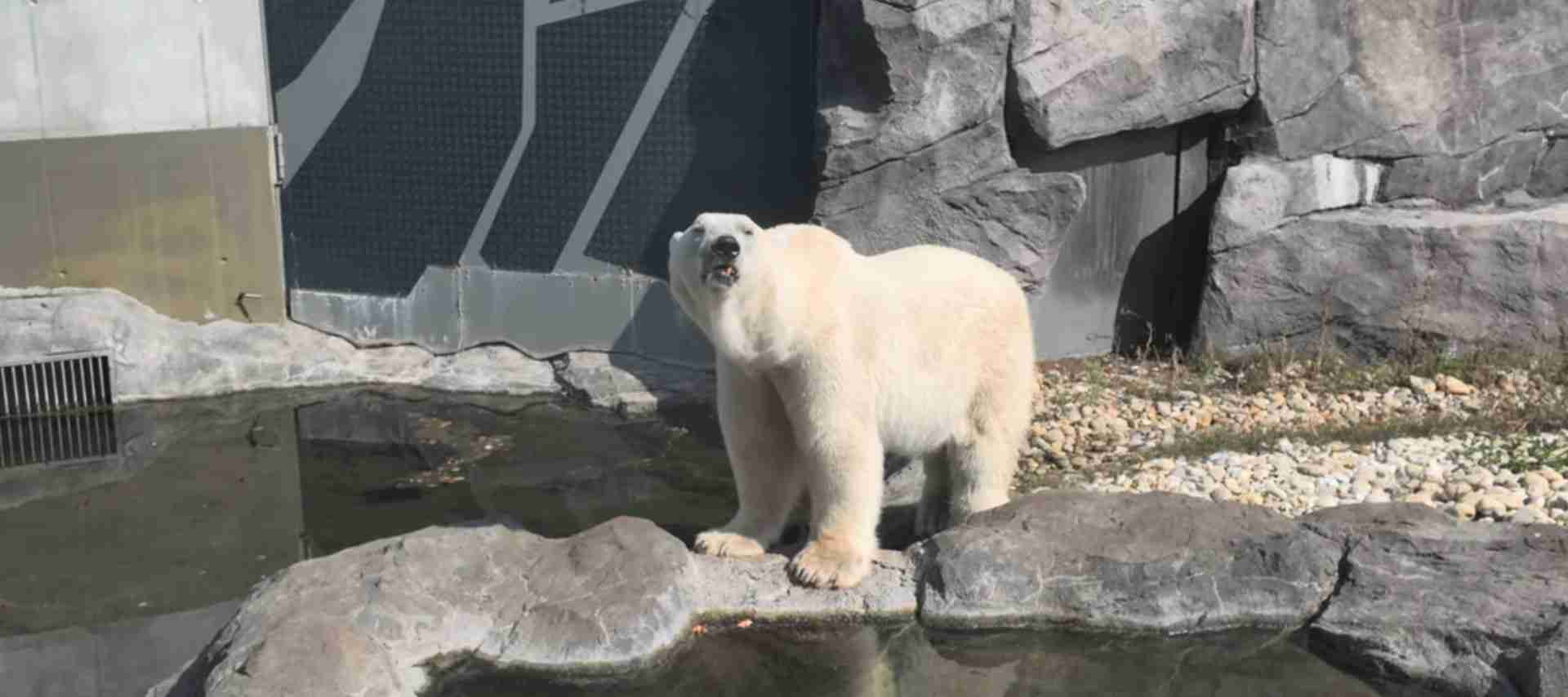
Polar bears occupy expanded facilities that address both animal welfare and climate education objectives. The habitat features pools exceeding 400 cubic meters, underwater viewing areas, and varied terrain allowing natural behaviors. The exhibit explicitly connects visitors with arctic climate change, using polar bears as charismatic ambassadors for broader environmental messaging. Siberian tigers, African elephants, and orangutans similarly serve as flagship species representing their respective ecosystems and conservation challenges.
How does the zoo balance historic architecture with modern animal welfare?
Schönbrunn pioneered integrating historical preservation with progressive animal care standards. The zoo faced a critical decision in the 1990s: maintain baroque architectural authenticity or modernize for animal welfare. Director Helmut Pechlaner championed a third path—thoughtful renovation that preserved historical structures while creating naturalistic habitats meeting contemporary welfare standards. This approach became a model for historic zoos worldwide.
The rainforest house exemplifies this philosophy. Opened in 2002, the massive structure houses tropical species in a free-flight environment with controlled temperature and humidity. The building’s exterior respects the baroque palace architecture through sympathetic design, while the interior creates authentic rainforest conditions. Visitors walk through canopy-level platforms observing birds, reptiles, and primates in naturalistic settings that would have been impossible within original 18th-century structures.
Historic baroque pavilions underwent careful adaptation rather than replacement. The original animal enclosures, while preserved as architectural elements, no longer house animals. Instead, the zoo created new facilities behind or adjacent to historic structures, maintaining visual continuity while providing adequate space and environmental enrichment. The central imperial pavilion functions as a restaurant and event space, preserving its baroque interior while serving modern purposes. This adaptive reuse strategy allows visitors to experience authentic imperial architecture while ensuring animals live in facilities meeting rigorous welfare standards.
What conservation programs does the zoo support?
Schönbrunn operates extensive conservation initiatives spanning breeding programs, field research, and public education. The zoo participates in over 30 European Endangered Species Programmes (EEP), coordinating breeding efforts for critically endangered species including Amur leopards, Bornean orangutans, and red pandas. These cooperative breeding programs maintain genetic diversity and create sustainable captive populations that could support future reintroduction efforts.
Field conservation projects receive direct financial and expertise support from the zoo. Schönbrunn’s conservation funds protect orangutan habitat in Borneo, support anti-poaching efforts for African elephants, and finance research on polar bear ecology in the Arctic. The zoo employs staff veterinarians and biologists who conduct field research, bringing expertise from managed animal care to wild population monitoring. These partnerships connect captive breeding knowledge with in-situ conservation challenges.
Educational conservation messaging reaches millions of visitors annually. The zoo designs exhibits explicitly connecting visitors with conservation issues, using engaging displays that explain habitat loss, climate change, and illegal wildlife trade. Interactive programs allow visitors to support specific conservation projects, creating direct connections between zoo visits and field conservation outcomes. Research published by Schönbrunn scientists contributes to broader understanding of animal behavior, reproduction, and welfare, influencing conservation strategies globally.
Extended multi-day tours – 5+ days
Featured Vienna Multi-Day Tour Packages
7 days
A Piece of Europe GO
- ✓ Comprehensive Vienna tour
- ✓ Expert local guides included
- ✓ All accommodation arranged
- ✓ Transportation provided
6 days
6 Day Vienna, Salzburg, Budapest, Bratislava, and the Danube Valley
- ✓ Comprehensive Vienna tour
- ✓ Expert local guides included
- ✓ All accommodation arranged
- ✓ Transportation provided
4 days
Budapest & Vienna
- ✓ Comprehensive Vienna tour
- ✓ Expert local guides included
- ✓ All accommodation arranged
- ✓ Transportation provided
7 days
Private Tour: 3 Countries in One Week: Prague – Vienna – Budapest
- ✓ Comprehensive Vienna tour
- ✓ Expert local guides included
- ✓ All accommodation arranged
- ✓ Transportation provided
Multi-day tour packages powered by TourRadar. Prices and availability subject to change.
Historical Background: From Imperial Menagerie to Modern Institution
Emperor Franz I Stephan’s creation of the imperial menagerie in 1752 reflected Enlightenment fascination with natural history and exotic curiosities. The Emperor, husband of Empress Maria Theresa, personally oversaw the menagerie’s design and animal acquisitions. His extensive travels and diplomatic connections provided access to animals from across Europe, Africa, and Asia. The menagerie represented both scientific inquiry and aristocratic status—Habsburg prestige displayed through possession of rare and exotic creatures.
Court architect Jean Nicolas Jadot de Ville-Issey designed the baroque menagerie with meticulous geometric precision. Thirteen animal houses radiated from a central octagonal pavilion, creating perfect symmetry aligned with palace gardens. The pavilion featured elaborate baroque decoration including frescoes, sculptures, and ornamental details befitting imperial standards. The imperial family used the elevated central pavilion for breakfast gatherings, entertaining guests while observing animals in surrounding enclosures. This design innovation—combining animal exhibition with social space—influenced subsequent menagerie and early zoo architecture across Europe.
The transition to public access marked a revolutionary change in the institution’s character. Emperor Joseph II, known for Enlightenment reforms, opened the menagerie to the public in 1779. This democratization of previously exclusive imperial privileges reflected Joseph’s broader political philosophy. The public zoo became an educational institution where citizens could observe and learn about animals, supporting Enlightenment values of education and scientific knowledge dissemination. Admission remained controlled, with appropriate dress and behavior expected, maintaining social hierarchies even within the newly public space.
The 19th century brought significant expansion and scientific development. Under Habsburg patronage, the zoo acquired increasingly diverse species and constructed new facilities. The elephant house, built in 1826, represented ambitious architectural undertaking and reflected growing scientific interest in comparative anatomy and animal behavior. Early directors included respected naturalists who documented animal collections, contributed to zoological taxonomy, and established breeding records. The zoo evolved from curiosity collection to scientific institution conducting research and publishing observations that advanced zoological knowledge.
Political upheavals in the 20th century repeatedly threatened the zoo’s existence. World War I reduced animal collections as food shortages affected both humans and animals. The collapse of the Habsburg monarchy in 1918 transferred ownership to the new Austrian Republic, creating uncertainty about the zoo’s future funding and management. Nazi annexation in 1938 brought political interference and wartime destruction. Allied bombing damaged facilities and killed numerous animals. Soviet occupation following World War II created additional challenges with limited resources and restricted access.
Post-war reconstruction established the modern institution’s foundation. Director Otto Antonius led rebuilding efforts, acquiring new animals and repairing damaged facilities. The zoo maintained its position within Schönbrunn Palace grounds, now fully public property administered by the Austrian government. Succeeding decades brought gradual modernization, though many facilities remained traditional barred cages reflecting mid-20th century zoo design. The institution struggled balancing historic preservation, limited funding, and evolving animal welfare expectations.
The transformative 1990s renovations revolutionized the zoo under Director Helmut Pechlaner’s leadership. Recognizing that traditional facilities no longer met welfare standards or visitor expectations, Pechlaner championed comprehensive renovation creating naturalistic habitats within the historic setting. The rainforest house, polarium, and expanded elephant facilities demonstrated that progressive animal care could coexist with architectural preservation. This renovation period established Schönbrunn’s reputation as a model for historic zoo adaptation, attracting international attention and multiple “Best Zoo in Europe” awards.
Architectural Significance: Baroque Heritage and Modern Design Integration
The central octagonal pavilion represents baroque architecture at its most refined. Jean Nicolas Jadot de Ville-Issey created a structure combining functional observation platform with elaborate decorative program. The pavilion’s exterior features classical baroque elements including pilasters, ornamental capitals, and symmetrical window arrangements. The copper-domed roof, restored to its original appearance, creates a distinctive silhouette visible throughout the zoo. Interior decoration includes period frescoes depicting exotic animals and mythological scenes connecting the Habsburg dynasty with exploration and scientific discovery.
The pavilion’s spatial design reveals sophisticated understanding of sightlines and social hierarchy. The elevated central platform allowed imperial observers to survey all thirteen surrounding enclosures simultaneously, creating panopticon-like visibility demonstrating imperial control over nature. The interior space accommodated elaborate breakfast gatherings with servants, musicians, and court officials, combining animal observation with social performance. Ground-level arcades connected the pavilion to individual animal houses, allowing staff movement while maintaining architectural unity. This integration of function and form exemplifies baroque attention to spatial relationships and symbolic meaning.
Original animal houses demonstrate 18th-century construction techniques and spatial organization. The thirteen radial structures featured thick stone walls, arched openings, and interior divisions creating both winter quarters and outdoor enclosures. Construction quality reflects imperial standards with carefully dressed stone, precise masonry, and attention to durability. The houses varied in size accommodating different species requirements, though all maintained baroque proportional relationships and decorative consistency. Small details including wrought iron gates, carved stone details, and original hardware survive, providing authentic material connections to the zoo’s founding era.
The 19th-century elephant house represents transitional architecture bridging baroque tradition and emerging functional zoo design. Built in 1826, the structure features classical proportions and decorative elements respecting the baroque menagerie aesthetic while incorporating larger scale appropriate for elephants. The building’s dual function—public viewing area and animal quarters—established patterns that influenced subsequent zoo architecture. Interior spaces featured early attempts at climate control through heating systems and ventilation, demonstrating growing understanding of captive animal environmental needs. The elephant house underwent extensive restoration maintaining its historic exterior while modernizing interior facilities for contemporary elephant care.
Early 20th-century additions show evolving architectural approaches. The aquarium-terrarium house, constructed in 1904, adopted Jugendstil (Art Nouveau) aesthetic reflecting contemporary architectural fashion while maintaining scale and materials compatible with baroque surroundings. Decorative elements including ceramic tiles depicting aquatic scenes and ornamental ironwork demonstrate period craftsmanship. The structure’s innovative climate control systems and specialized exhibits represented state-of-the-art zoo technology, though the decorative architecture remained paramount. This blending of function and aesthetic reflects ongoing tension between scientific advancement and architectural tradition.
Modern structures demonstrate sophisticated contextual design respecting historic setting while serving contemporary purposes. The rainforest house, opened in 2002, achieves remarkable integration. The massive greenhouse structure houses tropical environment with 10-meter-high tree canopy, climate control maintaining 25-28°C temperatures, and free-flight bird populations. The exterior employs contemporary materials—steel framework, glass panels, and modern waterproofing—while maintaining sympathetic scale and visual relationships with baroque palace architecture. The building sits discretely within the landscape, avoiding visual competition with historic structures while providing dramatic interior experience.
The polarium exemplifies creative architectural problem-solving. Opened in 2004, the facility houses polar bears and penguins requiring dramatically different environments. The architecture employs bermed earth construction partially burying the building to minimize visual impact and improve climate control efficiency. Visitors descend into underground viewing areas observing polar bears through massive underwater windows, creating immersive experience while maintaining modest exterior architectural presence. This approach allows large-scale modern facilities within sensitive historic contexts without compromising either animal welfare or architectural heritage.
Contemporary interventions maintain careful material palette. New construction employs natural stone, traditional plastering techniques, and muted colors ensuring visual harmony with baroque structures. Landscaping strategy uses historic garden design principles including formal hedges, gravel paths, and specimen trees creating baroque garden atmosphere while accommodating modern circulation and accessibility requirements. Signage and visitor amenities employ contemporary design with restrained detailing avoiding visual clutter. This comprehensive design approach creates coherent visitor experience spanning three centuries of architectural evolution.
Animal Collections: Diversity, Conservation, and Welfare Standards
The mammal collection spans approximately 200 species representing global biodiversity. Large carnivores including Siberian tigers, jaguars, and cheetahs occupy spacious enclosures with varied terrain, climbing structures, and enrichment features. The Siberian tiger habitat provides 2000+ square meters with pools, vegetation, and elevation changes allowing natural behaviors including stalking, climbing, and swimming. Keepers implement behavioral enrichment programs including scent trails, food puzzles, and novel objects maintaining cognitive stimulation and physical activity.
African elephants represent significant investment in progressive elephant care. The elephant park opened in 2002 provides 5800 square meters of outdoor space with pools, mud wallows, varied substrate, and social grouping opportunities. Indoor facilities accommodate elephants during winter months with heated floors, specialized feeding systems, and adequate space for social interactions. The zoo maintains a multi-generational herd structure allowing young elephants to learn from experienced adults, replicating natural social dynamics. Elephant training employs protected contact methods where keepers work with elephants through barriers, prioritizing safety while maintaining positive relationships through operant conditioning.
Primate collections emphasize great apes and endangered species. The orangutan house provides indoor and outdoor spaces with climbing structures reaching 12 meters high, allowing natural arboreal behaviors. Bornean orangutans participate in enrichment activities including tool use challenges, foraging exercises, and social learning opportunities. The zoo maintains detailed behavioral records contributing to international orangutan research. Chimpanzees occupy similarly complex environments with social groups reflecting natural troop dynamics. Smaller primates including red pandas, golden-headed lion tamarins, and pygmy marmosets represent diverse evolutionary adaptations and conservation priorities.
The bird collection features over 300 species ranging from massive condors to tiny hummingbirds. The rainforest house free-flight environment allows birds to exhibit natural flying and foraging behaviors while visitors walk through their habitat. Species include scarlet ibis, toucans, parrots, and numerous tropical passerines creating vibrant soundscape and visual display. The polarium penguin exhibit replicates Antarctic conditions with chilled pools, ice features, and appropriate lighting simulating southern hemisphere seasons. Rockhopper, gentoo, and king penguins breed successfully, indicating proper environmental conditions and management.
Reptile and amphibian collections occupy dedicated terrarium house. Temperature-controlled environments accommodate desert, tropical, and temperate species including Komodo dragons, Galápagos tortoises, poison dart frogs, and numerous snake species. The Komodo dragon exhibit replicates Indonesian habitat with heated basking areas, pools, and natural substrate. These largest lizards receive whole prey items and behavioral enrichment maintaining natural hunting and feeding behaviors. The zoo participates in captive breeding programs for threatened reptile species including Cuban crocodiles and various turtle species.
Aquarium facilities display both freshwater and marine species. Amazon River exhibit features piranhas, arapaimas, and electric eels in naturalistic settings with submerged vegetation and appropriate water chemistry. Coral reef displays showcase tropical marine fish, invertebrates, and living corals maintained through sophisticated life support systems. The Mediterranean section highlights native European species often overlooked in favor of exotic animals, promoting appreciation for local biodiversity. Specialized exhibits feature jellyfish, seahorses, and other invertebrates demonstrating marine ecosystem diversity.
The insectarium celebrates invertebrate diversity often invisible to casual observers. Tropical butterfly house allows visitors to walk among free-flying butterflies in climate-controlled greenhouse. Leaf-cutter ant colony demonstrates complex social insects’ cooperative behavior through transparent viewing areas revealing nest chambers and fungus gardens. Mantids, walking sticks, and various beetle species showcase extraordinary evolutionary adaptations. The exhibits emphasize invertebrates’ ecological importance and conservation needs, challenging common negative perceptions about insects.
Animal welfare protocols exceed minimum standards across all taxa. Veterinary staff conduct regular health examinations, preventive care, and research improving captive animal medicine. Nutritionists formulate species-appropriate diets using fresh ingredients, supplements, and presentation methods encouraging natural feeding behaviors. Behavioral management teams implement positive reinforcement training allowing voluntary participation in medical procedures and husbandry activities. Environmental enrichment programs provide cognitive stimulation through novel objects, food puzzles, sensory experiences, and species-appropriate challenges. All protocols undergo continuous evaluation and refinement based on behavioral observations, veterinary assessments, and current scientific literature.
Educational Programs: Connecting Visitors with Conservation
Educational infrastructure serves over 100,000 school children annually through structured programs spanning preschool through university levels. Elementary programs introduce basic biological concepts including animal classification, habitat requirements, and life cycles through hands-on experiences with educational animals and observation activities. Middle school programs address evolution, ecology, and conservation biology connecting zoo observations with broader scientific concepts. High school and university programs offer specialized workshops on veterinary science, zoo management, and conservation research, providing career exploration opportunities in biological sciences.
Keeper talks occur throughout the day providing expert insights into animal behaviors and conservation challenges. Staff members present feeding sessions explaining dietary requirements, foraging behaviors, and nutritional management while addressing visitor questions. These informal presentations create personal connections between visitors and zoo staff, humanizing conservation work and demonstrating daily animal care expertise. Special presentations focus on training sessions, enrichment activities, and medical care procedures, revealing the complexity of professional zoo management beyond simple animal display.
Interactive exhibits engage visitors with conservation concepts through hands-on experiences. The rainforest house features stations explaining habitat loss, sustainable agriculture, and consumer choices affecting tropical ecosystems. Touch-screen displays provide species information, range maps, and conservation status updates for hundreds of species. Scale models, microscopes, and comparative anatomy displays allow close examination of adaptations and evolutionary relationships. The exhibits avoid oversimplified messaging, presenting conservation challenges’ complexity including economic factors, human-wildlife conflict, and international cooperation requirements.
Special events throughout the year highlight specific conservation themes. Amphibian awareness programs coincide with global amphibian conservation campaigns, featuring educational displays, behind-the-scenes tours, and fundraising for field conservation projects. Pollinator festivals celebrate bees, butterflies, and other pollinators through activities demonstrating their ecological importance. Endangered species days focus attention on critically threatened animals with presentations by conservation practitioners sharing field experiences and research findings. These events create memorable experiences connecting visitors emotionally with conservation urgency.
The zoo’s education department collaborates with university researchers conducting visitor studies and educational effectiveness research. Studies assess which exhibit features and interpretive techniques most effectively communicate conservation messages and influence visitor attitudes. Research findings inform exhibit design, signage content, and program development, creating evidence-based educational strategies. Published research contributes to broader understanding of informal science education and zoo’s role in public conservation education.
Behind-the-scenes programs offer intimate experiences deepening visitor understanding. Guided tours access restricted areas including food preparation kitchens, veterinary facilities, and animal holding spaces. Participants observe keepers preparing specialized diets, veterinarians conducting health examinations, and managers planning breeding programs. These programs reveal the extensive infrastructure, expertise, and daily effort required for professional animal care. VIP experiences allow small groups to assist with enrichment preparation, participate in training sessions, and interact with education animals under staff supervision, creating memorable connections fostering long-term conservation support.
Photography Guide: Capturing Baroque Architecture and Wildlife
The central baroque pavilion offers exceptional architectural photography opportunities. The symmetrical design, ornate detailing, and distinctive copper dome create compelling compositions from multiple angles. Early morning light illuminates the pavilion’s east-facing facade, revealing architectural details in warm golden tones. Late afternoon sun creates dramatic side lighting emphasizing three-dimensional sculptural elements. Use wide-angle lenses (16-35mm) to capture the pavilion within its radial animal house context, showing the complete baroque spatial organization. Longer focal lengths (70-200mm) isolate decorative details including carved stone elements, ornamental metalwork, and baroque sculptural programs.
Animal photography requires patience, appropriate equipment, and ethical consideration. Fast telephoto lenses (200-400mm f/2.8-4) allow shooting from appropriate distances without disturbing animals. Observe animal behavior patterns; many species demonstrate peak activity during early morning and late afternoon when lighting conditions prove ideal for photography. Use continuous autofocus modes tracking moving subjects, especially for birds in flight, playing primates, or running carnivores. Higher ISO settings (1600-3200) maintain fast shutter speeds in shaded habitats, accepting minor noise increase for sharp images of active subjects.
The rainforest house presents unique technical challenges requiring specific approaches. High humidity and temperature cause lens fogging when entering from outside; allow equipment to acclimate before shooting or use anti-fog solutions. The greenhouse structure creates dappled lighting with extreme dynamic range between sunlit and shaded areas. Shoot in RAW format preserving shadow and highlight detail for post-processing recovery. Free-flight birds move unpredictably; use wide apertures creating shallow depth of field isolating subjects from busy backgrounds. Position yourself near blooming flowers or fruiting plants where birds congregate for feeding, improving action photography opportunities.
Underwater viewing areas provide extraordinary perspectives rarely available in wild conditions. Polar bear and penguin underwater windows offer face-to-face encounters through thick acrylic panels. Clean the viewing surface before shooting; fingerprints and condensation degrade image quality. Shoot perpendicular to the glass minimizing reflections and distortion. Use polarizing filters reducing reflections from the acrylic surface, though effectiveness varies with angle and lighting conditions. Fast shutter speeds (1/500-1/1000) freeze swimming motion revealing details of propulsion and maneuvering behaviors.
Wide environmental portraits contextualize animals within naturalistic habitats demonstrating modern exhibit design. Use moderate wide-angle lenses (24-70mm) capturing animals within their environments showing climbing structures, vegetation, pools, and terrain variety. These images tell stories about animal welfare, habitat complexity, and zoo design philosophy beyond simple animal portraits. Morning and evening visits provide better lighting and more active animal behaviors compared to midday periods. Overcast conditions create even lighting excellent for photographing animals without harsh shadows, though dramatic sunlight creates more striking images when properly exposed.
Seasonal variations dramatically affect photographic opportunities. Spring brings new vegetation, baby animals, and longer daylight hours. Summer provides lush greenery, outdoor animal activity, and bright conditions though crowds increase. Autumn foliage creates beautiful color palettes framing animal subjects in golden and red tones. Winter offers stark beauty with potential snow, fewer visitors, and unique cold-weather animal behaviors. Some species exhibit more interesting behaviors in cooler temperatures; polar bears, penguins, and snow leopards show increased activity during winter months.
Respect animal welfare and zoo regulations while photographing. Never use flash photography; sudden bright lights stress animals and disturb other visitors. Maintain appropriate distances respecting barriers and designated viewing areas. Avoid tapping glass, making loud noises, or other behaviors disturbing animals for photographs. Patience produces better results than aggressive tactics; waiting for natural behaviors creates more authentic images than forced reactions. Share images responsibly, avoiding social media posts that misrepresent animal welfare, exhibit conditions, or conservation messages. Use photography as tool promoting conservation awareness rather than mere entertainment.
Visitor Experience: Planning Your Zoo Visit
The zoo’s 17-hectare layout requires strategic planning for comprehensive visits. Main entrance through the baroque pavilion provides immediate immersion in historic atmosphere. From this central point, pathways radiate outward accessing different zoo sections. A complete circuit requires 3-4 hours at moderate pace without extended stops. Families with young children or visitors interested in detailed observation allocate 5-6 hours experiencing major exhibits thoroughly. Download the official zoo map before visiting or pick up printed versions at the entrance identifying exhibit locations, restrooms, dining areas, and accessibility features.
Peak visiting times occur on weekends, holidays, and during school vacation periods. Arrive at opening (9 AM) to experience major exhibits with minimal crowds and observe animals during active morning hours. Weekday visits, especially Tuesday through Thursday, offer more relaxed experience with shorter queues at popular exhibits. Winter months bring significantly fewer visitors though some outdoor exhibits may be inaccessible depending on weather conditions. The rainforest house and aquarium-terrarium remain comfortable year-round regardless of external weather.
Dining facilities range from casual snack bars to seated restaurants. The Café-Restaurant Kaiserpavillon occupies the historic central pavilion, offering meals in authentic baroque setting with terrace seating overlooking zoo grounds. Reservations are recommended for lunch during peak periods. Multiple snack kiosks distributed throughout the zoo sell sandwiches, pastries, beverages, and ice cream. Picnic areas near the main entrance allow visitors bringing own food, though consuming outside food within exhibit areas is prohibited. All facilities accommodate dietary restrictions including vegetarian, vegan, and gluten-free options.
Accessibility features ensure inclusive experience. Paved pathways accommodate wheelchairs and strollers throughout the zoo, though some exhibits involve stairs or uneven terrain. Elevator access serves multi-level exhibits including underground viewing areas. Accessible restrooms appear at regular intervals. Wheelchair rental is available at the main entrance. Service animals are permitted though owners must maintain control ensuring animal welfare and visitor safety. Staff members assist visitors with accessibility needs; inquire at the information desk near the entrance.
Weather consideration affects visit quality significantly. Summer heat requires sun protection, hydration, and breaks in shaded areas or air-conditioned buildings. Many animals retreat to sheltered areas during extreme heat; morning visits provide better viewing opportunities. Winter cold necessitates appropriate clothing though indoor tropical exhibits offer warm retreats. Rain doesn’t close the zoo; waterproof clothing allows continued exploration, and indoor exhibits provide extensive weather-protected viewing. Severe weather including thunderstorms may temporarily close outdoor areas for safety; check weather forecasts and plan flexibility into your schedule.
Photography opportunities appear throughout the zoo with varying technical requirements. Large carnivore exhibits feature viewing windows creating reflection-free photography with appropriate angles and lens choices. Primate exhibits often involve chain-link fencing; shoot through fence openings with longer lenses creating out-of-focus foreground and background isolation. The rainforest house free-flight environment allows unobstructed bird photography though low light and moving subjects challenge camera settings. Underwater viewing areas at the polarium provide unique perspectives unavailable in natural settings. Respect animal welfare by avoiding flash photography and disturbing behaviors to obtain images.
Children’s programs and interactive areas engage young visitors. The petting zoo area allows supervised interaction with domestic animals including goats, sheep, and rabbits. Playground areas provide physical activity opportunities breaking up animal viewing with active play. The “ORANG.erie” experience center offers hands-on exhibits about orangutan conservation and rainforest ecology. Interactive touch-screens throughout the zoo present age-appropriate information about animals, habitats, and conservation. Scavenger hunt materials available at the entrance transform visits into educational games encouraging observation and species identification skills.
Conservation Impact: Research, Breeding Programs, and Field Support
Breeding program success demonstrates Schönbrunn’s animal management expertise. The zoo coordinates European breeding programs (EEPs) for multiple endangered species, maintaining studbooks tracking genetic relationships and recommending breeding pairings optimizing genetic diversity. Successful breeding includes Siberian tigers (fewer than 500 wild individuals), Bornean orangutans (critically endangered with declining wild populations), and Przewalski’s horses (extinct in wild, reintroduced through captive breeding programs). Each breeding event receives extensive documentation including behavioral observations, veterinary monitoring, and genetic sampling contributing to international conservation databases.
Giant panda breeding represents flagship conservation achievement. Yuān Yuān and Yang Yang arrived under breeding loan agreement with China requiring extensive habitat preparation, staff training, and ongoing international cooperation. The zoo invested millions in panda facilities, bamboo cultivation, and specialist veterinary care. Multiple successful births occurred, with cubs eventually returning to China for breeding or wild release preparation. The breeding program generates public interest in panda conservation while demonstrating complex international cooperation required for endangered species management. Revenue from panda exhibit attendance funds broader conservation initiatives benefiting numerous less charismatic species.
Field conservation partnerships extend Schönbrunn’s impact beyond captive populations. The zoo provides financial support to orangutan conservation projects in Borneo working with local communities on sustainable forest management, anti-poaching patrols, and habitat restoration. African elephant conservation receives funding supporting anti-poaching efforts, human-elephant conflict mitigation, and community development reducing pressures on wild populations. Polar bear research in Svalbard receives equipment, funding, and expertise from zoo veterinarians studying wild population health, behavior, and climate change impacts. These partnerships create reciprocal relationships where field researchers inform captive management while zoo expertise supports field conservation.
Research conducted at Schönbrunn advances zoological science across multiple disciplines. Reproductive biology studies investigate breeding triggers, gestation periods, and parental care in species poorly understood in wild conditions. Behavioral research documents activity patterns, social dynamics, and welfare indicators informing both captive management and wild population understanding. Veterinary research develops diagnostic techniques, treatment protocols, and preventive care improving health outcomes. Nutrition studies optimize diets ensuring proper growth, reproduction, and longevity. Published findings appear in peer-reviewed journals contributing to global scientific knowledge base informing conservation strategies.
Educational research assesses zoo’s impact on visitor conservation awareness and behavioral intentions. Studies track visitors’ knowledge, attitudes, and behaviors before and after zoo visits, measuring educational effectiveness. Research examines which interpretive techniques most successfully communicate conservation messages and inspire pro-conservation behaviors. Findings influence exhibit design, signage content, educational programs, and keeper presentation formats. This evidence-based approach ensures educational investments produce measurable conservation outcomes through increased public support, behavioral changes, and financial contributions to conservation organizations.
Institutional leadership positions Schönbrunn as model for historic zoo evolution. Director Dagmar Schratter’s international reputation brings attention to progressive animal welfare standards, architectural preservation approaches, and conservation program integration. The zoo hosts international conferences, training workshops, and professional exchanges sharing expertise with developing institutions worldwide. Technical assistance programs help emerging zoos in Asia, Africa, and South America improve animal care, breeding management, and conservation education. This leadership amplifies conservation impact beyond Schönbrunn’s direct programs, influencing global zoo community toward higher standards and greater conservation effectiveness.
Seasonal Experiences: Year-Round Zoo Attractions
Spring transformation brings renewed energy as winter dormancy ends. Trees and flowers bloom creating colorful backdrops for animal photography and pleasant walking environments. Many species give birth during spring; baby animals attract visitor attention while demonstrating natural reproductive cycles and parental care behaviors. Migratory birds return to outdoor aviaries adding variety to bird collections. Extended daylight hours and moderate temperatures create ideal visiting conditions. Spring weekends bring increased attendance; weekday visits offer better experience for those with scheduling flexibility.
Summer provides peak visiting season with maximum operational hours and full programming. Tropical species occupy outdoor exhibits taking advantage of warm temperatures. Water features become focal points as elephants, bears, and other species play in pools and streams. The rainforest house interior temperature closely matches outdoor conditions, creating less dramatic climate transition. Summer crowds, especially during July and August school holidays, require patience at popular exhibits. Arrive early or visit during late afternoon to avoid peak midday congestion. Evening events occasionally extend hours providing unique after-hours experiences.
Autumn delivers spectacular foliage colors framing exhibits in warm tones. Moderate temperatures and reduced crowds create ideal visiting conditions. Many animals demonstrate increased activity as temperatures cool from summer heat. Fall breeding seasons for some species including deer and certain bird species showcase natural behaviors rarely displayed during other periods. Photography benefits from golden hour light appearing earlier in evening, providing extended opportunities for warm-toned images. Halloween and harvest festival events add family-friendly programming celebrating seasonal themes.
Winter reveals different zoo character as deciduous trees lose leaves creating open sightlines to exhibits obscured during leafy seasons. Cold-weather species including polar bears, snow leopards, and penguins exhibit increased activity and natural behaviors. Indoor tropical exhibits provide warm refuges from cold temperatures, creating greater appreciation for climate-controlled environments maintaining tropical conditions. Lower visitor numbers allow more intimate viewing experiences and easier photography without crowd interference. Christmas market and holiday events transform the zoo with festive decorations and seasonal programming. Some outdoor exhibits may be closed or have limited viewing depending on severe weather, though major attractions remain accessible.
Special events throughout the year create unique visiting experiences. “Long Night of the Animals” extends evening hours allowing nocturnal species observation and after-dark zoo atmosphere. Conservation awareness days focus attention on specific species or habitats with presentations, demonstrations, and fundraising activities. Birthday parties and private events can be arranged, providing exclusive access to certain areas with educational programming tailored to group interests. Check the zoo’s official calendar when planning visits to potentially coincide with special programming enhancing standard visit experience.
FAQ Section
How long does it take to visit the entire zoo?
A comprehensive visit seeing all major exhibits requires 3-4 hours at moderate pace. Visitors interested in attending keeper talks, reading interpretive signage, and thoroughly observing animal behaviors allocate 5-6 hours. Families with young children may require additional time for playground breaks, meals, and rest periods. The zoo’s compact 17-hectare layout makes complete circuit manageable unlike larger zoos requiring full-day commitments. Focus on priority exhibits if time is limited, using the official map to identify must-see attractions aligned with personal interests.
What are the entrance fees and ticketing options?
Adult tickets cost €26, children ages 6-18 €15, children under 6 enter free. Family tickets for 2 adults and 2 children cost €60. Annual passes provide unlimited admission plus benefits including event invitations and gift shop discounts: adults €75, children €40, families €170. Online advance purchase saves time avoiding ticket queues during peak periods. Combination tickets with Schönbrunn Palace tours offer discounted access to both attractions. Senior and student discounts are available with valid identification. Group rates apply for organized tours exceeding 20 people with advance booking.
What facilities are available for families with children?
Multiple nursing rooms appear throughout the zoo with comfortable seating, changing tables, and privacy for breastfeeding. Stroller rental is available at the entrance, though personal strollers are permitted on paved pathways. Playground areas provide active play opportunities with climbing structures, slides, and age-appropriate equipment. The petting zoo allows supervised animal interaction with domestic species. Children’s meal options appear on restaurant menus with smaller portions and child-friendly selections. Scavenger hunt materials and activity guides engage children with educational games throughout the visit.
Can I bring food and drinks into the zoo?
Visitors may bring food and beverages with designated picnic areas near the main entrance. Consuming outside food within exhibit areas is prohibited to maintain cleanliness and prevent potential animal health issues from improper food disposal. Multiple dining facilities offer meals, snacks, and beverages throughout the zoo. Water fountains appear at regular intervals providing free drinking water for refillable bottles. Alcoholic beverages purchased from zoo facilities can be consumed only in designated areas, not throughout zoo grounds.
How does the zoo prioritize animal welfare?
Schönbrunn maintains rigorous welfare standards exceeding minimum regulatory requirements. Veterinary staff conduct regular health examinations, preventive care, and emergency treatment with 24/7 on-call availability. Nutritionists formulate species-appropriate diets using fresh ingredients and presentation methods encouraging natural foraging behaviors. Environmental enrichment programs provide cognitive stimulation through novel objects, food puzzles, and behavioral challenges. All facilities meet current European zoo accreditation standards requiring adequate space, appropriate social grouping, and environmental complexity. Behavioral monitoring ensures early detection of potential welfare concerns, triggering management adjustments optimizing animal wellbeing.
What makes Schönbrunn different from other major zoos?
Three unique characteristics distinguish Schönbrunn: continuous 270+ year operation as world’s oldest zoo, authentic baroque architecture with UNESCO World Heritage context, and successful integration of historical preservation with progressive animal welfare. While other historic menageries closed or relocated, Schönbrunn maintains unbroken institutional continuity on its original site. The baroque pavilion and radial menagerie design remain substantially intact, creating unique atmosphere blending 18th-century imperial heritage with modern zoological science. This combination of historical significance, architectural beauty, and contemporary conservation achievement creates visitor experience unavailable elsewhere.
How does the zoo support international conservation efforts?
Schönbrunn allocates substantial resources to field conservation through direct funding, expertise sharing, and research partnerships. Staff members conduct field research studying wild populations, training local conservation practitioners, and developing community-based conservation programs. The zoo participates in 30+ European breeding programs coordinating genetic management for endangered species. Revenue from ticket sales, gift shops, and donor programs funds conservation projects worldwide. Educational programming connects millions of visitors annually with conservation challenges, creating public support and financial contributions to field organizations. This multi-faceted approach extends conservation impact far beyond captive breeding to comprehensive species and habitat protection.
What conservation success stories can visitors learn about?
Giant panda breeding demonstrates international cooperation achieving multiple successful births contributing to global panda conservation. Przewalski’s horse breeding supported successful wild reintroduction creating sustainable free-ranging populations extinct in nature for decades. Bornean orangutan breeding maintains genetic diversity while supporting field conservation protecting wild habitat. Polar bear research informs climate change communication and arctic conservation advocacy. Amphibian breeding programs maintain captive populations of critically endangered species potentially serving as source for future reintroductions. Each success story illustrates different conservation approaches from captive breeding to field protection to public education.
Are there guided tours or educational programs available?
Public guided tours occur daily covering zoo history, architecture, and animal collections. Private group tours can be arranged for schools, organizations, and special interest groups with customized content matching educational objectives. Behind-the-scenes experiences access restricted areas including food preparation facilities, veterinary clinics, and animal holding spaces. School programs serve different age levels from preschool through university with curriculum-aligned content. Keeper talks throughout the day provide expert insights into specific species, training techniques, and conservation programs. VIP experiences allow small groups to assist with enrichment activities and participate in training sessions under staff supervision.
How accessible is the zoo for visitors with mobility limitations?
Paved pathways accommodate wheelchairs throughout the zoo’s main circuits. Elevator access serves multi-level exhibits including underground viewing areas. Accessible restrooms appear at regular intervals marked on zoo maps. Wheelchair rental is available at the main entrance. Some exhibits involve stairs or uneven terrain; consult accessibility maps identifying alternative routes to viewing areas. Staff members assist visitors with accessibility needs; inquire at the information desk. Service animals are permitted with handler maintaining control. The compact zoo layout reduces walking distances compared to larger institutions, making comprehensive visits feasible for visitors with limited mobility.