
Danube River Cruise 2026: Wachau Valley Ultimate Planning Guide
This comprehensive planning guide provides everything needed to design your perfect 2026 Wachau Valley cruise experience, from operator comparisons and pricing analysis to detailed itinerary planning and money-saving strategies for one of Austria’s most celebrated landscapes.
Key Takeaways:
- Danube cruises through Wachau Valley in 2026 range €150-450 per person for day trips, with multi-day cruises starting at €800
- Book April-May or September-October 2026 for optimal weather, vineyard colors, and lower crowds than peak summer
- Melk-to-Krems route covers the most scenic 35km stretch with 8-12 UNESCO heritage stops
- Reserve premium cabin cruises 6-8 months ahead for 2026 summer sailings
- Combine river cruise with cycling or hiking for budget-friendly exploration alternatives
- Early morning departures (8-9 AM) offer best light for vineyard photography and cooler temperatures
Introduction to Danube Valley Cruising in 2026
The Wachau Valley represents one of Europe’s most spectacular river cruise destinations, where the Danube carves through 35 kilometers of terraced vineyards, medieval castles, and baroque abbeys between Melk and Krems. This UNESCO World Heritage Cultural Landscape combines natural beauty with 2,000 years of human cultivation, creating a river journey that ranks among the continent’s finest waterborne experiences.
Planning your 2026 Danube cruise through Wachau requires understanding seasonal variations, cruise operator offerings, and the strategic positioning of cultural stops along this compact but content-rich stretch. The valley’s unique microclimate supports viticulture that produces Austria’s finest white wines, while its strategic importance created a concentration of fortifications and religious monuments that punctuate every river bend.
Modern cruise options range from two-hour sightseeing sailings to multi-day luxury expeditions, each offering different perspectives on this remarkable landscape. The 2026 season brings enhanced sustainability initiatives, expanded culinary programs featuring regional vintners, and improved embarkation facilities at major stops. Understanding your options, timing your visit strategically, and booking key experiences in advance transforms a pleasant river cruise into an unforgettable journey through Central European history and culture.
People Also Ask About Danube River Cruises 2026
How much does a Danube River cruise through Wachau Valley cost in 2026?
Day cruise options through Wachau Valley range €150-450 per person in 2026 depending on duration and inclusions. Basic sightseeing cruises (2-3 hours, Melk to Krems or reverse) cost €28-45 for adults, offering commentary and light refreshments. Premium day cruises with wine tastings, multi-course meals, and extended stops at vineyards or abbeys range €150-280 per person. Check official cruise operator websites for current rates as pricing varies seasonally.
Multi-day Danube cruises including Wachau Valley range €800-3,500 per person for 4-7 night itineraries in 2026. Budget river cruises with shared accommodations start around €800-1,200, mid-range cruises with private cabins cost €1,400-2,400, while luxury all-inclusive expeditions reach €2,500-3,500. These prices typically include accommodation, meals, guided excursions, and onboard entertainment. Single supplements add 25-50% to quoted rates. Multi-day bookings made 8-12 months advance often secure 15-25% early-bird discounts for 2026 sailings.
What is the best time to cruise the Wachau Valley in 2026?
April through May offers ideal conditions for Wachau Valley cruises in 2026, with blooming apricot orchards (late April), mild temperatures of 15-22°C, and significantly smaller crowds than summer months. Spring cruises capture the valley’s awakening with fresh green vineyards, active wildlife, and comfortable deck weather without summer heat. This shoulder season also features better availability and pricing 20-30% below peak summer rates.
September through October provides equally compelling experiences for 2026 cruising, as harvest season transforms vineyards into gold and russet tapestries. Wine harvest festivals occur throughout September, with many cruises incorporating vineyard tours and fresh pressing demonstrations. Early autumn temperatures (18-24°C in September, 12-18°C in October) remain pleasant for outdoor deck viewing, while wine regions operate special tasting events not available during other seasons. October particularly appeals to photographers seeking dramatic autumn colors against medieval architecture.
Do you need advance bookings for Wachau Valley cruises in 2026?
Premium and luxury cruises require bookings 6-8 months ahead for summer 2026 sailings (June-August), as these higher-end operators maintain smaller vessel capacities that sell out early. Luxury cruises with exclusive vineyard access, private cellar tastings, and limited passenger counts (under 100) book fastest. Making reservations in November-January 2025 for summer 2026 cruises secures best cabin selection and qualifies for early-booking discounts of 15-25%.
Standard sightseeing cruises offer more flexibility, with bookings 2-4 weeks ahead sufficient during shoulder seasons (April-May, September-October 2026). Summer weekends and Austrian holiday periods still warrant advance booking even for basic cruises. Walk-up availability exists for midweek sailings during spring and fall, though popular departure times (morning slots with optimal lighting) fill first. Multi-day cruise itineraries require earlier commitment due to coordination with hotels, restaurants, and tour guides along the route.
What’s included in a typical Wachau Valley cruise in 2026?
Basic sightseeing cruises include round-trip or one-way river passage, multilingual audio guides or live commentary, and light refreshments (coffee, soft drinks, snacks). These 2-3 hour sailings provide deck access for photography, climate-controlled interior seating, and restroom facilities. Most operators offer English, German, and increasingly Chinese language options in 2026 to accommodate international visitors.
Premium day cruises add multi-course regional meals, wine tastings featuring Wachau varietals (Grüner Veltliner, Riesling), and extended stops at key sites. Lunch cruises typically include three-course meals using local ingredients, paired wine flights, and 1-2 hour stops at locations like Dürnstein or Spitz for guided castle tours. Full-day premium options often combine cruising with vineyard visits, apricot orchard tours, or cycling segments.
Multi-day cruises bundle accommodation in river cruise cabins, all meals (breakfast buffets, lunch, afternoon tea, dinner), unlimited house wine and beer with dinner, guided shore excursions at multiple Danube cities, and onboard entertainment. Luxury tiers add premium alcohol packages, exclusive excursions (private castle concerts, master vintner dinners), upgraded cabins with balconies, and pre/post-cruise hotel stays. Shore excursion quality, meal standards, and cabin comfort distinguish pricing tiers more than basic itinerary routing.
Extended multi-day tours – 5+ days
Featured Wachau Multi-Day Tour Packages
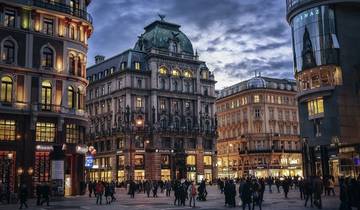
6 days
6 Day Vienna, Salzburg, Budapest, Bratislava, and the Danube Valley
- ✓ Comprehensive Wachau tour
- ✓ Expert local guides included
- ✓ All accommodation arranged
- ✓ Transportation provided

6 days
Danube Christmas Dream 2026
- ✓ Booking needs min. 2 travelers
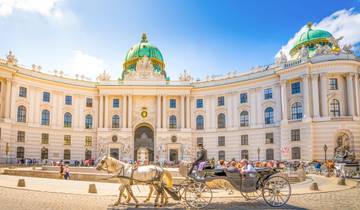
5 days
Danube Cycle Path – Linz-Vienna 5 Days
- ✓ Comprehensive Wachau tour
- ✓ Expert local guides included
- ✓ All accommodation arranged
- ✓ Transportation provided

5 days
Danube Cycle Path – Through the Wachau (5 Days)
- ✓ Comprehensive Wachau tour
- ✓ Expert local guides included
- ✓ All accommodation arranged
- ✓ Transportation provided
Multi-day tour packages powered by TourRadar. Prices and availability subject to change.
Essential Planning Information 2026
Understanding Wachau Valley Cruise Options in 2026
Wachau Valley cruises divide into three primary categories for 2026 planning. Day cruises operate as either round-trip sightseeing loops or one-way passages with return transportation by bus or train. These range from basic 2-hour commentary cruises (€28-45) to premium 6-8 hour experiences including meals, tastings, and extensive shore time (€150-280). Day cruises embark primarily from Melk, Krems, or Dürnstein, with most following the Melk-to-Krems corridor that encompasses the valley’s visual highlights.
Multi-day Danube cruises incorporate Wachau Valley as one segment of longer 4-14 night itineraries connecting Vienna, Bratislava, Budapest, Passau, and sometimes extending to Germany’s Rhine regions. These cruises allocate 6-24 hours to Wachau Valley, with overnight anchorages in Dürnstein or daytime sailing through the complete UNESCO stretch. Multi-day options provide sustained immersion in Danube culture but distribute time across multiple regions rather than concentrating exclusively on Wachau.
Specialized cruise experiences in 2026 include wine-focused sailings with viticulturist-guided vineyard walks and barrel tastings at family estates, music cruises featuring onboard classical performances in the region that inspired composers, cycling combination packages where guests bike sections while luggage travels by boat, and photography-oriented cruises with professional instruction for capturing the valley’s light. These themed options cost 20-40% more than standard cruises but offer deeper engagement with specific interests.
Current Costs and Pricing Breakdown 2026
Day cruise pricing in 2026 structures around duration and inclusions. Basic sightseeing cruises (Melk-Krems, 2.5 hours) cost €28-35 for adults, €14-18 for children 6-15, with family tickets (2 adults + 2 children) at €70-85. These include commentary, deck access, and basic refreshments. Premium same-route cruises with lunch add €45-65 to base prices, bringing adult costs to €75-100. Full-day cruises (6-8 hours) with multiple stops, wine tastings, and three-course meals range €150-280 per adult depending on wine quality, stop duration, and guide expertise.
Multi-day cruise costs in 2026 break down per night and cabin category. Budget river cruises in shared cabins (4 beds) start €200-300 per person per night, including all meals and basic excursions. Mid-range private cabin cruises range €280-400 per person per night with superior meals, complimentary wine with dinner, and upgraded shore excursions. Luxury cruises reach €450-650 per person per night, featuring balcony suites, premium all-inclusive beverage packages, exclusive small-group excursions, and concierge services.
Additional cruise costs for 2026 include gratuities (suggested €10-15 per person per day for multi-day cruises, €2-5 for day cruises), alcoholic beverages beyond house wines (€8-15 per glass, €35-85 per bottle), optional premium excursions (€45-120 per activity), and spa services on larger vessels (€60-150 per treatment). Some operators impose single traveler supplements of 150-200% for private cabins, though rare single-occupancy deals reduce these to 125% during off-peak periods. Travel insurance covering cruise cancellation costs €45-80 for day cruises, €120-250 for multi-day bookings.
Transportation Options and Access in 2026
Vienna serves as the primary gateway for Wachau Valley cruises, located 80km east of the valley. Direct trains from Vienna Hauptbahnhof reach Melk in 65 minutes (€18-24 per person) or Krems in 70 minutes (€20-26), with departures every 30-60 minutes throughout the day. Westbahnhof station offers alternative connections with similar pricing and timing. Austrian Rail (ÖBB) advance purchase tickets secured 2-3 weeks early discount fares by 20-30%. Dürnstein, while centrally located in Wachau, lacks direct rail connections and requires bus service from Krems (15 minutes, €3-5).
Private transfers from Vienna to cruise embarkation points cost €120-180 for up to 4 passengers in sedan, €180-240 for larger vehicles accommodating 6-8 people with luggage. These door-to-dock services eliminate train station navigation and provide flexibility for early morning departures. Shared shuttle services operated by some cruise companies reduce per-person costs to €25-35 but require coordination with other passengers and fixed departure times.
Self-drive access via rental car provides maximum flexibility for exploring valley vineyards and villages before or after cruises. Vienna airport rentals start €45-75 per day for compact cars, with Autobahn vignette (€10 for 10-day pass) required for highway use. Parking at Melk (€8-12 per day), Krems (€6-10), or Dürnstein (€10-15) adds to costs but enables wine purchase transportation and schedule independence. The 90-minute Vienna-to-Melk drive follows well-maintained highways with clear signage, though weekend traffic during peak season adds 20-30 minutes to journey times.
Best Time to Visit Wachau Valley in 2026
Seasonal Analysis for 2026 Cruising
Spring season (April-May 2026) presents Wachau Valley in fresh renewal, with apricot blossoms creating white-pink canopies along hillsides in late April, followed by emerging vine leaves that carpet terraces in vivid green. Temperatures range 12-22°C, ideal for comfortable outdoor deck time without summer heat intensity. Spring precipitation occurs moderately, with occasional rain showers (8-10 days monthly) that rarely disrupt full-day operations but enhance the valley’s verdant appearance. River water levels remain optimal for navigation, and wildlife activity peaks as birds nest along banks and vineyards burst with seasonal growth.
Summer season (June-August 2026) brings peak tourism and warmest conditions to Wachau Valley. July-August temperatures reach 25-32°C, creating hot deck conditions during midday but spectacular long evening light until 8:30-9:00 PM. Vineyards display deep green maturity, and all cultural sites operate extended hours with full program offerings. Summer brings largest cruise ship presence, with multiple vessels often docked simultaneously at popular stops, reducing the intimate experience smaller shoulder-season groups enjoy. Prices peak 30-40% above shoulder season rates, and advance booking becomes essential for preferred dates and cabin categories.
Autumn season (September-October 2026) rivals spring for optimal cruise conditions, with September offering warm, stable weather (18-24°C) and October providing dramatic color transformations as vineyard leaves turn gold, amber, and crimson. Harvest occurs throughout September, with wine estates conducting tastings of fresh pressings and festivals celebrating the vintage. Early October catches peak autumn colors before leaf drop, creating photography opportunities that rival spring blossoms. Cooler October temperatures (12-18°C) require layered clothing but produce crisp, clear air that sharpens castle silhouettes and mountain backdrops. Tourist numbers decline 40-50% after mid-September, restoring peaceful village atmospheres and reducing cruise crowding.
Weather Patterns and Crowd Predictions 2026
Wachau Valley’s microclimate, influenced by Danube moderation and surrounding hills, creates conditions distinct from Vienna’s urban patterns. Spring mornings often feature mist rising from the river (clearing by 9-10 AM), adding atmospheric quality to castle views but temporarily obscuring valley panoramas. Wind remains generally light (10-20 km/h), rarely affecting cruise comfort or stability. Rain probability decreases from April (45% of days) to May (40%), with showers typically brief afternoon events that pass within 1-2 hours.
Summer weather patterns in 2026 lean toward hot, dry conditions with occasional thunderstorms. July-August feature approximately 20-25% chance of afternoon thunderstorms, usually short-lived (30-60 minutes) but dramatic over the valley. These summer storms provide relief from heat but rarely cause cruise cancellations, as modern vessels navigate safely through rain. Prolonged heat waves (3-5 day periods above 30°C) occur 2-3 times each summer, making morning or late afternoon cruise departures more comfortable than midday sailings.
Autumn weather delivers Wachau’s most stable conditions, with September featuring sunny, warm days (70% clear skies) and minimal precipitation. October introduces more variability with occasional rainy periods (12-15 days with rain) but also produces the clearest, sharpest air for long-distance photography. First frosts occur late October, signaling end of comfortable outdoor dining on open decks but creating morning fog displays along the river that lift to reveal brilliant autumn foliage.
Crowd patterns for 2026 follow predictable seasonal rhythms. Peak congestion occurs July-August weekends when European summer holidays overlap with North American and Asian tour groups, creating conditions where popular stops like Dürnstein host 4-6 cruise ships simultaneously. Melk Abbey receives 300,000+ annual visitors, with 40% concentrated in July-August. Shoulder seasons (April-May, September-October) reduce crowds by 50-60%, allowing more intimate experiences at wine taverns, easier restaurant reservations without advance booking, and less competition for optimal photography positions at scenic overlooks.
Accommodation Strategies for 2026 Cruising
Pre and Post-Cruise Accommodation Options 2026
Vienna accommodation for pre or post-cruise stays ranges €80-150 per night for budget hotels near Hauptbahnhof or Westbahnhof stations, providing convenient morning train access to Wachau Valley. Mid-range Vienna hotels in central districts (Innere Stadt, Leopoldstadt) cost €150-250 per night, offering superior amenities, central locations for evening exploration, and often including breakfast buffets. Luxury Vienna hotels near historic sites range €280-500 per night, featuring spa facilities, fine dining, and concierge services for arranging cruise transfers and bookings.
Melk accommodation includes hotels overlooking the abbey or positioned along the Danube promenade, with rates ranging €90-140 for three-star properties, €140-220 for four-star hotels with river views. Staying in Melk the night before a cruise eliminates early morning travel from Vienna and allows evening exploration of the abbey grounds and town center. Pre-cruise Melk stays prove particularly valuable for morning cruise departures at 8-9 AM, avoiding rushed train connections and providing leisurely embarkation.
Krems and Dürnstein offer charming boutique accommodations within the valley itself. Krems hotels range €95-180 per night for central locations near the old town, while Dürnstein’s limited lodging options (primarily small hotels and guesthouses) cost €110-200 per night with premium pricing reflecting limited inventory and high demand. Valley stays allow multi-day exploration beyond cruising, with easy access to vineyards, cycling routes, and village restaurants. Booking valley accommodations 3-4 months ahead for summer 2026 secures preferred properties, as the region’s limited room inventory (under 2,000 total rooms) fills quickly during peak season.
Multi-Day Cruise Cabin Selection 2026
River cruise cabins divide into three primary categories for 2026 Danube sailings. Lower deck cabins (below waterline) feature small fixed windows and cost least, typically €200-280 per person per night. These cabins sacrifice views and natural light but provide identical amenities (private bathrooms, climate control, adequate storage) as upper categories. Light sleepers appreciate lower deck positioning below public spaces, which reduces noise from evening activities and early morning preparations.
Main deck cabins (at waterline) offer large picture windows for river viewing and cost €280-380 per person per night. These cabins cannot open windows but provide comfortable seating areas for watching passing scenery from inside. Main deck placement provides convenience for accessing dining rooms and lounges without climbing stairs, appealing to passengers with mobility concerns. Forward main deck cabins (toward bow) deliver slightly superior views due to wider angles, while aft cabins (toward stern) experience minimal engine vibration.
Upper deck suites and balcony cabins range €400-650 per person per night, featuring floor-to-ceiling glass doors opening to private balconies (2-4 square meters) with seating. Balcony access transforms the cruise experience, allowing morning coffee while watching sunrise over vineyards, private wine enjoyment during scenic passages, and photography without competing for limited public deck space. Suites add separate living areas, upgraded bathrooms with bathtubs, premium amenities (Nespresso machines, robes, upgraded toiletries), and often include exclusive lounge access and personalized concierge services. Forward-facing suites on upper decks capture best overall views but carry 15-25% price premiums over equivalent side-facing accommodations.
Transportation Guide for Wachau Valley 2026
Public Transportation Options and Costs 2026
Austrian Federal Railways (ÖBB) provides primary access to Wachau Valley from Vienna, with direct trains to Melk departing hourly from Wien Hauptbahnhof (journey time 65 minutes, €18-24 standard class, €28-36 first class). The Hauptbahnhof-Melk route operates 6 AM-10 PM daily, with first morning service at 6:12 AM reaching Melk by 7:17 AM for early cruise departures. Krems service follows similar patterns with 70-minute journeys costing €20-26 standard class. Austria’s extensive rail network makes same-day round trips feasible, though early-morning departure and late-evening return schedules prove tiring for full-day cruise experiences.
Regional buses connect smaller Wachau villages not served by rail. Postbus routes link Krems to Dürnstein (20 minutes, €3-5), Dürnstein to Spitz (15 minutes, €2-4), and Spitz to Melk (25 minutes, €4-6), operating hourly during peak season and every 2 hours during shoulder months. These buses coordinate with train arrivals, though connections require careful schedule checking to avoid extended waits. Bus stops in villages typically position near main squares or waterfront promenades, within 5-10 minute walks of cruise docks.
Vienna airport connections to Wachau Valley require either train service to Wien Hauptbahnhof (CAT express €13, S7 suburban train €4.40, both 16-20 minutes) followed by ÖBB rail to Melk/Krems, or direct private transfer services. Total public transport time from airport to Melk reaches 2.5-3 hours including connections, making private transfers more practical for groups of 3-4 travelers when total costs approach parity. The ÖBB VORTEILScard (€99 annually) provides 50% discounts on Austrian rail travel, paying for itself with just 4-5 long-distance journeys and appealing to travelers planning multiple Austrian destinations beyond Wachau.
Private Transportation and Alternative Options 2026
Rental cars from Vienna cost €45-75 daily for compact vehicles (Volkswagen Golf class), €75-120 for larger sedans or SUVs. The 90km Vienna-to-Melk drive follows A1 autobahn west to St. Pölten, then B1 federal highway along the Danube. Journey time averages 90 minutes without traffic, extending to 2+ hours during Friday afternoon or Sunday evening weekend traffic peaks. Austrian autobahn use requires a vignette (digital toll sticker) costing €10 for 10-day validity, purchased at border crossings, gas stations, or online in advance.
Self-drive advantages include flexibility for vineyard visits before or after cruises, ability to transport wine purchases (check luggage allowances before buying cases), and access to hillside viewpoints not served by public transport. The Wachau Straße (B3) follows the north bank with spectacular overlooks, while south bank roads offer quieter driving with equally impressive valley perspectives. Parking costs €6-12 daily in Melk and Krems municipal lots, €8-15 in Dürnstein’s limited spaces. Summer weekends sometimes fill Dürnstein parking by mid-morning, requiring backup plans or earlier arrival.
Bicycle access combines with cruises through one-way packages where cyclists ride downriver (predominantly downhill, taking advantage of prevailing winds) while luggage travels aboard ship. Rental bikes at Melk or Krems cost €18-25 per day for quality touring bikes, €35-45 for e-bikes that ease steeper vineyard climbs. The 35km Melk-to-Krems ride takes 3-4 hours at leisure pace with stops, following dedicated cycling paths (Donauradweg) that separate from traffic. Cycling-cruise combinations appeal to active travelers seeking deeper landscape engagement, with numerous wine taverns, apricot stands, and castle access points available along the route. Return train service allows one-way cycling without backtracking.
Money-Saving Strategies for 2026 Cruises
Advance Booking Benefits and Discount Strategies
Early-bird booking discounts for multi-day Danube cruises reach 15-25% when securing 2026 sailings during November 2025-January 2026 promotional periods. Luxury cruise operators typically announce next year’s schedules in September-October, with aggressive early pricing designed to lock in bookings before competitors release their programs. Budget and mid-range operators follow with promotions through winter months. These early-booking windows provide both cost savings and best cabin selection, as popular categories (balcony suites, forward-facing cabins) sell first to advance planners.
Last-minute deals occasionally surface for multi-day cruises 4-8 weeks before departure when operators discount remaining inventory to avoid sailing with empty cabins. These savings reach 20-35% below regular rates but require flexibility on dates, cabin categories, and willingness to accept whatever remains available. Last-minute strategies work better during shoulder seasons (May, September) when inventory moves slower than peak summer months. Day cruises rarely discount, as their lower prices and walk-up availability eliminate pressure to reduce rates for inventory management.
Group booking advantages activate at 6-8 passengers for most operators, providing 5-10% discounts and potential cabin upgrades. Family groups spanning multiple generations, friend reunions, or organized special-interest clubs achieve these thresholds easily. Some operators extend group benefits to 4-5 passengers during off-peak periods. Group coordinators often receive complimentary cabin upgrades or onboard credit as incentive for organizing bookings, effectively reducing per-person costs further when benefits get shared among participants.
Seasonal Optimization for Budget-Conscious Travelers
Shoulder season cruising (April-May, September-October 2026) delivers 25-35% savings compared to peak June-August rates while maintaining excellent weather and reducing crowds. These periods particularly favor travelers prioritizing experience quality over guaranteed sunshine, as slightly higher rain probability gets offset by more intimate village atmospheres, easier restaurant access without reservations, and superior photography conditions with softer light and fewer competing photographers at prime locations.
Midweek departures cost 10-15% less than weekend sailings for same routes and services. Tuesday-Thursday embarkations reduce prices while avoiding weekend crowds at cultural sites. Multi-day cruises structured around midweek departures also find better availability in connecting city hotels (Vienna, Budapest) and encounter less congested transportation to embarkation points. The savings prove most significant for premium and luxury tiers, where weekend demand drives highest premiums.
Single-day cruise alternatives to multi-day packages dramatically reduce total costs for travelers willing to sacrifice onboard accommodation and evening programs. A premium day cruise (€150-280) combined with valley hotel stays (€90-180 per night) and independent restaurant dining (€40-70 per person) totals €280-530 for similar time in the valley, versus €800-1,200 for equivalent budget multi-day cruise nights. This approach grants more flexibility for extending time at favorite locations, trying multiple restaurants rather than fixed shipboard menus, and adjusting schedules based on weather conditions.
Sample Itineraries for 2026 Wachau Valley Cruising
One-Day Premium Cruise Experience
Depart Vienna Hauptbahnhof at 7:12 AM, arriving Melk 8:17 AM. Walk to cruise dock (10 minutes). Board 9:00 AM departure for full-day Melk-to-Krems cruise with lunch and wine tastings (€175-220 per person including meals and tastings). Check booking platforms for current cruise rates. The morning sail passes Schönbühel Castle and approaches Aggstein’s dramatic riverside fortress, with commentary explaining medieval toll-collection strategies along this strategic waterway.
Arrive Dürnstein 11:30 AM for 90-minute stop exploring the blue-tower church, Richard the Lionheart’s prison castle ruins (30-minute uphill walk), and cobblestone lanes lined with wine taverns. Onboard lunch service begins 1:00 PM during sailing through the valley’s narrowest, most vineyard-dense section between Dürnstein and Weissenkirchen, with paired regional wines highlighting Grüner Veltliner characteristics. Afternoon stop at Spitz (3:00-4:00 PM) visits family vineyard for barrel tasting and apricot schnapps sampling, with explanations of terraced cultivation techniques and grape variety selection for Wachau’s unique terroir.
Arrive Krems 5:30 PM, with return train to Vienna departing 6:05 PM (arrival Wien Hauptbahnhof 7:15 PM). Train ticket €20-26, lunch €25-35, wine tastings €15-25, museum entries €8-12, coffee and snacks €10-15. Total day cost: €253-333 per person (excluding accommodation). The premium cruise price includes all transportation on water, guided commentary, lunch service, and organized tastings, consolidating costs while providing seamless logistics for comprehensive valley exploration in a single day.
Three-Day Intensive Valley Exploration
Day 1 begins with morning Vienna-to-Melk train (€18-24), followed by Melk Abbey comprehensive tour (€14 entry, 2-3 hours exploring baroque architecture, library, and terrace gardens). Afternoon 2:30 PM cruise from Melk to Dürnstein (2.5 hours, €35-45 including commentary). Check in at Dürnstein guesthouse (€110-200 per night, check booking platforms for current rates), then explore village streets and dine at traditional wine tavern. Museum entry €14, dinner €40-60, local wine €4-8 per glass, evening walk along river promenade. Day 1 costs: Museum €14, cruise €35-45, train €18-24, dinner €40-60, wine €8-16, coffee €4-6. Total: €119-165 per person (excluding accommodation €110-200).
Day 2 features morning bicycle rental in Dürnstein (€22-25 standard bike, €40-45 e-bike), cycling to Spitz and Weissenkirchen villages (12km round trip, 2-3 hours at leisure pace with stops). Visit three wine estates for tastings (€8-15 per estate, many waived with wine purchase), explore Weissenkirchen’s fortified church and local museum (€5-8 combined entry). Lunch at village heuriger (wine tavern, €25-35 for traditional plates and open wine). Afternoon return ride to Dürnstein, climbing to Kuenringer Castle ruins (40-minute uphill walk, free entry, panoramic valley views). Evening dinner at Michelin-recommended restaurant showcasing regional cuisine. Bike rental €22-45, wine tastings €24-45, museum €5-8, lunch €25-35, dinner €60-80, afternoon apricot dessert €6-8. Total: €142-221 per person (excluding accommodation).
Day 3 morning bus to Krems (€3-5, 20 minutes), exploring Krems old town art galleries and wine museum (€8-12 entry), then morning return cruise from Krems to Melk (departing 11:00 AM, €35-45, arriving 1:30 PM). Lunch served onboard with valley wine pairing. Afternoon train back to Vienna (€18-24). Museum €8-12, cruise €35-45, train €18-24, bus €3-5, morning coffee €4-6, snacks €8-12. Total: €76-128 per person (excluding accommodation).
Three-day total: Day 1 €119-165, Day 2 €142-221, Day 3 €76-128 = €337-514 per person excluding accommodation. Add accommodation €220-400 for two nights = €557-914 total per person for comprehensive Wachau Valley exploration with mix of cruising, cycling, wine tasting, and cultural sites.
Five-Day Multi-Day Cruise Itinerary
Mid-range five-day Vienna-to-Budapest Danube cruise allocating extended time in Wachau Valley ranges €1,400-2,400 per person in private cabin with meals and excursions included. Day 1 embarkation in Vienna with evening sail to Dürnstein (overnight anchorage). Day 2 morning guided Dürnstein walking tour and Richard’s castle climb, afternoon sailing through Wachau with deck commentary, evening arrival Melk with optional abbey visit or onboard wine lecture. Day 3 morning Melk Abbey tour (included in cruise price), mid-morning departure sailing through remaining Wachau section to Krems, afternoon Krems wine district excursion with cellar visits, evening entertainment onboard.
Day 4 departs Wachau region continuing to Bratislava, Slovakia (full-day sailing with onboard programs, lectures, cooking demonstrations). Day 5 concludes in Budapest with morning guided city tour before disembarkation. The cruise includes all lodging, buffet breakfasts, multi-course lunches and dinners, house wine and beer with dinner, guided shore excursions, onboard entertainment, and audio-guided commentary during sailing. Additional costs include premium alcohol (€8-15 per cocktail, €45-85 per bottle of wine beyond house selections), gratuities (recommended €50-75 total for five-day cruise), and optional premium excursions (private vineyard dinners €85-120, helicopter valley overflight €200-280).
This multi-day format suits travelers preferring structured itineraries with logistics handled, social onboard atmosphere, and broader Danube exploration beyond Wachau focus. The all-inclusive structure simplifies budgeting, with total costs approximately €1,500-2,600 per person including base cruise, gratuities, and modest premium beverage consumption. Early booking discounts (15-25%) reduce these figures to €1,275-2,080 when securing reservations 8-10 months advance.
Booking Strategies and Reservations for 2026
Official Booking Channels and Platforms
Major Danube cruise operators serving Wachau Valley include Brandner Schifffahrt (local Austrian operator, day cruises €28-85), DDSG Blue Danube (international routes, multi-day options €800-2,400), Viking River Cruises (luxury tier, complete packages €2,200-3,800), and AmaWaterways (premium experiences, €1,900-3,200). Each maintains direct booking websites offering best rate guarantees, though online travel agencies occasionally match prices while adding purchase protection or flexible cancellation policies that justify comparison shopping.
Booking platforms like Viator, GetYourGuide, and TripAdvisor aggregate multiple operators for easy comparison but add 10-15% service fees that inflate day cruise prices above direct booking rates. These platforms prove useful for reading recent reviews, comparing departure times across operators, and bundling cruises with other activities (abbey tickets, wine tours) for convenience. For straightforward day cruises without complex add-ons, direct operator booking saves money and provides direct customer service contact for schedule changes or special requests.
Travel agencies specializing in European river cruises offer expertise in matching travelers with appropriate cruise styles, cabin categories, and itinerary extensions. Agents access group rates and cabin upgrades unavailable to individual bookers, potentially offsetting their commissions (built into cruise pricing). Agencies prove particularly valuable for complex multi-country itineraries, travelers with mobility needs requiring specific accommodations, or first-time river cruisers uncertain about category distinctions and inclusions. Commission-free agencies earn revenue through supplier payments rather than marking up client costs.
Tour Operator Recommendations and Evaluations
Viking River Cruises consistently ranks highest for comprehensive inclusions, with shore excursions, beverages, WiFi, and gratuities bundled into upfront pricing that eliminates surprise costs. Viking’s Wachau itineraries allocate more time than competitors (often overnight in Dürnstein plus full-day Melk-to-Krems sailing), appealing to travelers prioritizing this region. The all-inclusive structure and predictable Viking experience attracts first-time river cruisers and travelers who prefer knowing total costs upfront, though rates run 20-30% above competitors before accounting for inclusions.
AmaWaterways specializes in wine-focused programming, with Wachau sailings incorporating exclusive vineyard access, vintner-hosted dinners, and sommeliers providing educational tastings. Their fitness-oriented approach includes fleet-wide bicycles for self-guided exploration, morning stretch classes, and hiking excursion options that balance wine indulgence with activity. AmaWaterways suits active travelers and serious wine enthusiasts willing to pay premiums (15-25% above budget operators) for elevated culinary experiences and exclusive cultural access.
Avalon Waterways focuses on cabin comfort with industry-leading windows (wall-to-wall, floor-to-ceiling glass) that open fully to create open-air balconies. This design maximizes Wachau Valley viewing from cabin comfort, appealing to travelers who prioritize private scenery enjoyment over public deck socializing. Avalon’s pricing falls mid-range (€1,600-2,600 for multi-day Danube itineraries), balancing quality amenities with accessible rates. Their flexible dining times and multiple onboard restaurant venues suit travelers preferring relaxed schedules over fixed seating assignments.
Budget operators including Nicko Cruises and Phoenix Reisen offer basic Wachau experiences at reduced rates (€800-1,400 for comparable itineraries), sacrificing beverage inclusions, cabin size, and cuisine quality. These value-focused cruises attract budget-conscious travelers and European clientele familiar with simpler river cruise standards. English-speaking staff and commentary may be limited compared to international luxury operators. Budget cruises deliver core Wachau viewing and transportation at fraction of luxury costs, making river cruising accessible to travelers otherwise priced out of the experience.
Planning Your 2026 Wachau Valley Cruise
Creating Personalized Itineraries
Photography-focused travelers prioritize morning departures (8-9 AM) when eastern light illuminates vineyard terraces and castle walls, with afternoon passages casting late golden hour across the valley (June-August sunsets 8:30-9:00 PM). Booking forward-facing cabins or ensuring deck access at bow provides unobstructed composition opportunities. Spring (apricot blossoms) and autumn (harvest colors) deliver more varied palettes than summer’s uniform green, while morning mists create atmospheric shots before 10 AM clearings. Combining cruises with valley hotel stays allows multiple-day photography across changing weather conditions and light angles.
Wine enthusiasts benefit from booking cruises specifically marketed with vintner partnerships, ensuring quality estate access rather than tourist-trap tasting rooms. May-June captures pre-harvest vineyard work and late spring growth, while September provides harvest activity and fresh pressing demonstrations. Booking multi-day cruises during regional wine festivals (Krems Wine Festival mid-September, Dürnstein harvest celebrations late September) adds cultural context and expanded tasting opportunities. Serious collectors should research which specific estates the cruise visits, as some operators maintain exclusive relationships with prestigious Wachau producers (F.X. Pichler, Domäne Wachau, Hirtzberger) while others visit commercial operations catering to tour groups.
History and architecture enthusiasts allocate more time at cultural stops versus pure sailing, favoring cruises with extended stays at Melk Abbey (2-3 hours for comprehensive tour including library and gardens) and Dürnstein (90+ minutes for castle climb and village exploration). Combining cruises with pre or post-cruise nights in valley allows deeper engagement with smaller sites like Spitz fortified church, Weissenkirchen shipping museum, and Aggstein’s dramatic castle ruins. Spring and fall provide comfortable temperatures for uphill climbs to castle viewpoints, while reducing competition for guide attention and photo opportunities at monuments.
Special Considerations and Practical Tips
Motion sensitivity proves minimal concern for Danube cruising, as the river’s protected course and gentle current create exceptionally stable conditions. Vessels displace significant water volume relative to river scale, producing smooth motion even during higher water periods. Travelers prone to seasickness rarely experience discomfort on river cruises, making this option accessible to those who avoid ocean cruising. No medication proves necessary for typical constitution, though those with extreme sensitivity might choose to bring options for peace of mind.
Weather contingency planning proves prudent for 2026 bookings. Operators maintain cruises during rain (covered deck areas and climate-controlled interiors accommodate poor weather), but occasional severe storms or high water conditions force itinerary modifications. Travel insurance covering cruise cancellation costs €120-250 for multi-day bookings and provides refunds if operator cancels due to river conditions. Day cruises rarely cancel entirely, though high winds may close upper open decks, reducing photography opportunities. Summer thunderstorms typically pass within 30-60 minutes, briefly interrupting but not eliminating planned activities.
Mobility considerations favor river cruises over ocean alternatives, with single-level deck layouts, minimal thresholds between spaces, and convenient ground-level boarding at most docks. Elevator access exists on larger vessels (100+ passengers), though smaller ships require stair climbing between cabin and dining decks. Shore excursions in Wachau involve moderate walking on cobblestone streets and uphill paths to castle viewpoints, with distances of 1-3km typical during included tours. Travelers with limited mobility should communicate needs when booking to ensure appropriate cabin assignment near elevators and confirmation that shore excursions match capabilities. Some operators arrange alternative less-strenuous options (vineyard visits without hill climbs, bus transport to Melk Abbey rather than walking from dock).
2026 Updates and Current Information
New Developments and Enhanced Offerings
Sustainability initiatives expand across Wachau cruise operators in 2026, with several vessels converting to hybrid propulsion systems that reduce engine noise and eliminate emissions during harbor anchorage. Shore power connections at Melk and Krems allow ships to shut down generators when docked overnight, significantly reducing environmental impact and noise pollution in historic town centers. These systems also improve passenger experience through quieter nighttime accommodation and reduced vibration.
Digital enhancement programs launch across major operators in 2026, with apps providing real-time information about passing landmarks, augmented reality features overlaying historical images onto current views, and audio guides synchronized to vessel position. These technologies supplement rather than replace human guides, offering deeper exploration for interested passengers while allowing others to enjoy scenery without constant commentary. Premium tiers introduce personal device integration, casting content to cabin entertainment systems for evening review of day’s sights.
Culinary programming elevation brings Michelin-trained chefs aboard several luxury vessels, with menus featuring hyperlocal Wachau ingredients including heritage apricot varieties, traditional fish preparations from the Danube, and expanded wine lists representing every major valley producer. Farm-to-ship sourcing partnerships connect cruises with specific vineyards, dairies, and organic farms, with producer visits optional as shore excursions. These enhancements appeal to travelers for whom dining experiences equal sightseeing importance, justifying premium pricing through exceptional meal quality.
Regional Access Improvements
Vienna-Wachau transportation improvements for 2026 include increased early morning train frequencies (new 6:45 AM and 7:30 AM Vienna departures) accommodating cruise embarkations without requiring overnight stays in Melk. These services respond to demand from travelers maximizing time in Vienna while still accessing morning valley departures. Return services add later evening options, with new 7:15 PM and 8:30 PM Melk departures allowing extended valley time before Vienna return.
Dürnstein dock expansion completed in late 2025 enables larger vessel anchorage and simultaneous docking of multiple ships without mid-river anchoring and tender operations. This infrastructure investment improves visitor experience by eliminating weather-dependent tender transfers and reducing time required for passenger movement between ship and shore. The expansion adds covered waiting areas and improved restroom facilities, addressing previous limitations during peak season when multiple cruise groups converged simultaneously.
Cycling infrastructure improvements along the Donauradweg (Danube Cycling Path) include new rest areas with sheltered seating, expanded bike rental locations in smaller villages (Weissenkirchen, Spitz), and improved signage for vineyard access routes. E-bike charging stations multiply through the valley, supporting the rapid growth in electric-assist bicycle popularity among tourists tackling vineyard terrace climbs. These enhancements make cycling-cruise combinations more accessible to broader fitness levels and age ranges.
Booking Timeline Recommendations for 2026
Luxury multi-day cruise reservations should be made by January 2026 for summer departures (June-August), as premium operators with smaller vessel capacities (under 150 passengers) sell out early. December 2025 bookings capture best early-bird discounts while maintaining full cabin selection. Forward-facing balcony suites and corner cabins with wraparound windows sell first, often within weeks of itinerary release.
Mid-range cruise bookings made February-April 2026 for summer sailings balance discount opportunities with reasonable cabin availability. This window provides 10-20% savings versus last-minute rates while avoiding the sellout risk of delayed booking. Shoulder season departures (May, September-October) maintain availability through late spring bookings, though preferred dates and cabin categories still benefit from earlier commitment.
Day cruise reservations require 2-4 weeks advance for summer weekends, while midweek shoulder season sailings often accommodate walk-up bookings. Premium day experiences with wine tastings and estate visits should be reserved 4-6 weeks ahead, as these involve coordination with vineyards limiting group sizes. Same-week booking works adequately for basic sightseeing cruises during April-May and September-October periods when tourism levels moderate.
FAQ: Danube River Cruises Wachau Valley 2026
What is the best month to cruise Wachau Valley in 2026?
May and September emerge as optimal months for Wachau Valley cruising in 2026, balancing excellent weather, moderate crowds, and distinct seasonal appeal. May features blooming apricot orchards, fresh vineyard growth, and comfortable temperatures (15-22°C) perfect for outdoor deck time and shore exploration. September delivers harvest activities, wine pressing demonstrations, autumn color transitions, and warm stable weather (18-24°C) with significantly fewer tourists than peak summer months. Both months offer 25-35% savings versus July-August pricing while maintaining superior experience quality through reduced crowding and more intimate cultural encounters.
How long does a typical Wachau cruise take?
Standard sightseeing cruises covering the Melk-to-Krems UNESCO heritage stretch require 2.5-3 hours one-way, following the Danube’s 35km path through the valley’s core. These basic cruises include commentary and deck access without extended shore stops. Premium day cruises extend to 6-8 hours by adding lunch service, wine tastings, and 60-90 minute stops at destinations like Dürnstein for guided walks or vineyard visits. Multi-day Danube cruises allocate 12-24 hours to Wachau segments as part of longer Vienna-to-Budapest or extended itineraries, often including overnight anchorage in Dürnstein and comprehensive next-day exploration before continuing downstream.
Can you see all major Wachau sites from a cruise?
River cruises provide excellent views of Wachau’s architectural landmarks including Melk Abbey, Schönbühel Castle, Aggstein ruins, and Dürnstein’s blue church tower, as these monuments deliberately positioned along the Danube for medieval strategic advantage and ecclesiastical prominence. However, cruising alone omits interior experiences at major cultural sites, vineyard terrace walks among ancient stone walls, and hilltop viewpoints overlooking the valley. Comprehensive Wachau exploration combines cruising for scenic perspective with shore time for architecture tours, wine estate visits, and village cultural immersion. Day cruises with extended stops (6-8 hours total) achieve reasonable balance, while multi-day formats allow deeper engagement through overnight stays and morning explorations before continuing river passage.
What should I wear on a Wachau Valley cruise in 2026?
Casual resort wear suits daytime Wachau cruising, with layered clothing accommodating variable weather conditions. Spring and fall require light jacket or sweater for morning and evening deck time (12-18°C), with midday temperatures allowing shirt-sleeve comfort. Summer demands sun protection including wide-brimmed hats, sunglasses, and sunscreen, as deck exposure during 3-hour sailings creates substantial UV exposure. Comfortable walking shoes prove essential for shore excursions on cobblestone streets and uphill paths to castle ruins. Evening dinner on multi-day cruises requests smart casual attire (collared shirts, dresses, slacks), while formal wear remains unnecessary even on luxury vessels. Rain jacket serves as insurance against afternoon thunderstorms during summer months.
Are meals included in Wachau cruise prices in 2026?
Inclusion varies by cruise category. Basic sightseeing cruises (€28-45) include only light refreshments (coffee, soft drinks, snacks) without substantial meals. Premium day cruises (€150-280) bundle multi-course lunches, wine tastings, and sometimes breakfast or afternoon refreshments into advertised pricing. Multi-day river cruises include all meals (breakfast buffets, lunches, afternoon tea, dinners) as part of cabin rates, with house wine and beer typically complimentary with dinner. Luxury tiers extend beverage inclusions to premium alcohol throughout the day. Always verify specific meal inclusions when comparing cruise prices, as apparent bargains sometimes exclude dining that competitors bundle, equalizing costs after accounting for separate food purchases.
How far in advance should I book a 2026 Wachau cruise?
Multi-day luxury cruises require 8-10 months advance booking for summer 2026 departures, with reservations in November 2025-January 2026 securing best cabin selection and qualifying for early-booking discounts of 15-25%. Mid-range multi-day cruises should be booked 4-6 months ahead for summer, or 2-3 months for shoulder seasons. Day cruises permit more flexibility, with 2-4 weeks advance sufficient for summer weekends and often same-week availability for midweek shoulder season sailings. Premium day experiences with vineyard visits benefit from 4-6 weeks advance booking due to coordination requirements with small estates. Last-minute multi-day cruise deals occasionally surface 4-8 weeks before departure but require complete flexibility on dates and cabin categories.
What is the difference between upper and lower deck cabins?
Lower deck cabins position below waterline with small fixed windows or portholes, sacrificing natural light and river views but offering quietest accommodation away from public space noise and foot traffic. These cabins cost least (€200-280 per person per night) while maintaining identical amenities to upper categories. Main deck cabins at waterline feature large picture windows for river viewing (€280-380 per night) and convenient access to dining areas and lounges without climbing stairs. Upper deck suites and balcony cabins (€400-650 per night) provide floor-to-ceiling glass doors opening to private balconies, enhanced bathrooms, separate sitting areas, and premium amenities. View quality and natural light improve significantly with each tier upgrade, while noise levels decrease on lower decks beneath public spaces.
Can I combine a cruise with cycling through Wachau Valley?
Cycling-cruise combinations represent excellent ways to experience Wachau’s landscape actively. Several operators offer one-way packages where guests cycle downriver (predominantly downhill, prevailing winds assist) while luggage travels aboard ship to destination. The 35km Melk-to-Krems route requires 3-4 hours at leisure pace with vineyard and village stops, following dedicated cycling paths (Donauradweg) separated from vehicle traffic. Rental bikes at valley towns cost €18-25 for touring bikes, €35-45 for e-bikes that ease hillside climbs. Independent travelers can arrange same-day combinations of morning cruising followed by afternoon cycling return, or vice versa. Train connections allow flexible logistics for one-way activities without backtracking. This approach suits active travelers seeking deeper landscape engagement than pure cruising permits.
Are Wachau cruises wheelchair accessible?
Accessibility varies significantly by vessel age and size. Modern larger ships (180+ passengers) typically provide elevator access, wheelchair-accessible cabins with roll-in showers, and flat boarding ramps at major docks (Melk, Krems). Smaller vessels and older fleets may lack elevators, requiring stair navigation between cabin and dining decks. Shore excursions involve cobblestone walking and uphill paths challenging for wheelchair users, though some operators arrange alternative ground transportation to sites when advance notice permits. The Melk-to-Krems sailing itself presents no accessibility issues, as river viewing occurs from climate-controlled interiors or minimal-threshold deck access. Travelers with mobility limitations should communicate specific needs when booking to ensure appropriate vessel and cabin assignment, and should inquire about adapted shore excursion options.
What happens if weather prevents my scheduled cruise?
Operators maintain sailings during rain and moderate conditions, as modern vessels navigate safely through typical weather and covered deck areas protect passengers. Severe thunderstorms occasionally delay departures by 30-60 minutes but rarely force cancellations. Dangerously high water levels (rare, typically spring snowmelt events) or low water (late summer drought conditions) represent genuine operational concerns potentially requiring itinerary modifications or cancellations. When operators cancel cruises due to river conditions, full refunds typically apply. Travel insurance covering cruise cancellation (€120-250 for multi-day bookings) provides protection for personal cancellations due to illness, emergency, or travel disruption. Day cruise cancellations prove rare and usually receive reschedule options or refunds. Multi-day itineraries sometimes substitute bus transportation for affected river segments when water conditions prevent specific passages while maintaining other route portions.