
Vienna Coffee House Culture Guide: UNESCO Intangible Heritage
Key Takeaways
- UNESCO Recognition: Viennese coffee house culture received UNESCO Intangible Cultural Heritage status in 2011, recognizing its unique role in shaping intellectual and artistic life across three centuries of Austrian cultural history
- Historical Significance: Coffee houses emerged after the 1683 Ottoman siege, evolving into intellectual salons where writers, artists, philosophers, and politicians gathered daily, creating Vienna’s distinctive cultural identity
- Architectural Tradition: Classic Viennese coffee houses maintain specific design elements including marble-topped tables, Thonet chairs, newspaper racks, billiard tables, and ornate interior decoration creating timeless atmosphere
- Coffee Preparation: Traditional Viennese coffee culture includes over 40 distinct coffee beverages, each prepared according to precise recipes passed through generations, served on silver trays with accompanying water glass
- Social Protocols: Coffee house etiquette permits hours-long stays with single beverage orders, newspaper reading from extensive international selections, and undisturbed contemplation in what Austrians call their “extended living room”
- Contemporary Relevance: Historic coffee houses continue authentic traditions while modern establishments reinterpret cultural practices, creating living heritage that adapts without abandoning essential characteristics defining Viennese coffee culture
Understanding Viennese Coffee House Culture
Viennese coffee house culture represents one of Austria’s most distinctive contributions to European social life, creating unique third spaces between home and workplace where intellectual exchange, artistic creation, and leisurely contemplation flourish. The coffee house tradition transcends mere beverage consumption, establishing instead a comprehensive cultural institution with specific architectural features, social protocols, and philosophical underpinnings that distinguish Viennese establishments from cafés elsewhere in the world.
The UNESCO designation recognizes coffee houses as places where “time and space are consumed, but only the coffee is found on the bill,” acknowledging their role as democratic gathering spaces accessible across social classes. Unlike the exclusive salons of aristocratic Vienna, coffee houses welcomed anyone capable of ordering coffee, creating heterogeneous environments where university students sat beside government ministers, artists conversed with businessmen, and intellectual discourse crossed traditional social boundaries that otherwise rigidly divided Habsburg society.
Austrian novelist Stefan Zweig described the Viennese coffee house as “a sort of democratic club, open to everyone for the price of a cheap cup of coffee, where every guest can sit for hours with this little offering, to talk, write, play cards, receive mail, and above all consume an unlimited number of newspapers and journals.” This characterization captures the essential nature of coffee house culture, where payment purchases not just coffee but access to a complete cultural ecosystem including newspapers, conversation, contemplation, and community.
The architectural and atmospheric elements of traditional coffee houses create environments distinct from modern cafés, deliberately maintaining historical continuity through preservation of original furnishings, lighting fixtures, and spatial arrangements. The commitment to authenticity extends beyond nostalgic preservation, representing instead conscious cultural stewardship ensuring that contemporary Viennese experience the same essential atmosphere their predecessors enjoyed during the coffee house’s 18th, 19th, and early 20th-century golden ages.
People Also Ask About Vienna Coffee House Culture
Why are Vienna’s coffee houses UNESCO heritage?
UNESCO designated Viennese coffee house culture as Intangible Cultural Heritage in 2011, recognizing its exceptional role in Austrian intellectual and artistic life spanning three centuries. The designation acknowledges coffee houses as cultural institutions where significant artistic movements developed, philosophical debates unfolded, and social interactions occurred that fundamentally shaped Austrian and European cultural history. Vienna’s coffee houses functioned as informal academies where writers completed novels, composers drafted scores, and artists sketched future masterpieces while sustained by coffee and conversation.
The UNESCO recognition emphasizes cultural practices rather than specific buildings, protecting the intangible traditions including coffee preparation methods, service protocols, social customs, and the distinctive atmosphere that characterizes authentic Viennese coffee house experience. This approach ensures cultural continuity even as individual establishments change ownership or undergo renovation, preserving essential practices that define the tradition rather than merely protecting historic structures.
The heritage designation occurred partly in response to modern café culture threatening traditional practices, as international chains and contemporary coffee trends created competition for establishments maintaining historical authenticity. UNESCO status raises awareness about coffee house culture’s significance, encouraging both preservation of existing traditional establishments and proper understanding of the cultural practices that distinguish Viennese coffee houses from generic cafés appearing globally.
What makes Viennese coffee houses different from regular cafés?
Viennese coffee houses operate according to specific cultural protocols distinguishing them from ordinary cafés or modern coffee shops. Guests order from waiters wearing formal attire rather than queuing at counters, receive coffee on silver trays accompanied by water glasses, and may occupy tables for hours without pressure to order additional items or vacate seats. This leisurely approach contrasts sharply with modern café culture emphasizing rapid turnover, takeaway service, and quick consumption.
Architectural elements create distinctive atmospheres including high ceilings with ornate plasterwork, crystal chandeliers, marble-topped tables, bentwood Thonet chairs, mirrored walls, and wooden newspaper racks holding extensive international press selections. These design features establish environments encouraging contemplation and extended stays rather than hurried coffee consumption, creating what Austrians describe as their “extended living room” where they conduct social and intellectual life beyond domestic and professional spaces.
The coffee itself follows traditional Viennese preparation methods with over 40 distinct beverages each prepared according to specific recipes. A “Melange” differs from a cappuccino despite similar composition, while terms like “Einspänner,” “Franziskaner,” and “Kapuziner” designate precisely defined coffee preparations unknown outside Austrian coffee culture. Waiters possess extensive knowledge about coffee varieties and preparation methods, maintaining professional service standards reflecting coffee house tradition’s formal character.
Social expectations in traditional coffee houses permit behaviors impossible in commercial establishments elsewhere, including extended newspaper reading, laptop work predating portable computers by reading and writing at coffee house tables, chess playing, and undisturbed contemplation. Regulars maintain preferred tables, receive personalized service from familiar waiters, and participate in social networks connecting habitual patrons across years or decades of daily visits.
Who were famous coffee house visitors in Vienna?
Virtually every significant figure in Austrian cultural and intellectual life frequented Vienna’s coffee houses during the 18th through early 20th centuries. Sigmund Freud conducted informal consultations at Café Landtmann, where he met colleagues and discussed psychoanalytic theories over coffee. Gustav Klimt, Egon Schiele, and other Vienna Secession artists gathered at various coffee houses, sketching on marble tabletops and debating artistic philosophy during the revolutionary period transforming Viennese visual arts.
Writers including Arthur Schnitzler, Hugo von Hofmannsthal, Karl Kraus, and Stefan Zweig wrote entire works at coffee house tables, where extended hours of writing interspersed with conversation created productive environments combining solitude and sociability. Peter Altenberg famously lived almost entirely in coffee houses, receiving mail at Café Central and conducting his literary work from marble tables rather than maintaining a conventional residence. His lifestyle exemplified the coffee house as extended living space, where intellectual and creative work occurred naturally within social environments.
Political figures from across the ideological spectrum utilized coffee houses for informal meetings and discussions. Leon Trotsky played chess at Café Central during his Vienna exile before the Russian Revolution, while Austrian politicians from competing parties met at neutral coffee house territories for negotiations impossible in formal governmental settings. The coffee house’s social neutrality enabled conversations across political divisions, creating spaces where ideological opponents could encounter each other in humanizing contexts beyond parliamentary confrontation.
Composers Gustav Mahler, Johannes Brahms, and Arnold Schoenberg frequented coffee houses, where musical discussions and professional networking occurred alongside coffee consumption. The proximity of many coffee houses to Vienna’s theaters, concert halls, and opera house created natural gathering places for artists before and after performances, establishing coffee houses as extensions of Vienna’s cultural institutions where informal interactions complemented formal artistic presentations.
How long can you stay in a Vienna coffee house?
Traditional Viennese coffee house etiquette permits unlimited stays regardless of consumption, with guests remaining for hours or entire days after ordering a single coffee. This practice stems from the philosophical understanding of coffee houses as public spaces purchased through minimal consumption rather than commercial establishments measuring success through table turnover rates. Waiters serve guests without pressure to order additional items, occasionally refreshing water glasses but otherwise respecting patrons’ desire for undisturbed time.
Historical accounts describe writers, artists, and intellectuals spending entire afternoons or evenings at coffee house tables, working on creative projects, reading newspapers, or simply observing the social scene. Some establishments developed reputations as de facto offices for specific professions—journalists knew colleagues could be found at particular coffee houses during certain hours, creating informal professional networks organized around habitual gathering places rather than formal office locations.
The practice continues in authentic traditional establishments, though modern commercial pressures create tensions between cultural tradition and economic viability. Historic coffee houses in prime tourist areas sometimes restrict table occupancy during peak hours, while establishments in residential neighborhoods maintain traditional protocols allowing extended stays. Visitors respecting cultural customs by ordering coffee and treating the environment with appropriate appreciation generally experience welcoming hospitality regardless of stay duration.
Regulars develop relationships with waiters who learn preferences, remember names, and provide personalized service acknowledging patrons’ status as valued guests rather than anonymous customers. These relationships reinforce the coffee house as extended living space, where familiar faces and consistent service create comfort and continuity absent from commercial café environments designed around anonymous transactions and rapid customer cycling.
Extended multi-day tours – 5+ days
Featured Vienna Multi-Day Tour Packages
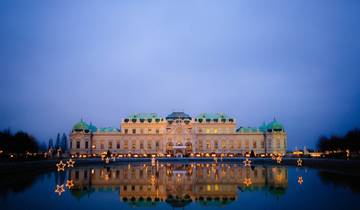
7 days
Private Tour: 3 Countries in One Week: Prague – Vienna – Budapest
- ✓ Comprehensive Vienna tour
- ✓ Expert local guides included
- ✓ All accommodation arranged
- ✓ Transportation provided

7 days
Austria in a Week (Best of Vienna, Salzburg and Innsbruck)- starting and ending in Vienna
- ✓ Comprehensive Vienna tour
- ✓ Expert local guides included
- ✓ All accommodation arranged
- ✓ Transportation provided
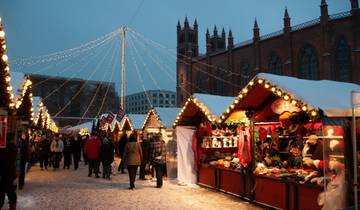
7 days
Christmas in Central Europe, Vienna to Berlin
- ✓ Comprehensive Vienna tour
- ✓ Expert local guides included
- ✓ All accommodation arranged
- ✓ Transportation provided
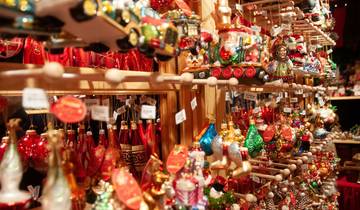
7 days
Christmas in Central Europe, Berlin to Vienna
- ✓ Comprehensive Vienna tour
- ✓ Expert local guides included
- ✓ All accommodation arranged
- ✓ Transportation provided
Multi-day tour packages powered by TourRadar. Prices and availability subject to change.
Historical Development of Coffee House Culture
Vienna’s coffee house tradition began following the 1683 Ottoman siege, when retreating Turkish forces abandoned supplies including coffee beans previously unknown to most Viennese residents. The historical narrative attributes the first Viennese coffee house to Georg Franz Kolschitzky, a Polish military officer who allegedly claimed abandoned coffee beans as reward for courier service during the siege. While historians debate the story’s accuracy, it established the romantic origin myth connecting Viennese coffee culture to the city’s dramatic military history and Ottoman cultural exchange.
Early coffee houses faced initial skepticism from Viennese accustomed to wine, beer, and traditional beverages, with coffee’s bitter taste requiring adaptation and sweetening to appeal to local palates. The addition of milk and sugar transformed coffee into drinks more compatible with Austrian taste preferences, leading to the development of specifically Viennese preparations distinct from Turkish coffee traditions. These early adaptations established patterns of innovation and localization that would characterize Viennese coffee culture’s evolution through subsequent centuries.
The 18th century witnessed coffee house proliferation across Vienna as establishments gained social acceptance and cultural significance. Emperor Joseph II’s enlightenment reforms reduced censorship and encouraged intellectual discourse, creating conditions where coffee houses could function as spaces for debate and discussion. The availability of newspapers and periodicals transformed coffee houses into informal news bureaus where Viennese learned about political developments, cultural events, and international affairs through extensive reading material maintained for patron access.
The 19th century represented the golden age of Viennese coffee house culture, with establishments becoming essential institutions in middle-class social life. The expansion of literacy, growth of the professional classes, and flourishing of Vienna’s cultural scene created ideal conditions for coffee house culture’s maturation. Architects designed purpose-built coffee house spaces incorporating specific features including high ceilings for air circulation, large windows for natural light, and elaborate interior decoration establishing appropriate atmosphere for intellectual and social gatherings.
The late 19th and early 20th centuries saw coffee houses develop distinct identities attracting specific clienteles. Café Central became known for intellectuals and writers, Café Griensteidl attracted the literary movement Jung Wien (Young Vienna), Café Museum served as headquarters for artists and architects including Adolf Loos, while other establishments developed reputations based on political affiliations, professional associations, or cultural interests. This specialization created a network of coffee houses where Viennese could find congenial company and appropriate atmosphere for their particular interests.
World War I and its aftermath disrupted coffee house culture significantly, as the Habsburg Empire’s collapse, economic hardship during the interwar period, and changing social conditions diminished the leisured middle-class lifestyle supporting extensive coffee house patronage. The annexation of Austria in 1938 devastated coffee house culture particularly severely, as Nazi persecution forced many Jewish proprietors and regular patrons into exile or death, destroying the cosmopolitan intellectual networks that had animated Vienna’s coffee house scene. The displacement and murder of coffee house society represented profound cultural loss alongside the human tragedy.
Post-World War II recovery saw gradual coffee house revival, though the culture never completely regained its pre-war vitality and social centrality. Modern economic pressures, changing social habits, and competition from new café formats challenged traditional establishments, leading to closures of historic coffee houses and transformation of others into tourist-oriented venues losing authentic cultural character. The UNESCO designation in 2011 reflected both recognition of coffee house culture’s significance and concern about its threatened status in contemporary Vienna.
Traditional Coffee House Architecture and Design
Authentic Viennese coffee houses maintain specific architectural elements creating distinctive atmospheres essential to the cultural tradition. High ceilings between 3.5-5 meters accommodate cigarette smoke in smoking sections while creating spacious volumes preventing claustrophobic feelings during extended stays. Ornate plasterwork, decorative moldings, and ceiling rosettes establish visual richness appropriate to coffee houses’ social status as semi-public institutions occupying positions between domestic interiors and purely functional commercial spaces.
Crystal chandeliers provide ambient lighting supplemented by table lamps creating warm, intimate illumination suitable for reading and conversation. The layered lighting approach enables guests to adjust local lighting conditions while maintaining overall atmospheric consistency. Mirrors positioned strategically on walls multiply space visually while reflecting light throughout interiors, creating the characteristic glow associated with historic coffee house environments. The reflective surfaces also enable social observation, allowing guests to survey the room’s activity while maintaining appropriate reserve rather than obviously staring at fellow patrons.
Marble-topped tables in various sizes accommodate everything from solitary contemplation to group gatherings, with table surfaces providing cool, smooth writing platforms for the extensive literary work occurring at coffee houses. The marble’s durability withstands decades of use while developing patinas reflecting historical continuity. Bentwood Thonet chairs designed by Michael Thonet specifically for coffee house use combine elegant curved forms with practical durability, stackability, and comfort suitable for extended sitting. The chairs’ iconic status makes them instantly recognizable symbols of Viennese coffee house culture, their graceful lines appearing in countless photographs and paintings documenting coffee house life.
Wooden newspaper racks displaying extensive selections of Austrian and international publications represent essential coffee house furnishings, providing guests free access to reading material encouraging extended stays and informed conversation. Historic establishments maintained subscriptions to dozens of newspapers and journals from across Europe, making coffee houses crucial information sources before electronic media. The newspapers attached to wooden holders prevent removal while allowing multiple simultaneous readers, with social protocols governing polite newspaper use and return to proper positions after reading.
Billiard tables occupy separate rooms or designated areas in traditional establishments, providing recreational activity complementing coffee consumption and conversation. The click of billiard balls and players’ concentration add characteristic soundscapes to coffee house environments, while the activity creates social focal points where spectators gather and discuss play. Card tables accommodate games from chess to tarock, Austria’s national card game, with some establishments hosting regular gaming groups meeting at consistent times creating predictable social schedules.
Entrance areas typically include coat check facilities where guests leave outerwear before entering main rooms, maintaining cleanliness and establishing the coffee house as formal social space requiring appropriate presentation. The coat check also serves as threshold marking transition from street to coffee house environment, where time slows and different social rules apply. Cash registers positioned near entrances or service areas reflect coffee house economics where payment occurs after consumption rather than before, establishing trust relationships between proprietors and guests contrary to modern prepayment systems in commercial cafés.
Toilet facilities in historic establishments often feature ornate tile work, marble fixtures, and attendants maintaining cleanliness while accepting small tips for their service. The attention to sanitary facility design reflects the importance of all coffee house elements in creating appropriate overall atmosphere, with even mundane functional spaces receiving decorative treatment establishing consistency of environment throughout the establishment.
Coffee Varieties and Preparation Methods
Viennese coffee culture developed over 40 distinct coffee preparations, each following specific recipes defining ratios of espresso, milk, cream, and additional ingredients. The complexity reflects coffee’s centrality to Viennese social life, where subtle variations in preparation created opportunities for personal preference expression and demonstrated connoisseurship. Understanding basic coffee varieties enables visitors to order confidently while appreciating the sophistication underlying seemingly simple beverage service.
The Melange represents Vienna’s most iconic coffee, prepared with espresso and steamed milk in roughly equal proportions, topped with milk foam creating a drink superficially resembling cappuccino but following distinct Viennese preparation traditions. The name derives from French “mélange” (mixture), reflecting the blending of coffee and milk into harmonious combination. Authentic Melange arrives on a silver tray with a water glass, representing standard Viennese coffee service emphasizing presentation and ritual alongside beverage quality.
Kleiner Brauner and Großer Brauner designate small or large servings of espresso with small amounts of cream or milk, creating drinks stronger than Melange while less intense than pure espresso. The “brown” designation refers to coffee’s color after cream addition, with the terms indicating serving size rather than preparation variation. These drinks appeal to guests preferring coffee-forward flavor profiles with minimal dilution from milk or water.
Einspänner combines espresso with whipped cream served in a glass rather than cup, creating visual drama as dark coffee shows through glass walls topped with white cream. The name translates as “one-horse carriage,” allegedly referencing Viennese cab drivers who ordered this preparation because the glass’s handle allowed drinking while holding horse reins. The historical connection illustrates how coffee house culture permeated all social classes, with working people developing their own coffee preferences alongside intellectuals’ more elaborated consumption rituals.
Kapuziner and Franziskaner represent variations on espresso with different milk or cream quantities, the names deriving from Capuchin and Franciscan monastic orders whose brown robes’ colors matched the drinks’ appearance. This religious nomenclature reflects coffee’s integration into Viennese cultural life, where everyday beverages carried references to the city’s Catholic heritage and monastery presence. The drinks provide options between pure espresso intensity and Melange’s equal milk-coffee balance.
Verlängerter designates espresso “lengthened” with hot water, similar to American-style coffee but prepared from espresso base rather than drip brewing. The drink provides larger volume for extended sipping while maintaining espresso flavor characteristics, appealing to guests wanting coffee accompaniment for lengthy reading or conversation sessions. The preparation reflects Viennese coffee culture’s emphasis on beverages suited to extended stays rather than quick consumption.
Maria Theresia combines espresso with orange liqueur and whipped cream, creating elaborate preparation named for the 18th-century empress. The drink represents coffee culture’s luxurious expressions, where coffee becomes vehicle for creative variations incorporating spirits and elaborate presentations. While less commonly ordered than basic preparations, specialty drinks demonstrate the range of possibilities within Viennese coffee traditions and the playful creativity underlying seemingly formal service protocols.
Eiskaffee confuses foreign visitors expecting iced coffee but receiving vanilla ice cream with espresso poured over top, creating a dessert-beverage hybrid. This preparation exemplifies how Viennese coffee culture developed its own vocabulary and definitions independent of international coffee terminology, requiring cultural knowledge beyond simple language translation for proper understanding and ordering.
Classic Viennese Coffee Houses
Café Central occupies legendary status in Viennese coffee house culture, having served as intellectual headquarters during the late 19th and early 20th centuries. The establishment opened in 1876 within the Palais Ferstel’s arcade, where elaborate Neo-Renaissance architecture creates theatrical settings for coffee consumption. The café’s association with writers, artists, and political figures including Peter Altenberg, Alfred Polgar, and Leon Trotsky established its reputation as the quintessential Viennese coffee house where cultural history unfolded over marble tables.
The café’s interior features soaring vaulted ceilings, massive columns supporting arcaded galleries, and window walls flooding spaces with natural light. A life-sized papier-mâché sculpture of Peter Altenberg seated at his customary table commemorates the writer’s famous devotion to Café Central as his virtual residence. The establishment combines authentic historical atmosphere with active functioning as contemporary coffee house, where tourists and locals coexist amid grandeur unchanged from the café’s golden age.
Café Landtmann opened in 1873 directly across from Vienna’s Burgtheater, establishing immediate connections with theatrical and cultural communities. The café’s position on the Ringstrasse made it naturally attractive to government officials, artists, and intellectuals moving through Vienna’s civic center. Sigmund Freud numbered among regular patrons, conducting informal meetings and discussions at Landtmann’s tables. The establishment maintains traditional service while adapting to contemporary demands, offering outdoor seating during warm weather while preserving interior historical atmosphere.
Café Hawelka represents a different coffee house tradition, having opened in 1939 and maintaining bohemian atmosphere attracting artists and countercultural figures rather than establishment intellectuals. The café’s dark, cluttered interior filled with artworks, photographs, and accumulated memorabilia creates intimate, slightly chaotic environment contrasting with the grand formality of establishments like Café Central. Leopold and Josefine Hawelka operated the café personally for decades, creating family-operated character distinct from more institutionalized traditional establishments.
The café gained fame for its Buchteln, sweet yeast dough buns filled with plum jam and served hot only after 10:00 PM, creating cultish following and nightly gatherings of devoted patrons. The Hawelka’s significance lies partly in demonstrating coffee house culture’s adaptability and diversity, where authentic tradition manifests through personal operation and artistic atmosphere rather than grand architecture and formal service, proving that essential cultural qualities transcend specific physical formats.
Café Sperl opened in 1880 and maintains exceptionally authentic 19th-century atmosphere with original fixtures, billiard tables, and minimal concessions to contemporary aesthetic preferences. The U-shaped billiard table room, card playing areas, and traditional service create time-capsule quality where visitors experience Viennese coffee house culture much as it existed 140 years ago. The café’s slightly shabby grandeur, worn velvet upholstery, and patinated fixtures contribute to its authentic character, demonstrating that preservation sometimes requires accepting graceful aging rather than pursuing perfect restoration.
Café Museum, designed by architect Adolf Loos in 1899, represents modernist intervention in coffee house tradition, where simplified geometric forms and reduced ornamentation challenged the elaborate decoration typical of traditional establishments. Loos’s design philosophy emphasizing functional honesty and material authenticity created controversy, with contemporary critics dubbing the café “Café Nihilismus” for its supposedly excessive simplicity. The establishment became gathering place for artistic and architectural modernists, demonstrating how coffee house culture accommodated innovative expressions while maintaining essential social functions.
Coffee House Social Protocols and Etiquette
Entering a traditional Viennese coffee house initiates specific social rituals beginning with greeting from headwaiter or maître d’, who may direct guests to available tables or allow self-selection depending on establishment protocols and crowd levels. Removing outer coats and checking them at designated coat check facilities represents expected behavior, establishing proper boundaries between street and coffee house environments. Guests seat themselves at unoccupied tables, waiting for waiter approach rather than seeking service at counters—a crucial distinction from modern café culture’s self-service expectations.
Ordering occurs through interaction with waiters wearing traditional formal attire including white shirts, black vests, and occasionally tuxedo jackets in more formal establishments. These professional servers possess extensive knowledge about coffee varieties and can guide uncertain guests through ordering processes. The standard coffee service includes a silver tray bearing the cup, small spoon, sugar packets, and a glass of water—never omitted in authentic service. The water glass serves both as palate cleanser and hydration supplement during extended stays, its provision symbolizing the coffee house’s hospitality and expectation of leisurely consumption.
Payment protocols follow European café traditions where bills arrive only upon guest request rather than being automatically presented. This practice acknowledges coffee house culture’s temporal generosity, where guests determine stay duration without pressure from management. When ready to depart, guests signal waiters, who prepare handwritten bills based on order memory or table documentation. Tipping represents expected practice, with 10-15% considered appropriate for attentive service, though particularly generous tips acknowledge exceptional attention or relationship development with regular waiters.
Newspaper reading follows specific etiquette where readers select publications from wooden racks, use them at tables, and return them to proper positions after finishing. The newspapers remain coffee house property available to all guests, creating shared resource managed through informal social conventions rather than explicit rules. Monopolizing popular publications, removing newspapers from premises, or damaging reading materials violates social contracts, though these transgressions occur more from tourist ignorance than deliberate rudeness. Observing how local patrons handle newspapers provides education in proper protocols.
Conversation volume maintains moderate levels respecting other guests’ desires for contemplative environments. While coffee houses accommodate social interaction, they simultaneously function as spaces for individual work, reading, or thought. Boisterous groups disrupting atmospheric tranquility face social disapproval if not direct intervention from management. This balance between sociability and solitude represents one of coffee house culture’s essential characteristics, creating environments supporting both communal and individual activities within shared spaces.
Extended stays with minimal consumption represent acceptable practice, though social sensitivity suggests occasional additional orders during very long visits. Ordering second coffees, pastries, or small meals demonstrates appreciation for coffee house hospitality while supporting establishments economically. However, the fundamental social contract permits single-coffee occupancy for reasonable periods, with “reasonable” defined generously by cultural tradition rather than commercial calculation. Guests treating coffee houses as coworking spaces bringing laptops for entire afternoons should acknowledge their extended occupation through multiple orders or generous tipping.
Mobile phone use requires discretion, with voice calls best conducted outside or in entrance areas rather than at tables where conversations disturb other guests. Traditional coffee houses predate mobile technology by centuries, with their social norms developing in eras when interpersonal communication occurred exclusively through face-to-face conversation or correspondence. Adapting these historical expectations to contemporary technology requires judgment and cultural sensitivity, balancing modern communication needs against respect for traditional atmospheric values.
Coffee House Pastries and Confections
Viennese coffee houses maintain strong connections with Austria’s elaborate pastry traditions, serving cakes, tarts, and confections complementing coffee consumption. While some establishments bake on premises, many source pastries from specialized bakeries or konditorei, maintaining quality standards while focusing coffee house resources on their primary beverage and service missions. The pastry selection varies by establishment, with some coffee houses offering extensive dessert menus while others provide limited but carefully chosen options.
Sachertorte, Vienna’s most famous chocolate cake created at Hotel Sacher in 1832, appears on coffee house menus throughout the city, though debates persist about authentic preparation methods and whether establishments other than Hotel Sacher can produce genuine Sachertorte. The dense chocolate cake with apricot filling and chocolate glaze pairs excellently with strong coffee, cutting the cake’s richness with coffee’s bitter notes. Legal disputes between Hotel Sacher and Café Demel over Sachertorte recipe authenticity demonstrate Austrian seriousness about pastry traditions and intellectual property in culinary heritage.
Apfelstrudel represents another iconic Viennese pastry, with paper-thin dough encasing spiced apple filling creating delicate texture and balanced sweetness. Traditional preparation requires hand-stretching dough until thin enough to read newspapers through the translucent layers, demonstrating pastry chefs’ technical skills. Coffee houses serve strudel warm with vanilla sauce or whipped cream, creating comforting combinations particularly appealing during Vienna’s cold winters when hot coffee and warm pastries provide both physical and psychological warmth.
Gugelhupf, a yeasted bundt-style cake, appears frequently in Viennese coffee houses, its distinctive fluted ring shape creating visual interest alongside straightforward flavor profiles. The cake’s slight sweetness makes it ideal coffee accompaniment, providing substance without overwhelming richness. Gugelhupf’s traditional association with Viennese home baking connects coffee house culture to domestic culinary traditions, creating continuity between public and private spheres of Austrian food culture.
Esterhazy Torte, created in honor of Hungarian Prince Esterházy, features almond meringue layers with buttercream filling, creating elaborate confection demonstrating Central European pastry artistry. The cake’s delicate sweetness and nutty flavors complement coffee’s roasted notes, while its labor-intensive preparation signals the pastry chef’s skill and establishment’s commitment to traditional quality standards. Coffee houses serving authentic Esterhazy Torte generally maintain high overall quality, as the cake’s complexity requires professional competence difficult to fake.
Topfenstrudel uses quark cheese filling instead of apples, creating savory-sweet preparation appealing to guests preferring less sugary options. The combination of flaky pastry with creamy cheese filling provides textural variety and lighter alternative to richer chocolate cakes or cream-filled confections. Topfenstrudel exemplifies how Viennese pastry tradition accommodates different taste preferences while maintaining technical excellence and cultural authenticity.
The Writer’s Table: Literary Traditions
Vienna’s coffee houses functioned as literary workshops where writers drafted everything from newspaper articles to major novels, creating inseparable connections between coffee house culture and Austrian literary achievement. The coffee house’s combination of social stimulation and contemplative possibility created productive environments supporting creative work in ways neither pure solitude nor exclusively social settings could match. Writers described the coffee house’s background conversation, newspaper rustling, and ambient activity as stimulating rather than distracting, providing environmental texture enhancing concentration rather than breaking it.
The practice of writing at coffee house tables established specific literary techniques and styles influenced by production environments. The need to write amid activity created preferences for compact notebooks, portable writing implements, and compositional methods accommodating interruptions. Some writers deliberately cultivated coffee house writing practices as part of their creative identity, making the public nature of their work an essential element rather than mere practical necessity. The performance aspect of writing in public spaces—being seen engaged in intellectual labor—reinforced writers’ social identities and professional status.
Coffee house proprietors recognized literary patrons’ value in establishing establishments’ cultural credentials, often extending credit or accepting delayed payment from writers whose financial situations fluctuated. This economic relationship enabled professional writing careers for individuals lacking independent wealth, making coffee houses crucial institutions in democratizing literary production beyond aristocratic patronage systems. The proprietors’ tolerance for extended stays and minimal consumption supported artistic communities that might otherwise have struggled to maintain productive working conditions.
Reading literary works aloud at coffee houses created informal performance spaces preceding formal publication, where authors tested material on immediate audiences and received direct feedback from knowledgeable listeners. This practice transformed coffee houses into literary laboratories where works evolved through social interaction rather than isolated creation. The culture of constructive criticism within coffee house circles helped writers refine work while maintaining collegial relationships despite competitive professional circumstances.
Newspapers maintained close relationships with coffee house literary communities, with journalists writing articles at coffee house tables and editors meeting writers in familiar establishments rather than newspaper offices. This integration of journalism and coffee house culture created feedback loops where writers observed social interactions providing article material while their published work circulated through coffee house newspaper racks for discussion among the same communities generating story subjects. The symbiosis between press and coffee house culture strengthened both institutions, creating mutual dependencies reinforcing their respective cultural positions.
Contemporary Coffee House Culture
Modern Viennese coffee houses navigate tensions between historical preservation and contemporary commercial realities, maintaining traditional elements while adapting to changed social conditions, economic pressures, and competition from international café chains. Successful establishments balance authenticity with accessibility, ensuring that coffee house culture remains living tradition rather than museum exhibit, while preventing commercialization that destroys essential characteristics in pursuit of tourist revenue or modern efficiency.
Tourist interest in Viennese coffee houses creates economic opportunities while potentially threatening authentic culture through excessive popularization. Establishments near major tourist sites sometimes sacrifice genuine character for accessibility to visitors unfamiliar with traditional protocols, offering abbreviated menus, faster service, and physical modifications accommodating larger crowds. This tension between economic sustainability and cultural preservation requires careful management, with some establishments successfully maintaining authenticity despite tourist presence while others gradually transform into theme park versions of coffee house culture.
Local Viennese increasingly patronize neighborhood coffee houses maintaining traditional practices without tourist overlay, creating de facto division between tourist-oriented establishments in the historic center and authentic coffee houses in residential districts. This geographic separation enables cultural preservation through isolation from commercializing pressures, though it also reduces traditional coffee houses’ visibility and accessibility to visitors genuinely interested in authentic experiences rather than convenient simulacra.
Modern coffee culture’s global spread creates both challenges and opportunities for Viennese tradition. International specialty coffee movements emphasizing single-origin beans, precise brewing methods, and third-wave quality standards sometimes conflict with traditional Viennese approaches prioritizing atmosphere and social ritual over coffee bean provenance. Some establishments incorporate modern coffee quality consciousness while maintaining traditional service and social protocols, demonstrating that innovation need not destroy authenticity when changes respect underlying cultural values.
Younger generations of Viennese coffee house proprietors and workers face challenges inheriting and maintaining cultural traditions while adapting to contemporary life rhythms and economic pressures. Apprenticeship programs training traditional waiters, ongoing coffee preparation education, and mentorship from experienced coffee house professionals help transmit knowledge and practice across generations, ensuring cultural continuity despite broader social changes. The commitment to training and knowledge transmission represents essential investment in intangible cultural heritage beyond mere physical preservation of historic buildings.
Smoking restrictions implemented in Austria in 2019 fundamentally altered coffee house environments, eliminating the cigarette haze historically characteristic of coffee house atmosphere. This public health measure created spatial and social reorganization, with some establishments maintaining separate smoking rooms while others became entirely smoke-free. The change demonstrates how even protected cultural traditions must adapt to evolving social values and legal requirements, with successful adaptation depending on preserving essential characteristics while accepting necessary modifications in secondary elements.
Visitor Guidelines for Coffee House Experience
First-time visitors to Viennese coffee houses benefit from understanding basic protocols creating comfortable experiences while respecting cultural traditions. Entering establishments, guests select available tables without waiting for formal seating (unless otherwise directed), removing outer garments and storing them at coat check facilities when provided. Sitting down signals desire for service, with waiters approaching within several minutes to take orders. Guests should avoid approaching service counters or attempting to order at bars, as traditional establishments operate exclusively through table service.
Ordering coffee requires either familiarity with basic Viennese coffee varieties or willingness to ask waiter recommendations. Requesting a “Melange” provides safe default option for uncertain visitors, delivering quintessential Viennese coffee experience without requiring extensive menu knowledge. Accompanying water glass arrives automatically with coffee, representing standard service rather than special request. Visitors should avoid requesting modifications to traditional coffee preparations, as recipes follow established proportions and methods resistant to customization—Viennese coffee culture emphasizes mastery of defined preparations rather than individualized modifications.
Reading newspapers from provided racks represents encouraged behavior, with extensive international selections ensuring that foreign visitors can access familiar publications alongside Austrian papers. Proper etiquette requires returning newspapers to correct positions after reading, maintaining organization for subsequent users. Some coffee houses attach newspapers to wooden reading sticks preventing removal while enabling page turning, a practical solution managing shared resources while accommodating multiple readers.
Extended stays require no justification or apology, with coffee house culture explicitly encouraging leisurely occupation. Visitors should feel comfortable remaining for hours after ordering single coffee, though additional orders during very long visits acknowledge coffee house hospitality and support establishments economically. Bringing books, notebooks, or other reading/writing materials aligns with coffee house tradition, though laptop use deserves consideration regarding both social appropriateness and practical concerns about electrical outlet availability in historic buildings lacking comprehensive power infrastructure.
Photography requires cultural sensitivity balancing desire for documentation against other guests’ privacy expectations. Photographing architectural details, food, and general atmospheric shots generally presents no problems, though photographing other patrons without permission represents potential intrusion, particularly given European privacy consciousness and legal frameworks. Discreet photography maintaining other guests’ privacy receives acceptance, while obvious tourist photography including people’s faces raises concerns. When uncertain, requesting permission demonstrates respect for cultural norms and individual preferences.
Tipping reflects appreciation for service quality, with 10-15% representing standard gratuity for attentive waiters. In traditional establishments where waiters demonstrate extensive knowledge, professional bearing, and personalized service, generous tips acknowledge their expertise and contribution to authentic coffee house experience. Payment occurs only upon guest request, with bills handwritten and presented on small trays. Cash payment remains preferred in some traditional establishments, though most now accept cards—inquiring about payment methods before ordering prevents potential awkwardness during departure.
Frequently Asked Questions About Vienna Coffee House Culture
Can I work on my laptop in Viennese coffee houses?
Traditional coffee houses accommodate laptop work, though cultural sensitivity suggests certain considerations. Historic establishments designed before digital technology may lack comprehensive electrical outlets, limiting practical laptop use duration. Some traditional coffee houses discourage laptop work preserving contemplative atmosphere, while others accept modern work patterns. Neighborhood coffee houses serving local professionals generally prove more laptop-friendly than tourist-oriented establishments in the historic center. Ordering multiple items during extended laptop sessions demonstrates appreciation for space occupation and supports establishments economically.
Do I need reservations for famous coffee houses?
Most traditional Viennese coffee houses operate on walk-in basis without reservation systems, embodying the spontaneous accessibility fundamental to coffee house culture. Very popular establishments like Café Central sometimes maintain waiting lists during peak tourist hours, particularly late morning and early afternoon when tour groups visit. Arriving during off-peak times—early morning, mid-afternoon, or evening—typically ensures immediate seating without waiting. Some establishments accept reservations for large groups but maintain walk-in policies for individual guests and couples, preserving coffee house accessibility.
What’s appropriate dress code for Vienna coffee houses?
Viennese coffee houses maintain relatively relaxed dress standards, accepting casual contemporary clothing while appreciating smart-casual or business attire reflecting coffee house culture’s historical formality. Visitors wearing neat, clean clothing of any style receive welcome service, though excessively casual beachwear or athletic clothing seems culturally inappropriate in traditional establishments. The coffee house’s semi-formal social character suggests dressing as one might for casual business meeting or informal dinner rather than gym session or beach visit. Observing local patrons provides guidance about appropriate presentation levels.
Are children welcome in coffee houses?
Viennese coffee houses welcome families with children, representing multi-generational social institutions rather than exclusively adult environments. Many establishments offer children’s menu items, smaller coffee servings, and accommodations for family visits including high chairs and changing facilities in newer or renovated locations. Traditional coffee house culture includes family patronage passing cultural knowledge across generations, with Viennese children learning coffee house etiquette and customs through family visits. Parents maintaining reasonable behavioral standards for children ensuring other guests’ undisturbed contemplation find coffee houses accommodating family-friendly environments.
How do I know if a coffee house is authentic or tourist-oriented?
Authentic traditional coffee houses demonstrate specific characteristics including local patron presence beyond tourist crowds, multilingual newspaper selections including less common publications, experienced waiters demonstrating professional service rather than hurried order-taking, and interior preservation showing graceful aging rather than excessive restoration. The presence of regular patrons occupying preferred tables, unhurried service rhythm accepting extended stays, and traditional pastry selections indicate genuine coffee house culture. Tourist-oriented establishments often feature abbreviated menus with pictures, English-dominant service, rapid table turnover pressure, and renovations prioritizing aesthetic appeal over historical accuracy.
Can I just drink coffee without eating pastries?
Ordering coffee alone represents completely acceptable practice requiring no apology or additional purchases. Coffee house tradition specifically supports beverage-only consumption, with the culture’s social protocols permitting extended stays after ordering single coffee. Waiters serve coffee-only orders without suggesting pastries or additional items, respecting guests’ autonomous ordering decisions. While pastries complement coffee enjoyably and support establishments economically, no cultural expectation requires food orders alongside beverages. Guests preferring simple coffee consumption without accompanying food align with longstanding coffee house traditions.
What makes coffee house culture UNESCO heritage?
UNESCO designated Viennese coffee house culture as Intangible Cultural Heritage recognizing its unique contribution to intellectual and artistic life across three centuries. The designation acknowledges coffee houses as cultural institutions where specific social practices, service rituals, and atmospheric qualities created environments supporting Austria’s literary, artistic, and intellectual achievements. The heritage status protects cultural practices rather than individual buildings, emphasizing living traditions including coffee preparation methods, service protocols, social customs, and the distinctive atmosphere characterizing authentic coffee house experience.
Do coffee houses serve alcohol?
Many traditional Viennese coffee houses maintain beverage licenses serving beer, wine, and spirits alongside coffee, reflecting their role as comprehensive social institutions rather than specialized coffee-only venues. Alcoholic beverage selection typically includes Austrian wines, local beers, and classic spirits appropriate to coffee house atmosphere. Some patrons order alcohol during evening hours when coffee houses transition from daytime coffee consumption to early evening social gathering spaces. The availability of alcohol demonstrates coffee house flexibility accommodating different social occasions and time-of-day preferences within single continuous operating frameworks.
How much does coffee cost in Viennese coffee houses?
Coffee prices vary significantly between neighborhood establishments and tourist-oriented coffee houses in the historic center. Basic coffee like Melange typically costs €4-7 in traditional establishments, with specialty preparations commanding slightly higher prices. Historic coffee houses in prime locations charge premium prices €6-9 reflecting tourist demand, architectural significance, and operating costs in expensive real estate. Neighborhood coffee houses serving primarily local clientele maintain more moderate pricing €3.50-5.50, making regular patronage economically sustainable for daily visitors. Despite variations, all coffee houses implicitly sell time and atmosphere alongside beverages, with extended stay privileges justifying higher prices compared to takeaway café costs.
Can vegetarians and vegans find suitable options?
Traditional coffee house pastry selections include vegetarian options, though vegan choices remain more limited given Austrian baking traditions’ reliance on butter, eggs, and dairy products. Many establishments offer fruit-based pastries, nut cakes, and other vegetarian-compatible desserts, while savory breakfast and lunch options include cheese, egg, and vegetable preparations suitable for vegetarian diets. Vegan visitors face greater challenges, as traditional Viennese pastries rarely accommodate dairy-free or egg-free requirements. Some modern coffee houses incorporate vegan options including plant-based milk for coffee and vegan pastry selections, though such accommodations appear more commonly in contemporary establishments than traditional historic coffee houses.