
Venice 3-Day Itinerary 2026: Complete First-Time Visitor Guide
Key Takeaways
- A comprehensive 3-day Venice experience costs €380-520 per person covering accommodation (€120-180 per night mid-range), major attractions (€65-85 total entries), transportation (€55 for 72-hour vaporetto pass), and dining (€70-100 daily), with strategic planning reducing costs by 20-30%
- The optimal first-time visitor route balances UNESCO World Heritage highlights (St. Mark’s Basilica, Doge’s Palace, Rialto Bridge) with authentic neighborhoods (Cannaregio, Castello, Dorsoduro), allocating 60% time to iconic sites and 40% to local exploration
- Advance booking requirements include Doge’s Palace Secret Itineraries (6-8 weeks ahead), St. Mark’s Basilica Pala d’Oro (2-3 weeks for summer), and dinner reservations at quality restaurants (1-2 weeks during peak season), while most attractions accept same-day entry
- Strategic timing positions complex attractions during early morning (8:00-10:00 AM) before tour group arrivals, reserves midday (12:00-2:30 PM) for dining and rest avoiding peak heat, and dedicates late afternoon (4:00-7:00 PM) to neighborhood wandering with optimal photography lighting
- The 72-hour vaporetto pass at €55 provides unlimited transportation value across 3 days, covering lagoon island excursions (Murano, Burano), Grand Canal routes, and neighborhood connections while avoiding single-ride costs totaling €85+ for equivalent travel
- Off-season visits (November-March) reduce accommodation costs by 40-50% compared to summer peak, offer authentic local atmosphere with minimal crowds, and provide equivalent cultural experiences despite some weather variability requiring flexible outdoor activity planning
Introduction: Planning Your Three Days in Venice
Venice demands strategic planning to balance iconic UNESCO World Heritage sites with authentic Venetian neighborhood life, optimize transportation through the canal network, and manage costs in Italy’s most expensive tourist destination. Three days provides sufficient time to experience Venice’s essential cultural landmarks, explore multiple sestieri (neighborhoods) showcasing diverse architectural periods and local traditions, and venture to lagoon islands preserving ancient artisan crafts. This comprehensive itinerary guides first-time visitors through optimal routing, timing, and budget allocation while avoiding common tourist traps and overcrowded areas.
The city’s unique geography spanning 118 islands connected by 400 bridges creates navigation challenges requiring understanding of vaporetto (water bus) routes, walking paths, and landmark orientation. Venice divides into six sestieri—San Marco, Castello, Cannaregio, Dorsoduro, San Polo, and Santa Croce—each offering distinct character from grand Renaissance palaces to quiet residential squares. Strategic itinerary planning positions major attractions during optimal timing windows, integrates transportation efficiently, and builds rest periods preventing exhaustion from constant walking and sensory saturation characteristic of Venice’s intense tourist environment.
People Also Ask About Venice 3-Day Itinerary 2026
How much does a 3-day Venice trip cost in 2026?
A 3-day Venice visit costs €380-520 per person for mid-range budget including accommodation (€120-180 per night), major attraction entries (€65-85 total), 72-hour vaporetto pass (€55), and meals (€70-100 daily) in 2026 (check veneziaunica.it for current official transport rates as pricing may vary). Budget travelers reduce costs to €280-350 through hostel accommodation (€35-50 per night), free church visits, limited paid attractions, and self-catered meals. Luxury travelers spend €800-1200+ per person with 4-star canal-view hotels (€300-450 per night), premium dining (€100-150 per meal), and private water taxi transport (€100-150 daily).
What’s the best itinerary for first-time Venice visitors?
Optimal first-time itineraries dedicate Day 1 to San Marco highlights (Basilica, Doge’s Palace, Campanile), Day 2 to lagoon islands (Murano, Burano) and eastern neighborhoods (Castello), Day 3 to western neighborhoods (Dorsoduro, San Polo) and Grand Canal exploration. This routing progresses from iconic UNESCO sites establishing Venice’s historical context through authentic neighborhood immersion revealing contemporary Venetian life, concluding with artistic treasures and architectural diversity. The sequence prevents cultural exhaustion by alternating concentrated heritage visits with relaxed neighborhood wandering, while geographic clustering minimizes backtracking and transportation time.
Do you need advance bookings for Venice attractions in 2026?
St. Mark’s Basilica requires free timed-entry reservations made 2-4 weeks ahead during peak season (May-October) through basilicasanmarco.it, with same-day availability during winter months. Doge’s Palace accepts same-day entry but Secret Itineraries tours sell out 6-8 weeks ahead requiring advance booking. Major museums including Gallerie dell’Accademia and Peggy Guggenheim Collection benefit from advance booking avoiding 30-60 minute queues during summer middays but accept walk-ins with minimal wait early mornings. Restaurant reservations at quality establishments require 1-2 weeks notice during high season, while casual bacari (wine bars) accommodate walk-in diners throughout the year.
How do you avoid crowds in Venice?
Strategic timing positions major attraction visits before 9:00 AM or after 4:00 PM when tour groups concentrate during midday hours (10:00 AM-3:00 PM). Neighborhood exploration in Cannaregio, Castello (eastern sections), and Giudecca encounters minimal tourist presence even during peak season. Visiting Venice November-March reduces overall tourist numbers by 60-70% compared to summer while maintaining full museum operations and cultural programming. Early morning (7:00-9:00 AM) St. Mark’s Square photography before day-tripper arrivals captures iconic views without crowds, while evening visits after 7:00 PM show the square illuminated with resident-dominated atmosphere.
Extended multi-day tours – 5+ days
Featured Venice Multi-Day Tour Packages

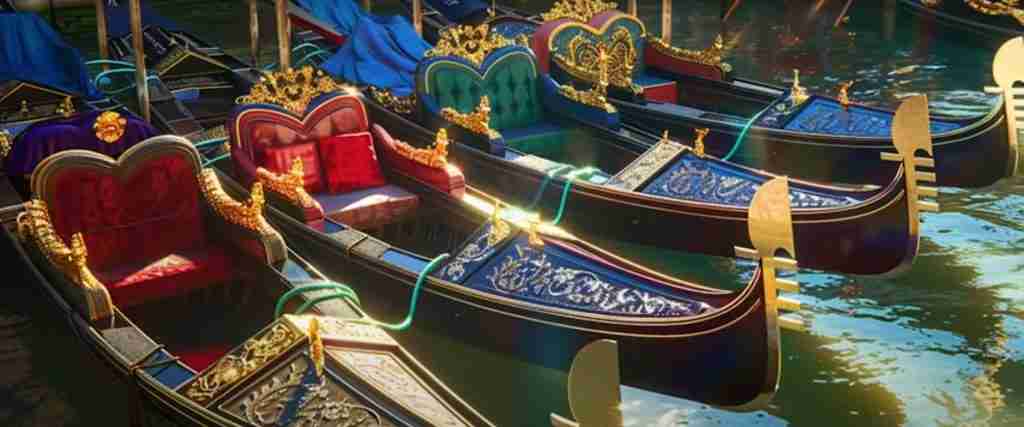
3 days
Venice 3-Day Discovery Tour
- ✓ Comprehensive Venice experience
- ✓ Expert local guides included
- ✓ All accommodation included
- ✓ Transportation provided
5 days
Venice 5-Day Highlights Experience
- ✓ Comprehensive Venice experience
- ✓ Expert local guides included
- ✓ All accommodation included
- ✓ Transportation provided
7 days
Venice 7-Day Cultural Journey
- ✓ Comprehensive Venice experience
- ✓ Expert local guides included
- ✓ All accommodation included
- ✓ Transportation provided
10 days
Venice 10-Day Complete Adventure
- ✓ Comprehensive Venice experience
- ✓ Expert local guides included
- ✓ All accommodation included
- ✓ Transportation provided
Multi-day tour packages powered by TourRadar. Prices and availability subject to change.
Essential Planning Information 2026
Budget Breakdown and Cost Management
Comprehensive 3-day Venice costs divide across accommodation (40-45% of total budget), dining (25-30%), transportation (10-12%), attractions (12-15%), and miscellaneous expenses (8-10%). Mid-range travelers allocate €380-520 per person for three days, budget-conscious visitors achieve €280-350, while luxury experiences exceed €800 per person. These calculations assume double occupancy for accommodation, moderate dining choices balancing restaurant meals with picnic lunches, strategic attraction selection prioritizing included UNESCO sites, and vaporetto pass utilization rather than private water taxis.
Accommodation costs fluctuate dramatically by season and neighborhood, with San Marco commanding premium prices (€200-350 per night mid-range) for proximity to attractions. Cannaregio and Castello neighborhoods offer 30-40% savings (€120-180 per night) while maintaining quality standards and convenient vaporetto access. Booking 2-3 months ahead secures better rates during peak summer months, while last-minute deals emerge during winter low season. Apartment rentals through local agencies provide value for groups, with two-bedroom options costing €150-250 per night accommodating four people economically.
Dining costs can be controlled through strategic choices: €8-12 breakfast at local cafes versus €20-25 hotel breakfast, €15-25 lunch at bacari or pizza shops versus €35-50 sit-down restaurants, €40-60 dinner at authentic trattorias versus €80-120 tourist-zone establishments. Purchasing picnic supplies at local markets (€10-15 per person) for one lunch daily reduces overall food costs by 15-20%. Free water fountains throughout Venice eliminate bottled water expenses (€2-3 per bottle). Aperitivo culture (6:00-8:00 PM) provides complimentary snacks with drinks purchases, effectively serving as light dinner for €10-15 per person.
Transportation System and Vaporetto Strategy
Venice’s ACTV vaporetto network comprises 19 lines serving the historic center, lagoon islands, and mainland connections with various pass options for 2026. The 72-hour pass costs €55, 48-hour pass €35, 24-hour pass €25, and single rides €9.50 for 75 minutes (check actv.it for current official rates as pricing may vary). For 3-day itineraries, the 72-hour pass provides optimal value covering unlimited travel versus single-ride costs totaling €85-100 for typical visitor usage including Grand Canal routes, island trips, and neighborhood connections. Passes activate upon first validation and expire exactly 72 hours later, not at midnight on day three.
Key vaporetto lines include Line 1 (Grand Canal local stops, 50 minutes Piazzale Roma to San Marco), Line 2 (Grand Canal express, 30 minutes for same route), Line 4.1/4.2 (Murano via Fondamente Nove), Line 12 (Murano-Burano-Torcello), and Line 5.1/5.2 (circular routes connecting all sestieri via Giudecca). Understanding these routes enables strategic planning combining attraction visits with efficient transportation. Water taxis cost €15-20 per person for shared routes versus unlimited vaporetto travel, justifying investment in multi-day passes over per-ride purchases.
The Venice Unica City Pass bundles 72-hour vaporetto transport with Civic Museum entries (Doge’s Palace, Correr Museum, Ca’ Rezzonico) for €94 versus €120 purchasing separately, offering 20% savings for visitors planning comprehensive museum visits. The pass includes chorus churches network (€12 value), airport bus transfers (€8 each way), and public bathroom access (€1.50 per use, totaling €5-10 savings over three days). Online purchase through veneziaunica.it allows immediate activation upon Venice arrival, while physical ticket offices provide full-service assistance with route planning.
Accommodation Neighborhoods and Selection
San Marco proximity provides convenient access to major attractions within 5-10 minutes walking but commands premium prices and faces constant tourist crowds even at night. Castello’s eastern sections (San Pietro area) offer authentic residential character 15-20 minutes from St. Mark’s Square with hotels costing 30-40% less while maintaining quality standards. Cannaregio along Fondamente Nove provides vaporetto access to islands and northern neighborhoods, combining local atmosphere with central position. Dorsoduro near Accademia balances university district energy with museum access and reasonable pricing.
Hotels near major vaporetto stops maximize transportation efficiency, particularly important after long exploration days when walking stamina diminishes. Booking accommodations along Lines 1, 2, or 4.1/4.2 routes ensures frequent service (every 10-15 minutes) eliminating extended wait times. Properties facing quiet campi (squares) reduce noise compared to Grand Canal-front locations where vaporetto traffic begins 5:30 AM. Reading reviews regarding bridge proximity matters for luggage transport—Venice’s 400 bridges require carrying bags up and down steps repeatedly.
Day 1: San Marco District and UNESCO Highlights
Morning: St. Mark’s Square Complex (3.5 Hours)
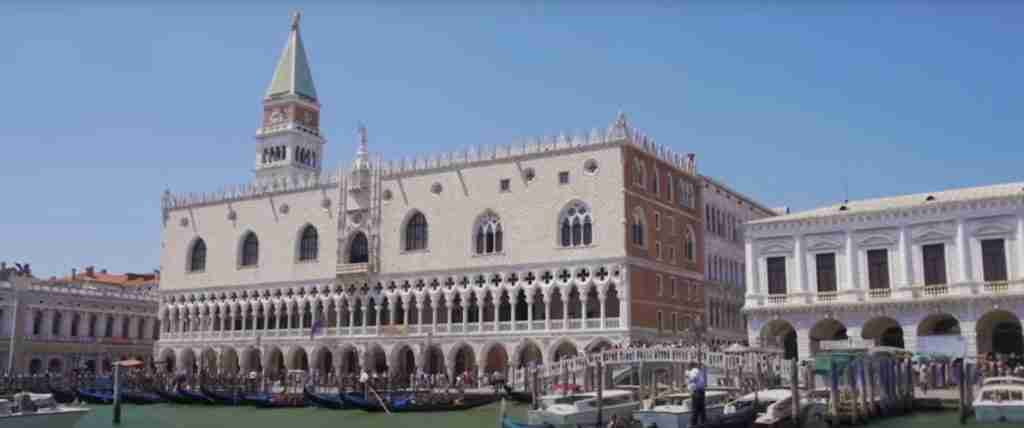
Begin at 8:00 AM arrival at St. Mark’s Square before tour groups appear (9:30 AM onward). The square remains relatively peaceful early morning, allowing photography of the Byzantine basilica facade, 99-meter Campanile, and Doge’s Palace waterfront position without crowds. St. Mark’s Basilica opens 9:00 AM with free entry to the main church (€3 museum supplement, €5 Pala d’Oro viewing, €7 terrace access). The basilica preserves 8,000 square meters of golden mosaics representing Byzantine artistic achievement, with the Pala d’Oro altarpiece containing 1,927 gems and 400 enamel plaques creating one of medieval Europe’s most valuable artworks.
Allocate 1 hour for basilica exploration including treasury museum and terrace views over the square. The terrace provides close-up perspective on the bronze horses (replicas, originals inside museum) brought from Constantinople’s Hippodrome during the Fourth Crusade (1204). Strict dress codes require covered shoulders and knees, enforced at entrance with shawl rentals available (€2). Free timed-entry reservations made 2-4 weeks ahead through basilicasanmarco.it provide priority access during peak season.
Continue to Doge’s Palace at 10:00 AM (€30 adult admission including Correr Museum and Museum of Archaeology in 2026, check palazzoducale.visitmuve.it for current official rates). The palace guided tour covers institutional chambers decorated with Tintoretto and Veronese masterpieces, the Bridge of Sighs connecting to prison cells, and the enormous Sala del Maggior Consiglio accommodating Venice’s 2,000-member Great Council. Audioguides cost €5 providing detailed historical context for the Republic’s governance systems and artistic commissions. Allocate 2 hours for comprehensive palace exploration.
The Secret Itineraries tour (€35, advance booking required 6-8 weeks ahead) explores restricted palace areas including torture chambers, lead roof prisons, and administrative offices where Casanova planned his famous escape. These 75-minute guided tours (English offered at 11:00 AM and 1:00 PM) provide fascinating insight into the Republic’s intelligence and security operations, complementing the standard visit focused on governmental ceremony and artistic display.
Midday: Rialto Bridge and Lunch (2 Hours)
Walk 15 minutes through commercial streets from St. Mark’s to Rialto Bridge, Venice’s most famous Grand Canal crossing. The Renaissance stone bridge (completed 1591) replaced earlier wooden structures, designed by Antonio da Ponte with central arcade of shops selling jewelry, leather goods, and Venetian glass. Optimal photography timing occurs from the bridge center looking down the Grand Canal toward Ca’ Foscari palace, capturing vaporetto traffic and palace facades in one frame. Adjacent Rialto Market (open 8:00 AM-1:00 PM Tuesday-Saturday) displays fresh produce, fish, and local products in Venice’s primary food market since the 11th century.
Lunch in San Polo neighborhood surrounding Rialto offers authentic Venetian cuisine at moderate prices. Cantina Do Spade (near the market) serves traditional cicheti (Venetian tapas) and regional wines in a historic setting for €20-30 per person. Osteria Bancogiro overlooking the Grand Canal provides elevated views with fresh seafood for €30-40 per person. Budget options include Bacareto da Lele (€8-12 for wine and cicheti standing at the bar) or AlbergiAmo pizza by the slice (€3-5 per portion). Dining 12:30-1:00 PM allows market atmosphere observation before afternoon closing.
Afternoon: Accademia and Dorsoduro (3 Hours)
Cross the Grand Canal via Accademia Bridge (Line 1 vaporetto from Rialto Mercato to Accademia stop) reaching the Gallerie dell’Accademia at 2:00 PM. The museum preserves Venice’s finest painting collection spanning Byzantine through 18th-century works, including Venetian masters Bellini, Giorgione, Titian, Tintoretto, Veronese, and Canaletto. Entry costs €15 for adults, €2 reduced rate, with advance timed-entry booking available (recommended for summer weekends). Allocate 1.5-2 hours for comprehensive viewing of 24 galleries chronologically arranged showing Venetian artistic evolution.
The museum’s highlights include Giorgione’s mysterious “Tempest,” Titian’s final work “Pietà,” Veronese’s massive “Feast in the House of Levi” (originally Last Supper before Inquisition intervention), and Tintoretto’s “Translation of the Body of St. Mark.” Audioguides (€6) provide essential context for interpreting Renaissance religious symbolism and understanding commissioning history. The gallery’s relative quietness compared to St. Mark’s Square area offers restful viewing atmosphere mid-afternoon.
Continue walking through Dorsoduro neighborhood toward Santa Maria della Salute (15-minute walk from Accademia). The baroque church (completed 1687) commemorates Venice’s deliverance from 1630 plague, positioned dramatically at the Grand Canal entrance opposite St. Mark’s Square. Entry is free with €5 sacristy access viewing Titian paintings including “Descent of the Holy Spirit.” The church steps provide iconic photography angles across the Grand Canal toward Doge’s Palace and San Giorgio Maggiore island.
The Dorsoduro waterfront (Zattere) offers peaceful walking along the Giudecca Canal away from central tourist congestion. Gelato shops including Nico (famous for gianduiotto praline ice cream €4-6) line the promenade. This late-afternoon timing (4:00-5:00 PM) captures optimal lighting on the Giudecca island churches across the canal while allowing relaxed pace after intensive morning cultural immersion.
Evening: Grand Canal Sunset and Dinner (2.5 Hours)
Board Line 1 vaporetto at Zattere for scenic Grand Canal journey during golden hour (departures every 10 minutes, 40-minute full route Piazzale Roma to San Marco). Position on the left side (facing forward) traveling toward Piazzale Roma for optimal palace viewing and photography lighting. The slow route makes 18 stops, allowing observation of Byzantine-Veneto Gothic, Renaissance, and Baroque palace facades representing seven centuries of architectural evolution. Key palaces include Ca’ d’Oro (15th-century Gothic masterpiece), Ca’ Rezzonico (baroque civic museum), and Ca’ Foscari (Gothic university building).
Disembark at San Toma stop for dinner in San Polo neighborhood offering excellent dining value and authentic atmosphere. Osteria Ae Do Marie specializes in fresh seafood and Venetian classics for €35-45 per person (reservations recommended). Antiche Carampane (hidden location requires map consultation) serves traditional lagoon fish dishes for €40-55 per person with advance booking essential. Budget options include Birraria La Corte courtyard dining for €20-30 per person or Al Nono Risorto’s generous portions at €25-35 per person.
After dinner, walk back toward San Marco (20 minutes) for illuminated square viewing. The piazza lights activate at dusk, creating dramatic atmosphere with significantly fewer tourists than daytime. The orchestras at Caffè Florian and Quadri provide entertainment (€10-15 cover charge for seating, no charge for standing listeners). This peaceful evening experience shows Venice’s transformation from intense tourist destination to romantic city-scape when day-trippers depart.
Day 1 Costs Summary
Accommodation €120-180 per night (mid-range double occupancy), St. Mark’s Basilica supplements €15, Doge’s Palace €30, Accademia Museum €15, lunch €20-30, dinner €35-45, gelato and snacks €8-12, transportation included in 72-hour pass. Total day cost: €123-147 per person (excluding accommodation)
Day 2: Lagoon Islands and Castello Discovery
Morning: Murano and Burano Islands (5 Hours)
Depart Fondamente Nove at 8:00 AM on Line 12 for comprehensive lagoon island circuit visiting Murano’s glassmaking furnaces and Burano’s colorful lace-making village. This early departure avoids cruise ship tour groups (arriving 10:00 AM onward) while capturing optimal morning light for photography. Arrive Murano Faro at 8:15 AM, spending 1.5 hours exploring glass furnace demonstrations (free, operating 9:00 AM-5:00 PM), Murano Glass Museum (€12 entry), and Santa Maria e Donato basilica (free, 12th-century Byzantine mosaics).
Glass furnace demonstrations show traditional Murano techniques including gathering, blowing, and shaping molten glass in 15-20 minute presentations. Most furnaces welcome visitors without appointments, though attached galleries expect browsing. Authentic Murano glass carries Vetro Artistico Murano trademark certification, with prices ranging €40 for small items to thousands for sculptural works. Morning timing ensures furnaces operate at full capacity with master glassblowers creating elaborate pieces rather than simple demonstrations for tour groups.
Continue at 10:00 AM on Line 12 to Burano (35-minute journey from Murano), arriving 10:35 AM for 2.5-hour exploration. The island’s rainbow-painted houses create Venice’s most photographed scenes, with each building displaying bright colors following traditional fishing village heritage. Visit Lace Museum (€5.50 entry) showing traditional punto in aria needlepoint techniques requiring hundreds of hours for complex pieces, supporting artisan craft preservation through admission fees and museum shop purchases. Allocate time for colorful street photography along Via Baldassarre Galuppi and side canals where reflections double the visual impact.
Lunch on Burano offers excellent seafood value at authentic trattorias. Trattoria al Gatto Nero serves traditional lagoon fish dishes for €30-40 per person, while Trattoria da Romano combines quality seafood with impressive art collection for €35-45 per person. Budget options include Osteria al Vecio Pipa for €20-30 per person. Dining 12:30-1:30 PM allows relaxed timing before afternoon return to Venice, with optional Torcello addition (5 minutes further on Line 12) for visitors prioritizing Byzantine heritage over extended Burano time.
Afternoon: Castello Neighborhood Exploration (3 Hours)
Return to Venice via Line 12 to Fondamente Nove (arrival 2:30 PM), walking 10 minutes into Castello’s authentic eastern sections away from tourist congestion. The neighborhood preserves residential Venice character with local shops, quiet campi, and neighborhood trattorias serving residents rather than tourists. Begin at Scuola Grande di San Marco (exterior viewing of Renaissance facade with trompe-l’oeil perspective), currently functioning as hospital entrance but architecturally magnificent.
Continue through Campo Santa Maria Formosa, one of Venice’s largest squares surrounded by Renaissance and Gothic palaces. The church of Santa Maria Formosa (€3 Chorus Pass admission or individual €3 entry) houses Palma il Vecchio’s “Santa Barbara” altarpiece. The campo hosts local life including school dismissals, market stalls Monday-Saturday mornings, and neighborhood cafes serving residents. Relaxed exploration allows observation of authentic Venetian daily rhythms absent from San Marco tourist zones.
Walk toward Via Garibaldi (15 minutes from Santa Maria Formosa), Venice’s only street technically designated “via” rather than “calle.” This wide thoroughfare created by Napoleon filling a canal preserves neighborhood feel with produce shops, bakeries, and casual restaurants. Continue to Giardini della Biennale (public gardens hosting Venice Biennale art exhibitions) offering rare green space and waterfront seating. The gardens provide restful atmosphere after intensive morning island exploration, with free entry outside exhibition periods.
Late Afternoon: Arsenal and Naval Museum (2 Hours)
The Arsenale, Venice’s historic shipyard employing 16,000 workers at peak and producing warships with assembly-line efficiency centuries before Industrial Revolution, opens during Venice Biennale periods (€25 entrance during exhibitions, exterior viewing always accessible). The imposing Renaissance gateway (1460) featuring guardian lions brought from Greece represents Venice’s naval power symbolically. Walk the Arsenale walls perimeter along Fondamenta dell’Arsenale observing the massive fortified complex extending 45 hectares.
Naval History Museum (Museo Storico Navale) near Arsenale entrance preserves five floors documenting Venetian maritime supremacy from medieval beginnings through Republic’s fall (1797). Entry costs €5 for adults, displaying ship models, weapons, navigation instruments, and the Doge’s ceremonial barge (Bucintoro) model. Allocate 1 hour for comprehensive exploration explaining how Venice’s naval technology and organizational innovations created Mediterranean dominance. The museum provides historical context deepening understanding of Venice’s economic and political power foundations.
Evening: Castello Dining and Sunset Views (2.5 Hours)
Dinner in Castello’s residential areas offers authentic cuisine and local atmosphere away from tourist restaurant traps. Osteria di Santa Marina serves sophisticated Venetian cuisine in intimate setting for €45-60 per person (reservations essential). Alle Testiere (22 seats) provides exceptional seafood tasting menus for €60-80 per person, booking required weeks ahead. Mid-range options include Osteria alla Staffa for €30-40 per person or Trattoria Corte Sconta’s courtyard dining at €35-50 per person. These establishments serve primarily Venetian residents, ensuring quality maintenance and fair pricing.
After dinner, walk to San Pietro di Castello (20 minutes from dinner areas), Venice’s original cathedral before St. Mark’s Basilica assumed religious primacy. The isolated island connected by two bridges provides sunset views across the lagoon without tourist crowds. The church (€3 Chorus Pass admission) preserves Veneto-Byzantine architecture and supposed throne of St. Peter. The surrounding area shows authentic residential Venice with children playing, locals conversing, and neighborhood life proceeding without tourist industry presence.
Return via vaporetto Line 4.1 or Line 5.1 to accommodation area, completing a full day balancing cultural attractions (Murano, Burano) with authentic neighborhood immersion (Castello), combining UNESCO heritage sites with local life observation.
Day 2 Costs Summary
Murano Glass Museum €12, Burano Lace Museum €5.50, lunch €30-40, Castello churches €6, Naval Museum €5, dinner €35-50, snacks and drinks €10-15, transportation included in 72-hour pass. Total day cost: €103.50-127.50 per person.
Day 3: Western Neighborhoods and Art Collections
Morning: Santa Croce and San Polo Markets (2.5 Hours)
Begin at 8:30 AM in Santa Croce neighborhood, Venice’s least touristy sestiere due to lack of major monuments but offering authentic residential character. Walk from Piazzale Roma through narrow calli observing local shops, corner cafes, and neighborhood activity. Ca’ Pesaro (International Gallery of Modern Art and Oriental Art Museum) opens 10:00 AM with €14 combined entry, displaying 19th-20th century Italian paintings including Klimt works and Japanese collection. The Gothic palace on the Grand Canal provides context for contemporary Venetian art appreciation contrasting with Renaissance masterpieces dominating other museums.
Cross to San Polo neighborhood visiting the Frari church (Santa Maria Gloriosa dei Frari, €3 individual entry or Chorus Pass included), Venice’s largest religious building housing Titian’s “Assumption of the Virgin” altarpiece dominating the apse. The massive Gothic church (begun 1340) contains Titian’s tomb, Bellini’s triptych, and Canova’s pyramid monument. Allocate 45 minutes for comprehensive viewing including the wooden choir stalls and monks’ chapels. The church’s scale and artistic holdings rival major museums while maintaining active religious function.
Adjacent Scuola Grande di San Rocco (€12 entry) preserves Tintoretto’s masterwork cycle—56 paintings covering walls and ceilings executed 1564-1588. The upstairs Sala dell’Albergo contains “Crucifixion,” considered Tintoretto’s greatest achievement, with intense dramatic lighting and dynamic composition. Audioguides (€3) provide essential interpretation for understanding religious symbolism and Tintoretto’s revolutionary technique. Allocate 1 hour for this comprehensive artistic experience rivaling Accademia’s collections while receiving fraction of visitor numbers.
Midday: Rialto Market and Local Lunch (2 Hours)
Return to Rialto Market (5-minute walk from Frari) for Tuesday-Saturday market experience (closed Sunday-Monday). The fish market displays spectacular catches including moleche (soft-shell crabs), moeche (mantis shrimp), and fresh lagoon fish arranged artistically by vendors. Produce stalls offer seasonal vegetables, local fruits, and specialty items including radicchio di Treviso and white asparagus. Market photography captures authentic Venice commercial life continuing centuries-old traditions, operating 8:00 AM-1:00 PM with peak activity 9:00-11:00 AM.
Lunch at market-adjacent bacari provides authentic Venetian wine bar experience with cicheti (small plates) and local wines. All’Arco (3-4 seats at narrow bar) serves exceptional cicheti for €3-5 each, requiring 2-3 per person plus wine (€3-4 per glass) for satisfying lunch totaling €15-20 per person. Cantina Do Mori (established 1462) offers similar experience in historic setting. These bacari serve locals primarily, with tourists comprising minority even during peak season—arrive 12:00-12:30 PM for best selection before items sell out.
Afternoon: Peggy Guggenheim and Dorsoduro Art Walk (3 Hours)
Cross to Dorsoduro via Accademia Bridge for Peggy Guggenheim Collection visit (Palazzo Venier dei Leoni, Grand Canal waterfront). Entry costs €18 for adults, €16 students, with advance online booking (€2 fee) bypassing summer queues. The collection spans cubist, surrealist, and abstract expressionist works by Picasso, Kandinsky, Pollock, Rothko, and other 20th-century masters assembled by Guggenheim during her Venice residence (1949-1979). The sculpture garden features works by Giacometti and Moore with Grand Canal views. Allocate 1.5 hours for comprehensive viewing.
Walk through Dorsoduro’s university district (5 minutes from Guggenheim) experiencing student-influenced neighborhoods with affordable cafes, bookshops, and local atmosphere. Campo Santa Margherita serves as gathering point with outdoor seating, vegetable market stalls weekday mornings, and neighborhood life. Caffè Rosso (Il Caffè) offers €1-2 espresso and casual seating for people-watching. This authentic campo shows contemporary Venice beyond tourist heritage preservation, functioning as real neighborhood center.
Continue to San Sebastiano church (10-minute walk, €3 Chorus Pass or individual entry), completely decorated by Veronese including ceiling, organ, and altar paintings creating unified artistic vision. The church receives minimal tourist visitation despite housing one of Venice’s finest complete decorative schemes. The late afternoon timing (4:00-5:00 PM) provides peaceful viewing atmosphere with afternoon light illuminating Veronese’s color mastery.
Late Afternoon: Grand Canal Aperitivo Cruise (1.5 Hours)
Board Line 2 vaporetto at San Basilio (Dorsoduro) for express Grand Canal return journey during aperitivo hour (6:00-7:30 PM). The faster Line 2 route makes fewer stops than Line 1, completing the canal transit in 25-30 minutes while providing identical palace viewing from water level. This timing captures golden hour lighting on palace facades while allowing standing on outdoor deck areas (weather permitting) for photography without crowds.
Disembark at Rialto Mercato for aperitivo at canal-view establishments. Naranzaria offers modern aperitivo with complimentary appetizers for €8-12 per drink, Grand Canal views, and younger local crowd. Bancogiro provides similar experience in historic building. Venetian aperitivo tradition (6:00-8:00 PM) serves substantial complimentary food buffets with drink purchases, effectively functioning as light dinner for budget-conscious travelers.
Evening: Final Dinner and Farewell Walk (2.5 Hours)
Farewell dinner selection depends on budget and culinary priorities established during previous days. For special occasions, Osteria alle Testiere (Castello) or Antiche Carampane (San Polo) provide memorable meals requiring advance reservations for €60-80 per person. Mid-range options include Osteria alla Staffa or Osteria di Santa Marina for €40-55 per person. Budget travelers enjoy excellent pizza at AergiAmo or DaVi for €15-25 per person, allocating savings toward other experiences.
After dinner, walk through San Marco area for final evening atmosphere absorption. The illuminated square provides romantic setting with significantly fewer visitors than daytime. Walk along the waterfront (Riva degli Schiavoni) toward Arsenale, observing San Giorgio Maggiore island across the lagoon. This peaceful evening walk allows reflection on three days’ experiences while appreciating Venice’s nighttime beauty when the city returns partially to resident control after day-tripper departures.
Day 3 Costs Summary
Ca’ Pesaro €14, Frari church €3, Scuola San Rocco €12, lunch €15-20, Peggy Guggenheim €18, churches €3, aperitivo €10-15, dinner €40-60, snacks €8-12, transportation included in 72-hour pass. Total day cost: €123-157 per person.
Money-Saving Strategies and Budget Optimization
Strategic Pass Purchases
Venice Unica City Pass (€94 for 72-hour transport + civic museums) provides value for travelers visiting Doge’s Palace, Correr Museum, and Ca’ Rezzonico, saving €26 versus separate purchases. The Chorus Pass (€12, valid 1 year) grants entry to 16 Venice churches including Frari and San Sebastiano, saving €36 for visitors planning comprehensive church circuit versus €3 individual entries. These passes require purchase discipline—travelers visiting fewer sites spend less through selective individual tickets than purchasing unused pass access.
Free attraction optimization includes St. Mark’s Basilica nave (€3 museum, €5 Pala d’Oro additional), Santa Maria della Salute, San Zaccaria church (Byzantine crypt €1.50), San Giorgio Maggiore island church and campanile (€6 tower climb), and countless smaller churches preserving significant artworks. Walking tours following online guides or printed materials eliminate €25-35 per person group tour costs while maintaining quality cultural experiences through advance research.
Dining Cost Control
Breakfast cost reduction involves purchasing pastries at local bakeries (€1.50-3) with cafe coffee (€1-1.50) rather than €20-25 hotel buffets. Lunch at bacari wine bars costs €15-20 per person versus €35-50 sit-down restaurants, allowing budget reallocation toward quality dinner experiences. Purchasing picnic supplies at supermarkets (Conad, Despar locations throughout Venice) costs €8-12 per person for substantial lunches including bread, cheese, cold cuts, fruit, and drinks.
Water fountain utilization throughout Venice provides free hydration—downloadable apps show fountain locations (over 120 public fountains citywide), eliminating €2-3 per bottle costs totaling €15-20 savings over three days for two travelers. Avoiding St. Mark’s Square restaurants and cafes (pricing 50-100% higher than neighborhood establishments) prevents costly mistakes—walk two blocks from the square for 40% price reductions on equivalent food and drinks.
Accommodation Timing and Booking
Booking 2-3 months ahead secures best rates during peak summer season (June-August), while shoulder seasons (April-May, September-October) offer last-minute deals as hotels discount unsold inventory. Mid-week arrivals (Tuesday-Thursday) cost 15-20% less than weekend arrivals when demand increases. Staying outside peak summer months reduces accommodation costs 40-50% while maintaining equivalent cultural experiences—museums operate identically, attractions remain accessible, and weather proves pleasant April-October.
Apartment rentals through local Venetian agencies (not international platforms) provide better rates and local support, particularly valuable for groups or families. Two-bedroom apartments (€150-250 per night) accommodate four people at €37-62 per person nightly versus €120-180 hotel rooms accommodating two. Kitchen facilities enable breakfast and occasional meal preparation, reducing food costs 25-30% over restaurant-only approaches.
Advanced Planning and Booking Timeline
8-10 Weeks Before Arrival
Doge’s Palace Secret Itineraries tours book through official website 8-10 weeks ahead for summer peak season (June-August), with 4-6 weeks sufficient for shoulder seasons. Accommodation booking 2-3 months ahead secures best selection and rates, particularly important for specific neighborhood preferences or budget constraints. International flight bookings typically optimize 2-3 months out for summer travel, 1-2 months for off-season visits.
2-4 Weeks Before Arrival
St. Mark’s Basilica timed-entry reservations open 2-4 weeks ahead through basilicasanmarco.it, essential for summer visits (May-October) but less critical during winter months accepting same-day entry. Restaurant reservations at popular establishments (Alle Testiere, Antiche Carampane, Osteria alle Testiere) require 2-3 weeks notice during peak season, 1 week for shoulder periods. Museum advance booking for Accademia and Guggenheim Collection (optional but recommended) eliminates queue time during summer middays.
1 Week Before Arrival
Vaporetto pass purchase through veneziaunica.it allows immediate activation upon arrival, though on-site purchase at any ACTV office works identically without premium. Weather monitoring begins 5-7 days out, allowing activity sequence adjustment for optimal conditions—positioning outdoor activities (island trips, walking tours) during clear days, indoor museums during rain. Casual restaurant reservations for quality establishments benefit from 3-5 days notice during peak season, walk-ins accepted throughout winter.
Upon Arrival
Free Venice maps available at tourist information offices (train station, airport, San Marco) show vaporetto routes and major landmarks, supplementing smartphone navigation. Downloading offline Google Maps of Venice enables navigation without data connectivity or roaming charges. Familiarization vaporetto ride along Grand Canal (Line 1 full route, 50 minutes) provides orientation showing major landmarks and neighborhood positions, valuable first-day activity establishing geographic understanding for subsequent days.
Essential Travel Tips and Practical Advice
Navigation and Orientation
Venice’s labyrinthine street layout creates navigation challenges even with map assistance—yellow signs at major intersections indicate directions toward key landmarks (Rialto, San Marco, Ferrovia station, Piazzale Roma). Following these signs provides reliable routing despite confusing intermediate pathways. Accepting getting lost as inevitable part of Venice experience reduces frustration, often leading to serendipitous discoveries in quiet neighborhoods away from tourist routes.
Canal-side walking maintains orientation—following any canal eventually reaches larger waterways or campi providing landmark identification. Churches serve as navigation references with distinctive towers visible above building roofs. Photographing street names at corners aids retracing routes when discovering favorite restaurants or shops. Venice’s small size (historic center walkable end-to-end in 45 minutes) prevents seriously getting lost—any direction eventually reaches water boundaries or recognizable landmarks.
Weather and Seasonal Considerations
Summer heat (28-35°C June-August) requires sun protection, frequent hydration breaks, and midday rest periods avoiding peak temperatures (1:00-4:00 PM). Morning activity (7:00-11:00 AM) and late afternoon exploration (4:00-7:00 PM) optimize comfort during hot months. Acqua alta (high water flooding) occurs primarily November-February when spring tides combined with sirocco winds raise lagoon levels, potentially flooding St. Mark’s Square and low-lying areas. Real-time acqua alta forecasts on comune.venezia.it provide 2-3 days warning, allowing planning adjustments.
Spring (April-May) brings flowering gardens, moderate temperatures (15-25°C), and increasing daylight hours ideal for photography and extended walking. Fall (September-October) delivers similar conditions with additional benefit of cultural season beginning—festivals, exhibitions, and local events resuming after summer tourist period. Winter (November-March) offers smallest crowds, lowest prices, and atmospheric fog photography but requires cold weather preparation (5-10°C average) and flexibility around occasional acqua alta disruptions.
Safety and Health
Venice maintains very low crime rates with tourist-focused pickpocketing the primary concern in crowded areas (St. Mark’s Square, Rialto Bridge, busy vaporetti). Standard precautions include securing bags, maintaining awareness in crowds, and avoiding bag placement on restaurant chair backs. Tap water throughout Venice meets European safety standards—free fountain water provides safe hydration without bottled water expenses.
Walking involves extensive bridge climbing (400 bridges citywide, most requiring 10-20 steps), challenging for mobility-limited travelers. Flat routes exist along major thoroughfares and canal-side walks, though reaching many attractions requires bridge crossings. Comfortable walking shoes prove essential—daily walking typically totals 15,000-20,000 steps (12-16 kilometers) even with vaporetto utilization. Rest breaks at cafes or public benches prevent exhaustion during intensive exploration days.
Frequently Asked Questions
Is three days enough for Venice?
Three days provides sufficient time for comprehensive first-visit experiences including major UNESCO heritage sites (St. Mark’s Basilica, Doge’s Palace, Accademia), lagoon island excursions (Murano, Burano), authentic neighborhood exploration (Castello, Cannaregio, Dorsoduro), and cultural immersion through local dining and walking. This duration balances intensive cultural programming with relaxed pacing preventing exhaustion. Visitors could spend weeks exploring Venice’s 150+ churches, countless palaces, and specialized museums, but three days establishes solid foundation covering essential experiences and signature locations.
What should you skip in Venice?
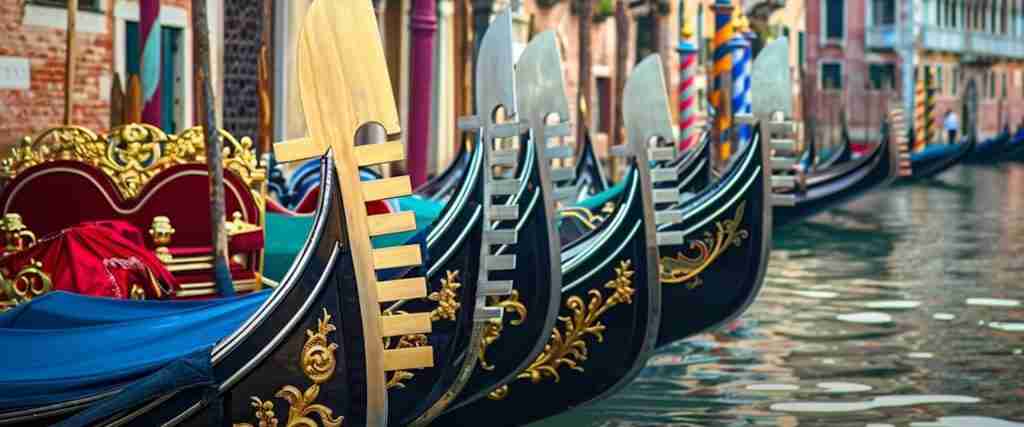
Gondola rides (€90 for 30 minutes, fixed official rates) provide romantic experience but limited practical value for seeing Venice—vaporetto Grand Canal routes offer superior architecture viewing at fraction of cost. Glassmaking demonstrations not in actual Murano furnaces (hotel lobbies, tourist shops) show inferior techniques with aggressive sales pressure. Restaurants on St. Mark’s Square carry premium pricing (50-100% higher than equivalent neighborhood establishments) without quality justification. Bridge of Sighs viewing from outside provides photo opportunity without interior access, while the bridge itself offers minimal interest beyond symbolism.
How do you dress for Venice?
Churches enforce dress codes requiring covered shoulders and knees, necessary for St. Mark’s Basilica and other religious sites. Bringing light shawl or scarf enables adaptation from street attire to church-appropriate clothing instantly. Comfortable walking shoes prove essential given 15-20 kilometers daily walking on uneven paving stones and bridge steps. Summer requires sun protection (hat, sunglasses, sunscreen) for extended outdoor time, while winter demands warm layers and waterproof outerwear. Venetians dress elegantly even casually—avoiding obviously touristy athletic wear helps blend with local atmosphere, though practical comfort should determine choices.
Is Venice suitable for families with children?
Venice presents challenges for families including constant walking, bridge steps with strollers, and limited open play spaces. However, children enjoy gondola workshops, glass furnace demonstrations, colorful Burano houses, and vaporetto riding. Adapting itineraries with shorter cultural visits balanced by longer breaks at public gardens (Giardini, Parco delle Rimembranze on Sant’Elena island) maintains family enjoyment. Gelato shops throughout the city provide reward motivation for museum cooperation. Accommodation near vaporetto stops enables easy returns for nap times or rest breaks. School-age children (8+) typically manage Venice’s physical demands better than preschoolers requiring stroller transport.
What’s the best way to get from the airport to Venice?
ACTV bus 5 (Aerobus) connects Marco Polo Airport to Piazzale Roma (Venice’s bus terminal) in 20-25 minutes for €8 per person in 2026, with departures every 15-20 minutes 5:00 AM-1:00 AM. ATVO airport shuttle buses provide similar service for €10. Water taxi direct transfer costs €110-130 for up to 4 passengers reaching hotels with canal access, convenient but expensive. Alilaguna water buses (€15 per person) reach various Venice areas in 60-90 minutes, scenic but slow. Most budget-conscious travelers use ACTV bus 5 reaching Piazzale Roma, then vaporetto to accommodation neighborhoods, total journey 45-60 minutes costing €8 plus €9.50 vaporetto ticket.
Can you see Venice in a day?
Day trips capture St. Mark’s Square highlights (Basilica, Doge’s Palace) and brief Grand Canal viewing but miss authentic neighborhood immersion, lagoon island experiences, and cultural depth that define Venice beyond iconic landmarks. Day-trippers concentrate in San Marco area creating maximum crowding in smallest geographic space, missing 85% of Venice’s character preserved in residential neighborhoods. The city’s magic emerges during early morning hours before cruise ship arrivals and evening periods after day-tripper departures—visiting only midday captures Venice at worst possible conditions and atmosphere.
Is Venice expensive?
Venice costs 30-50% more than other Italian cities for accommodation, dining, and services due to logistics challenges (all goods transported by boat), limited space increasing property costs, and tourist-driven demand. However, strategic planning controls expenses: staying in residential neighborhoods rather than San Marco saves 30-40% on accommodation, dining at bacari and local trattorias costs 40% less than tourist restaurants, vaporetto passes provide economical transport versus water taxis, and free attractions (churches, neighborhoods, photography) offer substantial cultural value. Budget travelers manage €80-100 daily per person, mid-range visitors spend €150-200, while luxury experiences exceed €300-400 daily.
Do Venetians speak English?
Most tourism industry workers (hotels, restaurants, museums, shops) speak functional English enabling basic communication. Younger Venetians typically speak English learned in school, while older residents may have limited English ability. Learning basic Italian phrases (greetings, please, thank you, numbers) shows respect and improves interactions, though visitors navigate successfully with English in primary tourist areas. Castello’s eastern sections and residential Cannaregio have fewer English speakers reflecting authentic neighborhood character away from tourist zones. Restaurant staff in local establishments appreciate attempts at Italian but accommodate English speakers without difficulty.
Is Venice wheelchair accessible?
Venice presents significant accessibility challenges with 400 bridges requiring steps, narrow calli preventing wheelchair passage, and uneven paving stones throughout. However, accessibility improvements continue with several major routes offering ramp alternatives to bridge steps, and vaporetti accommodating wheelchairs in designated spaces. The Venice Accessible itinerary developed by the comune identifies wheelchair-friendly routes covering major attractions via flat pathways and ramped bridges. Water taxis provide easier boarding than vaporetti for mobility-limited travelers. St. Mark’s Basilica and Doge’s Palace offer wheelchair access through special entrances. Advance planning using accessibility resources and realistic expectations regarding limitations enables rewarding Venice visits for mobility-limited travelers, though independent navigation proves challenging.
When is the best time to visit Venice?
April-May and September-October provide optimal conditions balancing pleasant weather (15-25°C), reduced tourist crowds compared to summer peak, full museum operations, and cultural events including Venice Biennale (May-November odd years). Spring brings flowering gardens and increasing daylight, while fall offers cultural season programming and local life resuming normal rhythms. Summer (June-August) delivers maximum daylight and reliable weather but intense heat, peak crowds, and highest prices. Winter (November-March) offers smallest crowds and lowest prices but cold weather (5-10°C), occasional acqua alta flooding, and reduced daylight limiting photography hours.