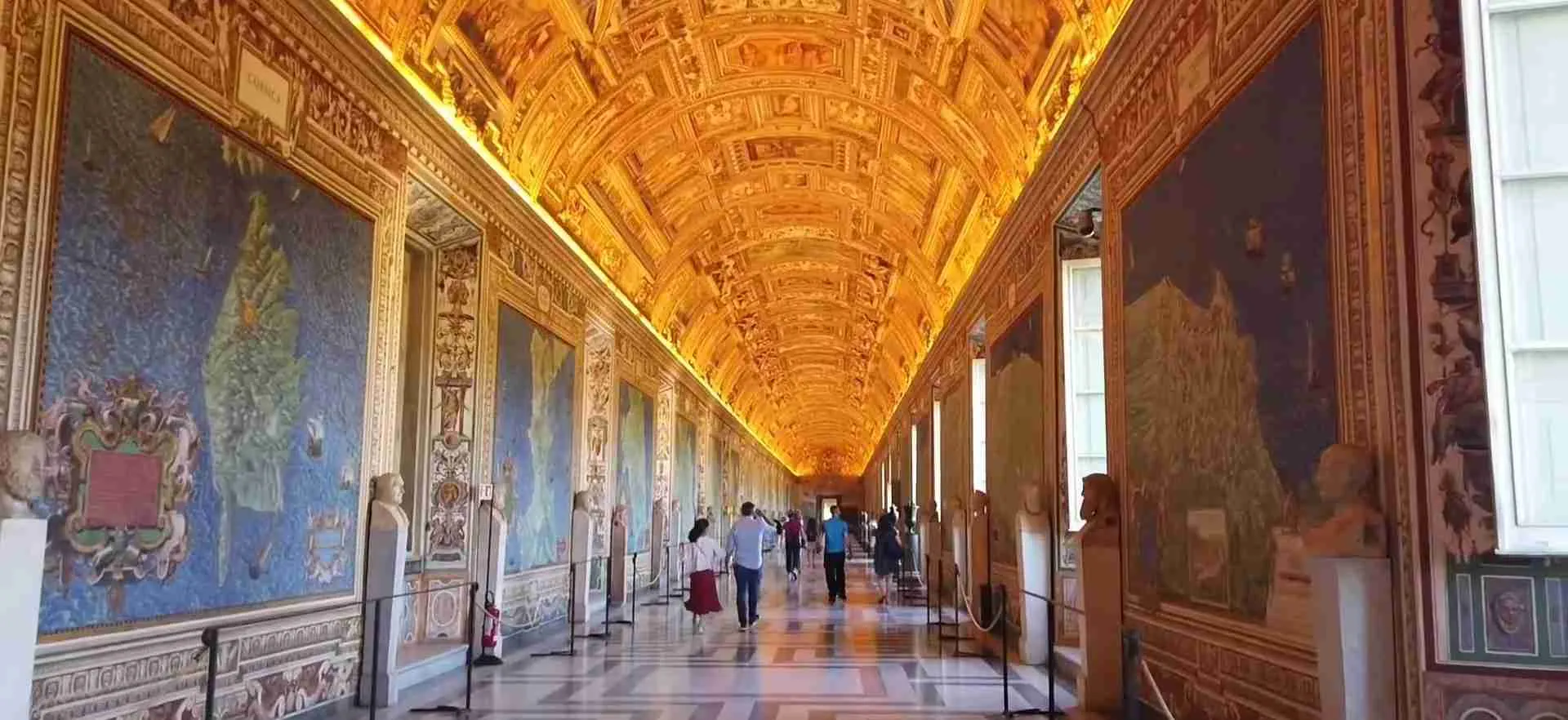
Vatican Museums Tickets & Skip the Line Tips 2026: Complete Booking Guide
Vatican Museums tickets cost €20 for adults in 2026, with the essential €5 online booking fee bringing the total to €25 for skip-the-line access that bypasses queues regularly exceeding 2-3 hours during peak season. This comprehensive guide covers every ticket option, booking strategy, and time-saving tip you need to maximize your Vatican experience without wasting precious hours standing in line.
Key Takeaways
- Standard Vatican Museums tickets cost €25 total in 2026 (€20 admission + €5 mandatory online booking fee) and include Sistine Chapel access with all skip-the-line purchases made through the official Vatican website
- Booking tickets 60 days in advance through tickets.museivaticani.va is essential during peak season (April-October) when popular time slots sell out 2-3 weeks ahead
- The 8:00 AM opening time slot offers the quietest experience with minimal crowds, while visiting after 3:00 PM provides a second window of reduced visitor density
- Guided tours (€30-70) include priority entrance and expert commentary, representing excellent value for first-time visitors navigating 54 galleries spanning 7 kilometers
- Security screening cannot be skipped regardless of ticket type and requires 10-30 minutes even with skip-the-line tickets, so factor this into your arrival time
- The Last Judgment fresco undergoes restoration from January-March 2026 with scaffolding present, but the Sistine Chapel remains fully open with the famous ceiling accessible
People Also Ask About Vatican Museums Tickets 2026
How much do Vatican Museums tickets cost in 2026?
Vatican Museums tickets cost €20 for adults in 2026, with a mandatory €5 online booking fee when purchasing through the official Vatican website at tickets.museivaticani.va, bringing the total to €25 per person. Reduced tickets for visitors ages 6-18 and students with valid ID cost €8 plus the €2 online booking fee (€10 total). Children under age 6 enter free without requiring a ticket or reservation. Audio guides rent for an additional €7-8 at the entrance or through pre-booking. Guided tours through third-party platforms range €30-70 depending on group size and tour duration, while VIP early-morning tours cost €50-80 and provide access 30 minutes before general opening at 7:30 AM.
What does skip-the-line actually mean for Vatican Museums in 2026?
Skip-the-line Vatican Museums tickets in 2026 bypass the on-site ticket purchase queue but do not eliminate security screening, which remains mandatory for all visitors and typically requires 10-30 minutes during peak hours. The skip-the-line benefit means you proceed directly to the priority entrance under the white-canopy tents on Viale Vaticano with your pre-purchased ticket, while those without advance tickets wait in the general queue along the Vatican walls that regularly stretches 2-3 hours during busy periods. Security screening involves metal detectors, bag checks, and dress code verification, creating unavoidable wait times that affect all visitors equally regardless of ticket type. Guided tour groups use a separate entrance that provides faster processing than individual skip-the-line tickets, offering additional time savings beyond standard online bookings.
How far in advance should I book Vatican Museums tickets for 2026?
Vatican Museums tickets release 60 days in advance on the official booking platform tickets.museivaticani.va, making this the optimal booking window for securing preferred time slots during 2026. Peak season dates from April through October sell out 2-3 weeks ahead, particularly for morning time slots between 8:00-10:00 AM that offer the best crowd avoidance. Summer months (July-August), Easter week, and Christmas season require booking at the earliest possible date as these periods see the heaviest visitor volumes with 6+ million annual visitors concentrated in warm-weather months. Tuesday and Thursday time slots book more slowly than weekend dates, providing flexibility for mid-week travelers. Last-minute tickets sometimes become available 24-48 hours before visit dates due to cancellations, but relying on this availability risks missing Vatican Museums entirely during your Rome stay.
Are Vatican Museums free on Sundays in 2026?
Vatican Museums offer free entry exclusively on the last Sunday of each month in 2026, operating from 9:00 AM to 2:00 PM with last entry at 12:30 PM, provided the date does not coincide with Easter Sunday, June 29 (Feast of Saints Peter and Paul), or December 25-26 (Christmas). Free Sunday attracts massive crowds that often exceed regular peak-day visitor numbers, with queues forming hours before opening and frequently resulting in visitors waiting so long they cannot enter by the 12:30 PM cutoff. The Vatican Museums remain closed all other Sundays throughout 2026. Budget-conscious travelers should weigh the €25 ticket cost against the 2-4 hour wait time and compressed visit window on free Sundays, as the reduced €8 student rate or early-morning paid visit often provides superior value through time savings and stress reduction.
Extended multi-day tours – 5+ days
Featured Vatican City Multi-Day Tour Packages
3 days
Vatican City 3-Day Discovery Tour
- ✓ Comprehensive Vatican City experience
- ✓ Expert local guides included
- ✓ All accommodation included
- ✓ Transportation provided
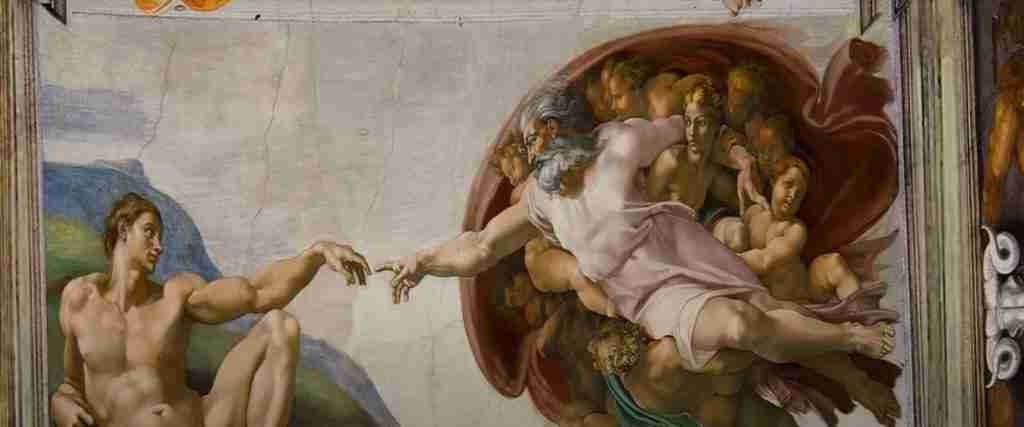
5 days
Vatican City 5-Day Highlights Experience
- ✓ Comprehensive Vatican City experience
- ✓ Expert local guides included
- ✓ All accommodation included
- ✓ Transportation provided
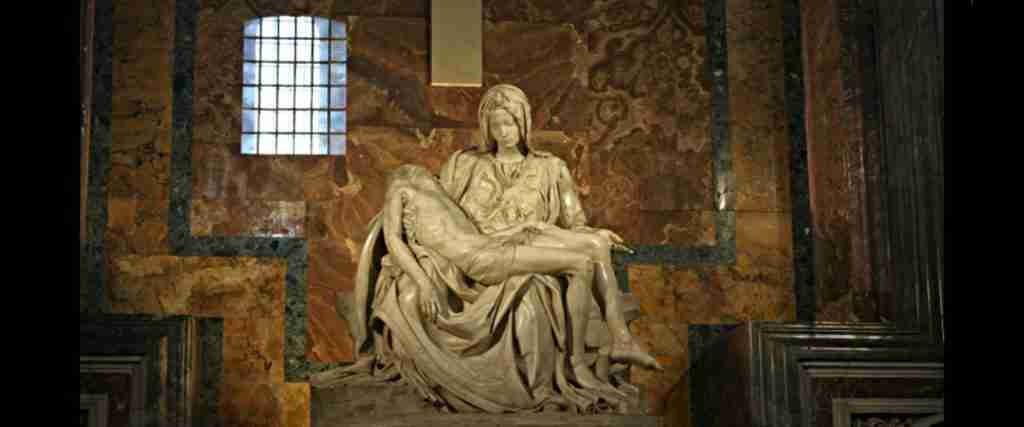
7 days
Vatican City 7-Day Cultural Journey
- ✓ Comprehensive Vatican City experience
- ✓ Expert local guides included
- ✓ All accommodation included
- ✓ Transportation provided
10 days
Vatican City 10-Day Complete Adventure
- ✓ Comprehensive Vatican City experience
- ✓ Expert local guides included
- ✓ All accommodation included
- ✓ Transportation provided
Multi-day tour packages powered by TourRadar. Prices and availability subject to change.
Introduction
The Vatican Museums stand as one of the world’s most visited cultural institutions, welcoming over 6 million visitors annually to explore 54 galleries housing masterpieces spanning ancient Roman sculptures through Renaissance treasures to contemporary art. This extraordinary concentration of artistic heritage creates predictable challenges for 2026 visitors: ticket queues stretching hours along Viale Vaticano, overwhelming crowds inside galleries covering 7 kilometers of exhibition space, and the complex navigation required to efficiently experience highlights like the Sistine Chapel, Raphael Rooms, and Gallery of Maps within a single visit.
Understanding Vatican Museums ticketing in 2026 requires navigating multiple booking channels, each offering distinct advantages. The official Vatican website provides the lowest-cost access at €25 total but releases tickets only 60 days ahead and offers no guidance or commentary. Third-party tour operators charge €30-70 but bundle expert guides who illuminate artistic and historical context while efficiently routing groups through the vast complex. VIP early-access options at €50-80 grant precious minutes in the Sistine Chapel before the general public arrives, transforming the experience from crowded viewing to contemplative appreciation.
This 2026 guide solves the Vatican ticketing puzzle through verified pricing, strategic booking timelines, and crowd-avoidance tactics tested across peak and low seasons. You will learn which ticket type matches your travel style, when to book for your specific visit dates, how skip-the-line access actually functions at Vatican security checkpoints, and which time slots deliver the optimal balance between availability and manageable crowds. The Vatican Museums reward advance planning with exceptional experiences while punishing last-minute visitors with hours wasted in queues that could have been spent admiring Michelangelo’s ceiling.
Vatican Museums Ticket Prices in 2026
Vatican Museums admission costs €20 for adults throughout 2026 when purchasing tickets on-site at the museum entrance on Viale Vaticano. However, on-site ticket purchase requires waiting in the general queue that regularly extends 2-3 hours during peak season (April-October) and 45-90 minutes during low season (November-March except Christmas/Easter periods). The €20 base price remains consistent across all booking channels, representing one of Europe’s best cultural value propositions considering the collection scope spanning ancient Egyptian artifacts through modern religious art across 54 distinct galleries.
Online booking through the official Vatican website at tickets.museivaticani.va adds a mandatory €5 reservation fee to the €20 base admission, creating a €25 total cost per adult ticket. Check the official Vatican Museums website for current rates as pricing structures may occasionally adjust for special exhibitions or preservation initiatives. This €5 premium eliminates the ticket purchase queue entirely, allowing direct access to the priority entrance lanes under the white-canopy tents. Tickets book in 15-minute time slots from 8:00 AM through 6:00 PM (last entry), with visitors selecting their preferred entrance window during the online purchase process. The reservation fee structure incentivizes advance planning while generating revenue that supports the Vatican’s extensive art conservation programs.
Reduced admission tickets serve eligible visitors at €8 base price plus €2 online booking fee (€10 total), representing a 60% discount from adult rates. Reduced pricing applies to:
- Children and adolescents ages 6-18 (proof of age required at entrance)
- Students ages 19-25 enrolled in accredited universities (valid international student ID card mandatory)
- Members of the clergy with proper ecclesiastical identification
- Teachers accompanying student groups on official educational visits
Children under age 6 enter free without requiring tickets or reservations, though they must still pass through security screening with accompanying adults. Parents should note that while no ticket purchase is necessary, young children count toward group size limits on guided tours. Disabled visitors with certified invalidity of 67% or higher enter free along with one required companion, but these free tickets cannot be booked online and must be obtained at the Special Permits desk in the entrance hall with proper documentation presented.
Audio guide rentals cost €7-8 when reserved online or purchased at the entrance equipment desk, available in Italian, English, French, German, Spanish, Japanese, Russian, Korean, and Portuguese. The audio guide provides essential context for navigating the overwhelming collection, explaining highlights in approximately 150 selected galleries and artworks including detailed Sistine Chapel commentary. Visitors can alternatively download the official Vatican Museums mobile app offering free audio content, though the paid physical audio guide provides more comprehensive coverage across the full museum route.
Family groups benefit from combined ticket purchases when booking for multiple children under 18, though the Vatican does not offer official family ticket packages. A family of four (two adults, two children ages 8 and 12) pays €70 total for Vatican Museums admission in 2026: €25 per adult online ticket (€50 total) plus €10 per child reduced ticket (€20 total). Audio guides for the full family add €28-32, bringing comprehensive admission with guided commentary to approximately €100 for a four-person family group.
How Skip-the-Line Tickets Work in 2026
Skip-the-line Vatican Museums tickets in 2026 provide access to priority entrance queues under the white-canopy tents on Viale Vaticano, completely bypassing the on-site ticket purchase line that snakes along the Vatican walls. This dedicated entrance lane processes pre-booked ticket holders significantly faster than the general queue, though all visitors must still complete mandatory security screening regardless of ticket type. Understanding this distinction prevents disappointment at the entrance where some visitors expect “skip-the-line” to mean immediate museum access.
The ticket purchase queue and security screening queue function as separate bottlenecks with different wait times. Visitors without advance tickets wait in the general line to reach the ticket windows, then join the security queue after purchase, creating a two-stage delay. Skip-the-line ticket holders proceed directly to the priority entrance tents, showing their PDF voucher or mobile ticket to staff who validate the reservation and direct visitors to the fast-track security lanes. This process eliminates the first bottleneck entirely while reducing wait times at the second through dedicated processing lanes.
Security screening requires 10-30 minutes during typical visiting hours regardless of ticket type, as Vatican security personnel check all bags, scan all visitors through metal detectors, and verify dress code compliance for every person entering the museums. Peak morning hours (9:00-11:00 AM) see the longest security queues when multiple large tour groups arrive simultaneously. Arriving at 8:00 AM opening or after 3:00 PM reduces security wait times to the 10-15 minute range even during busy summer months. Wednesday mornings experience additional security congestion due to Papal Audience attendees moving between St. Peter’s Square and the museums.
Skip-the-line tickets purchased through the official Vatican website (tickets.museivaticani.va) cost €25 total (€20 admission + €5 reservation fee) and represent the most economical skip-the-line option for 2026. Third-party platforms like GetYourGuide, Viator, and Tiqets charge €30-45 for equivalent skip-the-line access, with the price premium covering payment processing flexibility, customer service in multiple languages, and simplified cancellation policies. These platforms typically allow cancellation up to 24-72 hours before visit dates for full refunds, while official Vatican tickets cannot be refunded or modified after purchase.
The priority entrance system operates through two distinct queues converging at the main museum entrance:
- General ticket queue: Extends along Viale Vaticano wall for visitors purchasing on-site tickets, regularly reaching 2-3 hour waits during peak season
- Priority entrance tents: White-canopy covered area for pre-booked ticket holders and guided tour groups, processing visitors in 15-45 minutes including security screening
Guided tour groups use the same priority entrance tents as individual skip-the-line ticket holders but benefit from group processing that moves more efficiently than individual validation. Tour operators with official Vatican partnerships sometimes access additional entrance points that further reduce wait times, though these routes vary by operator and season. Small-group tours limited to 6-15 people provide the optimal balance between personalized attention and entry speed.
Skip-the-line tickets require precise timing as they specify 15-minute entry windows (8:00-8:15 AM, 8:15-8:30 AM, continuing through 6:00 PM last entry). Arriving during your designated time slot ensures smooth processing, while arriving significantly early or late may result in entry delays as staff process other time slots. Most Vatican entrance staff accommodate reasonable timing variations (10-15 minutes), but arrive within your booked window to avoid complications during busy periods when time slot enforcement becomes stricter.
Mobile tickets work identically to printed PDF vouchers at the Vatican Museums priority entrance in 2026, with staff scanning QR codes from smartphone screens. Ensure your phone has sufficient battery charge and screen brightness for outdoor scanning, or carry a printed backup voucher as insurance against technical failures. Some older visitors prefer printed tickets for reliability, while most travelers under 40 use mobile tickets exclusively without issues.
Guided Tour Options and Costs 2026
Guided Vatican Museums tours range €30-70 per person in 2026 depending on group size, tour duration, and included attractions, representing excellent value for first-time visitors navigating the overwhelming 54-gallery complex spanning 7 kilometers of exhibition space. Standard 3-hour guided tours cost €35-45 for groups of 15-25 people, providing skip-the-line entrance, wireless headset audio systems, and expert commentary covering highlights including the Sistine Chapel, Raphael Rooms, Gallery of Maps, and selected ancient sculpture collections.
Small-group tours limited to 6-15 participants cost €55-70 per person and deliver more personalized experiences with direct guide interaction, question-and-answer opportunities throughout the tour, and flexible pacing that accommodates individual interests. These premium tours attract visitors prioritizing educational depth over budget constraints, with guides typically holding advanced degrees in art history or archaeology. The intimate group size allows navigation through crowded galleries more efficiently than large groups, creating a semi-private experience despite public museum hours.
Large group tours accommodating 20-30 people represent the most economical guided option at €30-40 per person, suitable for budget-conscious travelers seeking convenient Vatican access with basic commentary. These tours provide essential context on major masterpieces but limit individual question time and move through galleries at a predetermined pace optimized for the full group. Tour operators frequently combine large groups at this price point, creating the maximum allowable group size to maximize profitability while maintaining Vatican entry requirements.
VIP early-morning tours cost €50-80 per person and grant access at 7:30 AM, entering 30 minutes before the 8:00 AM general opening. This exclusive time window provides unprecedented opportunities to experience the Sistine Chapel with minimal crowds, often fewer than 20-30 people total rather than the hundreds who fill the chapel after 9:00 AM. Early-access tours last 2-3 hours and conclude before peak crowds arrive, allowing participants to exit as the morning rush begins. These tours represent the single most effective crowd-avoidance strategy available to Vatican visitors willing to wake early.
Specialty focus tours addressing specific themes cost €55-75 per person and attract culturally motivated visitors seeking deeper exploration of particular periods or collections. Common themes include:
- Renaissance Masterpieces: Concentrating on Michelangelo, Raphael, and Leonardo da Vinci works throughout the museums
- Ancient Rome and Egypt: Emphasizing archaeological collections from papal excavations and acquisitions
- Papal History: Following the story of papal power through commissioned artworks and architecture
- Hidden Gems: Bypassing famous works to explore lesser-known galleries typically missed by standard tours
Private Vatican Museums tours cost €200-400 total for groups of 1-6 people, creating exclusive experiences with guides dedicated to your party’s interests, questions, and pacing preferences. The per-person cost decreases as private group size increases: €200 for solo travelers, €100 per person for couples, €50-70 per person for families of 4-6. Private tours allow complete flexibility in routing, duration, and focus areas, accommodating special interests like Byzantine mosaics or modern religious art that standard tours rush past.
Most guided tours include Sistine Chapel access as the tour conclusion, with guides providing detailed commentary about Michelangelo’s ceiling and Last Judgment fresco before departing. Speaking is prohibited inside the Sistine Chapel itself, so guides explain the artwork in the Gallery of Maps or Raphael Rooms immediately before entry, then accompany groups into the chapel for silent viewing. Visitors remain in the Sistine Chapel as long as desired after guides depart, as the chapel serves as a route toward the museum exit.
St. Peter’s Basilica access combines with some Vatican Museums tours through a direct internal passage connecting the Sistine Chapel to the Basilica, bypassing the public entrance queue in St. Peter’s Square. Tours including this passage cost €45-60 and save significant time versus exiting the museums then walking to the Basilica public entrance. However, Basilica access is not guaranteed as internal passage availability depends on daily schedules, religious services, and crowd management needs. Wednesday mornings see the most frequent closures due to Papal Audiences.
Vatican Gardens tours operate as separate 2-hour guided experiences costing €33 for adults (€22 reduced rate), accessing areas completely off-limits to general Vatican Museums ticket holders. Gardens tours use open-air buses that transport visitors through the Vatican’s 23 hectares of landscaped grounds, fountains, and papal retreat areas. These tours require advance booking well ahead of visit dates as availability is limited and gardens remain closed Wednesdays and Sundays. Combined Vatican Museums plus Gardens packages cost €50-65 total, representing a small savings versus separate bookings.
Booking Vatican Museums Tickets 2026: When and How
Vatican Museums tickets release 60 days in advance on the official booking platform tickets.museivaticani.va, making this the optimal booking window for securing preferred time slots throughout 2026. The booking system opens new dates daily at midnight Central European Time, with popular summer weekends (particularly Saturdays) selling out within 2-3 weeks of release. Visitors targeting specific dates should set calendar reminders for 60 days prior to their planned visit, accessing the booking system promptly when their preferred date becomes available.
Peak season dates from April through October require advance booking at the earliest opportunity as these months concentrate the majority of the Vatican’s 6+ million annual visitors into warm-weather periods ideal for Italy travel. July and August represent the absolute peak with daily visitor numbers regularly reaching 25,000-30,000, creating severe crowding in galleries with limited air conditioning. Early morning time slots (8:00-9:00 AM) sell out first during summer months, followed by late afternoon slots (4:00-6:00 PM) that avoid midday heat while still allowing complete museum touring.
Low season months (November-March except Christmas/Easter) provide more booking flexibility with tickets often available 1-2 weeks before visit dates. However, certain winter periods see demand spikes:
- Christmas season (December 20-January 6): Books solid 3-4 weeks ahead despite cold weather
- Easter week (dates vary by year): Attracts massive religious tourism requiring advance booking
- New Year week: Popular with tourists combining Vatican visits with New Year celebrations in Rome
Tuesday and Thursday time slots book more slowly than weekend dates throughout 2026, creating opportunities for flexible travelers to secure tickets with shorter advance notice. These mid-week days attract fewer weekend tourist groups and provide the quietest gallery experiences outside the 8:00 AM opening slot. Wednesday mornings see increased demand from visitors combining museum visits with Papal Audience attendance, though afternoon Wednesday slots remain relatively available.
The official Vatican booking process requires these steps:
- Visit tickets.museivaticani.va and select “Museums and Collections” ticket category
- Choose “Singles” option for individual bookings rather than group reservations
- Select your visit date from the calendar showing availability 60 days forward
- Choose your preferred 15-minute entry time slot from available options
- Select number of adult and reduced tickets needed for your party
- Add optional audio guide reservations at €7-8 per device
- Enter visitor names and contact information for each ticket
- Complete payment using Visa or Mastercard credit cards (only accepted payment methods)
- Receive confirmation email with PDF voucher attached for each ticket purchased
Alternative booking channels provide flexibility beyond the official Vatican website, though at higher cost. Third-party platforms like GetYourGuide, Viator, Tiqets, and Musement charge €30-70 for skip-the-line tickets and guided tours, offering advantages including:
- English-language booking interfaces simpler than the official Vatican site
- Flexible cancellation policies allowing refunds 24-72 hours before visit dates
- Customer service support via phone, email, and chat in multiple languages
- Bundled Rome attraction packages combining Vatican with Colosseum, Borghese, or other sites
- Guaranteed availability when official Vatican tickets show sold out
Last-minute ticket availability occurs occasionally 24-48 hours before visit dates as reserved slots get released from canceled bookings. Checking the official Vatican website daily during your Rome stay might uncover these last-minute openings, though relying on this availability risks missing the Vatican Museums entirely during your trip. Travelers with fixed Rome schedules should book at the 60-day window rather than gambling on last-minute cancellations.
Mobile ticket delivery functions as the default for 2026 Vatican bookings, with confirmation emails containing QR codes that scan directly from smartphone screens at the priority entrance. Visitors preferring physical tickets can print PDF vouchers, with one voucher required per person. Group bookings generate individual vouchers for each ticket, allowing party members to enter separately if needed rather than requiring simultaneous arrival.
Modification and cancellation policies through the official Vatican website do not permit changes or refunds after ticket purchase completes. The Vatican’s strict no-refund policy encourages accurate booking but creates challenges for travelers whose plans change. Third-party platforms offering flexible cancellation charge €5-15 premium over Vatican prices but provide peace of mind for visitors with uncertain travel schedules. This premium often proves worthwhile for international travelers whose flights or health could disrupt fixed touring dates.
Opening Hours and Closed Dates 2026
Vatican Museums operate Monday through Saturday from 8:00 AM to 8:00 PM in 2026, with last entry at 6:00 PM allowing visitors two full hours to tour the galleries before closing. This extended schedule represents an expansion from previous years when museums closed earlier, with the longer hours distributing visitor flow more evenly throughout operating days. Museum staff begin clearing galleries 30 minutes before closing time (7:30 PM), gently directing visitors toward exits to allow cleaning and security protocols before next day’s opening.
Last entry at 6:00 PM means visitors arriving after this time cannot enter regardless of ticket type or circumstances. The two-hour window between last entry and closing provides sufficient time to visit major highlights including the Sistine Chapel, Raphael Rooms, and Gallery of Maps, though completing the full 7-kilometer museum route requires earlier arrival. Visitors targeting comprehensive exploration should enter no later than 4:00 PM to avoid feeling rushed through final galleries as staff guide everyone toward exits.
The last Sunday of each month provides free Vatican Museums entry from 9:00 AM to 2:00 PM with last entry at 12:30 PM, excluding dates that coincide with major religious observances. This popular free entry option attracts massive crowds often exceeding regular peak-day visitor numbers, with queues forming 2-3 hours before the 9:00 AM opening. The compressed visit window and extreme crowding make free Sundays challenging experiences compared to paid weekday visits, though budget-conscious travelers willing to arrive very early (7:00 AM or earlier) can secure reasonable queue positions.
Vatican Museums remain closed every Sunday except the last Sunday monthly, creating weekly closures that affect weekend travelers. Sunday closures reflect religious observance and staff rest days, with the Vatican prioritizing worship services at St. Peter’s Basilica over museum operations. Travelers with limited Rome time should schedule Vatican visits for weekdays rather than risking weekend closures, particularly since Saturday represents the single busiest day for museum attendance when weekend tourists concentrate visits.
Official closure dates for 2026 include:
- January 1 (New Year’s Day) and January 6 (Epiphany)
- February 11 (Anniversary of Lateran Pacts)
- March 19 (Feast of St. Joseph)
- April 6 (Easter Monday)
- May 1 (Labor Day)
- June 29 (Feast of Saints Peter and Paul, Vatican patron saints)
- August 14 and 15 (Assumption of Mary)
- November 1 (All Saints’ Day)
- December 8 (Immaculate Conception), December 25-26 (Christmas), and December 31 (New Year’s Eve)
These closure dates affect trip planning for visitors arriving during holidays when many Rome attractions operate on reduced schedules. December closures particularly impact Christmas vacation travelers who should verify Vatican availability before booking flights, as museums remain closed December 25-26 when many tourists visit Rome. Checking the official Vatican closure calendar at museivaticani.va before finalizing travel dates prevents discovering closures after non-refundable bookings.
Extraordinary closures occur occasionally for papal events, preservation emergencies, or special exhibitions, announced via the official Vatican website and social media channels. Recent years have seen occasional same-day closures for significant Vatican ceremonies requiring full facility access. Travelers can monitor @MuseiVaticani Twitter account for real-time closure announcements, though these unexpected closures remain rare affecting fewer than 1-2 dates annually.
Friday evening extensions operated in previous years from April through October, allowing museum access until 10:30 PM on select Fridays. As of early 2026, confirmation for Friday night openings has not been finalized. Visitors interested in evening museum experiences should check the official website regularly as the Vatican typically announces seasonal schedule variations 4-6 weeks before implementation. Evening visits traditionally attract 70% fewer visitors than daytime hours, creating exceptional viewing conditions for the Sistine Chapel and other highlights.
St. Peter’s Basilica operates on separate hours from the Vatican Museums, opening daily from 7:00 AM to 7:00 PM in summer (April-September) and 7:00 AM to 6:30 PM in winter (October-March). The Basilica closes Wednesday mornings during Papal Audiences and during special religious services announced on the Vatican website. Basilica entry requires no tickets and costs nothing, though dome climbs cost €10 with elevator assistance (€8 for stairs-only access). Combining Vatican Museums visits with Basilica touring requires planning around both schedules, ideally visiting museums first then walking to the Basilica afterward.
Best Times to Visit Vatican Museums 2026
The 8:00 AM opening time slot delivers the quietest Vatican Museums experience in 2026, with the first 60-90 minutes offering minimal crowds before tour groups and general visitors arrive after 9:00 AM. Arriving precisely at opening requires early morning commitment, but this sacrifice rewards visitors with Sistine Chapel viewing in relative tranquility, photographs of famous galleries without crowds obscuring artwork, and efficient navigation through the 7-kilometer museum route before congestion slows movement. Booking the earliest available time slot (8:00-8:15 AM) guarantees admission among the first wave of daily visitors.
Early morning visitors should arrive at the priority entrance tents by 7:45 AM to complete security screening and gain immediate access when gates open at 8:00 AM sharp. Security processing for early arrivals moves quickly with minimal queue accumulation, often completing in 5-10 minutes versus 20-30 minutes at mid-morning peak. The walk from the entrance to the Sistine Chapel typically requires 30-40 minutes following the marked route through intermediate galleries, meaning 8:00 AM arrivals reach the chapel around 8:40 AM before major tour groups congregate.
Late afternoon visits after 3:00 PM provide a secondary quiet window as tourist groups depart for dinner reservations and day-trippers head back to hotels. The period from 3:00-5:00 PM sees noticeably reduced crowding in major galleries, with the Sistine Chapel particularly benefiting from afternoon thinning. Visitors entering during the 5:00-6:00 PM last entry window experience the quietest galleries outside 8:00 AM opening, though this strategy requires efficient touring to see highlights before 7:30 PM clearing begins. Late entry works best for focused visits targeting specific collections rather than comprehensive museum exploration.
Mid-day hours from 10:00 AM to 3:00 PM represent peak crowding when multiple factors converge: tour groups complete morning activities and enter museums, independent travelers arrive after hotel breakfasts, and cruise ship passengers on Rome day trips concentrate visits. The Sistine Chapel becomes particularly congested during these hours with 200-300+ people filling the chapel simultaneously, making ceiling viewing challenging and atmosphere far from contemplative. Avoiding mid-day peak requires either early morning commitment or late afternoon scheduling.
Tuesday and Thursday deliver the lightest weekly crowds throughout 2026, with these mid-week days attracting fewer tour groups than other weekdays. Independent travelers gain maximum flexibility on Tuesdays and Thursdays to linger in preferred galleries without crowds pushing through, photograph artwork with minimal people blocking frames, and enjoy Sistine Chapel viewing with 40-50% fewer visitors than Saturday peak. Combining Tuesday or Thursday with 8:00 AM entry creates the optimal crowd-avoidance strategy available without premium VIP early-access tours.
Wednesday mornings see increased crowding due to weekly Papal Audiences held in St. Peter’s Square from approximately 9:00-11:00 AM, drawing thousands of pilgrims who then visit nearby museums. Wednesday afternoon visits (after 2:00 PM) avoid audience-related congestion while still benefiting from mid-week scheduling. Visitors attending Papal Audience should plan museum visits for different days rather than attempting both experiences on Wednesday, as the combined crowds and logistics create exhausting conditions.
Saturday represents the single busiest day for Vatican Museums attendance when weekend tourists concentrate visits, regularly reaching maximum capacity of 30,000+ daily visitors. Saturday avoidance proves impossible for many travelers with fixed weekend Rome schedules, making early 8:00 AM Saturday booking essential rather than optional. Even with early entry, Saturday galleries fill rapidly by 9:30-10:00 AM, creating persistent crowding throughout operating hours. Travelers with weekday flexibility should always choose Tuesday-Thursday over Saturday to dramatically improve their Vatican experience.
Sunday closures (except last Sunday monthly) eliminate weekend visiting options entirely, forcing weekend travelers into Saturday crowding or extending Rome stays to include weekdays. The last Sunday monthly free entry from 9:00 AM-2:00 PM attracts overwhelming crowds, with visitors waiting 2-4 hours in entry queues then experiencing sardine-tin conditions inside galleries. Free Sunday represents the absolute worst visiting experience available, recommended only for extremely budget-constrained travelers willing to sacrifice comfort and viewing quality for the €25 admission savings.
Seasonal patterns affect optimal visiting times throughout 2026:
- Peak summer (July-August): 8:00 AM entry essential; afternoon temperatures inside non-air-conditioned galleries reach uncomfortable levels
- Shoulder season (April-May, September-October): Most pleasant weather creates heavy crowds; book 3-4 weeks ahead and target Tuesday-Thursday
- Winter (November-March except holidays): Lightest crowds allow flexible timing; afternoon visits work well without excessive congestion
- Christmas/Easter periods: Book 4-6 weeks ahead; crowds approach summer levels despite cold weather
Weather considerations affect Vatican Museums comfort as most galleries lack air conditioning, relying on natural ventilation through historic buildings. Summer afternoon temperatures inside upper galleries reach 28-32°C (82-90°F), making morning visits not only less crowded but also more physically comfortable. Winter visits benefit from enclosed spaces offering refuge from cold Roman rain, with 15-18°C (59-64°F) interior temperatures feeling pleasant compared to outdoor conditions.
Free Entry Last Sunday Strategy 2026
Vatican Museums offer free entry every last Sunday of the month in 2026 from 9:00 AM to 2:00 PM with last entry at 12:30 PM, excluding dates coinciding with Easter Sunday, June 29 (Feast of Saints Peter and Paul), or December 25-26 (Christmas). This popular option eliminates the €25 standard ticket cost but creates several significant challenges that often outweigh the monetary savings for most visitors. Free Sunday attracts 15,000-20,000+ visitors, overwhelming the museum’s capacity and creating extreme crowding that diminishes viewing quality across all galleries.
Queue formation begins 2-3 hours before the 9:00 AM opening as budget-conscious travelers arrive early to secure entry positions. Visitors arriving at 8:00 AM or earlier wait approximately 60-90 minutes, while those arriving at 9:00 AM or later face 3-4 hour queues that often extend beyond the 12:30 PM last entry cutoff. Many free Sunday visitors wait for hours only to be turned away as capacity limits prevent entry, creating frustration and wasted Rome touring time. The compressed 3.5-hour visit window (9:00 AM opening to 12:30 PM last entry) provides insufficient touring time for visitors stuck in extended queues.
Inside the museums, free Sunday crowding reaches uncomfortable levels with shoulder-to-shoulder conditions in popular galleries including the Sistine Chapel, Raphael Rooms, and Gallery of Maps. Photography becomes nearly impossible with people blocking all viewing angles, while lingering to contemplate specific artworks proves impractical as crowds push through corridors. The Vatican experience on free Sunday bears little resemblance to weekday paid visits, creating disappointment for first-time visitors who experience the collection under worst possible conditions.
Security screening on free Sunday operates under maximum pressure as staff process massive crowds through limited checkpoint lanes. Wait times for security alone often reach 45-60 minutes before visitors even reach the entrance hall, with the total time from joining the queue to entering the first gallery regularly exceeding 2 hours. This security bottleneck affects all free Sunday visitors regardless of arrival time, as the Vatican maintains standard security protocols despite increased visitor volume.
Strategic free Sunday visiting requires these tactics for success:
- Arrive by 7:00 AM to secure front-of-queue positions ensuring entry before the 12:30 PM cutoff
- Bring water and snacks as queue waiting involves standing outdoors for 60-120 minutes without facilities
- Target shoulder-season months (March, April, November) when free Sunday crowds are lighter than summer peaks
- Accept that Sistine Chapel viewing will be extremely crowded; focus mental expectations on the achievement of seeing it rather than contemplative appreciation
- Plan limited museum routing focusing on 4-5 must-see highlights rather than attempting comprehensive exploration
Alternative strategies provide better value than free Sunday for most visitors:
- Student discount tickets (€10 total) for eligible ages 6-25 reduce costs 60% while allowing weekday visits with minimal crowds
- Booking Tuesday-Thursday afternoon slots (3:00-5:00 PM entry) provides quiet galleries while paying standard €25
- Sharing guided tour costs among family groups (€30-40 per person) adds expert commentary for minimal premium over free Sunday chaos
The €25 standard ticket represents exceptional cultural value considering access to 54 galleries spanning 2,000+ years of artistic achievement across 7 kilometers of exhibition space. Saving €25 through free Sunday sacrifice typically costs 3-4 hours of Rome visiting time (queue waiting plus compressed touring) that could be invested experiencing other attractions like the Colosseum, Roman Forum, Borghese Gallery, or neighborhood exploration. Time-value calculations favor paid weekday visits for most travelers whose Rome schedules span 3-5 days total.
Budget travelers with extended Rome stays (7+ days) can attempt free Sunday knowing that failure to gain entry doesn’t prevent booking paid tickets for subsequent weekdays. This approach treats free Sunday as bonus opportunity rather than sole Vatican access strategy, reducing stress if queues exceed the 12:30 PM cutoff time. Travelers with fixed departures leaving Monday morning should never rely on free Sunday as their only Vatican plan, as entry denial wastes their sole opportunity to experience this essential Rome attraction.
Essential Vatican Museums Tips 2026
Dress code enforcement at Vatican Museums remains strict in 2026, requiring all visitors to cover shoulders and knees regardless of weather, season, or age. Sleeveless shirts, tank tops, shorts above the knee, and mini-skirts result in entry denial at security checkpoints with no exceptions or warnings. Guards turn away hundreds of improperly dressed visitors daily, particularly during summer months when hot weather encourages casual clothing. Acceptable attire includes lightweight long pants, knee-length skirts, and shirts with sleeves covering shoulders; shawls or scarves can cover bare shoulders if needed.
Security screening processes all visitors through metal detectors and bag inspections regardless of ticket type, with prohibited items including:
- Large backpacks or luggage exceeding 40x35x15 cm dimensions (leave at hotel)
- Tripods, selfie sticks, and professional photography equipment requiring permits
- Glass bottles, metal containers, and outside food beyond small snacks
- Spray cans, sharp objects, and any potential weapons
- Pets or animals except certified service dogs
Coat check and bag storage operates near the entrance for items exceeding size limits or containing prohibited materials. However, retrieval lines after museum visits can extend 15-30 minutes during peak periods, so traveling light minimizes post-visit delays. A small crossbody bag or daypack under size limits provides sufficient space for water, phone, and essentials while passing security efficiently.
Photography remains permitted throughout most Vatican Museums galleries using smartphones or personal cameras without flash, with the critical exception of the Sistine Chapel where photography is completely prohibited. Guards strictly enforce the Sistine Chapel photography ban through verbal warnings and potential ejection for repeat violations. This restriction protects Michelangelo’s frescoes from flash damage while maintaining chapel decorum, though many visitors attempt surreptitious photos despite clear rules. Respecting the photography ban shows cultural sensitivity and allows uninterrupted chapel viewing without enforcement disruptions.
Comfortable walking shoes prove essential for Vatican Museums visits as the recommended route spans 7 kilometers (4.3 miles) through marble corridors and gallery halls. Most visitors spend 3-4 hours inside the museums, creating significant foot fatigue for those wearing inappropriate footwear like flip-flops or high heels. Cushioned athletic shoes or supportive walking shoes prevent blisters and foot pain that ruin the Vatican experience, while also providing traction on occasionally slippery marble floors.
Water fountains appear periodically along the museum route, allowing bottle refills at no cost throughout your visit. Bringing a refillable water bottle from your hotel saves money versus purchasing overpriced bottles inside while ensuring hydration during extended touring. Summer visitors should drink water regularly as dehydration occurs quickly in non-air-conditioned upper galleries where temperatures reach 28-32°C (82-90°F).
Restrooms distribute throughout the Vatican Museums complex at major corridor intersections, marked by standard restroom symbols. Lines develop during peak mid-day hours when multiple tour groups break simultaneously, so strategic bathroom timing (early morning or mid-afternoon) avoids 10-15 minute waits. The final restrooms before the Sistine Chapel appear in the Gallery of Maps area; no facilities exist between the chapel and museum exit requiring 10-15 minute backtracking if needed.
The recommended museum route follows color-coded floor markers and wall signs directing visitors through chronological progression from ancient collections toward Renaissance masterpieces and finally the Sistine Chapel. However, this standard route extends 7 kilometers and requires 3-4 hours minimum for comprehensive touring. Abbreviated routes skipping less famous galleries reduce walking to 4-5 kilometers and touring time to 2-2.5 hours while still covering major highlights:
- Pio-Clementino Museum (ancient sculptures including Apollo Belvedere and Laocoön)
- Gallery of the Candelabra (ancient Roman decorative arts)
- Gallery of Maps (16th-century topographical maps covering Italian peninsula)
- Raphael Rooms (Renaissance frescoes including School of Athens)
- Sistine Chapel (Michelangelo’s ceiling and Last Judgment)
Audio guides rented at the entrance or pre-booked online provide essential context for understanding the overwhelming collection, with commentary available in nine languages covering approximately 150 selected galleries and artworks. The €7-8 audio guide cost represents worthwhile investment for independent visitors lacking art history backgrounds, as the devices explain historical context, artistic techniques, and symbolic meanings that transform viewing from surface appreciation to deeper understanding. Alternative mobile apps including the free official Vatican Museums app provide basic information but lack the comprehensive coverage of paid audio guides.
The Sistine Chapel requires special viewing etiquette beyond standard museum behavior. Guards enforce strict rules including:
- Absolute silence – speaking prohibited inside the chapel space
- No photography or video recording of any kind
- No pointing at ceiling or frescoes (considered disrespectful)
- Modest attire with shoulders and knees covered strictly enforced
- No sitting on steps or barriers (limited bench seating only)
Spending 15-20 minutes in the Sistine Chapel allows adequate time for ceiling viewing and Last Judgment appreciation without feeling rushed. Arriving early morning or late afternoon provides the best opportunity for bench seating that allows comfortable neck positioning for ceiling viewing, as mid-day peak hours fill all seating with standing-room-only conditions prevailing.
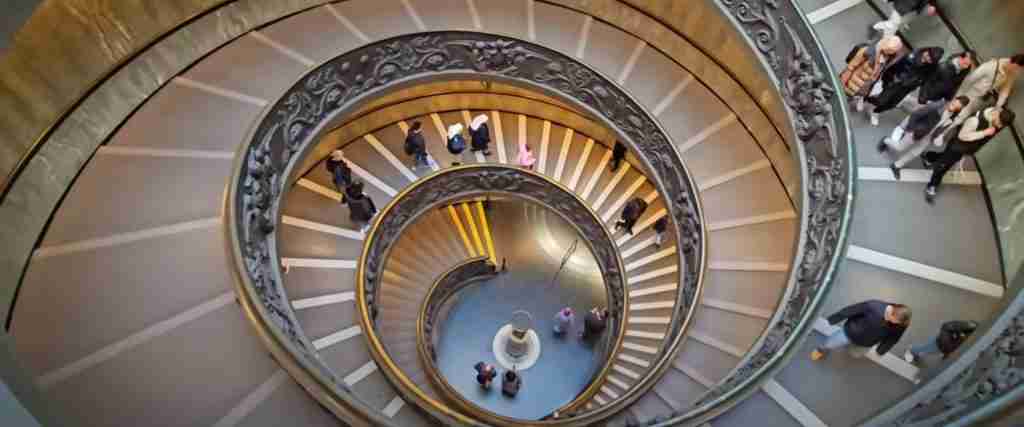
Exiting the Vatican Museums typically routes through the famous spiral staircase (Bramante Staircase) offering excellent photo opportunities. However, tour groups sometimes access a direct passage from the Sistine Chapel to St. Peter’s Basilica, bypassing the general exit and continuing Vatican touring without re-entry queues. This passage operates on restricted schedules based on Basilica events and crowd management needs, with independent ticket holders usually unable to access this shortcut.
Sistine Chapel Restoration in 2026
The Last Judgment fresco on the altar wall of the Sistine Chapel undergoes extraordinary maintenance from January through March 2026, representing the most significant conservation work since the comprehensive restoration completed in 1999. This essential maintenance addresses deterioration caused by 6+ million annual visitors whose body heat, humidity, and carbon dioxide emissions accelerate degradation of Michelangelo’s 16th-century masterpiece. Multiple scaffolding platforms will be erected to provide access for specialized conservators working simultaneously on different sections of the massive 13.7-meter tall fresco.
The Sistine Chapel remains fully open during this restoration period with normal visiting hours and no access restrictions beyond the temporary scaffolding presence. Michelangelo’s famous ceiling frescoes including The Creation of Adam continue on full display without any obstruction or restoration work affecting these sections. The Last Judgment fresco will not be fully visible at all times as scaffolding positions shift to accommodate different restoration phases, though substantial portions remain visible throughout the January-March 2026 period.
Visitors during the restoration period should adjust expectations regarding Last Judgment viewing while recognizing the rare opportunity to witness professional conservation techniques applied to one of art history’s most significant works. The scaffolding creates unusual visual documentation opportunities showing the scale and complexity of fresco restoration, though photography remains strictly prohibited inside the Sistine Chapel regardless of restoration activities. This prohibition extends to all conservation work documentation, protecting both the artwork and conservators’ specialized techniques.
The restoration schedule anticipates completion by late March 2026, returning the Sistine Chapel to its standard configuration before Easter season when visitor numbers peak dramatically. Travelers visiting April through December 2026 will experience the chapel in its fully restored condition with all scaffolding removed and the Last Judgment visible in its entirety. Booking Vatican visits for April or later guarantees complete artwork viewing without temporary obstructions, though January-March visitors still access all major museum highlights including the unobstructed ceiling frescoes.
Historical context shows similar maintenance has been performed periodically since the original ceiling restoration (1980-1994) and Last Judgment restoration (1990-1994) removed centuries of grime, candle smoke, and earlier restoration attempts that darkened and obscured Michelangelo’s vibrant original colors. Modern climate control systems installed in 1999 slow but cannot completely prevent deterioration, necessitating ongoing conservation work every 5-10 years. The 2026 maintenance continues this preservation commitment ensuring future generations can experience the Sistine Chapel as Michelangelo created it.
Vatican Museums with St. Peter’s Basilica in 2026
St. Peter’s Basilica operates independently from the Vatican Museums with separate entrance, hours, and access requirements despite the two attractions’ proximity within Vatican City. Basilica entry costs nothing and requires no tickets, though visitors must pass through security screening and dress code checks identical to museums standards (shoulders and knees covered). The Basilica opens daily from 7:00 AM to 7:00 PM in summer (April-September) and 7:00 AM to 6:30 PM in winter (October-March), with Wednesday morning closures during Papal Audiences affecting access.
Combining Vatican Museums and St. Peter’s Basilica visits requires 5-6 hours total including walking time between locations, security queues at each entrance, and adequate touring duration for both attractions. Most visitors tour the museums first (3-4 hours) then walk to the Basilica (10-15 minutes from museum exit), though this sequence can be reversed based on ticket timing and crowd avoidance strategies. Attempting both attractions in a single morning proves rushed and exhausting, while splitting visits across morning and afternoon allows proper appreciation of each site.
The direct internal passage connecting the Sistine Chapel to St. Peter’s Basilica provides significant time savings by bypassing the public Basilica entrance queue in St. Peter’s Square. However, this passage operates on restricted schedules based on daily crowd management and religious service requirements, with access typically available only to guided tour groups holding special permissions. Independent Vatican Museums ticket holders usually must exit the museums entirely then walk to the Basilica’s public entrance, joining the standard security queue that requires 15-45 minutes depending on time of day.
St. Peter’s Basilica security queues peak from 9:00 AM to 2:00 PM when tourist groups and independent visitors concentrate arrivals after morning museum visits. Early morning Basilica visits (7:00-8:00 AM) offer minimal security wait times of 5-10 minutes while experiencing the church in quiet contemplation before crowds arrive. Late afternoon visits (4:00-6:00 PM) provide similar crowd avoidance benefits while allowing morning museum touring without time pressure.
St. Peter’s Dome climb costs €10 with elevator assistance to the terrace level (€8 for stairs-only tickets), requiring separate ticket purchase at the Basilica entrance area. The dome access involves 320 steps from the terrace level to the cupola summit regardless of elevator usage, creating a moderately strenuous climb rewarded by spectacular Rome panoramas from 136 meters elevation. Dome climb tickets cannot be reserved in advance and sell on a first-come, first-served basis at the on-site ticket office, with weekend closures common due to capacity limitations.
Guided tours combining Vatican Museums with St. Peter’s Basilica cost €45-65 per person and typically last 4-5 hours, providing expert commentary across both attractions while using the internal Sistine-to-Basilica passage when available. These combined tours represent excellent value for first-time Rome visitors seeking comprehensive Vatican understanding without navigation challenges or separate ticket purchases. Small-group combined tours limited to 12-15 people cost €70-85 but deliver more personalized experiences with flexible pacing and question opportunities.
Vatican Museums Guided Tours 2026: Which Type is Right for You
Choosing between self-guided and guided Vatican Museums experiences in 2026 depends on personal interests, art history knowledge, budget constraints, and desired crowd management. Self-guided visits using official tickets (€25) plus optional audio guides (€7-8) cost €32-33 total per person and allow complete flexibility in pacing, routing, and time allocation. Guided tours (€30-70) bundle expert commentary with skip-the-line access, delivering superior context and efficient navigation through the overwhelming 54-gallery complex at modest cost premium over independent visits.
First-time visitors benefit substantially from guided tours as the Vatican Museums collection encompasses 70,000+ artworks spanning Egyptian antiquities through contemporary religious art across 7 kilometers of exhibition space. Without guidance, most visitors feel overwhelmed choosing what to prioritize and miss significant masterpieces hidden among less famous works. Expert guides route groups efficiently through must-see highlights while explaining historical context, artistic techniques, and symbolic meanings that transform viewing from surface appreciation to deeper understanding.
Art history enthusiasts and repeat visitors often prefer self-guided exploration allowing extended time in preferred galleries without group pacing constraints. The audio guide rental provides essential artwork information while maintaining independence, though commentary covers only 150 selected pieces versus comprehensive guidance from live experts. Visitors with specific research interests (Byzantine mosaics, papal portraiture, ancient Egyptian collections) should book self-guided tickets allowing flexible time allocation to specialized galleries typically rushed past on standard tours.
Large group tours (20-30 people) cost €30-40 per person and suit budget-conscious travelers prioritizing affordable Vatican access over intimate experiences. These economical tours provide basic commentary on major highlights and efficient routing through crowded galleries, though limited guide interaction and predetermined pacing restrict personalization. Large groups struggle navigating congested spaces during peak hours, often waiting for pathways to clear before advancing through bottleneck galleries.
Small group tours (6-15 people) cost €55-70 per person and deliver optimal balance between affordability and personalized attention. These mid-sized groups allow direct guide interaction including question-and-answer throughout the tour, flexible pacing that accommodates member interests, and efficient movement through galleries without the unwieldiness of large groups. Small group tours attract culturally motivated travelers seeking educational depth without private tour costs, with many participants being solo travelers or couples rather than families.
Semi-private tours (4-8 people) cost €85-95 per person and approach the personalization of private experiences while maintaining modest group economics. These premium tours include wireless headset systems ensuring clear audio delivery even in crowded galleries, priority entrance processing that saves 10-15 minutes over standard skip-the-line tickets, and guides with advanced art history credentials providing sophisticated commentary beyond standard tourist information. Semi-private tours suit culturally sophisticated travelers who value expert insights but cannot justify private tour premiums.
Private Vatican Museums tours cost €200-400 total for groups of 1-6 people, creating exclusive experiences custom-tailored to party interests, questions, and pacing preferences. Solo travelers pay €200-250 for dedicated expert guides, while couples split €250-300 total costs (€125-150 per person). Families of 4-6 achieve the best private tour value at €50-70 per person while gaining complete control over routing, timing, and subject emphasis. Private tours allow focusing on specific interests like Renaissance painting or papal history rather than following standardized highlight routes.
VIP early-morning tours (€50-80 per person) provide the single most effective crowd-avoidance strategy by accessing museums at 7:30 AM, 30 minutes before general opening. These exclusive tours limit group sizes to 12-20 people and conclude before peak crowds arrive around 9:00-9:30 AM, allowing participants to experience the Sistine Chapel with fewer than 30 total people versus 200-300 during mid-day peaks. Early access requires waking before dawn but rewards visitors with unprecedented viewing conditions that justify the premium over standard €35-45 guided tours.
Specialty focus tours (€55-75 per person) attract visitors with specific cultural interests seeking deeper exploration of particular periods or collections. Common themes include Renaissance Masterpieces concentrating on Michelangelo, Raphael, and Leonardo works; Ancient Rome and Egypt emphasizing archaeological collections; Papal History following Catholic power through commissioned artworks; and Hidden Gems bypassing famous works for lesser-known galleries. These specialty tours typically last 3-4 hours and maintain small group sizes of 8-15 people allowing subject matter depth impossible in standard highlight tours.
Transportation to Vatican Museums 2026
Vatican Museums entrance sits on Viale Vaticano approximately 1.5 kilometers northwest of Rome’s historic center, accessible via Metro Line A (red line) to Ottaviano-San Pietro station located 400 meters from the museum entrance. This convenient metro connection makes public transportation the fastest and most economical Vatican access method for most visitors staying in central Rome neighborhoods. Exiting Ottaviano station, follow signs for “Musei Vaticani” or walk northwest along Via Ottaviano then turn right on Viale Vaticano, reaching the museum entrance in 5-7 minutes.
Metro tickets cost €1.50 for 100 minutes of unlimited transfers across Rome’s public transportation network including metro, buses, and trams. Visitors can purchase tickets at metro stations from automated machines accepting coins, bills, and credit cards, or from tobacco shops (tabacchi) displaying the distinctive “T” sign. Day passes cost €7 and provide unlimited 24-hour access ideal for visitors combining Vatican Museums with multiple Rome attractions spread across the city. Multi-day Roma Pass options (€32 for 72 hours) include public transport plus discounted attraction entry.
Bus routes 49, 492, and 990 serve Vatican Museums with stops directly on Viale Vaticano adjacent to the museum entrance, providing convenient access from neighborhoods not served by Metro Line A. Bus route 64 connects Termini train station to Vatican City stopping at St. Peter’s Square, requiring a 15-minute walk to the museum entrance but offering direct connection from Rome’s main transportation hub. Buses operate 5:30 AM to midnight with night buses (identified by “N” prefix) running 12:00 AM to 5:30 AM at reduced frequency.
Walking from central Rome locations like Piazza Navona, Pantheon, or Campo de’ Fiori requires 30-40 minutes covering 2.5-3 kilometers through historic neighborhoods. This pleasant walk allows neighborhood exploration while traveling to Vatican City, passing Castel Sant’Angelo and Tiber River bridges offering excellent photo opportunities. Walking proves impractical during summer heat when temperatures exceed 30°C (86°F) or winter rain when Rome’s cobblestone streets become slippery and uncomfortable.
Taxis from central Rome to Vatican Museums cost €10-15 depending on pickup location and traffic conditions, with typical trips requiring 10-20 minutes. Official white taxis display “TAXI” signs and meters showing regulated fares, while unofficial drivers quoting fixed prices should be avoided as potential scams. Taxi stands appear throughout Rome at major squares and hotels, or travelers can hail passing taxis displaying green roof lights indicating availability. Ride-sharing services like Uber operate in Rome at similar price points to regulated taxis.
Private transfers and hotel shuttle services cost €25-50 depending on vehicle type and group size, providing door-to-door Vatican Museums transportation with advance booking and guaranteed availability. These premium options suit families with young children, elderly travelers with mobility limitations, or visitors prioritizing convenience over cost savings. Some Rome hotels offer complimentary Vatican shuttle services for guests, so confirm transportation options when booking accommodations.
Bicycle and e-scooter rentals provide alternative Vatican access for adventurous travelers comfortable navigating Rome traffic. However, Vatican Museums do not provide bike parking facilities and theft risk remains high at outdoor racks, making cycling impractical for museum visits requiring 3-4 hours away from secured transportation. Walking or public transport prove more reliable Vatican access methods for the vast majority of visitors.
Parking near Vatican Museums costs €2-3 per hour at public lots and street parking zones, though availability remains extremely limited particularly during peak visiting hours 9:00 AM to 3:00 PM. The closest parking facilities sit 400-600 meters from the museum entrance requiring additional walking after parking. Rome’s historic center traffic restrictions (ZTL zones) prohibit most vehicles from central neighborhoods during daytime hours, creating potential fines for rental car drivers unfamiliar with restricted areas. Public transportation or taxis prove far more practical than driving for Vatican visits unless staying in hotels with parking well outside the historic center.
Special Access Vatican Tours 2026
Vatican Gardens tours provide exclusive access to 23 hectares of landscaped grounds completely closed to general museum ticket holders, operating as separate 2-hour guided experiences costing €33 for adults (€22 reduced rate for ages 6-25). Open-air buses transport small groups through formal Italian gardens, fountains, grottos, and wooded areas that served as papal retreat spaces for centuries. Gardens tours require advance booking well before visit dates as availability is severely limited and gardens close every Wednesday and Sunday. Combined Vatican Museums plus Gardens packages cost €50-65, representing modest savings versus separate bookings.
Vatican Gardens emphasize botanical collections, Renaissance landscaping, and architectural follies commissioned by various popes rather than the artwork focus of the museums. Tour commentary covers garden history, plant species from around the world, and the role of these green spaces in Vatican life including helicopter landing pad locations and contemporary papal leisure activities. Photography remains permitted in the gardens unlike the Sistine Chapel, allowing excellent documentation of the unique Vatican City landscapes typically hidden from public view.
Bramante Staircase special access occurs on select tours that route through this architectural masterpiece designed in 1505 and typically closed to general museum visitors. The famous double-helix staircase appears in countless photographs but standard exit routes bypass the original Bramante Staircase, instead using a modern 1932 replica. Tours including original staircase access cost €65-85 and typically combine this exclusive routing with Vatican Museums highlights and St. Peter’s Basilica visits over 4-5 hour durations.
Keys to the Vatican tour represents the ultimate VIP experience, allowing 12 participants to enter at 6:00 AM alongside the “Keeper of the Keys” who unlocks the museums 2 hours before general opening. This extremely limited tour costs €400-500 per person and provides unprecedented access to completely empty galleries where participants watch lights activate in the Sistine Chapel while standing in absolute solitude. Galleries normally packed with hundreds of visitors become personal viewing spaces, allowing photographs, extended contemplation, and intimate engagement with masterpieces under optimal conditions. Keys tours book months in advance and sell out immediately upon release for peak season dates.
After-hours Vatican Museums tours operate on select Friday evenings from April through October when confirmed, extending museum hours from standard 8:00 PM closing to 10:30 PM or later. These evening experiences cost €60-90 per person and attract 70% fewer visitors than daytime hours, creating exceptional viewing conditions without requiring early-morning wake-up times. Night tours feature dramatic lighting in select galleries, though not all museum sections open during evening hours. Confirmation for 2026 Friday evening programs should be checked on the official Vatican website as schedules vary annually based on preservation requirements and staffing availability.
Papal Audience attendance combines with Vatican Museums visits for travelers whose Rome schedules include Wednesday mornings when Pope Francis conducts weekly general audiences in St. Peter’s Square or Paul VI Audience Hall. Free audience tickets can be obtained through the Prefecture of the Papal Household website or through hotel concierge services, providing access to brief papal addresses and blessings. However, audiences create severe crowding affecting museum visits on Wednesday mornings, so optimal scheduling places audience attendance on one Wednesday with museum visits on separate Tuesday or Thursday dates.
Families with Children at Vatican Museums 2026
Vatican Museums welcome families with children of all ages, offering free entry for visitors under age 6 and reduced €10 tickets for ages 6-18, making family Vatican experiences economically accessible. However, the 7-kilometer museum route, 3-4 hour touring duration, and crowded gallery conditions challenge families with young children who may struggle with extensive walking, limited interactive exhibits, and the quiet contemplation required in religious spaces like the Sistine Chapel. Strategic planning including shorter custom routes, frequent breaks, and age-appropriate preparation transform Vatican visits from potential family stress into meaningful cultural experiences.
Family-friendly touring routes abbreviate the standard 7-kilometer museum path to 3-4 kilometers covering major highlights in 90-120 minutes before children’s attention spans exhaust. Recommended family routing includes:
- Pio-Clementino Museum: Ancient sculptures and statues capture children’s imagination through dramatic poses and recognizable figures
- Gallery of Maps: Large topographical frescoes showing Italian geography from 16th-century perspective interest children learning about cartography
- Raphael Rooms: Relatively compact spaces with famous frescoes allow quick viewing without excessive walking
- Sistine Chapel: The culminating highlight that children recognize from media and books
Stroller access proves challenging in Vatican Museums as crowds, narrow gallery passages, and stairs create obstacles for wheeled transportation. Baby carriers or child backpacks provide more practical child transportation allowing easier navigation through congested spaces while keeping young children secure and elevated for artwork viewing. Stroller parking areas appear near the entrance for families choosing to store wheels during their visit, though retrieval requires backtracking to the entrance area.
Children’s audio guides designed for ages 6-12 cost €8 and provide age-appropriate commentary explaining artworks through engaging narratives and simplified historical context. These specialized guides maintain child interest better than adult versions by focusing on visual elements, stories, and accessible themes rather than complex art historical analysis. Families visiting without audio guides can download free Vatican Museums mobile apps offering basic information, though the paid children’s audio guide delivers superior engagement for the modest €8 cost.
Family-specific guided tours cost €40-60 per person (children €30-40) and feature guides trained in engaging young audiences through interactive questioning, storytelling approaches, and age-appropriate pacing. These 2-2.5 hour family tours limit group sizes to 12-15 people maximum, often attracting multiple families whose children benefit from peer interaction during the experience. Guides incorporate scavenger hunt elements challenging children to locate specific symbols or artworks, transforming passive viewing into active participation.
Restroom access becomes critical for families with young children, with facilities distributed throughout the museum complex at major corridor intersections. The Gallery of Maps area provides the final restroom opportunity before the Sistine Chapel, requiring parents to prompt bathroom visits before proceeding as backtracking requires 10-15 minutes of additional walking. Changing tables appear in most Vatican Museums restrooms, though their cleanliness and functionality vary throughout the complex.
Snack and meal planning affects family Vatican success as young children require regular eating to maintain energy and mood. The Vatican Museums cafeteria near the entrance serves sandwiches, salads, and beverages at €8-15 per item, providing convenient mid-visit refueling though at significant markup over outside dining. Bringing small snacks like granola bars or fruit in daypacks provides energy boosts during touring while respecting rules against extensive picnicking in galleries. Leaving museums entirely for lunch requires re-entry tickets not permitted under standard admission, so plan adequate snack provisions for complete visits.
Crowd management with children requires strategic timing, as overwhelming crowds stress families more severely than adult visitors. The 8:00 AM opening slot allows families to experience quieter galleries before tour groups arrive, though early morning wake-up times challenge families with jet-lagged children. Late afternoon 4:00-5:00 PM entry provides alternative crowd avoidance while still allowing 2-hour touring before closing, working well for families whose children nap mid-day.
Frequently Asked Questions
Can I buy Vatican Museums tickets at the entrance without advance booking in 2026?
Yes, on-site Vatican Museums tickets cost €20 for adults when purchased at entrance windows, but on-site purchase requires waiting in the general queue that regularly extends 2-3 hours during peak season (April-October) and 45-90 minutes during low season. Tickets sometimes sell out entirely during peak summer dates, leaving on-site purchasers without entry after hours of queue waiting. The €5 online booking fee proves worthwhile for the guaranteed entry and 2-3 hour time savings that could be invested experiencing other Rome attractions.
Does my Vatican Museums ticket include St. Peter’s Basilica admission in 2026?
No, Vatican Museums tickets provide access exclusively to the museum complex and Sistine Chapel, while St. Peter’s Basilica operates as a separate attraction with free admission requiring no tickets. Guided tours sometimes include direct passage from the Sistine Chapel to the Basilica through an internal corridor, but independent ticket holders must exit the museums entirely then walk 10-15 minutes to the Basilica public entrance in St. Peter’s Square. Combining both attractions requires 5-6 hours total including security screening at each entrance.
What is the best day of the week to visit Vatican Museums in 2026?
Tuesday and Thursday deliver the lightest weekly crowds at Vatican Museums in 2026, with these mid-week days attracting fewer tour groups and independent visitors than other weekdays. Wednesday mornings see increased crowding due to Papal Audiences drawing thousands of pilgrims to St. Peter’s Square who then visit nearby museums. Saturday represents the single busiest day when weekend tourists concentrate visits, while Sunday closures (except last Sunday monthly) eliminate weekend options entirely. Combining Tuesday or Thursday with 8:00 AM entry creates optimal crowd-avoidance strategy.
How much time should I allocate for a complete Vatican Museums visit in 2026?
Complete Vatican Museums exploration requires 4-5 hours following the full 7-kilometer recommended route through 54 galleries from ancient Egyptian collections through modern religious art. Focused visits targeting major highlights (Sistine Chapel, Raphael Rooms, Gallery of Maps, ancient sculptures) require 2-3 hours covering abbreviated 3-4 kilometer routes. Factor additional time for security screening (10-30 minutes), arrival from central Rome (15-30 minutes via public transport), and potential queuing for restrooms or coat check during peak periods. Visitors entering at 6:00 PM last entry receive only 1.5 hours before 7:30 PM gallery clearing begins.
Are Vatican Museums accessible for wheelchair users and visitors with mobility challenges in 2026?
Yes, Vatican Museums provide wheelchair-accessible routes through most major galleries including elevators, ramps, and accessible restrooms throughout the complex. Wheelchairs are available free at the entrance with refundable deposit, though advance notification allows staff to ensure adequate equipment availability. Some smaller galleries and alternative routes involve stairs without elevator access, but the standard museum route covering all major highlights remains fully wheelchair accessible. Visitors with mobility challenges should allocate extra touring time as accessible routes sometimes require longer pathways than standard routing.
Can I bring food and drinks into Vatican Museums in 2026?
Small snacks like granola bars and fruit are permitted in daypacks for personal consumption, though extensive picnicking in galleries is prohibited. Water bottles are allowed and recommended as Vatican Museums provide drinking fountains for refills throughout the route. Glass bottles, metal containers, and restaurant-style meals cannot enter through security screening. The Vatican Museums cafeteria near the entrance serves sandwiches, salads, and beverages at €8-15 per item for visitors needing substantial meals during extended visits.
What happens if I arrive late for my Vatican Museums ticket time slot in 2026?
Vatican Museums generally accommodate visitors arriving 10-15 minutes outside their designated 15-minute time slots, particularly during off-peak hours when entry processing operates below capacity. However, arriving significantly early or late may result in denied entry during busy summer periods when time slot enforcement becomes stricter to manage crowd levels. Late arrivals risk entry denial entirely if showing up more than 30 minutes past their booked slot during peak days. Travelers uncertain about arrival timing should book slightly later time slots allowing travel buffer rather than risking missed early morning windows.
Do Vatican Museums offer guided tours in languages other than English and Italian in 2026?
Yes, major tour operators provide Vatican Museums guided tours in Spanish, French, German, Portuguese, Japanese, Korean, and Chinese reflecting the international visitor base. Audio guides rent in nine languages including Italian, English, French, German, Spanish, Japanese, Russian, Korean, and Portuguese. Third-party booking platforms like GetYourGuide and Viator clearly indicate available tour languages, allowing travelers to filter options matching their preferences. Private tours can be arranged in virtually any language with advance notice, though less common languages may require specialized guides commanding premium rates.
Can I re-enter Vatican Museums if I leave during my visit in 2026?
No, Vatican Museums tickets permit single entry only with no re-admission after exiting the museum complex. Visitors who leave to retrieve items from hotels, have lunch outside, or visit other Rome attractions cannot return using the same ticket. Plan to complete your entire museum visit in one continuous session, bringing necessary items (water, snacks, medications) in appropriate-sized bags passing security screening. The cafeteria near the entrance provides food and beverages for visitors needing sustenance during extended touring without requiring museum exit.
What is the Vatican Museums dress code and how strictly is it enforced in 2026?
Vatican Museums require all visitors to cover shoulders and knees regardless of age, gender, weather, or season, with guards denying entry to improperly dressed visitors at security checkpoints. Tank tops, sleeveless shirts, shorts above the knee, and mini-skirts result in entry denial with no exceptions. Lightweight long pants, knee-length skirts, and shirts with sleeves covering shoulders meet dress code requirements even during hot summer weather. Shawls or scarves can cover bare shoulders if needed. Guards turn away hundreds of visitors daily during summer months when hot temperatures encourage inappropriate casual attire.