Colosseum Tickets & Skip the Line Tips 2026: Complete Booking Guide
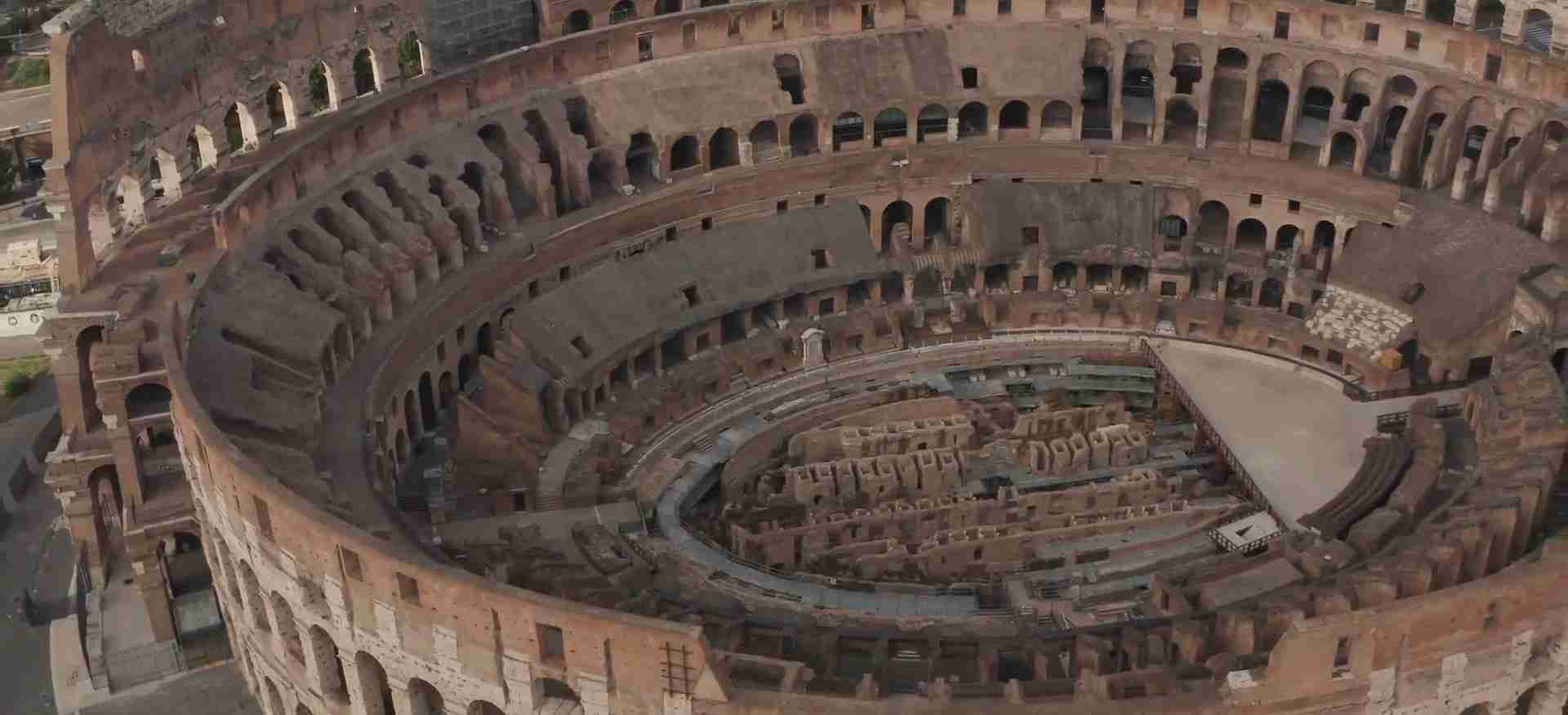
Rome’s Colosseum stands as the world’s most visited ancient monument, welcoming over 7 million visitors annually to this 2,000-year-old amphitheater. Understanding the 2026 ticketing system, advance booking requirements, and skip-the-line strategies transforms what could be a frustrating experience into a seamless entry to one of civilization’s greatest architectural achievements.
Key Takeaways
- Standard Colosseum tickets cost €18 in 2026 including Roman Forum and Palatine Hill access, valid for 24 hours from first entry
- Tickets release 30 days before visit dates with underground and arena floor access selling out within 24-48 hours for popular time slots
- All advance-purchased tickets bypass ticket office queues but everyone passes through 15-30 minute security screening regardless of ticket type
- Early morning slots (8:30-9:30 AM) offer smallest crowds and optimal photography lighting across all seasons
- Guided tours (€25-65) provide dedicated group entrances with faster security processing and expert historical context
- Free entry first Sunday of each month creates 60-90 minute waits and excludes underground and arena access
People Also Ask About Colosseum Tickets 2026
How much do Colosseum tickets cost in 2026?
Standard adult Colosseum tickets cost €18 in 2026, providing access to the Colosseum’s first and second floors, Roman Forum, and Palatine Hill valid for 24 hours from first entry. This base price includes a €2 online reservation fee. Arena floor access tickets cost €24, adding 20 minutes on the restricted arena level where gladiators once fought. Full Experience tickets combining underground chambers, arena floor, and upper levels range €24-28 depending on specific areas included. Check the official website coopculture.it for current rates as pricing may vary by season and special exhibitions.
When should I book Colosseum tickets for 2026?
Book Colosseum tickets exactly 30 days before your visit date when the official booking system releases new availability. Summer months (June-August) require booking the moment tickets release, as popular morning slots (8:30-10:30 AM) sell out within hours. Underground and arena floor tickets disappear fastest, often within 24-48 hours of release for peak season dates. Spring and fall require 2-4 weeks advance planning, while winter months (November-March excluding holidays) sometimes show availability 1-2 weeks ahead, though earlier booking remains advisable.
Do skip-the-line tickets really save time at the Colosseum in 2026?
All advance-purchased Colosseum tickets skip the on-site ticket office queue, saving 45-90 minutes during peak season (April-October), but every visitor must pass through security screening which takes 15-30 minutes regardless of ticket type. The term “skip-the-line” means bypassing the ticket purchase line, not eliminating all waiting. Guided tours provide the most reliable time savings by using dedicated group entrances with expedited security processing, typically getting groups inside within 10-15 minutes of scheduled times. Arriving 20-30 minutes before your time slot accounts for security delays and ensures timely entry.
What’s the best time to visit the Colosseum in 2026 to avoid crowds?
The 8:30 AM opening time slot offers the smallest crowds throughout 2026, with visitor numbers at 30-40% of midday peaks. Late afternoon slots (after 4:00 PM during extended summer hours) provide the second-best crowd avoidance strategy as tour groups depart and day-trippers head to dinner. Midweek visits (Tuesday-Thursday) see 20-30% fewer visitors than weekends. Avoid the 11:00 AM-3:00 PM window when crowds peak and summer heat becomes oppressive. April-May and September-October combine moderate crowds with comfortable temperatures (15-25°C), making these shoulder season months ideal for visiting.
Bookable tours via Viator · live prices
Extended multi-day tours – 5+ days
Featured Rome Multi-Day Tour Packages

5 days
The Ultimate Rome Food & Cultural Small-Group Tour Package – 5 Days
- ✓ Comprehensive Rome tour
- ✓ Expert local guides included
- ✓ All accommodation arranged
- ✓ Transportation provided
3 days
3-Day Pompeii, Capri & Sorrento Mini Tour
- ✓ Comprehensive Rome tour
- ✓ Expert local guides included
- ✓ All accommodation arranged
- ✓ Transportation provided
3 days
Advent in Rome: Markets, Churches & Tiramisu
- ✓ Booking needs min. 2 travelers
5 days
Ciao Italia: 5 Days, 2 Cities, Infinite Wonders
- ✓ Comprehensive Rome tour
- ✓ Expert local guides included
- ✓ All accommodation arranged
- ✓ Transportation provided
Multi-day tour packages powered by TourRadar. Prices and availability subject to change.
Featured Rome Multi-Day Tour Packages
5 days
The Ultimate Rome Food & Cultural Small-Group Tour Package – 5 Days
- ✓ Comprehensive Rome tour
- ✓ Expert local guides included
- ✓ All accommodation arranged
- ✓ Transportation provided
3 days
3-Day Pompeii, Capri & Sorrento Mini Tour
- ✓ Comprehensive Rome tour
- ✓ Expert local guides included
- ✓ All accommodation arranged
- ✓ Transportation provided
3 days
Advent in Rome: Markets, Churches & Tiramisu
- ✓ Booking needs min. 2 travelers
5 days
Ciao Italia: 5 Days, 2 Cities, Infinite Wonders
- ✓ Comprehensive Rome tour
- ✓ Expert local guides included
- ✓ All accommodation arranged
- ✓ Transportation provided
Multi-day tour packages powered by TourRadar. Prices and availability subject to change.
Introduction: Understanding Colosseum Ticketing in 2026
The Colosseum’s ticketing system underwent significant streamlining in 2025, introducing timed entry slots, personalized tickets requiring ID verification, and a 30-day advance booking window that replaced the previous fragmented system. These changes aimed to reduce overcrowding and improve visitor flow through Rome’s most iconic monument, but they also created new challenges for travelers unfamiliar with the booking process.
Every Colosseum ticket in 2026 includes combined access to three major archaeological sites—the Colosseum, Roman Forum, and Palatine Hill—within a 24-hour window centered on your Colosseum time slot. This integration means a single €18 ticket provides entry to the entire ancient Roman civic center, though navigating the booking system, understanding ticket tiers, and securing desired time slots requires strategic planning well before your Rome arrival.
The most critical shift involves advance booking requirements. Walk-up ticket purchases at the on-site office remain technically possible but face severe limitations. The Colosseum allocates only a small percentage of daily capacity to same-day sales, with these slots typically exhausted by 9:30 AM during peak season (April-October). Underground and arena floor access exists exclusively through advance reservations, never available for same-day purchase.
This guide provides comprehensive 2026 booking strategies, explains the four main ticket tiers, details proven skip-the-line methods, and outlines backup options when official tickets sell out. Whether seeking standard admission or specialized access to restricted areas, understanding the current ticketing landscape prevents the disappointment of arriving in Rome only to discover your preferred dates already fully booked.
Colosseum Ticket Prices and Types for 2026
Colosseum tickets in 2026 follow a tiered structure designed to accommodate different interests and budgets while managing visitor flow through restricted areas requiring guided supervision.
Standard Entry Ticket (€18 for Adults)
The standard Colosseum ticket costs €18 for adults in 2026 and grants access to the amphitheater’s first and second floors, all permanent exhibitions, and included sites Roman Forum and Palatine Hill. This 24-hour combo ticket validates from your Colosseum entry time, allowing Forum and Palatine visits any time within 24 hours before or after your scheduled Colosseum slot. The €18 price includes a €2 online reservation fee applied by the official booking system.
Standard tickets provide views into the underground hypogeum from elevated positions on the first floor, access to multimedia displays explaining gladiatorial combat and construction techniques, and panoramic perspectives of the arena from the second-tier arcades. The ticket does not include arena floor access, underground chambers, or upper attic levels—these restricted areas require specialized tickets detailed below.
Most first-time visitors find standard admission fully satisfying. The first and second floors showcase the Colosseum’s architectural genius, reveal the massive scale that accommodated 50,000 spectators, and provide the iconic views featured in photographs worldwide. Those with limited time or budget constraints achieve comprehensive Colosseum exposure through this base ticket option.
Arena Floor Access (€24 for 24-Hour Pass)
Arena floor tickets cost €24 in 2026 and add 20 minutes standing on the reconstructed arena surface where gladiators once battled before Roman emperors and roaring crowds. This upgrade includes everything in the standard ticket plus timed access to the arena level through the Gladiator’s Gate (Sperone Stern entrance). The €24 version provides full monument access—first floor, second floor, and arena—with standard 24-hour Roman Forum and Palatine Hill privileges.
A separate “Arena Only” ticket exists for €18 (same price as standard admission) but restricts visitors to 20 minutes on the arena floor only, without access to other Colosseum levels. This specialized option serves travelers on tight schedules who want the gladiator perspective but lack time for full exploration. Most visitors choose the €24 full-access arena ticket over the arena-only version to avoid missing the complete Colosseum experience.
Arena tickets release 7 days before visit dates rather than the standard 30-day window, making them easier to secure than underground access but still requiring prompt booking during peak season. The arena floor perspective offers unmatched photo opportunities and visceral connection to the amphitheater’s violent past, justifying the €6 premium for history enthusiasts and photographers.
Underground and Full Experience Tickets (€24-28)
Underground access tickets cost €24-28 in 2026 depending on specific combinations and include mandatory guided tours of the subterranean chambers where gladiators and wild animals awaited their turns in the arena above. The hypogeum (underground level) reveals original Roman engineering including elevator shafts, pulley systems, animal cages, and gladiator preparation rooms preserved beneath the modern visitor walkways.
Full Experience tickets combine underground access with arena floor entry and standard first and second floor access, valid for two consecutive days rather than 24 hours. These premium tickets include SUPER sites within the Roman Forum and Palatine Hill complex, providing entry to Casa delle Vestali, Casa di Augusto, Aula Isiaca, and other restricted archaeological areas requiring separate tickets under standard admission.
Underground tours operate every 15 minutes from 9:00 AM to 4:30 PM (last entry 3:30 PM) with strict punctuality required. Arriving late forfeits your reservation without refund, as tour groups depart on schedule regardless of stragglers. These tickets release 30 days in advance like standard admission but sell out within 24-48 hours for desirable dates, making them the most difficult reservations to secure.
Attic and Panoramic Levels (Limited Availability)
Attic-level tickets provide access to the third, fourth, and fifth tiers normally closed to public entry, reached via elevator followed by stairway climbs to viewing platforms 40 meters above the arena floor. These tickets cost approximately €28 and include two consecutive days of access to standard Colosseum levels plus Roman Forum, Palatine Hill, and SUPER sites. Panoramic tickets offer Rome’s most exclusive Colosseum views, capturing the entire amphitheater plus city skyline vistas impossible from lower levels.
Availability for attic access remains extremely limited even compared to underground tickets. The official booking system releases these tickets sporadically rather than on predictable 30-day cycles, requiring persistent checking or third-party tour operators who maintain reserved allocations. Physical fitness requirements apply—the attic climb involves multiple flights of ancient stairs in narrow passages unsuitable for visitors with mobility limitations.
Reduced Rates and Free Admission Categories
Children and youth under 18 enter free regardless of nationality, though free tickets still require advance reservation through the booking system. When booking online, children’s tickets typically carry the €2 reservation fee despite zero admission cost. EU citizens ages 18-25 qualify for reduced tickets at €4 (plus €2 booking fee), requiring valid passport or ID card showing birthdate and EU citizenship at entry.
Free admission categories extend to visitors with disabilities and one accompanying companion, EU teachers with documentation, and specific professional categories including journalists with press credentials and licensed tour guides with valid permits. Free entry days occur the first Sunday of each month plus national holidays April 25 (Liberation Day), June 2 (Republic Day), and November 4, though these free days exclude underground and arena access while creating massive crowds and 60-90 minute entry waits.
When Colosseum Tickets Go on Sale for 2026
The Colosseum’s official booking system releases tickets approximately 30 days before visit dates, though the exact release mechanism differs from typical advance sales models used by museums and attractions worldwide.
Rather than releasing all time slots for a given date simultaneously at midnight 30 days prior, the Colosseum’s system gradually releases availability throughout the day matching visit time slots. A 10:00 AM entry slot on April 15 typically appears on the booking calendar around 10:00 AM Rome time on March 16 (30 days earlier). This staggered release means checking multiple times throughout your target booking day rather than racing against other buyers at a single opening moment.
Underground and arena floor tickets follow the same 30-day window but sell out dramatically faster than standard admission. During peak summer months (June-August), desirable morning slots (8:30-10:30 AM) for underground access disappear within 24-48 hours of release. Afternoon slots remain available slightly longer, sometimes lasting 3-5 days before selling out. Weekend dates vanish fastest across all ticket categories.
The booking system occasionally experiences technical issues during high-demand periods, displaying queue screens or temporary “sold out” messages that may not reflect true availability. If encountering apparent sold-out status within the first 48 hours after release, try refreshing throughout the day or attempting different browsers, as inventory sometimes reappears from abandoned shopping carts or technical holds.
Third-party tour operators including GetYourGuide, Viator, Tiqets, and licensed tour companies maintain their own ticket allocations separate from the public booking system. These platforms often show availability when the official site displays sold-out dates, though at premium prices reflecting their reserved inventory access. Checking both official and third-party sources maximizes booking success during high-demand periods.
Night tour tickets for Thursday evening Colosseum visits release on different schedules, typically 2-3 weeks before visit dates rather than the standard 30-day window. These special access experiences cost €30-40 and include mandatory guided tours through illuminated chambers creating atmospheric perspectives impossible during standard daytime hours.
How to Book Official Colosseum Tickets for 2026
Booking official Colosseum tickets requires navigating the dedicated ticketing portal ticketing.colosseo.it, the only platform offering base €18 pricing without third-party markups.
Begin by selecting your preferred visit date on the booking calendar, noting that dates within the 30-day advance window show green availability while future dates appear grayed out until entering the booking window. Click your desired date to reveal available time slots, which appear in 15-minute increments from opening (8:30 AM) through last entry (one hour before closing).
The system requires creating an account or proceeding as guest, though account creation streamlines future bookings and provides order history access. Enter the number of adult, reduced (EU 18-25), and free (under 18) tickets needed. Each ticket holder’s full name must match a government-issued photo ID they’ll present at entry—the Colosseum strictly enforces this anti-scalping measure, turning away visitors whose IDs don’t match ticket names.
After selecting ticket quantity and entering names, proceed to payment using credit cards, debit cards, or PayPal. The system sends confirmation emails containing QR code tickets within minutes of completed payment. Print these tickets or save them to mobile devices for scanning at entry. The Colosseum accepts both paper printouts and smartphone displays equally.
Critical booking tips include verifying correct dates before confirming purchase—the system allows only one name change per ticket, and only before seven days prior to visit date. After this cutoff, tickets become completely non-transferable. Booking the earliest time slot that fits your schedule provides buffer room if morning travel delays occur, as late arrivals forfeit timed reservations without refund or rebooking options.
For travelers booking multiple Rome attractions, consider purchasing tickets for the Colosseum first, then scheduling other activities around your secured Colosseum slot. This priority approach prevents discovering your preferred Colosseum dates sold out after already committing to inflexible hotel or flight arrangements.
Skip-the-Line Strategies That Actually Work in 2026
Understanding what “skip-the-line” actually means prevents false expectations while revealing genuine time-saving approaches for Colosseum entry in 2026.
What Skip-the-Line Really Means
Every advance-purchased Colosseum ticket qualifies as “skip-the-line” because it bypasses the on-site ticket office queue where walk-up visitors wait 45-90 minutes during peak season to purchase same-day tickets. This represents the primary time savings advertised by tour operators and third-party sellers.
However, all visitors regardless of ticket source must pass through airport-style security screening at Colosseum entrances. This security checkpoint typically requires 15-30 minutes during normal periods, extending to 45 minutes during peak afternoon hours (11:00 AM-3:00 PM) in summer months. No ticket type eliminates security screening—it’s a mandatory safety protocol for everyone entering the monument.
The actual time advantage of advance tickets comes from avoiding the ticket office entirely and proceeding directly to security checkpoints. During peak season, this saves 60-120 minutes compared to attempting walk-up purchases. During off-season (November-March), the savings decrease to 20-40 minutes as smaller crowds reduce both ticket office and security wait times.
Guided Tours: The Most Reliable Skip Strategy
Licensed guided tours provide the most predictable time savings through dedicated group entrances with expedited security processing. Tour operators maintain access to the Sperone Valadier group entrance, which processes pre-organized groups faster than individual ticket holder queues. Well-managed tours get groups through security and inside the Colosseum within 10-15 minutes of scheduled meeting times.
Guided tour prices range €25-65 in 2026 depending on duration, group size, and included areas. Basic 1.5-hour tours covering Colosseum, Roman Forum, and Palatine Hill start around €25-32 per person. Small-group experiences limiting participants to 10-15 people cost €45-65 while providing more personalized attention and easier communication with guides. Underground and arena floor tours command premium pricing of €55-75 reflecting restricted access privileges.
The tour premium over independent tickets (€7-47 additional cost) buys two significant advantages beyond time savings: expert historical context transforming architectural ruins into vivid narratives of imperial Rome, and guaranteed entry to sold-out dates when individual tickets show no availability. Tour operators maintain reserved ticket allocations separate from public inventory, providing backup booking options during high-demand periods.
Early Morning Arrival Strategy
Arriving at the Colosseum’s 8:30 AM opening provides the most effective free crowd-avoidance strategy. Gates open precisely at 8:30 AM throughout the year, with security screening beginning approximately 8:15 AM for early arrivals. Visitors queuing by 8:00-8:15 AM typically complete security within 15 minutes and enter the monument among the first 100-200 people inside.
This early arrival approach works best Tuesday through Thursday when overnight crowds remain smallest. Weekend mornings and Mondays see elevated early arrival competition from travelers maximizing short Rome visits. The payoff for sunrise discipline includes nearly private access to iconic viewpoints, optimal natural lighting for photography (avoiding harsh midday shadows), and comfortable temperatures before Mediterranean summer heat intensifies.
Visitors with standard 8:30-9:00 AM time slots should arrive by 8:00 AM to account for security processing and potential delays. Underground and arena tour participants must arrive at exact tour times—these specialized experiences depart on schedule regardless of late arrivals, with no refunds or rescheduling for punctuality failures.
Roma Pass Considerations
The Roma Pass (€58.50 for 72 hours) includes two free museum or archaeological site entries plus unlimited public transport. Using the pass for Colosseum entry bypasses the ticket purchase line but not security screening. Pass holders save the €18 Colosseum ticket cost while gaining transport value, but must still book timed entry reservations through the Colosseum website (€2 reservation fee applies even with Roma Pass).
Roma Pass makes financial sense for visitors planning intensive sightseeing schedules across 2-3 days. Two major site visits (Colosseum €18 + Castel Sant’Angelo €15 = €33) plus transport (€7 per day × 3 days = €21) total €54 in separate ticket costs, matching the €58.50 pass price before considering additional included discounts. For travelers visiting only the Colosseum and Vatican, individual tickets cost less than the pass.
Critical Roma Pass limitations include no Vatican Museums coverage (separate ticket system), no access to Colosseum arena or underground areas (standard admission only), and mandatory advance booking despite “free” entry. Pass holders use the same entrance queues as regular ticket holders, eliminating no additional time beyond standard advance ticket benefits.
Time Slot Selection Strategy
Choosing strategic entry times within the available 8:30 AM-to-final-entry windows significantly impacts crowd density and overall experience quality. The 8:30-9:30 AM slots offer smallest crowds across all seasons, while 9:30-11:00 AM slots catch the first tour group waves but remain manageable. Avoid 11:00 AM-3:00 PM entirely during peak season—this window sees maximum congestion when morning tour groups overlap with afternoon arrivals and cruise ship excursions.
Late afternoon slots (after 4:00 PM during summer’s extended 7:15 PM closing) provide excellent crowd avoidance as tour groups depart and day-trippers head to dinner. The 5:00-6:00 PM time slots combine moderate crowds with dramatic lighting for photography, though summer heat lingers through these hours. Winter’s 4:30 PM closing eliminates late afternoon options, concentrating all visitors into shortened days.
Colosseum Opening Hours by Season 2026
Colosseum operating hours vary seasonally following natural daylight patterns, with extended summer hours and shortened winter schedules.
January 2 to March 29: Opens 8:30 AM, closes 4:30 PM. Last entry 3:30 PM. The Colosseum closes at 4:30 PM throughout early 2026, providing 7.5 hours of daily access during the quietest tourist season. These winter months offer most flexible booking with tickets sometimes available just 1-2 weeks ahead.
March 30 to September 30: Opens 8:30 AM, closes 7:15 PM. Last entry 6:15 PM. Spring and summer hours extend closing to 7:15 PM, adding nearly three hours of daily access compared to winter. This 10.75-hour operating window accommodates peak season crowds but also concentrates maximum visitor density into popular morning and midday slots.
October 1 to October 26: Opens 8:30 AM, closes 6:30 PM. Last entry 5:30 PM. Early fall maintains extended hours at 6:30 PM closing, preserving late afternoon visit opportunities while crowds begin seasonal decline. This sweet spot combines comfortable temperatures (15-20°C) with moderate tourist numbers.
October 27 to December 31: Opens 8:30 AM, closes 4:30 PM. Last entry 3:30 PM. Late fall and winter revert to 4:30 PM closing, matching early 2026 schedules. December combines shortened hours with holiday travel, creating moderate crowds despite off-season classification.
The Roman Forum and Palatine Hill open 30 minutes later at 9:00 AM year-round while following the same seasonal closing times as the Colosseum. Visitors using 24-hour combo tickets can enter the Forum before or after their timed Colosseum slot, with most choosing Forum exploration after completing the amphitheater to avoid backtracking across the archaeological park.
Annual closures include January 1 (New Year’s Day), May 1 (Labor Day), and December 25 (Christmas). These three dates show zero availability on the booking calendar. Free entry days (first Sunday monthly plus April 25, June 2, November 4) operate under normal hours but create massive crowds and exclude underground and arena access.
What to Do When Official Tickets Sell Out for 2026
Discovering sold-out dates on the official Colosseum website doesn’t mean missing Rome’s iconic monument—multiple backup strategies secure entry even when primary inventory shows no availability.
Third-Party Authorized Sellers
GetYourGuide, Viator, Tiqets, and other licensed platforms maintain their own Colosseum ticket allocations separate from the public booking system. These companies reserve inventory blocks months in advance, making their tickets available when the official site displays sold-out status. Prices run €5-15 higher than official €18 base cost, reflecting markup for guaranteed availability and superior customer service.
These platforms offer genuine official Colosseum tickets despite premium pricing—they’re authorized resellers, not scalpers or grey-market operators. The tickets grant identical access to standard admission purchases through ticketing.colosseo.it. The premium buys insurance against sold-out dates plus often-superior refund policies and customer support compared to the official portal’s limited assistance.
Check multiple platforms rather than accepting the first available option. Pricing and availability vary between GetYourGuide, Viator, and Tiqets for identical dates and time slots. Some platforms also offer last-minute deals or flash sales discounting their standard markups, occasionally matching official pricing.
Guided Tour Alternative
When individual tickets show no availability but visiting the Colosseum remains essential, guided tours provide the most reliable solution. Tour operators maintain reserved allocations never released to public booking systems, ensuring access even when every time slot appears sold out to independent travelers.
Small-group tours (maximum 10-15 participants) cost €45-65 per person and include skip-the-line benefits plus expert guide commentary. These tours transform sold-out frustration into enhanced experiences, providing historical context and architectural details invisible to self-guided visitors. The guide premium (€27-47 over base ticket cost) becomes worthwhile when it’s the difference between entering the Colosseum and missing Rome’s signature monument entirely.
Underground and arena floor tours often show availability after standard tickets sell out completely, as these specialized experiences maintain separate inventory. If your dates show no standard admission but you’re willing to pay €55-75 for premium access, underground tours may still be bookable when basic options have vanished.
Roma Pass Last Resort
The Roma Pass maintains a small allocation of Colosseum reservations even when the official site shows sold-out dates. Purchase the €58.50 pass, then immediately book your Colosseum time slot through the dedicated Roma Pass reservation system. This backup succeeds occasionally when other options fail, though availability remains limited and unpredictable.
The pass makes economic sense only if you’ll use the included transport (€21 value for 72 hours) and second free entry (ideally €15+ sites like Castel Sant’Angelo or Borghese Gallery). For travelers visiting only the Colosseum without extensive public transport use, the pass costs more than third-party ticket premiums while providing less certain access.
Wait-List Monitoring
Check the official booking system daily leading up to your Rome visit even after dates appear sold out. Canceled reservations, technical release errors, and abandoned shopping carts create sporadic availability for previously sold-out dates. These openings appear unpredictably but most commonly 7-10 days before visit dates when travelers finalize or cancel plans.
Set calendar reminders to check 30 days, 14 days, and 7 days before your preferred visit date. Afternoon checking (3:00-6:00 PM Rome time) often shows new availability as the booking system processes overnight cancellations and releases held inventory. This monitoring requires dedication but occasionally saves sold-out situations without paying premium tour prices.
Guided Tour Options and Benefits for 2026
Colosseum guided tours range from basic 1.5-hour group experiences to exclusive small-group underground explorations, each offering distinct advantages over self-guided visits.
Standard Colosseum and Forum Tours (€25-35)
Basic guided tours cost €25-35 per person and cover the Colosseum’s first and second floors plus Roman Forum and Palatine Hill over 2.5-3 hours. Group sizes typically reach 20-25 participants using headset systems allowing clear guide communication even amid crowds. These entry-level tours provide essential historical context transforming architectural ruins into vivid narratives of gladiatorial combat, imperial spectacles, and daily life in ancient Rome.
Standard tours use the dedicated group entrance (Sperone Valadier group section) providing faster security processing than individual ticket holder queues. Well-organized operators get groups inside within 10-15 minutes of meeting times, immediately beginning guided commentary while navigating to key viewpoints. The tour portion lasts approximately 1.5 hours inside the Colosseum before transitioning to Roman Forum and Palatine exploration.
Budget-conscious travelers find these tours worthwhile despite €7-17 premiums over independent tickets. The historical context prevents wandering aimlessly trying to decode information plaques while jostling for position among crowds. Guides identify architectural details, explain engineering innovations, and share gruesome gladiator anecdotes that would remain invisible to self-guided visitors lacking archaeological expertise.
Small-Group Premium Tours (€45-65)
Small-group tours limiting participants to 10-15 people cost €45-65 per person and provide superior experiences through intimate group dynamics, personalized attention, and easier guide communication. These premium tours typically extend to 3-3.5 hours allowing deeper exploration at comfortable paces rather than rushing to keep 25-person groups moving on schedule.
The smaller participant count enables guides to answer individual questions, accommodate photography requests at key viewpoints, and adjust pacing to group interests. Some small-group operators include arena floor access as standard, providing the gladiator perspective without requiring separate upgrade tickets. Premium tours also favor early morning or late afternoon time slots avoiding peak midday congestion.
Travelers valuing quality over budget savings consistently rate small-group experiences superior to large-group alternatives. The €20-30 premium over basic tours buys more than reduced participant counts—it purchases flexibility, personalization, and guide accessibility impossible in 25-person operations treating visitors as anonymous faces in crowds.
Underground and Arena Specialty Tours (€55-75)
Underground access tours cost €55-75 per person and include restricted hypogeum chambers, arena floor privileges, and standard first and second floor access over 3-3.5 hours. These specialized experiences require mandatory guide supervision for underground areas due to narrow passages and preservation concerns. The tour group size remains limited to 20-25 participants due to underground capacity restrictions.
The underground portion reveals original Roman engineering including gladiator preparation rooms, wild animal cages, elevator shaft remnants, and pulley system channels used to lift fighters and beasts to arena level. Standing in these subterranean chambers provides visceral connections to the fear and anticipation gladiators experienced awaiting their turns in combat. Arena floor access follows underground exploration, allowing participants to view the amphitheater from the combatant perspective.
These tours sell out faster than any other category due to limited daily underground capacity and massive demand for restricted access. Booking 30 days in advance when tickets release remains essential for securing preferred dates. The €37-57 premium over standard tickets reflects both enhanced access and mandatory guide requirements—underground areas never open for independent exploration.
Private Tours (€200-400 for Groups)
Private Colosseum tours cost €200-400 for groups of 2-6 participants and provide ultimate flexibility in pacing, focus areas, and question-and-answer opportunities. These exclusive experiences allow families or friend groups to explore at their own rhythm without waiting for larger tour groups or accommodating strangers’ interests. Private tours customize itineraries emphasizing specific architectural elements, historical periods, or photographic opportunities based on group preferences.
The per-person cost decreases substantially with larger private groups. A €300 private tour costs €150 per person for couples but just €50 per person for six participants, approaching small-group tour pricing while maintaining private benefits. Most operators include arena floor or underground access as standard in private packages, adding value beyond simple privacy premiums.
Private tours suit families with children who benefit from guides adjusting explanations to appropriate age levels, photographers wanting time to compose shots without group pressure, and history enthusiasts desiring deep dives into specific topics. The premium makes sense for those valuing personalized experiences over cost optimization.
Free Entry Days: Worth the Wait or Waste of Time?
The Colosseum offers free admission the first Sunday of every month plus three national holidays (April 25, June 2, November 4), but these “free” days create conditions many visitors find worse than paying standard admission.
Free Sunday crowds reach 20,000-25,000 visitors compared to typical 15,000-18,000 on paid admission days, concentrating maximum density into the monument’s limited capacity. Security screening lines extend 200-300 meters from entrance gates, requiring 60-90 minute waits before even reaching ticket collection points. Once inside, visitor congestion prevents clear views of key architectural features as crowds pack viewing platforms and stairways.
Arena floor and underground areas close completely on free admission days for safety and preservation reasons. Visitors receive standard first and second floor access only, missing the restricted areas that justify paying premium tickets on normal operating days. The free ticket savings (€18) must be weighed against 90-120 minutes lost waiting in entry queues that paid tickets bypass entirely.
Free Sundays make sense only for extremely budget-conscious travelers with flexible schedules who can arrive at 7:30-8:00 AM to minimize waiting. Even this strategy succeeds only October through March when tourist season declines. Summer free Sundays create absolute chaos as budget travelers, locals, and regular tourists combine into overwhelming masses.
For travelers valuing time over money, paying €18 for advance tickets on normal days saves 90 minutes of standing in free Sunday queues. That time converts to exploring additional Rome attractions, dining experiences, or simply enjoying your vacation rather than standing in security lines regretting the “savings” that cost more in frustration than money.
Understanding the 24-Hour Ticket Validity Window 2026
Every Colosseum ticket purchased in 2026 includes combined access to three archaeological sites—the Colosseum, Roman Forum, and Palatine Hill—valid for 24 hours from first entry, with specific rules governing this validity window.
The 24-hour clock starts at your first entry to any included site, not your Colosseum time slot. Entering the Roman Forum at 2:00 PM Tuesday activates your 24-hour window, making the ticket valid until 2:00 PM Wednesday for Colosseum entry (at your reserved time slot) and return visits to Forum or Palatine areas. This flexibility allows strategic planning—visit the Forum morning day one, Colosseum afternoon day one, and Palatine morning day two, all on a single ticket.
However, each site permits only one entry per ticket. After exiting the Colosseum, you cannot re-enter using the same ticket even within the 24-hour window. The same single-entry rule applies to Roman Forum and Palatine Hill areas. Plan your visit route carefully to avoid exiting before completing exploration, as return access requires purchasing new tickets.
Underground, arena, and attic tickets extend validity to two consecutive days rather than 24 hours, providing more generous exploration windows for premium access holders. A two-day ticket purchased for Wednesday allows Colosseum entry Wednesday or Thursday (at reserved time slot) plus Forum and Palatine visits any time Wednesday through Thursday end-of-day closing.
Most visitors complete all three sites in 4-6 hours of concentrated exploration, making single-day visits practical despite 24-hour validity. Travelers preferring leisurely pacing spread visits across two days—Colosseum morning day one, Forum and Palatine afternoon day two—to prevent archaeological fatigue from overwhelming information and constant walking.
SUPER sites within the Forum and Palatine complex require €4 upgrades from standard tickets or come included automatically with underground, arena, and Full Experience tickets. These restricted archaeological areas include Casa delle Vestali, Casa di Augusto, and Aula Isiaca, each requiring separate timed entries within the broader Forum complex.
Practical Entry Requirements and ID Verification 2026
Colosseum entry in 2026 requires specific documentation and preparation beyond simply purchasing tickets, with strict enforcement of anti-scalping measures creating turnaway situations for unprepared visitors.
Mandatory Photo ID Matching Ticket Names
Every ticket holder must present government-issued photo identification matching the exact name printed on their Colosseum ticket. Acceptable ID includes passports, national ID cards, and driver’s licenses showing photo and full legal name. The Colosseum strictly enforces this requirement to prevent ticket scalping and resales, turning away visitors whose IDs fail to match ticket names regardless of circumstances or explanations.
This policy creates particular challenges for families booking tickets under parent names for children who lack photo ID. Children under 18 require their own free tickets issued in their names, with parent or guardian ID matching parent ticket names. Attempting to enter children without properly named tickets results in denied entry despite paid reservations.
Couples or groups booking tickets should ensure each participant’s ticket uses their exact legal name as it appears on ID documents. Nicknames, abbreviations, or informal name variations cause matching failures. “Michael” ticket won’t match “Mike” on ID. “Elizabeth” ticket fails against “Betty” on driver’s license. Use formal legal names exactly as they appear on identification when booking.
Arrival Timing and Late Entry Policies
Arrive 20-30 minutes before your scheduled entry time slot to account for security screening delays and potential crowd surges. Timed entry reservations permit entry within a 15-minute window following your scheduled time—a 10:00 AM reservation allows entry between 10:00-10:15 AM. Arriving after this window risks denied entry as your slot expires.
Underground and arena floor tours enforce even stricter punctuality. These guided experiences depart exactly at scheduled times regardless of late arrivals, with zero refunds or rescheduling for missed tours. The guides cannot delay departures waiting for stragglers as subsequent tour groups operate on tight schedules using the same restricted spaces.
Plan conservative arrival times accounting for Rome traffic, public transport delays, and getting lost finding entrances in the crowded Piazza del Colosseo area. Better to wait 15 minutes before entry than miss your slot because the taxi got stuck in Trastevere traffic 30 minutes before departure.
Security Screening Protocols
Airport-style security screening applies to every Colosseum visitor regardless of ticket type. Expect metal detectors, bag X-rays, and potential pat-down searches. Large backpacks, wheeled luggage, and suitcases face prohibition—the Colosseum provides no storage facilities for rejected bags. Small to medium backpacks pass security after inspection but slow processing through searches.
Prohibited items include weapons (obviously), outside food and beverages, glass containers, professional photography equipment (tripods, external lighting), and any items deemed potentially damaging to archaeological preservation. Plastic water bottles pass security and can be refilled at fountains inside the monument. Umbrellas smaller than 50cm pass; larger umbrellas face rejection.
The security queue length and processing speed vary dramatically by time and season. Early morning (8:30-9:30 AM) security processes efficiently in 10-15 minutes. Midday peaks (11:00 AM-2:00 PM) during summer extend waits to 30-45 minutes. Late afternoon (after 4:00 PM) sees reduced screening times as crowds thin and day-trippers depart.
Accessibility and Special Needs Accommodations
The Colosseum provides wheelchair-accessible entrances, elevators to upper levels, and ramped pathways through major viewing areas. Visitors with mobility limitations should notify the booking system during ticket purchase to ensure appropriate access arrangements. Wheelchair users and one accompanying companion enter free but must reserve tickets like all visitors.
The ancient monument’s 2,000-year-old architecture creates inherent accessibility challenges despite modern adaptations. Uneven stone surfaces, gaps between ancient pavers, and steep staircases to certain viewing areas remain unsuitable for wheelchairs or limited mobility. The first floor provides comprehensive access via elevators and ramps. The second floor includes elevator access but requires navigating some ancient stairs to reach certain arcade sections.
Underground tours and arena floor access present particular accessibility challenges. The hypogeum requires descending modern metal stairs into excavated chambers with uneven flooring and tight passages unsuitable for wheelchairs. Arena floor access involves stairs and reconstructed wooden platforms with gaps and uneven surfaces. Visitors with accessibility needs should focus on standard first and second floor admission where accommodations work effectively.
Best Times to Visit the Colosseum in 2026
Colosseum visit quality varies dramatically based on time of day, day of week, and season, with strategic scheduling transforming experiences from frustrating to memorable.
Optimal Time Slots Throughout the Day
The 8:30 AM opening slot provides optimal conditions across all metrics—smallest crowds (30-40% of peak density), coolest temperatures before Mediterranean heat intensifies, and best natural lighting for photography without harsh shadows or squinting into midday sun. Visitors entering at opening complete comprehensive Colosseum exploration before tour groups arrive around 9:30-10:00 AM.
Late afternoon slots (4:00-5:00 PM during summer’s 7:15 PM closing) offer second-best crowd avoidance as tour groups depart and day-trippers head to dinner. The warm afternoon light creates dramatic photography conditions, particularly for exterior shots of the Colosseum’s arches and crumbling brick. Summer heat persists through these hours but proves more tolerable than midday extremes.
Avoid 11:00 AM-3:00 PM entirely during peak season (April-October). This four-hour window sees maximum congestion when morning tour groups overlap with afternoon arrivals, cruise ship excursions, and independent travelers clustering around popular viewpoints. Summer temperatures reach 32-38°C during these hours, making exposed arena areas uncomfortable even for heat-adapted visitors.
Day of Week Patterns
Tuesday through Thursday represent quietest weekdays, with 20-30% lower visitor counts than weekends or Mondays. Most tourists visit Rome over long weekends, creating Friday-Sunday peaks that extend into Monday as travelers complete short trips. Midweek visits provide more breathing room at viewing platforms and shorter security screening waits.
Sunday brings additional challenges beyond weekend crowds—the first Sunday of each month creates free admission chaos with 25,000+ visitors overwhelming the monument. Even non-free Sundays see elevated crowds from weekend travelers and local residents enjoying day-off activities. Saturday runs close second for congestion, particularly during summer when Rome becomes weekend getaway destination for European travelers.
Monday often surprises visitors with moderate crowds despite weekend proximity. Many Rome attractions close Mondays, concentrating open-site visitors into the Colosseum and Vatican. However, Monday crowds still run lighter than Saturday-Sunday peaks, making it acceptable if midweek visits prove impossible.
Seasonal Considerations for 2026
April-May (spring) combines ideal weather conditions (15-25°C), blooming flowers throughout Rome, and moderate tourist numbers before peak summer invasion. These two months represent the sweet spot for Colosseum visits—comfortable temperatures, manageable crowds, and extended daylight (7:15 PM closing begins March 30) without July-August extremes.
September-October (fall) mirrors spring advantages with warm but not scorching temperatures (18-26°C), thinning summer crowds, and beautiful golden-hour lighting for photography. Early October maintains summer closing hours (6:30-7:15 PM) before reverting to winter schedule October 27. These shoulder-season months deliver optimal value and experience quality.
June-August (summer) brings punishing conditions—temperatures regularly exceeding 35°C, maximum tourist density with 20,000+ daily visitors, and competition for any shaded viewing position. The Colosseum lacks climate control or covered areas beyond small sections, making exposed arena levels brutal during midday heat. Visit only if summer represents your sole Rome opportunity, and then choose earliest morning or latest afternoon slots.
November-March (winter) offers smallest crowds and easiest ticket availability but shortened hours (4:30 PM closing) reduce visit flexibility. Winter temperatures (8-15°C) remain comfortable for walking and exploring, though occasional rain creates slippery conditions on ancient stone surfaces. December holiday travel creates moderate crowds despite off-season classification, while January-February run quietest.
Combining Colosseum with Roman Forum and Palatine Hill
Every Colosseum ticket includes Roman Forum and Palatine Hill access within the 24-hour validity window, effectively providing three major archaeological sites for a single €18 admission price.
The Roman Forum sprawls across the valley between Palatine and Capitoline Hills, preserving the political, commercial, and religious center of ancient Rome. Visitors walk among Senate House ruins where Julius Caesar was assassinated, traverse the Sacred Way (Via Sacra) where triumphal processions marched, and examine the Arch of Titus commemorating the destruction of Jerusalem. The Forum requires 1.5-2 hours for comprehensive exploration covering major temples, basilicas, and administrative buildings.
Palatine Hill rises 40 meters above the Forum, containing imperial palace ruins, early Rome settlement remains, and panoramic viewing terraces overlooking the entire archaeological park. The hill’s Farnese Gardens provide shaded respites and spectacular Colosseum views from elevated positions. Palatine exploration adds 1-1.5 hours to Forum visits, with combined Forum-Palatine time totaling 2.5-3.5 hours for thorough coverage.
Most visitors complete Colosseum touring (1.5-2 hours) before proceeding to Roman Forum and Palatine Hill the same day. Alternative strategies spread sites across two days using the 24-hour ticket window—Colosseum morning day one, then Forum and Palatine morning day two when energy and interest levels remain high. This pacing prevents archaeological fatigue from overwhelming information absorption in single marathon sessions.
The Forum entrance from the Colosseum requires exiting the amphitheater through designated gates, then walking 150 meters to Forum ticket checkpoints. Follow signs marked “Foro Romano” leading around the Colosseum’s eastern side to entrance gates accepting your combo ticket. Forum exploration typically begins at the Via Sacra entrance, proceeding through the valley floor before climbing to Palatine Hill’s elevated terraces.
SUPER sites within Forum and Palatine complex include Casa delle Vestali (House of the Vestal Virgins), Casa di Augusto (House of Augustus), Casa di Livia (House of Livia), and Aula Isiaca. Standard €18 tickets require €4 upgrades for SUPER access, while underground, arena, and Full Experience tickets include these restricted areas automatically. SUPER sites operate timed entry systems with limited daily capacity, requiring separate reservations even when included in ticket packages.
Photography Tips and Best Viewpoints 2026
The Colosseum’s iconic architecture creates countless photographic opportunities, with specific viewpoints and timing strategies maximizing image quality.
Exterior Shots Before Entry
Circle the Colosseum’s exterior before entering to capture the complete structure from multiple angles. The western facade (facing Via dei Fori Imperiali) offers classic framing with arches filling wide-angle compositions. The southeastern corner provides the most complete and least obstructed view, showing the amphitheater’s full elliptical form rising dramatically against the sky.
Early morning (7:30-8:30 AM) delivers soft, warm light illuminating the travertine stone with golden hues while avoiding harsh shadows. Late afternoon (5:00-7:00 PM in summer) creates dramatic lighting from the opposite direction, emphasizing three-dimensional relief of arches and columns. Midday sun produces flat, harsh lighting washing out architectural details—avoid exterior photography 11:00 AM-3:00 PM.
Use surrounding street elements for context and scale—Via dei Fori Imperiali’s stone pines, the Constantine Arch as foreground interest, or Palatine Hill rising behind create layered compositions beyond isolated monument shots. Include people in frames to convey the Colosseum’s massive scale, which remains difficult to communicate without human reference points.
Interior Vantage Points
The first floor’s northern arcade provides the premier interior viewpoint, offering elevated perspectives across the arena floor showing the entire hypogeum (underground chambers) exposed in the excavated center. This position combines architectural detail in the foreground arches with sweeping arena floor views and opposite-side elevations creating depth in compositions.
The second floor’s western arcade delivers panoramic Colosseum overviews capturing the full ellipse from elevated positions 15 meters above the arena. Wide-angle lenses (16-35mm) capture the complete interior in single frames, while telephoto compression (70-200mm) emphasizes the layered arches rising toward the sky. Avoid direct overhead sun (11:00 AM-2:00 PM) creating dark arena floor shadows contrasting harshly with bright upper levels.
Arena floor access (€24 ticket upgrade) provides the gladiator perspective looking up at surrounding tiers rising 48 meters overhead. This low angle emphasizes the Colosseum’s imposing height and captures the combatant’s view facing 50,000 screaming spectators. Arena photography works best early morning or late afternoon when side-lighting reveals texture in the reconstructed wooden platform and excavated underground chambers.
Technical Recommendations
Bring wide-angle lenses (16-35mm) for capturing the Colosseum’s massive interior spaces where physical positioning prevents using longer focal lengths. Standard zoom lenses (24-70mm) handle most photography needs combining wide arena shots with detailed architectural element close-ups. Telephoto lenses (70-200mm) serve specialized purposes compressing perspective in layered arch compositions.
Tripods face prohibition inside the Colosseum due to crowd management and preservation concerns. Shoot handheld using higher ISO settings (800-1600) maintaining shutter speeds above 1/60 second to prevent motion blur. Modern cameras and smartphones handle these ISO levels with minimal noise penalties. Interior lighting varies dramatically—bright outdoors, dim in covered arcades—requiring exposure adjustments or HDR processing for balanced results.
Crowd management in compositions becomes critical during peak hours. Shoot upward emphasizing architecture over people, use slower shutter speeds (1/10-1/30 second) blurring moving crowds into ghostly impressions while keeping architecture sharp, or simply wait for gaps in visitor flow to capture clean shots of key viewpoints.
Transportation to the Colosseum 2026
The Colosseum’s central Rome location provides easy access via multiple transport options, with strategic choices minimizing arrival stress and punctuality concerns.
Metro (Subway) Access
Metro Line B (blue line) stops directly at Colosseo station, depositing riders 150 meters from the amphitheater entrance via a 2-minute walk through Piazza del Colosseo. Trains run every 5-7 minutes during peak hours (7:00 AM-9:00 PM) and every 10-15 minutes off-peak, making metro the fastest and most reliable Colosseum access method for travelers staying anywhere on Line B or transfer-accessible from Line A.
Standard metro tickets cost €1.50 for 100-minute validity including unlimited transfers between lines and buses within the window. Day passes (€7) or 72-hour Roma Pass transport privileges make sense for visitors riding metro multiple times daily across Rome sightseeing. Purchase tickets at any tobacco shop (tabacchi), metro station vending machines, or newsstand before boarding—ticket inspections occur randomly with €50 fines for fare evasion.
Exit Colosseo station following signs marked “Uscita Colosseo” (Colosseum Exit), which leads directly to Via dei Fori Imperiali and the amphitheater’s western facade. The exit emerges facing the monument, eliminating navigation confusion. Morning rush hour (8:00-9:00 AM) creates crowded metro cars but still delivers faster, more predictable transit than surface transport battling Rome traffic.
Bus Service
Multiple bus lines serve Piazza del Colosseo including routes 75, 81, 87, 118, 175, and 673, connecting the amphitheater to various Rome neighborhoods. Buses share metro ticket validity and pricing (€1.50 single ride, €7 day pass). However, Rome traffic creates unpredictable bus travel times—journeys budgeted for 15 minutes may require 40 minutes during morning or evening rush periods.
Use buses only when metro access proves impossible or when staying very close to direct bus routes serving the Colosseum. The reliability advantage of underground metro dramatically outweighs buses’ theoretical flexibility. Visitors with early morning Colosseum reservations should never depend on buses potentially delayed by traffic, creating missed time slot disasters.
Walking from Central Rome
The Colosseum sits 1.5 kilometers (15-minute walk) from Piazza Venezia, 2 kilometers (20-minute walk) from Piazza Navona, and 2.5 kilometers (25-minute walk) from Spanish Steps. These walking distances remain very manageable for healthy visitors, with routes following major thoroughfares providing straightforward navigation even for first-time Rome travelers.
Walking from Termini Station (Rome’s main train terminal) requires 20-25 minutes covering 1.7 kilometers, though this route passes less scenic commercial areas compared to historic center walks. Most visitors staying in central Rome neighborhoods (Monti, Trastevere, Campo de’ Fiori) find walking to the Colosseum faster and more pleasant than waiting for buses or backtracking to metro stations.
Factor conservative walking time estimates when navigating Rome’s pedestrian-crowded streets. Google Maps walking times assume unobstructed movement—actual travel requires extra minutes for tourist crowds, getting briefly lost, and stopping to check directions at confusing intersections. Add 25-30% buffer time to mapping estimates ensuring punctual arrival for timed Colosseum entries.
Taxi and Rideshare
Official Rome taxis use meters with regulated fares starting €3 base plus distance and time charges. Colosseum trips from Termini Station run €10-15 depending on traffic, from Trastevere €12-18, from Vatican area €15-22. These fares apply to licensed white taxis with official taxi roof lights and meters. Avoid unmarked black cars offering fixed prices—these unlicensed operators charge 2-3 times official rates while providing zero passenger protections.
Uber operates in Rome but with limited availability compared to traditional taxis. Base Uber fares roughly match official taxi pricing, with UberBlack premium service running 30-50% higher. App-based ordering provides convenience and fare transparency, though Rome’s limited Uber driver pool creates longer wait times than major cities like London or New York.
Taxis make sense for groups of 3-4 travelers splitting fares or families with young children avoiding metro crowding. Solo travelers and couples usually find metro or walking more economical and faster door-to-door accounting for taxi finding, loading, and navigating traffic.
Money-Saving Strategies for Colosseum Visits 2026
Strategic planning reduces Colosseum visit costs without sacrificing experience quality or essential access.
Official Website Direct Booking
Purchase tickets directly through ticketing.colosseo.it to pay base €18 pricing without third-party markups. Authorized resellers add €5-15 premiums over official rates for identical standard admission. The savings multiply across families or groups—four tickets at official €18 cost €72 versus €92-108 through resellers, saving €20-36 for identical access.
The official website’s primary disadvantage involves less flexible customer service and refund policies compared to platforms like GetYourGuide offering easy cancellations and responsive support. However, visitors certain about travel dates gain nothing paying premiums for flexibility they won’t use. Book official tickets once Rome dates finalize, using third-party platforms only when official inventory sells out.
Strategic Ticket Tier Selection
Assess whether underground or arena access justifies €6-10 premiums over standard €18 admission. First-time Colosseum visitors often find standard tickets fully satisfying—the first and second floors provide comprehensive exposure to the amphitheater’s architecture, history, and iconic views. Arena floor and underground tours enhance experiences but aren’t essential for understanding or appreciating the monument.
The arena floor provides 20 minutes walking reconstructed wooden platforms imagining gladiator perspectives. The underground reveals engineering ingenuity but consists mainly of brick chambers and elevator shaft remnants lacking the drama some visitors expect. Standard admission delivers 90% of Colosseum impact for 60% of Full Experience ticket cost—valuable mathematics for budget-conscious travelers visiting multiple European cities.
Roma Pass Value Analysis
Calculate exact Roma Pass value before purchasing the €58.50 card. Two free entries (Colosseum €18 + Castel Sant’Angelo €15 = €33) plus 72-hour transport (€7 daily × 3 = €21) total €54 in separate costs, approaching pass pricing before additional site discounts. However, Vatican Museums (€20) don’t accept Roma Pass, limiting value for travelers prioritizing both Colosseum and Vatican as Rome’s must-see attractions.
The pass makes sense for visitors planning 6+ metro/bus rides over three days plus two €15+ site visits beyond the Colosseum. Travelers taking few public transport rides or visiting primarily free churches and piazzas find individual tickets cheaper than the bundled pass. Run the numbers specifically for your planned itinerary rather than assuming passes automatically save money.
Free Museum Alternatives
Balance paid Colosseum entry with Rome’s remarkable free attractions including Pantheon (no admission charge), Trevi Fountain, Spanish Steps, Piazza Navona, and dozens of historic churches containing Renaissance masterpieces. The €18 Colosseum ticket represents Rome’s major paid attraction expense, but the city offers extraordinary experiences requiring zero ticket purchases.
Many travelers over-invest in museum tickets while under-appreciating free offerings. Rome’s streetscapes, piazzas, fountains, and accessible churches deliver experiences matching paid attractions without depleting travel budgets. The Colosseum justifies its admission cost as an unmatched ancient monument, but don’t feel compelled to purchase tickets for every site—free Rome provides days of compelling exploration.
What to Expect During Your Colosseum Visit 2026
Understanding typical visit flow and realistic time requirements prevents surprises and optimizes limited Rome vacation hours.
Entry Process and Initial Orientation
Arrive at your designated entrance gate (Sperone Valadier for standard tickets, Stern for arena-only tickets) 20-30 minutes before your time slot. Present printed or mobile tickets plus matching photo ID to attendants who verify names and scan QR codes. Proceed to security screening queues where bags pass through X-ray machines and visitors walk through metal detectors similar to airport protocols.
Security processing requires 10-30 minutes depending on crowd density and time of day. Early morning (8:30-9:30 AM) and late afternoon (after 4:00 PM) see fastest processing. Midday peaks (11:00 AM-2:00 PM) create longest waits. Keep phones, keys, and metal objects in bags to speed detector passage—repeated metal detector failures from forgotten belt buckles or jewelry slow everyone behind you.
After clearing security, pass through turnstiles into the Colosseum’s ground level corridors. Directional signs guide visitors to staircases accessing first floor viewing areas and information displays explaining the amphitheater’s construction, gladiatorial games, and 2,000-year history. Most visitors immediately climb to the first floor for elevated arena perspectives rather than lingering at ground level.
First Floor Exploration
The first floor’s arcaded galleries circle the entire Colosseum perimeter, providing 360-degree perspectives of the exposed hypogeum (underground chambers) occupying the arena floor center. Walk counterclockwise from the entry point to systematically cover the full circuit, stopping at information panels explaining seating hierarchies, spectator capacities, and entertainment programs staged in the arena.
The northern arcade offers the premier interior viewpoint with unobstructed arena floor views capturing the excavated underground chambers where gladiators and animals awaited their arena turns. This position attracts crowds throughout the day—visit this section first upon reaching the first floor to photograph before tour groups cluster around the railings.
Allow 30-45 minutes for comprehensive first floor exploration including reading major information panels, capturing photographs from multiple angles, and absorbing the architectural details visible in the preserved arches and support structures. Rushing through in 15 minutes misses the subtle elements revealing Roman engineering genius.
Second Floor and Upper Levels
Staircases at intervals around the first floor perimeter lead to the second floor arcades, positioned 15 meters above the arena floor providing elevated panoramic views capturing the Colosseum’s full elliptical interior. The second floor feels less crowded than the first as many visitors skip upper levels in favor of spending more time at arena-level viewpoints.
The western second floor arcade delivers the most dramatic overhead perspectives, looking down into the hypogeum’s excavated chambers and across to the opposite tiers rising against the sky. Use wide-angle lenses or smartphone panorama modes to capture the sweeping interior space impossible to convey in standard single-frame shots.
Second floor exploration adds 30-45 minutes to visit duration, with combined first and second floor coverage totaling 60-90 minutes for thorough standard admission visits. Visitors pressed for time can complete abbreviated tours in 45-60 minutes by hitting priority viewpoints and skipping detailed information panel reading, though this rushed pace sacrifices understanding that transforms architectural ruins into meaningful historical contexts.
Exit and Forum Access
Exit the Colosseum through designated gates on the eastern or southern sides, emerging into Piazza del Colosseo between the amphitheater and Roman Forum entrance gates. Most visitors proceed directly to Forum exploration while memories and energy levels remain high, using their combo ticket’s 24-hour validity to complete ancient Rome immersion in single comprehensive sessions.
Alternative strategies involve returning to hotels for midday breaks before tackling Forum and Palatine Hill fresh in late afternoon. The 24-hour ticket window accommodates these pacing preferences, though most travelers find completing all three sites consecutively prevents losing momentum and simplifies logistics over splitting visits across multiple days.
Frequently Asked Questions About Colosseum Tickets 2026
Can I buy Colosseum tickets at the entrance on the day of visit?
Same-day tickets remain available at on-site ticket offices, but this option carries severe limitations. The Colosseum allocates only 15-20% of daily capacity to walk-up sales, with these tickets typically exhausted by 9:30-10:00 AM during peak season (April-October). Wait times at ticket offices reach 45-90 minutes before even purchasing tickets, then additional security screening before entry. Underground and arena floor access never appears in same-day sales—these restricted areas require mandatory advance booking. Winter months (November-March) occasionally show same-day availability extending to afternoon hours, but advance booking remains strongly recommended year-round to avoid disappointment.
What happens if I miss my Colosseum time slot?
Missing your scheduled time slot typically results in denied entry and forfeited tickets without refunds or rescheduling options. The Colosseum’s timed entry system allows 15-minute grace periods following scheduled times—a 10:00 AM reservation permits entry until 10:15 AM. Arriving after this window expires means guards turn you away regardless of circumstances. Underground and arena tours enforce absolute punctuality with tours departing exactly at scheduled times. If serious delays appear inevitable (traffic accidents, medical emergencies), call the Colosseum helpline (+39 06 21115843) immediately to explain situations, though accommodations remain rare and dependent on available capacity in later slots.
Are Colosseum tickets refundable if plans change?
Official Colosseum tickets purchased through ticketing.colosseo.it generally offer no refunds or changes, though exceptional circumstances (documented medical emergencies, flight cancellations) may receive consideration through written requests to [email protected]. Third-party platforms like GetYourGuide and Viator offer more flexible cancellation policies, often allowing full refunds for cancellations 24-48 hours before visit dates. This flexibility justifies third-party premiums for travelers with uncertain schedules. Some platforms offer “free cancellation” options at slightly higher prices, providing maximum flexibility for travelers unable to commit firmly to specific dates weeks in advance.
Can children visit the Colosseum for free?
All visitors under age 18 enter the Colosseum free regardless of nationality, but free tickets still require advance reservation through the booking system. When booking online, children’s tickets typically carry €2 reservation fees despite zero admission cost. Parents must book separate tickets in each child’s name, presenting matching photo ID for children at entry (school ID cards, health cards, or passports work for verification). Children’s free tickets include identical Roman Forum and Palatine Hill access within the 24-hour validity window. Underground and arena access requires upgrade tickets even for children, though EU youth aged 18-25 qualify for €4 reduced rates on these premium tickets.
Is the Colosseum wheelchair accessible?
The Colosseum provides wheelchair-accessible entrances, elevators to upper levels, and ramped pathways through first and second floor major viewing areas. Visitors requiring accessibility accommodations should indicate this during ticket booking to ensure appropriate arrangements. Wheelchair users and one companion enter free but must reserve tickets through the standard system. The first floor offers comprehensive wheelchair access to all primary viewpoints and exhibition areas. The second floor includes elevator access but involves navigating some uneven ancient surfaces and minor steps around certain arcades. Underground and arena floor tours present accessibility challenges—the hypogeum requires descending metal stairs into excavated chambers unsuitable for wheelchairs, while arena access involves reconstructed wooden platforms with gaps and uneven surfaces.
How long does a complete Colosseum visit take?
Standard Colosseum admission covering first and second floors requires 1.5-2 hours for thorough exploration including reading information panels, photographing from multiple angles, and absorbing architectural details. Underground tours add 45-60 minutes to standard visits, while arena floor access adds approximately 20-30 minutes. Combined Colosseum, Roman Forum, and Palatine Hill visits total 4-6 hours for comprehensive coverage of all three sites. Abbreviated visits focusing solely on Colosseum highlights can be completed in 45-60 minutes, though this rushed pace sacrifices the historical context and architectural appreciation that justify visiting Rome’s signature monument. Budget minimum 90 minutes for satisfying Colosseum experiences, extending to 2-2.5 hours when including arena or underground access.
What should I bring to the Colosseum?
Bring government-issued photo ID matching your ticket name (passports, national ID cards, or driver’s licenses), printed or mobile tickets ready for scanning, comfortable walking shoes suitable for uneven ancient stone surfaces, sun protection (hat, sunscreen) for exposed arena areas during warm months, and refillable water bottles (allowed through security and refillable at interior fountains). Small to medium backpacks pass security after inspection but larger bags, wheeled luggage, and suitcases face prohibition with no storage facilities available. Cameras and smartphones work without restriction for personal photography, though professional equipment including tripods, external lighting, and video cameras with detachable lenses require special permits. Summer visitors should bring light layers as interior arcades remain cooler than exposed outdoor sections.
Can I visit the Colosseum and Vatican on the same day?
Visiting both the Colosseum and Vatican Museums in a single day remains physically possible but creates exhausting schedules requiring early starts and strategic timing. Book the earliest Colosseum time slot (8:30 AM), complete the amphitheater visit by 10:00-10:30 AM, then travel to Vatican (30-40 minutes via metro Line B to Termini, transfer to Line A to Ottaviano). Early afternoon Vatican entry (12:00-1:00 PM) allows 3-4 hours exploring museums and Sistine Chapel before closing. This compressed itinerary works best for energetic travelers comfortable with intensive museum days, though most visitors find splitting the experiences across separate days prevents exhaustion and information overload. Consider visiting Colosseum one morning, then Vatican another morning when energy and attention remain high for both monumental sites.
Are there any good viewpoints to see the Colosseum from outside?
Multiple vantage points around the Colosseum provide excellent exterior perspectives without requiring ticket entry. The southeastern corner of Piazza del Colosseo offers the most complete and least obstructed view, showing the amphitheater’s full elliptical form rising dramatically against the sky. Via Nicola Salvi on the northeastern side provides elevated street-level views with fewer crowds than the main piazza. Palatine Hill’s terraces (accessed via Roman Forum combo tickets) deliver spectacular elevated perspectives looking down on the Colosseum from 40 meters above, capturing the amphitheater within broader ancient Rome contexts. The Oppian Hill park (Parco del Colle Oppio) northeast of the Colosseum offers free access to green spaces with panoramic views perfect for sunset photography. These exterior viewpoints work perfectly for travelers unable to secure interior tickets or those wanting to appreciate the monument’s architectural majesty from multiple angles.
What’s the best way to learn about Colosseum history during my visit?
Guided tours provide the most comprehensive historical education, with expert guides explaining architectural innovations, gladiatorial combat details, and Roman social hierarchies that remain invisible to self-guided visitors. Tours range €25-65 depending on group size and included areas. Audio guides (€5.50 at entry) offer self-paced alternative combining recorded commentary with visual exploration, available in multiple languages including English, Spanish, French, German, and Italian. The official MyColosseum app provides free interactive audio guides for iOS and Android devices, automatically following your location through the monument and delivering context-specific information at each viewpoint. Information panels throughout the first and second floors explain major architectural elements and historical events, though these static displays provide less engaging experiences than guided or audio tours. Pre-visit preparation including reading Colosseum history or watching documentaries enhances on-site appreciation, transforming architectural ruins into meaningful historical contexts during your exploration.