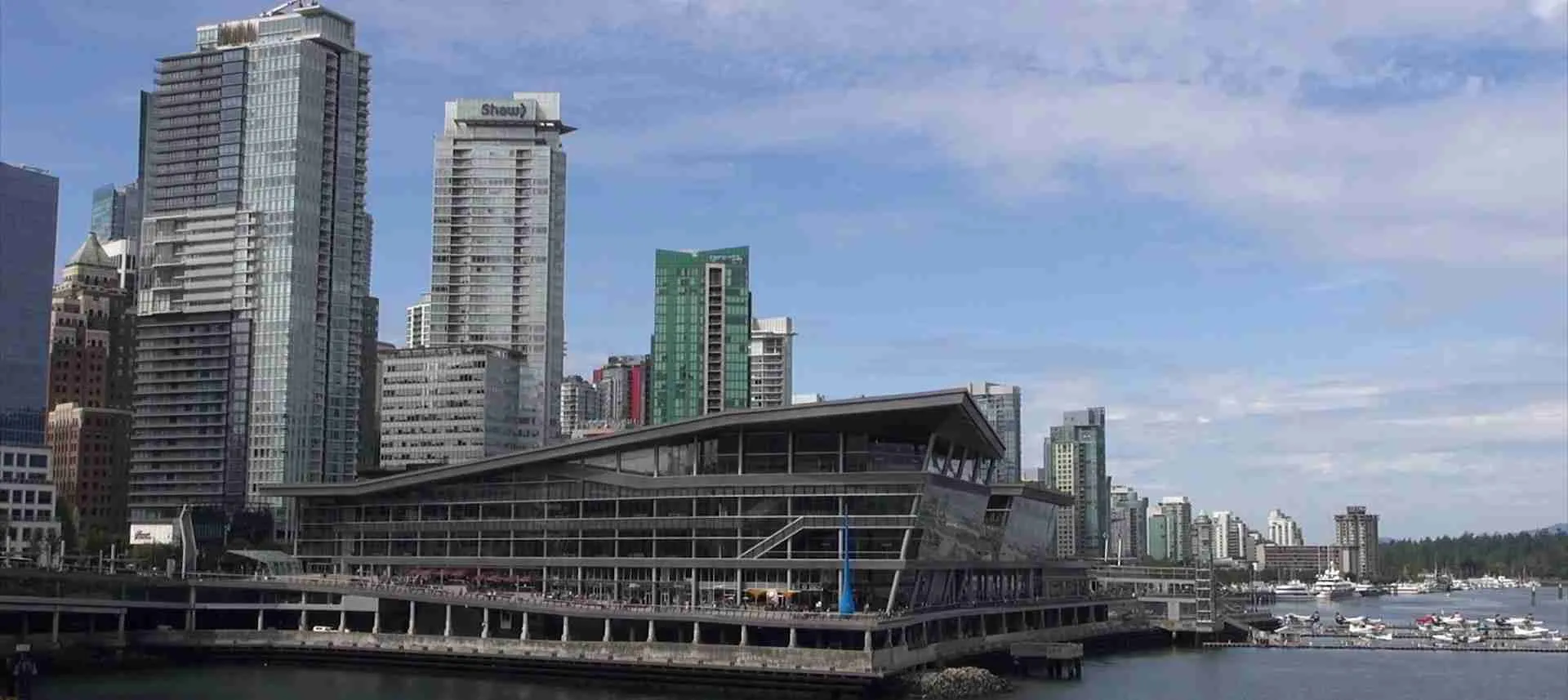
Vancouver Travel Guide 2026: Ultimate Planning Resource
Vancouver stands as Canada’s Pacific gateway where urban sophistication meets spectacular natural landscapes, from the rainforest canopy of Stanley Park to the snow-capped peaks of the North Shore mountains. This comprehensive guide equips you with verified pricing, transportation strategies, accommodation options, and insider knowledge for planning an exceptional Vancouver visit in 2026. Whether you’re drawn by the FIFA World Cup matches at BC Place, the city’s world-class dining scene, or outdoor adventures minutes from downtown, you’ll find everything needed to maximize your Vancouver experience.
Key Takeaways Vancouver 2026
- Budget Planning 2026: Expect CAD $200-370 per person daily for mid-range travel assuming two sharing hotel accommodation (CAD $115-230 per person hotel share, CAD $70-120 meals, CAD $11 transport), with FIFA World Cup match periods commanding premium accommodation rates up to CAD $600+ per room nightly
- Transportation Value 2026: TransLink transit offers exceptional value with single-zone Compass Card fares at CAD $2.70 and unlimited DayPass at CAD $11.20, providing seamless access from YVR Airport through downtown, North Shore attractions, and regional destinations across Metro Vancouver’s integrated bus, SkyTrain, and SeaBus network
- Accommodation Strategy 2026: Downtown Vancouver hotel rates average CAD $300-450 nightly during summer peak season (May-September) with significant savings available in shoulder seasons November-March at CAD $180-280 nightly, though FIFA World Cup periods June 11-July 19 present exceptional demand requiring booking 6-12 months advance
- Major Attractions 2026: Capilano Suspension Bridge Park leads Vancouver’s signature experiences at CAD $75 adult admission, followed by Grouse Mountain Skyride, Stanley Park Seawall, Granville Island Public Market, and the newly prominent BC Place hosting seven FIFA World Cup 2026 matches including Canadian national team appearances
- Seasonal Advantages 2026: April-May and September-October deliver optimal Vancouver experiences with moderate temperatures 12-18°C, reduced crowds versus summer peak, 33% lower accommodation costs than July-August — calculation: (450-300)÷450 = 33% — and reliable weather for outdoor activities without winter’s frequent precipitation
- Dining Scene 2026: Vancouver’s celebrated culinary landscape spans CAD $12-20 food truck meals and CAD $18-32 casual dining to CAD $45-85+ fine dining experiences, with Richmond’s Asian food courts, Granville Island Market vendors, and Commercial Drive ethnic restaurants providing exceptional value alongside Michelin-caliber establishments downtown
People Also Ask About Vancouver Travel 2026
How many days should I spend in Vancouver in 2026?
Three to four days provides sufficient time to experience Vancouver’s essential attractions and neighborhoods in 2026. A three-day itinerary covers downtown highlights including Stanley Park, Granville Island, and Gastown, plus one North Shore excursion to Capilano Suspension Bridge or Grouse Mountain. Four to five days allows deeper exploration adding Museum of Anthropology at UBC, Richmond Night Market visits, Whistler day trips, or multiple North Shore attractions. FIFA World Cup visitors typically extend stays to five to seven days combining match attendance with full Vancouver tourism experiences. Weekend visitors can effectively cover core downtown attractions and Stanley Park in 48 hours.
Is Vancouver expensive to visit in 2026?
Vancouver ranks among Canada’s most expensive cities for tourism in 2026, with downtown hotel rates averaging CAD $330 nightly in peak summer months and dining costs 25-40% above national averages. However, strategic planning significantly reduces costs: shoulder season visits (April-May, September-October) deliver 33% accommodation savings — calculation: (450-300)÷450 = 33% — TransLink’s comprehensive transit network eliminates rental car expenses, numerous free attractions include Stanley Park and Lynn Canyon, and diverse dining from food trucks to ethnic restaurants provides budget options. Mid-range travelers spend CAD $200-370 per person daily including accommodation (two sharing), while budget-conscious visitors manage CAD $80-140 daily using hostels, public transit, and self-catering. FIFA World Cup periods June-July 2026 represent exceptional pricing with hotels reaching CAD $500-800+ nightly.
What is the best area to stay in Vancouver for tourists in 2026?
Downtown Vancouver centered on Robson Street and the waterfront provides optimal tourist accommodation in 2026, offering walking access to Stanley Park, Canada Place, Vancouver Convention Centre, and SkyTrain stations connecting broader Metro Vancouver. The West End residential neighborhood delivers more economical options while maintaining proximity to beaches, Stanley Park, and dining. Gastown and Yaletown provide boutique hotel experiences with historic character or modern waterfront ambiance respectively. North Vancouver accommodation near Lonsdale Quay suits visitors prioritizing mountain attractions like Grouse Mountain and Capilano Suspension Bridge over downtown nightlife. Richmond near YVR Airport serves travelers with early flights or those exploring Asian culinary scenes, connected to downtown via Canada Line in 25 minutes.
How do I get from Vancouver Airport to downtown in 2026?
The Canada Line SkyTrain provides fastest, most economical Vancouver Airport to downtown connection in 2026, operating every 6-10 minutes from YVR-Airport Station directly to downtown Waterfront Station in 25 minutes. Compass Card fare includes CAD $5 YVR AddFare plus zone charges totaling CAD $7.70-10.80 depending on destination. The Canada Line operates 4:48 AM first departure to 1:17 AM final departure daily. Taxis to downtown cost CAD $35-45 with 20-30 minute travel time depending on traffic. Rideshare services (Uber, Lyft) charge CAD $30-50 for equivalent trips. Several hotels operate private shuttle services CAD $15-25 per person. The SeaBus departure at Waterfront Station provides scenic False Creek and Burrard Inlet views. Pre-arranged private transfers cost CAD $60-80 for sedans accommodating up to three passengers.
Extended multi-day tours – 5+ days
Featured Vancouver Multi-Day Tour Packages
3 days
Vancouver 3-Day Discovery Tour
- ✓ Comprehensive Vancouver experience
- ✓ Expert local guides included
- ✓ All accommodation included
- ✓ Transportation provided
5 days
Vancouver 5-Day Highlights Experience
- ✓ Comprehensive Vancouver experience
- ✓ Expert local guides included
- ✓ All accommodation included
- ✓ Transportation provided
7 days
Vancouver 7-Day Cultural Journey
- ✓ Comprehensive Vancouver experience
- ✓ Expert local guides included
- ✓ All accommodation included
- ✓ Transportation provided
10 days
Vancouver 10-Day Complete Adventure
- ✓ Comprehensive Vancouver experience
- ✓ Expert local guides included
- ✓ All accommodation included
- ✓ Transportation provided
Multi-day tour packages powered by TourRadar. Prices and availability subject to change.
Introduction: Planning Your Vancouver Experience 2026
Vancouver presents a unique urban proposition in 2026 where contemporary metropolitan sophistication coexists with immediate access to wilderness experiences. The city’s position between Pacific Ocean waters and Coast Mountain peaks creates microclimates and ecosystems supporting both cosmopolitan culture and outdoor adventure within single-day excursions. This geographic advantage translates into tourism offerings spanning world-class museums and dining alongside accessible hiking, skiing, and marine environments.
The 2026 travel landscape reflects several significant factors influencing Vancouver tourism. FIFA World Cup 2026 brings international attention with BC Place Stadium hosting seven matches from June 11 through July 19, including Canadian national team appearances creating exceptional accommodation demand during this period. Vancouver’s hotel inventory constraints, intensified by recent conversions of hotel properties to residential use, result in occupancy rates consistently exceeding 85% even during traditional shoulder seasons. These supply-demand dynamics drive accommodation costs significantly above other Canadian metropolitan centers.
Vancouver’s transportation infrastructure provides efficient tourist mobility through TransLink’s integrated system connecting bus, SkyTrain rapid transit, SeaBus passenger ferry, and West Coast Express commuter rail across Metro Vancouver’s 2,800 square kilometers. The network enables car-free tourism with reliable connections from Vancouver International Airport through downtown core to North Shore mountain attractions, Richmond’s Asian cultural districts, and suburban communities. This comprehensive transit framework allows visitors to access diverse experiences without vehicle rental expenses or parking complications.
The culinary scene evolved into international recognition with Vancouver establishing itself among North America’s premier dining destinations. The city’s multicultural population, particularly significant Asian communities, creates authentic ethnic dining options alongside contemporary Pacific Northwest cuisine emphasizing local seafood and seasonal produce. Richmond’s night markets, Commercial Drive’s Italian and Latin American establishments, and downtown’s fine dining concentration provide culinary experiences spanning budget food courts to Michelin-caliber establishments.
Natural amenities define Vancouver’s visitor appeal. Stanley Park’s 400-hectare urban forest perimeter surrounding downtown provides 8.8-kilometer Seawall paths, beaches, and old-growth forest trails. North Shore mountains deliver summer hiking and winter skiing within 20 minutes of downtown core. The Pacific Ocean moderates climate creating mild year-round conditions, though autumn and winter precipitation averages 150-200 millimeters monthly versus summer’s 40-60 millimeters. These climatic patterns inform seasonal visitation strategies balancing weather reliability against accommodation costs and crowd levels.
Cultural attractions span indigenous heritage at Museum of Anthropology showcasing Northwest Coast First Nations art and traditions, contemporary exhibitions at Vancouver Art Gallery, and Science World’s interactive exhibits housed in its distinctive geodesic dome. Neighborhoods deliver distinct character from Gastown’s Victorian heritage architecture and cobblestone streets to Yaletown’s converted warehouse district featuring upscale boutiques and restaurants. Granville Island combines public market food vendors, artist studios, theaters, and waterfront restaurants in a former industrial complex accessible by False Creek passenger ferries.
This guide provides comprehensive planning resources for 2026 Vancouver visits including verified current pricing for accommodations, transportation, attractions, and dining. Itinerary suggestions accommodate varying timeframes and interests while budget breakdowns clarify daily costs across spending tiers. Practical sections address seasonal considerations, FIFA World Cup attendance logistics, and money-saving strategies maximizing value without compromising experience quality. The content reflects January 2026 research ensuring current accuracy while acknowledging that seasonal variations and major events influence pricing and availability throughout the year.
Understanding Vancouver’s Geography and Neighborhoods 2026
Vancouver occupies a peninsula bounded by Burrard Inlet to the north, False Creek bisecting downtown from southern neighborhoods, and the Fraser River delta spreading southward. This aquatic geography creates distinct districts accessible via bridges, tunnels, and passenger ferries that shape tourism navigation.
Downtown Vancouver concentrates high-rise development, hotels, shopping, and business districts between Burrard Inlet waterfront and False Creek. The core subdivides into the central business district surrounding Robson Street, the heritage Gastown quarter with Victorian-era architecture, and Coal Harbour’s residential towers flanking the waterfront convention center. Canada Place cruise ship terminal projects into Burrard Inlet serving Alaska-bound vessels May through September. Downtown SkyTrain stations at Waterfront, Burrard, Granville, and Stadium-Chinatown provide rapid transit connections.
The West End forms Vancouver’s most densely populated neighborhood immediately west of downtown, extending to Stanley Park. High-rise residential towers house diverse communities while commercial strips along Denman and Davie Streets offer restaurants, cafes, and services. English Bay and Sunset Beach provide ocean-front recreation. The area maintains walkable scale with groceries, dining, and amenities within residential blocks, creating neighborhood atmosphere despite urban density. Hotels here cost 15-25% less than equivalent downtown waterfront properties while maintaining 10-15 minute walking distance to core attractions.
Stanley Park occupies the peninsula’s northwestern tip, preserving 400 hectares of coastal rainforest, beaches, and recreational facilities as Vancouver’s signature urban park. The 8.8-kilometer Seawall path circumnavigates the park perimeter providing pedestrian and cycling routes with ocean and mountain views. Interior trails traverse old-growth forest while attractions include the Vancouver Aquarium, totem pole displays at Brockton Point, beaches at Third Beach and Second Beach, and restaurants at Prospect Point overlooking Lions Gate Bridge. The park remains accessible via walking, cycling, or transit from downtown with free admission.
Granville Island sits beneath Granville Bridge in False Creek, transformed from industrial facilities into a public market, theaters, artist studios, and waterfront dining precinct. The Public Market operates daily featuring food vendors, produce stalls, bakeries, and craft merchants. Small passenger ferries called Aquabus and False Creek Ferries connect Granville Island to downtown waterfront, Yaletown, Olympic Village, and other False Creek destinations for CAD $4-8 single trips. The island combines shopping, dining, and entertainment in a compact walkable area popular for afternoon visits.
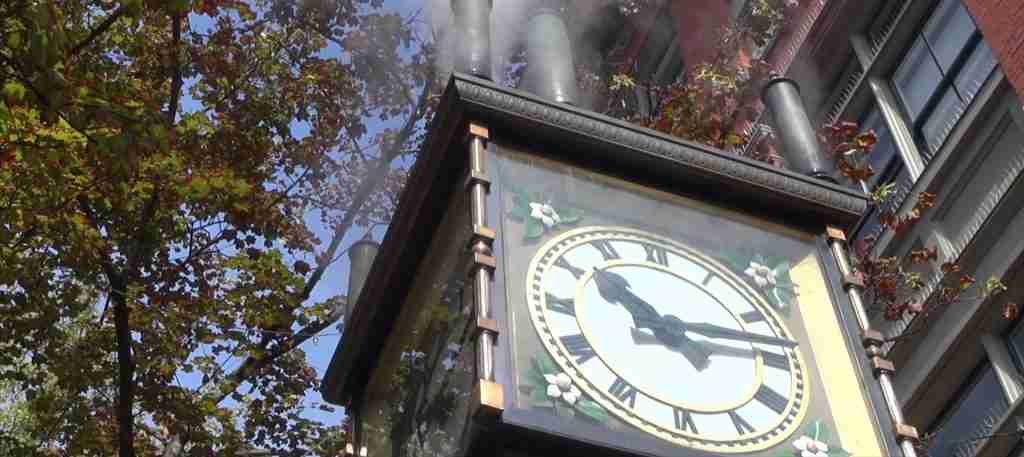
Gastown preserves Vancouver’s oldest quarter with Victorian-era buildings, cobblestone streets, and the steam-powered clock at Water and Cambie Streets. The neighborhood evolved from gritty heritage district to upscale destination featuring boutique hotels, restaurants, bars, and galleries while maintaining historic character. Gastown sits adjacent to downtown’s eastern edge, walkable from Waterfront Station or Stadium-Chinatown SkyTrain stops. Evening visits coincide with restaurant and nightlife activation though daytime touring permits architectural appreciation without crowds.
Yaletown occupies former warehouse districts south of downtown along False Creek’s north shore. Exposed brick buildings converted to restaurants, fitness studios, and retail create urban renewal prototype. The neighborhood attracts young professionals and tourists seeking contemporary dining and nightlife. Roundhouse Community Centre and Engine 374 Pavilion preserve railway heritage while the Seawall path continues along False Creek. Yaletown-Roundhouse SkyTrain station provides Expo Line and Canada Line connections.
North Vancouver spans Burrard Inlet’s northern shore accessible via Lions Gate Bridge or SeaBus passenger ferry from Waterfront Station. Lonsdale Quay Market provides shopping and dining at the SeaBus terminal. Mountain attractions including Capilano Suspension Bridge, Grouse Mountain, and Lynn Canyon locate in North Vancouver requiring bus connections from Lonsdale Quay or downtown. The area maintains separate municipality status from Vancouver proper though tourism materials typically include North Vancouver attractions in Vancouver itineraries.
Richmond occupies Fraser River delta islands south of Vancouver proper, accessible via Canada Line SkyTrain or Highway 99. The city hosts Vancouver International Airport while downtown Richmond’s Asian shopping centers, restaurants, and Richmond Night Market (summer weekends) create authentic cultural experiences distinct from downtown Vancouver. The Canada Line connects Richmond-Brighouse Station to downtown Vancouver Waterfront in 23 minutes. Hotel options near YVR Airport provide more economical rates than downtown with transit access maintaining downtown connectivity.
Kitsilano spreads west of downtown across False Creek and Burrard Bridge, known for beaches, parks, and residential neighborhoods. Kitsilano Beach and adjacent outdoor pool provide summer recreation while Fourth Avenue’s shopping and dining attract neighborhood visitors. The Museum of Anthropology at University of British Columbia campus occupies Kitsilano’s western extent, requiring 30-45 minute transit journeys from downtown. The neighborhood delivers residential atmosphere with local cafes and boutiques rather than tourist concentration.
Commercial Drive forms Vancouver’s multicultural artery running north-south through East Vancouver neighborhoods. Italian, Latin American, and diverse ethnic restaurants, cafes, and shops create community focal point. The area provides authentic dining experiences at prices 20-30% below comparable downtown establishments. SkyTrain’s Expo Line serves Commercial-Broadway Station though most Commercial Drive activity concentrates blocks requiring bus connections or walking.
Best Time to Visit Vancouver: Seasonal Planning 2026
Vancouver’s oceanic climate creates distinct seasonal patterns influencing tourism planning in 2026. Temperature variations remain moderate year-round with summer highs averaging 22-24°C and winter temperatures rarely falling below freezing, yet precipitation patterns and daylight hours significantly impact visitor experiences.
June through August constitutes peak tourism season in 2026 when temperatures reach comfortable 20-25°C with extended daylight lasting until 9:00-9:30 PM. Precipitation decreases to 40-60 millimeters monthly creating reliable conditions for outdoor activities. Stanley Park, beaches, and mountain attractions operate full summer hours while festivals including Vancouver International Jazz Festival, Caribbean Days, and Celebration of Light fireworks competition activate the waterfront. Peak season pricing applies with hotels averaging CAD $300-450 nightly downtown and major attractions experiencing maximum crowds. The 2026 FIFA World Cup from June 11 through July 19 intensifies accommodation demand and pricing during this period with downtown hotels reaching CAD $500-800+ for match weeks.
September and October deliver optimal value and experience combinations in 2026. Temperatures moderate to pleasant 15-18°C while precipitation remains relatively low at 60-90 millimeters monthly. Summer tourism crowds diminish yet attractions maintain full operations with reduced wait times. Fall foliage colors peak mid-October in Stanley Park and North Shore mountains. Hotel rates decrease 30-40% from summer peaks to CAD $200-300 nightly for equivalent properties. These shoulder months balance favorable weather, manageable crowds, and moderate pricing making them preferred periods for budget-conscious travelers prioritizing value over guaranteed sunshine.
April and May present spring shoulder season advantages in 2026 with temperatures rising to 12-16°C and cherry blossom displays creating photogenic conditions throughout Vancouver streets and parks. Precipitation averages 75-100 millimeters monthly requiring rain preparation though extended daylight from 6:30 AM to 8:30 PM permits full-day touring. Hotel rates remain 30-40% below summer pricing at CAD $200-300 nightly. Spring conditions suit visitors comfortable with variable weather in exchange for value and minimal crowds.
November through March represents low season when precipitation increases to 150-200 millimeters monthly with frequent grey skies and drizzle. Temperatures remain mild at 5-10°C rarely producing snow downtown though North Shore mountains accumulate snowpack enabling winter sports. Daylight contracts significantly with winter solstice sunrise at 8:00 AM and sunset at 4:20 PM. Low season delivers maximum accommodation value with downtown hotels discounting to CAD $180-280 nightly. Capilano Suspension Bridge’s Canyon Lights event from late November through mid-January attracts winter visitors while Grouse Mountain winter activities including skiing, snowshoeing, and ice skating operate December through March.
Festival and event timing influences specific 2026 travel dates. FIFA World Cup matches June 11-July 19 create exceptional demand. Vancouver International Film Festival in late September through early October attracts cinema enthusiasts. Pride Week celebrations in late July/early August bring LGBTQ+ community gatherings. Celebration of Light fireworks competition occurs late July through early August with multiple countries presenting pyrotechnic displays over English Bay. These events require advance accommodation booking while creating animated urban atmosphere.
Weather preparedness remains essential regardless of season. Summer visitors pack light layers as temperatures vary between sunny 25°C afternoon heat and 15°C evening cool with ocean breezes. Rain gear proves necessary year-round as unexpected showers occur even during dry summer months. Winter visits require waterproof outerwear and warm layers though heavy winter coats typical of eastern Canadian cities exceed Vancouver’s moderate temperatures. Comfortable waterproof walking shoes accommodate Stanley Park trails, Granville Island cobblestones, and North Shore mountain paths.
Seasonal attraction access varies in 2026. Stanley Park, Granville Island Public Market, and Museum of Anthropology operate year-round with consistent hours. Capilano Suspension Bridge maintains daily operations though seasonal events like Canyon Lights winter illumination alter evening hours. Grouse Mountain transitions between summer hiking/sightseeing and winter skiing modes typically in late November. Vancouver Aquarium in Stanley Park remains open daily regardless of season. Outdoor activities like beach swimming, kayaking, and cycling peak June through September though dedicated enthusiasts pursue these activities year-round given Vancouver’s mild climate.
Crowd management strategies improve experiences during busy periods. Early morning visits to popular attractions before 10:00 AM reduce wait times and crowding. Weekday touring avoids weekend concentration of local residents at Stanley Park, Granville Island, and Capilano Suspension Bridge. Pre-booking online tickets for major attractions guarantees entry while bypassing ticket counter lines. Late afternoon and evening visits after 4:00 PM find reduced crowds at most locations. FIFA World Cup match days see downtown core congestion requiring extra travel time and patience navigating heightened security and spectator volumes.
Transportation and Getting Around Vancouver 2026
TransLink operates Metro Vancouver’s integrated public transportation network providing efficient, economical access across the region in 2026. The system encompasses SkyTrain rapid transit, bus routes, SeaBus passenger ferry, West Coast Express commuter rail, and HandyDART accessible transit, all accepting common Compass Card fare payment with seamless transfers between modes.
SkyTrain rapid transit forms the transportation backbone with three lines covering 80 kilometers and 53 stations operating automated trains every 3-10 minutes depending on time and route. The Expo Line runs from Waterfront Station through downtown, southeast to Burnaby, New Westminster, and Surrey terminals. The Millennium Line loops from VCC-Clark through Commercial-Broadway Station east to Coquitlam. The Canada Line connects Richmond and Vancouver International Airport to downtown Waterfront Station, providing critical airport access. SkyTrain operates approximately 5:00 AM to 1:00 AM weekdays with reduced weekend hours. The system carries tourists efficiently between downtown accommodations, airport, and regional destinations without traffic delays affecting surface transportation.
Compass Card provides discounted fares compared to cash or contactless payment. Adult fares in 2026 are CAD $2.70 one-zone, CAD $4.00 two-zone, and CAD $5.10 three-zone using Compass Card Stored Value. Cash and contactless payment costs are CAD $3.35, CAD $4.85, and CAD $6.60 respectively for the same zones, demonstrating 20-25% savings with Compass Card. Zone fare structures apply to SkyTrain and SeaBus during weekday peak hours before 6:30 PM, with all trips charged as one-zone after 6:30 PM weeknights and all day weekends and holidays. Bus travel costs one-zone fare regardless of distance or time. Fares provide 90-minute transfer windows allowing multiple trips across bus, SkyTrain, and SeaBus within the initial payment period.
DayPass costs CAD $11.20 in 2026 providing unlimited travel across all zones for one calendar day from first tap until 4:00 AM the following morning. The pass benefits tourists making three or more trips daily, common when combining downtown attractions with North Shore mountain visits or airport transfers. DayPass loads onto Compass Cards at station vending machines or purchases through the Compass Card mobile app. Monthly passes offering unlimited travel exist though these serve residents rather than short-term visitors.
Compass Card acquisition and loading occurs at automated vending machines located in all SkyTrain stations, SeaBus terminals, and select major bus exchanges. The card itself costs CAD $6 refundable deposit plus initial Stored Value load of minimum CAD $5. Machines accept cash, credit cards, and debit cards. The Compass Card remains functional for years allowing reuse on future Vancouver visits. Online management at compasscard.ca enables balance checking and value loading remotely. The mobile app provides equivalent functionality plus trip planning integration.
Bus service complements SkyTrain with 220 routes covering areas beyond rapid transit reach. Key tourist routes include the 19 Stanley Park bus circling the park perimeter from downtown Pender Street, the 250 and 236 buses connecting downtown to North Shore attractions like Capilano Suspension Bridge and Grouse Mountain from Lonsdale Quay SeaBus terminal, and the 99 B-Line rapid bus along Broadway connecting Commercial-Broadway SkyTrain to University of British Columbia. Buses accept Compass Card taps, contactless payment, or cash (exact change required). All Vancouver buses feature low-floor accessibility and bicycle front racks accommodating two bikes.
SeaBus passenger ferry crosses Burrard Inlet connecting downtown Waterfront Station to North Vancouver’s Lonsdale Quay in 12 minutes. Departures operate every 15 minutes during peak hours and every 30 minutes evenings and weekends. The scenic crossing provides harbor views and operates as part of the regular transit system using standard Compass Card fares. SeaBus serves tourists visiting North Shore attractions by providing the first leg of journeys to Capilano Suspension Bridge, Grouse Mountain, and Lynn Canyon, with connecting buses from Lonsdale Quay completing the route.
Vancouver International Airport connections via Canada Line SkyTrain include a mandatory CAD $5.00 YVR AddFare in addition to regular zone charges, totaling CAD $7.70-10.80 depending on final downtown destination. The Canada Line operates dedicated airport station platforms beneath the terminal complex with travel time of 25 minutes to downtown Waterfront Station. Trains depart every 6-10 minutes from approximately 4:48 AM first departure to 1:17 AM final departure. Airport arrivals follow clearly marked signs to Canada Line platforms located between domestic and international terminal buildings. The journey provides efficient, economical airport transfers eliminating taxi or rideshare expenses.
Taxi and rideshare services supplement public transit though costs significantly exceed TransLink fares. Downtown to airport taxi trips cost CAD $35-45 with 20-30 minute travel time. Uber and Lyft operate in Vancouver with comparable pricing though surge pricing during peak periods or special events increases rates substantially. Taxis accept cash and credit cards while rideshare requires app-based payment. These services benefit late-night returns when transit operates reduced schedules or for multi-passenger groups where per-person transit costs approach rideshare vehicle rates.
Cycling infrastructure includes separated bike lanes on major downtown streets and the continuous Seawall path circling Stanley Park, False Creek, and extending along waterfront areas. Several bike share programs including Mobi by Shaw Go operate docked bicycle systems throughout downtown and adjacent neighborhoods. Rental costs are CAD $2.75 per 30-minute trip or CAD $24 for 24-hour access with unlimited 30-minute trips. Tourist-oriented bike rental shops near Stanley Park charge CAD $30-50 daily for multi-hour rentals including helmets and locks. The flat Stanley Park Seawall loop makes accessible cycling even for casual riders.
False Creek passenger ferries provide charming alternative transportation connecting downtown waterfront, Yaletown, Granville Island, Olympic Village, and Kitsilano Beach. Aquabus and False Creek Ferries operate competing services with similar routes and pricing. Single-ride tickets cost CAD $4-8 depending on distance. Day passes allowing unlimited rides cost CAD $15-18. These small passenger vessels create scenic, efficient connections across False Creek though they operate as private services independent of TransLink, requiring separate fare payment without Compass Card integration.
Walking remains feasible for downtown Vancouver core explorations. The distance from Canada Place waterfront south to Yaletown or east to Gastown spans 20-25 minute walks. Stanley Park Seawall circumnavigation covers 8.8 kilometers requiring 2-3 hours walking or 1-1.5 hours cycling. Downtown street grid follows regular pattern simplifying navigation though False Creek’s inlet requires bridge crossings at specific points. Pedestrian signals allocate generous crossing times and most intersections feature countdown timers. Vancouver’s compact urban form and waterfront pathways create pleasant walking environments when weather cooperates.
Regional destinations beyond Metro Vancouver core require additional transportation planning. Whistler lies 125 kilometers north with several daily bus services via Whistler Shuttle or Skylynx operating 2-2.5 hour journeys for CAD $60-80 one-way. Victoria on Vancouver Island requires either float plane services from Vancouver Harbour (35 minutes, CAD $200+ one-way) or BC Ferries from Tsawwassen terminal plus BC Transit buses, consuming 3-4 hours total travel time but costing CAD $20-30 per person one-way. These excursions suit visitors with four or more days in Vancouver seeking broader British Columbia experiences.
Accommodation Guide Vancouver 2026
Vancouver’s accommodation landscape in 2026 reflects constrained supply dynamics where hotel room inventory decreased through recent conversions of properties to residential or other uses. This supply shortage combines with sustained tourism demand producing occupancy rates consistently exceeding 85% and pricing pressure particularly during summer peak season and major events including FIFA World Cup matches June-July.
Downtown Vancouver hotels concentrate along waterfront areas, Robson Street corridor, and Granville Street entertainment district. Properties range from international luxury chains to boutique establishments and mid-range branded hotels. Downtown positioning provides walking access to Stanley Park, Canada Place, Vancouver Convention Centre, Granville Island passenger ferries, and SkyTrain stations connecting broader Metro Vancouver. However, this convenience commands premium pricing in 2026 with summer season downtown hotels averaging CAD $300-450 per night for standard rooms at three-star to four-star properties. Five-star luxury accommodations including Fairmont Hotel Vancouver, Shangri-La Hotel, and Rosewood Hotel Georgia charge CAD $500-800+ nightly during peak periods.
West End neighborhood hotels deliver more economical alternatives while maintaining proximity to downtown core attractions. Properties along Denman Street and Davie Street typically price 15-25% below equivalent downtown waterfront hotels, averaging CAD $225-325 nightly during summer 2026. The neighborhood’s high-rise residential character creates local atmosphere with grocery stores, casual restaurants, and residential-scale streets contrasting downtown’s commercial intensity. English Bay Beach and Sunset Beach provide ocean access while Stanley Park remains a 10-15 minute walk. Transit connections via multiple bus routes ensure downtown accessibility.
Budget accommodation concentrates in hostels and economy hotels scattered through downtown periphery and surrounding neighborhoods. Private hostel rooms cost CAD $80-140 nightly while dormitory beds range CAD $35-60 per person. The Patricia Hotel, Samesun Hostel chain locations, and HI Vancouver Central hostel provide examples with varying quality standards. These properties attract younger travelers and backpackers comfortable with shared facilities and social atmosphere. Basic economy hotels including Days Inn, Travelodge properties, and independent motels charge CAD $120-180 nightly offering private rooms with limited amenities. Budget properties typically locate beyond immediate downtown core requiring transit connections though this trade-off enables significant cost savings versus premium downtown locations.
North Vancouver hotels serve visitors prioritizing mountain attractions over downtown concentration. Properties near Lonsdale Quay provide SeaBus connections to downtown Waterfront Station in 12 minutes plus immediate access to buses serving Capilano Suspension Bridge and Grouse Mountain. Pinnacle Hotel Harbourfront and Lonsdale Quay Hotel exemplify this accommodation zone with rates averaging CAD $180-280 nightly, representing 30-40% savings versus equivalent downtown properties. The positioning suits travelers focusing on outdoor activities who view downtown as secondary destination accessible via efficient transit connections.
Richmond accommodations near Vancouver International Airport offer another economical alternative. Multiple international chain hotels including Marriott, Hilton, and Delta properties provide airport convenience with complimentary shuttle services. Rates typically range CAD $140-220 nightly, discounting 40-50% versus downtown equivalents. The Canada Line SkyTrain connects Richmond-Brighouse Station to downtown Waterfront in 23 minutes, enabling downtown access without downtown accommodation costs. Richmond Night Market summer weekends and extensive Asian dining options create distinct cultural experiences. This location strategy suits travelers with early departure flights or those willing to commute daily into downtown tourist areas.
Booking strategies significantly impact accommodation costs in 2026. Advance reservations 3-6 months prior secure better availability and pricing, particularly essential for FIFA World Cup periods June-July when downtown hotels reach 95%+ occupancy. Price comparison across multiple booking platforms including hotel direct websites, Hotels.com, Booking.com, and Expedia reveals rate variations of 10-15% for identical properties. Corporate and loyalty program member rates often undercut published rates. Weekend pricing sometimes exceeds weekday rates though this pattern varies seasonally and by property. Flexible travel dates enable targeting lower-demand nights for optimal value.
Vacation rental alternatives via Airbnb and VRBO provide options ranging from private rooms to entire apartments and houses. Downtown one-bedroom apartments average CAD $180-280 nightly during summer 2026, competitive with hotel costs while providing kitchen facilities enabling meal preparation cost savings. Two-bedroom units accommodating four travelers cost CAD $250-400 nightly, potentially delivering value for families or couples traveling together when per-person costs compare favorably to multiple hotel rooms. Vancouver’s vacation rental regulations restricted short-term rental inventory though licensed properties remain available, particularly in residential neighborhoods beyond downtown core. These accommodations suit longer stays where kitchen access and laundry facilities add significant convenience value.
Seasonal pricing patterns create substantial rate variations throughout 2026. Peak summer season June through August sees maximum rates with downtown hotels reaching CAD $300-450 nightly. FIFA World Cup matches June 11-July 19 intensify these rates to CAD $500-800+ for affected dates. Shoulder seasons April-May and September-October reduce rates 30-40% to CAD $200-300 nightly for equivalent properties. Winter low season November through March delivers maximum discounts with downtown hotels averaging CAD $180-280 nightly, representing substantial savings versus summer peaks. These seasonal variations enable strategic date selection balancing accommodation costs against weather preferences and crowd tolerance.
Additional accommodation costs beyond advertised room rates require budget planning. Goods and Services Tax of 5% applies to all lodging. Provincial Sales Tax adds another 8% for non-BC residents. Municipal and Regional District Tax contributes 3% while Vancouver Hotel Room Tax adds 3.5%. FIFA 2026 surcharge imposes additional fees on hotel bills through 2026. Combined, these taxes and fees increase advertised room rates by approximately 20%, substantially impacting total costs. Parking fees at downtown hotels add CAD $30-50 daily when applicable though visitors using public transit eliminate this expense. Resort fees, increasingly common at upscale properties, add CAD $25-40 daily covering amenities like wifi, fitness center access, and newspapers regardless of whether guests use these services.
Specific property recommendations span budget to luxury segments. For luxury experiences, Fairmont Hotel Vancouver combines heritage grandeur with modern amenities in a downtown icon, typically CAD $450-650 nightly. Rosewood Hotel Georgia offers refined contemporary luxury at CAD $500-700. For mid-range value, Best Western Plus Sands features English Bay Beach proximity and West End location at CAD $225-325. Executive Hotel Le Soleil provides boutique downtown experience at CAD $280-380. Budget travelers consider HI Vancouver Central hostel for CAD $35-60 dormitory beds or CAD $80-120 private rooms with shared facilities. St. Regis Hotel downtown offers basic but clean private rooms CAD $140-180. These represent examples across price ranges though specific availability and rates fluctuate with booking timing and season.
Top Attractions and Activities Vancouver 2026
Vancouver’s attractions span natural beauty, cultural institutions, and urban experiences creating diverse tourism portfolio in 2026. Major ticketed attractions require advance booking during summer peak season though many significant sites including Stanley Park offer free admission.
Stanley Park ranks as Vancouver’s signature attraction encompassing 400 hectares of coastal rainforest, beaches, and recreational facilities on the peninsula’s northwestern tip. The 8.8-kilometer Seawall path circumnavigating the park perimeter attracts walkers, runners, and cyclists with ocean and mountain views throughout the route. Interior trails wind through old-growth forest showcasing massive Douglas fir and western red cedar trees. Brockton Point displays nine totem poles representing various First Nations artistic traditions. Beaches including Third Beach, Second Beach, and Ferguson Point provide summer swimming and year-round beach walking. The park contains Vancouver Aquarium, Prospect Point restaurant overlooking Lions Gate Bridge, pitch-and-putt golf, tennis courts, and children’s playgrounds. Entry to Stanley Park remains free though parking costs apply. The combination of urban accessibility and wilderness experience makes Stanley Park essential for all Vancouver itineraries, requiring minimum 2-3 hours for basic exploration or full days for comprehensive visits.
Capilano Suspension Bridge Park leads North Vancouver’s mountain attractions. Adult admission costs CAD $75 in 2026 (check official site for current rates) including access to the 137-meter suspension bridge spanning 70 meters above Capilano River, Treetops Adventure featuring seven suspension bridges through the forest canopy, and Cliffwalk boardwalks projecting from cliff faces above the canyon. The park operates daily with hours varying seasonally, typically 9:00 AM-6:00 PM in regular season extending to 9:00 PM during special events like Canyon Lights winter illumination November-January. Free shuttle buses operate from downtown Canada Place during peak season. The attraction requires 2-3 hours allowing time for all three components and historical displays. BC residents qualify for annual passes at single-day admission prices. Twilight admission after 5:00 PM offers 25% discounts May through September. Despite premium pricing, the attraction delivers memorable experience combining thrilling heights with rainforest immersion minutes from downtown.
Grouse Mountain provides alpine experiences accessible via 8-minute Skyride aerial tramway ascending 1,100 vertical meters from North Vancouver base to mountain summit. Standard Skyride tickets cost CAD $64 adults (verify current pricing) including return tram rides, mountaintop access, lumberjack shows, grouse bird demonstrations, wildlife refuge viewing grizzly bears and grey wolves, and various hiking trails. Additional peak hours activities include zip-lining, paragliding, and Eye of the Wind turbine viewing platform. Winter operations transform Grouse into skiing and snowboarding destination with separate pricing for snow sports. The Peak of Christmas lights display from November-January creates winter visit appeal. Sunset Skyride tickets often provide discounted rates for evening visits. The mountaintop delivers panoramic views spanning Vancouver, Georgia Strait, and Gulf Islands on clear days. Restaurant facilities enable extended stays. Access requires bus 236 from Lonsdale Quay SeaBus terminal to Grouse Mountain base.
Granville Island Public Market operates daily showcasing food vendors, produce merchants, bakeries, and artisan goods within a renovated industrial building beside False Creek. The market functions as working food market serving locals alongside tourist destination, creating authentic atmosphere distinct from staged tourist markets. Free admission allows browsing though tempting food purchases accumulate costs quickly with artisan cheeses, fresh seafood, bakery items, and specialty products. Restaurants and food stalls surrounding the main market building provide lunch and snack options. Artist studios, galleries, theaters including Granville Island Stage and Waterfront Theatre, and waterfront restaurants occupy surrounding structures creating entertainment district. Kids Market targets families with toy shops and children’s activities. False Creek ferries connect Granville Island to downtown, Yaletown, and other waterfront locations for CAD $4-8 per trip. The compact island permits 2-4 hour visits combining market exploration, dining, and waterfront walking. Weekend crowds intensify though weekday visits find more relaxed market browsing.
Museum of Anthropology at University of British Columbia exhibits world-renowned Northwest Coast First Nations art collections in Arthur Erickson’s stunning modernist building. Adult admission costs CAD $18 Tuesday-Sunday with free admission Thursday evenings 5:00-8:00 PM. The Great Hall displays massive totem poles, feast dishes, and ceremonial objects while galleries present contemporary indigenous art, historical artifacts, and rotating exhibitions. Bill Reid’s sculpture The Raven and the First Men anchors the collection. The museum requires 1.5-2 hours for thorough exploration. Location at UBC campus western edge necessitates 30-45 minute transit journey from downtown via multiple bus routes. The specialized focus appeals to visitors interested in indigenous cultures and artistic traditions though general tourists may prioritize more accessible downtown attractions.
Vancouver Aquarium within Stanley Park exhibits marine life including sea otters, beluga whales, Pacific octopuses, and extensive fish collections. Adult admission costs CAD $42 (verify current pricing) for self-guided visits through indoor and outdoor habitats. The facility emphasizes marine conservation and research alongside entertainment. Multiple daily feeding demonstrations and naturalist presentations educate visitors on species and ocean ecosystems. The aquarium targets families with children though adult visitors appreciate the diversity. Visits require 1.5-2.5 hours. Stanley Park location combines with broader park exploration though separate admission applies despite the aquarium’s position within park boundaries.
Science World occupies the distinctive geodesic dome beside False Creek initially constructed for Expo 86. Adult admission costs CAD $33 (check current rates) including access to interactive science exhibits spanning biology, physics, technology, and environmental topics. The Science Theatre presents engaging demonstrations while OMNIMAX dome theatre shows educational films on 27-meter domed screen with separate ticket pricing. The attraction targets families and children though exhibits engage curious visitors of all ages. Two to three hours permits comprehensive exploration. Main Street-Science World SkyTrain station provides immediate access. The hands-on interactive focus contrasts museum-style static displays, creating engaging experience particularly for young learners.
Gastown’s heritage architecture and cobblestone streets create atmospheric setting for walking tours, galleries, and boutique shopping. The neighborhood centers on Water Street’s Victorian buildings housing restaurants, bars, and souvenir shops. The steam-powered clock at Water and Cambie Streets attracts tourist photographs with its quarter-hourly steam whistle though the “antique” dates only to 1977. The area’s compact scale permits one to two hour explorations. Free walking tours operate daily showcasing architectural and historical elements. Gastown transformed from neglected district to upscale destination though retains grittier edges particularly toward eastern boundaries. Evening visits coincide with restaurant and bar activation creating vibrant atmosphere compared to quieter daytime retail focus.
Vancouver Lookout observation deck at Harbour Centre provides 360-degree city views from 168-meter elevation. Adult tickets cost CAD $18.25 (verify pricing) permitting same-day re-entry allowing return sunset visits. Elevator ascends exterior of the cylindrical tower in 40 seconds to observation level with panoramic windows and outdoor viewing deck. Clear days reveal North Shore mountains, Gulf Islands, and broader metropolitan sprawl. The attraction requires 30-45 minutes unless extended photography or multiple visits occur. Downtown Waterfront Station location provides convenient access though limited unique experience versus free viewpoints like Stanley Park’s Prospect Point or Queen Elizabeth Park summit may reduce appeal for budget-focused visitors.
VanDusen Botanical Garden cultivates 55 acres of themed garden spaces including Elizabethan hedge maze, tranquil lakes, and diverse plant collections. Adult admission costs CAD $12.25 regular season, CAD $18 during Festival of Lights December event. The garden requires 1.5-2 hours for thorough exploration. Spring displays feature extensive bulb plantings while autumn presents fall foliage colors. The peaceful setting appeals to garden enthusiasts though represents specialized interest compared to broader attractions. Location in residential neighborhoods requires bus connections from downtown adding travel time.
BC Place Stadium anchors downtown’s entertainment district hosting CFL Vancouver BC Lions games, MLS Vancouver Whitecaps soccer matches, concerts, and special events. In 2026, BC Place hosts seven FIFA World Cup matches from June 11 through July 19 including Canadian national team appearances, bringing international attention. The retractable roof enables events regardless of Vancouver’s weather. Stadium tours operate on non-event days for CAD $12-15 (verify current pricing) showcasing facilities and history. Event attendance depends on specific schedules though the stadium’s prominent position features in many downtown views. FIFA World Cup tickets sold through official FIFA channels command premium prices CAD $150-500+ depending on match significance and seating sections.
Food and Dining Guide Vancouver 2026
Vancouver established itself among North America’s premier culinary destinations in 2026 with diverse dining reflecting multicultural population, abundant local seafood, and Pacific Northwest seasonal ingredients. The city’s Asian population, particularly Chinese, Japanese, Korean, and South Asian communities, creates authentic ethnic dining options alongside contemporary fusion cuisine and traditional Pacific Northwest establishments.
Richmond’s Asian food courts and restaurants provide exceptional value and authenticity. Aberdeen Centre, Yaohan Centre, and other Asian shopping malls house food courts where complete meals cost CAD $10-15 per person. Richmond Night Market operates summer weekends at River Rock Casino with 100+ food vendors offering small plates CAD $5-12. Authentic dim sum restaurants including Empire Seafood Restaurant and Kirin Restaurant serve traditional Cantonese dishes CAD $5-8 per item with full meals averaging CAD $25-35 per person including tea. Japanese ramen shops along Number 3 Road offer bowls CAD $14-18. Korean restaurants provide table barbecue experiences CAD $20-30 per person. Richmond requires Canada Line SkyTrain 20-25 minutes from downtown though the culinary authenticity and value justify the journey for food-focused visitors.
Downtown dining spans international fast casual chains to Michelin-caliber fine dining. Food trucks concentrated near Canada Place, Vancouver Art Gallery, and Olympic Village provide quick meals CAD $12-18 including various cuisines from tacos to Asian fusion. Casual restaurants in downtown core charge CAD $18-28 per main course with total meals including beverages averaging CAD $30-45 per person. Cactus Club Cafe, Earls Kitchen + Bar, and similar mid-range chains deliver reliable quality at these price points. Fine dining establishments including Hawksworth Restaurant, L’Abattoir, and Botanist elevate experiences with tasting menus CAD $85-150 per person excluding wine pairings. Downtown’s high rents translate to elevated pricing compared to equivalent quality in neighborhood restaurants.
Granville Island Public Market combines market shopping with casual dining. Food court vendors sell prepared meals, sandwiches, soups, and international specialties CAD $12-20 per person. Stock Market seafood counter offers fresh seafood dishes while Lee’s Donuts attracts morning pastry crowds. The market functions best for lunch or snacks rather than formal sit-down dining. Surrounding Granville Island restaurants including Bridges and Sandbar charge CAD $25-40 per main course with waterfront patio dining. The combination of market browsing and restaurant meals creates popular afternoon activity.
Commercial Drive’s ethnic restaurants provide authentic neighborhood dining at prices 20-30% below downtown equivalents. Italian restaurants including Cafe Napoli and Ask for Luigi serve traditional dishes CAD $18-28 per main course. Latin American establishments offer affordable meals CAD $14-22. Independent cafes provide breakfast and brunch CAD $12-18 per person. The street’s local character and diverse options attract visitors seeking authentic experiences beyond tourist-oriented dining. Transit connections via Expo Line to Commercial-Broadway Station enable access though most Commercial Drive restaurants concentrate blocks requiring walking or bus transfer from SkyTrain.
Gastown’s restaurant concentration includes upscale casual dining and fine dining options. The Flying Pig locations serve Pacific Northwest comfort food CAD $22-35 per main course. Steamworks Brewing Company combines craft beer production with pub fare CAD $18-28 per dish. L’Abattoir offers fine French-influenced dining CAD $35-55 per course. The neighborhood’s evening activation makes it natural dinner destination following daytime downtown touring though expect prices 15-20% above equivalent meals in less tourist-oriented areas.
Yaletown dining emphasizes contemporary casual and upscale experiences targeting affluent residents and visitors. Blue Water Cafe specializes in sustainable seafood raw bar and prepared dishes CAD $35-55 per main course. Glowbal and other Glowbal Group restaurants create scene-oriented dining CAD $28-42 per dish. The neighborhood’s converted warehouse aesthetics with brick walls and industrial details create attractive environments though pricing reflects Yaletown’s positioning as upscale district.
Asian dining beyond Richmond includes downtown Vancouver’s Chinatown offering traditional Cantonese restaurants, dumpling houses, and bubble tea shops with meals averaging CAD $12-20 per person. Davie Village’s Japanese restaurants serve ramen, donburi, and sushi at moderate prices CAD $15-25 per person. West End’s Denman Street features diverse Asian restaurants including Thai, Vietnamese, and Japanese establishments CAD $16-28 per main course. Robson Street’s Korean restaurants provide table barbecue and Korean dishes CAD $20-30 per person. These neighborhood Asian restaurants balance quality and value better than tourist-oriented downtown locations.
Breakfast and brunch culture flourishes in Vancouver with dedicated establishments drawing local crowds particularly weekend mornings. Jam Cafe locations serve hearty breakfast plates CAD $16-22. Medina Cafe specializes in Belgian waffles and Mediterranean-inspired breakfast dishes CAD $14-20. The combinations of pancakes, benedicts, and creative breakfast interpretations create substantial meals though weekend waits of 30-60 minutes demonstrate popularity. Budget breakfast options including Tim Hortons and McDonald’s provide CAD $7-12 meals though compromise on quality versus dedicated breakfast establishments.
Coffee culture centers on independent roasters and cafes throughout Vancouver neighborhoods. Revolver Coffee, 49th Parallel Coffee Roasters, and Elysian Coffee provide specialty coffee drinks CAD $5-8. Starbucks saturates downtown core though local cafes offer superior quality and character. Italian bakery cafes including Bella Gelateria and Fratelli serve espresso drinks CAD $4-6 with pastries CAD $3-7. The cafe concentration permits multiple daily coffee breaks during walking explorations.
Supermarkets and grocery stores enable meal preparation for vacation rental guests or picnic provisions. Whole Foods locations in downtown and Kitsilano provide organic and specialty products at premium prices. Independent Asian supermarkets including T&T Supermarket offer remarkable prepared food sections with meals CAD $8-15 per person. Save-On-Foods and Safeway chains provide mainstream grocery selection at moderate pricing. Stanley Park picnics combining supermarket provisions create economical lunch alternatives versus restaurant dining while maximizing outdoor time.
Tipping practices in Vancouver follow North American conventions with 15-20% gratuity expected at full-service restaurants. Many establishments present electronic payment terminals with suggested tip percentages though manual tip entry remains option. Quick service restaurants including food trucks and counter-service venues increasingly present tip requests though these remain discretionary. The default tip line on restaurant bills sometimes includes tax-inclusive amounts inflating the percentage calculation, warranting attention to ensure appropriate compensation without over-tipping.
Alcohol pricing reflects Canadian taxes with restaurant beer costing CAD $7-10 per pint, wine glasses CAD $10-15, and cocktails CAD $12-18. Government liquor stores offer retail wine and spirits at controlled pricing though private wine shops charge premium markups. British Columbia wines from Okanagan Valley provide local options at various price points. Brewery taprooms including Brassneck Brewery and 33 Acres Brewing Company serve craft beer flights and pints CAD $6-9 directly from production facilities. The legal drinking age is 19 years with identification verification standard practice.
Daily Budget Planning Vancouver 2026
Vancouver’s daily travel costs in 2026 span wide ranges depending on accommodation choices, dining preferences, and activity selections. These budget breakdowns assume two people sharing hotel accommodation with per-person figures reflecting accommodation cost divided by two occupants, plus individual meal, transport, and attraction expenses.
Budget travelers managing expenses carefully spend CAD $80-140 per person daily. Hostel dormitory beds cost CAD $35-60 per person nightly while private hostel rooms with shared bathrooms range CAD $80-120 per room, divided to CAD $40-60 per person for couples sharing. Breakfast consists of hostel continental offerings or supermarket provisions CAD $5-8. Lunch from food trucks, Asian food courts, or supermarket sandwiches costs CAD $10-15. Dinner at casual ethnic restaurants or self-catering averages CAD $15-25. Daily transit via DayPass provides unlimited travel CAD $11.20. Free attractions including Stanley Park, Gastown walking, and Lynn Canyon occupy most days with occasional paid attractions like Vancouver Lookout CAD $18 or Museum of Anthropology free Thursday evenings. This budget requires discipline avoiding restaurant alcohol, expensive attractions, and impulse purchases though permits genuine Vancouver experiences focusing on natural beauty, neighborhood exploration, and affordable dining.
Mid-range travelers pursuing comfort without luxury spend CAD $200-370 per person daily. Three-star hotel rooms cost CAD $230-460 per room nightly, divided to CAD $115-230 per person for couples sharing. Breakfast at hotel cafes or independent breakfast restaurants costs CAD $15-25. Lunch at casual restaurants including chains or Granville Island vendors averages CAD $20-35. Dinner at mid-range restaurants with beverage totals CAD $40-65 per person. Daily transit remains economical at CAD $11.20 DayPass though some travelers opt for occasional taxis CAD $15-25 per trip. Major paid attractions including Capilano Suspension Bridge CAD $75, Grouse Mountain CAD $64, Science World CAD $33, and Vancouver Aquarium CAD $42 feature regularly in itineraries. This budget accommodates downtown accommodation proximity, diverse dining including some upscale meals, comprehensive attraction access, and occasional splurges without constant cost consciousness.
Luxury travelers prioritizing premium experiences invest CAD $460-800+ per person daily. Four-star and five-star downtown hotels charge CAD $500-800+ per room nightly, divided to CAD $250-400+ per person for couples sharing luxury suites. Breakfast at upscale hotel restaurants costs CAD $25-40. Lunch at notable restaurants averages CAD $35-60. Dinner at fine dining establishments with wine pairings totals CAD $100-200+ per person. Private transportation via taxis or car services replaces public transit adding CAD $50-100 daily. Premium attraction experiences include private tours, helicopter flights over city and mountains CAD $200-400 per person, and exclusive access programs. Luxury shopping, spa treatments, and evening entertainment at theatres or concerts supplement core tourism activities. This budget eliminates cost constraints enabling spontaneous decisions and maximum comfort throughout the visit.
Sample budget breakdowns illustrate daily cost structures. For budget travelers: hostel accommodation CAD $50 per person (two sharing private room), meals CAD $35 total, transit DayPass CAD $11.20, free Stanley Park and Gastown exploration, total approximately CAD $96 per person daily. For mid-range travelers: hotel accommodation CAD $165 per person (two sharing CAD $330 room), meals CAD $80 total, transit CAD $11.20, Capilano Suspension Bridge CAD $75, total approximately CAD $330 per person daily. For luxury travelers: hotel accommodation CAD $325 per person (two sharing CAD $650 room), meals CAD $165 total, private transportation CAD $75, Grouse Mountain with fine dining CAD $150, total approximately CAD $715 per person daily.
Weekly trip costs multiply daily budgets by stay duration with some economies achieved through multi-day patterns. A five-day mid-range Vancouver trip includes accommodation CAD $575-1,150 per person for five nights two sharing hotel, meals CAD $400, transit CAD $56, attractions CAD $200-350, and miscellaneous expenses CAD $150. Total: approximately CAD $1,380-2,105 per person. These figures exclude international airfare to Vancouver but include all in-destination costs.
Money-saving strategies reduce expenses without eliminating experiences. Shoulder season travel April-May or September-October cuts accommodation costs 30-40% versus summer peaks while maintaining pleasant weather and full attraction operations. TransLink DayPass maximizes transit value versus individual fares when making three or more trips daily. Granville Island market shopping and Stanley Park picnics substitute expensive restaurant meals. Free attractions including Stanley Park, Lynn Canyon, Gastown, and Museum of Anthropology Thursday evenings fill itineraries without admission costs. Hotel breakfast inclusion saves CAD $15-25 daily per person versus restaurant breakfasts. Twilight admission discounts at Capilano Suspension Bridge reduce costs 25% for after-5:00 PM visits. Richmond dining delivers authentic Asian meals at 30-40% savings versus downtown restaurant equivalents.
Cost comparisons versus other Canadian cities position Vancouver at the expensive end. Toronto hotel and dining costs approximate Vancouver’s though transit systems operate at similar price points. Montreal offers 20-30% savings on accommodations and dining though more limited English among service providers. Calgary and Edmonton deliver 30-40% cost reductions particularly for hotels. Victoria on Vancouver Island matches Vancouver pricing for accommodations while offering slightly lower dining costs. Vancouver’s beauty, climate, and attraction diversity justify premium costs though budget-conscious travelers require planning to manage expenses effectively.
Sample Vancouver Itineraries 2026
These itinerary frameworks provide structured planning guidance for varying visit lengths and priorities in 2026. Times and specific attraction choices adapt to personal interests though the sequences optimize geography and logistical efficiency.
Three-Day First-Time Visitor Itinerary 2026
Day One focuses on downtown core and Stanley Park. Morning begins at Canada Place waterfront examining the distinctive white sail structures and harbor views. Walk or bike rent to Stanley Park entrance at Georgia Street, then proceed counterclockwise along the 8.8-kilometer Seawall path. Stop at Brockton Point totem poles for photographs and cultural displays. Continue to Prospect Point for Lions Gate Bridge views and lunch at cliff-top restaurant or pack picnic provisions. Complete the Seawall loop returning downtown by late afternoon. Evening explores Gastown’s heritage architecture and cobblestone streets with dinner at local restaurant. Expected costs per person two sharing hotel: accommodation CAD $165, breakfast CAD $15, lunch CAD $20, dinner CAD $40, transit DayPass CAD $11.20, Stanley Park bike rental CAD $35, total approximately CAD $285.
Day Two ventures to North Vancouver’s mountain attractions. Morning SeaBus from Waterfront Station crosses to Lonsdale Quay in 12 minutes. Bus 236 continues to Grouse Mountain base for Skyride ascent CAD $64. Explore mountaintop attractions including wildlife refuge, lumberjack shows, and hiking trails with 2-3 hours on summit. Descend and transfer to bus 236 toward Capilano Suspension Bridge Park CAD $75. Spend 2-3 hours crossing suspension bridge, Treetops Adventure, and Cliffwalk. Return downtown via free park shuttle or bus/SeaBus connections. Dinner in Yaletown or downtown. Expected costs per person: accommodation CAD $165, meals CAD $75, Grouse Mountain CAD $64, Capilano Suspension Bridge CAD $75, transit CAD $11.20, total approximately CAD $390.
Day Three explores Granville Island and False Creek neighborhoods. Morning walk or False Creek ferry to Granville Island Public Market for browsing food vendors, artisan products, and market atmosphere. Lunch from market vendors or island restaurants. Afternoon options include Vanier Park museums (Museum of Vancouver, Maritime Museum), Kitsilano Beach, or Science World depending on interests. Evening considers Vancouver Lookout observation deck CAD $18 for sunset city views, followed by dinner in Gastown or Chinatown. Expected costs per person: accommodation CAD $165, meals CAD $70, Science World CAD $33, Vancouver Lookout CAD $18, transit/ferries CAD $15, total approximately CAD $300.
Five-Day Comprehensive Itinerary 2026
This extended itinerary incorporates the three-day framework while adding Museum of Anthropology, Richmond cultural experiences, and additional neighborhood exploration. Day Four visits University of British Columbia campus for Museum of Anthropology CAD $18 showcasing Northwest Coast indigenous art in stunning Arthur Erickson building. The two-hour museum visit combines with UBC campus exploration and nearby beaches. Afternoon travels to Richmond for authentic Asian dining at food courts or traditional restaurants, with possible Richmond Night Market visit if summer weekend timing aligns. Evening returns downtown. Day Five explores Commercial Drive’s ethnic restaurants and local shops, then visits VanDusen Botanical Garden CAD $12 or Queen Elizabeth Park free admission for urban nature experiences. These additions increase total trip costs to approximately CAD $1,550-1,850 per person for five days including all accommodation (two sharing hotel), meals, transit, attractions, and miscellaneous expenses.
Weekend Express Itinerary 2026
Weekend visitors accomplish core highlights through focused planning. Saturday prioritizes Stanley Park Seawall walk or bike ride, Granville Island market lunch, and Canada Place area exploration. Capilano Suspension Bridge evening twilight tickets CAD $75 deliver sunset bridge crossing with 25% discount. Sunday morning takes SeaBus to North Vancouver for Grouse Mountain Skyride CAD $64 or Lynn Canyon free suspension bridge alternative. Afternoon concludes with Gastown and downtown shopping before departure. This concentrated itinerary costs approximately CAD $450-650 per person for two nights including accommodation (two sharing hotel), meals, transit, and attractions.
Rainy Day Alternative Itinerary 2026
Vancouver’s wet weather requires backup indoor options. Science World CAD $33 provides 2-3 hours of interactive exhibits and OMNIMAX films. Vancouver Aquarium CAD $42 in Stanley Park allows marine life viewing regardless of rain. Museum of Anthropology CAD $18 or Vancouver Art Gallery CAD $24 deliver cultural experiences in climate-controlled environments. Indoor markets at Granville Island remain functional during rain. Rainy weather actually enhances some experiences like Capilano Suspension Bridge where mist through rainforest creates atmospheric conditions, though wet boardwalks require care. Multiple cafe stops including Vancouver’s excellent coffee culture provide warm refuge between activities.
FIFA World Cup 2026 Vancouver Guide
BC Place Stadium hosts seven FIFA World Cup matches from June 11 through July 19, 2026, elevating Vancouver’s international profile and creating exceptional tourism demand during these dates. Canadian national team appearances generate particular excitement though specific match schedules release closer to the tournament.
Match attendance requires tickets purchased through official FIFA channels with pricing tiers spanning CAD $150-500+ depending on match significance, teams competing, and seating locations. The 54,500-capacity stadium creates competitive demand though not as extreme as smaller venues. FIFA implements complex allocation system mixing public sales, corporate packages, and sponsor distribution. Independent ticket resale markets develop though carry risks of counterfeit or invalid tickets. Official FIFA ticketing remains safest source.
Accommodation during World Cup weeks faces extreme demand. Hotels increase rates 100-200% above typical summer pricing with downtown properties reaching CAD $500-800+ per night for basic rooms. Six to twelve month advance booking proves essential as properties sell out months before matches. Alternative accommodation strategies include Richmond or North Vancouver locations reducing costs 30-40% while maintaining SkyTrain connections to downtown, vacation rentals offering more economical per-person costs for groups, or extending accommodation searches to Surrey, Burnaby, or other Metro Vancouver suburbs requiring longer transit commutes but providing availability when downtown sells out.
Transportation planning considers heightened demand and security protocols. BC Place Stadium connects directly to Stadium-Chinatown SkyTrain station on the Expo Line enabling efficient public transit access. However, match days see concentrated passenger volumes during 1-2 hour windows before and after games. Arriving 2-3 hours early accommodates security screening and crowding. Departing trains experience maximum capacity with potential wait times for subsequent trains. Walking from downtown hotels typically ranges 15-25 minutes providing alternative to crowded transit. Taxis and rideshare face surge pricing and availability challenges during peak match exodus.
Dining and entertainment around match days requires reservations as downtown restaurants reach capacity. Pre-match dining 3-4 hours before kickoff avoids the rush. Post-match celebrating concentrates in Granville Street entertainment district, Gastown bars, and Yaletown restaurants. Many establishments implement cover charges or minimum spends during World Cup period. Budget dining options including food trucks near BC Place and quick service restaurants provide alternatives though expect extended wait times.
Fan zones and public viewing areas develop at locations including Canada Place, Olympic Plaza, and potentially Stanley Park areas for matches not held in Vancouver, creating festival atmosphere throughout the tournament. These free events offer World Cup immersion without match tickets though specific locations and programming release closer to the event. Downtown streets experience heightened pedestrian traffic, flags, jerseys, and international visitors creating unique urban energy throughout the tournament period.
Non-match tourism during World Cup weeks proceeds normally though accommodation costs and crowding impact all activities. Stanley Park, Granville Island, and Capilano Suspension Bridge host typical visitors alongside World Cup attendees. Restaurant reservations become more essential than usual. The animated urban atmosphere creates memorable backdrop though travelers seeking quiet peaceful Vancouver experience should avoid June-July 2026 World Cup dates.
Day Trips from Vancouver 2026
Vancouver’s location enables several compelling day trip destinations expanding tourism options beyond the city core for visitors with four or more days. These excursions require early morning departures and evening returns consuming full days though deliver experiences distinct from urban Vancouver.
Whistler stands as premier day trip destination 125 kilometers north along scenic Sea-to-Sky Highway. The resort village offers summer activities including mountain biking, hiking, alpine walks, and Peak 2 Peak gondola connecting Whistler and Blackcomb mountains. Village strolling, shopping, and restaurant lunches occupy non-outdoor-oriented visitors. Several bus operators including Whistler Shuttle, Skylynx, and Epic Rides provide scheduled services 2-2.5 hours each direction for CAD $60-80 one-way. Round-trip bus plus Peak 2 Peak gondola or activities total CAD $180-250 per person. Early morning departures around 7:00 AM enable 10:00 AM Whistler arrival with return buses departing 5:00-6:00 PM arriving Vancouver 8:00-9:00 PM. Winter snow sports require overnight stays though summer visits accomplish satisfying day trips.
Victoria on Vancouver Island combines capital city heritage, harbor beauty, and Butchart Gardens botanical displays. Access requires BC Ferries crossing from Tsawwassen terminal (one hour south of Vancouver) or Horseshoe Bay (West Vancouver) to Swartz Bay (30 minutes north of Victoria), plus ground transportation each end. Total journey consumes 3-4 hours each direction when including ferry crossings, terminal waits, and bus connections. Organized tours simplify logistics bundling coach transportation, ferry crossings, Butchart Gardens admission, and Victoria highlights into single packages CAD $160-220 per person. Independent travel costs less though requires coordination of multiple components. Victoria’s Inner Harbour, Parliament Buildings, Royal BC Museum, and afternoon tea at Empress Hotel constitute classic itinerary. Day trips feel rushed given travel time though remain feasible for determined visitors. Overnight stays enable more relaxed Victoria exploration.
Shannon Falls and Sea-to-Sky Gondola create closer day trip alternative 50 kilometers north along Highway 99 toward Whistler. Shannon Falls Provincial Park features 335-meter waterfall accessible via short trail from parking area with free admission. Sea-to-Sky Gondola climbs 885 meters to summit lodge and viewing platforms overlooking Howe Sound CAD $58 adults. Summit hiking trails, Sky Pilot Suspension Bridge, and restaurant occupy 2-3 hours. The combination enables half-day excursion rather than consuming entire day. Car rental or tour operator services required for access as public transit doesn’t serve these locations. Round-trip including gondola costs CAD $130-180 per person depending on transportation mode.
Fraser Valley wine regions in Langley and Abbotsford districts 60-100 kilometers east offer vineyard touring and tastings. Multiple wineries including Township 7, Backyard Vineyards, and Domaine de Chaberton produce white wines, fruit wines, and some reds adapted to regional climate. Organized wine tours provide transportation, multiple winery visits, and lunch packages CAD $120-180 per person. Independent driving requires rental car though enables self-directed routing. The agricultural valley landscape contrasts Vancouver’s urban and mountain scenery. Wine enthusiasm rather than casual interest justifies the excursion as Fraser Valley wines lack the reputation of Okanagan Valley vintages three to four hours further east.
Bowen Island 20 minutes by ferry from Horseshoe Bay in West Vancouver offers village charm, hiking trails, and artistic community. The small island provides quiet escape with galleries, cafes, and coastal walks. Ferry crossings operate hourly with 20-minute crossing CAD $11.75 adult walk-on passenger. The compact island permits walking or bike rentals for exploration. Day visitors typically spend 3-5 hours allowing ferry schedules and return journeys. The relaxed pace suits visitors seeking tranquil contrast to Vancouver’s urban energy though limited attractions mean some travelers find insufficient activity to justify ferry time.
Vancouver with Kids and Families 2026
Vancouver delivers family-friendly experiences though planning around children’s ages, interests, and stamina requirements optimizes visits. The city’s natural attractions particularly suit active families while weather variability requires backup indoor options.
Stanley Park forms family visit centerpiece with beaches, playgrounds, water park, and traffic-free Seawall paths. Second Beach Pool operates summer months as heated saltwater outdoor pool CAD $7 adults, $4 children. Multiple playgrounds scatter throughout park perimeter with Ceperley playground near Second Beach featuring extensive equipment. The miniature railway through forest operates year-round with seasonal themes CAD $8 adults, $6 children. Bike rentals accommodate child seats, tag-along attachments, and family-sized bikes enabling complete Seawall circuits. Picnic areas with tables and washrooms facilitate lunch stops. The park’s free admission and diverse activities permit multiple visits throughout stays.
Science World excels for children’s engagement with interactive exhibits encouraging hands-on exploration. Toddlers through teenagers find appropriate activities across multiple floors. The OMNIMAX theatre presents educational films on massive dome screen CAD $16 extra per ticket. Plan 2-3 hours accommodating exhibit rotation and shows. Birthday party options and special event programming supplement regular operations. The geodesic dome architecture itself entertains young visitors. Main Street-Science World SkyTrain station provides direct access eliminating long walks.
Granville Island Kids Market concentrates toy shops, play areas, and child-oriented retailers in dedicated building. Free admission allows browsing though purchases accumulate costs. Water park adjacent to Kids Market operates free spring through fall with splash pad features. Street performers and buskers around Public Market entertain while parents shop or dine. The island’s compact walkable area suits stroller navigation though cobblestones and stairs present some accessibility challenges.
Capilano Suspension Bridge thrills older children though minimum heights and guardian supervision requirements apply. Children under six enter free. The combination of heights, forest setting, and suspension bridge swaying creates memorable experience for adventure-seeking families though vertigo-prone children or very young kids may find it overwhelming. Treetops Adventure and Cliffwalk add adventure elements beyond the main bridge. Plan 2-3 hours for thorough exploration.
Vancouver Aquarium’s marine exhibits appeal across age ranges with touch pools, feeding demonstrations, and educational presentations. The beluga whales, sea otters, and jellyfish displays captivate children’s attention. Stroller-friendly facilities and multiple rest areas accommodate young families. Combination tickets with Stanley Park activities create full-day outings. The conservation messaging provides educational content parents appreciate alongside entertainment value.
Grouse Mountain’s summer activities include lumberjack shows, grizzly bear viewing at wildlife refuge, and hiking trails. Children enjoy the aerial Skyride tramway though heights may concern some. Free mountaintop activities beyond Skyride ticket make the investment extend through multiple hours. Winter skiing and snow play appeal to families from December through March. The mountain setting provides novelty for children from flat regions.
Beaches including Kitsilano Beach, Jericho Beach, and Spanish Banks provide summer swimming, sand play, and playgrounds. Lifeguards supervise designated swimming areas during summer season. Beach volleyball courts, kayak rentals, and concession stands supplement basic beach activities. The relatively cold Pacific Ocean water temperatures 14-18°C even in summer suit hardy swimmers though children often prefer playing at water’s edge. Free admission and parking fees under CAD $10 for multiple hours create economical family outings.
TransLink transit accommodates families with children under 12 riding free accompanied by fare-paying adults up to four children per adult. Strollers fold for crowded transit or occupy accessible areas on less busy services. SkyTrain’s front windows provide excellent views entertaining children during journeys. SeaBus crossings create mini-adventures as transportation itself becomes attraction. DayPasses simplify fare payment for parents versus managing children’s tickets individually.
Dining with children benefits from Vancouver’s casual restaurant prevalence. Many establishments provide kids’ menus CAD $8-12 with standard options including pasta, chicken fingers, and burgers. Fast casual chains including White Spot, Cactus Club, and Earls welcome families. Food courts at Granville Island and Richmond shopping centers permit picky eaters to choose individual preferences. Picnic options at Stanley Park and beaches allow economical lunches avoiding restaurant waits and expenses.
Rainy day contingencies matter given Vancouver’s precipitation. Besides Science World and aquarium, libraries including Central Library at Library Square offer story times, children’s sections, and internet access free. Indoor play spaces at community centers provide active options. Shopping centers including Pacific Centre Mall downtown contain play areas. Movie theatres including Cineplex locations show current children’s films. These backup options prevent vacation disruption during inevitable wet days.
Accommodation considerations include properties with swimming pools entertaining children during downtime, kitchenettes enabling breakfast preparation and snack storage reducing meal costs, and locations near parks or beaches providing easy outdoor access. Family suites at chains including Residence Inn, Sandman Hotel, or Coast Hotels accommodate larger groups more economically than multiple hotel rooms. Vacation rentals particularly suit families needing space and cooking facilities though require more planning than hotel amenities provide.
Practical Tips and Essential Information 2026
Vancouver tourism logistics require attention to several practical elements ensuring smooth visits beyond basic planning of accommodations and activities.
Weather preparation means packing rain jackets or umbrellas regardless of season as unexpected showers occur even during typically dry summer months. Layered clothing accommodates temperature variations between sunny 25°C afternoons and 15°C evening cool with ocean breezes. Comfortable waterproof walking shoes handle Stanley Park trails, Seawall paths, and Granville Island cobblestones while managing occasional puddles. Sunscreen and sunglasses prove necessary during summer as Vancouver’s northern latitude means extended daylight but also sun exposure. Winter visits require warm waterproof outerwear though heavy winter coats typical of eastern Canada exceed Vancouver’s mild temperatures rarely dropping below freezing.
Currency and payment systems use Canadian dollars with most establishments accepting major credit cards including Visa, Mastercard, and American Express. Chip-and-PIN technology standard on Canadian cards means magnetic stripe cards from some countries occasionally encounter compatibility issues. Contactless payment via tap cards or phone wallets (Apple Pay, Google Pay) operates universally in Vancouver. Cash remains useful for small transactions, tips, food trucks, and occasional establishments not accepting cards though ATMs proliferate throughout downtown. Currency exchange at airports charges premium rates versus bank branches downtown. Credit cards offering no foreign transaction fees provide optimal exchange rates for international visitors.
Tipping follows North American conventions with 15-20% gratuity expected at full-service restaurants added to pre-tax bill amounts. Electronic payment terminals present suggested tip percentages though these sometimes calculate on tax-inclusive amounts inflating percentages, warranting verification before accepting suggested figures. Taxi and rideshare drivers receive 10-15% tips. Hotel housekeeping receives CAD $3-5 daily left in room. Counter-service restaurants and coffee shops increasingly present tip requests though these remain discretionary and typically lower 10-15% or no tip.
Mobile phone coverage operates on GSM networks with major Canadian carriers Rogers, Telus, and Bell providing extensive urban coverage. International visitors should verify roaming charges with home carriers as these can be substantial. Prepaid SIM cards for Canadian use are available at convenience stores and mobile phone shops with data plans starting CAD $30-40 for one month. Many visitors rely on hotel and public wifi given prevalence though this limits navigation apps and real-time information access during outdoor touring. Downtown Vancouver, SkyTrain stations, and major tourist sites offer reasonable public wifi though connection quality varies.
Safety in Vancouver generally presents minimal concerns as the city maintains low violent crime rates compared to American metropolitan areas of similar size. Standard urban precautions apply including securing valuables, maintaining awareness in crowded areas, and avoiding isolated locations at night. Downtown Eastside neighborhoods east of Main Street encounter concentrated social issues including visible homelessness, drug use, and mental health challenges, creating uncomfortable though not typically dangerous conditions for tourists inadvertently wandering through the area. Gastown borders this district so evening walks should maintain awareness of surroundings. Bicycle theft occurs frequently, requiring quality locks and never leaving bikes unattended in isolated areas.
Healthcare for international visitors requires travel insurance as Canadian healthcare system serves residents rather than tourists. Medical services charge international patients full rates which can be substantial for serious conditions or injuries. Walk-in clinics throughout Vancouver handle minor ailments with fees typically CAD $80-120 for consultations. Emergency services dial 911 for ambulance, police, or fire with Vancouver General Hospital and St. Paul’s Hospital providing major emergency departments. Pharmacies including Shoppers Drug Mart and London Drugs operate extended hours selling over-the-counter medications though prescriptions from foreign physicians may not transfer to Canadian pharmacists without local doctor consultation.
Legal considerations include marijuana legalization permitting adults 19+ to purchase and consume cannabis from licensed retailers though smoking restrictions apply in most public spaces similar to tobacco. Drinking age is 19 with identification verification standard at bars and liquor stores. Driving requires valid licenses from home jurisdictions though International Driving Permits recommended for non-English licenses. Legal blood alcohol limit is 0.05% with impaired driving charges carrying serious consequences. Jaywalking and littering technically face fines though enforcement varies.
Luggage storage services operate at Pacific Central Station and several downtown locations including Bounce and LuggageHero charging CAD $8-12 per bag daily. Some hotels accommodate post-checkout storage for registered guests though policies vary by property. Capilano Suspension Bridge offers complimentary luggage storage for paid admission holders. This enables final-day touring before evening flights without returning to hotel to collect bags.
Electrical outlets use North American 120-volt 60Hz standard with Type A and Type B plugs. International visitors from regions using different standards require plug adapters and possibly voltage converters depending on device specifications. Most modern electronics including phone chargers accommodate 100-240 volt input requiring only plug adapters. These purchase readily at Canadian Tire, Best Buy, or airport shops though advance procurement proves more economical.
Shopping concentrations include Robson Street for mainstream retailers, Pacific Centre Mall downtown for enclosed shopping, Gastown for boutiques and galleries, and Granville Island for artisan crafts. Canadian brands including Lululemon athleticwear, Roots outdoor apparel, and indigenous art galleries sell products distinct from international markets. Duty-free shopping at Vancouver International Airport operates for departing international passengers. Sales tax includes 5% federal GST and 7% provincial PST with some items taxed differently, creating complex total calculations though posted prices are pre-tax with taxes added at payment.
Language in Vancouver primarily uses English though significant Chinese-speaking population means Mandarin and Cantonese commonly heard particularly in Richmond. Most tourism industry workers speak English competently though communication challenges occasionally arise at ethnic restaurants or shops. French appears on federal government signage and documentation per Canadian bilingual policies though local use remains limited compared to eastern Canada.
Photography guidelines permit unlimited photography in most outdoor public spaces including Stanley Park, streets, and beaches. Some attractions including Vancouver Aquarium restrict flash photography and commercial photography requires permissions. Museums typically prohibit photography or restrict it to certain galleries, with signs indicating allowed areas. Indigenous cultural sites may restrict photography out of cultural respect. Drone operation requires Transport Canada registration and permission in restricted areas including all of downtown Vancouver, creating practical barriers for casual tourist drone photography.
Frequently Asked Questions About Vancouver 2026
Do I need a car to visit Vancouver in 2026?
No, Vancouver functions excellently as car-free tourism destination. TransLink’s integrated transit system of SkyTrain, buses, and SeaBus provides efficient access from Vancouver International Airport through downtown core to major attractions including North Shore mountains, Richmond, and regional destinations. Downtown hotels, Stanley Park, Granville Island, and Gastown concentrate within walking or short transit distances. Uber and Lyft supplement transit for late-night returns or multi-passenger journeys when per-person costs approach transit fares. Vehicle rental becomes relevant only for excursions to Whistler, Victoria, or Fraser Valley wine regions requiring highway travel to areas beyond transit coverage. Downtown parking costs CAD $30-50 daily at hotels plus street parking challenges make vehicles more liability than asset for core Vancouver touring. DayPass unlimited transit at CAD $11.20 delivers remarkable value versus vehicle rental and parking expenses.
Is Vancouver safe for tourists in 2026?
Yes, Vancouver maintains safe conditions for tourism with violent crime rates low compared to American cities of similar size. Standard urban precautions suffice including securing valuables, maintaining awareness in crowded areas, and avoiding isolated locations at night. The Downtown Eastside neighborhood east of Main Street experiences concentrated social challenges including visible homelessness and drug use creating uncomfortable though typically non-threatening conditions for tourists. Gastown borders this area, warranting awareness during evening walks. Property theft particularly bicycle theft occurs frequently, requiring quality locks and never leaving bikes unattended. Tourist-frequented areas including downtown core, Stanley Park, Granville Island, and North Shore attractions present minimal safety concerns with families and solo travelers navigating confidently. Evening entertainment districts around Granville Street see higher intoxication levels weekends though violence remains uncommon. Emergency services dial 911 with police response effective in tourist zones.
What should I pack for Vancouver in 2026?
Pack layered clothing suitable for temperatures ranging 10-25°C depending on season, plus waterproof rain jacket or umbrella essential year-round as unexpected showers occur even during dry summer months. Comfortable waterproof walking shoes handle Stanley Park trails, Seawall paths, and Granville Island cobblestones while managing puddles. Summer visits require light layers, shorts, t-shirts, and sunscreen with warmer jacket for cool evenings when ocean breezes drop temperatures to 15°C. Winter trips need warm waterproof outerwear though heavy winter coats typical of eastern Canada exceed Vancouver’s mild winter temperatures rarely below freezing. Swimming attire accommodates hotel pools and brave Pacific Ocean swimming during summer. Daypack carries water bottles, snacks, and layers during all-day touring. Casual dining dominates Vancouver’s restaurant scene with very few establishments requiring formal attire. Camera or smartphone captures spectacular mountain and ocean scenery. Power adapters for non-North American electronics using 120V outlets. Prescription medications in original containers plus basic first-aid supplies.
How much does food cost in Vancouver in 2026?
Vancouver dining costs vary dramatically across different segments. Budget-conscious travelers find food truck meals CAD $12-18, Asian food court dishes in Richmond CAD $10-15, and supermarket provisions for self-catering enabling daily food costs CAD $35-50 per person. Mid-range travelers dining at casual restaurants spend CAD $18-32 per main course with complete meals including beverages averaging CAD $30-45 per person, totaling CAD $70-100 daily for breakfast, lunch, and dinner. Upscale dining experiences cost CAD $45-85 per main course at notable restaurants with wine pairings and multi-course tasting menus reaching CAD $150-250 per person. Breakfast at dedicated breakfast restaurants charges CAD $14-22 while coffee and pastry at cafes costs CAD $8-12. Alcohol significantly increases dining costs with restaurant beer CAD $7-10, wine glasses CAD $10-15, and cocktails CAD $12-18. Grocery stores including T&T Supermarket offer prepared meals CAD $8-15 providing economical alternatives. Vancouver’s diverse culinary scene means excellent meals exist across all price points from Richmond night market vendors to Michelin-caliber fine dining downtown.
When is the best month to visit Vancouver in 2026?
September and early October deliver optimal balance of favorable weather, moderate crowds, and reasonable pricing for Vancouver visits in 2026. Temperatures remain pleasant at 15-18°C while precipitation stays relatively low at 60-90 millimeters monthly. Summer tourism crowds diminish yet attractions maintain full operations with reduced wait times. Fall foliage colors peak mid-October creating photogenic conditions. Hotel rates decrease 30-40% from summer peaks to CAD $200-300 nightly downtown. May provides similar advantages with cherry blossom displays adding spring beauty though slightly cooler temperatures 12-16°C and higher precipitation require more weather preparation. July and August guarantee warmest driest conditions though peak pricing CAD $300-450 nightly hotels, maximum crowds at attractions, and FIFA World Cup accommodation constraints in June-July 2026 complicate visits. April and November offer deepest discounts though increased rainfall 75-150 millimeters monthly means accepting weather compromises. The ideal month depends whether priorities emphasize guaranteed sunshine (July-August) versus value and manageable crowds (September-October).
Can I swim in the ocean in Vancouver in 2026?
Yes, though Pacific Ocean water temperatures of 14-18°C even during summer months suit hardy swimmers rather than casual beach-goers expecting tropical warmth. English Bay Beach, Kitsilano Beach, Spanish Banks, and Jericho Beach provide designated swimming areas with summer lifeguard supervision. Many locals and tourists swim regularly though wet suits increase comfort during extended ocean time. Children typically enjoy playing at water’s edge and in shallow areas rather than sustained swimming given cool temperatures. Second Beach Pool in Stanley Park operates as heated saltwater outdoor pool during summer providing warmer alternative. Fresh water swimming at lakes including Trout Lake and Deer Lake warms to more comfortable temperatures though these locations sit beyond immediate tourist zones. Beach activities including volleyball, paddleboarding, and kayaking prove popular even when ocean temperature discourages swimming. The mild air temperatures and sunny conditions create pleasant beach environments even if ocean swimming appeals only to cold-tolerant individuals.
What is TransLink and how does it work in 2026?
TransLink operates Metro Vancouver’s integrated public transportation system providing buses, SkyTrain rapid transit, SeaBus passenger ferry, and West Coast Express commuter rail under unified fare structure. Compass Card stored-value system delivers discounted fares versus cash payment with single-zone adult fares CAD $2.70, two-zone CAD $4.00, three-zone CAD $5.10 in 2026. Zone structures apply weekdays before 6:30 PM on SkyTrain and SeaBus, with all trips charging one-zone rate after 6:30 PM weeknights and all day weekends and holidays. Bus travel costs one-zone regardless of distance or time. DayPass provides unlimited travel all zones for CAD $11.20 daily. Fares include 90-minute transfer windows permitting multiple trips across modes within initial payment period. Compass Cards purchase at SkyTrain station vending machines requiring CAD $6 refundable deposit plus minimum CAD $5 initial value load. Cards load additional value at machines, online at compasscard.ca, or via mobile app. The system covers Vancouver International Airport via Canada Line to downtown in 25 minutes, North Shore attractions via bus connections from SeaBus, and regional destinations including Richmond, Burnaby, Surrey, enabling comprehensive car-free tourism.
Are there free things to do in Vancouver in 2026?
Yes, many of Vancouver’s best experiences require no admission costs. Stanley Park offers 8.8-kilometer Seawall path, beaches, forest trails, and totem pole displays with free access though parking fees apply. Lynn Canyon Suspension Bridge in North Vancouver provides free alternative to paid Capilano Suspension Bridge with 50-meter suspension bridge spanning forested canyon accessible via bus from downtown. Museum of Anthropology at UBC admits visitors free Thursday evenings 5:00-8:00 PM. Granville Island Public Market allows free browsing though food purchases accumulate costs. Gastown heritage architecture exploration costs nothing beyond time. Queen Elizabeth Park summit and gardens provide free panoramic city views. Public beaches including Kitsilano Beach, English Bay, and Spanish Banks offer swimming, volleyball, and sunset viewing without charges. Dr. Sun Yat-Sen Classical Chinese Garden admits free on first Tuesday monthly. Downtown waterfront at Canada Place and Coal Harbour Marina delivers harbor views and people-watching. Robson Street and Pacific Centre Mall enable shopping exploration without purchase obligations. Vancouver Public Library Central Branch features impressive architecture and public spaces. These free attractions combined with economical TransLink transit enable budget-conscious visitors to experience Vancouver meaningfully without constant admission expenses.
How far is Vancouver from Seattle in 2026?
Vancouver lies 230 kilometers north of Seattle, Washington with driving time approximately 2.5-3.5 hours depending on border crossing wait times. Interstate 5 provides direct highway connection from Seattle to Blaine, Washington border crossing, continuing as Highway 99 into Vancouver. US-Canada border crossings require valid passports for non-North American citizens while US and Canadian citizens need passport books, passport cards, or enhanced driver’s licenses. Border wait times vary dramatically from 15 minutes during off-peak periods to 2+ hours during summer weekends and holidays. NEXUS trusted traveler program members access expedited border lanes reducing wait times significantly. Quick Shuttle and BoltBus operate scheduled coach services CAD $40-60 one-way with 4-5 hour total journey including border processing. Amtrak Cascades trains provide scenic rail alternative operating twice daily connecting Seattle King Street Station to Vancouver Pacific Central Station in 4 hours for USD $30-60. The proximity makes Seattle-Vancouver combinations popular for Pacific Northwest itineraries though border crossing adds complexity compared to domestic travel.
What is the main airport serving Vancouver in 2026?
Vancouver International Airport (YVR) serves as primary air gateway located on Sea Island 12 kilometers south of downtown Vancouver. The airport ranks among North America’s best with modern facilities, efficient operations, and extensive international and domestic flight connections. Canada Line SkyTrain provides 25-minute transit connection from airport station beneath terminal complex to downtown Waterfront Station for CAD $7.70-10.80 including mandatory CAD $5 YVR AddFare beyond regular zone charges. Trains operate approximately 4:48 AM to 1:17 AM daily with 6-10 minute frequencies. Taxis to downtown cost CAD $35-45 with 20-30 minute travel time. Uber and Lyft rideshare services operate from designated pickup zones. Several hotels operate shuttle services CAD $15-25 per person. The airport features extensive duty-free shopping, dining options, currency exchange, and public art displays including prominent Northwest Coast indigenous artwork. International arrivals clear customs and immigration at YVR. Domestic connections from eastern Canadian cities or connections via US airports serve visitors from regions without direct Vancouver flights. Alternative Abbotsford International Airport 60 kilometers east serves as budget carrier alternative though less convenient requiring ground transportation into Vancouver.