Niagara Falls 3-Day Itinerary 2026: Complete Planning Guide
Three days at Niagara Falls provides the perfect balance between experiencing iconic attractions and discovering quieter viewpoints across both the American and Canadian sides. This comprehensive itinerary guides you through the thundering boat rides, behind-the-falls tunnels, illumination shows, and nearby wineries that make North America’s most powerful waterfall system a complete destination worth extended exploration.
Key Takeaways for Planning Your Niagara Falls 3-Day Visit 2026
- Dual-Nation Experience 2026: Your three days cover both American and Canadian sides with different perspectives — the American side offers closer walkway access while the Canadian side provides panoramic views. Bring your passport for border crossings and expect approximately 30-45 minutes crossing time during peak hours.
- Optimal Attraction Timing 2026: Book Maid of the Mist or Hornblower tickets for morning departures (9:00-10:30 AM) before afternoon crowds arrive. Cave of the Winds operates on timed ticketing requiring advance morning purchase. Both boat tours and Cave of the Winds operate May through October only.
- Budget Planning 2026: Expect $180-340 per person daily for mid-range comfort assuming two sharing hotel accommodation. This includes lodging ($70-140 per person for double occupancy), meals ($65-100), attractions ($40-60), transportation ($10-25), and incidentals ($20-30). A complete three-day visit costs approximately $575-925 per person including accommodations, all major attractions, meals, and ground transportation.
- Strategic Accommodation Location 2026: Stay on the Canadian side for superior dining options and walking access to evening illumination viewing. American side hotels offer lower rates ($90-180 per night) but limited after-dark entertainment. Canadian Fallsview hotels ($160-320 per night) position you within 10-minute walk of all evening attractions.
- Weather-Dependent Activities 2026: The Hurricane Deck at Cave of the Winds and boat tour operations depend on conditions — check morning weather and book accordingly. Spring and fall visits (May, September-October) offer 40-60% lower hotel rates versus summer peak with full attraction operations.
- Evening Experience Priority 2026: Reserve your first evening for the Canadian side illumination show (nightly year-round, weather permitting) which transforms the falls with colored lights visible from multiple viewing platforms. Add the optional fireworks display on Friday and Sunday nights during summer for the complete nighttime experience.
People Also Ask About Niagara Falls 3-Day Itineraries 2026
Is Three Days Enough Time to See Niagara Falls in 2026?
Three days provides comprehensive coverage of Niagara Falls’ major attractions across both American and Canadian sides without rushing. This duration allows morning visits to primary attractions (Maid of the Mist, Cave of the Winds, Journey Behind the Falls) when crowds remain manageable, afternoon exploration of quieter viewpoints and state park trails, and evening experiences including the illumination show and Clifton Hill entertainment district. Three days also accommodates a half-day wine country excursion or Niagara-on-the-Lake visit, weather contingency time, and relaxed dining rather than quick meals between attractions.
Two-day visits force choices between attractions and eliminate flexibility for weather delays or extended exploration. Four or more days suit travelers adding Buffalo cultural attractions, extended wine tours, or multiple days exploring regional conservation areas, but most visitors find three days captures Niagara Falls’ essential experiences without repetitive viewing.
How Much Does a 3-Day Niagara Falls Trip Cost Per Person in 2026?
A three-day Niagara Falls visit in 2026 costs $575-925 per person for mid-range travelers assuming two people sharing hotel accommodation. Mid-range daily expenses total $180-340 per person: hotel accommodation $70-140 per person (two sharing mid-range properties $140-280 nightly), meals $65-100 (breakfast $12-22, lunch $20-35, dinner $33-50), attractions $40-60 (major experiences spread across three days), local transportation $10-25 (parking or transit passes), and incidentals $20-30. Budget travelers using American side motels, preparing some meals, and selecting fewer paid attractions spend $350-560 total for three days. Luxury visitors staying Canadian Fallsview hotels with fine dining and helicopter tours invest $855-1,470+ for the same period.
What’s the Best Order to Visit Niagara Falls Attractions in 2026?
The optimal three-day sequence starts with American side morning attractions (Maid of the Mist departure 9:00-9:30 AM, followed by Cave of the Winds 11:00 AM-12:30 PM) on Day 1 before afternoon crowds, crosses to Canadian side afternoon for Journey Behind the Falls and Table Rock viewing, then experiences evening illumination from Canadian platforms. Day 2 focuses on Canadian attractions and Clifton Hill with morning Whirlpool Aerocar and afternoon Butterfly Conservatory visits, concluding with dinner reservations at a Fallsview restaurant. Day 3 allows morning Niagara-on-the-Lake or wine country exploration (2-3 hours), midday return to American side free viewpoints (Goat Island, Three Sisters Islands), and afternoon Aquarium of Niagara or Gorge Discovery Center visits before departure.
This sequence capitalizes on crowd patterns (American side attractions busiest 11:00 AM-3:00 PM, Canadian side restaurants crowded 6:30-8:30 PM), maximizes unique viewing angles before repetition fatigue, and positions overnight stays near evening entertainment. Reverse the order if arriving late Day 1 or departing early Day 3.
Should I Stay on the American or Canadian Side for a 3-Day Niagara Falls Visit in 2026?
Canadian side accommodation provides superior evening entertainment access and walking-distance dining for 3-day visits. Fallsview Boulevard hotels position you 5-10 minutes walking from illumination viewing platforms, Clifton Hill attractions, and 50+ restaurants ranging from casual to fine dining. Canadian hotels typically include better amenities (pools, spas, views) and modern rooms versus American counterparts at similar price points. The trade-off: Canadian mid-range hotels cost $160-280 nightly versus $140-220 on American side, and Canadian hotel parking adds CAD $25-50 daily where American properties offer free parking.
American side stays suit budget-focused travelers, early attraction access (Maid of the Mist ticket booth opens 8:45 AM), and visitors prioritizing daytime viewing over nightlife. Staying American side saves $40-80 nightly on comparable hotels but requires driving or walking across Rainbow Bridge ($1 pedestrian toll, $5 vehicle toll) for Canadian evening activities. For three-day visits, Canadian side location reduces daily transit hassle and maximizes evening experience value despite higher accommodation costs.
Extended multi-day tours – 5+ days
Featured Niagara Falls Multi-Day Tour Packages
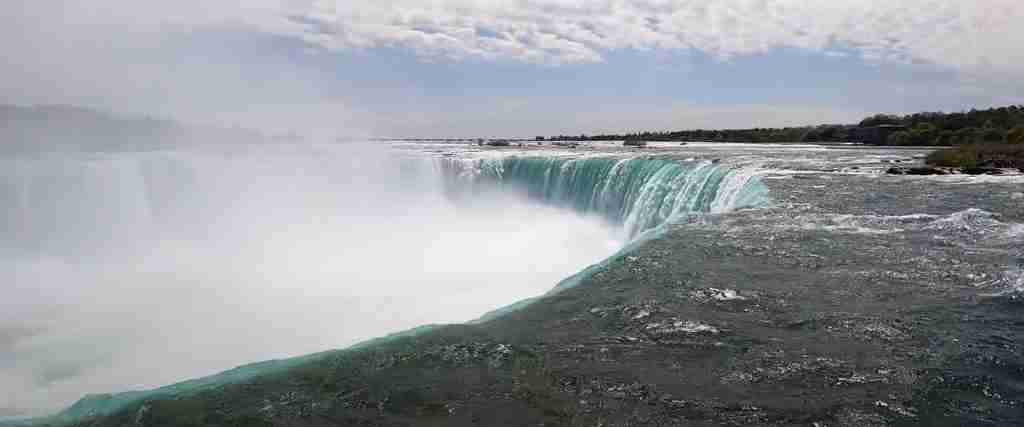
3 days
Niagara Falls 3-Day Discovery Tour
- ✓ Comprehensive Niagara Falls experience
- ✓ Expert local guides included
- ✓ All accommodation included
- ✓ Transportation provided
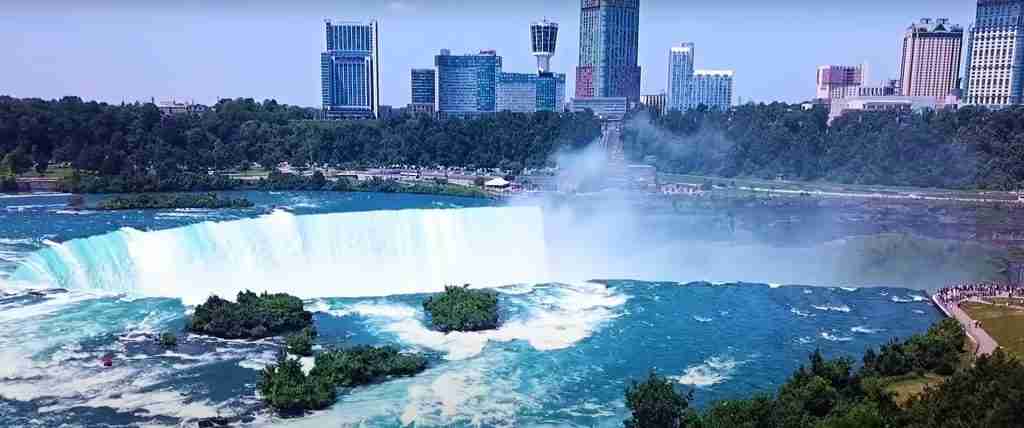
5 days
Niagara Falls 5-Day Highlights Experience
- ✓ Comprehensive Niagara Falls experience
- ✓ Expert local guides included
- ✓ All accommodation included
- ✓ Transportation provided
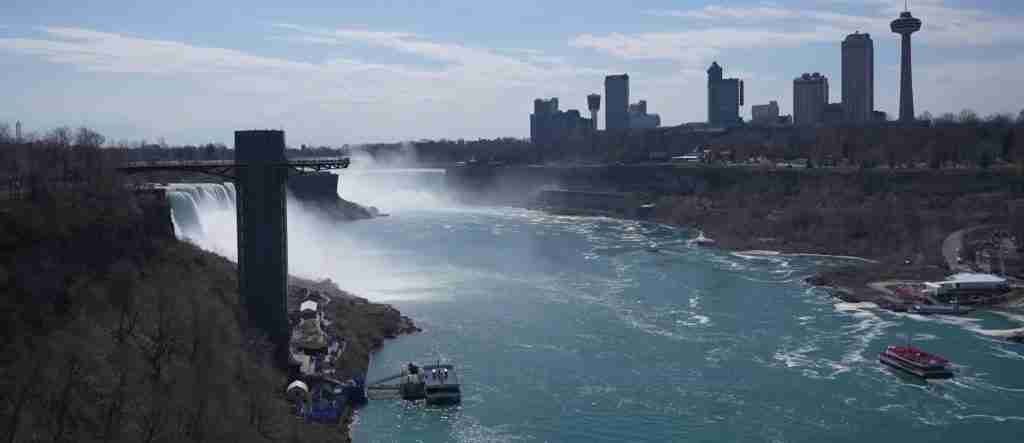
7 days
Niagara Falls 7-Day Cultural Journey
- ✓ Comprehensive Niagara Falls experience
- ✓ Expert local guides included
- ✓ All accommodation included
- ✓ Transportation provided
10 days
Niagara Falls 10-Day Complete Adventure
- ✓ Comprehensive Niagara Falls experience
- ✓ Expert local guides included
- ✓ All accommodation included
- ✓ Transportation provided
Multi-day tour packages powered by TourRadar. Prices and availability subject to change.
Introduction: Planning Your Complete Niagara Falls 3-Day Experience 2026
Niagara Falls rewards extended visits with experiences impossible to compress into day trips — the thundering approach of Maid of the Mist boats toward Horseshoe Falls’ base, the tropical storm conditions on Cave of the Winds’ Hurricane Deck mere feet from Bridal Veil Falls’ cascade, the illuminated evening transformation visible from Canadian viewing platforms, and the contrast between American wilderness paths and Canadian urban entertainment. Three days provides time to experience these signature moments without hurrying between attractions, allows weather flexibility when mist obscures views or rain pauses operations, and creates space for discoveries beyond the primary sites.
This complete 3-day itinerary balances must-see attractions with lesser-known viewpoints, accounts for crowd patterns that shift by hour and location, and incorporates both natural wonder viewing and regional experiences including wine country visits and historic Niagara-on-the-Lake exploration. The guide addresses practical planning elements that determine visit quality — optimal attraction sequencing to avoid lines, accommodation location trade-offs between American convenience and Canadian evening access, meal timing around attraction schedules, and budget allocation across the wide range of experience price points.
Niagara Falls straddles the US-Canada border with the American Falls and Bridal Veil Falls located entirely in New York State, while the massive Horseshoe Falls marks the international boundary with most of its 2,600-foot width curving into Ontario. This dual-nation geography creates distinct viewing experiences: American side offers closer walkway access to waterfall bases and extensive state park trails, while Canadian side provides the classic panoramic views that appear in postcards. Three days allows comprehensive exploration of both perspectives rather than choosing between them.
The 3-day structure accommodates different visit styles — families prioritizing daytime attractions with evening hotel pool time, couples seeking romantic Fallsview dining and illumination viewing, photographers working different light conditions and vantage points throughout the day, and active travelers combining falls viewing with hiking, biking, or wine touring. Each day of the itinerary includes a primary structure while noting alternatives for different interests and pace preferences.
Success with this itinerary depends on several planning decisions made before arrival: securing accommodation in strategic locations that reduce daily transit, understanding attraction operating seasons and purchasing timed tickets where required, bringing passport documentation for border crossings, and budgeting realistically for the range of experiences from free viewpoints to premium helicopter tours. The following sections guide each of these decisions with current 2026 information and specific recommendations.
Understanding Niagara Falls Geography and Cross-Border Access 2026
Niagara Falls consists of three separate waterfalls spanning the US-Canada border along the Niagara River connecting Lake Erie to Lake Ontario. The American Falls measures 1,060 feet wide with a 70-foot plunge over Niagara Gorge’s edge on US territory. Bridal Veil Falls, separated from American Falls by narrow Luna Island, drops 1,060 feet but spans only 56 feet wide, making it the smallest of the three. Horseshoe Falls dominates the system with its 2,600-foot-wide crescent curve and 188-foot drop, with approximately 90% of its width lying in Canada. Together these three waterfalls channel 750,000 gallons per second during peak daytime flow, with nighttime and winter flow reduced to 50,000 gallons per second when hydroelectric diversion increases.
The American side features Niagara Falls State Park, America’s oldest state park established 1885, encompassing 400 acres of pathways, observation platforms, and natural areas surrounding American Falls and Bridal Veil Falls. Goat Island sits between the American Falls and Horseshoe Falls, accessible via bridges from mainland New York, providing the closest walking access to Horseshoe Falls’ brink on US territory. Three Sisters Islands extend from Goat Island’s eastern edge with small platforms offering intimate river views upstream from the falls.
The Canadian side developed as an urban tourist district with Fallsview Boulevard high-rise hotels, Clifton Hill entertainment strip, and continuous riverside paths from Dufferin Islands north through Queen Victoria Park to the Whirlpool. Queen Victoria Park runs 3 miles along the Niagara River gorge with manicured gardens, observation platforms every 200-300 yards, and the iconic Table Rock Welcome Centre positioned directly opposite Horseshoe Falls’ curve.
Rainbow Bridge Border Crossing Requirements 2026
Rainbow Bridge connects downtown Niagara Falls USA to downtown Niagara Falls Canada with pedestrian walkway and vehicle lanes operating 24 hours daily. All crossings require valid passport or approved travel documents (NEXUS cards, Enhanced Driver’s Licenses for US citizens, passport cards for land crossings). Children under 16 crossing with parents may use birth certificates, but passport books remain recommended to avoid border official discretion issues. Permanent residents require green cards; visitors from third countries need appropriate visas for both US and Canada.
Pedestrian crossing: Access walkway from Niagara Falls USA at First Street and Niagara Street, or from Canadian side at Bridge Street. The crossing spans 1,450 feet (about 10-12 minutes walking) with vehicle traffic noise and wind exposure. Pedestrians pay $1 USD or CAD coin only (no bills accepted) in turnstiles — have exact change ready. Return crossing collects no additional fee. Border processing averages 5-15 minutes weekdays, 20-40 minutes summer weekends during peak 11:00 AM-4:00 PM periods.
Vehicle crossing: Follow signs from either country toward “Rainbow Bridge” or “International Border Crossing.” Tolls paid only when departing USA toward Canada: $5 USD or CAD (E-ZPass not accepted on international bridges). Booths accept cash or credit cards. Standard border crossing questions cover citizenship, residence, trip purpose, bringing goods or food, and carrying over $10,000 currency. Vehicle inspection occurs randomly based on traveler responses. Weekend summer waits reach 45-75 minutes between 12:00-6:00 PM; weekday mornings typically clear in 15-25 minutes.
For 3-day visitors, cross once or twice total rather than daily back-and-forth — complete all American side attractions in one consolidated visit, then base remaining time on Canadian side. This reduces border wait time and eliminates toll/parking fee repetition.
Day 1 Itinerary: American Side Attractions and Canadian Evening Views 2026
Day 1 focuses on American side signature experiences during optimal morning crowd windows, then crosses to Canadian side for afternoon attractions and evening illumination. This sequence capitalizes on Maid of the Mist’s early departures and Cave of the Winds’ timed ticketing while saving Canadian side’s best evening viewing for after dinner.
Morning: Maid of the Mist Boat Tour (8:45 AM – 11:00 AM)
Arrive Niagara Falls State Park Parking Lot #1 (333 Prospect Street) by 8:45 AM. All-day parking costs $10 paid at automated kiosks accepting credit cards. Walk 4 minutes downhill to Prospect Point where Maid of the Mist ticket booths open at 8:45 AM (seasonal operations typically begin late April, verify exact opening date on official website). Purchase tickets at the booth: adults $30, children ages 6-12 $20, children 5 and under free. These prices include observation deck access. Check official website for current rates as seasonal pricing may vary.
Boats depart every 15 minutes starting 9:00 AM. Morning departures (9:00-10:30 AM) encounter smallest crowds — afternoon wait times extend 45-60 minutes during July-August weekends. First departure fills quickly with overnight visitors; the 9:15-9:45 AM window provides balance between early access and avoiding the first-boat rush.
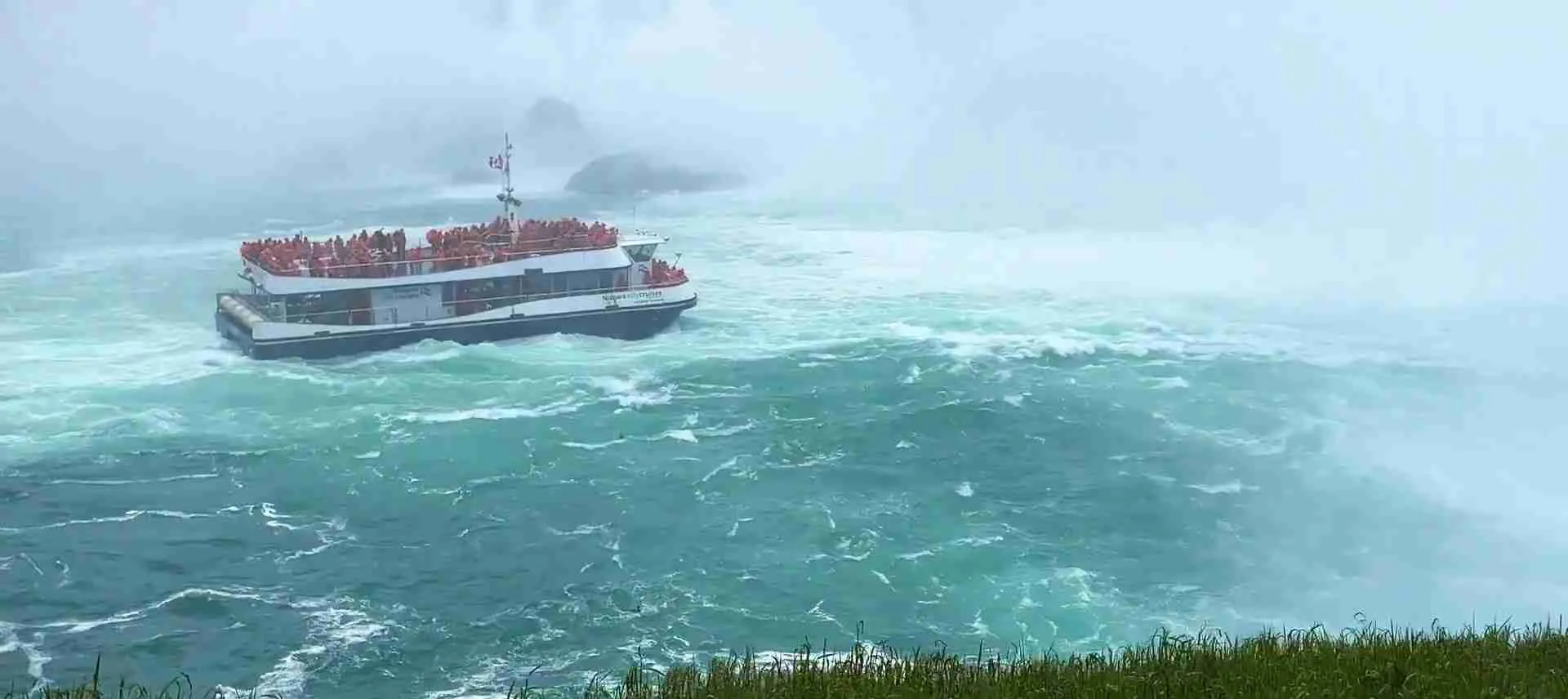
The 20-minute boat tour begins with elevator descent from Prospect Point to river level. All passengers receive complimentary blue recyclable rain ponchos. Board the all-electric Maid of the Mist on first-come basis (no assigned seats). Position yourself along the front or side railings for unobstructed views — center sections fill with passengers avoiding water spray. The boat motors into the Niagara River current, passing American Falls’ base where mist density remains moderate and photography succeeds with waterproof phone protection.
The journey continues toward Horseshoe Falls, entering the massive curved basin where 600,000 gallons per second crash over the 188-foot precipice. At maximum approach approximately 150 feet from the falls’ plunge pool, wind gusts, thundering roar, and dense mist create disorienting conditions — expect to get wet despite ponchos. This closest approach lasts 2-3 minutes before the boat retreats and returns to dock. Visibility varies daily based on wind direction; westerly winds blow mist away from boats while easterly winds intensify soaking.
After disembarking, walk the observation deck extending over Niagara Gorge (included with boat ticket). This elevated platform provides clear views of all three waterfalls without obstruction, ideal for photography missed during the mist-heavy boat approach. Spend 15-20 minutes photographing from multiple angles before exiting.
Late Morning: Cave of the Winds Hurricane Deck (11:00 AM – 12:30 PM)
Walk or take Niagara Scenic Trolley from Prospect Point to Goat Island (trolley operates 9:00 AM-7:00 PM on 15-minute loops, $3 all-day pass). On Goat Island, follow signs to Cave of the Winds ticket plaza. This timed-ticket attraction requires purchasing entry upon arrival — tickets cannot be bought in advance. Line forms by 10:30 AM summer weekends; arrive 11:00 AM for reasonable wait. Tickets cost $21 adults, $17 children ages 6-12 (check official website for current rates). Winter pricing drops to $14 adults, $10 children when Hurricane Deck remains closed November-April.
First experience The World Changed Here Pavilion, an indoor multimedia exhibit covering Nikola Tesla’s hydroelectric innovations and Niagara Falls history. The 8-minute film and interactive displays occupy the queue time while waiting for your timed entry. You’ll receive yellow souvenir rain ponchos; bring water-resistant footwear or accept getting shoes soaked (disposable sandals previously provided were discontinued in 2024 as environmental measure).
Elevator descends 175 feet into Niagara Gorge. Exit at bottom and follow wooden walkways along the gorge wall approaching Bridal Veil Falls. The path progresses through increasing mist density before reaching the Hurricane Deck — a platform positioned 20 feet from Bridal Veil Falls’ 1,060-foot-wide curtain. Tropical storm conditions prevail: 40-60 mph wind gusts, dense mist reducing visibility to 10-15 feet, and constant spray soaking all exposed surfaces. Even under rain ponchos, clothing gets wet.
Spend 5-10 minutes on the Hurricane Deck for the full sensory experience, then retreat to lower platforms 150 feet back where visibility improves and families with young children can view without intense conditions. Rainbows frequently arc through the mist during sunny conditions. Total Cave of the Winds experience requires 45-75 minutes including wait, pavilion, walkway exploration, and Hurricane Deck time.
Lunch and Afternoon: Goat Island Exploration (12:30 PM – 3:00 PM)
Several lunch options exist on or near Goat Island. Top of the Falls Restaurant (Goat Island) offers table service with large windows facing Upper Rapids above Horseshoe Falls — expect $15-28 entrees and 30-45 minute waits during peak lunch hours without reservations. Alternatively, bring packed lunch to enjoy at Goat Island picnic areas with falls views, or grab quick service at Niagara Falls State Park concession stands ($8-14 for sandwiches, pizza slices, or burgers).
After lunch, walk Goat Island’s perimeter trails accessing views impossible from mainland viewpoints. Terrapin Point provides the closest US ground access to Horseshoe Falls’ brink — a platform extending over the cliff edge where Upper Rapids accelerate toward the plunge. Looking right, the massive Horseshoe curve’s full scale becomes apparent; looking left, American Falls appears across the river channel. Spend 20-30 minutes photographing from different angles as afternoon light illuminates the Canadian side.
Continue to Three Sisters Islands via wooden bridges from Goat Island’s eastern edge. Three small interconnected islands sit upstream from the falls with intimate river viewing from platforms surrounded by current. These quieter locations see fewer visitors than main viewpoints and offer unique perspectives of rapids approaching the precipice. Budget 30-45 minutes exploring all three islands and photographing.
Return to mainland Niagara Falls State Park and walk Prospect Point area observation decks. Luna Island, accessible via pedestrian bridge between American Falls and Bridal Veil Falls, provides narrow platform views directly between the two cataracts — a dramatic position impossible from any other vantage point. Prospect Point Observation Tower (admission included with Maid of the Mist tickets, or available separately for $1) elevates views over American Falls’ full width.
Late Afternoon: Border Crossing to Canadian Side (3:00 PM – 4:00 PM)
Drive or walk to Rainbow Bridge for Canadian entry. Vehicle crossing from US parking requires driving back to downtown Niagara Falls USA streets, following signs toward “Rainbow Bridge/Canada Border” on Rainbow Boulevard. Pay $5 toll before entering bridge (cash or credit card). Expect 15-45 minute wait at border depending on hour and day. Pedestrian crossing from Niagara Falls State Park requires walking north along Niagara Street to First Street (about 15-minute walk), then crossing bridge.
After clearing Canadian customs, proceed directly to your Canadian hotel to check in and drop luggage. If walking, hotels on Fallsview Boulevard lie 10-12 minutes from border crossing exit. If driving, navigate to hotel parking (most Canadian hotels charge CAD $25-50 daily parking).
Early Evening: Journey Behind the Falls and Table Rock (4:30 PM – 6:30 PM)
Walk from Fallsview Boulevard hotels to Table Rock Welcome Centre (5-8 minutes). Journey Behind the Falls entrance occupies the ground level. Tickets cost CAD $28 adults, CAD $19 children ages 3-12. Purchase tickets and descend via elevator to tunnels carved 150 feet into bedrock behind Horseshoe Falls. Two observation portals cut through the rock face positioning visitors directly behind the 13-story water curtain — though visibility remains limited to rock wall and water sheet, the thundering vibration and proximity create visceral impact. Outdoor observation platforms place you at the base of Horseshoe Falls feeling the power and spray. Total experience requires 45-60 minutes.
After exiting Journey Behind the Falls, walk Table Rock plaza directly opposite Horseshoe Falls’ curve. This panoramic viewing position provides the classic Canadian perspective with full width of Horseshoe Falls visible plus American Falls and Bridal Veil Falls in the distance. Late afternoon/early evening light (4:30-6:30 PM May-September) illuminates the American side while keeping Canadian side in shadow, enhancing contrast. Table Rock plaza includes multiple observation decks at different levels, gift shops, restaurants, and the White Water Walk access (covered Day 2). Spend 30-45 minutes photographing from various platforms before dinner.
Dinner and Evening: Fallsview Dining and Illumination Show (6:30 PM – 9:30 PM)
Fallsview Boulevard features numerous restaurants with Horseshoe Falls views. Reservations strongly recommended for window seating at higher-end establishments. Options span budget to luxury: Fallsview Buffet at Sheraton on the Falls ($35-45 per person, casual, accepts walk-ins), Massimo’s Italian Fallsview Restaurant ($28-48 entrees, reservation recommended), Skylon Tower Revolving Dining Room ($45-75 entrees, must reserve for sunset times). Several Clifton Hill restaurants offer moderate pricing without falls views ($15-30 entrees). Budget travelers find fast food options on Victoria Avenue ($8-15) or prepare meals in hotel rooms equipped with microwaves.
After dinner, return to Queen Victoria Park viewing areas (directly below Fallsview Boulevard hotels, accessible via paths and staircases) for the nightly Illumination Show. Year-round after dusk, 21 xenon spotlights stationed on both sides of Niagara Gorge illuminate Horseshoe Falls in rotating colors — blues, purples, greens, reds — changing every 2-3 minutes. Winter illumination begins 5:00-6:00 PM; summer begins 9:00-10:00 PM following sunset. The show continues for several hours, allowing flexible viewing times.
Optimal viewing from Queen Victoria Park pathways directly opposite Horseshoe Falls near Table Rock, where the colored lights fully saturate the falls’ width. Viewing platforms become crowded 30 minutes after illumination begins; arrive at sunset for positioning. Illumination changes the falls’ character entirely — the daytime white water transforms into vivid colored curtains against the black sky, with mist glowing in matching hues.
Friday and Sunday nights during summer (late June through early September) add fireworks displays launched from Canadian side at approximately 10:00 PM. The 10-minute pyrotechnic show coordinates with falls illumination, with fireworks reflecting in the river and silhouetted against water curtains. Check official Niagara Parks website for current fireworks schedule as dates vary by year.
Day 1 Cost Summary Per Person (Two Sharing Hotel Accommodation)
Hotel accommodation $70-140 per person (two sharing mid-range room $140-280 nightly), breakfast $12-20, Maid of the Mist ticket $30, lunch $15-25, Cave of the Winds ticket $21, dinner $25-45, Journey Behind the Falls ticket CAD $28 (approximately $20 USD), parking or transportation $10-15, incidentals and snacks $10-20. Total Day 1: approximately $213-336 per person daily.
Day 2 Itinerary: Canadian Attractions and Clifton Hill Entertainment 2026
Day 2 explores Canadian side attractions, scenic parkway, and evening entertainment district. This day features less intensive physical activity than Day 1’s boat tours and walkways, suitable for recovery time while still covering major Canadian experiences.
Morning: Niagara Parkway and Whirlpool Aerocar (9:00 AM – 12:00 PM)
Start with breakfast at hotel or nearby cafe (many Canadian hotels include breakfast buffets; standalone breakfast at Fallsview restaurants runs CAD $15-25). After breakfast, drive or take WEGO bus system (CAD $10 all-day pass covering all routes, buses depart Fallsview Boulevard every 20-30 minutes) northbound on Niagara Parkway toward Whirlpool Aerocar, located 3 miles north of Horseshoe Falls.
Niagara Parkway — designated one of the world’s most scenic drives — follows Niagara River gorge through Queen Victoria Park, past Niagara Glen Nature Reserve, to Queenston Heights. The road offers continuous river views with frequent pullouts for photography. Allow 10-15 minute drive or 25-30 minute bus ride to Whirlpool Aerocar.
Whirlpool Aerocar operates as antique cable car spanning Niagara Whirlpool, where the river makes a 90-degree turn creating circular current. The aerocar, operating since 1916, carries passengers 3,500 feet across the whirlpool 200 feet above water. Tickets cost CAD $18 adults, CAD $11 children. The 10-minute ride provides aerial views of the whirlpool’s swirling vortex and downstream gorge. Operates late April through October; closed winter months. Morning visits (9:00-11:00 AM) encounter lighter crowds than afternoon.
After the Aerocar, consider the White Water Walk (same location), where boardwalks descend to river level beside Class VI rapids downstream from the falls. Admission CAD $18 adults, CAD $11 children. The walk extends along the gorge base with spectacular views of churning whitewater and geology. Requires 30-45 minutes total.
Alternative: Niagara Glen Nature Reserve (located between Whirlpool and Queenston, free admission) features hiking trails descending 200 feet into the gorge via stone staircases. Marked trails of varying difficulty explore gorge floor with river access, boulder fields, and forest. Moderate trails require 1.5-2 hours; challenging routes take 2.5-3 hours. Bring sturdy footwear and water. This option suits active travelers seeking nature immersion beyond tourist attractions.
Midday: Niagara-on-the-Lake or Butterfly Conservatory (12:00 PM – 3:00 PM)
Two distinct options for midday exploration. Choose based on interests:
Option A: Niagara-on-the-Lake Historic Town
Continue north on Niagara Parkway 9 miles to Niagara-on-the-Lake (20-minute drive, WEGO bus also services this route with 35-40 minute travel time). This preserved 19th-century town features Victorian architecture, boutique shopping along Queen Street, afternoon tea venues, and Shaw Festival Theatre. Many visitors combine Niagara-on-the-Lake with winery visits — the town sits in the heart of Niagara wine region with dozens of wineries within 10-minute drive.
Park at municipal lots on King Street or Queen Street (CAD $2-3 hourly). Walk Queen Street browsing shops, galleries, and cafes. Lunch options range from casual cafes ($12-20) to upscale bistros ($25-40). Budget 2-3 hours for town exploration. Add winery visits (most charge CAD $15-25 tasting fees for 4-6 wines) if time permits, though comprehensive wine touring requires a dedicated half-day or full day beyond this itinerary’s scope.
Return to Fallsview area by 3:00 PM for afternoon attractions.
Option B: Butterfly Conservatory
Located on Niagara Parkway 4 miles north of Horseshoe Falls, Butterfly Conservatory houses 2,000 free-flying tropical butterflies in climate-controlled rainforest environment. Admission CAD $19 adults, CAD $13 children. Pathways wind through lush gardens where butterflies land on visitors; staff provide information on species and lifecycle. The conservatory maintains comfortable temperature and humidity year-round, offering pleasant refuge during hot summer days or cold winter visits. Requires 60-90 minutes including gardens. Adjacent Niagara Parks Botanical Gardens (free admission) showcase 99 acres of cultivated gardens worth 30-45 minutes exploration.
Both options include lunch on-location with spending approximately $15-30 per person.
Afternoon: Clifton Hill and Fallsview Casino (3:00 PM – 6:00 PM)
Return to Fallsview area and walk to Clifton Hill, Niagara Falls Canada’s entertainment district. This colorful street lined with neon signs, haunted houses, wax museums, arcades, mini-golf courses, and chain restaurants creates carnival atmosphere. While some visitors find it tacky, families with children and groups seeking evening entertainment appreciate the concentration of activities.
Clifton Hill attractions operate on individual admission or multi-attraction passes. Single attractions cost CAD $10-20 each. Popular options: Niagara SkyWheel (CAD $18, 175-foot Ferris wheel with enclosed gondolas providing 8-12 minute rides with falls views), Ripley’s Believe It or Not Museum (CAD $20), various haunted houses (CAD $12-16), arcade complexes (pay-per-game or unlimited play passes). Most visitors select 1-3 attractions rather than attempting everything.
Alternatively, spend afternoon at Fallsview Casino (5-minute walk from Clifton Hill), offering 3,000 slot machines and 130 gaming tables. Casino entry free (must be 19+ in Ontario); minimum bets vary by table. Casino includes multiple restaurants, bars, and entertainment venues. Non-gamblers can window-shop or enjoy casino restaurants without playing.
Budget 2-3 hours on Clifton Hill or casino based on interest level. Some visitors skip this section entirely in favor of additional park time, spa treatments at hotels, or resting before dinner.
Evening: Fallsview Dinner and Night Walk (6:00 PM – 9:00 PM)
Select different restaurant from Day 1 to experience range of Fallsview dining. Upscale options include Windows by Jamie Kennedy at Hilton ($35-60 entrees, reservation required), Elements on the Falls at Sheraton ($28-45 entrees with dramatic waterfall-adjacent positioning requiring reservations), or AG Inspired Cuisine at Sterling Inn ($32-55 entrees). Mid-range choices offer quality without reservation stress: Casa Mia Ristorante on Victoria Avenue ($18-32), Copacabana Brazilian Steakhouse on Falls Avenue ($40-50 prix fixe all-you-can-eat rodizio), or Weinkeller on Niagara Parkway ($25-42).
After dinner, take evening walk along Queen Victoria Park illuminated pathways. Unlike Day 1’s post-sunset illumination viewing, this evening walk explores the park’s length from Horseshoe Falls south past American Falls to Dufferin Islands (approximately 1.5 miles one way). The pathways remain lit and safe for evening strolling; watch illuminated falls from multiple angles while walking rather than stationary viewing. This activity costs nothing, provides exercise, and reveals different perspectives of the nighttime falls transformation.
Return to hotel by 9:30-10:00 PM. Friday or Sunday visits: position yourself along Queen Victoria Park pathways by 9:45 PM for 10:00 PM fireworks if scheduled.
Day 2 Cost Summary Per Person (Two Sharing Hotel Accommodation)
Hotel accommodation $70-140 per person (two sharing mid-range room $140-280 nightly), breakfast $12-20, Whirlpool Aerocar CAD $18 (approximately $13 USD), lunch $15-30, Clifton Hill attractions or casino spending $20-50, dinner $30-55, transportation or parking $10-15, snacks and incidentals $10-15. Total Day 2: approximately $180-338 per person daily.
Day 3 Itinerary: Wine Country Morning and Departure Flexibility 2026
Day 3 offers flexible timing based on departure schedule. The itinerary accommodates morning wine region exploration followed by final falls viewing, or alternatively uses morning for revisiting favorite viewpoints before checkout and departure.
Morning: Niagara Wine Region Exploration (9:00 AM – 12:00 PM) – Optional
Niagara Peninsula between Lake Ontario and Niagara Escarpment produces Canada’s premier Vitis vinifera wines, particularly ice wine from frozen-harvest grapes. Dozens of wineries cluster around Niagara-on-the-Lake and Niagara-on-the-Lake Twenty Valley. This morning overview provides introduction without commitment to full-day wine tours.
Drive or arrange taxi/Uber from Fallsview area to Niagara-on-the-Lake wine route (20-25 minute drive). Visit 2-3 wineries for tastings. Well-known estates: Peller Estates (tasting fees CAD $15-35 depending on flight selection), Inniskillin Wines (ice wine specialists, CAD $15-25 tastings), Jackson-Triggs (CAD $12-20 tastings), Trius Winery (CAD $18-30 tastings with restaurant option). Most wineries open 10:00 AM or 11:00 AM; verify hours before visiting. Tastings typically include 4-6 wines with guide explaining varietals and production. Budget 45-60 minutes per winery including tasting and grounds exploration.
Designate a non-drinking driver or arrange paid transportation. Several tour companies offer half-day wine tours (CAD $80-120 per person including transportation and 3-4 winery visits). This removes driving concerns and often includes lunch.
Return to Fallsview area by noon for checkout and final activities. Alternative: Skip wine touring and use morning for hotel pool, spa treatments, sleeping late, or revisiting favorite Day 1-2 locations.
Late Morning: Hotel Checkout and American Side Return (12:00 PM – 2:00 PM)
Check out of Canadian hotel by 11:00 AM or noon depending on property policy. Secure luggage in vehicle or request hotel luggage storage if continuing sightseeing post-checkout. Walk or drive to Rainbow Bridge for return to American side.
Re-entering USA requires passport presentation and standard border questions. US Customs processing typically faster than Canadian entry, averaging 10-20 minutes. No toll collected when crossing from Canada to USA. Pedestrian bridge walk takes 10-12 minutes; have exact $1 coin ready for turnstile (collected only when leaving Canada to USA, though return crossing collected Day 1).
Afternoon: American Side Free Viewpoints and Final Attractions (2:00 PM – 5:00 PM)
Use remaining time for attractions missed Day 1 or relaxed viewing without itinerary pressure. All Niagara Falls State Park viewpoints carry free admission — no tickets required for walking trails, observation platforms, or Goat Island access. Only specific attractions (Maid of the Mist, Cave of the Winds) charge admission.
Recommended afternoon activities:
Gorge Discovery Center and Niagara Gorge Trail (located 1 mile north of main falls area): Museum explaining geological formation of Niagara Gorge, with trails descending to riverbank. Admission $6 adults, $3 children ages 6-12. The Gorge Rim Trail extends 3 miles along cliff edge with spectacular gorge and whirlpool views. Hiking requires 1-2 hours for partial trail, 2.5-3 hours for complete length. Free access to trails; museum admission optional.
Aquarium of Niagara (701 Whirlpool Street, 10-minute drive from state park): Regional aquarium featuring Great Lakes species, penguins, sea lions, and shark feeding demonstrations. Admission $17 adults, $12 children ages 3-12. Requires 60-90 minutes. Particularly suitable for families with children or rainy-day alternatives.
Prospect Point and Terrapin Point repeat visits: Return to Day 1’s primary viewpoints for photography in different afternoon light conditions. Late afternoon (3:00-5:00 PM) provides different angle of sunlight, potentially creating rainbows in mist from locations where morning viewing showed none. These locations remain accessible without additional admission fees.
American Falls viewing from Prospect Point Overlook: Walk the paved path along American Falls’ edge from Prospect Point north to former schooner wreck lodged on rocks above falls. Interpretive plaques explain history of preservation efforts, daredevil stunts, and ecology. Flat accessible path suitable for all mobility levels. Requires 30-45 minutes for full length with interpretive reading.
Depart Niagara Falls by 5:00-6:00 PM to avoid dinner-hour traffic on major highways. Buffalo airport lies 30 minutes via I-190; Toronto airport requires 1.5-2 hours via QEW. Earlier departure recommended if facing tight flight schedules.
Day 3 Cost Summary Per Person (Two Sharing Hotel Accommodation)
Hotel accommodation included in previous night’s calculation (check-out day), breakfast $12-18, wine tasting fees (if visiting wineries) CAD $30-50 ($22-37 USD) or skip for free viewing alternatives, lunch $12-25, optional afternoon attractions $0-17, parking $10, incidentals $5-15. Total Day 3: approximately $39-122 per person daily excluding overnight accommodation already paid Day 2. Minimum represents free viewing alternatives without wine tasting or paid attractions; maximum includes wine tasting and afternoon attractions.
Complete 3-Day Budget Breakdown 2026
Total three-day Niagara Falls visit costs calculated as per person expenses assuming two people sharing hotel accommodation throughout the trip.
Accommodation Costs 2026 (Per Person, Two Sharing Rooms)
Hotels in Niagara Falls area span wide price range based on location, season, and amenities. The costs below reflect per-person rates when two people share one room, calculated by dividing room rates by two.
Budget accommodations: American side economy motels ($90-140 room rate nightly) equal $45-70 per person. Canadian side budget hotels ($100-160 room rate) equal $50-80 per person. Budget three-night total: $135-240 per person for entire stay.
Mid-range accommodations: American side mid-range hotels ($140-220 room rate) equal $70-110 per person nightly. Canadian Fallsview Boulevard hotels ($160-280 room rate) equal $80-140 per person nightly. Mixed stay (one night American, two nights Canadian) averages $75-125 per person nightly. Mid-range three-night total: $225-375 per person for entire stay.
Luxury accommodations: Canadian Fallsview premium properties with falls views ($280-400+ room rates) equal $140-200+ per person nightly. American side luxury options limited but available ($200-280 room rates) equal $100-140 per person nightly. Luxury three-night total: $300-600 per person for entire stay.
Seasonal variation: Summer peak (July-August) and holiday weekends push rates 50-80% above shoulder season. Spring (May-June) and fall (September-October) offer optimal balance between operational attractions and moderate pricing 30-40% below summer rates. Winter (November-April) provides lowest rates (40-60% below summer) but reduced attraction operations.
Attraction Ticket Costs 2026
Essential attractions for comprehensive 3-day visit. All prices USD unless specified CAD:
- Maid of the Mist: $30 adults, $20 children (Day 1)
- Cave of the Winds: $21 adults, $17 children (Day 1)
- Journey Behind the Falls: CAD $28 adults ($20 USD), CAD $19 children ($14 USD) (Day 1)
- Whirlpool Aerocar: CAD $18 adults ($13 USD), CAD $11 children ($8 USD) (Day 2)
- Butterfly Conservatory or Clifton Hill attractions: CAD $18-40 ($13-29 USD) (Day 2)
- Optional wine tastings: CAD $30-50 ($22-37 USD) (Day 3)
- Optional additional attractions: $0-30 (Day 3)
Three-day attraction minimum (core experiences only): $84 per person. Three-day attraction maximum (all experiences plus optional activities): $157 per person. This excludes additional Clifton Hill entertainment, casino spending, or extended wine touring beyond basic tastings.
Meal Costs 2026
Per person daily meal expenses based on dining style. Budget tier uses fast-food breakfast, packed or quick-service lunch, and casual sit-down dinner. Mid-range tier uses hotel breakfast or cafe, mid-range restaurant lunch, and quality restaurant dinner. Luxury tier adds upscale dining, appetizers, wine, and dessert courses.
Budget meals per day: Breakfast $8-12 (fast-food or grocery items prepared in hotel), lunch $10-15 (sandwiches, pizza, quick-service), dinner $18-28 (casual restaurants, chain establishments). Budget daily total: $36-55 meals per person.
Mid-range meals per day: Breakfast $12-22 (hotel buffet or cafe), lunch $20-35 (sit-down restaurants), dinner $33-50 (quality establishments without falls views, moderate beverage spending). Mid-range daily total: $65-107 meals per person.
Luxury meals per day: Breakfast $18-30 (upscale brunch), lunch $30-50 (fine dining), dinner $60-100+ (Fallsview restaurants with wine pairings, appetizers, desserts). Luxury daily total: $108-180 meals per person.
Three-day meal totals: Budget $108-165, Mid-range $195-321, Luxury $324-540 per person for all meals across full visit.
Transportation and Parking 2026
Transportation costs depend on single-vehicle access versus flying into Buffalo or Toronto airports and requiring local transportation.
Personal vehicle: American side parking $10 daily at state park lots. Canadian side hotel parking CAD $25-50 ($18-37 USD) daily. Gas negligible for local driving. Three-day total with mixed parking: $46-91 per vehicle (divide by occupants for per-person costs).
WEGO bus system (Canadian side): CAD $10 all-day pass covering all Niagara Parks routes. Two days of Canadian touring require two passes: CAD $20 ($15 USD) per person. American side Niagara Scenic Trolley: $3 all-day pass. Three-day public transit total: approximately $20 per person.
Rental car: Compact car $40-65 daily from Buffalo or Toronto airports. Three-day rental $120-195 plus gas $15-25. Parking as above. Three-day rental total: $181-311 per vehicle (divide by occupants).
Taxi/Uber: Buffalo airport to Niagara Falls $75-95 one-way. Toronto airport to Niagara Falls CAD $140-180 (USD $105-135) one-way. Local trips (hotel to attractions) $10-20 per ride. Round-trip airport transfers plus local trips total approximately $200-300 per person across three days.
Complete 3-Day Trip Cost Totals Per Person 2026
Total costs combining accommodation (per person for two sharing rooms), attractions, meals, and transportation. These represent comprehensive 3-day visit expenses.
Budget traveler: Accommodation $135-240 (three nights), attractions $84-110, meals $108-165, transportation $23-46 (personal vehicle with parking divided by two occupants). Budget total: approximately $350-560 per person for complete three-day visit.
Mid-range traveler: Accommodation $225-375 (three nights), attractions $110-140, meals $195-321, transportation $46-91 (vehicle parking) or $60 (WEGO/trolley passes). Mid-range total: approximately $575-925 per person for complete three-day visit.
Luxury traveler: Accommodation $300-600 (three nights), attractions $140-175 (includes premium experiences and wine touring), meals $324-540, transportation $91-155 (hotel parking and occasional taxi). Luxury total: approximately $855-1,470 per person for complete three-day visit.
These totals exclude souvenirs, optional activities beyond itinerary (helicopter tours $145-200 per person, jet boat rides $75-95, extended wine tours $90-150), spa treatments, casino gambling, or shopping. Final verified totals for practical budgeting: Budget $350-560, Mid-range $575-925, Luxury $855-1,470 per person for complete three-day Niagara Falls visit.
Accommodation Recommendations by Location and Budget 2026
American Side Hotels (New York)
American side accommodation advantages: lower rates than Canadian equivalents, free parking typically included, closer to Maid of the Mist and Cave of the Winds requiring no morning commute, and proximity to Buffalo airport (30 minutes). Disadvantages: limited evening dining and entertainment within walking distance, fewer upscale options, and no direct falls views from most properties.
Budget American side ($90-140 per night): Red Roof Inn Niagara Falls (7001 Buffalo Avenue) offers basic clean rooms 2 miles from state park with free parking and pet-friendly policy. Motel 6 Niagara Falls (8296 Niagara Falls Boulevard) provides economy lodging 3 miles from attractions. Quality Inn Buffalo Airport (4630 Genesee Street) positions travelers between Buffalo airport and falls with complimentary breakfast. These properties require driving to attractions but offer significant savings versus Canadian hotels.
Mid-range American side ($140-220 per night): Hampton Inn Niagara Falls (501 Rainbow Boulevard) provides modern rooms 0.3 miles walk from state park entrance, included breakfast buffet, indoor pool, and free parking. Comfort Inn The Pointe (1 Prospect Pointe) occupies prime location immediately adjacent to Prospect Point with 5-minute walk to Maid of the Mist. Courtyard Marriott Niagara Falls (310 4th Street) balances quality amenities with reasonable rates, positioned 10-minute walk from attractions. These hotels combine convenience with value.
Upscale American side ($200-280 per night): The Giacomo (222 1st Street) offers boutique experience with spacious suites, full kitchens, and Jacuzzi tubs in select rooms, located 6-minute walk from state park. Seneca Niagara Resort and Casino (310 4th Street) provides full-service resort with spa, multiple restaurants, entertainment venues, and connecting casino access. Limited luxury options exist American side compared to Canadian Fallsview district.
Canadian Side Hotels (Ontario)
Canadian side accommodation advantages: direct Horseshoe Falls views from upper floors of Fallsview hotels, walking access to illumination viewing and evening entertainment, superior dining concentration, and modern amenities. Disadvantages: higher rates than American equivalents, daily parking fees CAD $25-50, and 25-30 minute drive to American side attractions.
Budget Canadian side ($100-160 per night): Rodeway Inn Fallsview (5577 Ellen Avenue) provides basic rooms with limited falls views 12-minute walk from Horseshoe Falls. Econo Lodge by the Falls (4946 Clifton Hill) positions guests on entertainment strip with walking access to all attractions. Days Inn Fallsview (5943 Victoria Avenue) offers standard chain amenities 8-minute walk to Table Rock. Budget Canadian hotels rarely include falls views but provide access to evening activities within walking distance.
Mid-range Canadian side ($160-280 per night): Four Points by Sheraton Niagara Falls Fallsview (6455 Fallsview Boulevard) includes fallsview rooms (request at booking), indoor pool, and on-site dining. Marriott Fallsview Hotel and Spa (6740 Fallsview Boulevard) features full-service spa, multiple restaurants, and Horseshoe Falls views from specific room categories (higher rates apply to falls-facing rooms). Hilton Niagara Falls/Fallsview Hotel and Suites (6361 Fallsview Boulevard) operates two towers with connecting waterpark, ideal for families. Mid-range Fallsview hotels concentrate within 5-minute walk of Table Rock.
Luxury Canadian side ($280-400+ per night): Sheraton on the Falls (5875 Falls Avenue) provides direct falls views from club-level rooms, rooftop indoor pool overlooking Horseshoe Falls, and connected Fallsview Casino. Embassy Suites Niagara Falls Fallsview (6700 Fallsview Boulevard) offers two-room suites with falls views, complimentary evening reception, and made-to-order breakfast. Niagara Falls Marriott on the Falls (6755 Fallsview Boulevard) places guests at Fallsview Casino edge with direct casino connection and premium restaurant options. Luxury Fallsview properties include falls-facing rooms with floor-to-ceiling windows — specify preference at booking and expect premium rates for guaranteed falls views versus courtyard-facing alternatives.
Strategic Accommodation Decisions for 3-Day Visits 2026
The optimal 3-night accommodation strategy balances location advantages across the visit. Three approaches:
All-American stay (3 nights US side): Minimizes costs, avoids border crossing complexities, and provides free parking. Requires driving to Canadian side for Day 1 evening and Day 2 activities with bridge tolls ($5 each direction) and Rainbow Bridge border waits. Best for budget travelers prioritizing savings over convenience.
All-Canadian stay (3 nights Canada): Maximizes evening viewing convenience, provides walking access to Clifton Hill entertainment, and eliminates multiple border crossings. Requires crossing to American side Day 1 morning with potential return same day or overnight belongings in vehicle during American attractions. Accepts higher hotel rates for location benefits. Best for travelers prioritizing evening experience and willing to pay premium for Fallsview access.
Split stay (1 night American, 2 nights Canadian): Recommended strategy combining advantages. Stay American side Night 1 near state park for early Maid of the Mist access, then cross to Canadian side after Day 1 attractions and remain Nights 2-3 for evening viewing and Day 2 Canadian activities. Requires one hotel checkout and check-in process plus transferring luggage. Provides cost savings from one budget American night while maintaining Canadian location advantages for peak evening experiences. Most balanced approach for 3-day visits.
Dining Recommendations Across Budget Tiers 2026
Budget Dining Options ($10-20 Per Person)
Budget dining in Niagara Falls focuses on quick-service restaurants, chain establishments, and grocery preparation. American side: Niagara Falls State Park operates concession stands near Prospect Point and on Goat Island serving hot dogs, burgers, pizza slices, and sandwiches ($8-14). Top of the Falls Restaurant offers counter-service section with lower prices than table-service dining room. Fast food chains (McDonald’s, Subway, Tim Hortons) cluster along Niagara Falls Boulevard providing familiar $6-12 meals.
Canadian side: Victoria Avenue features numerous budget restaurants between Fallsview and Clifton Hill. Mama Mia’s Restaurant (5719 Victoria Avenue) serves pizza and pasta $12-18 with large portions suitable for sharing. Edgewater Tap and Grill (6835 Fallsview Boulevard) offers pub fare $11-19 with daily specials. Clifton Hill hosts multiple chain restaurants including Burger King, KFC, and Boston Pizza providing predictable pricing.
Grocery options for hotel room preparation: Walmart Supercenter (5910 Dunn Street, Niagara Falls Canada) and Tops Markets (2201 Pine Avenue, Niagara Falls USA) allow purchase of breakfast items, sandwich fixings, and snacks for significant savings versus restaurant meals. Many hotels include refrigerators and microwaves enabling simple meal preparation.
Mid-Range Dining Options ($20-40 Per Person)
Mid-range dining provides quality sit-down experiences without premium pricing. American side options remain limited: La Hacienda (3019 Pine Avenue) serves Mexican cuisine $15-26 in casual atmosphere. Buzzy’s New York Style Pizza (7617 Niagara Falls Boulevard) offers New York pizza and Italian entrees $14-24. The Silo Restaurant (115 South Water Street) occupies converted grain silo with American fare $18-32 and scenic riverside location.
Canadian side mid-range concentration increases dramatically. Weinkeller (5633 River Road) specializes in German-influenced cuisine $22-38 with extensive beer selection and riverside patio seating. Watermark Restaurant (6345 Niagara Parkway) emphasizes local ingredients with menu $24-42 overlooking rapids upstream from falls. Napoli Ristorante & Pizzeria (5485 Ferry Street) serves authentic Italian $18-35 in neighborhood setting away from tourist concentration. Tide and Vine Oyster House (3981 Ontario Street) features seafood focus $22-48 with oyster bar and wine list.
These establishments accept reservations and provide quality meals without the premium charged for falls views. Expect 60-90 minute dining experiences versus quick-service meals.
Premium Dining with Falls Views ($40-80+ Per Person)
Fallsview dining commands premium pricing for direct Horseshoe Falls visibility from tables. Reservations essential, particularly for sunset times (6:30-8:00 PM summer, 4:30-6:00 PM winter) when demand peaks. Request window seating when booking though guarantees impossible during busy periods.
Skylon Tower Revolving Dining Room (5200 Robinson Street) occupies 775-foot-high tower with 360-degree rotation providing changing views throughout meal. Dinner entrees $45-75 (steak, seafood, continental cuisine). Includes summit admission in meal price. Lunch service $28-48 offers identical views at lower cost. Revolving Dining Room requires dressy-casual attire (no shorts, tank tops, or flip-flops).
Elements on the Falls Restaurant (Sheraton on the Falls Hotel, 5875 Falls Avenue) positions tables at Horseshoe Falls edge with floor-to-ceiling windows. Breakfast buffet CAD $25-35, lunch menu CAD $22-42, dinner entrees CAD $35-65. Contemporary Canadian cuisine emphasizing regional products. More casual atmosphere than Skylon Tower with better children accommodation.
Windows by Jamie Kennedy (Hilton Fallsview, 6361 Fallsview Boulevard) offers fine dining with falls views, featuring seasonal Ontario ingredients. Dinner entrees $38-68, wine pairings available. Requires advance reservations particularly weekends. Smart-casual dress code. Regarded as highest culinary quality among Fallsview establishments.
AG Inspired Cuisine (Sterling Inn, 5195 Magdalen Street) provides intimate 34-seat fine dining in restored heritage property. Tasting menus CAD $85-125 per person emphasizing molecular gastronomy techniques and Niagara ingredients. Located slightly away from main Fallsview area (10-minute walk) but exceptional cuisine justifies the detour. Reservations required days or weeks in advance.
Money-Saving Strategies for Niagara Falls 2026
Attraction Pass Considerations
American side Niagara USA Discovery Pass bundles Maid of the Mist, Cave of the Winds, Aquarium of Niagara, Gorge Discovery Center, and trolley access. Adult pass approximately $75, child pass $65 (check official website for current rates). Provides savings versus individual ticket purchases ($30 + $21 + $17 + $6 + $3 = $77 à la carte). However, 3-day itineraries typically complete American attractions in one day, questioning pass value when Canadian experiences require separate tickets.
Canadian side Niagara Parks Power Pass bundles Journey Behind the Falls, White Water Walk, Whirlpool Aerocar, Butterfly Conservatory, and other attractions. Two-day pass CAD $70 adults, CAD $40 children. Calculate individual attraction total versus pass cost based on planned visits — passes benefit visitors attempting numerous attractions while selective visitors save money buying individual tickets.
Many visitors find attraction passes unnecessary given 3-day itineraries naturally spread attractions across multiple days with balanced pacing. Passes create pressure to visit included attractions whether genuinely interested or not. Selective individual ticket purchasing often results in lower total costs and better experience quality.
Seasonal Timing for Optimal Pricing
Peak season (July-August) delivers 60-80% higher accommodation rates, maximum attraction crowds requiring advance tickets and extended wait times, and dinner restaurant pressures necessitating 5-7 day advance reservations. Summer justification: warmest weather, longest operating hours, fireworks schedules, and guaranteed full attraction operations.
Shoulder seasons (May-June, September-October) provide 30-45% lower hotel rates versus peak, reduced crowds allowing spontaneous attraction visits, easier dinner reservations, and pleasant weather (May highs 65-70°F, September 70-75°F, October 55-65°F). All major attractions operate full schedules May through mid-October. Disadvantages: spring can bring rainy days; fall sees earlier sunset reducing evening illumination viewing time. Trade-off strongly favors shoulder season for budget travelers willing to accept occasional rain.
Winter (November-April) offers lowest accommodation rates (50-60% below summer) but eliminates boat tours, Cave of the Winds Hurricane Deck access, and reduces attraction variety. Winter viewing highlights include frozen mist formations on railings and trees, reduced crowds for intimate viewing experiences, and Festival of Lights (November-January) adding special illumination programming. Winter suits hardcore falls viewers prioritizing natural beauty over attractions, but fails to deliver comprehensive experience first-time visitors expect.
Free and Low-Cost Experiences Worth Including
Niagara Falls State Park (American side) charges no admission for entering park grounds, walking trails, or using observation platforms. Prospect Point, Luna Island, Goat Island, Three Sisters Islands, and all connecting pathways remain free. State park admission covers basic viewing that comprises primary falls experience — the paid attractions (boat tours, Cave of the Winds) enhance but don’t replace free access value.
Canadian side Queen Victoria Park similarly provides free access to riverside paths, observation platforms, and illumination viewing. Table Rock plaza viewing requires no tickets; only Journey Behind the Falls tunnel experience charges admission. Evening illumination show costs nothing and delivers one of visit’s most memorable experiences without expense.
Free activities consuming 2-4 hours total across 3-day visit: American side Gorge Trail hiking (3 miles of trails), Three Sisters Islands exploration, Niagara Gorge Discovery Center grounds (museum charges but trails free), Canadian side Queen Victoria Park paths from Dufferin Islands to Whirlpool (3-mile walkway), Botanical Gardens (adjacent to Butterfly Conservatory, free admission to gardens only), and Queenston Heights Park historic site. These experiences provide nature immersion, exercise, and perspective changes without impacting attraction budgets.
Dining Cost Reduction Techniques
Mid-day dining main meal strategy: Several upscale restaurants offer lunch menus at 40-50% below dinner pricing with identical falls views. Skylon Tower lunch entrees $28-48 versus dinner $45-75. Elements on the Falls lunch CAD $22-42 versus dinner CAD $35-65. Shifting fine dining experience to lunch provides similar ambiance and view quality while saving $30-50 per person.
Hotel breakfast inclusion: Many Canadian mid-range hotels include complimentary breakfast buffets (verify when booking). Continental or hot breakfast included in room rate eliminates daily $15-25 breakfast expense, saving $45-75 per person across three days. American side hotels less frequently include breakfast but when available provide identical savings. Budget hotel breakfast versus no breakfast over three-day visit totals $90-150 savings for two people.
Afternoon/evening picnic approach: Canadian grocery stores (Metro, Sobeys, No Frills) and American supermarkets (Tops, Walmart) allow assembly of picnic supplies — cheese, bread, fruit, drinks — for $15-20 total versus $40-60 for two people at casual restaurant. Bring picnic to state park benches with falls views or Queen Victoria Park grass areas. Combines dining savings with outdoor experience in pleasant weather.
Practical Planning Details for 2026
Best Times to Visit Attractions During Your 3-Day Stay
Maid of the Mist crowd patterns: First departure 9:00 AM fills quickly (overnight hotel guests prioritizing early start). Window 9:15-10:00 AM provides optimal balance — early enough to avoid peak crowds but after initial rush. Avoid 12:00 PM-3:00 PM window when bus tour groups and day-trippers concentrate. Late afternoon departures (4:30 PM onward) reduce waits again but face westerly sun glare reducing photography quality. Morning light (9:00-11:00 AM) illuminates American Falls while keeping Canadian side in shadow, creating contrast enhancing photographs.
Cave of the Winds ticket strategy: No advance purchase option forces same-day ticket booth purchase. Timed ticketing limits entry numbers per 15-minute window. Arrive ticket booth 10:30-11:00 AM weekdays for minimal wait; summer weekends require 9:30-10:00 AM arrival to secure morning entry times. Afternoon availability remains but creates 60-90 minute gaps between purchase and entry time. Hurricane Deck conditions remain consistent throughout day — no light quality advantages between morning/afternoon visits.
Journey Behind the Falls (Canadian): Indoor attraction unaffected by sun angle or weather. Visit during afternoon American side crowds (1:00-3:00 PM) or late afternoon after Table Rock masses depart (4:30-6:00 PM). Tunnel temperatures remain constant cool (requiring light jacket even in summer) making it pleasant retreat during hot days or rain refuge during storms.
Illumination viewing: Illumination begins at dusk (varying from 5:00 PM winter to 10:00 PM summer). Platforms fill 30 minutes after lights activate. Arrive at sunset for optimal positioning and watch sky transition from daylight to full dark as colored lights intensify. Friday and Sunday summer fireworks begin approximately 10:00 PM — position yourself along Queen Victoria Park paths by 9:45 PM. Post-fireworks (10:15 PM) crowds disperse rapidly, allowing peaceful late-night viewing of continuing illumination with minimal tourist presence.
Weather Preparedness and Seasonal Clothing
Mist exposure: All boat tours and Cave of the Winds Hurricane Deck guarantee wetness despite provided rain ponchos. Water-resistant phone cases essential for photography. Wear shoes that handle soaking without damage — leather dress shoes and suede inappropriate; athletic shoes or sandals with grip work best. Ponchos protect torso but faces, hair, lower legs, and feet get drenched. Bring plastic bags for phones, cameras, and valuables. Change of socks recommended in daypack.
Summer conditions (June-August): High temperatures 75-85°F with high humidity. Afternoon thunderstorms occur 2-3 times weekly (brief 30-60 minute heavy rain followed by clearing). Mist from falls provides cooling during heat but also increases humidity sensation. Lightweight moisture-wicking clothing recommended. Sunscreen essential — reflective mist intensifies UV exposure. Bring refillable water bottles; summer hydration important during active park walking.
Spring and fall conditions (May, September-October): Temperatures 55-70°F with variable conditions. Spring (May) brings frequent rain (average 3-4 inches monthly) and cool winds. Fall (September-early October) delivers stable pleasant weather but October late-month temperatures drop to 50s with increased rain probability. Layered clothing strategy works best — light jacket over t-shirt allows adjustment throughout day as activity level and sun exposure change. Cave of the Winds and Journey Behind the Falls maintain cool constant temperatures requiring jacket even during warm surface weather.
Winter conditions (November-March): Temperatures 20-40°F with wind chill reducing apparent temperatures 10-15 degrees. Ice forms on walkways requiring careful footing; wear boots with traction. Mist freezes on railings and observation platforms creating stunning ice formations but also slippery hazards. Winter visits require heavy coats, hats, gloves, and scarves for extended outdoor viewing. Many visitors find winter viewing memorable but physically demanding — limit outdoor periods to 20-30 minutes before warming breaks indoors.
Photography Tips for Capturing Niagara Falls
Daytime photography: Morning side-lighting (8:00-11:00 AM) provides optimal American Falls illumination with mist backlit creating rainbow opportunities. Stand at Prospect Point or Luna Island shooting toward American Falls with morning sun at 45-degree angle. Afternoon lighting (3:00-6:00 PM) reverses, illuminating Canadian side from American viewpoints. Goat Island Terrapin Point benefits from afternoon light striking Horseshoe Falls’ Canadian face.
Rainbow photography: Rainbows appear in falls mist when sun angle between 30-50 degrees (mid-morning and mid-afternoon). Position sun behind your back and photograph toward mist. Lower viewpoints (Cave of the Winds, Maid of the Mist) produce better rainbow visibility than elevated platforms. Rainbows most visible sunny days with moderate wind blowing mist toward sun direction. Polarizing filter enhances rainbow saturation in photographs.
Illumination photography: Use tripod for 1-4 second exposures capturing light color saturation impossible with handheld cameras. Wide aperture (f/2.8-f/5.6) and low ISO (100-400) maintain quality while extended shutter speed captures water flow and light intensity. Photograph immediately after illumination begins when sky retains some twilight blue rather than full black — this creates better contrast and context than pure darkness background. Colored light changes every 2-3 minutes; photograph each color set for variety.
Mist protection: Waterproof phone cases or camera rain covers essential for Maid of the Mist and Cave of the Winds. Bring microfiber cloth for lens wiping — condensation forms continuously in mist environment. Keep backup device in waterproof bag; primary device will face water exposure. GoPro-style action cameras handle water exposure better than traditional cameras or phones without cases.
Border Crossing Optimization
Passport requirements: Book pages remain essential — border officers stamp passports upon entry (though US citizens re-entering USA via land border typically receive no stamp). Ensure passport validity extends six months beyond travel dates. Bring physical passports; digital phone photos unacceptable. Children under 16 traveling with parents may use birth certificates but passport books eliminate potential issues if border officer requests additional identification.
Vehicle insurance verification: Canadian law requires proof of US vehicle insurance validity in Canada. Insurance cards issued by US insurers automatically include Canada coverage (verify on card). Keep insurance cards accessible in glove compartment for potential border officer requests. Rental cars include coverage; verify with rental agency.
Crossing timing strategy: Avoid 11:00 AM-4:00 PM peak outbound windows when day-trippers cross. Optimal crossing times: 8:30-10:00 AM (before mass exodus), 5:30-7:00 PM (after afternoon peak clears, before dinner hour traffic). Sunday late afternoon/evening (4:00-7:00 PM) faces heaviest weekly traffic as weekend visitors return home. Friday afternoon into Canada also busy with weekend arrivals. Wednesday-Thursday see lowest overall crossing volumes.
Border questions preparation: Officers ask: citizenship, residence, visit purpose (“tourism/sightseeing”), length of stay, bringing goods/food requiring declaration, carrying over $10,000 currency. Answer concisely and directly. Border officers possess authority to search vehicles without cause at land borders. Cooperation expedites crossing; confrontational attitudes trigger secondary inspection. Average questioning duration 2-3 minutes per vehicle with no issues.
Family-Specific Considerations for 3-Day Niagara Falls Visits 2026
Families with children require modified itinerary pacing and attraction selection versus couples or adult groups. The 3-day structure accommodates family needs while maintaining memorable experiences.
Age-Appropriate Attraction Selection
Young children (ages 3-7): Cave of the Winds Hurricane Deck intensity may frighten young children — use alternative lower viewing platform 150 feet back allowing gradual approach if child shows interest. Maid of the Mist boat tour generally suitable for ages 4+ though some children find the noise, crowds, and soaking stressful. Aquarium of Niagara (Day 3 suggestion) provides indoor climate-controlled environment with hands-on touch tanks and feeding demonstrations perfect for this age group. Clifton Hill attractions include child-targeted venues: Great Canadian Midway arcade, Niagara SkyWheel (enclosed gondolas feel secure), and mini-golf courses.
Older children (ages 8-14): All major attractions suitable with full participation. This age group particularly enjoys Hurricane Deck intensity and boat tour adventure aspects. Clifton Hill entertainment district appeals strongly to this demographic with haunted houses, arcades, and themed attractions. Consider Whirlpool Jet Boat Tours (ages 6+ allowed with restrictions; high-speed rapids boat rides approximately $75 per person) as Day 2 alternative to Butterfly Conservatory — though itinerary doesn’t include it, active older children and teens rate jet boat as highlight experience.
Teenagers: Full itinerary suitable without modifications. Teens appreciate evening illumination viewing and Clifton Hill later hours (many attractions open until 11:00 PM summer). Niagara-on-the-Lake wine touring (Day 3) works with teen participants if tasting focused on educational winery production tours rather than extensive alcohol consumption. Active teens may request adventure additions: Zipline to the Falls (Canadian side attraction not in base itinerary), Niagara Gorge hiking trails, or bicycle rentals for parkway riding.
Accommodation Considerations for Families
Suite hotels provide significant family value through separate sleeping areas allowing parents evening privacy after children sleep. Embassy Suites format (two-room suites, complimentary breakfast, evening reception) particularly suits families with children ages 5-12. Great Wolf Lodge (8585 Lundy’s Lane, Canadian side) combines hotel with massive indoor waterpark included in room rates — children can enjoy waterpark during parents’ rest periods, providing built-in entertainment requiring no additional attractions. Room rates $250-400 nightly (higher than standard hotels) but waterpark access value offsets cost for families prioritizing children’s entertainment.
Multiple-room strategies: Two connected rooms or adjoining rooms allow siblings separate sleeping spaces from parents. Many Fallsview hotels offer connecting room options when booking (specify request). Alternatively, book two separate rooms at budget American side hotels where double-room total cost ($180-280 combined) remains lower than single Canadian Fallsview suite ($220-340).
Hotel pools and amenities: Children appreciate indoor pool access after active attraction days. Prioritize hotels advertising pools when booking with kids. Many mid-range chains (Hampton Inn, Courtyard Marriott, Holiday Inn) include pools standard. Canadian Fallsview hotels more consistently offer pools than American side budget properties.
Dining with Children
Fast-paced counter service versus leisurely sit-down meals: Families with young children (under age 8) find quick-service meals reduce stress compared to extended restaurant dining where children must remain seated. Niagara Falls State Park concessions and Canadian Victoria Avenue quick-service restaurants allow faster meal completion. Save sit-down dining for one special dinner (Fallsview restaurant with falls views) creating memorable evening while handling other meals through faster options.
Child menu availability and pricing: Most table-service restaurants offer children’s menus ($8-15 typically) with standard options (chicken fingers, pasta, pizza, burgers). Confirm child menu existence before committing to restaurants where children may resist adult menu options. Fallsview premium restaurants sometimes lack child menus assuming adult clientele; verify when making reservations if dining with children under age 10.
Picnic meals with children: Families handle picnic logistics better than couples — children enjoy outdoor eating and movement breaks between attractions. Grocery store purchases allow dietary restriction accommodation (allergies, picky eating) impossible at restaurants. Picnic setup in Queen Victoria Park or Goat Island provides falls viewing while eating, combining two activities efficiently. Bring wet wipes and napkins in abundance; waterfall mist plus children’s eating habits create cleanup needs.
Stroller and Accessibility Considerations
Stroller-friendly areas: Niagara Falls State Park paved paths accommodate strollers well throughout Prospect Point, Luna Island, and Goat Island main trails. Three Sisters Islands require crossing wooden footbridges with steps, limiting stroller access to first island only. Canadian Queen Victoria Park features fully paved riverside pathways for entire 3-mile length, providing excellent stroller routes. Cave of the Winds and Maid of the Mist require carrying children during attraction — designated stroller parking areas provided at both locations.
Stroller alternatives: Baby carriers (front or back style) provide mobility where strollers fail and keep hands free for older children or cameras. Consider bringing carrier in addition to stroller, using stroller for park pathways and carrier for attractions.
Accessibility for mobility limitations: Most major viewpoints wheelchair accessible via ramps and elevators. Maid of the Mist boats offer wheelchair access via elevators to dock level and flat boarding; staff assist wheelchair users. Cave of the Winds elevator descends to walkway level and primary paths accommodate wheelchairs, though Hurricane Deck requires stairs limiting wheelchair access to lower platforms only. Journey Behind the Falls fully wheelchair accessible. Parking lots provide accessible spaces near attraction entries.
Frequently Asked Questions About Niagara Falls 3-Day Itineraries 2026
Can You See Both American and Canadian Sides in Three Days?
Yes, three days provides ample time for comprehensive American and Canadian side experiences. Day 1 covers American attractions (Maid of the Mist, Cave of the Winds, state park viewing) plus Canadian evening viewing. Day 2 focuses on Canadian attractions (Whirlpool Aerocar, Clifton Hill, extended parkway exploration). Day 3 allows revisiting favorite locations or exploring peripheral attractions (Niagara-on-the-Lake, additional viewpoints, Aquarium of Niagara). This structure prevents rushing while ensuring all signature experiences. Two-day visits require choosing between attractions or hurrying through experiences; three days provides relaxed pacing with weather contingency built in.
Do I Need a Car for a Niagara Falls Visit or Can I Use Public Transportation?
Niagara Falls accommodates both car and car-free visits, each with trade-offs. With car: Drive freely between American and Canadian sides, access peripheral attractions (Niagara-on-the-Lake, wine region), and avoid bus schedules. Challenges include bridge toll ($5 per crossing from US to Canada), parking fees (American state park $10 daily, Canadian hotel parking CAD $25-50 daily), and border crossing waits. Without car: WEGO bus system (Canadian) and Niagara Scenic Trolley (American) provide comprehensive attraction coverage for $10-13 total daily. Rainbow Bridge pedestrian crossing connects both sides ($1 toll). Public transit limitations: WEGO buses run 20-30 minute intervals requiring schedule awareness, wine country and Niagara-on-the-Lake access difficult without car or paid tours, and late-night service limited. Recommendation: Car-free works well for visitors staying Canadian side and focusing on core attractions; car valuable for visitors exploring wine region, staying American side, or visiting with families needing flexibility.
What Are the Best Photo Spots for Niagara Falls?
Superior viewpoints for photography span both sides. American side: Prospect Point Observation Tower provides elevated perspective of American Falls full width. Luna Island positions you between American and Bridal Veil Falls with dramatic positioning. Terrapin Point on Goat Island offers closest US access to Horseshoe Falls brink with rapids and massive curve visible. Three Sisters Islands upstream perspectives show rapids approaching precipice. Canadian side: Table Rock plaza delivers classic panoramic shots with all three falls visible (most postcard images originate here). Queen Victoria Park pathway south of Table Rock provides slightly elevated angle reducing foreground obstructions. Illumination photography works best from Table Rock area or Table Rock parkette platforms where colored lights fully saturate falls. Morning light (8:00-11:00 AM) illuminates American Falls from Canadian viewing positions; afternoon light (3:00-6:00 PM) illuminates Horseshoe Falls from American viewpoints. Bring polarizing filter to reduce glare and enhance rainbow visibility.
Are Niagara Falls Attractions Wheelchair Accessible?
Major Niagara Falls attractions provide wheelchair accessibility with some limitations. Maid of the Mist: Elevator access to dock level, wheelchair boarding accommodation on boats, staff assistance available. Cave of the Winds: Elevator to gorge level, primary walkways wheelchair accessible, but Hurricane Deck requires stairs — wheelchair users access lower viewing platforms only. Journey Behind the Falls: Fully accessible via elevators to tunnel level and observation platforms. American and Canadian park pathways: Paved accessible throughout with ramps at level changes. Parking: Accessible spaces available at all major lots near attractions. Limitations: Three Sisters Islands and some Niagara Glen trails include stairs without alternatives. Some Clifton Hill attractions (haunted houses, multi-level venues) have limited accessibility. Restaurants and hotels vary — verify accessibility when booking. Overall, visitors using wheelchairs can experience primary attractions with advance planning, though some adventurous viewpoints remain inaccessible.
What Should I Do If Weather Is Bad During My Visit?
Weather contingency options preserve visit quality during rain or poor conditions. Indoor attractions unaffected by weather: Journey Behind the Falls operates in enclosed tunnels (actually offers refuge during rain), Butterfly Conservatory provides climate-controlled environment, Aquarium of Niagara features indoor exhibits, and Clifton Hill venues (haunted houses, Ripley’s Museum, arcades) remain operational. Cave of the Winds continues operation during rain (you’re getting wet anyway from mist). Maid of the Mist cancels only during severe storms or lightning — moderate rain doesn’t prevent departure. Illumination viewing works during rain with umbrella and rain jacket, though photography becomes challenging. Adapt itinerary by shifting outdoor activities to days with better forecasts and concentrating indoor attractions during poor weather days. Three-day visit provides flexibility single-day trips lack — bad weather on one day doesn’t ruin entire visit. Check hourly forecasts rather than daily predictions; brief morning rain often clears to pleasant afternoon conditions. Spring and fall visits should expect 1-2 rain days in 3-day window; build schedule flexibility rather than rigid hour-by-hour plans.
Can You Swim in Niagara Falls or the Niagara River?
Swimming in Niagara River upstream or downstream from falls is prohibited and extremely dangerous due to strong currents, cold water temperatures (50-70°F even in summer), and risk of being swept toward falls or rapids. Multiple drowning deaths occur annually from people underestimating current strength. Areas above falls appear calm but possess powerful subsurface currents pulling swimmers toward precipice with no escape. Below falls, whirlpool and rapids create fatal conditions. Violators face fines and rescue costs. Designated swimming areas exist at Lake Ontario beaches 15 miles north (Niagara-on-the-Lake waterfront) and Lake Erie beaches south of Niagara, but not at falls proper. Hotel pools provide safest swimming option for visitors wanting water recreation. Whirlpool Jet Boat Tours take passengers through rapids in specialized vessels with safety equipment — the only safe way to experience Niagara River water directly.
How Long Does the Maid of the Mist Boat Tour Take?
Maid of the Mist boat tour lasts approximately 20 minutes from boarding to return. Total time commitment including line waiting, boarding process, and disembarking requires 45-75 minutes during peak periods (July-August midday), or 30-40 minutes during morning early hours when crowds remain light. The boat motors slowly into Niagara River current, passes American Falls base (2-3 minutes viewing), approaches Horseshoe Falls (3-5 minutes at closest approach in mist), and returns to dock. Observation deck exploration (included with ticket) adds 10-15 minutes for comprehensive viewing and photography. Early morning departures (9:00-9:30 AM) complete full experience in approximately 35-40 minutes; afternoon peak times (12:00-2:00 PM) extend to 60-75 minutes including wait. Budget one hour total for Maid of the Mist experience in itinerary planning.
What Is the Difference Between Maid of the Mist and Hornblower Niagara Cruises?
Maid of the Mist (American side, USA departure) and Hornblower Niagara Cruises (Canadian side, Canada departure) provide essentially identical experiences viewing Niagara Falls from water level. Both approach Horseshoe Falls basin, both distribute rain ponchos (blue for Maid of the Mist, red for Hornblower), both last approximately 20 minutes, and both get passengers thoroughly wet. Key differences: Maid of the Mist departs from American side requiring access to Niagara Falls State Park; Hornblower departs from Canadian side Table Rock dock requiring Canadian entry. Pricing differs slightly: Maid of the Mist $30 USD adults versus Hornblower approximately CAD $32 (about $23 USD) adults. Hornblower offers evening illumination cruises not available on American side. Both companies operate late April/early May through late October/early November weather dependent. Visitors staying American side more conveniently access Maid of the Mist; visitors staying Canadian side find Hornblower more accessible. Experience quality equivalent between both — choose based on lodging location and schedule convenience rather than experience differences.
Is Niagara Falls Better to Visit in Summer or Fall?
Both summer and fall offer distinct advantages making “better” dependent on priorities. Summer (June-August) provides warmest weather (75-85°F), longest attraction operating hours, fireworks displays (Friday/Sunday nights), and guaranteed full attraction operations. Summer crowds create 45-90 minute boat tour waits, restaurant reservations required 5-7 days advance, and hotel rates peak 60-80% above shoulder season. Fall (September-October) delivers comfortable temperatures (September 65-75°F, October 55-65°F), reduced crowds allowing spontaneous attraction visits, 30-40% lower hotel rates, and spectacular autumn foliage surrounding falls. Early fall (September-early October) maintains full attraction schedules before seasonal closures; late October sees reduced operating hours. Fall disadvantages: no fireworks, earlier sunset shortening evening illumination viewing, and increased rain probability (particularly late October). Recommendation: Early September combines summer’s full operations with fall’s crowd reduction and moderate pricing — optimal compromise. Budget travelers favor fall’s pricing; families with school schedules prefer summer. Weather-sensitive visitors choose summer for warmest guaranteed conditions; value-focused travelers choose fall for significant savings.
Do You Need Reservations for Niagara Falls Attractions?
Reservation requirements vary by attraction and season. Maid of the Mist and Hornblower boat tours: No reservations possible or required — tickets purchased at booth on first-come basis, boats depart every 15 minutes, boarding fills sequentially without assigned times. Buy tickets upon arrival and board next available departure. Cave of the Winds: No advance reservations available — timed tickets sold same-day at attraction requiring morning purchase for afternoon entry during busy periods. Journey Behind the Falls, Whirlpool Aerocar, Butterfly Conservatory: Walk-up ticket purchase only, no reservations. Restaurants: Fallsview dining requires reservations for dinner window seating, particularly Skylon Tower, Windows by Jamie Kennedy, and Elements on the Falls. Reserve 3-7 days advance summer weekends, 1-3 days advance weekdays. Casual restaurants accept walk-ins though waits occur during prime dinner hours (6:30-8:00 PM). Hotels: Advance booking strongly recommended summer and holiday weekends when properties sell out; shoulder season allows more flexibility but still benefits from booking 2-4 weeks advance for best selection and rates. Overall: Attractions operate walk-up systems; only dining and lodging require advance planning.