Vancouver Museums and Galleries Guide: World-Class Indigenous Art, Science & Cultural Collections
Vancouver’s museums and galleries preserve extraordinary Indigenous art collections, cutting-edge science exhibitions, and compelling narratives of Canada’s Pacific Coast heritage. From the Museum of Anthropology’s internationally acclaimed Northwest Coast First Nations artifacts to the iconic geodesic dome of Science World, the city’s cultural institutions offer visitors profound encounters with art, history, and innovation spanning millennia.
Key Takeaways
- Premier Indigenous Art Collections: The Museum of Anthropology houses the world’s largest collection of works by Haida master artist Bill Reid, alongside 9,000 cultural objects displayed in the Multiversity Galleries, within Arthur Erickson’s iconic architectural masterpiece overlooking mountains and ocean
- Downtown Cultural Cluster: The Vancouver Art Gallery, Bill Reid Gallery, and Contemporary Art Gallery benefit from strategic downtown proximity and direct SkyTrain access, enabling flexible tourist itineraries while specialized institutions like MOA and Museum of Vancouver serve as dedicated destination venues
- Free Admission Opportunities: Vancouver Art Gallery offers free First Friday Nights from 4-8 PM monthly, Bill Reid Gallery provides complimentary entry 2-5 PM first Fridays, MOA features half-price Thursday evenings 5-9 PM, and Vanier Park museums implement Pay-What-You-Can first Sundays
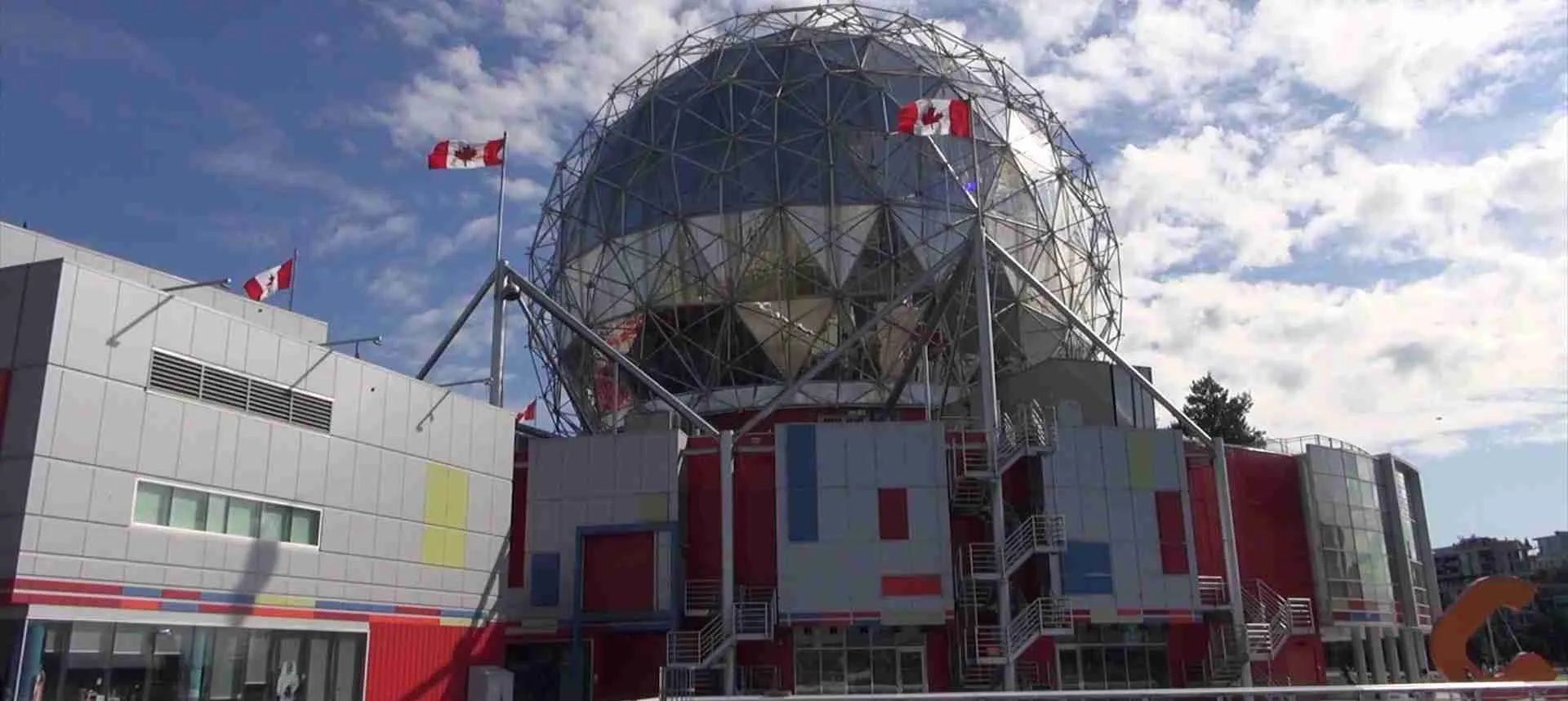
- Architectural Landmarks: Science World’s 1986 Expo geodesic dome, the Museum of Anthropology’s post-and-beam Great Hall with floor-to-ceiling glass walls, and the Vancouver Art Gallery’s neoclassical former courthouse building represent distinct architectural achievements spanning decades of Vancouver’s cultural development
- Specialized Focus Areas: Each institution maintains distinct collecting strengths—MOA for global anthropological holdings and Northwest Coast First Nations heritage, Bill Reid Gallery for contemporary Indigenous Northwest Coast art, Science World for interactive STEM education, and Museum of Vancouver for civic history and urban development narratives
- Transit Accessibility: Downtown institutions connect via SkyTrain’s Canada Line (Vancouver City Centre Station) and Expo Line (Burrard and Granville Stations), while MOA requires bus service to UBC campus and Vanier Park museums sit within walking distance of each other on Kitsilano’s waterfront
People Also Ask About Vancouver Museums and Galleries
What is the most important museum in Vancouver?
The Museum of Anthropology at the University of British Columbia stands as Vancouver’s most internationally significant cultural institution, recognized globally for housing the world’s premier collection of Northwest Coast Indigenous art and the largest assemblage of works by acclaimed Haida artist Bill Reid. Designed by renowned Canadian architect Arthur Erickson, the museum features the spectacular Great Hall—a soaring post-and-beam structure with 50-foot glass walls overlooking the Strait of Georgia and mountains beyond. The Multiversity Galleries display more than 9,000 ethnographic objects from cultures worldwide, while outdoor grounds showcase monumental totem poles, Haida houses, and Musqueam house posts against dramatic coastal scenery. MOA’s collection spans archaeological artifacts dating from 600 BCE to contemporary Indigenous artworks, creating an unparalleled resource for understanding Pacific Northwest First Nations cultures and their ongoing artistic traditions. The museum’s research mandate, innovative exhibition approaches, and commitment to collaborative relationships with Indigenous communities have established it as Canada’s leading anthropological institution and a model for museums worldwide addressing colonial legacies and Indigenous representation.
Which Vancouver museums focus specifically on Indigenous art and culture?
Three Vancouver institutions provide comprehensive Indigenous cultural experiences through distinct approaches. The Museum of Anthropology emphasizes traditional and contemporary Northwest Coast First Nations art within a global anthropological context, housing 6,000 First Nations objects including ceremonial masks, feast dishes, textiles, and carved bentwood boxes alongside significant holdings from Asia, Oceania, Africa, and Latin America. The Bill Reid Gallery of Northwest Coast Art, established in 2008 in downtown Vancouver, exclusively celebrates Northwest Coast Indigenous artistic traditions through Bill Reid’s masterworks and rotating exhibitions featuring contemporary Indigenous artists working in traditional and innovative mediums. This intimate gallery presents Reid’s iconic pieces including miniature gold-cast versions of “The Raven and the First Men” and the monumental 8.5-meter “Frieze” alongside works by Robert Davidson, Michael Nicoll Yahgulanaas, Joe David, and emerging Indigenous artists. The Squamish Lil’wat Cultural Centre in Whistler extends Vancouver-area Indigenous cultural offerings, providing immersive experiences with Squamish and Lil’wat Nations’ living cultures through architecture, performances, and interpretive programs. Together these institutions create pathways for visitors to engage with Indigenous knowledge systems, artistic excellence, and cultural continuity across generations.
What makes the Vancouver Art Gallery collection significant?
The Vancouver Art Gallery maintains Canada’s most significant collection of works by iconic British Columbia artist Emily Carr, whose modernist interpretations of West Coast Indigenous culture and landscapes revolutionized Canadian art in the early 20th century. The gallery’s permanent collection encompasses more than 12,000 works spanning historical to contemporary periods, with particular strengths in photo-conceptual art from the 1960s-1970s Vancouver School including Jeff Wall, Rodney Graham, and Ian Wallace. The institution fulfills its regional mandate through dedicated presentation of British Columbia artists while mounting international exhibitions that position Vancouver within global contemporary art discourse. Recent programming emphasizes Indigenous perspectives, including long-term installations like “We who have known tides: Indigenous Art from the Collection” that foreground Indigenous artists’ voices and challenge colonial narratives embedded in institutional collections. The gallery’s neoclassical building—Vancouver’s former courthouse designed by Francis Rattenbury—provides a historically layered setting for exhibitions, while proposed expansion plans aim to dramatically increase exhibition space and public amenities. Free First Friday Nights from 4-8 PM monthly demonstrate the gallery’s commitment to accessibility, eliminating financial barriers for BC residents and visitors to experience world-class art exhibitions in the heart of downtown Vancouver.
Is Science World suitable for adult visitors without children?
Science World offers intellectually engaging content designed for visitors of all ages, with interactive exhibitions, demonstrations, and special events appealing specifically to adult curiosity about scientific phenomena and technological innovation. The Creative Technology Gallery co-presented by RBC and Beedie guides visitors through Dream, Build, and Play environments exploring creative technologist career paths in British Columbia’s innovation economy. Body Works exhibits utilize plastination-preserved human bodies to demonstrate physiological impacts of lifestyle choices, presenting anatomical information in thought-provoking displays viewed by over 30 million visitors globally since 1995. Live science demonstrations throughout the day present complex scientific principles through dramatic presentations that entertain while educating, addressing topics from chemistry reactions to physics demonstrations. Adult-focused programming includes After Dark events featuring themes like “The Science of Love and Sex” and “Changing Views of Scientists in Society,” creating age-appropriate evening experiences with extended hours and themed activities. The Ken Spencer Science Park’s outdoor exhibits—including vegetable gardens producing 100 kilograms annually for Vancouver’s homeless population—connect scientific principles to social responsibility and urban agriculture. While families with children form Science World’s primary audience, the institution’s commitment to making science accessible and engaging extends equally to adult learners seeking interactive educational experiences beyond traditional museum formats.
Extended multi-day tours – 5+ days
Featured Vancouver Multi-Day Tour Packages
4 days
4-Day Canadian Rockies Summer Explorer Tour
- ✓ Comprehensive Vancouver tour
- ✓ Expert local guides included
- ✓ All accommodation arranged
- ✓ Transportation provided
5 days
Vancouver, Banff & Rockies Summer – 5 days
- ✓ Comprehensive Vancouver tour
- ✓ Expert local guides included
- ✓ All accommodation arranged
- ✓ Transportation provided

4 days
Canadian Rockies Express – 4 days
- ✓ Comprehensive Vancouver tour
- ✓ Expert local guides included
- ✓ All accommodation arranged
- ✓ Transportation provided
7 days
Signature British Columbia: Vancouver, Victoria & Whistler
- ✓ Comprehensive Vancouver tour
- ✓ Expert local guides included
- ✓ All accommodation arranged
- ✓ Transportation provided
Multi-day tour packages powered by TourRadar. Prices and availability subject to change.
Introduction: Vancouver’s Cultural Institutions Tell Coast Salish Territory Stories
Vancouver’s museums and galleries occupy unceded territories of the Musqueam, Squamish, and Tsleil-Waututh First Nations, positioning these cultural institutions within ongoing conversations about Indigenous sovereignty, representation, and reconciliation. This geographic and political reality fundamentally shapes the collecting priorities, exhibition approaches, and community relationships of Vancouver’s major museums, particularly those focusing on Northwest Coast Indigenous cultures. The Museum of Anthropology’s location on Musqueam territory at the University of British Columbia acknowledges through its very architecture the primacy of Indigenous perspectives, with Arthur Erickson’s design inspired by traditional post-and-beam longhouse construction. The Bill Reid Gallery’s downtown presence brings Indigenous artistic excellence into the commercial heart of the city, challenging historical marginalization of First Nations artists and asserting Indigenous cultural authority in urban spaces. Science World’s position at False Creek—a site of intensive Indigenous use for millennia before colonial transformation—connects technological innovation to longer histories of human ingenuity and environmental adaptation along the Pacific Coast.
Vancouver’s museum landscape reflects the city’s evolution from resource extraction economy to global cultural center, with institutions established across different eras embodying changing civic priorities and cultural values. The Vancouver Art Gallery’s occupation of Francis Rattenbury’s 1906 courthouse symbolizes the transformation of colonial administrative infrastructure into public cultural space, while Science World’s geodesic dome—constructed for Expo 86—represents late 20th-century optimism about technology’s role in addressing global challenges. The Museum of Vancouver’s Vanier Park location alongside the Maritime Museum and H.R. MacMillan Space Centre creates a mid-century cultural campus dedicated to civic education and identity formation. More recent establishments like the Contemporary Art Gallery and Bill Reid Gallery demonstrate Vancouver’s 21st-century commitment to specialized artistic programming and Indigenous cultural celebration.
The city’s museum infrastructure benefits from geographic clustering that enables efficient visitor movement between complementary institutions while also maintaining specialized facilities requiring dedicated attention. Downtown Vancouver concentrates the Art Gallery, Bill Reid Gallery, Contemporary Art Gallery, and Vancouver Police Museum within a compact walkable area served by multiple SkyTrain stations, supporting short visits and spontaneous cultural exploration. Vanier Park’s three museums—Museum of Vancouver, Maritime Museum, and Space Centre—share parking and waterfront access, encouraging combined visits that explore different dimensions of Vancouver’s relationship to place, ocean, and cosmos. The Museum of Anthropology’s UBC campus location signals its role as both tourist destination and research facility, with physical distance from downtown reinforcing the institution’s mandate for in-depth engagement rather than casual browsing. This spatial distribution reflects strategic cultural planning that balances accessibility with institutional identity.
Free admission programs have transformed Vancouver’s cultural accessibility since 2025, with institutions implementing various models to eliminate financial barriers while maintaining operational sustainability. The Vancouver Art Gallery’s Free First Friday Nights attract diverse audiences including young professionals, families, and visitors who might not otherwise engage with contemporary art, creating lively monthly events that redefine gallery-going as social experience rather than elite cultural practice. The Museum of Anthropology’s half-price Thursday evenings provide budget-conscious access to collections requiring extended viewing time, acknowledging that meaningful engagement with anthropological holdings demands more than hurried touring. Vanier Park museums’ Pay-What-You-Can first Sundays—launched February 2026—explicitly address economic equity by inviting visitors to contribute according to means rather than fixed pricing, recognizing that cultural institutions should serve entire communities regardless of socioeconomic status. These access initiatives position Vancouver among North American cities leading museum democratization efforts, challenging traditional models that excluded lower-income residents from cultural participation.
Museum of Anthropology: World’s Finest Northwest Coast First Nations Collection
The Museum of Anthropology at the University of British Columbia represents the pinnacle of Northwest Coast Indigenous art presentation, housing collections and archives that document 10,000 years of human habitation along the Pacific Coast. Arthur Erickson’s 1976 architectural masterpiece responds directly to Indigenous building traditions through monumental post-and-beam construction that echoes longhouse forms while incorporating modernist concrete and glass technology. The Great Hall’s 50-foot glass walls dissolve boundaries between interior exhibition space and exterior landscape of mountains, ocean, and sky, positioning Indigenous artistic achievements within the dramatic coastal environment that shaped their creation. This architectural gesture asserts Indigenous art as equal to European traditions displayed in traditional museum settings, challenging hierarchies that historically relegated Indigenous objects to anthropology museums while European art occupied art museums.
Bill Reid’s works anchor the museum’s collection, with the Bill Reid Rotunda presenting the artist’s iconic “The Raven and the First Men” yellow cedar carving that reimagines Haida creation mythology through monumental sculpture. Reid’s revival of Haida artistic traditions during the mid-20th century—when colonization and disease had devastated Indigenous communities and threatened cultural continuity—established pathways for subsequent generations of Indigenous artists to reclaim ancestral knowledge and assert contemporary Indigenous identities. The museum houses the world’s largest Bill Reid collection including jewelry, prints, drawings, and three-dimensional works spanning his five-decade career from initial exploration of Haida formline design through mature mastery that influenced global perceptions of Indigenous art. Reid’s transformation from CBC radio announcer to internationally acclaimed artist demonstrates the resilience of Indigenous cultural knowledge and the power of individual commitment to ancestral heritage.
The Multiversity Galleries represent innovative museum design that challenges traditional exhibition conventions through visible storage systems displaying 9,000 objects from global cultures. Drawers, cases, and shelving units encourage exploration and comparison across cultures, geographical regions, and time periods, positioning anthropological objects as research resources rather than aesthetic artifacts to be contemplated in isolation. Visitors discover connections between ceremonial practices, technological adaptations, and artistic expressions across vastly different societies, revealing universal human concerns with spiritual belief, social organization, and environmental relationship. Pacific Northwest objects appear alongside materials from Arctic, Asian, African, Latin American, European, and Oceanic cultures, situating First Nations artistic achievements within global contexts that emphasize cultural diversity while acknowledging shared human experiences.
Outdoor grounds extend the museum experience beyond architectural boundaries through monumental totem poles, reconstructed Haida houses, and Musqueam house posts that demonstrate traditional Northwest Coast building practices and sculptural traditions. The Haida village installation recreates architectural forms documented by anthropologists during the late 19th century when disease and cultural suppression threatened Indigenous communities, preserving knowledge of construction techniques, spatial organization, and artistic decoration that informed traditional life. These outdoor installations withstand Pacific Northwest weather that has shaped Indigenous building practices for millennia, demonstrating ancestral knowledge about material selection, structural engineering, and environmental adaptation that sustained complex societies for thousands of years before European contact. Walking among totem poles with mountains and ocean visible beyond connects visitors to landscapes that continue to hold deep cultural significance for contemporary Indigenous peoples.
The museum operates Tuesday through Sunday from 10 AM to 5 PM, with extended Thursday hours until 9 PM offering half-price admission for budget-conscious visitors. Admission costs CAD $26 for adults, $23 for seniors and non-UBC students, and $13 for youth ages 6-18, with free entry for UBC students and staff, Indigenous peoples, MOA members, and children under 5. The half-price Thursday evening program provides excellent value for visitors wanting to explore collections without crowds typical during weekend daytime hours. Bus service connects MOA to downtown Vancouver in approximately 30 minutes, with multiple transit routes serving the UBC campus. Visitors should plan minimum two-hour visits to appreciate the Great Hall, Multiversity Galleries, Bill Reid Rotunda, and outdoor installations, though enthusiasts easily spend half-day exploring collections in depth.
The museum’s research mandate distinguishes it from pure exhibition venues, with curatorial departments supporting scholarly initiatives, publishing programs, and collaborative relationships with Indigenous communities worldwide. Conservation laboratories preserve fragile materials using cutting-edge techniques while respecting Indigenous protocols about ceremonial objects and sacred materials. The museum hosts visiting scholars, supports graduate research, and maintains active field programs that continue anthropological documentation begun during the discipline’s colonial origins while addressing contemporary ethical standards about Indigenous representation and cultural property. This dual identity as public attraction and research facility creates richness of interpretation and depth of collections unmatched by exhibition-only institutions, positioning MOA as authoritative source for understanding Northwest Coast Indigenous cultures and their global significance.
Vancouver Art Gallery: British Columbia Art and International Contemporary Exhibitions
The Vancouver Art Gallery occupies the former British Columbia Provincial Courthouse designed by Francis Rattenbury, with the 1906 neoclassical building representing one of Vancouver’s most architecturally significant structures. Rattenbury’s design reflects early 20th-century civic ambitions and British imperial aesthetics, with grand columns, formal symmetry, and monumental scale asserting governmental authority and British cultural superiority in Canada’s westernmost province. The building’s transformation into art gallery during the 1980s repurposed colonial administrative architecture for democratic cultural purposes, symbolically converting spaces of legal judgment into venues for artistic expression and aesthetic contemplation. This architectural history resonates with contemporary exhibition programming that interrogates colonial legacies and centers Indigenous perspectives, creating productive tensions between building heritage and institutional missions.
Emily Carr’s works form the gallery’s most treasured holdings, with the institution maintaining Canada’s largest collection by this pioneering British Columbia artist whose paintings challenged early 20th-century artistic conventions. Carr’s interpretations of Northwest Coast Indigenous villages, totem poles, and forest landscapes merged post-impressionist techniques with deeply personal responses to West Coast environments, creating distinctly Canadian modernist visual language. Her relationships with Indigenous communities and documentation of villages abandoned after colonial disruption position her work within complex historical narratives about Indigenous cultural survival, artistic appropriation, and settler relationships to Indigenous heritage. The gallery’s Carr collection enables sustained study of her artistic development from early academic training through mature style that integrated Indigenous formal elements with European modernist approaches, establishing her as central figure in Canadian art history.
Contemporary programming balances regional mandates with international ambitions, presenting BC artists alongside major international exhibitions that position Vancouver within global art discourse. The photo-conceptual works from Vancouver’s 1960s-1970s art scene—including Jeff Wall’s large-format lightboxes, Rodney Graham’s conceptual photography and film, and Ian Wallace’s architectural interventions—receive sustained attention as the gallery documents this locally rooted artistic movement that achieved international recognition. These holdings establish Vancouver as significant center for photo-based conceptual practices that challenged traditional definitions of photography, painting, and sculpture while addressing urban experience, class relations, and cultural production under late capitalism. The gallery’s commitment to this material demonstrates institutional responsibility for documenting regional artistic achievement while contributing to broader art historical narratives.
Indigenous art initiatives have intensified since 2020, with the gallery implementing policies and programs that center Indigenous voices, challenge colonial collection practices, and support contemporary Indigenous artists. Long-term installations like “We who have known tides: Indigenous Art from the Collection” foreground Indigenous perspectives on historical and contemporary works, allowing Indigenous artists and communities to reinterpret objects collected under colonial circumstances and assert cultural authority over representation. These exhibitions acknowledge the gallery’s complicity in colonial knowledge systems while creating space for Indigenous self-determination and cultural revitalization through contemporary art practices. Acquisitions increasingly prioritize Indigenous artists working in diverse media, expanding beyond traditional representations to include installation art, video, performance documentation, and conceptual practices that demonstrate the vitality and diversity of contemporary Indigenous artistic production.
The gallery operates Monday and Wednesday through Sunday from 10 AM to 5 PM, with extended Friday hours until 8 PM supporting Free First Friday Nights that eliminate admission charges monthly. Standard admission costs CAD $35 for non-BC residents and $29 for BC residents, with free entry for Indigenous peoples recognizing the gallery’s location on unceded territories and commitment to reconciliation. The Free First Friday program from 4-8 PM monthly creates accessible entry point for diverse audiences, with relaxed evening atmosphere encouraging social gallery visits and introducing contemporary art to visitors who might find daytime admission fees prohibitive. The gallery’s central downtown location at Georgia and Howe Streets positions it within walking distance of hotels, restaurants, and shopping, making cultural visits easy additions to other downtown activities.
Proposed expansion plans aim to dramatically increase exhibition space and public amenities, addressing the gallery’s chronic shortage of display area that limits simultaneous presentation of permanent collection and temporary exhibitions. Current facilities display only fraction of the 12,000-work collection at any time, with storage constraints preventing comprehensive presentation of holdings across historical periods and artistic movements. Expansion would enable the gallery to compete more effectively with major North American art museums while better serving regional artists and audiences demanding increased access to collection works. These development discussions reflect Vancouver’s cultural maturation and recognition that world-class cities require world-class cultural infrastructure supporting both local communities and international visitor expectations.
Bill Reid Gallery: Celebrating Northwest Coast Indigenous Artistic Traditions
The Bill Reid Gallery of Northwest Coast Art occupies intimate downtown space behind Christ Church Cathedral, providing focused encounter with Indigenous artistic excellence through Bill Reid’s masterworks and rotating contemporary Indigenous artist exhibitions. Established in 2008 by the Bill Reid Foundation, the gallery honors the Haida master artist who revitalized Northwest Coast artistic traditions during the mid-20th century when colonization had devastated Indigenous communities and threatened cultural continuity. Reid’s transformation from CBC radio announcer to internationally acclaimed artist demonstrates how individual commitment to ancestral knowledge can catalyze broader cultural revitalization, inspiring subsequent generations of Indigenous artists to reclaim traditional practices and assert contemporary Indigenous identities. The gallery’s downtown location asserts Indigenous cultural authority in urban commercial spaces historically dominated by settler institutions, challenging marginalization of Indigenous peoples and cultures in modern Canadian cities.
The gallery’s permanent collection includes 161 works focusing on Reid’s artistic development across five decades working in jewelry, sculpture, printmaking, and monumental carving. Visitors encounter miniature gold-cast versions of Reid’s iconic “The Raven and the First Men”—the creation story reimagined as monumental yellow cedar sculpture permanently installed at the Museum of Anthropology—alongside slightly larger onyx versions that demonstrate Reid’s technical mastery across materials and scales. The 8.5-meter “Frieze” dominates the main gallery space, showcasing Reid’s application of traditional Haida formline design to contemporary sculptural formats that honor ancestral knowledge while creating distinctly modern artistic statements. Jewelry cases display Reid’s goldsmithing excellence, with bracelets, rings, and pendants adapting traditional ovoid, u-form, and split-u design elements to wearable art that introduced international audiences to Haida artistic sophistication.
Rotating exhibitions feature approximately dozen contemporary Northwest Coast Indigenous artists working in traditional and innovative media, demonstrating the living vitality of artistic traditions that extend unbroken across millennia. These temporary shows position Reid’s legacy within ongoing Indigenous cultural production, challenging misconceptions that Indigenous art represents historical artifacts rather than dynamic contemporary practices. Featured artists include established figures like Robert Davidson—whose “Raven Calling” explores traditional Haida iconography through contemporary sculptural approaches—and emerging voices exploring digital media, installation, conceptual practices, and cross-cultural collaborations that expand definitions of Northwest Coast art. This exhibition programming asserts Indigenous artists’ authority to define their own cultural expressions rather than conforming to settler expectations about “authentic” Indigenous art rooted in pre-contact traditions.
The gallery shop supports contemporary Northwest Coast Indigenous artists through sales of authentic artworks, prints, jewelry, and books, with proceeds funding the gallery’s artistic and educational programs. Visitors access the shop without admission fees, creating opportunities for art acquisition and artist support beyond gallery visits. Ten percent membership discounts and corporate purchase programs encourage collecting of Indigenous art while generating revenue supporting exhibition development and educational initiatives. The shop’s curation emphasizes quality over mass-produced souvenirs, offering works that honor Indigenous artistic traditions while supporting living artists developing careers in competitive contemporary art markets. This commercial function complements the gallery’s educational mission by connecting visitors directly to Indigenous creative economies and demonstrating how art purchases support cultural continuity.
The gallery operates with general admission of CAD $13, offering free entry on first Fridays monthly from 2-5 PM for visitors seeking no-cost cultural experiences. Indigenous peoples, gallery members, and children 12 and under receive complimentary admission daily, recognizing Indigenous cultural authority and supporting family access. Simon Fraser University students enter free with valid identification, extending the gallery’s educational mission beyond formal programming to support post-secondary students exploring Indigenous art and culture. The compact gallery layout enables thorough visits in 30-60 minutes, making it ideal for short downtown cultural stops fitting within broader sightseeing itineraries. Extended time investments reward visitors seeking deeper understanding of Haida formline traditions, Reid’s artistic techniques, and contemporary Indigenous artistic practices.
Educational programming includes artist talks, hands-on workshops, storytelling events, and panel discussions that connect diverse audiences to Northwest Coast Indigenous cultures through multiple engagement modes. These public programs fulfill the gallery’s mandate to build meaningful relationships between Indigenous and settler communities while supporting Indigenous artists’ professional development through exhibition opportunities and public platforms. Film screenings and video presentations provide additional interpretive layers, with documentaries about Reid’s life and artistic practice offering biographical context while interviews with contemporary artists reveal diverse perspectives on tradition, innovation, and Indigenous identity in 21st-century Canada. The gallery’s commitment to educational access positions it as community resource rather than elite cultural venue, serving school groups, families, tourists, and local residents through varied programming addressing different learning styles and knowledge levels.
Science World: Interactive STEM Learning in Iconic Geodesic Dome
Science World’s geodesic dome dominates Vancouver’s False Creek skyline as instantly recognizable landmark constructed for Expo 86 world’s fair celebrating transportation and communication themes. The mirrored ball structure represents R. Buckminster Fuller’s revolutionary architectural concepts about efficient space enclosure through geometric forms, with triangulated surfaces distributing structural loads that enable large-span coverage without internal supports. The dome’s continued use as science museum three decades after Expo demonstrates how temporary exhibition architecture can transform into permanent civic infrastructure when buildings successfully capture public imagination and serve ongoing community needs. Science World’s distinctive profile makes it Vancouver’s most photographed structure after Stanley Park’s totem poles, functioning as visual symbol for the city’s commitment to science education and technological innovation.
Interactive exhibitions emphasize hands-on learning that transforms abstract scientific principles into tangible experiences engaging multiple senses and learning styles. Galleries covering physics, biology, chemistry, and environmental science invite touching, manipulating, and experimenting—approaches prohibited in traditional museums but essential for Science World’s educational philosophy that knowledge construction requires active participation rather than passive observation. The Creative Technology Gallery guides visitors through Dream, Build, and Play zones exploring creative technologist career paths in British Columbia’s innovation economy, connecting STEM learning to regional employment opportunities in technology sectors. These career-focused exhibitions respond to educational initiatives emphasizing applied science skills and technology literacy as essential 21st-century competencies for students entering rapidly evolving job markets.
Body Works exhibitions utilize plastination-preserved human bodies to demonstrate physiological impacts of lifestyle choices, presenting anatomical information through thought-provoking displays that spark conversations about health, mortality, and bodily autonomy. These exhibits—viewed by over 30 million visitors globally since Tokyo debut in 1995—generate controversy about ethical display of human remains while providing unparalleled educational access to internal body structures typically hidden beneath skin. The preservation process replaces tissue water with silicone rubber, creating permanent specimens posed in lifelike positions that reveal muscular systems, organ arrangements, circulatory networks, and skeletal structures. This frank presentation of human anatomy serves Science World’s mission to demystify scientific knowledge and encourage informed decision-making about health behaviors affecting longevity and quality of life.
Live science demonstrations throughout the day present complex scientific principles through theatrical presentations that entertain while educating, with trained presenters conducting experiments involving chemical reactions, physics demonstrations, and biological phenomena. The Family Centre Stage hosts these shows at scheduled intervals, drawing crowds who gather to witness dramatic visual effects produced when scientific principles operate at scales and speeds visible to naked eye. Demonstrations about combustion, states of matter, air pressure, and chemical bonding transform abstract concepts taught in school science classes into memorable spectacles that reinforce learning through multiple sensory channels. This performance approach to science education acknowledges that understanding follows emotional engagement, with surprise, wonder, and laughter creating mental states conducive to information retention and conceptual integration.
The Ken Spencer Science Park extends learning beyond interior spaces through outdoor exhibits including productive vegetable gardens demonstrating urban agriculture and local food production principles. The garden produces 100 kilograms of fresh produce annually for Vancouver’s homeless population, connecting scientific knowledge about plant biology and ecological systems to social responsibility and community food security. Chicken coops reinforce lessons about animal husbandry, egg production, and sustainable food sources while delighting young visitors with opportunities to observe living animals. These outdoor installations close during winter months when Pacific Northwest weather makes gardening impractical, but spring through fall visits benefit from this additional dimension emphasizing connections between scientific understanding and practical applications addressing social needs.
Science World operates daily from 10 AM to 5 PM, with admission costing approximately CAD $36 for adults (check official website for current rates as pricing varies). Indigenous peoples receive free admission upon self-identification at the admissions desk, recognizing Indigenous knowledge systems and supporting Indigenous youth’s science education. Family memberships starting around CAD $265 for two adults and two children provide excellent value for local residents planning multiple visits, with unlimited annual admission supporting repeated engagement that deepens scientific understanding through progressive exploration. The institution recommends minimum two-hour visits to explore permanent galleries, special exhibitions, and live demonstrations, though families with young children frequently spend three to four hours fully engaging with interactive exhibits encouraging extended manipulation and experimentation.
Transit access via Main Street-Science World SkyTrain Station positions Science World within easy reach of downtown hotels and tourist districts, with the station serving Expo Line trains connecting Vancouver’s eastern neighborhoods to commercial core. False Creek Ferries and Aquabus water taxis provide alternative transit connecting Science World to Granville Island, Yaletown, and other False Creek destinations, with scenic waterway crossings adding recreational dimension to cultural visits. The Seawall pathway extends past Science World as part of Vancouver’s continuous waterfront walking and cycling route, enabling active transportation approaches that combine exercise with sightseeing. On-site parking costs CAD $4.50 per hour, with daily maximums making extended visits moderately expensive for drivers but comparable to downtown parking rates.
Museum of Vancouver: Civic History and Urban Development Narratives
The Museum of Vancouver occupies distinctive round building in Vanier Park designed by Gerald Hamilton, with the structure’s 1968 construction reflecting mid-century modernist aesthetics and civic ambitions about cultural institution building. The museum’s waterfront location provides spectacular views across English Bay to downtown Vancouver’s skyline, positioning civic history exhibitions within visual context of contemporary urban development. Vanier Park’s clustering of Museum of Vancouver, Maritime Museum, and H.R. MacMillan Space Centre creates cultural campus dedicated to exploring different dimensions of Vancouver’s relationship to place, ocean, and cosmos—with each institution addressing specialized aspects of human experience in this Pacific Coast location.
Permanent exhibitions trace Vancouver’s development from Indigenous territories through colonial settlement to contemporary multicultural metropolis, with galleries organized chronologically to reveal how successive waves of migration, economic transformation, and political movements shaped urban form and civic identity. The 1960s-1970s galleries celebrate Vancouver’s emergence as “hippie capital of Canada” through displays documenting counterculture movements, Greenpeace’s founding, and citizen activism that prevented freeway construction and fundamentally altered city planning approaches. These exhibitions position Vancouver’s contemporary livability and environmental consciousness within historical struggles between development interests and community activists who fought to preserve neighborhoods, parks, and waterfront access against automobile-oriented infrastructure that destroyed urban fabric in other North American cities.
The museum distinguishes itself through willingness to present nuanced, sometimes painful historical narratives alongside civic achievements, acknowledging Indigenous dispossession, discriminatory immigration policies, and social inequalities that accompanied Vancouver’s economic growth. This critical approach to local history signals institutional commitment to civic education that prepares residents for informed participation in ongoing debates about urban development, social justice, and environmental sustainability. Exhibitions connect historical patterns to contemporary challenges, drawing parallels between past struggles and current issues around housing affordability, reconciliation with Indigenous peoples, and climate change adaptation. The museum’s mandate emphasizes relevance to contemporary civic life rather than nostalgic celebration of pioneer heritage, positioning historical knowledge as essential resource for addressing present-day problems.
Community-based exhibitions scheduled October 2025 through March 2026 demonstrate the museum’s commitment to collaborative programming that incorporates diverse perspectives and lived experiences into institutional narratives. These temporary installations often address topics absent from traditional museum collections, including recent immigrant experiences, LGBTQ+ community histories, and neighborhood-specific stories that complicate simplified narratives about Vancouver’s development. By sharing curatorial authority with community organizations, the museum acknowledges that professional historians and curators don’t possess monopoly on historical knowledge, with community members holding invaluable insights about experiences poorly documented in archival records and official histories.
The museum operates Monday through Wednesday and Sunday from 10 AM to 5 PM, with extended Thursday through Saturday hours until 8 PM supporting evening visits fitting around work schedules and dinner plans. Pay-What-You-Can first Sundays launched February 2026 provide accessible entry for visitors contributing according to means rather than fixed admission prices, explicitly addressing economic equity by inviting all community members to access civic history regardless of socioeconomic status. This donation-based model positions the museum as public resource serving entire community rather than amenity accessible only to those affording standard admission fees. The museum shares Vanier Park parking with Maritime Museum and Space Centre, with visitors easily combining multiple institutions in single afternoon given walking distances of just few minutes between venues.
Contemporary Art Gallery: Cutting-Edge National and International Art
The Contemporary Art Gallery occupies compact downtown space on Nelson Street, operating as non-collecting institution focusing exclusively on temporary exhibitions featuring emerging and established contemporary artists working in diverse media. This specialized mandate distinguishes CAG from encyclopedic museums attempting to represent multiple periods and artistic movements, instead concentrating resources on cutting-edge practices that challenge conventional definitions of art and engage with pressing social, political, and cultural issues. The gallery’s non-collecting status enables nimble programming responding rapidly to artistic developments and curator interests without institutional pressure to build permanent holdings or maintain coherent collection narratives. This freedom supports experimental projects and risk-taking difficult for museums stewarding valuable collections with fiduciary responsibilities to donors and public trust.
Exhibition programming balances Canadian artists with international figures, positioning Vancouver within global contemporary art networks while supporting regional artistic production. Multi-year thematic programs create intellectual coherence across individual exhibitions, with curatorial frameworks exploring concepts like spatial perception, material investigation, or social engagement through works by artists employing varied approaches. This thematic organization encourages visitors to perceive connections across artistic practices that might appear unrelated when encountered individually, developing visual literacy and conceptual sophistication about how contemporary artists address shared concerns through medium-specific strategies. The gallery’s commitment to contextualization through wall texts, catalogue essays, and public programs supports audience development among viewers new to contemporary art who lack formal training in art history or critical theory.
The gallery operates Tuesday through Sunday with free admission, eliminating financial barriers that might discourage exploration of challenging contemporary art unfamiliar to general audiences. This access policy reflects institutional philosophy that contemporary art serves vital public functions addressing collective concerns about identity, power, ecology, technology, and social justice—with art appreciation not luxury pursuit for cultural elites but essential dimension of informed citizenship. Free admission particularly benefits artists, students, and cultural workers for whom repeated gallery visits support professional development and ongoing education about contemporary practices. The downtown location near Granville Street entertainment district positions the gallery where foot traffic from shopping, dining, and nightlife activities might attract spontaneous visits from audiences who wouldn’t specifically seek out contemporary art venues.
Public programs including artist talks, curator-led tours, and panel discussions extend exhibition engagement beyond visual contemplation, providing intellectual frameworks and contextual information that deepen understanding of artistic intentions and critical reception. Contemporary art frequently requires explanatory support because artists deliberately challenge audience expectations and employ strategies that reference art historical precedents, theoretical concepts, or cultural debates not immediately legible to casual viewers. These educational programs fulfill the gallery’s mandate to build audiences for contemporary art while supporting artists’ careers through professional platforms and critical discourse. Workshop sessions and hands-on activities occasionally invite public participation in art-making processes, demystifying contemporary practices that seem inaccessible when encountered only as finished artworks in gallery settings.
Vancouver Maritime Museum: Pacific Coast Naval and Maritime Heritage
The Vancouver Maritime Museum preserves naval and maritime heritage documenting British Columbia’s relationship to Pacific Ocean trade, fishing industries, naval defense, and recreational boating that shaped provincial economic development and cultural identity. The museum’s centerpiece artifact—the St. Roch, a Royal Canadian Mounted Police Arctic patrol vessel that navigated the Northwest Passage in both directions during the 1940s—sits within custom-designed building protecting this National Historic Site from weather deterioration. The St. Roch’s historic Arctic voyages demonstrated Canadian sovereignty over northern waterways during World War II era when territorial claims faced international challenges, making the vessel symbolically important beyond its technical achievements as ice-strengthened sailing ship adapted for polar navigation.
Exhibitions address diverse maritime topics including Indigenous watercraft traditions, European exploration of Pacific Coast waters, commercial fishing and forestry industries dependent on marine transportation, naval operations during Pacific theater of World War II, and contemporary environmental challenges facing ocean ecosystems. This thematic breadth reflects maritime history’s centrality to British Columbia’s development, with provincial economy historically dependent on ocean access for resource extraction, trade connections, and transportation infrastructure. Model ship collections demonstrate shipbuilding technologies across centuries, with detailed miniatures revealing construction techniques, rigging configurations, and design evolution driven by changing maritime purposes from warfare to commerce to recreation. These models provide accessible entry points for visitors intimidated by technical maritime terminology and ship components whose functions aren’t immediately obvious to non-sailors.
Children’s programming emphasizes hands-on learning about navigation, ocean science, and maritime technologies through interactive exhibits and activity stations encouraging experimentation and play. The museum’s educational mandate recognizes that maritime literacy has declined as British Columbia’s economy diversified away from resource extraction and maritime trades, with contemporary residents often lacking basic understanding about how vessels operate, why ocean health matters, or how maritime industries continue supporting provincial prosperity. Youth programs addressing these knowledge gaps support marine science education and potentially inspire career interests in maritime fields experiencing worker shortages as older generations retire. Family-friendly galleries balance serious historical content with engaging activities that hold children’s attention while conveying substantive information about maritime heritage.
The museum participates in Vanier Park’s Pay-What-You-Can first Sunday program launched February 2026, offering donation-based admission that makes maritime heritage accessible to lower-income families and individuals for whom standard admission fees create barriers. This access initiative particularly matters for museums addressing specialized topics like maritime history that draw smaller audiences than general interest institutions, with reduced financial barriers potentially attracting visitors who might not otherwise prioritize maritime content. The museum’s waterfront location and proximity to Kitsilano Beach, museums, and restaurants make it component of broader Vanier Park cultural visits combining multiple attractions in single afternoon or evening. Visitors can easily walk between Maritime Museum, Museum of Vancouver, and H.R. MacMillan Space Centre, with shared parking serving all three institutions.
H.R. MacMillan Space Centre: Astronomy and Space Science Education
The H.R. MacMillan Space Centre occupies Vanier Park alongside Museum of Vancouver and Maritime Museum, providing public astronomy education through planetarium shows, interactive exhibits, and telescope viewing sessions that connect visitors to cosmic scales beyond everyday terrestrial experience. The planetarium theater’s dome presents astronomical phenomena including stellar evolution, galaxy formation, planet characteristics, and space exploration achievements through immersive visual presentations that position viewers within cosmic environments rather than observing from earthbound perspective. These shows utilize sophisticated projection technologies creating 360-degree visual fields that eliminate audience awareness of surrounding theater, achieving sense of presence within depicted astronomical environments that static images and conventional screen projections cannot replicate.
Interactive exhibits address topics including rocket science, satellite technologies, planetary science, and astronaut training, with hands-on activities encouraging exploration of scientific principles through direct manipulation and experimentation. Visitors can test spacewalk simulators demonstrating microgravity challenges facing astronauts performing exterior vehicle maintenance, examine meteorite samples revealing solar system formation processes, or explore scale models comparing planetary sizes and orbital characteristics across our solar system. These exhibits translate abstract astronomical concepts into tangible experiences that build intuitive understanding complementing formal science education, with kinesthetic learning particularly effective for visitors who struggle with textual or numerical presentations of scientific information.
The Space Centre’s educational programming serves school groups, summer camps, and public audiences through varied formats addressing different age groups and knowledge levels. Elementary programs introduce basic astronomy concepts and space science careers through age-appropriate presentations and activities that spark curiosity about universe beyond Earth. Secondary school programs address curriculum requirements while exploring advanced topics including astrophysics, cosmology, and space engineering that connect astronomy education to STEM career pathways. Adult programming covers current space exploration missions, astronomical discoveries, and space policy debates through lectures and panels featuring scientists, engineers, and researchers working in space-related fields. This tiered approach ensures that Space Centre resources serve broad public audiences rather than exclusively focusing on children typically associated with science center programming.
Telescope viewing sessions during evening hours provide opportunities for public observation of celestial objects including Moon, planets, star clusters, and deep-sky objects visible through moderate-aperture telescopes operated by trained volunteers. These observing events depend on weather conditions, with Pacific Northwest’s frequent cloud cover limiting successful sessions to clear evenings when astronomical targets remain visible. When conditions permit, telescope viewing transforms abstract astronomical knowledge gained through exhibits and presentations into direct sensory experiences of cosmic objects, with visitors seeing Saturn’s rings, Jupiter’s moons, lunar craters, or stellar clusters through optical instruments rather than processed images. This direct observation connects contemporary astronomy to observational traditions extending across millennia of human sky-watching, demonstrating that cosmic phenomena remain accessible to anyone with appropriate optical instruments and clear skies.
The Space Centre participates in Vanier Park’s Pay-What-You-Can first Sunday initiative launched February 2026, with donation-based admission making space science education accessible to families and individuals for whom standard admission fees create financial barriers. Planetarium shows may require separate fees beyond general admission, with specific pricing available at admissions desk upon arrival. The Space Centre’s location within Vanier Park cultural campus enables combined visits with Museum of Vancouver and Maritime Museum, with all three institutions sharing parking facilities and sitting within short walking distances. Visitors planning comprehensive Vanier Park cultural experiences should allocate full afternoons or evenings to meaningfully engage with all three specialized museums addressing distinct aspects of human knowledge about terrestrial history, oceanic relationships, and cosmic contexts.
Smaller Specialized Museums and Galleries Across Metro Vancouver
The Museum of Surrey addresses regional history of British Columbia’s second-largest municipality through exhibitions documenting Indigenous Coast Salish peoples’ 10,000-year presence, colonial settlement patterns, agricultural development, and contemporary urban transformation. Surrey’s rapid growth from rural farming community to major suburban center creates urgent need for heritage preservation and public education about local history before older generations’ knowledge disappears and physical landmarks succumb to development pressures. The museum’s collection includes archaeological artifacts, historical photographs, agricultural implements, and domestic objects that document everyday life across generations of Surrey residents. Public programming emphasizes Surrey’s cultural diversity and immigrant contributions to community development, reflecting contemporary demographics of city where majority residents identify as visible minorities and dozens of languages are spoken in homes and businesses.
The Burnaby Village Museum recreates 1920s British Columbia community through restored historical buildings, costumed interpreters, and working streetcar providing immersive historical experience. The outdoor living history museum includes period storefronts, residences, community buildings, and industrial structures relocated from various Lower Mainland sites threatened by demolition, preserving architectural heritage while creating educational resource about early 20th-century life in British Columbia. Interpreters demonstrate historical trades and domestic activities including blacksmithing, woodworking, textile production, and food preparation using period-appropriate techniques and tools. The operational 1912 C.W. Parker carousel provides family entertainment while demonstrating early 20th-century amusement technology. Seasonal programming includes Christmas heritage celebrations and summer events that attract local families and school groups for hands-on historical education unavailable through conventional museum exhibitions.
The Britannia Mine Museum in Squamish preserves industrial heritage of copper mining operations that employed thousands of workers and produced vast quantities of ore between 1904 and 1974. The museum occupies actual mine site with many original structures preserved including concentrator building, worker housing, and mine adits accessible through guided underground tours. Visitors experience conditions facing miners working in dark, wet, dangerous underground environments while learning about extraction technologies, processing methods, and labor organization in resource extraction industries. The massive mill building houses exhibits about mining technology, mineral formation, and British Columbia’s resource-dependent economic history. Underground mine tours limited to visitors meeting physical requirements provide authentic experiences in actual mine tunnels where copper ore was extracted, with guides explaining drilling techniques, ventilation systems, and safety protocols essential for underground work in early 20th-century industrial mining operations.
The Vancouver Police Museum occupies former morgue building in Vancouver’s Gastown district, presenting criminal justice history through exhibits about local crime stories, forensic science, and law enforcement technologies. The macabre setting reinforces museum content about murder investigations and criminal activity, with authentic morgue facilities preserved alongside displays of weapons, contraband, and criminal artifacts confiscated during investigations. Exhibits address Vancouver’s history of organized crime, illegal drug trade, gang violence, and police response strategies across decades of law enforcement. The museum’s location in Gastown—Vancouver’s oldest neighborhood with complex history including criminalized activities and marginalized populations—provides contextual relevance for understanding how urban development, economic inequality, and social marginalization intersect with criminal justice systems. The museum serves adult audiences with content inappropriate for young children, reflecting recognition that crime history and forensic science subjects require mature perspectives.
The Beaty Biodiversity Museum at UBC houses over two million specimens documenting British Columbia’s extraordinary biological diversity across terrestrial, marine, and freshwater ecosystems. The museum’s centerpiece—a complete blue whale skeleton suspended in the Great Hall—demonstrates scale of Earth’s largest animals while introducing visitors to marine biology and cetacean evolution. Specimen collections available for research use include insects, plants, fish, birds, mammals, and fossils documenting regional biodiversity and geological history spanning millions of years. The museum serves both scientific research community and general public, with collections supporting taxonomic studies, ecological research, and conservation biology while exhibitions provide public education about biodiversity importance and environmental conservation needs. Seasonal exhibitions address topical environmental issues including climate change impacts on species distributions, habitat loss threatening endangered species, and conservation strategies protecting British Columbia’s globally significant ecosystems.
Gallery Districts and Art Walking Routes
Granville Island’s gallery cluster transforms former industrial waterfront into cultural destination featuring Emily Carr University galleries, artist studios, and commercial galleries representing regional artists working in diverse media. The Island’s compact layout enables efficient walking between multiple gallery spaces within single afternoon, with public art installations and waterfront views adding aesthetic dimensions beyond interior gallery experiences. Commercial galleries emphasize affordable works and emerging artists, distinguishing Granville Island from upscale downtown galleries focusing on established artists commanding higher prices. Artist studios occasionally open for public visits during scheduled events, providing rare opportunities to view working creative spaces and engage directly with artists about their practices, inspirations, and techniques. The Island’s combination of galleries, artist studios, public markets, restaurants, and waterfront location creates destination attracting diverse audiences beyond dedicated art enthusiasts.
Gastown’s gallery concentration reflects neighborhood’s evolution from derelict warehouse district to trendy commercial area, with galleries occupying ground-floor spaces in converted industrial buildings. The neighborhood aesthetic of exposed brick, wooden beams, and large windows appeals to galleries and artists seeking alternative exhibition spaces distinct from conventional white-cube galleries. Commercial galleries focus on accessible price points and contemporary regional artists, positioning Gastown galleries as introduction to contemporary art for visitors building collections or exploring artistic tastes. Public art installations including laneway murals and sculptural interventions transform neglected urban spaces into informal exhibitions accessible beyond gallery hours, demonstrating how contemporary art increasingly operates outside traditional institutional frameworks. Walking tours connecting multiple galleries enable afternoon cultural exploration combined with Gastown’s restaurants, shops, and historical sites including the famous Steam Clock.
South Granville Rise constitutes Vancouver’s established gallery district featuring high-end commercial galleries representing nationally and internationally recognized artists working in painting, sculpture, photography, and mixed media. The neighborhood’s galleries emphasize blue-chip artists whose market values remain stable through economic cycles, attracting serious collectors and investment-minded buyers alongside aesthetic appreciation. Gallery openings and exhibition launches create social events where artists, collectors, dealers, and art enthusiasts network within Vancouver’s art establishment. The district’s proximity to upscale shopping, restaurants, and residential neighborhoods positions galleries where wealthy collectors naturally circulate, increasing spontaneous gallery visits and sustained client relationships that support long-term gallery operations. South Granville galleries maintain traditional dealer-collector relationships emphasizing personal service, artist representation, and market expertise that distinguish high-end galleries from alternative spaces and artist-run centers.
Indigenous Cultural Centers Beyond Downtown
The Squamish Lil’wat Cultural Centre in Whistler provides immersive Indigenous cultural experiences through architecture, exhibitions, performances, and programs celebrating Squamish and Lil’wat Nations’ living cultures. The building itself embodies Indigenous design principles with post-and-beam longhouse construction and materials including cedar planks and natural finishes that honor traditional architectural practices. Indoor and outdoor exhibition spaces display cultural artifacts, contemporary artworks, and interpretive materials explaining Squamish and Lil’wat histories, territories, governance systems, and contemporary community life. The Center emphasizes that Indigenous cultures continue evolving rather than representing frozen historical traditions, with contemporary Indigenous peoples maintaining cultural continuity while adapting to modern circumstances and asserting rights to traditional territories and resources.
Cultural programming includes traditional dance and drumming performances, storytelling sessions, craft demonstrations, and interpretive programs led by Squamish and Lil’wat cultural ambassadors who share knowledge from community perspectives. These performances and demonstrations provide educational experiences while generating employment and cultural transmission opportunities for Indigenous community members sharing knowledge with visitors. The ambassadors emphasize direct relationships between Indigenous peoples and audiences, breaking down stereotypes and building personal connections that challenge racist assumptions and historical misrepresentations. Visitors encounter Indigenous peoples as contemporary individuals with modern lives and professional expertise rather than historical figures frozen in romanticized past, supporting more accurate understanding of Indigenous cultures’ vitality and ongoing presence in British Columbia.
The Musqueam Cultural Education Resource Centre operates on Musqueam Indian Reserve within Vancouver city limits, providing educational programs about Musqueam history, culture, and contemporary community life for school groups and public audiences. Musqueam people have inhabited Vancouver area for over 10,000 years with territories extending across much of contemporary Metro Vancouver, making them original inhabitants of lands where majority of region’s population now lives. The Center emphasizes Musqueam perspectives on local history, environmental knowledge, and cultural practices, correcting colonial narratives that marginalized or erased Indigenous presence from Vancouver’s official histories. Programs address topics including traditional resource management, archaeological evidence of ancient settlements, impact of colonization on Musqueam communities, and contemporary efforts for cultural revitalization and treaty negotiations addressing unfinished business of land title and Aboriginal rights.
University Galleries and Academic Exhibition Spaces
The Morris and Helen Belkin Art Gallery at UBC presents contemporary art exhibitions addressing theoretical concepts, social issues, and experimental practices typically underrepresented in commercial galleries prioritizing saleable works. As university gallery, the Belkin serves educational mission supporting studio art students, art history curriculum, and broader academic community through exhibitions and programming that take intellectual risks and address challenging content. Free admission eliminates barriers for students, faculty, and public audiences exploring contemporary art without financial commitment. Exhibition programming often accompanies academic conferences, lecture series, or course instruction, creating integrated learning environments where visual material complements theoretical discussions in seminar settings. The gallery’s commitment to emerging artists and experimental practices positions it as incubator for artistic innovation and critical discourse about contemporary art’s social functions.
Simon Fraser University Galleries at SFU’s Burnaby Mountain campus present exhibitions addressing diverse topics through contemporary art, design, and historical materials. The galleries’ academic setting enables programming coordination with curriculum and faculty research, creating exhibitions that serve educational missions while offering public cultural access. The Burnaby Mountain location requires dedicated visits given distance from downtown and absence of nearby complementary attractions, positioning SFU Galleries as destinations for dedicated art enthusiasts and academic community members rather than casual browsers. Free admission and public programming including artist talks and exhibition tours make university collections accessible beyond campus community, fulfilling public universities’ mandates to serve broader society through cultural and educational resources. The galleries’ collections and temporary exhibitions document regional art history while presenting contemporary practices addressing current social, political, and cultural concerns.
Emerging Museum Initiatives and Future Cultural Infrastructure
Vancouver’s museum landscape continues evolving through new institutions addressing gaps in existing cultural infrastructure and responding to changing demographics, community demands, and institutional commitments to inclusion and reconciliation. The Vancouver Holocaust Education Centre serves Jewish community while providing public education about genocide, antisemitism, and human rights through exhibitions, survivor testimonies, and educational programs. The Centre’s work gains urgency as Holocaust survivor generation ages, creating imperative to preserve firsthand testimonies and ensure historical knowledge transmits to younger generations who won’t have opportunities to hear survivors speak directly. Programming addresses contemporary manifestations of antisemitism and other forms of prejudice, connecting historical lessons to ongoing social justice struggles and responsibility to prevent future genocides and human rights violations.
The Chinese Canadian Museum opened in Vancouver’s Chinatown to document Chinese Canadian experiences and preserve heritage of one of North America’s oldest and most significant Chinese communities. The museum addresses historical exclusion laws, head tax policies, and discrimination that Chinese Canadians faced alongside contributions to railway construction, business development, and cultural enrichment that shaped British Columbia’s development. Chinatown’s declining vitality and threats to heritage buildings create urgency for museum establishment preserving physical structures and documenting community memories before older generations pass away and historical knowledge disappears. The museum serves both Chinese Canadian communities seeking institutional recognition of their histories and broader public audiences requiring education about historical racism and Chinese Canadian contributions to Canadian society.
The Punjabi Market Regeneration Trust works to preserve Little India neighborhood’s cultural heritage through documentation projects, heritage building conservation, and community cultural programming. South Asian communities constitute large percentage of Metro Vancouver’s population, with multiple waves of immigration creating diverse community including descendants of early 20th-century Punjabi immigrants and recent arrivals from India, Pakistan, and other South Asian nations. The Trust’s work addresses cultural preservation needs as economic pressures and demographic changes threaten Little India’s distinct identity, with younger generations often moving to suburban areas and community businesses facing competition from large retailers. Heritage preservation efforts document Little India’s significance as cultural landmark and community anchor while supporting small businesses and community organizations maintaining neighborhood’s vitality.
Seasonal Programming and Special Exhibitions
Vancouver museums and galleries implement seasonal programming responding to tourist patterns, academic calendars, and weather conditions affecting visitor behavior and institutional priorities. Summer programming emphasizes family-friendly activities and extended hours accommodating tourists visiting during peak season when hotel rates rise and crowds increase at major attractions. Outdoor programming at Museum of Anthropology, Science World’s Ken Spencer Science Park, and Vanier Park institutions take advantage of favorable weather enabling activities impossible during rainy fall and winter months. Museums coordinate blockbuster temporary exhibitions with summer tourist season, bringing internationally significant artworks and artifacts to Vancouver when visitor numbers justify expensive loans and insurance premiums for valuable objects traveling from other institutions.
Winter programming shifts toward local audiences and educational functions, with school group visits increasing during academic year when teachers utilize museums as off-campus learning environments. Museums develop curriculum-aligned programs supporting provincial learning standards across subjects including history, art, science, and social studies. Rainy weather makes indoor cultural activities particularly appealing during Vancouver’s wet winter months, with families and individuals seeking entertainment and learning opportunities not dependent on favorable weather. Holiday programming including Christmas celebrations, seasonal exhibitions, and family events attract local residents and domestic tourists visiting Vancouver during winter breaks. Museums balance tourist-oriented summer programming with community-serving winter activities, fulfilling institutional mandates to serve both visitor and resident populations across annual cycles.
Evening events transform museums from daytime educational venues into adult social spaces through programming including lectures, film screenings, performances, and themed parties. The Vancouver Art Gallery’s Free First Friday Nights create monthly events combining art viewing with socializing, often featuring live music, artist talks, or performances that enhance exhibition experiences. Science World’s After Dark events present adult-oriented programming about topics like love, sex, and social behaviors, creating age-appropriate evening experiences that acknowledge adult interests differ from family-friendly daytime programming. These evening programs serve young professionals, couples, and adult learners seeking cultural enrichment beyond traditional museum visits, expanding institutional audiences and generating revenue through food and beverage sales complementing admission fees.
Museum Accessibility Programs and Inclusive Practices
Vancouver museums implement accessibility programs addressing physical, sensory, cognitive, and economic barriers that prevent disabled visitors and other marginalized communities from fully accessing cultural resources. Physical accessibility improvements including wheelchair ramps, elevators, accessible washrooms, and wide doorways enable visitors with mobility limitations to navigate exhibition spaces independently. The Museum of Vancouver offers wheelchair and scooter access throughout galleries with dedicated accessible parking spaces near building entrance. Sensory-friendly programs at Museum of Vancouver include Low Sensory Sundays at month’s end featuring reduced sound levels, dimmed lighting, and quieter gallery environments supporting visitors with sensory processing sensitivities or autism spectrum conditions who find typical museum environments overwhelming.
Free admission programs for Indigenous peoples at Museum of Anthropology, Vancouver Art Gallery, Bill Reid Gallery, and Science World acknowledge Indigenous peoples’ cultural authority and address historical exclusion from institutions that collected Indigenous artifacts and knowledge without community consent or compensation. These access policies support reconciliation efforts by eliminating financial barriers preventing Indigenous community members from viewing ancestors’ cultural property and engaging with Indigenous heritage presented in museum contexts. The policies also recognize that Indigenous peoples shouldn’t pay to access their own cultures when non-Indigenous visitors treat Indigenous heritage as exotic attraction worthy of admission fees. Some institutions implement verification processes while others rely on self-identification, balancing administrative efficiency with respectful recognition of Indigenous identity claims.
Pay-What-You-Can programs at Vanier Park museums launched February 2026 address economic barriers by inviting visitors to contribute according to financial means rather than paying fixed admission prices. This donation model recognizes that cultural access shouldn’t depend on economic status, with museums serving public educational functions requiring availability to all community members regardless of income levels. These programs particularly benefit low-income families, seniors on fixed incomes, and individuals facing economic hardship for whom standard admission fees represent significant expenses competing with basic necessities. Museums implementing donation-based models communicate that contributions support programming, collections care, and operational costs, encouraging meaningful donations from visitors able to afford them while ensuring that financial constraints don’t prevent cultural participation.
Multilingual interpretation and programming serve Vancouver’s linguistically diverse population where nearly half of residents speak languages other than English at home. Some museums provide exhibition texts, audio guides, or interpretive materials in multiple languages including Mandarin, Cantonese, Punjabi, and other languages spoken by significant immigrant communities. The Museum of Anthropology offers interpretive materials about Northwest Coast Indigenous cultures in multiple languages, acknowledging that international visitors and multilingual local residents benefit from native-language access to complex cultural content. These interpretation programs remain limited by resource constraints, with full multilingual access representing ideal seldom achieved given translation costs and maintenance requirements. Community partnerships with immigrant-serving organizations help museums reach multilingual audiences through specialized programs and interpretation supporting cultural access beyond English-language norm.
Museum Shops and Cultural Commerce
Museum gift shops extend institutional missions through sales of educational materials, Indigenous artworks, reproduction artifacts, and cultural merchandise that connect visitor experiences to material objects supporting ongoing engagement beyond single museum visits. Books, catalogues, and educational materials enable deep dives into subjects introduced through exhibitions, with museum bookshops curating selections unavailable through mainstream retailers. The Museum of Anthropology shop emphasizes authentic Indigenous artworks by contemporary artists, supporting Indigenous creative economies while ensuring visitors acquire genuine cultural products rather than mass-produced imitations misrepresenting Indigenous cultures. Purchase of authentic Indigenous art directly supports living artists maintaining cultural traditions and developing professional art careers, creating economic benefits for Indigenous communities beyond symbolic cultural recognition.
Revenue generation through museum shops and cafes supports institutional operations, with commercial activities supplementing admission fees, government funding, and philanthropic donations that collectively sustain museum budgets. The Contemporary Art Gallery’s shop focuses on artist-produced multiples, catalogues, and art books that extend gallery programming while generating modest revenue supporting exhibition development and public programs. Science World’s shop sells educational toys, science kits, and experiment materials encouraging home learning that reinforces concepts introduced through museum exhibitions. The Bill Reid Gallery shop offers jewelry, prints, and artworks by contemporary Northwest Coast Indigenous artists alongside books about Indigenous art and culture, with ten percent membership discounts encouraging repeat purchases and sustained shopper relationships. Museum shops serve both revenue functions and educational missions, with carefully curated merchandise reflecting institutional values and collection strengths.
Cultural commerce debates address tensions between nonprofit museums’ educational missions and commercial activities that sometimes feel incompatible with intellectual and artistic purposes. Critics argue that museum shops selling merchandise trivialize cultural content and transform visitors into consumers rather than learners engaging seriously with exhibitions. Defenders maintain that commercial activities generate essential revenue supporting educational programming while providing visitors with meaningful souvenirs connecting emotional museum experiences to physical objects triggering memories and reinforcing learning. Museums navigate these tensions by establishing merchandise standards ensuring that shop inventory maintains quality, cultural authenticity, and relevance to institutional missions rather than selling unrelated products purely for profit maximization. The balance between commercial pragmatism and mission integrity remains ongoing challenge for nonprofit cultural institutions dependent on diverse revenue streams sustaining operations in competitive cultural marketplaces.
Membership Programs and Institutional Sustainability
Museum membership programs provide sustainable funding models supporting institutional operations while offering members benefits including free admission, exhibition preview events, discounts on programs and merchandise, and exclusive access to lectures and tours. The Museum of Anthropology membership includes unlimited annual admission valued at hundreds of dollars for families making multiple visits, with reciprocal benefits at other regional cultural institutions extending value beyond single-museum access. Membership revenue provides predictable income streams contrasting with volatile admission revenues fluctuating with tourist seasons, economic conditions, and weather patterns affecting museum visitation. Members also constitute core constituencies advocating for museums within civic discussions about cultural funding and institutional priorities, with membership bases demonstrating community support valuable when museums seek government grants or philanthropic donations.
Tiered membership structures accommodate different supporter capacities and interests, with basic memberships providing essential benefits at affordable prices while premium tiers offer enhanced experiences for major donors contributing significant financial support. Higher membership levels include benefits like exclusive curator-led tours, private exhibition previews, art acquisition discussions, and social events connecting donors with artists, curators, and fellow supporters. These enhanced tiers serve dual functions generating major gifts funding capital projects and special initiatives while creating communities of engaged supporters investing not just financially but also emotionally and intellectually in institutional success. Premium tier members often become board candidates, major gift donors, and legacy bequest contributors whose sustained relationships with institutions generate transformative funding enabling ambitious programming impossible through annual operating budgets alone.
Membership reciprocity networks extend benefits across multiple institutions, with Museum of Anthropology members receiving admission discounts or free entry at hundreds of North American museums participating in reciprocal programs. These networks particularly benefit travelers who visit museums across multiple cities and regions, with membership dues paid to home institution providing access to cultural venues throughout travels. Reciprocity programs also encourage cultural engagement by lowering barriers to trying new museums, with members more likely to visit unfamiliar institutions when admission costs are eliminated. These networks create informal coalitions among museums supporting cultural sector health by distributing visitors across institutions, encouraging cultural engagement habits, and demonstrating museums’ collective commitment to access despite competitive pressures for visitors, funding, and institutional prestige.
Frequently Asked Questions
How much time should I allocate for Museum of Anthropology visits?
Plan minimum two hours for Museum of Anthropology visits to meaningfully explore the Great Hall’s monumental Northwest Coast First Nations sculptures, the Multiversity Galleries’ 9,000 visible storage objects from global cultures, the Bill Reid Rotunda featuring the artist’s iconic works, and outdoor grounds with Haida houses and totem poles. Visitors with particular interests in anthropology, Indigenous art, or Bill Reid’s work easily spend three to four hours examining collections in depth. The museum’s Thursday evening half-price admission from 5-9 PM provides excellent opportunity for extended exploration without weekend crowds, with quieter gallery conditions supporting focused engagement with individual objects and interpretive materials. Visitors should review temporary exhibition schedules before visiting, as special displays often feature significant loans or thematic presentations warranting additional time beyond permanent collection viewing. The museum’s architectural setting and mountain-ocean views reward leisurely visits that combine collection engagement with appreciation of Arthur Erickson’s modernist design responding to Pacific Coast landscape.
Which Vancouver museum best introduces children to science concepts?
Science World provides comprehensive interactive science education for children through hands-on exhibits encouraging experimentation, live demonstrations presenting dramatic scientific phenomena, and age-appropriate galleries addressing physics, chemistry, biology, and environmental science. The Wonder Gallery specifically targets children ages 0-5 with developmentally appropriate activities introducing foundational concepts through sensory exploration and play-based learning. Older children benefit from Creative Technology Gallery’s Dream, Build, Play zones exploring STEM career paths through practical activities demonstrating how scientific knowledge applies to technology innovation and problem-solving. Live science demonstrations at Family Centre Stage present complex principles through theatrical presentations that entertain while educating, with trained presenters conducting experiments involving chemical reactions, physics concepts, and biological processes. The Ken Spencer Science Park extends learning outdoors through gardens demonstrating urban agriculture, chicken coops teaching animal husbandry, and environmental exhibits connecting scientific understanding to practical sustainability applications. Science World recommends two to three hour visits for families, though young children’s engagement levels often sustain four-hour explorations when exhibits capture interest and present varied activities preventing boredom.
Do Vancouver museums offer combined admission passes?
Vanier Park’s three museums—Museum of Vancouver, Maritime Museum, and H.R. MacMillan Space Centre—offer combined passes reducing total admission costs compared to separate tickets for each institution. These passes recognize that Vanier Park’s proximity enables visitors to experience multiple museums in single afternoon or evening, with walking distances of just minutes between venues. The combined passes particularly benefit families and tourists seeking comprehensive cultural experiences addressing diverse interests from civic history to maritime heritage to space science. Some museums participate in reciprocal admission programs with institutions in other cities, with membership benefits extending beyond home museums to hundreds of participating cultural venues across North America. Visitors planning multiple museum visits during extended Vancouver stays should investigate membership options at institutions of primary interest, as annual memberships often provide better value than multiple daily admissions while including additional benefits like exhibition previews, shop discounts, and special events. Tourist information centers and hotel concierge services sometimes provide information about cultural passes bundling museum admissions with other attractions, though such programs vary by season and promotional partnerships.
Which galleries feature rotating contemporary Indigenous art exhibitions?
The Bill Reid Gallery exclusively programs rotating contemporary Indigenous Northwest Coast art exhibitions featuring established and emerging artists working in traditional and innovative media, with shows changing approximately twice annually to present diverse Indigenous artistic voices and practices. The Vancouver Art Gallery increasingly incorporates contemporary Indigenous perspectives through dedicated gallery spaces and temporary exhibitions addressing Indigenous artists’ responses to colonialism, cultural revitalization, and contemporary Indigenous identities. The Contemporary Art Gallery occasionally presents Indigenous artists within broader contemporary art programming, positioning Indigenous artistic practices as integral components of contemporary art discourse rather than separate ethnic art category. The Museum of Anthropology balances historical Northwest Coast First Nations artifacts with contemporary Indigenous artworks throughout galleries, demonstrating cultural continuity while highlighting how contemporary Indigenous artists reference ancestral knowledge while developing innovative practices. The Audain Gallery within Museum of Anthropology specifically presents temporary exhibitions often featuring Indigenous artists and themes, providing dedicated space for focused presentations complementing permanent collection displays. Visitors interested in contemporary Indigenous art should review exhibition schedules across multiple institutions to identify current shows, as programming rotates throughout year with some periods offering rich contemporary Indigenous content while others emphasize historical materials or non-Indigenous contemporary work.
Are there guided tours available at major Vancouver museums?
Museum of Anthropology offers free guided tours led by trained docents who provide interpretive information about Northwest Coast First Nations cultures, Bill Reid’s artistic practice, and global anthropological collections. Tour schedules vary seasonally with more frequent offerings during summer tourist season and reduced schedules during quieter winter periods. Some tours address specific themes or collection areas while others provide general introductions covering major highlights across Great Hall, Multiversity Galleries, and outdoor installations. The Vancouver Art Gallery provides tours addressing current exhibitions and permanent collection highlights, with specialized tours occasionally focusing on particular artists, movements, or themes corresponding to temporary exhibitions. Science World’s live demonstrations function as informal guided experiences with presenters explaining scientific principles through experiments and interactive presentations, though traditional guided tours don’t occur given the institution’s self-directed interactive exhibition model. Museum of Vancouver offers guided experiences through curator talks and special programming rather than scheduled daily tours, with website announcements about upcoming guided events and special access opportunities. Visitors interested in guided experiences should check museum websites or phone ahead to confirm tour schedules, as availability varies by institution, season, and staffing levels.
What accessibility features do Vancouver museums provide for visitors with disabilities?
Vancouver museums implement comprehensive accessibility features including wheelchair access through ramps and elevators, accessible washrooms, designated parking spaces, and wide gallery passages enabling mobility device navigation. The Museum of Vancouver maintains wheelchair and scooter accessibility throughout galleries with five designated parking spots in adjacent lot providing close building access. The Vancouver Art Gallery’s downtown location in former courthouse building includes elevator access to all gallery levels despite historical architecture not originally designed for accessibility. Science World provides accessible pathways through interactive exhibits with considerations for visitors using wheelchairs or mobility scooters navigating between activity stations. Museum of Anthropology’s Arthur Erickson design incorporated accessibility considerations unusual for 1970s institutional architecture, with ramped exterior approaches and level interior circulation enabling independent mobility throughout exhibition spaces. Many museums offer sensory supports including quiet rooms, noise-reducing headphones, and low-sensory visiting times that reduce auditory and visual stimulation overwhelming some visitors with autism spectrum conditions or sensory processing sensitivities. Museums provide assistive listening devices, captioning, and visual interpretation supporting visitors with hearing impairments accessing audio content and guided tour narration. Advance planning improves accessibility experiences, with visitors encouraged to contact museums before visits to discuss specific accommodation needs and available supports.
Which museum provides the best introduction to Vancouver’s civic history?
The Museum of Vancouver serves as authoritative institution for civic history documentation through chronologically organized permanent exhibitions tracing Vancouver’s development from Coast Salish territories through colonial settlement to contemporary multicultural metropolis. The museum addresses critical moments including Indigenous dispossession, discriminatory immigration policies, resource industry development, countercultural movements of the 1960s-1970s, and contemporary urban challenges around housing, transportation, and environmental sustainability. Unlike commemorative institutions celebrating civic achievements, Museum of Vancouver presents nuanced historical narratives acknowledging painful episodes including residential schools, Chinese head tax, Japanese Canadian internment, and urban renewal projects that destroyed historic neighborhoods. This critical approach prepares informed civic participation by revealing how historical patterns continue shaping contemporary policy debates and social inequalities. The museum’s community-based exhibition program incorporates diverse voices often absent from traditional institutional narratives, including recent immigrant experiences, LGBTQ+ community histories, and neighborhood-specific stories complicating simplified development narratives. Visitors seeking comprehensive Vancouver history overview should allocate two to three hours examining permanent galleries and temporary exhibitions addressing current civic issues through historical lenses. The museum’s Vanier Park waterfront location provides spectacular downtown views contextualizing historical exhibitions within contemporary urban landscape.
What free admission days are available at Vancouver cultural institutions?
The Vancouver Art Gallery provides Free First Friday Nights monthly from 4-8 PM, eliminating admission charges for evening gallery visits that combine art viewing with social atmospheres attracting diverse audiences. The Bill Reid Gallery offers free admission on first Fridays from 2-5 PM monthly, providing no-cost access to Northwest Coast Indigenous art exhibitions and Bill Reid’s permanent collection works. The Museum of Anthropology presents half-price admission Thursday evenings from 5-9 PM, offering budget-conscious access to global anthropological collections and Northwest Coast First Nations artistic masterworks. Vanier Park museums including Museum of Vancouver, Maritime Museum, and H.R. MacMillan Space Centre implement Pay-What-You-Can first Sundays launched February 2026, with donation-based admission enabling visitors to contribute according to financial means rather than paying fixed prices. The Contemporary Art Gallery maintains free admission throughout opening hours Tuesday through Sunday, eliminating all financial barriers to contemporary art access. Indigenous peoples receive complimentary admission at Museum of Anthropology, Vancouver Art Gallery, Bill Reid Gallery, and Science World upon self-identification, recognizing Indigenous cultural authority and supporting reconciliation through cultural access. These free admission programs dramatically reduce financial barriers enabling lower-income residents, students, and visitors to access world-class cultural collections and exhibitions supporting lifelong learning, cultural literacy, and civic engagement regardless of economic circumstances.
How do I reach Museum of Anthropology via public transit from downtown Vancouver?
Multiple bus routes connect downtown Vancouver to University of British Columbia campus where Museum of Anthropology is located, with journey times approximately 30-40 minutes depending on traffic conditions and specific departure points. The 99 B-Line bus provides express service along Broadway from Commercial-Broadway SkyTrain Station to UBC, with frequent departures during daytime hours supporting convenient transit access without extensive schedule planning. The 4 and 14 bus routes serve UBC from downtown via different corridors, with the 4 running along 4th Avenue and the 14 along Hastings and 16th Avenue. Riders should exit buses at UBC Exchange or stops near Museum of Anthropology, with campus wayfinding signs directing pedestrians to museum entrance. Bus service reduces during evening hours and weekends, with visitors advised to check TransLink schedules ensuring return service availability matching planned museum departure times. The museum’s location on campus western edge requires walking from most bus stops, with distances manageable for able-bodied visitors but potentially challenging for those with mobility limitations. Museum website provides detailed transit directions and campus maps assisting first-time visitors navigating UBC’s sprawling campus. Combined bus and museum visits typically require half-day time allocations accounting for transit travel, museum exploration, and potential stops at other UBC attractions including Nitobe Memorial Garden or campus bookstore.
What restaurants and amenities are available at Vancouver museums?
Museum of Anthropology operates Cafe MOA offering beverages, pastries, sandwiches, and hot food options during museum hours, providing convenient dining without leaving facility grounds. Science World’s cafe serves snacks and light meals sufficient for energy maintenance during extended visits, though surrounding neighborhood offers limited restaurant choices compared to downtown cultural institutions. The Vancouver Art Gallery benefits from downtown location with dozens of restaurants within short walking distances ranging from food trucks at Robson Square to upscale dining establishments along Georgia and Robson Streets. Bill Reid Gallery’s downtown setting similarly provides extensive restaurant access, with visitors easily combining gallery visits with meals at nearby establishments serving diverse cuisines. Vanier Park museums lack on-site dining but sit near Kitsilano Beach area restaurants and cafes accessible via short walks from museum grounds. Museum shops at most institutions sell snacks, beverages, and light refreshments supplementing limited cafe services, though visitors planning extended museum days should consider nearby restaurant options or packed lunches for more substantial meals. Museum policies regarding outside food vary, with some institutions providing designated eating areas while others restrict food consumption to specific zones. Visitors with dietary restrictions or preferences should investigate nearby restaurant options before visits, as museum cafes typically offer limited selections that may not accommodate specialized dietary needs.