
Vancouver Budget Guide 2026: Complete Cost Breakdown
Vancouver combines breathtaking coastal scenery with cosmopolitan dining and outdoor adventures, creating one of Canada’s most expensive yet rewarding destinations. Understanding the true daily costs for accommodation, transport, meals, and attractions helps travelers maximize their experience in this Pacific Northwest gem while managing the significant expenses that come with Canada’s third-largest city.
Key Takeaways About Vancouver Costs in 2026
- Budget Planning 2026: Expect CAD$135-220 per person daily for budget travel (hostel accommodation CAD$55 per person sharing, three meals CAD$40-60, transit DayPass CAD$12, one attraction CAD$15-20, snacks and contingency CAD$15-25), CAD$305-435 for mid-range comfort (hotel accommodation CAD$175 per person sharing, diverse dining CAD$80-115, transit and transport CAD$15-30, attractions CAD$35-70), and CAD$785-1,340+ for luxury experiences (premium hotel accommodation CAD$500 per person sharing, fine dining CAD$180-250, premium transport CAD$60-100, attractions and experiences CAD$150-300).
- Hotel Tax Reality 2026: Vancouver applies 20.5% total tax on accommodation including Provincial Sales Tax, GST, Municipal and Regional District Tax, Vancouver Hotel Room Tax, and a FIFA 2026 surcharge, meaning a CAD$300 quoted rate becomes CAD$362 at checkout.
- FIFA World Cup Impact: Hotel prices spike 300-800% during FIFA World Cup matches in June-July 2026, with downtown hotels reaching CAD$1,700-2,300 per night compared to CAD$300-600 typical summer rates, making this period prohibitively expensive for budget and mid-range travelers.
- Transit Value 2026: The CAD$12 TransLink DayPass provides unlimited travel across all three zones on SkyTrain, buses, and SeaBus, offering significant savings over individual fares (CAD$2.70-5.10) for travelers making three or more trips daily.
- Free Attractions Strategy: Stanley Park, beaches, seawall walking/cycling, Granville Island browsing, Lynn Canyon Suspension Bridge, and numerous hiking trails provide world-class experiences at zero cost, allowing budget-conscious travelers to enjoy Vancouver’s natural beauty without attraction fees.
- Dining Cost Management 2026: Food courts, Granville Island Public Market, ethnic neighborhoods like Commercial Drive and Main Street, and casual Asian eateries in Richmond deliver quality meals for CAD$12-18 compared to CAD$35-50 at downtown restaurants, with smart meal choices cutting daily food costs by 40-50%.
People Also Ask About Vancouver Budget 2026
How much does Vancouver cost per day in 2026?
Vancouver costs CAD$135-220 per person daily for budget travelers (two sharing hostel or budget hotel accommodation), CAD$305-435 for mid-range travelers (two sharing mid-range hotel), and CAD$785-1,340+ for luxury visitors (two sharing luxury hotel). Budget daily costs break down to hostel accommodation CAD$55 per person (two sharing budget hotel), three simple meals CAD$40-60 (breakfast CAD$8-12, lunch CAD$15-22, dinner CAD$18-28), transit DayPass CAD$12, one paid attraction CAD$15-20, snacks and coffee CAD$10-15, and contingency reserve CAD$15-25, totaling approximately CAD$150-190 per person. Mid-range daily costs include hotel accommodation CAD$175 per person (two sharing CAD$350 room), three quality meals CAD$80-115 (breakfast CAD$18-25, lunch CAD$25-35, dinner CAD$40-55), transit and occasional taxi CAD$15-30, attractions CAD$35-70, coffee and beverages CAD$10-15, totaling approximately CAD$335-405 per person. Luxury daily costs feature premium hotel accommodation CAD$500 per person (two sharing CAD$1,000 room), fine dining three meals CAD$180-250 (breakfast CAD$35-45, lunch CAD$50-70, dinner CAD$100-140), private transportation CAD$60-100, premium tours CAD$150-300, spa and special experiences CAD$100-200, totaling approximately CAD$990-1,350+ per person. These figures assume two people sharing hotel accommodation with per-person costs calculated accordingly, and include the reality that Vancouver’s 20.5% accommodation tax, 12% combined sales tax on dining, and 18-20% standard tipping significantly increase baseline prices.
What is the cheapest month to visit Vancouver in 2026?
January, February, and November represent Vancouver’s most affordable months in 2026, with hotel prices 25-40% below peak summer rates and fewer crowds at major attractions. Downtown hotel rooms averaging CAD$300-600 in July-August drop to CAD$180-350 during these shoulder months, while hostels fall from CAD$70-90 to CAD$50-65 per night. Winter weather brings frequent rain (averaging 15-18 days per month) and temperatures of 3-8°C, but indoor attractions like museums, the Vancouver Aquarium, Capilano Suspension Bridge Canyon Lights event (November-January), and the city’s renowned dining scene remain fully operational. March and April offer improving weather as spring arrives while maintaining reasonable pricing, though cherry blossom season in late March-early April attracts significant visitor numbers. Travelers should avoid June-July 2026 entirely due to FIFA World Cup price surges making accommodation 300-800% more expensive than normal summer rates. October provides another value window with autumn colors, mild temperatures (10-15°C), and hotel rates 20-30% below summer highs, though rainfall increases toward month’s end.
Is Vancouver more expensive than Toronto in 2026?
Vancouver and Toronto present similar overall costs in 2026, with Vancouver’s accommodation slightly more expensive but Toronto’s dining and entertainment marginally higher. Downtown Vancouver hotels average CAD$300-600 per night compared to Toronto’s CAD$280-550, with Vancouver’s tighter hotel supply and scenic waterfront location driving premium pricing. Dining costs prove comparable, with casual restaurant meals costing CAD$18-25 in Vancouver versus CAD$16-22 in Toronto, and mid-range dinner entrees CAD$25-40 in Vancouver compared to CAD$22-38 in Toronto, reflecting Vancouver’s higher cost of living. Public transit favors Toronto, where a single TTC fare costs CAD$3.35 versus Vancouver’s CAD$2.70-5.10 zone-based system, though Vancouver’s DayPass at CAD$12 versus Toronto’s CAD$13.50 represents similar value. Major attractions show near-parity: Vancouver Aquarium CAD$44 adult admission matches Toronto Zoo CAD$43, while Capilano Suspension Bridge CAD$63 compares to CN Tower CAD$44. The key differentiator emerges in peak season timing, with Vancouver’s June-July 2026 FIFA-related price spike creating temporary extreme costs absent in Toronto, while Vancouver’s spectacular natural setting provides abundant free outdoor activities unavailable in Toronto’s more urbanized environment.
Should I rent a car in Vancouver in 2026?
Car rental proves unnecessary for downtown Vancouver exploration in 2026, with excellent public transit, walkability, and parking challenges making vehicles a liability rather than asset for city-based visitors. TransLink’s integrated SkyTrain, bus, and SeaBus network reaches virtually all major attractions including Stanley Park, Granville Island, Capilano Suspension Bridge (via bus), and downtown neighborhoods, with a CAD$12 DayPass providing unlimited access. Downtown parking costs CAD$5-8 per hour at meters and CAD$25-40 daily at hotel parking, while traffic congestion during rush hours adds 30-60 minutes to cross-city journeys. Car rental becomes valuable only for specific scenarios: day trips to Whistler (120km north, no direct public transit), Sea-to-Sky Highway scenic driving, Vancouver Island ferries (requiring vehicle), or multi-day British Columbia road trips beyond Metro Vancouver. Rental costs average CAD$60-90 daily for economy cars plus CAD$15-20 insurance, CAD$2.12 per liter gasoline, and parking fees, totaling CAD$100-150 daily compared to CAD$12 unlimited transit. Budget travelers should skip car rental entirely, mid-range travelers might rent for 1-2 days for specific excursions, and only travelers planning extensive British Columbia exploration beyond Vancouver justify week-long rentals.
Extended multi-day tours – 5+ days
Featured Vancouver Multi-Day Tour Packages
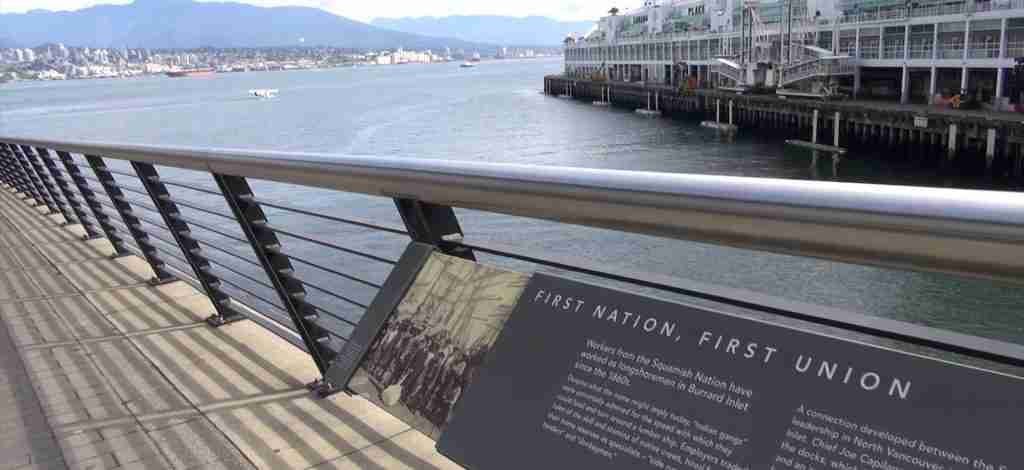
3 days
Vancouver 3-Day Discovery Tour
- ✓ Comprehensive Vancouver experience
- ✓ Expert local guides included
- ✓ All accommodation included
- ✓ Transportation provided
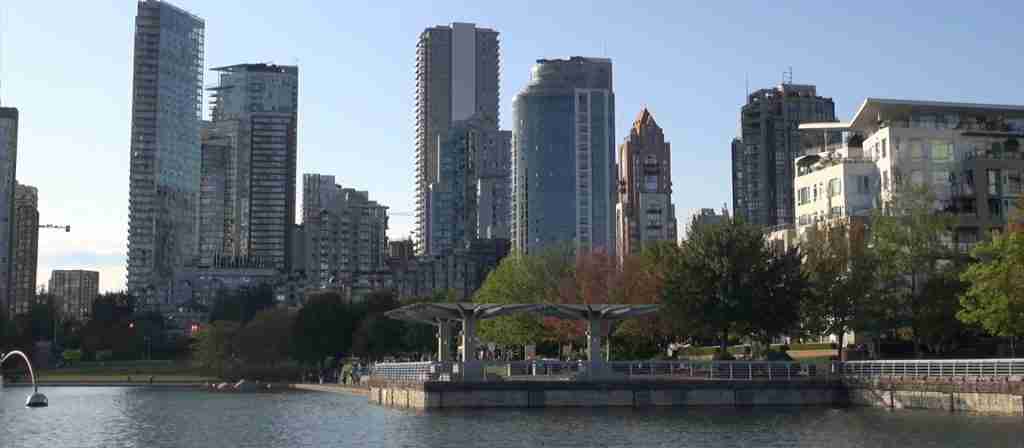
5 days
Vancouver 5-Day Highlights Experience
- ✓ Comprehensive Vancouver experience
- ✓ Expert local guides included
- ✓ All accommodation included
- ✓ Transportation provided
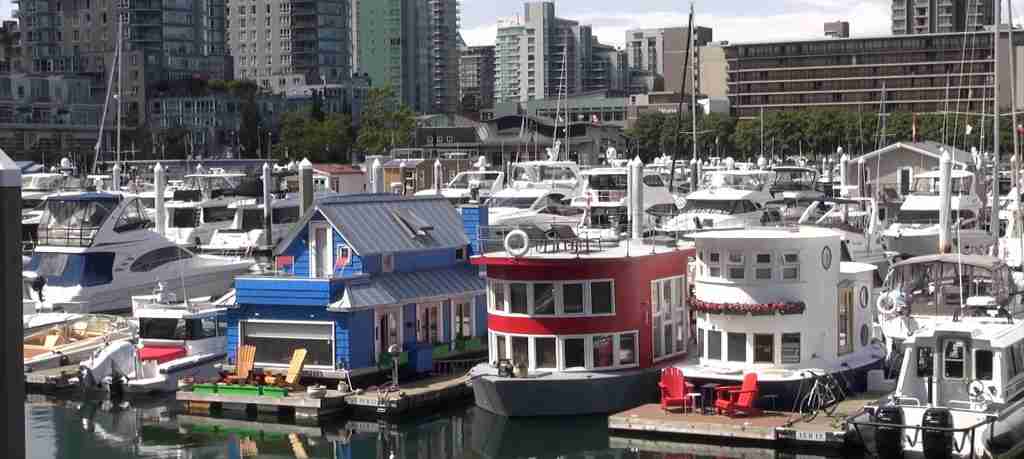
7 days
Vancouver 7-Day Cultural Journey
- ✓ Comprehensive Vancouver experience
- ✓ Expert local guides included
- ✓ All accommodation included
- ✓ Transportation provided

10 days
Vancouver 10-Day Complete Adventure
- ✓ Comprehensive Vancouver experience
- ✓ Expert local guides included
- ✓ All accommodation included
- ✓ Transportation provided
Multi-day tour packages powered by TourRadar. Prices and availability subject to change.
Introduction to Vancouver Budget Planning 2026
Vancouver occupies a unique position among North American cities as one of the continent’s most expensive destinations while simultaneously offering world-class natural beauty largely accessible without admission fees. This British Columbia metropolis of 2.6 million residents sprawls across a spectacular peninsula bordered by the Pacific Ocean, Coast Mountains, and Fraser River, creating a setting where urban sophistication meets wilderness adventure. The city’s reputation for high costs stems from multiple factors: a severe housing shortage limiting hotel supply, 20.5% accommodation taxes among Canada’s highest, strong Canadian dollar against many currencies, and premium pricing reflecting Vancouver’s status as a global destination.
Understanding Vancouver’s cost structure proves essential for realistic budget planning in 2026. The city operates a distinct pricing tier system where budget travelers face genuine challenges finding affordable accommodation while luxury visitors encounter costs rivaling New York or London. Mid-range travelers often discover the best value, with comfortable hotels priced competitively with major Canadian cities when booked strategically. The crucial factor distinguishing Vancouver from other expensive destinations lies in the availability of exceptional free experiences: Stanley Park’s 400-hectare urban wilderness, the 28-kilometer Seawall walking path, dramatic mountain backdrops, and accessible beaches create opportunities for memorable experiences regardless of budget constraints.
The 2026 travel landscape introduces significant complications through the FIFA World Cup, with Vancouver hosting multiple matches in June-July creating unprecedented demand and price surges. Hotel rooms typically costing CAD$300-400 per night reach CAD$1,700-2,300 during match periods, effectively eliminating these months for budget-conscious travelers. This guide provides comprehensive cost breakdowns across all major expense categories, identifies strategic savings opportunities, and delivers realistic daily budget expectations for three traveler tiers, enabling informed planning for Vancouver’s extraordinary urban-wilderness experience.
Vancouver Accommodation Costs 2026
Vancouver’s accommodation landscape in 2026 reflects a severe supply-demand imbalance, with the city needing an estimated 20,000 additional hotel rooms by 2050 and facing a projected shortfall of 5,400 rooms. This shortage drives premium pricing, particularly during summer months and major events, with hotel rates often exceeding comparable Canadian cities. All quoted accommodation prices face Vancouver’s 20.5% total tax burden including Provincial Sales Tax, Goods and Services Tax, Municipal and Regional District Tax, Vancouver Hotel Room Tax, and the FIFA 2026 surcharge, meaning a CAD$300 advertised rate actually costs CAD$362 at checkout.
Budget Accommodation Options Vancouver 2026 (CAD$50-130 Per Person Per Night)
Budget accommodation in Vancouver centers on hostel dormitories, budget hotels, and guesthouses, primarily concentrated in the Downtown, Gastown, and West End neighborhoods. Hostel dormitory beds range CAD$50-90 per night depending on location and season, with properties like The Cambie Hostel Gastown, YWCA Hotel Vancouver, and HI Vancouver Downtown offering basic but clean accommodation. These facilities typically provide shared bathrooms, communal kitchens enabling meal preparation, free Wi-Fi, and social common areas. Budget hotels and guesthouses charging CAD$100-160 per room (CAD$50-80 per person when sharing) include properties in the CAD$75-100 range found through booking platforms, offering private rooms with en-suite bathrooms but minimal amenities.
Location significantly impacts budget accommodation value in Vancouver. Downtown properties cost 20-30% more than those in nearby neighborhoods like Commercial Drive, Main Street, or East Vancouver, yet the savings disappear when factoring transit time and fares to reach major attractions. The West End neighborhood, stretching west from downtown toward Stanley Park, provides an optimal budget-conscious middle ground with accommodation slightly cheaper than downtown core while maintaining walkability to beaches, the Seawall, and Stanley Park. Budget travelers should book 60-90 days ahead for summer travel and 30-45 days for shoulder seasons, as Vancouver’s limited budget accommodation sells out quickly during peak periods.
Key budget accommodation considerations include kitchen access for meal preparation, which reduces dining costs by CAD$20-30 daily compared to restaurant meals, free breakfast potentially saving CAD$12-18 daily, and location near transit hubs maximizing the value of DayPasses. Properties in the CAD$100-130 per night range (CAD$50-65 per person sharing) represent the sweet spot for budget-conscious travelers seeking private rooms, with chains like Sandman, Days Inn, and local independents offering functional accommodation without frills. Winter months (November-February) see budget hotel rates drop to CAD$75-100 per room, creating opportunities for comfortable private accommodation at hostel-comparable per-person costs.
Mid-Range Accommodation Vancouver 2026 (CAD$250-500 Per Night / CAD$125-250 Per Person)
Mid-range accommodation encompasses the broadest selection in Vancouver, spanning comfortable chain hotels, boutique properties, and well-located independents. Downtown hotels averaging CAD$300-450 per night (CAD$150-225 per person sharing) include properties like Georgian Court Hotel near BC Place, Century Plaza Hotel in the West End, and Best Western Plus Chateau Granville, offering spacious rooms, fitness centers, business amenities, and strategic locations. Waterfront Coal Harbour hotels commanding CAD$350-500 per night (CAD$175-250 per person) such as Pinnacle Hotel Harbourfront and Coast Coal Harbour provide harbor views, modern design, and proximity to the Convention Centre and Canada Place cruise terminal.
The West End and English Bay neighborhoods deliver exceptional value in the mid-range tier, with properties CAD$250-380 per night (CAD$125-190 per person) located steps from beaches, Stanley Park, and Denman Street’s restaurant corridor. These areas offer quieter, more residential character compared to downtown’s urban intensity while maintaining excellent transit connections and walkability. Granville Island and False Creek properties, though slightly removed from downtown core, provide unique waterfront settings and artisan market access, with rates CAD$280-420 per night (CAD$140-210 per person) representing strong value for location and ambiance.
Mid-range travelers benefit from Vancouver’s competitive hotel market in this segment, with properties frequently offering packages including parking (normally CAD$30-40 daily), breakfast (saving CAD$15-25 per person), or attraction tickets. Booking directly through hotel websites often yields better rates than third-party platforms, particularly for multi-night stays where negotiated rates or loyalty programs apply. The optimal mid-range strategy combines downtown accommodation for 2-3 nights to maximize walkable access with West End or North Vancouver properties for remaining nights, balancing convenience and cost while experiencing different neighborhood character.
Luxury Accommodation Vancouver 2026 (CAD$600-1,500+ Per Night / CAD$300-750+ Per Person)
Vancouver’s luxury accommodation tier features international brands, heritage properties, and design-focused boutiques commanding premium pricing for exceptional locations, amenities, and service. Downtown luxury hotels ranging CAD$600-900 per night (CAD$300-450 per person) include Fairmont Hotel Vancouver, a historic railway hotel offering classic elegance and central location, Hyatt Regency Vancouver with contemporary design and rooftop views, and Rosewood Hotel Georgia combining art-deco heritage with modern luxury. Waterfront Coal Harbour properties reaching CAD$800-1,200 per night (CAD$400-600 per person) such as Fairmont Pacific Rim, Pan Pacific Vancouver, and Shangri-La Hotel Vancouver deliver world-class service, premium restaurants, spa facilities, and sweeping harbor and mountain vistas.
The luxury segment extends beyond traditional hotels to encompass unique experiences like boutique properties in Gastown’s heritage buildings, waterfront resorts in suburban North Vancouver and West Vancouver, and executive suites with full kitchens and multiple bedrooms. Properties exceeding CAD$1,000 per night (CAD$500+ per person) target business travelers and affluent tourists seeking ultimate comfort, with amenities including 24-hour concierge, in-room spa services, premium bedding and bath products, and exclusive lounge access. The St. Regis Hotel and Wedgewood Hotel, both boutique luxury properties, offer intimate alternatives to large chain hotels while maintaining impeccable service standards.
Luxury travelers should note that Vancouver’s top properties maintain relatively consistent pricing year-round compared to budget and mid-range tiers, with summer premium increases of only 20-30% rather than 50-100% seen in lower categories. This pricing stability reflects business travel demand supporting rates outside peak tourist season. The key exception involves FIFA World Cup periods in June-July 2026, when even luxury properties double or triple rates, with some flagship hotels reaching CAD$2,000-3,000 per night (CAD$1,000-1,500 per person). Luxury travelers maximizing value should consider shoulder seasons (April-May, September-October) when weather remains excellent, crowds diminish, and rates drop 15-20% below peak summer levels.
Alternative Accommodation Vancouver 2026
Alternative accommodation options provide cost-effective flexibility for various traveler types. Vacation rentals through platforms like Airbnb and VRBO range CAD$120-280 per night for entire apartments, offering kitchen facilities, living space, and potential savings for groups or families. Downtown and West End one-bedroom apartments average CAD$150-200 per night (CAD$75-100 per person when sharing), competing favorably with mid-range hotels while providing more space and cooking ability. Larger groups benefit substantially from multi-bedroom apartments or houses, with three-bedroom units CAD$280-400 per night (CAD$93-133 per person for three couples) delivering luxury space at mid-range per-person costs.
Suburban accommodation in Richmond, Burnaby, New Westminster, and North Vancouver offers 30-40% savings compared to downtown properties, though transit time to central attractions adds 30-60 minutes each way. Budget travelers willing to trade convenience for cost find CAD$80-120 per night hotel rooms in Richmond near the Canada Line, providing direct SkyTrain access to downtown in 25 minutes. North Vancouver properties across Burrard Inlet, accessible via SeaBus ferry, combine suburban pricing with proximity to Capilano Suspension Bridge and Grouse Mountain, creating value for visitors prioritizing North Shore attractions.
Unique options include university residence halls available during summer months (May-August) offering dormitory-style rooms CAD$60-90 per night with shared facilities, bed and breakfasts in residential neighborhoods providing CAD$130-180 per night rooms with included breakfast and local host interaction, and extended-stay hotels with kitchenettes ranging CAD$140-220 per night for travelers spending a week or more. Each alternative presents distinct tradeoffs between cost, location, amenities, and convenience, requiring careful evaluation based on individual priorities and travel style.
Vancouver Food and Dining Costs 2026
Vancouver’s dining landscape ranks among North America’s most diverse and expensive, reflecting the city’s multicultural population, emphasis on local and sustainable ingredients, and high operational costs. The combined 12% sales tax (5% GST + 7% PST) plus standard 18-20% gratuity increases menu prices by approximately 30%, meaning a CAD$25 entree costs CAD$32-33 after taxes and tip. Understanding dining options across price tiers and neighborhoods enables strategic budget management while experiencing Vancouver’s renowned culinary scene.
Budget Dining Vancouver 2026 (CAD$8-18 Per Meal)
Budget dining in Vancouver centers on food courts, ethnic restaurants, markets, and casual eateries offering substantial meals under CAD$20 before tax and tip. Asian cuisine provides exceptional value, with ramen shops in the West End and Downtown serving large bowls for CAD$14-18, Vietnamese pho restaurants on Kingsway and in Chinatown offering hearty portions for CAD$12-16, and Chinese, Korean, and Japanese quick-service restaurants throughout Richmond delivering authentic meals for CAD$12-18. Granville Island Public Market represents budget dining’s crown jewel, featuring dozens of food stalls selling fresh-prepared meals, artisan sandwiches, baked goods, and international specialties for CAD$10-15, with the added benefit of waterfront dining areas and no tipping expectations.
Downtown food courts in Pacific Centre Mall, Bentall Centre, and other office complexes offer CAD$10-15 meals from multiple vendors, catering to lunch crowds with Chinese, Japanese, Thai, Indian, and Western fast-casual options. Street food and food trucks, particularly concentrated along Burrard Street, Granville Street, and near Waterfront Station, provide quick CAD$8-12 meals, with Japadog (Japanese-style hot dogs) and other Vancouver-famous vendors offering unique experiences. Bakeries and cafes throughout the city serve substantial breakfast options, with coffee and pastry combinations for CAD$7-10 and breakfast sandwiches for CAD$8-12.
Grocery stores and supermarkets enable significant savings for travelers with kitchen access, with major chains like Safeway, Save-On-Foods, and Whole Foods offering prepared foods sections with sandwiches, salads, and hot meals for CAD$6-12. The Commercial Drive neighborhood features numerous ethnic groceries, bakeries, and small eateries where CAD$10-15 buys authentic meals from Italian, Latin American, Middle Eastern, and Asian cuisines. Budget travelers eating three simple meals daily should allocate CAD$40-60 per person, with grocery meal preparation reducing this to CAD$25-35 daily.
Mid-Range Dining Vancouver 2026 (CAD$20-45 Per Meal)
Mid-range dining encompasses Vancouver’s vast casual restaurant sector, spanning neighborhood bistros, ethnic restaurants with table service, gastropubs, and chain eateries. Lunch at mid-range establishments typically costs CAD$20-30 per person including tax and tip, with dinner entrees ranging CAD$22-38 before tax and tip, totaling CAD$28-50 per person with beverages, tax, and gratuity. Yaletown, Kitsilano, and Gastown neighborhoods host numerous mid-range restaurants offering innovative Pacific Northwest cuisine, fresh seafood, and farm-to-table concepts, with dinner for two averaging CAD$90-120 including one shared appetizer, two entrees, and non-alcoholic beverages.
Vancouver’s ethnic dining scene excels in the mid-range tier, with authentic Japanese izakayas on Robson Street and in the West End charging CAD$25-35 per person for multi-course meals, modern Indian restaurants in various neighborhoods offering CAD$22-32 dinner entrees with naan and rice, and Italian trattorias throughout the city providing CAD$24-36 pasta and pizza dishes. Seafood restaurants, showcasing British Columbia’s exceptional Pacific salmon, halibut, and shellfish, command CAD$30-48 for main courses, though lunch specials often deliver similar dishes for CAD$22-28. Brewery restaurants and gastropubs combine craft beer with elevated pub fare, with meals averaging CAD$25-35 per person and excellent value for quality and portions.
Strategic mid-range dining involves leveraging Vancouver’s competitive restaurant market through early bird specials (typically 5:00-6:00 PM) offering 20-30% discounts, happy hour menus (3:00-6:00 PM) providing reduced appetizer and drink pricing, and lunch pricing 30-40% below dinner for identical or similar dishes. The annual Dine Out Vancouver festival (January 21-February 8, 2026) features over 450 restaurants offering prix-fixe menus at CAD$25, CAD$35, CAD$50, and CAD$65, providing opportunities to experience upscale restaurants at significantly reduced prices. Mid-range travelers allocating CAD$80-115 per person daily for three meals enjoy diverse, high-quality meals while managing costs through strategic timing and venue selection.
Fine Dining and Luxury Vancouver 2026 (CAD$60-150+ Per Person)
Vancouver’s fine dining scene features innovative chefs, exceptional local ingredients, and restaurants consistently ranking among Canada’s best. Upscale establishments charge CAD$60-100+ per person for tasting menus or à la carte dinners before beverages, tax, and gratuity, with total bills reaching CAD$150-250 per person including wine pairings, tax, and tip. Michelin-recognized restaurants like Burdock & Co. and Published on Main offer tasting menus at CAD$110 during Dine Out Vancouver, with regular pricing reaching CAD$150-200+ per person. Waterfront fine dining at destinations like The Five Sails at Pan Pacific Hotel and ARC Restaurant at Fairmont Waterfront combines premium ingredients, exceptional views, and impeccable service, with multi-course dinners CAD$80-140 per person before beverages.
High-end Japanese restaurants including Miku (aburi-style sushi), Minami, and traditional kaiseki establishments charge CAD$70-120 per person for omakase or chef’s tasting experiences, showcasing Vancouver’s access to pristine Pacific seafood. Steakhouses like Elisa and Gotham Steakhouse deliver premium aged beef at CAD$55-85 for main courses, with full dinners totaling CAD$100-160 per person including appetizers, sides, and desserts. Modern Canadian restaurants emphasizing British Columbia ingredients and Indigenous influences, such as those highlighting First Nations salmon preparations and foraged ingredients, offer unique dining experiences at CAD$65-95 per person for tasting menus.
Luxury dining extends beyond restaurants to unique experiences including chef’s table reservations offering kitchen interaction, private dining rooms for intimate occasions, and multi-course wine or cocktail pairing dinners. Vancouver’s exceptional wine scene, particularly British Columbia Okanagan Valley vintages, adds CAD$40-80+ per person for curated pairings with tasting menus. Luxury travelers should budget CAD$180-250 per person daily for three meals including breakfast at hotel restaurants (CAD$35-45), upscale lunch (CAD$50-70), and fine dining dinner (CAD$100-140), recognizing that special occasion meals easily exceed CAD$300 per person with premium wines or spirits.
Grocery and Self-Catering Costs Vancouver 2026
Self-catering provides substantial savings for travelers with kitchen access, with grocery costs 60-70% below restaurant dining for equivalent quality. Major supermarket chains including Safeway, Save-On-Foods, Whole Foods, and Real Canadian Superstore offer standard grocery prices with bread CAD$3-5 per loaf, milk CAD$5-7 per 2L, eggs CAD$4-6 per dozen, chicken breast CAD$12-16 per kg, and fresh vegetables CAD$2-5 per item. Granville Island Public Market, though slightly more expensive than supermarkets, provides exceptional quality produce, artisan breads, fresh seafood, and specialty items justifying 10-20% premiums for travelers seeking premium ingredients.
A typical day’s self-catered meals costs CAD$15-25 per person, with breakfast (cereal, yogurt, fruit, coffee) CAD$4-6, packed lunch (sandwich ingredients, fruit, chips) CAD$6-10, and simple dinner (pasta, vegetables, protein) CAD$8-12 including all ingredients. Ethnic supermarkets in Richmond, particularly T&T Supermarket and various Chinese, Korean, and South Asian groceries, offer excellent value on Asian ingredients, prepared foods, and fresh produce, with ready-made meals CAD$6-10 providing restaurant quality at grocery prices. Downtown convenience stores charge 20-40% premiums over suburban supermarkets, making strategic grocery shopping trips worthwhile for extended stays.
Combination strategies optimize both cost and experience, with travelers preparing breakfast and lunch via groceries (saving CAD$30-40 daily) while dining at restaurants for dinner, experiencing Vancouver’s culinary scene while maintaining budget discipline. Granville Island market visits combine sightseeing with grocery shopping, purchasing fresh bread, cheese, charcuterie, and produce for picnic meals eaten along the Seawall or in Stanley Park. Coffee culture represents a notable expense, with daily Starbucks or local cafe visits costing CAD$5-8 per person, adding CAD$35-56 weekly, making in-room coffee makers valuable amenities for cost-conscious travelers.
Vancouver Transportation Costs 2026
Vancouver operates an efficient, integrated public transit system through TransLink, covering buses, SkyTrain rapid transit, SeaBus passenger ferries, and West Coast Express commuter rail. The network utilizes a three-zone fare structure for SkyTrain and SeaBus, with buses charging flat one-zone fares regardless of distance. Understanding TransLink’s pricing, payment options, and strategic use delivers excellent value for visitors, with the comprehensive network reaching virtually all tourist destinations without requiring taxis or rental cars.
TransLink Public Transit System 2026
TransLink’s fare structure differentiates between Compass Card (reloadable transit card), Compass Ticket (single-use paper ticket), and contactless payment (credit/debit tap), with Compass Cards offering the lowest per-trip costs. Adult Compass Card stored value fares are CAD$2.70 for one zone, CAD$4.00 for two zones, and CAD$5.10 for three zones, valid for 90 minutes of unlimited transfers between buses, SkyTrain, SeaBus, and HandyDART. Cash fares and contactless payment cost CAD$3.35 for one zone, CAD$4.85 for two zones, and CAD$6.60 for three zones, representing 20-30% premiums over Compass Card rates. All bus trips charge one-zone fares regardless of distance, making buses optimal for long cross-city journeys staying within a single zone.
The zone system operates differently based on time and day: weekdays before 6:30 PM require appropriate zone fares for SkyTrain and SeaBus travel, while weekday evenings after 6:30 PM and all day weekends and holidays reduce all trips to one-zone pricing regardless of distance traveled. This timing creates strategic opportunities, with three-zone airport trips costing CAD$5.10 during weekday daytime but only CAD$2.70 evenings and weekends using Compass Cards. Vancouver International Airport (YVR) charges a mandatory CAD$5 AddFare for all trips departing the airport, making airport-to-downtown journeys CAD$7.70 weekday daytime (CAD$2.70 one-zone plus CAD$5 airport fee) and CAD$7.70 evenings/weekends despite one-zone pricing.
Compass Cards themselves cost CAD$6 as a refundable deposit, available at SkyTrain station vending machines, London Drugs stores, and select retailers. Cards can be loaded with stored value (minimum CAD$5) or passes, checked and reloaded online, and used across the entire TransLink network. Single-use Compass Tickets purchased at station vending machines for specific zone travel lack the flexibility and discount of reloadable cards. Contactless credit and debit cards (Mastercard, Visa, American Express) tap directly on readers for payment convenience, though the higher cash-rate fares apply rather than Compass Card discounts, and the system charges separately for each leg rather than recognizing 90-minute transfers when changing payment methods.
TransLink DayPass and Monthly Pass Options 2026
The TransLink DayPass provides unlimited all-day travel across all zones on buses, SkyTrain, and SeaBus for CAD$12 per person, valid from first tap until 4:00 AM the following morning. DayPasses deliver exceptional value for travelers making three or more trips daily, with break-even typically occurring after two round-trips between downtown and outlying areas. The pass loads onto Compass Cards or purchases as single-use Compass Tickets at station vending machines, with the unlimited nature encouraging spontaneous exploration and eliminating per-trip fare calculations. Tourists planning full-day sightseeing covering Stanley Park, Granville Island, Gastown, and additional neighborhoods should default to DayPasses rather than stored value.
Monthly Passes suit extended stays or frequent transit users, costing CAD$112 for one zone, CAD$149 for two zones, and CAD$189 for three zones, providing unlimited travel on buses and HandyDART system-wide plus unlimited SkyTrain and SeaBus within purchased zones during weekdays until 6:30 PM, with all-zone access evenings and weekends. Visitors staying two weeks or more should calculate whether DayPass accumulation (CAD$168 for 14 days) justifies monthly pass investment, typically finding value only for stays exceeding 20-25 days with daily transit use. Concession fares for seniors 65+ and youth 13-18 provide 30-40% discounts across all fare types, with proper identification required at time of purchase and during fare inspection.
Taxi, Rideshare, and Alternative Transportation Costs 2026
Taxi and rideshare services provide convenient alternatives to public transit, though costs accumulate rapidly compared to TransLink’s economical fares. Vancouver taxis charge CAD$3.85 flag-pull plus CAD$2.15 per kilometer, with typical downtown-to-Stanley-Park rides costing CAD$12-16 and downtown-to-Granville-Island trips CAD$14-18 depending on traffic. Cross-city journeys from downtown to Richmond or Burnaby reach CAD$35-50, while airport-to-downtown taxi fares average CAD$40-50 plus tip, significantly exceeding the CAD$7.70 Canada Line SkyTrain cost. Rideshare apps including Uber and Lyft operate throughout Metro Vancouver with pricing comparable to or slightly below traditional taxis, though surge pricing during peak hours increases costs 1.5-2.5 times normal rates.
Bicycle rental and bike-share programs offer affordable, healthy transportation for downtown and waterfront exploration. Mobi by Shaw Go bike-share stations throughout downtown, West End, and along False Creek rent bikes for CAD$2.75 per 30 minutes or CAD$24 for 24-hour unlimited access, ideal for Seawall cycling and neighborhood exploration. Traditional bike rental shops near Stanley Park and Denman Street charge CAD$30-45 for full-day bike rentals, CAD$15-25 for half-day periods, with tandem bikes, electric bikes, and specialty options commanding CAD$50-75 daily rates. The Stanley Park Seawall’s 10-kilometer circuit represents Vancouver’s premier cycling experience, requiring 45-60 minutes at casual pace with numerous viewpoints and beaches accessible only by walking or cycling.
Water taxis and passenger ferries supplement land transportation, with Aquabus and False Creek Ferries operating colorful small boats connecting Granville Island, Yaletown, Science World, and other False Creek destinations. Single rides cost CAD$4-8 depending on distance, with day passes CAD$17 providing unlimited hop-on-hop-off access, combining transportation utility with sightseeing experience. The Downtown-to-North-Vancouver SeaBus, part of the TransLink system and included in zone fares, operates every 15-30 minutes providing spectacular harbor crossing views while serving as functional transit, with the 12-minute voyage itself worth experiencing regardless of North Shore destination.
Airport Transportation Vancouver 2026
Vancouver International Airport (YVR) connects to downtown via multiple transportation options varying significantly in cost and convenience. The Canada Line SkyTrain provides the most economical choice, operating every 6-8 minutes from 5:00 AM to 1:00 AM with a 26-minute journey time to downtown stations. Fares cost CAD$7.70 using Compass Cards (CAD$2.70 base one-zone fare plus CAD$5 YVR AddFare) or CAD$8.35 using contactless payment, with the AddFare waived for children under 5. The Canada Line’s efficiency, reliability, and low cost make it the default choice for budget and mid-range travelers, though luggage space during peak hours creates minor inconvenience for travelers with large suitcases.
Taxis from YVR to downtown cost CAD$40-50 plus tip depending on destination, with Coal Harbour hotels at the lower end and Gastown properties at the higher end. Rideshare services price comparably at CAD$38-55 depending on surge pricing and destination. Shared shuttle services like YVR Skylynx charge CAD$21 per person for door-to-door hotel delivery, operating every 30 minutes with 45-60 minute total journey times including multiple hotel stops. Private hotel shuttles serve select properties, complimentary for guests though advance reservation often required, providing comfortable transfers without public transit navigation.
Rental car pickup at YVR adds convenience for travelers planning immediate departure to destinations beyond Vancouver, with all major agencies represented in the airport terminal building. Daily rates average CAD$60-90 for economy vehicles, with mandatory insurance, parking fees, and fuel making cars economical only for trips requiring extensive mobility beyond Vancouver’s transit-accessible areas. Budget travelers with downtown-focused itineraries should consistently choose the Canada Line, mid-range travelers might justify shared shuttles for luggage convenience, and only luxury travelers or those with specific mobility needs warrant private taxis or car services for CAD$40-60 airport transfers.
Vancouver Attractions and Activities Costs 2026
Vancouver balances expensive paid attractions with exceptional free experiences, creating opportunities for budget-conscious visitors to enjoy world-class sights without admission fees while enabling those seeking premium experiences to find abundant options. Understanding which attractions justify costs and which free alternatives deliver comparable value proves essential for optimizing entertainment budgets across all traveler tiers.
Major Paid Attractions Vancouver 2026
Capilano Suspension Bridge Park charges CAD$63 for adult admission in 2026, with senior (65+) tickets CAD$60 and youth (13-16) CAD$45, check their official website for current rates as pricing may vary seasonally. This privately-operated attraction features the iconic 137-meter suspension bridge spanning Capilano Canyon 70 meters above the river, plus Treetops Adventure (seven suspension bridges through old-growth forest canopy), Cliffwalk (granite cliff face walkway with glass sections), and various interpretive displays and historical exhibits. The comprehensive experience typically requires 2-3 hours, with all attractions included in admission. Free downtown shuttle service operates during peak seasons, eliminating CAD$10-15 transit costs. Advance online booking saves CAD$10-12 versus walk-up rates and guarantees admission during sold-out periods, particularly weekends and holidays.
Vancouver Aquarium, located within Stanley Park, charges CAD$44 adult admission for 2026, with senior and youth tickets CAD$38-40, check their official website for current pricing. The aquarium houses 58,000 animals across 166 displays, featuring Pacific white-sided dolphins, sea otters, beluga whales (relocated), sea lions, and extensive tropical fish, reptile, and amphibian collections. Amazon Rainforest and Tropic Zone exhibits complement local marine life displays, creating 2-3 hour experiences. Advance online tickets save approximately CAD$8 compared to gate prices through dynamic pricing, with afternoon entry (after 2:00 PM) occasionally discounted CAD$5-10 during slower periods.
Grouse Mountain, accessed via 8-minute Skyride gondola from North Vancouver, charges CAD$73 adult round-trip admission in 2026, check their website for current rates. Summer admission includes Skyride, Theatre in the Sky film, Birds in Motion raptor show, grizzly bear habitat viewing, and access to hiking trails, alpine lakes, and mountaintop restaurants. Winter pricing adds skiing and snowboarding access. The Grouse Grind trail, a grueling 2.9-kilometer ascent gaining 850 meters elevation, allows free uphill hiking with CAD$20 Skyride-down-only tickets for those completing the 1.5-3 hour climb. Budget-conscious visitors in good physical condition save CAD$53 per person through Grind-up, ride-down combinations.
Museums and Cultural Attractions Vancouver 2026
Museum of Anthropology at University of British Columbia charges CAD$18 adult admission, featuring world-renowned First Nations art and artifact collections, particularly Northwest Coast totem poles, ceremonial masks, and contemporary Indigenous art. The museum’s striking Arthur Erickson-designed building and Great Hall displaying monumental carved poles justify 2-3 hour visits for culture and history enthusiasts. Free admission Tuesdays 5:00-8:00 PM (donations welcomed) provides budget-conscious access, though popular events create crowds during free periods.
Science World, Vancouver’s distinctive geodesic dome at the eastern end of False Creek, charges CAD$35 adult admission in 2026, with interactive science exhibits, demonstrations, OMNIMAX theatre films, and hands-on displays ideal for families and science enthusiasts. Vancouver Art Gallery in downtown charges CAD$28 adult admission (check official site for current pricing), featuring British Columbia and Canadian art, international traveling exhibitions, and permanent Emily Carr collections. Museum passes combining multiple institutions rarely offer significant savings in Vancouver compared to other cities, making individual admission the typical approach.
Many smaller museums offer free or affordable admission, including Vancouver Police Museum CAD$15, Roedde House Museum CAD$8, and Museum of Vancouver CAD$19, providing focused cultural experiences without premium pricing. First Fridays at Vancouver Art Gallery provide CAD$10 admission 5:00-9:00 PM, combining cultural access with downtown evening activities. Cultural attractions generally represent moderate expenses in Vancouver budget planning, with strategic timing (free admission periods, discount days) enabling access without substantial costs.
Tours and Guided Experiences Vancouver 2026
Guided tours provide expert interpretation, convenient transportation, and structured experiences, though costs accumulate rapidly compared to independent exploration. Half-day city tours combining Stanley Park, Capilano Suspension Bridge, and downtown highlights cost CAD$110-145 per person including transportation and Capilano admission, representing value when including CAD$63 bridge admission and eliminating transportation logistics. Full-day tours adding Grouse Mountain or Sea-to-Sky Highway segments reach CAD$180-230 per person, appropriate for travelers with limited time seeking comprehensive introductions without independent planning.
Whale watching tours, experiencing Vancouver’s signature wildlife attraction, charge CAD$120-160 per person for 3-5 hour excursions seeking orcas, humpback whales, seals, eagles, and other marine life in the Strait of Georgia and Gulf Islands. Peak season (May-October) offers 90%+ success rates encountering whales, with tour operators providing full refunds or return trips if no whales spotted. Zodiac tours in smaller, faster boats command premium pricing CAD$150-180 versus larger tour boats CAD$120-140, offering more intimate experiences and greater maneuverability approaching wildlife.
Walking tours provide affordable guided experiences, with free walking tours (tip-based, suggesting CAD$15-25 per person) covering Gastown, Downtown, and Granville Island, scheduled food tours CAD$75-95 per person combining tastings with neighborhood exploration, and specialized tours (craft brewery tours, photography walks, Indigenous cultural tours) ranging CAD$60-100 per person. Bike tours around Stanley Park and False Creek cost CAD$55-75 per person including bike rental and guide, delivering active exploration with expert commentary. Budget travelers should limit guided tours to one or two premium experiences (whale watching, Capilano combo tour), conducting remainder of exploration independently using transit and free attractions.
Free and Low-Cost Activities Vancouver 2026
Vancouver’s greatest budget asset lies in exceptional free attractions requiring only transportation costs. Stanley Park, North America’s third-largest urban park, provides 400 hectares of temperate rainforest, beaches, gardens, and views without admission fees. The Seawall’s 10-kilometer park circuit (or 28-kilometer entire waterfront path) offers world-class walking and cycling with mountain, ocean, and city views, Vancouver Aquarium and Lost Lagoon being the only paid elements within the park. Beaches including English Bay, Second Beach, Third Beach, and Kitsilano Beach provide free sunset viewing, swimming, and relaxation with mountain backdrops rivaling expensive beach destinations globally.
Granville Island, though featuring paid attractions like the Public Market (free browsing, paid purchases), offers free street performer entertainment, artisan gallery viewing, brewery and distillery tasting rooms (minimal costs), and waterfront ambiance. Lynn Canyon Park in North Vancouver provides a free suspension bridge alternative to Capilano, spanning Lynn Creek 50 meters above canyon floor, plus hiking trails, swimming holes, and ecology center, requiring only CAD$5-10 transit costs from downtown. Lighthouse Park in West Vancouver, Whytecliff Park, Deep Cove, and numerous other regional parks deliver wilderness hiking, beach access, and spectacular scenery without fees.
Downtown neighborhoods Gastown, Yaletown, Coal Harbour, and West End reward walking exploration with architecture, public art, harbor views, and shopping without required purchases. The Vancouver Public Library’s Central Branch, a striking architectural landmark, provides free admission to browse, use computers, or simply appreciate the colosseum-inspired design. Sunset viewing from English Bay Beach, particularly during summer months with 9:00 PM-10:00 PM sunsets, creates memorable experiences costing nothing beyond transportation. Budget travelers building itineraries around free activities, supplemented with one or two major paid attractions, experience Vancouver’s essence while minimizing entertainment costs.
Sample Daily Budgets Vancouver 2026
Realistic daily budget planning requires comprehensive cost accounting across accommodation, meals, transportation, and activities, with Vancouver’s multiple expense layers (sales tax, hotel tax, tipping) significantly inflating baseline prices. The following budget tiers represent typical daily per-person costs assuming two people sharing hotel accommodation, with accommodation costs divided by two before calculating per-person totals.
Budget Daily Costs Vancouver 2026 (CAD$135-220 Per Person)
Budget travelers sharing hostel dormitories or budget hotel accommodation need CAD$135-220 per person daily. This breaks down as hostel dormitory CAD$50-70 per person or budget hotel CAD$50-65 per person (two sharing CAD$100-130 room), breakfast CAD$8-12, lunch CAD$15-22, dinner CAD$18-28, transit DayPass CAD$12, one attraction or activity CAD$15-25, coffee and snacks CAD$10-15, and contingency CAD$10-20. Budget strategy prioritizes free activities (Stanley Park, beaches, Seawall walking, free museum days, neighborhood exploration) over paid attractions, limits paid attractions to one significant experience every 2-3 days, and emphasizes food courts, ethnic restaurants, Granville Island market, and occasional grocery store meals over sit-down restaurants. Hostel kitchen access enables breakfast and lunch preparation, reducing meal costs to CAD$25-35 daily versus CAD$45-60 for restaurant meals.
A typical budget daily schedule includes budget hotel accommodation CAD$55 per person (two sharing CAD$110 room), self-prepared or simple breakfast CAD$8, transit DayPass CAD$12, free morning activity Stanley Park or beaches, lunch at food court or Granville Island market CAD$15, afternoon free hiking Lynn Canyon or neighborhood walking, dinner at ethnic restaurant CAD$22, evening free sunset viewing English Bay, coffee CAD$6. Total approximately CAD$150 per person delivers comfortable budget travel without deprivation.
Mid-Range Daily Costs Vancouver 2026 (CAD$305-435 Per Person)
Mid-range travelers sharing comfortable hotels need CAD$305-435 per person daily. This includes hotel accommodation CAD$175 per person (two sharing CAD$350 room), breakfast CAD$18-25 at cafe or hotel, lunch CAD$25-35 at casual restaurant, dinner CAD$40-55 at mid-range restaurant, transit CAD$12 DayPass, attractions CAD$40-70 (one major paid attraction or tour), coffee and beverages CAD$10-15, contingency CAD$25-40. Mid-range strategy balances comfort and value, booking well-located hotels in downtown, West End, or Coal Harbour with amenities like breakfast and fitness centers, dining at mix of casual and mid-range restaurants experiencing Vancouver’s diverse culinary scene, and selecting 1-2 major paid attractions daily from Capilano, Aquarium, Grouse Mountain, or guided tours.
A typical mid-range daily schedule includes downtown hotel accommodation CAD$175 per person (two sharing CAD$350 room), hotel or cafe breakfast CAD$20, morning Capilano Suspension Bridge CAD$63 plus transit CAD$12, lunch at Granville Island restaurant CAD$30, afternoon Stanley Park Seawall cycling CAD$20, coffee CAD$6, dinner at Yaletown restaurant CAD$48, evening walk Gastown. Total approximately CAD$374 per person delivers comfortable exploration with quality dining and attraction access.
Luxury Daily Costs Vancouver 2026 (CAD$785-1,340+ Per Person)
Luxury travelers sharing premium hotels need CAD$785-1,340+ per person daily. This breaks down as luxury hotel accommodation CAD$500 per person (two sharing CAD$1,000 room), breakfast CAD$35-45 at hotel restaurant, lunch CAD$50-70 at quality restaurant, fine dining dinner CAD$100-140 including wine, private car service or premium transportation CAD$60-100, premium attractions or private tours CAD$150-300, spa treatments or special experiences CAD$100-200, contingency CAD$50-85. Luxury strategy emphasizes exceptional experiences, impeccable service, and freedom from budget constraints, with waterfront luxury hotels providing harbor views and premium amenities, fine dining at Vancouver’s top restaurants, private guides enabling customized experiences, and premium versions of standard attractions.
A typical luxury daily schedule includes luxury waterfront hotel accommodation CAD$500 per person (two sharing CAD$1,000 room), hotel restaurant breakfast CAD$40, private car service to Capilano CAD$80, Capilano admission CAD$63, premium lunch CAD$60, afternoon private yacht charter CAD$250, spa treatment CAD$175, fine dining dinner CAD$120, evening entertainment CAD$50. Total approximately CAD$1,338 per person exemplifies luxury travel enabling Vancouver’s finest experiences without compromise.
Money-Saving Strategies Vancouver 2026
Strategic planning and informed decision-making dramatically reduce Vancouver costs without sacrificing experience quality. Understanding where expenses concentrate and identifying alternatives enables significant savings across accommodation, dining, transportation, and activities, with disciplined travelers often achieving mid-range experiences at budget-tier costs through smart choices.
Accommodation Savings Strategies 2026
Booking timing significantly impacts Vancouver accommodation costs, with advance reservations 60-90 days before summer travel securing rates 30-40% below last-minute booking, while shoulder season visits (March-April, October-November) deliver 25-35% savings compared to peak summer without substantially compromising weather. Alternative neighborhood selection provides immediate value, with West End, Kitsilano, and Commercial Drive properties costing 20-30% less than downtown core equivalents while maintaining excellent transit access and neighborhood character. Extended stays enable negotiation, with week-long bookings often qualifying for seventh night free or 15-20% discounts at mid-range hotels and vacation rentals.
Vacation rental platforms (Airbnb, VRBO) frequently undercut hotel pricing for equivalent space and location, particularly benefiting groups and families sharing multi-bedroom units. A three-bedroom apartment CAD$280-350 per night delivers CAD$93-117 per person for three couples compared to mid-range hotels CAD$150-225 per person, while providing full kitchen, laundry, living space, and residential neighborhood immersion. Kitchen access delivers additional value through meal preparation, potentially saving CAD$30-50 per person daily on dining costs, making vacation rentals with kitchens financially superior to hotels without even considering space advantages.
Loyalty programs and membership benefits reduce accommodation costs for members, with hotel chain loyalty programs offering free nights after 10-12 paid stays, suite upgrades, and member-only rates 10-15% below public pricing. Credit card travel benefits provide hotel credits, points earning toward free nights, and elite status fast-tracking. Warehouse club memberships (Costco Travel) and automobile association memberships (CAA, AAA) negotiate group rates delivering 10-20% savings, with additional benefits like free breakfast or parking worth CAD$20-40 daily. Budget travelers should systematically check hotel direct websites, booking platform comparisons, and membership rates before finalizing accommodation, as identical rooms vary CAD$30-80 per night across booking channels.
Dining and Food Cost Reduction 2026
Meal timing and venue selection create dramatic dining cost differences in Vancouver. Lunch menus at mid-range and upscale restaurants typically price 30-40% below dinner menus for identical or similar dishes, with lunch mains CAD$18-28 versus dinner mains CAD$28-42 at the same establishment. Happy hour periods (3:00-6:00 PM) slash appetizer and drink pricing 25-50%, turning mid-range restaurants into budget-friendly options. Early bird specials (5:00-6:00 PM) offer full dinner menus at 20-30% discounts, requiring only flexibility in dining timing for substantial savings.
Ethnic neighborhood exploration uncovers exceptional value, with Commercial Drive’s Italian cafes and bakeries, Main Street’s Vietnamese and Korean restaurants, Richmond’s massive Chinese and Asian food scene, and Punjabi Market’s South Asian eateries delivering authentic, high-quality meals at 40-60% below downtown tourist area pricing. Granville Island Public Market provides restaurant-quality prepared foods, artisan sandwiches, and international specialties for CAD$10-15 without tipping expectations, with waterfront seating creating memorable dining experiences. Food trucks and casual takeout eliminate the 18-20% gratuity burden, reducing effective costs 15-20% compared to sit-down equivalent meals.
Strategic grocery shopping delivers maximum value through self-catering combinations, preparing breakfast and lunch in accommodation kitchens (saving CAD$25-40 daily) while dining out only for dinner, experiencing restaurants without triple-meal costs. Ethnic supermarkets, particularly T&T Supermarket and various Asian groceries in Richmond, offer prepared foods, dumplings, sushi, and hot meals CAD$6-12 rivaling restaurant quality. Purchasing beverages at grocery stores rather than restaurants saves CAD$3-5 per drink, with six-pack beer costing CAD$12-16 at liquor stores versus CAD$8-10 per pint at restaurants. Comprehensive meal cost management combining strategic dining timing, ethnic neighborhood exploration, and selective self-catering reduces daily food spending 40-50% without sacrificing quality or experience variety.
Transportation Cost Optimization 2026
TransLink DayPass purchase proves economical for virtually all tourists, with CAD$12 unlimited all-zone access typically breaking even after two round-trips between downtown and peripheral areas, while enabling spontaneous exploration without per-trip fare calculation. Compass Card stored value provides 20-30% savings over cash or contactless payment fares, with CAD$6 refundable card deposit recovering upon departure. Strategic timing leverages evening and weekend one-zone pricing, with identical three-zone airport trips costing CAD$5.10 plus CAD$5 AddFare weekday afternoons versus CAD$2.70 plus CAD$5 AddFare weekday evenings or weekends, saving CAD$2.40 per person through schedule flexibility.
Walking and cycling substitute for transit on shorter downtown distances, with most downtown-to-Stanley-Park, downtown-to-Granville-Island, and downtown-to-Yaletown journeys covering 2-3 kilometers requiring 20-30 minute pleasant walks along waterfront paths. Bike share (Mobi) at CAD$24 for 24-hour unlimited access covers dozens of short trips more economically than transit while providing exercise and flexible routing. The scenic nature of many Vancouver routes turns walking from cost-cutting measure to experience enhancement, with Seawall walks and False Creek waterfront paths offering superior views compared to SkyTrain underground segments.
Airport transportation savings come from Canada Line SkyTrain at CAD$7.70 versus taxi CAD$40-50, saving CAD$32-42 per person each direction. Avoiding YVR AddFare entirely requires purchasing Compass Cards before airport arrival, though the CAD$5 charge proves unavoidable for departures from the airport itself. Rental car elimination saves CAD$100-150 daily including vehicle rental, insurance, parking, and fuel, with comprehensive transit coverage reaching all major tourist destinations making cars unnecessary for Vancouver-focused itineraries. Only travelers planning day trips to Whistler, Sea-to-Sky Highway, or extensive British Columbia exploration beyond Metro Vancouver justify rental car expenses.
Attraction and Activity Savings 2026
Free attraction prioritization builds comprehensive Vancouver itineraries without admission fees, with Stanley Park, beaches, Seawall, Lynn Canyon suspension bridge, Granville Island browsing, neighborhood walking tours, sunset viewing, and hiking trails delivering world-class experiences. Two or three carefully selected paid attractions (Capilano, Vancouver Aquarium, Grouse Mountain) supplement free activity foundations rather than dominating itineraries, with budget travelers visiting one major paid attraction every 2-3 days rather than daily. Advance online booking saves CAD$8-12 per attraction compared to walk-up rates at most Vancouver venues, with dynamic pricing offering additional afternoon or off-peak discounts.
Alternative attraction combinations provide comparable experiences at reduced costs, with Lynn Canyon’s free suspension bridge substituting for Capilano’s CAD$63 admission for budget-conscious travelers, though Capilano’s superior facilities, safety, and comprehensive attractions justify costs for those affording premium experiences. Grouse Grind hiking up eliminates CAD$53 per person in Skyride costs, requiring only CAD$20 gondola-down tickets, though the strenuous 1.5-3 hour climb suits only fit hikers. Free museum admission days and discounted evening hours (Museum of Anthropology Tuesdays 5:00-8:00 PM, Vancouver Art Gallery First Fridays CAD$10) enable cultural access without full admission.
Self-guided exploration substitutes for guided tours at fraction of costs, with comprehensive online resources, transit route planning, and detailed neighborhood walking providing equivalent information without CAD$75-145 per person tour fees. Free walking tours (tip-based) deliver expert guidance at CAD$15-25 suggested tips versus CAD$75-95 scheduled food tours, though scheduled tours include food tastings justifying premiums for specific experiences. Combination passes and bundled attractions rarely offer significant savings in Vancouver compared to other cities, making selective individual admission the typical optimal approach rather than seeking multi-attraction packages.
Seasonal Price Variations Vancouver 2026
Vancouver’s seasonal pricing fluctuations significantly impact travel costs, with summer months commanding peak rates while winter and shoulder seasons offer substantial savings. Understanding seasonal price patterns, weather implications, and crowd dynamics enables strategic timing maximizing value without sacrificing experience quality.
Peak Season Costs Summer 2026 (June-August)
Summer represents Vancouver’s most expensive period, with hotel prices reaching annual highs and major attractions operating at capacity. Downtown hotels averaging CAD$300-450 in shoulder seasons surge to CAD$450-650 in July-August, with waterfront properties exceeding CAD$700-900 per night. The combination of perfect weather (18-25°C, minimal rain, long daylight hours), school vacation timing, and cruise ship passengers creates maximum demand without corresponding supply increases, driving premium pricing across accommodation sectors. Budget hostel dormitories similarly increase from CAD$50-65 to CAD$70-90 per night, while vacation rentals command 40-60% premiums over winter rates.
The critical 2026 factor involves FIFA World Cup impacts during June-July, when Vancouver hosts multiple matches creating unprecedented demand spikes. Hotels during match periods charge 300-800% above normal rates, with properties typically CAD$350 per night reaching CAD$1,700-2,300, effectively pricing out budget and mid-range travelers. Downtown hotels sell out entirely for match dates months in advance, forcing remaining visitors into suburban properties or inflated vacation rentals. Travelers should categorically avoid Vancouver during FIFA match periods unless attending matches justifies extreme accommodation costs, instead visiting May (pre-tournament) or August (post-tournament) for traditional summer weather without artificial price inflation.
Summer season advantages beyond weather include extended attraction hours, outdoor festivals and events, patio dining, and beach culture at full animation. Disadvantages encompass not only peak pricing but also crowds at major attractions requiring advance reservations, longer restaurant wait times, and competition for optimal Seawall and Stanley Park areas during weekends. Summer travelers accepting peak prices gain ideal weather and comprehensive activity access, while budget-conscious visitors should reconsider timing or dramatically adjust accommodation expectations compared to shoulder seasons.
Shoulder Season Value Spring and Fall 2026 (April-May, September-October)
Shoulder seasons deliver Vancouver’s optimal value-to-experience ratio, combining pleasant weather with moderate pricing and manageable crowds. Spring months April-May feature increasing temperatures (10-16°C), decreasing rainfall, cherry blossom displays (late March-early April), and hotel rates 20-30% below summer peaks. Downtown hotels dropping from summer CAD$450-650 to spring CAD$350-480 represent genuine savings while weather remains comfortable for outdoor activities. September-October similarly offers excellent value with autumn colors, comfortable temperatures (12-18°C September, 8-14°C October), and hotel rates 25-35% below summer, though October rainfall increases toward month’s end.
Spring shoulder season particularly appeals through cherry blossom season transforming city streets and parks with pink blooms, creating photogenic conditions and festival atmospheres without extreme summer crowds. May represents the sweet spot with improving weather, reasonable pricing, and pre-summer crowd levels, enabling popular attraction access without lengthy waits or advance reservations. September extends summer-like conditions into fall, with locals considering September among Vancouver’s finest months combining warm temperatures, decreased tourist numbers, and occasional spectacular weather systems.
Shoulder season limitations include occasional rain (though significantly less than winter), shorter daylight hours than summer (sunset 8:00-9:00 PM May versus 10:00 PM July), and some seasonal attractions operating reduced hours or closing entirely. The value proposition strongly favors shoulder seasons for budget-conscious travelers prioritizing cost savings over guaranteed perfect weather, with 25-35% accommodation savings, reduced dining wait times, and easier attraction access compensating for minor weather uncertainties and slightly shorter days. Mid-range travelers particularly benefit from shoulder season timing, accessing comfortable hotels at budget-season prices while experiencing Vancouver’s attractions without summer crushing crowds.
Budget Season Winter 2026 (November-March)
Winter months deliver Vancouver’s deepest discounts, with hotel rates 35-45% below summer peaks and substantially reduced crowds at indoor attractions. Downtown hotels dropping from summer CAD$450-650 to winter CAD$280-400 represent exceptional value, while budget properties falling to CAD$75-110 per night enable comfortable private accommodation at near-hostel prices. January-February represent absolute low points with minimal tourist activity, Chinese New Year (late January-February) being the notable exception creating temporary demand increases. November and March bookend winter season with slightly higher pricing as they border shoulder seasons while maintaining most winter discount benefits.
Winter weather defines the season’s character, with frequent rain (15-18 rainy days monthly), cool temperatures (3-8°C), and short daylight hours (sunset 4:30 PM December, 5:30 PM February) creating atmospheric but challenging outdoor conditions. Vancouver rarely experiences snow or freezing temperatures in city areas, distinguishing it from eastern Canadian cities, though North Shore mountains receive abundant snowfall enabling winter sports. The mild climate allows winter Vancouver visits focused on indoor activities, rain-compatible outdoor experiences (rainforest hiking embraces wet conditions), and unique seasonal events like Capilano Suspension Bridge Canyon Lights (November-January) transforming the attraction with illuminated displays.
Winter season particularly suits budget travelers prioritizing cost minimization, culture enthusiasts focusing on museums and dining, and those combining Vancouver visits with Whistler skiing trips. The comprehensive indoor attraction availability (aquarium, museums, restaurants, covered markets, shopping), protected by mild temperatures rarely requiring winter coats, enables comfortable winter exploration despite rain and short days. Disadvantages include limited beach and outdoor recreation appeal, challenging conditions for extended Seawall walking or Stanley Park exploration, and reduced daylight restricting daily activity hours. Winter travelers accepting weather limitations gain access to Vancouver’s essence at 40-50% discounts compared to summer, representing extraordinary value for flexible visitors.
Special Events and Price Surges Vancouver 2026
Vancouver’s event calendar creates significant price fluctuations beyond seasonal patterns, with major events dramatically increasing accommodation costs and availability constraints. Advance planning around key events proves essential for both avoiding unwanted expense surges and strategically attending desired events with appropriate budgeting.
FIFA World Cup Impact June-July 2026
The FIFA World Cup represents Vancouver’s most significant 2026 event, with the city hosting multiple matches bringing an estimated 100,000 visitors on match days. Hotel availability becomes severely constrained months before matches, with downtown properties completely sold out and suburban hotels commanding prices exceeding downtown luxury rates during normal periods. Research indicates hotels typically pricing CAD$350 per night reaching CAD$1,700-2,300 during match periods, with some luxury properties exceeding CAD$3,000 per night. Vacation rentals similarly surge 400-700% above normal rates, with hosts capitalizing on unprecedented demand.
Budget and mid-range travelers face effective pricing-out during FIFA periods, with accommodation costs alone exceeding entire typical daily budgets. Alternative strategies include staying in Victoria (Vancouver Island) and taking ferry day trips to Vancouver for matches, booking accommodation in distant suburbs like Abbotsford or Chilliwack with lengthy transit commutes, or avoiding Vancouver entirely during June-July 2026. Travelers with Vancouver visits unrelated to FIFA should categorically reschedule to May (pre-tournament ideal weather and rates) or August (post-tournament return to normalcy) rather than attempting to navigate FIFA-period extreme costs and crowds.
Conversely, travelers specifically attending FIFA matches should book accommodation 6-12 months advance accepting premium pricing as unavoidable, secure match tickets through official FIFA channels before finalizing travel plans, and budget CAD$500-750 per person daily minimum including accommodation, dining, local transportation, and incidentals beyond match ticket costs. The FIFA period represents Vancouver’s most extreme pricing event in decades, requiring either complete avoidance or comprehensive budgeting acknowledging extraordinary expenses.
Other Major Events Vancouver 2026
Dine Out Vancouver Festival (January 21-February 8, 2026) creates increased restaurant reservations without substantially affecting accommodation pricing, with 450+ restaurants offering prix-fixe menus CAD$25-70 enabling upscale dining at significant discounts. This festival period represents optimal timing for food-focused travelers, combining winter’s low accommodation rates with access to Vancouver’s dining scene at 30-40% below regular pricing. Vancouver International Film Festival (late September-early October) generates moderate accommodation demand primarily in downtown, with rates increasing 10-15% above September baseline without approaching summer peak levels.
Honda Celebration of Light (late July-early August), Vancouver’s massive fireworks competition attracting 400,000+ spectators across multiple evening events, creates temporary accommodation demand and traffic challenges without sustained multi-week impacts. Pride Vancouver (late July-early August) similarly generates concentrated downtown demand during parade weekend without dramatically affecting overall monthly accommodation availability. These events create localized impacts rather than city-wide transformations, enabling strategic neighborhood selection avoiding immediate event areas if seeking lower pricing.
Cruise ship season (April-October) generates substantial daily visitor numbers, with up to 8,000 passengers disembarking simultaneously at Canada Place creating downtown restaurant and attraction crowds during midday hours. However, cruise passengers staying aboard ships overnight minimizes accommodation impact, with hotel demand largely unchanged by cruise presence. Travelers can effectively ignore cruise timing for accommodation booking purposes, though should anticipate busy restaurants and attractions near Canada Place during typical 10:00 AM-6:00 PM shore excursion windows.
Hidden Costs and Budget Pitfalls Vancouver 2026
Vancouver’s advertised prices rarely reflect actual costs, with multiple layers of taxes, fees, and expected gratuities increasing bottom-line expenses 25-35% beyond baseline pricing. Understanding these hidden costs prevents budget shortfalls and enables realistic financial planning.
Tax and Fee Structures Vancouver 2026
Accommodation taxes total 20.5% on Vancouver hotel bills, combining Provincial Sales Tax, Goods and Services Tax, Municipal and Regional District Tax, Vancouver Hotel Room Tax, and FIFA 2026 surcharge. This substantial tax burden means a CAD$300 quoted room rate actually costs CAD$362 at checkout, with the CAD$62 tax often surprising travelers unfamiliar with Canadian tax structures. Some booking platforms display pre-tax rates requiring careful examination of total costs, while others include taxes in displayed prices. Budget planning should multiply quoted accommodation rates by 1.205 to calculate true costs, allocating an additional 20.5% budget cushion for accommodation expenses.
Restaurant and retail sales taxes combine to 12% (5% GST + 7% PST) applied to virtually all purchases except basic groceries. Restaurant meals face additional standard 18-20% gratuity expectations, meaning a CAD$25 menu price becomes CAD$35-36 after tax and tip. Credit card processing occasionally adds 2-3% surcharges, though most Vancouver establishments absorb these costs. Alcohol purchases face particularly heavy taxation, with wine and spirits carrying combined taxes and markups reaching 40-60% above base prices, explaining Vancouver’s expensive bar and restaurant beverage costs.
Airport taxes and transportation fees include the CAD$5 YVR AddFare for all transit trips departing Vancouver International Airport, hotel parking charges CAD$30-50 daily at downtown properties (often excluded from quoted room rates), and various attraction facility fees occasionally adding CAD$2-5 per ticket. Budget planning should maintain 15-20% contingency buffers beyond baseline expense categories, acknowledging that Canadian pricing culture excludes taxes from advertised prices unlike European inclusive pricing, requiring constant mental adjustment adding 12-20% to displayed costs.
Tipping Expectations and Service Charges 2026
Vancouver maintains strong tipping culture with standardized expectations across service sectors. Restaurant table service expects 18-20% gratuity on pre-tax bills, with 15% considered minimum acceptable for adequate service and 20-25% for exceptional service. Many restaurant point-of-sale systems present tip options starting at 18% on post-tax totals, inflating effective tip rates to 20-22% on pre-tax amounts. Budget travelers should calculate tips on pre-tax totals avoiding the subtle pressure toward higher percentages on tax-inclusive amounts.
Other tipping standards include hotel porters CAD$2-5 per bag, housekeeping CAD$3-5 per night (though optional), taxi and rideshare drivers 10-15% of fare, tour guides CAD$10-20 per person for half-day tours and CAD$20-30 for full-day tours, and bartenders CAD$1-2 per drink or 15-20% on tabs. Free walking tours traditionally receive CAD$15-25 per person tips, though amounts remain discretionary. Spa and personal services expect 15-20% gratuities on service costs. No tipping occurs at fast-casual restaurants (order at counter, bus own tables), coffee shops for simple orders, or retail stores, though tip jars at coffee counters suggest optional CAD$1-2 contributions.
Daily tipping accumulation adds CAD$25-40 per person to budget and mid-range travel costs, with restaurant meals alone generating CAD$15-25 daily in gratuities, hotel porters and housekeeping CAD$5-10, and tours/activities CAD$10-20 on days including guided experiences. Luxury travelers maintaining 20-25% tipping standards across all services easily add CAD$60-100+ daily in gratuities. Budget planning must account for comprehensive tipping culture, with advertised restaurant prices representing only 78-82% of actual costs after taxes and tips, requiring mental adjustments for realistic expense expectations.
Common Budget Overruns and How to Avoid Them
Accommodation surprises frequently derail budgets through parking fees (CAD$30-40 daily at downtown hotels), resort fees occasionally charged by larger properties, early check-in and late check-out charges (CAD$50-100 each), and room service markups reaching 300-400% over restaurant equivalent meals. Travelers should clarify total accommodation costs including all fees before booking, explicitly request parking fee waivers during negotiation, and avoid room service entirely in favor of takeout or dining out for equivalent quality at fraction of costs.
Transportation cost overruns stem from taxi overreliance substituting for transit, with CAD$12-18 taxi rides quickly accumulating to CAD$60-90 daily versus CAD$12 DayPass providing equivalent mobility. Single-use Compass Tickets at cash rates instead of Compass Cards cost 20-30% premiums, and failure to purchase DayPasses when making multiple trips leads to fare accumulation exceeding pass costs. Rental car expenses escalate through parking (CAD$5-8 hourly downtown), traffic tickets (particularly photo radar speeding tickets arriving weeks later), and GPS rental fees CAD$15 daily when smartphone navigation provides equivalent functionality free.
Dining budget overruns result from alcohol consumption (CAD$8-15 per drink adding CAD$30-60 per person to meal costs), appetizer and dessert ordering beyond entrees, and defaulting to restaurants for all meals rather than incorporating food courts, markets, or grocery options. Activity budget creep occurs through impulse attraction additions, gift shop purchases at attractions, and premium experience upgrades (helicopter tours, private guides) without corresponding budget reallocation from other categories. Maintaining spending discipline requires tracking daily expenses, establishing category limits, and consciously choosing free or low-cost alternatives when approaching budget thresholds rather than rationalizing overspending as “vacation splurges.”
Payment Methods and Financial Considerations Vancouver 2026
Vancouver’s modern payment infrastructure and Canadian currency considerations influence budget management and transaction costs. Understanding optimal payment methods, currency exchange strategies, and financial tool selection minimizes fees while maintaining spending flexibility.
Currency and Exchange Rates 2026
Canada uses the Canadian dollar (CAD, symbolized $ or C$), with exchange rates fluctuating against major currencies. The Canadian dollar historically trades weaker than USD (typically CAD$1.25-1.35 per USD), stronger than Mexican peso, and roughly equivalent to Australian dollar. Exchange rate fluctuations significantly impact international visitor budgets, with a 10% currency swing potentially adding or subtracting hundreds of dollars from week-long trip costs. Travelers should monitor exchange rates during months preceding trips, considering whether favorable rates justify immediate currency exchange versus waiting for potential improvements.
Currency exchange locations vary dramatically in rates and fees charged. Airport currency exchanges offer worst rates, typically 8-12% below market rates through poor exchange spreads, making them suitable only for small immediate-need amounts CAD$50-100. Downtown currency exchanges on Robson Street and in tourist areas provide moderate rates 3-5% below market rates, acceptable for moderate amounts but inferior to banking options. Banks and credit unions deliver competitive rates 1-2% from market rates though often charge CAD$5-10 flat fees per transaction, optimal for exchanging CAD$300-500+ amounts where flat fees represent small percentage costs.
ATM withdrawals using home-country debit cards provide market exchange rates plus CAD$3-5 ATM fees and potential foreign transaction fees charged by home banks (0-3% typically). This method proves most convenient and cost-effective for moderate ongoing cash needs, though travelers should use major bank ATMs (TD, RBC, BMO, Scotiabank, CIBC) avoiding independent ATM operators charging premium fees. Credit cards generally offer best exchange rates (within 1% of market rates) plus fraud protection, though foreign transaction fees (0-3%) apply unless cards specifically waive these charges. Travelers should identify no-foreign-transaction-fee credit cards before departure, using them for all possible purchases and reserving cash for transit, small vendors, and tipping.
Payment Methods and Card Acceptance 2026
Vancouver maintains comprehensive credit card acceptance, with Visa and Mastercard accepted universally at hotels, restaurants, attractions, and retail stores. American Express acceptance reaches approximately 80% of merchants, occasionally declined at smaller establishments, while Discover card acceptance remains limited to major chains and tourist-focused businesses. Contactless payment (tap) functions at virtually all payment terminals, with limits typically CAD$250 for single tap transactions and PIN verification required for larger amounts. Mobile payment services (Apple Pay, Google Pay) function identically to physical cards at tap-enabled terminals.
Cash remains necessary for specific scenarios including TransLink transit (though Compass Cards strongly preferred), small ethnic restaurants and food vendors in neighborhoods like Richmond and Commercial Drive, farmers markets and street fairs, tipping (though credit card tip lines available at most restaurants), and occasional small businesses declining cards or imposing minimum purchase requirements CAD$5-10. Travelers should maintain CAD$100-200 cash reserves for flexibility, though credit cards handle 80-90% of typical travel expenses. Canadian currency denominations include CAD$5, CAD$10, CAD$20, CAD$50, and CAD$100 bills plus CAD$1 and CAD$2 coins (loonies and toonies), with $0.05, $0.10, and $0.25 coins (nickels, dimes, quarters) in circulation though penny elimination requires cash transaction rounding.
Debit card usage varies by card origin, with Canadian debit cards featuring universal Interac acceptance at retailers, while international debit cards (bearing Visa, Mastercard, or Maestro logos) function identically to credit cards at most merchants. International travelers should verify debit card functionality before departure, as some non-Canadian debit cards face acceptance challenges at smaller vendors. Pre-paid travel cards offer controlled spending mechanisms loading specific amounts onto cards with locked exchange rates, though these typically carry activation fees CAD$5-10, loading fees, and potentially inferior exchange rates compared to credit cards, making them suboptimal choices for budget-conscious travelers compared to no-foreign-transaction-fee credit cards.
Financial Safety and Fraud Protection 2026
Credit card fraud protection proves essential for Vancouver travel, with comprehensive card company policies covering unauthorized charges and providing dispute resolution mechanisms. Travelers should notify credit card companies of travel dates and destinations preventing fraud alerts from declining legitimate transactions, though many issuers now automatically detect and allow travel purchases without advance notification. Carrying backup payment methods (second credit card, debit card, cash) protects against lost or stolen primary cards, with immediate card cancellation and emergency replacement card issuance (typically 1-2 business days in Vancouver) minimizing disruption.
ATM safety practices include using bank-branch ATMs during business hours rather than standalone outdoor machines, covering PIN entry preventing observation, and immediately securing cash and cards rather than counting money at machines. Pickpocketing and theft remain relatively rare in Vancouver compared to many international destinations, though crowded areas including public transit, Granville Street nightlife district, and major attractions warrant normal urban vigilance. Hotel room safes provide secure storage for passports, backup credit cards, and excess cash, with travelers carrying only daily necessary amounts rather than entire trip funds.
Digital payment security involves protecting mobile payment app access through strong passwords or biometric authentication, avoiding public Wi-Fi for financial transactions without VPN protection, and monitoring credit card statements for unauthorized charges during and immediately after travel. Many credit cards offer complimentary travel insurance covering trip cancellation, medical emergencies, and lost luggage when trip costs charged to the card, providing significant value without additional expense. Travelers should review existing card benefits before purchasing redundant travel insurance, potentially saving CAD$100-300 on unnecessary duplicate coverage.
Frequently Asked Questions About Vancouver Costs 2026
What is a realistic daily budget for Vancouver in 2026?
A realistic daily budget for Vancouver in 2026 ranges CAD$135-220 per person for budget travelers (hostel or budget hotel accommodation CAD$50-70 per person sharing, three meals CAD$40-60, transit DayPass CAD$12, one attraction CAD$15-20), CAD$305-435 per person for mid-range travelers (hotel accommodation CAD$175 per person sharing, diverse dining CAD$80-115, attractions CAD$35-70), and CAD$785-1,340+ per person for luxury travelers (premium hotel CAD$500 per person sharing, fine dining CAD$180-250, premium experiences CAD$150-300). These figures assume two people sharing hotel accommodation with per-person costs divided accordingly, include Vancouver’s 20.5% hotel tax and 12% combined sales tax plus 18-20% tipping, and represent typical spending across accommodation, dining, transportation, attractions, and contingencies. Budget travelers prioritizing free activities (Stanley Park, beaches, Seawall, neighborhood exploration) and limiting paid attractions to one major experience every 2-3 days achieve lower ends of ranges, while those including multiple paid attractions daily and restaurant meals approach upper range limits. Mid-range travelers balancing comfort with value typically spend CAD$350-410 per person daily including quality accommodation, mix of casual and sit-down dining, attraction admission, and transportation flexibility, representing optimal budget for comprehensive Vancouver experiences without luxury expense.
Is Vancouver significantly more expensive than other Canadian cities in 2026?
Vancouver ranks as Canada’s most expensive city alongside Toronto, with costs substantially exceeding Montreal, Calgary, Edmonton, and Ottawa. Vancouver hotel rates average 30-50% higher than Montreal (CAD$300-600 versus CAD$200-400 for comparable downtown properties), 20-35% higher than Calgary and Edmonton, and roughly equivalent to Toronto with slight variations by category. Dining costs in Vancouver exceed most Canadian cities by 15-25%, reflecting higher operational costs and emphasis on local, sustainable ingredients, though Montreal and Toronto offer comparable upscale dining pricing. Public transit in Vancouver (CAD$12 DayPass) aligns with Toronto (CAD$13.50 DayPass) and exceeds Montreal (CAD$11 daily transit costs) while providing comparable convenience and coverage. Major attraction admission fees vary minimally across Canadian cities, with Vancouver Aquarium CAD$44, Toronto Zoo CAD$43, and Montreal Biodome CAD$23 representing typical ranges without significant Vancouver premiums. The primary cost differentiator involves accommodation, with Vancouver’s severe hotel shortage creating premium pricing throughout the year, while other Canadian cities maintain more competitive hotel markets with greater supply flexibility. Travelers allocating CAD$350-450 per person daily for mid-range Vancouver experiences would require approximately CAD$280-380 for equivalent comfort in Montreal, Calgary, or Ottawa, representing 20-25% savings in secondary cities while maintaining quality standards.
Should I use USD or CAD for purchases in Vancouver in 2026?
Travelers should use Canadian dollars exclusively for Vancouver purchases, as using USD incurs unfavorable exchange rates, merchant confusion, and potential transaction problems. While some tourist-oriented businesses theoretically accept USD, exchange rates applied rarely match market rates, typically providing CAD$1.15-1.25 per USD versus market rates CAD$1.30-1.35. Credit cards charging purchases in CAD automatically convert at competitive market rates (typically within 1% of market plus any foreign transaction fees), proving far superior to attempting USD use. Canadian currency laws permit businesses to decline USD entirely, with no obligation to accept foreign currency regardless of visitor convenience, making CAD possession essential for reliable transactions. ATM withdrawals accessing CAD at market rates plus minimal fees (CAD$3-5 per transaction plus potential 0-3% home bank foreign transaction fees) provide convenient CAD access without carrying large amounts from home. The optimal payment strategy involves obtaining modest CAD amounts (CAD$100-200) for immediate needs including transit and small purchases, using no-foreign-transaction-fee credit cards for all possible expenses including hotels, restaurants, and attractions, and withdrawing additional CAD via ATM as needed during the trip. This approach minimizes exchange costs, provides payment flexibility, and avoids complications from attempting USD use in a CAD-only payment environment.
How much does a week-long Vancouver trip cost in 2026?
A week-long Vancouver trip (seven nights, eight days) costs CAD$1,055-1,720 per person for budget travelers, CAD$2,380-3,395 per person for mid-range travelers, and CAD$6,130-10,440+ per person for luxury travelers. Budget totals include hostel accommodation CAD$385-490 (seven nights at CAD$55-70 per person sharing), meals CAD$320-480 (eight days at CAD$40-60 daily), transit passes CAD$84 (seven DayPasses), attractions CAD$105-140 (2-3 major paid attractions across the week), coffee and snacks CAD$80-120, and contingency CAD$80-140. Mid-range totals include hotel accommodation CAD$1,225-1,575 (seven nights at CAD$175-225 per person sharing), dining CAD$640-920 (eight days at CAD$80-115 daily), transit CAD$84, attractions CAD$280-490 (1-2 paid attractions most days), beverages CAD$80-120, and contingency CAD$175-280. Luxury totals include premium hotel accommodation CAD$3,290-3,850 (seven nights at CAD$470-550 per person sharing), fine dining CAD$1,440-2,000 (eight days at CAD$180-250 daily), premium transportation CAD$420-700, premium experiences CAD$1,050-2,100, spa treatments CAD$700-1,400, and contingency CAD$350-595. These totals assume two people sharing accommodation, three meals daily, full transit access or premium transport, and attraction admission matching each budget tier. International airfare adds CAD$400-1,200+ per person depending on origin and booking timing, requiring separate budgeting beyond in-destination costs.
What are the best money-saving tips for Vancouver in 2026?
The most effective Vancouver money-saving strategies span accommodation, dining, transportation, and attraction categories with cumulative savings reaching 40-50% compared to undisciplined spending. Accommodation savings begin with neighborhood selection, choosing West End, Kitsilano, or East Vancouver properties 20-30% cheaper than downtown core while maintaining transit access, booking 60-90 days advance for summer travel securing rates 30-40% below last-minute pricing, and considering vacation rentals with kitchens enabling meal preparation saving CAD$30-50 per person daily. Shoulder season travel (April-May, September-October) delivers 25-35% accommodation savings versus peak summer without substantially compromising weather or experience quality. Dining cost reduction prioritizes ethnic neighborhood restaurants (Commercial Drive, Main Street, Richmond) charging 40-60% below downtown tourist area equivalents, Granville Island Public Market providing restaurant-quality prepared foods CAD$10-15 without tipping, lunch instead of dinner at mid-range restaurants saving 30-40% on identical dishes, and strategic grocery shopping preparing breakfast and lunch while dining out only for dinner, cutting daily food costs in half. Transportation optimization relies on TransLink DayPasses CAD$12 covering unlimited all-zone travel versus individual fares accumulating to CAD$20-30+ daily, walking and cycling shorter downtown distances eliminating unnecessary transit costs, and Canada Line SkyTrain CAD$7.70 for airport transfer versus taxi CAD$40-50 saving CAD$32-42 per person each direction. Attraction savings emphasize free experiences (Stanley Park, beaches, Seawall, Lynn Canyon) constituting 70-80% of itinerary, selective paid attraction admission limited to one major experience every 2-3 days, advance online booking saving CAD$8-12 per attraction versus walk-up rates, and self-guided exploration substituting for CAD$75-145 guided tours for most activities.
Do I need travel insurance for Vancouver in 2026?
Travel insurance proves essential for Vancouver visits from international travelers, though Canadian visitors may find existing provincial health coverage adequate with optional trip cancellation protection. International visitors require comprehensive travel medical insurance covering emergency medical treatment, hospitalization, and medical evacuation, as Canada’s healthcare system provides zero coverage for non-residents and medical costs prove extraordinarily expensive without insurance. Basic emergency room visits without admission cost CAD$500-1,000+, hospital stays reach CAD$2,000-5,000+ daily, and medical evacuation flights exceed CAD$25,000-100,000+ depending on circumstances, making insurance premiums CAD$40-120 per person for week-long trips represent exceptional value relative to uncovered medical risk. Comprehensive travel insurance additionally covers trip cancellation/interruption protecting non-refundable accommodation and flight costs if illness, family emergencies, or other covered events prevent travel, lost or delayed baggage providing reimbursement for essential purchases, and travel delays covering accommodation and meals if transportation disruptions extend trips. Insurance costs typically range 4-8% of total trip costs, with week-long Vancouver trips costing CAD$2,000-3,000 per person requiring CAD$80-240 insurance premiums, small investments preventing potentially catastrophic financial losses. Many credit cards include complimentary travel insurance when trip costs charged to the card, though coverage limits and exclusions require careful review confirming adequate protection before declining standalone insurance policies. Canadian visitors from other provinces should verify whether provincial health plans provide coverage in British Columbia, typically offering basic coverage though potentially requiring out-of-pocket payment with later reimbursement, and should consider trip cancellation insurance protecting non-refundable accommodation and flight costs separately from medical coverage.
How much does food cost per day in Vancouver in 2026?
Daily food costs in Vancouver range CAD$40-60 per person for budget travelers (breakfast CAD$8-12, casual lunch CAD$15-22, dinner at ethnic restaurant or food court CAD$18-28), CAD$80-115 for mid-range travelers (cafe breakfast CAD$18-25, casual restaurant lunch CAD$25-35, mid-range dinner CAD$40-55), and CAD$180-250+ for luxury travelers (hotel restaurant breakfast CAD$35-45, upscale lunch CAD$50-70, fine dining dinner CAD$100-140 including wine). These figures include Vancouver’s 12% combined sales tax and standard 18-20% gratuity applied to restaurant meals, increasing menu prices approximately 30-32% for sit-down dining. Budget food strategies emphasize ethnic restaurants in neighborhoods like Commercial Drive and Richmond where authentic meals cost CAD$12-18 versus downtown equivalents CAD$22-35, Granville Island Public Market offering prepared foods and artisan items CAD$10-15 without tipping expectations, and food courts throughout downtown providing diverse CAD$10-15 meals. Self-catering dramatically reduces costs, with grocery store meals and snacks totaling CAD$15-25 daily versus restaurant dining CAD$40-60, making vacation rentals or hostels with kitchen access valuable amenities delivering daily savings CAD$25-35 per person. Mid-range dining balances quality and cost through lunch pricing 30-40% below dinner menus for equivalent dishes, happy hour periods (3:00-6:00 PM) offering discounted appetizers and drinks, and mixing casual and sit-down restaurants rather than exclusively upscale dining. Beverage costs significantly impact daily totals, with coffee shop visits adding CAD$5-8 per visit, alcoholic drinks at restaurants costing CAD$8-15 each, and bottles of wine CAD$40-80+ at restaurants, making beverage choices important budget considerations beyond food selections alone.
Is it better to visit Vancouver before or after the FIFA World Cup in 2026?
Travelers should categorically visit Vancouver either before (April-early June) or after (August-October) the FIFA World Cup rather than during June-July 2026 unless specifically attending matches justifies extreme accommodation costs. FIFA match periods witness unprecedented price surges with downtown hotel rooms typically costing CAD$350-500 per night reaching CAD$1,700-2,300, vacation rentals increasing 400-700% above normal rates, and complete sellouts forcing remaining visitors into distant suburban properties or prohibitively expensive options. Even luxury travelers accustomed to premium pricing face challenges justifying CAD$2,000-3,000 per night hotel rooms for accommodations normally costing CAD$600-800. The optimal pre-tournament timing spans May through early June, delivering ideal late spring weather (15-20°C, decreasing rainfall, long daylight hours) with traditional shoulder season pricing 20-30% below normal summer peaks without FIFA distortions. May particularly excels combining comfortable weather, blooming gardens, manageable crowds, and reasonable accommodation rates CAD$280-400 per night mid-range hotels. Post-tournament August visits provide classic Vancouver summer weather (18-25°C, minimal rain, peak outdoor season) with accommodation returning to normal elevated summer pricing CAD$450-650 per night mid-range hotels rather than FIFA extremes. September represents the superior post-tournament choice, offering weather comparable to summer with comfortable temperatures (15-20°C), decreased rain, autumn colors beginning, and hotel rates dropping 25-35% below August to CAD$350-480 per night while crowds diminish significantly. Budget travelers absolutely must avoid June-July 2026 as accommodation costs alone exceed entire typical weekly budgets, mid-range travelers find FIFA pricing unjustifiable unless attending matches, and even luxury travelers should critically evaluate whether premium Vancouver experiences during FIFA justify 300-800% price increases over visiting adjacent months with equivalent weather and superior value.
How much spending money should I bring to Vancouver for a week in 2026?
Spending money for a week-long Vancouver trip depends on pre-paid expenses versus pay-as-you-go costs, with typical scenarios requiring CAD$670-1,230 per person for budget travelers, CAD$1,155-1,820 for mid-range travelers, and CAD$2,840-6,590+ for luxury travelers. If accommodation and airfare are pre-paid, spending money covers meals (CAD$320-480 budget for eight days at CAD$40-60 daily, CAD$640-920 mid-range, CAD$1,440-2,000 luxury), local transportation (CAD$84 for seven DayPasses or CAD$112-189 monthly pass for mid-range and luxury), attraction admission (CAD$105-140 budget visiting 2-3 major attractions, CAD$280-490 mid-range visiting most attractions, CAD$1,050-2,100 luxury for premium tours and experiences), coffee and snacks (CAD$80-120 budget and mid-range, CAD$120-175 luxury), shopping and souvenirs (CAD$100-300 typical, CAD$500-1,000+ for significant purchases), and contingency buffer (CAD$80-140 budget, CAD$175-280 mid-range, CAD$350-595 luxury for unexpected expenses, tips, miscellaneous costs). Budget travelers eating simple meals, prioritizing free activities, limiting paid attractions to 2-3 experiences, and avoiding shopping beyond small souvenirs require approximately CAD$670-920 spending money. Mid-range travelers dining at mix of casual and sit-down restaurants, visiting most major attractions, enjoying coffee shops and beverages, and purchasing moderate souvenirs need CAD$1,155-1,540. Luxury travelers maintaining fine dining standards, booking premium tours, enjoying spa treatments (CAD$700-1,400 for seven days), shopping without restrictions, and tipping generously require CAD$2,840-4,590 minimum, with CAD$6,000-6,590+ appropriate for those seeking comprehensive luxury experiences. Payment method influences cash versus credit allocation, with credit cards handling 80-90% of expenses and cash reserves CAD$200-400 sufficient for transit (if not using stored-value Compass Cards), small vendors, and tipping, while remaining spending money accessed through ATM withdrawals or credit card transactions throughout the trip.
Are Vancouver hotel prices likely to change significantly between booking and arrival in 2026?
Vancouver hotel prices demonstrate significant volatility between booking and arrival, with direction and magnitude depending on booking timing, travel dates, and market conditions. Advance bookings 60-90 days before arrival typically secure rates 25-40% below last-minute pricing during peak summer months (July-August), as limited hotel supply creates seller’s market conditions once remaining inventory becomes scarce. Conversely, shoulder season (April-May, September-October) and winter (November-March) periods occasionally see last-minute rates drop 10-20% below advance bookings if hotels face unsold inventory, though this outcome proves unpredictable and risky for travelers requiring specific accommodation standards. The general principle suggests booking summer accommodation early secures best rates with minimal downside risk, while shoulder and winter bookings might benefit from flexible timing allowing last-minute deals, though guaranteed availability requires advance commitment. Cancellation policies significantly impact booking strategy, with free-cancellation options (typically available up to 24-72 hours before arrival) enabling early rate locking while maintaining flexibility to rebook if prices drop, though free-cancellation rates often price 10-15% above non-refundable bookings. The optimal strategy involves booking refundable rates 60-90 days ahead for summer travel, monitoring prices periodically, and rebooking if significant drops occur, with the slight premium for flexibility justified by downside protection. FIFA World Cup period (June-July 2026) creates exceptional circumstances where early booking proves absolutely essential, with downtown hotels completely selling out 6-12 months advance at premium rates, making speculative booking futile as prices escalate rather than decline approaching match dates. Dynamic pricing algorithms employed by hotels and booking platforms adjust rates continuously based on demand, remaining inventory, competitor pricing, and booking patterns, creating price fluidity that rewards informed monitoring but provides no guarantees, making early booking with free cancellation the risk-minimizing approach for most travelers.