
Best Time to Visit Vancouver 2026: Complete Seasonal Guide
Vancouver’s position between ocean and mountains creates distinct seasonal experiences, from summer’s outdoor paradise (June-August averaging 19-22°C/66-72°F) to winter’s ski-and-city combination (December-February with 6-8°C/43-46°F days). Understanding Vancouver’s seasonal patterns, cost variations, and crowd cycles helps you match your visit to your priorities, whether you’re chasing sunshine and festivals, seeking budget-friendly shoulder seasons, or timing your arrival for specific activities like whale watching or cherry blossoms.
Key Takeaways: Vancouver Seasonal Planning 2026
- Peak Summer Value Window: July-August delivers Vancouver’s best weather (21-22°C/70-72°F, minimal rain) but commands premium pricing—expect hotel costs CAD $280-450 per night ($205-330 USD) and advance booking requirements for popular attractions like Capilano Suspension Bridge and Grouse Mountain.
- Optimal Balance Period: May-June and September combine comfortable weather (15-19°C/59-66°F), manageable crowds, and moderate pricing (hotels CAD $180-280/$130-205 USD nightly), making these months ideal for visitors prioritizing value without sacrificing pleasant conditions.
- Budget-Conscious Advantage: November-March (excluding holiday weeks) offers hotel rates 40-50% below summer peaks—CAD $140-220 ($100-160 USD) nightly—while maintaining access to winter-specific activities like Grouse Mountain skiing and festive markets, though expect frequent rain and shorter daylight hours.
- Cherry Blossom Spectacle: Late March through mid-April 2026 showcases Vancouver’s famous cherry blossom season with 43,000+ trees blooming across the city, drawing significant crowds to neighborhoods like Kitsilano and Queen Elizabeth Park—book accommodations 8-12 weeks ahead for this period.
- Festival-Heavy Programming: June-September 2026 concentrates Vancouver’s major cultural events including Pride Week (late July/early August), Celebration of Light fireworks (late July/early August), and Vancouver International Film Festival (late September/early October), requiring advance planning for accommodations during these high-demand windows.
- Whale Watching Prime Season: April-October offers reliable orca and humpback whale sightings in the Salish Sea, with peak activity May-September when success rates exceed 90%—winter months (November-March) see dramatically reduced marine wildlife activity and tour availability.
People Also Ask About Vancouver Seasonal Planning 2026
What is the best month to visit Vancouver in 2026?
July and August represent Vancouver’s peak months in 2026, delivering the city’s most reliable sunshine with only 40-45mm monthly rainfall, warmest temperatures averaging 21-22°C (70-72°F), and longest daylight hours extending until 9:00 PM. These months provide optimal conditions for Vancouver’s signature outdoor experiences including Stanley Park cycling, Kitsilano Beach swimming, and North Shore hiking, while hosting major summer festivals like the Celebration of Light international fireworks competition and Pride Week celebrations. However, premium pricing applies across all sectors—hotels command CAD $280-450 ($205-330 USD) nightly, popular attractions require advance reservations weeks ahead, and downtown areas experience peak pedestrian congestion, particularly along the waterfront and Granville Island.
For visitors prioritizing value alongside pleasant weather, June and September emerge as compelling alternatives in 2026. June offers warming temperatures (17-19°C/63-66°F), increasing sunshine hours, and late cherry blossom stragglers in higher-elevation neighborhoods, while September delivers comfortable 15-18°C (59-64°F) days with lingering summer warmth and dramatically reduced tourist crowds following the Labour Day exodus. Both months maintain hotel rates 25-35% below July-August peaks at CAD $180-280 ($130-205 USD) nightly, provide better availability for popular tours and attractions without advance booking pressure, and showcase Vancouver’s outdoor beauty during shoulder season transitions when locals reclaim public spaces and hiking trails see lighter traffic.
When is the cheapest time to visit Vancouver in 2026?
November through March 2026 (excluding the December 20-January 5 holiday period and March spring break weeks) offers Vancouver’s most budget-friendly travel window, with hotel rates dropping 40-50% below summer peaks to CAD $140-220 ($100-160 USD) nightly for mid-range properties and CAD $90-140 ($65-100 USD) for budget accommodations. Flight prices to Vancouver International Airport similarly decrease during these months, with advance-purchase roundtrip fares from major North American cities ranging CAD $200-400 ($145-290 USD) compared to CAD $350-600 ($255-440 USD) during summer peak season. Attractions like the Vancouver Aquarium, Science World, and Capilano Suspension Bridge maintain year-round operations with standard admission pricing, but winter visitors benefit from reduced wait times, immediate walk-up availability, and occasional promotional discounts unavailable during high-demand summer months.
The tradeoff for these substantial savings involves Vancouver’s wettest and darkest months, with November-March receiving 120-180mm monthly rainfall (compared to 40-75mm June-September) and daylight hours shortened to 8-9 hours daily versus summer’s 15-16 hour days. However, winter 2026 presents specific advantages beyond cost savings: Grouse Mountain’s ski season operates December-March with local-favorite pricing and minimal lift lines compared to Whistler, festive programming includes the VanDusen Festival of Lights (late November-early January) and various holiday markets, and indoor cultural attractions like the Museum of Anthropology and Vancouver Art Gallery provide comfortable rainy-day alternatives. February particularly represents an overlooked value period, sitting between holiday premium pricing and spring break surcharges while offering improving weather conditions as winter transitions toward spring—average February rainfall drops to 100-120mm from January’s 140-160mm, and late February temperatures begin climbing toward comfortable ranges.
How many days should I spend in Vancouver in 2026?
A 4-5 day Vancouver visit in 2026 provides sufficient time to experience the city’s essential attractions while maintaining a comfortable pace without rushed scheduling. A well-designed four-day itinerary covers Stanley Park’s 9km Seawall cycling loop and totem pole collection, Granville Island’s Public Market and artisan workshops, Capilano Suspension Bridge’s clifftop walkways, Gastown’s historic architecture and dining scene, plus one full day dedicated to North Shore activities including Grouse Mountain’s Peak Chairlift and wildlife refuge or Lynn Canyon’s suspension bridge and forest trails. Five days accommodates additional experiences such as a half-day whale watching excursion departing from the downtown waterfront (April-October optimal season), exploration of Vancouver’s diverse neighborhoods including Kitsilano’s beach culture and Commercial Drive’s international dining corridor, and dedicated time for the Museum of Anthropology’s First Nations collections or Science World’s interactive exhibits.
Extended stays of 6-8 days in Vancouver 2026 suit visitors planning day trips to surrounding destinations or pursuing specific interests in depth. This timeframe allows incorporation of Whistler (2-hour drive from Vancouver, year-round destination for skiing December-April and mountain biking May-October), Victoria and Butchart Gardens via BC Ferries (3.5-hour total journey including 90-minute sailing), or the Sea-to-Sky Highway scenic route with stops at Shannon Falls and Britannia Mine Museum. Photography enthusiasts benefit from additional days to capture Vancouver’s diverse settings across varying light conditions—sunrise at Spanish Banks Beach, golden hour at Jericho Beach, blue hour from Vancouver Lookout observation deck—while food-focused visitors can dedicate time to Richmond’s authentic Asian dining scene, particularly the Aberdeen Centre and Richmond Night Market (May-October operation). However, stays exceeding 8-10 days risk diminishing returns unless combined with broader British Columbia exploration, as Vancouver’s compact downtown core and concentrated attractions become thoroughly covered within a week’s dedicated exploration.
What is Vancouver’s rainy season in 2026?
Vancouver’s rainy season spans October through April, with November-January representing the wettest period when monthly rainfall reaches 140-180mm and precipitation occurs 18-22 days per month. December 2026 through February 2027 marks the rainfall peak, with December averaging 160mm, January 140mm, and February 120mm of precipitation—compared to July’s minimal 40mm spread across just 6-8 rainy days monthly. This rainfall pattern stems from Pacific weather systems that dominate Vancouver’s winter climate, bringing consistent moisture from the ocean and creating the temperate rainforest conditions that characterize the region’s coastal ecology. Rain during these months typically manifests as steady drizzle rather than intense downpours, with temperatures remaining above freezing at sea level (6-8°C/43-46°F average) meaning precipitation falls as rain rather than snow in downtown Vancouver, though North Shore mountains receive substantial snowfall supporting winter sports operations.
The rainy season significantly impacts outdoor activity planning in Vancouver 2026, requiring weather-contingent scheduling and appropriate gear preparation. Visitors arriving November-March should pack waterproof layers, sturdy rain-resistant footwear, and collapsible umbrellas, while building flexible itineraries that pivot between outdoor and indoor attractions based on daily conditions—clearing skies signal immediate opportunities for Stanley Park exploration or Seawall walks, while steady rain days redirect focus to indoor venues like the Vancouver Aquarium, Granville Island covered market, or Museum of Anthropology. However, Vancouver’s rainy season offers specific advantages including dramatic coastal storm watching from beaches like Spanish Banks or Jericho, atmospheric forest hiking in temperate rainforest settings where moisture enhances the verdant character, and substantially reduced tourist crowds at normally congested attractions like Capilano Suspension Bridge where January-March visitors often enjoy near-private experiences compared to summer’s shoulder-to-shoulder traffic. Local Vancouverites embrace rain as an integral part of the city’s character, maintaining active outdoor recreation throughout winter months—this attitude provides cultural immersion opportunities for visitors willing to adopt the “there’s no bad weather, only inappropriate clothing” philosophy that defines Pacific Northwest outdoor culture.
Extended multi-day tours – 5+ days
Featured Vancouver Multi-Day Tour Packages
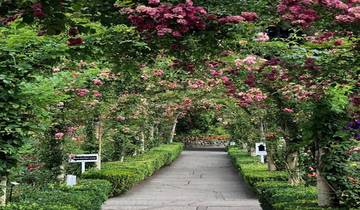
3 days
Vancouver, Whistler and Victoria 3 Day Budget Tour
- ✓ Booking needs min. 2 travelers
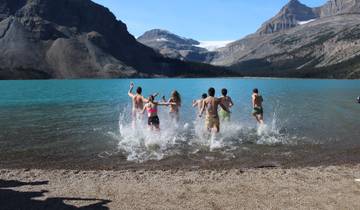
4 days
4-Day Canadian Rockies Summer Explorer Tour
- ✓ Comprehensive Vancouver tour
- ✓ Expert local guides included
- ✓ All accommodation arranged
- ✓ Transportation provided
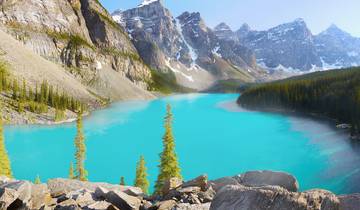
5 days
Vancouver, Banff & Rockies Summer – 5 days
- ✓ Comprehensive Vancouver tour
- ✓ Expert local guides included
- ✓ All accommodation arranged
- ✓ Transportation provided
4 days
Canadian Rockies Express – 4 days
- ✓ Comprehensive Vancouver tour
- ✓ Expert local guides included
- ✓ All accommodation arranged
- ✓ Transportation provided
Multi-day tour packages powered by TourRadar. Prices and availability subject to change.
Understanding Vancouver’s Climate Patterns 2026
Vancouver occupies a unique geographical position wedged between the Pacific Ocean and the Coast Mountain range, creating a temperate oceanic climate that produces mild temperatures year-round compared to the rest of Canada while generating distinct wet and dry seasonal patterns. The city experiences Canada’s warmest winter temperatures, with January-February lows rarely dropping below freezing at sea level (average 3-4°C/37-39°F overnight), yet summer heat remains moderate with July-August highs topping out at comfortable 21-22°C (70-72°F) levels—a far cry from the 30-35°C (86-95°F) extremes common in interior British Columbia cities like Kelowna or Kamloops. This maritime influence moderates temperature extremes in both directions, creating year-round accessibility without the harsh winter cold that characterizes Eastern Canada or the oppressive summer heat found in many popular travel destinations.
Vancouver’s defining climatic characteristic involves its dramatic wet-dry seasonal divide, with approximately 80% of annual rainfall concentrated in the October-April period while May-September receives minimal precipitation. Summer months June-August average just 40-55mm monthly rainfall spread across 6-8 days, creating extended dry stretches often lasting 2-3 weeks without measurable precipitation—these conditions support the outdoor festivals, beach culture, and hiking activities that define Vancouver’s summer identity. Conversely, winter months November-January receive 140-180mm monthly rainfall across 18-22 days, generating the persistent drizzle and overcast skies that challenge winter visitors but sustain the temperate rainforest ecosystems visible in parks like Pacific Spirit Regional Park and the North Shore mountain forests. This pattern creates distinct planning considerations: summer visitors can confidently schedule outdoor activities knowing rain interruptions prove unlikely, while winter travelers require flexible itineraries accommodating weather variability and should budget for indoor attractions as weather-contingent backup options.
Month-by-Month Vancouver Weather Analysis 2026
January 2026 Weather Conditions
January delivers Vancouver’s deepest winter conditions with average daytime temperatures reaching 6-8°C (43-46°F) and overnight lows dropping to 2-4°C (36-39°F), occasionally dipping to freezing or slightly below during clear overnight periods when radiative cooling intensifies. Rainfall averages 140-160mm across 18-20 days, creating persistent damp conditions though actual downpours remain uncommon—expect extended periods of light drizzle interspersed with brief clearing intervals rather than all-day torrential rain. Daylight hours reach their annual minimum at approximately 8 hours and 20 minutes on January 1, gradually extending to 9 hours and 30 minutes by month’s end, with sunrise occurring around 8:00 AM and sunset approximately 5:00 PM mid-month—this limited daylight compresses activity scheduling and affects photography opportunities, particularly for visitors accustomed to longer day lengths.
January 2026 suits specific traveler profiles despite challenging weather conditions. Budget-conscious visitors benefit from Vancouver’s lowest annual hotel rates (CAD $130-200/$95-145 USD nightly for mid-range properties), minimal tourist crowds providing immediate access to normally congested attractions, and off-peak pricing at restaurants where reservation requirements ease dramatically compared to summer months. Winter sports enthusiasts access Grouse Mountain’s ski operations with substantially shorter lift lines than Whistler, while the mountain’s Peak Chairlift operates year-round offering clear-day views extending across the city to Vancouver Island—though visibility depends entirely on weather cooperation. The VanDusen Botanical Garden’s Festival of Lights typically extends through early January, providing evening illumination displays, while downtown’s post-holiday atmosphere features sales at retail districts and reduced competition for reservations at acclaimed restaurants. However, January requires realistic expectations: outdoor activities face weather-dependent viability requiring flexible backup planning, multiple rain layers prove essential for any outdoor time, and seasonal affective considerations affect some visitors unused to limited daylight and persistent overcast conditions.
February 2026 Weather Conditions
February marks subtle but meaningful improvements over January’s depths, with average daytime temperatures climbing to 7-9°C (45-48°F) and overnight lows moderating to 3-5°C (37-41°F) as winter begins its transition toward spring. Monthly rainfall decreases to 100-120mm across 16-18 days—still substantial but representing noticeable improvement over January’s wetter pattern—while daylight hours extend meaningfully from 9.5 hours at month’s start to nearly 11 hours by February 28, providing increasingly useful afternoon activity windows. Late February occasionally delivers preview spring days with temperatures pushing toward 12-14°C (54-57°F) and extended sunshine breaks, particularly during high-pressure systems that temporarily suppress Pacific moisture flow—these brief interludes offer unexpected opportunities for outdoor exploration and remind residents that spring approaches despite winter’s ongoing presence.
February 2026 represents Vancouver’s most underrated value window, combining January’s off-season pricing benefits with marginally improved weather conditions and emerging spring anticipation. Hotel rates remain suppressed at CAD $140-210 ($100-155 USD) nightly for mid-range properties, substantially below spring and summer peaks, while flights maintain winter discount pricing before March spring break surcharges take effect. The month avoids both December-January’s holiday premium periods and March-April’s spring break crowd influx, creating a quiet interval when major attractions like the Vancouver Aquarium and Capilano Suspension Bridge operate at minimal capacity—expect walk-up entry without advance reservations and near-private viewing conditions at normally crowded exhibits. Late February timing captures the first cherry blossom blooms in Vancouver’s warmest microclimates, particularly early-flowering varieties in sheltered South-facing locations around UBC and Kitsilano, providing preview experiences before April’s peak bloom crush. The emerging daylight extension creates noticeably longer afternoons compared to January’s constrained schedule, while Vancouver’s cultural calendar includes Chinese New Year celebrations in Chinatown (specific 2026 date depends on lunar calendar) and the Vancouver International Wine Festival typically occurring late February or early March, adding event-based interest to an otherwise quiet period.
March 2026 Weather Conditions
March initiates Vancouver’s spring transition with average temperatures climbing to 8-11°C (46-52°F) during daytime hours and overnight lows moderating to 4-6°C (39-43°F), though weather variability increases significantly as competing Pacific storm systems and inland high-pressure zones create day-to-day fluctuations ranging from winter-like conditions to genuine spring warmth. Rainfall decreases meaningfully to 100-120mm across 16-18 days, representing improvement over winter peaks though remaining substantially wetter than summer months, while daylight hours extend rapidly from 11 hours early month to 12.5 hours by March 31—this accelerating daylight gain provides noticeably longer afternoons and supports increased outdoor activity scheduling. Late March particularly demonstrates spring’s approach as temperatures occasionally reach 14-16°C (57-61°F) during sunny intervals, while the month’s end marks the beginning of Vancouver’s famous cherry blossom season with earliest varieties starting bloom cycles in the final week.
March 2026 presents split-personality conditions requiring flexible planning approaches. The month’s first three weeks maintain winter pricing patterns with hotels at CAD $150-230 ($110-170 USD) nightly for mid-range properties and minimal tourist crowds, making this period attractive for budget-conscious travelers willing to accept weather uncertainty in exchange for value positioning. However, late March dramatically shifts as spring break travel (particularly from US markets where breaks typically occur mid-to-late March) drives demand spikes and early cherry blossom activity begins attracting specialized tourism—anticipate crowd increases at cherry blossom hotspots like Queen Elizabeth Park and Kitsilano neighborhoods, with photography enthusiasts staking prime viewing positions during peak bloom windows. March weather unpredictability necessitates layered clothing strategies and backup indoor planning, as single days can range from 6°C rain to 15°C sunshine depending on prevailing weather patterns. The month suits visitors prioritizing value over guaranteed conditions, those interested in catching early cherry blossoms before April’s peak crowds, and travelers with schedule flexibility to capitalize on good-weather windows when they emerge while pivoting to museums, markets, and covered attractions during wet periods.
April 2026 Weather Conditions
April completes Vancouver’s spring transition, delivering average daytime temperatures of 11-14°C (52-57°F) and overnight lows of 6-8°C (43-46°F) while rainfall decreases meaningfully to 75-90mm across 14-16 days—still significant precipitation by summer standards but representing clear improvement over winter’s heavier patterns. Daylight hours extend dramatically from 12.5 hours at month’s start to 14 hours by April 30, providing substantial afternoon activity windows and supporting outdoor recreation extending well into evening hours by month’s end. Weather variability remains pronounced as competing weather systems create day-to-day contrasts, but the frequency of sunny intervals increases notably compared to March, with high-pressure systems occasionally delivering extended clear spells lasting 3-5 days—these windows provide genuine spring experiences with warm sunshine, blooming flowers across parks and gardens, and comfortable temperatures supporting outdoor dining and extended walking exploration.
April 2026 centers entirely on Vancouver’s cherry blossom peak, with approximately 43,000 ornamental cherry trees reaching full bloom across the first three weeks of the month (specific timing varies by variety and microclimate, with warmer neighborhoods peaking earlier than cooler North Shore elevations). This natural spectacle drives significant tourism to specific neighborhoods—Kitsilano streets around 4th Avenue and Burrard Street, Queen Elizabeth Park’s summit area, VanDusen Botanical Garden, and Stanley Park’s rose garden vicinity become major draws for photographers and nature enthusiasts from around the Pacific Northwest. The Vancouver Cherry Blossom Festival runs throughout April 2026, coordinating various cultural events, guided blossom-viewing walks, and photography workshops that enhance the blooming season experience. Accommodation demand surges during peak bloom weeks (typically April 5-20, though weather variations affect exact timing), with advance booking 8-12 weeks ahead recommended to secure preferred properties—hotel rates climb to CAD $200-300 ($145-220 USD) nightly for mid-range options, representing spring season premium pricing that splits the difference between winter lows and summer peaks.
April’s weather unpredictability requires strategic planning despite improving overall conditions. Savvy visitors monitor weather forecasts and adjust daily plans based on emerging patterns: sunny forecast days prioritize outdoor cherry blossom viewing in target neighborhoods with early morning or late afternoon photography for optimal light, while rainy periods redirect to indoor attractions like the Museum of Anthropology or covered portions of Granville Island where the Public Market’s sheltered pavilion provides all-weather access. Pack layered spring clothing accommodating temperature swings from cool morning starts around 7-8°C (45-46°F) to pleasant afternoon peaks near 13-14°C (55-57°F), and include waterproof outer layers and rain-resistant footwear for inevitable wet intervals. April suits travelers prioritizing Vancouver’s natural beauty during its most photogenic season, those with schedule flexibility to maximize good-weather windows, and visitors comfortable with weather-contingent planning who view rainy days as opportunities to explore Vancouver’s extensive indoor cultural offerings rather than trip-derailing obstacles.
May 2026 Weather Conditions
May delivers Vancouver’s spring shoulder season sweet spot, with average temperatures reaching comfortable 14-17°C (57-63°F) during daytime hours and overnight lows moderating to 9-11°C (48-52°F)—warm enough to eliminate winter layers while remaining cooler than summer heat. Rainfall decreases substantially to 60-75mm across 12-14 days, marking clear improvement over April’s wetter conditions while maintaining enough precipitation to keep Vancouver’s forests and gardens verdant and lush. Daylight hours extend from 14 hours early month to nearly 15.5 hours by May 31, with sunset pushing past 8:30 PM by month’s end and creating extended afternoon-evening activity windows supporting outdoor dining, sunset beach visits, and late-day photography opportunities. Weather stability improves meaningfully compared to March-April’s volatility, with high-pressure systems increasingly dominating and producing multi-day sunny stretches reaching 4-7 days—though Pacific storm systems still occasionally interrupt with brief rain periods, these interludes become shorter and less intense than winter’s extended wet spells.
May 2026 represents optimal value-weather balance for visitors unwilling to accept winter’s rain but seeking to avoid summer’s crowds and premium pricing. Hotel rates position at CAD $180-270 ($130-200 USD) nightly for mid-range properties—25-35% below July-August peaks while remaining above winter lows—creating reasonable middle-ground positioning that balances cost consciousness with pleasant conditions. Tourist crowds remain manageable throughout May, with most attractions operating at moderate capacity providing easy walk-up access without advance reservations for venues like the Vancouver Aquarium and Capilano Suspension Bridge—expect 20-30 minute waits during midday peak periods rather than summer’s hour-plus queues. Late cherry blossoms linger in higher-elevation cooler microclimates during early May, extending blossom viewing opportunities beyond April’s peak, while late May marks the beginning of Vancouver’s festival season with weekend events beginning to populate the calendar and Stanley Park’s rose garden reaching early bloom stages.
May particularly suits active outdoor enthusiasts as trail conditions reach seasonal optimal states. North Shore hiking routes like the Grouse Grind, Lynn Canyon trails, and various routes through Pacific Spirit Regional Park shed winter mud and standing water by mid-May, creating firm dry footing conditions without summer’s dust, while moderate temperatures (14-17°C/57-63°F) prove ideal for sustained exertion without overheating concerns. The coastal Seawall around Stanley Park supports comfortable cycling in short sleeves during sunny intervals, while beaches like Kitsilano and Jericho begin attracting local sunbathers during the month’s warmest days—though water temperatures remain cool at 10-12°C (50-54°F), making swimming a hardy-souls activity rather than mainstream recreation. May’s extended daylight enables after-work/after-dinner outdoor activities, with sunset occurring 8:30-9:00 PM by month’s end allowing evening beach walks, waterfront dining with lingering twilight, and photography golden hour extending well into traditional dinner hours. The month avoids spring break crowds that affect April and summer vacation surges that dominate June-August, creating a quiet comfortable window when Vancouver feels oriented toward residents rather than tourists—an authentic experience increasingly difficult to access during higher-traffic months.
June 2026 Weather Conditions
June marks Vancouver’s transition into summer proper, with average temperatures climbing to 17-19°C (63-66°F) during daytime hours and overnight lows reaching 11-13°C (52-55°F)—comfortably warm for outdoor activities without oppressive heat. Rainfall decreases dramatically to 45-60mm across just 10-12 rainy days monthly, representing Vancouver’s dry season arrival and creating reliable weather patterns for outdoor planning. Daylight hours peak near 16 hours around the summer solstice (June 20-21), with sunrise occurring before 5:15 AM and sunset extending past 9:15 PM—this extreme day length enables early morning activities like sunrise beach walks or dawn photography followed by full days of sightseeing extending late into evening hours with extended twilight supporting waterfront dining and outdoor events well past 10:00 PM. Weather stability reaches annual highs during June, with extended sunny periods often lasting 5-10 days becoming common as Pacific high-pressure systems dominate, though occasional rain systems still interrupt with brief 1-2 day wet spells that refresh gardens and forests before clearing resumes.
June 2026 represents the best-value summer month, delivering warm comfortable weather approaching July-August’s peak conditions while maintaining shoulder-season pricing and crowd patterns more reasonable than peak summer chaos. Hotel rates position at CAD $220-320 ($160-235 USD) nightly for mid-range properties—still elevated from spring levels but remaining 15-25% below July-August peaks—while major attractions operate at increased but not overwhelming capacity levels providing relatively short wait times (typically 15-25 minutes) for popular venues like Capilano Suspension Bridge during midday hours. The month captures early summer’s enthusiasm and energy as locals emerge from winter hibernation and embrace outdoor living, with beaches, parks, and waterfront areas animated by Vancouver residents reclaiming public spaces after rain-constrained winter months—this creates authentic vibrant atmosphere less tourist-dominated than July-August when visitor populations overwhelm local presence in high-traffic areas.
June’s festival calendar begins Vancouver’s summer event sequence with several major celebrations drawing both local and visitor participation. The Vancouver International Jazz Festival typically runs late June through early July, programming multiple daily performances across various downtown venues and outdoor stages. The Bard on the Beach Shakespeare Festival opens its summer season in June, staging productions in open-air tents at Vanier Park with spectacular mountain and water backdrop views. Pride Week events typically span late June into early July (2026 specific dates to be confirmed), culminating in the Vancouver Pride Parade that attracts hundreds of thousands of participants and spectators along downtown parade routes—this period requires advance accommodation booking as hotel availability tightens significantly during Pride Week. June weather supports all Vancouver’s signature outdoor activities in comfortable conditions: Stanley Park Seawall cycling in short sleeves, beach time at Kitsilano and Jericho (though Pacific water temperatures remain cool at 12-14°C/54-57°F, limiting swimming to hardy locals), and North Shore hiking without summer heat concerns, while extended daylight enables late afternoon starts for mountain activities knowing sunset won’t occur until after 9:00 PM throughout the month.
July 2026 Weather Conditions
July delivers Vancouver’s peak summer conditions with average daytime temperatures reaching 21-22°C (70-72°F) and overnight lows remaining comfortable at 13-15°C (55-59°F)—warm enough to support beach activities and outdoor dining without the oppressive heat common in many summer destinations. Rainfall drops to annual minimum levels at 40-45mm across just 6-8 days monthly, with precipitation typically arriving as brief afternoon thundershower activity clearing within hours rather than sustained rain systems—many July weeks pass without measurable rainfall, creating extended dry stretches supporting outdoor festivals, beach culture, and hiking activities without weather interruption concerns. Daylight hours remain near annual maximum at 15.5 hours, with sunrise occurring around 5:30 AM and sunset extending past 9:00 PM, enabling early morning activities plus evening outdoor programming extending well into twilight hours approaching 10:00 PM. Weather reliability reaches peak levels with persistent high-pressure systems often dominating for 7-14 day stretches, occasionally interrupted by brief cooler marine air intrusions bringing temporary overcast and drizzle before sunny conditions resume—overall, July provides Vancouver’s most dependable weather window for advance outdoor planning.
July 2026 represents Vancouver’s absolute peak season, commanding premium pricing across all travel sectors while delivering optimal weather conditions and maximum event programming. Hotel rates reach annual highs at CAD $280-450 ($205-330 USD) nightly for mid-range properties, with waterfront and downtown locations commanding premium positioning within this range and requiring advance booking 6-12 weeks ahead to secure availability during high-demand event weekends. Major attractions operate at maximum capacity with wait times extending 45-90 minutes for popular venues like Capilano Suspension Bridge during midday peak hours (11:00 AM-3:00 PM), necessitating advance online ticket purchases and early arrival strategies (before 9:30 AM) or late afternoon visits (after 4:00 PM) to minimize queue times. Beach areas like Kitsilano and Jericho reach peak crowding on sunny weekend afternoons, while Stanley Park’s Seawall experiences heavy pedestrian and cycling traffic requiring alertness and courtesy—popular viewpoints like Prospect Point and Third Beach see continuous visitor flow throughout daylight hours.
July’s festival calendar dominates Vancouver’s summer cultural programming with several internationally recognized events occurring throughout the month. The Honda Celebration of Light, typically scheduled late July into early August over three separate evenings, presents international fireworks teams launching displays from barges in English Bay—this competition attracts crowds numbering hundreds of thousands to waterfront viewing areas including English Bay Beach, Kitsilano Beach, and Vanier Park, requiring early arrival (4-5 hours before showtime) to secure optimal viewing positions and causing significant traffic congestion and public transit crowding during and after shows. Vancouver Pride Week typically spans late July or early August (2026 specific dates to be confirmed), culminating in a parade and festival attracting 500,000+ participants and spectators—advance accommodation booking becomes critical during Pride Week as hotel availability tightens across all price ranges throughout downtown and nearby neighborhoods. The Folk Music Festival at Jericho Beach typically occurs third weekend in July, programming three days of performances across multiple stages with camping options and day passes available. July conditions support peak performance for all outdoor activities: beaches see warmest water temperatures at 14-16°C (57-61°F) making Pacific Ocean swimming tolerable for acclimated swimmers, North Shore hiking trails experience maximum traffic but optimal dry conditions, and sunset timing enables late-day summit experiences on Grouse Mountain with the Peak Chairlift operating extended summer hours.
August 2026 Weather Conditions
August maintains July’s summer peak conditions with average daytime temperatures holding steady at 21-22°C (70-72°F) and overnight lows remaining comfortable at 13-15°C (55-59°F), though late August occasionally sees early hints of autumn transition with brief cooler periods dropping temperatures to 17-19°C (63-66°F) as marine air masses occasionally penetrate inland. Rainfall remains minimal at 40-55mm across 7-9 days monthly, maintaining Vancouver’s dry season reliability though late August sometimes experiences increased shower activity compared to mid-summer’s extended dry periods—overall precipitation remains well below spring and fall levels, ensuring continued outdoor activity reliability. Daylight hours begin decreasing noticeably from 15 hours early month to 13.5 hours by August 31, with sunset shifting from 9:00 PM early August to 8:00 PM by month’s end—this gradual shortening becomes increasingly apparent to visitors, though remaining daylight still supports full outdoor activity schedules including evening events and late-day hiking or cycling.
August 2026 represents Vancouver’s second peak summer month, maintaining July’s premium pricing structure while seeing subtle shifts in crowd patterns as the month progresses. Early-to-mid August continues peak season intensity with hotel rates sustaining CAD $280-450 ($205-330 USD) nightly for mid-range properties and major attractions operating at maximum capacity requiring advance booking and strategic timing. However, late August marks the beginning of shoulder season transition as families with school-age children depart following Labour Day weekend (first Monday in September), creating noticeably reduced crowds during the month’s final week—savvy visitors timing arrival for late August capture tail-end summer weather while benefiting from decreasing tourist pressure and early shoulder-season pricing appearing at some properties. Flight availability improves during late August compared to July’s constrained inventory, while restaurant reservations become easier to secure and popular hiking trails see reduced traffic as local families shift focus to back-to-school preparations.
August programming includes major summer festival closures alongside late-season events maximizing remaining warm weather. The Honda Celebration of Light fireworks competition typically concludes with its final display during early August if spanning late July-early August (2026 specific dates to be confirmed). The Vancouver International Film Festival typically begins its programming during late August or early September, presenting advance screenings and industry events before the main festival period—film enthusiasts can access early programming while enjoying summer weather conditions. Pacific National Exhibition (PNE), Vancouver’s historic summer fair, typically operates mid-August through Labour Day weekend at Hastings Park, offering carnival rides, agricultural exhibits, live entertainment, and fair food attracting both local families and visitors seeking traditional fair experiences. August weather conditions support optimal beach culture at Kitsilano, Jericho, and Spanish Banks with Pacific water temperatures reaching annual peak at 15-17°C (59-63°F)—still cool by tropical standards but manageable for acclimatized swimmers and comfortable for wading and beach activities. Late August particularly suits photographers as lower sun angles begin producing more dramatic lighting compared to mid-summer’s high-angle harsh conditions, while early autumn color occasionally appears in specific tree species during the month’s final days, previewing September-October’s full fall display.
September 2026 Weather Conditions
September initiates Vancouver’s autumn transition with average daytime temperatures moderating to 18-19°C (64-66°F) early month, gradually cooling toward 15-17°C (59-63°F) by September’s end, while overnight lows decrease from comfortable 12-13°C (54-55°F) early month to cooler 9-10°C (48-50°F) late September. Rainfall increases meaningfully to 60-75mm across 10-12 days as Pacific storm systems begin reasserting influence following summer’s dry dominance, though precipitation remains well below October-March levels and weather continues supporting reliable outdoor activity planning—expect 3-5 day sunny stretches interrupted by brief 1-2 day rain systems rather than winter’s extended wet periods. Daylight hours decrease noticeably from 13.5 hours early month to 11.5 hours by September 30, with sunset shifting from 8:00 PM early September to 6:45 PM by month’s end—this rapid daylight loss becomes increasingly apparent as the month progresses, compressing afternoon activity windows and affecting photography timing as golden hour arrives earlier daily.
September 2026 represents Vancouver’s optimal shoulder season month, combining comfortable lingering summer warmth with dramatically reduced crowds and moderate pricing following Labour Day weekend’s peak season conclusion. Post-Labour Day hotel rates drop 25-35% from August peaks to CAD $200-300 ($145-220 USD) nightly for mid-range properties, while major attractions shift from overwhelming summer capacity to comfortable moderate traffic levels providing 15-25 minute wait times rather than July-August’s hour-plus queues. The psychological shift following summer’s end creates distinctly different atmosphere as Vancouver reclaims local character—restaurants and cafes cater primarily to residents rather than tourists, hiking trails see predominantly local recreation rather than visitor overflow, and beaches transition from crowded social scenes to peaceful contemplative spaces occupied by neighborhood regulars. This authentic local experience increasingly attracts travelers seeking genuine Vancouver character rather than high-season tourist atmosphere dominated by visitors.
September weather patterns require modest adaptation from summer’s reliable sunshine but remain substantially more favorable than winter conditions. Pack light layers accommodating morning starts around 10-12°C (50-54°F) warming to pleasant 17-19°C (63-66°F) afternoon peaks during sunny intervals, and include light rain jacket for periodic shower activity—full waterproof layers unnecessary as September rain systems typically deliver brief showers rather than sustained all-day precipitation. September suits active outdoor recreation particularly well as moderate temperatures (15-19°C/59-66°F) prove ideal for sustained hiking exertion without summer heat concerns, while autumn color begins emerging during late September in deciduous trees creating photographic interest through North Shore forests and Stanley Park. The Vancouver International Film Festival typically programs its main slate during late September through early October, presenting dozens of international films across multiple downtown venues and attracting cinema enthusiasts from throughout the Pacific Northwest—this creates specific high-demand accommodation windows during festival opening and closing weekends requiring advance booking for downtown properties. September marks whale watching season’s late period with continued strong success rates (80-90%) as orcas and humpbacks remain active in the Salish Sea before beginning seasonal migrations, while salmon runs reach peak activity in rivers like the Capilano supporting wildlife viewing opportunities at the Capilano Salmon Hatchery.
October 2026 Weather Conditions
October completes Vancouver’s autumn transition into winter’s early stages, with average daytime temperatures cooling to 13-14°C (55-57°F) early month and dropping toward 10-11°C (50-52°F) by October’s end, while overnight lows fall from 7-8°C (45-46°F) early October to 5-6°C (41-43°F) late month approaching near-freezing conditions during clear night periods. Rainfall increases substantially to 120-140mm across 16-18 days as Pacific storm systems reassert dominance following summer’s dry interlude, creating extended wet periods lasting 3-5 days interrupted by brief clearing intervals—this pattern marks the beginning of Vancouver’s wet season extending through April. Daylight hours decrease dramatically from 11.5 hours early month to 9.5 hours by October 31, with sunset shifting from 6:45 PM early October to 5:30 PM by Halloween and rapidly approaching winter’s early-evening darkness—this daylight compression significantly affects afternoon activity planning as usable outdoor hours shrink, while late afternoon-evening programming requires artificial lighting or indoor venues.
October 2026 presents transitional conditions requiring realistic expectations about weather variability and decreasing daylight availability. Hotel rates continue shoulder-season positioning at CAD $170-260 ($125-190 USD) nightly for mid-range properties—substantially below summer peaks and representing solid value for budget-conscious travelers willing to accept autumn weather uncertainty. Major attractions operate at moderate to low capacity providing excellent access without wait times at popular venues like Capilano Suspension Bridge and Grouse Mountain, where October typically sees minimal queue activity and immediate walk-up entry availability. Fall color peaks across Vancouver’s deciduous tree populations during mid-to-late October, creating photographic opportunities in Stanley Park (particularly the Seawall’s maple stands), Queen Elizabeth Park, and North Shore mountain lower elevations—though Vancouver’s evergreen-dominated forests limit fall color compared to Eastern North America’s spectacular displays, localized deciduous groves produce concentrated color pockets attracting regional leaf-peeping tourism.
October weather requires comprehensive rain preparation and flexible planning accommodating frequent wet periods. Pack full waterproof outer layers, waterproof footwear, and umbrella for all outdoor activities, while building itineraries alternating between outdoor and indoor attractions based on weather patterns—clearing intervals signal opportunities for Stanley Park walks or Seawall cycling, while sustained rain days redirect to museums, covered markets, and indoor cultural venues. October particularly suits cultural-focused visitors as Vancouver’s fall arts programming intensifies: theatre companies begin new seasons, Vancouver Art Gallery launches fall exhibitions, and various music series initiate programming as the city’s cultural scene shifts from summer’s outdoor focus to indoor performance venues. Late October marks Halloween programming at various venues including themed events at the Vancouver Aquarium and Science World, while the Halloween night itself sees neighborhood trick-or-treating particularly active in residential areas like Kitsilano and the West End. October represents the final reasonable window for North Shore hiking before winter conditions fully establish, with trails remaining accessible though increasingly muddy and wet—early October provides better conditions than late October when trail degradation from rain accumulation affects footing and some higher-elevation routes may see first snowfall closing access. The month concludes whale watching season as marine mammals begin seasonal migrations, with October success rates dropping to 60-70% compared to summer’s reliable 90%+ encounter rates.
November 2026 Weather Conditions
November plunges Vancouver into deep winter weather patterns with average daytime temperatures cooling to 8-9°C (46-48°F) and overnight lows dropping to 4-5°C (39-41°F), occasionally approaching freezing during extended clear high-pressure periods though sustained sub-zero cold remains uncommon at sea level. Rainfall reaches annual peak levels at 160-180mm across 20-22 days, creating persistent damp conditions dominated by extended wet periods lasting 5-10 days with minimal interruption—overcast skies prevail throughout most of November as Pacific storm systems queue across the region delivering wave after wave of moisture. Daylight hours continue decreasing from 9.5 hours early month to 8 hours by November 30, with sunset occurring before 5:00 PM throughout November and dropping toward 4:15 PM by month’s end—this limited daylight creates substantial planning constraints as afternoon activity windows compress, while morning starts require artificial lighting until 7:30-8:00 AM. November marks the depth of Vancouver’s seasonal darkness and dampness, testing visitor tolerance for grey wet conditions.
November 2026 represents Vancouver’s least popular tourism month, reflected in substantially reduced hotel rates at CAD $140-210 ($100-155 USD) nightly for mid-range properties—approximately 45-50% below summer peaks—and minimal tourist presence creating empty attractions and immediate walk-up availability at normally crowded venues. The month suits highly budget-conscious travelers and visitors with compelling reasons to visit during this period (business travel, visiting residents, specific event attendance), but requires realistic acceptance of challenging weather conditions dominating the visit. November weather mandates comprehensive rain gear including waterproof outer layers, waterproof boots, and umbrella for any outdoor activity, while itinerary planning should emphasize indoor attractions as primary programming with outdoor activities treated as weather-contingent bonus opportunities during occasional clearing intervals. Museums, galleries, and covered markets provide comfortable rainy-day alternatives: the Museum of Anthropology’s world-class First Nations collections, Vancouver Art Gallery’s contemporary and historical exhibitions, Science World’s interactive exhibits, and Granville Island’s covered Public Market pavilion all offer all-weather access.
November does offer specific experiences unavailable during other months, particularly for visitors willing to embrace winter’s character. Late November marks the beginning of Vancouver’s Christmas season programming, with the VanDusen Botanical Garden’s Festival of Lights typically launching during the final week of November and running through early January—this evening illumination display attracts significant local attendance creating festive atmosphere despite winter weather. Downtown holiday decorations begin appearing late November, while the Vancouver Christmas Market typically opens at Jack Poole Plaza during the final week of November, offering German-style market stalls, mulled wine, and seasonal food in an open-air setting (covered areas provide weather protection). Grouse Mountain’s ski season typically opens during November depending on snowpack conditions, with early-season skiing available alongside the mountain’s Peak of Christmas programming launching in late November featuring skating, light displays, and festive activities—check mountain websites for current operating status as opening dates vary based on weather. November represents the beginning of winter storm watching season, with powerful Pacific storms generating dramatic wave action and atmospheric conditions visible from beaches like Spanish Banks or Lighthouse Park—this appeals to visitors seeking dramatic natural displays rather than sunny beach recreation, though viewing requires tolerance for wind, rain, and cold exposure.
December 2026 Weather Conditions
December continues Vancouver’s deep winter pattern with average daytime temperatures hovering at 6-7°C (43-45°F) and overnight lows remaining near 3-4°C (37-39°F), occasionally dipping to freezing or slightly below during clear cold-air outflows from the interior though sustained sub-zero cold proves rare in downtown Vancouver. Rainfall peaks at annual maximum levels reaching 160-180mm across 20-22 days, with persistent precipitation dominating the month’s weather character—extended wet periods lasting 5-12 days become common as Pacific storm systems continually traverse the region with minimal break periods. Daylight hours reach annual minimum around the winter solstice (December 21-22) at approximately 8 hours, with sunrise occurring around 8:00 AM and sunset approaching 4:15 PM—this compressed daylight window severely limits afternoon activity scheduling as darkness arrives mid-afternoon, while morning starts require artificial lighting until well after 8:00 AM. Occasional Arctic outflow events bring cold clear conditions with subfreezing temperatures and brilliant sunshine, though these represent exceptions to December’s dominant grey wet pattern.
December 2026 splits into distinct pre-holiday and holiday-period characters with dramatically different pricing and crowd patterns. December 1-19 maintains November’s off-season positioning with hotel rates at CAD $140-220 ($100-160 USD) nightly for mid-range properties and minimal tourist presence creating excellent value opportunities for budget-conscious travelers willing to accept winter weather challenges. However, December 20-January 5 holiday period transforms pricing and availability as both visitors and local accommodations seekers (residents hosting visiting family) create peak-season hotel demand driving rates to CAD $250-400 ($180-290 USD) nightly while availability becomes severely constrained—advance booking 12-16 weeks ahead proves essential for holiday-period travel. The Christmas-New Year’s week (December 25-January 1) particularly experiences extreme hotel scarcity and premium pricing as Vancouver’s limited downtown hotel inventory cannot accommodate combined tourism and local demand.
December offers Vancouver’s most concentrated festive programming creating unique seasonal experiences unavailable during other months. The VanDusen Festival of Lights operates throughout December featuring elaborate illumination displays transforming the botanical garden into an evening wonderland—advance tickets recommended for weekends and holiday week. The Vancouver Christmas Market at Jack Poole Plaza runs throughout December presenting German-style market stalls, seasonal food and beverages, entertainment, and craft vendors in a festive outdoor setting with covered areas providing weather protection. Downtown holiday decorations reach peak elaboration, while major department stores including Hudson’s Bay create traditional window displays. Grouse Mountain’s Peak of Christmas programming operates throughout December offering ice skating, Santa visits, light displays, sleigh rides, and alpine scenery creating traditional winter Christmas atmosphere—the mountain’s elevation ensures snow coverage providing genuine winter experience unavailable at sea-level Vancouver. Stanley Park’s Bright Nights Christmas Train typically runs throughout December (except Christmas Day), presenting a miniature train journey through illuminated displays creating family-oriented seasonal activity. New Year’s Eve celebrations concentrate at various downtown venues including Canada Place waterfront (fireworks display at midnight) and Granville Street entertainment district, though celebrations remain modest compared to major global cities—many Vancouver residents prefer small gatherings over massive public celebrations.
December represents Vancouver’s most challenging month for outdoor activity due to combined rainfall, limited daylight, and cold temperatures, requiring comprehensive weather preparation and realistic expectations. However, the month particularly suits visitors seeking authentic festive atmosphere, those with family connections requiring holiday-period presence, and travelers prioritizing budget value during early December rather than weather optimization. Winter sports enthusiasts access Grouse Mountain’s local skiing plus reasonable driving access to Whistler Blackcomb (approximately 2 hours) where December marks early ski season with typically reliable snowpack and smaller crowds than peak February-March periods. Cultural programming intensifies during December as Vancouver’s indoor venues present holiday-themed exhibitions, performances, and events: the Vancouver Symphony Orchestra schedules holiday concerts, various theatres stage seasonal productions, and the Vancouver Art Gallery organizes special exhibitions. December requires accepting winter’s limitations while focusing on Vancouver’s indoor cultural offerings, festive seasonal programming, and unique winter character rather than expecting summer’s outdoor accessibility—visitors approaching December with these adjusted expectations often enjoy the experience as Vancouver’s seasonal character differs dramatically from summer’s tourist-oriented atmosphere.
Vancouver Seasonal Costs and Budget Planning 2026
Vancouver accommodation costs fluctuate dramatically across seasons, creating opportunities for substantial savings through strategic timing. Peak summer months July-August command hotel rates reaching CAD $280-450 ($205-330 USD) nightly for mid-range properties, with waterfront locations and downtown core addresses commanding premium within this range—this represents Vancouver’s highest annual accommodation pricing driven by optimal weather, maximum daylight hours, and concentrated festival programming creating intense demand. Shoulder seasons May-June and September deliver moderate pricing at CAD $180-280 ($130-205 USD) nightly for equivalent properties, representing 25-35% savings compared to peak summer while maintaining comfortable weather conditions and reduced crowd levels. Deep off-season November-March (excluding December 20-January 5 holiday period) drops hotel rates 40-50% below summer peaks to CAD $140-220 ($100-160 USD) nightly for mid-range accommodations, creating significant value opportunities for budget-conscious travelers willing to accept winter weather challenges and limited daylight hours.
Daily per-person costs in Vancouver 2026 vary meaningfully across budget tiers and seasons. Budget travelers spending approximately CAD $90-150 ($65-110 USD) per person daily (assuming two sharing budget hotel or hostel dormitory) access hostel dormitories at CAD $35-55 ($25-40 USD) per person nightly, basic budget hotels at CAD $90-140 ($65-100 USD) per room (divided between two), supermarket meals and food truck dining totaling CAD $35-50 ($25-35 USD) daily, public transit using day passes at CAD $11, and free or low-cost attractions including Stanley Park, public beaches, and numerous hiking trails. Mid-range travelers investing CAD $280-420 ($205-305 USD) per person daily (two sharing mid-range hotel) secure comfortable hotels at CAD $180-280 ($130-205 USD) per room (divided between two), restaurant meals at casual-to-mid-range establishments totaling CAD $75-105 ($55-75 USD) daily, public transit or occasional taxi use adding CAD $15-20 ($10-15 USD), and paid attractions including Capilano Suspension Bridge at CAD $66 ($48 USD), Grouse Mountain Skyride at CAD $72 ($52 USD), and whale watching tours at CAD $135 ($100 USD). Luxury travelers allocating CAD $560-700+ ($410-510+ USD) per person daily (two sharing luxury hotel) access premium hotels at CAD $400-600+ ($290-440+ USD) per room (divided between two), fine dining experiences totaling CAD $140-210+ ($100-155+ USD) daily, private transportation options, and premium activity experiences including seaplane tours, private boat charters, and exclusive guided experiences.
Sample 5-day Vancouver visit budgets demonstrate seasonal cost variations and spending tier differences. A budget-conscious summer visit (July 2026) requires approximately CAD $790-1,070 ($575-780 USD) per person assuming two sharing accommodation: budget hotel accommodation CAD $350-490 per person (CAD $140-196 per night per room, divided by two sharing, times 5 nights), meals CAD $175-245 (CAD $35-49 daily × 5 days), local transit passes CAD $55 (CAD $11 daily × 5 days), and attractions budget CAD $210-280 for key paid experiences. An equivalent budget-tier winter visit (January 2026) decreases total costs to approximately CAD $700-945 ($510-690 USD) per person with reduced accommodation rates CAD $260-365 per person (CAD $105-147 per night per room, divided by two sharing, times 5 nights) creating the primary savings differential while other categories remain relatively stable. Mid-range summer travelers spend approximately CAD $1,715-2,520 ($1,250-1,840 USD) per person for 5 days: mid-range hotel accommodation CAD $700-1,120 per person (CAD $280-448 per night per room, divided by two sharing, times 5 nights), meals CAD $525-735 (CAD $105-147 daily × 5 days), transit and occasional taxis CAD $105-140, attractions CAD $385-525, creating comprehensive comfortable experience without luxury-tier indulgences. Mid-range winter visit reduces total to approximately CAD $1,470-2,100 ($1,075-1,535 USD) per person primarily through accommodation savings at CAD $455-700 per person (CAD $182-280 per night per room, divided by two sharing, times 5 nights) while maintaining comfortable dining and complete attraction access.
Major Vancouver Events and Festivals 2026
Vancouver’s festival calendar concentrates heavily during May-September when weather reliability supports outdoor programming, with several internationally recognized events drawing specialized tourism and creating high-demand accommodation windows requiring advance planning. The Vancouver Cherry Blossom Festival spans April showcasing the city’s 43,000+ ornamental cherry trees during peak bloom, coordinating guided walks, cultural programming, and photography workshops throughout the month—while technically free as a distributed city-wide natural phenomenon, specific guided experiences and workshops may charge fees, and the festival significantly impacts accommodation demand during peak bloom weeks (typically April 5-20) requiring advance booking to secure preferred properties. The Honda Celebration of Light, typically scheduled late July into early August over three separate evenings, presents international fireworks teams launching displays from English Bay barges attracting crowds numbering hundreds of thousands—this free event creates extreme accommodation scarcity during competition nights requiring booking 12-16 weeks ahead for properties near viewing areas.
Vancouver Pride Week, typically occurring late July or early August (2026 specific dates to be confirmed based on scheduling), represents Vancouver’s largest annual cultural celebration with parade and festival attracting 500,000+ participants and spectators. The week-long programming includes community events, performances, parties, and activism culminating in the Sunday parade through downtown streets—Pride Week creates Vancouver’s most challenging accommodation availability period outside Christmas-New Year’s, with hotel inventory selling out 8-12 weeks in advance and premium pricing applying across all categories. Vancouver International Jazz Festival typically runs late June through early July, programming multiple daily performances across various venues from intimate club settings to outdoor stages in parks and public spaces—individual concert tickets range CAD $20-65 ($15-48 USD) depending on venue and artist, with festival passes offering multi-show access. The Vancouver Folk Music Festival at Jericho Beach typically occurs third weekend in July, presenting three days of performances across multiple stages with camping and day-pass options—tickets typically sell out weeks in advance for this highly popular regional event.
Fall festival programming centers on cultural and film events as weather patterns shift toward autumn conditions. The Vancouver International Film Festival (VIFF), typically running late September through early October, presents dozens of international films across multiple downtown venues attracting cinema enthusiasts from throughout the Pacific Northwest—advance ticket purchases recommended for high-profile screenings and opening/closing night events. The Vancouver Writers Fest typically occurs mid-October at various venues across Granville Island and downtown, presenting author readings, panel discussions, and literary workshops. Winter holiday programming includes the VanDusen Festival of Lights (late November-early January) transforming the botanical garden with evening illumination displays, and the Vancouver Christmas Market at Jack Poole Plaza (late November-December 24) offering German-style market experience. Grouse Mountain’s Peak of Christmas programming operates throughout December featuring ice skating, Santa visits, and alpine festive atmosphere requiring mountain access tickets at CAD $72 ($52 USD) for the Skyride plus additional fees for specific activities. These events create specific accommodation demand windows—Pride Week, Celebration of Light nights, and Christmas-New Year’s week represent Vancouver’s most challenging booking periods requiring maximum advance planning, while other festivals create moderate demand spikes during event dates without overwhelming the city’s accommodation inventory.
Best Times for Specific Vancouver Activities 2026
Optimal Periods for Outdoor Recreation and Hiking
North Shore hiking reaches optimal conditions during June-September when trail surfaces achieve maximum dryness, temperatures remain comfortable at 17-22°C (63-72°F) for sustained exertion, and extended daylight hours (14-16 hours) accommodate full-day excursions starting mid-morning without sunset time pressure. Popular routes including the Grouse Grind (2.9km steep climb gaining 850m elevation), Baden-Powell Trail segments, and various loops through Lynn Canyon and Pacific Spirit Regional Park experience peak traffic during July-August weekends when trailheads reach parking capacity by mid-morning—early starts before 8:30 AM or weekday visits minimize crowds. May and October represent shoulder periods with generally acceptable trail conditions though increased mud and standing water affect footing, while these months offer meaningfully reduced trail traffic and moderate temperatures preventing overheating concerns. November-March renders many trails challenging due to accumulated rainfall creating muddy slippery conditions, while higher-elevation routes may receive snow requiring winter gear and experience—lower-elevation trails near sea level including portions of Pacific Spirit Regional Park remain accessible year-round though conditions prove persistently wet and muddy requiring waterproof footwear and accepting messy footing.
Stanley Park’s 9km Seawall provides year-round cycling and walking access given its paved surface and sea-level positioning, though seasonal considerations affect experience quality. Summer months June-August deliver optimal weather for cycling in comfortable short-sleeve conditions, though peak-season crowding creates dense pedestrian and cyclist traffic requiring alertness and reduced speeds—weekday mornings before 10:00 AM or weekday late afternoons after 4:00 PM see lighter traffic than midday hours and weekends. Shoulder seasons May and September-October maintain reasonable weather for active Seawall use with reduced crowds, while spring months provide cherry blossom viewing along specific Seawall segments. Winter months November-March technically allow Seawall access, but persistent rain and wind create uncomfortable conditions for extended outdoor activity—dedicated cyclists and walkers utilizing full waterproof gear maintain winter Seawall routines, though casual visitors typically prefer indoor alternatives during Vancouver’s wet season. Stanley Park’s interior trails and attractions including totem poles, rose garden, and various viewpoints remain accessible year-round, with summer providing optimal conditions while winter requires rain preparation but delivers near-empty park experiences absent summer’s overwhelming tourist presence.
Beach Season and Water Activities Timing
Vancouver beach season effectively runs June-September with peak activity occurring July-August when temperatures, sunshine reliability, and Pacific water conditions combine optimally. Kitsilano Beach, Jericho Beach, Spanish Banks, and English Bay see maximum use during July-August when daytime temperatures reach 21-22°C (70-72°F) and extended sunshine creates ideal beach conditions for sunbathing, beach sports, and general waterfront recreation. Pacific Ocean water temperatures remain cool throughout summer, gradually warming from 12°C (54°F) in June to peak temperatures of 15-17°C (59-63°F) in August—these temperatures prove tolerable for acclimated swimmers and wetsuit users but remain cold by tropical standards, making swimming a hardy-souls activity rather than mainstream beach recreation. Most beach visitors focus on sunbathing, beach volleyball, picnicking, and wading rather than extended swimming, while stand-up paddleboarding and kayaking gain popularity as activities engaging with water without full-body immersion.
Late May and early June see emerging beach use as temperatures warm and sunshine increases, though water temperatures remain quite cold at 10-12°C (50-54°F) limiting swimming appeal—these periods attract locals seeking early-season sun rather than visitors expecting swim-friendly conditions. September maintains pleasant beach weather during sunny intervals with comfortable air temperatures (15-18°C/59-64°F) but decreasing water temperatures and increasing rain frequency, while beach crowds drop dramatically following Labour Day weekend as summer vacation season concludes. October-April renders beaches primarily viewing and walking destinations rather than recreation venues, as cold air temperatures, persistent rain, and frigid water (8-11°C/46-52°F) eliminate swim season character—however, these months attract storm watchers during Pacific weather systems when dramatic wave action and atmospheric conditions create compelling photographic subjects, particularly at west-facing beaches like Spanish Banks and Jericho during intense storm periods.
Whale Watching Season Windows
Vancouver-area whale watching reaches peak reliability during May-September when resident orca pods and migrating humpback whales concentrate in the Salish Sea (Georgia Strait and surrounding waters) creating 85-95% success rates for commercial tours. Multiple whale watching operators depart from downtown Vancouver waterfront and Steveston (Richmond) offering 3-5 hour excursions ranging CAD $135-165 ($100-120 USD) for adults aboard various vessel types from large stable tour boats accommodating 40+ passengers to smaller Zodiac-style craft carrying 12-20 passengers providing closer-to-water experiences. July-August represent absolute peak season when multiple orca pods regularly traverse the region while feeding on abundant salmon runs, and humpback whales increasingly frequent the area during summer feeding season—tours during these months virtually guarantee marine mammal sightings though specific species and proximity vary based on daily wildlife behavior and weather conditions affecting visibility.
Shoulder months April and October maintain reasonable success rates (70-85%) as marine mammals migrate through the region during spring northbound movements and fall southbound returns, though encounter reliability decreases compared to peak summer months and weather conditions become more variable affecting sea state and tour comfort. Winter months November-March see dramatically reduced whale watching activity as resident orcas disperse, humpbacks migrate to warmer breeding grounds, and commercial tour operators reduce schedules or suspend operations entirely—winter whale watching becomes highly unreliable with success rates dropping below 40% and tour availability severely limited. Beyond whales, Vancouver whale watching tours regularly encounter other marine mammals including harbor seals, sea lions (particularly Steller sea lions), porpoises, and occasionally Pacific white-sided dolphins, while seabird viewing opportunities abound year-round with significantly increased variety during spring and fall migration periods when shearwaters, gulls, terns, and various seabirds concentrate in coastal waters.
Photography and Cherry Blossom Season
Vancouver’s famous cherry blossom season spans approximately 6 weeks from late March through late April, with peak bloom occurring during the first three weeks of April when the majority of the city’s 43,000+ ornamental cherry trees reach maximum flower coverage. Bloom timing varies by tree variety and microclimate—early-blooming varieties including Whitcomb Cherry begin flowering in late March, while late-season varieties extend viewing opportunities into late April. Geographic bloom progression follows temperature gradients, with warmer south-facing neighborhoods and sea-level locations near Kitsilano and the West End blooming 7-10 days earlier than cooler north-facing elevations and higher-altitude areas near Queen Elizabeth Park. Prime viewing locations include residential streets throughout Kitsilano (particularly along 4th Avenue between Burrard and Alma), Queen Elizabeth Park’s summit area with mountain backdrop views, VanDusen Botanical Garden’s dedicated cherry collections, and various Stanley Park locations including the rose garden vicinity.
Cherry blossom photography requires planning around bloom timing, weather conditions, and optimal light. Peak bloom windows last just 7-10 days per tree variety when flowers reach maximum coverage before petal fall begins—monitoring the Vancouver Cherry Blossom Festival’s bloom reports and local photography community social media updates helps identify current peak locations. Weather cooperation proves critical as rain and wind accelerate petal fall, shortening the effective photography window—sunny high-pressure periods extending 3-5 days provide ideal conditions for extended shooting without bloom degradation. Optimal lighting occurs during golden hour (hour after sunrise, hour before sunset) when warm low-angle light enhances pink and white blossom colors against blue sky backgrounds, while overcast conditions provide soft even lighting eliminating harsh shadows but reducing color saturation. Early morning shoots (6:00-8:00 AM) before crowds arrive provide clean compositions without pedestrian and vehicle intrusion, particularly important on popular residential streets where parked cars and foot traffic complicate afternoon photography. April weather variability requires flexibility—building 3-5 day Vancouver visits during April bloom period allows capitalizing on good-weather windows while accepting some days will see rain unsuitable for quality photography.
Skiing and Winter Sports Access
Grouse Mountain operates Vancouver’s closest ski area just 20 minutes from downtown, providing local-accessible winter sports from December through March depending on snowpack conditions. The mountain’s Skyride (aerial tramway) transports visitors to 1,100m elevation where ski slopes, ice skating, snowshoeing, and winter wildlife viewing create winter recreation opportunities requiring only short travel from downtown Vancouver hotels. Day tickets including Skyride access and skiing cost CAD $72 ($52 USD) for adults, making Grouse an accessible option for visitors seeking brief ski experiences without the time and expense of Whistler travel. However, Grouse Mountain’s limited terrain (33 skiable hectares, 26 runs) and lower elevation mean inconsistent snow quality compared to higher-altitude ski areas—early season (December) and late season (March) conditions particularly suffer during warm or rainy weather, while mid-season January-February generally provides best snow reliability.
Whistler Blackcomb, located approximately 125km (78 miles) north of Vancouver via the scenic Sea-to-Sky Highway, represents North America’s largest ski resort and provides world-class winter sports with reliable snowpack November-May. The 2-2.5 hour drive from Vancouver makes Whistler accessible as either day trips or multi-day ski vacations, with shuttle services and rental cars providing transportation options. Whistler day tickets cost CAD $189-239 ($138-175 USD) depending on date and advance purchase timing, while multi-day passes and advance online booking reduce per-day costs. Peak ski season runs December-March with optimal conditions typically occurring January-March when snowpack reaches maximum depth, while November and April represent shoulder periods with variable conditions—November sees early-season operations with limited terrain open dependent on snowfall, while April spring skiing offers corn snow conditions and warm sunny weather though afternoon slush affects snow quality. February particularly attracts families during school break weeks, creating peak crowding and accommodation pricing, while January and March offer better value and manageable lift lines. Summer Whistler (June-September) operates mountain biking, hiking, and alpine activities accessible via gondola systems, creating year-round destination appeal beyond winter sports focus.
Strategic Timing for Value-Conscious Vancouver Visits 2026
Value-focused travelers benefit substantially from strategic seasonal timing given Vancouver’s dramatic accommodation cost swings spanning 40-50% variance between winter lows and summer peaks. The primary value window extends November-March (excluding December 20-January 5 holiday period) when hotel rates drop to CAD $140-220 ($100-160 USD) nightly for mid-range properties—approximately 45-50% below July-August’s CAD $280-450 ($205-330 USD) peak pricing. This off-season discount applies consistently across budget, mid-range, and luxury tiers, creating proportional savings regardless of accommodation preference. Flight prices similarly decrease during winter months, with advance-purchase roundtrip fares from major North American cities ranging CAD $200-400 ($145-290 USD) compared to summer’s CAD $350-600 ($255-440 USD) premium pricing—the combined accommodation and flight savings can reduce overall trip costs by 30-40% for winter visits compared to equivalent summer itineraries.
Shoulder season months May-June and September balance value positioning with acceptable weather conditions, creating optimal compromise windows for visitors unwilling to accept deep winter’s rain and darkness challenges. Hotel rates during these months position at CAD $180-280 ($130-205 USD) nightly for mid-range properties—25-35% below summer peaks while remaining modestly above winter lows—representing reasonable middle-ground pricing. June particularly offers strong value proposition as weather approaches summer quality (17-19°C/63-66°F, minimal rain) while maintaining shoulder-season pricing through approximately mid-June before summer premium pricing fully establishes. September similarly extends summer-quality weather (18-19°C/64-66°F early month) with substantial crowd reductions following Labour Day weekend, though increasing rain frequency and decreasing daylight create modest compromises compared to July-August’s optimal conditions. May demonstrates highest weather variability among shoulder months, with conditions ranging from winter-like rainy periods to genuine spring sunshine—visitors with schedule flexibility to adjust daily plans based on weather patterns maximize May’s value potential.
Strategic timing within months further optimizes value positioning. Late August (final week before Labour Day) captures tail-end summer weather while benefiting from early shoulder-season pricing as some properties begin reducing rates before September’s official shoulder season pricing takes full effect—this narrow window provides summer weather at near-shoulder pricing. February represents winter’s optimal value month, combining January’s low pricing with marginally improved weather conditions and positioning between December-January’s holiday premium period and March-April’s spring break surcharges—February particularly suits budget-conscious visitors willing to accept winter rain and limited daylight in exchange for maximum cost savings. Midweek travel Monday-Thursday consistently delivers 10-20% accommodation savings compared to weekend rates across all seasons, while booking 8-12 weeks ahead secures advance-purchase discounts at most properties though booking too early (16+ weeks) sacrifices potential last-minute deals available during low-demand periods when properties discount remaining inventory.
Avoiding Peak Crowding and Challenging Weather Windows
Peak summer weekends July-August represent Vancouver’s most congested tourism periods when major attractions experience overwhelming crowds creating frustrating visitor experiences. Capilano Suspension Bridge sees wait times extending 60-90 minutes during midday peak hours (11:00 AM-3:00 PM) on July-August Saturdays and Sundays, while Grouse Mountain’s Skyride develops similar queue lengths during peak summer weekend periods. Stanley Park’s Seawall experiences dense pedestrian and cyclist traffic creating congestion and reducing the pleasant recreational character that defines the experience during quieter periods. Popular restaurants in Gastown, Yaletown, and Kitsilano require reservations 1-2 weeks ahead for desirable Friday-Saturday evening slots during peak summer, while beach areas including Kitsilano and English Bay see shoulder-to-shoulder crowding during sunny summer weekend afternoons. Strategic timing within peak season mitigates crowd impacts: visiting major attractions Tuesday-Thursday rather than weekends, scheduling popular experiences before 9:30 AM or after 4:00 PM rather than midday hours, and making restaurant reservations weeks ahead rather than attempting walk-in seating.
Specific event windows create extreme accommodation scarcity and crowding beyond normal peak season patterns. Vancouver Pride Week (typically late July or early August, 2026 dates to be confirmed) represents the city’s most challenging accommodation period when downtown hotels sell out 8-12 weeks ahead and alternative lodging in surrounding neighborhoods becomes essential for visitors unable to secure downtown inventory. Honda Celebration of Light fireworks competition nights (typically three separate evenings late July-early August) create massive waterfront crowds numbering hundreds of thousands, generating severe traffic congestion, packed public transit, and multi-hour waits for transportation following shows—visitors attending fireworks should plan 4-5 hour arrival times before shows to secure viewing positions and accept extended post-show delays returning to accommodations. December 20-January 5 holiday period combines visitor tourism with local accommodation demand from residents hosting visiting family, creating severe hotel scarcity and premium pricing extending 50-70% above normal rates—this period requires booking 12-16 weeks ahead and realistic acceptance of elevated costs or pursuit of alternative accommodation options in suburbs served by transit connections.
Weather-challenging periods discourage casual tourism but present specific opportunities for travelers comfortable with seasonal conditions. November-March rainfall patterns (120-180mm monthly, 18-22 rainy days) prove persistently frustrating for visitors expecting outdoor activity focus, with many travelers retrospectively wishing they had selected different timing after experiencing days of consecutive rain limiting preferred outdoor programming. The tradeoff involves substantially reduced costs, empty attractions, and authentic local atmosphere largely absent during tourist-dominated summer months—visitors arriving with realistic rain expectations and itinerary flexibility emphasizing indoor cultural venues, covered markets, and weather-contingent outdoor activities during clearing intervals generally report satisfying experiences. January particularly challenges visitors with its combination of maximum rainfall (140-160mm), minimum daylight (8.5 hours), and dark overcast character lasting weeks without sunshine breaks during extended Pacific storm sequences. However, determined winter visitors embracing rainy-day planning and appropriate gear often discover Vancouver’s appealing winter character including dramatic coastal storm watching, atmospheric forest walks in rain-soaked temperate rainforest settings, and cultural programming oriented toward local residents rather than tourists—this authentic experience increasingly attracts travelers seeking genuine destination character rather than weather-guaranteed vacation experiences.
Vancouver Regional Climate Variations and Microclimates
Vancouver’s diverse topography creates meaningful microclimatic variations across relatively short distances, affecting weather conditions and activity planning. Downtown Vancouver and waterfront neighborhoods including the West End, Yaletown, and False Creek occupy sea-level positions directly exposed to maritime influence, creating moderate temperature profiles with minimal daily swings and maximal fog exposure during specific weather patterns. These areas experience Vancouver’s mildest winter temperatures due to ocean thermal moderating effects, rarely seeing sustained freezing conditions even during cold snaps affecting inland neighborhoods. North Shore neighborhoods (North Vancouver, West Vancouver) and attractions including Grouse Mountain, Capilano Suspension Bridge, and Lynn Canyon sit at elevations ranging from sea level at waterfront locations to 1,100m+ at mountaintop destinations, creating noticeable temperature gradients—expect 3-5°C (5-9°F) cooler conditions at mid-elevation North Shore locations compared to downtown, while mountaintop destinations may run 8-12°C (14-22°F) cooler with substantially increased precipitation falling as snow rather than rain during winter months.
Eastern Vancouver neighborhoods including Commercial Drive, Hastings-Sunrise, and reaching toward Burnaby experience slightly warmer summer temperatures than waterfront areas due to reduced maritime cooling influence, occasionally reaching 2-3°C (4-5°F) above downtown readings during sunny summer days when sea breezes moderate waterfront temperatures. Richmond and the Fraser River delta region south of downtown occupy flat near-sea-level terrain experiencing maritime influence similar to downtown but with increased fog exposure during temperature inversion conditions when cold air settles into low-lying areas—early morning and overnight fog may persist in Richmond while downtown remains clear, affecting airport operations at Vancouver International Airport and potentially disrupting flight schedules during extended fog events. The University of British Columbia (UBC) campus occupies Point Grey peninsula extending into the Strait of Georgia, creating exposed maritime conditions with stronger winds, cooler summer temperatures, and increased winter storm exposure compared to sheltered downtown locations—this exposed positioning affects comfort levels during outdoor campus exploration and may influence activity planning for visitors touring UBC’s Museum of Anthropology and campus grounds.
Practical Weather Preparation for Vancouver 2026 Visits
Summer travel (June-September) requires minimal weather preparation given Vancouver’s reliable dry conditions and moderate temperatures during these months. Pack light layers accommodating morning starts around 12-15°C (54-59°F) warming to afternoon peaks at 18-22°C (64-72°F), including light long-sleeve shirts, comfortable pants, and a light jacket for evening cooling and air-conditioned indoor venues. Footwear emphasizes comfortable walking shoes suitable for extended urban exploration and hiking routes—trail runners or light hiking boots work well for North Shore mountain trails, while casual sneakers suffice for Stanley Park Seawall and urban neighborhoods. Light rain jacket provides insurance for occasional brief showers affecting even summer months, though July-August visitors can reasonably leave significant rain gear at home given minimal precipitation probability. Sun protection proves essential during summer months with extended daylight and strong UV exposure—pack broad-spectrum sunscreen (SPF 30-50), sunglasses, and wide-brimmed hat for extended outdoor activities including beach time, Seawall cycling, and mountain hiking where sun exposure accumulates across full days.
Winter travel (November-March) demands comprehensive rain preparation and layered insulation strategies. Waterproof outer layer (rain jacket with sealed seams and hood) represents essential gear for any outdoor activity during winter months when rain probability approaches 70-80% on any given day—investing in quality rain jacket proves worthwhile for extended winter visits as cheap ponchos tear easily and provide inadequate coverage. Waterproof footwear (rain boots or waterproof hiking boots) prevents soaked feet during extended outdoor time, while wool or synthetic socks provide insulation and retain warmth when damp unlike cotton which loses all insulating value when wet. Mid-layer fleece or down jacket adds insulation for Vancouver’s cool winter temperatures (6-8°C/43-46°F daytime, 2-4°C/36-39°F overnight), though heavy winter parkas prove excessive except during rare Arctic outflow cold snaps—layering philosophy works better than single heavy jacket, allowing adjustment as activity level and indoor-outdoor transitions affect warmth requirements. Collapsible umbrella supplements rain jacket for urban exploration when carrying layers and bags, though serious hiking eliminates umbrella in favor of full rain gear allowing hands-free movement. Gloves and warm hat provide comfort during coldest periods, particularly during North Shore mountain activities where elevation increases exposure. Pack complete outfit changes in waterproof bags when planning extended outdoor activities during winter months, as getting thoroughly soaked proves inevitable during all-day hiking or extended outdoor programming—ability to change into dry clothing meaningfully improves comfort and prevents hypothermia risks during cold wet conditions.
Sample Vancouver Seasonal Itineraries 2026
Peak Summer 4-Day Vancouver Itinerary (July-August)
Day 1 begins with Stanley Park comprehensive exploration starting 8:00 AM arrival to minimize crowds—rent bicycles at one of several rental shops near the park’s Coal Harbour entrance (CAD $10-15/$7-11 USD per hour, CAD $40-50/$29-36 USD full day) and complete the 9km Seawall loop counterclockwise for optimal ocean and mountain views, allowing 2-3 hours for the circuit including stops at key viewpoints. Mid-loop stops include Prospect Point overlook (highest park point with Lions Gate Bridge views), Third Beach (quieter than English Bay with excellent sunset positioning), and Second Beach outdoor pool (seasonal saltwater pool, CAD $8/$6 USD admission). After completing the Seawall, visit the park’s interior attractions including totem poles near Brockton Point (free access), rose garden, and various forest trails. Afternoon continue to nearby English Bay Beach for swimming, sunbathing, or casual beachfront dining at numerous restaurants along Denman Street. Evening explore the West End’s diverse dining scene with dinner at one of the neighborhood’s many casual restaurants representing Vancouver’s multicultural character—expect CAD $25-40 ($18-29 USD) per person for mid-range dinner.
Day 2 focuses on North Shore mountains starting with Grouse Mountain Skyride departing 9:00 AM (book tickets online advance to skip ticket lines, CAD $72/$52 USD adults). The aerial tramway climbs to 1,100m elevation in 8 minutes, delivering spectacular city, ocean, and mountain views. At the summit, explore the wildlife refuge viewing resident grizzly bears and grey wolves, ride the Peak Chairlift to 1,250m summit for 360-degree views (included with admission), watch Birds in Motion raptor demonstration (scheduled shows throughout day), and access various hiking trails ranging from easy walks to challenging summit routes. Lunch at mountaintop Altitudes Bistro or casual Observatory Café (budget CAD $20-35/$15-25 USD per person). Early afternoon descend and continue to Capilano Suspension Bridge Park (10-minute drive from Grouse, book tickets online advance, CAD $66/$48 USD adults). The park’s highlights include the 140m suspension bridge swaying 70m above Capilano River, Treetops Adventure elevated walkways through coastal forest canopy, and Cliffwalk series of narrow cantilevered walkways along granite cliff face—allow 2-3 hours for complete park exploration. Evening return downtown for Gastown dinner exploring the historic neighborhood’s cobblestone streets, heritage architecture, and concentration of acclaimed restaurants—budget CAD $35-55 ($25-40 USD) per person for mid-range dinner.
Day 3 prioritizes Granville Island morning exploration starting 9:00 AM arrival via Aquabus mini-ferry from downtown waterfront (CAD $4/$3 USD, departures every 15 minutes). Granville Island Public Market opens 9:00 AM, providing optimal timing before crowds arrive—browse the market’s concentration of fresh produce, seafood, baked goods, prepared foods, and artisan products while enjoying waterfront atmosphere. Purchase market breakfast or coffee at one of numerous vendors (budget CAD $12-20/$9-15 USD). After market exploration, browse Granville Island’s artisan studios, galleries, and shops occupying the island’s industrial buildings converted to creative spaces. Late morning travel to Museum of Anthropology at UBC (40-minute transit via bus #50 from Granville Island vicinity, CAD $11/$8 USD day pass). The museum’s world-class First Nations collections span totem poles, bentwood boxes, ceremonial masks, contemporary Indigenous art, and the dramatic Great Hall showcasing massive totem poles against floor-to-ceiling windows overlooking mountains and ocean (admission CAD $20/$15 USD adults, allow 2-3 hours). Museum grounds include traditional Haida houses and outdoor totem pole display. Late afternoon return downtown via express bus #99 (45 minutes), with evening exploring Yaletown neighborhood’s converted warehouse dining scene and waterfront False Creek seawall walk—budget CAD $30-50 ($22-36 USD) per person for dinner.
Day 4 incorporates whale watching morning departure (most tours depart 9:00-10:00 AM, requiring 30-minute pre-departure check-in at downtown waterfront). Three to five-hour tours (CAD $135-165/$100-120 USD adults) explore the Salish Sea searching for resident orca pods, humpback whales, seals, sea lions, and seabirds while providing naturalist narration about marine ecology and wildlife behavior—success rates exceed 90% during July-August peak season, and operators typically offer return-trip guarantees if no marine mammals spotted. Tours return to dock approximately 1:00-3:00 PM depending on departure timing. Afternoon options include Vancouver Aquarium at Stanley Park (CAD $45/$33 USD adults, allow 2-3 hours) showcasing Pacific Northwest marine life including sea otters, beluga whales, dolphins, and extensive Pacific fish collections, or Science World at False Creek (CAD $35/$26 USD adults) offering interactive science exhibits popular with families but appealing to curious adults. Evening final dinner celebration at one of Vancouver’s acclaimed restaurants in neighborhoods explored during previous days—advance reservations essential for popular venues, budget CAD $45-70+ ($33-51+ USD) per person for upscale dining experience.
Value-Focused Winter 3-Day Vancouver Itinerary (January-February)
Day 1 emphasizes indoor cultural attractions well-suited to winter weather while incorporating brief outdoor experiences during clearing windows. Morning begins at Vancouver Art Gallery (opens 10:00 AM, admission CAD $26/$19 USD adults) exploring the museum’s contemporary and historical collections including significant Emily Carr holdings representing British Columbia’s most famous artist—the gallery’s building occupies a heritage courthouse featuring neoclassical architecture, and rotating exhibitions supplement permanent collections. Allow 2-3 hours for thorough exploration. Late morning walk through downtown’s covered retail areas including CF Pacific Centre underground mall connecting major downtown blocks providing all-weather shopping and dining access. Lunch at one of downtown’s diverse casual restaurants (budget CAD $15-25/$11-18 USD). Afternoon weather-contingent planning: if clearing occurs, walk or take bus to Stanley Park’s interior exploring totem poles and forested areas (experiencing winter temperate rainforest atmosphere substantially different from summer’s character), or if rain continues, redirect to Vancouver Public Library central branch admiring its distinctive Roman Colosseum-inspired architecture and warming up with coffee at library café. Evening dinner at Granville Island Public Market arriving after 5:00 PM when day crowds disperse—market vendors begin closing 6:00-7:00 PM, but remaining options plus adjacent restaurants provide dinner solutions (budget CAD $18-30/$13-22 USD).
Day 2 focuses on North Shore exploration capitalizing on any weather clearing. Morning Grouse Mountain visit (Skyride CAD $72/$52 USD adults) experiencing the mountain’s winter character including potential skiing (rental gear available on mountain), ice skating (included with admission), and winter wildlife viewing of grizzly bears in hibernation state (visible in dens via viewing windows). Peak of Christmas programming (if visiting December-early January) adds festive activities including skating and holiday displays. On-mountain dining at Altitudes Bistro or Observatory Café provides warming lunch with views (budget CAD $20-35/$15-25 USD). Early afternoon option to visit nearby Lynn Canyon Park (free admission alternative to Capilano Suspension Bridge, though smaller and less developed)—the park features a free suspension bridge, forest trails, and 30 Foot Pool (popular summer swimming hole, less appealing in winter but atmospheric). Lynn Canyon’s trails become quite muddy during winter requiring waterproof boots and acceptance of challenging footing conditions. Alternatively, remain at Grouse Mountain for extended skiing or snowshoeing if conditions permit. Evening return downtown for dinner in Gastown exploring the neighborhood’s heritage architecture attractively illuminated during winter darkness—budget CAD $25-40 ($18-29 USD) per person for mid-range dinner.
Day 3 incorporates Museum of Anthropology at UBC (admission CAD $20/$15 USD adults, allow 2-3 hours) as primary morning activity—the museum’s indoor focus suits winter weather while delivering world-class First Nations cultural content. Transit via #99 express bus from downtown (approximately 45 minutes, CAD $11/$8 USD day pass) or Uber/taxi (CAD $35-45/$25-33 USD, 25-30 minutes). After museum exploration, walk UBC campus briefly if weather permits, or remain indoors exploring university bookstore and campus buildings. Return downtown early afternoon with remainder of day flexible based on weather and remaining interests. Options include Vancouver Aquarium at Stanley Park (CAD $45/$33 USD adults, fully indoor though located within Stanley Park requiring brief outdoor walk from parking), Science World at False Creek (CAD $35/$26 USD adults, interactive science exhibits fully climate-controlled), or Chinatown exploration including Chinese Cultural Centre and Dr. Sun Yat-Sen Classical Chinese Garden (garden admission CAD $15/$11 USD adults, beautiful during winter rain creating atmospheric stone and water scenes). Evening final dinner at restaurant representing cuisine not yet experienced during visit—Richmond’s authentic Asian dining scene accessible via Canada Line SkyTrain (25 minutes from downtown, CAD $11/$8 USD day pass) offers exceptional Chinese, Japanese, and Korean options at reasonable prices (budget CAD $18-35/$13-25 USD per person).
Frequently Asked Questions About Vancouver Seasonal Planning 2026
Does it rain a lot in Vancouver during summer 2026?
Vancouver’s summer months June-September experience minimal rainfall compared to the city’s wet-season reputation, with July and August recording just 40-45mm monthly precipitation across only 6-8 rainy days—this represents a dramatic decrease from winter’s 140-180mm spread across 18-22 days monthly. Summer rain typically manifests as brief afternoon showers or isolated thunderstorm cells clearing within hours rather than all-day precipitation events, allowing most outdoor activities to proceed without significant weather disruption. Many summer weeks pass without any measurable rainfall, creating extended dry stretches lasting 10-14 days during high-pressure dominance. June and September see modestly increased rainfall at 45-75mm monthly compared to July-August’s minimum levels but remain substantially drier than October-May wet season patterns. Summer visitors can confidently plan outdoor-focused itineraries with minimal rain-contingency backup, though packing a light rain jacket provides insurance for occasional brief showers that do interrupt some days during shoulder months June and September.
What should I pack for Vancouver in spring 2026?
Spring packing for Vancouver (April-May) requires layered clothing accommodating variable conditions spanning cool rainy periods to warm sunny intervals. Essential items include waterproof rain jacket with hood providing weather protection during frequent rain periods (60-90mm monthly rainfall across 12-16 days), light-to-medium insulating mid-layer such as fleece or light down jacket for cool temperatures (11-17°C/52-63°F daytime averages), long-sleeve shirts and comfortable pants suitable for outdoor exploration, and waterproof or water-resistant footwear preventing soaked feet during wet trail conditions or urban walking. Pack both short-sleeve shirts and long-sleeve layers enabling adjustment as daily temperatures fluctuate—spring days may start cool at 7-9°C (45-48°F) warming to pleasant 14-17°C (57-63°F) by afternoon during sunny intervals, requiring clothing flexibility. Light rain gloves and warm hat provide comfort during cooler rainy periods, while sunglasses and sunscreen become essential during sunny breaks when UV exposure accumulates. Collapsible umbrella supplements rain jacket for urban exploration, and daypack with waterproof rain cover protects cameras and electronics during outdoor activities. Avoid cotton layers favoring synthetic or wool materials that retain insulating properties when damp, as spring conditions frequently create moisture exposure even during partly sunny days.
Is Vancouver expensive to visit in 2026 compared to other Canadian cities?
Vancouver consistently ranks among Canada’s most expensive cities for tourism, with accommodation costs substantially exceeding most other Canadian destinations except peak-season resort areas. Summer hotel rates at CAD $280-450 ($205-330 USD) nightly for mid-range properties exceed Toronto’s CAD $220-350 ($160-255 USD) and Montreal’s CAD $180-280 ($130-205 USD) equivalent accommodations, while dramatically surpassing smaller Canadian cities like Halifax, Ottawa, or Quebec City where mid-range summer hotels range CAD $150-240 ($110-175 USD). Restaurant dining costs similarly position at premium levels with casual mid-range dinners averaging CAD $30-50 ($22-36 USD) per person in Vancouver compared to CAD $22-38 ($16-28 USD) in most other major Canadian cities. However, Vancouver’s public transit pricing remains reasonable at CAD $11 ($8 USD) for unlimited day passes, while many top attractions including Stanley Park, beaches, and numerous hiking trails provide free access balancing premium accommodation costs. The city’s intense natural beauty, unique ocean-mountain setting, and concentration of attractions justify elevated costs for many visitors, while strategic seasonal timing during shoulder or off-season periods (September-October, May-June, November-March) reduces accommodation expenses by 25-50% creating more accessible pricing.
Can I see the Northern Lights from Vancouver in 2026?
Vancouver’s southern latitude (49.3°N) and significant light pollution from the metropolitan area make Northern Lights (aurora borealis) viewing extremely rare and unreliable compared to destinations at higher latitudes. Major geomagnetic storms occasionally push aurora visibility southward into Vancouver’s latitude range, occurring perhaps 2-4 times annually during solar maximum periods of the 11-year solar cycle, but these events remain unpredictable and require specific combinations of strong solar activity, clear dark skies, and viewing from locations away from city light pollution. When exceptional aurora events do occur, viewing requires travel to dark-sky locations north of the city such as Cypress Provincial Park, areas along the Sea-to-Sky Highway, or other elevated positions with northern horizon views away from downtown light dome. However, visitors should not plan Vancouver trips with Northern Lights viewing as an expectation or primary goal—reliable aurora viewing requires travel to higher latitudes including northern British Columbia (Prince George, Dawson Creek), Yukon Territory, Northwest Territories, or Alaska where aurora appears regularly during winter darkness. Vancouver’s value proposition centers on its ocean-mountain scenery, urban attractions, outdoor recreation, and cultural offerings rather than astronomical phenomena best viewed from Arctic and sub-Arctic latitudes.
How far in advance should I book Vancouver hotels for summer 2026?
Peak summer travel periods (July-August) plus specific high-demand event windows require advance booking 8-12 weeks ahead to secure preferred accommodations at competitive pricing. Hotels in desirable locations including downtown waterfront properties, West End residential neighborhood, and Yaletown begin selling out 10-14 weeks before peak summer weekends and major events, while available inventory pricing increases progressively as occupancy rates climb—booking 8-12 weeks ahead typically captures reasonable rates before final price escalations affecting last-minute bookings within 4-6 weeks of arrival. Specific event periods demand even greater advance planning: Pride Week accommodations (late July-early August) should be secured 12-16 weeks ahead as this represents Vancouver’s most challenging hotel availability period, while Honda Celebration of Light fireworks competition nights (three specific evenings late July-early August) create localized scarcity requiring similar advance booking for properties near viewing areas. Christmas-New Year’s week (December 20-January 5) similarly requires 12-16 weeks advance booking due to combined visitor and local accommodation demand during the holiday period.
Shoulder season periods (May-June, September) allow more flexible booking timelines with 4-8 weeks advance planning generally sufficient to secure good options at moderate pricing, while deep off-season November-March (excluding holiday weeks) often provides reasonable last-minute availability and occasional discount rates when properties seek to fill remaining inventory. However, booking 4-6 weeks ahead remains advisable even during off-season to secure preferred property and room type rather than accepting limited remaining options. Online booking platforms frequently offer better rates than hotel direct bookings, and comparing multiple booking sites plus hotel direct pricing identifies optimal rates—loyalty program members may receive preferential pricing through direct booking despite general platform advantages. Cancellation policies vary significantly across properties and booking platforms, with many offering free cancellation until 24-72 hours before arrival allowing flexibility to adjust plans or capture price drops, while discounted non-refundable rates require certainty about travel dates but deliver 10-20% savings compared to flexible cancellation options.
What’s the best neighborhood to stay in Vancouver for first-time visitors in 2026?
Downtown Vancouver, particularly areas between Canada Place waterfront and Yaletown, provides optimal positioning for first-time visitors maximizing walkable access to major attractions while concentrating hotel options across all budget levels. Downtown location places visitors within walking distance (15-30 minutes) of Stanley Park, Coal Harbour seawall, Gastown, Granville Island (via Aquabus ferry), Vancouver Lookout observation deck, and various museums and galleries, while providing immediate access to SkyTrain rapid transit system connecting airport and suburban destinations. Downtown hotels range from budget options at CAD $140-200 ($100-145 USD) nightly during off-season to mid-range properties at CAD $180-320 ($130-235 USD) and luxury waterfront hotels at CAD $400-700+ ($290-510+ USD), accommodating diverse budgets. Downtown’s concentration of restaurants represents Vancouver’s culinary diversity spanning casual food courts to acclaimed fine dining, while evening entertainment options including theatres, nightlife, and waterfront walks remain easily accessible from downtown accommodations.
West End neighborhood, positioned between Stanley Park and downtown core, offers more residential character with tree-lined streets, local cafes, and proximity to English Bay beach while maintaining 10-20 minute walking access to downtown attractions. West End hotels and vacation rentals typically price 10-20% below equivalent downtown waterfront properties while delivering quieter neighborhood atmosphere—this area suits visitors seeking local residential experience over tourist district intensity. Yaletown, at downtown’s southern edge along False Creek, provides converted warehouse buildings housing trendy restaurants, breweries, and shops alongside False Creek seawall walking-cycling path connecting Granville Island and Olympic Village. Yaletown accommodations typically position at premium pricing given the neighborhood’s fashionable character and waterfront location. Gastown, downtown’s historic northeastern corner, offers heritage architecture and cobblestone character alongside hip restaurants and bars, though the neighborhood borders Vancouver’s Downtown Eastside where visible poverty and addiction issues create uncomfortable street conditions for some visitors—Gastown proper remains safe and extensively policed, but visitors should exercise awareness particularly during evening hours.
Is Vancouver walkable, or do I need to rent a car for 2026 visit?
Vancouver’s compact downtown core, extensive public transit system, and comprehensive cycling-walking infrastructure eliminate car rental necessity for visitors focusing on city-proper attractions. Downtown, West End, Gastown, Yaletown, and Granville Island connect via walkable distances (15-40 minutes between major points) or short transit connections, while Stanley Park’s internal attractions remain fully accessible on foot or bicycle rental. TransLink public transit system operates extensive bus network, SkyTrain rapid transit lines (automated elevated trains), SeaBus commuter ferry crossing Burrard Inlet, and the West Coast Express commuter rail, with day passes costing CAD $11 ($8 USD) providing unlimited same-day travel across all modes. SkyTrain’s Expo Line connects downtown with suburban destinations including Burnaby, New Westminster, and Surrey, while Canada Line serves Richmond and Vancouver International Airport—these rapid transit lines operate frequent service (3-8 minute intervals during peak periods) making car-free travel efficient and convenient. Uber and traditional taxis supplement public transit for door-to-door convenience or late-night travel when transit service reduces frequency.
Car rental becomes valuable or necessary for specific activities beyond Vancouver city limits. North Shore attractions including Grouse Mountain and Capilano Suspension Bridge connect via public transit but require bus transfers and longer travel times (40-60 minutes) compared to 15-25 minute drives—visitors planning extensive North Shore exploration benefit from rental car flexibility. Day trips to Whistler (120km/2 hours), Victoria via ferry (Swartz Bay terminal 40km north of downtown, 90-minute ferry crossing), or Sea-to-Sky Highway scenic touring practically require personal vehicles as public transit options prove limited and time-consuming. Regional transit does serve Whistler via scheduled bus service (2.5-3 hours, CAD $45-60/$33-44 USD one-way), providing car-free Whistler day trip option though limiting schedule flexibility. Overall assessment: city-focused visitors remaining in Vancouver proper should skip car rental avoiding parking costs (CAD $25-45/$18-33 USD daily at downtown hotels, plus municipal parking fees throughout the city) and navigation stress while relying on excellent public transit, while visitors planning multiple day trips or extensive suburban exploration benefit from rental vehicle flexibility despite added expense. Consider hybrid approach renting car for specific 1-2 days of regional touring while relying on transit for pure Vancouver city exploration, avoiding multi-day rental costs for periods when vehicle sits unused in expensive hotel parking.
What’s the legal drinking age in Vancouver, and where can I buy alcohol in 2026?
British Columbia’s legal drinking age stands at 19 years old, applying to all alcohol purchase and consumption in licensed establishments. Alcohol retail operates under provincial government control through BC Liquor Stores (government-owned chain) and private licensed retailers, with wine, beer, and spirits available at these outlets during standard retail hours typically 9:00 AM-11:00 PM daily (hours vary by location and day of week). Grocery stores may sell beer and wine in dedicated sections separate from general grocery areas, expanding convenient purchase options beyond standalone liquor stores. Vancouver’s restaurant and bar scene offers extensive options from casual pub environments to upscale cocktail lounges and wine bars, with most establishments requiring identification verification for anyone appearing under 25-30 years old—carry government-issued photo ID (passport, driver’s license) as proof of age. Licensed restaurants serve alcohol during meal service, while bars and nightclubs operate later hours with 2:00 AM last call typical for downtown entertainment districts.
British Columbia’s liquor laws include specific regulations affecting visitor experience. Open containers of alcohol remain illegal in public spaces including parks, beaches, and streets—consumption must occur on licensed premises or private property, though designated picnic areas at some parks may permit alcohol consumption during specific seasonal programs (check local signage for current rules). Alcohol purchase occurs only at licensed retailers (BC Liquor Stores, private stores, grocery stores) and restaurants-bars, with no alcohol sales at general convenience stores or gas stations. Prices reflect provincial alcohol taxation resulting in relatively expensive alcohol compared to some US jurisdictions—expect restaurant beer at CAD $8-12 ($6-9 USD) per pint, wine glasses at CAD $12-18 ($9-13 USD), cocktails at CAD $14-20 ($10-15 USD) in mid-range establishments, while retail liquor store prices for six-pack craft beer range CAD $14-20 ($10-15 USD) and wine bottles CAD $15-40+ ($11-29+ USD) depending on quality and origin. British Columbia’s craft brewery scene has exploded in recent years, with dozens of local breweries operating tasting rooms throughout Vancouver offering brewery tours, tastings, and direct beer purchases—these represent excellent value for beer enthusiasts interested in British Columbia’s thriving craft beer culture.
Are Vancouver’s beaches swimmable in summer 2026, and which beaches should I visit?
Vancouver beaches provide pleasant summer recreation despite Pacific Ocean water temperatures remaining cool at 14-17°C (57-63°F) during peak July-August season—these temperatures prove tolerable for acclimated swimmers and wetsuit users but remain cold by tropical standards, making extended swimming a hardy-souls activity rather than mainstream beach recreation. Most beachgoers focus on sunbathing, beach sports, picnicking, wading, stand-up paddleboarding, and kayaking rather than sustained swimming, though hot summer days (22°C/72°F air temperature) drive more visitors into the water despite cool temperatures. Beach season effectively runs June-September with peak activity July-August when weather reliability and warm air temperatures combine optimally, while shoulder months see reduced beach use as air temperatures cool and rain frequency increases.
Kitsilano Beach (“Kits Beach”) represents Vancouver’s most popular beach destination, stretching along Kitsilano Point with views across English Bay toward downtown, mountains, and West Vancouver. The beach features large sandy area, volleyball courts, basketball courts, tennis courts, outdoor saltwater pool (Kitsilano Pool, seasonal operation May-September, admission CAD $8/$6 USD), extensive grassy park area, playground, concession stands, and numerous nearby restaurants along Cornwall Avenue—this combination creates all-day destination appeal particularly for families and young adults. Kits Beach experiences heavy crowding during sunny summer weekends requiring early arrival for prime sand positioning. Jericho Beach occupies westward position along Point Grey providing quieter alternative to Kits with similar amenities including sandy beach, grassy park area, concessions, and extensive parking, plus sailing club adding visual interest with dozens of sailboats anchoring offshore—Jericho attracts slightly older crowd and families seeking less intense scene than Kits.
Spanish Banks beaches (West, Extension, East sections) occupy western Vancouver along Point Grey peninsula providing vast sandy tidal flats exposed during low tide creating unique beach-walking opportunities unavailable at other city beaches—low tide exposes hundreds of meters of firm sand allowing beach walking extending far from shoreline. Spanish Banks attracts diverse users including families (particularly West and Extension sections with playgrounds), kitesurfers when wind conditions favor (particularly windy days creating excellent conditions), and evening visitors seeking sunset views facing west across Georgia Strait toward Vancouver Island. English Bay Beach occupies downtown waterfront at the entrance to Stanley Park, providing urban beach experience within walking distance of West End and downtown accommodations—this accessibility creates intense crowding during summer particularly during special events including Celebration of Light fireworks competition when hundreds of thousands gather at English Bay for viewing. Third Beach and Second Beach occupy Stanley Park’s western shoreline providing more natural setting within park context, with Third Beach particularly offering excellent sunset viewing and generally quieter atmosphere than English Bay’s urban intensity. All Vancouver beaches provide free access, with most featuring washrooms, changing facilities, showers, and concession stands operating seasonally May-September.
What winter sports can I do from Vancouver, and when is ski season in 2026?
Vancouver provides convenient access to downhill skiing, snowboarding, snowshoeing, and cross-country skiing across multiple nearby mountain venues operating December-March with specific timing dependent on annual snowpack conditions. Grouse Mountain, just 20 minutes from downtown Vancouver, operates the city’s closest ski area providing local-accessible winter sports from December through March when snowpack permits—the mountain features 33 skiable hectares with 26 runs serving beginner through advanced ability levels, plus night skiing capabilities, snow tubing, ice skating, and snowshoeing trails. Day admission including Skyride aerial tram and skiing costs CAD $72 ($52 USD) for adults, making Grouse an accessible option for visitors seeking brief ski experiences without Whistler’s time and expense commitment. However, Grouse’s limited terrain, lower elevation (summit 1,250m), and proximity to mild Pacific influence create inconsistent snow quality particularly during warm periods or rain events affecting lower elevations—mid-season January-February generally provides best conditions while early December and late March prove marginal.
Cypress Mountain and Mount Seymour, both on Vancouver’s North Shore approximately 30-40 minutes from downtown, provide additional local ski options with similar attributes to Grouse: convenient proximity, modest terrain scale, intermediate pricing (day tickets CAD $69-89/$50-65 USD), but weather-dependent snow reliability. These three North Shore mountains serve primarily local Vancouver residents seeking after-work and weekend skiing without long-distance travel, but also accommodate visitors desiring mountain experiences without Whistler commitment. Night skiing operates at all three mountains with floodlit runs allowing evening skiing after full days of city sightseeing—this unique combination enables visitors to tour Vancouver attractions during daylight hours followed by evening skiing, maximizing time efficiency though recognizing the modest scale compared to major destination resorts.
Whistler Blackcomb, located 125km (78 miles) north of Vancouver via the scenic Sea-to-Sky Highway, represents North America’s largest ski resort and British Columbia’s premier winter sports destination. The mountain’s November-May operating season (weather-dependent, with optimal conditions December-April) provides reliable snowpack, vast terrain spanning 3,307 hectares across two mountains, 8,171 vertical feet, and 200+ marked runs serving all ability levels from beginner through extreme expert. Whistler day tickets cost CAD $189-239 ($138-175 USD) depending on date and advance purchase, with multi-day passes reducing per-day costs. The 2-2.5 hour drive from Vancouver makes Whistler accessible as day trips for visitors with rental cars, though most visitors opt for multi-day Whistler stays to maximize skiing time and avoid lengthy daily drives. Shuttle services operate scheduled routes between Vancouver and Whistler (CAD $75-95/$55-70 USD roundtrip, approximately 2.5-3 hours each direction) providing car-free transportation option. Peak ski season runs December-March with optimal snow conditions typically January-March, while November and April represent shoulder periods with variable conditions—November sees early-season limited terrain depending on snowfall, while April spring skiing offers corn snow conditions and warm sunny weather though afternoon slush affects snow quality. February school break weeks create peak crowding and accommodation pricing, while January and March offer better value and manageable lift lines.