
Valley of Fire Day Trip from Las Vegas 2026: Travel Planning Guide
Valley of Fire State Park transforms a standard Las Vegas vacation into a desert adventure, delivering dramatic red sandstone formations, ancient petroglyphs, and sweeping Mojave vistas just 58 miles from the Strip. This Nevada treasure requires minimal planning but rewards visitors with some of the Southwest’s most photogenic landscapes, accessible as an easy day trip that returns you to your hotel before dinner.
Key Takeaways
- Distance and Access 2026: Valley of Fire sits 58 miles northeast of the Las Vegas Strip with driving time of approximately one hour via Interstate 15, making it the closest dramatic natural landscape to Las Vegas and ideal for travelers with limited time.
- Budget Planning 2026: Self-drive day trips cost $30 per person when sharing rental car expenses with a companion, $60 for solo travelers, while guided tours with hotel pickup range $100-200 depending on group size and inclusions.
- Optimal Visit Timing 2026: November through March offers comfortable hiking temperatures of 60-75°F, while summer months May through September regularly exceed 100°F with July and August reaching 115-120°F, making winter the preferred season for exploration.
- Time Allocation Strategy: Plan minimum four hours inside the park to experience Fire Wave, Rainbow Vista, White Domes, and Elephant Rock, though six hours allows more comprehensive exploration including petroglyphs at Atlatl Rock and Mouse’s Tank.
- Transportation Options 2026: Rental cars provide maximum flexibility and lowest cost at $25-52 per day for economy to mid-size vehicles, while guided tours eliminate driving concerns and include expert narration for travelers preferring organized experiences.
- Essential Preparation: Carry one gallon of water per person regardless of season, wear sun protection rated SPF 50 or higher, and download offline maps as cellular service inside the park remains unreliable throughout most areas.
People Also Ask About Valley of Fire Day Trip 2026
How Much Does a Valley of Fire Day Trip from Las Vegas Cost in 2026?
A self-drive Valley of Fire day trip from Las Vegas costs $30 per person in 2026 when sharing expenses with a companion, or $60 for solo travelers. Park entrance fees are $15 per vehicle for out-of-state visitors, with most Las Vegas tourists falling into this category. Economy car rentals range $25-40 per day, mid-size vehicles $39-52 daily, totaling approximately $13-20 per person when splitting rental costs between two travelers. Round-trip gas costs approximately $15 for the 116-mile journey. Guided tours with hotel pickup, professional narration, and included park entrance range $100-200 per person depending on operator, group size, and whether tours combine Valley of Fire with other destinations like Red Rock Canyon or Hoover Dam.
Is Valley of Fire Worth Visiting from Las Vegas in 2026?
Valley of Fire delivers exceptional value as a Las Vegas day trip, offering dramatic geological formations rivaling Utah’s national parks at a fraction of the distance. The park sits just 58 miles from the Strip compared to 270 miles to Zion National Park or 275 miles to the Grand Canyon South Rim, making it accessible within a single day without overnight accommodations. Fire Wave, the park’s Instagram-famous undulating sandstone formation, provides photography opportunities unavailable anywhere else in Nevada. Ancient petroglyphs at Atlatl Rock and Mouse’s Tank date back 2,500-4,000 years, adding cultural significance to natural beauty. With over 46,000 acres of red Aztec sandstone formations, the park offers solitude impossible to find at crowded national parks, particularly on weekday mornings when visitor numbers remain low.
What is the Best Time of Day to Visit Valley of Fire from Las Vegas in 2026?
Early morning arrival between 7:00-8:00 AM provides the best Valley of Fire experience in 2026, allowing you to reach Fire Wave and White Domes trailheads before 9:00 AM when crowds accumulate and temperatures rise. Sunrise illuminates the red sandstone with warm golden light ideal for photography, while cooler morning air makes hiking comfortable even during shoulder seasons. Most guided tours depart Las Vegas between 6:30-8:00 AM, returning by 2:00-3:00 PM before afternoon heat peaks. Summer visitors should complete all hiking before 11:00 AM when temperatures exceed 95°F. Alternatively, late afternoon arrival around 3:00-4:00 PM captures golden hour light on rock formations, though you must exit before sunset as the park closes at dusk except for registered campers.
How Long Should I Spend at Valley of Fire on a Day Trip in 2026?
Allocate four to six hours inside Valley of Fire for a comprehensive day trip experience in 2026. Four hours allows Fire Wave, Rainbow Vista, White Domes, and Elephant Rock with brief photo stops, covering the park’s essential highlights. Six hours adds Atlatl Rock petroglyphs, Mouse’s Tank Trail, the Visitor Center, and lunch at a picnic area without feeling rushed. Adding travel time, expect your complete Las Vegas to Valley of Fire excursion to consume seven to nine hours total. Departure from Las Vegas at 7:00 AM with four hours in the park returns you to your hotel by 1:00-2:00 PM, while six-hour park visits return you by 3:00-4:00 PM. Guided tours typically allocate four hours inside the park with total tour duration of six to eight hours including hotel pickup and drop-off.
Extended multi-day tours – 5+ days
Featured Las Vegas Multi-Day Tour Packages
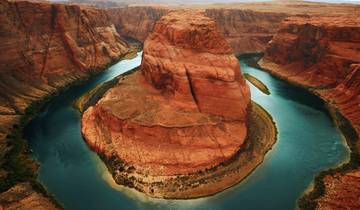
1 days
Antelope Canyon and Horseshoe Bend – 1 Day
- ✓ Comprehensive Las Vegas tour
- ✓ Expert local guides included
- ✓ All accommodation arranged
- ✓ Transportation provided
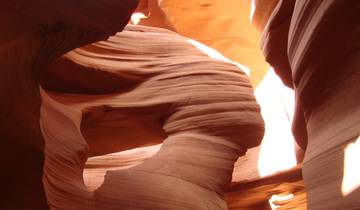
2 days
Grand Canyon, Antelope Canyon, Horseshoe Bend and Lake Powell Small Groups Overnight Tour
- ✓ Comprehensive Las Vegas tour
- ✓ Expert local guides included
- ✓ All accommodation arranged
- ✓ Transportation provided
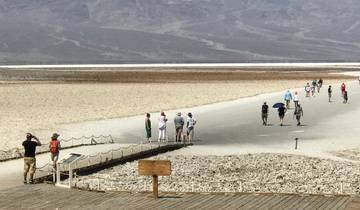
1 days
Death Valley Day Tour from Las Vegas- Hosted By Kristy
- ✓ Comprehensive Las Vegas tour
- ✓ Expert local guides included
- ✓ All accommodation arranged
- ✓ Transportation provided
1 days
Grand Canyon South Rim Private Tour
- ✓ Booking needs min. 2 travelers
Multi-day tour packages powered by TourRadar. Prices and availability subject to change.
Introduction: Nevada’s Blazing Desert Masterpiece
Valley of Fire State Park earns its incendiary name from 150-million-year-old Aztec sandstone formations that appear to ignite when reflecting direct sunlight, creating a visual spectacle that transforms Nevada’s Mojave Desert into a landscape photographer’s paradise. Dedicated as Nevada’s first state park in 1935, this 46,000-acre preserve protects red sandstone dunes fossilized during the Jurassic period, ancient petroglyphs created by Basketmaker and Early Pueblo cultures, and geological formations that rival the Southwest’s most celebrated national parks.
Located just 58 miles northeast of the Las Vegas Strip, Valley of Fire occupies a unique position in Nevada tourism as the most accessible dramatic natural landscape for Las Vegas visitors. While the Grand Canyon demands five-hour drives and Zion National Park requires overnight stays, Valley of Fire delivers comparable geological drama as an easy day trip that fits comfortably within a Las Vegas vacation itinerary. The park abuts Lake Mead National Recreation Area at its eastern entrance, positioning it perfectly for travelers combining desert landscapes with water recreation.
The formations that define Valley of Fire began as massive sand dunes during the Jurassic period when inland seas covered much of the American Southwest. As water levels subsided and tectonic forces uplifted the land, these ancient dunes lithified into Aztec sandstone, their iron oxide content creating the brilliant red, pink, and orange hues that characterize the park today. Wind and water erosion over millions of years carved the sandstone into beehive formations, natural arches, petrified dunes, and the park’s signature feature – Fire Wave, an undulating striped formation resembling frozen ocean swells.
Cultural history layers onto geological wonder throughout Valley of Fire. Basketmaker people occupied the region approximately 2,500 years ago, leaving petroglyphs at Atlatl Rock and Mouse’s Tank that remain remarkably preserved. Early Pueblo cultures followed, adding their own rock art before Paiute tribes inhabited the area when Mormon settlers arrived in 1865. The park’s Visitor Center interprets this human history alongside geological exhibits, providing context that enriches exploration beyond simple scenery appreciation.
Valley of Fire’s proximity to Las Vegas creates advantages beyond simple convenience. The park receives far fewer visitors than comparable Southwest destinations, particularly on weekday mornings when you might have Fire Wave entirely to yourself – an impossibility at Arches National Park or Antelope Canyon. Sunrise and sunset illuminate the red sandstone with spectacular light that justifies the 6:00 AM alarm clock, while the park’s relatively compact size allows comprehensive exploration in four to six hours rather than multi-day commitments.
Planning a Valley of Fire day trip in 2026 requires minimal advance preparation compared to major national parks. The park never requires entrance reservations, parking lots rarely fill even during peak winter weekends, and trails remain accessible year-round without permit systems. However, the desert environment demands respect – summer temperatures exceeding 115°F make hiking dangerous from May through September, while winter mornings can drop below freezing before warming to pleasant 60-70°F afternoons.
This guide provides comprehensive planning information for Valley of Fire day trips from Las Vegas in 2026, covering transportation options from self-drive to guided tours, complete cost breakdowns for budget planning, seasonal considerations for timing your visit, detailed trail descriptions for itinerary building, and essential desert safety protocols. Whether you’re a photographer seeking dramatic landscapes, a hiker wanting easy trails with big payoffs, or simply a Las Vegas visitor craving natural scenery after days of casino noise, Valley of Fire delivers exceptional experiences within easy reach of the Strip.
Understanding Valley of Fire’s Geographic Position and Access 2026
Valley of Fire State Park occupies the Mojave Desert 58 miles northeast of the Las Vegas Strip, positioned where the colorful Aztec sandstone of the basin meets the limestone mountains at elevations ranging from 2,000 to 2,600 feet above sea level. The park’s location 16 miles south of Overton, Nevada places it at the confluence of three major recreational areas – Las Vegas metropolitan tourism infrastructure to the southwest, Lake Mead National Recreation Area to the east, and the remote desert wilderness of the Moapa River Indian Reservation to the north.
Two primary routes connect Las Vegas to Valley of Fire, each offering distinct advantages. The faster western approach via Interstate 15 covers 58 miles in approximately one hour, following I-15 north from Las Vegas for 35-40 miles before taking Exit 75 eastbound toward Valley of Fire Highway. This route passes through the Moapa River Indian Reservation where a travel plaza at Exit 75 provides final opportunities for fuel, food, and restrooms before the park. From Exit 75, Valley of Fire Highway continues east for 17 miles through desert landscape before reaching the park’s West Entrance Station.
The scenic eastern approach through Lake Mead National Recreation Area extends driving time to 90 minutes but rewards travelers with lake views and varied desert topography. This route follows I-15 north to Lake Mead Boulevard, heading east to Lakeshore Road and then northeast on Northshore Drive along Lake Mead’s western shore. The road eventually reaches Valley of Fire’s East Entrance near Elephant Rock. Note that this route traverses Lake Mead National Recreation Area, which formerly charged a separate entrance fee, though America the Beautiful passes covered this cost. Verify current Lake Mead entrance requirements before choosing this route.
Valley of Fire’s compact size – approximately six miles long by four miles wide – makes comprehensive exploration achievable within a single day. The main park road forms an inverted T shape with entrances at the western and eastern ends of the horizontal bar and the Visitor Center positioned at the junction where the vertical stem extends north toward White Domes. This configuration allows logical routing: enter at the West Entrance, stop at highlights along the main road, visit the Visitor Center at the junction, continue north to White Domes and Fire Wave, then exit via the same route or continue to the East Entrance if combining with Lake Mead exploration.
Cellular service inside Valley of Fire remains unreliable throughout most of the park, with occasional signal near the Visitor Center and entrance stations but dead zones along trails and scenic viewpoints. Download offline maps before departure and inform others of your itinerary, particularly if hiking alone. The park road is fully paved and suitable for all vehicle types including sedans, though pullouts and parking areas feature dirt surfaces that become soft after rain.
Valley of Fire’s desert location creates temperature extremes that dramatically affect visit planning. Summer daytime highs of 105-120°F from June through August make midday hiking dangerous, while winter mornings can drop to 30-40°F before warming to comfortable 60-75°F afternoons. These temperature swings influence optimal visit timing more than any other factor, with November through March representing the ideal season for comfortable exploration.
Valley of Fire Entrance Fees and Visitor Information 2026
Valley of Fire State Park charges entrance fees of $15 per vehicle for out-of-state visitors in 2026, with Nevada residents paying $10 per vehicle (check the official Nevada State Parks website for current rates as pricing may vary). Most Las Vegas tourists fall into the out-of-state category, making the $15 fee standard for day trip planning. The per-vehicle pricing structure means four people in one car pay the same $15 total as a solo driver, creating cost advantages for group travel. Entrance fees are collected at fee booths at both the West and East entrance stations, with payment accepted via cash or credit card when rangers are present.
During unstaffed hours, typically early morning before 8:00 AM and late afternoon after 4:30 PM, self-pay stations accept cash payments via envelope drop boxes. Travelers arriving before ranger hours should bring exact change for the $15 fee and keep their receipt visible on the dashboard as rangers periodically check vehicles throughout the park. The entrance fee provides access for the entire day from sunrise to sunset, allowing multiple entry and exit without additional charges.
Nevada residents planning multiple visits should consider annual permits. The Nevada State Parks All Access Permit costs $200 and provides unlimited entrance to all Nevada state parks plus use of camping and boat launch facilities for 12 months. The Annual Entrance Permit at $75 covers park entrance only without camping or boating privileges. Disabled veterans residing in Nevada qualify for a $30 annual permit with proof of service-connected disability from the Department of Veterans Affairs. Senior citizens 65 and older who have resided continuously in Nevada for five years pay $30 for annual access. These annual permits make financial sense for anyone planning three or more Valley of Fire visits within a year.
The Visitor Center operates daily from 8:30 AM to 4:30 PM except Christmas Day, providing exhibits on park geology, ecology, prehistory, and history. Rangers staff the center to answer questions, suggest hikes based on available time and ability level, and provide current trail condition updates. The center offers drinking water, restrooms, and a small gift shop selling postcards, books, and educational materials. Arriving at the Visitor Center early in your visit provides orientation that improves understanding of what you observe at viewpoints and trails throughout the day.
Picnic areas with shaded tables and restrooms are located at Atlatl Rock, Seven Sisters, the historic Cabins, near Mouse’s Tank trailhead, and at White Domes. These facilities provide rest stops during hot weather and lunch spots for visitors bringing food from Las Vegas. No restaurants or food vendors operate inside the park, making the final services at Exit 75 your last opportunity to purchase food and beverages before entering.
The park enforces strict regulations to protect both visitors and natural resources. Motor vehicles must remain on paved roads and designated parking areas – driving on trails or cross-country is prohibited and subject to citations. Pets are welcome but must remain on leashes no longer than six feet and are excluded from the Visitor Center. All plants, animals, rocks, minerals, and artifacts are protected by Nevada state law with removal or disturbance subject to significant penalties. Fires are permitted only in designated grills and fireplaces at established picnic areas and campgrounds.
Valley of Fire opens from sunrise to sunset for day use visitors, with activity after dark restricted to campground areas and group camping sites. Visitors remaining in non-camping areas after sunset face trespassing charges. Sunrise varies from 5:30 AM in summer to 7:00 AM in winter, while sunset ranges from 5:00 PM in winter to 8:00 PM in summer. The park’s desert location creates spectacular sunrise and sunset lighting on the red sandstone, making these transition periods prime photography opportunities, but plan to exit before official sunset unless camping.
Transportation Options from Las Vegas to Valley of Fire 2026
Day trip travelers face three primary transportation options for reaching Valley of Fire from Las Vegas in 2026: self-drive with rental car, guided tour with hotel pickup, or private tour for small groups. Each option offers distinct advantages in cost, flexibility, and convenience.
Self-Drive Transportation: Renting a Car 2026
Rental cars provide maximum flexibility and lowest cost for Valley of Fire day trips, particularly for couples or small groups splitting expenses. Las Vegas car rental rates in 2026 range from $25 per day for economy vehicles to $52 per day for mid-size sedans, with SUVs averaging $57 per day. These base rates exclude airport fees, taxes, and insurance, which can add 30-40 percent to the total cost. Booking seven days in advance typically secures rates approximately 20 percent lower than same-day rentals.
The Las Vegas Rent-A-Car Center, located three miles from Harry Reid International Airport terminals, consolidates most major rental agencies including Budget, Enterprise, Hertz, Avis, and National. Free shuttle buses run approximately every five minutes from both Terminal 1 and Terminal 3 baggage claim areas to the rental center. The facility operates 24 hours daily, accommodating early morning departures for Valley of Fire sunrise visits.
Off-airport rental locations throughout Las Vegas offer potentially lower rates by avoiding airport-specific concession recovery fees and customer facility charges, though daily base rates may increase offsetting fee savings. Calculate total costs including all fees and taxes when comparing airport versus off-airport rentals. Most Las Vegas hotels along the Strip charge parking fees of $15-30 per day for self-parking and $30-45 for valet, adding to rental car costs for multi-day Vegas stays.
Insurance represents a significant rental cost component. Personal auto insurance policies often extend coverage to rental vehicles, while many credit cards provide collision damage waiver coverage when the rental is charged to the card. Review your existing coverage before purchasing rental company insurance, which typically adds $20-40 per day. Nevada law requires minimum liability coverage, but collision damage waiver and personal accident insurance remain optional add-ons.
Fuel costs for the 116-mile round trip to Valley of Fire total approximately $15 based on current Las Vegas gas prices averaging $3.75 per gallon and fuel economy of 30 miles per gallon for economy and mid-size cars. Fill the tank before departing Las Vegas as gas stations disappear north of the city. The travel plaza at Exit 75 offers final fueling opportunities, though prices typically run 10-20 cents higher per gallon than Las Vegas stations.
Parking at Valley of Fire poses no challenges with paved lots at the Visitor Center, major trailheads including Fire Wave, White Domes, and Elephant Rock, and pullouts along the main park road. Parking lots rarely fill even during peak winter weekends, though prime spaces at popular destinations like Fire Wave can become scarce between 10:00 AM and 2:00 PM on Saturdays. Arrive before 9:00 AM for guaranteed convenient parking.
Guided Tour Options from Las Vegas 2026
Guided tours eliminate driving responsibilities while providing professional narration, convenient hotel pickup, and organized itineraries that maximize limited park time. Valley of Fire tour prices in 2026 range from $100 for basic half-day excursions to $200 for comprehensive full-day tours combining Valley of Fire with Red Rock Canyon or other destinations.
Budget tour operators like GC Tours offer Valley of Fire excursions starting around $100 per person including hotel pickup, four hours inside the park, entrance fees, and basic narration covering major viewpoints like Beehive Rock, Atlatl Rock, Rainbow Vista, Fire Canyon Overlook, Seven Sisters, Elephant Rock, and Fire Wave. These tours typically operate in larger vehicles carrying 20-30 passengers with fixed itineraries and scheduled stops.
Small group tours from operators like MaxTour, Just Never Stop, and Bindlestiff Tours limit capacity to 10-14 passengers, charging $150-200 per person for more personalized experiences. Small group advantages include easier vehicle loading and unloading, more flexible timing at stops, better guide interaction with questions and photography assistance, and ability to adjust itineraries based on group preferences. These tours often include lunch or substantial snacks, unlimited bottled water throughout the day, and guides trained in photography who help capture quality images.
Combination tours pairing Valley of Fire with Red Rock Canyon or Hoover Dam extend total tour time to eight to ten hours with pricing of $180-220 per person. These tours work well for visitors wanting multiple natural attractions in a single day, though time at each location decreases compared to dedicated Valley of Fire excursions. Evaluate whether attempting two major destinations in one day creates rushed experiences versus more relaxed single-destination focus.
Private tours for groups of one to ten people range from $1,045 for one to three passengers to $1,107 for four to six passengers through operators like Inc Adventures. Private tour advantages include complete itinerary control, ability to adjust timing and stops based on your preferences, personal guide attention, and guaranteed tour departure regardless of other bookings. Private tours make sense for families wanting child-friendly pacing, photographers requiring extended time at specific locations, or groups celebrating special occasions.
Most guided tours depart Las Vegas between 6:30 AM and 8:00 AM, spending four to six hours at Valley of Fire, and returning to hotels by 2:00 PM to 4:00 PM. Early departures allow arrival at Fire Wave before crowds and heat accumulate. Tours include direct pickup from most Las Vegas Strip hotels, with some operators requiring guests at off-Strip properties to meet at designated casino pickup points.
When evaluating guided tours, confirm exactly what inclusions are provided. All reputable operators cover park entrance fees, but some charge extra for lunch or require guests to bring food. Verify whether water and snacks are provided or if you need to bring your own. Check cancellation policies – most allow full refunds with 24-hour advance notice but impose penalties for later cancellations. Read recent reviews focusing on guide knowledge, adherence to scheduled timing, and actual time allocated at the park versus travel time.
Rideshare and Public Transportation Limitations 2026
Public transportation from Las Vegas to Valley of Fire is essentially non-existent, making rental cars or guided tours the only practical options. Rideshare services like Uber and Lyft can technically transport you to the park, but return rides are virtually impossible to arrange due to lack of cellular service and driver scarcity in the remote area. Park officials explicitly warn against relying on rideshare for Valley of Fire trips as stranded visitors requiring ranger assistance have become recurring problems.
RTC transit bus route 113 serves areas north of Las Vegas but does not reach Valley of Fire. Attempting the trip via public bus and taxi requires one hour 38 minutes to two hours each way with costs of $150-200 one-way – far exceeding rental car or guided tour expenses while offering inferior convenience.
Complete Day Trip Cost Breakdown 2026
Valley of Fire day trip costs vary significantly based on transportation choice, group size, and whether you select self-drive or guided tour options. Understanding complete expense breakdowns helps accurate budget planning and optimal decision making.
Self-Drive Day Trip Costs 2026
Solo travelers choosing self-drive options pay the full burden of rental and entrance costs. Economy car rental $30 (daily rate with fees and taxes), park entrance $15, round-trip gas $15. Total approximately $60 per person daily for a solo self-drive trip.
Couples sharing expenses benefit from per-vehicle pricing structures. Economy car rental $30 shared equals $15 per person, park entrance $15 shared equals $8 per person, round-trip gas $15 shared equals $8 per person. Total approximately $30 per person for couples sharing a self-drive trip.
Groups of four maximize cost advantages. Mid-size car rental $45 shared equals $11 per person, park entrance $15 shared equals $4 per person, round-trip gas $15 shared equals $4 per person. Total approximately $20 per person for four travelers sharing a mid-size rental vehicle.
Add optional lunch and beverage costs if bringing picnic supplies from Las Vegas grocery stores. Basic picnic provisions including sandwiches, snacks, and beverages cost $12-18 per person when purchased at Las Vegas supermarkets like Albertsons or Walmart near the Strip. Restaurant-prepared grab-and-go meals from Whole Foods or casino food courts run $18-28 per person. Remember that no food services exist inside the park, making advance provision essential.
Self-drive trips offer timing flexibility unavailable with guided tours – depart whenever you want, spend as much or little time as desired at each location, and return to Las Vegas on your own schedule. This flexibility proves valuable for photographers wanting specific lighting conditions or families with young children requiring flexible break timing.
Guided Tour Cost Analysis 2026
Budget guided tours at $100 per person include hotel pickup and drop-off, park entrance fees, four hours inside Valley of Fire, and basic narration. Total all-inclusive cost $100 per person with no additional expenses beyond optional tips for guides. These tours provide solid value for solo travelers or couples wanting narrated experiences without driving responsibilities.
Small group tours at $150-200 per person include hotel pickup and drop-off, park entrance fees, four to six hours inside Valley of Fire, professional guide services, lunch or substantial snacks, unlimited bottled water throughout the day, and photography assistance. Total all-inclusive cost $150-200 per person plus optional guide gratuities of $15-25 per person. The premium over budget tours buys smaller group sizes, better guide interaction, included meals, and more personalized attention.
Private tours at $1,045-1,107 for groups of one to six people include everything in small group tours plus complete itinerary control and guaranteed departure. Cost per person drops as group size increases: $1,045 divided among three travelers equals $348 per person, $1,107 divided among six travelers equals $185 per person. Private tours make financial sense for groups of four or more wanting customized experiences, though couples and solo travelers pay premium pricing for privacy and flexibility.
Hidden Costs and Additional Considerations 2026
Several potential expenses beyond basic transportation and entrance fees affect total Valley of Fire trip costs. Las Vegas hotel parking fees of $15-45 per day add to rental car total costs for multi-day Vegas stays. Young driver surcharges of $25-35 per day apply to renters aged 21-24 at most agencies. GPS rental at $12-15 per day represents unnecessary expense given smartphone navigation capabilities – download offline maps before departure instead.
Souvenirs from the Valley of Fire Visitor Center gift shop including books, postcards, and educational materials cost $5-25. These purchases support park operations and provide quality keepsakes superior to generic Vegas casino gift shop items.
Photography equipment rental for serious landscape photographers wanting to capture Fire Wave and Rainbow Vista at optimal quality runs $50-100 per day for professional camera bodies and wide-angle lenses from Las Vegas camera shops. Most travelers find smartphone cameras adequate for social media and personal documentation, though dedicated cameras produce superior results for serious photography.
Budget Optimization Strategies 2026
Several tactics reduce Valley of Fire day trip expenses without compromising experience quality. Book rental cars seven days in advance rather than same-day for approximately 20 percent savings. Compare total costs including all fees between airport and off-airport rental locations – sometimes the apparent savings from avoiding airport fees disappear when higher base rates are factored. Use credit card collision damage waiver coverage instead of purchasing rental company insurance, saving $20-40 per day. Verify your personal auto insurance extends to rentals before declining coverage completely.
Bring picnic provisions from Las Vegas supermarkets instead of casino food courts, saving $6-10 per person on lunch costs. Walmart Supercenter on West Tropicana Avenue offers full grocery selection with competitive pricing convenient to the Strip. Purchase bottled water in bulk at supermarkets for $0.25-0.40 per bottle versus $3-5 per bottle at casino convenience stores or the park Visitor Center.
Nevada residents should always present identification at park entrance for the $10 resident rate versus $15 out-of-state charge. If combining Valley of Fire with other Nevada state parks during your trip, calculate whether the $75 annual entrance permit saves money – three park visits at $10 per visit equals $30, making the annual permit worthwhile only for four or more visits. The $200 All Access Permit including camping proves cost-effective if planning overnight stays at Nevada state park campgrounds.
Guided tour shoppers should compare total inclusions rather than price alone. A $100 tour excluding lunch requires adding $15-25 for food, totaling $115-125 versus a $150 tour with lunch included. Small group tour premiums often prove worthwhile for better experiences, particularly for solo travelers who cannot split rental car costs.
Seasonal Considerations and Best Time to Visit 2026
Valley of Fire’s Mojave Desert location creates extreme temperature variations that dramatically affect visit comfort and safety throughout the year. Understanding seasonal patterns allows optimal timing for the best possible experience.
Winter Season: November Through March (Optimal Visiting Period)
November through March represents Valley of Fire’s prime visiting season with daytime temperatures of 60-75°F ideal for hiking and photography. Morning temperatures from 35-50°F require light jackets or long sleeves that you shed as the day warms. Clear skies dominate winter months with precipitation averaging less than four inches annually and most rainfall occurring as brief winter showers rather than sustained storms.
Winter weekends see increased visitor numbers, particularly Saturdays from late December through February when Las Vegas tourists escape the city for day trips. However, even peak winter weekends never approach the crowding found at major national parks – Fire Wave might host 20-30 people mid-morning versus solitary visits achievable on weekday mornings. Arrive before 9:00 AM any winter day for minimal crowds and optimal photography light.
Sunrise during winter months occurs between 6:30 AM and 7:00 AM, with sunset between 4:30 PM and 5:30 PM. The low winter sun angle creates spectacular lighting on red sandstone formations throughout the day, though golden hour during the first and last hours of daylight produces the most dramatic colors. Photographers should plan arrivals to capture early morning light at Fire Wave and Rainbow Vista when side lighting emphasizes rock texture and color intensity.
Winter disadvantages include chilly mornings requiring layered clothing and occasional frost in shaded areas before 9:00 AM. Rare winter storms close park roads temporarily, though these closures rarely last more than a few hours as the park drains quickly and pavement dries rapidly. Check current weather and road conditions at the park website or by calling the Visitor Center at 702-397-2088 before winter departures during storm periods.
Spring Season: April Through May (Shoulder Season)
April and May bring warming temperatures and wildflower blooms to Valley of Fire when winter rains have been adequate. Daytime highs climb from 80°F in April to 95°F in May, making early morning visits increasingly important as the season progresses. April remains comfortable for midday hiking, but May demands completion of trails before 11:00 AM as temperatures approach triple digits.
Wildflower displays vary dramatically based on winter precipitation, with exceptional blooms following wet winters transforming the desert with yellow brittlebush, purple lupine, and scarlet Indian paintbrush. Poor rainfall years produce minimal flowering. Wildflower peak typically occurs mid-March through mid-April, though this window shifts based on weather patterns. Call the Visitor Center for current bloom status before traveling specifically for wildflowers.
Spring visitation increases compared to winter with Easter week and spring break periods bringing families to the park. Parking at Fire Wave and White Domes can fill by 10:00 AM on spring holiday weekends. Despite increased visitation, the park never implements entrance reservations and always accommodates all arriving visitors with parking at secondary lots if main trailhead lots fill.
Summer Season: June Through September (Extreme Heat Period)
June through September brings extreme heat rendering midday outdoor activity dangerous and potentially fatal. Daytime temperatures regularly exceed 105°F with July and August peaks of 115-120°F. Summer visits require arriving before 8:00 AM and completing all hiking by 10:00 AM before heat becomes oppressive. Afternoon shade temperatures provide no relief as desert air offers minimal evaporative cooling.
Summer advantages include minimal visitation – most Las Vegas tourists avoid desert parks during extreme heat, leaving Valley of Fire nearly empty even on weekends. Solitude seekers willing to tolerate heat and practice extreme safety precautions enjoy the park with minimal human presence. Summer also offers extended daylight from 5:30 AM sunrise to 8:00 PM sunset, allowing very early morning and late evening visits bracketing the dangerous midday heat.
Summer safety requires carrying twice the normal water quantity – one gallon per person minimum for short morning hikes, more for extended exploration. Heat exhaustion and heat stroke develop rapidly with symptoms including dizziness, nausea, confusion, and cessation of sweating despite heat exposure. If these symptoms appear, seek shade immediately, drink water, and cool the body with wet clothing. Summer hiking should be avoided entirely by people with cardiovascular conditions, elderly visitors, and young children who dehydrate more rapidly than healthy adults.
The park remains open throughout summer, but rangers strongly discourage midday hiking and may close trails during extreme heat warnings exceeding 115°F. Summer visitors should focus on drive-through scenic viewing from air-conditioned vehicles with brief stops at viewpoints near parking areas rather than extended trail hiking.
Fall Season: October (Transition Period)
October serves as transition from summer heat to winter comfort, with daytime temperatures dropping from 95°F early in the month to 75°F by month’s end. Early October retains summer heat requiring morning-only hiking, while late October approaches ideal winter conditions. Fall visitation remains light making October attractive for travelers wanting comfortable weather without winter weekend crowds.
Fall photography benefits from moderate sun angles between summer’s overhead harshness and winter’s low raking light. October weather stability exceeds spring with minimal precipitation and consistent clear skies day after day. Fall represents an underutilized visiting season offering near-ideal conditions without corresponding visitor numbers.
Essential Valley of Fire Highlights and Attractions 2026
Valley of Fire concentrates its most spectacular formations along the main park road and the northern White Domes Road extension, allowing comprehensive highlight touring within four to six hours. Understanding each attraction’s unique features helps prioritize stops based on available time and interests.
Fire Wave: The Park’s Signature Formation
Fire Wave ranks as Valley of Fire’s most photographed and Instagram-famous feature, displaying undulating bands of red, white, pink, and orange sandstone resembling frozen ocean swells. The formation results from differential erosion of layered Aztec sandstone deposited as ancient sand dunes, with varying mineral content creating distinct colored bands that weather at different rates. Iron oxide produces red and orange layers, while manganese oxide creates purple and dark red bands, and gypsum deposits form white and pink stripes.
Accessing Fire Wave requires a 1.5-mile round-trip hike from the White Domes parking area north of the Visitor Center. The trail follows cairns and painted white dots across open rock surfaces with minimal shade and no water sources. Most hikers complete the journey in 30-45 minutes each way, though photographers often spend 30-60 minutes at the formation capturing different angles and lighting. The trail crosses slickrock and sandy washes rated easy overall but requiring basic fitness and proper footwear – running shoes suffice though hiking boots provide better ankle support on uneven terrain.
Fire Wave photography works best during early morning or late afternoon when side lighting emphasizes the wavy texture and color gradations. Midday overhead sun flattens the formation reducing its three-dimensional appearance. Arrive before 9:00 AM on winter weekends or before 8:00 AM during holidays to capture the formation without other visitors in your frame. The formation’s open exposure offers no shade making summer midday visits unbearable.
White Domes: Slot Canyon and Film History
White Domes features towering white sandstone formations and a narrow slot canyon along a one-mile loop trail starting from the same parking area as Fire Wave access. The trail passes the ruins of an old movie set from the 1966 film The Professionals, demonstrating Valley of Fire’s role as Hollywood filming location. The slot canyon section creates a brief enclosed passage where walls rise 30-40 feet overhead, offering dramatic perspectives impossible at Fire Wave’s open exposure.
The White Domes loop trail takes 30-45 minutes to complete at a moderate pace with minimal elevation gain making it suitable for families with children. The trail surface alternates between sand, gravel, and rock requiring closed-toe shoes but not specialized hiking boots. Unlike Fire Wave’s slickrock navigation, White Domes follows a defined path throughout its length eliminating route-finding concerns.
White Domes photographs well throughout the day as the slot canyon sections provide interesting light and shadow regardless of sun angle. The white sandstone formations contrast beautifully with red Aztec sandstone visible in the distance, creating color variety that Fire Wave’s monochromatic reds cannot match. Most visitors combine White Domes and Fire Wave in a single morning allocation since both trails depart from the same parking area.
Rainbow Vista: Family-Friendly Desert Bowl
Rainbow Vista offers a relatively easy one-mile round-trip trail featuring bright red boulders and multicolored rock formations in a desert bowl setting. The trail follows a sandy wash with gentle grades suitable for children and less experienced hikers. The terminal viewpoint overlooks additional red sandstone formations stretching toward the horizon, providing expansive desert vistas without the challenging terrain of more remote trails.
Rainbow Vista’s sandy trail surface means shoes fill with sand during the hike – some visitors remove shoes and walk barefoot when sand remains cool during winter mornings. Summer sand becomes burning hot making barefoot hiking dangerous. The sand also makes the trail feel longer than its actual one-mile distance as walking through soft material requires more effort than hard-packed surfaces.
Photography at Rainbow Vista emphasizes the contrast between bright red boulders in the foreground and the expansive desert landscape beyond. Morning light from the east illuminates the boulders while the western horizon remains in shadow, creating depth through light and dark zones. The relatively short trail allows quick visits when time is limited or energy depleted from earlier hikes.
Elephant Rock: Iconic Formation Near East Entrance
Elephant Rock sits near the park’s East Entrance, displaying an obvious elephant profile when viewed from the parking area. The formation requires only a 0.3-mile round-trip walk on level terrain, making it the park’s easiest significant feature to access. The rock’s resemblance to an elephant results from differential weathering creating what appears as a trunk extending from a massive head and body.
Elephant Rock works well as either an entry point when approaching via the Lake Mead scenic route or as a final stop when exiting eastbound after exploring the rest of the park. The minimal walking distance makes this accessible to visitors with mobility limitations who cannot manage longer trails. Photographers capture the elephant profile from the parking area, though walking closer reveals additional perspectives and texture details.
The formation’s east-facing orientation means morning light provides the best photography, illuminating the “elephant” while the background remains darker creating contrast and definition. Afternoon backlighting turns the formation into a dark silhouette against bright sky – an artistic choice some photographers prefer but less ideal for documenting the elephant’s features.
Atlatl Rock Petroglyphs: Ancient Artistry
Atlatl Rock features extensive petroglyphs carved by Basketmaker and Early Pueblo cultures approximately 2,500-4,000 years ago. The ancient rock art appears on a large sandstone face 50 feet above ground level, with a metal staircase providing viewing access. The petroglyphs depict atlatls (spear-throwing devices), bighorn sheep, human figures, and geometric patterns whose meanings remain debated by archaeologists.
Additional petroglyphs cover rocks behind and below the main staircase panel, offering close viewing opportunities without climbing stairs. These lower panels receive less attention from most visitors but provide equally significant cultural evidence and often superior photography with better lighting angles. The combined panels make Atlatl Rock the park’s premier petroglyph site surpassing the smaller collection at Mouse’s Tank.
Visitors must not touch petroglyphs as skin oils accelerate weathering of the ancient art. Photography without flash is encouraged as documentation helps monitor condition changes over time. The site includes interpretive signs explaining petroglyph creation techniques and cultural context, though many questions about the art’s exact meanings and purposes remain unanswered.
Mouse’s Tank Trail: Petroglyphs and Desert Ecology
Mouse’s Tank Trail follows a one-mile round-trip sandy wash passing numerous petroglyph panels and natural water catchment basins that give the trail its name. The “tank” refers to natural depressions in the rock that capture and hold rainwater, named after a Paiute fugitive called Mouse who allegedly used these water sources while evading capture in the 1890s. The trail passes through typical Mojave Desert ecology showcasing creosote bush, burro bush, brittlebush, and occasional Joshua trees.
The trail’s sandy surface and gentle grade make it suitable for families though less scenic than Rainbow Vista or White Domes. The primary attraction lies in the petroglyph panels scattered along the route rather than dramatic rock formations. Visitors interested in ancient cultures appreciate Mouse’s Tank more than those focused purely on landscape photography. The trail requires 30-45 minutes to complete at a moderate pace with time for examining petroglyphs.
Beehives: Roadside Geological Wonder
The Beehives appear immediately after entering through the West Entrance, displaying distinctive dome-shaped formations created by weathering of Aztec sandstone along natural joints and bedding planes. The formations cluster together resembling actual beehives, though their shapes result from purely geological rather than biological processes. Cross-bedding visible within the sandstone records the original angle of ancient sand dune surfaces before lithification.
The Beehives require no hiking as viewpoints sit directly beside the paved park road. Most visitors stop briefly for photographs before continuing to more remote attractions. The formations provide excellent introduction to the park’s geology visible from the comfort of your vehicle, making them ideal for travelers with mobility limitations or families with young children resistant to hiking.
Seven Sisters: Roadside Formation Cluster
Seven Sisters consists of seven prominent red sandstone formations clustered along the main park road between the West Entrance and Visitor Center. Like the Beehives, Seven Sisters requires no hiking as pullouts allow roadside viewing and photography. The formations demonstrate typical Aztec sandstone weathering patterns with smooth faces interrupted by vertical joints and horizontal bedding planes.
Seven Sisters serves well as a quick photo stop between longer hiking destinations rather than a primary attraction justifying extended time allocation. The formations photograph well in morning or late afternoon light when shadows emphasize their three-dimensional forms, becoming somewhat flat and less interesting under midday overhead sun.
Visitor Center: Interpretive Hub
The Valley of Fire Visitor Center provides essential context for understanding the park’s geology, ecology, and human history through exhibits, films, and ranger presentations. The center displays cross-sections explaining Aztec sandstone formation, exhibits on desert adaptations of plants and animals, cultural artifacts from Basketmaker and Pueblo periods, and historical photographs documenting park establishment and early tourism.
Rangers at the information desk answer questions, provide current trail condition updates, suggest itineraries based on available time and abilities, and offer interpretive programs during peak winter weekends. The center also sells books, maps, and educational materials at modest prices with proceeds supporting park programs. Clean restrooms and drinking water fountains make the center a logical stop for facilities regardless of exhibit interest.
The Visitor Center location at the junction of the main park road and White Domes Road makes it a natural stopping point when transitioning between the park’s eastern and northern sections. Allocating 20-30 minutes for exhibits and ranger consultation enhances understanding of what you observe at overlooks and trails throughout the remainder of your visit.
Sample Valley of Fire Day Trip Itineraries 2026
The following itineraries accommodate different time allocations, fitness levels, and interests while maximizing Valley of Fire experiences within practical constraints.
Four-Hour Essential Highlights Itinerary
This compressed itinerary covers Valley of Fire’s premier attractions when time is limited, ideal for afternoon visits or travelers combining multiple destinations in a single day.
7:00-8:00 AM: Depart Las Vegas, drive to Valley of Fire West Entrance.
8:00-8:10 AM: Enter park, pay $15 entrance fee, brief photo stop at Beehives immediately past entrance station.
8:10-8:20 AM: Drive to White Domes parking area north of Visitor Center.
8:20-9:30 AM: Hike to Fire Wave, allowing 25 minutes walk each way plus 40 minutes photography and exploration at the formation. This timing captures excellent morning light before crowds arrive.
9:30-10:15 AM: Complete White Domes loop trail, 45 minutes including slot canyon exploration and movie set ruins.
10:15-10:30 AM: Drive to Visitor Center, use restrooms, refill water bottles.
10:30-10:45 AM: Drive to Elephant Rock near East Entrance.
10:45-11:00 AM: Photograph Elephant Rock from parking area and short approach walk.
11:00-12:00 PM: Return drive to Las Vegas.
This itinerary prioritizes Fire Wave as the must-see attraction while including White Domes slot canyon and quick Elephant Rock stop. The schedule omits petroglyphs at Atlatl Rock and Mouse’s Tank, Rainbow Vista, and Visitor Center exhibits to maintain a four-hour park allocation. Total trip time including driving: seven hours with Las Vegas return by 2:00 PM.
Six-Hour Comprehensive Exploration Itinerary
This fuller itinerary adds cultural sites, additional trails, and Visitor Center educational exhibits for comprehensive Valley of Fire coverage.
6:30-7:30 AM: Depart Las Vegas, drive to Valley of Fire West Entrance.
7:30-7:45 AM: Enter park, brief stops at Beehives and Seven Sisters for photographs in excellent early light.
7:45-8:00 AM: Stop at Atlatl Rock, climb metal staircase to view primary petroglyph panel, examine additional rock art at ground level behind main staircase.
8:00-8:15 AM: Drive to White Domes parking area.
8:15-9:45 AM: Hike to Fire Wave with extended photography time, 25 minutes each way plus one hour at formation capturing multiple angles and compositions.
9:45-10:30 AM: Complete White Domes loop trail at relaxed pace.
10:30-11:15 AM: Visit Visitor Center, view exhibits, speak with rangers, use facilities, purchase books or maps from gift shop.
11:15-11:45 AM: Lunch at shaded picnic area near Visitor Center. Bring provisions from Las Vegas as no food sales exist inside park.
11:45-12:45 PM: Hike Mouse’s Tank Trail, examining petroglyphs along the route and learning about desert ecology from interpretive signs.
12:45-1:00 PM: Drive along scenic Mouse’s Tank Road stopping at pullouts for photographs of valley vistas.
1:00-1:15 PM: Rainbow Vista Trail, quick hike to viewpoint overlooking red boulder field.
1:15-1:30 PM: Exit via East Entrance with final stop at Elephant Rock.
1:30-2:30 PM: Return drive to Las Vegas.
This itinerary provides comprehensive Valley of Fire coverage including all major formations, both significant petroglyph sites, Visitor Center education, and multiple trail experiences. Total trip time including driving: eight hours with Las Vegas return by 3:00 PM. This represents the maximum coverage achievable as a day trip without rushing.
Photography-Focused Itinerary for Serious Shooters
Photographers prioritizing image quality over comprehensive coverage should concentrate on fewer locations with optimal lighting rather than attempting to see everything.
5:30-6:30 AM: Depart Las Vegas in darkness, arrive before sunrise.
6:30-8:30 AM: Fire Wave sunrise photography, arriving in darkness to set up for first light. Two hours allows capturing the full sunrise sequence with changing light angles and color temperatures.
8:30-9:00 AM: White Domes slot canyon with morning light filtering into narrow passages.
9:00-9:45 AM: Breakfast break at picnic area, rest before midday heat.
9:45-10:30 AM: Atlatl Rock petroglyphs with side lighting emphasizing carved details.
10:30-11:30 AM: Visitor Center air-conditioned respite during peak heat.
11:30 AM-3:00 PM: Rest period – either remain at shaded picnic area or return to Las Vegas for lunch and pool time.
3:00-4:00 PM: Return to park for golden hour.
4:00-5:30 PM: Rainbow Vista and roadside formations with late afternoon light creating long shadows and warm tones.
5:30-6:30 PM: Fire Wave sunset photography, arriving early to select optimal composition for sunset light.
6:30-7:30 PM: Return drive to Las Vegas.
This itinerary produces superior images by shooting only during optimal light while avoiding midday harsh conditions. The schedule requires either paying park entrance twice (morning and evening visits count as separate days without overnight camping) or remaining inside the park during midday heat. Total trip time: fourteen hours with split morning/evening schedule. This extended commitment suits serious photographers more than casual visitors.
Family-Friendly Easy Access Itinerary
Families with young children or travelers with mobility limitations benefit from this itinerary emphasizing easy access formations and shorter trails.
8:00-9:00 AM: Depart Las Vegas after reasonable breakfast, drive to park.
9:00-9:15 AM: Beehives and Seven Sisters photo stops from roadside pullouts, no hiking required.
9:15-9:30 AM: Arch Rock, brief walk from parking area to natural arch formation.
9:30-10:00 AM: Atlatl Rock petroglyphs, optional staircase climb for those able or ground-level panels for those preferring flat access.
10:00-10:45 AM: Visitor Center exhibits, restrooms, gift shop, air-conditioned comfort during heat.
10:45-11:45 AM: Picnic lunch at shaded tables near Visitor Center.
11:45 AM-12:15 PM: Drive scenic Mouse’s Tank Road with pullout stops for valley views without hiking.
12:15-12:45 PM: Rainbow Vista short trail, easiest of the park’s actual hiking trails with minimal difficulty.
12:45-1:00 PM: Drive to East Entrance, Elephant Rock photo stop requiring minimal walking.
1:00-2:00 PM: Return drive to Las Vegas.
This itinerary omits Fire Wave and White Domes due to their 1.5-mile distances and slickrock navigation challenging for young children or mobility-limited visitors. The schedule provides solid Valley of Fire experience emphasizing accessible features and educational content over physically demanding trails. Total trip time: six hours with Las Vegas return by 2:00 PM.
Desert Safety and Essential Preparation 2026
Valley of Fire’s Mojave Desert environment poses serious risks requiring proper preparation and safety awareness to prevent dangerous or potentially fatal situations.
Water Requirements and Hydration Management
Carry one gallon of water per person minimum for any Valley of Fire visit regardless of season or planned activity level. Desert air’s low humidity accelerates dehydration through both respiration and perspiration, with fluid loss rates doubling or tripling compared to humid environments. Summer visits demand two gallons per person for any hiking activity, with water consumption rates exceeding one quart per hour during exertion in 100°F+ temperatures.
Begin hydrating the evening before your visit rather than drinking water only during the trip. Proper hydration requires 24-48 hours to fully saturate body tissues, with day-of hydration providing insufficient preparation for desert exertion. Drink water continuously throughout your visit rather than waiting until thirsty – thirst indicates existing dehydration rather than signaling time to begin drinking.
Bring electrolyte replacement tablets or sports drinks beyond plain water for hikes exceeding two hours. Excessive water consumption without electrolyte replacement can cause hyponatremia, a dangerous condition where blood sodium levels drop too low causing confusion, nausea, and potentially fatal brain swelling. Salty snacks like pretzels or trail mix provide basic electrolyte replacement for shorter hikes.
The Visitor Center provides drinking water for bottle refills but represents the only water source inside the park. No water exists at trailheads or along trails. Plan accordingly by bringing all necessary water from Las Vegas or refilling at the Visitor Center before hiking remote trails. Some visitors freeze half their water bottles the night before, allowing ice to melt gradually throughout the day maintaining cool drinking temperatures.
Heat-Related Illness Recognition and Response
Heat exhaustion symptoms include heavy sweating, weakness, cold and clammy skin, fast and weak pulse, nausea, and headache. If these symptoms appear, move to shade immediately, remove excess clothing, drink water slowly, and cool the body with wet cloths on skin. Recovery typically occurs within 30-60 minutes with rest, cooling, and hydration. Failure to treat heat exhaustion leads to progression toward heat stroke.
Heat stroke represents a medical emergency requiring immediate action. Symptoms include body temperature exceeding 103°F, hot and dry skin with sweating cessation, rapid and strong pulse, confusion, and potential loss of consciousness. Heat stroke victims require emergency cooling – move to shade, remove clothing, apply cool water to skin, fan to increase evaporation, and call 911 immediately. Heat stroke can cause death or permanent brain damage if untreated.
Prevention remains far superior to treatment. Avoid hiking during midday heat from 11:00 AM to 4:00 PM during warm months. Complete all hiking before 10:00 AM during summer when temperatures exceed 100°F. Wear light-colored loose clothing that promotes air circulation and evaporative cooling. Apply sunscreen rated SPF 50 or higher to all exposed skin, reapplying every two hours during extended outdoor exposure.
Navigation and Route Finding
Fire Wave and several other Valley of Fire trails follow cairns (rock piles) and painted white dots across open slickrock rather than defined paths. These navigation markers work well during daylight but become difficult to locate if you remain on trails past sunset. Download offline maps before your visit as cellular service inside the park remains unreliable. The AllTrails app provides detailed trail maps with GPS tracking showing your position even without cellular connection.
Stay on established trails and follow cairns rather than creating shortcuts across unmarked terrain. Shortcutting damages fragile desert biological soil crusts that take decades to regenerate while also increasing erosion. Visitors who wander off established routes sometimes become disoriented in similar-looking terrain, requiring ranger assistance for extraction.
Inform someone outside your group of your itinerary including planned arrival time, trails you intend to hike, and expected return time to Las Vegas. If you fail to return as scheduled, this information helps rangers focus search efforts on likely locations. Solo hikers should be especially diligent about trip notifications given lack of assistance if injuries occur on remote trails.
Wildlife Awareness and Encounters
Valley of Fire hosts desert bighorn sheep, coyotes, kit foxes, various lizard species including chuckwallas and collared lizards, and numerous snake species including potentially dangerous rattlesnakes. Bighorn sheep sightings occur regularly near roads and at water sources, providing exciting wildlife viewing opportunities. Maintain distance of at least 50 yards from all wildlife – approaching closer stresses animals and poses safety risks.
Rattlesnakes become active during warmer months, particularly early morning and late afternoon when they hunt rodents. Watch where you place hands and feet when scrambling on rocks or sitting for breaks. Rattlesnakes typically retreat when given opportunity but will strike if cornered or stepped on accidentally. If bitten, remain calm, immobilize the affected limb, remove rings or constricting items before swelling begins, and seek immediate medical attention. Do not attempt to capture or kill the snake as this creates additional bite risk.
Scorpions hide under rocks and in shaded crevices during daytime, emerging after dark to hunt insects. Shake out shoes and clothing before dressing if left on the ground. Scorpion stings cause intense pain but rarely prove dangerous to healthy adults, though children and elderly people should seek medical evaluation after stings.
Sun Protection and Clothing Recommendations
Desert sun intensity exceeds most people’s expectations even during winter months when temperatures feel comfortable. Apply broad-spectrum sunscreen rated SPF 50 or higher to all exposed skin 30 minutes before sun exposure, reapplying every two hours and after sweating. Face, neck, ears, and tops of hands receive the most intense exposure and burn most frequently on unprepared visitors.
Wear wide-brimmed hats providing shade for face, ears, and neck rather than baseball caps that leave ears and neck exposed. Lightweight long-sleeve shirts and pants made from moisture-wicking technical fabrics provide better sun protection than tank tops and shorts while also promoting cooling through evaporation. Light colors reflect heat better than dark colors which absorb solar radiation.
Sunglasses rated for 100 percent UVA and UVB protection prevent eye damage and reduce squinting in bright desert light. Polarized lenses reduce glare from rock surfaces improving visibility and comfort. Lip balm with SPF 30 or higher prevents painful sunburned lips that many visitors overlook until damage occurs.
Footwear Requirements
Closed-toe shoes with grippy rubber soles are essential for all Valley of Fire trails. Running shoes or trail running shoes provide adequate traction and support for most visitors on typical trails like Fire Wave, White Domes, and Rainbow Vista. Hiking boots offer superior ankle support valuable on uneven terrain though not strictly necessary for well-maintained trails.
Sandals and flip-flops create injury risks on rocky trails while also providing insufficient protection from sun exposure on feet tops and from hot sand burning soles. Many trails cross sandy washes where sand enters open footwear creating discomfort. Save sandals for paved viewpoint stops rather than wearing them on trails.
Break in new shoes before your Valley of Fire visit rather than wearing brand new footwear on desert trails. Blisters develop rapidly when hiking in stiff unbroken-in shoes, potentially ruining your experience and requiring early departure. Wool or synthetic hiking socks prevent blisters more effectively than cotton socks which retain moisture and create friction.
Photography Tips for Valley of Fire 2026
Valley of Fire ranks among the Southwest’s premier landscape photography destinations, offering dramatic geological formations, vibrant colors, and accessible compositions producing gallery-quality images with proper technique.
Optimal Lighting Conditions and Timing
Early morning during the first two hours after sunrise provides the year’s best light for Valley of Fire photography. Low sun angles create directional side lighting that emphasizes rock texture and three-dimensional form while warm color temperatures enhance the red sandstone’s natural hues. Fire Wave, Rainbow Vista, and formations along Mouse’s Tank Road face east, receiving direct illumination during morning while western backgrounds remain in shadow creating depth through tonal contrast.
Late afternoon during the two hours before sunset offers similar advantages with reversed lighting direction. The same low sun angles that work in morning create dramatic side lighting in afternoon, though color temperatures shift even warmer toward orange and red as sunset approaches. Formations like Elephant Rock photograph better in morning light given their eastern orientation, while some western-facing formations work better during late afternoon.
Midday overhead sun creates harsh lighting with minimal shadows that flattens formations and produces less compelling images. However, midday light works well inside White Domes slot canyon where overhead sun penetrates narrow passages creating interesting light beams and illuminating walls that remain dark during morning and afternoon. Photographers visiting midday should focus on White Domes, Visitor Center exhibits, and rest rather than attempting wide landscape shots.
Sunrise and sunset themselves provide spectacular lighting with dramatic color changes during the 30 minutes before and after the sun crosses the horizon. Fire Wave works excellently for both sunrise and sunset photography though access in darkness requires flashlights or headlamps for the 0.75-mile approach across unmarked slickrock. The Beehives near the West Entrance offer easier sunrise access with parking immediately adjacent to formations.
Essential Camera Equipment and Settings
Smartphone cameras produce excellent Valley of Fire images adequate for social media sharing and personal documentation. Modern smartphones handle high-contrast desert lighting well through computational photography combining multiple exposures for extended dynamic range. Use your phone’s grid overlay to compose with the rule of thirds, placing Fire Wave or other primary subjects on grid intersections rather than dead center.
Dedicated cameras with interchangeable lenses provide advantages for serious photography. Wide-angle lenses in the 16-35mm range capture expansive landscapes including foreground interest and sweeping valley vistas. The 24-70mm standard zoom range works well for most compositions, while telephoto lenses 70-200mm isolate distant formations and compress perspective making mountains appear closer to foreground subjects.
Circular polarizing filters reduce glare from rock surfaces and deepen blue skies creating contrast against red sandstone. Rotate the polarizer while looking through your viewfinder to observe maximum polarization effect, typically occurring at 90 degrees to the sun’s position. Neutral density filters allow longer exposures during daylight creating motion blur in clouds or smoothing water in the rare instances when pools exist at Mouse’s Tank.
Camera settings for Valley of Fire begin with aperture priority mode (A or Av) selecting f/8 to f/11 for landscapes requiring extensive depth of field from foreground rocks to distant mountains. ISO 100-400 maintains clean images without noise in good light, increasing to ISO 800-1600 during sunrise and sunset when light dims. Enable your camera’s highlight warning display to prevent overexposed blown-out skies losing all detail.
Composition Techniques for Desert Landscapes
Include foreground interest in landscape compositions rather than shooting only distant formations. Rocks, desert plants, or textured sand in the immediate foreground create depth and scale while leading viewers’ eyes into the frame toward primary subjects. Fire Wave particularly benefits from including textured slickrock patterns in the foreground leading up to the wave formation itself.
Utilize leading lines within the landscape to guide composition. Wash channels, rock fractures, and formation edges create natural lines directing attention toward key elements. The winding road visible from Rainbow Vista overlook creates a leading line disappearing into distant mountains – position this road entering from a lower corner rather than bisecting the frame horizontally.
Shoot from low perspectives close to ground level rather than standing height to emphasize foreground elements and create more dramatic relationships between near and far subjects. Kneel or lie prone to position your camera six inches from interesting foreground rocks or plants, making them appear large in frame while Fire Wave or other formations remain visible in the background.
Apply the rule of thirds by placing horizons one-third from top or bottom rather than dividing the frame in half. Interesting skies warrant positioning the horizon low in frame allocating two-thirds to sky, while dramatic foregrounds justify high horizon placement. Avoid center horizon placement which creates static compositions lacking visual energy.
Capturing Fire Wave Effectively
Fire Wave demands careful composition to capture its three-dimensional wave structure effectively. Shoot from the formation’s southwest side during morning or northeast side during afternoon to maximize directional lighting revealing texture and curves. Walk completely around Fire Wave examining different angles rather than shooting only from the first viewpoint you encounter – the formation’s appearance changes dramatically from different positions.
Include scale reference in some Fire Wave shots by having a companion stand at strategic locations within the frame. The formation’s size remains ambiguous without human presence – adding a person reveals that waves rise 10-15 feet high creating more impressive images than abstract close-ups suggesting smaller size.
Bracket exposures when shooting Fire Wave combining multiple shots exposed for highlights, midtones, and shadows into HDR composites capturing the full tonal range. Desert landscapes create extreme contrast between bright sunlit formations and dark shadows that exceed single-exposure dynamic range. Most modern cameras include built-in HDR modes simplifying this process.
Protecting Equipment in Desert Conditions
Desert sand and dust pose significant risks to camera equipment requiring protective measures. Keep cameras in closed bags when not actively shooting to prevent dust infiltration into mechanisms and lenses. Change lenses only when necessary and shield the camera body opening from wind during lens changes to minimize dust entering the mirror box and sensor.
Bring microfiber cloths and lens cleaning solution to remove dust from front lens elements and filters. Desert wind constantly distributes fine particles that accumulate on glass surfaces degrading image quality. Check and clean lenses frequently throughout the day rather than only at day’s end.
Protect equipment from heat by avoiding leaving cameras and lenses in hot vehicles. Interior car temperatures exceed 150°F during summer potentially damaging electronics and melting lens coatings. Carry equipment with you or store in insulated camera bags with cooling packs when brief car storage becomes necessary.
Combining Valley of Fire with Other Destinations 2026
Valley of Fire’s location near Lake Mead National Recreation Area, the Hoover Dam, and Red Rock Canyon National Conservation Area enables multi-destination itineraries for travelers wanting comprehensive southern Nevada experiences.
Valley of Fire and Red Rock Canyon Combination
Red Rock Canyon National Conservation Area sits 17 miles west of Las Vegas, positioning it on the opposite side of the city from Valley of Fire. Combined itineraries require careful planning to avoid excessive backtracking. The most efficient approach involves visiting Red Rock Canyon early morning for its 13-mile scenic drive, returning to Las Vegas by midday, then departing for Valley of Fire afternoon arrival. However, this splits your day between two major attractions reducing time at each versus dedicating full days to individual destinations.
Guided tours combining both locations typically allocate two to three hours at Valley of Fire and 90 minutes at Red Rock Canyon with remaining time consumed by driving between destinations and Las Vegas hotel pickups. These compressed timelines provide overview experiences rather than in-depth exploration, working better for travelers wanting to “see everything” during short Vegas stays than for those preferring deeper immersion at fewer places.
Self-drive travelers combining both destinations should realistically allocate ten to twelve hours total with departures before 6:00 AM and returns after 6:00 PM. This extended commitment suits only highly motivated travelers comfortable with long days in vehicles and minimal Las Vegas hotel time.
Valley of Fire and Lake Mead Pairing
Lake Mead National Recreation Area surrounds Valley of Fire on its eastern and southern boundaries, making combination visits geographically logical. The scenic eastern entrance route through Lake Mead along Northshore Drive provides lake views, though swimming and boating opportunities require deviating from direct Valley of Fire routing to designated beaches and marinas.
Las Vegas Bay Marina and Boulder Beach within Lake Mead sit approximately 30 miles from Valley of Fire’s East Entrance, allowing afternoon lake swimming after morning Valley of Fire hiking during summer months when desert heat makes water recreation appealing. Rent kayaks or stand-up paddleboards at marinas for two to three hour lake explorations before returning to Las Vegas. Total combined day requires nine to ten hours with early Valley of Fire start allowing midday lake arrival when temperatures peak.
Lake Mead formerly charged entrance fees separate from Valley of Fire, though America the Beautiful passes covered both. Verify current Lake Mead entrance fee policies before routing through the recreation area to avoid unexpected charges.
Valley of Fire and Hoover Dam Pairing
Hoover Dam sits 30 miles southeast of Las Vegas along US Highway 93 between Nevada and Arizona. Combined Valley of Fire and Hoover Dam itineraries create significant routing challenges as both destinations lie in different directions from Las Vegas requiring either substantial backtracking or very long loop drives through remote areas.
The most practical combination visits Hoover Dam during afternoon when Valley of Fire heat becomes oppressive. Depart Las Vegas early for Valley of Fire morning hiking, return to Las Vegas by early afternoon, then drive to Hoover Dam for 3:00 PM or 4:00 PM arrival when air-conditioned dam tours provide welcome relief from outdoor heat. This split-day approach totals ten to eleven hours with extensive driving but avoids attempting both destinations during optimal morning hours when you can only be in one place.
Guided tours combining Valley of Fire and Hoover Dam are widely available at $180-220 per person, providing organized experiences without navigation concerns. However, these tours typically allocate just two to three hours at Valley of Fire focusing on roadside formations and short trails rather than comprehensive hiking experiences.
Nearby Services and Practical Logistics 2026
Valley of Fire’s remote location means essential services require advance planning as limited options exist near the park.
Gas Stations and Fuel Planning
The final reliable gas station before Valley of Fire sits at the Interstate 15 Exit 75 travel plaza, 17 miles west of the park entrance. This Chevron station operates 24 hours serving both regular vehicles and trucks with diesel. Prices typically run 10-20 cents per gallon higher than Las Vegas stations given the remote location and lack of competition.
Las Vegas gas stations along Boulder Highway just east of downtown offer competitive pricing convenient for topping off tanks before heading north on Interstate 15. Stations near the Strip charge premium prices taking advantage of tourist traffic – avoid filling up in the immediate casino corridor unless absolutely necessary.
The 116-mile round trip from central Las Vegas to Valley of Fire and return consumes approximately three gallons in economy cars or four gallons in mid-size sedans and SUVs. Starting with a three-quarters full tank provides adequate fuel without requiring stops, though filling completely eliminates any concerns and costs only a few extra dollars.
Food and Dining Options
No restaurants, cafes, or food vendors operate inside Valley of Fire, making advance meal planning essential. The Visitor Center gift shop sells only packaged snacks, candy bars, and beverages at high tourist pricing – adequate for emergency sugar needs but insufficient for actual meals.
Las Vegas grocery stores including Albertsons, Vons, Smith’s, and Walmart Supercenter provide full selections for picnic provisions. Locations along Tropicana Avenue and Eastern Avenue near the Strip offer convenient access before departing Vegas. Purchase sandwich ingredients, fresh fruit, chips, cookies, and beverages the evening before your trip, assembling sandwiches the morning of departure for easiest execution.
Casino food courts and coffee shops offer grab-and-go breakfast sandwiches, pastries, and packaged lunches adequate for Valley of Fire trips. Starbucks, Dunkin’, and local coffee shops provide quick breakfast options with locations throughout Vegas including many casinos. Budget $8-12 per person for basic breakfast sandwiches and coffee or $15-20 for heartier breakfast with additional items.
The Exit 75 travel plaza includes a small convenience store selling packaged sandwiches, snacks, and beverages at typical highway prices. Selection remains limited compared to Las Vegas grocery stores but provides last-minute options if you forgot to pack food before leaving town.
Restroom Facilities
Public restrooms inside Valley of Fire are located at the Visitor Center, Atlatl Rock campground, and Arch Rock campground. The Visitor Center restrooms receive the most regular cleaning and maintenance, operating during center hours of 8:30 AM to 4:30 PM. Campground restrooms remain accessible 24 hours but receive less frequent servicing.
No restrooms exist at trailheads including Fire Wave, White Domes, Rainbow Vista, or Elephant Rock. Plan restroom stops at the Visitor Center before driving to remote trails. The Exit 75 travel plaza provides final facilities before entering the park from the western approach.
Camping at Valley of Fire 2026
Valley of Fire operates two campgrounds with a combined 72 campsites available first-come, first-served without reservations. Sites include shaded tables, fire grills, and water access with shared restrooms and showers. Campground fees are $20 per night for Nevada residents and $25 per night for out-of-state visitors, with an additional $10 surcharge for sites with electrical and water hookups.
Campgrounds regularly fill during winter weekends November through March, particularly Friday and Saturday nights. Weekday camping availability remains good year-round. Arrive before 10:00 AM on winter weekends to secure sites, or plan weekday camping for guaranteed availability. The campground entrance fee includes park day-use admission eliminating the separate $15 vehicle charge.
Camping extends Valley of Fire experiences beyond single-day constraints, allowing sunrise and sunset photography, evening stargazing in dark skies free from Las Vegas light pollution, and multi-day hiking covering all trails at leisure rather than compressed schedules. However, summer camping from June through September proves brutally hot with overnight lows rarely dropping below 85°F making tent camping uncomfortable without substantial heat tolerance.
Frequently Asked Questions
Can I visit Valley of Fire without a car in 2026?
Visiting Valley of Fire without a personal vehicle or rental car proves extremely difficult as no public transportation serves the park and rideshare services cannot reliably provide return trips from the remote location. Guided tours represent the only practical car-free option, providing hotel pickup, park transportation, and guaranteed return to Las Vegas. Public bus route 113 reaches areas north of Las Vegas but terminates far short of Valley of Fire, requiring expensive taxi connections exceeding the cost of guided tours while offering inferior experience.
Are dogs allowed at Valley of Fire State Park in 2026?
Dogs are welcome at Valley of Fire but must remain on leashes no longer than six feet at all times. Pets are prohibited inside the Visitor Center but allowed on all trails and at viewpoints. Summer heat poses serious risks to dogs given their inability to regulate body temperature as effectively as humans – avoid bringing pets during hot months or limit visits to early morning before temperatures exceed 75°F. Bring water bowls and provide frequent hydration opportunities as dogs dehydrate rapidly in desert conditions.
Do I need a 4WD vehicle for Valley of Fire in 2026?
All major Valley of Fire roads including the main park road, Mouse’s Tank Road, and White Domes Road feature paved surfaces suitable for standard passenger cars, sedans, and low-clearance vehicles. Four-wheel drive provides no advantages for typical visitor experiences. Only remote backcountry roads closed to most visitors require high-clearance 4WD vehicles. Rental car economy and compact options work perfectly well for all standard Valley of Fire touring.
How crowded does Valley of Fire get in 2026?
Valley of Fire experiences moderate crowding during winter weekends November through March when temperatures favor outdoor recreation, with Fire Wave and White Domes trailhead parking lots filling mid-morning on Saturdays. However, even peak winter crowds remain modest compared to national parks – expect 20-30 people at Fire Wave on busy winter Saturday mornings versus solitary visits achievable on weekday mornings. The park never implements entrance reservations or capacity limits, always accommodating all arriving visitors. Summer months June through September see minimal visitation due to extreme heat creating near-empty conditions for travelers willing to tolerate triple-digit temperatures.
Can I see Valley of Fire highlights in just two or three hours in 2026?
Two to three hours inside Valley of Fire allows seeing Fire Wave, White Domes, and one or two additional quick stops like Elephant Rock or the Beehives. However, this compressed schedule requires skipping the Visitor Center, petroglyphs at Atlatl Rock and Mouse’s Tank, Rainbow Vista, and any leisurely photography or rest breaks. While technically possible, the rushed pace diminishes experience quality. Allocate minimum four hours inside the park for reasonable coverage of primary highlights without constant time pressure.
What should I do if I get lost on Valley of Fire trails in 2026?
If you lose the trail marked by cairns and white dots on Fire Wave or other slickrock routes, stop moving immediately rather than wandering randomly hoping to stumble upon markers. Backtrack carefully to the last cairn or white dot you clearly remember seeing, then search methodically in expanding circles for the next marker. Most instances of “getting lost” involve missing just one or two markers with the route visible once you relocate it. If you cannot find trail markers after 15 minutes of searching, call 911 from any location with cellular service or use emergency services if no regular signal exists. Rangers respond to lost hiker reports and can provide guidance by phone or dispatch rescue teams if necessary.
Is Valley of Fire suitable for young children in 2026?
Valley of Fire accommodates families with children through easy trails and roadside viewpoints requiring minimal hiking. The Beehives, Seven Sisters, Arch Rock, and Elephant Rock all provide interesting formations accessible with limited walking on level terrain suitable for elementary-age children. Atlatl Rock petroglyphs fascinate many kids interested in ancient cultures. However, Fire Wave’s 1.5-mile round-trip distance and slickrock navigation challenge very young children under age six or seven who tire quickly. White Domes’ slot canyon sections excite adventurous kids but require basic scrambling ability. Plan itineraries emphasizing shorter walks with interesting features rather than forcing long hikes that frustrate both children and parents.
Can I fly a drone at Valley of Fire State Park in 2026?
Drone operations at Nevada state parks including Valley of Fire require special use permits obtained in advance from park headquarters, and recreational drone flying without permits is prohibited. Commercial drone operations for professional photography or videography face additional restrictions and fees. The permit requirement aims to protect wildlife from disturbance, prevent crashes that litter the landscape with debris, and maintain quiet natural soundscapes for other visitors. Check current Nevada State Parks drone policies at the official website or call Valley of Fire directly at 702-397-2088 for permit applications and requirements.
What wildlife might I see at Valley of Fire in 2026?
Desert bighorn sheep represent Valley of Fire’s most sought-after wildlife sighting, with herds occasionally visible near roads and water sources particularly during early morning and late afternoon. Bighorn sheep populations remain healthy throughout the park providing reasonable sighting opportunities for patient visitors. Coyotes hunt rodents during cooler hours appearing occasionally near campgrounds and roads. Various lizard species including chuckwallas sunning on rocks and fast-moving collared lizards prove common during warm months. Rattlesnakes including Mojave rattlesnakes and sidewinders inhabit the park but generally avoid human contact, with sightings most likely during spring and fall when temperatures fall in their preferred activity range. Desert tortoises appear occasionally during spring though their populations remain limited requiring good fortune for sightings.
Are there guided ranger programs at Valley of Fire in 2026?
Valley of Fire occasionally offers ranger-led interpretive programs during peak winter weekends covering topics including park geology, desert ecology, and cultural history. Program schedules vary by season and staffing with no guaranteed regular programming. Check the park’s official website events calendar or call the Visitor Center at 702-397-2088 for current program schedules during your planned visit dates. Rangers at the Visitor Center information desk provide informal interpretive services daily during center hours answering questions and suggesting trails suited to visitor interests and abilities.
Final Planning Recommendations for Valley of Fire 2026
Valley of Fire State Park delivers exceptional natural beauty and cultural significance within easy reach of Las Vegas, requiring minimal advance planning while rewarding visitors with dramatic landscapes rivaling the Southwest’s most celebrated destinations. The park’s compact size, accessible trails, and lack of reservation requirements create flexible visiting conditions accommodating both careful planners and spontaneous decision-makers.
Winter months November through March provide optimal conditions balancing comfortable temperatures with good photography light, though any season offers rewarding experiences for properly prepared visitors. Early morning arrivals capture the best lighting and smallest crowds regardless of season, with departures before 8:00 AM reaching Fire Wave before other visitors accumulate. Self-drive day trips maximize flexibility and minimize costs for couples and groups, while guided tours eliminate navigation concerns and provide expert interpretation for travelers preferring organized experiences.
Adequate water, sun protection, and realistic time allocation represent the three essential planning elements ensuring successful visits. Carry one gallon per person minimum, apply and reapply sunscreen throughout the day, and allocate at least four hours inside the park for reasonable highlight coverage. These simple preparations prevent the most common visitor problems while enabling full appreciation of Nevada’s oldest and most spectacular state park.
Valley of Fire rewards photography, hiking, cultural exploration, and simple scenic appreciation equally, offering experiences spanning from intense sunrise-to-sunset photography marathons to relaxed family picnics among red sandstone formations. Plan your visit matching personal interests and abilities rather than attempting to replicate others’ itineraries, and Valley of Fire will deliver memorable experiences distinguishing your Las Vegas vacation from standard casino-focused trips.