
Valletta Travel Guide 2026: Best Things to Do in Malta’s UNESCO Capital
Valletta stands as one of Europe’s most concentrated historic capitals, packing 320 monuments into just 55 hectares of honey-colored limestone streets. This UNESCO World Heritage Site, built by the Knights of St. John after their 1565 victory over Ottoman forces, offers travelers an extraordinary blend of Baroque grandeur, military fortifications, Mediterranean culture, and island hospitality within walking distance of virtually everything worth seeing.
Key Takeaways: Planning Your Valletta Visit in 2026
- UNESCO Significance 2026: Valletta was inscribed as a World Heritage Site in 1980 under criteria (i) and (vi), recognized as an ideal fortified town founded in 1566 that preserves its original 16th-century street grid and architectural character across one of the world’s most concentrated historic areas.
- Best Timing 2026: Visit between April-May or September-October for pleasant weather averaging 20-25°C, fewer cruise ship crowds, and accommodation costs 30-40% lower than peak summer months when temperatures exceed 30°C and tourist numbers surge.
- Daily Budget 2026: Budget travelers need €65-95 per person daily with hostel dormitories and local eateries, mid-range visitors spend €145-210 per person daily for boutique hotels and restaurant meals, while luxury travelers invest €280-400+ daily for five-star properties and fine dining experiences.
- Transportation Strategy 2026: Valletta measures less than 1 kilometer across, making walking the primary mode of transport within the fortified city, complemented by €2 bus rides, €1 round-trip Barrakka Lift connections to the waterfront, and €2-4 ferry services to Sliema and the Three Cities.
- Must-See Attractions 2026: Prioritize St. John’s Co-Cathedral with Caravaggio masterpieces (€15 entry), the Grand Master’s Palace State Rooms and Armory (€10-12 combined), Fort St. Elmo’s National War Museum (€10), Upper Barrakka Gardens (free), and the Three Cities ferry excursion (€3-4 round-trip).
- Heritage Pass Value 2026: The Heritage Malta Multisite Pass provides 30-day access to 20+ museums and archaeological sites across Malta including Fort St. Elmo, the National Museum of Archaeology, and Mdina attractions, offering significant savings versus individual admission tickets for travelers visiting multiple sites.
People Also Ask About Valletta Travel in 2026
How Many Days Do You Need in Valletta in 2026?
Most first-time visitors allocate 2-3 days to experience Valletta’s major attractions thoroughly. A single day covers St. John’s Co-Cathedral, the Grand Master’s Palace, Upper Barrakka Gardens, and Republic Street shopping, though this pace requires early starts and continuous sightseeing. Two days allow comfortable exploration of museums, leisurely harbor walks, Three Cities ferry excursions, and evening dining experiences without rushing. Three days provide time for deeper dives into specialized museums like the Lascaris War Rooms or Malta Experience, plus day trips to nearby Mdina, the Blue Grotto, or prehistoric temples. Budget-conscious travelers often base themselves in Valletta for 4-5 days, using it as a hub for exploring all of Malta while enjoying the capital’s evening ambiance after day-trippers depart.
Is Valletta Expensive to Visit in 2026?
Valletta sits in the mid-range for European capital cities, considerably less expensive than Paris, London, or Rome but pricier than Eastern European destinations. Accommodation costs €70-140 nightly for budget options, €150-300 for mid-range boutique hotels, and €300+ for luxury properties. Dining ranges from €0.50-1 pastizzi snacks and €10-15 casual meals to €25-45 mid-range restaurant dinners and €70-110 fine dining experiences for two. Major attractions charge €10-15 admission, though many fortifications, gardens, and historic streets cost nothing to explore. Transportation remains economical with €2-3 bus fares and extensive walking. Strategic timing during shoulder seasons (April-May, September-October) reduces accommodation and flight costs by 30-40% compared to July-August peaks, while lunch specials, street food, and self-catering options help budget-conscious travelers manage daily expenses effectively.
What Is Valletta Famous For in 2026?
Valletta earned UNESCO World Heritage designation for being an ideal fortified city built by the Knights of St. John after their 1565 Great Siege victory, featuring 320 historic monuments within 55 hectares of perfectly preserved 16th-century grid-plan streets. The city is renowned for St. John’s Co-Cathedral’s Baroque splendor and Caravaggio masterpieces, including “The Beheading of Saint John the Baptist,” the Grand Harbour fortifications that defended Christianity from Ottoman expansion, and the Grand Master’s Palace that housed Europe’s most prestigious military order for 268 years. Architecturally, Valletta represents one of Europe’s first planned Renaissance cities, designed by military engineer Francesco Laparelli and built entirely between 1566-1571. Today the capital combines this extraordinary heritage with contemporary culture through the Renzo Piano-designed City Gate, MUZA national art museum, creative festivals, and thriving restaurant scenes while maintaining authentic Maltese character in residential neighborhoods where locals still outnumber tourists.
Can You Walk Around Valletta Easily in 2026?
Valletta measures approximately 1 kilometer long and 600 meters wide, making the entire fortified city easily walkable for visitors with average mobility. The compact grid-plan layout with parallel streets running peninsula-length means navigation stays straightforward, though steep hills near the bastions challenge some visitors. Republic Street, the main pedestrian thoroughfare, runs nearly flat from City Gate to Fort St. Elmo, passing most major attractions within 15-minute walks. The €1 round-trip Barrakka Lift eliminates 58 vertical meters of stairs between Upper Barrakka Gardens and the waterfront, benefiting travelers with mobility limitations or heavy luggage. Side streets feature staircases designed in the 16th century for knights in armor, creating uneven surfaces requiring sturdy footwear. The absence of cars in most areas, combined with regular shaded arcades and frequent benches, makes extended walking comfortable despite Mediterranean heat. Wheelchair users face challenges on stepped streets but can access most major attractions including St. John’s Co-Cathedral, the Grand Master’s Palace, and waterfront areas via accessible routes and lifts.
Extended multi-day tours – 5+ days
Featured Malta Multi-Day Tour Packages
3 days
Malta 3-Day Discovery Tour
- ✓ Comprehensive Malta experience
- ✓ Expert local guides included
- ✓ All accommodation included
- ✓ Transportation provided
5 days
Malta 5-Day Highlights Experience
- ✓ Comprehensive Malta experience
- ✓ Expert local guides included
- ✓ All accommodation included
- ✓ Transportation provided
7 days
Malta 7-Day Cultural Journey
- ✓ Comprehensive Malta experience
- ✓ Expert local guides included
- ✓ All accommodation included
- ✓ Transportation provided
10 days
Malta 10-Day Complete Adventure
- ✓ Comprehensive Malta experience
- ✓ Expert local guides included
- ✓ All accommodation included
- ✓ Transportation provided
Multi-day tour packages powered by TourRadar. Prices and availability subject to change.
Introduction: Malta’s Fortified Renaissance Capital in 2026
Valletta emerges from Malta’s limestone bedrock like a fortress city suspended between sea and history, its golden bastions rising above two of the Mediterranean’s finest natural harbors. Built in just five years following the Knights of St. John’s legendary defense during the 1565 Great Siege, this Renaissance planned city represents one of Europe’s most ambitious urban projects and remains virtually intact 460 years later. The fortified peninsula, measuring barely one kilometer long, contains an astonishing concentration of Baroque palaces, military architecture, grand auberges, and sacred spaces that earned UNESCO World Heritage designation in 1980 as one of the world’s most important historic urban areas.
Modern Valletta balances its extraordinary heritage with contemporary vitality. The capital serves as Malta’s administrative and cultural heart, home to parliament, government ministries, the national museum, and the archbishop’s residence while maintaining residential neighborhoods where locals hang laundry from traditional wooden balconies and children play in quiet squares. The 2013-2018 European Capital of Culture transformation brought Renzo Piano’s controversial City Gate redesign, the new MUZA national art museum, and revitalized cultural venues, sparking debates about modernization versus preservation that continue shaping the city’s evolution.
For 2026 visitors, Valletta offers unmatched density of experiences within walking distance. A single day can encompass Caravaggio’s masterworks in a Baroque cathedral, military tunnels where World War II’s Malta defense was coordinated, panoramic harbor views from 16th-century ramparts, traditional rabbit stew in family-run restaurants, and sunset aperitifs on palace rooftops. The compact scale means travelers waste no time on transportation, while the fortified perimeter keeps tourist crowds contained, allowing authentic encounters in residential side streets just meters from major attractions.
Planning a 2026 visit requires understanding Valletta’s seasonal rhythms, accommodation realities, and strategic opportunities. Cruise ships dump thousands of day-trippers into the capital between 9 AM and 5 PM, particularly April through November, transforming Republic Street into a congested thoroughfare while leaving early mornings and evenings remarkably peaceful. Accommodation within the fortified city offers atmospheric historic buildings but limited options compared to adjacent Sliema or St. Julian’s, while the absence of beaches means Valletta attracts culture-focused travelers rather than beach resort visitors. The city works brilliantly as a 2-3 day intensive cultural experience or as a base for exploring Malta’s broader attractions through excellent bus connections and ferry services.
Understanding Valletta’s UNESCO World Heritage Significance in 2026
Valletta received UNESCO World Heritage designation in 1980 under criteria (i) and (vi), recognized both as “a masterpiece of human creative genius” and for being “directly or tangibly associated with events or living traditions.” The inscription acknowledges the city’s extraordinary concentration of 320 monuments within 55 hectares, creating one of the world’s most densely historic urban areas where virtually every building contributes to the ensemble’s outstanding universal value.
The UNESCO designation specifically celebrates Valletta as an ideal example of Renaissance military architecture and urban planning. Following the Great Siege of 1565, Grand Master Jean de Valette commissioned military engineer Francesco Laparelli to design a fortress city that could withstand future Ottoman attacks while housing the Knights of St. John and Malta’s population. Laparelli created a geometric grid plan with straight streets intersecting at right angles, advanced fortifications incorporating the latest European military technology, and standardized building regulations ensuring architectural harmony. The city was built with extraordinary speed between 1566 and 1571, with later Grand Masters adding Baroque embellishments to churches, palaces, and auberges without compromising the original Renaissance framework.
What makes Valletta exceptional among European fortified cities is its completeness and authenticity. Unlike many UNESCO-listed historic centers that preserve only fragments of original character amid modern development, Valletta retains its 16th-century street grid, bastion walls, building heights, and architectural vocabulary virtually intact. The original fortifications remain unbroken around the entire peninsula, major monuments survive in their intended locations with original functions maintained where practical, and even 20th-century rebuilding following World War II bombing respected historic materials and proportions. The State Rooms in the Grand Master’s Palace still host governmental ceremonies, St. John’s Co-Cathedral continues religious services, and residential neighborhoods maintain their social fabric with local families occupying palazzos their ancestors built centuries ago.
The Knights of St. John’s 268-year rule (1530-1798) left extraordinary artistic and architectural legacies that distinguish Valletta from other military cities. Each of the Order’s eight langues (national divisions) built lavish auberges housing their knights, competed to commission artworks for the conventual church, and contributed monuments celebrating military victories and religious devotion. This concentration of patronage attracted Europe’s finest artists, architects, and craftsmen, including Caravaggio who spent 15 months in Malta in 1607-1608, creating masterpieces that remain in situ at St. John’s Co-Cathedral. The Knights’ cosmopolitan character—drawing members from France, Italy, Spain, Portugal, Germany, England, and Provence—created an international artistic melting pot rare in provincial Mediterranean islands.
Conservation challenges facing Valletta’s UNESCO status in 2026 center on balancing heritage preservation with contemporary needs. Globigerina limestone, the soft golden stone used throughout the city, deteriorates rapidly under maritime humidity and pollution, requiring constant maintenance that strains municipal and private resources. Development pressures threaten the historic skyline as property owners seek to add floors or alter building heights, while modern tourism infrastructure—hotels, restaurants, cruise ship facilities—must integrate into a 16th-century fabric never designed for mass visitation. The Grand Harbour Local Plan, implemented in 2002, provides protective policies specific to the World Heritage property, while the Superintendence of Cultural Heritage monitors all interventions affecting historic buildings, ensuring modifications respect authentic materials, proportions, and architectural character.
Major Attractions and Historic Sites in Valletta 2026
St. John’s Co-Cathedral: Baroque Masterpiece and Caravaggio Treasures
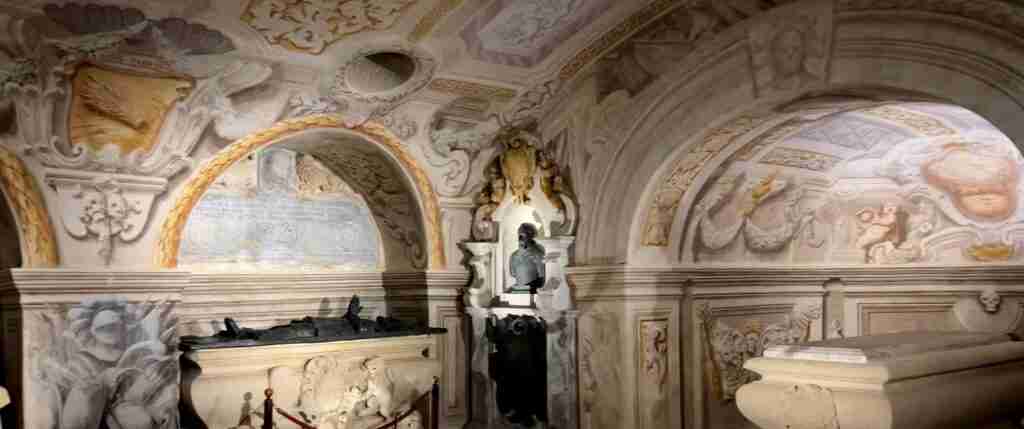
St. John’s Co-Cathedral stands as Valletta’s most spectacular interior space, where every surface explodes with gilded carvings, painted vaults, marble inlays, and sculpted monuments creating an overwhelming Baroque experience. Built between 1573-1577 as the conventual church of the Knights of St. John, the cathedral’s plain limestone exterior deliberately contrasts with the opulent interior added in the 17th century when Maltese artist Mattia Preti transformed the space with elaborate vault frescoes depicting the life of St. John the Baptist. The floor consists entirely of marble tombstones marking the graves of 375 knights and Grand Masters, each slab a unique work of art featuring heraldic emblems, skulls, military trophies, and Latin epitaphs.
The cathedral’s eight side chapels, one for each langue of the Order, compete in splendor with colored marbles, precious metals, and masterwork paintings. The Chapel of Aragon features exceptional woodwork and the tomb of Grand Master Nicolas Cotoner, while the Chapel of Italy showcases intricate marble floor patterns and paintings by Mattia Preti. The Oratory houses Caravaggio’s two masterpieces: “The Beheading of Saint John the Baptist,” his largest painting at over 3.6 meters wide, and “Saint Jerome Writing,” both created during his troubled 1607-1608 Malta sojourn. These works alone justify the €15 admission in 2026, representing some of Caravaggio’s most powerful achievements created at the height of his dramatic naturalist style.
The Cathedral Museum, included with admission, displays the Brussels tapestries commissioned by Grand Master Ramón Perellos depicting biblical scenes and tropical landscapes, the illuminated choir books used in liturgical ceremonies, and vestments embroidered with gold thread and precious stones. The museum’s collection of reliquaries includes the supposed right hand of St. John the Baptist, brought to Malta by the Knights and housed in an elaborate silver shrine. Audio guides included in the €15 ticket provide detailed explanations of the cathedral’s art, architecture, and history, though independent visitors should allocate at least 90 minutes to absorb the overwhelming visual richness without rushing through this exceptional space.
Visiting strategy for 2026: The cathedral opens at 9:30 AM Monday-Friday and 9 AM Saturday, closing at 4:30 PM weekdays and 12:30 PM Saturday (closed Sunday). Arrive at opening to avoid cruise ship groups that flood the space 10 AM-2 PM. Modest dress is strictly enforced—shoulders and knees must be covered, with shawls provided at entrance for those inappropriately dressed. Photography is permitted without flash except in the Oratory containing the Caravaggio paintings where all photography is forbidden. Book tickets online at stjohnscocathedral.com to bypass ticket lines, particularly during April-November high season when waits exceed 30 minutes. The cathedral’s location on Republic Street places it at the center of most walking tours, making early morning or late afternoon visits strategic for avoiding crowds and harsh midday light entering through the side windows.
Grand Master’s Palace: State Rooms and Knights Armory
The Grand Master’s Palace occupies an entire city block facing Palace Square, serving as the administrative heart of Malta for over 450 years. Built beginning in 1571 to house the supreme head of the Knights of St. John, the palace evolved under successive Grand Masters who added state rooms, council chambers, and decorative programs celebrating military victories and diplomatic triumphs. After the Knights departed in 1798, British colonial authorities adapted the building as the Governor’s Palace, a function continued when Malta’s Parliament moved into the complex following independence in 1964. Today the palace houses the Office of the President of Malta, with select State Rooms and the Palace Armory open to visitors.
The State Rooms showcase the opulence befitting Europe’s most prestigious military order. The Ambassadors’ Room features 17th-century minstrels’ gallery and portraits of Grand Masters, while the Supreme Council Hall displays Matteo Perez d’Aleccio’s frieze depicting the 1565 Great Siege in extraordinary detail across all four walls. The Throne Room, added in the 18th century, hosts official ceremonies with elaborate gilded decoration and ceiling paintings by Nicolau Nasoni. The Tapestry Chamber contains a stunning series of Gobelin tapestries depicting exotic scenes including Caribbean settings with pineapples and tropical birds, commissioned by Grand Master Ramón Perellos in the early 18th century. Each room demonstrates the Knights’ wealth and international connections through materials imported from across Europe and the Mediterranean.
The Palace Armory, occupying the ground floor, houses one of the world’s finest collections of medieval and Renaissance arms and armor. The collection includes over 5,000 pieces of weaponry and armor used by the Knights during their defense of Malta and their naval campaigns against Ottoman forces. Full suits of armor for knights, horses, and even young novices display the craftsmanship of Europe’s master armorsmiths, while ceremonial weapons decorated with gold inlay and precious stones reveal the wealth devoted to military pageantry. The trophy guns captured from Ottoman galleys during naval battles provide tangible connections to the military conflicts that defined the Knights’ role as Christianity’s Mediterranean defenders.
Admission in 2026 costs approximately €10-12 covering both State Rooms and Armory, though prices may vary seasonally and the palace occasionally closes for state functions requiring advance confirmation via heritagemalta.mt. The palace opens 9 AM-5 PM daily except when hosting official government events, which occur irregularly throughout the year, particularly during parliamentary sessions. Guided tours at fixed times provide deeper historical context than audio guides, particularly regarding the Great Siege frescoes and the Tapestry Chamber’s iconography. The palace courtyard, Neptune’s Courtyard with its bronze statue, remains accessible even when interior spaces close, offering a peaceful retreat from Republic Street’s bustle and photo opportunities of the arcade architecture. Combining a palace visit with St. John’s Co-Cathedral creates a half-day immersion in the Knights’ legacy, as both sites are located within 200 meters on Republic Street.
Fort St. Elmo and National War Museum
Fort St. Elmo occupies Valletta’s northeastern tip, where the peninsula narrows to a point commanding both the Grand Harbour and Marsamxett Harbour. This star-shaped fortification played the central role in the 1565 Great Siege, withstanding Ottoman bombardment for 31 days before falling, a resistance that delayed the invasion long enough for Spanish relief forces to arrive and save Malta. The fort’s strategic importance continued through World War II when it served as a crucial defensive position during the 1940-1943 Siege of Malta, when the island endured more bombing than any location except London and survived to become the most decorated territory in British history with the collective George Cross.
The National War Museum, housed within Fort St. Elmo since 1975, chronicles Malta’s military history from Bronze Age warfare through the Cold War era, with particular emphasis on World War II when the islands’ survival seemed doubtful. The museum’s World War II galleries display the original George Cross awarded to Malta by King George VI in 1942, Hurricane and Spitfire fighters that defended against Axis bombing, personal accounts from civilians enduring rationing and air raid shelters, and the Gloster Sea Gladiator “Faith,” one of three obsolete biplanes that constituted Malta’s entire air defense in 1940. These exhibits transform abstract wartime statistics into tangible experiences, particularly moving for British visitors whose grandparents’ generation revered Malta’s wartime sacrifice.
The fort’s earlier history appears through exhibits on the Knights’ naval campaigns against Ottoman and Barbary corsairs, including captured Turkish weapons, naval battle paintings, and reconstructions of galley warfare tactics. The Grand Siege sections use detailed models, contemporary paintings, and archaeological finds to explain the 1565 siege’s progression, showing how Fort St. Elmo’s resistance, though ultimately unsuccessful, consumed resources and time the Ottoman forces needed for their ultimate goal of conquering the main fortifications across the harbor. Personal items from the siege, including cannonballs, armor fragments, and a knight’s sword, provide tangible connections to the desperate fighting that defined Malta’s role in Mediterranean history.
Admission to Fort St. Elmo and the National War Museum costs €10 in 2026, with the Heritage Malta Multisite Pass providing access as part of its broader coverage. The complex opens 9 AM-5 PM daily with last entry at 4:30 PM, requiring 2-3 hours for thorough exploration including both the indoor museum galleries and the outdoor fort ramparts. The fort’s exposed position atop the peninsula offers no shade, making early morning visits advisable during summer months when temperatures exceed 30°C. The panoramic views from the fort’s bastions encompass both harbors, the Three Cities across Grand Harbour, Manoel Island and Sliema across Marsamxett, and approaching cruise ships navigating the harbor entrance, providing exceptional photography opportunities particularly at sunrise when the honey-colored stone glows in angled light.
Practical considerations for 2026: The fort sits at Valletta’s far eastern end, approximately 800 meters from City Gate via Republic Street, requiring 15-20 minutes walking. The route offers frequent benches and shaded arcades but involves gentle uphill sections that challenge some visitors. The In Guardia military reenactment, featuring knights in authentic armor performing 16th-century drill maneuvers, occurs select Sundays in the fort’s parade ground, adding theatrical dimension to the military history. Combining Fort St. Elmo with a visit to the nearby Lower Barrakka Gardens, dedicated to the Temple of Neptune and offering harbor views, creates a half-day Eastern Valletta itinerary that avoids Republic Street crowds while exploring the peninsula’s fortified extremity where the city’s military purpose remains most evident.
Upper Barrakka Gardens and Saluting Battery
Upper Barrakka Gardens occupy prime real estate atop St. Peter and Paul Bastion, offering the finest panoramic views in Valletta across Grand Harbour to the Three Cities, Fort St. Angelo, and the Cottonera Lines fortifications. Built in 1661 as the private garden of the Italian knights’ auberge, the gardens opened to the public in 1824 and now provide Valletta’s most popular viewpoint, accessible free of charge throughout daylight hours. The terraced layout features shaded arcades with arched openings framing harbor vistas, bronze busts of prominent Maltese figures, and the Temple of Neptune neoclassical monument, while tropical plantings and benches create peaceful atmosphere despite constant visitor traffic.
The gardens gained renewed prominence following comprehensive restoration completed in 2012, which added disabled access, improved lighting, and restored original 19th-century neoclassical elements. The arcaded gallery provides relief from Malta’s intense summer sun while framing Grand Harbour views like a Renaissance painting, with Baroque church domes, ochre fortifications, and turquoise water creating a composition that explains why travelers describe Valletta as Europe’s most photogenic capital. Cruise ships docking at the nearby terminal create dramatic scale contrasts, their massive white hulls towering above 16th-century bastions, while traditional dghajsa water taxis and ferry boats maintain continuity with Malta’s maritime heritage.
The Saluting Battery, located directly below Upper Barrakka Gardens, fires ceremonial cannon blasts twice daily at noon and 4 PM, a tradition revived in 2012 after a hiatus of several decades. The battery originally served as a signal station, firing guns to announce ship arrivals, convey time signals to harbor vessels, and celebrate special occasions. Today’s firing ceremony attracts crowds who gather along the gardens’ balustrade watching soldiers in period uniform perform the loading and firing ritual using authentic British 32-pounder cannons. The noon firing particularly draws photographers seeking to capture the smoke discharge against the harbor backdrop, though the 4 PM firing occurs in more favorable afternoon light for photography.
Access to Upper Barrakka Gardens is completely free, with entrances on Battery Street near the Auberge de Castille and via the €1 round-trip Barrakka Lift connecting the gardens to the waterfront 58 meters below. The lift, opened in 2012, eliminates the exhausting stair climb between the upper city and waterfront, operating Monday-Sunday from 7 AM-10 PM with departures every few minutes. Gardens open daily from early morning until late evening, though specific hours vary seasonally, making sunrise and sunset visits possible for photographers seeking dramatic lighting. The gardens serve as a natural starting or ending point for Republic Street walks, located approximately 400 meters from City Gate and offering immediate orientation to Valletta’s geography through the commanding harbor views that explain the city’s strategic importance.
Strategic visiting for 2026: Arrive before 9 AM or after 5 PM to avoid cruise ship day-trippers who flood the gardens mid-day, particularly during April-November when multiple ships may dock simultaneously. The morning light illuminates the Three Cities beautifully, while late afternoon produces warm glows on the fortifications. Sunset visits offer romantic ambiance though crowds increase as couples arrive for evening photo opportunities. The gardens’ central location makes them ideal for rest breaks during walking tours, while nearby cafes along adjacent Castille Square provide refreshments. Combining Upper Barrakka with the Lower Barrakka Gardens 300 meters south creates a comparative experience, as Lower Barrakka offers quieter, more intimate harbor views with fewer visitors, though Upper Barrakka’s commanding height provides superior panoramas justifying its popularity as Valletta’s signature viewpoint.
Valletta’s Architectural Heritage and Historic Streets in 2026
Valletta’s Renaissance grid plan creates a geometric urban fabric unlike medieval European cities, with parallel streets running the peninsula’s length intersected by cross streets at right angles. This rational organization served military purposes, allowing rapid troop movements to threatened sectors while creating clear sight lines for defensive fire. The grid’s 16th-century origins make Valletta one of Europe’s first planned Renaissance cities, predating other famous examples and demonstrating advanced urban design principles that influenced later colonial towns across the world. Walking any street from City Gate toward Fort St. Elmo provides immediate understanding of this spatial logic, as arrow-straight thoroughfares frame harbor or sea views at their terminations.
Republic Street, the main pedestrian artery, runs nearly flat from City Gate to Fort St. Elmo, passing virtually all major attractions and serving as the commercial heart with shops, cafes, banks, and restaurants occupying ground floors of historic buildings. The street’s width, unusual for medieval Mediterranean cities, resulted from 16th-century regulations ensuring adequate space for military movements and public processions. Today Republic Street suffers from over-tourism during cruise ship hours, transforming into a congested thoroughfare with trinket shops and chain cafes dominating between St. John’s Co-Cathedral and the Grand Master’s Palace. Yet early mornings and evenings reveal the street’s architectural qualities, with uniform building heights, rhythmic arcade openings, and distinctive wooden enclosed balconies creating harmonious streetscape despite varied individual building designs.
Parallel streets including Old Theatre Street, Merchants Street, and St. Ursula Street offer quieter alternatives preserving residential character alongside boutique hotels, artisan workshops, and family-run businesses. These streets demonstrate Valletta’s enduring function as a living city rather than museum piece, with local residents shopping at small groceries, children playing in neighborhood squares, and elderly Maltese conversing from balconies in a mix of Maltese and English. The side streets’ steeper grades, particularly those running perpendicular to Republic Street toward the bastions, create challenging walks but reward effort with unexpected vistas where narrow street canyons suddenly open onto sea views or harbor panoramas framed by limestone walls.
Strait Street, once notorious as Valletta’s red-light district entertaining British and American sailors during World War II and the Cold War era, underwent controversial gentrification in the 2010s transforming from shuttered decay into craft beer bars, jazz clubs, and upscale eateries. The street’s name derives from its extreme narrowness, forcing pedestrians to turn sideways when passing, though this intimacy contributed to its former role as Valletta’s entertainment district where servicemen found alcohol, music, and companionship. Today’s sanitized version appeals to tourists and young Maltese seeking nightlife, though older residents lament the loss of authentic working-class character that gave Strait Street its colorful reputation. The street’s architectural remnants—elaborately carved doorways, interior courtyards glimpsed through iron gates, upper-floor galleries where musicians once performed—preserve fragments of its louche history amidst the boutique transformation.
Maltese balconies, the distinctive enclosed wooden galleries projecting from building facades, represent Valletta’s most recognizable architectural feature beyond fortifications. These gallariji, painted in traditional greens, blues, and browns, originated in the 16th century as practical additions providing additional indoor space, ventilation during summer heat, and sheltered observation posts for watching street life without exposure to sun or rain. The elaborate carpentry involves mortise-and-tenon joinery creating demountable structures that avoid damaging stone facades, with colored glass panes in upper panels and louvered shutters below allowing residents to see out while preventing passersby from looking in. Many balconies date to the 18th-19th centuries, maintained through generations of the same families, while modern replications on renovated buildings demonstrate continued respect for this quintessentially Maltese architectural tradition.
The auberges of the Knights’ eight langues, monumental palaces designed by military architect Gerolamo Cassar and his successors, punctuate Valletta’s streets as statements of each national division’s wealth and prestige. Auberge de Castille, housing the office of Malta’s Prime Minister, towers over Castille Square with its Baroque facade added in the 1740s, representing the pinnacle of the auberge tradition. Auberge d’Italie, Auberge de Provence, and Auberge d’Aragon, though functioning as government ministries or cultural institutions, retain original architectural character demonstrating how public buildings integrate historic fabric into contemporary governmental needs. These palaces, each housing dozens of knights along with dining halls, chapels, and administrative spaces, demonstrate the Knights’ organizational structure where national identity remained paramount within the international military order.
Churches beyond St. John’s Co-Cathedral dot virtually every Valletta neighborhood, each serving specific communities and demonstrating the intense Catholic faith that defined Knights’ Malta. Church of St. Paul’s Shipwreck preserves relics of Malta’s patron saint including a wrist bone and part of the column where he was allegedly beheaded in Rome, while Our Lady of Victories commemorates the Knights’ 1565 Great Siege triumph with annual September 8th celebrations. Smaller neighborhood churches like St. Catherine of Italy or St. Barbara maintain local parish communities where Maltese families worship in continuity with ancestors who attended the same spaces centuries ago, creating living religious traditions rather than museum exhibits. Sunday morning mass attendance reveals Valletta as a functioning Catholic city where faith remains central to daily life, contrasting with the secular tourism dominating weekday hours.
Food and Dining Experiences in Valletta 2026
Traditional Maltese Cuisine and Local Specialties
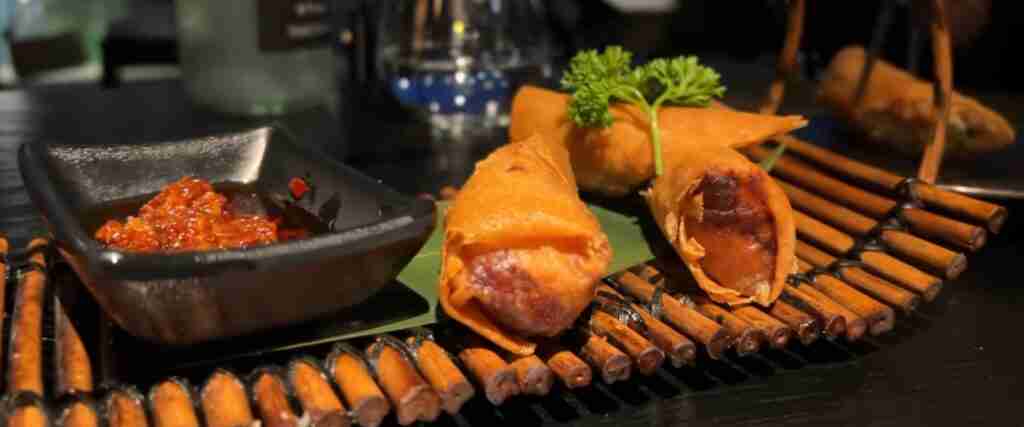
Maltese cuisine blends Mediterranean ingredients with Arab, Sicilian, and British influences, creating distinctive dishes found nowhere else in Europe. Fenkata, slow-cooked rabbit stew with wine, garlic, and tomatoes, represents Malta’s national dish, served in generous portions with crusty bread for mopping up rich sauce. Bragioli consists of thin beef rolls stuffed with minced meat, egg, and parsley then braised in red wine sauce, while lampuki pie showcases Malta’s seasonal fish encased in pastry with olives, capers, and vegetables. Pastizzi, diamond-shaped ricotta or pea-filled pastries, function as Malta’s national snack, consumed at breakfast, mid-morning breaks, and late-night street food stops for €0.50-1 from neighborhood bakeries and dedicated pastizzerias.
Valletta’s traditional restaurants, concentrated in residential side streets rather than tourist-heavy Republic Street, serve authentic Maltese home cooking at €18-30 per person for main courses in 2026. Nenu the Artisan Baker on Republic Street, despite its central location, maintains authenticity with traditional ftira sandwiches, rabbit dishes, and local wines served in a converted bakery space with communal tables and no-frills atmosphere. Trabuxu Wine Bar tucked into a quiet alley near Fort St. Elmo offers seasonal Maltese dishes paired with local Maltese wines in an atmospheric setting within a historic palazzo, with mains €20-28. Is-Suq tal-Belt, the indoor food market near City Gate, houses multiple vendor stalls serving Maltese street food, fresh seafood, and local specialties in a renovated market hall combining historic architecture with contemporary food hall culture popular among young Maltese professionals.
Fish and seafood play central roles given Malta’s island location, with lampuki (dolphin fish) arriving seasonally August-December as the signature catch, while swordfish, sea bream, and octopus appear year-round. Waterfront restaurants along the Three Cities and Sliema specialize in fresh fish priced by weight, typically €35-50 per person for grilled fish with sides and house wine, though Valletta proper has fewer waterfront dining options due to its fortified harbors. Aljotta, traditional fish soup heavily spiced with garlic and tomatoes, appears on most local menus as starter or main course, while stuffat tal-qarnit (octopus stew) demonstrates Arab influences through slow-cooking techniques and spice profiles uncommon in other Mediterranean islands.
Budget-conscious travelers exploit pastizzi culture, consuming these ubiquitous pastries for breakfast (€1-2 with coffee) and between-meal snacks. Hobz biz-zejt, traditional Maltese bread rubbed with tomato paste, olive oil, tuna, capers, and olives, provides a filling lunch for €4-6 at cafes and takeaway stands throughout Valletta. Ftira sandwiches, using round Maltese bread, come filled with various combinations for €5-8, offering more substantial meals than pastizzi while remaining economically accessible. These traditional budget options surpass international fast food chains in both price and quality, connecting visitors to authentic Maltese food culture while preserving daily food budgets for occasional restaurant splurges.
International Dining and Contemporary Restaurant Scene 2026
Valletta’s restaurant evolution since European Capital of Culture 2018 brought sophisticated international dining alongside traditional establishments, with chef-driven restaurants, fusion concepts, and contemporary interpretations of Maltese classics expanding options beyond tourist-trap pasta and pizza joints. ION the Harbour, occupying a former warehouse space with Grand Harbour views, serves Mediterranean fusion cuisine with artistic plating and extensive wine lists, with tasting menus €65-90 per person. Palazzo Preca focuses on locally-sourced ingredients prepared using modern techniques, bridging traditional Maltese flavors with contemporary presentations in an elegant palazzo setting, mains €28-38.
Asian cuisine options expanded significantly by 2026, with Japanese, Thai, and Vietnamese restaurants establishing presence beyond Malta’s historic Italian-Sicilian culinary dominance. Sushi restaurants cluster along Republic Street and side streets, offering lunch menus €15-25 and dinner omakase experiences €50-75, while Asian fusion concepts blend Mediterranean seafood with Asian preparations creating cross-cultural experiments appealing to internationally-minded diners. These establishments attract younger Maltese professionals alongside tourists, particularly for evening drinks and sharing plates creating social dining atmospheres distinct from traditional Maltese family restaurants.
Fine dining at Valletta’s top restaurants reaches €70-110 for two people including appetizers, mains, desserts, and wine in 2026. Rubino, established in 1906, maintains old-world elegance with white-tablecloth service and traditional Maltese dishes prepared following century-old recipes, appealing to nostalgic locals and visitors seeking authentic experiences. The Harbour Club occupies a prime waterfront position outside the fortified city, offering sunset dining with harbor views and Mediterranean-influenced menus focusing on fresh seafood and grilled meats. These establishments require reservations, particularly Friday-Saturday evenings and during April-November high season when cruise ship passengers and summer tourists crowd premium tables.
Lunch specials provide the best value in Valletta’s dining scene, with mid-range restaurants offering fixed-price menus €12-18 including starter, main, and drink during 12:30-2:30 PM. These menu del giorno options allow budget-conscious travelers to experience quality restaurants at significant savings compared to dinner service, while supporting local tradition where lunch remains the main family meal. Many restaurants reserve evening hours for higher-priced à la carte menus, making lunch the strategic time for experiencing establishments otherwise beyond daily budgets. Walking residential side streets reveals handwritten lunch menu boards advertising daily specials, rabbit stew, fresh fish, and homestyle cooking at family-run trattorias where locals still outnumber tourists.
Cafes, Bars, and Evening Entertainment in Valletta 2026
Valletta’s cafe culture centers on Republic Street and adjacent squares where traditional cafes serve espresso €1.70-2.20, cappuccino €2.40-3, and pastries €2-4 throughout the day. Caffe Cordina, established in 1837, occupies prime real estate on Republic Street serving as Valletta’s most historic cafe, though tourist crowds and €3 cappuccino prices reflect its prominent position. Quieter neighborhood cafes along side streets offer identical coffee quality at lower prices €2-2.50 with local clientele and authentic Maltese morning rituals where older men read newspapers over extended espresso sessions.
Maltese wine production, limited by the islands’ small size and water scarcity, produces distinctive wines from indigenous grapes including Ġellewża and Għirġentina grown in Gozo and southern Malta. Wine bars throughout Valletta pour local bottles by the glass €5-8 or bottle €18-35, offering tastings that introduce visitors to Maltese viticulture. Meridiana Wine Estate and Marsovin represent Malta’s most established wineries, while smaller producers create boutique releases showcased at wine bars like Trabuxu and Bridge Bar. Local craft beer scene expanded significantly in the 2010s, with Lord Chamberlin and Simonds Farsons Cisk producing ales, IPAs, and seasonal brews sold at bars throughout the capital €4-6 per pint, competing with imported European beers dominating Malta’s market for decades.
Evening drinking culture concentrates along Strait Street, St. John Street, and side alleys where bars, pubs, and cocktail lounges create nightlife scenes attracting both tourists and young Maltese. Cocktails €6-10 reflect Malta’s mid-range European pricing, with happy hour specials offering two-for-one deals or complimentary appetizers 5-7 PM. Rooftop bars atop boutique hotels provide sunset harbor views and elevated cocktail programs, though expect €10-14 cocktails in these premium settings. Traditional British-style pubs, legacy of Malta’s colonial era, serve pints of local Cisk beer €4-6 alongside imported British ales in sports-bar atmospheres screening Premier League football and rugby matches.
Live music venues, jazz clubs, and theater performances add cultural depth to Valletta’s evening offerings beyond drinking establishments. Manoel Theatre, built in 1731 as one of Europe’s oldest working theaters, hosts opera, ballet, and theatrical productions September-May with tickets €20-50 depending on seating and performance. The Royal Opera House ruins, bombed during World War II and controversially renovated as an open-air venue, presents summer concerts and theatrical performances under the stars. Jazz clubs along Strait Street feature local musicians and international acts performing intimate shows €10-15 cover, creating sophisticated alternatives to mainstream nightlife. Malta Philharmonic Orchestra concerts at various venues showcase classical music traditions introduced by the Knights and maintained through contemporary performance series.
Transportation and Getting Around Valletta in 2026
Walking Valletta: The Primary Transportation Mode
Valletta’s compact 1-kilometer length and 600-meter width make walking the default transportation method, with most visitors traversing the entire fortified city multiple times during 2-3 day stays. Republic Street, the central pedestrian spine, runs nearly flat from City Gate to Fort St. Elmo requiring approximately 15 minutes for the complete traverse without stops, though most visitors pause frequently for photo opportunities, shopping, or cafe breaks extending the walk to 30-45 minutes. The parallel streets including Merchants Street, Old Theatre Street, and St. Ursula Street offer alternative routes with less cruise ship traffic, revealing residential neighborhoods and architectural details obscured by Republic Street’s commercial dominance.
Cross streets running perpendicular to the peninsula’s length challenge walkers with steep gradients, particularly near the bastions where streets descend sharply toward sea level before climbing back toward the peninsula’s spine. St. John Street, Old Bakery Street, and Old Mint Street feature staircases designed in the 16th century for knights in armor, creating uneven surfaces requiring sturdy footwear and caution during Malta’s occasional winter rains when limestone becomes slippery. These stepped streets, though challenging, reward effort with quieter atmospheres and unexpected harbor glimpses between buildings, plus shortcuts connecting parallel streets for those willing to climb.
The €1 round-trip Barrakka Lift, operating 7 AM-10 PM daily, eliminates 58 vertical meters of stairs between Upper Barrakka Gardens and the Valletta Waterfront, particularly valuable for travelers with mobility limitations, those carrying luggage, or anyone exhausted after extensive sightseeing. The lift connects the upper city directly to ferry terminals, cruise ship berths, and waterfront restaurants, functioning as vertical public transport integrated into Valletta’s walking network. Departures occur every few minutes accommodating peak tourist traffic, though queues may develop during cruise ship passenger surges particularly 10 AM-2 PM April-November.
Wheelchair accessibility in Valletta presents challenges due to steep streets, staircases, and historic buildings predating accessibility regulations. City Gate, Republic Street, and St. John’s Co-Cathedral feature ramps and accessible entrances, while the Barrakka Lift provides wheelchair access to the waterfront level. Many museums and major attractions including the Grand Master’s Palace installed accessibility improvements during 2010s renovations, though smaller museums, restaurants in historic buildings, and residential areas retain barriers difficult to modify without compromising architectural integrity. Travelers requiring full wheelchair access should research specific venues in advance via heritagemalta.mt and contact restaurants directly regarding ground-floor seating and accessible restrooms.
Public Transport Connections and Ferry Services 2026
Malta Public Transport operates comprehensive bus networks connecting Valletta to every region of Malta and Gozo through the City Gate terminus located immediately outside the fortified city walls. Single journey tickets cost €2 summer and €2.50 winter purchased directly from drivers with exact change, though the Tallinja card system offers better value for regular travelers. The Explore 7-day unlimited pass costs €25 providing economical access to buses throughout Malta plus ferries between Valletta, Sliema, and the Three Cities, valuable for visitors planning extensive island exploration beyond Valletta’s fortified perimeter.
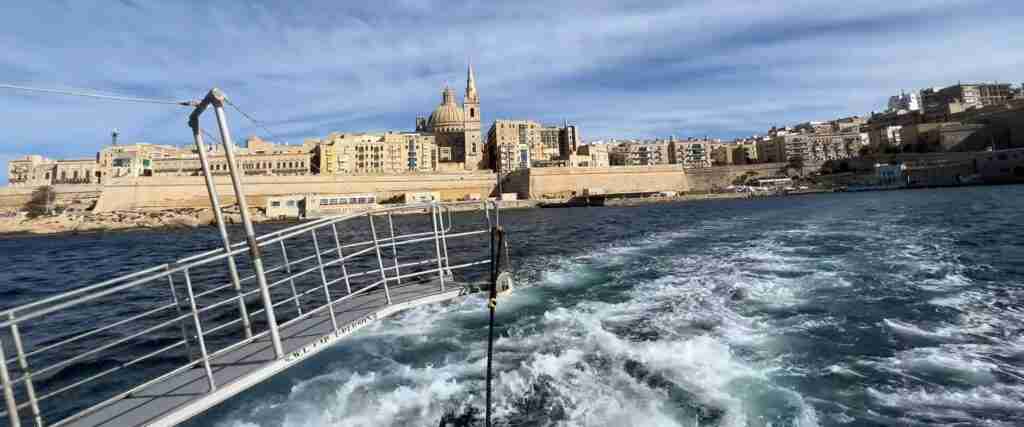
Ferry services provide the most scenic transportation between Valletta and adjacent harbor towns. The Valletta-Sliema-Marsamxett ferry costs €2 single or €3.80 return in 2026, departing approximately every 30 minutes 7 AM-6 PM from Valletta Waterfront with the 10-minute crossing offering spectacular views of Valletta’s bastions rising from the sea. The Three Cities ferry from Valletta Waterfront to Vittoriosa, Senglea, and Cospicua operates similar schedules at €2.80 round-trip, providing both transportation and sightseeing experience as boats navigate Grand Harbour’s historic waters. These ferries integrate with the Tallinja card system, making them convenient for pass holders, while also functioning as mini-cruises offering photo opportunities and fresh sea breezes for tourists not actually traveling to destinations.
Taxi services supplement walking and public transport for late-night returns, luggage transfers, or accessing destinations poorly served by buses. Tallinja white taxis operate on meter with regulated rates starting €5 plus €2 per kilometer, while eCabs mobile app provides Uber-style booking with transparent pricing. Airport transfers from Valletta cost approximately €15-20 depending on exact hotel location, traffic, and time of day, versus €2 bus fare on route X4 operating every 30 minutes 5:30 AM-11 PM. Taxis become economical for groups of 3-4 splitting fares, particularly for evening restaurant returns from the Three Cities or Mdina where bus service frequencies drop after 8 PM.
Car rental makes little sense for visitors staying exclusively in Valletta due to the fortified city’s pedestrian character and limited parking. The few parking areas adjacent to City Gate charge €2-4 hourly with no guarantee of spaces during peak tourist months. Visitors planning day trips to Malta’s beaches, temples, or rural areas benefit from rental cars booked for specific days rather than week-long rentals sitting unused. Parking outside Valletta at Floriana or Marsa park-and-ride facilities followed by bus connections provides alternatives for those driving from other accommodations. Malta’s narrow roads, aggressive driving culture, and unfamiliar traffic patterns challenge many foreign drivers, making public transport and organized tours practical alternatives for risk-averse travelers.
Accommodation Options in Valletta 2026
Boutique Hotels and Historic Palazzos
Valletta’s limited accommodation capacity within the fortified walls creates a boutique hotel market dominated by converted palazzos, townhouses, and historic buildings offering atmospheric stays with heritage character. These properties typically feature 5-15 rooms, prioritizing design quality over extensive amenities, with original architectural elements including stone vaults, wooden beam ceilings, traditional balconies, and interior courtyards incorporated into contemporary comfort. Rates range €150-300 per night for mid-range boutique properties in 2026, positioning Valletta’s accommodation at the higher end of Malta’s hotel market but delivering unique character impossible in purpose-built modern hotels.
The Phoenicia Malta, Valletta’s only five-star hotel, occupies gardens immediately outside City Gate, offering luxury accommodations €300-500 nightly with swimming pools, spa facilities, multiple restaurants, and extensive amenities appealing to travelers prioritizing comfort over historic atmosphere. The property’s 1930s colonial architecture and mature gardens provide contrast to boutique hotels squeezed into Valletta’s dense urban fabric, while the location just outside the fortifications means easy walking access to all attractions without navigating steep internal streets carrying luggage. The Phoenicia represents traditional luxury hospitality versus boutique hotels’ design-focused approaches, appealing to different traveler profiles.
Palazzo Paolina, Casa Ellul, and La Falconeria exemplify Valletta’s boutique hotel evolution, converting centuries-old noble residences into design-conscious properties where exposed limestone, contemporary art, and minimalist furnishings create sophisticated atmospheres. These properties typically lack elevators due to historic building constraints, requiring guests to navigate staircases with luggage, while room sizes vary dramatically based on original palazzo layouts resulting in some compact quarters balanced by dramatic architectural features. Rooftop terraces compensating for lack of pools provide sunset harbor views and breakfast settings taking advantage of Valletta’s unique fortified peninsula topography.
Location within Valletta matters more than visitors initially realize. Republic Street properties suffer cruise ship crowds and commercial noise, while quieter side streets including Old Theatre Street, Melita Street, and Archbishop Street preserve residential character with neighborhood cafes and minimal tourist traffic. Properties near the bastions offer water views but require climbing steep streets to reach the city center, while accommodations near City Gate provide convenient bus terminal access at the expense of being farthest from Fort St. Elmo and eastern fortifications. First-time visitors often prioritize Republic Street centrality, while returning visitors seek residential neighborhoods offering authentic Vallese life away from tourist thoroughfares.
Budget Options: Hostels and Guesthouses
Budget accommodation in Valletta remains limited compared to adjacent Sliema or St. Julian’s, with only a handful of hostels and budget guesthouses operating within the fortified city. Dormitory beds cost €25-40 per night in 2026 depending on season and room size, while private rooms in hostels range €70-90 nightly, approaching boutique hotel rates without the design quality or privacy. Valletta Boutique Living, Mandera’s Boutique Suites, and similar properties blur lines between hostels and guesthouses, offering dormitories alongside private rooms in converted historic buildings with shared kitchens and common areas facilitating social interaction among budget travelers.
The limited budget supply results from Valletta’s property economics where historic building restoration costs make hostel operations marginally profitable compared to boutique hotels commanding premium rates. Property owners investing in expensive limestone restoration, heritage approvals, and modern building systems seek returns justifying these expenditures, pushing the market toward higher-end properties. Budget travelers often opt for Sliema hostels €20-30 per night with 10-minute ferry connections to Valletta, sacrificing atmospheric old-city accommodation for lower costs and proximity to beaches, modern restaurants, and fellow backpackers.
Airbnb and vacation rental platforms offer alternatives to hotels and hostels, with Valletta apartments ranging €80-200 nightly depending on size, location, and season. These self-catering options benefit groups of 4-6 splitting costs, families wanting kitchen facilities, and longer-stay visitors seeking residential experiences versus hotel hospitality. Entire apartments in residential neighborhoods provide authentic glimpses of Maltese daily life, morning coffee in neighborhood cafes, and interactions with locals beyond touristic transactions. However, vacation rentals contribute to housing pressures displacing resident Maltese from Valletta, a controversial dynamic affecting UNESCO heritage sites worldwide as tourism economics override residential communities.
Booking timing significantly impacts accommodation costs in Valletta, with summer peak season July-August commanding 40-60% premiums over shoulder season April-June and September-October rates. November-March low season offers maximum value with rates 30-40% below summer peaks, though some boutique properties close for renovations January-February. Booking 3-6 months ahead of summer travel secures better rates and property choices, while last-minute shoulder season deals appear on booking platforms as properties reduce rates to fill inventory. Saturday nights consistently cost less than Thursday-Friday nights due to business travel patterns, creating potential savings for flexible leisure travelers structuring Malta stays to avoid premium nights.
Day Trips and Excursions from Valletta in 2026
The Three Cities: Vittoriosa, Senglea, and Cospicua
The Three Cities, collectively known as Cottonera, occupy the peninsula opposite Valletta across Grand Harbour, predating the capital as the Knights’ original base 1530-1570 before Valletta’s construction. These harbor towns—Vittoriosa (Birgu), Senglea (Isla), and Cospicua (Bormla)—preserve authentic Maltese character with narrow medieval streets, neighborhood churches, and working waterfront communities relatively untouched by mass tourism. The €2.80 round-trip ferry from Valletta Waterfront reaches Vittoriosa in 10 minutes, making this the easiest half-day excursion for visitors wanting to escape Valletta’s crowds while experiencing historic Malta’s less polished reality.
Vittoriosa, the largest and most tourist-developed of the three cities, centers on Fort St. Angelo rising dramatically from the harbor tip where the Knights first established their headquarters. The fort, recently opened to visitors following extensive restoration, charges €10 admission for exploring battlements, museums, and the Supreme Council Chamber where Grand Masters convened before Valletta’s construction. The Inquisitor’s Palace on Vittoriosa’s main square served as headquarters for the Roman Catholic Inquisition in Malta 1574-1798, now functioning as a museum displaying original prison cells, torture implements, and tribunal chambers providing disturbing insights into religious authority’s darker manifestations.
Walking Vittoriosa’s waterfront reveals traditional boat-building workshops, yacht marinas, and waterfront restaurants where fresh fish grilled whole costs €30-40 per person in atmospheric settings overlooking Grand Harbour. The Malta Maritime Museum occupies the former Royal Navy bakery, chronicling Malta’s naval history from Phoenician galleys through British Mediterranean Fleet dominance with ship models, naval uniforms, and maritime artifacts explaining the islands’ strategic importance across millennia. The Freedom Monument marks World War II history when Vittoriosa endured heavier bombing than Valletta due to naval dockyards making it a priority Axis target, with entire neighborhoods destroyed and rebuilt in post-war decades.
Senglea, the smallest Three Cities town, attracts fewer visitors than Vittoriosa but rewards exploration with intimate streets, the Gardjola Gardens offering 180-degree harbor views, and authentic neighborhood life where elderly residents sit on doorsteps watching street activity unchanged across generations. Cospicua, the working-class Third City, sees minimal tourism beyond visitors passing through to reach Vittoriosa, preserving gritty authenticity with boatyards, mechanics’ shops, and no-frills bars serving construction workers and dockyard employees. Combined, the Three Cities demonstrate Malta’s socioeconomic diversity beyond Valletta’s tourist-oriented economy, revealing island communities sustaining traditional livelihoods despite tourism’s overwhelming presence elsewhere.
Mdina: The Silent City
Mdina, Malta’s former capital, occupies a hilltop position 12 kilometers inland from Valletta, accessible via 30-minute bus rides on routes 51, 52, or 53 costing €2 from Valletta terminus. This walled medieval city earned the nickname “Silent City” for its traffic-free streets, minimal commercial activity, and residential character where approximately 250 people still occupy historic palazzos maintaining continuity with centuries of noble families. The city’s compact 870-meter fortified perimeter encloses Baroque churches, noble palaces, and narrow medieval lanes creating atmospheric settings famously featured in Game of Thrones filming as King’s Landing locations.
St. Paul’s Cathedral, Mdina’s centerpiece, occupies the site where Malta’s patron saint allegedly resided following his AD 60 shipwreck, though the current Baroque building dates to the 1690s after an earthquake destroyed its medieval predecessor. The cathedral’s interior features elaborate marble work, ceiling frescoes by Mattia Preti, and an impressive collection of Sicilian and Calabrian paintings, while the adjacent Cathedral Museum displays Albrecht Dürer engravings, ecclesiastical silver, and Maltese historical documents. Combined cathedral and museum admission costs €10, with audio guides providing context for the artworks and religious treasures accumulated across centuries of episcopal wealth.
Walking Mdina’s fortified perimeter provides panoramic views across Malta from the Bastion Square viewpoint, where the islands’ entire landscape unfolds—Valletta’s distant bastions, the central plain with its grid of agricultural fields, and on clear days the islands of Gozo and Comino visible across the channel. The city’s defensive walls, incorporating Roman foundations with medieval and Renaissance modifications, demonstrate military architecture’s evolution across 2,000 years. Mdina Gate, the Baroque entrance ceremoniously photographed by every visitor, leads into medieval streets where tourism concentrates along Villegaignon Street and Inguanez Street while side alleys remain remarkably quiet despite the city’s fame.
Practical considerations for 2026: Mdina excursions require half-day minimum, full-day including adjacent Rabat where St. Paul’s Catacombs and Roman villa mosaics extend the historical narrative. Cafes along Mdina’s bastions, particularly Fontanella Tea Garden, serve traditional Maltese cakes and coffee with sweeping countryside views, though expect €4-6 for cake-and-coffee combinations in these tourist-focused establishments. Mdina restaurants command premium prices for mediocre food trading on atmospheric medieval settings, making lunch in neighboring Rabat’s family-run establishments preferable for quality and value. The last buses to Valletta depart around 8-9 PM, requiring dinner diners to verify schedules or arrange taxi returns costing €15-20. Summer midday visits involve intense heat with minimal shade, making morning or late afternoon arrivals strategically superior for comfortable exploration of this unique hilltop city.
Temples, Beaches, and Natural Attractions
Malta’s prehistoric megalithic temples, predating Stonehenge and the Egyptian pyramids, represent humanity’s oldest free-standing stone structures dating 3600-2500 BC. Ħaġar Qim and Mnajdra, located on Malta’s southern cliffs, form a UNESCO World Heritage temple complex accessible via bus 74 from Valletta requiring 45-minute journey to Qrendi followed by 15-minute walk. Combined temple admission costs €10 including the visitor center’s excellent audiovisual presentation explaining Neolithic Malta, with the temples themselves featuring elaborate carved stone decorations, sophisticated astronomical alignments, and mysterious purposes debated by archaeologists for decades. The clifftop setting overlooking the Mediterranean adds dramatic landscapes to prehistoric architecture, making this excursion essential for history enthusiasts.
The Blue Grotto sea caves on Malta’s southern coast near the fishing village of Wied iż-Żurrieq attract visitors seeking natural beauty beyond historic sites. Weather-dependent boat trips into the caves cost €10 for 20-25 minute excursions viewing the limestone grottoes where sunlight refracts through seawater creating luminous blue effects. The site requires bus connections from Valletta followed by steep cliff descents to boat landing areas, making this a half-day commitment best combined with nearby Ħaġar Qim temples or Marsaxlokk fishing village for efficient multi-stop southern Malta tours.
Malta’s beaches, concentrated on the northern coast and the islands of Comino and Gozo, require ferry or bus connections from Valletta making beach days full-day commitments rather than quick visits. Golden Bay, Għajn Tuffieha, and Mellieħa Bay on Malta’s northwest coast offer sandy beaches with facilities including cafes, water sports, and sunbed rentals €15-20 daily. Bus routes 44, 101, and 223 connect Valletta to various northern beaches requiring 60-90 minutes including connections, while private car rentals provide more flexibility for beach-hopping. Comino’s Blue Lagoon, Malta’s most photographed swimming spot, attracts crowds overwhelming the tiny island’s capacity during summer months, though shoulder season visits April-June and September-October find relatively peaceful turquoise waters justifying the boat trip expense.
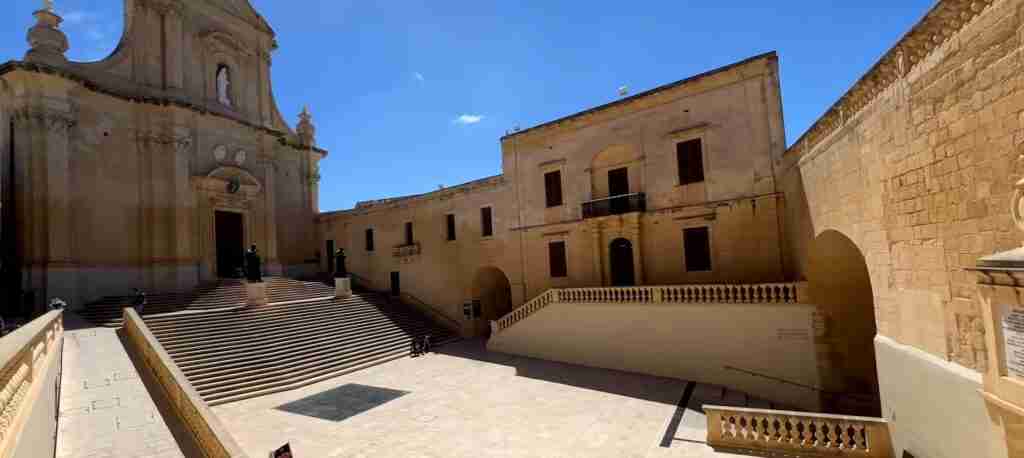
Gozo day trips from Valletta involve bus connections to the Ċirkewwa ferry terminal (bus routes X1 or 41-42) followed by 25-minute ferry crossings to Mġarr harbor on Gozo. Return ferry tickets cost €4.65 per person paid only on the return journey, while bringing rental cars adds €15.70. Full-day Gozo excursions typically visit the Ġgantija prehistoric temples, the Citadel fortress in Victoria, Dwejra coastal formations where the Azure Window arch collapsed in 2017, and Ramla Bay’s red sand beach. Organized tour buses from Valletta simplify logistics for €35-50 per person including round-trip transport, guide services, and sometimes lunch, appealing to travelers preferring convenience over independent exploration flexibility.
Practical Planning Tips for Valletta in 2026
Seasonal Considerations and Best Time to Visit 2026
Valletta experiences Mediterranean climate with hot dry summers and mild winters, though the city’s dense stone construction creates microclimate effects amplifying heat during summer months when temperatures exceed 30°C and humidity approaches 70%. April-May shoulder season offers optimal visiting conditions with temperatures 18-25°C, minimal rainfall, spring wildflowers blooming in Barrakka Gardens, and accommodation costs 30-40% below July-August peaks. Easter week brings religious processions and increased crowds as Maltese families travel domestically, though the cultural spectacle adds dimension to visits willing to accept larger crowds.
June through August constitutes peak summer season when temperatures regularly exceed 32°C, Mediterranean sun blazes unrelentingly, and tourist numbers surge including cruise ships docking multiple times daily. Valletta’s fortified stone streets, lacking vegetation and natural shade beyond sporadic arcades, become oppressive during midday hours forcing strategic adaptations: early morning sightseeing 8-11 AM, afternoon retreats to air-conditioned museums or hotel rooms, evening re-emergence after 6 PM when temperatures drop below 28°C. This period suits sun-worshipping travelers combining Valletta culture with beach resort stays on Malta’s northern coast, while older visitors and those sensitive to heat should avoid July-August entirely.
September-October autumn shoulder season replicates spring’s advantages with 24-28°C temperatures, warm Mediterranean seawater maintaining summer warmth, harvest festivals celebrating local agriculture, and continued sunny weather before November rains arrive. Accommodation costs drop 25-35% below summer peaks while most facilities remain open with full services. The September 8 Victory Day holiday celebrates the 1565 Great Siege triumph and World War II’s September 8, 1943 Italian surrender, with religious processions, regattas in Grand Harbour, and community celebrations providing cultural immersion unavailable during purely tourist-focused summer months.
November through March winter season brings unpredictable weather with occasional rainy periods, cooler temperatures averaging 12-18°C, and minimal crowds as European tourists favor ski seasons or warmer destinations. Budget travelers benefit from rock-bottom accommodation rates sometimes 50% below summer peaks, though some restaurants and boutique hotels close for annual maintenance January-February. Sunny winter days remain pleasant for walking tours with temperatures 15-18°C ideal for comfortable sightseeing, though travelers should pack layers for cool evenings and potential rain showers. Christmas markets, theater seasons at Manoel Theatre, and reduced tourist competition for museum space make winter appealing for culture-focused visitors willing to accept weather uncertainties.
Money, Currency, and Budgeting Strategies 2026
Malta adopted the euro in 2008, eliminating currency exchange considerations for eurozone visitors while requiring US, UK, and other non-euro travelers to monitor exchange rates affecting relative costs. ATMs throughout Valletta dispense euros in €10-50 denominations with standard Visa/Mastercard acceptance, though travelers should verify with home banks regarding international withdrawal fees typically €3-5 per transaction. Credit cards widely accepted at hotels, restaurants, and major attractions, though neighborhood cafes, pastizzerias, and some small shops prefer cash transactions. Carrying €50-100 cash daily covers incidental purchases, street food, bus fares, and establishments eschewing card processing fees.
Tipping practices in Malta follow relaxed Mediterranean norms rather than American-style expectations, with restaurant bills often including service charges rendering additional tips optional. Rounding up bills by €1-2 for satisfactory service, leaving 5-10% for exceptional experiences, or adding nothing for average meals all represent acceptable practices without social pressure. Taxi drivers appreciate fare rounding but don’t expect percentage-based tips, while hotel porters and room service customarily receive €1-2 per service. The absence of compulsory tipping makes budgeting more predictable compared to US dining where 15-20% tips significantly inflate meal costs.
Budget strategies for 2026 center on timing, accommodation choices, and meal planning. Shoulder season April-May or September-October visits save 30-40% on hotels versus summer peaks, while January-March winter bookings approach 50% savings. Accommodation outside Valletta’s walls in Floriana or Sliema reduces nightly rates €30-60 with short bus or ferry connections maintaining convenient access. Eating pastizzi breakfasts €1-2, market lunch takeway €5-8, and restaurant dinners €25-40 balances budget consciousness with quality dining versus three daily restaurant meals €60-90 per person. Free attractions including Upper Barrakka Gardens, fortification walks, and residential neighborhood exploration combined with strategic paid admissions to St. John’s Co-Cathedral and one major museum keeps cultural experiences affordable.
The Heritage Malta Multisite Pass offers genuine value for visitors planning to see multiple museums, charging approximately €50 for 30-day access to 20+ sites including Fort St. Elmo, National Museum of Archaeology, and various temples and historic properties. The pass pays for itself after visiting 4-5 sites versus individual €10-15 admissions, while encouraging exploration beyond headline attractions by removing marginal costs for additional museum visits. Bus passes, particularly the €25 seven-day Explore card, benefit travelers using public transport extensively for day trips to Mdina, beaches, and temples, saving €10-20 versus daily single-fare purchases.
Safety, Health, and Practical Essentials 2026
Valletta ranks among Europe’s safest capitals, with violent crime virtually nonexistent and petty theft uncommon though not impossible in crowded tourist areas. Standard urban precautions—securing valuables in hotel safes, watching bags in crowded buses, avoiding dark isolated streets late at night—suffice for personal security. The compact fortified city limits opportunities for crime given omnipresent pedestrian traffic and residential communities maintaining neighborhood watch organically. Women traveling solo report feeling completely safe walking Valletta’s streets at any hour, while families and elderly travelers face minimal security concerns beyond normal travel vigilance.
Healthcare in Malta meets Western European standards, with Mater Dei Hospital providing emergency services and the Health Centre in Floriana offering non-emergency medical care for EU citizens with European Health Insurance Cards (EHIC) receiving free treatment equivalent to Maltese residents. Non-EU travelers should verify travel insurance covers Malta medical costs or face paying full private rates €80-150 for doctor consultations, €200+ for emergency care. Pharmacies throughout Valletta dispense common medications, though prescriptions from non-EU doctors may face recognition issues requiring local doctor consultations for controlled substances. Summer sun protection essential given Malta’s intense Mediterranean sun, with SPF 30+ sunscreen, hats, and afternoon shade breaks preventing sunburn and heat exhaustion affecting unprepared tourists.
Tap water in Malta technically meets EU safety standards though heavily chlorinated and slightly brackish due to desalination and groundwater sources, leading most residents and tourists to drink bottled water costing €0.50-1 for 1.5-liter bottles at supermarkets, €2-3 at tourist cafes. Malta suffered water scarcity for centuries before modern desalination technology, and visitors should remain conscious of water conservation even while enjoying seemingly unlimited supplies. Restaurants typically serve bottled water rather than tap water without prompting, adding €2-3 to bills, though requesting tap water remains acceptable if preferred despite taste considerations.
Electrical systems in Malta use UK-style three-pin plugs at 230V/50Hz, requiring adapters for US, European, and most other international devices. Hotels often provide adapter loans though quantities may be limited during peak season, making personal adapters prudent investments. Internet connectivity throughout Valletta remains excellent with 4G/5G mobile coverage and WiFi standard at hotels, cafes, and restaurants. EU residents benefit from roaming regulations allowing domestic data usage without additional charges, while non-EU travelers should investigate international roaming costs or purchase local SIM cards €10-20 for week-long data packages if requiring extensive mobile internet beyond hotel WiFi.
Cultural Etiquette and Local Customs in Valletta 2026
Malta’s deeply Catholic heritage manifests in church etiquette requiring modest dress when visiting religious sites, with shoulders and knees covered for entry to St. John’s Co-Cathedral and other churches actively used for worship. Shawls and sarongs provided at cathedral entrances for inappropriately dressed visitors, though bringing appropriate clothing avoids embarrassment and delays. Sunday morning mass attendance by local Maltese families continues ancient traditions, with tourists welcome to observe services respectfully by remaining silent, avoiding flash photography, and not wandering during ceremonies. Catholic feast days including Good Friday processions, Assumption of Mary (August 15), and Victory Day (September 8) bring religious observances combining sacred rituals with community celebrations demonstrating Malta’s continuing religious devotion unusual in increasingly secular Western Europe.
Language in Malta presents unique bilingual situation with Maltese and English both serving as official languages, resulting in seamless code-switching where conversations mix both languages mid-sentence. Virtually all Maltese speak fluent English from childhood education, eliminating language barriers for anglophone visitors and creating easiest Mediterranean destinations for monolingual English speakers. Attempting basic Maltese phrases—”bonġu” (good morning), “grazzi” (thank you), “saħħa” (cheers)—generates appreciation though Maltese never expect foreign visitors to speak their Semitic language descended from Arabic with Italian, French, and English loan words creating unique linguistic mix found nowhere else.
Meal timing follows Mediterranean patterns with lunch traditionally serving as the main family meal 12:30-2:30 PM, though modern work schedules erode this custom particularly among younger urban Maltese. Restaurants serving 11:30 AM-3 PM lunch and 7-11 PM dinner accommodate both traditional schedules and international tourist expectations, though some family-run establishments maintain Maltese hours closing mid-afternoon after lunch service. Dinner reservations advisable for Friday-Saturday evenings and during April-November high season when popular restaurants fill by 8 PM, though midweek walk-ins often succeed at all but the most elite establishments.
Shopping hours vary between tourist-oriented Republic Street businesses opening daily 9 AM-7 PM and traditional shops maintaining Maltese schedules closing 1-4 PM for siesta breaks and shutting entirely Sunday afternoons. Supermarkets generally operate 7 AM-9 PM daily accommodating modern shopping habits, while Valletta’s Sunday morning market near City Gate offers fresh produce, fish, and household goods maintaining weekly market traditions dating centuries. Negotiating prices inappropriate in established shops and restaurants though market vendors sometimes offer slight discounts for multiple purchases, particularly toward day’s end when unsold fresh fish and produce prices drop rather than storing overnight.
Photography and Visual Documentation in Valletta 2026
Valletta’s honey-colored limestone architecture photographs exceptionally well in warm early morning and late afternoon light when angled sun illuminates facades creating dramatic shadows and golden glows. The “golden hour” 6-7:30 AM produces the finest architectural photography before tourist crowds arrive, capturing empty streets and buildings illuminated by soft dawn light. Late afternoon 4:30-6:30 PM similarly rewards photographers with warm light on western-facing buildings though increased pedestrian traffic complicates composition compared to morning stillness. Midday harsh overhead sun creates unflattering contrast and washes out limestone’s warm tones, making these hours less suitable for serious photography despite being most convenient for casual snappers.
Upper Barrakka Gardens’ harbor panoramas photograph best mid-morning when Grand Harbour receives favorable light illuminating the Three Cities across the water, though sunset golden hours produce spectacular warm glows on fortifications as sun drops westward. The Saluting Battery cannon firing at noon and 4 PM offers action photography opportunities, though the brief smoke burst dissipates quickly requiring anticipation and fast shutter speeds capturing the moment. Ferry rides between Valletta and the Three Cities provide maritime perspectives of the fortifications impossible from land, with departing boats offering compositions of bastions rising dramatically from sea level.
Street photography in Valletta captures authentic Maltese daily life along residential side streets where elderly residents sit on doorsteps, children play in squares, and traditional wooden balconies frame architectural details. Photographing people requires cultural sensitivity, with permission requested before close-up portraits though street scenes from respectful distances generally proceed without objection. The narrow streets create compositional challenges with limited space for wide-angle shots, while the geometric Renaissance grid produces repetitive compositions requiring careful framing emphasizing unique architectural details differentiating individual streets.
Interior photography in museums and churches operates under varying restrictions, with St. John’s Co-Cathedral prohibiting all photography in the Oratory containing Caravaggio paintings while permitting flash-free photography elsewhere in the cathedral. The Grand Master’s Palace allows photography in State Rooms without flash, while Fort St. Elmo’s National War Museum permits photography throughout. Commercial photography requiring tripods, professional lighting, or modeling activities requires advance permissions from Heritage Malta and potential fees, though casual tourist photography using smartphones and compact cameras proceeds unrestricted within general museum policies.
Frequently Asked Questions About Valletta in 2026
How Much Does a Weekend in Valletta Cost in 2026?
A weekend Friday-Sunday in Valletta typically costs €285-425 per person for budget travelers staying in hostels, using public transport, eating mix of street food and casual restaurants, and visiting major paid attractions. This includes hostel accommodation €70-120 for two nights, meals €55-85 total across six meals ranging from €3 pastizzi breakfasts to €25 restaurant dinners, public transport and ferries €10-15, and attractions including St. John’s Co-Cathedral and one museum €20-30. Mid-range travelers in boutique hotels with restaurant meals and taxis spend €450-650 per person, while luxury visitors at five-star properties with fine dining invest €850-1,200+ per person for the same weekend timeframe. These costs exclude international airfare but include all in-destination expenses for typical sightseeing itineraries covering Valletta’s major attractions, Three Cities excursion, and dining experiences balanced between budget and quality options.
Is Valletta Good for Families with Children in 2026?
Valletta presents mixed family-friendliness depending on children’s ages and interests. The compact walkable size benefits families avoiding extensive driving or transportation logistics, while major attractions including Fort St. Elmo’s military museum, Knights reenactments, and harbor views engage history-interested children ages 8+. The city lacks beaches, playgrounds, and dedicated children’s facilities within the fortified walls, making it challenging for families with toddlers expecting play spaces and water activities. Summer heat exceeding 30°C tests children’s patience during walking tours, requiring strategic afternoon breaks in air-conditioned spaces or returning to accommodations with pools outside the city walls. Malta’s broader family attractions including beaches, the National Aquarium, and prehistoric temples work better as day trips from Sliema or St. Julian’s family-friendly resort areas, using Valletta for half-day cultural excursions rather than primary accommodation base. Restaurants welcome children though menus lean heavily toward Mediterranean cuisine without extensive chicken-fingers-and-fries options, while most museums lack interactive exhibits designed for young children’s engagement levels.
Can You Do Valletta as a Day Trip from Sicily in 2026?
Valletta works as an extremely long day trip from Sicily via Virtu Ferries high-speed catamaran service operating Catania-Valletta route seasonally, though the logistics consume substantial time limiting Valletta exploration hours. The ferry requires approximately 90 minutes each direction plus check-in times and transport to/from Catania port, meaning day-trippers face 4-5 hours total transit time for perhaps 5-6 hours in Valletta. This compressed schedule allows visiting St. John’s Co-Cathedral, brief walking tour of major streets, harbor views from Upper Barrakka, and lunch at traditional restaurants before returning to catch afternoon ferries. The expense, approximately €100-150 per person for return ferry tickets, makes this day trip expensive relative to value extracted from rushed sightseeing. Travelers genuinely wanting to experience Valletta properly should plan overnight stays allowing proper museum exploration, evening dining, and morning sightseeing before cruise ship crowds arrive, rather than cramming UNESCO World Heritage experiences into abbreviated timeframes dominated by ferry schedules.
What Should I Wear in Valletta in 2026?
Summer visitors April-October should prioritize lightweight breathable fabrics, sun protection including hats and SPF 30+ sunscreen, and sturdy walking shoes for limestone streets and staircases. Modest clothing covering shoulders and knees remains essential for church visits, with lightweight scarves or shawls enabling quick transitions from street exploration to cathedral tours. Evening dining at upscale restaurants merits smart-casual dress including collared shirts for men and dresses or nice pants for women, though most establishments accept neat casual wear beyond beachwear and athletic clothing. Winter November-March requires layering with light jacket or sweater for cool evenings and potential rain, though Valletta’s mild Mediterranean climate rarely demands heavy winter coats except during occasional cold snaps. Comfortable closed-toe walking shoes prove essential given Valletta’s steep stepped streets and uneven limestone surfaces, while sandals and light shoes suffice during summer months though offer less ankle support on staircases. Overall, Valletta’s conservative Catholic culture and historic urban character requires more modest covering compared to Malta’s beach resort areas where swimwear and casual dress dominate, though the city’s international tourism means no strict dress codes beyond religious sites’ shoulder-and-knee requirements.
How Long Does the Three Cities Ferry Take from Valletta in 2026?
The ferry from Valletta Waterfront to Vittoriosa, the main Three Cities destination, requires approximately 10 minutes crossing Grand Harbour depending on sea conditions and specific landing point. Ferries operate roughly every 30 minutes during daylight hours 7 AM-6 PM daily, with round-trip tickets costing €2.80 in 2026 offering economical transportation and scenic harbor cruise combined. The ferry continues to Senglea and Cospicua on some departures, though most tourists disembark at Vittoriosa requiring additional walking or bus connections to reach the other two cities. The short crossing time makes Three Cities visits practical half-day excursions from Valletta, requiring 3-4 hours including ferry waits, Vittoriosa exploration, and potential Fort St. Angelo admission. Last return ferries depart Vittoriosa around 6 PM, with later returns requiring water taxis €15-20 or land-based taxis circling Grand Harbour via road approximately €12-18. The scenic nature of ferry crossings, offering stunning perspectives of Valletta’s bastions rising from the harbor, means many visitors take ferries for pleasure even without specific Three Cities sightseeing plans, with the €2.80 round-trip representing exceptional value as informal harbor cruise alternative to organized boat tours costing €15-25.
Is Valletta Accessible for Wheelchair Users in 2026?
Valletta presents significant wheelchair accessibility challenges due to its 16th-century stepped streets, historic buildings lacking elevators, and fortified geography involving steep gradients, though key attractions implemented accessibility improvements during 2010s renovations. Republic Street, the main thoroughfare, maintains relatively flat grade accessible for wheelchairs from City Gate to St. John’s Co-Cathedral and Grand Master’s Palace, with both major attractions featuring ramped entrances and ground-floor galleries accessible to mobility-limited visitors. The Barrakka Lift provides crucial vertical access between the upper city and waterfront, eliminating 58 meters of stairs and enabling wheelchair users to access harbor-level facilities, though some steeper sections near the lift terminals require assistance. Many side streets remain inaccessible due to stepped sections designed for knights in armor, while numerous restaurants, boutique hotels, and smaller museums occupy historic buildings where installing lifts would compromise architectural integrity. Heritage Malta’s website provides specific accessibility information for individual museums, while accessible taxis and adapted tours serve wheelchair travelers requiring specialized transport. Overall, wheelchair users can access Valletta’s major attractions with planning and occasional assistance, though the experience remains more challenging than modern purpose-built tourist destinations, requiring acceptance that some areas remain inaccessible without compromising the UNESCO site’s authentic historic character.
What’s the Difference Between Valletta and Victoria Gozo in 2026?
Valletta and Victoria represent two distinct historic Maltese capitals serving different functions and offering contrasting experiences. Valletta, Malta island’s capital and government seat, operates as an international tourist destination with UNESCO World Heritage fortifications, Renaissance planned streets, Baroque palaces, major museums, and cosmopolitan restaurants and hotels. Victoria, Gozo island’s capital, functions primarily as local administrative and commercial center serving Gozo’s 32,000 residents, with the hilltop Cittadella fortress, narrow medieval streets, and authentic Gozitan character receiving far fewer international tourists. Valletta measures approximately 1 kilometer across with 320 monuments densely concentrated, while Victoria spreads more casually around its fortress core with market squares, residential neighborhoods, and limited tourist facilities. Visitors typically spend 2-3 full days exploring Valletta’s attractions museums and dining scene, while Victoria merits 2-3 hours during broader Gozo day trips combining the Cittadella with coastal sites and Ġgantija temples. The ferry journey to Gozo adds logistical complexity making Victoria impractical for day visits from Valletta-based accommodations focused solely on exploring the capital, though travelers seeking authentic Maltese island culture benefit from Victoria’s less touristy atmosphere and the ferry journey’s scenic beauty crossing between Malta and Gozo across the Mediterranean channel.
Can You Swim in Valletta in 2026?
Valletta’s fortified peninsula lacks beaches or natural swimming access, with massive stone bastions dropping vertically into Grand Harbour and Marsamxett Harbour where commercial shipping, ferry traffic, and yacht marinas prevent recreational swimming. The nearest swimming locations require departing the fortified city entirely, with options including rocky swimming platforms at nearby Sliema waterfront accessible via 10-minute €2 ferry crossing, small beach areas at Fond Ghadir just outside the fortifications beyond Fort St. Elmo, or more substantial beaches at St. George’s Bay and Balluta Bay in St. Julian’s requiring 15-20 minute bus connections. Serious beach experiences involving sand, facilities, and reliable swimming conditions require traveling to Malta’s northern coast beaches at Golden Bay, Mellieħa, or Għajn Tuffieħa via 60-90 minute bus journeys, or taking boat trips to Comino’s Blue Lagoon. Some luxury hotels in Sliema and St. Julian’s maintain beach clubs with imported sand, sun loungers, and Mediterranean access offering resort-style swimming experiences €20-40 daily access fees. Valletta functions as a culture-focused city-break destination for travelers prioritizing history, architecture, museums, and dining over beach activities, with swimming best pursued during separate beach-day excursions rather than expectations of combining urban sightseeing with waterfront swimming access as possible in coastal towns like Sliema or seaside European cities with urban beaches.
What Time Do Attractions Close in Valletta in 2026?
Most major Valletta attractions including St. John’s Co-Cathedral, Grand Master’s Palace, Fort St. Elmo, and National Museum of Archaeology close between 4:30-5 PM with last entries 30-60 minutes before closing, requiring visitors to begin touring by 3 PM for adequate exploration time. St. John’s Co-Cathedral specifically closes at 4:30 PM weekdays and 12:30 PM Saturdays with no Sunday hours, creating time pressure for visitors arriving late morning after cruise ships dock. The Grand Master’s Palace occasionally closes entirely for state functions on irregular schedules requiring advance confirmation via heritagemalta.mt, particularly during parliamentary sessions or presidential ceremonies. Heritage Malta museums generally operate 9 AM-5 PM daily though winter hours sometimes contract to 10 AM-4 PM November-March when tourism diminishes. Upper and Lower Barrakka Gardens remain open from early morning until late evening year-round as public parks, while fortification walks accessible 24/7 provide sunset and evening exploration opportunities. Restaurants typically serve lunch 12-3 PM and dinner 7-11 PM, with some tourist-oriented Republic Street establishments maintaining continuous all-day service 11 AM-10 PM accommodating cruise ship schedules. Strategic visiting requires morning starts by 9 AM maximizing museum time before afternoon closures, using midday hours 12:30-3:30 PM for lunch and siesta breaks when crowds peak and heat intensifies, then resuming evening exploration 4-8 PM when fortification walks, gardens, and waterfront areas provide attractive alternatives to closed indoor attractions.
Is Valletta Better Than Dubrovnik for a City Break in 2026?
Valletta and Dubrovnik share UNESCO fortified-city status but deliver distinct experiences favoring different traveler priorities, making direct superiority comparisons depend on individual preferences. Valletta excels in architectural density with 320 monuments concentrated in 55 hectares creating unmatched historic concentration, while Dubrovnik’s larger footprint spreads attractions across greater distances requiring more walking. Valletta’s year-round Mediterranean climate supports winter visits comfortably versus Dubrovnik’s colder Adriatic winters reducing off-season appeal. Cost considerations favor Valletta with lower accommodation, dining, and attraction prices compared to Dubrovnik’s premium positioning as elite Croatian destination. Dubrovnik counters with dramatic coastal scenery, accessible beaches, and intact medieval walls offering famous circumnavigation walks, while Valletta’s Renaissance grid and harbor fortifications provide different architectural experiences. English language universality in Malta simplifies logistics versus Croatian language barrier affecting some Dubrovnik transactions. Cruise ship over-tourism plagues both cities though Dubrovnik’s fame from Game of Thrones intensified crowds beyond Valletta’s levels, particularly during mid-day hours when multiple ships dock simultaneously. Cultural depth differs with Valletta’s Knights of St. John legacy, Caravaggio masterpieces, and World War II history versus Dubrovnik’s medieval maritime republic heritage and Adriatic trading networks. Travelers prioritizing art, museums, and architectural history prefer Valletta, while those emphasizing dramatic natural beauty, coastal swimming, and medieval atmosphere choose Dubrovnik, though both represent exceptional European UNESCO fortified cities deserving inclusion on cultural travelers’ itineraries.