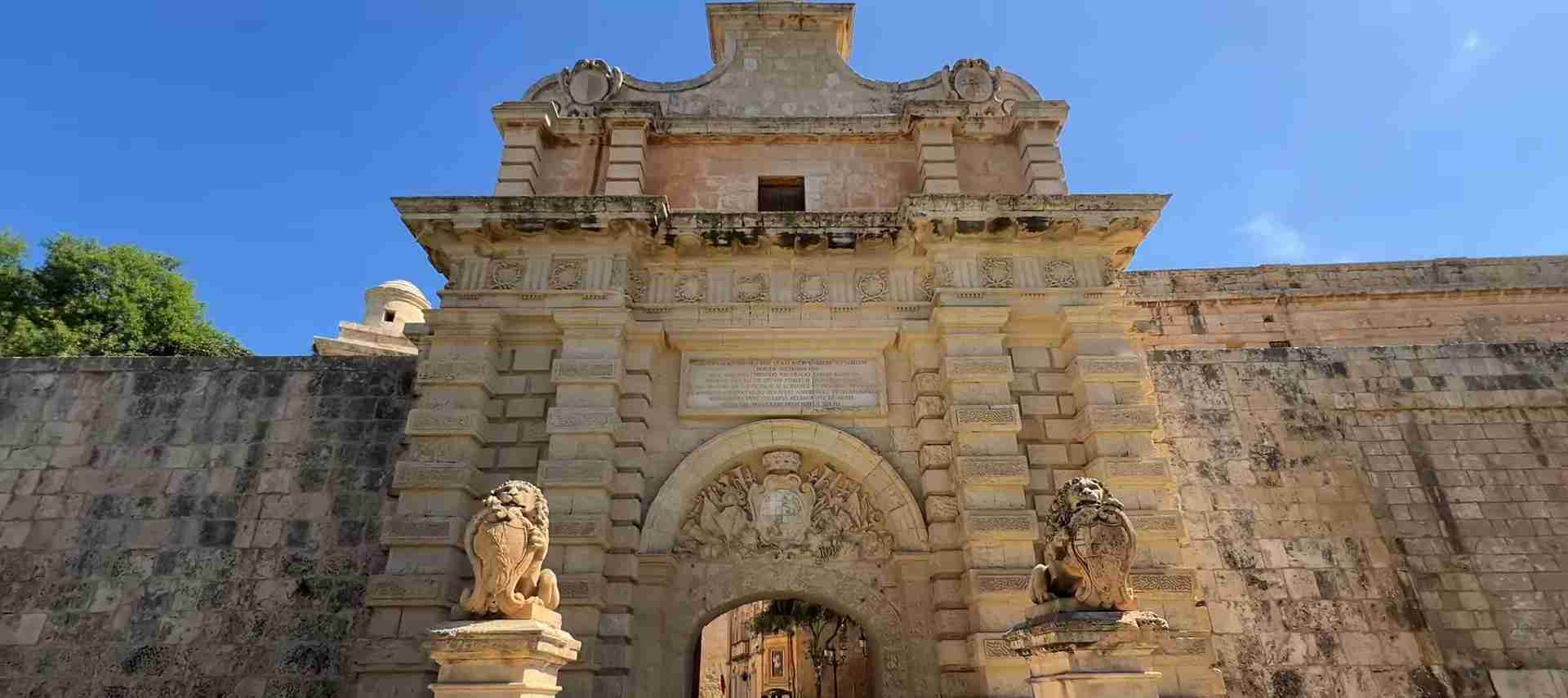
Best Valletta Tours & Walking Routes 2026: Food Tours & Harbor Cruises
Valletta, Malta’s UNESCO World Heritage capital inscribed in 1980, packs 320 monuments into 55 compact hectares of limestone streets where every corner reveals architectural treasures from the Knights of St. John. This guide maps the best ways to explore this fortress city in 2026 through guided food tours, harbor cruises, and walking routes that bring nearly 500 years of Mediterranean history to life.
Key Takeaways: Valletta Tours 2026
- Food Tours Budget Range 2026: Valletta food tours cost €50-75 per person for 3-3.5 hour experiences including 4-6 tasting stops with pastizzi, ftira, traditional mains, and local beverages guided by licensed Maltese experts.
- Harbor Cruise Pricing 2026: Grand Harbour cruises cost €15-25 per adult for 90-minute tours covering both Marsamxett and Grand Harbours with audio commentary explaining the Great Siege of 1565 and World War II bombardment history.
- Free Walking Tours Available: Pay-what-you-wish walking tours operate daily throughout 2026 with €5-10 typical contributions, covering Valletta’s main monuments, baroque architecture, and Knights’ legacy in 2-2.5 hour guided experiences.
- Self-Guided Freedom: Free downloadable walking tour maps allow independent exploration of Valletta’s grid layout from Triton Fountain to Fort St. Elmo, combining flexibility with comprehensive coverage of UNESCO-listed monuments.
- Combination Strategy 2026: Pairing a morning food tour (€60 average) with afternoon harbor cruise (€20 average) and self-guided evening walk creates complete €80 daily Valletta discovery without repetitive content.
- Peak Season Booking: Reserve food tours and harbor cruises 3-5 days ahead during June-September 2026 when daily temperatures reach 30°C and visitor numbers peak, with morning departures offering cooler exploration conditions.
People Also Ask About Valletta Tours 2026
How much does a Valletta food tour cost in 2026?
Valletta food tours in 2026 cost €50-75 per person for comprehensive 3-3.5 hour experiences. These guided tours include 4-6 authentic tasting stops featuring pastizzi (flaky ricotta or pea pastries), ftira biż-żejt (Maltese flatbread), bigilla (broad bean dip), imqaret (date pastries), traditional rabbit stew or other mains, and local Kinnie soda or Cisk beer. Licensed Maltese guides provide historical context at each stop, explaining how Arab, Italian, and British influences shaped local cuisine. Best Tours Malta, Do Eat Better Experience, Colour my Travel, and Offbeat Malta Food Trails operate daily tours with group sizes typically limited to 8-12 participants. Check official operator websites for current rates as seasonal variations apply, with slight premium pricing during June-August peak season. The investment represents excellent value considering the full meal equivalent plus cultural education provided during the walking experience through Valletta’s historic streets.
Are harbor cruises in Valletta worth it in 2026?
Harbor cruises in Valletta absolutely justify their €15-25 cost in 2026 by providing perspectives impossible to achieve from land. The 90-minute tours navigate both Grand Harbour and Marsamxett Harbour, sailing past Fort St. Angelo, Fort Manoel, Fort St. Elmo, and the Three Cities (Vittoriosa, Senglea, Cospicua) with running audio commentary explaining the Great Siege of 1565 when the Knights held off Ottoman forces, and the intense World War II bombardment that earned Malta the George Cross. You’ll see the massive limestone fortifications from sea level, understand why these natural deepwater harbors made Malta strategically vital for centuries, and access viewpoints of the Valletta bastions unavailable to pedestrians. The iSeeMalta service departing from Sliema offers the best value at €15 adults, €10 children with optional hop-off at Kalkara for the Esplora Interactive Science Centre. Alternative operators charge €20-25 for similar routes. Morning cruises at 10:00 or 10:30 provide optimal photography lighting. Evening sunset cruises at 17:30-18:00 during summer months offer dramatic golden-hour fortress views worth the slight premium pricing.
What are the best free walking tours in Valletta for 2026?
The best free walking tours in Valletta for 2026 operate on pay-what-you-wish models with €5-10 typical contributions for 2-2.5 hour guided experiences. GuruWalk’s tours led by guides like Gordon, Barbara, and Maria receive consistently excellent reviews for passionate storytelling about the Knights of St. John, Great Siege details, and WWII history while covering Republic Street, St. John’s Co-Cathedral exterior, Grand Master’s Palace, Upper Barrakka Gardens, and strategic viewpoints over Grand Harbour. Walkative offers structured tours at 10:00 and 14:00 daily with licensed guides explaining Valletta’s baroque architecture and 320 monument concentration. Ben’s Free Tours provides personalized experiences from a native Maltese guide with deep local knowledge and afternoon departure times adjusted to 17:00 starting June 2026 to avoid peak heat. Colour my Travel adds specialty ghost tours for evening walks exploring darker legends. All free tours require advance booking through operator websites or booking platforms to secure spots, especially March-October when group sizes reach 15-20 participants. The tours do not include interior monument access; St. John’s Co-Cathedral charges €10 separate admission if you wish to enter after the walking tour concludes.
How long does it take to walk through Valletta in 2026?
Walking Valletta’s main axis from City Gate to Fort St. Elmo takes 25-30 minutes at a steady pace covering 1.5 kilometers of Republic Street through the peninsula’s length. However, meaningful exploration of Valletta in 2026 requires 4-6 hours minimum to include Upper Barrakka Gardens with its 12:00 cannon salute, Lower Barrakka Gardens, St. John’s Co-Cathedral interior (€10, 60-90 minutes), Grandmaster’s Palace State Rooms (€10, 45 minutes), Lascaris War Rooms (€12, 60 minutes), and side streets revealing hidden baroque doorways, quiet piazzas, and local cafes. Self-guided circular walking routes downloadable as free PDFs from tourism sites typically suggest 2.5-3 hour timeframes covering 15-18 major monuments without interior visits. Valletta’s grid layout makes navigation simple with Republic Street as the central artery and sea views defining boundaries. The entire capital spans just 55 hectares, making it Europe’s smallest capital yet remarkably dense with heritage. Comfortable walking shoes are essential as steep cross-streets connect upper and lower levels, and summer temperatures exceeding 30°C demand early morning or late afternoon timing. Factor additional 30-45 minutes for refreshment stops at Caffe Cordina, Trabuxu wine bar, or waterfront restaurants when planning your Valletta walking schedule for 2026.
Extended multi-day tours – 5+ days
Featured Malta Multi-Day Tour Packages
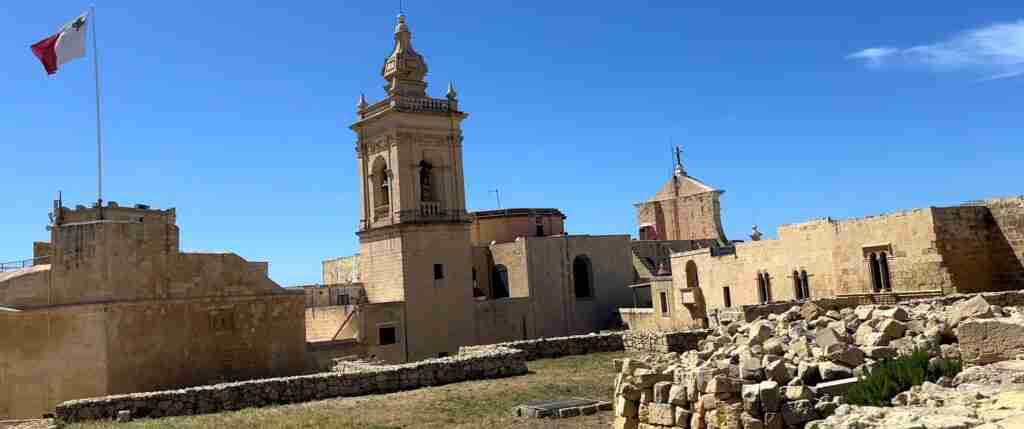
3 days
Malta 3-Day Discovery Tour
- ✓ Comprehensive Malta experience
- ✓ Expert local guides included
- ✓ All accommodation included
- ✓ Transportation provided
5 days
Malta 5-Day Highlights Experience
- ✓ Comprehensive Malta experience
- ✓ Expert local guides included
- ✓ All accommodation included
- ✓ Transportation provided
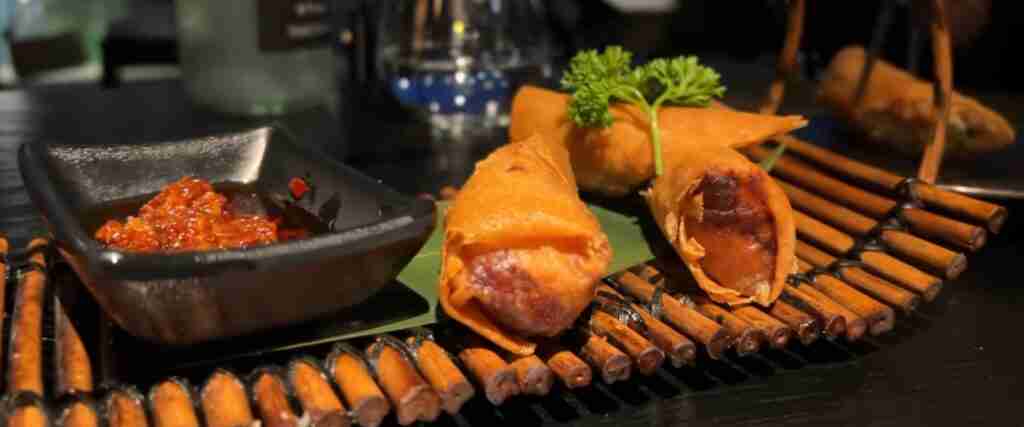
7 days
Malta 7-Day Cultural Journey
- ✓ Comprehensive Malta experience
- ✓ Expert local guides included
- ✓ All accommodation included
- ✓ Transportation provided
10 days
Malta 10-Day Complete Adventure
- ✓ Comprehensive Malta experience
- ✓ Expert local guides included
- ✓ All accommodation included
- ✓ Transportation provided
Multi-day tour packages powered by TourRadar. Prices and availability subject to change.
Introduction: Planning Your 2026 Valletta Tour Experience
Valletta commands one of the Mediterranean’s most spectacular settings where massive honey-colored limestone fortifications rise directly from deep natural harbors that determined Malta’s strategic importance for millennia. Built by the Knights of St. John following their successful defense during the Great Siege of 1565, this planned Renaissance city earned UNESCO World Heritage status in 1980 for its remarkably intact urban fabric and extraordinary concentration of baroque architecture, military fortifications, and cultural monuments compressed into Europe’s smallest capital footprint.
Understanding how to explore Valletta in 2026 requires recognizing that different tour types reveal distinct dimensions of the city’s layered identity. Food tours decode centuries of culinary fusion from Arab date pastries to British pub culture through authentic tastings at family-run establishments locals actually frequent. Harbor cruises provide the naval perspective that explains why Malta mattered so desperately to everyone from Phoenician traders to World War II strategists, showcasing fortress engineering impossible to comprehend from street level. Walking tours connect architectural details to Knights’ ambitions and wartime resilience while navigating the grid system that makes Valletta supremely walkable despite July heat reaching 33°C.
The 2026 touring landscape includes established operators like Best Tours Malta and Do Eat Better Experience offering daily food tours with licensed guides, iSeeMalta’s harbor cruise network integrated with hop-on-hop-off transport, and a thriving free walking tour scene where pay-what-you-wish models attract excellent guides passionate about sharing Maltese heritage. Spring and autumn provide optimal touring conditions with 20-25°C temperatures, though summer’s intensity doesn’t prevent enjoyment if you time activities for morning coolness or late afternoon respite.
This comprehensive guide details the best Valletta tour options for 2026 across food experiences, harbor perspectives, walking routes both guided and self-directed, practical booking strategies, seasonal timing considerations, combination approaches that maximize discovery without repetition, and insider knowledge about which operators deliver authentic experiences versus tourist-trap disappointments. Whether you’re dedicating one intensive day or spreading Valletta exploration across multiple visits, the following sections provide the detailed planning intelligence needed to experience Malta’s fortress capital beyond superficial cruise ship port calls.
Valletta Food Tours 2026: Operators, Routes, and Authentic Tastings
Valletta food tours in 2026 offer the most intimate pathway to understanding Maltese identity through dishes shaped by Arab, Sicilian, British, and North African influences accumulated across centuries of Mediterranean crossroads existence. These guided culinary walks differ fundamentally from generic “food tour” concepts that simply sample restaurants; the best Valletta operators use food as narrative device to explain historical occupation periods, local ingredients dictated by island agriculture limitations, and family recipes preserved through generations in establishments tourists rarely discover independently.
Established Operators and Pricing Structure 2026
Best Tours Malta leads the market with their Original Valletta Food Tour operating daily at 10:30 and 18:00 departures starting at Upper Barrakka Fountain. The 3-hour experience costs €60-70 per person including four substantial food stops that constitute a full meal: pastizzi warm from bakery ovens, ftira biż-żejt showcasing local tuna and capers on sourdough flatbread, bigilla with traditional galletti crackers, and concluding with either rabbit stew or ravioli at a family-run restaurant paired with Kinnie soda or local Cisk lager. Tour size caps at 10-12 participants ensuring guides like Chris, Nadine, and Matthew maintain conversational intimacy while explaining connections between foods and Valletta’s architectural landmarks along the route. Check their official website for current rates as June-August may carry €5-10 seasonal premium.
Do Eat Better Experience structures their Valletta Food Tour at €55-65 with 10:30 morning and 18:00 evening options led by native Maltese guides Tony, Stephen, Marcella, and Matthew. Their routes prioritize authenticity over tourist polish, visiting merchants’ establishments in side streets where Valletta residents actually shop for daily groceries, traditional bakeries unchanged since the 1960s, and cafes serving spiced coffee with mqaret (date pastries infused with cinnamon and orange blossom). Meeting point at Upper Barrakka Gardens makes tour combination with the noon cannon firing ceremony seamless. Minimum 2 participants required or rescheduling with full refund options apply.
Colour my Travel offers €50-60 food tours distinguished by small group philosophy never exceeding 8 participants and guides drawing explicit connections between dishes and Valletta’s baroque street layout as they navigate from Floriana through City Gate to merchant streets and harbor-view terraces. Their evening tours extend slightly longer at 3.5 hours to incorporate sunset views over Grand Harbour while sampling wine pairings. Karl and Romina receive particular praise in recent reviews for striking the balance between informative historical context and relaxed social atmosphere.
Offbeat Malta Food Trails operates premium experiences at €65-85 depending on route selection, targeting discerning travelers seeking artisan producers, boutique wine shops, and upscale interpretations of traditional recipes alongside classic street food. Their Valletta tours feature handmade chocolate tastings, local cheese selections, and craft beer pairings unavailable on budget-tier competitors. Morning tours meet at 09:45 for 10:00 start; Saturday evening tours at 18:00 incorporate more refined dining stops. Private tours for groups of 4-8 cost €100-120 per person with customizable itineraries focusing on specific interests like pastry traditions or fortified wine history.
Typical Food Tour Itinerary and Tasting Highlights
Standard Valletta food tours follow predictable route structure that works exceptionally well for first-time visitors, beginning in Floriana (the suburb immediately outside City Gate) to establish agricultural and grain storage context, proceeding through the monumental Valletta entrance with Renzo Piano’s controversial Parliament building as architectural commentary, then diving into merchant streets where Republic Street’s tourist polish gives way to authentic Maltese commerce.
Pastizzi consumption occurs early during most tours, introducing Malta’s undisputed street food champion. These diamond-shaped puff pastries arrive warm from bakery ovens filled with either creamy ricotta or curried peas, costing just €0.50-0.70 retail but presented with historical context about Maghrebi phyllo dough influence and working-class breakfast traditions. Guides typically source from Crystal Palace or Charly’s, establishments operating since mid-20th century with locals queuing alongside tour groups.
Ftira biż-żejt represents the more substantial second stop, showcasing Malta’s sourdough flatbread tradition with toppings reflecting island provisions: kunserva (tomato paste), tuna, capers, olives, sun-dried tomatoes, and generous olive oil application. This open sandwich format originated as fishermen’s portable meals but evolved into beloved lunch staple found at neighborhood bakeries rather than restaurants. Quality operators avoid tourist-trap establishments along main thoroughfares, instead visiting family bakeries in Merchant Street or side alleys near Pjazza Regina where locals collect daily bread orders.
Bigilla appears as the third or fourth tasting, introducing Malta’s signature broad bean dip served with galletti crackers or ħobż biż-żejt bread. The preparation combines mashed dried beans with garlic, olive oil, fresh herbs, and sometimes chili heat, resulting in a protein-rich spread developed when meat scarcity made legumes dietary mainstays. Guides explain connections to similar Mediterranean dishes while you sample at traditional bars where workers gather for afternoon breaks.
Tours conclude with sit-down restaurant experiences featuring either fenek (rabbit stew) or ravjul (ricotta-filled ravioli with tomato sauce), both dishes representing Maltese home cooking elevated to national pride. Rabbit preparation involves slow braising in red wine, garlic, and bay leaves until tender, traditionally reserved for Sunday family meals or festa celebrations. The concluding beverage pairing features Kinnie, Malta’s bittersweet orange and herb soda developed in 1952, or Cisk lager brewed locally since 1929. This final stop allows 45-60 minutes seated rest while guides share recommendations for additional Valletta restaurants, hidden viewpoints, and cultural attractions worth visiting after the tour ends.
Seasonal Considerations and Booking Strategy 2026
Food tour timing in Valletta matters significantly throughout 2026 due to Malta’s pronounced seasonal temperature swings and tourist density fluctuations. March-May and September-November provide ideal conditions with 18-25°C comfortable walking weather, manageable crowd levels at tasting stops, and maximum guide availability before summer vacation scheduling conflicts. Morning 10:00-10:30 departure slots during these shoulder seasons allow finishing before afternoon heat peaks, leaving energy for self-guided exploration afterward.
June-August presents challenges requiring adaptation. Temperatures routinely reach 30-33°C with intense sun reflecting off limestone streets and limited shade along food tour routes. Most operators shift to early morning starts at 09:00 or late afternoon 18:00-18:30 departures beginning mid-June through August to avoid midday intensity. Evening tours during summer months offer the advantage of sunset lighting over Grand Harbour from various viewpoints incorporated into food routes, plus cooler temperatures making the 3-hour walking duration more comfortable. However, some family establishments close for August vacations, requiring operators to substitute alternative stops that maintain quality but differ from standard itineraries.
December-February brings cooler 12-17°C conditions with occasional rain showers requiring flexible clothing. Food tours operate year-round with reduced frequency, typically morning departures only, as afternoon winter light fades by 17:00-17:30. This off-season timing provides maximum guide attention with smaller groups, discounted rates occasionally available through direct operator booking, and the authentic local atmosphere as Valletta residents go about daily routines without summer tourist crowds overwhelming merchant streets.
Booking windows vary by season and operator. Reserve 3-5 days ahead during April-October peak season when popular time slots fill, especially for English-language tours departing around 10:00-10:30. November-March allows more spontaneous booking 1-2 days in advance. All major operators accept online booking through official websites with 24-hour cancellation policies for full refunds. GuruWalk, Viator, and GetYourGuide also list these tours but may add service fees; direct booking through operator websites eliminates extra charges. Private tours for groups of 4-8 require minimum 7-10 day advance booking to ensure guide availability and restaurant capacity.
Dietary restriction accommodation varies significantly by operator. Vegetarian adaptations work smoothly as operators substitute vegetable pastizzi, cheese-focused ftira, and vegetarian pasta for rabbit stew. Vegan requirements prove more challenging given Malta’s dairy-heavy cuisine but experienced operators can arrange plant-based versions with advance notice. Gluten-free requests face genuine difficulty as traditional wheat-based items define Maltese food identity; inform operators at booking if gluten avoidance is medical necessity rather than preference. Food allergies to nuts, shellfish, or specific ingredients require disclosure at booking to allow operators time arranging alternative suppliers or substitutions maintaining tour flow.
Grand Harbour Cruises 2026: Routes, Operators, and Historic Commentary
Harbor cruises provide the essential perspective for understanding why Valletta exists where it does and how two natural deepwater harbors flanking the limestone peninsula determined Malta’s strategic importance from Phoenician times through World War II. These 90-minute maritime experiences reveal fortress engineering, naval architecture, and geographic advantages impossible to comprehend from street-level walking, making harbor tours fundamental rather than supplementary elements of comprehensive Valletta discovery.
Standard Harbor Cruise Routes and What You’ll See
Most Valletta harbor cruises follow similar clockwise routes covering both Marsamxett Harbour and Grand Harbour plus their various creeks in 90-minute circuits. Departures from Sliema Ferries terminal provide convenient access for travelers staying in Sliema or St. Julian’s areas while offering immediate spectacular views of Valletta’s waterfront fortifications rising 50-70 meters from harbor level.
The route begins by exiting Marsamxett Harbour past Fort Manoel, the star-shaped 18th-century fortification built by Grand Master António Manoel de Vilhena on Manoel Island in Gżira. The commentary explains how this fort complemented Fort St. Elmo’s defenses by providing crossfire capability against any naval force attempting harbor entry. You’ll sail past the yacht marinas of Ta’ Xbiex and Msida where modern pleasure craft contrast with limestone bastions and baroque church domes defining the shoreline.
Rounding Fort St. Elmo at Valletta’s peninsula tip marks the transition into Grand Harbour with immediate views of the Breakwater and Siege Bell War Memorial commemorating those who fell during the 1940-1943 bombardment when German and Italian air forces attempted to destroy British naval power based here. The cruise passes the imposing La Sacra Infermeria building that served as the Knights’ hospital, now converted to Mediterranean Conference Centre, and Lower Barrakka Gardens with their neoclassical colonnades providing shaded harbor overlooks for pedestrians.
Valletta Waterfront with its restored 18th-century warehouses appears next, followed by the modern cruise ship terminal where vessels dock. The audio commentary details how Grand Harbour served as the Mediterranean’s premier British naval base from 1800 through mid-20th century, supporting operations during the Crimean War, World Wars I and II, and remaining strategically vital until Malta’s independence in 1964.
The Three Cities portion reveals Senglea (L’Isla), Birgu (Vittoriosa), and Bormla (Cospicua) clustered on the opposite Grand Harbour shore. Fort St. Angelo, the massive fortification at Birgu’s tip, played the decisive role during the Great Siege of 1565 when Grand Master Jean Parisot de Valette and approximately 6,100 defenders held off 40,000 Ottoman troops for four months. The commentary provides siege battle details explaining how the fort’s strategic position commanding harbor entry made it the key defensive point worth defending at enormous cost.
Most cruises include a brief stop at Kalkara on the Three Cities side, allowing passengers to disembark for the Esplora Interactive Science Centre visit or simply explore the quiet harbor-front neighborhoods. Those staying aboard continue the return journey past Dockyard Creek where Malta’s ship repair facilities operate, French Creek, and back through Grand Harbour past the restored bastions and waterfront development projects transforming previously industrial areas into cultural spaces.
Cruise Operators and Pricing Comparison 2026
iSeeMalta operates the most established harbor cruise service with departures every 60-90 minutes daily from Sliema Ferries terminal. Their 90-minute Grand Harbour and Three Cities tour costs €15 adults and €10 children ages 4-12, with free admission for children under 4. The modern air-conditioned catamarans accommodate 100-150 passengers with indoor seating, outdoor deck space, onboard bar service selling snacks and beverages, and free WiFi. Multi-language audio commentary available through personal headphones provided at boarding covers historical details in English, Italian, French, German, Spanish, and Maltese. iSeeMalta also offers combination tickets pairing the harbor cruise with their hop-on-hop-off bus service at €25-28, providing efficient transportation integration for visitors staying outside Valletta.
Alternative operators departing from Valletta Waterfront or Sliema charge €20-25 for similar 90-minute routes with smaller vessel capacity creating more intimate atmosphere. Captain Morgan, Hornblower, and independent catamaran operators offer essentially identical routes but may differentiate through live guide commentary rather than recorded audio, sunset timing at premium €30-35 rates, or included beverage service. The extra €5-10 over iSeeMalta pricing rarely delivers proportional value increase unless sunset scheduling specifically aligns with your preferences.
Private charter options exist for groups of 10-30 at €250-450 total cost depending on duration and included amenities. These work well for families wanting flexible timing, photography enthusiasts requiring specific lighting conditions, or groups desiring personalized commentary on particular historical aspects. Contact operators 2-3 weeks ahead for private charter availability during April-October peak season.
Optimal Timing and Seasonal Considerations
Harbor cruise timing throughout 2026 balances weather comfort, photography lighting, and schedule integration with other Valletta activities. Morning departures at 10:00-11:00 provide excellent photography conditions with side-lighting illuminating fortress details and relatively calm water conditions before afternoon breezes develop. These slots work well when combined with afternoon food tours or extended walking exploration after returning to dock.
Midday 12:30-14:00 cruises suffer from harsh overhead lighting less flattering for photography, though they efficiently fill the gap between morning monument visits and afternoon siesta periods when many museums and churches close 13:00-16:00 during summer months. Water tends to be calmest during midday hours, benefiting travelers concerned about motion sensitivity.
Late afternoon departures at 16:00-17:00 during March-May and September-October catch favorable western light that dramatically illuminates Valletta’s honey-colored limestone facades. Summer months shift sunset cruise timing to 18:30-19:00 as daylight extends, commanding premium pricing €30-35 but delivering golden-hour fortress views and the romantic ambiance of watching navigation lights activate across the harbors as dusk settles.
December-February brings cooler 12-17°C conditions with occasional rain and choppier water from winter wind patterns. Cruises operate on reduced schedules with primarily midday departures when conditions prove most stable. Indoor cabin seating becomes essential during winter sailings; outdoor deck exposure in January winds creates uncomfortable experiences despite sunshine. However, winter timing provides maximum guide attention with significantly smaller passenger numbers and clearer atmospheric visibility due to reduced summer haze.
Motion sensitivity considerations apply for anyone prone to seasickness. The catamarans used by major operators feature wide, stable hulls creating minimal rocking even in moderate chop. However, Grand Harbour’s open water sections can develop 1-2 meter swells during afternoon when sea breezes intensify, particularly March-May. Passengers concerned about motion should target morning departures, select seats toward vessel center points where movement minimizes, and consider preventive medication if previous harbor cruise experiences proved challenging.
Free Walking Tours 2026: Pay-What-You-Wish Guided Experiences
Free walking tours operating on pay-what-you-wish models have transformed Valletta tourism by providing excellent guide quality at accessible prices while fostering natural selection where guides earn proportionate to their performance rather than fixed fees regardless of delivery quality. These tours attract passionate Maltese guides genuinely invested in sharing heritage accurately and engagingly, creating 2-2.5 hour experiences that typically earn €5-10 per participant contributions after the tour concludes.
Top-Rated Free Tour Operators and Guide Highlights
GuruWalk lists 14 different free walking tours in Valletta for 2026 with “Discovering Valletta, a UNESCO Capital” led by guides Gordon, Barbara, and Maria receiving consistently strong reviews. Barbara’s tours particularly earn praise for balancing historical depth with modern Maltese cultural context, explaining how contemporary island life connects to Knights’ legacy, British colonial period, and post-independence development. Gordon brings passionate storytelling about the Great Siege with detailed tactical explanations of how defenders used Valletta’s grid layout and fortification design to withstand Ottoman bombardment. Tours meet at City Gate by the New Parliament Building at 10:00 and 14:00 daily, covering Republic Street, Grand Master’s Palace exterior, St. John’s Co-Cathedral facade, various auberges (Knights’ residences by language group), and concluding at Upper Barrakka Gardens for Grand Harbour overview.
Walkative operates structured tours with professional organization managing group size, advance booking systems, and guide training standards. Their “Welcome to Valletta Old Town Guided Walking Tour” runs 2 hours 15 minutes departing 10:00 and 14:00 from Triton Fountain with Barbara, Daniela, and Matthew leading most English-language groups. The route emphasizes architectural evolution from Renaissance planning ideals through baroque elaboration to modern restoration controversies, providing deeper design analysis than typical historical overviews. Walkative tours accommodate up to 20 participants with radio headsets ensuring everyone hears clearly even in crowded Republic Street or near noisy construction sites. They offer optional add-on at discounted €8 admission to St. John’s Co-Cathedral after the walking tour concludes.
Ben’s Free Tours represents the personalized small-group approach with native Maltese guide Ben limiting groups to 12-15 participants maximum for conversational intimacy. His website lists schedule as 10:00 and 15:00 April-May, then 10:00 and 17:00 June-September to avoid midday heat. Ben’s strength lies in responding to group interests rather than scripted presentation, spending more time on topics sparking questions while abbreviating sections generating less engagement. Reviews consistently mention his restaurant recommendations, local insider tips about neighborhood character, and willingness to continue answering questions after the official tour ends. Meeting point at Triton Fountain outside City Gate ensures easy location even for first-time Valletta visitors.
Colour my Travel adds specialty themed free walking tours beyond standard introductory routes. Their “Dark Side of Valletta” ghost tour operates evenings at 19:00-20:00 exploring plague history, wartime tragedies, and paranormal legends associated with particular palaces and auberges. The “Valletta by Night” summer tour at 18:30 showcases the capital after cruise ship crowds depart, when locals reclaim streets for evening passeggiata and restaurants set outdoor terraces. These specialized tours appeal to repeat visitors already familiar with basic Valletta history seeking deeper thematic exploration.
What Free Walking Tours Cover and Don’t Cover
Typical 2-2.5 hour free walking tours follow predictable routes because they hit genuinely essential Valletta monuments while maintaining manageable walking pace for groups with mixed fitness levels and age ranges. Expect coverage of City Gate, Parliament Building, Royal Opera House ruins converted to open-air theater, Republic Street’s main axis, St. John’s Co-Cathedral exterior (interior requires separate €10 admission), Grand Master’s Palace facade, Palace Armory, Castille Place with Prime Minister’s office, Auberge de Castille as finest baroque palace example, Upper Barrakka Gardens, Saluting Battery where noon cannon firing ceremony occurs, and panoramic Grand Harbour overlooks.
Guides provide historical context about the Knights of St. John establishing Valletta after the 1565 Great Siege, the planned grid layout by military engineer Francesco Laparelli, baroque architectural principles evident in palace facades and church designs, British colonial period modifications, World War II bombardment earning Malta the George Cross, independence in 1964, and current UNESCO World Heritage management challenges. Better guides weave architectural details into human stories about how Knights from different European language groups competed through palazzo decoration, how Valletta residents survived 1940-1943 siege conditions in underground shelters, and how modern Maltese balance preservation requirements with living city needs.
What free walking tours don’t include matters for planning. No tours enter St. John’s Co-Cathedral, the single most spectacular interior in Valletta featuring Caravaggio paintings, marble tombstones of Grand Masters covering the entire floor, and gilded baroque chapel decoration. Cathedral admission costs €10 with 60-90 minutes minimum visit time. Grand Master’s Palace State Rooms showing tapestries and portrait galleries charge €10 separate admission. Lascaris War Rooms where General Eisenhower directed Mediterranean operations during World War II cost €12 to enter. Fort St. Elmo housing the National War Museum charges €10 admission. Free walking tours provide exterior views and historical orientation but cannot substitute for these interior monument experiences requiring separate time and budget allocation.
The tours also skip Valletta’s residential side streets where local life occurs away from tourist thoroughfares. Guides stick to main routes accommodating group walking pace and maintaining schedule, meaning you won’t discover the quiet baroque doorways, neighborhood bakeries, corner cafes, and hidden piazzas that make Valletta fascinating for solo exploration after organized tours conclude.
Booking, Tipping, and Practical Logistics
All free walking tours require advance booking through operator websites or booking platforms like GuruWalk. Simply arriving at meeting points without reservation risks finding tours fully booked, particularly March-October when group sizes reach maximum 15-20 participant caps. Booking confirms your spot, provides email reminders with meeting point details and guide contact information, and allows operators to plan appropriate guide staffing levels.
The “free” designation means no fixed price, not no payment. Pay-what-you-wish models expect gratuity reflecting tour value, guide expertise, and your financial circumstances. Most participants contribute €5-10 per person in cash directly to guides after tours conclude. €5 represents baseline appreciation for competent delivery, €7-8 acknowledges strong performance with engaging storytelling, and €10+ rewards exceptional guides who demonstrated deep knowledge, responded thoughtfully to questions, and enhanced your Valletta understanding significantly. Local Maltese taking tours sometimes contribute €3-5 as they already know much of the historical content; international tourists benefiting from comprehensive introduction typically give €8-10. Families can pool contributions rather than multiplying by each family member. Tipping in cash rather than card facilitates immediate payment and ensures guides receive full amounts without platform processing fees.
Meeting points concentrate around City Gate at Triton Fountain or Parliament Building, easily identifiable landmarks visible from bus terminus and taxi drop-off points. Arrive 5-10 minutes before stated start time as tours depart promptly to complete routes before subsequent groups overlap. Guides typically hold branded umbrellas or signs identifying their tour affiliation. Comfortable walking shoes absolutely essential as tours cover 2-3 kilometers over marble paving and cobblestone side streets. Bring water bottles as refreshment stops don’t occur during the 2-hour walking periods. Sun protection including hats, sunglasses, and sunscreen matters April-October when temperatures exceed 25°C. Some guides provide radio headset systems ensuring you hear commentary even in noisy environments; others rely on projected voice requiring closer proximity.
Group dynamics vary considerably. Morning tours tend to attract mixed demographics including families, retirees, and travelers maximizing daylight hours. Afternoon tours skew younger with backpackers, solo travelers, and those who spent mornings at beaches. Summer evening tours draw social atmospheres as participants often continue together to dinner or drinks after tours conclude. Multilingual groups occasionally form when demand in languages beyond English justifies specialized departures; inquire at booking if Spanish, Italian, French, or German tours operate on your visit dates.
Self-Guided Walking Routes 2026: Maps, Apps, and Independent Exploration
Self-guided walking offers maximum flexibility for exploring Valletta at personal pace, lingering at monuments sparking particular interest while bypassing those holding less appeal. Digital apps, downloadable PDF maps, and physical guidebooks provide navigation and historical context approximating guided tour information depth while allowing schedule autonomy and elimination of group dynamic constraints.
Recommended Self-Guided Walking Route and Key Stops
The most logical self-guided Valletta circuit begins at Triton Fountain outside City Gate and follows a clockwise loop covering major monuments in 2.5-3 hours walking time plus additional duration for any interior monument visits you elect. This route works well because it progresses logically through historical layers, provides frequent orientation points visible from multiple angles, and ends near starting point facilitating easy departure by bus or taxi.
Start at Triton Fountain (0 minutes) observing the bronze sculpture’s 1978 reconstruction after the original collapsed due to structural flaws. Pass through City Gate, Renzo Piano’s controversial modern arch that replaced a 1960s design itself replacing the historic baroque gate destroyed during World War II. The immediate juxtaposition of ruins (Royal Opera House), modern architecture (Parliament Building), and baroque urban grid establishes the theme of Valletta’s layered evolution.
Republic Street (10 minutes from start) forms Valletta’s main spine running 1.5 kilometers from City Gate to Fort St. Elmo. This wide processional avenue showcases baroque palaces, auberges housing the Knights’ different language groups, and St. John’s Co-Cathedral. The street’s perfect straightness demonstrates Renaissance urban planning ideals where military efficiency trumped medieval organic development. Window shop along the route’s British high street commercial character reflecting colonial period transformation.
St. John’s Co-Cathedral (20 minutes from start) demands interior visit allocating 60-90 minutes and €10 admission. The plain limestone exterior deliberately understates the interior explosion of baroque decoration, Caravaggio’s Beheading of St. John the Baptist painting, and 400 marble tombstones of Knights covering every floor centimeter. Audio guide included with admission provides excellent detail about the chapel dedications, artistic symbolism, and Knights’ burial traditions. Skip the cathedral visit only if time severely constrained or baroque religious art holds no interest.
Grand Master’s Palace (35 minutes from start) occupies an entire block with facade facing Palace Square. State Rooms charge €10 admission showing tapestry galleries, throne room, portrait halls, and council chambers where Knights administered their quasi-independent state. The Armoury displays one of world’s finest armor collections including 16th-17th century suits in remarkable preservation. Budget 45-60 minutes for thorough palace exploration. The changing of the guard ceremony occurs irregularly; don’t plan around it.
Castille Place (50 minutes from start) provides the single best panoramic viewpoint over Grand Harbour from the Auberge de Castille terrace (now Prime Minister’s office, exterior viewing only). The vista encompasses the entire harbor, Three Cities opposite, Fort St. Angelo, and cruise ship terminal, giving geographic perspective explaining why this natural harbor determined Malta’s strategic importance. This free viewpoint equals any paid observation deck experience.
Upper Barrakka Gardens (60 minutes from start) offers shaded refuge with extensive gardens, neoclassical colonnade, and a different Grand Harbour perspective focusing on the central basin rather than Castille’s wider angle. The Saluting Battery noon cannon firing ceremony attracts crowds; arrive 11:45 if witnessing interests you. The lift descending to waterfront level costs €1 and saves steep stair climbing on return.
Lower Barrakka Gardens (75 minutes from start) provide quieter harbor overlooks with classical temples, less tourist density, and direct sightlines to Valletta Waterfront where cruise ships dock. This garden complex feels more intimate than Upper Barrakka’s grander scale.
Fort St. Elmo (90 minutes from start) occupies Valletta’s peninsula tip and houses the National War Museum charging €10 admission. The fort played the crucial role during the Great Siege when defenders held Ottoman forces for 31 days buying time for relief. World War II sections document the George Cross award and bombardment survival. Budget 60-90 minutes for thorough museum exploration. The fort’s massive walls and geometric star plan exemplify military architecture principles.
Merchant Street (120 minutes from start) returns toward City Gate through the merchant and artisan quarter where authentic Maltese life persists less tourist-focused than Republic Street. Traditional bakeries, local cafes, small shops selling religious items, and residential doorways reveal everyday Valletta character. This parallel street one block from Republic shows how locals navigate the city.
Digital Navigation Tools and Downloadable Resources
GPSmyCity offers the most comprehensive self-guided walking tour app for Valletta with two expertly designed routes: “Valletta Introduction Walk” covering major monuments in 2-3 hours, and “Valletta Historical Walk” focusing on Knights and military history over 2.5-3.5 hours. Download the app (iOS and Android), purchase the Valletta tour package for $4.99, and access detailed stop-by-stop navigation with GPS tracking showing your real-time position relative to the route. Each stop includes historical text, photographs, and navigation to the next point. Offline functionality after initial download eliminates data usage concerns while exploring.
MaltaUncovered and MapTrotting websites provide free downloadable PDF walking tour maps with detailed route descriptions, historical context, and suggested stop durations. These PDFs work well printed on standard paper or saved to mobile devices for offline access. The maps mark all major monuments, suggest logical progression order, note public restrooms, and indicate steep sections requiring fitness consideration. Print in color for best usability as color-coding distinguishes different points of interest categories.
Google Maps serves adequately for basic navigation if you create custom maps marking desired monuments before arrival. Search “Valletta walking tour” and numerous saved public maps appear showing typical routes. However, Google Maps provides minimal historical context beyond brief Wikipedia summaries, making it navigation aid rather than comprehensive guide.
Physical guidebooks remain valuable for self-guided exploration despite digital dominance. Lonely Planet Malta & Gozo, DK Eyewitness Malta & Gozo, and Bradt Malta guides all include detailed Valletta walking tour sections with maps, historical background, and practical information about admission fees, opening hours, and dining recommendations. The advantage over digital tools lies in not depleting phone battery during extended exploration and easier comparison between multiple monument descriptions when planning selective interior visits.
Self-Guided Walking Advantages and Challenges
Self-guided walking empowers complete schedule control, spending 90 minutes in St. John’s Co-Cathedral if baroque art captivates you or 15 minutes if religious decoration holds minimal interest. You can photograph without accommodating group pace, rest when tired rather than completing scheduled loops, and spontaneously enter cafes, shops, or museums as curiosity dictates. Solo travelers and couples often prefer self-guided independence, while families with children appreciate pausing for gelato or playground breaks without feeling rushed.
The primary disadvantage concerns contextual knowledge depth. Even excellent audio guides and written descriptions can’t match experienced human guides explaining architectural details you’d otherwise overlook, answering real-time questions, or adapting emphasis based on visible interest. You might stand before magnificent baroque palazzo without understanding why those specific architectural elements matter, or pass significant wartime bunker entrance without recognizing its historic importance. First-time Valletta visitors generally benefit more from guided tours establishing foundational knowledge, with self-guided exploration better suited for return visits building on existing understanding.
Navigation challenges prove minimal in Valletta’s grid layout where getting genuinely lost requires effort. However, distinguishing between similar-looking baroque palaces or understanding which auberge belonged to which Knight language group demands reference materials beyond signage. Photography proves easier independently as you can wait for lighting or position exactly as desired without delaying group progress. Lunch timing flexibility matters in summer when restaurants fill 12:30-13:30; self-guided schedules allow earlier or later dining avoiding peak crowds.
Specialty Tours 2026: St. John’s Co-Cathedral, Ghost Walks, and Sunset Experiences
Beyond standard food tours, harbor cruises, and walking overviews, specialized Valletta tours in 2026 address particular interests ranging from baroque art deep dives to paranormal legends to photography-focused experiences timed for optimal lighting. These niche offerings typically cost more than general tours but deliver enhanced value for travelers with specific enthusiasms.
St. John’s Co-Cathedral Guided Tours
St. John’s Co-Cathedral represents Valletta’s single most spectacular interior justifying dedicated tours explaining artistic, historical, and religious significance beyond what self-guided audio guide visits provide. Several operators offer 90-minute guided cathedral tours at €35-45 per person including €10 cathedral admission within the tour price. The premium cost relative to standard €10 self-entry seems steep but specialized art historian guides reveal details impossible to discern independently.
What elevated guided cathedral tours provide includes explanation of baroque artistic language where every decorative element carries symbolic meaning, identification of specific Grand Masters’ tombs and their political importance, analysis of Mattia Preti’s ceiling vault paintings depicting St. John’s life episodes, detailed Caravaggio discussion examining the Beheading composition’s revolutionary naturalism contrasting with baroque drama dominating surrounding chapels, and understanding of how different language groups’ chapels competed through decoration demonstrating their nation’s piety and wealth.
The Oratory containing Caravaggio’s Beheading of St. John the Baptist and St. Jerome Writing receives particular attention. Guides explain Caravaggio’s Malta period, his enrollment as Knight and subsequent expulsion after brawling incidents, and how this painting’s signature (written in the blood pooling from John’s neck) represents one of only two signed Caravaggio works. Photography remains prohibited in the Oratory, making verbal description essential for understanding compositional choices and artistic context.
Book St. John’s guided tours through GetYourGuide, Viator, or directly through Heritage Malta’s official site. Morning 09:30-10:00 departure slots provide best lighting through the cathedral’s high windows before midday harsh sunlight creates excessive contrast. Some tours combine cathedral visits with Grand Master’s Palace or Lascaris War Rooms as 3-hour packages for €60-75 total. Advance booking 5-7 days ahead during peak season ensures availability as group sizes cap at 15-18 participants for acoustic reasons.
Ghost Tours and Evening Valletta Walks
Ghost tours and evening walking experiences explore Valletta after typical daytime crowds disperse, when locals reclaim streets and the fortress city’s atmospheric potential intensifies under street lighting illuminating baroque facades dramatically. Colour my Travel’s “Dark Side of Valletta” operates at 19:00 departure for 2-hour walks covering €10-15 pay-what-you-wish suggested contribution. Meeting point at City Gate proceeds through dim side streets where guides share plague history from multiple 16th-17th century outbreaks, wartime tragedy stories from the 1940-1943 bombardment when entire families died in shelter collapses, and paranormal legends associated with particular auberges and palaces where ghost sightings persist among residents.
The content balances documented historical horror (verifiable plague records, wartime casualty statistics, execution sites) with folkloric embellishment (phantom Knights wandering ramparts, spectral plague victims appearing in windows, disembodied voices in empty churches). Guides acknowledge the entertainment element while respecting genuine tragedies underlying these locations. The tours work well for travelers seeking alternative Valletta perspectives beyond noble Knights and military glory narratives dominating standard historical tours.
Evening photography walks offered by independent photographers-turned-guides operate May-September at 18:30-19:30 departures timed for golden hour lighting. These €25-35 experiences teach composition techniques, camera settings optimization for Valletta’s honey-colored limestone, and access to viewpoints yielding superior shots relative to midday tourist photography. Group sizes limit to 6-8 participants ensuring individual instruction time. Bring your own camera equipment; phone photography participants welcome but receive less technical guidance. Book through photography forums or specialist tour sites rather than mass-market platforms.
Three Cities Tours Departing from Valletta
The Three Cities (Vittoriosa, Senglea, Cospicua) across Grand Harbour from Valletta offer quieter, less-restored medieval character contrasting with Valletta’s baroque grandeur. Combined Valletta-Three Cities tours operate as 4-hour experiences at €40-50 per person including water taxi transport across harbor, walking tours of Fort St. Angelo and Vittoriosa’s narrow streets, and return to Valletta. These extended tours suit travelers dedicating full days to capital region exploration rather than those dividing time between Valletta and other island attractions.
Best Tours Malta and Colour my Travel both offer Three Cities extensions that can combine with morning Valletta food tours for comprehensive day packages. The practical advantage lies in guide-led navigation of the traditional ferry system (€1.50 regular service) or private water taxi arrangements avoiding independent logistical uncertainty. Inquisitor’s Palace, Malta Maritime Museum, and Fort St. Angelo all charge separate admissions totaling €25-30 if visiting interiors; confirm whether tour packages include these or treat them as optional additions.
Practical Tour Booking Strategies for 2026
Booking Valletta tours effectively for 2026 requires understanding seasonal demand patterns, pricing transparency across different platforms, cancellation flexibility, and combination approaches maximizing coverage while minimizing schedule conflicts and content overlap.
Direct Booking vs. Third-Party Platforms
Direct booking through operator websites typically delivers best value by eliminating platform service fees while providing clearest cancellation terms and most flexible modification options. Best Tours Malta, Do Eat Better Experience, Colour my Travel, and other established food tour operators all accept online booking with secure payment processing. Their websites display real-time availability calendars, detailed tour descriptions, actual customer reviews without platform filtering, and direct contact information for special requests. iSeeMalta’s harbor cruise bookings process most efficiently through their official site with immediate confirmation and digital ticket delivery.
Third-party platforms like GetYourGuide, Viator, and Tripadvisor Experiences add €3-8 service fees per person but offer consolidated booking managing multiple activities across different operators through single payment. These platforms prove valuable when arranging complex itineraries combining Valletta tours with Gozo day trips, Blue Lagoon boat excursions, and accommodation packages. Their aggregated review systems provide broader perspective than individual operator sites. However, customer service issues must be resolved through platform intermediaries rather than direct operator contact, potentially complicating refunds or schedule changes.
GuruWalk and similar free walking tour platforms charge no service fees as guides receive direct gratuities rather than pre-payment. These platforms function primarily as booking interfaces connecting travelers with guides while handling no money exchange. The system works smoothly for free tours but offers minimal recourse if tours disappoint since no financial transaction occurred requiring refund claims.
Advance Booking Windows by Season
March-May and September-November shoulder seasons require 3-5 day advance booking for food tours and specialty experiences with specific time slot preferences. General harbor cruises operate frequently enough that 1-2 day advance booking usually secures space though may not guarantee preferred departure times. Free walking tours fill quickly during these moderate weather months as the comfortable 18-25°C temperatures attract visitor concentration; book 5-7 days ahead for morning time slots.
June-August peak summer demands longest advance planning with 7-10 days recommended for popular food tour operators, especially Friday-Sunday weekend departures when tour groups and cruise ship passengers converge. Evening tour slots book fastest as travelers seek heat avoidance. Harbor cruises run additional frequency summer months but still benefit from 3-4 day advance reservation ensuring preferred morning or sunset timing. Free walking tours should be booked full week ahead during July-August when European vacation concentrations reach maximum.
December-February winter seasons allow most spontaneous booking with 1-2 days advance usually sufficient across all tour types except Christmas week and New Year period when advance planning returns to high season requirements. Many operators reduce frequency or skip certain weekdays during winter, making flexibility valuable if particular tour dates prove unavailable.
Cancellation Policies and Weather Considerations
Most Valletta tour operators offer 24-hour cancellation policies allowing full refunds if notification occurs more than 24 hours before scheduled departure. Some extend to 48-hour windows. Free walking tours typically maintain more flexible cancellation given their pay-after-tour model; simply don’t appear if circumstances change, though courtesy communication with guides prevents them holding departure for no-shows.
Weather cancellation policies matter less in Malta than northern European destinations given the year-round Mediterranean climate. Rain occurs primarily November-March with average 6-8 rainy days per month, usually brief showers rather than all-day deluge. Tour operators rarely cancel for rain as most Valletta exploration occurs through covered streets, arcaded walkways, and short dashes between buildings. Harbor cruises proceed in light rain given enclosed cabin options; only severe thunderstorms or high wind warnings trigger cancellations with full refunds or rescheduling.
Extreme heat during July-August occasionally prompts evening tour time adjustments when afternoon temperatures exceed 35°C and afternoon departures risk heat exhaustion. Operators communicate these timing changes via email; check messages day-before departure confirming original schedule remains unchanged. Bring water bottles, sun protection, and acknowledge that summer touring requires heat tolerance regardless of scheduling accommodations.
Combination Packages and Multi-Tour Discounts
Several operators offer package discounts combining multiple tour types at 10-15% savings relative to booking individually. Do Eat Better Experience bundles Valletta food tour plus Mdina food tour at €95-105 for both (versus €110-120 separate) when booking together. Best Tours Malta packages food tours with Three Cities walking experiences at €95 total rather than €110 separate. iSeeMalta sells combination harbor cruise plus hop-on-hop-off bus at €25-28 versus €35 separate, though evaluate whether hop-on-hop-off value matches your actual transportation needs before committing.
Family discounts apply inconsistently. Food tours rarely discount children under 12 as tasting portions cost operators the same regardless of age. Harbor cruises offer 50% child reduction ages 4-12 with under-4s free. Free walking tours expect proportionate family contributions rather than per-head multiplying by every child. Private tour options for families of 4-6 sometimes deliver better value than individual tour bookings; request quotes directly from operators comparing total costs.
Multi-day Malta passes sold by tourism boards and private companies bundle multiple attractions including harbor cruises, bus transport, and museum admissions. Evaluate these carefully as many visitors overestimate their touring intensity and purchase passes covering more entries than they’ll actually use. If planning just Valletta focus rather than comprehensive island coverage, individual tour bookings usually cost less than bundled passes designed for ambitious multi-site itineraries.
Best Time to Visit Valletta for Tours in 2026
Valletta tour timing throughout 2026 balances weather comfort, crowd density, pricing fluctuations, and specific event calendars that transform the capital during certain periods. Understanding seasonal distinctions helps optimize tour experiences across parameters mattering most to your travel priorities.
Weather Patterns and Tour Comfort by Season
March-May represents optimal Valletta touring conditions with 15-25°C temperatures, 8-9 hours daily sunshine, minimal rainfall after winter patterns taper, and moderate crowd levels before summer peak. Morning tours at 09:30-10:30 enjoy perfect walking temperatures without heat concerns. Afternoon tours remain comfortable through 17:00-18:00 as evenings stay light until 19:30-20:00 by late May. Food tours benefit from these shoulder months as outdoor terrace dining at final restaurant stops proves pleasant without summer intensity. Harbor cruises operate comfortable schedules with calm water typical before summer wind patterns develop.
June-August summer delivers 28-35°C heat requiring strategic tour timing. Morning slots before 11:00 and evening departures after 18:00 become essential for comfort during walking activities. Midday 13:00-16:00 tours should be avoided entirely during July-August as limestone streets reflect heat intensity making extended walking exhausting despite Valletta’s compact size. Harbor cruises maintain consistent scheduling as water travel provides cooling breezes offsetting air temperature. Food tours shift entirely to evening 18:00-18:30 departures during peak summer months. The trade-off for heat involves long daylight hours (sunset 20:15-20:30 in July) allowing extended evening exploration, vibrant street life with terraces full of locals enjoying cooler hours, and festa celebrations in surrounding villages attracting Valletta residents creating authentic local atmosphere rather than tourist-only presence.
September-November mirrors spring’s favorable conditions with 20-28°C September heat moderating to 16-22°C by November. Water temperatures remain warm through October encouraging harbor cruise combinations with swimming at nearby beaches. Autumn light quality improves for photography as summer haze clears. Tour availability remains strong September-October before winter schedule reductions begin November. This period delivers arguably the best overall Valletta touring experience combining summer’s warmth, spring’s comfort, and reduced crowd pressure as school terms resume across Europe diminishing family tourism numbers.
December-February winter brings 12-18°C temperatures, shorter 9-10 hour daylight periods, and 5-7 rainy days monthly. Indoor monument visits like St. John’s Co-Cathedral and Grand Master’s Palace gain appeal relative to outdoor walking activities. Harbor cruises operate reduced schedules with primarily midday departures between 11:00-14:00 when conditions prove most stable. Free walking tours may cancel certain weekday departures running only Friday-Sunday. Food tours maintain year-round operation though evening slots become less common given 17:30 darkness. Winter advantages include minimal crowds at major monuments, maximum guide attention with small group sizes, discounted accommodation rates if extending Valletta stay, and authentic local atmosphere as tourism infrastructure serves primarily residents rather than visitors.
Crowd Patterns and Peak Tourism Pressure
Cruise ship arrivals dominate Valletta crowd dynamics with 357 ship calls and 940,000 cruise passengers during 2024, creating concentrated tourist surges 9:00-17:00 on days when multiple vessels dock simultaneously. Check Valletta Cruise Port schedules published quarterly showing arrival dates, as touring on non-cruise days transforms the Valletta experience. Republic Street pedestrian flow becomes overwhelming when 3-4 large ships discharge passengers simultaneously, while days without arrivals allow relaxed exploration even during peak season months.
European school holiday periods drive secondary crowd patterns with Easter week (late March or April depending on calendar), July-August summer holidays, and Christmas week (late December) generating family visitor concentrations. Easter weekend’s religious processions attract local crowds to specific churches and streets creating navigation bottlenecks unrelated to tourist numbers. Planning around these festa periods requires researching specific parish calendars.
Weekend vs. weekday timing matters less in Valletta than other European capitals as the city functions primarily as tourist destination rather than business center. However, Sunday mornings see reduced tour frequency as some operators rest, shops close, and local church attendance peaks. Saturday afternoons and evenings deliver vibrant atmosphere as Maltese residents visit capital for dining and entertainment.
Special Events and Festival Periods 2026
Valletta’s festival calendar includes events worth planning around for enhanced experiences or avoiding for crowd management depending on interests. The Valletta Film Festival (June) brings cinema screenings to Fort St. Elmo and other historic venues but creates accommodation price surges. Malta International Arts Festival (June-July) programs contemporary dance, theater, and music performances in unusual settings like Pjazza Teatru Rjal (the open-air opera house ruins). These cultural periods attract sophisticated international audiences but also inflate pricing and reduce tour availability as locals book experiences ahead.
Notte Bianca (October, typically first Saturday) transforms Valletta into all-night festival with museums opening until midnight free admission, street performances, outdoor concerts, and mass participation. Extraordinary experience for visitors present on that specific date, but standard touring impossible due to crowd density and schedule disruption. Book well ahead if targeting Notte Bianca; avoid completely if seeking typical Valletta touring.
Christmas in Valletta (December) brings decoration, markets, and special programming though scale remains modest relative to northern European Christmas markets. New Year’s Eve fireworks displays over Grand Harbour attract substantial crowds but viewing opportunities exist beyond Valletta proper reducing capital congestion.
Money-Saving Strategies for Valletta Tours 2026
Touring Valletta efficiently while controlling costs requires strategic choices about which paid experiences deliver irreplaceable value versus which cheaper or free alternatives provide acceptable substitutes. Budget-conscious travelers can access excellent Valletta experiences spending €20-40 daily on tours versus €100+ less disciplined approaches generate.
Free and Low-Cost Touring Alternatives
Free walking tours represent the single highest value-to-cost ratio in Valletta tourism. Contributing €5-8 for 2-2.5 hour guided experience led by knowledgeable local guide provides orientation worth multiples of the modest gratuity. Combine free walking tour with downloaded self-guided PDF maps for subsequent independent exploration achieving comprehensive Valletta knowledge at minimal expense.
Harbor perspectives don’t require €15-25 cruise expenditure if budget constraints dominate. The regular ferry service between Valletta and Sliema costs €1.50 and provides similar (though shorter and less narrated) Grand Harbour views. Upper Barrakka Gardens offers free panoramic harbor overlooks arguably superior to cruise perspectives for photography given elevated position. The €1 Barrakka Lift descends to waterfront level where walking paths along Grand Harbour provide sea-level fortress views resembling cruise perspectives.
Food tour costs of €50-75 can be partially replaced by independent tastings following guides’ typically mentioned establishments. Crystal Palace for pastizzi costs €0.50-0.70 per piece; assemble your own ftira from merchant street bakeries for €3-5; sample bigilla at neighborhood bars for €2-3; dine at family restaurants serving rabbit stew for €12-15. Total self-directed food sampling costs €18-25 versus €60-75 guided tours. The trade-off involves losing expert context explaining dishes’ cultural significance, having to research establishments independently, and missing the social tour group dynamic. However, budget travelers willing to sacrifice storytelling for substance can access authentic Maltese cuisine at one-third guided tour pricing.
Combination and Package Optimization
Smart packaging of tour types across single days maximizes value by sharing transportation costs and eliminating duplicate coverage of same monuments from different perspectives. An efficient €40-50 full Valletta day might include morning free walking tour (€8 gratuity), midday harbor cruise during afternoon heat (€15), and evening self-guided food sampling following tour guide’s mentioned establishments (€18-22). This approach covers historical context, maritime perspective, and culinary introduction spending less than single comprehensive food tour costs while arguably providing more diverse Valletta understanding.
Multi-day Malta passes merit evaluation only if genuinely planning intensive 4-5 day touring across island. The Malta Pass bundles attractions, transport, and tours but costs €89-129 per person depending on duration selected. Calculate whether you’ll actually use enough included elements to exceed pass cost versus paying individually for specific interests. Most Valletta-focused visitors find individual bookings cheaper than bundled passes designed for broader island coverage.
Timing Discounts and Seasonal Pricing Variations
November-March winter bookings sometimes offer 10-15% discounts through direct operator contact or last-minute availability platforms. Email operators directly requesting off-season pricing; many accommodate with reduced rates given lower demand. Harbor cruises rarely discount but food tour operators show more flexibility during slow periods when reducing price slightly still covers guides and supplier costs.
Weekday departures occasionally cost less than weekend slots for certain tours, though differences typically remain modest €3-5 per person. Afternoon tours sometimes discount relative to morning departures as demand skews toward morning timing for most travelers. However, these variations apply inconsistently across operators; don’t assume afternoon means cheaper without verifying current pricing.
Combining Valletta Tours with Wider Malta Exploration 2026
Valletta functions as Malta’s cultural and historical anchor but occupies just a few square kilometers of the 316-square-kilometer island. Effective tour planning for 2026 integrates Valletta experiences with complementary day trips, beach access, and rural village exploration creating comprehensive Malta understanding rather than capital-only tunnel vision.
Valletta Plus Mdina: Malta’s Two Fortress Cities
Mdina, Malta’s medieval capital before the Knights established Valletta, offers compelling contrast 20 kilometers inland. The “Silent City” with its ancient walls, narrow streets, and restricted vehicle access presents entirely different atmosphere from baroque Valletta. Combined Valletta morning walking tour plus afternoon Mdina exploration makes logical single-day pairing accessible via bus route 52 (€1.50, 40 minutes) departing from Valletta terminus.
Several operators bundle Valletta and Mdina food tours at discount packages €95-105 for both versus separate €110-120 pricing. These work well for dedicated culinary travelers willing to invest full days in food-focused experiences but create meal-heavy schedules unsuitable for typical tourists. Better strategy involves Valletta food tour one day, Mdina walking/cathedral visit separate day, giving digestive recovery between major eating experiences.
Harbor Tours Plus Beach Combinations
Malta’s summer appeal centers on Mediterranean swimming combining cultural touring with beach relaxation. Valletta’s harbor cruises complement beach days logically by scheduling morning cruise 09:30-11:00, then continuing via bus or taxi to Golden Bay, Mellieha Bay, or St. Peter’s Pool for afternoon swimming. These north-coast beaches sit 30-40 minutes from Valletta with regular bus service making the combination seamless without rental car necessity.
The reverse sequencing works equally well: morning beach session 08:00-12:00 when UV intensity builds, return to accommodation for shower and lunch, then evening Valletta food tour 18:00-21:00 avoiding midday heat entirely. This pattern particularly suits families with children who exhaust cultural attention spans faster than adults and benefit from activity variety across single days.
Three Cities and Valletta Double Peninsula Experience
The Three Cities (Vittoriosa, Senglea, Cospicua) across Grand Harbour from Valletta merit dedicated half-day minimum rather than cursory harbor cruise glimpses. Water taxi from Valletta Waterfront to Vittoriosa costs €2-3 and operates continuously 08:00-18:00. Independent Three Cities exploration following ferry crossing allows walking Fort St. Angelo, exploring Vittoriosa’s atmospheric streets largely free of tourism infrastructure, and experiencing quieter pace contrasting with Valletta’s bustle.
Combined Valletta morning walking tour plus afternoon Three Cities ferry and exploration creates full-day double peninsula experience requiring no motorized transport beyond the ferry itself. Budget €25-35 total including free walking tour gratuity, ferry both directions, Fort St. Angelo admission, and refreshment stops. This combination particularly appeals to history enthusiasts and military fortification admirers as the Three Cities’ medieval foundations predate Valletta’s Renaissance planning by centuries.
Accessibility Considerations for Valletta Tours 2026
Valletta’s UNESCO-protected historic streets present genuine accessibility challenges that honest advance planning must acknowledge. The capital’s topography slopes significantly from upper to lower levels with steep cross-streets, stairway shortcuts, uneven paving, and narrow sidewalks creating obstacles for wheelchair users, travelers with mobility limitations, and families with strollers.
Physical Accessibility Realities
Republic Street’s main axis maintains relatively level grade suitable for wheelchairs and walkers, with most major monuments along this spine including St. John’s Co-Cathedral, Grand Master’s Palace, and primary auberges. However, accessing harbor viewpoints at Upper and Lower Barrakka Gardens requires either steep staircases or the Barrakka Lift (€1, wheelchair accessible) that eliminated previous stair-only access to waterfront level. Many side streets grade 8-12% slopes with steps interrupting paths, making comprehensive Valletta coverage challenging for mobility-impaired visitors.
Food tour operators generally accommodate wheelchair users on modified routes avoiding steepest sections, though this requires advance notification at booking allowing guides to adjust restaurant selections to accessible establishments. Harbor cruises pose minimal accessibility barriers as modern catamarans include boarding ramps and accessible deck space; inform operators at booking of wheelchair requirements to ensure appropriate vessel assignment.
St. John’s Co-Cathedral provides wheelchair access through side entrance with elevator to main level, though uneven marble tomb flooring creates some navigation difficulty. Grand Master’s Palace offers wheelchair access to State Rooms via ramps. Fort St. Elmo involves significant accessibility challenges given military architecture not designed for modern access requirements; wheelchair users should verify current accommodation status before planning visits.
Tour Modifications for Limited Mobility
Travelers with moderate mobility limitations capable of walking limited distances but needing frequent rest benefit from self-guided touring allowing unlimited break scheduling. The compact 1.5-kilometer Republic Street main axis combined with Upper Barrakka viewpoint creates abbreviated “greatest hits” route achieving core Valletta exposure in 60-90 minutes walking time (plus monument interior durations) with multiple bench rest opportunities.
Private tours booked directly with operators allow complete pace customization, route modifications avoiding problematic terrain, and use of taxis between certain points reducing total walking distance. Expect premium pricing €100-150 for 3-4 hour private experiences but gain flexibility impossible in group tour formats. Some guides offer drop-off/pick-up services at mobility-challenged participants’ accommodations eliminating bus terminus navigation.
Harbor cruises provide excellent Valletta perspective for mobility-limited travelers as the experience involves minimal walking (just boarding gangway), comfortable seating throughout 90-minute duration, and accessible restrooms aboard modern vessels. This represents potentially the highest-value touring option for anyone finding extended walking challenging, delivering comprehensive fortress and harbor understanding without physical exertion demands.
Family-Friendly Valletta Tours 2026
Families touring Valletta with children require different activity balancing than adult-only travelers. Sustaining children’s engagement through multi-hour historical walking tours demands strategic modifications incorporating interactive elements, duration adjustments, and complementary activities breaking up cultural intensity.
Age-Appropriate Tour Selection
Children under 6 find most guided tours challenging due to attention span limits, historical complexity, and physical walking requirements. Food tours work reasonably well for young children as frequent eating provides built-in interest and manageable 15-20 minute walking segments between stops prevent boredom accumulation. However, pastizzi and ftira may not appeal to picky eaters; verify operators allow child participants at booking.
Ages 7-12 represent sweet spot for modified walking tours where historical storytelling maintains interest if guides adapt presentation style. Some GuruWalk and Walkative guides excel at child engagement, incorporating interactive questions, encouraging kids to spot architectural details, and abbreviating dense historical minutiae adults tolerate but children resent. Request guides experienced with families at booking; not all guides enjoy or excel at child-adapted delivery.
Teenagers typically tolerate adult tours well though ghost walks and evening specialty tours often engage their interest more than standard historical overviews. The interactive elements of food tours where teens can try unfamiliar dishes and the maritime perspective of harbor cruises both work well for adolescent participants potentially bored by palace facades and baroque decoration details.
Family Tour Modifications and Strategies
Breaking full-day Valletta exploration into morning cultural segment (walking or food tour), midday break for lunch and rest, and afternoon harbor cruise or beach excursion maintains family energy levels better than attempting continuous touring. Children’s tolerance for baroque architecture and Knights’ history rarely extends beyond 2-3 hours regardless of guide quality; forcing longer exposure creates negative associations undermining future cultural engagement.
Self-guided exploration with specific missions engages children more effectively than passive guided tour following. Create scavenger hunt challenges finding particular symbols in doorway decorations, counting specific fortress architectural features, or photographing interesting details. Download family-oriented audio guide segments focusing on drama (Great Siege battles, wartime stories) rather than architectural terminology. The GPSmyCity app’s family mode adapts content for younger audiences with reduced historical density.
Harbor cruises represent perhaps the single most child-friendly Valletta tour option. The 90-minute duration matches children’s attention capacity, maritime setting maintains visual interest as fortifications and boats continuously change, the novelty of water travel appeals to most kids, and movement prevents the restlessness that develops during stationary monument viewing. The iSeeMalta service’s stop at Kalkara provides access to Esplora Interactive Science Centre, an excellent child-focused break from historical content.
Practical Family Considerations
Stroller navigation through Valletta proves challenging due to stairs interrupting many routes, narrow sidewalks on busy streets, and uneven paving. Baby carriers work better than strollers for infants and toddlers if parents can manage the physical load across several hours. If stroller necessary, stick to Republic Street’s main axis and avoid side street exploration.
Public restroom access remains limited with primary facilities at Triton Fountain plaza outside City Gate, Upper Barrakka Gardens, and along waterfront. Many cafes and restaurants restrict restrooms to paying customers. Build restroom stops into itinerary planning rather than assuming convenient access.
Summer heat poses genuine child safety concerns. July-August temperatures exceeding 30°C demand morning-only touring (finishing by 11:30-12:00), extensive water bottle carrying, sun protection, and willingness to abbreviate plans if children show heat exhaustion signs. Indoor monument visits provide air-conditioned relief but children’s patience for museum environments often exhausts faster than cooling needs suggest continuing.
Photography Tips for Valletta Tours 2026
Valletta’s honey-colored limestone architecture, dramatic harbor settings, and baroque details create outstanding photography opportunities requiring different approaches than typical tourist snapshots. Understanding optimal lighting times, composition techniques specific to fortress architecture, and access to elevated viewpoints transforms casual photos into compelling images.
Optimal Photography Timing and Lighting
Morning golden hour (06:30-08:30 March-May, 05:30-07:30 June-August) bathes Valletta’s eastern-facing harbor fortifications in warm light before tourists arrive. Upper Barrakka Gardens opens sunrise allowing empty-plaza photographs impossible later in day. Republic Street photography works best early morning before 09:00 when pedestrian flow remains manageable and café owners just setting up terraces provide authentic local activity rather than tourist crowds.
Midday harsh overhead light (11:00-15:00) creates excessive contrast and unflattering shadows on architectural details. However, this timing works for specific architectural photography documenting facade details where strong shadows reveal carved decoration depth. St. John’s Co-Cathedral interior benefits from midday natural light through high windows despite photography restrictions in the Oratory.
Late afternoon golden hour (17:00-19:00 March-May, 18:00-20:00 June-August) illuminates Valletta’s western fortifications and Grand Harbour opposite shore. The Three Cities across the harbor receive beautiful warm light during these hours photographed from Upper Barrakka or Castille Place viewpoints. Sunset timing varies throughout 2026 from 17:15 in December to 20:30 in July; research specific month sunset times for optimal scheduling.
Blue hour twilight (30-45 minutes after sunset) provides dramatic harbor photography as fortress walls remain visible against deepening blue sky while lights activate across the city. Tripod necessary for these lower-light conditions; Upper Barrakka Gardens allows tripod setup though security may question equipment during high-security periods.
Essential Valletta Photography Locations
Upper Barrakka Gardens offers the single most important harbor viewpoint with comprehensive Grand Harbour panorama including Three Cities, Fort St. Angelo, and cruise terminal. Morning side-lighting (08:00-10:00) or afternoon warm glow (17:00-19:00) work best. Shoot from garden level for tree framing or descend via Barrakka Lift to waterfront perspectives.
Castille Place in front of Auberge de Castille provides different Grand Harbour angle emphasizing harbor width and Valletta’s commanding position. This viewpoint works best 15:00-17:00 when light angles across harbor rather than directly into lens. The location sees less tourist density than Upper Barrakka making composition easier.
Republic Street’s straight axis creates leading-line compositions from City Gate toward Fort St. Elmo. Shoot early morning before crowds or late evening when pedestrian flow reduces. Position yourself at street center (watching for traffic) to emphasize vanishing point perspective with baroque facades converging.
Side streets like Merchant Street, Old Theatre Street, and Strait Street offer intimate architectural details, colorful doorways, traditional balconies, and local character absent from main tourist thoroughfares. These work best in soft morning light before 10:00 or late afternoon around 17:00. Ask residents before photographing occupied doorways or windows; respect privacy signals like drawn curtains.
Composition Techniques for Fortress Architecture
Valletta’s massive fortifications scale requires careful composition avoiding fortress walls becoming flat, undifferentiated surfaces. Shoot from angles emphasizing three-dimensional volume rather than head-on perspectives. Harbor cruises provide excellent side-lighting angles revealing fortress bastions’ geometric complexity. Include foreground elements like moored boats, dock bollards, or waterfront architectural features adding depth layers.
Baroque facade photography benefits from isolating architectural details rather than attempting entire building captures. Focus on doorway decorations, balcony ironwork, carved limestone details, or window arrangements. Use longer focal lengths (85-135mm equivalent) compressing perspective and eliminating distracting adjacent buildings. Palazzo facades work best in soft light avoiding harsh shadows obscuring decoration detail.
Interior photography in St. John’s Co-Cathedral, Grand Master’s Palace, and Fort St. Elmo museums requires understanding limited-light techniques. High ISO settings (1600-3200), wide apertures (f/2.8 or faster), and image stabilization allow handheld photography where tripods prohibited. However, the Oratory housing Caravaggio paintings prohibits all photography; respect these restrictions avoiding confiscation risks.
Frequently Asked Questions About Valletta Tours 2026
Do I need to book Valletta tours in advance for 2026?
Advance booking proves necessary for food tours, specialized experiences, and summer peak season (June-August) when popular operators fill 5-7 days ahead. Reserve food tours 3-5 days ahead March-October, free walking tours 5-7 days summer months, and harbor cruises 1-2 days ahead for preferred time slots. Winter months (November-March) allow more spontaneous 1-2 day advance booking. However, direct booking eliminates day-of availability uncertainty and guarantees specific departure times aligning with other itinerary elements. Book online through operator websites for clearest cancellation terms and immediate confirmation.
Are Valletta food tours worth the €50-75 cost in 2026?
Food tours deliver excellent value for first-time Malta visitors or travelers with limited dining research time. The €50-75 cost includes full meal equivalent (4-6 substantial tastings), expert cultural context explaining dish origins impossible to gain independently, access to establishments tourists rarely discover through casual exploration, and social experience with fellow travelers. Independent food sampling costs €18-25 following similar routes but eliminates guided storytelling about how dishes reflect Arab, Italian, and British influences on Maltese cuisine. Budget travelers prioritizing substance over story can skip guided food tours; those valuing cultural education alongside eating find the investment worthwhile.
How physically demanding are Valletta walking tours in 2026?
Standard 2-2.5 hour walking tours cover 2-3 kilometers at relaxed pace with frequent stops for guide commentary, though Valletta’s topography includes steep cross-streets connecting upper and lower levels. Participants should manage continuous 20-minute walking segments between rest points, navigate uneven marble paving and occasional stairways, and tolerate 25-33°C summer temperatures when touring June-August. Moderate fitness level suffices for most tours. However, mobility-impaired travelers face genuine challenges given UNESCO-protected historic streets preventing modern accessibility retrofitting. Wheelchair users should contact operators directly discussing modified routes or consider harbor cruises as mobility-friendly alternative providing excellent Valletta perspective without walking demands.
Can I visit Valletta independently without joining tours in 2026?
Independent Valletta exploration works perfectly using free downloadable PDF walking tour maps, GPS navigation apps like GPSmyCity, or physical guidebooks providing historical context and monument locations. The compact grid layout makes navigation simple with Republic Street as central spine and harbor views defining boundaries. Download self-guided routes before arrival for offline access eliminating data usage concerns. Budget 2.5-3 hours for main axis walking covering City Gate through Fort St. Elmo plus Upper Barrakka Gardens. Add monument interior visits separately (St. John’s Co-Cathedral 60-90 minutes, Grand Master’s Palace 45-60 minutes). Independent exploration offers complete schedule flexibility and cost savings but sacrifices expert guide insights explaining architectural details and historical connections less obvious to casual visitors.
What should I wear for Valletta tours during summer 2026?
Summer touring (June-August) requires sun protection strategy given 30-33°C temperatures and intense Mediterranean sun reflecting off limestone streets. Wear lightweight, breathable fabrics in light colors, wide-brimmed hats providing face and neck shade, and comfortable walking shoes with good arch support for marble paving and cobblestone sections. Bring refillable water bottles as dehydration occurs rapidly; tour operators may limit refreshment stops to maintain schedule. Sunscreen SPF 30+ applied generously and reapplied every 2 hours prevents burn despite morning or evening tour timing. St. John’s Co-Cathedral and Grand Master’s Palace enforce dress codes requiring covered shoulders and knees; bring lightweight scarf or shawl for instant coverage over sleeveless tops or shorts.
Are harbor cruises in Valletta suitable for young children in 2026?
Harbor cruises represent the most child-friendly Valletta tour option for ages 4-12. The 90-minute duration matches children’s attention capacity without exhausting patience, maritime setting maintains visual interest as boats and fortifications continuously change scenery, and movement prevents restlessness developing during stationary monument viewing. Modern catamarans offer indoor air-conditioned seating if children tire of outdoor exposure, onboard restrooms eliminating concern about facilities access, and snack bars selling refreshments managing hunger. Children under 4 cruise free on iSeeMalta services; ages 4-12 cost €10 versus €15 adult pricing. The optional Kalkara stop provides access to Esplora Interactive Science Centre offering age-appropriate interactive exhibits breaking up historical touring intensity.
What’s the best single tour for limited Valletta time in 2026?
For travelers with just 4-5 hours in Valletta, free walking tours provide the best comprehensive introduction covering major monuments, historical context, and orientation for any additional independent exploration time remaining. The 2-2.5 hour guided experience led by passionate local guides costs just €5-10 pay-what-you-wish contribution while delivering foundational knowledge about Knights of St. John, Great Siege of 1565, World War II bombardment, and baroque architectural significance. Tours conclude at Upper Barrakka Gardens where harbor viewpoint provides geographic perspective explaining Malta’s strategic importance. After tour completion, use remaining time for self-directed St. John’s Co-Cathedral interior visit (€10, 60 minutes minimum) showcasing baroque art pinnacle including Caravaggio masterpiece. This combination achieves cultural depth and monument access within tight schedule constraints.
Do Valletta tours operate during winter months (December-February) 2026?
Tours operate year-round though winter months bring reduced frequency and modified schedules reflecting lower demand. Food tours typically offer morning-only departures 10:00-10:30 as afternoon winter light fades by 17:00-17:30. Free walking tours maintain operation Friday-Sunday with some weekday cancellations; check operator websites confirming specific date availability. Harbor cruises run primarily midday 11:00-14:00 when water conditions prove most stable given winter wind patterns. Winter touring delivers advantages including minimal crowds at major monuments, maximum guide attention with small group sizes, authentic local atmosphere without summer tourist density, and occasional 10-15% off-season discounts through direct operator booking. However, 12-17°C temperatures with occasional rain showers require flexible clothing and weather contingency planning.
Can I combine harbor cruise with food tour same day in 2026?
Morning harbor cruise (09:30-11:00) followed by afternoon food tour (18:00-21:00) creates logical same-day pairing eliminating content overlap while providing complementary Valletta perspectives. This combination allows midday break for lunch, accommodation rest, or independent monument exploration between scheduled activities. Alternatively, morning food tour (10:30-13:30) plus late afternoon harbor cruise (16:00-17:30) works well during cooler March-May or September-November periods. However, avoid attempting both during same 4-hour window as schedule conflicts make this combination impractical. Budget €75-95 total for both experiences (€50-75 food tour, €15-25 harbor cruise, €5-10 walking tour gratuity if adding third element). Three distinct tour types covering food culture, maritime history, and architectural legacy creates comprehensive Valletta understanding impossible through single tour format.
Are private tours better than group tours for Valletta in 2026?
Private tours justify their €100-150 per person premium for specific circumstances but not universally superior to group experiences. Benefits include complete pace control stopping longer at personally interesting sites while abbreviating less engaging content, flexible schedule accommodating late starts or early conclusions, customized route emphasis on particular interests (architecture focus, World War II history deep-dive, culinary specialization), and intimate atmosphere facilitating extended question-and-answer exchanges impossible in larger groups. However, group tours provide social dimension meeting fellow travelers, better value for solo travelers or couples where private tour costs multiply by participants, and exposure to questions other participants ask revealing topics you hadn’t considered. First-time Valletta visitors generally benefit more from standard group tours establishing foundational knowledge; private tours work better for return visits pursuing specific deep interests or travelers with mobility requirements needing route modifications.