
Valletta Hidden Gems Guide: Off-the-Beaten-Path Discoveries
Beyond Valletta’s famous bastions and grand palaces lies a labyrinth of secret courtyards, hidden chapels, and quiet neighborhoods where the city’s authentic character reveals itself to those willing to explore its narrow side streets and unassuming doorways. This fortified peninsula holds centuries of carefully guarded stories in spaces that most visitors never discover, from underground WWII shelters carved into living rock to rooftop gardens suspended above limestone walls, each offering perspectives on Mediterranean history that the guidebooks overlook.
Key Takeaways: Discovering Valletta’s Secret Spaces
- Underground Networks: Valletta conceals extensive subterranean passages including the Lascaris War Rooms, secret escape tunnels beneath the bastions, and residential cellars that served as bomb shelters during the 1940s siege, offering perspectives on the fortress city’s defensive architecture that remain invisible from street level
- Hidden Religious Spaces: Beyond St. John’s Co-Cathedral, the city harbors dozens of lesser-known churches, private oratories, and sacred spaces including the Chapel of Bones at St. Paul’s Shipwreck Church, the Sacra Infermeria complex, and neighborhood chapels where Knights of different langues once worshiped in isolation from each other
- Secret Viewpoints: The fortification walls contain hidden bastions, secluded gardens, and rooftop terraces that provide unobstructed Mediterranean vistas without the crowds found at Upper Barrakka Gardens, including St. Peter and Paul Bastion, the Hastings Gardens, and various palazzo rooftops accessible through local connections
- Authentic Neighborhoods: Residential quarters along Strait Street (Strada Stretta), Old Mint Street, and the South Street corridor preserve working-class Valletta life with family-run shops, traditional ftira bakeries, and neighborhood bars where locals gather away from Republic Street’s tourist flow
- Artisan Workshops: Traditional craftspeople continue centuries-old trades in small workshops tucked into ground-floor spaces throughout the grid, from lace makers and silver filigree artisans to stone carvers and boat model builders whose skills connect directly to Malta’s maritime heritage
- Seasonal Rhythms: Valletta’s hidden character emerges most clearly during festa season when neighborhood communities celebrate patron saints with elaborate decorations, band club rivalries, and street processions that temporarily reclaim the fortress city from its UNESCO designation and tourist economy
People Also Ask About Valletta Hidden Gems
What are the most underrated attractions in Valletta that tourists miss?
The Casa Rocca Piccola, a 16th-century palazzo still inhabited by Maltese nobility, offers intimate perspectives on aristocratic life that the grander state rooms at the Grand Master’s Palace cannot match. The Lascaris War Rooms reveal the underground nerve center from which Allied forces coordinated Mediterranean operations during WWII, preserved exactly as military commanders left it in 1945. The National Museum of Archaeology occupies the former Auberge de Provence and houses Malta’s prehistoric artifacts including the celebrated Sleeping Lady sculpture, yet receives a fraction of the visitors that crowd St. John’s Co-Cathedral. The Malta Postal Museum documents the island’s communications history through a collection that extends from Knights-era correspondence to British colonial stamps, occupying premises that once served as the main post office. The Church of St. Catherine of Italy contains Mattia Preti masterpieces comparable to those in the Co-Cathedral but maintains an atmosphere of contemplative quiet that major monuments have lost to tourism. These spaces reward curiosity with depth of experience rather than Instagram moments, attracting visitors who value substance over spectacle.
Where can I find authentic local life in Valletta away from tourist areas?
The residential neighborhoods radiating from South Street and Old Theatre Street preserve authentic Valletta rhythms, with family-run grocers, traditional pastizzi vendors, and neighborhood bars where Maltese remains the primary language. Early morning hours along Merchants Street reveal the city’s commercial backbone as shopkeepers open traditional hardware stores, fabric shops, and religious goods suppliers that have served local needs for generations. The Blitz neighborhood near the demolished Opera House maintains working-class character despite ongoing gentrification, with elderly residents still hanging laundry from iron balconies and conversing across narrow streets. The area surrounding Our Lady of Damascus Church hosts a small Levantine community whose presence dates to the 19th century, creating cultural layers that standard narratives of British colonial history overlook. St. Ursula Street and the parallel alleys contain small workshops where carpenters, upholsterers, and metalworkers practice trades essential to maintaining the city’s aging building stock. Sunday mornings find locals attending Mass at neighborhood churches rather than the cathedral, followed by family gatherings in small restaurants along quieter streets where menus remain in Maltese and prices reflect local purchasing power rather than tourist expectations.
What secret viewpoints offer the best views without crowds?
St. Peter and Paul Bastion at the city’s western edge provides unobstructed sunset views across Marsamxett Harbour toward Manoel Island and Sliema, accessible through a discrete entrance near the Sacra Infermeria complex that few visitors discover. The Hastings Gardens, perched above the city walls near Valletta’s western entrance, offers terraced gardens with panoramic harbor perspectives without the crowds that pack Upper Barrakka throughout the day. The rooftop terrace at Palazzo Parisio, occasionally accessible during special events or through private arrangement, delivers 360-degree city vistas from one of Valletta’s highest points. The lower bastions along the southern fortifications remain largely unvisited despite providing dramatic cliff-edge perspectives where Mediterranean waves crash against limestone walls 150 feet below street level. The area around Quarry Wharf at Valletta’s eastern tip offers industrial-maritime viewpoints where working harbor infrastructure creates compositions of cranes, warehouses, and fortifications absent from polished tourism marketing. Early morning or late afternoon visits to these locations provide optimal lighting conditions and near-guaranteed solitude, transforming the viewing experience from photo opportunity into genuine contemplation of the city’s relationship with its maritime setting.
How can I experience Valletta’s festa culture and neighborhood traditions?
The parish feasts honoring St. Paul’s Shipwreck (February), St. Dominic (early August), St. Augustine (late August), and Our Lady of Mount Carmel (July) transform their respective neighborhoods into elaborate celebrations combining religious procession, band marches, fireworks competitions, and street decorations that temporarily override the city’s UNESCO preservation protocols. The band clubs associated with each parish maintain year-round social spaces where you can observe rehearsals, examine historic instruments, and understand the intense neighborhood rivalries that give these celebrations emotional depth. Attending evening rosary services during the nine-day preparatory period before each festa reveals the genuine devotional aspects beneath the spectacular public displays, with elderly parishioners maintaining traditions that predate tourism. The Good Friday processions, particularly the life-size statuary carried through darkened streets by hooded penitents, provide Malta’s most theatrical religious observance in settings where baroque stonework and candlelight create cinematic atmospheres. Visiting during these periods requires advance accommodation booking but rewards with access to authentic community celebrations where Valletta’s residents reclaim their city from its economic dependence on visitor spending, if only temporarily.
Extended multi-day tours – 5+ days
Featured Malta Multi-Day Tour Packages
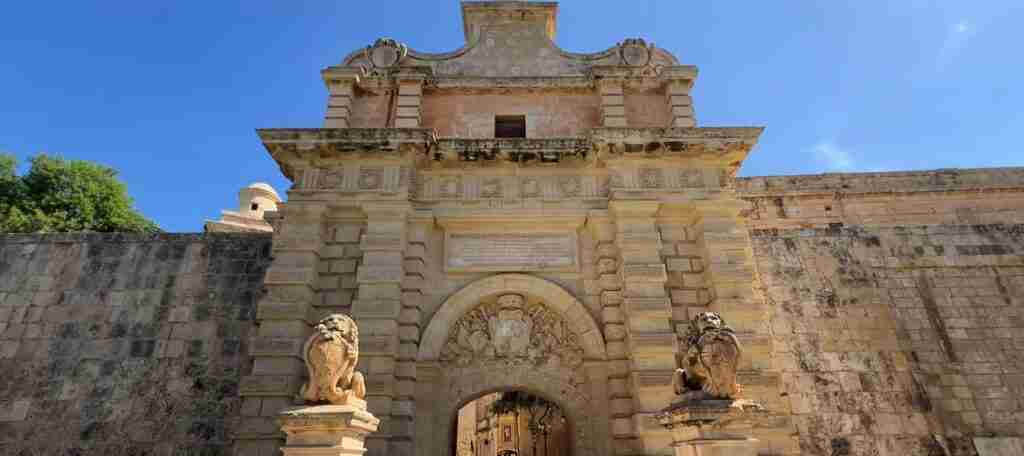
3 days
Malta 3-Day Discovery Tour
- ✓ Comprehensive Malta experience
- ✓ Expert local guides included
- ✓ All accommodation included
- ✓ Transportation provided
5 days
Malta 5-Day Highlights Experience
- ✓ Comprehensive Malta experience
- ✓ Expert local guides included
- ✓ All accommodation included
- ✓ Transportation provided
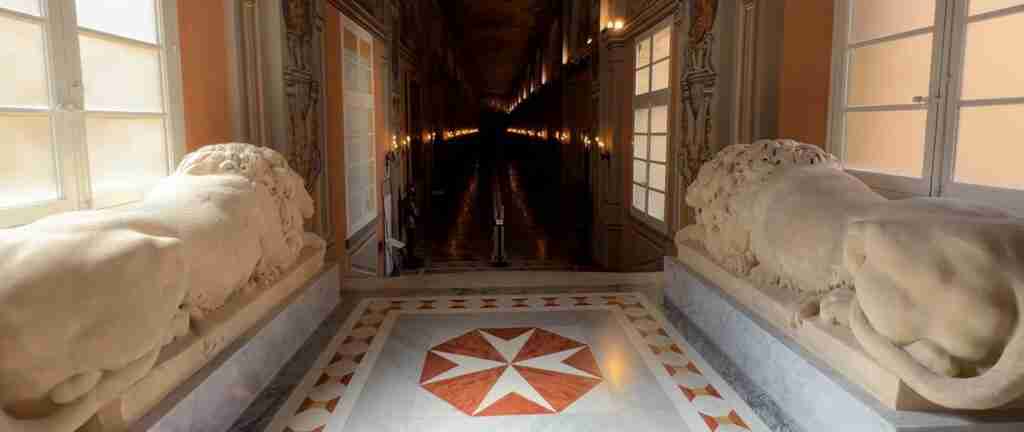
7 days
Malta 7-Day Cultural Journey
- ✓ Comprehensive Malta experience
- ✓ Expert local guides included
- ✓ All accommodation included
- ✓ Transportation provided
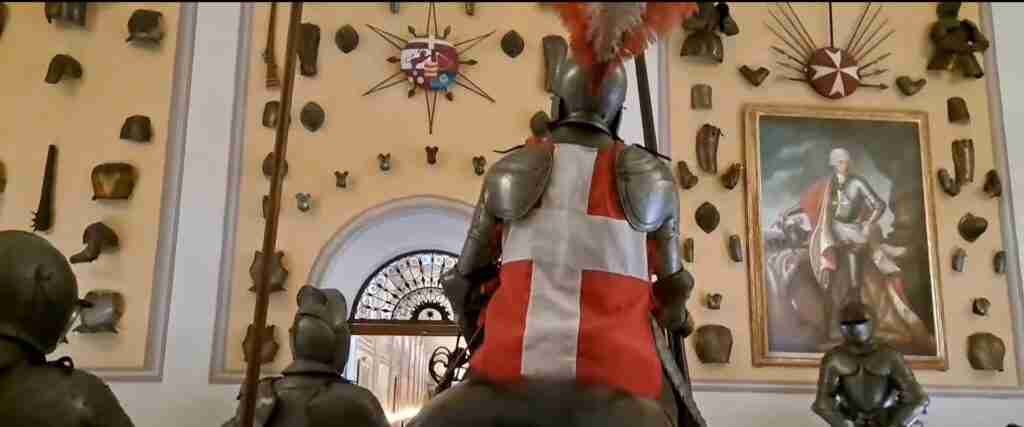
10 days
Malta 10-Day Complete Adventure
- ✓ Comprehensive Malta experience
- ✓ Expert local guides included
- ✓ All accommodation included
- ✓ Transportation provided
Multi-day tour packages powered by TourRadar. Prices and availability subject to change.
Introduction: Beyond Valletta’s Tourist Facade
Valletta presents a paradox familiar to residents of UNESCO World Heritage Sites worldwide—a city so thoroughly discovered, documented, and marketed that its authentic character retreats into spaces the tourism infrastructure overlooks. The 320-meter peninsula holds approximately 7,000 permanent residents, down from 23,000 in the 1960s before economic opportunity shifted to surrounding towns and the fortress city transformed into a living museum of Mediterranean baroque architecture. This demographic collapse created the very conditions that make hidden discovery possible: abandoned buildings whose decay preserves historical layers that restoration would erase, quiet neighborhoods where elderly residents maintain pre-tourism social patterns, and economic marginality that protects traditional trades from gentrification pressures.
The Knights of St. John designed Valletta as a fortified grid in 1566, implementing military engineer Francesco Laparelli’s rational street plan that prioritized defensive efficiency over the organic medieval layouts that characterized earlier Mediterranean cities. This geometric precision creates an interesting dynamic for contemporary exploration—the grid’s predictability encourages wandering away from main thoroughfares, while the identical facades along secondary streets require attention to small details: a carved stone coat of arms indicating noble residence, iron ring holders suggesting former stabling facilities, or bricked-up doorways revealing Ottoman siege damage that subsequent centuries never bothered repairing.
The city’s hidden dimensions operate on multiple scales. At the urban level, the fortification walls contain bastions, cavaliers, and defensive positions that contemporary visitors rarely access despite their dramatic positioning above Mediterranean waters. Within the street grid, narrow alleys called “ruga” connect parallel streets, creating pedestrian shortcuts that bypass formal thoroughfares and reveal intimate neighborhood spaces. Individual buildings conceal interior courtyards, rooftop gardens, underground cellars, and interconnected passages between properties—architectural features that public access rarely penetrates but which define the city’s spatial complexity.
Understanding Valletta’s hidden character requires recognizing how historical layers accumulated without erasing predecessors. The Knights built atop earlier fortifications, the British added colonial infrastructure while preserving baroque facades, and Maltese independence transformed usage without demolishing colonial structures. This archaeological depth means that seemingly ordinary buildings often contain extraordinary spaces: a 1940s air raid shelter beneath a 16th-century palazzo, a Knights-era chapel within a British-period apartment block, or an Ottoman cannon ball embedded in walls that continue supporting residential floors above.
The peninsula’s compact dimensions—approximately 1,000 meters long and 600 meters wide at its widest point—create a pedestrian environment where systematic exploration becomes feasible. Visitors willing to devote several days to wandering beyond Republic Street’s commercial corridor discover a city whose genuine character exists not in monumental spaces but in the accumulated details of daily life: elderly women purchasing vegetables from street vendors who park along Old Mint Street each morning, craftsmen repairing wooden balconies using techniques unchanged since the 17th century, and neighborhood bars where retired dockyard workers gather for afternoon conversation in Maltese that incorporates Italian, Arabic, and English vocabulary into syntactic structures found nowhere else.
This guide identifies and contextualizes these hidden dimensions, organizing discoveries thematically while providing practical access information and historical context that standard tourism materials neglect. The emphasis throughout remains on authentic experience rather than comprehensive coverage—highlighting spaces where Valletta’s character reveals itself most clearly to visitors who approach the city as curious observers rather than efficiency-maximizing tourists checking items off predetermined lists.
Hidden Underground Spaces: Valletta’s Subterranean Dimensions
Valletta’s subsurface contains networks of tunnels, chambers, and passages that match the city’s above-ground architecture in complexity and historical significance. The soft globigerina limestone that forms the peninsula’s geological foundation proved ideal for excavation, allowing engineers across four centuries to hollow out defensive positions, storage facilities, escape routes, and bomb shelters that contemporary visitors rarely encounter. These underground spaces reveal military strategies, daily life adaptations, and survival necessities that surface architecture deliberately concealed.
The Lascaris War Rooms: Allied Command Center
Deep beneath the Upper Barrakka Gardens, the Lascaris War Rooms occupy 1,000 square meters of tunnels and chambers carved directly into living rock during the 1940s to protect Allied Mediterranean command operations from Axis bombing. General Dwight Eisenhower coordinated the invasion of Sicily from these underground offices in July 1943, working from rooms preserved exactly as military commanders left them when operations ceased in 1945. The complex includes the operations room where wall-mounted maps tracked convoy movements and aerial sorties, communications centers filled with period telephone equipment and wireless sets, and sleeping quarters where staff worked continuous shifts during critical campaigns.
The preservation extends beyond physical artifacts to atmospheric details: the humid air that condensation created in sealed chambers, the cramped dimensions that forced high-ranking officers into intimate physical proximity, and the absolute silence that insulated underground workers from the bombardment destroying surface buildings above them. Walking these passages conveys the psychological reality of fortress warfare more effectively than any museum reconstruction could achieve. The minimal interpretation allows spaces to speak through their utilitarian design—no decorative flourishes, every surface serving defensive or operational purposes.
Adjacent to the war rooms, the earlier Knights-era tunnels reveal previous defensive thinking. These 16th and 17th-century passages connected bastion positions, allowing defenders to move troops and ammunition without exposure to enemy fire during sieges. Some tunnels extend to sally ports at water level, providing escape routes if landward defenses failed. The British expanded these systems during their 19th-century fortification upgrades, adding ventilation shafts, reinforced chambers, and improved access points that later proved valuable when WWII necessitated extensive underground operations.
Visiting requires advance booking as access remains controlled to protect both the fragile environment and the sensitive historical equipment still in situ. The temperature remains constant at 18-19 degrees Celsius year-round, making the space comfortable even during summer surface heat. The experience lasts approximately 90 minutes with guides providing context about Mediterranean campaign strategy, the Malta siege’s role in Allied victory, and the technical challenges of maintaining underground command operations in pre-computer warfare. The narrow passages and steep staircases require reasonable mobility, while the historical gravitas makes this unsuitable for young children who cannot grasp the significance of spaces where strategic decisions affecting millions of lives were made under extreme pressure.
Residential Cellars and Bomb Shelters
Valletta’s residential buildings conceal basement spaces that served multiple purposes across the centuries, from Knights-era storage for imported goods to British-period coal cellars to WWII bomb shelters that protected civilian populations during the 1940s siege when Axis forces conducted approximately 3,000 air raids targeting the heavily-fortified harbor and its military installations. Many of these spaces remain in private hands, inaccessible to public curiosity, but occasionally open during heritage festivals or through special arrangement with property owners.
The typical Valletta cellar extends two stories beneath street level, carved directly into limestone and accessed via steep stone stairs from ground-floor entrances now often concealed behind later construction. The Knights used these spaces for storing wine, olive oil, grain, and other commodities essential for surviving sieges, designing them with ventilation systems that prevented spoilage while maintaining constant cool temperatures. The barrel-vaulted ceilings distribute structural loads efficiently, allowing substantial buildings to rise above without compromising underground integrity.
During WWII, civilian authorities converted thousands of these private cellars into designated bomb shelters, reinforcing entrances, improving ventilation, and installing emergency facilities. Families spent months living underground during heavy bombardment periods, creating impromptu communities that shared food, maintained morale through shared hardship, and developed survival strategies that older residents still remember with combination of pride in resilience and trauma from loss. Some cellars retain scratched graffiti from this period—names, dates, religious invocations, and occasionally darkly humorous observations about fascist aerial incompetence from people maintaining psychological defense through wit.
The Sacra Infermeria complex beneath the Mediterranean Conference Centre contains some of the most extensive underground spaces accessible to determined visitors. These passages connected the Knights’ hospital wards to support facilities including kitchens, morgues, storage chambers, and isolation wards for infectious diseases. The scale impresses—corridors extending hundreds of meters with side chambers branching off like capillaries from arteries. Walking these passages conveys the Knights’ organizational sophistication and the massive logistical infrastructure required to maintain a hospital capable of treating hundreds of wounded soldiers simultaneously during military campaigns.
Secret Escape Passages and Sally Ports
The fortification walls contain concealed passages that allowed defenders to move between bastion positions without exposure to enemy observation or fire. These military corridors typically run within the thickness of fortification walls—often 6-8 meters wide at the base—creating protected spaces where troops could rest, ammunition could be stored, and surprise sorties could be organized during sieges. Most remain locked for safety and preservation, but occasional access during special tours reveals military engineering thinking that prioritized survival and tactical flexibility.
The escape tunnels leading to sea-level sally ports represent the ultimate defensive contingency planning. Should the city fall to siege, these passages would allow defenders to evacuate by boat under cover of darkness, preserving military forces for future resistance rather than accepting annihilation in hopeless last stands. The tunnels descend steeply through living rock, emerging at small fortified gates just above water level where boats could approach during calm seas. The engineering challenges were substantial—maintaining stable passages through rock prone to water seepage, ensuring adequate ventilation in dead-end tunnels hundreds of meters long, and concealing surface entrances from enemy reconnaissance.
Some passages connected specific auberges to predetermined evacuation points, reflecting the Knights’ organizational structure where each langue maintained independent capabilities including separate escape plans. The archives record debates about whether these tunnels represented practical military contingencies or dangerous vulnerabilities that enemies might exploit if discovered. The paranoia proved justified—Ottoman intelligence gathered detailed information about Valletta’s defenses during the 1565 siege of the earlier fortifications, suggesting that informants or captured prisoners had revealed defensive secrets that military planners assumed secure.
Contemporary access to these spaces remains extremely limited. Most sally port passages are now blocked, flooded, or unsafe due to structural deterioration. The few accessible examples appear during special heritage events organized by military history groups or architectural preservation societies. The experience requires fitness for steep climbs, tolerance for confined spaces, and acceptance that authentic preservation means minimal lighting, uneven surfaces, and atmospheric conditions that modern safety standards would never permit in regular tourist attractions.
Lesser-Known Churches and Religious Spaces
While St. John’s Co-Cathedral dominates Valletta’s religious tourism, the city contains dozens of lesser-known churches, chapels, and sacred spaces that collectively reveal more about Maltese spiritual life than the famous monument ever could. These neighborhood churches maintain active parishes where liturgy continues in Maltese, elderly women attend daily Mass, and festa preparations create annual rhythms that connect contemporary residents to four centuries of Catholic tradition intensified by isolation, siege warfare, and the Knights’ militant religiosity.
The Chapel of Bones at St. Paul’s Shipwreck Church
Beneath St. Paul’s Shipwreck Church on St. Paul Street, a small crypt contains the bones of knights and clergy arranged in decorative patterns along the walls—a memento mori installation that confronts visitors with mortality’s inevitability through the physical remains of men who once wielded considerable temporal and spiritual power. The chapel receives minimal visitation despite its location on one of Valletta’s main streets, partly because access requires requesting key assistance from parish offices and partly because contemporary sensibilities find overt confrontation with human remains uncomfortable even when presented in religious context.
The ossuary tradition dates to the Knights’ period when space limitations in the fortress city necessitated regular clearing of burial grounds to accommodate new interments. Rather than disposing of bones, Catholic tradition required respectful preservation, leading to these crypt arrangements where skeletal remains formed crosses, geometric patterns, and symbolic decorations that transformed death from individual tragedy into collective Christian mystery. The practice reflected baroque spirituality’s emphasis on death meditation as path to proper living—the bones serving as perpetual sermon more eloquent than any preacher’s words about vanity, ambition, and temporal power’s ultimate meaninglessness.
The church above contains important artwork including paintings depicting St. Paul’s shipwreck on Malta (the founding event of Maltese Christianity according to the Acts of the Apostles) and a gilded statue of the saint carried in procession during the February feast. The baroque interior demonstrates the characteristic Maltese approach of filling every available surface with decoration—painted ceilings, carved stone details, marble floors, and gilded woodwork creating sensory overload that reflects Catholic Counter-Reformation theology’s emphasis on beauty as path to transcendence. The contrast between the celebratory upper church and the memento mori crypt below captures baroque spirituality’s dual focus on both heavenly glory and mortal corruption.
Visiting requires checking parish office hours to arrange crypt access. The main church remains open for much of the day with free entry, but the ossuary requires accompanied visits that typically last 10-15 minutes. The space remains cool and slightly humid year-round, with minimal lighting that preserves the atmospheric conditions but requires time for eyes to adjust. Photography is generally permitted but flash should be avoided both for preservation reasons and out of respect for the human remains on display.
Our Lady of Damascus Church and the Levantine Community
Near the Auberge de Castille, the Church of Our Lady of Damascus serves a small Levantine Catholic community whose presence in Malta dates to the 19th century when Lebanese, Syrian, and Egyptian Christians sought refuge from Ottoman religious tensions and later political instability. The church’s dedication recalls these congregants’ ancestral connections to Damascus and the broader Middle Eastern Christianity that Malta’s geographic position and British colonial networks helped preserve when political Islam increasingly dominated their homelands.
The architecture blends Maltese baroque with Middle Eastern influences—the typical limestone facade concealing an interior decorated with icons, Arabic calligraphy, and furnishings that recall the Orthodox and Eastern Catholic traditions from which many congregants converted when entering communion with Rome. The community maintains liturgical practices distinct from mainstream Maltese Catholicism, including Byzantine-rite elements that reflect Christianity’s diversity before the Great Schism and subsequent Protestant Reformation created the denominational landscape that contemporary Western Christians assume represents historical Christianity’s natural form.
The neighborhood around the church retains subtle Middle Eastern character—small grocers selling za’atar and tahini alongside Maltese products, elderly men gathering for conversation in Arabic-accented Italian that predates the community’s full integration into Maltese society, and family names like Deguara, Borg Cardona, and Camilleri that trace ancestry to Levantine immigration waves. The community’s small size and aging demographics raise questions about cultural preservation that Malta’s broader society largely ignores, focused as it is on managing mass tourism and negotiating European Union membership’s implications for island identity.
Access remains straightforward as the church maintains regular opening hours for private prayer, though formal services occur primarily on Sundays and major feast days. The welcoming atmosphere invites quiet observation of a community maintaining traditions that mainstream Maltese culture never fully absorbed. The experience offers perspectives on Mediterranean religious complexity that the Knights’ militant Catholicism and British Protestant overlay often obscure—the recognition that Christianity’s historical heartland lay in the Middle East and North Africa before Islamic expansion shifted demographic centers to Europe.
Private Oratories and Knight Chapels
Throughout Valletta, small private chapels occupy ground floors of palazzi, tucked into street corners, or hidden behind imposing facades that suggest residential rather than religious functions. These oratories served the Knights’ organizational structure where each langue maintained separate religious spaces for Mass, daily offices, and private devotion away from the communal worship at the Co-Cathedral. The typical oratory occupies a single room approximately 30-50 square meters, decorated with appropriate but not ostentatious artwork and furnished with the minimal necessities for celebrating Mass—altar, crucifix, candlesticks, and storage for vestments.
Access to these spaces varies dramatically. Some serve as parish halls for neighborhood churches and open occasionally for community events. Others remain in private hands, accessible only through personal connections or during annual heritage events when property owners temporarily open spaces normally closed to public curiosity. Still others have been converted to secular uses—art galleries, offices, storage facilities—their religious origins visible only in remaining architectural details like altar niches, holy water fonts, or faded frescoes depicting saints whose identities even owners cannot always identify.
The most significant accessible example occupies the ground floor of Casa Rocca Piccola, the inhabited 16th-century palazzo that offers regular tours. The private chapel retains its religious function for the noble family residing upstairs, decorated with family portraits showing generations of aristocrats in formal dress alternating with religious artwork depicting patron saints and biblical scenes. The juxtaposition of secular pride and religious devotion captures the baroque mentality where family honor and Catholic faith reinforced rather than contradicted each other—nobility understanding itself as both social hierarchy and religious obligation to maintain proper piety as example for lower orders.
The Chapel of the Langue of Italy, attached to the Auberge d’Italie on Merchants Street, demonstrates the organizational independence that each langue maintained within the Order. The Italian knights commissioned Mattia Preti to decorate their private chapel with frescoes depicting St. Catherine of Alexandria, the langue’s patron saint, creating artwork rivaling anything in the Co-Cathedral but in an intimate space that encouraged personal devotion rather than public display. The ceiling panels show the saint’s martyrdom with characteristic Preti dramatic lighting and emotional intensity that made him Malta’s most important baroque painter despite spending most of his career working elsewhere in the Mediterranean.
These scattered oratories collectively reveal how the Knights’ communal military identity coexisted with fierce national rivalries based on langue affiliations. The eight langues (Provence, Auvergne, France, Italy, Aragon, England, Germany, and Castile) functioned almost as separate organizations within the Order, maintaining distinct auberges, military units, property holdings, and religious practices. This internal diversity prevented the Order from achieving the unified efficiency that military historians sometimes assume characterized their operations, creating instead a fractious organization where individual langues pursued independent agendas that often conflicted with overall Order strategy.
Secret Viewpoints and Quiet Gardens
Valletta’s fortified position creates dramatic perspectives where Mediterranean waters surround the peninsula on three sides and the elevated streets provide sight lines extending for kilometers across Malta’s flat landscape toward Gozo’s faint outline on the northern horizon. While Upper Barrakka Gardens attracts crowds seeking these perspectives, numerous alternative viewpoints offer superior experiences for visitors willing to discover them.
St. Peter and Paul Bastion: Western Sunset Views
The bastion named for Christianity’s founding apostles occupies Valletta’s northwestern corner where the fortification walls curve around the peninsula’s edge, creating a triangular platform that juts into Marsamxett Harbour with unobstructed views toward Manoel Island, Sliema, and the distant Comino channel separating Malta from Gozo. The position receives almost no visitors despite offering perspectives superior to the famous Barrakka Gardens—the western orientation providing optimal sunset conditions when Mediterranean light turns limestone golden and the harbor waters reflect deep blue shading toward purple as solar rays lengthen.
Access requires navigating a discrete staircase near the Sacra Infermeria complex that few visitors notice, descending through the fortification walls to reach the bastion platform approximately 20 meters below street level. The stairs themselves reward attention—weathered limestone steps worn smooth by four centuries of military boots, periodic landings with slit windows revealing harbor views, and the gradual transition from city sounds above to wave-generated acoustics as you descend toward sea level. The bastion platform extends approximately 30 meters along the wall’s edge, creating space for contemplative solitude that the crowded gardens above never provide.
The fortification architecture reveals itself clearly from this position. The massive walls rise from bedrock extending several meters below current sea level, creating foundations that resist both wave action and artillery bombardment. The sloped outer faces deflect cannon balls rather than absorbing impacts that vertical walls would concentrate into structural failures. The strategic positioning becomes obvious—this corner bastion provides overlapping fields of fire with adjacent positions, ensuring that enemy ships approaching the harbor entrances face crossfire from multiple elevated positions that would destroy wooden vessels before they could effectively return fire against stone fortifications.
The evening hours between 6-8 PM provide optimal conditions as the western sky ignites with colors while the opposite side of the harbor begins illuminating buildings with artificial lights, creating the transitional period when day and night coexist in different directions. The harbor traffic continues—cruise ships departing for Sicily, ferry boats shuttling to Gozo, private yachts returning to marina berths, fishing vessels heading out for night operations—creating maritime activity that connects contemporary Malta to four centuries of continuous seafaring tradition when the harbor represented the island’s primary connection to the broader Mediterranean world.
The Hastings Gardens: Terraced Harbor Perspectives
Perched above the city walls near Valletta’s western entrance, the Hastings Gardens occupy terraced positions that provide multiple elevation levels, each offering distinct perspectives across Marsamxett Harbour toward the Manoel Island fortifications and the Tigne Point complex. The gardens take their name from the 1st Marquess of Hastings, British governor who died in Malta in 1826 and whose neo-classical memorial temple crowns the upper terrace, creating an English Romantic architectural folly that seems wildly out of place among Valletta’s Mediterranean baroque severity yet somehow works through sheer confidence of aesthetic conviction.
The garden layout follows the natural topography with stone staircases connecting terraced levels that descend the fortification’s outer slope. Each terrace contains benches, flowering plants adapted to Malta’s arid climate, and occasional shade trees that provide relief during summer heat. The multiple levels create choices for different perspectives—the upper terrace for wide panoramas encompassing the entire harbor curve, middle levels for more intimate views focusing on specific harbor features, and lower positions that bring you close to the fortification walls where individual stone blocks and construction details become visible.
The relative emptiness compared to Upper Barrakka Gardens creates different experiential possibilities. Where Barrakka functions as viewing platform for tourists photographing the harbor before moving on, Hastings Gardens encourage lingering—locals bring books, couples conduct quiet conversations, elderly residents rest during afternoon walks, and occasional artists set up easels to capture harbor light conditions that change hour by hour as Mediterranean sun tracks across southern sky. The gardens maintain authentic urban park character rather than becoming outdoor tourist attraction, preserving social functions that give public spaces meaning beyond their scenic values.
The memorial temple itself deserves attention beyond its architectural oddity. The Marquess’s ashes occupy an urn within the domed structure, creating a literal tomb in garden setting that reflects Romantic movement’s obsession with picturesque death, ruins, and Mediterranean landscapes imagined as stages for English sensibility rather than indigenous cultures with their own aesthetic traditions. The colonial arrogance inherent in this memorial—a British governor’s permanent monument dominating a Maltese city’s garden—becomes less offensive when you recognize that post-independence Malta could have removed it but chose preservation, suggesting complex attitudes toward colonial history that refuse simple narrative of oppression and resistance.
Lower Bastion Walks: Clifftop Perspectives
The southern fortifications between St. James Cavalier and St. John Bastion provide dramatic perspectives where Mediterranean waves crash against limestone cliffs rising 40-50 meters above sea level, creating compositions of military architecture and natural forces that the city’s interior streets never suggest. These lower bastions remain largely unvisited—no cafes, no guided tours, no interpretive signage directing attention toward historical significance. The spaces exist in institutional limbo between military heritage and urban parkland, maintained but not activated for tourism development.
Walking these positions requires accepting basic discomforts—limited shade during summer heat, exposure to wind during winter months, uneven pathways where limestone paving has deteriorated, and occasional encounters with locals who use these spaces for purposes (dog walking, teenage romance, solitary drinking) that tourism infrastructure would eliminate as incompatible with heritage site management. The authentic urban edge character creates experiences that polished attractions cannot replicate, the sense of discovering spaces rather than consuming pre-packaged experiences.
The military architecture becomes legible from these positions. The cavaliers—elevated gun platforms built behind main walls—provided overlapping defensive positions that could concentrate fire against specific attack points. The bastions project outward from the main wall line, eliminating dead ground where attackers could shelter from defensive fire. The ditches carved into solid rock separated walls from the peninsula’s interior, creating additional obstacles that siege forces would need to cross under fire before reaching the main fortifications. The strategic thinking becomes clear: Valletta was designed to withstand extended siege by the most sophisticated military forces of the 16th century, accepting that determined attackers would eventually breach any fortification but maximizing the time, casualties, and resources required to achieve victory.
The clifftop positions where fortifications meet vertical rock faces demonstrate the Knights’ comprehensive approach to defense. Even where natural cliffs seemed impassable, they added walls and gun positions, refusing to assume that geography alone provided adequate protection. The paranoia proved justified during WWII when Axis forces subjected Malta to sustained aerial bombardment that damaged thousands of buildings and killed approximately 1,500 civilians and military personnel—modern warfare rendering obsolete the fixed fortifications that had successfully resisted Ottoman, French, and various other Mediterranean powers for four centuries.
Authentic Neighborhood Life and Local Gathering Spaces
Valletta’s residential neighborhoods exist in uncomfortable relationship with UNESCO World Heritage designation and the tourism economy it generates. The approximately 7,000 permanent residents occupy a city designed for 20,000+ inhabitants, creating demographic hollowness that manifests in abandoned buildings, aging infrastructure, and neighborhood social structures strained by depopulation. Yet authentic life persists in specific areas where elderly residents maintain pre-tourism patterns, family businesses continue serving local needs despite pressure to convert to tourist-oriented operations, and community institutions (band clubs, parish organizations, neighborhood associations) preserve social cohesion against forces favoring the city’s complete transformation into outdoor museum.
Strait Street (Strada Stretta): The Gut’s Contemporary Character
Strait Street earned its notorious nickname “The Gut” during British naval periods when this narrow corridor perpendicular to the harbor functioned as Valletta’s red light district, lined with bars, brothels, and boarding houses catering to sailors from visiting warships who sought alcohol, sex, and entertainment during brief shore leaves. The street’s reputation for vice made it Maltese society’s moral boundary—respectable families avoided the area while young men seeking forbidden pleasures knew exactly where to transgress social norms under cover of naval crowd anonymity.
Contemporary Strait Street exists in transition between this notorious past and uncertain gentrified future. Many ground-floor premises remain shuttered, their interiors preserving decay that property developers describe as “authentic character” when seeking permits for conversion to boutique hotels and upscale bars targeting tourism markets. Some original establishments persist—working-class bars where elderly men gather for afternoon conversation over cheap beer, traditional restaurants serving Maltese home cooking to local workers, and occasional spaces maintaining connections to the street’s colorful past through proprietors who remember the British naval era firsthand.
The architectural character reflects the street’s history. The buildings rise five or six stories with narrow facades, creating dramatic vertical proportions that channel Mediterranean breeze while maximizing rental units within limited ground area. The ground floors featured iron-grilled windows that allowed street visibility while providing security against drunken sailors’ aggression. The upper floors typically housed prostitutes who signaled availability through specific window treatments—red lights, particular curtain arrangements, and visible silhouettes that served as advertisements in pre-electronic age when selling sex required physical presence rather than digital platforms.
Recent gentrification introduces craft beer bars, wine bistros, and art galleries targeting younger demographics and tourist markets, creating social tensions between preservation of working-class character and economic development that property owners and city authorities consider essential for neighborhood revival. The elderly residents express ambivalence—appreciation for improvements to long-neglected building stock balanced against anxiety about displacement as rents increase beyond fixed-income pensions. The emerging social geography creates class segregation by time of day—locals dominating mornings and early afternoons, tourists and wealthy Maltese taking over evening hours when restaurants and bars activate the street’s entertainment potential.
Old Mint Street: Daily Life Rhythms
Old Mint Street follows the peninsula’s eastern edge, connecting the residential neighborhoods around South Street with the commercial district near Merchants Street. The name recalls the street’s historical function as location for the Knights’ mint where silver and gold coins were struck, creating monetary systems that financed the Order’s military operations and Mediterranean-wide trade networks. The mint building no longer exists, demolished during British period redevelopment, but the street retains working-class residential character that more central areas have lost to tourism conversion.
Morning hours reveal the street’s authentic daily rhythms. Elderly women emerge with wheeled shopping bags to purchase vegetables from street vendors who park small trucks along the curb, creating informal markets that operate through personal relationships rather than municipal licensing. The vendors recognize their customers by name, know their preferences, and maintain running conversations that range across neighborhood gossip, national politics, and family news that connect individuals into social networks predating Facebook by generations. The transactions occur primarily in Maltese with Italian and English words inserted where necessary, reflecting the linguistic hybridity that contemporary Malta navigates between European Union integration and island identity preservation.
The street’s small shops serve local needs largely ignored by tourist-oriented businesses. A traditional grocer stocks imported Italian products, Greek olive oils, and Maltese preserves that residents purchase for daily cooking rather than tourist souvenir markets. A religious goods store displays saints’ statues, rosaries, and devotional literature for the elderly women who maintain baroque Catholicism’s piety practices despite younger generations’ drift toward secular lifestyles. A hardware shop provides home maintenance supplies, electrical fixtures, and traditional building materials needed to maintain aging limestone buildings where contemporary construction standards never penetrated.
The neighborhood bars along Old Mint Street maintain working-class character that glossy restaurants targeting tourists deliberately avoid. The interiors feature minimal decoration—wood or formica countertops, plastic chairs, and television sets broadcasting Italian football matches or Maltese news programs. The clientele consists primarily of elderly men who gather for afternoon conversation, occasionally joined by younger workers during lunch breaks. The atmosphere combines conviviality with underlying melancholy, these spaces serving as social support systems for aging residents whose children left Valletta for economic opportunities in surrounding towns, leaving parents in the fortress city they cannot afford to abandon despite its increasing irrelevance to contemporary Maltese life.
The Band Club Culture
Valletta’s parishes maintain band clubs that function as male-dominated social institutions combining musical performance, community organization, and fierce inter-neighborhood rivalry that manifests most dramatically during festa preparations. The typical band club occupies a multi-story building near its affiliated church, containing rehearsal spaces, instrument storage, social halls, and bars where members gather for conversation outside formal rehearsal schedules. The clubs represent continuity with 19th-century Maltese society when brass bands provided primary musical entertainment and parish identity, creating traditions that survived British colonialism, post-independence modernization, and European Union integration despite contemporary irrelevance of the social forms they preserve.
The King’s Own Band Club and the La Valette Band Club maintain the most prominent Valletta presence, their rivalry creating emotional intensity that newcomers find disproportionate until understanding how these institutions embody neighborhood identity, family heritage, and social status within specific community contexts. The bands perform during respective parish festas, with months of preparation creating escalating tension as each organization attempts to outperform rivals through more elaborate decorations, longer processional routes, and more spectacular fireworks displays. The competition occasionally produces conflicts requiring police intervention when youth members express rivalry through vandalism or physical confrontation, creating public safety problems that authorities tolerate as price of maintaining traditions that give Valletta’s aging residents meaning and continuity.
Visiting the clubs requires timing and connections. The spaces remain private—members-only institutions that do not welcome casual tourism despite occasionally opening for special events or heritage weekends. Attending evening rehearsals provides the most accessible entry point, though this requires advance arrangement through members willing to vouch for visitors as genuinely interested observers rather than tourists seeking photo opportunities. The rehearsal experience reveals how these institutions transmit musical traditions across generations—young boys learning traditional marches under instruction from elderly men who received identical training decades earlier, creating unbroken chains connecting contemporary performers to 19th-century founders.
The social dynamics within clubs reflect Malta’s conservative gender norms despite European Union pressures toward equality standards. Women remain excluded from full membership, relegated to supporting roles in auxiliary organizations that manage festa preparations while men maintain control over musical performance and institutional governance. The clubs describe this segregation as traditional rather than discriminatory, arguing that separate spheres allow both genders to maintain distinct social spaces without hierarchy. Younger members express increasing discomfort with these structures, creating generational tensions between preservation of authentic traditions and adaptation to contemporary values that could alienate the elderly members whose financial contributions keep institutions solvent.
Traditional Artisan Workshops and Crafts
Valletta’s ground-floor spaces contain workshops where traditional craftspeople maintain skills that contemporary Malta’s tourism and finance-oriented economy renders economically marginal yet culturally essential. These artisans occupy uncomfortable positions—their work attracts tourist interest as authentic heritage but generates insufficient income to support livelihoods without supplementary sources. The workshops exist in tension between preservation of traditional techniques and economic pressure to modify production toward tourist markets seeking affordable souvenirs rather than authentic craftsmanship.
Stone Carving and Architectural Restoration
The soft globigerina limestone that forms Valletta’s building material requires ongoing maintenance as salt-laden Mediterranean air accelerates deterioration through chemical processes that gradually dissolve calcium carbonate. Traditional stone carvers maintain skills essential for architectural restoration, working from workshops where tools and techniques connect directly to the Knights’ period craftsmen who carved the original facades, moldings, and decorative elements that give Valletta its architectural character.
A master stone carver operates a workshop on Old Theatre Street, occupying a ground-floor space where limestone dust covers every surface and the sound of chisel against stone creates rhythmic patterns that vary based on material hardness and desired finish. The work proceeds slowly—a single balcony bracket requiring days of careful carving to match 16th-century originals, creating replacements indistinguishable from surviving historical elements except in the sharpness of detail that three centuries of weathering will gradually erode. The craftsman learned his trade through traditional apprenticeship, spending years observing a master before attempting independent work, absorbing knowledge about stone selection, tool maintenance, and carving techniques that no written manual adequately captures.
The economic challenges facing this trade create preservation anxieties. Young Maltese show limited interest in careers requiring years of low-paid apprenticeship to master skills that contemporary construction rarely requires—modern buildings use imported materials and standardized elements rather than custom limestone carving. The workshop survives through restoration contracts funded by heritage preservation budgets, but uncertainty about government commitment to architectural conservation creates planning difficulties for craftsmen whose skills require decades to develop but can disappear within a generation if training systems break down.
Visiting the workshop requires advance arrangement as production schedules leave little time for tourist explanations. The craftsman occasionally accepts visitors willing to observe quietly without interrupting work flow, finding that some foreigners appreciate traditional craftsmanship more than local audiences take it for granted. The experience provides perspectives on temporal scales that contemporary life rarely permits—watching someone shape stone using techniques unchanged for centuries creates philosophical reflection about human craft, material transformation, and the physical labor required to maintain built environments that casual observation makes appear permanent and unchanging.
Silver Filigree Work
Maltese silver filigree represents one of the island’s most distinctive craft traditions, creating jewelry and decorative objects from fine silver wire twisted, coiled, and soldered into delicate patterns that demonstrate extraordinary patience and manual precision. The technique arrived from Mediterranean trade networks connecting Malta to North African, Italian, and Middle Eastern metalworking traditions, developing local characteristics that make Maltese filigree recognizable to experts while remaining visually similar enough to related traditions that casual observers cannot distinguish origins.
Several filigree workshops operate in Valletta, most concentrated around Merchants Street and Republic Street where foot traffic provides customer exposure. The typical workshop features a master craftsman working at a small bench equipped with miniature torches, various gauges of silver wire, magnifying devices, and specialized pliers designed for manipulating wire into specific curve patterns. The work proceeds with concentration that excludes awareness of observation—the craftsman’s hands moving through practiced sequences, creating symmetrical patterns that accumulate into recognizable forms (crosses, earrings, bracelets, decorative boxes) through repetitive micro-movements that outsiders find mesmerizing to watch.
The economic pressures affecting this craft differ from stone carving. Tourist demand exists for filigree jewelry as authentic Maltese souvenirs, creating markets that sustain practitioners but also pressuring them toward simplified designs, lower silver purity, and production shortcuts that reduce both quality and the time investment each piece requires. The master craftsmen express frustration with markets that claim to value authenticity while refusing to pay prices that traditional techniques demand. Some workshops have stratified production into tourist-grade work (simplified patterns, lower silver content, faster production) and collector-grade pieces (traditional techniques, high purity silver, complex patterns) that few customers purchase but which preserve skills that mass market work would eliminate.
The workshops welcome visitors as potential customers but maintain protective attitudes toward technical details that represent competitive advantages. Observing the work provides general understanding of filigree techniques, but craftsmen remain guarded about specific sequences, wire preparation methods, and soldering techniques that determine final quality. The social dynamics reflect broader tensions in craft preservation—the recognition that maintaining traditions requires both passing knowledge to new generations and protecting professional secrets from appropriation by competitors who might undercut prices through inferior work marketed as equivalent quality.
Traditional Lace Making
Maltese lace developed through Mediterranean exchange between Venetian, Genoese, and North African traditions, creating bobbin lace techniques that Maltese women practiced as essential feminine accomplishments until mid-20th century when industrial textile production and changing gender roles made hand lace economically obsolete. A few elderly practitioners maintain the craft, working from homes or small workshops where they demonstrate techniques primarily for cultural preservation rather than commercial production that cannot compete with machine-made alternatives.
The work requires physical capabilities that aging practitioners increasingly struggle to maintain. Bobbin lace demands manual dexterity for manipulating multiple threads simultaneously, sharp vision to distinguish individual threads in complex patterns, and sustained concentration that physical discomfort makes difficult for elderly women suffering arthritis and vision deterioration. The youngest serious practitioners are typically in their sixties, having learned from mothers or grandmothers during childhoods when hand lace still possessed economic value. The generational gap creates crisis scenarios—when current practitioners die, their knowledge dies with them unless systematic documentation preserves techniques for potential future revival.
A lace cooperative operates near St. John’s Co-Cathedral, providing workshop space where elderly women gather for social interaction as much as production. The atmosphere combines concentration during active work with conversational breaks where women discuss family news, health problems, and memories of earlier Malta when these skills represented feminine respectability. The conversations occur primarily in Maltese, creating linguistic barriers for foreign visitors but also authentic social environments that tourism rarely penetrates. The women tolerate observation with mixture of pride in their skills and self-consciousness about the declining relevance of work they spent lifetimes perfecting.
The lace products sold through the cooperative range from small doilies and bookmarks to elaborate tablecloths requiring months of work. The pricing reflects awkward compromises between recognizing the labor investment and accepting market realities where few customers pay hundreds of euros for handmade items when machine alternatives cost a fraction of that price. The women express resignation about economics, finding satisfaction more in skill maintenance and social community than in realistic hopes that traditional lace work will regain commercial viability in contemporary Malta’s tourism and services-based economy.
Hidden Courtyards, Gardens, and Rooftop Spaces
Valletta’s dense urban fabric conceals interior spaces that the street grid never reveals—private courtyards, rooftop gardens, and palazzo interiors that create spatial complexity invisible to visitors experiencing only the city’s public realm. These hidden dimensions represent the fortress city’s most exclusive discoveries, accessible primarily through personal connections, special events, or the occasional palazzo that opens for heritage tours.
Palazzo Courtyards: Interior Gardens
The typical Valletta palazzo follows Mediterranean architectural patterns where external facades present fortress-like severity while interior courtyards provide family privacy, natural light, and controlled outdoor space separated from public streets. The courtyard centers on a well or cistern that historically provided household water supplies, surrounded by covered arcades that create transitional spaces between interior rooms and open courtyard. The upper floors feature wrought iron balconies overlooking the courtyard, allowing family members to observe domestic activities while maintaining physical separation that preserved social hierarchies between aristocratic residents and household servants.
Casa Rocca Piccola provides the most accessible example through regular tours that include the palazzo’s courtyard garden. The space demonstrates baroque aesthetic principles applied to domestic scale—geometric flower beds, potted citrus trees, marble statuary, and central fountain creating controlled nature that serves contemplative rather than productive purposes. The surrounding architecture frames the garden with three-story elevations where limestone walls support wooden balconies painted in colors that Malta’s Building Regulations Authority now regulates to ensure historical authenticity. The effect combines grandeur with intimacy, creating outdoor spaces that feel simultaneously generous and protected.
Other palazzo courtyards remain largely inaccessible except during special heritage events. The Palazzo Parisio occasionally opens for concerts and cultural programs that provide glimpses of interior spaces normally closed to public curiosity. The experience conveys how Valletta’s street-level anonymity conceals interior luxury—plain external facades disguising elaborate decoration, expensive furnishings, and spatial generosity that aristocratic families jealously guarded from general observation. The architectural strategy reflected both security concerns during the Knights’ period when factional conflicts occasionally erupted into violence and social ideology that defined nobility through exclusive access to beauty and comfort that common people should glimpse only enough to reinforce status distinctions without creating egalitarian aspirations.
Contemporary preservation challenges affect these courtyards as demographic change reduces the resident populations that historically maintained them. Some have deteriorated through neglect as elderly owners lack resources for proper maintenance while inheritance complications prevent property sales that could fund restoration. Others face conversion pressures as developers seek permissions to transform residential spaces into boutique hotels that would maintain architectural shells while eliminating the private domestic character that made these spaces meaningful for noble families across generations. The preservation debates involve competing values—architectural conservation prioritizing physical structures versus cultural preservation protecting lived traditions that give buildings social meaning beyond their material existence.
Rooftop Terraces: Elevated Domestic Spaces
Valletta’s rooftops create elevated landscapes invisible from street level, with residential buildings featuring accessible roof terraces that provided outdoor living spaces where families could escape interior heat during summer months while maintaining privacy from the public streets below. The typical rooftop includes low parapet walls for safety and privacy, water storage tanks that historic buildings required before municipal water supplies arrived, and occasional small structures housing stairwell access or storage facilities. Some elaborate examples feature rooftop gardens with potted plants, pergolas providing shade, and outdoor dining areas that wealthy families used for entertaining during pleasant weather.
The rooftops create networks of elevated pathways where adjacent buildings sometimes connect through informal passages that neighbors created, allowing movement between properties without descending to street level. The configurations reflect social relationships—connected buildings often belonged to related families or long-term neighbors who developed relationships of trust and mutual support that physical connections made tangible. The rooftop networks occasionally proved valuable during emergencies, allowing residents to move between buildings when ground-level access was blocked or dangerous.
Contemporary rooftop access remains generally limited to building residents and their guests, making this dimension of Valletta largely inaccessible to casual visitors. Occasionally, boutique hotels that occupy historic buildings provide roof terraces as guest amenities, creating opportunities to experience these elevated perspectives. The views encompass the city’s complete topography—the geometric street grid apparent from above, the harbor bastions clear in their strategic positioning, and the urban density that street-level experience makes difficult to comprehend. The Mediterranean’s omnipresence becomes obvious from these heights, the island’s limited size apparent as sight lines extend to water in multiple directions.
The social character of rooftop use has evolved with contemporary lifestyles. Where earlier generations used these spaces primarily during early morning and evening hours when Mediterranean sun angle made outdoor activity comfortable, contemporary residents increasingly retreat to air-conditioned interiors, leaving rooftops underutilized except during social gatherings. The younger demographic arriving through gentrification introduces new usage patterns—rooftop yoga classes, small garden cultivation, and evening cocktail parties that reflect cosmopolitan lifestyle aspirations rather than traditional Maltese domestic patterns. The transformation creates tensions with older residents who interpret rooftop socializing as noise disturbance, generating neighborhood conflicts that reveal broader cultural disconnections between preservation of traditional life patterns and arrival of wealth pursuing urban authenticity as lifestyle aesthetic.
The City’s Urban Gardens
Beyond the famous Barrakka Gardens, Valletta contains smaller urban gardens that provide neighborhood green spaces rarely featured in tourism promotion. The Lower Barrakka Gardens occupy a quieter position along the waterfront, featuring neoclassical architecture and harbor views without the crowds that pack the upper gardens throughout the day. The space maintains contemplative character appropriate to its original function as the Italian Knights’ private garden, with mature trees providing shade and stone benches encouraging lingering observation of harbor traffic passing between the breakwaters.
The Argotti Botanical Gardens in Floriana (technically outside Valletta proper but historically connected to the fortress city’s development) demonstrate Malta’s agricultural history through collections of indigenous plants, fruit trees, and ornamental species adapted to Mediterranean climate extremes. The gardens originated as private estate before conversion to public institution, maintaining some original landscaping while adding educational functions that interpret Malta’s ecological history and climate challenges. The space attracts primarily local visitors—elderly residents seeking peaceful walking areas, young families providing children with outdoor play spaces, and occasional students using the gardens for academic research rather than tourism.
These secondary gardens reveal how urban green space functions beyond tourism photography opportunities. The spaces serve as social infrastructure where neighborhood residents interact, elderly people maintain daily walking routines essential for health maintenance, and children experience nature that Malta’s dense development increasingly eliminates. The municipal maintenance budgets remain modest, creating spaces that feel authentically used rather than manicured for visitor consumption. The worn benches, faded signage, and vegetation somewhat overgrown beyond horticultural perfection create environments that invite habitation rather than brief photographic documentation.
Seasonal Events and Authentic Cultural Experiences
Valletta’s authentic character emerges most clearly during annual events when neighborhood communities temporarily reclaim the fortress city from its tourism identity, creating celebrations rooted in religious tradition, social rivalry, and collective memory that connects contemporary residents to four centuries of continuous cultural practice despite radical changes in political governance, economic structures, and demographic composition.
The Festa Cycle: Parish Celebrations
Malta’s festa tradition transforms neighborhoods into elaborate celebrations honoring patron saints through nine-day preparatory periods called “triduu” leading to feast day processions, band marches, and fireworks displays that represent the year’s emotional peak for communities organized around parish identity. Valletta’s festas operate at smaller scale than those in larger towns like Mosta or Rabat, but the fortress city context creates dramatic effects as decorations transform narrow limestone streets and fireworks echo within bastioned walls.
St. Paul’s Shipwreck festa in February celebrates the apostle’s arrival on Malta following the shipwreck described in Acts of the Apostles, creating founding mythology for Maltese Christianity that distinguishes the island from other Mediterranean societies lacking equivalent apostolic connections. The celebration includes processions carrying the gilded statue through parish streets, band marches featuring competing clubs whose rivalry adds competitive edge to religious observance, and evening illuminations where electric lights outline building facades and create visual spectacles visible across the harbor. The religious ceremonies maintain baroque Catholic traditions—Latin Mass, elaborate vestments, processions with clergy carrying blessed sacraments beneath ornate canopies—that Vatican II reforms modified elsewhere but that Maltese conservatism preserved.
St. Dominic’s festa in early August demonstrates the intensity that parish identity generates despite the neighborhood’s small permanent population. The preparatory period includes street decorations where volunteers spend days installing lights, bunting, and architectural embellishments that temporarily transform utilitarian streetscapes into celebratory environments. The festa weekend brings family returns as younger generations who left Valletta for suburban living temporarily return for celebrations that reconnect them to neighborhood identity and family heritage. The social gatherings extend across multiple days, combining religious observances with secular socializing that includes elaborate meals, band concerts, and late-night conversations where multiple generations share parish memories and negotiate changing identities.
Our Lady of Mount Carmel festa in July attracts participants from across Malta as the Carmelite tradition maintains devotional intensity despite broader secularization trends affecting younger generations. The feast day procession follows traditional routes through Valletta’s streets, stopping at designated locations for prayers and hymns that create sacred geography marking the city’s spiritual dimensions beyond its status as architectural monument or tourism destination. The elderly women who form the core of contemporary parish participation dress formally, maintaining respectability standards that contemporary casual culture abandons but that these occasions preserve as markers of occasion significance.
The festas create temporal disruptions to tourism infrastructure as street closures, noise from band practices and fireworks, and altered opening hours affect visitors who arrive without awareness of celebration schedules. The parishes make minimal accommodations for tourist convenience, maintaining that these remain community celebrations where outsider presence is tolerated but not catered to through interpretation or scheduling modifications. The result is either frustration from visitors expecting consistent tourism services or enrichment from those who recognize authentic cultural practices that refuse subordination to visitor expectations.
Holy Week Observances
Malta’s Holy Week traditions demonstrate baroque Catholicism’s theatrical approach to religious narrative, staging Christ’s Passion through processions, statuary, and ceremonies that transform theology into visual spectacle. Valletta’s celebrations maintain particular intensity as the fortress city context and architectural grandeur create stage settings that amplify emotional effects beyond what parish church spaces alone could achieve.
Good Friday evening brings the most dramatic observances as parishes conduct solemn processions carrying life-size statues depicting Passion scenes through darkened streets lit only by torchlight. The participants dress as hooded penitents in colors specific to each parish, creating anonymous figures whose collective movement through limestone streets generates otherworldly atmospheres. The statues themselves represent baroque sculpture at its most theatrical—Christ’s tortured body rendered with anatomical precision emphasizing suffering, the Virgin Mary’s grief captured through facial expressions and gestures that elicit emotional identification, and Roman soldiers depicted with exotic costumes that combine historical imagination with orientalist fantasy about Mediterranean antiquity.
The processions move slowly with frequent pauses, creating durational experiences lasting several hours as routes wind through the street grid bringing sacred narrative into physical contact with domestic spaces. The spectators line the routes, many maintaining the tradition of following processions from parish to parish throughout the night, creating peripatetic devotional practices where movement itself becomes prayer. The elderly maintain more intense engagement—kneeling as processions pass, reciting rosaries, and occasionally expressing emotion through tears or prayers spoken aloud. The younger generations participate with more secular interests, treating the event as cultural heritage and social occasion where religious content provides atmosphere without demanding genuine faith commitment.
Easter Sunday reverses Good Friday’s solemn tone through celebrations emphasizing resurrection, hope, and communal joy. The morning Masses feature elaborate music, festive decorations, and clergy wearing white vestments symbolizing purity and transformation. The families gather for substantial lunches featuring traditional foods that mark the end of Lenten fasting, with younger members receiving chocolate eggs and small gifts that combine commercial Easter customs with religious observance. The afternoon brings neighborhood socializing as residents emerge into streets wearing new clothing purchases made specifically for Easter, maintaining traditions about appearance and respectability that connect contemporary celebrations to generations of similar observances.
The Carnival Tradition
Malta’s Carnival occupies the final days before Lenten austerity begins, creating officially-sanctioned period when social norms relax and playful transgression becomes acceptable through costume, satire, and public celebrations that temporarily invert hierarchies before religious calendar reimpose order. Valletta historically served as Carnival’s primary location until recent decades when Floriana assumed main festival functions, but the fortress city maintains smaller celebrations and spontaneous gatherings where local traditions persist alongside the organized tourism events.
The traditional Carnival characters include stock figures from Mediterranean folk tradition—the King and Queen Carnival who rule the festival period, grotesque masks representing death and chaos, and satirical figures mocking political figures and social pretensions. The contemporary celebrations increasingly subordinate traditional elements to commercial entertainment targeting tourism markets and younger demographics seeking party atmospheres rather than cultural traditions. The tension between preservation of authentic practices and economic pressures toward marketable spectacle creates conflicts that cultural authorities and preservation organizations struggle to resolve without either abandoning traditions or accepting economic irrelevance.
The neighborhood Carnival celebrations that persist in Valletta operate at smaller scale with less organization, often appearing spontaneously as groups of friends or family gather in costume for informal celebrations in local bars or public spaces. These grassroots expressions maintain authentic character precisely through their resistance to official programming, creating organic celebrations that emerge from community initiative rather than tourism promotion. The elderly residents who remember pre-tourism Carnival express nostalgia for earlier celebrations they recall as more authentic, though their memories likely idealize pasts that were themselves commercialized in different ways serving different economic structures.
Practical Navigation: Finding Hidden Valletta
Discovering Valletta’s hidden dimensions requires different approaches than the efficient tourism circuit connecting major monuments. The fortress city rewards wandering, repeated visits, and willingness to engage with spaces that provide no interpretive signage, no facilities for visitor convenience, and no guarantees that the effort invested in discovery produces obviously rewarding experiences. The following strategies help navigate between the city’s tourist overlay and its authentic character.
Timing Strategies for Authentic Encounters
Valletta’s character changes dramatically by time of day as different populations dominate different hours. Early morning before 9 AM finds the city occupied primarily by residents conducting daily routines—shopping for groceries, commuting to work, attending early Mass—creating windows when observation of authentic life becomes possible before tourism crowds arrive. The elderly women purchasing vegetables from street vendors, the shopkeepers preparing premises for daily business, and the workers stopping for brief coffee before employment begins represent the city’s functional reality that later hours obscure.
The afternoon siesta period between approximately 1-3 PM creates different discovery opportunities as many shops close for traditional midday breaks, cruise ship passengers return to their vessels, and tour groups concentrate at air-conditioned museums escaping Mediterranean heat. The quiet streets during these hours reveal architectural details that crowded conditions obscure, while the reduced foot traffic allows contemplative observation of urban space without constant navigation around other people. Some neighborhood establishments remain open during siesta, creating opportunities for encounters with proprietors who have time for conversation when freed from the pressure of continuous customer flow.
Evening hours after most day-visitors depart but before dinner crowds arrive provide the optimal conditions for experiencing residential Valletta. The residents emerge from afternoon rest to conduct errands, socialize with neighbors, and reclaim streets from daytime tourism. The elderly gather on benches for conversation, children play in small squares, and the bars fill with local workers ending their days. The transformation is striking—the same streets that felt like outdoor museums at midday become authentic neighborhoods where life continues despite UNESCO designation and the economic pressures tourism generates.
Seasonal Considerations
Valletta’s hidden character reveals itself differently across seasons as climate, tourism flows, and local social patterns create varying conditions for discovery. The winter months (November-March) bring reduced tourism that makes authentic encounters easier, while cooler temperatures encourage outdoor activity that summer heat suppresses. The parish festas and religious observances create distinct seasonal peaks in February (St. Paul’s), July (Mount Carmel), and August (St. Dominic) when neighborhood communities activate celebrations that provide windows into authentic cultural practices.
The summer months see maximum tourism that sometimes overwhelms the city’s capacity to maintain dual identities as both living community and heritage site. The cruise ships disgorge thousands of day-visitors who concentrate along Republic Street and around St. John’s Co-Cathedral, creating such density that authentic neighborhood life retreats into resistance—residents avoiding central areas, shops catering exclusively to tourist markets, and genuine local culture becoming invisible beneath the visitor overlay. The summer heat itself affects exploration as Mediterranean temperatures regularly exceed 30 degrees Celsius, making prolonged walking uncomfortable without frequent breaks in shaded areas or air-conditioned spaces.
The shoulder seasons (April-May and September-October) provide optimal conditions for balanced exploration. Tourism remains substantial enough that infrastructure operates at full capacity but not so overwhelming that authentic character disappears entirely. The moderate temperatures make prolonged walking comfortable while the longer daylight hours allow extended exploration without pressure to maximize limited time. The local populations maintain normal rhythms rather than the defensive postures that summer crowds sometimes provoke, creating better conditions for cultural encounters that go beyond superficial tourism transactions.
Building Local Connections
Accessing Valletta’s hidden dimensions often requires connections beyond what guidebooks and tourism infrastructure provide. The privately-owned spaces, neighborhood institutions, and authentic local gathering places that define the city’s genuine character remain deliberately inaccessible to casual visitors, protected by property rights, social boundaries, and community decisions to maintain spaces serving local needs rather than converting everything to tourism consumption.
Building these connections requires time investment and social skills that efficient tourism explicitly avoids. Repeated visits to the same neighborhood bar create recognition and eventual conversation opportunities where questions about local knowledge become acceptable. Attending Mass at neighborhood churches demonstrates respect for community traditions that creates credibility when subsequently seeking access to private spaces or cultural events. Learning basic Maltese phrases signals effort to engage with local culture beyond English-language convenience, generating goodwill that sometimes translates to invitations or information not available to visitors who make no such efforts.
The social media era creates new connection possibilities through online communities focused on Maltese heritage, Valletta preservation, and local cultural practices. The Facebook groups, Instagram accounts, and specialized forums connect enthusiasts who share interests in aspects of the fortress city that mainstream tourism ignores. These digital communities sometimes facilitate real-world encounters when online participants meet to explore specific locations or attend events, creating hybrid social structures that didn’t exist before digital connectivity enabled specialty interest groups to form across geographic separation.
Preservation Challenges and Authenticity Questions
Valletta exists in complicated relationship with its UNESCO World Heritage designation—the recognition simultaneously protecting the city from destructive development while generating economic pressures that threaten to eliminate the authentic residential character that made the designation meaningful. The approximately 7,000 permanent residents occupy a city that tourism marketing promotes as outdoor museum, creating tensions between preservation of physical architecture and maintenance of living communities whose daily practices give buildings social meaning beyond their material existence.
The Gentrification Dilemma
Valletta’s transformation from residential city to tourism destination accelerated dramatically following the 2018 European Capital of Culture designation that focused international attention on the fortress city while funding restoration projects that improved building conditions but also increased property values beyond local residents’ economic capacity. The real estate markets now price apartments for international buyers and boutique hotel developers rather than Maltese families, creating displacement pressures that demographic statistics make visible—the permanent population declining steadily despite increased building occupancy as residential units convert to short-term vacation rentals and commercial premises.
The elderly residents remaining in Valletta express ambivalence about these changes. They appreciate infrastructure improvements, appreciate increased property values that benefit heirs even if current residents cannot capitalize on wealth trapped in inherited property, but mourn the disappearance of neighborhood social networks that demographic change eliminates. The small grocers, traditional tradespeople, and neighborhood bars that served community needs increasingly close as proprietors retire without successors willing to continue businesses whose economic margins cannot justify the labor they require. The replacements target tourism markets—craft beer bars, boutique shops, and restaurants serving international cuisine at prices that exclude local dining budgets.
The preservation authorities face impossible choices between protecting physical architecture and maintaining social communities. The building restoration that heritage conservation requires increases property values that make residential occupancy economically irrational when tourism conversion generates higher returns. The regulations protecting facades and architectural elements have no equivalent protecting social uses, creating situations where buildings maintain historical appearance while completely transforming function from residential to commercial, from community-serving to tourist-oriented, from authentic to performed heritage.
The Authenticity Problem
The concept of “authenticity” that guides heritage preservation becomes problematic when applied to living cities rather than archaeological sites. Valletta’s authentic character includes both its baroque architecture and the working-class neighborhoods that four centuries of continuous occupation created. The preservation focus on physical buildings while allowing social transformation suggests that authorities consider architecture more authentic than the people who inhabited it—a position that residents understandably find offensive and that raises philosophical questions about what preservation actually preserves.
The tourism economy creates additional authenticity complications through incentivizing performed traditions that meet visitor expectations rather than organic cultural practices emerging from community needs. The band clubs, parish festas, and traditional crafts that remain economically viable do so partly through becoming attractions rather than purely community institutions, modifying practices to accommodate tourist presence and adjusting schedules to maximize visitor participation. The changes are subtle but significant—festa preparations that once served purely devotional purposes now include tourism promotion elements, craftspeople demonstrating techniques as much for educational display as productive work, and neighborhood traditions becoming conscious performances of identity rather than unconscious habitus.
The hidden dimensions this guide identifies exist partly in opposition to tourism visibility—spaces and practices that resist incorporation into heritage marketing through their inaccessibility, economic marginality, or deliberate community protection. The elderly women making lace, the neighborhood bars where Maltese dominates, and the residential courtyards closed to public view represent authentic Valletta precisely through their refusal or inability to become tourist attractions. The question preservation must address is whether these hidden dimensions deserve protection equivalent to visible architecture, and whether such protection is even possible without transforming private life into public spectacle.
Frequently Asked Questions About Valletta’s Hidden Gems
Can I access private palazzi courtyards without knowing residents?
Most private palazzo courtyards remain strictly inaccessible to public curiosity except during special heritage events like the October Birgufest or the annual Notte Bianca when private property owners occasionally open courtyards for guided visits. Casa Rocca Piccola offers regular tours that include courtyard access, representing the most reliable opportunity for experiencing these spaces without personal connections. Some boutique hotels occupying historic buildings provide courtyard access to guests, creating market-based entry to spaces otherwise protected by property rights. The February Heritage Open Days occasionally include private properties that normally remain closed, though specific participating locations vary annually. Respecting privacy remains essential—photographing courtyards visible from street level is acceptable, but attempting to enter private property without invitation crosses ethical boundaries that guidebook curiosity doesn’t justify violating.
Are underground spaces safe to explore independently?
The accessible underground spaces like Lascaris War Rooms maintain safety standards appropriate for public visitation, with controlled access, adequate lighting, and guided tours ensuring that structural integrity and emergency exits meet contemporary requirements. The numerous closed underground passages, abandoned cellars, and unrestored tunnels throughout Valletta pose serious safety hazards including structural instability, flooding risks, inadequate oxygen levels, and navigation difficulties that make independent exploration extremely dangerous. Local urban exploration communities sometimes organize unofficial visits to closed spaces, but these involve trespassing on restricted property, potential criminal liability, and substantial physical risks that authorities strongly discourage. The Mediterranean climate accelerates limestone deterioration through salt exposure and moisture, making underground stability assessments require structural engineering expertise that casual observers lack. The few legitimate opportunities for experiencing normally-closed underground spaces occur through heritage organizations that negotiate special access with property owners and safety authorities, providing supervised experiences that independent exploration cannot match for either safety or historical interpretation quality.
How can I attend neighborhood festas as respectful observer?
Attending parish festas requires no special permission as these public celebrations welcome observation from anyone willing to respect their religious significance and community ownership. Research festa dates in advance as schedules vary by parish and year, with major celebrations including St. Paul’s Shipwreck (February 10), St. Dominic (early August), St. Augustine (late August), and Our Lady of Mount Carmel (July 16). Arrive for evening processions that represent the celebratory peak, positioning yourself along processional routes where respectful observation from sidewalks allows participation without intrusive behavior. Dress modestly as religious occasions in conservative Catholic contexts expect covered shoulders and knees despite summer heat. Avoid disruptive photography during religious ceremonies—external processions welcome documentation but interior church services deserve discretion. The band marches and fireworks displays represent secular elements where photographic enthusiasm becomes more acceptable. Consider attending preliminary events during the nine-day “triduu” preparation period when evening masses, band rehearsals, and decoration installations provide insights into festa preparation that main celebration days assume audience familiarity with. Learning basic festa vocabulary in Maltese demonstrates cultural respect—”festa” (feast), “banda” (band), “processjoni” (procession), and “viva” (celebratory exclamation) facilitate minimal linguistic engagement. Remember these remain community celebrations where tourist presence is tolerated rather than solicited—maintaining observer rather than participant roles respects boundaries between cultural appreciation and appropriation.
What’s the best strategy for photographing hidden locations?
Successful photography of Valletta’s hidden dimensions requires different approaches than monument documentation, prioritizing atmospheric capture over comprehensive coverage and respecting privacy boundaries that casual tourism often ignores. The early morning and late afternoon light provides optimal conditions as low sun angles create dramatic shadows and warm color tones that enhance limestone textures invisible during midday flat lighting. The narrow streets create challenging lighting contrasts between sunlit and shadowed areas that digital cameras handle better than film, though both require exposure bracketing or HDR techniques to capture full tonal range. Interior spaces like churches and underground rooms require high ISO capabilities and fast lenses as flash photography disturbs contemplative atmospheres and often damages light-sensitive artwork or artifacts. The compositional challenges include avoiding tourist presence in frames seeking authentic character—this requires patience for moments when foot traffic clears, strategic framing that excludes modern intrusions, or acceptance that contemporary Valletta necessarily includes tourism infrastructure that purist documentation desires to eliminate. Photographing residents requires permission that language barriers and cultural differences complicate—elderly residents often react negatively to unauthorized photography, interpreting it as invasive behavior or extractive tourism that takes without giving. The craftspeople working in visible workshops sometimes welcome photography that documents traditional skills while others find cameras intrusive during work requiring concentration. Asking permission through basic Maltese phrases (“Nista nifotografja?” means “May I photograph?”) demonstrates respect even when subsequent conversation proceeds in English or Italian. Private spaces including palazzo courtyards, rooftop terraces, and residential areas merit particular caution as property owners maintain legal and ethical claims to control image reproduction of spaces that personal invitation alone granted access to.
How do I distinguish authentic spaces from tourist reconstructions?
Authentic spaces typically exhibit characteristics that commercial tourism avoids or cannot replicate—accumulated patina from decades of use, maintenance approaches prioritizing function over appearance, and social atmospheres reflecting genuine community needs rather than performed heritage. The authentic neighborhood bars serve local workers with utilitarian interiors, limited decoration, and Maltese as primary language, whereas tourist-oriented establishments feature consciously rustic design, multilingual menus, and atmospheres calibrated for foreign visitor comfort. The traditional shops stock products for local consumption including unusual items (religious goods, specialized cooking ingredients, traditional textiles) at prices reflecting local purchasing power rather than tourist premium, while converted premises targeting visitors offer generic souvenirs, crafts marketed as traditional despite contemporary origin, and pricing structures assuming international tourist budgets. The religious spaces maintaining authentic functions prioritize liturgical needs over visitor access—Mass schedules convenient for working residents rather than tourist tours, Maltese-language services, and minimal interpretation signage. The architectural details reveal building histories through unrestored elements—original wooden balconies showing weather damage, limestone facades bearing erosion patterns from centuries of salt exposure, and interior spaces preserving layout modifications from different occupancy periods rather than restored to single historical moment. The social dynamics provide strongest authenticity indicators—elderly residents gathering naturally rather than performing local color for cameras, conversations proceeding in Maltese without accommodation to English, and daily rhythms following community needs rather than tourism schedules. Commercial pressures increasingly blur these distinctions as economic survival requires spaces to serve tourism markets while maintaining enough authentic character to claim legitimacy, creating hybrid forms that are neither purely traditional nor entirely constructed but rather adaptations navigating between preservation and profitability.
Can I visit Valletta’s residential neighborhoods without bothering residents?
Walking residential streets constitutes legitimate public space usage that requires no special justification, though maintaining respectful behavior becomes essential in neighborhoods where tourism presence sometimes overwhelms residents’ reasonable expectations for privacy and quiet. The streets around South Street, Old Mint Street, and the quieter sections of Strait Street remain working neighborhoods where ordinary courtesy applies—keeping voices moderate, avoiding photography that intrudes on private activities visible from public spaces, and recognizing that residential areas serve inhabitants rather than providing atmospheric tourism backdrops. The elderly residents hanging laundry, sitting on doorsteps, or conducting daily errands deserve the privacy that tourists would expect in their own neighborhoods—observation from respectful distance is acceptable but intrusive photography or loud conversations disrupt the domestic peace that these spaces provide for people who cannot afford to leave the increasingly tourism-dominated city. The morning hours when residents conduct shopping and errands create natural opportunities for observing authentic daily patterns without the intrusive quality that mid-afternoon neighborhood wandering sometimes acquires when residents retreat to private interiors and street presence suggests tourism curiosity rather than legitimate business. Learning to distinguish commercial ground floors serving public functions from residential premises helps avoid inadvertent privacy violations—the former remain fair territory for observation and photography while the latter merit discretion about direct window photography or extended observation that crosses from general street documentation into surveillance of private activities. The balance requires recognizing that Valletta’s residents inhabit a UNESCO World Heritage Site whose designation serves tourism development goals they never necessarily supported, creating situations where their daily lives occur in spaces that global heritage frameworks treat as public resources despite remaining private homes where families maintain reasonable privacy expectations.
What lesser-known museums deserve attention?
The Malta Postal Museum occupies the former main post office building and documents communications history through stamp collections, postal equipment, and archival materials tracing mail systems from Knights’ era courier networks through British colonial postal services to contemporary electronic communication that renders physical mail increasingly obsolete. The National Museum of Archaeology in the former Auberge de Provence contains Malta’s prehistoric artifacts including the celebrated Sleeping Lady sculpture from the Hal Saflieni Hypogeum, megalithic temple pottery, and archaeological finds that establish human occupation extending back 7,000 years before the Knights’ dramatic but relatively recent chapter in island history. The Casa Rocca Piccola functions as inhabited museum where aristocratic family maintains residence while opening ground floor spaces for tours revealing domestic life across generations of Maltese nobility, providing intimate scales and accumulated family histories that state museums’ institutional approaches cannot replicate. The Sacra Infermeria within the Mediterranean Conference Centre preserves the Knights’ hospital spaces where massive wards once treated hundreds of wounded soldiers simultaneously, demonstrating medical practices and organizational scales that made the Order one of early modern Europe’s most sophisticated healthcare providers. The Palace Armoury in the Grand Master’s Palace basement contains extensive weapons collections including Knights’ personal armor, Turkish weapons captured during sieges, and ceremonial pieces demonstrating how martial identity expressed itself through elaborately decorated military equipment that functioned equally as status symbols and practical protective gear. These institutions receive fraction of visitor attention compared to St. John’s Co-Cathedral despite containing collections and spaces that provide essential contexts for understanding Valletta’s history beyond its most spectacular baroque monuments.
How do band clubs differ from each other and why do rivalries matter?
Valletta’s band clubs represent institutional expressions of parish identity that intensified during 19th century when Maltese society developed civic institutions independent from both Church and British colonial administration, creating social spaces where Maltese language, cultural practices, and neighborhood loyalties flourished despite official policies favoring English and attempts to anglicize the island population. The King’s Own Band Club traces lineage to 1857 and maintains association with the Augustinian church and festa, while La Valette Band Club founded 1909 connects to the Dominican church celebration, creating structural rivalries rooted in parish boundaries and religious order affiliations that predated the clubs themselves. The musical differences reflect broader social divisions—the King’s Own traditionally drew support from professional classes and government employees while La Valette attracted working-class dockyard workers and tradespeople, creating class dimensions that festa preparations occasionally made visible through display competitions where wealthier clubs deployed more elaborate decorations and expensive fireworks. The contemporary rivalries persist despite decreased religious intensity and social mobility that undermined earlier class distinctions, functioning more as inherited neighborhood loyalties that provide social identity and annual emotional peaks through festa competitions. The youth members particularly invest intensity in band club affiliations that older generations increasingly view with bemused tolerance, recognizing how traditions originally serving serious social functions now operate partly as performance of identity that globalization and European Union integration make simultaneously more precious and more artificial. The importance lies less in objective musical differences between clubs than in what sociologists call “narcissism of small differences”—the human tendency to invest greatest emotional energy in distinguishing oneself from similar others rather than genuinely different populations, creating neighborhood rivalries that make marginal distinctions carry outsized significance for participants while appearing incomprehensible to observers lacking the cultural immersion to decode what seemingly trivial differences actually signify about identity, belonging, and social memory.
What role did Strait Street play in Malta’s history and what remains of its past?
Strait Street earned “The Gut” nickname during British naval periods when concentrated bars, brothels, and boarding houses served visiting sailors seeking alcohol, sex, and entertainment during brief shore leaves, creating vice district that respectable Maltese society avoided while young men transgressed social norms under cover of naval crowd anonymity and military authorities tolerated as necessary outlet preventing worse disorders. The street’s character reflected broader Mediterranean patterns where port cities developed distinct moral geographies segregating activities that authorities condemned but pragmatically permitted in specific locations where containment strategies attempted to limit social damage. The post-independence period saw dramatic decline as British naval withdrawal eliminated the customer base supporting the entertainment economy, leading to business closures, building abandonment, and gradual transformation into deteriorated residential street where elderly working-class residents remained in apartments they could not afford to leave despite infrastructure decay and social stigma attached to neighborhood associated with prostitution and vice. Contemporary gentrification introduces new tensions as property developers, boutique hotel operators, and craft beer establishments discover “authentic character” in the street’s notoriety, marketing historical vice as colorful heritage while displacing remaining residents through rising rents that fixed-income elderly cannot afford. The physical remnants include ground-floor premises that retain architectural features from bar and brothel periods—characteristic grilled windows, distinct doorway configurations, and occasionally interior details like decorative tilework or architectural elements suggesting earlier luxury that subsequent poverty preserved through lack of resources for modernization. The photographic archives maintained by heritage organizations document The Gut during its notorious peak, showing crowded streets, bar interiors, and occasionally the sex workers whose labor supported the economy but whom respectable documentation rarely acknowledged as human beings rather than social problems. The question preservation faces is whether and how to commemorate a past that living memory considers shameful—the elderly residents who witnessed the vice economy express ambivalence about celebrations that romanticize conditions they remember as degrading, while younger advocates of heritage tourism see marketable authenticity in exactly those aspects that previous generation sought to forget and overcome.
What makes Valletta’s stone carving tradition significant and is it economically sustainable?
Valletta’s stone carving connects directly to Mediterranean building traditions extending back to ancient civilizations that recognized soft limestone’s advantages for architectural construction—ease of quarrying and carving when fresh, gradual hardening through exposure to air, and aesthetic qualities that made it preferred material for prestigious buildings throughout the region. The Knights imported master masons from Sicily, Calabria, and other Mediterranean centers, establishing workshops that transmitted techniques through apprenticeship systems where knowledge passed from masters to students across generations, creating unbroken chains connecting contemporary craftspeople to Renaissance-era founders. The carving skills involved both technical precision for architectural elements requiring exact measurements and artistic sensitivity for decorative details where creative interpretation within baroque aesthetic conventions distinguished masterwork from competent execution. The contemporary significance operates on multiple levels—the practical need for restoration craftspeople maintaining Valletta’s aging building stock, the cultural value of preserving traditional skills that define island identity, and the economic challenges where training requires years of low-paid apprenticeship that few young Maltese consider worthwhile when construction trades offer better immediate income working with modern materials. The sustainability question involves conflicts between authentic technique preservation and market realities—traditional methods produce superior results but require time investments that contemporary construction budgets rarely accommodate, creating pressure for compromises between ideal practices and economically viable alternatives. The master craftsmen working today represent potentially final generation with comprehensive traditional knowledge as apprenticeship systems break down, aging practitioners retire without successors, and economic pressures favor imported prefabricated elements over custom local carving. The preservation strategies being attempted include formal documentation of techniques, training programs through vocational institutions, and regulatory requirements that restoration projects employ traditional methods and local craftspeople, but whether these interventions succeed in maintaining living tradition versus creating museum preservation of dead techniques remains uncertain as younger generations prove reluctant to commit careers to trades offering uncertain economic futures despite their cultural importance.