Valletta Travel Tips 2026: Essential Planning & Practical Advice
Malta’s fortified capital combines Mediterranean charm with UNESCO World Heritage architecture across Europe’s smallest capital city, where 16th-century palaces meet contemporary culture in walkable limestone streets. Planning a 2026 visit requires understanding Valletta’s seasonal patterns, practical logistics, and cultural expectations to maximize this compact but extraordinarily rich destination. This guide provides essential planning strategies, money-saving tips, and insider advice for navigating Valletta’s unique character in 2026.
Key Takeaways: Essential Valletta Planning for 2026
- Optimal Timing Strategy: April-May and September-October deliver ideal weather (20-26°C), manageable crowds, and moderate accommodation rates in 2026, while July-August brings peak temperatures (30-35°C) and hotel premiums of 40-60% above shoulder season pricing.
- Budget Planning Reality: Daily costs range €85-125 per person for budget travelers (two sharing budget accommodation), €180-260 for mid-range comfort, and €350-550+ for luxury experiences in 2026, with accommodation representing 45-55% of total daily expenses.
- Transportation Efficiency: Valletta’s 0.8 square kilometer historic core is entirely walkable within 20 minutes end-to-end, with public buses (€2 per ride, €21 weekly pass) connecting to broader Malta efficiently, eliminating rental car necessity for most visitors in 2026.
- Booking Timeline Priority: Reserve accommodation 3-4 months ahead for April-June and September-October 2026 visits, 5-6 months for July-August peak season, while museum tickets and specialty tours book 2-4 weeks advance to secure preferred times without excessive early commitment.
- Money-Saving Advantage: The Heritage Malta Multi-Site Pass (€50 adults, €35 seniors/students) covers 30+ national museums and sites including St. John’s Co-Cathedral, saving 45-60% versus individual admission for visitors planning to see 4+ major attractions.
- Cultural Navigation Essential: Malta blends British organizational efficiency with Mediterranean timing flexibility—shops close 1-4 PM for siesta, Sunday commerce is limited, and reservations at popular restaurants require 2-3 days advance booking even in shoulder seasons throughout 2026.
People Also Ask About Valletta Travel in 2026
What’s the best time to visit Valletta in 2026?
April-May and September-October represent optimal visiting windows for Valletta in 2026, delivering comfortable temperatures of 20-26°C, reduced tourist density compared to summer peaks, and accommodation rates 30-45% below July-August pricing. Spring months (April-May) offer longer daylight hours and vibrant local festivals including the Malta Fireworks Festival, while autumn (September-October) provides warmer sea temperatures ideal for combining city exploration with swimming. These shoulder seasons balance weather quality, crowd management, and value.
July-August 2026 brings peak Mediterranean summer with temperatures reaching 30-35°C and intense sun exposure requiring midday breaks, alongside maximum tourist crowds at major attractions like St. John’s Co-Cathedral and the Grandmaster’s Palace. However, summer delivers the most extensive events calendar including the Malta Jazz Festival and Isle of MTV, plus guaranteed beach weather. Winter months (November-March) see temperatures of 12-18°C with occasional rain, dramatic reductions in tourist numbers, and accommodation discounts of 40-55%, appealing to culture-focused visitors prioritizing uncrowded museums over beach activities.
How much money should I budget per day in Valletta for 2026?
Budget travelers should plan €85-125 per person daily in 2026 (two sharing budget accommodation), covering hostel/guesthouse lodging €35-50 per person, meals €35-55, local transport €5-10, and attraction admission €10-15. Mid-range visitors require €180-260 per person daily for comfortable hotel accommodation €80-115 per person (two sharing), restaurant dining €65-90, mixed transport €15-25, and comprehensive sightseeing €25-40. Luxury travelers invest €350-550+ per person daily for boutique/luxury hotel stays €160-240 per person (two sharing), upscale dining €95-140, private transport €25-45, and premium experiences €60-120+.
These ranges assume two people sharing double accommodation and include all major expense categories—lodging, meals, transport, and attractions. Solo travelers face 40-60% higher accommodation costs due to single supplements, while groups sharing apartments can reduce per-person lodging expenses by 25-35%. Weekly visits typically cost €600-875 budget, €1,260-1,820 mid-range, and €2,450-3,850+ luxury per person in 2026, with slight per-day savings from weekly transport passes and multi-day museum tickets.
Is Valletta expensive to visit in 2026?
Valletta positions at the moderate-to-high end of European capital city pricing in 2026, more expensive than Eastern European destinations like Prague or Budapest but considerably more affordable than Paris, London, or Zurich. Accommodation represents the primary cost driver, with limited hotel inventory in the compact historic center creating premium pricing especially during peak season when standard double rooms reach €180-280 nightly. Restaurant dining costs align with Southern European averages at €15-25 for casual meals and €35-55 for mid-range dinner experiences, while attraction admission remains reasonable with many churches free and major museums €10-15 individually.
However, Valletta offers substantial value opportunities in 2026 through strategic planning. The Heritage Malta Multi-Site Pass at €50 delivers exceptional value for museum-focused visitors, public transportation costs just €2 per ride with weekly unlimited passes at €21, and numerous free experiences include waterfront walks, Upper Barrakka Gardens, and evening harbor views. Budget-conscious travelers can experience Valletta’s essential character for €85-125 daily by combining strategic accommodation choices (staying in nearby Sliema or St. Julian’s cuts costs by 25-35%), self-catering breakfast preparation, lunchtime pastizzi consumption (€0.50-1 each), and walk-based exploration. The city’s compact size eliminates expensive transport requirements present in sprawling capitals.
Do I need to book Valletta attractions in advance for 2026?
St. John’s Co-Cathedral, Valletta’s most visited attraction, requires advance online booking in 2026 to guarantee entry during preferred time slots, particularly April-October when same-day availability becomes limited by midday. The cathedral implements timed entry tickets (€15 adults) bookable 1-3 months ahead, with morning slots (9-10 AM) and late afternoon times (4-5 PM) offering the most photogenic natural lighting conditions. The Grandmaster’s Palace State Rooms similarly benefit from 1-2 week advance booking during peak season, though tickets remain generally available with shorter notice than the cathedral.
Most other Valletta attractions including Casa Rocca Piccola, the National Museum of Archaeology, Fort St. Elmo, and the Malta Experience accept walk-in visitors throughout 2026, though purchasing the Heritage Malta Multi-Site Pass online before arrival streamlines entry processes and eliminates individual ticket queues. Harbor cruises and specialty tours (Mdina day trips, Three Cities boat tours, wine tasting experiences) warrant 1-2 week advance reservation during April-October to secure preferred departure times and avoid sold-out disappointment. Winter months (November-March) reduce booking pressure significantly, with most experiences bookable 2-3 days ahead or even same-day outside major holiday periods.
Extended multi-day tours – 5+ days
Featured Malta Multi-Day Tour Packages
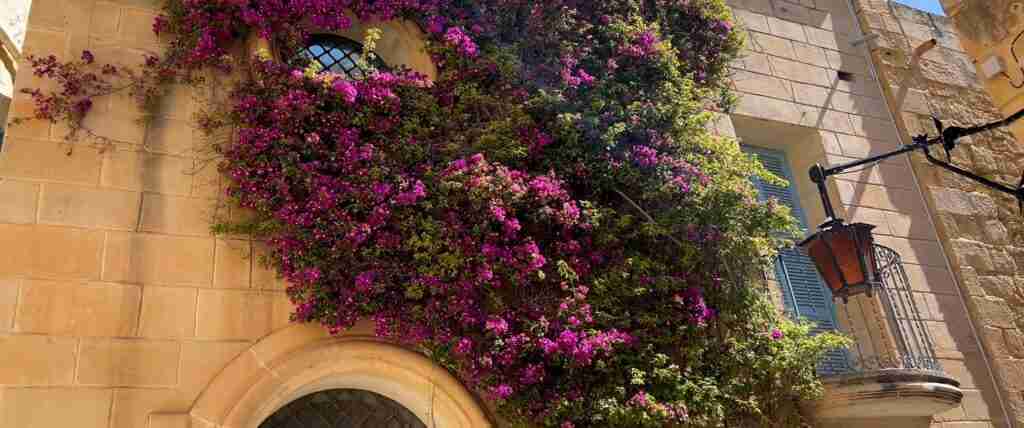
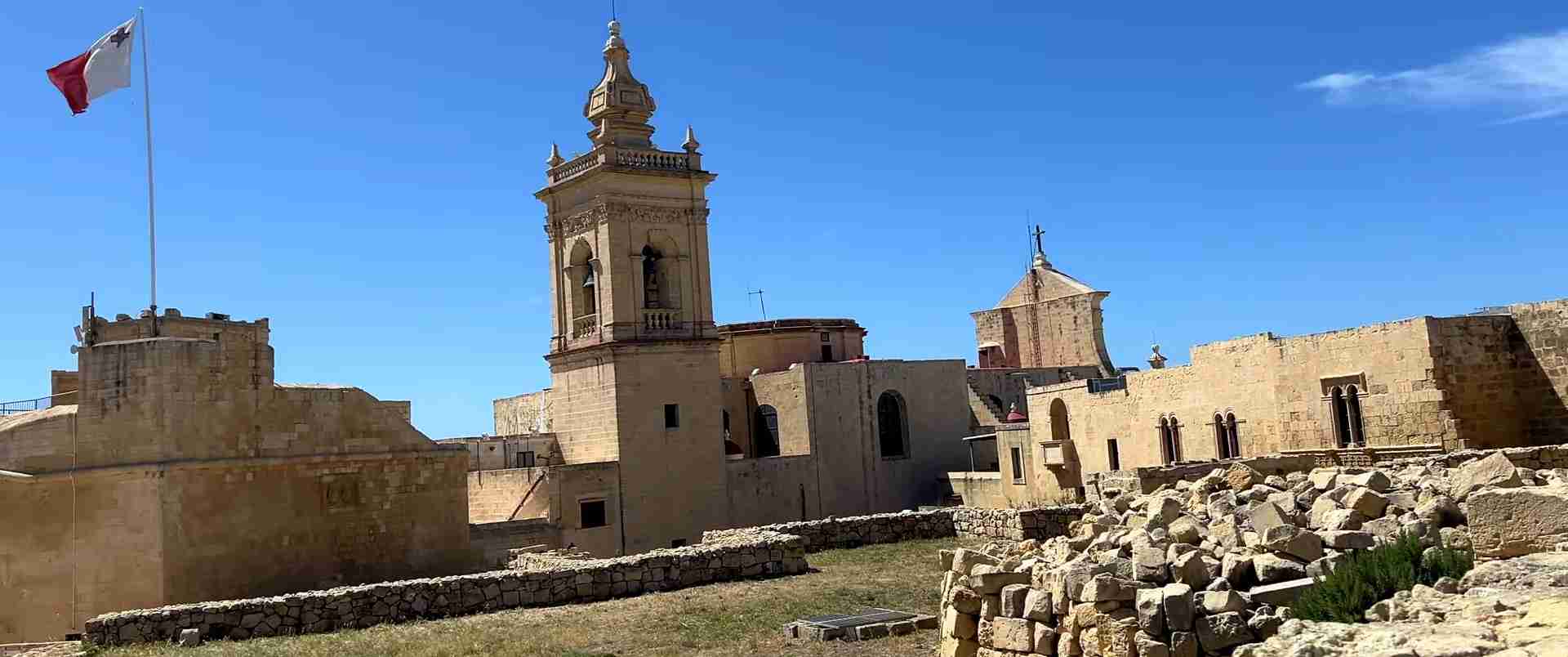
3 days
Malta 3-Day Discovery Tour
- ✓ Comprehensive Malta experience
- ✓ Expert local guides included
- ✓ All accommodation included
- ✓ Transportation provided
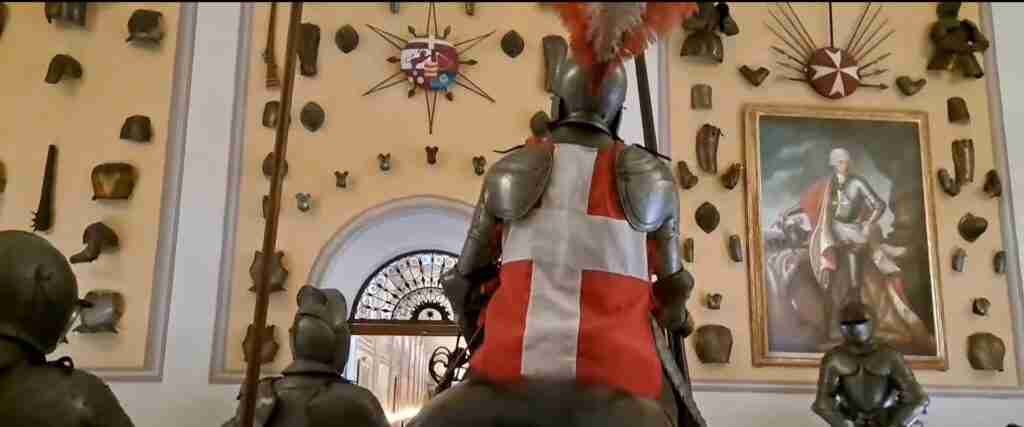
5 days
Malta 5-Day Highlights Experience
- ✓ Comprehensive Malta experience
- ✓ Expert local guides included
- ✓ All accommodation included
- ✓ Transportation provided
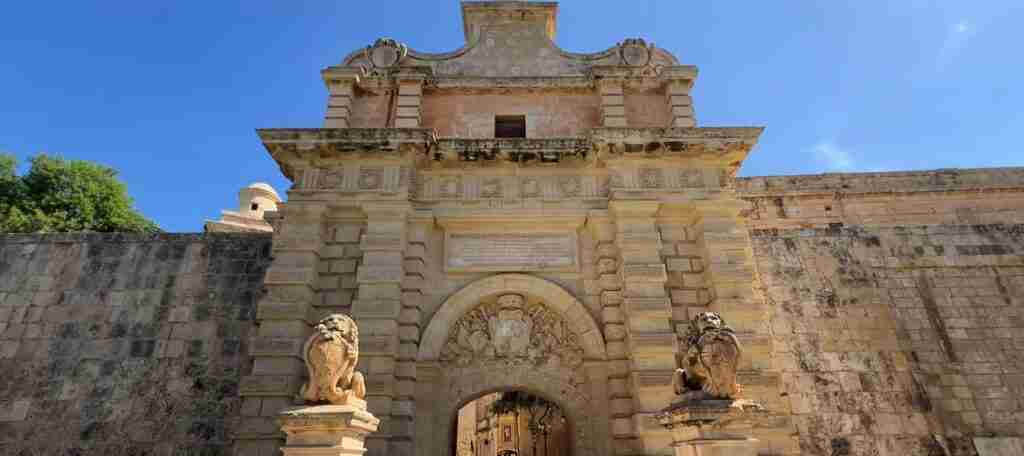
7 days
Malta 7-Day Cultural Journey
- ✓ Comprehensive Malta experience
- ✓ Expert local guides included
- ✓ All accommodation included
- ✓ Transportation provided
10 days
Malta 10-Day Complete Adventure
- ✓ Comprehensive Malta experience
- ✓ Expert local guides included
- ✓ All accommodation included
- ✓ Transportation provided
Multi-day tour packages powered by TourRadar. Prices and availability subject to change.
Introduction to Valletta Travel Planning 2026
Valletta stands as one of Europe’s most concentrated UNESCO World Heritage Sites, packing extraordinary Baroque architecture, Renaissance fortifications, and five centuries of Mediterranean history into merely 0.8 square kilometers—smaller than Monaco yet architecturally richer than cities ten times its size. Built by the Knights of St. John following the Great Siege of 1565, Malta’s fortified capital presents a unique planning proposition for 2026 visitors: exceptional cultural depth within an entirely walkable footprint, where every street reveals golden limestone palaces, hidden chapels, and panoramic harbor vistas requiring no vehicles beyond comfortable walking shoes.
This compact intensity creates both advantages and challenges for 2026 travel planning. Valletta eliminates the sprawling logistics plaguing larger capitals—no subway confusion, no hour-long transit between attractions, no neighborhood-choosing paralysis. Yet this same density concentrates tourist crowds during peak seasons, creates accommodation scarcity in the historic center, and demands strategic timing to experience the city’s treasures without queue frustration or oppressive midday heat. The city’s Mediterranean location 93 kilometers south of Sicily brings remarkable sunshine (300+ days annually) but intense summer temperatures reaching 35°C that require midday retreat strategies.
Understanding Valletta’s seasonal patterns, practical logistics, and cultural rhythms transforms visits from merely seeing landmarks to genuinely experiencing this living fortified city. Malta’s unique position blending British colonial efficiency (English widely spoken, organized public services) with Italian Mediterranean character (siesta closures, flexible scheduling, relationship-focused commerce) creates cultural dynamics requiring adaptive planning. The 2026 travel landscape adds contemporary considerations: post-pandemic booking patterns showing earlier reservation trends, expanded museum digitization enabling advance ticket purchases, and growing popularity creating shoulder season crowds approaching former peak levels.
This guide addresses essential planning elements for 2026 Valletta visits: optimal timing strategies balancing weather, crowds, and costs; realistic budget frameworks across spending tiers; accommodation selection navigating limited historic center inventory; transportation approaches for both Valletta proper and broader Malta exploration; booking timelines for major attractions and experiences; money-saving strategies leveraging passes and local knowledge; cultural expectations around dining, shopping, and social interaction; and practical logistics from electrical adapters to mobile connectivity. Whether planning a compact 2-3 day Valletta focus or using the capital as a base for week-long Malta exploration, strategic preparation maximizes this extraordinary destination’s rewards while minimizing common frustrations.
Best Time to Visit Valletta in 2026: Seasonal Planning Guide
Valletta experiences distinct seasonal patterns in 2026 affecting weather conditions, tourist density, accommodation availability and pricing, and local event calendars. Strategic timing selection balances temperature comfort, crowd management, budget considerations, and experience priorities to optimize visit quality.
Spring Season April-May 2026: Prime Visiting Window
April-May represents Valletta’s optimal visiting period in 2026, delivering ideal weather with daytime temperatures of 20-24°C, minimal rainfall (average 15-25mm monthly), comfortable humidity levels, and pleasant evenings requiring only light layers. Daylight extends from 6:30 AM to 8 PM by May, maximizing sightseeing hours while avoiding the intense heat that dominates July-August. Sea temperatures reach 17-20°C by May, appealing to hardy swimmers though most find waters still cool for extended swimming.
Tourist crowds remain manageable during spring 2026, with major attractions like St. John’s Co-Cathedral experiencing moderate visitor numbers allowing comfortable viewing without the shoulder-to-shoulder congestion of summer peaks. Accommodation availability stays strong throughout April-May except Easter week (April 13-20, 2026) when advance booking becomes essential. Hotel rates position 25-35% below July-August peaks while remaining 30-45% above winter minimums, delivering value without sacrificing weather quality.
Spring brings compelling local events including the Malta International Fireworks Festival (late April), featuring competitive pyrotechnic displays over Grand Harbor that draw enthusiastic local crowds, and various religious processions particularly around Easter. Restaurant reservations remain advisable for popular venues but can be secured 2-3 days ahead rather than the week-plus advance required in summer. The seasonal balance of weather quality, crowd management, reasonable pricing, and authentic local character makes April-May the most recommended visiting window for first-time Valletta visitors in 2026.
Summer Season June-August 2026: Peak Tourism Period
June-August 2026 brings Mediterranean summer in full force with daytime temperatures of 28-35°C, intense sun exposure particularly 11 AM-4 PM, and heat that makes midday outdoor exploration uncomfortable even for heat-tolerant visitors. Humidity increases coastal discomfort despite sea breezes, while rainfall virtually disappears (under 10mm monthly average). Sea temperatures reach peak warmth of 25-27°C by August, ideal for swimming and water activities that become essential heat-relief strategies. Daylight extends from 5:45 AM sunrise to 8:45 PM sunset in June, providing early morning and late evening comfortable exploration windows.
Tourist crowds peak dramatically during July-August 2026, with major attractions implementing capacity management and timed entry becoming essential even with advance tickets. St. John’s Co-Cathedral, the Grandmaster’s Palace, and popular harbor viewpoints experience maximum congestion, requiring strategic early morning (opening time) or late afternoon visits to avoid the densest crowds. Accommodation scarcity becomes acute, with hotels reaching 90%+ occupancy and rates climbing 40-60% above shoulder season pricing. Last-minute June-August booking often requires staying outside Valletta proper in Sliema, St. Julian’s, or even Bugibba.
However, summer delivers compensating advantages including Malta’s most extensive events calendar: the Isle of MTV free concert (late June/early July) attracting 50,000+ attendees, the Malta Jazz Festival (mid-July) bringing international performers to Grand Harbor waterfront venues, and numerous village festas (patron saint celebrations) throughout Malta featuring elaborate decorations, processions, and fireworks. Beach and water activities reach optimal conditions, with boat trips, swimming, and diving best experienced June-September. Summer visitors should plan indoor museum visits for 11 AM-3 PM peak heat, utilize early morning hours for outdoor exploration (8-10 AM provides excellent light and minimal crowds), and embrace evening culture when Valletta’s streets and restaurants come alive after sunset.
Autumn Season September-October 2026: Second Prime Window
September-October mirrors spring as Valletta’s second optimal visiting period in 2026, offering warm but comfortable temperatures of 24-28°C in September moderating to 22-26°C by October. Intense summer heat subsides while maintaining excellent Mediterranean weather with minimal rainfall (September averages 40mm, primarily short showers). Sea temperatures remain at summer warmth (24-26°C) through September, ideal for combining cultural sightseeing with beach and swimming activities. Daylight gradually shortens from 7:15 AM-7:30 PM in early September to 7 AM-6:30 PM by late October, still providing ample sightseeing hours.
Autumn tourist density decreases substantially from July-August peaks, particularly post-mid-September when European school terms resume. Major attractions return to manageable visitor numbers, accommodation availability improves dramatically, and rates drop 30-40% below summer highs while remaining 20-30% above winter lows. The September-October period attracts more mature travelers and couples compared to summer’s family dominance, creating a distinctly different crowd demographic often preferred by culture-focused visitors.
Autumn events include the Notte Bianca (late September/early October) all-night arts and culture festival transforming Valletta into an open-air performance venue with museums extending hours and street events continuing past midnight, and various wine festivals celebrating Malta’s growing viticulture. Restaurant reservations become easier to secure on 2-3 days’ notice rather than summer’s week-ahead requirements, while maintaining full service without the limited-hours challenges of winter months. October occasionally brings short Mediterranean rain systems (typically 2-3 days of intermittent showers) that rarely disrupt travel plans but can affect outdoor activities temporarily. The weather-crowd-value balance makes September-October equally attractive as April-May, with warmer seas and autumn atmosphere differentiating it from spring’s fresh character.
Winter Season November-March 2026-2027: Value-Focused Off-Peak
November-March brings Valletta’s quiet season with mild but variable weather including temperatures of 12-18°C, increased rainfall (November-January each average 80-100mm monthly though February-March moderate to 40-60mm), occasional strong winds particularly in exposed fortification viewpoints, and cooler overcast days requiring layers and rain protection. However, Malta’s Mediterranean latitude ensures no snow, rare frost, and frequent sunny intervals even during wetter months. Sea temperatures drop to 15-18°C, too cold for most swimming though local hardy types continue year-round.
Winter tourist numbers decline dramatically, reducing major attraction crowds to minimal levels where St. John’s Co-Cathedral and museum visits become genuinely contemplative experiences without queue pressure or viewing competition. Accommodation rates drop 40-55% below summer peaks, with mid-range hotels in the €70-110 nightly range offering exceptional value. However, some smaller museums and attractions reduce hours or close certain weekdays, restaurants implement more limited schedules particularly Sunday-Monday, and the reduced street life changes Valletta’s atmospheric character.
Winter appeals specifically to culture-focused travelers prioritizing uncrowded museum experiences, photographers seeking dramatic storm light over fortifications, and budget-conscious visitors willing to accept weather variability for substantial cost savings. December combines value pricing with festive holiday atmosphere as Valletta installs Christmas decorations and markets, though be aware Malta’s January 1 and New Year’s celebrations result in widespread closures. February brings Carnival season (dates vary but typically late February) with colorful parades and street celebrations providing cultural compensation for occasionally grey weather. Winter visitors should pack layers, rain protection, and maintain flexible daily plans to adapt to weather changes, while appreciating the authentic local character of a city operating primarily for residents rather than tourists.
Booking Timeline Recommendations for 2026 Visits
Accommodation booking timelines for Valletta in 2026 require 3-4 months advance reservation for April-June and September-October shoulder season visits, 5-6 months ahead for July-August peak summer period, and 6-8 weeks for November-March winter travel. These timelines secure preferred properties and neighborhoods while accessing better rates than last-minute booking, though Valletta’s limited historic center hotel inventory means true bargain-hunting carries availability risk during busier months. Budget properties and hostels book earliest due to limited capacity, while luxury boutique hotels maintain availability longer due to premium pricing deterring casual booking.
Flight booking follows standard European patterns with optimal purchase windows 2-4 months before travel for best rate-availability balance, though Malta’s single international airport and limited airline competition reduce the dramatic pricing swings seen on major European routes. Major attraction tickets including St. John’s Co-Cathedral warrant 1-3 month advance purchase during April-October, 2-4 weeks for November-March, ensuring preferred time slots and eliminating on-site queue frustration. However, excessive early booking (6+ months) offers minimal additional advantage while reducing flexibility to adjust plans based on weather forecasts or personal circumstances emerging closer to travel dates.
Money and Budgeting in Valletta 2026: Financial Planning Essentials
Malta adopted the Euro in 2008, simplifying financial planning for Eurozone visitors while requiring currency exchange consideration for travelers from the UK, US, and other non-Euro countries. Understanding realistic daily costs, strategic money-saving approaches, and payment practicalities ensures efficient financial management throughout 2026 Valletta visits.
Daily Budget Frameworks for Different Travel Styles in 2026
Budget travelers require €85-125 per person daily in 2026 (two sharing budget accommodation) covering essential expenses across accommodation, meals, transport, and attractions. This breakdown includes budget hotel or guesthouse lodging €35-50 per person (assuming two sharing a double room of €70-100 nightly), breakfast €6-10 (café pastries and coffee or self-catering), lunch €10-18 (casual eateries, takeaway pastizzi and ftira, or picnic supplies), dinner €18-25 (budget restaurants, pizzerias, or self-catered meals), local transport €5-10 (public buses or minimal taxi use), and attraction admission €10-15 (selective museum visits, free churches and viewpoints). This budget tier requires strategic choices including staying in budget properties potentially outside the historic center, preparing some meals independently, utilizing public transport exclusively, and prioritizing free experiences like waterfront walks and Upper Barrakka Gardens.
Mid-range travelers need €180-260 per person daily for comfortable Valletta experiences in 2026 (two sharing mid-range hotel). Component breakdown includes centrally-located hotel accommodation €80-115 per person (double rooms of €160-230 nightly divided by two), breakfast €10-15 (hotel buffet or quality café), lunch €20-30 (casual restaurant or harbor-view eatery), dinner €35-50 (mid-range restaurant with wine), transport €15-25 (mix of public buses and occasional taxis for convenience or evening returns), and attraction admission €25-40 (comprehensive museum visits with Heritage Malta pass, specialty tours, harbor cruises). This tier delivers genuine comfort without luxury premiums, accessing well-located hotels within walking distance of major attractions, dining at quality establishments, and experiencing Valletta’s full cultural offering without constant budget constraint stress.
Luxury visitors invest €350-550+ per person daily for premium Valletta experiences in 2026 (two sharing luxury accommodation). Expenditure includes boutique or luxury hotel stays €160-240 per person (properties of €320-480+ nightly divided by two), gourmet breakfast €15-25 (hotel service or upscale café), elevated lunch €30-50 (quality restaurant or specialty venue), fine dining dinner €60-95 (premium restaurants, tasting menus, extensive wine), private transport €25-45 (taxis, private drivers, or rental car), and premium experiences €60-120+ (private tours, exclusive wine tastings, helicopter flights, yacht charters). Luxury travel in Valletta accesses Five-Star hotels like The Phoenicia or boutique gems like Rosselli AX Privilege, experiences Michelin-quality dining at venues like Noni or Under Grain, and secures personalized services unavailable to budget-focused visitors.
These daily ranges assume two people sharing double accommodation, representing the most common travel configuration. Solo travelers face single supplement premiums of 40-60% on accommodation, effectively raising budget tier costs to €105-155 daily, mid-range to €210-295, and luxury to €390-595+. Conversely, families sharing apartments or groups utilizing vacation rentals reduce per-person accommodation costs by 25-35% while potentially increasing food budgets if dining out with children. Weekly Valletta visits (7 days) typically cost €595-875 for budget travelers, €1,260-1,820 for mid-range comfort, and €2,450-3,850+ for luxury experiences per person in 2026, with slight per-day savings from weekly transport passes (€21 versus €2 daily rides) and strategic meal planning.
Currency and Payment Methods in Valletta 2026
Malta uses the Euro (EUR/€) as official currency, with coins in denominations of 1, 2, 5, 10, 20, and 50 cents plus €1 and €2, and notes of €5, €10, €20, €50, €100, €200, and €500 (though €200 and €500 notes face restricted acceptance due to anti-money-laundering measures). ATMs distribute throughout Valletta, concentrated along Republic Street and near major attractions, dispensing €10, €20, and €50 notes with most machines accepting international Visa, Mastercard, Maestro, and Cirrus network cards. ATM withdrawal fees vary by home bank policy, with many European banks offering free Eurozone withdrawals while US, UK, and other international cards typically face 2-3% foreign transaction fees plus possible flat charges of €3-5 per withdrawal.
Credit and debit cards achieve near-universal acceptance in Valletta during 2026, with hotels, restaurants, museums, and most shops processing Visa and Mastercard routinely. However, small family-run establishments, market vendors, traditional pastizzeriji (pastizzi shops), and some historic sites preferring cash transactions warrant carrying €40-60 daily in small denominations. Contactless payment systems including Apple Pay and Google Pay function widely, with €50 limits standard though PIN verification required above this threshold. American Express faces more limited acceptance, primarily at hotels and upscale restaurants, while Discover and other alternative networks encounter frequent rejection.
Currency exchange options in Valletta include the airport’s Travelex and Forexchange bureaus offering convenient but premium-rate exchanges (typical 4-6% margin above interbank rates), bank branches along Republic Street providing better rates (2-3% margin) during business hours Monday-Friday 8:30 AM-2 PM, and dedicated exchange offices near the City Gate and Merchant Street offering competitive rates with extended hours. However, ATM withdrawals typically deliver the most favorable exchange rates for international visitors, accessing near-interbank conversion rates despite transaction fees. Pre-ordering foreign currency from home banks before departure rarely provides advantages given widespread ATM availability and competitive rates.
Tipping practices in Malta blend British and Continental European customs, with service charges typically included in restaurant bills but modest additional gratuity (5-10%) appreciated for good service. Rounding up taxi fares to the nearest euro suffices for standard rides, while hotel porters expect €1-2 per bag, and housekeeping staff receive €1-2 per night for attentive room care. Unlike American tipping culture, these gratuities remain genuinely discretionary rather than socially obligatory, though service industry workers appreciate recognition of quality service. Many Maltese speak English fluently, eliminating the language barrier complications that affect tipping clarity in some Mediterranean destinations.
Strategic Money-Saving Approaches for Valletta 2026
The Heritage Malta Multi-Site Pass represents the single most effective money-saving tool for museum-focused Valletta visitors in 2026, priced at €50 for adults (valid 30 days), €35 for seniors 60+ and students with valid ID, and €25 for youth ages 12-17, with children under 12 entering free to all sites. This pass covers 30+ national museums and archaeological sites including Valletta’s National Museum of Archaeology (€5 individual admission), the Grandmaster’s Palace State Rooms (€10), Fort St. Elmo and the National War Museum (€10), Lascaris War Rooms (€10), Casa Rocca Piccola (€9), and extends coverage to sites throughout Malta including Mdina’s Cathedral Museum, Ħaġar Qim Temples, and the Ġgantija Temples on Gozo. Visitors planning to see 4-5 major attractions save 45-60% versus individual ticket purchases, while comprehensive cultural explorers achieve even greater value.
Public transportation utilization dramatically reduces mobility costs in 2026, with Malta Public Transport operating efficient bus networks at €2 per single ride (valid 2 hours including transfers), €3 for night service (11 PM-5 AM), and exceptional value at €21 for 7-day unlimited travel passes purchased at airport arrivals, major bus hubs, or online at publictransport.com.mt. The Explore Card alternative (€39 for 7 days) bundles unlimited bus travel with Valletta hop-on-hop-off tourist bus access and Grand Harbor ferry rides, appealing to visitors preferring structured sightseeing routes. Strategic bus use eliminates taxi dependency—routes 133, 201, 202, and X1/X3 connect Valletta to popular areas including Sliema, St. Julian’s, Mdina, and the airport, with 15-25 minute frequencies during daytime hours.
Accommodation location strategy creates substantial savings potential, with hotels and guesthouses in neighboring Sliema, Gzira, or St. Julian’s (3-5 kilometers from Valletta) costing 25-35% less than equivalent Valletta historic center properties while remaining well-connected via frequent buses and short taxi rides of €10-15. This approach particularly benefits multi-day visits where daily commuting adds minimal inconvenience compared to nightly rate savings. Booking accommodation directly through hotel websites rather than third-party platforms occasionally secures 10-15% discounts or value-added inclusions like breakfast upgrades or spa access, particularly for longer stays of 4+ nights.
Dining cost management leverages Malta’s casual food culture, where pastizzi (ricotta or pea-filled pastries at €0.50-1 each), ħobż biż-żejt (traditional bread with olive oil, tomatoes, capers, and tuna at €3-5), and ftira (Maltese flatbread sandwiches at €4-6) provide satisfying, authentic, and economical meal options. Traditional pastizzeriji including Crystal Palace (113 Republic Street) and Cafe Cordina serve these specialties at local prices, while fresh produce markets near Merchants Street offer picnic supplies at 40-50% below supermarket costs. Strategic meal timing includes substantial lunches at mid-range restaurants (€12-20 for two-course meals with wine) versus pricier dinners (€25-40 for equivalent quality), and utilizing hotel breakfast buffets (if included) to fuel morning sightseeing and delay first outside food purchase until afternoon.
Free and low-cost experiences constitute genuine highlights in Valletta, not mere budget compromises. Upper Barrakka Gardens delivers panoramic Grand Harbor views rivaling any paid attraction, with free entry and spectacular sunset vistas over the Three Cities. Lower Barrakka Gardens offers quieter harbor perspectives and the Siege Bell War Memorial, again freely accessible. Walking Valletta’s streets provides continuous architectural discovery, with elaborate limestone facades, hidden courtyards, traditional gallariji (enclosed wooden balconies), and atmospheric narrow alleyways creating exceptional urban exploration. Free churches include St. Paul’s Anglican Cathedral (open 8-11 AM weekdays), though the spectacular St. John’s Co-Cathedral requires €15 admission well worth the expense.
Accommodation Strategy and Neighborhood Selection 2026
Valletta’s compact 0.8 square kilometer footprint and UNESCO World Heritage designation create unique accommodation dynamics in 2026, with limited hotel inventory concentrated in converted palazzos and townhouses, premium pricing reflecting scarcity and heritage protection requirements, and location trade-offs balancing atmospheric immersion against practical convenience and value.
Staying Within Valletta Historic Center: Premium Immersion
Accommodation within Valletta’s fortified walls places visitors at the heart of UNESCO heritage architecture, enabling spontaneous morning walks before cruise crowds arrive, evening atmospheric experiences after day-trippers depart, and immediate access to major attractions including St. John’s Co-Cathedral (5-minute walk maximum from any Valletta hotel), the Grandmaster’s Palace, and waterfront viewpoints. However, this premium location commands corresponding rates, with budget options virtually nonexistent, mid-range hotels starting €160-230 nightly in 2026, and boutique properties reaching €320-550+ during peak seasons.
Valletta hotels predominantly occupy converted historic buildings, meaning architectural character (vaulted ceilings, limestone walls, internal courtyards) compensates for smaller room sizes, occasional layout quirks, and limited amenities compared to purpose-built properties. Many lack parking due to space constraints, though on-site parking matters little given Valletta’s walkable scale and minimal driving necessity. Notable central properties include The Phoenicia Malta (5-star historic grand hotel facing City Gate with gardens, pool, and impeccable service at €350-600 nightly), Rosselli AX Privilege (boutique luxury in restored palazzo with rooftop terrace, wellness spa, and Michelin-quality dining at €280-480), Ursulino Valletta (charming mid-range option in former convent with atmospheric rooms at €180-260), and Palazzo Consiglia (affordable boutique property near Lower Barrakka Gardens at €140-200).
Practical considerations for Valletta historic center accommodation include assessing stair climbing tolerance (many buildings lack elevators due to heritage restrictions, with some requiring 2-3 floor climbs), confirming air conditioning provision (essential for July-August stays when limestone buildings retain heat), and understanding noise realities (weekend evenings bring bar and restaurant activity particularly along Strait Street). Street noise generally subsides by midnight-1 AM, with Sundays notably quieter. Booking 3-4 months ahead for shoulder seasons (April-June, September-October) and 5-6 months for July-August remains advisable given limited inventory, while direct hotel website booking occasionally secures better rates or upgrades versus third-party platforms.
Alternative Accommodation Bases: Sliema and St. Julian’s Value
Sliema (3 kilometers northeast across Marsamxett Harbour) and St. Julian’s (5 kilometers northeast) provide abundant accommodation alternatives in 2026, offering 25-35% lower rates than equivalent Valletta properties, greater hotel variety across all budget tiers, modern amenities including pools and gyms, and lively dining-nightlife scenes preferred by visitors seeking more than just daytime cultural sightseaming. Frequent public buses (routes 133, 202) connect these areas to Valletta in 15-20 minutes for €2, while taxis cost €10-15 and short harbor ferry crossings (€2 per trip) provide scenic alternatives.
Sliema presents as a more residential, upscale area with waterfront promenade walks, family-friendly beaches, shopping streets along Tower Road, and considerable restaurant variety from casual to upscale. Accommodation ranges from budget options like Sliema Chalet Hotel (€90-130 nightly) through mid-range properties including The Palace (€150-220) to luxury seaside hotels like The Preluna (€180-280). St. Julian’s skews younger and livelier, with Paceville nightclub district, bay swimming areas, and densest restaurant-bar concentration. Properties span budget choices like Pebbles Resort (€80-120), mid-range favorites including Bayview Hotel & Apartments (€120-180), and upscale options like InterContinental Malta (€220-350).
The Sliema/St. Julian’s approach particularly suits multi-day visits (5+ days) where daily Valletta commuting adds minimal inconvenience compared to substantial nightly savings, families requiring larger room configurations or apartment options unavailable in Valletta proper, and visitors prioritizing evening dining variety and nightlife over atmospheric historic surroundings. However, this strategy sacrifices the unique experience of staying within UNESCO fortifications, early morning Valletta atmosphere before day-trippers arrive, and spontaneous late-afternoon returns for sunset viewpoint visits without transport planning.
Budget Accommodation Solutions for 2026 Valletta Visits
Genuine budget accommodation within Valletta remains scarce in 2026, with hostel options limited to properties like Valletta Boutique Living Hostel (dormitory beds €25-40, private rooms €70-100) and Saint John’s Boutique BnB (budget rooms €65-95). These fill quickly during peak seasons, requiring 2-3 month advance booking for summer visits. Most budget-conscious travelers find better value and availability in Sliema or St. Julian’s hostels including Inhawi Hostel (dormitories €20-35, privates €55-85) and Two Pillows Boutique Hostel (dormitories €18-30, privates €50-75).
Guesthouses and B&Bs bridge the gap between hostels and hotels, offering personalized service, local knowledge, and competitive rates of €70-130 nightly throughout greater Valletta area. These family-run properties prioritize hospitality over anonymous hotel efficiency, include breakfast, and provide insider recommendations worth considerable value. Apartment rentals via Airbnb, Booking.com, or Vrbo serve groups and longer stays (4+ nights), with one-bedroom apartments in Valletta proper costing €85-140 nightly and two-bedroom units €120-200, offering self-catering capability that reduces food costs by 30-40% through breakfast preparation and occasional lunch assemblies.
Budget accommodation strategies for 2026 include flexibility on neighborhood location (expanding search to Sliema, St. Julian’s, Gzira, or even Bugibba cuts costs substantially), advance booking during promotional periods (January-February often brings early-bird discounts of 15-25% for summer travel), and leveraging longer stays (4+ night bookings sometimes unlock better per-night rates or value inclusions). However, prioritize location and legitimate reviews over minimal price differences of €10-15 nightly—poor locations requiring excessive transport time or sketchy properties lacking basic comfort create false economy that undermines overall trip quality.
Transportation in Valletta and Malta 2026: Mobility Strategies
Valletta’s extreme walkability eliminates most internal transport needs, while Malta’s compact 27-kilometer length and extensive bus network facilitate affordable island-wide exploration without rental car necessity for most visitors in 2026. Understanding transportation options, costs, and strategic approaches optimizes mobility efficiency.
Walking Valletta: Primary Mobility Method
Valletta measures just 1 kilometer long by 0.8 kilometers wide, with every point in the historic center reachable within 15-20 minutes’ walk from any other point. The city’s grid layout, established by Renaissance military engineer Francesco Laparelli, creates logical navigation with Republic Street (main thoroughfare) running the full length, parallel side streets, and cross streets descending to harbor edges. This walkable scale means tourists rarely need wheeled transport within Valletta proper throughout 2026 visits.
However, Valletta’s topography presents challenges, with the fortified city occupying a prominent ridge creating dramatic hills from harbor-level gates (City Gate main entrance, Marsamxett Gate, Customs House area) up to elevated central spine around Republic Street and St. John’s Co-Cathedral. These climbs involve 30-60 meters elevation gain over short distances, creating steep gradients that challenge mobility-limited visitors and tire even fit travelers during hot weather. The freely accessible Barrakka Lift (Upper Barrakka Gardens to Lascaris Wharf) eliminates one major climb, while strategic route planning—exploring downhill first then utilizing the uphill return when cooler or energy-refreshed—manages elevation practically.
Walking considerations for 2026 include appropriate footwear (limestone paving becomes slippery when wet, while cobblestone side streets require sturdy soles), summer heat management (limiting 11 AM-3 PM exposed walking), and understanding that GPS apps sometimes suggest unrealistic routes through private courtyards or construction zones—visual navigation following Republic Street or waterfront promenades proves more reliable than blind electronic adherence. Valletta’s compact size means getting “lost” merely adds 5-10 minutes before recognizing familiar landmarks, creating opportunity for serendipitous architectural discoveries rather than genuine navigational problems.
Public Buses in Malta 2026: Affordable Island-Wide Access
Malta Public Transport operates comprehensive bus networks across Malta and Gozo in 2026, with efficient service connecting Valletta to all major destinations at exceptional value. Standard fares cost €2 per single ride (valid 2 hours including transfers), €3 for night service (routes operating 11 PM-5 AM), €1.50 for single Tallinja Card journeys (prepaid smart card offering 25% discount), and €21 for 7-day unlimited Explore 7 Day passes providing outstanding value for active visitors. Tallinja Cards cost €2.50-3 including initial credit, available at the airport, major bus terminals, and online at tallinja.com.
Key Valletta bus routes include routes 133, 201, and 202 connecting to Sliema and St. Julian’s every 10-15 minutes daytime (6 AM-11 PM), route X1 express to the airport (€2, 30 minutes, every 30-60 minutes), routes 201/202 to Mdina and Rabat (€2, 40 minutes, every 15-30 minutes), and route 1/2 serving the Three Cities and Vittoriosa (€2, 20 minutes, every 20-30 minutes). Buses operate from the modern terminus outside Valletta’s City Gate, with digital displays showing real-time arrival information and sheltered waiting areas.
Bus service quality in 2026 meets European standards with air-conditioned vehicles, wheelchair accessibility on most routes, and generally reliable schedules during peak hours (6 AM-8 PM). However, evening and Sunday service reduces to 30-60 minute frequencies on many routes, and summer tourist demand occasionally creates overcrowding on popular connections. The Tallinja mobile app (available iOS/Android) provides real-time tracking, journey planning, and digital ticketing capability, though physical tickets remain widely accepted for those preferring cash payment.
Strategic bus use includes validating tickets immediately upon boarding (€2 inspectors fine non-validated ticket holders), confirming weekend and evening schedules before relying on late returns, and allowing extra time cushion (15-20 minutes beyond app predictions) for airport journeys given traffic variability. Buses represent the most economical Malta transport option, costing 75-85% less than equivalent taxi trips while accessing comparable destination coverage throughout 2026.
Taxis and Ride-Sharing in Valletta 2026
White metered taxis operate throughout Malta in 2026 with regulated rates: €2.50 base fare plus €1.70-2.00 per kilometer depending on time (higher rates nights and Sundays), producing typical costs of €10-15 for Valletta to Sliema/St. Julian’s, €22-30 to the airport (depending on precise pickup/destination), €15-20 to Mdina, and €8-12 to the Three Cities. Taxis wait at designated ranks including City Gate, near St. John’s Co-Cathedral, and the waterfront, while hotels summon taxis reliably though sometimes applying €2-3 booking fees.
Bolt (ride-sharing app) operates in Malta providing competitive alternative pricing, typically 15-25% below traditional taxi rates with transparent upfront quotas. The Bolt app (iOS/Android download required) shows estimated fares before booking, tracks driver arrival, and handles payment electronically eliminating cash and tipping ambiguity. However, availability fluctuates with demand—airport arrivals and Friday/Saturday evenings show strong Bolt coverage while quiet Sunday mornings or late-night periods may face limited driver supply. eCabs Malta (local taxi app) bridges traditional and ride-sharing approaches, offering app convenience with licensed taxi fleet and comparable-to-slightly-higher-than-Bolt pricing.
Taxis provide value primarily for airport transfers (splitting €25-30 among 2-4 passengers becomes comparable to individual €4 bus fares while offering door-to-door convenience and luggage ease), late-night returns when buses cease service, mobility-limited travelers unable to manage bus boarding or walking requirements, and time-critical situations where bus schedules create unacceptable delays. However, for routine daytime mobility between major destinations, buses at €2 deliver 75-85% savings compared to €10-15 taxi equivalents, with only marginally longer journey times on most routes.
Rental Cars for Malta Exploration 2026: Value Assessment
Car rental costs in Malta range €25-45 daily for economy vehicles, €40-65 for mid-size cars, and €70-120+ for luxury or larger models in 2026, with rates varying significantly by season (July-August premiums reach 40-60% above November-March minimums) and booking timing (advance reservations save 20-30% versus last-minute). Additional costs include full insurance (€12-18 daily strongly recommended given Malta’s challenging driving conditions), fuel (petrol averaging €1.45-1.60 per liter in 2026), and parking (€1-2 hourly in controlled zones, €8-15 daily for garage parking in Valletta/Sliema).
Malta’s driving environment challenges foreign visitors, with narrow roads often lacking shoulders, aggressive local driving styles, confusing roundabout approaches, limited parking particularly in historic areas, and British-legacy left-hand-side driving (though with left-hand-drive vehicles creating steering wheel position confusion). Speed limits of 50 km/h urban, 80 km/h rural roads rarely accommodate comfortable cruising given road conditions. These factors make rental cars unnecessary and often counterproductive for visitors focusing primarily on Valletta, where the historic center prohibits most private vehicle entry and parking scarcity creates constant frustration.
However, rental cars deliver genuine value for visitors prioritizing extensive island exploration including remote beaches (Golden Bay, Għajn Tuffieħa), northern coastal villages (Mellieħa, Mġarr), southern fishing ports (Marsaxlokk, Marsascala), and the rural interior. Multi-destination days visiting Mdina, Dingli Cliffs, Rabat, and Mosta in a single excursion become practical with cars while remaining challenging on public buses requiring multiple transfers and schedule coordination. The break-even calculation suggests rental cars worth considering for 4+ day Malta visits planning to venture beyond Valletta-Sliema-Mdina triangle, while remaining poor value for compact 2-3 day Valletta-focused trips.
Booking and Reservations Strategy 2026: Securing Essential Experiences
Valletta’s major attractions, tours, and dining experiences warrant varying advance booking approaches in 2026, with strategic reservation timing balancing preference security against flexibility loss from excessive early commitment.
Priority Advance Bookings: St. John’s Co-Cathedral and Premium Dining
St. John’s Co-Cathedral, Valletta’s single most popular attraction, requires online advance booking in 2026 to guarantee entry during preferred time slots, particularly April-October when same-day availability becomes limited by midday. Tickets cost €15 for adults, €12 for students and seniors 65+, and €10 for children 5-12, with children under 5 entering free. The cathedral implements timed entry slots at 15-minute intervals 9 AM-5 PM Monday-Friday, 9 AM-noon Saturday, with online booking available 1-3 months ahead at stjohnscocathedral.com. Morning slots (9-10:30 AM) offer optimal natural light filtering through stained glass and minimal crowds, while late afternoon times (3:30-5 PM) provide photographic golden hour lighting but increased visitor density from afternoon arrivals.
Premium restaurants including Noni (55 Triq il-Mediterran), Under Grain (33 Triq Sant’ Orsla), Rubino (53 Triq il-Fran), and Legligin Wine Bar & Restaurant (119 Triq Santa Lucija) require reservations 4-7 days ahead during peak season (June-September) and 2-4 days for shoulder seasons (April-May, October) in 2026. These venues operate limited seating (15-30 covers per service), with dinner service (7-10 PM) filling first particularly Friday-Saturday when advance booking becomes essential even in quieter months. Online reservation systems including thefork.com.mt enable direct booking, while phone reservations (+356 numbers) work for establishments lacking online presence. Mid-range restaurants generally accept walk-ins except peak weekend evenings, though 1-2 day advance calls secure preferred tables and eliminate disappointment.
Recommended Advance Bookings: Major Attractions and Specialty Tours
The Grandmaster’s Palace State Rooms (€10 adults, €7 seniors/students, €5 children 5-17) benefits from 1-2 week advance online booking during April-October 2026, though walk-in availability typically remains better than St. John’s Co-Cathedral. The palace houses Malta’s Parliament, requiring occasional closures for official events announced on heritagemalta.org, making advance ticket purchase also serve as visit confirmation. Fort St. Elmo and the National War Museum similarly welcome advance booking though rarely sell out, while smaller museums including the National Museum of Archaeology, Casa Rocca Piccola, and Lascaris War Rooms accept walk-ins comfortably throughout most of 2026 except peak July-August middays.
Specialty tours and experiences including Grand Harbor cruises (€16-25 per person for 1-1.5 hour tours), Three Cities boat trips (€12-20), traditional Luzzu fishing boat excursions (€30-50), Mdina full-day tours (€45-75), and Gozo day trips (€60-95) warrant 1-2 week advance reservation during April-October peak season, booking shorter 3-5 days ahead for November-March when smaller group sizes and reduced demand allow greater spontaneity. Malta tour operators including Captain Morgan Cruises, Supreme Travel Malta, and Malta Sightseeing maintain online booking with instant confirmation, while smaller operators require email or phone contact 3-5 days ahead.
Wine tasting experiences at Malta’s growing wineries (Meridiana, Marsovin, Ta’ Betta) and specialty food tours (traditional village festa experiences, fishing village tours with lunch) require 1-2 week advance booking year-round due to small group capacities (8-15 participants typical) and scheduling around weekend production demands. These experiences cost €35-75 per person including tastings and often lunch or dinner components, delivering exceptional value for insight into Maltese culture beyond standard sightseeing.
Flexible Booking Approach: General Sightseeing and Casual Dining
Most Valletta attractions accept walk-in visitors throughout 2026 without advance booking, including Upper Barrakka Gardens (free entry), Lower Barrakka Gardens (free), National Museum of Archaeology (€5), Malta Experience audio-visual show (€10), St. Paul’s Anglican Cathedral (free during service times), and numerous historic churches welcoming visitors outside mass times. The Heritage Malta Multi-Site Pass (€50 adults) purchased online or at first venue visit provides immediate access to 30+ sites without individual advance reservations, with only St. John’s Co-Cathedral requiring separate timed booking even for pass holders.
Casual and mid-range restaurants throughout Valletta including Nenu the Artisan Baker (fresh ftira and traditional Maltese plates), Ta’ Kris Restaurant (authentic local cuisine), The Harbour Club (harbor-view dining), and Caffe Cordina (historic café) accept walk-ins successfully except Friday-Saturday peak dinner service when 1-2 day advance calls prove advisable. Lunch service (12:30-3 PM) rarely requires reservations even at popular venues, while early dinner times (6-7 PM) or late slots (9 PM+) offer walk-in flexibility versus peak 7:30-8:30 PM windows when reservations become essential at desirable establishments.
Last-Minute Flexibility and Seasonal Considerations
Winter months (November-March) dramatically reduce booking pressure across all categories in 2026, with St. John’s Co-Cathedral tickets bookable 3-5 days ahead successfully, restaurants accepting same-day or next-day reservations, and tours operating with 2-4 day booking windows rather than 1-2 week requirements. This seasonal flexibility benefits spontaneous travelers willing to accept variable weather in exchange for reduced advance planning requirements and generally lower costs throughout the travel chain.
Conversely, special events and holiday periods intensify booking competition even during typically quieter months—Easter week (April 13-20, 2026), Christmas-New Year period (December 20-January 5), and Carnival weekend (dates vary, typically late February) all create peak demand requiring 4-8 week advance booking for accommodation and major attractions despite falling outside traditional summer peak season. Maltese village festa dates throughout May-September create local accommodation demand in specific areas, though Valletta impact remains minimal beyond general summer tourist patterns.
Essential Practical Information for Valletta 2026
Successful Valletta visits require understanding practical logistics spanning technology, health, safety, shopping, and cultural expectations that differ from home environments for most international visitors in 2026.
Language, Communication, and Technology in Malta
Malta maintains two official languages—Maltese (Semitic language written in Latin script) and English (legacy of 150 years of British rule ending 1964)—with English widely spoken particularly in tourism contexts, making Malta exceptionally accessible for Anglophone visitors. Restaurant menus, museum information, bus schedules, and commercial signage appear predominantly in English, while many Maltese also speak Italian due to geographic proximity and media exposure. Street signs often show both Maltese and English names, though Republic Street’s Maltese designation “Triq ir-Repubblika” appears interchangeably.
Mobile connectivity reaches excellent standards throughout Malta in 2026, with 4G LTE coverage universal in Valletta and 5G deployment expanding across urban areas. EU visitors benefit from “Roam Like Home” regulations eliminating roaming charges when using home country data allowances, while UK, US, and other international travelers should verify roaming costs (often €5-15 daily) or purchase local SIM cards. Maltese operators GO, Vodafone Malta, and Melita offer prepaid tourist SIM packages at €10-25 providing 5-20GB data plus calling minutes for 7-30 days, available at the airport, mobile shops, and convenience stores with passport required for registration.
WiFi availability extends broadly, with hotels, restaurants, cafés, and many museums offering free wireless access in 2026. Quality varies from excellent fiber connections at upscale properties to slower speeds at budget establishments, though sufficient for messaging, social media, and basic browsing universally. Public WiFi hotspots operate in Republic Street areas and major tourist zones, though security awareness—avoiding financial transactions on public networks—remains advisable. The widespread English fluency, extensive mobile coverage, and abundant WiFi eliminate the communication and connectivity frustrations affecting some Mediterranean destinations.
Electrical Standards and Practical Technology
Malta uses British-style Type G electrical outlets (three rectangular prongs) operating at 230V 50Hz, matching UK standards but differing from Continental European two-round-pin sockets and American 110V systems. UK visitors require no adapters, while European travelers need UK-specific adapters (€5-10 at airport shops, supermarkets, or brought from home) rather than their standard European adapters. US and other international visitors require both voltage conversion (for 110V-only devices) and plug adaptation, though most modern electronics (phones, laptops, camera chargers) operate dual-voltage 110-240V requiring only plug adapters.
Bringing adapters from home costs significantly less (€3-8 online) than airport emergency purchases (€15-25), with multi-outlet travel adapters enabling simultaneous device charging from single wall sockets valuable given older buildings’ limited outlet availability. USB charging options expand in 2026 accommodation, with many hotels installing built-in USB ports, though carrying traditional adapters remains essential backup. Power reliability in Malta maintains high standards with outages extremely rare, while voltage stability supports sensitive electronics without surge protection requirements.
Health, Safety, and Emergency Information for 2026
Malta presents minimal health risks for visitors in 2026, with tap water safe to drink throughout the islands (though slightly salty taste leads many locals to prefer bottled water for taste rather than safety), modern healthcare facilities meeting Western European standards, and no required vaccinations for travelers from North America, Europe, or Australia. The European Health Insurance Card (EHIC) provides EU visitors access to Malta’s public healthcare at resident rates, while UK visitors should verify post-Brexit health coverage arrangements. US and other international travelers should confirm their health insurance includes overseas coverage or purchase travel medical insurance (€30-75 for typical week-long trips) providing emergency care, evacuation, and repatriation coverage.
Pharmacies (identified by green crosses) distribute throughout Valletta, with rotating duty pharmacy system ensuring 24-hour access to medications—current duty pharmacy information appears on any pharmacy door and at pharmacyduty.gov.mt. Common over-the-counter medications including pain relievers, antihistamines, and digestive remedies are readily available, while prescription medications from home should be brought in sufficient quantity with documentation given potential difficulty obtaining refills. The primary health concern for visitors involves sun exposure, with Mediterranean intensity requiring high-SPF sunscreen (SPF 30+ minimum, SPF 50 recommended), wide-brimmed hats, and midday shade particularly June-August when UV indexes reach extreme levels.
Safety standards in Valletta remain high in 2026, with violent crime extremely rare and opportunistic theft (pickpocketing, bag snatching) limited compared to larger European capitals. Standard urban precautions—securing valuables, maintaining awareness in crowded areas, avoiding phone/wallet display in sparse-population evening settings—provide adequate protection. The primary accident risks involve uneven limestone paving (particularly hazardous when wet), steep stairs in some buildings, and traffic when crossing streets (British left-side legacy means traffic approaches from opposite direction expected by Continental European and American visitors). Emergency services respond to 112 (pan-European emergency number) or 119 (Malta-specific number), with English-speaking operators and rapid response times given Malta’s compact geography.
Cultural Etiquette and Social Expectations
Malta maintains conservative Catholic cultural foundations despite tourism industry sophistication, requiring modest dress expectations in religious sites including shoulders and knees covered (scarves and wraps often provided at church entrances for those underdressed), respectful behavior during services, and photography restrictions in some areas. St. John’s Co-Cathedral enforces strict dress codes with entry refused for revealing clothing, torn jeans, or beachwear—visitors should carry lightweight layering pieces for church visits even during summer heat.
Social interaction blends British formality with Mediterranean warmth, with politeness expected (“please,” “thank you,” “excuse me”) but rigid formality unnecessary. Service industry workers appreciate basic courtesy, with patience during busy periods and recognition of good service through modest tipping (5-10% at restaurants, rounding up taxi fares) building positive interactions. Maltese timing follows Mediterranean flexibility—shops closing for siesta (typically 1-4 PM), Sunday limited commerce, and relaxed attitude toward precise appointment times differing from Northern European punctuality expectations.
Photography remains generally welcome in public spaces and most museums (confirm flash policies), though asking permission before photographing individuals shows respect particularly in religious contexts or local neighborhoods. Drone operation requires advance permit from Transport Malta (airtraffix.transport.gov.mt), with prohibitions over UNESCO World Heritage sites including Valletta’s fortifications—visitors should review regulations before bringing drone equipment given strict enforcement and potential confiscation.
Shopping, Banking, and Practical Logistics
Shopping hours in Valletta follow flexible Mediterranean patterns, with most shops operating Monday-Saturday 9 AM-1 PM and 4-7 PM (split schedule allowing siesta closure), while Sunday sees extremely limited commerce with only scattered tourist-oriented shops and restaurants open. Supermarkets including Greens (larger branch in Sliema) and scattered minimarts maintain longer hours including some Sunday service. This schedule means afternoon shopping requires awareness of closure patterns, with mornings and post-4 PM offering fullest access. Bank branches operate Monday-Friday 8:30 AM-1 or 2 PM with afternoon and weekend closures, though ATMs function 24/7.
Shopping opportunities in Valletta include traditional Maltese products like blown glass (Mdina Glass, though main production in Mdina), filigree silver jewelry, handmade lace, local honey, and traditional food products including capers, sundried tomatoes, and gbejna (sheep milk cheese). Republic Street hosts mainstream shopping with international brands, while side streets reveal artisan workshops and specialty shops offering more distinctive purchases. Sunday open-air markets (including Marsaxlokk fishing village market) provide authentic local shopping experiences, though require early visits (8-10 AM) before tourist crowds arrive and best items sell.
Postal services operate from the General Post Office near Castille Place, offering mail service, parcel shipping (though expensive for international packages), and occasional philatelic sales. Shipping options including DHL and FedEx handle faster international courier needs. Luggage storage operates at Malta International Airport (€6-8 per day) and some Valletta hotels for non-guests (€5-10), useful for final-day sightseeing before evening flights.
Weather Patterns and Packing Recommendations 2026
Malta’s Mediterranean climate delivers hot, dry summers and mild, somewhat wetter winters with year-round sunshine significantly exceeding Northern European averages. Understanding seasonal weather patterns and packing appropriately maximizes comfort throughout 2026 visits.
Seasonal Weather Characteristics and Clothing Requirements
Summer months (June-August) bring hot, intensely sunny weather with daytime highs of 28-35°C (82-95°F), minimal rainfall (under 10mm monthly), low humidity despite coastal location, and strong UV exposure requiring maximum sun protection. Light, breathable clothing in natural fabrics (cotton, linen) provides optimal comfort, with multiple outfit changes daily advisable given heat and sweat. Essential summer items include wide-brimmed sun hat (baseball caps leave neck exposed), high-SPF sunscreen (reapply every 2-3 hours), UV-protective sunglasses, lightweight long-sleeve cover-ups for intense midday sun protection, and breathable walking shoes. Evening temperatures cool to 21-25°C (70-77°F), requiring no more than light cardigan or shawl. However, air-conditioned museums, restaurants, and buses create temperature differentials warranting layering pieces.
Spring (April-May) and autumn (September-October) deliver ideal Mediterranean weather with daytime temperatures of 20-26°C (68-79°F), occasional brief showers (particularly autumn), moderate humidity, and comfortable conditions for extended walking. Layering becomes essential with morning coolness (15-18°C/59-64°F) warming dramatically by midday, requiring cardigans, light jackets, or long-sleeve shirts removed as temperatures rise. Packing includes mix of short and long sleeves, light jacket or blazer for evenings and air-conditioned spaces, comfortable enclosed walking shoes (sandals become viable by May and through September), and compact umbrella given occasional shower potential. Spring particularly brings unpredictable weather with dramatic day-to-day variation requiring flexible wardrobe.
Winter (November-March) means mild but variable weather with daytime highs of 14-18°C (57-64°F), cooler mornings and evenings of 10-13°C (50-55°F), increased rainfall (80-100mm monthly November-January), occasional strong winds, and greater cloud cover though still averaging 5-6 hours sunshine daily. Layering becomes critical with warm base layers, medium-weight jacket or fleece, windproof outer layer for fortification viewpoints, and weatherproof footwear given wet paving. However, winter rarely requires heavy winter coats worn in Northern Europe—mid-weight jackets suffice with appropriate layering. Pack compact umbrella, light scarf for wind protection, and adaptable clothing allowing addition/removal of layers as weather fluctuates throughout the day.
Footwear Considerations for Valletta Exploration
Valletta’s limestone paving, cobblestone side streets, steep gradients, and uneven surfaces create specific footwear requirements throughout 2026 visits. Comfortable, broken-in walking shoes with good arch support and slip-resistant soles prove essential, with visitors typically logging 8,000-15,000 steps daily during active sightseeing. Athletic shoes or walking shoes provide optimal support, while fashion sneakers, casual boots, or supportive sandals (summer months) offer acceptable alternatives prioritizing comfort over style given extended walking requirements.
Limestone paving becomes notably slippery when wet, with winter rain or even morning condensation creating fall hazards particularly on polished areas near churches and upscale shops. Shoes with textured rubber soles deliver better traction than smooth leather or hard plastic bottoms. The steep gradients between harbor-level areas and elevated city center challenge footwear flexibility, with rigid-sole shoes causing discomfort during repeated climbs. Women should note high heels prove impractical for Valletta exploration—even moderate heels catch in cobblestone gaps and create instability on steep inclines and stairs.
Summer visitors face heat considerations, with feet swelling in high temperatures and closed shoes becoming uncomfortable during afternoon peaks. Breathable walking sandals with ankle support (Teva-style or quality leather sandals) balance ventilation with stability requirements, though closed athletic shoes remain preferable for visitors with arch support needs or planning extensive daily walking. Multiple shoe options—athletic shoes for intensive walking days, sandals for lighter exploring, slightly dressier closed shoes for evening dining—provide versatility without excessive packing bulk.
Essential Items and Packing Optimization
Sun protection supplies top the essential list for April-October visits, with high-SPF sunscreen (SPF 30 minimum, SPF 50 recommended) requiring reapplication every 2-3 hours during extended outdoor exposure, UV-protective sunglasses (polarized lenses reduce glare from limestone buildings and harbor waters), and wide-brimmed hat or quality baseball cap. Malta’s intense Mediterranean sun causes burns even during partly cloudy conditions, while reflection from omnipresent limestone architecture increases exposure. After-sun lotion or aloe gel provides relief for inevitable overexposure despite precautions.
Reusable water bottle (500-750ml capacity) enables constant hydration while reducing plastic waste and tourist markups, with public fountains sparse but restaurant/café water refills generally accommodated by request. Compact day pack or crossbody bag secures water, sunscreen, light layers, guidebook or phone, and personal items during daily explorations, with anti-theft features (slash-proof materials, locking zippers) providing security without paranoia. Modest clothing including lightweight long-sleeve shirts, scarves, or wraps enables church entry without dedicated “church clothes” packing—items serve dual purpose of sun protection and modesty requirements.
Practical items include electrical outlet adapters (UK-style Type G mandatory for European and international visitors), portable phone charger given heavy photo/map/translation usage draining batteries quickly, basic first-aid supplies (pain reliever, bandages, any prescription medications), and photocopies of passport and key documents separated from originals. Travel insurance documentation, emergency contact information, and accommodation confirmation emails stored both digitally and printed provide backup should technology fail. However, Malta’s developed infrastructure means forgotten items—sunscreen, medications, toiletries—are readily available at pharmacies and supermarkets, reducing packing stress compared to remote destinations.
Avoiding Common Mistakes: Lessons from Visitor Experience
Understanding frequent visitor errors enables strategic planning that avoids these pitfalls, maximizing Valletta 2026 trip quality through preparation and realistic expectation-setting.
Timing and Scheduling Errors
Underestimating midday heat intensity during June-August represents perhaps the most common visitor mistake, with tourists attempting full-day outdoor exploration during 30-35°C temperatures resulting in exhaustion, dehydration, and diminished experience quality. Strategic scheduling reserves mornings (8-11 AM) for outdoor attractions like fortification walks and Upper Barrakka Gardens when temperatures remain comfortable and light optimal for photography, dedicates midday hours (11 AM-4 PM) to indoor museums including St. John’s Co-Cathedral, the National Museum of Archaeology, and Casa Rocca Piccola where air conditioning provides refuge, and returns to outdoor exploration during late afternoon-evening (4-8 PM) when temperatures moderate and dramatic golden-hour lighting enhances visual experience.
Attempting to “see everything” in a single rushed day creates superficial experience missing Valletta’s essential character, with visitors checking boxes at major attractions without time for atmospheric wandering through side streets, lingering at café viewpoints, or appreciating architectural details that constitute much of the city’s appeal. Valletta rewards slowed pace over frantic rushing, with 2-3 full days enabling both major attraction visits and genuine neighborhood exploration. First-time visitors should prioritize St. John’s Co-Cathedral (2-2.5 hours including audioguide), Grandmaster’s Palace State Rooms (1-1.5 hours), Upper and Lower Barrakka Gardens (45 minutes combined), waterfront walk (45-60 minutes), and unstructured wandering (2-3 hours across visit) over attempting to visit every museum and site listed in guidebooks.
Accommodation and Location Mistakes
Booking accommodation solely on price without location consideration creates false economy, with savings of €20-30 nightly quickly consumed by taxi costs, travel time, and reduced spontaneity when staying in distant Bugibba (12 kilometers north) versus slightly pricier Sliema or Valletta proper. Location assessment should consider total trip costs including transport, time value, and experience quality—staying in Sliema adds €4 daily for bus transport versus Bugibba’s €6-8, saves 45-60 minutes daily commuting time, and enables easy evening returns for sunset viewpoints or dining without extensive travel planning.
Conversely, prioritizing “staying in UNESCO Valletta” without budget capacity creates stress, with inappropriate property selection (inadequate facilities, poor maintenance, inconvenient locations within Valletta) or overstretched budgets eliminating dining, tour, and experience spending that actually delivers memorable value. Realistic budget assessment matching accommodation expenditure to available funds without compromising essential activities proves more important than adhering to idealized “must stay in historic center” assumptions. Many visitors enjoy superior overall experiences staying in comfortable, well-located Sliema properties versus struggling budget options within fortifications.
Transportation and Mobility Errors
Renting cars for Valletta-focused visits wastes money and creates frustration, with compact walkable city eliminating driving necessity, limited parking availability creating constant searching, restricted access to historic center (residents only for many streets), and costs of €35-65 daily plus parking and fuel far exceeding €21 weekly bus pass value. Rental cars serve multi-destination island exploration (visiting Mdina, Dingli Cliffs, Marsaxlokk, remote beaches in single days) but prove counterproductive for visitors spending 70%+ time in greater Valletta area well-served by walking and public transport.
Conversely, under-utilizing Malta’s efficient bus network by relying on taxis creates unnecessary expense, with €10-15 taxi rides duplicating €2 bus journeys on routes like Valletta-Sliema or Valletta-St. Julian’s. The €21 weekly bus pass delivers unlimited travel across all routes, making strategic bus use appropriate even for visitors initially intimidated by foreign public transport systems. The Tallinja app eliminates navigation confusion by providing real-time routing and arrival information, while buses’ air conditioning, comfort, and reliability exceed many visitors’ expectations formed by experiences in less-developed destinations.
Financial and Budgeting Mistakes
Failing to research pricing before travel creates either insufficient budgets requiring constant compromise or excessive defensive budgeting limiting experiences despite available funds. Realistic daily cost ranges (€85-125 budget, €180-260 mid-range, €350-550+ luxury per person assuming two sharing accommodation) enable appropriate funds allocation, while understanding major cost drivers—accommodation representing 45-55% of daily expenses, dining 25-30%, attractions 10-15%, transport 5-10%—identifies strategic savings opportunities without undermining trip quality.
Neglecting the Heritage Malta Multi-Site Pass (€50 adults) for museum-intensive itineraries wastes money, with pass paying for itself after visiting 4-5 major sites (St. John’s Co-Cathedral €15, Grandmaster’s Palace €10, Fort St. Elmo €10, Lascaris War Rooms €10, National Museum of Archaeology €5 equal €50 combined) while providing subsequent access to 25+ additional sites at zero marginal cost. However, purchasing the pass without intention to visit multiple museums creates opposite waste—visitors planning only 2-3 major attractions save money through individual tickets rather than assuming pass purchase represents automatic value.
Cultural and Expectation Mistakes
Expecting Mediterranean flexibility to mean complete disorganization creates frustration, with Malta’s British legacy delivering reliability in core services (buses operate schedules, museums maintain posted hours, booked tours depart punctually) while Mediterranean elements affect social rather than logistical dimensions. Restaurants do close for siesta (1-4 PM typical), Sunday commerce remains limited, and relationship-building precedes pure transaction in traditional establishments, but these patterns prove predictable rather than chaotic once understood. Adapting to local rhythms rather than fighting them enhances rather than diminishes experience quality.
Conversely, approaching Malta as “just another Mediterranean island” without appreciating unique British-Mediterranean-Arab cultural synthesis misses essential context, with English as truly functional official language (not just tourist-service English), Semitic linguistic heritage visible in place names and local speech, visible Arab architectural influences in older structures, British organizational systems affecting government and commerce, and Italian cultural impact through geography and media creating synthesis found nowhere else in the Mediterranean. This unique positioning makes Malta simultaneously familiar and foreign to various visitor groups in ways worth understanding rather than dismissing.
Frequently Asked Questions About Visiting Valletta 2026
How many days do I need for Valletta?
Valletta requires minimum 2 full days to experience essential attractions including St. John’s Co-Cathedral, the Grandmaster’s Palace State Rooms, Upper and Lower Barrakka Gardens, Fort St. Elmo, and atmospheric neighborhood wandering without rushed scheduling. This compact timeframe covers major cultural highlights, signature viewpoints, and introduction to Maltese cuisine through restaurant experiences. However, 3-4 days enables more relaxed pacing, includes day trips to Mdina, the Three Cities, or Marsaxlokk fishing village, allows deeper museum exploration including the National Museum of Archaeology and specialty venues, and provides time for harbor cruises, wine tastings, or simply lingering at café viewpoints watching maritime activity. First-time visitors should allocate 3 days minimum, while repeat visitors might focus compact 2-day refresher visits on favorite experiences.
Valletta serves effectively as base for week-long Malta exploration, with the capital’s central location, accommodation variety, and transport connections supporting day trips throughout the island while returning each evening to familiar lodging and favorite restaurants. This approach particularly suits travelers who prefer single-base stability over multi-hotel logistics, though spending 1-2 nights in Gozo for that island’s distinctive character provides worthwhile variety for week-plus Malta trips.
Is Valletta suitable for families with children?
Valletta presents mixed family appeal in 2026, with exceptional educational value through living history, walkable compactness eliminating vehicle dependency with young children, and generally safe environment, but limited traditional family attractions like playgrounds, theme parks, or dedicated children’s museums. School-age children (8+) particularly interested in history, knights, fortifications, and maritime heritage find Valletta engaging, with sites like Fort St. Elmo, the Malta Experience audio-visual show, and harbor boat trips delivering age-appropriate interest. The National War Museum’s military equipment, fortification exploration, and dramatic siege history resonate with many children despite museum format.
However, Valletta’s museum-heavy cultural focus, limited green space, steep streets challenging with strollers, and formal restaurant dominance create challenges for families with young children (under 6) expecting child-oriented programming. Parents should manage expectations, plan shorter morning or late afternoon exploration sessions during cooler hours, incorporate harbor activities and viewpoint visits breaking up museum visits, and accept that some attractions (St. John’s Co-Cathedral’s somber atmosphere and strict behavior expectations) prove less suitable for restless young children. Family-friendly restaurant options including Nenu the Artisan Baker, casual pizzerias, and harbor-view eateries provide child-accommodating dining without requiring upscale restaurant behavior.
Malta’s broader offerings including beaches (Mellieħa Bay, Golden Bay), Popeye Village film set theme park, and the Malta National Aquarium complement Valletta’s cultural focus, making strategic trip planning balancing city culture with family-friendly activities optimal for diverse age groups. Consider spending 1-2 days in Valletta for essential sightseeing, then shifting to beach resort areas for swimming and relaxation appealing to children.
Can I visit Valletta as a day trip from cruise ships?
Valletta serves as major Mediterranean cruise port in 2026, with ships docking either at Valletta Cruise Port (within walking distance of the historic center) or larger vessels at Cirkewka Port (requiring shuttle service). The compact city proves ideal for cruise day visits, with 6-8 hours in port sufficient to experience major highlights including St. John’s Co-Cathedral (2-2.5 hours), Grandmaster’s Palace (1-1.5 hours), Upper Barrakka Gardens (30 minutes), waterfront walk (45 minutes), and lunch at traditional restaurant. However, cruise visitors face maximum crowds at popular attractions particularly April-October when multiple ships often dock simultaneously, creating queues and congestion.
Strategic cruise visit approach prioritizes advance online booking for St. John’s Co-Cathedral selecting earliest available time slot (9 AM if ship schedule permits), arriving at attractions immediately upon port opening rather than after lunch when day-tripper crowds peak, and accepting you’ll experience highlights rather than comprehensive exploration. Cruise visitors should skip the Heritage Malta Multi-Site Pass given insufficient time to visit multiple museums achieving value, instead purchasing individual tickets for 2-3 priority attractions. Restaurant reservations prove impossible without knowing exact schedule, though arriving for early lunch (noon-12:30) or late lunch (2:30-3 PM) avoids peak congestion.
What is the best area to stay in Valletta?
Within Valletta proper, the area between Republic Street and the Marsamxett harbor side delivers optimal location in 2026, balancing proximity to major attractions (St. John’s Co-Cathedral, Grandmaster’s Palace, National Museum of Archaeology all within 5-minute walk), quieter evening atmosphere versus busier Republic Street corridor, and restaurant access while avoiding the most tourist-concentrated zones. Streets including Old Theatre Street, Old Bakery Street, and areas near Lower Barrakka Gardens provide this balance. However, any accommodation within Valletta’s fortified walls offers walkable access to all attractions, with location differences measuring minutes rather than substantial convenience variations.
For visitors prioritizing value over historic immersion, Sliema delivers best overall balance in greater Valletta area, offering 25-35% lower accommodation costs than equivalent Valletta properties, extensive restaurant and café variety, waterfront promenade walks, swimming opportunities, and efficient bus connections (routes 133, 202) reaching Valletta in 15 minutes for €2. Sliema appeals particularly to longer stays (4+ days) where daily commuting creates minimal inconvenience, families wanting larger rooms and potential swimming pools, and visitors seeking lively evening dining scenes versus Valletta’s quieter residential character after dark. St. Julian’s provides similar practical advantages with younger, more energetic nightlife atmosphere preferred by some demographics but avoided by visitors seeking quieter evening environments.
Do I need a car in Malta for visiting Valletta?
Cars prove unnecessary and often counterproductive for visitors focusing primarily on Valletta in 2026, with the historic center’s walkable compact design eliminating internal driving needs, extremely limited parking availability creating constant frustration and expense (€1-2 hourly in controlled zones, €8-15 daily garage parking), restricted vehicle access in many historic center streets, and efficient public bus networks (€21 weekly unlimited pass) providing excellent value for trips beyond Valletta proper to destinations including Sliema, Mdina, Marsaxlokk, and the airport.
However, rental cars deliver genuine value for visitors prioritizing extensive island exploration including remote beaches, northern coastal villages, southern fishing ports, and rural interior areas where bus service becomes less frequent and route transfers time-consuming. The break-even calculation suggests cars worth considering for trips spending 40%+ time outside the Valletta-Sliema-Mdina urban core, planning multiple full-day driving excursions, or requiring flexible schedules incompatible with bus timetables. Most first-time visitors focusing 2-4 days on Valletta’s cultural attractions achieve better value, convenience, and stress-reduction through bus-based mobility supplemented by occasional taxis for specific situations (airport transfers, late-night returns) rather than managing rental car logistics and parking challenges throughout the trip.
What should I absolutely not miss in Valletta?
St. John’s Co-Cathedral represents Valletta’s single unmissable experience in 2026, with Baroque interior of overwhelming ornate beauty, Caravaggio’s masterpiece “The Beheading of Saint John the Baptist” housed in the oratory, elaborate marble floor tombs of 375 Knights of St. John creating polychromatic mosaic underfoot, and sumptuous side chapels dedicated to different langue (national divisions) of the Order displaying competitive artistic magnificence. The cathedral audioguide (included with €15 admission) provides essential context transforming visual impact into historical understanding. Reserve 2-2.5 hours minimum, visit during morning or late afternoon for optimal natural light, and prepare for strict dress codes requiring covered shoulders and knees.
Upper Barrakka Gardens delivers Valletta’s most spectacular viewpoint overlooking Grand Harbor, the Three Cities, and Fort St. Angelo in single sweeping panorama, with free entry enabling repeated visits for different light conditions—sunrise silhouettes, midday color intensity, golden hour warmth, and twilight atmospheric transformation. The Saluting Battery (€3 admission) beneath the gardens fires daily cannon at noon maintaining tradition dating from Knights’ era, creating brief but dramatic ceremonial moment. Combined, these two experiences—one requiring significant time and admission investment, one brief and free—capture Valletta’s essence of overwhelming artistic wealth within compact walkable spaces offering constantly shifting harbor vistas.
Can I swim or access beaches from Valletta?
Valletta lacks beaches given its fortified promontory location on rocky harbor shores unsuitable for swimming, though daring locals swim from rocks at various points along fortifications particularly near Lower Barrakka area. However, nearby swimming options exist within 2-5 kilometers and 15-30 minutes’ travel. Sliema waterfront (3 kilometers northeast, €2 bus ride on routes 133/202) offers rocky swimming platforms and several small pebble beaches including Sliema Point and Balluta Bay, with excellent swimming in clean Mediterranean waters April-November when temperatures reach 18-27°C.
St. George’s Bay in St. Julian’s (5 kilometers northeast) provides Malta’s closest sandy beach to Valletta with resort-style facilities including lounger/umbrella rental (€8-12 daily), water sports, beach bars, and lifeguard supervision summer months. However, this small beach experiences severe crowding July-August, with better beach experiences requiring excursions to Golden Bay, Għajn Tuffieħa, or Mellieħa Bay (45-60 minutes via bus) offering larger sandy expanses and clearer waters. Visitors prioritizing beach time alongside cultural sightseeing should consider basing in Sliema or St. Julian’s where swimming access comes immediately adjacent to accommodation, with easy Valletta day trips maintaining cultural focus while enabling afternoon/evening beach relaxation.
How accessible is Valletta for visitors with mobility limitations?
Valletta presents significant accessibility challenges in 2026 given UNESCO World Heritage status limiting infrastructure modifications, historic buildings predating accessibility regulations, steep gradients throughout the city, stairs common in museums and attractions, narrow sidewalks occasionally forcing pedestrian-vehicle mixing, and uneven limestone paving creating trip hazards and difficult wheelchair navigation. However, awareness and strategic planning enable mobility-limited visitors to experience major attractions with accommodations.
The Barrakka Lift provides free wheelchair-accessible elevator service between Upper Barrakka Gardens and Lascaris Wharf, eliminating one major vertical barrier. St. John’s Co-Cathedral offers wheelchair access through side entrance with advance notification, though interior limestone floors and slight level changes require assistance. The Grandmaster’s Palace implements accessible entry and ground floor exploration, though upper floor areas require stair navigation. Most museums including the National Museum of Archaeology, Fort St. Elmo, and Casa Rocca Piccola present mixed accessibility with some areas reachable and others requiring stairs—calling ahead (+356 numbers) enables staff to describe specific limitations and arrange assistance where possible.
Mobility-limited visitors should consider hiring accessible taxi or van services (advance booking required through specialized operators) providing door-to-door transport eliminating bus boarding challenges, prioritizing ground-floor or elevator-equipped accommodation (many historic Valletta buildings lack elevators), and accepting that experiencing Valletta’s full scope requires accepting limitations while focusing on accessible highlights rather than attempting comprehensive coverage. The city’s compact scale means even with mobility limitations, significant cultural immersion remains achievable through strategic site selection and appropriate support services.
What are the best day trips from Valletta?
Mdina, Malta’s former capital 12 kilometers west of Valletta, represents the premier day trip in 2026, with medieval walled city preserved in remarkable completeness offering dramatic contrast to Valletta’s Baroque character. The “Silent City” maintains resident-only vehicle restrictions creating pedestrian tranquility among Norman and Baroque palaces, narrow medieval alleyways, and stunning countryside panoramas from fortification ramparts. Mdina Cathedral, the Cathedral Museum, and simply wandering the atmospheric streets require 3-4 hours, with combination visits to adjacent Rabat (St. Paul’s Catacombs, Domus Romana) extending to 5-6 hour half-day trips. Public bus routes 201/202 connect Valletta to Mdina in 40 minutes for €2.
The Three Cities (Vittoriosa, Senglea, Cospicua) directly across Grand Harbor from Valletta provide authentic Maltese character with fewer tourists than Valletta proper, maritime heritage museums, waterfront dining, and narrow streets predating Valletta’s planned grid. Traditional dgħajsa water taxis (€2 per crossing) provide scenic harbor transit from Valletta to Vittoriosa, where 3-4 hours explore the Maritime Museum, Fort St. Angelo (€10 admission covering multiple sites), and harbor viewpoints. The Three Cities deliver especially powerful contrast when visited after Valletta, revealing how much of Valletta’s tourist infrastructure disappears just across the harbor in working-class neighborhoods maintaining traditional character.
Marsaxlokk fishing village (10 kilometers southeast) offers Sunday morning market experience with fish vendors, local produce, tourist crafts, and lace sellers creating vibrant atmosphere, plus colorful traditional luzzu fishing boats, excellent seafood restaurants overlooking the harbor, and relaxed pace contrasting with urban intensity. Visiting Sunday morning (8-11 AM optimal before tour groups) enables market exploration and leisurely fish lunch before afternoon return. Bus route 81/85 connects Valletta to Marsaxlokk in 35 minutes for €2. Gozo, Malta’s smaller sister island, represents full-day commitment (ferry crossing required) offering distinctive rural character, but exceeds typical “day trip” scope for first-time Valletta visitors prioritizing mainland highlights.
How much time should I spend at St. John’s Co-Cathedral?
St. John’s Co-Cathedral warrants 2-2.5 hours minimum for meaningful experience in 2026, with 1.5 hours representing absolute rushed minimum and 3 hours appropriate for art history enthusiasts or thorough audioguide followers. The €15 admission includes comprehensive audioguide covering the nave, side chapels (eight langue chapels each requiring 5-10 minutes for proper appreciation), Caravaggio oratory (15-20 minutes contemplating “The Beheading of Saint John the Baptist” and “St. Jerome Writing”), museum sections, and floor tomb details—attempting to absorb this material in under 90 minutes results in superficial experience missing the cathedral’s extraordinary artistic and historical significance.
Strategic approach includes visiting during morning (9-11 AM) or late afternoon (3:30-5 PM) for optimal natural light filtering through clerestory windows, starting with the stunning nave overview to establish context before exploring individual langue chapels systematically, allocating substantial time for Caravaggio’s masterpieces (these alone justify the admission), and utilizing audioguide fully rather than cursory glances with minimal context. Photography restrictions (no flash, limited angles) mean many visitors focus entirely on observation rather than constant phone documentation, enhancing rather than diminishing the experience. The cathedral’s overwhelming ornate beauty—gold leaf, marble, paintings, sculpture competing for attention across every surface—requires time to process rather than rapid checklist completion.