
Valletta Day Trips 2026: Mdina, Gozo, Marsaxlokk & Blue Grotto
Malta’s compact geography transforms Valletta into an exceptional base for exploring the archipelago’s most captivating destinations, with four world-class sites reachable within 90 minutes by public transport. Mdina’s medieval streets, Gozo’s sister-island charm, Marsaxlokk’s fishing village authenticity, and the Blue Grotto’s turquoise caves deliver completely different experiences, each justifying a dedicated day trip from the capital.
Key Takeaways: Valletta Day Trips 2026
- Transportation Excellence: Malta’s bus network connects Valletta to all four destinations for €2 per journey in winter and €2.50 in summer, with the €25 seven-day Explore Card offering unlimited travel across Malta and Gozo for comprehensive multi-day exploration
- Mdina Medieval Experience: The Silent City sits 30 minutes from Valletta by direct bus, offering free exploration of medieval streets, cathedral entry at €10, and panoramic views from bastions towering above central Malta’s agricultural plains
- Gozo Island Adventure: The €4.65 ferry from Ċirkewwa delivers 25-minute crossings to Malta’s sister island, where compact dimensions allow exploration of Victoria’s Citadel, Ramla Bay’s red sand, and Dwejra’s coastal drama in a single day
- Marsaxlokk Fishing Village: The southeastern coast’s most authentic harbor community comes alive during Sunday’s fish market, with traditional luzzu boats lining the waterfront and waterside restaurants serving Malta’s freshest seafood
- Blue Grotto Natural Wonder: The €10 boat tour navigates seven sea caves along Malta’s southern cliffs, revealing phosphorescent blue water created by sunlight reflecting off limestone seafloors, with morning visits capturing optimal light conditions
- Strategic Timing 2026: Spring months April through June and autumn September through early November deliver ideal conditions combining calm seas for Blue Grotto tours, comfortable temperatures for Mdina exploration, and reduced crowds compared to July-August peak season
People Also Ask About Valletta Day Trips 2026
Which day trip from Valletta offers the best value for money in 2026?
Mdina delivers exceptional value as Malta’s medieval capital requires no entrance fee for exploring the walled city’s streets, bastions, and panoramas. Bus transport costs €2-2.50 each way, the cathedral charges €10 for entry, and lunch in traditional restaurants ranges €15-25. A complete Mdina day trip totals €30-45 per person including transport, cathedral admission, and dining, making it Malta’s most affordable premium cultural experience. The city’s compact 0.9-square-kilometer footprint concentrates extraordinary architectural density within walking distance, eliminating additional transportation costs once inside the walls.
How early should I start day trips from Valletta in 2026?
Departure between 8:00-9:00 AM maximizes daylight hours and avoids midday heat during summer months. Early morning buses from Valletta reach Mdina by 8:30 AM before tour groups arrive, Gozo ferry connections from Ċirkewwa depart frequently from 6:00 AM, and Blue Grotto’s optimal morning light appears between 9:00-11:00 AM. Marsaxlokk’s Sunday fish market operates from 7:00 AM through early afternoon, rewarding dawn arrivals with the fullest vendor selection. Spring and autumn’s moderate temperatures permit more flexible timing, while July-August heat makes early starts essential for comfortable exploration.
Can I combine multiple destinations in one day trip from Valletta in 2026?
The Blue Grotto and Marsaxlokk pairing works efficiently as both destinations sit on Malta’s southern coast separated by 20 minutes via bus route 81. Morning visits to the Blue Grotto capture ideal lighting for the cave tour, followed by Marsaxlokk for lunch and harbor exploration. Mdina and Rabat combination adds Roman catacombs and Domus Romana to the medieval city experience, as both towns share immediate proximity connected by a five-minute walk. Gozo requires a full day due to ferry crossings and the island’s geographic spread. Attempting three or more locations creates rushed experiences sacrificing the depth each destination deserves.
What’s the total transportation cost for all four day trips from Valletta in 2026?
Individual day trips cost €4-5 in bus fares (€2-2.50 each way), except Gozo which adds the €4.65 ferry for a total of approximately €9-10 in transport. Completing all four destinations using single tickets totals €21-25 in transportation alone. The €25 seven-day Explore Card eliminates per-journey costs, covering unlimited bus travel across Malta and Gozo for a week. Travelers planning three or more day trips from Valletta plus general sightseeing around the capital save money with the Explore Card, which breaks even at just five bus journeys.
Extended multi-day tours – 5+ days
Featured Malta Multi-Day Tour Packages

3 days
Malta 3-Day Discovery Tour
- ✓ Comprehensive Malta experience
- ✓ Expert local guides included
- ✓ All accommodation included
- ✓ Transportation provided

5 days
Malta 5-Day Highlights Experience
- ✓ Comprehensive Malta experience
- ✓ Expert local guides included
- ✓ All accommodation included
- ✓ Transportation provided
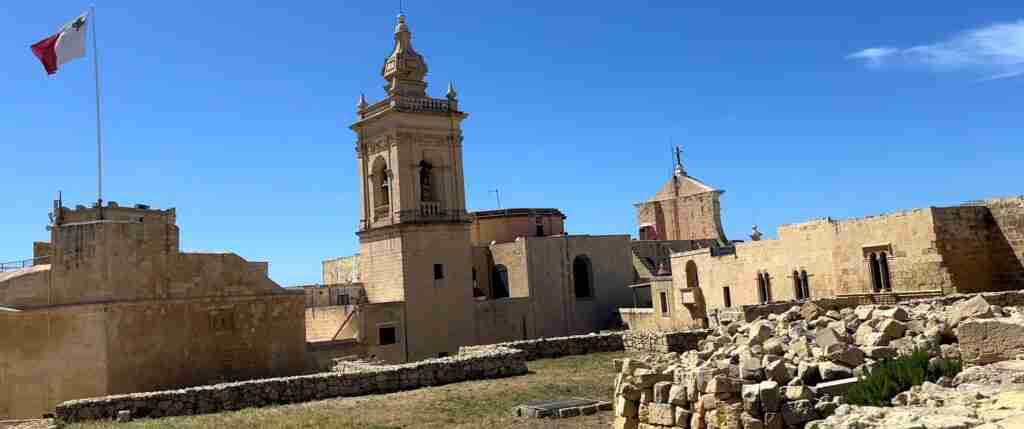
7 days
Malta 7-Day Cultural Journey
- ✓ Comprehensive Malta experience
- ✓ Expert local guides included
- ✓ All accommodation included
- ✓ Transportation provided
10 days
Malta 10-Day Complete Adventure
- ✓ Comprehensive Malta experience
- ✓ Expert local guides included
- ✓ All accommodation included
- ✓ Transportation provided
Multi-day tour packages powered by TourRadar. Prices and availability subject to change.
Introduction: Valletta Day Trips Planning 2026
Valletta’s position at Malta’s northeastern edge places the archipelago’s most compelling destinations within easy reach, transforming the capital into a strategic base for exploring contrasting landscapes, historical periods, and cultural experiences. The island’s efficient bus network radiates from Valletta’s main terminal just outside City Gate, connecting the capital to medieval hilltop citadels, sister islands across channel crossings, traditional fishing villages preserving maritime heritage, and natural wonders carved into coastal limestone over millennia.
These four destinations represent Malta’s geographic and cultural diversity compressed into day-trip distances. Mdina’s medieval walls enclose nine centuries of architectural evolution perched atop central Malta’s highest plateau, offering baronial palaces and Norman-Arab street patterns. Gozo’s 67-square-kilometer island presents rural Malta preserved from mass development, where fishing communities, baroque churches, and dramatic coastlines maintain authentic Mediterranean character. Marsaxlokk’s working harbor continues traditions connecting Malta to Phoenician, Roman, and Arab maritime networks spanning three millennia. The Blue Grotto’s sea caves demonstrate geological processes creating underwater light phenomena found in few Mediterranean locations.
Malta’s compact 27-kilometer length means no destination exceeds 90 minutes from Valletta by public transport. Bus routes 50, 51, and 52 reach Mdina in 30 minutes via direct service through Valletta’s suburbs and agricultural plains. Gozo access requires the combined bus-ferry journey: routes 41 and 42 connect Valletta to Ċirkewwa’s ferry terminal in 75 minutes, followed by the 25-minute Gozo Channel crossing to Mġarr harbor. Route 81 links Valletta to both Marsaxlokk and Blue Grotto via the southeastern coast in 40-50 minutes. This transportation efficiency permits leisurely full-day explorations without requiring overnight stays.
The 2026 travel season presents optimal conditions for Valletta day trips. Malta’s Mediterranean climate delivers 300 annual sunshine days, but spring months April through June and autumn September through November offer the ideal combination of warm temperatures, calm seas for boat excursions, and manageable tourist volumes. Summer’s July-August peak brings intense heat averaging 31°C and crowded attractions, while winter’s December-March period sees rougher seas potentially canceling Blue Grotto boat tours and cooler temperatures affecting outdoor comfort. The shoulder seasons balance weather reliability with uncrowded experiences.
Transportation infrastructure improvements continuing through 2026 enhance day-trip accessibility. Malta Public Transport maintains modern air-conditioned buses across its network, with the Tallinja app providing real-time arrival tracking, journey planning, and digital ticketing. The Gozo Channel operates frequent ferry crossings throughout the day, with departures every 45 minutes during peak periods. This reliable infrastructure eliminates the logistical complexity that typically accompanies island exploration, allowing travelers to focus on experiences rather than coordination challenges.
Each destination demands distinct approach strategies. Mdina rewards slow wandering through medieval alleys, with two to three hours sufficient for comprehensive exploration. Gozo requires full-day commitment due to ferry crossings, but compact geography permits visiting multiple sites across the island. Marsaxlokk functions as a half-day destination focused on morning market activity and waterfront dining. The Blue Grotto combines quick 20-minute boat tours with clifftop viewpoints, fitting easily into morning or afternoon slots. Understanding these temporal rhythms optimizes day-trip planning and ensures appropriate time allocation for each location.
Budget considerations favor public transport strongly. Bus fares of €2 in winter and €2.50 in summer, combined with the €25 weekly unlimited travel card, make independent exploration remarkably affordable compared to organized tours charging €40-70 per person for similar itineraries. The seven-day Explore Card particularly benefits travelers planning multiple day trips, breaking even at just five journeys while eliminating the need to carry cash or calculate individual fares. Ferry costs and entrance fees remain modest, with the Gozo crossing at €4.65 and most attractions charging €5-15 admission.
This guide provides comprehensive 2026 planning information for Valletta’s four essential day trips, covering transportation logistics, timing strategies, cost breakdowns, and site-specific recommendations based on verified current information. Whether prioritizing medieval history in Mdina, island adventure in Gozo, maritime culture in Marsaxlokk, or natural beauty at the Blue Grotto, Malta’s compact geography and efficient infrastructure make Valletta an exceptional base for exploring the archipelago’s diverse attractions.
Mdina Day Trip from Valletta 2026: The Silent City
Mdina stands as Malta’s most perfectly preserved medieval citadel, occupying a limestone plateau 190 meters above sea level in the geographic center of the island. The walled city served as Malta’s capital from antiquity through 1530, when the Knights of St. John relocated administrative functions to Birgu and eventually Valletta. Today’s Mdina preserves this historical stratification, with Punic-Roman foundations supporting medieval Arab street patterns overlaid by Norman restructuring and later baroque embellishments. The city’s 300 permanent residents maintain aristocratic families descended from Norman, Sicilian, and Spanish nobility, preserving cultural continuity reaching back centuries.
Transportation to Mdina from Valletta 2026
Direct bus service connects Valletta to Mdina via routes 50, 51, and 52, departing from the main bus terminus adjacent to City Gate. These routes operate every 20-30 minutes throughout the day, with journey times averaging 30 minutes depending on traffic conditions. Route 51 provides the fastest service, traveling directly through Attard and Balzan before reaching Mdina’s entrance. The €2 fare in winter (October 19, 2025 through June 13, 2026) and €2.50 summer fare (June 14 through October 18, 2026) covers two-hour validity with free transfers, though the Mdina route requires no changes. Travelers using the €25 seven-day Explore Card enjoy unlimited journeys, making multiple visits feasible.
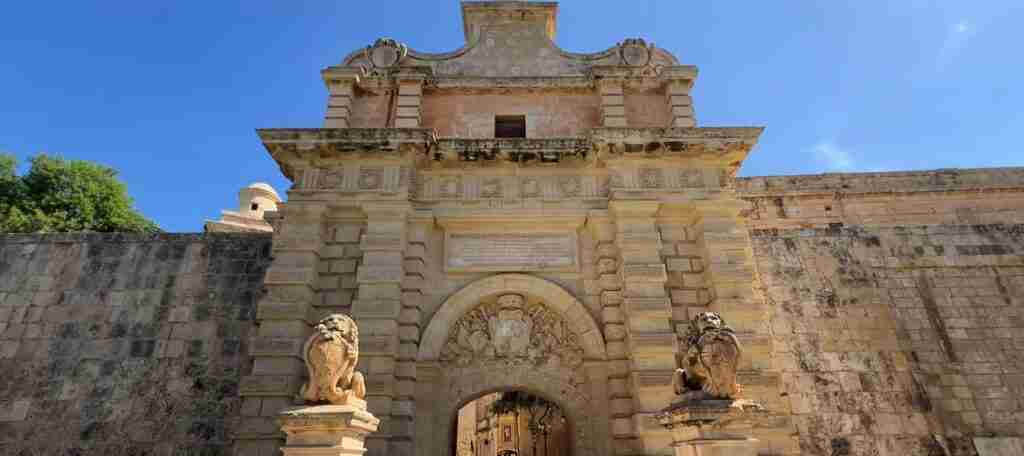
Buses terminate at a roundabout immediately outside Mdina’s main gate, the baroque entrance constructed in 1724. The stop location allows direct access to the city without additional walking, though the surrounding area includes parking facilities, tourist services, and Mdina’s glass-blowing center for travelers exploring beyond the walled perimeter. Return buses to Valletta depart from the same location, with schedules available through the Tallinja app showing real-time arrival information eliminating uncertainty about departure times.
Exploring Mdina in 2026: Main Attractions
Mdina’s 0.9-square-kilometer walled perimeter concentrates remarkable architectural and historical density within easily walkable distances. The city divides into distinct quarters, each reflecting different historical periods and functions. Main Gate entrance leads to Villegaignon Street, the primary axis connecting the entrance to St. Paul’s Cathedral at the urban core. Narrow side streets branch perpendicular to this main thoroughfare, creating the medieval grid pattern that defines Mdina’s distinctive character.
St. Paul’s Cathedral dominates the city center, representing Malta’s finest baroque ecclesiastical architecture completed in 1705 following earthquake damage to the earlier Norman structure. The cathedral’s admission fee stands at €10 for adults in 2026, with tickets available at the entrance and pricing verification recommended via the cathedral’s official website. The interior displays Lorenzo Gafa’s architectural mastery, with painted vault ceilings by Mattia Preti depicting scenes from St. Paul’s life and shipwreck on Malta. The adjacent cathedral museum houses ecclesiastical treasures, including illuminated manuscripts, liturgical silver, and Dürer woodcuts from the cathedral’s historical collections.
Mdina’s bastions provide panoramic views extending across Malta’s agricultural plains to the Mediterranean coastline. The southwestern bastions overlook Dingli Cliffs and Buskett Gardens, while northern ramparts reveal views toward St. Paul’s Bay and the distant sister island of Gozo on clear days. These defensive walls, constructed by the Knights during the 16th century over earlier Arab-Norman fortifications, remain fully accessible with no entrance fees, allowing visitors to walk the perimeter and appreciate defensive architecture combined with spectacular vistas.
Palazzo Falson Historic House Museum occupies a 13th-century Norman palazzo representing Mdina’s aristocratic residential architecture. The museum displays its founder’s eclectic collections spanning maritime paintings, oriental rugs, silver, and furniture across authentically furnished rooms. Admission costs €10, with combined cathedral-palazzo tickets offering modest savings. The rooftop terrace delivers additional city views from a private palace perspective, contrasting with the public bastions’ military outlook.
The Mdina Experience, housed in a former palace, offers multimedia presentations covering the city’s 4,000-year history from Phoenician origins through contemporary times. The 25-minute audiovisual program provides historical context enhancing street-level exploration, particularly valuable for first-time visitors seeking narrative frameworks before wandering the medieval quarters. Entrance fees approximate €8-10.
Mdina’s Medieval Streets: Wandering Strategy 2026
Mdina rewards aimless wandering more than structured itinerary following. The city’s small size prevents getting genuinely lost, while narrow alleys and unexpected corners reveal architectural details, hidden courtyards, and atmospheric perspectives impossible to catalog comprehensively. The best exploration strategy alternates between purposeful attractions like the cathedral and spontaneous street wandering discovering baroque doorways, coats of arms carved into golden limestone, and quiet piazzas where stone benches invite contemplative pauses.
Morning hours between 8:00-10:00 AM offer the quietest experience, before tour buses arrive mid-morning. The early light illuminates the golden limestone façades beautifully, and the city’s nickname “The Silent City” becomes literally accurate with minimal visitors and resident activity. Afternoon visits beginning after 2:00 PM see tour groups departing while maintaining reasonable temperatures, though summer months make midday exploration uncomfortably hot.
Restaurant options concentrate near Main Gate and along Villegaignon Street, with establishments ranging from casual cafés to fine dining in converted palaces. Lunch typically costs €15-25 for main courses in mid-range restaurants, with premium establishments charging €25-40. The Fontanella Tea Garden, perched on the bastions, serves traditional Maltese cakes and pastries with panoramic views, making it Mdina’s most photographed café. Reservations prove unnecessary for lunch service in most establishments, though summer evenings benefit from advance booking at popular restaurants.
Rabat Extension: Combining Mdina with Roman Sites 2026
Rabat immediately adjoins Mdina’s walls, effectively functioning as the medieval city’s suburbs. The separation occurred during Arab rule when fortifications contracted to Mdina’s current perimeter, leaving Rabat outside the defensive walls. Today’s Rabat preserves significant Roman-era remains and early Christian sites justifying extension of the Mdina day trip into a combined exploration.
St. Paul’s Catacombs represent Malta’s largest accessible early Christian burial complex, with underground chambers carved into limestone bedrock between the 3rd and 5th centuries AD. The site spans multiple hypogea connected by passages, displaying various tomb types from simple shelf burials to elaborate family chambers decorated with carved symbols. Admission costs €6, with guided tours included explaining burial practices, early Christian symbolism, and the catacombs’ archaeological significance.
The Domus Romana, located 100 meters from St. Paul’s Catacombs, preserves a wealthy Roman townhouse’s remains including exceptional mosaic pavements. The museum displays artifacts from Malta’s Roman period spanning ceramics, glassware, and sculpture excavated from sites across the island. Combined tickets covering both catacombs and Domus Romana offer better value than separate admissions.
The walk from Mdina’s Main Gate to Rabat’s attractions requires just five minutes along streets lined with traditional bakeries, cafés, and local shops. Travelers allocating four to five hours total can comprehensively explore both Mdina’s medieval city and Rabat’s Roman heritage in a single day trip from Valletta.
Mdina Day Trip Costs 2026
A complete Mdina day trip from Valletta totals €30-50 per person depending on chosen activities and dining selections. Transportation costs €4-5 for round-trip bus fare using single tickets, or free with the €25 seven-day Explore Card. St. Paul’s Cathedral entrance costs €10, while combined cultural attraction tickets covering cathedral, palace museums, and Roman sites in Rabat range €20-30. Lunch in Mdina restaurants averages €15-25 per person, with additional costs for afternoon refreshments or souvenir purchases.
Budget-conscious travelers can explore Mdina’s streets, bastions, and viewpoints entirely free, limiting paid admissions to the cathedral alone and bringing packed lunches to enjoy on the ramparts. This reduces costs to just transportation and the €10 cathedral entry for a total of approximately €15-20 per person. The medieval streetscape and panoramic views constitute Mdina’s primary attractions, making the city rewarding even for travelers minimizing entrance fees.
Gozo Day Trip from Valletta 2026: Malta’s Sister Island
Gozo represents Malta’s rural counterpart, preserving agricultural traditions, fishing communities, and slower-paced Mediterranean life increasingly rare on the main island. The 67-square-kilometer island supports 31,000 permanent residents across villages maintaining distinct identities and local festivals dating back centuries. Gozo’s compact dimensions permit comprehensive exploration in a single day, though the island’s appeal often inspires multi-day stays for travelers seeking depth over breadth.
Reaching Gozo from Valletta 2026: Ferry Journey
The Gozo day trip requires combined bus and ferry connections, beginning with bus routes 41 or 42 from Valletta’s main terminus to Ċirkewwa ferry terminal at Malta’s northern tip. This journey takes 75-90 minutes depending on traffic and route variations, traveling through Malta’s northern towns including Mosta, Mellieħa, and Marfa. Buses depart every 30 minutes throughout the day, with first morning services beginning around 5:30 AM and final departures near midnight.
The Gozo Channel ferry operates 24/7 between Ċirkewwa and Mġarr harbor in Gozo, with crossings every 45 minutes during daytime hours and hourly service overnight. The 25-minute crossing carries both vehicles and foot passengers, with payment collected only on the return journey from Gozo to Malta. Adult foot passengers pay €4.65 for round-trip tickets, purchased at Mġarr terminal before boarding the return ferry. Children aged 3-12 cost €1.15, while infants under 3 travel free with tickets obtained from terminal booths.
The combined Valletta-Gozo journey totals approximately 100-120 minutes each way including bus travel, ferry crossing, and connection waiting times. Departing Valletta by 8:00 AM allows arrival in Gozo by 10:00 AM with buffer time for connections, providing seven to eight hours on the island before needing to begin return journeys catching final convenient ferries and buses to Valletta.
Getting Around Gozo 2026: Transportation Options
Gozo’s bus network operates from Victoria’s main terminus, with routes connecting the island’s villages, beaches, and attractions. Buses run less frequently than Malta’s main island service, with intervals of 30-60 minutes between departures on primary routes and hourly or less frequent service to remote areas. The same fare structure applies, with €2 winter and €2.50 summer single tickets valid for two hours with free transfers, or unlimited travel with the €25 seven-day Explore Card covering both Malta and Gozo.
Route planning proves essential for efficient Gozo exploration by public transport. The Tallinja app provides schedules and journey planning, though Gozo’s reduced bus frequency requires careful timing to avoid extended waits between connections. Key routes include the 301 from Mġarr ferry terminal to Victoria, the 322 serving Ramla Bay, and the 311 reaching Dwejra and the Azure Window collapse site.
Hop-on-hop-off tourist buses provide alternative transportation, operating circular routes connecting major Gozo attractions. These services charge approximately €20-25 for day passes with unlimited boarding, offering flexibility without requiring bus schedule coordination. Several operators provide similar services, with tickets purchased directly from drivers or advance booking through websites.
Car rental remains popular for Gozo day trips, with vehicles available at Mġarr ferry terminal and Victoria. Daily rates start around €30-40 for basic cars, providing maximum flexibility for reaching remote beaches, countryside locations, and multiple sites within tight timeframes. Driving in Gozo presents fewer challenges than Malta due to lighter traffic and better-maintained rural roads.
Gozo Essential Attractions 2026
Victoria, Gozo’s capital and administrative center, occupies the island’s geographic heart. The Citadel fortification dominates Victoria’s skyline, with medieval walls enclosing the historic quarter’s baroque cathedral, museums, and residential streets. Citadel entry costs €5, covering access to the fortifications, cathedral, archaeological museum, and nature museum. The ramparts provide 360-degree views across Gozo’s agricultural landscape to coastal cliffs and neighboring Mediterranean waters. Plan 90-120 minutes for comprehensive Citadel exploration including museum visits.
Ramla Bay stands as Gozo’s finest beach, distinguished by distinctive red-orange sand derived from rich iron oxide content in coastal geology. The wide bay offers shallow, calm waters ideal for swimming, backed by beach facilities including sun lounger rentals, refreshment kiosks, and seasonal lifeguard services. Bus route 322 connects Victoria to Ramla Bay in 25 minutes, though limited frequency requires coordinating arrival and departure times. Summer visits see the beach crowded, while spring and autumn provide more space with still-swimmable water temperatures.
Dwejra’s coastal landscape showcases Gozo’s dramatic geology, with the Inland Sea, Fungus Rock, and the Azure Window collapse site creating unique formations. The Inland Sea is a landlocked lagoon connected to open Mediterranean waters through a natural tunnel carved into limestone cliffs. Small boats offer rides through the tunnel to exterior waters for €4, providing close perspectives on geological formations and coastal caves. The area requires no admission fees, allowing free exploration of clifftop viewpoints and coastal paths.
The Ġgantija Temples near Xagħra rank among the world’s oldest free-standing structures, predating Egypt’s pyramids by roughly 1,000 years. The megalithic complex dates to 3600-3200 BC, displaying sophisticated Neolithic construction techniques employing massive limestone blocks. UNESCO World Heritage designation recognizes the temples’ architectural and archaeological significance. Entrance costs €10 with audio guides included, requiring 45-60 minutes for complete site exploration.
Ta’ Pinu Basilica, located in countryside between Victoria and the western coast, represents Gozo’s most significant religious site. The baroque basilica draws pilgrims to a shrine where the Virgin Mary reportedly appeared in 1883, establishing the location’s spiritual importance. The church interior displays remarkable architectural details and devotional offerings from believers worldwide. Entrance remains free, with visitor services available including museum displays covering the shrine’s history and significance.
Gozo Day Trip Itinerary 2026: Sample Routes
A comprehensive Gozo day trip from Valletta follows this general sequence: depart Valletta 8:00 AM via bus to Ċirkewwa, catch 9:30-10:00 AM ferry to Mġarr, take bus 301 to Victoria arriving approximately 10:30 AM. Explore Victoria Citadel 10:30 AM-12:30 PM including museum visits and rampart walks. Lunch in Victoria restaurants 12:30-1:30 PM. Afternoon divided between two options: buses to Ramla Bay for beach time and swimming, or western route visiting Dwejra coastal formations and Ta’ Pinu Basilica. Depart Gozo by 5:00-6:00 PM ferry, returning to Valletta by 8:00-9:00 PM.
Alternative focused itineraries prioritize specific interests. History-archaeology emphasis combines the Citadel with Ġgantija Temples and Gozo Museum of Archaeology. Beach-focused days allocate maximum time to Ramla Bay with brief Victoria stops for essentials. Coastal nature itineraries concentrate on Dwejra, Xlendi Bay, and seaside villages like Marsalforn and Xlendi for cliffside walks and swimming spots.
Time management proves critical given ferry schedules and bus connections. Missing the planned return ferry adds 45-60 minutes to departure times, potentially causing late arrivals back to Valletta. Building 30-minute buffers into return journey planning accommodates unexpected delays while ensuring comfortable ferry and bus connections.
Gozo Day Trip Costs 2026
Total Gozo day trip costs from Valletta range €25-50 per person depending on transportation choices and activity selections. Bus travel Valletta-Ċirkewwa costs €2-2.50 each way, ferry crossing adds €4.65 return, and Gozo buses another €4-5 for multiple journeys, totaling approximately €13-20 in basic transportation. Citadel admission costs €5, Ġgantija Temples €10, and other paid attractions €5-10 each. Lunch in Victoria restaurants averages €15-25 per person.
The €25 seven-day Explore Card eliminates per-journey bus costs on both Malta and Gozo, making it valuable for travelers planning multiple day trips. With card coverage, total costs reduce to just the €4.65 ferry crossing plus any attraction admissions and meals, bringing day-trip expenses down to approximately €25-35 per person for moderate activity levels.
Marsaxlokk Day Trip from Valletta 2026: Traditional Fishing Village
Marsaxlokk preserves Malta’s most authentic fishing harbor, where traditional luzzu boats line the waterfront and fish markets maintain commercial fishing traditions stretching back millennia. The village occupies Malta’s southeastern coast in a natural deep-water harbor that attracted Phoenician, Roman, and Arab maritime activity long before contemporary fishing fleets. Today’s Marsaxlokk balances working harbor functions with tourism, creating atmospheric authenticity increasingly rare in Mediterranean fishing villages.
Transportation to Marsaxlokk from Valletta 2026
Bus route 81 provides direct service from Valletta to Marsaxlokk, departing from the main terminus near City Gate. The journey takes 40-45 minutes, following Malta’s eastern coast through Birżebbuġa and Żabbar before reaching the fishing village. Buses operate every 30 minutes during peak hours, reducing to hourly service during midday and evening off-peak periods. The standard €2 winter and €2.50 summer fare applies, with two-hour validity allowing exploration followed by return journeys on the same ticket if completed within the time window.
Route 81 continues beyond Marsaxlokk to nearby Blue Grotto via Żurrieq, making combined visits to both destinations efficient on a single journey. This routing allows morning Marsaxlokk market visits followed by afternoon Blue Grotto tours, maximizing day-trip value from Valletta with minimal transportation complexity.
Sunday Fish Market: Marsaxlokk’s Main Attraction 2026
Marsaxlokk’s Sunday fish market represents Malta’s most vibrant traditional market, operating weekly throughout the year along the harbor waterfront. Fishermen and vendors display catches from the previous night’s fishing, including Mediterranean species like lampuki (dolphinfish), dentici (dentex), grouper, octopus, squid, and shellfish representing Malta’s rich marine ecosystem. The market begins early, with setup starting around 7:00 AM and peak activity between 8:00 AM and 12:00 PM before vendors begin packing mid-afternoon.
Beyond fish, the market expands to include produce stalls, Maltese food products, honey, preserves, local crafts, lace, and tourist souvenirs. The harbor promenade fills with vendor stalls stretching several hundred meters, creating colorful market atmosphere combining commercial fishing industry with tourist-oriented retail. Prices for fish reflect market rates varying by catch availability and species, with vendors open to negotiation particularly later in morning as freshness concerns increase.
The Sunday timing proves both blessing and constraint. Sunday represents Marsaxlokk’s most animated day with maximum market activity and village energy, but weekday visits offer quieter harbor observation and restaurant dining without market crowds. For travelers prioritizing authentic fishing culture, Sunday morning arrivals reward early wake-up calls with comprehensive market experience at its liveliest.
Traditional Luzzu Boats and Harbor Views 2026
Marsaxlokk’s harbor fills with traditional luzzu boats, the brightly painted fishing vessels distinctive to Malta featuring eye motifs on bows descending from Phoenician traditions. The boats’ vibrant blues, reds, yellows, and greens create photogenic scenes, particularly when multiple vessels moor together reflecting in calm harbor waters. The eye symbol, called Osiris’ eye, derives from ancient Mediterranean beliefs about maritime protection, maintaining superstitious tradition through contemporary fishing practices.
Harbor promenades allow close observation of boat construction details, fishing equipment, and daily harbor activities including boat maintenance, net repairs, and catch unloading. The working harbor atmosphere provides authentic contrast to tourist-oriented locations, with fishing remaining Marsaxlokk’s economic foundation despite tourism’s growing importance. Early morning and late afternoon see maximum fishing boat activity as crews depart for night fishing or return with catches.
Waterfront Restaurants: Marsaxlokk Dining 2026
Marsaxlokk’s harbor-facing restaurants specialize in fresh seafood served in traditional preparations reflecting Maltese coastal cuisine. Fish restaurants occupy ground floors of waterfront buildings, with outdoor terraces providing direct harbor views overlooking moored luzzu boats and market activity. The concentration of seafood establishments creates competitive environment maintaining quality while offering varied menu approaches from traditional grilled fish to contemporary preparations.
Lunch typically costs €20-35 per person for seafood main courses in mid-range restaurants, with fish priced by weight for market-fresh selections. Popular dishes include lampuki pie (Malta’s national fish dish), grilled swordfish, aljotta (fish soup), octopus stew, and mixed seafood platters. Local wines complement seafood, with Maltese white wines particularly suited to Mediterranean fish preparations.
Restaurant reservations prove unnecessary for weekday lunches but benefit Sunday visits when market crowds fill waterfront establishments. Arriving before 12:30 PM or after 2:00 PM avoids peak lunch rush, ensuring table availability with preferred harbor views. Many restaurants display daily catches, allowing menu selection based on morning fish market offerings.
Marsaxlokk Day Trip Costs 2026
A Marsaxlokk day trip from Valletta costs approximately €30-45 per person for a typical visit. Round-trip bus transport totals €4-5 using single tickets, or free with the €25 seven-day Explore Card. The village itself requires no entrance fees, with harbor walks and market browsing completely free. Primary expenses concentrate on restaurant meals, averaging €20-35 per person for lunch including drinks. Additional costs for market purchases, souvenirs, or food products remain optional based on personal shopping interests.
Budget-conscious travelers can minimize costs by bringing packed lunches to enjoy on harbor benches, limiting expenses to just transportation of €4-5. However, Marsaxlokk’s seafood restaurants represent the destination’s highlight, making meal budgets worthwhile investments in authentic Maltese coastal dining experiences.
Blue Grotto Day Trip from Valletta 2026: Sea Caves and Coastal Beauty
The Blue Grotto represents Malta’s most spectacular coastal formation, where seven sea caves carved into southern limestone cliffs create luminous blue water effects from sunlight reflecting off white sand seafloors. The site name references the largest cave, whose interior displays phosphorescent blue coloring that inspired comparisons to Italy’s famous Capri grotto. Natural rock arches, including the massive 30-meter-high formation near the cave entrance, create dramatic coastal scenery attracting photographers and nature enthusiasts to Malta’s most photographed natural landmark.
Transportation to Blue Grotto from Valletta 2026
Bus route 74 provides direct service from Valletta to Blue Grotto, departing from the main terminus and traveling through Malta’s southern agricultural plains via Żurrieq village. The journey takes approximately 35-40 minutes, with buses operating every 45-60 minutes throughout the day. Alternatively, route 81 from Valletta to Marsaxlokk continues westward to Blue Grotto, making combined southern coast itineraries efficient. Standard €2 winter and €2.50 summer fares apply, with the €25 seven-day Explore Card covering unlimited journeys.
Buses stop at the small commercial area above the Blue Grotto boat launch site, requiring a five-minute downhill walk to the waterfront departure point. The path descends steeply but remains fully paved with handrails, though limited mobility travelers may find the gradient challenging. The same path requires uphill return after boat tours, with some visitors preferring brief rest stops during the ascent.
Blue Grotto Boat Tours 2026: The Cave Experience
Traditional luzzu boats operated by local families provide 20-25 minute tours navigating through the Blue Grotto caves and along adjacent coastal cliffs. Departures operate continuously based on passenger accumulation, with boats leaving once 8-12 passengers gather rather than fixed scheduled times. Peak season sees minimal wait times, while quieter periods may require 10-15 minutes for boats to fill before departure.
Boat tour tickets cost €10 per adult in 2026, with children charged €5, purchased directly from the waterfront ticket booth before boarding. The tours operate cash-only, requiring exact change or small bills as change-making capabilities may be limited. Weather conditions determine tour availability, with rough seas or high winds canceling operations for safety. Summer months June through September see the most reliable operations with daily tours almost guaranteed, while winter experiences more frequent cancellations due to rough Mediterranean conditions.
The boat tour navigates through six connected sea caves, including the main Blue Grotto where sunlight penetrates water to depths of 40 meters creating brilliant azure coloring. Captains provide commentary explaining geological formation processes, cave names, and historical uses while maneuvering through narrow passages and beneath low rock arches. The most dramatic lighting effects occur during morning hours between 9:00 AM and 11:00 AM when direct sunlight enters the caves at optimal angles, making early visits essential for experiencing the Blue Grotto’s signature luminous blue effects.
Life jackets provision remains mandatory, provided by boat operators before departure. Photography proves challenging in rocking boats navigating through dark caves, with modern smartphone stabilization helping capture the dramatic blue coloring and rock formations. The 20-minute tour duration provides sufficient time to experience all major caves while maintaining frequent boat rotation for waiting passengers.
Blue Wall and Grotto Viewpoint 2026
The clifftop viewpoint overlooking the Blue Grotto provides dramatic perspectives on the natural arch and coastal scenery without requiring boat tours. Located along the main road 200 meters before the boat departure area, the viewpoint offers unrestricted free access with parking spaces for those arriving by car. Visitors using public transport can request bus drivers to stop at the viewpoint before continuing to the main Blue Grotto stop, though the short walking distance makes the waterfront-to-viewpoint path easily manageable.
The viewpoint captures wide-angle perspectives impossible from boat level, particularly the massive natural arch framing Mediterranean waters and distant coastal cliffs. Photography benefits from afternoon lighting when sun illuminates the arch and caves from favorable angles, contrasting with morning’s superior in-cave boat tour lighting. Many visitors allocate time for both viewpoint photography and boat tours, maximizing Blue Grotto’s dual terrestrial and maritime perspectives.
Dining Options at Blue Grotto 2026
The small commercial area above the boat departure site includes three to four restaurants overlooking the Mediterranean and Blue Grotto area. Establishments serve Mediterranean and Maltese cuisine, with seafood featuring prominently given the coastal location. Lunch costs approximately €15-25 per person for main courses, with outdoor terraces providing sea views and breeze tempering summer heat.
Restaurant quality and pricing remain more touristy than Marsaxlokk’s authentic fishing harbor establishments, given the Blue Grotto’s heavy visitor traffic. However, the convenience and views justify meals for travelers making Blue Grotto their primary southern coast destination rather than brief stops in larger itineraries.
Blue Grotto Day Trip Costs 2026
A Blue Grotto day trip from Valletta totals approximately €20-30 per person for basic visits. Round-trip bus transportation costs €4-5 via single tickets, or free with the €25 seven-day Explore Card. The boat tour costs €10, representing the destination’s primary expense. Clifftop viewpoint access remains free. Optional restaurant meals add €15-25 per person, with snacks and refreshments available at moderate prices from waterfront kiosks.
The Blue Grotto functions efficiently as a half-day destination, requiring just two to three hours for comprehensive experiences including boat tour, viewpoint photography, and brief dining or refreshment. The compact time requirement makes Blue Grotto ideal for morning or afternoon slots within larger southern Malta itineraries combining multiple destinations.
Combined Day Trips from Valletta 2026: Multi-Destination Strategies
Malta’s compact geography permits strategic combinations of multiple destinations within single day trips, maximizing experiences while minimizing redundant transportation. Certain destination pairs work naturally together based on geographic proximity, complementary timing, and thematic connections, while others remain incompatible due to travel distances and time requirements.
Blue Grotto and Marsaxlokk Combination 2026
The Blue Grotto and Marsaxlokk pairing creates Malta’s most efficient multi-destination day trip, with both sites located on the southern coast connected by direct bus route 81. The combination works particularly well on Sunday mornings when Marsaxlokk’s fish market operates at peak activity. A typical combined itinerary departs Valletta by 8:00 AM reaching Marsaxlokk by 9:00 AM for market exploration and harbor walks. Late morning departure from Marsaxlokk around 11:00-11:30 AM catches the short bus ride west to Blue Grotto, arriving in time for optimal cave lighting between 11:30 AM and 12:30 PM. Afternoon options include lunch at Blue Grotto restaurants followed by return to Valletta, or backtracking to Marsaxlokk for waterfront seafood dining before final bus connections to the capital.
This combination requires approximately six to seven hours total, departing Valletta around 8:00 AM and returning by 3:00-4:00 PM, leaving afternoon hours free for Valletta exploration or rest. The pairing delivers maximum southern Malta coastal experiences efficiently, contrasting working fishing harbor culture with natural geological beauty on complementary themes.
Mdina and Rabat Combination 2026
Mdina and adjacent Rabat function as natural paired destinations given their immediate proximity connected by a five-minute walk. The combination balances medieval city exploration with Roman archaeological sites, creating comprehensive historical coverage from antiquity through baroque periods. A typical combined itinerary allocates two to three hours for Mdina’s walled city including cathedral visit and street wandering, followed by one to two hours in Rabat covering St. Paul’s Catacombs and Domus Romana.
Combined tickets covering multiple Rabat sites offer better value than separate admissions, with packages including catacombs, Domus Romana, and sometimes Mdina cathedral available from ticket offices. Total time requirements reach four to five hours, making this combination feasible for relaxed half-day trips departing Valletta mid-morning and returning mid-afternoon, or full-day experiences with extended lunch breaks and thorough museum exploration.
Incompatible Combinations: Gozo with Other Destinations 2026
Gozo cannot feasibly combine with other destinations in single day trips due to ferry crossing requirements and the island’s geographic spread. The Valletta-Ċirkewwa-Gozo journey consumes approximately two hours each direction including bus travel and ferry crossing, leaving insufficient time for meaningful Gozo exploration plus additional Malta destinations. Travelers attempting such combinations create rushed experiences sacrificing both Gozo’s relaxed character and other destinations’ depth.
Gozo demands full-day commitment, with departure from Valletta by 8:00 AM and returns after 6:00 PM representing minimum practical timeframes for substantial island experiences. The destination rewards slow exploration, unhurried meals, and spontaneous discoveries incompatible with multi-site race-through scheduling.
Transportation Passes and Cost Optimization 2026
Understanding Malta’s fare structure and travel card options optimizes day trip economics, particularly for travelers planning multiple destinations from Valletta. The choices between single tickets, multi-journey cards, and unlimited passes depend on individual itineraries and trip duration.
Single Journey Tickets 2026
Single bus tickets cost €2.00 per journey during winter period (October 19, 2025 through June 13, 2026) and €2.50 during summer season (June 14 through October 18, 2026), purchased directly from bus drivers using exact cash or contactless payment cards. Tickets provide two-hour validity with free transfers, allowing multiple bus changes within the window on a single fare. This transfer policy benefits complex routes requiring connections but offers no advantage for direct services like Valletta-Mdina where single buses complete entire journeys.
For travelers planning one or two simple day trips during short Malta visits, single tickets represent the most straightforward approach avoiding commitment to multi-day passes. A week’s stay including two day trips costs just €8-10 in bus fares using single tickets, making specialized travel cards unnecessary for limited itineraries.
12 Single Journeys Card 2026
The 12 Single Journeys Card costs €19 and provides twelve two-hour journey tickets loaded onto a Tallinja card, offering modest per-journey savings compared to single tickets. The card functions identically to individual tickets regarding transfer privileges and time validity, simply providing prepaid travel eliminating cash handling for each journey. Cards expire six months after first use and can be shared among multiple travelers, making them suitable for groups or families splitting journey allocations.
This card makes economic sense for travelers planning five to six day trips or extensive general transport use without requiring unlimited daily travel. The break-even point sits around six journeys compared to summer single-ticket pricing, with additional trips representing pure savings.
Seven-Day Explore Card 2026: Best Value for Multiple Day Trips
The €25 seven-day Explore Card provides unlimited bus travel across all Malta and Gozo routes for seven consecutive days, representing exceptional value for travelers planning multiple day trips from Valletta. The card covers standard day routes, night buses, and special services, excluding only the premium Tallinja Direct airport services. Breaking even requires just five round-trip day trips (ten journeys) compared to summer single-ticket pricing, with any additional travel representing pure savings.
For travelers planning four destinations from Valletta across a week-long stay, the Explore Card saves approximately €15-20 compared to single tickets while eliminating fare calculation, exact change requirements, and payment transactions for every journey. The card particularly benefits spontaneous travel decisions, allowing impromptu additional trips without cost concerns.
Purchase locations include Malta Public Transport offices at Malta International Airport, Valletta bus terminus, and other major terminals, plus authorized retailers and the Tallinja mobile app. The card begins its seven-day validity upon first use rather than purchase date, providing flexibility for travelers buying cards before their intended usage period begins.
Cost Comparison: Sample Week Itinerary 2026
A sample week-long Malta visit includes four major day trips from Valletta: Mdina, Gozo, Marsaxlokk combined with Blue Grotto, plus general Valletta area exploration. Using summer-season single tickets, transportation costs total approximately €28-30 (fourteen journeys at €2.50 including day trips plus local Valletta transport). The €25 Explore Card covers identical travel while saving €3-5, plus providing unlimited additional journeys encouraging spontaneous exploration without additional cost.
The savings magnitude increases for active travelers making five or more substantial trips weekly. A comprehensive itinerary including all four major destinations plus Three Cities visit, Dingli Cliffs excursion, and regular Valletta-Sliema ferries might accumulate twenty or more journeys, where single tickets total €40-50 compared to the fixed €25 Explore Card cost.
Seasonal Considerations for Valletta Day Trips 2026
Malta’s Mediterranean climate creates distinct seasonal advantages and limitations affecting day trip experiences, transportation reliability, and attraction accessibility throughout 2026.
Spring Season: April through June 2026
Spring represents optimal conditions for Valletta day trips, combining warm temperatures averaging 18-25°C, minimal rainfall, calm seas, and moderate tourist volumes. These months provide reliable Blue Grotto boat tour operations with morning light illuminating caves beautifully, comfortable temperatures for Mdina’s medieval street exploration without summer heat exhaustion, and Gozo’s countryside in full bloom creating photogenic landscapes.
Easter period sees increased local and international tourism, creating modest crowds at major attractions but nothing approaching July-August saturation. Shoulder periods in April and late May through June offer the best balance of excellent weather with minimal visitor pressure. Restaurant availability improves compared to winter, with seasonal establishments reopening but maintaining relaxed service pacing before summer rush begins.
Summer Peak: July through August 2026
Summer delivers Malta’s hottest weather, with temperatures regularly exceeding 30°C and occasionally reaching 35°C or higher during heat waves. These conditions make midday exploration uncomfortable, particularly in Mdina’s sun-exposed limestone streets lacking shade. Early morning departures become essential, with 8:00 AM starts allowing completion of primary sightseeing before 1:00 PM when heat peaks. Afternoon hours suit beach-based activities in Gozo or Blue Grotto boat tours benefiting from sea breezes.
July-August crowds fill popular sites, with Blue Grotto seeing queues for boat tours during peak hours, Mdina’s narrow streets congested with tour groups, and Gozo ferries running at capacity. These months require patience, advance planning, and strategic timing avoiding mid-morning through early afternoon when day-trippers reach maximum concentration.
Positive summer aspects include guaranteed Blue Grotto operations with daily boat tours almost never canceled due to weather, extended daylight hours permitting longer exploration times, and full restaurant operations across all destinations. The extended shoulder days also allow early starts and late returns maximizing island time.
Autumn Season: September through November 2026
Autumn mirrors spring’s advantages while offering warmer sea temperatures from summer heating. September maintains summer warmth with reduced crowds as European school terms resume, creating ideal conditions. October and November see gradual cooling with temperatures ranging 18-24°C, remaining comfortable for all activities while requiring light layering for early morning and evening travel.
Sea conditions begin varying more in autumn, with increased possibility of rough weather affecting Blue Grotto boat tours, particularly in November. Checking weather forecasts and maintaining itinerary flexibility helps adapt to occasional stormy periods. Gozo ferry crossings remain reliable year-round, though autumn seas create choppier crossings than summer’s typically calm conditions.
Winter Season: December through March 2026
Winter represents Malta’s off-season, with cooler temperatures averaging 12-17°C, increased rainfall, and rougher seas frequently canceling Blue Grotto boat tours for extended periods. The destination loses its primary attraction during winter storms, making it unsuitable as a planned day trip destination during these months. Mdina exploration remains fully viable, with cooler temperatures actually improving walking comfort and medieval atmospheric appeal enhanced by occasional misty conditions.
Winter advantages include minimal tourists, with major sites feeling almost private during weekday visits. Budget accommodations drop prices significantly, and restaurants offer unhurried service with immediate table availability. For travelers prioritizing cultural and historical exploration over beach activities and cave tours, winter provides unique intimate experiences with Malta’s heritage sites.
Gozo day trips during winter require weather monitoring, as rough seas can delay or cancel ferry crossings, potentially stranding travelers on the island beyond planned departure times. Building schedule flexibility into winter Gozo visits prevents logistical complications.
Practical Planning Tips for Valletta Day Trips 2026
Optimal Departure Times from Valletta 2026
Early morning departures between 7:30-8:30 AM maximize daylight hours while avoiding midday heat during summer months. Buses from Valletta fill more quickly during morning rush hours 7:00-9:00 AM when local commuters travel, making slightly earlier or later departures sometimes more comfortable. Return journeys benefit from flexibility, with most destinations offering adequate bus frequency for returns between 4:00-6:00 PM allowing full-day exploration without feeling rushed.
Gozo trips demand earliest practical departures given travel time requirements. Leaving Valletta by 8:00 AM allows arrival in Victoria around 10:30 AM after bus-ferry connections, providing seven hours on Gozo before needing to begin return journeys ensuring reasonable arrival times back in Valletta.
Essential Items for Day Trips 2026
Successful day trips require specific provisions anticipating Malta’s conditions and remote destination characteristics. Sun protection including high-SPF sunscreen, wide-brimmed hats, and sunglasses proves essential year-round due to intense Mediterranean sun and limited shade at coastal locations. Water bottles prevent dehydration, particularly important during summer when temperatures and sun exposure create significant fluid requirements.
Cash remains necessary despite increasing card acceptance across Malta. The Blue Grotto boat tours operate cash-only, as do some market vendors in Marsaxlokk and small kiosks at various destinations. Carrying €40-50 in small bills and coins covers contingencies including emergency transportation, small purchases, and attractions where card systems may be unavailable or temporarily non-functional.
Comfortable walking shoes prove essential for Mdina’s uneven limestone streets, Gozo’s varied terrain, and general day-trip walking distances. Sandals or beach shoes suit Blue Grotto and coastal locations where water access may be desired. Layered clothing accommodates temperature variations between early morning, midday heat, and evening cooling, plus air-conditioned bus interiors contrasting with exterior warmth.
Mobile Connectivity and Navigation 2026
The Tallinja mobile app represents essential infrastructure for independent day trips, providing real-time bus arrival information, journey planning, and route maps. Downloading the app before beginning Malta explorations and familiarizing with its interface prevents confusion when needing quick schedule information at unfamiliar bus stops. Mobile data coverage across Malta remains excellent through all major carriers, ensuring app functionality throughout day trips.
Google Maps provides accurate walking directions in Mdina, Victoria, and all destination locations, plus bus stop identification and route verification. Offline map downloads ensure functionality if mobile data becomes unavailable, though this rarely occurs in Malta’s well-covered areas.
Weather Contingency Planning 2026
Mediterranean weather patterns can shift rapidly, particularly during spring and autumn transitional seasons. Morning sunshine may give way to afternoon clouds or rain, affecting outdoor activities and boat tour availability. Checking weather forecasts the evening before planned day trips allows itinerary adjustments if conditions appear unfavorable. The Blue Grotto particularly demands weather monitoring, as rough seas cancel tours without advance notice.
Maintaining itinerary flexibility permits reactive planning. If Blue Grotto tours cancel due to weather, pivoting to Mdina’s indoor cathedral and museums or Marsaxlokk’s waterfront restaurants provides alternative experiences unaffected by sea conditions. Winter travelers benefit from planning multiple potential destinations, allowing day-of decisions based on actual conditions rather than advance commitments to weather-dependent activities.
Solo Traveler Considerations 2026
Malta’s day trips suit solo travelers excellently, with safe public transportation, English language prevalence easing communication, and attractions requiring no group organization. Solo travelers benefit from ultimate flexibility, adjusting timing and duration based on personal interest rather than group consensus. Single supplement charges don’t apply to transportation or admission fees, making solo day-trip costs identical to per-person costs for couples or groups.
Solo dining in Malta’s restaurants encounters no stigma or service issues, with waterfront establishments in Marsaxlokk and Mdina regularly serving individual travelers. Some solo travelers prefer lunch as primary meal, allowing social restaurant experiences during daylight hours while relying on hotel dining or casual evening meals back in Valletta.
Family Considerations with Children 2026
Families with children find Valletta day trips accessible but requiring age-appropriate planning. Stroller-friendly destinations include Marsaxlokk’s flat waterfront promenade and Blue Grotto’s paved areas, though Mdina’s steep streets and stairs present challenges for pushchairs. Gozo trips demand consideration of children’s patience for extended bus-ferry journeys, with beach-focused itineraries providing better child appeal than historic site touring.
Children under 10 travel free on Malta’s buses, significantly reducing family transportation costs. Most attractions offer reduced child admission, with Blue Grotto boat tours charging €5 for children compared to €10 adults. Family restaurant meals in Marsaxlokk and Mdina accommodate children easily, with menus including accessible options beyond Maltese specialties.
Beyond the Big Four: Additional Day Trip Options from Valletta 2026
The Three Cities: Birgu, Senglea, Cospicua
The Three Cities across Grand Harbour from Valletta offer compact historic explorations reachable by ferry or bus. These fortified communities predate Valletta, serving as the Knights’ original base before the capital’s construction. Fort St. Angelo in Birgu dominates the peninsula, with admission providing access to fortifications and museums covering the Knights’ defense history. Waterfront walks along the bastions deliver harbor views and maritime atmosphere. The Three Cities require three to four hours for comprehensive exploration, making them viable half-day trips or afternoon extensions following morning Valletta touring.
Dingli Cliffs: Malta’s Highest Point
Dingli Cliffs represent Malta’s most dramatic coastal scenery, with 250-meter-high limestone precipices dropping to Mediterranean waters along the southwestern coast. Bus route 201 from Valletta reaches Dingli village in 50 minutes, with the cliffs located 2 kilometers beyond requiring either walking or private transport for access. The clifftop paths provide spectacular views with minimal development, creating stark contrast to Malta’s built-up eastern coast. Sunset visits prove particularly atmospheric. Limited facilities suggest combining Dingli with nearby Buskett Gardens or returning via Mdina for full-day itineraries.
Ħaġar Qim and Mnajdra Temples: Neolithic Heritage
These paired UNESCO World Heritage megalithic temples near Qrendi showcase Malta’s remarkable Neolithic civilization predating Egypt’s pyramids. Admission costs €10 covering both temple sites and visitor center. Bus route 74 from Valletta provides access, with the same route continuing to Blue Grotto making natural combinations. The temples require approximately 90 minutes for complete exploration including museum exhibits. Winter solstice alignments create special significance on December 21, when sunlight penetrates Mnajdra temple’s central chamber through doorway alignments designed 5,000 years ago.
Frequently Asked Questions: Valletta Day Trips 2026
Are Valletta day trips possible without renting a car in 2026?
Yes, Malta’s comprehensive bus network makes all major day trip destinations fully accessible via public transportation from Valletta. Routes 50/51/52 reach Mdina, route 81 serves Marsaxlokk and Blue Grotto, and routes 41/42 connect to Ċirkewwa for Gozo ferry access. Buses operate frequent schedules throughout the day with modern air-conditioned vehicles. The €25 seven-day Explore Card provides unlimited bus travel across Malta and Gozo, making car-free exploration both practical and economical. Rental cars offer convenience and flexibility but remain unnecessary for travelers comfortable with public transport schedules.
What’s the minimum time needed for each day trip destination from Valletta in 2026?
Mdina requires minimum three to four hours including transportation for basic exploration covering main streets, cathedral visit, and bastions. Comprehensive visits including Rabat’s Roman sites extend to five to six hours. Gozo demands full-day commitment with minimum eight to nine hours including ferry crossings and island exploration. Marsaxlokk functions as a half-day destination requiring three to four hours, ideal for morning market visits followed by lunch. The Blue Grotto needs just two to three hours including boat tour and viewpoint photography, making it suitable for morning or afternoon slots. Combined Marsaxlokk-Blue Grotto trips require six to seven hours total.
Can I buy advance tickets for Blue Grotto boat tours in 2026?
No, Blue Grotto boat tours operate on a walk-up basis only with tickets purchased at the waterfront booth immediately before boarding. Tours depart continuously based on passenger accumulation rather than fixed schedules, with boats leaving once 8-12 passengers gather. Summer peak season sees minimal wait times, while quieter periods may require 10-15 minutes for boats to fill. Weather conditions determine whether tours operate, with rough seas causing cancellations decided day-of based on actual conditions. The €10 adult fare remains cash-only, requiring payment in euros with limited change-making capability.
Is Mdina worth visiting if I’ve already seen Valletta in 2026?
Yes, Mdina delivers completely different atmosphere and architectural period compared to Valletta’s baroque character. While Valletta represents 16th-century Knights’ planned city development, Mdina preserves medieval Arab-Norman layouts with narrow alleys, palaces predating the Knights’ arrival, and intimate scale contrasting with Valletta’s grand streets. The Silent City lives up to its nickname with quiet residential character and far fewer tourists than Valletta’s cruise ship crowds. St. Paul’s Cathedral rivals Valletta’s St. John’s Co-Cathedral in artistic importance. The bastions provide panoramic views across Malta’s interior agricultural plains impossible from coastal Valletta. The cities complement rather than duplicate each other.
How rough is the Gozo ferry crossing in 2026?
The 25-minute Gozo Channel crossing between Ċirkewwa and Mġarr experiences variable sea conditions depending on season and weather. Summer months June through September typically offer calm crossings with minimal motion, suitable even for travelers prone to seasickness. Spring and autumn see more moderate swells creating noticeable but manageable boat movement. Winter months December through March experience the roughest conditions, with crossings sometimes challenging for sensitive passengers though ferries continue operating except during severe storms. The large modern ferries provide indoor air-conditioned seating and outdoor deck space. Passengers concerned about motion can take seasickness medication 30 minutes before departure or position themselves amidships where boat movement minimizes.
Can I visit all four main destinations in one week based in Valletta in 2026?
Yes, a week-long stay in Valletta provides ample time for all four major day trips plus general capital exploration. A sample itinerary allocates one day each to Mdina including Rabat extension, full-day Gozo exploration, combined Marsaxlokk-Blue Grotto southern coast trip, leaving three to four days for Valletta’s attractions, Three Cities, beach visits, or repeat favorite destinations. This pacing avoids rushing while providing comprehensive Malta experience. The €25 seven-day Explore Card covers all bus transportation needs for this itinerary. Travelers with less time can prioritize based on interests, with Mdina and Gozo representing the most substantial experiences, while Blue Grotto and Marsaxlokk function as lighter half-day options.
Are there restaurants at all day trip destinations in 2026?
Yes, all four major destinations offer restaurant options with varying selection levels. Mdina contains numerous restaurants ranging from casual cafés to fine dining in converted palaces, with the Fontanella Tea Garden particularly famous for bastion views and traditional cakes. Gozo’s Victoria provides full restaurant selection around the Citadel and It-Tokk square, with additional options in coastal villages. Marsaxlokk specializes in waterfront seafood restaurants serving fresh catches, representing Malta’s best fishing village dining. The Blue Grotto’s small commercial area includes three to four restaurants with Mediterranean menus and sea views, though quality and pricing lean more touristy than authentic local establishments. All destinations accommodate various budgets from casual €10-15 meals to €25-40 upscale dining.
What happens if weather cancels my Blue Grotto boat tour in 2026?
Blue Grotto boat tour cancellations due to rough seas occur without advance notice, with captains making operational decisions based on day-of conditions. The clifftop viewpoint remains accessible providing free dramatic perspectives on the coastal formations and natural arch even when boats cannot operate. Alternative plans include pivoting to nearby Ħaġar Qim and Mnajdra temples via the same bus route 74, visiting Marsaxlokk’s fishing harbor, or returning to Valletta for additional capital exploration. Winter visitors should expect occasional cancellations as normal and build itinerary flexibility. Summer months June through September see very few cancellations, making Blue Grotto highly reliable during peak season when most visitors travel.
Should I book organized tours or travel independently to these destinations in 2026?
Independent travel via public buses offers significantly better value than organized tours while maintaining full schedule flexibility. Organized tours from Valletta typically charge €40-70 per person for day trips covering destinations like Mdina, Blue Grotto, and Marsaxlokk. Equivalent independent travel costs €4-5 in bus fares plus attraction admission fees, with the €25 weekly Explore Card further reducing transportation costs. Tours provide guide commentary and door-to-door hotel transfers but operate on fixed schedules limiting time at each location. Independent travelers control pacing, choose restaurants freely, and explore based on personal interests. Malta’s bus system reliability, English language prevalence, and compact geography make independent travel accessible even for travelers unfamiliar with the destination.
Can I swim during these day trips in 2026?
Swimming opportunities vary by destination. Gozo offers excellent beach options including Ramla Bay’s wide sandy beach and numerous rocky swimming spots around the coast, with warm water temperatures from May through October. Marsaxlokk features small rocky swimming areas along the harbor edges though the working port atmosphere makes this less appealing than dedicated beaches. The Blue Grotto area includes rocky coastline access for swimming among particularly clear waters, though facilities remain minimal. Mdina, being inland and elevated, provides no swimming access. Travelers prioritizing swimming should focus Gozo itineraries on beach locations or plan separate beach day trips to Malta’s northern bays like Golden Bay, Mellieħa, or Għadira Bay reachable via direct buses from Valletta.